


Abstract
Steel pipelines are exposed to moisture, dissolved salts and local changes in pH and oxygen availability. Polymeric coatings, cathodic protection and inhibitors are widely used, but coating damage and ageing can leave steel exposed. This review examines the use of fused deposition modelling (FDM) to produce hydrophobic and superhydrophobic surfaces for possible pipeline applications. It compares direct printing with replication from printed moulds and examines how layer height, build orientation, road width, feature spacing and deposition conditions affect wettability. Most studies used standalone polymer specimens and measured water contact angle without testing corrosion on steel. Applying these surfaces to pipelines will require adhesion and continuous coverage on curved and welded steel, retention of the trapped air layer during wet exposure, and control of defects that allow electrolytes to reach the substrate. Long-duration electrochemical measurements, alongside adhesion and wear tests, are needed to assess whether the printed texture improves the performance of the coating system.
1. Introduction
Corrosion remains one of the most persistent and technically challenging threats to the integrity and reliability of metallic infrastructure, particularly steel pipeline systems used for energy transport, chemical processing and water distribution networks [1,2,3,4]. For buried and exposed pipelines, the severity of degradation depends on environmental complexity and the interaction between material, electrolyte availability, and transport processes within the surrounding medium. Fundamentally, electrochemical corrosion involves anodic metal dissolution coupled with cathodic reactions, with kinetics strongly influenced by pH, dissolved salts, oxygen availability, moisture and microbial activity, as well as operational variables such as temperature gradients and cyclic stresses [5].
In practical engineering terms, these conditions promote a spectrum of damage modes including general wall thinning, localised pitting corrosion, under-deposit corrosion and stress corrosion cracking, which may progress silently until leakage, rupture, or unacceptable loss of mechanical integrity occurs [6,7]. Beyond direct structural consequences, corrosion-driven pipeline failures are associated with substantial operational interruption, environmental contamination and costly rehabilitation, making corrosion control a central component of pipeline safety and life-cycle management. The economic implications of corrosion further emphasize the importance of robust prevention strategies.
Global assessments estimate that the total cost of corrosion reaches over US$2 trillion annually, surpassing 3% of global GDP, while also highlighting that a meaningful fraction of this burden can be reduced through effective corrosion management and prevention practices [8]. These losses are not limited to direct replacement and repair costs, but extend to monitoring requirements, unplanned downtime, productivity reduction, safety risks, and environmental remediation. Although corrosion cannot be fully eliminated due to thermodynamic driving forces, the scale of its impact supports continued advancement of materials, coatings, and design approaches capable of extending service life, particularly for assets operating in aggressive environments.
Conventional corrosion control strategies for pipelines rely on combinations of barrier coatings, cathodic protection systems, inhibitors, and mechanical repair technologies, including composite wraps and localised patching [9,10,11]. Polymeric coatings remain a dominant first-line defence due to their effectiveness in isolating steel from electrolytes, oxygen, and ionic species. Nevertheless, long-term performance is frequently compromised by coating defects, mechanical damage during installation or operation, ageing phenomena, ultraviolet exposure for above-ground assets and chemical degradation in complex environments [12].
Cathodic protection provides an additional protective layer by shifting electrochemical potentials, but its effectiveness depends on continuity, adequate electrical connectivity, proper current distribution and the presence of defects that may trigger localised corrosion and under-film attack [13]. In recent years, materials engineering has increasingly explored surface-functional solutions that go beyond passive barrier protection [14,15,16,17]. Among these strategies, superhydrophobic coatings have gained attention due to their potential to reduce the residence time of aqueous electrolytes and minimise the effective contact area between water and metallic substrates, thereby limiting corrosion initiation and propagation [18,19].
Superhydrophobic anticorrosion systems can operate through multiple protective mechanisms, including reduced wetting, decreased ion transport, delayed electrolyte penetration, and improved barrier stability under immersion and humid exposure conditions [20]. However, the translation of laboratory superhydrophobic surfaces into field-relevant corrosion protection remains limited by durability challenges, such as mechanical abrasion, thermal ageing, coating delamination and loss of hierarchical surface structures required to sustain extreme water repellence [21,22]. These limitations are particularly critical for pipelines, where coatings must remain intact during underground movement, handling, impact and long-term chemical exposure.
The performance of protective layers is also strongly influenced by environmental media, especially for underground pipelines where soil introduces complex corrosion drivers [23]. Soil corrosion is governed not only by moisture availability, but also by ionic conductivity, chloride and sulphate concentrations, aeration gradients, pH variability, and time-dependent changes in local chemistry [2]. Consequently, many corrosion investigations increasingly employ simulated soil solutions and electrochemical testing approaches to reproduce realistic pipeline exposure scenarios and quantify corrosion performance under accelerated yet representative conditions.
Additive manufacturing (AM) allows the shape and texture of a surface to be varied through the deposition process [24]. In FDM, the same layerwise process also produces directional roughness and interfaces between deposited roads. These features can affect wetting under service conditions [25].
Therefore, a central challenge is identifying how AM processing parameters, surface designs and environmental influences collectively govern wetting durability and corrosion resistance, particularly when applied to industrially relevant metallic systems.
This review critically evaluates the potential of additive manufacturing for corrosion protection of steel pipelines, with particular emphasis on FDM processing of hydrophobic and superhydrophobic surfaces. Most reviewed FDM studies use standalone polymer specimens without steel-substrate integration or corrosion testing, so their relevance to pipelines is assessed as potential rather than established protection. It first examines the environmental factors governing pipeline corrosion and the limitations of conventional protection strategies to establish the requirements for advanced protective surfaces.
Direct and indirect FDM fabrication approaches are then assessed, with particular attention to the influence of printing parameters, surface geometry and post-processing on surface wettability. The review also distinguishes improvements in water repellence from demonstrated corrosion resistance and identifies the principal technological challenges that currently hinder the translation of laboratory-scale superhydrophobic surfaces into practical pipeline protection. By integrating corrosion science, additive manufacturing and surface engineering, the review provides a critical assessment of the relationships between processing, surface structure, wettability and corrosion-protection potential.
A critical narrative review approach was adopted to integrate evidence across these interconnected research areas. Relevant papers were identified through searches of the Scopus database and Google Scholar using combinations of keywords related to steel and pipeline corrosion, soil corrosion, additive manufacturing, FDM, hydrophobic and superhydrophobic surfaces, water contact angle, and corrosion protection. Priority was given to studies addressing environmental corrosion mechanisms, established protection strategies, additive manufacturing of functional surfaces and the effects of processing parameters on wettability.
Experimental studies reporting surface morphology, water contact angle, processing conditions, electrochemical corrosion behaviour or durability were prioritised where available. Rather than undertaking a quantitative meta-analysis, the literature was critically synthesised according to corrosion environment, protection mechanism, fabrication route and process–structure–wettability relationships.
2. Environmental Factors and Corrosion Mechanisms in Soil
Corrosion of steel involves anodic iron dissolution coupled with cathodic reactions in the surrounding electrolyte [26,27,28]. Rust comprises iron oxides and oxyhydroxides whose composition depends on exposure conditions [28,29]. The following reactions provide a simplified illustration of iron hydroxide formation, oxidation and dehydration; they do not represent every rust phase or a universal reaction pathway:
Figure 1 presents a fishbone diagram summarising the principal origins of corrosion through multiple interacting mechanisms, including chemical, electrochemical, environmental, mechanical, design-related, material-related, and operational factors. These mechanisms have been widely investigated and are now well understood, which has enabled the development of a range of strategies for corrosion prevention, mitigation, and control.
Figure 1.
Fishbone diagram illustrating the principal origins and contributing factors of corrosion, together with the major corrosion forms resulting from their combined effects.
Soil corrosivity is strongly influenced by the concentration and type of dissolved ionic species together with moisture availability. These factors affect electrolyte conductivity and electrochemical activity within the soil and therefore influence the rate and form of corrosion occurring on buried metallic structures [30,31,32].
2.1. Steel Corrosion in Alkaline Soils
In alkaline soil environments, the corrosion response of steel depends on electrolyte composition, moisture and the stability of surface films [31,33,34]. Under aerated conditions, oxygen reduction is an important cathodic reaction, while iron dissolves at anodic sites. Chloride, sulphate and bicarbonate ions can influence these processes [34,35,36,37]. Gadala and Alfantazi examined API-X100 steel in near-neutral and mildly alkaline simulated soil solutions [34]. For an aerated electrolyte, the oxygen-reduction half-reaction can be expressed as:
The balance between oxygen reduction, iron dissolution and surface-film formation depends on oxygen availability and local solution chemistry. Hydroxide precipitation and oxidation are given in Equations (1) and (2); iron dissolution and additional representative transformations are:
Bicarbonate and carbonate species can influence steel dissolution and surface-film formation in carbon-dioxide-containing solutions [38]. Their effects depend on concentration, pH and exposure conditions. Representative cathodic reactions involving carbonic acid and bicarbonate are:
During localised corrosion, dissolved iron ions undergo hydrolysis, releasing hydrogen ions and lowering the local pH. Chloride ions can migrate into the anodic region to maintain electroneutrality and contribute to conditions that sustain pit growth [39]. Chloride ions themselves do not hydrolyse to form hydrochloric acid. A representative iron-ion hydrolysis equilibrium is:
High-pH SCC is typically intergranular and associated with carbonate/bicarbonate environments at approximately pH 9–11 [40,41,42]. It should be distinguished from near-neutral-pH SCC, which is typically transgranular and can occur beneath disbonded coatings in dilute, carbon-dioxide-containing groundwater [7]. Stress corrosion cracking (SCC) occurs when a susceptible metal is simultaneously exposed to tensile loading and a corrosive environment, leading to crack formation and subsequent crack growth [43]. In addition to the influence of soil chemistry, the corrosion response of steel is strongly dependent on its microstructural characteristics.
Microstructures containing bainitic and martensitic phases, which may be produced through heat treatment, can exhibit greater electrochemical activity. Pearlite may also accelerate dissolution of the surrounding ferritic phase because of local galvanic coupling between the two constituents [44]. Corrosion resistance also differs among steel grades. For example, following 360 days of exposure in saline soil, the reported corrosion-rate ranking was Q235 > X65 ≈ X70 > X80, as shown in Figure 2 [45].
Figure 2.
Macroscopic corrosion of steel after 360 days of exposure to saline soil: (a) Q235, (b) X65, (c) X70 and (d) X80. Image source: Figure 17 of Qi et al. [45]. The source article is licensed under CC BY-NC 3.0.
Electrochemical investigations using simulated soil solutions provide controlled conditions for studying steel corrosion [46]. Liu et al. examined the influence of electrolyte composition [47]. Under their test conditions, the reported aggressiveness rankings were K+ > Mg2+ > Ca2+ for the additional cations and SO42− > HCO3− > NO3− for the anions. These rankings should be interpreted within the conditions of that study. Noor et al. investigated X36 steel in solutions prepared from soils collected in different locations and found that the alkaline solutions were less corrosive than the acidic solutions [48]. Benmoussa et al. studied API 5L X60 steel in a near-neutral soil-simulating solution containing KCl, NaHCO3, CaCl2 and MgSO4 [49]. Their results illustrate the influence of solution chemistry and temperature on corrosion severity. These environmental dependencies inform the selection of protection strategies.
2.2. Steel Corrosion in Acidic Soils
Steel dissolution in acidic environments depends on steel composition, acid chemistry, oxygen availability and the presence of aggressive ions [50,51,52,53,54]. For carbon steel under conditions where hydrogen evolution is the principal cathodic process, the anodic, cathodic and overall reactions are grouped below; the anodic half-reaction is the same iron-dissolution reaction already numbered (5):
Anodic: Fe → Fe2+ + 2e−
Cathodic: 2H+ + 2e− → H2
Overall: Fe + 2H+ → Fe2+ + H2
Acidic environments can accelerate carbon-steel dissolution through hydrogen-ion reduction coupled with anodic iron oxidation [50,52,53,54]. Reaction pathways and surface-film stability depend on acid chemistry, concentration, temperature and exposure duration. Chloride-containing acidic environments can additionally promote localised attack, as reported for stainless steels [51]. Protective coatings and corrosion inhibitors are therefore used to restrict contact between the metal and aggressive species.
2.3. Coupled Environmental Factors Governing Pipeline Corrosion
Although soil pH provides a useful basis for distinguishing alkaline and acidic corrosion conditions, buried-pipeline corrosion cannot be evaluated from pH alone. Moisture availability determines electrolyte continuity and strongly influences ionic transport and soil conductivity, while dissolved chlorides, sulphates, bicarbonates and other ionic species modify local electrochemical conditions and may promote localised attack. Oxygen availability and aeration gradients influence cathodic reaction kinetics, whereas temperature affects reaction and transport rates. Material microstructure and local environmental heterogeneity further contribute to differences in corrosion behaviour [2,5,23,35,36,37,43,44,45,46,47,48,49]. Consequently, soil corrosivity results from the interaction of several environmental variables rather than the independent effect of a single parameter.
This complexity is particularly important when evaluating hydrophobic or superhydrophobic protection strategies. A surface that performs effectively under a single controlled electrolyte or pH condition may not exhibit equivalent behaviour when simultaneously exposed to changing moisture, ionic composition, temperature, mechanical disturbance and prolonged burial. Evaluation of additively manufactured protective surfaces should therefore progressively move towards combined environmental conditions representative of practical pipeline service.
3. Conventional Protection Strategies
While some protection methods are tailored to a specific pH range, modern approaches have evolved from simple passive barriers to active, multifunctional systems designed to be versatile and effective across both acidic and alkaline conditions. Numerous studies have focused on the application of advanced coatings and inhibitors for robust steel protection, though many have focused on near-neutral pH environments [55,56,57,58,59,60]. This section reviews several classes of advanced coatings and smart inhibitor systems that illustrate developments in corrosion-control research.
3.1. Galvanisation and Cathodic Protection
Cathodic protection is widely applied as an active corrosion control strategy for steel pipelines, particularly in buried or submerged environments where electrolyte contact is unavoidable [61]. In practice, cathodic protection systems are commonly implemented through sacrificial anodes (galvanic protection) or impressed current cathodic protection (ICCP), both of which operate by shifting the steel surface potential into a range where anodic dissolution is suppressed. Sacrificial anodes such as magnesium (Mg) and zinc (Zn) are frequently selected due to their sufficiently negative electrode potentials, enabling them to preferentially corrode and supply protective current to the steel structure [62].
This approach has been shown to significantly reduce steel corrosion rates even under challenging conditions such as alternating current (AC) interference, which may occur near electrified railways or high-voltage power lines. Under such circumstances, cathodic protection can maintain substantial protective performance, with reported protection efficiencies exceeding 76% under the reported test conditions [61], thereby mitigating the risk of AC-induced corrosion and limiting localised damage development. Nevertheless, system effectiveness remains dependent on soil resistivity, coating condition, electrical continuity and current distribution, meaning that inadequate design or shielding effects may lead to under-protected regions and persistent corrosion activity.
Galvanisation is an established protection route in which a zinc-based coating provides barrier and sacrificial protection to steel [30,63,64,65]. In alkaline media, oxide- or hydroxide-containing corrosion products may form protective surface layers, but their effectiveness depends on solution chemistry [64]. Wet–dry cycling and chloride exposure can also alter the stability of the passivating layer on galvanised steel [65]. These findings show that the durability of zinc-based protection must be assessed under the intended exposure conditions.
3.2. Protective Coatings
Modern protective coatings aim to provide not just a simple physical barrier but also functionalities like self-healing, stimuli-responsive protection, and enhanced durability through structural and chemical modification [55,57]. Organic-based coatings represent a dominant strategy for enhancing the barrier properties, mostly relying on the incorporation of nanofillers into a polymer matrix [66]. Fillers, such as nanoclays, graphene or carbon nanotubes, create a highly tortuous pathway for corrosive media [59]. This structure significantly slows the diffusion of aggressive species like water, oxygen, and chloride ions to the metal substrate, thereby enhancing the coating’s protective lifetime.
A variety of nanofillers have been explored to improve coating performance. For example, the addition of two-dimensional MXene (Ti3C2Tx) to silicate-bonded ceramic coatings has been reported to enhance corrosion resistance in H2SO4, NaOH and NaCl environments [67]. Similarly, epoxy coatings containing polyaniline-modified hexagonal boron nitride (h-BN) nanosheets have demonstrated improved protection of mild steel under saline exposure [68]. Bio-based resins derived from sources like cardanol are being developed to create more sustainable and durable coatings, including polyurea–epoxy composites with antibacterial properties and polyurethane nanomaterials with embedded nano-silver [69,70].
Mussel-inspired chemistries using biomass-modified graphene are also being explored for fully bio-based epoxy systems with strong adhesion and corrosion resistance [71]. Recently, highly functional macromolecules, such as phosphorus-based dendrimeric resins, opened another route to creating highly durable and effective anticorrosive coatings [72]. Another important class in corrosion protection is superhydrophobic coatings as shown in Figure 3, inspired by natural surfaces, like the lotus leaf, creating a water-repellent surface with a water contact angle greater than 150° [18]. Under suitable wetting conditions, an air layer (plastron) can reduce electrolyte–solid contact; its persistence depends on exposure conditions and texture stability.
Figure 3.
Schematic comparison of uncoated and superhydrophobic-coated substrates exposed to a corrosive environment: (a) formation of an electrolyte film on the uncoated surface, and (b) retention of a plastron layer on the superhydrophobic surface, which limits direct contact between the corrosive electrolyte and the underlying substrate. Image source: Figure 8 of Oni et al. [18]. The source article is licensed under CC BY-NC-ND 4.0.
Superhydrophobic coatings can be effective in both acidic and alkaline environments. For example, an electrodeposited superhydrophobic conducting polythiophene coating demonstrated exceptional corrosion protection (efficiency > 95%) for steel substrates immersed in chloride solutions of varying pH [73]. More recently, simple spray-on methods have been used to create ETFE–ZrO2 composite coatings with contact angles over 157° and corrosion current densities an order of magnitude lower than bare steel, maintaining excellent chemical stability across a wide pH range (3 to 12) [74]. A more detailed discussion of the processing and behaviour of superhydrophobic surfaces is presented in Section 4.3.
Inorganic-based coatings are durable and sustainable alternatives to polymers, which have gained attention parallel with organic-based solutions [75]. This category includes sol-gel coatings, which can be applied in single- or multi-layer systems to create dense, protective films. Other advanced inorganic coatings include Cr2AlC MAX phase materials, which have been deposited by plasma spraying [76]. Geopolymer coatings, which form a dense, three-dimensional aluminosilicate network, can effectively impede chloride migration [77]. Modifications with polyvinyl alcohol (PVA) and nano-TiO2 create a highly effective coating that forms strong Si-O-Fe chemical bonds with the steel surface. Another promising and environmentally favourable option is magnesium phosphate cement (MPC) coating, which provides protection through both a physical barrier and chemical passivation from excess MgO in the mix [78].
3.3. Smart Self-Healing and Inhibitor Release Systems
Significant progress in corrosion protection involves the development of smart coatings that can autonomously respond to local damage. This is most often achieved by encapsulating corrosion inhibitors in micro- or nanocontainers that are dispersed throughout the coating matrix, which enables overcoming the major limitations of directly adding inhibitors that can compromise the coating’s mechanical properties, interfere with the curing process and leach out prematurely [79]. The nanocontainers are engineered to release their inhibitive payload in response to a local corrosion trigger, such as a change in pH at the coating–metal interface [80].
A variety of materials are used for nanocontainers, including mesoporous silica, layered double hydroxides, and zeolitic imidazolate frameworks (ZIF-8), which can be loaded with green inhibitors like 8-hydroxyquinoline (8HQ) or bio-polymers such as chitosan and its derivatives [80]. The role of nano- and microcontainers in smart coating systems is to provide localised and stimulus-responsive delivery of corrosion inhibitors at damaged regions of the coating. Figure 4 illustrates this concept, showing how inhibitor-containing containers can release their active species in response to corrosion-related changes at a defect and thereby support passivation of the exposed substrate.
Figure 4.
Illustration of the release of inhibitors by nano/microcontainers to passivate the substrate in a defect region. Adapted from the graphical abstract of Udoh et al. [80] under CC BY 4.0. The background was removed.
Furthermore, the development of green inhibitors from plant extracts, such as Gliricidia sepium, combined with silica hybrids, represents a sustainable approach to creating effective anticorrosive systems [81]. Similarly, bio-nanocomposites of phytochemicals like bergenin and malabaricone C encapsulated in mesoporous silica have been successfully integrated into smart epoxy coatings [82].
3.4. Limitations of Conventional Corrosion Protection
While conventional methods such as coatings, cathodic protection, inhibitors and material selection are the cornerstones of corrosion management, they possess inherent limitations that prevent the complete elimination of degradation [31,62]. Table 1 summarises the advantages and disadvantages of corrosion protection methods discussed in this review.
Table 1.
The advantages and disadvantages of different conventional anticorrosive protections for steel. Reported benefits are formulation- and exposure-dependent and are not universal guarantees.
Cathodic protection (CP): CP requires monitoring of protective potentials and maintenance of the anode or power-supply system [62]. Shielding can prevent sufficient protective current from reaching steel beneath disbonded coatings or other barriers [62,83]. Excessively negative protection potentials can also increase the risk of hydrogen-related damage and cathodic disbondment [13,62].
Protective coatings: Organic polymer coatings are prone to weathering and degradation from environmental stressors like UV radiation, ozone and thermal shock [91,92,93]. Furthermore, micropores, cracks and other defects can form during application and curing, creating diffusion pathways for corrosive species such as water, oxygen and chlorides [55,94]. Once a coating is breached, it can create an unfavourable anode-to-cathode area ratio, leading to localised pitting that can penetrate a pipe wall much faster than uniform corrosion. The issue is compounded by challenges in achieving optimal compatibility between fillers and the polymer matrix, which can lead to aggregation and compromise barrier properties, or by poor coating adhesion, which can contribute to delamination or cathodic disbondment under appropriate electrochemical conditions [13]. Even durable epoxy–ceramic coatings can fail due to microbially influenced corrosion (MIC), where biofilms create aggressive microenvironments that lead to blistering and crevice corrosion [95].
Corrosion inhibitors: Chemical inhibitors generally require replenishment to maintain adequate protection, and their effectiveness can be strongly influenced by temperature, pH and flow conditions [85,86]. Many traditional inhibitors, like chromates, are now restricted due to their toxicity and environmental impact [87]. While green inhibitors derived from natural sources are gaining popularity, they often exhibit lower inhibition efficiency, and developing highly effective, environmentally friendly options remains an active area of research [88,89]. Furthermore, the direct addition of inhibitors into a coating matrix can disrupt the curing process, interfere with adhesion, and compromise the coating’s mechanical properties [79,80].
Material selection: Corrosion-resistant alloys and clad pipelines offer alternatives to carbon steel, but their selection must account for cost, fabrication, inspection and service conditions [16,17]. For additively manufactured metallic alloys, corrosion behaviour additionally depends on composition, microstructure, processing defects and surface condition [96]. Material selection should therefore be based on performance under the intended environment rather than the assumption that an alloy is immune to corrosion.
4. 3D Printing for Corrosion Protection
Additive manufacturing (AM), commonly referred to as 3D printing, produces three-dimensional components through the successive deposition of material in layers [97]. These technologies allow both prototypes and functional parts to be fabricated with complex geometries that may be challenging to achieve using conventional manufacturing processes [98,99]. In addition, AM can reduce the time required to move from design to production and may lower manufacturing costs while improving production flexibility and competitiveness [100,101]. Furthermore, with advancements in processing, modelling and design [102], AM technologies have seen broader application over the past three decades. 3D printing has the potential to revolutionise corrosion protection methods by enabling innovative approaches to surface modification, material selection, and design optimisation.
Superhydrophobic surfaces can be obtained by the geometry control of the coating. There are several 3D printing techniques available, each with its own advantages and disadvantages [103,104,105]. Figure 5 illustrates different 3D printing techniques [106]. In the following subsections, the FDM technique will be described, including its application to processing anticorrosive coatings.
Figure 5.
Classification of 3D printing techniques. Reproduced from the graphical abstract of Hüner et al. [106] under CC BY 4.0.
4.1. Fused Deposition Modelling (FDM)
Fused deposition modelling (FDM) is a prevalent and cost-effective additive manufacturing (AM) technique that fabricates three-dimensional components by extruding a molten thermoplastic filament layer-by-layer [107]. Its widespread use is due to its simplicity and compatibility with a broad range of polymers, such as PLA and ABS [108]. The process starts with a digital 3D model that is sliced into horizontal layers. During printing, the filament is melted in a heated extruder and precisely deposited onto a build platform. Each layer cools and solidifies, bonding to the previous one until the object is fully formed. The operational principle of an FDM system is shown in Figure 6, and Table 2 provides a compact FDM-specific summary of advantages and limitations [107,108,109].
Figure 6.
Schematic illustration of the operating principle of FDM.
Table 2.
Advantages and disadvantages of FDM.
The range of printable polymers shown in Figure 7 and the ability to control layer-by-layer surface geometry make FDM a useful platform for studying water-repellent surfaces [110,111]. Re-entrant features and suitable surface treatments can influence liquid retention or repellence. Shams et al. investigated a distinct liquid-infused strategy, using FDM-generated porous structures to retain a lubricating liquid and produce slippery liquid-infused porous surfaces (SLIPSs) [112]. Such liquid-retaining surfaces should be distinguished from surfaces whose repellence relies primarily on trapped air.
Figure 7.
Base polymers used in FDM in the studies reviewed by Mogan et al. Reproduced from Figure 5 of Mogan et al. [108] under CC BY 4.0.
FDM offers a potential route to localised material deposition on suitably prepared pipe surfaces. Direct application would still require substrate cleaning, surface preparation and control of polymer–steel adhesion; waste may arise from supports, failed prints and post-processing [105,107,108]. However, limited feature resolution, required post-processing and possible layer debonding represent challenges and limitations in the application of this technique. FDM finds applications in various industries, including pharmaceutical dosage forms, thermally conductive composites and electromagnetic shielding [113,114,115,116].
4.2. Potential Application of 3D Printing for Corrosion Protection
Additive manufacturing offers several routes for studying corrosion-resistant materials and functional surface structures, but the supporting evidence depends on the manufacturing technique and test substrate. Wan et al. evaluated the corrosion behaviour of a high-entropy alloy coating produced by laser cladding in a sulphur environment [117]. This is evidence for a metallic coating route, rather than for FDM-deposited polymer protection. FDM studies on polymeric fabrics demonstrate control of surface morphology and self-cleaning behaviour [111,118], while printed microgrid patterns provide examples of tailored polymer surface architectures [119].
DLP has also been used to produce self-healing hydrogels [120], but this result does not independently establish anticorrosion performance on steel. Similarly, topology optimisation and nickel coating have been investigated for improving the mechanical properties of printed PLA [121]; corrosion performance requires separate testing. Reviews of fluorinated superhydrophobic materials and polymer-modified cementitious materials provide broader examples of material-dependent wetting control [122,123]. These findings support the exploration of functional surfaces while requiring clear distinctions between demonstrated corrosion resistance, wettability control and proposed pipeline applications.
Interfacial and Geometrical Requirements for Pipeline Application
Most of the polymer studies in this section use flat specimens, printed textiles or moulded replicas. They show how a surface can be textured to control wetting. Applying the same approach to pipe steel introduces a bonded interface and the need for continuous coverage around the pipe and across welds.
The bond obtained by direct deposition depends on steel surface cleanliness and roughness, wetting by the polymer melt, melt rheology, deposition and substrate temperatures, and mechanical interlocking. In material-extrusion tests on aluminium, Bechtel et al. examined shear strength and ageing after grit blasting [124], and Alhmoudi et al. showed that process settings affected lap-shear strength [125]. Comparable tests on prepared pipe steel should use a pull-off, peel or lap-shear method suited to the coating geometry and assess adhesion before and after immersion and thermal cycling.
Thermoplastics generally expand and contract more than steel. Differential contraction during cooling can leave residual stresses at the interface. Service temperature cycles impose further stresses that can cause edge lifting, cracking or delamination. The stresses depend on polymer stiffness, coating thickness and constraint. A primer or compliant interlayer may help if the bond at each interface survives ageing.
The nozzle must follow the pipe curvature while maintaining its stand-off distance, deposition angle and bead overlap. Pipe rotation and multi-axis deposition are possible ways to achieve this. Robotic toolpaths and multi-nozzle extrusion have been used on curved substrates [126,127], although maintaining uniform coverage at elbows, fittings and changes in diameter remains a challenge for pipe application.
At a girth weld, the coating must cover the weld profile and the exposed steel in the cutback, then overlap and adhere to the adjacent factory coating. ISO 21809-3 sets out qualification, application and testing requirements for external field-joint coatings on buried or submerged steel pipelines [128]. Any FDM-derived system should be judged against those requirements where applicable. Coating thickness and deposition throughput should also be compared with fusion-bonded epoxy (FBE) and three-layer polyethylene (3LPE) for the intended application.
4.3. Processing of Hydrophobic and Superhydrophobic Coatings by Using FDM
Surface wettability is commonly classified using the apparent water contact angle (WCA). As illustrated in Figure 8, hydrophilic surfaces have a WCA below 90°, hydrophobic surfaces have a WCA between 90° and 150°, and low-adhesion superhydrophobic surfaces combine a WCA of at least 150° with a low sliding/roll-off angle or low contact-angle hysteresis, commonly below 10° [129,130]. A high static WCA alone does not establish low droplet adhesion; measurement direction is also important for anisotropic printed textures. In a Cassie–Baxter wetting state, air retained within surface features reduces the liquid–solid contact area [130].
Figure 8.
Static water-contact-angle classification: (a) hydrophilic, (b) hydrophobic and (c) high-contact-angle surfaces. A low-adhesion superhydrophobic surface has a WCA ≥ 150° and a low sliding or roll-off angle or low contact-angle hysteresis, commonly below 10°. The schematic shows static angles only.
Reducing liquid–solid contact can limit access of an aqueous electrolyte to a protected substrate. Electrochemical studies of functional coatings on steel have reported reduced corrosion current and increased interfacial resistance under their respective test conditions [73,74,131]. These results should not be interpreted as a universal relationship between WCA and corrosion resistance. Additive manufacturing, including FDM, has been investigated for generating tailored water-repellent surface features [132]. The following discussion examines FDM-based strategies for controlling surface morphology and wettability.
4.3.1. Direct Printing and Post-Processing
A common strategy is to directly print a part and then modify its surface through physical or chemical treatments. This can be achieved by the following.
Using inherent roughness directly: The surface roughness from the FDM process itself can be harnessed without post-processing. Kingman and Dymond found that by varying printing parameters, such as increasing layer height and raster width on PLA parts, this anisotropy could be enhanced, leading to partial wetting and contact angles exceeding 120° perpendicular to the tool path [110]. Atwah et al. explored the direct fabrication of water-repellent, self-cleaning 3D printed textile-like structures investigating different polymers [111]. Three flexible thermoplastic filaments were selected as feedstock materials: thermoplastic polyurethane, thermoplastic elastomer and thermoplastic copolyester, achieving the highest WCA for thermoplastic elastomer (149°), with the investigation of differences between materials and printing parameters.
Post-processing: A printed structure can be modified with subsequent treatments to add superhydrophobic properties. A common approach involves dip-coating a printed part in a solution containing nanoparticles. Lee et al. printed PLA samples and then dip-coated them in a solution of hydrophobic fumed silica nanoparticles, which adhered to the partially dissolved surface to create a hierarchical nano/microscale structure with a WCA greater than 150° [133]. In a similar manner, Zhao et al. created shape-memory microplate arrays and then applied a sprayed coating of a PDMS/SiO2 solution to achieve reversible superhydrophobicity [134].
Taking post-processing a step further, Zhan et al. combined FDM 3D printing of a PLA micropillar array with magnetron sputtering to deposit a copper film, followed by chemical modification with a stearic acid ethanol solution to create a dual-responsive (optically and thermally) shape-memory surface [135]. Amin et al. fabricated PLA surfaces with pyramidal microstructures and used chemical etching in hydrogen fluoride (HF) to enhance the roughness before applying a low-surface-energy coating [136]. A different approach was taken by Bai et al., who 3D printed a bio-inspired cellular origami structure and then applied a chemical treatment to render it superhydrophobic [137].
This design, inspired by water striders and diving bell spiders, uses trapped air in its cells to achieve remarkable floatability and resistance to sinking. A conceptual representation of this mechanism is presented in Figure 9.
Figure 9.
Conceptual illustration of superhydrophobic cellular origami: (a) bioinspired mechanisms of interfacial water repellence and air retention; (b) integration of a superhydrophobic surface with an air-containing cellular structure; and (c) enhanced interfacial support, bulk buoyancy and sink resistance compared with a flat superhydrophobic sheet. Schematic developed based on the concepts reported by [137].
Re-entrant surface geometries can promote air retention and influence liquid penetration [130,138]. Shams et al. used FDM-generated porous structures and subsequent liquid infusion to obtain wear-resistant SLIPSs [112]. In that approach, an infused liquid forms the functional interface; this differs from air-retaining Cassie–Baxter surfaces. Figure 10 illustrates the latter mechanism conceptually and does not depict the liquid-infused interface in [112].
Figure 10.
Conceptual illustration of FDM-generated surface structures: (a) closely packed surface with greater liquid–solid contact and limited air entrapment; (b) air-retaining structured surface with reduced liquid–solid contact and trapped air pockets.
4.3.2. Indirect Fabrication via 3D Printed Moulds
A highly effective method involves using FDM to print moulds from which the final surfaces are cast, which is why it is called indirect. This strategy preserves the geometric freedom of additive manufacturing while enabling the fabrication of fine and highly controlled microstructures through replication, avoiding the resolution limitations and stair-stepping artifacts commonly associated with direct printing using low-cost FDM. Recently, indirect replication has been recognised as a practical route for producing liquid-repellent and self-cleaning surfaces, as it enables scalable microstructure generation while allowing the final functional surface to be manufactured from elastomers or composite materials that may not be easily processed by standard FDM printing [139]. In the context of functional anti-wetting structures, indirect strategies are also discussed as promising solutions to overcome limitations in durability and structural fidelity encountered in several direct-printing approaches.
Exploiting inherent mould roughness: The natural surface texture of FDM prints can be transferred to a cast material. Kang and colleagues demonstrated this by printing polylactic acid (PLA) moulds with pyramidal structures, finding that lower printing resolutions produced rougher moulds [140]. When polydimethylsiloxane (PDMS) was cast from moulds, the transferred roughness made the resulting PDMS surfaces highly hydrophobic, achieving a water contact angle (WCA) of approximately 143°. In a follow-up study, they varied the printing angle of the mould from 0° to 90°, creating cast PDMS surfaces with tilted, waveform microstructures that achieved superhydrophobicity with a WCA of 160° and a roll-off angle of just 8° [141]. This process–structure linkage is consistent with broader wetting theory, where achieving high WCA together with low roll-off/low hysteresis is associated with stable Cassie–Baxter wetting states supported by air entrapment within surface asperities [130].
Duran et al. used FDM-printed moulds to fabricate PDMS re-entrant surfaces [138]. Acute angles between printed filament features were transferred through replication, enabling water repellence with a WCA of approximately 160° and repellence towards ethylene glycol. Figure 11 illustrates the indirect fabrication route. This approach demonstrates how mould geometry can be exploited to obtain amphiphobic structures that are difficult to produce directly.
Figure 11.
Preparation of a PDMS replica from an FDM-printed mould, showing pouring (a), degassing (b), curing (c), demoulding (d) and the resulting re-entrant texture (e). Reproduced from Figure 2 of Duran et al. [138] under CC BY 4.0.
Manderfeld et al. also used FDM-printed moulds to cast a conductive graphite-carbon black-silicone composite [142]. The resulting microstructured surfaces, with a WCA over 150°, could form a stable underwater air layer (plastron) that inhibits biofouling and can be replenished through Joule heating. The direct and indirect fabrication routes therefore offer different advantages rather than one approach being universally preferable. Direct FDM provides a simpler processing route and greater potential for deposition onto application-specific geometries, but its surface resolution, interlayer bonding and printing-induced defects can restrict control of fine wetting structures.
Indirect fabrication introduces additional processing steps but allows the printed geometry to be replicated into materials that may provide finer surface features or more suitable functional properties. Selection between the two approaches should therefore consider not only the achievable WCA but also structural fidelity, adhesion, material compatibility, durability and the geometry of the intended pipeline surface. Table 3 compares the principal direct and indirect FDM strategies reported for hydrophobic and superhydrophobic surface fabrication, together with their achieved WCA and key limitations for pipeline application.
Table 3.
Comparison of FDM-based strategies for hydrophobic and superhydrophobic surface fabrication.
4.3.3. Wetting-State Stability and Electrochemical Validation
For a surface in the Cassie–Baxter state, trapped air limits the area in contact with the electrolyte. Hydrostatic pressure can drive liquid into the texture and shift the surface towards the Wenzel state. The breakthrough pressure depends on the geometry of the texture, including feature spacing and sidewall geometry [144]. Gas exchange with the surrounding liquid can change plastron stability over time [145]. Groundwater flow, pressure fluctuations and contaminants can affect wetting in saturated soil, while backfill can damage the texture [22,25]. Pressure-controlled immersion or saturated-soil tests should be paired with measurements of advancing and receding contact angles and hysteresis before and after exposure. Direct observation of the plastron, where possible, can show when air is lost.
For internal applications, hydrocarbons with low surface tension may wet textures that readily repel water. Re-entrant amphiphobic surfaces and liquid-infused designs offer alternatives [112,138]. Their performance should be measured in the actual fluid mixture, with lubricant retention assessed for liquid-infused surfaces.
Potentiodynamic polarisation can estimate corrosion current density and corrosion potential, while repeated electrochemical impedance spectroscopy (EIS) can track changes during exposure. Useful measures include low-frequency impedance and, where the spectra support the equivalent circuit, coating or pore resistance, coating capacitance or constant-phase element parameters, and interfacial charge-transfer resistance. Water uptake can increase coating capacitance, and a new low-frequency response can indicate electrolyte access to the interface [146,147]. These changes should be interpreted alongside post-exposure adhesion, wettability and inspection of the steel surface. Tests on superhydrophobic PTFE and nanosilica coatings on steel illustrate the importance of sealing pores alongside reducing wetting [148]. For textured FDM coatings, comparisons on steel should include a dense or untextured coating of the same material, where feasible, to assess the contribution of the texture.
4.4. Influence of 3D Printing Parameters on Contact Angle
For achieving high water contact angles and stable water-repellent behaviour, it is essential to understand how 3D printing parameters govern surface morphology, topology and anisotropy, as well as how these surface properties control droplet wetting, pinning and mobility. In extrusion-based additive manufacturing, particularly fused deposition modelling (FDM), the surface is not an idealized, smooth interface, but a hierarchical structure composed of filament ridges, inter-road valleys, stair-stepping features and interlayer seams [149]. Consequently, the apparent water contact angle (WCA) measured on 3D printed parts is determined by a complex interplay between intrinsic polymer surface energy and the printing-induced micro- and meso-scale architecture [141].
4.4.1. Influence of Layer Orientation and Height
Kingman and Dymond demonstrated that WCA on FDM-printed PLA depends on both surface texture and measurement direction [110]. By comparing smooth extrudate with printed surfaces, they distinguished intrinsic material wettability from the apparent response of the printed geometry. For the measurement orientation reported in their study, increasing layer height from 0.05 to 0.25 mm increased mean WCA from approximately 92.8 ± 8.8° to 108.5 ± 4.0°. Neukäufer et al. also observed orientation-dependent wettability in printed polypropylene, with a WCA below 90° for randomly packed samples and approximately 123° for the 90° arrangement [150]. Sung et al. used layer-height modulation to vary wettability spatially without changing the base material [151]. Their gradient surfaces showed a decrease in WCA from approximately 159° to 129–132° as layer height decreased from 400 to 50 µm. Figure 12 illustrates the layer-height variation strategies.
Figure 12.
Schematic representation of layer-height variation strategies in 3D printing: (a) discrete changes in layer height between successive layers, (b) a rapid transition in layer height within the central region, and (c) continuous variation of layer height throughout the printed structure. Image source: Figure 1 of Sung et al. [151]. The source article is licensed under CC BY-NC-ND 4.0.
In the work of Atwah et al., layer height was shown to significantly affect surface roughness, porosity, and contact angle across several flexible polymer systems [111]. Their results indicate that increasing layer height generally increases roughness and can enhance apparent hydrophobicity, provided that the resulting surface supports partial wetting rather than complete liquid infiltration. Ayrilmis demonstrated that increasing layer thickness significantly altered the wettability of FDM-fabricated wood/PLA specimens [152]. The contact angle decreased as layer thickness increased, indicating enhanced wettability and improved liquid spreading on rougher and more porous surfaces.
When layer thickness increased from 0.05 mm to 0.30 mm, the contact angle decreased from 75.6° to 64.5°, confirming that rougher surfaces generated by thicker layers promoted water penetration and absorption into micropores rather than sustaining droplet repellence. The authors attributed this behaviour to the increase in surface roughness and pore density with increasing layer height, which favours liquid infiltration and therefore reduces WCA values. In contrast, other extrusion-printed polymer systems may show the opposite trend depending on whether the formed microtexture promotes void formation under droplets.
However, the influence of layer height is not unidirectional or universally beneficial. Several studies emphasize that excessive roughness or poorly fused layers can increase droplet pinning and promote wetting transitions, particularly when interconnected valleys allow liquid penetration. This complexity is reflected in the work of Buj-Corral et al., who demonstrated that printing temperature, speed and flow rate significantly affect surface roughness and porosity in PLA parts [153]. Although their primary focus was dimensional accuracy and porosity rather than WCA, the reported decrease in roughness combined with a slight increase in porosity illustrates how process parameters can simultaneously influence multiple surface properties that indirectly govern wettability.
The apparently opposite layer-height trends are therefore consistent with different material–wetting regimes: roughness can enhance partial wetting and air retention on suitable polymer textures, whereas the intrinsically more wettable wood/PLA system favours infiltration and wicking [110,151,152]. Layer height alone cannot establish whether a stable Cassie–Baxter state or a more fully wetted state will result.
4.4.2. Influence of Deposited-Road Width and Raster Width
Deposited-road width, raster width and nozzle diameter are related but distinct quantities. Atwah et al. used the term extruder width (EW) for the software-controlled width of deposited material [111]; it should not be interpreted as the physical width of the extruder assembly. Table 4 lists the parameter levels investigated in that study. Kingman and Dymond examined raster width and reported orientation-dependent changes in WCA associated with the resulting groove geometry [110]. The parameter terminology and measurement direction should therefore be retained when comparing studies.
Table 4.
Independently varied printing parameter levels used for polymeric fabrics in [111].
4.4.3. Influence of Surface Pattern Design and Feature Spacing
Amin et al. investigated FDM-printed PLA pyramid structures followed by chemical etching and low-surface-energy treatment, reporting a WCA up to 142° [136]. Increasing the spacing between pyramid peaks reduced WCA under the tested conditions. Other AM technologies provide complementary evidence on geometric control of wettability. Lohatepanont et al. used masked stereolithography (MSLA) to investigate photopolymer surface patterns and found that pattern geometry and anisotropy influenced apparent WCA [154]. Rahman and Joyee used micro-DLP to fabricate re-entrant micropillars, achieving a WCA up to 160° with pillars 0.17 mm high and 0.5 mm in diameter, a re-entrant angle of 55° and spacing of 0.36 mm [155].
These results are relevant to surface design but do not directly establish FDM process-parameter effects. He et al. used projection microstereolithography (PµSL) to print positive moulds, followed by PVC negative moulding and PDMS replication [156]. The resulting micropillar surfaces had WCAs from 116.6° to 143.7° (Figure 13), demonstrating enhanced hydrophobicity rather than superhydrophobicity under the classification used here.
Figure 13.
Water contact angles on PDMS surfaces replicated from PµSL-generated moulds: (a) flat-ended micropillars, 116.6°; (b) mushroom-shaped micropillars, 143.7°; (c) suction-cup-shaped micropillars, 138°; and (d) tilted micropillars, 128.6°. Reproduced from Figure 4 of He et al. [156] under CC BY 4.0.
Dong et al. used DLP with hydrophobic (meth)acrylate monomers and porogen solvents to generate bulk-nanoporous superhydrophobic objects through phase separation during photopolymerisation [157]. The retained water repellence after wear demonstrates a material-design strategy for damage tolerance, rather than an effect of FDM deposition parameters. For FDM-printed TPU textiles, Chan et al. investigated infill, flow rate, temperature, speed and acceleration [118]. Flow rate had the strongest reported influence on wettability within their experimental design. These studies should be interpreted according to their printing technique, material system and measured response.
4.4.4. Influence of Flow Rate, Acceleration, Speed and Temperature
Chan et al. investigated the combined influence of processing conditions on the wettability of FDM-printed TPU textiles, identifying flow rate as the most influential parameter within the tested design [118]. Barrios and Romero evaluated roughness, sliding angle and static contact angle separately for FDM-printed PETG [143]. Flow rate significantly affected selected roughness and sliding-angle responses, whereas the reported acceleration effects were marginal at a 5% significance threshold. Their ANOVA did not identify statistically significant factor effects on static contact angle. These results therefore do not establish acceleration or flow rate as universally dominant WCA controls. Together with the FDM studies discussed above, they show that material properties, toolpath geometry, surface porosity and deposition conditions must be considered jointly. Table 5 distinguishes FDM/FFF studies from complementary photopolymer-printing and replication studies; findings from the latter should not be assigned directly to FDM parameter effects.
Table 5.
Technique-specific evidence on printing parameters, surface geometry and wettability.
Printed ceramic textures and polymer microstructures have also been studied for tribological response [158,159], and an additively manufactured NiTi surface has been evaluated for corrosion resistance [160]. These studies illustrate how texture can affect friction or corrosion in other material systems. Their results do not establish the wear or barrier performance of an FDM coating on pipeline steel.
4.5. Manufacturing Defects and Barrier Integrity
Incomplete fusion can leave inter-road gaps and micropores, and seams form where deposition starts and stops. Insufficient heat at the interface limits polymer-chain diffusion and interlayer bonding [161,162]. Layer height, raster orientation, road overlap, the balance between extrusion rate and print speed, filament moisture and cooling can affect where gaps form and whether they connect. A texture that retains air at the surface can coexist with subsurface paths for capillary ingress. These paths can compromise the barrier if they extend to the steel.
If a seam or connected pore reaches the steel, it can admit water and ions to a confined area under the coating. Restricted transport can create differences in oxygen concentration and local chemistry, favouring crevice or under-film corrosion. The area affected may grow as corrosion products accumulate or adhesion is lost. The extent of damage will depend on the pathway, exposure conditions and the condition of the interface.
A coating holiday can admit electrolyte and allow cathodic current to reach the steel. The resulting alkalinity can weaken susceptible interfaces and promote cathodic disbondment. A disbonded, electrically resistive film can also restrict the current reaching steel beneath it [163]. In conventional pipeline coatings, the potential at a holiday can differ from that deeper beneath the disbonded film [164]. For a printed system used with cathodic protection, assess both resistance to cathodic disbondment and current access to the steel beneath a lifted coating.
Cross-sectional microscopy can reveal incomplete fusion, and X-ray micro-computed tomography can locate internal voids and assess connectivity within its resolution [165]. Water uptake, permeability and time-resolved EIS provide complementary measures of barrier performance. Local electrochemical measurements can help resolve activity near individual defects that would be averaged over the specimen in bulk measurements, as demonstrated for thermal-sprayed coatings [166].
Filament drying, adjustment of nozzle and substrate temperatures, and control of road overlap and seam placement can reduce defects. Thermal consolidation, sealing or infiltration with a compatible polymer may interrupt connected paths. These steps can change the outer texture, so wettability should be checked after treatment. A dense, adherent underlayer with a textured outer layer offers another route. The steel should remain covered if the outer texture becomes wetted or damaged.
4.6. Durability and Prospects for Pipeline Application
Pipe coatings can be scratched or struck by rollers and slings during transport and lowering, or by rock during backfilling. Compaction can add abrasive contact with the surrounding soil. Abrasion and impact can remove features that retain air or open paths for electrolyte ingress. Tests on superhydrophobic coatings show that reinforcing the surface or protecting its fine texture with a wear-resistant structure can improve durability [167,168]. The loads and substrate used to qualify a coating must represent the pipe application.
Abrasion, scratch, impact and shear tests should represent the loads expected during handling and installation, including contact with backfill. Wettability, adhesion and electrochemical performance should be measured before and after damage. A textured top layer over a dense barrier may lose water repellence locally while leaving the steel covered. Whether the underlying barrier remains intact can be tested by inspecting the damaged area and tracking its impedance during wet exposure.
PLA is useful for texture development and sacrificial moulds. Its ester bonds are susceptible to hydrolysis, which can lower molecular weight and alter mechanical properties during wet exposure [169]. Its glass transition near 60 °C imposes a further limit in warm service [108]. Accelerated tests on printed PLA and burial tests on printed starch/PLA biocomposites show degradation under their respective conditions [169,170]. The composite results cannot establish the burial lifetime of neat PLA on steel.
PE and PP are candidates for moisture-resistant barriers, although adhesion and shrinkage during printing require attention. PA and TPU may offer useful mechanical properties, with moisture uptake and hydrolytic stability depending on the grade. PVDF has been printed for chemically resistant microfluidic devices [171], and PEEK offers higher thermal capability at greater processing cost [108]. Candidate grades should be compared for permeation, adhesion to prepared steel, ageing and compatibility with cathodic protection.
Filament-fed FDM builds a coating one road at a time, so the length and circumference of the pipe place a practical limit on coverage rate. Raising the deposition rate requires careful control of material flow and nozzle motion to preserve bead dimensions [172]. Pellet-fed, large-format extrusion can deliver more material through larger nozzles, with a trade-off in texture resolution and more demanding control of cooling and interlayer bonding [173]. Full-length circumferential coating remains difficult to justify without measured throughput and barrier quality. Local repair, field joints, printed moulds and thin functional patterns over an existing barrier are more tractable uses to investigate.
5. Conclusions
This review examined the environmental factors governing corrosion of steel pipelines, the limitations of established protection strategies and the potential of additive manufacturing to enable engineered water-repellent surface architectures. Particular attention was given to FDM because its layer-by-layer deposition process provides direct control over surface geometry, roughness, anisotropy and feature spacing, all of which can influence wetting behaviour. The reviewed studies demonstrate that high water contact angles can be achieved through combinations of printing parameters, re-entrant geometries, microstructured surfaces and post-processing treatments.
However, the relationship between FDM processing and wettability is not governed by a single universally favourable parameter. Layer height, orientation, raster or extruder dimensions, feature spacing, flow rate, printing speed and material properties interact to determine whether a printed surface promotes air entrapment, droplet pinning or liquid penetration. Consequently, optimisation should consider coupled process–structure–wettability relationships rather than individual parameters in isolation. A major limitation identified in the current literature is the gap between demonstrating superhydrophobicity and demonstrating durable corrosion protection.
The main evidence gap is performance on coated steel. Tests on flat, curved and welded specimens should follow adhesion, water repellence and impedance through wet exposure, thermal cycling and mechanical damage. During sustained wet exposure, changes in plastron retention should be compared with the evolution of coating resistance and, where it can be resolved, charge-transfer resistance. Inspection of connected pores and disbonded areas can help explain electrolyte ingress and loss of cathodic protection.
For near-term development, local deposition, moulded textures and textured outer layers over a continuous barrier are more plausible starting points than printing a full-length coating. Their value will depend on whether they retain adhesion and barrier performance at a practical deposition rate.
Author Contributions
Conceptualisation, A.K. and M.K.; methodology, A.K. and M.K.; formal analysis, A.K. and F.H.; writing—original draft preparation, A.K., F.H. and H.D.K.; writing—review and editing, A.K., H.D.K., F.H. and M.K.; supervision, M.K.; project ad-ministration, M.K.; funding acquisition, M.K. All authors have read and agreed to the published version of the manuscript.
Funding
This research received no external funding.
Informed Consent Statement
Not applicable.
Data Availability Statement
The literature sources discussed in this review are cited in the article.
Conflicts of Interest
The authors declare no conflicts of interest.
References
- Adabavazeh, N.; Nikbakht, M.; Amindoust, A.; Ali Hassanzadeh-Tabrizi, S. The Identification and Analysis of Pivotal Factors Influencing the Corrosion of Natural Gas Pipelines Using Fuzzy Cognitive Map. Eng. Fail. Anal. 2024, 166, 108806. [Google Scholar] [CrossRef] [Scilit]
- Hussein Farh, H.M.; Ben Seghier, M.E.A.; Taiwo, R.; Zayed, T. Analysis and Ranking of Corrosion Causes for Water Pipelines: A Critical Review. npj Clean Water 2023, 6, 65. [Google Scholar] [CrossRef] [Scilit]
- Kowalczyk, M.; Andruszko, J.; Stefanek, P.; Mazur, R. Failure and Degradation Mechanisms of Steel Pipelines:Analysis and Development of Effective Preventive Strategies. Materials 2024, 18, 134. [Google Scholar] [CrossRef] [Scilit] [PubMed]
- Al-Amiery, A.; Wan Isahak, W.N.R.; Al-Azzawi, W.K. Sustainable Corrosion Inhibitors: A Key Step towards Environmentally Responsible Corrosion Control. Ain Shams Eng. J. 2024, 15, 102672. [Google Scholar] [CrossRef] [Scilit]
- Kassinis, C.; Aresti, L.; Koronides, M.; Christodoulides, P.; Michailides, C.; Onoufriou, T. A Review on the Environment’s Influence on Coastal Marine Steel Corrosion and in-Situ Monitoring. J. Mater. Sci. Mater. Eng. 2025, 20, 125. [Google Scholar] [CrossRef] [Scilit]
- Nuhi, M.; Abu Seer, T.; Al Tamimi, A.M.; Modarres, M.; Seibi, A. Reliability Analysis for Degradation Effects of Pitting Corrosion in Carbon Steel Pipes. Procedia Eng. 2011, 10, 1930–1935. [Google Scholar] [CrossRef] [Scilit][Green Version]
- Alsit, A.; Hamdan, H.; Al Tahhan, A.B.; Alkhedher, M. Stress Corrosion Cracking under Extreme Near-Neutral GCC Conditions, Parametric and Comparative Study Using Phase Field Modeling. Heliyon 2023, 9, e18544. [Google Scholar] [CrossRef] [Scilit] [PubMed]
- Bender, R.; Féron, D.; Mills, D.; Ritter, S.; Bäßler, R.; Bettge, D.; De Graeve, I.; Dugstad, A.; Grassini, S.; Hack, T.; et al. Corrosion Challenges towards a Sustainable Society. Mater. Corros. 2022, 73, 1730–1751. [Google Scholar] [CrossRef] [Scilit]
- Aljibori, H.; Al-Amiery, A.; Isahak, W.N.R. Advancements in Corrosion Prevention Techniques. J. Bio—Tribo—Corros. 2024, 10, 78. [Google Scholar] [CrossRef] [Scilit]
- Shamsuddoha, M.; Islam, M.M.; Aravinthan, T.; Manalo, A.; Lau, K. Effectiveness of Using Fibre-Reinforced Polymer Composites for Underwater Steel Pipeline Repairs. Compos. Struct. 2013, 100, 40–54. [Google Scholar] [CrossRef] [Scilit]
- Hariharan, M.; Panikkaveettil Shamsudheen, S.; Varghese, N.; Nair, A.B. Application of UPR in Pipeline Corrosion: Protection and Applications. In Applications of Unsaturated Polyester Resins; Elsevier: Amsterdam, The Netherlands, 2023; pp. 309–340. ISBN 978-0-323-99466-8. [Google Scholar]
- Hu, J.Y.; Liu, M.X.; Lan, Y.; Tao, G.M.; Zhang, S.S. Challenges and Opportunities for Aging of Fiber-Reinforced Polymer Under Intensive Solar Radiation. Polym. Compos. 2025, 47, 3039–3057. [Google Scholar] [CrossRef] [Scilit]
- Mahdavi, F.; Forsyth, M.; Tan, M.Y.J. Understanding the Effects of Applied Cathodic Protection Potential and Environmental Conditions on the Rate of Cathodic Disbondment of Coatings by Means of Local Electrochemical Measurements on a Multi-Electrode Array. Prog. Org. Coat. 2017, 103, 83–92. [Google Scholar] [CrossRef] [Scilit]
- Alabtah, F.G.; Mahdi, E.; Eliyan, F.F. The Use of Fiber Reinforced Polymeric Composites in Pipelines: A Review. Compos. Struct. 2021, 276, 114595. [Google Scholar] [CrossRef] [Scilit]
- Alabtah, F.G.; Mahdi, E.; Eliyan, F.F.; Eltai, E.; Khraisheh, M. Towards the Development of Novel Hybrid Composite Steel Pipes: Electrochemical Evaluation of Fiber-Reinforced Polymer Layered Steel against Corrosion. Polymers 2021, 13, 3805. [Google Scholar] [CrossRef] [Scilit] [PubMed]
- Hill, R.; Perez, A.L. New Steels and Corrosion-Resistant Alloys. In Trends in Oil and Gas Corrosion Research and Technologies; Elsevier: Amsterdam, The Netherlands, 2017; pp. 613–626. ISBN 978-0-08-101105-8. [Google Scholar]
- Reda, A.; Shahin, M.A.; Sultan, I.A.; Amaechi, C.V.; McKee, K.K. Necessity and Suitability of In-Line Inspection for Corrosion Resistant Alloy (CRA) Clad Pipelines. Ships Offshore Struct. 2023, 18, 1360–1366. [Google Scholar] [CrossRef] [Scilit]
- Oni, B.A.; Tomomewo, O.S.; Evro, S.; Misiani, A.N.; Sanni, S.E. A Review of Anticorrosive, Superhydrophobic and Self-Healing Properties of Coating-Composites as Corrosion Barriers on Magnesium Alloys: Recent Advances, Challenges and Future Directions. J. Magnes. Alloys 2025, 13, 2435–2469. [Google Scholar] [CrossRef] [Scilit]
- Huang, Y.; Lin, G.; Yue, L.; Wang, T.; Liu, X.; Zhang, B. Superhydrophobic Anti-Corrosion Coatings for Metal Surfaces: A Systematic Review from Fabrication to Performance. New J. Chem. 2026, 50, 2132–2153. [Google Scholar] [CrossRef] [Scilit]
- Tang, Z.Q.; Tian, T.; Molino, P.J.; Skvortsov, A.; Ruan, D.; Ding, J.; Li, Y. Recent Advances in Superhydrophobic Materials Development for Maritime Applications. Adv. Sci. 2024, 11, 2308152. [Google Scholar] [CrossRef] [Scilit] [PubMed]
- Xiang, Q.; Zeng, J.; Qiao, B. Multifunctional Hydrophobic/Superhydrophobic Protective Coatings for Magnesium Alloys: A Review on Material Design, Protection Mechanisms, and Engineering Applications. J. Magnes. Alloys 2025, 17, 101946. [Google Scholar] [CrossRef] [Scilit]
- Sebastian, D.; Yao, C.-W.; Lian, I. Mechanical Durability of Engineered Superhydrophobic Surfaces for Anti-Corrosion. Coatings 2018, 8, 162. [Google Scholar] [CrossRef] [Scilit]
- Ismail, A.; Elshamy, A. Engineering Behaviour of Soil Materials on the Corrosion of Mild Steel. Appl. Clay Sci. 2009, 42, 356–362. [Google Scholar] [CrossRef] [Scilit]
- Park, S.R.; Kim, M.S.; Yoon, S.M.; Yoon, S.N.; Han, Y.J.; Yoon, S.H.; Song, J.H.; Jang, N.Y.; Yoon, C.H.; Kim, W.Y.; et al. Multifunctional Micro/Nanostructured Interfaces, Fabrication Technologies, Wetting Control, and Future Prospects. Adv. Mater. Interfaces 2025, 12, e00492. [Google Scholar] [CrossRef] [Scilit]
- Mehanna, Y.A.; Sadler, E.; Upton, R.L.; Kempchinsky, A.G.; Lu, Y.; Crick, C.R. The Challenges, Achievements and Applications of Submersible Superhydrophobic Materials. Chem. Soc. Rev. 2021, 50, 6569–6612. [Google Scholar] [CrossRef] [Scilit] [PubMed]
- Sun, K.; Zhong, W.; Huang, S.; He, X.; Cai, W.; Ma, R.; Jiang, T.; You, S.; Wang, L.; Li, W. Research Progress on the Corrosion Mechanism and Protection Monitoring of Metal in Power Equipment. Coatings 2025, 15, 119. [Google Scholar] [CrossRef] [Scilit]
- Manu, K.C.; Madhushree, C.; Chandini, M.S.; Shree, N.; Hemanth, S.; Jeevan, T.P. Corrosion in Steel Structures: A Review. J. Mines Met. Fuels 2025, 73, 189–198. [Google Scholar] [CrossRef] [Scilit]
- Alcántara, J.; Fuente, D.D.L.; Chico, B.; Simancas, J.; Díaz, I.; Morcillo, M. Marine Atmospheric Corrosion of Carbon Steel: A Review. Materials 2017, 10, 406. [Google Scholar] [CrossRef] [Scilit] [PubMed]
- Zhao, L.; Liu, D.; Zhang, H.; Wang, J.; Zhang, X.; Liu, S.; Chen, C. Study on Electrochemical Reduction Mechanisms of Iron Oxides in Pipe Scale in Drinking Water Distribution System. Water Res. 2023, 231, 119597. [Google Scholar] [CrossRef] [Scilit] [PubMed]
- Rossi, S.; Pinamonti, M.; Calovi, M. Influence of Soil Chemical Characteristics on Corrosion Behaviour of Galvanized Steel. Case Stud. Constr. Mater. 2022, 17, e01257. [Google Scholar] [CrossRef] [Scilit]
- Cole, I.S.; Marney, D. The Science of Pipe Corrosion: A Review of the Literature on the Corrosion of Ferrous Metals in Soils. Corros. Sci. 2012, 56, 5–16. [Google Scholar] [CrossRef] [Scilit]
- Meek, A.H.; Beckett, C.T.S.; Carsana, M.; Ciancio, D. Corrosion Protection of Steel Embedded in Cement—Stabilised Rammed Earth. Constr. Build. Mater. 2018, 187, 942–953. [Google Scholar] [CrossRef] [Scilit]
- Amaya-Gómez, R.; Bastidas-Arteaga, E.; Muñoz, F.; Sánchez-Silva, M. Statistical Soil Characterization of an Underground Corroded Pipeline Using In-Line Inspections. Metals 2021, 11, 292. [Google Scholar] [CrossRef] [Scilit]
- Gadala, I.M.; Alfantazi, A. Electrochemical Behavior of API-X100 Pipeline Steel in NS4, near-Neutral, and Mildly Alkaline pH Simulated Soil Solutions. Corros. Sci. 2014, 82, 45–57. [Google Scholar] [CrossRef] [Scilit]
- Giron, R.G.P.; Chen, X.; La Plante, E.C.; Gussev, M.N.; Leonard, K.J.; Sant, G. Revealing How Alkali Cations Affect the Surface Reactivity of Stainless Steel in Alkaline Aqueous Environments. ACS Omega 2018, 3, 14680–14688. [Google Scholar] [CrossRef] [Scilit] [PubMed]
- Abd Ghani, J.; Mohamed Yusop, F.; Ismail, A.; Tuan Ismail, T.N.H. Characterization of Soil Properties Influence to the Corrosion of the Underground Pipeline. Mater. Today Proc. 2024, 109, 113–119. [Google Scholar] [CrossRef] [Scilit]
- Chen, J.; Chen, Z.; Ai, Y.; Xiao, J.; Pan, D.; Li, W.; Huang, Z.; Wang, Y. Impact of Soil Composition and Electrochemistry on Corrosion of Rock-Cut Slope Nets along Railway Lines in China. Sci. Rep. 2015, 5, 14939. [Google Scholar] [CrossRef] [Scilit] [PubMed]
- Linter, B.R.; Burstein, G.T. Reactions of Pipeline Steels in Carbon Dioxide Solutions. Corros. Sci. 1999, 41, 117–139. [Google Scholar] [CrossRef] [Scilit]
- Ma, F.-Y. Corrosive Effects of Chlorides on Metals. In Pitting Corrosion; Bensalah, N., Ed.; InTech: London, UK, 2012; ISBN 978-953-51-0275-5. [Google Scholar]
- Liang, P.; Li, X.; Du, C.; Chen, X. Stress Corrosion Cracking of X80 Pipeline Steel in Simulated Alkaline Soil Solution. Mater. Des. 2009, 30, 1712–1717. [Google Scholar] [CrossRef] [Scilit]
- Liu, Z.Y.; Li, Q.; Cui, Z.Y.; Wu, W.; Li, Z.; Du, C.W.; Li, X.G. Field Experiment of Stress Corrosion Cracking Behavior of High Strength Pipeline Steels in Typical Soil Environments. Constr. Build. Mater. 2017, 148, 131–139. [Google Scholar] [CrossRef] [Scilit]
- Ryakhovskikh, I.V.; Bogdanov, R.I.; Ignatenko, V.E. Intergranular Stress Corrosion Cracking of Steel Gas Pipelines in Weak Alkaline Soil Electrolytes. Eng. Fail. Anal. 2018, 94, 87–95. [Google Scholar] [CrossRef] [Scilit]
- Wasim, M.; Shoaib, S.; Mubarak, N.M.; Inamuddin; Asiri, A.M. Factors Influencing Corrosion of Metal Pipes in Soils. Environ. Chem. Lett. 2018, 16, 861–879. [Google Scholar] [CrossRef] [Scilit]
- Du, C.W.; Li, X.G.; Liang, P.; Liu, Z.Y.; Jia, G.F.; Cheng, Y.F. Effects of Microstructure on Corrosion of X70 Pipe Steel in an Alkaline Soil. J. Mater. Eng. Perform. 2009, 18, 216–220. [Google Scholar] [CrossRef] [Scilit]
- Qi, G.; Qin, X.; Xie, J.; Han, P.; He, B. Electrochemical Corrosion Behaviour of Four Low-Carbon Steels in Saline Soil. RSC Adv. 2022, 12, 20929–20945. [Google Scholar] [CrossRef] [Scilit] [PubMed]
- Wu, Y.H.; Liu, T.M.; Luo, S.X.; Sun, C. Corrosion Characteristics of Q235 Steel in Simulated Yingtan Soil Solutions. Mater. Werkst. 2010, 41, 142–146. [Google Scholar] [CrossRef] [Scilit]
- Liu, T.M.; Wu, Y.H.; Luo, S.X.; Sun, C. Effect of Soil Compositions on the Electrochemical Corrosion Behavior of Carbon Steel in Simulated Soil Solution. Mater. Werkst. 2010, 41, 228–233. [Google Scholar] [CrossRef] [Scilit]
- Noor, E.; Al-Moubaraki, A.; Al-Masoudi, D.; Chafiq, M.; Chaouiki, A.; Ko, Y. Corrosion Behavior of Carbon Steel X36 in Solutions of Soils Collected from Different Areas Linked to the Main Pipe Network of a Water Distribution System in Jeddah City. Metals 2023, 13, 670. [Google Scholar] [CrossRef] [Scilit]
- Benmoussa, A.; Hadjel, M.; Traisnel, M. Corrosion Behavior of API 5L X-60 Pipeline Steel Exposed to near—Neutral pH Soil Simulating Solution. Mater. Corros. 2006, 57, 771–777. [Google Scholar] [CrossRef] [Scilit]
- Popoola, L.T. Progress on Pharmaceutical Drugs, Plant Extracts and Ionic Liquids as Corrosion Inhibitors. Heliyon 2019, 5, e01143. [Google Scholar] [CrossRef] [Scilit] [PubMed]
- Alhajji, J. Pitting Corrosion of Stainless Steels in Acidic Environment. Br. Corros. J. 1997, 32, 291–296. [Google Scholar] [CrossRef]
- Mohammed, H.K.; Jafar, S.A.; Humadi, J.I.; Sehgal, S.; Saxena, K.K.; Abdullah, G.H.; Saeed, L.I.; Salman, M.S.; Abdullah, W.S. Investigation of Carbon Steel Corrosion Rate in Different Acidic Environments. Mater. Today Proc. 2023. Epub ahead of printing. [Google Scholar] [CrossRef] [Scilit]
- Xiang, Y.; Li, C.; Long, Z.; Guan, C.; Wang, W.; Hesitao, W. Electrochemical Behavior of Valve Steel in a CO2/Sulfurous Acid Solution. Electrochim. Acta 2017, 258, 909–918. [Google Scholar] [CrossRef] [Scilit]
- Abd El-Lateef, H.M.; Mohamed, I.M.A.; Zhu, J.-H.; Khalaf, M.M. An Efficient Synthesis of Electrospun TiO2-Nanofibers/Schiff Base Phenylalanine Composite and Its Inhibition Behavior for C-Steel Corrosion in Acidic Chloride Environments. J. Taiwan Inst. Chem. Eng. 2020, 112, 306–321. [Google Scholar] [CrossRef] [Scilit]
- Ramezanzadeh, B.; Haeri, Z.; Ramezanzadeh, M. A Facile Route of Making Silica Nanoparticles-Covered Graphene Oxide Nanohybrids (SiO2-GO); Fabrication of SiO2-GO/Epoxy Composite Coating with Superior Barrier and Corrosion Protection Performance. Chem. Eng. J. 2016, 303, 511–528. [Google Scholar] [CrossRef] [Scilit]
- Hu, C.; Li, Y.; Zhang, N.; Ding, Y. Synthesis and Characterization of a Poly(o-Anisidine)–SiC Composite and Its Application for Corrosion Protection of Steel. RSC Adv. 2017, 7, 11732–11742. [Google Scholar] [CrossRef] [Scilit]
- Morozov, Y.; Calado, L.M.; Shakoor, R.A.; Raj, R.; Kahraman, R.; Taryba, M.G.; Montemor, M.F. Epoxy Coatings Modified with a New Cerium Phosphate Inhibitor for Smart Corrosion Protection of Steel. Corros. Sci. 2019, 159, 108128. [Google Scholar] [CrossRef] [Scilit]
- Zhang, J.; Zhang, W.; Wei, L.; Pu, L.; Liu, J.; Liu, H.; Li, Y.; Fan, J.; Ding, T.; Guo, Z. Alternating Multilayer Structural Epoxy Composite Coating for Corrosion Protection of Steel. Macromal. Mater. Eng. 2019, 304, 1900374. [Google Scholar] [CrossRef] [Scilit]
- Arabpour, A.; Shockravi, A.; Rezania, H.; Farahati, R. Investigation of Anticorrosive Properties of Novel Silane-Functionalized Polyamide/GO Nanocomposite as Steel Coatings. Surf. Interfaces 2020, 18, 100453. [Google Scholar] [CrossRef] [Scilit]
- Lei, Y.; Qiu, Z.; Tan, N.; Du, H.; Li, D.; Liu, J.; Liu, T.; Zhang, W.; Chang, X. Polyaniline/CeO2 Nanocomposites as Corrosion Inhibitors for Improving the Corrosive Performance of Epoxy Coating on Carbon Steel in 3.5% NaCl Solution. Prog. Org. Coat. 2020, 139, 105430. [Google Scholar] [CrossRef] [Scilit]
- Liu, B.; Du, C.; Li, X.; Wang, D.; Xu, J.; Sun, C.; Yang, L.; Hou, B. Effect of Alternating Current and Cathodic Protection on Corrosion of X80 Steel in Alkaline Soil. J. Mater. Eng. Perform. 2022, 31, 1769–1780. [Google Scholar] [CrossRef] [Scilit]
- Ahmad, Z. Principles of Corrosion Engineering and Corrosion Control; Butterworth-Heinemann: Oxford, UK, 2006; ISBN 978-0-7506-5924-6. [Google Scholar]
- Kwak, J.; Hong, S.-H.; Jung, S.-M.; Kim, K.-S.; Jeong, C.-G.; Lee, B.-J.; Lee, J.; Lee, S.-K.; Oh, K.; Kim, S.-J.; et al. Influence of Magnesium Addition in Al–Zn–Si Coatings on Sacrificial Corrosion Behavior and Corrosion Product Formation on Steel Substrates. J. Mater. Res. Technol. 2026, 40, 2584–2593. [Google Scholar] [CrossRef] [Scilit]
- Permeh, S.; Lau, K. Corrosion of Galvanized Steel in Alkaline Solution Associated with Sulfate and Chloride Ions. Constr. Build. Mater. 2023, 392, 131889. [Google Scholar] [CrossRef] [Scilit]
- Roventi, G.; Bellezze, T.; Giuliani, G.; Conti, C. Corrosion Resistance of Galvanized Steel Reinforcements in Carbonated Concrete: Effect of Wet–Dry Cycles in Tap Water and in Chloride Solution on the Passivating Layer. Cem. Concr. Res. 2014, 65, 76–84. [Google Scholar] [CrossRef] [Scilit]
- Anjum, A.; Garg, R.; Kashif, M.; Eddy, N.O. High-Performance Polymer Nanocomposite Coatings for Enhanced and Sustainable Corrosion Protection. Inorg. Chem. Commun. 2025, 178, 114411. [Google Scholar] [CrossRef] [Scilit]
- Guan, H.; Lv, F.; Li, D.; Wang, Y.; Lu, X.; Bian, D. Anti-Corrosion Property of Multilayer Ti3C2Tx Reinforced Chemically Bonded Silicate Ceramic Coatings in Salt, Alkaline and Acid Environments. Ceram. Int. 2023, 49, 38961–38972. [Google Scholar] [CrossRef] [Scilit]
- Goswami, R.N.; Mourya, P.; Saini, R.; Pandey, A.; Konathala, L.; Ray, A.; Khatri, O.P. Polyaniline-Wrapped h-Boron Nitride Nanosheets as Anticorrosive Filler in Epoxy Coatings for Substantially Enhanced Protection of Mild Steel. J. Ind. Eng. Chem. 2024, 140, 285–297. [Google Scholar] [CrossRef] [Scilit]
- Shaily; Zafar, F.; Ghosal, A.; Alam, M.; Naaz, H.; Fatma, T.; Nishat, N. In Situ Nano Silver-Imbosed Cardanol-Based Polyurethane Nanomaterial as Protective Coating of Mild Steel: Synthesis, Characterization, Antibacterial and Anticorrosive Analysis. J. Mol. Struct. 2025, 1348, 143333. [Google Scholar] [CrossRef] [Scilit]
- Jahan, A.; Masood, S.; Zafar, F.; Shaily; Rizvi, S.A.; Alam, M.; Ghosal, A.; Haq, Q.M.R.; Nishat, N. Development of Cardanol Based Antibacterial and Anticorrosive Bio-Polyurea-Epoxy Composite Coating for Mild Steel Surface. Prog. Org. Coat. 2024, 189, 108273. [Google Scholar] [CrossRef] [Scilit]
- Liu, Z.; Shu, B.; Liu, Z.; Li, X.; Wu, T.; Xiang, Z.; Yang, S.; Yang, Z.; Hu, Y. Mussel-Inspired Synergistic Anticorrosive Coatings for Steel Substrate Prepared Basing on Fully Bio-Based Epoxy Resin and Biomass Modified Graphene Nanoparticles. Colloids Surf. A Physicochem. Eng. Asp. 2024, 693, 134038. [Google Scholar] [CrossRef] [Scilit]
- Dagdag, O.; El Harfi, A.; El Gana, L.; Safi, Z.S.; Guo, L.; Berisha, A.; Verma, C.; Ebenso, E.E.; Wazzan, N.; El Gouri, M. Designing of Phosphorous Based Highly Functional Dendrimeric Macromolecular Resin as an Effective Coating Material for Carbon Steel in NaCl: Computational and Experimental Studies. J. Appl. Polym. Sci. 2021, 138, 49673. [Google Scholar] [CrossRef] [Scilit]
- De Leon, A.C.C.; Pernites, R.B.; Advincula, R.C. Superhydrophobic Colloidally Textured Polythiophene Film as Superior Anticorrosion Coating. ACS Appl. Mater. Interfaces 2012, 4, 3169–3176. [Google Scholar] [CrossRef] [Scilit] [PubMed]
- Han, X.; You, Z.; Liu, Y.; Ma, R.; Fan, Y.; Du, A.; Zhao, X.; Yang, M. Preparation of ETFE-ZrO2 Superhydrophobic Composite Coating on Q345 Steel Surface and Its Performance Study. Prog. Org. Coat. 2025, 200, 108977. [Google Scholar] [CrossRef] [Scilit]
- Braga, A.V.D.C.; Lago, D.C.B.D.; Pimenta, A.R.; De Senna, L.F. The Influence of Heat Treatment of Inorganic Conversion Coatings Produced by Sol-Gel Dip Coating on the Anticorrosive Properties of Alumina Films Deposited on Steel Substrate—Part I: Single Conversion Coatings. Surf. Coat. Technol. 2019, 372, 190–200. [Google Scholar] [CrossRef] [Scilit]
- Vigilianska, N.; Iantsevitch, C.; Tsymbalista, T.; Burlachenko, O.; Grishchenko, O.; Gudymenko, O.; Zawadzki, S.; Senderowski, C. Formation of Coatings Containing Cr2AlC MAX Phase During Plasma Spraying of Mixture of Cr3C2+Al Powders. Coatings 2024, 14, 1584. [Google Scholar] [CrossRef] [Scilit]
- Zhou, Y.; Yu, Y.; Guo, W.; Xing, F.; Guo, M. Development of Inorganic Anticorrosive Coatings for Steel Bars: Corrosion Resistance Testing and Design. Cem. Concr. Compos. 2024, 152, 105612. [Google Scholar] [CrossRef] [Scilit]
- Yin, S.; Yang, H.; Dong, Y.; Qu, C.; Liu, J.; Guo, T.; Duan, K. Environmentally Favorable Magnesium Phosphate Anti-Corrosive Coating on Carbon Steel and Protective Mechanisms. Sci. Rep. 2021, 11, 197. [Google Scholar] [CrossRef] [Scilit] [PubMed]
- Udoh, I.I.; Dam-Johansen, K. Chitosan-Capped Mesoporous Silica Nano/Microcontainers for Waterborne Epoxy Coating: Implications of Size and Textural Properties Modulated by Synthesis Route. Appl. Mater. Today 2025, 42, 102539. [Google Scholar] [CrossRef] [Scilit]
- Udoh, I.I.; Ekerenam, O.O.; Daniel, E.F.; Ikeuba, A.I.; Njoku, D.I.; Kolawole, S.K.; Etim, I.-I.N.; Emori, W.; Njoku, C.N.; Etim, I.P.; et al. Developments in Anticorrosive Organic Coatings Modulated by Nano/Microcontainers with Porous Matrices. Adv. Colloid Interface Sci. 2024, 330, 103209. [Google Scholar] [CrossRef] [Scilit] [PubMed]
- Karattu Veedu, K.; Banyangala, M.; Peringattu Kalarikkal, T.; Balappa Somappa, S.; Karimbintherikkal Gopalan, N. Green Approach in Anticorrosive Coating for Steel Protection by Gliricidia Sepium Leaf Extract and Silica Hybrid. J. Mol. Liq. 2023, 369, 120967. [Google Scholar] [CrossRef] [Scilit]
- Rajimol, P.R.; Ulaeto, S.B.; Puthiyamadam, A.; Neethu, S.; Rajan, T.P.D.; Radhakrishnan, K.V.; Sukumaran, R.K. Smart Anticorrosive and Antimicrobial Multifunctional Epoxy Coating Using Bergenin and Malabaricone C Bio-Nanocomposite Dispersoids on Mild Steel and Aluminium-6061 Alloy. Prog. Org. Coat. 2022, 169, 106924. [Google Scholar] [CrossRef] [Scilit]
- Varela, F.; Tan, M.Y.J.; Forsyth, M. Understanding the Effectiveness of Cathodic Protection under Disbonded Coatings. Electrochim. Acta 2015, 186, 377–390. [Google Scholar] [CrossRef] [Scilit]
- Yue, P.; Zhang, M.; Zhao, T.; Liu, P.; Peng, F.; Yang, L. Eco-Friendly Epoxidized Eucommia Ulmoides Gum Based Composite Coating with Enhanced Super-Hydrophobicity and Corrosion Resistance Properties. Ind. Crops Prod. 2024, 214, 118523. [Google Scholar] [CrossRef] [Scilit]
- Km, S.; Praveen, B.M.; Devendra, B.K. A Review on Corrosion Inhibitors: Types, Mechanisms, Electrochemical Analysis, Corrosion Rate and Efficiency of Corrosion Inhibitors on Mild Steel in an Acidic Environment. Results Surf. Interfaces 2024, 16, 100258. [Google Scholar] [CrossRef] [Scilit]
- Zhao, Y.; Yang, Q.; Khalaf, A.H.; Lin, B.; Tang, J. Long-Term Anti-Corrosion Performance of Ultra-High Content Inhibitor Loaded Gel-Epoxy Solid Inhibitor with Temperature-Responisve Effect. Appl. Sci. 2025, 15, 3964. [Google Scholar] [CrossRef] [Scilit]
- Ouarga, A.; Zirari, T.; Fashu, S.; Lahcini, M.; Ben Youcef, H.; Trabadelo, V. Corrosion of Iron and Nickel Based Alloys in Sulphuric Acid: Challenges and Prevention Strategies. J. Mater. Res. Technol. 2023, 26, 5105–5125. [Google Scholar] [CrossRef] [Scilit]
- Holla, B.R.; Mahesh, R.; Manjunath, H.R.; Anjanapura, V.R. Plant Extracts as Green Corrosion Inhibitors for Different Kinds of Steel: A Review. Heliyon 2024, 10, e33748. [Google Scholar] [CrossRef] [Scilit] [PubMed]
- Houda, S.N.E.; Amel, B. Eco-Friendly Green Inhibitor for Corrosion Protection of API 5L X60 Carbon Steel in Sulfuric Acid Solution. J. Taiwan Inst. Chem. Eng. 2025, 173, 106161. [Google Scholar] [CrossRef] [Scilit]
- Mungwari, C.P.; Obadele, B.A.; King’ondu, C.K. Phytochemicals as Green and Sustainable Corrosion Inhibitors for Mild Steel and Aluminium: Review. Results Surf. Interfaces 2025, 18, 100374. [Google Scholar] [CrossRef] [Scilit]
- Mayer-Trzaskowska, P.; Ferraris, M.; Perero, S.; Robakowska, M. The Influence of the Addition of Rubber Waste on the Properties of Polyurethane Coatings Subjected to Aging Processes. Coatings 2025, 15, 677. [Google Scholar] [CrossRef] [Scilit]
- Smoleń, J.; Olesik, P.; Nowacki, B.; Godzierz, M.; Kurtyka, K.; Chaber, P.; Czakiert, J.; Kozioł, M. The Influence of UV Radiation on the Properties of GFRP Laminates in Underwater Conditions. Sci. Rep. 2024, 14, 7446. [Google Scholar] [CrossRef] [Scilit] [PubMed]
- Firoozi, A.; Firoozi, A.; Oyejobi, D.O.; Avudaiappan, S.; Flores, E. Enhanced Durability and Environmental Sustainability in Marine Infrastructure: Innovations in Anti-Corrosive Coating Technologies. Results Eng. 2025, 26, 105144. [Google Scholar] [CrossRef] [Scilit]
- Radhamani, A.; Lau, H.C.; Ramakrishna, S. Nanocomposite Coatings on Steel for Enhancing the Corrosion Resistance: A Review. J. Compos. Mater. 2020, 54, 681–701. [Google Scholar] [CrossRef] [Scilit]
- Hlavackova, V.; Koutnik, P.; Liskova, K.; Cmelik, J.; Riha, J.; Stoulil, J.; Sevcu, A. Microbially Influenced Corrosion in Epoxy-Ceramic Coated Carbon-Steel Cooler. Mater. Corros. 2025, 76, 1154–1168. [Google Scholar] [CrossRef] [Scilit]
- Verma, C.; Alameri, A.; Barsoum, I.; Alfantazi, A. Review on Corrosion-Related Aspects of Metallic Alloys Additive Manufactured with Laser Powder Bed-Fusion (LPBF) Technology. Prog. Addit. Manuf. 2025, 10, 3195–3223. [Google Scholar] [CrossRef] [Scilit]
- Singh, T.; Kumar, S.; Sehgal, S. 3D Printing of Engineering Materials: A State of the Art Review. Mater. Today Proc. 2020, 28, 1927–1931. [Google Scholar] [CrossRef] [Scilit]
- Mohammed, A.; Jiménez, A.; Bidare, P.; Elshaer, A.; Memic, A.; Hassanin, H.; Essa, K. Review on Engineering of Bone Scaffolds Using Conventional and Additive Manufacturing Technologies. 3D Print. Addit. Manuf. 2024, 11, 1418–1440. [Google Scholar] [CrossRef] [Scilit] [PubMed]
- Schuhmann, D.; Rupp, M.; Merkel, M.; Harrison, D.K. Additive vs. Conventional Manufacturing of Metal Components: Selection of the Manufacturing Process Using the AHP Method. Processes 2022, 10, 1617. [Google Scholar] [CrossRef] [Scilit]
- Egan, P.F. Design for Additive Manufacturing: Recent Innovations and Future Directions. Designs 2023, 7, 83. [Google Scholar] [CrossRef] [Scilit]
- Jung, S.; Kara, L.B.; Nie, Z.; Simpson, T.W.; Whitefoot, K.S. Is Additive Manufacturing an Environmentally and Economically Preferred Alternative for Mass Production? Environ. Sci. Technol. 2023, 57, 6373–6386. [Google Scholar] [CrossRef] [Scilit] [PubMed]
- Mirzaali, M.J.; Moosabeiki, V.; Rajaai, S.M.; Zhou, J.; Zadpoor, A.A. Additive Manufacturing of Biomaterials—Design Principles and Their Implementation. Materials 2022, 15, 5457. [Google Scholar] [CrossRef] [Scilit] [PubMed]
- Gibson, I.; Rosen, D.; Stucker, B. Additive Manufacturing Technologies: 3D Printing, Rapid Prototyping, and Direct Digital Manufacturing; Springer New York: New York, NY, 2015; ISBN 978-1-4939-2112-6. [Google Scholar]
- Cheng, M.; Deivanayagam, R.; Shahbazian-Yassar, R. 3D Printing of Electrochemical Energy Storage Devices: A Review of Printing Techniques and Electrode/Electrolyte Architectures. Batter. Supercaps 2020, 3, 130–146. [Google Scholar] [CrossRef] [Scilit]
- Khosravani, M.R.; Reinicke, T. On the Environmental Impacts of 3D Printing Technology. Appl. Mater. Today 2020, 20, 100689. [Google Scholar] [CrossRef] [Scilit]
- Hüner, B.; Kıstı, M.; Uysal, S.; Uzgören, İ.N.; Özdoğan, E.; Süzen, Y.O.; Demir, N.; Kaya, M.F. An Overview of Various Additive Manufacturing Technologies and Materials for Electrochemical Energy Conversion Applications. ACS Omega 2022, 7, 40638–40658. [Google Scholar] [CrossRef] [Scilit] [PubMed]
- Mazzanti, V.; Malagutti, L.; Mollica, F. FDM 3D Printing of Polymers Containing Natural Fillers: A Review of Their Mechanical Properties. Polymers 2019, 11, 1094. [Google Scholar] [CrossRef] [Scilit] [PubMed]
- Mogan, J.; Harun, W.S.W.; Kadirgama, K.; Ramasamy, D.; Foudzi, F.M.; Sulong, A.B.; Tarlochan, F.; Ahmad, F. Fused Deposition Modelling of Polymer Composite: A Progress. Polymers 2022, 15, 28. [Google Scholar] [CrossRef] [Scilit] [PubMed]
- Mantada, P.; Mendricky, R.; Safka, J. Parameters Influencing the Precision of Various 3D Printing Technologies. MM Sci. J. 2017, 2017, 2004–2012. [Google Scholar] [CrossRef] [Scilit]
- Kingman, J.; Dymond, M.K. Fused Filament Fabrication and Water Contact Angle Anisotropy: The Effect of Layer Height and Raster Width on the Wettability of 3D Printed Polylactic Acid Parts. Chem. Data Collect. 2022, 40, 100884. [Google Scholar] [CrossRef] [Scilit]
- Atwah, A.A.; Almutairi, M.D.; He, F.; Khan, M.A. Influence of Printing Parameters on Self-Cleaning Properties of 3D Printed Polymeric Fabrics. Polymers 2022, 14, 3128. [Google Scholar] [CrossRef] [Scilit] [PubMed]
- Shams, H.; Basit, K.; Khan, M.A.; Mansoor, A.; Saleem, S. Scalable Wear Resistant 3D Printed Slippery Liquid Infused Porous Surfaces (SLIPS). Addit. Manuf. 2021, 48, 102379. [Google Scholar] [CrossRef] [Scilit]
- Nukala, P.K.; Palekar, S.; Solanki, N.; Fu, Y.; Patki, M.; Shohatee, A.A.; Trombetta, L.; Patel, K. Investigating the Application of FDM 3D Printing Pattern in Preparation of Patient-Tailored Dosage Forms. J. 3D Print. Med. 2019, 3, 23–37. [Google Scholar] [CrossRef] [Scilit]
- Tan, D.K.; Maniruzzaman, M.; Nokhodchi, A. Advanced Pharmaceutical Applications of Hot-Melt Extrusion Coupled with Fused Deposition Modelling (FDM) 3D Printing for Personalised Drug Delivery. Pharmaceutics 2018, 10, 203. [Google Scholar] [CrossRef] [Scilit] [PubMed]
- Roudný, P.; Syrový, T. Thermal Conductive Composites for FDM 3D Printing: A Review, Opportunities and Obstacles, Future Directions. J. Manuf. Process. 2022, 83, 667–677. [Google Scholar] [CrossRef] [Scilit]
- Jayanth, N.; Senthil, P.; Mallikarjuna, B. Experimental Investigation on the Application of FDM 3D Printed Conductive ABS-CB Composite in EMI Shielding. Radiat. Phys. Chem. 2022, 198, 110263. [Google Scholar] [CrossRef] [Scilit]
- Wan, H.; Song, D.; Shi, X.; Cai, Y.; Li, T.; Chen, C. Corrosion Behavior of Al0.4CoCu0.6NiSi0.2Ti0.25 HighEntropy Alloy Coating via 3D Printing Laser Cladding in a Sulphur Environment. J. Mater. Sci. Technol. 2021, 60, 197–205. [Google Scholar] [CrossRef] [Scilit]
- Chan, K.P.; He, F.; Atwah, A.A.; Khan, M. Experimental Investigation of Self-Cleaning Behaviour of 3D-Printed Textile Fabrics with Various Printing Parameters. Polym. Test. 2023, 119, 107941. [Google Scholar] [CrossRef] [Scilit]
- Sung, J.; So, H. 3D Printing-Assisted Fabrication of Microgrid Patterns for Flexible Antiadhesive Polymer Surfaces. Surf. Interfaces 2021, 23, 100935. [Google Scholar] [CrossRef] [Scilit]
- Caprioli, M.; Roppolo, I.; Chiappone, A.; Larush, L.; Pirri, C.F.; Magdassi, S. 3D-Printed Self-Healing Hydrogels via Digital Light Processing. Nat. Commun. 2021, 12, 2462. [Google Scholar] [CrossRef] [Scilit] [PubMed]
- Tezel, T.; Kovan, V.; Ozenc, M. Enhancing Mechanical Properties of 3D-Printed PLA Composites via Topology Optimization and Nickel Coating. Polym.—Plast. Technol. Mater. 2025, 64, 1798–1805. [Google Scholar] [CrossRef] [Scilit]
- Yang, Q.; Li, X.; Xue, Y.; Peng, H.; Bai, Y.; Li, W.; Zheng, W. Recent Advances in Fluorinated Superhydrophobic Materials: Preparation and Diverse Applications. Chem. Eng. J. 2025, 523, 168236. [Google Scholar] [CrossRef] [Scilit]
- Wang, Y.; Xu, Y.; Zhang, F.; Chen, X.; Lu, L.; Shen, C.; Jiang, L.; Chu, H. Polymers on Performance Optimization of Superhydrophobic Cementitious Material. Mater. Today Commun. 2025, 49, 113900. [Google Scholar] [CrossRef] [Scilit]
- Bechtel, S.; Schweitzer, R.; Frey, M.; Busch, R.; Herrmann, H.-G. Material Extrusion of Structural Polymer–Aluminum Joints—Examining Shear Strength, Wetting, Polymer Melt Rheology and Aging. Materials 2022, 15, 3120. [Google Scholar] [CrossRef] [Scilit] [PubMed]
- Alhmoudi, A.; Sheikh-Ahmad, J.; Almaskari, F.; Bojanampati, S. Joining of Polymer to Metal Using Material Extrusion Additive Manufacturing. Int. J. Adv. Manuf. Technol. 2023, 129, 3303–3319. [Google Scholar] [CrossRef] [Scilit]
- Zhang, G.Q.; Mondesir, W.; Martinez, C.; Li, X.; Fuhlbrigge, T.A.; Bheda, H. Robotic Additive Manufacturing Along Curved Surface—A Step towards Free-Form Fabrication. In Proceedings of the 2015 IEEE International Conference on Robotics and Biomimetics (ROBIO), Zhuhai, China, 6–9 December 2015; pp. 721–726. [Google Scholar] [CrossRef] [Scilit]
- Trigo Torres, R.S.; Kulinsky, L.; Kheradvar, A. Characterization of the Coating Layers Deposited onto Curved Surfaces Using a Novel Multi-Nozzle Extrusion Printer. Micromachines 2025, 16, 505. [Google Scholar] [CrossRef] [Scilit] [PubMed]
- ISO 21809-3:2016; Petroleum and Natural Gas Industries—External Coatings for Buried or Submerged Pipelines Used in Pipeline Transportation Systems—Part 3: Field Joint Coatings. International Organization for Standardization: Geneva, Switzerland, 2016.
- Das, S.; Kumar, S.; Samal, S.K.; Mohanty, S.; Nayak, S.K. A Review on Superhydrophobic Polymer Nanocoatings: Recent Development and Applications. Ind. Eng. Chem. Res. 2018, 57, 2727–2745. [Google Scholar] [CrossRef] [Scilit]
- Parvate, S.; Dixit, P.; Chattopadhyay, S. Superhydrophobic Surfaces: Insights from Theory and Experiment. J. Phys. Chem. B 2020, 124, 1323–1360. [Google Scholar] [CrossRef] [Scilit] [PubMed]
- Nadi, I.; Bouanis, M.; Nohair, K.; Nyassi, A.; Zarrouk, A.; Jama, C.; Bentiss, F. Elaboration and Corrosion Resistance of Self-Assembled 2,5-Bis(4-Pyridyl)− 1,3,4-Oxadiazole Film on Carbon Steel: Surface Characterisations, Electrochemical Assessments and Surface Pre-Treatment Effect. Mater. Today Commun. 2023, 35, 106382. [Google Scholar] [CrossRef] [Scilit]
- Amjad, M.; Nguir, M.; Ma, X.; Wen, D. Superhydrophobic 3D-Printed Microstructures: Applications, Challenges, and Prospects. Prog. Addit. Manuf. 2025, 10, 7337–7364. [Google Scholar] [CrossRef] [Scilit]
- Lee, K.-M.; Park, H.; Kim, J.; Chun, D.-M. Fabrication of a Superhydrophobic Surface Using a Fused Deposition Modeling (FDM) 3D Printer with Poly Lactic Acid (PLA) Filament and Dip Coating with Silica Nanoparticles. Appl. Surf. Sci. 2019, 467–468, 979–991. [Google Scholar] [CrossRef] [Scilit]
- Zhao, W.; Zhan, Y.; Li, W.; Hao, S.; Amirfazli, A. Application of 3D Printing for Fabrication of Superhydrophobic Surfaces with Reversible Wettability. RSC Adv. 2024, 14, 17684–17695. [Google Scholar] [CrossRef] [Scilit] [PubMed]
- Zhan, Y.; Pang, Z.; Tan, G. Optically/Thermally Dual-Responsive Shape Memory Superhydrophobic Surfaces with Advanced Multi-Functionalities. Compos. Part A Appl. Sci. Manuf. 2025, 192, 108812. [Google Scholar] [CrossRef] [Scilit]
- Amin, M.; Singh, M.; Ravi, K.R. Fabrication of Superhydrophobic PLA Surfaces by Tailoring FDM 3D Printing and Chemical Etching Process. Appl. Surf. Sci. 2023, 626, 157217. [Google Scholar] [CrossRef] [Scilit]
- Bai, H.; Li, P.; Wang, X.; Li, Z.; Zhao, T.; Tian, Y.; Cheng, M.; Hong, Y.; Zhu, X.; Cao, M. Bioinspired Superhydrophobic Cellular Origami Exhibiting Improved and Multifunctional Floatability. Adv. Funct. Mater. 2024, 34, 2400574. [Google Scholar] [CrossRef] [Scilit]
- Duran, M.M.; Zhang, Y.; Islam, A. Indirect Additive Manufacturing of Amphiphobic Reentrant Surface Structures Using Fused Deposition Modelling. J. Mater. Process. Technol. 2024, 327, 118375. [Google Scholar] [CrossRef] [Scilit]
- Han, S.; Sung, J.; So, H. Simple Fabrication of Water Harvesting Surfaces Using Three-Dimensional Printing Technology. Int. J. Precis. Eng. Manuf.-Green Technol. 2021, 8, 1449–1459. [Google Scholar] [CrossRef] [Scilit]
- Kang, B.; Hyeon, J.; So, H. Facile Microfabrication of 3-Dimensional (3D) Hydrophobic Polymer Surfaces Using 3D Printing Technology. Appl. Surf. Sci. 2020, 499, 143733. [Google Scholar] [CrossRef] [Scilit]
- Kang, B.; Sung, J.; So, H. Realization of Superhydrophobic Surfaces Based on Three-Dimensional Printing Technology. Int. J. Precis. Eng. Manuf.-Green Tech. 2021, 8, 47–55. [Google Scholar] [CrossRef] [Scilit]
- Manderfeld, E.; Vogler, L.; Rosenhahn, A. Fouling Inhibition by Replenishable Plastrons on Microstructured, Superhydrophobic Carbon-Silicone Composite Coatings. Adv. Mater. Interfaces 2024, 11, 2300964. [Google Scholar] [CrossRef] [Scilit]
- Barrios, J.M.; Romero, P.E. Improvement of Surface Roughness and Hydrophobicity in PETG Parts Manufactured via Fused Deposition Modeling (FDM): An Application in 3D Printed Self–Cleaning Parts. Materials 2019, 12, 2499. [Google Scholar] [CrossRef] [Scilit] [PubMed]
- Forsberg, P.; Nikolajeff, F.; Karlsson, M. Cassie–Wenzel and Wenzel–Cassie Transitions on Immersed Superhydrophobic Surfaces under Hydrostatic Pressure. Soft Matter 2011, 7, 104–109. [Google Scholar] [CrossRef] [Scilit]
- Tesler, A.B.; Nurmi, H.A.; Kolle, S.; Prado, L.H.; Karunakaran, B.; Mazare, A.; Erceg, I.; de Brito Soares, Í.; Sarau, G.; Christiansen, S.; et al. Predicting Plastron Thermodynamic Stability for Underwater Superhydrophobicity. Commun. Mater. 2024, 5, 112. [Google Scholar] [CrossRef] [Scilit]
- Jaśniok, T.; Jaśniok, M.; Skórkowski, A. Diagnostics of Large Non-Conductive Anti-Corrosion Coatings on Steel Structures by Means of Electrochemical Impedance Spectroscopy. Materials 2021, 14, 3959. [Google Scholar] [CrossRef] [Scilit] [PubMed]
- Policastro, S.A.; Anderson, R.M.; Hangarter, C.M.; Arcari, A.; Iezzi, E.B. Experimental and Numerical Investigation into the Effect of Water Uptake on the Capacitance of an Organic Coating. Materials 2023, 16, 3623. [Google Scholar] [CrossRef] [Scilit] [PubMed]
- Haji-Savameri, M.; Irannejad, A.; Norouzi-Apourvari, S.; Schaffie, M.; Hemmati-Sarapardeh, A. Evaluation of Corrosion Performance of Superhydrophobic PTFE and Nanosilica Coatings. Sci. Rep. 2022, 12, 17059. [Google Scholar] [CrossRef] [Scilit] [PubMed]
- Jin, Y.; Li, H.; He, Y.; Fu, J. Quantitative Analysis of Surface Profile in Fused Deposition Modelling. Addit. Manuf. 2015, 8, 142–148. [Google Scholar] [CrossRef] [Scilit]
- Neukäufer, J.; Seyfang, B.; Grützner, T. Investigation of Contact Angles and Surface Morphology of 3D-Printed Materials. Ind. Eng. Chem. Res. 2020, 59, 6761–6766. [Google Scholar] [CrossRef] [Scilit]
- Sung, J.; Choi, Y.; So, H. Fabrication of Functional Surfaces Using Layer Height Method in Material Extrusion Type 3D Printing. J. Mater. Res. Technol. 2024, 33, 749–757. [Google Scholar] [CrossRef] [Scilit]
- Ayrilmis, N. Effect of Layer Thickness on Surface Properties of 3D Printed Materials Produced from Wood Flour/PLA Filament. Polym. Test. 2018, 71, 163–166. [Google Scholar] [CrossRef] [Scilit]
- Buj-Corral, I.; Bagheri, A.; Sivatte-Adroer, M. Effect of Printing Parameters on Dimensional Error, Surface Roughness and Porosity of FFF Printed Parts with Grid Structure. Polymers 2021, 13, 1213. [Google Scholar] [CrossRef] [Scilit] [PubMed]
- Lohatepanont, M.; Chen, M.; Mendoza Nova, L.C.; Murray, J.-T.; Merchan-Merchan, W. Exploring Microstructure Patterns: Influence on Hydrophobic Properties of 3D-Printed Surfaces. Micro 2024, 4, 442–459. [Google Scholar] [CrossRef] [Scilit]
- Rahman, M.M.T.; Joyee, E.B. 3D Printed Bioinspired Hierarchical Surface Structure with Tunable Wettability. In Proceedings of the Volume 1: Additive Manufacturing; Advanced Materials Manufacturing; Biomanufacturing; Life Cycle Engineering; American Society of Mechanical Engineers: New Brunswick, NJ, USA, 2023; p. V001T03A012. [Google Scholar] [CrossRef] [Scilit]
- He, Q.; Zhao, Z.; Zhang, H.; Duan, J.; Zhang, N.; Cui, K.; Zhong, Q.; Yang, C. Bioinspired Adhesive Manufactured by Projection Microstereolithography 3D Printing Technology and Its Application. Adv. Mater. Interfaces 2023, 10, 2202465. [Google Scholar] [CrossRef] [Scilit]
- Dong, Z.; Vuckovac, M.; Cui, W.; Zhou, Q.; Ras, R.H.A.; Levkin, P.A. 3D Printing of Superhydrophobic Objects with Bulk Nanostructure. Adv. Mater. 2021, 33, 2106068. [Google Scholar] [CrossRef] [Scilit] [PubMed]
- Jiang, X.; Liu, J.; Wang, Y.; Ding, Z.; Yao, M.; Ji, L.; Xu, D.; Liu, J. Optimization of Micro/Nano Ceramic 3D-Printing Process for Scale-Textured Surfaces for Enhanced Tribological Performance. Addit. Manuf. Front. 2025, 4, 200244. [Google Scholar] [CrossRef] [Scilit]
- Afshar-Mohajer, M.; Yang, X.; Long, R.; Zou, M. 3D Printing of Micro/Nano-Hierarchical Structures with Various Structural Stiffness for Controlling Friction and Deformation. Addit. Manuf. 2023, 62, 103368. [Google Scholar] [CrossRef] [Scilit]
- Yu, Z.; Sha, P.; Yang, Y.; Yang, K.; Guo, B.; Mu, Z.; Kuang, Y.; Liu, X.; Xu, Z.; Guo, Y.; et al. Research on the Preparation and Corrosion Resistance of Integrated NiTi Alloy Bionic Superhydrophobic Corrosion-Resistant Surface Based on Additive Manufacturing Technology. Appl. Surf. Sci. 2025, 685, 162048. [Google Scholar] [CrossRef] [Scilit]
- Pang, R.; Lai, M.K.; Teo, H.H.; Yap, T.C. Influence of Temperature on Interlayer Adhesion and Structural Integrity in Material Extrusion: A Comprehensive Review. J. Manuf. Mater. Process. 2025, 9, 196. [Google Scholar] [CrossRef] [Scilit]
- Saravana Kumar, M.; Farooq, M.U.; Ross, N.S.; Yang, C.-H.; Kavimani, V.; Adediran, A.A. Achieving Effective Interlayer Bonding of PLA Parts during the Material Extrusion Process with Enhanced Mechanical Properties. Sci. Rep. 2023, 13, 6800. [Google Scholar] [CrossRef] [Scilit] [PubMed]
- Meroufel, A.; Gordon, A.; Thierry, D. Cathodic Protection Shielding of Coated Buried Pipeline. J. Coat. Technol. Res. 2024, 21, 445–459. [Google Scholar] [CrossRef] [Scilit]
- Mishra, R. Studying the Electrochemical Corrosion Behaviour Inside Coatings in Cathodically Polarised Pipelines—DAC and CP Shielding. In Proceedings of the ASME 2023 India Oil and Gas Pipeline Conference, Bangalore, India, 13–14 October 2023; p. V001T03A003. [Google Scholar] [CrossRef] [Scilit]
- Sommacal, S.; Matschinski, A.; Drechsler, K.; Compston, P. Characterisation of Void and Fiber Distribution in 3D Printed Carbon-Fiber/PEEK Using X-ray Computed Tomography. Compos. Part A Appl. Sci. Manuf. 2021, 149, 106487. [Google Scholar] [CrossRef] [Scilit]
- Gateman, S.M.; Halimi, I.; Costa Nascimento, A.R.; Lacasse, R.; Schulz, R.; Moreau, C.; Chromik, R.; Mauzeroll, J. Using Macro and Micro Electrochemical Methods to Understand the Corrosion Behavior of stainless steel Thermal Spray Coatings. npj Mater. Degrad. 2019, 3, 25. [Google Scholar] [CrossRef] [Scilit]
- Ke, C.; Fang, Y.; Zhou, Z.; Wang, G.; Liu, Y.; Wu, W.; Xiao, L.; Zhang, M.; Hu, H.; Liu, J. Superhydrophobic Composite Coating with Excellent Mechanical Durability. Coatings 2022, 12, 185. [Google Scholar] [CrossRef] [Scilit]
- Wei, J.; Mao, M.; Li, B.; Zhang, J. Roles of Adhesives in Forming Mechanically Robust Superhydrophobic Coatings. Chem. Sci. 2025, 16, 19048–19071. [Google Scholar] [CrossRef] [Scilit] [PubMed]
- Klimczuk, B.; Rudnicka, A.; Owczarek, O.; Puszkarz, A.K.; Szparaga, G.; Puchalski, M. Investigation of the Hydrolytic Degradation Kinetics of 3D-Printed PLA Structures under a Thermally Accelerated Regime. Materials 2024, 17, 1043. [Google Scholar] [CrossRef] [Scilit] [PubMed]
- Ni, Z.; Shi, J.; Li, M.; Lei, W.; Yu, W. FDM 3D Printing and Soil-Burial-Degradation Behaviors of Residue of Astragalus Particles/Thermoplastic Starch/Poly(lactic acid) Biocomposites. Polymers 2023, 15, 2382. [Google Scholar] [CrossRef] [Scilit] [PubMed]
- Rein, C.; Hambitzer, L.; Soraya, Z.; Zhang, H.; Jessen, H.J.; Kotz-Helmer, F.; Rapp, B.E. Fused Deposition Modeling of Chemically Resistant Microfluidic Chips in Polyvinylidene Fluoride. Micromachines 2024, 15, 1391. [Google Scholar] [CrossRef] [Scilit] [PubMed]
- Papazetis, G.; Vosniakos, G.-C. Improving Deposition Quality at Higher Rates in Material Extrusion Additive Manufacturing. Int. J. Adv. Manuf. Technol. 2020, 111, 1221–1235. [Google Scholar] [CrossRef] [Scilit]
- Vicente, C.M.S.; Sardinha, M.; Reis, L.; Ribeiro, A.; Leite, M. Large-Format Additive Manufacturing of Polymer Extrusion-Based Deposition Systems: Review and Applications. Prog. Addit. Manuf. 2023, 8, 1257–1280. [Google Scholar] [CrossRef] [Scilit]
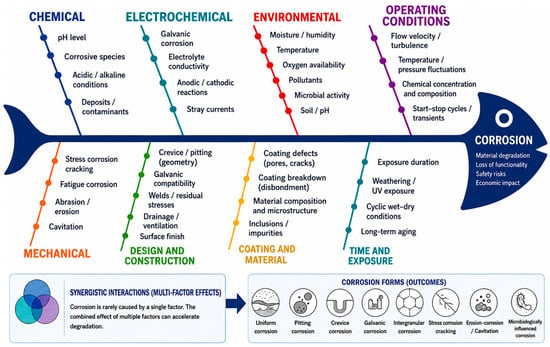
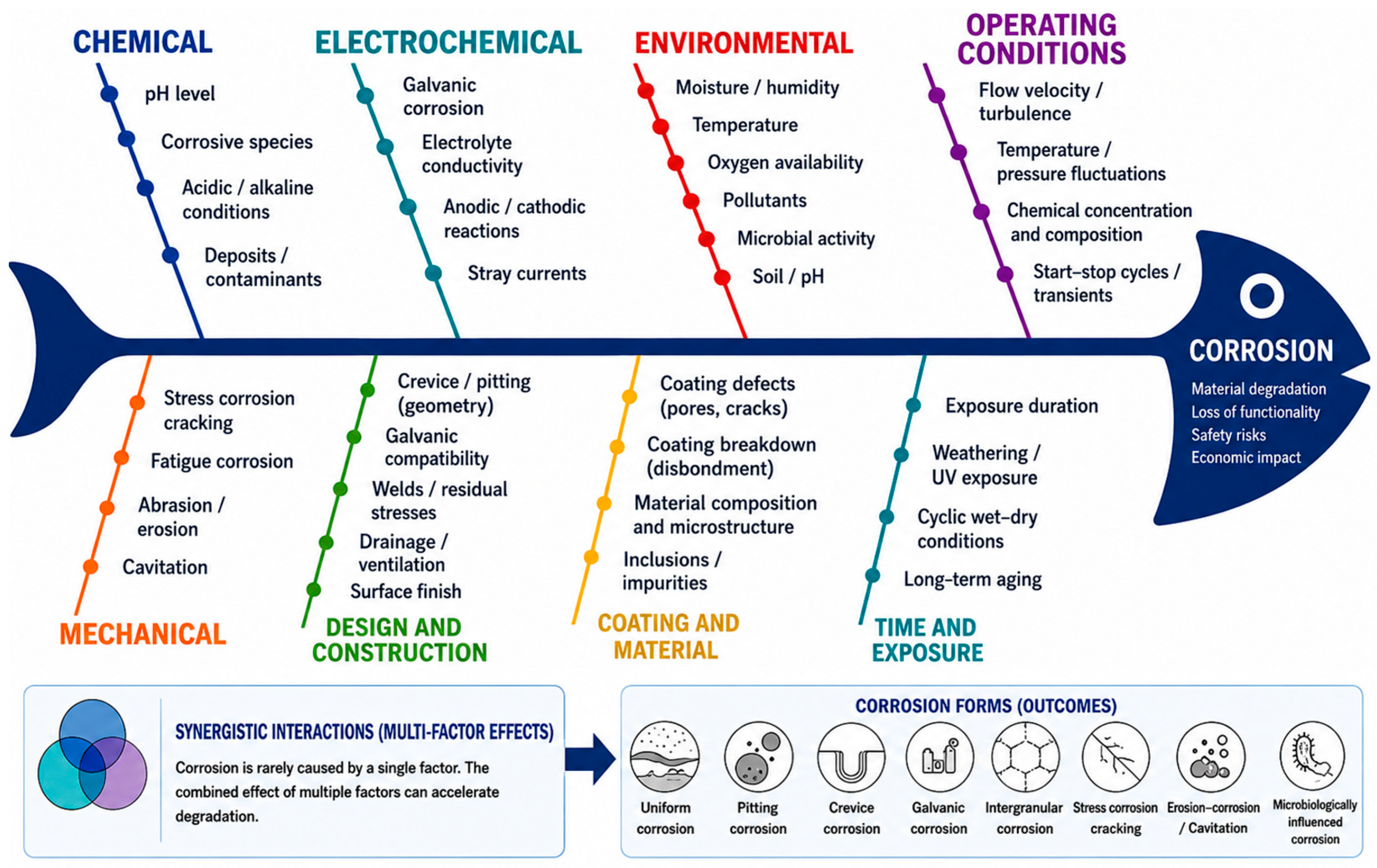
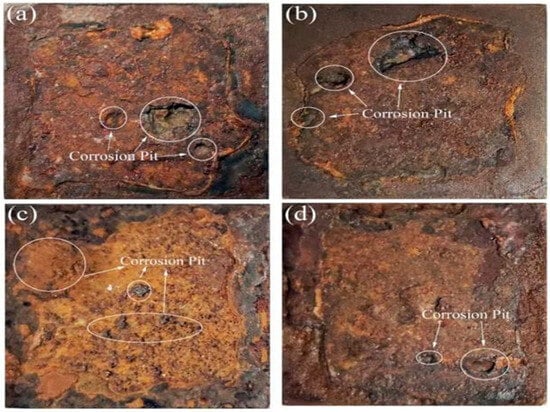
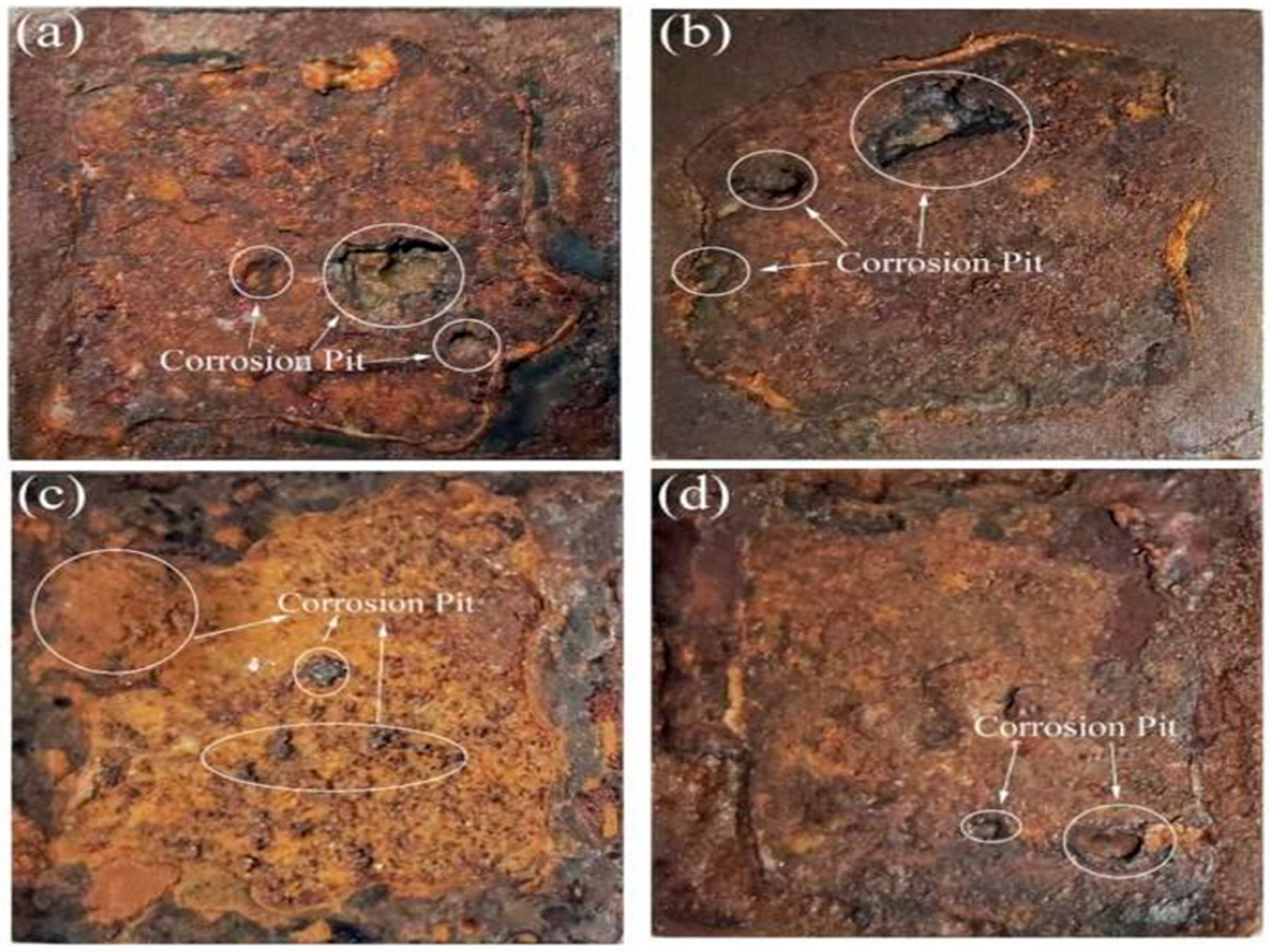
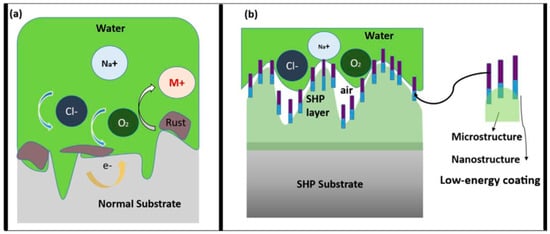
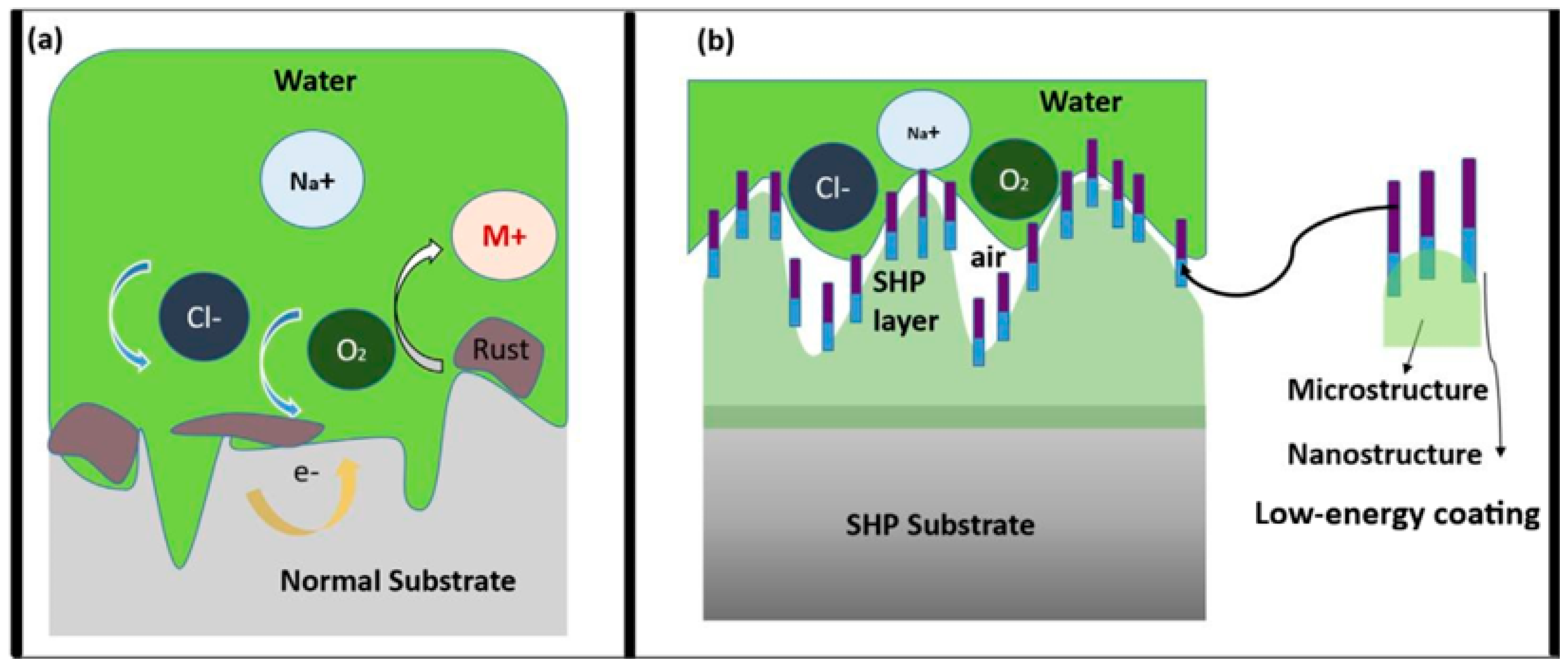
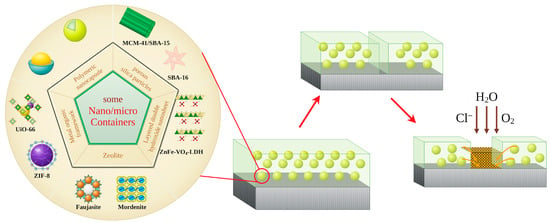
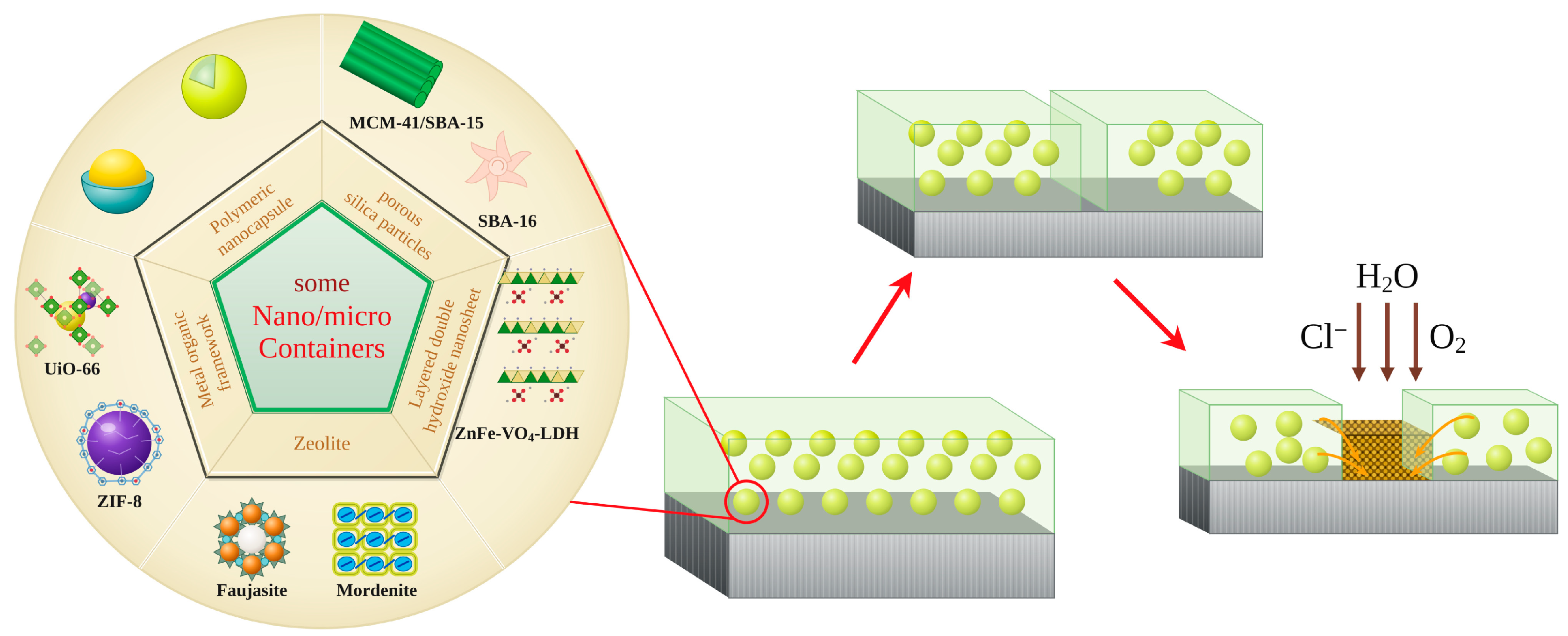
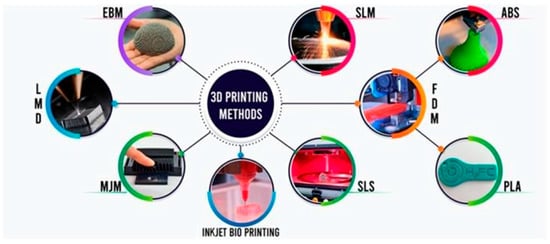
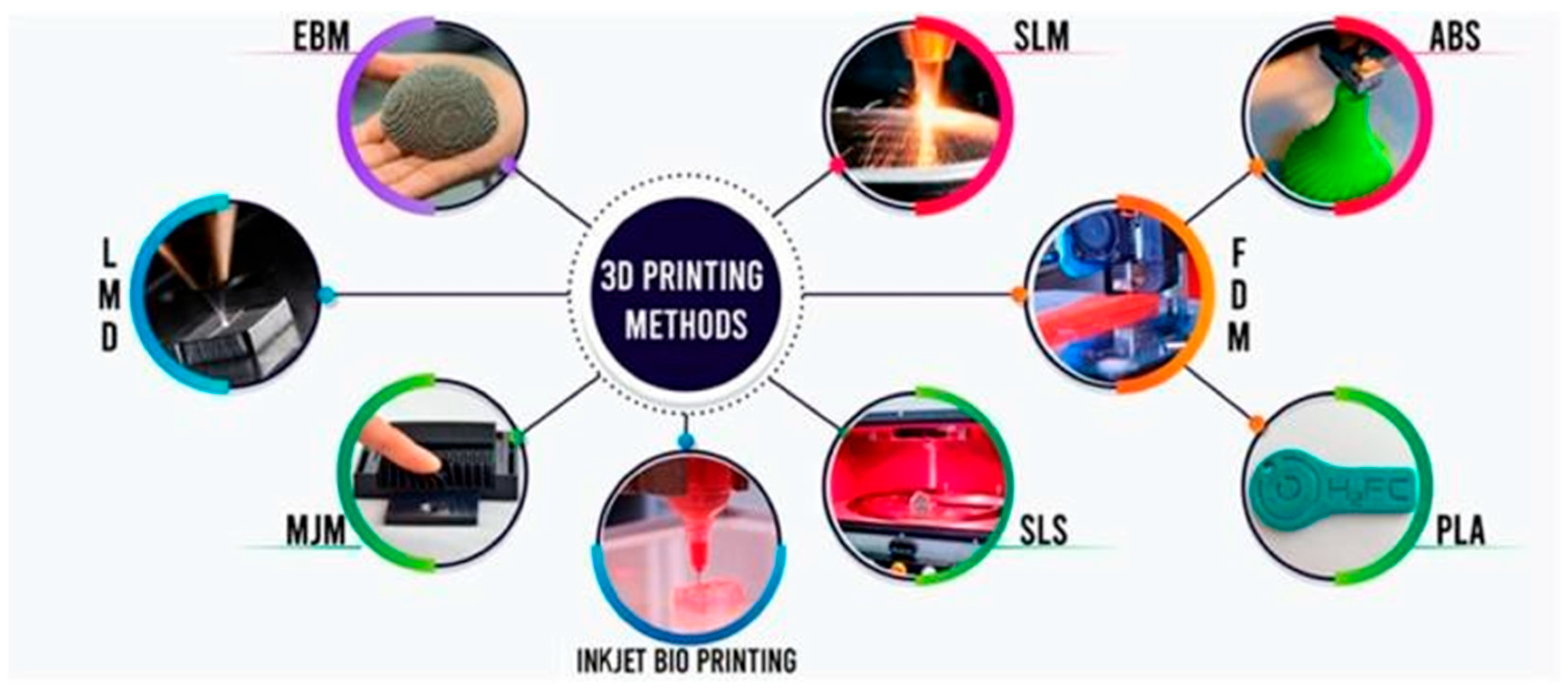
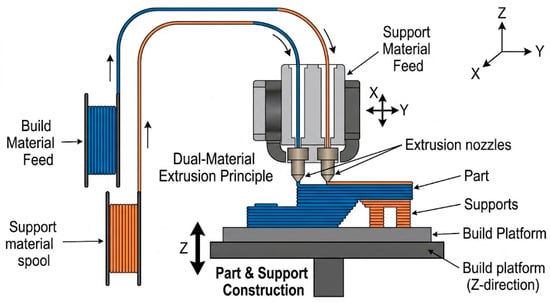
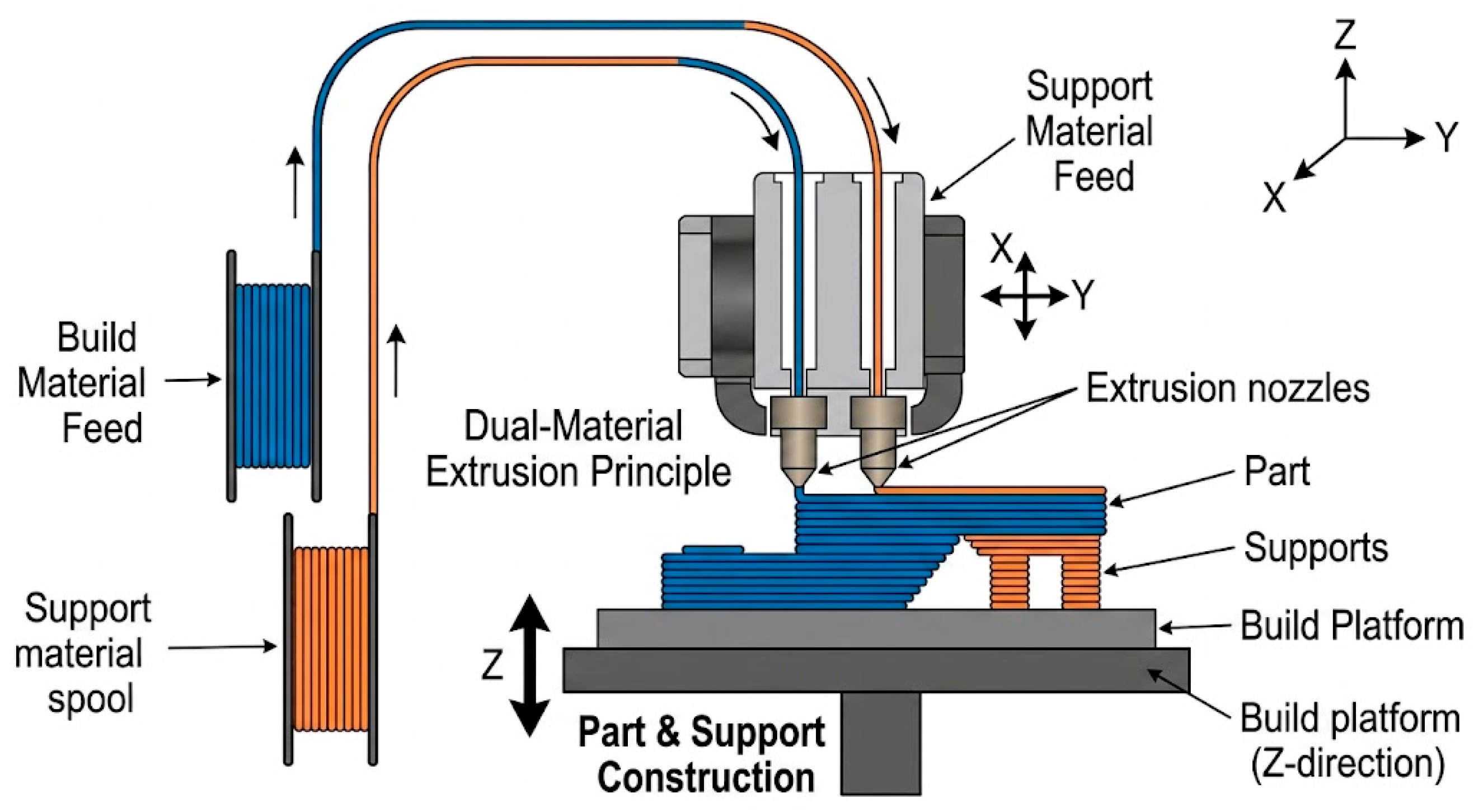
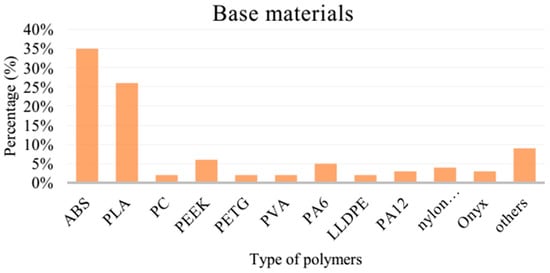
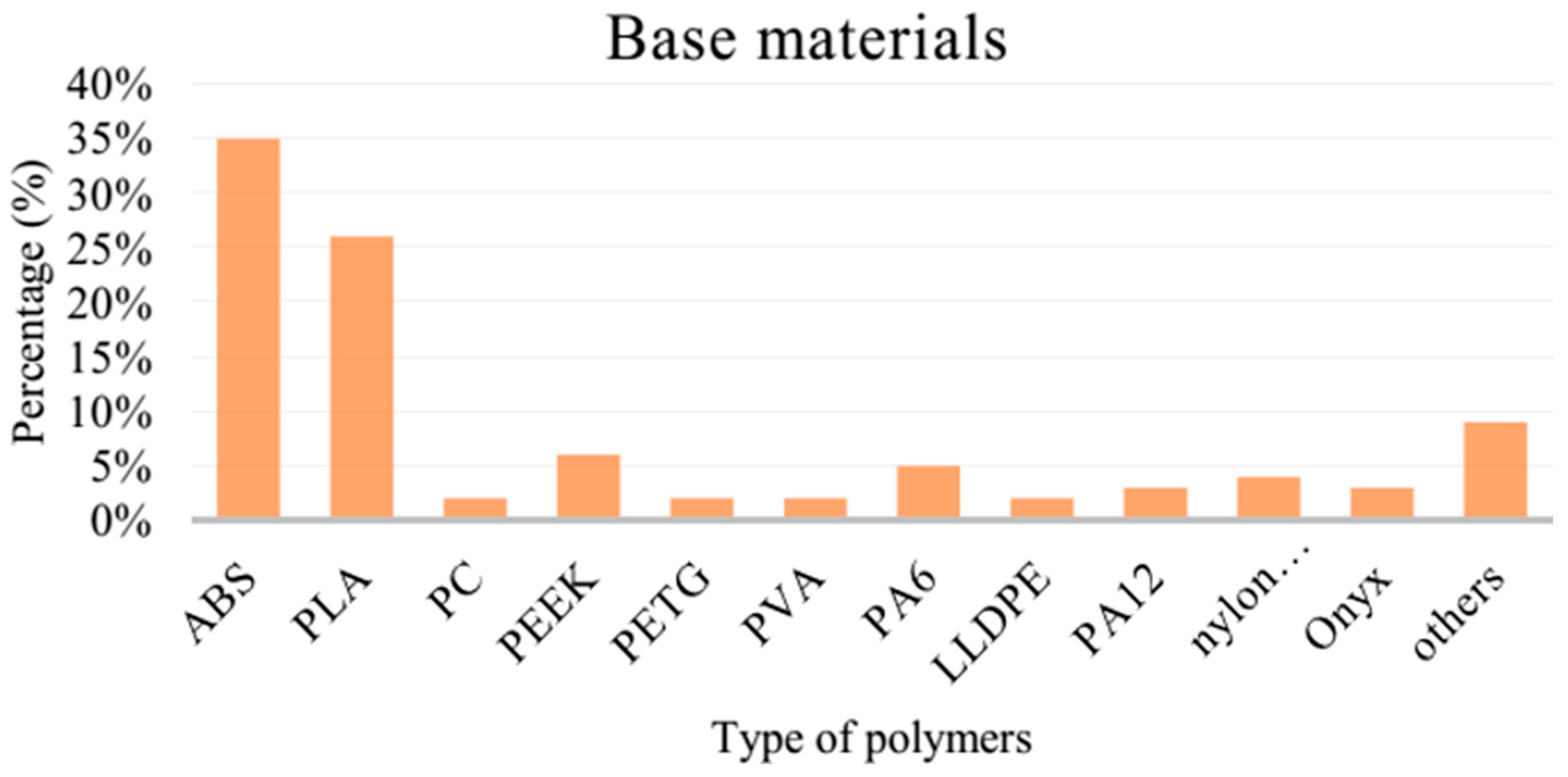
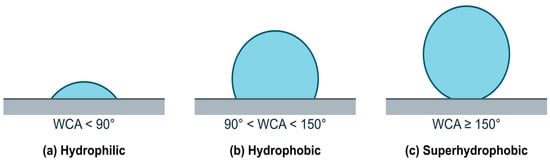
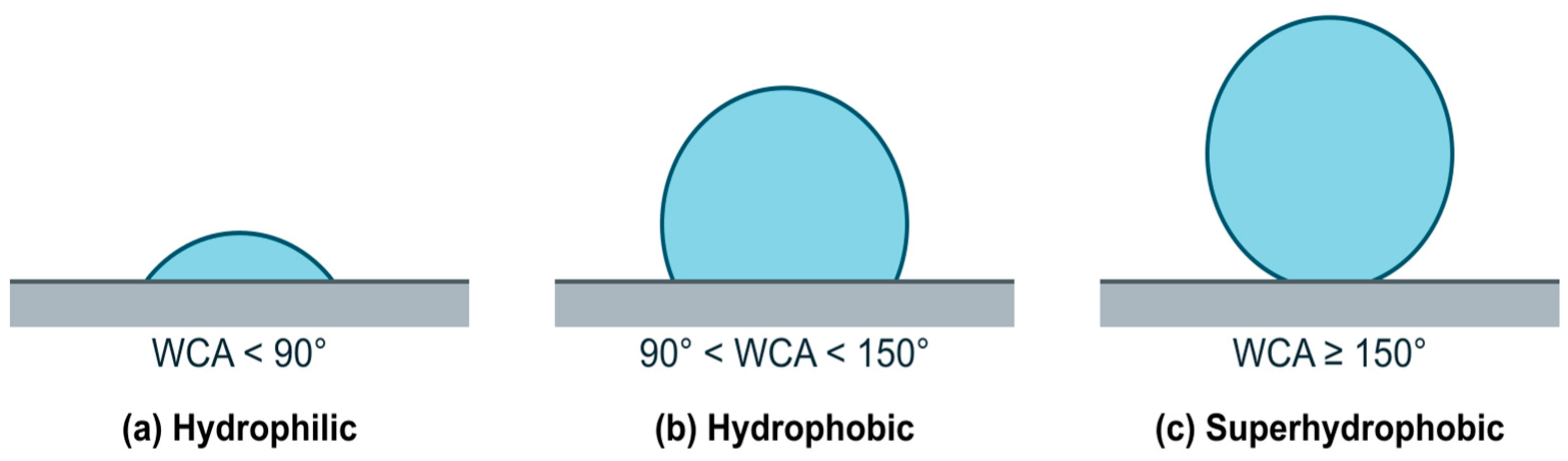
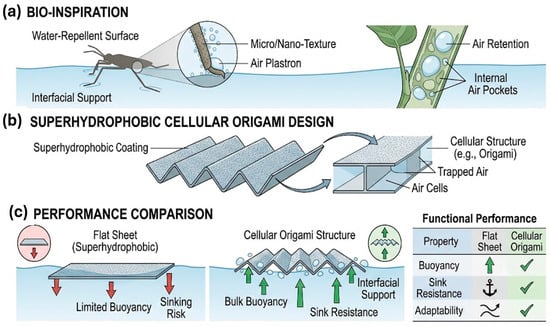
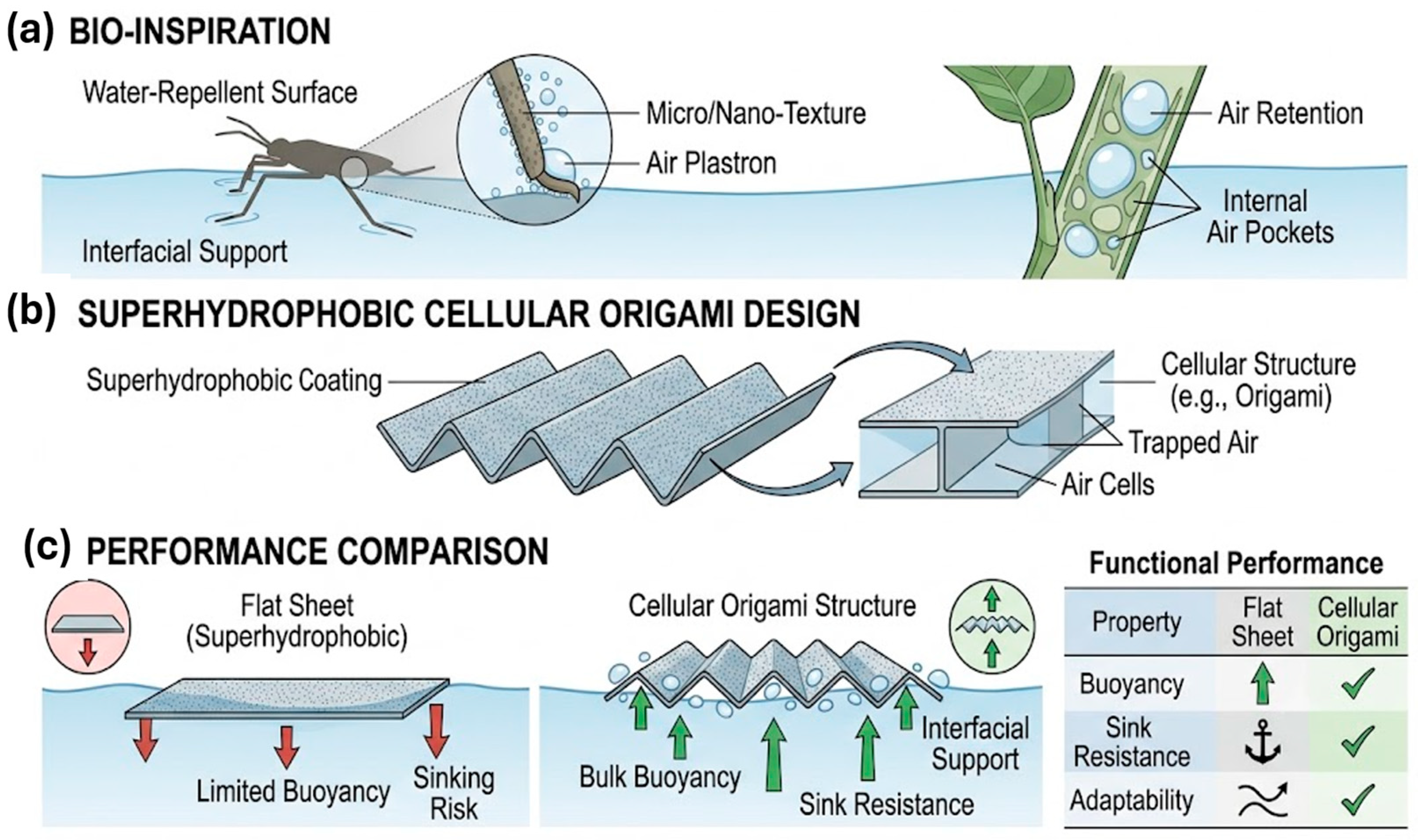
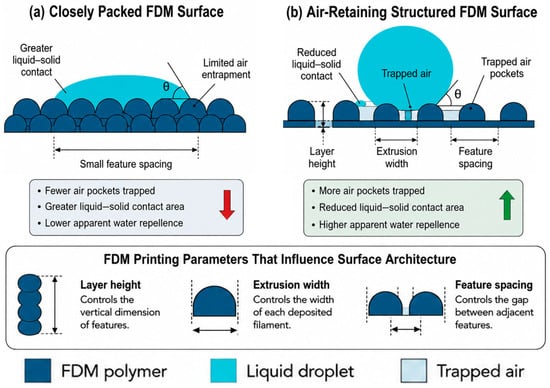
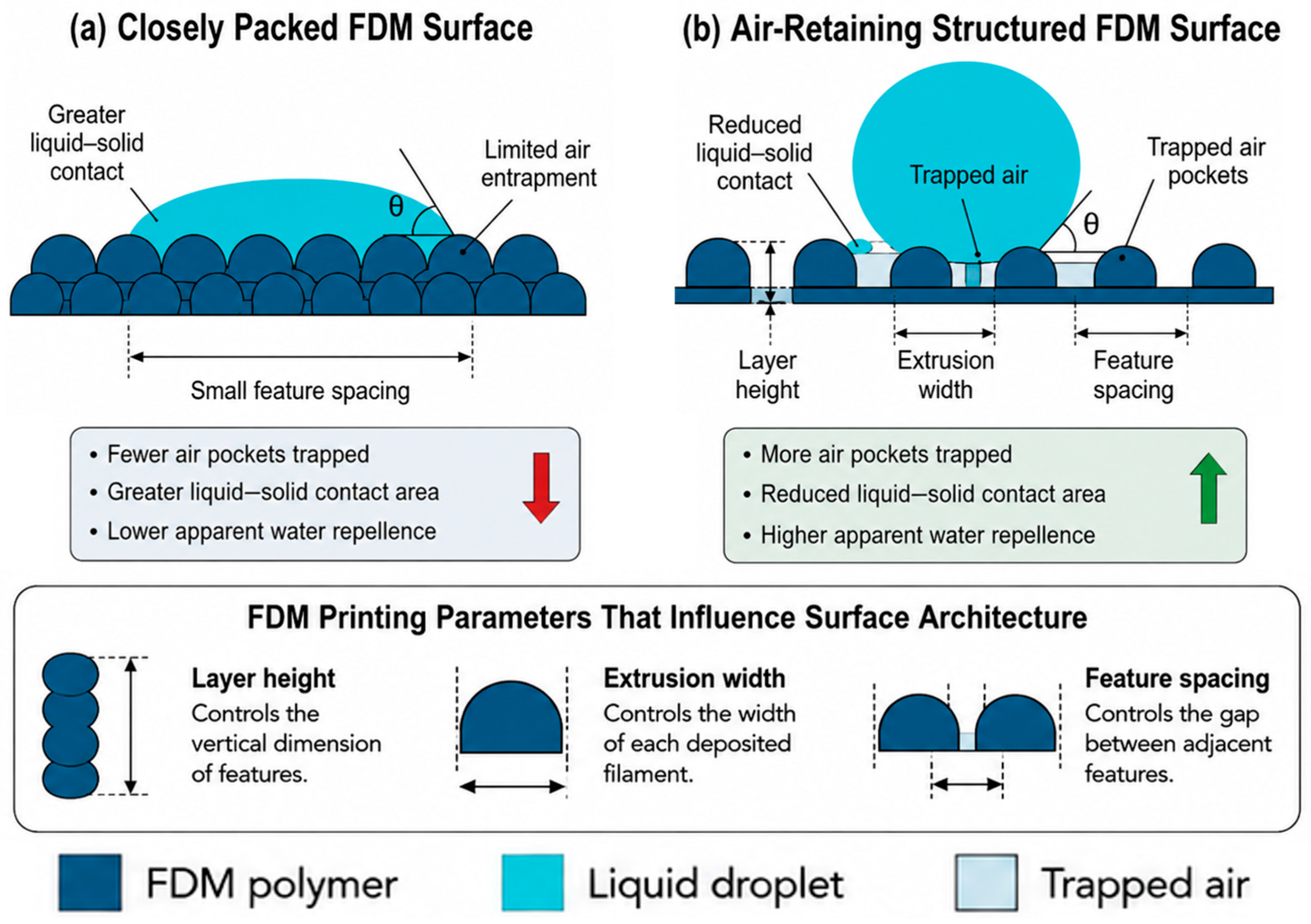
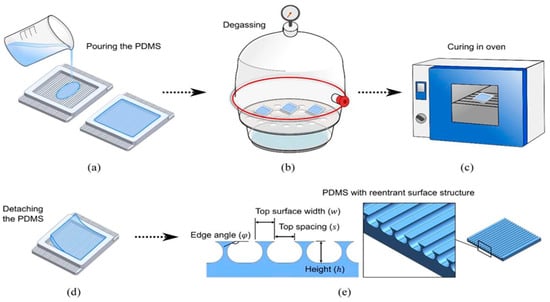
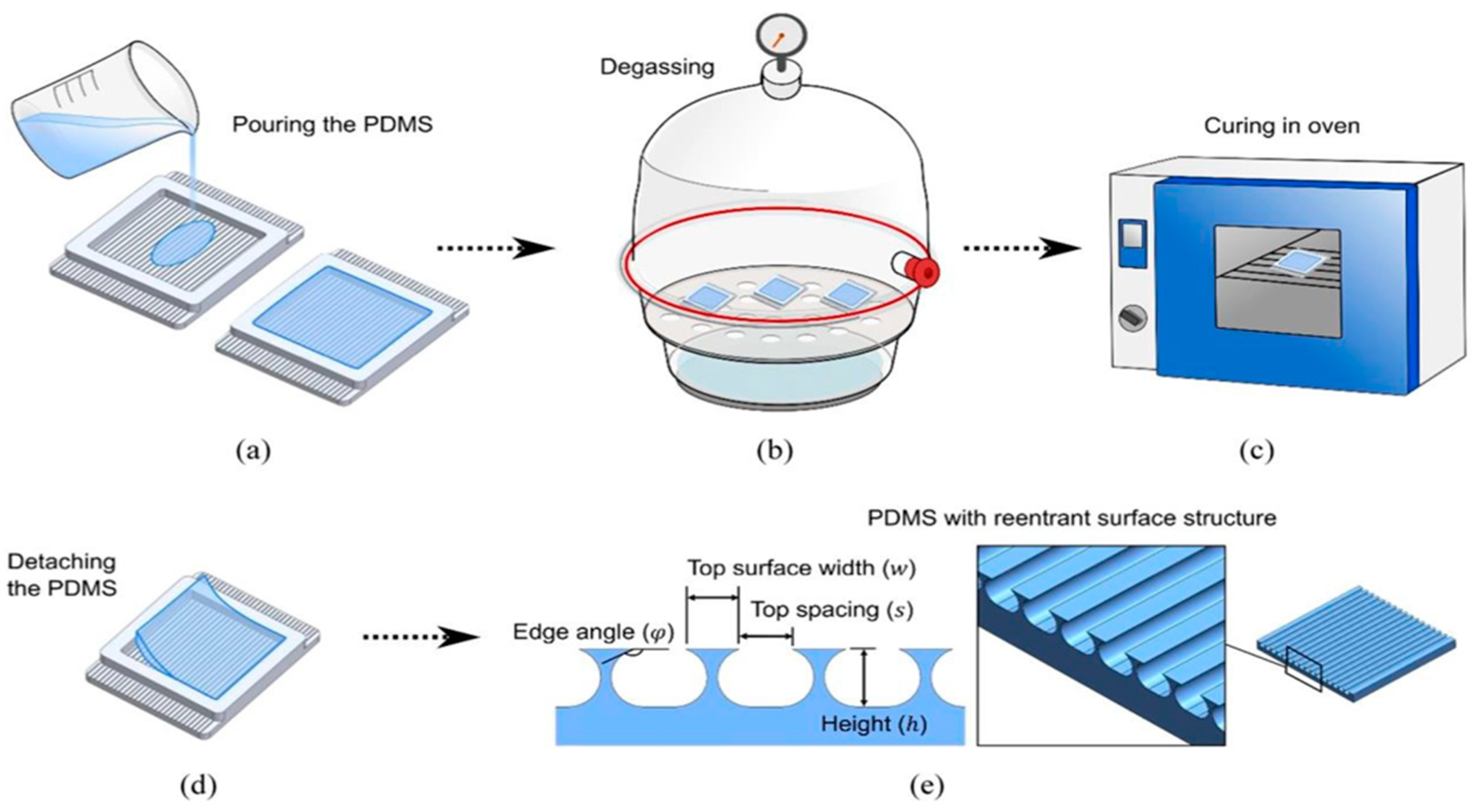
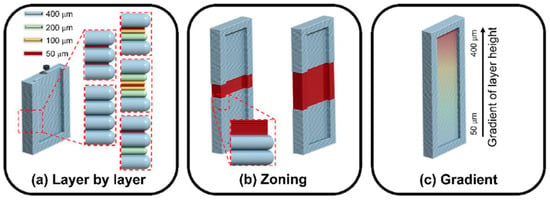
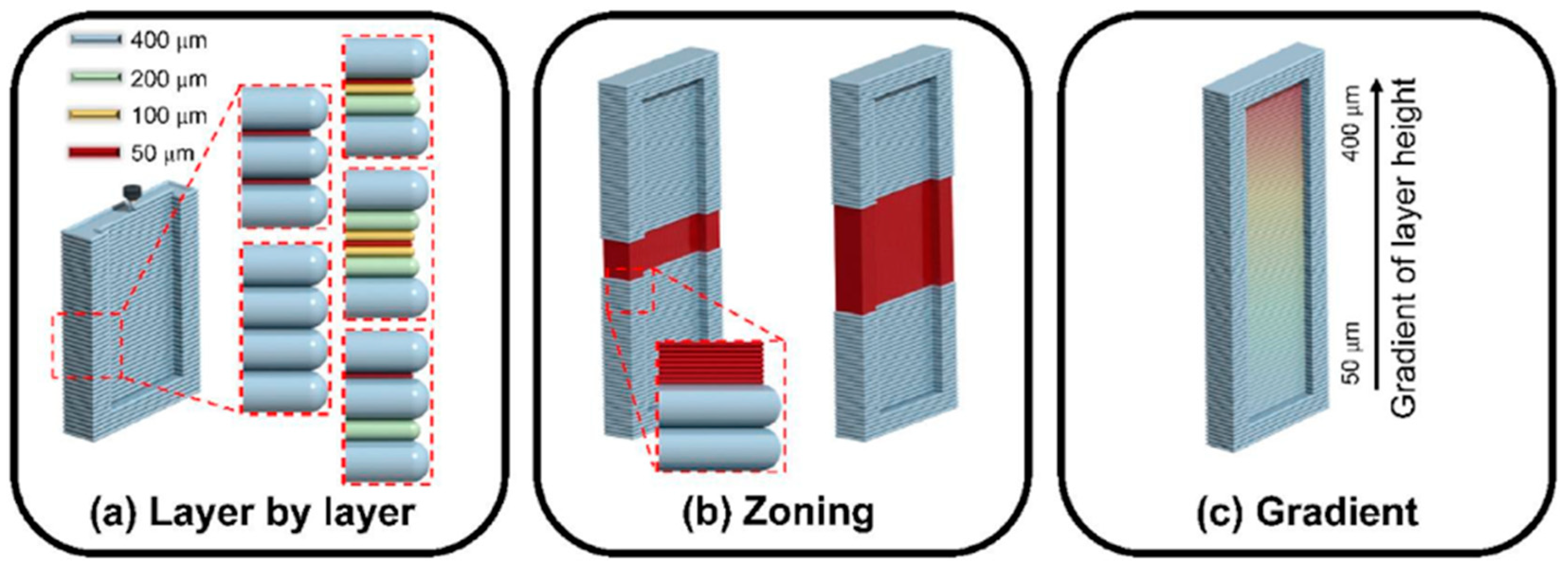
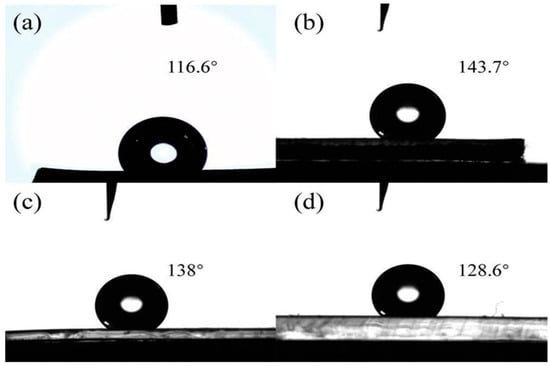
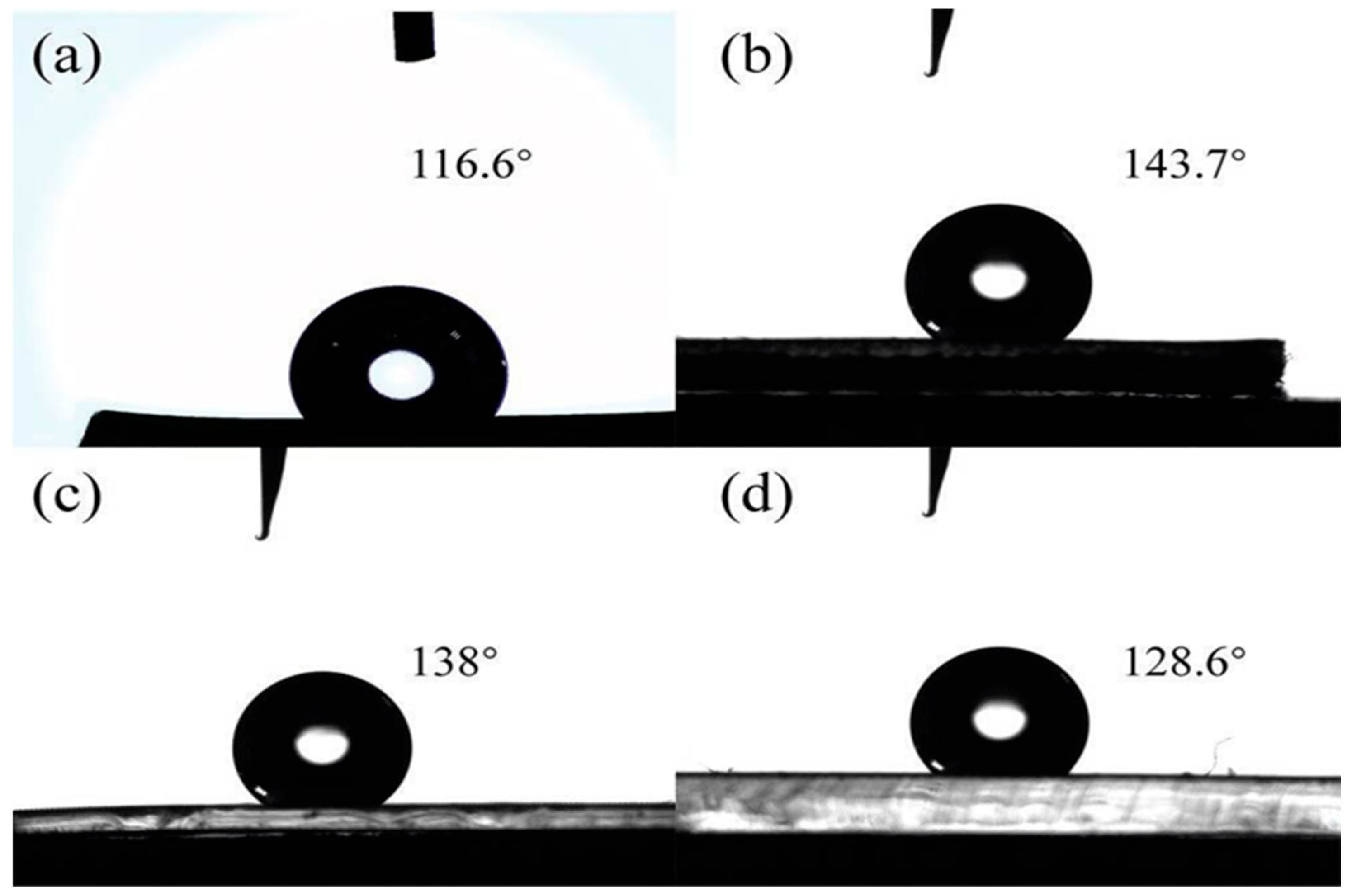

Disclaimer/Publisher’s Note: The statements, opinions and data contained in all publications are solely those of the individual author(s) and contributor(s) and not of MDPI and/or the editor(s). MDPI and/or the editor(s) disclaim responsibility for any injury to people or property resulting from any ideas, methods, instructions or products referred to in the content. |
© 2026 by the authors. Licensee MDPI, Basel, Switzerland. This article is an open access article distributed under the terms and conditions of the Creative Commons Attribution (CC BY) license.