


Abstract
Wheat dust, an underutilized agro-industrial by-product, is rich in nutrients and may serve as a sustainable soil amendment. This study evaluated its effects on wheat (Triticum durum L.) growth, nitrogen metabolism, and drought tolerance. Two greenhouse experiments were conducted. First, a dose–response trial (0, 2, 5, 10, 20% w/w) assessed biomass, chlorophyll content (SPAD), and expression of nitrogen-related genes (NR, NRT1, NRT2, GS2). Second, a factorial experiment (0, 10, 20% × well-watered or 50% water capacity) examined growth, yield components, oxidative stress markers (MDA), antioxidant enzymes, soil enzymatic activities, and multivariate responses. Wheat dust elicited concentration-dependent, context-specific effects. Under well-watered conditions, 10% was optimal, increasing shoot biomass (+39%) and chlorophyll (+10–15%), accompanied by upregulation of NR, NRT1, and NRT2, indicating enhanced nitrogen acquisition. Under drought, 20% produced the strongest effects: biomass increased by +313%, seed number per spike by +3900%, and seed weight per spike by +1650% relative to the stressed control. Lipid peroxidation declined by 83%, while chlorophyll increased by +215%, reflecting strong protection of membrane integrity and photosynthetic capacity. Soil biological activity was markedly stimulated at 20% under drought, with FDA hydrolysis (+1320%) and protease activity (+8250%) indicating enhanced microbial functioning and nitrogen cycling. Principal component analysis confirmed a systemic shift from stress-dominated profiles in controls to growth- and metabolism-oriented profiles at 20%, with convergence of stressed and non-stressed plants. Thus, wheat dust improves productivity at moderate doses and confers pronounced drought resilience at higher rates, supporting its valorization within climate-resilient, circular agricultural systems.
1. Introduction
Agricultural systems worldwide are under increasing pressure as the global population continues to grow. The world population is projected to reach nearly 10 billion by mid-century, which will substantially intensify the demand for food [1]. Current estimates suggest that food production will need to increase by 25–70% by 2050 to meet this rising demand [2]. However, expanding agricultural production to such an extent poses considerable environmental challenges. One of the most critical consequences is the accelerated depletion of natural resources, particularly water and soil. In many regions already experiencing water scarcity, intensified agricultural activity can further strain limited water supplies, exacerbate soil degradation, and ultimately threaten global food security [3]. At the same time, the excessive and prolonged use of synthetic fertilizers has raised serious environmental concerns, including soil degradation, nutrient leaching, and greenhouse gas emissions [4]. This can lead to human health problems and further environmental degradation. Globally, the environmental impacts of increased agricultural production due to population growth are multifaceted and significant. Addressing these challenges requires a combination of sustainable practices and technological innovations to balance the need for increased food production with the imperative to protect and preserve the environment.
One effective strategy in sustainable agriculture is the use of agro-industrial by-products, which not only supports agricultural productivity but also contributes to environmental protection. Integrating these by-products into agricultural systems offers a multifaceted approach to improving yields while reducing environmental pressures. Their use promotes a circular economy, enhances soil health, reduces waste, and generates economic opportunities, thereby supporting broader sustainable development goals [5,6]. Moreover, several studies, including those by [7,8], have shown that agro-industrial by-products can be transformed into biostimulants that stimulate plant growth and improve nutrient uptake, ultimately reducing reliance on chemical fertilizers. This not only boosts crop productivity but also reinforces sustainable farming practices and mitigates the environmental impacts associated with conventional fertilization.
The agro-industrial sector generates substantial volumes of organic residues, many of which remain underexploited despite their significant agronomic potential. Valorizing these by-products not only helps mitigate environmental pollution but also supports the principles of the circular economy by converting waste into valuable resources. Rich in nutrients and organic matter, agro-industrial residues serve as effective substrates in bioprocesses, providing essential elements required by microorganisms and thereby facilitating the production of bulk chemicals, biofuels, and other value-added products [9].
Wheat dust, a by-product generated during grain handling, milling, and storage, is often discarded or treated as waste. Its accumulation represents both environmental and economic challenges, making its valorization an important component of circular economy strategies in the agricultural sector. Recent studies highlight the potential of wheat dust to be transformed from an unwanted residue into a valuable resource. Wheat dust is a heterogeneous dry powder composed primarily of grain fragments, soil particles, whole seeds, and straw. It typically exhibits a bulk density of approximately 362 kg/m3 and contains substantial amounts of carbohydrates, ash, and crude fiber. Moreover, it is a source of essential minerals such as calcium, iron, and potassium [10]. Its nutrient profile also includes significant quantities of phosphorus and nitrogen, elements known to enhance soil fertility, which underscores its potential use as an organic soil amendment. Valorizing wheat dust in this way could help reduce environmental burdens and promote waste-free agricultural production systems [10]. Beyond its chemical composition, wheat dust is particularly attractive due to its fine texture and organic nature, which include carbon-rich particles, residual proteins, fibers, and mineral constituents. These characteristics suggest that it may function as a slow-release nutrient source while also influencing soil water retention, aeration, and biological activity. Despite its abundance and promising properties, wheat dust remains largely overlooked in plant nutrition research, indicating a need for further studies to explore its agronomic potential.
Water scarcity is a major constraint to agricultural productivity, particularly in arid and semi-arid regions where drought stress severely limits plant growth and yield. Drought impairs key physiological processes, including photosynthesis [11], induces oxidative stress [12], and reduces nutrient uptake [13], ultimately leading to significant reductions in crop yield and global food production [14]. Developing environmentally friendly strategies to enhance plant drought tolerance is therefore essential for sustainable agriculture and the conservation of vulnerable water resources. Organic amendments have emerged as a promising approach to mitigate drought effects. Amendments such as biochar, compost, and farmyard manure improve soil moisture dynamics by enhancing water-holding capacity and retention, critical factors during water deficit [15]. They also improve soil structure, increasing aggregate stability for better water infiltration and reduced evaporation [16]. Furthermore, by improving nutrient availability and stimulating microbial activity, these amendments promote deeper root development, enabling plants to access subsurface moisture reserves [17]. Applied research supports these benefits: for quinoa, biochar and vermicompost improved water use efficiency and yield under moderate drought [18]. Similarly, vermicompost enhanced lettuce growth under drought stress [19], while cow dung-derived vermicompost boosted wheat resilience and productivity under similar conditions [20]. These findings suggest that beyond their fertilizing value, organic amendments like vermicompost and biochar can significantly contribute to improved plant resilience in water-limited environments.
Wheat (Triticum durum L.) is the most widely cultivated and consumed cereal crop globally, serving as a vital source of nutrition and livelihoods [21]. It is grown on approximately 220 million hectares worldwide, with an annual production of around 778 million metric tons, contributing significantly to agricultural value addition [22]. Wheat provides essential dietary components, including carbohydrates (69%), protein (9.4%), fiber (1.8%), and fat (2.5%) [23]. Despite its importance, wheat productivity remains highly vulnerable to soil moisture availability. Drought has emerged as a major abiotic stress, severely limiting global wheat production. Under drought conditions, wheat experiences reduced chlorophyll content, impaired photosynthesis, induced oxidative stress, and disrupted physiological and biochemical processes, all of which lead to substantial yield losses [22]. Drought stress also restricts plant height, leaf area, root development, and biomass accumulation, while accelerating senescence and shortening the grain-filling period [24]. To mitigate these effects, sustainable strategies such as the application of biostimulants (e.g., Spirulina platensis extract) and organic fertilizers (e.g., biogas slurry) have shown promise in enhancing drought tolerance and improving yield by reinforcing plant physiological resilience [25,26].
Beyond conventional amendments, wheat dust may offer potential as an organic fertilizer while also improving wheat resilience under drought stress. This study aims to evaluate the efficacy of wheat dust as a sustainable organic fertilizer and assess its role in enhancing wheat tolerance to drought. By examining its effects on growth parameters and physiological, biochemical and molecular parameters, this research seeks to contribute to the valorization of agricultural waste and support the development of environmentally friendly strategies for resilient and sustainable wheat production systems.
2. Material and Methods
2.1. Experimental Materials and Design
Wheat dust is generated during the handling and processing of wheat. It consists of fine particles and wheat residues that become airborne during various stages, including harvesting, cleaning, sorting, storage, transport, and silo filling. The dust may contain grain fragments, husks, germs, and other impurities or contaminants present on the wheat grains. The wheat dust used in this study was supplied in large quantities by the Tunisian Cereals Office (Office des Céréales de la Tunisie). The wheat dust exhibits favorable physicochemical characteristics for use as an organic soil amendment, including a slightly acidic pH (6.4), very high organic matter content (87.9%), high total organic carbon, and a high C/N ratio (42.6), indicating strong potential to improve soil structure, aggregate stability, and water retention. It also provides moderate amounts of essential nutrients (N, P, K, Ca, and Mg). The concentrations of heavy metals (Hg, Cd, Cu, Pb, Zn, As, Se) are well below international permissible limits, while Ni and Cr remain within acceptable thresholds (Table 1). The baseline physicochemical composition and nutritional properties of the raw material matrix presented in Table 1 were determined and provided directly by the certified analytical laboratories of the Tunisian Cereals Office using standard regulatory quality-control protocols.
Table 1.
Physicochemical Properties of Wheat Dust.
Two sequential experiments were conducted to assess durum wheat (the cultivars Karim [27]) responses to wheat dust (WD) amendment and drought stress. In a preliminary dose–response trial, plants were grown in pots containing soil amended with WD at 0%, 2%, 5%, 10%, or 20% (w/w) to evaluate effects on biomass, chlorophyll content (SPAD), and nitrogen metabolism gene expression, from which the WD 10% and WD 20% rates were selected for second trial. A subsequent factorial experiment then investigated the interaction between soil amendment (0%, 10%, or 20% wheat dust) and water regime (100% or 50% water-holding capacity, WHC) using soil from Essaïda, Tunisia (45% sand, 40% silt, and 15% clay). The baseline soil WHC was determined using the gravimetric method [28]. All treatments were executed in triplicate within a controlled glasshouse environment. To maintain the target moisture levels, pots were weighed and irrigated twice per week. Several soil samples collected from the Manouba Governorate, including the Essaïda region, were recently characterized [29,30,31]. Although no site-specific measurements were conducted for the present trial, representing a limitation of this study, the available regional data provide a reliable baseline for the experimental conditions. The soils exhibited a neutral to slightly alkaline pH, not exceeding 8. Soil organic carbon content ranged from 1.23% to 2.85%. The mean electrical conductivity was approximately 2 dS m−1, while the cation exchange capacity (CEC) varied between 15 and 30 cmol(+) kg−1. Total nitrogen content ranged from approximately 0.02% to 0.2%.
For both experiments, seeds were surface-sterilized in 70% ethanol for 2 min, rinsed thoroughly with distilled water, and sown. Five seeds were sown per pot (15 cm × 15 cm, filled with 2 kg of air-dried and homogenized soil) and thinned to two uniform seedlings after emergence. Treatments were arranged in a completely randomized design with 15 pots (biological replicates) per treatment. Agro-physiological measurements were performed on all 15 biological replicates, with each pot (containing two plants) considered one experimental unit. For enzymatic activities identification, analyses were performed using three independent biological replicates per treatment.
Two-week-old seedlings were subjected to the respective water treatments and grown in a greenhouse under controlled conditions (15–25 °C, 70–90% relative humidity, 16/8 h light/dark photoperiod). After 30 days, plants were harvested. The number of spikes, tillers, and leaves, as well as shoot length, were recorded. Shoots, spikes, and roots were separated, oven-dried at 60 °C for 48 h and weighed to determine dry biomass. Additional leaf and root samples were flash-frozen in liquid nitrogen and stored at −80 °C for subsequent biochemical analyses. Relative chlorophyll content was measured in durum wheat using a SPAD-502 chlorophyll meter (Minolta, Osaka, Japan) at the stem elongation stage (Zadoks growth stages 30–32), which is considered optimal for assessing plant nitrogen status and photosynthetic capacity. To ensure consistency and minimize variability associated with leaf age, readings were taken on the most recently fully expanded leaf (typically the uppermost fully expanded leaf prior to flag leaf emergence). All measurements were conducted in the morning, between 9:00 and 11:00, under dry leaf conditions and stable light intensity, thereby enhancing data reliability and comparability.
2.2. Lipid Peroxidation (MDA) and Antioxidant Enzyme Assays
Lipid peroxidation was determined as described by [32]. 0.2 g of fresh material (three plants/treatment) was homogenized in 4 mL of a 1% (w/v) solution of trichloroacetic acid (TCA). Then, the mixture was centrifuged at 12,000 g for 15 min. After that, we added 3 mL of 0.5% (w/v) thiobarbituric acid (TBA) in 20% (w/v) (TCA) to the collected supernatant and the tubes were incubated at 95 °C for 30 min [33,34]. The reaction was stopped by placing the reaction tubes in an ice bath. Centrifugation was subsequently done at 9000 g for 10 min. To correct for non-specific turbidity, the absorbance measured at 600 nm (A_600) was subtracted directly from the absorbance at 532 nm (A_532), utilizing the adjusted values to calculate final MDA concentrations and was expressed using the molar extinction coefficient of 155 mM−1 cm.
For antioxidant enzymes activities, 200 mg of roots and leaves (three plants/treatment) were homogenized with 10% (v/v) polyvinyl-polypyrrolidone and 1 mL phosphate buffer (50 mM, pH = 7.8) containing 0.1% (v/v) triton x − 100 and 1 mM phenylmethylsulphonyl fluoride. Extracts were centrifuged at 13,000 g (20 min) and the supernatant was used to determine enzyme activities. Catalase (CAT, EC 1.11.1.6), superoxide dismutase (SOD, 1.15.1.1) and gaϊacol eroxidase (POX, EC 1.11.1.7) activities were measured as previously described by [35]. The protein content of each sample was obtained according to [36].
2.3. Soil Enzyme Activities
After 30 days of plant growth, soil samples were collected from each pot at a depth of 0–15 cm to assess enzymatic activities, including phosphatase, protease, and fluorescein diacetate (FDA) hydrolysis. Alkaline phosphatase activity was determined following the protocol of [37]. Briefly, 1 g of soil was treated with toluene and a universal buffer adjusted to pH 11.0. Subsequently, p-nitrophenyl phosphate disodium salt (0.020 M) was added as the substrate, and the mixture was incubated at 37 °C for 1 h. The amount of p-nitrophenol released was quantified spectrophotometrically at 410 nm, and enzyme activity was expressed as mg PNP kg−1 dry soil h−1.
Protease activity was also measured according to [37]. In this assay, 2 g of soil was incubated with 1% casein prepared in 0.2 M Tris–HCl buffer (pH 8.1) at 50 °C for 1 h. Protease activity was calculated based on the amount of tyrosine released and expressed as mg tyrosine kg−1 dry soil h−1. In addition, soil microbial activity was evaluated using the FDA hydrolysis method as described by [38], which reflects the overall enzymatic activity of soil microorganisms.
2.4. RNA Extraction, cDNA Synthesis, and Real Time PCR Assay
Leaves samples were ground into a fine powder with liquid nitrogen. Total RNA was extracted according to [39]. Briefly, 20 µL of β-mercaptoethanol was added into the extraction buffer and then the mixture was incubated at 65 °C for 30 min (shake 30 s and pause 2 min). In total, 600 µL of chloroform-isoamyl alcohol (24:1) was added to the homogenate and the mixture was centrifuged at 14,000 g for 10 min at room temperature. The supernatant was collected and total RNA was precipitated overnight at 4 °C using lithium chloride (10 M) after which the tubes were centrifuged at 14,000 g for 30 min at 4 °C. The RNA pellet was dissolved in 200 µL of RNase-free water. An equal volume of sodium acetate (3 M, pH 5.2) and 600 µL of absolute ethanol were added, set in −80 °C for 30 min and then centrifuged for further 30 min at 14,000 g at 4 °C. The upper aqueous phase was removed, and then the precipitate was washed in 600 µL 70% ethanol. After that, the RNA pellets were allowed to dry for 2 min and were resuspended in 20 μL RNase-free water and finally stored in at −80 °C until use. The quantity and quality of RNA were assessed spectrophotometrically using a NanoDrop® ND1000 spectrophotometer (Thermo Fisher Scientific, Inc., Wilmington, DE, USA). Total RNA was treated with 5 U RNase-free DNase I (Thermo Fisher Scientific, Inc., Wilmington, DE, USA) for 20 min at 37 °C. Turbo-I First Strand cDNA Synthesis Kit (Biomatik, Wilmington, DE, USA) was used to generate cDNA with 5 μg of total RNA from root tissues as indicated in the manufacture’s protocol. The RT-qPCR was carried out in a 7300 Real-Time PCR Detection System (Applied Biosystems, Foster City, CA, USA) with the following program: 95 °C denaturation for 10 min, then 40 cycles of denaturation at 95 °C for 30 s, annealing/elongation at 60 °C for 1 min. The reactions were performed in 30 µL volume containing 2 µL of first strand cDNA, 200 nM each of gene specific primers (Table 2), 15 μL Maxima SYBR Green/ROX qPCR Master Mix (2X) (Biomatik, Wilmington, DE, USA) and 12 μL nuclease-free water. Each gene was normalized to the internal ubiquitin levels. Analyses were executed using three independent biological replicates per treatment, alongside no-template controls to ensure quality assurance. A melting curve analysis of amplification products was performed at the end of each PCR by slow heating from 65 °C to 95 °C at 0.5 °C/s and continuous monitoring of the fluorescence signal. The heat map was generated using R-4.6.1 package (http://www.r-project.org/ accessed on 24 May 2026) to compare the changes in the amount of transcripts of the four selected genes.
Table 2.
Primer sequences used for gene expression analysis.
The ubiquitin gene (BdUbq) served as the internal reference for normalization. Primer specificity was verified by melting curve analysis from 65 °C to 95 °C, with fluorescence recorded at 0.5 °C increments; a single peak confirmed specific amplification.
Relative gene expression was calculated using the 2−ΔΔCt method [41], with ubiquitin as the reference gene. ΔCt was determined as the difference between the cycle threshold (Ct) of the target gene and that of the reference gene: ΔCt = Cttarget − Ctreference. ΔΔCt was then calculated by subtracting the ΔCt of the control sample from that of the treated sample: ΔΔCt = ΔCttreated − ΔCtcontrol. Relative expression (RQ) was derived as: RQ = 2−ΔΔCt. An RQ > 1 indicates upregulation, while RQ < 1 indicates downregulation relative to the control.
2.5. Statistical Analysis
All statistical analyses were conducted using R version 4.6.1. One-way and two-way ANOVA were applied to examine all studied parameters. As the design focused on exactly two factors: organic amendment rate (Control, WD 10%, WD 20%) and water regime (100% WHC, 50% WHC). When significant effects were detected by ANOVA, Tukey’s HSD test was used for pairwise comparison of treatment means. Relationships among all measured parameters were evaluated, considering p-values < 0.05 as statistically significant. Principal component analysis (PCA) was performed on all recorded parameters, including organic amendments doses. PCA, a widely used multivariate technique, facilitates visualization and uncovers underlying patterns in complex datasets by generating new variables (principal components Dim.1 and Dim.2) that are linear combinations of the original variables, maximizing variance explained by the first components. Pearson’s correlation was used to assess the relationships between principal components and the original parameters. Biplot and correlation plot visualizations were created using the “FactoMineR,” “factoextra,” “ggplot2,” and “corrplot” R packages. Relative gene expression data were normalized and visualized using a Proportional Change Index (PCI) to facilitate comparison among treatments. After calculation of fold change relative to the control condition (derived from 2−ΔΔCt values), expression differences were converted into proportional percentage changes according to the formula: , which is equivalent to (Fold change − 1) × 100. In this transformation, a value of 0 indicates no change relative to the control, positive values indicate upregulation, and negative values indicate downregulation. The resulting PCI values were used to generate heat maps, where color intensity reflected the magnitude and direction of transcriptional regulation across treatments. This approach enables intuitive visualization of relative expression patterns and facilitates direct comparison of treatment-induced transcriptional responses among genes.
3. Results
3.1. Plant Growth Response to Wheat Dust Concentration (Trial 1)
A clear dose-dependent response was observed, with divergent effects depending on the parameter assessed. Biomass accumulation exhibited a non-linear response to treatment. The 10% amendment resulted in the highest biomass (≈320 g; group “c”), significantly exceeding the control (≈230 g). In contrast, the 20% treatment produced the lowest biomass (≈140 g), indicating a pronounced inhibitory effect at high concentration. Intermediate doses (2% and 5%) yielded moderate biomass values (≈170 g), suggesting limited stimulation relative to the control and highlighting a threshold-dependent response. Chlorophyll content followed a broadly similar pattern. The 10% treatment produced the highest chlorophyll level (≈15%), whereas the control and 5% treatments showed intermediate values (≈13–14%). The lowest chlorophyll contents were recorded at 2% and 20% (≈12–13%). These findings indicate that a moderate amendment rate (10%) enhances photosynthetic potential, while both suboptimal (2%) and excessive (20%) doses reduce this benefit. In contrast, plant height displayed a distinct response pattern. The control treatment resulted in the greatest elongation (≈53 cm), followed by the 5% and 2% treatments (≈49 and 47 cm). The 10% amendment significantly reduced plant height (≈41 cm), and the 20% treatment caused the most pronounced reduction (≈31 cm). Thus, increasing dust concentration negatively affected elongation growth, even under conditions (10%) that enhanced biomass accumulation and chlorophyll content (Figure 1).
Figure 1.
Effects of increasing Wheat Dust amendment doses (Control, 2%, 5%, 10%, and 20%) on three agronomic parameters of Triticum durum: biomass, chlorophyll content, and plant length, with statistical groupings (Tukey test) indicated by different letters.
The principal component analysis (PCA) explained a large proportion of the total variability (88.9%), with the first axis (Dim1, 65.6%) mainly associated with biomass and chlorophyll content, and the second axis (Dim2, 23.3%) driven by plant length. Biomass and chlorophyll content vectors were closely aligned, indicating a strong positive correlation between these variables, whereas plant length followed a partially independent gradient. Treatment distribution along the first axis revealed a clear dose-dependent effect of cereal dust amendment. The 10% treatment was strongly associated with positive values of Dim1 and aligned with biomass and chlorophyll content vectors, indicating enhanced plant productivity and chlorophyll content. In contrast, the 20% treatment was positioned in the opposite direction, reflecting a pronounced negative effect on these parameters, suggesting potential toxicity or growth inhibition at high concentrations. The control treatment occupied an intermediate positive position, showing relatively good performance, whereas the 2% and 5% treatments clustered on the negative side of Dim1, indicating limited or slightly adverse effects compared to the control. Results demonstrated that cereal dust amendment exerts a concentration-dependent impact on wheat growth, with 10% representing the optimal level for improving biomass and physiological status, while higher concentrations negatively affect plant performance (Figure 2).
Figure 2.
Principal component analysis; (A) correlations between original variables and principal components, (B) position of the original variables in relation to their correlation with axes and projection of cloud points representing the soil amended by different doses of wheat dust (2%, 5%, 10%, or 20%) in the plane formed by the axes Dim 1 and Dim 2.
3.2. Expression of the Nitrogen Metabolism Related Genes
In the present investigation, a heat map was used to depict changes in the expression patterns of nitrogen metabolism-related genes (NR, NRT1, NRT2, and GS2) in response to different doses of wheat dust (WD) (Figure 3). The expression of NR, which encodes nitrate reductase responsible for reducing nitrate to nitrite, was markedly induced by wheat dust amendment, particularly in plants cultivated in soils amended with 2% and 10% WD. Plant nitrate uptake is mediated by both low- and high-affinity nitrate transport systems. Therefore, the relative expression levels of two nitrate transporter genes, NRT1 (low-affinity nitrate transporter) and NRT2 (high-affinity nitrate transporter), were analyzed. The results showed that NRT1 expression was significantly upregulated in response to both 2% and 10% WD treatments, with the highest induction observed at 2% WD. In contrast, NRT2 was strongly overexpressed in plants grown in soils amended with 2% WD and predominantly with 10% WD. The GS2 gene, which plays a key role in ammonium assimilation into organic compounds, exhibited moderate expression levels in control plants and in those treated with 5% WD.
Figure 3.
Heat map representation of the effects of different doses of wheat dust on the nitrogen metabolism related genes (NR, NRT1, NRT2 and GS2) expression level in leaves of wheat durum plants cultivated for 30 days in control soil and soil amended by different doses of wheat dust (2%, 5%, 10%, or 20%). Red and blue indicate higher and lower expression values, respectively. Intensity of the colors is proportional to the absolute value of log2 of the fold difference in expression.
3.3. Effect of Amendment with Wheat Dust on Durum Wheat Plants Subjected to Water Deficit Stress (Trial 2)
Based on the results of the first part of the study, the 10% and 20% wheat dust (WD) treatments were selected for further evaluation. These doses were chosen to assess the potential of wheat dust to enhance wheat tolerance to drought stress.
3.4. Morphological Parameters: Spike Number and Weight, Tiller and Leaf Number, Shoot Length, and Shoot and Root Dry Weight
The application of cereal dust induced significant dose- and water regime-dependent effects on all measured parameters (Figure 4). Under well-watered conditions, plant biomass (straw + ear) increased progressively with dust concentration, reaching +180% and +420% above the non-amended control at 10% and 20% doses, respectively (p < 0.05). Under water stress, similar trends were observed, albeit with overall lower absolute values, with biomass increasing by +43% and +313% relative to the stressed control at 10% and 20%, respectively, demonstrating a substantial mitigation of drought-induced biomass reduction.
Figure 4.
Plant production parameters: spike number and weight, tiller and leaf number, shoot length, and shoot and root dry weight of durum wheat plants cultivated for 30 days in control soil and soil amended by 10% WD and 20% WD. Values are means of six replicates (n = 6). Different letters indicate significant differences at p < 0.05 according to Tukey’s test.
Vegetative growth parameters responded more moderately to dust application. Collar-to-awn length remained largely unaffected at the 10% dose (≈0% change relative to both controls), while the 20% amendment increased plant height by approximately +27% and +23% under non-stressed and stressed conditions, respectively. Similarly, spike-to-awn length increased by +9% and +47% at 10% and 20% under optimal watering, respectively. However, under water deficit, the 10% dose slightly reduced spike length (–21%), whereas the 20% dose maintained a strong positive effect (+39%), suggesting a threshold concentration below which the amendment fails to counteract drought-induced growth inhibition on this trait.
Reproductive traits exhibited the strongest response to cereal dust application, particularly at the WD 20% dose. Under well-watered conditions, spike weight increased from 0.057 g in the non-amended control to 0.342 g with WD 10% and 0.912 g with WD 20%. Under water stress, WD 10% resulted in a modest reduction in spike weight (0.038 g) relative to the stressed control (0.057 g). In contrast, WD 20% produced a marked increase, reaching 25.260 g, which suggests substantial recovery of reproductive growth under drought conditions. A comparable pattern was observed for seed number per spike. Under well-watered conditions, seed number increased from 0.67 in the control to 3.00 with WD 10% and 17.17 with WD 20%. Water stress severely reduced reproductive output in untreated plants, which produced only 0.31 seeds per spike. However, WD application partially alleviated this reduction, increasing seed number to 1.93 and 12.33 seeds per spike at the 10% and 20% doses, respectively.
Seed weight per spike followed the same dose-dependent response. Under well-watered conditions, seed weight increased from 0.038 g in the control to 0.098 g with WD 10% and 0.410 g with WD 20%. Under water stress, control plants produced only 0.020 g per spike, whereas WD 10% and WD 20% maintained seed weights of 0.041 g and 0.347 g per spike, respectively. Overall, the WD 20% treatment consistently improved reproductive performance, with especially pronounced benefits under water-limited conditions.
3.5. Effect of Wheat Dust Doses on Plant Enzymatic Activities and Chlorophyll Content
Wheat dust application significantly modulated oxidative stress markers, antioxidant enzyme activities, and chlorophyll content under both well-watered and water-stressed conditions (Figure 5). Superoxide dismutase (SOD) activity declined markedly in response to dust amendment, decreasing by 77% and 70% at WD 10% and WD 20%, respectively, relative to the non-stressed control. Under water stress, SOD activity was similarly reduced by 63% and 53% at 10% and 20%, respectively, compared with the stressed control. Guaiacol peroxidase (GPOX) activity showed a comparable trend, declining by 67% (WD 10%) and 17% (WD 20%) under non-stressed conditions and by 47% (WD 10%) and 56% (WD 20%) under stress relative to their respective controls. Catalase (CAT) activity remained unchanged at 10% under optimal watering but increased by 24% at WD 20%; under water stress, however, CAT activity decreased slightly at WD 10% (–7%) and sharply at WD 20% (–77%) compared with the stressed control.
Figure 5.
Oxidative stress markers, antioxidant enzyme activities and chlorophyll content of durum wheat plants cultivated for 30 days in control soil and soil amended by 10% WD and 20% WD. Values are means of six replicates (n = 6). Different letters indicate significant differences at p < 0.05 according to Tukey’s test.
Markers of lipid peroxidation were strongly attenuated by wheat dust in a dose-dependent manner. Malondialdehyde (MDA) measured at 532 nm decreased by 50% and 70% at 10% and 20%, respectively, under non-stressed conditions, and by 35% and 77% under water stress, relative to the corresponding controls. Similar reductions were observed for MDA measured at 600 nm, which declined by 50% (WD 10%) and 74% (WD 20%) in well-watered plants and by 30% (WD 10%) and 83% (WD 20%) in stressed plants. These consistent decreases across both MDA indices indicate a substantial reduction in membrane oxidative damage following dust application, particularly at the 20% dose under drought.
In parallel, chlorophyll content (SPAD index) increased dramatically in response to wheat dust. Under non-stressed conditions, chlorophyll content values rose by 146% and 110% at 10% and 20%, respectively, compared with the control. Under water stress, the enhancement was even more pronounced, with increases of 215% (WD 10%) and 208% (WD 20%) relative to the stressed control. Collectively, these results demonstrate that wheat dust amendment, especially at 20%, substantially alleviates drought-induced oxidative damage while preserving photosynthetic pigment content, highlighting its strong protective effect on plant physiological status under water deficit.
3.6. Effect of Wheat Dust Doses on Soil Enzymatic Activities
Wheat dust amendment significantly altered soil biological activity, with responses strongly dependent on dose and water regime (Figure 6). Fluorescein diacetate (FDA) hydrolysis, an integrative indicator of total microbial activity, increased dramatically under well-watered conditions, rising by 900% and 1200% at 10% and 20% wheat dust, respectively, relative to the non-amended control. Under water stress, the 10% dose had little effect (−11% compared with the stressed control), whereas the 20% treatment resulted in a striking 1320% increase, restoring and greatly exceeding the activity observed in the stressed control.
Figure 6.
Soil enzymatic activities in soils collected from durum wheat plants grown for 30 days under control and drought stress conditions, with or without amendment by 10% and 20% WD. Values are expressed as mean of 6 replications. Different letters indicate significant differences among treatments according to Tukey’s test at p < 0.05.
Protease activity exhibited a moderate increase under optimal watering, with values 67% and 28% higher than the control at 10% and 20%, respectively. In contrast, under water stress, protease activity was exceptionally stimulated by wheat dust application, increasing by approximately 7400% at 10% and 8250% at 20% relative to the stressed control. This pronounced enhancement suggests a substantial activation of protein degradation and nitrogen mineralization processes under drought conditions when wheat dust is applied.
Phosphatase activity showed more nuanced responses. Under non-stressed conditions, activity increased by 28% at 10% wheat dust but remained essentially unchanged (−2%) at 20% compared with the control. Under water stress, the 10% dose reduced phosphatase activity by 26% relative to the stressed control, whereas the 20% treatment induced a modest 9% increase.
Principal component analysis (PCA) explained 73.3% of the total variance, with PC1 accounting for 60.7% and PC2 for 12.6%. PC1 clearly separated treatments according to wheat dust amendment, while PC2 primarily discriminated water regimes within treatments (Figure 7).
Figure 7.
Principal component analysis (PCA) biplot and correlation matrix illustrating the effects of drought stress and wheat dust (WD) amendments (10% and 20%) on growth, physiological, oxidative stress, and soil enzymatic parameters of durum wheat after 30 days of cultivation. (A) Correlation matrix showing the contribution of measured variables to the first two principal components (PC1 and PC2), where circle size and color intensity indicate the strength of variable contribution. (B) PCA biplot displaying the distribution of treatments under stressed and non-stressed conditions, with vectors representing the relationships among agronomic traits, antioxidant enzymes, oxidative stress markers, chlorophyll content (SPAD), and soil enzymatic activities. Percentages on the axes indicate the variance explained by each principal component.
Relative to the control, plants receiving 10% wheat dust shifted markedly along PC2 toward higher values associated with shoot dry weight, protease activity, and tiller number. In contrast, the control group clustered on the positive side of PC1 and was strongly associated with oxidative stress markers (MDA), antioxidant enzymes (SOD, GPOX, catalase), and yield components such as spike number and fertile tiller number. The loading plot (Figure 6) indicates that oxidative stress markers MDA and SOD contributed most strongly to PC1 (≈70–78% relative contribution), whereas growth-related traits such as shoot dry weight and SPAD also showed high loadings (>70%) but in the opposite direction.
Compared with the control, the 10% wheat dust treatment showed a clear separation between stressed and non-stressed plants along PC2, indicating that drought still exerted a strong structuring effect on plant physiological status. Stressed plants under 10% amendment remained distinct from non-stressed ones, reflecting incomplete mitigation of drought effects.
In contrast, under the 20% wheat dust treatment, stressed and non-stressed plants overlapped extensively, forming a single compact cluster with no clear segregation between water regimes. This convergence indicates that the 20% amendment largely mitigated drought-induced physiological differentiation observed in the control and 10% treatments. In the control group, stressed and non-stressed plants were clearly separated, with stressed plants aligning strongly with oxidative stress indicators MDA, whose contribution to PC1 exceeded 70% relative importance. Similarly, under 10% amendment, partial but still evident segregation persisted.
The 20% wheat dust treatment shifted plant responses toward variables associated with enhanced physiological performance, including SPAD, spike weight, and FDA activity, which displayed strong negative loadings on PC1 (>65% contribution relative to control-associated stress markers). This shift suggests a reorientation from oxidative stress-dominated profiles (control) toward growth- and metabolic-activity-dominated profiles (20% amendment).
4. Discussion
The present survey revealed a concentration-dependent and context-specific effect of wheat dust amendment on wheat performance, characterized by a physiological optimum at WD 10% under well-watered conditions and a striking drought-mitigation effect at WD 20%. This non-linear response aligns with the concept of hormesis, where moderate inputs stimulate plant growth, whereas excessive levels may inhibit development under optimal conditions but confer adaptive advantages under stress [42,43].
Under non-stressed conditions, the WD 10% amendment maximized biomass (+39%) and chlorophyll content (+10–15%), and PCA confirmed a strong positive correlation between these two variables along the principal axis explaining 65.6% of total variance. Enhanced chlorophyll content likely increased photosynthetic efficiency and carbon assimilation capacity, thereby driving biomass accumulation [44]. Organic amendments are known to improve nutrient availability, stimulate microbial activity, and enhance nitrogen mineralization, which directly supports chlorophyll biosynthesis and shoot growth [45,46]. However, the reduction in plant height at 10% suggests a shift in carbon allocation rather than uniform stimulation, possibly reflecting altered hormonal balance or resource partitioning that favors denser vegetative structures over vertical extension [47,48].
Transcriptional profiling of nitrogen metabolism-related genes revealed that wheat dust substantially reprograms nitrate uptake and assimilation pathways in a dose-dependent manner. The marked induction of nitrate reductase (NR) at WD 2% and WD 10% indicates enhanced nitrate reduction capacity, suggesting increased nitrate availability and/or improved nitrogen acquisition efficiency in amended soils. NR is a key regulatory enzyme linking external nitrogen supply to downstream assimilation and growth, and its transcription is highly responsive to nitrate and carbon status [49,50]. Coordinated upregulation of NRT1 and NRT2 further supports this interpretation. The strong NRT1 induction at WD 2% and WD 10% suggests that amendment increased soil nitrate concentrations sufficiently to activate low-affinity uptake systems, while concurrent NRT2 overexpression indicates that high-affinity transport also remained active, possibly reflecting dynamic nitrate fluxes or microscale heterogeneity in amended soils. Such dual activation has been reported under enhanced nitrogen turnover or fluctuating nitrate supply [51,52], and may enhance nitrogen acquisition plasticity, allowing plants to exploit transient nitrate pools generated through microbial mineralization. The moderate expression of GS2 (chloroplastic glutamine synthetase) at control and 5% WD suggests that nitrate reduction, rather than ammonium assimilation capacity, was the primary regulatory node affected by the amendment, or that basal GS2 activity was sufficient to meet assimilation demand without requiring transcriptional upregulation [53,54].
Collectively, moderate wheat dust application (2–10%) enhanced nitrogen acquisition at multiple regulatory levels: stimulation of nitrate transporter expression (NRT1/NRT2), activation of nitrate reduction (NR), and maintenance of assimilation capacity (GS2). That the strongest induction occurred at 2% and 10%, rather than at higher doses, supports the existence of a physiological optimum; excessive amendment rates may lead to nutrient imbalance, microbial immobilization, or feedback inhibition of nitrate transport pathways [49,55]. These transcriptional data thus provide a mechanistic basis for the enhanced chlorophyll and biomass observed at moderate doses, linking improved nitrogen metabolism to photosynthetic performance and growth.
In contrast, the 20% amendment reduced vegetative biomass under optimal conditions (−39% vs. control), indicating that the beneficial threshold was exceeded. High concentrations of organic amendments can transiently induce osmotic stress, nutrient imbalance, or accumulation of phytotoxic compounds [56,57,58]. However, this inhibitory effect was fully reversed under drought, where 20% wheat dust dramatically enhanced biomass (+313%) and, most notably, reproductive output. Spike weight, seed number, and seed weight per spike increased several-fold relative to the stressed control, in some cases exceeding values observed under optimal watering. Such overcompensation suggests activation of stress-buffering mechanisms, possibly through improved soil water retention, enhanced microbial-mediated nutrient cycling, or priming of antioxidant and osmoprotective pathways [59]. The disproportionate enhancement of reproductive output is particularly significant, as drought typically reduces grain set and filling due to impaired assimilate supply and oxidative damage [60]. The ability of the WD 20% amendment to restore, and even amplify, reproductive performance indicates improved source–sink coordination and sustained carbon allocation to developing grains, reflecting enhanced photosynthetic resilience and nitrogen remobilization efficiency [44,61].
Importantly, the drought resilience observed under WD 20% appears to result from indirect physiological alleviation rather than direct stimulation of antioxidant defense systems. Under water deficit, membrane damage was dramatically reduced (−83% MDA), yet this protection was accompanied by decreased superoxide dismutase (SOD) and guaiacol peroxidase (GPOX) activities rather than their upregulation. This coordinated decline in oxidative damage and stress-reactive enzymes indicates that wheat dust suppresses ROS generation at its source instead of enhancing downstream detoxification [62,63].
Although stomatal conductance and ABA signaling were not measured, the enzymatic pattern strongly suggests improved plant water status as the primary mechanism. The carbon-rich wheat dust matrix likely buffers the rhizosphere against rapid dehydration, stabilizing root-zone moisture. This moderated water environment prevents the metabolic disturbances that typically initiate oxidative cascades, thereby preserving membrane integrity and the photosynthetic apparatus [44,62]. Consistently, chlorophyll content increased markedly under drought (+215% SPAD relative to the stressed control), reflecting sustained photosystem stability and nitrogen assimilation, both closely linked to chlorophyll synthesis and photosynthetic efficiency [44,64,65]. By shifting the plant from a stress-reactive to a stress-preventive state, WD 20% reduces the metabolic cost of continuous antioxidant synthesis, conserving energy for growth and reproductive development rather than defense maintenance [66].
The mechanisms underlying this protection likely involve multiple interacting pathways. Organic amendments improve soil structure and water-holding capacity, moderating root-zone dehydration [46,67], while enhanced rhizosphere microbial activity can stimulate phytohormone or osmoprotectant production that reinforces plant tolerance [31,68]. Together, these factors reduce ROS formation at the chloroplast and mitochondrial levels, explaining both membrane stabilization and pigment preservation, which in turn support continued carbon allocation to developing sinks and maintain grain filling despite water deficit [62].
The contrasting biomass responses to the maximum 20% WD dose under non-stressed conditions between the two trials highlight the highly sensitive nature of raw organic soil amendments across successive cultivation seasons. In Trial 1, using fresh organic residue, the massive introduction of labile carbon caused acute, transient phytotoxicity and intense microbial nitrogen immobilization, starving the young plants and reducing biomass [69]. Conversely, Trial 2 was conducted in the following season; the extended conservation time of the wheat dust stock allowed for natural aging and partial structural pre-decomposition of the organic matrix. Consequently, when applied in Trial 2, the amendment avoided prolonged immobilization and shifted rapidly into an accelerated nutrient mineralization phase. Under non-limiting water conditions, this sudden nutrient release acted as a powerful fertilizer flux, triggering an exceptional vegetative overcompensation (+420% biomass). This divergence underscores that the storage and stabilization time of raw agro-industrial residues exist on a fine threshold between temporary nutrient immobilization and rapid nutrient release.
Wheat dust amendment also profoundly reshaped soil biological functioning in a dose- and water-regime-dependent manner. The dramatic stimulation of fluorescein diacetate (FDA) hydrolysis, up to +1200% under well-watered conditions and +1320% under drought at the WD 20% rate, indicates a major enhancement of total microbial metabolic activity, reflecting combined esterase, lipase, and protease action [70,71]. This suggests that wheat dust provides readily metabolizable carbon substrates that activate microbial communities, particularly under resource-limited conditions [46,72]. The exceptionally large increase in protease activity under drought is particularly noteworthy, given that drought typically suppresses microbial activity due to osmotic stress and substrate diffusion limitation [73]. While this sharp activation highlights that wheat dust counteracts drought-induced microbial inhibition, it is equally plausible that the amendment itself introduced inherent plant-derived enzymes or altered the matrix chemistry to promote abiotic substrate breakdown [74]. The response suggests that wheat dust promotes a primed microbial state capable of sustaining nitrogen cycling under water deficit, thereby supporting chlorophyll maintenance and reproductive development [75]. Moreover, wheat dust consists of grain fragments and husks rich in organic compounds, which may harbor baseline enzymatic configurations that persist in the soil environment [76]. Therefore, future investigations must prioritize methodological approaches, such as utilizing sterile organic controls or molecular profiling, to rigorously distinguish between active, rhizosphere-mediated microbial synthesis and total background enzymatic contributions. Differentiating these components is essential to avoid overinterpreting microbial dynamics and to refine our understanding of nutrient cycling under water deficit. In addition, phosphatase activity showed more moderate responses, a 28% increase at WD 10% under optimal watering suggesting improved phosphorus mineralization, but limited stimulation at WD 20% and under drought, implying that phosphorus cycling was less responsive than nitrogen-related processes, possibly reflecting shifts in nutrient stoichiometry [75].
The PCA provides an integrative perspective on these interactions. PC1 (60.7% of variance) separated treatments primarily by amendment rate, driven by oxidative stress markers (MDA, SOD; 70–78% relative contribution). Control plants clustered with these stress indicators, particularly under drought, confirming that water deficit imposed a redox-dominated physiological state. The 20% wheat dust treatment shifted plant–soil systems toward the opposite pole of PC1, aligning with high FDA activity, SPAD values, and spike weight, a reorientation from an oxidative stress-dominated profile to a metabolically active, growth-oriented one. Crucially, while stressed and non-stressed plants remained clearly segregated in the control and WD 10% treatments, they overlapped extensively at WD 20%, forming a single compact cluster. This convergence implies that the higher amendment rate largely neutralized drought-induced physiological divergence, consistent with emerging evidence that organic inputs can enhance soil water retention, stabilize microbial networks, and promote rhizosphere-mediated stress buffering [68,77]. Furthermore, it must be noted that the 10% and 20% wheat dust mixtures were maintained at gravimetric targets relative to the baseline soil WHC without recalibrating for amendment-induced shifts in bulk density or porosity. As previously highlighted, the net positive effect of the amendment is highly correlated with the direct improvement of soil WHC by the organic matrix. However, because post-trial physical soil curves were not tracked, the observed plant resilience captures the integrated agro-ecological outcome of the addition. Future work should isolate these variables by monitoring real-time soil water potential shifts across different amendment matrices.
The physiological and molecular responses observed in this study are consistent with the intrinsic physicochemical properties of the wheat dust used as amendment (Table 1). The material was characterized by an exceptionally high organic matter content (879 g kg−1) and organic carbon concentration (494 g kg−1), together with moderate nitrogen (11.6 g kg−1), appreciable potassium (13.96 g kg−1) and phosphorus (4.54 g kg−1) contents, and a relatively high C/N ratio (42.6), indicating that it functions primarily as a carbon-rich organic substrate rather than a rapidly mineralizable fertilizer. The abundant organic carbon likely stimulated rhizosphere microbial activity and nutrient turnover [78], explaining the pronounced activation of FDA hydrolysis and protease activity observed in amended soils. At moderate application rates (2–10%), microbial decomposition probably generated sufficient mineral nitrogen to enhance nitrate transporter expression (NRT1 and NRT2) and nitrate reductase activity, thereby supporting chlorophyll synthesis and biomass accumulation [79]. In contrast, the high C/N ratio may have promoted temporary microbial nitrogen immobilization at the 20% application rate under well-watered conditions, accounting for the reduced vegetative growth despite the substantial organic matter input. However, under drought, the same carbon-rich organic matrix likely became advantageous by improving soil aggregation, increasing water-holding capacity, and sustaining microbial metabolism despite limited soil moisture. Moreover, the relatively high potassium content may have contributed to osmotic adjustment, stomatal regulation, and maintenance of cellular turgor [80], while phosphorus availability would support energy metabolism and root function under stress [81]. Collectively, these physicochemical characteristics provide a mechanistic explanation for the dose-dependent responses observed, reconciling the apparent growth inhibition under optimal conditions with the remarkable stress-buffering capacity of the higher amendment rate during drought.
A key limitation of this study is its reliance on historical regional soil data rather than site-specific baseline measurements from the experimental field. Initial soil properties strongly influence both the effectiveness and decomposition of organic amendments. For example, in soils with lower organic matter content or sandier textures than the Essaïda regional average, the optimum 10% application rate under well-watered conditions may differ, while the drought-buffering effect of the 20% rate could be more pronounced because of changes in water-retention capacity. Conversely, in highly fertile or clay-rich soils, the microbial stimulation and localized nitrogen immobilization observed at higher application rates may be moderated or expressed differently. Recognizing this soil-dependent variability is essential to improve the generalizability of wheat dust valorization across diverse semi-arid agricultural landscapes.
When assessing the viability of wheat dust as an agricultural amendment, potential heavy metal accumulation and biosecurity risks must be thoroughly evaluated. A mass-balance calculation shows that the high application rates of 10% and 20% w/w introduce theoretical maximum trace element loads of up to 76.6 mg kg−1 for Cr and 15.68 mg kg−1 for Ni into the potting soil matrix. While these final estimated values fall within standard international thresholds for agricultural soil safety (FAO/WHO), tracking their specific chemical fractions is necessary. Because these metals are embedded within a dense, lignocellulosic organic matrix, their immediate ionic bioavailability is highly restricted, cushioning the system against immediate phytotoxicity. Nevertheless, because raw wheat dust is a heterogeneous industrial residue, it may harbor latent biosecurity risks, including pesticide residues, mycotoxins, fungal spores, or viable weed seeds. Consequently, while wheat dust shows high agronomic potential for circular drought mitigation, its transition to wide-scale open-field systems requires regulatory pre-treatments, such as controlled thermophilic composting or screening protocols, to guarantee total sanitary and environmental safety.
Although the 20% wheat dust amendment produced the strongest drought-mitigation effects, its large-scale field application may present practical and economic constraints. Incorporating such a high proportion of organic material across an entire field would require substantial quantities of wheat dust, increasing transport, handling, and incorporation costs despite the widespread availability of this agro-industrial by-product in many wheat-producing regions. Nevertheless, the present findings should not be interpreted as requiring uniform field-wide application. Localized placement of the amendment within the crop rhizosphere, such as band application along planting rows or targeted incorporation around individual plants, could substantially reduce the amount of material required while maintaining high concentrations in the root zone, where the beneficial effects on microbial activity, nutrient cycling, and soil water retention are most relevant. Such precision application strategies have proven effective for other organic amendments by maximizing plant–soil interactions while improving cost-effectiveness. Future field experiments should therefore compare broadcast and localized wheat dust application to identify the minimum effective dose capable of reproducing the drought-buffering effects observed under controlled conditions while ensuring agronomic and economic feasibility.
5. Conclusions
In conclusion, this present survey demonstrated that wheat dust amendment exerts concentration-dependent and environment-specific effects on wheat physiology, soil biology, and plant–soil interactions. Under optimal watering, the 10% application enhanced biomass, chlorophyll content, and nitrogen acquisition through coordinated upregulation of nitrate transport and reductase activity. In contrast, the 20% application reduced vegetative growth under non-stressed conditions but markedly improved drought resilience, increasing biomass, reproductive performance, and chlorophyll preservation while limiting oxidative membrane damage. This protective effect appears to result from a shift toward stress-preventive physiology, characterized by reduced ROS generation rather than enhanced antioxidant detoxification. At the soil level, wheat dust strongly stimulated microbial metabolic activity and nitrogen-cycling enzymes, even under drought, thereby supporting nutrient acquisition under water deficit. The PCA convergence of stressed and non-stressed phenotypes at the 20% rate further highlights its systemic buffering capacity. Overall, these findings identify wheat dust as a promising agro-industrial by-product for climate-resilient agriculture, with dosage optimization being crucial: 10% for maximizing productivity under favorable conditions and 20% for enhancing drought tolerance. Future studies should identify the microbial taxa and rhizosphere signaling pathways involved and validate these effects under diverse soils and field conditions.
Author Contributions
Conceptualization, D.T.; Methodology, T.B.H. and W.M.; Software, I.H.; Validation, I.H. and D.T.; Formal analysis, T.B.H.; Resources, T.B.H. and W.M.; Data curation, T.B.H. and W.M.; Writing—original draft, T.B.H. and W.M.; Writing—review & editing, I.H. and D.T.; Visualization, I.H.; Supervision, D.T.; Project administration, D.T.; Funding acquisition, D.T. All authors have read and agreed to the published version of the manuscript.
Funding
The authors gratefully thank the financial support from the Ministry of Higher Education and Scientific Research of Tunisia.
Data Availability Statement
The raw data supporting the conclusions of this article will be made available by the authors on request.
Acknowledgments
The graphical abstract was prepared using OpenAI ChatGPT (GPT-5) with the integrated AI image generation feature. The tool was used solely to assist in the creation of the graphical layout and scientific illustrations based on the authors’ detailed instructions. The authors defined the scientific content, experimental workflow, labels, and overall design, while the AI tool was used to generate the visual elements and improve the clarity and presentation of the graphical abstract. No experimental data, results, analyses, or scientific conclusions were generated or modified by the AI tool. The authors carefully reviewed, edited, and validated the final graphical abstract to ensure that it accurately represents the findings reported in the manuscript.
Conflicts of Interest
The authors declare no conflicts of interest.
References
- Falcon, W.P.; Naylor, R.L.; Shankar, N.D. Rethinking Global Food Demand for 2050. Popul. Dev. Rev. 2022, 48, 921–957. [Google Scholar] [CrossRef] [Scilit]
- González, F.G.; Manavella, P.A. Prospects for Plant Productivity: From the Canopy to the Nucleus. J. Exp. Bot. 2021, 72, 3931–3935. [Google Scholar] [CrossRef] [Scilit] [PubMed]
- McLaughlin, D.; Kinzelbach, W. Food Security and Sustainable Resource Management. Water Resour. Res. 2015, 51, 4966–4985. [Google Scholar] [CrossRef] [Scilit]
- Mahmood, H.; Hassan, M.S.; Meraj, G.; Furqan, M. Agriculture’s Role in Environmental Sustainability: A Comprehensive Review of Challenges and Solutions. CiS 2024, 12, 178–189. [Google Scholar] [CrossRef] [Scilit]
- Bellinazzi, L.N.; Lemos, I.L.; Macedo, M.J.; da Fonseca Machado, A.P.; Junior, M.R.M. Industrial Sustainability Aspects of Jaboticaba Berry By-Products. In Jaboticaba Berry: A Brazilian Superfruit; do Nascimento, R.D.P., da Fonseca Machado, A.P., Batista, Â.G., Junior, M.R.M., Eds.; Springer Nature: Cham, Switzerland, 2025; pp. 365–376. ISBN 978-3-031-81489-1. [Google Scholar]
- Mohanta, Y.K.; Mishra, A.K.; Lakshmayya, N.S.V.; Panda, J.; Thatoi, H.; Sarma, H.; Rustagi, S.; Baek, K.-H.; Mishra, B. Agro-Waste-Derived Bioplastics: Sustainable Innovations for a Circular Economy. Waste Biomass Valor. 2025, 16, 3331–3355. [Google Scholar] [CrossRef] [Scilit]
- Verardi, A.; Sangiorgio, P.; Mura, B.D.; Moliterni, S.; Spagnoletta, A.; Dimatteo, S.; Bassi, D.; Cortimiglia, C.; Rebuzzi, R.; Palazzo, S.; et al. Tenebrio Molitor Frass: A Cutting-Edge Biofertilizer for Sustainable Agriculture and Advanced Adsorbent Precursor for Environmental Remediation. Agronomy 2025, 15, 758. [Google Scholar] [CrossRef] [Scilit]
- Xu, L.; Geelen, D. Developing Biostimulants from Agro-Food and Industrial By-Products. Front. Plant Sci. 2018, 9, 1567. [Google Scholar] [CrossRef] [Scilit] [PubMed]
- Corvello, E.; Gambarato, B.C.; Veríssimo, N.V.P.; Rodrigues, T.Q.J.; Pesconi, A.D.R.; Carvalho, A.K.F.; Bento, H.B.S. Waste to Value: L-Asparaginase Production from Agro-Industrial Residues. Processes 2025, 13, 3088. [Google Scholar] [CrossRef] [Scilit]
- Al-Mahasneh, M.; Al-Widyan, M.; Ababneh, H.; Rababah, T.; Ereifej, K. Grain Dust as an Energy and Food Resource. Nat. Resour. Res. 2008, 17, 13–20. [Google Scholar] [CrossRef] [Scilit]
- Qiao, M.; Hong, C.; Jiao, Y.; Hou, S.; Gao, H. Impacts of Drought on Photosynthesis in Major Food Crops and the Related Mechanisms of Plant Responses to Drought. Plants 2024, 13, 1808. [Google Scholar] [CrossRef] [Scilit] [PubMed]
- Qamer, Z.; Chaudhary, M.T.; Du, X.; Hinze, L.; Azhar, M.T. Review of Oxidative Stress and Antioxidative Defense Mechanisms in Gossypium hirsutum L. in Response to Extreme Abiotic Conditions. J. Cotton Res. 2021, 4, 9. [Google Scholar] [CrossRef] [Scilit]
- Farrasati, R.; Muhayat; Ginting, E.N.; Pradiko, I.; Winarna. Does the Exposure of Water Shortage in Peat Soil Affect the Nutrient Uptake of Seedlings between Different Oil Palm Varieties? IOP Conf. Ser. Earth Environ. Sci. 2022, 1025, 012039. [Google Scholar] [CrossRef] [Scilit]
- Aziez, A.F.; Prasetyo, A.; PAIMAN. The effect of drought stress on the growth and yield of soybean (Glycine max L.). Appl. Ecol. Environ. Res. 2022, 20, 3569. [Google Scholar] [CrossRef] [Scilit]
- Pan, Y.; Wang, D.; Tan, T.; An, J.; Jin, X.; Zou, H.; Zhang, Y.; Yu, N.; Siddique, K.H.M. Effect of Organic Amendments on Soil Organic Carbon Fractions, Water Retention, and Mechanical Properties in a Chinese Alfisol. Soil Tillage Res. 2025, 254, 106723. [Google Scholar] [CrossRef] [Scilit]
- Qiang, M.; Zhang, X.; Zhuang, X.; Zhang, H. Effect of Organic Amendment and MineralFertilizer on Soil Aggregate Stability and MaizeYield on the Loess Plateau of China. Pol. J. Environ. Stud. 2024, 33, 2255–2265. [Google Scholar] [CrossRef] [Scilit] [PubMed]
- Zhang, J.-K.; Li, M.; Li, M.; Du, K.; Lv, J.; Zhang, Z.-G.; Zheng, X.-K.; Feng, W.-S. Four C-Geranyl Flavonoids from the Flowers of Paulownia Fortunei and Their Anti-Inflammatory Activity. Nat. Prod. Res. 2020, 34, 3189–3198. [Google Scholar] [CrossRef] [Scilit] [PubMed]
- Mohkami, A.; Yazdanpanah, N.; Saeidnejad, A.H. Vermicompost-Based Amendment Compensated for the Reducing Effect of Water Stress on Growth and Yield of Quinoa by Improving Soil Moisture Characteristic. Paddy Water Environ. 2024, 22, 155–171. [Google Scholar] [CrossRef] [Scilit]
- Kiran, S. Effects of Vermicompost on Some Morphological, Physiological and Biochemical Parameters of Lettuce (Lactuca sativa var. crispa) under Drought Stress. Not. Bot. Horti Agrobot. Cluj-Napoca 2019, 47, 352–358. [Google Scholar] [CrossRef] [Scilit]
- Ahmad, A.; Aslam, Z.; Arshad, M.A.; Zulfiqar, U.; El-Beltagi, H.S.; Alshaharni, M.O.; Prasad, P.V.V. Vermicompost-Mediated Modulation of Agronomic and Physiological Traits Enhances Wheat Performance under Variable Water Regimes. Front. Sustain. Food Syst. 2025, 9, 1695055. [Google Scholar] [CrossRef] [Scilit]
- Arzani, A.; Ashraf, M. Cultivated Ancient Wheats (Triticum spp.): A Potential Source of Health-Beneficial Food Products. Compr. Rev. Food Sci. Food Saf. 2017, 16, 477–488. [Google Scholar] [CrossRef] [Scilit] [PubMed]
- Nyaupane, S.; Poudel, M.R.; Panthi, B.; Dhakal, A.; Paudel, H.; Bhandari, R. Drought Stress Effect, Tolerance, and Management in Wheat—A Review. Cogent Food Agric. 2024, 10, 2296094. [Google Scholar] [CrossRef] [Scilit]
- Erenstein, O.; Jaleta, M.; Mottaleb, K.A.; Sonder, K.; Donovan, J.; Braun, H.-J. Global Trends in Wheat Production, Consumption and Trade. In Wheat Improvement: Food Security in a Changing Climate; Reynolds, M.P., Braun, H.-J., Eds.; Springer International Publishing: Cham, Switzerland, 2022; pp. 47–66. ISBN 978-3-030-90673-3. [Google Scholar]
- Ouhaddach, M.; Errabii, T.; ElYacoubi, H.; Gaboun, F.; Rochdi, A. Agro-Physiological and Biochemical Responses of Wheat Durum Varieties to Water Deficit Stress. In Proceedings of the International Conference on Advanced Intelligent Systems for Sustainable Development (AI2SD 2024); Ezziyyani, M., Kacprzyk, J., Balas, V.E., Eds.; Springer Nature: Cham, Switzerland, 2025; pp. 195–202. [Google Scholar]
- Elnajar, M.; Aldesuquy, H.; Abdelmoteleb, M.; Eltanahy, E. Mitigating Drought Stress in Wheat Plants (Triticum aestivum L.) through Grain Priming in Aqueous Extract of Spirulina Platensis. BMC Plant Biol. 2024, 24, 233. [Google Scholar] [CrossRef] [Scilit] [PubMed]
- Saleem, M.A.; Khan, A.; Tu, J.; Huang, W.; Liu, Y.; Feng, N.; Zheng, D.; Xue, Y. Salinity Stress in Rice: Multilayered Approaches for Sustainable Tolerance. Int. J. Mol. Sci. 2025, 26, 6025. [Google Scholar] [CrossRef] [Scilit] [PubMed]
- Bouthour, D.; Kalai, T.; Chaffei, H.C.; Gouia, H.; Corpas, F.J. Differential Response of NADP-Dehydrogenases and Carbon Metabolism in Leaves and Roots of Two Durum Wheat (Triticum durum Desf.) Cultivars (Karim and Azizi) with Different Sensitivities to Salt Stress. J. Plant Physiol. 2015, 179, 56–63. [Google Scholar] [CrossRef] [Scilit] [PubMed]
- Earl, H.J. A Precise Gravimetric Method for Simulating Drought Stress in Pot Experiments. Crop Sci. 2003, 43, 1868–1873. [Google Scholar] [CrossRef] [Scilit]
- Hmidi, O.; Srarfi, F.; Brahim, N.; Bambina, P.; Lo Papa, G. A Multi-Tool Statistical Approach for Predicting Soil Electrical Coductivity (ECe): A Case Study of the Manouba Province, North East Tunisia. Geosciences 2025. [Google Scholar] [CrossRef] [Scilit]
- Hmidi, O.; Srarfi, F.; Brahim, N.; Dazzi, C.; Lo Papa, G. Assessment of Soil and Water Quality Indices in Agricultural Soils of Manouba Governorate, North-East Tunisia. Soil Syst. 2025, 9, 105. [Google Scholar] [CrossRef] [Scilit]
- Imran, H.; Nouha, F.; Wael, T.; Haroun, B.A.; Wissal, M.; Thouraya, B.H.; Darine, T. Mesorhizobium Inoculation and Water–Nitrogen Regimes Enhance Potato–Chickpea Intercropping Performance and Rhizosphere Microbiome Diversity. World J. Microbiol. Biotechnol. 2026, 42, 199. [Google Scholar] [CrossRef] [Scilit] [PubMed]
- Cakmak, I.; Horst, W.J. Effect of Aluminium on Lipid Peroxidation, Superoxide Dismutase, Catalase, and Peroxidase Activities in Root Tips of Soybean (Glycine max). Physiol. Plant. 1991, 83, 463–468. [Google Scholar] [CrossRef] [Scilit]
- Abdelkrim, S.; Abid, G.; Chaieb, O.; Taamalli, W.; Mannai, K.; Louati, F.; Jebara, M.; Jebara, S.H. Plant Growth Promoting Rhizobacteria Modulates the Antioxidant Defense and the Expression of Stress-Responsive Genes Providing Pb Accumulation and Tolerance of Grass Pea. Environ. Sci. Pollut. Res. 2022, 30, 10789–10802. [Google Scholar] [CrossRef] [Scilit] [PubMed]
- Heath, R.L.; Packer, L. Photoperoxidation in Isolated Chloroplasts. Arch. Biochem. Biophys. 1968, 125, 189–198. [Google Scholar] [CrossRef] [Scilit] [PubMed]
- Mhadhbi, H.; Jebara, M.; Limam, F.; Huguet, T.; Aouani, M.E. Interaction between Medicago Truncatula Lines and Sinorhizobium Meliloti Strains for Symbiotic Efficiency and Nodule Antioxidant Activities. Physiol. Plant. 2005, 124, 4–11. [Google Scholar] [CrossRef] [Scilit]
- Bradford, M.M. A Rapid and Sensitive Method for the Quantitation of Microgram Quantities of Protein Utilizing the Principle of Protein-Dye Binding. Anal. Biochem. 1976, 72, 248–254. [Google Scholar] [CrossRef] [PubMed]
- Różyło, K.; Bohacz, J. Microbial and Enzyme Analysis of Soil after the Agricultural Utilization of Biogas Digestate and Mineral Mining Waste. Int. J. Environ. Sci. Technol. 2020, 17, 1051–1062. [Google Scholar] [CrossRef] [Scilit]
- Toukabri, W.; Ferchichi, N.; Hlel, D.; Jadlaoui, M.; Kheriji, O.; Mhamdi, R.; Trabelsi, D. Response of Intercropped Barley and Fenugreek to Mono- and Co-Inoculation with Sinorhizobium Meliloti F42 and Variovorax Paradoxus F310 under Contrasting Agroclimatic Regions. Arch. Microbiol. 2021, 203, 1657–1670. [Google Scholar] [CrossRef] [Scilit] [PubMed]
- Abid, G.; Muhovski, Y.; Mingeot, D.; Watillon, B.; Toussaint, A.; Mergeai, G.; M’hamdi, M.; Sassi, K.; Jebara, M. Identification and Characterization of Drought Stress Responsive Genes in Faba Bean (Vicia faba L.) by Suppression Subtractive Hybridization. Plant Cell Tissue Organ Cult. 2015, 121, 367–379. [Google Scholar] [CrossRef] [Scilit]
- Boisson, M.; Mondon, K.; Torney, V.; Nicot, N.; Laine, A.-L.; Bahrman, N.; Gouy, A.; Daniel-Vedele, F.; Hirel, B.; Sourdille, P.; et al. Partial Sequences of Nitrogen Metabolism Genes in Hexaploid Wheat. Theor. Appl. Genet. 2005, 110, 932–940. [Google Scholar] [CrossRef] [Scilit] [PubMed]
- Livak, K.J.; Schmittgen, T.D. Analysis of Relative Gene Expression Data Using Real-Time Quantitative PCR and the 2−ΔΔCT Method. Methods 2001, 25, 402–408. [Google Scholar] [CrossRef] [Scilit] [PubMed]
- Erofeeva, E.A. Environmental Hormesis in Living Systems: The Role of Hormetic Trade-Offs. Sci. Total Environ. 2023, 901, 166022. [Google Scholar] [CrossRef] [Scilit] [PubMed]
- Siemieniuk, A.; Rudnicka, M.; Jemioła, G.; Małkowski, E. Hormesis as a Particular Type of Plant Stress Response. Plants 2025, 14, 3815. [Google Scholar] [CrossRef] [Scilit] [PubMed]
- Evans, J.R.; Clarke, V.C. The Nitrogen Cost of Photosynthesis. J. Exp. Bot. 2019, 70, 7–15. [Google Scholar] [CrossRef] [Scilit] [PubMed]
- Aytenew, M.; Bore, G. Effects of Organic Amendments on Soil Fertility and Environmental Quality: A Review. J. Plant Sci. 2020, 8, 112–119. [Google Scholar] [CrossRef] [Scilit]
- Diacono, M.; Montemurro, F. Long-Term Effects of Organic Amendments on Soil Fertility. In Sustainable Agriculture Volume 2; Lichtfouse, E., Hamelin, M., Navarrete, M., Debaeke, P., Eds.; Springer: Dordrecht, The Netherlands, 2011; pp. 761–786. ISBN 978-94-007-0394-0. [Google Scholar]
- Rouphael, Y.; Colla, G. Editorial: Biostimulants in Agriculture. Front. Plant Sci. 2020, 11, 40. [Google Scholar] [CrossRef] [Scilit] [PubMed]
- Vanstraelen, M.; Benková, E. Hormonal Interactions in the Regulation of Plant Development. Annu. Rev. Cell Dev. Biol. 2012, 28, 463–487. [Google Scholar] [CrossRef] [Scilit] [PubMed]
- Gao, Y.; Qi, S.; Wang, Y. Nitrate Signaling and Use Efficiency in Crops. Plant Commun. 2022, 3, 100353. [Google Scholar] [CrossRef] [Scilit] [PubMed]
- Wang, Y.-Y.; Cheng, Y.-H.; Chen, K.-E.; Tsay, Y.-F. Nitrate Transport, Signaling, and Use Efficiency. Annu. Rev. Plant Biol. 2018, 69, 85–122. [Google Scholar] [CrossRef] [Scilit] [PubMed]
- Fan, X.; Naz, M.; Fan, X.; Xuan, W.; Miller, A.J.; Xu, G. Plant Nitrate Transporters: From Gene Function to Application. J. Exp. Bot. 2017, 68, 2463–2475. [Google Scholar] [CrossRef] [Scilit] [PubMed]
- Ruffel, S.; Rosario, J.D.; Lacombe, B.; Rouached, H.; Gutiérrez, R.A.; Coruzzi, G.M.; Krouk, G. Nitrate Sensing and Signaling in Plants: Comparative Insights and Nutritional Interactions. Annu. Rev. Plant Biol. 2025, 76, 25–52. [Google Scholar] [CrossRef] [Scilit] [PubMed]
- Guan, M.; de Bang, T.C.; Pedersen, C.; Schjoerring, J.K. Cytosolic Glutamine Synthetase Gln1;2 Is the Main Isozyme Contributing to GS1 Activity and Can Be Up-Regulated to Relieve Ammonium Toxicity. Plant Physiol. 2016, 171, 1921–1933. [Google Scholar] [CrossRef] [Scilit] [PubMed]
- Thomsen, H.C.; Eriksson, D.; Møller, I.S.; Schjoerring, J.K. Cytosolic Glutamine Synthetase: A Target for Improvement of Crop Nitrogen Use Efficiency? Trends Plant Sci. 2014, 19, 656–663. [Google Scholar] [CrossRef] [Scilit] [PubMed]
- O’Brien, J.A.; Vega, A.; Bouguyon, E.; Krouk, G.; Gojon, A.; Coruzzi, G.; Gutiérrez, R.A. Nitrate Transport, Sensing, and Responses in Plants. Mol. Plant 2016, 9, 837–856. [Google Scholar] [CrossRef] [Scilit] [PubMed]
- Ansari, R.A.; Sumbul, A.; Rizvi, R.; Mahmood, I. Organic Soil Amendments: Potential Tool for Soil and Plant Health Management. In Plant Health Under Biotic Stress: Volume 1: Organic Strategies; Ansari, R.A., Mahmood, I., Eds.; Springer: Singapore, 2019; pp. 1–35. ISBN 978-981-13-6043-5. [Google Scholar]
- Hoque, M.N.; Imran, S.; Hannan, A.; Paul, N.C.; Mahamud, M.A.; Chakrobortty, J.; Sarker, P.; Irin, I.J.; Brestic, M.; Rhaman, M.S.; et al. Organic Amendments for Mitigation of Salinity Stress in Plants: A Review. Life 2022, 12, 1632. [Google Scholar] [CrossRef] [Scilit] [PubMed]
- Nair, P.K.R.; Kumar, B.M.; Nair, V.D. Soil Organic Matter (SOM) and Nutrient Cycling. In An Introduction to Agroforestry: Four Decades of Scientific Developments; Nair, P.K.R., Kumar, B.M., Nair, V.D., Eds.; Springer International Publishing: Cham, Switzerland, 2021; pp. 383–411. ISBN 978-3-030-75358-0. [Google Scholar]
- Zhang, X.; Wang, Z.; Zhang, M.; Zhang, S.; Ma, R.; Wang, S. Mechanism and Application of Microbial Amendments in Saline–Alkali Soil Restoration: A Review. Agriculture 2026, 16, 452. [Google Scholar] [CrossRef] [Scilit]
- Havrlentová, M.; Kraic, J.; Gregusová, V.; Kovácsová, B. Drought Stress in Cereals—A Review. Agriculture (Pol’nohospodárstvo) 2021, 67, 47–60. [Google Scholar] [CrossRef] [Scilit]
- Fahad, S.; Bajwa, A.A.; Nazir, U.; Anjum, S.A.; Farooq, A.; Zohaib, A.; Sadia, S.; Nasim, W.; Adkins, S.; Saud, S.; et al. Crop Production under Drought and Heat Stress: Plant Responses and Management Options. Front. Plant Sci. 2017, 8, 114. [Google Scholar] [CrossRef] [Scilit] [PubMed]
- Farooq, M.; Wahid, A.; Zahra, N.; Hafeez, M.B.; Siddique, K.H.M. Recent Advances in Plant Drought Tolerance. J. Plant Growth Regul. 2024, 43, 3337–3369. [Google Scholar] [CrossRef] [Scilit]
- Hasanuzzaman, M.; Bhuyan, M.H.M.B.; Zulfiqar, F.; Raza, A.; Mohsin, S.M.; Mahmud, J.A.; Fujita, M.; Fotopoulos, V. Reactive Oxygen Species and Antioxidant Defense in Plants under Abiotic Stress: Revisiting the Crucial Role of a Universal Defense Regulator. Antioxidants 2020, 9, 681. [Google Scholar] [CrossRef] [Scilit] [PubMed]
- Ashraf, M.; Harris, P.J.C. Photosynthesis under Stressful Environments: An Overview. Photosynthetica 2013, 51, 163–190. [Google Scholar] [CrossRef] [Scilit]
- Gururani, M.A.; Venkatesh, J.; Tran, L.S.P. Regulation of Photosynthesis during Abiotic Stress-Induced Photoinhibition. Mol. Plant 2015, 8, 1304–1320. [Google Scholar] [CrossRef] [Scilit] [PubMed]
- Noctor, G.; Reichheld, J.-P.; Foyer, C.H. ROS-Related Redox Regulation and Signaling in Plants. Semin. Cell Dev. Biol. 2018, 80, 3–12. [Google Scholar] [CrossRef] [Scilit] [PubMed]
- Blanco-Canqui, H. Biochar and Soil Physical Properties. Soil Sci. Soc. Am. J. 2017, 81, 687–711. [Google Scholar] [CrossRef] [Scilit]
- Naylor, D.; Coleman-Derr, D. Drought Stress and Root-Associated Bacterial Communities. Front. Plant Sci. 2018, 8, 2223. [Google Scholar] [CrossRef] [Scilit] [PubMed]
- Grzyb, A.; Wolna-Maruwka, A.; Niewiadomska, A. Environmental Factors Affecting the Mineralization of Crop Residues. Agronomy 2020, 10, 1951. [Google Scholar] [CrossRef] [Scilit]
- Jung, H.; Park, S.; Park, S.-A.; Kim, H.; Lee, M.; Park, C.H.; Jegal, J.; Shin, G.; Kim, H.J. FDA-Hydrolysis Activity: A Pre-Screening Tool for Optimizing Compost Selection in Standardized Plastic Biodegradation Testing. Waste Manag. 2025, 204, 114907. [Google Scholar] [CrossRef] [Scilit] [PubMed]
- Mussakhmetov, A.; Silayev, D. Esterases: Mechanisms of Action, Biological Functions, and Application Prospects. Appl. Microbiol. 2025, 5, 139. [Google Scholar] [CrossRef] [Scilit]
- Lazcano, C.; Zhu-Barker, X.; Decock, C. Effects of Organic Fertilizers on the Soil Microorganisms Responsible for N2O Emissions: A Review. Microorganisms 2021, 9, 983. [Google Scholar] [CrossRef] [Scilit] [PubMed]
- Schimel, J.P. Life in Dry Soils: Effects of Drought on Soil Microbial Communities and Processes. Annu. Rev. Ecol. Evol. Syst. 2018, 49, 409–432. [Google Scholar] [CrossRef] [Scilit]
- Ma, S.; Zhang, Y.; Beillouin, D.; Lu, J.; Ren, T.; Zhu, J.; Kuzyakov, Y.; Li, X. Organic Amendments Reshaped the Chemical Composition of Soil Organic Matter: A Meta-Analysis. Geoderma 2026, 468, 117762. [Google Scholar] [CrossRef] [Scilit]
- Nannipieri, P.; Giagnoni, L.; Renella, G.; Puglisi, E.; Ceccanti, B.; Masciandaro, G.; Fornasier, F.; Moscatelli, M.C.; Marinari, S. Soil Enzymology: Classical and Molecular Approaches. Biol. Fertil. Soils 2012, 48, 743–762. [Google Scholar] [CrossRef] [Scilit]
- McKee, L.S.; Inman, A.R. Secreted Microbial Enzymes for Organic Compound Degradation. In Microbes and Enzymes in Soil Health and Bioremediation; Kumar, A., Sharma, S., Eds.; Springer: Singapore, 2019; pp. 225–254. ISBN 978-981-13-9117-0. [Google Scholar]
- Kumar, A.; Singh, H.; Kumar, A.; Singh, M.; Singh, A.; Maurya, N.; Darbha, S.; Kumar, R. A Comprehensive Review on Plant-Soil Interactions: Microbial Dynamics, Nutrient Cycling and Sustainable Crop Production. Asian J. Soil Sci. Plant Nutr. 2025, 11, 44–62. [Google Scholar] [CrossRef] [Scilit]
- Li, J.-Y.; Chen, P.; Li, Z.-G.; Li, L.-Y.; Zhang, R.-Q.; Hu, W.; Liu, Y. Soil Aggregate-Associated Organic Carbon Mineralization and Its Driving Factors in Rhizosphere Soil. Soil Biol. Biochem. 2023, 186, 109182. [Google Scholar] [CrossRef] [Scilit]
- Wang, Q.; Li, S.; Li, J.; Huang, D. The Utilization and Roles of Nitrogen in Plants. Forests 2024, 15, 1191. [Google Scholar] [CrossRef] [Scilit]
- Wang, M.; Zheng, Q.; Shen, Q.; Guo, S. The Critical Role of Potassium in Plant Stress Response. Int. J. Mol. Sci. 2013, 14, 7370–7390. [Google Scholar] [CrossRef] [Scilit] [PubMed]
- Khan, F.; Siddique, A.B.; Shabala, S.; Zhou, M.; Zhao, C. Phosphorus Plays Key Roles in Regulating Plants’ Physiological Responses to Abiotic Stresses. Plants 2023, 12, 2861. [Google Scholar] [CrossRef] [Scilit] [PubMed]
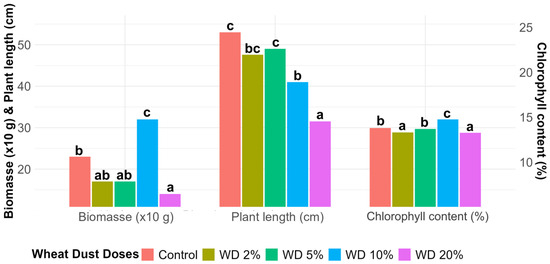
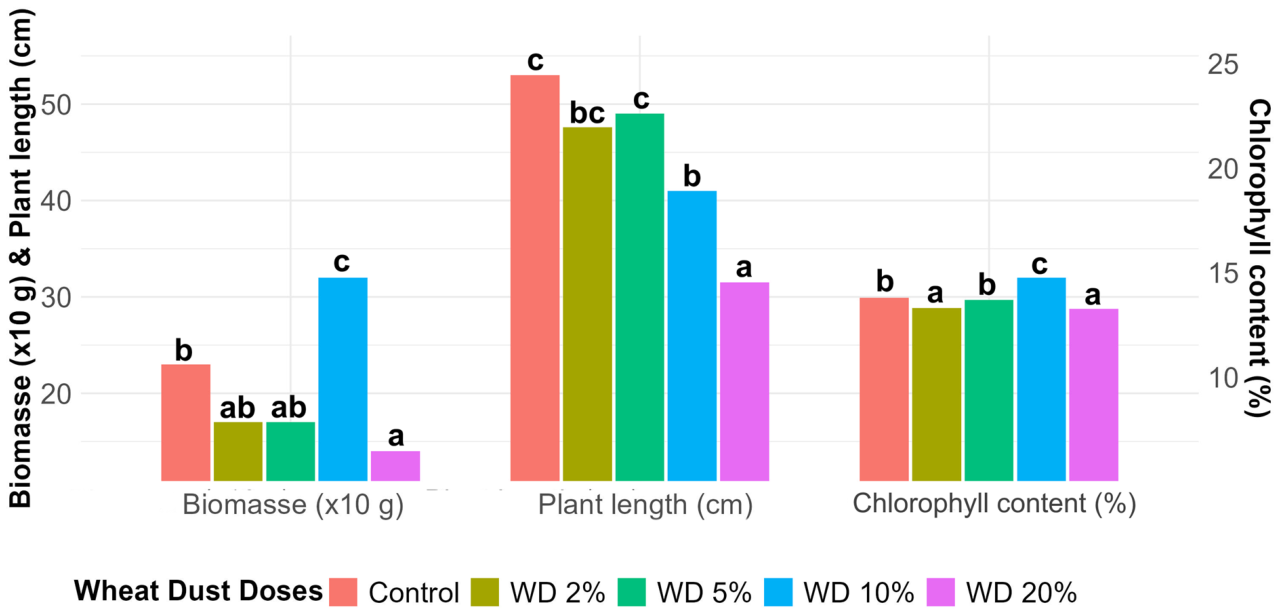
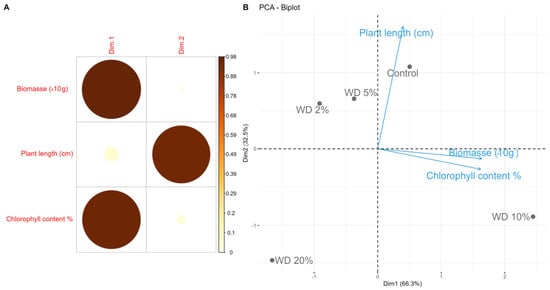
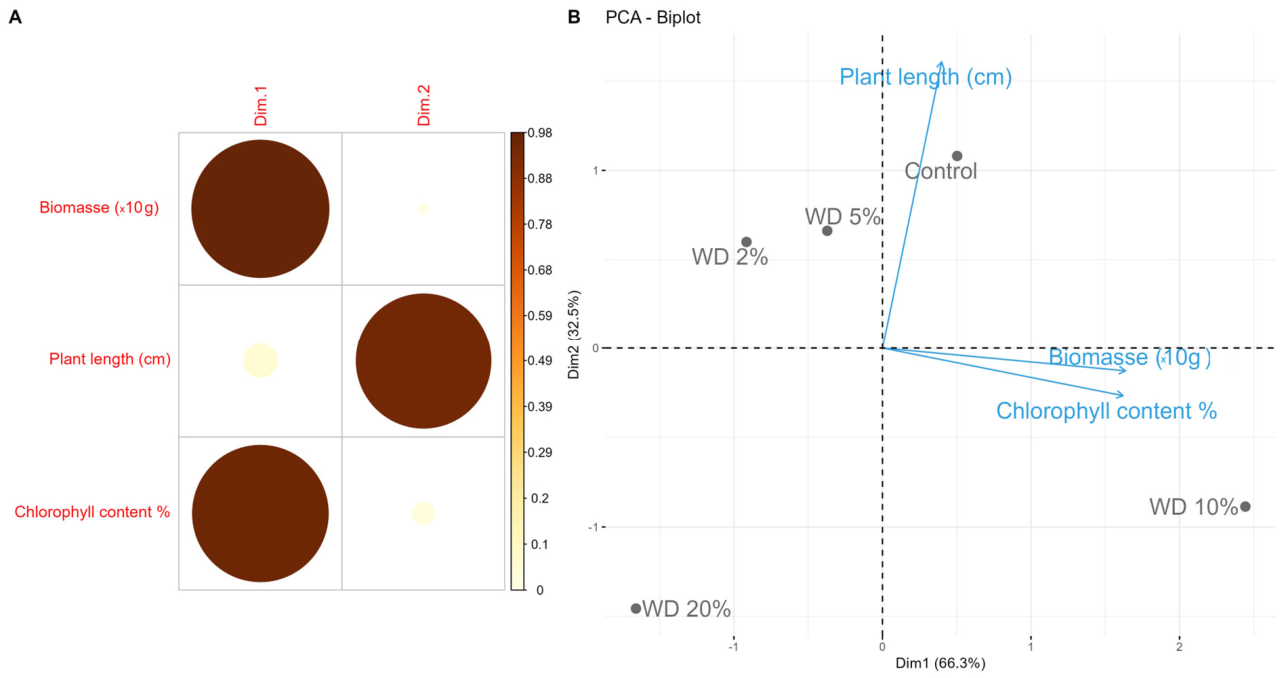
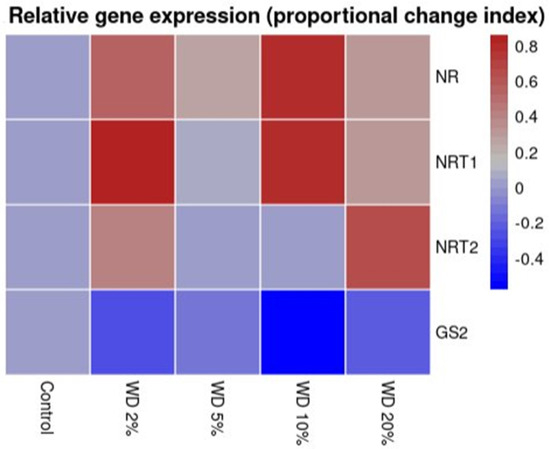
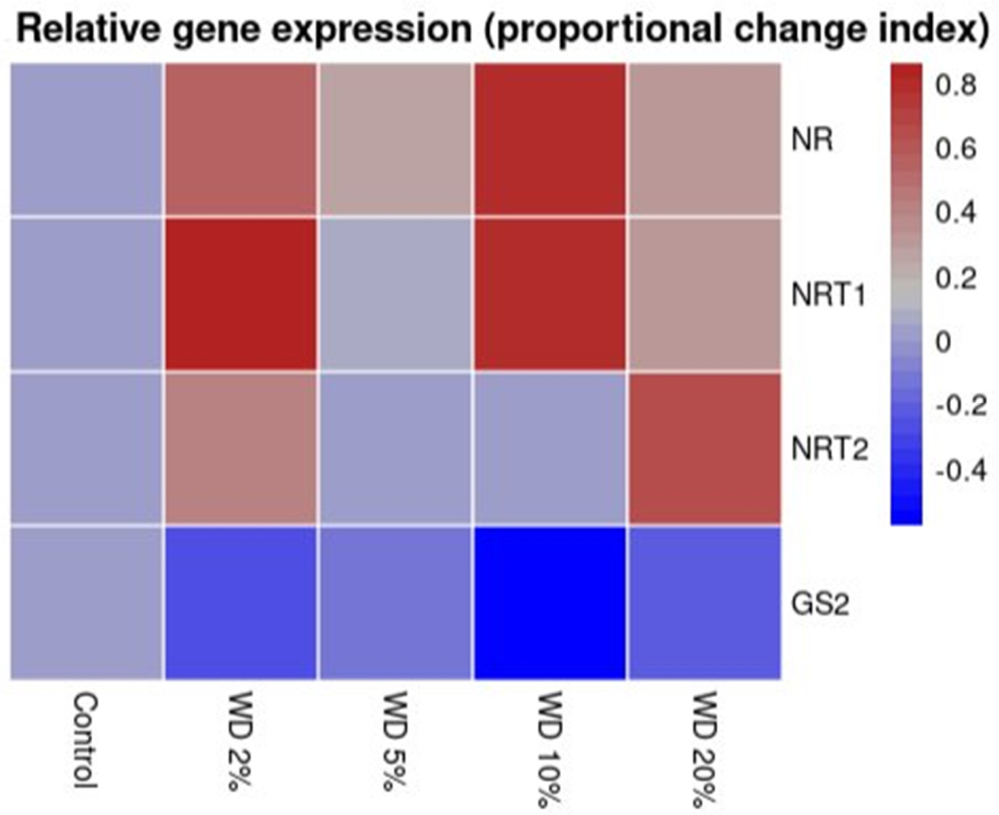
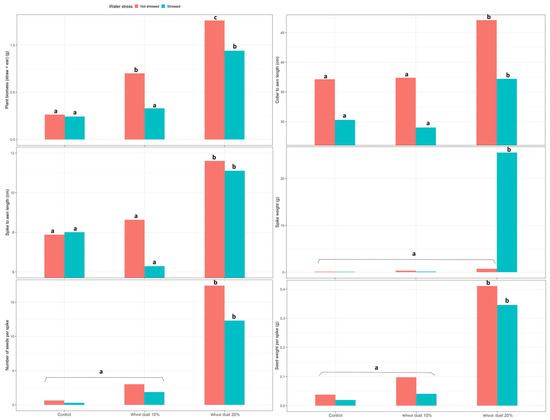
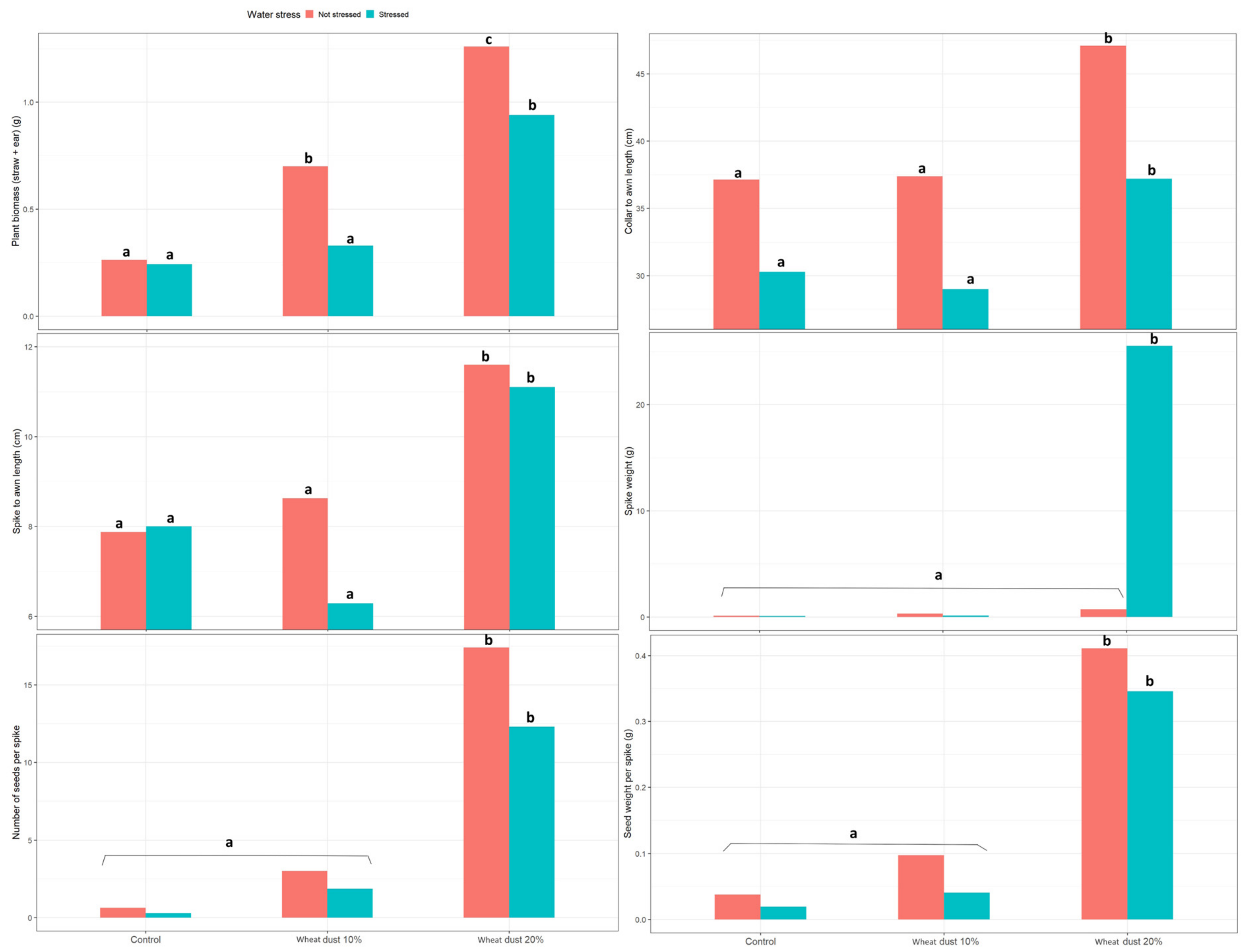
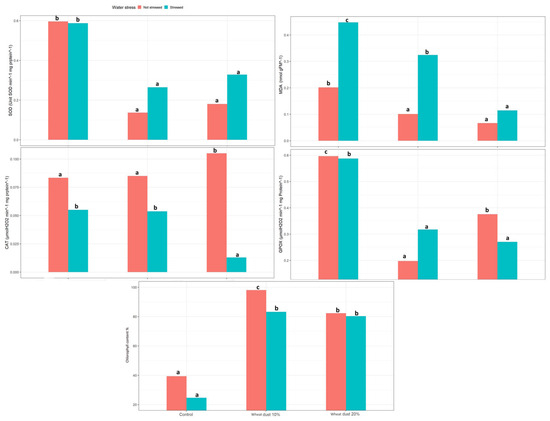
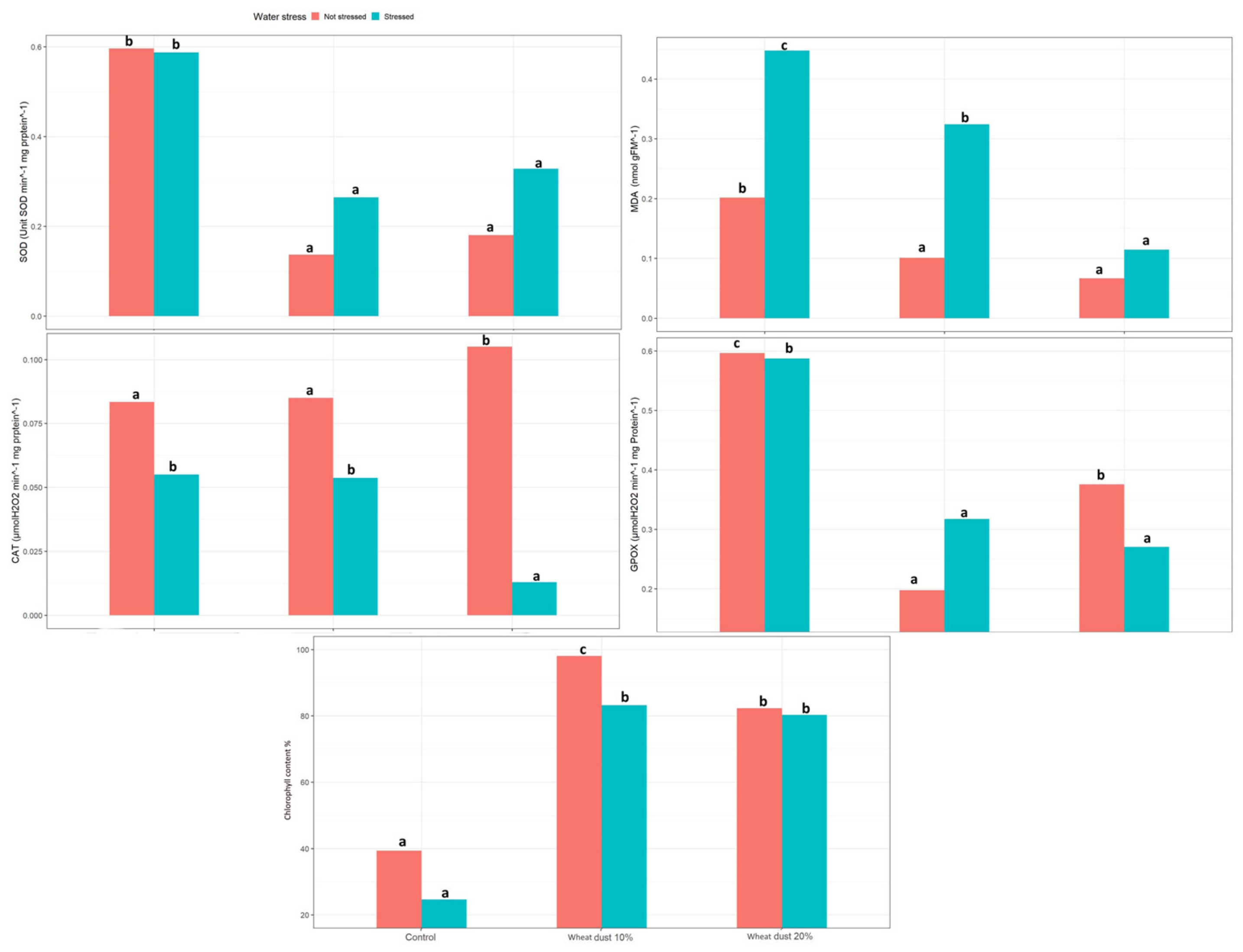
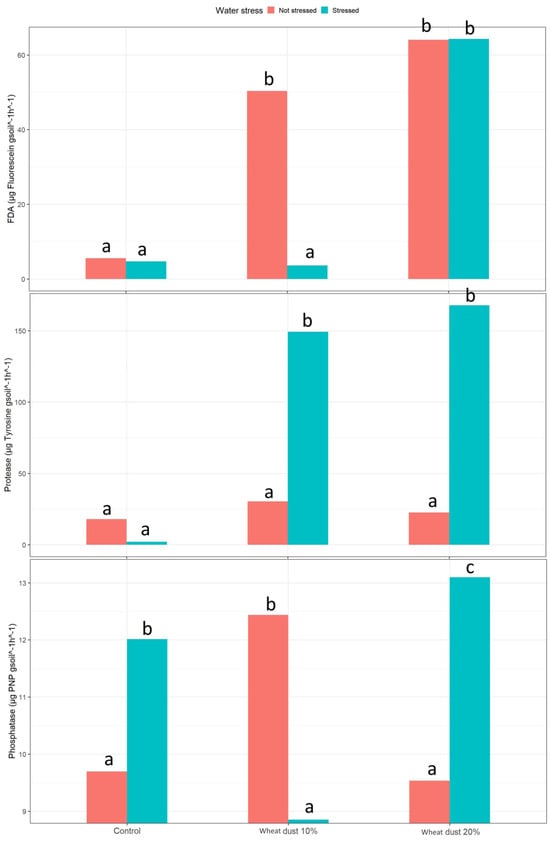
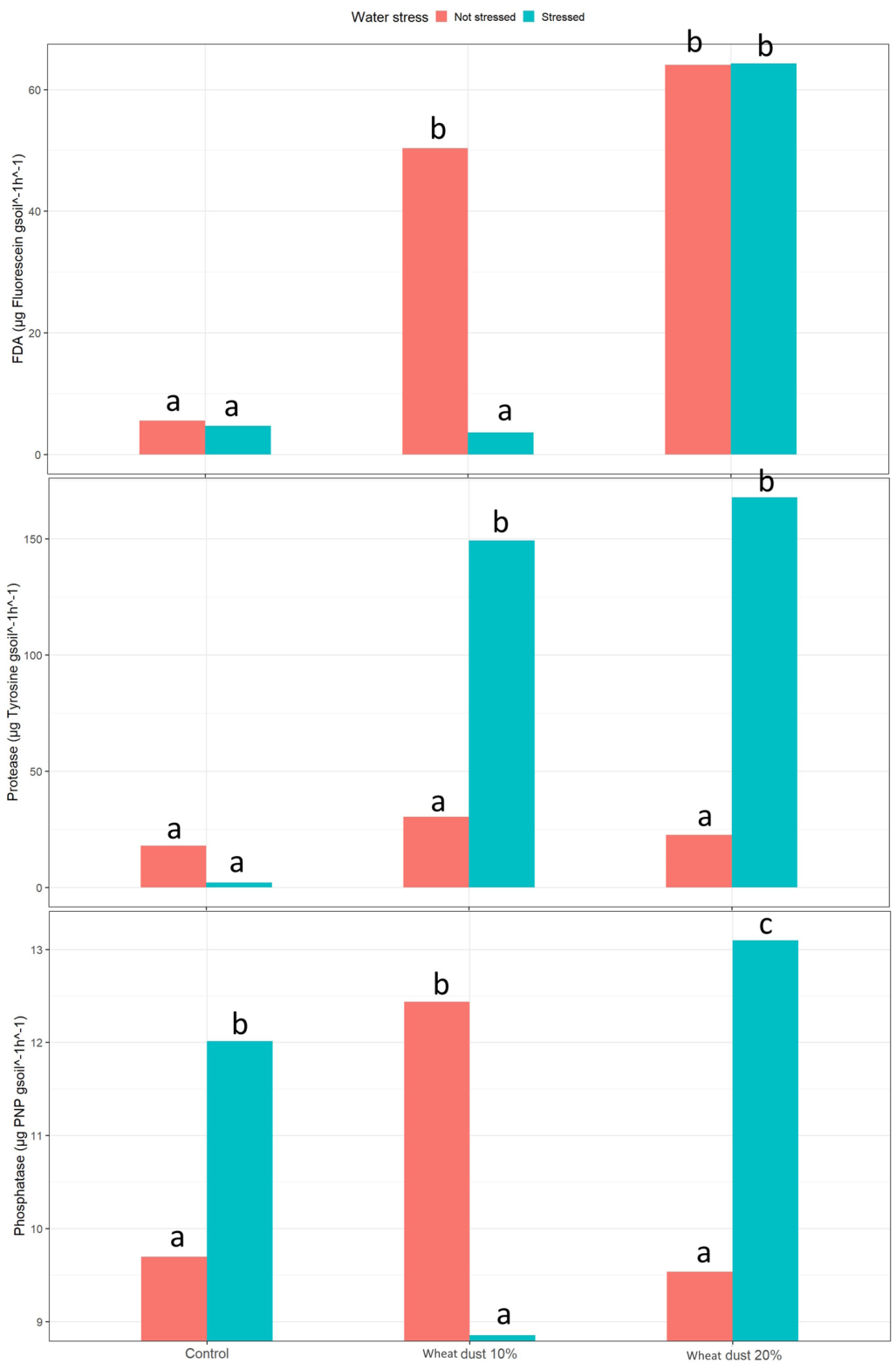
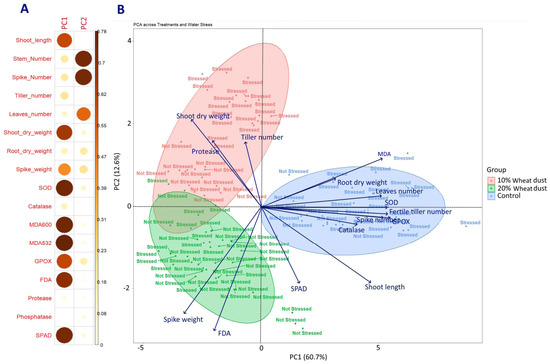
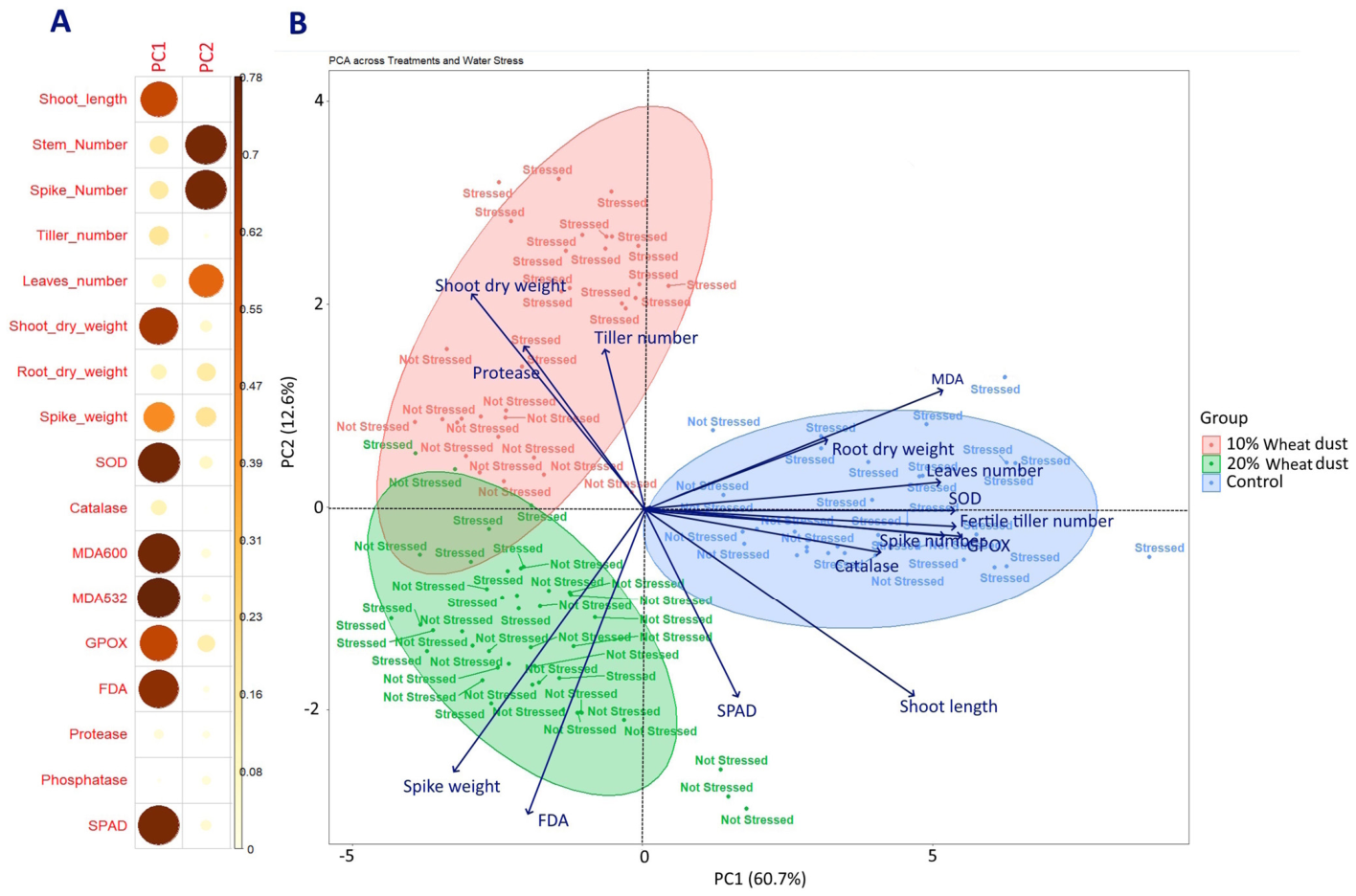

Disclaimer/Publisher’s Note: The statements, opinions and data contained in all publications are solely those of the individual author(s) and contributor(s) and not of MDPI and/or the editor(s). MDPI and/or the editor(s) disclaim responsibility for any injury to people or property resulting from any ideas, methods, instructions or products referred to in the content. |
© 2026 by the authors. Licensee MDPI, Basel, Switzerland. This article is an open access article distributed under the terms and conditions of the Creative Commons Attribution (CC BY) license.