


Abstract
Urban destinations increasingly incorporate green–blue infrastructure, sensory-balanced public spaces, and microclimate-responsive design to mitigate visitor fatigue and support sustainable tourism experiences. To understand how insights from broader tourism environments, particularly nature-based contexts, can inform emerging urban well-being strategies, this study conducts a global bibliometric review (2005–2025) on psychological restoration, stress relief, and visitor well-being. Using Scopus and a Boolean search combining mental health constructs, tourism setting, and analytical approaches, 825 records were identified, and 149 articles were retained after applying eligibility criteria. Science mapping and performance analyses reveal accelerated post-2018 growth and three dominant knowledge clusters centered on restoration pathways, environmental determinants, and behavioral/hospitality components. Based on these patterns, this study introduces the RESTOR-URBAN model, integrating environmental moderators, psychological mechanisms, and behavioral interactions that jointly shape stress reduction and emotional well-being across urban tourism systems. The results show increasing relevance of micro-restorative experiences, thermal comfort management, and stress-aware service design, while highlighting persistent methodological heterogeneity and limited integration of environmental co-data (Universal Thermal Climate Index (UTCI), Physiological Equivalent Temperature (PET), and Discomfort Index (DI)). The findings suggest that restoration-based evidence from nature-based tourism can inform sustainable urban tourism planning, hospitality practice, and visitor experience design, and propose a research agenda emphasizing standardized well-being indicators, longitudinal and structural equation modeling (SEM)-based approaches, and environmental quality variables for resilient, health-oriented urban destinations.
1. Introduction
Urban tourism has become a central component of contemporary urban development, generating both economic opportunities and significant challenges for cities worldwide. The multifaceted nature of these impacts on regional development has been documented in various contexts [1]. As urban destinations evolve, scholars and planners increasingly emphasize the need to enhance visitor well-being, manage environmental pressures, including detailed assessments of resource consumption in tourism infrastructure, such as hotels [2,3], and improve the livability of public spaces. Parallel to this, a growing body of evidence demonstrates that exposure to green–blue environments, whether natural or urban, supports psychological restoration, reduces stress, and improves emotional well-being [4,5,6]. These findings, initially rooted in nature-based tourism, are now directly informing debates on sustainable urban tourism, hospitality management, and the design of restorative urban environments [7,8].
In tourism research, restoration-based frameworks, such as Attention Restoration Theory and Stress Recovery Theory, have become foundational for understanding how environmental qualities shape attentional recovery, positive affect, and stress reduction [9,10,11]. Empirical studies identify mechanisms such as soft fascination, environmental compatibility, multisensory design, and perceived restorative environments as predictors of tourist satisfaction and emotional balance [12,13,14]. More recently, the role of “eco-emotions”, emotional responses linked to sustainable travel choices, has also been explored [15]. In urban settings, these pathways are increasingly relevant as cities implement green corridors, waterfront redevelopment, heritage districts, and pedestrian zones to counteract crowding, sensory overload, and urban fatigue [5,6,16]. Despite the growing interest, researchers note persistent conceptual heterogeneity, varying measurement standards, and inconsistent integration of environmental variables, such as heat stress, noise, and density, into tourism well-being models [17,18,19,20]. Efforts to standardize measurement, such as the validation of anxiety scales for tourism contexts [21], are still scarce and highlight the need for further development.
Scientometric analyses reveal accelerated growth after 2018 in publications linking tourism, well-being, environmental comfort, and psychological health, driven by cross-disciplinary collaboration across environmental sciences, psychology, and urban studies [22,23,24], as well as the rise of smart tourism technologies [25]. This emerging convergence underscores that stress relief and restoration have become core themes not only in nature-based tourism but also in the strategic development of urban destinations seeking sustainable balance and resilience [26]. Yet gaps remain: the dominance of cross-sectional surveys, scarce use of physiological indicators, limited modeling of environmental moderators, and under-representation of cities in the Global South all constrain progress toward evidence-based urban tourism policies [27,28,29].
Accordingly, the primary objective of this study is to systematically map and analyze the intellectual, thematic, and methodological evolution of research on stress relief, psychological restoration, and visitor well-being within tourism between 2005 and 2025, using a bibliometric approach. The empirical scope of this study is therefore limited to the identification of publication trends, conceptual clusters, and methodological patterns derived from Scopus-indexed literature.
By tracing the evolution of knowledge, identifying thematic clusters, and synthesizing psychological, environmental, and behavioral mechanisms, this review clarifies pathways that are directly transferable to urban tourism and hospitality management. These pathways are particularly relevant to areas such as micro-restorative experience design (ranging from technological interventions to, conversely, the promotion of digital-free tourism [30], green–blue infrastructure planning, thermal comfort strategies, and visitor flow management [4,5,6,12,13,14,17,18,19,20]. These insights build on and extend existing calls for more integrative, well-being-oriented frameworks in urban tourism research and practice [7,8].
Building on these bibliometric findings, this study further provides a structured conceptual interpretation aimed at integrating psychological, environmental, and behavioral mechanisms relevant to urban tourism contexts. Finally, the manuscript outlines a set of applied implications for urban tourism planning and hospitality management, which are explicitly framed as interpretative extensions grounded in the observed bibliometric patterns rather than as prescriptive policy guidelines [31,32,33].
2. Materials and Methods
2.1. Study Design
This study employed a global bibliometric review to analyze scientific production on stress relief, psychological restoration, and visitor well-being within tourism research (2005–2025), with particular emphasis on mechanisms relevant to urban tourism and hospitality management [34,35]. This systematic review was conducted and reported in accordance with the Preferred Reporting Items for Systematic Reviews and Meta-Analyses (PRISMA) 2020 statement.
Bibliometric reviews enable the systematic quantification of intellectual structures, thematic evolution, and conceptual linkages across large bodies of the scientific literature, supporting evidence-based insights for emerging interdisciplinary fields, such as tourism, urban planning, environmental psychology, and public health [36,37,38,39]. The methodological workflow followed internationally recognized scientometric protocols for performance analysis and science mapping, ensuring replicability and transparency [40,41].
2.2. Data Source and Justification
Scopus was selected as the primary data source due to its wide disciplinary coverage, including tourism, psychology, environmental sciences, and urban studies, its high indexing quality, and its compatibility with bibliometric software such as VOSviewer and Bibliometrix [34,35,42]. Scopus’s comprehensive metadata structure (authors, affiliations, keywords, citations, abstracts, and references) is particularly suited for analyzing cross-sector topics linking tourism, well-being, sustainability, and urban environments [36,39,41].
While Scopus offers broad coverage, we acknowledge that excluding Web of Science (WoS) may have omitted relevant studies, particularly in environmental psychology and ecology. This limitation is addressed in Section 4.9.
2.3. Search Strategy
The search query was designed to capture the intersection between tourism, mental health constructs, environmental or urban exposure, and modeling approaches, following established practices in bibliometric reviews within tourism, environmental psychology, and urban well-being research [34,35,38,43].
The Boolean expression applied was:
(anxiety OR depression OR “mental well-being” OR stress OR “emotional well-being”) AND (“tourism” OR “urban tourism” OR “nature-based tourism”) AND (“restoration” OR “environmental quality” OR “structural equation modeling” OR “model”).
The term “model” was included to capture studies that employ explanatory frameworks (e.g., structural equation modeling, Qualitative Comparative Analysis, multilevel models). However, to avoid thematic drift, we manually screened titles, abstracts, and full texts; articles where “model” appeared only in a purely economic or non-psychological context were excluded. The search was applied to the TITLE-ABS-KEY field in Scopus.
This query formulation reflects core psychological outcomes (stress, anxiety, and emotional well-being), environmental determinants (green–blue exposure, thermal comfort, and microclimate), and structural modeling approaches commonly applied in tourism and well-being studies [40,44,45]. The inclusion of “urban tourism” and environmental quality terms ensures that the dataset captures evidence transferable to urban contexts, where restoration, environmental comfort, and visitor behavior are increasingly relevant for sustainable tourism and hospitality management [41,46,47].
2.4. Inclusion and Exclusion Criteria
The initial search returned 825 documents. Inclusion criteria required publications to be peer-reviewed journal articles, written in English, published between 2005 and 2025, and indexed under Tourism, Urban Studies, Environmental Sciences, Psychology, Social Sciences, or closely related areas [34,35,42]. Articles were also required to contain an explicit conceptual or empirical link to tourism (urban or nature-based), stress, restoration, emotional well-being, environmental quality, or visitor experience, following established approaches in tourism well-being and environmental psychology research [41,48,49].
Exclusion criteria removed editorials, conference proceedings, book chapters, theses, and commentaries, as well as documents lacking conceptual or empirical relevance for tourism, urban environments, or well-being outcomes, in line with standard bibliometric protocols [43,50]. Studies unrelated to visitor well-being, environmental quality, stress pathways, or tourism dynamics were also excluded to ensure thematic coherence [39]. Filtering and final corpus refinement were performed using Scopus’s built-in analytical and refinement tools, following widespread scientometric procedures [51].
2.5. Final Corpus
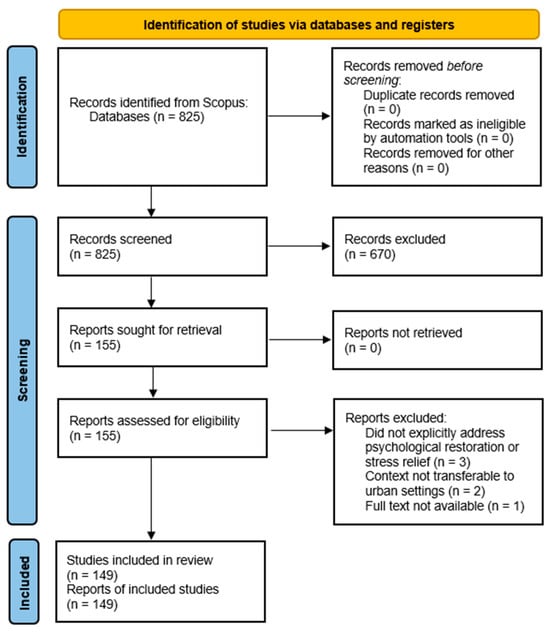
The study selection process followed a sequential filtering procedure consistent with the PRISMA 2020 guidelines. An initial search retrieved 825 records from Scopus. After applying database filters related to document type, language, publication year, and subject areas, 670 records were excluded. The remaining 155 full-text articles were then assessed for eligibility. Six articles were excluded at this stage due to the absence of an explicit link to psychological restoration, stress relief, or emotional well-being, a purely natural context without urban relevance, or a lack of full-text availability in English. This process resulted in a final bibliometric corpus of 149 articles, as illustrated in Figure 1 [34,51]. The PRISMA 2020 checklist and additional Supplementary Materials are available online (see Supplementary Materials).
Figure 1.
PRISMA 2020 flow diagram for study selection in the bibliometric review on tourism, restoration, and urban well-being (2005–2025).
2.6. Data Extraction and Processing
Bibliographic metadata, including authors, titles, abstracts, author keywords, index keywords, journal names, affiliations, citations, and references, were exported from Scopus in BibTeX and CSV formats for subsequent processing [35]. Data cleaning involved a multistep procedure following established scientometric protocols widely applied in tourism, urban studies, environmental psychology, and health-related bibliometrics [34,50].
Data cleaning and standardization were conducted through a rule-based, manual verification process following established bibliometric protocols, which included harmonizing author names and institutional variants, merging duplicated keywords, unifying country names, and applying controlled vocabulary strategies such as singular/plural merging, synonym consolidation, and removal of non-semantic or overly broad terms [43]. Author names were harmonized by resolving spelling variants and initials (e.g., “Waltman, L.” and “Waltman, Loet”), while institutional names were unified by merging equivalent denominations (e.g., “Univ. of California” and “University of California”). Country names were standardized using ISO conventions (e.g., “USA” unified as “United States”).
Keyword cleaning involved three steps: (i) grammatical harmonization (singular/plural unification, hyphen removal), (ii) synonym consolidation (e.g., “green-space”, “greenspace,” and “green space” merged into a single term), and (iii) elimination of overly generic or non-semantic terms (e.g., “study”, “article”, and “human”). Decisions were guided by environmental psychology and tourism thesauri to preserve conceptual meaning while reducing redundancy.
Additional normalization steps ensured semantic coherence between urban and nature-focused research, particularly for concept clusters related to restoration, stress, green–blue spaces, visitor behavior, thermal comfort, microclimate, urban parks, and environmental quality [36,46]. This rigorous cleaning process enhanced the accuracy of co-occurrence analyses, thematic evolution mapping, and conceptual structure outputs, ensuring the robustness required for cross-disciplinary insights in urban tourism and well-being research [51].
2.7. Software and Analytical Tools
Three complementary analytical tools were employed to examine the scientific structure of tourism, restoration, and urban well-being research:
- (1)
- Bibliometrix/Biblioshiny (version 4.0; R-package), was used to compute descriptive indicators, including annual scientific growth, citation trends, productivity metrics, Lotka and Bradford distributions, thematic evolution, and conceptual structure mapping through MCA and factorial methods, following established practices in bibliometric tourism and environmental psychology research [34,42].
- (2)
- VOSviewer (version 1.6.20), was used to generate keyword co-occurrence networks, visualize co-authorship patterns, and construct density- and similarity-based clusters that reveal thematic proximity and disciplinary convergence across tourism, urban planning, and environmental studies [52].
- (3)
- Scopus Analyze (Elsevier B.V., Amsterdam, The Netherlands), supported the exploration of publication trajectories, national and institutional productivity, and subject area distributions relevant to tourism, sustainability, urban environments, and human well-being [33].
2.8. Performance Indicators
Performance analysis incorporated annual scientific output, identification of the most productive countries, leading journals and authors, citation distributions, collaboration patterns, and the emergence of urban-relevant research themes such as urban heat stress (the modeling of which relies on complex meteorological reconstructions [53]), crowding, mobility friction, and green infrastructure planning [17,19,46]. These indicators are widely used in bibliometric tourism research and scientometric evaluations of urban environmental and well-being studies, as they provide insight into the maturity and interdisciplinary and structural evolution of the field [34,53]. Together, these metrics support an integrated understanding of how tourism, sustainability, environmental quality, and psychological well-being converge in the scientific literature, informing the development of evidence-driven frameworks at the tourism–urban–well-being interface [39].
2.9. Science Mapping Techniques
Science mapping techniques were applied to characterize the intellectual and thematic structure of the field by integrating multiple visual analytic procedures commonly used in tourism, environmental psychology, and urban well-being research [27,52]. Keyword co-occurrence networks were generated to identify thematic clusters related to stress, well-being, restoration, environmental quality, sustainability, and urban experience [8,16]. Callon’s centrality and density metrics were used to classify these clusters into motor, niche, emerging, or declining themes, allowing for an assessment of the conceptual maturity and strategic relevance of each domain [27].
Overlay visualization techniques enabled tracking of the temporal evolution of topics—from early emphases on environmental stress and green space exposure to more recent urban well-being trends, digital healing pathways, and resilient tourism systems [4,33]. Multidimensional Scaling (MDS) was applied to examine proximities between psychological, environmental, urban planning, and hospitality constructs within the corpus, supporting the identification of latent conceptual relationships and interdisciplinary linkages that underpin contemporary research on restorative experiences in urban tourism [21,39].
2.10. Trend and Evolution Analyses
Longitudinal analyses conducted for the 2005–2025 period revealed clear thematic shifts within the corpus, including a transition from early emphases on environmental stress, psychological strain, and exposure-based restoration toward more integrative approaches incorporating positive psychology, urban restoration, and multisensory experience design [8,34]. Emerging topics reflected the rise of urban sustainability, thermal comfort, visitor density, mobility friction, smart tourism technologies, and green–blue infrastructure—concepts that are increasingly central to urban well-being and destination resilience [7,31,42].
In parallel, the analysis highlighted a growing role of stress-aware hospitality management, particularly in the post-COVID-19 period, where scholarly attention shifted toward emotional safety, visitor fatigue, psychosocial recovery, and stress-responsive service environments [13,24,30].
2.11. Conceptual Structure Analysis
Factor analysis algorithms were applied to identify high-level conceptual domains within the corpus, revealing clusters that correspond to core thematic dimensions in tourism, environmental psychology, and urban well-being research [27]. These clusters included: psychological stress pathways associated with restoration and affective recovery; environmental and green–blue determinants related to microclimate, environmental quality, and exposure effects; urban experience and hospitality management factors influencing visitor satisfaction, comfort, and emotional safety; sustainability and resilience frameworks emerging from climate-aware urban planning; and visitor behavior constructs tied to service quality, social interaction, and multisensory experience design [36,44,48].
Together, these conceptual domains form an integrative structure that highlights the interplay between psychological, environmental, behavioral, and service-oriented mechanisms, offering transferable insights for urban tourism design, restorative infrastructure planning, and well-being-oriented hospitality management [4,54].
2.12. Ethical Considerations
As this study analyzed secondary bibliographic metadata and did not involve any direct interaction with human or animal participants, no ethical approval was required [50]. All data collection and processing procedures adhered to Scopus terms of access for bibliographic content, as well as recognized guidelines for transparent reporting of scoping and bibliometric reviews, including PRISMA-ScR recommendations [43,50]. No confidential, identifiable, or sensitive information was accessed throughout this study, and all analytical scripts, settings, and workflows can be shared upon request to ensure reproducibility and methodological transparency [27].
3. Results
The results of this bibliometric review are organized into thematic and structural components that reflect the scientific evolution of research on stress relief, psychological restoration, and well-being within tourism and urban environments. Overall, the analysis revealed a marked increase in publication activity over the 2005–2025 period, accompanied by the consolidation of interdisciplinary linkages between tourism studies, psychology, environmental sciences, urban planning, and hospitality management.
Science mapping outputs, such as co-occurrence networks, factorial structures, and longitudinal trend visualizations, identified stable thematic cores related to restoration, environmental quality, tourist behavior, and sustainability, alongside emerging themes that link positive psychology, micro-restorative experiences, thermal comfort, mobility, and smart tourism technologies. Together, these findings provide a comprehensive overview of how the field has matured, diversified, and expanded toward urban well-being applications.
3.1. Temporal Evolution of Scientific Production (2005–2025)
The temporal evolution of publication activity between 2005 and 2025 reveals three distinct phases in the development of research on stress relief, psychological restoration, and well-being within tourism and urban environment contexts. The foundation phase (2005–2014) is characterized by low but sustained output, primarily addressing environmental stressors, landscape assessment, and early contributions from environmental psychology [55,56].
A transition phase (2015–2018) shows moderate growth, marked by the introduction of psychological constructs such as perceived restorative environments, nature connectedness, and affective recovery concepts later adapted to urban green–blue infrastructure and city tourism settings [57,58,59].
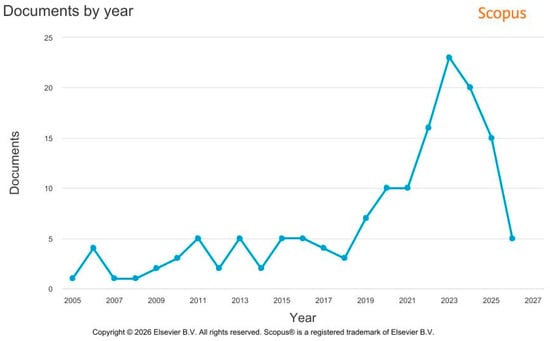
Figure 2 displays publication trends indexed in Scopus during the 2005–2025 period, showing a marked increase after 2018 and a peak in 2023, followed by a stabilization in 2024–2025.
Figure 2.
Annual scientific production on tourism, restoration, and urban well-being (2005–2025).
A rapid acceleration occurs after 2018, coinciding with growing global attention to mental health, urban livability, and the restorative role of nature-based and hybrid (urban–natural) tourism experiences [60,61]. This expansion peaks around 2023, driven by post-COVID-19 interest in stress mitigation, emotional recovery, and the integration of technological approaches such as VR-enabled restorative experiences and SEM-based modeling of well-being pathways [6,12,14,39].
The decline observed in 2024–2025 does not indicate a reduction in relevance but reflects a typical bibliometric stabilization pattern and diversification into specialized subfields. These include thermal comfort modeling in urban public spaces [43,47], climate-related stress, digital and multisensory restoration, and stress-aware hospitality management, which are key themes for sustainable urban tourism and resilience frameworks [7,24,31,42].
3.2. Factorial Analysis: Clusters and Semantic Proximity
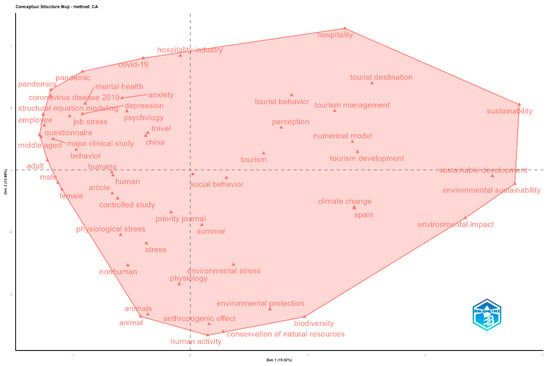
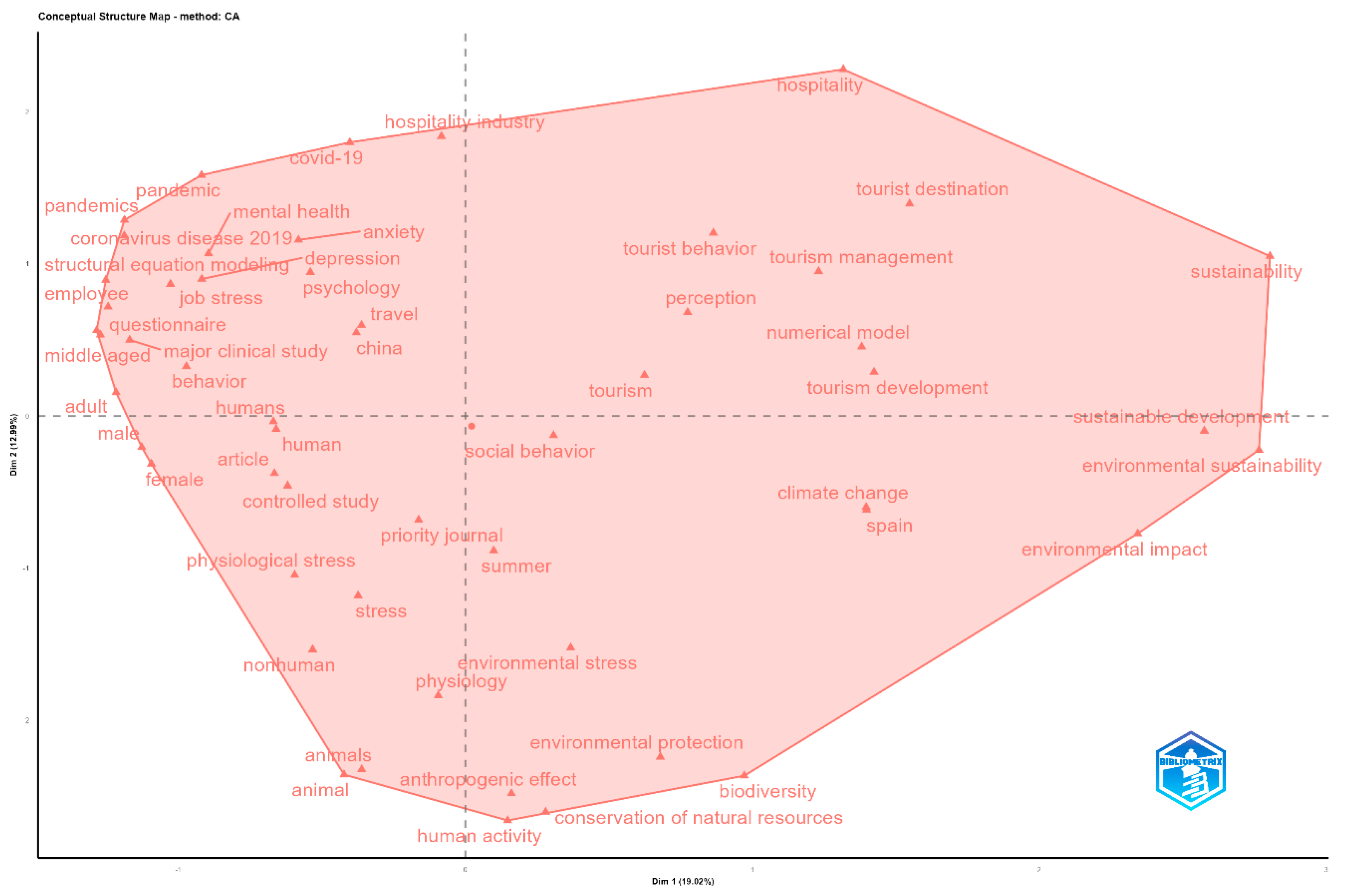
The conceptual structure analysis reveals the major thematic domains and semantic proximities underlying the 2005–2025 corpus, highlighting how psychological, environmental, behavioral, and managerial constructs interact within tourism and urban well-being research, and reveals a dense semantic continuum where psychological, epidemiological, and methodological terms cluster in the left quadrant, reflecting the strong influence of mental health frameworks within nature-based tourism research [8,21,34], which is consistent with foundational theories of human–nature connection [55]. Keywords such as mental health, anxiety, depression, stress, and physiological stress appear adjacent to questionnaire, controlled study, and structural equation modeling.
Their proximity also suggests that scholars conceptualize nature and urban green exposure as psychological mechanisms with measurable pathways, which is consistent with recent studies on multisensory heritage districts, VR-mediated presence flow effects, and pandemic-related emotional coping [10,12,35].
As illustrated in Figure 3, the conceptual structure map visualizes the distribution and clustering of thematic domains according to factorial proximity.
Figure 3.
Conceptual structure map of tourism, restoration, and urban well-being literature using MCA.
A second semantic constellation emerges in the upper-right quadrant, where terms such as tourist behavior, tourism management, perception, hospitality, and tourist destination converge [20,45]. This cluster reflects the consolidation of behavioral and experiential tourism research, particularly studies analyzing interaction-driven fatigue, experience quality, and satisfaction through moderated mediation frameworks [29,30].
A third cluster in the lower-right quadrant contains environmental-, climatic-, and sustainability-oriented concepts, including climate change, environmental sustainability, environmental impact [57], biodiversity, and anthropogenic stress, a concern that extends to wildlife in tourist areas [6], highlighting the growing relevance of biophysical constraints in tourism studies [4,36].
Overall, the conceptual structure map triangulates psychological, behavioral, and environmental mechanisms, confirming the thematic evolution observed across the 2005–2025 corpus [27,33].
3.3. Geographic and Institutional Articulation of Knowledge Production
The cross-field analysis highlights how institutions, countries, and conceptual domains interact within the scientific landscape of tourism, restoration, and urban well-being research, revealing key geographic and thematic convergence patterns across the corpus.
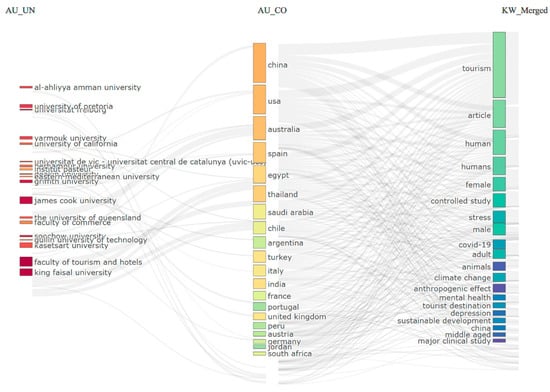
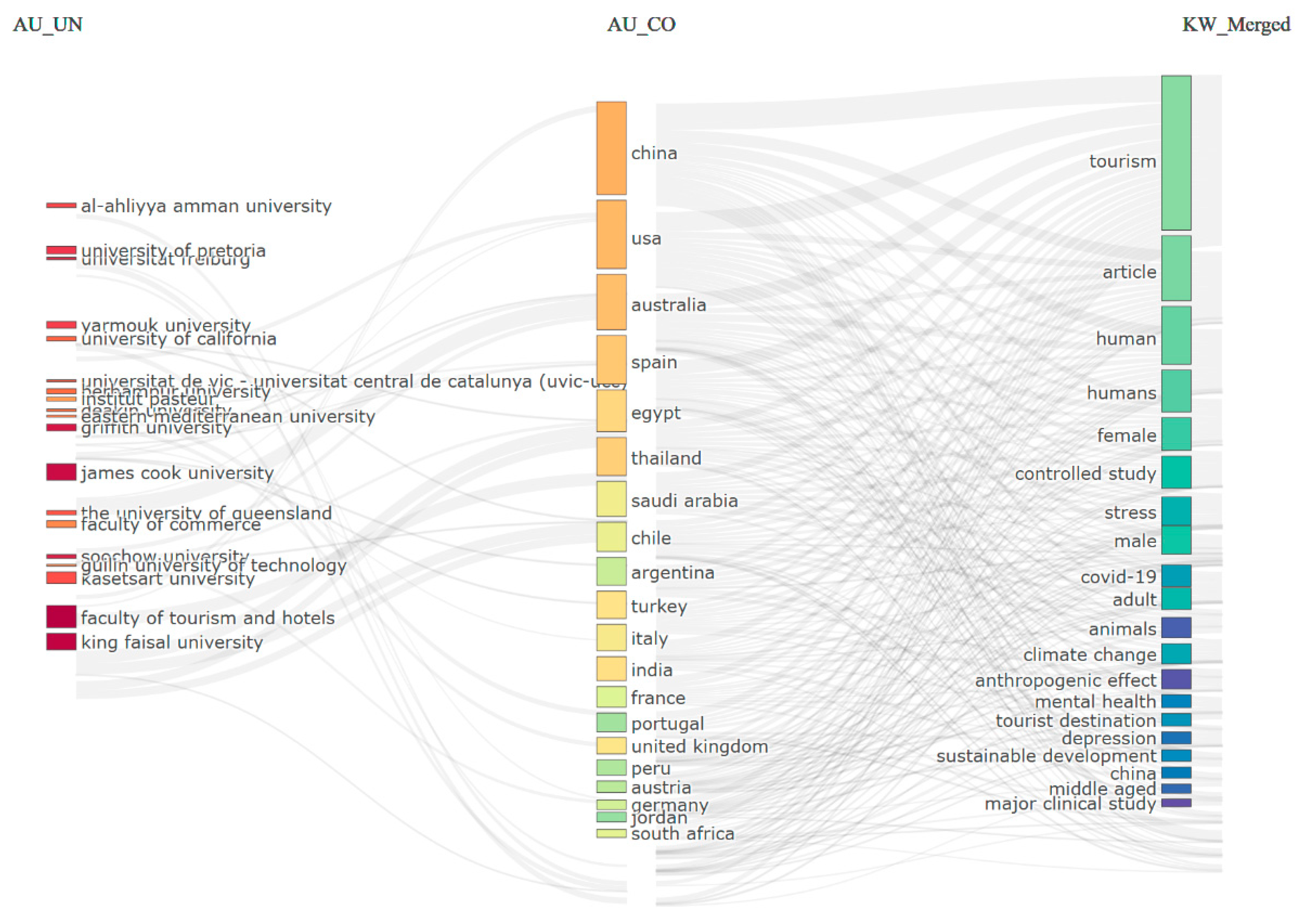
The plot shows strong articulation between productive institutions and countries, China, the United States, Australia, and Spain, and dominant thematic fronts such as tourism, stress, mental health, and controlled study [33]. This distribution reflects the leadership of Chinese and U.S. institutions in SEM-based mental health tourism research [19,39], the prominence of Australian groups in restoration and VR-enabled well-being studies [10,12], and the sustained contribution of European scholars to sustainability-oriented climate comfort research [7,37,42].
As shown in Figure 4, the three-field plot illustrates relationships among institutions, countries, and merged keywords in the corpus. Cross-cutting keywords such as climate change, sustainable development, tourist destination, female, male, and adult indicate a multidisciplinary research network operating at the intersection of environmental psychology, destination management, and public health [4,22].
Figure 4.
Three-field plot showing relationships among institutions, countries, and merged keywords in the corpus.
The conceptual structure analysis also reveals three robust clusters:
- (1)
- A psychological and psychophysiological stress cluster, combining constructs such as stress, physiological stress, anxiety, and depression, which is consistent with research on restorative environments, VR-based emotional recovery, and pandemic-related stress dynamics, including its impact on hospitality workers [8,18,21,35,60].
- (2)
- A tourist behavior and management cluster, linking tourist behavior, tourism management, hospitality, and social interaction, consistent with studies on experience quality, interaction-related fatigue, and behavioral adaptation, including research on specific tourist populations such as international students [20,28,29,30].
- (3)
- A sustainability and environmental impact cluster, including environmental sustainability, environmental impact, climate change, thermal comfort, and climate-adaptive tourism planning [4,7,31,42]. This cluster also encompasses studies on anthropogenic stress on biodiversity, affecting a range of species from mammals [6] and birds [61] to marine life [49].
The spatial proximity among questionnaire, controlled study, and structural equation modeling (SEM) reflects recent methodological consolidation in the field, with increasing use of SEM/PLS-SEM to test mediation and moderation structures [19,39].
Lastly, the three-field plot highlights emerging participation from Latin American and Middle Eastern institutions, including Chile, Argentina, Peru, and Saudi Arabia, which contribute to biodiversity tourism, protected area management [11,35,58], and thermal stress studies.
3.4. Methodological Maturation and Diversification
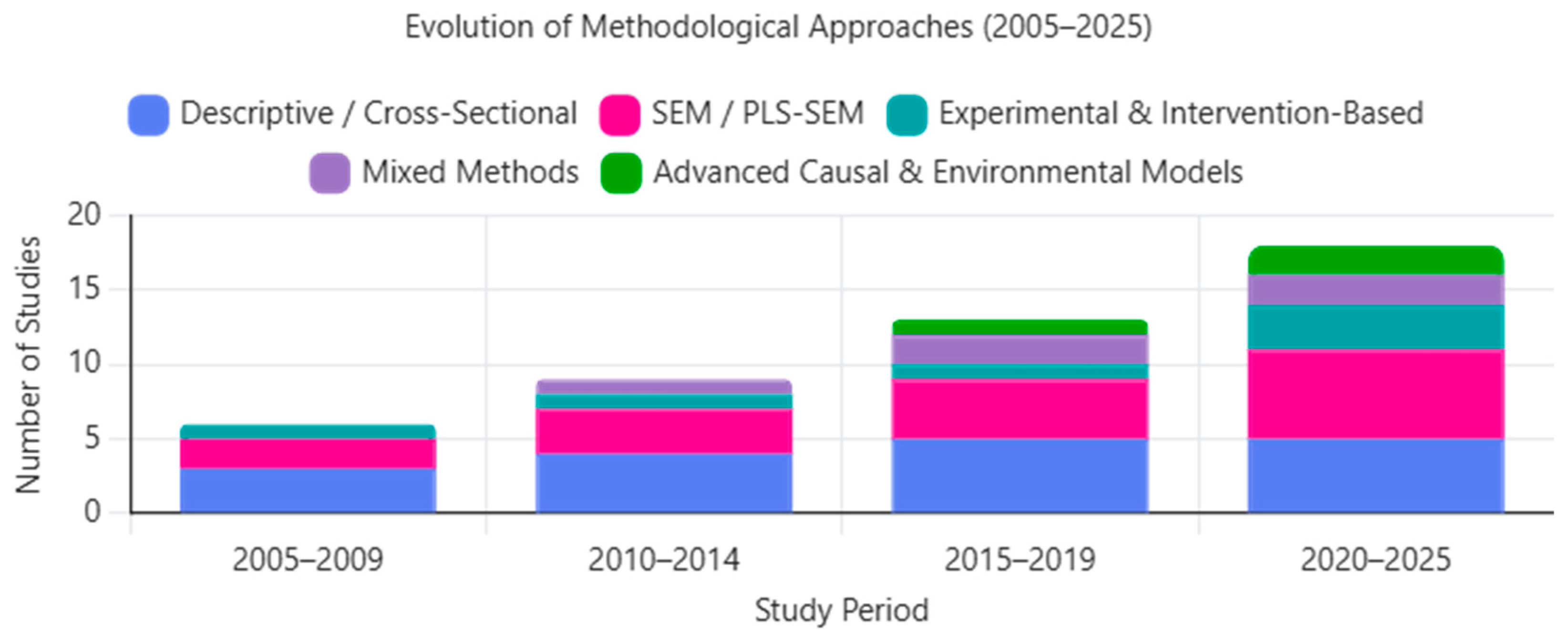
As illustrated in Figure 5, the frequency of methodological approaches across the study period (2005–2025) shows a decisive shift from descriptive, cross-sectional approaches to causal modeling, hybrid designs, and quasi-experimental methodologies that support deeper examination of psychological, environmental, and behavioral mechanisms in tourism and urban well-being research [19,39].
Figure 5.
Frequency of methodological approaches across the study period (2005–2025).
A key development is the dominance of SEM/PLS-SEM models, which are widely used to analyze mediation pathways such as restorative environments → place attachment → well-being and moderators including involvement, empathy, and travel anxiety [20,29,30].
Another major development is the rise of experimental and intervention-based designs, including VR tourism trials in long-term care facilities and web-based psychological capital programs for tourism workers [10,50].
QCA (Qualitative Comparative Analysis) has also expanded the ability to identify multiple sufficient configurations for restorative outcomes in multisensory and heritage environments [14]. Furthermore, new research designs are emerging to study digital tourism experiences, such as the impact of tourism livestreaming [46]. Propensity Score Matching techniques have been applied to examine stress reductions following behavioral or policy interventions, particularly in pandemic-related contexts [18,62].
Mixed-method approaches integrating interviews, surveys, observational data, and stress-coping frameworks have expanded the study of emotional recovery, socio-affective dynamics, and visitor adaptation in tourism and hospitality settings [20,30].
Finally, biometeorological modeling using UTCI, PET, and DI has introduced environmental moderators, thermal comfort, microclimate variability, and heat stress exposure, deeply shaping sensory quality and affecting tourist behavior in urban contexts [7,31,42]. The exploration of cutting-edge digital environments, such as the metaverse, also represents a new frontier in understanding tourist experiences and anxieties [63].
Altogether, these methodological trends indicate a shift toward greater causal precision and integrative frameworks combining psychological, environmental, and behavioral data.
3.5. Conceptual Model Proposal: RESTOR-URBAN (Restorative Exposure and Stress Transformation in Urban Tourism Systems)
RESTOR-URBAN builds upon, and conceptually extends, Attention Restoration Theory ART; Kaplan, 1995 and Stress Recovery Theory SRT; Ulrich, 1983. While ART and SRT explain general psychological mechanisms of attentional recovery and stress reduction, RESTOR-URBAN explicitly incorporates urban environmental moderators, including thermal comfort indices (UTCI, PET, and DI), noise exposure and crowding, and behavioral pathways, such as walking and micro-scale social interactions, that are particularly critical in dense, sensory-rich urban tourism contexts [7,31,42,48].
The structure of the RESTOR-URBAN framework is derived from the main bibliometric clusters identified in the analysis and their conceptual alignment with the proposed model components, as summarized in Table 1.
Table 1.
Linking clusters with model components.
Operationalizing the notion of a restorative dose, the model conceptualizes exposure as a function of frequency, duration, and sensory quality, incorporating green–blue attributes, biodiversity cues, and microclimatic comfort, as well as inclusive modalities such as VR-mediated access for mobility-limited populations [8,10,12,34]. Evidence shows that multisensory heritage environments enhance psychological restoration through the pathway Perceived Restorative Environment → Place Attachment [21,34], that VR-tourism enables well-being gains through presence → flow mechanisms [10,12,14], and that family-based tourism consumption can reduce stress, anxiety, and depression in post-pandemic contexts [18]. Collectively, these studies demonstrate that high-quality micro-doses, short, repeated restorative exposures, are more effective than long exposures in low-quality environments where thermal discomfort or crowding fatigue may occur [7,29].
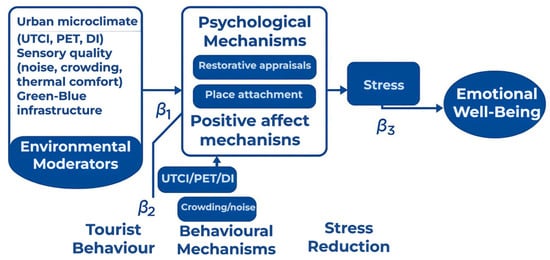
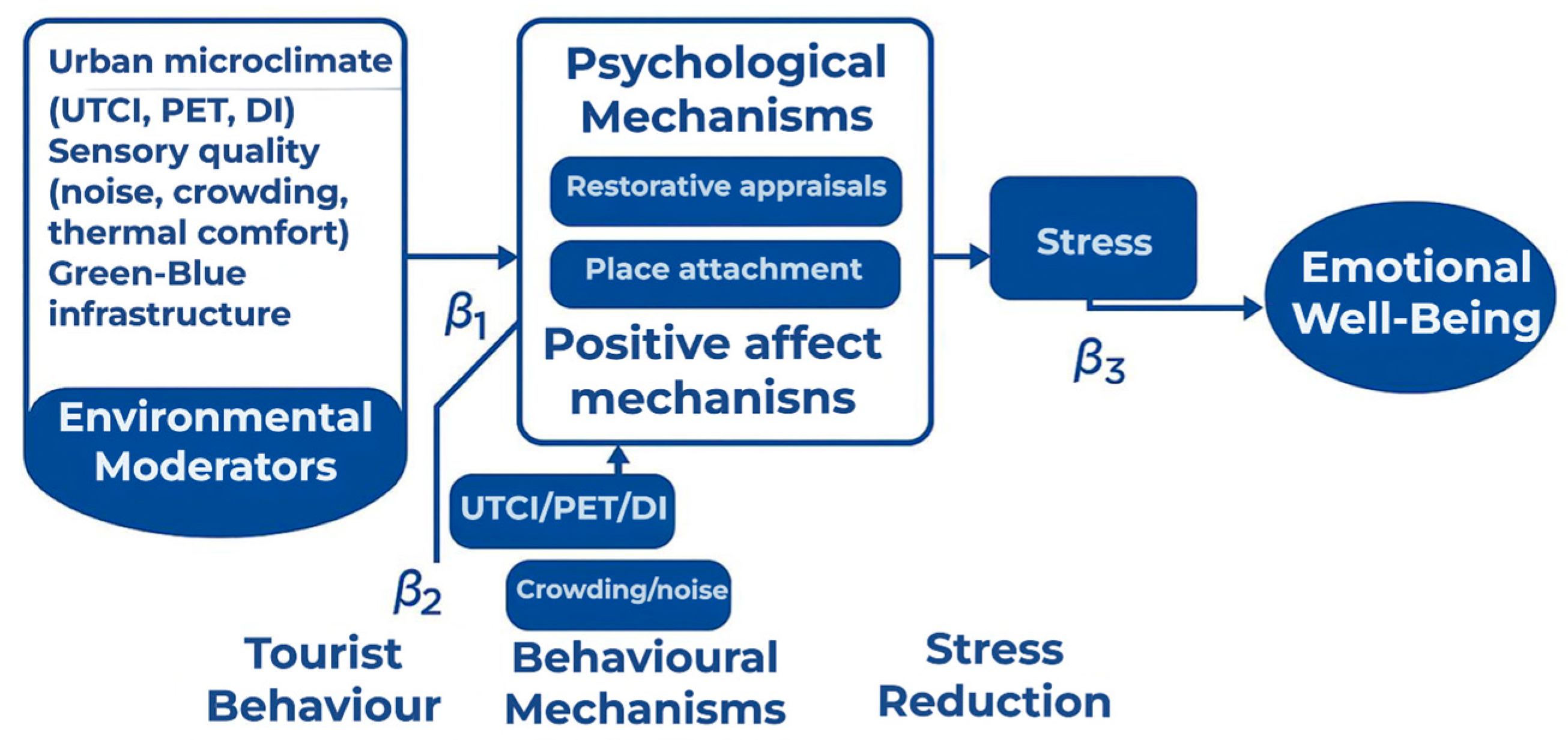
Figure 6 presents the RESTOR-URBAN conceptual model, illustrating the environmental, psychological, behavioral, and stress transformation pathways in urban tourism systems. The model is synthesized from the bibliometric patterns identified in the corpus; it has not been empirically validated but offers a framework for future research.
Figure 6.
The RESTOR-URBAN conceptual model: environmental, psychological, behavioral, and stress transformation pathways in urban tourism systems.
In line with the graphical model, RESTOR-URBAN positions psychological mechanisms as the core mediators through which exposure translates into lower perceived stress and enhanced emotional well-being. These mechanisms include restorative appraisals, place attachment, presence and flow, positive affect, and connectedness, which are all represented as internal components of the psychological block [8,21,34].
These cognitive–affective processes are further reinforced by behavioral mechanisms, including light physical activity, positive micro-interactions, and episodic memory, which together help consolidate restorative outcomes during urban tourism experiences [20,29,30].
The environmental moderators, specifically UTCI/PET/DI (thermal comfort indices), crowding, and noise, interact with psychological and behavioral pathways through the moderation paths shown in the diagram. Evidence highlights rising frequencies of heat stress days in coastal destinations, pronounced afternoon discomfort in Mediterranean heritage cities, and elevated stress-frequency patterns in coastal versus inland tourist settings [7,31,37]. These findings imply that destinations should adopt UTCI-aware scheduling, implement microclimate-responsive design (shade structures, water features, and breeze corridors), and apply visitor load micro-zoning to maintain sensory quality and safeguard restorative mechanisms [42,48].
RESTOR-URBAN also reinforces the transition from isolated tourism exposures to destination-level restorative portfolios, combining in situ micro-restorative experiences, VR-based inclusive access, and policy levers, such as safety messaging, controllability cues, and family travel incentives [12,18]. Research demonstrates that multisensory design, psychosocial support frameworks, and smart tourism technologies enhance emotional recovery, satisfaction, and revisit intentions [10,20].
As an applied agenda, the model recommends piloting multi-component restorative interventions that integrate VR spaces in visitor centers, thermal comfort adaptive scheduling, crowd load management strategies, and evaluation frameworks combining SEM/MLM with EMA/HRV; these methodologies are increasingly adopted in tourism and environmental psychology research [39,62]. Replication efforts should prioritize interventions that consistently demonstrate improvements in stress reduction, emotional well-being, and destination experience quality, aligning with calls for more comprehensive perspectives on tourism sustainability and resilience [64].
Strategic Lessons from the RESTOR-URBAN Model for Urban Tourism Management (2005–2025)
Findings from climate comfort, environmental quality, and restoration-oriented tourism studies highlight the critical role of biophysical and sensory conditions in shaping visitor well-being [7,31,42,48]. Accordingly, RESTOR-URBAN provides several actionable directions for public agencies:
Public sector: (1) Integrate UTCI-based thermal comfort into urban planning and event scheduling; (2) expand green–blue corridors and micro-parks along major tourism routes; and (3) deploy real-time smart dashboards for heat, noise, and crowding.
Private sector: (1) Design multisensory environments (sound, scent, and greenery) to reduce cognitive fatigue; (2) offer micro-restorative breaks (10–20 min) with shaded, quiet spaces; and (3) train staff in empathetic, calm-inducing communication.
Community level: (1) Co-create quiet routes and micro-refuges using local knowledge; (2) develop identity-anchored storytelling routes to enhance place attachment; and (3) feed local observations (noise, crowding) into smart tourism governance.
4. Discussion
4.1. Integrating a Rapidly Maturing Field: Psychological, Environmental, and Behavioral Pathways
This review indicates that tourism well-being research has evolved into a consolidated interdisciplinary field, increasingly integrating environmental psychology, urban studies, public health, and hospitality research [8,21,33]. The accelerated growth observed after 2018 reflects a shift from predominantly nature-centric frameworks toward urban restorative environments, where psychological, environmental, and behavioral pathways operate simultaneously. Rather than acting as isolated constructs, these pathways form an interconnected system that helps explain why specific urban environments, such as heritage districts, green–blue corridors, and multisensory public spaces, are associated with measurable improvements in emotional regulation.
Three complementary mechanisms emerge:
First, psychological pathways, including restorative appraisals, place attachment, presence–flow states, and positive affect, are no longer documented exclusively in forests or protected areas. Increasing evidence shows that these mechanisms also operate within urban green–blue micro-spaces, such as riversides, shaded pedestrian boulevards, and waterfront parks [21,34,48]. These findings align with environmental psychology theories suggesting that attentional recovery and stress reduction can occur through perceptual soft fascination even in built environments, which is consistent with foundational concepts such as the biophilia hypothesis [25,40,55].
Second, environmental determinants, such as green–blue quality, biodiversity cues, shade availability, microclimatic comfort, and wind corridors, consistently shape emotional outcomes in urban public spaces [7,31,42]. For example, exposure to air pollution has been shown to negatively influence tourists’ behavioral intentions [57]. The growing integration of thermal comfort indices, including UTCI, PET, and DI, further underscores that thermal comfort is not merely a physical condition but also a psychological moderator influencing attentional load and stress recovery processes.
Third, behavioral and social pathways, including walking, exploration, social interaction, and episodic memory formation, appear to play a more prominent role in dense urban environments than in natural settings, due to cultural richness and social vibrancy [20,29]. These behaviors enhance restorative effects by activating affective and embodied mechanisms that complement purely perceptual forms of restoration.
Together, these interconnected mechanisms support the idea that well-designed urban spaces can partially replicate, complement, or even enhance nature-based restorative processes when sensory balance, microclimatic comfort, and mobility ease are prioritized.
4.2. Post-2019: Mental Health and Tourism as a Strategic Partnership
The marked increase in mental health-oriented tourism research after 2019 mirrors the global rise in anxiety, depression, fatigue, and COVID-related stress [18,20]. Evidence indicates that family-based tourism contributed to psychological recovery following pandemic restrictions [18], while significant mental health challenges have also been documented among specific groups, particularly hospitality workers [20,60]. In this context, urban tourism has emerged as a strategic partner for public health by offering short, accessible restorative experiences for local and regional populations.
Technological innovations further expand this restorative potential. Virtual reality-enhanced tourism, immersive cultural experiences, and digital nature simulations have demonstrated positive effects on presence, flow, and emotional comfort, particularly among mobility-limited individuals, long-term care residents, and highly stressed urban populations [10,12]. These digital restoration pathways complement physical green–blue infrastructure and provide inclusive alternatives in densely populated or socio-economically constrained urban settings [14].
4.3. From Correlation to Modeled Explanations: SEM and the Quest for Causal Structure
This review identifies a clear methodological shift toward structural equation modeling (SEM), Partial Least Squares SEM (PLS-SEM), multivariate mediation, and moderated mediation approaches [19,39]. These methods enable the testing of complex causal chains—such as restorative environment → place attachment → well-being—within urban contexts including waterfronts, pedestrian zones, multisensory plazas, and heritage districts [21,34].
Importantly, SEM-based studies increasingly incorporate environmental quality variables, such as noise exposure, thermal comfort indices (UTCI, PET, and DI), and air quality measures. This integration provides stronger causal explanations for stress recovery processes in urban settings [7,31,42,56]. Collectively, these findings suggest that urban microclimatic and sensory conditions play a fundamental role in shaping psychological mechanisms, which is a core premise of the RESTOR-URBAN conceptual model.
4.4. Dose Matters: Toward Evidence-Based Tourism Prescriptions
Across multiple studies, restorative “micro-doses”, short (10–20 min), frequent exposure to green–blue cues, shaded routes, breeze corridors, or multisensory urban plazas, produce meaningful reductions in stress and improvements in well-being [8,34]. These findings support designing itineraries and urban experiences that emphasize repetition over duration, particularly in cities facing mobility barriers, density stress, or thermal extremes [7,29].
The RESTOR-URBAN framework reinforces this logic by conceptualizing exposure as a function of frequency, duration, and sensory quality. It suggests that even brief restorative interventions embedded within everyday or touristic mobility can cumulatively generate meaningful emotional benefits.
4.5. The Blue Dimension: Integrating Waterscapes into Destination Design
Blue spaces consistently emerge as strong predictors of emotional uplift, attentional restoration, and physical activation [16,48]. In urban contexts, rivers, canals, lakesides, wetlands, and coastal promenades function as restorative corridors that encourage walking, reduce mental fatigue, and provide perceptual refuge from sensory overload [17,48].
Urban design interventions that enhance accessibility, shade, seating, wayfinding, and multisensory coherence in blue–green areas align closely with public health strategies aimed at improving population-level well-being [44]. These results support the integration of hydrological and ecological planning into sustainable urban tourism and mobility systems.
4.6. Geography of Knowledge: Concentration and Bridge Roles
The observed dominance of countries such as China, the United States, Spain, Australia, and the United Kingdom reflects sustained institutional investment in environmental quality, thermal comfort, and sustainable urban tourism [7,37,42]. At the same time, emerging contributions from Latin America and the Middle East are increasingly linked to biodiversity tourism, protected area management, and climate stress research, thereby expanding the global epistemic landscape [11,35,58].
These geographic dynamics highlight the need for cross-regional collaboration to compare microclimatic conditions, crowding patterns, socio-cultural dynamics, and urban public space inequalities, factors that critically influence restorative affordances, particularly in the Global South. The geographic expansion of research also coincides with growing thematic diversification, including studies on tourism impacts on biodiversity, ranging from primates [6] and birds [61] to marine ecosystems [49].
4.7. Measurement Gaps: From Self-Report to Mixed Outcomes
Despite methodological advances, important gaps persist:
- (a)
- Overreliance on self-reported surveys without integration of urban sensor data (noise, pedestrian density, and UTCI);
- (b)
- Limited use of biomarkers such as Heart Rate Variability (HRV) and cortisol, despite demonstrated feasibility in tourism and health research [21,22];
- (c)
- Scarcity of Ecological Momentary Assessment (EMA) or real-time measures in urban micro-restorative settings;
- (d)
- Insufficient modeling of environmental moderators, urban heat, crowding, air quality, and walkability, which are central to urban well-being [7,31].
These gaps constrain causal inference and reduce the comparability and replicability of findings in urban restoration research.
4.8. Managerial and Policy Implications: Urban Tourism as Public Health Infrastructure
This review conceptualizes urban tourism as a complementary public health asset capable of supporting stress reduction and psychological restoration through frequent, accessible micro-restorative experiences [20,26]. Urban planners and hospitality managers may consider co-designing restorative corridors, VR-enhanced heritage routes, shaded walkways, blue–green nodes, and smart tourism systems that communicate real-time thermal comfort or crowding conditions. Such interventions align with broader sustainability and urban resilience agendas [4,54,64].
4.9. Strengths and Limitations
Key strengths of this review include the integration of urban well-being constructs, environmental determinants, SEM-based causal insights, and conceptual structure mapping, resulting in a multidisciplinary and methodologically robust synthesis [27]. Nevertheless, reliance on a single database (Scopus) may under-represent some context-specific urban studies and disciplinary contributions, particularly those in environmental psychology, urban design, landscape architecture, public health, and ecology that are preferentially indexed in Web of Science or other domain-specific databases. Given the interdisciplinary scope of research linking tourism, restoration, environmental quality, and urban well-being, this reliance may have resulted in the partial omission of regionally focused or design-oriented studies, especially those addressing micro-scale urban interventions.
Furthermore, the RESTOR-URBAN model remains conceptual and has not yet been empirically validated. Future research should test its pathways using longitudinal SEM designs and physiological measures [42]. These limitations are consistent with those commonly reported in bibliometric research and are partly mitigated through the rigorous PRISMA-based screening process, systematic keyword standardization, and environmental terminology harmonization applied in this review [40].
4.10. Research Agenda: Toward Rigorous, Scalable, and Comparable Urban Evidence
Future research should prioritize the following directions:
- Develop core outcome sets combining psychological (stress, affect, and presence/flow) and environmental indicators (UTCI, noise, NDVI, and the blue index);
- Advance longitudinal SEM/MLM models evaluating microclimate, mobility, density, and sensory quality as moderators of restorative outcomes [39,62];
- Integrate wearable biomarkers (HRV, cortisol) and urban sensors for real-time monitoring;
- Expand cross-cultural and Global South studies, including research on specific tourist populations and their coping strategies [28], to reflect biophysical and socio-cultural variability;
- Mainstream green–blue infrastructure and microclimate adaptation within destination management and public health strategies [31,44].
By grounding future urban tourism research in multi-scalar environmental data, causal pathway modeling, and cross-disciplinary collaboration, the field can increasingly support evidence-based, well-being-oriented urban destinations.
5. Conclusions
This global bibliometric assessment (2005–2025) demonstrates that research linking tourism with stress reduction, psychological restoration, and visitor well-being has evolved into a mature, methodologically diversified, and increasingly urban-oriented field. The sharp acceleration observed after 2018 reflects not only a post-pandemic emphasis on mental health needs but also the consolidation of interdisciplinary scholarship spanning environmental psychology, tourism studies, urban planning, and public health research. This convergence is characterized by the growing integration of environmental quality metrics, microclimatic data, and advanced analytical techniques, such as SEM and PLS-SEM, indicating a clear shift from predominantly descriptive correlations toward more robust causal pathway modeling.
Across two decades of evidence, three mutually reinforcing mechanisms consistently underpin tourism-related stress-relief outcomes: psychological pathways, involving restoration-based appraisals, affective processes, presence–flow dynamics, and place attachment; environmental pathways, shaped by the “dose” and quality of green–blue exposure, microclimate conditions, and sensory affordances; and behavioral pathways, which incorporate light physical activity, exploration, and episodic memory formation within tourism encounters. Recent studies suggest that these mechanisms, traditionally examined in nature-based settings, increasingly operate within urban environments, where micro-restorative opportunities, such as riverfronts, shaded pedestrian corridors, blue–green edges, and multisensory heritage districts, play a central role in mitigating stress and enhancing emotional well-being.
These patterns suggest that restorative urban tourism holds significant potential as an accessible, low-cost public health intervention, particularly when destinations are designed to prioritize high-quality, short, and frequent micro-exposures rather than relying solely on prolonged or singular encounters. This orientation reframes cities not only as centers of mobility and cultural interaction, but also as restorative ecosystems capable of supporting emotional regulation and socio-ecological resilience. The implications extend directly to urban planning and hospitality management, reinforcing the strategic value of green–blue infrastructure, microclimate-sensitive design, sensory-balanced public spaces, and multisensory experience curation.
At the same time, persistent methodological limitations constrain cross-study comparability. These include heavy reliance on self-reported measures, limited integration of physiological biomarkers (e.g., HRV, cortisol), scarce use of longitudinal or implementation trial designs, and insufficient incorporation of environmental moderators, such as thermal comfort, anthropogenic load, air quality, and walkability, into analytical models. Addressing these constraints will require the development of core outcome sets, the integration of wearable and environmental sensors, and the adoption of longitudinal SEM/MLM frameworks capable of modeling complex mediations and moderations over time.
Based on these insights, this review proposes a forward-looking research and management agenda:
- (1)
- Employ standardized psychological and environmental well-being indicators with pre–post evaluation cycles;
- (2)
- Design and test dosage-based interventions in urban green–blue spaces;
- (3)
- Incorporate environmental variables such as NDVI, the blue index, noise, temperature, and pedestrian density directly into modeling frameworks;
- (4)
- Expand geographical representativeness toward under-studied regions in the Global South;
- (5)
- Embed green–blue infrastructure and restorative-tourism principles into mainstream destination planning, mobility systems, and public health strategies.
In sum, the evidence suggests that structured, frequent contact with restorative environments, whether natural, urban, or digitally mediated, can contribute to stress reduction and emotional well-being. As cities confront intensifying environmental pressures, climate variability, and mental health demands, restorative urban tourism has the potential to act as a complementary well-being infrastructure, offering scalable and sustainable pathways to improve the quality of life for residents and visitors while contributing to broader goals of urban resilience and planetary health.
Supplementary Materials
The following supporting information can be downloaded at: https://www.mdpi.com/article/10.3390/urbansci10050268/s1. Another figures used in this study is available at: https://drive.google.com/drive/folders/1IoRGIFdNb-k735-9waRBljLJysVutg5j (accessed on 26 April 2026). Reference [65] is cited in the Supplementary Materials.
Author Contributions
Conceptualization, M.A.A.Z. and D.S.C.M.; methodology, M.A.A.Z.; software, M.A.A.Z.; validation, M.A.A.Z., D.S.C.M. and M.G.S.R.; formal analysis, M.A.A.Z.; investigation, M.A.A.Z., M.P.C.Í., D.K.V.M. and M.A.S.F.; resources, M.A.A.Z.; data curation, M.A.A.Z., M.P.C.Í. and D.K.V.M.; writing, original draft preparation, M.A.A.Z.; writing, review and editing, M.A.A.Z., D.S.C.M., M.G.S.R., M.P.C.Í., D.K.V.M. and M.A.S.F.; visualization, M.A.A.Z.; supervision, D.S.C.M. and M.G.S.R.; project administration, M.A.A.Z. All authors have read and agreed to the published version of the manuscript.
Funding
This research received no external funding.
Institutional Review Board Statement
Not applicable.
Informed Consent Statement
Not applicable.
Data Availability Statement
The data presented in this study are available from the corresponding author upon reasonable request. The data are not publicly available due to the terms of use of the primary data source (Scopus), which requires a subscription for access.
Acknowledgments
Generative Artificial Intelligence (GenAI) was used only for drafting, reorganizing, and editing the text, following author-provided content and instructions. GenAI did not generate data, conduct analyses, extract metadata, or make methodological decisions. All analyses, search strategies, scripts, and interpretations were performed manually by the authors.
Conflicts of Interest
The authors declare no conflicts of interest. The funders had no role in the design of the study; in the collection, analyses, or interpretation of data; in the writing of the manuscript; or in the decision to publish the results.
Abbreviations
The following abbreviations are used in this manuscript:
| BGI | Blue–Green Infrastructure |
| DI | Discomfort Index |
| EMA | Ecological Momentary Assessment |
| GDPR | General Data Protection Regulation |
| HRV | Heart Rate Variability |
| IOAP | Institutional Open Access Program |
| MCA | Multiple Correspondence Analysis |
| MDS | Multidimensional Scaling |
| MLM | Multilevel Modeling |
| NDVI | Normalized Difference Vegetation Index |
| PET | Physiological Equivalent Temperature |
| PLS-SEM | Partial Least Squares Structural Equation Modeling |
| PRISMA-ScR | Preferred Reporting Items for Systematic reviews and Meta-Analyses extension for Scoping Reviews |
| QCA | Qualitative Comparative Analysis |
| RESTOR-URBAN | Restorative Exposure and Stress Transformation in Urban Tourism Systems |
| SEM | Structural Equation Modeling |
| UTCI | Universal Thermal Climate Index |
| VR | Virtual Reality |
References
- Arenas-Escaso, J.F.; Folgado-Fernández, J.A.; Palos-Sánchez, P.R. Internet interventions and therapies for addressing the negative impact of digital overuse: A focus on digital free tourism and economic sustainability. BMC Public Health 2024, 24, 176. [Google Scholar] [CrossRef] [Scilit]
- Arimany-Serrat, N.; Gomez-Guillen, J.J. Sustainability and environmental impact of the tourism sector: Analysis applied to swimming pools in the hotel industry on the Costa Brava. Environ. Process. 2023, 10, 55. [Google Scholar] [CrossRef] [Scilit]
- Arimany-Serrat, N.; Gomez-Guillen, J.J. Evaluating the impact of hotel classification on pool water consumption: A case study from Costa Brava (Spain). Water 2024, 16, 2658. [Google Scholar] [CrossRef] [Scilit]
- Balsalobre-Lorente, D.; Abbas, J.; He, C.; Pilař, L.; Shah, S.A.R. Tourism, urbanization and natural resources rents matter for environmental sustainability: The leading role of AI and ICT on sustainable development goals in the digital era. Resour. Policy 2023, 82, 10344. [Google Scholar] [CrossRef] [Scilit]
- Bangwayo-Skeete, P.F.; Skeete, R.W. Modelling tourism resilience in small island states: A tale of two countries. Tour. Geogr. 2021, 23, 436–457. [Google Scholar] [CrossRef] [Scilit]
- Bertrand, D.A.; Berman, C.M.; Heistermann, M.; Agil, M.; Sutiah, U.; Engelhardt, A. Effects of tourist and researcher presence on fecal glucocorticoid metabolite levels in wild, habituated Sulawesi crested macaques (Macaca nigra). Animals 2023, 13, 2842. [Google Scholar] [CrossRef] [Scilit]
- Bilgin, B.; Bayindir, E.; Demiralay, Z.; Turp, M.T.; An, N.; Kurnaz, M.L. Human comfort analysis for Turkey’s coastal tourism in a changing climate. Theor. Appl. Climatol. 2023, 154, 945–958. [Google Scholar] [CrossRef] [Scilit]
- Bettmann, J.E.; Speelman, E.; Jolley, A.; Casucci, T. A systematic review and meta-analysis on the effect of nature exposure dose on adults with mental illness. Behav. Sci. 2025, 15, 153. [Google Scholar] [CrossRef] [Scilit] [PubMed]
- Buckley, R.C.; Cooper, M.-A. Tourism as a tool in nature-based mental health: Progress and prospects post-pandemic. Int. J. Environ. Res. Public Health 2022, 19, 13112. [Google Scholar] [CrossRef] [Scilit]
- Chang, Y.; Yang, C. Examining the mechanisms of virtual reality tourism’s impact on the mental well-being of long-term care facility residents: Perspectives on presence and flow. Behav. Sci. 2024, 14, 781. [Google Scholar] [CrossRef] [Scilit] [PubMed]
- Cifuentes-Ibarra, M.; Elbroch, L.M.; Ohrens, O.; Infante, J.; Bonacic, C.F. Is tourism impacting pumas in the Torres del Paine UNESCO Biosphere Reserve in southern Chile? Glob. Ecol. Conserv. 2023, 48, e02711. [Google Scholar] [CrossRef] [Scilit]
- Elkhwesky, Z.; Abuelhassan, A.E.; Elkhwesky, E.F.Y.; Khreis, S.H.A. Antecedents and consequences of behavioural intention to use virtual reality in tourism: Evidence from Gen-Y and Gen-Z consumers in Egypt. Tour. Hosp. Res. 2024, 24, 560–576. [Google Scholar] [CrossRef] [Scilit]
- Elshaer, I.A.; Algezawy, M.; Ghaleb, M.M.S.; Mohamed, S.A.; Azzaz, A.M.S. The impact of social loafing on turnover intention for tourism employees post-COVID-19: The mediating role of mental health. Int. J. Environ. Res. Public Health 2023, 20, 5702. [Google Scholar] [CrossRef] [Scilit]
- Escandón-Barbosa, D.M.; Salas-Páramo, J.A.; Cruz Caicedo, L.F. An analysis of the effects of value co-creation and tech enjoyment on customer satisfaction in tourism virtual reality: A DSEM approach. TQM J. 2025, 37, 1227–1241. [Google Scholar] [CrossRef] [Scilit]
- Fan, F.; Ha, V.T. Multi-dimensional impacts of tourism on regional development: Evidence from Vietnam’s 63 provinces/cities. GeoJournal 2025, 90, 297. [Google Scholar] [CrossRef] [Scilit]
- Georgiou, M.; Morison, G.; Smith, N.; Tieges, Z.; Chastin, S. Mechanisms of impact of blue spaces on human health: A systematic review and meta-analysis. Int. J. Environ. Res. Public Health 2021, 18, 2486. [Google Scholar] [CrossRef] [Scilit]
- Guo, R.; Qi, Y.; Xie, X.; Liu, R. Health tourism model in the digital age: Emotional healing effects of disembodied landscape perception through social media. Sci. Rep. 2026, 16, 6785. [Google Scholar] [CrossRef] [Scilit]
- He, Y.; Zhan, S.; Su, H.; Deng, Y. Unleashing the link between the relaxation of the COVID-19 control policy and residents’ mental health in China: The mediating role of family tourism consumption. Front. Public Health 2023, 11, 1216980. [Google Scholar] [CrossRef] [Scilit] [PubMed]
- Hossain, M.S.; Mostafa, M.G.; Hossain, M.A. Modeling tourists’ satisfaction in the nature-based tourist destination using structural equation modeling technique. Geoj. Tour. Geosites 2021, 37, 814–822. [Google Scholar] [CrossRef] [Scilit]
- Hudson, S.; Thal, K.I.; Cárdenas, D.A.; Meng, F. Wellness tourism: Stress alleviation or indulging healthful habits? Int. J. Cult. Tour. Hosp. Res. 2017, 11, 35–52. [Google Scholar] [CrossRef] [Scilit]
- Jessen, N.H.; Løvschall, C.; Skejø, S.D.; Madsen, L.S.S.; Corazon, S.S.; Maribo, T.; Poulsen, D.V. Effect of nature-based health interventions for individuals diagnosed with anxiety, depression and/or experiencing stress—A systematic review and meta-analysis. BMJ Open 2024, 15, e098598. [Google Scholar] [CrossRef] [Scilit]
- Jordan, E.J.; Spencer, D.M.; Prayag, G. Tourism impacts, emotions and stress. Ann. Tour. Res. 2019, 75, 213–226. [Google Scholar] [CrossRef] [Scilit]
- Joye, Y.; De Block, A. “Nature and I are two”: A critical examination of the Biophilia hypothesis. Environ. Values 2011, 20, 189–215. [Google Scholar] [CrossRef] [Scilit]
- Kang, S.; Park, C.; Lee, C.; Lee, S. The stress-induced impact of COVID-19 on tourism and hospitality workers. Sustainability 2021, 13, 1327. [Google Scholar] [CrossRef] [Scilit]
- Kaplan, S. The restorative benefits of nature: Toward an integrative framework. J. Environ. Psychol. 1995, 16, 169–182. [Google Scholar] [CrossRef] [Scilit]
- Khetjenkarn, S.; Suwannakul, E.; Pratum, T. Lessons from COVID-19: How the pandemic shaped tourists’ travel intentions and willingness to fly. Cogent Soc. Sci. 2024, 10, 2401150. [Google Scholar] [CrossRef] [Scilit]
- Kumar, D. Bibliometric analysis based on artificial intelligence in tourism and hospitality using the Biblioshiny and VOSviewer software. In AI-Centered Modeling and Analysis; CRC Press: Boca Raton, FL, USA, 2023. [Google Scholar]
- Lee, Y. Travel alienation and coping strategies of international students: A qualitative exploration of the role of social support. Int. J. Tour. Res. 2025, 27, e70100. [Google Scholar] [CrossRef] [Scilit]
- Li, Z.; Qiu, H.; Zhao, J.; Li, M. Is social interaction a source or an inhibitor of tourism fatigue? A study during the COVID-19 trough period. Curr. Issues Tour. 2024, 27, 305–322. [Google Scholar] [CrossRef] [Scilit]
- Liu, H.; Tan, Q.; Mai, H. Stress-buffering effects of social support on tourism employees during the COVID-19 pandemic: A moderated mediation model. Int. J. Environ. Res. Public Health 2023, 20, 2342. [Google Scholar] [CrossRef] [Scilit]
- Liu, J.; Zhou, G.; Linderholm, H.W.; Song, Y.; Liu, D.L.; Shen, Y.; Liu, Y.; Du, J. Optimal strategy on radiation estimation for calculating Universal Thermal Climate Index in tourism cities of China. Int. J. Environ. Res. Public Health 2022, 19, 8111. [Google Scholar] [CrossRef] [Scilit]
- Magano, J.; Vidal, D.G.; Sousa, H.F.P.e.; Dinis, M.A.P.; Leite, Â. Validation and psychometric properties of the Portuguese version of the Coronavirus Anxiety Scale (CAS) and Fear of COVID-19 Scale (FCV-19S) and associations with travel, tourism and hospitality. Int. J. Environ. Res. Public Health 2021, 18, 427. [Google Scholar] [CrossRef] [Scilit]
- Martins, P.; de Jesus, S.N.; Pocinho, M.; Pinto, P. Wellness tourism: A bibliometric analysis approach. J. Tour. Sustain. Well-Being 2023, 11, 203–217. [Google Scholar] [CrossRef]
- Meredith, G.R.; Rakow, D.A.; Eldermire, E.R.B.; Madsen, C.G.; Shelley, S.P.; Sachs, N.A. Minimum time dose in nature to positively impact the mental health of college-aged students, and how to measure it: A scoping review. Front. Psychol. 2020, 10, 2942. [Google Scholar] [CrossRef] [Scilit]
- Monterrubio, C.; Suárez-Bata, I.N.; Hernández-Espinosa, R. Tourism and depression: Coping strategies and therapeutic opportunities in emerging contexts. J. Qual. Res. Tour. 2024, 5, 133–149. [Google Scholar] [CrossRef] [Scilit]
- Monz, C.A.; Gutzwiller, K.J.; Hausner, V.H.; Brunson, M.W.; Buckley, R.C.; Pickering, C.M. Understanding and managing the interactions of impacts from nature-based recreation and climate change. Ambio 2021, 50, 631–643. [Google Scholar] [CrossRef] [Scilit]
- Nam, C.C.W.; Lierhammer, L.; Buntemeyer, L.; Evadzi, P.I.K.; Cabana, D.; Celliers, L. Changes in Universal Thermal Climate Index from regional climate model projections over European beaches. Clim. Serv. 2024, 34, 100447. [Google Scholar] [CrossRef] [Scilit]
- Nguyen, L.T.T.; Lan, L.T.; Tra, D.T.; Hoang, N.V. The intention to use mobile applications in tourism among Gen Z in Vietnam: The effect of technological readiness and technology acceptance factors. J. Organ. Behav. Res. 2022, 7, 290–309. [Google Scholar] [CrossRef] [Scilit]
- Nunkoo, R. Structural equation modeling in tourism. In Encyclopedia of Tourism (Living Reference Work); Springer: Cham, Switzerland, 2023; Available online: https://link.springer.com/rwe/10.1007/978-3-319-01669-6_191-2 (accessed on 12 March 2026).
- Ohly, H.; White, M.P.; Wheeler, B.W.; Bethel, A.; Ukoumunne, O.C.; Nikolaou, V.; Garside, R. Attention Restoration Theory: A systematic review of the attention restoration potential of exposure to natural environments. J. Toxicol. Environ. Health Part B 2016, 19, 305–343. [Google Scholar] [CrossRef] [Scilit]
- Pandita, S.; Bhat, A.A.; Mishra, H.G. Stay with guilt, leave with purpose: Eco-emotions behind peer-to-peer homestay tourism. J. Clean. Prod. 2025, 530, 146883. [Google Scholar] [CrossRef] [Scilit]
- Pecelj, M.M.; Malinović-Milićević, S.; Matzarakis, A.P. Thermal comfort and tourism in Mostar (Bosnia and Herzegovina): A human bioclimatic information sheet for visitors and planners. Atmosphere 2025, 16, 987. [Google Scholar] [CrossRef] [Scilit]
- Pogačar, T.; Kuk, R.; Kokot, K.; Turnsek, M. Identifying the tourism sector’s exposure to climate change using two different climate datasets: Three climatically diverse locations in Slovenia. Int. J. Biometeorol. 2025, 69, 1541–1556. [Google Scholar] [CrossRef] [Scilit]
- Rojas-Rueda, D.; Nieuwenhuijsen, M.J.; Gascon, M.; Perez-Leon, D.; Mudu, P. Green spaces and mortality: A systematic review and meta-analysis of cohort studies. Lancet Planet. Health 2019, 3, e469–e477. [Google Scholar] [CrossRef] [Scilit]
- Sang, W.; Ji, S.; Pu, B.; Phau, I. The effect of tourism livestreaming information quality and source credibility on users’ continuous viewing intention: An elaboration likelihood model. Asia Pac. J. Tour. Res. 2023, 28, 177–190. [Google Scholar] [CrossRef] [Scilit]
- Singu, H.B.; Chakraborty, D.; Troise, C.; Camilleri, M.A.; Bresciani, S. Responsible AI for trustworthy tourism: A framework for mitigating ambiguity and anxiety with generative AI. Technol. Forecast. Soc. Change 2026, 223, 124407. [Google Scholar] [CrossRef] [Scilit]
- Shevchenko, O.G.; Snizhko, S.; Gryniuk, O.; Matzarakis, A.P. A comparison of the tourist potential of the climates of the coastal resort at Odesa and the inland resort by Lake Svityaz. Atmosphere 2023, 14, 460. [Google Scholar] [CrossRef] [Scilit]
- Smith, N.; Georgiou, M.; King, A.C.; Tieges, Z.; Webb, S.; Chastin, S. Urban blue spaces and human health: A systematic review and meta-analysis of quantitative studies. Cities 2021, 119, 103413. [Google Scholar] [CrossRef] [Scilit]
- Spoto, M.; Atzori, A.; Castro, J.J.; Dionisio, G.; Giannattasio, L.; Lazic, T.; Louisy, P.; Monteiro, N.M.; Pierri, C.; Ravisato, M.; et al. The impact of diver-induced stress on the ventilation patterns of Mediterranean seahorses: A field-based approach. Mar. Environ. Res. 2026, 214, 107763. [Google Scholar] [CrossRef] [Scilit]
- Sumalrot, T.; Suwanwong, C.; Pimthong, S.; Surakarn, A.; Chiangkhong, A.; Khunakorncharatphong, A. The development and effectiveness of web-based psychological capital intervention on the mental well-being of tourism workers during the COVID-19 pandemic. BMC Psychol. 2023, 11, 138. [Google Scholar] [CrossRef] [Scilit]
- VOSviewer. Visualizing Scientific Landscapes. Available online: https://www.vosviewer.com (accessed on 12 March 2026).
- Van Eck, N.J.; Waltman, L. VOSviewer [Software], Version 1.6.20; Leiden University: Leiden, The Netherlands, 2023.
- Wasti, A.; Chauhan, T.R. Impact of sustainable lighting on guest psychological performance in coastal beach resorts. Sci. Rep. 2025, 15, 37134. [Google Scholar] [CrossRef] [Scilit]
- Tyrrell, T.J.; Johnston, R.J. Tourism sustainability, resiliency and dynamics: Towards a more comprehensive perspective. Tour. Hosp. Res. 2008, 8, 14–24. [Google Scholar] [CrossRef] [Scilit]
- Wilson, E.O. Biophilia; Harvard University Press: Cambridge, MA, USA, 1984. [Google Scholar]
- Wu, X.; Ge, Y.; Gong, D.; Zhang, X.; Hu, S.; Liu, Q. Reconstruction of the hourly fine-resolution apparent temperature (Humidex) with aerodynamic parameters. Sci. Total Environ. 2023, 866, 161253. [Google Scholar] [CrossRef] [Scilit]
- Wu, Z.; Geng, L. Traveling in haze: How air pollution inhibits tourists’ pro-environmental behavioral intentions. Sci. Total Environ. 2020, 707, 135569. [Google Scholar] [CrossRef] [Scilit]
- Xiang, Y.; Yin, H.; Yang, J.; Chen, D.; Zhang, J. Impact of left-behind duration on depression and anxiety in rural adolescents from mountainous areas and the moderating role of community resilience post-earthquake. Front. Psychiatry 2025, 16, 1606762. [Google Scholar] [CrossRef] [Scilit]
- Xu, Y.; Jie, D.; Wu, H.; Shi, X.; Badulescu, D.; Akbar, S.; Badulescu, A.D. Reducing employee turnover intentions in tourism and hospitality: The mediating effect of quality of work life and intrinsic motivation. Int. J. Environ. Res. Public Health 2022, 19, 11222. [Google Scholar] [CrossRef] [Scilit]
- Yan, J.; Kim, S.; Zhang, S.X.; Foo, M.D.; Álvarez-Risco, A.; Del-Aguila-Arcentales, S.; Yáñez, J.A. Hospitality workers’ COVID-19 risk perception and depression: A contingent model based on the transactional theory of stress. Int. J. Hosp. Manag. 2021, 95, 102935. [Google Scholar] [CrossRef] [Scilit]
- Yasué, M.; Dearden, P. The potential impact of tourism development on habitat availability and productivity of Malaysian plovers (Charadrius peronii). J. Appl. Ecol. 2006, 43, 978–989. [Google Scholar] [CrossRef] [Scilit]
- Tian, R.; Feng, Y.; Zhan, L. A study on the role of tourism in enhancing personal mental health in the post-epidemic era. Int. J. Ment. Health Promot. 2024, 26, 325–334. [Google Scholar] [CrossRef] [Scilit]
- Zaman, U.; Koo, I.; Abbasi, S.; Raza, S.H.; Qureshi, M.G. Meet your digital twin in space? Profiling international expats’ readiness for metaverse space travel, tech-savviness, COVID-19 travel anxiety, and travel fear of missing out. Sustainability 2022, 14, 6441. [Google Scholar] [CrossRef] [Scilit]
- Uludag, O.; Olufunmi, Z.O.; Lasisi, T.T.; Eluwole, K.K. Women in travel and tourism: Does fear of COVID-19 affect women’s turnover intentions? Kybernetes 2023, 52, 2230–2253. [Google Scholar] [CrossRef] [Scilit]
- Page, M.J.; McKenzie, J.E.; Bossuyt, P.M.; Boutron, I.; Hoffmann, T.C.; Mulrow, C.D.; Shamseer, L.; Tetzlaff, J.M.; Akl, E.A.; Brennan, S.E.; et al. The PRISMA 2020 statement: An updated guideline for reporting systematic reviews. BMJ 2021, 372, n71. [Google Scholar] [CrossRef] [Scilit]

Disclaimer/Publisher’s Note: The statements, opinions and data contained in all publications are solely those of the individual author(s) and contributor(s) and not of MDPI and/or the editor(s). MDPI and/or the editor(s) disclaim responsibility for any injury to people or property resulting from any ideas, methods, instructions or products referred to in the content. |
© 2026 by the authors. Licensee MDPI, Basel, Switzerland. This article is an open access article distributed under the terms and conditions of the Creative Commons Attribution (CC BY) license.