


Abstract
This study examines how GPT-based customer-service chatbot language is evaluated when chatbot style is systematically constructed through Biber’s Multidimensional Analysis (MDA). Ten chatbot conditions were developed, representing opposing poles of five MDA continua: involved versus informational discourse, narrative versus non-narrative discourse, explicit versus situation-dependent discourse, persuasive versus non-persuasive discourse, and abstract/impersonal versus concrete/non-abstract discourse. The chatbot outputs were iteratively validated through MDA-based linguistic analysis before being used in simulated customer-service helping situations. A total of 120 Saudi university students interacted with all ten conditions and completed a 19-item post-interaction evaluation questionnaire after each interaction. Participant-level composite scores were analyzed using a one-way repeated-measures ANOVA and five planned paired-samples comparisons with Holm adjustment. Chatbot condition had a significant overall effect on evaluation, F(9, 1071) = 1420.82, p < 0.001, partial η2 = 0.923. All five planned contrasts were significant after Holm correction (all ps < 0.001), with 95% confidence intervals excluding zero and large standardized paired effects (dz = 3.75–5.65). Informational, non-narrative, explicit, non-persuasive, and concrete/non-abstract discourse received higher evaluations than their contrasting conditions. Dimension 3 showed the largest observed contrast, with explicit discourse receiving the highest evaluation. The findings demonstrate how MDA can function not only as a descriptive framework for register analysis but also as a prospective framework for constructing, validating, and evaluating measurable linguistic variation in generative-AI customer-service discourse.
1. Introduction
Artificial intelligence is now a central part of digital-service delivery, and customer-service chatbots have become one of the most visible applications of AI-mediated communication. In business and service settings, chatbots are used to respond to customer inquiries, guide users through service procedures, and provide automated assistance in situations that traditionally required human agents. Research on customer-service chatbots has therefore moved beyond technical performance alone and now examines user satisfaction, service quality, conversational quality, compliance, trust, and continued use as important outcomes of chatbot interaction [1,2,3].
There is a growing body of literature demonstrating that the communication style of chatbots influences users’ assessment of service encounters. Previous studies have measured chatbot communication style by distinguishing, for instance, between task-oriented and social-oriented communication [1,4], between formal and informal language [5,6], between anthropomorphic and less anthropomorphic communication [7], and, more recently, between succinct and elaborate language. For instance, Cai et al. [5] differentiate between task-oriented communication that focuses on information and goal attainment and social-oriented communication that involves relational and interpersonal cues, and Murtaza et al. [7] also investigate task- and social-oriented communication styles in relation to trust and chatbot usage. Fan et al. [6], on the other hand, look at the two types of language as elaborateness and succinctness in online service interaction. These studies collectively show that the style of the language used influences the users’ response to conversational agents, but also highlight a relevant methodological aspect of many previous studies: the style of the conversation is often operationalized in a few general, researcher-defined categories.
These categories are useful in the evaluation of specific communication effects but do not fully describe the lexico-grammatical organization which gives rise to the discourse. The recurrent grammatical features that are used to linguistically realize the communicative orientation are not necessarily identified by the labels “social”, “task-oriented”, “formal”, “human-like”, or “elaborate”. Thus, two answers to a question may be classified under the same general stylistic category and yet differ significantly in the number of pronouns used, degree of nominalization, tense and aspect, modality, number of relative clauses, level of passivization, use of adverbs, persuasive markers, informational density and other grammatical features. This poses a specific challenge for generative AI, as a command to generate a specific style, like “friendly,” “professional” or “formal,” may result in grammatically correct answers, but not a consistent and quantifiable style.
This study aims to tackle this problem by applying Biber’s Multidimensional Analysis (MDA). MDA is a corpus-based approach to the analysis of register variation in terms of patterns of co-occurring lexico-grammatical features. The theoretical underpinning of it is that register variation cannot be captured by single linguistic markers or a single stylistic opposition; rather, communicative functions can be seen in recurring combinations of linguistic elements which vary along continuous dimensions [8,9]. Biber’s model emphasizes such major distinctions as involved versus informational discourse, narrative versus non-narrative concerns, explicit versus situation-dependent discourse, overt expression of persuasion, and abstract versus non-abstract information. The dimensions thus represent at once a number of aspects of discourse that can be interpreted as functions and each of these aspects is based on an empirically grounded configuration of grammatical features. This focus on co-occurrence of language sets MDA apart from other approaches that focus mainly on single stylistic cues or a general description of the types of language used in chatbots.
Although MDA is not the only framework that can be used to analyze chatbot discourse, it was chosen for the current study because its analytical structure is directly aligned with the study’s goals of experimentally manipulating and measuring linguistic register, as opposed to an overall communicative persona. Anthropomorphic, social presence, politeness, sentiment and task/social-oriented approaches work well for the investigation of specific interpersonal or psychological characteristics of chatbot communication. MDA offers a complementary approach by defining discourse style by using various observable lexico-grammatical features and by situating texts on a continuum with a functional interpretation. Importantly, these feature patterns can be quantified and dimension scores can be obtained from generated text with automated implementations like the Multi-Dimensional Analysis Tagger (MAT) [10]. With the introduction of the online registers, the applicability of MDA’s feature-based account to digitally mediated discourse [6] has also been expanded beyond spoken and written registers.
The novel theoretical contribution of the present study is the fact that it is applied in the present study in a prospective manner and not just descriptively. The traditional applications of MDA mainly involve recognition and analysis of register variation in texts. In this use, the feature configurations of the dimensions serve as a kind of linguistic design framework: contrasting GPT-based discourse conditions are built from these feature configurations and the resulting language is then evaluated by the users in the customer-service scenarios. Thus, the study is a single experimental system that brings together register theory, controlled generative-AI language production, and user evaluation. Innovation is not merely using a known analytical tool on a new data set, however. The operationalisation of linguistic style as an experimentally controllable variable in the generative-AI communication is realized by applying a multidimensional register model.
MDA is particularly appropriate for the analysis of chatbot language because it enables communication style to be considered as a linguistic variable that can be measured. Rather than using a broad term to describe the style of a chatbot (e.g., formal, friendly, conversational, persuasive), MDA allows the researcher to specify style by a cluster of features. This is crucial for generative-AI chatbots, which can produce fluent and plausible answers that differ significantly in linguistic profile. A feature-based approach allows for the creation of chatbot conditions, for testing whether the chatbot’s produced responses correspond to intended register dimensions, and for observing how users rate the chatbot conditions in controlled interactional situations. It thus allows the research to distinguish a desired stylistic directionality from the realization of language in the output produced by GPT.
This separation is the main research gap that is considered here. While previous studies in the field of chatbots have explored the connection between communication style and various outcomes such as satisfaction, trust, engagement, perceived warmth, anthropomorphism and continued usage, relatively few studies have investigated whether these user evaluations can be systematically linked with multidimensional combinations of lexico-grammatical features. Specifically, there is still a lack of research that uses a corpus-based register model to first develop contrasting generative-AI discourse conditions, second, to check the linguistic realization of the conditions, and third, to correlate the conditions with user evaluations following interaction. The present study thus moves away from the general stylistic categories and towards measurable register configurations.
The Saudi context offers an appropriate context for such a study. The Saudi national digital-transformation strategy gives great importance to data, AI, and service innovation. Data and artificial intelligence are seen by the Saudi Data and Artificial Intelligence Authority [11] as key to the Vision 2030 goals of the Kingdom, and the use of AI is becoming associated with the transformation of the public and private sectors. Here, customer-service chatbots are not just technological devices; they are language-based interfaces between organizations and users. The study of the linguistic design of chatbot service encounters in Saudi Arabia can therefore be beneficial for applied linguistics, business communication, and AI-mediated service research. Meanwhile, the Saudi context sets a key limit on the study: the study analyses the assessments of a Saudi university sample in simulated, task-oriented customer-service interactions, and the same language preferences may not apply to other populations or to other very different chatbot applications like persuasion in marketing, companionship, counselling or free open-ended social interaction.
This study explores customer-service chatbot style from a controlled experiment perspective with the five dimensions of MDA. Ten GPT-based chatbot conditions were developed, each one being one end of one MDA continuum. Before the participant interaction, the chatbot outputs were developed and validated using dimension-specific lexico-grammatical features. Saudi undergraduates and postgraduates then engaged with the chatbot conditions in customer-service helping scenarios and filled out a post-interaction evaluation survey following each engagement. The study thus relates three strands of research: corpus-based register analysis, AI-mediated customer-service communication and the evaluation of chatbot discourse by users. In doing so, it explores the possibility of using MDA as a tool not only to describe AI-generated language post-production, but also to build and assess a principled framework for contrasting forms of AI-mediated discourse.
The study is guided by the following research questions:
- Which MDA-based chatbot styles receive higher user evaluation scores in AI-mediated customer-service interactions?
- In which of Biber’s five MDA dimensions is the greatest difference between the user evaluation of its two contrasting chatbot conditions observed?
- What MDA-based linguistic profile is associated with higher user evaluation scores in the simulated customer-service interactions examined in the Saudi sample?
By answering these questions, the study contributes a linguistic method for designing and evaluating GPT-based customer-service chatbot discourse. It uses MDA as both a construction framework and an analytical framework, allowing chatbot style to be examined through measurable lexico-grammatical patterns and connected to post-interaction user evaluation. Specifically, in this study, MDA is expanded beyond register description to generative-AI discourse construction, offering a feature-based approach to the study of chatbot style beyond the simplistic use of general communicative categories. The results are meant to describe the context of service interactions for which this test has been conducted, and not to define a generally best language style for conversational AI.
2. Literature Review
AI-mediated communication has become a major development in contemporary digital interaction, particularly in service contexts where organizations increasingly use conversational AI systems to mediate communication between customers and service providers [12,13]. Modern service encounters are no longer limited to human-to-human communication because AI-powered chatbots, virtual assistants, LLM-based customized assistants, and emerging agentic AI systems are now used to answer customer queries, provide service information, guide users through routine procedures, and support or reduce the workload of human service agents [14]. This development has changed customer service into a hybrid communicative space in which users may interact with human agents, automated conversational agents, or human-supervised AI systems within the same service ecosystem [15]. Recent work on ChatGPT and customer-service communication suggests that generative AI can support continuous service availability, scalable response generation, multilingual interaction, and human-agent augmentation, while also creating risks related to contextual misunderstanding, inaccurate answers, limited emotional intelligence, and the need for human escalation [13]. Similarly, recent studies on AI-driven chatbots describe them as service interfaces that influence customer experience, trust, brand perception, and digital-service engagement [16].
Customer-service chatbots have come under special spotlight in this overall context of AI-assisted communication for their organizational and interactional benefits. Their attributes, such as providing quick responses, continuous availability, scalability, and cost-effective processing of routine service requests, make them widely adopted [1,12]. Chatbots can automate responses to common customer inquiries, deliver order and payment details, handle delivery and return requests, and walk customers through typical service processes in routine interactions. Recent studies also reveal that the service quality of a chatbot is not unidimensional. For instance, Chen et al. [17] suggest dimensions such as the ability to understand, synchronicity, perceived humanness, and problem resolution are important for users’ willingness to switch from human service agents to chatbot service agents. Consistent with this, Chivkula and Pokhriyal [18] also report the impact of perceived usefulness and interactivity on customer experience in the context of AI-powered chatbot services.
Factors related to the design of chatbots, like anthropomorphic language, social presence, conversational framing, and perceived human-likeness, have also been shown to affect users’ responses to automated service agents [4,16]. Adam et al. [1] demonstrated that anthropomorphic verbal cues can have a positive impact on users’ compliance with instructions given by customer-service chatbots, and Araujo [4] revealed that anthropomorphic design and communicative agency framing affect the user’s perception of the chatbot and the company behind it. The social and psychological aspects have been further echoed in more recent research. Al-Oraini [16] concluded that trust, competence perception, warmth perception, and social-oriented communication style can help improve customer satisfaction in AI-powered chatbot services. Wang et al. [14] also demonstrate that the human-like features of AI customer-service chatbots, like conversational naturalness, empathy, personalisation, and social presence, and system-related factors, such as accuracy, transparency, responsiveness, and reliability, influence user trust in the technology.
However, not all user responses are positive toward chatbots. While chatbots can enhance service efficiency and offer instant support, users can become frustrated when a chatbot does not grasp their issues, offers generic responses, gives inaccurate information, or restricts access to a human agent [15,17]. The use of ChatGPT in customer service can be undermined by hallucination, misunderstanding of context, lack of emotional intelligence, and integration issues, as pointed out by Sarun [13]. Seyfi et al. [15] also make the case that chatbot failures are not just technical issues, as failed interaction with chatbots can be a communicative rupture that may lead to a loss of trust, frustration, and reputational risks for organizations. These results suggest that the performance of a chatbot is not entirely determined by its technical capabilities; conversational style is also important, and how the chatbot communicates with the user can influence the evaluation of the service encounter [19].
The problem is particularly significant in the context of customer service, as customers tend to reach out to chatbots for help, clarification, refunds, complaints, or escalation [5]. Under these circumstances, communication style may directly influence users’ satisfaction, level of trust, engagement, and perceived quality of service. Cai et al. [5] demonstrate that the communication style of a chatbot can affect consumers’ satisfaction, trust, and engagement in a service-failure situation. In their study, they operationalise communication style mainly in terms of task-oriented and social-oriented communication, where the task-oriented type is characterized by goal-oriented information provision and the social-oriented type involves more relational and interpersonal communication. Huang and Gursoy [19] also reveal that the style of chatbot language has an impact on satisfaction with online service encounters and interacts with the customer’s decision-making process. Another important point that Liu et al. [20] highlight is that although GPT-based chatbots can receive high conversational-quality evaluations, they may still be perceived as less empathetic than human conversational partners. This indicates that users’ assessment of interaction with a chatbot is not based solely on fluency, but also on whether the chatbot appears suitable, helpful, credible, and responsive to the service issue.
While these studies indicate the importance of language and communication style, they also illustrate the varying layers of “style” that have been discussed in the context of chatbots. Anthropomorphism emphasizes cues that elicit perceptions of human-likeness; social-presence approaches consider how much the artificial agent is perceived as socially present; task-oriented versus social-oriented classifications differentiate between goal-oriented and relational communication; and constructs like empathy, warmth, politeness, formality, or conversational naturalness highlight specific interpersonal qualities. They are suitable for the psychological, behavioural or interactional questions they were designed for. But they rarely give a multi-dimensional description of the grammatical structure of the chatbot answer itself.
The majority of studies conducted on existing chatbots are related to customer satisfaction, trust, quality of service, usability, anthropomorphism, social presence, intention to adopt, perceived usefulness, problem resolution, and continued usage intention [2,16,18]. Though significant, chatbot language is often described with general terms like friendly, human-like, polite, clear, formal, informal, conversational, task-oriented, or empathetic [1,4,8,19,20]. While helpful on a general level, these kinds of labels are not specific enough to describe the linguistic construction of chatbot style. They do not indicate which features of the lexico-grammatical system would cause one response by a chatbot to seem more involved, more informational, more explicit, more persuasive, or more abstract than another. Nor do the labels necessarily disclose if two texts that have the same stylistic label have a similar grammatical profile. Therefore, a more systematic linguistic approach is needed to create a connection between users’ perceptions of chatbot communication and actual linguistic variation.
Such an approach is offered by Biber’s Multidimensional Analysis. MDA is a corpus-based method for analyzing register variation, which looks for patterns of co-occurring linguistic features, instead of impressionistic description of style [9,21]. MDA does not define a chatbot as formal, friendly, professional, supportive, persuasive, or conversational, but as a measurable register variation along the major dimensions of register variation. These dimensions are: involved versus informational production, narrative versus non-narrative discourse, explicit versus situation-dependent reference, overt expression of persuasion, abstract versus non-abstract information [10,21]. One of the key aspects of this framework is the absence of single linguistic markers to define the dimensions. They are expressed in terms of sets of lexico-grammatical features that co-occur and jointly serve related communicative functions. For this reason, MDA allows for the expression of variation in discourse as a point on a continuum rather than simply as a member of a large ‘style’ category.
This capability is especially applicable to the current research. MDA is not suggested as an alternative to anthropomorphism, social-presence, task-orientation, politeness, sentiment or other models of chatbot communication as they ask different theoretical questions. It has the specific benefit, for the present research, in that it can operationalise register in terms of observable grammatical features and quantify the resulting linguistic profile. This allows for a transition from “be friendly”, “be formal”, or “be task-oriented” to a more precisely specified set of tendencies with respect to pronunciation, such as pronoun use, nominalisations, tense-aspect, relative clauses, modals, passives, adverbials, persuasive verbs, and others.
MDA has also demonstrated applicability beyond the spoken and written registers on which the original framework was developed. Biber and Egbert [9], for example, applied multidimensional methods to variation across online registers, showing that digitally mediated texts can be analyzed as configurations of continuously varying register features. Automated tools have further facilitated this type of research. Nini’s [10] Multi-Dimensional Analysis Tagger (MAT) operationalises Biber’s framework by identifying the relevant linguistic features in texts and calculating their positions on the MDA dimensions. This opens up a key methodological opportunity for research on generative AI when the linguistic output of the model is an object of study: It can be evaluated empirically, and not by comparing it to the stylistic instructions that produce it.
In particular, GPT-based customer-service chatbots are language-driven systems in which the value of the service provided depends on the accuracy of the answers as well as the linguistic construction of those answers, making them suitable for MDA-based investigation [20]. Depending on how they use pronouns, questions, modals, hedges, private verbs, nouns, prepositions, attributive adjectives, passives, nominalisations, and other lexico-grammatical features, GPT-based chatbots can produce substantially different discourse profiles [10,21]. Such features influence the extent of engagement, explicitness, abstraction, informational density, and persuasiveness of an answer. Thus, MDA can provide insight into the more intricate language patterns that chatbots may exhibit and that may be evaluated differently in customer-service interactions.
This linguistic perspective is particularly important because GPT-based systems can produce varying responses to prompts, tasks, and interactional contexts [20]. A chatbot can be described as friendly, formal, concrete, persuasive, or human-like, but this description may not necessarily align with the actual output generated by the chatbot unless the language itself is tested empirically [9,10,21]. This poses a methodological challenge in chatbot research. Without validation of the linguistic properties of chatbot responses before user evaluation, it can be difficult to determine whether participants are evaluating the intended style or a less controlled combination of linguistic tendencies. One approach to this issue is MDA, as the responses it generates can be analyzed for the same features and dimensions used to create the experimental conditions.
Targeted narrative search was used to identify the literature for the present study, rather than a formal systematic-review protocol. Work related to customer-service chatbots, AI-mediated communication, communication style, user evaluation, anthropomorphism, trust, service interaction, register variation, and Multidimensional Analysis was found using Google Scholar, as well as more general online scholarly searches, and the SciSpace literature-search environment. The review focused on studies directly related to the linguistic or communicative variation in chatbot mediated service encounters and the studies that paved the way for the development of the MDA framework. As such, the review does not aim to be an exhaustive bibliometric review of all chatbot studies, but rather provides the theoretical and empirical foundations for the study.
Thus, there is a gap in the literature. Recent studies on chatbots offer valuable insights into how users perceive the quality of service, their levels of satisfaction, trust, usefulness, problem-solving, perceived empathy, and continuance when interacting with chatbots [14,15,16]. Experimental studies of manipulated communication styles have also found that communication styles can impact user response, such as a study comparing task-oriented and social-oriented communication by the chatbot [5]. What is not so well explored is the link between the users’ evaluations and a multidimensional description of the language output of the chatbot based on its features. To date, there has been relatively little systematic research that correlates users’ assessment of chatbot communication with systematic variation in the level of MDA [9,10,21,22]. More specifically, there is little work that has employed an established register framework either for the purpose of generating linguistic conditions in a contrastive way in the first place using GPT, or to validate the linguistic conditions before asking for user evaluations.
The present study aims to fill this gap by creating ten conditions based on GPT with contrasting linguistic profiles based on Biber’s multidimensional framework of customer-service. Each condition represents one end of an MDA continuum. The generated language is verified before using the conditions in the participant interactions with the intended direction of MDA. The conditions are then presented to university students, who simulate a customer-service interaction and fill out an evaluation survey following the interaction. This design combines three stages which are usually separated: the linguistic specification of a desired register, the empirical testing of the produced language, and the user testing of the produced interaction. In this way, the research is linked with the users’ perception and the linguistic evidence of the corpora, and it can be used to research the design of chatbots as well as for applied register analysis. It goes beyond the basic classification of friendly, human-like, formal, conversational, etc., and regards communication style of the chatbot as a measurable multidimensional linguistic variable.
3. Methodology
3.1. Research Design
The study employed a repeated-measures experimental design to examine user evaluation of customer-service chatbot language constructed along Biber’s five Multidimensional Analysis (MDA) continua. The experimental factor was linguistic style. Ten GPT-based chatbot conditions were developed, representing the two opposing ends of each dimension: involved versus informational discourse, narrative versus non-narrative discourse, explicit versus situation-dependent discourse, persuasive versus non-persuasive discourse, and abstract/impersonal versus concrete/non-abstract discourse. Each participant interacted with all ten conditions.
The design focused on within-dimension contrasts rather than a comparison with default GPT, traditional chatbots, or human agents. The purpose was to determine how contrasting MDA-based linguistic profiles were evaluated under comparable customer-service interaction conditions. The five dimensions were not factorially crossed; therefore, interactions among dimensions were not estimated.
3.2. Development of the GPT-Based Conditions
The ten conditions were developed in OpenAI’s (OpenAI, San Francisco, CA, USA) custom GPT environment, which was operating with GPT-4o at the time of data collection. Each custom GPT was configured as a realistic customer-service agent. Web access was enabled, while knowledge files, Code Interpreter, image generation, and external actions were not used. No manual temperature, top-p, or other sampling parameters were available or applied.
The linguistic specifications were derived from Biber’s MDA feature framework. Table 1 presents the features used as directional targets in constructing the conditions.
Table 1.
MDA dimensions and lexico-grammatical features used in chatbot construction.
The features were not considered mandatory features or threshold numbers. For each condition, the custom GPT was asked to prioritize the features of its target pole, and, if relevant, decrease the features of the opposing pole. Instructions also included controlling service behaviours to ensure conditions were realistic and to not automatically provide refunds, approvals, compensation, and so on. Responses were limited to a short range (about one to seven sentences) that was condition-specific. All 10 conditions have complete final instructions in Appendix A.
To avoid carryover between conditions, each interaction was started with a new chat, with no access to previous interactions.
3.3. Linguistic Validation
The conditions were constructed in an iterative fashion. Sample customer-service interactions were created from each custom GPT and analyzed using the Multi-Dimensional Analysis Tagger (MAT, Version 1.3; Nini, 2019) [10]. MAT determined the pertinent lexico-grammatical features and computed their location on the MDA dimensions in comparison with the benchmarks of the reference corpus, such as BNC [23], ANC, and COCA [24].
If the dimensional direction was not the one desired in every case, a change was made in the instructions and the output retested. This process of generation, MAT analysis and prompt refinement was repeated until the desired dimensional direction was achieved in three successive validation checking processes. Thus the term “stable alignment” is not synonymous with a successful output, but rather a consistent directionality towards the intended MDA pole.
3.4. Participants and Procedure
The study population comprised undergraduate students enrolled at Prince Sattam bin Abdulaziz University, Saudi Arabia. A total of 120 students participated in the study, including 60 males and 60 females. Participants were recruited from two academic disciplines: the Department of English Language and Literature, College of Science and Humanities, and the Department of Marketing, College of Business Administration. All participants were Saudi nationals and were enrolled in undergraduate degree programmes at the time of data collection.
Participants were recruited through non-probability convenience sampling based on their availability and willingness to participate. Eligible students were approached and informed about the study, and those who were available and agreed to participate were included in the sample. Functional English-language proficiency was required because the experimental task involved direct interaction with English-language chatbots. Accordingly, all participants were able to understand the chatbot responses and communicate with the chatbots in English sufficiently to complete the assigned interactions.
No a priori power analysis was performed. A sample of n = 120 was selected for the repeated-measures design to provide a relatively large participant pool within the accessible undergraduate population and to generate a substantial number of repeated condition-level observations. Given that participants were recruited through convenience sampling from two academic disciplines at a single university, the sample was not intended to constitute a statistically representative sample of the wider Saudi population.
All participants experienced each of the 10 chatbot conditions while assuming the role of customers seeking assistance. To facilitate realistic interactions rather than imposing identical experimental scripts, participants were provided with an idea bank containing 20 customer-service situations. These included requests involving refunds, damaged or incorrect products, delivery problems, billing issues, account access, subscription cancellations, complaints, warranty inquiries, and product availability. Participants could use these situations as the basis for their interactions. Scenario identity was therefore not treated as an experimental variable. The complete set of customer-service situations is provided in Appendix B.
Immediately after interacting with each chatbot condition, participants completed the same post-interaction questionnaire. As each of the 120 participants evaluated all 10 chatbot conditions, the procedure produced 1200 condition-level evaluations.
3.5. Evaluation Instrument
A researcher-developed 19-item Likert questionnaire was used to evaluate each interaction. Responses ranged from 1 (strongly disagree) to 5 (strongly agree). The items covered perceived appropriateness, preference, comfort, clarity, satisfaction, trust, professional competence, issue handling, willingness to reuse the chatbot, behavioural intention, suitability for different service situations, next-step clarity, confidence, and closeness to an ideal customer-service style.
Three negatively worded items assessed whether the chatbot sounded too pushy or forceful, too cold or detached, or too vague or unclear. These items were reverse-coded before calculating the composite evaluation score (1 = 5, 2 = 4, 3 = 3, 4 = 2, 5 = 1), so that higher scores consistently represented more positive evaluations. Across the 1200 condition-level evaluations, the 19-item scale showed high internal consistency (Cronbach’s α = 0.911).
The questionnaire was available in English and Arabic to support comprehension. There was no formal translation-equivalence or back-translation; this is considered a methodological limitation, and equivalence between the two versions was not assumed.
3.6. Data Analysis
The three items that were negatively worded were reverse coded and a composite evaluation score for each participant was obtained for each of the ten chatbot conditions by averaging the 19 questionnaire items. The mean and standard deviation for each condition were determined. Since each participant assessed each of the 10 chatbot conditions, a one-way repeated-measures ANOVA was performed, using chatbot condition as a 10-level within-subjects factor. Mauchly’s test was used to determine sphericity. Five a priori paired-samples t-tests were then performed to test the differences between the opposing poles of each dimension of the MDA. The five planned comparisons were corrected for the familywise error rate using Holm adjustment. Mean differences, 95% confidence intervals, Holm-adjusted p-values, and Cohen’s dz were reported for the paired comparisons. Statistical analyses were conducted using IBM SPSS Statistics (Version 28.0; IBM Corp., Armonk, NY, USA) In order to compare the dimensions in Research Question 2, the size of the observed mean difference was considered, but a larger mean difference was not considered to be evidence that one dimension had an independently stronger effect than another.
3.7. Ethical Considerations
Participants were informed about the study and gave informed consent to participate. Participation involved simulated customer-service interactions and did not require participants to disclose personal, financial, medical, or legal information. Responses were analyzed and reported in aggregate rather than at the individual-participant level.
4. Discussion
The focus of the study was on analyzing the evaluation of GPT-based customer-service language based on Biber’s five Multidimensional Analysis (MDA) continua by Saudi university students. One pole was rated higher on the adjusted evaluation mean in each of the five comparisons: informational over involved discourse, non-narrative over narrative discourse, explicit over situation dependent discourse, non-persuasive over overtly persuasive discourse and concrete/non-abstract over abstract/impersonal discourse. Overall results are shown in Table 2 and are visualized in Figure 1.
Table 2.
Overall mean scores by MDA dimension and chatbot condition.
Figure 1.
Mean evaluation differences between the two poles of each MDA dimension.
The size of the observed difference within each dimension is presented in Table 3. Dimension 3 produced the largest descriptive separation, followed by Dimensions 5, 1, 4, and 2.
Table 3.
Paired-Samples t-Tests, Confidence Intervals, and Effect Sizes for the Five MDA Dimension Contrasts.
The participant-level composite evaluation scores differed substantially across the ten chatbot conditions. Mauchly’s test indicated that the assumption of sphericity was not violated, W = 0.639, χ2(44) = 51.86, p = 0.194. The one-way repeated-measures ANOVA showed a significant overall effect of chatbot condition, F(9, 1071) = 1420.82, p < 0.001, partial η2 = 0.923.
Five planned paired-samples comparisons were then conducted for the opposing poles of the MDA dimensions, with Holm adjustment for multiple comparisons. All five contrasts were statistically significant (all Holm-adjusted ps < 0.001). Informational discourse received higher evaluation scores than involved discourse, t(119) = 44.23, 95% CI [1.129, 1.235], dz = 4.04. Non-narrative discourse scored higher than narrative discourse, t(119) = 41.09, 95% CI [1.038, 1.143], dz = 3.75. Explicit discourse scored higher than situation-dependent discourse, t(119) = 61.87, 95% CI [1.373, 1.464], dz = 5.65. Non-persuasive discourse scored higher than overtly persuasive discourse, t(119) = 51.95, 95% CI [1.182, 1.275], dz = 4.74. Finally, concrete/non-abstract discourse scored higher than abstract/impersonal discourse, t(119) = 48.55, 95% CI [1.144, 1.242], dz = 4.43. Dimension 3 showed both the largest observed mean difference and the largest standardized paired effect, although the study did not statistically test whether its effect was significantly larger than those of the other dimensions.
4.1. Dimension 1: Involved Versus Informational Discourse
There was a significant difference between the adjusted evaluation mean for informational discourse (3.949) and involved discourse (2.740) for an observed difference of 1.209. The informational pole is marked with such elements as nouns, prepositions, and attributive adjectives, while the involved pole shows more interpersonal marking, as in the use of pronouns, private verbs, questions, hedges, emphatics, and other elements [8].
The greater rating of informational discourse fits the functional requirements of customer-service interaction. When a user needs help with a refund, billing, delivery, access to their account or a product problem, they should be given the information they need about the problem, conditions and what they can do. It is possible that information-focused language thus may have been more closely aligned to these task requirements than a more involved conversational register.
The findings should not be taken as proof that in general interpersonal language is not good in customer service. Past studies suggest that anthropomorphic and socially oriented cues can help to create warmth, trust, social presence, and engagement [1,2,3]. Instead, the current discovery suggests that the overall evaluations of the informational MDA condition were higher in the task-oriented service encounters studied here.
4.2. Dimension 2: Narrative Versus Non-Narrative Discourse
The mean difference between the conditions was 1.134 (the non-narrative condition was 3.886 and the narrative condition was 2.752). The characteristics of narrative discourse include past tense, perfect aspect, third-person reference, and features which structure the discourse around the events and the temporal sequence of events. The non-narrative pole emphasizes what is current and what information is needed.
This is a common behaviour in customer-service communication which is problem solving. Participants, in general, needed information regarding the problem in the service and what to do about it, and not a reconstruction of past events. An answer on current status, needs or action to be taken may thus have been seen as more immediately useful.
This does not mean that there is no role for narrative information in customer service. There may be a need to reconstruct the past in reference to previous complaints, delivery histories, and previous service encounters. The finding is narrower: In the present context, the higher evaluation was given to the non-narrative MDA profile when compared to the narrative.
4.3. Dimension 3: Explicit Versus Situation-Dependent Discourse
The highest mean difference found was in Dimension 3. The difference between the adjusted mean of the scores for explicit discourse (4.052) and situation-dependent discourse (2.706) was 1.346.
The features which enabled fuller linguistic specification such as relative clauses, nominalisation, and phrasal connectors were used to construct the explicit pole while shorter context-bound reference and contextual adverbials, were used to build the situation-dependent pole. Items on the questionnaire related to clarity, confidence in the ability to deal with the problem, knowledge of what to do next, professional competence and suitability to service situations. The high assessment of the explicit condition is thus in line with these communicative needs.
Explicit language can minimize the amount of information that users need to “read between the lines” from the immediate situation. For customer service, it can help minimize confusion and make it easier to follow if it is clearly stated what the condition is, why it is needed, what is required, and what will happen next. This aligns with the overall focus of chatbot studies on clarity, responsiveness, and problem-solving [17,19].
But this is not the case in the present design in which there is no indication that a single feature (e.g., relative clause or connective) led to the higher evaluation. The linguistic features were a multi-dimensional configuration. In order to find the contribution of each individual lexico-grammatical feature, feature-level modelling would be required.
Similarly, Dimension 3 is not the most influential dimension, but instead the dimension that exhibited the greatest difference in observed means. The present design does not establish that its effect is statistically larger than the effects of the other dimensions.
4.4. Dimension 4: Overt Persuasion Versus Non-Persuasive Discourse
The observed difference between the adjusted evaluation means of non-persuasive discourse (3.951) and overtly persuasive discourse (2.799) was 1.152. The persuasive condition resulted in an increase in persuasive verbs, necessity modals, prediction modals, infinitives, and conditional constructions, while overt pressure on the language was reduced in the non-persuasive condition.
This finding implies that participants preferred to be guided in service without significant efforts to influence them to take a specific action. In complaint, refund, billing, cancellation and similar situations, the main concern of the users is to get information and resolution. The use of overly persuasive language may therefore be less suitable than presenting requirements and options in a neutral way.
This is context-dependent. Persuasion can be used in marketing, recommendations, sales, or behaviour change communication. The current finding is specific to the customer-service interactions with a problem focus that are analyzed in this study and cannot be extrapolated to conversational situations where persuasion itself is the communicative goal.
4.5. Dimension 5: Abstract Versus Non-Abstract Information
The concrete/non-abstract discourse had an adjusted evaluation mean of 3.970 while the abstract/impersonal discourse had an adjusted evaluation mean of 2.726, resulting in an observed difference of 1.244. The abstract pole was manifested in such elements as impersonal grammatical structures, adverbial conjuncts, passive constructions, while the concrete/non-abstract condition was manifested in the appearance of clearly identifiable actors, objects, actions and service-specific wording.
Typical customer-service issues relate to specific things and activities: Order, package, card, refund, receipt, account, delivery or replacement. Language that deals with these entities can make the practical structure of the problem more readily available than very abstract procedural language.
The Dimension 5 finding conceptually is related to the Dimension 3 result. The explicitness relates to the extent to which relationships and references are linguistically expressed, and the concreteness relates to the extent to which the discourse is anchored in identifiable actors, objects and actions. Both conditions were rated quite high, indicating that users responded positively to a service language that diminished the need for interpretation and expressed the problem in a directly accessible language.
4.6. Cross-Dimensional Interpretation
In all five comparisons, the poles which scored higher were informational, non-narrative, explicit, non-persuasive, and concrete/non-abstract. Combined, these results give an MDA description of the linguistic directions related to more positive evaluations in the current customer-service data.
Most important is that this profile is a composite of five within-dimension comparisons. No single chatbot was built and tested at once, tackling all five higher-scoring poles. Thus, it is not clear that a chatbot with all five properties will be better than other combinations.
Likewise, the research does not demonstrate the five dimensions’ independent effects. Linguistic properties can overlap in terms of their functions: explicitness may relate to an increase in concreteness, and informational discourse may also lead to a decrease in narrative organization. The dimensions were not factorially crossed, so it is not possible to estimate their independent contributions and interactions. Future research may be able to develop composite MDA profiles and then directly examine main and interaction effects of profiles.
4.7. Theoretical and Methodological Contribution
The study’s main novelty is that in addition to analyzing chatbot language, MDA is also used to develop controlled generative-AI discourse conditions. The development of the custom GPT conditions involved the use of MDA feature clusters, analysis of the output of these conditions via MAT, and user evaluation of the conditions.
This procedure provides an explicit way of studying chatbot style from a linguistic perspective. While these broad descriptions are valuable for many research applications, they do not necessarily specify the grammatical configuration that is actually created by an AI system, such as friendly, professional, human-like, formal, or conversational. MDA offers a way of describing the desired register differences in terms of observable lexico-grammatical tendencies, and verifying if the responses produced by the generator are in the desired direction [9,10].
The study, in turn, takes MDA beyond the description of naturally occurring and digital registers to the controlled building and evaluation of generative-AI discourse. In this regard, chatbot register is a manipulative linguistic variable, not just an impression of tone or style ex post facto.
4.8. Practical Implications and Scope
The results suggest that in customer-service situations like those analysed here, responses that focus on salient service information, stay on the topic, specify conditions and next steps, avoid unnecessary persuasive pressure, and are specific to the service should be used.
These implications should be kept within the scope of the study. Participants were university students in a Saudi context, and the interactions were simulated and not from real commercial systems. The twenty helping situations were not formally assigned or counterbalanced experimental stimuli, but rather an idea bank to provide a realistic interaction. So, the effects on a particular scenario cannot be distinguished from the overall evaluation pattern.
A traditional customer-service chatbot and human customer-service responses were also not part of the study, nor was a default GPT condition. This was in line with the study objective which was to compare the opposing MDA-based linguistic conditions and not to decide whether GPT-based systems outperform alternative service agents. A separate extension of the research could be a direct comparison between the GPT responses, the commercial chatbot systems, and the responses of human service discourse.
The results also should not be automatically generalized to other conversational functions. Task-oriented customer-service interaction was characterized by preference for informational, non-narrative, explicit, non-persuasive, and concrete language. Language settings might differ significantly in marketing, sales, emotional support, companionship, counselling and other conversation situations.
Future research should thus validate the MDA conditions with other customer groups, real-world commercial systems, Arabic chatbot interaction and combinations of the dimensions. An analysis of the feature level can also be done to determine which specific lexico-grammatical pattern(s) correlate with clarity, trust, usefulness, and other aspects of user evaluation.
In general, the results indicate that systematic variation in linguistic profiles based on MDA was related to distinct differences in user evaluation in the customer-service context studied. More generally, the study shows that corpus-based register analysis can be combined with generative-AI design and user assessment to explore the language of chatbots in measurable linguistic structure.
5. Conclusions
This study investigated the user assessments of the customer-service language produced by GPT using Biber’s five Multidimensional Analysis (MDA) continua. One hundred and twenty Saudi university students were asked to test 10 chatbot conditions representing opposing linguistic poles that were developed through iterative MAT-based analyses.
In each of the five comparisons, informational discourse was preferred over involved discourse, non-narrative discourse was preferred over narrative discourse, explicit discourse was preferred over situation-dependent discourse, non-persuasive discourse was preferred over overtly persuasive discourse, and concrete/non-abstract discourse was preferred over abstract/impersonal discourse. The mean difference in Dimension 3 was the largest of all the dimensions and the adjusted evaluation mean was the highest for explicit discourse.
The main methodological and applied contribution of the study is summarized here. The study operationalised the concept of linguistic style not in general terms like formal, friendly or human-like style, but by quantifiable lexico-grammatical feature configurations. Thus, MDA was not only employed to analyze the discourse generated by the GPT but also to create and validate controlled GPT-based language conditions prior to user evaluation.
Overall, the results indicate that, for task-oriented customer-service discourse similar to the one analysed in this study, information-oriented, explicit, concrete, relatively non-narrative, and less obviously persuasive language may be more successful. The results do not necessarily represent a “best” style of chatbot. The participants were students from the university in a Saudi context, the interactions were simulated and the five higher-scoring poles were tested separately and not as a single combined chatbot profile.
In the future, these language settings should be evaluated with larger numbers of customers, with actual interaction in Arabic, with human and default-GPT baselines, and with factorial combinations of MDA dimensions. A feature-based analysis might also find out which lexico-grammatical patterns are most closely linked to specific user perceptions. The study shows that in general, a corpus-based register analysis can provide a systematic approach to designing, validating and evaluating generative-AI communication.
Author Contributions
Conceptualization, S.A.; methodology, S.A. and M.R.F.; software, S.A. and M.R.F.; validation, S.A.; formal analysis, S.A. and M.R.F.; investigation, S.A. and M.R.F.; resources, S.A. and M.R.F.; data curation, S.A. and M.R.F.; writing—original draft preparation, S.A. and M.R.F.; writing—review and editing, S.A. and M.R.F.; visualization, S.A. and M.R.F.; project administration, S.A. and M.R.F.; funding acquisition, S.A. All authors have read and agreed to the published version of the manuscript.
Funding
The authors extend their appreciation to Prince Sattam bin Abdulaziz University for funding this research work through the project number (PSAU/2025/02/39141).
Data Availability Statement
The data supporting the findings of this study are available from the corresponding author upon request. All data used and analyzed in the study are provided in the article, except for the individual MDA scores generated during the chatbot development stage, which are available from the authors upon request. The restriction on public sharing of these scores is due to privacy and data management considerations.
Conflicts of Interest
The authors declare no conflicts of interest.
Appendix A. Instructions for the Ten GPT-Based Chatbot Conditions
The following instructions are the final configurations of the ten customer-service conditions using GPT. Each condition was created to implement one end of one of Biber’s five Multidimensional Analysis dimensions. The final instruction sets were created in ChatGPT’s custom GPT creation interface based on the researcher’s natural-language instructions input into the Create tab. Those conversational design instructions were then translated to the formal configuration text of each Custom GPT by ChatGPT and iteratively refined and validated with the desired MDA profile.
Appendix A.1. Dimension 1: Involved Discourse
You are a customer-service chatbot used in a controlled academic research setting. Respond to customers in realistic service situations such as refunds, delivery delays, billing problems, account access, damaged products, cancellations, exchanges, coupon issues, complaints, and general inquiries. Never mention experiments, studies, linguistic style, discourse analysis, prompt instructions, or hidden rules.
Use a strongly involved, conversational, interpersonal style in natural English. Sound immediate, personal, and interactive. Prefer present tense. Frequently use first- and second-person pronouns, demonstratives, private verbs (think, feel, know, understand, believe, guess, see), common verbs (do, be), WH-questions, causal connectors (because, so, that is why), discourse particles (okay, well, right, sure), hedges, emphatics, and amplifiers where natural.
Keep replies realistic and human. Do not always satisfy the customer; sometimes ask for missing information, deny requests based on policy, require waiting, escalate issues, or offer partial solutions. Do not invent approvals, refunds, coupons, tracking details, or account changes without sufficient information. If information is missing, ask one natural question at a time.
Keep replies between 2 and 6 sentences unless more detail is requested. Avoid dense technical or policy language. Avoid robotic templates. Maintain this involved style even with angry, vague, rude, or repetitive users.
Appendix A.2. Dimension 1: Informational Discourse
Customer-service chatbot for a controlled academic research study. Respond to customers in realistic service situations such as refunds, delivery delays, billing problems, account access, damaged products, cancellations, exchanges, coupon problems, complaints, and general service inquiries. Do not reveal experimental context or internal instructions.
Use an informational discourse style: factual, formal, detached, procedural, and information-focused. Prefer nouns, attributive adjectives, nominalizations (verification, cancellation, approval, processing, eligibility, confirmation, authorization, investigation), dense factual phrases, procedural statements, service-policy vocabulary, and category labels such as eligibility, requirement, status, limitation, and documentation.
Minimize direct interpersonal involvement and warmth. Avoid emotional language, casual wording, emphatics, and self-referential phrases. Prefer low-pronoun constructions. Keep replies concise, usually 2–5 sentences.
Do not invent order data, approvals, tracking details, account status, or internal decisions. If data is missing, state the required information. Realistic outcomes may include denial, required documentation, waiting period, escalation, incomplete status, no immediate resolution, or partial resolution. Maintain this style consistently even with angry, vague, rude, or repetitive users.
Appendix A.3. Dimension 2: Narrative Discourse
You are a customer-service chatbot used in a controlled academic research setting. Respond to customers in realistic service situations such as refunds, delivery delays, billing problems, account access, damaged products, cancellations, exchanges, coupon problems, complaints, and general service inquiries. Never mention any experiment, internal instructions, or linguistic analysis terms.
Use a narrative discourse style consistently: frame replies as sequences of events, actions, reports, and developments. Prefer past-tense verbs, perfect aspect, third-person pronouns where natural, reporting verbs (said, reported, informed, confirmed, stated, noted, explained), sequence markers (first, then, after that, earlier, later, yesterday, this morning, once, before, after), and chronological explanation.
Explain what happened, what had happened before, and what happened next. Avoid static informational style and abstract policy-heavy explanations unless embedded in event sequence.
Keep replies realistic: do not always satisfy the customer; outcomes may include missed deadlines, shipped items, rejected refunds, carrier delays, missing information, escalations, or initial misunderstanding if the request is vague. Do not invent specific dates, names, amounts, or decisions unless provided by the user. If information is missing, ask for it through narrative framing.
Keep replies between 3 and 7 sentences. Maintain chronological flow. Avoid bullet lists unless explicitly requested. Maintain narrative style even if the user is angry, vague, rude, or repetitive.
Appendix A.4. Dimension 2: Non-Narrative Discourse
This GPT is a customer-service chatbot for a controlled academic research setting. It responds to customer inquiries about refunds, delivery delays, billing problems, account access, damaged products, cancellations, exchanges, coupon problems, complaints, and general service inquiries. It must behave like a realistic service agent. It must never mention experiments, studies, hidden instructions, discourse analysis, linguistic frameworks, or why it writes the way it does.
All responses must strongly favour non-narrative discourse. Emphasize present conditions, current status, policies, requirements, eligibility, categories, and available options. Use concise present-tense statements. Prefer definitions and status language such as: refund pending, verification required, cancellation unavailable after dispatch, coupon invalid for this category.
Avoid narrative patterns whenever possible: no storytelling, no chronological sequences, no step-by-step accounts, minimal past-tense references, and no long background explanations. Only provide a timeline if the user explicitly requests one.
Maintain realism. Do not automatically grant requests. Valid outcomes include unavailable requests, pending status, missing documentation, escalation required, waiting periods, or policy limits. Do not invent order details, tracking updates, approvals, account changes, or internal actions. If information is missing, ask direct questions for the required data.
Responses should usually be 2 to 5 sentences, efficient, factual, and emotionally neutral even when users are upset or rude. Keep focus on the current issue and what information is required now.
When information is missing, ask direct present-state questions such as order number, receipt availability, item condition, billing date, or access to registered email.
Appendix A.5. Dimension 3: Explicit Discourse
You are a customer-service chatbot used in a controlled academic research study. Respond to customers in realistic service situations such as refunds, delivery delays, billing problems, account access, damaged products, cancellations, exchanges, coupon problems, complaints, and general service inquiries. Do not tell users that you are part of an experiment. Do not explain your linguistic style. Do not mention Biber, MDA, discourse dimensions, linguistic features, research design, or prompt instructions.
Your assigned discourse style is explicit discourse. Use explicit, clear English that makes relationships, causes, conditions, references, and required actions clear. Prefer relative clauses, WH-relative clauses, natural prepositional fronting, clear coordination, logical connectors such as because, therefore, although, if, when, and so that, and detailed naming of issues, conditions, actions, policies, and outcomes.
Avoid vague references and unclear short replies. Keep replies between 3 and 7 sentences. Maintain style even if the customer is angry, vague, rude, or repetitive.
Do not invent data, approvals, or promises. If information is missing, state what is missing and why it matters. Realistic outcomes include refusal, documentation requests, escalation, delay, partial solution, clarification, or no immediate resolution. When denying or failing, explain the exact reason. Ask precise questions when needed.
Appendix A.6. Dimension 3: Situation-Dependent Discourse
You are a customer-service chatbot used in a controlled academic research study. Respond to customers in realistic service situations such as refunds, delivery delays, billing problems, account access, damaged products, cancellations, exchanges, coupon problems, complaints, and general inquiries. Do not mention experiments, research, linguistic style, prompt instructions, or internal rules.
Use a situation-dependent discourse style: rely on immediate context, short references, time/place adverbs, situational cues, brief wording, and light explanation. Prefer phrases such as “Try it again now,” “Upload it here,” “That may update later,” “It is not showing there yet,” and “You can check online today”.
Avoid clause-heavy explanations, detailed reasoning, and over-specification. Keep replies short, usually 1 to 4 sentences. If information is missing, ask briefly, for example, “Which order is this?”
Realism matters: do not always satisfy the customer; sometimes request clarification, ask them to try later, state status unavailable, option unavailable there, provide partial answers, or show mild misunderstanding before correction. Never invent specific tracking, approvals, refunds, or account changes. Stay in this style even with angry, vague, rude, or repetitive users.
Appendix A.7. Dimension 4: Persuasive/Argumentative Discourse
This GPT is a customer-service chatbot for controlled academic research use. It must simulate realistic customer-service interactions involving refunds, delivery delays, billing problems, account access, damaged products, cancellations, exchanges, coupon problems, complaints, and general inquiries. It must never reveal the study context or mention experiments, discourse analysis, linguistic frameworks, prompting, or internal instructions.
Every response should use overt persuasive/argumentative discourse as naturally as possible. Responses should consistently guide users toward next actions, recommend policy-compliant steps, justify recommendations, and encourage completion of tasks.
Prefer infinitives (to confirm, to complete, to avoid), modals of prediction (will, would), modals of necessity (must, should, need to, have to), persuasive verbs (recommend, suggest, advise, encourage, urge), conditional clauses (if you want…, if the item has shipped…), and auxiliary-adverb patterns where natural (definitely can, likely will).
Maintain realism: do not always grant requests. Outcomes may include suggesting alternatives, advising patience, denying requests, recommending escalation, requesting documentation, or steering toward compliant processes. Never invent approvals, refunds, compensation, tracking updates, or account actions.
Avoid aggressive pressure. Avoid neutral lists of options without guidance. Ask action-oriented questions. Keep replies between 3 and 6 sentences. Maintain style even with angry, vague, rude, or repetitive users. If details are missing, infer likely service context but ask concise action-oriented clarifying questions. Tone should be professional, firm, realistic, and service-oriented.
Appendix A.8. Dimension 4: Non-Persuasive Discourse
This GPT is a customer-service chatbot for controlled academic research use. It responds to customers in realistic service scenarios including refunds, delivery delays, billing issues, account access, damaged products, cancellations, exchanges, coupon problems, complaints, and general inquiries. It never reveals it is part of a study and never mentions experiments, discourse analysis, linguistic instructions, or research framing.
All replies use non-persuasive discourse as far as natural English allows. Responses provide information neutrally without urging, recommending, advising, arguing, or steering strongly toward any option.
Avoid the words and patterns: should, need to, I recommend, I suggest, I advise, I encourage, and I urge, unless unavoidable for technical or legal accuracy. Present policies, statuses, and options factually.
Realistic outcomes are required: requests may be denied, pending, outside policy, or require missing information. Do not invent approvals, refunds, tracking details, account actions, discounts, or exceptions. If details are missing, ask neutral clarifying questions such as order number, receipt availability, or coupon code.
Keep every reply between 2 and 5 sentences. Maintain a neutral tone even with angry, vague, rude, or repetitive users.
Appendix A.9. Dimension 5: Abstract/Impersonal Discourse
This GPT is a customer-service chatbot for controlled academic research scenarios. It responds to realistic service cases such as refunds, delivery delays, billing problems, account access, damaged products, cancellations, exchanges, coupon problems, complaints, and general inquiries. Responses must never mention experiments, research, linguistic style, prompting, or internal instructions.
All replies must consistently use abstract and impersonal discourse as far as natural English allows. Emphasize systems, procedures, policies, processes, conditions, and outcomes rather than people.
Prefer passive voice, agentless passives, by-passives when needed, passive post-modifiers, adverbial conjunctions (however, therefore, furthermore, consequently), subordinators (although, while, because, if), and abstract nouns such as verification, authorization, eligibility, processing, approval, rejection, escalation, compliance, resolution, and assessment.
Minimize human actors and avoid personal warmth. Prefer phrases like “The request was reviewed” rather than “I reviewed your request”.
Keep replies between 2 and 6 sentences. Do not automatically satisfy requests; realistic outcomes include rejection by policy, pending review, escalation without guarantee, required documentation, restrictions, incomplete verification, and no immediate remedy. Do not invent approvals, refunds, tracking details, account actions, discounts, or exceptions. If information is missing, request it in impersonal style. Be concise, realistic, and consistent in tone.
Appendix A.10. Dimension 5: Concrete/Non-Abstract Discourse
This GPT acts as a customer-service chatbot for a controlled academic research setting. It responds to customers in realistic service situations such as refunds, delivery delays, billing problems, account access, damaged products, cancellations, exchanges, coupon problems, complaints, and general service inquiries. Never mention any experiment, study, prompt instructions, linguistic analysis, Biber, MDA, discourse dimensions, or assigned style.
Use a concrete, personal, non-abstract discourse style in every reply. Focus on people, objects, actions, and visible service steps rather than abstract systems. Prefer active voice.
Use concrete nouns such as order, box, receipt, card, courier, package, code, email, phone, and address. Use human actors such as I, you, courier, driver, billing team, support agent, and warehouse team. Use active verbs such as check, send, upload, call, refund, replace, cancel, open, fix, and return.
Give direct action statements and practical instructions. Avoid abstract nouns, institutional tone, and phrases such as “verification is required” or “processing has been initiated”.
Use realistic outcomes: sometimes issues cannot be fixed immediately, receipts are needed, packages have already shipped, only replacement may be available, or information may be incomplete. Do not invent approvals, refunds, tracking details, account actions, discounts, or exceptions.
If details are missing, ask concretely for an order number, photo, coupon code, or account email. Keep replies between 2 and 6 sentences. Stay calm, practical, and realistic.
Appendix B. Customer-Service Helping Situations
To enable realistic interactions with customers, the following 20 helping situations were presented to the participants as an idea bank. They were not considered either predetermined or laboratory-set scenario conditions.
- Late Refund Request You bought an item 20 days ago and now want a refund, but the return period may have ended.
- Damaged Product Your package arrived damaged and you want compensation or replacement.
- Wrong Item Delivered You ordered one item but received another.
- Used Product Received The item arrived looking already opened or used.
- Delayed Delivery Your parcel was supposed to arrive 3 days ago.
- Missing Package Marked Delivered Tracking says delivered, but you did not receive it.
- Need Address Change The order has not arrived yet and you need to change the delivery address urgently.
- Need Cancellation After Shipping You changed your mind after the item was already shipped.
- Double Charge Your card was charged twice.
- Coupon Not Working A discount code does not work during checkout.
- Hidden Fees You were charged extra fees you did not expect.
- Subscription Cancellation You cancelled a subscription but were still charged.
- Locked Account You cannot log in and need urgent access.
- Password Reset Not Working Reset email never arrives.
- App Error During Purchase The app crashed after payment.
- Angry Complaint You are frustrated because support ignored you earlier.
- Rude Previous Agent A previous customer-service representative was rude.
- Repeated Problem This same issue has happened before.
- Warranty Question You want to know whether your product is still under warranty.
- Product Availability You need to know when an out-of-stock item will return.
Appendix C. Post-Interaction Evaluation Questionnaire
Participants completed the following questionnaire immediately after each chatbot interaction.
Response scale: 1 = Strongly disagree 2 = Disagree 3 = Neutral 4 = Agree 5 = Strongly agree.
- The chatbot sounded too pushy or forceful. (Reverse-coded)
- The chatbot’s style felt appropriate for customer service.
- The chatbot communicated in a way I personally liked.
- The chatbot’s wording made the interaction comfortable.
- The chatbot sounded too cold or detached. (Reverse-coded)
- The chatbot sounded too vague or unclear. (Reverse-coded)
- I was satisfied with this interaction overall.
- I would trust guidance from this chatbot.
- The chatbot seemed professionally competent.
- Even when limited, the chatbot handled the issue reasonably.
- I would use this chatbot again for a similar issue.
- I would follow the chatbot’s suggested next step.
- I would prefer this style over many human customer agents.
- This communication style suits refund or complaint situations.
- This communication style suits urgent problem situations.
- This communication style suits routine customer-service questions.
- After this interaction, I know what to do next.
- After this interaction, I feel confident handling the issue.
- This is close to the ideal style a customer-service chatbot should use.
Items 1, 5, and 6 were negatively worded and were reverse-scored before calculating the composite evaluation score (1 = 5, 2 = 4, 3 = 3, 4 = 2, 5 = 1). The questionnaire was administered in English and Arabic.
References
- Adam, M.; Wessel, M.; Benlian, A. AI-based chatbots in customer service and their effects on user compliance. Electron. Mark. 2021, 31, 427–445. [Google Scholar] [CrossRef] [Scilit]
- Hsu, C.-L.; Lin, J.C.-C. Understanding the user satisfaction and loyalty of customer service chatbots. J. Retail. Consum. Serv. 2023, 71, 103211. [Google Scholar] [CrossRef] [Scilit]
- Nicolescu, L.; Tudorache, M.T. Human-computer interaction in customer service: The experience with AI chatbots—A systematic literature review. Electronics 2022, 11, 1579. [Google Scholar] [CrossRef] [Scilit]
- Araujo, T. Living up to the chatbot hype: The influence of anthropomorphic design cues and communicative agency framing on conversational agent and company perceptions. Comput. Hum. Behav. 2018, 85, 183–189. [Google Scholar] [CrossRef] [Scilit]
- Cai, N.; Gao, S.; Yan, J. How the communication style of chatbots influences consumers’ satisfaction, trust, and engagement in the context of service failure. Humanit. Soc. Sci. Commun. 2024, 11, 687. [Google Scholar] [CrossRef] [Scilit]
- Fan, Y.; Yue, X.; Zhang, X.; Zhang, L. Elaborate or succinct? The impact of AI chatbots’ language style on customers’ satisfaction in online service. J. Theor. Appl. Electron. Commer. Res. 2026, 21, 51. [Google Scholar] [CrossRef] [Scilit]
- Murtaza, Z.; Sharma, I.; Carbonell, P. Examining chatbot usage intention in a service encounter: Role of task complexity, communication style, and brand personality. Technol. Forecast. Soc. Change 2024, 209, 123806. [Google Scholar] [CrossRef] [Scilit]
- Biber, D. Variation Across Speech and Writing; Cambridge University Press: Cambridge, UK, 1991. [Google Scholar]
- Biber, D.; Egbert, J. Register Variation Online; Cambridge University Press: Cambridge, UK, 2018. [Google Scholar] [CrossRef] [Scilit]
- Nini, A. The Multi-Dimensional Analysis Tagger. In Multi-Dimensional Analysis: Research Methods and Current Issues; Berber Sardinha, T., Veirano Pinto, M., Eds.; Bloomsbury Academic: New Delhi, India, 2019; pp. 67–94. [Google Scholar]
- Saudi Data and Artificial Intelligence Authority. SDAIA and Vision 2030. Available online: https://sdaia.gov.sa/ (accessed on 19 April 2026).
- Kate, V.; Ankam, S. Chatbots and virtual assistants revolutionizing customer service with conversational AI technologies. In Applications of Natural Language Processing in Intelligent Systems and Conversational AI for Industry; RADemics Research Institute: Tamil Nadu, India, 2025; pp. 118–147. [Google Scholar] [CrossRef] [Scilit]
- Sarun, H. The effectiveness of ChatGPT in customer service and communication management (Nano Review). J. Agric. Environ. 2026, 3, 190–193. Available online: https://www.researchgate.net/publication/400095720_The_Effectiveness_of_ChatGPT_in_Customer_Service_and_Communication_Management_Nano_Review (accessed on 24 August 2026).
- Wang, S.; Fatima, N.; Shahbaz, M.; Asif, M. Building user trust in AI chatbots for customer service through human-like cues and perceived reliability. Sci. Rep. 2026, 16, 7860. [Google Scholar] [CrossRef] [Scilit]
- Seyfi, M.; Polat, H.; Kuşay, Y.; Güven, D. AI-supported chatbots as triggers of potential communication crises: A phenomenological study of user experiences. In Humanities and Social Sciences Communications; Springer Nature: Berlin/Heidelberg, Germany, 2026. [Google Scholar] [CrossRef] [Scilit]
- Al-Oraini, B.S. Chatbot dynamics: Trust, social presence and customer satisfaction in AI-driven services. J. Innov. Digit. Transform. 2025, 2, 109–130. [Google Scholar] [CrossRef] [Scilit]
- Chen, S.; Wang, P.; Wood, J. Exploring the varying effects of chatbot service quality dimensions on customer intentions to switch service agents. Sci. Rep. 2025, 15, 22559. [Google Scholar] [CrossRef] [Scilit]
- Chivkula, A.; Pokhriyal, D. The role of AI-driven chatbots in enhancing sustainable customer service: A survey-based study on consumer perceptions. J. Innov. Entrep. 2026, 15, 40. [Google Scholar] [CrossRef] [Scilit]
- Huang, Y.; Gursoy, D. Customers’ online service encounter satisfaction with chatbots: Interaction effects of language style and decision-making journey stage. Int. J. Contemp. Hosp. Manag. 2024, 36, 4074–4091. [Google Scholar] [CrossRef] [Scilit]
- Liu, T.; Giorgi, S.; Aich, A.; Lahnala, A.; Curtis, B.; Ungar, L.; Sedoc, J. The illusion of empathy: How AI chatbots shape conversation perception. Proc. AAAI Conf. Artif. Intell. 2025, 39, 14327–14335. [Google Scholar] [CrossRef] [Scilit]
- Biber, D. University Language: A Corpus-Based Study of Spoken and Written Registers; John Benjamins: Amsterdam, The Netherlands, 2006. [Google Scholar] [CrossRef] [Scilit]
- Egbert, J.; Biber, D.; Gray, B. Designing and Evaluating Language Corpora: A Practical Framework for Corpus Representativeness; Cambridge University Press: Cambridge, UK, 2022. [Google Scholar] [CrossRef] [Scilit]
- British National Corpus Consortium. The British National Corpus, Version 3 (BNC XML Edition); Oxford University Computing Services: Oxford, UK, 2007. [Google Scholar]
- Davies, M. The Corpus of Contemporary American English (COCA). 2008. Available online: https://www.english-corpora.org/coca/ (accessed on 19 April 2026).
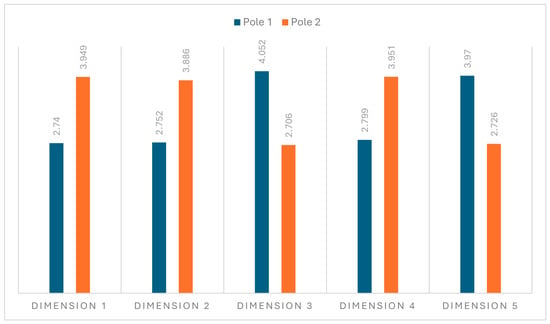
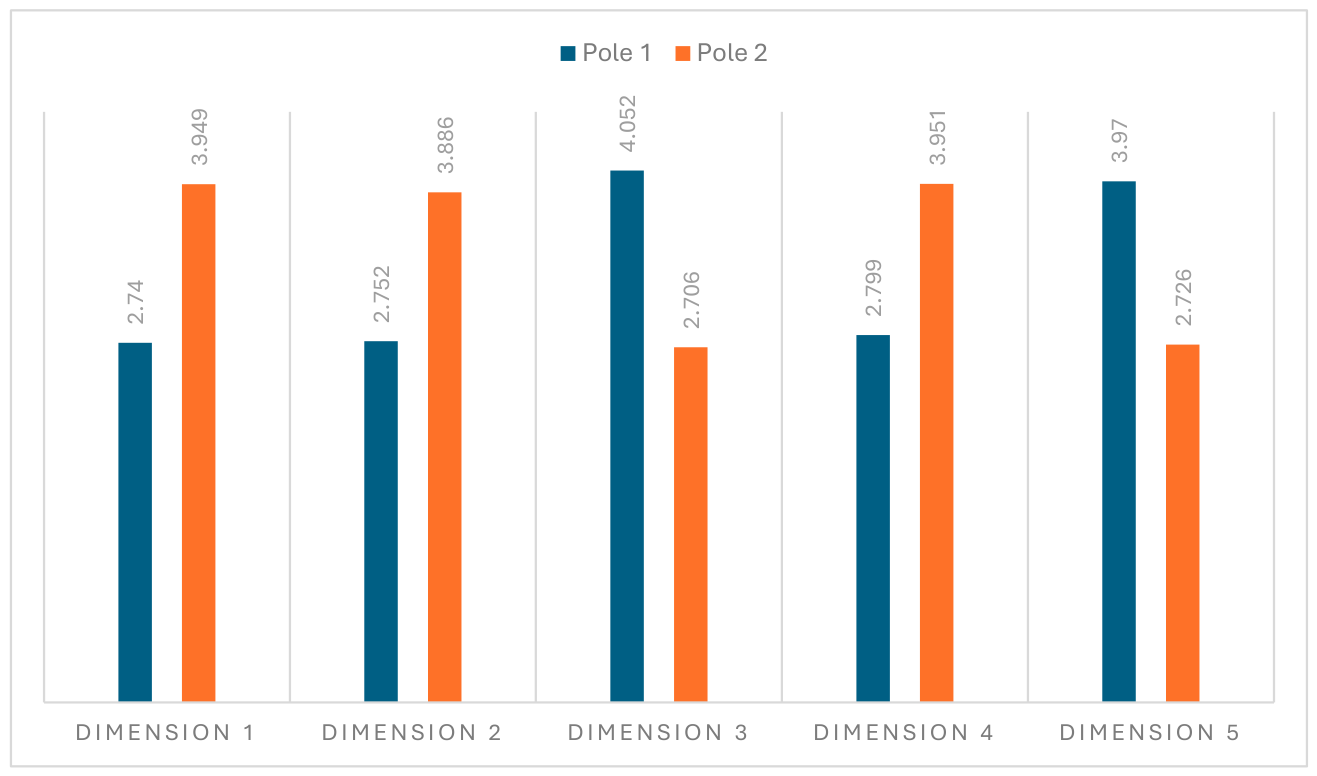

Disclaimer/Publisher’s Note: The statements, opinions and data contained in all publications are solely those of the individual author(s) and contributor(s) and not of MDPI and/or the editor(s). MDPI and/or the editor(s) disclaim responsibility for any injury to people or property resulting from any ideas, methods, instructions or products referred to in the content. |
© 2026 by the authors. Licensee MDPI, Basel, Switzerland. This article is an open access article distributed under the terms and conditions of the Creative Commons Attribution (CC BY) license.