


Abstract
Plant mucilage is considered here as a tunable polysaccharide platform for drug delivery within a circular approach to materials and manufacturing. Its biphasic architecture of neutral arabinoxylan domains interwoven with an uronate-rich pectic matrix governs hydration, gelation, viscoelastic behavior, and mucoadhesion at relevant solids. These properties can support roles as a disintegrant, film former, rheology modifier, and sustained-release matrix without heavy synthetic crosslinkers. Composition matters measurably. Uronate-to-neutral sugar ratios, branching and acetylation, residual cations, and moisture history map onto junction density and transport, shifting release from barrier control toward coupled diffusion and polymer relaxation. Greener extraction routes receive focused attention. Deep eutectic and natural eutectic solvents, microwave assistance, and ultrasound can raise yield and preserve functionality when solvent recovery, selectivity, and energy use are verified at pilot scale. To make results comparable across cultivars and processes, the review highlights compositionally explicit analytics and small-amplitude oscillatory rheology with uncertainty reporting to define grade-to-function fingerprints. The systems view is practical. Low-value residues supply feedstock. Closed-loop solvent management and pharmacopoeial microbiology underpin quality. Reverse logistics, take-back options, and returnable packaging keep end-of-life in scope alongside release, stability, and safety. Viewed together, these elements show how mucilage can deliver advanced performance with lower waste and credible scale-up for pharmaceutical applications.
1. Introduction
Biological macromolecules have moved to the forefront of pharmaceutical innovation, not as peripheral excipients but as central determinants of drug delivery performance and material sustainability. Among these, plant mucilage represents a distinctive class of polysaccharide-based macromolecules whose physicochemical behavior is directly related to its molecular composition and architecture. In this review, plant mucilage refers to the polysaccharide-rich material isolated from mucilage-bearing plant tissues, rather than to a source from which a separate class of macromolecules is subsequently extracted. Its principal macromolecular components are neutral and acidic heteropolysaccharides, particularly arabinoxylans and pectic polysaccharides such as homogalacturonan and rhamnogalacturonan-I, together with other uronic-acid-rich domains. Their branched structures support hydration, swelling, and intermolecular association under physiological conditions, resulting in natural mucoadhesion and controlled drug diffusion without the need for synthetic crosslinkers [1,2,3]. Evidence that Opuntia ficus-indica (cactus) cladodes are rich in high-molecular-weight polysaccharides that underpin hydration and barrier behavior further supports this mucoadhesive rationale [4]. This combination of structure and functionality allows mucilage to perform roles traditionally filled by multiple synthetic excipients. Depending on its molecular-weight and charge distributions, it can act as a disintegrant, a film-forming matrix, a rheology modifier, or a sustained-release agent; importantly, these capabilities can be tuned through mild extraction/fractionation that selectively enriches neutral vs. anionic fractions and adjusts gelation and viscosity profiles [1,5]. Recent advances in greener extraction, particularly deep eutectic solvents (DESs) and natural deep eutectic solvents (NADESs), offer higher yields and solvent-recovery potential for polysaccharides while preserving functionality [6,7]. In parallel, targeted reviews on linseed/flaxseed mucilage document how extraction conditions shape composition, rheology, and downstream performance, reinforcing the structure–function link central to biological macromolecules [5]. At the same time, plant mucilage can be sourced from renewable biomass streams such as husks, press cakes, seed coats, and cladodes, supporting valorization of agricultural residues [1,5].
Yet the relevance of plant mucilage extends beyond its biodegradability or agricultural origin. The field now faces a deeper challenge: moving from linear material use toward systems where polymers are designed to circulate through regenerative pathways with minimal waste. In this context, the pharmaceutical performance of mucilage polysaccharides cannot be separated from how the mucilage-bearing biomass is sourced, how its polysaccharide-rich fraction is extracted and processed, and how the resulting material is incorporated into pharmaceutical products or returned to productive use. A polymer that excels in vitro but requires solvent-intensive extraction or generates persistent residues fails the test of sustainable practice. Current policy and methodology work—e.g., the GREENER framework for pharmaceuticals—explicitly calls for integrating environmental criteria (solvent burden, persistence, emissions) alongside efficacy in materials selection and formulation [8]. This systems view is increasingly reflected in sustainability roadmaps for pharmacy and medicines practice [9,10].
However, most current research still evaluates plant mucilage as an isolated substitute for conventional excipients rather than as part of a pharmaceutical materials cycle. The available evidence is also fragmented. Many studies report individual properties, such as extraction yield, swelling, viscosity, mucoadhesion, film formation, or drug-release behavior, using different extraction procedures, purification levels, analytical methods, and formulation conditions. These differences limit direct comparison among mucilage sources and make it difficult to establish clear relationships between composition, processing, and pharmaceutical performance. In addition, sustainability claims often rely mainly on natural origin or biodegradability, with limited consideration of feedstock availability, water and energy consumption, solvent recovery, batch-to-batch variability, scale-up, regulatory requirements, and end-of-life management. This limitation is increasingly important as sustainability roadmaps for pharmacy and medicines practice call for environmental performance to be considered alongside product quality and therapeutic function [9,10].
These limitations provide the basis for applying circular pharmaceutics to plant mucilage. In this context, circular pharmaceutics refers to the integration of material performance with responsible sourcing, efficient extraction and purification, solvent and water recovery, productive use of residual biomass, formulation design, and appropriate management of the final product after use. Plant mucilage is particularly relevant because its polysaccharide-rich fractions can be recovered from renewable plant tissues and, in some cases, agricultural or food-processing by-products. Once adequately characterized, these fractions can serve as binders, disintegrants, film-forming agents, rheology modifiers, mucoadhesive materials, and controlled-release matrices in tablets, oral and buccal films, hydrogels, transdermal systems, and other drug-delivery platforms. Nevertheless, renewable origin alone does not make mucilage circular; its overall value depends on whether pharmaceutical performance can be achieved with consistent quality and a lower material and processing burden.
Accordingly, this review examines plant mucilage through an integrated structure–processing–performance framework. It focuses on neutral and acidic polysaccharide fractions, including arabinoxylan-rich and pectin-rich materials obtained from seeds, seed coats, husks, press cakes, fruits, and cladodes. Particular attention is given to how chemical composition, molecular-weight distribution, charge, extraction, fractionation, and formulation influence hydration, rheology, mucoadhesion, film formation, and controlled drug release. These relationships are considered alongside biomass valorization, solvent and energy use, process recovery, quality control, scale-up, regulatory expectations, and end-of-life management. The purpose is not simply to present plant mucilage as a natural alternative to synthetic excipients, but to assess critically the conditions under which it can provide reproducible drug-delivery performance within a lower-waste pharmaceutical system.
Review Methodology
This article is structured as a comprehensive narrative review. To ensure a balanced and relevant literature selection, we used a systematic search strategy across major scientific databases, including Web of Science, Scopus, and PubMed. The search strategy utilized a combination of keywords related to plant mucilage, extraction technologies, drug-delivery systems, and sustainability metrics (e.g., “plant mucilage”, “polysaccharide excipients”, “sustainable extraction”, “circular pharmaceutics”, and “quality by design”). The literature selection process prioritized peer-reviewed articles published between 2015 and 2026, with an emphasis on high-impact studies detailing material characterization, performance metrics, and industrial scale-up feasibility. We excluded non-English publications and studies focusing solely on food-grade applications without pharmacological relevance. The selected studies were analyzed to synthesize current trends, identify knowledge gaps, and propose future directions for mucilage-based pharmaceutical platforms.
Evidence classification was applied throughout the review to distinguish direct plant-mucilage evidence from evidence obtained from related polysaccharides or non-pharmaceutical applications. Studies were considered direct mucilage evidence when the material tested was an isolated or partially purified mucilage obtained from a mucilage-bearing plant tissue and evaluated in a pharmaceutical or drug-delivery context. Studies using purified pectin, alginate, carrageenan, starch, tamarind kernel polysaccharide, or other defined polysaccharides were treated as related-material evidence and were used only to provide mechanistic or formulation context. Pharmaceutical studies in which mucilage was combined with another polymer were identified as composite systems, because the reported performance cannot necessarily be attributed to mucilage alone. Studies conducted primarily for food, packaging, cosmetic, or other non-pharmaceutical applications were retained only when they provided relevant information on material properties, extraction, storage, or processing, and were explicitly identified as non-pharmaceutical evidence.
2. Circular Pharmaceutics: A New Paradigm for Bio-Based Drug Delivery Polymers
2.1. Introducing the Idea of Circular Pharmaceutics
Circular pharmaceutics reframes drug-delivery materials as assets that circulate through value loops—from renewable feedstocks and low-impact extraction to long-use performance, recovery, and benign end-of-life—rather than as linear consumables (Figure 1). In practice, it braids three strands: (i) circular-economy design of supply chains and logistics for medicines, (ii) greener chemistry and materials selection during discovery and manufacturing, and (iii) life-cycle thinking for dosage-form polymers, including reuse, recycling, or safe biodegradation. Recent roadmaps for circularity in pharma logistics (e.g., returnable transport items, digital track-and-trace) show measurable waste and carbon reductions at the system level, but also expose organizational frictions and data gaps that drug-product developers must anticipate from day one [11,12]. Parallel agendas in green pharmacy argue for minimizing environmental load of APIs and excipients across design-to-disposal, complementing circularity with actionable heuristics for procurement, dispensing, and take-back [13,14]. In discovery and preformulation, the GREENER framework—“G” for Good Practice, “R” for Reduced Off-target Exposure, through “R” for Reduced Emissions—bridges medicinal chemistry and environmental risk, urging polymers/excipients and APIs that meet efficacy while lowering persistence and ecotoxicity [8]. Where polymer choices are material, recent reviews of biodegradable and bio-based systems (blends, biocomposites) underscore trade-offs—mechanical integrity vs. degradability, processing energy vs. end-of-life—that a circular brief must resolve early via life-cycle assessment (LCA)-informed targets [15,16,17]. All things considered, the paradigm is not a slogan but an engineering obligation: specify renewable inputs, choose benign solvents/energy-lean processing, build durability and reparability (where relevant) into devices/delivery platforms, and define end-of-life fates that are either closed-loop or safely biodegradable with quantified impacts via LCA [16,17,18].
Figure 1.
Circular pharmaceutics life cycle: renewable feedstocks → extraction and processing → manufacturing → drug delivery systems → biodegradation → recovery.
A second, often underestimated, lever in circular pharmaceutics is the extraction and processing stage for bio-polymers. Conventional hot-water or acid extractions can be energy- and water-intensive; greener solvent systems such as DES and their ultrasonic-assisted variants now deliver higher yields, new fractions, and cleaner impurity profiles for polysaccharides, while cutting process emissions and enabling solvent recycling [19,20,21,22]. The promise is tempered by scale-up realities—viscosity management, solvent recovery energy, potential residuals—and by the need to correlate extraction selectivity with downstream performance in dosage forms. Nevertheless, the direction is clear: solvent and energy choices at kilogram scale can shift the footprint more than swapping a polymer at gram scale [22].
The system around the dosage form matters. Circular-economy analyses of medicine supply chains and hospital-pharmacy waste streams show that materials policy (what tablets/films/gels are made from) must align with reverse logistics (what happens after use) and with prescriber/dispensing behaviors (how much waste is created upfront) [9,23,24]. Circular pharmaceutics therefore asks formulation scientists to put numbers (carbon, water, toxicity proxies) beside performance metrics (release, stability), and to treat bio-based polymers not as automatically green but as materials whose gains appear only when extraction-to-end-of-life is engineered coherently [23,24].
2.2. The Role of Plant Mucilage in Steering Drug-Delivery Systems Toward Sustainability
Plant mucilages—hydrophilic, high-molar-mass, anionic or neutral polysaccharides from seeds, husks, and cladodes—offer a rare blend of renewability, biocompatibility, and tunable rheology that maps naturally onto circular pharmaceutics. Comprehensive reviews catalog their chemistry, hydration, gelation, and processing, positioning mucilage as a credible alternative to fossil-based excipients for disintegration control, mucoadhesion, and film formation [2,25,26,27]. Psyllium/Plantago mucilage has been directly investigated as a pharmaceutical excipient, including as a superdisintegrant and as a component of mucoadhesive controlled-release systems [28,29,30]. However, the Plantago mucilage–alginate bead study [29] represents a composite system, and its mucoadhesion and sustained-release performance should not be attributed to mucilage alone because sodium alginate and calcium-mediated gelation also contribute to the formulation behavior. Viewed together, the literature points to the same lever: plant mucilage marries renewable supply with functions that cut complexity and waste. The leverage depends on process choices; without solvent recovery and tight standards, upstream costs can swallow downstream gains. Figure 2 sketches this throughline—from source to mechanism to dosage form to outcome—and primes the next sections.
Figure 2.
From plant sources to circular pharmaceutics: mucilage mechanisms driving sustainable drug delivery.
Opuntia ficus-indica (cactus) mucilage provides a useful example of the distinction between direct pharmaceutical evidence and non-pharmaceutical material evidence. Its film-forming capacity, moisture management, and viscoelastic behavior have been investigated extensively in food and packaging applications [31,32,33]. These studies provide useful information on mucilage composition, rheology, film formation, and processing, but they do not by themselves demonstrate pharmaceutical performance. Pharmaceutical translation therefore remains a separate question and requires formulation-specific evidence using appropriate drug-delivery models.
Abelmoschus esculentus (okra) mucilage exemplifies the move from natural thickener to functional biomedical excipient. Its branched rhamnogalacturonan-like structures provide mucoadhesion and controlled hydration; recent reports demonstrate sustained-release encapsulation and antioxidant co-benefits that could reduce additive loadings in oral systems, with the caveat that batch-to-batch compositional variance still complicates quality by design (QbD) specifications [34,35,36]. A sustainable pipeline also depends on greener extraction: DES- or ultrasound-assisted protocols have been reported to modify extraction time, temperature, and yield, with potential for solvent recycling depending on the solvent system and process configuration. However, these process-level advantages should not be equated with lower environmental impact unless solvent recovery, water use, energy demand, and downstream processing are quantitatively assessed, and unless toxicology on residuals and robust cleaning validation are completed before cGMP adoption [22].
Salvia hispanica (chia) and Linum usitatissimum (flax) mucilages have demonstrated film-forming and hydrogel-forming properties that are relevant to oral and buccal drug-delivery formats [37,38,39]. Related studies on tamarind kernel polysaccharide provide additional information on how plasticizers affect the mechanical and thermal behavior of plant-derived polysaccharide films [40]. However, this evidence should be regarded as a formulation analogue rather than direct evidence for mucilage-based pharmaceutical films. Chia mucilage has also been used to prepare films with tunable mechanical and barrier properties [39]. Because this work was conducted primarily in the context of biodegradable films and food-related applications, it provides supporting material evidence rather than direct evidence of pharmaceutical performance. In contrast, the chia mucilage-based hydrogel reported for pH-responsive drug delivery provides direct pharmaceutical evidence [38].
Cissampelos pareira yields a pectin-rich mucilage that already behaves like a functional excipient: it forms cohesive hydrogels and cast films, supports drug-layer architecture, and exhibits acceptable biocompatibility when processed under mild conditions. C. pareira provides a particularly useful example because the literature includes both mucilage-based pharmaceutical formulations and studies of isolated pectin. The leaf mucilage has been incorporated into pharmaceutical films together with carrageenan and Eudragit® NE30D, where formulation optimization was used to control tensile properties, moisture uptake, and erosion [41]. Because this is a composite system, the observed performance should be interpreted as the behavior of a mucilage-containing formulation rather than as evidence attributable to mucilage alone. Separately, isolated C. pareira pectin has been used to prepare a hydrogel patch containing Heliotropium indicum extract, providing direct pharmaceutical evidence for a pectin-based material derived from C. pareira [42]. Synthesizing these findings, these data place C. pareira mucilage in the function-per-mass sweet spot of circular pharmaceutics—mucoadhesion, filmability, and hydration-controlled swelling—that can reduce total excipient burden. Meanwhile, the remaining gaps are standardization (pectin domain composition) and method-of-manufacture LCA to prove that greener extraction actually lowers footprints relative to optimized hot-water baselines.
Phoenix dactylifera (date palm) is increasingly documented as a viable pharmaceutical excipient, with compositional analyses from fruit tissues detailing rheology and hydration kinetics that support binder/disintegrant roles and film formation [43]. A dedicated evaluation of modified P. dactylifera mucilage as an excipient reports acceptable flow, binding, and tablet performance, arguing it can substitute conventional gums in wet-granulated systems—an attractive route where agro-residues are abundant and reverse-logistics for packaging/tablets remains weak [44]. Use-case breadth is emerging: mucilage integrated into polymeric systems for transdermal delivery (e.g., nicotine plaster gels) illustrates solvent-lean gelation and mechanical tunability compatible with patient-friendly patches [45]. At the same time, nanoscale encapsulation studies point to sustained-release behavior and cytocompatibility considerations for bioactive cargos [46]. Viewed holistically, P. dactylifera provides a potential pharmaceutical-excipient pathway through mucilage isolation and formulation development, while scale-up will require control of residue quality, microbial limits, and process consistency [43,44].
Critically, mucilage’s contribution to sustainability is not automatic: energy/water footprints during extraction can erase end-of-life gains if processes are poorly chosen. Here, circular pharmaceutics pushes the field toward solvent-system innovation and standardized analytics that tie extraction selectivity (e.g., fractionating neutral vs. uronic-acid-rich domains) to performance in mucoadhesion, disintegration, or release—so that greener steps also yield better medicines. DES and hybrid ultrasound approaches in seeds and peels are instructive, but require comparative LCA vs. optimized hot-water baselines, and verified solvent recovery, before claims of superiority hold for pharmaceutical-grade material [20,22,47]. Meanwhile, dosage-form science offers clear use-phase advantages: mucoadhesive systems can lower dose and dosing frequency—cuts to upstream manufacturing and downstream waste—if clinical performance is maintained. Recent biopolymer mucoadhesion overviews and oromucosal design principles provide the mechanistic and translational bridge from bench materials to patient-level reductions in resource intensity [3,48,49].
3. Residue Valorization and Sustainable Extraction of Plant Mucilage
Turning mucilage into a truly circular pharmaceutical polymer starts upstream, with where the kilograms come from and how they are isolated. Residual streams such as flaxseed cake and press cakes, date-palm fruit by-products, psyllium husks, cactus cladodes, and defatted chia seed coats are not just acceptable inputs; they are often chemically advantageous because prior oil/protein removal concentrates uronic-acid-rich domains that drive hydration and mucoadhesion. Recent demonstrations extract homogalacturonan-rich pectin from flaxseed cake via NADES (choline chloride–citric acid), achieving high uronic acid content and low protein carry-over while explicitly enabling solvent recovery [6]. Comparable arguments exist for date palm residues as excipient-grade mucilage, with compositional and rheological screens supporting binder/disintegrant roles [43]. Cactus cladodes—an abundant agricultural residue in arid systems—offer anionic, film-forming fractions suitable for barrier films and mucoadhesive matrices, though standardization remains a recurring concern [31,32]. These feedstock choices matter because they link polymer functionality to source-level waste minimization; yet many studies still stop at bench-scale characterization, without quantifying microbial risks, agrochemical residues, or lot-to-lot domain-composition variability needed for GMP procurement and acceptance testing.
Across these studies, the main pattern is that extraction intensification can improve recovery or shorten processing time, but the magnitude of the benefit depends strongly on mucilage source, solvent composition, solid-to-liquid ratio, and downstream purification. Importantly, higher extraction yield does not necessarily indicate superior pharmaceutical suitability, because changes in molecular-weight distribution, uronic-acid content, residual impurities, and rheological properties may alter subsequent formulation performance.
NADES are liquid mixtures formed by combining naturally derived components, commonly a hydrogen-bond acceptor and one or more hydrogen-bond donors, at specific molar ratios. These components may include choline derivatives, organic acids, sugars, amino acids, or polyols. Their strong hydrogen-bond interactions lower the melting point of the individual components, producing a liquid medium that can be tailored for the extraction of particular compounds. In the present context, NADES are relevant because they can improve the recovery of mucilage and related polysaccharides from plant materials or agro-industrial by-products while reducing reliance on volatile organic solvents. Their low volatility, potential recyclability, and adjustable extraction properties also support the circular-pharmaceutics approach discussed in this review. However, their suitability for pharmaceutical use should be assessed carefully, particularly with respect to solvent recovery, residual-solvent control, viscosity, toxicological profile, and compatibility with the recovered mucilage.
In polysaccharide processing, DESs may act as extraction media, biomass-disrupting media, or both. Their hydrogen-bonding and ionic interactions can weaken the associations between polysaccharide chains and other cell-wall components, thereby improving hydration, solubilization, and release of the target fraction. The effect depends on the chemical composition of the DES, its water content, acidity, extraction temperature, and the use of ultrasound or microwave energy. These conditions determine whether the process mainly separates an existing polysaccharide fraction or also changes its molecular characteristics.
The DES systems discussed in this review do not all recover the same type of polysaccharide. In flaxseed cake, the choline chloride–citric acid NADES system preferentially recovered a homogalacturonan-rich pectic fraction rather than the complete flaxseed mucilage, which also contains a substantial neutral arabinoxylan fraction [6]. The proline–malic acid DES used for Acanthopanax senticosus, and the choline chloride–ethylene glycol DES used for tea were reported for the recovery of total polysaccharide fractions [18,19]; these materials are included as relevant examples of DES-assisted polysaccharide extraction but should not be considered plant mucilage unless a mucilage-specific fraction is identified. By contrast, hydrophobic DES-based three-phase partitioning was applied to isolate chia seed mucilage polysaccharides, with the DES contributing mainly to phase formation, partitioning, and removal of non-polysaccharide components [50].
DES treatment should not automatically be described as chemical modification. Under mild conditions, the main effect may be disruption of non-covalent interactions and selective extraction, without deliberate alteration of the polysaccharide backbone. However, acidic solvents, elevated temperatures, and prolonged sonication may change molecular-weight distribution, the degree of esterification or acetylation, and the relative recovery of neutral and uronic-acid-rich fractions. Studies using DES-extracted mucilage should therefore report monosaccharide composition, uronic acid content, molecular-weight distribution, and relevant functional groups before concluding that the native polymer structure has been preserved or modified.
The most decisive sustainability lever sits in extraction thermodynamics. DES/NADES have moved from concept to process knobs for polysaccharide recovery, repeatedly outperforming hot water on yield/selectivity while offering recyclability and lower volatility. Case studies include ultrasound-assisted DES extraction of Acanthopanax polysaccharides [19] and optimized UA-DES for tea polysaccharides with improved antioxidant profiles at moderate temperatures and short times [20]. Contemporary synthesis reviews substantiate the comparative merits of DES—tunable hydrogen-bond networks, strong carbohydrate affinity, and greater benignity than petrochemical solvents—while concurrently delineating outstanding concerns: viscosity management, energy burdens for solvent regeneration, and limited evidence on the chronic toxicity of specific eutectic pairs [7]. A broader technical perspective flags scale-up sensitivity—mass transfer, fouling, and phase disengagement in recycle trains—arguing for head-to-head LCAs versus optimized hot-water baselines rather than straw-man comparisons [51].
For procurement and process design, decision thresholds matter more than method labels. Table 1 translates upstream choices into operational levers—feedstocks that inherently bias toward uronic-acid-rich fractions (useful for mucoadhesion and filmability), extraction windows aligned with quality attributes, documented solvent reuse across cycles, and specific-energy reporting on a comparable basis (kWh·kg−1 versus an optimized hot-water baseline). Entries prioritize cases with numbers that can flow into GMP acceptance criteria and LCA boundaries, avoiding nominal green claims that lack solvent mass balances or recycle audits. Where data exist (e.g., NADES/TS-DES reuse; ultrasound-assisted extraction (UAE)/microwave-assisted extraction (MAE) windows with preserved functionality), they are presented to support site-level go/no-go choices and to surface which gaps—bioburden, agrochemical carry-through, membrane fouling—must be closed before scale-up.
Read across the cases, three implementation signals stand out. First, agro-residue inputs (press cakes, husks, cladodes) frequently shorten the path to functional fractions, shifting effort from heavy purification to tighter incoming QC and lot normalization. Second, mid-temperature intensification (UAE/MAE) often wins on energy per kilogram without eroding heat-sensitive motifs, but only when energy accounting separates electricity from steam and when batch kinetics are validated at meaningful solids loadings. Third, DES/NADES selectivity is strategically valuable, yet the business case pivots on viscosity control, mass-transfer limits, and the energy penalty of regeneration; recycle targets must be evidenced, not inferred. Table 1 supports context-specific flowsheets, aligning solvent/energy/water configurations with continuously supportable utilities; it further emphasizes coupling extraction selectivity to the dosage-form mechanism, so upstream gains carry through as lower doses, fewer auxiliaries, and lighter downstream footprints.
Hybrid energy-lean unit operations close the gap between lab promise and plant reality. Microwave- and ultrasound-assisted extractions shrink residence times and specific energy while preserving labile motifs; recent tea/hawk-tea studies quantify yield gains and kinetic advantages under UAE at 50–60 °C windows—parameters compatible with food-grade and pharmaceutical utilities when paired with clean-in-place [20,52,53]. Earlier ultrasound-DES work in tea systems shows consistent superiority over hot water with fewer thermal artefacts [52]. For flaxseed cake, NADES protocols explicitly report high purity at moderate temperatures—a credible path to low-bioburden isolates if paired with membrane clarification and closed-loop solvent recovery [6]. Few studies disclose kilogram-scale solvent mass balances, recycle efficiencies, or membrane-fouling rates; without these numbers, green claims remain provisional in the absence of audited balances.
Granular process intensification is emerging beyond DES. A hydrophobic-DES three-phase partitioning approach selectively recovers chia mucilage polysaccharides with sharp phase separation that simplifies downstream solvent work-up—encouraging for continuous operations and for decant-friendly recycle loops [47]. Energy, solvent, and water are best treated as co-optimized variables. Coupling membrane polishing with multi-effect evaporation can render DES loops materially circular, whereas mild hot-water baselines augmented with enzymatic aids may outperform viscous DES on net energy where waste heat is abundant. A circular pharmaceutics program should therefore select the most fit-for-context flowsheet per site energy/water context rather than assuming any single green solvent is universal.
Table 1.
Plant mucilage extraction systems and related polysaccharide benchmarks relevant to pharmaceutical and circular-processing applications.
Sourcing-to-extraction choices only pay off when downstream logistics and policy align. The GREENER framework for pharmaceuticals places explicit environmental criteria alongside efficacy to avoid persistence and reduce emissions across the product life cycle [8]. Pharmacy-side operational guides are maturing in parallel; the Royal Pharmaceutical Society’s Greener Pharmacy materials provide actionable checklists for procurement and take-back, creating demand signals for bio-based excipients with verifiable footprints [10]. On the logistics side, returnable transport items (RTIs) and track-and-trace digitization shorten material loops and cut packaging/transport waste. However, adoption barriers (capital, process changes) mean formulation gains can be diluted unless supply chains modernize together [11]. System-level coherence requires co-specifying residue valorization and low-waste sourcing strategies, solvent-lean extraction, and circular logistics; without such alignment, downstream inefficiencies undermine excipient greenness.
Finally, fitness-for-purpose remains the ultimate circular metric: high-function mucilage fractions can reduce total excipient loads because filmability, mucoadhesion, and hydration-controlled swelling enable dose-sparing oral/buccal/transdermal formats. Defatted-chia films and linseed-derived mucilage systems already demonstrate tunable mechanics at low solids—directly translatable to thin films and patches that minimize material intensity [5,39]. Date-palm mucilage excipient studies show compliant tablet mechanics with potential to replace fossil-based binders in wet granulation—an immediate, high-volume target if microbial and residue controls are locked down [43]. Many green extraction studies fail to verify downstream benefits in realistic dosage forms—such as reduced dosing frequency from stronger mucoadhesion. The way forward is to co-design extraction selectivity with the intended dosage-form mechanism, then audit environmental gains via LCA that captures solvent-recycling efficiency, specific energy per kilogram of polymer, and water-reuse performance.
Use well-characterized agro-residues; evaluate UAE/MAE with recyclable DES/NADES at moderate temperatures; and disclose (i) solvent mass balances, (ii) recycle efficiencies—target ≥80–90% (~80% after five TS-DES cycles [54,55,79]; higher in some NADES when viscosity/regeneration are optimized [80]), (iii) bioburden (TAMC/TYMC per USP <61>/<62>; ≤103/102 CFU·g−1 per Ph. Eur. 5.1.4; for patches 102/101 CFU per patch with absence of S. aureus/P. aeruginosa [81,82,83]), and (iv) specific energy (kWh·kg−1; UAE ~1–15, often 2–13; HWE ~13–25; MAE ~6–32; report electricity vs. steam separately [53,56,57,58,84]). Then, link polymer specs (uronic acid content, branching, acetylation) to dosage-form performance (adhesion, film mechanics, release) and include a concise DoE capsule in the SOP (design type, factor ranges, model adequacy, desirability at the optimum, and external validation at production S/L). When performed well, this makes “residue valorization and low-waste sourcing strategies and sustainable extraction” auditable. This naturally leads to the question of how the resulting molecular architecture (monosaccharide patterning, degree of branching/acetylation, blockiness, counter-ion pairing) dictates rheology and gelation (η0, G′), swelling kinetics, mucoadhesive work of adhesion, and stimulus-responsive behavior that ultimately programs release profiles and mechanical performance.
While the current literature showcases the versatility of mucilage extraction techniques, a critical appraisal reveals a persistent disconnect between lab-scale efficacy and industrial-scale feasibility. Much of the reported data remains fragmented, often focusing on isolated performance metrics without normalizing for natural variations in biomass composition—a factor that fundamentally complicates industrial standardization. Furthermore, the prevailing emphasis on green extraction, such as NADES or ultrasound-assisted methods, frequently lacks a comprehensive LCA to justify its environmental superiority over conventional techniques. There is an urgent need to transition from anecdotal reporting of high-yield performance to a standardized benchmarking framework that accounts for solvent recovery, energy efficiency, and regulatory compliance. Without addressing these systemic inconsistencies, the field risks plateauing at the laboratory stage rather than achieving the necessary maturity for clinical and industrial translation.
4. Molecular Architecture and Tunable Functional Mechanisms of Mucilage-Based Polymers
Plant mucilage is not a single chemically defined polymer but a mixture of water-soluble or water-swellable heteropolysaccharides whose composition varies with plant species, tissue source, maturity, and extraction conditions. The purified material is generally carbohydrate-rich, although small amounts of protein, phenolic compounds, lipids, and minerals may remain depending on the isolation and purification procedure [85,86,87]. Its polysaccharide component commonly contains both neutral and acidic fractions. The neutral fraction is often rich in arabinoxylans, which consist mainly of a xylose-containing backbone with arabinose-rich side chains. In contrast, the acidic fraction is usually associated with pectic polysaccharides, particularly homogalacturonan and rhamnogalacturonan-I, containing galacturonic acid, rhamnose, arabinose, and galactose [85,86,87]. Meanwhile, okra mucilage contains branched rhamnogalacturonan-like structures. The mucilages obtained from Opuntia cladodes and date palm materials also contain uronic-acid-rich, anionic polysaccharides [88,89,90,91]. Differences in molecular weight, branching, uronic acid content, acetylation, and associated counter-ions contribute to the observed variation in hydration, viscosity, gel formation, mucoadhesion, and drug-release behavior [92,93,94,95,96].
In this review, the term smart polymer is used in a restricted functional sense to describe a polymeric material whose measurable physicochemical or drug-delivery properties can change predictably in response to defined formulation or environmental inputs, such as pH, ionic strength, hydration, temperature, or mechanical conditions. For plant mucilage, this concept refers primarily to composition-dependent changes in swelling, viscosity, gelation, mucoadhesion, and drug transport rather than to an intrinsic stimulus-responsive behavior demonstrated uniformly across all mucilage sources. Accordingly, mucilage should be considered a potentially responsive and tunable bio-based polymer platform, with the extent of responsiveness depending on its molecular composition, extraction history, ionic environment, and formulation context.
Figure 3 is offered as a reading guide rather than evidence: it encodes hypotheses to be verified in each system, where variance from cultivar and growth conditions, extraction/precipitation route (e.g., alcohol vs. membrane), inadvertent de-acetylation during alkaline cleanup, residual counter-ions from buffers, and moisture/shear history can materially shift outcomes; accordingly, any claim derived from the schematic should be backed by compositionally explicit analytics—uronate-to-neutral sugar ratios by high-performance anion-exchange chromatography with pulsed amperometric detection (HPAEC-PAD), degree of acetylation by proton nuclear magnetic resonance (1H NMR) or Fourier transform infrared (FTIR) spectroscopy, and residual cations by inductively coupled plasma–optical emission spectrometry (ICP-OES)—and by frequency-sweep rheology reported on absolute and normalized scales with confidence intervals, so that observed hydration, viscosity, and film performance remain traceable and reproducible.
Figure 3.
Arabinoxylan–pectin biphasic architecture of plant mucilage (polysaccharides). Orange lines represent the neutral arabinoxylan-rich network, and teal lines represent the pectin-rich acidic polysaccharide network. Purple circles indicate proteins, brown hexagons represent counter-ions (Ca2+ and Na+), gray circles and connecting lines illustrate egg-box coordination, and the black bar indicates O-acetylation.
These architectural features can be examined through rheological measurements, but the strength of the evidence differs among material classes. Direct studies of flaxseed and other plant mucilages support relationships between composition, molecular architecture, and shear-dependent rheology [97]. In parallel, studies of pectin and other hydrocolloid systems provide useful mechanistic and methodological context for interpreting gel formation, frequency-dependent G′/G″, critical gel behavior, and Cox–Merz deviations [98,99,100]. These related-polymer studies should therefore be regarded as supporting analogues rather than direct evidence that all plant mucilages exhibit the same rheological response. For mucilage-based formulations, compositionally resolved characterization remains necessary before these relationships are generalized across botanical sources.
Swelling and transport bridge structure to release. Hydration-controlled expansion governs mesh size and thus drug diffusivity (Figure 4); as the network hydrates, connectivity decreases, and tortuosity is reduced, shifting release from barrier-limited to diffusion–relaxation-limited behavior. The schematic further suggests that, at intermediate swelling, polymer relaxation times become comparable to or exceed diffusive timescales, aligning with n values between purely Fickian and case-II limits and indicating coupled diffusion–relaxation rather than simple concentration-gradient transport [101,102]. A methodological caveat is that the graphic assumes isotropic swelling; in mucilage systems, domain heterogeneity and ion-mediated crosslinks can impose anisotropic meshes and transient constrictions that delay percolation and damp early-time burst. For dosage-form design, η0 and G′ are therefore not merely textural descriptors but covary with swelling kinetics and n, enabling predictive control of disintegration, residence time, and release slopes via adjustment of domain chemistry (e.g., uronic acid content, acetylation) and the ionic milieu [94,98]. Historical analyses of swelling-controlled systems underscore that polymer relaxation can counterbalance Fickian flux; mucilage matrices leverage this to attenuate burst and flatten release profiles at pharmaceutically practical thicknesses [103].
Figure 4.
Hydration-controlled swelling bridges structure and release via diffusion–relaxation coupling.
Mucoadhesion converts chemistry into clinically meaningful persistence. Carboxylated backbones hydrogen-bond and ionically bridge with mucin, increasing work of adhesion and peak detachment force—effects magnified at intermediate hydration where chain mobility and interpenetration are maximal [104,105]. Standardized texture-analysis protocols now report both peak force and work of adhesion across formats (minitablets, pellets, emulsions), supplying comparable metrics that can be mapped back to composition (e.g., uronate content) and rheology (G′ at application shear) [106]. Rheological interaction studies using gellan and other anionic polysaccharides provide useful mechanistic context for mucin–polymer interactions [107]. These findings support the general plausibility of ionic and hydrogen-bonding interactions in uronate-rich mucilage systems, but they should not be interpreted as direct evidence of mucoadhesion for plant mucilage. Direct mucilage studies remain necessary to establish the magnitude of the effect for each botanical source. Importantly, not all “anionic = adhesive” claims hold uniformly: acetylation and ionic screening can dampen interfacial bonding despite similar charge densities, reinforcing the need to report work of adhesion alongside composition [94].
Finally, ion-mediated gelation provides a potentially useful route for tuning plant-mucilage formulations. Evidence from alginate and pectin systems has established the well-known “egg-box” framework for divalent-cation-mediated association and provides a useful mechanistic analogue for understanding how uronic-acid-rich mucilage domains may respond to ionic conditions [92,93]. However, this mechanism should not be assumed to operate quantitatively in the same way in every mucilage, because mucilage contains heterogeneous polysaccharide domains and may differ in uronic acid content, acetylation, branching, and associated ions. Direct confirmation in the individual mucilage system is therefore required before applying alginate- or pectin-derived relationships to formulation design. The same logic generalizes to Plantago and flax systems, where heteroxylan/pectin ratios and side-chain chemistry set the bounds for responsive behavior under formulation-relevant salt and pH [89,97].
As a working guide, set the domain chemistry first (neutral vs. uronate-rich; branching and acetylation) to target a viscoelastic window (η0, G′/G″) that yields the desired swelling exponent n and the measured work of adhesion under the intended ionic/pH conditions. Then, use counter-ions to fine-tune junction density, locking the release mechanics and residence time without resorting to heavy synthetic crosslinking. These architecture-programmed levers map directly to device performance; the next step is embedding them in concrete platforms and AI-driven QbD optimization.
5. Device Platforms and AI/QbD Optimization for Performance
Within a circular-pharmaceutics frame, plant mucilage functions not as a mere natural excipient but as a tunable anionic network that can replace or sharply reduce fossil-derived auxiliaries while maintaining control over residence, disintegration, moisture transport, and release. The relevant levers are physicochemical: domain acidity (uronates), limited branching/acetylation, and the ionic milieu set by η0, G′/G″, and the swelling–diffusion balance that governs dose delivery. QbD provides a structured framework for relating formulation and process variables to critical quality attributes, while AI/ML may further support multivariable prediction and experimental prioritization when sufficiently large and representative datasets are available. For plant mucilage, these approaches should currently be regarded as a combination of established pharmaceutical development principles and emerging opportunities rather than as universally demonstrated mucilage-specific technologies. The same variables that deliver performance also function as controllable quality points under GMP. In practice, this means setting and holding measurable ranges—viscosity at use temperature, small-strain G′/G″, film thickness, residual moisture, and ionic profile—rather than treating them as abstract parameters. Accordingly, dosage-form-specific quality attributes and process controls can be applied to mucilage-based formulations using the same quality-by-design principles used for other pharmaceutical materials. At the same time, the numerical acceptance criteria and predictive models should be established and validated for the specific mucilage grade and formulation.
Interpretation of quantitative ranges. The numerical ranges presented in the following subsections are literature-derived reference points rather than universal specifications for plant mucilage. The evidence base is heterogeneous: some values are reported directly for pharmaceutical formulations containing plant mucilage, whereas others are derived from isolated pectin, alginate, carrageenan, other polysaccharides, synthetic–biopolymer composites, or non-pharmaceutical film and hydrogel systems. These related studies are included to provide formulation or mechanistic context, not to establish mucilage-specific performance limits. Accordingly, quantitative values from related polymer systems should not be interpreted as demonstrated properties of plant mucilage unless the cited study directly evaluated a mucilage-based pharmaceutical formulation.
5.1. Transdermal Patches
Matrix patches that pair actives as ionic liquid (IL) drug salts follow a generalizable rule: ion-pairing suppresses crystallization, the polymer network dictates release, and freeze–thaw densification in gelatin/PVA modulates flux without introducing reactive chemistries. Lidocaine–diclofenac IL patches and lidocaine–aspirin IL films exemplify IL entities locked by network density while permeation is maintained—logic transferable to anionic mucilage blends [108,109]. Ion pairing stabilizes the drug and assists permeation, but cation–anion choice must respect skin tolerability. Practical limits are set on the finished film: ion pairs remain detectable by Raman after accelerated storage, crystallization is absent, and standard irritation/sensitization tests indicate an intact barrier. When the target flux appears to require a high IL fraction, network density and plasticizer content are adjusted first. In related transdermal polymer systems, ionic conditions in the low-millimolar range have been investigated as formulation variables; however, these values should not be interpreted as a validated operating range for plant mucilage. For mucilage-based patches, ionic strength, polyol content, and film composition should instead be optimized experimentally for the specific mucilage grade and drug. ILs are potent permeation enhancers, but recent reviews emphasize careful cation–anion selection to balance biocompatibility and solvent activity at skin and favor pairing ILs with minimally additive, polysaccharide-rich matrices. Mechanistic studies suggest that ionic-liquid strategies may help modulate polymer-network properties and drug permeation, but their applicability to mucilage-based patches requires formulation-specific validation [110,111].
Mucilage-based plaster gels formulated with P. dactylifera provide a demonstrated transdermal patch: PVA-reinforced gels loaded with nicotine achieved controlled release with stable film mechanics and improved cold-storage stability, showing that an anionic, plant-derived network can meet transdermal CQAs without heavy synthetic crosslinkers [45]. In parallel, okra-mucilage reports define a sustainability-oriented transdermal frame that reduces auxiliary synthetics while allowing rheology and tensile tuning consistent with patch manufacturability; the article record positions mucilage as a pragmatic replacement rather than a speculative additive [36]. For volatile or recrystallization-prone actives, ion pairing may be incorporated to stabilize the payload, whereas ionic conditions and polyol plasticizers can be screened to adjust network structure, water-vapor transport, and release behavior. However, the quantitative formulation ranges reported for these variables are not specific to all mucilage-based transdermal systems. For example, solids content, glycerol level, film thickness, mechanical properties, WVP, and lag time have been investigated across a range of polysaccharide, synthetic–polymer, and composite film platforms. However, only a subset of studies has evaluated these parameters directly in pharmaceutical mucilage formulations [112,113]. Accordingly, the reported values should be regarded as illustrative starting ranges for experimental screening rather than validated specifications for mucilage-based patches. A reasonable initial design space may include polymer solids, plasticizer level, film thickness, and ionic strength as independent factors, but the appropriate operating range should be established for each mucilage grade and drug through formulation-specific DoE and subsequent confirmation.
The same distinction applies to performance metrics. Reported values for WVP, peel strength, tensile strength, elongation, and lag time can provide useful points of comparison across film systems, but they should not be interpreted as universal acceptance criteria for mucilage-based transdermal products. Their relevance depends on the drug, mucilage composition, film thickness, plasticizer, hydration state, testing method, and skin or membrane model. Thus, these parameters are better used as comparative performance descriptors than as predefined targets. Inline measurements such as film thickness, moisture content, and drug or ion-pair state can then be used to establish process-specific control strategies.
5.2. Orodispersible Films
The performance of orodispersible films (ODFs) is governed by a compact factor set—polymer–plasticizer balance, casting thickness, and interfacial hydration—captured effectively by QbD workflows from screening to desirability-based RSM targeting mechanical integrity with disintegration <60 s. In selected ODF formulations, polymer solids of approximately 4–8% and glycerol levels of 15–25% have been reported [114]. These values are derived primarily from non-mucilage or formulation-specific ODF systems and should therefore be regarded as comparative starting points rather than recommended operating ranges for plant mucilage. While many ODFs rely on PVA/PVP backbones, studies of plant-mucilage films, including linden-mucilage composite films, provide supporting evidence that mucilage-derived polysaccharide domains can contribute to film formation, hydration, and mechanical stability [115]. Because these studies are not necessarily pharmaceutical ODF studies, their findings should be regarded as material-level evidence that requires formulation-specific confirmation in drug-containing ODFs. Ionic strength can also be an important formulation variable, and studies in polysaccharide and ODF systems indicate that relatively small changes in ionic conditions may alter hydration and disintegration. The magnitude of this effect, however, is system-dependent and should not be assumed to apply uniformly to plant mucilage. Reported ODF formulations commonly use disintegration time, tensile strength, elongation, and residual moisture as performance criteria; representative values such as 30–60 s for disintegration, 20–80 MPa for tensile strength, 5–30% for elongation, and 5–10% for residual moisture have been reported in the broader ODF literature [112]. These values are reported from the broader ODF literature and are provided only as comparative benchmarks; appropriate acceptance criteria for mucilage-based ODFs should be established experimentally for each formulation. These values should be considered comparative benchmarks rather than predefined specifications for mucilage-based ODFs.
5.3. Hydrogels
Across selected polysaccharide-based mucoadhesive hydrogel systems, G′ values in the low-kPa range have been reported under physiologically relevant testing conditions [116,117]. These data provide a useful comparative reference, but they do not establish a universal range for plant mucilage. Accordingly, a G′ range of approximately 0.5–5 kPa at 1–10 Hz and 37 °C may be used only as an initial screening window, with final target values determined experimentally for the specific mucilage, formulation, and intended application. Similarly, ionic concentrations in the 10–50 mM range have been investigated in related polysaccharide hydrogel systems. These concentrations should therefore be treated as exploratory formulation levels rather than recommended operating conditions for plant mucilage, because the response will depend on mucilage composition, uronic-acid content, counter-ions, and crosslinking chemistry. Reporting both oscillatory moduli and detachment work aligns bench metrics with in-use sensation. Standardized detachment and rheology protocols let formulators map ionic strength and carboxylate content to detachment force and work of adhesion, improving cross-study comparability and aligning with mucilage’s carboxyl-rich backbones and mixed neutral/acidic domains [118]. Newer reports on plain mucoadhesive hydrogels for oral mucosa and on injectable mucoadhesive systems reinforce that modest Na+/Ca2+ levels tune junctions and antioxidant activity without over-crosslinking—guidance that ports cleanly to mucilage gel sheets and liners [119,120]. A mucilage/carrageenan/Eudragit® NE30D blended-film platform optimized by software produced predictable tensile properties, moisture uptake, and controlled erosion; the same compositional levers—particularly ~20% plasticizer and NE®30D content—translate directly to hydrogel-laminate constructs for buccal use [41]. Routine control pairs rheology with peel or detachment tests on mucosa models. Agreement between these readouts predicts erosion and residence without resorting to over-crosslinking, even when antioxidant activity from the source material is present.
5.4. Microneedles and Nanoparticles
Mucilage nanoparticles are well represented: date-palm mucilage has supported nanoparticle constructs, and okra mucilage underpins encapsulation and mucoadhesive nanoparticles for oral/colonic delivery—credible ingredients for hybrid patch-or-gel systems even if MN tips are not yet mucilage-dominant [35,46,121]. Program viability for microneedles hinges on two measurements: fracture force per needle (>0.1–0.3 N) and verified insertion depth in ex vivo skin. Mold filling is guided by viscoelastic cues used for films—viscosity high enough to hold shape yet low enough to avoid tip starvation—and both metrics are reported. For mucilage-based nanoparticles, the essential assays to avoid rework are DLS-derived hydrodynamic size/PDI, ζ-potential, encapsulation efficiency, and release profiling in biorelevant media. Grade attributes—particularly the uronate-to-neutral sugar ratio and ash—modulate ζ-potential and loading, so they are captured in incoming QC. Practically, the same compositional variables that limit MN tips—uronate/neutral ratios and residual ions—also perturb ζ-potential and entrapment efficiency in nanoparticles, so brief DoE screens using η0 and G′ as in-process surrogates should be paired with incoming QC on purification before scale-up. In the near term, hybrid devices that couple proven tip matrices with mucilage-nanoparticle backings or gel layers align with the current evidence base—securing insertion reliability while leveraging mucilage’s strengths in residence and site-selective release.
Until mucilage-dominant tips exceed these mechanical thresholds with headroom, hybrid devices remain the pragmatic bridge: proven tip matrices for insertion, with mucilage-rich backings or gels providing residence and site-selective release.
5.5. Matrix Tablets
Plant mucilages have long operated as binders, disintegrants, and hydrophilic matrices; the current literature refines these roles with quantitative controls relevant to zero-waste excipient strategies. Okra gum shows concentration-dependent binding with acceptable hardness/friability and competitive disintegration and dissolution in model tablets, supporting its use as a primary binder at low loadings [122]. Tablet behavior follows the familiar dials of porosity, moisture, and particle size. For immediate-release tablets, friability and mechanical strength are commonly used as practical quality attributes, with values such as friability below 1% and hardness in the tens to low hundreds of newtons reported across conventional tablet formulations. For hydrophilic sustained-release matrices, release kinetics are often evaluated using models such as Korsmeyer–Peppas; reported n values and release times vary substantially with polymer type, drug loading, matrix geometry, and test conditions. Thus, values such as n ≈ 0.45–0.85 or t50% of approximately 2–8 h, reported across different polymer and dosage-form systems, should be interpreted as literature examples rather than general performance targets for plant mucilage matrices. Plantago ovata (psyllium) husk/mucilage functions as a natural superdisintegrant for fast-dispersing and ODT formats—swelling-driven disintegration rivaling crospovidone—provided particle size and moisture are controlled [123]. Hibiscus rosa-sinensis mucilage likewise accelerates disintegration at ~1–6% in fast-dissolving tablets, reinforcing a generalizable anion-rich, high-swelling mechanism [124]. Emerging data on fenugreek (galactomannan) add a mucoadhesive, high-swelling option for hydrophilic matrices and hybrid hydrogel tablets [125]. On the QbD/AI side, run a DoE that varies solids content, granulation moisture, and mucilage grade (e.g., swelling index, uronate fraction) to map hardness–disintegration–release trade-offs. Then, as a prospective application, physics-informed ML could be developed using polymer-chemistry descriptors and tablet porosity to predict dissolution-profile classes, building on machine-learning approaches previously demonstrated for permeability modeling [113]. A compact, materials-aware classifier could sort batches as fast immediate-release versus true sustained-release before committing to extended dissolution time. Retraining on in-house grades improves fidelity because fenugreek or tamarind from different sources rarely behave identically.
5.6. AI-Guided and QbD Optimization
Across patches, films, and hydrogels, optimization is best treated as a coupled problem rather than serial tweaks. The first layer uses QbD/DoE to map practical factor space—polymer solids, plasticizer, ionic strength, thickness, porosity/drying—directly onto CQAs (small-strain G′ under use conditions, tensile/peel, WVP, disintegration, flux). Canonical ODF and buccal-film studies show this workflow yields robust multi-objective desirability surfaces for mechanics and disintegration, and the same logic transfers to mucilage-rich matrices [126]. A concise primer sets out the broader philosophy and risk-based structure of QbD for pharmaceutical products, adopted here to keep formulations lean while still meeting performance windows [127]. The factor map is anchored to CQAs already used for batch release: G′ at 37 °C, tensile and peel, WVP, disintegration, and flux. Operating ranges are narrow enough to be held on shift without guesswork and are reported alongside the tests that enforce them.
AI/ML applications relevant to pharmaceutical films, transdermal delivery, microneedle systems, and polymeric materials have been demonstrated for predicting permeation, mechanical properties, and other formulation-related outcomes [113,128,129,130,131]. However, these applications have generally been developed in non-mucilage or broader polymeric systems and should not be interpreted as demonstrated AI/ML performance in plant-mucilage drug-delivery systems. For plant mucilage, AI/ML remains a prospective application. The immediate opportunity is to generate compositionally and process-resolved datasets linking molecular descriptors, such as uronate content, molecular weight, acetylation, and residual ions, with formulation variables and critical quality attributes. Models trained on such mucilage-specific datasets could then be used to prioritize experiments and identify grade-specific formulation relationships, subject to independent validation.
A practical sequence is to (i) set domain chemistry—neutral versus uronate-rich and the degree of branching/acetylation—to place η0 and G′/G″ for the intended swelling exponent n and work of adhesion at the target pH/ionic strength; (ii) tighten junction density with Ca2+/Mg2+ rather than defaulting to synthetic crosslinkers, consistent with the gelation logic in Section 4 [127]; (iii) use literature-derived formulation ranges only as preliminary screening spaces, with polymer solids, plasticizer level, ionic strength, and other relevant variables varied systematically according to the selected dosage form and mucilage grade; these ranges should be narrowed or expanded on the basis of preliminary DoE results rather than treated as universal formulation windows; (iv) apply ML models to experimentally generated datasets to predict selected critical quality attributes, such as tensile strength, WVP, flux, or disintegration behavior, with model retraining and independent validation for the specific mucilage grades used in development [113,128,131]. When plant mucilage is treated as the primary structural polymer and the recipe stays lean, patches, films, and hydrogels hit their targets with steady flux, clean handling, and reliable residence. Ion tuning and a modest plasticizer are usually sufficient, keeping heavy synthetic crosslinkers off the table. A QbD map makes trade-offs visible—tensile strength versus moisture uptake, erosion versus disintegration—and a small, well-planned set of experiments reaches a workable window quickly. In future development workflows, an ML-assisted screening step could be used to prioritize factor combinations before extensive bench experimentation, potentially reducing inefficient experimental iterations. Such benefits, however, depend on the quality, size, representativeness, and external validation of the underlying datasets.
Where films or gels contact skin or mucosa, safety is demonstrated on the finished article. Irritation and sensitization are run under ISO 10993 (Biological evaluation of medical devices—Part 23: Tests for irritation; International Organization for Standardization: Geneva, Switzerland, 2021), and any use of ionic liquids includes a documented selection rationale and a ceiling set by cytotoxicity and barrier-function results. Packaging is assessed for extractables and leachables with the same discipline applied to synthetic systems.
Stability is followed under accelerated and intermediate conditions with attention to endpoints that drift first—flux, tensile/peel, tack, and ODF disintegration. Sustainability claims are kept concrete by reporting solvent mass intensity, a renewable-carbon index, and a simple solid-waste figure per 1000 doses. When performance requires added plasticizer or thickness, the trade-off is stated rather than concealed, which preserves credibility at scale.
Performance, compliance, and sustainability rest on the same dials. The factor map and CQAs already held on line become batch-release specs under GMP, and the same settings determine energy use, water demand, solvent recovery, and waste per 1000 doses in LCA. PAT streams convert into auditable evidence for both quality and resource efficiency. These correspondences provide a framework for evaluating potential pathways toward lower-carbon and more resource-efficient pharmaceutical manufacturing. However, achieving net-zero performance requires product- and process-level carbon accounting, validated LCA, and consideration of upstream and downstream emissions.
AI/ML therefore represents a prospective extension of the QbD framework for plant-mucilage drug delivery rather than an established mucilage-specific technology. Evidence from other polymeric and drug-delivery systems supports the feasibility of this approach, but its predictive performance must be demonstrated using experimentally generated datasets from defined mucilage grades and validated against independent formulations [132].
6. Sustainability, Regulatory Pathways, and a Prospective Net-Zero Pathway
Process windows already in use—defined earlier in this work—link directly to three practical dimensions: quantifiable sustainability, auditable compliance, and a forward path to net-zero. Metrics are read from the same parameters held on line—solids, plasticizer, thickness, ionic strength, moisture, and process analytical technology (PAT) logs—so quality and footprint are governed together rather than in parallel.
The section’s logic follows the technical levers already established for plant-mucilage systems—domain chemistry, junction density, solids/thickness, ionic milieu—and now binds them to quantifiable life-cycle performance. At product scale, LCA serves as an instrumented extension of the same on-line process windows: specific energy (kWh·kg−1), recoverable-solvent mass balance, and water reuse are read directly from PAT logs and utility meters, then interpreted under ISO 14040 (Environmental management—Life cycle assessment—Principles and framework. International Organization for Standardization: Geneva, Switzerland, 2006) so footprint claims are auditable rather than aspirational [133,134]. Where extraction dominates the footprint, a pilot-scale microwave-assisted process has been reported to require 5.93 kWh·kg−1 compared with 15.36 kWh·kg−1 for the comparator process, while maintaining product specifications [64]. This provides an experimentally measured energy-efficiency comparison for that specific extraction system, but it should not be interpreted as evidence of a lower overall environmental footprint without accounting for solvent use, water consumption, equipment requirements, and downstream processing. Use the same CQAs from release—film thickness, G′/G″, moisture, WVP—to generate LCA-ready data streams. Many green extraction routes still ignore the energy for solvent recycling and fouling losses, so any superiority claim should include regeneration duty and recycle efficiency, not yield alone, to carry regulatory or procurement weight. Solvent systems are treated with the same numerical discipline. DES/NADES can improve extraction yield or selectivity in some polysaccharide systems and may permit solvent recovery; however, these potential advantages must be evaluated against solvent viscosity, water demand, regeneration energy, recovery efficiency, and residual-solvent requirements. Accordingly, solvent selection should be supported by quantitative recovery and resource-use data rather than by solvent classification alone [22,135,136]. When DES loops are thermally or rheologically punitive, well-tuned hot-water/UAE/MAE baselines that exploit waste heat can still win on absolute kWh/kg—a reminder that fit-for-context beats solvent fashion.
Circular logistics closes the loop around the dosage form. Evidence from pharma distribution shows that returnable transport items (RTIs), paired with track-and-trace, measurably reduce packaging waste while exposing organizational frictions that require upstream design consideration [11]. At the system level, evolutionary-game models in the UK context show how incentives and coordination change reverse-flow volumes for unwanted medicines—a decision space that interacts directly with our material choices (e.g., film vs. bulk packaging, take-back-ready SKUs) [23]. Healthcare-waste analyses reinforce the need to move beyond disposal to a circular hierarchy—precisely where biodegradable, low-additive films and gels can lower waste class and handling burden if paired with take-back logistics [24,137]. Market signals are converging: NHS England now weights net-zero and social value in all procurements (≥10%) and is phasing in product-level carbon footprints—explicitly covering medicines tenders—so excipient and process choices that carry verifiable LCAs will enjoy procurement traction [138,139,140]. Pharmacy-side practice guidance is also maturing, creating demand signals that reach back into materials specification [9,10]. Real emission reductions materialize only when waste-derived feedstocks and solvent-lean extraction are paired, at the system level, with modernized packaging and reverse logistics.
Regulatory alignment is straightforward because the sustainability dials coincide with quality dials. ICH Q8/Q9/Q10 establish a life-cycle quality model in which our formulation-process knowledge (Section 4) and risk management (design space for solids, plasticizer, ionic strength, drying) justify flexible control while ensuring consistent performance [141,142,143]. FDA’s PAT guidance operationalizes this linkage: the same inline/at-line sensors that hold film thickness, moisture, and ion-pair integrity also produce defensible LCA inputs without extra assays—lowering testing waste while strengthening submissions [144,145,146]. For non-sterile films, gels, and tablets, microbial quality targets and absence of specified organisms follow harmonized pharmacopoeial chapters—USP <61>/<62> and Ph. Eur. 5.1.4—so acceptance criteria (e.g., TAMC/TYMC bands; absence of S. aureus/P. aeruginosa where applicable) align globally while solvent residues and bioburden remain consistent with the green brief [81,82,83]. Programs often treat biodegradable or natural as proxies for quality, but that shortcut fails under scrutiny. Lot-to-lot control (uronic acid fraction, ash, residual ions), bioburden, and solvent-recycle analytics must be designated as CQAs/CPPs under ICH Q10; without them, any sustainability claim is unlikely to survive inspection.
Future outlook toward lower-carbon and potentially net-zero pharmaceutical manufacturing should be viewed as a systems-level objective rather than an outcome demonstrated by mucilage formulations alone. On the demand side, the NHS roadmap is already ratcheting: CRPs for all procurements (from 2024), supplier-wide climate disclosures (from 2027), and product-level carbon footprints (from 2028) will privilege dosage forms with verified LCA and solvent-recycle performance [8,10,135,138]. Three technology accelerants stand out: (i) intensified extraction with audited energy (UAE/MAE) and solvent loops sized for regeneration duty rather than bench glassware; (ii) enterprise-scale solvent selection and management embedded in MES, so substitutions are justified on both EHS and recycle performance; and (iii) circular logistics with take-back programs that render use-phase waste reductions visible in Scope 3 inventories [11,23]. Net-zero trajectories are most credible when product design, plant thermodynamics, and reverse logistics are optimized as one system rather than in sequence. Too many net-zero claims spotlight a single link—often packaging—while ignoring upstream solvent and energy thermodynamics.
Ultimately, the levers that delivered headroom in Section 4 and Section 5—solids, plasticizer, ionic strength, thickness, moisture, and junction density—also set the energy, water, and solvent balances that determine LCA performance. Elevating these variables to a shared vocabulary for quality (ICH Q8/Q9/Q10; FDA PAT) and sustainability (ISO 14040 (Environmental management—Life cycle assessment—Principles and framework. International Organization for Standardization: Geneva, Switzerland, 2006); NHS procurement) turns plant mucilage from a bio-based curiosity into a disciplined, auditable platform. Circularity is made operational by sizing solvent loops for regeneration duty, auditing energy for UAE/MAE or hot-water baselines, and designing for simple end-of-life and reverse logistics. The green claims then rest on mass-intensity, recycle efficiency, and bioburden control rather than labels alone. The result is a smaller footprint, fewer auxiliary inputs, and credible Scope 3 visibility—secured without departing from GMP discipline or pharmacopoeial guardrails. On this basis, these measures position plant mucilage as a potentially useful bio-based polymer platform within circular and low-waste pharmaceutical development, while recognizing that the magnitude of environmental benefit remains dependent on process efficiency, solvent recovery, energy and water use, and end-of-life management.
7. Limitations and Conclusions
7.1. Limitations
Botanical composition and extraction conditions are major sources of variability in mucilage performance. Differences in plant species, cultivar, tissue source, maturity, geographical origin, cultivation conditions, and post-harvest processing can alter polysaccharide composition, molecular-weight distribution, branching, associated proteins, minerals, and other co-extractives. These effects may be further modified by solvent system, solid-to-liquid ratio, extraction temperature and duration, pH, purification, and drying conditions. Consequently, differences reported between studies cannot always be attributed to botanical source alone. Standardized extraction and characterization protocols are therefore needed to distinguish source-dependent effects from processing-dependent effects and to establish reproducible material grades.
Furthermore, much of the available evidence remains at laboratory or formulation-development scale. Industrial-scale validation of extraction, purification, drying, batch-to-batch consistency, stability, microbial control, impurity profiles, and formulation performance remains limited. Similarly, pharmaceutical-scale LCA evidence is insufficient to establish whether plant mucilage consistently provides an environmental advantage over conventional excipients under functionally equivalent conditions. The renewable or biological origin of mucilage alone should therefore not be interpreted as evidence of sustainability.
Another limitation concerns the heterogeneity of the evidence base itself. Published studies do not always evaluate the same material. Some investigations use native or partially purified plant mucilage, whereas others use isolated pectin or different polysaccharides such as alginate, carrageenan, starch, or tamarind kernel polysaccharide. In addition, a substantial part of the available mucilage literature concerns food, packaging, or cosmetic applications rather than pharmaceutical dosage forms. These studies can provide useful information on extraction, rheology, film formation, or material stability, but their findings should not be interpreted as direct evidence of pharmaceutical performance. This distinction is particularly important when extrapolating material-level properties to drug release, mucoadhesion, or dosage-form performance.
Finally, some proposed applications remain supported by indirect, preliminary, or proof-of-concept evidence. Favorable rheological, film-forming, swelling, or mucoadhesive properties provide a mechanistic basis for potential pharmaceutical applications but do not, by themselves, establish clinical, industrial, or regulatory suitability. Likewise, proposed responsive functionality and AI-enabled optimization should be considered emerging opportunities rather than established capabilities until supported by formulation-specific experimentation and validated predictive models.
7.2. Conclusions and Future Perspectives
This review argues that plant mucilage has potential to serve not only as a natural excipient but also as a tunable, bio-based polymer platform within a systems-level framework for circular pharmaceutical development. The reviewed evidence indicates that plant mucilage has potential to function as a tunable bio-based pharmaceutical material, with direct studies supporting roles in film formation, swelling, rheology, mucoadhesion, and drug release in selected formulations. Evidence from isolated pectin, alginate, other polysaccharides, and non-pharmaceutical mucilage applications provides complementary mechanistic and material-level context but should not be considered equivalent to direct pharmaceutical evidence from plant mucilage. The strength of the evidence therefore varies according to the material tested, formulation context, and intended application.
However, the sustainability advantage of mucilage should not be inferred from its biological or renewable origin alone. Environmental performance depends on feedstock sourcing, extraction energy, water consumption, solvent recovery, purification, manufacturing, packaging, transport, and end-of-life management, and therefore requires system-level assessment using appropriate life-cycle and mass-balance approaches. The practical approach is to prioritize residue-derived or otherwise responsibly sourced feedstocks, evaluate extraction processes using solvent and energy mass balances, standardize grades through composition–rheology analytics, and consider environmental KPIs alongside release, stability, and safety.
These considerations support plant mucilage as a promising and potentially tunable bio-based platform for advanced drug delivery and circular pharmaceutical development. Nevertheless, claims of environmental benefit, responsive functionality, industrial scalability, clinical relevance, and AI-enabled optimization should remain proportional to the available evidence. Their translation into established pharmaceutical practice will require standardized material characterization, formulation-specific experimentation, industrial-scale validation, validated predictive models, and comparative system-level life-cycle assessment.
Funding
This research received no external funding.
Institutional Review Board Statement
This review uses information from published sources only; therefore, no ethical approval, informed consent, or clinical trial registration was applicable.
Informed Consent Statement
Not applicable.
Data Availability Statement
This article is based entirely on previously published materials; therefore, no original datasets were created or utilized.
Acknowledgments
The authors sincerely acknowledge the Department of Pharmaceutical Chemistry, College of Pharmacy, Rangsit University, for their valuable collaboration and academic guidance throughout the preparation of this review. During the preparation of this paper, the author used Grammarly (version 1.2; Grammarly Inc., San Francisco, CA, USA), QuillBot (QuillBot Inc., Chicago, IL, USA), and ChatGPT (OpenAI, San Francisco, CA, USA) for English language editing, including grammar, wording, and clarity. The author has reviewed and edited all AI-enabled text and takes full responsibility for the originality, validity, and integrity of the content of this publication. No generative AI tools were used to generate scientific text, data, figures, or the study design, or for data collection, analysis, or interpretation.
Conflicts of Interest
The authors declare no conflicts of interest.
References
- Goksen, G.; Demir, D.; Dhama, K.; Kumar, M.; Shao, P.; Xie, F.; Echegaray, N.; Lorenzo, J.M. Mucilage polysaccharide as a plant secretion: Potential trends in food and biomedical applications. Int. J. Biol. Macromol. 2023, 230, 123146. [Google Scholar] [CrossRef] [Scilit] [PubMed]
- Tosif, M.M.; Najda, A.; Bains, A.; Kaushik, R.; Dhull, S.B.; Chawla, P.; Walasek-Janusz, M. A comprehensive review on plant-derived mucilage: Characterization, functional properties, applications, and its utilization for nanocarrier fabrication. Polymers 2021, 13, 1066. [Google Scholar] [CrossRef] [Scilit] [PubMed]
- Jawadi, Z.; Yang, C.; Haidar, Z.S.; Santa Maria, P.L.; Massa, S. Bio-inspired muco-adhesive polymers for drug delivery applications. Polymers 2022, 14, 5459. [Google Scholar] [CrossRef] [Scilit] [PubMed]
- Domenico, P. Opuntia plants nutritive and medicinal value: A review. J. Curr. Sci. Technol. 2023, 13, 486–499. [Google Scholar] [CrossRef] [Scilit]
- Chand, M.; Chopra, R.; Talwar, B.; Homroy, S.; Singh, P.K.; Dhiman, A.; Payyunni, A.W. Unveiling the potential of linseed mucilage, its health benefits, and applications in food packaging. Front. Nutr. 2024, 11, 1334247. [Google Scholar] [CrossRef] [Scilit] [PubMed]
- Mazurek-Hołys, A.; Górska, E.; Tsirigotis-Maniecka, M.; Zoumpanioti, M.; Bleha, R.; Pawlaczyk-Graja, I. Eco-friendly recovery of homogalacturonan-rich pectin from flaxseed cake via NADES extraction. Polymers 2025, 17, 2532. [Google Scholar] [CrossRef] [Scilit] [PubMed]
- Md Yusoff, M.H.; Shafie, M.H. Pioneering polysaccharide extraction with deep eutectic solvents: A review on impacts to extraction yield, physicochemical properties and bioactivities. Int. J. Biol. Macromol. 2025, 306, 141469. [Google Scholar] [CrossRef] [Scilit] [PubMed]
- Moermond, C.T.A.; Puhlmann, N.; Brown, A.R.; Owen, S.F.; Ryan, J.; Snape, J.; Venhuis, B.J.; Kümmerer, K. GREENER pharmaceuticals for more sustainable healthcare. Environ. Sci. Technol. Lett. 2022, 9, 699–705. [Google Scholar] [CrossRef] [Scilit] [PubMed]
- Witte, K.; Müller, M. Sustainable Pharmacy—A guiding principle. Sustain. Chem. Pharm. 2025, 44, 101897. [Google Scholar] [CrossRef] [Scilit]
- Royal Pharmaceutical Society of Great Britain. RPS Greener Pharmacy Guide. Available online: https://membership.rcpharm.org/greenerpharmacy (accessed on 18 September 2025).
- Schneikart, G.; Mayrhofer, W.; Löffler, C.; Frysak, J. A roadmap towards circular economies in pharma logistics based on returnable transport items enhanced with Industry 4.0 technologies. Resour. Conserv. Recycl. 2024, 206, 107615. [Google Scholar] [CrossRef] [Scilit]
- Alshemari, A.; Breen, L.; Quinn, G.; Sivarajah, U. Towards a sustainable solution: The barriers and enablers in adopting circular economy principles for medicines waste management in UK and kuwaiti hospitals. Circ. Econ. Sustain. 2025, 5, 2495–2525. [Google Scholar] [CrossRef] [Scilit]
- Toma, A.; Crişan, O. Green pharmacy—A narrative review. Clujul Med. 2018, 91, 391–398. [Google Scholar] [CrossRef] [Scilit] [PubMed]
- Salehi, E.; Ljungberg Persson, C.; Håkonsen, H. Green pharmacy practice—A multi method study of environmental sustainability measures implemented in Swedish pharmacies. J. Pharm. Policy Pract. 2025, 18, 2512983. [Google Scholar] [CrossRef] [Scilit] [PubMed]
- Jha, S.; Akula, B.; Enyioma, H.; Novak, M.; Amin, V.; Liang, H. Biodegradable biobased polymers: A review of the state of the art, challenges, and future directions. Polymers 2024, 16, 2262. [Google Scholar] [CrossRef] [Scilit] [PubMed]
- Samir, A.; Ashour, F.H.; Hakim, A.A.A.; Bassyouni, M. Recent advances in biodegradable polymers for sustainable applications. npj Mater. Degrad. 2022, 6, 68. [Google Scholar] [CrossRef] [Scilit]
- Olonisakin, K.; Mohanty, A.K.; Thimmanagari, M.; Misra, M. Recent advances in biodegradable polymer blends and their biocomposites: A comprehensive review. Green Chem. 2025, 27, 11656–11704. [Google Scholar] [CrossRef] [Scilit]
- Maranghi, S.; Tosti, L.; Domiński, A.; Rydz, J. Life cycle assessment of (bio) degradable polymers as a tool to achieve the goals of the circular economy. Packag. Rev. 2023, 1, 13–21. [Google Scholar] [CrossRef] [Scilit] [PubMed]
- Xue, J.; Su, J.; Wang, X.; Zhang, R.; Li, X.; Li, Y.; Ding, Y.; Chu, X. Eco-friendly and efficient extraction of polysaccharides from acanthopanax senticosus by ultrasound-assisted deep eutectic solvent. Molecules 2024, 29, 942. [Google Scholar] [CrossRef] [Scilit] [PubMed]
- Gu, H.; Liang, L.; Wei, Y.; Wang, J.; Ma, Y.; Shi, J.; Li, B. Green extraction of tea polysaccharides using ultrasonic-assisted deep eutectic solvents and an analysis of their physicochemical and antioxidant properties. Foods 2025, 14, 2601. [Google Scholar] [CrossRef] [Scilit] [PubMed]
- Liu, H.; Lin, J.; Hu, Y.; Lei, H.; Zhang, Q.; Tao, X.; Zhang, D.; Niu, H. Deep eutectic solvent (DES)-assisted extraction of pectin from Ficus carica Linn. peel: Optimization, partial structure characterization, functional and antioxidant activities. J. Sci. Food Agric. 2024, 104, 5149–5162. [Google Scholar] [CrossRef] [Scilit] [PubMed]
- Yahaya, N.; Mohamed, A.H.; Sajid, M.; Zain, N.N.M.; Liao, P.-C.; Chew, K.W. Deep eutectic solvents as sustainable extraction media for extraction of polysaccharides from natural sources: Status, challenges and prospects. Carbohydr. Polym. 2024, 338, 122199. [Google Scholar] [CrossRef] [Scilit] [PubMed]
- Nami, N.; Pishchulov, G.; Quariguasi Frota Neto, J. Circular economy application in pharmaceutical supply chains in the UK: A holistic evolutionary game approach. Eur. J. Oper. Res. 2025, 326, 451–466. [Google Scholar] [CrossRef] [Scilit]
- Aquino, A.C.T.; Gonçalves, M.F.S.; Mol, M.P.G. Healthcare waste and circular economy principles: It is time to improve! Waste Manag. Res. 2024, 42, 857–859. [Google Scholar] [CrossRef] [Scilit] [PubMed]
- Cakmak, H.; Ilyasoglu-Buyukkestelli, H.; Sogut, E.; Ozyurt, V.H.; Gumus-Bonacina, C.E.; Simsek, S. A review on recent advances of plant mucilages and their applications in food industry: Extraction, functional properties and health benefits. Food Hydrocoll. Health 2023, 3, 100131. [Google Scholar] [CrossRef] [Scilit]
- Shiam, M.A.H.; Islam, M.S.; Ahmad, I.; Haque, S.S. A review of plant-derived gums and mucilages: Structural chemistry, film forming properties and application. J. Plast. Film Sheeting 2025, 41, 195–237. [Google Scholar] [CrossRef] [Scilit]
- Chirasak, K. Development of spray-dried corn and tapioca starch microparticles for protein delivery. J. Curr. Sci. Technol. 2021, 11, 375–391. [Google Scholar] [CrossRef]
- Shirsand, S.B.; Suresh, S.; Para, M.S.; Swamy, P.V.; Kumar, D.N. Plantago ovata mucilage in the design of fast disintegrating tablets. Indian J. Pharm. 2009, 71, 41–45. [Google Scholar] [CrossRef] [PubMed]
- Nayak, A.K.; Pal, D.; Santra, K. Plantago ovata F. mucilage-alginate mucoadhesive beads for controlled release of glibenclamide: Development, optimization, and in vitro-in vivo evaluation. J. Pharm. 2013, 2013, 151035. [Google Scholar] [CrossRef] [Scilit] [PubMed]
- Irfan, J.; Hussain, M.A.; Haseeb, M.T.; Ali, A.; Farid-Ul-Haq, M.; Tabassum, T.; Hussain, S.Z.; Hussain, I.; Naeem-Ul-Hassan, M. A pH-sensitive, stimuli-responsive, superabsorbent, smart hydrogel from psyllium (Plantago ovata) for intelligent drug delivery. RSC Adv. 2021, 11, 19755–19767. [Google Scholar] [CrossRef] [Scilit] [PubMed]
- León-Martínez, F.M.; Cano-Barrita, P.F.d.J. Cactus mucilage: A review of its rheological and physicochemical properties and use as bio-admixture in building materials. Int. J. Biol. Macromol. 2024, 279, 135111. [Google Scholar] [CrossRef] [Scilit] [PubMed]
- Alves, R.d.N.; Cavalcanti, M.T.; Pereira, E.M.; Gomes, J.P.; Silva, W.P.d.; Gonçalves, M.C. Exploring cactus mucilage for sustainable food packaging: A bibliometric review of a decade of research. Processes 2025, 13, 1830. [Google Scholar] [CrossRef] [Scilit]
- Mbonambi, N.P.; Seke, F.; Fawole, O.A. Comparative analysis of Opuntia ficus-indica mucilage and gum arabic as wall materials in anthocyanin-rich raspberry pomace microencapsulation for potential food packaging applications. Appl. Food Res. 2025, 5, 101029. [Google Scholar] [CrossRef] [Scilit]
- Dantas, T.L.; Alonso Buriti, F.C.; Florentino, E.R. Okra (Abelmoschus esculentus L.) as a potential functional food source of mucilage and bioactive compounds with technological applications and health benefits. Plants 2021, 10, 1683. [Google Scholar] [CrossRef] [Scilit] [PubMed]
- Yazd, M.S.; Shafieeha, A.; Eslami, F.; Zargarzadeh, L. Okra mucilage as an encapsulating agent for magnesium hydroxide nano-capsules in oral drug delivery. Sci. Rep. 2025, 15, 20633. [Google Scholar] [CrossRef] [Scilit] [PubMed]
- Plyduang, T.; Maneewattanapinyo, P.; Meksawasdichai, P.; Pratin, C.; Monton, C.; Suksaeree, J. Turning okra into action: Sustainable nicotine transdermal plaster gels from plant-based polymers. Sustain. Chem. Clim. Action 2025, 7, 100144. [Google Scholar] [CrossRef] [Scilit]
- Mahmood, A.; Erum, A.; Mumtaz, S.; Tulain, U.R.; Malik, N.S.; Alqahtani, M.S. Preliminary investigation of Linum usitatissimum mucilage-based hydrogel as possible substitute to synthetic polymer-based hydrogels for sustained release oral drug delivery. Gels 2022, 8, 170. [Google Scholar] [CrossRef] [Scilit] [PubMed]
- Khatoon, M.; Ali, A.; Hussain, M.A.; Haseeb, M.T.; Muhammad, G.; Sher, M.; Hussain, S.Z.; Hussain, I.; Iqbal, M. A chia (Salvia hispanica L.) seed mucilage-based glucoxylan-grafted-acrylic acid hydrogel: A smart material for pH-responsive drug delivery systems. Mater. Adv. 2025, 6, 2636–2647. [Google Scholar] [CrossRef] [Scilit]
- Urbizo-Reyes, U.; San Martin-González, M.F.; Garcia-Bravo, J.; Liceaga, A.M. Development of chia seed (Salvia hispanica) mucilage films plasticized with polyol mixtures: Mechanical and barrier properties. Int. J. Biol. Macromol. 2020, 163, 854–864. [Google Scholar] [CrossRef] [Scilit] [PubMed]
- Suwanamornlert, P.; Taksima, T.; Thanyacharoen-anukul, P. Effects of plasticizers on characterization of biodegradable film based on tamarind kernel polysaccharide. J. Curr. Sci. Technol. 2023, 13, 630–641. [Google Scholar] [CrossRef] [Scilit]
- Maneewattanapinyo, P.; Monton, C.; Pichayakorn, W.; Suksaeree, J. Plant leaf mucilage/carrageenan/Eudragit® NE30D blended films: Optimization, characterization, and pharmaceutical application. Int. J. Biol. Macromol. 2024, 254, 127916. [Google Scholar] [CrossRef] [Scilit] [PubMed]
- Thungmungmee, S.; Wisidsri, N. Characterization, biocompatibility and biological properties of Cissampelos pareira pectin-based hydrogel patch containing heliotropium indicum extract. Indian J. Pharm. Sci. 2023, 85, 463–471. [Google Scholar] [CrossRef] [Scilit]
- Zar Pasha, A.; Anwer Bukhari, S.; Ali El Enshasy, H.; El Adawi, H.; Al Obaid, S. Compositional analysis and physicochemical evaluation of date palm (Phoenix dactylifera L.) mucilage for medicinal purposes. Saudi J. Biol. Sci. 2022, 29, 774–780. [Google Scholar] [CrossRef] [Scilit] [PubMed]
- Pasha, A.Z.; Bukhari, S.A.; Mustafa, G.; Anjum, F.; Mahr-un-Nisa; Qari, S.H. Evaluation of modified date palm (Phoenix dactylifera L.) mucilage as a potential pharmaceutical excipient. J. Food Qual. 2022, 2022, 3923812. [Google Scholar] [CrossRef] [Scilit]
- Plyduang, T.; Maneewattanapinyo, P.; Monton, C.; Pichayakorn, W.; Panrat, K.; Suksaeree, J. Phoenix dactylifera mucilage and polyvinyl alcohol-based plaster gel for nicotine delivery. Adv. Pharmacol. Pharm. Sci. 2025, 2025, 1305224. [Google Scholar] [CrossRef] [Scilit] [PubMed]
- Shahid, M.; Munir, H.; Akhter, N.; Akram, N.; Anjum, F.; Iqbal, Y.; Afzal, M. Nanoparticles encapsulation of Phoenix dactylifera (date palm) mucilage for colonic drug delivery. Int. J. Biol. Macromol. 2021, 191, 861–871. [Google Scholar] [CrossRef] [Scilit] [PubMed]
- Jiang, L.; Zheng, K. Extraction of mucilage polysaccharides from chia seed by hydrophobic deep eutectic solvents-based three-phase partitioning system: A phase behavior-driven approach. Int. J. Biol. Macromol. 2024, 280, 135913. [Google Scholar] [CrossRef] [Scilit] [PubMed]
- Sharma, R.; Kumar, S.; Malviya, R.; Prajapati, B.G.; Puri, D.; Limmatvapirat, S.; Sriamornsak, P. Recent advances in biopolymer-based mucoadhesive drug delivery systems for oral application. J. Drug Deliv. Sci. Technol. 2024, 91, 105227. [Google Scholar] [CrossRef] [Scilit]
- Dubashynskaya, N.V.; Petrova, V.A.; Skorik, Y.A. Biopolymer drug delivery systems for oromucosal application: Recent trends in pharmaceutical R&D. Int. J. Mol. Sci. 2024, 25, 5359. [Google Scholar] [CrossRef] [Scilit] [PubMed]
- Kwari, J.; Mshelia, S.; Guga, M.D. Characterization and evaluation of the binding property of the mucilage extracted from the fruit of Phoenix dactylifera in paracetamol tablet formulations. Niger. J. Pharm. Sci. 2024, 23, 1–11. [Google Scholar]
- Al-Akayleh, F.; Ali Agha, A.S.; Olaimat, A.R.; Qinna, N.A. Rationalizing polysaccharide extraction with deep eutectic solvents: From supramolecular architecture to emerging AI-guided solvent design. Polysaccharides 2025, 6, 82. [Google Scholar] [CrossRef] [Scilit]
- Xia, B.; Liu, Q.; Sun, D.; Wang, Y.; Wang, W.; Liu, D. Ultrasound-assisted deep eutectic solvent extraction of polysaccharides from anji white tea: Characterization and comparison with the conventional method. Foods 2023, 12, 588. [Google Scholar] [CrossRef] [Scilit] [PubMed]
- Wang, J.; Li, J.; Zeng, D.; Zhou, Z.; Zhang, Y.; Ye, G.; Hu, S.; Xin, N.; Li, R.; Cifuentes, A.; et al. Comprehensive evaluation of extraction process, physicochemical properties and bioactivities of hawk tea polysaccharides: Comparison of ultrasonic and hot water extraction. Ultrason. Sonochem. 2025, 120, 107477. [Google Scholar] [CrossRef] [Scilit] [PubMed]
- Tang, Z.; Xu, Y.; Cai, C.; Tan, Z. Extraction of Lycium barbarum polysaccharides using temperature-switchable deep eutectic solvents: A sustainable methodology for recycling and reuse of the extractant. J. Mol. Liq. 2023, 383, 122063. [Google Scholar] [CrossRef] [Scilit]
- Sun, Q.; Song, Z.; Li, F.; Zhu, X.; Zhang, X.; Chen, H. Extraction of Ficus carica polysaccharide by ultrasound-assisted deep eutectic solvent-based three-phase partitioning system: Process optimization, partial structure characterization, and antioxidant properties. Molecules 2025, 30, 3469. [Google Scholar] [CrossRef] [Scilit] [PubMed]
- Li, J.; Ye, G.; Zhou, Z.; Wang, J.; Wang, J.; Ju, T.; Cifuentes, A.; Ibañez, E.; Baranenko, D.; Zhao, H.; et al. Ultrasound-assisted extraction of polysaccharide from Allium chinense G. Don epidermal waste: Evaluation of extraction mechanism, physicochemical properties, and bioactivities. Ultrason. Sonochem. 2025, 112, 107210. [Google Scholar] [CrossRef] [Scilit] [PubMed]
- Baltrusch, K.L.; Torres, M.D.; Domínguez, H. Optimizing ultrasound-assisted extraction with custom design and response surface methodology: A case study using Ulva spp. Ultrason. Sonochem. 2025, 120, 107443. [Google Scholar] [CrossRef] [Scilit] [PubMed]
- Nadar, C.G.; Arora, A.; Shastri, Y. Sustainability challenges and opportunities in pectin extraction from fruit waste. ACS Eng. Au 2022, 2, 61–74. [Google Scholar] [CrossRef] [Scilit]
- Ye, G.; Li, J.; Wang, J.; Ju, T.; Zhou, Z.; Wang, J.; Zhao, H.; Zhou, Y.; Lu, W. Advantages of ultrasonic-assisted extraction over hot water extraction for polysaccharides from waste stems of Rubia cordifolia L.: A comprehensive comparison of efficiency, structure, and bioactivity. Ultrason. Sonochem. 2025, 120, 107502. [Google Scholar] [CrossRef] [Scilit] [PubMed]
- Zhou, D.; Hu, Y.; Zhou, T.; Peng, S.; Li, R.; He, J.; Zhao, M.; Shao, J.; Tang, Q. Deep eutectic solvent extraction of polysaccharides from Gastrodiae elata with ultrasonic and enzymes assistance: Process optimization, structure, and antioxidant activity. Ultrason. Sonochem. 2025, 119, 107383. [Google Scholar] [CrossRef] [Scilit] [PubMed]
- del Mar García Martín, C.; Ramírez, O.; Bonardd, S.; López-Darias, M.; Franco, L.; M’Rabet, Y.; Khwaldia, K.; Díaz Díaz, D. Unlocking the potential of Opuntia species mucilage in chemistry. Int. J. Biol. Macromol. 2024, 268, 131647. [Google Scholar] [CrossRef] [Scilit] [PubMed]
- Fernández-Martínez, M.C.; Jiménez-Martínez, C.; Jaime-Fonseca, M.R.; Alamilla-Beltrán, L. Extraction of purple prickly pear (Opuntia ficus-indica) mucilage by microfiltration, composition, and physicochemical characteristics. Polymers 2024, 16, 3383. [Google Scholar] [CrossRef] [Scilit] [PubMed]
- Luna-Sosa, B.; Martinez-Avila, G.C.G.; Rodriguez-Fuentes, H.; Pastrana, L.M.; Azevedo, A.G.; Gonzalez-Sandoval, D.C.; Cerqueira, M.A.; Rojas, R. Extraction and characterization of mucilage from Opuntia ficus-indica cultivated on hydroponic system. Not. Bot. Horti Agrobot. Cluj-Napoca 2022, 50, 12460. [Google Scholar] [CrossRef] [Scilit]
- Garcia-Garcia, G.; Rahimifard, S.; Matharu, A.S.; Dugmore, T.I. Life-cycle assessment of microwave-assisted pectin extraction at pilot scale. ACS Sustain. Chem. Eng. 2019, 7, 5167–5175. [Google Scholar] [CrossRef] [Scilit]
- Duggal, M.; Singh, D.P.; Singh, S.; Khubber, S.; Garg, M.; Krishania, M. Microwave-assisted acid extraction of high-methoxyl kinnow (Citrus reticulata) peels pectin: Process, techno-functionality, characterization and life cycle assessment. Food Chem. 2024, 9, 100213. [Google Scholar] [CrossRef] [Scilit] [PubMed]
- Moussaoui, B.; Rahali, A.; Hanafi, T.; Guemou, L.; Zemour, K.; Riazi, A.; Merah, O.; Halis, S.; Hassouni, I. Development and characterization of active edible Opuntia mucilage/locust bean gum packaging incorporated with Opuntia cladodes polyphenols. Appl. Food Res. 2025, 5, 101218. [Google Scholar] [CrossRef] [Scilit]
- Souza, J.F.d.N.; Andrada, L.V.P.d.; Martins, L.D.C.d.S.; Brito, A.M.S.S.; Silva, L.J.V.; Silva, I.D.d.L.; Vinhas, G.M.; Silva, T.G.F.d.; Simões, A.d.N. Storage potential of cactus mucilage powder for incorporation into foods and production of biopolymeric films. ACS Omega 2024, 9, 43624–43634. [Google Scholar] [CrossRef] [Scilit] [PubMed]
- García, A.L.; Pérez Zamora, C.M.; Michaluk, A.G.; Nuñez, M.B.; Gonzalez, A.M.; Torres, C.A. Physicochemical and functional characterization of the mucilage obtained from cladodes of two Opuntia species. Int. J. Biol. Macromol. 2024, 283, 137802. [Google Scholar] [CrossRef] [Scilit] [PubMed]
- Assi, A.G.; Kalkan, E.; Maskan, M. Mucilage from Plantago ovata Forsk seed: Optimization of extraction process conditions and investigation of some functional properties. Braz. J. Food Technol. 2024, 27, e2024017. [Google Scholar] [CrossRef] [Scilit]
- Majeed, A.; Akram, S.; Muhammad, G.; Raza, M.R.; Badar, R.; Mushtaq, M. Optimizing mucilage extraction from Plantago major seeds using response surface methodology for enhanced functional characteristics. J. Food Meas. Charact. 2025, 19, 6470–6487. [Google Scholar] [CrossRef] [Scilit]
- Souza, G.S.; Bergamasco, R.d.C.; Stafussa, A.P.; Madrona, G.S. Ultrasound-assisted extraction of Psyllium mucilage: Evaluation of functional and technological properties. Emir. J. Food Agric. 2020, 32, 238–244. [Google Scholar] [CrossRef] [Scilit]
- Mohammad, A.A.; Mehaya, F.M.; Salem, S.H.; Amer, H.M. Psyllium and okra mucilage as co-carrier wall materials for fenugreek oil encapsulation and its utilization as fat replacers in pan bread and biscuit production. Heliyon 2024, 10, e25321. [Google Scholar] [CrossRef] [Scilit] [PubMed]
- Ozdemir-Orhan, N. Characterisation and emulsifying properties of microwave pretreated camelina seed mucilage. Int. J. Food Sci. Technol. 2024, 59, 2780–2793. [Google Scholar] [CrossRef] [Scilit]
- Yaver, E. Ultrasonically extracted flaxseed mucilage: An effective egg substitute in gluten-free noodles to enhance cooking quality and reduce energy value. J. Sci. Food Agric. 2025, 106, 216–224. [Google Scholar] [CrossRef] [Scilit] [PubMed]
- Wang, W.-H.; Lu, C.-P.; Kuo, M.-I. Combination of ultrasound and heat in the extraction of chia seed (Salvia hispanica L.) mucilage: Impact on yield and technological properties. Processes 2022, 10, 519. [Google Scholar] [CrossRef] [Scilit]
- Nie, X.R.; Fu, Y.; Wu, D.T.; Huang, T.T.; Jiang, Q.; Zhao, L.; Zhang, Q.; Lin, D.R.; Chen, H.; Qin, W. Ultrasonic-assisted extraction, structural characterization, chain conformation, and biological activities of a pectic-polysaccharide from okra (Abelmoschus esculentus). Molecules 2020, 25, 1155. [Google Scholar] [CrossRef] [Scilit] [PubMed]
- Suwanamornlert, P. Application of tamarind kernel polysaccharide-soybean oil emulsion coating to preserve the internal quality and extend shelf-life of fresh eggs. J. Curr. Sci. Technol. 2020, 10, 99–107. [Google Scholar]
- Praseptiangga, D.; Afrida, B.; Mufida, N.; Widyaastuti, D. Effects of stearic acid and zein incorporation on refined kappa carrageenan-based composite edible film properties. J. Curr. Sci. Technol. 2023, 13, 762–773. [Google Scholar] [CrossRef] [Scilit]
- Ferreira, C.; Sarraguça, M. A comprehensive review on deep eutectic solvents and its use to extract bioactive compounds of pharmaceutical interest. Pharmaceuticals 2024, 17, 124. [Google Scholar] [CrossRef] [Scilit] [PubMed]
- Raj, T.; Singh, V. Natural deep eutectic solvents (NADES) assisted deconstruction of oilcane bagasse for high lipid and sugar recovery. Ind. Crops Prod. 2024, 210, 118127. [Google Scholar] [CrossRef] [Scilit]
- U.S. Pharmacopeial Convention. Microbiological Examination of Non-Sterile Products: Microbial Enumeration Tests; U.S. Pharmacopeial Convention: Rockville, MD, USA, 2018. [Google Scholar]
- U.S. Food and Drug Administration. Microbiological Quality Considerations in Non-Sterile Drug Manufacturing. Available online: https://www.fda.gov/media/152527/download (accessed on 16 September 2025).
- Tidswell, E.C.; Tirumalai, R.S.; Gross, D.D. Clarifications on the intended Use of USP <61> microbiological examination of nonsterile products: Microbial enumeration tests. PDA J. Pharm. Sci. Technol. 2024, 78, 348. [Google Scholar] [CrossRef] [Scilit] [PubMed]
- Arshanitsa, A.; Ponomarenko, J.; Lauberte, L.; Jurkjane, V.; Pals, M.; Akishin, Y.; Lauberts, M.; Jashina, L.; Bikovens, O.; Telysheva, G. Advantages of MW-assisted water extraction, combined with steam explosion, of black alder bark in terms of isolating valuable compounds and energy efficiency. Ind. Crops Prod. 2022, 181, 114832. [Google Scholar] [CrossRef] [Scilit]
- Lira, M.M.; Oliveira Filho, J.G.d.; Sousa, T.L.d.; Costa, N.M.d.; Lemes, A.C.; Fernandes, S.S.; Egea, M.B. Selected plants producing mucilage: Overview, composition, and their potential as functional ingredients in the development of plant-based foods. Food Res. Int. 2023, 169, 112822. [Google Scholar] [CrossRef] [Scilit] [PubMed]
- Guilloux, K.; Gaillard, I.; Courtois, J.; Courtois, B.; Petit, E. Production of Arabinoxylan-oligosaccharides from Flaxseed (Linum usitatissimum). J. Agric. Food Chem. 2009, 57, 11308–11313. [Google Scholar] [CrossRef] [Scilit] [PubMed]
- Naran, R.; Chen, G.; Carpita, N.C. Novel rhamnogalacturonan I and arabinoxylan polysaccharides of flax seed mucilage. Plant Physiol. 2008, 148, 132–141. [Google Scholar] [CrossRef] [Scilit] [PubMed]
- Strkalj, L.; Yakubov, G.E.; Burton, R.A.; Cowley, J.M. Structural and functional properties of fiber from psyllium (Plantago ovata) husk: Current knowledge and strategies to expand its application in food and beyond. Compr. Rev. Food Sci. Food Saf. 2025, 24, e70297. [Google Scholar] [CrossRef] [Scilit] [PubMed]
- Cowley, J.M.; O’Donovan, L.A.; Burton, R.A. The composition of Australian Plantago seeds highlights their potential as nutritionally-rich functional food ingredients. Sci. Rep. 2021, 11, 12692. [Google Scholar] [CrossRef] [Scilit] [PubMed]
- Van Rooyen, B.; De Wit, M.; Osthoff, G.; Van Niekerk, J. Cactus pear mucilage (Opuntia spp.) as a novel functional biopolymer: Mucilage extraction, rheology and biofilm development. Polymers 2024, 16, 1993. [Google Scholar] [CrossRef] [Scilit] [PubMed]
- Suksaeree, J.; Maneewattanapinyo, P. Natural mucilage from Phoenix dactylifera L. as an alternative for artificial saliva. Scientifica 2024, 2024, 4813180. [Google Scholar] [CrossRef] [Scilit]
- Makarova, A.O.; Derkach, S.R.; Khair, T.; Kazantseva, M.A.; Zuev, Y.F.; Zueva, O.S. Ion-induced polysaccharide gelation: Peculiarities of alginate egg-box association with different divalent cations. Polymers 2023, 15, 1243. [Google Scholar] [CrossRef] [Scilit] [PubMed]
- Cao, L.; Lu, W.; Mata, A.; Nishinari, K.; Fang, Y. Egg-box model-based gelation of alginate and pectin: A review. Carbohydr. Polym. 2020, 242, 116389. [Google Scholar] [CrossRef] [Scilit] [PubMed]
- Shahin, L.; Zhang, L.; Mohnen, D.; Urbanowicz, B.R. Insights into pectin O-acetylation in the plant cell wall: Structure, synthesis, and modification. Cell Surf. 2023, 9, 100099. [Google Scholar] [CrossRef] [Scilit] [PubMed]
- Li, L.; Fang, Y.; Vreeker, R.; Appelqvist, I.; Mendes, E. Reexamining the egg-box model in calcium−alginate gels with X-ray diffraction. Biomacromolecules 2007, 8, 464–468. [Google Scholar] [CrossRef] [Scilit] [PubMed]
- Dybka-Stępień, K.; Otlewska, A.; Góźdź, P.; Piotrowska, M. The renaissance of plant mucilage in health promotion and industrial applications: A review. Nutrients 2021, 13, 3354. [Google Scholar] [CrossRef] [Scilit] [PubMed]
- Troshchynska, Y.; Bleha, R.; Synytsya, A.; Štětina, J. Chemical composition and rheological properties of seed mucilages of various yellow- and brown-seeded flax (Linum usitatissimum L.) cultivars. Polymers 2022, 14, 2040. [Google Scholar] [CrossRef] [Scilit] [PubMed]
- Said, N.S.; Olawuyi, I.F.; Lee, W.Y. Pectin hydrogels: Gel-forming behaviors, mechanisms, and food applications. Gels 2023, 9, 732. [Google Scholar] [CrossRef] [Scilit] [PubMed]
- Santamaría, E.; Maestro, A.; Chowdhury, S.; Vílchez, S.; González, C. Rheological study of pullulan-pectin mixtures to prepare gel beads using the drip method and evaluation as gallic acid release systems. Food Hydrocoll. 2025, 160, 110747. [Google Scholar] [CrossRef] [Scilit]
- Malkin, A.Y.; Derkach, S.R.; Kulichikhin, V.G. Rheology of gels and yielding liquids. Gels 2023, 9, 715. [Google Scholar] [CrossRef] [Scilit] [PubMed]
- Vigata, M.; Meinert, C.; Hutmacher, D.W.; Bock, N. Hydrogels as drug delivery systems: A review of current characterization and evaluation techniques. Pharmaceutics 2020, 12, 1188. [Google Scholar] [CrossRef] [Scilit] [PubMed]
- Shafiei, F.; Ghavami-Lahiji, M.; Jafarzadeh Kashi, T.S.; Najafi, F. Drug release kinetics and biological properties of a novel local drug carrier system. Dent. Res. J. 2021, 18, 94. [Google Scholar] [CrossRef] [Scilit] [PubMed]
- Arya, R.K.; Thapliyal, D.; Sharma, J.; Verros, G.D. Glassy polymers—Diffusion, sorption, ageing and applications. Coatings 2021, 11, 1049. [Google Scholar] [CrossRef] [Scilit]
- Bayer, I.S. Recent advances in mucoadhesive interface materials, mucoadhesion characterization, and technologies. Adv. Mater. Interfaces 2022, 9, 2200211. [Google Scholar] [CrossRef] [Scilit]
- Kumar, R.; Islam, T.; Nurunnabi, M. Mucoadhesive carriers for oral drug delivery. J. Control. Release 2022, 351, 504–559. [Google Scholar] [CrossRef] [Scilit] [PubMed]
- Amorós-Galicia, L.; Nardi-Ricart, A.; Verdugo-González, C.; Arroyo-García, C.M.; García-Montoya, E.; Pérez-Lozano, P.; Suñé-Negre, J.M.; Suñé-Pou, M. Development of a standardized method for measuring bioadhesion and mucoadhesion that is applicable to various pharmaceutical dosage forms. Pharmaceutics 2022, 14, 1995. [Google Scholar] [CrossRef] [Scilit] [PubMed]
- de Oliveira Cardoso, V.M.; Gremião, M.P.D.; Cury, B.S.F. Mucin-polysaccharide interactions: A rheological approach to evaluate the effect of pH on the mucoadhesive properties. Int. J. Biol. Macromol. 2020, 149, 234–245. [Google Scholar] [CrossRef] [Scilit] [PubMed]
- Maneewattanapinyo, P.; Yeesamun, A.; Watthana, F.; Panrat, K.; Pichayakorn, W.; Suksaeree, J. Controlled release of lidocaine-diclofenac ionic liquid drug from freeze-thawed gelatin/poly(vinyl alcohol) transdermal patches. AAPS PharmSciTech 2019, 20, 322. [Google Scholar] [CrossRef] [Scilit] [PubMed]
- Maneewattanapinyo, P.; Yeesamun, A.; Watthana, F.; Panrat, K.; Pichayakorn, W.; Suksaeree, J. Transdermal patches of lidocaine/aspirin ionic liquid drug-loaded gelatin/polyvinyl alcohol composite film prepared by freeze-thawed procedure. An. Acad. Bras. Ciênc. 2020, 92, e20191073. [Google Scholar] [CrossRef] [Scilit] [PubMed]
- Chen, X.; Li, Z.; Yang, C.; Yang, D. Ionic liquids as the effective technology for enhancing transdermal drug delivery: Design principles, roles, mechanisms, and future challenges. Asian J. Pharm. Sci. 2024, 19, 100900. [Google Scholar] [CrossRef] [Scilit] [PubMed]
- Mir, B.; Bakhtawar; Naz, S.; Uroos, M.; Ali, B.; Sharif, F. Pharmaceutical applications of lidocaine-based ionic liquids—A remarkable innovation in drug delivery. J. Mol. Liq. 2024, 397, 124052. [Google Scholar] [CrossRef] [Scilit]
- Manohar, S.; Gowrav, M.; Gowda, D.V. QbD-based development of orodispersible films of antipsychotic drugs. Int. J. Appl. Pharm. 2022, 14, 41–52. [Google Scholar] [CrossRef] [Scilit]
- Abdallah, R.M.; Hasan, H.E.; Hammad, A. Predictive modeling of skin permeability for molecules: Investigating FDA-approved drug permeability with various AI algorithms. PLoS Digit. Health 2024, 3, e0000483. [Google Scholar] [CrossRef] [Scilit] [PubMed]
- Gupta, M.S.; Kumar, T.P.; Gowda, D.V.; Rosenholm, J.M. Orodispersible films: Conception to quality by design. Adv. Drug Deliv. Rev. 2021, 178, 113983. [Google Scholar] [CrossRef] [Scilit] [PubMed]
- Koc-Bilican, B. Linden-based mucilage biodegradable films: A green perspective on functional and sustainable food packaging. Int. J. Biol. Macromol. 2024, 261, 129805. [Google Scholar] [CrossRef] [Scilit] [PubMed]
- Kumari, A.; Singh, B. Emerging trends in designing polysaccharide based mucoadhesive network hydrogels as versatile platforms for innovative delivery of therapeutic agents: A review. Int. J. Biol. Macromol. 2025, 300, 140229. [Google Scholar] [CrossRef] [Scilit] [PubMed]
- Rumon, M.M.H.; Akib, A.A.; Sarkar, S.D.; Khan, M.A.R.; Uddin, M.M.; Nasrin, D.; Roy, C.K. Polysaccharide-based hydrogels for advanced biomedical engineering applications. ACS Polym. Au 2024, 4, 463–486. [Google Scholar] [CrossRef] [Scilit] [PubMed]
- Bassi da Silva, J.; Ferreira, S.B.d.S.; Reis, A.V.; Cook, M.T.; Bruschi, M.L. Assessing mucoadhesion in polymer gels: The effect of method type and instrument variables. Polymers 2018, 10, 254. [Google Scholar] [CrossRef] [Scilit] [PubMed]
- El-Nablaway, M.; Rashed, F.; Taher, E.S.; Atia, G.A.; Foda, T.; Mohammed, N.A.; Abdeen, A.; Abdo, M.; Hînda, I.; Imbrea, A.M.; et al. Bioactive injectable mucoadhesive thermosensitive natural polymeric hydrogels for oral bone and periodontal regeneration. Front. Bioeng. Biotechnol. 2024, 12, 1384326. [Google Scholar] [CrossRef] [Scilit] [PubMed]
- Pardo-Rendón, A.G.; Mejía-Méndez, J.L.; López-Mena, E.R.; Bernal-Chávez, S.A. Development and evaluation of the biological activities of a plain mucoadhesive hydrogel as a potential vehicle for oral mucosal drug delivery. Gels 2024, 10, 574. [Google Scholar] [CrossRef] [Scilit] [PubMed]
- Shaikh, T.; Gomase, P.; Nargatti, P.I.; Ahmed, M.H.; Ahmed, A.Y.; Sehjad, S.; Deshmukh, G.; Bagade, O. Formulation and evaluation of okra mucilage-based mucoadhesive nanoparticles for targeted gastrointestinal delivery of metronidazole. Rev. Diabet. Stud. 2025, 21, 503–513. [Google Scholar]
- Hussain, A.; Qureshi, F.; Abbas, N.; Arshad, M.S.; Ali, E. An evaluation of the binding strength of okra gum and the drug release characteristics of tablets prepared from it. Pharmaceutics 2017, 9, 20. [Google Scholar] [CrossRef] [Scilit] [PubMed]
- Draksiene, G.; Kopustinskiene, D.M.; Lazauskas, R.; Bernatoniene, J. Psyllium (Plantago Ovata Forsk) husk powder as a natural superdisintegrant for orodispersible formulations: A study on meloxicam tablets. Molecules 2019, 24, 3255. [Google Scholar] [CrossRef] [Scilit] [PubMed]
- Kumari, C.S.; Panda, S.; Durgarao, S.; Chinnababu, K.; Rao, K.V. Formulation and evaluation fast dissolving tablet of hibiscusrosa-sinensis leaf mucilage as superdisintegrant. Int. J. Pharma Res. Health Sci. 2019, 7, 3056–3061. [Google Scholar] [CrossRef] [Scilit]
- Dhull, S.B.; Bamal, P.; Kumar, M.; Bangar, S.P.; Chawla, P.; Singh, A.; Mushtaq, W.; Ahmad, M.; Sihag, S. Fenugreek (Trigonella foenum graecum) gum: A functional ingredient with promising properties and applications in food and pharmaceuticals—A review. Legume Sci. 2023, 5, e176. [Google Scholar] [CrossRef] [Scilit]
- Visser, J.C.; Dohmen, W.M.C.; Hinrichs, W.L.J.; Breitkreutz, J.; Frijlink, H.W.; Woerdenbag, H.J. Quality by design approach for optimizing the formulation and physical properties of extemporaneously prepared orodispersible films. Int. J. Pharm. 2015, 485, 70–76. [Google Scholar] [CrossRef] [Scilit] [PubMed]
- Pramod, K.; Tahir, M.A.; Charoo, N.A.; Ansari, S.H.; Ali, J. Pharmaceutical product development: A quality by design approach. Int. J. Pharm. Investig. 2016, 6, 129–138. [Google Scholar] [CrossRef] [Scilit] [PubMed]
- Albayati, N.; Talluri, S.R.; Dholaria, N.; Michniak-Kohn, B. AI-driven innovation in skin kinetics for transdermal drug delivery: Overcoming barriers and enhancing precision. Pharmaceutics 2025, 17, 188. [Google Scholar] [CrossRef] [Scilit] [PubMed]
- Yuan, Y.; Han, Y.; Yap, C.W.; Kochhar, J.S.; Li, H.; Xiang, X.; Kang, L. Prediction of drug permeation through microneedled skin by machine learning. Bioeng. Transl. Med. 2023, 8, e10512. [Google Scholar] [CrossRef] [Scilit] [PubMed]
- Stieglitz, M.; Adomeit, S.; Müller, M.; Hettwer, K.; Schlierf, A.; Uhlig, S.; David, S.; Hopmann, C.; Leuchtenberger-Engel, L. Model-based prediction of the tensile properties of polypropylene films made from recycled materials. Polymers 2025, 17, 1044. [Google Scholar] [CrossRef] [Scilit] [PubMed]
- Altarazi, S.; Allaf, R.; Alhindawi, F. Machine learning models for predicting and classifying the tensile strength of polymeric films fabricated via different production processes. Materials 2019, 12, 1475. [Google Scholar] [CrossRef] [Scilit] [PubMed]
- Suksaeree, J. A review of artificial intelligence (AI)-driven smart and sustainable drug delivery systems: A dual-framework roadmap for the next pharmaceutical paradigm. Sci 2025, 7, 179. [Google Scholar] [CrossRef] [Scilit]
- Lee, K.-M.; Inaba, A. Life Cycle Assessment Best Practices of ISO 14040 Series. Available online: https://www.apec.org/docs/default-source/Publications/2004/2/Life-Cycle-Assessment-Best-Practices-of-International-Organization-for-Standardization-ISO-14040-Ser/04_cti_scsc_lca_rev.pdf (accessed on 26 September 2025).
- International Organization for Standardization. Environmental Management: Life Cycle Assessment; Principles and Framework; ISO: Geneva, Switzerland, 2006. [Google Scholar]
- Diorazio, L.J.; Hose, D.R.J.; Adlington, N.K. Toward a more holistic framework for solvent selection. Org. Process Res. Dev. 2016, 20, 760–773. [Google Scholar] [CrossRef] [Scilit]
- Peper, S.; González de Castilla, A.; Kochenburger, T.; Hillenbrand, J.; Gries, J.; Förtsch, D. Resource-Efficient solvent utilization: Solvent selection criteria based on solvent swap characteristics. ACS Sustain. Chem. Eng. 2024, 12, 18004–18017. [Google Scholar] [CrossRef] [Scilit]
- Voudrias, E.A. Revisiting the circular management of healthcare waste: The 10R circular economy hierarchy. Detritus 2025, 31, 121. [Google Scholar] [CrossRef] [Scilit]
- McGeoch, L.; Hardie, T.; Coxon, C.; Cameron, G. Net zero care: What will it take. Health Found. 2023. published.
- Weimann, L.; Weimann, E. On the road to net zero health care systems: Governance for sustainable health care in the United Kingdom and Germany. Int. J. Environ. Res. Public Health 2022, 19, 12167. [Google Scholar] [CrossRef] [Scilit] [PubMed]
- MacNeill, A.J.; McGain, F.; Sherman, J.D. Planetary health care: A framework for sustainable health systems. Lancet Planet. Health 2021, 5, e66–e68, Correction in Lancet Planet. Health 2022, 6, e7. [Google Scholar] [CrossRef] [Scilit] [PubMed]
- ICH. Q10: Pharmaceutical Quality System. Available online: https://www.fda.gov/media/71553/download (accessed on 9 July 2025).
- ICH. Q8(R2): Pharmaceutical Development. Available online: https://www.fda.gov/media/71535/download (accessed on 9 July 2025).
- ICH. Q9(R1): Quality Risk Management. Available online: https://www.fda.gov/media/167721/download (accessed on 9 July 2025).
- Hinz, D.C. Process analytical technologies in the pharmaceutical industry: The FDA’s PAT initiative. Anal. Bioanal. Chem. 2006, 384, 1036–1042. [Google Scholar] [CrossRef] [Scilit] [PubMed]
- Hussain, A.S. Process analytical technology (PAT): Understanding validity of pharmaceutical quality control and assurance. In Handbook of Validation in Pharmaceutical Processes, 4th ed.; CRC Press: Boca Raton, FL, USA, 2021; pp. 883–915. [Google Scholar]
- U.S. Food and Drug Administration. Guidance for Industry PAT—A Framework for Innovative Pharmaceutical Development, Manufacturing, and Quality Assurance. Available online: https://www.fda.gov/media/71012/download (accessed on 16 September 2025).
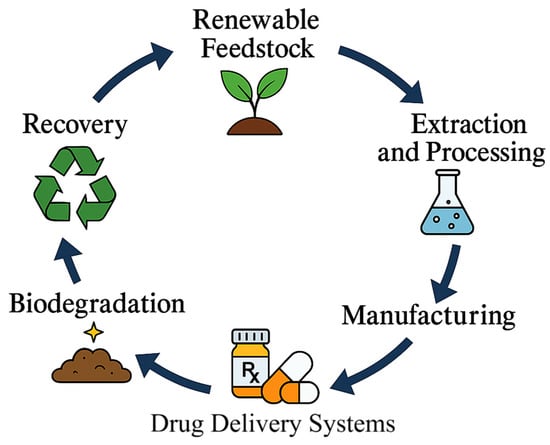
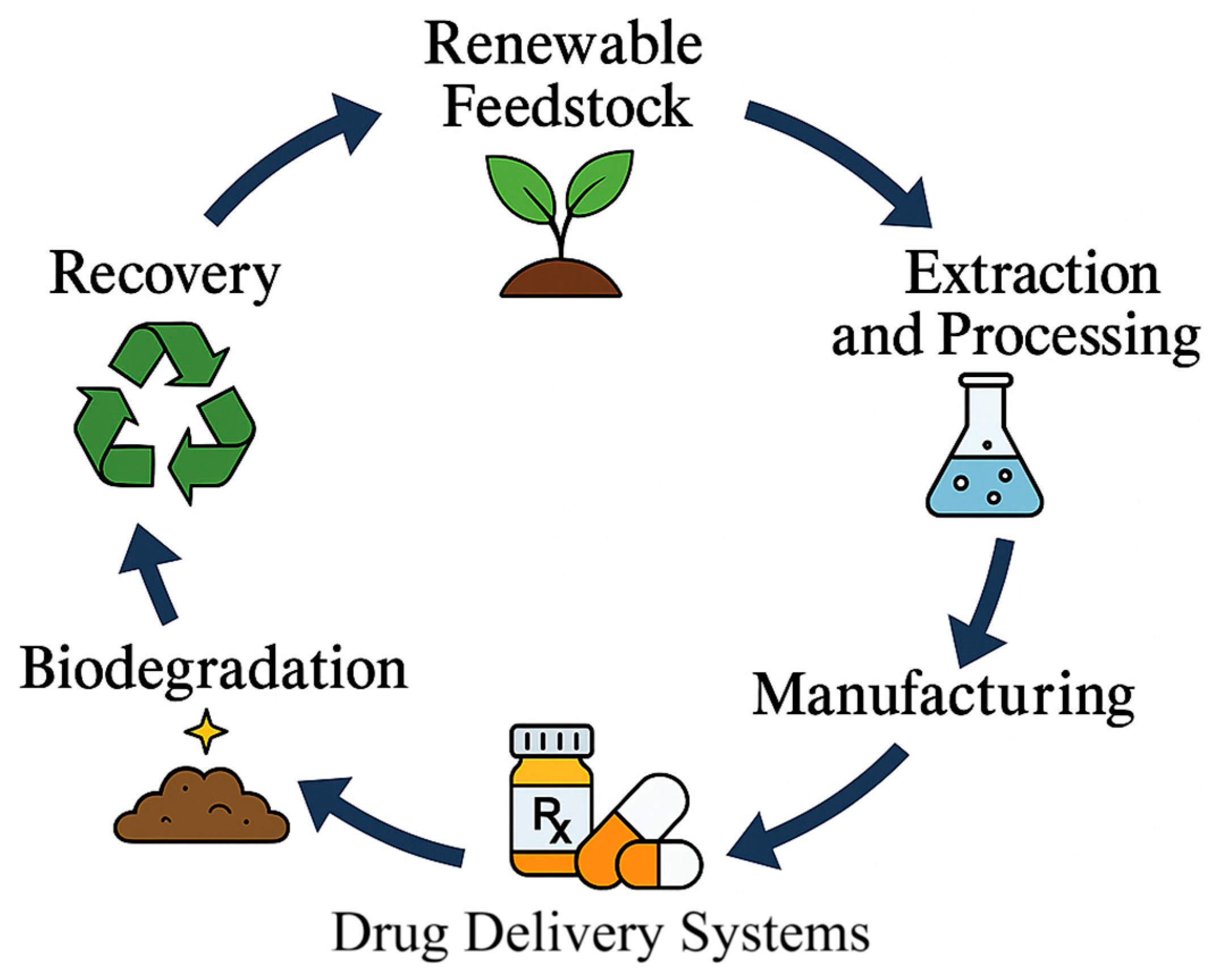
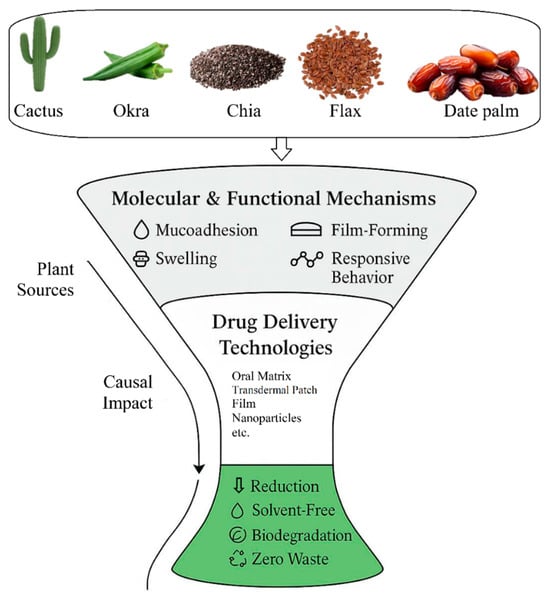
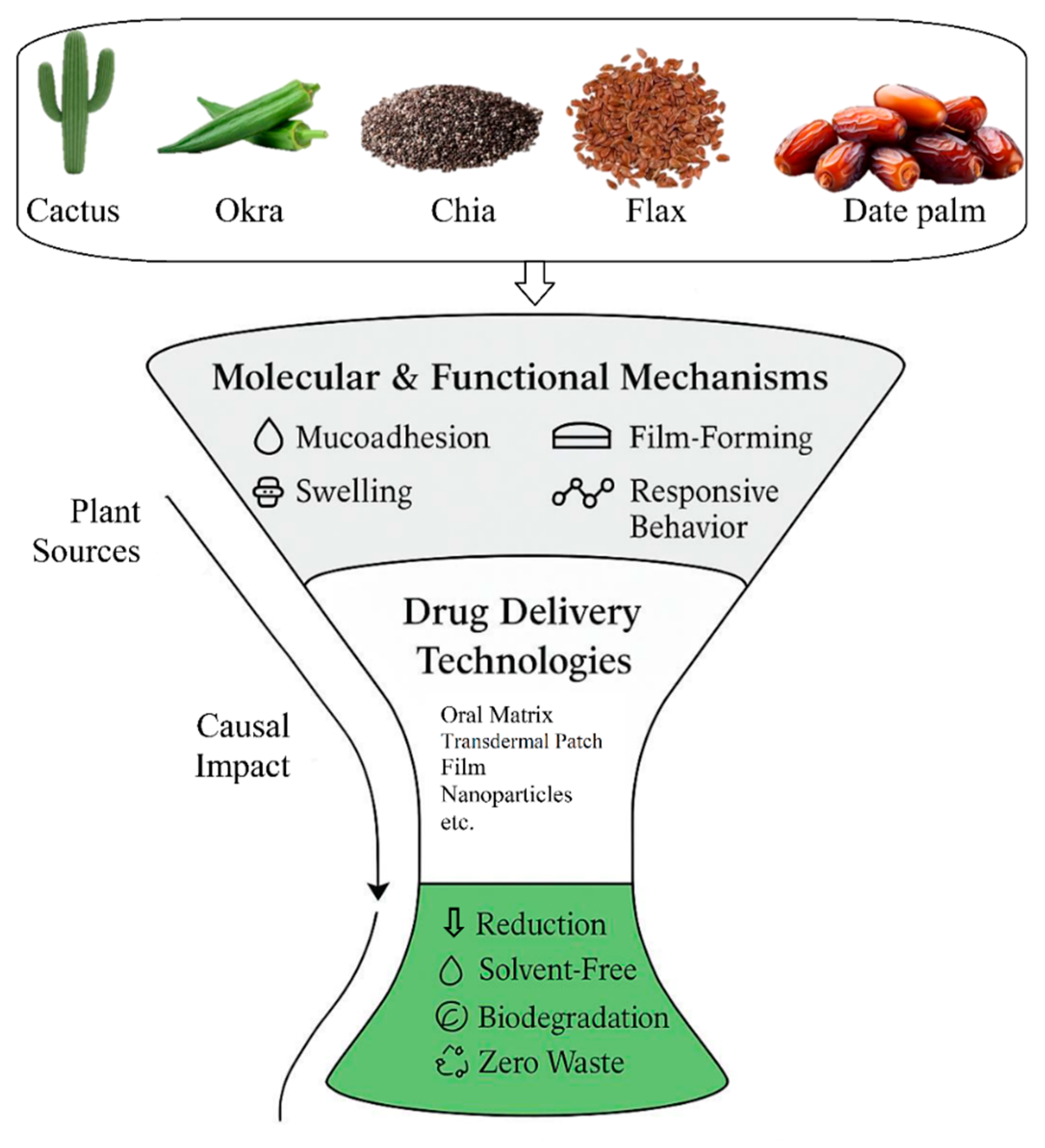
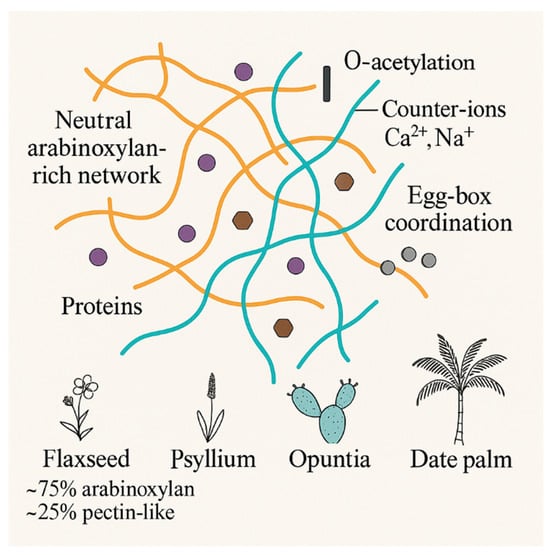
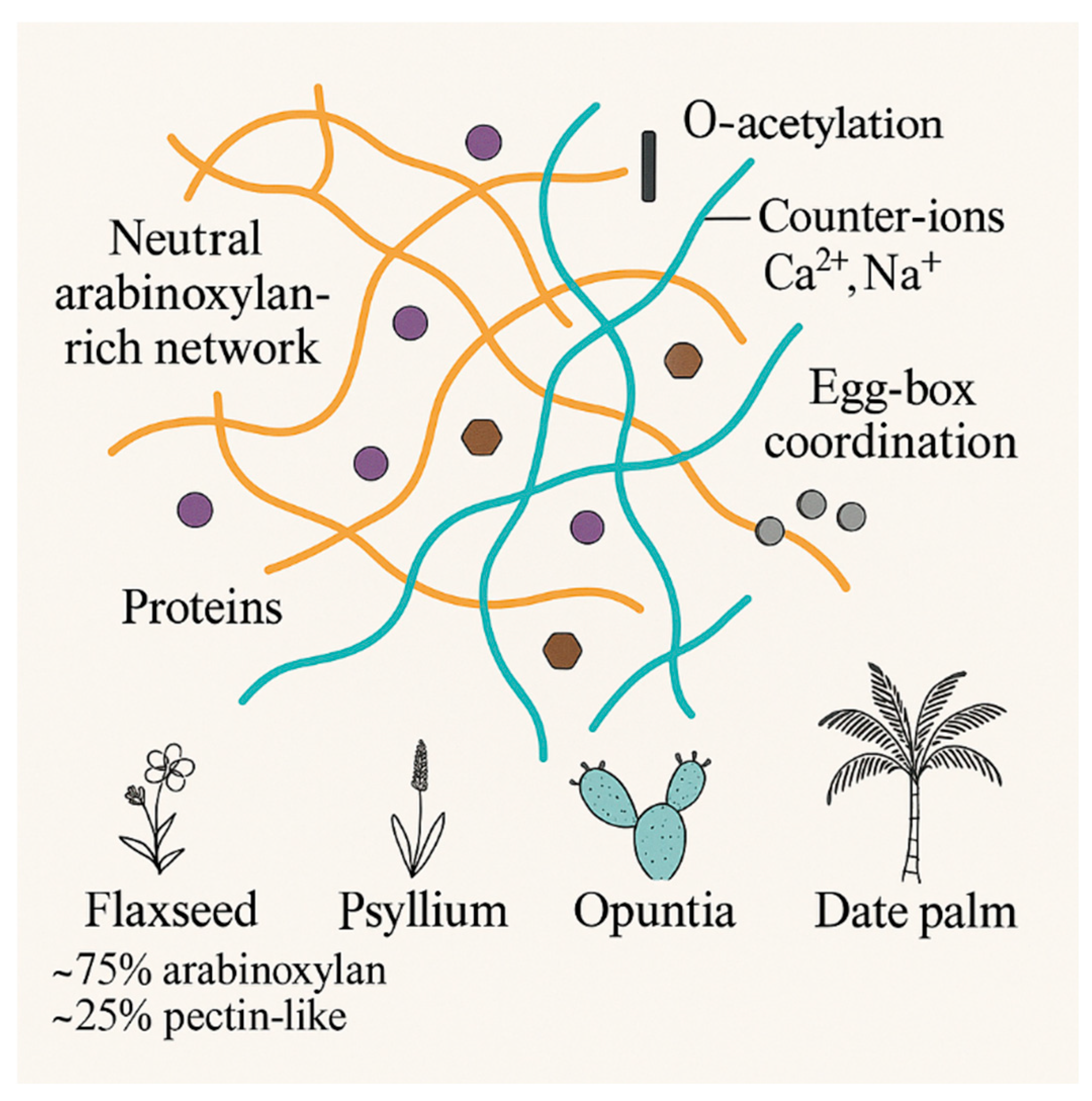
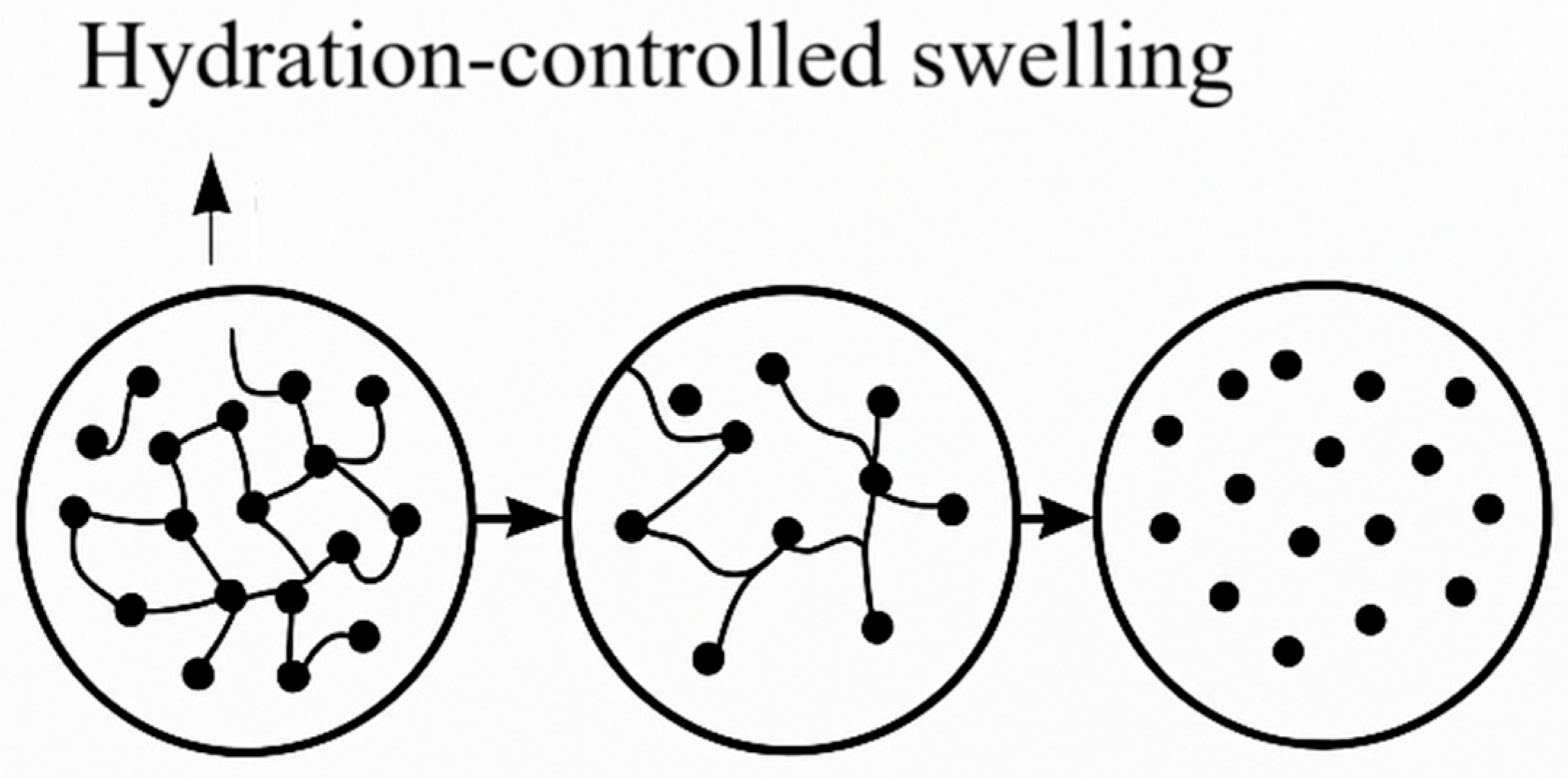
Disclaimer/Publisher’s Note: The statements, opinions and data contained in all publications are solely those of the individual author(s) and contributor(s) and not of MDPI and/or the editor(s). MDPI and/or the editor(s) disclaim responsibility for any injury to people or property resulting from any ideas, methods, instructions or products referred to in the content. |
© 2026 by the authors. Licensee MDPI, Basel, Switzerland. This article is an open access article distributed under the terms and conditions of the Creative Commons Attribution (CC BY) license.