


Abstract
The reunification of scientific, artistic, and philosophical knowledge empowers us to rethink our relationship with nature in light of a biocultural ethic grounded in co-inhabitation among humans and other-than-human beings in shared habitats. To this end, the biocultural ethic is built upon the 3H model, which values the vital links among co-inhabitants and their life habits in shared habitats. The model integrates the biophysical, cultural, and sociopolitical dimensions characteristic of environmental complexity. In this essay, the 3H model is applied to rivers, examined from biological, philosophical, poetic, and legal perspectives. The result is not only to highlight that rivers are more than merely exploitable resources, but also to show that their “voice” raises a normative (ethical and legal) appeal that, among other aspects, has inspired the new Latin American constitutionalism. This ontological, epistemological, and ethical turn seeks to foster a transition from destruction and homogenization toward a bioculture that values biological and cultural diversity through renewed forms of co-inhabitation with rivers and the biosphere.
1. Introduction
Rivers are not merely waterways; they are living systems that sustain and organize ecological, cultural, economic, political, and symbolic processes, essential to life at local and planetary scales. Rivers interconnect mountainous, terrestrial, aquatic, and marine ecosystems, integrating the dynamics of the hydrosphere, atmosphere, biosphere, geosphere, and cryosphere [1,2,3,4,5,6]. Therefore, any adequate understanding of rivers must recognize their systemic and relational character. Moreover, as rivers flow through inhabited territories, they sustain networks of interdependence among human and other-than-human beings. These interdependencies configure biocultural landscapes that destabilize modern dichotomies between nature and culture [7,8,9,10].
The Mapuche poet Elicura Chihuailaf Nahuelpán expresses this relational ontology in his bilingual Mapudungun-Spanish poem, Itrofill Mogen—El Agua de La Vida (“The Water of Life”) [11], where water is portrayed as a living source of interconnected existences.
| May. ¿Iney feyentulayafuy? Pigeken: Ti Ko fey ta Mogen ¿Welu chem kam ta ko mvlenole Kvrvf? ¿Welu chumkey ti Kvrvf ka ti Ko mvlenole Mapu? … Welu chumkey ta Zugun mvlenole ta Mogen ñi neyen? ¿Welu chi Itrofill ñi neyen mvlenole Mogen tañi Ko? | Yes. Who can doubt it? They tell me: Water is Life. But what does Water do without Air? But what do air and water do without Earth? … But what does the Word do without the breath of Nature? But what does Nature do without the Water of Life? |
| (Chihuailaf-Nahuelpán 2020) [11]. | |
The poem evokes water not as an object but as a living presence. Water and rivers embody vital ecological, cultural, and social interdependencies. Hence, rivers must be understood not only biophysically but also culturally and ethically.
However, despite their ecological and cultural centrality, river ecosystems are now among the most degraded and threatened worldwide [12,13,14,15,16]. Fragmentation by dams, pollution, overextraction, and hydrological alteration have caused dramatic declines in freshwater biodiversity [17,18]. This empirical reality raises a fundamental question: Why do modern societies undermine systems upon which they depend?
The answer cannot be confined to technical mismanagement. Rather, the degradation of rivers reveals a deeper conceptual and normative failure. By reducing rivers to “water resources” and the biosphere to “natural resources,” modern societies abstract them from their ecological and cultural complexity, treating them as objects of extraction. Consequently, the crisis of rivers reflects not only ecological disruption but also an ontological and ethical impoverishment.
If the problem is partly conceptual and normative, then technical solutions alone are insufficient. Therefore, river conservation requires an ethical reorientation capable of transforming how societies understand and inhabit river basins. From the standpoint of biocultural ethics [19], I propose such an orientation. This perspective seeks to bridge the gap between ecological knowledge and social practice by addressing the “indirect drivers” of degradation [20] and redefining the frameworks of knowledge and value through which we co-inhabit rivers [21,22,23,24,25].
Although this essay concentrates on society–river relations, the argument extends deductively: if rivers exemplify relational systems essential to planetary life, then transforming our relationship with rivers becomes a paradigmatic step toward reinhabiting the biosphere more justly and sustainably in the Anthropocene [26,27,28].
2. The “3Hs” Model as the Methodological Core of Biocultural Ethics
If ethical reorientation is required, then the subsequent question is methodological: How can such a transformation be articulated in practice? To address this challenge, I propose the biocultural ethics “3Hs” model —derived from the Spanish terms co-Habitantes, Hábitos, and Hábitats (respectively, co-inhabitants, habits, and habitats in English) [19].
This ethic acknowledges and protects the vital interconnections among co-inhabitants, their life habits, and the habitats they share. Complementarily, the “3H” model starts from a simple yet structurally comprehensive premise: every socio-environmental conflict involves (1) specific habitats, (2) diverse co-inhabitants, and (3) the habits that mediate their interactions. Therefore, analyzing environmental crises through these three interrelated components makes visible both socio-ecological complexity and differentiated responsibility [29].
The 3Hs model operates in two interconnected, complementary dimensions: hermeneutical and normative.
- (a)
- The Hermeneutic Dimension: Interpretation of Differentiated Responsibilities
First, as a hermeneutic tool, the model enables a more precise identification of who is involved in socio-environmental conflicts and how. By distinguishing among diverse human agents, their habits (forms of production, consumption, valuation, and representation), and their differentiated impacts on habitats, the model clarifies the concrete actors, practices, and socioecological contexts. In doing so, it makes visible the heterogeneity within humanity—differences in responsibility, power, and vulnerability—that are often obscured in generalized accounts of “environmental impact,” which tend to attribute causality to an undifferentiated “humanity” [30].
Identifying differentiated responsibilities enables clearer distinctions among actors who sustain biocultural diversity and those whose practices erode it. Among the former, some actors assume life habits and roles that are now legally recognized as “custodians or stewards of the Earth” (see below). These actors maintain ecological knowledge, languages, and practices associated with specific habitats [31,32]. Conversely, the 3H model also allows us to distinguish actors who have disproportioned self-interest and consumption habits, which are key indirect drivers of the current socio-environmental crisis [30]. Therefore, the hermeneutic dimension grounds ethical evaluation in contextual analyses rather than philosophical abstractions.
- (b)
- The Normative Dimension: Orienting Habits towards biocultural co-inhibition in biocultural diversity
Second, once responsibilities and relational dynamics are clarified, the model performs a normative function. Biocultural ethics evaluates habits according to their effects on biological and cultural diversity, as well as on the relationships that sustain them. Habits that erode these interdependencies are ethically wrong; those that conserve or restore them are ethically right [33].
From this normative standpoint, this ethic seeks to reorient life habits toward forms of co-inhabitation that respect and sustain biocultural diversity. This reorientation entails a conception of socio-environmental justice that extends beyond exclusively human concerns to consider the well-being of the diverse beings—human and other-than-human—with whom we share local habitats and the planet as a whole.
- (c)
- Epistemic Diversity
Third, interpretive clarification followed by normative orientation implies that conserving biocultural diversity requires integrating multiple systems of knowledge and values. Indigenous ecological knowledge, contemporary ecological and evolutionary science, and diverse philosophical traditions each contribute complementary insights. Through their articulation, the 3H model comprehensively addresses the biophysical, symbolic-linguistic, and institutional-sociopolitical dimensions of the interrelationships between ecosystems and cultures.
River ecosystems offer a paradigmatic case for applying this model, since biophysical processes, symbolic meanings, and political conflicts converge intensely within them. Therefore, by examining rivers through each of the “Hs,” we can identify concrete concepts and practices that strengthen the vital links among co-inhabitants (humans and other-than-humans), their habits, and the various habitats in which riverine biocultural diversity unfolds.
3. Co-Inhabitants
If rivers are relational systems, then identifying their co-inhabitants is the first analytical step. To do so, I begin not with abstraction but with poetry, because poetry can reveal ontologies that scientific language alone often obscures. The Mapuche artist Lorenzo Aillapan, known as Ünümche (“Bird Man”), offers such an entry point in his poem dedicated to an emblematic river bird: the kingfisher (Megaceryle torquata), or Kekereke Challwafe üñüm [34]:
| Kekereke Challwafe üñüm Rülütu pitronkefi tachi challwa Wüne aukantulkefi pichulpichultun Uñümtun pürün kekereke kekerekewitwit Firfir wüywayken kekereke ülkantun Ka feyti pürün mülmül kürüf meu Feyti challwa fey ayiumay. ¡Kekereke kekereke kekereke kekereke kekereke kekereke kekereke kekereke! Challwa fey wepümwüwi nankalu reke Fapüle küpange pi ñi wilufuwin Allangechi nga pi feyti kekereke Ñungum ñungum ñi pañillwe weda wün Üpün amuy kümentu pitronfi doy küme We allangechi mallma challwa. ¡Kekereke kekereke kekereke kekereke kekereke kekereke kekereke kekerek | The Kingfisher From a dive, it easily pecks at the fish: first a party of entertaining movement of plumages, bird dance in the purest fisherman style. Onomatopoeia, song, whistle that is contagious. Dance in the air with provocative movement, the fish is eager to see and be distracted. Kekereke kekereke kekereke kekereke kekereke kekereke kekereke kekereke! An insistent call has enticed the fish to show itself at the surface of the water, By lightning vision echoes that a contact is approaching. The Kingfisher marvels and uses his art, more than ever, he sharpens his fisherman’s jaw. At the mere flight, he pecked at his tasty prey while the chic fish marvels at the fact. Kekereke kekereke kekereke kekereke kekereke kekereke kekereke kekereke! |
| (Lorenzo Aillapan in Aillapan and Rozzi 2001, pp. 44–45) [34]. | |
Through the insistent song and dancing flight of the bird, the poem introduces a relational world rather than an isolated organism. The kingfisher appears not as an autonomous individual but as a being whose existence depends on fish, which in turn depends on the river’s ecological integrity (Figure 1). Thus, from the outset, the poem embodies the central thesis of this section: co-inhabitants cannot be understood in isolation because their lives are constituted through ecological interdependence.
Figure 1.
A pair of kingfishers, in which the male has caught a fish. Both the poem by Lorenzo Aillapan cited in the text and scientific knowledge, as well as this photograph, illustrate ecological relationships among co-inhabitants whose life habits interconnect terrestrial and aquatic habitats. (Photo by Omar Barroso-Putare).
At first glance, this may seem self-evident: without fish, there are no kingfishers, and without healthy rivers, there are no fish. However, what appears ecologically obvious is frequently ignored in environmental decision-making. Policies that fragment rivers, degrade water quality, or alter hydrological regimes often treat species and ecosystems as separable units rather than as interdependent co-inhabitants. The poem therefore functions not merely as aesthetic expression but as epistemic correction.
To clarify this point, we can examine the kingfisher–fish–river relationship through the three analytical dimensions introduced earlier.
3.1. The Biophysical Dimension
From a biophysical perspective, kingfishers, fish, and aquatic ecosystems are part of complex trophic networks. Detritivorous fish process sediments; herbivores regulate algal growth; carnivores control insect populations. These interactions contribute to maintaining the quality of the water that gives life to the river and to all those who co-inhabit it, including the poet and the “bird that dances in the purest fisherman style.” Therefore, the vitality of the river depends on a web of reciprocal functions rather than on isolated species.
Moreover, water itself flows both within organisms and beyond them, linking bodies to rivers, wetlands, estuaries, and oceans. The boundary between organism and environment becomes porous. Consequently, co-inhabitants are hydrologically and metabolically interconnected, not merely spatially adjacent.
3.2. The Linguistic-Cultural Dimension
The poem also reveals that ecological interdependence is mediated symbolically. Through onomatopoeia—kekereke kekereke—Aillapan does not simply describe the kingfisher’s call; he reenacts it. In Mapuche oral poetry, birdsong is not reduced to a biological signal but becomes an aesthetic expression and a communicative presence. Language here does not stand outside nature as representation; it participates in and co-inhabits the world it names.
Thus, co-inhabitation is not only ecological but also linguistic and cultural. Humans relate to rivers and their beings through narratives, songs, and metaphors that shape perception and action. When such symbolic relationships erode, ecological responsibility can also erode.
3.3. The Institutional and Socio-Political Dimension
Finally, the kingfisher and the fish are subjects—directly or indirectly—of legal and policy frameworks that regulate species protection, fisheries, and water quality. Rivers themselves are governed by national and international legislation. Yet formal regulation alone cannot guarantee protection. Laws operate within broader cultural contexts shaped by prevailing habits and values.
This leads to a critical question: Do contemporary societies recognize river beings as co-inhabitants, or do they continue to treat them as extractable resources? The answer determines whether institutions reinforce interdependence or accelerate fragmentation.
3.4. Synthesis of the Three Dimensions
The analysis of Aillapan’s poem demonstrates how the 3Hs model makes visible multiple layers of biocultural relationships. The kingfisher, the fish, and the river cannot be conceptualized separately without distorting ecological reality. They are co-inhabitants because their lives are woven together within a shared habitat, where specific habits—feeding, singing, flowing—generate patterns of mutual dependence.
At this point, the concept of co-inhabitant can be clarified both descriptively and normatively.
- (a)
- The Descriptive meaning
Descriptively, co-inhabitants are beings—human and other-than-human—who share habitats in which ecological, evolutionary, and cultural interactions produce interdependence. This claim is empirically demonstrable: trophic networks, hydrological cycles, and cultural practices all attest to shared dwelling.
- (b)
- The Normative Meaning
If interdependence is a fact, it also carries ethical implications. Therefore, the concept of co-inhabitant extends beyond description. Instrumentally, conserving ecological interactions sustains human well-being. The degradation of fish populations or river systems ultimately undermines human communities. Intrinsically, co-inhabitants possess value grounded in their beauty, vitality, and right to exist. The kingfisher’s dance, the fish’s movement, and the river’s flow are not valuable solely because they serve human purposes; they are meaningful expressions of life.
Consequently, recognizing beings as co-inhabitants expands the spheres of ethics and justice beyond the human domain. It calls for a socio-environmental justice that is attentive to the well-being of all those who share habitats. In this sense, the concept of co-inhabitant functions as both an ontological clarification and a normative commitment.
If rivers are home to communities of co-inhabitants bound by interdependence, then ethical transformation must begin by acknowledging this shared dwelling. Only on this basis can habits and institutions be reoriented toward sustaining the biocultural integrity of river ecosystems and, by extension, the biosphere.
3.5. Companions and Co-Inhabitants
To clarify the descriptive and normative scope of the concept of co-inhabitants, it is useful to begin with an analogy. The word companion derives from the Latin cum (with) and panis (bread), referring originally to someone “with whom one shares bread.” Thus, at its etymological root, companionship is constituted not by proximity alone but by shared sustenance.
This etymology is not merely linguistic; it reflects deep evolutionary and social patterns. Ecological and ethological research suggests that food sharing is a cooperative behavior favored in the evolution of hominid primates and other living beings [35,36,37,38]. From an evolutionary standpoint, sharing food enhances survival by reinforcing bonds, stabilizing groups, and facilitating reciprocity. Therefore, companionship emerges from material interdependence grounded in biological history.
Anthropological and sociological studies confirm that this pattern persists across cultures. Sharing food is a widespread social practice that generates solidarity, reciprocity, and forms of moral economy [39,40]. Eating together fulfills not only a biological function but also a social one known as commensality [41]. As argued by Austrian ethologist Irenäus Eibl-Eibesfeldt, commensality reflects an “innate norm” embedded in human behavioral evolution [38,42,43].
Religious traditions have further deepened this meaning. Within Christianity, the act of sharing bread becomes an ethical imperative—“to feed the hungry”—transforming a biological habit into a moral command [44]. Thus, the concept of companion evolves from an evolutionary behavior into an explicit ethical principle.
However, if companionship is grounded in shared sustenance, then contemporary disruptions of commensality reveal a crisis that is not only nutritional but ethical. Globalization has weakened shared eating practices and altered food systems [45,46]. At the same time, inequalities in food distribution have intensified. In 2021, both undernutrition and obesity were documented as expanding global problems [47].
As the Spanish anthropologist Isabel González Turmo [48] observes: humanity produces sufficient food for all, yet some of it is destroyed, some is excessively consumed, and millions die of hunger. Consequently, speaking of sharing food inevitably raises an ethical question. The breakdown of commensality exposes fractures in solidarity and justice.
This analogy illuminates the concept of co-inhabitants. Just as companions share bread, co-inhabitants share habitats. Habitat sharing, like food sharing, has evolutionary roots: humans emerged and evolved within ecosystems upon which they depended materially and symbolically. Across cultures, this shared dwelling has taken diverse historical forms, from peasant agrarian traditions to Indigenous territorial cosmologies.
Yet global society has increasingly disrupted this shared dwelling. Processes of land concentration and dispossession [49], land grabbing, and the anthropogenic degradation of ecosystems have reached unprecedented levels [50]. Massive biodiversity loss and habitat fragmentation undermine the material basis of co-inhabitation. Thus, just as the erosion of commensality generates nutritional injustice, the erosion of shared habitats generates ecological injustice.
From this parallel, a deductive conclusion follows. If evolutionary history and cultural traditions demonstrate that humans are companions through shared sustenance, and if ecological science demonstrates that humans are co-inhabitants through shared habitats, then co-inhabitation must be understood simultaneously as a descriptive fact and as a normative principle.
Descriptively, humans and other-than-human beings coexist within shared habitats structured by ecological and evolutionary interdependence. Normatively, this shared dwelling generates obligations: to conserve habitats, to sustain their biological and cultural diversity, and to resist practices that fragment or privatize the conditions of life [51].
This ethical orientation is supported not only by contemporary science but also by Indigenous worldviews, peasant traditions, and poetic expressions of belonging. In Huellas de la Tierra (“Footprints of the Earth”), the Chilean writer Óscar Castro [52] evokes a peasant who “feels the earth, kisses it with his eyes and feet” (Castro 1940, p. 17) [52]. These gestures are neither sentimental nor ornamental; they express an embodied ethic of co-inhabitation grounded in affection, gratitude, and respect.
Therefore, to affirm that we are co-inhabitants is not merely to state an ecological fact. It is to recognize a moral condition. Just as companionship implies the obligation to share bread justly, co-inhabitation implies the obligation to share habitats responsibly. In an era of ecological crisis, recovering the understanding of this interweaving between descriptive and normative spheres is indispensable for advancing a biocultural ethic capable of sustaining rivers, lands, and the biosphere as shared habitats or homes.
3.6. Philosophical Dimensions of the Concept of “Co-Inhabitant”
If the concept of co-inhabitant carries both descriptive and normative weight, then its philosophical implications must be made explicit. Philosophically, the concept transforms our understanding at three interconnected levels: (1) ontological, (2) epistemological, and (3) ethical.
The argument unfolds deductively. If humans are co-inhabitants rather than isolated entities, then our being is relational (ontology), our knowledge must be situated within those relations (epistemology), and our conduct must respond to them responsibly (ethics). I begin with the ontological dimension, since it grounds the others.
3.6.1. Ontological Implications of the Concept of “Co-Inhabitant”
To understand ourselves as co-inhabitants requires abandoning the modern conception of the human being as an isolated, self-sufficient individual, ontologically separated from the “rest of nature” [51]. The modern dualistic ontology presupposes that humans stand apart from ecological processes. However, contemporary biogeochemical and evolutionary sciences undermine this presupposition.
At the most fundamental level, biogeochemical research shows that the human body is composed of the same chemical elements that constitute the cosmos: carbon, hydrogen, oxygen, nitrogen, phosphorus, sulfur, iron, magnesium, among others [53]. Materially, humans are continuous with the Earth and the universe. We are not an ontological exception, but rather a unique configuration of cosmic matter organized through life processes.
This continuity deepens at the cellular level. Humans share core cellular structures—nuclei, mitochondria, DNA—and metabolic pathways with animals, plants, fungi, and algae [54]. Such structural homology has an evolutionary explanation: the human species emerged from common ancestors shared with other living beings. Consequently, our biological identity results from multiple co-evolutionary relationships with co-inhabitants in ancestral habitats that were—and continue to be—dynamically shared.
The ontological shift becomes even more profound in light of twenty-first-century genomic and microbiome research. Studies on the human genome and microbiota demonstrate that a significant proportion of the genes and more than half of the cells associated with our bodies belong to fungi, bacteria, archaea, and viruses [55]. Strictly speaking, what we call the “human body” is a consortium of multiple life lineages.
This realization radically transforms the ontology of the human individual and of other living beings. The biological “self” is not a closed unit, but an organized and dynamic biotic community. Nor is it a self-sufficient entity, but a web of ecological interdependencies.
From a biophysical perspective, each human being is a holobiont: a functional integration of eukaryotic cells (i.e., with a nucleus and double membrane) and symbiotic microbial communities, predominantly prokaryotic (i.e., without a nucleus and with a single membrane). Thus, the biological “self” is not a closed, autonomous unit but an organized and dynamic biotic community. The individual is internally plural. This realization has two decisive ontological consequences:
(i) It destabilizes the idea of self-sufficiency. Human existence depends not only on external ecological systems—such as rivers, soils, and forests—but also on internal microbial symbioses.
(ii) It reframes individuality as relational organization rather than isolation. The organism is better understood as a node within nested networks: molecular, cellular, ecological, and planetary.
Metaphorically—and with biological precision—we may describe human bodies as “walking ecosystems,” hosting myriads of microorganisms. This metaphor is not a poetic exaggeration; it is an empirical description. Our physiological stability depends on metabolic cooperation across species boundaries. Therefore, ontologically, to be human is to be constituted through co-inhabitation.
Acknowledging this condition does not negate human distinctiveness. Rather, it situates human uniqueness within a broader web of evolutionary alliances and persistent symbioses that make it possible. Human identity emerges from, and remains sustained by, relationships that traverse bodies and habitats alike.
From this ontological insight, a broader conclusion follows: co-inhabitation is not merely a social arrangement or a moral ideal; it is a condition of being. We co-inhabit not only rivers and landscapes but also our own bodies. The separation between “self” and “environment” becomes porous and dynamic.
Thus, the concept of co-inhabitant redefines ontology itself. Beings are not solitary entities. To exist is to be-with-others—internally, ecologically, and cosmically.
- (a)
- The origin of the concept “holobiont” and its evolutionary basis
If the human being is ontologically a relational entity, as argued above, then the biological foundations of this claim must be clarified. The concept of the holobiont provides such a foundation.
The term was popularized at the end of the twentieth century by the evolutionary biologist Lynn Margulis, who argued that multicellular organisms are not isolated individuals but integrated biological communities composed of multiple species living in symbiosis [56]. Her proposal emerged from decades of research on symbiosis and challenged the dominant neo-Darwinian emphasis on gradual change driven exclusively by mutation and selection. Instead, Margulis highlighted symbiotic association as a central engine of evolutionary innovation.
The cornerstone of Margulis’ theory was the explanation of the origin of eukaryotic cells—eukaryogenesis—through serial endosymbiosis. In her influential and initially controversial paper, On the Origin of Mitosing Cells [57], Margulis proposed that eukaryotic cells arose from the stable integration of previously free-living prokaryotes. She envisioned at least three ancestral partners: a host cell (likely an anaerobic bacterium), a respiring bacterium that became the mitochondrion, and a motile, spirochete-like organism that contributed to flagellar structures.
Although some specific aspects of her model were later revised, the central thesis—that key organelles originated as symbiotic bacteria—has been robustly confirmed. Morphological, biochemical, and geochemical evidence, together with phylogenomic analyses of mitochondria, chloroplasts, and nuclear genomes, support the evolutionary incorporation of formerly independent prokaryotes into eukaryotic cells [58,59,60]. Therefore, the eukaryotic cell itself is the product of ancient symbiotic mergers. Its genome is chimeric, and its metabolic pathways exhibit a mosaic origin. Multicellular organisms —including humans— inherit this composite architecture. Evolution, in this light, is not solely a story of divergence but also of integration.
The concept of the holobiont extends this insight beyond cellular origins. If mitochondria and chloroplasts are the descendants of once free-living bacteria, and if contemporary organisms depend on diverse microbial communities for digestion, immunity, and development, then biological individuality must be redefined. The organism is not a self-contained unit but a stabilized consortium of multiple life forms.
This evolutionary perspective strengthens the ontological argument advanced in the previous section. Co-inhabitation is not merely ecological coexistence at the scale of habitats; it is constitutive of life itself at the cellular level. Symbiosis is not peripheral to evolution—it is foundational. Consequently, the concept of the holobiont provides scientific grounding for a relational ontology: to be a living being is to be the outcome of long histories of association, merger, and cooperation.
In this sense, the evolutionary origin of eukaryotic cells becomes more than a technical account of cellular history. It reveals that life, from its most intimate structures, is structured through co-inhabitation.
- (b)
- The origin of the concept of “hologenome”: implications for human coevolution
In the second decade of the twenty-first century, biologists Eugene Rosenberg and Ilana Zilber-Rosenberg [61,62] advanced the concept of the hologenome, defined as the total set of genes of a host organism together with those of its associated microbiota1. If the hologenome constitutes a unit of selection in evolutionary processes, then evolutionary analysis must shift its focus accordingly. In the human case, this implies considering not only the approximately 20,000 genes in the body’s eukaryotic cells, but also the millions of genes present in microbial symbionts. These microbial communities form the microbiome, which significantly influences human physiology, immunity, health, and even behavior, thereby shaping adaptive capacity and evolutionary responses [63,64].
This reconceptualization has yielded a striking empirical insight. While any two humans share on average 99.9% of their nuclear genome [65], they share only about one-third of the genes present in their prokaryotic microbiome [66]. Consequently, much of the genetic variability among humans lies not in their eukaryotic genome—as certain racist doctrines once claimed—but in the composition of their microbiota. The hologenomic perspective thus not only transforms evolutionary theory but also undermines biologically reductionist accounts of human difference.
At a deeper level, this shift has ontological implications. What we are—materially and biologically—emerges from a network of multispecies relationships unfolding both within and beyond our bodies. Prokaryotic microbiotas collaborate intimately with eukaryotic cellular machinery, forming integrated functional systems. Biomedical research demonstrates that microbiota play essential roles in immune system development and maturation, resistance to infection, metabolic regulation, and the maintenance of homeostasis [67]. Human individuality, therefore, is biologically co-constituted.
In summary, the conceptual turn introduced by the notions of holobiont and hologenome invites us to conceive evolution as a relational process occurring among interdependent biological communities. Human life unfolds through dynamic and complex ecological interactions with other humans and with a vast diversity of other-than-human beings. We do not exist as autonomous, self-contained entities; rather, we are nodes within networks of co-inhabitation—much like river ecosystems, whose identity arises from the continuous interplay of multiple, interacting flows.
- (c)
- Human beings: ecosystems that think and have will
The growing validation of endosymbiotic evolutionary theory entails a profound ontological shift. If complex cells emerged through symbiotic integration, and if humans are holobionts whose evolution involves host–microbiota assemblages, then we can no longer coherently conceive of human beings as autonomous “individuals.” Rather, we must understand them as ecosystemic units —dynamic communities of interdependent life forms.
Metaphorically, the human body—with its organs and flows of liquids, gases, and microbial communities—may be compared to a river system, structured by rocks, currents, atmospheric exchanges, and biotic assemblages. Both are organized through interconnected flows rather than isolated substances. However, unlike rivers, humans possess hologenomic configurations that enable the reproduction and evolutionary continuity of the species Homo sapiens.
Over the course of evolution, our species has developed at least three distinctive capacities:
(i) reflective self-awareness;
(ii) epistemic abilities to explore and interpret the world; and
(iii) practical deliberation—the capacity to decide how to relate to others.
Because humans possess these faculties, the ontological recognition of our ecosystemic constitution carries epistemological and ethical consequences. If we are relational beings, then we must revise how we validate knowledge and how we orient our habits. Epistemology must move beyond objectifying frameworks, and ethics must articulate principles that can guide just forms of co-inhabitation with rivers and the biosphere.
3.6.2. Epistemological Dimensions of the Concept of “Co-Inhabitant”
The concept of co-inhabitant requires a transformation in how biodiversity is understood and studied. Since modernity, animals, plants, algae, and fungi have largely been approached as isolated “objects,” cataloged in scientific or artistic collections. This “logic of the specimen,” as art historian Janice Neri [68] has termed it, decontextualizes living beings from their habitats [69].
Although widely criticized, this logic continues to shape environmental policy and impact assessments, which frequently abstract organisms from their ecological and cultural interdependencies. Thus, the epistemological problem is not merely theoretical; it has practical consequences for conservation.
To address this omission, new methodologies inspired by the 3Hs approach (co-inhabitants, habits, habitats) study living beings not as isolated objects but as subjects embedded in ecological and cultural networks [20,70].
A significant example is the work of Chilean ecologist Tamara Contador. Together with collaborators, she has developed methodologies for studying freshwater invertebrates in situ, prioritizing observation and documentation over extraction and sacrifice [71,72]. Applied to insects such as trichopterans—whose larvae construct shelters from leaves, stones, and shells—this approach preserves both organisms and habitat integrity (Figure 2).
Figure 2.
Long-term biocultural, ecological, and ethical research in river ecosystems in the Cape Horn—Yagan Usi Biosphere Reserve, Chile, with a novel methodology developed by Dr. Tamara Contador [72]. (A) Róbalo River at Omora Park, Puerto Williams, Chile. (B) Dr. Contador observing and recording freshwater invertebrates in situ. (C) Larva of a caddisfly (an insect of the order Trichoptera) in its underwater habitat, showing its life habit of building a portable case or “home” made of silk (secreted from salivary glands—near the mouth of the larva) and vegetal materials. (D) Nymph of a mayfly (an insect of the order Ephemeroptera) in its riverine habitat (Photos by Gonzalo Arriagada).
Moreover, Contador integrates diverse knowledge systems, including the ecological wisdom of the Yahgan people. Her laboratory, Wankara (“insect” in the Yahgan language), documents insights such as those shared by artisan Julia González, who explains that, in Yahgan cosmology, rivers are dwellings of the ancestors. A person sleeping near a river may hear them talk, or even joke [71]. Contador concludes that the river can be considered as “a community of life” that shelters humans, their ancestors and memories, as well as biophysical and spiritual other-than-human beings [71].
Here the epistemological shift becomes evident: the river ceases to be an “object of study” and, instead, emerges as a biocultural community. Consequently, the concept of co-inhabitant transforms not only what we know, but also how we know—altering study methods, languages, value systems, and ethical attitudes toward rivers and the world.
3.6.3. Ethical Implications of the Concept of “Co-Inhabitant”
If we recognize ourselves as co-inhabitants of rivers and the biosphere, then the modern dualism separating “humanity” from “nature” becomes untenable. Twenty-first-century sciences demonstrate that the existence of human beings and river ecosystems is ontologically intertwined. Therefore, respect for human dignity logically entails respect for the ecological systems that sustain and co-constitute human life.
From this standpoint, rivers cannot be reduced to passive reservoirs of exploitable “natural resources.” Rather, assuming ourselves to be co-inhabitants requires cultivating habits of respect for rivers, their fish and insects, and the diverse human communities that dwell along their banks. Consequently, multiple dimensions of value must be acknowledged—instrumental, intrinsic, and relational.
Instrumental values derive from ecosystem services provided by rivers: drinking and irrigated water essential for human health; nutrient-sustaining soil fertility and marine ecosystems; regulation of biogeochemical cycles influencing climate; and biodiversity that supports food systems [1,73,74]. Paradoxically, although rivers generate disproportionately high ecosystem services, they are among the most threatened ecosystems, even in remote regions [75,76].
Intrinsic values, by contrast, stem from the right of ecosystems and species to exist, as well as from the sacred character attributed to certain rivers in diverse cultures [77,78,79,80]. Recognizing intrinsic value entails acknowledging rivers as more than instruments for human use: they are communities of life worthy of respect in their own right.
Relational values refer to the meaningful connections that link people and ecosystems through tangible and intangible relationships [81]. This perspective has significantly influenced assessments by the Intergovernmental Science-Policy Platform on Biodiversity and Ecosystem Services, which have expanded valuation frameworks beyond purely economic metrics to incorporate cultural, ethical, and place-based dimensions [82,83,84]. By foregrounding lived experience, moral commitments, and place attachment, the relational approach offers a more pluralistic foundation for conservation and governance [85], as illustrated by empirical studies. In the Nagara River Basin, Japan, residents describe how the river shapes personal well-being and sustains communal bonds through everyday practices [86]. Research on the San Marcos River, Texas, shows that environmental culture and education influence stewardship and support for habitat protection [87,88]. In the Winooski River watershed, Vermont, relational values intertwine with empathy and ethical concern for water, shaping conservation attitudes [89]. These cases demonstrate that rivers are experienced as living contexts of identity and responsibility.
Some critics argue, however, that relational values lack conceptual distinctiveness because relationality is already embedded in instrumental and intrinsic values [90]. I agree with this critique, because treating relational values as an entirely separate category risks redundancy and may over-formalize what is, in fact, an ontological condition of life itself—namely, interdependence. Nevertheless, even if not conceptually independent, the emphasis on relationality has heuristic and political importance insofar as it reorients valuation toward lived interconnections.
Integrating diverse values and knowledge systems—scientific, indigenous, popular, poetic—deepens our understanding of river–culture interdependencies. Such understanding should ground an ethic of biocultural conservation oriented toward protecting and regenerating the links among species, cultures, and shared habitats.
In sum, the concept of co-inhabitant exceeds a biological classification. It redefines who we are (ontologically), how we know (epistemologically), and how we ought to act (ethically). River habitats—and ecosystems more broadly—are communities of life of which we are members. Recognizing this condition is urgent at a time when aquatic species and rivers themselves are disappearing, often unnoticed by global society.
4. Habitats
I have argued that river habitats should be (re)recognized and (re)valued as biocultural communities in which biophysical, cultural, symbolic, historical, and socio-political dimensions converge. The Chilean poet Pablo Neruda evokes this convergence in his “Winter Ode to the Mapocho River” (Oda de invierno al río Mapocho) [91], where he addresses the river born of snow descending through valleys and carrying the pains of his people:
River: Why do you carrycold, secret water,water that the harsh dawn of the stoneskept in its inaccessible cathedral,to the wounded feet of my people?…Oh, harsh river born of snow!Why don’t you rise like an immense phantom,or as a new cross of stars for the forgotten?(Neruda 1950, p. 412) [91]
In this poetic journey, biophysical, cultural, social, and political dimensions intertwine within a torrential, bioculturally vibrant ecosystem. Neruda reminds us that rivers are not mere hydrological channels but carriers of memory, suffering, and collective hope. His poetic exhortation converges with biocultural ethics: rivers—and the marginalized communities linked to them—must reemerge within social imaginaries and public policy.
Historically, rivers have been at the heart of civilizations across regions and epochs. Yet modernity has tended to reduce the complexity of rivers’ interdependencies involved in activities such as livestock, agriculture, mining, energy, transport, and urbanization, illustrating the density of these interdependencies [92]. Modern instrumental rationality has promoted channeling, damming, and diversion, thereby altering river courses physically while reshaping epistemological and political frameworks. Within this paradigm, river value is defined in unidimensional terms of productivity and efficiency.
This logic was paradigmatically expressed by former Peruvian President Alan García [93], who claimed that rivers “flow uselessly into the sea if they are not dammed for the production of electricity.”2. Such a statement epitomizes an extractivist worldview that values rivers solely for their economic profitability, rendering invisible the ecological and cultural interdependencies that sustain them.
4.1. Need for a Biocultural Concept of Rivers
During the twentieth century, water infrastructure projects became icons of progress. Rivers were pumped, channeled, dammed, and diverted to serve irrigation, energy production, urban supply, and economic growth [94]. Yet this engineering vision entailed enormous human and ecological costs.
The World Commission on Dams estimates that between 1945 and 2000 approximately eighty million people were displaced worldwide by large dam projects, disproportionately affecting Indigenous peoples and ethnic minorities [95,96]. Moreover, more than 500 million river-dependent people have experienced deteriorating livelihoods [97]. These “mega-development projects” have transformed heterogeneous habitats into homogenized landscapes, eroding both biological and cultural diversity.
Environmental philosopher Irene Klaver captures this legacy by noting that bodies of water have “flowed” into the twenty-first century, bioculturally homogenized [98]. Conceiving rivers merely as exploitable flows—whose discharge into the sea is interpreted as waste—has fostered maldevelopment and homogenized habitats dominated by dams, pavements, and aqueducts. Such habits of channeling and commodifying water have displaced—and in some cases eradicated—biocultural communities composed of humans and other-than-human co-inhabitants: birds, invertebrates, aquatic plants, microbiota, and the knowledge systems intertwined with them.
The 3Hs model helps not only to criticize biocultural homogenization processes, but also to guide conservation and restoration actions. The following section advances this proposal through a biocultural analysis of ten myths that continue to distort river and environmental policies in global society.
4.2. Biocultural Transformation of Ten Modern Myths
The Spanish geographer Alfredo Ollero Ojeda, co-founder of the Fundación Nueva Cultura del Agua (“New Water Culture Foundation”), has identified ten persistent “myths” about rivers that obstruct sustainable management [99]. These myths are not merely technical misunderstandings; they are reductionist assumptions embedded in modern hydrological, economic, and political rationalities.
Building on Ollero-Ojeda’s proposal, Table 1 reformulates these myths into ten biocultural theses. The central argument is deductive: if rivers are biocultural communities rather than hydraulic conduits, then river restoration must involve not only ecological rehabilitation but also a transformation of habits of thought and action. Restoration, therefore, concerns both habitats and habits.
Table 1.
Ten modern “myths” about biophysical, cultural, and political concepts that hinder sustainable river management. The validity of each myth has been scientifically refuted. Based on this evidence, I propose a biocultural transformation for each myth. Table prepared from the essay “Floods, floods and resilience: river restoration against false myths” by Alfredo Ollero-Ojeda (2020) [99].
Specifically, linear models of control and channeling must be replaced by forms of complex thinking attuned to the meandering, dynamic, and adaptive character of river systems. To co-inhabit and genuinely “flow with rivers,” we need to safeguard mosaics of habitats across entire watersheds, including zones with varying degrees of human influence. This entails assuming the role of guardians or custodians of rivers—protecting their biocultural integrity and fostering the well-being of their diverse human and other-than-human co-inhabitants.
Collectively, these transformations reveal that modern river management has often sought to suppress variability, whereas biocultural restoration seeks to reestablish dynamic integrity. Thus, the challenge is not merely technical correction but epistemological and ethical reorientation.
4.3. Biocultural Meanders
The concept of meandering—developed philosophically by Irene Klave [100]—offers a powerful metaphor for rethinking socio-fluvial relations. Meanders illustrate how ecological science and environmental ethics converge in critiquing modernist ideals of linear progress and control.
Since early modernity, rivers have been homogenized through channelization for commerce, property demarcation, and urban planning. To drift, to meander, to wander “aimlessly” were perceived contrary to the modern ideal of “progress;” hence, these concepts acquired negative connotations [101]. However, as ecological sciences incorporated concepts such as complexity, indeterminacy, and nonlinearity [102], meanders began to be revalued as expressions of resilience and adaptive capacity [103,104]. Consequently, rivers came to be understood not as static blue lines on maps but as socio-ecosystems interacting with geology, atmosphere, soils, biotic communities, and human cultures [105]. Matter, energy, sediments, symbols, and political-economic forces circulate through these networks, sustaining biocultural assemblages.
These interdependencies resonate with what environmental anthropologist Nikhil Anand [106] terms “hydraulic citizenship.” This notion reframes citizenship as embedded in hydrosocial relations: rights and responsibilities are constituted through shared water infrastructures and ecological processes. From a biocultural perspective, hydraulic citizenship implies assuming responsibility not only for equitable distribution but also for the ecological integrity of river systems.
Thus, meandering becomes both an ecological and an ethical principle. Ecologically, it acknowledges variability and adaptive flows; ethically, it calls for humility, attentiveness, and co-responsibility. To adopt biocultural meanders is to renounce rigid linearity and to cultivate modes of thought and governance capable of flowing—critically and creatively—with the dynamic communities of life that rivers sustain.
4.4. Multiple Ways of Knowing and Co-Inhabiting with Rivers
The biocultural relations of co-inhabitation with rivers become more fully understood when we expand the epistemic frame beyond scientific knowledge to include the knowledges of Indigenous peoples. If rivers are biocultural communities, understanding them requires more than hydrological or ecological sciences; it also demands engagement with poetic, spiritual, and other cultural forms of knowing embedded in diverse worldviews.
For example, in the largest watershed of southern South America, the Mapuche poet Leonel Lienlaf intertwines biodiversity with the vitality of Mapuche culture. In his bilingual (Mapudungun–Spanish) poem Mañkean ñi dungu (“Mañkean’s Dream”) [107], he writes:
| Umagtuken lafken pewmamu ina nepeken challwa nepenmu. Ayeken kümemew, Ngümaken mawünmew feley ta ñi mongen, feley ta ñi nütram, fewla umagtuan. | My laughter is the midday sun, my tears the springs, My dream is the peacefulness of love, and my awakening is the life of fish. That’s how my existence is, That’s my word, and the waters continue singing to me. |
| (Lienlaf 1989) [107]. | |
These verses articulate a shared genealogy between human and other-than-human co-inhabitants. The flows of energy and matter that sustain springs, fish, and sunlight are inseparable from those that sustain laughter, tears, and dreams. The suffering of one being reverberates in others; the water of springs becomes the water of tears. Thus, biological diversity and cultural diversity do not merely coexist; rather, they flow together as intertwined expressions of life.
This poetic insight converges with scientific understandings that affirm the interdependence of human well-being and ecological integrity [108]. The convergence is significant: it demonstrates that Indigenous knowledge systems and ecological sciences, while distinct in method and language, can arrive at complementary realizations of relationality. Therefore, acknowledging diverse ways of knowing is not an act of romanticism but an epistemological necessity for comprehending rivers as complex socio-ecological systems.
Moreover, both historically and in the present, numerous Indigenous, rural, and urban communities sustain habits of life embedded within biocultural networks of co-inhabitation. As Santafe-Troncoso and Loring [109] suggest, such embeddedness appears to be the historical norm of human societies. By contrast, the large-scale disconnection characteristic of contemporary global society—though hegemonic today—constitutes an anomaly. If this is so, then the prevailing model of separation between society and rivers is neither inevitable nor universal; it is a contingent development that can and must be transformed.
In short, understanding river habitats as biocultural communities enables us to move beyond homogenizing modernist models and to recover the value of complexity, variability, and indeterminacy [10,104]. Rivers are not simply channels of flowing water; they are dynamic webs of energy, matter, and symbolic meaning that link animals, plants, sediments, infrastructures, and human cultures. This ontology drives an ethical imperative: to imagine and institutionalize forms of co-inhabitation that actively promote the biocultural conservation of rivers and the flourishing of their diverse communities of life.
5. Habits
If rivers are biocultural communities, and not “merely inert waterways,” the ethical transformation outlined above must ultimately translate into new individual and social habits. Stated in general terms, this aspiration might seem naive; however, when formulated precisely, it allows us to identify concrete courses of action. In this section, I propose three types of action.
First, adopting the habit of “listening to rivers” as biocultural communities. Second, committing to regulatory frameworks that have emerged from this new attentiveness, particularly those that recognize the rights of nature and of rivers. Third, understanding that these biocultural legal frameworks open concrete possibilities for the conservation and restoration of rivers, promoting ways of sharing water and co-inhabiting with the diverse communities of life present in the basins.
“Listening” here is not simply a metaphor, but a perceptive and ethical practice. It involves opening our senses, recovering our biocultural memory, and reconnecting with the multitude of co-inhabitants who share the river basins with us. This disposition is expressed by the Nobel laureate poet Neruda in La voz del río (“The Voice of the River”) [110]:
Dreams and footsteps that connected meto the voice of the river,beings in motion,strokes of light in history,tercets ablaze like lamps.The bread and blood sangwith the nocturnal voice of the water.(Neruda 1954) [110]
In these verses, the “nocturnal voice of the water” resonates with daily sustenance (“bread”), shared vitality (“blood”), and collective memory (“history”). The murmuring river is not external to human life; it is interwoven with it. Thus, listening reveals that the stories of river co-inhabitants—human and other-than-human—are inseparable from our own trajectories of nourishment, labor, and suffering.
Accordingly, listening becomes the first step toward biocultural co-inhabitation. To listen is to acknowledge rivers as communities of life3 [72,111]. Such acknowledgment has normative consequences. It requires moving beyond the exclusive primacy of individual rights toward a framework grounded in common rights and shared responsibilities [112]. In other words, if rivers sustain collective life, then their protection cannot depend solely on individualized claims; it must be anchored in solidarity.
This cultural and legal turn can be examined with the classification of human rights by the Czech jurist Karel Vasak [113], who distinguished three “generations” linked to the ideals of the French Revolution:
- First generation: civil and political rights (freedom).
- Second generation: economic, social and cultural rights (equality).
- Third generation: solidarity rights (fraternity), including the rights of nature and of Indigenous peoples.
Within this legal framework, the ethical imperative to listen to rivers aligns with third-generation rights, which assert that ecological integrity and social justice are mutually implicated. In fact, in several South American countries, this principle has gained constitutional recognition. The constitutions of Colombia, Ecuador, and Bolivia incorporate the right to a healthy environment, thereby recognizing the vital links between human health and ecosystem health.
Consequently, cultivating the habit of listening is simultaneously an aesthetic, spiritual, and ethical act, as well as a legal and political one. The health of rivers, forests, mountains, and seas decisively influences the health of human communities, and vice versa. If this interdependence is taken seriously, then habits of attentiveness, care, and biocultural co-responsibility become ethical imperatives. They stimulate transformations in both perceptions and practices, which in turn sustain more just and resilient forms of co-inhabitation on Earth.
5.1. Biocultural Rights of Rivers
The emergence of the “new Latin American constitutionalism” has significantly reconfigured the traditional notion of environmental rights [114]. Rather than conceiving nature solely as an object of protection for human benefit, this constitutional shift incorporates the values and worldviews of Indigenous peoples, local communities, and Latin American schools of thought [115]. Consequently, environmental law is no longer framed exclusively in anthropocentric terms; it is increasingly grounded in biocultural ontologies—Indigenous, scientific, and philosophical.
This biocultural legal framework articulates governance principles oriented toward addressing socio-environmental conflicts through intercultural and interspecies justice. If rivers are understood as biophysically and culturally shared habitats, then their protection requires legal mechanisms that safeguard both ecological processes and the cultural communities intertwined with them.
In Colombia, this understanding fostered collaboration among physicians, scientists, Indigenous representatives, and local communities to propose a new legal order based on biocultural rights [116]. The landmark recognition of the Atrato River’s rights in 2016 was followed by similar recognitions of the Whanganui, Ganges and Yamuna Rivers in 2017 [114]. Together, these cases signal an emerging comparative and transnational legal trend: rivers are being recognized not merely as resources, but as subjects of rights.
The enforcement of these biocultural rights usually falls to elected “custodians” or “guardians,” who are often representatives of local and Indigenous communities linked to the territory [116]. In this way, the law institutionalizes a principle already present in many Indigenous governance systems: the safeguarding of the vital interdependence between biological and cultural diversity. As the Constitutional Court of Colombia stated in Judgment T-622 of 2016:
The so-called biocultural rights (…) result from the recognition of the deep and intrinsic connection that exists between nature, its resources, and the culture of the ethnic and indigenous communities that inhabit them, which are interdependent on each other and cannot be understood in isolation [117].
Thus, recognizing rivers and ecosystems as legal subjects entails more than symbolic innovation; it requires communities and institutions to assume active custodial responsibilities to ensure the effective fulfillment of those rights. The notion of guardianship, therefore, is becoming a defining feature of an emerging transnational legal paradigm.
This transformation is further consolidated by developments in three complementary domains.
- (a)
- A new biocultural imaginary about rivers
Legal change is often accompanied—and habitually preceded—by symbolic and cultural reconfiguration. Poetic and linguistic expressions have helped cultivate a renewed sensibility toward rivers as historical and ethical subjects. Poetically, Neruda [91,110] inspires a biocultural sensibility when he asks: “Oh hard river born by the snow, why don’t you rise… for the forgotten?” and affirms that “dreams… joined me to the voice of the river.”
This reimagining transforms our perception of rivers, turning them into active participants rather than inert backdrops. This shift can guide global society toward more equitable forms of co-inhabitation with rivers, grounded in an ethic capable of “generating bread and avoiding bloodshed.” The change in perspective is crucial because legal and ecological reforms will remain fragile without a transformation in how rivers are conceived.
- (b)
- New practices in river restoration
The symbolic shift has been accompanied by practical innovation. In the twenty-first century, ecological restoration of river systems has gained momentum [99]. Notably, some of the same engineering sectors that previously promoted channelization and rigid control of waterways have redirected their focus toward the recovery of river ecosystems [98,118,119].
This change in orientation indicates more than a technical adjustment; it reflects a conceptual shift from domination toward their biocultural restoration. River management increasingly seeks to recover meandering dynamics, sediment flows, and floodplain connectivity in land-use planning and urbanization, thus aligning engineering practice with ecological and social resilience.
- (c)
- New regulations that recognize Nature as a subject of rights
Finally, since 2006, several countries have adopted legal frameworks that recognize Nature—and in particular rivers—as subjects of inalienable rights [120]. This regulatory change responds to the demand to incorporate indigenous worldviews and governance traditions that conceive that human and other-than-human beings are members of a single community of life.
At the International Tribunal on the Rights of Nature in Quito, Ponca Nation leader Casey Camp-Horinek succinctly expressed this biocultural outlook:
If you drank water this morning, then you must recognize and understand that there is no separation between humans and Earth ([121], p. 12).
These symbolic, ecological, and normative transformations consolidate a biocultural paradigm that reshapes how we think. If rivers are co-inhabitants embedded in shared communities of life, they cease to be mere resources for extraction and become subjects whose integrity, in turn, conditions our own integrity and health. This biocultural understanding demands new ethical and legal responsibilities. In this way, biocultural rights reconfigure socio-environmental governance as an ongoing practice of stewardship, solidarity, and co-responsibility.
5.2. Habits for Co-Inhabiting with Rivers
In countries such as Colombia and India, the legal recognition of the Rights of Mother Earth and of rivers as legal persons has not emerged in isolation. Rather, it has been grounded in the incorporation of values from Indigenous and other local communities, as well as in philosophical concepts circulating within transnational networks of environmental defenders, jurists, activists, social movements, and international organizations. This convergence demonstrates that biocultural rights are neither exclusively local nor merely global abstractions; they arise from a dynamic dialogue between situated traditions and comparative legal innovation [122].
For this legal transformation to be effective, it must recognize rivers—particularly their meanders—as biophysical and symbolic systems that guide political and deliberative processes. Through their meanders, rivers flow slowly across territories, permeating and transforming ecological structures and cultural meanings. Thus, these biocultural meanders take on a pedagogical character: they teach variability, patience, and relationality.
In this context, river custodians or guardians play a crucial role as interpreters. Their task extends beyond monitoring water quality or enforcing regulations. Rather, they must learn to interpret the “voices of ecosystems,” from subtle biotic indicators to human expressions articulated in multiple registers: scientific, legislative, poetic, and vernacular. In doing so, they develop a complex biocultural hermeneutics that mediates between biological processes and institutional responses, translating ecological signals into collective action.
These biocultural meanders can therefore be understood as spaces of reunion between human societies and rivers. They create conditions for renewing care practices grounded in co-inhabitation rather than control. As the Chilean anthropologist and kayaker Jens Benöhr suggests, such co-inhabitation is achieved “through the articulation between communities and the generation of an active link with rivers,” whether through science, sport, or tourism (cited in [123], p. 19). Engagement, in this sense, becomes a formative habit: participation cultivates responsibility.
The philosophical depth of this insight traces back to Heraclitus, who warned that no one can step into the same river twice [124]. This aphorism captures the dynamic, ever-changing character of river systems, whose flows, sediments, and forms are constantly transforming. While it may be impossible to restore a river to a prior historical state, this recognition does not justify resignation. On the contrary, it grounds an ethical demand: to act in the present so that rivers retain their capacity to flow freely, healthily, and resiliently into the future.
In summary, contemporary legal frameworks now recognize rivers’ biocultural rights. However, recognition alone is insufficient. Their implementation depends on cultivating community-based habits of stewardship and shared ecological co-responsibility. Stewards—members of Indigenous peoples, local communities, fishers, scientists, educators, and public officials [125]—embody a biocultural ethic by perceiving, interpreting, and communicating the interdependencies between rivers and society.
Consequently, protecting rivers is not merely an act of applied ethics responding to regulatory obligations. It constitutes an ethical imperative grounded in biocultural sensitivity and solidarity, because the present and future well-being of human and other-than-human co-inhabitants who share the territories—through which these living arteries flow—depends on their protection.
6. Coda
The foregoing analysis leads to a final, unavoidable conclusion: it is not enough to describe relations of co-inhabitation with rivers; we must actively defend them. Moving beyond a merely descriptive framework entails assuming a collective commitment to protecting the hydrosphere, biosphere, atmosphere, geosphere, and sociosphere [51]. Such defense is not optional. It constitutes an ethical and political response to intertwined processes of degradation that affect both human populations and the multiplicity of beings with whom we share the planet.
This ethical imperative finds a symbolic resonance in El monte y el río (“The Mountain and the River”) by Neruda [126]:
Hunger comes down to the river.Come with me.Who are the sufferers?I don’t know, but they call meand they tell me: “We suffer”.Come with me.(Neruda 1952, p. 76) [126]
The repeated “Come with me” should not be reduced to a lyrical device. It functions as an ethical summons. The hunger that “comes down to the river” and the night that “rises to the mountain” reveal the continuity between social injustice and ecological degradation. Human suffering and environmental damage are not parallel crises; they are structurally intertwined. Thus, the poem’s interpellation reinforces the article’s central claim: ecological processes and the historical conditions of oppression must be addressed together.
I have presented an ontological, epistemological, and normative foundation for strengthening socio-environmental justice, grounded in a “biocultural ethics for human-river-biosphere co-inhabitation.” Defending rivers is neither romantic nor sectoral. It follows deductively from recognizing that water pollution, habitat fragmentation, and territorial dispossession erode the material and symbolic conditions that sustain life—human and other-than-human alike. Ecological conservation and equitable access to rivers are therefore structural conditions of collective well-being.
This conviction was presciently articulated by the Chilean naturalist and philosopher Luis Oyarzún [127], who asked:
Shouldn’t we all be custodians of the chagual and the araucaria, Franciscan servants of the wild centauria, caretakers of the maitén, protectors of the coigüe and the larch? (Oyarzún 1973, p. 49) [127].
In his posthumous book En defensa de la tierra (“In Defense of the Earth”) [127], Oyarzún invites us to rediscover the richness of the beings that inhabit our urban, rural, and wild environments. He values both the small herbs (e.g., Centaurea chilensis) that grow along riverbanks and the millennial trees (e.g., Araucaria araucana) rooted in the mountains from which major rivers are born. Anticipating contemporary ecological debates, he calls for abandoning the modern paradigm of domination in favor of an ethic of custodianship. His exhortation reinforces the article’s thesis: to be fully human is not to dominate ecosystems, but to assume responsibility within them [128,129]4.
From a biocultural standpoint, a virtuous human life cannot be grounded in superiority over nature. Instead, it rests on co-inhabitation within networks of biological and cultural diversity. Habitats, habits, and co-inhabitants—the 3Hs—shape situated practices of care, reciprocity, and justice. Thus, this model offers both a hermeneutical lens for diagnosing the structural economic, political, and cultural causes of biospheric degradation and a normative orientation toward plural, solidaristic, and territorially rooted forms of co-inhabitation.
As documented in the accompanying article on Berta Cáceres [122], and as echoed in the poetic, philosophical, and legal voices invoked throughout this article, biocultural ethics does not arise as an abstract theoretical construct. It emerges dialogically from communities that sustain life while resisting biocultural homogenization [115,130].
In the face of escalating socio-environmental crises, it is urgent to affirm that a bioculturally diverse and sustainable world is not only desirable but also possible. Realizing this possibility requires strengthening institutional and cultural frameworks that can honor, defend, and restore biocultural diversity across territories.
“Come with me,” insists the river through the poet’s voice.
Philosophically, this call condenses the task of biocultural ethics: to learn to listen to rivers and, at the same time, to recognize ourselves as co-inhabitants within their living communities. This recognition requires transforming our habits—of thought, governance, production, and daily life—so they align with more just, responsible, and ecologically integrated forms of co-inhabitation with rivers and the biosphere as a whole.
Funding
Support was provided by the grant for Technological Centers of Excellence with Basal Financing of the National Agency for Research and Development granted to the Cape Horn International Center (CHIC—ANID/BASAL FB210018).
Institutional Review Board Statement
Not applicable.
Informed Consent Statement
Not applicable.
Data Availability Statement
No new data were created or analyzed in this study. Data sharing is not applicable to this article.
Acknowledgments
I thank Luca Valera for the invitation to participate in this More-than-Human Ethics: Rethinking Nature, Dwelling, and Responsibility special issue of Philosophies. Francisca Massardo and Paloma González provided valuable comments on drafts of this article, and two anonymous reviewers contributed critical feedback that helped shape the final version. I thank photographers Omar Barroso and Gonzalo Arriagada for their beautiful photographs, which illustrate key co-inhabitants of southern South American rivers. I also appreciate the exchange of ideas with Tamara Contador, Valentina González, Valeria Berros, and Irene Klaver, with whom I have engaged in dialogue for over a decade about the value of rivers; these exchanges have stimulated the development of the concepts presented in this article.
Conflicts of Interest
The author declares no conflict of interest.
Notes
| 1 | In their book The Concept of the Hologenome: Human, Animal and Plant Microbiota [61], Rosenberg and Zilber-Rosenberg coined the concept of hologenome, defined as the sum of the genomes of the host organism (or host) and the symbiotic microorganisms associated with it. In biology, the term host refers to an organism that harbors another organism in the interior or surface of its body, establishing relationships that can be parasitism, commensalism or mutualism. |
| 2 | On 28 October 2007, the former president of Peru, Alan García, stated that “rivers run on both sides of the mountain range, and flow into the ocean without producing electricity.” He titled his unpopular article “The Gardener’s Dog Syndrome” to argue that local communities have resources that they do not exploit and that they do not allow anyone else to exploit. |
| 3 | The understanding of rivers has been pushed forward by Chilean Biologist Tamara Contador. |
| 4 | With thinkers such as Luis Oyarzún, Latin American philosophy anticipated what would be later articulated as an “ethics of responsibility,” developed by German philosopher Hans Jonas [128]. As French environmental philosopher Catherine Larrère [129] has argued, this restores a fuller sense of human existence by grounding technological power in ecological awareness and moral responsibility toward the living world. |
References
- Dudgeon, D.; Arthington, A.H.; Gessner, M.O.; Kawabata, Z.; Knowler, D.J.; Lévêque, C.; Naiman, R.J.; Prieur-Richard, A.; Soto, D.; Stiassny, M.L.J.; et al. Freshwater Biodiversity: Importance, Threats, Status and Conservation Challenges. Biol. Rev. 2006, 81, 163–182. [Google Scholar] [CrossRef] [Scilit] [PubMed]
- Vannote, R.L.; Minshall, G.W.; Cummins, K.W.; Sedell, J.R.; Cushing, C.E. The River Continuum Concept. Can. J. Fish. Aquat. Sci. 1980, 37, 130–137. [Google Scholar] [CrossRef] [Scilit]
- Ward, J.V. The Four-Dimensional Nature of Lotic Ecosystems. J. North Am. Benthol. Soc. 1989, 8, 2–8. [Google Scholar] [CrossRef] [Scilit] [PubMed]
- Stanford, J.A.; Ward, J.V. An Ecosystem Perspective of Alluvial Rivers: Connectivity and the Hyporheic Corridor. J. North Am. Benthol. Soc. 1993, 12, 48–60. [Google Scholar] [CrossRef] [Scilit]
- Pringle, C.M. Hydrologic Connectivity and the Management of Biological Reserves: A Global Perspective. Ecol. Appl. 2001, 11, 981–998. [Google Scholar] [CrossRef]
- Thorp, J.H.; Thoms, M.C.; Delong, M.D. The Riverine Ecosystem Synthesis: Biocomplexity in River Networks across Space and Time. River Res. Appl. 2006, 22, 123–147. [Google Scholar] [CrossRef]
- Berkes, F. Sacred Ecology; Routledge: New York, NY, USA, 2012. [Google Scholar]
- Escobar, A. Designs for the Pluriverse: Radical Interdependence, Autonomy, and the Making of Worlds; Duke University Press: Durham, NC, USA, 2018. [Google Scholar]
- Piccolo, J. The Land Ethic and Conservation of Native Salmonids. Ecol. Freshw. Fish 2017, 26, 160–164. [Google Scholar]
- Rozzi, R. Una Ética Del Co-Inhabitar Para La Conservación Biocultural de Los Ríos. Nat. Soc. Desafíos Medioambientales 2022, 3, 59–72. Available online: https://revistas.uniandes.edu.co/index.php/nys/article/download/4741/4348?inline=1 (accessed on 17 January 2025).
- Chihuailaf-Nahuelpán, E. The Water of Life. Latin American Literature Today 16, November 2020. Available online: https://latinamericanliteraturetoday.org/es/2020/11/water-life-elicura-chihuailaf/ (accessed on 17 January 2025).
- Vörösmarty, C.J.; McIntyre, P.B.; Gessner, M.O.; Dudgeon, D.; Prusevich, A.; Green, P.; Glidden, S.; Bunn, S.E.; Sullivan, C.A.; Liermann, C.R.; et al. Global Threats to Human Water Security and River Biodiversity. Nature 2010, 467, 555–561. [Google Scholar] [CrossRef] [Scilit] [PubMed]
- IPBES Secretariat. IPBES Global Assessment Report on Biodiversity and Ecosystem Services; IPBES Secretariat: Bonn, Germany, 2019. [Google Scholar]
- Tickner, D.; Opperman, J.J.; Abell, R.; Acreman, M.; Arthington, A.H.; Bunn, S.E.; Cooke, S.J.; Dalton, J.; Darwall, W.; Edwards, G.; et al. Bending the Curve of Global Freshwater Biodiversity Loss: An Emergency Recovery Plan. BioScience 2020, 70, 330–342. [Google Scholar] [CrossRef] [Scilit] [PubMed]
- Albert, J.S.; Destouni, G.; Duke-Sylvester, S.M.; Magurran, A.E.; Oberdorff, T.; Reis, R.E.; Winemiller, K.O.; Ripple, W.J. Scientists’ Warning to Humanity on the Freshwater Biodiversity Crisis. Ambio 2021, 50, 85–94. [Google Scholar] [CrossRef] [Scilit] [PubMed]
- Cambridge University Press. IPCC Climate Change 2022: Impacts, Adaptation and Vulnerability; Cambridge University Press: Cambridge, UK, 2022. [Google Scholar]
- Reid, A.J.; Carlson, A.K.; Creed, I.F.; Eliason, E.J.; Gell, P.A.; Johnson, P.T.J.; Kidd, K.A.; MacCormack, T.J.; Olden, J.D.; Ormerod, S.J.; et al. Emerging Threats and Persistent Conservation Challenges for Freshwater Biodiversity. Biol. Rev. 2019, 94, 849–873. [Google Scholar] [CrossRef] [Scilit] [PubMed]
- Grill, G.; Lehner, B.; Thieme, M.; Geenen, B.; Tickner, D.; Antonelli, F.; Babu, S.; Borrelli, P.; Cheng, L.; Crochetiere, H.; et al. Mapping the World’s Free-Flowing Rivers. Nature 2019, 569, 215–221. [Google Scholar] [CrossRef] [Scilit] [PubMed]
- Rozzi, R. Biocultural Ethics: From Biocultural Homogenization Toward Biocultural Conservation. In Linking Ecology and Ethics for a Changing World: Values, Philosophy, and Action; Rozzi, R., Ed.; Springer: Dordrecht, The Netherlands, 2013; Volume 1, pp. 9–32. [Google Scholar]
- Rozzi, R.; Massardo, F.; Poole, A. The “3Hss” (Habitats, Habits, Co-in-Habitants) of the Biocultural Ethic: A “Philosophical Lens” to Address Global Changes in the Anthropocene. In Global Changes: Ethics, Politics and Environment in the Contemporary Technological World; Valera, L., Castilla, J.C., Eds.; Springer: Cham, Switzerland, 2019; pp. 153–170. [Google Scholar]
- Leopold, A. A Sand County Almanac and Sketches Here and There; Oxford University Press: New York, NY, USA, 1949. [Google Scholar]
- Callicott, J.B. In Defense of the Land Ethic: Essays in Environmental Philosophy; State University of New York Press: Albany, NY, USA, 1989. [Google Scholar]
- Callicott, J.B. Cosmovisiones de La Tierra: Un Estudio Multicultural de Éticas Ecológicas Desde La Cuenca del Mediterráneo Hasta el Desierto Australiano; Plaza y Valdés Editores: Mexico City, Mexico, 2017. [Google Scholar]
- Piccolo, J.; Durtsche, R.D.; Watz, J.; Österling, M.; Calleset, O. Future Rivers, Dams and Ecocentrism. Ecol. Citiz. 2019, 2, 173–177. [Google Scholar]
- IPBES Secretariat. IPBES Summary for Policymakers of the Thematic Assessment of the Sustainable Use of Wild Species; IPBES Secretariat: Bonn, Germany, 2022. [Google Scholar]
- Crutzen, P.J. Geology of Mankind. Nature 2002, 415, 23. [Google Scholar] [CrossRef] [Scilit] [PubMed]
- Steffen, W.; Broadgate, W.; Deutsch, L.; Gaffney, O.; Ludwig, C. The Trajectory of the Anthropocene: The Great Acceleration. Anthr. Rev. 2015, 2, 81–98. [Google Scholar] [CrossRef] [Scilit]
- Valera, L.; Castilla, J.C. Global Changes: Ethics, Politics and Environment in the Contemporary Technological World; Springer: Cham, Switzerland, 2019. [Google Scholar]
- Simion, R. (RE)CONSIDERING GEOENGINEERING IN AN ETHICAL BIOCULTURAL FRAMEWORK. Stud. Univ. Babeș-Bolyai Philos. 2023, 68, 15–32. [Google Scholar] [CrossRef] [Scilit]
- Rozzi, R. Implications of the Biocultural Ethic for Earth Stewardship. In Earth Stewardship: Linking Ecology and Ethics in Theory and Practice; Rozzi, R., Ed.; Springer: Dordrecht, The Netherlands, 2015; Volume 2, pp. 113–136. [Google Scholar]
- Rozzi, R. Biocultural Ethics: The Vital Links between the Inhabitants, Their Habits and Regional Habitats. Environ. Ethics 2012, 34, 27–50. [Google Scholar] [CrossRef] [Scilit]
- Rozzi, R. South American Environmental Philosophy: Ancestral Amerindian Roots and Emergent Academic Branches. Environ. Ethics 2012, 34, 343–366. [Google Scholar] [CrossRef] [Scilit]
- Tauro, A.; Rozzi, R. Biocultural Ethics and Earth Stewardship: A Novel Integration to Revitalize Multiple Values of Nature. Ecol. Soc. 2025, 30, 35. [Google Scholar] [CrossRef] [Scilit]
- Aillapan, L.; Rozzi, R. Veinte Poemas Alados de Los Bosques Nativos Del Sur de Chile; Plaza y Valdés Editores: México, 2001. [Google Scholar]
- Ayala, F. La Teoría de La Evolución; Temas de Hoy: Madrid, Spain, 2001. [Google Scholar]
- Serrallonga, J. Ecología Del Comportamiento y Paleoetoecología Homínida. Estud. Psicol. 2004, 25, 129–148. [Google Scholar]
- Mayr, E. Así Es La Biología; Debate: Madrid, Spain, 2005. [Google Scholar]
- Siragusa, L.; Westman, C.N.; Moritz, S.C. Shared Breath: Human and Nonhuman Copresence through Ritualized Words and Beyond. Curr. Anthropol. 2020, 61, 471–494. [Google Scholar]
- Schiefenhövel, W. On the Human Ethology of Food Sharing. Anthropol. Rev. 2014, 77, 355–370. [Google Scholar] [CrossRef] [Scilit]
- Heins, V.M.; Unrau, C.; Avram, K. Gift-Giving and Reciprocity in Global Society: Introducing Marcel Mauss in International Studies. J. Int. Polit. Theory 2018, 14, 126–144. [Google Scholar] [CrossRef] [Scilit]
- Fischler, C. Commensality, Society and Culture. Soc. Sci. Inf. 2011, 50, 528–548. [Google Scholar] [CrossRef] [Scilit]
- Van den Berghe, P.L. Ethnic Cuisine: Culture in Nature. Ethn. Racial Stud. 1984, 7, 387–397. [Google Scholar] [CrossRef] [Scilit]
- Eibl-Eibesfeldt, I. Amor y Odio. Historia Natural del Comportamiento Humano; Salvat: Barcelona, Spain, 1994. [Google Scholar]
- Dussel, E.D. Historia de La Iglesia En América Latina; Editorial Nova Terra: Barcelona, Spain, 1972. [Google Scholar]
- Garine, E.; Rodrigo-Estevan, M.L.; Raimond, C.; Medina, F.X. Sharing Food; Centro Universitario de Ciencias Sociales y Humanidades, Universidad de Guadalajara: Guadalajara, Mexico, 2016. [Google Scholar]
- Lestar, T.; Manuela Pilato, M.; Seraphin, H. Eating Together in the Twenty-First Century: Social Challenges, Community Values, Individual Wellbeing, 1st ed.; Routledge: London, UK, 2023; ISBN 978-1-003-37389-6. [Google Scholar]
- Cascante, K. Obesidad y Desnutrición: Consecuencias de La Globalización Alimentaria; Los libros de la Catarata: Madrid, Spain, 2022. [Google Scholar]
- González-Turmo, I. Compartir: En El Límite Del Significado. In Sharing Food; Centro Universitario de Ciencias Sociales y Humanidades, Universidad de Guadalajara: Guadalajara, Mexico, 2016; pp. 98–113. [Google Scholar]
- Yang, B.; He, J. Global Land Grabbing: A Critical Review of Case Studies across the World. Land 2021, 10, 324. [Google Scholar] [CrossRef] [Scilit]
- Palombo, M.R. Thinking about the Biodiversity Loss in This Changing World. Geosciences 2021, 11, 370. [Google Scholar] [CrossRef] [Scilit]
- Rozzi, R. Biocultural Homogenization: A Wicked Problem in the Anthropocene. In From Biocultural Homogenization to Biocultural Conservation; Rozzi, R., May, R.H., Jr., Chapin, I.F.S., Massardo, F., Gavin, M.C., Klaver, I.J., Pauchard, A., Nuñez Martin, A., Simberloff, D., Eds.; Springer: Dordrecht, The Netherlands, 2018; pp. 21–47. [Google Scholar]
- Castro, Ó. Huellas En La Tierra; Editorial Andrés Bello: Santiago de Chile, Chile, 1940. [Google Scholar]
- Schlesinger, W.H.; Bernhardt, E.S. Biogeochemistry: An Analysis of Global Change; Academic Press: Washington, DC, USA, 2020. [Google Scholar]
- Guerrero, R.; Berlanga, M. Life’s Unity and Flexibility: The Ecological Link. Int. Microbiol. 2006, 9, 225. [Google Scholar] [PubMed]
- Huitzil, S.; Sandoval-Motta, S.; Frank, A.; Aldana, M. Modeling the Role of the Microbiome in Evolution. Front. Physiol. 2018, 9, 1836. [Google Scholar] [CrossRef] [Scilit] [PubMed]
- Margulis, L. Symbiogenesis and Symbionticism. In Symbiosis as a SOURCE of Evolutionary Innovation: Speciation and Morphogenesis; Margulis, L., Fester, R., Eds.; MIT Press: Cambridge, MA, USA, 1991; pp. 1–14. [Google Scholar]
- Margulis [Sagan], L. On the Origin of Mitosing Cells. J. Theor. Biol. 1967, 14, 225–274. [Google Scholar] [CrossRef] [Scilit]
- Gray, M.W. Lynn Margulis and the Endosymbiont Hypothesis: 50 Years Later. Mol. Biol. Cell 2017, 28, 1285–1287. [Google Scholar] [CrossRef] [Scilit] [PubMed]
- Lazcano, A.; Peretó, J. On the Origin of Mitosing Cells: A Historical Appraisal of Lynn Margulis Endosymbiotic Theory. J. Theor. Biol. 2017, 434, 80–87. [Google Scholar] [CrossRef] [Scilit] [PubMed]
- Martin, W.F. Physiology, Anaerobes, and the Origin of Mitosing Cells 50 Years On. J. Theor. Biol. 2017, 434, 2–10. [Google Scholar] [CrossRef] [Scilit] [PubMed]
- Rosenberg, E.; Zilber-Rosenberg, I. The Hologenome Concept: Human, Animal and Plant Microbiota; Springer International Publishing: Dordrecht, The Netherland, 2013. [Google Scholar]
- Rosenberg, E.; Zilber-Rosenberg, I. The Hologenome Concept of Evolution after 10 Years. Microbiome 2018, 6, 78. [Google Scholar] [CrossRef] [Scilit] [PubMed]
- Turnbaugh, P.J. The Human Microbiome Project. Nature 2007, 449, 804–810. [Google Scholar] [CrossRef] [Scilit] [PubMed]
- Yatsunenko, T.; Rey, F.E.; Manary, M.J.; Trehan, I.; Dominguez-Bello, M.G.; Contreras, M.; Magris, M.; Hidalgo, G.; Baldassano, R.N.; Anokhin, A.P.; et al. Human Gut Microbiome Viewed across Age and Geography. Nature 2012, 486, 222–227. [Google Scholar] [CrossRef] [Scilit] [PubMed]
- Witherspoon, D.J.; Wooding, S.; Rogers, A.R.; Marchani, E.E.; Watkins, W.S.; Batzer, M.A.; Jorde, L.B. Genetic Similarities Within and Between Human Populations. Genetics 2007, 176, 351–359. [Google Scholar] [CrossRef] [Scilit] [PubMed]
- Lloyd-Price, J.; Abu-Ali, G.; Huttenhower, C. The Healthy Human Microbiome. Genome Med. 2016, 8, 51. [Google Scholar] [CrossRef] [Scilit] [PubMed]
- Ahrodia, T.; Das, S.; Bakshi, S.; Das, B. Structure, Functions, and Diversity of the Healthy Human Microbiome. Prog. Mol. Biol. Transl. Sci. 2022, 191, 53–82. [Google Scholar] [CrossRef] [Scilit] [PubMed]
- Neri, J. The Insect and the Image: Visualizing Nature in Early Modern Europe, 1500–1700; University of Minnesota Press: Minneapolis, MN, USA, 2011. [Google Scholar]
- Esteban, J.M. Dürer’s Rhinoceros: Biocultural Homogenization of the Visual Construction of Nature. In From Biocultural Homogenization to Biocultural Conservation; Rozzi, R., Ed.; Springer: Dordrecht, The Netherlands, 2018; Volume 3, pp. 137–165. [Google Scholar]
- Rozzi, R.; Tauro, A.; Avriel-Avni, N.; Wright, T.; May, R.H., Jr. Field Environmental Philosophy: Education for Biocultural Conservation; Springer: Cham, Switzerland, 2023; Volume 5. [Google Scholar]
- Contador, T.; Rozzi, R.; Kennedy, J.; Massardo, F.; Ojeda, J.; Caballero, P.; Medina, Y.; Molina, R.; Saldivia, F.; Berchez, F.; et al. Sumergidos Con Lupa En Los Ríos Del Cabo de Hornos: Valoración Ética de Los Ecosistemas Dulceacuícolas y Sus Co-Habitantes. Magallania Punta Arenas 2018, 46, 183–206. [Google Scholar] [CrossRef] [Scilit]
- Contador, T.; Rendoll-Cárcamo, J.; Gañan, M.; Ojeda, J.; Kennedy, J.; Convey, P.; Rozzi, R. Underwater with a Hand Lens: Ecological Sciences and Environmental Ethics to Value Freshwater Biodiversity. In Field Environmental Philosophy: Education for Biocultural Conservation; Rozzi, R., Tauro, A., Avriel-Avni, N., Wright, T., May, R.H., Jr., Eds.; Springer: Dordrecht, The Netherlands, 2023; Volume 5, pp. 53–69. [Google Scholar]
- Postel, S.; Carpenter, S.R. Freshwater Ecosystem Services. In Nature’s Services: Societal Dependence on Natural Ecosystems; Daily, G.C., Ed.; Island Press: Washington, DC, USA, 1997; pp. 195–214. [Google Scholar]
- Watz, J.; Aldvén, D.; Andreasson, P.; Aziz, K.; Blixt, M.; Calles, O.; Lund Bjørnås, K.; Olsson, I.; Österling, M.; Stålhammar, S.; et al. Atlantic Salmon in Regulated Rivers: Understanding River Management through the Ecosystem Services Lens. Fish Fish. 2022, 23, 478–491. [Google Scholar] [CrossRef] [Scilit]
- Tockner, K.; Ward, J.V.; Edwards, P.J.; Kollmann, J. Riverine Landscapes: An Introduction. Freshw. Biol. 2002, 47, 497–500. [Google Scholar] [CrossRef] [Scilit]
- Frene, C. The Mirage of Drinking Water Security in Chilean Patagonia: A Socio-Ecological Perspective. Sustainability 2025, 17, 8519. [Google Scholar] [CrossRef] [Scilit]
- Klubnikin, K.; Annett, C.; Cherkasova, M.; Shishin, M.; Fotieva, I. The Sacred and the Scientific: Traditional Ecological Knowledge in Siberian River Conservation. Ecol. Appl. 2000, 10, 1296–1306. [Google Scholar] [CrossRef]
- Everard, M.; Moggridge, H.L. Rediscovering the Value of Urban Rivers. Urban Ecosyst. 2012, 15, 293–314. [Google Scholar]
- Agoramoorthy, G. Sacred Rivers: Their Spiritual Significance in Hindu Religion. J. Relig. Health 2015, 54, 1080–1090. [Google Scholar] [PubMed]
- Cooke, S.J.; Lynch, A.J.; Piccolo, J.J.; Olden, J.D.; Reid, A.J.; Ormerod, S.J. Stewardship and Management of Freshwater Ecosystems: From Leopold’s Land Ethic to a Freshwater Ethic. Aquat. Conserv. Mar. Freshw. Ecosyst. 2021, 31, 1499–1511. [Google Scholar] [CrossRef] [Scilit]
- Klain, S.C.; Olmsted, P.; Chan, K.M.; Satterfield, T. Relational Values Resonate Broadly and Differently than Intrinsic or Instrumental Values, or the New Ecological Paradigm. PLoS ONE 2017, 12, e0183962. [Google Scholar] [CrossRef] [Scilit] [PubMed]
- Brondízio, E.S.; Settele, J.; Díaz, S.; Ngo, H.T. Global Assessment Report of the Intergovernmental Science-Policy Platform on Biodiversity and Ecosystem Services; IPBES Secretariat: Bonn, Germany, 2019. [Google Scholar]
- Martin, A.; O’Farrell, P.; Kumar, R.; Eser, U.; Faith, D.P.; Gomez-Baggethun, E.; Harmackova, Z.; Horcea-Milcu, A.I.; Merçon, J.; Quaas, M.; et al. The Role of Diverse Values of Nature in Visioning and Transforming towards Just and Sustainable Futures. In Methodological Assessment Report on the Diverse Values and Valuation of Nature of the Intergovernmental Science-Policy Platform on Biodiversity and Ecosystem Services; Christie, M., Balvanera, P., Pascual, U., Baptiste, B., González-Jiménez, D., Eds.; IPBES Secretariat: Bonn, Germany, 2022; pp. 352–439. [Google Scholar]
- Martin, A.; Gomez-Baggethun, E.; Quaas, M.; Rozzi, R.; Tauro, A.; Faith, D.P.; Kumar, R.; O’Farrell, P.; Pascual, U. Plural Values of Nature Help to Understand Contested Pathways to Sustainability. One Earth 2024, 7, 806–819. [Google Scholar] [CrossRef] [Scilit]
- Pascual, U.; Balvanera, P.; Anderson, C.B.; Chaplin-Kramer, R.; Christie, M.; González-Jiménez, D.; Martin, A.; Raymond, C.M.; Termansen, M.; Vatn, A.; et al. Diverse Values of Nature for Sustainability. Nature 2023, 620, 813–823. [Google Scholar] [CrossRef] [Scilit] [PubMed]
- Tajima, Y.; Saito, T.; Dasgupta, R.; Basu, M.; Nishi, M.; Hashimoto, S. Factors Affecting Relational Values of Nature: A Case of the Nagara River, Japan. Sustain. Sci. 2026, 21, 503–515. [Google Scholar] [CrossRef] [Scilit]
- Dussler, M.R.; Williams, J.W.; Massey, S. Mindfulness and Reconnection with Freshwater Ecosystems at the Meadows Center for Water and the Environment. In Field Environmental Philosophy: Education for Biocultural Conservation; Rozzi, R., Ed.; Springer: Cham, Switzerland, 2023; Volume 5, pp. 503–518. [Google Scholar]
- Lopez, C.W.; Wade, M.T.; Julian, J.P. Nature–Human Relational Models in a Riverine Social–Ecological System: San Marcos River, TX, USA. Geographies 2023, 3, 197–245. [Google Scholar] [CrossRef] [Scilit]
- Hagen, E.J.; Gould, R.K. Relational Values and Empathy Are Closely Connected: A Study of Residents of Vermont’s Winooski River Watershed. Ecol. Soc. 2022, 27, 19. [Google Scholar] [CrossRef] [Scilit]
- Luque-Lora, R. The Trouble with Relational Values. Environ. Values 2023, 32, 411–431. [Google Scholar] [CrossRef] [Scilit]
- Neruda, P. Oda de Invierno al Río Mapocho. In Canto General (1950); Editorial Cátedra: Santiago de Chile, Chile, 1990; pp. 411–412. [Google Scholar]
- UN (United Nations). World Urbanization Prospects: The 2014 Revision, Highlights; United Nations: New York, NY, USA, 2014. [Google Scholar]
- García, A. El Síndrome del Perro del Hortelano. Available online: https://elcomercio.pe/bicentenario/2007-l-el-sindrome-del-perro-del-hortelano-l-bicentenario-noticia/ (accessed on 17 January 2026).
- Kibel, P.S. Bankside Urban: An Introduction. In Rivertown: Rethinking Urban Rivers; Kibel, P.S., Ed.; The MIT Press: Cambridge, MA, USA, 2007; pp. 1–22. [Google Scholar]
- WCD (World Commission on Dams). Dams and Development: A New Framework for Decision-Making; Earthscan Publications: London, UK, 2000. [Google Scholar]
- Johnston, B.R. Water, Culture, Power: Hydrodevelopment Dynamics. In Water, Cultural Diversity, and Global Environmental Change; Johnston, B.R., Ed.; Springer: Dordrecht, The Netherland, 2012; pp. 295–318. [Google Scholar]
- Richter, B.D. Lost in Development’s Shadow: The Downstream Human Consequences of Dams. Water Altern. 2010, 3, 14–42. [Google Scholar]
- Klaver, I.J. Reclaiming Rivers from Homogenization: Meandering and Riverspheres. In From Biocultural Homogenization to Biocultural Conservation; Rozzi, R., Ed.; Springer: Dordrecht, The Netherland, 2018; Volume 3, pp. 49–69. [Google Scholar]
- Ollero-Ojeda, A. Crecidas, Inundaciones y Resiliencia: Restauración Fluvial Contra Los Falsos Mitos. In Riesgo de inundación en España: Análisis y Soluciones Para la Generación de Territorios Resilientes; López Ortiz, I., Melgarejo Moreno, J., Eds.; Ediciones Universidad de Alicante: Alicante, Spain, 2020; pp. 549–568. [Google Scholar]
- Klaver, I. Meander(Ing) Multiplicity. In Water Scarcity, Security and Democracy: A Mediterranean Mosaic; de Châtel, F., Holst-Warhaft, G., Steenhuis, T., Eds.; Cornell University and the Atkinson Center for a Sustainable Future: Ithaca, NY, USA, 2014; pp. 36–45. [Google Scholar]
- Rozzi, R.; Hargrove, E.; Armesto, J.J.; Pickett, S.T.A.; Silander, J. “Natural Drift” as a Post-Modern Evolutionary Metaphor. Rev. Chil. Hist. Nat. 1998, 71, 5–17. [Google Scholar]
- Law, J.; Urry, J. Enacting the Social. Econ. Soc. 2004, 33, 390–410. [Google Scholar] [CrossRef] [Scilit]
- Klaver, I.J. Placing Water and Culture. In Water, Cultural Diversity, and Global Environmental Change; Johnston, B.R., Ed.; Springer: Dordrecht, The Netherland, 2012; pp. 9–29. [Google Scholar]
- Klaver, I.J. Environment Imagination Situation. In Linking Ecology and Ethics for a Changing World: Values, Philosophy, and Action; Rozzi, R., Ed.; Springer: Dordrecht, The Netherland, 2013; Volume 1, pp. 85–105. [Google Scholar]
- Nanson, G.C.; Huang, H.Q. A Philosophy of Rivers: Equilibrium States, Channel Evolution, Teleomatic Change and Least Action Principle. Geomorphology 2018, 302, 3–19. [Google Scholar] [CrossRef] [Scilit]
- Anand, N. Hydraulic City: Water and the Infrastructures of Citizenship in Mumbai; Duke University Press: Durham, UK; Londres, UK, 2017. [Google Scholar]
- Lienlaf, L. Mañkean Ñi Dungu (El Sueño de Mañkean). In Se ha Despertado el Ave de mi Corazón; Editorial Universitaria: Santiago de Chile, Chile, 1989. [Google Scholar]
- Rozzi, R. Ética Ambiental: Raíces y Ramas Latinoamericanas. In Fundamentos de Conservación Biológica: Perspectivas Latinoamericanas; Primack, R., Ed.; Fondo de Cultura Económica: Mexico City, Mexico, 2001; pp. 311–359. [Google Scholar]
- Santafe-Troncoso, V.; Loring, P.A. Traditional Food or Biocultural Threat? Concerns about the Use of Tilapia Fish in Indigenous Cuisine in the Amazonia of Ecuador. People Nat. 2021, 3, 887–900. [Google Scholar] [CrossRef] [Scilit]
- Neruda, P. El Río. In Las uvas y el Viento; Editorial Nascimento: Santiago de Chile, Chile, 1954; pp. 54–55. [Google Scholar]
- Contador, T. Benthic Macroinvertebrates of Temperate, Sub-Antarctic Streams: The Effects of Altitudinal Zoning and Temperature on the Phenology of Aquatic Insects Associated to the Róbalo River, Navarino Island (55°S), Chile; Department of Biological Sciences, University of North Texas: Denton, TX, USA, 2011. [Google Scholar]
- Harvey, D. The Right to the City. New Left Rev. 2008, 53, 23–40. [Google Scholar] [CrossRef] [Scilit]
- Vasak, K. Human Rights: A Thirty-Year Struggle. UNESCO Cour. 1977, 30, 29–32. [Google Scholar]
- Berros, M.V. Challenges for the Implementation of the Rights of Nature: Ecuador and Bolivia as the First Instances of an Expanding Movement. Lat. Am. Perspect. 2021, 48, 192–205. [Google Scholar] [CrossRef] [Scilit]
- Rozzi, R. Biocultural Conservation and Biocultural Ethics. In From Biocultural Homogenization to Biocultural Conservation; Rozzi, R., May, R.H., Jr., Chapin, I.F.S., Massardo, F., Gavin, M.C., Klaver, I.J., Pauchard, A., Nuñez Martin, A., Simberloff, D., Eds.; Springer: Dordrecht, The Netherlands, 2018; pp. 303–314. [Google Scholar]
- González-Morales, V. Biocultural Rights and Biocultural Ethics: The Case of the Atrato River, Colombia; Springer: Cham, Switzerland, 2026. [Google Scholar]
- Sentencia T-622 Principio De Precaución Ambiental y Su Aplicación Para Proteger El Derecho a La Salud de Las Personas-Caso de Comunidades Étnicas Que Habitan La Cuenca Del Río Atrato; Colombia, 2016. Available online: https://www.corteconstitucional.gov.co/relatoria/2016/t-622-16.htm (accessed on 17 January 2025).
- Seal, J. Meander: East to West, Indirectly, Along a Turkish River; Bloomsbury USA: New York, NY, USA, 2012. [Google Scholar]
- Zeedyk, B.; Clothier, V. Let the Water Do the Work: Induced Meandering, an Evolving Method for Restoring Incised Channels; Chelsea Green Publishing: Hartford, VT, USA, 2014. [Google Scholar]
- Kauffman, C.M.; Martin, P.L. When Rivers Have Rights: Case Comparisons of New Zealand, Colombia, and India. Available online: http://files.harmonywithnatureun.org/uploads/upload585.pdf (accessed on 17 January 2025).
- Camp-Horinek, C. An Indigenous Perspective: Rights of Nature Tribunal Opening Remarks. In Rights of Nature and Mother Nature: Rights-Based Law for Systemic Change; Biggs, S., Goldtooth, T.B.K., Lake, O.O., Eds.; Movement Rights, Women’s Earth & Climate Action Network, Indigenous Environmental Network: Oakland, CA, USA, 2017; pp. 12–14. [Google Scholar]
- Rozzi, R. Biocultural Ethics and Environmental Resistance: Berta Cáceres’s Defense of River Life. Philosophies 2026, 11. [Google Scholar]
- Lynch, P. Futaleufú XL: “Los Ríos Están Vivos.”. Patagon J. 2018, 21. Available online: https://www.patagonjournal.com/index.php?option=com_content&view=article&id=4050%3Afutaleufu-xl-los-rios-estan-vivos&catid=166%3Aoutdoors&Itemid=389&lang=es (accessed on 17 January 2025).
- Kahn, C.H. The Art and Thought of Heraclitus; Cambridge University Press: Cambridge, UK, 1979. [Google Scholar]
- Macpherson, E.; Torres Ventura, J.; Clavijo Ospina, F. Constitutional Law, Ecosystems, and Indigenous Peoples in Colombia: Biocultural Rights and Legal Subjects. Transnatl. Environ. Law 2020, 9, 521–540. [Google Scholar] [CrossRef] [Scilit]
- Neruda, P. El Monte y El Río. In Los Versos del Capitán (1952); Editorial Losada: Buenos Aires, Argentina, 1978; p. 76. [Google Scholar]
- Oyarzún, L. Defensa de La Tierra; Editorial Universitaria: Santiago de Chile, Chile, 1973. [Google Scholar]
- Jonas, H. El Principio de Responsabilidad: Ensayo de Una Ética Para La Civilización Tecnológica; Herder Editorial: Barcelona, Spain, 1995. [Google Scholar]
- Larrère, C. A Life Worthy of Being Called Human: The Actuality of Hans Jonas’ Maxim. Environ. Ethics 2019, 41, 147–164. [Google Scholar] [CrossRef] [Scilit]
- May, R.H., Jr. Land Grabbing and Violence Against Environmentalists. In From Biocultural Homogenization to Biocultural Conservation; Rozzi, R., May, R.H., Jr., Chapin, I.F.S., Massardo, F., Gavin, M.C., Klaver, I.J., Pauchard, A., Nuñez Martin, A., Simberloff, D., Eds.; Springer: Dordrecht, The Netherlands, 2018; pp. 109–123. [Google Scholar]
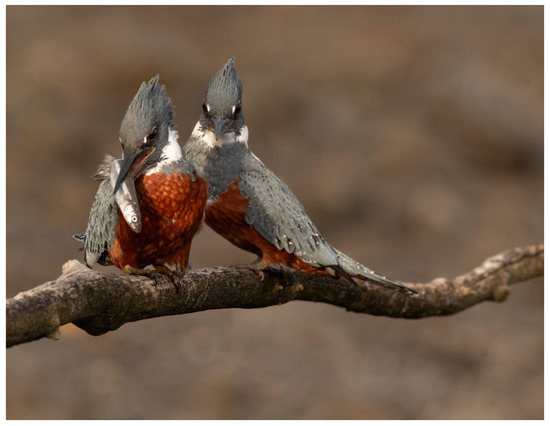
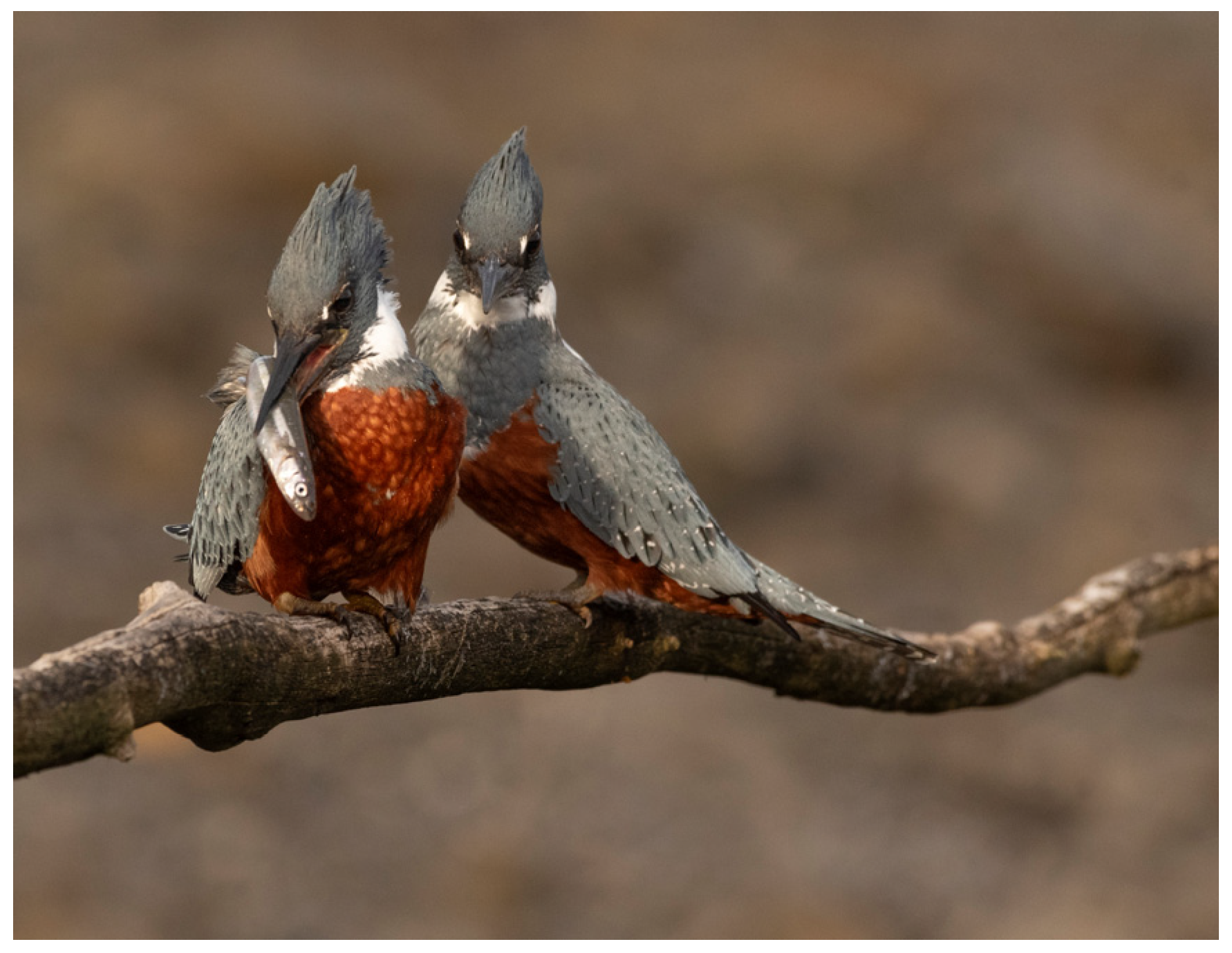
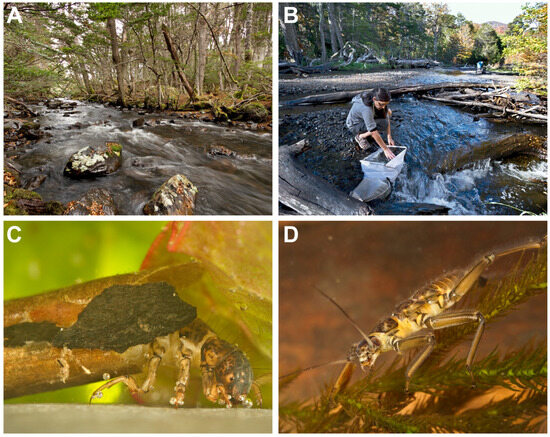
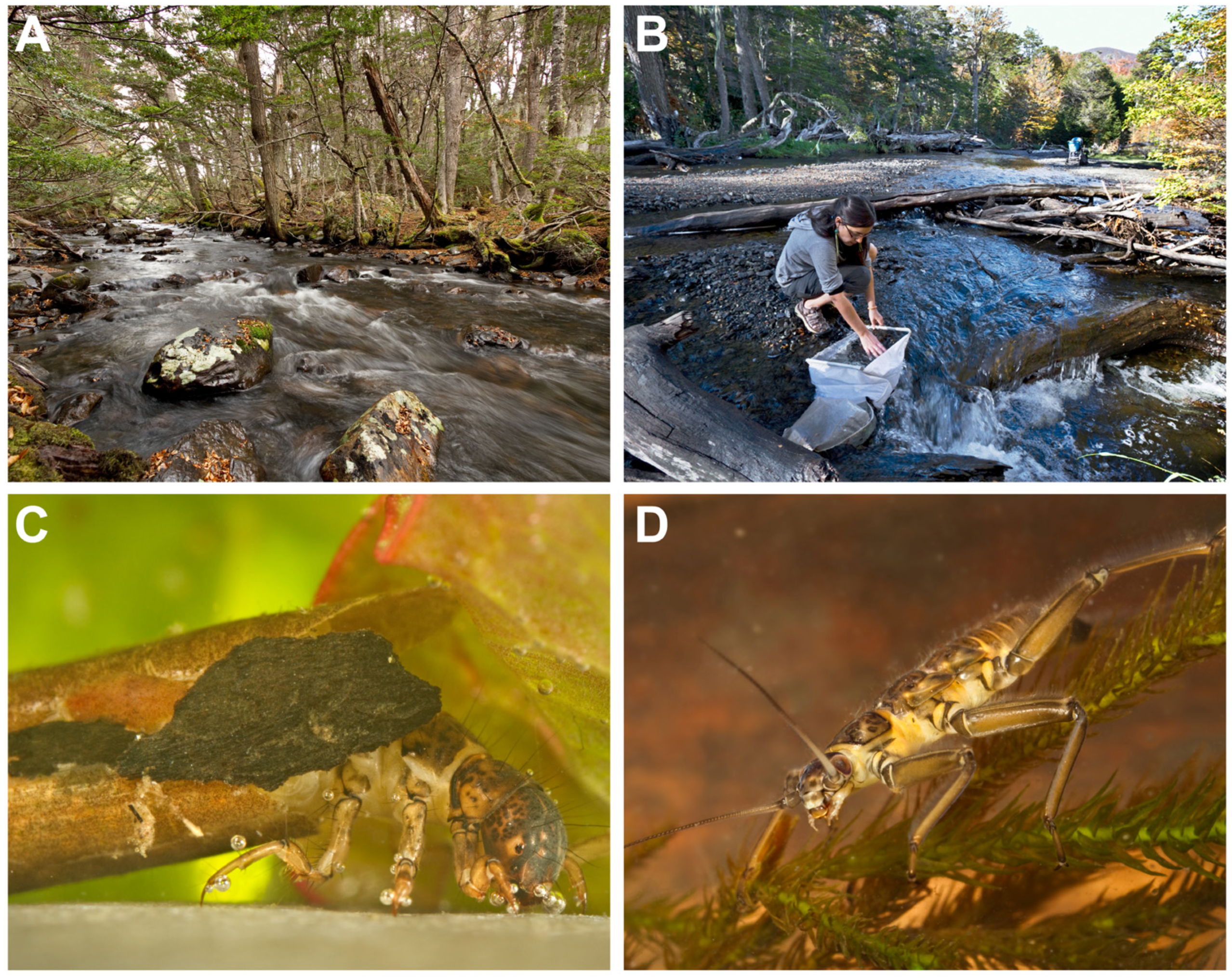

Disclaimer/Publisher’s Note: The statements, opinions and data contained in all publications are solely those of the individual author(s) and contributor(s) and not of MDPI and/or the editor(s). MDPI and/or the editor(s) disclaim responsibility for any injury to people or property resulting from any ideas, methods, instructions or products referred to in the content. |
© 2026 by the author. Licensee MDPI, Basel, Switzerland. This article is an open access article distributed under the terms and conditions of the Creative Commons Attribution (CC BY) license.