


Abstract
Working conditions in the offshore oil and gas industry can expose workers to fatigue and sleep deprivation due to extended working hours, irregular shift schedules, and highly complex operational environments. This study aimed to conduct a systematic review of scientific literature on fatigue and sleep deprivation in the offshore oil and gas sector and their implications for health, performance, and safety. The systematic review was conducted in accordance with the PRISMA 2020 guidelines and included primary studies published between 2015 and 2025, retrieved from the Scopus, Web of Science, ScienceDirect, PubMed, and Embase databases. Following the eligibility assessment, fifty studies were included in the final analysis. The selected studies were classified according to their level of direct relevance to offshore oil and gas operations, distinguishing evidence derived from offshore platforms from that obtained in analogous operational settings. The findings demonstrate consistent associations between fatigue and chronic sleep deprivation and adverse occupational health outcomes. Regulatory gaps were also identified when comparing different international approaches to fatigue risk management in the offshore sector. Overall, the results underscore the need for integrated fatigue management strategies aligned with best international practices to enhance health and safety in offshore operations.
1. Introduction
Over recent decades, the global oil and gas industry has been characterized by increasing complexity and technologically advanced operations conducted in remote and high-risk environments, particularly in offshore settings. An analysis of offshore workers engaged in day shifts [1,2] demonstrated that extended working hours and the accumulation of overtime are associated with a progressive deterioration in sleep quality and increased fatigue. Another study [3] reported a decline in sleep quality and an increase in sleepiness over the course of a 14-day offshore rotation. Complementary evidence [4,5,6] showed that consecutive workdays are associated with progressively higher levels of perceived fatigue among offshore workers, reinforcing the cumulative nature of fatigue under prolonged work schedules.
Cross-sectional and structural studies conducted within the global oil and gas sector indicate that occupational fatigue should be understood as a systemic risk arising from the interaction of physical, organizational, and psychosocial demands. Fatigue-related issues in offshore operations are not confined to a single country. For example, high levels of fatigue have been identified among Indonesian offshore oil workers [7], highlighting the universal nature of this occupational challenge. Moreover, fatigue-related impacts extend beyond individual workers. Measurable psychophysical health effects have been reported in populations living in oil-producing regions of Kazakhstan [8], including signs of chronic fatigue and environmental stress. Similarly, an increased prevalence of symptoms such as sleep disturbances, headaches, and chronic fatigue has been observed in communities located near hydraulic fracturing sites in the United States [9], suggesting that energy extraction activities may affect population health across a broader spectrum.
Research conducted across different operational contexts within the sector has consistently demonstrated associations between fatigue, occupational stress, working conditions, and adverse health and safety outcomes [10,11,12,13]. These findings underscore the breadth of fatigue-related impacts, which extend beyond the individual level to directly influence human performance and operational reliability. For instance, fatigue has been shown to impair vigilance and reaction time among tanker truck drivers involved in onshore support operations [14], thereby reducing operational performance. In addition, a systematic review encompassing the mining, offshore oil and gas, and construction sectors found that prolonged rotational work schedules negatively affect workers’ health and well-being across multiple industries [15].
From an operational safety perspective, studies within the oil and gas industry have shown that fatigue is associated with cognitive impairment, attentional lapses, increased susceptibility to human error, and degraded performance in safety-critical tasks. Empirical evidence indicates that fatigue has been consistently identified as a contributing or aggravating factor in incidents and accidents in observational investigations, amplifying existing technical and organizational failures [12,16,17]. Consistent with these findings, a study conducted in the Indonesian oil industry reported a measurable decline in human performance and an increase in work-related errors associated with occupational fatigue [18].
Oil structured global economic development throughout the twentieth century, shaping patterns of industrialization, consumption, and geopolitics. In the twenty-first century, despite ongoing energy transition processes in several countries, oil remains the primary global energy source, while natural gas has gained prominence as a transition fuel due to its comparatively lower emissions [19].
Offshore operations and their inherent characteristics impose high psychophysiological demands on workers, along with exposure to risks such as confinement, isolation, vibration, noise, extended shifts, and simultaneous activities. Similar environmental stressors have been shown to increase fatigue among seafarers [20,21,22]. Moreover, among workers in isolated fields, fatigue has been identified as a mediator between extreme physical isolation and reduced safety-related behaviors, thereby increasing operational risk [23,24].
The scientific literature consistently demonstrates that long working hours, circadian misalignment, and sleep deprivation are associated with reduced sustained attention, impaired reaction time, and diminished decision-making capacity [25,26]. Empirical studies involving offshore workers and analogous operational contexts confirm the relationship between fatigue, human performance, and operational safety. More recent evidence corroborates this association, indicating that occupational fatigue may compromise human performance and increase safety risks [1,2,3,4], as advocated by the International Association of Oil and Gas Producers [16].
Despite the growing body of literature addressing occupational fatigue in the oil and gas industry, existing studies remain fragmented, often focusing on specific worker groups, isolated operational contexts, or limited geographic regions. Previous reviews have typically examined fatigue within broader industrial sectors or combined offshore oil and gas activities with other extractive industries, without a systematic differentiation of offshore-specific operational characteristics, regulatory frameworks, and fatigue risk management approaches. Unlike most onshore occupations, offshore oil and gas operations combine extended rotational schedules, prolonged confinement and isolation, 12 h shifts, and continuous exposure to environmental and operational stressors within safety-critical systems, creating a distinct fatigue-risk profile that may intensify sleep restriction effects and reduce safety margins. In this context, the present systematic review advances the state of the art by providing a comprehensive and up-to-date synthesis of evidence published between 2015 and 2025, explicitly centered on offshore oil and gas operations. This review uniquely classifies studies according to their direct relevance to offshore environments, distinguishes offshore evidence from analogous operational settings, and critically examines international regulatory and organizational approaches to fatigue risk management. By integrating health, performance, and safety outcomes within a single analytical framework, this study addresses existing knowledge gaps and offers a more holistic understanding of fatigue and sleep deprivation as systemic risks in offshore operations.
2. Methodology
2.1. Study Design
This systematic review was guided by the PRISMA 2020 guidelines (see Supplementary Materials), which are globally recognized and widely applied in structured evidence syntheses [27,28]. The methodological framework comprised the definition of the research question using the PICO strategy, the prior specification of eligibility criteria, the selection of bibliographic databases, the development of search strategies, and the processes of study identification, screening, and selection for inclusion. These steps were implemented to ensure transparency, reproducibility, and scientific rigor throughout all phases of the systematic review.
In recognition of the multifactorial nature of occupational fatigue, the review integrated evidence derived from offshore environments as well as from operational settings directly analogous to offshore activities, provided that comparable physiological mechanisms, organizational characteristics, and risk profiles were present.
2.2. Research Question
The research question was formulated according to the PICO framework, which is commonly used in systematic reviews to define the scope of investigation [29].
The population (P) of interest comprises workers in the oil and gas industry, with a primary focus on offshore environments. This population also included operational settings directly analogous to offshore activities, such as maritime operations, transportation, and aviation associated with the oil and gas value chain, provided that these contexts involved comparable work schedules, exposure to fatigue, and operational risks. The intervention/exposure (I) of interest was occupational fatigue and sleep deprivation associated with extended working hours, irregular shift schedules, confinement conditions, and psychosocial factors related to work organization. The comparison group (C) included workers under adequate rest conditions, with regular work schedules or without significant exposure to sleep deprivation. The outcomes (O) of interest encompassed changes in cognitive performance, operational failures, accident occurrence, physiological indicators, sleep quality, and measures of alertness.
Accordingly, the main research question was defined as follows: “What offshore-specific operational conditions and rotational regimes shape fatigue accumulation and sleep deprivation, and how are these exposures associated with health, performance, and safety outcomes within high-reliability, process safety-critical offshore oil and gas operations?”
To structure the analysis and synthesis of the identified evidence, the following specific research questions were addressed:
- How do offshore-specific operational characteristics, including extended rotational regimes, confinement, and environmental stressors, influence the relationship between occupational fatigue, sleep deprivation, and health, cognitive performance, and operational safety outcomes?
- Which organizational, environmental, and psychosocial factors inherent to offshore work arrangements most strongly contribute to fatigue accumulation and sleep disruption under rotational schedules?
- Which fatigue risk management strategies have been evaluated in offshore and analogous safety-critical contexts, and how applicable are these approaches to the specific operational constraints of offshore oil and gas installations?
These specific questions ensure that the synthesis remains anchored in offshore operational realities rather than general occupational fatigue evidence.
2.3. Data Sources
The Scopus, Web of Science, ScienceDirect, PubMed/MEDLINE, and Embase databases were selected due to their extensive coverage of multidisciplinary, biomedical, and occupational health literature. The use of these databases ensured comprehensive retrieval and adequate sensitivity for identifying relevant evidence related to fatigue and sleep deprivation in the oil and gas industry.
2.4. Search Strategy
The search strategy was developed using combinations of keywords and controlled vocabulary terms and was applied on 25 August 2025, immediately prior to manuscript submission, to ensure inclusion of the most recent studies published within the 2015–2025 timeframe. The terms used encompassed the phenomenon of interest related to fatigue and sleep deprivation, including expressions such as fatigue, sleep deprivation, sleepiness, circadian misalignment, shift work disorder, alertness, FRMS and human error, as well as the industrial context of the study, including offshore, oil and gas, petroleum, and petroleum industry. Boolean operators (“AND” and “OR”), truncation, and database-specific adaptations were applied to balance sensitivity and precision in the retrieval of relevant studies. The complete search strategy is presented in Table 1.
Table 1.
Search strategy applied across the selected databases.
The application of the search strategy resulted in the identification of a total of 395 records across the selected databases. Of these, 216 records were retrieved from Web of Science, 74 from Scopus, 68 from ScienceDirect, 31 from Embase, and 6 from PubMed.
Prior to the screening stage, duplicate records were removed using Mendeley Reference Manager (version 2.138.0), complemented by manual verification. As a result, 112 duplicate records were eliminated, including 101 identified through automated detection and 11 removed manually. Following this step, 283 records remained for title and abstract screening.
Due to the multidisciplinary use of the term “fatigue” in engineering and structural sciences, the initial database retrieval included records related to material or structural fatigue. These records were systematically identified and excluded during the title and abstract screening phase according to predefined eligibility criteria focused strictly on human occupational fatigue.
2.5. Inclusion and Exclusion Criteria
Studies conducted in offshore environments or in operational settings directly analogous to the offshore oil and gas industry were eligible for inclusion, provided that these contexts exhibited structural comparability in relation to work organization and operational demands. Structural comparability was defined a priori as the presence of at least three of the following conditions: (i) extended shifts of ≥12 h; (ii) multi-day or rotational work schedules; (iii) occupational isolation or confinement; (iv) circadian disruption due to night or irregular work patterns; and (v) elevated operational or safety-critical risk. This criterion was applied to ensure that cross-sector inclusion reflected functional similarity rather than broad occupational categorization.
To preserve offshore specificity while allowing analytical depth, studies conducted in maritime, aviation, emergency response, gas station, and FIFO contexts were included only when these structural conditions were clearly documented. These sectors were not treated as equivalent to offshore operations but as operationally analogous environments. Their inclusion aimed to support mechanistic and organizational interpretation where direct offshore empirical evidence was limited, without replacing offshore-specific findings.
Only peer-reviewed scientific articles published between 2015 and 2025, available in full text in English, and reporting primary quantitative and/or qualitative data explicitly assessing human fatigue, sleep deprivation, circadian disruption, alertness, or human performance were considered. Studies were excluded when their focus was restricted to mechanical, structural, or material fatigue (e.g., corrosion, fracture mechanics, crack propagation, or other engineering-related degradation processes) not associated with human physiological, cognitive, or occupational fatigue. This exclusion criterion addressed the multidisciplinary use of the term “fatigue” in engineering-intensive sectors such as oil and gas and ensured conceptual alignment with human factors and occupational safety research.
Additional exclusions comprised narrative reviews, editorials, commentaries, studies that did not objectively or subjectively assess fatigue or sleep-related constructs using validated or clearly described measures, investigations involving populations outside the oil and gas production chain or not meeting structural comparability criteria, and operational contexts not reasonably analogous to offshore environments. Publications without full-text availability were also excluded.
To enhance methodological transparency and replicability, explicit operational thresholds were defined to characterize elevated or “high-risk” fatigue within the included studies. High-risk fatigue was considered present when validated subjective or objective measures reached levels previously associated in the scientific literature with impaired alertness, cognitive degradation, or increased operational risk. Specifically, studies were interpreted as indicating elevated fatigue-related risk when they reported: (i) Karolinska Sleepiness Scale (KSS) scores ≥ 6, corresponding to levels described as “sleepy, some effort to keep awake,” which are empirically associated with increased attentional lapses and reduced vigilance; (ii) objective sleep duration consistently < 6 h per 24 h period during work rotations, reflecting clinically relevant sleep restriction; (iii) accumulated sleep debt ≥ 15 h over a rotational cycle (e.g., 14-day offshore periods), consistent with documented cumulative fatigue trajectories; (iv) significant deterioration in psychomotor vigilance test (PVT) performance, including increased reaction time or lapse frequency compared with rested baseline conditions; or (v) statistically significant associations between validated fatigue indices and operational safety outcomes, including human error, incident occurrence, rule violations, or degraded safety behavior.
These thresholds were derived from established sleep science literature, validation studies of subjective sleepiness instruments, experimental sleep deprivation research, and fatigue risk management guidance applied in high-reliability industries. Studies assessing fatigue using validated instruments but not explicitly reporting threshold exceedance were not excluded; rather, they were interpreted descriptively according to their reported magnitude and operational implications. This operationalization reduces interpretative ambiguity, strengthens inferential clarity, and supports reproducibility in future systematic syntheses focused on occupational fatigue in offshore and structurally comparable high-risk environments.
During the title and abstract screening phase, records were evaluated for relevance to the review scope, considering occupational context, oil and gas sector applicability, and explicit focus on fatigue, sleep deprivation, circadian disruption, or human performance. A total of 214 records were excluded for not meeting eligibility criteria, leaving 69 studies for full-text retrieval. Full texts were subsequently sought; however, six could not be accessed despite repeated attempts through institutional databases. Consequently, 63 studies underwent full-text eligibility assessment based on the predefined criteria, including operational context, structural comparability, fatigue-related outcomes, study design, and presence of primary data. No studies were excluded at this stage.
2.6. PRISMA Flowchart
For illustrative purposes, Figure 1 presents the PRISMA 2020 flow diagram detailing all stages of the study selection process and their corresponding outcomes.
Figure 1.
PRISMA 2020 flow diagram of systematic review.
2.7. Bibliometric Analysis
Following the systematic review and final study selection, a bibliometric analysis was conducted to characterize the scientific production on occupational fatigue and sleep deprivation in the oil and gas industry. The analysis was based on a total of 283 articles, obtained after the removal of duplicate records. This analysis aimed to identify publication trends over time, geographical distribution of research output, and the relative contribution of countries to the field.
Bibliometric indicators were extracted from the metadata of the included studies, including year of publication, country of origin of the authors’ affiliations, and publication frequency by region. The analysis focused on descriptive indicators, allowing the identification of patterns related to research growth, regional concentration, and global engagement with fatigue-related issues in offshore and analogous operational contexts. The results of the bibliometric analysis were synthesized using frequency distributions and visual representations to support interpretation and comparison across countries and time periods.
2.8. Qualitative Analysis
In addition to the bibliometric assessment, a structured bibliographic analysis was performed to synthesize the content of the included studies (n = 63). This qualitative synthesis aimed to integrate evidence related to the impacts of occupational fatigue and sleep deprivation on health, cognitive performance, and operational safety, as well as to identify organizational, environmental, and psychosocial determinants of fatigue in offshore work regimes.
The included studies were systematically reviewed and categorized according to their primary focus and relevance to offshore oil and gas operations. Furthermore, studies were distinguished based on whether evidence was derived directly from offshore environments or from operational settings considered analogous due to comparable work patterns, exposure profiles, and risk characteristics.
The synthesis followed a narrative approach, integrating quantitative and qualitative findings to identify convergent evidence, recurring patterns, and knowledge gaps. This integrative approach enabled a comprehensive assessment of fatigue and sleep deprivation as systemic risks in offshore operations and supported the identification of implications for policy, regulation, and fatigue risk management.
2.9. Risk of Bias and Certainty of Evidence Assessment
To enhance methodological transparency and align the review with PRISMA 2020 recommendations, a structured risk-of-bias (RoB) appraisal was conducted for all included studies (n = 63). Study quality was assessed using the Joanna Briggs Institute (JBI) critical appraisal tools, selected according to the specific study design (cross-sectional, cohort, qualitative, analytical observational, or systematic review).
Each study was evaluated using the relevant JBI checklist domains, including sampling adequacy, clarity of inclusion criteria, validity and reliability of exposure and outcome measurements, identification and management of confounding factors, and appropriateness of statistical analysis. The appraisal focused on methodological rigor and internal validity rather than on reported effect magnitude.
Based on the overall methodological profile, studies were categorized as low, moderate, or high risk of bias. Studies fulfilling most core validity criteria, employing appropriate measurement procedures, and demonstrating adequate control of confounding were classified as low risk. Studies presenting partial fulfillment of methodological criteria or minor limitations unlikely to substantially compromise internal validity were classified as moderate risk. Studies characterized by cross-sectional designs with simultaneous exposure and outcome assessment, predominant reliance on self-reported instruments, limited adjustment for confounding variables, or insufficient methodological reporting were classified as high risk of bias.
To explicitly differentiate evidentiary strength, studies were additionally categorized according to measurement approach (objective, subjective, or mixed). Objective physiological assessments (e.g., actigraphy, psychomotor vigilance testing) were considered to provide greater internal validity compared with exclusively self-reported fatigue measures.
The detailed results of the appraisal are presented in Table 2 The certainty of evidence across analytical layers was interpreted qualitatively by integrating the distribution of risk-of-bias classifications, methodological consistency, and the presence of objective measurement designs. Layer 1 demonstrated comparatively higher evidentiary robustness due to the inclusion of longitudinal and objective assessment approaches, whereas Layer 3 was predominantly composed of cross-sectional and self-reported studies, resulting in comparatively lower methodological strength. Considering the heterogeneity of designs and the predominance of observational evidence, the overall certainty of evidence across the review was judged to be moderate. This combined classification by risk of bias and measurement modality ensured internal coherence between evidentiary weighting and interpretative emphasis throughout the review, allowing conclusions to reflect methodological robustness rather than effect magnitude alone.
Table 2.
Risk of Bias Assessment of Included Studies (JBI-Based Appraisal).
3. Results
In addition to the systematic review and alignment with the PRISMA 2020 guidelines [27,28], a complementary bibliometric analysis was performed to contextualize the evolution, geographical distribution, and conceptual structure of scientific production on fatigue and sleep deprivation in the oil and gas industry.
Using the consolidated dataset derived from the Scopus, Web of Science, Embase, ScienceDirect, and PubMed databases, the temporal evolution of publications and the geographical distribution of scientific output were examined. As shown in Figure 2, the annual distribution of publications demonstrates a sustained upward trajectory from 2015 to 2025. Growth was moderate between 2015 and 2019, followed by a marked acceleration from 2020 onward. This inflection coincides with increased international emphasis on human factors, psychosocial risk management, and fatigue risk management systems (FRMS) in high-reliability industries. The recent publication peak indicates that fatigue has gained prominence as a strategic concern within occupational safety and health research related to offshore operations.
Figure 2.
Annual distribution of publications on fatigue and sleep deprivation in the offshore oil and gas industry (2015–2025).
The geographical distribution of scientific output based on authors’ affiliation countries is presented in Figure 3. China exhibits the highest publication volume by affiliation, followed by Norway and the United States, with additional contributions from England, Australia, and the Netherlands. Affiliation data provides insight into knowledge production centers and research investment patterns, but does not necessarily reflect empirical study settings.
Figure 3.
Geographical distribution of publications by country (top 15) based on author affiliations.
To distinguish between knowledge production and empirical risk environments, the operational study setting (when reported) was extracted for each included article. The distribution of operational contexts is presented in Figure 4.
Figure 4.
Distribution of included studies by operational setting country.
Operational study settings were predominantly located in the United States (n = 11), Norway (n = 10), and Iran (n = 7), followed by Indonesia (n = 4), Malaysia (n = 3), and Australia (n = 3). Smaller numbers of studies were conducted in Germany, Kuwait, the Netherlands, Brazil, Canada, Kazakhstan, Oman, and Thailand.
The observed bibliometric patterns do not merely confirm an increase in publication volume. They reveal a structural reconfiguration of fatigue research within the offshore oil and gas sector. The sustained temporal growth, particularly after 2020, suggests that fatigue has transitioned from a peripheral occupational concern to a central systemic risk construct within high-reliability industrial discourse. This shift likely reflects the convergence of three forces: increasing regulatory attention to psychosocial and human factors risks, the formalization of fatigue risk management systems (FRMS), and growing recognition of human performance limitations in complex offshore environments.
The geographical concentration of research output further provides analytical insight into the institutional drivers of knowledge production. Countries with mature offshore regulatory frameworks and extensive high-risk industrial operations, such as Norway and the United States, feature prominently as operational study settings, indicating alignment between research activity and industrial exposure. Meanwhile, the prominence of China in affiliation-based output reflects expanding academic engagement with occupational fatigue, even where operational contexts may differ. This divergence between affiliation and operational setting underscores the importance of distinguishing knowledge production centers from empirical risk environments.
Rather than indicating simple consolidation, the bibliometric distribution suggests that fatigue research in the oil and gas industry is shaped by regulatory maturity, national offshore capacity, and institutional research investment. The concentration of empirical settings in a limited number of offshore-intensive countries highlights a potential contextual bias in the evidence base, raising questions about generalizability to emerging offshore regions with different regulatory cultures and operational constraints.
Accordingly, the bibliometric findings reinforce the relevance of the analytical stratification adopted in this review by demonstrating that the field has expanded in scale but remains unevenly distributed in context and integration. The temporal acceleration of publications signals growing scientific urgency, yet the geographic clustering indicates that the global evidence base may still reflect region-specific operational paradigms. These structural patterns provide contextual support to the analytical approach adopted in this review, without replacing the primary empirical synthesis derived from the included studies.
As a subsequent step, an exploratory bibliometric analysis was conducted using VOSviewer software (version 1.6.20), focusing on keyword co-occurrence patterns within the screened dataset. Prior to visualization, a structured data-cleaning procedure was implemented through the application of a thesaurus file. This process served two complementary purposes: (i) to merge synonymous human-fatigue-related terms and standardize conceptual labels, and (ii) to remove non-relevant engineering-related expressions, particularly those associated with material or structural fatigue.
Importantly, this thesaurus-based refinement functioned not only as a terminology harmonization step but also as a final validation safeguard, ensuring that no residual material-fatigue-related constructs remained in the screened dataset. This additional verification layer confirmed thematic alignment with human-centered fatigue constructs and provided assurance that the bibliometric network was fully consistent with the predefined eligibility criteria.
The cleaned and standardized keyword network, presented in Figure 5, enabled the identification of thematic patterns, conceptual relationships, and research clusters reflecting distinct scientific approaches to fatigue within the oil and gas sector, while minimizing terminological noise and strengthening analytical robustness.
Figure 5.
Keyword co-occurrence map generated using VOSviewer based on the selected search results.
The five-cluster configuration identified through network analysis reveals a structured but partially segmented knowledge architecture within offshore fatigue research.
The blue cluster represents the physiological foundation of the field, encompassing sleep science, circadian rhythm research, and objective measurement approaches such as actigraphy. This domain provides mechanistic explanations linking sleep restriction and circadian misalignment to cognitive impairment and vigilance decline.
The red cluster reflects the operationalization of fatigue within offshore and high-risk industrial environments. It centers on performance degradation, workload, safety, and risk constructs. The density of internal connections suggests conceptual consolidation within applied safety research.
The green cluster captures the psychosocial and epidemiological dimension, characterized by cross-sectional designs, questionnaire-based assessments, and associations with depression, occupational stress, and sleep disorders. Its prominence indicates substantial reliance on observational and self-reported methodologies.
The yellow cluster integrates organizational determinants, including work environment conditions, scheduling structures, and sleep quality. Its intermediary positioning within the network suggests that organizational variables function as a bridge between biological mechanisms and operational outcomes.
Finally, the purple cluster reflects the interface between fatigue and human reliability modeling. Although comparatively smaller, it signals emerging integration between fatigue science and system-level safety and reliability frameworks.
Importantly, the absence of a distinct material fatigue cluster confirms the effectiveness of the thesaurus-based refinement and ensures thematic alignment with human-centered fatigue constructs.
Taken together, the five-cluster architecture indicates that offshore fatigue research is organized around interrelated yet not fully integrated domains: physiological mechanisms, psychosocial assessment, organizational determinants, operational safety applications, and human reliability modeling. While the field has expanded substantially over the past decade, the bibliometric structure reveals limited cross-domain integration between sleep physiology, psychosocial risk assessment, and high-reliability system management frameworks. This structural segmentation provides empirical justification for the layered analytical framework adopted in this review. By stratifying evidence according to proximity to offshore operations and safety-critical contexts, the study addresses fragmentation within the field and facilitates a more coherent synthesis across biological, organizational, and operational dimensions of fatigue risk.
Analytical Stratification Framework
To preserve methodological rigor and thematic coherence, the studies included in this systematic review were organized into three analytical layers according to their degree of relevance and proximity to offshore oil and gas operations. This stratification was conceptually defined a priori based on predefined eligibility criteria and degrees of operational comparability. Figure 6 illustrates the conceptual organization of the scientific evidence, structured in concentric layers that represent increasing analytical distance from the offshore operational context. The subsequent bibliometric clustering analysis did not generate this structure but provided empirical reinforcement by revealing distinct yet complementary thematic domains within the literature.
Figure 6.
Layered structure of the scientific evidence included in the systematic review, reflecting different levels of proximity to offshore oil and gas operations and safety-related contexts.
The central layer comprises direct evidence derived from studies conducted in offshore oil and gas installations, with explicit assessment of human fatigue, sleep, sleepiness, and/or human performance using validated subjective instruments and/or objective measurements. This layer aligns primarily with the blue and red clusters identified in the bibliometric analysis (Figure 4), which concentrate the core biomedical, cognitive, and operational safety perspectives directly related to fatigue and sleep deprivation in offshore environments.
The intermediate layer includes evidence from sectorally analogous operational settings, such as maritime operations, transportation, and aviation within or closely related to the oil and gas value chain. These studies are characterized by comparable work schedules, exposure to fatigue-related stressors, confinement, and elevated operational risks. This layer corresponds mainly to the yellow and cyan clusters, which emphasize organizational, behavioral, and environmental determinants of fatigue, thereby extending the analytical scope beyond strictly offshore installations while preserving contextual comparability.
The outer layer encompasses cross-cutting and structural evidence addressing fatigue management strategies, safety culture, organizational practices, and psychosocial risk factors in safety-critical environments. This layer reflects thematic elements associated with the purple cluster, which situates fatigue within broader occupational health and psychosocial frameworks and supports a systemic interpretation of fatigue as a multidimensional occupational risk.
This layered analytical approach enables the integration of complementary levels of evidence while maintaining conceptual consistency across the review, without implying exclusion or a normative hierarchy among the included studies. Conclusions were primarily grounded in direct offshore evidence and systematically complemented by converging findings from the intermediate and outer layers, ensuring methodological coherence across levels of analysis.
The intersection between bibliometric clusters and analytical layers provides additional interpretative depth. While clusters represent thematic domains (physiological, psychosocial, organizational, operational, and reliability-oriented perspectives), the layered framework represents contextual proximity to offshore operations. Together, these two dimensions reveal that methodological robustness and operational proximity do not always coincide, highlighting areas where high conceptual development may coexist with limited direct offshore empirical grounding.
Ultimately, following the predefined eligibility assessment, these 63 studies were systematically allocated a priori into the three analytical layers according to their relevance and adherence to the offshore oil and gas context, as summarized in Table 3.
Table 3.
Classification of studies into analytical layers.
Layer 1 comprised studies providing direct evidence derived from offshore oil and gas platforms, where exposure to fatigue, prolonged shift schedules, confinement, and occupational isolation is intrinsic to the operational environment. Layer 2 encompassed evidence from sectorally analogous contexts, including maritime transport, aviation, and logistical support operations, which are characterized by psychophysiological demands and operational risks comparable to those encountered offshore. In turn, Layer 3 aggregated cross-cutting and structural studies that, although not restricted to offshore settings, contribute substantially to the understanding of organizational, psychosocial, and systemic determinants of occupational fatigue.
Overall, the application of this analytical stratification enabled the integration of direct and complementary evidence within a coherent and structured framework. Consequently, the conclusions of this review were primarily grounded in studies from Layer 1 and systematically complemented by converging findings from Layers 2 and 3. This approach provides a robust basis for the critical synthesis and interpretation of the evidence, which is presented in the following Discussion section.
4. Discussions
4.1. Impacts on Offshore Workers’ Health
Evidence from the selected offshore studies (Layer 1) consistently indicates that fatigue and chronic sleep deprivation are associated with substantial negative effects on the physical and mental health of offshore workers. Several studies report a high prevalence of sleep disorders and related symptoms among offshore personnel. Approximately 30% of the offshore oil workers evaluated met the diagnostic criteria for Shift Work Disorder [30], characterized by significantly higher levels of insomnia and depressive symptoms compared with workers without this condition. Collectively, this offshore-specific evidence supports an association between prolonged and irregular rotational schedules and adverse mental health outcomes, whereby insufficient and misaligned sleep may contribute to depressive and anxiety symptoms and exacerbate clinical insomnia.
Complementary evidence from structurally comparable and downstream segments of the oil and gas value chain (Layers 2–3) suggests that fatigue-related health impacts may also occur in peripheral roles under prolonged hours and circadian disruption. For example, fuel station attendants exposed to prolonged standing and night work have been reported to experience fatigue-related symptoms, including sleep disturbances and general malaise [52]. These findings are interpreted as contextual support rather than direct evidence for offshore conditions.
Consistent with these findings, a qualitative study conducted in Australia [31] reported an increase in mental health problems associated with extended offshore rotations, including cases in which workers required early repatriation due to physical and psychological exhaustion. These observations underscore the pronounced deterioration of mental health under conditions of extreme and sustained fatigue. Collectively, this body of empirical evidence supports the notion that chronic fatigue acts as a precipitating factor for sleep and mood disorders, adversely affecting quality of life and work capacity among offshore personnel. A relevant parallel can be drawn with other high-demand occupations [53], in which firefighters exposed to chronic occupational stress and demanding shift schedules exhibited measurable cognitive deficits attributable to accumulated fatigue. This parallel is used to illustrate convergent fatigue-related cognitive mechanisms under demanding shift schedules and should not be interpreted as direct empirical evidence of offshore outcomes. The inferential bridge between sectors is based on structural comparability in shift length, circadian disruption, confinement, and safety-critical task demands, rather than sectoral equivalence.
From a physiological perspective, offshore work regimes are consistently associated with cumulative sleep deficits and circadian misalignment, which may impair recovery processes. Field studies employing objective sleep monitoring consistently demonstrate the extent of sleep deprivation among offshore workers. Actigraphy-based assessments indicate that, during offshore periods, workers sleep on average approximately 1.5 h less per night, accumulating a sleep debt exceeding 21 h over 14 consecutive days [3,38]. This systematic sleep restriction, combined with environmental factors typical of offshore platforms—such as noise, vibration, and continuous artificial lighting—as well as organizational factors, including 12 h shifts and prolonged rotation schedules, results in sustained fatigue among the majority of workers. Further evidence indicates that even after two weeks of rest following a 14-day period of continuous 12 h shifts, some workers do not fully recover baseline levels of alertness [39].
Longitudinal field studies conducted in offshore environments demonstrate that fatigue and sleepiness follow a cumulative pattern over prolonged work rotations. Daily assessments using the Karolinska Sleepiness Scale (KSS), a nine-point Likert scale for rating subjective sleepiness, reveal a progressive increase in sleepiness throughout 14-day offshore rotations, with a pronounced escalation during the second week. A similar trajectory has been reported under 14-on/14-off work schedules [32]. As illustrated in Figure 7, mean sleepiness scores tend to rise steadily from the initial days of the rotation, reaching levels associated with reduced attention and impaired performance in a substantial proportion of workers [3]. These findings are consistent with other longitudinal investigations documenting persistent sleep restriction and incomplete recovery during offshore work regimes, thereby reinforcing prolonged rotations as a key contributing factor to the development of occupational fatigue. Across the reviewed offshore studies, the convergence between sleep restriction, escalating sleepiness scores, and incomplete recovery patterns suggests that health impairment and performance degradation are not isolated phenomena but interconnected expressions of a shared fatigue trajectory. Physiological sleep debt, subjective sleepiness, and cognitive vulnerability appear to evolve in parallel, potentially narrowing operational safety margins in high-reliability offshore environments. This convergence reinforces the interpretation of fatigue as a multi-level occupational risk construct linking biological strain, psychological distress, and safety-relevant performance outcomes.
Figure 7.
Evolution of mean sleepiness scores assessed using the KSS over a 14-day daytime offshore work rotation. A progressive increase in sleepiness is observed, with greater intensification during the second week of work, indicating the cumulative nature of fatigue under prolonged offshore regimes. Adapted from [3].
A study involving 450 offshore workers in the North Sea reported that 73% of participants experienced prolonged fatigue during offshore rotations, with significantly higher fatigue scores observed among older workers [1]. This population also exhibited a high prevalence of overweight and obesity, with approximately 67% of workers classified as overweight. These findings suggest that the offshore lifestyle—characterized by chronic sleep restriction, suboptimal dietary patterns, and reduced levels of physical activity—may contribute to the development of metabolic risk factors [33]. In operationally analogous maritime contexts (Layer 2), seafarers frequently report substantial psychological strain, including symptoms of anxiety and depression, under prolonged shifts and confinement at sea [54]. This evidence is interpreted as inferentially supportive due to structural comparability, while offshore-specific conclusions remain grounded in Layer 1 studies. Although the theoretical and mechanistic framework that supports the relationship between occupational fatigue and chronic disease is complex and multifactorial [55], the reviewed studies highlight important potential long-term health impacts. Chronic fatigue combined with circadian rhythm disruption has been associated with an increased risk of cardiovascular disease, gastrointestinal disorders, and other chronic conditions, as demonstrated by systematic reviews addressing shift work in the oil and gas industry and related sectors [15,25]. In comparable scenarios within downstream segments, such as fuel stations, workers exposed to prolonged working hours have reported high levels of fatigue accompanied by musculoskeletal pain and stress-related symptoms [36,40,56]. These findings indicate that both physical and mental strain are present throughout the entire oil and gas value chain, extending beyond offshore operations.
Another critical dimension concerns the psychosocial impacts of fatigue in the context of offshore isolation. Conditions such as confinement, prolonged separation from family, and sustained operational pressure exacerbate workers’ mental load, acting as catalysts for stress and burnout [57]. Work regimes involving extended periods away from home [58], including frequent business travel, have been associated with increased work–family conflict and emotional exhaustion. This dynamic is closely analogous to that experienced by offshore workers, suggesting that prolonged absence from family life constitutes an additional and significant psychosocial stressor.
In alignment with previous findings [49,57], which identified extreme geographical isolation, extended offshore rotations, and work–life interference as key stressors among Australian offshore workers, significant levels of psychological stress have also been reported among workers in desert oil fields [59]. In these settings, stress has been associated with harsh environmental conditions and prolonged isolation. Such stressors may amplify perceptions of fatigue and adversely affect mental health outcomes. Indeed, evidence from fly-in/fly-out (FIFO) work arrangements, an operational model analogous to offshore work, indicates increased suicidal ideation and greater use of sleep medication when occupational fatigue is not adequately managed [60].
Overall, the literature converges on the conclusion that occupational fatigue, when combined with confinement and social isolation, exacerbates impairments in the physical and psychological well-being of workers in the oil and gas industry [57]. Consistent with this perspective, offshore wind farm workers have also been shown to experience high levels of strain and adverse health effects, often developing individual coping strategies to manage isolation and demanding work rhythms [41]. Collectively, these findings underscore the need for structured preventive actions in occupational health aimed at mitigating outcomes such as sleep disorders (including insomnia and excessive daytime sleepiness), mental health conditions (such as depression, irritability, and burnout), and potentially harmful compensatory behaviors, including the use of stimulant substances to cope with chronic fatigue.
Another study [60] demonstrated that, among FIFO workers, work schedule characteristics, such as prolonged absences and irregular rotations, are associated with higher levels of psychological distress, both directly and indirectly through mediating factors including social isolation and work–family imbalance. In parallel, it has been reported that communities affected by intensive oil and gas activities may develop what has been termed “research fatigue,” resulting from repeated participation in academic and occupational health studies [61,67]. This phenomenon underscores the importance of adopting context-sensitive, ethical, and participatory research strategies when designing and conducting future investigations in such settings.
4.2. Impacts on Operational Safety and Offshore Accident Risk
Fatigue among offshore workers constitutes not only a significant occupational health concern but also a critical operational safety risk. Findings from Layer 1 offshore studies, complemented by convergent evidence from structurally comparable high-risk sectors, support a consistent association between excessive fatigue and increased occurrence of human errors, incidents, and accident precursors in safety-critical operations. Elevated levels of emotional exhaustion and reduced work engagement have been shown to correlate with a higher frequency of operational errors and rule violations [34,68]. Furthermore, evidence from operationally analogous maritime transport systems (Layer 2), including machine-learning analyses of accident datasets, indicates that fatigue-related variables frequently emerge as predictors of incident occurrence [40]. While not offshore-specific, these findings reinforce the plausibility that similar fatigue-related degradation of human performance may contribute to incident precursors in safety-critical offshore operations under comparable conditions of extended duty and confinement. Consistent with this evidence, the International Association of Oil and Gas Producers has repeatedly identified fatigue as a contributing factor in major accidents within the oil and gas sector, underscoring its critical role in operational safety management [16].
From a cognitive performance perspective, prolonged wakefulness, such as remaining awake for approximately 22 consecutive hours, can impair functional abilities to a degree comparable to mild alcohol intoxication, illustrating the severity of performance degradation associated with sleep deprivation [16]. These findings suggest that severe fatigue is associated with reductions in attentional capacity, slows reaction times, and impairs judgment, thereby substantially increasing the likelihood of human error in complex, high-risk operational environments.
The values presented in Figure 8 are illustrative and provide a graphical representation of performance decline associated with increasing periods of continuous wakefulness. This representation is grounded in empirical evidence demonstrating increased reaction times, attentional lapses, and reduced vigilance under conditions of prolonged fatigue, as reported in experimental and field studies conducted within the oil and gas industry [14,17,42].
Figure 8.
Illustrative comparison of mean reaction time in psychomotor tests under different durations of continuous wakefulness (12 h, 17 h, and 24 h). A progressive increase in reaction time is observed with prolonged wakefulness, indicating deterioration in cognitive and psychomotor performance associated with fatigue and sleep deprivation. Adapted from [14,17].
Empirical evidence from offshore contexts further reinforces that fatigue exhibits a cumulative pattern over prolonged offshore rotations [3,4,5]. Through daily assessments conducted among workers on an offshore platform, the authors observed that more than one-third of the workforce reached high-risk levels of sleepiness (KSS > 5) by the tenth day of duty. This progression suggests that, during the second week offshore, a substantial proportion of workers may be operating under critically reduced levels of alertness, thereby increasing susceptibility to attentional lapses and involuntary microsleep episodes. Such states are widely recognized as particularly hazardous in complex operational environments, as they significantly reduce available safety margins.
Accordingly, it is not surprising that investigations of major industrial accidents frequently identify fatigue as a contributing factor. According to the International Association of Oil & Gas Producers [16], fatigue has consistently emerged over the past three decades as a factor involved in the genesis of high-consequence accidents in the oil and gas industry. Historical evidence, supported by post-accident analyses of events such as explosions and blowouts, consolidates the understanding that fatigue may function as a destabilizing element within safety barriers, as suggested by post-incident analyses, affecting both individual behavior and managerial decision-making under pressure. Additionally, the literature indicates that workers experiencing poorer sleep quality and accumulated fatigue tend to perceive higher accident risk, an effect mediated by the onboard safety climate [43]. These findings underscore the critical importance of fostering a safety culture that explicitly recognizes fatigue as a key operational risk.
The reviewed literature further highlights the impacts of fatigue on safety behaviors and organizational culture. A study of isolated offshore workers [21] suggested that fatigue acts as a mediating mechanism between psychosocial stressors and unsafe behaviors, with exhausted workers being more likely to deviate from safety procedures and commit operational violations. Similarly, interviews with offshore supervisors [35,50] consistently indicated that fatigue has been reported to contribute to operational errors and near-miss events, particularly when combined with production pressures, tight deadlines, and high workload demands. Collectively, these findings reinforce the interpretation that excessive fatigue functions as a critical mediator between workplace stressors and unsafe behaviors in offshore environments.
Under conditions of fatigue, clear reductions in motivation, vigilance, and team coordination have been observed, factors that are critical for incident prevention in the confined, high-risk processes characteristic of the oil and gas industry [16]. Adverse working conditions may further exacerbate this scenario. Inadequate rest facilities, continuous noise exposure, and suboptimal climate control compromise restorative sleep and intensify both physical and mental strain [57]. Qualitative studies have reported that fatigue associated with poor accommodation conditions is often perceived by workers as more concerning than the stress related to the risk of major accidents, highlighting the role of environmental factors as multipliers of operational risk [31]. Fatigue-related impacts are also evident in offshore support aviation, where pilots operating in extreme environments, including flights to remote offshore platforms, experience significant influences of seasonal factors and roster arrangements on sleep patterns and fatigue levels. These observations reinforce the contribution of environmental and organizational conditions to operational fatigue [44,45,69].
In summary, the impacts of fatigue on operational safety manifest at both individual and organizational levels. At the individual level, fatigue is associated with an increased likelihood of human errors, equipment operation failures, and personal accidents. At the organizational level, it undermines safety culture and diminishes the effectiveness of risk management systems, as emphasized by IOGP [16]. The convergence of the reviewed evidence indicates that proactive fatigue management is an indispensable component of accident prevention in the oil and gas industry. Failure to adequately address workforce alertness may create windows of vulnerability in which multiple fatigue-induced failures may coincide, ultimately resulting in high-consequence accidents.
4.3. Strategies for Fatigue Risk Management
Considering the impacts identified in the reviewed studies, this systematic review mapped a range of strategies and interventions aimed at mitigating the risks associated with fatigue and sleep deprivation in the offshore oil and gas industry. Where intervention evidence derives from non-offshore settings, it is discussed as potentially applicable under defined structural comparability and governance feasibility conditions, rather than as directly validated for offshore installations. The identified initiatives can be grouped into three complementary categories: organizational measures, technological monitoring solutions, and behavioral and educational interventions. These categories align with the guidance proposed by the International Association of Oil & Gas Producers [16] and are supported by the findings reported in previous studies [35]. Each category is discussed in detail below.
4.3.1. Organizational Measures
Organizational measures encompass policies and work design practices aimed at reducing workers’ exposure to excessive fatigue. A key initiative in this domain is the implementation of Fatigue Risk Management Systems (FRMS) integrated into corporate safety management systems. This approach has been incorporated into sectoral regulations and guidance in countries such as Norway, the United Kingdom, and the United States [16]. In offshore contexts, these measures include establishing limits on shift duration and consecutive offshore rotations, providing adequate rest breaks, implementing structured fatigue risk assessment protocols, and adopting shift rotation schemes designed to minimize circadian rhythm disruption [3].
Several operations in the North Sea, for example, limit offshore rotations to 14 days, as extending this period has been associated with a significant increase in accumulated fatigue risk [3]. Another important organizational measure involves controlling overtime and work performed beyond the formal end of shifts, often referred to as the “invisible extension” of working hours. Evidence indicates that formal policies addressing hours of service and post-shift commuting, such as restrictions on long-distance driving immediately after disembarkation, can effectively reduce fatigue-related adverse events [46,47].
In addition, improvements in onboard living conditions have been identified as key managerial interventions. Investments in adequate accommodation, balanced nutrition, and appropriate spaces for rest and recovery were perceived as critical by offshore workers in the Netherlands, particularly for maintaining health and work capacity over the course of occupational aging [33]. In this context, integrated health promotion programs emphasize that sleep and fatigue management should be treated as priorities alongside a healthy diet and suitable physical environments, especially for older workers [33]. Furthermore, the establishment of a positive safety culture among tanker truck drivers has been shown to mitigate fatigue and improve driving performance, illustrating the broader organizational role in fatigue risk management [48,51].
As a result, at the organizational level, effective strategies include redesigning work schedules, establishing clear fatigue management policies, including formal stop-work protocols in cases of severe fatigue, and improving support infrastructure to promote rest and well-being onboard offshore installations [16].
4.3.2. Technological Monitoring Solutions
Given that fatigue is not always easily perceived or recognized by workers themselves, the implementation of technological tools has increasingly been evaluated for the objective detection and continuous monitoring of alertness. Approaches examined include wearable physiological sensors to monitor sleep and activity patterns, as well as portable neurocognitive tests, such as the Psychomotor Vigilance Test (PVT), applied to assess attentional lapses and reaction time under real operational conditions. Field-based assessments have demonstrated the feasibility of these objective methods for monitoring alertness among offshore workers [17].
In practice, however, fatigue management still relies predominantly on subjective observation and supervisor self-reports, which may underestimate fatigue-related risk. Nevertheless, many managers have expressed openness to adopting objective monitoring tools, recognizing their potential to support managerial decisions, such as reallocating workers from safety-critical tasks or temporarily suspending high-risk activities when reliable indicators signal excessive fatigue [17].
Some companies have already piloted such approaches, including the use of actigraphy to assess sleep quality among offshore workers [38]. In road transportation activities associated with the oil and gas industry, application of the PVT among drivers has demonstrated the ability to detect performance declines following prolonged wakefulness, indicating its potential to prevent fatigue-related accidents [17]. Despite these advantages, significant challenges remain, including data privacy concerns, regulatory compliance, and the need for adequate training to ensure proper interpretation and use of the collected data [13]. Even so, a global trend toward the progressive integration of such technologies into fatigue risk management programs is observable, mirroring developments previously seen in the management of other occupational risks [16].
4.3.3. Behavioral and Educational Interventions
Finally, a subset of the identified strategies involves behavioral and educational interventions aimed at improving sleep hygiene, lifestyle habits, and fatigue-related safety culture. Training programs are designed to raise awareness among workers and supervisors regarding fatigue-related risks, promoting practices such as reliable self-reporting of alertness levels, effective management of leisure time offshore, and the judicious use of compensatory strategies [16].
Commonly recommended measures include the use of planned naps, when operationally feasible, and the adoption of behaviors that support restorative sleep. For instance, avoiding excessive caffeine intake close to rest periods and maintaining consistent sleep routines have been shown to reduce chronic fatigue [62]. Additionally, psychosocial support initiatives, including Employee Assistance Programs, have been identified as relevant strategies due to the interaction between stress, mental health, and sleep quality [57].
A recurring theme in the literature is the need to foster an organizational culture in which workers feel psychologically safe to report fatigue without fear of stigma or retaliation. The phenomenon often described as the “fear of speaking up” has been identified as a factor leading workers to conceal fatigue due to concerns about appearing weak or compromising team performance [31,35,70]. Addressing this barrier through leadership awareness initiatives, such as reinforcing that acknowledging individual limits is an integral component of safety professionalism, constitutes a critical behavioral and organizational intervention [35,74]. Accordingly, educational and cultural change initiatives aim to empower workers to actively manage fatigue-related risk and to establish collective norms that recognize adequate rest as a central component of operational safety.
4.4. Regulatory and Management Gaps
Despite the consistent advancement of scientific knowledge on fatigue and sleep deprivation in the global oil and gas industry, significant gaps remain between academic evidence and its incorporation into regulatory frameworks and management systems. In many operational contexts, fatigue is not explicitly addressed as a systemic occupational risk; instead, it is often treated as an individual-level issue or managed reactively after incidents or accidents, as noted by the International Association of Oil & Gas Producers [16].
Studies applying structured psychosocial risk assessment methodologies, such as the PRIMA model—a European conceptual and methodological framework for psychosocial risk management developed in the early 2000s—demonstrated that significant differences in well-being can be identified between onshore and offshore workers [63]. These approaches allow for the mapping of critical organizational factors associated with physical and mental strain, including excessive demands, isolation, and deficiencies in work organization. Similarly, the Fatigue Risk Assessment and Management in High-Risk Environments (FRAME) questionnaire [64,71], developed in collaboration with workers from high-risk sectors, assesses fatigue-related factors and supports preventive management policies through a systemic approach. Nevertheless, such methodologies have not yet been widely integrated into formal occupational health and safety management systems in the oil and gas sector, remaining largely confined to isolated initiatives or research projects. More importantly, intense physical demands and adverse psychosocial work factors in offshore settings are strongly associated with significant fatigue, corroborating the patterns observed in this review [10]. Substantial fatigue levels are also reported in onshore drilling operations, due to long shifts and heavy physical workloads, indicating that fatigue-related risks extend across multiple operational environments [65].
At the international regulatory level, countries with a long-standing offshore tradition, such as Norway, the United Kingdom, Australia, and the United States, have advanced in recognizing fatigue as a critical risk. These countries have incorporated evidence-based limits on shift duration and offshore rotation length, requirements for monitoring working hours and rest periods, and, in some cases, the mandatory adoption of Fatigue Risk Management Systems (FRMS) as integral components of safety management frameworks [16,37,45]. Such approaches promote greater standardization, auditability, and comparability across operations. However, differences in perceptions regarding the importance of process safety indicators have been observed between Iranian and Western professionals, suggesting that the prioritization of fatigue risk may vary according to cultural and regulatory contexts [66,72,73]. These differences can directly affect the integration of health, safety, and performance indicators, constraining the consistent implementation of evidence-based preventive measures, increasing reliance on informal practices and supervisors’ subjective judgment, and ultimately compromising the effectiveness of fatigue prevention strategies in a sector characterized by complex operations, confined environments, and a high potential for operational risk.
4.5. Integrative Synthesis of the Three Analytical Layers
The three-layer analytical framework adopted in this review was designed not merely as a classificatory structure, but also as an integrative model linking biological mechanisms, operational risk expression, and systemic governance conditions. When examined collectively, the layers reveal a coherent fatigue-risk architecture in which physiological vulnerability, technological mitigation strategies, and organizational regulation operate as interdependent components of a multi-level safety system.
Evidence from Layer 1 demonstrates that offshore rotational regimes systematically generate cumulative sleep restriction, circadian misalignment, and progressive vigilance decline, particularly during the second week of 14-day rotations. These physiological alterations manifest operationally as reduced sustained attention, slower reaction times, impaired executive functioning, and increased susceptibility to attentional lapses and microsleeps. In high-reliability offshore environments, where complex tasks are performed within confined and safety-critical systems, such neurocognitive degradation may reduce safety margins and increase the probability of human error under demanding operational conditions.
Layer 2 introduces complementary evidence from sectorally analogous contexts, including maritime operations, aviation, and fatigue-sensitive transportation systems. Importantly, many of the technological interventions identified in these settings directly correspond to the physiological vulnerabilities documented in offshore environments. For example, psychomotor vigilance testing and wearable sleep monitoring tools are capable of detecting reaction-time deterioration and sleep debt accumulation consistent with the vigilance decline observed offshore. Similarly, chronobiological scheduling strategies and light-based circadian interventions evaluated in maritime and aviation contexts address mechanisms of circadian misalignment analogous to those described in offshore shift regimes. These approaches do not eliminate the biological need for sleep; however, they may function as adaptive detection and buffering mechanisms within a structured fatigue risk management framework.
Layer 3 further clarifies that the effectiveness of such technological and organizational measures depends fundamentally on regulatory maturity, safety culture, and formalized governance structures. The existence of Fatigue Risk Management Systems (FRMS), explicit stop-work authority, structured fatigue reporting processes, and regulatory oversight determines whether physiological monitoring translates into operational decision-making. In the absence of institutionalized governance mechanisms, technological tools remain primarily diagnostic rather than preventive, limiting their capacity to alter risk trajectories in practice.
Taken together, the three layers operate as interlocking components of a systemic fatigue-risk model: biological fatigue represents the hazard origin; technological and operational controls function as detection and mitigation barriers; and organizational and regulatory frameworks establish the decision-making architecture necessary to convert detection into effective risk control. This integrative interpretation strengthens the coherence of the review by demonstrating that offshore fatigue risk cannot be fully understood within a single disciplinary domain, but instead emerges from the dynamic interaction between physiological processes, technological capabilities, and governance structures in safety-critical offshore systems. While this integrative model synthesizes evidence across all three analytical layers, its offshore-specific implications remain primarily anchored in Layer 1 empirical findings, with Layers 2 and 3 providing mechanistic and governance-level contextual reinforcement.
4.6. Boundary Conditions for Cross-Sector Inference
While this review incorporated evidence from operationally analogous sectors, interpretative boundaries were maintained to avoid overgeneralization. Direct conclusions regarding offshore oil and gas operations are primarily grounded in Layer 1 evidence (empirical offshore studies). Findings from Layer 2 (analogous high-risk sectors) and Layer 3 (biomedical and mechanistic studies) were used to contextualize physiological mechanisms, intervention models, and organizational strategies rather than to substitute offshore-specific empirical data.
Cross-sector evidence was considered inferentially supportive when structural working conditions closely resembled offshore characteristics, particularly in relation to prolonged shifts, circadian misalignment, confinement, and elevated safety risk. However, differences in regulatory frameworks, environmental exposure, crew composition, and operational autonomy were recognized as potential moderators of fatigue outcomes.
Therefore, extrapolations were framed cautiously and interpreted as indicative of plausible mechanisms rather than deterministic or directly transferable effects.
4.7. Limitations
This review has limitations inherent to the adopted methodological design, which should be considered when interpreting the findings. First, although a systematic and structured search strategy was employed, the included studies exhibited substantial heterogeneity in terms of research designs, fatigue and sleep assessment instruments, and operational contexts. This heterogeneity limits direct comparability across studies and precludes the performance of aggregated quantitative analyses.
Second, despite the primary focus on offshore environments, studies conducted in operational settings directly analogous to offshore activities were included to broaden the conceptual understanding of the mechanisms underlying occupational fatigue. While this methodological decision is theoretically justified, it may introduce contextual variability; therefore, the findings should be interpreted with caution regarding their strict generalizability to offshore operations. Although cross-sector inclusion enhanced analytical depth, it may introduce contextual heterogeneity. While structural comparability criteria were applied, sector-specific differences in regulatory maturity, environmental exposure profiles, organizational autonomy, and safety culture may influence how fatigue manifests and how risk controls perform across settings. Accordingly, evidence from analogous sectors is interpreted as inferential support rather than direct empirical representation of offshore conditions, and offshore-specific conclusions remain anchored in Layer 1 studies.
Third, although fatigue and sleep deprivation are widely observed across multiple occupational groups, the offshore-specific inferences of this review are primarily grounded in direct offshore evidence, while analogous contexts were used to support mechanistic and managerial interpretations. Therefore, conclusions regarding offshore operations should be interpreted within the constraints of offshore-specific operational characteristics and not as universal generalizations across all industries.
Additionally, it is important to note that the majority of included studies were observational or cross-sectional in design. Accordingly, interpretations throughout this review are framed in terms of association rather than definitive causality. Although biological plausibility and consistency across studies strengthen inferential confidence, causal relationships cannot be conclusively established within the methodological constraints of the available evidence.
Although objective measures such as actigraphy and psychomotor vigilance testing provide stronger internal validity and a more precise estimation of alertness impairment, a substantial proportion of included studies relied on cross-sectional designs and subjective fatigue instruments. While convergence across objective and subjective methodologies enhances interpretative coherence, variability in measurement approaches and potential reporting bias may influence effect magnitude estimation. Therefore, despite consistent patterns across studies, the overall certainty of evidence should be considered moderate, reflecting the predominance of observational designs and heterogeneous measurement frameworks.
Finally, the possibility of publication bias cannot be excluded, as studies reporting statistically significant associations are more likely to be published. Consequently, although the consistency of findings observed across different contexts and methodological approaches strengthens the overall interpretative confidence of this review, the conclusions should be regarded as indicative of recurring trends and convergent associations rather than definitive causal estimates.
4.8. Implications for Practice and Public Policy
The findings of this review provide relevant insights for improving occupational health management and operational safety practices in the oil and gas industry, particularly within offshore operations. The assembled evidence underscores the need for fatigue to be explicitly incorporated into occupational health and safety management systems, not merely as an individual-level issue, but also as a systemic operational risk that should be monitored and controlled through structured organizational mechanisms.
From a practical perspective, the results highlight the importance of strategies addressing work schedule design, offshore rotation length, quality of rest and accommodation conditions, and management of psychosocial factors associated with confinement and isolation. The adoption of systematic fatigue risk management approaches can support more informed operational decision-making, enabling the early detection of reduced alertness and the implementation of preventive measures before adverse events occur.
From a public policy standpoint, these findings demonstrate the urgent need to establish objective and standardized criteria for fatigue management, aligned with scientific evidence and international best practices. The progressive incorporation of such elements into national regulatory instruments could enhance coherence between regulatory requirements and the actual risks observed in offshore operations, fostering stronger integration between occupational health, operational safety, and overall organizational performance.
5. Conclusions
In summary, this systematic review demonstrates that fatigue and sleep deprivation in offshore oil and gas operations constitute a cumulative, systemically embedded, and operationally predictable risk, rather than an isolated individual-level phenomenon. While previous literature has consistently documented associations between sleep restriction and impaired performance across multiple industries, this study advances the field by providing a structured synthesis explicitly centered on offshore-specific operational realities. While the available evidence base is predominantly observational, methodologically heterogeneous, and geographically concentrated in offshore-intensive regions, the convergence of findings across analytical layers supports cautious but consistent interpretation of fatigue as a cumulative and systemically embedded occupational risk in offshore oil and gas operations.
Unlike prior reviews that addressed fatigue within broader industrial industries or without differentiating evidentiary proximity to offshore contexts, this study introduces a layered analytical framework that stratifies evidence according to its direct, analogous, or structural relevance to offshore oil and gas operations. This methodological stratification enhances interpretative precision, reduces the risk of overgeneralization from non-offshore settings, and allows conclusions to be grounded primarily in direct offshore data while systematically supported by complementary evidence.
Through this integrative structure, the review clarifies the mechanisms by which offshore-specific characteristics—including 14-day rotations, 12 h shifts, confinement, environmental stressors, and psychosocial isolation—intensify cumulative sleep restriction and fatigue accumulation. The recurrent “second-week escalation” pattern and documented sleep debt trajectories reinforce that fatigue risk in offshore regimes is temporally dynamic, measurable, and inherently embedded within rotational work design.
Importantly, this study bridges biomedical evidence (e.g., circadian misalignment, psychomotor vigilance deterioration, and accumulated sleep debt) with operational safety outcomes, demonstrating how physiological deficits translate into increased human error probability and reduced resilience of safety barriers in high-reliability, process safety-critical environments. By explicitly situating fatigue within the architecture of offshore safety management systems, this review reframes fatigue not merely as a health concern, but also as a governance-relevant systemic risk requiring structured anticipation and control.
The analysis further identifies a persistent misalignment between scientific evidence and regulatory implementation. Although certain offshore-intensive jurisdictions have incorporated fatigue risk management principles into formal guidance, variability in standardization and enforcement remains evident, limiting the consistent operationalization of evidence-based fatigue governance.
Therefore, the principal contribution of this study lies not only in consolidating existing findings, but also in advancing a stratified and operationally anchored interpretative model that integrates physiological mechanisms, organizational determinants, safety system dynamics, and regulatory implications. By aligning these dimensions within a single analytical framework, this review supports a transition from reactive, incident-driven responses toward anticipatory, risk-based fatigue governance in offshore oil and gas operations.
Advancing fatigue management in offshore oil and gas operations, therefore, requires sustained integration across biological, organizational, and governance domains, grounded in offshore-specific empirical evidence and informed—where structurally comparable—by insights from other high-reliability sectors.
Supplementary Materials
The following supporting information can be downloaded at: https://www.mdpi.com/article/10.3390/safety12020045/s1, the PRISMA 2020 checklist, used to guide the reporting of this systematic review, is available as supplementary material. The checklist identifies the location of each reporting item within the manuscript to ensure transparency and facilitate reproducibility. Items not addressed are indicated as “NO”.
Author Contributions
Conceptualization, W.U.F.S., C.M.S. and M.A.; methodology, W.U.F.S.; software, W.U.F.S.; validation, C.M.S. and M.A.; formal analysis, W.U.F.S. and M.A.; investigation, W.U.F.S.; resources, C.M.S. and M.A.; data curation, W.U.F.S.; writing—original draft preparation, W.U.F.S.; writing—review and editing, C.M.S. and M.A.; visualization, W.U.F.S.; supervision, M.A.; project administration, M.A. All authors have read and agreed to the published version of the manuscript.
Funding
This research received no external funding.
Institutional Review Board Statement
Not applicable.
Informed Consent Statement
Not applicable.
Data Availability Statement
No new data were created or analyzed in this study. Data sharing is not applicable to this article.
Acknowledgments
The authors would like to acknowledge the support of FAPERJ—Fundação Carlos Chagas Filho de Amparo à Pesquisa do Estado do Rio de Janeiro (SEI 260003/020691/2025), which helped in the development of this research.
Conflicts of Interest
The authors declare no conflicts of interest.
References
- Parkes, K.R. Sleep patterns of offshore day-workers in relation to overtime work and age. Appl. Ergon. 2015, 48, 232–239. [Google Scholar] [CrossRef] [Scilit] [PubMed]
- Paech, G.M.; Ferguson, S.A.; Banks, S.; Dorrian, J.; Roach, G.D. The influence of break timing on the sleep quantity and quality of fly-in, fly-out shiftworkers. Ind. Health 2014, 52, 521–530. [Google Scholar] [CrossRef] [Scilit] [PubMed]
- Riethmeister, V.; Bültmann, U.; De Boer, M.R.; Gordijn, M.; Brouwer, S. Examining courses of sleep quality and sleepiness in full 2 weeks on/2 weeks off offshore day shift rotations. Chronobiol. Int. 2018, 35, 759–772. [Google Scholar] [CrossRef] [Scilit] [PubMed]
- Riethmeister, V.; Matthews, R.W.; Dawson, D.; De Boer, M.R.; Brouwer, S.; Bültmann, U. Time-of-day and days-on-shift predict increased fatigue over two-week offshore day-shifts. Appl. Ergon. 2019, 78, 157–163. [Google Scholar] [CrossRef] [Scilit]
- Riethmeister, V.; Bültmann, U.; Gordijn, M.; Brouwer, S.; de Boer, M. Investigating daily fatigue scores during two-week offshore day shifts. Appl. Ergon. 2018, 71, 87–94. [Google Scholar] [CrossRef] [Scilit]
- Berthelsen, M.; Pallesen, S.; Bjorvatn, B.; Knardahl, S. Shift schedules, work factors, and mental health among onshore and offshore workers in the Norwegian petroleum industry. Ind. Health 2015, 53, 280–292. [Google Scholar] [CrossRef] [Scilit]
- Aria, M.; Khazim, I.; Ilyas, M.; Kekalih, A.; Fuady, A. Work-related fatigue among Indonesian offshore oil and gas workers. Occup. Med. 2024, 74, 364–369. [Google Scholar] [CrossRef] [Scilit]
- Bashbaeva, M.; Zinalieva, A.; Umarova, G.; Baspakova, A.; Duisenova, A. Psychophysical aspects of public health in the oil and gas region. Open Access Maced. J. Med. Sci. 2020, 8, 446–450. [Google Scholar] [CrossRef] [Scilit]
- Tustin, A.W.; Hirsch, A.G.; Rasmussen, S.G.; Casey, J.A.; Bandeen-Roche, K.; Schwartz, B.S. Associations between unconventional natural gas development and nasal and sinus, migraine headache, and fatigue symptoms in Pennsylvania. Environ. Health Perspect. 2017, 125, 189–197. [Google Scholar] [CrossRef] [Scilit]
- Bazazan, A.; Noman, Y.; Norouzi, H.; Maleki-Ghahfarokhi, A.; Sarbakhsh, P.; Dianat, I. Physical and psychological job demands and fatigue experience among offshore workers. Heliyon 2023, 9, e16441. [Google Scholar] [CrossRef] [Scilit]
- Bazazan, A.; Rasoulzadeh, Y.; Dianat, I.; Safaiyan, A.; Mombeini, Z. Occupational fatigue and mental health complaints among 8-hour shift workers of petrochemical industries in Iran. Work 2019, 62, 309–317. [Google Scholar] [CrossRef] [Scilit] [PubMed]
- Alroomi, A.S.; Mohamed, S. Occupational stressors and safety behaviour among oil and gas workers in Kuwait: The mediating role of mental health and fatigue. Int. J. Environ. Res. Public Health 2021, 18, 11700. [Google Scholar] [CrossRef] [Scilit] [PubMed]
- Ramdan, I.M.; Candra, K.P.; Mahdiyyah, U.R. Fatigue on oil refinery workers and related factors. Open Access Maced. J. Med. Sci. 2021, 9, 887–894. [Google Scholar] [CrossRef] [Scilit]
- Al-Mekhlafi, A.-B.A.; Isha, A.S.N.; Al-Quraishi, M.S.; Kanwal, N. Implementation of a psychomotor vigilance test to investigate the effects of driving fatigue on oil and gas truck drivers’ performance. Front. Public Health 2023, 11, 1160317. [Google Scholar] [CrossRef] [Scilit]
- Asare, B.Y.-A.; Kwasnicka, D.; Powell, D.; Robinson, S. Health and well-being of rotation workers in the mining, offshore oil and gas, and construction industry: A systematic review. BMJ Glob. Health 2021, 6, e005112. [Google Scholar] [CrossRef] [Scilit]
- International Association of Oil & Gas Producers (IOGP). Managing Fatigue in the Workplace: A Guide for Oil and Gas Supervisors and Occupational Health Practitioners; IOGP: London, UK, 2019; Available online: https://www.iogp.org/bookstore/product/iogp-report-626-managing-fatigue-in-the-workplace/ (accessed on 25 August 2025).
- Kang, J.; Payne, S.C.; Sasangohar, F.; Mehta, R.K. Field-based longitudinal evaluation of multimodal worker fatigue assessments in offshore shiftwork. Appl. Ergon. 2024, 115, 104164. [Google Scholar] [CrossRef] [Scilit]
- Dahlan, A.; Widanarko, B. Impact of occupational fatigue on human performance among oil and gas workers in Indonesia. Kesmas J. Kesehat. Masy. Nas. Natl. Public Health J. 2022, 17, 54–59. [Google Scholar] [CrossRef] [Scilit]
- Agência Nacional do Petróleo; Gás Natural e Biocombustíveis (ANP). Anuário Estatístico Brasileiro do Petróleo, Gás Natural e Biocombustíveis 2025; ANP: Rio de Janeiro, Brazil, 2025. Available online: https://www.gov.br/anp/pt-br/centrais-de-conteudo/publicacoes/anuario-estatistico (accessed on 25 August 2025).
- Hystad, S.W.; Eid, J. Sleep and fatigue among seafarers: The role of environmental stressors, duration at sea and psychological capital. Saf. Health Work 2016, 7, 363–371. [Google Scholar] [CrossRef] [Scilit]
- Thorne, H.; Hampton, S.; Morgan, L.; Skene, D.J.; Arendt, J. Differences in sleep, light exposure and circadian phase in offshore night shift workers. Chronobiol. Int. 2008, 25, 225–235. [Google Scholar] [CrossRef] [Scilit]
- Bjorvatn, B.; Kecklund, G.; Åkerstedt, T. Bright light treatment used for adaptation to night work and re-adaptation back to day life: A field study at an oil platform in the North Sea. J. Sleep Res. 1999, 8, 105–112. [Google Scholar] [CrossRef] [Scilit]
- Alroomi, A.S.; Mohamed, S. Does fatigue mediate the relation between physical isolation and safety behaviour among isolated oil and gas workers? Saf. Sci. 2022, 147, 105639. [Google Scholar] [CrossRef] [Scilit]
- Waage, S.; Moen, B.E.; Pallesen, S.; Eriksen, H.R.; Ursin, H.; Åkerstedt, T.; Bjorvatn, B. Shift work disorder among oil rig workers in the North Sea. Sleep 2009, 32, 558–565. [Google Scholar] [CrossRef] [Scilit] [PubMed]
- Palathoti, S.; Al Aghbari, A.H.M.; Otitolaiye, V.O. Effect of long extended working hours on the occupational health and safety of oil and gas workers in the Sultanate of Oman. Int. J. Occup. Saf. Health 2023, 13, 419–428. [Google Scholar] [CrossRef] [Scilit]
- Berge, L.A.M.; Liu, F.-C.; Grimsrud, T.K.; Babigumira, R.; Støer, N.C.; Kjærheim, K.; Robsahm, T.E.; Ghiasvand, R.; Hosgood, H.D.; Samuelsen, S.O.; et al. Night shift work and risk of aggressive prostate cancer in the Norwegian Offshore Petroleum Workers cohort. Int. J. Epidemiol. 2023, 52, 1003–1014. [Google Scholar] [CrossRef] [Scilit] [PubMed]
- Page, M.J.; McKenzie, J.E.; Bossuyt, P.M.; Boutron, I.; Hoffmann, T.C.; Mulrow, C.D.; Shamseer, L.; Tetzlaff, J.M.; Akl, E.A.; Brennan, S.E.; et al. The PRISMA 2020 statement: An updated guideline for reporting systematic reviews. BMJ 2021, 372, 71. [Google Scholar] [CrossRef] [Scilit]
- Page, M.J.; Moher, D.; Bossuyt, P.M.; Boutron, I.; Hoffmann, T.C.; Mulrow, C.D.; Shamseer, L.; Tetzlaff, J.M.; Akl, E.A.; Brennan, S.E.; et al. The PRISMA 2020 explanation and elaboration: Updated guidance and exemplars for reporting systematic reviews. BMJ 2021, 372, 160. [Google Scholar] [CrossRef]
- Eriksen, M.B.; Frandsen, T.F. The impact of patient, intervention, comparison, outcome (PICO) as a search strategy tool on literature search quality: A systematic review. J. Med. Libr. Assoc. 2018, 106, 420–431. [Google Scholar] [CrossRef] [Scilit]
- Sadeghniiat-Haghighi, K.; Mehrabinejad, M.-M.; Hajighaderi, A.; Najafi, A.; Rahimi-Golkhandan, A.; Zahabi, A. Shift work disorder, insomnia, and depression among offshore oil rig workers. Iran. J. Psychiatry 2021, 16, 162–167. [Google Scholar] [CrossRef] [Scilit]
- MMette, J.; Garrido, M.V.; Harth, V.; Preisser, A.M.; Mache, S. “It’s still a great adventure”: Exploring offshore employees’ working conditions in a qualitative study. J. Occup. Med. Toxicol. 2017, 12, 35. [Google Scholar] [CrossRef] [Scilit]
- Ots, P.; Riethmeister, V.; Almansa, J.; Bültmann, U.; Brouwer, S. The courses of objective physical activity and the association with sleepiness during a 2-week-on/2-week-off offshore shift rotation: An observational repeated-measures study. BMC Public Health 2021, 21, 743. [Google Scholar] [CrossRef] [Scilit]
- Riethmeister, V.; Brouwer, S.; van der Klink, J.; Bültmann, U. Work, eat and sleep: Towards a healthy ageing at work program offshore. BMC Public Health 2016, 16, 134. [Google Scholar] [CrossRef] [Scilit]
- Mathisen, G.E.; Bergh, L.I.V. Action errors and rule violations at offshore oil rigs: The role of engagement, emotional exhaustion and health complaints. Saf. Sci. 2016, 85, 130–138. [Google Scholar] [CrossRef] [Scilit]
- Wang, X.; Sasangohar, F.; Payne, S.; Mehta, R.K. Safety culture and worker fatigue management in the offshore oil and gas industry: An interview study. Int. J. Ind. Ergon. 2024, 102, 103614. [Google Scholar] [CrossRef] [Scilit]
- Mehta, R.K.; Peres, S.C.; Kannan, P.; Rhee, J.; Shortz, A.E.; Mannan, M.S. Comparison of objective and subjective operator fatigue assessment methods in offshore shiftwork. J. Loss Prev. Process Ind. 2017, 48, 376–381. [Google Scholar] [CrossRef] [Scilit]
- Kang, J.; Payne, S.C.; Sasangohar, F.; Mehta, R.K. The impacts of rotating shiftwork on worker fatigue levels and associated adaptations: A naturalistic study across offshore platforms in the Gulf of Mexico. Hum. Factors 2025, 68, 109–122. [Google Scholar] [CrossRef] [Scilit] [PubMed]
- Sadeghniiat-Haghighi, K.; Zahabi, A.; Najafi, A.; Rahimi-Golkhandan, A.; Aminian, O. Evaluating the quality and duration of sleep using actigraphy in petroleum industry shift workers. Sleep Health 2020, 6, 407–410. [Google Scholar] [CrossRef] [Scilit]
- Merkus, S.L.; Holte, K.A.; Huysmans, M.A.; van de Ven, P.M.; van Mechelen, W.; van der Beek, A.J. Self-reported recovery from 2-week 12-hour shift work schedules: A 14-day follow-up. Saf. Health Work 2015, 6, 240–248. [Google Scholar] [CrossRef] [Scilit] [PubMed]
- Fan, S.; Yang, Z. Accident data-driven human fatigue analysis in maritime transport using machine learning. Reliab. Eng. Syst. Saf. 2024, 241, 109675. [Google Scholar] [CrossRef] [Scilit]
- Mette, J.; Garrido, M.V.; Harth, V.; Preisser, A.M.; Mache, S. Healthy offshore workforce? A qualitative study on offshore wind employees’ occupational strain, health, and coping. BMC Public Health 2018, 18, 172. [Google Scholar] [CrossRef] [Scilit]
- Al-Mekhlafi, A.-B.A.; Isha, A.S.N.; Chileshe, N.; Kineber, A.F.; Ajmal, M.; Baarimah, A.O.; Al-Aidrous, A.-H.M. Risk assessment of driver performance in the oil and gas transportation industry: Analyzing the relationship between driver vigilance, attention, reaction time, and safe driving practices. Heliyon 2024, 10, e27668. [Google Scholar] [CrossRef] [Scilit]
- Hystad, S.; Nielsen, M.; Eid, J. The impact of sleep quality, fatigue and safety climate on the perceptions of accident risk among seafarers. Rev. Eur. De Psychol. Appliquée 2017, 67, 259–267. [Google Scholar] [CrossRef] [Scilit]
- Fletcher, A.; Stewart, S.; Heathcote, K.; Page, P.; Dorrian, J. Work schedule and seasonal influences on sleep and fatigue in helicopter and fixed-wing aircraft operations in extreme environments. Sci. Rep. 2022, 12, 8263. [Google Scholar] [CrossRef] [Scilit]
- de Sant’ANna, D.A.L.M.; de Hilal, A.V.G. The impact of human factors on pilots’ safety behavior in offshore aviation companies: A Brazilian case. Saf. Sci. 2021, 140, 105272. [Google Scholar] [CrossRef] [Scilit]
- Hagan-Haynes, K.; Ramirez-Cardenas, A.; Wingate, K.C.; Pratt, S.; Ridl, S.; Schmick, E.; Snawder, J.; Dalsey, E.; Hale, C. On the road again: A cross-sectional survey examining work schedules, commuting time, and driving-related outcomes among U.S. oil and gas extraction workers. Am. J. Ind. Med. 2022, 65, 749–761. [Google Scholar] [CrossRef] [Scilit] [PubMed]
- Hagan-Haynes, K.; Pratt, S.; Lerman, S.; Wong, I.; Baker, A.; Flower, D.; Riethmeister, V. US research needs related to fatigue, sleep, and working hours among oil and gas extraction workers. Am. J. Ind. Med. 2022, 65, 840–856. [Google Scholar] [CrossRef] [Scilit]
- Al-Mekhlafi, A.-B.A.; Isha, A.S.N.; Chileshe, N.; Abdulrab, M.; Kineber, A.F.; Ajmal, M. Impact of safety culture implementation on driving performance among oil and gas tanker drivers: A partial least squares structural equation modelling (PLS-SEM) approach. Sustainability 2021, 13, 8886. [Google Scholar] [CrossRef] [Scilit]
- Håvold, J.I. Stress on the bridge of offshore vessels: Examples from the North Sea. Saf. Sci. 2015, 71, 160–166. [Google Scholar] [CrossRef] [Scilit]
- Asadi, N.; Gudarzi, S.T.; Hosseini, S.S.; Hashemi, Z.; Dehaghi, R.F. The correlation between lighting intensity, eye fatigue, occupational stress, and sleep quality in the control room operators of Abadan Refinery. Shiraz E-Med. J. 2024, 25, e141536. [Google Scholar] [CrossRef] [Scilit]
- McMahon, T.W.; Newman, D.G. The differential effect of sustained operations on psychomotor skills of helicopter pilots. Aerosp. Med. Hum. Perform. 2018, 89, 496–502. [Google Scholar] [CrossRef] [Scilit]
- Yin, Y.; Tan, X.; Fan, J. Occupational fatigue and health of gas station workers: A review. Work 2023, 76, 707–726. [Google Scholar] [CrossRef] [Scilit]
- Askari, A.; Feyzi, V.; Farhadi, A.; Dashti, A.; Poursadeqiyan, M.; Abadi, A.S.S. Examining the impact of occupational stress and shift work schedules on the cognitive functions among firefighters in normal condition. Work. A J. Prev. Assess. Rehabil. 2025, 81, 2662–2669. [Google Scholar] [CrossRef] [Scilit]
- Brooks, S.K.; Greenberg, N. Mental health and psychological wellbeing of maritime personnel: A systematic review. BMC Psychol. 2022, 10, 139. [Google Scholar] [CrossRef] [Scilit] [PubMed]
- Kusmawan, D.; Izhar, M.D.; Aswin, B. Assessing the relationship between mental workload and work fatigue among oil and gas workers in PT X, Jambi Province, Indonesia: PLS-SEM analysis. J. Public Health Res. 2024, 13, 139. [Google Scholar] [CrossRef] [Scilit]
- Fan, J.; Tan, X.; Smith, A.P.; Wang, J. Work-related musculoskeletal disorders, fatigue and stress among gas station workers in China: A cross-sectional study. BMJ Open 2024, 14, e081853. [Google Scholar] [CrossRef] [Scilit]
- D’antoine, E.; Jansz, J.; Barifcani, A.; Shaw-Mills, S.; Harris, M.; Lagat, C. Psychosocial safety and health hazards and their impacts on offshore oil and gas workers. Safety 2023, 9, 56. [Google Scholar] [CrossRef] [Scilit]
- Jensen, M.T.; Rundmo, T. Associations between work–family conflict, emotional exhaustion, musculoskeletal pain, and gastrointestinal problems in a sample of business travelers. Scand. J. Psychol. 2015, 56, 105–113. [Google Scholar] [CrossRef] [Scilit]
- Ning, L.; Guan, S.; Liu, J. An investigation into psychological stress and its determinants in Xinjiang desert oil workers. Medicine 2018, 97, e0323. [Google Scholar] [CrossRef] [Scilit]
- Parkes, K.R.; Fruhen, L.S.; Parker, S.K. Direct, indirect, and moderated paths linking work schedules to psychological distress among fly-in, fly-out workers. Work. Stress 2023, 37, 466–486. [Google Scholar] [CrossRef] [Scilit]
- Jacquet, J.B.; Pathak, R.; Haggerty, J.H.; Theodori, G.L.; Kroepsch, A.C. Research fatigue in unconventional oil and gas boomtowns: Perceptions, strategies and obstacles among social scientists collecting human subjects data. Energy Res. Soc. Sci. 2021, 73, 101918. [Google Scholar] [CrossRef] [Scilit]
- Wong, I.; Swanson, N. Approaches to managing work-related fatigue to meet the needs of American workers and employers. Am. J. Ind. Med. 2022, 65, 827–831. [Google Scholar] [CrossRef] [Scilit]
- Bergh, L.I.V.; Leka, S.; Zwetsloot, G.I. Tailoring psychosocial risk assessment in the oil and gas industry by exploring specific and common psychosocial risks. Saf. Health Work 2018, 9, 63–70. [Google Scholar] [CrossRef] [Scilit]
- Shortz, A.E.; Mehta, R.K.; Peres, S.C.; Benden, M.E.; Zheng, Q. Development of the fatigue risk assessment and management in high-risk environments (FRAME) survey: A participatory approach. Int. J. Environ. Res. Public Health 2019, 16, 522. [Google Scholar] [CrossRef] [Scilit]
- Bhuanantanondh, P.; Bandidcharoenlert, P.; Jalayondeja, W.; Jalayondeja, C.; Mekhora, K. Fatigue assessment among onshore oil rig shift workers in Thailand. Int. J. Ind. Ergon. 2021, 83, 103137. [Google Scholar] [CrossRef] [Scilit]
- Omidi, L.; Dolatabad, K.M.; Pilbeam, C. Differences in perception of the importance of process safety indicators between experts in Iran and the West. J. Saf. Res. 2023, 84, 261–272. [Google Scholar] [CrossRef] [Scilit]
- Asare, B.Y.-A.; Robinson, S.; Kwasnicka, D.; Powell, D. Application of ecological momentary assessment in studies with rotation workers in the resources and related construction sectors: A systematic review. Saf. Health Work 2023, 14, 10–16. [Google Scholar] [CrossRef] [Scilit] [PubMed]
- Walsh, K.B.; Haggerty, J.H.; Jacquet, J.B.; Theodori, G.L.; Kroepsch, A. Uneven impacts and uncoordinated studies: A systematic review of research on unconventional oil and gas development in the United States. Energy Res. Soc. Sci. 2020, 66, 101465. [Google Scholar] [CrossRef] [Scilit]
- Dugdale, Z.; Eiter, B.; Menéndez, C.C.; Wong, I.; Bauerle, T. Findings from a systematic review of fatigue interventions: What’s (not) being tested in mining and other industrial environments. Am. J. Ind. Med. 2022, 65, 923–938. [Google Scholar] [CrossRef] [Scilit]
- Komarzynski, S.; Adams, L.; Davies, E.H. Case example of a female solo sailor competing in the Vendée Globe reveals extraordinary biological demands. Eur. J. Appl. Physiol. 2024, 119, 617–628. [Google Scholar] [CrossRef]
- Al-Mekhlafi, A.-B.A.; Isha, A.S.N.; Chileshe, N.; Abdulrab, M.; Saeed, A.A.H.; Kineber, A.F. Modelling the Relationship between the Nature of Work Factors and Driving Performance Mediating by Role of Fatigue. Int. J. Environ. Res. Public Health 2021, 18, 6752. [Google Scholar] [CrossRef] [Scilit]
- Filardi, M.; Morini, S.; Plazzi, G. Pre-Race Sleep Management Strategy and Chronotype of Offshore Solo Sailors. Nat. Sci. Sleep 2020, 2, 263–269. [Google Scholar] [CrossRef] [Scilit]
- Kishi, A.; Millet, G.Y.; Desplan, M.; Lemarchand, B.; Bouscaren, N. Sleep and Ultramarathon: Exploring Patterns, Strategies, and Repercussions of 1154 Mountain Ultramarathons Finishers. Sports Med.-Open 2024, 10, 34. [Google Scholar] [CrossRef] [Scilit]
- Maisey, G.; Cattani, M.; Devine, A.; Lo, J.; Dunican, I.C. The sleep of shift workers in a remote mining operation: Methodology for a randomized control trial to determine evidence-based interventions. Front. Neurosci. 2021, 14, 579668. [Google Scholar] [CrossRef] [Scilit]
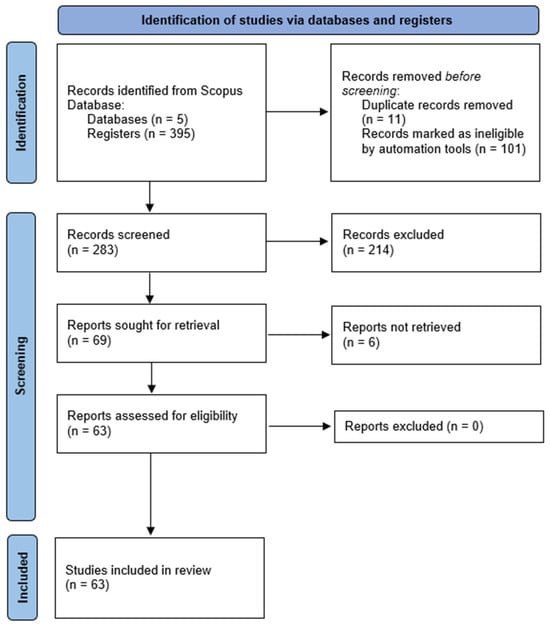
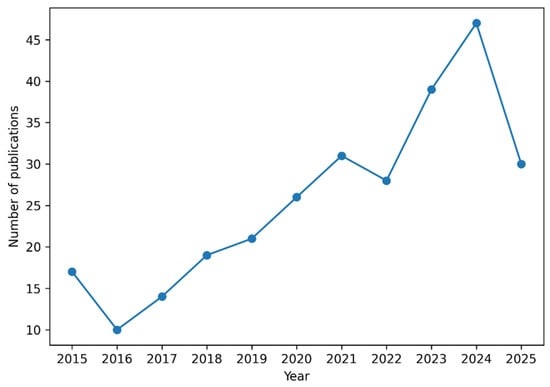
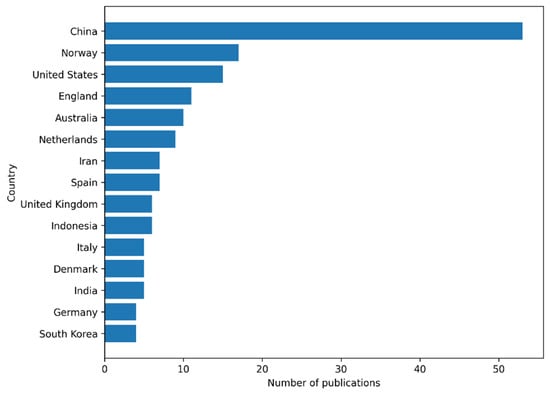
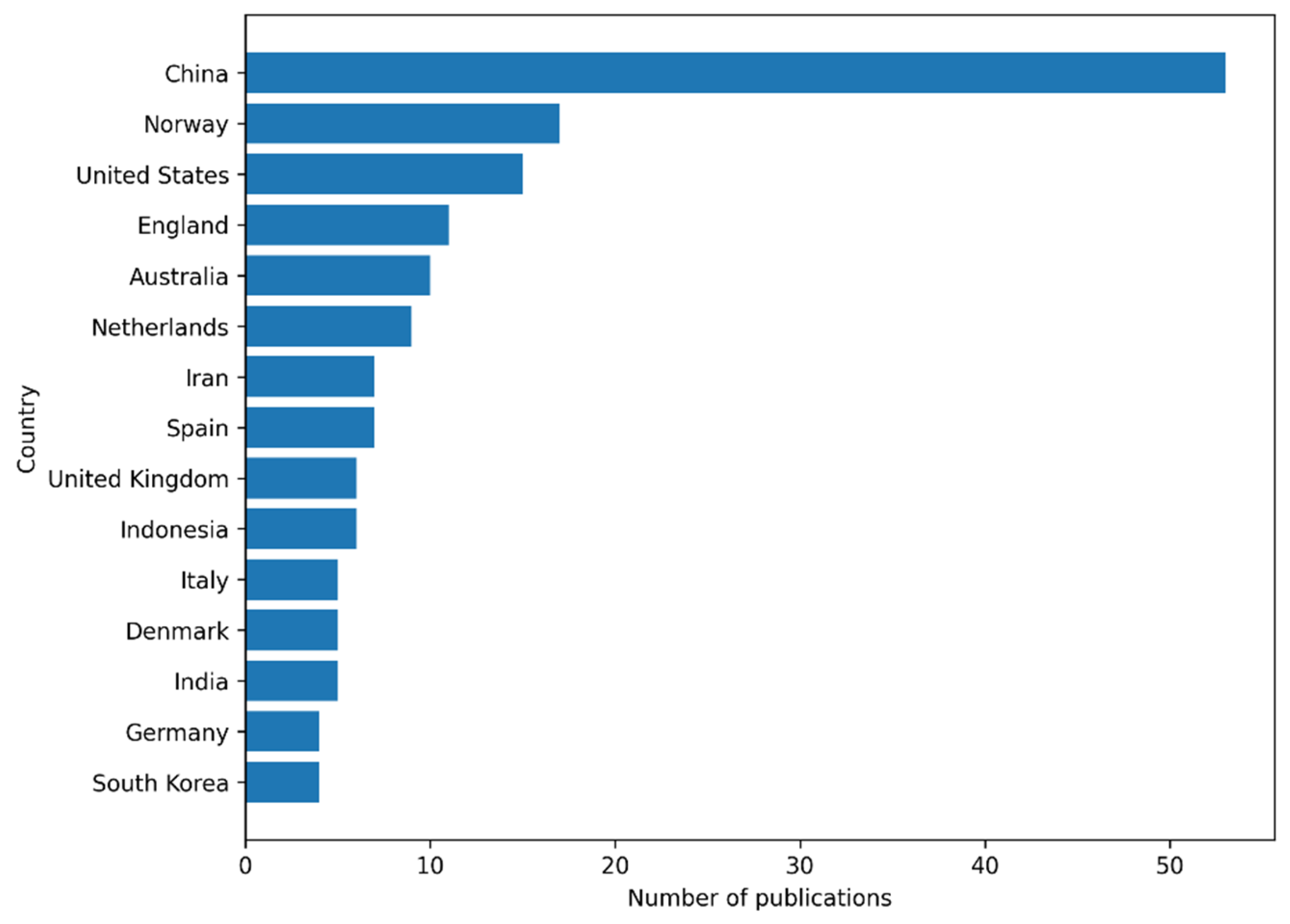
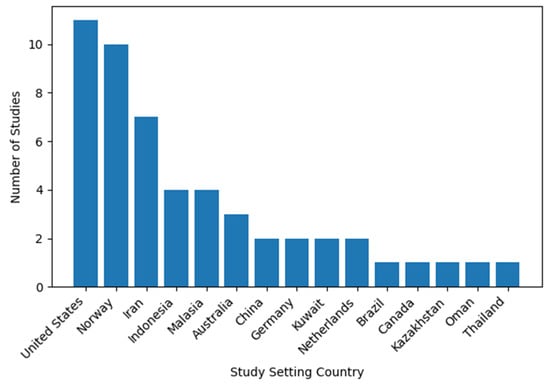
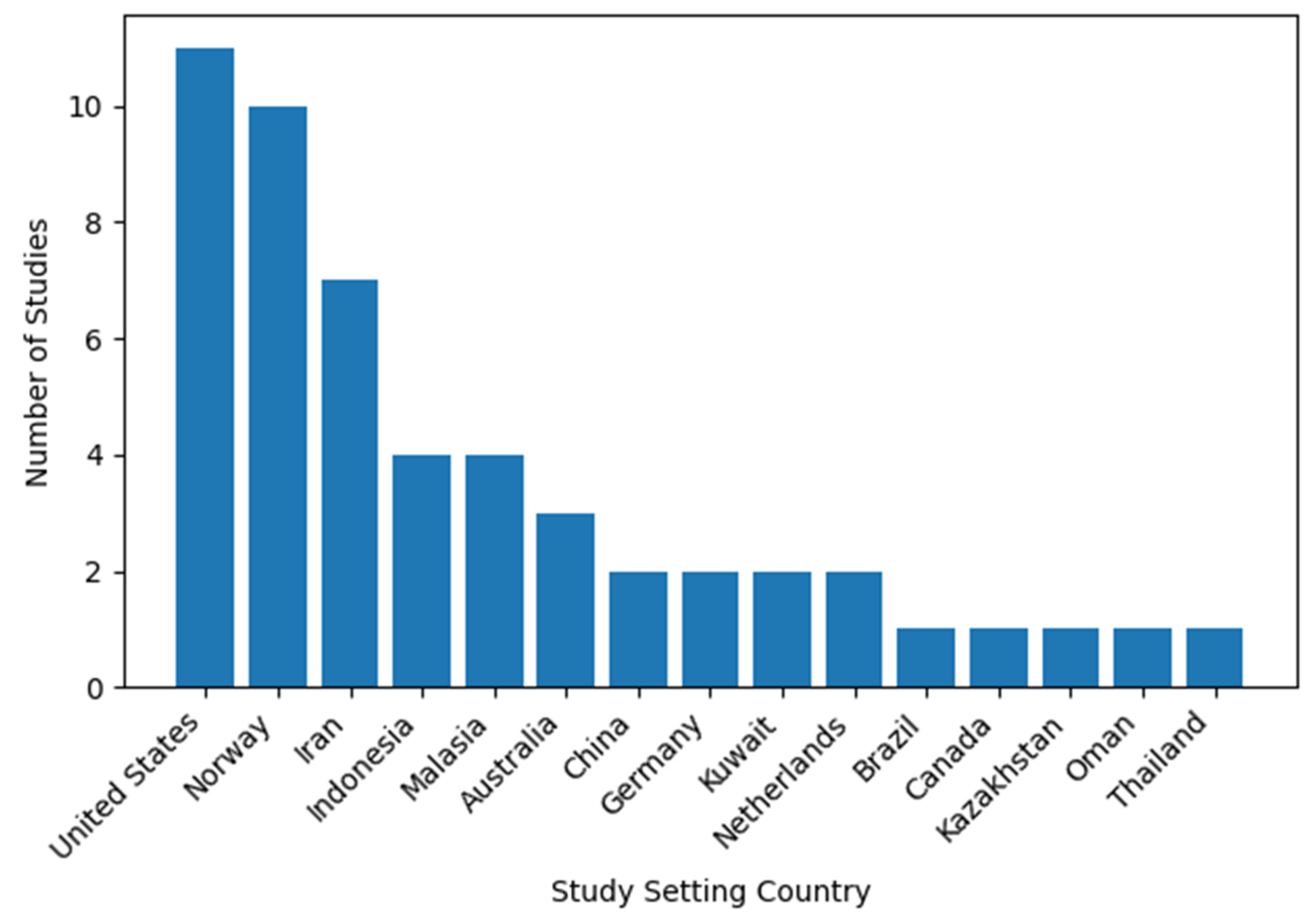
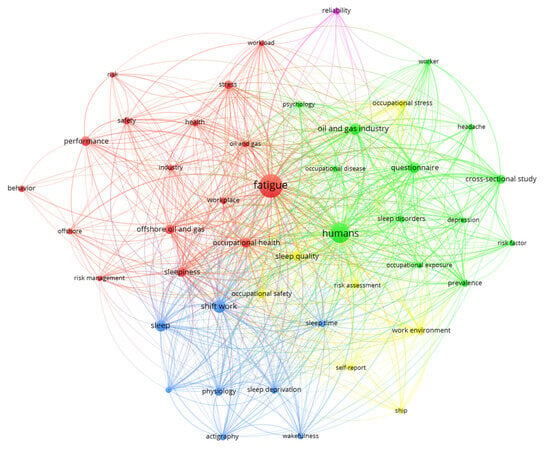
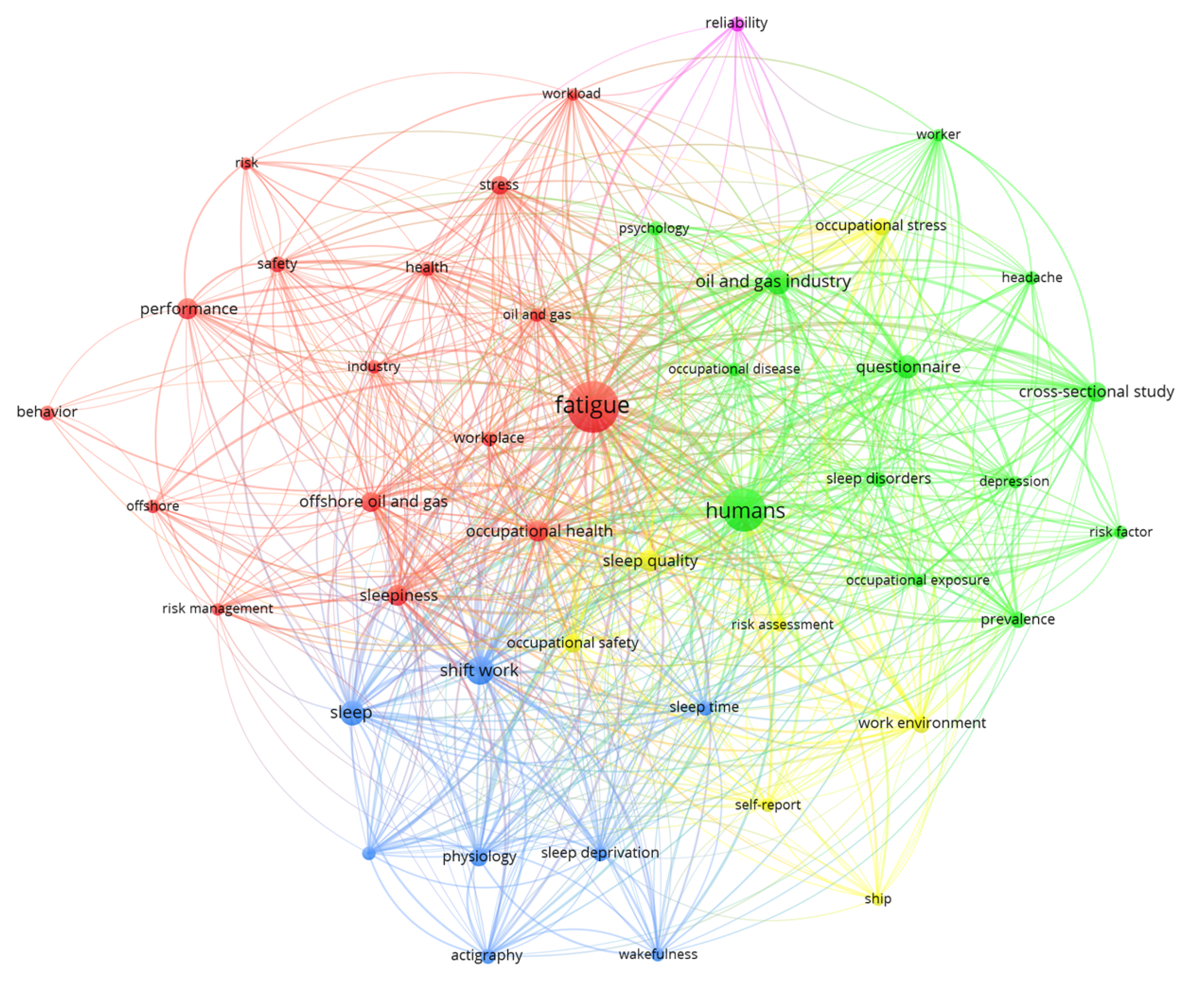
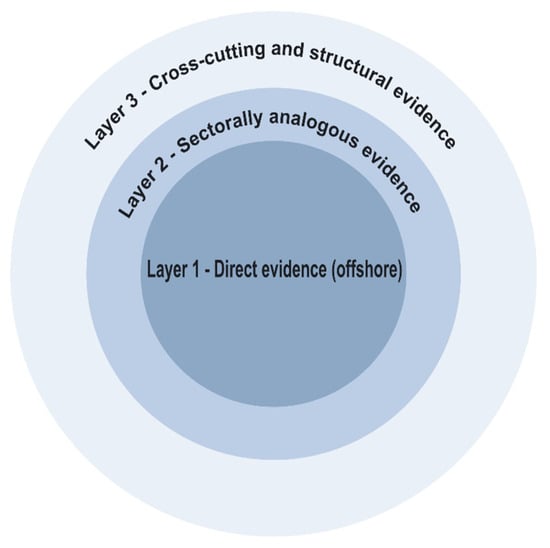
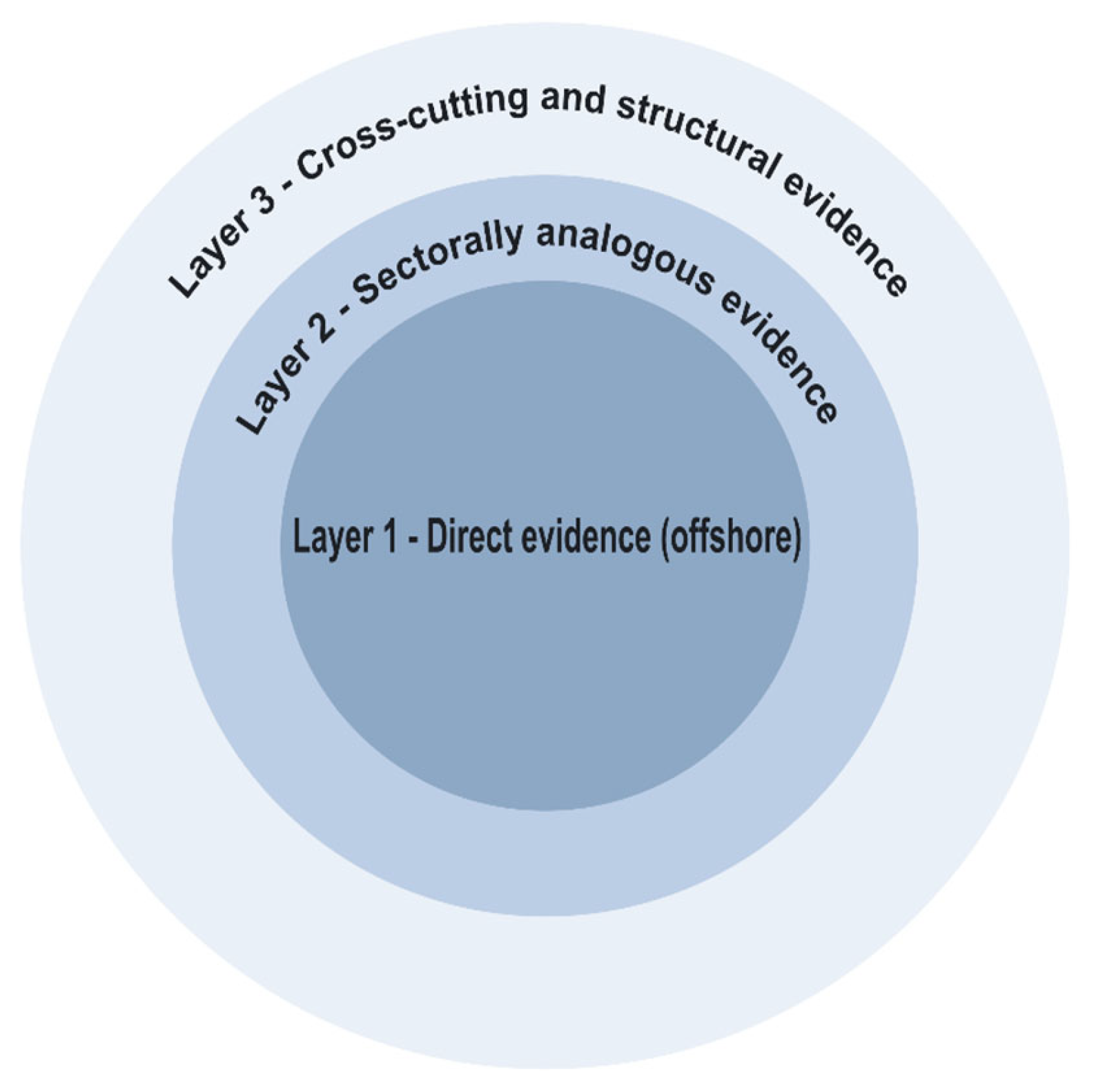
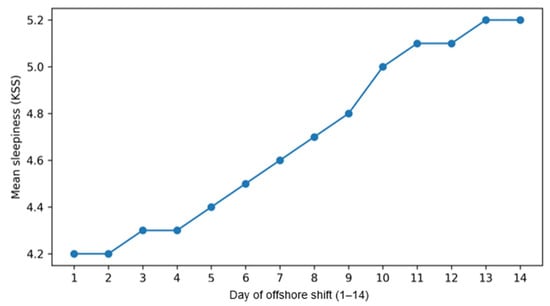
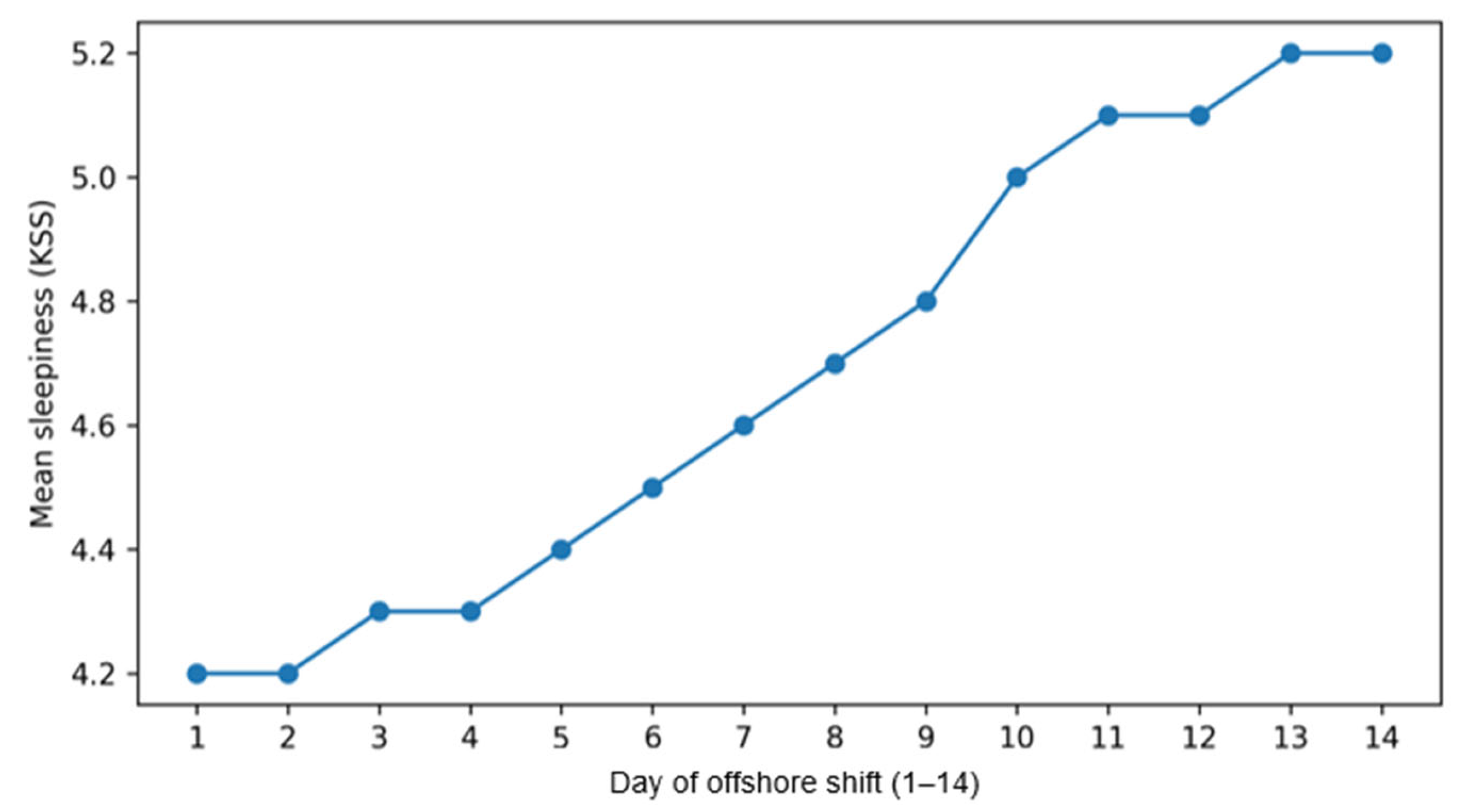
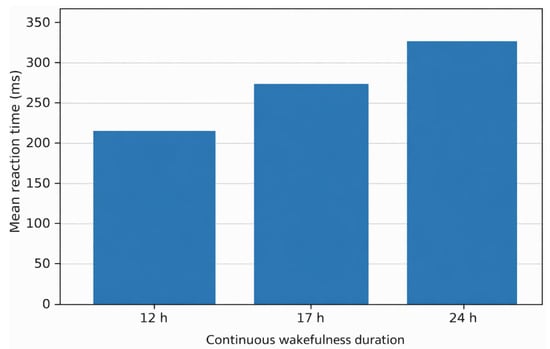
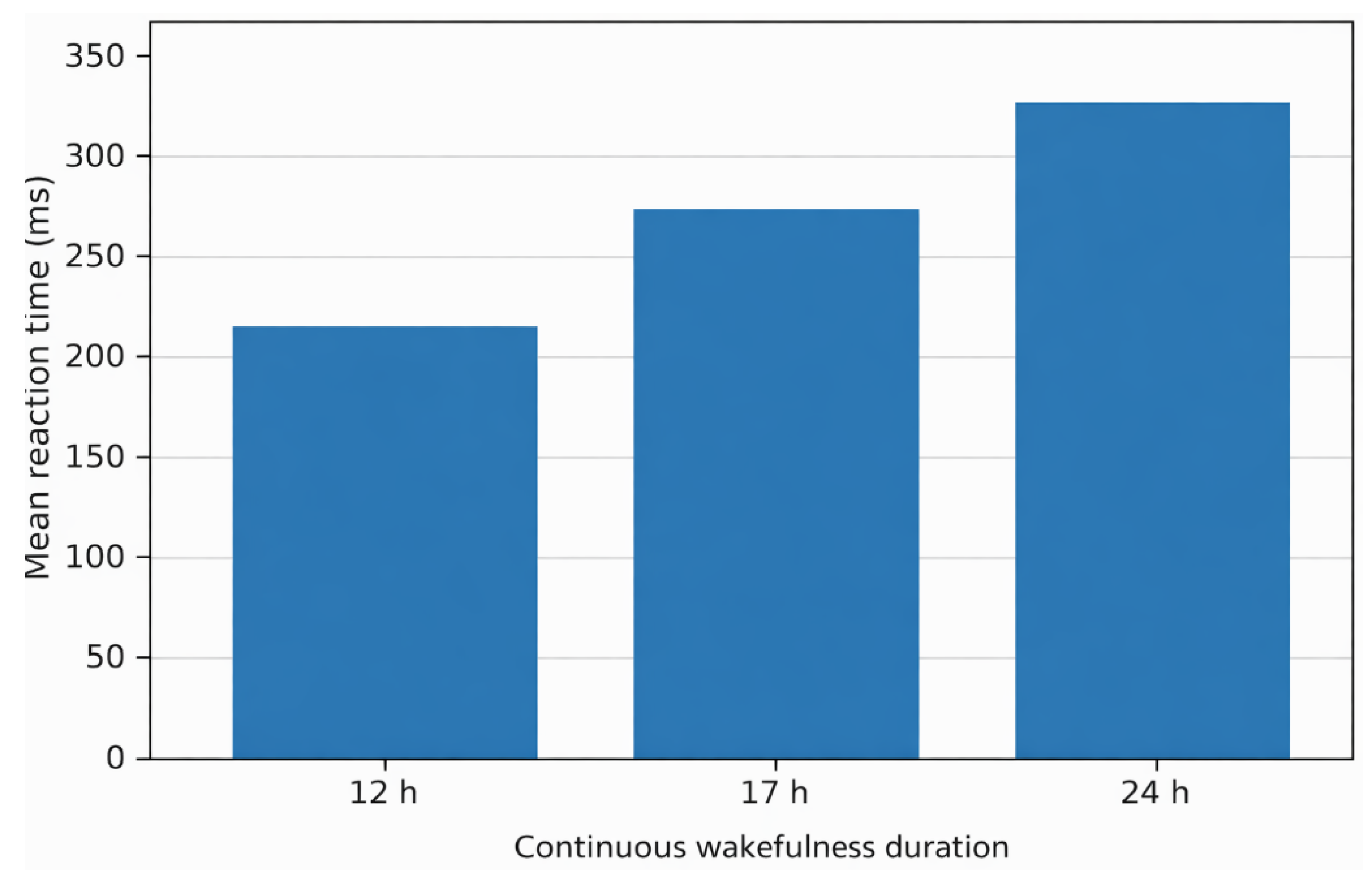

Disclaimer/Publisher’s Note: The statements, opinions and data contained in all publications are solely those of the individual author(s) and contributor(s) and not of MDPI and/or the editor(s). MDPI and/or the editor(s) disclaim responsibility for any injury to people or property resulting from any ideas, methods, instructions or products referred to in the content. |
© 2026 by the authors. Licensee MDPI, Basel, Switzerland. This article is an open access article distributed under the terms and conditions of the Creative Commons Attribution (CC BY) license.