
Article

Cleaner Approach for Atrazine Removal Using Recycling Biowaste/Waste in Permeable Barriers
Centre of Biological Engineering, Campus de Gualtar, University of Minho, 4710-057 Braga, Portugal
*
Author to whom correspondence should be addressed.
Recycling 2021, 6(2), 41; https://doi.org/10.3390/recycling6020041

Submission received: 14 May 2021 / Revised: 4 June 2021 / Accepted: 11 June 2021 / Published: 17 June 2021
(This article belongs to the Special Issue Reuse of Wastewater: Recovery of Water, Nutrients, and Energy)

Abstract

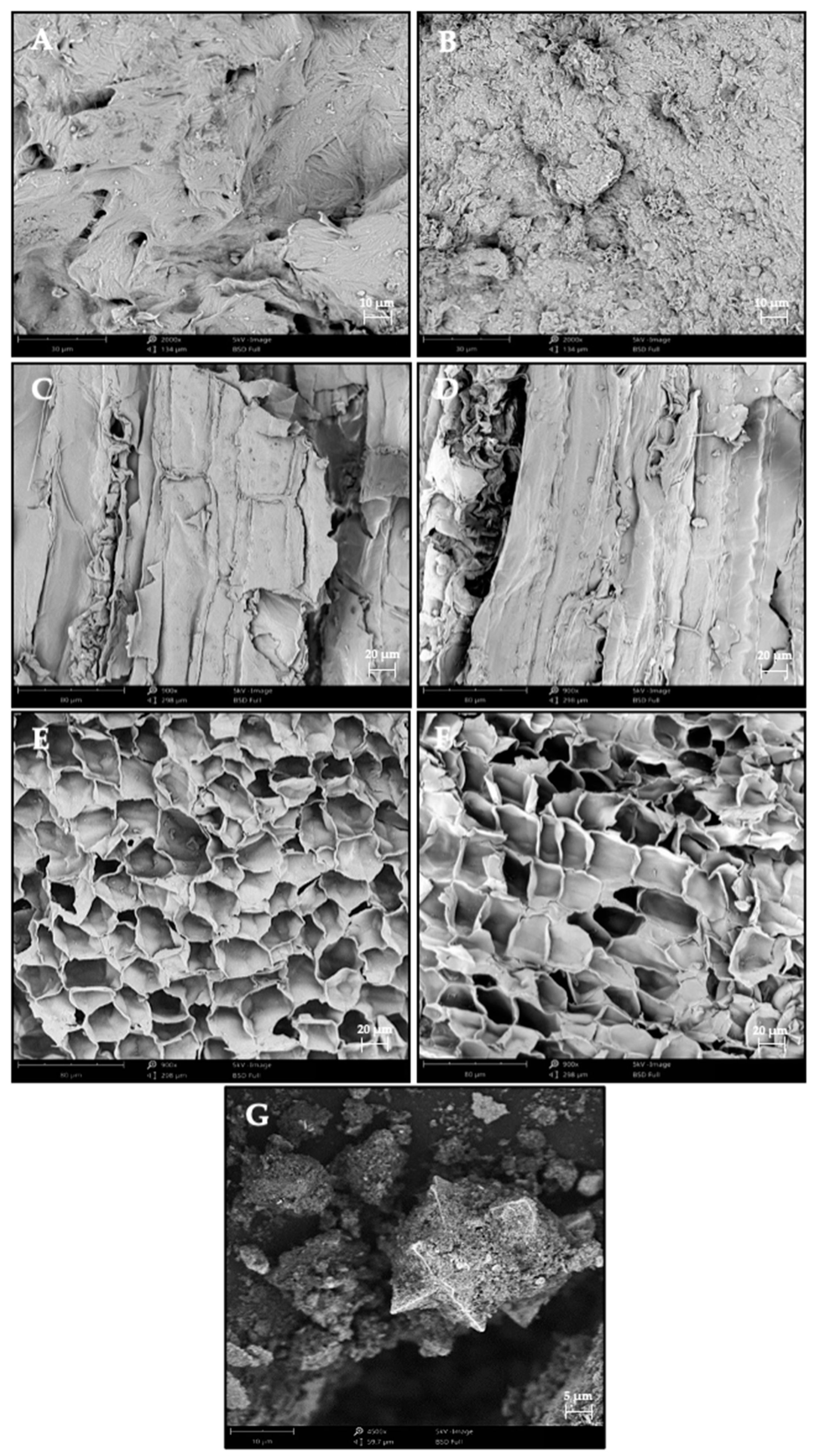
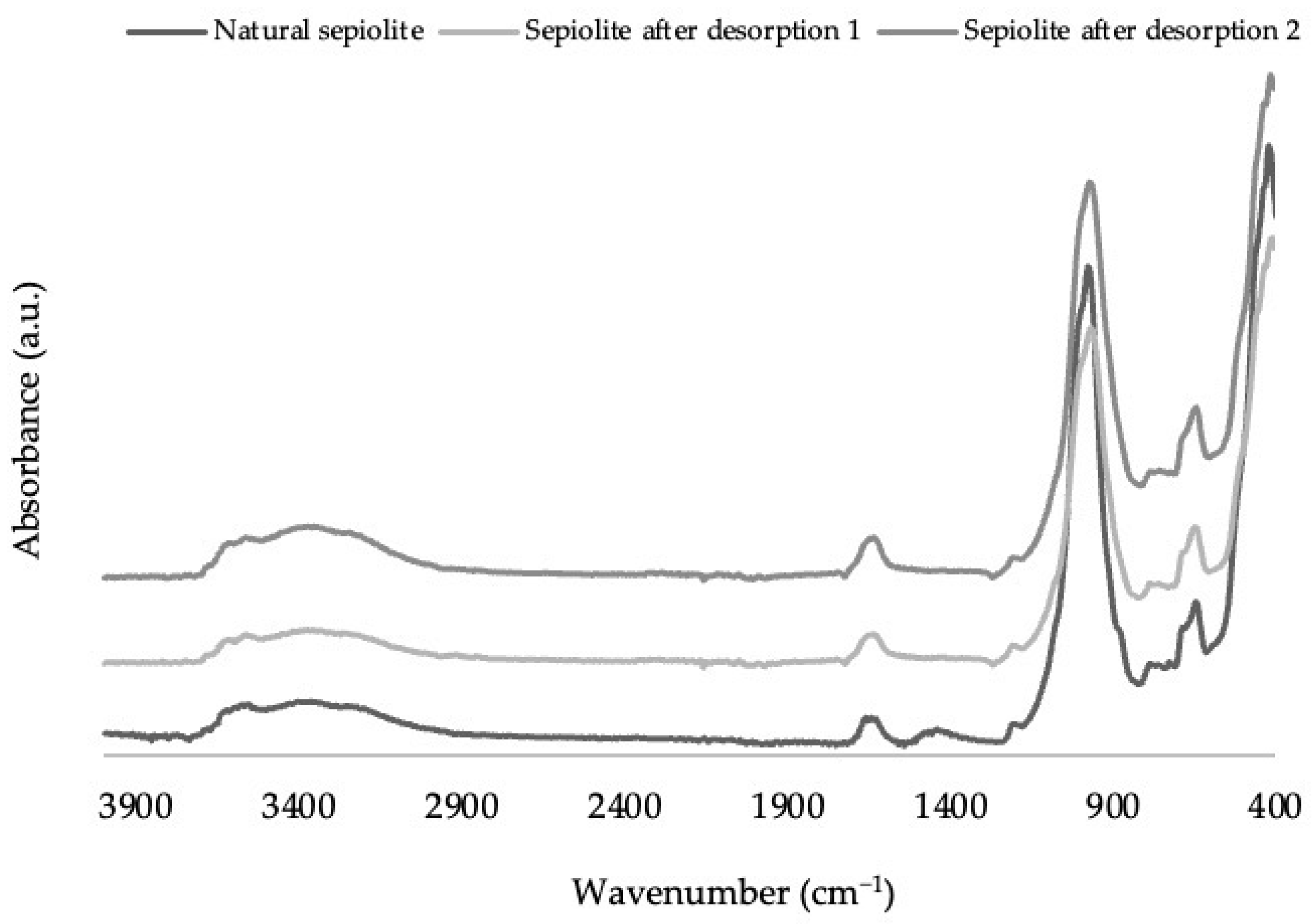
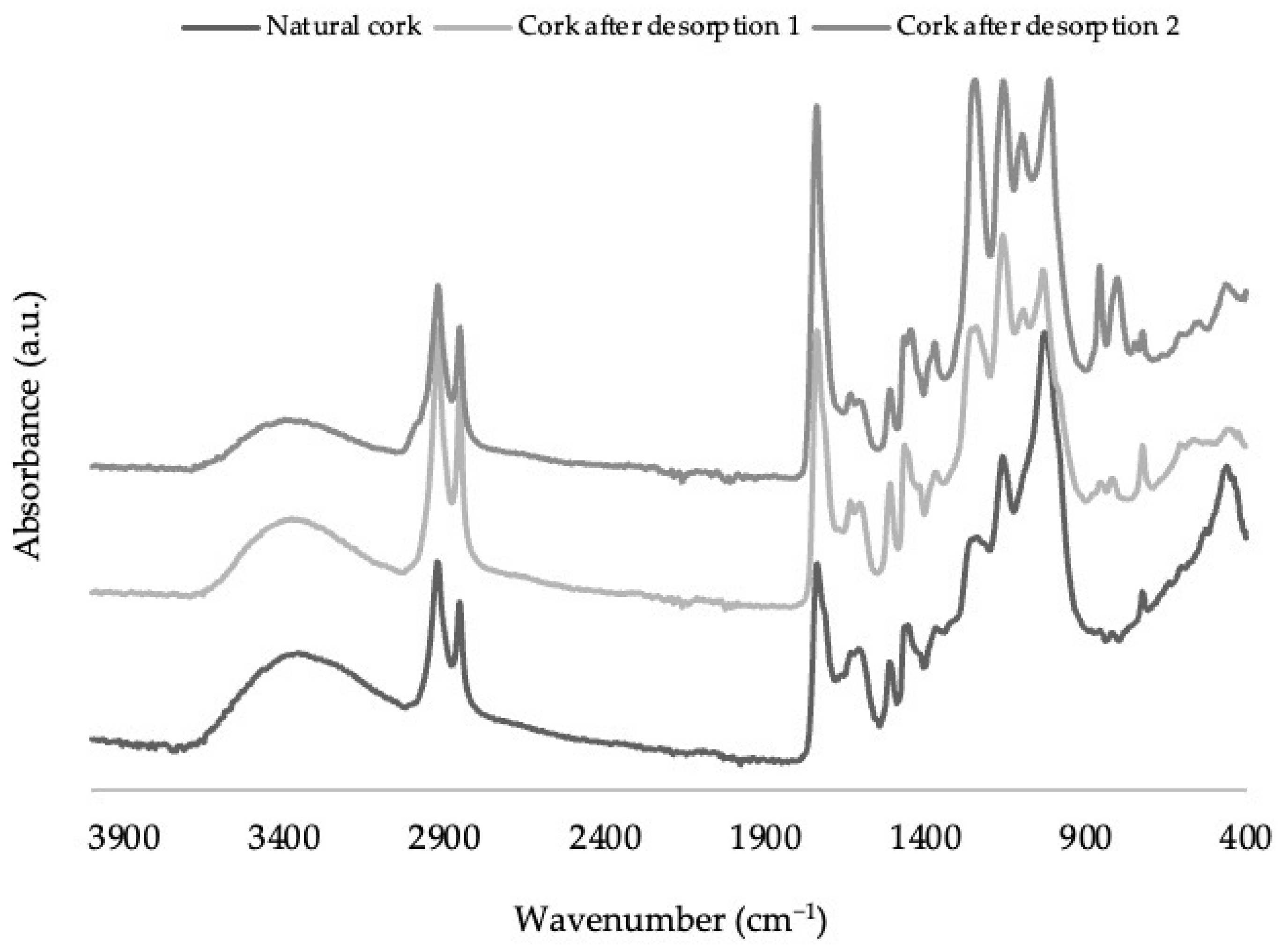
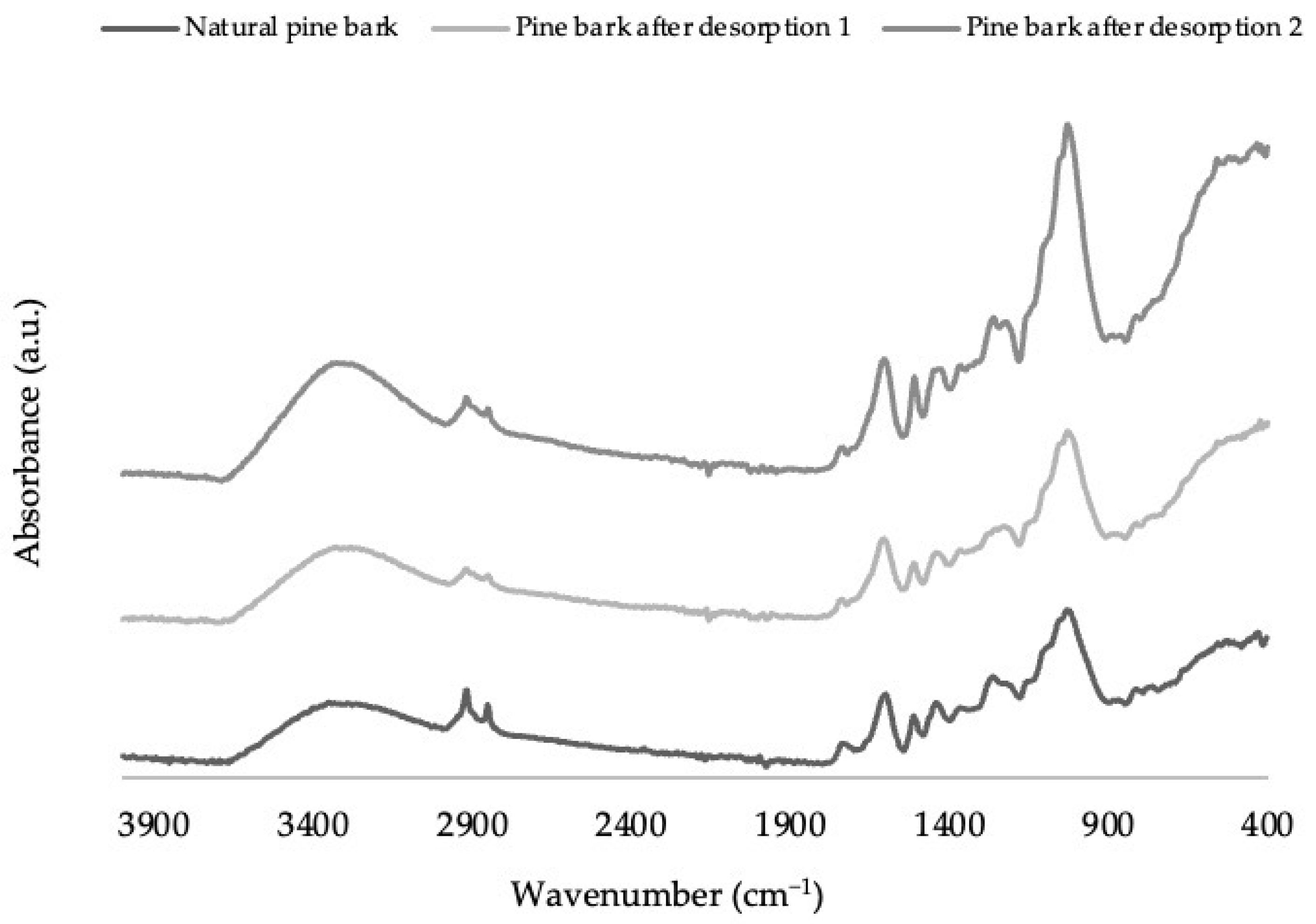
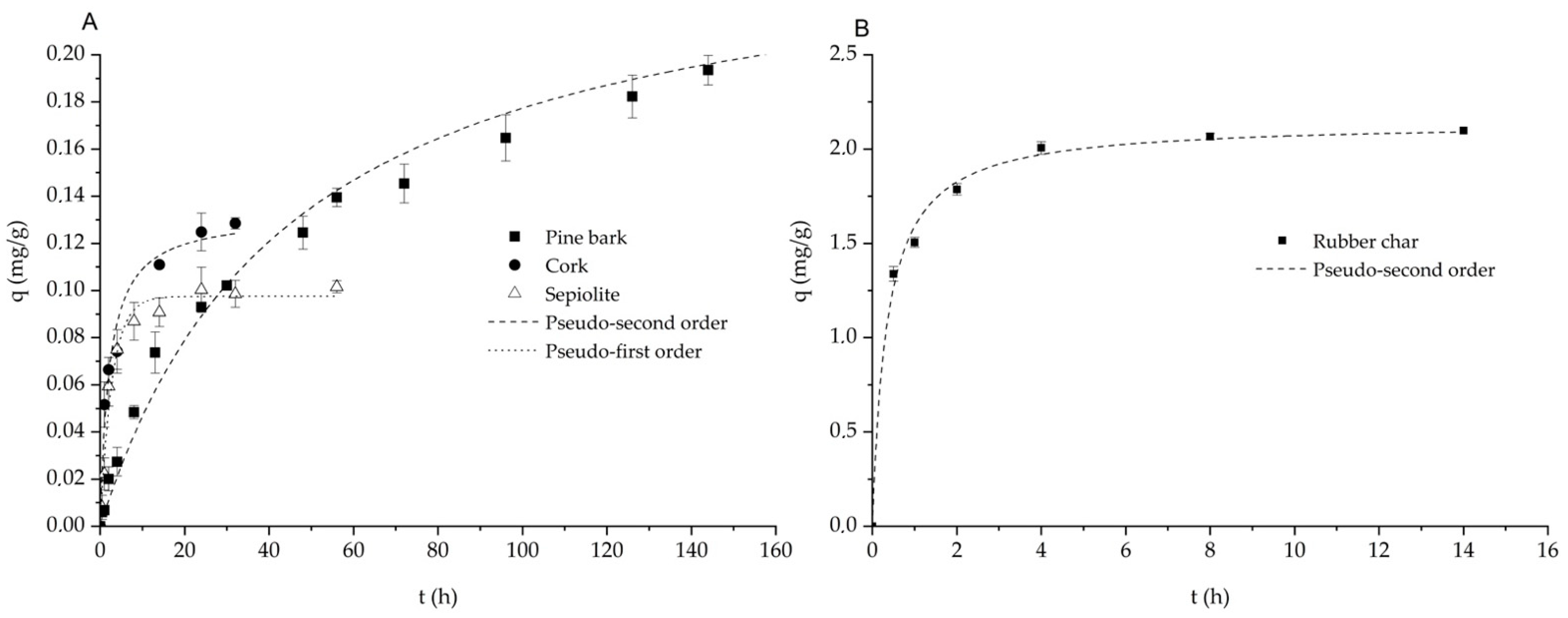
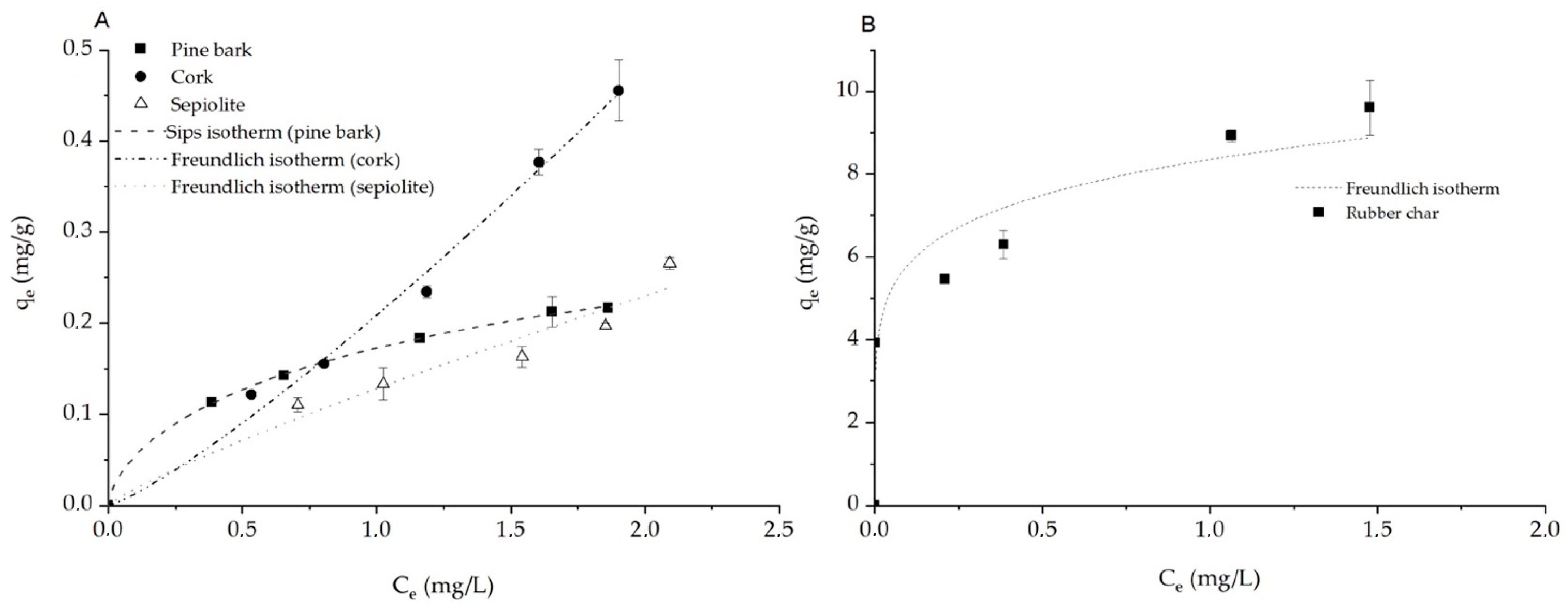
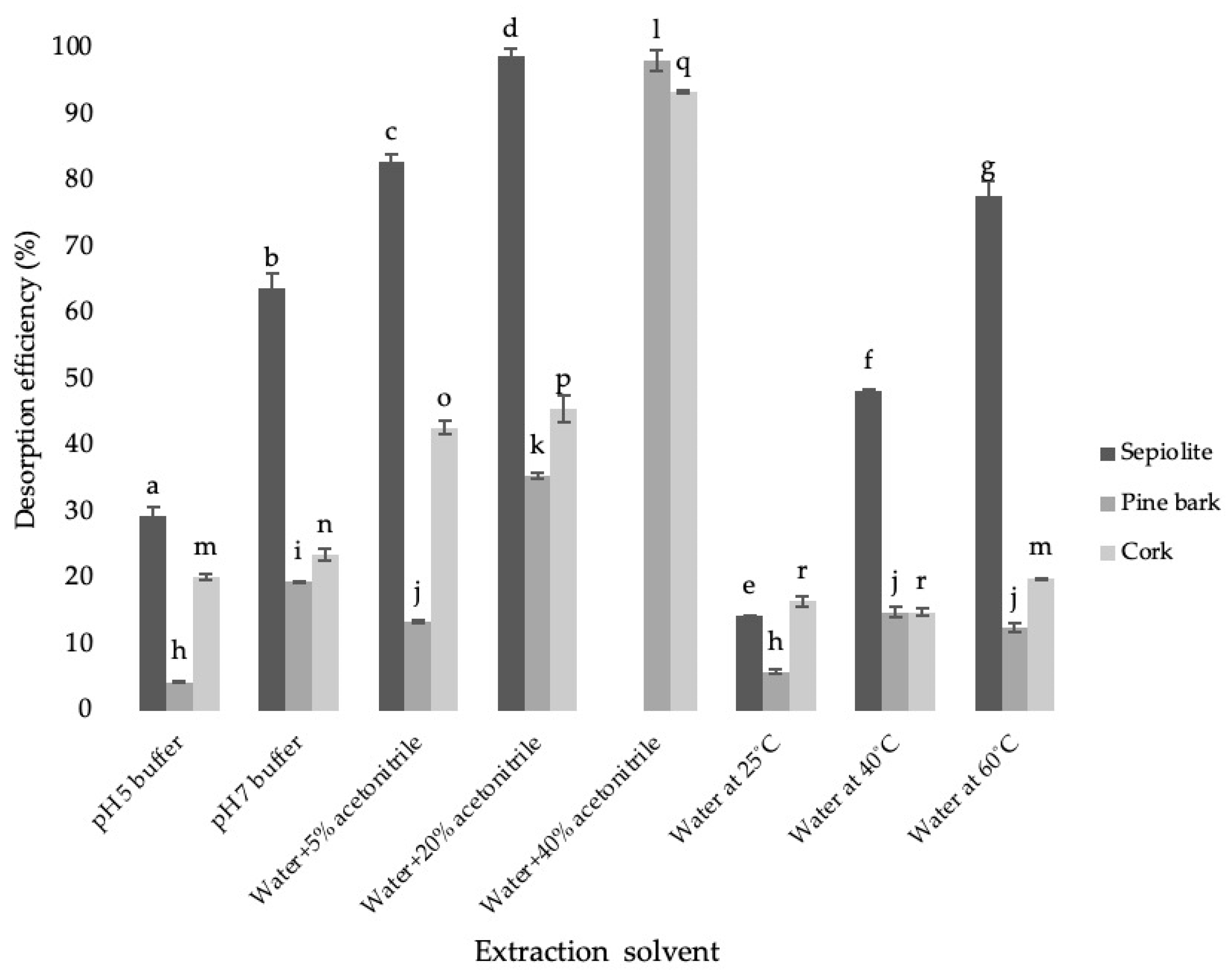
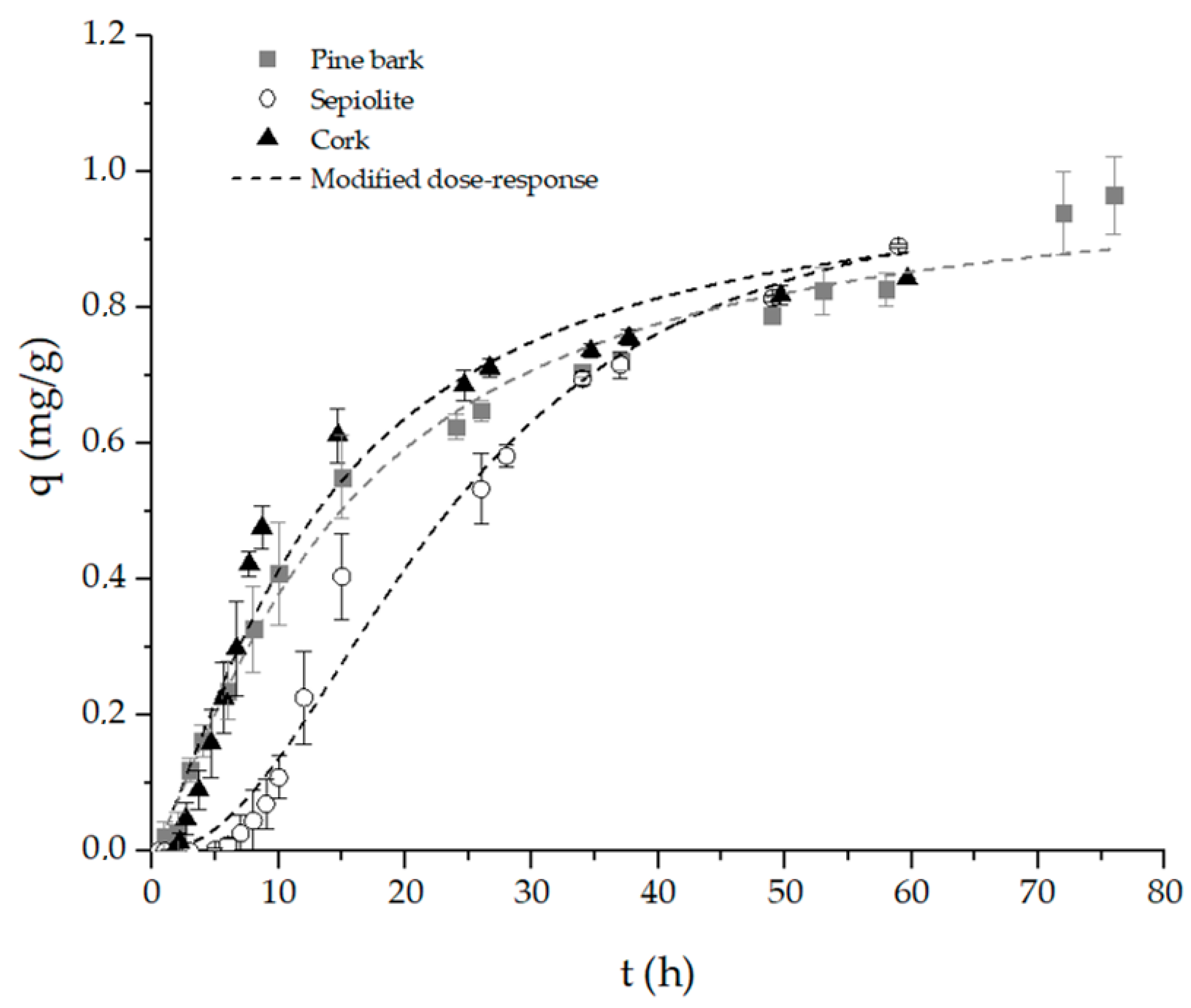
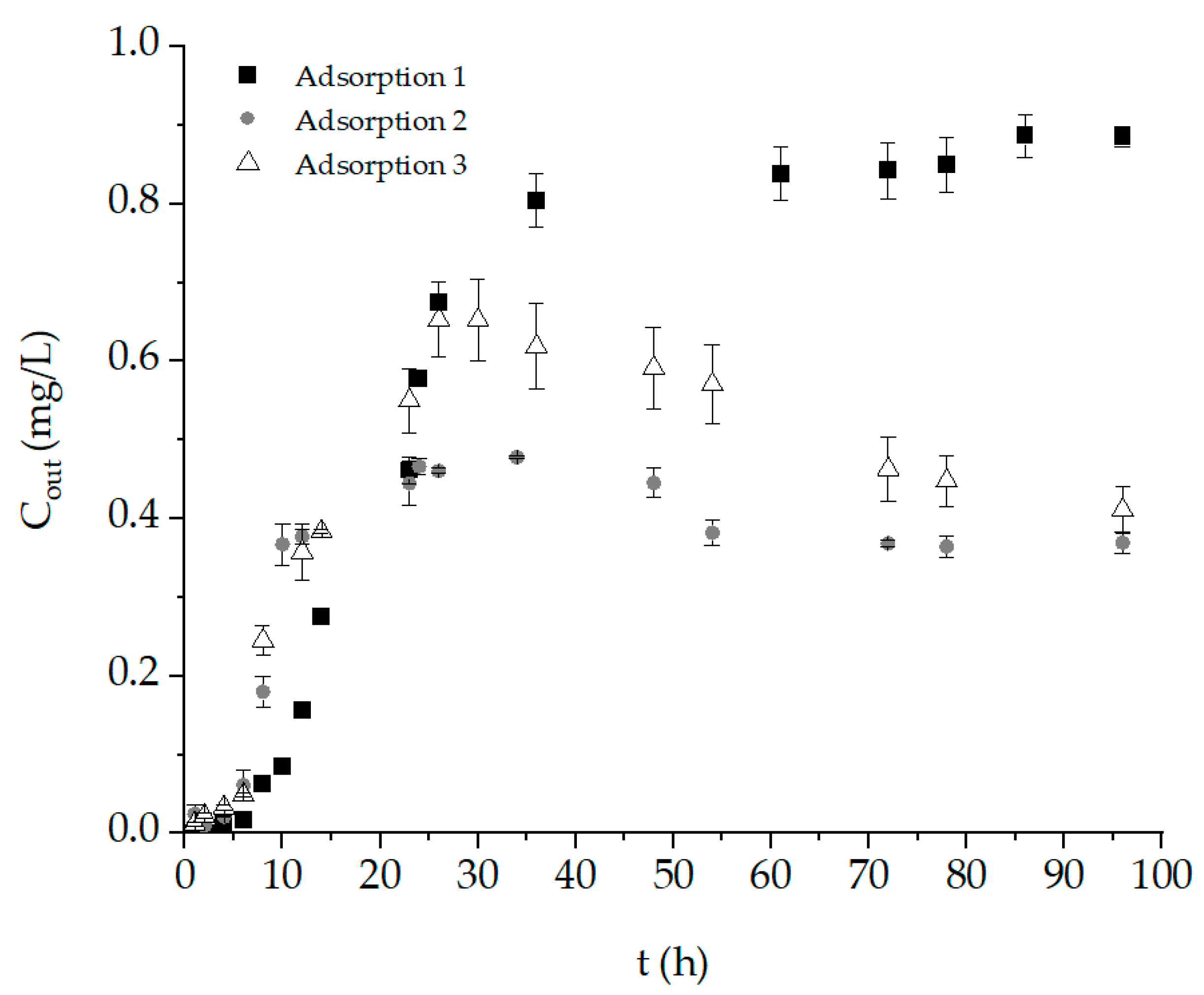
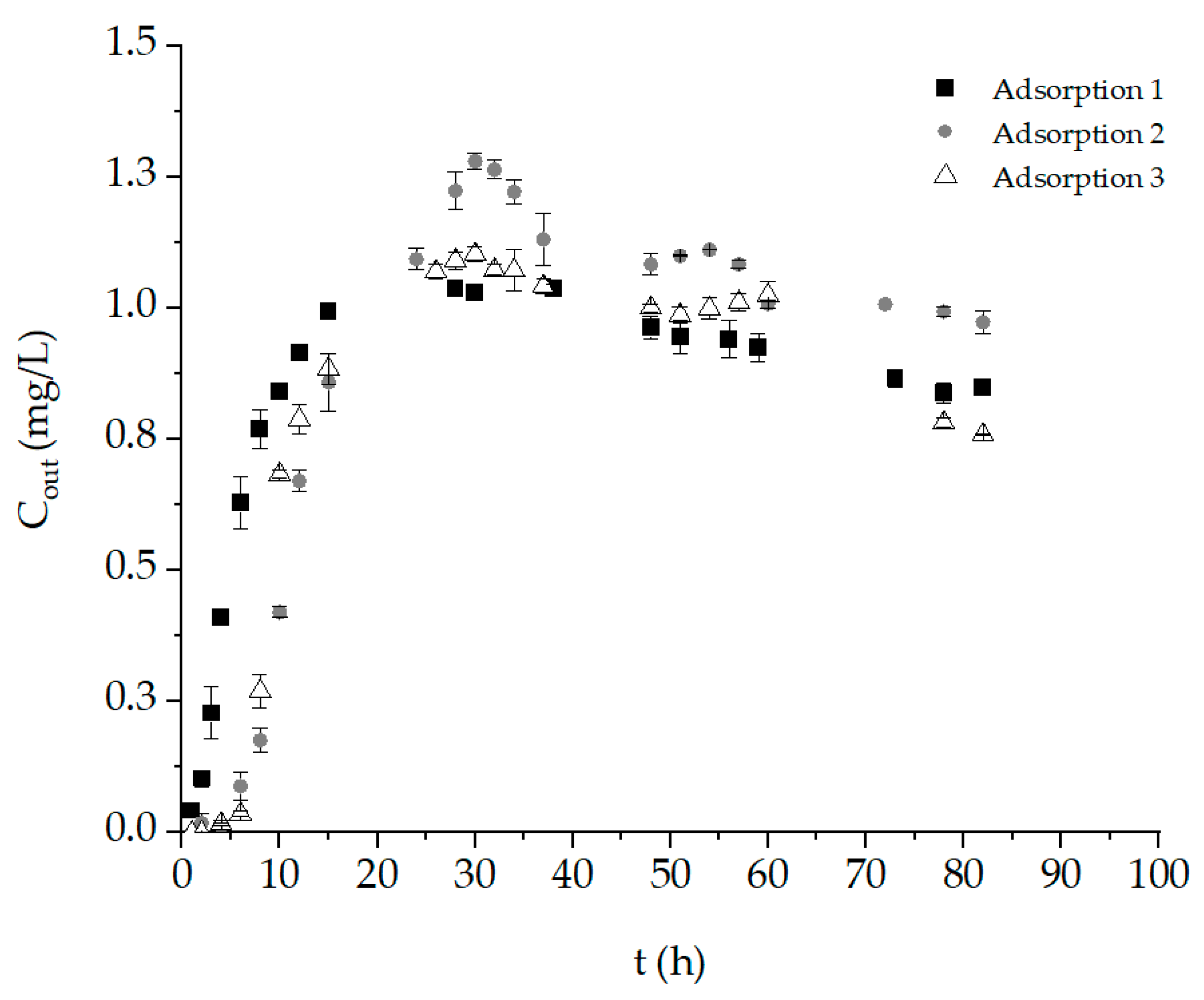
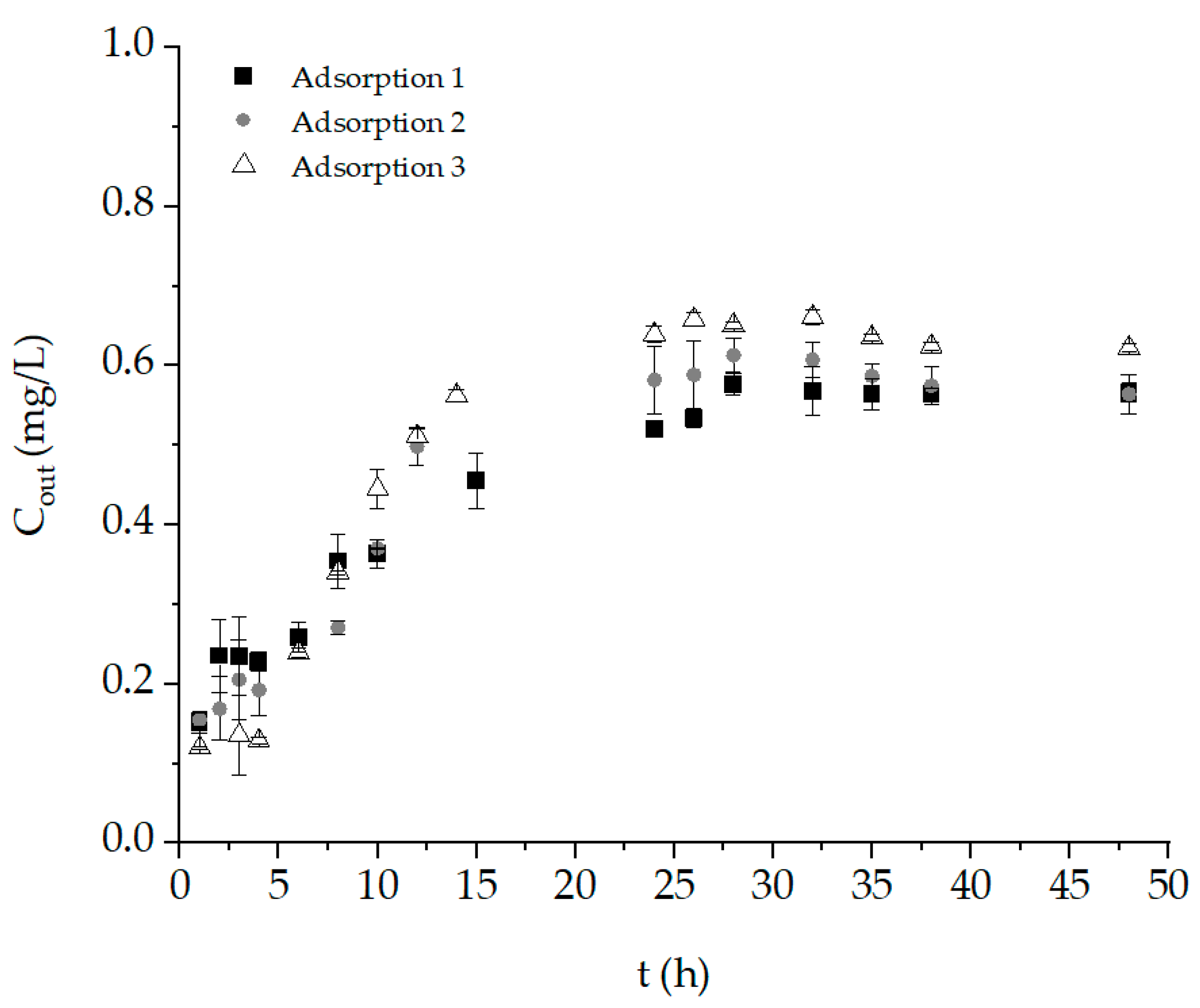
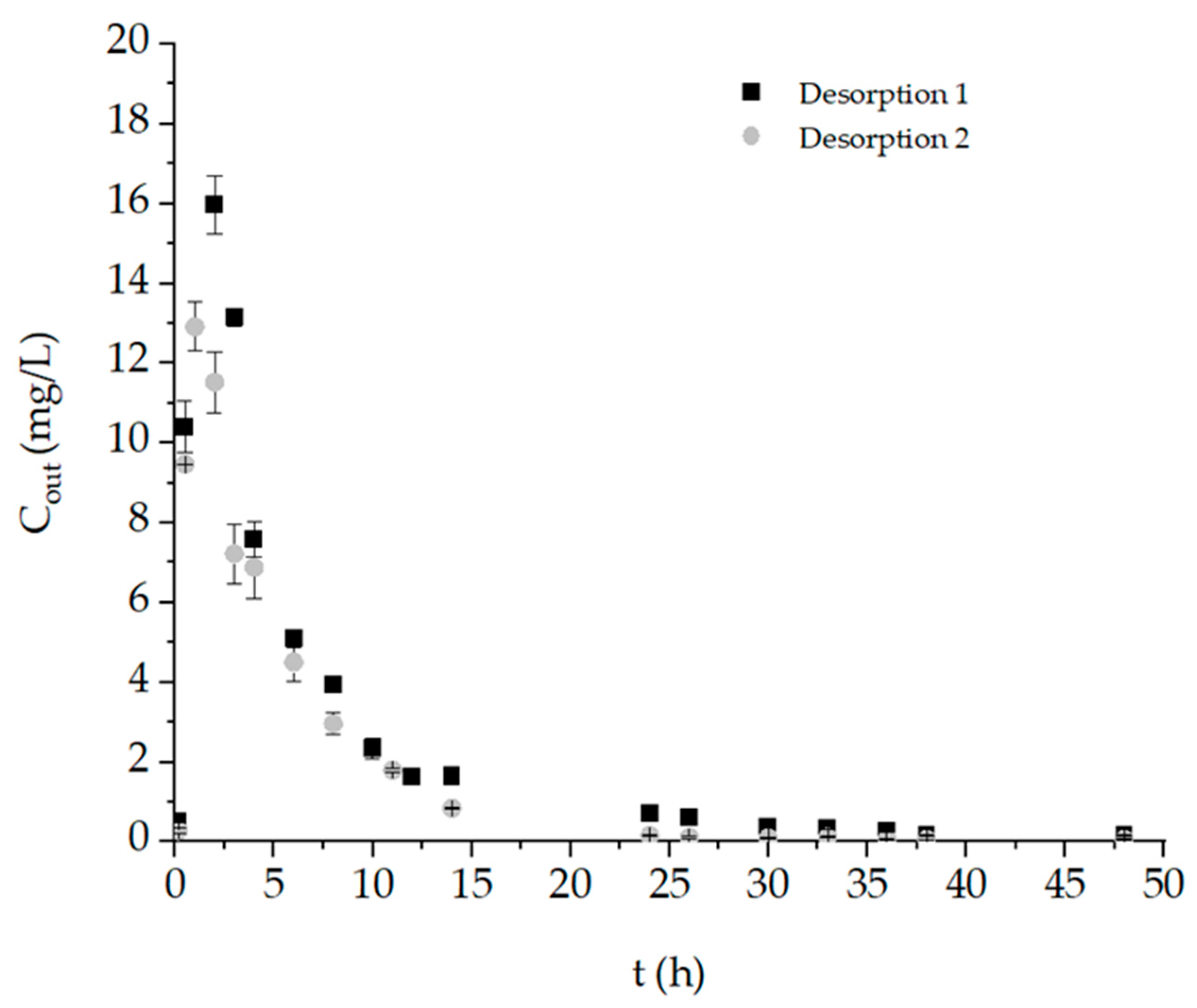
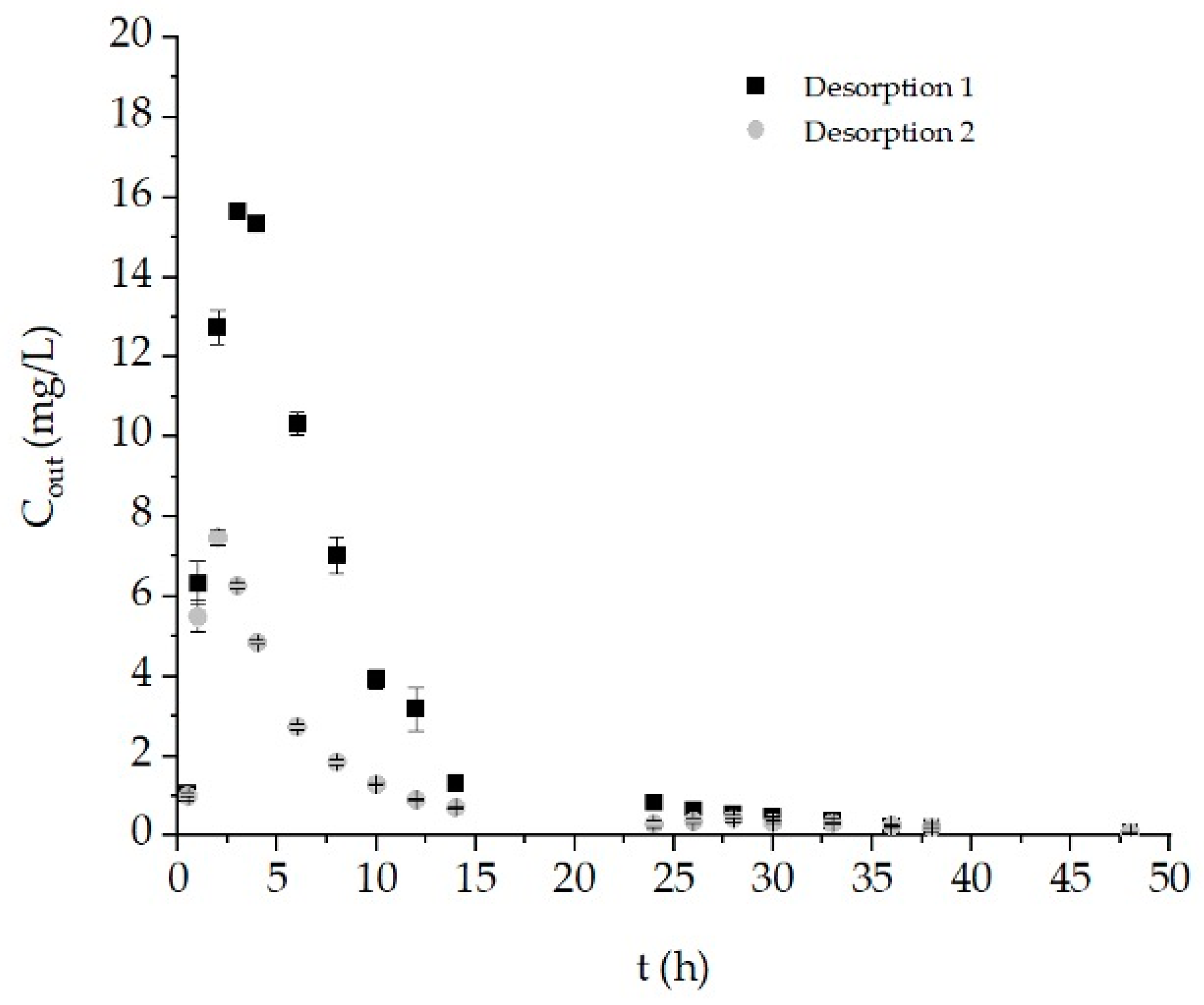
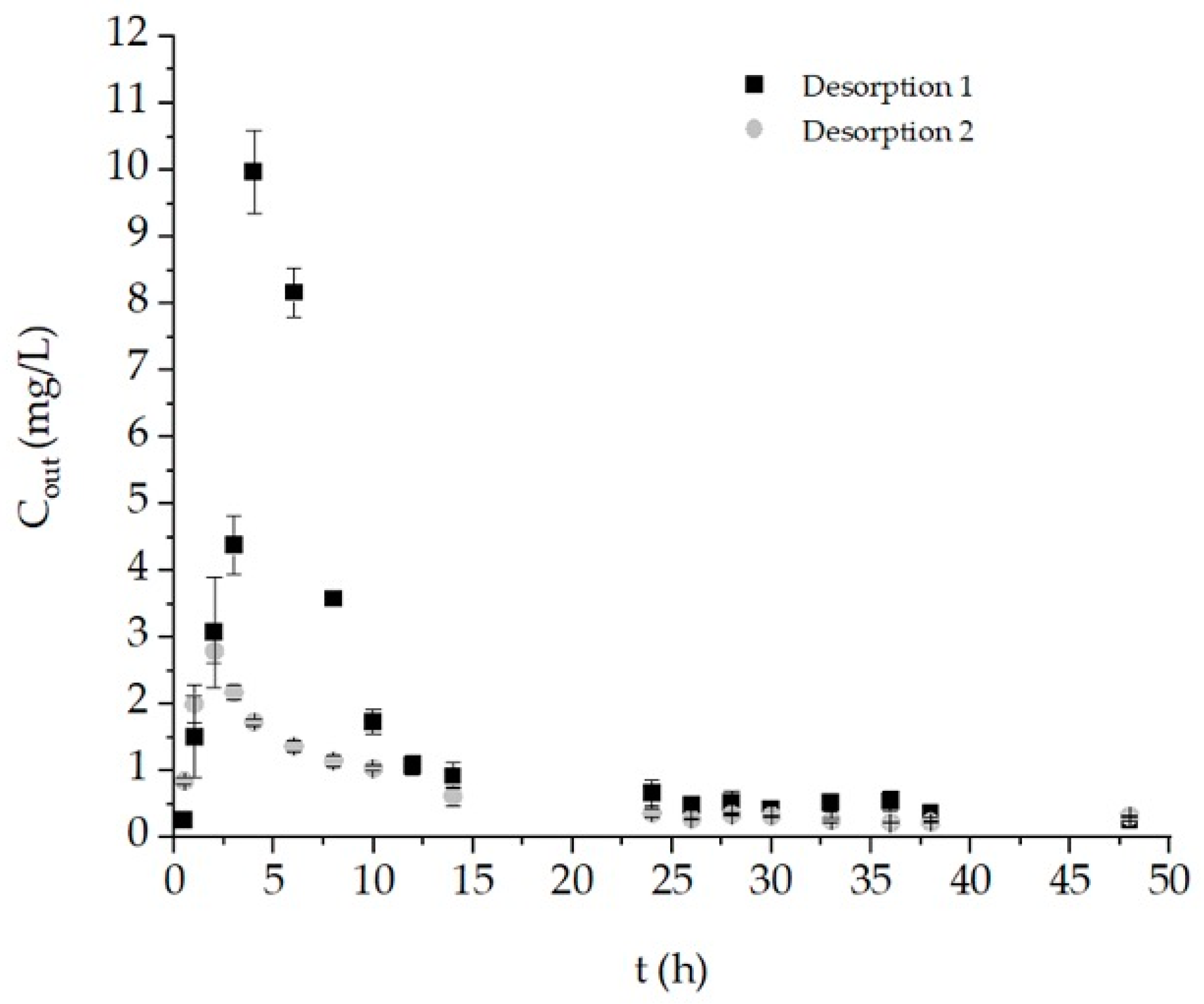
This work addresses the rehabilitation of water contaminated with atrazine, entrapping it in a permeable and sustainable barrier designed with waste materials (sepiolite) and with biomaterials (cork and pine bark). Atrazine adsorption was assessed by kinetics and equilibrium assays and desorption was tested with different extraction solvents. Adsorbed atrazine was 100% recovered from sepiolite using 20% acetonitrile solution, while 40% acetonitrile was needed to leach it from cork (98%) and pine bark (94%). Continuous fixed-bed experiments using those sorbents as PRB were performed to evaluate atrazine removal for up-scale applications. The modified dose-response model properly described the breakthrough data. The highest adsorption capacity was achieved by sepiolite (23.3 (±0.8) mg/g), followed by pine bark (14.8 (±0.6) mg/g) and cork (13.0 (±0.9) mg/g). Recyclability of sorbents was evaluated by adsorption-desorption cycles. After two regenerations, sepiolite achieved 81% of atrazine removal, followed by pine with 78% and cork with 54%. Sepiolite had the best performance in terms of adsorption capacity/stability. SEM and FTIR analyses confirmed no significant differences in material morphology and structure. This study demonstrates that recycling waste/biowaste is a sustainable option for wastewater treatment, with waste valorization and environmental protection.
Keywords: emerging pollutants; waste-based adsorbents/biosorbents; eco-friendly process; permeable barriers; reusability; circular economy emerging pollutants; waste-based adsorbents/biosorbents; eco-friendly process; permeable barriers; reusability; circular economy