


Abstract
This study evaluates viticultural parameters of the Golia grape variety in relation to variable climatic conditions over the 2020–2024 period and analyzes their impact on wine quality. The data show significant climatic variability, with warming trends causing earlier flowering and ripening by 11–13 days. Grape production varied depending on climatic conditions, with 2021 and 2024 recording the highest number of shoots per trunk and increased fertility in 2024. Low winter temperature led to reduced bud viability and affected the overall health of the vines and harvest yields. Average annual precipitation, especially from the growing season, significantly influenced actual yield (AY), while higher annual temperatures and sunshine duration (Sun) resulted in lower grape weight. Greater sugar concentrations accumulated in years with higher temperatures, while higher acidity levels registered at lower temperatures. Higher precipitation (Pp) coupled with thermal accumulation promoted higher dry extract and alcoholic strength (AS), significantly enhancing the perception of honey notes (R2 > 0.7, p-value < 0.05). Furthermore, higher thermal regimes negatively impacted the expression of delicate aromatic compounds, diminishing specific notes such as rose and exotic fruits.
1. Introduction
Viticulture and winemaking have a significant socio-economic impact in many countries. Europe accounts for approximately 40% of the total vineyard area in the world, although significant regions have also developed in Asia, the USA and in Southern Hemisphere countries such as Argentina, Australia, Chile and South Africa. The largest wine-producing countries in the world are France, Italy and Spain, with China, however, recording the largest increases in wine production in recent years [1,2]. Climatic conditions like temperature, precipitation, evapotranspiration and sunshine duration are variable in time and space and represent essential factors for the physiological development of the grapevine (Vitis vinifera L.), phenology, production and, indirectly, wine quality [3]. Climatic factors also determine the geographical location of vineyards, and the variability in meteorological parameters leads to annual changes in productivity. Extreme weather events (hail, late frosts) are known for their negative impact [1,4,5].
Given the projected trajectories of climate change, a significant negative impact on viticulture and wine production is anticipated. Rising temperatures during the growing season represent a major threat, as temperature is a critical factor in regulating phenological development. Consequently, substantial warming will lead to an advancement of phenological phases, including earlier flowering. Thus, adjustments in agronomic and crop management practices are needed to maintain quality and yield [6,7,8].
In addition, pronounced warming during the ripening period will most likely affect wines’ characteristics and typicity. Extreme heat during this phase can reduce grapevine metabolism, affecting qualitative attributes. So, an increase in sugar concentration and a decrease in acidity are anticipated, increasing the risk of wine spoilage and resulting in wines lacking freshness and aromatic complexity [9,10,11,12,13].
These climatic changes are redefining the global viticultural potential, favoring cultivation in temperate regions previously limited by low temperatures, while warm and arid areas become less suitable [6,7,8]. The impact on viticulture is evaluated through crop models that integrate the effects of temperature, water availability and carbon dioxide concentration, the latter enhancing photosynthesis and reducing transpiration, indirectly modifying soil microbiology and drought resistance. Adaptation requires studying not only resistance traits but also the phenotypic plasticity of varieties in relation to environmental variables [5,12,14,15].
To counteract these effects, various adaptation strategies have been explored. These include water management techniques such as irrigation [16], the use of anti-transpirant agents [17], or adjustments to pruning and training systems. For instance, a Semi-Minimal Pruned Hedge (SMPH) has been shown to be capable of delaying ripening and the onset of fungal diseases [18], representing a viable solution for adjusting to future higher temperatures. Furthermore, the exogenous application of growth regulators, such as (S)-cis-abscisic acid, has proven effective in increasing anthocyanin accumulation and the color index under heat stress conditions [19].
Climatic variations directly influence the timing of phenological stages and berry composition, leading to earlier harvesting, increased sugar content and higher alcohol concentrations [20,21], thus affecting the typicity of wines. Research suggests that local varieties [22] and northern bioclimes or those with maritime influences [23] may be more resilient. In the Mediterranean region and Croatia, temperature changes and increased drought highlight the inadequacy of current viticultural zoning [16,24], necessitating the adoption of urgent adaptive measures. These include water management through irrigation [16], the use of agronomic practices (post-veraison pruning, leaf removal) to mitigate sugar levels [25,26], or the introduction of drought-tolerant varieties and rootstocks. In the context of Romania, a statistically significant increase in average temperatures and bioclimatic indices has been observed, indicating the need for acidification measures and a re-evaluation of the vulnerability of vineyards in various regions [27,28]. Consequently, beyond immediate agronomic adjustments, the selection and validation of suitable varieties is imperative for ensuring the future sustainability of viticulture.
In the context of climate change in Romania, various authors have focused on analyzing the impact of climate change on the characteristics of grapes and wine obtained from varieties such as Sauvignon blanc [29,30,31], Pinot gris [29], Italian Riesling [30], Fetească albă [31,32], Aromat de Iași [33], Crâmpoșie [33], Fetească regală [30,34], Fetească neagră [30], Chasselas doré [32], Muscat Hamburg [32], Coarnă neagră selecționată [32], Pinot noir [30,35], Merlot [30,35] and Cabernet sauvignon [35,36]. However, research targeting the behavior of the Golia variety in the context of climate change is limited. This study addresses this knowledge gap by evaluating the specific effects of climatic conditions on Golia’s vine development and wine quality. Therefore, the working hypothesis of this study is that extreme interannual climatic variations, particularly higher temperatures and fluctuating precipitation patterns, significantly alter the phenology, productivity and typical sensory profile of this local variety. By correlating specific climate indicators with qualitative parameters, this research aims to highlight the variety’s potential for resilience and sustainability.
2. Materials and Methods
2.1. Grapevine Cultivars and Growing Conditions
The study was conducted in a single experimental location within the Iași vineyard, located in the northeast of the Moldavian Plateau (47°10′ N latitude and 27°35′ E longitude). Specifically, the research plot and climatic monitoring were strictly established in the Copou viticultural center [37,38,39]. The relief consists of the Moldavian Plain and the Central Moldavian Plateau, with a lithological substrate predominantly composed of marls and clays. The most favorable soils for viticulture are cambic chernozems and gray soils [39]. The hydrography is dominated by the Bahlui and Prut rivers and numerous artificial lakes used for irrigation [40]. The region features an excessive temperate–continental climate, characterized by cold and relatively dry winters, hot and arid summers, and frequent phenomena such as late frosts and recurrent droughts occurring at intervals of three to four years [39].
The biological materials consisted of the Golia grapevine variety, grafted onto SO4 rootstock (Vitis berlandieri × Vitis riparia). The vines were 20 years old at the beginning of the study (2020), representing a fully mature plantation with a well-developed root system. The planting density (D) was 2.2 × 1.2 m, and the vines were trained using the Guyot system with a semi-high trunk (80 cm). The experimental plot was managed under rain-fed conditions (no irrigation), with standard manual operations for pruning and weed control. For the purpose of this study, a randomized sample of 100 permanently marked vines served as biological replicates for longitudinal analysis.
Golia is a white grape variety obtained at the Iași Research and Development Station for Viticulture and Winemaking through the intraspecific hybridization of Sauvignon blanc and Șarba. It is predominantly cultivated in the Copou region (Moldavian Hills) and is suited for producing high-quality white wines [37]. Golia is a self-fertile variety characterized by medium growth vigor and a high rate of wood maturation [41]. Its clusters are cylindro-conical, with yellowish-green berries that generally reach maturity in the second half of September, offering an average yield of approximately 14 t/ha, with 180–195 g/L sugar content and moderate acidity. Although it exhibits good frost tolerance, its resistance to drought and fungal diseases is classified as medium [37]. The resulting wine is appreciated for its fresh aromatic profile, featuring fruity and floral notes and is recommended for early consumption.
2.2. Wine Samples
This study analyzed Golia wine samples produced between 2020 and 2024 at the Iași Research and Development Station for Viticulture and Winemaking. To ensure traceability and experimental consistency, the analyzed samples were obtained exclusively from grapes harvested in the experimental vineyard described in Section 2.1. The wines were obtained following the producer’s standard winemaking protocols for white wines, ensuring a consistent technological approach across the studied years to minimize processing variables.
2.3. Climatic Parameters
Several key climate parameters such as soil temperature (°C), sunshine duration (hours), precipitation level (mm) and soil hygroscopicity (%) (H) were analyzed over five consecutive years (from 2020 to 2024) using an AgroExpert® station (Metrilog Systems, Bucharest, Romania) located in the Iași-Copou vineyard at 191 m altitude [42]. Soil surface temperature was monitored using a temperature sensor placed at ground level to assess the thermal microclimate surrounding the cluster zone. For this research, monthly averages were presented. Sunshine duration refers to the cumulative hours of bright sunshine, essential for optimizing photosynthesis and berry ripening. Additionally, precipitation amounts were measured to assess water availability and seasonal distribution, and soil hygroscopicity was evaluated to characterize the soils’ water retention status [42].
2.4. Viticultural Parameters and Grape Quality
The impact of climatic variability on the grapevine was assessed by monitoring the phenological development, fertility, productivity and quality characteristics of the Golia variety. The key phenological stages recorded were bud break, flowering, veraison and full maturity. Fertility was estimated by measuring the following parameters: total shoots per vine, fertile shoots per vine, the percentage of fertile shoots and the number of inflorescences, followed by the calculation of the absolute (AF) and relative fertility (RF) coefficients. Productivity was quantified at harvest by monitoring the average cluster weight, absolute and relative productivity indices, the number of berries per cluster and the actual yield (kg/vine). Quality assessment included the determination of cluster parameters (cluster weight and volume, berry and rachis weights). Additionally, the mechanical composition of the berry was analyzed using a 100-berry sample to determine pulp, skin and seed weights [43,44].
2.5. Chemical Analyses
The study involved determining the chemical composition of the must at harvest, such as sugar content (g/L), total acidity (g/L), C4H6O6 and pH. Furthermore, key physicochemical parameters of the wine were analyzed, including alcoholic strength (% alc. vol.), total (g/L C4H6O6) and volatile acidity (g/L C2H4O2), free and total SO2 content (mg/L), reducing sugar level (g/L) (RS), relative density and non-reducing dry extract (g/L). All analyses were performed in triplicate according to the regulations established by the International Organization of Vine and Wine (OIV) [45].
2.6. Wine Sensory Profile
The tasting session was organized according to the guidelines established in the current standards [46,47,48]. Samples were analyzed in the first part of the day at a wine temperature of 10–12 °C. The sensory profile of the wines was evaluated by a panel of 23 qualified tasters (represented by 13 men and 10 women) from the Iași University of Life Sciences. The participants were classified as ‘qualified’ based on their active professional involvement in the wine industry and routine engagement in sensory analysis. The panel included academic staff teaching oenology and viticulture, researchers in the beverage sector, O.I.V. experts, and authorized Romanian tasters. All tasters were of legal age and were fully informed regarding the nature of the samples. The study was conducted in strict adherence to the ethical code of the Iași University of Life Sciences, with all participants providing informed consent.
Sensory evaluation involved monitoring key attributes specific to the Golia variety (mineral, vegetal, elderflower, jasmine flower, grapevine flower, roses, linden flower, basil, citrus, pear, peach, green apple, exotic fruits, green pepper, honey, sweet, acid, bitter, phenolic, unctuous, persistence). Scores from 0 to 10 were assigned based on the perceived intensity of each attribute. The results were centralized and the arithmetic mean was calculated.
2.7. Statistics
Statistical processing was performed using XLStat (Lumivero, Denver, CO, USA). The physicochemical composition of Golia wines was analyzed in triplicate, and the results represent the mean values ± standard deviations. Significant differences were evaluated using one-way Analysis of Variance (ANOVA).
To identify the relationship between climatic parameters (independent variables), key oenological indices and sensory descriptors (dependent variables), Pearson correlation matrices were generated with significance established at p-value = 0.05. The strength and direction of the relationship between variables were evaluated based on the correlation coefficient (r). Principal Component Analysis (PCA) was conducted to comprehensively visualize the multivariate relationships between climate, wine physicochemical characteristics and sensory descriptors, and to effectively discriminate the specific imprint of each analyzed year.
Additionally, linear regression analyses were conducted to evaluate the influence of individual and combined climatic factors on specific parameters. The predictive performance was visualized using observed versus predicted scatter plots and quantified using the adjusted coefficient of determination (adjusted R2) and p-values, validated at a 95% confidence interval [39,42].
3. Results and Discussion
3.1. Climatic Data
3.1.1. Air Temperature and Sunshine Duration
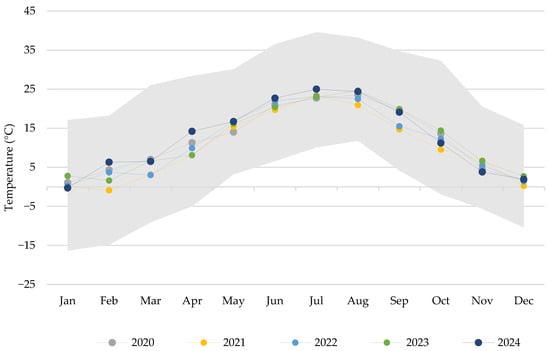
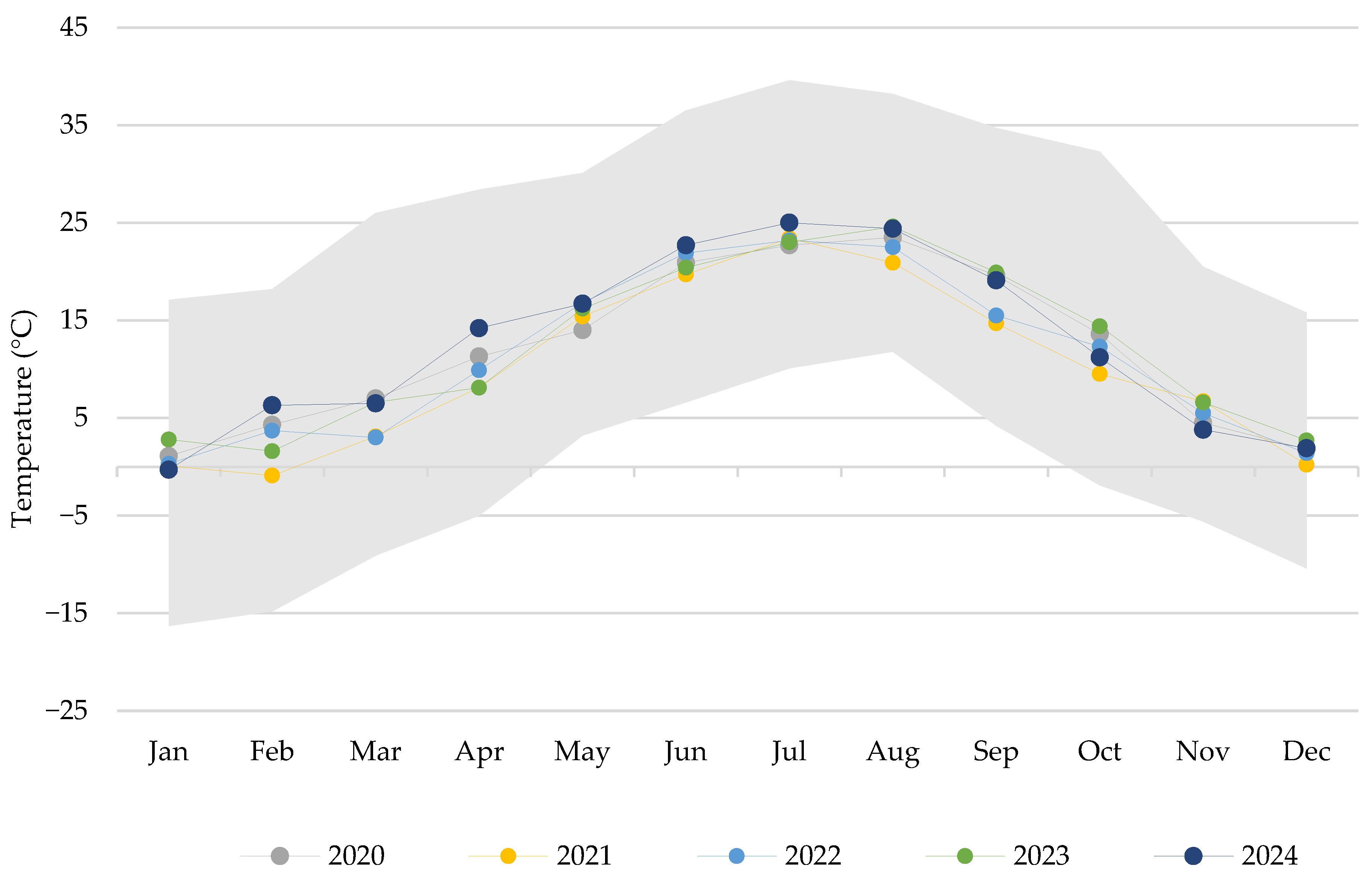
Air temperature data are presented in Figure 1 (with detailed monthly values provided in Table S1). In general, the annual minimum temperature was recorded in January (−8.4 °C in 2020, −16.3 °C in 2021, −11.6 °C in 2022 and −15.5 °C in 2024). In 2023, the minimum temperature of −13.1 °C was recorded in February. On the other hand, maximum temperatures have increased over the last four analyzed years, from 34.5 °C in July 2021 and 36.5 °C in June 2022 to 38.2 °C in August 2023 and 39.6 °C in July 2024.
Figure 1.
Dynamics of air temperature in the Iași-Copou vineyard (2020–2024). The gray shaded area represents the absolute multiannual thermal amplitude (the range between the absolute minimum and maximum temperatures recorded for each month over the five-year study period). The colored lines with circular markers indicate the monthly average temperatures for each individual year.
A significant upward trend in maximum temperatures is observed during the summer months, frequently reaching values over 36 °C. Furthermore, minimum temperatures during the summer months are relatively high, indicating the presence of warm nights. In the winter months, minimum temperatures are variable, with negative values, reflecting freezing conditions.
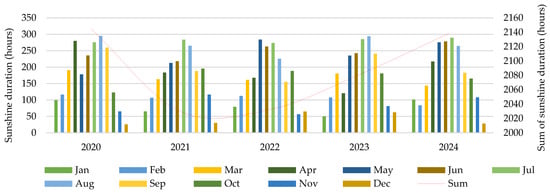
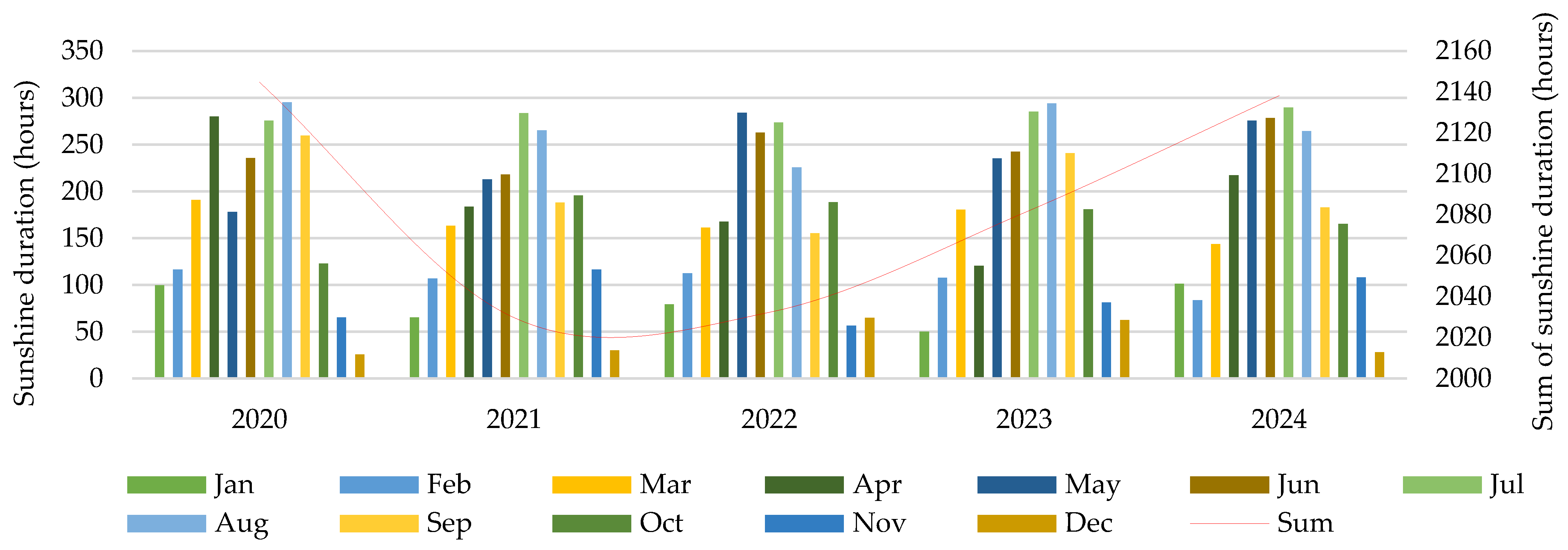
The annual average temperature varies between 10.1 and 12.6 °C, with significant monthly fluctuations. The results indicate a general increasing trend in both average and maximum temperatures, especially during the summer months. The maximum temperatures in July and August have been continuously increasing, from 36.2 °C in 2020 up to values of 39.6 °C in 2024. Thus, 2024 was classified as an extremely hot year because its average annual temperature reached 12.6 °C, which is 2.2 °C higher compared to the average temperature recorded by Filimon et al. [42] for 2014 (10.4 °C) in the Iași-Copou vineyard, aligning with the frequent extreme maximums during the summer months. From Figure 2, it is observed that the highest sunshine duration values were recorded in 2020 and 2024 (2144.8 h and 2138.3 h, respectively).
Figure 2.
Evolution of sunshine duration (hours) in Iași-Copou vineyard (2020–2024). Sum—total hours of sunshine duration.
The thermal accumulation observed in this study suggests a clear change in the climatic profile in the analyzed area [23]. Similar results were also presented by Droulia et al. [49], indicating the frequent presence of temperatures above 30 °C in recent years in Croatian vineyard regions. These findings are consistent with reports from other Eastern European areas, where traditional zoning is increasingly challenged by climate change [24,49].
3.1.2. Soil Temperature Assessment
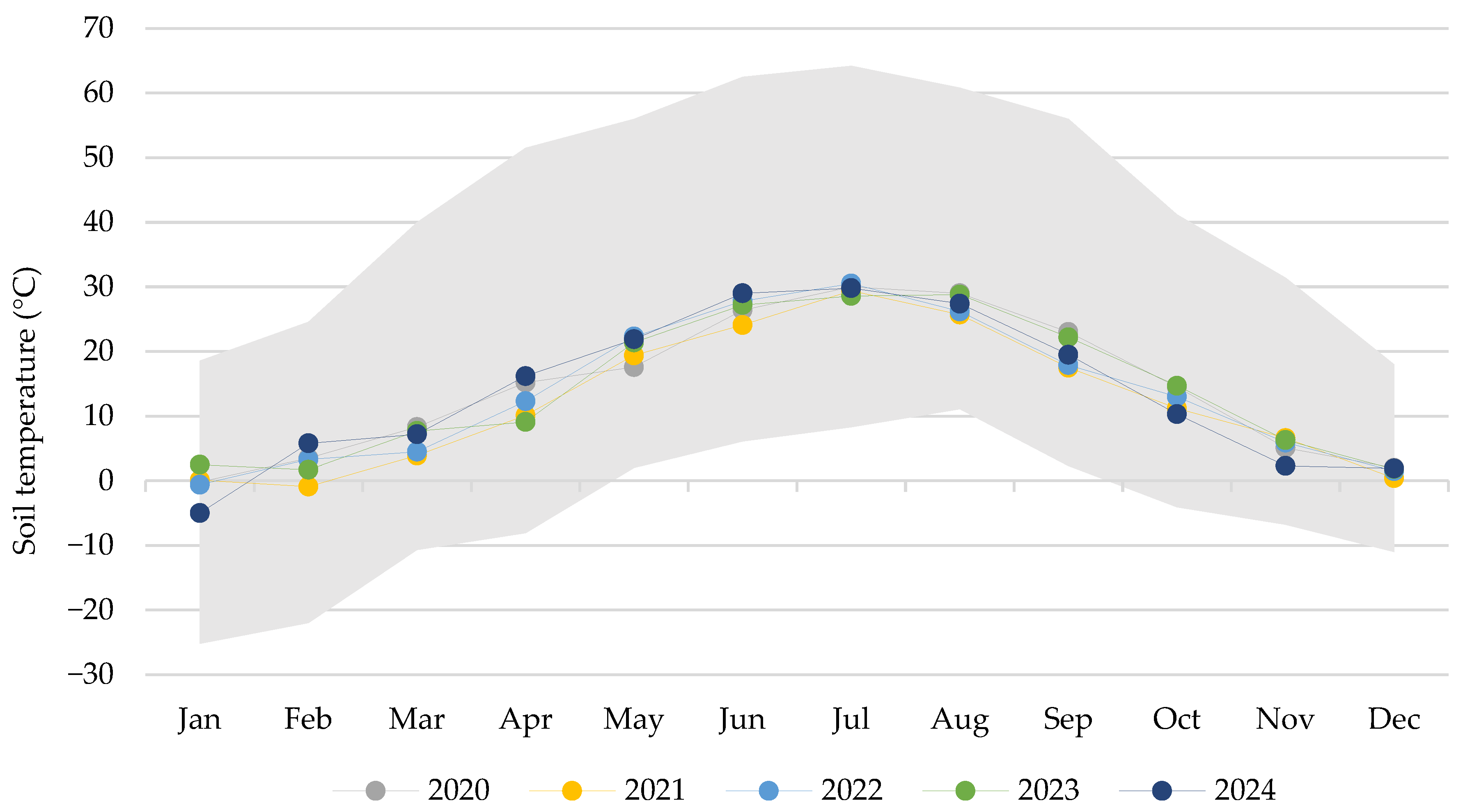
Soil temperature directly influences the growth and development of grapevine roots. During periods of high temperatures (June–July), active plant development is favored, while low values during winter can slow down biological processes and affect root survival. The results show typical seasonal changes, with significant variations from one month to another (Figure 3; detailed monthly values are available in Table S2). For example, during the spring period, considerable increases in soil temperature are observed, which corresponds to the active vegetation period. Soil temperatures are high in the summer months, proportional to the air temperature level. Thus, the maximum temperature was reached in July 2024 (64.2 °C).
Figure 3.
Dynamics of soil temperature in the Iași-Copou vineyard (2020–2024). The gray shaded area represents the absolute multiannual thermal amplitude (the range between the absolute minimum and maximum soil temperatures recorded for each month over the five-year study period). The colored lines with circular markers indicate the monthly average soil temperatures for each individual year.
Analyzing the monthly average values in the summer period, they ranged between 24.1 °C in June 2021 and 30.5 °C in July 2022, indicating significant heat exposure during this period. In the winter months, minimum temperatures fluctuated between −7 °C (in 2020) and −25.2 °C (in 2024). The results indicate an upward trend in the annual average values of soil temperature in the last three years.
3.1.3. Soil Hygroscopicity
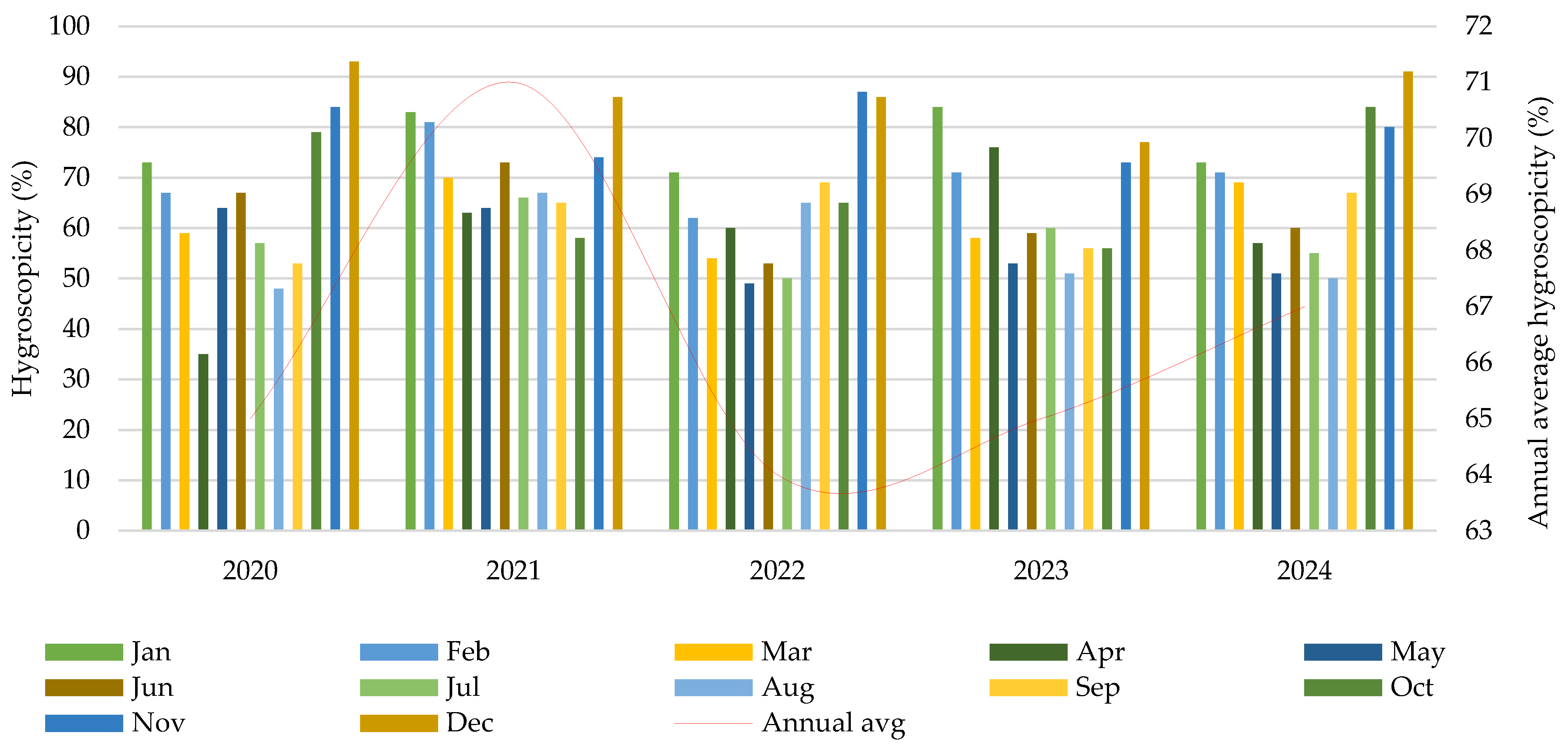
According to the data, 2021 recorded the highest soil moisture retention capacity (71%), corresponding to a year with higher precipitation (Figure 4). On the other hand, 2022 was characterized by the lowest annual average hygroscopicity (64%) due to the pronounced drought conditions, which led to a high degree of soil water evaporation.
Figure 4.
Soil hygroscopicity levels recorded in the Iași-Copou vineyard (2020–2024). Annual avg—annual average hygroscopicity.
3.1.4. Precipitation
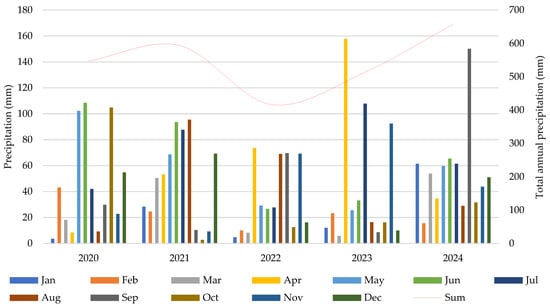
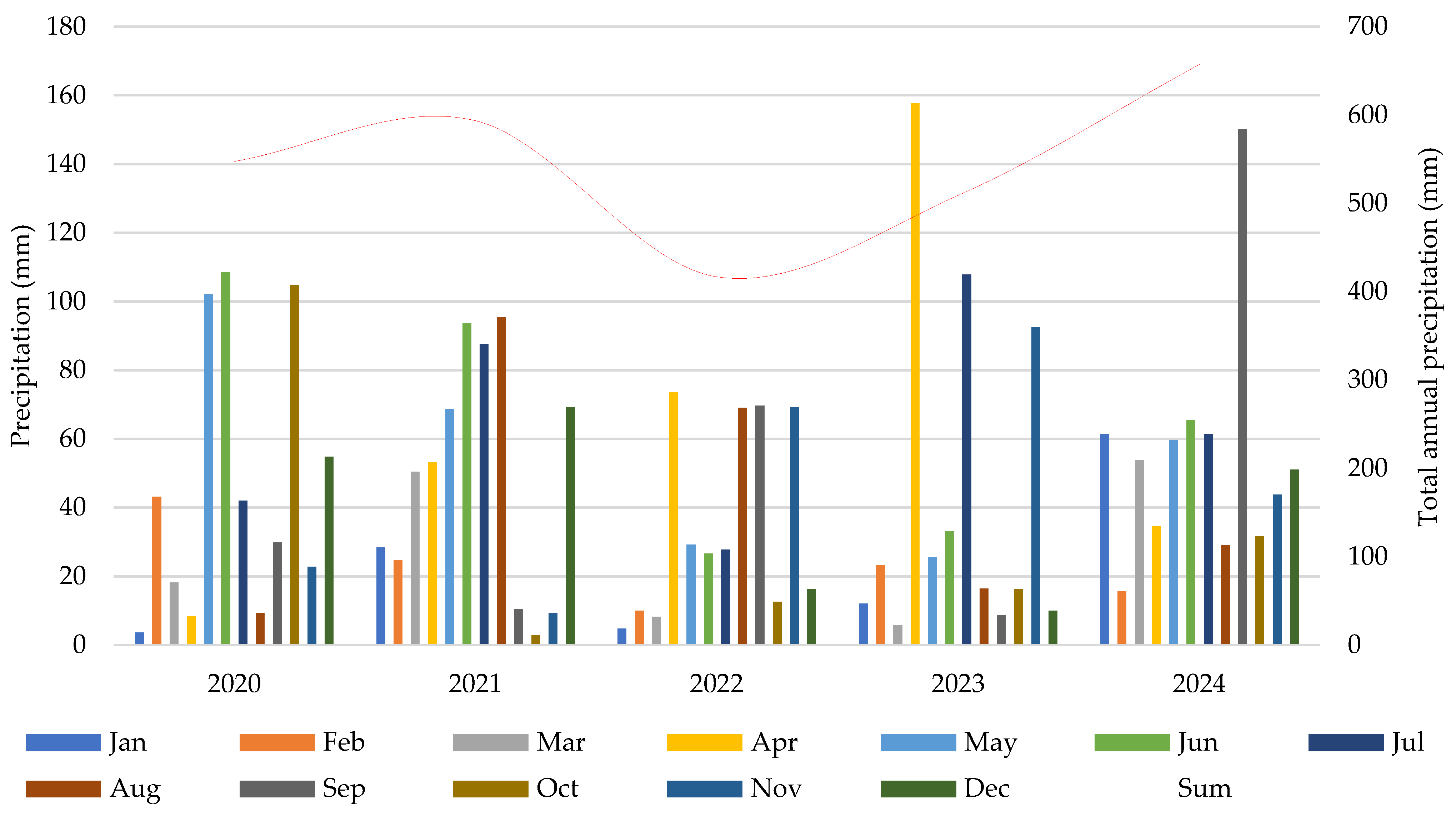
Recorded precipitation varied significantly (Figure 5), with 2024 being characterized by the highest level (657.4 mm), with a maximum value recorded in September (150.2 mm). 2022 was the driest year (416.8 mm), with a maximum of 73.6 mm in April. In addition, 2023 was characterized by the highest precipitation in April (157.7 mm), represented by heavy snowfall.
Figure 5.
Precipitation recorded in the Iași-Copou vineyard (2020–2024). Sum—total annual precipitation.
3.2. Influence of Climatic Variability on Grapevine
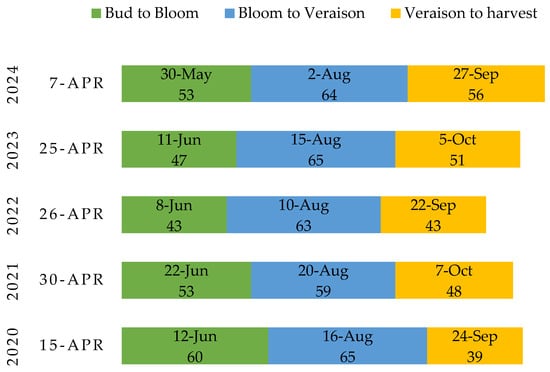
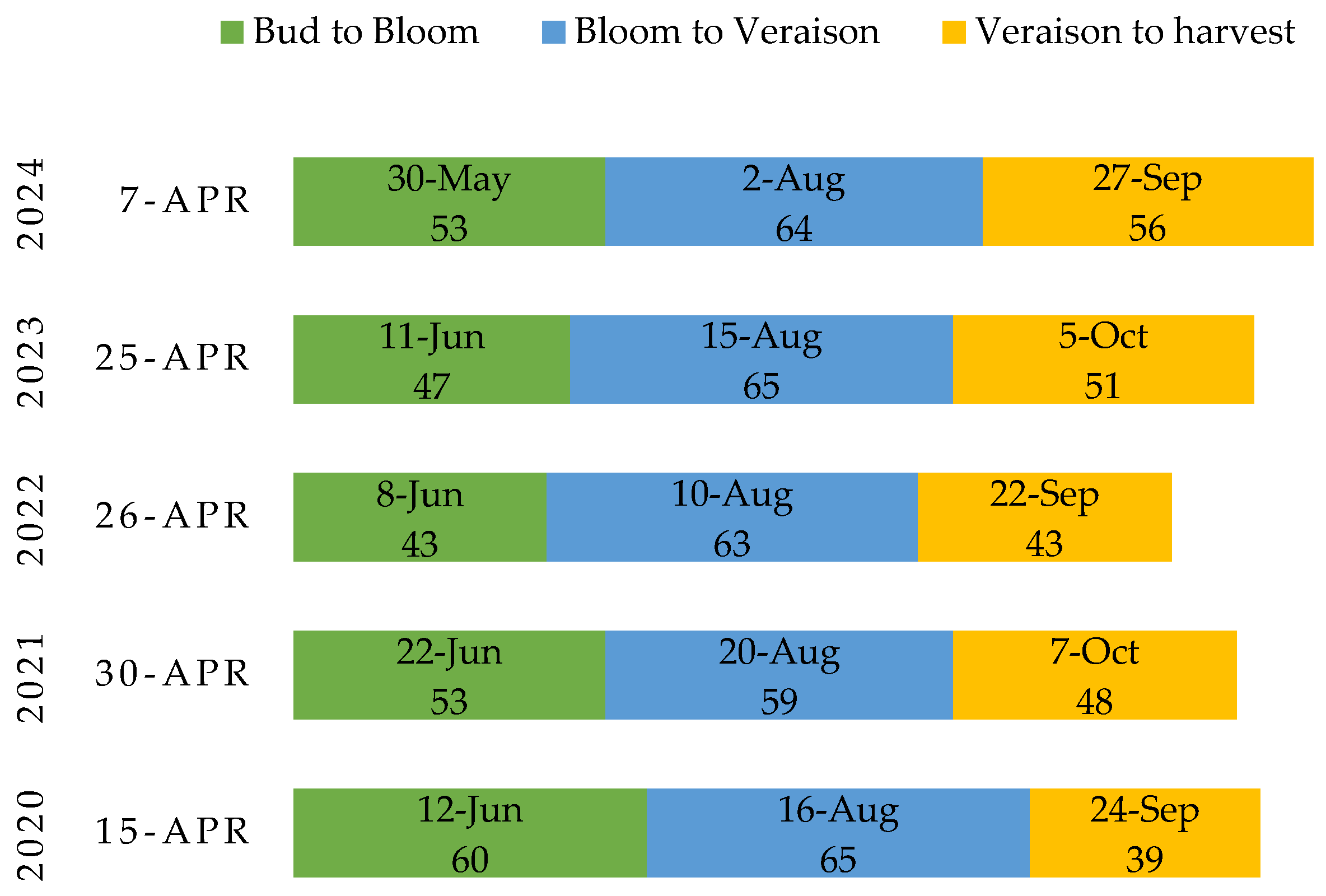
Phenological variations indicate an essential role of the climate in the development of the grapevine, which is fundamental for the harvesting strategy and the type of wine. The results (Figure 6) show a changing trend in phenological development in recent years. It is observed that in 2024, a very early bud break occurred (7 April), indicating a warm spring favorable for vegetation. On the other hand, the latest bud break was in 2021 (30 April). Veraison set in earliest in 2024 (2 August) and latest in 2021 (20 August). The data highlight distinct trends over the analyzed period, with a progressively faster onset of the main phenophases. Thus, the flowering and ripening stages occurred up to 11–13 days earlier in 2024, compared to 2022 and 2023.
Figure 6.
Phenological timeline of Golia variety (2020–2024), illustrating dates of onset and duration (in days) for each growth stage.
This shortened vegetative cycle strongly aligns with documented regional climatic shifts; for instance, Filimon et al. [42] reported a similar 11–14-day harvest advancement for Fetească albă, Fetească regală, Aligoté, and Muscat Ottonel cultivated in the Iași-Copou vineyard over the 1981–2020 period. This regional trend is further contextualized by Irimia et al. [35], who highlighted significant temperature increases in Eastern Romania that are driving changes in grapevine cultivation dynamics. Moreover, Golia’s phenological behavior reflects a widespread European phenomenon. Comparable advancements under recent climatic conditions have been reported for Șarba [50] and Sauvignon blanc [12], where the date of technological maturity has shifted to earlier, warmer periods of the summer, a condition generally considered suboptimal for white cultivars. These field observations are firmly corroborated by predictive models, which anticipate further phenological advancements of 8–12 days in Burgundy, France [51], and up to three weeks in Italian regions [52].
According to Table 1, 2021 and 2024 had the highest number of shoots per vine (54), but their fertility was variable. Thus, in 2021, only 35 shoots were fertile (64.81%), whereas in 2024, 43 fertile shoots were counted, representing 79.63%. The highest proportion of fertile shoots was obtained in 2023 (85.71%), although the total number of shoots was lower (35). The lowest fertility rate was recorded in 2022 (53.84%), which may indicate a negative effect of climatic conditions on the grapevine.
Table 1.
Fertility, productivity and grape quality parameters of Golia variety (2020–2024).
Regarding the number of inflorescences, a higher value was observed in 2024 (54), followed by 2020 (43), 2021 and 2023 (42) and the lowest value was obtained in 2022 (27).
The level of relative fertility (RF) was the highest in 2023 (1.20), with the results being relatively proportional to the initially determined number of inflorescences. The reduced value of fertility indicators in 2022 could be linked to the low precipitation and extreme temperatures, which negatively affected the formation of fertile buds. Although the initial number of fertile shoots was high in 2021, an imbalance between vegetative and reproductive growth was observed, indicated by low relative and absolute fertility (RF = 0.77, AF = 1.20).
Table 1 also presents data related to grapevine productivity during the analyzed period. The relative productivity index (RPI), which reflects the number of grapes reported to the number of fertile shoots, showed the highest value in 2023 (148.8). Based on the absolute productivity index (API, which also includes grape weight), good fruiting capacity was observed in the last two study years. Although the clusters were smaller in 2024, the results show that the highest quantitative value was obtained (5.73 kg/vine). Although 2022 recorded the highest grape weight, the actual yield was the lowest, suggesting a reduction in crop load under drought stress rather than favorable growing conditions. Comparable responses have been reported for several Vitis vinifera L. cultivars cultivated under non-irrigated conditions, confirming that water deficit represents one of the most critical limiting factors for actual grapevine yield in a warming climate [12]. In contrast, years characterized by higher precipitation combined with elevated temperatures (such as 2024) showed a partial recovery of yield, although this increase was not always accompanied by proportional improvements in quality parameters. This response suggests that while water availability can mitigate the negative effects of heat stress on actual yield, the interaction between temperature and precipitation may lead to trade-offs between productivity and compositional balance. Similar observations have been reported in other European vineyards, where warm and wet years promote vegetative growth and yield but may simultaneously alter berry composition and wine typicity [53].
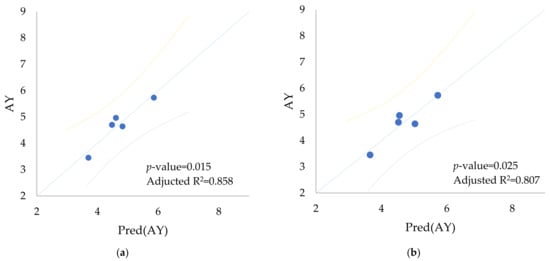
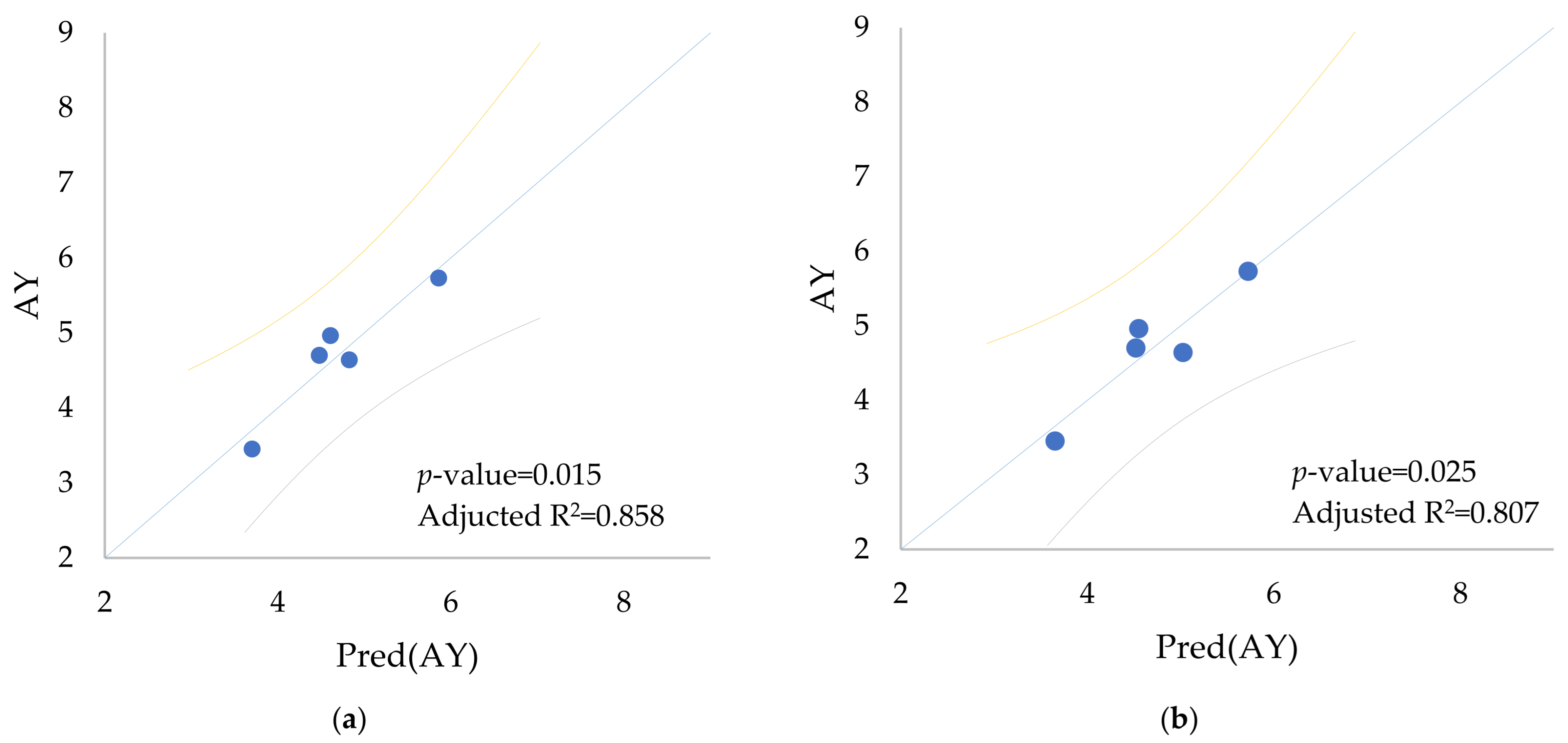
To better understand the synergistic effect of climatic conditions on actual grapevine yield, multiple linear regression models were applied (Figure 7). When considered together, average annual temperature and annual precipitation exerted a highly significant impact on actual yield variability (adjusted R2 = 0.858, p-value = 0.015). Also, the combined climatic parameters during vegetative and ripening periods accounted for 80.7% of the variation in actual yield (adjusted R2 = 0.807, p-value = 0.025). The remaining unexplained variance in the actual yield highlights the contribution of other viticultural factors, such as fertilization, sunshine duration, winds, disease attacks and water stress.
Figure 7.
Observed versus predicted values for actual grape yield (AY) based on multiple linear regression models. The panels illustrate predictions driven by combined key climatic parameters: (a) average annual temperatures and average annual precipitation; (b) average annual temperatures (April–October) and average annual precipitation (April–October). The solid diagonal line represents the 1:1 perfect agreement line, while the curved lines indicate the 95% confidence intervals.
The amount of water available during the growth and ripening period is essential for the final yield by modulating vine water status, as water deficit induces water stress and reduces actual yield, while an excess can favor fungal diseases [54]. As highlighted by the combined models, precipitation during the vegetative and ripening period plays a major role in defining the harvest. When analyzed individually, summer precipitation (June–August) did not show a significant independent impact on actual yield, indicating that previously accumulated water is sufficient for plant development.
An increasing trend in grape and berry weight is observed during the 2020–2023 period, followed by a minor decrease in 2024, which may indicate lower production or the presence of unfavorable climatic conditions. Given that 2022 had the highest values for cluster weight and volume, as well as a high berry weight, it suggests a productive year with favorable conditions. The cluster had the highest weight in 2021 (9.17 g), with the lowest recorded in 2024. This may indicate a difference in cluster formation and compactness. In general, the results emphasize a good capacity for adaptation to climatic conditions, with stable productivity and the possibility of regulating crop load through pruning and growth management practices.
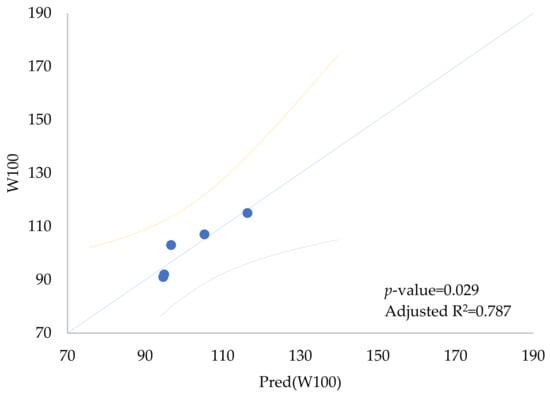
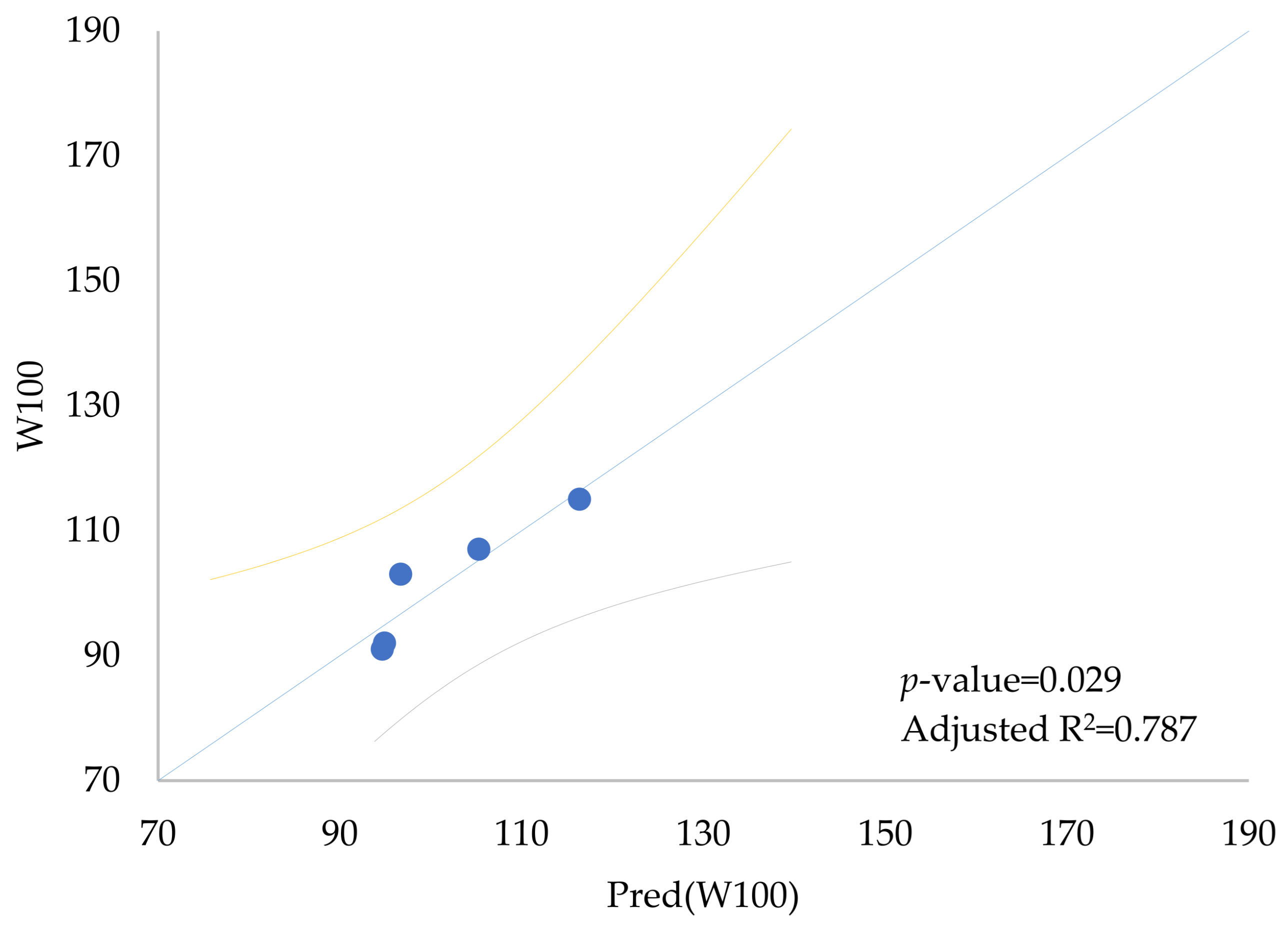
To establish the optimal harvest time, parameters such as the 100-berry weight (W100), grape sugars (GS) and total acidity were determined. Regarding the first parameter, a descending trend has been recorded in recent years, corroborated by an increase in the annual average temperature and sunshine duration value. Furthermore, while the results indicate a weak association with annual average precipitation and soil temperature individually, the multiple regression analysis (Figure 8) revealed a significant impact of combined climatic conditions (average annual air and soil temperatures alongside sunshine duration).
Figure 8.
Observed versus predicted values for 100—berry weight (W100) on multiple linear regression models. The panels illustrate predictions driven by combined climate parameters: annual soil temperatures, average annual air temperatures (T °C) and sunshine duration. The solid diagonal line represents the 1:1 perfect agreement line, while the curved lines indicate the 95% confidence intervals.
The phenological advancement observed in the Golia variety during extremely hot years, such as 2024, represents a widespread response across Eastern European viticulture. Similar trends have been reported for other grape cultivars grown in Romania, where elevated temperatures accelerate ripening and modify berry biochemical composition, promoting sugar accumulation at the expense of organic acids [55].
The physicochemical properties of the grapes (sugars, total acidity, pH) at the time of harvest provide information about the grape ripening status and the potential wine quality. Sugar concentrations ranged from 220 g/L in 2024 to 230 g/L in 2021, while the lower values observed in 2023 may be associated with specific climatic conditions or increased yield levels. Total acidity showed pronounced interannual variation, with the highest value recorded in 2023 (7 g/L C4H6O6), suggesting delayed maturation or the presence of lower temperatures. Conversely, the lowest acidity was recorded in 2022 (4.6 g/L C4H6O6), likely due to elevated temperatures that enhanced acid degradation. The pronounced decrease in total acidity observed in the warmest year (2022) aligns with reported reductions of up to 2.5 g/L under elevated temperature regimes, confirming the vulnerability of acid balance to climate warming [56].
In 2024, grapes exhibited relatively balanced sugar content and total acidity. pH values varied substantially among years, ranging from 2.84 (2021) to 3.67 (2024). The elevated pH observed in 2024 suggests reduced microbiological stability and a potential impact on wine freshness. Similar increases in must pH (0.2–0.4 units) have been reported in warm and humid years, reinforcing concerns regarding wine stability under climate warming scenarios [56].
Average summer temperatures did not significantly influence grape sugar accumulation or total acidity. This lack of correlation suggests that these parameters are not directly affected by air temperatures, which may indicate that other factors (such as precipitation, soil type, or vine management) have a greater impact on the final fruit composition [57]. Consistent with previous findings [56], increased temperatures did not uniformly enhance sugar accumulation, especially under drought conditions, suggesting that thermal stress combined with water deficit may limit carbohydrate assimilation despite advanced ripening.
3.3. Impact of Climatic Conditions on Physicochemical Parameters of Wine
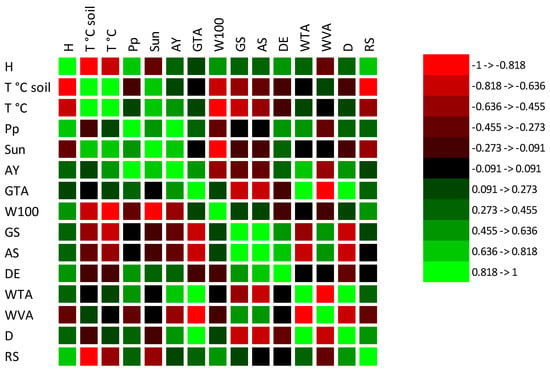
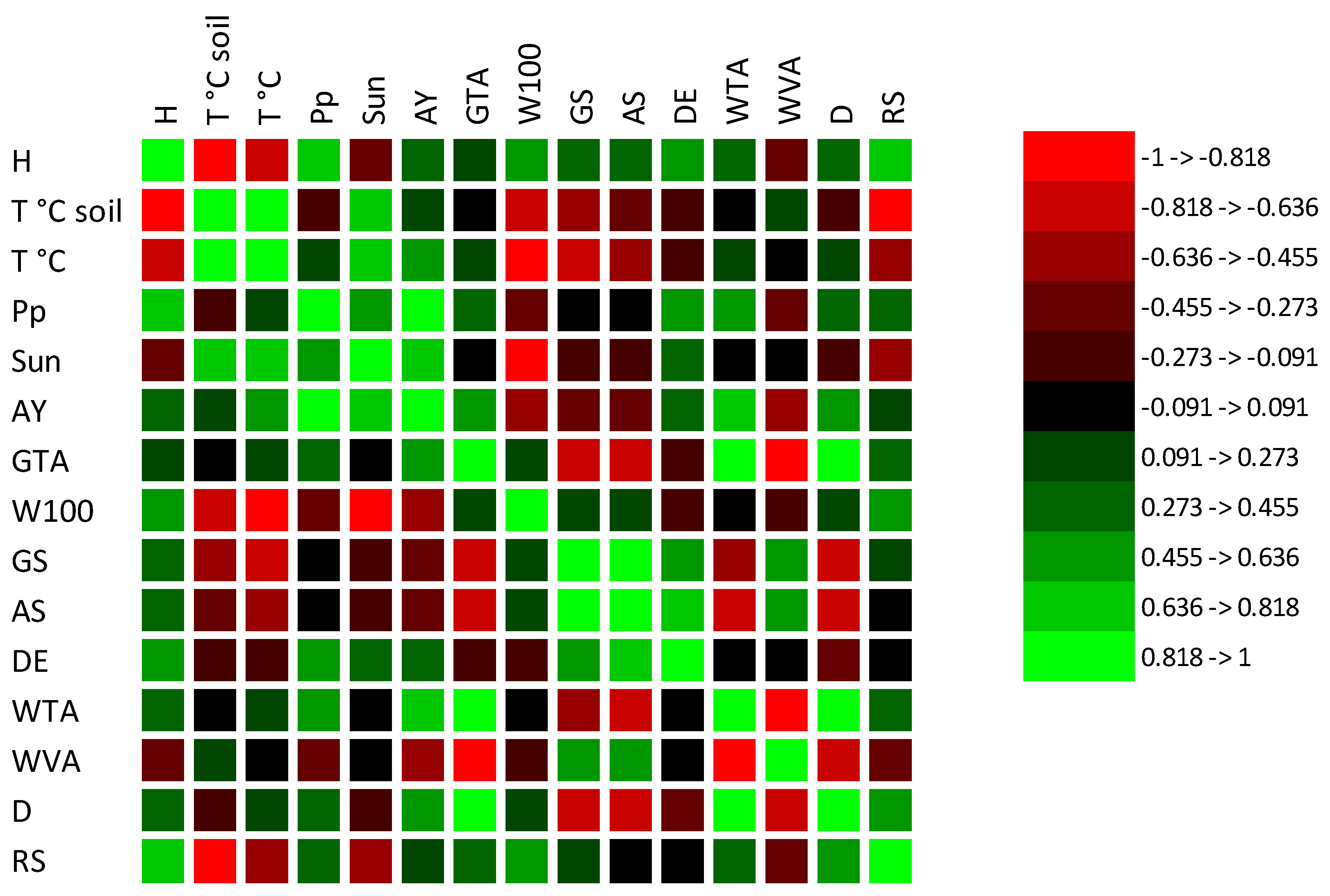
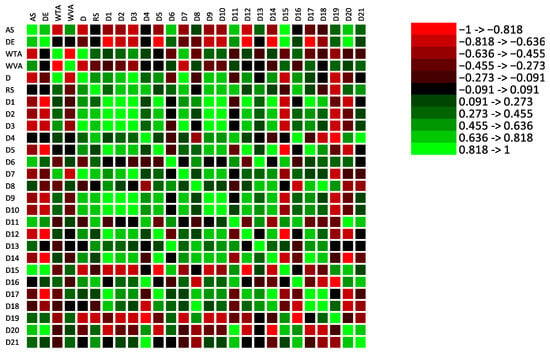
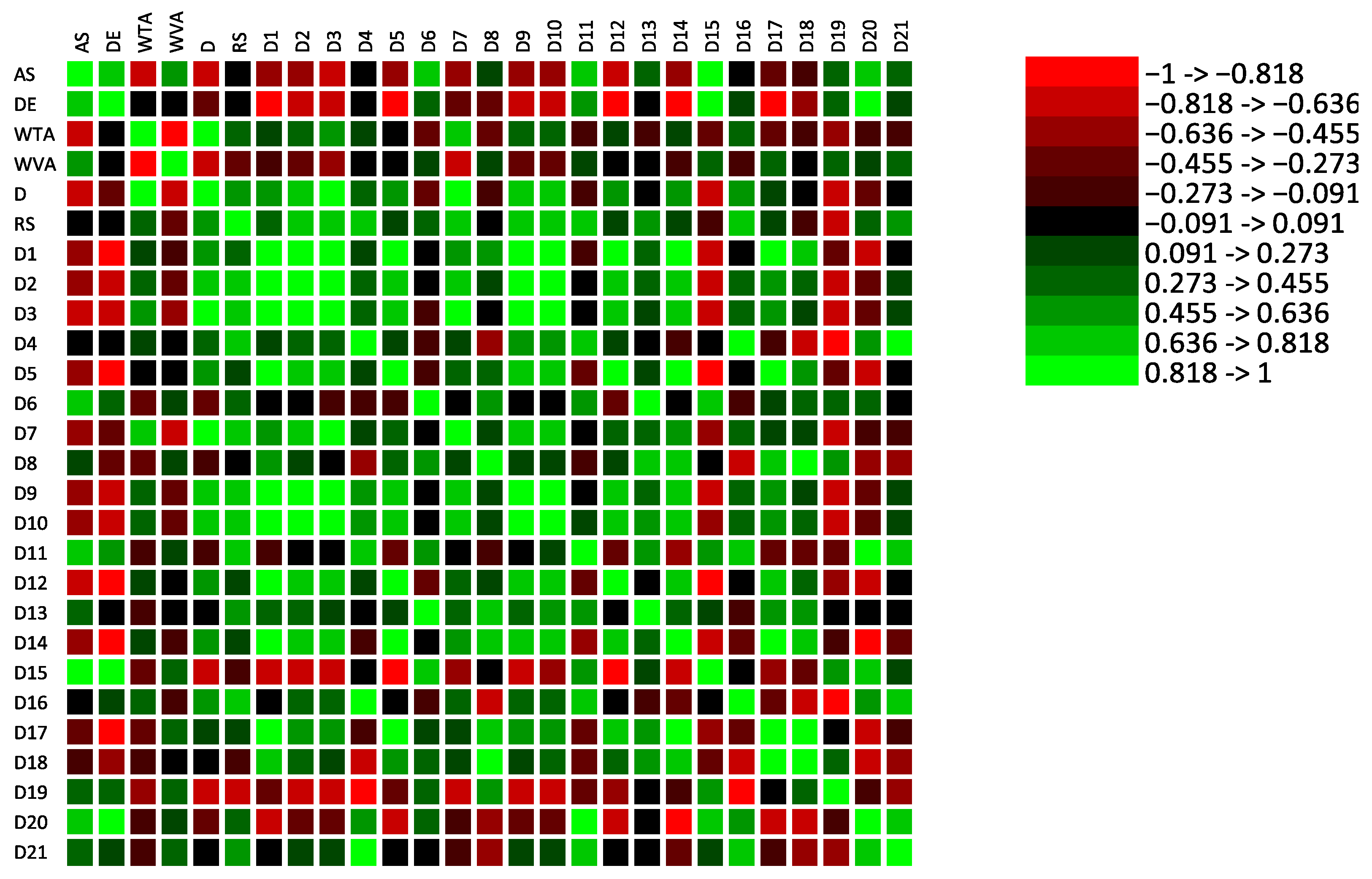
The physicochemical quality of wines is determined by both the quality of the raw material and the winemaking conditions. In general, the analyzed wines were dry (Table 2), with reducing sugar content ranging from 0.86 g/L (in 2020) to 2.80 g/L (in 2021). As shown in Figure 9, a negative correlation was observed between the reducing sugar content of the wine and average soil temperature (r = −0.880, p-value = 0.049), indicating an inverse relationship.
Table 2.
Physicochemical characteristics of Golia wines (2020–2024).
Figure 9.
Correlations between climatic conditions and the main physicochemical parameters. H—soil hygroscopicity; T °C soil—average annual soil temperature; T °C—average annual air temperature; Pp—average annual precipitation; Sun—sunshine duration; AY—actual yield; GTA— Grape total acidity W100—100-berry weight; GS—sugar in grapes; AS—alcoholic strength; DE—dry extract of wines; WTA—total acidity of wine; WVA—volatile acidity of wine; D—density; RS—reducing sugar.
The analyzed samples showed an alcoholic strength ranging from 12.4% alc. vol. (2023) to 13.4% alc. vol. (in 2020), values proportional to the sugar content of Golia grapes (r = 0.988, p-value = 0.002) and the higher temperatures recorded at the beginning of the study period (2020 and 2021). Higher alcohol content contributes to increased biological stability [39]. Studies conducted in western and southern Romania [22,27,34] report an increase in average temperatures during the growing season of approximately 0.5–1.5 °C, associated with earlier phenological stages, higher grape sugar accumulation (200–240 g/L), and potential alcohol levels frequently exceeding 12.5–13.5% vol.
Total acidity ranged from 4.42 g/L (in 2022) to 6.10 g/L C4H6O6 (in 2023), being strongly correlated (r = 0.975, p-value = 0.005) with grape acidity and wine density (r = 0.858, p-value = 0.063). This parameter is essential for ensuring stability and defining the sensory profile of wines. Reported total acidity values for Romanian white wines generally range between 4.0 and 7.5 g/L C4H6O6, while volatile acidity typically remains within 0.20–0.45 g/L [30,34]. Similar results were described by Nistor et al. [29], who identified strong positive correlations between temperature and sugar content (r > 0.85) and negative correlations with total acidity (r ≈ −0.80) in Sauvignon blanc and Pinot gris wines.
The SO2 level was higher in the last two years of the study, highlighting the need for enhanced wine stability. Minor variations were observed in density (0.9902 in 2020 and 0.9914 in 2023), correlating with both alcoholic strength and non-reducing dry extract. Volatile acidity showed an inverse correlation with the acidity level of grapes (r = −0.960, p-value = 0.009).
It is crucial to understand how the wine’s physicochemical parameters will evolve in the future in order to implement preventive measures that preserve its typical characteristics and consistent quality. According to Colibaba et al. [50], the projected harvest date for Șarba grapes in 2050 may need to be advanced by 17 days to maintain the wine’s profile. The most optimistic scenario predicts a shift of only 7 days earlier, ensuring that the physicochemical composition remains intact.
3.4. Impact of Climatic Conditions on Sensory Characteristics of Wine
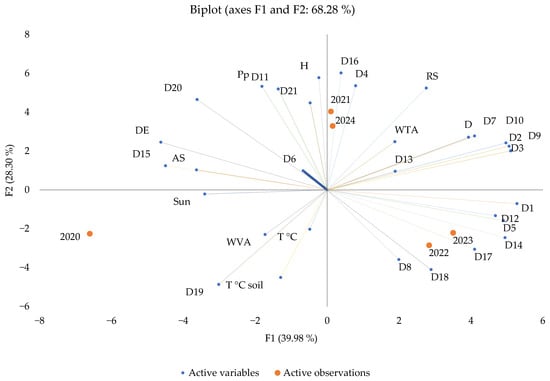
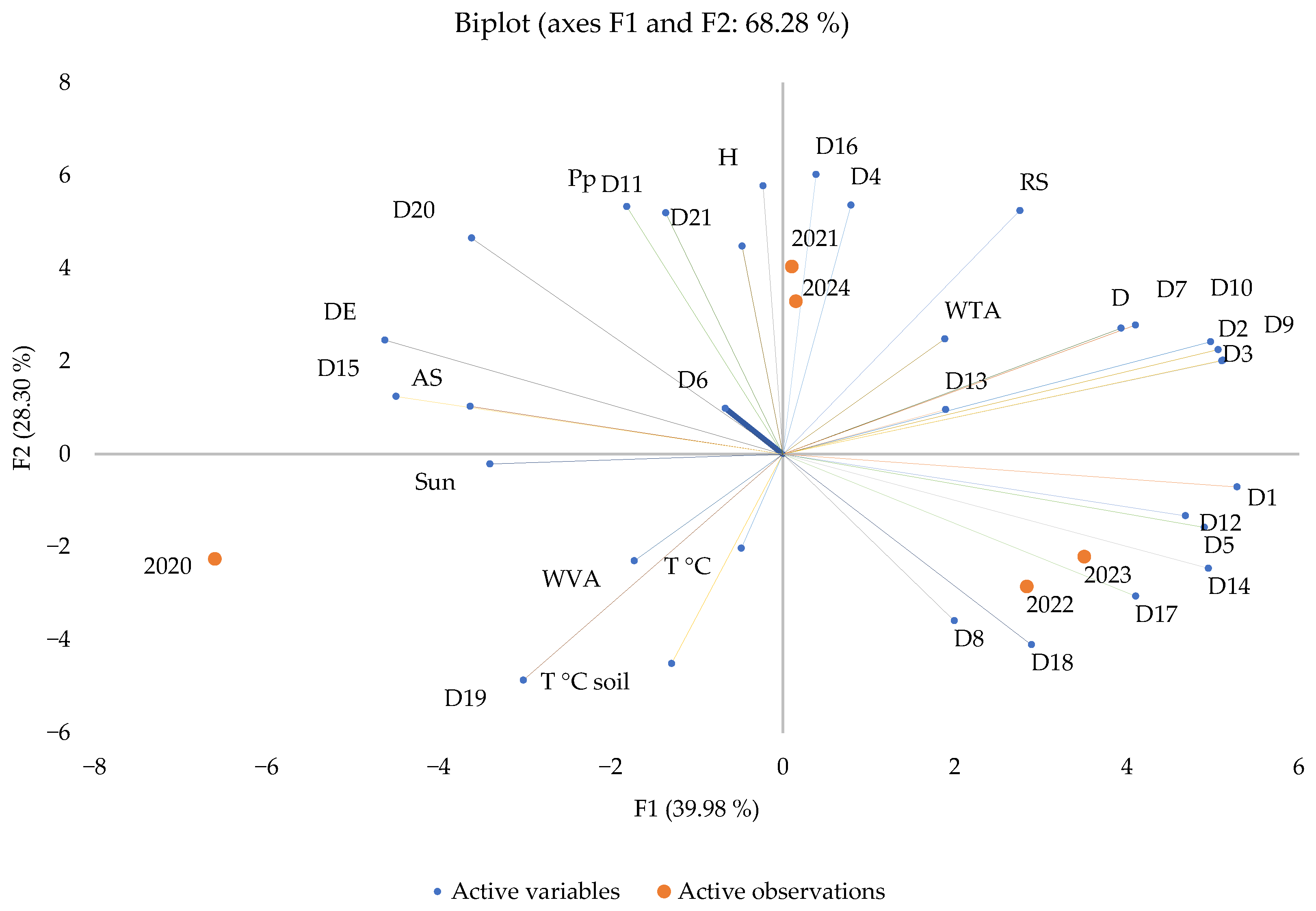
Figure 10 illustrates the direct impact of climatic variables on the sensory profiles of the analyzed wines. The first two principal components (F1 and F2) captured a robust 68.28% of the total variance. The PCA biplot diagram shows a clear separation of the 2020 harvest, which is distinctly positioned in the negative quadrant of the F1 axis. This indicates a highly atypical climatic and oenological profile compared to the other years studied. The 2020 year is strongly associated with prolonged sunshine duration, which consequently led to higher alcoholic strength and increased dry extract. From a sensory perspective, the climatic conditions of 2020 favored the development of more complex notes, showing strong correlations with honey, unctuous and phenolic descriptors.
Figure 10.
A Principal Component Analysis biplot illustrating the multivariate relationships between climatic conditions, wine physicochemical parameters and sensory descriptors for the Golia samples (2020–2024). Orange dots represent the active observations (analyzed years). Blue dots represent the active variables. Climatic parameters: T °C—annual average air temperature, T °C soil—annual average soil temperature, Sun—sunshine duration, Pp—average annual precipitation, and H—soil hygroscopicity. Physicochemical parameters: AS—alcoholic strength, DE—dry extract, WTA—wine total acidity, WVA—wine volatile acidity, and RS—reducing sugar. Sensory descriptors: D1—mineral, D2—vegetal, D3—elderflowers, D4—jasmine, D5—grapevine flowers, D6—roses, D7—linden flowers, D8—basil, D9—citrus, D10—pears, D11—peaches, D12—green apples, D13—exotic fruits, D14—green pepper, D15—honey, D16—sweet, D17—acid, D18—bitter, D19—phenolic, D20—unctuous, and D21—persistence.
The 2021 and 2024 samples cluster closely together in the upper section of the plot, suggesting similar climatic influences and wine profiles. These years are positively correlated with higher precipitation levels and soil hygroscopicity. In terms of wine composition, this cluster is characterized by higher reducing sugars. Sensory analysis aligns with these parameters, as the 2021 and 2024 samples exhibit prominent sweet notes, accompanied by delicate floral (jasmine) and fruity aromas (like peaches), as well as a longer persistence.
Conversely, the 2022 and 2023 years form a distinct cluster in the lower-right quadrant, defined by a noticeably different chemical and aromatic profile. These wines are strongly defined by higher total acidity and a predominantly fresh, green sensory profile. Specifically, the 2022 and 2023 samples demonstrate strong positive correlations with mineral notes, green apples, grapevine flowers and green pepper, alongside more pronounced acidic and bitter tastes.
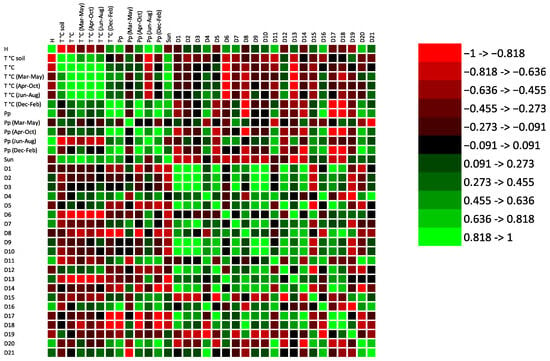
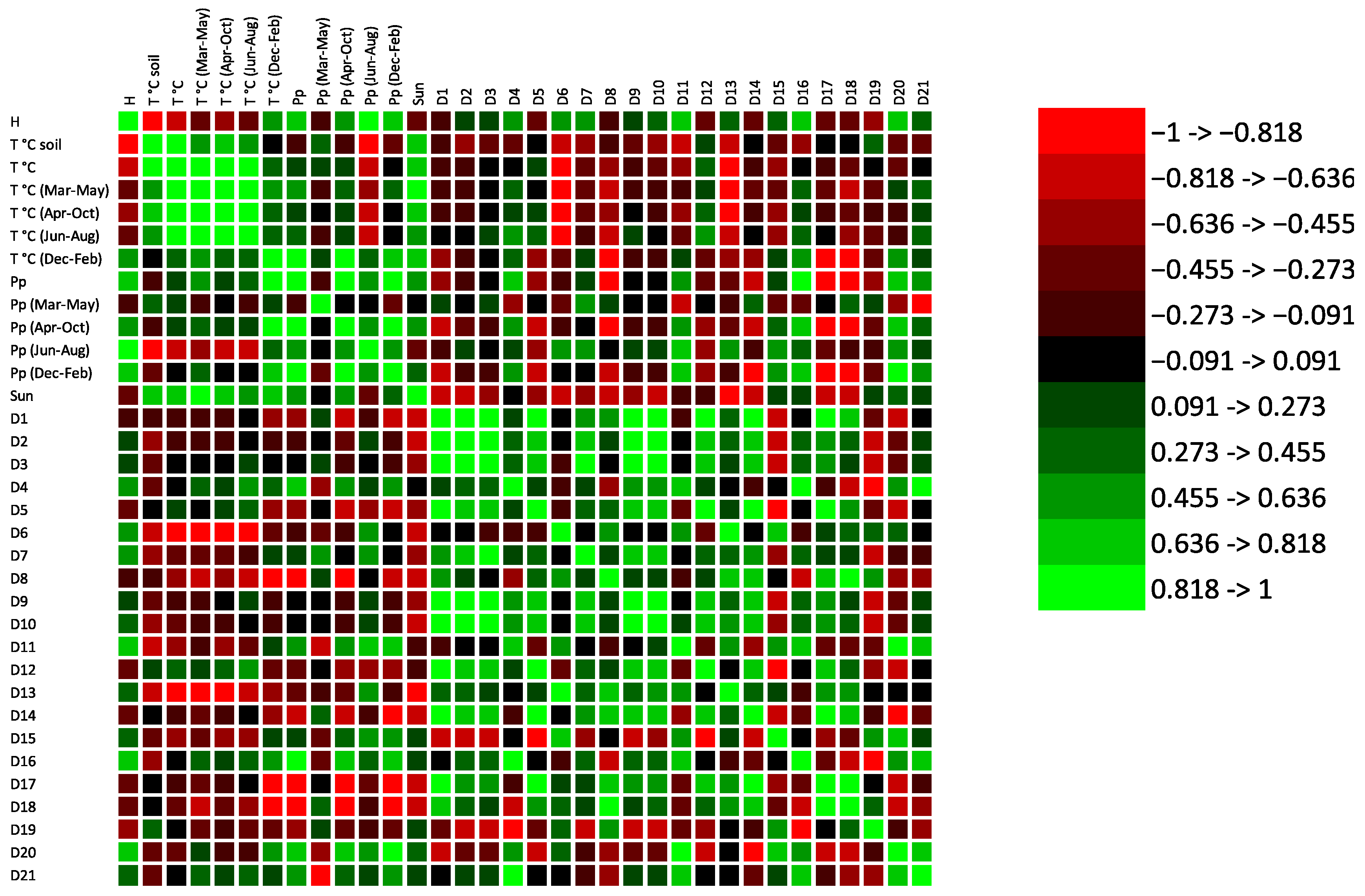
The variable impact of climatic conditions on the sensory characteristics of wines is also confirmed by the correlation matrices presented in Figure 11 and Figure 12. The values of annual average temperatures show a significantly negative correlation with the notes of roses (r = −0.954, p-value = 0.012) and exotic fruits (r = −0.940, p-value = 0.017), the greatest influence being highlighted in the spring–summer period (IV-X).
Figure 11.
Correlations between the physicochemical parameters and sensory characteristics of the analyzed wines. D1—mineral; D2—vegetal; D3—elderflower; D4—jasmine; D5—grapevine; D6—roses; D7—linden flowers; D8—basil; D9—citrus; D10—pears; D11—peaches; D12—green apples; D13—exotic fruits; D14—green pepper; D15—honey; D16—sweet; D17—acid; D18—bitter; D19—phenolic; D20—unctuous; D21—persistence; H—soil hygroscopicity; T °C soil—average annual soil temperature; T °C—average annual air temperature; Pp—average annual precipitation; AS—alcoholic strength; DE—dry extract; WTA—wine total acidity; WVA—volatile acidity of wines; D—density; RS—reducing sugar.
Figure 12.
Correlations between climatic conditions and the sensory characteristics of the analyzed wines. D1—mineral; D2—vegetal; D3—elderflowers; D4—jasmine flowers; D5—grapevine flowers; D6—roses; D7—linden flowers; D8—basil; D9—citrus; D10—pears; D11—peaches; D12—green apples; D13—exotic fruits; D14—green pepper; D15—honey; D16—sweet; D17—acid; D18—bitter; D19—phenolic; D20—unctuous; D21—persistence; T °C soil—average annual soil temperature; T °C—average annual air temperature; Pp—average annual precipitation; Sun—sunshine duration.
According to Shmuleviz et al. [58], the compounds responsible for fruity and floral notes in wines (such as monoterpenes and norisoprenoids) require heat to be synthetized, with spring and summer being critical periods for the accumulation of aromatic precursors. However, these components are better preserved at moderate temperatures. Higher temperatures can accelerate vine metabolism, reducing the optimal period for the accumulation of aromatic precursors and promoting the degradation of some of them before harvest. In addition, the activity of certain enzymes involved in the formation of terpenes and norisoprenoids may be reduced at high temperature. From Figure 12, positive relationships were identified between unctuosity and precipitation levels, with the greatest influence observed during the winter season (r = 0.935, p-value = 0.019). Wines that generally showed higher reducing sugar contents were characterized by better mouthfeel and longer persistence.
The grapevine flower note is strongly negatively influenced by the dry extract value, whereas other floral notes (r > 0.8 for linden flowers and elderflower notes) are most strongly linked to density (Figure 12). Thus, a higher dry extract may induce a more pronounced body, diminishing the perception of delicate floral notes in favor of fruity or sweet notes. Regarding the impact of climatic conditions, the results indicate a strong negative relationship between fruity notes (exotic fruits) and the annual average air temperature (R2 = 0.817, p-value = 0.023), as well as with soil temperature and sunshine duration. Mean soil temperature values moderately impacted the fruity notes of the wines (peach and exotic fruits, r > −0.8). Bitter (r = −0.919, p-value = 0.027) tastes received higher scores in samples from drier years.
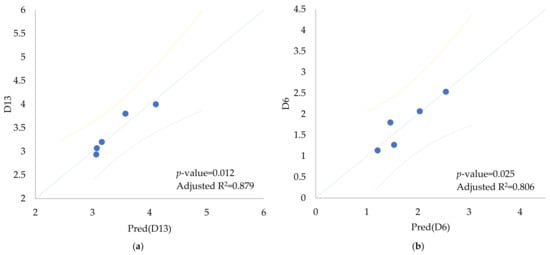
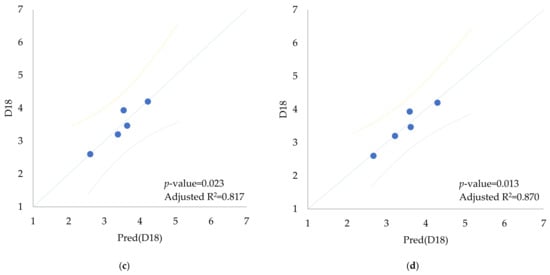
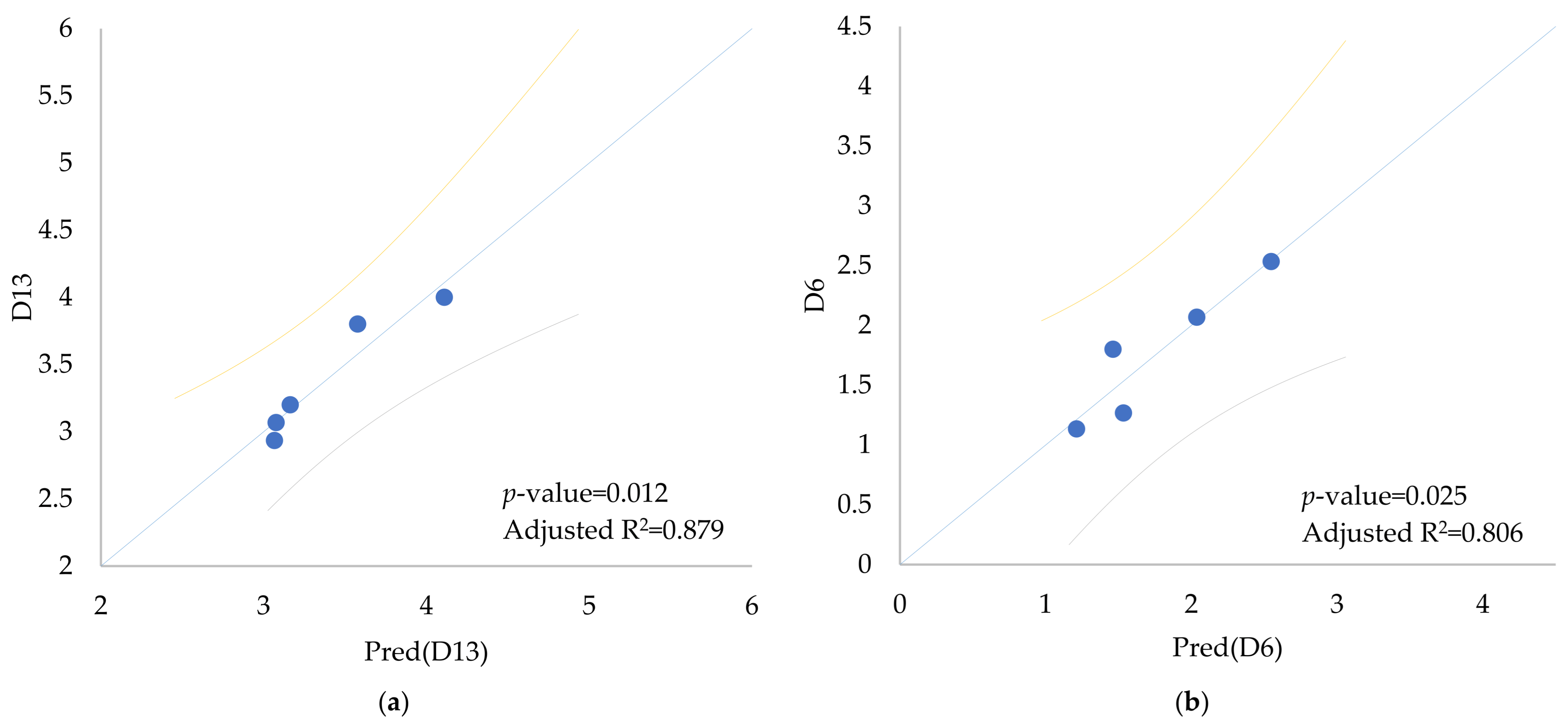
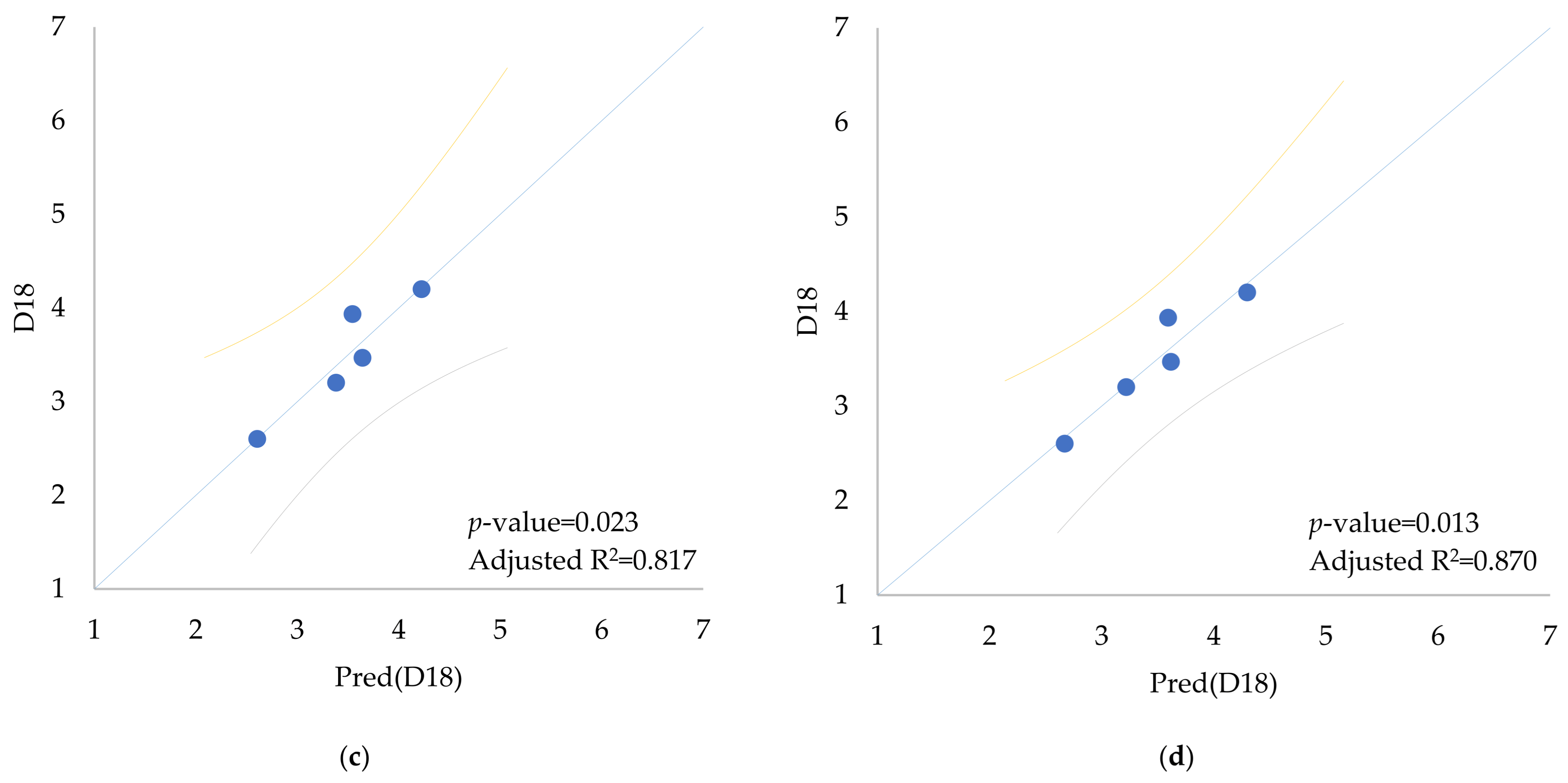
Figure 13 illustrates the combined effect of climatic conditions on specific sensory descriptors of wines. The multiple linear regression model for exotic fruits, driven by annual average air temperature, soil temperature and sunshine duration, showed an excellent fit, explaining 87.9% of the variance (adjusted R2 = 0.879, p = 0.012). Similarly, rose notes were effectively predicted by air temperature and sunshine duration (adjusted R2 = 0.806, p = 0.025). Regarding gustatory attributes, the bitter taste (D18) was modeled using vegetative period climate parameters (April–October). Precipitation deficits intensify the perception of unbalanced acid and bitter descriptors. In contrast, years characterized by higher precipitation combined with elevated temperatures (such as 2024) promoted the development of a different sensory profile. The diminished intensity of delicate floral and exotic fruit descriptors during unusually warm vintages underscores the susceptibility of aromatic precursors to heat stress. Comparable shifts in wine typicity (marked by the fading of signature primary aromas alongside the emergence of overripe or bitter sensory attributes) have been extensively documented across the Mediterranean basin and other climate-vulnerable regions. These widespread trends highlight the pressing need to implement adaptive viticultural strategies [56].
Figure 13.
Observed versus predicted values for key sensory descriptors on multiple linear regression models. The panels illustrate predictions driven by climatic parameters: (a) exotic fruits (D13) with annual average air temperature, soil temperature and sunshine duration; (b) roses (D6) with annual average air temperature and sunshine duration; (c) bitter taste (D18) with average air temperature and average precipitation; (d) bitter taste (D18) with average air temperature (April–October) and average precipitation (April–October). The solid diagonal line represents the 1:1 perfect agreement line, while the curved lines indicate the 95% confidence intervals.
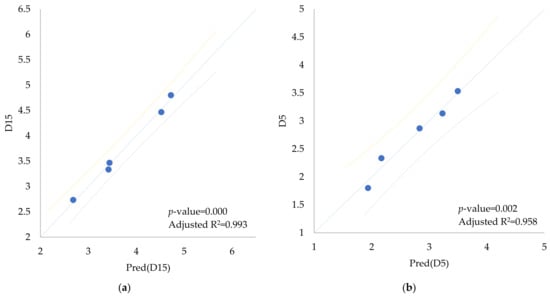
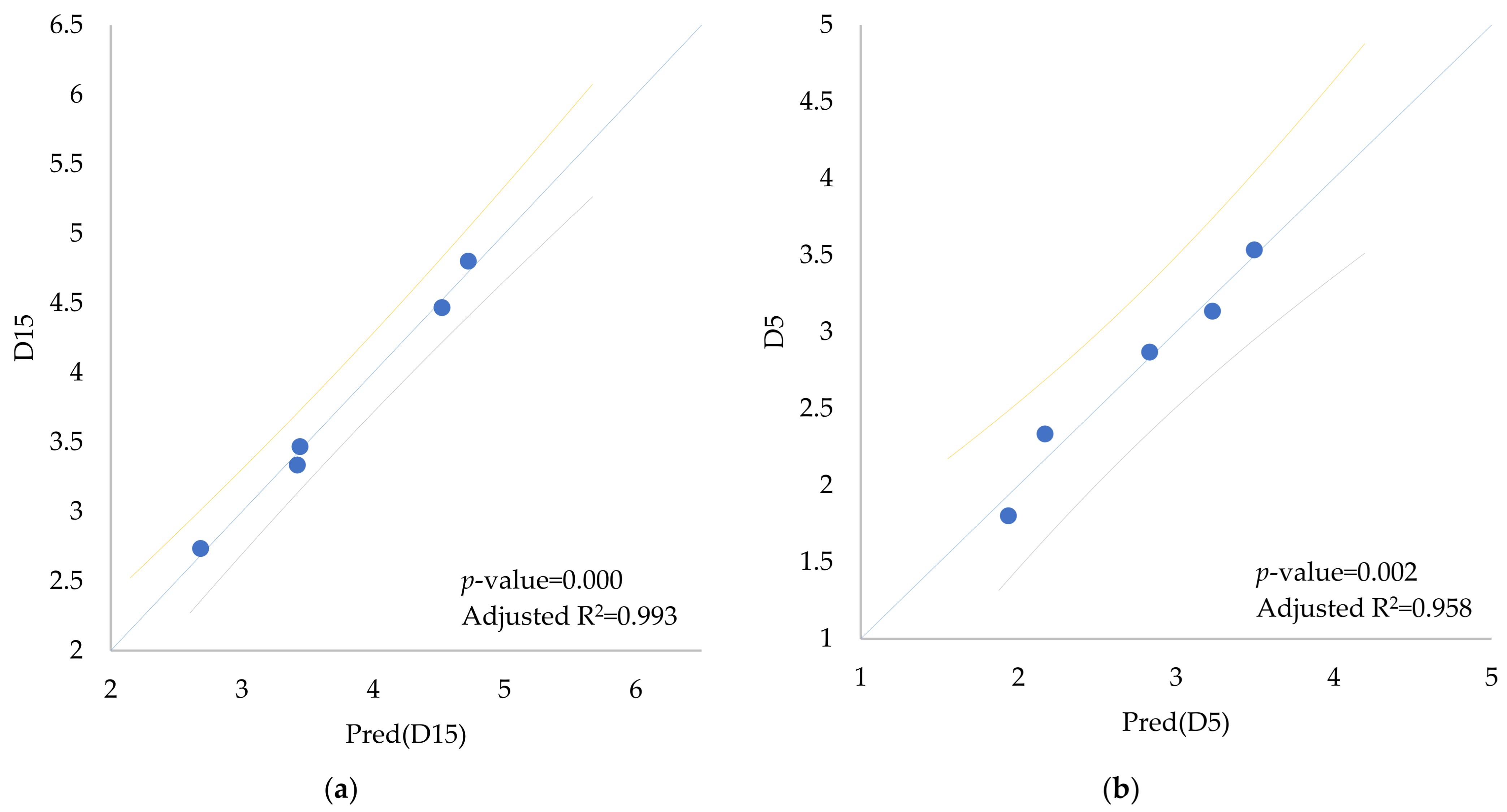
According to Liu et al. [59], the presence of ethanol at higher concentrations significantly affects the perception of sensory characteristics by enhancing the solubilization and release of certain volatile compounds. From an oenological perspective, the almost perfect prediction of the honey descriptor by alcoholic strength and dry extract (adjusted R2 = 0.993) can be attributed to this phenomenon. Furthermore, the grapevine flowers descriptor was strongly modeled by the non-reducing dry extract alone, accounting for 95.8% of its variance (adjusted R2 = 0.958, p = 0.002) (Figure 14). The dry extract contributes to defining the wine’s body, and together with elevated alcohol levels, it intensifies the perception of sweet sensations characteristic of honey and creaminess. Consequently, under the analyzed climatic conditions, these factors shifted the wine away from its typical fresh and crisp nature, masking the delicate primary aromas of the variety. Additionally, the observation that high thermal regimes significantly suppress the expression of rose and exotic fruit notes strongly validates the high volatility and accelerated degradation of these specific aromatic compounds under heat stress.
Figure 14.
Observed versus predicted values for key sensory descriptors on linear regression models. The panels illustrate predictions driven by wine physicochemical parameters: (a) honey (D15) with alcoholic strength and dry extract; (b) grapevine flowers (D5) with dry extract. The solid diagonal line represents the 1:1 perfect agreement line, while the curved lines indicate the 95% confidence intervals.
These results suggest that traditional rain-fed viticulture may no longer be sufficient to ensure consistent wine quality under increasing climatic variability. Consequently, adaptive vineyard management strategies are required to sustain yields while preserving the typicity and long-term viability of local grape varieties. Critically assessing these findings, it is evident that Golia’s phenotypic plasticity is heavily constrained by extreme thermal stress, which induces a severe decoupling between technological sugar accumulation and aromatic maturity. Unlike more resilient or late-ripening cultivars, Golia’s pronounced vulnerability to rapid acid degradation and aroma volatilization indicates that its traditional oenological identity is fundamentally at risk under current warming trends, necessitating urgent agronomical interventions.
3.5. Study Limitations
Although this study provides valuable insights into the performance of the Golia variety, several limitations should be acknowledged. First, the research was conducted at a single viticultural site (Iași-Copou) and focused exclusively on the local Golia variety. The inclusion of comparative trials involving internationally recognized reference cultivars, such as Sauvignon blanc, and the evaluation of Golia under different pedoclimatic conditions would allow for a more comprehensive assessment of its phenotypic plasticity and adaptive potential. Furthermore, although robust multifactorial statistical models were applied to evaluate the combined effects of climatic and oenological parameters, and significant climatic extremes were identified during the five-year study period, a longer-term dataset would be required to fully capture interannual climatic variability and long-term climate trends. In addition, the sensory analysis was not supported by a direct quantitative correlation with instrumental aroma analysis. The integration of chromatographic techniques for the identification and quantification of volatile compounds would improve the interpretation of sensory responses and provide a more detailed understanding of the mechanisms underlying the observed aromatic profiles.
4. Conclusions
This study confirms the hypothesis that extreme interannual climatic variations profoundly alter the agronomic performance and oenological identity of the Golia variety in the Iași vineyard. The continuous warming trend, culminating in the extreme thermal conditions of 2024, induced a marked advancement of phenological stages by up to 11–13 days. This demonstrates the rapid and severe impact of climate change on local viticulture. Climatic stressors, particularly severe droughts (as recorded in 2022) and heatwaves, dictated the harvest’s quantitative and qualitative potential. While the Golia variety exhibits high phenotypic plasticity, extreme thermal stress triggers a severe decoupling between technological sugar accumulation and aromatic maturity. Elevated temperatures accelerated acid degradation and significantly diminished the expression of delicate primary aromas, such as rose and exotic fruits. Conversely, the combination of thermal accumulation and precipitation shifted the sensory profile towards heavier notes (honey, unctuosity), driven by higher alcoholic strength and dry extract. Consequently, traditional rain-fed viticulture is no longer sufficient to preserve Golia’s typical fresh and crisp profile under current warming trends. Sustaining the oenological value and long-term viability of this local variety requires urgent, proactive adaptations. Strategies such as adjusting canopy architectures to shield clusters from extreme sun exposure, advancing harvest timings to prevent acid degradation and implementing targeted irrigation to mitigate drought-induced imbalances are essential. Ultimately, these findings underscore the critical need to re-evaluate management practices for local white grape varieties to ensure their resilience in a changing climate.
Supplementary Materials
The following supporting information can be downloaded at https://www.mdpi.com/article/10.3390/horticulturae12030377/s1, Table S1: Monthly and annual air temperature dynamics (°C) in the Iași-Copou vineyard (2020–2024); Table S2: Monthly and annual soil temperature dynamics (°C) in the Iași-Copou vineyard (2020–2024).
Author Contributions
Conceptualization, A.S. and L.C.C.; methodology, R.V.F.; software, E.C.S. and C.E.L.; validation, L.C.C., C.E.L. and L.R.; formal analysis, R.V.F.; investigation, A.S. and L.R.; resources, V.V.C. and R.M.F.; data curation, R.V.F.; writing—original draft preparation, A.S. and E.C.S.; writing—review and editing, A.S. and E.C.S.; visualization, E.C.S.; supervision, V.V.C. and L.C.C.; project administration, V.V.C.; funding acquisition, V.V.C. All authors have read and agreed to the published version of the manuscript.
Funding
This research was funded by “Ion Ionescu de la Brad” Iași University of Life Sciences.
Institutional Review Board Statement
The wine tasting sessions followed the ethical guidelines established by “Ion Ionescu de la Brad” Iași University of Life Sciences. According to the university’s Code of Ethics and Deontology, explicit approval for tasting commercially accessible alcoholic beverages is not a prerequisite for research initiation. The study was restricted to the sensory assessment of commercial Golia wines by professional tasters. All participants were informed of the study’s scope, confirmed they were over the legal drinking age, and consented to the procedures.
Informed Consent Statement
Informed consent was obtained from all subjects involved in this study.
Data Availability Statement
The original contributions presented in this study are included in the article/Supplementary Materials. Further inquiries can be directed to the corresponding author.
Conflicts of Interest
The authors declare no conflicts of interest.
Abbreviations
The following abbreviations are used in this manuscript:
| H | Soil hygroscopicity |
| T °C soil | Average annual soil temperature |
| T °C | Average annual air temperature |
| Pp | Precipitation |
| Sun | Sunshine duration |
| AY | Actual yield |
| W100 | 100-berry weight |
| GS | Grape sugar |
| AS | Alcoholic strength |
| GTA | Grape total acidity |
| WTA | Wine total acidity |
| WVA | Wine volatile acidity |
| RS | Reducing sugar |
| D | Density |
| C4H6O6 | Tartaric acid |
| C2H4O2 | Acetic acid |
| OIV | International Organization of Vine and Wine |
References
- Fraga, H. Viticulture and winemaking under climate change. Agronomy 2019, 9, 783. [Google Scholar] [CrossRef] [Scilit]
- International Organization of Wine and Vine. Statistical Report on World Vitiviniculture. Paris, France. 2019. Available online: https://www.oiv.int/public/medias/6782/oiv-2019-statistical-report-on-world-vitiviniculture.pdf (accessed on 11 January 2026).
- Novello, V.; de Palma, L. Climate, soil and grape/wine quality/typicity in different zones or terroirs. In Proceedings of the XIVth international GESCO Viticulture Congress; Schultz, H., Ed.; Groupe d’Etude des Systemes de COnduite de la vigne (GESCO): Geisenheim, Germany, 2007; pp. 62–73. [Google Scholar]
- Costa, R.; Fraga, H.; Fonseca, A.; de Cortazar-Atauri, I.G.; Val, M.C.; Carlos, C.; Reis, S.; Santos, J.A. Grapevine phenology of cv. Touriga franca and Touriga nacional in the Douro wine region: Modelling and climate change projections. Agronomy 2019, 9, 210. [Google Scholar] [CrossRef] [Scilit]
- Costa, R.; Fraga, H.; Malheiro, A.C.; Santos, J.A. Application of crop modelling to portuguese viticulture: Implementation and added-values for strategic planning. Ciênc. Téc. Vitiviníc. 2015, 30, 29–42. [Google Scholar] [CrossRef] [Scilit]
- Mosedale, J.R.; Abernethy, K.E.; Smart, R.E.; Wilson, R.J.; Maclean, I.M. Climate change impacts and adaptive strategies: Lessons from the grapevine. Glob. Change Biol. 2016, 22, 3814–3828. [Google Scholar] [CrossRef] [Scilit]
- Hannah, L.; Roehrdanz, P.R.; Ikegami, M.; Shepard, A.V.; Shaw, M.R.; Tabor, G.; Zhi, L.; Marquet, P.A.; Hijmans, R.J. Climate change, wine, and conservation. Proc. Natl. Acad. Sci. USA 2013, 110, 6907–6912. [Google Scholar] [CrossRef] [Scilit]
- Moriondo, M.; Jones, G.V.; Bois, B.; Dibari, C.; Ferrise, R.; Trombi, G.; Bindi, M. Projected shifts of wine regions in response to climate change. Clim. Change 2013, 119, 825–839. [Google Scholar] [CrossRef] [Scilit]
- Parker, A.; García de Cortázar-Atauri, I.; Chuine, I.; Barbeau, G.; Bois, B.; Boursiquot, J.M.; Cahurel, J.Y.; Claverie, M.; Dufourcq, T.; Gény, L.; et al. Classification of varieties for their timing of flowering and é using a modelling approach: A case study for the grapevine species Vitis vinifera L. Agric. For. Meteorol. 2013, 180, 249–264. [Google Scholar] [CrossRef] [Scilit]
- Orduna, R.M. Climate change associated effects on grape and wine quality and production. Food Res. Int. 2010, 43, 1844–1855. [Google Scholar] [CrossRef] [Scilit]
- Fraga, H.; García de Cortázar Atauri, I.; Santos, J.A. Viticultural irrigation demands under climate change scenarios in Portugal. Agric. Water Manag. 2018, 196, 66–74. [Google Scholar] [CrossRef] [Scilit]
- van Leeuwen, C.; Destrac-Irvine, A.; Dubernet, M.; Duchêne, E.; Gowdy, M.; Marguerit, E.; Pieri, P.; Parker, A.; de Rességuier, L.; Ollat, N. An update on the impact of climate change in viticulture and potential adaptations. Agronomy 2019, 9, 514. [Google Scholar] [CrossRef] [Scilit]
- Pons, A.; Allamy, L.; Schuttler, A.; Rauhut, D.; Thibon, C.; Darriet, P. What is the expected impact of climate change on wine aroma compounds and their precursors in grape? OENO One 2017, 51, 141–146. [Google Scholar] [CrossRef] [Scilit]
- Rolli, E.; Marasco, R.; Vigani, G.; Ettoumi, B.; Mapelli, F.; Deangelis, M.L.; Gandolfi, C.; Casati, E.; Previtali, F.; Gerbino, R.; et al. Improved plant resistance to drought is promoted by the root-associated microbiome as a water stress-dependent trait. Environ. Microbiol. 2015, 17, 316–331. [Google Scholar] [CrossRef] [Scilit]
- Chitwood, D.H.; Rundell, S.M.; Li, D.Y.; Woodford, Q.L.; Yu, T.T.; Lopez, J.R.; Greenblatt, D.; Kang, J.; Londo, J.P. Climate and developmental plasticity: Interannual variability in grapevine leaf morphology. Plant Physiol. 2016, 170, 1480–1491. [Google Scholar] [CrossRef] [Scilit]
- Santillán, D.; Garrote, L.; Iglesias, A.; Sotes, V. Climate change risks and adaptation: New indicators for Mediterranean viticulture. Mitig. Adapt. Strateg. Glob. Change 2019, 25, 881–899. [Google Scholar] [CrossRef] [Scilit]
- Di Vaio, C.; Marallo, N.; di Lorenzo, R.; Pisciotta, A. Anti-Transpirant effects on vine physiology, berry and wine composition of cv. Aglianico (Vitis vinifera L.) grown in south Italy. Agronomy 2019, 9, 244. [Google Scholar] [CrossRef] [Scilit]
- Molitor, D.; Schultz, M.; Mannes, R.; Pallez-Barthel, M.; Hoffmann, L.; Beyer, M. Semi-minimal pruned hedge: A potential climate change adaptation strategy in viticulture. Agronomy 2019, 9, 173. [Google Scholar] [CrossRef] [Scilit]
- Shahab, M.; Roberto, S.R.; Ahmed, S.; Colombo, R.C.; Silvestre, J.P.; Koyama, R.; de Souza, R.T. Anthocyanin accumulation and color development of ’Benitaka’ table grape subjected to exogenous abscisic acid application at different timings of ripening. Agronomy 2019, 9, 164. [Google Scholar] [CrossRef] [Scilit]
- Zoecklein, B.W. Viognier wine balance. Wines Vines 2013, 66–70. Available online: https://www.enology.fst.vt.edu/downloads/wm_issues/Viognier%20Wine%20Balance.pdf (accessed on 11 January 2026).
- Adelsheim, D.; Busch, C.; Catena, L.; Champy, B.; Coetzee, J.; Coia, L.; Croser, B.; Draper, P.; Durbourdieu, D.; Frank, F.; et al. Climate change: Field reports from Leading Winemakers. J. Wine Econ. 2016, 11, 5–47. [Google Scholar] [CrossRef] [Scilit]
- Dobrei, A.; Dobrei, A.G.; Nistor, E.; Iordanescu, O.A.; Sala, F. Local grapevine germplasm from western of Romania—An alternative to climate change and source of typicity and authenticity. Agric. Sci. Procedia 2015, 6, 124–131. [Google Scholar] [CrossRef] [Scilit]
- Bucur, G.M.; Dejeu, L. Climate change trends in some Romanian viticultural centers. AgroLife Sci. J. 2016, 5, 24–27. Available online: https://agrolifejournal.usamv.ro/index.php/agrolife/article/view/130/130https://agrolifejournal.usamv.ro/index.php/agrolife/article/view/130 (accessed on 11 January 2026).
- Omazić, B.; Prtenjak, M.T.; Prša, I.; Vozila, A.B.; Vučetić, V.; Karoglan, M.; Kontić, J.K.; Prša, Ž.; Anić, M.; Šimon, S.; et al. Climate change impacts on viticulture in Croatia: Viticultural zoning and future potential. Int. J. Clim. 2020, 40, 5634–5655. [Google Scholar] [CrossRef] [Scilit]
- Caccavello, G.; Giaccone, M.; Scognamiglio, P.; Forlani, M.; Basile, B. Influence of intensity of post-veraison defoliation or shoot trimming on vine physiology, yield components, berry and wine composition in Aglianico grapevines. Aust. J. Grape Wine Res. 2017, 23, 226–239. [Google Scholar] [CrossRef] [Scilit]
- Filippetti, I.; Movahed, N.; Allegro, G.; Valentini, G.; Pastore, C.; Colucci, E.; Intrieri, C. Effect of post-veraison source limitation on the accumulation of sugar, anthocyanins and seed tannins in Vitis vinifera cv. Sangiovese berries. Aust. J. Grape Wine Res. 2015, 21, 90–100. [Google Scholar] [CrossRef] [Scilit]
- Bucur, G.M.; Dejeu, L. Researches on situation and trends in climate change in south part of Romania and their effects on grapevine. Sci. Pap. Ser. B Hortic. 2017, LXI, 243–247. Available online: https://horticulturejournal.usamv.ro/pdf/2017/Art35.pdf (accessed on 11 January 2026).
- Ungureanu, G.; Boghita, E.; Ignat, G.; Costuleanu, C.L.; Sandu, A.V.; Bejinariu, C.; Vintu, C.R. Effect of climate change on pedological modifications and soil aridity process in vineyards. Rev. Chim. 2017, 68, 2662–2671. [Google Scholar] [CrossRef] [Scilit]
- Nistor, E.; Dobrei, A.G.; Camen, D. Growing season climate variability and its influence on Sauvignon Blanc and Pinot Gris berries and wine quality: Study case in Romania (2005–2015). S. Afr. J. Enol. Vitic. 2018, 39, 196–207. [Google Scholar] [CrossRef] [Scilit]
- Onache, A.; Sumedrea, D.I.; Florea, A.; Tănase, A. The influence of climatic conditions on oenological parameters of some wine cultivals from different Romanian vineyard. Rom. J. Hortic. 2020, 1, 103–110. [Google Scholar] [CrossRef] [Scilit]
- Răcoare, H.S.; Tomoioagă, L.L.; Comșa, M.; Muntean, D.M.; Botea, V.; Florean, A.V.; Sîrbu, A.D.; Chedea, V.S. Influence of the climatic conditions of the year 2022 on the grapevine phenology at SCDVV Blaj. Bull. Univ. Agric. Sci. Vet. Med. Cluj-Napoca 2022, 80, 76–81. [Google Scholar] [CrossRef] [Scilit]
- Popescu, A.; Enache, V.; Simion, C.; Ene, D.; Donici, A.; Tabaranu, G. Researches concerning production planning in viticulture under the climate change. Economie 2010, 25, 87–91. Available online: https://ibn.idsi.md/sites/default/files/imag_file/87-91_12.pdf (accessed on 8 January 2026).
- Bucur, G.M.; Dejeu, L. Phenological and some eno-carpological traits of thirteen new romanian grapevine varieties for white wine (Vitis vinifera L.) in the context of climate change. Sci. Pap. Ser. B Hortic. 2024, LXVIII, 254–263. [Google Scholar]
- Bucur, G.M.; Dejeu, L. Influence of climate variability on growth, yield and quality of grapes in the south part of Romania. Sci. Pap. Ser. B Hortic. 2014, LVIII, 133–138. Available online: https://horticulturejournal.usamv.ro/pdf/2014/art23.pdf (accessed on 8 January 2026).
- Irimia, L.M.; Patriche, C.V.; Murariu, O.C. The impact of climate change on viticultural potential and wine grape varieties of a temperate wine growing region. Appl. Ecol. Environ. Res. 2018, 16, 2663–2680. [Google Scholar] [CrossRef] [Scilit]
- Dușa, D.Ș.; Heizer, R.T.; Heizer, M.G.; Baniță, S.I.; Călugăr, A.; Constantinescu, D.G.; Dobrei, A.; Bunea, C.I. Cabernet Sauvignon variety behavioural analysis in Romanian vineyards areas under the climate change influences. Sci. Pap. Ser. B Hortic. 2024, LXVIII, 300–307. Available online: https://horticulturejournal.usamv.ro/pdf/2024/issue_2/Art39.pdf (accessed on 8 January 2026).
- Rotaru, L. Soiuri de Viţă de vie Pentru Struguri de Vin; Editura Ion Ionescu de la Brad: Iaşi, Romania, 2009. [Google Scholar]
- Cotea, V.D.; Barbu, N.; Grigorescu, C.C.; Cotea, V.V. Podgoriile și Vinurile României; Editura Academiei Române: Bucharest, Romania, 2003. [Google Scholar]
- Scutarașu, E.C. Studii Privind Influenţa Folosirii Unor Preparate Enzimatice în Tehnologia de Obţinere a Vinurilor Albe în Podgoria Iaşi. Doctoral Thesis, USV Iași, Iași, Romania, 2021. [Google Scholar]
- Cotea, V.D.; Barbu, N.; Grigorescu, C.; Cotea, V.V. Vignobles et Vins de Romanie; Editura Academiei Române: Bucharest, Romania, 2005. [Google Scholar]
- Cimpoi, V.I. Cercetări Privind Comportarea în Pepinieră a Unor Soiuri noi de viță de vie Obținute la Stațiunea de Cercetare Dezvoltare Pentru Viticultură și Vinificație Iași. Doctoral Thesis, USV Iași, Iași, Romania, 2021. [Google Scholar]
- Filimon, R.M.; Bunea, C.I.; Filimon, R.V.; Bora, F.D.; Damian, D. Long-therm evolution of the climatic factors and its influence on grape quality in northeastern Romania. Horticulturae 2024, 10, 705. [Google Scholar] [CrossRef] [Scilit]
- International Organization of Wine and Vine. Guidelines for Studying Climate Variability on Vitiviniculture in the Context of Climate Change and Its Evolution, Paris, France. 2015. Available online: https://www.oiv.int/node/3224 (accessed on 11 January 2026).
- International Organization of Wine and Vine. OIV Descriptor List of Grape Vine Varieties and Vitis Species, 3rd ed.; International Organization of Wine and Vine: Dijon, France, 2023. [Google Scholar]
- International Organization of Wine and Vine. Compendium of International Methods of Wine and Must Analysis; International Organization of Wine and Vine: Dijon, France, 2025. [Google Scholar]
- International Organization of Wine and Vine. Review Document on Sensory Analysis of Wine, Paris. France, 2015. Available online: https://www.oiv.int/public/medias/3307/review-on-sensory-analysis-of-wine (accessed on 11 January 2026).
- ISO 3591: 1977; Sensory Analysis. Apparatus. Wine-Tasting Glass. ISO: Geneva, Switzerland, 1977.
- ISO 8589: 2007; Sensory Analysis. General Guidance for the Design of Test Room. ISO: Geneva, Switzerland, 2007.
- Droulia, F.; Charalampopoulos, I. Future climate change impacts on European Viticulture: A review on recent scientific advances. Atmosphere 2021, 12, 495. [Google Scholar] [CrossRef] [Scilit]
- Colibaba, L.C.; Bosoi, I.; Pușcalău, M.; Bodale, I.; Luchian, C.; Rotaru, L.; Cotea, V.V. Climatic projections vs. grapevine phenology: A regional case study. Not. Bot. Horti Agrobot. Cluj-Napoca 2024, 52, 13381. [Google Scholar] [CrossRef] [Scilit]
- Xu, Y.; Castel, T.; Richard, Y.; Cuccia, C.; Bois, B. Burgundy regional climate change and its potential impact on grapevines. Clim. Dyn. 2012, 39, 1613–1626. [Google Scholar] [CrossRef] [Scilit]
- Alikadic, A.; Pertot, I.; Eccel, E.; Dolci, C.; Zarbo, C.; Caffarra, A.; de Filippi, R.; Furlanello, C. The impact of climate change on grapevine phenology and the influence of altitude: A regional study. Agric. For. Meteorol. 2019, 271, 73–82. [Google Scholar] [CrossRef] [Scilit]
- Santos, J.A.; Fraga, H.; Malheiro, A.C.; Moutinho-Pereira, J.; Dinis, L.-T.; Correia, C.; Moriondo, M.; Leolini, L.; Dibari, C.; Costafreda-Aumedes, S.; et al. A Review of the potential climate change impacts and adaptation options for European viticulture. Appl. Sci. 2020, 10, 3092. [Google Scholar] [CrossRef] [Scilit]
- Martínez-Moreno, A.; Pérez-Álvarez, E.P.; Intrigliolo, D.S.; Mirás-Avalos, J.M.; López-Urrea, R.; Gil-Muñoz, R.; Lizama, V.; García-Esparza, M.J.; Álvarez, M.I.; Buesa, I. Effects of deficit irrigation with saline water on yield and grape composition of Vitis vinifera L. cv. Monastrell. Irrig. Sci. 2023, 41, 469–485. [Google Scholar] [CrossRef] [Scilit]
- Nistor, E.; Dobrei, A.; Malaescu, M.; Constantinescu, D.; Ciorica, G.; Dobrei, A. Impact of Climate Variability on Grapevine Cultivation and Grape Quality. J. Hortic. For. Biotechnol. 2025, 29, 135–144. [Google Scholar] [CrossRef] [Scilit]
- Biasi, R.; Brunori, E.; Ferrara, C.; Salvati, L. Assessing impacts of climate change on phenology and quality Traits of Vitis vinifera L.: The Contribution of Local Knowledge. Plants 2019, 8, 121. [Google Scholar] [CrossRef] [Scilit] [PubMed]
- Reynolds, A.G. Managing Wine Quality, Vol I: Viticulture and Wine Quality, 2nd ed.; Woodhead publishing series in Food Science, Technology and Nutrition; Elsevier: Dukford, UK, 2022; pp. 170–172. [Google Scholar]
- Shmuleviz, R.; Amato, A.; Commisso, M.; D’Incà, E.; Luzzini, G.; Ugliano, M.; Fasoli, M.; Zenoni, S.; Tornielli, G.B. Temperature affects organic acid, terpene and stilbene metabolisms in wine grapes during postharvest dehydration. Front. Plant Sci. 2023, 14, 1107954. [Google Scholar] [CrossRef] [Scilit] [PubMed]
- Liu, J.; Zhu, X.; Ullah, N.; Tao, Y. Aroma glycosides in grapes and wine. J. Food Sci. 2017, 82, 248–259. [Google Scholar] [CrossRef] [Scilit] [PubMed]

Disclaimer/Publisher’s Note: The statements, opinions and data contained in all publications are solely those of the individual author(s) and contributor(s) and not of MDPI and/or the editor(s). MDPI and/or the editor(s) disclaim responsibility for any injury to people or property resulting from any ideas, methods, instructions or products referred to in the content. |
© 2026 by the authors. Licensee MDPI, Basel, Switzerland. This article is an open access article distributed under the terms and conditions of the Creative Commons Attribution (CC BY) license.