


Abstract
Sidr (Ziziphus spina-christi L.) is an underutilized fruit native to arid and semi-arid regions that possesses considerable nutritional and phytochemical value. However, its potential for controlled lactic fermentation and development into value-added fermented products has received limited scientific attention. This study investigated the effects of five brine formulations on the controlled fermentation of Sidr fruit pickles and monitored changes in physicochemical properties, bioactive compounds, microbial dynamics, texture, color, and sensory attributes during 90 days of storage at ambient temperature. The treatments consisted of 10% NaCl (control), NaCl supplemented with sodium sorbate, NaCl with sucrose and vinegar, NaCl with sucrose and Lactobacillus plantarum starter culture, and NaCl with sucrose, vinegar, and garlic. Brine formulation significantly influenced fermentation kinetics, microbial succession, and product quality throughout storage. The inoculated treatment containing L. plantarum exhibited the most rapid acidification, reaching a pH of 4.02 and titratable acidity of 0.24%, while maintaining the highest lactic acid bacteria population (>9 log CFU g−1) and enhanced microbiological stability. This treatment also showed superior retention of ascorbic acid, total phenolic compounds, antioxidant activity, and texture compared with the non-inoculated treatments. Pearson correlation analysis and principal component analysis (PCA) further demonstrated strong associations between starter-culture fermentation, bioactive compound preservation, and overall product quality. Sensory evaluation indicated that all treatments remained acceptable throughout storage; however, the inoculated samples consistently received the highest scores for taste, texture, and overall acceptability. Overall, the results indicate that controlled lactic fermentation using L. plantarum represents an effective approach for enhancing the quality, stability, and bioactive retention of fermented Sidr fruit products, supporting the valorization of this underexploited fruit resource for sustainable food applications.
1. Introduction
The Sidr tree (Ziziphus spina-christi L.) is one of the few native trees that can thrive in the dry and semi-dry regions of the Arabian Peninsula. It is in the family Rhamnaceae and the genus Ziziphus. People mainly consume the fresh or dried fruit, which is known as jujube or “Sidr” (Arabic: Nabag). These fruits are rich in carbohydrates, organic acids, minerals, carotenoids, and vitamins, especially vitamin C. They also contain a variety of phenolic compounds, such as gallic acid, 4-hydroxybenzoic acid, catechin, rutin, and trans-cinnamic acid. These compounds are known for their strong antioxidant properties and may have health benefits [1,2,3]. Recent investigations have provided additional evidence that Z. spina-christi contains substantial quantities of phenolics, flavonoids, and vitamin C across different stages of maturity, thereby reinforcing its potential as a functional component in nutraceuticals and fortified food products [4,5,6].
Lactic acid fermentation, a time-honored method, has long been a reliable means of preserving plant-based foods. It is frequently employed with vegetables, and occasionally with fruits [7,8]. Lactic acid bacteria (LAB), primarily Lactobacillus, Leuconostoc, and Pediococcus species, metabolize fermentable sugars into organic acids, resulting in pH reduction and improved microbiological stability during fermentation. [9,10,11]. Fermented fruits and vegetables are gaining traction as enduring reservoirs of bioactive compounds and probiotics. These foods have demonstrated the capacity to elevate antioxidant levels, modulate gut microbiota composition, and diversify dietary intake [12,13]. Furthermore, enzymatic biotransformation occurring during fermentation may improve the bioavailability of phenolic compounds and may contribute to changes in the phenolic profile and antioxidant activity of fermented products, thus potentially enhancing the functional attributes of fermented products [14,15].
Numerous studies have shown that lactic acid bacteria (LAB) found in traditional pickles can inhibit common foodborne pathogens, establishing them as naturally occurring bioprotective cultures [16,17,18,19]. The brine’s composition, along with the microbial starter, significantly affects the fermentation process, the microbial environment, and the final product’s characteristics. Salt concentration, organic acids (e.g., acetic acid), sugars, preservatives (such as sodium sorbate), and other constituents like garlic collectively influence water activity, osmotic gradients, and the selective pressure that promotes LAB dominance [20,21]. While vegetable-based fermented foods have been the subject of extensive research, fruit-based fermented foods, especially those incorporating Ziziphus species, have garnered relatively less academic scrutiny. Sidr fruit, distinguished by its high levels of phenolic compounds and vitamin C, its firm texture, and its broad availability, offers a promising base for developing functional fermented pickles suitable for arid climates [5,22,23].
Fermentation is widely recognized as an effective bioprocess for improving the nutritional value, sensory characteristics, shelf life, and functional properties of fruit-based products. Among fermentative microorganisms, lactic acid bacteria (LAB), particularly Lactobacillus plantarum, have attracted considerable attention due to their ability to enhance microbial safety, promote the preservation of bioactive compounds, and increase antioxidant activity through controlled fermentation. Consequently, LAB-driven fermentations have been successfully applied to a wide range of fruits and vegetables, including olives, berries, and dates, resulting in products with improved quality and consumer acceptance. Despite these advances, limited information is available regarding the fermentation potential of underutilized fruits from arid and semi-arid regions.
Sidr (Ziziphus spina-christi L.) is a traditional fruit rich in phenolic compounds, vitamin C, dietary fiber, and natural antioxidants, making it a promising substrate for the development of fermented foods. However, the effects of controlled lactic fermentation and brine formulation on its physicochemical characteristics, bioactive compounds, microbial dynamics, and sensory quality have not been systematically investigated. Therefore, exploring suitable fermentation strategies for Sidr fruit may contribute to its valorization as a stable, value-added fermented product with enhanced quality attributes and extended shelf life.
2. Materials and Methods
2.1. Raw Materials
Fresh Sidr fruits (Ziziphus spina-christi L.) at the immature green stage, which is considered the most suitable maturity stage for pickling due to their firm texture and desirable processing characteristics, were collected from local farms in Al Hofuf, Al-Ahsa Governorate, Saudi Arabia. Fruits were selected for uniformity of size and color and were free from defects. They were washed under running tap water to remove dust and debris, drained, and air-dried before processing. All ingredients required for brine preparation (sodium chloride, sodium sorbate, sucrose, vinegar, garlic, and edible oil) were obtained from the local market (Al-Ahsa, KS). All chemicals and reagents used were of analytical grade.
2.2. Brine Preparation and Pickling Process
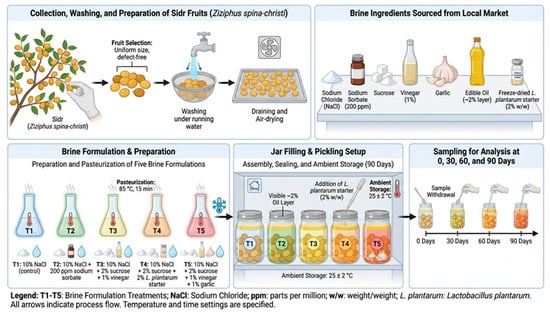
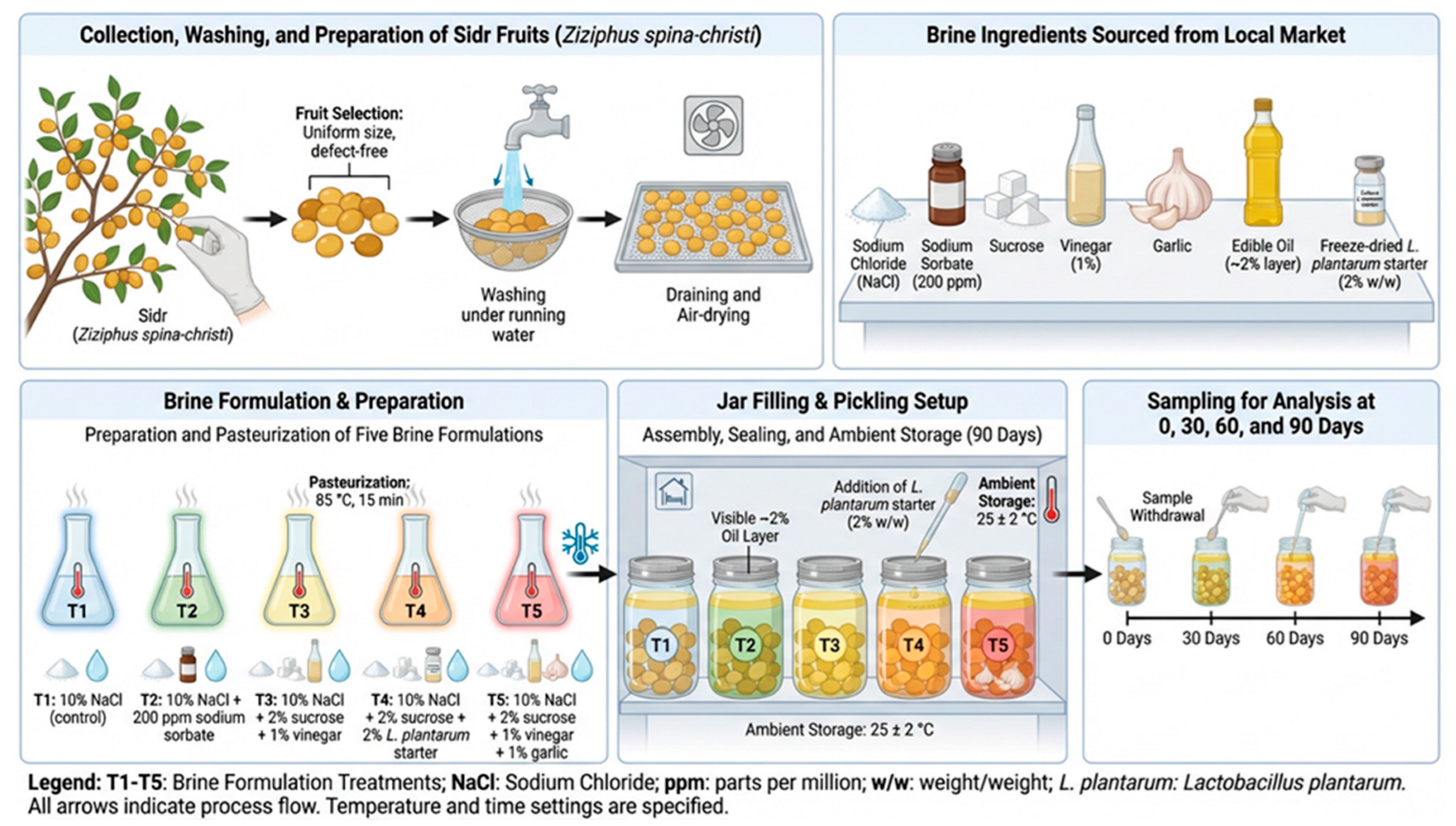
Five brine formulations were prepared as follows: T1: 10% NaCl (control), T2: 10% NaCl + 200 ppm sodium sorbate, T3: 10% NaCl + 2% sucrose + 1% vinegar, T4: 10% NaCl + 2% sucrose + 2% L. plantarum starter, T5: 10% NaCl + 2% sucrose + 1% vinegar + 1% garlic Figure 1. Brine solutions were heated to 85 °C for 15 min, cooled to ambient temperature, and poured over the prepared fruits (1:1 w/v fruit: brine). For the inoculated treatment (T4), a freeze-dried culture of Lactobacillus plantarum BGM40 was obtained from Egyptian commercial supplier (BioGrowing Co., Ltd., Shanghai, China). The strain exhibited exceptional salt tolerance (18% NaCl), acid and bile resistance, and a favorable biosafety profile. The culture was activated in de Man, Rogosa and Sharpe (MRS) broth at 37 °C for 24 h prior to inoculation. The activated culture was added to the fermentation brine at an initial concentration of approximately 1 × 10⁷ CFU/mL. Sterilized glass jars (500 mL) were filled with fruit–brine mixtures and topped with 2% edible oil to minimize oxygen exposure [24]. All jars were sealed hermetically and stored at ambient temperature (25 ± 2 °C) for 90 days. Samples were withdrawn at 0, 30, 60, and 90 days for analysis.
Figure 1.
Schematic workflow illustrating fruit preparation, brine formulation, fermentation, and pickling procedures used for Sidr (Ziziphus spina-christi L.) fruits. The figure was initially generated using FigureLabs (AI-assisted figure generation) and subsequently reviewed, scientifically verified, and manually edited by the authors to improve accuracy, layout, and compliance with the journal guideline.
2.3. Physical Measurements
Measurements were taken on freshly harvested fruits prior to processing. Fruit length, diameter, and flesh thickness were measured using a digital Vernier caliper (±0.01 mm). Fruit weight was determined using a precision balance (±0.001 g). Volume was assessed using the water displacement method [25]. If (A) is the initial volume of water and (B) is the final volume and is the total number of fruits (N), then Volume (cm3) , and density (g cm−3) was calculated as Density (g/cm3) = .
2.4. Proximate and Chemical Analyses
Moisture, crude protein (Kjeldahl N × 6.25), fat, crude fiber, and ash were determined following the methods in [26]. Total carbohydrates were calculated by difference as follows: carbohydrates (%) = 100 − (%moisture + %protein + %ash + %ether extract + %crude fiber). pH was measured using a digital pH meter (HI 9021M, Hanna Instruments, Germany), and titratable acidity (as lactic acid%) was determined by alkaline titration with 0.1 N NaOH. Ascorbic acid was quantified by 2,6-dichlorophenolindophenol titration according to the AOAC Official Method 967.21 [26]. Pectin content was estimated as calcium pectate precipitation method described by Ranganna [27].
2.5. Phytochemical Determinations
2.5.1. Total Phenolics
Total phenolic content (TPC) was determined using the Folin–Ciocalteu colorimetric method. Briefly, phenolic compounds were extracted from the samples using 80% methanol (v/v). An aliquot of the extract was mixed with 10% (v/v) Folin–Ciocalteu reagent and allowed to react for 5 min, followed by the addition of 7.5% sodium carbonate solution. The mixture was incubated in the dark at room temperature for 30 min, and absorbance was measured at 765 nm using a UV–Vis spectrophotometer. Gallic acid was used as the calibration standard, and the results were expressed as mg gallic acid equivalents (GAE) per 100 g sample [28].
2.5.2. Total Flavonoids
Total flavonoid content (TFC) was determined using the aluminum chloride colorimetric assay and expressed as mg quercetin equivalents (QE) per 100 g [29].
2.5.3. Total Carotenoids
Carotenoids were extracted using petroleum ether: methanol: ethyl acetate (1:1:1, v/v/v) and measured at 450 nm using a UV–Vis spectrophotometer (MSE PRO 325). TCC was calculated using.
2.5.4. Texture Analysis
Fruit firmness was measured using a TA-XTplus Texture Analyzer (Stable Micro Systems, UK) equipped with a 2 mm cylindrical probe. The probe penetrated 10 mm of mesocarp at 10 mm/s with a trigger force of 3 g. Three fruits per treatment per storage interval were analyzed, and results were expressed as mean ± SD [32].
2.5.5. Color Measurement
The methodology described by [33] was used for color measurement, with minor modifications. Using a colorimeter (CR-400, Konica Minolta, Chiyoda City, Japan) that was calibrated with a standard white plate (L* = 96.15, a* = 0.12, b* = 1.73), we measured the color difference (L*, a*, and b* values). Measurements were performed on three replicate samples per treatment of Sidr pickles at zero and after 90 days.
2.5.6. Microbiological Analysis
Total bacterial counts (TBCs) were calculated from Nutrient Agar (NA) plates incubated aerobically at 37 °C for 48 h. Lactic acid bacteria (LAB) were plated on de Man, Rogosa and Sharpe (MRS) agar and incubated anaerobically at 37 °C for 48 h. Molds and yeasts were plated on Potato Dextrose Agar (PDA) acidified with tartaric acid and incubated aerobically at 25 °C for 3–5 days. Microbial counts were expressed as log CFU g−1. Media compositions for LAB enumeration followed [34].
All treatments were prepared in triplicates as independent fermentation batches (biological replicates). Microbiological analyses were conducted separately for each replicate, and results were expressed as mean ± standard deviation (n = 3).
2.5.7. Sensory Evaluation
The sensory analysis of pickling fruits was conducted using affective acceptance and purchase intention tests, as described by Mashitoa, et al. [35]. Sensory evaluation was conducted by a semi-trained panel consisting of 15 panelists (eight males and seven females) aged between 22 and 50 years from the College of Agricultural and Food Sciences, King Faisal University. Prior to evaluation, panelists received a brief orientation session on the sensory attributes and scoring procedure. Samples were coded with random three-digit numbers and presented in a randomized order under identical serving conditions. Drinking water was provided between samples to minimize carry-over effects. Panelists evaluated color, odor, taste, texture, and overall acceptability using a 10-point hedonic scale ranging from 1 (dislike extremely) to 10 (like extremely) [35,36]. Evaluations were done on days 0, 30, and 90. The mean scores were used for statistical analysis. The sensory evaluation involved voluntary tasting of food products presenting minimal risk to participants. Informed consent was obtained from all participants prior to the evaluation. Ethical review and approval were waived because the study involved low-risk sensory assessment of food products and did not collect personal or sensitive information.
2.6. Statistical Analysis
All experiments were conducted in triplicate (n = 3), and data are presented as mean ± standard deviation. One-way analysis of variance (ANOVA) was performed using SPSS v.25.0 (IBM, Armonk, NY, USA). Significant differences among means were determined by Duncan’s multiple range test at p ≤ 0.05 [37].
2.7. Multivariate Statistical Analysis
Pearson’s correlation analysis was performed to evaluate the relationships among physicochemical properties, bioactive compounds, microbial counts, texture, color attributes, and sensory characteristics of pickled Sidr fruits. The resulting correlation matrix was visualized using a heatmap. In addition, Principal Component Analysis (PCA) was conducted on standardized data to identify the main sources of variation and to assess the relationships among treatments, storage periods, and quality-related variables. All multivariate analyses were carried out using Python software (version 3.11) (colab) with the Pandas, Scikit-learn, and Seaborn libraries.
3. Results
3.1. Physical Characteristics of Fresh Sidr Fruit
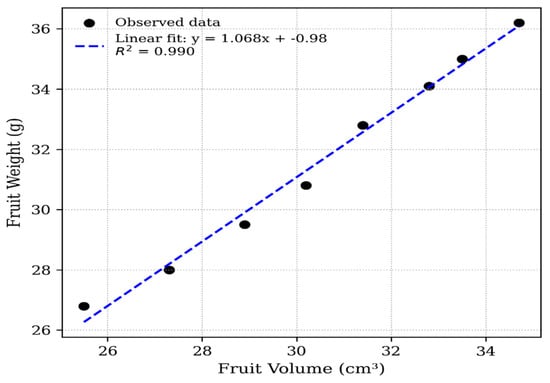
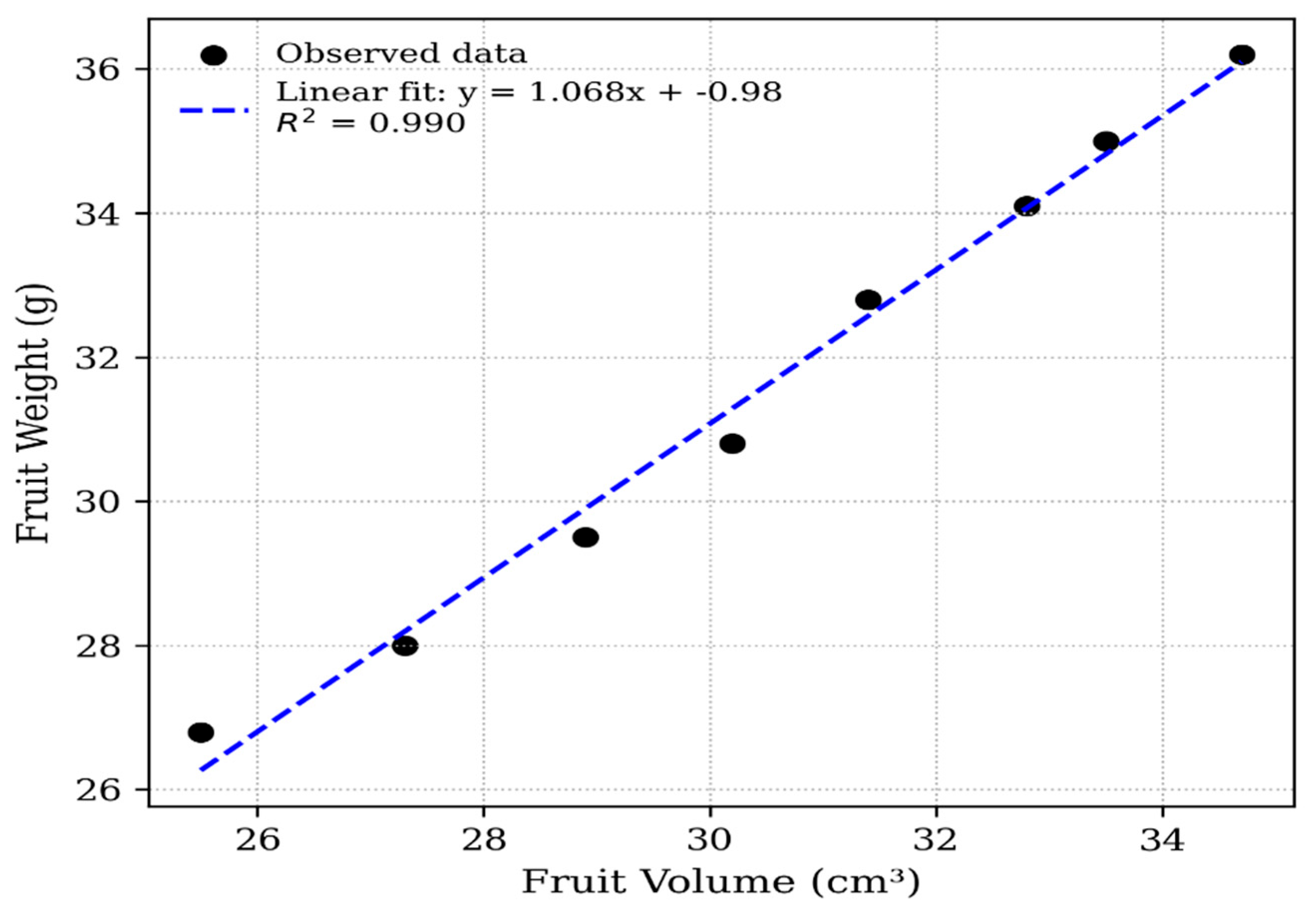
The fresh Sidr (Ziziphus spina-christi L.) fruits exhibited an oval shape with yellow skin, averaging 32.8 ± 2.1 g in weight and 4.5 ± 0.45 cm in length Table 1. The average fruit density of 1.04 g cm−3 shows that the tissue is firm and dense, which is good for fermentation. The measured volume (31.4 cm3) was strongly related to weight (R2 = 0.981, p < 0.001) Figure 2. A strong linear relationship indicates uniform tissue density and consistent fruit morphology, which are desirable for controlled brine penetration and textural stability during fermentation.
Table 1.
Physical characteristics of fresh Sidr (Ziziphus spina-christi L.) fruits.
Figure 2.
Linear relationship between fruit weight and volume of Sidr (Ziziphus spina-christi L.) fruits. Each point represents the meaning of three replicates ± SD.
3.2. Physiochemical Composition of Fresh Sidr Fruit Before Pickling
The data presented in Table 2 indicate that fresh Sidr (Ziziphus spina-christi L.) fruit possesses a well-balanced nutritional composition and is a rich source of bioactive compounds with considerable antioxidant potential. The fruit contained 24.12% moisture and 75.88% total solids, indicating a relatively high dry matter content. Protein, fat, crude fiber, ash, and total carbohydrates contents were 2.34%, 0.49%, 2.15%, 1.84%, and 68.28%, respectively. Pectin content reached 1.02%, while the fruit exhibited a pH of 5.22 and titratable acidity of 0.16%. In addition, Sidr fruit contained substantial amounts of ascorbic acid (111.87 mg/100 g), total phenolics (184.98 mg GAE/100 g), total flavonoids (145.11 mg CE/100 g), and total carotenoids (122.84 mg RE/100 g), resulting in an antioxidant activity of 62.73%. These findings demonstrate the high nutritional and functional value of Sidr fruit and support its suitability as a substrate for lactic acid fermentation and the development of value-added fermented products.
Table 2.
Physiochemical composition of fresh Sidr fruit (g/100 g).
3.3. Changes in pH, Acidity, and Moisture During Storage After Pickling
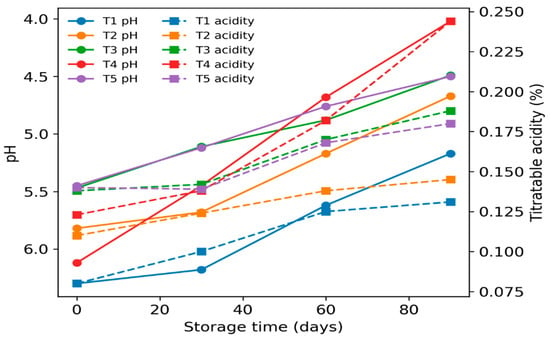
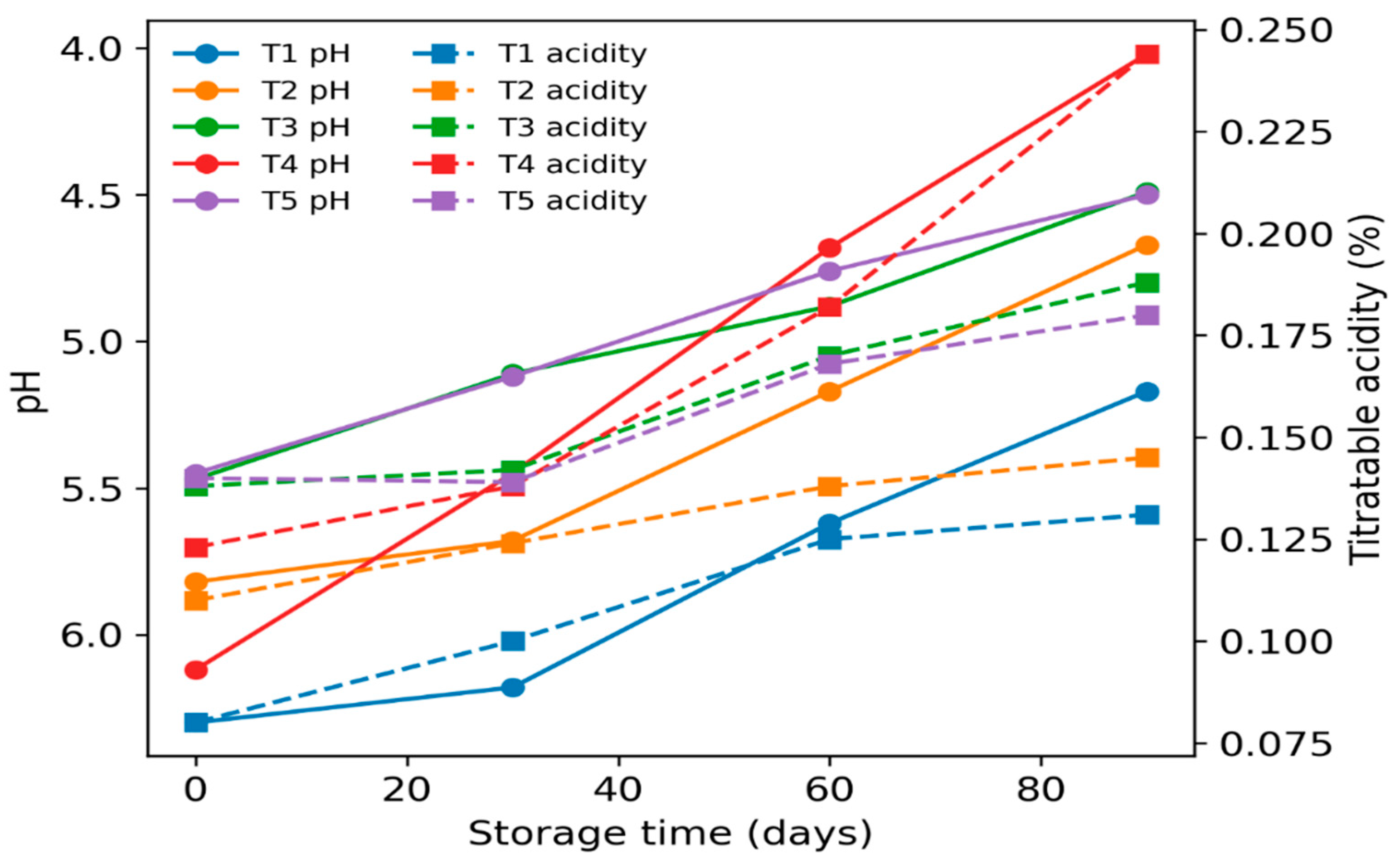
Table 3 and Figure 3 show the moisture content, total acidity, and pH values of Sidr pickles. Moisture content is a key determinant of product quality, as it influences the stability of bioactive compounds, texture, and overall shelf-life of fermented fruit products during storage. The data showed that there were no big changes in the moisture content of any of the samples at zero time. The values were between 23.68% (T5) and 24.18% (T1). The moisture content decreased during storage. Sidr pickles followed the predicted pattern of increasing acidity and decreasing pH after being stored at room temperature for 90 days. The inoculation treatment (T4, NaCl + sucrose + starter) caused the highest acidification, with a pH of 4.02 and a titratable acidity of 0.24%. The control (T1) kept its pH at 5.17.
Table 3.
Effect of different brine solutions on moisture content, total acidity, pH and ascorbic acid content of Sidr pickles during storage at ambient temperature for 90 days.
Figure 3.
Changes in pH and titratable acidity of Sidr pickles during 90 days of storage at ambient temperature.
3.4. Vitamin C, Total Phenolics, and Antioxidant Activity
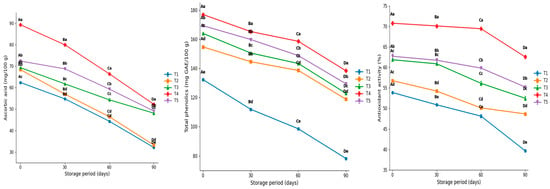
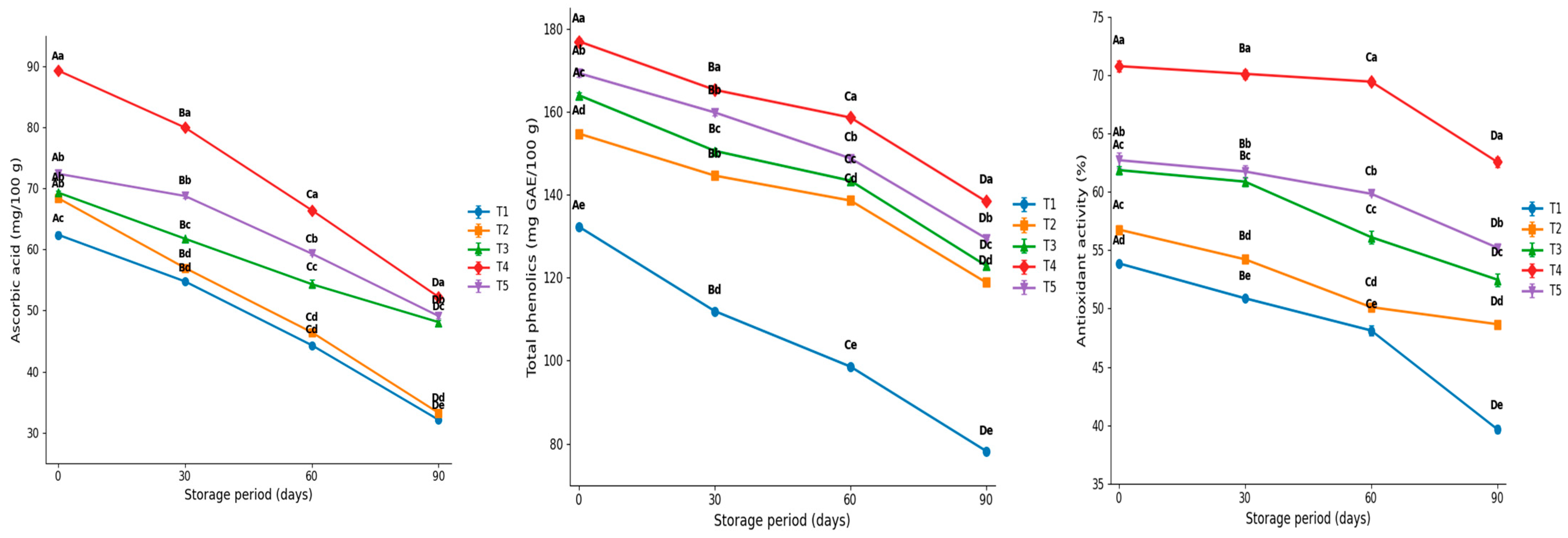
Ascorbic acid decreased significantly (p < 0.05) throughout storage in all treatments (Figure 4). However, the inoculated treatment (T4) retained the highest ascorbic acid content after 90 days (52.2 mg/100 g), representing approximately 60% of its initial value and indicating greater vitamin C retention than the other brine formulations. Total phenolic content (TPC) also declined during storage; nevertheless, T4 and T5 maintained the highest TPC values after 90 days (138 and 129 mg GAE/100 g, respectively), whereas the control treatment decreased to below 80 mg GAE/100 g. Antioxidant activity followed a similar trend, with T4 exhibiting the highest DPPH radical-scavenging activity (62.6%) after 90 days. A strong positive correlation was observed between TPC and antioxidant activity (r = 0.91), consistent with the multivariate analysis.
Figure 4.
Changes in ascorbic acid, total phenolic content, and antioxidant activity of pickled Sidr fruits as a result of different brine solutions during storage at ambient temperature for 90 days. Values are means ± SD. Different lowercase letters indicate significant differences among treatments within the same storage period, whereas different uppercase letters indicate significant differences among storage periods within the same treatment at p ≤ 0.05.
3.5. Firmness (Textural) Properties of Pickled Sidr Fruit During Storage Period
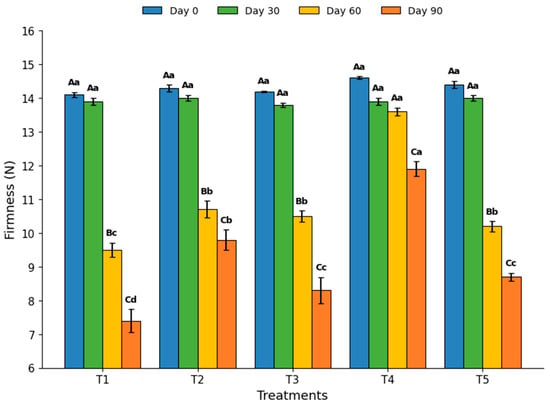
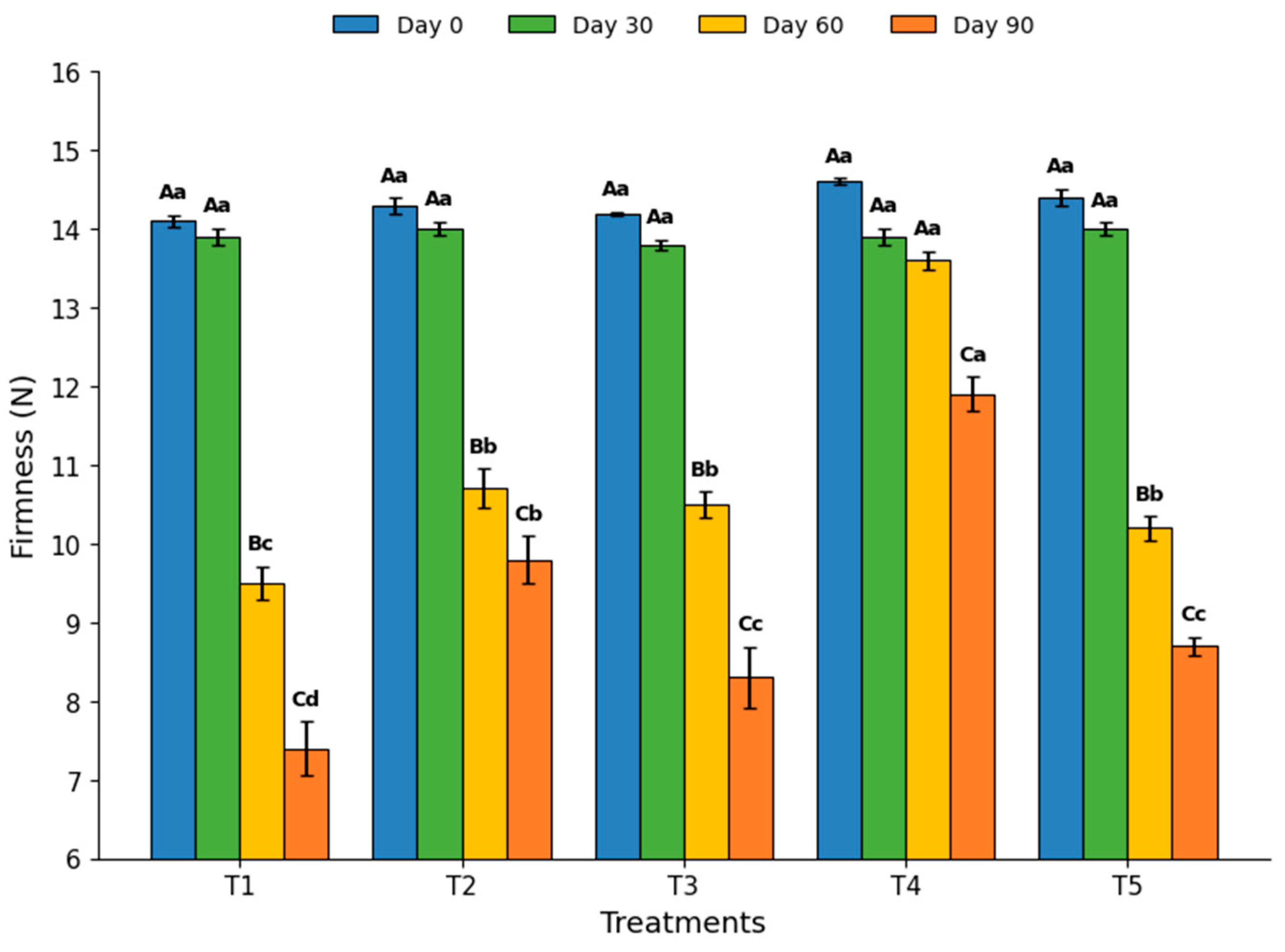
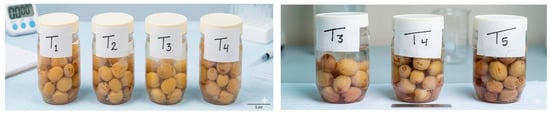
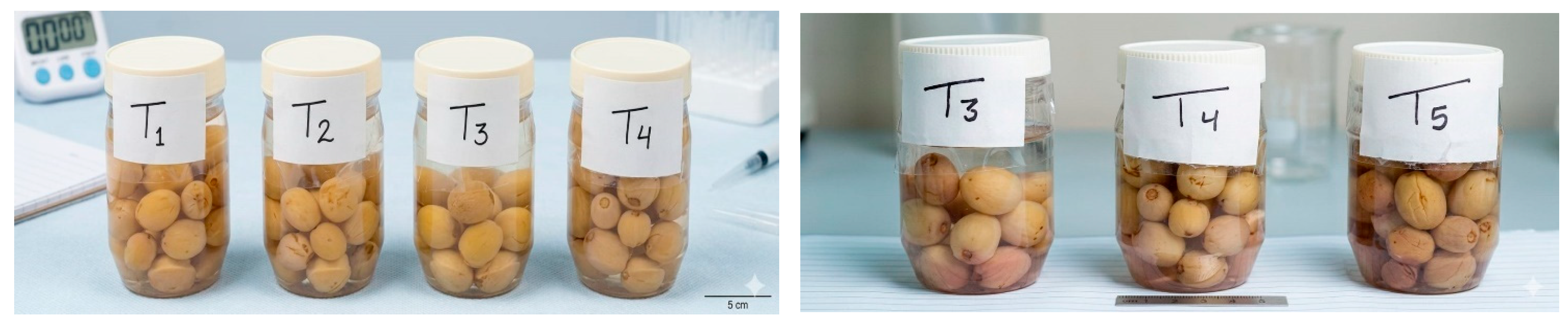
Firmness is an important quality attribute affecting the sensory acceptability of fermented fruit products. As shown in Figure 5 and Figure 6, the firmness of pickled Sidr fruits, measured as piercing force (N), decreased progressively during storage in all treatments. Initial firmness values (approximately 14 N) did not differ significantly among treatments (p > 0.05). After 90 days of storage, the inoculated treatment (T4, Lactobacillus plantarum) retained the highest firmness (11.9 N), whereas the uninoculated control (T1) showed the lowest value (7.4 N).
Figure 5.
Changes in texture (firmness) of pickled Sidr fruits as a result of different brine solutions during storage at ambient temperature for 90 days. Values are means ± SD. Different lowercase letters indicate significant differences among treatments within the same storage period, whereas different uppercase letters indicate significant differences among storage periods within the same treatment at p ≤ 0.05.
Figure 6.
Representative photographs showing the visual appearance of pickled Sidr (Ziziphus spina-christi L.) fruits produced using different brine formulations after 90 days of storage at ambient temperature.
3.6. Changes in Color Attributes of Pickled Sidr Fruit During Storage Period
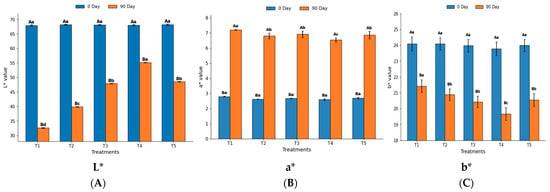
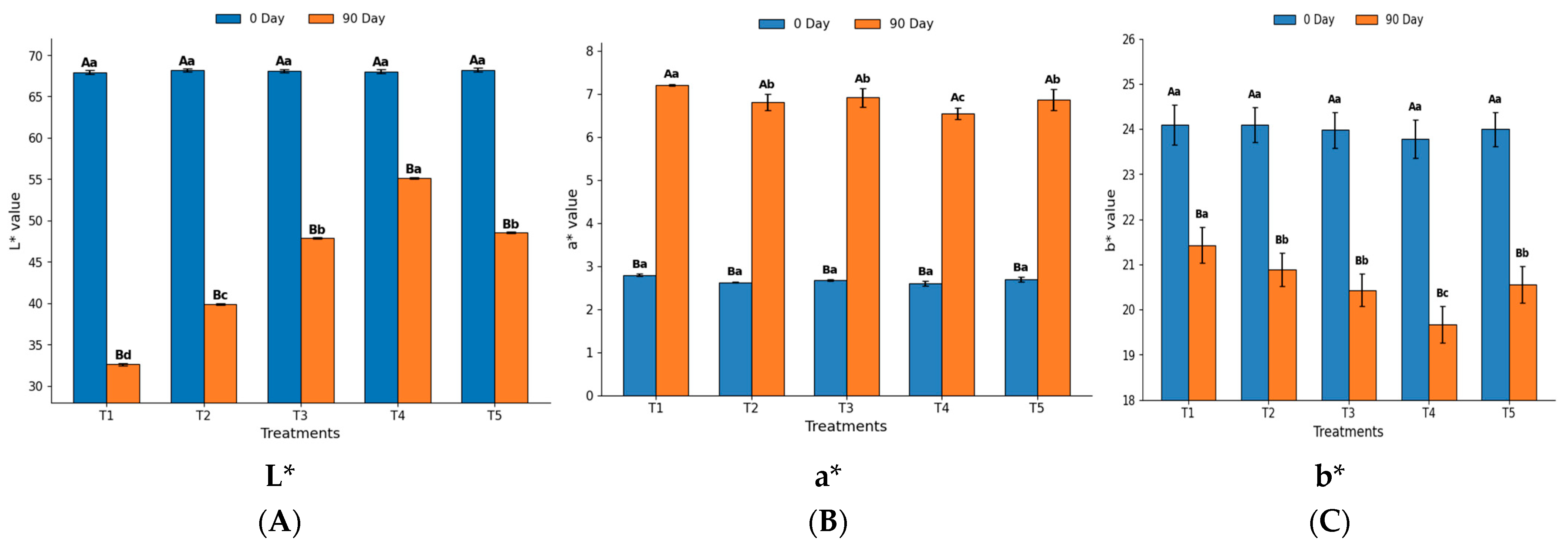
Figure 7 illustrates the effects of brine formulation and storage duration on the color attributes (L, a, and b*) of pickled Sidr fruits. At the beginning of storage, no significant differences (p > 0.05) were observed among treatments for L*, a*, or b* values, indicating similar initial color characteristics. Initial L* values ranged from 67.95 to 68.23, reflecting the high lightness of freshly prepared pickles. After 90 days of storage, L* values decreased in all treatments, with T1 showing the lowest value (32.60) and T4 retaining the highest value (55.14). The a* values increased progressively during storage in all treatments, indicating a shift toward greater redness, whereas b* values showed a slight, non-significant decrease after 90 days. Overall, storage resulted in reduced lightness (L*), increased redness (a*), and a slight decline in yellowness (b*), with the magnitude of these changes varying among brine formulations.
Figure 7.
Effect of different brine formulations on the color attributes of pickled Sidr fruits at Day 0 and Day 90 of storage at ambient temperature: (A) L* (lightness), (B) a* (redness), and (C) b* (yellowness). Bars represent the mean ± SD (n = 3). Different lowercase letters indicate significant differences among treatments within the same storage period, whereas different uppercase letters indicate significant differences between Day 0 and Day 90 within the same treatment at p ≤ 0.05.
3.7. Microbial Counts of Pickled Sidr Fruit During Storage Period
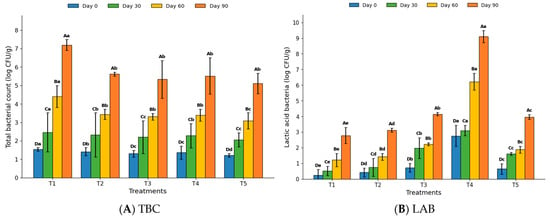
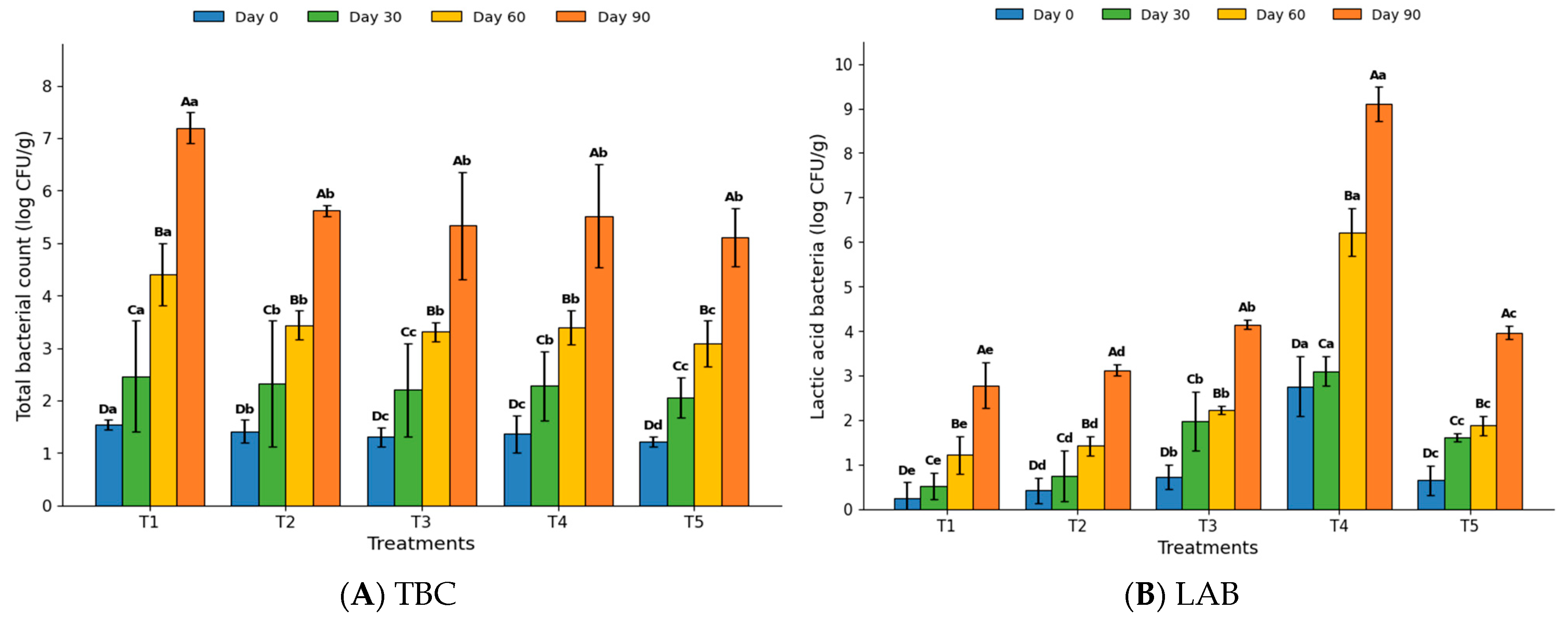
Changes in total bacterial count (TBC), lactic acid bacteria (LAB), and mold and yeast counts during fermentation are presented in Table 4 and Figure 8. TBC increased progressively in all treatments throughout the 90-day fermentation period, rising from 1.22–1.54 log CFU/g at day 0 to 5.11–7.20 log CFU/g at day 90. The highest TBC was recorded in the control treatment (T1; 7.20 log CFU/g), whereas the lowest value was observed in T5 (5.11 log CFU/g). Molds and yeasts were not detected at 0 and 30 days in most treatments. Low counts appeared after 60 days and remained low at the end of storage, ranging from 0.19 to 0.50 log CFU/g. The control treatment (T1) exhibited the highest mold and yeast count, whereas lower counts were observed in T3, T4, and T5. The LAB population increased continuously throughout fermentation in all treatments, with the greatest increase observed in the inoculated treatment (T4). At the beginning of fermentation, LAB counts ranged from 0.25 to 0.72 log CFU/g in the non-inoculated treatments, compared with 2.76 log CFU/g in T4. By day 90, LAB populations reached 9.10 log CFU/g in T4, whereas the control treatment (T1) recorded the lowest count (2.78 log CFU/g).
Table 4.
Changes in total bacterial count (TBC) and molds and yeasts (log CFU g−1) in Sidr (Ziziphus spina-christi L.) fruit pickles during fermentation and storage at ambient temperature.
Figure 8.
Changes in (A) total bacterial counts (TBCs) and (B) lactic acid bacterial (LAB) counts of Sidr fruit during fermentation as a result of different brine solutions over 90 days at ambient temperature. Data are presented as means ± SD. Different lowercase letters indicate significant differences among treatments within the same fermentation period, whereas different uppercase letters indicate significant differences among fermentation periods within the same treatment at p ≤ 0.05.
3.8. Sensorial Attributes of Sidr Fruit Pickle During Storage Period
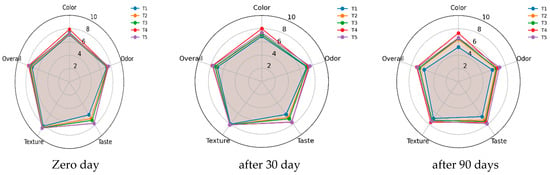
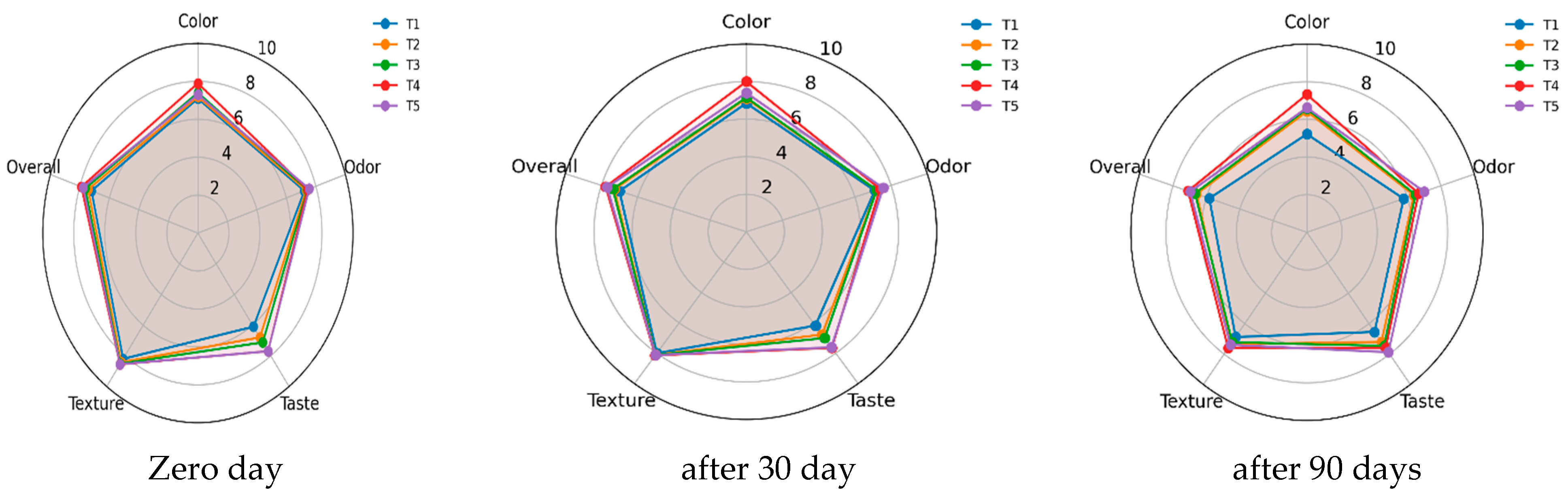
Figure 9 presents the sensory evaluation of pickled Sidr fruits produced using different brine formulations during 90 days of storage at ambient temperature. Sensory quality was assessed based on color, odor, taste, texture, and overall acceptability using a 10-point hedonic scale. Color scores were initially high for all treatments (7.10–7.90), with T4 receiving the highest score at the beginning of storage. Although color scores gradually declined during storage, all treatments remained within the acceptable sensory range after 90 days (5.22–6.62). Odor scores showed only minor changes throughout storage, and all treatments maintained acceptable ratings (>6.0), with T3, T4, and T5 consistently scoring higher than the control. Taste scores differed significantly among treatments (p ≤ 0.05), with T4 recording the highest values throughout storage, followed by T5. Taste was the only sensory attribute that improved during storage, whereas the remaining attributes showed a gradual decline. Texture scores decreased progressively in all treatments; however, T4 retained the highest value after 90 days (7.61), followed by T5 (7.39) and T3 (7.34), while the control treatment (T1) recorded the lowest score (6.88). A similar trend was observed for overall acceptability, with T4 consistently receiving the highest scores throughout storage, followed by T5 and T3, indicating greater consumer acceptability of these formulations.
Figure 9.
Sensory evaluation scores of Sidr pickles at 0, 30, and 90 days of storage.
3.9. Multivariate Analysis (PCA and Correlation Heatmap) of Physicochemical and Microbial Dynamics in Pickled Sidr Fruit
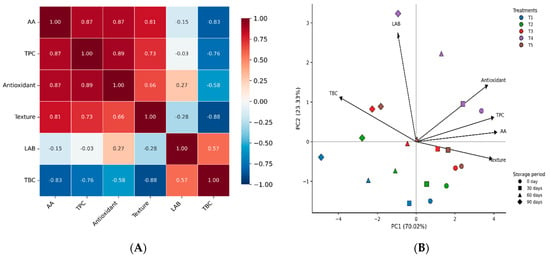
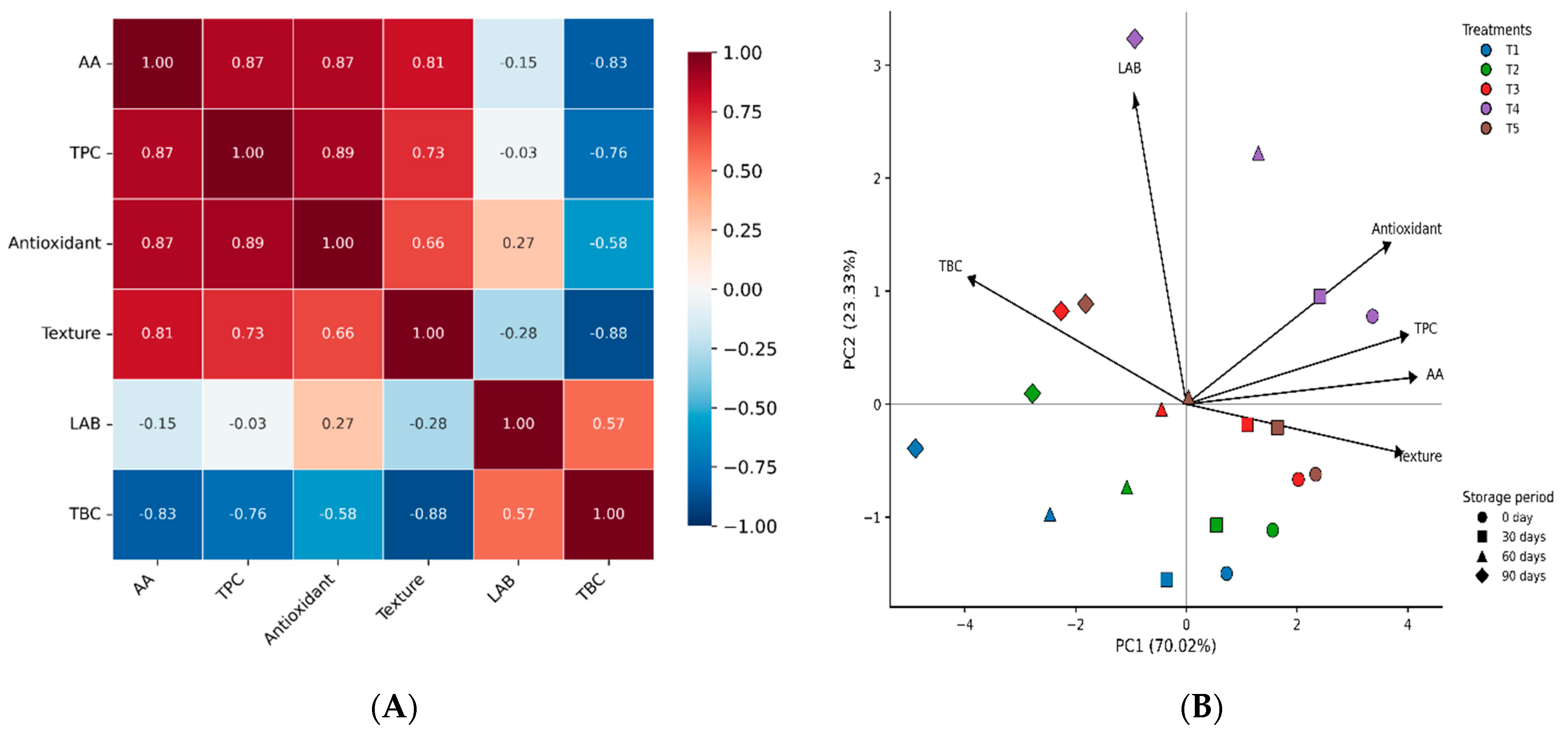
To better characterize the relationships among physicochemical attributes and microbial parameters of pickled Sidr fruit, Pearson’s correlation analysis and principal component analysis (PCA) were performed (Figure 10). The correlation heatmap (Figure 10A) revealed strong positive correlations among ascorbic acid, total phenolic content (TPC), antioxidant activity, and texture (firmness). In contrast, total bacterial count (TBC) showed negative correlations with these quality-related variables. Lactic acid bacteria (LAB) exhibited positive correlations with antioxidant activity and other bioactive-related parameters.
Figure 10.
Pearson’s correlation heatmap (A) and principal component analysis (PCA) (B) biplot showing the relationships among ascorbic acid (AA), total phenolic content (TPC), antioxidant activity, texture, lactic acid bacteria (LAB), and total bacterial count (TBC) in pickled Sidr fruits subjected to different brine formulations during storage at ambient temperature. The correlation heatmap reveals the strength and direction of associations among the studied variables, whereas the PCA biplot summarizes their multivariate relationships and treatment clustering patterns. The first principal component (PC1) explained 70.02% of the total variance, while the second principal component (PC2) explained 23.33%, together accounting for 93.35% of the overall variability.
The PCA biplot (Figure 10B) further differentiated the samples according to storage period and brine formulation. PC1 explained 70.02% of the total variance and was positively associated with ascorbic acid, TPC, antioxidant activity, and texture, whereas TBC was positioned in the opposite direction. PC2 accounted for an additional 23.33% of the variance and was primarily associated with LAB counts. Together, the first two principal components explained 93.35% of the total variance. Samples collected during the early storage period (0–30 days) were clustered on the positive side of PC1, whereas samples stored for 60–90 days shifted toward the negative side of PC1. The inoculated treatment (T4) formed a distinct cluster and was closely associated with higher antioxidant activity, phenolic content, texture, and LAB counts, together with lower TBC values compared with the remaining treatments.
4. Discussion
The present study demonstrated that brine composition markedly influenced the physicochemical, microbiological, and sensory qualities of pickled Sidr fruits during storage. The progressive reduction in moisture content observed across all treatments is consistent with osmotic dehydration, commonly associated with salt-based fermentations, in which water migrates from plant tissues into the surrounding brine due to osmotic pressure differences [25,33]. However, treatments supplemented with sucrose and starter culture, particularly T4, retained higher moisture levels than the control, suggesting improved preservation of tissue integrity during fermentation and storage [7,32].
Changes in acidity and pH further confirmed the active progression of fermentation. The continuous increase in titratable acidity and corresponding decline in pH was more pronounced in T4, consistent with the activity of the inoculated starter culture. Similar observations have been reported in fermented fruits and vegetables, where starter-culture fermentation accelerates acid production and promotes product stability [12,13,38,39,40]. The lower pH values observed in T3 and T5 may also be attributed to the combined effects of vinegar addition and fermentation-derived organic acids, creating favorable conditions for lactic acid bacterial development [21].
The microbiological results were consistent with these physicochemical changes. The inoculated treatment exhibited the highest LAB population throughout storage, confirming the successful establishment of the starter culture and its contribution to fermentation stability. In contrast, greater mold and yeast development was detected in the control treatment, whereas sodium sorbate-containing samples showed effective suppression of fungal growth, reflecting the preservative action of sorbate under acidic conditions [18]. Attention should be given to the markedly lower mold and yeast counts observed in T4 and T5 at the end of storage compared with the control treatment (T1). This finding indicates that both formulations provided a less favorable environment for fungal growth during fermentation and storage. In T4, the rapid establishment of Lactobacillus plantarum and the associated acidification caused microbial stability through rapid acidification and the establishment of a dominant LAB population. In T5, the combined presence of vinegar and garlic may have further contributed to the suppression of molds and yeasts due to their well-documented antimicrobial properties. Consequently, these treatments exhibited improved microbiological stability during storage compared with uninoculated control. These findings agree with previous reports highlighting the importance of controlled fermentation in improving the microbial quality and storage stability of fermented fruit products [9,11,17].
Brine formulation also influenced the retention of bioactive compounds and antioxidant activity. The superior preservation of ascorbic acid, total phenolic compounds, and antioxidant activity in T4 suggests that controlled fermentation conditions contribute to maintaining these quality attributes throughout storage. This observation was further supported by the strong positive correlations among bioactive compounds and antioxidant activity revealed by the correlation analysis and PCA, indicating that treatments associated with enhanced fermentation performance were also characterized by improved retention of functional quality parameters [8,10,12,13].
Texture and color stability were similarly affected by fermentation conditions. The inoculated treatment maintained the highest firmness values and exhibited superior color retention during storage. These findings indicate that rapid acidification and controlled fermentation may contribute to preserving structural and visual quality attributes of the product. Comparable trends have been reported for other fermented fruits and vegetables, where fermentation conditions significantly influence texture preservation and color stability [36,41].
The present findings demonstrate that brine formulation plays a key role in determining the fermentation performance and quality characteristics of pickled Sidr fruits. Among the tested treatments, the inoculated formulation containing Lactobacillus plantarum (T4) consistently exhibited superior retention of bioactive compounds, higher LAB populations, improved texture preservation, and greater sensory acceptability throughout storage. The rapid acidification observed in this treatment was associated with enhanced fermentation efficiency and greater microbiological stability compared with the uninoculated treatments. The integration of physicochemical, microbiological, and sensory data indicates that controlled lactic fermentation represents a promising approach for improving the quality and storage stability of Sidr fruit pickles. In particular, the association of T4 with higher antioxidant activity, phenolic retention, and LAB highlights its potential as an effective fermentation strategy for the development of value-added fermented Sidr products. Future studies should investigate metabolomic changes during fermentation, characterize volatile compounds, and employ factorial experimental designs to further elucidate interactions between fermentation conditions and storage responses.
A limitation of the present study is that treatment effects were evaluated separately within each storage interval using one-way ANOVA. While this approach allowed for direct comparison among brine formulations at each storage period, it did not permit evaluation of potential interactions between treatment and storage time. Future studies employing factorial experimental designs and two-way ANOVA could provide a more comprehensive assessment of these interactions and further improve interpretation of fermentation and storage responses.
5. Conclusions
The present study demonstrated that brine formulation plays a critical role in determining the fermentation performance, microbial dynamics, and quality characteristics of pickled Sidr (Ziziphus spina-christi L.) fruits during storage. Among the tested formulations, the treatment containing 10% NaCl, 2% sucrose, and Lactobacillus plantarum starter culture (T4) showed superior performance, characterized by rapid acidification, enhanced microbiological stability, greater retention of ascorbic acid and phenolic compounds, higher antioxidant activity, and improved texture and color preservation throughout 90 days of storage. Multivariate analyses further confirmed the strong association between starter-culture fermentation and the maintenance of desirable quality attributes. In addition, the inoculated treatment achieved the highest lactic acid bacteria populations and consistently received the greatest sensory acceptance scores during storage. Overall, the findings indicate that controlled lactic fermentation using L. plantarum is an effective approach for improving the quality, stability, and bioactive compound retention of fermented Sidr fruit products. This strategy may contribute to the valorization of this underutilized fruit resource and support the development of value-added fermented foods adapted to arid and semi-arid regions. Future studies should focus on metabolomic characterization of fermentation-derived compounds, assessment of probiotic survival during storage, and pilot-scale validation to facilitate potential industrial applications.
Author Contributions
A.A.M.: Methodology, formal analysis, software, validation, investigation, writing—review and editing. N.M.R.: Conceptualization, methodology, investigation, visualization, supervision, project administration, writing—original draft, writing—review and editing. A.S.A.: Resources, data curation, formal analysis, and editing. All authors have read and agreed to the published version of the manuscript.
Funding
This work was supported by the Deanship of Scientific Research, Vice Presidency for Graduate Studies and Scientific Research, King Faisal University, Saudi Arabia (KFU254019) and The APC was funded by the same organization.
Institutional Review Board Statement
In accordance with national laws, ethical approval is not required for studies involving sensory evaluation. There is no formal documentation procedure from human ethics committees available for sensory evaluation. The sensory protocol employed in this research was conducted in compliance with the relevant operational specifications.
Informed Consent Statement
Written informed consent has been obtained from the participants to publish this paper.
Data Availability Statement
The original contributions presented in this study are included in the article. Further inquiries can be directed to the corresponding author.
Acknowledgments
Authors gratefully acknowledge Deanship of Scientific Research, Vice Presidency for Graduate Studies and Scientific Research, King Faisal University, Saudi Arabia (KFU254019), for supporting this research work. During the preparation of this work, the author(s) used ChatGPT (version 4o) and QuillBot Premium to apply grammar check and improve readability. FigureLabs AI was used for the creation and refinement of the figures presented in this article. After using this tool/service, the author(s) reviewed and edited the content as needed and take(s) full responsibility for the content of the published article.
Conflicts of Interest
The authors declare no conflicts of interest.
References
- Aldhanhani, A.; Ahmed, Z.; Tzortzakis, N.; Singh, Z. Maturity Stage at Harvest Influences Antioxidant Phytochemicals and Antibacterial Activity of Jujube Fruit (Ziziphus mauritiana Lamk. and Ziziphus spina-christi L.). Ann. Agric. Sci. 2022, 67, 196–203. [Google Scholar] [CrossRef] [Scilit]
- Gao, Q.-H.; Wu, C.-S.; Wang, M. The Jujube (Ziziphus jujuba Mill.) Fruit: A Review of Current Knowledge of Fruit Composition and Health Benefits. J. Agric. Food Chem. 2013, 61, 3351–3363. [Google Scholar] [CrossRef] [Scilit] [PubMed]
- Sharif, N.; Jaskani, M.J.; Naqvi, S.A.; Awan, F.S. Exploitation of Diversity in Domesticated and Wild Ber (Ziziphus mauritiana Lam.) Germplasm for Conservation and Breeding in Pakistan. Sci. Hortic. 2019, 249, 228–239. [Google Scholar] [CrossRef] [Scilit]
- Zandiehvakili, G.; Khadivi, A. Identification of the Promising Ziziphus spina-christi (L.) Willd. Genotypes Using Pomological and Chemical Proprieties. Food Sci. Nutr. 2021, 9, 5698–5711. [Google Scholar] [CrossRef] [Scilit] [PubMed]
- Matar, A.A.; Alhrbi, A.S.; Amin, A.K. Evaluating the Property Changes of Probiotic Yogurt Fortified with Sidr (Ziziphus spina-christi L.) Fruits as Functional Dairy. Ital. J. Food Sci. 2025, 37, 437. [Google Scholar] [CrossRef] [Scilit]
- Asfaw, T.B.; Tadesse, M.G.; Tessema, F.B.; Woldemariam, H.W.; Chinchkar, A.V.; Singh, A.; Upadhyay, A.; Mehari, B. Ultrasonic-Assisted Extraction and UHPLC Determination of Ascorbic Acid, Polyphenols, and Half-Maximum Effective Concentration in Citrus Medica and Ziziphus spina-christi Fruits Using Multivariate Experimental Design. Food Chem. X 2024, 22, 101310. [Google Scholar]
- Swain, M.R.; Anandharaj, M.; Ray, R.C.; Parveen Rani, R. Fermented Fruits and Vegetables of Asia: A Potential Source of Probiotics. Biotechnol. Res. Int. 2014, 2014, 250424. [Google Scholar] [CrossRef] [Scilit] [PubMed]
- Ogrodowczyk, A.M.; Drabińska, N. Crossroad of Tradition and Innovation—The Application of Lactic Acid Fermentation to Increase the Nutritional and Health-Promoting Potential of Plant-Based Food Products—A Review. Pol. J. Food Nutr. Sci. 2021, 71, 107–134. [Google Scholar] [CrossRef] [Scilit]
- Adoh, O.B.; Enabulele, S.A. A Review on Industrial Application of Lactic Acid Bacteria in Food Microbiology. Int. J. Life Sci. Biotechnol. 2025, 8, 142–152. [Google Scholar] [CrossRef] [Scilit]
- Erem, E.; Kilic-Akyilmaz, M. The Role of Fermentation with Lactic Acid Bacteria in Quality and Health Effects of Plant-based Dairy Analogues. Comp. Rev. Food Sci. Food Safe 2024, 23, e13402. [Google Scholar] [CrossRef] [Scilit] [PubMed]
- Wei, L.; Van Beeck, W.; Hanlon, M.; DiCaprio, E.; Marco, M.L. Lacto-Fermented Fruits and Vegetables: Bioactive Components and Effects on Human Health. Annu. Rev. Food Sci. Technol. 2025, 16, 289–314. [Google Scholar] [CrossRef] [Scilit] [PubMed]
- Borrego-Ruiz, A.; González-Domenech, C.M.; Borrego, J.J. The Role of Fermented Vegetables as a Sustainable and Health-Promoting Nutritional Resource. Appl. Sci. 2024, 14, 10853. [Google Scholar] [CrossRef] [Scilit]
- Dissanayake, I.H.; Tabassum, W.; Alsherbiny, M.; Chang, D.; Li, C.G.; Bhuyan, D.J. Lactic Acid Bacterial Fermentation as a Biotransformation Strategy to Enhance the Bioavailability of Phenolic Antioxidants in Fruits and Vegetables: A Comprehensive Review. Food Res. Int. 2025, 209, 116283. [Google Scholar] [CrossRef] [Scilit] [PubMed]
- Hashemi, S.M.B.; Khaneghah, A.M.; Barba, F.J.; Nemati, Z.; Shokofti, S.S.; Alizadeh, F. Fermented Sweet Lemon Juice (Citrus limetta) Using Lactobacillus plantarum LS5: Chemical Composition, Antioxidant and Antibacterial Activities. J. Funct. Foods 2017, 38, 409–414. [Google Scholar] [CrossRef] [Scilit]
- Hur, S.J.; Lee, S.Y.; Kim, Y.-C.; Choi, I.; Kim, G.-B. Effect of Fermentation on the Antioxidant Activity in Plant-Based Foods. Food Chem. 2014, 160, 346–356. [Google Scholar] [CrossRef] [Scilit] [PubMed]
- Abdul Hakim, B.N.; Xuan, N.J.; Oslan, S.N.H. A Comprehensive Review of Bioactive Compounds from Lactic Acid Bacteria: Potential Functions as Functional Food in Dietetics and the Food Industry. Foods 2023, 12, 2850. [Google Scholar] [CrossRef] [Scilit] [PubMed]
- Damodharan, K.; Palaniyandi, S.A.; Yang, S.H.; Suh, J.-W. In Vitro Probiotic Characterization of Lactobacillus Strains from Fermented Radish and Their Anti-Adherence Activity against Enteric Pathogens. Can. J. Microbiol. 2015, 61, 837–850. [Google Scholar] [CrossRef] [Scilit] [PubMed]
- Liang, Q.; Liu, Z.; Liang, Z.; Fu, X.; Li, D.; Zhu, C.; Kong, Q.; Mou, H. Current Challenges and Development Strategies of Bacteriocins Produced by Lactic Acid Bacteria Applied in the Food Industry. Comp. Rev. Food Sci. Food Safe 2025, 24, e70038. [Google Scholar] [CrossRef] [Scilit] [PubMed]
- Rahman, M.S.; Soltani, S.; LaPointe, G.; Karboune, S.; Fliss, I. Lactic Acid Bacteria: Beyond Fermentation to Bio-Protection against Fungal Spoilage and Mycotoxins in Food Systems. Front. Microbiol. 2025, 16, 1580670. [Google Scholar] [CrossRef] [Scilit] [PubMed]
- Shang, Z.; Ye, Z.; Li, M.; Ren, H.; Cai, S.; Hu, X.; Yi, J. Dynamics of Microbial Communities, Flavor, and Physicochemical Properties of Pickled Chayote during an Industrial-Scale Natural Fermentation: Correlation between Microorganisms and Metabolites. Food Chem. 2022, 377, 132004. [Google Scholar] [CrossRef] [Scilit] [PubMed]
- Xiong, T.; Li, J.; Liang, F.; Wang, Y.; Guan, Q.; Xie, M. Effects of Salt Concentration on Chinese Sauerkraut Fermentation. LWT-Food Sci. Technol. 2016, 69, 169–174. [Google Scholar] [CrossRef] [Scilit]
- Hu, Y.; Du, J.; Fan, Y.; Liu, F.; He, W.; Li, B.; Cui, X.; Wang, C. Phenolic Compounds in Ziziphus jujuba Mill.: Advances in Distribution, Biosynthesis, and Pharmacological Activities. Plants 2026, 15, 1160. [Google Scholar] [CrossRef] [Scilit] [PubMed]
- Altamim, E.A. Impact of Egyptian and Saudi Ziziphus spina-christi L. (Sidr) Pulp Incorporation on the Nutritional, Functional, and Sensory Properties of Protein Bars. Sci. Rep. 2025, 15, 24615. [Google Scholar] [CrossRef] [Scilit] [PubMed]
- Nychas, G.-J.; Panagou, E.Z.; Parker, M.L.; Waldron, K.W.; Tassou, C.C. Microbial Colonization of Naturally Black Olives during Fermentation and Associated Biochemical Activities in the Cover Brine. Lett. Appl. Microbiol. 2002, 34, 173–177. [Google Scholar] [CrossRef] [Scilit] [PubMed]
- Muhammad Shahnawaz, M.S.; Sheikh, S.A. Physicochemical Characteristics of Jamun Fruit. J. Hortic. For. 2011, 3, 301–306. [Google Scholar]
- AOAC Association of Official Analytical Chemists. Official Methods of Analysis; Association of Official Analytical Chemists: Washington, DC, USA, 2000; Volume 11. [Google Scholar]
- Ranganna, S. Handbook of Analysis and Quality Control for Fruit and Vegetable Products; Tata McGraw-Hill Education: Columbus, OH, USA, 1986. [Google Scholar]
- Sakooei-Vayghan, R.; Peighambardoust, S.H.; Hesari, J.; Peressini, D. Effects of Osmotic Dehydration (with and without Sonication) and Pectin-Based Coating Pretreatments on Functional Properties and Color of Hot-Air Dried Apricot Cubes. Food Chem. 2020, 311, 125978. [Google Scholar] [PubMed]
- Sadh, P.K.; Chawla, P.; Duhan, J.S. Fermentation Approach on Phenolic, Antioxidants and Functional Properties of Peanut Press Cake. Food Biosci. 2018, 22, 113–120. [Google Scholar] [CrossRef] [Scilit]
- Eugster, C.H. Chemical Derivatization: Microscale Tests for the Presence of Common Functional Groups in Carotenoid. In Carotenoids, Vol. 1A, Isolation and Analysis; Birkhauser Verlag: Basel, Switzerland, 1995; pp. 71–80. [Google Scholar]
- Ghendov-Mosanu, A.; Cristea, E.; Patras, A.; Sturza, R.; Niculaua, M. Rose Hips, a Valuable Source of Antioxidants to Improve Gingerbread Characteristics. Molecules 2020, 25, 5659. [Google Scholar] [CrossRef] [Scilit] [PubMed]
- Mousavi, S.M.R.; Rafe, A.; Yeganehzad, S. Textural, Mechanical, and Microstructural Properties of Restructured Pimiento Alginate-guar Gels. J. Texture Stud. 2019, 50, 155–164. [Google Scholar] [CrossRef] [Scilit] [PubMed]
- Jha, P.K.; Chevallier, S.; Xanthakis, E.; Jury, V.; Le-Bail, A. Effect of Innovative Microwave Assisted Freezing (MAF) on the Quality Attributes of Apples and Potatoes. Food Chem. 2020, 309, 125594. [Google Scholar] [CrossRef] [Scilit] [PubMed]
- Seseña, S.; Sánchez, I.; Palop, L. Characterization of Lactobacillus Strains and Monitoring by RAPD-PCR in Controlled Fermentations of “Almagro” Eggplants. Int. J. Food Microbiol. 2005, 104, 325–335. [Google Scholar] [CrossRef] [Scilit] [PubMed]
- Mashitoa, F.M.; Akinola, S.A.; Manhevi, V.E.; Garcia, C.; Remize, F.; Slabbert, R.M.; Sivakumar, D. Influence of fermentation of pasteurised papaya puree with different lactic acid bacterial strains on quality and bio accessibility of phenolic compounds during invitro digestion. Foods 2021, 10.5, 962. [Google Scholar]
- Cosme, F.; Patarata, L.; Nunes, F.M. Analysis of Quality and Sensory Characteristics of Functional Fermented Products. Fermentation 2025, 11, 112. [Google Scholar] [CrossRef] [Scilit]
- Afifah, S.; Mudzakir, A.; Nandiyanto, A.B.D. How to Calculate Paired Sample T-Test Using SPSS Software: From Step-by-Step Processing for Users to the Practical Examples in the Analysis of the Effect of Application Anti-Fire Bamboo Teaching Materials on Student Learning Outcomes. Indones. J. Teach. Sci. 2022, 2, 81–92. [Google Scholar] [CrossRef] [Scilit]
- Montaño, A.; Casado, F.J.; De Castro, A.; Sánchez, A.H.; Rejano, L. Vitamin Content and Amino Acid Composition of Pickled Garlic Processed with and without Fermentation. J. Agric. Food Chem. 2004, 52, 7324–7330. [Google Scholar] [CrossRef] [Scilit] [PubMed]
- Li, X.; Gao, J.; Simal-Gandara, J.; Wang, X.; Caprioli, G.; Mi, S.; Sang, Y. Effect of Fermentation by Lactobacillus Acidophilus CH-2 on the Enzymatic Browning of Pear Juice. LWT 2021, 147, 111489. [Google Scholar] [CrossRef] [Scilit]
- Moon, K.M.; Kwon, E.-B.; Lee, B.; Kim, C.Y. Recent Trends in Controlling the Enzymatic Browning of Fruit and Vegetable Products. Molecules 2020, 25, 2754. [Google Scholar] [CrossRef] [Scilit] [PubMed]
- Yousefi, M.; Arianfar, A.; Hakimzadeh, V.; Rafe, A. Enhancing the Texture and Sensory Properties of Pickled Cucumbers with Different Brine Solutions. Foods 2025, 14, 336. [Google Scholar] [CrossRef] [Scilit] [PubMed]

Disclaimer/Publisher’s Note: The statements, opinions and data contained in all publications are solely those of the individual author(s) and contributor(s) and not of MDPI and/or the editor(s). MDPI and/or the editor(s) disclaim responsibility for any injury to people or property resulting from any ideas, methods, instructions or products referred to in the content. |
© 2026 by the authors. Licensee MDPI, Basel, Switzerland. This article is an open access article distributed under the terms and conditions of the Creative Commons Attribution (CC BY) license.