


Abstract
This scoping review maps and synthesizes scientific evidence on the use of non-Saccharomyces yeasts in wine fermentation, focusing on their contribution to ester formation and aroma modulation. The review followed the Joanna Briggs Institute (JBI) methodology and the PRISMA-ScR guidelines. A total of 71 original articles published between 2000 and 2025 were included, and evidence mapping was combined with an exploratory textual analysis of abstracts using Iramuteq® to characterize thematic trends, methodological approaches, and knowledge gaps. The textual analysis highlighted fermentation ecology, inoculation strategies, and aroma modulation as central themes, with ester formation emerging as a key topic. Torulaspora, Hanseniaspora, Lachancea, Metschnikowia, and Candida/Starmerella were the most frequently investigated genera, reflecting their potential to diversify wine sensory profiles beyond those typically associated with Saccharomyces cerevisiae fermentations. Non-Saccharomyces yeasts proved particularly relevant in the synthesis and modulation of ethyl and acetate esters linked to fruity and floral characteristics, especially in mixed fermentations. Key knowledge gaps include the limited transferability of laboratory-scale results to industrial conditions, insufficient understanding of interspecies interactions, and the need for stronger sensory validation of volatile compounds. These findings highlight the potential of non-Saccharomyces yeasts as tools for innovation, terroir expression, and enhanced sensory complexity in winemaking.
1. Introduction
The increasing appreciation of non-Saccharomyces (NS) yeasts in winemaking reflects the potential of these species to produce wines with singular aromatic profiles. The contribution of these yeasts to the sensory quality of wine has been widely associated with the modulation and diversification of the volatile profile, promoting the formation of compounds that enhance the beverage’s aromatic complexity. In this context, the use of NS yeasts expands the possibilities for wine production and consolidates winemaking approaches that transcend the traditional standards associated with grape varieties and vintages [1].
Among wine volatiles, esters stand out as one of the most relevant classes involved in the development of the fruity and floral aromas characteristic of alcoholic fermentation [2]. Ethyl and acetate esters are frequently associated with fermentative aroma, contributing to sensory descriptors related to flowers and fresh or ripe fruits [3]. Consequently, understanding the microbiological factors that influence their formation, including the impact of non-Saccharomyces yeasts, has become a central topic in contemporary wine microbiology, particularly within the context of aromatic modulation during fermentation.
Although non-Saccharomyces yeasts were long regarded in enology as contaminants due to their production of undesirable metabolites, the current landscape reveals growing scientific and technological interest in these species. Over recent decades, research has increasingly focused on strains capable of synthesizing compounds that positively influence sensory and enological quality [4]. Mature grape berries contain approximately 1–5 × 10⁴ yeast cells per mL in the final must, of which more than 99% correspond to non-Saccharomyces species, predominantly belonging to the genera Hanseniaspora, Metschnikowia, Pichia, Kluyveromyces, Candida, and Issatchenkia [5]. This high microbial diversity suggests that different species may contribute distinctly to the formation of volatile compounds during the early stages of fermentation, including the synthesis and modulation of esters [6].
Despite their contribution to aromatic and structural complexity, most of these yeasts exhibit low fermentative capacity and limited tolerance to ethanol and sulfur dioxide (SO2). Pre-fermentative SO2 addition, high osmotic pressure, and the progressive increase in ethanol concentration throughout the fermentation process tend to reduce non-Saccharomyces populations [5]. Consequently, the wine industry commonly employs these yeasts in mixed fermentations (simultaneous or sequential) with Saccharomyces cerevisiae, a strategy that promotes the successful completion of alcoholic fermentation.
If the twentieth century consolidated the predominance of S. cerevisiae, the twenty-first century has positioned non-Saccharomyces yeasts as key agents in the modulation of wine aroma, color, and structure [7,8]. Several species exhibit attributes of considerable enological interest; for instance, many NS yeasts produce higher concentrations of glycerol per gram of sugar consumed than S. cerevisiae [9]. Among them, Metschnikowia pulcherrima stands out for its association with increased glycerol production alongside low volatile acidity, whereas Lachancea thermotolerans is capable of enhancing total acidity through the production of lactic acid [9].
This scientific advancement has driven substantial growth in the biotechnological market. Since Chr. Hansen introduced the first commercial non-Saccharomyces yeast in 2004, the number of available products has increased significantly [10]. By 2021, the market offered approximately 42 products, of which 79% consisted of pure cultures. Three species accounted for more than half of this portfolio: Torulaspora delbrueckii, Lachancea thermotolerans, and Metschnikowia pulcherrima [4]. Beyond modulating glycerol and acetic acid production, these yeasts exhibit specific enzymatic activities capable of releasing volatile aromatic compounds and mannoproteins [11].
The literature frequently highlights Torulaspora delbrueckii as a model non-Saccharomyces species for enological applications. This yeast was among the first microbiological alternatives to attract interest in the biotechnology industry applied to fermentation and was also a pioneer in commercial distribution in lyophilized form [10]. Among its most notable characteristics is its low production of acetic acid [12]. Furthermore, although Schizosaccharomyces pombe is the only NS yeast capable of degrading malic acid at levels comparable to those achieved by lactic acid bacteria, T. delbrueckii also demonstrates a relevant capacity for malic acid consumption [12].
In general, T. delbrueckii exhibits lower ester production when compared with S. cerevisiae, a characteristic that has been associated with its reduced esterase enzyme activity [13]. Nevertheless, studies have demonstrated that certain strains may contribute to the formation of specific or less common esters in fermentations conducted exclusively with S. cerevisiae [14,15,16]. This behavior suggests that the contribution of this species may be more closely related to the diversification of the ester profile than to an increase in the total concentration of these compounds. On the other hand, several strains exhibit high sulfite reductase activity [12], supporting the possibility of hydrogen sulfide (H2S) production even in musts supplemented with nitrogenous compounds [12]. This production may be associated with cysteine degradation, since T. delbrueckii exhibits high β-lyase activity and possesses a functional copy of the IRC7 gene [17]. This gene encodes enzymes involved in the formation of volatile sulfur compounds, such as 4-methyl-4-sulfanyl-pentan-2-one, from this amino acid [18].
Despite the growing number of studies on non-Saccharomyces yeasts, findings regarding the production of volatile compounds remain scattered throughout the literature, often evaluated under distinct experimental conditions, inoculation strategies, and yeast species [7,11,19]. In this context, systematically organizing such evidence becomes particularly relevant, especially with respect to ester formation and their associated aromatic descriptors. Moreover, recent evidence indicates that several NS yeasts exhibit fermentative potential greater than previously anticipated, being capable of conducting fermentations in monoculture [4]. Accordingly, investigations assessing the production of the main ethyl and acetate esters in fermentations conducted exclusively by these species or in co-inoculation with Saccharomyces yeasts may contribute to a more comprehensive understanding of their intrinsic potential and their role in modulating wine aroma.
In this context, this review seeks to identify which ethyl and acetate esters have been associated with different genera and species of non-Saccharomyces yeasts. To this end, the study employs a systematized search combined with exploratory textual analysis to understand how NS yeasts influence ester formation and the modulation of the aromatic profile during wine fermentation. By investigating the biotechnological potential of these species, this work provides a comprehensive perspective that supports the development of new enological practices, broadens the understanding of complex fermentative environments, and contributes to elucidating how different yeasts and technological contexts may influence the aromatic diversity of wines.
2. Methods
2.1. Study Design
We structured this study as a scoping review aimed at mapping and synthesizing the available evidence regarding the use of non-Saccharomyces (NS) yeasts in the alcoholic fermentation of wines. The investigation considers the diversity of these yeasts, the technological strategies employed in enological applications, and the production of chemical compounds, with emphasis on ethyl and acetate esters. Within this framework, the study sought to understand how biotechnology applied to the use of NS yeasts has been associated with volatile composition modulation and with the sensory impact reported in the included studies. This research was characterized as descriptive and exploratory, based on the analysis of indexed scientific publications.
This scoping review was conducted in accordance with the Joanna Briggs Institute (JBI) methodology for scoping reviews and reported following the Preferred Reporting Items for Systematic Reviews and Meta-Analyses Extension for Scoping Reviews (PRISMA-ScR) guidelines [20,21]. The Preferred Reporting Items for Systematic Reviews and Meta-Analyses extension for Scoping Reviews checklist is available in Table S1.
As a complementary approach, we conducted an exploratory textual analysis (quantitative–qualitative) based on the abstracts of the selected articles. This stage aimed to support the thematic organization of the corpus, identify recurring patterns in the discussion of aromatic compounds, and explore relationships among terms and lexical classes, thereby refining the conceptual synthesis [22,23].
2.2. Research Question
The present scoping review was structured according to the PCC acronym (Population, Concept, and Context) [24]. Additionally, the “O” component (Outcomes) was incorporated as an operational refinement to guide data extraction and support the compilation of abstracts into a textual corpus intended for exploratory lexical analysis. This complementary approach aimed to support the thematic organization of the corpus and mitigate subjectivity in the identification of patterns across the body of evidence. The PCCO strategy was defined according to the following criteria: P (Population): non-Saccharomyces yeasts (species or strains) investigated in primary studies. C (Concept): the use of non-Saccharomyces yeasts in alcoholic fermentation and their relationship with volatile compounds and associated experimental variables. C (Context): alcoholic fermentation applied to wine production under laboratory, artisanal, or industrial-scale conditions. O (Outcomes): profiles of volatile and aromatic compounds, with emphasis on the most recurrent groups (esters), as well as reported chemical parameters and sensory attributes. Based on this methodological framework, the study sought to address the following guiding research question: “What evidence does the scientific literature provide regarding the use of non-Saccharomyces yeasts in the alcoholic fermentation of wines, and which volatile compounds, chemical characteristics, and sensory impacts are reported in the available studies?” Although the search strategy considered volatile compounds in a broad sense, special attention was devoted to esters during data processing, given their relevance to the formation of fermentative aroma and their close association with yeast metabolism during wine fermentation. In this context, the analysis sought to explore whether different non-Saccharomyces species may contribute to wine aroma modulation through the production of distinct chemical profiles.
2.3. Information Sources and Search Strategy
The bibliographic search was conducted using the Web of Science, Scopus, and ScienceDirect databases. The search strategy combined the following English-language descriptors: “non-Saccharomyces” AND “volatile compound” AND “aroma” AND “grape” AND “wine”. The terms were applied in each platform according to their specific syntax requirements. Original articles published in English between 2000 and 2025 were considered, in accordance with the selection filters available in each database.
2.4. Eligibility Criteria and Study Screening
The articles identified were exported from the databases to the Zotero® reference manager, in which 234 duplicate records were identified and removed. The first screening stage, consisting of title and abstract reading, was independently conducted by two reviewers (NMR and EPT). At this stage, studies meeting the following inclusion criteria were selected: (1) original article (primary research); (2) matrix and context involving alcoholic fermentation applied to wine production or grape fermentation; (3) use of non-Saccharomyces yeasts; and (4) evaluation of volatile profile, aroma, and/or sensory quality through analytical methods for the characterization of these compounds.
The articles selected during this first stage were organized into an electronic spreadsheet for the second screening phase, based on full-text reading, which was conducted by the same reviewers (NMR and EPT). Studies meeting at least one of the following exclusion criteria were excluded: (i) studies that did not evaluate fermentation conducted by monoculture of non-Saccharomyces yeasts or that employed sequential inoculation with Saccharomyces at intervals shorter than 72 h; (ii) studies in which the analysis of aromatic compounds was not presented according to yeast genus or strain; (iii) studies evaluating interactions involving non-Saccharomyces yeasts exclusively under pre-fermentative conditions, without the occurrence of alcoholic fermentation; (iv) studies analyzing groups of aromatic compounds that did not include the ester family; (v) studies based on spontaneous fermentation without controlled yeast inoculation; and (vi) studies that did not provide quantitative tables containing numerical results related to aromatic compounds.
The adoption of a minimum interval of 72 h for sequential inoculation was based on the need to ensure that the non-Saccharomyces yeasts had sufficient time to establish active populations and express their characteristic metabolic activities before the introduction of Saccharomyces cerevisiae [1,3]. During this initial phase, non-Saccharomyces yeasts can reach high population densities and exert a measurable influence on fermentation dynamics, including the production of volatile compounds associated with wine aroma [1]. Allowing this period prior to the inoculation of S. cerevisiae increases the likelihood that the observed aromatic and fermentative effects can be attributed, at least in part, to the metabolic activity of the non-Saccharomyces strain. Conversely, when S. cerevisiae is introduced shortly after the initial inoculation, its rapid fermentative dominance may limit the growth and metabolic expression of non-Saccharomyces yeasts, making it difficult to distinguish their specific contribution to the final volatile profile [5]. Therefore, studies employing sequential inoculation intervals shorter than 72 h were excluded to improve comparability among studies and facilitate the interpretation of the effects associated with non-Saccharomyces yeasts. The exclusion of studies that did not evaluate ester compounds was based on the primary objective of this review, which was to investigate the role of non-Saccharomyces yeasts in ester production and modulation during wine fermentation. Although other volatile compounds, such as terpenes and volatile thiols, also contribute to wine sensory quality, this review specifically focused on esters because they represent one of the major groups of fermentation-derived aroma compounds directly influenced by yeast metabolism. Therefore, studies that did not include ester analysis were considered outside the analytical scope of the review.
The exclusion of studies that did not provide quantitative numerical data was adopted to ensure consistency in data extraction and evidence synthesis. Quantitative measurements enable comparisons of the magnitude and direction of changes in ester production among different non-Saccharomyces species, strains, and inoculation strategies. In contrast, studies reporting only qualitative descriptions or graphical representations without numerical values limited the reproducibility of data extraction and reduced comparability among experiments. Therefore, the availability of quantitative data was considered necessary to support a robust and consistent synthesis of the evidence.
All discrepancies identified between the reviewers were resolved by consensus, with the participation of a third reviewer (JACB) to ensure greater consistency in the application of the selected eligibility criteria.
2.5. Mapping, Data Extraction, and Synthesis of Results
The 71 included articles were organized into five groups of variables for data extraction and analysis (Table 1). Group 1 (Study Identification) included the article title, year of publication, authors, journals, and research institutions. Group 2 (Biological Characterization) comprised information on non-Saccharomyces species and strains, their origin or isolation source, commercial or wild status, and microbiological collections or storage locations, when reported. Group 3 (Strain Typology and Reported Volatile Profile) included the yeast strains investigated, the presence of S. cerevisiae when applicable, the fermentation strategy adopted (monoculture, co-inoculation, or sequential inoculation), and the volatile and aromatic compound reported, with particular attention to ethyl and acetate esters due to their relevance to fermentative aroma formation. Group 4 (Enological and Fermentative Variables) comprised characteristics of the final product and process-related variables (pH, total acidity, yeast-assimilable nitrogen in the must, nutrients, SO2 dosage, and temperature). Group 5 (Complementary Textual Analysis) included the abstracts of the selected studies and the metadata used to structure the textual corpus. This group was examined through corpus diagnostics and initial lexical exploration, followed by structural analyses of thematic organization, as detailed in Section 2.6 Textual Analysis.
Table 1.
Variable groups for data extraction and analysis of the included studies.
2.6. Textual Analysis
Textual analysis was conducted as a complementary approach to the scoping review, using the abstracts of the included articles as the textual corpus. Its purpose was to support the systematic and reproducible identification of recurring lexical and thematic patterns within the evidence base and to provide an additional organizational layer for interpreting the descriptive findings of the review [22,23,25]. Corpus processing and lexical analyses were performed using Iramuteq® (Interface de R pour les Analyses Multidimensionnelles de Textes et de Questionnaires). The analytical workflow comprised corpus preparation, segmentation into text segments (TSs), and statistical analysis of the vocabulary.
During corpus preparation, lexical forms were classified as active forms (lexically informative units that contributed directly to statistical analyses) or supplementary forms (forms retained for contextualization/description but not involved in structuring the principal partitions and projections) in accordance with the software workflow and the nature of the corpus lexical units. The analyses were organized into two complementary levels: corpus diagnostics and initial lexical exploration, followed by structural analyses of thematic organization [26].
Corpus diagnostics and initial lexical exploration included textual statistics, the Zipf plot, word cloud, and similarity analysis. Textual statistics and the Zipf plot were based on the rank–frequency distribution of lexical forms and were used to characterize the general structure and lexical diversity of the corpus. The word cloud was generated from the 150 most frequent active forms and provided an initial descriptive representation of the vocabulary in the included abstracts. Because the most frequent terms were expected to reflect the research question, search strategy, and eligibility criteria, the word cloud was examined together with the similarity, Descending Hierarchical Classification (DHC; Reinert method), and Correspondence Factor Analysis (CFA) outputs to assess thematic alignment and contextualize the subsequent analyses.
Similarity analysis was based on matrices of co-occurrence among active forms within the same text segments (TSs). Connections between terms represented their joint occurrence across the corpus, allowing the identification of central nodes (most interconnected terms) and lexical branches associated with recurrent research contexts, experimental approaches, and reported outcomes. Unlike simple frequency-based representations, similarity analysis therefore provided a relational view of how the dominant vocabulary was organized across the abstracts.
The structural analyses comprised Descending Hierarchical Classification (DHC; Reinert method) and Correspondence Factor Analysis (CFA). DHC was applied to the contingency table of lexical forms and TSs, using iterative chi-square-based partitioning to classify text segments into relatively homogeneous lexical classes. Associations between terms and classes were evaluated using the chi-square statistic (χ2), enabling each class to be characterized by significantly associated forms and supporting the identification of thematic subcorpora.
Correspondence Factor Analysis (CFA) was subsequently conducted using the contingency structure underlying the DHC classes. Whereas DHC identifies and characterizes discrete lexical classes and their hierarchical relationships, CFA projects the previously identified classes and their associated terms onto continuous factorial axes, allowing the visualization of relative proximity, opposition, and thematic gradients that are not fully represented by the dendrogram alone. The proportion of the structure represented by each axis was quantified through inertia, while class and term contributions and quality of representation supported interpretation of the factorial plane. Therefore, CFA provided a complementary spatial and dimensional interpretation of the lexical organization previously identified by DHC.
Complete numerical outputs were organized as supplementary data to support transparency and reproducibility. Similarity analysis outputs, including edge lists, co-occurrence weights, and node metrics, are provided in Supplementary Data Table S1. DHC outputs, including the classification summary, class sizes, and the complete list of terms significantly associated with each class, are available in Supplementary Data Table S2. CFA outputs, including inertias values, coordinates, contributions, and quality of representation measures for classes and terms, are provided in Supplementary Data Table S3. Together, these procedures complemented the descriptive evidence mapping of the scoping review by organizing recurring vocabulary, co-occurrence structures, lexical classes, and thematic gradients within the abstracts of the included studies. The textual analysis was used as an additional approach to clarify how yeast diversity, fermentation strategies, volatile composition, and sensory-related outcomes were articulated across the reviewed literature.
2.7. Data Analysis
Textual analyses were performed using Iramuteq® (Interface de R pour les Analyses Multidimensionnelles de Textes et de Questionnaires) version 0.8 alpha 7 (2024) (LERASS—Laboratoire d’Études et de Recherches Appliquées en Sciences Sociales, Toulouse, France) [27], operating within the R statistical environment, version 4.4.2 (2024-10-31) (R Foundation for Statistical Computing, Vienna, Austria) [28]. Iramuteq® was used to process the corpus and generate the textometric outputs described in the Textual Analysis section. To ensure compatibility with the R-based modules required by Iramuteq®, the following support packages were installed: “ca” (calculations and utilities associated with correspondence analysis) [29], “igraph” (graph framework for network representations) [30], “proxy” (similarity/distance measures) [31], “wordcloud” (frequency-based lexical visualizations) [32], “ape” (utilities for hierarchical/tree structures) [33], and “irlba” (efficient matrix decomposition procedures, including truncated singular value decomposition SVD) [34]. These packages supported the internal computational routines of Iramuteq®. All textual outputs were interpreted at the corpus level as exploratory lexical and thematic patterns. They were not treated as effect estimates, causal associations, or substitutes for the descriptive extraction and synthesis of evidence conducted in the scoping review.
3. Results
3.1. General Overview of the Articles Included in the Review
A total of 826 records were retrieved from the Web of Science, Scopus, and ScienceDirect databases. After the removal of 234 duplicates using the Zotero® 9.0.5 software, 592 titles and abstracts were screened, resulting in the exclusion of 257 articles that did not meet the initial eligibility criteria. Subsequently, 335 studies underwent full-text assessment, of which 264 publications were excluded for specific methodological reasons detailed in the PRISMA flowchart (Figure 1). At the conclusion of the process, 71 original articles were included in this scoping review.
Figure 1.
Search strategy and PRISMA flowchart. Source: The authors.
The selected studies encompass the last two decades of scientific investigation on non-Saccharomyces (NS) yeasts in wine fermentation, revealing a clear temporal intensification in publication frequency: approximately 46% of the corpus (33 articles) was published between 2020 and 2026. Regarding biological diversity, the studies investigate a broad microbiological ecosystem composed of at least 25 distinct genera. The taxa Hanseniaspora, Torulaspora, Lachancea, Metschnikowia, and Candida/Starmerella emerged as the most frequently investigated, with particular emphasis on the species Torulaspora delbrueckii and Hanseniaspora uvarum, both extensively explored due to their impact on fermentation kinetics and their potential to modulate the aromatic profile.
The fermentative strategies adopted across literature reflect distinct biotechnological objectives. Approximately 35% of the corpus (25 studies) conducted exclusive monoculture fermentations using NS yeasts, primarily focusing on strain screening and metabolic characterization. Nevertheless, most studies investigated mixed fermentation systems involving Saccharomyces cerevisiae to ensure the depletion of residual sugars in the must. Within this context, simultaneous co-inoculation was applied in 28 studies (approximately 39% of the corpus), whereas sequential inoculation was employed in 29 studies (41% of the corpus), with overlaps resulting from experimental designs evaluating multiple fermentation protocols.
We observed that most experiments were conducted on a laboratory scale or through microvinifications (volumes ranging from 100 mL to 20 L), although applications at pilot and industrial scales have begun to emerge in the literature. Among the chemical outcomes evaluated, characterization of the volatile profile constitutes the central focus of the available evidence. Esters, particularly ethyl and acetate esters, were reported in more than 97% of the articles (69 out of 71) that performed analytical assessments, frequently accompanied by higher alcohols (such as 2-phenylethanol and isoamyl alcohol), volatile fatty acids, and terpenes. This predominance reinforces the central role of esters in the contemporary discussion surrounding aroma modulation by non-Saccharomyces yeasts. From a methodological perspective, HS-SPME-GC-MS has become established as the standard technique for the identification and quantification of these analytes in recent literature.
3.2. Thematic Structure of the Corpus and Lexical Analysis
As a complementary exploratory step within this scoping review, the abstracts of the 71 included studies were compiled into a textual corpus. The corpus comprised 14,508 occurrences and 1924 distinct forms, with a mean of 204.34 occurrences per abstract. A total of 884 hapax were identified, corresponding to 6.09% of all occurrences and 45.95% of the distinct forms, indicating a substantial proportion of low-frequency vocabulary, as expected in scientific abstracts. The rank–frequency (Zipf plot) distribution presented a characteristic long-tail pattern (Figure 2), with a limited number of highly recurrent forms and a progressively larger set of less frequent terms. This Zipf-like distribution provided an initial diagnostic description of the lexical structure of the abstracts and contextualized the frequency-based and structural analyses subsequently applied to the corpus.
Figure 2.
Zipf plot showing the rank–frequency distribution of lexical forms in the abstract corpus of the included studies. Each red dot represents an individual lexical form plotted according to its rank and frequency in the corpus. Both axes are presented on a logarithmic scale. Source: The authors.
The word cloud generated from the 150 most frequent active forms provided an initial descriptive overview of the vocabulary circulating across the included abstracts (Figure 3). As expected from the review question, search strategy, and eligibility criteria, the most prominent forms were “wine” (frequency = 283), “fermentation” (275), “yeast” (185), “Saccharomyces cerevisiae” (170), and “non-Saccharomyces” (84). Their recurrence confirms the alignment between the textual corpus and the conceptual scope previously defined for the review question, key terms, and inclusion criteria, rather than constituting an independent thematic finding. Beyond this expected lexical core, the word cloud also highlighted terms related to fermentation design, including “mixed” (72), “sequential” (53), and “inoculation” (41), as well as forms associated with volatile composition and sensory outcomes, including “aroma” (71), “volatile” (76), “compounds” (84), “sensory” (39), and “profile” (60). These terms provided an initial indication that the included literature connects yeast selection and inoculation strategies with volatile composition and sensory-related outcomes. The word cloud is a preliminary frequency-based representation, and its patterns were examined together with the relational and structural information obtained through similarity analysis, DHC, and CFA.
Figure 3.
Word cloud generated from the 150 most frequent active forms in the abstract corpus of the included studies. The size of each term is proportional to its frequency in the corpus and provides a descriptive overview of the dominant vocabulary. Source: The authors.
The similarity analysis provided a relational representation of the active forms identified in the abstracts of the included studies and describes how terms co-occurred within the same text segments (Figure 4). The network was organized around the central nodes “wine”, “fermentation”, “yeast”, and “Saccharomyces_cerevisiae”, reflecting the conceptual core of the evidence mapped in this scoping review.
Figure 4.
Similarity network based on the co-occurrence of active forms within text segments from the abstracts of the included studies. Node size is proportional to term frequency, and edge thickness represents the strength of co-occurrence between terms. The complete edge and node data are provided in Supplementary Data Table S1. Source: The authors.
The strongest connections (co-occurrences) were observed between “wine–fermentation” (co-occurrence = 109 text segments; TSs), “yeast–wine” (95 TSs), and “yeast–fermentation” (81 TSs), followed by “fermentation–Saccharomyces_cerevisiae” (74 TSs) and “wine-Saccharomyces_cerevisiae” (72 TSs). The term “non_saccharomyces” was connected to “yeast” (57 TSs) and “wine” (51 TSs), showing that discussions of non-Saccharomyces yeasts were consistently embedded in the broader context of wine fermentation across the included abstracts.
Beyond these central nodes, the network revealed branches associated with the two main dimensions mapped by the review, such as fermentation strategies and reported chemical or sensory outcomes. Within the outcome-related branch, the connections “volatile–compound” (38 TSs), “volatile–profile” (24 TSs), and “wine–aroma” (46 TSs) showed that volatile composition and sensory-related terminology frequently occurred together in the study summaries. Within the process-related branch, the links “culture–mix” (37 TSs) and “pure–culture” (32 TSs) reflected the recurring comparison of different culture and inoculation approaches in the included evidence. Species-level connections also contributed to the organization of the network. The association between Lachancea thermotolerans and fermentation occurred in 24 TSs, whereas Hanseniaspora and H. uvarum co-occurred in 20 TSs. These connections reflect the recurrent investigation of particular non-Saccharomyces taxa within different fermentative contexts rather than indicating causal or comparative effects.
Overall, the similarity analysis extended the frequency-based description provided by the word cloud by showing how the principal terms were relationally organized across the abstracts. This co-occurrence structure connected yeast diversity and fermentation design with volatile composition and sensory-related outcomes, providing a relational basis for the lexical classes and thematic contrasts subsequently examined through Descending Hierarchical Classification (DHC) and Correspondence Factor Analysis (CFA). The DHC advanced the lexical exploration by partitioning the text segments into statistically differentiated classes based on the distribution of active forms across the corpus. Of the 366 text segments (TSs) generated from the abstracts of the included studies, 299 were retained and classified (81.69%), providing a substantial basis for the interpretation of the lexical structure. The analysis identified four classes organized into two main subcorpora (Figure 5). Class 2 comprised 109 TSs (36.5%), Class 1 comprised 72 TSs (24.1%), Class 3 comprised 60 TSs (20.1%), and Class 4 comprised 58 TSs (19.4%).
Figure 5.
Descending Hierarchical Classification (DHC) of the abstract corpus of the included studies, showing the organization of the four lexical classes into two main subcorpora. For each class, representative active forms are presented with their relative frequency within the class (%) and chi-square values (χ2), indicating the strength of association between terms and classes. Only terms significantly associated with their respective classes (p < 0.05) are displayed. Complete class sizes and term–class association outputs are provided in Supplementary Data Table S2. Source: The authors.
The hierarchical partition separated the corpus into two broader thematic branches. Subcorpus A, designated Fermentation Outcomes: sensory descriptors and metabolite profile, comprising Classes 3 and 4 and accounting for 118 classified TSs (39.46%). Subcorpus B, designated Fermentation Ecology and Process: yeast context and co-culture dynamics, comprising Classes 1 and 2 and accounting for 181 classified TSs (60.54%). This organization indicates that the abstracts were structured around two complementary dimensions of the evidence mapped in the scoping review: the biological and technological context of fermentation and the chemical or sensory outcomes reported in the studies.
Within Subcorpus B, Class 2 (Non-Saccharomyces yeasts and winemaking context) was characterized by terms related to study framing, yeast diversity, strain selection, and enological application, including “study”, “yeast”, “isolate”, “non_saccharomyces”, “potential”, “variety”, “selection”, “strain”, and recurrent genera such as Hanseniaspora and Torulaspora. This class reflects the literature concerned with identifying, selecting, and evaluating non-Saccharomyces yeasts for winemaking applications. In contrast, Class 1 (Co-culture dynamics and fermentation kinetics) concentrates terms associated with experimental design and population behavior, including “behaviour”, “growth”, “rate”, “co_culture”, “interaction”, “assay”, “inoculate”, “kinetics”, “population”, and “co_inoculation”. The vocabulary associated with this class reflects investigations into yeast interactions, inoculation approaches, and changes in microbial populations during fermentation.
Within Subcorpus A, Class 3 (Aroma, esters, and sensory descriptors) grouped terms related to volatile compounds and sensory characterization, including “fruity”, “floral”, “ester”, “aroma”, “odor”, “linalool”, “geraniol”, “octanoate”, and “sensorial”. This class represents the sensory and olfactory dimension of the outcomes reported in the included studies, particularly the association of ester-related compounds with fruity and floral descriptors. Class 4 (Acidity, acetate, and fermentation metabolites) was characterized by terms such as “acetic”, “acetate”, “glycerol”, “ethyl”, “acid”, “ethanol”, “acetaldehyde”, “2_phenylethanol”, and “methionol”. This class reflects the compositional and metabolic dimensions of fermentation outcomes, including volatile acidity, alcohols, esters, and other compounds associated with the chemical profile of wine.
The DHC therefore transformed the relational patterns identified in the similarity network into statistically characterized lexical classes. The resulting partition shows that the included literature connects yeast diversity and fermentation strategies with two related but distinguishable sets of outcomes, such as sensory descriptors and broader metabolite or acidity profiles. This organization complements the descriptive synthesis of the review by clarifying how the main biological, technological, chemical, and sensory dimensions were distributed across the abstracts.
Correspondence Factor Analysis (CFA) was subsequently applied to the contingency structure underlying the four DHC classes. Factor 1 accounted for 44.45% of the total inertia, and Factor 2 accounted for 31.27%. The two axes represented 75.73% of the lexical structure, allowing the principal relationships among classes and associated terms to be examined in a two-dimensional factorial plane (Figure 6). While DHC divides text segments into discrete lexical classes and displays their hierarchical relationships, CFA provides a continuous spatial representation of the same structure. It allows visualization of the relative proximity and opposition between classes, as well as the thematic contrasts responsible for their distribution along the factorial axes.
Figure 6.
Correspondence Factor Analysis (CFA) of the DHC classes and associated terms from the abstract corpus of included studies. Factor 1 and Factor 2 account for 44.45% and 31.27% of the total inertia, respectively, representing 75.73% in the factorial plane. The relative positions of the classes and terms indicate their proximity, opposition, and contribution to the principal thematic contrasts identified after DHC. Legend: Class 1, Co-culture dynamics and fermentation kinetics (green); Class 2, Non-Saccharomyces yeasts and winemaking context (light blue); Class 3, Aroma, esters, and sensory descriptors (red); Class 4, Acidity, acetate, and fermentation metabolites (purple). Complete inertia values, coordinates, contributions, and quality-of-representation measures are provided in Supplementary Data Table S3. Source: The authors.
Factor 1 represented the principal distinction between the two subcorpora identified by DHC. Classes 3 and 4, corresponding to Subcorpus A (Fermentation outcomes: sensory descriptors and metabolite profile), were positioned on the negative side of the axis. Classes 1 and 2, corresponding to Subcorpus B (Fermentation ecology and process: yeast context and co-culture dynamics), were projected on the positive side. This arrangement indicates that the main factorial contrast separated vocabulary related to reported chemical and sensory outcomes from terminology associated with yeast ecology, strain selection, inoculation strategies, and fermentation dynamics. The outcome-oriented region of Factor 1 included terms such as “ethyl”, “level”, “acid”, “ester”, “acetate”, “acetic”, “glycerol”, and “content”, which were associated with the compositional and sensory dimensions represented by Classes 3 and 4. On the opposite side, terms related to study framing, yeast evaluation, and fermentative processes were associated with Classes 1 and 2. Thus, Factor 1 spatially represented the distinction between how the included studies described fermentation systems and how they reported their chemical or sensory outcomes.
Factor 2 further differentiated the internal organization of each subcorpus. Within Subcorpus A, Class 3 (Aroma, esters, and sensory descriptors) was positioned on the positive side and associated with terms such as “aroma”, “fruity”, “floral”, “odor”, and “ester”. Class 4 (Acidity, acetate, and fermentation metabolites) was positioned on the negative side and associated with terms such as “acetic”, “acetate”, “glycerol”, “ethanol”, and “acetaldehyde”. This contrast indicates that sensory descriptors formed a related but distinguishable dimension from broader discussions of acidity and fermentation metabolites.
Within Subcorpus B, Class 2 (Non-Saccharomyces yeasts and winemaking context) occupied the positive region of Factor 2 and was associated with vocabulary related to yeast diversity, strain selection, and enological application. Class 1 (Co-culture dynamics and fermentation kinetics) was projected toward the negative region and was associated with terms such as “growth”, “rate”, “inoculate”, “population”, “interaction”, and “assay”. Factor 2 distinguished the broader context of yeast selection and application from the experimental investigation of microbial interactions and fermentation dynamics.
The CFA added a spatial and dimensional interpretation to the hierarchical structure established by DHC. It clarified the relative positions of the four classes and showed that the literature was organized along two principal contrasts: (i) fermentation ecology and process versus reported outcomes, and (ii) sensory-aromatic descriptors versus acidity and metabolite profiles. This representation complements the DHC by showing how the thematic classes relate to one another within the broader evidence mapped by the scoping review.
The exploratory textual analyses provided complementary views of how the evidence included in this scoping review was organized across the abstracts. Textual statistics and the word cloud characterized the frequency structure and dominant vocabulary of the corpus, whereas similarity analysis showed how recurrent terms were connected through co-occurrence within the text segments. DHC subsequently organized these relationships into four statistically characterized lexical classes distributed across two broader subcorpora. CFA added a spatial representation of the same structure, clarifying the relative positions and contrasts among the classes without generating additional thematic groups. Across these analytical levels, the corpus was consistently organized around the relationship between yeast diversity, inoculation and fermentation strategies, volatile composition, and sensory or metabolic outcomes. The convergence among frequency-based, relational, hierarchical, and factorial results provides an additional thematic framework for interpreting the descriptive evidence mapped in this scoping review. These findings complement the extraction and synthesis of biological, technological, and enological information from the included studies.
4. Discussion
The results of this scoping review demonstrate the consolidation of non-Saccharomyces (NS) yeasts as essential biotechnological tools for modern enology, overcoming their former stigma as mere contamination agents. The integrated analysis of the 71 included articles reveals that recent scientific research has focused on the systematic exploration of microbial biodiversity as a strategy to overcome the sensory homogeneity generated by the exclusive use of Saccharomyces cerevisiae. The data suggests that the contribution of these yeasts extends beyond simple survival in the must, being directly associated with their capacity to modulate the chemical signature and ester profile of wines.
The publication landscape reveals a clear transition from purely descriptive screening studies toward detailed investigations of kinetic interactions and co-inoculation mechanisms. The strong predominance of the genera Torulaspora, Hanseniaspora, Metschnikowia, and Lachancea within the textual corpus reflects the technological maturity achieved by these species, which already possess well-established commercial strains. Nevertheless, the data indicates that the enological potential of wild or less frequently studied genera still represents an open frontier for the differentiation of regional products and the expression of terroir.
The use of quantitative–qualitative textual analysis confirmed that the scientific literature is structured around well-defined axes that connect the operational variables of the fermentative process (Subcorpus B) to the outcomes associated with aromatic complexity (Subcorpus A). In this context, we observed that the synthesis of ethyl and acetate esters emerges as the principal link between the metabolic activity of NS yeasts and market demands for wines with more intense and stable floral and fruity profiles. In the following sections, we critically discuss how these biological and technological factors interact to determine the quality of the final product.
4.1. Diversity of Non-Saccharomyces Yeasts and the Ecological Context of Fermentation
The high ecological and metabolic diversity of yeasts constitutes one of the principal factors associated with the sensory variability observed in enological fermentations [35,36]. The impact of this diversity is so significant that the concept of “microbial terroir” has recently gained prominence, proposing that microbial communities may contribute to the sensory differences observed among distinct wine-producing regions [6,37]. Although the genus Saccharomyces cerevisiae remains dominant in alcoholic fermentations worldwide, it has been described by researchers as “non-discriminatory” among regions [38]. In contrast, non-Saccharomyces yeasts exhibit physiological and metabolic behaviors that are highly sensitive to environmental, varietal, and fermentative conditions. Temperature, nutrient availability, must composition, fermentation regime, and grape berry morphological characteristics directly influence the dynamics of these microbial populations, favoring the selection of species and strains with distinct enological potential [9,11].
Even when progressively displaced during fermentation due to increasing ethanol concentration and decreasing pH, many NS yeasts exert a disproportionate influence on the final chemical profile of wine, particularly through the production of volatile compounds capable of modulating the aromatic descriptors associated with fermentation [36,39]. In this context, enological biotechnology has directed substantial efforts toward the selection and exploitation of strains capable of combining fermentative adaptation, metabolic efficiency, and sensory modulation, especially in co-inoculation or sequential inoculation strategies involving S. cerevisiae [40,41,42].
Isolation campaigns continue to reveal a broad diversity of NS yeasts associated with distinct fermentative environments. Next-generation sequencing studies such as those conducted by Zhang et al. [5], which identified microbial communities belonging to the genera Hanseniaspora, Starmerella, Metschnikowia, and Torulaspora, frequently associated with aroma profile modulation and the metabolic diversification of wines, as well as studies exploring the identification of NS species in non-wine artisanal fermentative processes, such as those described by Torre-Gonzáles et al. [43], in which 13 NS strains belonging to nine distinct species were isolated, including Kluyveromyces marxianus, Torulaspora delbrueckii, Pichia kluyveri, Yamadazyma mexicana, Meyerozyma guilliermondii, Clavispora lusitaniae, Candida parapsilosis, Rhodotorula mucilaginosa, and Zygosaccharomyces bailii, reinforce the notion that environments rich in fermentable substrates may function as reservoirs of metabolically relevant phenotypes for applied biotechnology in the context of enology, particularly with regard to combating sensory homogenization.
The behavior and efficiency of these alternative yeasts vary significantly at the strain level, reflecting broad physiological and metabolic plasticity. The species Wickerhamomyces anomalus (historically designated as Pichia anomala, Hansenula anomala, or Candida pelliculosa, and more recently reclassified within the genus Wickerhamomyces) illustrates this functional diversity. It colonizes the early stages of spontaneous fermentation and may persist even after the introduction of S. cerevisiae, demonstrating a high capacity for adaptation to the fermentative environment [44]. Certain strains secrete high concentrations of pectinases and exhibit strong β-glucosidase activity, favoring the release of aromatic precursors, although they display low fermentative efficiency in monoculture [45]. Conversely, other strains of the same yeast exhibit greater ethanol tolerance and a differentiated capacity to modulate volatile compounds, contributing to increased levels of volatile phenols and aldehydes [44,46]. These differences demonstrate that the enological contribution of W. anomalus depends less on the species itself and more on the specific metabolic characteristics of each strain, which are possibly adapted to distinct conditions within the fermentative environment.
It is possible that one of the factors underlying the behavioral differences observed among distinct yeast strains belonging to the same species and genus involves ecological and geographical variables that influence must composition and the dynamics of microbial communities. In the study conducted by Zhang et al. [5], among the 191 identified non-Saccharomyces strains, the species Hanseniaspora uvarum dominated the local ecosystem (148 isolates); however, its relative abundance varied across the studied subregions according to edaphoclimatic conditions.
Musts originating from cold-climate regions yielded native strains of Nakazawaea ishiwadae exhibiting performance superior to that historically attributed to the species. Adaptation to lower-temperature environments may have favored physiological mechanisms associated with tolerance to fermentative stress and maintenance of metabolic activity under restrictive conditions. Despite its predominantly aerobic metabolism, this species produced between 11.00% and 11.95% (v/v) ethanol during microvinification, challenging its historical classification as a yeast of low fermentative vigor [47].
Additionally, complex fermentative environments rich in substrates appear to favor a selection of strains with a high capacity for volatile compound synthesis, such as the strains Pichia kluyveri (PK-19) and Pichia fermentans (Z9Y-3), isolated from cereal fermentation tanks used for Baijiu production [48]. Differences in the ecological niche of origin also appear to influence intraspecific enzymatic specialization. Strains of Hanseniaspora uvarum exhibited divergent functional profiles, including variations in β-glucosidase, proteolytic, and esterase activities [2]. These differences suggest that specific ecological pressures may select metabolically specialized phenotypes capable of altering the release and transformation of aromatic compounds during fermentation.
All these findings demonstrate that important knowledge gaps regarding NS yeasts persist, alongside a substantial potential for the isolation of yeasts with biotechnological application potential, since both distinct environmental conditions and different fermentative substrates may impact the gene expression of different yeast strains, in some cases even challenging previously established knowledge. This was observed by Tzamourani et al. [19], who, when conducting a screening at the end of spontaneous fermentations, identified the unusual persistence of Zygosaccharomyces bailii and Trigonopsis californica. Unlike most NS yeasts, which decline during the first days of fermentation, these two species were able to withstand restrictive ethanol concentrations (12.5% to 14.0% v/v) and nutrient depletion during the final stages of the process. This tolerance expands their potential for prolonged metabolic interaction with S. cerevisiae, thereby influencing the dynamics of volatile compound production throughout fermentation.
The application of NS yeasts in fermentative processes represented a paradigm shift in contemporary enology, in which microbial diversity ceased to be regarded as a technological risk and became recognized as a strategic tool for chemical and sensory modulation (Table 2). Currently, within the context of the biotechnological market with industrial applications, yeasts belonging to the genera Torulaspora, Metschnikowia, Lachancea, and Hanseniaspora have become well established.
The yeast Torulaspora delbrueckii functions as a robust tool for pre-fermentative bioprotection; its rapid oxygen consumption minimizes oxidative risks and reduces contaminants without the need for high SO2 additions [16]. It conducts clean fermentations characterized by low volatile acidity and produces esters derived from the Ehrlich pathway, thereby diversifying the aromatic profile even when reducing the total concentration of acetates [16,46]. To mitigate the impacts of global warming in warm viticultural regions, Lachancea thermotolerans offers a strategy of biological acidification by converting must sugars into L-lactic acid (0.55 to 5.18 g/L), consequently increasing total acidity and sustainably lowering pH [49]. In parallel, Metschnikowia pulcherrima secretes extracellular enzymes capable of releasing glycosylated aromatic precursors, whereas Hanseniaspora vineae enhances the synthesis of floral benzenoid compounds [50,51]. The coordinated use of these species enables the development of sensory profiles of unattainable complexity through conventional monocultures.
Table 2.
Synthesis of the principal enological functions, key evidence, and sensory impacts associated with different genera and species of non-Saccharomyces yeasts.
Finally, the enological sector has begun to reassess and domesticate species historically labeled as spoilage agents. The yeast Kazachstania gamospora, a pioneer in volatile compound mapping, originates from complex ecosystems affected by Botrytis cinerea [58]. Studies have demonstrated that isolates of Cyberlindnera fabianii, Kazachstania unispora, and Naganishia globosa exhibit behaviors that are strictly strain-dependent [49]. These observations reinforce that the biotechnological domestication of NS yeasts requires rigorous clonal selection capable of maximizing desirable sensory attributes while minimizing the production of metabolites associated with spoilage. In this context, stringent clonal selection transforms the risks associated with the use of non-Saccharomyces yeasts into factors of biotechnological differentiation and expression of varietal typicity [1,47].
4.2. Fermentation Strategies and Microbial Interactions
At the onset of alcoholic fermentation, aerobic and apiculate yeasts (such as those belonging to the genera Hanseniaspora and Candida), together with species resident on grape surfaces and winery equipment, dominate the must microbiota [46,59]. As the process progresses and ethanol concentration increases, these populations progressively decline, allowing Saccharomyces cerevisiae to assume ecological dominance as environmental conditions become increasingly restrictive, ultimately driving the fermentation to completion [19,46]. Understanding these natural microbial dynamics has supported the development of biotechnological fermentation management strategies in which non-Saccharomyces yeasts are intentionally employed to modulate the chemical and sensory profile of wines through simultaneous or sequential inoculation approaches [3].
Simultaneous inoculation, also referred to as co-inoculation, consists of the concomitant addition of non-Saccharomyces (NS) yeasts and S. cerevisiae to the must [5,19]. This strategy generally exhibits fermentation kinetics like those observed in pure S. cerevisiae cultures, often proving faster than sequential inoculation protocols. In sequential inoculation, S. cerevisiae is deliberately introduced after a latency period, allowing non-Saccharomyces yeasts to act during the initial stages of fermentation before the establishment of the fermentative dominance of S. cerevisiae [16,58]. Table 3 synthesized the different inoculation strategies involving non-Saccharomyces yeasts and Saccharomyces cerevisiae in wine fermentations, highlighting the experimental conditions, enological objectives, as well as the principal advantages and limitations of each approach.
It is widely recognized that population dynamics during fermentation are marked by intense ecological interactions involving mechanisms of nutrient competition, differential adaptation to the fermentative environment, and metabolic synergy [36,60]. The timing of inoculation and inoculum proportion are crucial parameters, as these interactions depend strictly on the strains and species involved [41,46]. All these microbial interactions directly influence the volatile and physicochemical composition of wine. In this context, the coordinated use of different species may promote a reduction in final alcohol content and an increase in glycerol levels, thereby contributing to enhanced body and mouthfeel [41,46,56,61].
The impacts reported in the literature are not associated solely with the yeast strains employed. The outcome of a fermentation process, particularly regarding the diversity and concentration of secondary metabolites, is determined by multiple factors, including the inoculation strategy adopted [1,5]. Beyond the traditional monocultures of S. cerevisiae, the use of non-Saccharomyces yeasts occurs predominantly in mixed fermentations through the previously mentioned dynamics of co-inoculation or sequential inoculation. Table 3 summarizes different inoculation strategies described in the literature, together with their respective objectives and fermentative effects. This technical choice derives from the lower ethanol tolerance of alternative species and their limited capacity to drive the process to complete depletion of fermentable sugars [42,62].
Studies have demonstrated that co-inoculation at a 1:1 ratio of Hanseniaspora uvarum (strain QTX-C10) with S. cerevisiae promotes an increase in ethyl ester concentration while contributing to a reduction in volatile acidity, resulting in wines with greater aromatic intensity and improved sensory balance [5]. Investigations involving Wickerhamomyces anomalus have likewise shown that this co-fermentation model promotes greater volatile diversity and intensifies the sensory attributes of the final product [11]. When different species or strains are introduced simultaneously, competition for nutrients and ecological space is established, generally limiting the maximum growth of both populations [1,49,52].
Table 3.
Synthesis of different inoculation strategies involving non-Saccharomyces yeasts and Saccharomyces cerevisiae in wine fermentations, highlighting the experimental conditions, enological objectives, as well as the principal advantages and limitations of each approach.
Considering these competitive interactions, the literature frequently describes S. cerevisiae as an “ecosystem engineer” due to its high homeostatic adaptation to grape must and its capacity to dominate the other species present in the environment. Beyond nutritional competition, S. cerevisiae may exert a direct inhibitory effect on non-Saccharomyces populations through mechanisms dependent on cell-to-cell contact, triggering the premature interruption of growth in these alternative microorganisms [1]. In certain scenarios, such as mixed fermentation involving H. uvarum and S. cerevisiae, simultaneous inoculation resulted in a 37% increase in the content of medium-chain fatty acid ethyl esters in the wine, without increasing ethyl acetate to undesirable concentrations [37]. However, for other species such as Metschnikowia pulcherrima, population density may decline rapidly when inoculation occurs concomitantly with S. cerevisiae [63]. These findings demonstrate that the effects of co-inoculation depend strongly on the ecological and metabolic compatibility between the species involved.
In the study conducted by Arslan, Çelik and Cabaroğlu [6], co-inoculation (1:1 ratio) of the native yeasts Torulaspora delbrueckii Td-214 and Saccharomyces cerevisiae Sc-1088, isolated from fermentations, was evaluated. The results demonstrated that this strategy yielded the highest concentrations of total higher alcohols and volatile esters, including compounds decisive for fruity sensory notes, such as isoamyl acetate and ethyl hexanoate. From a sensory perspective, the wines obtained through this co-fermentation were the most appreciated, receiving high scores for attributes such as herbal tea notes, citrus fruits, tropical fruits, honey, aromatic intensity, and overall impression.
According to the authors, co-inoculation enabled the combination of the aromatic complexity provided by T. delbrueckii with the high fermentative efficiency of S. cerevisiae, while also mitigating the formation of undesirable by-products observed when T. delbrueckii was evaluated in monoculture [6]. These findings reinforce that co-inoculation may promote complementary metabolic interactions between species, reconciling fermentative efficiency with diversification of the volatile profile, a pattern likewise reported in other studies [7,13,15,36,41].
In general, simultaneous strategies tend to favor greater fermentative stability and immediate metabolic interaction between microbial populations [19,36], whereas sequential inoculations extend the period of activity of non-Saccharomyces yeasts during the early stages of fermentation, frequently intensifying their aromatic contribution [42,50]. Thus, the observed effects depend not only on the species involved, but also on the technological objective associated with fermentative management [7,15,62,63].
Within this context, the study conducted by De la Torre-González et al. [43], which evaluated monocultures and co-inoculations involving Saccharomyces and non-Saccharomyces yeasts, revealed significant impacts on fermentation kinetics as well as on the synthesis of glycerol and acetic acid. Moreover, unlike the trend frequently reported in the literature of reduced alcohol content in mixed fermentations involving non-Saccharomyces yeasts [3,18,39], the co-inoculation treatments demonstrated an increase in alcohol content [43].
Furthermore, T. delbrueckii remained viable until the completion of alcoholic fermentation, although accompanied by a progressive reduction in the active cell population, indicating that certain species may persist in being metabolically active for longer periods than traditionally assumed [43]. Similar behavior has already been reported in other studies, not only for T. delbrueckii but also for several other species, including H. guilliermondii, H. uvarum, L. thermotolerans, Z. bailii, S. pombe, among others [19,45,59,65,66].
Beyond the ecological interactions among microbial populations, certain non-Saccharomyces yeasts exhibit enzymatic activities—including β-glucosidases, β-xylosidases, proteases, pectinases, lyases, and esterases—in considerably greater quantities than S. cerevisiae, thereby directly modifying the aromatic profile of wine [61]. One example is the activity of the β-glucosidase enzyme secreted by yeasts such as H. uvarum and W. anomalus, among others, which promotes the hydrolysis and consequent release of volatile terpenes from non-volatile glycosidic grape precursors [47]. This mechanism enhances the aromatic complexity of wine and demonstrates that the contribution of non-Saccharomyces yeasts is not restricted to the direct synthesis of fermentative metabolites, but also encompasses the enzymatic transformation of precursors naturally present in the must [54].
In the sequential inoculation strategy, the non-Saccharomyces yeast is initially added to the must, whereas S. cerevisiae is inoculated after a variable interval, generally ranging from 24 to 72 h [5,46]. Although this approach may result in slower fermentation kinetics, studies suggest that it promotes greater sensory complexity, as it extends the metabolic activity of NS yeasts without the immediate competition for space and nutrients imposed by S. cerevisiae [1,54]. In fermentations involving Zygosaccharomyces bailii, for example, a significant increase in the concentration of varietal thiols was observed, compounds associated with fruity and tropical sensory descriptors [19].
Sequential inoculation may also favor the temporary persistence of certain species within the fermentative environment. In systems involving Metschnikowia pulcherrima, sequential inoculation enabled its persistence until the 12th day of fermentation, resulting in wines with high concentrations of higher alcohols, terpenols, and esters, in addition to intense floral notes [63]. Similarly, the initial presence of H. uvarum induced an increase in the production of medium-chain fatty acids, which were subsequently utilized by S. cerevisiae as precursors for the synthesis of ethyl esters, thereby enhancing the fruity character of the wine [37]. These findings suggest that part of the aromatic modulation observed in mixed fermentations arises from successive metabolic interactions among species throughout the fermentative process.
It is important to emphasize that the effects of sequential inoculation are not uniform across species. For the species Lachancea thermotolerans, the introduction of S. cerevisiae after 24 h constitutes the standard practice [60]. This management strategy favored better sensory acceptance, whereas longer intervals negatively altered the concentration of aldehydes, higher alcohols, and part of the volatile esters in the studies conducted by Balikci et al. [53]. Nevertheless, L. thermotolerans remained viable until the completion of fermentation in all evaluated systems, demonstrating high adaptation to the fermentative ecosystem [3].
The competition for nutrients and oxygen among yeast species can directly influence ester formation during mixed fermentation. Co-inoculation of Hanseniaspora uvarum and Saccharomyces cerevisiae at a 1:1 ratio increased total ethyl ester concentrations by 48.54–59.55% in Cabernet Sauvignon wines and by 96.94–110.92% in Chardonnay wines compared with the respective controls, demonstrating the substantial impact of interspecific interactions on aroma formation [5]. Similarly, sequential fermentations involving Lachancea thermotolerans and S. cerevisiae resulted in marked increases in key aroma-active esters. Isoamyl acetate, commonly associated with a banana-like character, increased from 23.7 μg/L in pure S. cerevisiae fermentations to 65.2 μg/L in sequential fermentations without physical contact between species. Ethyl hexanoate also increased, reaching 1126.0 μg/L compared with 996.4 μg/L in the S. cerevisiae control [60]. These effects were associated with the rapid depletion of essential resources by L. thermotolerans. Dissolved oxygen concentrations declined from 4.1 mg/L to 0.21 mg/L within only 3 h and remained close to zero throughout most of the fermentation. Within the first 24 h, L. thermotolerans consumed 68% of the available β-sitosterol, 14% of stigmasterol, and 100% of campesterol. More than 79% of the nitrogen sources preferentially assimilated by S. cerevisiae were also depleted during the first day of fermentation, substantially modifying the environment encountered by the subsequent inoculum [60].
Additional evidence reinforces the importance of microbial interactions in aroma modulation. The mixed culture of H. uvarum and Rhodotorula mucilaginosa produced the highest concentration of fatty acid ethyl esters among the evaluated treatments, reaching 13,658.16 μg/L, including 5881.46 μg/L of ethyl octanoate [37]. Likewise, the H. uvarum strain HUG2 exhibited exceptional acetate ester production, reaching a total of 2866.67 μg/L compared with 1473.67 μg/L in the control strain, with ethyl acetate accounting for 2144.95 μg/L of the total ester content [37]. In contrast, pure cultures of Zygosaccharomyces bailii produced acetate esters and isoamyl acetate concentrations that were seven-fold and six-fold lower, respectively, than those observed in pure S. cerevisiae fermentations. However, co-inoculated fermentations generated intermediate concentrations, indicating that both species contributed to the final volatile composition and highlighting the complex balance between competition and metabolic cooperation during mixed fermentations [19].
L. thermotolerans has been shown to rapidly consume oxygen and a substantial proportion of phytosterols (β-sitosterol), as well as preferential amino acids, during the first 24 h of fermentation [60]. This preferential nutrient consumption helps explain the lower biomass and cellular viability observed for S. cerevisiae in sequential systems, highlighting the impact of ecological interactions on the fermentative performance of mixed cultures [5,60]. Similar behavior was observed in certain sequential systems involving S. ludwigii and S. cerevisiae [1]. Nevertheless, Saccharomyces generally assumes dominance during the final stages of the process [11]. Metabolic discrepancies associated with intracellular redox balance also influence the fermentative performance of different species. S. cerevisiae and L. thermotolerans exhibit a high capacity for NADH reoxidation via glycerol synthesis, thereby maintaining elevated metabolic efficiency even under restrictive fermentative conditions [1,67]. In contrast, species such as M. pulcherrima and Starmerella bacillaris display limitations in NAD+ regeneration, which may contribute to lower fermentative vigor and reduced population persistence throughout the process [67,68].
Even when non-Saccharomyces populations decline early in co-inoculation systems, their initial enzymatic activity may trigger long-lasting metabolic effects on the volatile composition of wine [2,5,68]. The interaction between M. pulcherrima and S. cerevisiae, for example, enhances the release of varietal thiols, resulting in more intense tropical passion fruit notes than those observed in matrices fermented under monoculture conditions [51].
In summary, the evidence gathered regarding fermentative strategies demonstrates that sensory expression in mixed fermentations, whether through co-inoculation or sequential inoculation, results less from the isolated action of a single species and more from the ecological and metabolic dynamics established among microbial populations throughout wine fermentation (Figure 7).
Figure 7.
Summary of the evidence of fermentative strategies.
4.3. Ester Formation and Wine Aroma Modulation
Esters largely determine the overall aromatic profile of wine, with higher alcohol acetates and fatty acid ethyl esters representing the most relevant classes synthesized by yeasts [39,59]. During fermentation, microbial metabolism synthesizes acetates (such as ethyl, isoamyl, isobutyl, and 2-phenylethyl acetates) from acetyl-CoA and their respective alcohols [46,47]. Historically, the use of NS yeasts was associated with sensory deviations due to the risk of overproduction of ethyl acetate, the major ester compound in wine, which at concentrations between 150 mg/L and 200 mg/L imparts undesirable solvent- or glue-like aromas [9]. However, more recent evidence demonstrates that the sensory impacts of these yeasts depend less on the isolated production of a single compound and more on the metabolic balance established among esters, higher alcohols, and volatile acids throughout fermentation [36,39,63].
The condensation esterification between ethanol and medium-chain fatty acids leads to the formation of ethyl esters. Molecules such as ethyl hexanoate and ethyl octanoate derive from lipid metabolism via the fatty acid synthase (FAS) complex, whereas ethyl propanoate and ethyl isobutyrate originate from amino acid catabolism through the Ehrlich pathway [16]. In turn, acetate esters result from the acetylation of higher alcohols with acetyl-CoA, catalyzed by alcohol acetyl transferase enzymes (AATases) [16,47]. In this context, factors such as nitrogen availability, redox balance, and carbon flux redistribution become determinant for the quantitative and qualitative modulation of the ester profile produced by different species [1,12,16].
Despite the high taxonomic diversity among NS yeasts, recurrent metabolic patterns associated with the production of esters exhibiting fruity and floral profiles can be observed. Compounds such as isoamyl acetate, 2-phenylethyl acetate, ethyl hexanoate, and ethyl octanoate are repeatedly associated with descriptors including banana, tropical fruits, apple, pear, rose, and honey across different species and fermentative matrices [39,58,69]. These findings suggest a functional convergence among phylogenetically distinct species regarding the aromatic modulation of wine.
Certain indigenous strains stand out due to their high synthesis of 2-phenylethyl acetate, a compound associated with floral rose-like notes [56]. In synthetic medium, the strain Candida parapsilosis Cp1Y7 produced 5211 μg/L of this analyte and 353 μg/L of isoamyl acetate, whereas Pichia kluyveri Pk4D6 synthesized high levels of 2-phenylethyl acetate, isoamyl acetate, and isoamyl alcohol [43]. Likewise, species such as Hanseniaspora vineae, Metschnikowia pulcherrima, and Torulaspora delbrueckii are also distinguished by the production of floral acetates and benzenoid compounds capable of intensifying sensory descriptors associated with rose, honey, and ripe fruits [66,70].
The elevated production of acetate esters by these species is frequently associated with the redirection of cellular carbon flux toward acetyl-CoA formation, favoring AATase activity at the expense of biomass synthesis and respiratory activity [57,68]. In P. kluyveri PK-19, for example, the production of higher alcohol acetates was 60 to 80 times greater than that observed in S. cerevisiae for compounds such as isoamyl acetate, isobutyl acetate, and 2-phenylethyl acetate [48]. Multi-omics analyses revealed multiple copies of genes associated with the Ehrlich pathway (ADH6, ADH7, and LEU4), in addition to specific aminotransferases and decarboxylases, thereby explaining the high metabolic efficiency of the species [48]. Furthermore, amino acid supplementation in the must positively stimulated AATase activity, whereas inorganic nitrogen sources, such as diammonium phosphate (DAP), repressed the biosynthetic pathway of acetate esters. The relationship between nutrient and cofactor availability, as well as DAP supplementation, drastically impacts fermentative vigor and the production of fusel alcohols and acetate esters in a species-specific manner [52,71].
In addition to nitrogen metabolism, alterations in lipid metabolism also directly influence the synthesis of ethyl esters [37,51]. The fructophilic and osmotolerant strain Zygosaccharomyces bailii Zb3Y1 significantly expanded its metabolic profile in natural grape juice when compared with fermentation in synthetic medium, increasing the production of isoamyl alcohol and secreting ethyl decanoate, ethyl octanoate, and ethyl hexanoate [43].
Similarly, strains of Hanseniaspora uvarum co-inoculated with S. cerevisiae increased total ester synthesis by up to 111% in Chardonnay wines, with particular emphasis on ethyl esters such as ethyl hexanoate, ethyl octanoate, and ethyl decanoate [5]. This performance may be associated with the high exogenous esterase activity identified in H. uvarum, which contributes to the synthesis of medium-chain ethyl esters [72]. Moreover, the progressive reduction in free fatty acids throughout fermentation indicates the consumption of these structures for esterification, highlighting the strong integration between lipid metabolism and ester formation [2].
Although increased ester synthesis is frequently associated with the intensification of the fruity character of wine, the sensory effects depend on the balance established among different fermentative metabolites [14,35] (Figure 8). In cold-climate matrices fermented with Nakazawaea ishiwadae, high concentrations of ethyl acetate associated with the accumulation of higher alcohols compromised the sensory profile and overall sensory quality of the wines [47]. Likewise, strains of Z. bailii capable of producing high concentrations of ethyl octanoate and ethyl decanoate exhibited reduced aromatic quality due to excessive isoamyl alcohol levels, which masked the fruity notes provided by the esters [19]. These findings reinforce that aromatic modulation does not depend exclusively on the absolute concentration of synthesized esters, but rather on the homeostatic balance established between positive compounds and potential sensory interferents.
Figure 8.
Main pathways for ester formation and modulation of wine aroma.
In mixed fermentations, ecological interactions among species also play a central role in the modulation of the volatile composition of wine [49,60]. Wang et al. [2] observed that the co-fermentation of H. uvarum with S. cerevisiae increased acetate ester concentrations by 2.00- to 3.61-fold relative to monoculture, while maintaining concentrations below the critical threshold and preserving the fruity character of the wine. However, the effects varied significantly among strains, demonstrating a strong intraspecific dependence regarding the capacity for synthesis of ethyl esters and acetate esters [2]. Table 4 synthesized the principal genera and species of non-Saccharomyces cerevisiae yeasts associated with ester production during wine fermentation, highlighting yeast origin, the main aromatic compounds produced, and their respective sensory descriptors.
Table 4.
Synthesis of the principal genera and species of non-Saccharomyces cerevisiae yeasts associated with ester production during wine fermentation, highlighting yeast origin, the main aromatic compounds produced, and their respective sensory descriptors.
Among commercially available species, Torulaspora delbrueckii stands out for its low production of volatile acidity when associated with S. cerevisiae [12]. Although it exhibits lower ester synthesis yields in pure cultures due to reduced activity of ester-synthesizing esterases [9], in mixed systems it enhances the production of isobutyl acetate and isoamyl acetate by inducing a positive metabolic response in S. cerevisiae [15]. This indicates that the contribution of NS yeasts to wine volatile composition derives not only from their direct production of metabolites, but also from their capacity to remodel the fermentative metabolism of coexisting populations.
Kinetic analyses during the early stages of fermentation indicate that T. delbrueckii accumulates 2-phenylethyl propanoate at an early stage, a useful molecular marker of its activity, since S. cerevisiae synthesizes this compound only in negligible amounts [16]. From a physiological perspective, certain strains exhibit extracellular lipolytic activity capable of promoting the release of long-chain ethyl esters, such as decanoates and dodecanoates. Furthermore, the sequential management of this strain with W. anomalus resulted in the highest concentrations of 4-vinylguaiacol and 4-vinylphenol reported in the study [46]. Despite the aromatic potential of the species, some strains exhibit high sulfite reductase activity, which requires caution regarding the risk of H2S formation via the β-lyase enzyme (IRC7 gene) [12].
Other species also exhibit specific metabolic patterns associated with the qualitative diversification of the aromatic profile. Hanseniaspora guilliermondii achieved the highest yield of total esters in the study conducted by Boban et al. [66], standing out in the synthesis of isopentyl acetate, ethyl butyrate, and ethyl caproate. The same study demonstrated that, under those experimental conditions, P. kluyveri and H. pseudoburtonii were distinguished by the production of methyl salicylate and butyl acetate. M. pulcherrima acted as the principal producer of ethyl acetate while maintaining concentrations below the threshold of sensory depreciation, whereas Starmerella apicola contributed to lactone secretion [66].
Within the group of apiculate yeasts, Hanseniaspora vineae accumulates benzenoid compounds [50]. Its genome contains six copies of AAT genes and one copy of ATF2, conferring acetylation efficiency superior to that of S. cerevisiae. In rosé wines, the strain H. vineae T02/5 increased 2-phenylethyl acetate levels by 65% while minimizing ethyl acetate and fusel alcohol production [70]. This pathway depends on the availability of phenylalanine in the must; its supplementation enhanced the production of 2-phenylethyl acetate, tyrosol, and tryptophol, whereas mineral nitrogen sources (DAP) repressed the pathway [50].
Strains of Schizosaccharomyces pombe maintained ethyl acetate at safe concentrations while producing isoamyl acetate above its olfactory threshold [74]. In interactions involving rare species, Kazachstania unispora DN201 doubled the concentrations of higher alcohol acetates in synthetic systems [49]. Naganishia globosa overexpressed isobutyl acetate in pure culture, but its aromatic potential was neutralized under competitive co-inoculation with S. cerevisiae. Cyberlindnera fabianii remained neutral regarding acetate ester production yet significantly reduced volatile acidity levels in co-inoculated wines due to its lack of acetic acid production [49]. Collectively, these findings demonstrate the remarkable capacity for aroma modulation arising from fermentative processes involving NS yeasts.
Lachancea thermotolerans stands out for its high production of ethyl lactate, although evidence indicates a significant reduction in ethyl acetate levels and in esters derived from fatty acids due to the lower intracellular availability of acetic acid and acyl-CoA [75]. In contrast, Starmerella bacillaris, Kazachstania unispora, and Trigonopsis californica are associated with the synthesis of less recurrent compounds, including lactones, salicylates, and specific ethyl esters linked to floral, mentholated, and fruity descriptors [19,49,66]. These findings demonstrate that different species may act not only by increasing the aromatic intensity of wine, but also by qualitatively expanding its sensory complexity.
Even when NS populations decline early during fermentation, their initial metabolic activity may trigger long-lasting effects on the volatile composition of wine [39]. Collectively, the evidence demonstrates that the aromatic modulation promoted by non-Saccharomyces yeasts results from the dynamic interaction among lipid metabolism, amino acid catabolism, nitrogen availability, redox balance, and ecological interactions established throughout wine fermentation, rather than solely from the isolated production of specific compounds [57]. The metabolic diversity observed among non-Saccharomyces yeasts is directly reflected in the variety of synthesized esters and the sensory descriptors associated with wines.
4.4. Volatile Acidity and Other Fermentative Metabolites
Historically, non-Saccharomyces yeasts belonging to species such as Hanseniaspora uvarum were associated with elevated acetic acid production and, consequently, with the risk of increased volatile acidity in wines. However, recent studies demonstrate that this behavior depends strongly on the strain employed and the fermentative strategy adopted [49]. Co-inoculation of the selected strain QTX-C10 with S. cerevisiae, for example, reduced final acetic acid levels by 10.81% to 17.78% [5]. Likewise, sequential fermentations involving species such as Kazachstania spp., Torulaspora delbrueckii, and Aureobasidium pullulans maintained volatile acidity below legal and sensory thresholds, while also promoting increased glycerol production and a moderate reduction in final alcohol content [46].
In the same context, Mylona et al. [74] reviewed the role of the fission yeast Schizosaccharomyces pombe. Formerly considered an enological spoilage agent due to the accumulation of acetic acid, hydrogen sulfide, and acetaldehyde, recent clonal selection has identified balanced strains capable of maintaining their beneficial properties without causing qualitative losses. Furthermore, although certain species exhibit the potential to increase volatile acidity, the sensory impacts do not always translate into perceptible defects. Boban et al. [66] demonstrated that Hanseniaspora pseudoguilliermondii in monoculture exhibited high acetic acid production, whereas Candida zemplinina generated the highest volatile acidity reported in the study by Beckner Whitener et al. [69] (1.37 g/L). Despite the elevated analytical value, panelists did not classify the wines as defective, but rather as more structured.
Beyond volatile acidity, different non-Saccharomyces yeasts exhibit the capacity to modulate other metabolites relevant to the sensory and structural balance of wines [36,39,61]. In the context of biological acidification, Lachancea thermotolerans stands out for its high production of lactic acid [42,76,77]. Vicente et al. [75] classified the autochthonous strain A11-612 of L. thermotolerans as a super-acidifying strain, exhibiting performance superior to that observed in commercial lineages, promoting a substantial decrease in pH while maintaining fermentative performance.
However, other species, such as Hyphopichia pseudoburtonii and H. pseudoguilliermondii, also exhibited high lactic acid production in pure cultures [66]. In contrast, species such as Cyberlindnera fabianii demonstrated potential for partial must deacidification through malic acid degradation, whereas Schizosaccharomyces pombe stood out for its efficient metabolism of this organic acid and for the indirect reduction in the risk of biogenic amine and ethyl carbamate formation [49,74]. Thus, different species may act in both acidification and deacidification processes, promoting the microbiological and toxicological stabilization of wines, thereby expanding the biotechnological potential of mixed fermentations.
Glycerol synthesis represents another relevant metabolic axis associated with non-Saccharomyces yeasts. In the metabolic mapping conducted by Tyibilika et al. [67], all non-Saccharomyces species surpassed the glycerol yield of S. cerevisiae, and strains exhibiting lower fermentative vigor achieved the highest conversion rates, confirming an inverse correlation between alcoholic efficiency and redox regeneration previously reported by other authors [74]. Kluyveromyces marxianus IWBT Y885 reached the highest absolute glycerol concentration, maintaining continuous secretion throughout the entire process, unlike the other species, which concentrated glycerol synthesis during the logarithmic growth phase [67].
Biochemically, this behavior arises from the requirement for continuous reoxidation of cytoplasmic NADH to maintain glycolytic flux under fermentative stress conditions [7,9]. Consequently, species that accumulate high amounts of glycerol exhibit lower kinetic efficiency and reduced cellular biomass yield. Metabolites such as succinate and 2,3-butanediol also participate in this system, functioning as accessory redox valves [67].
From an enological perspective, this metabolic redirection may favor increased mouthfeel volume, tactile smoothness, and retronasal persistence in wines. However, strains metabolically more adapted to the fermentative environment, such as Saccharomycodes ludwigii UTAD17, exhibited low levels of glycerol and acetic acid, suggesting more efficient redox recycling mechanisms and greater homeostatic adaptation to the enological ecosystem [1].
Beyond the esters discussed previously, different non-Saccharomyces yeasts also influence the formation of other volatile compounds relevant to the sensory complexity of wines. Strains of Hanseniaspora uvarum and Aureobasidium pullulans, for example, exhibited high β-glucosidase activity, favoring the release of varietal terpenes associated with floral and citrus notes [2,46]. In addition to enhancing positive volatile compounds, H. uvarum attenuated sensory defects by significantly reducing carbonyl compounds such as 2-octanone (moldy and mushroom-like), nonanal (pungent herbaceous), and indole (fecal odors) [2].
In contrast, certain species may accumulate potentially undesirable compounds, such as sulfides, volatile phenols, and higher alcohols, depending on the strain, fermentative matrix, and ecological conditions established during fermentation [16,44,46,58]. Nevertheless, several studies demonstrate that the sensory impacts of these metabolites depend less on their isolated presence and more on the overall balance among the compounds produced and their respective sensory perception thresholds [11,44,54].
Collectively, the evidence demonstrates that the effects of non-Saccharomyces yeasts extend beyond aromatic modulation based exclusively on ester synthesis, encompassing alterations in acidity, redox balance, varietal composition, and the formation of structural metabolites capable of directly influencing the stability, texture, and sensory complexity of wines.
4.5. Final Considerations, Knowledge Gaps, and Future Perspectives
The literature analyzed in this scoping review revealed five fundamental axes that concentrate the major knowledge gaps regarding the use of non-Saccharomyces (NS) yeasts in enology (Figure 9):
Figure 9.
Knowledge gaps regarding the use of non-Saccharomyces (NS) yeasts in enology.
I. Scale Transition (Laboratory to Industrial Scale): Most studies are based on microvinification systems with limited volumes. Tzamourani et al. [19] employed bioreactors of 125 and 375 mL, Tyibilika et al. [67] used 330 mL flasks, and Zhang et al. [5] conducted experiments in 1 L vessels. This volumetric discrepancy limits the extrapolation of results to commercial wineries, since strains exhibiting promising metabolic performance in vitro frequently fail at industrial scale, where they operate under non-sterile conditions and must compete with the resident winery microbiota [46]. As the synthesis of key metabolites (e.g., acetic acid) varies according to tank volume and anaerobiosis levels [78], pilot-scale trials become essential for validating species such as Candida famata and Metschnikowia pulcherrima.
II. Ecological and Molecular Interactions: Although reports of commensalism exist, such as the kinetic benefit of Zygosaccharomyces bailii in the presence of S. cerevisiae [19], the underlying molecular mechanisms remain largely hypothetical. Processes involving quorum sensing, cell-to-cell contact, and nutrient sharing still require elucidation under real enological conditions. From a nutritional perspective, mixed cultures alter amino acid consumption dynamics [68]. It is therefore crucial to investigate how the depletion of yeast-assimilable nitrogen (YAN) by NS yeasts affects the subsequent metabolism of S. cerevisiae and ester formation through the Ehrlich pathway, considering that these interactions are highly dependent on the physicochemical composition of each must.
III. Descriptive Sensory Validation: A persistent gap remains between the analytical characterization of volatile compounds and their effective sensory perception. Several studies, such as that of Tyibilika et al. [67], provide detailed quantification of compounds through HPLC and GC-MS analyses but omit sensory evaluations performed by trained panelists. Since many volatile compounds may remain below their human detection thresholds, the absence of sensory validation prevents the direct correlation of chemical composition with the commercial quality of wine. It is also necessary to monitor whether the esters generated by NS yeasts remain stable after sugar depletion and throughout bottle aging [1].
IV. Genetic and Taxonomic Variability: The biotechnological potential of many species has been defined based on single isolates, disregarding intraspecific variability. Strains belonging to the same species, such as Wickerhamomyces anomalus or Torulaspora delbrueckii, exhibit divergent profiles regarding ethanol, pH, and SO2SO_2SO2 tolerance, as well as distinct yields in acetate synthesis [11]. There is also a lack of germplasm banks for less conventional species, such as Nakazawaea ishiwadae and Lodderomyces elongisporus. Although Next-Generation Sequencing (NGS) tools allow the mapping of vineyard microbial ecology [49], many species remain merely as digital genetic signatures, without physical isolation or physiological characterization. Expanding the isolation of indigenous yeasts from adjacent ecosystems and wild fruits has therefore become imperative [61].
V. Agronomic Practices and the “Microbial Terroir”: The recovery of regional microbiota has emerged as a strategy to mitigate the sensory homogenization generated by the widespread use of commercial S. cerevisiae starter cultures [5]. The use of selected native strains, such as H. uvarum QTX-C10 in the Ningxia region, illustrates this movement by overcoming traditional limitations of the species while enhancing local typicity. For the consolidation of these alternative populations, future investigations should prioritize integrated multi-omics analyses and rigorous strain-level safety assessments, including the screening of virulence genes and antifungal resistance determinants [1,2].
As a promising future perspective, enological microbiology is undergoing a conceptual shift through the reevaluation of species previously classified as spoilage agents. Starmerella lactiscondensi, for example, dominates the production of Tokaji Essence in Hungary [55]. This yeast exhibits evolutionary adaptation to operate under extreme osmotic stress and low temperatures (12 °C), displaying fructophilic behavior favorable for the processing of botrytized grapes [55]. Its capacity to enrich the matrix with fruity esters, combined with low H2S production and the absence of biogenic amine synthesis, repositions species formerly regarded as undesirable as biotechnological tools for specific niches within modern enology. In this context, the advancement of mixed fermentations and the rational selection of non-Saccharomyces yeasts point toward an increasingly enological approach guided by the integration of microbial diversity, sensory identity, and ecological management of fermentation.
Beyond the knowledge gaps identified above, recent evidence points toward a more applied and predictive approach to the use of non-Saccharomyces yeasts in enology. Future research should prioritize the elucidation of ecological and molecular interactions governing mixed fermentations, including nutrient sharing, quorum sensing, cell-to-cell communication, and the influence of bacterial communities on aroma formation [19,37]. The integration of metabolomic, physiological, and multi-omics approaches will be essential to explain strain-dependent variability in fermentative performance and volatile compound production [2]. From an industrial perspective, pilot-scale validation of promising indigenous strains across different grape varieties, vintages, and wine regions remains a critical step toward commercial implementation. In parallel, targeted nitrogen management strategies based on Ehrlich pathway-related amino acids, together with the development of customized nutrient formulations enriched in aromatic precursors such as phenylalanine, may provide practical tools for directing ester synthesis and enhancing wine aroma complexity [48,50]. Emerging technologies such as Ultra-High-Pressure Homogenization (UHPH) also represent promising alternatives for improving the implantation of selected non-Saccharomyces starter cultures, reducing sulfur dioxide requirements, and preserving varietal aroma compounds under commercial winemaking conditions [78]. Finally, the development of rationally designed multi-species starter cultures, supported by physiological markers related to redox balance and by the selection of indigenous strains adapted to specific wine regions, may strengthen microbial terroir while improving fermentation reliability, sensory differentiation, and adaptation to the challenges imposed by climate change [37,67,78].
Supplementary Materials
The following supporting information can be downloaded at: https://www.mdpi.com/article/10.3390/fermentation12070307/s1, Table S1: Similarity analysis outputs from the textual analysis; Table S2: Descending Hierarchical Classification (DHC) outputs from the textual analysis; Table S3: Correspondence Factor Analysis (CFA) outputs linked to the DHC classes.
Author Contributions
Conceptualization: N.d.M.R., E.P.T., J.A.C.B., M.C.M.; Methodology: N.d.M.R., E.P.T., Y.D.P.; Validation: J.A.C.B.; Formal analysis: Y.D.P.; Writing—original draft preparation: N.d.M.R.; Writing—review and editing: E.P.T., J.A.C.B.; Supervision: J.A.C.B. All authors have read and agreed to the published version of the manuscript.
Funding
This study was financed in part by the Coordenação de Aperfeiçoamento de Pessoal de Nível Superior–Brasil (CAPES)–Finance Code 001.
Institutional Review Board Statement
Not applicable.
Informed Consent Statement
Not applicable.
Data Availability Statement
The data that support the findings of this study are available from the corresponding author upon reasonable request. Additional datasets generated during the textual analysis are available in the Supplementary Materials.
Acknowledgments
During the preparation of this manuscript, the author(s) used ChatGPT Plus (GPT-4) for the purposes of assisting in the conceptualization and graphical generation of Figure 7, Figure 8 and Figure 9. The authors have reviewed and edited the output and take full responsibility for the content of this publication.
Conflicts of Interest
The authors declare no conflicts of interest.
References
- Esteves, M.; Barbosa, C.; Vasconcelos, I.; Tavares, M.J.; Mendes-Faia, A.; Pereira Mira, N.; Mendes-Ferreira, A. Characterizing the Potential of the Non-Conventional Yeast Saccharomycodes ludwigii UTAD17 in Winemaking. Microorganisms 2019, 7, 478. [Google Scholar] [CrossRef] [Scilit]
- Wang, J.; Wang, Z.; Gao, H.; Bai, X.; Li, L.; Wei, R.; Dong, Z. Metabolomics and flavor diversity in Cabernet Sauvignon wines fermented by various origins of Hanseniaspora uvarum in the presence and absence of Saccharomyces cerevisiae. LWT 2024, 203, 116396. [Google Scholar] [CrossRef] [Scilit]
- Muñoz-Castells, R.; Moreno, J.; García-Martínez, T.; Mauricio, J.C.; Moreno-García, J. Assessing the Impact of Commercial Lachancea thermotolerans Immobilized in Biocapsules on Wine Quality: Odor Active Compounds and Organoleptic Properties. Fermentation 2024, 10, 303. [Google Scholar] [CrossRef] [Scilit]
- Vejarano, R.; Gil-Calderón, A. Commercially Available Non-Saccharomyces Yeasts for Winemaking: Current Market, Advantages over Saccharomyces, Biocompatibility, and Safety. Fermentation 2021, 7, 171. [Google Scholar] [CrossRef] [Scilit]
- Zhang, Z.; Wang, H.; Xia, H.; Sun, L.; Zhang, Q.; Yang, H.; Zhang, J. Wine aroma modification by Hanseniaspora uvarum: A multiple-step strategy for screening potential mixed starters. Food Chem. X 2023, 20, 100930. [Google Scholar] [CrossRef] [Scilit] [PubMed]
- Arslan, E.; Çelik, Z.D.; Cabaroğlu, T. Effects of Pure and Mixed Autochthonous Torulaspora delbrueckii and Saccharomyces cerevisiae on Fermentation and Volatile Compounds of Narince Wines. Foods 2018, 7, 147. [Google Scholar] [CrossRef] [Scilit] [PubMed]
- Cheng, Y.; Geng, S.; Zhang, J.; Zhao, X.; Jiang, J.; Liang, Y.; Mu, H.; Li, W.; Qin, Y.; Liu, Y.; et al. A comprehensive study on fermentation and aroma contributions of Torulaspora delbrueckii in diverse wine varieties: Insights from pure and co-fermentation studies. Food Res. Int. 2025, 199, 115340. [Google Scholar] [CrossRef] [Scilit] [PubMed]
- Morata, A.; Escott, C.; Bañuelos, M.A.; Loira, I.; del Fresno, J.M.; González, C.; Suárez-Lepe, J.A. Contribution of Non-Saccharomyces Yeasts to Wine Freshness. A Review. Biomolecules 2020, 10, 34. [Google Scholar] [CrossRef] [Scilit] [PubMed]
- Escribano, R.; González-Arenzana, L.; Portu, J.; Garijo, P.; López-Alfaro, I.; López, R.; Santamaría, P.; Gutiérrez, A.R. Wine aromatic compound production and fermentative behaviour within different non-Saccharomyces species and clones. J. Appl. Microbiol. 2018, 124, 1521–1531. [Google Scholar] [CrossRef] [Scilit] [PubMed]
- Roudil, L.; Russo, P.; Berbegal, C.; Albertin, W.; Spano, G.; Capozzi, V. Non-Saccharomyces Commercial Starter Cultures: Scientific Trends, Recent Patents and Innovation in the Wine Sector. Recent. Pat. Food Nutr. Agric. 2020, 11, 27–39. [Google Scholar] [CrossRef] [Scilit] [PubMed]
- Wang, J.; Yan, J.; Zhang, W.; Zhang, Y.; Dong, Z.; Luo, H.; Liu, M.; Su, J. Comparison of potential Wickerhamomyces anomalus to improve the quality of Cabernet Sauvignon wines by mixed fermentation with Saccharomyces cerevisiae. LWT 2023, 173, 114285. [Google Scholar] [CrossRef] [Scilit]
- Mecca, D.; Benito, S.; Beisert, B.; Brezina, S.; Fritsch, S.; Semmler, H.; Rauhut, D. Influence of Nutrient Supplementation on Torulaspora delbrueckii Wine Fermentation Aroma. Fermentation 2020, 6, 35. [Google Scholar] [CrossRef] [Scilit]
- Escribano, R.; González-Arenzana, L.; Garijo, P.; Berlanas, C.; López-Alfaro, I.; López, R.; Gutiérrez, A.R.; Santamaría, P. Screening of enzymatic activities within different enological non-Saccharomyces yeasts. J. Food Sci. Technol. 2017, 54, 1555–1564. [Google Scholar] [CrossRef] [Scilit] [PubMed]
- Hernández-Orte, P.; Cersosimo, M.; Loscos, N.; Cacho, J.; Garcia-Moruno, E.; Ferreira, V. The development of varietal aroma from non-floral grapes by yeasts of different genera. Food Chem. 2008, 107, 1064–1077. [Google Scholar] [CrossRef] [Scilit]
- Renault, P.; Coulon, J.; de Revel, G.; Barbe, J.C.; Bely, M. Increase of fruity aroma during mixed T. delbrueckii/S. cerevisiae wine fermentation is linked to specific esters enhancement. Int. J. Food Microbiol. 2015, 207, 40–48. [Google Scholar] [CrossRef] [Scilit] [PubMed]
- Delač Salopek, D.; Horvat, I.; Hranilović, A.; Plavša, T.; Radeka, S.; Pasković, I.; Lukić, I. Diversity of Volatile Aroma Compound Composition Produced by Non-Saccharomyces Yeasts in the Early Phase of Grape Must Fermentation. Foods 2022, 11, 3088. [Google Scholar] [CrossRef] [Scilit] [PubMed]
- Belda, I.; Ruiz, J.; Beisert, B.; Navascués, E.; Marquina, D.; Calderón, F.; Rauhut, D.; Benito, S.; Santos, A. Influence of Torulaspora delbrueckii in varietal thiol (3-SH and 4-MSP) release in wine sequential fermentations. Int. J. Food Microbiol. 2017, 257, 183–191. [Google Scholar] [CrossRef] [Scilit] [PubMed]
- Ruiz, J.; Ortega, N.; Martín-Santamaría, M.; Acedo, A.; Marquina, D.; Pascual, O.; Rozès, N.; Zamora, F.; Santos, A.; Belda, I. Occurrence and enological properties of two new non-conventional yeasts (Nakazawaea ishiwadae and Lodderomyces elongisporus) in wine fermentations. Int. J. Food Microbiol. 2019, 305, 108255. [Google Scholar] [CrossRef] [Scilit] [PubMed]
- Tzamourani, A.; Bely, M.; Thibon, C.; Dols-Lafargue, M.; Dimopoulou, M. Enhancing the aromatic profile and sensory properties of wine via interactions between Zygosaccharomyces bailii and Saccharomyces cerevisiae. Food Microbiol. 2026, 133, 104902. [Google Scholar] [CrossRef] [Scilit] [PubMed]
- Tricco, A.C.; Lillie, E.; Zarin, W.; O’Brien, K.K.; Colquhoun, H.; Levac, D.; Moher, D.; Peters, M.D.J.; Horsley, T.; Weeks, L.; et al. PRISMA Extension for Scoping Reviews (PRISMA-ScR): Checklist and Explanation. Ann. Intern. Med. 2018, 169, 467–473. [Google Scholar] [CrossRef] [Scilit] [PubMed]
- Page, M.J.; McKenzie, J.E.; Bossuyt, P.M.; Boutron, I.; Hoffmann, T.C.; Mulrow, C.D.; Shamseer, L.; Tetzlaff, J.M.; Akl, E.A.; Brennan, S.E.; et al. The PRISMA 2020 statement: An updated guideline for reporting systematic reviews. BMJ 2021, 372, n71. [Google Scholar] [CrossRef] [Scilit] [PubMed]
- Porto, Y.D.; Fogaça, F.; Andrade, A.O.; da Silva, L.K.S.; Lima, J.P.; da Silva, J.L.; Vieira, B.S.; Cunha Neto, A.; Figueiredo, E.E.S.; Tassinari, W.S. Salmonella spp. in Aquaculture: An Exploratory Analysis (Integrative Review) of Microbiological Diagnoses between 2000 and 2020. Animals 2022, 13, 27. [Google Scholar] [CrossRef] [Scilit] [PubMed]
- Mattos, S.M.; Cestari, V.R.F.; Moreira, T.M.M. Scoping protocol review: PRISMA-ScR guide refinement. Rev. Enferm. UFPI 2023, 12, e3062. [Google Scholar] [CrossRef] [Scilit]
- Peters, M.D.J.; Marnie, C.; Tricco, A.C.; Pollock, D.; Munn, Z.; Alexander, L.; McInerney, P.; Godfrey, C.M.; Khalil, H. Updated methodological guidance for the conduct of scoping reviews. JBI Evid. Synth. 2020, 18, 2119–2126. [Google Scholar] [CrossRef] [Scilit] [PubMed]
- Sousa, Y.S.O. O Uso do Software Iramuteq: Fundamentos de Lexicometria para Pesquisas Qualitativas. Estud. E Pesqui. Em Psicol. 2021, 21, 1541–1560. [Google Scholar] [CrossRef] [Scilit]
- de Paula, C.C.; Porto, Y.D.; Castro, V.S.; Matos, É.d.C.D.; Cunha-Neto, A.; Carvalho, R.C.T.; Savay-da-Silva, L.K.; Figueiredo, E.E.d.S.; Motheo, T.F. Antimicrobial Resistance in Salmonella Across Aquaculture, Seafood and Related Aquatic Environments: A Scoping Review with Exploratory Textual Analysis. Rev. Aquac. 2026, 18, e70136. [Google Scholar] [CrossRef] [Scilit]
- Camargo, B.V.; Justo, A.M. IRAMUTEQ: Un software libre para el análisis de datos textuales. Temas Em Psicol. 2013, 21, 513–518. [Google Scholar] [CrossRef] [Scilit]
- Ratinaud, P. Interface de R pour les Analyses Multidimensionnelles de Textes et de Questionnaires. IRaMuTeQ. 2008. Available online: http://www.iramuteq.org (accessed on 19 April 2025).
- Nenadic, O.; Greenacre, M. Correspondence analysis in R, with two-and three-dimensional graphics: The ca package. J. Stat. Softw. 2007, 20, 1–13. [Google Scholar] [CrossRef] [Scilit]
- Csardi, G.; Nepusz, T. The Igraph Software Package for Complex Network Research, InterJournal, Complex Systems 1695, 2006. Available online: https://igraph.org (accessed on 1 May 2025).
- Meyer, D.; Buchta, C. Proxy: Distance and Similarity Measures (R Package Version 0.4–27) (Comprehensive R Archive Network, 2022). Available online: https://CRAN.R-project.org/package=proxy (accessed on 1 May 2025).
- Fellows, I.; Fellows, M.I.; Rcpp, L.; Rcpp, L. Package ‘wordcloud’ R package version. Compr. R Arch. Netw. 2018, 2, 331. [Google Scholar]
- Paradis, E.; Schliep, K. ape 5.0: An environment for modern phylogenetics and evolutionary analyses in R. Bioinformatics 2019, 35, 526–528. [Google Scholar] [PubMed]
- Baglama, J. IRLBA: Fast Partial Singular Value Decomposition Method. In Handbook of Big Data; Bühlmann, P., Drin-eas, P., Kane, M., van der Laan, M., Eds.; Chapman and Hall/CRC: Boca Raton, FL, USA, 2016; pp. 125–136. [Google Scholar] [CrossRef] [Scilit]
- Tofalo, R.; Patrignani, F.; Lanciotti, R.; Perpetuini, G.; Schirone, M.; Di Gianvito, P.; Pizzoni, D.; Arfelli, G.; Suzzi, G. Aroma Profile of Montepulciano d’Abruzzo Wine Fermented by Single and Co-culture Starters of Autochthonous Saccharomyces and Non-saccharomyces Yeasts. Front. Microbiol. 2016, 7, 610. [Google Scholar] [CrossRef] [Scilit] [PubMed]
- Suzzi, G.; Schirone, M.; Sergi, M.; Marianella, R.M.; Fasoli, G.; Aguzzi, I.; Tofalo, R. Multistarter from organic viticulture for red wine Montepulciano d’Abruzzo production. Front. Microbiol. 2012, 3, 135. [Google Scholar] [CrossRef] [Scilit] [PubMed]
- Hu, B.; Xu, W.; Fu, X.; Chen, J.; Liu, Y.; Suo, R.; Wang, J. Dynamic changes in microbiota and volatile profiles of Marselan wine by single or pairwise inoculated three indigenous non-Saccharomyces yeasts. Food Biosci. 2024, 62, 105207. [Google Scholar] [CrossRef] [Scilit]
- Bokulich, N.A.; Thorngate, J.H.; Richardson, P.M.; Mills, D.A. Microbial biogeography of wine grapes is conditioned by cultivar, vintage, and climate. Proc. Natl. Acad. Sci. USA 2014, 111, E139–E148. [Google Scholar] [CrossRef] [Scilit] [PubMed]
- Karabegović, I.; Malićanin, M.; Popović, N.; Stamenković Stojanović, S.; Lazić, M.; Stanojević, J.; Danilović, B. Native Non-Saccharomyces Yeasts as a Tool to Produce Distinctive and Diverse Tamjanika Grape Wines. Foods 2022, 11, 1935. [Google Scholar] [CrossRef] [Scilit] [PubMed]
- Viana, F.; Gil, J.V.; Genovés, S.; Vallés, S.; Manzanares, P. Rational selection of non-Saccharomyces wine yeasts for mixed starters based on ester formation and enological traits. Food Microbiol. 2008, 25, 778–785. [Google Scholar] [CrossRef] [Scilit] [PubMed]
- Lencioni, L.; Romani, C.; Gobbi, M.; Comitini, F.; Ciani, M.; Domizio, P. Controlled mixed fermentation at winery scale using Zygotorulaspora florentina and Saccharomyces cerevisiae. Int. J. Food Microbiol. 2016, 234, 36–44. [Google Scholar] [CrossRef] [Scilit] [PubMed]
- Wang, J.; Ma, Y.; Sam, F.E.; Gao, P.; Liang, L.; Peng, S.; Li, M. The Impact of Indigenous Non-Saccharomyces Yeasts Inoculated Fermentations on ‘Semillon’ Icewine. Fermentation 2022, 8, 413. [Google Scholar] [CrossRef] [Scilit]
- De la Torre-González, F.J.; Narváez-Zapata, J.A.; Taillandier, P.; Larralde-Corona, C.P. Mezcal as a Novel Source of Mixed Yeasts Inocula for Wine Fermentation. Processes 2020, 8, 1296. [Google Scholar] [CrossRef] [Scilit]
- Zhao, Y.; Sun, Q.; Tian, B.; Zhu, S.; Du, F.; Mao, R.; Li, S.; Liu, L.; Zhu, Y. Evaluation of Four Indigenous Non-Saccharomyces Yeasts Isolated from the Shangri-La Wine Region (China) for Their Fermentation Performances and Aroma Compositions in Synthetic Grape Juice Fermentation. J. Fungi 2022, 8, 146. [Google Scholar] [CrossRef] [Scilit] [PubMed]
- Cordero-Bueso, G.; Esteve-Zarzoso, B.; Cabellos, J.M.; Gil-Díaz, M.; Arroyo, T. Biotechnological potential of non-Saccharomyces yeasts isolated during spontaneous fermentations of Malvar (Vitis vinifera cv. L.). Eur. Food Res. Technol. 2013, 236, 193–207. [Google Scholar] [CrossRef] [Scilit]
- Lin, M.M.-H.; Boss, P.K.; Walker, M.E.; Sumby, K.M.; Grbin, P.R.; Jiranek, V. Evaluation of indigenous non-Saccharomyces yeasts isolated from a South Australian vineyard for their potential as wine starter cultures. Int. J. Food Microbiol. 2020, 312, 108373. [Google Scholar] [CrossRef] [Scilit] [PubMed]
- Cioch-Skoneczny, M.; Satora, P.; Skoneczny, S.; Klimczak, K. Physicochemical characterization of wines produced using indigenous yeasts from cold climate grapes. Eur. Food Res. Technol. 2021, 247, 201–209. [Google Scholar] [CrossRef] [Scilit]
- Zhu, Z.; Wu, Y.; Xiong, S.; Li, A.; Yang, J.; Tao, Y. Utilization efficiency of Ehrlich pathway-related amino acid affected higher alcohol acetate production of non-Saccharomyces yeasts during alcoholic fermentation. Food Biosci. 2024, 61, 104963. [Google Scholar] [CrossRef] [Scilit]
- Vicente, J.; Ruiz, J.; Tomasi, S.; de Celis, M.; Ruiz-de-Villa, C.; Gombau, J.; Rozès, N.; Zamora, F.; Santos, A.; Marquina, D.; et al. Impact of rare yeasts in Saccharomyces cerevisiae wine fermentation performance: Population prevalence and growth phenotype of Cyberlindnera fabianii, Kazachstania unispora, and Naganishia globosa. Food Microbiol. 2023, 110, 104189. [Google Scholar] [CrossRef] [Scilit] [PubMed]
- Valera, M.J.; Olivera, V.; Pérez, G.; Boido, E.; Dellacassa, E.; Carrau, F. Impact of phenylalanine on Hanseniaspora vineae aroma metabolism during wine fermentation. Int. J. Food Microbiol. 2024, 415, 110631. [Google Scholar] [CrossRef] [Scilit] [PubMed]
- Sadoudi, M.; Tourdot-Maréchal, R.; Rousseaux, S.; Steyer, D.; Gallardo-Chacón, J.-J.; Ballester, J.; Vichi, S.; Guérin-Schneider, R.; Caixach, J.; Alexandre, H. Yeast–yeast interactions revealed by aromatic profile analysis of Sauvignon Blanc wine fermented by single or co-culture of non-Saccharomyces and Saccharomyces yeasts. Food Microbiol. 2012, 32, 243–253. [Google Scholar] [CrossRef] [Scilit] [PubMed]
- Andorrà, I.; Berradre, M.; Mas, A.; Esteve-Zarzoso, B.; Guillamón, J.M. Effect of mixed culture fermentations on yeast populations and aroma profile. LWT 2012, 49, 8–13. [Google Scholar] [CrossRef] [Scilit]
- Balikci, E.K.; Tanguler, H.; Jolly, N.P.; Erten, H. Influence of Lachancea thermotolerans on cv. Emir wine fermentation. Yeast 2016, 33, 313–321. [Google Scholar] [CrossRef] [Scilit] [PubMed]
- Testa, B.; Coppola, F.; Lombardi, S.J.; Iorizzo, M.; Letizia, F.; Di Renzo, M.; Succi, M.; Tremonte, P. Influence of Hanseniasporauvarum AS27 on Chemical and Sensorial Characteristics of Aglianico Wine. Processes 2021, 9, 326. [Google Scholar] [CrossRef] [Scilit]
- Csoma, H.; Kállai, Z.; Czentye, K.; Sipiczki, M. Starmerella lactis-condensi, a yeast that has adapted to the conditions in the oenological environment. Int. J. Food Microbiol. 2023, 401, 110282. [Google Scholar] [CrossRef] [Scilit] [PubMed]
- Barone, E.; Ponticello, G.; Giaramida, P.; Squadrito, M.; Fasciana, T.; Gandolfo, V.; Ardizzone, F.; Monteleone, M.; Corona, O.; Francesca, N.; et al. Use of Kluyveromyces marxianus to Increase Free Monoterpenes and Aliphatic Esters in White Wines. Fermentation 2021, 7, 79. [Google Scholar] [CrossRef] [Scilit]
- Labuschagne, P.W.J.; Rollero, S.; Divol, B. Comparative uptake of exogenous thiamine and subsequent metabolic footprint in Saccharomyces cerevisiae and Kluyveromyces marxianus under simulated oenological conditions. Int. J. Food Microbiol. 2021, 354, 109206. [Google Scholar] [CrossRef] [Scilit] [PubMed]
- Beckner Whitener, M.E.; Carlin, S.; Jacobson, D.; Weighill, D.; Divol, B.; Conterno, L.; Du Toit, M.; Vrhovsek, U. Early fermentation volatile metabolite profile of non-Saccharomyces yeasts in red and white grape must: A targeted approach. LWT-Food Sci. Technol. 2015, 64, 412–422. [Google Scholar] [CrossRef] [Scilit]
- Moreira, N.; Pina, C.; Mendes, F.; Couto, J.A.; Hogg, T.; Vasconcelos, I. Volatile compounds contribution of Hanseniaspora guilliermondii and Hanseniaspora uvarum during red wine vinifications. Food Control 2011, 22, 662–667. [Google Scholar] [CrossRef] [Scilit]
- Petitgonnet, C.; Klein, G.L.; Roullier-Gall, C.; Schmitt-Kopplin, P.; Quintanilla-Casas, B.; Vichi, S.; Julien-David, D.; Alexandre, H. Influence of cell-cell contact between L. thermotolerans and S. cerevisiae on yeast interactions and the exo-metabolome. Food Microbiol. 2019, 83, 122–133. [Google Scholar] [CrossRef] [Scilit] [PubMed]
- Malićanin, M.; Danilović, B.; Stamenković Stojanović, S.; Cvetković, D.; Lazić, M.; Karabegović, I.; Savić, D. Pre-Fermentative Cold Maceration and Native Non-Saccharomyces Yeasts as a Tool to Enhance Aroma and Sensory Attributes of Chardonnay Wine. Horticulturae 2022, 8, 212. [Google Scholar] [CrossRef] [Scilit]
- Ciani, M.; Beco, L.; Comitini, F. Fermentation behaviour and metabolic interactions of multistarter wine yeast fermentations. Int. J. Food Microbiol. 2006, 108, 239–245. [Google Scholar] [CrossRef] [Scilit] [PubMed]
- Rodríguez, M.E.; Lopes, C.A.; Barbagelata, R.J.; Barda, N.B.; Caballero, A.C. Influence of Candida pulcherrima Patagonian strain on alcoholic fermentation behaviour and wine aroma. Int. J. Food Microbiol. 2010, 138, 19–25. [Google Scholar] [CrossRef] [Scilit] [PubMed]
- Morales, M.L.; Fierro-Risco, J.; Ríos-Reina, R.; Ubeda, C.; Paneque, P. Influence of Saccharomyces cerevisiae and Lachancea thermotolerans co-inoculation on volatile profile in fermentations of a must with a high sugar content. Food Chem. 2019, 276, 427–435. [Google Scholar] [CrossRef] [Scilit] [PubMed]
- Maturano, Y.P.; Assof, M.; Fabani, M.P.; Nally, M.C.; Jofré, V.; Rodríguez Assaf, L.A.; Toro, M.E.; Castellanos de Figueroa, L.I.; Vazquez, F. Enzymatic activities produced by mixed Saccharomyces and non-Saccharomyces cultures: Relationship with wine volatile composition. Antonie Van. Leeuwenhoek 2015, 108, 1239–1256. [Google Scholar] [CrossRef] [Scilit] [PubMed]
- Boban, A.; Vrhovsek, U.; Carlin, S.; Milanović, V.; Kljusurić, J.G.; Jurun, Z.; Budić-Leto, I. The effect of indigenous non-Saccharomyces yeasts on the volatile profile of Maraština wine: Monoculture versus sequential fermentation. Appl. Food Res. 2024, 4, 100554. [Google Scholar] [CrossRef] [Scilit]
- Tyibilika, V.; Setati, M.E.; Bloem, A.; Divol, B.; Camarasa, C. Differences in the management of intracellular redox state between wine yeast species dictate their fermentation performances and metabolite production. Int. J. Food Microbiol. 2024, 411, 110537. [Google Scholar] [CrossRef] [Scilit] [PubMed]
- Tondini, F.; Lang, T.; Chen, L.; Herderich, M.; Jiranek, V. Linking gene expression and oenological traits: Comparison between Torulaspora delbrueckii and Saccharomyces cerevisiae strains. Int. J. Food Microbiol. 2019, 294, 42–49. [Google Scholar] [CrossRef] [Scilit] [PubMed]
- Beckner Whitener, M.E.; Stanstrup, J.; Panzeri, V.; Carlin, S.; Divol, B.; Du Toit, M.; Vrhovsek, U. Untangling the wine metabolome by combining untargeted SPME–GCxGC-TOF-MS and sensory analysis to profile Sauvignon blanc co-fermented with seven different yeasts. Metabolomics 2016, 12, 53. [Google Scholar] [CrossRef] [Scilit]
- Fresno, J.M.; Loira, I.; Escott, C.; Carrau, F.; González, C.; Cuerda, R.; Morata, A. Application of Hanseniaspora vineae Yeast in the Production of Rosé Wines from a Blend of Tempranillo and Albillo Grapes. Fermentation 2021, 7, 141. [Google Scholar] [CrossRef] [Scilit]
- Lage, P.; Barbosa, C.; Mateus, B.; Vasconcelos, I.; Mendes-Faia, A.; Mendes-Ferreira, A. H. guilliermondii impacts growth kinetics and metabolic activity of S. cerevisiae: The role of initial nitrogen concentration. Int. J. Food Microbiol. 2014, 172, 62–69. [Google Scholar] [CrossRef] [Scilit] [PubMed]
- De Benedictis, M.; Bleve, G.; Grieco, F.; Tristezza, M.; Tufariello, M.; Grieco, F. An optimized procedure for the enological selection of non-Saccharomyces starter cultures. Antonie Van Leeuwenhoek 2011, 99, 189–200. [Google Scholar] [CrossRef] [Scilit] [PubMed]
- Englezos, V.; Torchio, F.; Cravero, F.; Marengo, F.; Giacosa, S.; Gerbi, V.; Rantsiou, K.; Rolle, L.; Cocolin, L. Aroma profile and composition of Barbera wines obtained by mixed fermentations of Starmerella bacillaris (synonym Candida zemplinina) and Saccharomyces cerevisiae. LWT 2016, 73, 567–575. [Google Scholar] [CrossRef] [Scilit]
- Mylona, A.E.; Del Fresno, J.M.; Palomero, F.; Loira, I.; Bañuelos, M.A.; Morata, A.; Calderón, F.; Benito, S.; Suárez-Lepe, J.A. Use of Schizosaccharomyces strains for wine fermentation—Effect on the wine composition and food safety. Int. J. Food Microbiol. 2016, 232, 63–72. [Google Scholar] [CrossRef] [Scilit] [PubMed]
- Vicente, J.; Vladic, L.; Navascués, E.; Brezina, S.; Santos, A.; Calderón, F.; Tesfaye, W.; Marquina, D.; Rauhut, D.; Benito, S. A comparative study of Lachancea thermotolerans fermentative performance under standardized wine production conditions. Food Chem. X 2024, 21, 101214. [Google Scholar] [CrossRef] [Scilit] [PubMed]
- Rubio-Bretón, P.; Gonzalo-Diago, A.; Iribarren, M.; Garde-Cerdán, T.; Pérez-Álvarez, E.P. Bioprotection as a tool to free additives winemaking: Effect on sensorial, anthocyanic and aromatic profile of young red wines. LWT 2018, 98, 458–464. [Google Scholar] [CrossRef] [Scilit]
- Porter, T.J.; Divol, B.; Setati, M.E. Investigating the biochemical and fermentation attributes of Lachancea species and strains: Deciphering the potential contribution to wine chemical composition. Int. J. Food Microbiol. 2019, 290, 273–287. [Google Scholar] [CrossRef] [Scilit] [PubMed]
- Escott, C.; Vaquero, C.; del Fresno, J.M.; Topo, A.; Comuzzo, P.; Gonzalez, C.; Morata, A. Effect of processing Verdejo grape must by UHPH using non-Saccharomyces yeasts in the absence of SO2. Sustain. Food Technol. 2024, 2, 437–446. [Google Scholar] [CrossRef] [Scilit]
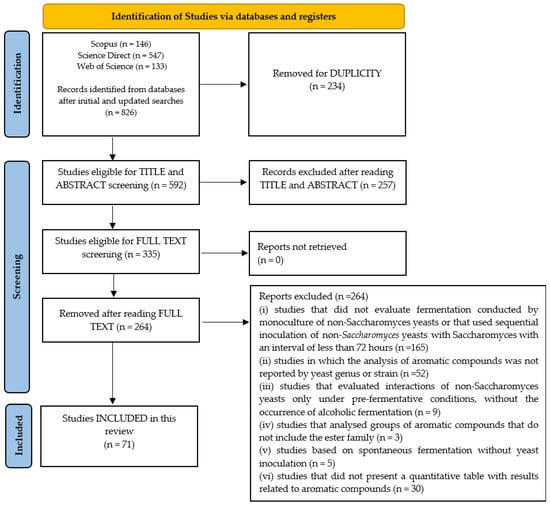
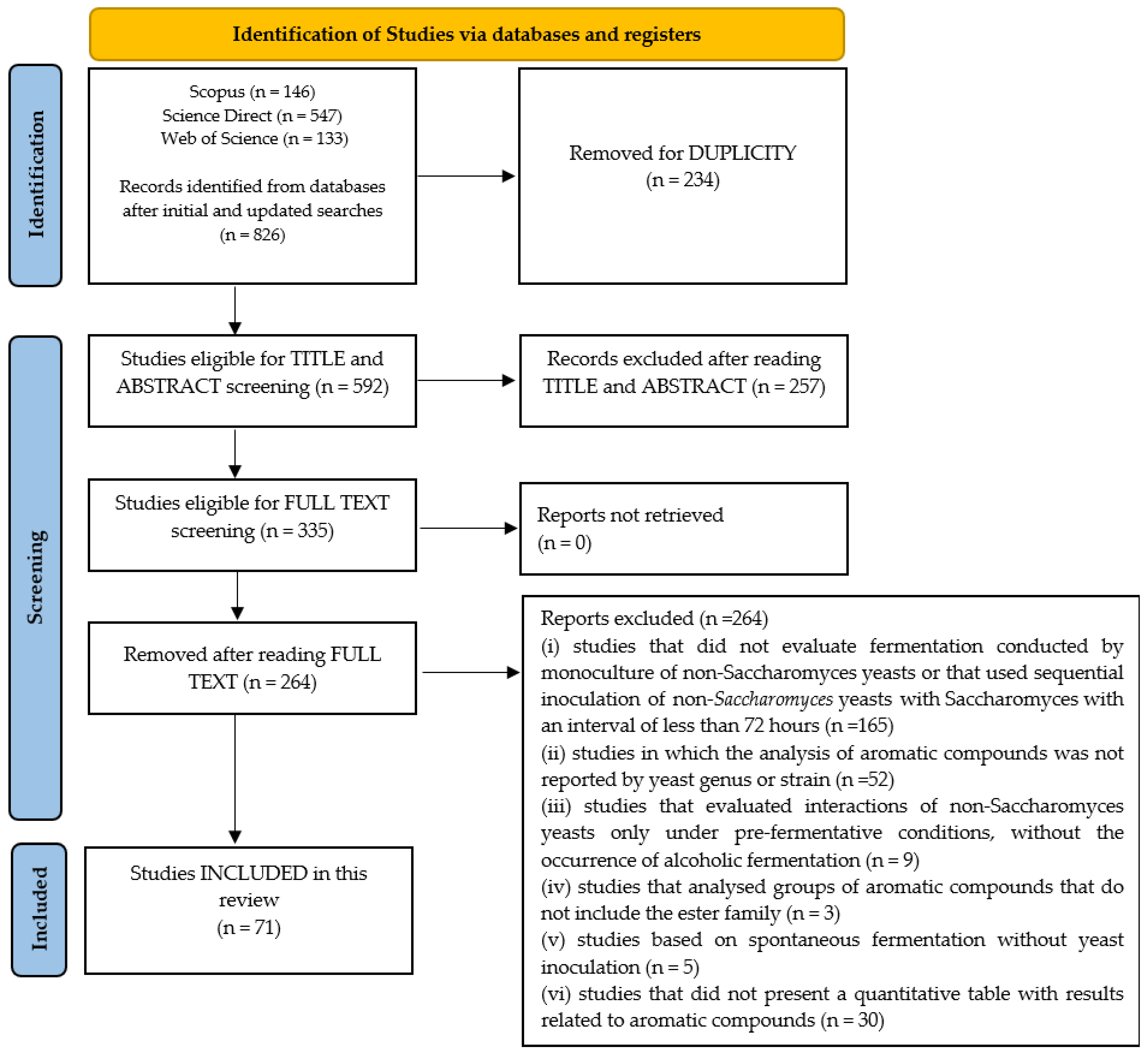
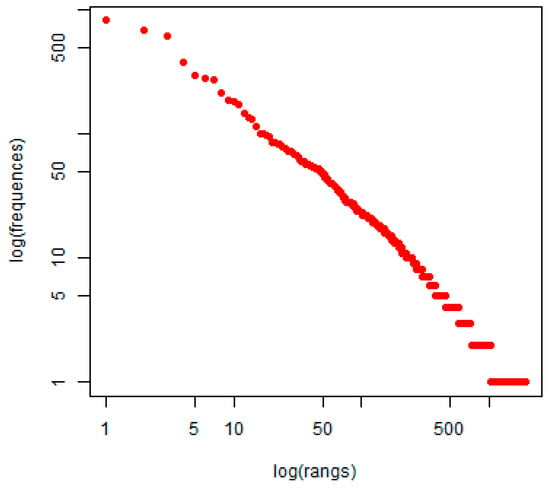
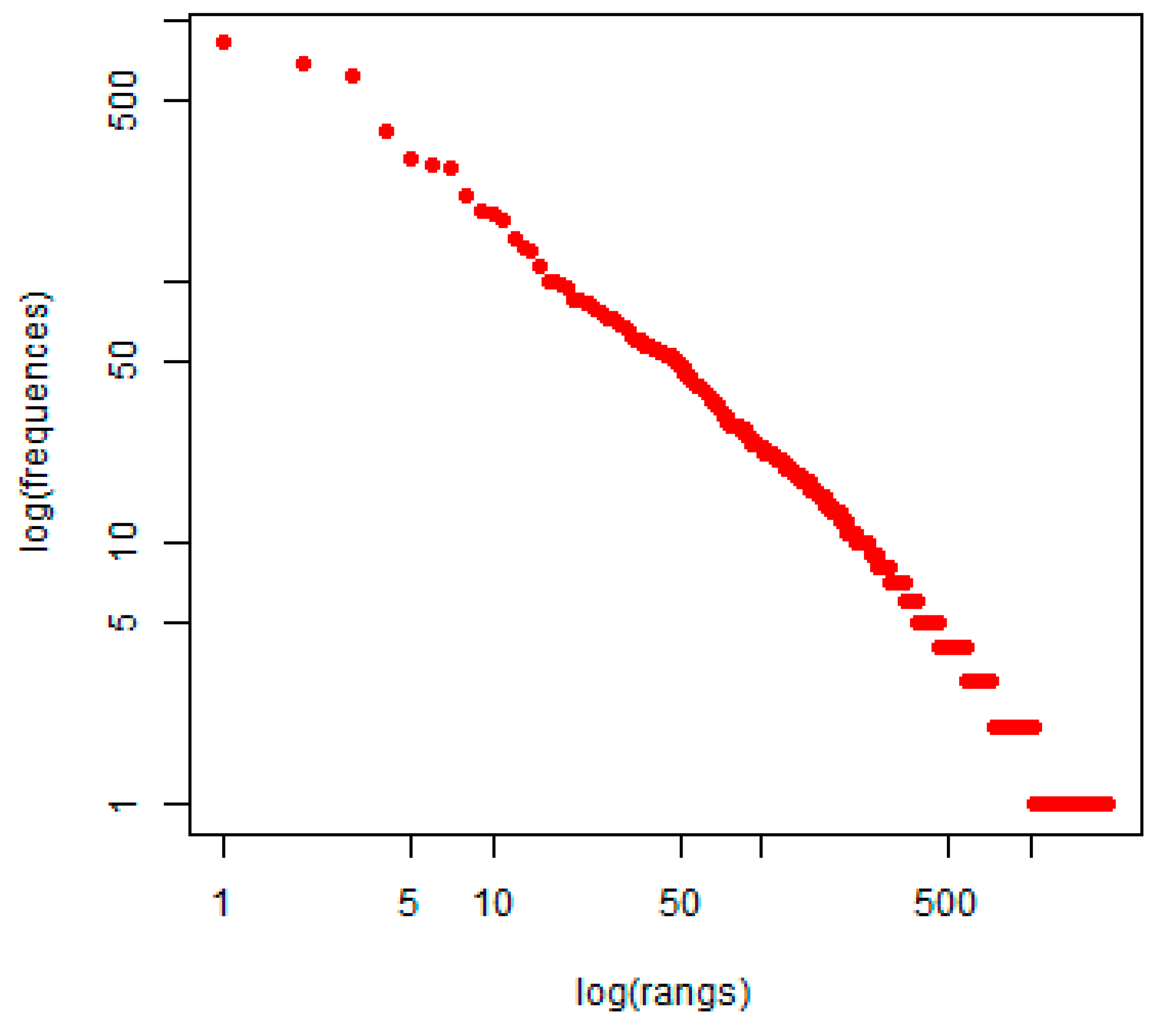
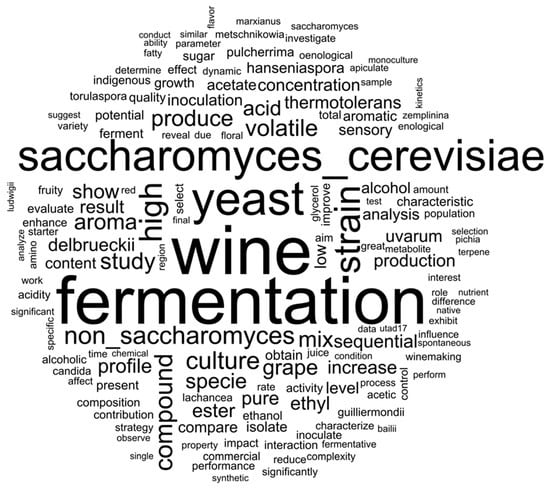
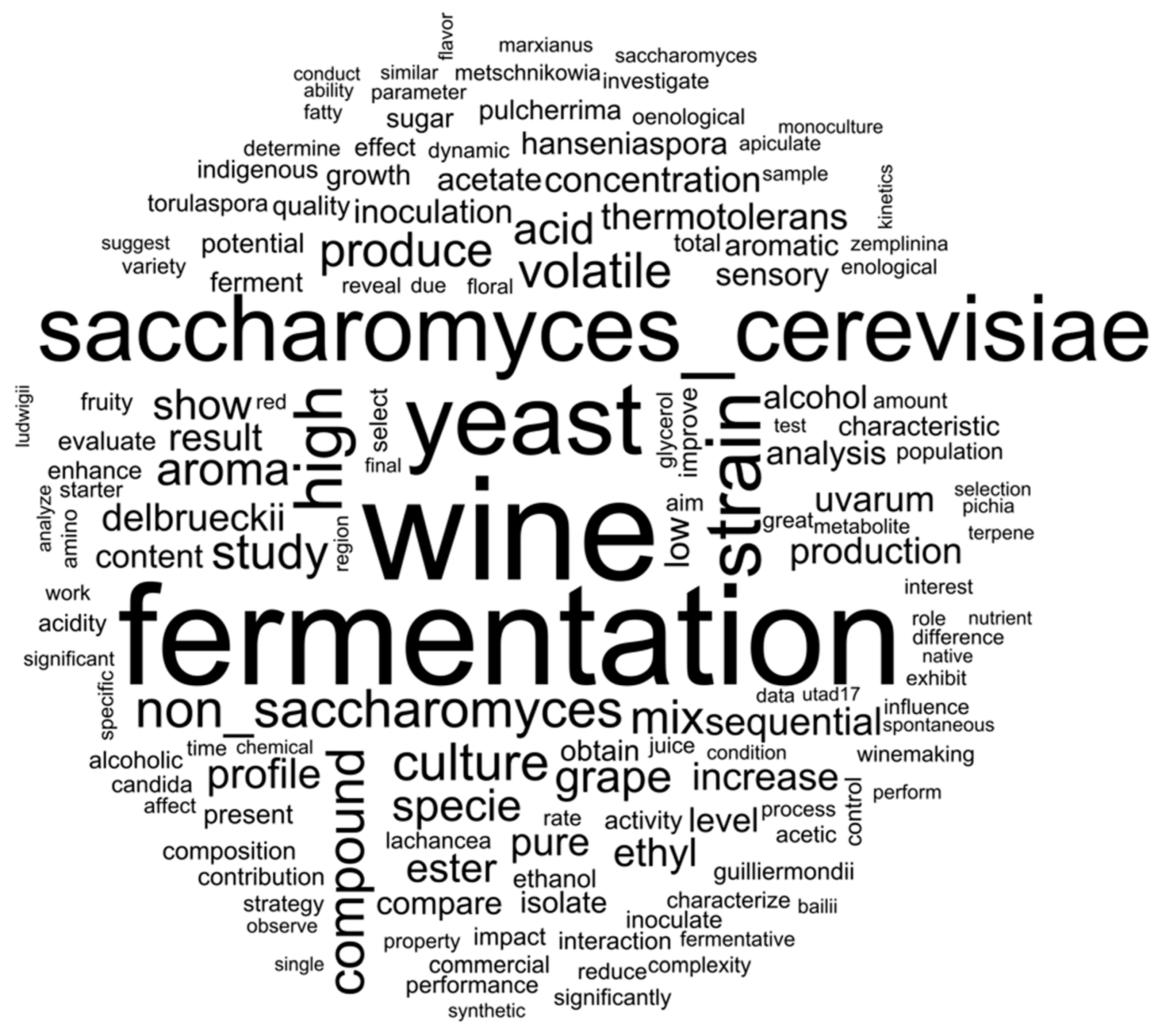
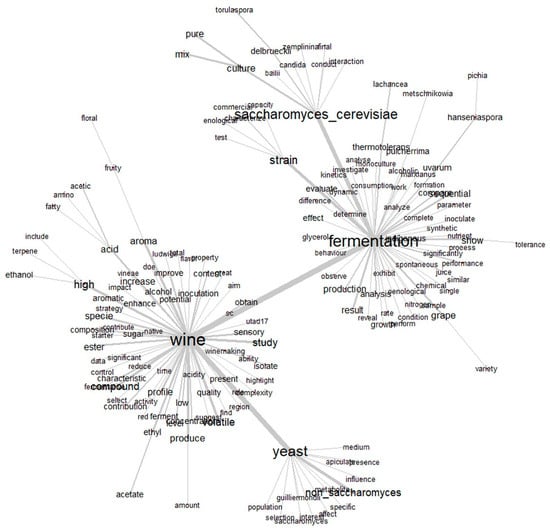
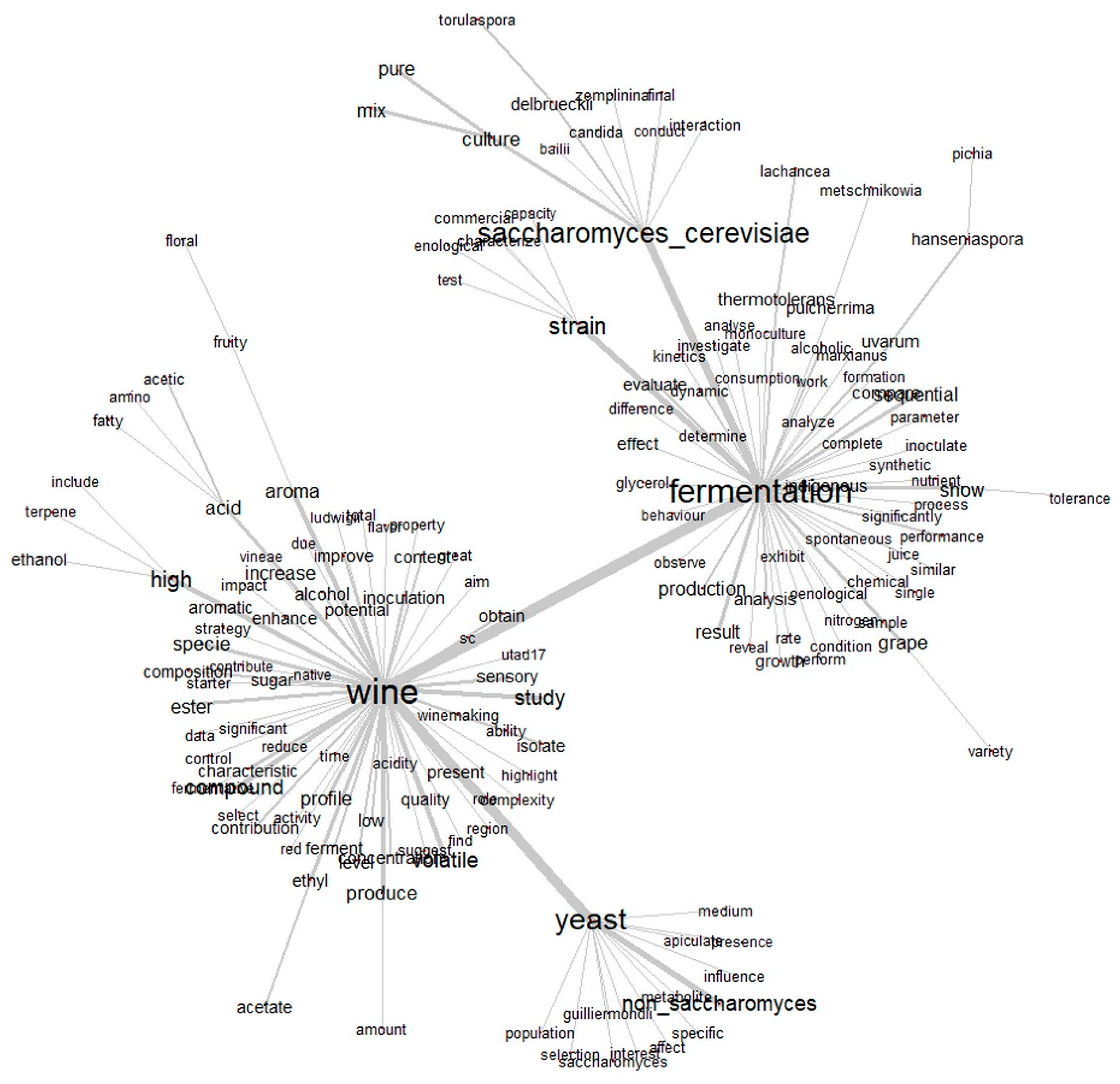
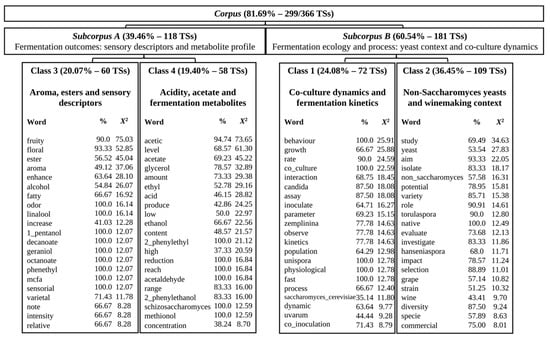
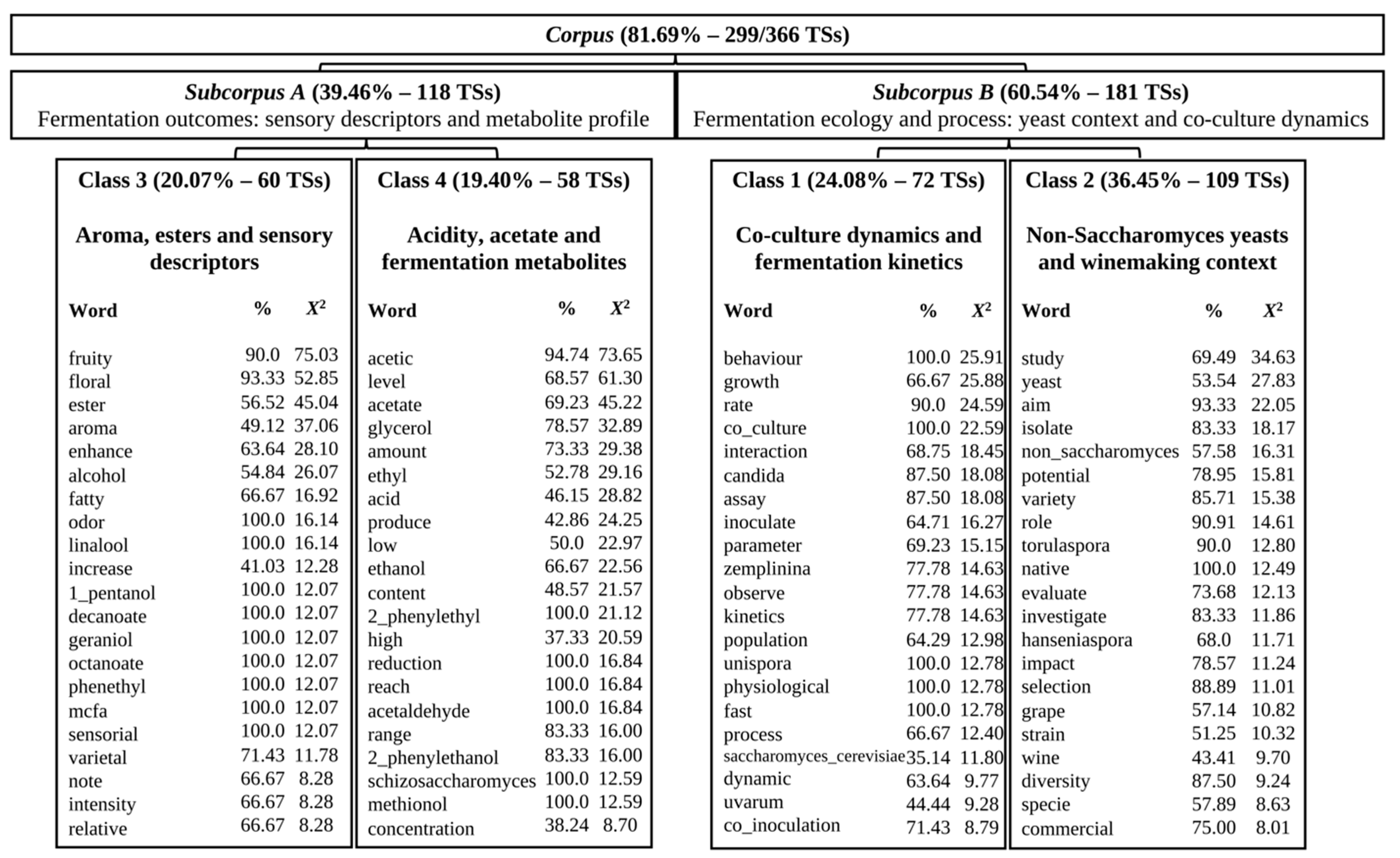
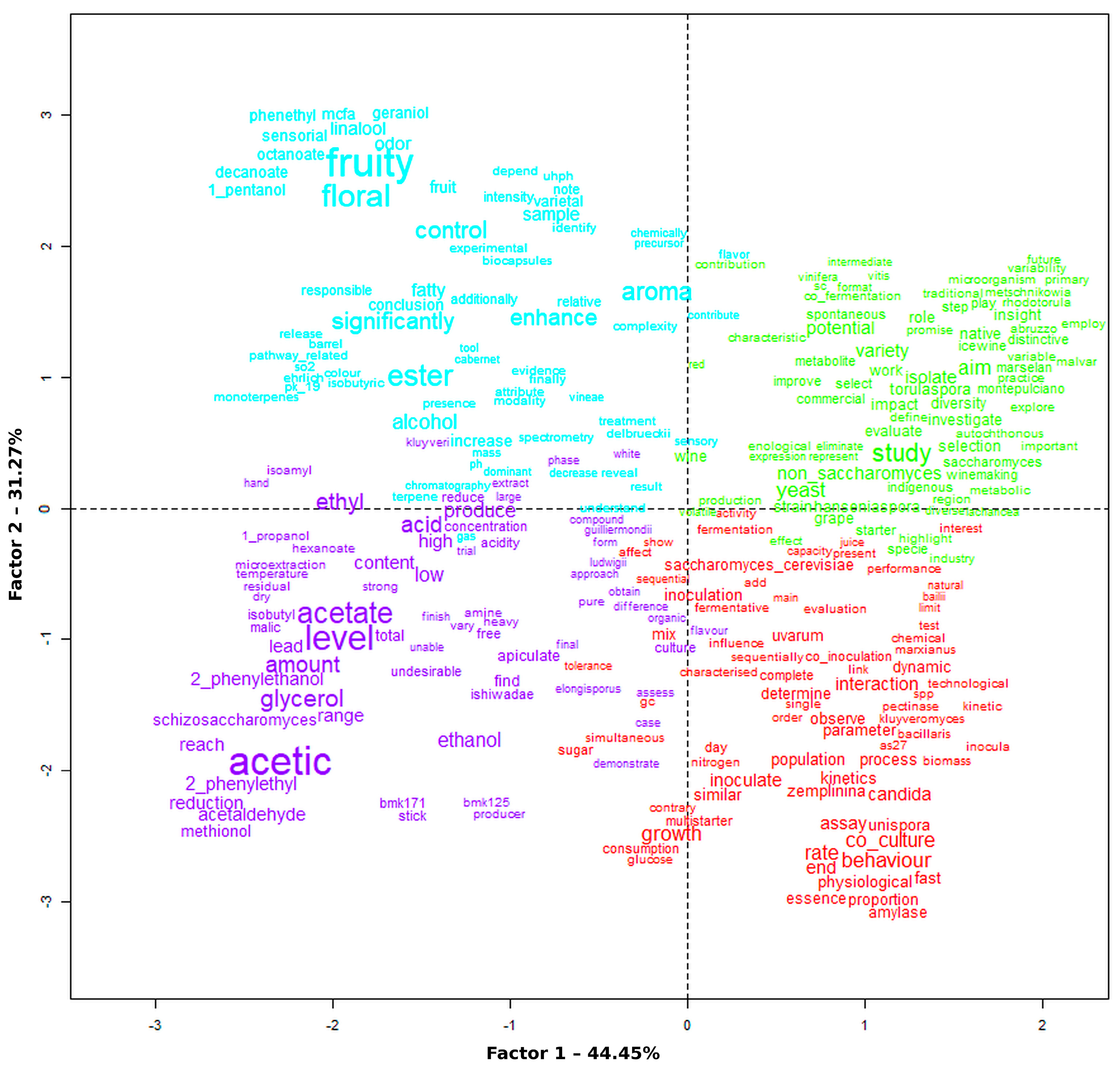
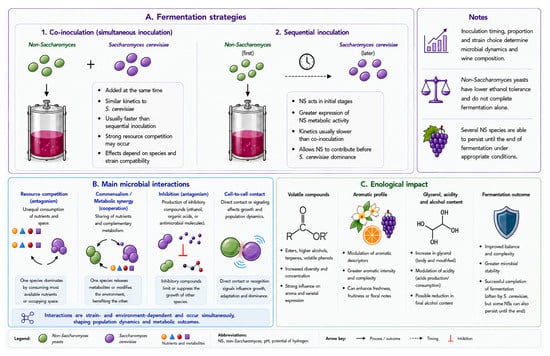
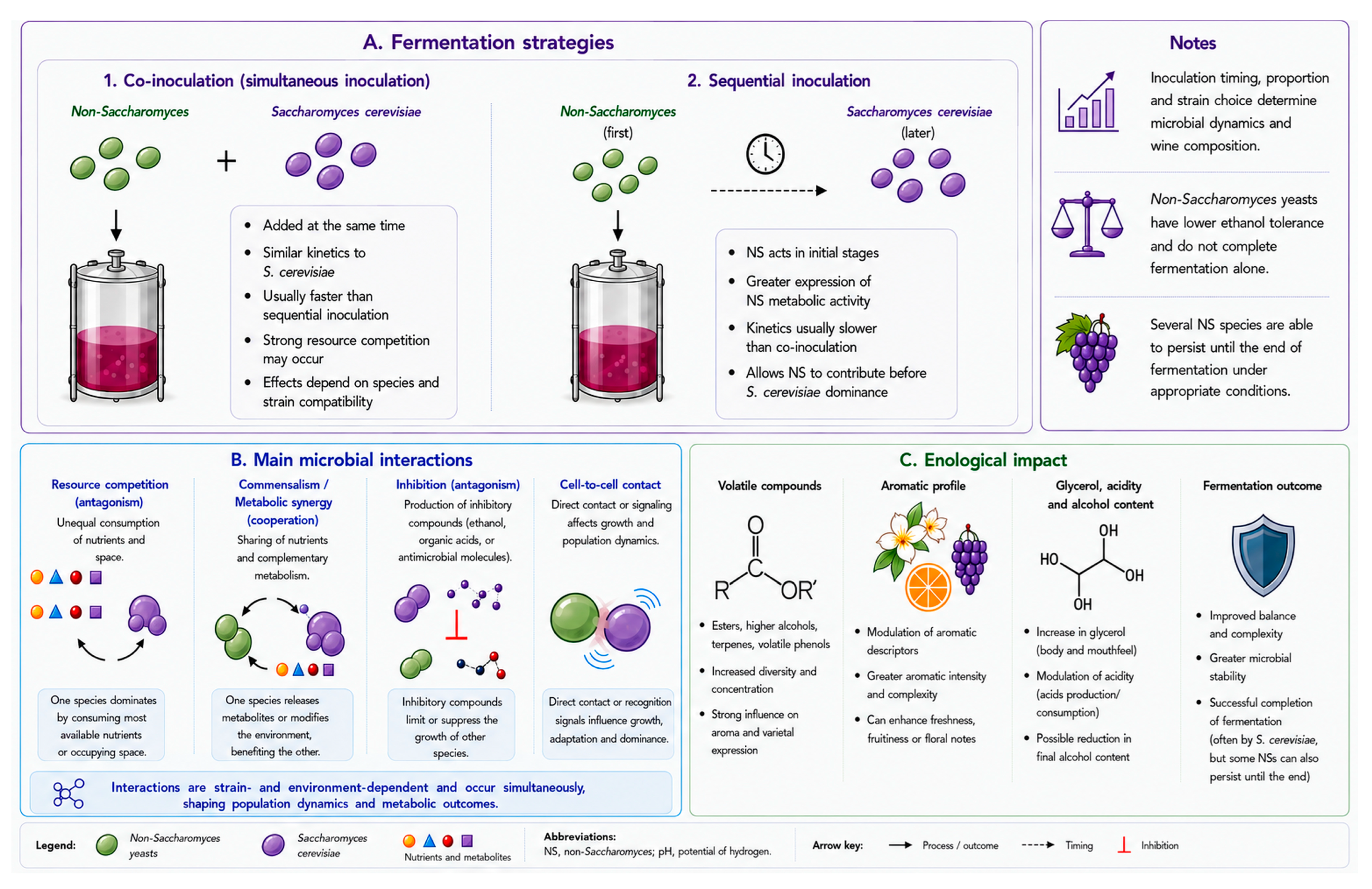
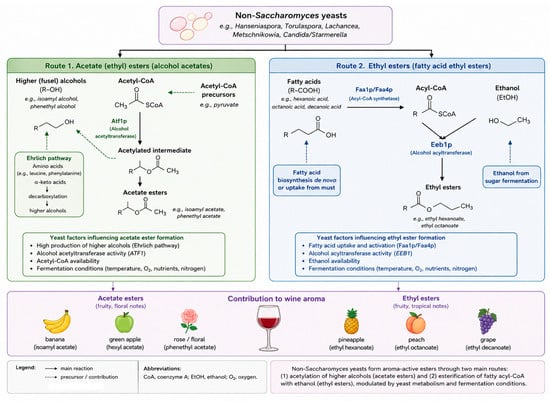
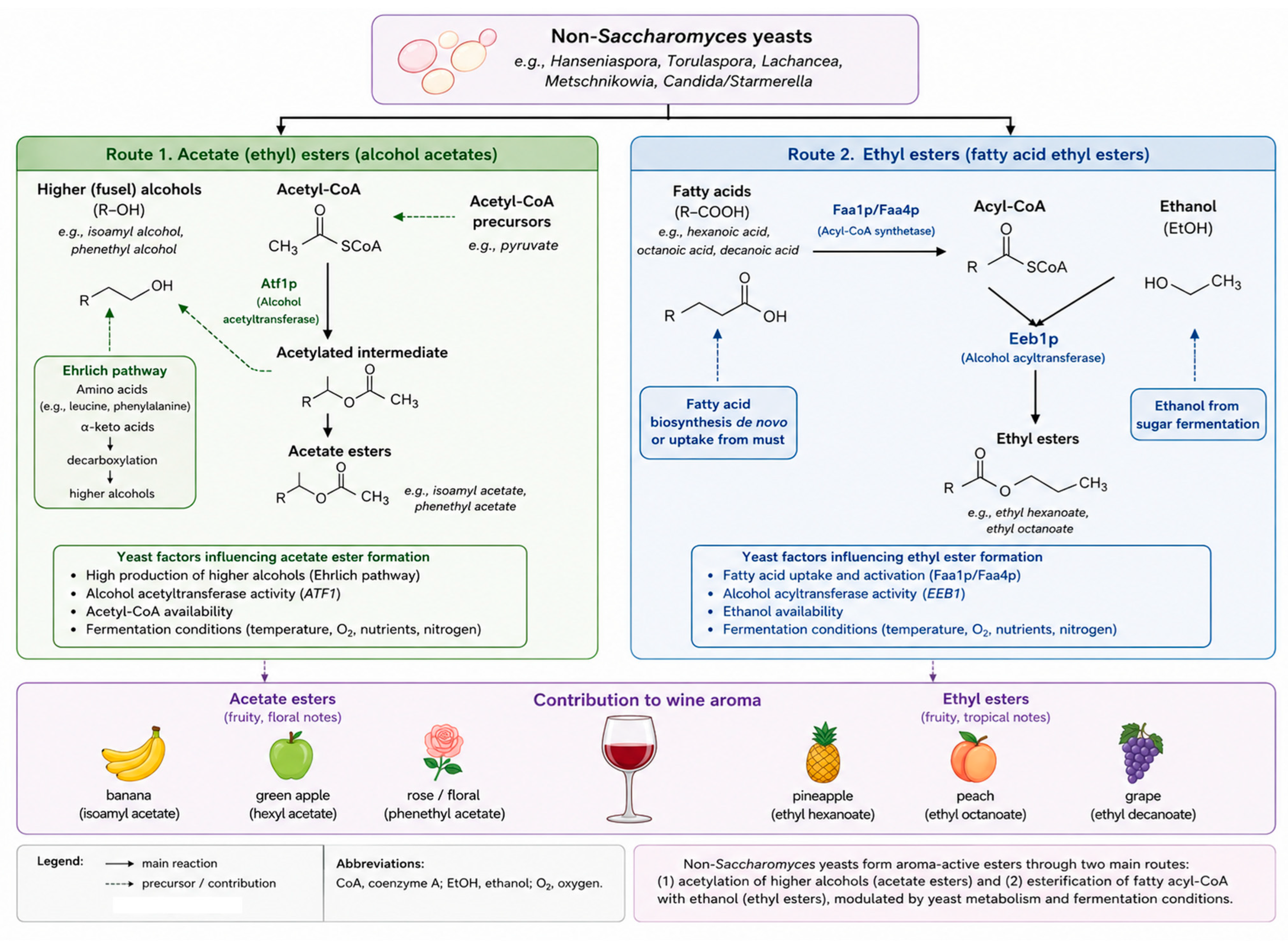
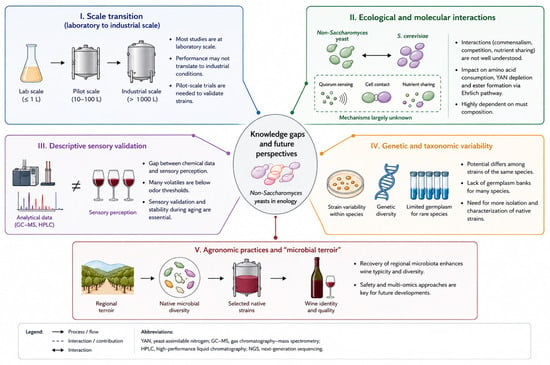
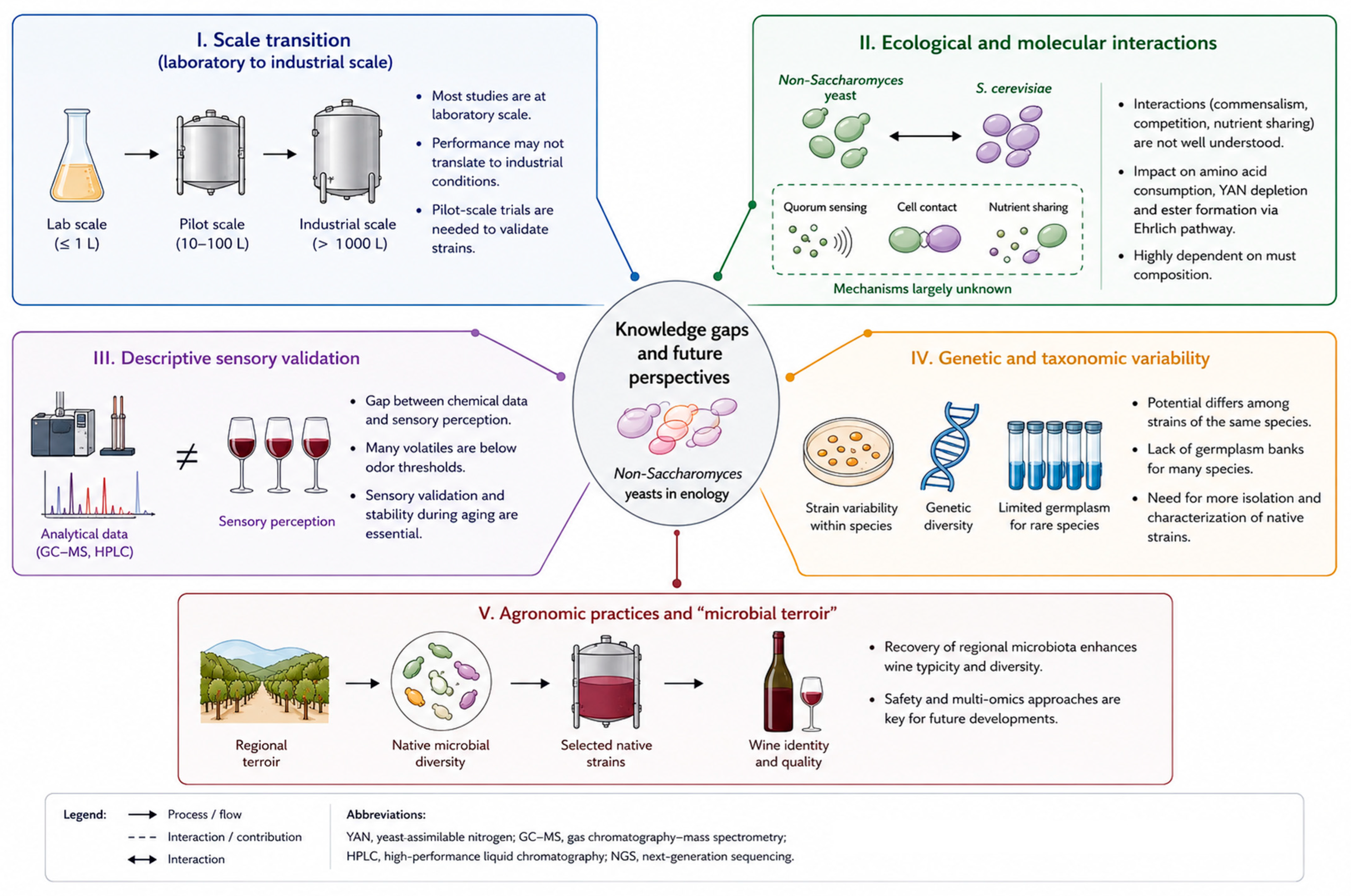

Disclaimer/Publisher’s Note: The statements, opinions and data contained in all publications are solely those of the individual author(s) and contributor(s) and not of MDPI and/or the editor(s). MDPI and/or the editor(s) disclaim responsibility for any injury to people or property resulting from any ideas, methods, instructions or products referred to in the content. |
© 2026 by the authors. Licensee MDPI, Basel, Switzerland. This article is an open access article distributed under the terms and conditions of the Creative Commons Attribution (CC BY) license.