


Abstract
The economic viability of second-generation (2G) bioethanol production depends on the availability of robust, multistress-tolerant yeast strains capable of withstanding harsh industrial conditions. This study investigates animal manure as a novel ecological niche for discovering such strains, as microbes in these environments naturally adapt to high organic loading and fluctuating temperatures. From eighty-six initial isolates, twenty-nine demonstrated superior xylose fermentation at 37 °C. Eight high-performing isolates (C2-1, B1-2, B1-6, B2-6, B2-8, G1-4, G1-5, and G2-4) exhibited exceptional tolerance to ethanol, high temperatures, and lignocellulosic-derived inhibitors (acetic acid, formic acid, furfural, and vanillic acid). Molecular identification classified isolate C2-1 as Pichia kudriavzevii and the remaining seven as Candida tropicalis. In synthetic media, C. tropicalis B2-8 produced up to 16.33 g/L of ethanol using xylose (60 g/L) as the sole carbon source. While the undetoxified, highly acidic sugarcane bagasse hydrolysate completely inhibited yeast growth, the industrial potential of these strains was successfully validated using the concentrated, undetoxified enzymatic hydrolysate derived from the acid-pretreated sugarcane bagasse solids, which contained 30.15 g/L glucose and 25.58 g/L xylose. P. kudriavzevii C2-1 achieved ethanol titers of 6.02 g/L and 5.71 g/L at 37 °C and 40 °C, respectively. The C. tropicalis strains outperformed P. kudriavzevii, yielding 6.12–6.35 g/L at 37 °C and maintaining 5.75–6.19 g/L at 40 °C. These findings underscore the potential of manure-derived yeasts as resilient biocatalysts. Although their fermentation yields remain relatively low and require further metabolic optimization, their ability to survive and ferment in this concentrated, undetoxified enzymatic hydrolysate at elevated temperatures makes them promising candidates for further development in high-temperature ethanol fermentation (HTEF), offering a potential pathway toward reducing cooling costs associated with 2G biorefineries.
1. Introduction
Lignocellulosic ethanol has emerged as a cornerstone of sustainable bioenergy, offering a cost-effective alternative that mitigates the food-versus-fuel conflict associated with first-generation sugar- and starch-based feedstocks. A diverse range of abundant, low-cost lignocellulosic residues, including corncob, corn stover, wheat straw, rice straw, sugarcane bagasse, and cassava waste, are increasingly utilized as substrates for renewable biofuels and high-value bioproducts within a circular bioeconomy framework. While the structural composition of these materials varies by species and geographical origin, they are universally characterized by a high content of cellulose and hemicellulose [1,2]. These polysaccharides serve as the primary precursors for fermentable sugars. However, their complex arrangement within the recalcitrant lignin matrix necessitates efficient conversion strategies. For instance, wheat straw consists of approximately 33–39% cellulose and 24–32% hemicellulose [3,4], whereas corncobs exhibit a higher composition of 35–52% cellulose and 32–46% hemicellulose [5].
Sugarcane bagasse similarly presents a robust carbohydrate profile, typically containing up to 50% cellulose and 35% hemicellulose [6,7], making it an ideal candidate for industrial-scale biorefining. This is particularly relevant in Thailand, which currently ranks as the world’s fourth-largest sugarcane producer, with an estimated output of 10.04 million metric tons for the 2024/2025 season, representing approximately 6% of global production [8]. A significant byproduct of this industry is sugarcane bagasse, which constitutes 40–45% of the processed stalk’s total weight. In Thailand alone, this results in the annual generation of over 20 million metric tons of bagasse [9]. While traditionally utilized as a low-value fuel for internal heat generation, a substantial surplus remains underutilized, presenting a prime opportunity for the bioeconomy. Chemically, this feedstock is rich in structural polysaccharides, containing approximately 36–40% cellulose and 28–32% hemicellulose on a dry weight basis [7,10]. These fractions can be depolymerized into fermentable sugars, such as glucose and xylose, providing a sustainable platform for high-value bioproducts. Consequently, exploring the valorization of bagasse for second-generation (2G) bioethanol production is a strategic priority.
Most conventional ethanologenic yeasts naturally lack the specialized cellulolytic enzymes, specifically cellulases and hemicellulases, required to directly convert these complex polysaccharides into fermentable monomers. Consequently, a pretreatment process is essential to deconstruct the densely interwoven biomass matrix, enhancing accessibility for subsequent enzymatic hydrolysis. Pretreatment methods are generally classified into chemical, physical, and physicochemical platforms. Among these, chemical pretreatment, particularly dilute acid hydrolysis, is a highly promising approach due to its operational simplicity, low cost, and scalability. Most importantly, acid pretreatment effectively fractionates cell wall components and yields high concentrations of fermentable sugars [1,11,12,13].
However, a significant drawback of acid pretreatment is the concurrent degradation of lignocellulosic components into inhibitory compounds. These inhibitors are categorized into five major groups: furan aldehydes (furfural and 5-hydroxymethylfurfural or 5-HMF), aromatic compounds, alcohols, inorganic compounds, and organic acids, with concentrations varying according to biomass source and processing severity [14,15]. These compounds adversely affect microbial fitness by suppressing growth, reducing cell viability, and disrupting metabolic flux, ultimately lowering fermentation efficiency. While various physical and chemical detoxification techniques can reduce inhibitor concentrations, these additional processing steps significantly increase operational costs and often result in unintended loss of fermentable sugars, thereby reducing overall ethanol yields [16]. Therefore, the economic viability of the process depends on the availability of robust ethanologenic yeasts that can withstand these multiple chemical stressors.
Beyond the toxicity of dilute-acid hydrolysates, yeast cells encounter additional environmental stressors during industrial fermentation. The most critical factors include elevated temperatures, resulting from the exothermic nature of fermentation, mechanical heat, and high ambient temperatures in tropical regions, and ethanol accumulation. The inhibitory effects of high temperature and ethanol often act synergistically with lignocellulosic inhibitors, severely impairing cell membrane integrity, disrupting intracellular pH, and inducing the accumulation of reactive oxygen species (ROS). These ROS can cause catastrophic oxidative damage to essential macromolecules, including proteins, DNA, and RNA, resulting in premature cell death [17]. To minimize the energy requirements and costs associated with large-scale cooling systems, the development of thermotolerant, multi-stress-tolerant yeasts is imperative. Several such yeasts, including Kluyveromyces marxianus, Pichia kudriavzevii, and Candida tropicalis, have been isolated from diverse ecological habitats, such as traditional Korean fermentation starters [18], sugarcane plantation soil [19], compost [20], distillery effluent [21], tropical acidic fruits [22], fruit wastes [23], and agro-food wastes [24,25].
A comprehensive review of the literature reveals that, although diverse habitats have been explored, studies specifically targeting animal manure (or dung) as a primary source for isolating thermotolerant ethanologenic yeasts remain notably limited. For instance, Makhuvele et al. [26] isolated ethanologenic yeasts from the dung of wild herbivores, and Farooq et al. [27] recovered similar microbes from manure heaps in wild habitats. More recently, ethanologenic strains have been identified in sheep dung [28] and during the composting process of cow dung [25]. Additionally, some research has focused on the herbivore rumen as a reservoir for lignocellulolytic and ethanologenic yeasts [29,30]. Despite these findings, a significant research gap remains. There is a lack of systematic evaluation of fresh manure from domesticated herbivores, which are readily available in agricultural settings, as a source of yeasts that are not only ethanologenic but also robust to the synergistic inhibitors found in undetoxified lignocellulosic hydrolysates. Manure represents a unique ecological niche where microbes must adapt to high organic loading and fluctuating thermal conditions.
The primary objective of this study was to address this gap by isolating, selecting, and screening thermotolerant ethanologenic yeasts from fresh animal manure, specifically buffalo, cow, and goat, to assess their potential for sustainable 2G bioethanol production. This research specifically evaluated the growth performance of these novel isolates under a spectrum of industrial stressors, including high temperature, ethanol toxicity, and lignocellulosic inhibitors. Furthermore, to validate their industrial applicability, their fermentation efficiency was evaluated using the concentrated, undetoxified enzymatic hydrolysate derived from the solid fraction of acid-pretreated sugarcane bagasse. By identifying robust strains from this untapped waste source that can maintain high productivity under the harsh conditions of concentrated enzymatic hydrolysates, this study aims to enhance the economic and environmental viability of HTEF and provide a more resilient biological platform for the global transition toward sustainable bioenergy.
2. Materials and Methods
2.1. Chemicals
Yeast nitrogen base (YNB), xylose, and malt extract were obtained from Hi Media (Hi Media Ltd., Maharashtra, India). Yeast extract, peptone, and agar (bacteriological grade) were purchased from TM media (Titan Biotech Ltd., Delhi, India). Glucose was purchased from KemAusTM (Sydney, New South Wales, Australia). Acetic acid, formic acid, and sulfuric acid were obtained from Merck (Merck Ltd., Darmstadt, Germany), while phenol and furfural were procured from Sigma-Aldrich (St. Louis, MO, USA). Other chemicals were purchased from a local supplier (CLS Supply and Services, Ltd., Part., Khon Kaen, Thailand).
2.2. Sample Collection and Yeast Isolation
Fresh animal manure samples, specifically cow (C), buffalo (B), and goat (G), were collected from the Faculty of Agriculture farm at Khon Kaen University, Thailand. A non-invasive sampling strategy was employed; samples were gathered from the ground immediately after natural defecation to ensure no direct contact or physical intervention with the animals occurred. Samples were stored in sterile plastic containers and transported immediately to the laboratory for yeast isolation.
Thermotolerant yeasts were isolated using the modified methods of Nuanpeng et al. [31]. Briefly, 1 g of well-mixed fresh animal manure was transferred into a 250-mL Erlenmeyer flask containing 100 mL of YNB medium (pH 5.5) supplemented with 60 g/L xylose as the sole carbon source. All flasks were plugged with cotton wool (microaerobic) and incubated in the controlled incubator shaker (JSSI-300CL, JSR, Gongju, South Korea) at 37 °C and 150 rpm. After 72 h of incubation, 1 mL of culture broth was collected, diluted with sterile distilled water, and spread onto YNB agar supplemented with 60 g/L xylose. Colonies that appeared on the agar plate after 72 h of incubation at 37 °C were collected and streaked on the same agar medium. After incubation at 37 °C, a single pure colony was then collected and stored at 4 °C for subsequent experiments. The yeast isolates were coded based on their source and isolation sequence; the first letter represents the animal source (B: Buffalo; C: Cow; G: Goat), the first number indicates the sample number, and the second number identifies the specific isolate obtained from that sample (e.g., B1-1).
2.3. Screening and Selection of Ethanologenic Fermentative Yeasts
The ethanologenic fermentative yeasts were screened and selected using the Durham tube assay. A loopful of each isolated yeast (86 isolates) was transferred into a 20 × 150 mm test tube containing 10 mL of YMX medium consisting of 3 g/L yeast extract, 5 g/L peptone, 3 g/L malt extract, and 60 g/L xylose. Durham tubes were placed inside each tube, and the tubes were then loosely capped. All cultures were statically incubated at 37 °C in a temperature-controlled incubator shaker (JSSI-300CL, JSR, Gongju, South Korea). The production and accumulation of CO2 in the Durham tube were observed daily, and data were recorded. A thermotolerant Kluyveromyces marxianus DBKKUY-102 [32] was used as a reference strain in this experiment.
2.4. Ethanol Production Capacity of Selected Thermotolerant Yeasts Using Xylose as Carbon Source
Batch ethanol fermentation was conducted in 250-mL Erlenmeyer flasks plugged with cotton wool (under microaerobic conditions) to evaluate the fermentative capacity of the selected yeast isolates. Initially, individual colonies from each of the twenty-nine selected fermentative yeast strains were inoculated into 100 mL of YMX medium (pH 5.0) containing 20 g/L xylose as the sole carbon source. After incubating at 30 °C and 150 rpm for 16 h in a temperature-controlled incubator shaker (JSSI-300CL, JSR, Gongju, South Korea), an aliquot of each culture was transferred to 100 mL of YMX medium (pH 5.0) supplemented with 60 g/L xylose to achieve an initial cell density of approximately 106 cells/mL [33]. All twenty-nine strains, along with the thermotolerant K. marxianus DBKKUY-102 used as a reference, were statically incubated in the same incubator at 37 °C, and the culture broths were collected at 24 and 48 h post-inoculation. After centrifugation at 1845× g using a Sigma 1-14K refrigerated centrifuge equipped with an S12084 rotor (Sigma Laborzentrifugen, Osterode am Harz, Germany) for 5 min at 4 °C to remove yeast cells, the ethanol concentration in the supernatant was quantified by gas chromatography (GC) following the method of Nuanpeng et al. [31], as detailed in Section 2.8. All experiments were performed in two independent trials, with each sample analyzed in duplicate, resulting in four analytical measurements per condition.
2.5. Growth Characterization of Selected Thermotolerant Yeasts Under Various Stress Conditions
The growth ability of twenty-nine selected yeast isolates and three thermotolerant reference strains (S. cerevisiae DBKKUY-53, K. marxianus DBKKUY-102, and P. kudriavzevii RZ8-1) was evaluated under various stress conditions. Initially, individual colonies of all thirty-two strains were inoculated onto YMX agar containing 60 g/L xylose and incubated at 30 °C for 48 h. The resulting yeast cells were then used to assess stress tolerance in YMX liquid medium supplemented with 60 g/L xylose. All stress treatments were conducted in cotton-plugged 250-mL Erlenmeyer flasks (microaerobic) containing 100 mL of YMX medium (pH 5.0), as described by Pilap et al. [22]. For heat stress, cells were statically incubated at 30 °C (control), 37 °C, 40 °C, and 45 °C in a temperature-controlled incubator shaker (JSSI-300CL, JSR, Gongju, South Korea). For ethanol stress, cells were inoculated in YMX medium supplemented with 4%, 7%, 10%, and 13% (v/v) absolute ethanol. The medium without ethanol served as a control in this experiment. For organic acid stress, cells were grown in media containing acetic acid (3, 5, 7, and 10 g/L) or formic acid (1, 3, 5, 7, and 10 g/L), with acid-free media serving as controls. For furfural and vanillic acid stress, the media were supplemented with 1, 3, 5, and 7 g/L furfural or 1, 2, 3, and 5 g/L vanillic acid, with inhibitor-free media serving as the control. All experiments were performed by static incubation at 30 °C in the same incubator shaker, except for the heat-stress experiment, which was carried out at the different temperatures mentioned earlier. After 24 h of incubation, yeast growth was monitored by measuring optical density at 600 nm (OD600) using a spectrophotometer (UV-1601, Shimadzu, Kyoto, Japan). Measurements were performed directly on the samples. However, for samples with an absorbance exceeding 1.0, a 1:10 dilution in sterile medium was performed to keep the values within the equipment’s linear range.
Based on the results of the individual stressor tests, a subset of fifteen thermotolerant yeasts was selected for multi-stress tolerance assessment. An inhibitor cocktail consisting of 7% (v/v) ethanol, 7 g/L acetic acid, 10 g/L formic acid, 7 g/L furfural, and 5 g/L vanillic acid was prepared and used in this study. Prior to use, this inhibitor cocktail was diluted with YMX medium to achieve inhibitor loadings of 25%, 50%, 75%, and 100%. The medium without inhibitor cocktail supplementation served as a control. The experiments were carried out in cotton-plugged 250-mL Erlenmeyer flasks (microaerobic) containing 100 mL of YMX medium (pH 5.0) supplemented with inhibitor cocktail, and all flasks were statically incubated at 30 °C and 40 °C in the same temperature-controlled incubator shaker. The optical density of culture growth was measured after 24 h of incubation. This comprehensive assessment of individual and combined stressors was conducted to evaluate the general robustness and physiological stability of the selected isolates.
2.6. Ethanol Production from Sugarcane Bagasse Hydrolysate by Selected Thermotolerant Yeasts
A total of eight thermotolerant yeast isolates exhibiting high multi-stress tolerance were selected to evaluate their ethanol production capacity using sugarcane bagasse hydrolysates as the feedstock. Their ethanol fermentation performances were compared against three reference strains (S. cerevisiae DBKKUY-53, K. marxianus DBKKUY-102, and P. kudriavzevii RZ8-1). The sugarcane bagasse hydrolysates were prepared following the methodology described by Dolpatcha et al. [7] with minor modifications. Briefly, dried sugarcane bagasse (10% w/v solid loading) was soaked in a 3% (v/v) sulfuric acid solution at room temperature overnight. The mixture was then autoclaved at 121 °C and 15 psi for 60 min. Following pretreatment, the liquid fraction (acid hydrolysate) was recovered by filtration through a muslin cloth and used directly as a feedstock without pH adjustment or detoxification.
To prepare the solid fraction for enzymatic hydrolysis and to prevent carryover of the acid liquor and soluble inhibitors, the remaining solid residue was thoroughly washed with distilled water and then neutralized until the filtrate reached a pH of approximately 5.0. The washed solids were then dried at 60 °C to a constant weight. For the enzymatic saccharification stage, the dried solid fractions (5% w/v loading) were suspended in 50 mM sodium citrate buffer (pH 4.8) and treated with Cellic® CTec2 at a dosage of 15 filter paper units (FPU)/g dry solid. The suspension was incubated in a temperature-controlled incubator shaker (JSSI-300CL, JSR, Gongju, South Korea) at 50 °C and 200 rpm for 24 h. The enzymatic reaction was terminated by placing the mixture in boiling water for 5 min. After centrifugation at 9803× g using a Sorvall LYNX 4000 refrigerated centrifuge equipped with a Fiberlite F14-6x250y rotor (Thermo Scientific, Waltham, MA, USA) for 10 min at 20 °C, the resulting enzymatic hydrolysate was collected for use as a fermentation substrate. The chemical compositions of both the acid and enzymatic hydrolysates, including sugar concentrations and lignocellulose-derived inhibitors, were analyzed. Because the initial sugar concentration in the fresh undetoxified enzymatic hydrolysate was relatively low (12.56 g/L), the solution was concentrated approximately 4.4-fold (from 12.56 g/L to 55.73 g/L of total sugars) using a rotary evaporator (EYELA N-1100, Tokyo, Japan) at 60 °C under vacuum. Prior to fermentation, both the undetoxified acid and concentrated enzymatic hydrolysates (derived from acid-pretreated sugarcane bagasse solids) were supplemented with 1.5 g/L yeast extract and 3.0 g/L peptone, with no further pH adjustment.
Ethanol production was carried out in batch mode in 250-mL Erlenmeyer flasks plugged with cotton wool (under microaerobic conditions). Approximately 107 cells/mL of active yeast starter were inoculated into 100 mL of either the undetoxified acid hydrolysate (pH 1.06) or the concentrated, undetoxified enzymatic hydrolysate (pH 4.8). Ethanol fermentation was conducted at 37 °C and 40 °C in a temperature-controlled incubator shaker (JSSI-300CL, JSR, Gongju, South Korea), at 150 rpm. Samples were collected at 24 h and centrifuged at 1845× g using a Sigma 1-14K refrigerated centrifuge equipped with an S12084 rotor (Sigma Laborzentrifugen, Osterode am Harz, Germany) for 5 min at 4 °C. The resulting supernatant was analyzed for ethanol content by GC, as described by Nuanpeng et al. [31] (see Section 2.8). All experiments were performed in two independent trials, with each sample analyzed in duplicate, resulting in four analytical measurements per condition.
2.7. Yeast Identification
The eight thermotolerant yeast isolates exhibiting the highest ethanol production potential were selected and identified via molecular analysis of the D1/D2 domain of the 26S rDNA gene [34]. Yeast genomic DNA (gDNA) was isolated using the GF-1 Fungus DNA extraction kit (Vivantis Technologies Sdn. Bhd., Selangor, Malaysia) following the manufacturer’s protocol. Polymerase chain reaction (PCR) was performed with a Taq PCR core kit (QIAGEN GmbH, Hilden, Germany) using purified gDNA as a template and primers NL-1 (5′-GCA TAT CAA TAA GCG GAG GAA AAG-3′) and NL-4 (5′-GGT CCG TGT TTC AAG ACG G-3′). The amplification conditions included an initial activation step at 94 °C for 3 min, followed by 35 cycles of denaturation at 94 °C for 30 s, annealing at 55 °C for 30 s, and extension at 72 °C for 60 s. A final extension step was carried out at 72 °C for 5 min. After amplification, PCR products were separated on 1% agarose gel and purified using a GF-1 AmbiClean (Gel and PCR) purification kit (Vivantis Technologies Sdn. Bhd., Selangor Ehsan, Malaysia). DNA sequencing was performed at ATCG Co., Ltd., Pathumthani, Thailand, using the Sanger sequencing method. Homology and phylogenetic analyses were performed using FASTA and BLAST+2.17.0 (GenBank) and Molecular Evolutionary Genetics Analysis (MEGA) version 11, respectively. Tree topologies were constructed using the neighbor-joining method with 1000 bootstrap replicates [35].
2.8. Analytical Methods
Yeast cell counts were measured using a haemacytometer under a microscope. Yeast cell growth was measured as OD600 using a spectrophotometer (UV-1601, Shimadzu, Kyoto, Japan). Ethanol concentration (P, g/L) was analyzed by GC (GC-14B, Shimadzu, Kyoto, Japan) using a polyethylene glycol (PEG-20M)-packed column with a flame ionization detector (FID). The temperatures for the injector, detector, and column oven were 180 °C, 250 °C, and 150 °C, respectively. Nitrogen was used as the carrier gas, and 2-propanol as the internal standard. The pressure of nitrogen gas was controlled at 200 kPa. The volumetric ethanol productivity (Qp, g/L∙h) was calculated by the following equation: Qp = P/t, where P is the ethanol concentration (g/L), and t is the fermentation time (h), giving the greatest ethanol concentration. The ethanol yield (Yp/s) was calculated as the actual ethanol produced and was expressed as grams of ethanol per gram of sugar utilized (g/g) [31]. The concentrations of glucose, xylose, arabinose, and lignocellulosic inhibitors (acetic acid, formic acid, furfural, 5-hydroxymethyl furfural (5-HMF), and vanillic acid) in the sugarcane bagasse hydrolysate were measured using HPLC (Shimadzu, Kyoto, Japan) equipped with an Aminex HPX-87H column. Sugars were detected using a refractive index detector (RID), while inhibitors were detected using a UV-VIS detector at 210 nm wavelength. A 5 mM sulfuric acid (H2SO4) mobile phase was used at a flow rate of 0.6 mL/min at 40 °C [36]. The limit of detection (LOD) for sugars and lignocellulosic inhibitors was 0.01 g/L. Concentrations below these thresholds were considered undetectable.
A complete randomized design (CRD) was employed in this study. One-way analysis of variance (ANOVA) and Duncan’s multiple-range test (DMRT) were used to assess treatment differences at the p ≤ 0.05 level. All statistical analyses were conducted using SPSS Statistics for Windows (SPSS Version 28; IBM Corporation, Armonk, NY, USA). Data are expressed as mean ± standard deviation (SD).
3. Results and Discussion
3.1. Isolation, Screening, and Selection of Thermotolerant Fermentative Yeasts
Eighty-six yeast-like colonies were isolated from 27 animal manure samples after incubation at 37 °C for 72 h. Twenty-four isolates were from buffalo manure, thirty-two from cow manure, and thirty from goat manure samples. Each isolate was streaked onto YNB agar with xylose as the carbon source, and a single purified colony was collected for analysis. Morphological examination revealed clear differences in cell shape and colony features. As observed in this study, yeast cells appeared ovoid, lemon, or pear-shaped, while colony colors ranged from white and cream to light brown (Figure 1). These morphological observations provided a framework for further functional assessment. Building upon these findings, we next examined their fermentative ability using xylose as a carbon source.
Figure 1.
Colony and cell morphology of some isolated yeasts. Colony and cell (40×) of yeast isolate B1-1 (A,B), C2-1 (C,D), and C2-8 (E,F).
CO2 production during fermentation serves as an indicator for screening ethanologenic yeasts. Using the Durham tube assay, which distinguishes fermentative from non-fermentative yeasts, 29 isolates were selected. These isolates exhibited differential abilities to produce and accumulate CO2 in the tube (Table 1). Notably, most of the fermentative yeasts came from buffalo manure (14), with fewer from cow manure (9) and goat manure (7). This suggests that the digestive tract of buffalo may be favorable for the propagation of thermotolerant fermentative yeasts, thus making this animal manure a good source of ethanol-producing yeasts relative to cow or goat manure samples. The current findings align well with Avchar et al. [30], who also found ethanologenic, thermotolerant yeasts from buffalo rumen.
Table 1.
The production and accumulation of CO2 in the Durham tube by the isolated yeasts after incubation at 37 °C for 48 h.
3.2. Ethanol Production from Xylose by Selected Thermotolerant Yeasts
To further validate the fermentative activity of the selected thermotolerant yeasts, their ethanol production capacity was assessed using xylose as the carbon source and compared with that of the well-characterized reference strain K. marxianus DBKKUY-102 [32]. As shown in Table 2, although all selected isolates were capable of fermenting xylose, their performance varied significantly according to their source of origin. Consistent with the Durham tube assay results, isolates derived from buffalo manure exhibited superior fermentation efficiency compared to those from other sources. Specifically, isolates B2-4 and B2-8 recorded the highest ethanol yield and productivity, followed by B2-6 and B2-5. After 24 and 48 h of fermentation at 37 °C, B2-4 achieved ethanol concentrations of 16.33 g/L and 17.18 g/L, with corresponding productivities of 0.68 g/L·h and 0.36 g/L·h, respectively. Likewise, B2-8 produced 12.15 g/L and 16.33 g/L with productivities of 0.51 g/L·h and 0.34 g/L·h, respectively. These values represent approximately 2.9- and 1.1-fold increases over the reference strain for B2-4 and approximately 2.2- and 1.0-fold increases for B2-8, marking these isolates as strong candidates for xylose-based ethanol production. Consequently, all isolates were selected for further characterization under various stressful conditions.
Table 2.
Ethanol production from xylose by selected thermotolerant yeasts at 37 °C.
3.3. Growth Performance of Selected Thermotolerant Yeasts Under Stressful Conditions
To evaluate the robustness of the selected thermotolerant yeasts, their growth performance was assessed under various stressful conditions, including elevated temperature, ethanol, acetic acid, formic acid, furfural, and vanillic acid. The growth responses to individual stressors are summarized in Figure 2 and Figure 3, while the results for the multi-stress inhibitor cocktail are shown in Figure 4. The majority of the selected thermotolerant yeasts demonstrated robust growth at 37 °C, with isolates B1-2, B1-4, B2-4, B2-6, B2-8, C4-5, G2-2, and G2-4 showing growth comparable to that of the reference strains. However, increasing the temperature to 40 °C significantly reduced growth across nearly all isolates. Notably, S. cerevisiae DBKKUY-53 exhibited a more pronounced decline in viability at this temperature compared to the more thermotolerant references, K. marxianus DBKKUY-102 and P. kudriavzevii RZ8-1. Interestingly, three specific isolates, i.e., B2-4, B2-6, and B2-8, maintained growth levels comparable to those of the high-performing reference strains (Figure 2).
Figure 2.
The heatmap represents the effect of thermal stress on the growth of selected thermotolerant yeasts isolated from animal manure. Sc, Saccharomyces cerevisiae DBKKUY-53; Km, Kluyveromyces marxianus DBKKUY-102; Pk, Pichia kudriavzevii RZ8-1.
Figure 3.
The heatmap represents the effect of ethanol, acetic acid, formic acid, furfural, and vanillic acid on the growth of selected thermotolerant yeasts isolated from animal manure. Sc, Saccharomyces cerevisiae DBKKUY-53; Km, Kluyveromyces marxianus DBKKUY-102; Pk, Pichia kudriavzevii RZ8-1.
Figure 4.
The heatmap represents the effect of lignocellulosic inhibitor cocktail on the growth of selected thermotolerant yeasts isolated from animal manure at 30 °C (A) and 40 °C (B). Sc, Saccharomyces cerevisiae DBKKUY-53; Km, Kluyveromyces marxianus DBKKUY-102; Pk, Pichia kudriavzevii RZ8-1.
Upon further raising the temperature to 45 °C, growth was inhibited by more than 50% in most isolates. In contrast, B2-4, B2-6, and B2-8 maintained superior growth profiles compared with the reference strains (K. marxianus DBKKUY-102 and P. kudriavzevii RZ8-1), suggesting a high degree of thermal resilience. This ability to withstand 45 °C is a critical trait, as high temperatures often compromise the integrity of the yeast cell envelope and disrupt metabolic flux. The observed decline in cell growth at these limits is likely due to the cumulative adverse effects of heat stress on essential physiological and biological processes. Heat stress not only impairs cell growth and division and disrupts the fluid-mosaic model of the plasma membrane but also triggers the detrimental accumulation of reactive oxygen species (ROS). These oxidative molecules cause widespread damage by denaturing catalytic proteins and fragmenting nucleic acids (DNA and RNA), ultimately leading to programmed cell death or lysis [37,38].
High ethanol accumulation poses a significant physiological challenge for microbial cells, as it severely impairs growth and metabolic flux during fermentation. As illustrated in Figure 3, nearly all selected thermotolerant yeast isolates demonstrated robust tolerance to ethanol concentrations of 4–10% (v/v). Only a small subset, specifically isolates B2-5, C4-1, C4-2, and G2-2, exhibited a growth reduction of more than 50% at 10% ethanol relative to the control condition. When the ethanol concentration was increased to 13% (v/v), half of the isolated yeasts maintained growth performance comparable to the reference strains. Notably, isolate B2-8 exhibited superior growth compared to all other isolates. This finding aligns with the results of thermal stress experiments, suggesting that B2-8 exhibits dual resistance to heat and ethanol, a highly desirable trait for robust ethanologenic yeasts in industrial-scale production.
The synergism between thermal and ethanol stress is well documented; damage induced by these two stressors shares common characteristics, including ROS accumulation, increased membrane fluidity, and denaturation of essential macromolecules [37,39]. Ethanol acts as a chemical chaotrope that disrupts hydrophobic interactions within the lipid bilayer, thereby increasing membrane permeability and causing the leakage of vital intracellular components, such as ions and metabolites. This disruption, combined with heat, exacerbates cellular toxicity and triggers complex stress-responsive mechanisms to protect the cell [39,40]. Consequently, yeast cells that exhibit high thermotolerance often exhibit cross-tolerance to ethanol stress. This study confirms this correlation, as several yeast isolates exhibited vigorous growth under both high temperature and high ethanol concentrations, with B2-8 emerging as the most resilient across both stressors.
Lignocellulosic biomass is a promising, sustainable feedstock for second-generation bioethanol production. However, its commercial viability is constrained by significant technical challenges. The thermochemical pretreatment required to fractionate the recalcitrant lignocellulose structure inevitably generates a suite of highly toxic degradation products that are harmful to fermenting microorganisms. These inhibitory substances primarily include weak acids (e.g., acetic and formic acid), furan aldehydes (e.g., furfural and 5-HMF), and lignin-derived phenolic compounds (e.g., vanillic acid) [7,14,16,41].
While chemical or physical detoxification methods can be employed to minimize inhibitor concentrations, these additional steps significantly increase operational costs and often lead to the adventitious loss of fermentable sugars, thereby reducing overall ethanol yields [16]. Furthermore, these inhibitors typically synergize with other process stressors, such as high temperature and ethanol concentration, thereby suppressing fermentation kinetics. Consequently, the development and selection of robust, inhibitor-tolerant ethanologenic yeasts are imperative for the economic feasibility of lignocellulosic ethanol production. In this study, the impact of representative inhibitors, specifically acetic acid, formic acid, furfural, and vanillic acid, as previously reported in the sugarcane bagasse hydrolysate [7], on the growth of the selected thermotolerant yeast isolates was assessed, with the results summarized in Figure 3.
Lignocellulosic hydrolysates frequently contain weak organic acids, such as acetic and formic acids, at concentrations up to 10 g/L, though these levels fluctuate significantly depending on feedstock selection and pretreatment severity [42]. Due to the inhibitory nature of these compounds, the current study assessed the tolerance of selected thermotolerant yeast isolates to acetic acid (3, 5, 7, and 10 g/L) and formic acid (1, 3, 5, 7, and 10 g/L). At a baseline of 3 g/L acetic acid, all yeast isolates and reference strains demonstrated robust growth. However, an increase of acetic acid to 5 g/L served as a critical physiological threshold. At this concentration, only nine isolates representing 31% of the total, specifically B1-6, B1-7, B1-8, B2-3, B2-6, B2-8, C2-1, G2-4, and G2-5, exhibited growth higher than 85%, while all reference strains remained unaffected. When the acetic acid concentration was further increased to 7 g/L, seven specific isolates (B1-6, B1-8, B2-3, B2-8, C2-1, G2-4, and G2-5) maintained growth above 50%. Ultimately, at a maximum concentration of 10 g/L, nearly all isolates were severely inhibited (growth ability < 50%), with the notable exceptions of the reference strains K. marxianus DBKKUY-102 and P. kudriavzevii RZ8-1, which are well known for multistress-tolerant yeasts.
Similar trends were observed during the formic acid tolerance assessments, in which most isolates and reference strains grew at 1 and 3 g/L, whereas isolates B1-5, B2-2, C2-7, C2-8, and G1-8 were sensitive, with growth below 50% at 3 g/L. As the concentration reached 5 g/L, only 24% of the isolates, including B1-6, B1-7, B1-8, B2-6, C2-1, G1-4, and G2-4, maintained growth above 50%, while the reference strain S. cerevisiae DBKKUY-53 exhibited significant inhibition. Most remarkably, while almost all strains failed to reach 50% growth at 7 g/L formic acid, isolate G2-4 exhibited superior resilience, maintaining growth levels exceeding 80% at 7 g/L and remaining above 50% even at the extreme concentration of 10 g/L.
The superior performance of isolates B1-6, B1-8, C2-1, and G2-4 at high acid concentrations suggests that these strains have developed specialized mechanisms to withstand such stressful conditions. Weak acids are known to inhibit microbial growth and fermentation by penetrating cells and denaturing intracellular macromolecules, including proteins, DNA, and RNA [43]. To overcome these effects, resilient cells employ complex responses, including modifications to membrane components, reductions in channel size, generation of chemiosmotic gradients, and increased expression of proton efflux pumps [44,45,46]. Furthermore, these strains likely activate molecular protection systems, such as chaperone proteins, to prevent denaturation and upregulate DNA/RNA repair systems [47,48,49]. To further elucidate these protective mechanisms and optimize the industrial potential of these isolates, subsequent molecular and transcriptomic investigations are warranted.
Among the furan aldehydes generated during pretreatment, furfural is a predominant and potent inhibitor found within lignocellulosic hydrolysates. This compound has been shown to severely impair yeast viability by compromising membrane integrity and damaging critical intracellular macromolecules and organelles, including proteins, nucleic acids, chromatin, vacuoles, and mitochondria [50,51,52]. Furthermore, furfural exposure can induce ROS accumulation, leading to systemic oxidative stress and inhibition of key enzymes essential for glycolysis and ethanol fermentation, such as pyruvate dehydrogenase, alcohol dehydrogenase, and aldehyde dehydrogenase [53,54].
To further characterize the inhibitory thresholds of the selected thermotolerant yeasts, their growth was assessed across a range of furfural concentrations from 1 to 7 g/L. As depicted in Figure 3, while growth capacities varied across the isolates, the majority, including the reference strains, successfully tolerated concentrations of 1 and 3 g/L. The most resilient isolates, which maintained more than 80% growth at 3 g/L furfural, were B1-2, B1-4, B1-6, B1-7, B1-8, B2-3, B2-6, B2-8, C2-1, C4-4, G1-4, G1-8, and G2-4. Notably, these isolates exhibited tolerance levels comparable to those of the established inhibitor-tolerant reference strains, K. marxianus DBKKUY-102 and P. kudriavzevii RZ8-1. However, increasing the furfural concentration beyond 5 g/L led to a significant inhibitory effect, suppressing the growth of nearly all yeast isolates and reference strains. A remarkable exception was observed for isolates B1-2, B1-8, and C2-1, which demonstrated superior robustness, maintaining growth above 70% at 5 g/L and exceeding 50% even at a highly toxic concentration of 7 g/L. These findings suggest that the specific isolates possess enhanced detoxification pathways or cellular repair mechanisms that could be leveraged to enable high-efficiency fermentation in second-generation biorefineries.
In addition to furan aldehydes and organic acids, lignin-derived phenolic compounds, specifically vanillic acid, represent a significant class of inhibitors that impede yeast growth and metabolic productivity. Vanillic acid exerts toxicity by disrupting membrane structure and integrity, thereby diminishing fermentative activity even at relatively low concentrations [53]. To assess the robustness of the selected thermotolerant yeasts to these phenolic stressors, their growth was evaluated at varying concentrations of vanillic acid and compared with established reference strains.
As illustrated in Figure 3, while most isolates grew at 1 g/L vanillic acid, only 13 isolates demonstrated superior resilience comparable to that of the high-performance reference strains K. marxianus DBKKUY-102 and P. kudriavzevii RZ8-1. In contrast, the reference strain S. cerevisiae DBKKUY-53 was notably inhibited at this concentration. As the concentration increased, the number of tolerant candidates narrowed; only eight isolates (B1-2, B1-4, B1-6, B2-3, B2-6, B2-8, C4-5, and G2-4) maintained growth at 2 g/L. At a higher concentration of 3 g/L, isolate performance declined sharply, with only B2-8, C4-5, and G2-4 exhibiting growth greater than 50%. Beyond the 3 g/L threshold, nearly all isolates and reference strains showed negligible growth, underscoring the high toxicity of low-molecular-weight phenolic compounds.
These findings indicate that, although thermotolerant yeasts generally possess some degree of resilience, most isolates are highly sensitive to increasing concentrations of vanillic acid. This sensitivity is likely due to the hydrophobicity of phenolic compounds, which enables them to partition into the lipid bilayer, thereby increasing membrane fluidity and promoting the leakage of essential intracellular components, such as cofactors and coenzymes [52,55]. Because phenolic compounds are often more difficult to detoxify than furans, the identification of the few resilient isolates in this study, such as G2-4 and B2-8, provides a crucial foundation for developing strains capable of fermenting harshly pretreated lignocellulosic biomass. Further research into the specific phenolic-remediation pathways of these superior isolates could yield valuable insights to enhance the robustness of industrial yeast strains.
Based on the growth performance of the selected thermotolerant yeasts under individual stressors, 15 isolates that exhibited superior growth (more than 20% growth under each stressor) relative to others were selected for further testing of their multi-stress tolerance. These include the isolates mostly derived from buffalo manure (B1-2, B1-4, B1-6, B1-7, B1-8, B2-3, B2-6, and B2-8) and a few from cow (C2-1, C4-4, and C4-5), and goat manure (G1-4, G1-5, G1-8, and G2-4).
Lignocellulosic hydrolysates are characterized by a complex matrix of inhibitory compounds rather than isolated chemical barriers [7]. To simulate these industrial conditions, this study evaluated the inhibitory effects of a potent cocktail comprising 7% (v/v) ethanol, 7 g/L acetic acid, 10 g/L formic acid, 7 g/L furfural, and 5 g/L vanillic acid. As shown in Figure 4A, at 30 °C, most yeast isolates maintained approximately 50% of their control growth at a 25% cocktail loading, with the exception of B2-3, C4-4, C4-5, and the reference strain S. cerevisiae DBKKUY-53, which were more severely inhibited. Growth declined sharply as the cocktail concentration increased. At a 75% loading, only five isolates (B1-6, B2-6, B2-8, G1-4, and G2-4) demonstrated robustness comparable to the thermotolerant reference strains K. marxianus DBKKUY-102 and P. kudriavzevii RZ8-1.
The inhibitory effect was significantly exacerbated at 40 °C (Figure 4B), highlighting a synergistic toxicity between chemical inhibitors and thermal stress. At this temperature, isolates such as B1-4, B1-7, B1-8, B2-3, C4-4, C4-5, G1-8, and S. cerevisiae DBKKUY-53 were highly sensitive, achieving less than 20% of their control growth even at a low (25%) cocktail loading. While most strains failed to grow at 100% cocktail concentration, eight specific isolates, including B1-2, B1-6, B2-6, B2-8, C2-1, G1-4, G1-5, and G2-4, showed remarkable resilience at 50% loading. Interestingly, these isolates maintained their growth performance at 75% loading, matching that of the elite reference strains (K. marxianus DBKKUY-102 and P. kudriavzevii RZ8-1). These findings identify these specific isolates as highly promising candidates for simultaneous saccharification and fermentation (SSF) processes using lignocellulosic feedstocks under high-temperature conditions.
Based on growth performance under individual and mixed inhibitor cocktails at different loadings, eight thermotolerant yeast isolates (B1-2, B1-6, B2-6, B2-8, C2-1, G1-4, G1-5, and G2-4) were selected for further ethanol fermentation experiments using sugarcane bagasse hydrolysate as the feedstock and molecular identification using the D1/D2 domain of the large subunit rDNA as a molecular marker.
3.4. Ethanol Production Efficiency of Selected Thermotolerant Yeasts Using Undetoxified Sugarcane Bagasse Hydrolysate as Feedstock
To evaluate the fermentation potential of the isolates, sugarcane bagasse was pretreated with 3% (v/v) sulfuric acid. The resulting acid hydrolysate contained 6.80 g/L of total sugars, with xylose as the predominant sugar (4.56 g/L), followed by glucose (2.24 g/L). This composition reflects the effective solubilization of the hemicellulose fraction during acid pretreatment. Notably, the xylose and glucose content detected in the acid hydrolysate was remarkably lower than those reported by Dolpatcha et al. [7] and Sritrakul et al. [42]. These discrepancies may arise from variations in the initial raw materials, specifically the chemical composition and structural complexity of the sugarcane bagasse, sugarcane cultivars, and crop growth conditions, as well as differences in pretreatment severity and analytical system limitations.
However, the harsh nature of acid pretreatment simultaneously generates several degradation products that impede yeast metabolism. In this study, weak organic acids, primarily acetic acid (3.66 g/L) and formic acid (0.28 g/L), were identified as the major inhibitory constituents. Acetic acid, a byproduct of the deacetylation of hemicellulose, is particularly concerning due to its ability to dissipate the electrochemical gradient across the yeast plasma membrane. Furthermore, furan derivatives resulting from the dehydration of pentoses and hexoses were detected, specifically furfural (1.53 g/L) and 5-HMF (0.03 g/L), whereas phenolic compounds remained below detectable limits. These profiles align with the findings of Dolpatcha et al. [7] and Kemita et al. [56], confirming that xylose and acetic acid typically constitute the dominant sugar and inhibitor, respectively, in sugarcane bagasse acid hydrolysates.
The feasibility of ethanol production from the undetoxified acid hydrolysate was assessed. However, growth and ethanol production were completely inhibited in all selected thermotolerant yeast isolates and reference strains. This total suppression is primarily attributable to the extreme acidity of the substrate (pH 1.06), which falls well below the physiological tolerance of most yeast species. Furthermore, lethal inhibition was likely compounded by the synergistic effects of the high concentration of mineral acid and lignocellulose-derived inhibitors. Specifically, high concentrations of protonated organic acids and residual sulfuric acid induce severe cytoplasmic acidification and lethal osmotic pressure, compromising cellular integrity and viability [7]. Consequently, without pH neutralization or detoxification, the acid hydrolysate was unsuitable as a fermentation feedstock and was excluded from subsequent stages of the study.
Following the acid pretreatment, the remaining solid fraction was subjected to enzymatic saccharification using Cellic® CTec2, as described in Section 2. This process yielded an enzymatic hydrolysate containing 12.56 g/L of total sugars, representing a 1.85-fold increase over the solubilized sugars in the initial acid hydrolysate. Glucose was the primary carbohydrate (7.25 g/L), derived from the hydrolysis of the cellulose backbone, accompanied by 5.31 g/L of xylose. However, both the glucose concentration and the resulting glucose-to-xylose ratio (1.37) obtained in this study were relatively low compared to typical literature values for acid-pretreated sugarcane bagasse [7,42,57].
The unexpectedly low glucose-to-xylose ratio observed in this study can be attributed to several synergistic biochemical factors. First, the dilute acid pretreatment conditions employed herein may have moderate severity, resulting in incomplete solubilization of the hemicellulosic fraction. A significant portion of hemicellulose, particularly xylan, structurally bound within the complex lignin-carbohydrate complexes (LCCs), remained tightly associated with the solid fraction. Because commercial enzyme cocktails like Cellic® CTec2 are highly robust and optimized with auxiliary activities, specifically endo-1,4-β-xylanases, β-xylosidases, and acetyl xylan esterases, this residual, solid-associated xylan was highly susceptible to co-hydrolysis, being efficiently converted into monomeric xylose concurrently with cellulose saccharification. This hypothesis is supported by de Araujo Guilherme et al. [58], who established that lower pretreatment severity limits cellular accessibility, thereby reducing cellulose conversion while leaving substantial hemicellulose available for enzymatic degradation. Importantly, to eliminate any potential interference or carryover from the pretreatment stage, the acid-pretreated solids were thoroughly washed with distilled water and neutralized to pH 5.0 prior to enzymatic hydrolysis. This washing protocol ensured that solubilized xylose and free monomeric sugars in the acid pre-hydrolysate liquor were removed, confirming that the detected xylose possibly originated from the enzymatic breakdown of the remaining solid bagasse fraction.
It is worth noting that detailed compositional analysis (cellulose, hemicellulose, and lignin content) of the sugarcane bagasse before and after acid pretreatment was not conducted in this study, limiting our ability to quantify the exact fraction of hemicellulose removed. Further investigations incorporating compositional analysis and pretreatment optimization are recommended to fully elucidate the structural changes and maximize sugar yields.
Notably, the lignocellulose-derived inhibitors were initially below the detection limit (<0.01 g/L) in the fresh, unconcentrated enzymatic hydrolysate derived from the acid-pretreated sugarcane bagasse solids. To achieve a fermentable sugar concentration sufficient to yield commercially viable ethanol titers, the hydrolysate was concentrated by vacuum evaporation at 60 °C, as detailed in Section 2. This resulted in an enriched feedstock with 55.73 g/L of total sugars (30.15 g/L glucose and 25.58 g/L xylose). No arabinose was detected in this study. Following concentration, inhibitors including acetic acid (1.06 g/L), formic acid (0.42 g/L), and furfural (0.58 g/L) were detected.
To validate the efficiency of these processing stages, a detailed compositional comparison and mass balance of sugars and inhibitors across the different hydrolysate stages (acid hydrolysate, unconcentrated enzymatic hydrolysate, and concentrated enzymatic hydrolysate) were established (Supplementary Materials Table S1). Based on the actual volume reduction during vacuum evaporation (from 1000 mL to 225 mL), the empirical concentration factor was determined to be approximately 4.43-fold. When this concentration factor was applied to the sugar recovery, the theoretical total sugar concentration was projected to be 55.64 g/L (derived from the initial 12.56 g/L in the unconcentrated enzymatic hydrolysate). This theoretical value matches our experimentally detected total sugar concentration of 55.73 g/L, demonstrating an exceptional recovery of approximately 100.1%. Individually, glucose exhibited a recovery of 94.5% (30.15 g/L detected versus 31.90 g/L theoretical), while xylose showed a recovery of 109.5% (25.58 g/L detected versus 23.36 g/L theoretical). These minor discrepancies are well within acceptable chromatographic and experimental limits, confirming the high reliability of both the concentration process and the analytical system.
In contrast, the concentration of the generated inhibitors did not scale linearly with the 4.43-fold concentration factor due to their distinct thermodynamic properties, volatility, and chemical origins during thermal evaporation. Prior to concentration, all target inhibitors in the unconcentrated enzymatic hydrolysate were below the analytical detection limit (<0.01 g/L). After concentration, the detected furfural was 0.58 g/L. This value is significantly lower than what would be predicted for a non-volatile solute, as furfural forms an azeotrope with water and readily volatilizes under vacuum at 60 °C. The minor fraction of furfural that remained can be explained by two factors: incomplete volatilization due to the moderate vacuum level, and the potential thermochemical dehydration of free pentoses (primarily xylose) into new furfural under the prolonged heat (60 °C) and weak acidic conditions (pH 4.8) of the evaporator. Similarly, formic acid (0.42 g/L) likely accumulated as a degradation product from the breakdown of furfural during the heating process.
Conversely, the detected concentration of acetic acid (1.06 g/L) surpassed the concentration factor expected from simple physical concentration of the liquid phase. Since the pretreated solids were thoroughly washed to pH 5.0 prior to enzymatic hydrolysis, there was no carryover of free acetic acid from the pretreatment liquor. Therefore, this accumulation provides compelling evidence of biological origin. The auxiliary acetyl xylan esterases present in the Cellic® CTec2 cocktail actively cleaved the ester linkages of acetyl groups bound to the hemicellulose (xylan) backbone during saccharification, releasing free acetic acid into the unconcentrated hydrolysate at levels slightly below our initial detection limit (<0.01 g/L). Upon subsequent 4.43-fold vacuum concentration, and coupled with the fact that acetic acid has low volatility in dilute aqueous systems at 60 °C, this liberated acid was concentrated to a fully quantifiable level of 1.06 g/L. Despite the presence of these concentrates, the inhibitor concentrations remained below the toxicity thresholds for our thermotolerant yeasts, validating the feasibility of utilizing this concentrated feedstock without an additional energy-intensive detoxification step.
The kinetic parameters for ethanol fermentation from the concentrated, undetoxified enzymatic hydrolysate derived from acid-pretreated sugarcane bagasse solids by the selected thermotolerant yeasts and reference strains are summarized in Table 3. Overall, the selected thermotolerant isolates demonstrated fermentation capabilities comparable to those of the reference strains, most notably K. marxianus DBKKUY-102 and P. kudriavzevii RZ8-1. At an incubation temperature of 37 °C, the ethanol concentrations achieved by the selected strains ranged from 6.02 g/L to 6.35 g/L. Correspondingly, ethanol productivity and yields were recorded between 0.251–0.264 g/L·h and 0.121–0.135 g/g, respectively. Among the isolates, strain B1-2 achieved the highest ethanol concentration (6.35 g/L), productivity (0.264 g/L·h), and yield (0.135 g/g), slightly surpassing the performance of the reference strains at this temperature.
Table 3.
Kinetic parameters of ethanol production from the enzymatic hydrolysate of sugarcane bagasse at 37 °C and 40 °C by selected thermotolerant yeasts.
When the fermentation temperature was increased to 40 °C, a minor decline in ethanol concentration was observed. However, productivity (0.238–0.258 g/L·h) and yield 0.112–0.135 g/g) remained largely consistent with those obtained at 37 °C. Under these elevated temperature conditions, ethanol production by the selected isolates ranged from 5.71 g/L to 6.19 g/L, matching the performance of the robust reference strains K. marxianus DBKKUY-102 and P. kudriavzevii RZ8-1.
Despite these findings, the ethanol titers and yields obtained in this study were relatively low compared to the initial total sugar concentration of the concentrated enzymatic hydrolysate. Analysis of sugar consumption of the selected isolates revealed that while a substantial portion of the total sugars was consumed (ranging from approximately 84.15–92.23% at 37 °C and 79.86–96.48% at 40 °C; Table 3), only a small fraction was successfully converted to ethanol. This discrepancy suggests a significant metabolic shift or the partitioning of carbon sources toward alternative metabolic pathways. Specifically, under high-temperature stress and in the presence of lignocellulose-derived inhibitors, such as acetic acid and furfural, thermotolerant yeasts often divert carbon flux, particularly from pentose sugars, toward the synthesis of protective osmolyte by-products and polyols. In this study, specific fermentation by-products, such as xylitol, glycerol, trehalose, and other polyols, were not quantitatively profiled. However, as documented by Jain et al. [59] and Kaur et al. [1], various non-conventional yeast species, including K. marxianus, P. fermentans, and C. tropicalis, possess active xylose reductase (XR) enzymes that convert xylose into xylitol. If the downstream xylitol dehydrogenase (XDH) activity is rate-limiting or inhibited by co-factor imbalances (NADH/NAD+) induced by environmental stress, xylitol accumulates as a major end-product instead of continuing through the pentose phosphate pathway toward glycolysis and ethanol production. Furthermore, this cofactor imbalance is often exacerbated under microaerobic conditions. The limited availability of oxygen restricts the respiratory NAD+ regeneration, thereby impeding the NAD+-dependent XDH reaction and driving the metabolic flux toward xylitol and glycerol accumulation rather than ethanol synthesis. Moreover, the physiological response to thermal stress at 40 °C likely involves the energy-intensive synthesis of protective compounds. Yeasts frequently accumulate intracellular trehalose and glycerol as chemical chaperones and osmoprotectants to stabilize cellular membranes and proteins against heat-induced denaturation and to combat the synergistic osmotic stress imposed by concentrated solutes and weak acids in undetoxified hydrolysates. Such diverted carbon utilization for stress-response mechanisms and co-product formation warrants further investigation to fully map the metabolic flux of these selected thermotolerant yeast strains.
Interestingly, the reference strain S. cerevisiae DBKKUY-53 exhibited the lowest absolute ethanol concentrations at both tested temperatures, yet maintained a significantly higher calculated ethanol yield based on consumed sugars than the other strains. This apparent variation in yield can be attributed to the strain’s specific substrate preference. S. cerevisiae primarily utilizes glucose for glycolysis and subsequent ethanol production via the fermentative pathway, but naturally lacks the functional metabolic machinery (specifically, active XR and XDH genes) to efficiently ferment pentose sugars like xylose. Although the initial glucose concentration accounted for approximately 54% of the total sugars (30.15 g/L out of 55.73 g/L), the observed total sugar consumption of 56.15% by S. cerevisiae DBKKUY-53 at 37 °C slightly exceeded the available glucose fraction. This minor discrepancy (approximately 2%) can be attributed to a combination of experimental or analytical variations and the strain’s potential for limited non-fermentative assimilation or superficial uptake of xylose or other oligomeric hexoses without subsequent conversion to ethanol. Because the ethanol yield for S. cerevisiae DBKKUY-53 was calculated based on the consumption of a narrower range of metabolizable sugars (primarily glucose) without the heavily diverted carbon flux into xylose-related sub-products affecting the overall yield calculation, its calculated yield appears artificially higher. In contrast, the other thermotolerant strains likely consumed a broader range of both pentose and hexose sugars in the hydrolysate but converted the assimilated xylose fraction into non-ethanol metabolites such as xylitol, thereby lowering their overall calculated ethanol yield based on the total sugars consumed.
The ethanol concentrations produced from the concentrated, undetoxified enzymatic hydrolysate derived from acid-pretreated sugarcane bagasse solids by our selected thermotolerant yeasts are comparable to those reported for strains isolated from buffalo rumen using rice straw hydrolysate [30], as well as P. kudriavzevii grown on detoxified and undetoxified acid-hydrolyzed corncob [60]. However, the ethanol content and productivity of our isolates remain markedly lower than those reported by Chamnipa et al. [61], Zwirzitz et al. [62], and Murata et al. [63] using various lignocellulosic feedstocks such as sugarcane bagasse, cassava peel, and wheat straw. These differences may be attributed to several factors, including the initial sugar-to-inhibitor ratios in the feedstock, the scale and oxygenation of the fermentation conditions, and the genetic background governing the fermentation efficiency of the yeast strains. Given these limitations, specifically the low ethanol yields and titers, claims regarding the immediate industrial applicability, commercial viability, or cost-effectiveness of these isolates in non-detoxified systems must be made with caution. At this stage, the process is not yet economically feasible for commercial scale-up without significant improvements. Further optimization of process parameters, such as initial pH, inoculation density, and nitrogen supplementation, along with detailed profiling of individual sugar consumption rates and by-product formation, is strictly required and currently underway to overcome these efficiency barriers.
3.5. Molecular Identification of Selected Thermotolerant Yeasts
Phylogenetic analysis of the D1/D2 domain of the large subunit (LSU) rDNA region confirmed the isolates’ species-level identity (Figure 5). Isolate C2-1 exhibited 100% nucleotide identity with the type strain of P. kudriavzevii. The remaining isolates (B1-2, B1-6, B2-6, B2-8, G1-4, G1-5, and G2-4) showed 99.77% to 100% identity with C. tropicalis. These high similarity scores provide definitive identification within these established taxa rather than representing novel species. Both P. kudriavzevii and C. tropicalis are recognized as non-conventional yeasts with significant potential for the production of bioethanol and high-value bioproducts, such as xylitol, succinate, biosurfactants, and various industrial enzymes [64,65,66,67].
Figure 5.
Phylogenetic analysis of the selected thermotolerant yeasts based on neighbor-joining of the D1/D2 domain of LSU rDNA gene sequences. Numbers at the nodes indicate the percentage bootstrap values based on 1000 replications.
The ecological versatility of these yeasts is well documented; P. kudriavzevii has been recovered from diverse habitats, including soil, fruits, grape pomace compost, baijiu brewing wastewater, and numerous fermented beverages [61,66,68,69,70,71]. Similarly, C. tropicalis is widely distributed in soil, freshwater, and marine environments, including oil-contaminated waters, and in the gastrointestinal tracts of humans and animals [67,72,73,74]. Notably, both species have also been isolated from buffalo rumen [30], highlighting their adaptation to anaerobic, nutrient-rich environments.
These yeasts are particularly valuable in industrial biotechnology due to their robustness to environmental stressors, including high temperatures, osmotic stress from elevated sugar and ethanol concentrations, and lignocellulosic inhibitors [61,66,67,75]. Our findings corroborate this resilience, i.e., the isolates demonstrated superior tolerance to thermal stress and to high ethanol levels, as well as to individual and synergistic concentrations of lignocellulosic inhibitors such as acetic acid, formic acid, furfural, and vanillic acid. This multi-stress tolerance underscores their viability for large-scale bioethanol or biorefinery applications.
4. Conclusions
This study demonstrates that herbivore manure, specifically from buffalo, cows, and goats, is a rich and viable source of thermotolerant, ethanologenic yeasts. This study successfully isolated several xylose-utilizing strains that exhibit robust growth under multi-stress conditions, including thermal stress, high ethanol titers, and potent lignocellulosic inhibitors such as acetic acid, formic acid, furfural, and vanillic acid. Among these, eight standout isolates, identified as P. kudriavzevii (C2-1) and C. tropicalis (B1-2, B1-6, B2-6, B2-8, G1-4, G1-5, and G2-4), demonstrated the capability to ferment sugars under challenging conditions. Notably, these strains produced ethanol concentrations of 6.02–6.35 g/L at 37 °C and 5.71–6.19 g/L at 40 °C using the concentrated, undetoxified enzymatic hydrolysate derived from acid-pretreated sugarcane bagasse solids. These values are comparable to the well-established reference strains K. marxianus DBKKUY-102 and P. kudriavzevii RZ8-1.
However, these ethanol titers and yields remain relatively low considering the high initial sugar concentration of the hydrolysate, likely due to carbon diversion toward stress-protective metabolites or non-ethanol pathways. While the undetoxified acid hydrolysate was too toxic for fermentation due to its extreme pH, the ability of these isolates to thrive and produce ethanol in the concentrated, undetoxified enzymatic hydrolysate highlights their potential as biological starting points for further development in 2G bioethanol production. Nevertheless, before any claims regarding industrial applicability or commercial cost-effectiveness can be made, further research is strictly required. Future work must focus on characterizing complete sugar consumption profiles, identifying by-product formation, and substantially improving fermentation efficiency through genetic engineering or process optimization, such as controlled pH, optimized aeration strategies, and fed-batch feeding regimes, as observed in similar non-conventional yeast systems [76,77,78].
Supplementary Materials
The following supporting information can be downloaded at: https://www.mdpi.com/article/10.3390/fermentation12060293/s1, Table S1: Compositional comparison and mass balance of sugars and inhibitors in different hydrolysate stages.
Author Contributions
Conceptualization, S.T., P.K., M.Y., H.X.P. and P.T.; methodology, A.P., S.T., P.K., H.X.P. and P.T.; software, S.T., P.K. and P.T.; validation, S.T., P.K., H.X.P. and P.T.; formal analysis, S.T., P.K. and P.T.; investigation, A.P. and P.T.; resources, S.T., P.K. and P.T.; data curation, P.T.; writing—original draft preparation, A.P., S.T., P.K. and P.T.; writing—review and editing, S.T., P.K., M.Y., H.X.P. and P.T.; visualization, S.T., P.K. and P.T.; supervision, P.T.; project administration, P.T.; funding acquisition, P.T. All authors have read and agreed to the published version of the manuscript.
Funding
This research was funded by the Research Program through the Fermentation Research Center for Value Added Agricultural Products, Khon Kaen University (RP68-6-Research Center-001). We also thank the Ministry of Higher Education, Science, Research, and Innovation for partially supporting the Reinventing University (2025) of Khon Kaen University, Thailand.
Institutional Review Board Statement
Ethical review and approval were waived for this study due to the non-invasive nature of the sampling. Samples consisted of manure collected from the ground after natural defecation; because no animal handling or intervention was required, the study meets the Institutional Animal Care and Use Committee (IACUC) criteria for exemption.
Informed Consent Statement
Not applicable.
Data Availability Statement
The experimental data are contained within the article.
Acknowledgments
The authors thank the Department of Biotechnology, Faculty of Technology, and the Fermentation Research Center for Value Added Agricultural Products, Khon Kaen University, for providing the facilities used in this work.
Conflicts of Interest
The authors declare no conflicts of interest.
References
- Kaur, G.; Kaur, P.; Kaur, J.; Singla, D.; Taggar, M.S. Xylanase, xylooligosaccharide and xylitol production from lignocellulosic biomass: Exploring biovalorization of xylan from a sustainable biorefinery perspective. Ind. Crops Prod. 2024, 215, 118610. [Google Scholar] [CrossRef] [Scilit]
- Kazmi, A.; Sultana, T.; Ali, A.; Nijabat, A.; Li, G.; Hou, H. Innovations in bioethanol production: A comprehensive review of feedstock generations and technology advances. Energy Strategy Rev. 2025, 57, 101634. [Google Scholar] [CrossRef] [Scilit]
- Liu, Y.; Xiao, Q.; Ye, X.; Wang, C.; Jia, Z.; Du, J.; Xi, Y. Effect of different charged Fe3O4 nanoparticles on methane production for anaerobic digestion of wheat straw. J. Clean. Prod. 2021, 328, 129655. [Google Scholar] [CrossRef] [Scilit]
- Lymperatou, A.; Engelsen, T.K.; Skiadas, I.V.; Gavala, H.N. Prediction of methane yield and pretreatment efficiency of lignocellulosic biomass based on composition. Waste Manag. 2023, 155, 302–310. [Google Scholar] [CrossRef] [Scilit] [PubMed]
- Sun, J.; Ding, R.; Yin, J. Pretreatment of corn cobs and corn stalks with tetrabutyl phosphate hydroxide ionic liquid to enhance enzymatic hydrolysis process. Biochem. Eng. J. 2022, 177, 108270. [Google Scholar] [CrossRef] [Scilit]
- Li, H.; Chen, X.; Xiong, L.; Luo, M.; Chen, X.; Wang, C.; Chen, X. Stepwise enzymatic hydrolysis of alkaline oxidation treated sugarcane bagasse for the co-production of functional xylo-oligosaccharides and fermentable sugars. Bioresour. Technol. 2019, 275, 345–351. [Google Scholar] [CrossRef] [Scilit] [PubMed]
- Dolpatcha, S.; Phong, H.X.; Thanonkeo, S.; Klanrit, P.; Yamada, M.; Thanonkeo, P. Adaptive laboratory evolution under acetic acid stress enhances the multistress tolerance and ethanol production efficiency of Pichia kudriavzevii from lignocellulosic biomass. Sci. Rep. 2023, 13, 21000. [Google Scholar] [CrossRef] [Scilit] [PubMed]
- USDA. Foreign Agricultural Service, 2024/2025 Sugar Production. Available online: https://www.fas.usda.gov/data/production/0612000 (accessed on 24 February 2026).
- Sukyai, P.; Anongjanya, P.; Bunyahwuthakul, N.; Kongsin, K.; Harnkarnsujarit, N.; Sukatta, U.; Sothornvit, R.; Chollakup, R. Effect of cellulose nanocrystals from sugarcane bagasse on whey protein isolate-based films. Food. Res. Int. 2018, 107, 528–535. [Google Scholar] [CrossRef] [Scilit] [PubMed]
- Pereira, S.C.; Maehara, L.; Machado, C.M.M.; Farinas, C.S. 2G ethanol from the whole sugarcane lignocellulosic biomass. Biotechnol. Biofuels 2015, 8, 44. [Google Scholar] [CrossRef] [Scilit] [PubMed]
- Hoppert, L.; Kölling, R.; Einfalt, D. Investigation of stress tolerance of Pichia kudriavzevii for high gravity bioethanol production from steam-exploded wheat straw hydrolysate. Bioresour. Technol. 2022, 364, 128079. [Google Scholar] [CrossRef] [Scilit] [PubMed]
- Baruah, J.; Nath, B.K.; Sharma, R.; Kumar, S.; Deka, R.C.; Baruah, D.C.; Kalita, E. Recent trends in the pretreatment of lignocellulosic biomass for value-added products. Front. Energy Res. 2018, 6, 141. [Google Scholar] [CrossRef] [Scilit]
- Rahmati, S.; Doherty, W.; Dubal, D.; Atanda, L.; Moghaddam, L.; Sonar, P.; Hessel, V.; Ostrikov, K.K. Pretreatment and fermentation of lignocellulosic biomass: Reaction mechanisms and process engineering. React. Chem. Eng. 2020, 5, 2017–2047. [Google Scholar] [CrossRef] [Scilit]
- Bhatia, S.K.; Jagtap, S.S.; Bedekar, A.A.; Bhatia, R.K.; Patel, A.K.; Pant, D.; Banu, J.R.; Rao, C.V.; Kim, Y.G.; Yang, Y.H. Recent developments in pretreatment technologies on lignocellulosic biomass: Effect of key parameters, technological improvements, and challenges. Bioresour. Technol. 2020, 300, 122724. [Google Scholar] [CrossRef] [Scilit] [PubMed]
- Shabbir, S.; Wang, W.; Nawaz, M.; Boruah, P.; Kulyar, M.F.; Chen, M.; Wu, B.; Liu, P.; Dai, Y.; Sun, L.; et al. Molecular mechanism of engineered Zymomonas mobilis to furfural and acetic acid stress. Microb. Cell Fact. 2023, 22, 88. [Google Scholar] [CrossRef] [Scilit] [PubMed]
- Nandal, P.; Sharma, S.; Arora, A. Bioprospecting non-conventional yeasts for ethanol production from rice straw hydrolysate and their inhibitor tolerance. Renew. Energy 2020, 147, 1694–1703. [Google Scholar] [CrossRef] [Scilit]
- Asefi, S.; Nouri, H.; Pourmohammadi, G.; Moghimi, H. Comprehensive network of stress-induced responses in Zymomonas mobilis during bioethanol production: From physiological and molecular responses to the effects of system metabolic engineering. Microb. Cell Fact. 2024, 23, 180. [Google Scholar] [CrossRef] [Scilit] [PubMed]
- Choi, D.H.; Park, E.H.; Kim, M.D. Isolation of thermotolerant yeast Pichia kudriavzevii from nuruk. Food Sci. Biotechnol. 2017, 26, 1357–1362. [Google Scholar] [CrossRef] [Scilit] [PubMed]
- Pongcharoen, P.; Chawneua, J.; Tawong, W. High temperature alcoholic fermentation by new thermotolerant yeast strains Pichia kudriavzevii isolated from sugarcane field soil. Agri. Nat. Resour. 2018, 52, 511–518. [Google Scholar] [CrossRef] [Scilit]
- Avchar, R.; Lanjekar, V.; Dhakephalkar, P.K.; Dagar, S.S.; Baghela, A. Compost as an untapped niche for thermotolerant yeasts capable of high-temperature ethanol production. Lett. Appl. Microbiol. 2021, 74, 109–121. [Google Scholar] [CrossRef] [Scilit] [PubMed]
- Avchar, R.; Lanjekar, V.; Baghela, A. Bioprospecting thermotolerant yeasts from distillery effluent and molasses for high-temperature ethanol production. J. Appl. Microbiol. 2022, 132, 1134–1151. [Google Scholar] [PubMed]
- Pilap, W.; Thanonkeo, S.; Klanrit, P.; Thanonkeo, P. The potential of multistress tolerant yeast, Saccharomycodes ludwigii, for second-generation bioethanol production. Sci. Rep. 2022, 12, 22062. [Google Scholar] [CrossRef] [Scilit] [PubMed]
- Jayamma, P.; Shirnalli, G.G.; Goudar, D.G.; Olekar, S.N. Isolation and identification of thermotolerant yeast isolates from different fruit wastes. Pharm. Innov. J. 2022, 11, 855–859. [Google Scholar]
- Gherbi, Y.; Boudjema, K.; Djeziri, M.; Fazouane-Naimi, F. Isolation and identification of thermotolerant yeast strains producing bioethanol from agro-food wastes. Biomass Convers. Bioref. 2024, 14, 24497–24513. [Google Scholar]
- Glushakova, A.M.; Kachalkin, A.V. Yeast community succession in cow dung composting process. Fungal Biol. 2023, 127, 1075–1083. [Google Scholar] [CrossRef] [Scilit] [PubMed]
- Makhuvele, R.; Ncube, I.; Jansen van Rensburg, E.L.; Grange, D.C.L. Isolation of fungi from dung of wild herbivores for application in bioethanol production. Braz. J. Microbiol. 2017, 48, 648–655. [Google Scholar] [CrossRef] [Scilit] [PubMed]
- Farooq, A.S.; Greetham, D.; Somani, A.; Marvin, M.E.; Louis, E.J.; Du, C. Identification of ethanologenic yeast strains from wild habitats. J. Appl. Microbiol. Biochem. 2018, 2, 9. [Google Scholar]
- Jafer, F.N. Bioethanol production by Candida tropicalis isolated from sheep dung. Badhdad Sci. J. 2023, 20, 1210–1217. [Google Scholar] [CrossRef] [Scilit]
- Suntara, C.; Cherdthong, A.; Wanapat, M.; Uriyapongson, S.; Leelavatcharamas, V.; Sawaengkaew, J.; Chanjula, P.; Foiklang, S. Isolation and characterization of yeasts from rumen fluids for potential use as additives in ruminant feeding. Vet. Sci. 2021, 8, 52. [Google Scholar] [CrossRef] [Scilit] [PubMed]
- Avchar, R.; Lanjekar, V.; Kshirsagar, P.; Dhakephalkar, P.K.; Dagar, S.S.; Baghela, A. Buffalo remen harbours diverse thermotolerant yeasts capable of producing second-generation bioethanol from lignocellulosic biomass. Renew. Energy 2021, 173, 795–807. [Google Scholar] [CrossRef] [Scilit]
- Nuanpeng, S.; Thanonkeo, S.; Yamada, M.; Thanonkeo, P. Ethanol production from sweet sorghum juice at high temperatures using a newly isolated thermotolerant yeast Saccharomyces cerevisiae DBKKU Y-53. Energies 2016, 9, 253. [Google Scholar] [CrossRef] [Scilit]
- Charoensopharat, K.; Thanonkeo, P.; Thanonkeo, S.; Yamada, M. Ethanol production from Jerusalem artichoke tubers at high temperature by newly isolated thermotolerant inulin-utilizing yeast Kluyveromyces marxianus using consolidated bioprocessing. Antonie Van Leeuwenhoek 2015, 108, 173–190. [Google Scholar] [CrossRef] [Scilit] [PubMed]
- Pacheco, T.F.; Machado, B.R.C.; Júnior, W.G.M.; Almeida, J.R.M.; Gonçalves, S.B. Enhanced tolerance of Spathaspora passalidarum to sugarcane bagasse hydrolysate for ethanol production from xylose. Appl. Biochem. Biotechnol. 2021, 193, 2182–2197. [Google Scholar] [CrossRef] [Scilit] [PubMed]
- Kurtzman, C.P.; Robnett, C.J. Identification and phylogeny of ascomycetous yeasts from analysis of nuclear large subunit (26S) ribosomal DNA partial sequences. Anton Leeuw. 1998, 73, 331–371. [Google Scholar] [CrossRef] [Scilit] [PubMed]
- Saitou, N.; Nei, M. The neighbor-joining method. A new method for reconstructing phylogenetic trees. Mol. Biol. Evol. 1987, 4, 406–425. [Google Scholar] [CrossRef] [Scilit] [PubMed]
- Klanrit, P.; Thanonkeo, S.; Pilap, W.; Apiraksakorn, J.; Fiala, K.; Leesing, R.; Yamada, M.; Thanonkeo, P. Optimization of fermentation parameters for enhanced bioethanol production by multistress-tolerant Saccharomycodes ludwigii APRE2 using undetoxified sugarcane bagasse hydrolysate. Energies 2025, 18, 3428. [Google Scholar] [CrossRef] [Scilit]
- Eardley, J.; Timson, D.J. Yeast cellular stress; impacts on bioethanol production. Fermentation 2020, 6, 109. [Google Scholar] [CrossRef] [Scilit]
- Lin, N.X.; Xu, Y.; Yu, X.W. Overview of yeast environmental stress response pathways and the development of tolerant yeasts. Syst. Microbiol. Biomanuf. 2022, 2, 232–245. [Google Scholar]
- Walker, G.M.; Basso, T.O. Mitigating stress in industrial yeasts. Fungal Biol. 2020, 124, 387–397. [Google Scholar] [CrossRef] [Scilit] [PubMed]
- Postaru, M.; Tucaliuc, A.; Cascaval, D.; Galaction, A.I. Cellular stress impact on yeast activity in biotechnological processes-A short overview. Microorganisms 2023, 11, 2522. [Google Scholar] [CrossRef] [Scilit] [PubMed]
- Toor, M.; Kumar, S.S.; Malyan, S.K.; Bishnoi, N.R.; Mathimani, T.; Rajendran, K.; Pugazhendhi, A. An overview on bioethanol production from lignocellulosic feedstocks. Chemosphere 2020, 242, 125080. [Google Scholar] [CrossRef] [Scilit] [PubMed]
- Sritrakul, N.; Nitisinprasert, S.; Keawsompong, S. Evaluation of dilute acid pretreatment for bioethanol fermentation from sugarcane bagasse pith. Agri. Nat. Resour. 2017, 51, 512−519. [Google Scholar] [CrossRef] [Scilit]
- Giannattasio, S.; Guaragnella, N.; Ždralevic, M.; Marra, E. Molecular mechanisms of Saccharomyces cerevisiae stress adaptation and programmed cell death in response to acetic acid. Front. Microbiol. 2013, 4, 33. [Google Scholar] [CrossRef] [Scilit] [PubMed]
- Shabala, L.; Ross, T. Cyclopropane fatty acids improve Escherichia coli survival in acidified minimal media by reducing membrane permeability to H+ and enhanced ability to extrude H+. Res. Microbiol. 2008, 159, 458–461. [Google Scholar] [CrossRef] [Scilit] [PubMed]
- Mira, N.P.; Palma, M.; Guerreiro, J.F.; Sá-Correia, I. Genome-wide identification of Saccharomyces cerevisiae genes required for tolerance to acetic acid. Microb. Cell Fact. 2010, 9, 79. [Google Scholar] [CrossRef] [Scilit] [PubMed]
- Krulwich, T.A.; Sachs, G.; Padan, E. Molecular aspects of bacterial pH sensing and homeostasis. Nat. Rev. Microbiol. 2011, 9, 330–343. [Google Scholar] [CrossRef] [Scilit] [PubMed]
- Shabayek, S.; Spellerberg, B. Acid stress response mechanisms of group B streptococci. Front. Cell Infect. Microbiol. 2017, 7, 395. [Google Scholar] [CrossRef] [Scilit] [PubMed]
- Hong, W.; Wu, Y.E.; Fu, X.; Chang, Z. Chaperone-dependent mechanisms for acid resistance in enteric bacteria. Trends Microbiol. 2012, 20, 328–335. [Google Scholar] [CrossRef] [Scilit] [PubMed]
- Voth, W.; Jakob, U. Stress-activated chaperones: A first line of defense. Trends Biochem. Sci. 2017, 42, 899–913. [Google Scholar] [CrossRef] [Scilit] [PubMed]
- Janzowski, C.; Glaab, V.; Samimi, E.; Schlatter, J.; Eisenbrand, G. 5-hydroxymethylfurfural: Assessment of mutagenicity, DNA-damaging potential and reactivity towards cellular glutathione. Food Chem. Toxicol. 2000, 9, 801–809. [Google Scholar] [CrossRef] [Scilit] [PubMed]
- Modig, T.; Liden, G.; Taherzadeh, M.J. Inhibition effects of furfural on alcohol dehydrogenase, aldehyde dehydrogenase and pyruvate dehydrogenase. Biochem. J. 2002, 363, 769–776. [Google Scholar] [CrossRef]
- Brandt, B.A.; Jansen, T.; Görgens, J.F.; Zyl, W.H. Overcoming lignocellulose-derived microbial inhibitors: Advancing the Saccharomyces cerevisiae resistance toolbox. Biofuels Bioprod. Bioref. 2019, 13, 1520–1536. [Google Scholar] [CrossRef] [Scilit]
- Palmqvist, E.; Hahn-Hägerdal, B. Fermentation of lignocellulosic hydrolysates. I: Inhibition and detoxification. Bioresour. Technol. 2000, 74, 17–24. [Google Scholar] [CrossRef] [Scilit]
- Allen, S.A.; Clark, W.; McCaffery, J.M.; Cai, Z.; Lanctot, A.; Slininger, P.J.; Liu, Z.L.; Gorsich, S.W. Furfural induces reactive oxygen species accumulation and cellular damage in Saccharomyces cerevisiae. Biotechnol. Biofuels 2010, 3, 2. [Google Scholar] [CrossRef] [Scilit] [PubMed]
- Fletcher, E.; Gao, K.; Mercurio, K.; Ali, M.; Baetz, K. Yeast chemogenomic screen identifies distinct metabolic pathways required to tolerate exposure to phenolic fermentation inhibitors ferulic acid, 4-hydroxybenzoic acid and coniferyl aldehyde. Metab. Eng. 2019, 52, 98–109. [Google Scholar] [CrossRef] [Scilit] [PubMed]
- Kemita, L.R.; Silva, L.F.L.; Pratto, B. Optimizing dilute acid pretreatment for enhanced recovery and co-fermentation of hexose and pentose sugars for ethanol and butanol production. Fuel 2024, 372, 132187. [Google Scholar] [CrossRef] [Scilit]
- Nakanishi, S.C.; Soares, L.B.; Biazi, L.E.; Nascimento, V.M.; Costa, A.C.; Rocha, G.J.M.; Ienczak, J.L. Fermentation strategy for second generation ethanol production from sugarcane bagasse hydrolysate by Spathaspora passalidarum and Scheffersomyces stipitis. Biotech. Bioeng. 2017, 114, 2211–2221. [Google Scholar] [CrossRef] [Scilit] [PubMed]
- de Araujo Guiherme, A.; Dantas, P.V.F.; de Araújo Padilha, C.E.; dos Santos, E.S.; de Macedo, G.R. Ethanol production from sugarcane bagasse: Use of different fermentation strategies to enhance an environmental-friendly process. J. Environ. Manag. 2019, 234, 44–51. [Google Scholar] [CrossRef] [Scilit] [PubMed]
- Jain, V.; Ghosh, S. Biotransformation of lignocellulosic biomass to xylitol: An overview. Biomass Convers. Bioref. 2023, 13, 9643–9661. [Google Scholar]
- Sunkar, B.; Bhukya, B. Bi-phasic hydrolysis of corncobs for the extraction of total sugars and ethanol production using inhibitor resistant and thermotolerant yeast, Pichia kudriavzevii. Biomass Bioenergy 2021, 153, 106230. [Google Scholar] [CrossRef] [Scilit]
- Chamnipa, N.; Thanonkeo, S.; Klanrit, P.; Thanonkeo, P. The potential of the newly isolated thermotolerant yeast Pichia kudriavzevii RZ8-1 for high-temperature ethanol production. Braz. J. Microbiol. 2018, 49, 378–391. [Google Scholar] [CrossRef] [Scilit] [PubMed]
- Zwirzitz, A.; Alteio, L.; Sulzenbacher, D.; Atanasoff, M.; Selg, M. Ethanol production from wheat straw hydrolysate by Issatchenkia orientalis isolated from waste cooking oil. J. Fungi. 2021, 7, 121. [Google Scholar] [CrossRef] [Scilit] [PubMed]
- Murata, Y.; Nwuche, C.O.; Nweze, J.E.; Ndubuisi, I.A.; Ogbonna, J.C. Potentials of multi-stress tolerant yeasts, Saccharomyces cerevisiae and Pichia kudriavzevii for fuel ethanol production from industrial cassava wastes. Process Biochem. 2021, 111, 305–314. [Google Scholar] [CrossRef] [Scilit]
- Semkiv, M.V.; Ruchala, J.; Dmytruk, K.V.; Sibirny, A.A. 100 years later, what is new in glycerol bioproduction? Trends Biotechnol. 2020, 38, 907–916. [Google Scholar] [CrossRef] [Scilit] [PubMed]
- Li, C.; Ong, K.L.; Cui, Z.; Sang, Z.; Li, X.; Patria, R.D.; Qi, Q.; Fickers, P.; Yan, J.; Lin, C.S.K. Promising advancement in fermentative succinic acid production by yeast hosts. J. Hazard. Mater. 2021, 401, 123414. [Google Scholar] [CrossRef] [Scilit] [PubMed]
- Chu, Y.; Li, M.; Jin, J.; Dong, X.; Xu, K.; Jin, L.; Qiao, Y.; Ji, H. Advances in the application of the non-conventional yeast Pichia kudriavzevii in food and biotechnology industries. J. Fungi. 2023, 9, 170. [Google Scholar] [CrossRef] [Scilit] [PubMed]
- Queiroz, S.S.; Jofre, F.M.; Bianchini, I.A.; Boaes, T.S.; Bordini, F.W.; Chandel, A.K.; Felipe, M.G.A. Current advances in Candida tropicalis: Yeast overview and biotechnological applications. Biotechnol. Appl. Biochem. 2023, 70, 2069–2087. [Google Scholar] [CrossRef] [Scilit] [PubMed]
- Phong, H.X.; Klanrit, P.; Dung, N.T.P.; Yamada, M.; Thanonkeo, P. Isolation and characterization of thermotolerant yeasts for the production of second-generation bioethanol. Ann. Microbiol. 2019, 69, 765–776. [Google Scholar] [CrossRef] [Scilit]
- Lin, L.C.; Bai, R.; Gao, Y.; Mu, J.Z.; Lu, J.; Li, C.W.; Zhang, C.Y. Screening of a robust high-tolerance Pichia kudriavzevii strain and its application in Baijiu fermentation. Food Ferment. Ind. 2023, 49, 60–67. [Google Scholar] [CrossRef]
- Wang, N.; Zhang, P.; Zhou, X.; Zheng, J.; Ma, Y.; Liu, C.; Wu, T.; Li, H.; Wang, X.; Wang, H.; et al. Isolation, identification, and characterization of an acid-tolerant Pichia kudriavzevii and exploration of its acetic acid tolerance mechanism. Fermentation 2023, 9, 540. [Google Scholar] [CrossRef] [Scilit]
- Vajdič, T.; Erjavec, M.S. Harnessing environmental yeasts—Pichia kudriavzevii strain ZMUM_K002: The quest for isolates with properties for efficient biotechnological applications. Appl. Microbiol. 2025, 5, 30. [Google Scholar] [CrossRef] [Scilit]
- Zuza-Alves, D.L.; Silva-Rocha, W.P.; Chaves, G.M. An update on Candida tropicalis based on basic and clinical approaches. Front. Microbiol. 2017, 8, 1927. [Google Scholar] [CrossRef] [Scilit] [PubMed]
- Zhai, L.; Zhou, Y.; Wu, Y.; Jin, Y.; Zhu, Q.; Gao, S.; Li, X.; Sun, Z.; Xiao, Y.; Huang, B.; et al. Isolation and identification of Candida tropicalis in sows with fatal infection: A case report. BMC Veter. Res. 2021, 17, 108. [Google Scholar] [CrossRef] [Scilit] [PubMed]
- Hegazy, G.E.; Soliman, N.A.; Farag, S.; El-Helow, E.R.; Yusef, H.Y.; Abdel-Fattah, Y.R. Isolation and characterization of Candida tropicalis B: A promising yeast strain for biodegradation of petroleum oil in marine environments. Microb. Cell Fact. 2024, 23, 20. [Google Scholar] [CrossRef] [Scilit] [PubMed]
- Kieliszek, M.; Kot, A.M.; Bzducha-Wróbel, A.; BŁażejak, S.; Gientka, I.; Kurcz, A. Biotechnological use of Candida yeasts in the food industry: A review. Fungal Biol. Rev. 2017, 31, 185–198. [Google Scholar] [CrossRef] [Scilit]
- Tesfaw, A.; Oner, E.T.; Assefa, F. Optimization of ethanol production using newly isolated ethanologenic yeasts. Biochem. Biophys. Rep. 2021, 25, 100886. [Google Scholar] [CrossRef] [Scilit] [PubMed]
- Puentes, J.G.; Mateo, S.; Sánchez, S.; Roberto, I.C.; Moya, A.J. Bioconversion study of olive tree biomass hemicellulosic hydrolysates by Candida guilliermondii at different scales for ethanol and xylitol production. Fermentation 2023, 9, 553. [Google Scholar] [CrossRef] [Scilit]
- Tadesse, T.; Dase, D.; Koricha, A.D.; Bacha, K. Optimization of bioethanol production using response surface methodology for stress-tolerant wild yeasts isolated from natural forests. Int. J. Energy Res. 2024, 2024, 7086047. [Google Scholar] [CrossRef] [Scilit]
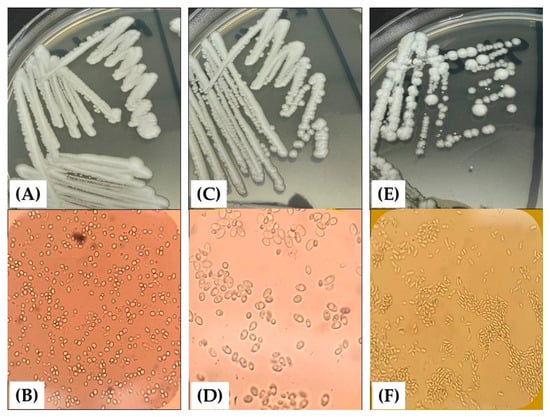
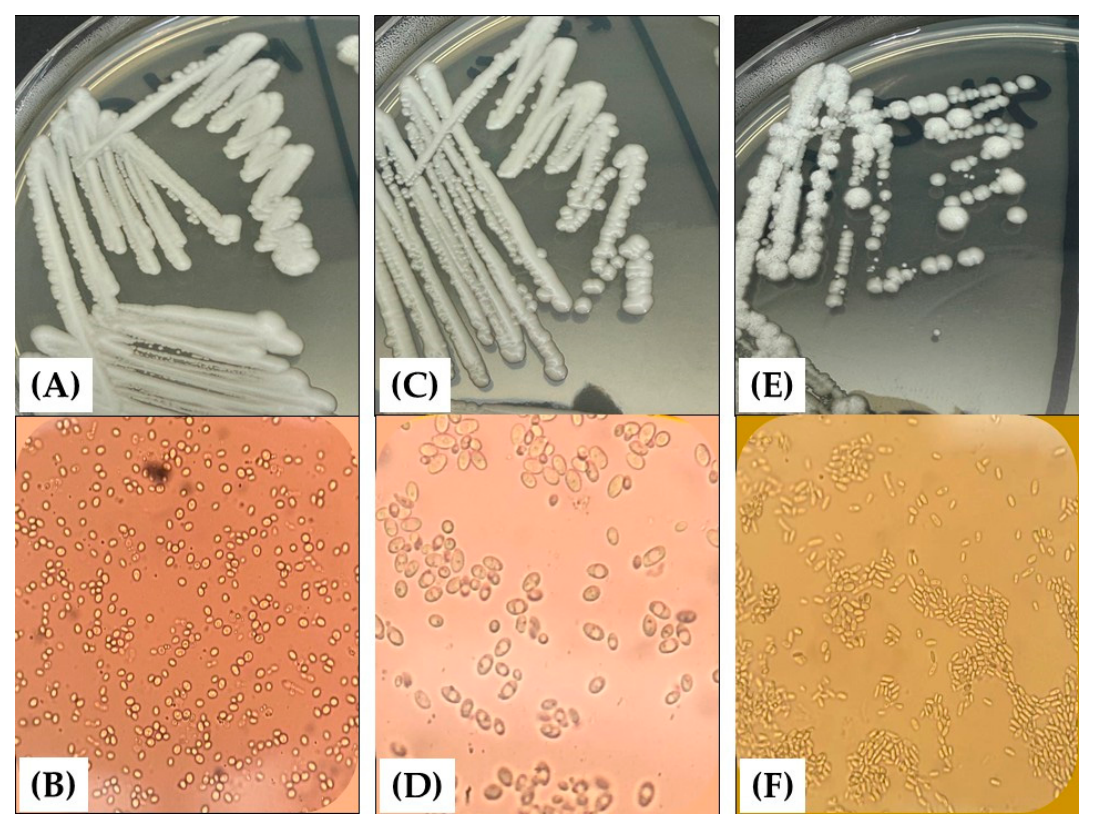
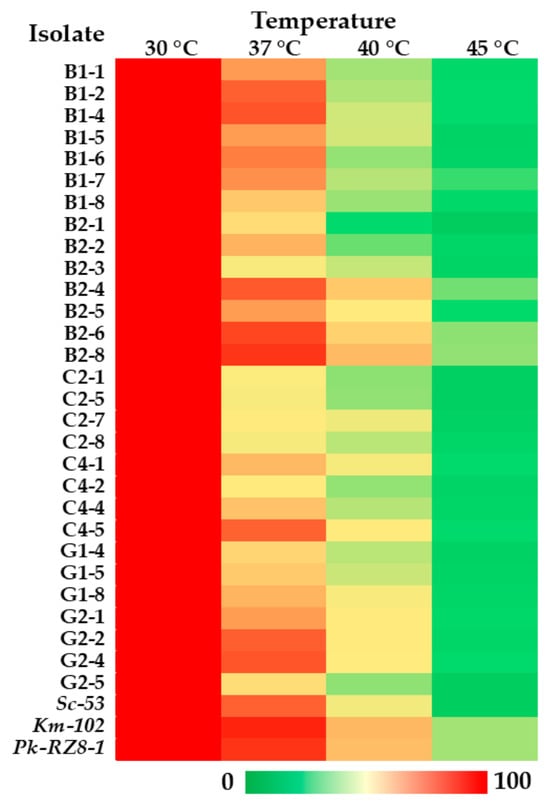
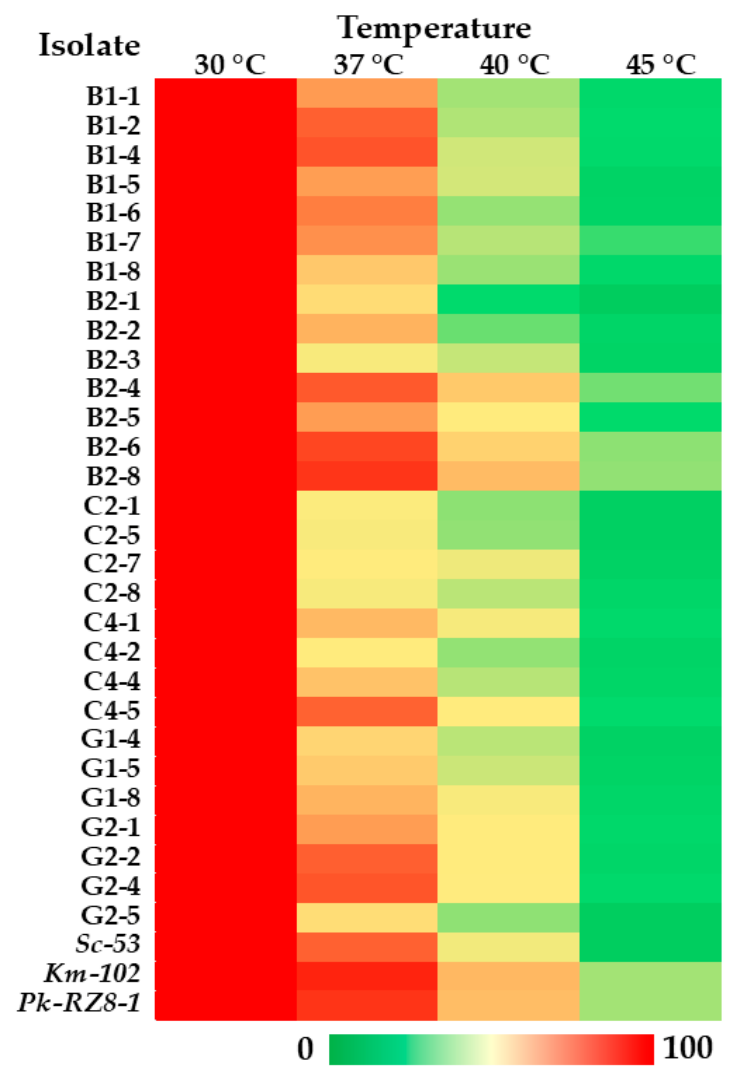
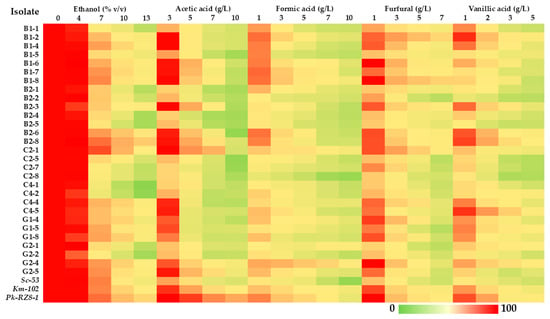
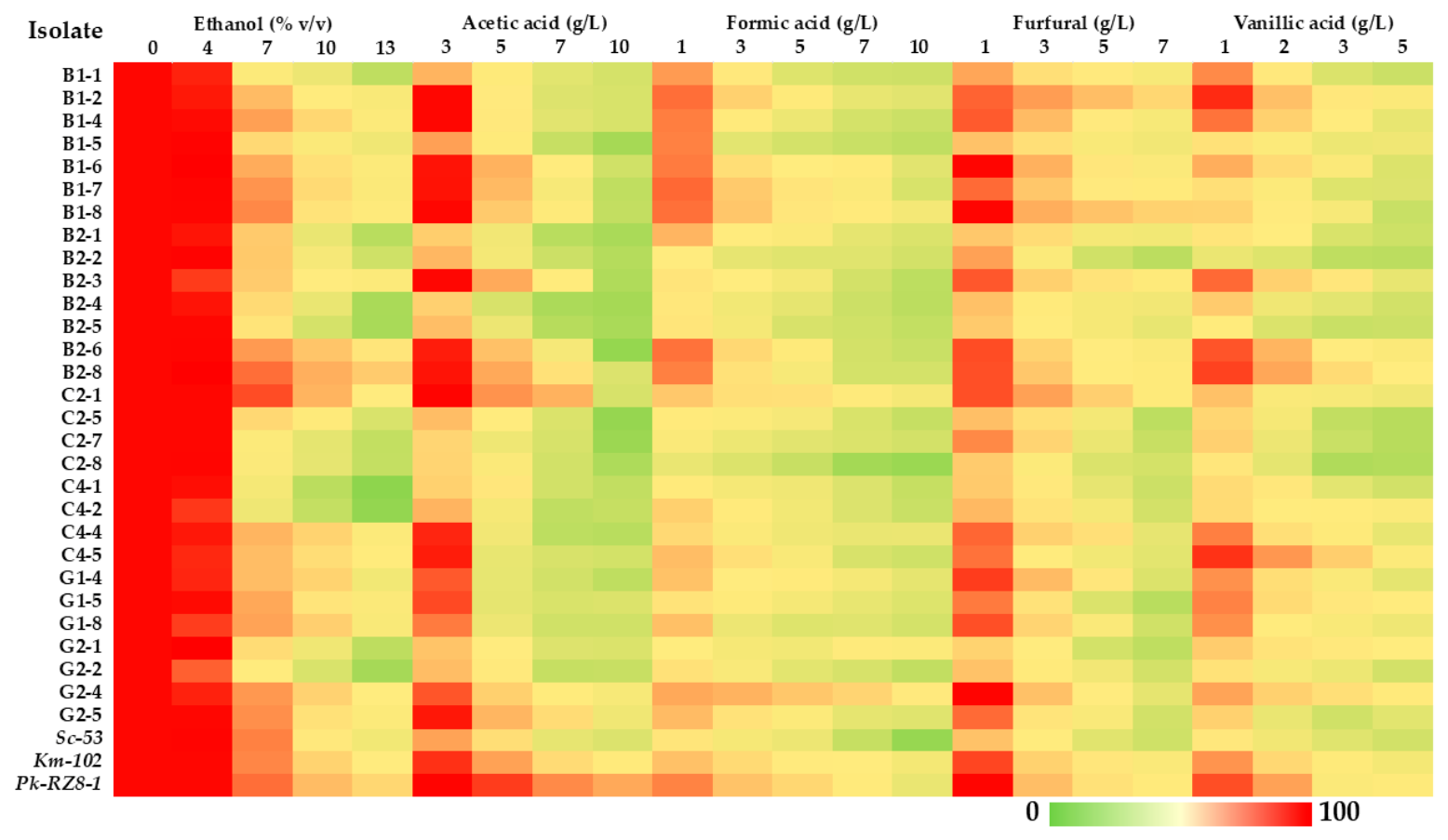
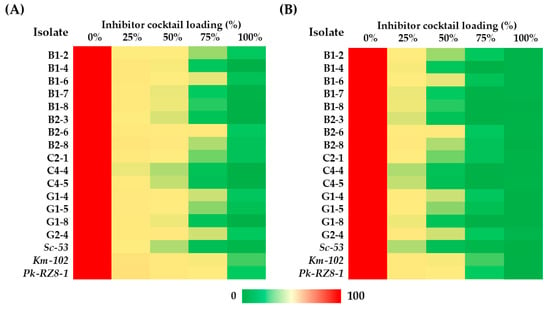
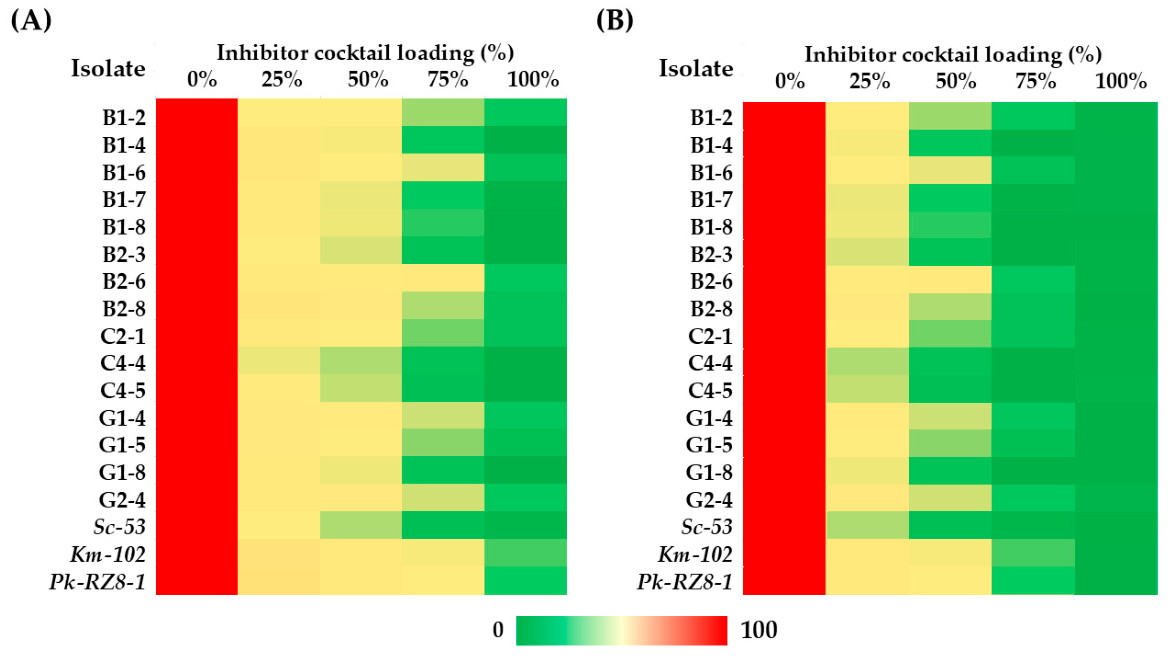
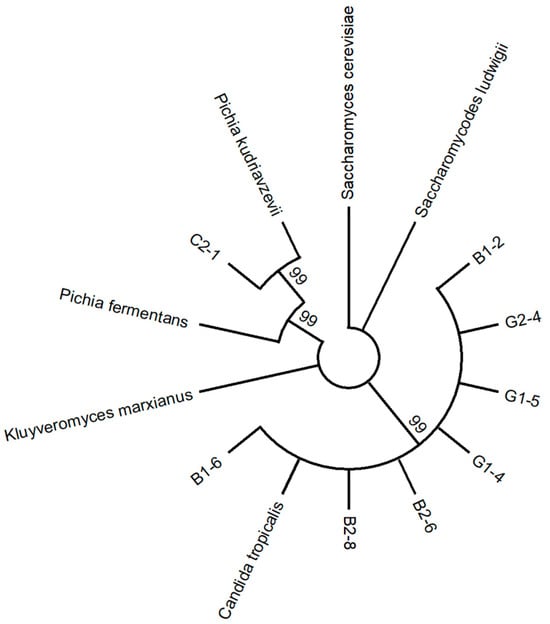
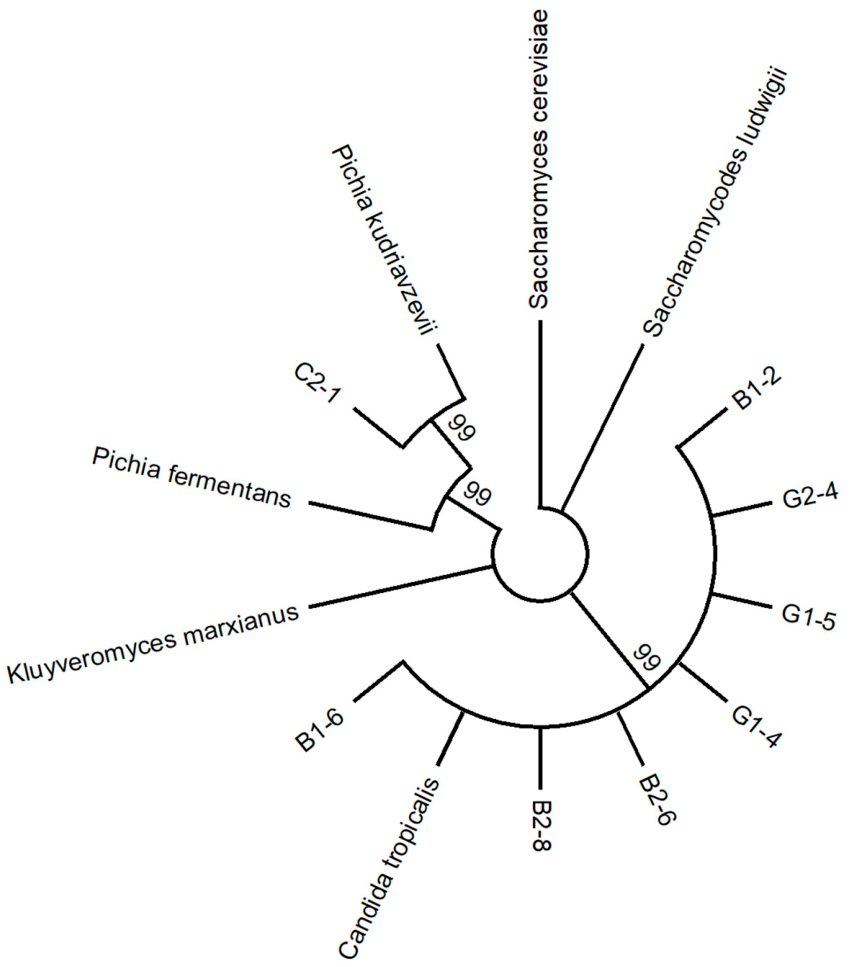

Disclaimer/Publisher’s Note: The statements, opinions and data contained in all publications are solely those of the individual author(s) and contributor(s) and not of MDPI and/or the editor(s). MDPI and/or the editor(s) disclaim responsibility for any injury to people or property resulting from any ideas, methods, instructions or products referred to in the content. |
© 2026 by the authors. Licensee MDPI, Basel, Switzerland. This article is an open access article distributed under the terms and conditions of the Creative Commons Attribution (CC BY) license.