


Abstract
Fermented foods hold a significant position in global culinary traditions, particularly within ethnic and traditional diets. They are widely consumed for their distinctive flavors, textures, and health-promoting attributes. Although extensive research exists on fermentation processes, comprehensive insights into the nutraceutical potential and mechanistic health benefits of these foods remain limited. This review highlights key fermented products traditionally consumed in the north-eastern region of India including Hawaijar, Soibum, Ngari, alongside global counterparts such as Natto, Chongkukjang, Miso, Kefir, Tempeh, Kimchi, Kombucha, and Sauerkraut. These foods are rich in bioactive compounds (phenolics, peptides, organic acids, and exopolysaccharides), probiotic microorganisms, and essential nutrients that collectively contribute to their antioxidant, anti-inflammatory, antidiabetic, and cardioprotective effects. Recent in vitro and in vivo studies demonstrate that regular consumption of such foods may support the prevention and management of chronic conditions, including diabetes, cardiovascular diseases, obesity, gastrointestinal disorders, and neurodegenerative diseases. However, mechanistic studies remain insufficient to fully elucidate the synergistic interactions between microbial metabolites, host metabolism, and gut microbiota modulation. The review therefore emphasizes the biochemical and therapeutic mechanisms underlying ethnic fermented foods, advocating for advanced metabolomic and molecular approaches to validate their health-promoting efficacy. This review provides a timely and integrative perspective by critically evaluating preclinical and clinical evidence, highlighting mechanistic insights, translational gaps, and future research priorities. These insights will support the development of functional food formulations and reinforce the integration of traditional fermented foods into modern dietary strategies for disease prevention and overall well-being.
1. Introduction
Fermented foods have been an integral part of human diets for millennia, offering not only nourishment but also therapeutic, cultural, and social value. Globally, more than 3500 fermented products categorized into approximately 250 types have been developed and consumed across continents and cultures [1]. Despite the advent of industrial food processing, traditional fermentation continues to thrive, sustaining billions of people who depend on these age-old practices for food preservation, sensory enhancement, and health promotion [2,3].
Across the world, ethnic fermented foods such as Kimchi (Korea), Natto (Japan), Tempeh (Indonesia), Kefir (Eastern Europe), and Ogi (West Africa) reflect the rich diversity of substrates and fermentation practices shaped by local resources, environmental conditions, and cultural traditions [3,4]. These foods are produced through spontaneous or controlled microbial fermentation and are known for their exceptional nutritional enrichment and broad spectrum of health benefits, including antioxidant, antimicrobial, anti-inflammatory, and gut-modulating properties [5,6].
In the Indian subcontinent, particularly in the northeastern region, fermented foods hold comparable cultural and nutritional significance. This region often referred to as the “Seven Sister States” is a recognized biodiversity hotspot, home to diverse ethnic groups, unique agricultural practices, and a variety of traditional fermentation techniques. The historical “BLT Corridor” (Bangladesh–Lumbini–Tibet) has served as an intercultural route connecting this region with Southeast Asia, facilitating an exchange of both biological and culinary diversity while preserving distinctive fermentation traditions [7].
Over 250 types of ethnic fermented foods and beverages are prepared and consumed across Northeast India [7]. These include products derived from soybeans, bamboo shoots, fish, vegetables, cereals, and milk, reflecting both ecological diversity and cultural richness. Representative examples include Soibum (fermented bamboo shoot), Ngari (fermented fish), Hawaijar (fermented soybean), Anishi (fermented yam leaf), Kinema (fermented soybean from Sikkim), and Tungrymbai (fermented soybean from Meghalaya) [8,9]. These foods are typically produced at the household or community level, often without standardized starter cultures, yet they consistently deliver enhanced flavor, aroma, and nutritional functionality. Beyond nutrition, they contribute to biodiversity conservation, sustainable food systems, and the preservation of indigenous knowledge.
Ethnic fermented foods are generally classified based on their primary substrate legumes and pulses, bamboo shoots, leafy vegetables, cereals, fish, meat, or dairy. The fermentation process not only extends shelf life but also improves digestibility, nutrient bioavailability, and the generation of bioactive metabolites such as organic acids, peptides, exopolysaccharides (EPS), and short-chain fatty acids (SCFAs). These metabolites contribute to anti-obesity, antidiabetic, antihypertensive, immunomodulatory, and antioxidant effects, offering a biochemical rationale for their nutraceutical value [10,11]. It is essential to distinguish between fermented foods and probiotic foods. According to the World Gastroenterology Organisation (WGO) and the International Scientific Association for Probiotics and Prebiotics (ISAPP), probiotics are defined as “live microorganisms which, when administered in adequate amounts, confer a health benefit on the host.” In contrast, fermented foods are products resulting from microbial growth and enzymatic conversions, which may or may not contain viable probiotic strains at the time of consumption [12]. Therefore, while many fermented foods contain beneficial microorganisms, only those containing characterized, viable strains with proven health effects in controlled studies can be scientifically classified as probiotic foods [13,14].
Despite the cultural depth and nutritional richness of traditional fermented foods, research documenting their bioactive composition, metabolomic signatures, and health mechanisms remains fragmented. Most existing studies have focused on microbiological identification rather than on comprehensive functional analyses or in vitro/in vivo evaluations of their nutraceutical properties [15]. This gap limits our understanding of how microbial metabolites and fermentation-derived compounds contribute to specific health outcomes.
This review aims to fill that gap by exploring the nutraceutical potential of ethnic fermented foods from Northeast India and comparable global traditions. This review examines bioactive compounds, nutraceutical attributes, and health-promoting mechanisms of ethnic fermented foods from India and globally, focusing on nutritional composition, metabolomic profiles, and reported in vitro and in vivo health outcome.
2. Fermented Foods from Northeast India and Selected Global Examples
Northeast India, a region celebrated for its exceptional biodiversity and ethnic heterogeneity, possesses a distinctive culinary heritage centered on traditional fermented foods. These foods are embedded in daily diets, rituals, and social customs, reflecting a continuum of indigenous knowledge transmitted through generations [16]. The substrates and fermentation techniques vary among ethnic groups and ecological zones, commonly employing locally available resources such as soybeans, bamboo shoots, fish, vegetables, milk, and meat. The region’s climatic diversity from temperate highlands to humid tropical valleys shapes the microbial ecology and biochemical profiles of its fermented products [17,18].
Fermentation in these systems not only enhances flavor and preservation but also enriches nutritional and functional quality through increased protein digestibility, vitamin biosynthesis, and the generation of bioactive compounds such as peptides, isoflavones, phenolic acids, and short-chain fatty acids [19]. These molecules contribute to antioxidant, anti-inflammatory, antidiabetic, and lipid-lowering activities that underpin the nutraceutical value of ethnic fermented foods [20]. Among these, Hawaijar (Manipur) and Kinema (Sikkim) both soybean-based fermentations are rich in isoflavones (genistein, daidzein) and peptides demonstrating in vitro antioxidant and cholesterol-lowering effects [21]. Likewise, Ngari and Hentak, fish-based products of Manipur, contain bioactive peptides, taurine, and ω-3 fatty acids that have shown in vitro ACE-inhibitory and in vivo cardioprotective activity [22,23].
Fermented bamboo-shoot products such as Soibum, Soidon, Mesu, Hirring, and Eup are low in fat yet high in dietary fiber and micronutrients, containing phenolic acids, lactic acid, and organic volatiles associated with in vivo hypolipidemic, antimicrobial, and anti-inflammatory responses [9,24,25]. Leaf- and vegetable-based fermentations such as Ziang-sang, Gundruk, and Goyang provide carotenoids, flavonoids, and minerals, supported by in vitro and animal studies showing antioxidant, anti-anemic, and bone-strengthening effects [26,27,28].
Collectively, these traditional fermented foods illustrate the synergistic interplay between ethnic identity, environmental adaptation, and microbial diversity. Their scientifically demonstrated in vitro and in vivo activities highlight measurable nutraceutical advantages, including anti-obesity, anti-allergic, neuroprotective, and antimicrobial properties [29,30,31]. The biochemical richness and microbial diversity of Northeast India’s fermented foods thus establish the region as a living repository of functional and therapeutic food systems, offering crucial insights for future food innovation, nutraceutical development, and sustainable nutrition [7].
This Table 1 summarizes major traditional fermented foods from Northeast India alongside selected global analogs, emphasizing their substrates, identified bioactive compounds, research model (in vitro, in vivo, or clinical), and health outcomes. Bioactive molecules such as peptides, phenolics, short-chain fatty acids (SCFAs), and organic acids contribute to their nutraceutical potential through antioxidant, anti-inflammatory, antidiabetic, and cardioprotective mechanisms [18,32,33,34,35,36,37,38,39,40,41,42,43,44,45].
Table 1.
Traditional fermented foods of Northeast India and selected global examples: major substrates, bioactive compounds, health models, and associated benefits.
This review is novel in that it integrates traditional fermented foods from North-East India with globally recognized fermented products through the lens of nutraceutical science, metabolomics, and microbial functionality. Unlike existing reviews that focus either on regional fermented foods or generalized probiotic benefits, this work bridges indigenous knowledge systems with recent advances in bioactive profiling, gut microbiota modulation, and disease-specific mechanisms. The growing global interest in functional foods, precision nutrition, and microbiome-based interventions makes such a synthesis timely and necessary.
3. The Health Benefits of Fermented Foods
Microbes are receiving more attention because of the many health benefits associated with the fermentation process. In this regard, lactic acid bacteria (LAB) are among the microorganisms that have been studied and investigated the most using enzymes such as peptidase and proteinase, these bacteria orchestrate vitamins, minerals, and nutrients during fermentation and also separate some non-nutrients and generate biologically active peptides [50]. The process of fermentation is well known for being very low in nutritional value and for producing a variety of bioactive peptides that have probiotic, antioxidative, and anti-microbial qualities in addition to other health advantages [51]. Furthermore, foods that have undergone fermentation improve the foods flavor, digestibility, and medicinal efficacy. The health benefits of biologically active peptides produced by fermentation-causing bacteria have been extensively studied [52]. Blood pressure has been demonstrated to be hypotensive in response to conjugated linoleic acids (CLA); prebiotic in response to exopolysaccharides; antimicrobial in response to bacteriocins; anti-carcinogenic and antimicrobial in response to sphingolipids; and hypotensive, antioxidant, and opioid antagonistic in response to bioactive peptides [53].
A study by Sanlier et al., found that fermented foods provide a number of health advantages, including anti-inflammatory, anti-fungal, anti-microbial, anti-atherosclerotic, and antidiabetic effects [54]. Foods that have undergone fermentation are actually more nutrient-dense than those that have not, fermented foods can also be considered healthy foods that have lost some of their nutrients due to the transfer of bacteria and health-promoting metabolites [54]. A healthy probiotic bacterial culture system can be obtained from a high-quality fermented food. According to research, eating some of these cultures may help people with a number of illnesses, including inflammatory bowel disease (IBD), which includes Crohn’s disease and ulcerative colitis, lactose intolerance, irritable bowel syndrome, gastroenteritis, diarrhea, cancer, and genitourinary tract infections [55]. Figure 1 illustrates the multifaceted benefits and significance of fermented foods. At the center is the core concept of fermented foods, surrounded by arrows pointing to various associated attributes. These include their nutritional values, bioactive compounds, and richness in probiotics and prebiotics, which collectively contribute to health and wellness [55]. Additional key aspects depicted include their contribution to food preservation, production of food metabolites, and their connection to unique traditional practices and processing methods. Overall, this figure emphasizes the holistic value of fermented foods in both nutritional science and cultural heritage [56].
Figure 1.
Schematic representation of the functional attributes and health benefits of fermented foods. Upward arrows (↑) indicate an increase or enhancement (e.g., digestibility, flavor, and nutrient bioavailability), whereas the downward arrow (↓) indicates a reduction in antinutritional factors. The arrows also represent the directional progression from fermentation processes to functional attributes and associated health benefits.
The nutritional makeup of fermented foods protects bacteria against gastrointestinal tract obstacles such as excessive acidity, bile salts, and digestive enzymes. Traditional fermented foods have been linked to a number of health benefits for humans, which are believed to result from the biologically active chemicals produced during microbial fermentation [11]. For example, Lactiplantibacillus plantarum subsp. plantarum 299v (previously Lb. plantarum) ferments faba beans and produces antioxidative and angiotensin-converting enzyme (ACE) inhibitory activities. Materials show their peak anti-metabolic syndrome action after three days of fermentation [57]. An antimicrobial peptide known as bacteriocins is produced by bacteria in fermented foods and has been connected to biosafety. The stability and shelf life of fermented foods like wiener are increased by these peptides, which prevent harmful microbes from developing [58]. It has been discovered that microbial enzymes, such as bile-salt hydrolase, offer therapeutic benefits that promote intestinal electrolyte balance, immunological balance, vitality consumption, and intrinsic lipid and cholesterol metabolism and Exopolysaccharides, which contribute to the food’s quality and flavor, are also produced by microbes in fermented foods [59]. Although Bifidobacterium species are often associated with fermented foods and exhibit probiotic properties, they are not lactic acid bacteria but belong to the phylum Actinobacteria. Their inclusion in probiotic formulations stems from their well-documented roles in maintaining intestinal balance and immune health [60]. As illustrated in Figure 2, microbial fermentation by Lactiplantibacillus plantarum subsp. 299V enhances the production of bioactive compounds with antioxidative and antihypertensive potential, contributing to improved metabolic health and protection against metabolic syndrome [61].
Figure 2.
Cereal fermentation mediated by Lactiplantibacillus plantarum subsp. 299V and its role in enhancing antioxidant activity, mineral bioavailability, and metabolic health.
3.1. Fermented Foods and Management of Cardiovascular Disease (CVD)
Cardiovascular diseases (CVDs) remain the leading cause of mortality worldwide, with hypertension, coronary artery disease, and stroke being the most prevalent forms [62]. Recent research has increasingly focused on the potential of fermented foods as functional dietary components for CVD prevention and management [63]. The bioactive compounds and probiotic microorganisms generated during fermentation such as Lactobacillus, Bifidobacterium, and Lactiplantibacillus plantarum have demonstrated antihypertensive, anti-inflammatory, and lipid-modulating activities [64,65,66].
The beneficial effects are primarily attributed to several mechanisms:
Bioactive peptides produced by microbial proteolysis can inhibit the angiotensin-converting enzyme (ACE), leading to vasodilation and blood pressure reduction [26].
Short-chain fatty acids (SCFAs), generated by microbial fermentation of dietary fibers, regulate lipid metabolism and reduce systemic inflammation by activating G-protein-coupled receptors (GPR41/43) [67].
Exopolysaccharides (EPS) and conjugated linoleic acids (CLAs) derived from lactic acid bacteria improve serum lipid profiles by decreasing LDL-cholesterol and enhancing HDL-cholesterol [68].
Fermented soy products, such as natto and chongkukjang, are rich in nattokinase—a fibrinolytic enzyme that degrades fibrin and improves blood circulation thereby reducing thrombotic risk [69]. Similarly, fermented dairy foods like yogurt and kefir contain Lactobacillus and Bifidobacterium strains that modulate gut microbiota composition, enhance bile-salt hydrolase activity, and improve endothelial function [70]. A meta-analysis of recent cohort studies reported that regular consumption of fermented dairy products was inversely associated with CVD incidence and mortality [71].
Emerging evidence also indicates that microbial metabolites from fermented foods exert antioxidant and anti-atherosclerotic effects by suppressing reactive oxygen species and the NF-κB inflammatory pathway, improving vascular tone and nitric oxide bioavailability [72]. Collectively, these findings suggest that integrating fermented foods into daily diets can be an effective, natural strategy for supporting cardiovascular health and mitigating CVD risk [13,73]
3.2. Anti-Diabetic Properties of Fermented Foods
Diabetes mellitus, particularly Type 2 diabetes (T2D), is among the most prevalent metabolic disorders globally, characterized by chronic hyperglycemia resulting from insulin resistance or insufficient insulin secretion [74]. T2D accounts for approximately 90–95% of all diabetes cases, while gestational diabetes mellitus (GDM) manifests during pregnancy due to glucose intolerance [75].
Recent studies have shed light on the significant role fermented foods may play in managing and preventing diabetes and obesity. Ethnic fermented foods, rich in bioactive compounds, have demonstrated promising anti-diabetic effects in both in vitro and in vivo models [76,77]. For instance, red mold rice, a traditional fermented product from East Asia, is produced by fermenting steamed rice with Monascus species. This fermentation results in the formation of secondary metabolites such as monacolin K, monascin, ankaflavin, and γ-aminobutyric acid (GABA), all of which exhibit biological activities relevant to glucose metabolism and lipid regulation [78,79]. In diabetic rat models, supplementation with red mold rice for eight weeks led to improved insulin secretion and enhanced lipid profiles, indicating its potential therapeutic utility [80,81].
Similarly, fermented soybean products, widely consumed across Asian countries, are rich in isoflavonoids, phytoestrogens, and bioactive peptides [82,83]. These components have been shown to modulate glycemic response and improve insulin sensitivity. Fermented soy-based diets, when administered with lactic acid bacteria (LAB) such as Lactobacillus plantarum and Bifidobacterium species, have improved beta-cell function and lowered blood glucose levels in diabetic rat models [84].
Moreover, fermented dairy products, especially yogurt, have been associated with a reduced risk of developing Type 2 diabetes. A meta-analysis of nine cohort studies reported that a daily intake of 244 g of yogurt was associated with an 18% lower risk of T2D [85,86]. This benefit is attributed to the modulation of gut microbiota and anti-inflammatory properties of probiotic strains present in fermented milk [77].
Beyond glycemic control, probiotics present in fermented foods have also been investigated for their potential role in obesity prevention, a condition closely associated with insulin resistance and type 2 diabetes (T2D) [87]. Preclinical studies, particularly in animal models, have demonstrated that oral administration of Lactobacillus casei to mice significantly reduced plasma glucose levels, supporting its role in metabolic regulation [88].
Mechanistic evidence from in vitro and animal studies suggests that a balanced gut microbiome, supported by probiotic-rich diets, may improve insulin sensitivity, reduce low-grade systemic inflammation, and regulate energy metabolism [89]. Furthermore, experimental studies indicate that modulation of the gut–brain axis by probiotics may influence appetite regulation and lipid storage, thereby contributing to weight management and obesity prevention [90].
Taken together, these findings highlight the potential nutraceutical role of fermented foods in modulating metabolic pathways related to both diabetes and obesity. However, it is important to note that these conclusions are largely based on preclinical evidence, and well-designed human clinical trials are required to confirm their translational relevance [91].
3.3. Fermented Foods and Anti-Obesity Properties
Traditional fermented foods may be utilized in place of dietary supplements because of their many bioactive components, which have health benefits [65]. Probiotics found in fermented foods help reduce blood cholesterol, help reduce body weight, boost cellular immunity, ward off infections, are anti-carcinogenic, help prevent osteoporosis and diabetes, reduce obesity, allergies, and atherosclerosis, and help with lactose intolerance [92,93]. Overweight and obesity, along with metabolic syndrome, are caused by the body accumulating excessive or abnormal fat, which can be harmful to one’s health and increased energy expenditure, improper energy usage, altered gut microbiota, inappropriate eating habits, poor lifestyle choices, decreased physical activity, and a range of environmental factors are all linked to altered metabolic health concerns in obesity [94,95].
By improving plasma triglyceride (TG) reactivity, Chongkukjang, a Korean fermented soybean red pepper paste, has been demonstrated to lower the ratio of total cholesterol to HDL when taken daily by obese people [96,97]. According to available literature, it has been reported that peroxisome proliferator-activated receptor gamma 2 (PPARγ2), a gene linked to obesity and important for lipid metabolism, is activated by fermented Chongkukjang [98,99]. Furthermore, it has been discovered that giving soy-based probiotics (B. longum ATCC 15707 and Enterococcus faecium CRL 183) to obese mice improves their immune response and gut microbiota by raising their levels of IL6 and IL10 [100,101].
3.4. Fermented Foods and Their Supportive Role in Cancer Prevention
Cancer is a chronic disease characterized by abnormal and uncontrolled cell proliferation, which can lead to tumor formation and metastasis throughout the body. It remains one of the leading causes of mortality worldwide [102]. In recent years, increasing attention has been directed toward the potential role of fermented foods, with both traditional and novel varieties containing probiotic microorganisms in supporting cancer prevention strategies. In particular, several studies have explored the relationship between fermented foods and gastrointestinal cancers, including gastric cancer [92,103].
Fermented milk products have been reported to exert protective effects against colorectal carcinogenesis, largely through the production of short-chain fatty acids (SCFAs) during fermentation. These metabolites play a role in regulating epithelial cell apoptosis, maintaining intestinal homeostasis, and modulating inflammatory responses [104]. Kefir, a fermented milk beverage rich in probiotic microorganisms and bioactive components such as peptides, organic acids, and exopolysaccharides (EPS), has been associated with supportive effects related to cancer prevention mechanisms [105].
Experimental studies have further demonstrated that skim milk fermented with Lacticaseibacillus paracasei subsp. paracasei NTU 101 may exert supportive anti-tumor effects when administered alongside chemotherapy, primarily in animal models [106]. These effects are attributed to immunomodulatory activity, enhancement of gut barrier integrity, and regulation of inflammatory pathways rather than direct cytotoxic activity against tumor cells [107]. Importantly, chemotherapy remains the primary anti-cancer intervention, while fermented foods and probiotic strains may function as adjunct nutritional approaches that potentially improve host immune responses and treatment tolerance [108].
Nevertheless, the translational relevance of these findings remains limited due to the scarcity of robust clinical evidence in human populations. Further well-designed clinical trials and mechanistic studies are required to elucidate the specific contributions of microbial metabolites and probiotic strains in cancer prevention and supportive care [109].
3.5. Gastrointestinal Disorder and Fermented Foods
The Roman historian Pliny was the first to highlight the benefits of fermented foods and their health-promoting properties [110]. Additionally, he introduced the concept of treating gastrointestinal diseases with fermented milk [111]. Numerous harmful disorders frequently impact the gastrointestinal (GI) tract. In addition to promoting gut commensal bacteria, fermented meals can improve intestinal permeability and the integrity of the gut barrier [112]. As a result, fermented foods can aid in the prevention and management of several chronic diseases, including inflammatory bowel disease (IBD), metabolic syndrome, atherosclerosis, and colon cancer [113]. These health-promoting effects are largely attributed to the presence of lactic acid bacteria (LAB), which play a key role in maintaining gastrointestinal health by restoring microbial balance and enhancing mucosal immunity [114]. The consumption of fermented foods has been shown to alleviate gut dysbiosis, improve intestinal barrier integrity, and suppress inflammation through the production of short-chain fatty acids (SCFAs) and other bioactive metabolites [115].
Individuals with irritable bowel syndrome (IBS) particularly benefit from these effects, as fermented foods help modulate the gut microbiota composition, reduce intestinal inflammation, and relieve symptoms such as bloating and abdominal discomfort [116]. Lacticaseibacillus paracasei LS2 (formerly Lactobacillus paracasei), isolated from Korean kimchi, a traditional fermented vegetable product, has demonstrated strong probiotic potential. It has been reported to modulate immune responses and improve intestinal homeostasis by increasing anti-inflammatory cytokine production and promoting the growth of beneficial bacterial genera, including Bifidobacterium and Lactobacillus [117]. It has been shown to enhance myeloperoxidase activity, stimulate cytokine induction, and boost the quantity of neutrophils and macrophages in lamina propria lymphocytes, all of which may have an anti-inflammatory effect [118]. Studies have shown that kimchi possesses anti-inflammatory and anti-mutagenic properties, which may help prevent gastric cancer, gastrointestinal disorders, functional bowel disease, and H. pylori infections. Consuming kimchi has also been demonstrated to help prevent constipation and diarrhea [119,120].
Additionally, it has been demonstrated that fermented rice products can help restore a healthy gut microbiota and prevent a variety of gastrointestinal conditions, including Candida infections, Crohn’s disease, irritable bowel syndrome, infectious ulcerative colitis, and duodenal ulcers [121]. It has been discovered that haria, a traditional fermented rice beverage, offers defense against gastrointestinal problems such acidity, amebiasis, vomiting, diarrhea, and dysentery [122].
In addition to producing red and white fermented sorghum flour, LAB increases GABA and other phenolic compounds. These enhanced bioactive chemicals were more likely to be absorbed by the intestinal and colonic epithelium [123]. Consuming miso, a traditional fermented soybean paste from Japan, lowers the incidence of gastrointestinal disorders. This is due to the fact that miso contains aspartate, glutamate, and histidine [124].
Sourdough is a fermented flour that is beneficial for digestive health and can help people with irritable bowel syndrome (IBS) reduce their gas production because it contains a high concentration of lactic acid bacteria (LAB) and bioactive substances like short-chain fatty acids (SCFA) [125]. Eating sourdough has been shown to significantly reduce the intensity of symptoms such flatulence, nausea, bloating, stomach discomfort, and stomach volume [126].
3.6. Fermented Foods and Neurodegenerative Disorders
The gut microbiota plays a critical role in maintaining neural health through bidirectional communication with the central nervous system (CNS), known as the gut–brain axis (GBA). This complex network involves neural, hormonal, and immune pathways, including both the sympathetic and parasympathetic branches of the autonomic nervous system (ANS), which connect the enteric nervous system to the brain [127,128].
Disruptions in gut microbial composition termed gut dysbiosis have been increasingly associated with the pathogenesis of neurodegenerative disorders such as Parkinson’s disease (PD) and Alzheimer’s disease (AD) [129]. Dysbiosis leads to elevated levels of pro-inflammatory endotoxins, such as lipopolysaccharides (LPS), produced by Enterobacteriaceae, which can impair intestinal barrier integrity. Once in circulation, these LPS molecules promote neuroinflammation, oxidative stress, and accumulation of misfolded proteins, contributing to neuronal dysfunction and cognitive decline [130,131].
Fermented foods rich in probiotics and postbiotics have shown potential to modulate these processes by restoring gut microbial balance and reducing systemic inflammation [92]. Probiotic strains like Lactiplantibacillus plantarum, Bifidobacterium longum, and Lacticaseibacillus paracasei have demonstrated neuroprotective effects by increasing the production of short-chain fatty acids (SCFAs), including butyrate and propionate, which cross the blood-brain barrier and exert anti-inflammatory and antioxidative actions in the CNS [132].
Experimental evidence also supports the neuroprotective roles of traditional fermented products. For example, bioactive metabolites derived from rice fermented with Monascus purpureus, a traditional Chinese medicinal food were shown to alleviate neurodegeneration and enhance dopaminergic neuron survival in a rat model of Parkinson’s disease by activating Nrf2 and suppressing NF-κB pathways [133]. Similarly, fermented milk and soybean products enriched with Lactobacillus and Bifidobacterium strains have been reported to improve memory, cognitive performance, and synaptic plasticity in animal models of Alzheimer’s disease by modulating the microbiota gut-brain axis [134].
Collectively, these findings suggest that the regular consumption of fermented foods may provide neuroprotective benefits through the regulation of gut microbiota, attenuation of neuroinflammation, and enhancement of antioxidant defenses-highlighting their potential role as dietary strategies for preventing or delaying neurodegenerative diseases [135].
3.7. Fermented Foods and Anti-Psychobiotic Properties
The gut microbiota plays a vital role in influencing mental health, cognition, and emotional well-being through the bidirectional communication system known as the gut–brain axis (GBA) [136]. This interaction involves the enteric nervous system, immune signaling, microbial metabolites, and neuroactive compounds such as serotonin, γ-aminobutyric acid (GABA), and tryptophan derivatives [137,138]. The term psychobiotic refers to live microorganisms or dietary components that, when ingested in adequate amounts, confer mental health benefits through microbiota-mediated mechanisms [139].
Emerging evidence from both animal and human studies suggests that probiotic and prebiotic interventions can improve mood, reduce anxiety, and alleviate symptoms of depression [140]. Diet plays a central role in shaping the composition and activity of the gut microbiota; hence, consuming fermented foods rich in beneficial microbes and metabolites can positively influence the GBA and overall psychological health [141]. For example, higher intakes of fermented dairy, soy-based foods, and traditional fermented vegetables have been correlated with lower incidences of depression and stress-related disorders [142].
Recent clinical studies have shown that adherence to psychobiotic or microbiota-targeted diets characterized by increased consumption of fermented foods, dietary fiber, and prebiotics can reduce perceived stress and modulate gut microbiota diversity [143]. In one controlled study, a four-week psychobiotic diet significantly improved anxiety and stress scores while altering tryptophan and lipid metabolites, even though microbial composition changes were modest [143]. Similarly, adherence to the Mediterranean diet has been linked to improved cognitive function and memory in older adults through enrichment of beneficial bacterial taxa, including Bifidobacterium and Faecalibacterium [144].
Fermented foods, particularly those containing lactic acid bacteria (LAB), contribute to mental and metabolic well-being by producing neuroactive and anti-inflammatory compounds [145]. LAB fermentation enhances nutrient bioavailability, increases antioxidant activity, and generates metabolites such as GABA and short-chain fatty acids that modulate neurotransmission and immune responses [63]. Strains including Lactobacillus rhamnosus, Lactobacillus casei, and Lacticaseibacillus paracasei have shown anxiolytic and antidepressant effects in both preclinical and clinical studies by influencing GABAergic signaling and the hypothalamic-pituitary-adrenal (HPA) axis [146].
Overall, these findings support the growing recognition of fermented foods as psychobiotic dietary components capable of modulating mood, cognition, and stress resilience. While further long-term clinical studies are needed, integrating traditional fermented foods into modern dietary practices represents a promising, natural approach to improving mental health through microbiome regulation [147,148].
3.8. The Application of Probiotic Microorganisms in the Field of Dentistry
Recent studies have highlighted the potential role of probiotic microorganisms in maintaining oral health and preventing oral infections. The oral cavity, like the gut, harbors a complex microbiome that contributes to both health and disease [149]. Disruption of this microbial balance can lead to dental caries, halitosis, gingivitis, and periodontitis. The application of probiotics in dentistry aims to restore microbial equilibrium and inhibit the growth of pathogenic bacteria through competitive exclusion, bacteriocin production, and modulation of host immune responses [150,151].
Several Lactobacillus and Bifidobacterium strains have shown promise in oral health management. For example, Lactobacillus rhamnosus GG (LGG) and L. reuteri DSM 17938 inhibit Streptococcus mutans, the main etiological agent of dental caries, by reducing its adhesion and acid production [152]. Daily intake of milk or yogurt containing these strains has been associated with decreased salivary S. mutans counts and reduced caries risk in both children and adults. Similarly, Lactiplantibacillus plantarum and Bifidobacterium animalis subsp. lactis have demonstrated anti-inflammatory and antimicrobial activities against periodontal pathogens, including Porphyromonas gingivalis and Aggregatibacter actinomycetemcomitans, thereby supporting periodontal health [153,154].
Probiotics have also shown potential in reducing halitosis by decreasing volatile sulfur compound (VSC) production through microbial competition with Fusobacterium nucleatum and Prevotella intermedia. In addition, probiotic formulations containing L. salivarius and Streptococcus salivarius K12 have been found to improve breath quality and oral freshness by rebalancing the oral microbiota [155,156].
Emerging research also indicates that probiotics can play a supportive role in managing oral candidiasis and mucosal inflammation by enhancing mucosal barrier function and stimulating local immune responses [157]. While clinical findings are promising, further large-scale and long-term studies are needed to determine optimal strains, dosages, and delivery systems for probiotic-based oral therapies [158].
Overall, probiotic microorganisms represent a novel, non-invasive, and sustainable approach to oral health care, with growing potential in preventive dentistry and therapeutic interventions for oral infections [159].
3.9. Preventing Type II Diabetes and Obesity
Type II diabetes mellitus (T2DM) and obesity are major global health challenges driven by insulin resistance, chronic low-grade inflammation, and metabolic dysregulation. Recent studies indicate that modulation of the gut microbiota through probiotics and fermented foods can play a key role in preventing and managing these metabolic disorders [77,160].
Probiotic supplementation has been shown to improve glycemic control by enhancing insulin sensitivity, reducing fasting blood glucose levels, and restoring the balance between beneficial and pathogenic gut microorganisms. For example, oral administration of Lacticaseibacillus casei Shirota and Lactiplantibacillus plantarum 299V significantly reduced plasma glucose levels and improved lipid metabolism in diabetic animal models by regulating inflammatory pathways and gut-derived metabolites [161,162]. In human studies, probiotic yogurt consumption was associated with improved HbA1c levels, decreased serum triglycerides, and lower body mass index (BMI) among individuals with T2DM and metabolic syndrome [163].
Prebiotics such as inulin and resistant starch, when combined with probiotic-rich fermented foods, further enhance metabolic outcomes by increasing the production of short-chain fatty acids (SCFAs) like acetate, propionate, and butyrate [164]. These SCFAs influence glucose and lipid metabolism through activation of AMPK and PPARγ pathways, reduction in endotoxemia, and improvement of gut barrier function [165,166].
Moreover, a balanced gut microbiota helps regulate appetite and fat storage through modulation of gut hormones such as glucagon-like peptide-1 (GLP-1) and peptide YY (PYY), thereby improving energy homeostasis and supporting weight management [167]. Collectively, these findings underscore the potential of probiotic and prebiotic interventions as complementary strategies for mitigating obesity and Type II diabetes through gut-metabolic axis regulation [168].
3.10. Reducing Levels of Cholesterol in the Bloodstream
Cholesterol is an essential component of cell membranes and a precursor for steroid hormones and bile acids. However, elevated serum cholesterol levels, particularly low-density lipoprotein cholesterol (LDL-C), represent a major risk factor for atherosclerosis and cardiovascular disease (CVD) [169]. Emerging evidence suggests that probiotics and fermented foods may contribute to cholesterol regulation through multiple strain-dependent mechanisms [169].
Mechanistic and preclinical studies have demonstrated that probiotic strains such as Lacticaseibacillus casei Shirota, Limosilactobacillus reuteri DSM 17938, and Lactiplantibacillus plantarum 299V can reduce serum total and LDL cholesterol by producing bile salt hydrolase (BSH) enzymes, which deconjugate bile acids, enhance their fecal excretion, and promote hepatic cholesterol catabolism [59]. In addition, in vitro and animal studies indicate that certain probiotic strains may assimilate cholesterol into their cellular membranes during growth, thereby reducing intestinal cholesterol absorption [170].
Human clinical studies further support these findings. Consumption of yogurt or fermented milk containing Lactiplantibacillus plantarum 299V or Bifidobacterium animalis subsp. lactis BB-12 has been associated with reductions in total cholesterol, LDL-C, and triglycerides, alongside modest increases in high-density lipoprotein cholesterol (HDL-C) levels [171]. Meta-analyses report that probiotic supplementation may reduce LDL-C by approximately 5-10%, depending on strain specificity, dosage, and duration of intake [172].
Furthermore, short-chain fatty acids (SCFAs) produced during fermentation particularly propionate and acetate have been shown in experimental studies to contribute to lipid homeostasis by inhibiting hepatic cholesterol synthesis and promoting bile acid turnover [173]. The combined use of probiotics with prebiotic fibers (synbiotics) may further enhance these effects by improving microbial survival and metabolic activity in the gut.
Overall, regular consumption of fermented foods and probiotic-rich diets may serve as a complementary dietary strategy for the management of dyslipidemia and reduction in cardiovascular risk. Nevertheless, strain-specific efficacy, long-term safety, and optimal intervention parameters require further investigation through well-designed human clinical trials before standardized therapeutic recommendations can be established [174,175].
4. Global Insights into the Health Benefits of Traditional Fermented Foods
Traditional fermented foods from different regions of the world have been increasingly recognized for their potential health-promoting properties. These foods are not only valued for their taste and preservation benefits but also for the wide range of bioactive compounds they offer. For instance, Japanese fermented products like Natto and Miso are rich in antioxidants and have been linked to anticancer, anti-inflammatory, and cholesterol-lowering effects. Similarly, Korean staples such as Chongkukjang and Kimchi possess strong antimicrobial, immune-boosting, and neuroprotective properties [10]. Beverages like Kefir and Kombucha are associated with benefits for metabolic disorders, heart health, and even viral infections. In Southeast Asia, Tempeh is noted for its positive impact on brain and gut health, while fermented vegetables like Sauerkraut support anti-inflammatory responses, especially in digestive conditions such as IBS [65]. Importantly, lesser-known fermented foods from North-East India, such as Hirring and Kinema, have also shown promising antioxidant and cholesterol-lowering activities [48]. A summary of these traditional foods and their reported nutraceutical properties is presented in Table 2.
Table 2.
Selected traditional fermented food products with reported nutraceutical potential. Data compiled from references [41,176,177,178,179,180,181,182,183,184,185,186,187,188,189,190].
4.1. Exploring Fermented Foods as Prebiotic Sources
A large variety of foods with nutritional and health benefits are produced through food fermentation, according to numerous research and reports. Foods that have undergone a controlled, slow process of microbial cultivation and their enzymatic activity on raw substrates derived from plants or animals are commonly referred to as fermented foods (Table 3) [191]. Certain LAB strains are present as fermenting microorganisms and fibers from grains, vegetables, beans, and cereals as a source of prebiotics in foods prepared with substrates sourced from a variety of agricultural sources [192] (Table 4). Fermented roots, tubers, and green vegetables are easier to digest than raw foods. By having allelopathic action against harmful bacteria and fungal contaminants, microorganisms used in fermentation greatly improve food safety as a preservation technique for storage. By adding flavors, textures, and aromas, microbial cultures give food desirable and valued organoleptic properties [193]. Fermented foods are rich in prebiotic dietary fibers, beneficial fermenting microorganisms, and postbiotic metabolites that collectively enhance nutritional digestibility while improving sensory characteristics such as aroma, texture, and taste [194].
Fermented foods are increasingly recognized as valuable prebiotic sources, supplying dietary fibers, oligosaccharides, and microbial metabolites that selectively stimulate beneficial gut microorganisms. During fermentation, complex carbohydrates are partially hydrolyzed into prebiotic components such as fructooligosaccharides (FOS), galactooligosaccharides (GOS), inulin, and resistant starch, which enhance intestinal health and nutrient absorption [194]. Each distinct sensory profile is created by modifying a variety of factors of the fermentation process, including the development of specific microbial cultures, the selection of raw materials, fruits, or vegetables, and the preservation of optimal fermentation conditions [195]. As seen in Table 3 and Table 4, the substrates utilized in food fermentation typically contain a high concentration of prebiotic carbohydrates. Inulin-type fructans are found in considerable amounts in chicory root, Jerusalem artichokes, and cereals [196]. Other carbohydrates, such as psyllium, galactomannan, lactosucrose, resistant starch, soybean oligosaccharides (OSs), isomalto-oligosaccharides (IMOSs), xylo-oligosaccharides (XOSs), and arabino-oligosaccharides (arabino-OSs) [132,133], have also been shown to exert prebiotic effects [197]. IMOSs are a popular functional food in Asia and are widely used as prebiotics in the European and American functional food industries [197]. The high dietary fiber content of fermented foods derived from grains, beans, lentils, and vegetables supports the proliferation of fermenting bacteria in the gastrointestinal system [198]. These substances have a beneficial impact on gut microbiota when ingested the fibers in fruits, vegetables, and legumes work together to support the growth of the cultures found in fermented meals, which is an additional advantage [199,200]. Probiotics create metabolites, which may be a barrier to intestinal protection, by absorbing prebiotics from meals during their extended presence in the gastrointestinal system. According to the research, inulin-type fructans, which are present in fermented foods, caused specific changes in the human gut microbiota [201]. The inulin included in plant materials used for fermentation has been shown in studies to have a nutraceutical effect on human gut microbiota by promoting the growth of Bifidobacterium adolescentis and Faecalibacterium prausnitzii [202]. The prebiotic properties of OSs made from tapioca starch, which is frequently used for food fermentation, have also been confirmed by in vitro experiments [203].
Table 3.
Ingredients utilized for fermentation and the resulting categories of fermented foods. (Information sourced from references [202,204,205]. This table summarizes the major substrates (ingredients) used in fermentation and their corresponding product types, classified by source. Each category such as dairy, cereals, vegetables, legumes, root crops, meat, fish, and fruits represent traditional or commercial examples produced through microbial fermentation. These classifications highlight the diversity of raw materials used across cultures and the broad range of fermented food products derived from them.
Table 4.
Food items derived from three primary categories of plant-based ingredients (Data sourced from references [206,207,208]. This table categorizes fermented foods based on their primary plant-based ingredients: cereals and grains, vegetables, and legumes/seeds. It lists commonly used raw materials and the corresponding traditional fermented products associated with each group. These foods originate from diverse cultural traditions and regions, showcasing the global richness of plant-based fermentation practices. The diversity reflects the versatility of fermentation in enhancing food preservation, flavor, nutrition, and potential health benefits.
4.2. Antimicrobial and Therapeutic Potential of Lactic Acid Bacteria (LAB)
Lactic acid bacteria (LAB) are recognized not only for their pivotal role in food fermentation but also for their extensive antimicrobial and therapeutic properties. In light of growing antibiotic resistance, LAB are increasingly being explored as natural alternatives due to their ability to inhibit pathogenic bacteria, fungi, and viruses through the production of bioactive metabolites [174].
Among the various LAB species, Limosilactobacillus reuteri is well known for producing reuterin, a broad-spectrum antimicrobial compound that suppresses Gram-positive and Gram-negative bacteria, fungi, and protozoa. It also secretes reuterocyclin, a hydrophobic compound that selectively inhibits Gram-positive bacteria by disrupting cell wall synthesis [158]. These metabolites contribute to both gut microbial balance and the safety of fermented food products [209].
Similarly, Lactiplantibacillus plantarum, commonly isolated from traditional fermented foods and plant materials, exhibits potent antifungal activity attributed to its production of organic acids (lactic, acetic, and phenyllactic acids), phenolic derivatives, cyclic dipeptides, and hydrogen peroxide [159]. Such compounds act synergistically to inhibit food spoilage and pathogenic fungi, supporting the preservation and health-promoting value of fermented foods [210].
Beyond antimicrobial effects, LAB are gaining attention as therapeutic delivery platforms. Their resilience to gastrointestinal conditions, mucosal adhesion capability, and immunomodulatory potential make them suitable for oral vaccine and drug delivery systems. For example, Lacticaseibacillus casei and Lactiplantibacillus plantarum have been engineered to express therapeutic proteins, cytokines, and antigens for localized immune responses in the gut [211].
Adhesion to intestinal mucosa is essential for probiotic persistence and function. Lacticaseibacillus rhamnosus GG demonstrates exceptional ability to colonize the intestinal epithelium, promoting longer-lasting probiotic effects compared to transient strains [162]. These properties collectively support LAB as both bioprotective agents in food systems and therapeutic vectors in biomedical applications [212].
Overall, LAB exhibit a dual functional role serving as natural antimicrobial agents that inhibit foodborne and gut pathogens, while simultaneously offering promising biotechnological applications in health therapy and disease prevention. Although many Lactobacillus strains exhibit health-promoting properties, these effects are strain-specific and must be evaluated individually [213] as shown in Figure 3.
Figure 3.
Bioactive compounds derived from microbial fermentation in fermented foods and their functional roles. Microbial metabolites in fermented foods and their functional roles. Arrows indicate directional relationships, and downward arrows (↓) represent reduction effects.
4.3. Antifungal Substances Derived from Lactic Acid Bacteria (LAB)
Certain strains of lactic acid bacteria produce specific antifungal compounds that inhibit spoilage and pathogenic fungi. For instance, specific strains of Lactiplantibacillus plantarum and Levilactobacillus brevis secrete cyclic dipeptides, phenyllactic acid, and hydroxyphenyllactic acid, which exhibit strong antifungal activity against Aspergillus niger and Penicillium expansum [214,215]. Similarly, certain strains of Limosilactobacillus reuteri synthesize reuterin and reuterocyclin, both of which possess broad-spectrum antimicrobial and antifungal effects. Other metabolites, such as organic acids, hydrogen peroxide, and fatty acid derivatives, enhance the antifungal activity by lowering pH and disrupting fungal membrane integrity. These bioactive compounds contribute to the safety, shelf-life, and nutraceutical value of fermented foods [216].
4.4. Immunomodulatory and Oral Vaccine Potential of Lactic Acid Bacteria (LAB)
Several species of Lactic Acid Bacteria (LAB) possess unique immunomodulatory properties that make them promising candidates for use as carriers in oral immunization and mucosal vaccine delivery. Their generally recognized as safe (GRAS) status, low intrinsic immunogenicity, and natural ability to adhere to mucosal surfaces allow them to stimulate local immune responses without causing inflammation or toxicity [217].
Lacticaseibacillus casei and Lactiplantibacillus plantarum are among the most extensively studied LAB strains for vaccine delivery applications. These strains exhibit strong adjuvant properties, effectively enhancing antigen-specific mucosal and systemic immune responses in animal models [217]. They are capable of surviving gastrointestinal passage, adhering to intestinal epithelial cells, and transiently colonizing the gut, which facilitates prolonged antigen exposure to the host immune system.
Effective mucosal adhesion and persistence are essential for probiotic-mediated immunomodulation. Lacticaseibacillus rhamnosus GG, for example, demonstrates exceptional capacity for gut colonization, forming biofilm-like structures that enhance immune modulation and cytokine expression [218]. Conversely, many commercial probiotic strains exhibit limited persistence in the gastrointestinal tract, underscoring the importance of strain-specific selection for immunological applications [219].
Recent advances in genetically engineered LAB have further expanded their use as delivery vectors for antigens, cytokines, and therapeutic molecules targeting diseases such as influenza, rotavirus, and inflammatory bowel disease. Such bioengineered LAB systems offer a safe, cost-effective, and non-invasive platform for mucosal immunization and therapeutic interventions [220]. Several LAB strains are being explored as promising carriers for oral drug and vaccine delivery owing to their strong mucosal adherence, acid tolerance, and ability to survive gastrointestinal transit. Lactiplantibacillus plantarum and Lacticaseibacillus casei (specific strains) have demonstrated effective mucosal delivery of recombinant proteins and immunomodulatory peptides in pre-clinical models [145]. In a murine model, Lactococcus lactis NZ9000 expressing interleukin-10 significantly reduced colitis symptoms by locally delivering anti-inflammatory cytokines to the intestinal mucosa [221]. Similarly, Lacticaseibacillus rhamnosus GG (ATCC 53103) was used in a randomized clinical trial to enhance the bioavailability of orally administered vitamin D and modulate immune markers in healthy adults. These studies underline the potential of LAB as safe and effective microbial vectors for therapeutic delivery and immune modulation. Certain lactic acid bacteria have been experimentally explored as carriers for targeted drug or biomolecule delivery due to their biocompatibility and mucosal adhesion properties [222]. However, these studies predominantly involve genetically characterized, isolated probiotic strains administered under controlled conditions, rather than microorganisms naturally present in fermented foods. Fermented foods constitute complex, dynamic matrices with variable microbial composition, processing conditions, and survival rates, which complicate any direct association between food-borne LAB and therapeutic drug delivery. Therefore, while LAB-based delivery systems are of biomedical interest, their relevance to fermented foods remains indirect and should be interpreted with caution [223].
Overall, fermented food by LAB represents an innovative and sustainable approach to immunotherapy and vaccine delivery due to their dual functionality as both probiotics and immune modulators [224].
4.5. Distinguishing Probiotics from Fermented Foods
The distinction between fermented foods and probiotic supplements is essential for understanding their respective roles in human nutrition and health. While both involve microorganisms, they differ in microbial composition, processing, and intended functionality. Fermented foods typically contain naturally occurring, mixed microbial cultures derived from spontaneous fermentation, whereas probiotic supplements are formulated with specific, clinically validated strains that confer targeted health benefits [225].
Fermented food is a product (food or drink) that has been fermented with lactic acid as shown in Table 5. Lactic acid is produced by the bacteria as a microbial metabolite as they are fed on the sugar and carbohydrates present in the substrate. This process, which is being used today to preserve food, was developed to keep the seasonal agricultural resource from decomposing while being stored for an extended period of time [226]. In some cases, the process introduces vitamins, enzymes, and beneficial bacteria to increase nutritional value. Fermented foods are not always probiotics, and probiotics are not always fermented foods [227]. Probiotics are described as containing organisms that have been found and health advantages that have been scientifically demonstrated. While some fermented foods may contain live microbes when taken, they may not meet the stringent requirements for them. Certain products may not even include live germs due to operational factors that may have inactivated living bacteria during postproduction and downstream processing [228]. Even while fermented foods and beverages are a fantastic addition to any diet, it can be difficult to determine which particular probiotic strains are present in them [229].
Table 5.
Comparison between fermented foods and probiotic supplements. This table compares fermented foods with probiotic supplements in terms of microbial composition, production methods, and health functions. Fermented foods generally involve spontaneous or mixed culture fermentations primarily for preservation and sensory enhancement, whereas probiotic supplements contain defined, clinically tested strains aimed at delivering specific health benefits.
Even though we are aware that every type of fermented product contains a number of generic categories of bacteria, it is not always possible to identify the specific strains of bacteria present in certain fermented foods. For instance, a variety of Lactobacilli and Bifidobacteria are present in yogurt or fermented milk [230]. Probiotics with identified microbial strains and advantages supported by clinical studies are generally advised; But that does not mean fermented foods are not valuable. Living microorganisms may not be present in the finished product despite the fact that many goods are made using well-characterized and established fermentation cultures [231]. Though these bacteria may have been segregated in some products (fermented barley beer) or inactivated in the final processing step (such as baking sour bread), the fermentation process may have been carried out utilizing specific strains. It is only possible to classify a fermented meal or beverage created with defined cultures as a probiotic product if the bacteria are still living cells when consumed [232].
Even if the fermented product still includes positive microorganisms for human health, longer fermentation times should have avoided any contamination. An additional consideration is the amount of fermented food or drink needed to provide enough probiotic cultures (colony forming units, or CFU) to contribute to health benefits [233]. Many fermented foods are known to have positive health effects on consumers. Clinical trials should be conducted to evaluate this association, however, and human intervention studies are necessary to validate these effects. Despite the lack of such clinical research to show the health benefits of fermented foods, specialized foods are nevertheless produced by fermentation and consumed as food flavorings and nutrition in many nations. It is a custom in families [234].
Not all fermented foods may be classified as probiotics, even though they may contain beneficial nutritional elements (Table 3). Some foods, however, might be categorized as prospective biotics based on whether their fermented substrate is still whole and acting as a prebiotic and whether live LAB is present when the food is consumed [235]. Although fermented foods like kimchi and kombucha may include live, healthy bacteria, pickles and sourdough are treated in a way that typically kills the microorganisms. It is unknown how much of the product must be ingested to achieve an adequate number of probiotic cultures [236].
Studies indicate that common foods could be a source of synbiotics for the development of novel functional products. The science behind the health benefits of consuming fermented foods is complex and multifaceted. Lactic acid is known to help break down other meals that contain a lot of protein since it is produced by lactic acid bacteria during fermentation [237]. Microorganisms that develop over a period of days and weeks digest the vegetables (root, tuber, and leafy) and animal-derived substrates utilized in food fermentations (Table 4). The nutrients in the veggies are mainly predigested by bacteria and yeast, which enhances absorption because the nutrients in their unfermented state would not normally be sufficiently digested in the gut [237].
Numerous health benefits have been attributed to specific strains of lactic acid bacteria (LAB), including members of the genera Lactobacillus and Bifidobacterium. Strains such as Lacticaseibacillus rhamnosus, Lactiplantibacillus plantarum, and Lacticaseibacillus casei have been associated with diverse functional roles, including the modulation of type 2 diabetes and obesity, prevention of dental caries, antifungal activity, cholesterol reduction, drug delivery applications, and regulation of immune and mental health responses [145]. Additionally, the functional efficacy of fermented foods is largely attributed to the activity of well-characterized probiotic strains, including Lactobacillus plantarum ATCC 14917, Lactobacillus rhamnosus GG (ATCC 53103), Enterococcus faecium R0026, and Bifidobacterium longum BB536, which exhibit documented antimicrobial, immunomodulatory, and gut-barrier protective effects (Figure 4) [172,173,174]. These strain-specific effects highlight the importance of microbial identity in determining probiotic functionality [238].
Figure 4.
Health benefits associated with fermented foods by specific strains of lactic acid bacteria (LAB).
5. National Dietary Guidelines for Traditional Fermented Foods of Various Ethnicities
The national dietetics program includes national nutritional protocols as a key component. The advice for health and well-being, in the form of guidelines and protocols, is developed by scientists and medical professionals with the support of the most recent data on food consumption and scientific verification [239]. Actually, they offer recommendations on what to eat, how much to eat (e.g., portions per day), and which food category to choose, and which digestible pattern to pursue. Global nutritional guidelines provide recommendations, including consuming fruit and vegetables every day, opting for unsaturated fats, and adding no more than 5 g of salt to one’s diet each day. National nutritional standards, on the other hand, are specific to the country and particularly to the people of the country that created them; they are linked to and impacted by domestic nutritional and traditional traits, as well as the availability of food items inside the country in question. Furthermore, the national public health classification which varies from nation to nation is being developed and discussed. Dietary guidelines also need to be in line with national traditions and easy for the populace to comprehend [240,241].
Many countries, including Bulgaria, South Africa, Australia, India, Oman, Sri Lanka, and Qatar, have already made recommendations for the use of fermented foods in their national food guidelines. Fermented foods are also a traditional and indigenous food in several nations, and they represent an important aspect of their cultural heritage. Citing fermented foods as supporting health is common at the moment. They are composed of health-related modules and can serve as probiotic carriers. Additionally, they can be supported to promote various gut bacteria types and have a positive impact on mental health and other medical disorders. A preliminary review of the fermented food regimen has been proposed as a means of reducing children’s cravings for sugary meals [240]. The preference for sweet foods might be linked to the gut bacteria, and children acquire their gut microbiome early in life.
To completely comprehend the distinct effects of fermented foods on different population groups and, ultimately, to explain their exclusion from national dietary guidelines, more research on randomized, well-ordered, experimental designs is required. For now, there are no succinct scientific foundations for such benefits. There must be evidence of a strong link between fermented foods and health before this dietary class may be gradually included into the locals’ culinary traditions and, eventually, into country food principles. To confirm the effect on comfort and health security, it is also crucial to precisely determine the chemical makeup and microbial makeup of fermented foods [241].
6. Discussion
Fermented foods occupy a central position in traditional diets worldwide and have increasingly gained scientific attention due to their nutraceutical potential. This review consolidates evidence demonstrating that fermented foods function beyond basic nutrition, contributing to health promotion through their probiotic microorganisms, bioactive compounds, and enhanced nutrient bioavailability. Traditional fermented products from Northeast India, such as Hawaijar and Ngari, alongside globally recognized fermented foods including natto, miso, kefir, kimchi, sauerkraut, tempeh and kombucha, exemplify this dual role of cultural heritage and functional nutrition [242].
One of the defining characteristics of fermented foods is their rich probiotic content, particularly strains of Lactobacillus and Bifidobacterium, which play a critical role in maintaining gut microbiota homeostasis. A balanced gut microbiome supports digestive efficiency, immune modulation, and nutrient absorption, and has been associated with reduced risk of gastrointestinal disorders such as inflammatory bowel disease, irritable bowel syndrome, and colorectal cancer [243]. Beyond gut health, probiotics influence systemic metabolism through modulation of immune responses and inflammatory pathways.
In addition to microbial contributions, fermented foods are abundant sources of bioactive compounds, including phenolic acids, flavonoids, bioactive peptides, isoflavones, organic acids, exopolysaccharides, and short-chain fatty acids (SCFAs). These compounds collectively contribute to antioxidant, anti-inflammatory, anti-diabetic, and cardioprotective effects [243]. For instance, soybean-based fermented foods such as Hawaijar, Kinema, and natto are rich in isoflavones (genistein and daidzein) and peptides that exhibit cholesterol-lowering and glucose-regulatory effects in preclinical studies. Similarly, fermented bamboo shoots and fish products provide phenolic compounds, lactic acid, omega-3 fatty acids, and peptides associated with antimicrobial, neuroprotective, and cardiovascular benefits [9].
Fermentation also enhances the bioavailability of essential micronutrients, including iron, zinc, copper, and vitamins A, D, E, B-complex, and B12 [39]. This nutritional enhancement is particularly relevant for populations at risk of micronutrient deficiencies, reinforcing the importance of fermented foods in sustainable dietary strategies [9]. Furthermore, growing evidence suggests a role for fermented foods in the management of metabolic disorders such as obesity and type 2 diabetes, potentially mediated through SCFAs like butyrate, which improve insulin sensitivity, regulate glucose metabolism, and reduce systemic inflammation [244].
Despite these promising findings, reported health outcomes remain inconsistent across studies. Variations in fermentation practices, microbial viability, strain composition, dietary background, and study design contribute to heterogeneous results, particularly in relation to lipid metabolism and cardiometabolic outcomes [245]. Importantly, much of the existing evidence is derived from in vitro and animal models, limiting direct clinical translation. These methodological constraints highlight the need for cautious interpretation of health claims associated with fermented foods.
7. Future Perspectives and Research Directions
Although fermented foods demonstrate substantial nutraceutical promise, significant research gaps remain. A major limitation of the current literature is the predominance of preclinical evidence, with human intervention studies being relatively scarce, often underpowered, and short-term. Future research must prioritize well-designed, long-term human clinical trials with standardized dietary interventions to establish causality, evaluate safety, and validate health outcomes across diverse populations.
Another critical research priority is the strain-specific characterization of probiotic microorganisms. The biological effects of fermented foods are highly dependent on microbial composition, yet the molecular mechanisms through which individual strains and their metabolites influence host metabolic, immune, and inflammatory pathways remain poorly understood. Integrating multi-omics approaches including metagenomics, metabolomics, and transcriptomics will be essential for elucidating these mechanisms and identifying key bioactive signatures.
Standardization of fermentation processes represents an additional challenge, particularly for ethnic and artisanal fermented foods. Variability in substrates, microbial consortia, and processing conditions affects product consistency, safety, and efficacy. Establishing quality control frameworks and safety assessment guidelines will be crucial for translating traditional fermented foods into scalable nutraceutical products.
Finally, fermented foods represent an underexplored reservoir for drug discovery and nutraceutical development. Isolation and molecular characterization of bioactive compounds may facilitate the development of novel therapeutic agents targeting chronic diseases such as cancer, cardiovascular disorders, metabolic syndrome, and neurodegenerative conditions. Investigating interactions between fermented food-derived metabolites and cellular signaling pathways could open new avenues for functional food-based interventions.
In summary, fermented foods lie at the intersection of traditional knowledge and modern nutritional science. Advancing their evidence-based application will require coordinated efforts in clinical research, mechanistic studies, standardization, and safety evaluation. Addressing these challenges will not only strengthen the scientific foundation of fermented foods but also support their integration into global strategies for disease prevention and health promotion.
8. Conclusions
Fermented foods represent a meaningful convergence of traditional knowledge and modern nutritional science, offering a diverse repertoire of probiotics and bioactive compounds with potential roles in disease prevention and health promotion. Evidence to date suggests beneficial effects on gut health, metabolic regulation, and cardiometabolic risk, largely mediated through microbial modulation and fermentation-derived metabolites. However, despite encouraging findings, the current research landscape is constrained by the predominance of in vitro and animal studies, limited long-term human data, and substantial variability in fermentation practices and microbial composition.
To translate these promising observations into evidence-based applications, future research must prioritize standardized processing approaches, rigorous safety evaluations, and well-designed, long-term human intervention trials. Particular emphasis should be placed on strain-specific mechanistic studies to clarify causal relationships between individual microorganisms, their metabolites, and host physiological pathways. In addition, systematic exploration of bioactive compounds derived from fermented foods may expand their relevance beyond nutrition, positioning them as potential candidates for nutraceutical development and drug discovery. Collectively, addressing these challenges will be essential to validate efficacy, minimize risk, and fully harness the therapeutic potential of fermented foods within global health frameworks.
Author Contributions
Conceptualization, K.S. and K.B.S.; methodology, K.S.; software, K.S.; validation, K.S., K.B.S. and S.T.D.; formal analysis, K.S.; investigation, K.S.; resources, K.S.; data curation, K.S., S.T.D., O.I.S., K.S.D. and B.H.; writing—original draft preparation, K.B.S. and N.S.; writing—review and editing, K.S. and N.S.; visualization, K.B.S.; supervision, K.B.S. and N.S.; project administration, funding acquisition, O.I.S., K.S.D., B.H. and K.B.S. All authors have read and agreed to the published version of the manuscript.
Funding
The Department of Science and Technology (DST), R&D–Biotech, Government of Manipur, provided financial support for this research (File No. 23/05/2023 R&D-Biotech/DST/375).
Institutional Review Board Statement
Not applicable.
Informed Consent Statement
Not applicable.
Data Availability Statement
Not applicable.
Acknowledgments
The authors gratefully acknowledge the Head of the Department of Zoology, Manipur University, for the provision of essential facilities and continuous support throughout the study. The authors also extend sincere thanks to the Research Team of the DBT-BUILDER Manipur University Interdisciplinary Life Science Programme for Advanced Research and Education, funded by the Department of Biotechnology (DBT), New Delhi, whose valuable guidance greatly contributed to the development and refinement of the research concept.
Conflicts of Interest
The authors declare no conflicts of interest.
Abbreviations
The following abbreviations are used in this manuscript:
| LAB | Lactic acid bacteria |
| CLA | Conjugated linoleic acids |
| IBD | Inflammatory bowel disease |
| ACE | Angiotensin-converting enzyme |
| CVD | Cardiovascular disease |
| GDM | Gestational diabetes mellitus |
| SCFAs | Short-chain fatty acids |
| EPS | Exopolysaccharides |
| PPARγ2 | peroxisome proliferator-activated receptor gamma 2 |
| GIT | Gastrointestinal tract |
| CNS | Central nervous system |
| ANS | Autonomic pathways |
| GBA | Gut–brain axis |
| LPS | Lipopolysaccharide |
| CFU | Colony forming units |
References
- Rodzi, N.A.R.M.; Lee, L.K. Traditional fermented foods as vehicle of non-dairy probiotics: Perspectives in South East Asia countries. Food Res. Int. 2021, 150, 110814. [Google Scholar] [CrossRef] [Scilit] [PubMed]
- Muhammed, Y.M.R.; Minervini, F.; Cavoski, I. From Ancient Fermentations to Modern Biotechnology: Historical Evolution, Microbial Mechanisms, and the Role of Natural and Commercial Starter Cultures in Shaping Organic and Sustainable Food Systems. Foods 2025, 14, 4240. [Google Scholar] [CrossRef] [Scilit] [PubMed]
- Xing, Y.; Huang, M.; Olovo, C.V.; Mgbechidinma, C.L.; Yang, Y.; Liu, J.; Li, B.; Zhu, M.; Yu, K.; Zhu, H.; et al. Traditional Fermented Foods: Challenges, Sources, and Health Benefits of Fatty Acids. Fermentation 2023, 9, 110. [Google Scholar] [CrossRef] [Scilit]
- Sharma, A.; Kamran, M.; Yadav, V.; Singh, R. Nutritional assessment and health benefits of ethnic fermented food products. In Ethnic and Indigenous Food Technologies; Tiwari, A., Sarma, H., Eds.; Disaster Resilience and Green Growth; Springer: Singapore, 2025; pp. 1–20. [Google Scholar] [CrossRef] [Scilit]
- Malongane, F.; Berejena, T. Exploring the microbiome present in fermented indigenous African foods and their potential impact on human health. J. Agric. Food Res. 2024, 16, 101101. [Google Scholar] [CrossRef] [Scilit]
- Singh, P.K.; Shah, N.P. Chapter 5—Other Fermented Dairy Products: Kefir and Koumiss. In Yogurt in Health and Disease Prevention; Shah, N.P., Ed.; Academic Press: Cambridge, MA, USA, 2017; pp. 87–106. [Google Scholar] [CrossRef] [Scilit]
- Das, G.; Patra, J.K.; Singdevsachan, S.K.; Gouda, S.; Shin, H.-S. Diversity of traditional and fermented foods of the Seven Sister states of India and their nutritional and nutraceutical potential: A review. Front. Life Sci. 2016, 9, 292–312. [Google Scholar] [CrossRef] [Scilit]
- Das, M.; Ojha, A.K.; Sarmah, P.; Gogoi, D.; Dolma, K.G.; Majumdar, T.; Hazarika, S.C.; Modi, D.; Chowdhury, G.; Konwar, C.; et al. Ethnic foods of Northeast India: Insight into the light of food safety. BMC Public Health 2024, 24, 3258. [Google Scholar] [CrossRef] [Scilit]
- Behera, P.; Balaji, S. Health benefits of fermented bamboo shoots: The twenty-first century green gold of Northeast India. Appl. Biochem. Biotechnol. 2021, 193, 1800–1812. [Google Scholar] [CrossRef] [Scilit]
- Santa, D.; Huch, M.; Stoll, D.A.; Cunedioglu, H.; Priidik, R.; Karakaş-Budak, B.; Matalas, A.; Pennone, V.; Girija, A.; Arranz, E.; et al. Health benefits of ethnic fermented foods. Front Nutr. 2025, 12, 1677478. [Google Scholar] [CrossRef] [Scilit] [PubMed] [PubMed Central]
- Fitsum, S.; Gebreyohannes, G.; Sbhatu, D.B. Bioactive compounds in fermented foods: Health benefits, safety, and future perspectives. Appl. Food Res. 2025, 5, 101097. [Google Scholar] [CrossRef] [Scilit]
- Marco, M.L.; Sanders, M.E.; Gänzle, M.; Arrieta, M.-C.; Cotter, P.D.; De Vuyst, L.; Hill, C.; Holzapfel, W.; Lebeer, S.; Merenstein, D.; et al. The International Scientific Association for Probiotics and Prebiotics (ISAPP) consensus statement on fermented foods. Nat. Rev. Gastroenterol. Hepatol. 2021, 18, 196–208. [Google Scholar] [CrossRef] [Scilit]
- Sampsell, K.; Marcolla, C.S.; Tapping, S.; Fan, Y.; Sánchez-Lafuente, C.L.; Willing, B.P.; Reimer, R.A.; Burton, J.P. Current research in fermented foods: Bridging tradition and science. Adv. Nutr. 2025, 16, 100554. [Google Scholar] [CrossRef] [Scilit] [PubMed]
- Cuamatzin-García, L.; Rodríguez-Rugarcía, P.; El-Kassis, E.G.; Galicia, G.; Meza-Jiménez, M.d.L.; Baños-Lara, M.d.R.; Zaragoza-Maldonado, D.S.; Pérez-Armendáriz, B. Traditional fermented foods and beverages from around the world and their health benefits. Microorganisms 2022, 10, 1151. [Google Scholar] [CrossRef] [Scilit] [PubMed]
- Park, I.; Mannaa, M. Fermented foods as functional systems: Microbial communities and metabolites influencing gut health and systemic outcomes. Foods 2025, 14, 2292. [Google Scholar] [CrossRef] [Scilit] [PubMed]
- Apeksha; Dolma, B.D.; Sujata, J. Traditional knowledge and the ethno-gastronomy of indigenous steamed snack foods in Northeast India: A review of culinary practices and cultural significance. Eur. J. Nutr. Food Saf. 2025, 17, 286–301. [Google Scholar] [CrossRef] [Scilit]
- Bhardwaj, Y.; Yehi, T.; Yugandhar, P.; Cheemanapalli, S.; Meher, S.; Gammi, L.; Shiddamallayya, N.; Bhuyan, G.C.; Tripathi, A. Ethnic fermented foods and beverages used by the tribal communities of Papum Pare and Lower Subansiri districts of Arunachal Pradesh, India. J. Drug Res. Ayurvedic Sci. 2024, 9, S68–S76. [Google Scholar] [CrossRef] [Scilit]
- Kabui, K.K.; Rawson, A.; Athmaselvi, K.A. Selected fermented foods of Manipur, India: Traditional preparation methods, nutritional profile, and health benefits. Food Chem. Adv. 2025, 6, 100864. [Google Scholar] [CrossRef] [Scilit]
- Abbaspour, N. Fermentation’s pivotal role in shaping the future of plant-based foods: An integrative review of fermentation processes and their impact on sensory and health benefits. Appl. Food Res. 2024, 4, 100468. [Google Scholar] [CrossRef] [Scilit]
- Grondalska, J.; Kolniak-Ostek, J. Evaluation of anti-inflammatory, antidiabetic, antioxidant, and anticholinergic activities, as well as chemical composition and polyphenolic compounds in novel SCOBY-fermented juices. Molecules 2025, 30, 1940. [Google Scholar] [CrossRef] [Scilit]
- Moktan, B.; Saha, J.; Sarkar, P. Antioxidant activities of soybean as affected by Bacillus-fermentation to kinema. Food Res. Int. 2008, 41, 586–593. [Google Scholar] [CrossRef] [Scilit]
- Keishing, S. Fermented fish (Ngari) of Manipur—Preparation technique and its potential as a functional food ingredient. Elixir Food Sci. 2018, 85, 34502–34507. [Google Scholar]
- Oliveira, G.V.; Volino-Souza, M.; Cordeiro, E.M.; Alvares, T.S. Fish protein hydrolysate supplementation improves vascular reactivity in individuals at high risk factors for cardiovascular disease: A pilot study. PharmaNutrition 2020, 12, 100186. [Google Scholar] [CrossRef] [Scilit]
- Goyal, A.K.; Usha, T.; Kalita, M.; Hemavathi, K.N.; Hemalatha, P.; Mushahary, S.; Brahma, P.; Middha, S.K.; Dey, S.K.; Basumatary, J.; et al. Tradition meets technology: An overview of fermented bamboo shoots. Adv. Bamboo Sci. 2024, 7, 100078. [Google Scholar] [CrossRef] [Scilit]
- Ashaolu, T.J.; Varga, L.; Greff, B. Nutritional and functional aspects of European cereal-based fermented foods and beverages. Food Res. Int. 2025, 209, 116221. [Google Scholar] [CrossRef] [Scilit] [PubMed]
- Hidalgo-Fuentes, B.; de Jesús-José, E.; Cabrera-Hidalgo, A.J.; Sandoval-Castilla, O.; Espinosa-Solares, T.; González-Reza, R.M.; Zambrano-Zaragoza, M.L.; Liceaga, A.M.; Aguilar-Toalá, J.E. Plant-based fermented beverages: Nutritional composition, sensory properties, and health benefits. Foods 2024, 13, 844. [Google Scholar] [CrossRef] [Scilit]
- Shahbazi, R.; Sharifzad, F.; Bagheri, R.; Alsadi, N.; Yasavoli-Sharahi, H.; Matar, C. Anti-inflammatory and immunomodulatory properties of fermented plant foods. Nutrients 2021, 13, 1516. [Google Scholar] [CrossRef] [Scilit]
- Cuvas-Limón, R.B.; Nobre, C.; Cruz, M.; Rodríguez-Jasso, R.M.; Ruíz, H.A.; Loredo-Treviño, A.; Belmares, R. Spontaneously fermented traditional beverages as a source of bioactive compounds: An overview. Crit. Rev. Food Sci. Nutr. 2021, 61, 2984–3006. [Google Scholar] [CrossRef] [Scilit]
- Zhang, Y.; Zhu, X.; Wang, N.; Liu, X.; Wang, L.; Ning, K. Synergy of traditional practices and modern technology: Advancing the understanding and applications of microbial resources and processes in fermented foods. Trends Food Sci. Technol. 2025, 157, 104891. [Google Scholar] [CrossRef] [Scilit]
- Moiseenko, K.V.; Glazunova, O.A.; Savinova, O.S.; Ajibade, B.O.; Ijabadeniyi, O.A.; Fedorova, T.V. Analytical characterization of the widely consumed commercialized fermented beverages from Russia (kefir and ryazhenka) and South Africa (amasi and mahewu): Potential functional properties and profiles of volatile organic compounds. Foods 2021, 10, 3082. [Google Scholar] [CrossRef] [Scilit]
- Hor, P.K.; Ray, M.; Pal, S.; Ghosh, K.; Soren, J.P.; Maiti, S.; Bera, D.; Singh, S.; Dwivedi, S.; Takó, M.; et al. Some functional properties of khambir, an ethnic fermented cereal-based food of Western Himalayas. Front. Microbiol. 2019, 10, 730. [Google Scholar] [CrossRef] [Scilit]
- Soibam, H.; Ayam, V.S. The traditional fermented foods of Meiteis of Manipur, India: A case study. J. Pharmacogn. Phytochem. 2018, 7, 535–539. [Google Scholar]
- Zhou, X.; Pak, S.; Li, D.; Dong, L.; Chen, F.; Hu, X.; Ma, L. Bamboo shoots modulate gut microbiota, eliminate obesity in high-fat-diet-fed mice and improve lipid metabolism. Foods 2023, 12, 1380. [Google Scholar] [CrossRef] [Scilit] [PubMed]
- Sonar, N.R.; Halami, P.M. Phenotypic identification and technological attributes of native lactic acid bacteria present in fermented bamboo shoot products from North-East India. J. Food Sci. Technol. 2014, 51, 4143–4148. [Google Scholar] [CrossRef] [Scilit] [PubMed]
- Sharma, S.; Padhi, S.; Kumari, M.; Patnaik, S.; Sahoo, D. Antioxidant potential of selected wild edible leafy vegetables of Sikkim Himalayan region: Effects of cooking methods and gastrointestinal digestion on activity. Front. Nutr. 2022, 9, 861347. [Google Scholar] [CrossRef] [Scilit] [PubMed]
- Kharnaior, P.; Das, M.; Tamang, J.P. Therapeutic and Anti-Thrombotic Properties of Some Naturally Fermented Soybean Foods of the Eastern Himalayas. Fermentation 2023, 9, 91. [Google Scholar] [CrossRef] [Scilit]
- Azemi, A.K.; Nordin, M.L.; Hambali, K.A.; Noralidin, N.A.; Mokhtar, S.S.; Rasool, A.H.G. Phytochemical contents and pharmacological potential of Parkia speciosa Hassk. for diabetic vasculopathy: A review. Antioxidants 2022, 11, 431. [Google Scholar] [CrossRef] [Scilit]
- Swaroop, A.K.; Lalitha, C.M.V.N.; Shanmugam, M.; Subramanian, G.; Natarajan, J.; Selvaraj, J. Plant-derived immunomodulators: A critical review. Adv. Pharm. Bull. 2022, 12, 712–729. [Google Scholar] [CrossRef] [Scilit]
- Singhal, P.; Satya, S.; Naik, S.N. Fermented bamboo shoots: A complete nutritional, anti-nutritional and antioxidant profile of the sustainable and functional food to food security. Food Chem. 2021, 3, 100041. [Google Scholar] [CrossRef] [Scilit]
- Rosa, D.D.; Dias, M.M.S.; Grześkowiak, Ł.M.; Reis, S.A.; Conceição, L.L.; Peluzio, M.d.C.G. Milk kefir: Nutritional, microbiological and health benefits. Nutr. Res. Rev. 2017, 30, 82–96. [Google Scholar] [CrossRef] [Scilit]
- Azizi, N.F.; Kumar, M.R.; Yeap, S.K.; Abdullah, J.O.; Khalid, M.; Omar, A.R.; Osman, M.A.; Mortadza, S.A.S.; Alitheen, N.B. Kefir and its biological activities. Foods 2021, 10, 1210. [Google Scholar] [CrossRef] [Scilit]
- Lee, W.; Kwon, M.-S.; Yun, Y.-R.; Choi, H.; Jung, M.-J.; Hwang, H.; Shin, M.-J.; Park, J.-H.; Kim, D.-R.; Chang, J.Y.; et al. Effects of kimchi consumption on body fat and intestinal microbiota in overweight participants: A randomized, double-blind, placebo-controlled, single-center clinical trial. J. Funct. Foods 2024, 121, 106401. [Google Scholar] [CrossRef] [Scilit]
- Song, E.; Ang, L.; Lee, H.W.; Kim, M.S.; Kim, Y.J.; Jang, D.; Lee, M.S. Effects of kimchi on human health: A scoping review of randomized controlled trials. J. Ethn. Foods 2023, 10, 7. [Google Scholar] [CrossRef] [Scilit]
- Rizzo, G. Soy-based tempeh as a functional food: Evidence for human health and future perspective. Front. Biosci. Elite Ed. 2024, 16, 3. [Google Scholar] [CrossRef] [Scilit] [PubMed]
- Teoh, S.Q.; Chin, N.L.; Chong, C.W.; Ripen, A.M.; How, S.; Lim, J.J.L. A review on health benefits and processing of tempeh with outlines on its functional microbes. Future Foods 2024, 9, 100330. [Google Scholar] [CrossRef] [Scilit]
- do Prado, F.G.; Pagnoncelli, M.G.B.; de Melo Pereira, G.V.; Karp, S.G.; Soccol, C.R. Fermented soy products and their potential health benefits: A review. Microorganisms 2022, 10, 1606. [Google Scholar] [CrossRef] [Scilit]
- Gopikrishna, T.; Suresh Kumar, H.K.; Perumal, K.; Elangovan, E. Impact of Bacillus in fermented soybean foods on human health. Ann. Microbiol. 2021, 71, 30. [Google Scholar] [CrossRef] [Scilit]
- Tamang, J.P. Unveiling kinema: Blending tradition and science in the Himalayan fermented soya delicacy. J. Ethn. Foods 2024, 11, 29. [Google Scholar] [CrossRef] [Scilit]
- Katuwal, N.; Raya, B.; Dangol, R.; Adhikari, B.R.; Kc, Y.; Upadhyay, A. Effects of fermentation time on the bioactive constituents of kinema, a traditional fermented food of Nepal. Heliyon 2023, 9, e14727. [Google Scholar] [CrossRef] [Scilit]
- Khan, I.; Ahmad, S. Lactic acid bacteria (LAB) fermented food and their therapeutic importance. In Functional Food Products and Sustainable Health; Ahmad, S., Al-Shabib, N., Eds.; Springer: Singapore, 2020; Chapter 14. [Google Scholar] [CrossRef] [Scilit]
- Sharma, R.; Garg, P.; Kumar, P.; Bhatia, S.K.; Kulshrestha, S. Microbial Fermentation and Its Role in Quality Improvement of Fermented Foods. Fermentation 2020, 6, 106. [Google Scholar] [CrossRef] [Scilit]
- van Wyk, N. Current research on flavor compounds in fermented food products. Foods 2024, 13, 730. [Google Scholar] [CrossRef] [Scilit]
- Korcz, E.; Varga, L. Exopolysaccharides from lactic acid bacteria: Techno-functional application in the food industry. Trends Food Sci. Technol. 2021, 110, 375–384. [Google Scholar] [CrossRef] [Scilit]
- Şanlier, N.; Gökcen, B.B.; Sezgin, A.C. Health benefits of fermented foods. Crit. Rev. Food Sci. Nutr. 2019, 59, 506–527. [Google Scholar] [CrossRef] [Scilit]
- Maftei, N.M.; Răileanu, C.R.; Bălță, A.A.; Ambrose, L.; Boev, M.; Marin, D.B.; Lișa, E.L. The potential impact of probiotics on human health: An update on their health-promoting properties. Microorganisms 2024, 12, 234. [Google Scholar] [CrossRef] [Scilit] [PubMed]
- Chen, A. Traditional fermented foods and their physicochemical, sensory, flavor, and microbial characteristics. Foods 2025, 14, 3559. [Google Scholar] [CrossRef] [Scilit] [PubMed]
- Hua, Q.; Li, D. Lactiplantibacillus plantarum 299V fermented in microcapsules shows enhanced stability and could improve the microbial quality and safety of oysters through bioaccumulation. J. Food Sci. 2024, 89, 8066–8076. [Google Scholar] [CrossRef] [Scilit] [PubMed]
- da Costa, R.J.; Voloski, F.L.S.; Mondadori, R.G.; Duval, E.H.; Fiorentini, Â.M. Preservation of meat products with bacteriocins produced by lactic acid bacteria isolated from meat. BioMed Res. Int. 2019, 4726510. [Google Scholar] [CrossRef] [Scilit]
- Agolino, G.; Pino, A.; Vaccalluzzo, A.; Cristofolini, M.; Solieri, L.; Caggia, C.; Randazzo, C.L. Bile salt hydrolase: The complexity behind its mechanism in relation to lowering-cholesterol lactobacilli probiotics. J. Funct. Foods 2024, 120, 106357. [Google Scholar] [CrossRef] [Scilit]
- Roselli, M.; Natella, F.; Zinno, P.; Guantario, B.; Canali, R.; Schifano, E.; De Angelis, M.; Nikoloudaki, O.; Gobbetti, M.; Perozzi, G.; et al. Colonization ability and impact on human gut microbiota of foodborne microbes from traditional or probiotic-added fermented foods: A systematic review. Front. Nutr. 2021, 8, 689084. [Google Scholar] [CrossRef] [Scilit]
- Wang, Z.; Wu, J.; Tian, Z.; Si, Y.; Chen, H.; Gan, J. The mechanisms of the potential probiotic Lactiplantibacillus plantarum against cardiovascular disease and the recent developments in its fermented foods. Foods 2022, 11, 2549. [Google Scholar] [CrossRef] [Scilit]
- Di Cesare, M.; Perel, P.; Taylor, S.; Kabudula, C.; Bixby, H.; Gaziano, T.A.; McGhie, D.V.; Mwangi, J.; Pervan, B.; Narula, J.; et al. The heart of the world. Glob. Heart 2024, 19, 11. [Google Scholar] [CrossRef] [Scilit]
- Künili, İ.E.; Akdeniz, V.; Akpınar, A.; Öztürkoğlu Budak, Ş.; Curiel, J.A.; Guzel, M.; Karagözlü, C.; Berkel Kasikci, M.; Caruana, G.P.M.; Starowicz, M.; et al. Bioactive compounds in fermented foods: A systematic narrative review. Front. Nutr. 2025, 12, 1625816. [Google Scholar] [CrossRef] [Scilit]
- Lin, M.; Lin, S.; He, H.; Yu, Y.; Hu, J.; Zhou, L. Lactiplantibacillus plantarum in fermented beverages: Properties, mechanisms, and future prospects. J. Funct. Foods 2025, 129, 106864. [Google Scholar] [CrossRef] [Scilit]
- Amin, M.R.; Biswas, A.P.; Tasnim, M.; Islam, M.N.; Azam, M.S. Probiotics and Their Applications in Functional Foods: A Health Perspective. Appl. Food Res. 2025, 5, 101193. [Google Scholar] [CrossRef] [Scilit]
- Linares, D.M.; Gómez, C.; Renes, E.; Fresno, J.M.; Tornadijo, M.E.; Ross, R.P.; Stanton, C. Lactic acid bacteria and Bifidobacteria with potential to design natural biofunctional health-promoting dairy foods. Front. Microbiol. 2017, 8, 846. [Google Scholar] [CrossRef] [Scilit] [PubMed]
- He, J.; Zhang, P.; Shen, L.; Niu, L.; Tan, Y.; Chen, L.; Zhao, Y.; Bai, L.; Hao, X.; Li, X.; et al. Short-Chain Fatty Acids and Their Association with Signalling Pathways in Inflammation, Glucose and Lipid Metabolism. Int. J. Mol. Sci. 2020, 21, 6356. [Google Scholar] [CrossRef] [Scilit]
- Jurášková, D.; Ribeiro, S.C.; Silva, C.C.G. Exopolysaccharides Produced by Lactic Acid Bacteria: From Biosynthesis to Health-Promoting Properties. Foods 2022, 11, 156. [Google Scholar] [CrossRef] [Scilit]
- Granito, M.; Alvarenga, L.; Ribeiro, M.; Carvalhosa, P.; Andrade, T.; Mesquita, C.T.; Cardozo, L.F. Nattokinase as an Adjuvant Therapeutic Strategy for Non-Communicable Diseases: A Review of Fibrinolytic, Antithrombotic, Anti-Inflammatory, and Antioxidant Effects. Expert Rev. Cardiovasc. Ther. 2024, 22, 565–574. [Google Scholar] [CrossRef] [Scilit]
- Sharma, N.; Patial, S.; Sadana, K.; Shukla, G. Probiotication of Beverages: The Future of Functional Nutrition and Gut Health. Preprints 2025, 2025040162. [Google Scholar] [CrossRef] [Scilit]
- Buziau, A.M.; Soedamah-Muthu, S.S.; Geleijnse, J.M.; Mishra, G.D. Total Fermented Dairy Food Intake Is Inversely Associated with Cardiovascular Disease Risk in Women. J. Nutr. 2019, 149, 1797–1804. [Google Scholar] [CrossRef] [Scilit]
- Iqbal, B.; Alabbosh, K.F.; Raheem, A.; Ullah, I.; Khan, A.R.; Memon, M.S. Microbial Transformation: The Role of Fermentation in Advancing Nutritional Quality and Human Health. Arch. Microbiol. 2025, 207, 228. [Google Scholar] [CrossRef] [Scilit]
- Li, K.J.; Burton-Pimentel, K.J.; Vergères, G.; Feskens, E.J.M.; Brouwer-Brolsma, E.M. Fermented Foods and Cardiometabolic Health: Definitions, Current Evidence, and Future Perspectives. Front. Nutr. 2022, 9, 976020. [Google Scholar] [CrossRef] [Scilit]
- Abel, E.D.; Gloyn, A.L.; Evans-Molina, C.; Joseph, J.J.; Misra, S.; Pajvani, U.B.; Simcox, J.; Susztak, K.; Drucker, D.J. Diabetes Mellitus—Progress and Opportunities in the Evolving Epidemic. Cell 2024, 187, 3789–3820. [Google Scholar] [CrossRef] [Scilit] [PubMed]
- Shah, D.; Gajjar, D.; Kapadia, D.; Danayak, V.; Soni, R.; Patel, Y.; Shah, J.S. Prevalence of Patient Awareness and Compliance in T2D Patients in the Urban Ahmedabad Region: A Retrospective and Prospective Study. Clin. Diabetol. 2024, 13, 200–207. [Google Scholar] [CrossRef] [Scilit]
- Jalili, M.; Nazari, M.; Magkos, F. Fermented Foods in the Management of Obesity: Mechanisms of Action and Future Challenges. Int. J. Mol. Sci. 2023, 24, 2665. [Google Scholar] [CrossRef] [Scilit] [PubMed]
- Hidalgo-Silva, D.G.; Olvera-Rosales, L.B.; Cruz-Guerrero, A.E.; González-Olivares, L.G.; Castañeda-Ovando, A. Probiotic Fermented Milk and Type 2 Diabetes Mellitus: Mechanisms, Benefits, and Future Directions. J. Funct. Foods 2025, 134, 107068. [Google Scholar] [CrossRef] [Scilit]
- Saithong, P.; Chitisankul, W.T.; Nitipan, S. Comparative Study of Red Yeast Rice with High Monacolin K, Low Citrinin Concentration and Pigments in White Rice and Brown Rice. Czech J. Food Sci. 2019, 37, 75–80. [Google Scholar] [CrossRef] [Scilit]
- Fukami, H.; Higa, Y.; Hisano, T.; Asano, K.; Hirata, T.; Nishibe, S. A Review of Red Yeast Rice, a Traditional Fermented Food in Japan and East Asia: Its Characteristic Ingredients and Application in the Maintenance and Improvement of Health in Lipid Metabolism and the Circulatory System. Molecules 2021, 26, 1619. [Google Scholar] [CrossRef] [Scilit]
- Li, X.-M.; Shen, X.-H.; Duan, Z.-W.; Guo, S.-R. Advances on the Pharmacological Effects of Red Yeast Rice. Chin. J. Nat. Med. 2011, 9, 161–166. [Google Scholar] [CrossRef]
- Yang, P.X.; You, C.R.; Lin, Y.H.; Wang, C.S.; Hsu, Y.W.; Pan, T.M.; Lee, C.L. Effects of Monascus pilosus SWM 008-Fermented Red Mold Rice and Its Functional Components on Gut Microbiota and Metabolic Health in Rats. Foods 2025, 14, 651. [Google Scholar] [CrossRef] [Scilit]
- Kavya; Sobhanan, A.; Shinde, D.; Meena, R.; Koley, T.K. Soybean-Based Ethnic Fermented Food Products: Preparation Methods, Nutritional Quality, and Their Health Benefits. In Ethnic and Indigenous Food Technologies; Tiwari, A., Sarma, H., Eds.; Springer: Singapore, 2025. [Google Scholar] [CrossRef] [Scilit]
- Okamoto, A.; Hanagata, H.; Kawamura, Y.; Yanagida, F. Anti-Hypertensive Substances in Fermented Soybean, Natto. Plant Foods Hum. Nutr. 1995, 47, 39–47. [Google Scholar] [CrossRef] [Scilit]
- Babashahi, M.; Mirlohi, M.; Ghiasvand, R.; Azadbakht, L.; Mosharaf, L.; Torki-Baghbadorani, S. Effects of Probiotic Soy Milk Fermented by Lactobacillus plantarum A7 (KC 355240) Added with Cuminum cyminum Essential Oil on Fasting Blood Glucose Levels, Serum Lipid Profile and Body Weight in Diabetic Wistar Rats. Int. J. Prev. Med. 2020, 11, 8. [Google Scholar] [CrossRef] [Scilit]
- Fernandez, M.A.; Panahi, S.; Daniel, N.; Tremblay, A.; Marette, A. Yogurt and Cardiometabolic Diseases: A Critical Review of Potential Mechanisms. Adv. Nutr. 2017, 8, 812–829. [Google Scholar] [CrossRef] [Scilit] [PubMed]
- Wise, J. Eating a Yoghurt a Day Is Linked to Lower Risk of Type 2 Diabetes. BMJ 2014, 349, g7081. [Google Scholar] [CrossRef] [Scilit] [PubMed]
- Oudat, Q.; Okour, A. The Role of Probiotics in Modulating Gut Microbiota and Metabolic Health for Weight Management: A Mini Review. Acta Microbiol. Hell. 2025, 70, 5. [Google Scholar] [CrossRef] [Scilit]
- Li, X.; Wang, E.; Yin, B.; Fang, D.; Chen, P.; Wang, G.; Zhao, J.; Zhang, H.; Chen, W. Effects of Lactobacillus casei CCFM419 on Insulin Resistance and Gut Microbiota in Type 2 Diabetic Mice. Benef. Microbes 2017, 8, 421–432. [Google Scholar] [CrossRef] [Scilit]
- Singh, A.; Verma, A.; Ashraf, S.; Sheikh, D.S.; Irfan, H.; Riaz, R.; Venjhraj, F.; Meghwar, S.; Kumar, R.; Tariq, M.D.; et al. Role of Gut Microbiota in the Pathogenesis of Metabolic Syndrome: An Updated Comprehensive Review from Mechanisms to Clinical Implications. Ann. Med. Surg. 2025, 87, 5851–5861. [Google Scholar] [CrossRef] [Scilit]
- Cai, Y.; Liu, P.; Zhou, X.; Yuan, J.; Chen, Q. Probiotics Therapy Shows Significant Improvement in Obesity and Neurobehavioral Disorders Symptoms. Front. Cell. Infect. Microbiol. 2023, 13, 1178399. [Google Scholar] [CrossRef] [Scilit]
- Dimidi, E.; Cox, S.R.; Rossi, M.; Whelan, K. Fermented Foods: Definitions and Characteristics, Impact on the Gut Microbiota and Effects on Gastrointestinal Health and Disease. Nutrients 2019, 11, 1806. [Google Scholar] [CrossRef] [Scilit]
- Pyo, Y.; Kwon, K.H.; Jung, Y.J. Probiotic Functions in Fermented Foods: Anti-Viral, Immunomodulatory, and Anti-Cancer Benefits. Foods 2024, 13, 2386. [Google Scholar] [CrossRef] [Scilit]
- Paul, A.K.; Lim, C.L.; Apu, M.A.I.; Dolma, K.G.; Gupta, M.; de Lourdes Pereira, M.; Wilairatana, P.; Rahmatullah, M.; Wiart, C.; Nissapatorn, V. Are Fermented Foods Effective against Inflammatory Diseases? Int. J. Environ. Res. Public Health 2023, 20, 2481. [Google Scholar] [CrossRef] [Scilit]
- GBD 2021 Risk Factor Collaborators. Global burden of 88 risk factors in 204 countries and territories, 1990–2021: A systematic analysis for the Global Burden of Disease Study 2021. Lancet 2024, 403, 2162–2203. [CrossRef] [Scilit]
- NCD Risk Factor Collaboration (NCD-RisC). Worldwide trends in underweight and obesity from 1990 to 2022: A pooled analysis of 3663 population-representative studies with 222 million children, adolescents, and adults. Lancet 2024, 403, 1027–1050. [CrossRef] [Scilit] [PubMed]
- Kwon, D.Y.; Chung, K.R.; Jang, D.J. The history and science of Chongkukjang, a Korean fermented soybean product. J. Ethn. Food 2019, 6, 5. [Google Scholar] [CrossRef] [Scilit]
- Shin, D.; Jeong, D. Korean traditional fermented soybean products: Jang. J. Ethn. Food 2015, 2, 2–7. [Google Scholar] [CrossRef] [Scilit]
- Jeong, D.Y.; Ryu, M.S.; Yang, H.J.; Park, S. γ-PGA-rich Chungkookjang, short-term fermented soybeans, prevents memory impairment by modulating brain insulin sensitivity, neuro-inflammation, and the gut–microbiome–brain axis. Foods 2021, 10, 221. [Google Scholar] [CrossRef] [Scilit]
- Choi, J.H.; Pichiah, P.B.T.; Kim, M.J.; Cha, Y.S. Cheonggukjang, a soybean paste fermented with Bacillus licheniformis-67, prevents weight gain and improves glycemic control in high-fat diet-induced obese mice. J. Clin. Biochem. Nutr. 2016, 59, 31–38. [Google Scholar] [CrossRef] [Scilit]
- Misra, S.; Mohanty, D.; Mohapatra, S. Food-Based Probiotics: Functional Dietary Ingredients. In Probiotics; Brandelli, A., Ed.; Academic Press: London, UK, 2022; pp. 257–275. [Google Scholar] [CrossRef] [Scilit]
- Karakülah, Y.S.; Yalçıntaş, Y.M.; Bechelany, M.; Karav, S. Clinical Applications of Bovine Colostrum in Gastrointestinal Disorders: Mechanisms, Evidence, and Therapeutic Potential. Int. J. Mol. Sci. 2025, 26, 10673. [Google Scholar] [CrossRef] [Scilit]
- Magi, S.; Iwamoto, K.; Okada-Hatakeyama, M. Current status of mathematical modeling of cancer—From the viewpoint of cancer hallmarks. Curr. Opin. Syst. Biol. 2017, 2, 39–48. [Google Scholar] [CrossRef] [Scilit]
- Tajan, M.; Vousden, K.H. Dietary Approaches to Cancer Therapy. Cancers 2020, 37, 767–785. [Google Scholar] [CrossRef] [Scilit]
- Genua, F.; Mirković, B.; Mullee, A.; Levy, M.; Gallagher, W.M.; Vodicka, P.; Hughes, D.J. Association of Circulating Short Chain Fatty Acid Levels with Colorectal Adenomas and Colorectal Cancer. Clin. Nutr. ESPEN 2021, 46, 297–304. [Google Scholar] [CrossRef] [Scilit]
- Baruah, R.; Ray, M.; Halami, P.M. Preventive and Therapeutic Aspects of Fermented Foods. J. Appl. Microbiol. 2022, 132, 3476–3489. [Google Scholar] [CrossRef] [Scilit]
- Chen, C.-T.; Chao, W.-Y.; Lin, C.-H.; Shih, T.-W.; Pan, T.-M. Comprehensive Safety Assessment of Lacticaseibacillus paracasei subsp. paracasei NTU 101 Through Integrated Genotypic and Phenotypic Analysis. Curr. Issues Mol. Biol. 2024, 46, 12354–12374. [Google Scholar] [CrossRef] [Scilit] [PubMed]
- Ahmad, M.F.; Ahmad, F.A.; Alsayegh, A.A.; Zeyaullah, M.; Babalghith, A.O.; Faidah, H.; Ahmed, F.; Khanam, A.; Mozaffar, B.; Kambal, N.; et al. Probiotics and Cancer: Mechanistic Insights and Organ-Specific Impact. Biomolecules 2025, 15, 879. [Google Scholar] [CrossRef] [Scilit] [PubMed]
- Mukherjee, S.; Kumar, D.; Guha, D. Insights of Probiotics as an Alternative Medicine for Cancer Therapy, Mechanism, and Applications. Med. Microecol. 2024, 22, 100111. [Google Scholar] [CrossRef] [Scilit]
- Ding, F.; Yu, Y.; Zhang, Y.; Wei, S.; Han, J.H.; Li, Z.; Jiang, H.B.; Ryu, D.; Park, W.; Ha, K.T.; et al. Harnessing Nutrients and Natural Products for Sustainable Drug Development against Aging. Front. Pharmacol. 2025, 16, 1579266. [Google Scholar] [CrossRef] [Scilit]
- Anagnostopoulos, D.A.; Tsaltas, D. Fermented Foods and Beverages. In Innovations in Traditional Foods; Galanakis, C.M., Ed.; Woodhead Publishing: Cambridge, UK, 2019; pp. 257–291. [Google Scholar] [CrossRef] [Scilit]
- Zhang, T.; Geng, S.; Cheng, T.; Mao, K.; Chitrakar, B.; Gao, J.; Sang, Y. From the past to the future: Fermented milks and their health effects against human diseases. Food Front. 2023, 4, 1747–1777. [Google Scholar] [CrossRef] [Scilit]
- Mukherjee, A.; Farsi, D.N.; Garcia-Gutierrez, E.; Akan, E.; Salas Millan, J.A.; Angelovski, L.; Bintsis, T.; Gérard, A.; Güley, Z.; Kabakcı, S.; et al. Impact of fermented foods consumption on gastrointestinal wellbeing in healthy adults: A systematic review and meta-analysis. Front. Nutr. 2025, 12, 1668889. [Google Scholar] [CrossRef] [Scilit]
- Husaini, N.; Abrar, M.K.; Jaffri, J.M. The health benefits of fermented food: A narrative review. Malays. J. Sci. 2022, 42, 78–91. [Google Scholar] [CrossRef] [Scilit]
- Dong, Y.; Li, M.; Yue, X. Current Research on Probiotics and Fermented Products. Foods 2024, 13, 1406. [Google Scholar] [CrossRef] [Scilit]
- Overby, H.B.; Ferguson, J.F. Gut Microbiota-Derived Short-Chain Fatty Acids Facilitate Microbiota–Host Crosstalk and Modulate Obesity and Hypertension. Curr. Hypertens. Rep. 2021, 23, 8. [Google Scholar] [CrossRef] [Scilit]
- Ding, L.; Duan, J.; Yang, T.; Yuan, M.; Ma, A.H.; Qin, Y. Efficacy of Fermented Foods in Irrritable Bowel Syndrome: A Systematic Review and Meta-Analysis of Randomized Controlled Trials. Front. Nutr. 2024, 11, 1494118. [Google Scholar] [CrossRef] [Scilit]
- Madushanka, D.; Vidanarachchi, J.K.; Kodithuwakku, S.; Nayanajith, G.R.A.; Jayatilake, S.; Priyashantha, H. Isolation and Characterization of Probiotic Lactic Acid Bacteria from Fermented Traditional Rice for Potential Applications in Food and Livestock Production. Appl. Food Res. 2025, 5, 100865. [Google Scholar] [CrossRef] [Scilit]
- Rehring, J.F.; Bui, T.M.; Galán-Enríquez, C.S.; Urbanczyk, J.M.; Ren, X.; Wiesolek, H.L.; Sullivan, D.P.; Sumagin, R. Released Myeloperoxidase Attenuates Neutrophil Migration and Accumulation in Inflamed Tissue. Front. Immunol. 2021, 12, 654259. [Google Scholar] [CrossRef] [Scilit] [PubMed]
- Jeong, M.; Park, J.M.; Han, Y.M.; Park, K.Y.; Lee, D.H.; Yoo, J.H.; Cho, J.Y.; Hahm, K.B. Dietary Prevention of Helicobacter pylori-Associated Gastric Cancer with Kimchi. Oncotarget 2015, 6, 29513–29526. [Google Scholar] [CrossRef] [Scilit] [PubMed]
- Patra, J.K.; Das, G.; Paramithiotis, S.; Shin, H.-S. Kimchi and Other Widely Consumed Traditional Fermented Foods of Korea: A Review. Front. Microbiol. 2016, 7, 1493. [Google Scholar] [CrossRef] [Scilit]
- Mishra, S.; Aravind, S.M.; Charpe, P.; Ajlouni, S.; Ranadheera, C.S.; Chakkaravarthi, S. Traditional Rice-Based Fermented Products: Insight into Their Probiotic Diversity and Probable Health Benefits. Food Biosci. 2022, 50, 102082. [Google Scholar] [CrossRef] [Scilit]
- Alam, R.; Mazumder, J.A.; Das, S.; Mohapatra, P.K.D. HR-LCMS Based Metabolite Profiling, Antioxidant Activity and Microbial Study of Haria from the North Dinajpur District of West Bengal, India. Bioresour. Technol. Rep. 2025, 29, 102020. [Google Scholar] [CrossRef] [Scilit]
- Rodríguez-España, M.; Figueroa-Hernández, C.Y.; Figueroa-Cárdenas, J.D.; Rayas-Duarte, P.; Hernández-Estrada, Z.J. Effects of Germination and Lactic Acid Fermentation on Nutritional and Rheological Properties of Sorghum: A Graphical Review. Curr. Res. Food Sci. 2022, 5, 807–812. [Google Scholar] [CrossRef] [Scilit]
- Hashimoto, Y.; Okamura, T.; Bamba, R.; Yoshimura, Y.; Munekawa, C.; Kaji, A.; Miki, A.; Majima, S.; Senmaru, T.; Ushigome, E.; et al. Miso, Fermented Soybean Paste, Suppresses High-Fat/High-Sucrose Diet-Induced Muscle Atrophy in Mice. J. Clin. Biochem. Nutr. 2024, 74, 63–69. [Google Scholar] [CrossRef] [Scilit]
- Alkay, Z.; Falah, F.; Cankurt, H.; Dertli, E. Exploring the Nutritional Impact of Sourdough Fermentation: Its Mechanisms and Functional Potential. Foods 2024, 13, 1732. [Google Scholar] [CrossRef] [Scilit]
- D’Amico, V.; Gänzle, M.; Call, L.; Zwirzitz, B.; Grausgruber, H.; D’Amico, S.; Brouns, F. Does Sourdough Bread Provide Clinically Relevant Health Benefits? Front. Nutr. 2023, 10, 1230043. [Google Scholar] [CrossRef] [Scilit]
- Ullah, H.; Arbab, S.; Tian, Y.; Liu, C.-Q.; Chen, Y.; Li, Q.; Khan, M.I.U.; Hassan, I.U. The Gut Microbiota–Brain Axis in Neurological Disorders. Front. Neurosci. 2023, 17, 1225875. [Google Scholar] [CrossRef] [Scilit] [PubMed]
- Taj, T.; Kaushik, M.; Islam, A.; Das, J.; Kumar, B.; Hussain, M.S.; Ramzan, M.; Ashique, S.; Tariq, M.; Sridhar, S.B.; et al. Microbiota–Brain Interaction: The Role of Gut-Derived Proteins in Addressing Neurological Disorders Including Parkinson’s and Alzheimer’s Diseases. Biomed. Pharmacother. 2025, 193, 118861. [Google Scholar] [CrossRef] [Scilit] [PubMed]
- Pfaffinger, J.M.; Hays, K.E.; Seeley, J.; Ramesh Babu, P.; Ryznar, R. Gut Dysbiosis as a Potential Driver of Parkinson’s and Alzheimer’s Disease Pathogenesis. Front. Neurosci. 2025, 19, 1600148. [Google Scholar] [CrossRef] [Scilit] [PubMed]
- Kalyan, M.; Tousif, A.H.; Sonali, S.; Vichitra, C.; Sunanda, T.; Praveenraj, S.S.; Ray, B.; Gorantla, V.R.; Rungratanawanich, W.; Mahalakshmi, A.M.; et al. Role of Endogenous Lipopolysaccharides in Neurological Disorders. Cells 2022, 11, 4038. [Google Scholar] [CrossRef] [Scilit]
- Paul, A.D.; Natarajan, H. From Gut to Brain: Exploring the Impact of Microbiota, Dysbiosis, and Neuroinflammation in Neurodegenerative Disorders. Future J. Pharm. Sci. 2025, 11, 105. [Google Scholar] [CrossRef] [Scilit]
- Chen, W.L.; Deng, F.S.; Tsai, Y.C. Lactiplantibacillus plantarum as a Psychobiotic Strategy Targeting Parkinson’s Disease: A Review and Mechanistic Insights. Nutrients 2025, 17, 3047. [Google Scholar] [CrossRef] [Scilit]
- Yang, X.-X.; Yang, R.; Zhang, F. Role of Nrf2 in Parkinson’s Disease: Toward New Perspectives. Front. Pharmacol. 2022, 13, 919233. [Google Scholar] [CrossRef] [Scilit]
- Harsa, H.S.; González Domenech, C.M.; Prvulović, M.; Agirbasli, Z.; Bagherzadehsurbagh, E.; Simeunović, V.; Naziri, E.; Adesemoye, E.; Cinar, A.Y.; Mukherjee, A.; et al. The Effects of Lactobacillus and/or Bifidobacterium in Fermented Foods on Cognitive Health: A Systematic Review. Front. Nutr. 2025, 12, 1682419. [Google Scholar] [CrossRef] [Scilit]
- Porras-García, E.; Fernández-Espada Calderón, I.; Gavala-González, J.; Fernández-García, J.C. Potential Neuroprotective Effects of Fermented Foods and Beverages in Old Age: A Systematic Review. Front. Nutr. 2023, 10, 1170841. [Google Scholar] [CrossRef] [Scilit]
- Appleton, J. The Gut–Brain Axis: Influence of Microbiota on Mood and Mental Health. Integr. Med. 2018, 17, 28–32. [Google Scholar]
- Fried, S.; Wemelle, E.; Cani, P.D.; Knauf, C. Interactions between the microbiota and enteric nervous system during gut-brain disorders. Neuropharmacology 2021, 197, 108721. [Google Scholar] [CrossRef] [Scilit]
- Murciano-Brea, J.; Garcia-Montes, M.; Geuna, S.; Herrera-Rincon, C. Gut Microbiota and Neuroplasticity. Cells 2021, 10, 2084. [Google Scholar] [CrossRef] [Scilit] [PubMed]
- Del Toro-Barbosa, M.; Hurtado-Romero, A.; Garcia-Amezquita, L.E.; García-Cayuela, T. Psychobiotics: Mechanisms of Action, Evaluation Methods and Effectiveness in Applications with Food Products. Nutrients 2020, 12, 3896. [Google Scholar] [CrossRef] [Scilit] [PubMed]
- Ferrari, S.; Mulè, S.; Parini, F.; Galla, R.; Ruga, S.; Rosso, G.; Brovero, A.; Molinari, C.; Uberti, F. The influence of the gut–brain axis on anxiety and depression: A review of the literature on the use of probiotics. J. Tradit. Complement. Med. 2024, 14, 237–255. [Google Scholar] [CrossRef] [Scilit] [PubMed]
- Rondinella, D.; Margarita, E.; Raoul, P.C.; Galli, F.S.; Severino, A.; Porcari, S.; Mele, M.C.; Gasbarrini, A.; Cammarota, G.; Rinninella, E.; et al. The impact of diet on gut microbiome composition: Implications for immune-mediated diseases. Clin. Immunol. Commun. 2026, 9, 1–11. [Google Scholar] [CrossRef] [Scilit]
- Selhub, E.M.; Logan, A.C.; Bested, A.C. Fermented foods, microbiota, and mental health: Ancient practice meets nutritional psychiatry. J. Physiol. Anthropol. 2014, 33, 2. [Google Scholar] [CrossRef] [Scilit]
- Berding, K.; Bastiaanssen, T.F.S.; Moloney, G.M.; Boscaini, S.; Strain, C.R.; Anesi, A.; Long-Smith, C.; Mattivi, F.; Stanton, C.; Clarke, G.; et al. Feed your microbes to deal with stress: A psychobiotic diet impacts microbial stability and perceived stress in a healthy adult population. Mol. Psychiatry 2023, 28, 601–610. [Google Scholar] [CrossRef] [Scilit]
- Ticinesi, A.; Nouvenne, A.; Cerundolo, N.; Parise, A.; Mena, P.; Meschi, T. The interaction between Mediterranean diet and intestinal microbiome: Relevance for preventive strategies against frailty in older individuals. Aging Clin. Exp. Res. 2024, 36, 58. [Google Scholar] [CrossRef] [Scilit]
- Shi, X.; Li, Y.; Cheng, Y.; Liu, W.; Li, Z.; Jin, H.; Kwok, L.-Y.; Sun, Z. Emerging roles of lactic acid bacteria in health management: Insights from fermented foods to microbiota. Food Biosci. 2026, 75, 108088. [Google Scholar] [CrossRef] [Scilit]
- Işık, M.; Köse, F.; Özbayer, C.; Budak, Ö.; Kaya, R.K.; Erdoğan, D.G.; Demirci, M.A.; Doğanay, S.; Bağcı, C. Promising antidepressant potential: The role of Lactobacillus rhamnosus GG in mental health and stress response. Probiotics Antimicrob. Proteins 2025, 17, 5235–5265. [Google Scholar] [CrossRef] [Scilit]
- Zidan, S.; Hilary, S.; Al Dhaheri, A.S.; Cheikh Ismail, L.; Ali, H.I.; Apostolopoulos, V.; Stojanovska, L. Could psychobiotics and fermented foods improve mood in middle-aged and older women? Maturitas 2024, 181, 107903. [Google Scholar] [CrossRef] [Scilit] [PubMed]
- Shawky, E.; Surendran, S.; El-Khair, R.M.A. Fermented vegetables as a source of psychobiotics: A review of the evidence for mental health benefits. Probiotics Antimicrob. Proteins 2025, in press. [Google Scholar] [CrossRef] [Scilit]
- Petrariu, O.A.; Barbu, I.C.; Niculescu, A.G.; Constantin, M.; Grigore, G.A.; Cristian, R.E.; Mihaescu, G.; Vrancianu, C.O. Role of Probiotics in Managing Various Human Diseases, from Oral Pathology to Cancer and Gastrointestinal Diseases. Front. Microbiol. 2024, 14, 1296447. [Google Scholar] [CrossRef] [Scilit] [PubMed]
- Chandra Nayak, S.; Latha, P.B.; Kandanattu, B.; Pympallil, U.; Kumar, A.; Kumar Banga, H. The Oral Microbiome and Systemic Health: Bridging the Gap between Dentistry and Medicine. Cureus 2025, 17, e78918. [Google Scholar] [CrossRef] [Scilit] [PubMed]
- Luo, S.C.; Wei, S.M.; Luo, X.T.; Yang, Q.Q.; Wong, K.H.; Cheung, P.C.K.; Zhang, B.B. How Probiotics, Prebiotics, Synbiotics, and Postbiotics Prevent Dental Caries: An Oral Microbiota Perspective. NPJ Biofilms Microbiomes 2024, 10, 14. [Google Scholar] [CrossRef] [Scilit]
- Félix-Sicairos, B.K.; Martinez-Martinez, R.E.; Aranda-Romo, S.; Gonzalez-Amaro, R.; Salgado-Bustamante, M.; Zavala-Alonso, N.V.; Alpuche-Solís, Á.G. Limosilactobacillus reuteri and Its Probiotic Potential against Cariogenic Bacteria. Microbiol. Res. 2024, 15, 1178–1188. [Google Scholar] [CrossRef] [Scilit]
- Villavicencio, J.; Villegas, L.M.; Arango, M.C.; Arias, S.; Triana, F. Effects of a Food Enriched with Probiotics on Streptococcus mutans and Lactobacillus spp. Salivary Counts in Preschool Children: A Cluster Randomized Trial. J. Appl. Oral Sci. 2018, 26, e20170318. [Google Scholar] [CrossRef] [Scilit]
- Reddy, S.; Madhu, V.; Punithavathy, R.; Satyam, M.; Chowdary, U.K.; Mythraiye, R. Comparative Evaluation of Efficacy of Kefir Milk Probiotic Curd and Probiotic Drink on Streptococcus mutans in 8–12-year-old Children: An In Vivo Study. Int. J. Clin. Pediatr. Dent. 2021, 14, 120–127. [Google Scholar] [CrossRef] [Scilit]
- Karbalaei, M.; Keikha, M.; Kobyliak, N.M.; Khatib Zadeh, Z.; Yousefi, B.; Eslami, M. Alleviation of halitosis by use of probiotics and their protective mechanisms in the oral cavity. New Microbes New Infect. 2021, 42, 100887. [Google Scholar] [CrossRef] [Scilit]
- Offenbächer, V.; Lo Giudice, R.; Nart, J.; Real-Voltas, F.; Arregui, M.; Greethurst, A.R.; Galletti, C. The influence of probiotics in halitosis and cariogenic bacteria: A systematic review and meta-analysis. Appl. Sci. 2024, 14, 6639. [Google Scholar] [CrossRef] [Scilit]
- Wright, E.; Valand, N.; Venkatraman Girija, U. Harnessing Probiotics to Combat Candidiasis: Mechanisms, Evidence, and Future Directions. J. Fungi 2025, 11, 779. [Google Scholar] [CrossRef] [Scilit]
- Rondanelli, M.; Faliva, M.A.; Perna, S.; Giacosa, A.; Peroni, G.; Castellazzi, A.M. Using probiotics in clinical practice: Where are we now? A review of existing meta-analyses. Gut Microbes 2017, 8, 521–543. [Google Scholar] [CrossRef] [Scilit] [PubMed]
- Inchingolo, A.D.; Inchingolo, A.M.; Palumbo, I.; Guglielmo, M.; Riccaldo, L.; Morolla, R.; Inchingolo, F.; Palermo, A.; Dipalma, G. The role of probiotics in preventing dental caries: A systematic review of clinical evidence. Front. Oral Health 2025, 6, 1720036. [Google Scholar] [CrossRef] [Scilit] [PubMed]
- Xi, Y.; Xu, P.F. Diabetes and gut microbiota. World J. Diabetes 2021, 12, 1693–1703. [Google Scholar] [CrossRef] [Scilit] [PubMed]
- Ağagündüz, D.; Çelik, E.; Cemali, Ö.; Yeşildemir, Ö.; Demirci, K.Ş.; Akkuş, G.; Esatbeyoglu, T.; Özogul, F. Mechanism of actions of probiotics on type 2 diabetes: Development and complications. Biomed. Pharmacother. 2025, 191, 118421. [Google Scholar] [CrossRef] [Scilit]
- Mihailović, M.; Soković Bajić, S.; Arambašić Jovanović, J.; Brdarić, E.; Dinić, S.; Grdović, N.; Uskoković, A.; Rajić, J.; Đorđević, M.; Tolinački, M.; et al. Beneficial effects of probiotic Lactobacillus paraplantarum BGCG11 on pancreatic and duodenum function in diabetic rats. Int. J. Mol. Sci. 2024, 25, 7697. [Google Scholar] [CrossRef] [Scilit]
- Kocsis, T.; Molnár, B.; Németh, D.; Hegyi, P.; Szakács, Z.; Bálint, A.; Garami, A.; Szabó, I.; Czopf, L.; Párniczky, A.; et al. Probiotics have beneficial metabolic effects in patients with type 2 diabetes mellitus: A meta-analysis of randomized clinical trials. Sci. Rep. 2020, 10, 11787. [Google Scholar] [CrossRef] [Scilit]
- Wang, Y.; Tian, L.; Fabi, J.P.; de Vos, P. The potential of prebiotics, probiotics, and synbiotics for ameliorating intestinal barrier dysfunction and modulating inflammatory responses as dietary supplements in diabetes mellitus management. Food Biosci. 2025, 72, 107539. [Google Scholar] [CrossRef] [Scilit]
- Nogal, A.; Valdes, A.M.; Menni, C. The role of short-chain fatty acids in the interplay between gut microbiota and diet in cardio-metabolic health. Gut Microbes 2021, 13, 1897212. [Google Scholar] [CrossRef] [Scilit]
- Duan, H.; Wang, L.; Huangfu, M.; Li, H. The impact of microbiota-derived short-chain fatty acids on macrophage activities in disease: Mechanisms and therapeutic potentials. Biomed. Pharmacother. 2023, 165, 115276. [Google Scholar] [CrossRef] [Scilit]
- Zhu, M.T.; Lee, J.W.J. Therapeutic Potential of Short-Chain Fatty Acids in Gastrointestinal Diseases. Nutraceuticals 2025, 5, 19. [Google Scholar] [CrossRef] [Scilit]
- Purkait, D.; Hameed, S.; Fatima, Z. Gut microbiome: Current development, challenges, and perspectives. In New and Future Developments in Microbial Biotechnology and Bioengineering; Rastegari, A.A., Yadav, A.N., Yadav, N., Eds.; Elsevier: Amsterdam, The Netherlands, 2020; pp. 227–241. [Google Scholar] [CrossRef] [Scilit]
- Morgan, A.E.; Mooney, K.M.; Wilkinson, S.J.; Pickles, N.A.; McAuley, M.T. Cholesterol metabolism: A review of how ageing disrupts the biological mechanisms responsible for its regulation. Ageing Res. Rev. 2016, 27, 108–124. [Google Scholar] [CrossRef] [Scilit] [PubMed]
- Li, Y.; Ren, D. Probiotics and cholesterol metabolism: New frontiers in science from intestinal microecology to cardiovascular health. Food Sci. Anim. Prod. 2026, 4, 9240146. [Google Scholar] [CrossRef] [Scilit]
- Zuo, J.; Huang, D.; Liu, J.; Wang, Z.; Ren, Y.; Su, Y.; Ma, Y. Effect of Probiotics Containing Lactobacillus plantarum on Blood Lipids: Systematic Review, Meta-Analysis, and Network Pharmacological Analysis. Foods 2025, 14, 3300. [Google Scholar] [CrossRef] [Scilit] [PubMed]
- Shimizu, M.; Hashiguchi, M.; Shiga, T.; Tamura, H.O.; Mochizuki, M. Effects of Probiotic Supplementation on Lipid Profiles in Normal to Mildly Hypercholesterolemic Individuals: A Meta-Analysis. PLoS ONE 2015, 10, e0139795. [Google Scholar] [CrossRef] [Scilit]
- Facchin, S.; Calgaro, M.; Savarino, E.V. Rethinking Short-Chain Fatty Acids: A Closer Look at Propionate in Inflammation, Metabolism, and Mucosal Homeostasis. Cells 2025, 14, 1130. [Google Scholar] [CrossRef] [Scilit]
- Yadav, M.K.; Kumari, I.; Singh, B.; Sharma, K.K.; Tiwari, S.K. Probiotics, prebiotics and synbiotics: Safe options for next-generation therapeutics. Appl. Microbiol. Biotechnol. 2022, 106, 505–521. [Google Scholar] [CrossRef] [Scilit]
- Al-Habsi, N.; Al-Khalili, M.; Haque, S.A.; Elias, M.; Olqi, N.A.; Al Uraimi, T. Health Benefits of Prebiotics, Probiotics, Synbiotics, and Postbiotics. Nutrients 2024, 16, 3955. [Google Scholar] [CrossRef] [Scilit]
- Afzaal, M.; Saeed, F.; Islam, F.; Ateeq, H.; Asghar, A.; Shah, Y.A.; Ofoedu, C.E.; Chacha, J.S. Nutritional health perspective of natto: A critical review. Biochem. Res. Int. 2022, 2022, 5863887. [Google Scholar] [CrossRef] [Scilit]
- Wang, C.; Chen, J.; Tian, W.; Han, Y.; Xu, X.; Ren, T.; Tian, C.; Chen, C. Natto: A medicinal and edible food with health function. Chin. Herb. Med. 2023, 15, 349–359. [Google Scholar] [CrossRef] [Scilit]
- Han, K.; Bose, S.; Wang, J.H.; Kim, B.S.; Kim, M.J.; Kim, E.J.; Kim, H. Contrasting effects of fresh and fermented kimchi consumption on gut microbiota composition and gene expression related to metabolic syndrome in obese Korean women. Mol. Nutr. Food Res. 2015, 59, 1004–1008. [Google Scholar] [CrossRef] [Scilit]
- Han, A.L.; Jeong, S.J.; Ryu, M.S.; Yang, H.J.; Jeong, D.Y.; Seo, Y.B. Evaluation of body changes and the anti-obesity effect after consumption of Korean fermented food, Cheonggukjang: Randomized, double-blind clinical trial. Foods 2023, 12, 2190. [Google Scholar] [CrossRef] [Scilit]
- Jang, C.H.; Oh, J.; Lim, J.S.; Kim, H.J.; Kim, J.S. Fermented soy products: Beneficial potential in neurodegenerative diseases. Foods 2021, 10, 636. [Google Scholar] [CrossRef] [Scilit]
- Deveci, G.; Çelik, E.; Ağagündüz, D.; Bartkiene, E.; Rocha, J.M.F.; Özogul, F. Certain fermented foods and their possible health effects with a focus on bioactive compounds and microorganisms. Fermentation 2023, 9, 923. [Google Scholar] [CrossRef] [Scilit]
- Apalowo, O.E.; Adegoye, G.A.; Mbogori, T.; Kandiah, J.; Obuotor, T.M. Nutritional characteristics, health impact, and applications of kefir. Foods 2024, 13, 1026. [Google Scholar] [CrossRef] [Scilit] [PubMed]
- Yilmaz, B.; Sharma, H.; Melekoglu, E.; Ozogul, F. Recent developments in dairy kefir-derived lactic acid bacteria and their health benefits. Food Biosci. 2022, 46, 101592. [Google Scholar] [CrossRef] [Scilit]
- Handajani, Y.S.; Turana, Y.; Yogiara, Y.; Sugiyono, S.P.; Lamadong, V.; Widjaja, N.T.; Christianto, G.A.M.; Suwanto, A. Effects of Tempeh Probiotics on Elderly with Cognitive Impairment. Front. Aging Neurosci. 2022, 14, 891773. [Google Scholar] [CrossRef] [Scilit]
- Abaci, N.; Deniz, F.S.S.; Orhan, I.E. Kombucha—An ancient fermented beverage with desired bioactivities: A narrowed review. Food Chem. X 2022, 14, 100302. [Google Scholar] [CrossRef] [Scilit]
- Wilburn, J.; Ryan, E.P. Fermented Foods in Health Promotion and Disease Prevention: An Overview. In Fermented Foods in Health and Disease Prevention; Frias, J., Martínez-Villaluenga, C., Peñas, E., Eds.; Academic Press: London, UK, 2017; pp. 3–19. [Google Scholar]
- Nielsen, E.S.; Garnås, E.; Jensen, K.J.; Hansen, L.H.; Olsen, P.S.; Ritz, C.; Krych, L.; Nielsen, D.S. Lacto-Fermented Sauerkraut Improves Symptoms in IBS Patients Independent of Product Pasteurisation—A Pilot Study. Food Funct. 2018, 9, 5323–5335. [Google Scholar] [CrossRef] [Scilit]
- Selvaraj, S.; Gurumurthy, K. An Overview of Probiotic Health Booster—Kombucha Tea. Chin. Herb. Med. 2023, 15, 27–32. [Google Scholar] [CrossRef] [Scilit]
- Park, K.Y.; Hong, G.H.; Lee, S.Y.; Lee, Y.-J. Kimchi and Its Antiobesity and Anticancer Functions. J. Ethn. Food 2024, 11, 37. [Google Scholar] [CrossRef] [Scilit]
- Kalita, S.; Sarma, A.; Hazarika, A.; Hazarika, S.; Saikia, S.P.; Kalita, D. A Review on Medicinal Plants Having Anticancer Properties of Northeast India and Associated Endophytic Microbes and Their Future in Medicinal Science. J. Pure Appl. Microbiol. 2022, 16, 1994–2005. [Google Scholar] [CrossRef] [Scilit]
- Tamang, J.P.; Cotter, P.D.; Endo, A.; Han, N.S.; Kort, R.; Liu, S.Q.; Mayo, B.; Westerik, N.; Hutkins, R. Fermented Foods in a Global Age: East Meets West. Compr. Rev. Food Sci. Food Saf. 2020, 19, 184–217. [Google Scholar] [CrossRef] [Scilit] [PubMed]
- Siddiqui, S.A.; Erol, Z.; Rugji, J.; Taşçı, F.; Kahraman, H.A.; Toppi, V.; Musa, L.; Di Giacinto, G.; Bahmid, N.A.; Mehdizadeh, M.; et al. An Overview of Fermentation in the Food Industry—Looking Back from a New Perspective. Bioresour. Bioprocess. 2023, 10, 85. [Google Scholar] [CrossRef] [Scilit] [PubMed]
- Dahiya, D.; Nigam, P.S. Probiotics, Prebiotics, Synbiotics, and Fermented Foods as Potential Biotics in Nutrition Improving Health via Microbiome-Gut-Brain Axis. Fermentation 2022, 8, 303. [Google Scholar] [CrossRef] [Scilit]
- Obayomi, O.V.; Olaniran, A.F.; Owa, S.O. Unveiling the Role of Functional Foods with Emphasis on Prebiotics and Probiotics in Human Health: A Review. J. Funct. Foods 2024, 119, 106337. [Google Scholar] [CrossRef] [Scilit]
- Gustaw, K.; Niedźwiedź, I.; Rachwał, K.; Polak-Berecka, M. New Insight into Bacterial Interaction with the Matrix of Plant-Based Fermented Foods. Foods 2021, 10, 1603. [Google Scholar] [CrossRef] [Scilit]
- Derriche, I.; Nogacka, A.M.; Salazar, N.; Ruas-Madiedo, P.; Gueimonde, M.; Bensalah, F.; de Los Reyes-Gavilán, C.G. Effect of inulin-type fructans and galactooligosaccharides on cultures of Lactobacillus strains isolated in Algeria from camel’s milk and human colostrum. Food Sci. Technol. Int. 2020, 27, 223–233. [Google Scholar] [CrossRef] [Scilit]
- Davani-Davari, D.; Negahdaripour, M.; Karimzadeh, I.; Seifan, M.; Mohkam, M.; Masoumi, S.J.; Berenjian, A.; Ghasemi, Y. Prebiotics: Definition, Types, Sources, Mechanisms, and Clinical Applications. Foods 2019, 8, 92. [Google Scholar] [CrossRef] [Scilit]
- Fu, J.; Zheng, Y.; Gao, Y.; Xu, W. Dietary Fiber Intake and Gut Microbiota in Human Health. Microorganisms 2022, 10, 2507. [Google Scholar] [CrossRef] [Scilit]
- Pathania, S.; Kaur, N. Utilization of fruits and vegetable by-products for isolation of dietary fibres and its potential application as functional ingredients. Bioact. Carbohydr. Diet. Fibre 2022, 27, 100295. [Google Scholar] [CrossRef] [Scilit]
- Zahid, H.F.; Ranadheera, C.S.; Fang, Z.; Ajlouni, S. Utilization of mango, apple and banana fruit peels as prebiotics and functional ingredients. Agriculture 2021, 11, 584. [Google Scholar] [CrossRef] [Scilit]
- Vandeputte, D.; Falony, G.; Vieira-Silva, S.; Wang, J.; Sailer, M.; Theis, S.; Verbeke, K.; Raes, J. Prebiotic inulin-type fructans induce specific changes in the human gut microbiota. Gut 2017, 66, 1968–1974. [Google Scholar] [CrossRef] [Scilit] [PubMed]
- Terpou, A.; Bekatorou, A.; Kanellaki, M.; Koutinas, A.A.; Nigam, P. Enhanced probiotic viability and aromatic profile of yogurts produced using wheat bran (Triticum aestivum) as cell immobilization carrier. Process Biochem. 2017, 55, 115–127. [Google Scholar] [CrossRef] [Scilit]
- Kaulpiboon, J.; Rudeekulthamrong, P.; Watanasatitarpa, S.; Ito, K.; Pongsawasdi, P. Synthesis of long-chain isomaltooligosaccharides from tapioca starch and an in vitro investigation of their prebiotic properties. J. Mol. Catal. B Enzym. 2015, 120, 127–135. [Google Scholar] [CrossRef] [Scilit]
- Bosnea, L.A.; Moschakis, T.; Nigam, P.S.; Biliaderis, C.G. Growth adaptation of probiotics in biopolymer-based coacervate structures to enhance cell viability. LWT 2017, 77, 282–289. [Google Scholar] [CrossRef] [Scilit]
- Terpou, A.; Nigam, P.S.; Bosnea, L.; Kanellaki, M. Evaluation of Chios mastic gum as antimicrobial agent and matrix forming material targeting probiotic cell encapsulation for functional fermented milk production. LWT 2018, 97, 109–116. [Google Scholar] [CrossRef] [Scilit]
- Cichońska, P.; Ziarno, M. Legumes and Legume-Based Beverages Fermented with Lactic Acid Bacteria as a Potential Carrier of Probiotics and Prebiotics. Microorganisms 2021, 10, 91. [Google Scholar] [CrossRef] [Scilit]
- Khayatan, D.; Nouri, K.; Momtaz, S.; Roufogalis, B.D.; Alidadi, M.; Jamialahmadi, T.; Abdolghaffari, A.H.; Sahebkar, A. Plant-Derived Fermented Products: An Interesting Concept for Human Health. Curr. Dev. Nutr. 2024, 8, 102162. [Google Scholar] [CrossRef] [Scilit]
- Hoque, A.; Boruah, A.; Tiwari, A.; Mishra, E. A Comprehensive Guide to Ethnic Fermented Food Products Preparation Methods. In Ethnic and Indigenous Food Technologies; Tiwari, A., Sarma, H., Eds.; Springer: Singapore, 2025; Chapter 12. [Google Scholar] [CrossRef] [Scilit]
- Rodrigues, F.J.; Cedran, M.F.; Bicas, J.L.; Sato, H.H. Reuterin-Producing Limosilactobacillus reuteri: Optimization of In Situ Reuterin Production in Alginate-Based Filmogenic Solutions. Curr. Res. Food Sci. 2021, 4, 926–931. [Google Scholar] [CrossRef] [Scilit]
- Li, Q.; Zeng, X.; Fu, H.; Wang, X.; Guo, X.; Wang, M. Lactiplantibacillus plantarum: A Comprehensive Review of Its Antifungal and Anti-Mycotoxic Effects. Trends Food Sci. Technol. 2023, 136, 224–238. [Google Scholar] [CrossRef] [Scilit]
- Villena, J.; Li, C.; Vizoso-Pinto, M.G.; Sacur, J.; Ren, L.; Kitazawa, H. Lactiplantibacillus plantarum as a Potential Adjuvant and Delivery System for the Development of SARS-CoV-2 Oral Vaccines. Microorganisms 2021, 9, 683. [Google Scholar] [CrossRef] [Scilit]
- von Ossowski, I.; Reunanen, J.; Satokari, R.; Vesterlund, S.; Kankainen, M.; Huhtinen, H.; Tynkkynen, S.; Salminen, S.; de Vos, W.M.; Palva, A. Mucosal Adhesion Properties of the Probiotic Lactobacillus rhamnosus GG SpaCBA and SpaFED Pilin Subunits. Appl. Environ. Microbiol. 2010, 76, 2049–2057. [Google Scholar] [CrossRef] [Scilit] [PubMed]
- Ibrahim, S.A.; Ayivi, R.D.; Zimmerman, T.; Siddiqui, S.A.; Altemimi, A.B.; Fidan, H.; Esatbeyoglu, T.; Bakhshayesh, R.V. Lactic Acid Bacteria as Antimicrobial Agents: Food Safety and Microbial Food Spoilage Prevention. Foods 2021, 10, 3131. [Google Scholar] [CrossRef] [Scilit] [PubMed]
- Gajbhiye, M.H.; Kapadnis, B.P. Antifungal-Activity-Producing Lactic Acid Bacteria as Biocontrol Agents in Plants. Biocontrol Sci. Technol. 2016, 26, 1451–1470. [Google Scholar] [CrossRef] [Scilit]
- Nandi, S.; Mandal, S. Probiotic Potentiality, Safety Profiling and Broad-Spectrum Antibacterial Activity of Lactic Acid Bacteria Isolated from Sour Curd (Malda, India). Microbe 2025, 7, 100297. [Google Scholar] [CrossRef] [Scilit]
- Abuqwider, J.; Altamimi, M.; Mauriello, G. Limosilactobacillus reuteri in Health and Disease. Microorganisms 2022, 10, 522. [Google Scholar] [CrossRef] [Scilit]
- van Zyl, W.F.; Deane, S.M.; Dicks, L.M.T. Molecular Insights into Probiotic Mechanisms of Action Employed against Intestinal Pathogenic Bacteria. Gut Microbes 2020, 12, 1831339. [Google Scholar] [CrossRef] [Scilit]
- Stage, M.; Wichmann, A.; Jørgensen, M.; Vera-Jiménez, N.I.; Wielje, M.; Nielsen, D.S.; Sandelin, A.; Chen, Y.; Baker, A. Lactobacillus rhamnosus GG Genomic and Phenotypic Stability in an Industrial Production Process. Appl. Environ. Microbiol. 2020, 86, e02780-19. [Google Scholar] [CrossRef] [Scilit]
- Motey, G.A.; Owusu-Kwarteng, J.; Obiri-Danso, K.; Ofori, L.A.; Ellis, W.O.; Jespersen, L. In Vitro Properties of Potential Probiotic Lactic Acid Bacteria Originating from Ghanaian Indigenous Fermented Milk Products. World J. Microbiol. Biotechnol. 2021, 37, 52. [Google Scholar] [CrossRef] [Scilit]
- Qiao, N.; Du, G.; Zhong, X.; Sun, X. Recombinant Lactic Acid Bacteria as Promising Vectors for Mucosal Vaccination. Exploration 2021, 1, 20210026. [Google Scholar] [CrossRef] [Scilit]
- Wells, J.; Mercenier, A. Mucosal Delivery of Therapeutic and Prophylactic Molecules Using Lactic Acid Bacteria. Nat. Rev. Microbiol. 2008, 6, 349–362. [Google Scholar] [CrossRef] [Scilit] [PubMed]
- Sireswar, S.; Dey, G.; Biswas, S. Influence of Fruit-Based Beverages on Efficacy of Lacticaseibacillus rhamnosus GG (Lactobacillus rhamnosus GG) against DSS-Induced Intestinal Inflammation. Food Res. Int. 2021, 149, 110661. [Google Scholar] [CrossRef] [Scilit] [PubMed]
- Cuervo, L.; McAlpine, P.L.; Olano, C.; Fernández, J.; Lombó, F. Low-Molecular-Weight Compounds Produced by the Intestinal Microbiota and Cardiovascular Disease. Int. J. Mol. Sci. 2024, 25, 10397. [Google Scholar] [CrossRef] [Scilit] [PubMed]
- Chowdhury, M.; Islam, A.; Yurina, V.; Shimosato, T. Genetically Modified Lactic Acid Bacteria: A Promising Mucosal Delivery Vector for Vaccines. Probiotics Antimicrob. Proteins 2025. Online ahead of print. [Google Scholar] [CrossRef] [Scilit]
- Ibrahim, S.A.; Yeboah, P.J.; Ayivi, R.D.; Eddin, A.S.; Wijemanna, N.D.; Paidari, S.; Bakhshayesh, R.V. A Review and Comparative Perspective on Health Benefits of Probiotic and Fermented Foods. Int. J. Food Sci. 2023, 58, 4948–4964. [Google Scholar] [CrossRef] [Scilit]
- Valentino, V.; Magliulo, R.; Farsi, D.; Cotter, P.D.; O’Sullivan, O.; Ercolini, D.; De Filippis, F. Fermented Foods, Their Microbiome and Its Potential in Boosting Human Health. Microb. Biotechnol. 2024, 17, e14428. [Google Scholar] [CrossRef] [Scilit]
- Nithya, A.; Misra, S.; Panigrahi, C.; Dalbhagat, C.G.; Mishra, H.N. Probiotic Potential of Fermented Foods and Their Role in Non-Communicable Diseases Management: An Understanding through Recent Clinical Evidences. Food Chem. Adv. 2023, 3, 100381. [Google Scholar] [CrossRef] [Scilit]
- Koirala, S.; Anal, A.K. Probiotics-Based Foods and Beverages as Future Foods and Their Overall Safety and Regulatory Claims. Future Foods 2021, 3, 100013. [Google Scholar] [CrossRef] [Scilit]
- Eroğlu, F.E.; Sanlier, N. Effect of Fermented Foods on Some Neurological Diseases, Microbiota, and Behaviors: A Mini Review. Crit. Rev. Food Sci. Nutr. 2023, 63, 8066–8082. [Google Scholar] [CrossRef] [Scilit]
- Soemarie, Y.B.; Milanda, T.; Barliana, M.I. Fermented Foods as Probiotics: A Review. J. Adv. Pharm. Technol. Res. 2021, 12, 335–339. [Google Scholar] [CrossRef] [Scilit]
- Skowron, K.; Budzyńska, A.; Grudlewska-Buda, K.; Wiktorczyk-Kapischke, N.; Andrzejewska, M.; Wałecka-Zacharska, E.; Gospodarek-Komkowska, E. Two Faces of Fermented Foods—The Benefits and Threats of Its Consumption. Front. Microbiol. 2022, 13, 845166. [Google Scholar] [CrossRef] [Scilit]
- Merenkova, S.; Zinina, O.; Potoroko, I. Fermented Plant Beverages Stabilized with Microemulsion: Confirmation of Probiotic Properties and Antioxidant Activity. Fermentation 2022, 8, 723. [Google Scholar] [CrossRef] [Scilit]
- Peruzzolo, M.; Ceni, G.C.; Junges, A.; Zeni, J.; Cansian, R.L.; Backes, G.T. Probiotics: Health Benefits, Microencapsulation, and Viability, Combination with Natural Compounds, and Applications in Foods. Food Biosci. 2025, 66, 106253. [Google Scholar] [CrossRef] [Scilit]
- Patel, P.; Butani, K.; Kumar, A.; Singh, S.; Prajapati, B.G. Effects of Fermented Food Consumption on Non-Communicable Diseases. Foods 2023, 12, 687. [Google Scholar] [CrossRef] [Scilit] [PubMed]
- Vinderola, G.; Cotter, P.D.; Freitas, M.; Gueimonde, M.; Holscher, H.D.; Ruas-Madiedo, P.; Salminen, S.; Swanson, K.S.; Sanders, M.E.; Cifelli, C.J. Fermented foods: A perspective on their role in delivering biotics. Front. Microbiol. 2023, 14, 1196239. [Google Scholar] [CrossRef] [Scilit]
- Rezac, S.; Kok, C.R.; Heermann, M.; Hutkins, R. Fermented foods as a dietary source of live organisms. Front. Microbiol. 2018, 9, 1785. [Google Scholar] [CrossRef] [Scilit]
- Castellone, V.; Bancalari, E.; Rubert, J.; Gatti, M.; Neviani, E.; Bottari, B. Eating fermented: Health benefits of LAB-fermented foods. Foods 2021, 10, 2639. [Google Scholar] [CrossRef] [Scilit]
- Xu, C.; Hiraku, A.; Arai, S.; Iwabuchi, N.; Tanaka, M.; Nakamura, M. Probiotic Bifidobacterium longum BB536 and its impact on subjective symptoms of physical conditions associated with common cold-like symptoms in healthy adults: A randomized, double-blind, placebo-controlled trial. J. Funct. Foods 2024, 115, 106113. [Google Scholar] [CrossRef] [Scilit]
- Snetselaar, L.G.; de Jesus, J.M.; DeSilva, D.M.; Stoody, E.E. Dietary Guidelines for Americans, 2020–2025: Understanding the Scientific Process, Guidelines, and Key Recommendations. Nutr. Today 2021, 56, 287–295. [Google Scholar] [CrossRef] [Scilit]
- Bell, V.; Ferrão, J.; Fernandes, T. Nutritional guidelines and fermented food frameworks. Foods 2017, 6, 65. [Google Scholar] [CrossRef] [Scilit]
- Julia, C.; Leroy, P.; Adjibade, M.; Assmann, K.E.; Touvier, M.; Hercberg, S.; Soler, L.G.; Kesse-Guyot, E. Public health potential of guidelines-based dietary scores for non-communicable diseases mortality prevention: Simulation study using the Preventable Risk Integrated ModEl (PRIME) model. Public Health Nutr. 2021, 24, 5539–5549. [Google Scholar] [CrossRef] [Scilit]
- Shah, A.M.; Tarfeen, N.; Mohamed, H.; Song, Y. Fermented Foods: Their Health-Promoting Components and Potential Effects on Gut Microbiota. Fermentation 2023, 9, 118. [Google Scholar] [CrossRef] [Scilit]
- Latif, A.; Shehzad, A.; Niazi, S.; Zahid, A.; Ashraf, W.; Iqbal, M.W.; Rehman, A.; Riaz, T.; Aadil, R.M.; Khan, I.M.; et al. Probiotics: Mechanism of action, health benefits and their application in food industries. Front. Microbiol. 2023, 14, 1216674. [Google Scholar] [CrossRef] [Scilit]
- Kumar, A.; Saranyadevi, S.; Thirumalaisamy, S.K.; Dapana Durage, T.T.; Jaiswal, S.G.; Kavitake, D.; Wei, S. Phenolic acids in fermented foods: Microbial biotransformation, antioxidant mechanisms, and functional health implications. Front. Mol. Biosci. 2025, 12, 1678673. [Google Scholar] [CrossRef] [Scilit]
- Tao, Z.; Wang, Y. The health benefits of dietary short-chain fatty acids in metabolic diseases. Crit. Rev. Food Sci. Nutr. 2025, 65, 1579–1592. [Google Scholar] [CrossRef] [Scilit]
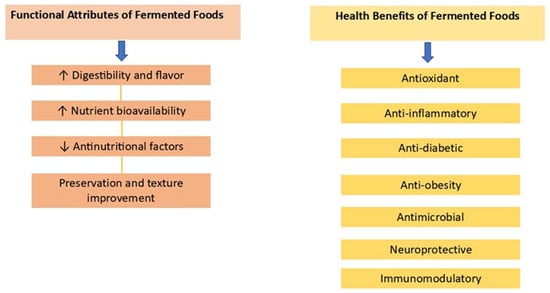
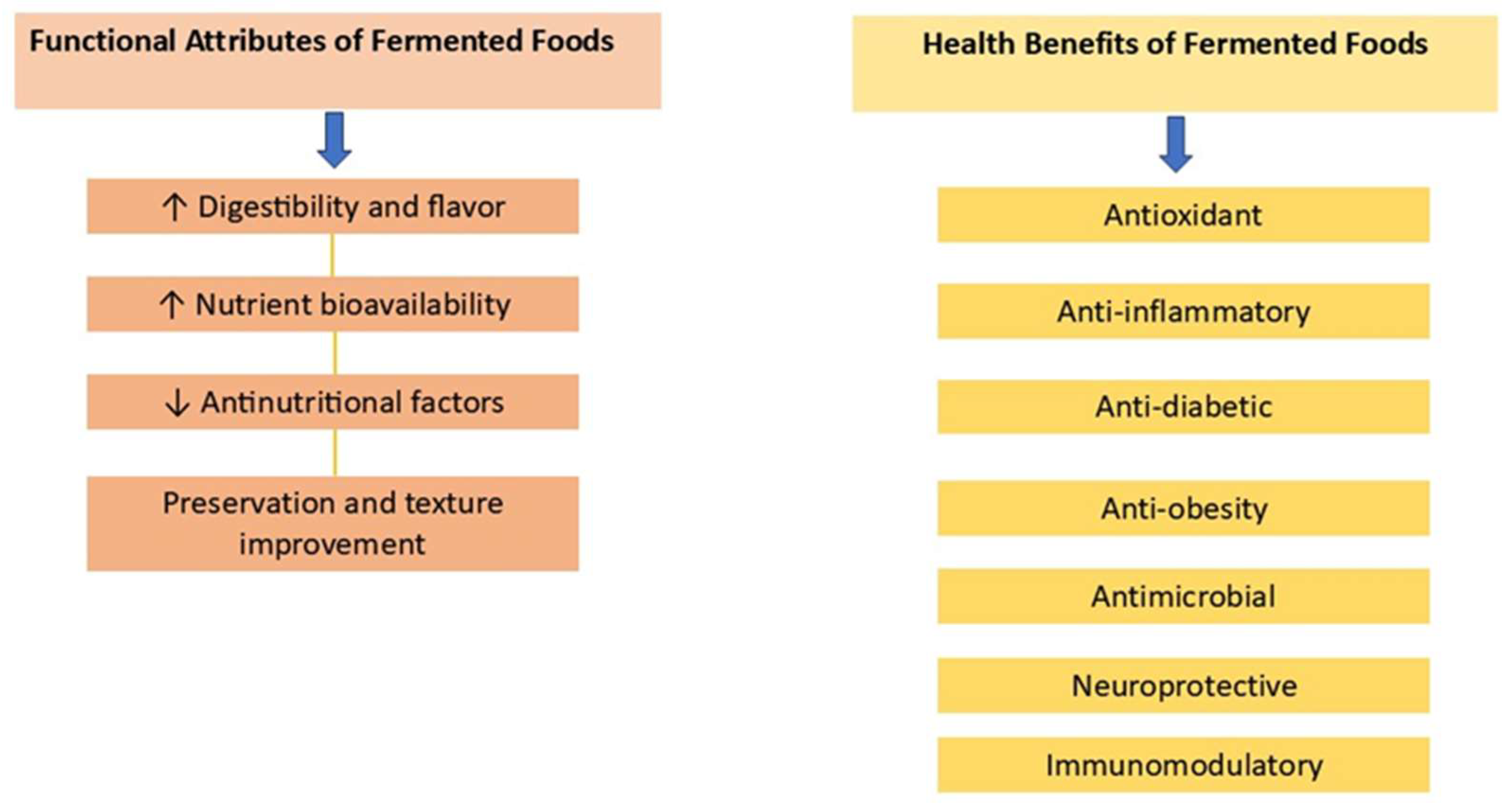
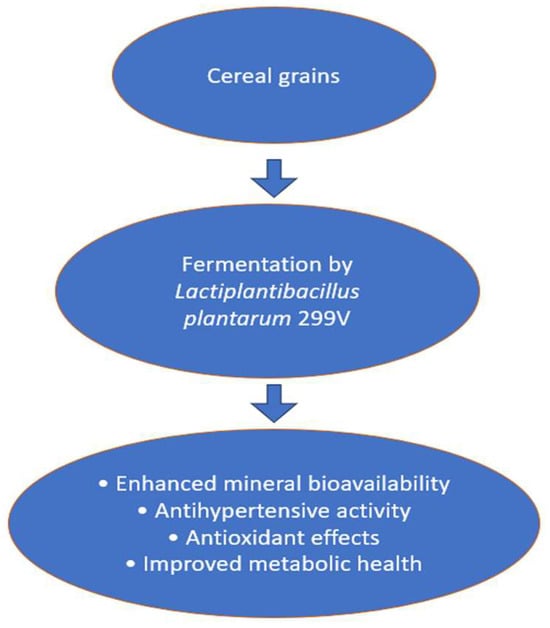
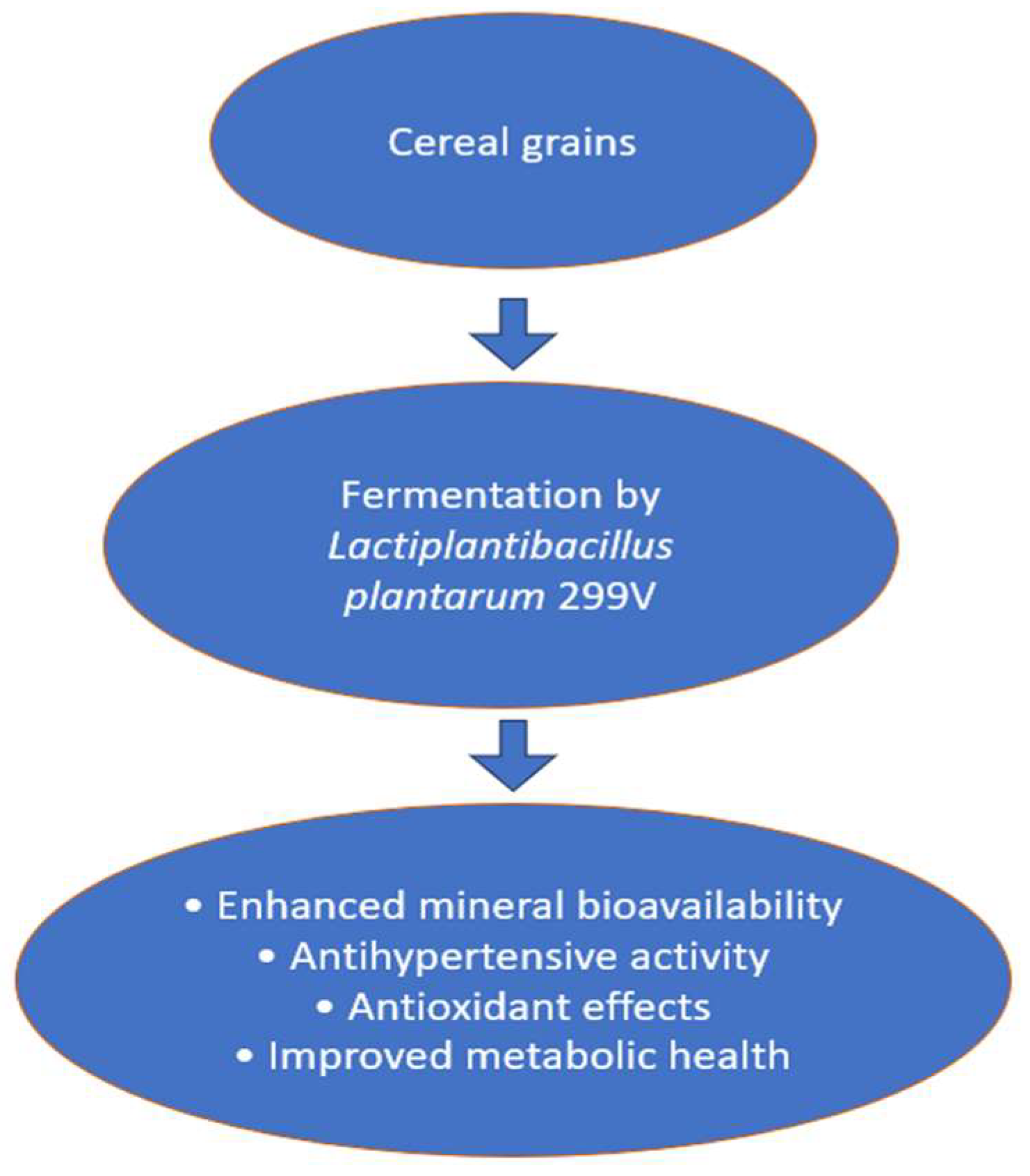
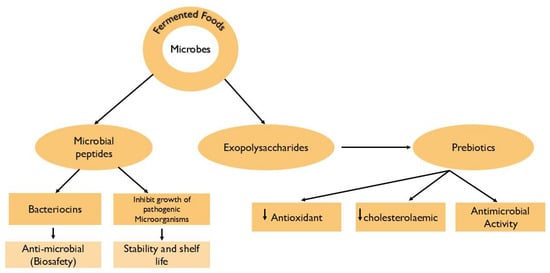
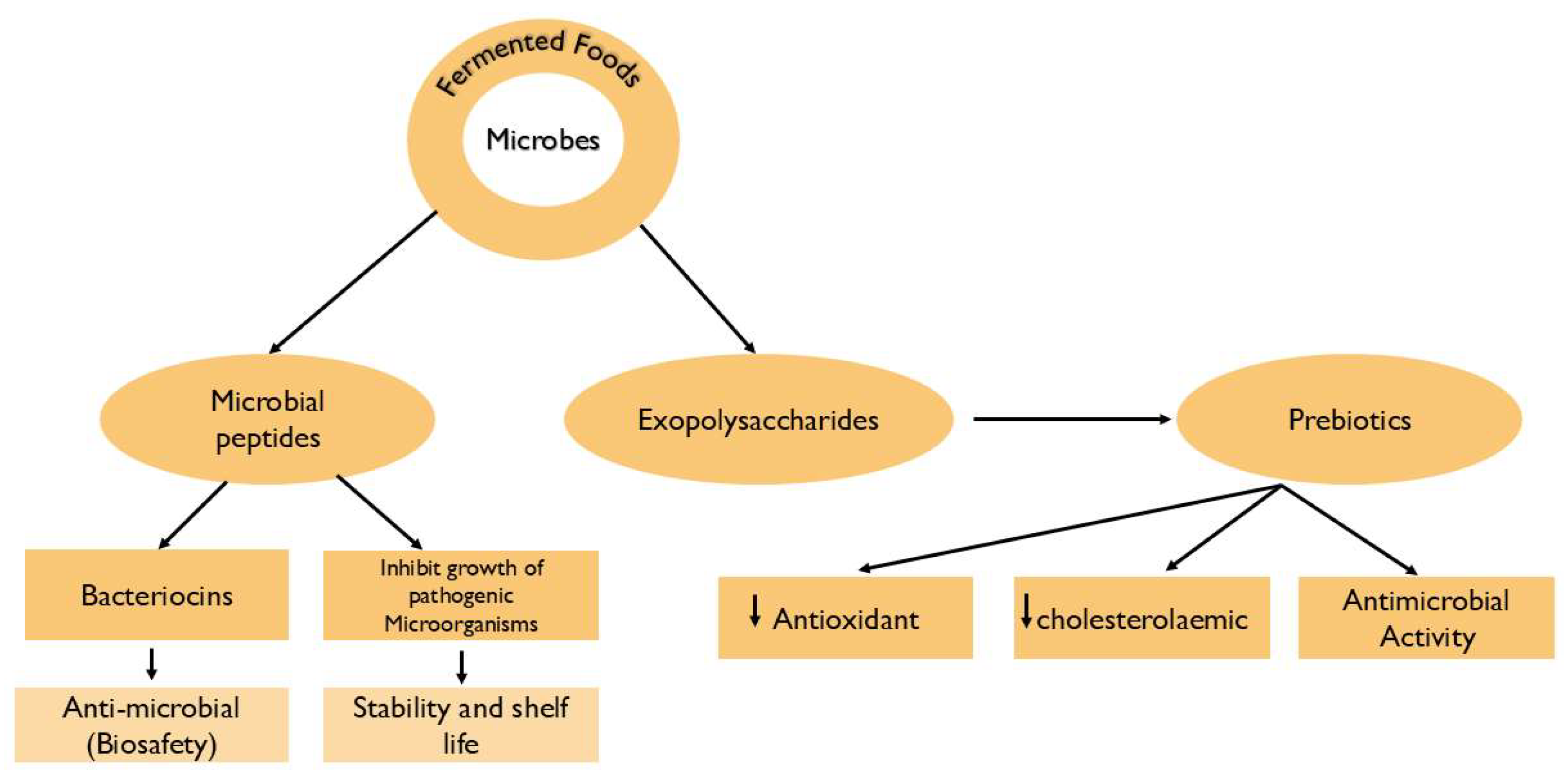
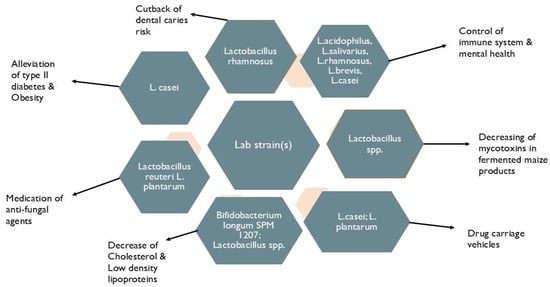
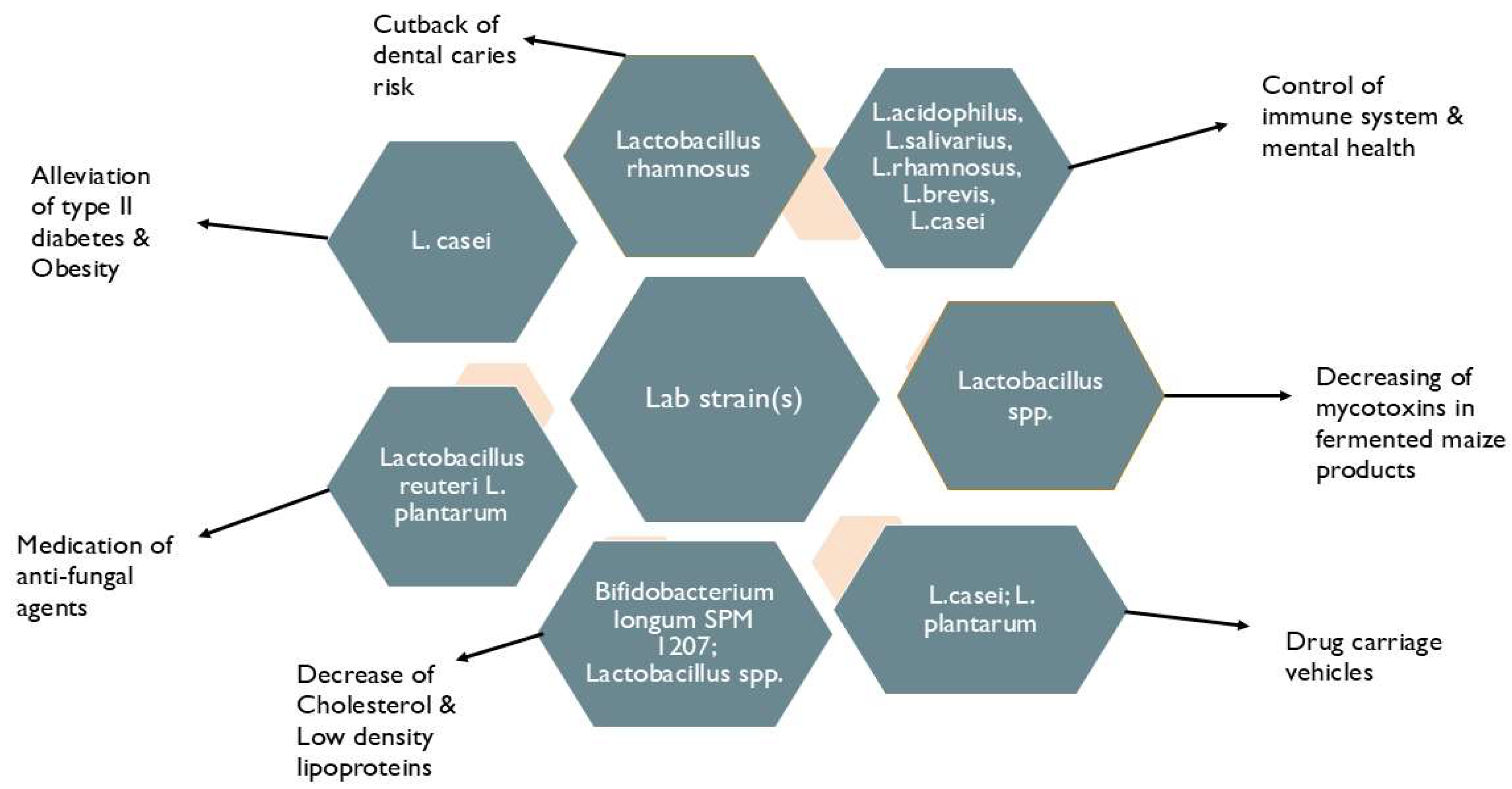

Disclaimer/Publisher’s Note: The statements, opinions and data contained in all publications are solely those of the individual author(s) and contributor(s) and not of MDPI and/or the editor(s). MDPI and/or the editor(s) disclaim responsibility for any injury to people or property resulting from any ideas, methods, instructions or products referred to in the content. |
© 2026 by the authors. Licensee MDPI, Basel, Switzerland. This article is an open access article distributed under the terms and conditions of the Creative Commons Attribution (CC BY) license.