


Abstract
This article examines the key factors influencing the aromatic profile of mead, which is increasingly popular in artisanal markets worldwide. Based on a bibliometric review of 44 scientific studies, the analysis highlights the significant role of honey type in shaping mead’s sensory characteristics. Acacia honey contributes subtle floral notes, while eucalyptus honey brings bolder, resinous aromas. The bibliometric analysis also emphasizes fermentation conditions, such as temperature and yeast selection, as crucial factors. Lower fermentation temperatures help preserve volatile compounds, enhancing fruity and floral aromas, while higher temperatures lead to increased concentrations of undesirable higher alcohols. Additionally, aging mead in oak barrels for 6 to 12 months adds complexity by introducing vanilla, coconut, and spice notes from the wood’s phenolic compounds. The maturation process, including its duration and storage conditions, also enables the flavors to blend and develop over time. Moreover, the addition of herbs and fruits during fermentation or maturation has been proven to introduce new layers of aroma and flavor, with ingredients like citrus, berries, and aromatic herbs enhancing the final product with fresh, lively notes. The potential of non-Saccharomyces yeasts is also explored as an alternative for enriching aromatic profiles, with the capacity to introduce unique sensory characteristics, including diverse flavor profiles and regional or terroir-based variations. Finally, the bibliometric review reinforces the importance of selecting appropriate ingredients and controlling fermentation processes to improve mead quality. It also suggests exploring microbiomes, exotic honey varieties, and the use of herbs and fruits for even more distinct aromatic profiles.
Keywords:
aromatic profile; bibliometric review; mead; fermentation; honey variety; sensory analysis 1. Introduction
Mead is one of the oldest alcoholic beverages in the world [1,2] and has experienced a resurgence in recent years, driven by a growing interest in artisanal and natural products, as well as the search for new sensory experiences in the beverage market [3,4]. Originally crafted from a simple blend of honey, water, and yeast, mead can display a wide range of sensory profiles, shaped by factors such as honey type, fermentation conditions, water quality, yeast strain, and the addition of ingredients like fruits and spices [1,5,6,7]. This modern resurgence of mead has spurred the demand for comprehensive studies on its physicochemical and sensory characteristics, which are crucial for the craft beverage industry [8].
Although interest in mead is increasing, the scientific literature remains limited, particularly concerning the relationship between its sensory properties and production variables. Fermentation, a key process in mead production, is influenced by various factors, including the organic composition of honey, temperature, pH, and yeast strain [1,9]. However, the complex interactions between these factors and their effect on the final quality of mead have not been comprehensively studied.
The mead’s sensory profile is shaped by the volatile constituents of honey and other metabolites [10,11,12]. Honey contains a broad range of phenolic compounds as secondary constituents, especially flavonoids and phenolic acids, which directly influence the beverage’s flavor and stability [13,14], with notable variations depending on the honey’s origin [15,16]. While it is known that these compounds influence mead’s longevity and antioxidant profile, the interactions between these compounds and other production variables are not fully understood [17].
To fill this gap in the mead’s literature, the present study investigates the factors influencing mead quality and consumer acceptance, with an additional focus on optimizing its aromatic profile. The research emphasizes the relationship between chemical and sensory characteristics, such as phenolic compounds, organic acids, and consumer perception. The main goal is to provide a scientific framework that supports the optimization of production processes to meet market demands for high-quality mead. In addition to advancing the beverage industry, the study seeks to encourage the creation of more refined mead products by analyzing their molecular and sensory profiles, thereby helping them stand out in the global market.
2. History, Tradition, and Modern State of Mead
The earliest evidence of mead production comes from ceramic jars containing residues of fermented honey, dated to around 7000 BC (before Christ) in the region of present-day China [18]. By around 4000 BC, mead had become a part of Egyptian and Sumerian civilizations, valued both for its symbolic and therapeutic properties [1]. This tradition of consumption persisted in various cultures throughout history. Archeological evidence shows that mead was enjoyed by various ancient cultures, such as the Vikings, Celts, and Greeks [19]. In ancient Greece, around 2000 BC, mead, called “Melikraton”, played a role in religious ceremonies and feasts, often associated with the gods [4]. Similarly, both the Celts and Vikings regarded it as a gift from the gods. During the Middle Ages (476–1453), mead became popular in Europe, especially among the nobility.
The spread of mead was further propelled by its incorporation into trade routes. During the Middle Ages, European cities such as London and Paris became centers of exchange for various goods, including honey and mead. From the 11th century onward, with the strengthening of trade between the Middle East and Europe, exotic ingredients like spices and dried fruits enriched mead production, leading to a greater diversity of styles. This evolution not only enhanced the taste variety of mead, but also cemented its status as an esteemed beverage, commonly featured at royal banquets and religious ceremonies [15].
Throughout its history, different regional variations of mead have emerged, shaped by the incorporation of fruits, herbs, and/or spices during its production (Figure 1). Mead that also contains spices is called “Metheglin”, and mead that contains fruit is called “Melomel”. “Metheglin”, for instance, is a variation that includes spices and herbs, and it was commonly consumed in medieval Britain, both as a recreational and medicinal beverage [20]. In Ethiopia, “Tej” is a type of mead made with gesho herb, which gives the drink its distinctive bitterness. One popular “Melomel” variety, cyser, particularly enjoyed in France and England, blends honey with apple juice, offering a rich flavor profile where the apple notes balance the sweetness of the honey. “Polski Miód”, a renowned Polish mead, boasts a long-standing tradition and a wide range of styles, from sweet to dry [21].
Figure 1.
Mead variations (adapted from [22]).
Additionally, the ancient civilizations not only consumed mead as a daily drink, but also included it in religious ceremonies, frequently linking it to gods and mythological stories [19]. In Norse mythology, mead was offered to warriors who died in Valhalla, the dwelling place of the gods [23]. In Brazil, indigenous tribes also consumed a fermented drink made from honey and pollen from native bees, called “Tucunaíra” [22]. However, from the 16th to the 18th centuries, mead consumption waned as wine and beer gained popularity, resulting in a decrease in its production [15]. In the late 20th century, mead experienced a revival, driven by the growing interest in natural and artisanal products. Small producers began exploring new fermentation techniques and incorporating ingredients such as fruits and spices, diversifying flavors and making mead more appealing to modern consumers [24]. In the 2010s, mead gained recognition as a gourmet and sophisticated beverage, standing out for its versatility and variety of styles. Artisanal productions began to shine at fairs and specialized events, attracting a diverse audience [25].
Throughout the centuries, mead production techniques have undergone significant evolution. Initially, fermentation occurred naturally, with diluted honey fermenting through wild yeasts, with each civilization adapting their methods to the locally available ingredients. The Vikings, for instance, with a rich supply of honey and local fruits, developed mead varieties that captured the distinctive flavors of the surrounding environment. However, over time, particularly during the Middle Ages and the Renaissance, the process became more sophisticated, utilizing ceramics and wood to regulate fermentation and enhance the beverage’s quality [15]. Improvements in fermentation methods and the adoption of different containers, such as amphorae in Greece and barrels in medieval Europe, helped achieve a greater consistency in the quality of the beverage. This technical advancement played a key role in its widespread popularity among the nobility during the Middle Ages [20]. Currently, the mead production process is well-defined and consists of a series of steps, including must preparation, fermentation, clarification, maturation, and bottling [26,27]. The first step in mead production is sanitizing all the equipment and utensils (Figure 2). For the preparation of the must, honey is mixed with water in a specific ratio, typically ranging from 1:0.5 to 1:3 (honey–water). If needed, the pH is adjusted to a range of 3 to 5 to promote optimal yeast activity [28]. Along with water, honey, and yeast, it is recommended to add mead nutrients and sulfites to enhance fermentation efficiency [8,9,29,30]. The use of metabisulfite (either sodium or potassium salts, or commercially available tablets) releases sulfur dioxide, which kills or inactivates undesirable microbes [8]. The must is then transferred to a fermenter, after which the alcoholic fermentation process begins. Throughout this process, the yeast feeds on sugars (mainly monosaccharides like glucose and fructose), converting them into ethanol and carbon dioxide (Figure 2). The fermentation duration typically lasts between 2 and 4 weeks, depending on factors such as the honey variety, honey–water ratio, yeast strain, inoculum size, nutrient salt addition, and the physicochemical conditions (e.g., temperature and pH).
Figure 2.
Flowchart of the main stages of mead production (adapted from [31]).
The alcoholic fermentation process is primarily carried out by yeasts of the Saccharomyces genus, with the most commonly used species being S. cerevisiae and S. bayanus. However, fermented beverages can also be produced using wild yeasts or yeasts from non-Saccharomyces genera. The yeast strain selected for mead production influences both the fermentation process and the sensory profile of the final product, as they are responsible for the production of various secondary metabolites, such as organic acids, aromatic alcohols, esters, carbonyls, and sulfur compounds, which contribute to the diverse flavors and aromas of the beverage [28].
Currently, mead keeps evolving with advancements in sustainability and fermentation, including the use of unique yeasts and tailored aromatic profiles, to meet the demands of a constantly changing market [3]. The modern resurgence of mead has introduced new styles that blend innovative ingredients, like tropical fruits and aromatic herbs, with modern fermentation techniques [7,32]. This evolution has created a broad range of sensory profiles, enabling mead to appeal to a global and diverse audience [25].
Furthermore, according to Brazilian legislation, as defined by Decree No. 6871 of 4 July 2009, mead is classified as a fermented beverage with an alcohol content ranging from 4 to 14% by volume at 20 °C, obtained through the alcoholic fermentation of a solution composed of bee honey, nutrient salts, and potable water [33]. Normative Instruction No. 34 of 29 November 2012 establishes the chemical composition and classification criteria for mead. Mead can also be categorized as either dry or sweet, depending on the residual sugar content: dry mead must contain up to 3 g L−1 of residual sugar, while sweet mead contains more than 3 g L−1 [33].
3. Molecular Composition of Mead
Mead’s molecular composition is intricate, featuring a range of volatile compounds that modulate its distinct aroma. Key molecular groups found in mead are esters, alcohols, organic acids, phenols, and terpenes, each contributing uniquely to the drink’s scent and overall sensory experience [1,2]. Esters are key in producing fruity aromas, while higher alcohols add aromatic depth with floral hints [11,34]. Ethyl octanoate, an ester, is particularly known for its fruity note, formed during alcoholic fermentation when acids react with alcohols [24]. This compound contributes tropical, sweet, and fruity aromas, playing a significant role in mead’s complex aroma [24]. Higher alcohols, like phenylethanol, also significantly influence mead’s sensory profile. Phenylethanol is linked to floral notes, often reminiscent of roses, and is produced during fermentation as a byproduct of yeast metabolism. These higher alcohols are crucial in shaping the olfactory profile of mead, enhancing its complexity and sensory richness [18].
Organic acids derived from raw materials and produced during fermentation and aging significantly impact the flavor and aroma of mead [24,35]. Acetic acid, in small amounts, adds a mild acidity to mead, helping to balance the honey’s sweetness and providing a refreshing touch on the palate. However, when present in high concentrations, it can create undesirable sensory defects, such as vinegar-like flavors [15]. Other organic acids, such as lactic and malic acids, play a key role in maintaining the balance between acidity and sweetness, directly impacting the taste experience of mead [1].
Phenols, well-known for their antioxidant properties, are found in mead, primarily originating from honey [14,36,37,38]. These compounds help to stabilize the beverage and also affect its color and flavor, adding bitter or astringent notes depending on their concentration [39,40]. Terpenes, though present in smaller amounts, contribute delicate and floral aromas, which are derived from the nectar of the flowers used in honey production [20].
The interaction between these molecules, along with others, during the fermentation and aging of mead results in a beverage with unique sensory characteristics, which vary according to the ingredients and production methods employed. Table 1 provides a summary of various mead types, including alcohol content, total and volatile acidity, pH, soluble solids, reduced dry extract, aromatic compounds (esters and higher alcohols), and organic acids, among others. These parameters are crucial for evaluating the final quality of mead, as they have a direct impact on its sensory profile and preservation characteristics. The physicochemical parameters and molecular compounds of mead were examined across various variants [41].
Table 1.
Physicochemical parameters and molecular compounds of different mead types.
Typically, mead is a traditional alcoholic beverage containing 8% to 18% ethanol (v/v), with concentrations ranging from 4% to 14% in Brazil [9,23,29,42]. However, the alcohol content in mead can swing from a delicate 3.5% to a robust 23% ABV (alcohol by volume). Natural mead had the highest alcohol content (25.6% ± 0.1), compared to orange mead (13.7% ± 0.2) and jabuticaba mead (14.1% ± 0.1) (Table 1). This difference can be attributed to variations in sugar concentration and fermentation, as the addition of fruits can alter the availability of fermentable sugars and yeast activity, resulting in different alcohol concentrations. Furthermore, this supports the findings of [43], who demonstrate that adding fruits during fermentation typically lowers the alcohol content due to the dilution of the natural sugars in honey.
Total acidity is another key factor, with notable differences observed between the analyzed samples (Table 1). Jabuticaba mead shows the highest acidity (114.84 ± 0.16 mEq.L−1), while orange mead has a lower acidity (85.55 ± 4.4 mEq.L−1). Total acidity plays a crucial role in shaping the flavor and perceived freshness of the beverage, influencing its overall sensory appeal and acceptance. This observation suggests that the natural organic acids present in fruits, such as citric acid in oranges and malic acid in jabuticaba, directly affect the acidity of the mead. Jabuticaba (Plinia trunciflora), a native Brazilian fruit, produces round berries ranging from red to purple, resembling grapes in appearance. Due to its rich chemical composition, jaboticaba shows high potential for use in fermented beverages with bioactive properties [45].
Natural mead has a lower pH value (around 3.3) compared to fruit-infused meads like jabuticaba mead (pH 3.7) (Table 1). A higher pH is often linked to the presence of less dissociated acids, which can impact the perception of acidity and the balance of sweetness and acidity on the palate. Additionally, higher pH levels can affect the microbiological stability of the mead, increasing its vulnerability to the growth of undesirable microorganisms [46].
Soluble solids content showed that natural mead has the highest concentration of solids (12 °Brix), while orange and jabuticaba meads have lower values (9 °Brix and 8 °Brix, respectively). This suggests that the addition of fruits influences the amount of residual sugars after fermentation. The reduced dry extract, which reflects the content of non-fermentable solids, follows a similar pattern, with orange mead showing the highest value (26.34 ± 0.21 g L−1). These data imply that fruit additions alter the composition of mead, resulting in a lighter, less sweet beverage, which may appeal to consumers who prefer less sugary flavor profiles. Aromatic compounds such as ethyl octanoate and phenylethanol contribute to the sensory profile of mead, adding fruity and floral notes. These compounds are found in all the mead variants analyzed, with both ethyl octanoate and phenylethanol present in natural and jabuticaba meads.
The presence of higher alcohols in all the samples suggests that controlled fermentation favors the formation of these compounds, enhancing the body and aromatic complexity of the beverage. Previous studies indicate that fermentation control, especially regarding temperature and yeast type, can modulate the production of these compounds, positively influencing the aromatic profile [44].
Finally, the presence of terpenes in all the samples highlights their significant role in enhancing aromatic complexity, adding distinct herbal and citrus notes. The addition of fruits like oranges and jabuticaba appears to amplify these compounds, making the mead more attractive to consumers seeking fresh and unique sensory profiles. In the context of the craft beverage industry, the manipulation of these compounds can be strategic for creating unique and sophisticated products, especially in premium markets.
4. Sources of Aromas in Mead
Honey is the primary ingredient in mead production, and its variety plays a decisive role in shaping the aroma profile. The composition of honey, which depends on the flowers from which bees collect nectar, leads to distinct aromatic characteristics that are transferred to the mead during fermentation [24,47,48,49,50,51].
Honey from citrus flowers typically imparts fresh and fruity aromas, while wildflower honey can add more complex and herbal notes [20]. Furthermore, mead can also be made from honeydew honey, a non-floral honey that imparts its own unique set of aromas to the beverage. This aromatic diversity is due to the presence of specific volatile compounds, such as terpenes and phenols, which remain in the mead after fermentation [11].
The quality of the water used in mead production is crucial to the final composition of the beverage. Water serves not only as a solvent for dissolving honey, but also directly impacts the biochemical reactions that take place during fermentation. Viscosity is a physical property of honey that is influenced by its water content [52]. Impurities or minerals present in the water can influence yeast activity, which in turn affects the formation of aromatic compounds [1]. Thus, selecting high-purity water that is free from contaminants and has the right mineral composition is essential for producing high-quality mead [18].
While Saccharomyces spp. is the most common yeast found in honey, other genera such as Debaromyces, Hansenula, Lipomyces, Pichia, Schizosaccharomyces, Torula, and Zygosaccharomyces have also been identified [53]. During alcoholic fermentation, yeasts convert the sugars in honey into alcohol, producing aromatic compounds as byproducts. Yeasts are essential microorganisms in mead production, as they not only drive fermentation, but also play a key role in shaping the aromatic profile of the beverage. This is achieved through the production of various secondary metabolites, including volatile compounds such as esters, higher alcohols, and organic acids, which define the sensory characteristics of mead [54].
Different yeast strains can significantly influence the aromatic profile of mead. Strains of S. cerevisiae include C11-3 [9], BRL-7 [55], and UCD522 [30] from culture collections, as well as commercial strains like Premier Cru [29], ENSIS-LE5 [8], Lalvin QA23 (Lallemand, Montreal, QC, Canada), Lalvin ICV D47 (Lallemand, Montreal, Canada) [56], and BC s103 (Fermentis, Lesaffre, France) [57], are commonly used for their ability to produce fruity esters that impart tropical and floral notes to the mead. On the other hand, strains like Saccharomyces bayanus tend to produce fewer esters, resulting in meads with more subtle aromas and a greater focus on spicy or mineral notes. Thus, selecting the appropriate yeast strain is an essential aspect of mead formulation, as it directly affects the complexity and intensity of the aromas.
In addition to the primary ingredients, incorporating fruits, spices, and herbs can significantly enhance the aromatic profile of mead [6,7,32]. These additives introduce new layers of flavor and aroma, enriching the overall sensory experience of the beverage. Some popular additive combinations include the use of honey infused with herbs such as mint or rosemary, which add freshness and herbal notes to mead. Another traditional variation, “Metheglin”, combines spices and medicinal herbs, resulting in a complex and layered aromatic profile [25]. The use of these additives not only broadens the flavor spectrum of mead, but also allows for the creation of distinctive styles that appeal to various sensory preferences.
The use of various types of honey in the fermentation process, including multifloral, honeydew, and monofloral honeys, significantly affects the aromatic profile of meads (Table 2). Traditional meads made with multifloral honey often display floral and fruity notes linked to alcohols and esters [48]. The inclusion of additives like blackcurrant and grape juice in “Melomels” adds aromatic complexity, with descriptors such as “citrus” and “green”, as reported by [28,58], respectively. Mead made with Cannabis sativa (“Metheglin”) presents a fresh and herbal aromatic profile [59]. Common volatile compounds identified across these meads include alcohols (e.g., isoamyl alcohol), esters (e.g., ethyl acetate and ethyl octanoate), and terpenes. Esters, particularly known for their fruity characteristics, have the greatest influence on the sensory attributes, especially in fruit-infused meads.
5. Methods for Analyzing Volatile Compounds: Chromatographic and Sensory Approaches
The analysis of volatile compounds in mead requires advanced methods that allow for the identification and quantification of the various volatile and non-volatile components present in the beverage. Gas Chromatography coupled with Mass Spectrometry (GC-MS) is a widely used technique for the analysis of volatile compounds in mead. GC-MS separates volatile compounds according to their physicochemical properties and then accurately identifies them using mass spectrometry. This technique is particularly effective in detecting esters, higher alcohols, and volatile acids, which are crucial for the aromatic profile of mead [23,56]. When combined, GC-MS and HPLC techniques provide a detailed analysis of mead’s molecular composition, helping to enhance production processes and create products with optimized sensory profiles [23].
In addition to chemical analyses, sensory evaluation is vital for understanding consumer perceptions of mead’s aromas and flavors. Several studies incorporating sensory analysis have explored the impact of various mead production techniques, including honey types [28,48,60,61,62], the use of different fining agents [63,64], residual sugar content [65,66], and the addition of diverse ingredients to the must, such as blackcurrant [28], pollen [8], rice [61], grape juice [58], and natural hydrocolloids [67]. Tasting panels, typically consisting of trained evaluators or consumers, are frequently used to assess the mead’s sensory characteristics [42]. Panelists provide feedback on sensory attributes such as aroma, flavor, body, and appearance, allowing for both qualitative and quantitative evaluations of the mead [68].
Quantitative Descriptive Analysis (QDA) is one of the most widely used descriptive methods for mapping the sensory profile of mead. In QDA, evaluators identify and characterize the different sensory attributes of the beverage, which are then measured on a scale. This method provides an in-depth analysis of sensory perceptions, helping to link sensory data with chemical profiles derived from methods such as GC-MS and HPLC [69]. Therefore, sensory analysis complements analytical techniques, contributing to a more comprehensive understanding of mead quality and consumer preferences.
Integrating both analytical and sensory approaches is essential for developing meads that meet technical quality standards while also appealing to consumers across various markets. By thoroughly analyzing aromatic compounds and conducting sensory evaluations, producers can fine-tune their formulations to create products that excel in both complexity and sensory balance, thereby improving the commercial success of mead in a highly competitive market [3,25].
Table 2.
Aromatic profile of meads produced with different types of honey or addition of fruits and herbs.
6. Sensory Profile of Different Types of Mead and Panelists’ Insights
The different types of mead—dry, sweet, and sparkling—each have unique sensory profiles that vary significantly in terms of sweetness, acidity, and aromatic complexity. Dry meads, for instance, are characterized by low residual sugar content, resulting in a dry sensation on the palate and a more prominent acidity [60,65]. These meads often emphasize the volatile compounds in honey, such as terpenes, which provide floral and herbal notes, along with a mild astringency from phenols [20]. The acidity in dry meads enhances a refreshing, invigorating sensation, which is favored by consumers who prefer less sweetness and more intricate flavors.
This preference for sweetness variation was further explored by [65], who studied the effect of sweetness and ethanol content on sensory acceptability. By halting fermentation at different stages to control residual sugars and adding brandy to adjust alcohol content, the researchers found that a sweeter mead (75 g L−1 residual sugar) was preferred over a drier one (26 g L−1 residual sugar). However, the ethanol content, which ranged from 18% to 22% v/v, had no influence on the tasters’ preference. Similarly, [60] found that tasters preferred meads sweetened with honey to 80 g L−1 of reducing sugars, as opposed to those sweetened to only 40 g L−1. This emphasizes the key role sweetness has in determining mead preferences, independent of alcohol content.
Sweet meads have a higher concentration of residual sugars, resulting in a smoother and sweeter sensory profile. This sweetness amplifies the fruity and floral aromas of honey, making the mead more inviting to consumers who prefer richer, more indulgent flavors. The acidity in these meads is often less noticeable, allowing aromatic compounds like fruity esters to shine through. The residual sugars also enhance the body of the mead, providing a velvety, full-bodied texture.
Sparkling meads, produced through secondary fermentation to generate carbon dioxide, offer a distinctive sensory profile. The effervescence adds a lively, tingling sensation on the palate, while the carbonation often enhances the mead’s natural acidity [18]. Aromatically, sparkling meads can display a wide range of complexities, from citrus and floral notes to richer, toasty undertones, influenced by the fermentation process and the honey used. Much like sparkling wines, these meads are prized for their lightness and elegance, making them a popular choice for celebrations and special occasions [64].
The preference between dry, sweet, or sparkling meads is heavily influenced by individual consumer preferences, which are shaped by both cultural and situational factors. Consumers who prefer less sweetness tend to favor dry meads, appreciating their acidity and intricate flavor profiles [6]. On the other hand, those drawn to richer, more intense flavors are more likely to select sweet meads [69]. Sparkling meads, known for their effervescence and unique sensory experience, are particularly sought after for their versatility and are often enjoyed during celebrations and special occasions.
Meads that incorporate fruits, spices, and other additives offer a wide range of sensory profiles, combining the aromatic characteristics of honey with the flavors and aromas of the added ingredients [7,72]. The addition of fruits, such as raspberries, apples, or cherries, can intensify fruity and acidic notes, creating a mead with greater aromatic complexity and balanced acidity. The addition of raspberries not only introduces a red fruit flavor, but also enhances the natural acidity of honey, resulting in a refreshing and vibrant beverage [73]. Spices such as cinnamon, cloves, and ginger are commonly used to add layers of aromatic complexity to mead. These spices add warm, aromatic notes that either enhance or balance the natural fragrance of honey, depending on the combination selected [20]. These sensory profiles make spiced meads especially well-suited for cold climates or for culinary pairings that call for bold, distinctive flavors.
Other additives, such as herbs (e.g., mint, rosemary) and flowers (e.g., lavender, hibiscus), can also be used to craft distinctive sensory profiles in mead [72]. Herbs, in particular, contribute fresh, green notes that help to balance the sweetness of honey, while flowers provide subtle, fragrant nuances that enrich the overall aromatic complexity [25]. A successful mead relies on finding the right balance between the aromatic compounds of honey and the chosen additives, with careful attention needed to ensure that no single element overwhelms the others.
Table 3 presents sensory studies on meads, along with insights derived from sensory panel evaluations. The combination of different additives allows for the creation of meads that cater to diverse sensory preferences, from traditional profiles to more innovative ones. This sensory diversity is one of the reasons why mead has been rediscovered by artisanal producers and appreciated by consumers seeking new gustatory experiences. The sensory analysis of these meads demonstrates that the harmonious integration of honey compounds and additives results in beverages that are both complex and enjoyable, reflecting the rich tradition and creative potential of this ancient beverage [74].
Table 3.
Sensory studies on meads and insights derived from sensory panel evaluations.
7. Factors Affecting the Aroma of Mead
The variety and origin of honey are crucial factors that determine the aromatic profile of mead [16,57,85,86]. Different types of honey, such as acacia honey and eucalyptus honey, have distinct chemical compositions that directly affect the aroma of the final product. Acacia honey is known for its mild flavor and subtle floral notes [57], which can result in a mead with a delicate and refined aroma. In contrast, eucalyptus honey has more intense and resinous aromatic characteristics, giving mead a more robust and complex aromatic profile [20]. These differences are attributed to the variability of volatile compounds present in the nectar of the flowers that bees use to produce honey, such as terpenes and phenols, which are transferred to mead during fermentation [47].
In addition to the variety of honey, the geographical origin or terroir of honey also plays a significant role in the aromatic complexity of mead [10,14,16,39,47,85,87]. Terroir reflects the specific environmental conditions, such as climate, soil, and flora of the region, which influence the organic and volatile composition of honey [87]. Honey produced in mountainous regions, for instance, may contain distinct mineral notes, while honey from tropical regions may be richer in fruity and exotic aromas [88]. This regional influence contributes to the uniqueness of each mead, making the choice of honey origin a strategic decision for producers seeking to create specific aromatic profiles.
Yeasts of the genus Saccharomyces are known for their ability to produce a wide range of aromatic compounds, including fruity esters and spicy phenols [89]. Non-Saccharomyces yeasts may contribute with differentiated notes, such as herbal or earthy characteristics, which add complexity to mead [73].
Fermentation and aging processes are fundamental to the development of aromatic compounds in mead [1,8,29,35]. Fermentation conditions, including temperature, time, and the type of yeast used, directly influence the production of esters, higher alcohols, and other volatile compounds that make up the aroma of mead [56,66,81]. Fermentation at lower temperatures tends to preserve volatile compounds, resulting in a fresher and fruitier aromatic profile. In contrast, higher temperatures can accelerate fermentation, but may also lead to the formation of undesirable compounds, such as higher alcohols, which impart more aggressive aromas [18]. Furthermore, adjusting the fermentation time can either heighten or tone down specific aromas, providing the producer with the flexibility to tailor the sensory profile of the mead to their desired taste.
Aging mead in different containers, such as oak barrels, can also add layers of complexity to the aroma [90,91]. Oak barrels can transfer compounds such as lactones and tannins to mead, introducing aromatic notes of vanilla, coconut, and spices. This aging process not only enriches the aromatic profile, but also softens and integrates the different volatile components, resulting in a more balanced and harmonious mead [35].
Production techniques, such as carbonation, also influence the aromatic profile. Carbonation can enhance the perception of freshness and acidity, making aromas more pronounced [18]. In addition, the choice of carbonation method (e.g., natural or forced) can affect the intensity and persistence of aromas in mead. Natural carbonation, which occurs during secondary fermentation, tends to produce more integrated and subtle aromas, while forced carbonation may result in a more explosive, but less complex aromatic profile [21].
8. Impact of Molecular Interactions on Mead’s Aroma
The interactions among various aromatic compounds in mead are essential for developing a well-rounded sensory profile. These interactions can be either synergistic, where compounds enhance and intensify each other, or antagonistic, where one compound diminishes or masks the aroma of another [56]. For instance, a synergistic effect occurs when fruity esters and floral terpenes combine, producing a rich and pleasant fragrance that highlights the fruity and floral notes in the mead [56]. In contrast, when compounds like higher alcohols are present in excessive amounts, they can dominate the aroma and suppress more subtle fragrances, leading to an unbalanced and less enjoyable beverage.
The interactions between volatile and non-volatile compounds in mead are also fundamental to sensory perception. Non-volatile compounds, such as organic acids and phenols, can impact the volatility of other compounds, thereby altering the way aromas are sensed. Organic acids, for instance, can heighten the perception of freshness and acidity, while phenols introduce additional complexity and depth to the aroma, frequently adding bitter or astringent notes [24].
These molecular interactions are important in creating balanced aromatic profiles, where no single compound overwhelms the sensory perception. The balance between volatile and non-volatile compounds must be carefully managed to highlight desirable aromas, while minimizing any unwanted ones. This is essential for the production of high-quality meads that are both complex and pleasing to consumers’ palates [69].
Understanding the molecular interactions in mead is essential for grasping how volatile compounds influence the overall aroma of mead. By carefully managing fermentation conditions, ingredient selection, and aging processes, producers can enhance synergistic interactions and minimize antagonistic effects. This allows for the creation of meads with complex, harmonious profiles that cater to different preferences and consumption contexts, offering unique and memorable sensory experiences [25,69].
To determine the molecular interactions that influence mead aroma—particularly between volatile and non-volatile compounds, as well as synergistic or antagonistic effects—researchers may use a combination of analytical, sensory, and computational methods. Table 4 outlines the primary methods used to investigate these interactions.
Table 4.
Methods to investigate molecular interactions that influence mead aroma.
9. Current and Future Trends in Mead’s Aroma Research
Research on mead aromas has made significant progress due to advancements in analytical technologies, enabling a more precise and detailed characterization of both volatile and non-volatile compounds in the beverage. One such emerging technology is Ion Mobility Spectrometry (IMS), which has proven effective in the rapid and efficient analysis of volatile compounds [92]. IMS separates ions based on their mobility through a gas, offering greater resolution than traditional techniques like Gas Chromatography coupled with Mass Spectrometry (GC-MS). This enhanced sensitivity allows for the detection of aromatic compounds at very low concentrations, which can significantly influence the sensory profile of mead [74].
Another promising technology is advanced Nuclear Magnetic Resonance (NMR), which not only delivers in-depth information about the molecular structure of compounds, but also allows for the study of molecular interactions in mead [93]. When integrated with techniques like Diffusion-Ordered Spectroscopy (DOSY), NMR facilitates the analysis of molecular dynamics and intermolecular relationships, shedding light on how volatile compounds behave within the liquid and influence aroma perception [27]. This understanding is critical for fine-tuning fermentation and aging conditions to achieve the ideal aromatic profiles.
Fourier Transform Infrared (FT-IR) spectroscopy, which has been previously used in honey analysis [94], is recognized for its accessibility and ease of use compared to other analytical techniques. However, FT-IR in mead analysis has not been documented yet, suggesting it as a promising direction for future research in mead studies [42].
In addition to these techniques, bioinformatics and computational modeling has become increasingly important in aroma research. Modeling tools can predict how different yeast strains or variations in fermentation conditions impact the production of aromatic compounds. These computational models also simulate interactions between volatile and non-volatile compounds, enabling researchers to forecast how these interactions will influence the final aromatic profile of mead, even before conducting physical experiments [15]. These integrated approaches are revolutionizing the study and optimization of aromatic profiles, offering a more efficient route for developing new products.
The customization of aromatic profiles is also becoming increasingly important, with research dedicated to tailoring mead to the unique sensory preferences of consumers. This may involve blending different types of honey, yeasts, and additives to craft personalized sensory profiles that cater to the needs of various markets. The ability to customize mead aromas is particularly valuable in a globalized market, where flavor preferences differ significantly across regions and cultures [3]. An exciting and emerging area of interest is the exploration of yeast biodiversity. While Saccharomyces yeasts have traditionally dominated mead production, research is increasingly focusing on the potential of non-Saccharomyces yeasts and microorganisms sourced from natural environments. These yeasts can introduce unique and innovative aromatic profiles. The exploration of yeast biodiversity offers new opportunities to craft meads with distinctive sensory characteristics, meeting the growing consumer demand for exclusive and personalized products [25].
Future trends in mead research and production point to an increasing emphasis on sustainability, yeast biodiversity, and the customization of aromatic profiles. Sustainability has become has become a central concern in mead production, with research examining the use of eco-friendly agricultural practices for honey production and efforts to minimize environmental impact during fermentation and aging. This not only helps to protect the environment, but can also enhance the aromatic profile of mead, as more natural practices tend to preserve the integrity of volatile compounds [20].
10. Bibliometric Review and Insights into Mead Research as Previously Discussed
This research presents a comprehensive review of global literature on mead studies, utilizing Scopus (Elsevier data) for data collection. The programming code used for the search query was as follows: TITLE-ABS-KEY (honey AND wine) OR TITLE-ABS-KEY (fermented AND honey AND drink) OR TITLE-ABS-KEY (traditional AND mead) AND (LIMIT-TO (SUBJAREA, “AGRI”) OR LIMIT-TO (SUBJAREA, “CHEM”) OR LIMIT-TO (SUBJAREA, “BIOC”) OR LIMIT-TO (SUBJAREA, “MEDI”) OR LIMIT-TO (SUBJAREA, “COMP”) OR LIMIT-TO (SUBJAREA, “PHAR”) OR LIMIT-TO (SUBJAREA, “IMMU”) OR LIMIT-TO ( SUBJAREA, “CENG”) OR LIMIT-TO (SUBJAREA, “ENVI”) OR LIMIT-TO (SUBJAREA, “HEAL”) OR LIMIT-TO (SUBJAREA, “MULT”) AND (LIMIT-TO (LANGUAGE, “English”)). The data retrieved included keywords, abstracts, authors, and journals, which were then exported in CSV format. The retrieval date for the data was 28 October 2024.
The research employed Biblioshiny (https://www.bibliometrix.org/home/index.php/layout/biblioshiny (accessed on 7 November 2024)), an open-access package designed for the R programming language, which provides a suite of tools specifically for bibliometric and scientometric research [95]. This open-source platform supports data import from multiple sources to conduct various types of bibliometric analyses. Additionally, VOSviewer (version 1.6.20), a widely adopted tool for constructing bibliometric networks, was employed. VOSviewer provides the analysis of relationships among various entities, such as authors and institutions, through methods like co-authorship, co-citation, term co-occurrence, and bibliographic coupling [96]. In this study, term co-occurrence analysis was used to identify key topics within the research field. For this analysis, a minimum frequency criterion was adopted, i.e., only terms that occurred at least three times in the database were considered. As a result, 2086 unique terms were identified, of which 116 met the inclusion criterion. The resulting maps feature nodes and edges, where nodes represent keywords and edges denote their relationships.
A total of 371 articles were excluded because they did not meet the prerequisites defined for the thematic subarea and language (English). These criteria were established based on the study objectives. For example, areas such as Social Sciences, Materials Science, Nursing, Physics and Astronomy, Mathematics, Energy, Earth and Planetary Sciences, Decision Sciences, Arts and Humanities, Neuroscience, Management and Accounting, Psychology, Veterinary Medicine, Economics, Econometrics and Finance, and Dentistry do not fit within the scope of the research, which justifies the application of this filter.
The option to restrict the analysis to studies published in English is also justified, since this language is widely recognized as the lingua franca of science and academic publishing. Most high-impact journals adopt English as their primary language, which implies that a large part of the most relevant and influential studies is available in this language. Furthermore, the adoption of English as the standard language in bibliometric studies is a common practice and widely documented in the scientific literature.
Figure 3 presents the main indicators related to productivity, collaboration, and academic impact in the field of mead research. In total, 653 published documents were identified, originating from 426 different sources, with an average annual growth rate of 5.02%, demonstrating a consistent evolution of scientific production over the last decades.
Figure 3.
Bibliometric indicators of scientific production on mead.
A total of 2344 authors participated in this production, with an average of 4.19 co-authors per document, which shows a collaboration pattern typical of consolidated scientific fields. Only 57 authors published single-authored articles, highlighting the predominance of teamwork. International collaboration is present in 18.99% of the documents, reflecting a relevant insertion in global research networks.
Regarding content, 2086 keywords provided by the authors were identified, indicating thematic diversity. The total number of references used in the publications was 28,517, which reflects a strong bibliographic base in the studies analyzed. The average age of the documents is 10.5 years, indicating the coexistence of recent and classic publications within the analyzed set.
The average number of citations per document was 33.09, suggesting a high impact and the academic relevance of scientific production in the field. These data, taken together, demonstrate a scenario of growing development, collaboration, and international visibility, indicating that research on mead has attracted significant attention from the scientific community over the last few decades.
Figure 4 presents an exploratory analysis of papers published on mead between 1966 and 2025, outlining details such as publication year, authors, affiliations, country of origin, document type, and research area. A notable increase in the number of publications is observed over time, particularly from 2000 onward, with a peak between 2020 and 2022, reflecting a growing interest in the topic in recent years. The most prolific authors include Estevinho, L.M. and Reynolds, A.G., each with more than 10 publications, indicating their significant influence and activity in the field. In terms of affiliations, the most prominent institutions are the Ministry of Education of China, the University of California, and the Polytechnic Institute of Bragança, highlighting the active participation of universities and research centers from countries like China, the USA, and Portugal, respectively. China and the United States lead in the number of publications, followed by Italy, India, and Spain, positioning these countries as the primary contributors to mead research.
Figure 4.
Documents by year, author, affiliation, country, type, and area of publications on mead studies published in Scopus (1966–2024).
Regarding document type, the majority are articles (42.1%), followed by reviews (9.1%) and book chapters (2.3%), indicating that research in this field is primarily published in scientific articles (Figure 4). The main areas of publication include agriculture (21.2%), chemistry (12.9%), and biochemistry (10.6%), with a notable presence in Engineering and Computer Science. This suggests that the research is multidisciplinary, spanning from agricultural production to biochemical analysis and beverage chemistry. These findings highlight the increasing significance of mead in the scientific landscape and the collaborative nature of the research, involving various fields of expertise.
Figure 5 shows a network of topics related to mead research, highlighting key research areas, technologies, and associated methodologies. Overall, the analysis reveals that mead research is predominantly centered on sensory quality and authenticity, underpinned by chemical and statistical approaches. Additionally, there is a growing interest in the use of computational methods for optimizing production processes.
Figure 5.
Keywords from the neural network analysis of papers on mead published in Scopus (1966–2024).
The main central themes were “mead” and “honey wine”, indicating that most studies and collaborations focus on these themes (Figure 5). Words such as “sensory analysis” and “chemometrics” also appear frequently, highlighting a strong emphasis on sensory evaluation and the application of advanced statistical methods to examine the sensory and chemical properties of mead. The focus on quality and authenticity is also evident, with words such as “adulteration” and “quality control” linked to these themes, indicating a concern for verifying authenticity and ensuring product quality. This indicates the importance of ensuring the purity of mead and preventing fraud in the beverage industry.
Terms like “antioxidant,” “HPLC” (High-Performance Liquid Chromatography), and “amino acids” appear less often (Figure 5), indicating that some studies focus on the in-depth analysis of mead’s chemical components, possibly to assess its nutritional value, antioxidant activity, and overall composition.
The emphasis on “optimization” suggests a focus on improving efficiency and fostering innovation in manufacturing processes (Figure 5). The mention of “chemometrics” highlights the use of statistical analysis methods to interpret complex data, such as flavor profiles and chemical properties of mead, enabling a quantitative assessment of its qualities.
Related themes like “sensory evaluation,” “flavor,” and “aroma profile” reinforce the importance of understanding the sensory characteristics of mead, which are crucial for consumer acceptance. The network also brings attention to terms such as “oxidative stress” and “anthocyanin,” indicating research into antioxidant compounds and their potential health benefits (Figure 5).
A combined analysis of Figure 6 and Figure 7 provides an insightful look into the progression of research on mead and fermented beverages, emphasizing themes like authenticity, quality, consumer experience, and methodological innovation. The findings indicate a substantial increase in both the scope and variety of topics explored over the years, alongside a shift in methodologies and areas of interest, reflecting the growing complexity and sophistication of research in this field.
Figure 6.
Trend keywords analysis on mead studies published in Scopus (1966–2024).
Figure 7.
Thematic evolution map based on the co-occurrence of the terms presented in the authors’ keywords on mead studies published in Scopus (1966–2024). Each color indicates a cluster keyword.
A temporal evolution and diversification of topics are evident, with mead research progressing from basic subjects like sensory analysis and chemical components to more complex areas such as authentication, food fraud, and traceability (Figure 6 and Figure 7). A sharp increase in publications on these topics has been observed since 2005 (Figure 6), with Figure 7 highlighting their emergence in the more recent periods (2014–2019 and 2020–2025). While terms like “mead”, “honey wine”, “sensory analysis”, and “aroma” continue to be central, the growing presence of terms such as “food fraud” and “traceability” signals a heightened focus on safeguarding product authenticity and improving quality.
The integration of advanced techniques and interdisciplinary approaches has led to the widespread use of analytical methods like gas chromatography–mass spectrometry (GC-MS), chemometrics, and principal component analysis (PCA) (Figure 7). Initially employed to analyze volatile compounds and aromatic profiles, these methods have now become standard tools for evaluating the authenticity and quality of mead. Their application extends to optimizing production processes and improving data analysis, highlighting the interdisciplinarity between food science, analytical chemistry, and data science.
The focus on consumer experience and health has also evolved over time, with sensory analysis still at the core (Figure 7). In recent years (2020–2025), this focus has broadened to include new aspects, such as emotions and aromatic profiles (Figure 7). These emerging themes aim to better understand consumer perceptions and preferences, ultimately enhancing the sensory experience of beverages. Additionally, there has been a noticeable increase in research on bioactive components like polyphenols and antioxidants (Figure 6), highlighting a growing interest in the potential health benefits of consuming mead and other fermented beverages.
Additionally, this literature review confirms that the aromatic profile of mead is significantly influenced by several factors, with the type of honey serving as a primary determinant (Table 2). Studies such as those by [73] have already demonstrated that honey from different floral sources confers distinct sensory characteristics, a conclusion that aligns with the findings of this research (Table 3). As previously mentioned, acacia honey tends to produce subtle floral notes [57], while eucalyptus honey contributes more robust and resinous aromas. The novelty of the present findings lies in the increased emphasis on the concept of terroir, highlighting the role of environmental factors—such as the climate and soil of the honey’s origin region—in shaping the composition of volatile compounds. This builds upon the research of [44], who examined the influence of terroir on other fermented beverages such as wine and beer, and broadens this discussion to include mead. In contrast to earlier studies that concentrated solely on the type of flower, this study suggests that terroir is a crucial factor in producing high-quality mead, a topic that has been only sparsely explored in mead-specific literature [97].
The pivotal role of temperature in the development of desirable aromatic compounds during fermentation is widely recognized [5,29,97,98]. Lower fermentation temperatures help to preserve volatile compounds responsible for fruity and floral aromas [97], while higher temperatures encourage the formation of higher alcohols, which can compromise the beverage’s sensory quality. This aligns with the insights from this review (Figure 1), while also broadening the investigation to examine the effects of different yeast strains on mead’s aromatic profile. While Saccharomyces yeasts are widely recognized for their ability to produce aromatic esters, there is a growing interest in non-Saccharomyces strains, such as Brettanomyces and Pichia, which may introduce distinct aromatic profiles [99,100]. Research by [69] also suggests that these unconventional yeasts can enhance mead’s aromatic complexity. Despite this, the commercial application of these yeasts remains largely underexplored. The present studies, however, highlight significant potential for expanding the use of alternative strains, especially for small-scale producers seeking to develop innovative and unique products in the craft beverage market.
In addition, existing research recognizes the advantages of aging mead in oak barrels to enhance the complexity of its aromatic profile. These barrels impart flavors such as vanilla, coconut, and spices, thanks to the phenolic compounds in the oak [18,90,91]. Reference [91] demonstrated that mead aged with oak chips for 360 days exhibited increased levels of total phenolic and flavonoid content, along with enhanced antioxidant capacity. This not only validates the use of oak barrels as an effective technique for mead, but also demonstrates that extended maturation can intensify these sensory qualities, resulting in a more refined product that appeals to premium markets. While this practice is common in winemaking, it has yet to be widely embraced by mead producers. Furthermore, the use of various types of wood for aging opens up the possibility for creating meads with diverse and unique aromatic complexities. Therefore, this evidence reinforces the opportunity for mead producers to leverage barrel aging as a distinctive strategy in the highly competitive global craft beverage market.
While the use of non-Saccharomyces yeasts and barrel aging offers promising potential, there remains a gap in detailed studies on how these techniques can be effectively scaled for commercial production. Furthermore, despite the literature emphasizing the importance of raw materials like the type and origin of honey, the practical application of this knowledge in commercial practices is still underdeveloped. As a result, future research should focus on translating these scientific advancements into actionable strategies for the industry while also providing clear guidance for artisanal producers seeking to enhance the quality and consistency of their products.
The addition of fruits, herbs, spices, and other additives is a well-documented practice in the literature for enhancing the sensory profile of mead, but it is still often overlooked [6,7,32]. By incorporating these ingredients, producers can create stylistic variations that appeal to a wide array of consumer preferences. As highlighted by [25], the inclusion of aromatic ingredients helps to diversify the mead portfolio, offering a range of innovative and exotic flavors that maintain appeal in a competitive market. Our insights support the commercial potential of this practice and suggest that producers could adopt a more strategic approach when selecting ingredients that complement the base honey, thereby crafting products that align with consumer desires for innovation and exclusivity.
In the international market, the United States, Canada, France, and Poland are the top producers of mead, with a strong presence of small-scale producers. In recent years, the number of mead producers in the United States has grown significantly, with over 500 establishments focused on producing the beverage [25]. Poland, with its rich tradition of mead production, continues to lead in Europe. These countries provide valuable insights for emerging markets like Brazil, where mead is still gaining traction. Previous studies have shown that the Brazilian craft beverage market generates billions of reais (BRL) annually. Additionally, mead is gradually establishing itself as a notable product within this sector [4]. Brazilian producers have a unique opportunity to stand out by incorporating unconventional yeasts, native Brazilian fruits and herbs (Table 4), and barrel aging techniques, which would allow them to differentiate their products and effectively compete in both national and international markets [3,101,102].
In addition to international trends, understanding the technical and sensory factors that influence mead production also has practical implications for the beverage industry. Enhancing fermentation conditions and sensory attributes can contribute to the development of safer, superior-quality, and more attractive products, aligned with consumer expectations for artisanal beverages. For producers, particularly in emerging markets like Brazil, these insights can drive innovation, improve economic viability, and open new opportunities in the premium beverage segment. As global demand for differentiated fermented products continues to grow, the expansion of mead production represents a promising avenue for both small-scale and commercial-scale operations. Given this market potential, a systematic investigation of mead’s quality determinants becomes essential to bridge existing knowledge gaps and capitalize on these opportunities.
This review offers a comprehensive perspective on the commercial implications for the craft beverage industry, highlighting the growing demand for natural products and unconventional alcoholic beverages. This trend creates a favorable environment for the expansion of the mead market, especially as consumers seek new and diverse sensory experiences. However, precise data on global production volumes remain limited, primarily due to the fact that mead production is largely carried out by small- and medium-sized producers using artisanal methods on a smaller scale. This gap in data highlights the untapped potential within the market. This review also identifies key innovations that could significantly impact the mead industry (Table 5). The complex interplay between raw materials, fermentation conditions, and aging techniques provides producers with various tools to create unique, high-quality products. As the craft beverage market continues to grow, mead producers—particularly in emerging markets—are well-positioned to capitalize on consumer preferences for natural, diverse, and limited-production products. However, their success will rely on their ability to adopt innovative practices and utilize scientific insights to enhance the sensory profiles of their products, ensuring that they stay competitive in an ever-evolving global market.
Table 5.
Tropical fruit compounds using SPME-GC-MS (modified from [101]).
11. Final Considerations
This research broadens the knowledge of the key factors that influence the aromatic profile of mead, including the type and origin of honey, fermentation and aging conditions, and the use of additives like fruits and spices. It explored the key variables affecting mead’s sensory complexity and the techniques for optimizing and analyzing these profiles, while addressing current and future trends in mead production. Additionally, the literature review highlights emerging areas of research, such as non-traditional yeasts and novel analytical technologies. It also highlighted that factors like the selection of honey and yeast, fermentation, aging, and additives play a vital role in mead’s sensory quality, with the careful combination of these elements resulting in diverse aromatic profiles that appeal to various preferences. While based on a comprehensive literature review, the study acknowledges the need for experimental research to validate these aspects more precisely. In addition, it recommends further studies in different geographical and cultural contexts to account for regional variability. Future research could focus on the interaction between different honey types and specific yeasts, the impact of aging in various barrels, the microbiome’s role in fermentation, and the exploration of exotic honey origins to diversify the mead market. Finally, this paper contributes significantly to both academia and mead producers, indicating future innovations through new technologies and raw material biodiversity.
Author Contributions
A.F.R.: Conceptualization, methodology, formal analysis, investigation, writing—original draft preparation, writing—review and editing; A.S.L.: investigation, validation, writing—review and editing; G.F.G.: conceptualization, methodology, investigation, resources; P.C.M.d.S.: validation; I.M.T.R.: writing—review and editing; A.D.S.B.: investigation, writing—review and editing; R.R.A.S.: writing—review and editing; C.B.F.-F.: writing—review and editing; B.N.: writing—review and editing; V.M.B.: validation, writing—review and editing. All authors have read and agreed to the published version of the manuscript.
Funding
This research was funded by the FAPESC/CNPq Public Call No. 38/2022—Program for Supporting Applied Research to Retain Young Ph.D. in Santa Catarina through the Foundation for Research and Innovation Support of the State of Santa Catarina (FAPESC), in partnership with the National Council for Scientific and Technological Development (CNPq). Grant number: 2023TR000233.
Data Availability Statement
The data presented in this study are available on request from the corresponding author.
Acknowledgments
The authors would like to express their gratitude to FAPESC and CNPq for their support through research fellowships. A.S.L. was supported by a grant from Fundação de Amparo à Pesquisa e Inovação do Estado de Santa Catarina (FAPESC N.º: 1580/2024). G.F.G. thanks the Decanato de Pesquisa e Inovação of the University of Brasília (DPI/UnB) and the Fundação de Apoio à Pesquisa do Distrito Federal (FAPDF). We also extend our gratitude to Cervejaria Kairos for their assistance with the analysis, as well as to the Brewers Association and the Beer Judge Certification Program (BJCP) for providing complementary information.
Conflicts of Interest
The authors declare that they have no competing interests.
Abbreviations
BC, before Christ; ABV, alcohol by volume; SPME, solid-phase microextraction; GC-MS, gas chromatography–mass spectrometry; HPLC, High-Performance Liq.id Chromatography; QDA, Quantitative Descriptive Analysis; ISO, International Organisation for Standardisation; IMS, Ion Mobility Spectrometry; NMR, Nuclear Magnetic Resonance; DOSY, Diffusion-Ordered Spectroscopy; FT-IR, Fourier Transform Infra-Red; PCA, principal component analysis.
References
- Ramalhosa, E.; Gomes, T.; Pereira, A.P.; Dias, T.; Estevinho, L.M. Mead Production: Tradition Versus Modernity. Adv. Food Nutr. Res. 2011, 63, 101–118. [Google Scholar] [PubMed]
- Akalın, H.; Bayram, M.; Anlı, R.E. Determination of some individual phenolic compounds and antioxidant capacity of mead produced from different types of honey. J. Inst. Brew. 2017, 123, 167–174. [Google Scholar] [CrossRef] [Scilit]
- Galimberti, A.; Bruno, A.; Agostinetto, G.; Casiraghi, M.; Guzzetti, L.; Labra, M. Fermented food products in the era of globalization: Tradition meets biotechnology innovations. Curr. Opin. Biotechnol. 2021, 70, 36–41. [Google Scholar] [CrossRef] [Scilit] [PubMed]
- Coletti, G.F. Mercado de Bebidas no Brasil e no Mundo; Editora Senac São Paulo: São Paulo, Brazil, 2022; Available online: https://books.google.com.br/books?hl=pt-BR&lr=&id=TOBeEAAAQBAJ&oi=fnd&pg=PT16&dq=Mercado+de+bebidas+no+Brasil+e+no+mundo&ots=VZysIffISY&sig=ias3Z8T3UsmcHDSVm5JDdBB498w#v=onepage&q=Mercado%20de%20bebidas%20no%20Brasil%20e%20no%20mundo&f=false (accessed on 3 April 2025).
- Iglesias, A.; Pascoal, A.; Choupina, A.B.; Carvalho, C.A.; Feás, X.; Estevinho, L.M. Developments in the Fermentation Process and Quality Improvement Strategies for Mead Production. Molecules 2014, 19, 12577–12590. [Google Scholar] [CrossRef] [Scilit]
- Vidrih, R.; Hribar, J. Mead: The Oldest Alcoholic Beverage. In Traditional Foods; Springer: Boston, MA, USA, 2016; Volume 10, pp. 325–338. [Google Scholar]
- Amorim, T.S.; Lopes Sde, B.; Bispo, J.A.C.; Bonafe, C.F.S.; de Carvalho, G.B.M.; Martínez, E.A. Influence of acerola pulp concentration on mead production by Saccharomyces cerevisiae AWRI 796. LWT 2018, 97, 561–569. [Google Scholar] [CrossRef] [Scilit]
- Roldán, A.; Van Muiswinkel, G.C.J.; Lasanta, C.; Palacios, V.; Caro, I. Influence of pollen addition on mead elaboration: Physicochemical and sensory characteristics. Food Chem. 2011, 126, 574–582. [Google Scholar] [CrossRef] [Scilit]
- Navrátil, M.; Šturdík, E.; Gemeiner, P. Batch and continuous mead production with pectate immobilised, ethanol-tolerant yeast. Biotechnol. Lett. 2001, 23, 977–982. [Google Scholar] [CrossRef] [Scilit]
- Finola, M.S.; Lasagno, M.C.; Marioli, J.M. Microbiological and chemical characterization of honeys from central Argentina. Food Chem. 2007, 100, 1649–1653. [Google Scholar] [CrossRef] [Scilit]
- Castro-Vázquez, L.; Díaz-Maroto, M.C.; González-Viñas, M.A.; Pérez-Coello, M.S. Differentiation of monofloral citrus, rosemary, eucalyptus, lavender, thyme and heather honeys based on volatile composition and sensory descriptive analysis. Food Chem. 2009, 112, 1022–1030. [Google Scholar] [CrossRef] [Scilit]
- Angelo, P.M.; Jorge, N. Compostos fenólicos em alimentos—Uma breve revisão. Rev. Inst. Adolfo Lutz 2007, 66, 1–9. [Google Scholar] [CrossRef] [Scilit]
- De Graca Ribeiro Campos, M.; Sabatier, S.; Amiot, M.J.; Aubert, S. Characterization of flavonoids in three hive products: Bee pollen, propolis, and honey. Planta Med. 1990, 56, 580–581. [Google Scholar] [CrossRef] [Scilit]
- Estevinho, L.; Pereira, A.P.; Moreira, L.; Dias, L.G.; Pereira, E. Antioxidant and antimicrobial effects of phenolic compounds extracts of Northeast Portugal honey. Food Chem. Toxicol. 2008, 46, 3774–3779. [Google Scholar] [CrossRef] [Scilit]
- Gomes, S.; Dias, L.G.; Moreira, L.L.; Rodrigues, P.; Estevinho, L. Physicochemical, microbiological and antimicrobial properties of commercial honeys from Portugal. Food Chem. Toxicol. 2010, 48, 544–548. [Google Scholar]
- Kortesniemi, M.; Rosenvald, S.; Laaksonen, O.; Vanag, A.; Ollikka, T.; Vene, K.; Yang, B. Sensory and chemical profiles of Finnish honeys of different botanical origins and consumer preferences. Food Chem. 2018, 246, 351–359. [Google Scholar] [CrossRef] [Scilit]
- Wintersteen, C.L.; Andrae, L.M.; Engeseth, N.J. Effect of Heat Treatment on Antioxidant Capacity and Flavor Volatiles of Mead. J. Food Sci. 2005, 70, C119–C126. [Google Scholar] [CrossRef] [Scilit]
- Ferraz, F.d.O. Estudo dos Parâmetros Fermentativos, Características Físico-Químicas e Sensoriais de Hidromel; Biblioteca Digital Brasileira de Teses e Dissertações (BDTD): Sao Paulo, Brazil, 2014. [Google Scholar]
- Gupta, J.K.; Sharma, R. Production technology and quality characteristics of mead and fruit-honey wines: A review. NPR 2009, 8, 345–355. [Google Scholar]
- Brunelli, L.T. Caracterização Físico-Química, Energética e Sensorial de Hydromel; Universidade Estadual Paulista (Unesp): Sao Paulo, Brazil, 2015; Available online: http://hdl.handle.net/11449/145493 (accessed on 3 December 2024).
- Souza, N.R.; De, L.; Análise, S.; De, S.; Tipo, H. Análise Sensorial de Hidromel: Tipo Tradicional; RIUFAL: Maceió, Brazil, 2019. [Google Scholar]
- Sant’Ana, R.R.A.; Wanderley, B.R.S.M.; Amboni, R.D.M.C.; Fritzen-Freire, C.B. HIDROMEL COM FRUTAS E ESPECIARIAS: Possibilidades de elaboração e desafios do mercado. In Ciência e Tecnologia de Alimentos: Pesquisas e Avanços; Agron Food Academy: São Carlos, Brazil, 2023; Volume 4, pp. 214–224. [Google Scholar]
- Felipe, A.L.D.; Souza, C.O.; Santos, L.F.; Cestari, A. Synthesis and characterization of mead: From the past to the future and development of a new fermentative route. J. Food Sci. Technol. 2019, 56, 4966–4971. [Google Scholar] [CrossRef] [Scilit]
- Starowicz, M.; Granvogl, M. Trends in food science & technology an overview of mead production and the physicochemical, toxicological, and sensory characteristics of mead with a special emphasis on flavor. Trends Food Sci. Technol. 2020, 106, 402–416. [Google Scholar]
- Withers, J.W.; Michielin, E.M.Z. Hidromel: Caracterização, Processo de Produção, e Potencialidades; Repositorio Institucional: Santa Catarina, Brazil, 2023. [Google Scholar]
- Araújo, G.S.; Gutiérrez, M.P.; Sampaio, K.F.; de Souza, S.M.A.; Rodrigues Rde, C.L.B.; Martínez, E.A. Mead Production by Saccharomyces cerevisiae Safbrew T-58 and Saccharomyces bayanus (Premier Blanc and Premier Cuvée): Effect of Cowpea (Vigna unguiculata L. Walp) Extract Concentration. Appl. Biochem. Biotechnol. 2020, 191, 212–225. [Google Scholar] [CrossRef] [Scilit]
- Almeida, T.; Queiroz, E.; Canettieri, E.; Rodrigues, R.; Martinez, E.A. Mead Production Technology: Process stages and fermentation conditions. Sci. Technol. Stud. Biotechnol. 2020, 1, 215–235. [Google Scholar]
- Chitarrini, G.; Debiasi, L.; Stuffer, M.; Ueberegger, E.; Zehetner, E.; Jaeger, H.; Robatscher, P.; Conterno, L. Volatile profile of mead fermenting blossom honey and honeydew honey with or without Ribes nigrum. Molecules 2020, 25, 1818. [Google Scholar] [CrossRef] [Scilit]
- Pereira, A.P.; Dias, T.; Andrade, J.; Ramalhosa, E.; Estevinho, L.M. Mead production: Selection and characterization assays of Saccharomyces cerevisiae strains. Food Chem. Toxicol. 2009, 47, 2057–2063. [Google Scholar] [CrossRef] [Scilit] [PubMed]
- Mendes-Ferreira, A.; Cosme, F.; Barbosa, C.; Falco, V.; Inês, A.; Mendes-Faia, A. Optimization of honey-must preparation and alcoholic fermentation by Saccharomyces cerevisiae for mead production. Int. J. Food Microbiol. 2010, 144, 193–198. [Google Scholar] [CrossRef] [Scilit] [PubMed]
- Sant’Ana, R.R.A. Potencial de Diferentes Méis e da Fruta Butiá (Butia catarinensis) para a Elaboração de Hidromel: Estudo Com consumidores, Desenvolvimento de Produtos, Caracterização Físico-Química e Sensorial das Bebidas; Universidade Federal de Santa Catarina: Florianópolis, SC, Brazil, 2024. [Google Scholar]
- Kawa-Rygielska, J.; Adamenko, K.; Kucharska, A.Z.; Szatkowska, K. Fruit and herbal meads—Chemical composition and antioxidant properties. Food Chem. 2019, 283, 19–27. [Google Scholar] [CrossRef] [Scilit] [PubMed]
- BRASIL Ministério da Agricultura, Pecuária e Abastecimento. Decreto nº 6.871, de 4 de junho de 2009. Dispõe sobre a padronização, a classificação, o registro, a inspeção, a produção e a fiscalização de bebidas. Diário Oficial da União, 5 June 2009.
- Escriche, I.; Visquert, M.; Juan-Borrás, M.; Fito, P. Influence of simulated industrial thermal treatments on the volatile fractions of different varieties of honey. Food Chem. 2009, 112, 329–338. [Google Scholar] [CrossRef] [Scilit]
- Adamenko, K.; Kawa-Rygielska, J.; Kucharska, A.Z.; Głowacki, A.; Piórecki, N. Changes in the antioxidative activity and the content of phenolics and iridoids during fermentation and aging of natural fruit meads. Biomolecules 2021, 11, 1113. [Google Scholar] [CrossRef] [Scilit]
- Arráez-Román, D.; Gómez-Caravaca, A.M.; Gómez-Romero, M.; Segura-Carretero, A.; Fernández-Gutiérrez, A. Identification of phenolic compounds in rosemary honey using solid-phase extraction by capillary electrophoresis–electrospray ionization-mass spectrometry. J. Pharm. Biomed. Anal. 2006, 41, 1648–1656. [Google Scholar] [CrossRef] [Scilit]
- Baltrušaityte, V.; Venskutonis, P.R.; Čeksteryte, V. Radical scavenging activity of different floral origin honey and beebread phenolic extracts. Food Chem. 2007, 101, 502–514. [Google Scholar] [CrossRef] [Scilit]
- MAlvarez-Suarez, J.; Giampieri, F.; Battino, M. Honey as a Source of Dietary Antioxidants: Structures, Bioavailability and Evidence of Protective Effects Against Human Chronic Diseases. Curr. Med. Chem. 2013, 20, 621–638. [Google Scholar] [CrossRef] [Scilit]
- Bertoncelj, J.; Doberšek, U.; Jamnik, M.; Golob, T. Evaluation of the phenolic content, antioxidant activity and colour of Slovenian honey. Food Chem. 2007, 105, 822–828. [Google Scholar] [CrossRef] [Scilit]
- Moreno, L.F.M. A Formulação Química das Bebidas Alcoólicas e Suas Especificidades; RDU: Raleigh, NC, USA, 2022; Available online: https://repositorio.ufersa.edu.br/handle/prefix/8024 (accessed on 7 November 2024).
- Castro, M.G. Pontos Relevantes da Produção de Hidromel 2021. Available online: https://lattes.cnpq.br/7968339888621897 (accessed on 7 November 2024).
- Webster, C.E.; Barker, D.; Deed, R.C.; Pilkington, L.I. Mead production and quality: A review of chemical and sensory mead quality evaluation with a focus on analytical methods. Food Res. Int. 2025, 202, 115655. [Google Scholar] [CrossRef] [Scilit] [PubMed]
- Rocha Da Silva, M.; Paula, A.; Coutinho, C. Produção e caracterização de diferentes tipos de hidromel. Environ. Sci. Technol. Innov. 2023, 2, 304–320, ISSN 2965-1158. [Google Scholar]
- Ribeiro Júnior, M.R.; Canaver, A.B.; Bassan, C.F.D. Produção de Hidromel: Análise Físico-Química e Sensorial. Rev. Unimar Ciências 2015, 24, 59–63. [Google Scholar]
- da Silva Monteiro Wanderley, B.R.; de Lima, N.D.; Deolindo, C.T.P.; Kempka, A.P.; Moroni, L.S.; Gomes, V.V.; Gonzaga, L.V.; Costa, A.C.O.; Amboni, R.D.d.M.C.; Aquino, A.C.M.d.S.; et al. Impact of pre-fermentative maceration techniques on the chemical characteristics, phenolic composition, in vitro bioaccessibility, and biological activities of alcoholic and acetic fermented products from jaboticaba (Plinia trunciflora). Food Res. Int. 2024, 197, 115246. [Google Scholar] [CrossRef] [Scilit]
- Sroka, P.; Tuszyński, T. Changes in organic acid contents during mead wort fermentation. Food Chem. 2007, 104, 1250–1257. [Google Scholar] [CrossRef] [Scilit]
- Cavalcante da Silva, S.M.P.; de Carvalho, C.A.L.; Sodré Gda, S.; Estevinho, L.M. Production and characterization of mead from the honey of Melipona scutellaris stingless bees. J. Inst. Brew. 2018, 124, 194–200. [Google Scholar] [CrossRef] [Scilit]
- Li, R.; Sun, Y. Effects of Honey Variety and Non-Saccharomyces cerevisiae on the Flavor Volatiles of Mead. J. Am. Soc. Brew. Chem. 2019, 77, 40–53. [Google Scholar] [CrossRef] [Scilit]
- Prumysl, K.; Chaijak, P.; Sinkan, P.; Sotha, S. Honey Mead Fermentation from Thai Stingless Bee (Tetragonula leaviceps) Honey using Ethanol Tolerant Yeast. Kvas. Prum. 2021, 67, 503–510. [Google Scholar]
- Głód, B.K.; Piszcz, P. Changes in the antioxidative properties of honeys during their fermentation. Open Chem. 2021, 19, 600–603. [Google Scholar] [CrossRef] [Scilit]
- Kuś, P.M.; Czabaj, S.; Jerković, I. Comparison of Volatile Profiles of Meads and Related Unifloral Honeys: Traceability Markers. Molecules 2022, 27, 4558. [Google Scholar] [CrossRef] [Scilit]
- Olaitan, P.B.; Adeleke, O.E.; OOla, I. Honey: A reservoir for microorganisms and an inhibitory agent for microbes. Afr. Health Sci. 2007, 7, 159–165. [Google Scholar] [PubMed]
- Snowdon, J.A.; Cliver, D.O. Microorganisms in honey. Int. J. Food Microbiol. 1996, 31, 1–26. [Google Scholar] [CrossRef] [Scilit]
- Cavanholi, M.G.; Wanderley, B.R.D.S.M.; Santetti, G.S.; Amboni, R.D.M.C.; Fritzen-Freire, C.B. Influência da adição de erva-mate (Ilex paraguariensis A. St. Hil.) em pó nas características físico-químicas e no potencial bioativo de hidroméis. Res. Soc. Dev. 2021, 10, e25010917821. [Google Scholar] [CrossRef] [Scilit]
- Qureshi, N.; Tamhane, D.V. Mead production by continuous series reactors using immobilized yeast cells. Appl. Microbiol. Biotechnol. 1986, 23, 438–439. [Google Scholar] [CrossRef] [Scilit]
- Pereira, A.P.; Mendes-Ferreira, A.; Dias, L.G.; Oliveira, J.M.; Estevinho, L.M.; Mendes-Faia, A. Volatile Composition and Sensory Properties of Mead. Microorganisms 2019, 7, 404. [Google Scholar] [CrossRef] [Scilit]
- Cicha-Wojciechowicz, D.; Drabińska, N.; Majcher, M.A. Influence of Honey Varieties, Fermentation Techniques, and Production Process on Sensory Properties and Odor-Active Compounds in Meads. Molecules 2024, 29, 5913. [Google Scholar] [CrossRef] [Scilit] [PubMed]
- Schwarz, L.V.; Marcon, A.R.; Delamare, A.P.L.; Agostini, F.; Moura e Silva, S.; Echeverrigaray, S. Aromatic and sensorial characterization of “Moscato pyments”: An innovative beverage. J. Food Sci. Technol. 2022, 59, 3530–3539. [Google Scholar] [CrossRef] [Scilit] [PubMed]
- Romano, R.; Aiello, A.; De Luca, L.; Sica, R.; Caprio, E.; Pizzolongo, F.; Blaiotta, G. Characterization of a new type of mead fermented with Cannabis sativa L. (hemp). J. Food Sci. 2021, 86, 874–880. [Google Scholar] [CrossRef] [Scilit]
- Vidrih, R.; Hribar, J. Studies on the sensory properties of mead and the formation of aroma compounds related to the type of honey. Acta Aliment. 2007, 36, 151–162. [Google Scholar] [CrossRef] [Scilit]
- Koguchi, M.; Saigusa, N.; Teramoto, Y. Production and Antioxidative Activity of Mead Made from Honey and Black Rice (Oryza sativa var. Indica cv. Shiun). J. Inst. Brew. 2009, 115, 238–242. [Google Scholar] [CrossRef] [Scilit]
- Francesca, N.; Gaglio, R.; Matraxia, M.; Naselli, V.; Prestianni, R.; Settanni, L.; Badalamenti, N.; Columba, P.; Bruno, M.; Maggio, A.; et al. Technological screening and application of Saccharomyces cerevisiae strains isolated from fermented honey by-products for the sensory improvement of Spiritu re fascitrari, a typical Sicilian distilled beverage. Food Microbiol. 2022, 104, 103968. [Google Scholar] [CrossRef] [Scilit] [PubMed]
- Pascoal, A.; Oliveira, J.M.; Pereira, A.P.; Féas, X.; Anjos, O.; Estevinho, L.M. Influence of fining agents on the sensorial characteristics and volatile composition of mead. J. Inst. Brew. 2017, 123, 562–571. [Google Scholar] [CrossRef] [Scilit]
- Pascoal, A.; Anjos, O.; Feás, X.; Oliveira, J.M.; Estevinho, L.M. Impact of fining agents on the volatile composition of sparkling mead. J. Inst. Brew. 2019, 125, 125–133. [Google Scholar] [CrossRef] [Scilit]
- Gomes, T.; Dias, T.; Cadavez, V.; Verdial, J.; Morais, J.S.; Ramalhosa, E.; Estevinho, L.M. Influence of sweetness and ethanol content on mead acceptability. Pol. J. Food Nutr. Sci. 2015, 65, 137–142. [Google Scholar] [CrossRef] [Scilit]
- Sottil, C.; Salor-Torregrosa, J.M.; Moreno-Garcia, J.; Peinado, J.; Mauricio, J.C.; Moreno, J.; Garcia-Martinez, T. Using Torulaspora delbrueckii, Saccharomyces cerevisiae and Saccharomyces bayanus wine yeasts as starter cultures for fermentation and quality improvement of mead. Eur. Food Res. Technol. 2019, 245, 2705–2714. [Google Scholar] [CrossRef] [Scilit]
- Sroka, P.; Satora, P. The influence of hydrocolloids on mead wort fermentation. Food Hydrocoll. 2017, 63, 233–239. [Google Scholar] [CrossRef] [Scilit]
- Lesschaeve, I.; Noble, A.C. Sensory analysis of wine. Managing Wine Quality: Volume One: Viticulture and Wine Quality; Woodhead Publishing: Sawston, UK, 2022. [Google Scholar] [CrossRef] [Scilit]
- Vieira, M.P.T. Hidromel: Uma Revisão Sobre Aspectos de Produção, Características Físico-Químicas, Sensoriais, Potencial Bioativo e de Mercado da Bebida; UFSC: Florianópolis, Brazil, 2021. [Google Scholar]
- Schwarz, L.V.; Marcon, A.R.; Delamare, A.P.L.; Agostini, F.; Moura, S.; Echeverrigaray, S. Selection of low nitrogen demand yeast strains and their impact on the physicochemical and volatile composition of mead. J. Food Sci. Technol. 2020, 57, 2840–2851. [Google Scholar] [CrossRef] [Scilit]
- Pereira, A.P.; Mendes-Ferreira, A.; Oliveira, J.M.; Estevinho, L.M.; Mendes-Faia, A. High-cell-density fermentation of Saccharomyces cerevisiae for the optimisation of mead production. Food Microbiol. 2013, 33, 114–123. [Google Scholar] [CrossRef] [Scilit]
- Švecová, B.; Bordovská, M.; Kalvachová, D.; Hájek, T. Analysis of Czech meads: Sugar content, organic acids content and selected phenolic compounds content. J. Food Compost. Anal. 2015, 38, 80–88. [Google Scholar] [CrossRef] [Scilit]
- Camargo, G.D.V.G.; Vieira, R.d.C. HIDROMEL: Processo de produção e predisposição da bebida no Brasil. Ciência Tecnol. 2023, 15, e1511. [Google Scholar] [CrossRef] [Scilit]
- Adamenko, K.; Kawa-Rygielska, J.; Kucharska, A.; Piórecki, N. Characteristics of Biologically Active Compounds in Cornelian Cherry Meads. Molecules 2018, 23, 2024. [Google Scholar] [CrossRef] [Scilit] [PubMed]
- Essiedu, J.A.; Kovaleva, E.G. Physicochemical, antioxidant activity, and sensory characteristics of mead produced with Hibiscus sabdariffa and Betula pendula (Birch sap.). Biocatal. Agric. Biotechnol. 2024, 58, 103189. [Google Scholar] [CrossRef] [Scilit]
- Gorman, M.; Stright, A.; Baxter, L.; Moss, R.; McSweeney, M.B. An analysis of consumer perception, emotional responses, and beliefs about mead. Int. J. Food Sci. Technol. 2024, 59, 7426–7435. [Google Scholar] [CrossRef] [Scilit]
- de Souza, H.F.; Bogáz, L.T.; Monteiro, G.F.; Freire, E.N.S.; Pereira, K.N.; de Carvalho, M.V.; Rocha, R.d.S.; da Cruz, A.G.; Brandi, I.V.; Kamimura, E.S. Water kefir in co-fermentation with Saccharomyces boulardii for the development of a new probiotic mead. Food Sci. Biotechnol. 2024, 33, 3299–3311. [Google Scholar] [CrossRef] [Scilit]
- Prestianni, R.; Matraxia, M.; Naselli, V.; Pirrone, A.; Badalamenti, N.; Ingrassia, M.; Gaglio, R.; Settanni, L.; Columba, P.; Maggio, A.; et al. Use of sequentially inoculation of Saccharomyces cerevisiae and Hanseniaspora uvarum strains isolated from honey by-products to improve and stabilize the quality of mead produced in Sicily. Food Microbiol. 2022, 107, 104064. [Google Scholar] [CrossRef] [Scilit]
- Starowicz, M.; Granvogl, M. Effect of Wort Boiling on Volatiles Formation and Sensory Properties of Mead. Molecules 2022, 27, 710. [Google Scholar] [CrossRef] [Scilit] [PubMed]
- Van Mullem, J.J.; Zhang, J.; Dias, D.R.; Schwan, R.F. Using wild yeasts to modulate the aroma profile of low-alcoholic meads. Braz. J. Microbiol. 2022, 53, 2173–2184. [Google Scholar] [CrossRef] [Scilit]
- Senn, K.; Cantu, A.; Heymann, H. Characterizing the chemical and sensory profiles of traditional American meads. J. Food Sci. 2021, 86, 1048–1057. [Google Scholar] [CrossRef] [Scilit] [PubMed]
- Lopes, A.C.A.; Costa, R.; Andrade, R.P.; Lima, L.M.Z.; Santiago, W.D.; das Graças Cardoso, M.; Duarte, W.F. Impact of Saccharomyces cerevisiae single inoculum and mixed inoculum with Meyerozyma caribbica on the quality of mead. Eur. Food Res. Technol. 2020, 246, 2175–2185. [Google Scholar] [CrossRef] [Scilit]
- Peepall, C.; Nickens, D.G.; Vinciguerra, J.; Bochman, M.L. An organoleptic survey of meads made with lactic acid-producing yeasts. Food Microbiol. 2019, 82, 398–408. [Google Scholar] [CrossRef] [Scilit]
- Hernández, C.Y.; Serrato, J.C.; Quicazan, M.C. Evaluation of Physicochemical and Sensory Aspects of Mead, Produced by Different Nitrogen Sources and Commercial Yeast. Chem. Eng. Trans. 2015, 43, 1–6. [Google Scholar]
- Suceveanu, E.-M.; Alexa, I.-C. Sensory and Physicochemical Evaluation of Some Varieties of Romanian Artisanal Mead. Food Ind. 2021, 22, 235–243. [Google Scholar]
- Sant’Ana, R.R.A.; Wanderley, B.R.d.S.M.; Gonzaga, L.V.; Antunes, A.C.N.; Costa, A.C.O.; Amboni, R.D.d.M.C.; Fritzen-Freire, C.B. Influence of Honey Types on the Physicochemical Properties, Consumer Acceptance, and Sensory Profile of Meads Using Check-All-That-Apply. J. Sens. Stud. 2025, in press. [Google Scholar] [CrossRef] [Scilit]
- Anklam, E. A review of the analytical methods to determine the geographical and botanical origin of honey. Food Chem. 1998, 63, 549–562. [Google Scholar] [CrossRef] [Scilit]
- da Silva Santos, E.A.; de Souza Aragão, G.; Silva, J.A.O.; dos Santos, M.J.R.; de Melo Resende, F.; Fontes, R.F.; Santos, T.S.; Reis, M.F.T. Desenvolvimento e caracterização Físico-Química do Hidromel/Development and Physicochemical characterization of Mead. Braz. J. Dev. 2021, 7, 57775–57787. [Google Scholar] [CrossRef] [Scilit]
- Nedyalkov, P.; Qnkova-Nikolova, A.; Kolev, N.; Vlahova-Vangelova, D. Sensory and antioxidant properties of mead with added beehive products. Food Sci. Appl. Biotechnol. 2024, 7, 231–238. [Google Scholar] [CrossRef] [Scilit]
- Schramm, K. The Compleat Meadmaker: Home Production of Honey Wine from Your First Batch to Award-winning Fruit and Herb Variations; Brewers Publications: Boulder, CO, USA, 2003; Available online: https://books.google.com.br/books?hl=ptBR&lr=&id=XmE9DQAAQBAJ&oi=fnd&pg=PP1&dq=The+Compleat+Meadmaker:+Home+Production+of+Honey+Wine+From+Your+First+Batch+to+Award-winning (accessed on 3 April 2025).
- Fortes, J.P.; Franco, F.W.; Baranzelli, J.; Ugalde, G.A.; Ballus, C.A.; Rodrigues, E.; Mazutti, M.A.; Somacal, S.; Sautter, C.K. Enhancement of the Functional Properties of Mead Aged with Oak (Quercus) Chips at Different Toasting Levels. Molecules 2023, 28, 56. [Google Scholar] [CrossRef] [Scilit]
- Cao, W.; Shu, N.; Wen, J.; Yang, Y.; Jin, Y.; Lu, W. Characterization of the Key Aroma Volatile Compounds in Nine Different Grape Varieties Wine by Headspace Gas Chromatography–Ion Mobility Spectrometry (HS-GC-IMS), Odor Activity Values (OAV) and Sensory Analysis. Foods 2022, 11, 2767. [Google Scholar] [CrossRef] [Scilit]
- Chhouk, C.R. Investigation into the Fermentation and Chemical Signature of Mānuka Honey Meads; University of Auckland: Auckland, New Zealand, 2022. [Google Scholar]
- Prata, J.C.; da Costa, P.M. Fourier Transform Infrared Spectroscopy Use in Honey Characterization and Authentication: A systematic review. ACS Food Sci. Technol. 2024, 4, 1817–1828. [Google Scholar] [CrossRef] [Scilit]
- Aria, M.; Cuccurullo, C. bibliometrix: An R-tool for comprehensive science mapping analysis. J. Informetr. 2017, 11, 959–975. [Google Scholar] [CrossRef] [Scilit]
- Van Eck, N.J.; Waltman, L. Software survey: VOSviewer, a computer program for bibliometric mapping. Scientometrics 2009, 84, 523–538. [Google Scholar] [CrossRef] [Scilit] [PubMed]
- Šmogrovičová, D.; Nádaský, P.; Lich, R.T.; Wilhelmi, B.S.; Cambray, G. Analytical and Aroma Profiles of Slovak and South African Meads. Czech J. Food Sci. 2012, 30, 241–246. [Google Scholar] [CrossRef] [Scilit]
- Gomes, T.; Barradas, C.; Dias, T.; Verdial, J.; Morais, J.S.; Ramalhosa, E.; Estevinho, L.M. Optimization of mead production using Response Surface Methodology. Food Chem. Toxicol. 2013, 59, 680–686. [Google Scholar] [CrossRef] [Scilit] [PubMed]
- Lindsay, M.A.; Granucci, N.; Greenwood, D.R.; Villas-Boas, S.G. Fermentative Production of Volatile Metabolites Using Brettanomyces bruxellensis from Fruit and Vegetable By-Products. Fermentation 2022, 8, 457. [Google Scholar] [CrossRef] [Scilit]
- Jose-Salazar, J.A.; Ballinas-Cesatti, C.B.; Hernández-Martínez, D.M.; Cristiani-Urbina, E.; Melgar-Lalanne, G.; Morales-Barrera, L. Kinetic Evaluation of the Production of Mead from a Non-Saccharomyces Strain. Foods 2024, 13, 1948. [Google Scholar] [CrossRef] [Scilit]
- Augusto, F.; Valente, A.L.P.; Dos Santos Tada, E.; Rivellino, S.R. Screening of Brazilian fruit aromas using solid-phase microextraction–gas chromatography–mass spectrometry. J. Chromatogr. A 2000, 873, 117–127. [Google Scholar] [CrossRef] [Scilit]
- Wanderley BRda, S.M.; Haas ICda, S.; Biluca, F.C.; Brugnerotto, P.; Aquino ACMde, S.; Costa, A.C.O.; de Mello Castanho Amboni, R.D.; Fritzen-Freire, C.B. How native and exotic Brazilian fruits affect the profile of organic acids and the yeast performance during the mead fermentation process? JSFA Rep. 2022, 2, 161–167. [Google Scholar]

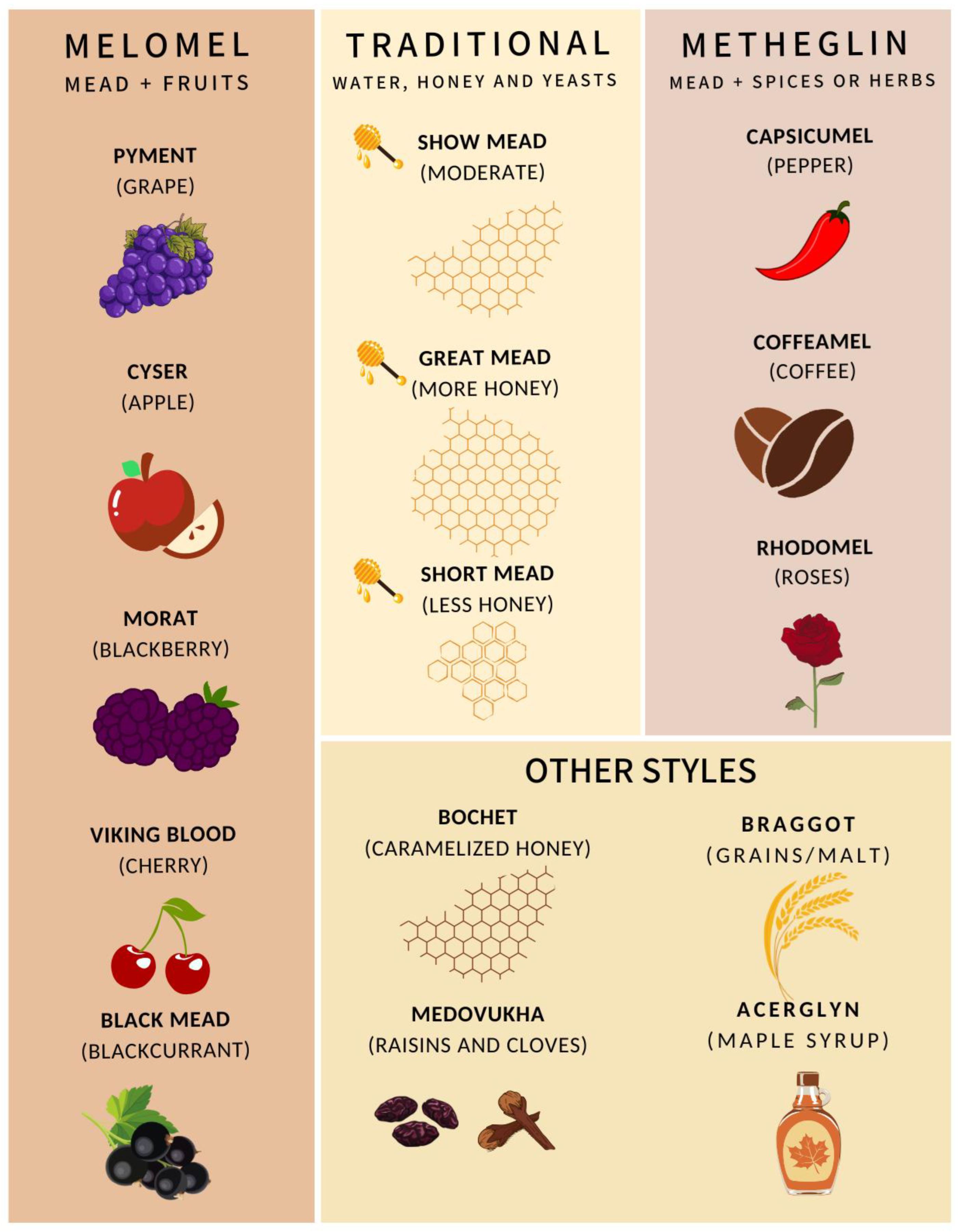

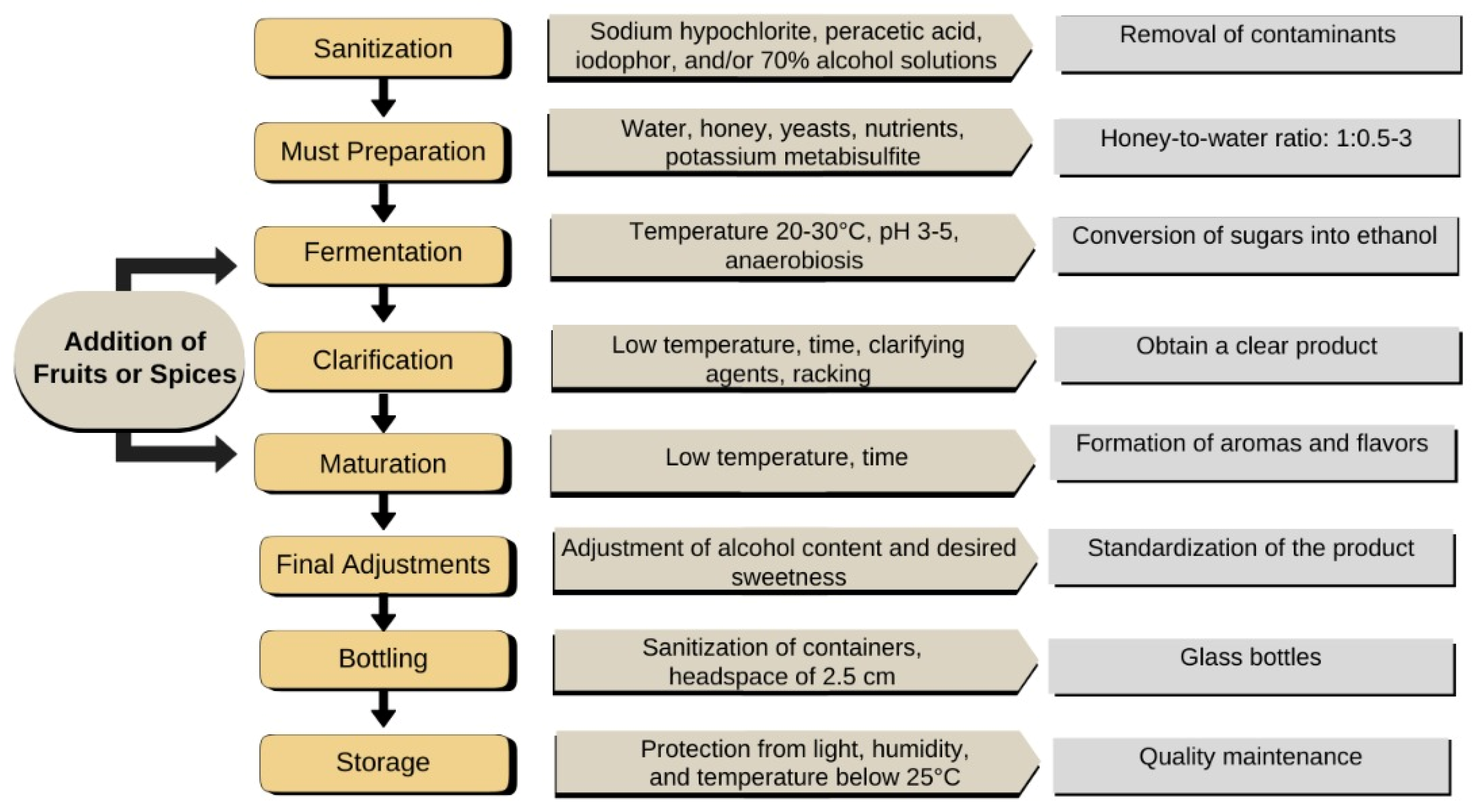

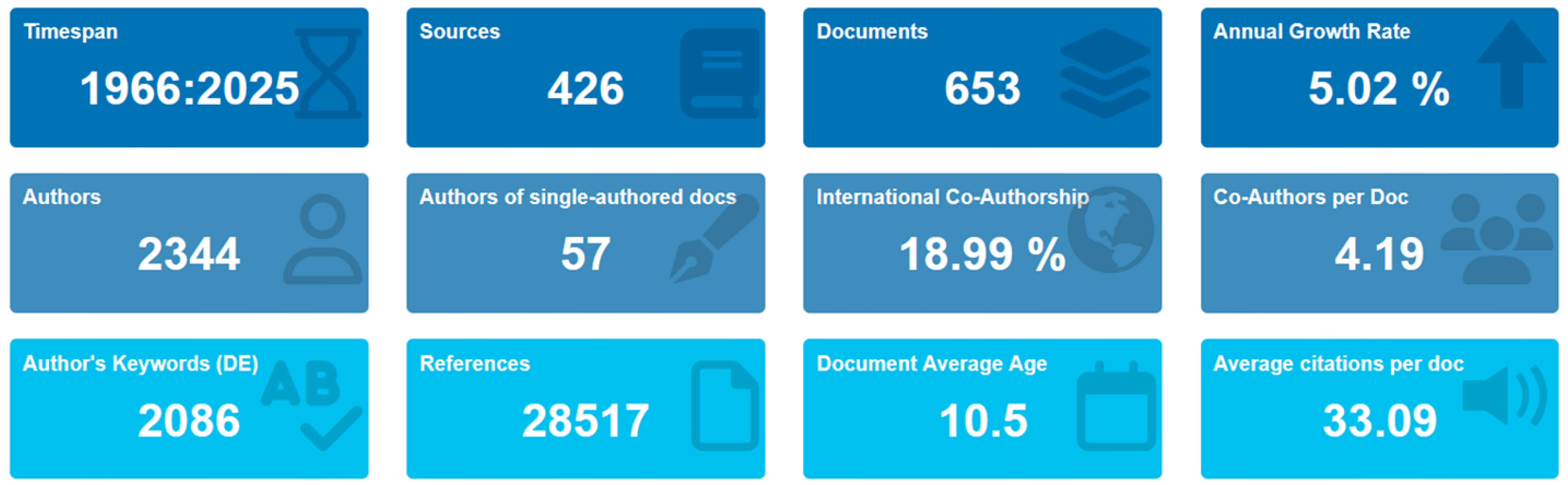

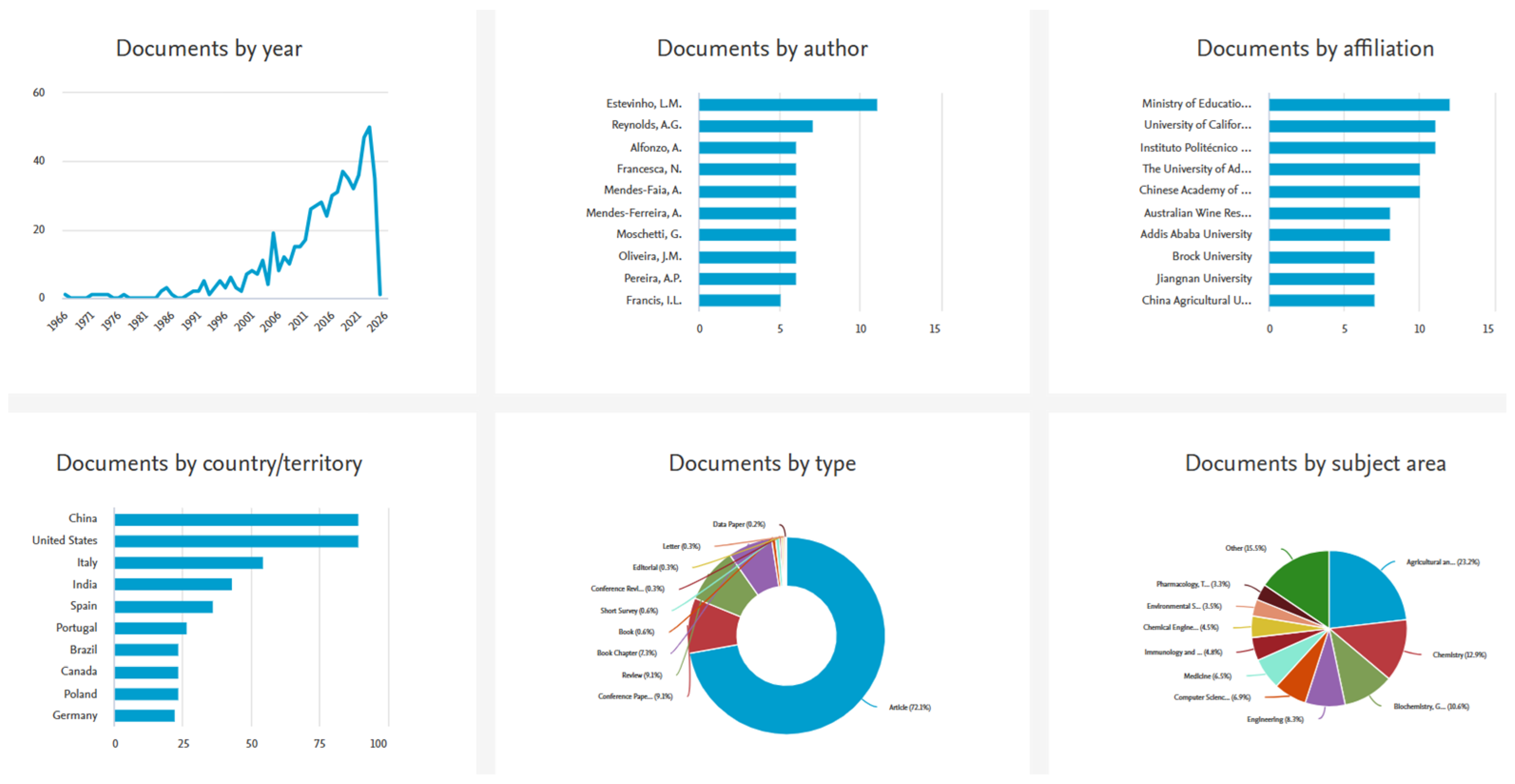

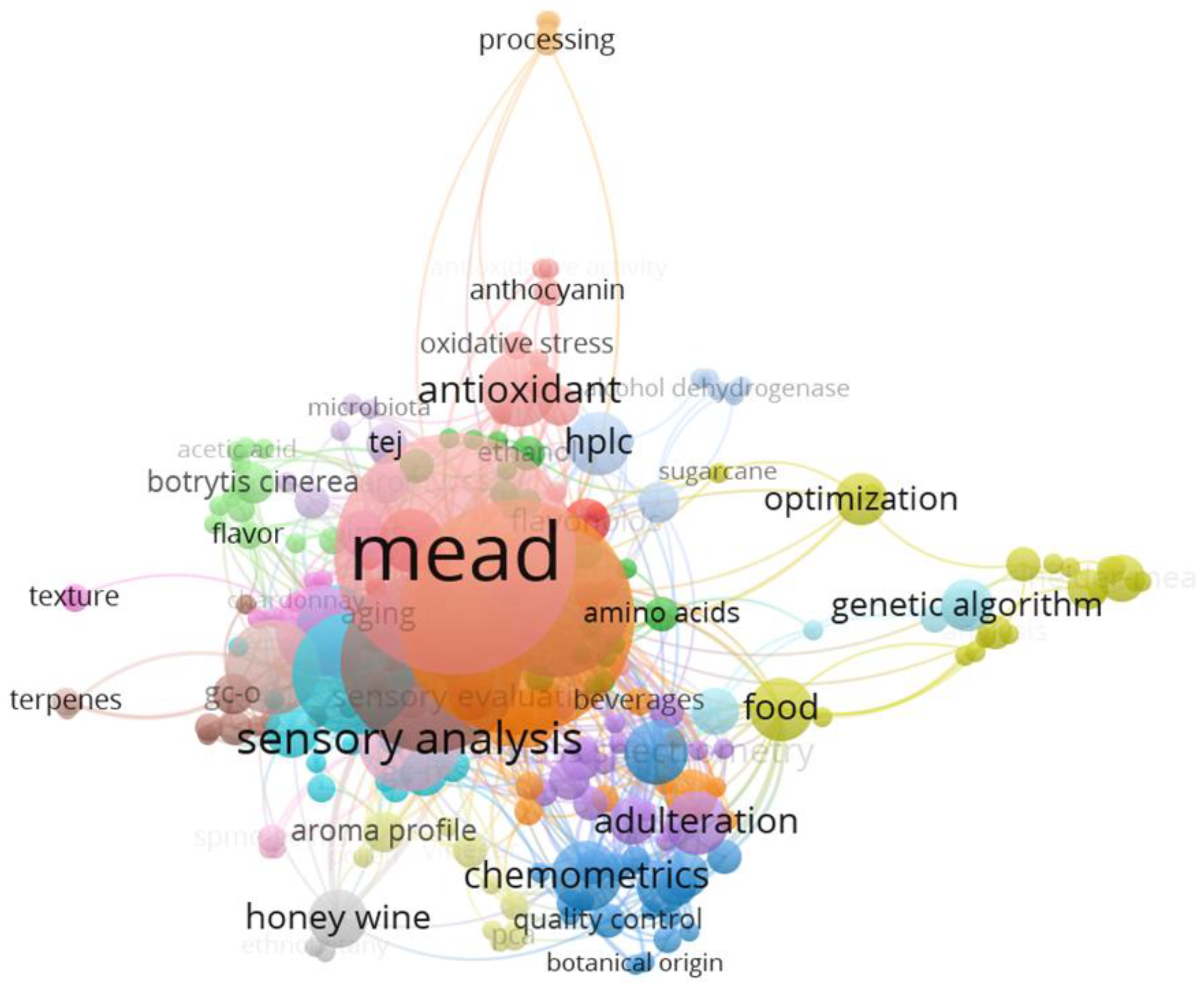

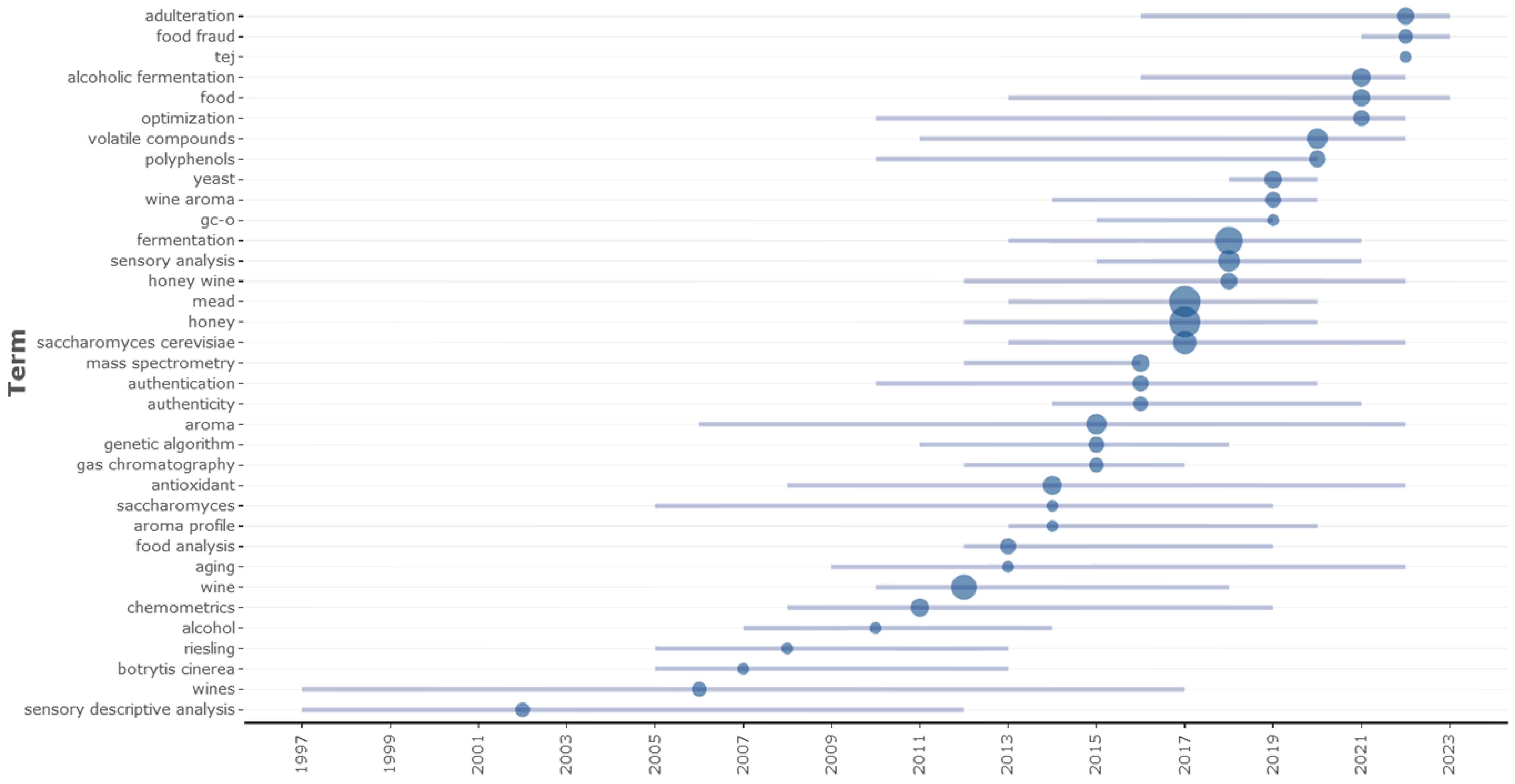

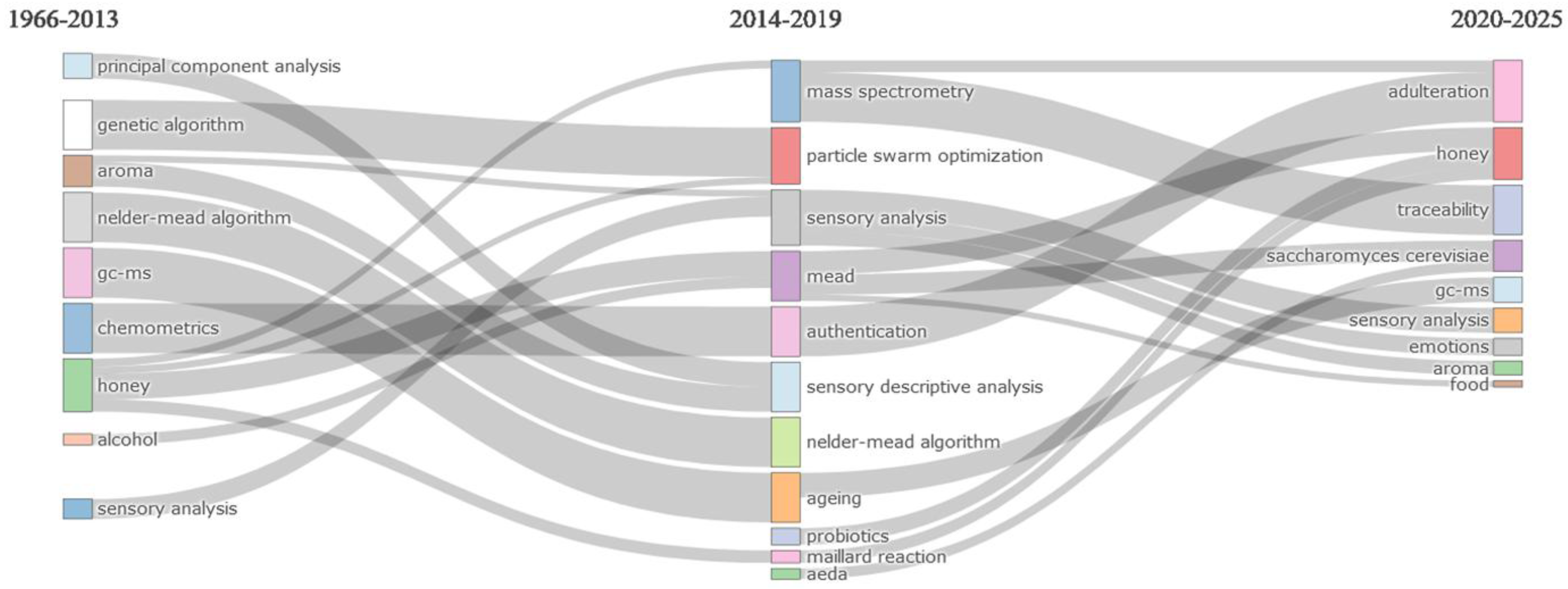

Disclaimer/Publisher’s Note: The statements, opinions and data contained in all publications are solely those of the individual author(s) and contributor(s) and not of MDPI and/or the editor(s). MDPI and/or the editor(s) disclaim responsibility for any injury to people or property resulting from any ideas, methods, instructions or products referred to in the content. |
© 2025 by the authors. Licensee MDPI, Basel, Switzerland. This article is an open access article distributed under the terms and conditions of the Creative Commons Attribution (CC BY) license (https://creativecommons.org/licenses/by/4.0/).