


Abstract
A mesostructured activated carbon (PL–AAC) was engineered from palm leaf biomass via a specific chemical activation protocol and systematically evaluated as a bifunctional adsorbent–catalyst for the advanced oxidative removal of methyl orange (MO) from aqueous media. Physicochemical characterization confirmed the successful transformation of the lignocellulosic precursor into a hierarchically porous carbon framework, exhibiting enhanced surface area (2 → 56 m2/g), increased pore volume (0.0106 → 0.0227 cm3/g), and a dominant mesopore distribution (~3–5 nm). FTIR analysis revealed the presence of oxygen-containing functional groups (hydroxyl, carbonyl, and carboxyl), while SEM images demonstrated the formation of interconnected pore channels. Nitrogen adsorption–desorption isotherms showed Type IV behavior with H4 hysteresis, confirming the presence of narrow slit-shaped mesopores and micropores. This study introduces the novel application of palm leaf-derived activated carbon as a dual-function material that integrates adsorption and catalytic oxidation within a single system. Under acidic conditions (pH 2–3), PL–AAC in the presence of H2O2 achieved near-complete MO removal (≈98–100%), driven by the synergistic interaction between adsorption and in situ generation of reactive hydroxyl radicals. Kinetic analysis revealed that the degradation follows a pseudo-second-order model (R2 = 0.916), indicating that surface-mediated interactions govern the process. Furthermore, PL–AAC maintained high catalytic efficiency over four regeneration cycles with negligible performance loss, demonstrating excellent stability and reusability. These findings highlight the effective valorization of palm leaf waste into a sustainable, low-cost, and high-performance material for advanced wastewater treatment applications.
1. Introduction
The extensive use of synthetic dyes in industrial sectors, particularly textiles, has become a major source of environmental pollution. It is estimated that over 70 million tons of dyes are produced annually worldwide, with a substantial fraction discharged into aquatic environments without adequate treatment. Methyl orange (MO), a widely used anionic azo dye, is of particular concern due to its high chemical stability, resistance to biodegradation, and potential toxic and carcinogenic effects. The release of MO-containing effluents into water bodies reduces light penetration, inhibits photosynthesis, and disrupts aquatic ecosystems, posing serious risks to environmental and public health [1,2].
Various wastewater treatment technologies have been developed to mitigate dye pollution, including adsorption, advanced oxidation processes (AOPs), nanofiltration, and membrane separation. Among these, AOPs are considered highly effective for the treatment of refractory organic pollutants such as azo dyes. Their efficiency arises from the generation of highly reactive hydroxyl radicals (•OH), which non-selectively oxidize complex dye molecules into simpler or mineralized products. AOPs offer advantages such as high degradation efficiency, rapid reaction kinetics, and minimal secondary pollution [3]. Consequently, several studies have reported the successful degradation of methyl orange using Fenton and photo-Fenton reactions, photocatalytic and electrochemical oxidation, ozonation, and ultrasonic-assisted processes [4,5].
Activated carbon (AC) is widely used for dye removal owing to its high surface area, porous structure, and strong adsorption capacity. AC production typically involves carbonization followed by physical or chemical activation, with the activation process strongly influenced by the type of activating agent, impregnation ratio, and thermal treatment conditions [6,7]. Despite its effectiveness, conventional AC is commonly produced from non-renewable precursors such as coal and petroleum residues, making it costly and energy-intensive to regenerate. Although adsorption energy was not determined in this study, the use of renewable palm leaf biomass offers a sustainable and low-cost alternative with comparable adsorption–catalytic performance. Moreover, adsorption-based treatment is limited by rapid saturation of AC, which restricts long-term operation and increases treatment costs. To address these limitations, growing attention has been directed toward biomass-derived activated carbons as low-cost, sustainable alternatives. Activated carbons produced from agricultural and food wastes have demonstrated promising performance for MO removal while contributing to waste valorization and environmental sustainability [8]. Recently, cellulose-rich palm leaf biomass has emerged as an attractive precursor for activated carbon production due to its abundance, renewability, low cost, and alignment with green chemistry and circular economy principles [9].
Despite the widespread application of activated carbons and AOPs for methyl orange removal, key challenges remain. Many AOP systems rely on expensive catalysts or complex operational conditions, limiting their economic feasibility, while most biomass-derived activated carbons are investigated solely for adsorption, with little emphasis on their potential dual functionality as adsorbents and heterogeneous catalysts.
Unlike conventional biomass-derived activated carbons that primarily function as adsorbents, this study introduces a dual-function palm leaf-derived activated carbon capable of simultaneously adsorbing and catalytically degrading organic pollutants via H2O2 activation. The novelty of this work lies in demonstrating the synergistic integration of adsorption and catalytic oxidation within a single low-cost material, supported by kinetic analysis and performance evaluation under varying operational conditions. This approach shifts the role of biomass-derived carbon from passive adsorption to an active catalytic platform for advanced wastewater treatment.
In this study, a novel and sustainable activated carbon was synthesized from palm leaf biomass using acidic activating agent, aiming to enhance both adsorption capacity and catalytic activity toward methyl orange removal. The proposed approach integrates adsorption with heterogeneous catalytic oxidation using hydrogen peroxide, enabling efficient in situ generation of hydroxyl radicals for MO degradation. The structure–property–performance relationship of the prepared activated carbon was systematically evaluated by correlating activation chemistry, surface characteristics, and operational parameters with methyl orange removal efficiency. The degradation behavior of methyl orange was monitored using UV–Vis spectrophotometry, and adsorption–oxidation kinetics were analyzed using appropriate kinetic models to elucidate the reaction mechanism and rate-controlling steps. The effects of activated carbon dosage, contact time, initial dye concentration, and solution pH on both degradation efficiency and reaction kinetics were comprehensively investigated. In addition, degradation studies were conducted to assess the extent of dye breakdown, providing insight into the efficiency of the integrated adsorption–catalytic oxidation process. This combined approach offers a cost-effective, environmentally friendly, and sustainable solution for treating MO-contaminated wastewater through the valorization of palm leaf biomass.
2. Material and Methods
2.1. Material
Palm leaves (PLs) were collected from a local farm in Al-Ahsa, Saudi Arabia, and used as the raw precursor for activated carbon production. Sodium hydroxide (NaOH) and sulfuric acid (H2SO4) were employed as chemical activating agents during the synthesis process. Hydrogen peroxide (H2O2) was used as the oxidizing agent in the dye degradation experiments. The pH of the aqueous solutions was adjusted using 0.1 M hydrochloric acid (HCl) or 0.1 M sodium hydroxide (NaOH), as required. Methyl orange (MO, 98% purity) was used as the model dye to evaluate the oxidation and degradation processes. All the analytical-grade compounds utilized in this investigation were acquired from Merck (Darmstadt, Germany).
2.2. Synthesis of Activated Carbon
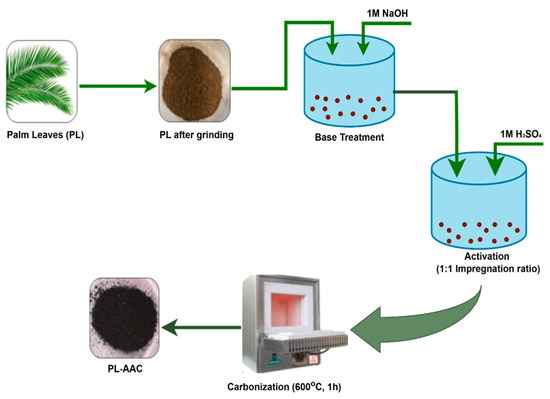
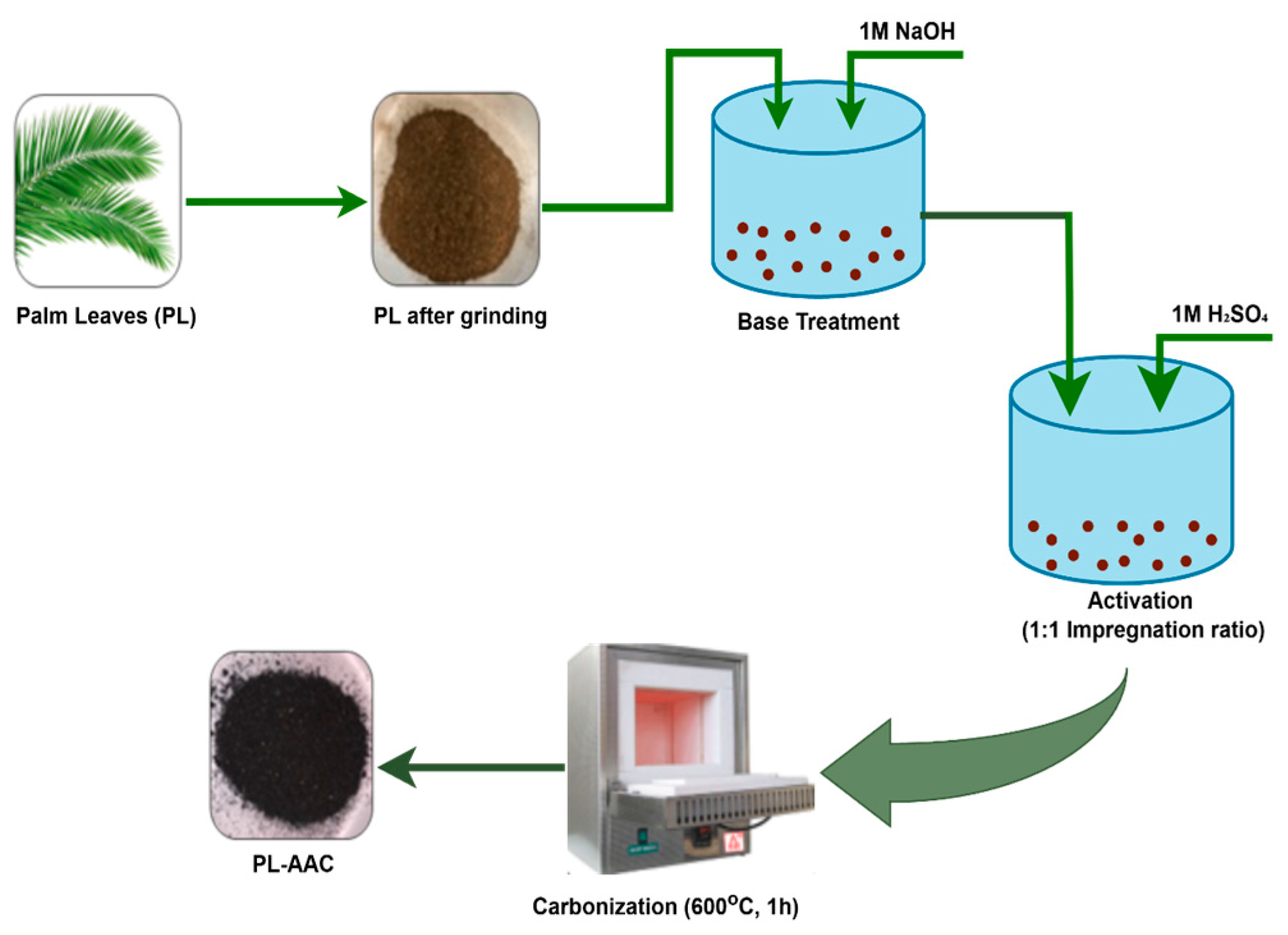
The ground palm leaves were initially refluxed in 1 M NaOH for 1 h to diminish ash content, thereafter, washed with distilled water until neutral pH was achieved, and dried at 70 °C for 24 h. The dried leaves were then impregnated with 1 M H2SO4 at a 1:1 weight-to-volume ratio. Impregnation was performed at room temperature for 24 h under continuous stirring to ensure uniform penetration of the activating agent. After impregnation, the material was carbonized in a muffle furnace under a nitrogen atmosphere to prevent oxidation. The sample was heated from room temperature to 600 °C at a controlled rate of 10 °C min−1, followed by a holding time of 1 h at the target temperature. The resulting activated carbon, designated PL–AAC (Figure 1), was prepared following the procedure described in our patent (US 11,945,725 B1) [10], with a different activating agent. After carbonization, PL–AAC was thoroughly washed with distilled water until neutral pH was reached to remove residual acid and soluble impurities. Finally, the material was dried at 70 °C for 24 h and stored in a desiccator until further use.
Figure 1.
Synthesis of PL–AAC.
2.3. Instrument Analysis
The surface functional groups of PL–AAC were identified using Fourier-transform infrared (FT–IR) spectroscopy (Cary 630, Agilent Technologies, Santa Clara, CA, USA) in the 4000–400 cm−1 range, with spectra recorded in ATR mode using a diamond crystal. Scanning electron microscopy (SEM, FEI QUANTA FEG 250, FEI Company, Hillsboro, OR, USA) at an accelerating voltage of 15 keV was used to analyze the morphological features. After degassing the sample for four hours at 200 °C, the surface area of PL–AAC was measured by nitrogen adsorption at −196 °C using the Brunauer–Emmett–Teller (BET) method (ASAP 2020, Micromeritics Instrument Corporation, Norcross, GA, USA). The yield of PL–AAC, was 49.38%, indicating the conversion efficiency of the palm leaves into activated carbon. This moderate yield is consistent with typical chemical activation of lignocellulosic biomass, reflecting the removal of moisture, volatiles, and non-carbon components during carbonization, while preserving the carbon-rich framework essential for high surface area and catalytic activity [6].
2.4. Dye Oxidation
The oxidation of methyl orange (MO) was carried out by mixing 0.1 g of PL–AAC with 30 mL of 35 mg/L MO solution and 0.1 M H2O2 at pH 2.8, stirred at 120 rpm and a constant temperature of 25 °C for 24 h. Maintaining a constant temperature ensured consistent reaction conditions and reliable kinetic measurements After reaction, the suspension was filtered, and MO concentration was measured using a UV–Vis spectrophotometer at 464 nm. The effects of solution pH (2–10), initial dye concentration (10–80 mg/L), and PL–AAC dosage (0.0015–0.1 g) on degradation efficiency were investigated. For the kinetic studies, samples were collected at predetermined intervals over 0–120 min. The kinetics of methyl orange were evaluated using pseudo-first-order (PFO) and pseudo-second-order (PSO) models (Equations (1) and (2)) to determine the corresponding rate constants. Reusability of PL–AAC was examined over four consecutive cycles, with the spent material sequentially washed with 0.1 M NaOH, distilled water, and 0.1 M HCl until neutral pH was reached before reuse. Equation (3) was used to compute removal efficiency, which gave quantitative information on the catalytic degradation process. To ensure reproducibility, each experiment was carried out twice.
where Co and Ct represent the initial concentration and the concentration of MO at time , respectively (mg/L); t is time (min); and k1 and k2 are the rate constants.
3. Results and Discussions
3.1. Characterization
3.1.1. FTIR Characterization
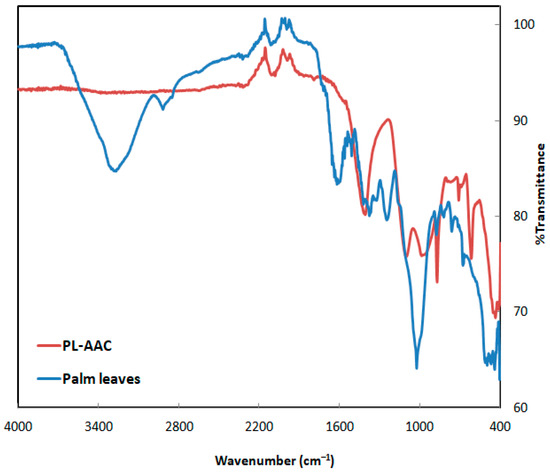
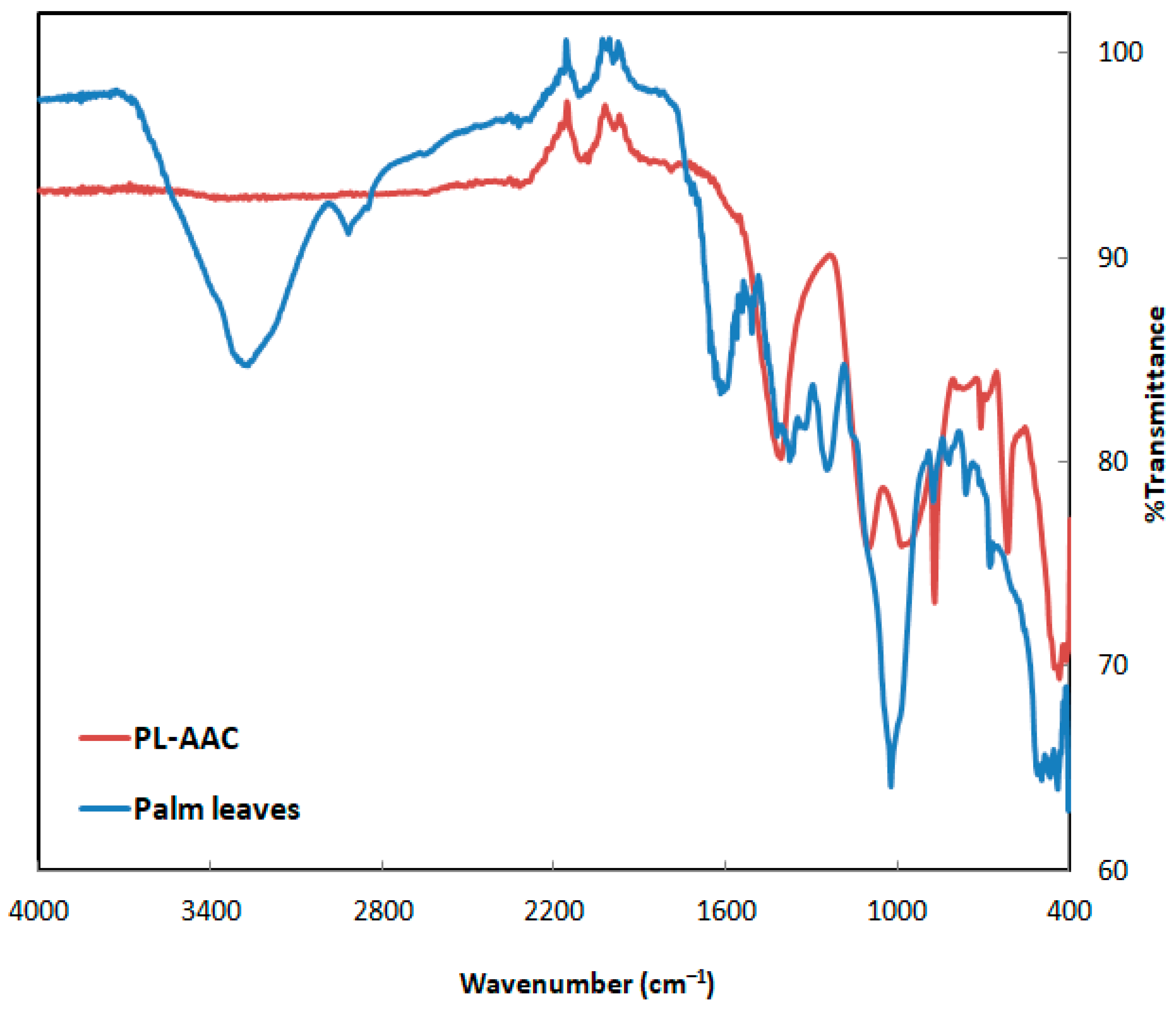
Figure 2 compares the FT–IR spectra of palm leaves and PL–AAC over the range 4000–400 cm−1. The palm leaves show characteristic absorption bands associated with cellulose, hemicellulose, and lignin. The wide band at about 3300–3400 cm−1 is a sign of hydrogen bonding and is caused by –OH stretching vibrations from hydroxyl groups in cellulose and lignin. The C–H stretching of aliphatic –CH and –CH2 groups is responsible for peaks at 2900 cm−1 [11]. The C=O stretching of conjugated carbonyl groups or aromatic skeletal vibrations from lignin are linked to the bands seen at 1600–1650 cm−1. Peaks between 1030 and 1100 cm−1 are indicative of polysaccharide C–O–C stretching. After activation (PL–AAC), several changes are evident. The broad –OH band around 3300 cm−1 becomes less intense, indicating partial removal of hydroxyl groups during chemical activation and carbonization. The C–H stretching near 2900 cm−1 is reduced, suggesting decomposition of aliphatic structures. The aromatic C=C and C=O bands at 1600–1650 cm−1 remain, confirming the retention of some conjugated structures in the carbon matrix [6,7]. New bands below 1200 cm−1 may arise from C–O–C or C–O stretching in carboxyl and ether functional groups introduced or modified during H2SO4 activation. Overall, the spectrum indicates successful transformation of biomass into activated carbon, with a surface rich in oxygen-containing functional groups that can enhance adsorption and catalytic activity in dye degradation [8,9].
Figure 2.
FTIR spectra of PL, and PL–AAC.
3.1.2. SEM Characterization
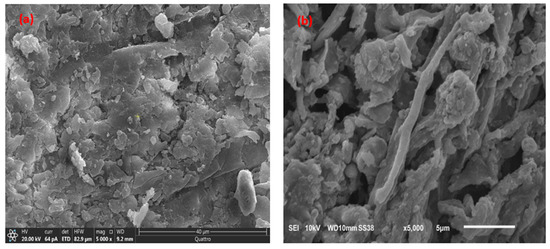
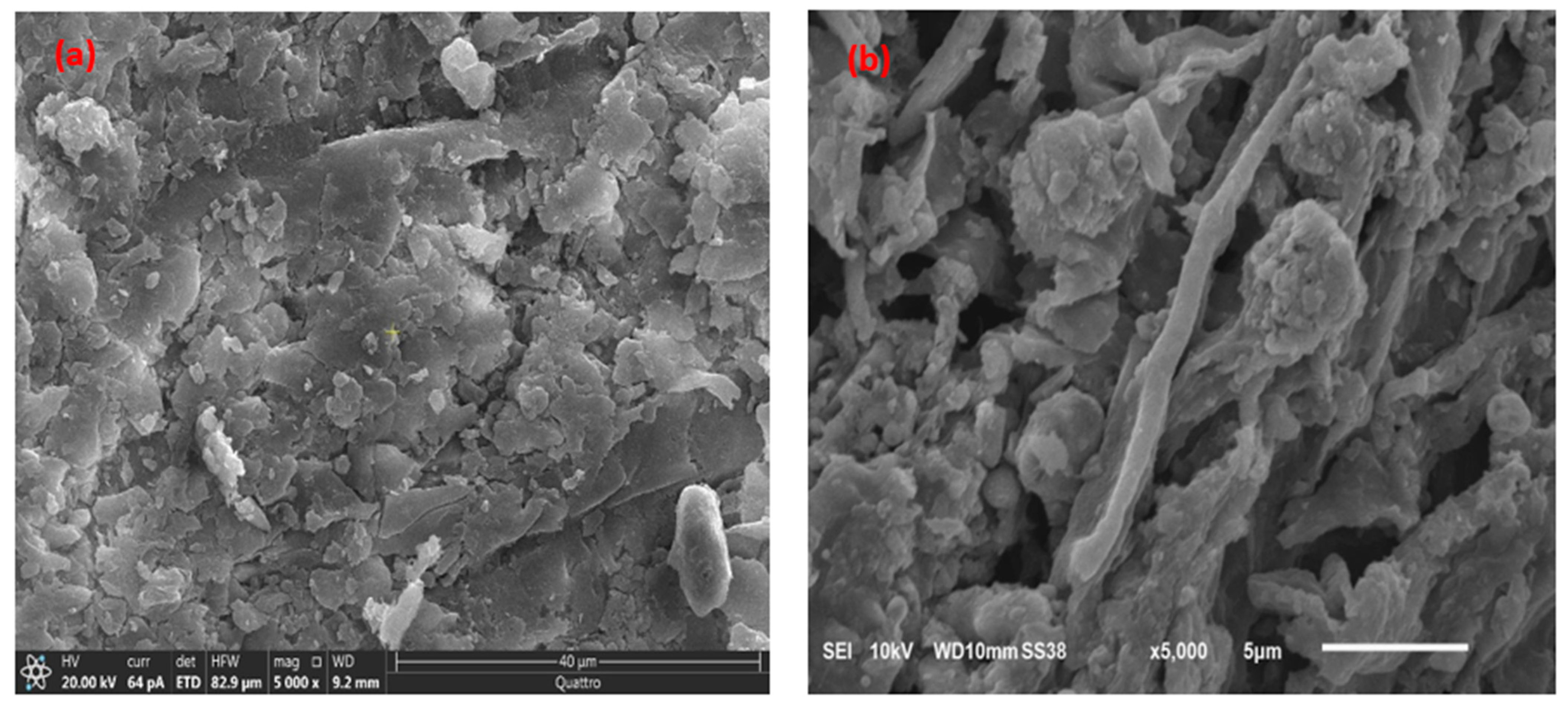
Figure 3 presents SEM micrographs of PL (Figure 3a) and PL–AAC (Figure 3b), highlighting clear surface morphology changes due to activation. The PL shows a relatively smooth, compact surface with limited pore exposure, which is typical of non-activated biomass carbon precursors and indicates underdeveloped porosity [12]. After activation, the PL–AAC surface is significantly more heterogeneous, with visible fissures, layered structures, and numerous voids, indicating that chemical activation has etched the carbon matrix and generated a highly porous network [13]. This transformation—from a dense surface to a rough, porous architecture—is widely reported in activated carbons produced from biomass, where activation agents create pathways and enlarge pore sites, thereby improving adsorption potential [12].
Figure 3.
SEM images of (a) PL and (b) PL–AAC.
3.1.3. Surface Area Characterization
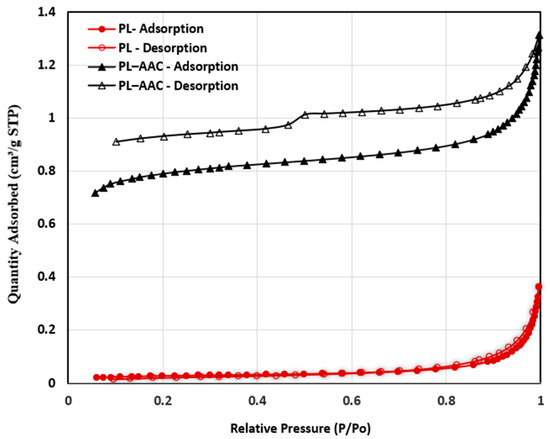
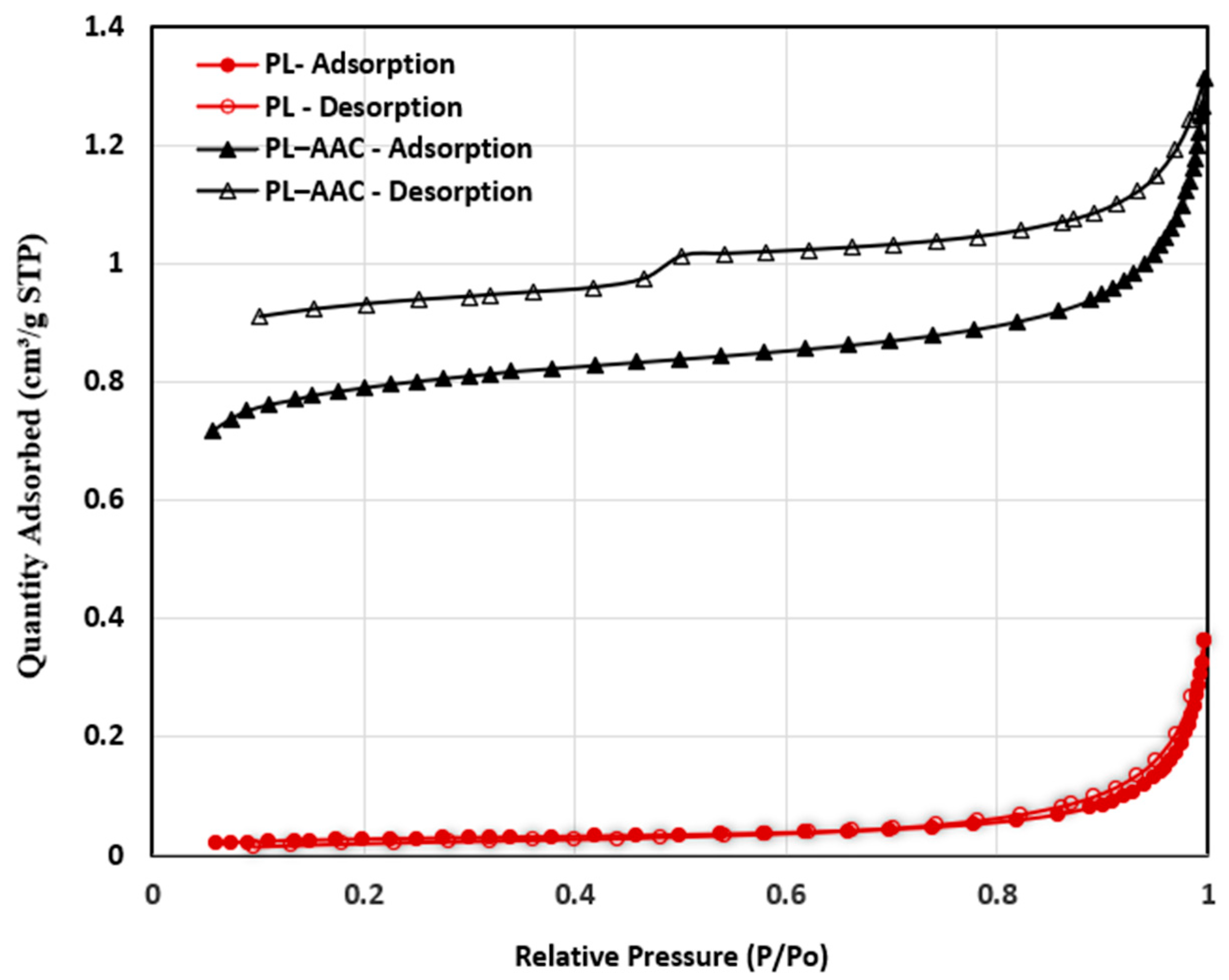
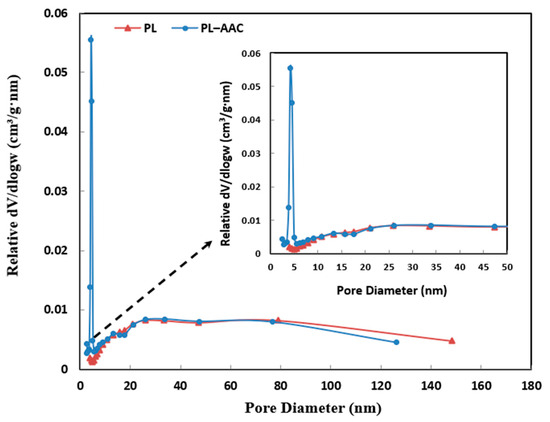
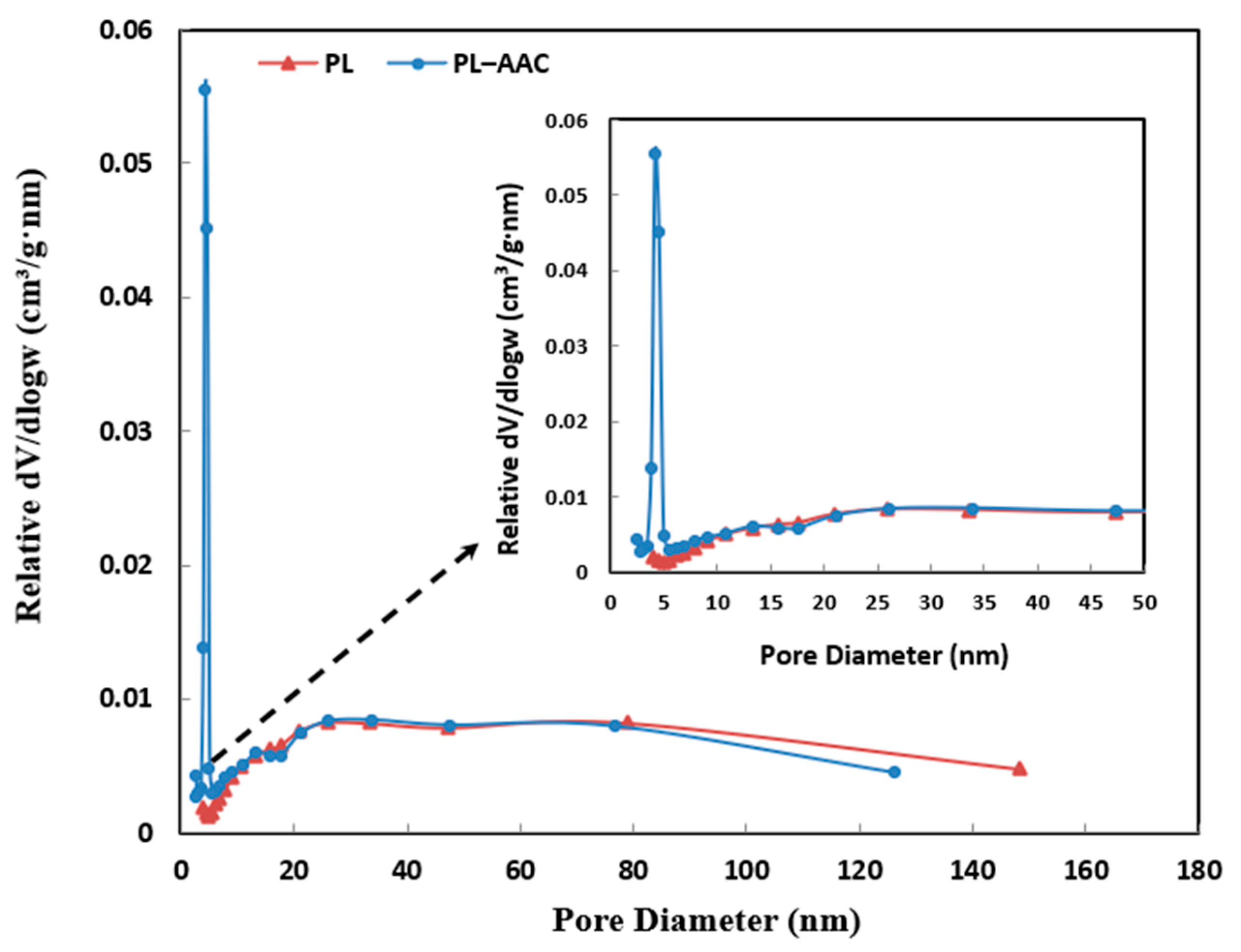
Figure 4 and Figure 5 illustrate the textural characteristics of PL and PL–AAC samples. Nitrogen adsorption–desorption isotherms (Figure 4) show that PL exhibits a very low adsorption capacity (~0.35 cm3/g STP), reflecting its largely non-porous structure, whereas PL–AAC shows a markedly higher capacity (~1.3 cm3/g STP), indicative of enhanced porosity. PL exhibits Type H3 hysteresis loops at P/P0 > 0.8, characteristic of mesoporous materials with slit-shaped pores arising from plate-like networks common in biomass-derived carbon materials [14]. In contrast, PL–AAC shows Type H4 hysteresis loops, associated with narrow slit-like mesopores and micropores [15], reflecting the hierarchical pore structure confirmed by SEM and pore-size distribution analyses (Figure 5). This is supported by BET analysis (Table 1), which shows that PL–AAC significantly increases surface area and total pore volume in comparison to PL, accompanied by a reduction in average pore diameter, consistent with mesopore formation after activation. The pore size distribution (Figure 5) further reveals that PL–AAC possesses a high density of small mesopores (~3–5 nm), whereas PL exhibits a broader distribution with larger pores, indicating differing pore structures induced by activation. The pore size distribution analysis was used as supportive evidence for the mesoporous nature of PL–AAC; however, the result should be interpreted qualitatively in conjunction with the adsorption–desorption isotherm and SEM observations.
Figure 4.
Hysteresis loops of PL and PL–AAC.
Figure 5.
Pore size distribution of PL and PL–AAC.
Table 1.
The pore textural properties of PL and PL-AAC.
Although the BET surface area of PL–AAC (56 m2/g) is lower than that of conventional activated carbons, the hierarchical mesoporosity and high density of oxygenated functional groups enable efficient adsorption and catalytic oxidation of methyl orange. These textural enhancements are consistent with the morphological changes observed in SEM analysis, which show transitions from a compact surface to a rough, porous architecture after activation. Collectively, these results confirm that activation effectively generates uniform mesoporosity, reduces larger pores, and significantly enhances the accessibility of adsorption sites in PL–AAC, making it suitable for applications requiring high surface area and controlled pore structures.
3.2. Degradation Analysis
3.2.1. H2O2-Induced Enhancement in MO Degradation
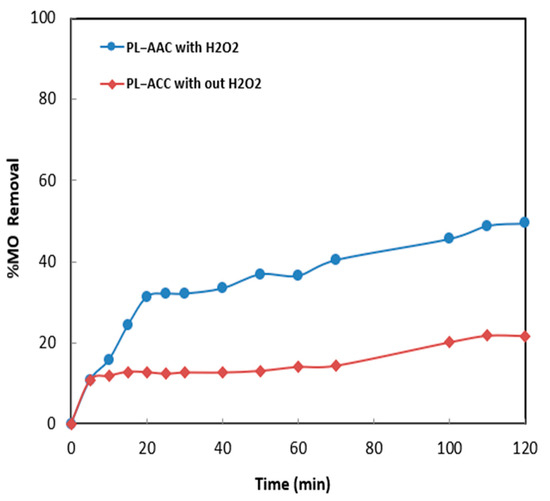
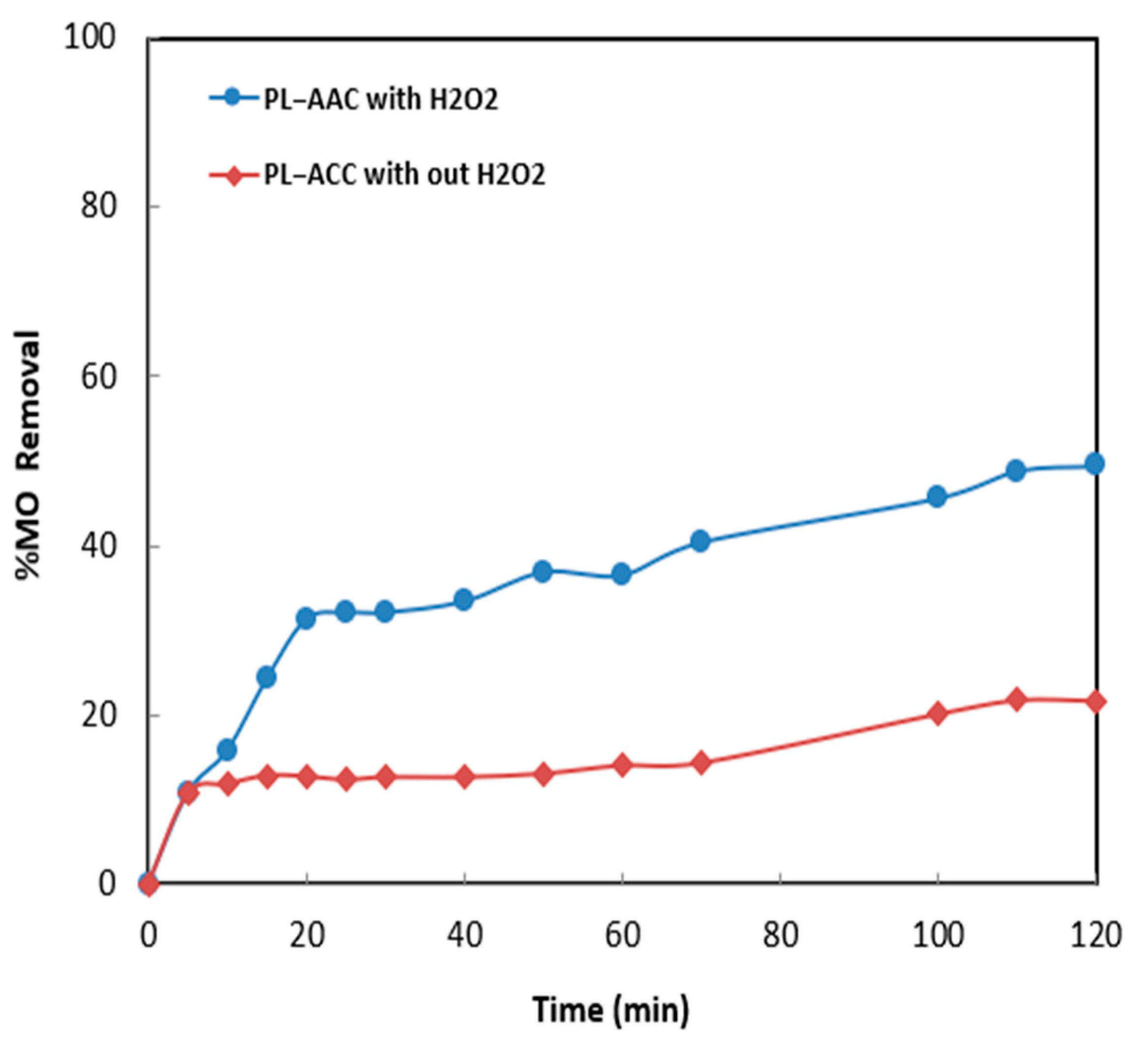
Using PL–AAC, Figure 6 shows how H2O2 affects MO removal efficiency over time. Two conditions are compared: PL–AAC with H2O2 and PL–AAC without H2O2. In the presence of H2O2, MO removal increases rapidly during the first 20 min, reaching approximately 32%, and then gradually rises to about 50% at 120 min. Without H2O2, the removal is much slower, starting at around 11% in the first 5–10 min, plateauing near 13–15% until 60 min, and slowly increasing to roughly 22% at 120 min. The data indicate that H2O2 significantly enhances MO removal, likely by producing reactive radicals (•OH) that degrade the dye in addition to the adsorption by PL–AAC. These findings agree with previous studies reporting that activated carbon combined with H2O2 markedly improves dye degradation through catalytic activation of H2O2 and enhanced radical formation [15]. Although the experiments were conducted for 24 h to ensure equilibrium conditions, Figure 6 focuses on the initial 0–120 min interval to highlight the comparative effect of H2O2 on the degradation rate. The observed trend confirms that the AC–H2O2 system outperforms adsorption alone during the early reaction stage, which is critical for evaluating catalytic performance.
Figure 6.
Impact of H2O2 Addition on the Degradation of MO by PL–AAC.
3.2.2. Effect of pH
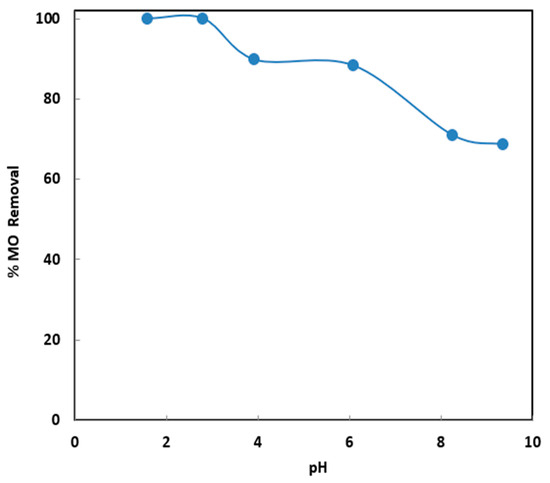
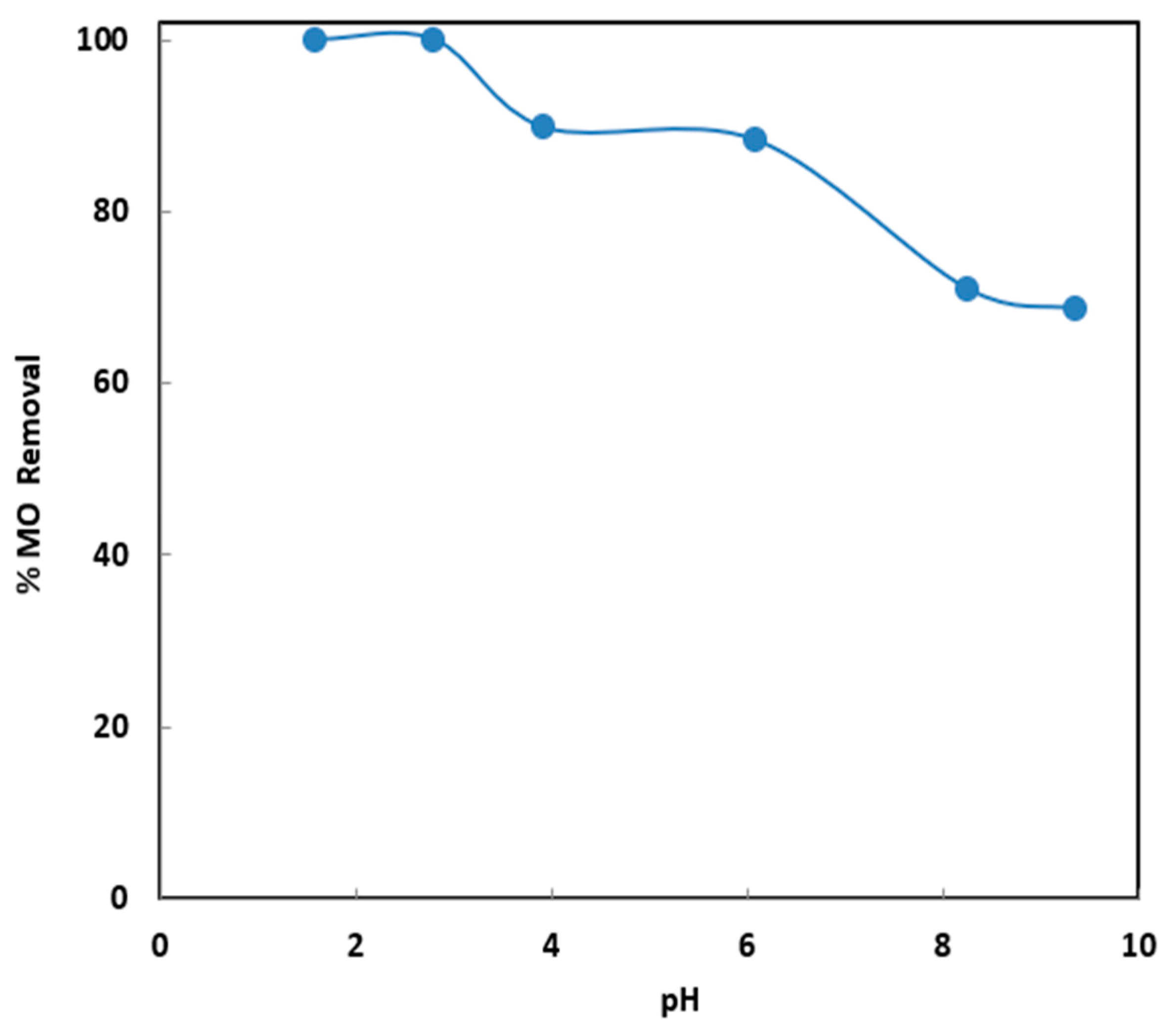
Figure 7 depicts the degradation of MO over a pH range of 2–10. As shown, the removal of MO by PL–AAC is strongly dependent on solution pH. Near-quantitative removal (≈98–100%) is achieved under strongly acidic conditions (pH 2–3), decreases to ≈88–92% in the mildly acidic to neutral range (pH 4–6), and declines sharply under alkaline conditions to ≈68–70% at pH 8–9. This trend results from the combined effects of adsorption and oxidative degradation. Being an anionic azo dye, MO experiences enhanced electrostatic attraction to the protonated PL–AAC surface (–OH2+) under acidic conditions, which promotes adsorption prior to oxidation. Under acidic conditions, surface oxygen-containing functional groups (e.g., –OH, –COOH) can become protonated, enhancing electrostatic interactions with anionic dye molecules; however, this protonation is a solution-phase effect and is not directly observable in FTIR spectra of the dry material. Similar pH-dependent adsorption behavior has been observed for activated carbons and biochar’s, where low pH causes protonation of surface functional groups, enhancing MO uptake [16]. Acidic conditions also favor the formation and reactivity of hydroxyl radicals (•OH) from H2O2, facilitating oxidative degradation, and studies on photo-Fenton and heterogeneous Fenton-like systems confirm that radical-mediated degradation of MO and other azo dyes is most efficient around pH~3 [17], consistent with the trends observed experimentally. Conversely, at higher pH the PL-AAC surface is less protonated or negatively charged, reducing adsorption, while H2O2 equilibrates toward HO2− and radical scavenging by OH− is enhanced, decreasing oxidation efficiency [18]. Furthermore, acid activation with H2SO4 introduces oxygenated functional groups that improve adsorption and catalytic activity at low pH, whereas thermal treatment affects the point of zero charge and the availability of catalytic sites, reinforcing the observed pH trend [16]. From a practical standpoint, pH 2–3 represents the optimal window for combined adsorption and oxidation.
Figure 7.
Influence of pH on MO degradation efficiency over PL-AAC.
3.2.3. Effect of PL–AAC Dose on MO Degradation Efficiency
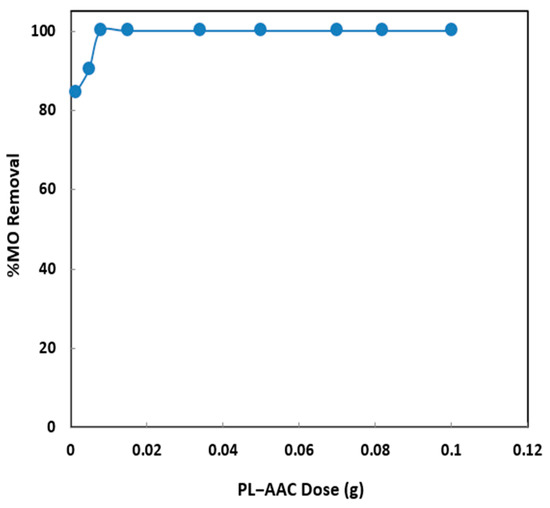
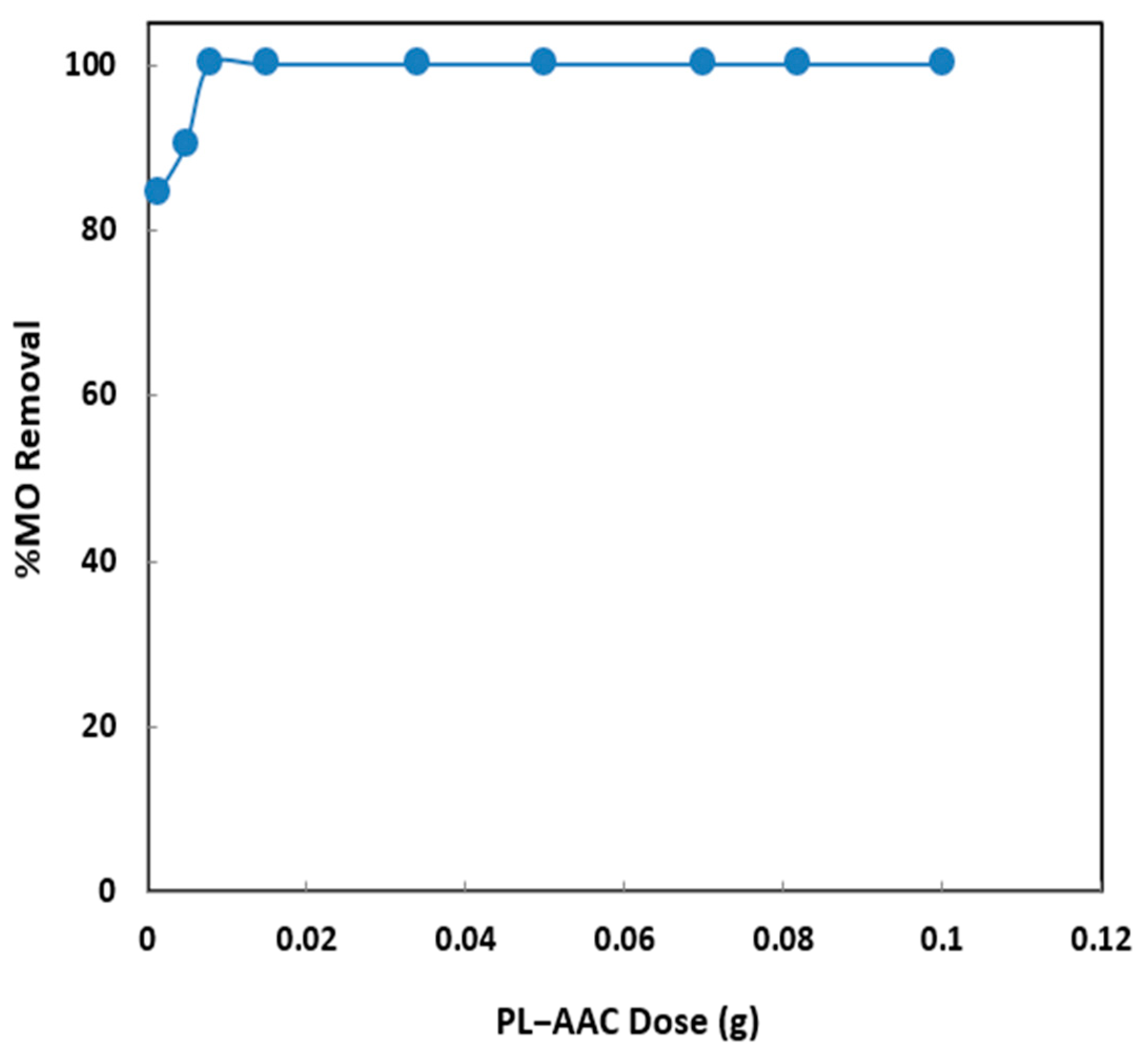
Figure 8 shows the influence of PL–AAC dosage on the degradation MO. At low PL–AAC dosages, the removal efficiency increases sharply from about 85% to nearly 100%, indicating that a small amount of PL–AAC provides sufficient active surface sites for effective dye degradation. Strong electrostatic and π–π interactions with MO molecules are facilitated by the activated carbon’s high surface area, porous structure, and many surface functional groups [15,19]. As the PL–AAC dosage increases further, the removal efficiency reaches a plateau at approximately 100%, signifying that equilibrium has been attained and most MO molecules have already been removed. Beyond 0.02 g, the removal efficiency remains constant at ~100%, indicating that the system has reached saturation and further increases in dosage do not enhance performance. In this regime, the process becomes limited by dye concentration rather than site availability. Similar dosage-dependent behavior has been widely reported in recent studies [15,20].
Figure 8.
Influence of PL–AAC dose on MO degradation efficiency.
Overall, these results confirm that PL–AAC is highly effective at low dosages, offering near-complete MO removal with minimal material input and highlighting its suitability for sustainable wastewater treatment applications.
3.2.4. Effect of Initial MO Concentration
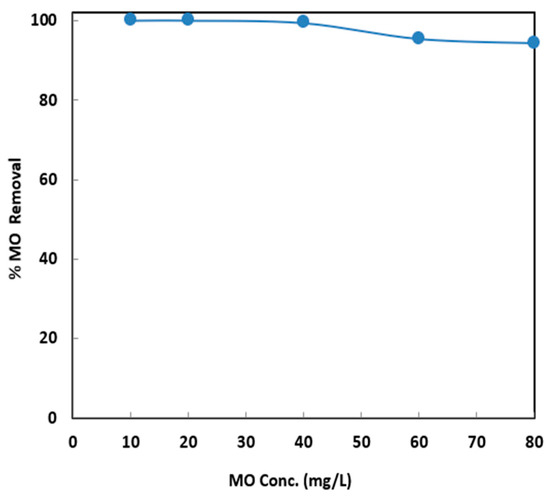
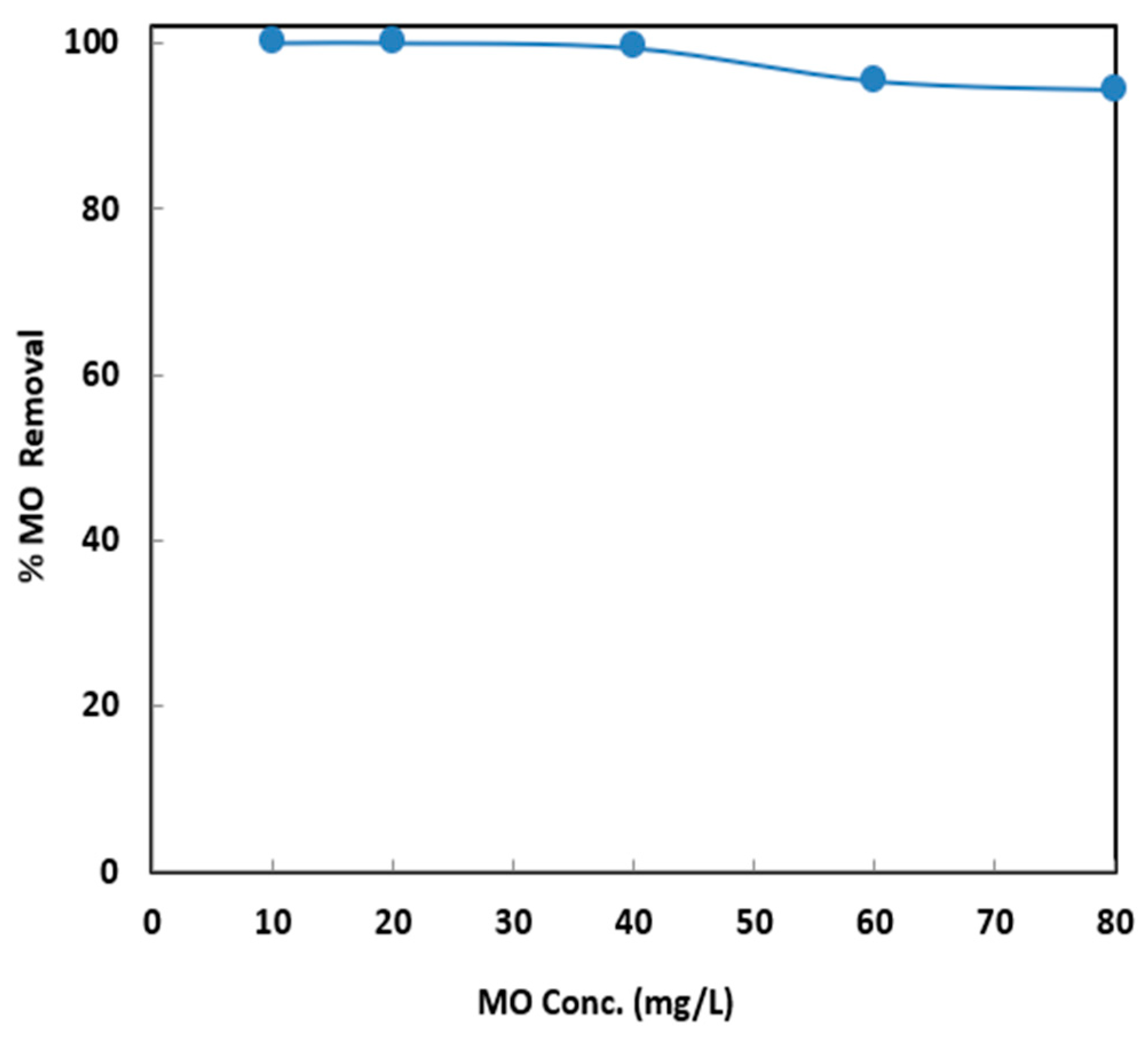
Figure 9 demonstrates the influence of initial M concentration on removal efficiency using PL–AAC. At lower concentrations (10–20 mg/L), almost complete removal (≈99–100%) is achieved, whereas a gradual decrease is observed as the concentration increases, reaching approximately 92–94% at 80 mg/L. This behavior is attributed to the progressive saturation of available adsorption and catalytic sites as dye loading increases. At higher MO concentrations, competition for active sites and limited availability of reactive hydroxyl radicals reduce overall removal efficiency. Comparable trends have been reported for activated carbon-based and Fenton-like systems, where increased dye concentration leads to reduced degradation efficiency due to mass-transfer limitations and radical depletion [21,22]. Nevertheless, the consistently high removal efficiency across a wide concentration range highlights the strong adsorption capacity and catalytic performance of PL-AAC for dye-laden wastewater treatment.
Figure 9.
Influence of initial MO concentration.
3.2.5. Kinetic Studies
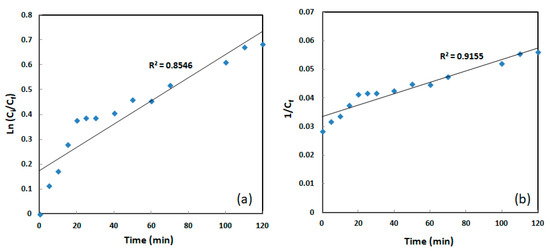
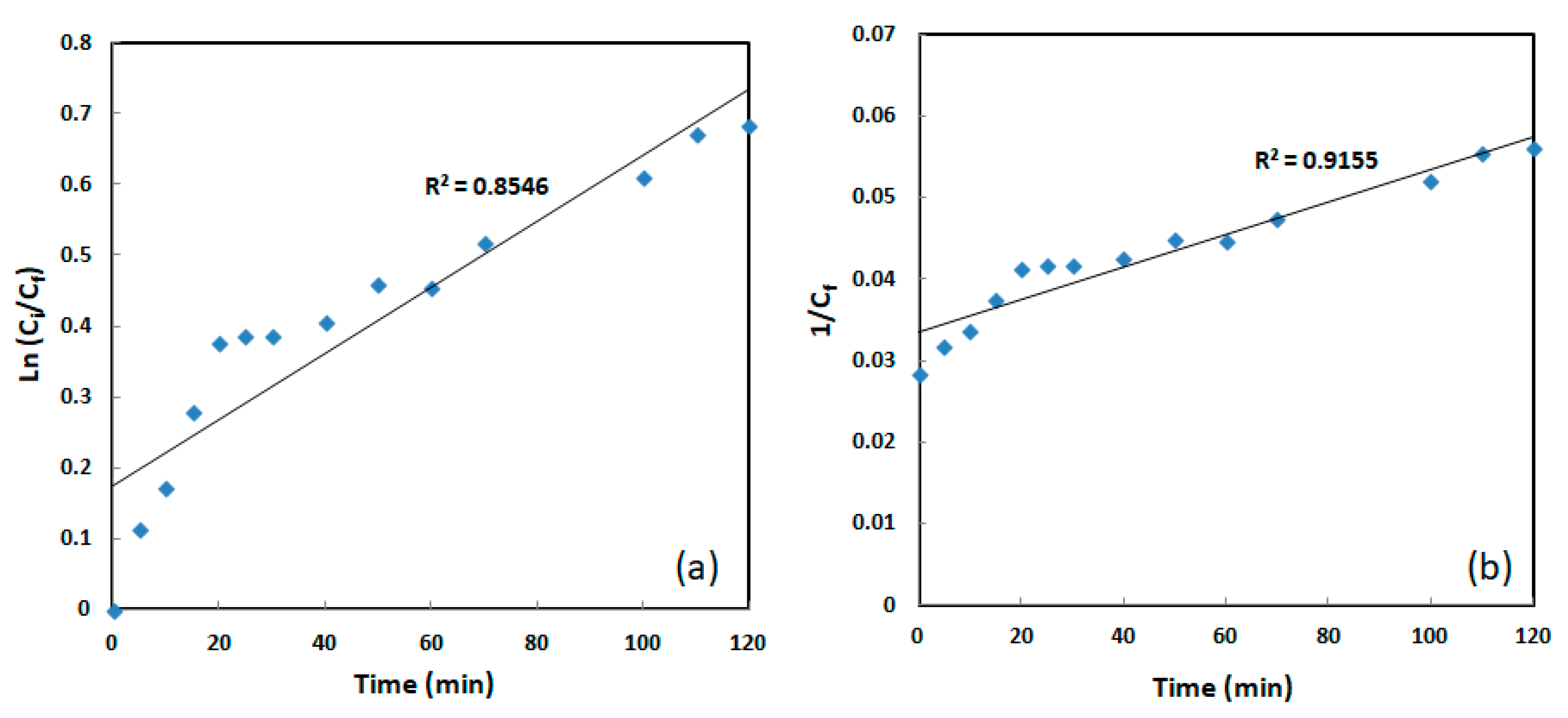
Figure 10 present the kinetic analysis of MO degradation by PL–AAC using PFO and PSO models. The PFO model shows a moderate fit (R2 = 0.8546) with a rate constant of k1 = 0.0047 min−1, indicating that the initial degradation rate is partly dependent on the MO concentration in solution. In contrast, the PSO model provides a better correlation (R2 = 0.9155) with a rate constant of k2 = 0.0002 L mg−1 min−1, suggesting that the degradation process is predominantly governed by surface-related mechanisms rather than solely by bulk concentration effects. The superior fit of the PSO model implies that the availability of active sites on PL–AAC and the interactions between MO molecules and surface functional groups play a significant role in controlling the degradation rate, particularly at later stages of the reaction [23,24,25]. Similar pseudo-second-order kinetic behavior has been widely reported for the degradation and adsorption of various dyes using biomass-derived activated carbons, where surface-controlled processes dominate due to chemisorption and catalytic site involvement [25,26,27]. It should be noted that the applied kinetic models describe the overall removal of MO from solution, encompassing both adsorption and catalytic oxidation processes. Therefore, the obtained rate constants represent apparent removal kinetics rather than intrinsic degradation rate constants. Accordingly, these results indicate that MO removal in the presence of PL–AAC follows an apparent pseudo-second-order kinetic regime, highlighting the importance of surface reactivity and active site availability in the combined removal mechanism.
Figure 10.
Linear plot of the (a) PFO and (b) PSO kinetic models.
3.2.6. Regeneration Studies
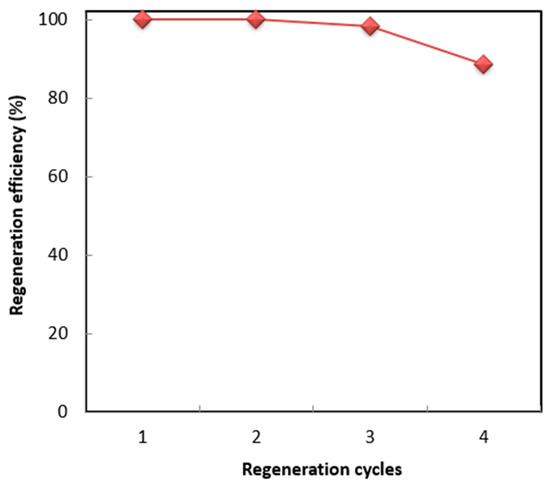
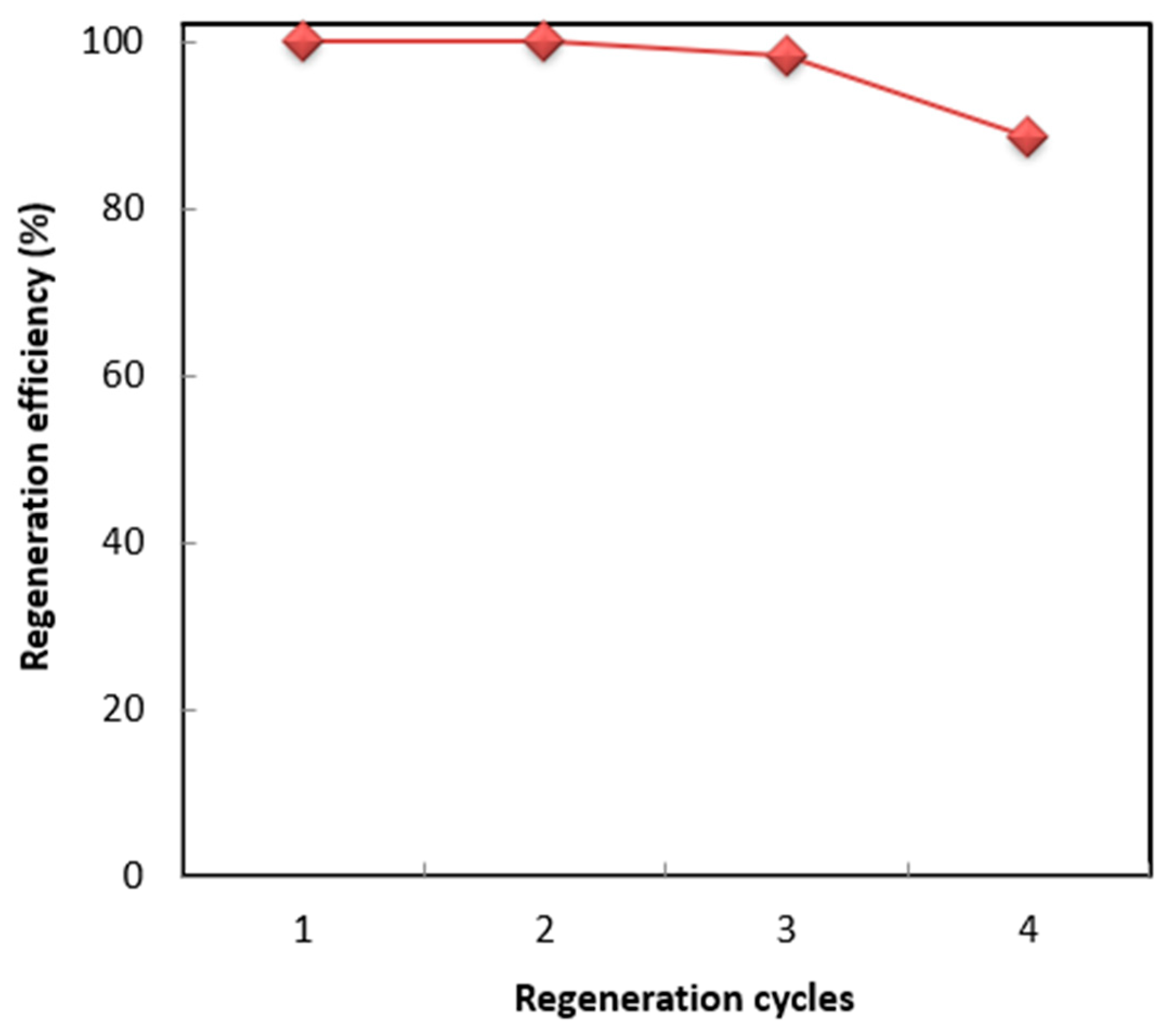
Figure 11 illustrates the regeneration performance of PL–AAC during successive cycles of MO degradation. The results show that PL–AAC maintains a very high degradation efficiency over the first three regeneration cycles, with removal efficiencies remaining close to 100%. This indicates strong structural stability of the activated carbon and effective preservation of its reactive surface sites after regeneration, a behaviour commonly reported for biomass-derived activated carbon [27,28]. A slight reduction in degradation efficiency is observed during the fourth cycle. This decline may be attributed to partial pore blockage, gradual loss or modification of surface functional groups, or incomplete removal of residual dye molecules during the regeneration process. This is consistent with prior reports where repeated cycles led to efficiency reduction but still maintained practical reusability [29]. From a mechanistic perspective, the sustained performance over multiple cycles suggests that MO degradation is predominantly governed by stable surface-mediated processes. The gradual decrease in efficiency with repeated use indicates partial and irreversible deactivation of some active sites, despite regeneration treatments. Nevertheless, the ability of PL–AAC to retain high degradation efficiency across several cycles highlights its robustness and operational durability.
Figure 11.
Regeneration of PL–AAC for multiple adsorption–desorption of MO.
Although four regeneration cycles demonstrate good stability, extended cycling beyond four cycles would provide further insight into long-term durability and progressive deactivation. In addition, evaluating performance under partial conversion conditions (e.g., lower initial removal efficiency) may allow a more sensitive assessment of activity loss across cycles. These additional evaluations are important for a more comprehensive assessment of long-term operational stability and will be addressed in future work. Overall, the regeneration study confirms that PL–AAC is a reusable and economically viable degradation-promoting material for MO-contaminated wastewater treatment, reinforcing its potential for sustainable and practical environmental applications, particularly when derived from renewable palm-leaf biomass.
3.2.7. Degradation Mechanisms
The removal of methyl orange (MO) by PL–AAC is attributed to a synergistic combination of adsorption and oxidative degradation processes. Under acidic conditions, the surface of PL–AAC becomes protonated (–OH2+), enhancing electrostatic attraction toward the anionic MO molecules and facilitating their adsorption onto the carbon surface [30,31]. This initial adsorption step promotes the accumulation of MO near reactive surface sites. In the presence of H2O2, the enhanced removal efficiency observed (Figure 6) suggests the involvement of oxidative pathways, which are commonly associated with the generation of reactive oxygen species such as hydroxyl radicals (•OH) [15]. The strong dependence of removal efficiency on pH (Figure 7), particularly the optimal performance under acidic conditions (pH 2–3), further supports the likelihood of radical-mediated oxidation processes, as widely reported in Fenton-like and heterogeneous catalytic systems [31,32]. Although the surface of PL–AAC may facilitate the activation of H2O2 through interactions with oxygen-containing functional groups, leading to the formation of reactive species, no direct experimental verification (e.g., radical scavenging tests or spectroscopic analysis) was performed in this study. Therefore, the involvement of hydroxyl radicals and the exact reaction pathways cannot be conclusively confirmed. Additionally, while chemical activation with H2SO4 may introduce surface functionalities that contribute to catalytic activity, the potential role of residual sulfur species or trace metal impurities was not investigated. As such, their contribution to any Fenton-like mechanism remains uncertain. Overall, the degradation process is interpreted as a combined adsorption–oxidation mechanism, where adsorption enhances the local concentration of MO at the catalyst surface, and subsequent oxidation contributes to its removal. The proposed mechanism should therefore be considered a plausible, literature-supported interpretation rather than a definitively proven pathway [30,31], and further studies involving radical quenching and advanced surface characterization are recommended to elucidate the exact mechanism.
3.2.8. Performance Comparison with Reported Activated Carbons
To place the performance of PL–AAC in context, a comparison with commercial and biomass-derived activated carbons is presented in Table 2, including representative organic pollutants exhibiting comparable removal behavior. The comparison is structured using key performance indicators such as surface area, removal efficiency, and, where available, operating conditions to provide a more balanced evaluation. As summarized in Table 2, PL–AAC delivers near-complete removal efficiency (≈98–100%) despite its relatively low surface area. This observation indicates that removal performance is not determined solely by surface area but is strongly influenced by the chemical characteristics of the surface and its catalytic functionality. In particular, the presence of oxygen-containing groups and the ability to activate H2O2 contribute significantly to the enhanced removal efficiency. In addition, PL–AAC demonstrates several advantages compared to previously reported materials, including its combined adsorption–catalytic functionality, effective performance at low material dosage, and sustained activity during reuse cycles. The utilization of palm leaf biomass as a precursor further supports its development as a cost-effective and environmentally sustainable option. Overall, these findings highlight that the efficiency of pollutant removal is governed by both surface chemistry and catalytic behavior, suggesting that PL–AAC is a competitive alternative to conventional activated carbons for wastewater treatment applications.
Table 2.
Comparison of PL–AAC with Commercial and Biomass-Derived Activated Carbons for organic pollutant removal.
3.2.9. Scalability and Sustainability Considerations
The scalability of PL–AAC production was evaluated in terms of biomass availability, energy requirements, reproducibility, and environmental impact. Palm leaf biomass is abundantly available as an agricultural residue, particularly in regions with extensive date palm cultivation, ensuring a sustainable and low-cost feedstock for large-scale production. The valorization of such biomass waste into functional carbon materials has been widely recognized as an effective strategy for sustainable resource management and environmental protection [8,19]. The synthesis process involves carbonization at 600 °C for 1 h, which represents moderate energy input compared to conventional activated carbon production methods. The use of chemical activation further enhances pore development efficiency, potentially reducing the need for higher temperatures or prolonged processing times, as reported in previous studies on biomass-derived activated carbons [6,8]. These factors support the feasibility of scaling up the process from an energy perspective.
Reproducibility of the material was ensured through controlled synthesis parameters, including fixed impregnation ratio, heating rate, and reaction conditions, resulting in consistent structural properties and removal performance. The stable performance observed during regeneration cycles further supports the reliability of PL–AAC for repeated use, consistent with previous findings on biomass-based adsorbents [29]. From an environmental standpoint, the process aligns with circular economy principles by converting agricultural waste into a value-added material for wastewater treatment. However, certain aspects, including chemical consumption (e.g., H2SO4) and potential gaseous emissions during carbonization, were not quantitatively assessed in this study. Therefore, future work should include life cycle assessment (LCA), emission analysis, and process optimization to comprehensively evaluate the environmental footprint and industrial applicability of PL–AAC production.
4. Conclusions
The present work demonstrates the successful valorization of palm leaf biomass into a functional mesoporous activated carbon (PL–AAC) through a controlled chemical activation strategy. Structural and textural analyses confirmed that activation profoundly modified the carbon framework, generating an interconnected mesoporous network with enhanced surface functionality, including a surface area of 56 m2/g, pore volume of 0.0227 cm3/g, and a dominant mesopore distribution (~3–5 nm). These structural features directly contributed to the superior adsorption and catalytic behavior observed for methyl orange (MO) removal. In the presence of H2O2 under acidic conditions (pH 2–3), PL–AAC achieved near-complete MO removal (≈98–100%). Kinetic analysis revealed pseudo-second-order behavior (R2 = 0.916), indicating that the overall removal process is predominantly governed by surface-mediated interactions. The material maintained high efficiency over four regeneration cycles, confirming its stability, structural integrity, and operational feasibility. The dependence of degradation efficiency on pH and catalyst dosage further highlights the importance of active site accessibility and surface charge interactions.
Compared with commercial and biomass-derived activated carbons reported in recent studies, PL–AAC shows comparable performance despite its lower surface area, highlighting the important role of surface functionality and catalytic activity in enhancing removal efficiency. Beyond dye removal, this study underscores the broader environmental relevance of transforming agricultural residues into high-value carbon materials. The developed PL–AAC provides a sustainable, low-cost, and reusable platform for advanced wastewater treatment, contributing simultaneously to biomass valorization and environmental remediation strategies.
Funding
This work was supported by the Deanship of Scientific Research, Vice Presidency for Graduate Studies and Scientific Research, King Faisal University, Saudi Arabia [Grant No. KFU260760].
Data Availability Statement
The original contributions presented in this study are included in the article. Further inquiries can be directed to the author.
Conflicts of Interest
The author declares that they are one of the inventors of the patent US 11,945,725 B1, which covers the preparation method used in this study.
References
- Dutta, S.; Gupta, B.; Srivastava, S.K.; Gupta, A.K. Recent advances on the removal of dyes from wastewater using various adsorbents: A critical review. Mater. Adv. 2021, 2, 4497–4531. [Google Scholar] [CrossRef] [Scilit]
- Elgarahy, A.M.; Elwakeel, K.Z.; Mohammad, S.H.; Elshoubaky, G.A. A critical review of biosorption of dyes, heavy metals and metalloids from wastewater as an efficient and green process. Clean. Eng. Technol. 2021, 4, 100209. [Google Scholar] [CrossRef] [Scilit]
- Arshad, R.; Bokhari, T.H.; Javed, T.; Bhatti, I.A.; Rasheed, S.; Iqbal, M.; Nazir, A.; Naz, S.; Khan, M.I.; Khosa, M.K.; et al. Degradation product distribution of Reactive Red-147 dye treated by UV/H2O2/TiO2 advanced oxidation process. J. Mater. Res. Technol. 2020, 9, 3168–3178. [Google Scholar] [CrossRef] [Scilit]
- Bokhari, T.H.; Ahmad, N.; Jilani, M.I.; Saeed, M.; Usman, M.; Haq, A.U.; Rehman, R.; Iqbal, M.; Nazir, A.; Javed, T. UV/H2O2, UV/H2O2/SnO2 and Fe/H2O2 based advanced oxidation processes for the degradation of disperse violet 63 in aqueous medium. Mater. Res. Express 2020, 7, 015531. [Google Scholar] [CrossRef] [Scilit]
- Eroi, S.N.; Ello, A.S.; Diabaté, D.; Ossonon, D.B. Heterogeneous WO3/H2O2 system for degradation of Indigo Carmin dye from aqueous solution. S. Afr. J. Chem. Eng. 2021, 37, 53–60. [Google Scholar] [CrossRef] [Scilit]
- Gao, Y.; Yue, Q.; Gao, B.; Li, A. Insight into activated carbon from different kinds of chemical activating agents: A review. Sci. Total Environ. 2020, 746, 141094. [Google Scholar] [CrossRef] [Scilit]
- Ramutshatsha-Makhwedzha, D.; Mavhungu, A.; Moropeng, M.L.; Mbaya, R. Activated carbon derived from waste orange and lemon peels for the adsorption of methyl orange and methylene blue dyes from wastewater. Heliyon 2022, 8, e09930. [Google Scholar] [CrossRef] [Scilit]
- Reza, M.S.; Yun, C.S.; Afroze, S.; Radenahmad, N.; Bakar, M.S.; Saidur, R.; Taweekun, J.; Azad, A.K. Preparation of activated carbon from biomass and its’ applications in water and gas purification, a review. Arab J. Basic Appl. Sci. 2020, 27, 208–238. [Google Scholar] [CrossRef] [Scilit]
- Ozdemir, N.C.; Bilici, Z.; Yabalak, E.; Dizge, N.; Balakrishnan, D.; Khoo, K.S.; Show, P.L. Physico-chemical adsorption of cationic dyes using adsorbent synthesis via hydrochloric acid treatment and subcritical method from palm leaf biomass waste. Chemosphere 2023, 339, 139558. [Google Scholar] [CrossRef] [Scilit]
- Balal, S.B.; Al Amer, A.A. Synthesis of Activated Carbon Using Palm Leaves and Potassium Permanganate. U.S. Patent US 11,945,725, 2 April 2024. [Google Scholar]
- Urgel, J.J.; Briones, J.M.; Diaz, E.B., Jr.; Dimaculangan, K.M.; Rangel, K.L.; Lopez, E.C. Removal of diesel oil from water using biochar derived from waste banana peels as adsorbent. Carbon Res. 2024, 3, 13. [Google Scholar] [CrossRef] [Scilit]
- Barczak, B.; Januszewicz, K. Advancing sustainable wastewater treatment with biomass-based highly porous activated carbon: Insights into sorption mechanisms and efficiency. J. Environ. Chem. Eng. 2025, 13, 118041. [Google Scholar] [CrossRef] [Scilit]
- Zang, Z.; Chou, S.; Zhao, Q.; Nie, Y.; Xin, M.; Li, Z.; Tian, J.; Li, B. A review of the production and application of mesoporous carbon and its potential as an excellent carrier for the adsorptive delivery of compounds. Biochar 2025, 7, 44. [Google Scholar] [CrossRef] [Scilit]
- Al-Ghurabi, E.H.; Boumaza, M.M.; Al-Masry, W.; Asif, M. Optimizing the synthesis of nanoporous activated carbon from date-palm waste for enhanced CO2 capture. Sci. Rep. 2025, 15, 17132. [Google Scholar] [CrossRef] [Scilit]
- Sridevi, H.; Vinayagam, R.; Murugesan, G.; Selvaraj, R. Mesoporous activated carbon from Tabebuia aurea leaves for effective adsorptive removal of 2, 4-dichlorophenoxyacetic acid. Sci. Rep. 2025, 15, 17110. [Google Scholar] [CrossRef] [Scilit]
- Kadıoğlu, E.N.; Atalay Eroğlu, H.; Öztürk, H.; Akbal, F.; Kuleyin, A. Enhanced degradation of textile wastewater by activated carbon–assisted Fenton oxidation: Economic analysis and ANN-based optimization. Biomass Convers. Biorefinery 2025, 15, 17775–17793. [Google Scholar] [CrossRef] [Scilit]
- Dong, Y.; Liang, J.; Song, J.; Liu, C.; Ding, Z.; Wang, W.; Zhang, W. Preparation of biochar/iron mineral composites and their adsorption of methyl orange. RSC Adv. 2024, 14, 33977–33986. [Google Scholar] [CrossRef] [Scilit] [PubMed]
- Ribeiro, J.A.; Alves, J.F.; Salgado, B.C.; Oliveira, A.C.; Araújo, R.S.; Rodríguez-Castellón, E. Heterogeneous Photo-Fenton Degradation of Azo Dyes over a Magnetite-Based Catalyst: Kinetic and Thermodynamic Studies. Catalysts 2024, 14, 591. [Google Scholar] [CrossRef] [Scilit]
- Kumar, J.E.; Sahoo, M.K. A review on effect of operational parameters for the degradation of azo dyes by some advanced oxidation processes. Sustain. Chem. Environ. 2025, 11, 100274. [Google Scholar] [CrossRef] [Scilit]
- Ali, A.E.; Chowdhury, Z.Z.; Devnath, R.; Ahmed, M.M.; Rahman, M.M.; Khalid, K.; Wahab, Y.A.; Badruddin, I.A.; Kamangar, S.; Hussien, M.; et al. Removal of azo dyes from aqueous effluent using bio-based activated carbons: Toxicity aspects and environmental impact. Separations 2023, 10, 506. [Google Scholar] [CrossRef] [Scilit]
- Sudarsan, S.; Murugesan, G.; Varadavenkatesan, T.; Vinayagam, R.; Selvaraj, R. Efficient adsorptive removal of Congo Red dye using activated carbon derived from Spathodea campanulata flowers. Sci. Rep. 2025, 15, 1831. [Google Scholar] [CrossRef] [Scilit]
- Xu, J.; Ma, Q.; Feng, W.; Zhang, X.; Lin, Q.; You, C.; Wang, X. Removal of methyl orange from water by Fenton oxidation of magnetic coconut-clothed biochar. RSC Adv. 2022, 12, 24439–24446. [Google Scholar] [CrossRef] [Scilit]
- Yue, Y.; Yue, X.; Tang, X.; Han, L.; Wang, J.; Wang, S.; Du, C. Synergistic adsorption and photocatalysis study of TiO2 and activated carbon composite. Heliyon 2024, 10, e30817. [Google Scholar] [CrossRef] [Scilit] [PubMed]
- Ho, Y.S.; McKay, G. Pseudo-second order model for sorption processes. Process Biochem. 1999, 34, 451–465. [Google Scholar] [CrossRef] [Scilit]
- Tran, H.N.; You, S.J.; Hosseini-Bandegharaei, A.; Chao, H.P. Mistakes and inconsistencies regarding adsorption of contaminants from aqueous solutions: A critical review. Water Res. 2017, 120, 88–116. [Google Scholar] [CrossRef] [Scilit] [PubMed]
- Zhang, B.; Wu, Y.; Cha, L. Removal of methyl orange dye using activated biochar derived from pomelo peel wastes: Performance, isotherm, and kinetic studies. J. Dispers. Sci. Technol. 2020, 41, 125–136. [Google Scholar] [CrossRef] [Scilit]
- Reddy, Y.S.; Rotte, N.K.; Sudhakar, B.K.; Chand, N.R.; Naik, R.J.; Mandal, S.; Chandra, M.R. Biomass-derived sustainable mesoporous activated carbon as an efficient and recyclable adsorbent for the adsorption of hazardous dyes. Hybrid Adv. 2024, 6, 100218. [Google Scholar] [CrossRef] [Scilit]
- Lotha, T.N.; Rudithongru, L.; Nakro, V.; Ao, K.; Jamir, L. Experimental and theoretical insights on biomass-derived activated carbon for the removal of aniline blue and malachite green dyes. Biomass Convers. Biorefinery 2025, 15, 25591–25609. [Google Scholar] [CrossRef] [Scilit]
- Nizam, N.U.; Hanafiah, M.M.; Mahmoudi, E.; Halim, A.A.; Mohammad, A.W. The removal of anionic and cationic dyes from an aqueous solution using biomass-based activated carbon. Sci. Rep. 2021, 11, 8623. [Google Scholar] [CrossRef] [Scilit]
- Husaini, M.; Danladi, Y.; Hamza, M. Regeneration and reusability of agricultural waste-derived adsorbent in the removal of cationic and anionic dyes. Arab. J. Chem. Environ. Res. 2025, 12, 152–166. [Google Scholar]
- Makota, O.; Dutková, E.; Briančin, J.; Bednarcik, J.; Lisnichuk, M.; Yevchuk, I.; Melnyk, I. Advanced photodegradation of azo dye methyl orange using H2O2-activated Fe3O4@SiO2@ZnO composite under UV treatment. Molecules 2024, 29, 1190. [Google Scholar] [CrossRef] [Scilit]
- Qasim, M.; Ghanem, M.A.; Cao, X.; Li, X. Modification of α-Fe2O3 nanoparticles with carbon layer for robust photo-Fenton catalytic degradation of methyl orange. Catalysts 2024, 14, 393. [Google Scholar] [CrossRef] [Scilit]
- Tigrine, Z.; Benhabiles, O.; Merabti, L.; Chekir, N.; Mellal, M.; Aoudj, S.; Abdeslam, N.A.; Tassalit, D.; Lebouachera, S.E.; Drouiche, N. Sustainable activated carbon from agricultural waste: A study on adsorption efficiency for humic acid and methyl orange dyes. Sustainability 2024, 16, 9308. [Google Scholar] [CrossRef] [Scilit]

Disclaimer/Publisher’s Note: The statements, opinions and data contained in all publications are solely those of the individual author(s) and contributor(s) and not of MDPI and/or the editor(s). MDPI and/or the editor(s) disclaim responsibility for any injury to people or property resulting from any ideas, methods, instructions or products referred to in the content. |
© 2026 by the author. Licensee MDPI, Basel, Switzerland. This article is an open access article distributed under the terms and conditions of the Creative Commons Attribution (CC BY) license.