


Abstract
Background: Inbound logistics (IL) is a critical subsystem of the supply chain (SC) that supports production destined for the end consumer. Its effectiveness is reduced by uncertainty, which generates inaccuracies in production planning, disruptions, bottlenecks, and waste. Methods: This article presents a systematic review to identify key concepts, variables, and optimization methodologies for IL under conditions of uncertainty. The PRISMA methodology and two article evaluation tools were applied. These methodologies allowed for the identification of 26,555 documents before applying inclusion and exclusion filters. After applying the selection criteria, the analysis concludes with the analysis of 39 articles that stood out for their empirical relevance and methodological soundness. Results: This study makes a theoretical contribution by integrating IL variables, optimization methods, and uncertainty within a structured framework. Conclusions: In practice, it facilitates decision-making by identifying key variables and approaches for designing more robust logistics systems in uncertain environments. Furthermore, the possibility of generating new research focused on optimization under conditions of uncertainty is recognized through the proposal of hybrid optimization models that integrate input variables from IL and formal methods to address uncertainty.
1. Introduction
This paper presents a systematic literature review conducted with the objective of identifying the variables and methodologies applied to the optimization of IL under uncertainty. The work is developed using the PRISMA methodology and two evaluation tools, as well as the AHP. This research has identified that the SC refers to the flow of materials, information, and capital between different organizations, whose processes are linked to deliver products to the end consumer [1]. Within the SC, IL is a subprocess that begins with the receipt of raw materials and continues with production, inventory management, internal transport and warehousing [2]. IL is a very important process for production systems, as it directly impacts the operational efficiency of the production system, variations in costs and delivery times, and thus the efficiency and quality of the SC [3]. IL is also the set of internal processes related to the operational flow, including material acquisition, internal transport, inventory, warehousing, material handling, and production within an organization, and it is related to its planning and coordination [4,5]. External logistics, on the other hand, comprises the processes that take place outside the production area and the organization, interacting with other entities, suppliers, distributors, and customers [5].
In the SC and IL, different models exist depending on their environment and level of development. Among the traditional logistics and SC methods are the deterministic models, which are not efficient in aspects such as resource variability and unexpected scenarios, since their rigidity prevents them from fully adapting to current needs, such as uncertainty, which is a relevant phenomenon to consider for an SC and IL model to be effective [6]. Uncertainty in the SC comprises factors that cause variability and unpredictability, such as changes in demand, bottlenecks in multiple engineering stages, and coordination limitations among suppliers [7]. Traditional methods have the problem that they are based on stable conditions, unable to function effectively in the face of phenomena such as pandemics, political events, disruptions, and market changes [8]. IL optimization under uncertainty refers to the use of analytical and computational methods to support decision-making in managing inbound material flows, considering the variability of key SC parameters. IL includes activities such as supplier coordination, raw material transportation, inventory control, warehouse operations, and internal material handling. However, these processes are often affected by uncertainty caused by demand fluctuations, supply disruptions, transportation delays, and operational variability. For this reason, optimization models are increasingly applied to inform sound decisions regarding inventory levels, transportation planning, facility capacity, and material flows under uncertainty. Incorporating uncertainty into SC optimization models have been shown to improve decision quality, reduce operational risk, and strengthen SC resilience [9,10]. Despite the growing number of studies on SC optimization, IL optimization under uncertainty remains insufficiently addressed in the literature. Existing research often focuses on specific models or case studies, using different assumptions, decision variables, and methodological approaches, making it difficult to identify common optimization strategies and relevant logistics variables across all studies. This study seeks to address this problem by systematically analyzing the scientific literature on optimization methods applied to IL under uncertainty, with the aim of identifying the main modeling approaches and the most frequently used logistics variables in these models. Recent reviews such as those by Chen et al. [9] and Pinto [11] have explored uncertainty modeling and optimization in supply chains; however, they do not explicitly address IL variables as a structured component of the analysis.
This paper argues that it is necessary to identify mathematical and optimization methods, as well as to systematize the variables used in uncertainty, since these approaches are more suitable than traditional deterministic methods for developing logistics optimization models. The novelty of this study lies not in proposing a new optimization algorithm, but in the way the IL optimization problem under uncertainty is conceptualized and analyzed. Existing studies generally focus on developing specific mathematical models for operational problems, often using different assumptions and sets of decision variables. As a result, the literature lacks a systematic understanding of which variables and optimization approaches are most frequently used to model IL under uncertainty. The main contribution of this research is that identifying and structuring these variables and optimization methods in the specialized literature can provide a clearer conceptual framework for the development of future logistics optimization models. By systematically organizing the variables and modeling approaches used in previous studies, this paper contributes to clarifying the structure of IL optimization problems under uncertainty. The recommendation to deal with uncertain events is to use methods that improve IL to optimize the SC [12]. Furthermore, this systematic search has allowed us to identify that optimization methodologies have evolved by applying stochastic programming, hybrid algorithms, simulation techniques, and mathematical models. Supporting this is the work in which Mohammadi & Gheidar-Kheljani developed a stochastic model that demonstrates that such techniques allow adaptation to uncertainty in practical terms [13].
The evolution of the SC highlights its need to adapt to the dynamics of the environment, especially uncertainty, through the development of mathematical models [14]. Analysis of recent works determined that studying SCs under uncertainty is important to prevent atypical events in a system. This analysis also revealed that the current literature contains limited detail on information transfer. This lack of information is considered to generate uncertainty, hindering decision-making and operational continuity [15]. While these documents focus on the SC, they acknowledge that its functioning depends significantly on input processes, such as inventory management and the coordination of material flows within IL. To analyze the articles in a well-supported manner, the PRISMA methodology [16] was used. The methodology was complemented using selection and search criteria that considered aspects such as methodological approach, practical application, the level of integration of uncertainty, and degree of validation. With the above, a comparison of methods was carried out to select the most appropriate one to apply for optimization under uncertainty. This work demonstrates that there is limited research on IL and the standardization of logistics variables in optimization.
2. Materials and Methods
This study follows the PRISMA 2020 methodology. The process consisted of four phases: identification, screening, relevance assessment, and final inclusion. The objective at each step was to filter documents with key definitions, variables, and optimization methodologies for IL and the SC under uncertainty, focusing on their main variables. The PRISMA checklist is provided in the Supplementary Materials section as Table S1. To improve article selection, two evaluation tools and AHP were applied. Neural networks, natural language processing (NLP), and manual classification were used to classify the variables. MATLAB Online (MathWorks, R2024a) was used to segment some of the variables and generate graphs. Spreadsheets supported the scoring and weighting processes for both assessment instruments. To identify the relevant variables for this review, the selected articles were analyzed, and the logistic variables were compiled into an initial list. These variables were then classified using NLP and neural network training, categorizing them into IL variables and external logistics variables. Next, the variables were classified according to their logistics area using semantic analysis with NLP and trained models to place them in their corresponding category. This resulted in two lists: one of IL variables and another of external logistics variables. Finally, manual data cleaning was carried out to improve classification accuracy by correcting inconsistencies and removing duplicate variables. In the next section we provide a description of every step of the analysis process.
2.1. Identification of Studies
The first step consists of performing a search using the following keywords: “inbound logistics,” “supply chain,” “uncertainty,” and “optimization” separated by the Boolean operator “and” with the following search string (“inbound logistics” AND “supply chain” AND “uncertainty” AND “optimization” AND “mathematical model”) in each of the following databases: Elsevier, MDPI, Springer, Taylor & Francis, IEEE, Wiley, and Emerald Insight. Based on these criteria, the databases were selected for their high impact, multidisciplinary nature, and relevance to the topic of this study. The initial filtering process using the keywords yielded 26,555 results, distributed as follows according to each database: Elsevier (8940), Emerald Insight (12,149), MDPI (27), IEEE (1), Springer (2783), Taylor & Francis (1270), and Wiley (1385) as initial results in total 26,555 documents.
2.2. Records Removed Before Screening
The second phase was data cleaning, which aimed to filter out duplicate documents. This resulted in the removal of 161 duplicated articles. Some documents were found to be duplicates because they were the same work and were manually removed when sorting in the reference manager; one other document was removed because it was no longer available from the publisher. Data cleaning and duplicate removal are essential steps to ensure the reliability of the literature review process. Eliminating duplicated records prevents the same article from being counted multiple times, which could bias the quantitative analysis and distort the interpretation of research trends. In addition, the cleaning process ensures that only unique and accessible documents are considered during the screening and evaluation stages. This improves the consistency and transparency of the selection process in accordance with the PRISMA methodology. After removing the 161 duplicate documents and the one that was not available, there were 26,393 documents left for the next stage of the review.
2.3. Records Screened
To reinforce confidence in the article selection process, criteria were established for a better analysis of the 26,393 total articles. The criteria consisted of:
- Document date: documents published between 2020 and 2025 were selected. During the year 2020, the health crisis caused by COVID-19 was a phenomenon that generated the need to create strategies to respond to the uncertainty and its effects, and from there, research on this topic was encouraged.
- The document must be written in English to avoid misinterpretation of the content.
- The document is a scientific article; that is, book chapters, conference proceedings, and similar materials are excluded.
- It is relevant to the research area; therefore, articles on topics such as engineering, logistics, the SC, optimization, the application of mathematical models, and artificial intelligence are selected.
Figure 1 describes, for each of these criteria, the number of articles retained for each publisher as each criterion is applied. Articles removed for being duplicates are also mentioned.
Figure 1.
PRISMA 2020 flow diagram of the literature selection process.
The following describes how the number of documents decreases for each publisher. Elsevier: From an initial total of 8940 documents, 922 documents remained. Emerald: 12,149 articles in the initial search but after the cleaning process, only 673 valid documents remained. MDPI: 27 articles were identified, of which 15 remained. IEEE contributed one article, which was retained at the end of this filtering. Springer started with 2783 records, and 211 were retained. Taylor & Francis reported 1270 initial articles, which, after cleaning, resulted in 345. Wiley started with 1385 articles, but only 78 valid documents remained. The above is detailed in Table 1, which shows the decrease in articles as they pass through each exclusion criterion. At the end of this process, 2205 documents were retained for the next review stage.
Table 1.
Reduction in number of documents based on exclusion criteria.
2.4. Relevance Assessment
For this review stage, the 2245 documents were analyzed with an evaluation instrument where, by analyzing their title and summary, the relevance of the document was weighted according to a scale based on criteria. Two assessment tools were applied for this section. The first is Assessment Instrument 1, which uses a rating scale of 0 to 2 for 7 criteria. The second is Assessment Instrument 2, which is more rigid in its application. AHP is used to establish weights and agreement, as well as a rating scale of 0 to 3 for 9 criteria. Each one is detailed in Section 2.4.1 and Section 2.4.2.
2.4.1. Assessment Instrument 1
For this refinement, the filters corresponding to each publisher were applied. The title and abstract of each of the remaining 2245 documents were reviewed individually using an evaluation rubric with scales. Additionally, a quantitative guide was implemented to select the articles, classifying them into four categories: highly relevant (include), relevant (analyze full text), doubtful (evaluate if it fills gaps), and not relevant (discard). This guide was designed to select the corresponding value, considering inclusion criteria described in the following paragraphs.
The evaluation consists of a spreadsheet designed to input the articles that passed the inclusion criteria established for the first filter. The title and abstract of each article were then analyzed to evaluate whether it met the criteria on a scale of 0 to 2, described below:
Inclusion Criteria:
- General thematic relevance: The title mentions logistics, the SC, and production. Scale (0 = no, 1 = partially, 2 = explicitly).
- Key concepts: Key terms such as optimization, uncertainty, inventory, forecasting, cycle time, setup, picking, and warehouse are mentioned in the title and/or abstract. Scale (0 = none, 1 = 1 to 2 concepts mentioned, 2 = more than 3 concepts mentioned).
- Presence of uncertainty: Uncertainty is mentioned as a relevant element in the title or abstract of the article. Scale (0 = no, 1 = uncertainty is discussed without using the word, 2 = uncertainty is explicitly mentioned).
- Uncertainty in IL variables: The term uncertainty is used in relation to demand, inventory, processing times, production, resources, or supply. Scale (0 = no, 1 = related to one variable, 2 = related to two or more variables).
- IL components: Mentions IL processes such as warehousing, picking, procurement, setup, layout, and inbound planning in the article title and abstract. Scale (0 = no, 1 = at least 2 mentioned, 2 = at least 2 mentioned and developed).
- Mathematical or quantitative models: Mentions the application of mathematical models such as mathematical programming, stochastic models, simulation models, network models, and linear programming. Scale: (0 = no, 1 = mentioned, 2 = model development mentioned).
- Optimization algorithms: Mentions the use of heuristics, metaheuristics, AI, or algorithms. Scale: (0 = no, 1 = implicitly, 2 = explicitly).
After rating each criterion for each article from each publisher, the instrument is designed to classify each article according to the score and decision in Table 2.
Table 2.
Score values for inclusion assessment.
The evaluation instruments were established based on the requirements for developing mathematical programming and optimization models. According to operations research, a mathematical model consists of a set of variables, the objective function, and constraints to obtain an optimal solution space [17]. Based on these principles, evaluation criteria related to the definition of variables and parameters (C1), the explicit objective function (C2), system constraints (C3), and the existence of a mathematical model (C4) were incorporated to assess the formulation of the models proposed in the reviewed studies. The presence of these elements is widely recognized as essential for the formulation and analysis of optimization models in operations research [18]. Additionally, criteria related to optimization methods and algorithms (C7) and model validation (C8) were included, since optimization models require a focus on computational solutions and validation procedures to demonstrate effectiveness and applicability in real-world decision-making environments [19]. Including criteria related to uncertainty (C5) and IL coverage (C6) aligns with the objective of this study, which focuses on identifying models, optimization methods, and variables for IL systems operating under uncertainty. Uncertainty is widely recognized as a key factor affecting logistics and SC operations, influencing decision-making processes related to demand variability, processing times, inventory management, and resource allocation [20].
As a result of using assessment tool 1, the following frequencies were obtained by article classification: highly relevant (1), relevant (38), doubtful (149), and low relevance (2057), yielding 39 articles among those selected for the full review filter of those classified as pertinent and relevant. Table 3 shows the results by publisher, identifying that few articles are pertinent and relevant, which indicates that the research topic, in combination with its elements of modeling, IL optimization, uncertainty, and the SC, represents a gap in the literature.
Table 3.
Results of the evaluation of articles with the Evaluation Instrument 1.
The scoring results indicate that the minimum score observed among the evaluated articles was 0, while the maximum reached 15. The average score across the dataset was 2.75, indicating that most articles showed limited alignment with the research framework. Based on the established inclusion criteria, 1 article was classified as highly relevant (score ≥ 12), 38 articles were considered relevant and required full-text analysis (score = 11), 149 articles were categorized as doubtful (7 ≤ score < 11), and 2057 articles were classified as low relevance (score < 7) and therefore excluded from further analysis.
2.4.2. Assessment Instrument 2
To validate that no relevant article was discarded, an analysis filter was added to the 149 articles that were deemed doubtful, with a second evaluation of articles using 9 criteria to assess the relevance for being fully reviewed. AHP and a rating scale of 0 to 3 were applied to this instrument. The criteria are described below.
Inclusion criteria:
C1. Definition of variables and parameters: Evaluates whether the article contains variables and parameters.
Scale: 0 = no definition, 1 = there is a mention of a variable/parameter, 2 = there is a list of variables/parameters without measurements, 3 = defines variables/parameters and measurement.
C2. Explicit objective function: Evaluates whether optimization exists in the article.
Scale: 0 = no objective function, 1 = optimization is mentioned without an objective function, 2 = an objective function exists, but not a mathematical expression, 3 = the objective function is mathematical and validated.
C3. Explicit constraints: Identifies limits in the system.
Scale: 0 = no constraints exist, 1 = constraints without details, 2 = constraints are not mathematical, 3 = constraints are expressed mathematically in detail.
C4. Applicable mathematical model: Evaluates whether there is an applicable mathematical model.
Scale: 0 = no model, 1 = there are unrelated equations, 2 = adaptable mathematical model, 3 = mathematical model applicable to the context.
C5. Treatment of uncertainty: Evaluates whether and how uncertainty is addressed.
Scale: 0 = uncertainty is not mentioned, 1 = uncertainty is mentioned but not modeled, 2 = uncertainty is explained without a formal model, 3 = a mathematical model for uncertainty is included.
C6. Coverage of IL aspects: Identifies whether elements of IL are addressed.
Scale: 0 = does not mention any elements of IL, 1 = mentions one element of IL, 2 = mentions two or more aspects of IL, 3 = describes several relevant aspects in detail.
C7. Optimization methods/algorithms: Evaluates the use of computational optimization techniques.
Scale: 0 = does not employ optimization, 1 = employs an unexplained method, 2 = partially explains the method, 3 = describes and justifies the optimization method.
C8. Validation and applicability: Evaluates the validation of the model.
Scale: 0 = not validated, 1 = conceptual validation, 2 = partial validation (simulated/real data), 3 = applied validation with analysis and results.
C9. Transfer potential: Valid application of the method.
Scale: 0 = not replicable, 1 = requires significant adjustments for replication, 2 = few adjustments required for application, 3 = easily replicable.
Once each article is assessed according to the previous criteria, the result of adding the values obtained for each criterion (product of scale value and weight) is obtained and classified with the corresponding decision according to Table 4.
Table 4.
Classification of dubious articles.
Weighted Analysis Process (AHP)
AHP is implemented to quantify a hierarchy of criteria judgment for a qualitative analysis. This involves a series of 5 steps that include inferences and calculations relevant to the process.
Step 1: Construct the matrix. For this, the scale is used to relate the nine criteria to values according to the values of the following scale: 1 = equally important, 3 = strongly important, 5 = strongly important. 7 = very strongly or demonstrated importance, 9 = very strongly or demonstrated importance; 2, 4, 6, 8 = intermediate values between the previous judgments [21,22].
Table 5 shows the results of the completed criteria comparison matrix, where the upper triangle shows the relationship and the lower triangle the reciprocal values. The values for each criterion were assigned based on the previous numerical scale to weigh them according to the verbal scale, also considering the information gathered and the authors’ perspectives. Criteria 1, 2, 3, 4, and 5 are prioritized because they are more important than others due to their methodological contribution to the model, their relevance, concepts, and consideration of uncertainty. Criteria 6 and 7 are considered moderately important compared to others since they contribute to the methodology for generating a model but are not as relevant as criteria 1 through 5. Criterion 8 has a lower value since it is only relevant in conjunction with criteria 1 through 5. Finally, criterion 9 has the lowest evaluation scale number and least relevance since it is possible to create the model even without it.
Table 5.
Criteria comparison matrix.
Step 2: Perform column normalization to ensure compatibility when comparing criteria. Dividing each column by its total sum in Table 6, the result appears.
Table 6.
Calculation of normalized values and criteria weightings (AHP).
Step 3: Obtain weight after normalizing the matrix. Calculate the average per row, obtaining the relative weight of each criterion, which is shown in Table 6.
Step 4: Calculate the normalized weight using the average of each criterion per row. The result is found in Table 6 after applying Equation (1).
Table 6 shows the results of the implementation of steps 1 to 4. The obtained weight for each criterion is provided in the last column of this table.
Step 5: Review consistency, which indicates whether the comparisons of the criteria are not contradictory. For the consistency ratio (CR) value to be viable, it must be less than 10%. To do this, the following calculations are performed. Calculate the average of the conscious using Equation (2) resulting in = 9.12.
Calculate the consistency index (CI) with Equation (3) which yields CI = 0.015535018 (1.55%).
Determination of the Random Consistency Index (RI). Continuing with the calculations, it is necessary to identify RI. In this case, given that there are 9 criteria, this index is determined using the standard RI [21], resulting in RI = 1.45. With this data, applying Equation (4) results in a CR = 1.07% (0.010713805). This means that it meets the consistency criterion of CR < 10% to be viable.
Evaluation Instrument 2 with AHP Scale and Weightings
With the results obtained with AHP and verifying its consistency, the evaluation scale from 0 to 3 is determined in a formulated spreadsheet, which allows us to multiply the weight of each criterion by each value of the scale in each case and for each sum. The nine criteria are considered to determine whether the document is retained for a full review due to its methodological contribution or its role in creating the model, or whether, if it does not meet the criteria, it is discarded.
After analyzing the results, it was established that the evaluated articles do not meet the requirements, presenting low values concentrated especially between 0.18 and 0.38. The articles analyzed for this review mostly deal with the SC and only consider one or two key concepts of IL; the analysis of uncertainty is superficial, and they do not develop quantitative models or the specific areas of IL. Articles with values between 0.55 and 0.70 explicitly refer to uncertainty, mention more than two IL variables, and have developed mathematical models, but not enough to reach the minimum value of 1.5 to be considered relevant. Figure 2 shows a comprehensive evaluation to support the decision not to include any article.
Figure 2.
Scoring values for dubious articles.
Complementing the previous graph, the sample mean obtained in the AHP analysis is 0.388893. A 95% confidence interval yields a lower limit of 0.361952 and an upper limit of 0.415834. The narrow interval width indicates low variability but good consistency in the data. The item scores number each item starting from 1. As the minimal value for inclusion is 1.5, there is significative evidence that no article should be retained as the confidence interval does not include this threshold value, and both lower and upper bounds are lower than 1.5. In summary, the results shown in the three graphs above support the conclusion that doubtful articles should not be retained. The results of applying Assessment Instrument 2 confirm that the articles with questionable status from the seven publishers do not meet the criteria for retention; therefore, none are added to the list of articles to be retained.
2.5. Studies Included in Review
After removing duplicate articles and those excluded for other reasons, and screening by year, language, and instrument type, and excluding those that did not meet evaluation instrument 1, the highly relevant and relevant articles were retained. The questionable articles underwent a second filter using evaluation instrument 2 to confirm that no relevant article had been discarded. This indicated that no questionable article possessed the conceptual and methodological characteristics to be retained, leaving a total of 39 articles. The highly relevant and relevant articles were retained after being read in full because they contributed conceptual or methodological information, included mathematical models, applied a mathematical model for optimization, and addressed IL, albeit indirectly, through some of its areas or the SC under uncertainty.
3. Results
After applying the methodology, 39 articles were selected after passing each filter of the PRISMA methodology and the two assessment tools, as described in Section 2.4.1 and Section 2.4.2. This section also shows the results regarding concepts, mathematical models, and optimization models. In Table 7 we provide the details of the articles included.
Table 7.
Final set of selected articles for the systematic literature review.
3.1. Characteristics of the Selected Articles
After identifying the relevant articles, these are classified by their main characteristics. The result is the main geographic regions where the articles were developed, their application sector, and the type of study. This section complements the analysis of the types of mathematical models found and optimization models.
Figure 3 shows a graph with the results of article production by geographic area. Of the 39 selected articles on logistics optimization using mathematical models and uncertainty, Asia leads the production with 25 articles, followed by Europe with five articles, and North America, tied for third place with geographically integrated production. Oceania contributes only one article.
Figure 3.
Articles by geographic zone.
It is worth noting that the regions with the greatest industrial development contribute the most to the optimization of systems under conditions of uncertainty, but there is a trend toward combining different regions to generate more standardized models. Figure 4 presents a graph that organizes the 39 studies according to their type. Twenty-six articles applied quantitative studies, demonstrating an interest in developing mathematical models for real-world cases with validated solutions; seven articles are conceptual studies, providing conceptual knowledge for generating new models; and six articles were identified as theoretical quantitative studies, providing information on the development of mathematical models. This set of 39 articles provides a balance between theoretical and practical information, primarily in quantitative aspects, revealing that mathematical models contribute to decision-making in logistics systems operating in an environment of uncertainty.
Figure 4.
Articles by type of study.
In addition to analyzing the geographic area and types of studies in the selected articles, identifying the sectors in which they have been applied allows us to understand the main applications of the knowledge and its compatibility for contributing to other studies that develop mathematical models for IL under uncertainty.
Figure 5 shows the graph classifying the sectors in which the 39 selected articles were developed. The IL and operations sector have 17 articles, while the sustainability sector has nine, indicating a current interest not only in optimizing systems but also in simultaneously considering sustainability and environmental impact. The manufacturing sector has six articles, where mathematical models are applied to production planning. The agriculture and food sectors have five articles, where the main problem is predictive capacity and the effects of variability due to uncertainty. Finally, the healthcare sector has two articles, focusing on the vaccine SC and emphasizing the environment of uncertainty and service levels.
Figure 5.
Distribution of articles by study sector.
The current literature prioritizes the development of quantitative and optimization models, aiming to achieve sustainable operating systems that are resilient in uncertain times. The diversity of sectors supports the adaptability of stochastic, robust, and hybrid models across different production areas. Understanding geographic, research, and sectoral distribution allows for the identification of current research trends in logistics and SC management in uncertain conditions. To strengthen systematic analysis, the following section also examines the main concepts.
3.2. Relevant Concepts
After analyzing the 39 selected articles, one of the main objectives of this study was addressed: identifying the concepts or keywords that are part of the literature on the development of optimization models for IL under uncertainty. To this end, a co-occurrence graph of key concepts, shown in Figure 6, was generated. This allows us to visualize how the relevant concepts are related; the recurrence of their relationship in a semantic network format, where the nodes represent the key terms; and the proximity of the connections according to their grouping. Among the concepts that stand out is inventory, which indicates that it is considered a critical factor for IL and uncertainty. Concepts such as forecasting, supply, production, and IL transport also stand out because they are variables over time. Concepts such as costs, benefits, service, and performance also indicate that an optimization model must be multi-objective.
Figure 6.
Network of co-occurrence of key concepts in optimization models for IL under uncertainty.
The relationship between concepts such as inventory, lead time, resilience time, and demand indicates that uncertainty arises in elements subject to availability conditions and how they are synchronized with the flow of processes. Between the nodes, the main node represents IL and has the most connections. It also presents a semantic network composed of approximately 30 key concepts associated with IL optimization under uncertainty. The largest nodes correspond to the IL warehouse, the SC, and SC management, reflecting their central role within the existing literature. The network shows that IL is closely linked to inventory optimization, production, uncertainty, and stochastic models, which confirms its systemic and integrative nature. In addition, the warehouse emerges as a key operational node connecting material handling, storage, lead time, and inventory costs. The strong presence of stochastic optimization, stochastic models, and SC resilience as highly connected nodes highlights the predominance of quantitative approaches for addressing uncertainty and enhancing system robustness.
IL relates to its components, such as inventory, warehousing, materials handling, and production. Furthermore, it is also connected to aspects like uncertainty and optimization. These relationships support the understanding that IL is a system, not an isolated entity, which contributes to the SC. The warehouse is the second most relevant node, as it integrates various connections such as inventory, storage, materials handling, delivery times, and service levels. The warehouse is sensitive to uncertainty and is relevant to optimization. SC management and resilience are also important nodes for IL, given their significant connection to the need for effective responses to uncertainty. Mathematical and optimization models are key elements for working in such uncertainty and, consequently, for IL. This, in addition to generating a theoretical framework, allows for the identification of key elements for an applicable mathematical model. The inventory node has the most interconnected relationships, since the foundation of activities in a logistics system depends on having the necessary resources. The production node is another relevant node, as it generates added value to the raw materials, which consequently relates to distribution, IL, external logistics, warehousing, the SC, SC management, costs, and other factors. This highlights its importance in research on process optimization, such as logistics.
3.3. Mathematical Models for IL Under Uncertainty
The selected articles stand out for their shared focus on aspects such as uncertainty management, mathematical modeling, and technology integration. Stochastic programming is among the main approaches successfully employed in the literature reviewed, along with robust optimization, fuzzy logic, and probabilistic approaches. The mathematical models identified in this literature review range from the application of mixed-integer linear programming (MILP) and linear programming to the development of stochastic and robust models. Uncertainty in mathematical optimization models for IL can be represented using various modeling approaches, depending on the nature of the available information. In the recent literature, uncertainty is commonly incorporated through stochastic programming, robust optimization, fuzzy modeling, interval analysis, and simulation-based approaches [9,11].
One example is the stochastic blood SC optimization model used by Rekabi [62], which integrates variables of uncertainty in demand, delivery times, transport capacity, as well as restricting inventory levels and quality. It has been identified that mathematical models excel when they are part of hybrid models, which are increasingly being developed for use in solving theoretical and practical problems in the face of uncertainty. Based on this, there is research on the ability of optimization to reduce the negative effects of unforeseen events [25]. Stochastic programming represents uncertainty using probabilistic scenarios derived from historical data, allowing decision-making to evaluate different possible states of the system and optimize decisions under expected variability [9]. The main approaches were classified and described as follows:
Mathematical programming: It includes linear programming (LP), integer linear programming (IP), and mixed-integer linear programming (MILP) models [63]. These methods are among the most widely used because they are applicable to multi-objective problems with discrete variables [64,65]. They provide precise optimal solutions. In uncertainty, stochastic and robust elements are included [65].
Conceptual framework: These are works that do not include mathematical model development, but provide theoretical and conceptual foundations, contribute relevant variables for a mathematical model and methodology [66]. They provide systematic analyses of the state of the art [67]. They contribute to managing knowledge and perspectives on uncertainty in mathematical models [68].
Probabilistic: These are models focused on fuzzy theory to address uncertainty. The operation of uncertainty in this case comes from linguistic information and the experience of experts [69].
Hybrid models: These are models composed of more than two methodologies [69]. This is a developing methodological trend as it allows for the study of different uncertainty [70]. Another advantage of hybrid methods is their efficiency in addressing large-scale problems [36]. Integrating simulation with mathematical rigor lends greater realism to the model, as several models successfully applied in industry fall into this category [47].
Intervals: These models use intervals, not distributions, to address uncertainty [27]. The goal of these models is to find feasible solutions for all values within an interval, given the known variance [62].
Simulation: This category includes models such as discrete event simulation and Monte Carlo simulation. They allow us to work with variable, complex, dynamic, and random processes. In conclusion, they contribute to validating mathematical models, supporting complex systems, and evaluating operations. Simulation techniques, including discrete event simulation and digital twin environments, allow the evaluation of dynamic uncertainty in logistics systems by reproducing stochastic operating behavior and analyzing system performance under different disruption scenarios [71].
Uncertainty in mathematical optimization models for IL can be represented using various modeling approaches, as previously described, depending on the nature of the available information. In the reviewed literature, uncertainty is commonly incorporated through stochastic programming, robust optimization, fuzzy modeling, interval analysis, and simulation-based methods. Specifically, stochastic programming represents uncertainty using probabilistic scenarios derived from historical data, allowing decision-makers to evaluate different possible system states and optimize decisions under expected variability. Robust optimization, on the other hand, does not rely on probability distributions but defines sets of uncertainty within which parameters can vary, ensuring that solutions remain feasible even in worst-case scenarios. Fuzzy and possibilistic models represent uncertainty using linguistic variables and membership functions when system parameters cannot be accurately estimated due to incomplete information or expert judgment. Interval-based approaches model uncertainty by defining upper and lower bounds for parameters such as demand, transportation time, or production capacity. Finally, simulation techniques, such as discrete event simulation or digital twin environments, allow for the evaluation of dynamic uncertainty in logistics systems by reproducing stochastic operational behavior. Combining these approaches in hybrid models has become increasingly common in recent studies because it allows for the simultaneous representation of different sources of uncertainty, improving the realism and robustness of optimization models applied to IL systems.
Considering the above, Figure 7 shows the topics already mentioned and is based on the 39 articles selected for this systematic literature review. It reveals a relationship between the current literature and the application of exact mathematics to generate rigorous optimizations. However, probabilistic and hybrid categories also exist, demonstrating that current research cannot rely solely on probability distributions but must also incorporate uncertainty, as there is a relationship between the two, with uncertainty reaching its maximum when probability is balanced [72].
Figure 7.
Classification of mathematical models in the analyzed literature.
3.3.1. Optimization Methodologies
Understanding the mathematical models identified in the literature is important for working on their optimization and thus understanding which method can solve problems in uncertainty. The methodologies identified from the review of the 39 articles exhibit certain patterns that are described in four categories:
Hybrid optimization: This involves the application of more than two methodologies [25] and is suitable for complex real-world problems by integrating analytical systems and flexible techniques [26,31]. It is a current trend for studies addressing dynamic or multivariable uncertainty [41]. Hybrid optimization approaches combine stochastic, robust, and metaheuristic techniques to address complex IL problems that involve integrated decisions such as supplier selection, warehouse configuration, and transportation coordination [25,27,30,39,41].
Stochastic programming: This approach incorporates random variables, and it is applicable to probabilistic phenomena for making decisions about inventory management in transportation [24]. It is popular in the medical and perishable goods sectors using historical data [32]. It is ideal for variable and quantitative uncertainty [40]. Stochastic scheduling contributes to IL to represent uncertainty in demand, lead times, and supply disruptions, supporting decisions related to inventory planning, inbound transportation coordination, and supplier allocation [30,31,32,35,53,73].
Robust optimization: According to Hosseine [24], it is an efficient method for minimizing the fragility of a system in the face of uncertainty by designing and implementing policies that anticipate the worst-case scenario [28]. The model easily identifies changes [32]. It is applicable to problems lacking probability distribution precision [43]. Robust optimization contributes to IL by ensuring that logistics decisions remain feasible under parameter deviations. It is applied to problems such as SC network design, facility location, and inventory positioning in uncertain times [24,26,28,32,38]. Robust optimization is not based on probability distributions, but on sets of uncertainty within which parameters can vary, ensuring that solutions remain feasible even in the worst-case scenarios [11].
Other results identified six articles that do not apply a formal optimization model but contribute methodologically, conceptually, and in terms of mathematical models. Figure 8 confirms that the hybrid approach is the most frequently applied for optimization in variable and complex logistics systems. Stochastic models are also present in the literature as an alternative for addressing uncertainty in mathematical modeling and optimization. Robust models, while less frequently used than the previous two, still demonstrate real-world results in uncertainty.
Figure 8.
Frequency of optimization methodologies reported in the analyzed literature.
3.3.2. Hybrid Modeling Strategies to Address Uncertainty in IL
Hybrid models are a category that stands out in the study of the SC and IL, especially in research involving uncertainty, by combining different techniques capable of analyzing complex phenomena and systems with multiple sources of variability.
The combination of stochastic programming and robust optimization allows us to address the probabilistic variability and deviations of a system. Specifically, stochastic programming is used to manage uncertainty through probabilistic scenarios that represent different system behaviors, while robust optimization ensures that the solutions obtained remain feasible despite potential deviations in the model parameters. Examples of this include studies that employ hybrid approaches to improve the resilience of logistics systems and SC networks [28,32]. These studies provide useful models for decision-making in logistics management in areas such as warehouse design, inventory allocation, and supplier selection, contributing to improved operational cost structures even when demand is unknown or when unforeseen events occur.
Furthermore, fuzzy logic, in combination with stochastic optimization methods, allows uncertainty to be addressed when it cannot be represented probabilistically due to the ambiguity of the available information. When logistics estimates relate to service levels or supplier reliability, the model parameters often involve subjective estimates or qualitative judgments. In these situations, where qualitative data or incomplete information is available, stochastic fuzzy models can represent the uncertainty arising from both the lack of data and the inherent variability of the system. For example, Tavakkoli-Moghaddam and Sadeghi propose a method that combines fuzzy programming and scenario-based optimization to represent decision-making environments with imprecise information, allowing for a better approximation of real-world logistics operating conditions [39].
A third popular combination is mathematical optimization with metaheuristic algorithms, which address the challenge of computational cost and complexity caused by the large number of decision variables and constraints imposed by logistics systems. This hybrid approach allows the exploration of multiple alternative solutions and improves the performance of models for large-scale logistics problems, especially when sufficient information and computational resources are available. Some studies have addressed these limitations, such as Yılmaz, who integrates a unified robust stochastic programming model with an artificial bee colony algorithm and clustering techniques to optimize warehouse design decisions under conditions of uncertainty [57]. Similarly, Rahimi and Zandieh propose a robust and resilient stochastic programming model solved using an evolutionary genetic algorithm to improve SC network performance under uncertain demand conditions. In the context of collaborative logistics optimization [32], Wang et apply heuristic optimization techniques to improve transportation coordination decisions in supply networks [46].
Another trending hybrid model involves integrating optimization models with simulations and digital twins. This approach allows the evaluation of different logistics strategies before their implementation in real-world operating systems, facilitating scenario analysis and the anticipation of potential disruptions. For example, Norouzi and Arjomandi Nezhad propose a methodology that integrates digital twin modeling with optimization techniques to analyze internal logistics performance and resource utilization [51]. An article develops a digital twin-based optimization framework that combines real-time data with simulation to improve the allocation of production logistics resources. From a methodological perspective [58], the systematic review by Ivanov [40] highlights the importance of discrete event simulation for analyzing SC resilience and assessing how disruptions affect logistics systems. The advantage of hybrid models lies in their ability to work with diverse sources of uncertainty, since SC management involves interconnected processes affected by demand variability, operational disruptions, and uncertain scenarios.
Among the results of this document, it is noteworthy that SC optimization methods have evolved from purely deterministic approaches to models that consider uncertainty not only as an external condition but also as a relevant variable for IL decision-making. This demonstrates the potential to expand knowledge in IL optimization. Furthermore, this study allows for the comparison of methodologies, identifying advantages, limitations, and contributions to the operational responsiveness of industries. These trends, in conclusion, indicate that hybrid methods incorporating stochastic, robust, and multi-objective elements, supported by artificial intelligence, offer solutions to problems requiring optimization under conditions of uncertainty and can be adapted to specific theoretical and practical case studies.
To provide a better explanation of the above, Table 8 contains a summary explaining the terms in Figure 9. The Venn diagram shows the methodological classifications and optimization approaches for articles that apply one or both, so not all articles appear.
Table 8.
Explanation of diagram components in Figure 9.
Figure 9.
Relationship between mathematical models and optimization approaches.
Figure 9 defines the components in Table 8, note that the order number for each article in Table 7 is considered to construct the diagram. The letters A, B, C, and D represent the methods, which, when interconnected, illustrate the mixed relationship of the models. Labels with the code M followed by a number distinguish the methodological categories, and intersections indicate when mixed methods are present. Categories such as M2 (conceptual frameworks) and M4 and M5 (quantitative frameworks) do not appear in Figure 10 because they do not offer detailed, integrated quantitative models, but they do provide a theoretical contribution. The diagram highlights that the current literature focuses heavily on hybrid models, especially those that combine mathematical programming with stochastic optimization and robust models, as well as those that incorporate simulation models. This suggests that the study of IL yields better results when studied and improved with flexible, adaptable models capable of representing variability, even when it has diverse causes. This reinforces the need for the development of improved methodological frameworks for application in real-world settings.
Figure 10.
Diagram for the classification, categorization and semantic reduction in logistic variables.
3.4. Logistics Variables
After analyzing mathematical models and optimization methodologies, it is also important to understand the variables involved in logistics under uncertainty. These variables are crucial for identifying the relevant elements in an IL and external logistics system in relation to different mathematical and optimization models. This work also contributes to extracting and refining the most recurrent variables in the field, including uncertainty. This is considered to support mathematical modeling and the selection of methodologies to offer optimization proposals in the face of uncertainty, specifically in IL. Based on this literature review, the following critical variables are considered: inventory level, IL transport capacity, delivery times, and production and replenishment capacity. Furthermore, the key parameters identified are warehouse capacity, demand, warehouse costs, and the duration of disruptions due to unforeseen events.
The analysis of the variables identified in the review revealed that of the 39 selected articles, the volume of information was high, yielding 757 logistics variables. The first step was to separate the variables to identify which correspond to IL and which do not. Figure 1 shows that 18%, or 139 variables, relate to IL, while 82%, or 618, relate to external logistics. This indicates that the SC evaluates more external than IL variables. Furthermore, variables were identified that do not belong to IL but connect it to environmental aspects and organizational philosophy, generating confusion regarding the delimitation of the variables. This suggests that, although IL under uncertainty is not explicitly addressed in the current literature, it is a determining factor for SC performance and for other areas such as sustainability and risk management. Optimization and the relationship with mathematical, stochastic, robust and hybrid models are important analyses that are complemented by logistic variables as they are the quantitative basis for formulating a mathematical model.
Logistic variables were classified using a structured NLP process, supervised learning models, and rule-based classification, supported by dictionaries derived from the logistic literature. First, variables extracted from selected studies were preprocessed using NLP techniques, including text normalization, punctuation removal, and stop word filtering. Subsequently, the variables were transformed into numerical features using a term frequency-inverse document frequency (TF-IDF) representation derived from a bag of words. Using this representation, a supervised classification model based on logistic regression, fitclinear in MATLAB Online (MathWorks, R2024a), was trained to distinguish between internal and external logistic variables. The dataset was divided into a training set (80%) and a validation set (20%) using a cross-validation approach. Model performance was assessed by comparing predicted labels with actual labels in the validation subset. The results were summarized using a confusion matrix, a tool used to evaluate classification performance by analyzing the agreement between predicted and observed classes [74]. Following this procedure, the model achieved a validation accuracy of 98.70%, indicating a high level of reliability in the classification results under the conditions of the analyzed dataset.
To categorize the IL variables, keyword-based dictionaries were developed from concepts and process classifications reported in the SC and logistics literature [4,5,74]. These dictionaries included terms associated with key operational functions such as inventory management, warehouse operations, production processes, materials handling, replenishment, and planning and control. Based on these dictionaries, rule-based classification criteria were defined by matching keywords, assigning variables to a category when they contained terms semantically associated with a specific logistics function.
In parallel, a supervised multiclass classification model based on a linear error correction output code (ECOC) framework was trained using the TF-IDF representation to classify the input logistic variables into operational phases. This hybrid approach combines rule-based classification with supervised learning. Furthermore, consistency validation was performed using internal and external logistic term dictionaries to ensure that variables were not incorrectly assigned to categories, thus maintaining conceptual coherence in the classification.
Finally, a semantic reduction stage was applied to eliminate redundancy between variables. Using the TF-IDF representation, the similarity between variables was calculated, and hierarchical clustering was performed to group semantically similar variables. Within each group, a representative variable was selected to standardize terminology, resulting in a refined and non-redundant set of logistic variables for the final analysis. This process is shown in Figure 10.
3.4.1. IL Variables
Figure 11 indicates that within IL, inventory has 85 variables, making it an important area of study in the subsystem. Production follows with 25 variables focused on production capacity, available materials, and lead times. The set of variables in this category contributes to generating a model that expresses limitations such as bottlenecks, through elements like material flow, warehouse capacity, available space, operating time, and movement. The warehouse category has 18 variables, and planning has 10, all of which affect work design and decision-making. Finally, reverse logistics for returns have only one variable, so the rework associated with a return is given little consideration.
Figure 11.
Distribution of variables by IL stage.
3.4.2. External Logistics Variables
To complement the analysis of IL variables, the external variables are classified in a graph shown in Figure 12. Most of these variables focus on transportation (215 variables), distribution (153 variables), and deliveries (123 variables), which together determine the system’s behavior in terms of time, costs, distances traveled, and service quality. SC coordination has 113 variables, demonstrating that external factors are studied more than IL ones.
Figure 12.
Distribution of variables by external logistics stage.
3.5. Logistics Variable List
To reduce the number of semantically repeated variables, a process of elimination was carried out to eliminate those variables that have the same meaning within a single variable. This involved the manual elimination of variables that are highly specific to one sector but generally applicable to others. The list of IL variables is found in Appendix A.1 and the list of external logistics variables in Appendix A.2.
4. Discussion
The review of the 39 articles indicates the methodological evolution in the SC literature and shows the need to work on segments such as IL, given the relevant elements found in the literature. Through the analysis of the information, it is considered that there has been progress in the field of SC management, and the true importance of IL, which has a considerable number of relevant variables for developing mathematical and optimization models, although it is historically less emphasized within the literature, is only now being identified. In this section, in addition to comparing the approaches of the articles, their implications are explained, their contributions are evaluated, and areas that still require further investigation are identified. The discussion focuses on three aspects: methodological convergences, practical contributions, and identified gaps. Other researchers should discuss the results and their interpretation from the perspective of previous studies and the working hypotheses. The findings and their implications should be discussed within the broadest possible context. Future lines of research are also highlighted.
4.1. Methodological Convergences
Deterministic methods are understood to be less efficient compared to stochastic programming, which can handle aspects of uncertainty [75]. Stochastic programming supports planning when there is insufficient certainty using historical data [76]. The review of the 39 articles reveals that employing stochastic and robust methods in strategic planning helps reduce the impact of uncertainty on a system [24,32]. Regarding operational planning, the form of stochastic programming that stands out is Dynamic Re-optimization, for its responsiveness to inbound variations in operational flow and demand, according to Saisridhar [40]. Therefore, the evolution from applying deterministic models to new approaches to uncertainty is a real trend. To address this uncertainty, hybrid models demonstrate, in the results of the classification of optimization methodologies and mathematical models, that they are efficiently using stochastic programming, robust optimization, and simulation.
In addition to optimization models, artificial intelligence tools make a significant contribution by enabling diagnostics through simulations and providing insights into operating times, bottlenecks, and the preliminary efficiency of the implemented model [26]. This is further supported by using digital twins, which offer a secure environment for analyzing model performance within a specific system [58,70]. This information helps identify a growing trend toward the implementation of hybrid models for optimizing production systems, particularly those with inherent uncertainty.
The results also emphasize that, when using evaluation instruments on the selected articles and with the AHP, it has been validated that the relevant documents are those that contain a detailed mathematical model. The model includes objective functions and constraints, addresses uncertainty explicitly and formally, and finally, presents its variables and parameters in a clear and quantifiable manner. This is supported by the weightings obtained when applying the AHP-based instrument, indicating convergence among the analyzed methods, which are characterized as quantitative and structured.
4.2. Practical Application and Integration in Real-World Environments
The reviewed articles differ in their application. For example, some address sustainability aspects theoretically. This differs from other studies that apply models in industrial sectors, providing evidence of performance in real-world scenarios. In several of the reviewed studies, stochastic and robust models are used to design inventory policies, resource allocation, or the location of facilities, with the aim of reducing the impact of disruptions and variability [28].
In addition to the models and methods, the analysis of variables is also relevant to the research. It was found that 139 of the identified variables belong to IL and 618 to external logistics. The results suggest that IL has the capacity to be an integrated system that establishes a cause-and-effect relationship between its components. Currently, studies focused on integrating the components of IL for optimization are in the minority. Therefore, developing proposals that effectively integrate strategic and operational planning is identified as an area of opportunity. Furthermore, the practical dimension of this topic highlights its importance when dealing with simulated models. Many articles validate these models using real or simulated data with digital twins. However, these methods still have limitations in validating the implementation of models in real systems and their integration into IL systems, a point noted in several reviewed works.
The inclusion of empirical studies and real-world case studies reinforces the practical relevance of this review. Several selected works demonstrate the application of optimization models under uncertainty in different sectors. For example, optimization approaches have been applied to production and inventory management in the dairy industry [26] as well as to healthcare logistics through the design of vaccine supply chains under conditions of uncertainty [34]. Similarly, studies in the aquaculture sector highlight the role of stochastic scheduling in improving supply chain resilience [30], while applications in agricultural systems, such as fertilizer supply chains, show the effectiveness of robust and stochastic optimization methods for managing variability [32]. Furthermore, recent research on warehouse design demonstrates how integrated optimization models can improve system performance under conditions of uncertainty [57]. These case-based contributions confirm that the identified methodologies are not only theoretically sound but also applicable in real-world operating environments.
Furthermore, it has also been identified that integrating uncertainty with optimization methods contributes to decision-making, which are areas of opportunity for the IL planning procedure. Logistics is a strategic element that contributes to reducing operational problems and waste. On the other hand, it was also identified that there are few studies in the research that link optimization models with management systems. This is an important topic for future research. Table 9 summarizes a proposal for applying methodologies in real-world environments, based on the information reviewed in the articles, considering their strengths. This process integrates metaheuristic tools and AI, which is an efficient combination for the SC and its subsystems, such as IL, to adapt to uncertainty.
Table 9.
Proposal for applying methodologies in real-world environments.
4.3. Gaps in the Literature and Future Opportunities
The article selection and evaluation process, especially using the second instrument with the AHP, provides evidence to support the claim that, in the literature mentioning uncertainty and the SC, 62 articles in this case do not meet the requirements to be considered methodologically relevant to the objective of this review. The concentration of AHP scores between 0.18 and 0.38 is well below the established threshold of 1.5 for retaining articles. The results indicate that many studies are limited to discussing uncertainty conceptually or partially, without developing applicable mathematical models or clearly specifying the IL variables involved. This suggests that a specific gap exists between IL, uncertainty, and quantitative optimization.
Although there has been progress in research in logistics and SC optimization, significant gaps remain in this area of knowledge. This is because many studies prioritize variability but disregard factors such as the availability of human capital, technical failures, or inbound delays [43]. Another variable that is often overlooked in SC studies is mean time recovery, which measures how long it takes for a system to recover its normal flow of operation after being interrupted [40]. An additional limitation identified in the reviewed literature relates to optimization models that incorporate fuzzy or possibilistic representations of uncertainty. These approaches are particularly useful when precise probabilistic data are unavailable, and logistic parameters must be represented using imprecise or linguistic information. For example, the fuzzy multi-objective SC model proposed by Mousavi et al. [50] incorporates fuzzy variables to represent uncertainty in reverse logistics network design decisions. These approaches largely rely on expert judgment to define the model parameters, which may be influenced by the limited number of participants and the specific sectors considered. As a result, the findings may not fully capture the diversity of conditions across different industries, which could affect their generalization. Future research should include a broader and more diverse range of participants and sectors to improve the robustness and applicability of the results.
Another identified gap is the lack of standardization in the definition and classification of variables. The large number of variables without clear categories, as well as the semantic equivalence of terms, prevents a clear description of the components of IL under uncertainty. This work contributes partially by proposing a classification into operational and flow categories, but it also supports the need to improve and validate the conceptualization of variables to generate clearer models. Finally, the review confirms that some important elements, such as mean recovery time, inbound failures, human resource availability, and integration with management systems, are under-researched compared to demand variability or inventory levels. Thus, the results are also interpreted as highlighting the need for future research to better understand models and their variables in IL; to explore new hybrid approaches that include artificial intelligence considering strategic, operational, and tactical objectives; and to encourage studies that validate models in real-world case studies, documenting their impact. Finally, this discussion section shows that the recent literature offers valid information for developing IL optimization models under uncertainty. It also establishes the need to develop new mathematical models and theoretical information geared towards operational decision-making in real-world environments.
It is important to note that the apparent scarcity of studies identified in this review should be interpreted within the specific context of inbound logistics under conditions of uncertainty, rather than as a general lack of research in supply chain optimization. The selection criteria applied in this study were intentionally designed to focus on studies that simultaneously address optimization methods. Furthermore, the methodological design of the assessment instruments was based on established principles from the literature on mathematical modeling and optimization, which define the essential components necessary for the formulation and validation of such models. These criteria were incorporated to ensure the validity of the selected instruments. The first assessment instrument was designed to classify studies into categories of highly relevant, relevant, questionable, and low relevance, allowing for a structured initial literature selection. Importantly, the inclusion of the “questionable” category ensured that potentially relevant studies were excluded.
Therefore, the exclusion of these studies is supported by a rigorous, multi-stage assessment process, rather than arbitrary filtering. Consequently, the results reflect a deliberate and theoretically grounded delimitation of the scope of the research, allowing for a more precise identification of gaps within a specific and subdisciplinary field.
5. Conclusions
The objective of this systematic literature review on IL optimization under uncertainty is to identify key concepts, relevant variables, mathematical models, and optimization methodologies. The conclusions are divided into three sections—methodological maturity, the relevance of IL, and research gaps and opportunities—and are developed in the later sections.
5.1. Methodological Maturity in the Treatment of Uncertainty
This work presents a review with evidence of the evolution of the application of models, from deterministic models to those capable of explicitly integrating uncertainty. The 39 selected articles indicate a trend toward the application of mathematical programming in conjunction with stochastic, robust, fuzzy, and probabilistic techniques. The classification of mathematical models and optimization methodologies reveals that hybrid models are the most frequent, followed by stochastic programming and robust optimization. This confirms that, in the recent literature, uncertainty not only occurs outside a system but is also part of its inbound systems, making it relevant to decision-making.
The results of the assessment tool for questionable articles using the AHP support the conclusion that articles capable of meeting the strictest criteria are those that establish appropriate objective functions and constraints in their mathematical model, model uncertainty mathematically, and clearly define variables and parameters. The above suggests that, in the current state of the art, methodological quality is related to the accuracy with which uncertainty is represented in the SC and its subsystems.
5.2. Relevance and Delimitation of IL
Regarding the analysis of variables, it is concluded that IL is a central component that is generally not explicitly recognized in research on the SC under uncertainty. Of the approximately 757 variables initially identified, 139 are directly related to inbound processes, which strengthens the argument made by many studies that consider SC performance to depend on the management of inventories, warehouses, production, inbound transport, replenishment, and delivery; that is, the elements of IL.
The proposal to classify the variables into categories such as inventory, warehouse, production, transport, delivery, replenishment, and others without a category reveals, upon analysis, the existence of an inbound operational block, a material flow block, and a transformation block. This structure allows for a conceptual and operational delimitation of IL under uncertainty, which can serve as a basis for future mathematical models or as a theory reference. At the same time, the high number of uncategorized variables shows that a clear standard for describing these processes is still lacking, reinforcing the need for continued work on their definition and classification. Identifying the variables relevant to IL allows for the proposal of a mathematical model and its optimization for IL under uncertainty.
5.3. Gaps, Limitations, and Research Opportunities
Finally, the results highlight significant gaps in the literature. The second assessment tool showed that articles categorized as “doubtful” have very low AHP scores, ranging from 0.18 to 0.38, far from the minimum score of 1.5 required for a document to be considered relevant. This means that, although the studies mention uncertainty and the SC or IL, it is only superficial: they do not develop applicable mathematical models. Furthermore, a lack of standardization is detected in the definition of variables and in how IL is integrated as a relevant subsystem within the SC.
5.4. Implications for the Design of Future Models
This research, in addition to providing relevant information on variables, concepts, mathematical models, optimization methods, and the identification of relevant variables for IL under uncertainty, also yielded new ideas for future research related to this topic. On the one hand, it is considered important to improve the classification of uncertainty variables, as they are fundamental for modeling a system. Experimenting with different hybrid methodological approaches to identify those that perform best in uncertainty, to optimize IL, could facilitate the practical application of the resulting models. Furthermore, integrating improvements into IL under uncertainty in the future is also important, given that it is a much more dynamic scenario. In summary, this systematic review provides a reference on the current knowledge of IL optimization under uncertainty. It offers a link between key concepts, mathematical models, optimization methodologies, and operational variables. At the same time, it suggests that there is a significant opportunity to propose new models and conceptual frameworks that strengthen the area of IL by recognizing it as a relevant subsystem for decision-making within the SC. This work is the basis for the development of a new mathematical model, aimed at optimizing IL under uncertainty, which can be validated in real applications in future research. This work is considered a contribution to the literature by integrating logistics with uncertainty, since many existing studies focus on the SC in general or only on specific areas such as inventory and warehousing. From a theoretical perspective, identifying and classifying logistics variables helps standardize the elements of a mathematical model. Recognizing mathematical models and optimization methods and how they relate to logistics and uncertainty contributes to recognizing methodological trends and their application. From a practical perspective, this study provides organizations with a reference regarding considerations for designing an adaptable logistics system that identifies critical variables and selects optimization methods according to their needs, especially in systems with variability and disruptions caused by uncertainty.
Furthermore, future research could explore in greater depth the integration of IL optimization models with broader decision-making frameworks used in SC management. For example, optimization models could be combined with multi-criteria decision-making (MCDM) approaches to support strategic decisions such as supplier selection, facility location, and sustainability assessment. Additionally, integrating optimization models with artificial intelligence tools and data-driven decision frameworks could improve the adaptability of logistics systems operating under conditions of uncertainty. Such integration would allow decision-makers to evaluate different operational scenarios by simultaneously considering economic, environmental, and operational performance.
Another important aspect for future research is the computational performance of optimization models applied to IL. Many logistics optimization problems involve large-scale networks, numerous decision variables, and multiple constraints, which can significantly increase computational complexity. Therefore, future studies should analyze the scalability and computational efficiency of the proposed models, particularly when using hybrid approaches that combine stochastic programming, robust optimization, and metaheuristic algorithms. Developing efficient solution algorithms, decomposition strategies, and heuristic approaches could help reduce computation time while maintaining solution quality. Addressing these aspects would improve the practical applicability of optimization models in real-world industrial settings. Despite its contributions, this study has some limitations. The results depend on the scope of the selected bibliography and the selection criteria applied, which may introduce some subjectivity. Furthermore, approaches such as fuzzy modeling rely on expert judgment, which can be influenced by the limited number of participants and the specific sectors considered, potentially affecting the generalization of the findings. Future research should consider broader data sources and more diverse contexts.
Supplementary Materials
The following supporting information can be downloaded at: https://www.mdpi.com/article/10.3390/logistics10040082/s1. Table S1: PRISMA 2020 Checklist.
Author Contributions
Conceptualization, C.G.-G. and L.A.R.-P.; methodology, C.G.-G. and L.A.R.-P.; software, C.G.-G.; validation, L.A.R.-P. and V.H.F.-O.; formal analysis, C.G.-G.; investigation, C.G.-G. and L.A.R.-P.; resources, C.G.-G., L.A.R.-P. and V.H.F.-O.; writing—original draft preparation, C.G.-G. and L.A.R.-P.; writing—review and editing, C.G.-G., L.A.R.-P. and V.H.F.-O.; visualization, C.G.-G. and L.A.R.-P.; supervision, L.A.R.-P. and V.H.F.-O.; funding acquisition, L.A.R.-P. All authors have read and agreed to the published version of the manuscript.
Funding
The APC was partly funded by the Universidad Autónoma de Ciudad Juárez.
Institutional Review Board Statement
Not applicable.
Informed Consent Statement
Not applicable.
Data Availability Statement
The original contributions presented in this study are included in the article/Supplementary Materials. Further inquiries can be directed to the corresponding author.
Conflicts of Interest
Author Víctor Hugo Flores-Ochoa was employed by the company Schaeffler AG. The authors declare no conflicts of interest. The funding sponsors had no role in the design of the study; in the collection, analyses, or interpretation of data; in the writing of the manuscript; or in the decision to publish the results.
Abbreviations
The following abbreviations are used in this manuscript:
| AHP | Analytic Hierarchy Process. |
| ECOC | Error Correction Output Code. |
| IEEE | Institute of Electrical and Electronics Engineers. |
| IL | Inbound Logistic. |
| IP | Integer linear programming. |
| LP | Linear programming. |
| MDPI | Multidisciplinary Digital Publishing Institute. |
| NLP | Natural Language Processing. |
| PRISMA | Preferred Reporting Items for Systematic reviews and Meta-Analyses. |
| SC | Supply Chain. |
| TF-IDF | Term frequency-inverse document frequency. |
Appendix A
Appendix A.1
Table A1.
IL variables list.
Appendix A.2
Table A2.
External logistics variables list.
References
- Fatouh, T.; Rego, N. Shipbuilding Engineer-To-Order Supply Chain: A Systematic Literature Review. Procedia Comput. Sci. 2023, 219, 1868–1876. [Google Scholar] [CrossRef] [Scilit]
- Ivanov, D. Predicting the impacts of epidemic outbreaks on global supply chains: A simulation-based analysis on the coronavirus outbreak (COVID-19/SARS-CoV-2) case. Transp. Res. Part E Logist. Transp. Rev. 2020, 136, 101922. [Google Scholar] [CrossRef] [Scilit] [PubMed]
- Ramingwong, S.; Sopadang, A.; Tippayawong, K.Y.; Jintana, J. Factory Logistics Improvement: A Case Study Analysis of Companies in Northern Thailand, 2022–2024. Logistics 2024, 8, 88. [Google Scholar] [CrossRef] [Scilit]
- Christopher, M. Logistics and Supply Chain Management; Prentice Hall: Dorset, UK, 2022. [Google Scholar]
- Rushton, A.; Croucher, P.; Baker, P. The Handbook of Logistics and Distribution Management; Kogan Page: London, UK, 2022. [Google Scholar]
- Núñez-Merino, M.; Maqueira-Marín, J.M.; Moyano-Fuentes, J.; Castaño-Moraga, C.A. Industry 4.0 and supply chain. A Systematic Science Mapping analysis. Technol. Forecast. Soc. Change 2022, 181, 121788. [Google Scholar] [CrossRef] [Scilit]
- Alfnes, E.; Gosling, J.; Naim, M.; Dreyer, H.C. Exploring systemic factors creating uncertainty in complex engineer-to-order supply chains: Case studies from Norwegian shipbuilding first tier suppliers. Int. J. Prod. Econ. 2021, 240, 108211. [Google Scholar] [CrossRef] [Scilit]
- Ma, C.; Zhang, L.; You, L.; Tian, W. A Review of Supply Chain Resilience: A Network Modeling Perspective. Appl. Sci. 2025, 15, 265. [Google Scholar] [CrossRef] [Scilit]
- Chen, L.; Dong, T.; Peng, J.; Ralescu, D. Uncertainty Analysis and Optimization Modeling with Application to Supply Chain Management: A Systematic Review. Mathematics 2023, 11, 2530. [Google Scholar] [CrossRef] [Scilit]
- Ivanov, D. Supply Chain Viability and the COVID-19 pandemic: A conceptual and formal generalisation of four major adaptation strategies. Int. J. Prod. Res. 2021, 59, 3535–3552. [Google Scholar] [CrossRef] [Scilit]
- Pinto, D.M.; Valigi, P.; Cappanera, P.; Pani, D. Mathematical Optimization and Learning Models to Address Uncertainties and Sustainability of Supply Chain Management. Ph.D. Thesis, Università degli Studi di Roma, Rome, Italy, January 2022. [Google Scholar]
- Amiri, M.; Hashemi-Tabatabaei, M.; Ghahremanloo, M.; Keshavarz-Ghorabaee, M.; Zavadskas, E.K.; Antucheviciene, J. A novel model for multi-criteria assessment based on BWM and possibilistic chance-constrained programming. Comput. Ind. Eng. 2021, 156, 107287. [Google Scholar] [CrossRef] [Scilit]
- Mohammadi, M.; Gheidar-Kheljani, J. A multi-objective stochastic model for designing a resilient supply chain network in complex product systems considering disruption risks. Int. J. Syst. Sci. Oper. Logist. 2024, 11, 2402797. [Google Scholar] [CrossRef] [Scilit]
- Al Naimi, M.; Faisal, M.N.; Sobh, R.; Bin Sabir, L. A systematic mapping review exploring 10 years of research on supply chain resilience and reconfiguration. Int. J. Logist. Res. Appl. 2022, 25, 1191–1218. [Google Scholar] [CrossRef] [Scilit]
- Kalaiarasan, R.; Olhager, J.; Agrawal, T.K.; Wiktorsson, M. The ABCDE of supply chain visibility: A systematic literature review and framework. Int. J. Prod. Econ. 2022, 248, 108464. [Google Scholar] [CrossRef] [Scilit]
- Page, M.J.; McKenzie, J.E.; Bossuyt, P.M.; Boutron, I.; Hoffmann, T.C.; Mulrow, C.D.; Shamseer, L.; Tetzlaff, J.M.; Akl, E.A.; Brennan, S.E.; et al. The PRISMA 2020 statement: An updated guideline for reporting systematic reviews. BMJ 2021, 372, n71. [Google Scholar] [CrossRef] [Scilit]
- Rahimi, I.; Gandomi, A.H.; Nikoo, M.R.; Mousavi, M.; Chen, F. Efficient implicit constraint handling approaches for constrained optimization problems. Sci. Rep. 2024, 14, 4816. [Google Scholar] [CrossRef] [Scilit]
- Dan, Y.; Sun, C.; Luo, Q. Integrated Scheduling Optimization for Multi-Line Production and Transportation of Prefabricated Components Considering Shared Resources. Buildings 2025, 15, 187. [Google Scholar] [CrossRef] [Scilit]
- Wicaksono, P.A.; Sutrisno, S.; Solikhin, S.; Aziz, A. Optimizing Production Planning and Inventory Management in Post-Pandemic Recovery Using A Multi-Period Hybrid Uncertain Optimization Model. RAIRO-Oper. Res. 2024, 58, 3805–3821. [Google Scholar] [CrossRef] [Scilit]
- Tsai, J.F.; Tan, P.N.; Truong, N.T.; Tran, D.H.; Lin, M.H. Optimizing Supply Chain Design under Demand Uncertainty with Quantity Discount Policy. Mathematics 2024, 12, 3228. [Google Scholar] [CrossRef] [Scilit]
- Saaty, T.L. Decision making with the analytic hierarchy process. Int. J. Serv. Sci. 2008, 1, 83–98. [Google Scholar] [CrossRef] [Scilit]
- Taha, H.A. Investigación de Operaciones, 11th ed.; Pearson: Sydney, Australia, 2024. [Google Scholar]
- Hewitt, M.; Frejinger, E. Data-driven optimization model customization. Eur. J. Oper. Res. 2020, 287, 438–451. [Google Scholar] [CrossRef] [Scilit]
- Shekarabi, S.A.; Mavi, R.K.; Mavi, N.K.; Macau, F.R.; Arisian, S.S. A novel robust optimization approach for supply chain resilience: The role of flexibility and collaboration. Int. J. Prod. Econ. 2025, 287, 109686. [Google Scholar] [CrossRef] [Scilit]
- Nezamoddini, N.; Gholami, A.; Aqlan, F. A risk-based optimization framework for integrated supply chains using genetic algorithm and artificial neural networks. Int. J. Prod. Econ. 2020, 225, 107569. [Google Scholar] [CrossRef] [Scilit]
- Shafiee, F.; Kazemi, A.; Chaghooshi, A.J.; Sazvar, Z.; Amoozad, M.H. A robust multi-objective optimization model for inventory and production management with environmental and social consideration: A real case of dairy industry. J. Clean. Prod. 2021, 294, 126230. [Google Scholar] [CrossRef] [Scilit]
- Guo, Y.; Shi, Q.; Wang, Y.; Song, M.; Wu, W. A scenario-based robust possibilistic-flexible programming model for responsive supply chain network design with a performance-oriented solution methodology. Expert Syst. Appl. 2024, 238, 121895. [Google Scholar] [CrossRef] [Scilit]
- Shekarabi, S.A.H.; Mavi, R.K.; Macau, F.R. An extended robust optimisation approach for sustainable and resilient supply chain network design: A case of perishable products. Eng. Appl. Artif. Intell. 2025, 152, 110846. [Google Scholar] [CrossRef] [Scilit]
- Wang, G. Designing a stochastic supply chain network: An error-bound-based heuristic. Comput. Ind. Eng. 2023, 184, 109570. [Google Scholar] [CrossRef] [Scilit]
- Yeni, F.B.; Yılmaz, B.G.; Özçelik, G.; Yılmaz, Ö.F.; Kalaycıoğlu, O. Revealing risk mitigation strategies for supply chain resilience in aquaculture industry through a methodology equipped with lean tools and stochastic programming. Comput. Ind. Eng. 2025, 205, 111157. [Google Scholar] [CrossRef] [Scilit]
- Simard, V.; Rönnqvist, M.; LeBel, L.; Lehoux, N. Stochastic programming to evaluate the benefits of coordination mechanisms in the forest supply chain. Comput. Ind. Eng. 2023, 184, 109571. [Google Scholar] [CrossRef] [Scilit]
- Rabbani, M.; Molana, S.M.H.; Sajadi, S.M.; Hossein Davoodi, M. Sustainable fertilizer supply chain network design using evolutionary-based resilient robust stochastic programming. Comput. Ind. Eng. 2022, 174, 108770. [Google Scholar] [CrossRef] [Scilit]
- Zhu, X.; Cao, Y. The optimal recovery-fund based strategy for uncertain supply chain disruptions: A risk-averse two-stage stochastic programming approach. Transp. Res. Part E Logist. Transp. Rev. 2021, 152, 102387. [Google Scholar] [CrossRef] [Scilit]
- Shiri, M.; Fattahi, P.; Sogandi, F. Two-stage approach for COVID-19 vaccine supply chain network under uncertainty using the machine learning algorithms: A case study. Eng. Appl. Artif. Intell. 2024, 135, 108837. [Google Scholar] [CrossRef] [Scilit]
- da Cruz, J.A.; de Salles-Neto, L.L.; Schenekemberg, C.M. A Rolling Horizon Approach for a Production Planning and Inventory Management Problem Under Stochastic Demand. Process Integr. Optim. Sustain. 2025, 9, 2021–2046. [Google Scholar] [CrossRef] [Scilit]
- Jerbi, A.; Benjeddou, M. Supply Chain Risk Management with Discrete-event Simulation: Insights into Methodological Limitations. J. Syst. Sci. Syst. Eng. 2025, 1–45. [Google Scholar] [CrossRef] [Scilit]
- Roy, H.N.; Almehdawe, E.; Kabir, G. A two-stage stochastic optimization framework for retail supply chain modeling with contemporaneous resilient strategies. Prod. Eng. 2024, 18, 903–924. [Google Scholar] [CrossRef] [Scilit]
- Gholami-Zanjani, S.M.; Jabalameli, M.S.; Klibi, W.; Pishvaee, M.S. A robust location-inventory model for food supply chains operating under disruptions with ripple effects. Int. J. Prod. Res. 2021, 59, 301–324. [Google Scholar] [CrossRef] [Scilit]
- Nezhadroshan, A.M.; Fathollahi-Fard, A.M.; Hajiaghaei-Keshteli, M. A scenario-based possibilistic-stochastic programming approach to address resilient humanitarian logistics considering travel time and resilience levels of facilities. Int. J. Syst. Sci. Oper. Logist. 2021, 8, 321–347. [Google Scholar] [CrossRef] [Scilit]
- Saisridhar, P.; Thürer, M.; Avittathur, B. Assessing supply chain responsiveness, resilience and robustness (Triple-R) by computer simulation: A systematic review of the literature. Int. J. Prod. Res. 2024, 62, 1458–1488. [Google Scholar] [CrossRef] [Scilit]
- Ghomi-Avili, M.; Tavakkoli-Moghaddam, R.; Naeini, S.G.J.; Jabbarzadeh, A. Competitive green supply chain network design model considering inventory decisions under uncertainty: A real case of a filter company. Int. J. Prod. Res. 2021, 59, 4248–4267. [Google Scholar] [CrossRef] [Scilit]
- Ostovari, A.; Bozorgi Amiri, A.; Yousefi-Babadi, A.; Benyoucef, L. Multi-configuration modular capacity wheat supply chain network design under uncertainty: Robust optimisation-based approach. Int. J. Syst. Sci. Oper. Logist. 2025, 12, 2472965. [Google Scholar] [CrossRef] [Scilit]
- Zhang, F.; Li, J.; Hui, J.; Zhu, B.; Ding, K. Uncertain demand modeling of warehouse product service system based on interval number optimization. Int. J. Comput. Integr. Manuf. 2020, 33, 133–141. [Google Scholar] [CrossRef] [Scilit]
- Oliver, E.; Mazzuchi, T.; Sarkani, S. A resilience systemic model for assessing critical supply chain disruptions. Syst. Eng. 2022, 25, 510–533. [Google Scholar] [CrossRef] [Scilit]
- Abbasi, S.; Jabari, S.; Mirzaei, A.; Azimi azad, A.; Zamanian, S. Using a Just-In-Time Approach in the Green Supply Chain, Taking into Account CO2 Emissions, Under Uncertainty in the Pre- and Post-COVID-19 Situation. Discret. Dyn. Nat. Soc. 2025, 2025, 2153480. [Google Scholar] [CrossRef] [Scilit]
- Wang, A.; Han, X.; Liao, W.; Liu, P.; Song, J.; Li, D. Optimisation of collaborative supply transportation based on traffic road network topology. IET Collab. Intell. Manuf. 2023, 5, e12076. [Google Scholar] [CrossRef] [Scilit]
- Bazregar, M.; Derakhshan, S.A.R.; Nuorollahzadeh, N. Transparency, Resiliency, and Sustainable Supply Chain Network Design by Considering New Technology. Eng. Rep. 2025, 7, e70061. [Google Scholar] [CrossRef] [Scilit]
- Dwaikat, N.Y.; Zighan, S.; Abualqumboz, M.; Alkalha, Z. The 4Rs supply chain resilience framework: A capability perspective. J. Contingencies Crisis Manag. 2022, 30, 281–294. [Google Scholar] [CrossRef] [Scilit]
- Wu, D.; Thelkar, A.R. A Robust Biobjective Model for Designing Resilient Supply Chain Networks for Hospitals with Integrated Financial and Physical Flows. Discret. Dyn. Nat. Soc. 2025, 2025, 5124639. [Google Scholar] [CrossRef] [Scilit]
- Aminpour, S.; Irajpour, A.; Yazdani, M.; Mohtashami, A. Presenting a Fuzzy Multiobjective Mathematical Model of the Reverse Logistics Supply Chain Network in the Automotive Industry to Reduce Time and Energy. Discret. Dyn. Nat. Soc. 2023, 2023, 8548196. [Google Scholar] [CrossRef] [Scilit]
- Nuerk, J.; Dařena, F. Systems Engineering Methodology for Digital Supply Chain Business Models. Syst. Eng. 2025, 28, 411–437. [Google Scholar] [CrossRef] [Scilit]
- Perotti, S.; Prataviera, L.B.; Melacini, M. Assessing the environmental impact of logistics sites through CO2eq footprint computation. Bus. Strategy Environ. 2022, 31, 1679–1694. [Google Scholar] [CrossRef] [Scilit]
- Geng, N.; Fu, Q.; Sun, Y. Stochastic Programming of Sustainable Waste Cooking Oil for Biodiesel Supply Chain under Uncertainty. J. Adv. Transp. 2021, 2021, 5335625. [Google Scholar] [CrossRef] [Scilit]
- Ovalle, D.; Pulsipher, J.L.; Ye, Y.; Harshbarger, K.; Bury, S.; Laird, C.D.; Grossmann, I.E. Optimal reactive operation of general topology supply chain and manufacturing networks under disruptions. AIChE J. 2025, 71, e18833. [Google Scholar] [CrossRef] [Scilit]
- Bai, S.; Sun, H. Research on Enterprise Supply Chain Optimization Model and Algorithm Based on Fuzzy Clustering. J. Math. 2021, 2021, 4827903. [Google Scholar] [CrossRef] [Scilit]
- Friday, D.; Savage, D.A.; Melnyk, S.A.; Harrison, N.; Ryan, S.; Wechtler, H. A collaborative approach to maintaining optimal inventory and mitigating stockout risks during a pandemic: Capabilities for enabling health-care supply chain resilience. J. Humanit. Logist. Supply Chain. Manag. 2021, 11, 248–271. [Google Scholar] [CrossRef] [Scilit]
- Yılmaz, Ö.F.; Yılmaz, B.G.; Yeni, F.B.; Bal, A. Investigating the impact of strategic warehouse design and product clustering on supply chain viability: A unified robust stochastic programming approach. Int. J. Prod. Econ. 2025, 285, 109621. [Google Scholar] [CrossRef] [Scilit]
- Zhang, Z.; Qu, T.; Zhang, K.; Zhao, K.; Zhang, Y.; Liu, L.; Liang, J.; Huang, G.Q. Digital twin-based production logistics resource optimisation configuration method in smart cloud manufacturing environment. IET Collab. Intell. Manuf. 2024, 6, e12118. [Google Scholar] [CrossRef] [Scilit]
- Zarbakhshnia, N.; Govindan, K.; Kannan, D.; Goh, M. Outsourcing logistics operations in circular economy towards to sustainable development goals. Bus. Strategy Environ. 2023, 32, 134–162. [Google Scholar] [CrossRef] [Scilit]
- Chen, T.; Zhang, X.; Jia, F. Platform or Third-Party Service Provider? An Analysis of Logistics Mode Selection Strategy for Manufacturers in E-Commerce Supply Chains. Manag. Decis. Econ. 2025, 46, 1040–1061. [Google Scholar] [CrossRef] [Scilit]
- Ignatius, J.; Li, R.; Yin, Y.; Jia, K. Steering through the storm: Environmental uncertainty and delivery performance. J. Oper. Manag. 2024, 70, 1286–1309. [Google Scholar] [CrossRef] [Scilit]
- Rekabi, S.; Sazvar, Z.; Tavakkoli-Moghaddam, R. A data-driven approach to optimize a blood supply chain within the Industry 5.0 framework: A stochastic optimization model. Expert Syst. Appl. 2025, 289, 127960. [Google Scholar] [CrossRef] [Scilit]
- Soto-Concha, R.; Morillo-Torres, D.; Escobar, J.W.; Mena-Reyes, J.F.; Linfati, R. Mixed-Integer Linear Programming Models for the Vehicle Routing Problem with Release Times and Reloading at Mobile Satellites. Mathematics 2025, 13, 3638. [Google Scholar] [CrossRef] [Scilit]
- Jaber, A.; Younes, R.; Lafon, P.; Khoder, J. A Review on Multi-Objective Mixed-Integer Non-Linear Optimization Programming Methods. Eng 2024, 5, 1961–1979. [Google Scholar] [CrossRef] [Scilit]
- Dumez, D.; Tilk, C.; Irnich, S.; Lehuédé, F.; Olkis, K.; Péton, O. A matheuristic for a 2-echelon vehicle routing problem with capacitated satellites and reverse flows. Eur. J. Oper. Res. 2023, 305, 64–84. [Google Scholar] [CrossRef] [Scilit]
- Shishodia, A.; Sharma, R.; Rajesh, R.; Munim, Z.H. Supply chain resilience: A review, conceptual framework and future research. Int. J. Logist. Manag. 2023, 34, 879–908. [Google Scholar] [CrossRef] [Scilit]
- Mazouz, K.; Zhao, Y. CEO Incentives, Takeover Protection and Corporate Innovation. Br. J. Manag. 2019, 30, 494–515. [Google Scholar] [CrossRef] [Scilit]
- Ahsan, K.; Rahman, S. A systematic review of e-tail product returns and an agenda for future research. Ind. Manag. Data Syst. 2022, 122, 137–166. [Google Scholar] [CrossRef] [Scilit]
- Fan, J.; Jin, Z.; Wu, M. A probabilistic uncertain linguistic MCDM model based on regret theory and MULTIMOORA method. Comput. Appl. Math. 2025, 44, 266. [Google Scholar] [CrossRef] [Scilit]
- Ivanov, D.; Dolgui, A. A digital supply chain twin for managing the disruption risks and resilience in the era of Industry 4.0. Prod. Plan. Control. 2021, 32, 775–788. [Google Scholar] [CrossRef] [Scilit]
- Tatarczak, A.; Grela, G. A Coalition Formation Framework for Horizontal Supply Chain Collaboration. Logforum 2024, 20, 357–372. [Google Scholar] [CrossRef] [Scilit]
- Afzali, P.; Hosseini, S.A.; Peyghami, S. A Comprehensive Review on Uncertainty and Risk Modeling Techniques and Their Applications in Power Systems. Appl. Sci. 2024, 14, 12042. [Google Scholar] [CrossRef] [Scilit]
- Maity, M.; Tolooie, A.; Sinha, A.K.; Tiwari, M.K. Stochastic batch dispersion model to optimize traceability and enhance transparency using Blockchain. Comput. Ind. Eng. 2021, 154, 107134. [Google Scholar] [CrossRef] [Scilit]
- Powers, D.M.W. Evaluation: From Precision, Recall and F-Measure to ROC, Informedness, Markedness and Correlation. 2020. Available online: http://arxiv.org/abs/2010.16061 (accessed on 16 March 2026).
- Birge, J.R.; Louveaux, F. Introduction to Stochastic Programming; Springer: Cham, Switzerland, 2011. [Google Scholar] [CrossRef] [Scilit]
- Shapiro, A.; Dentcheva, D.; Ruszczyński, A. Lectures on Stochastic Programming: Modeling and Theory, 2nd ed.; Society for Industrial Mathematics: Philadelphia, PA, USA, 2014. [Google Scholar] [CrossRef] [Scilit]
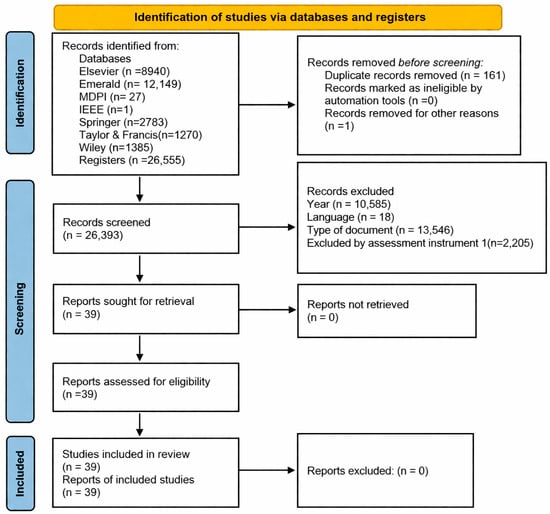
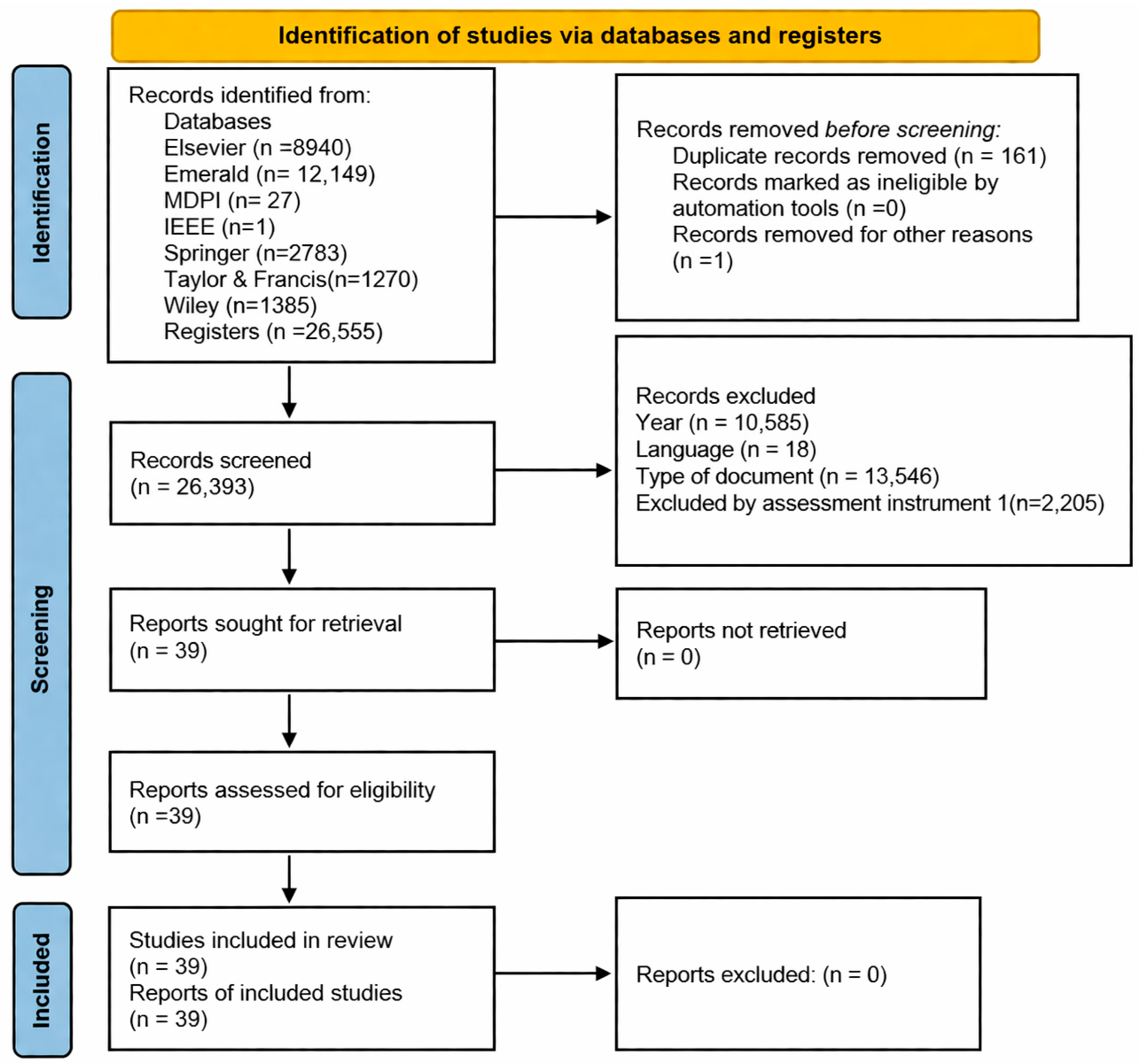
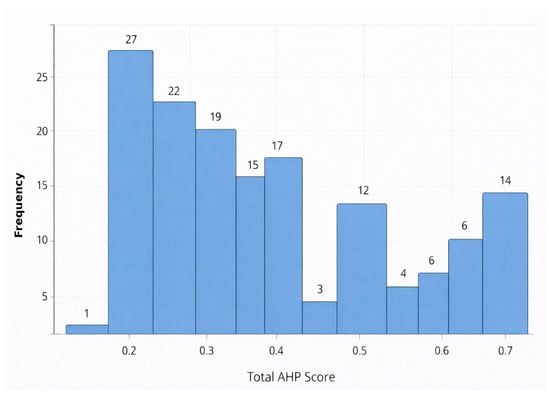
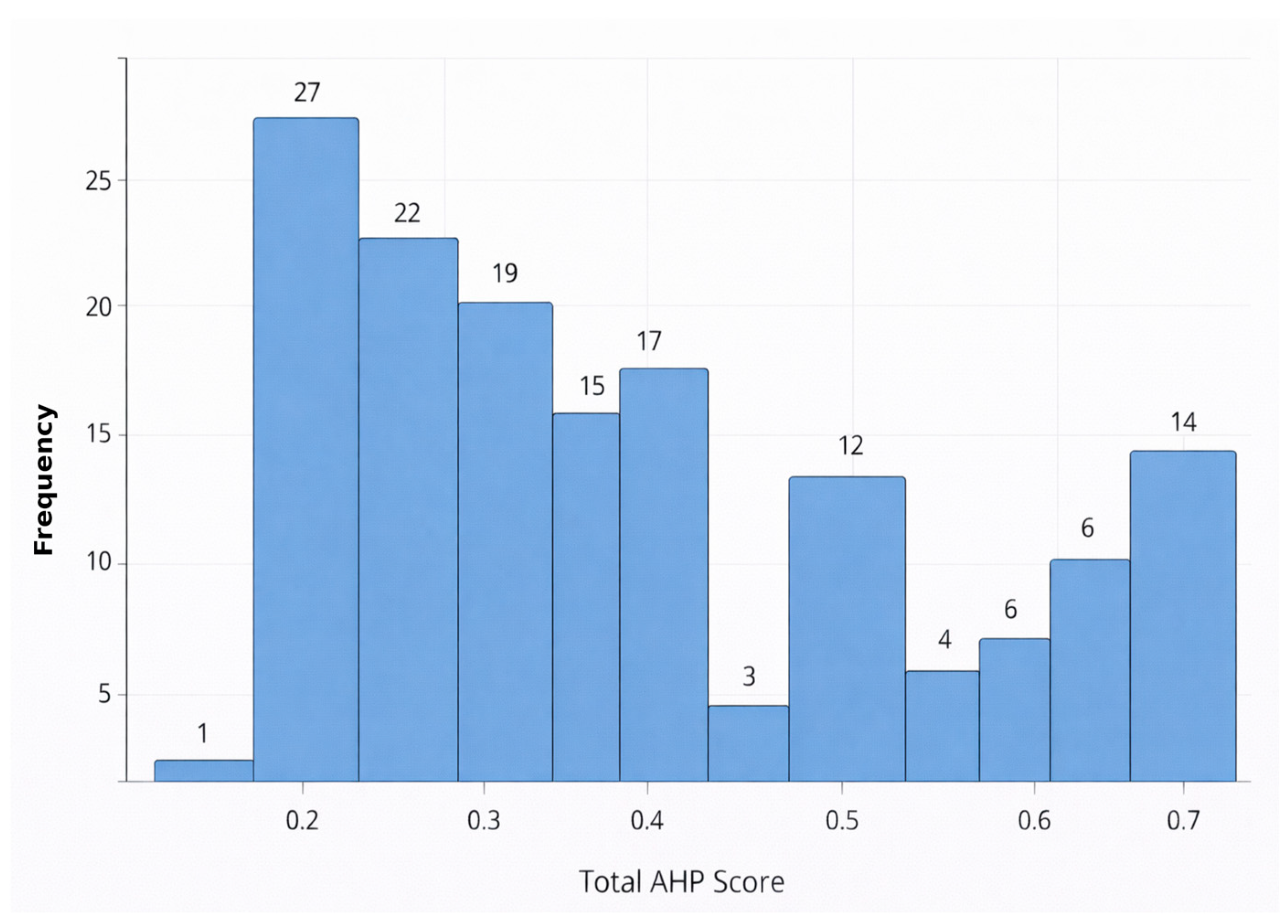
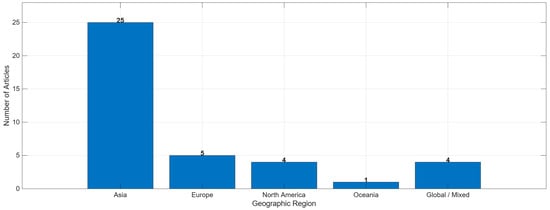
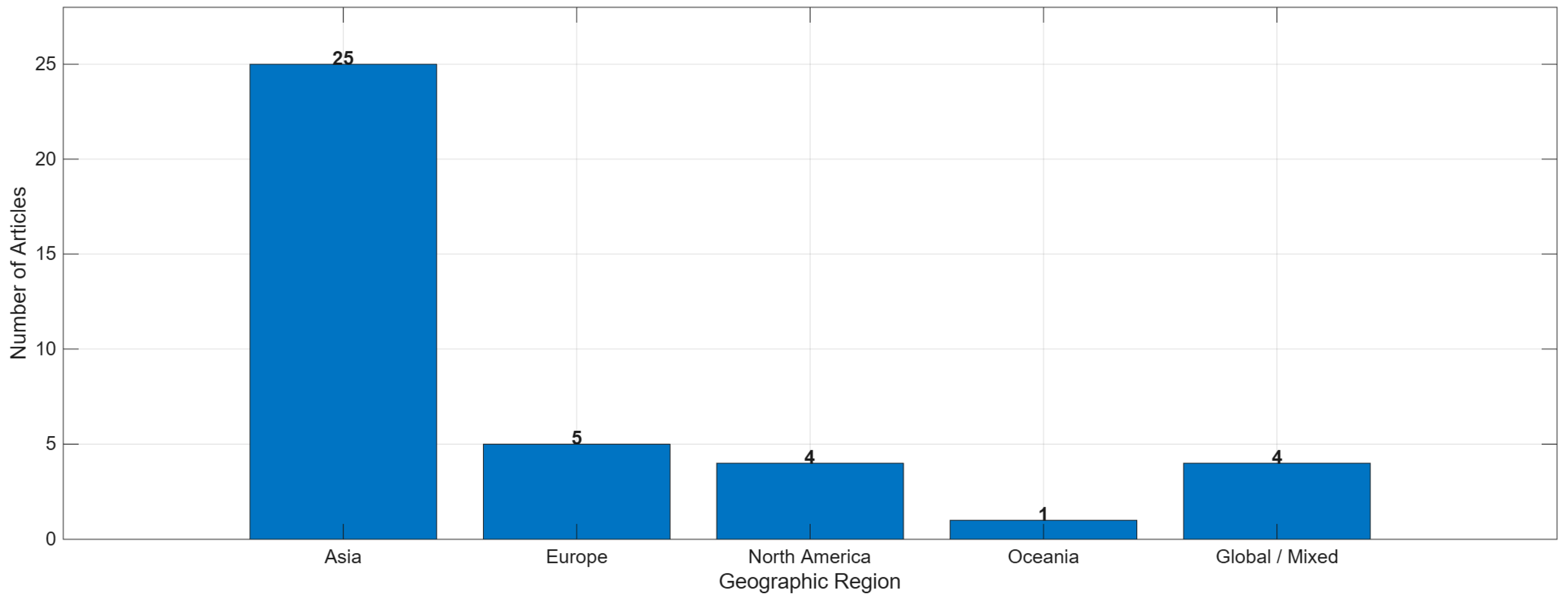
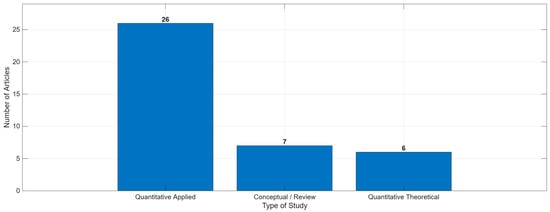
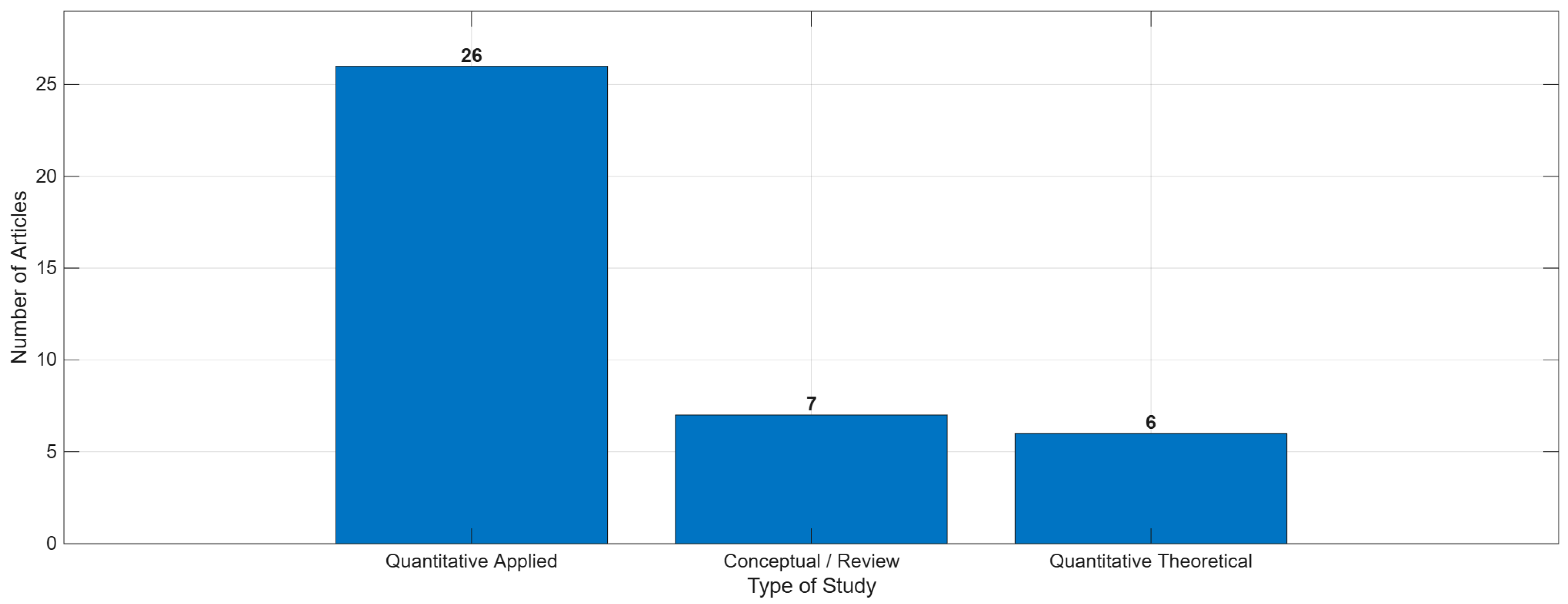
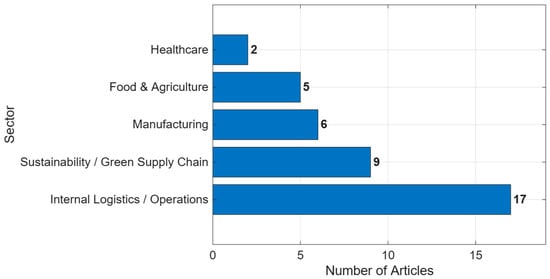
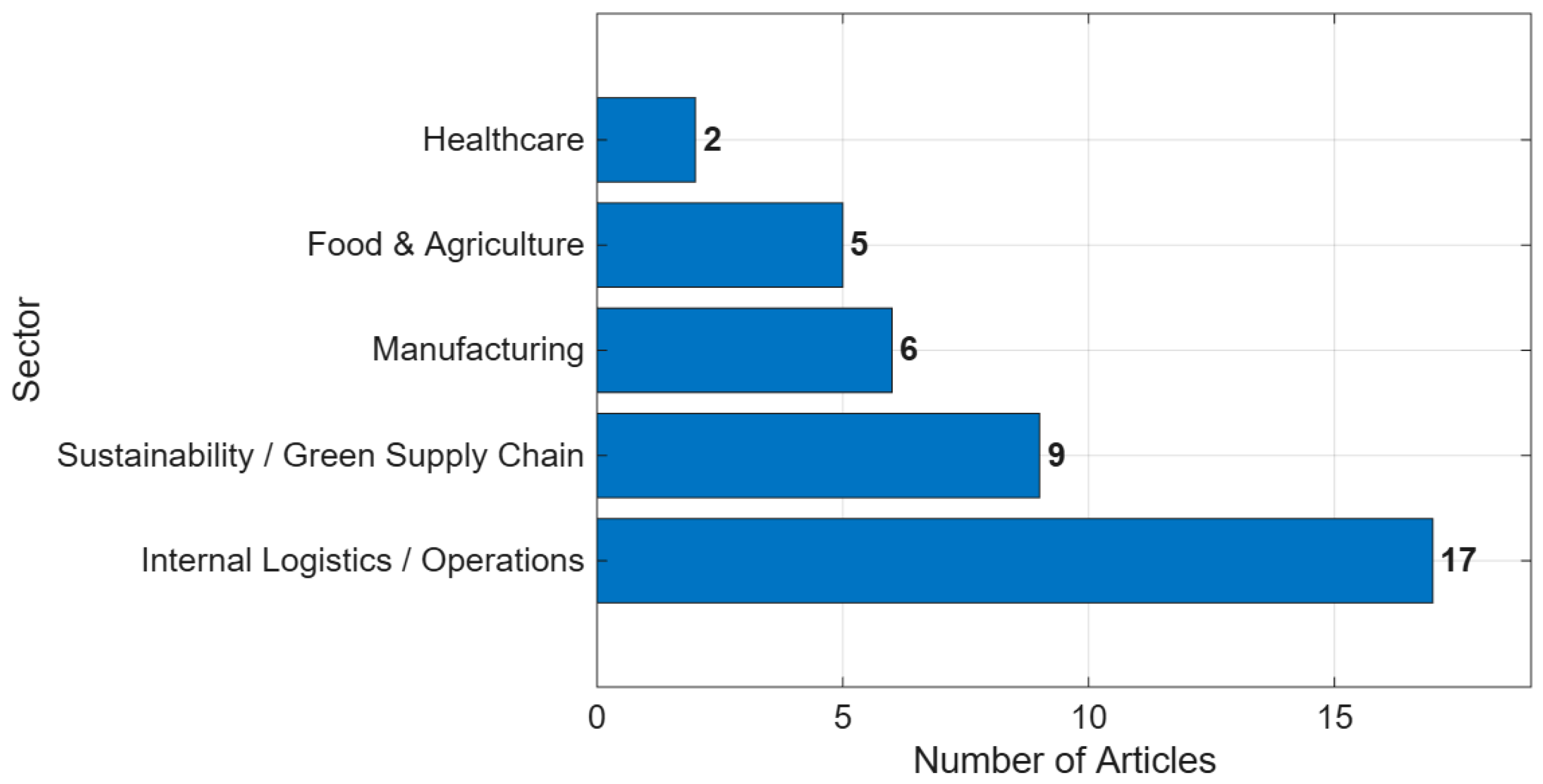
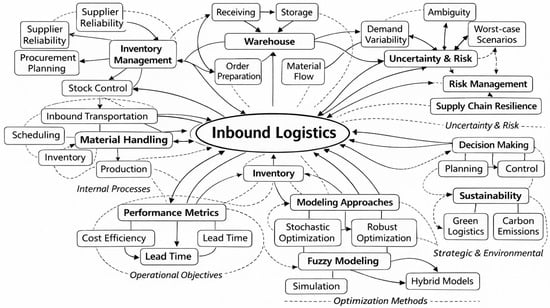
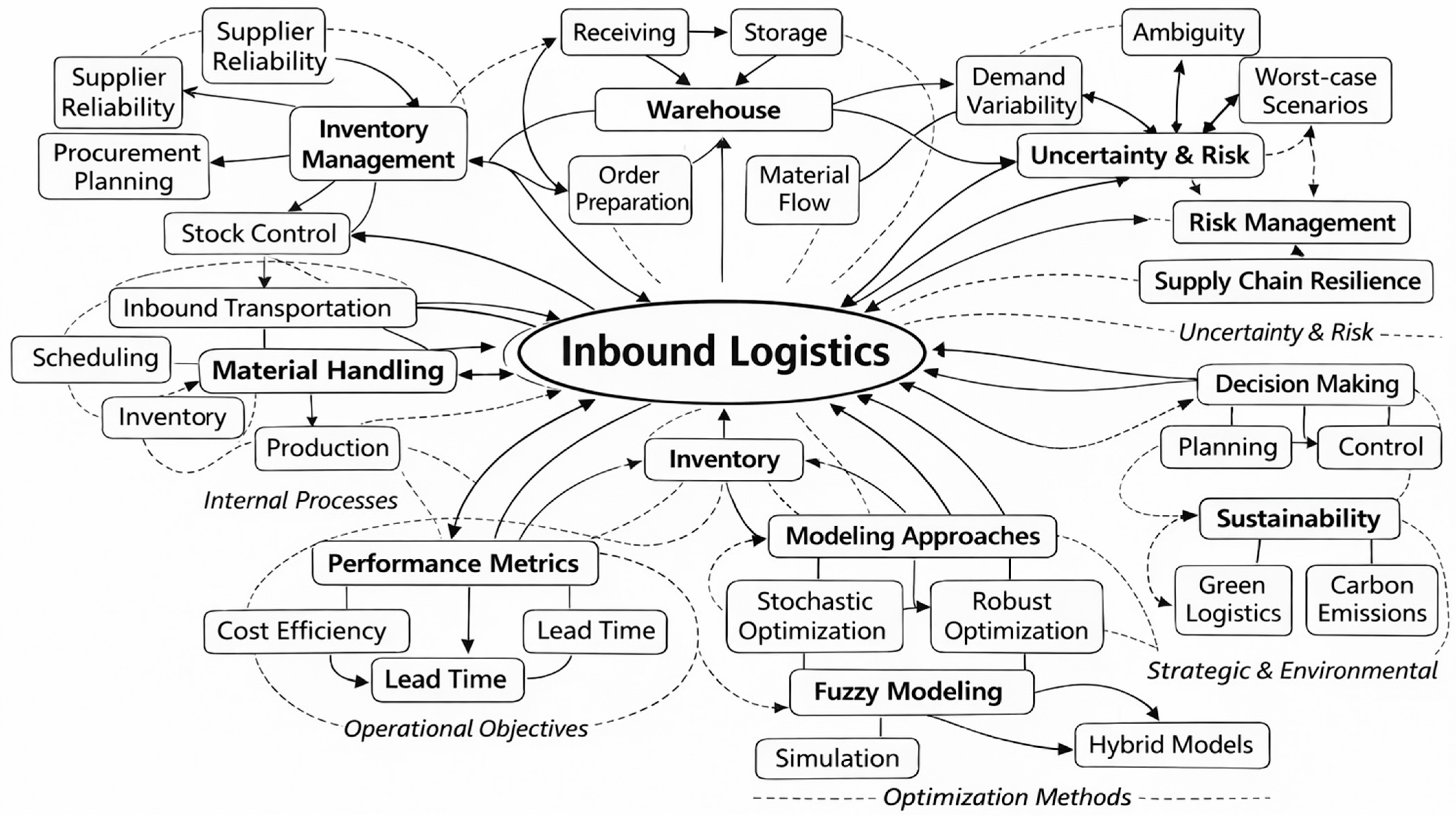
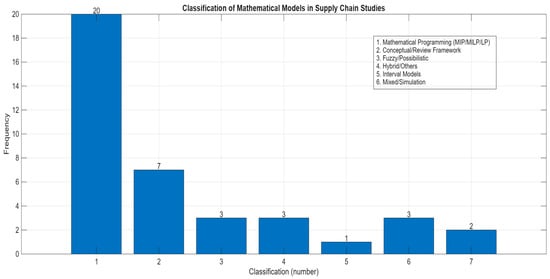
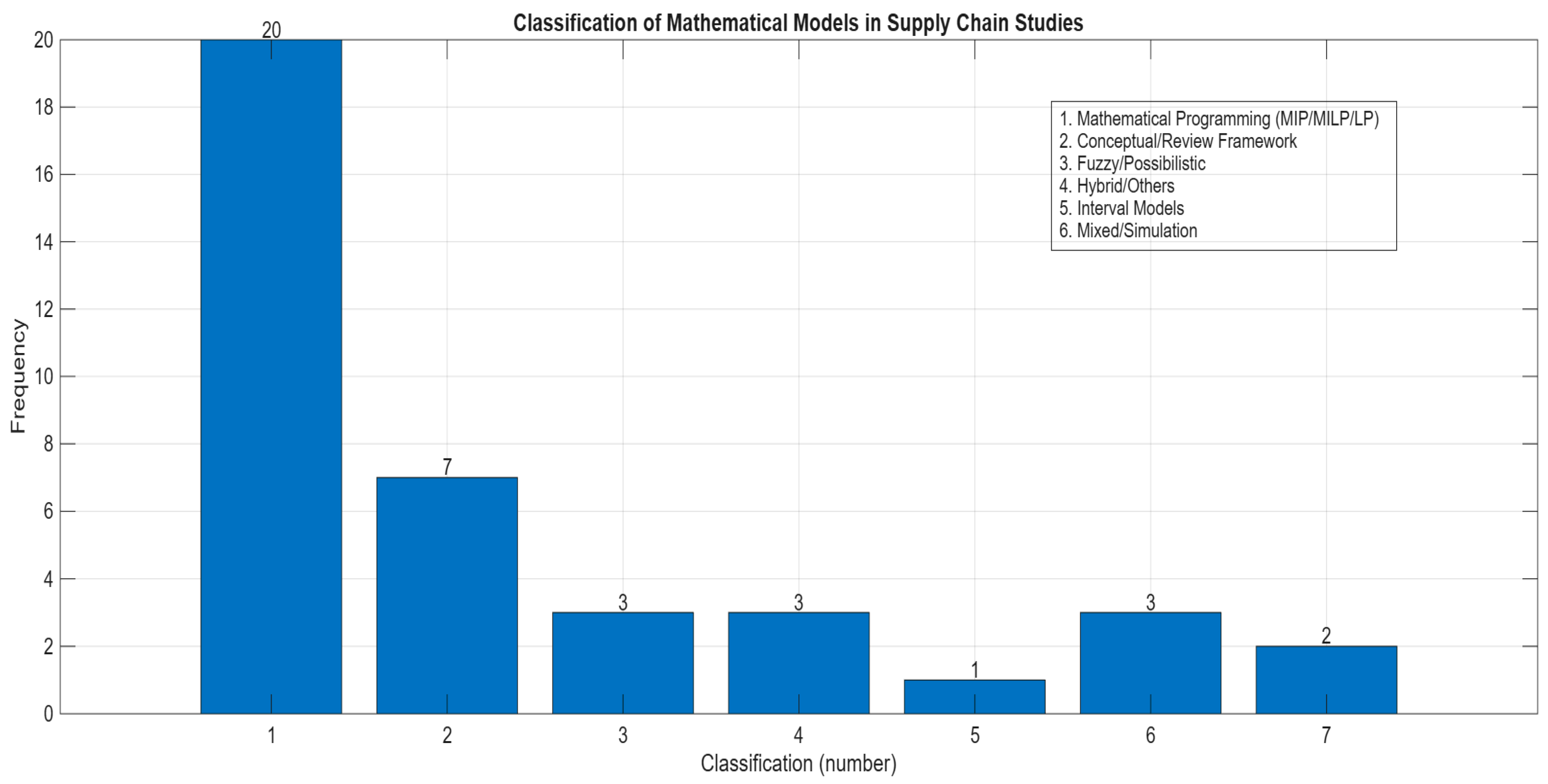
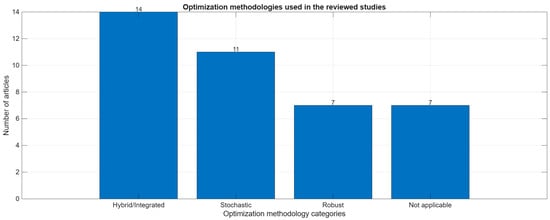
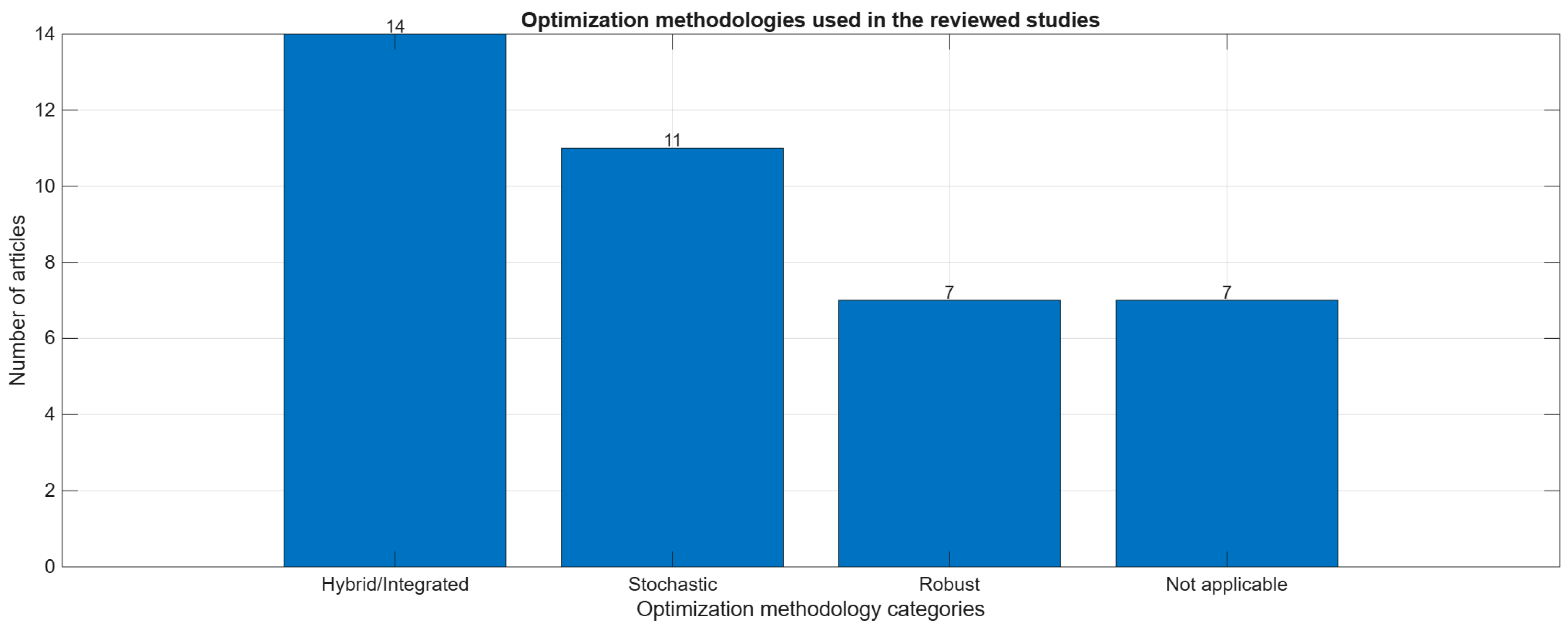
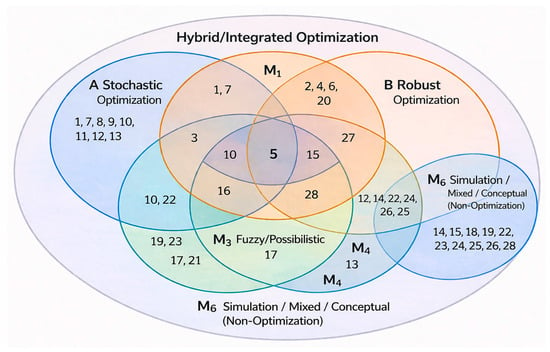
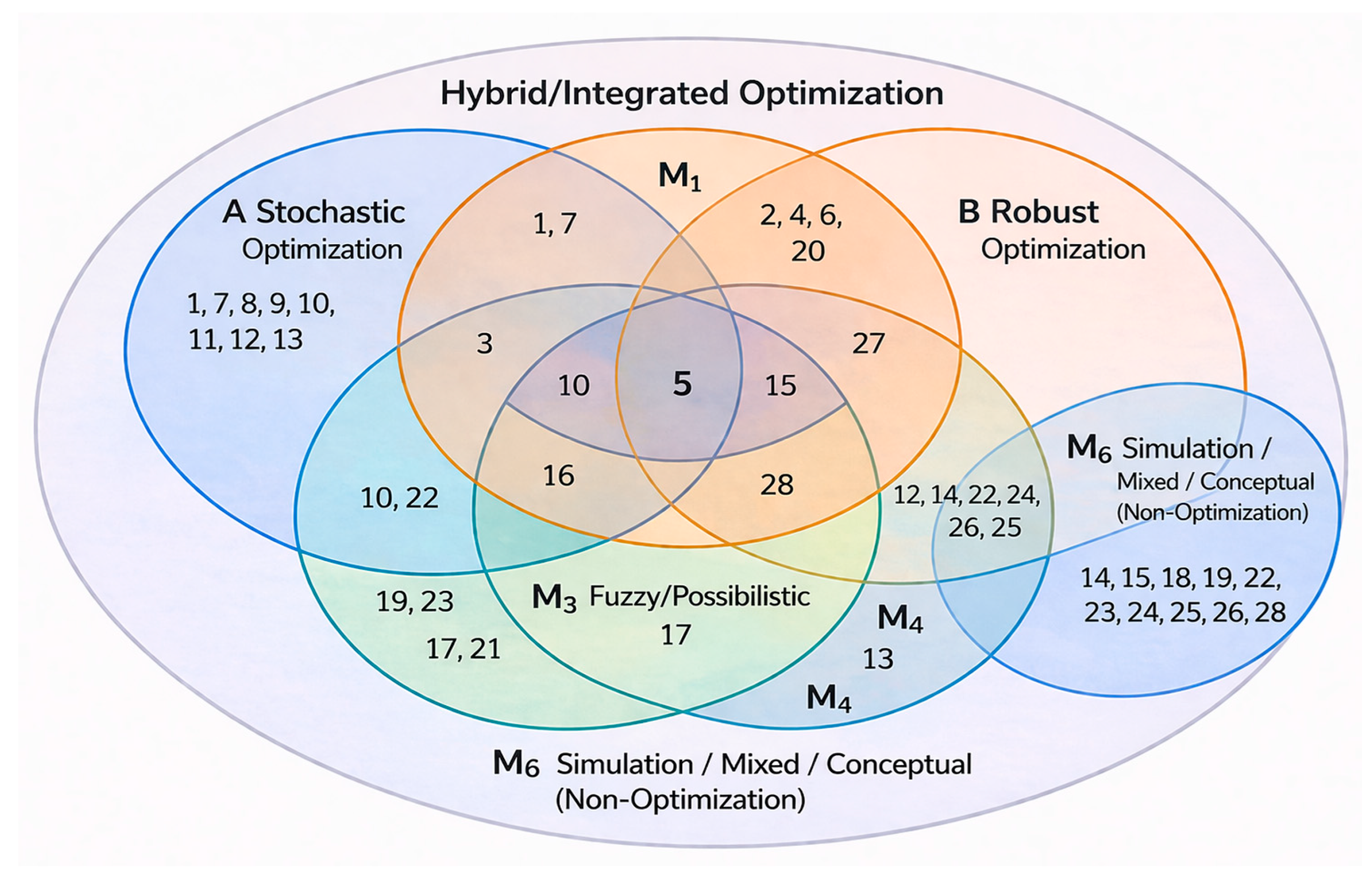
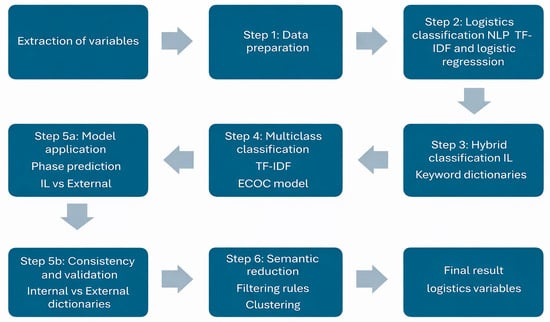
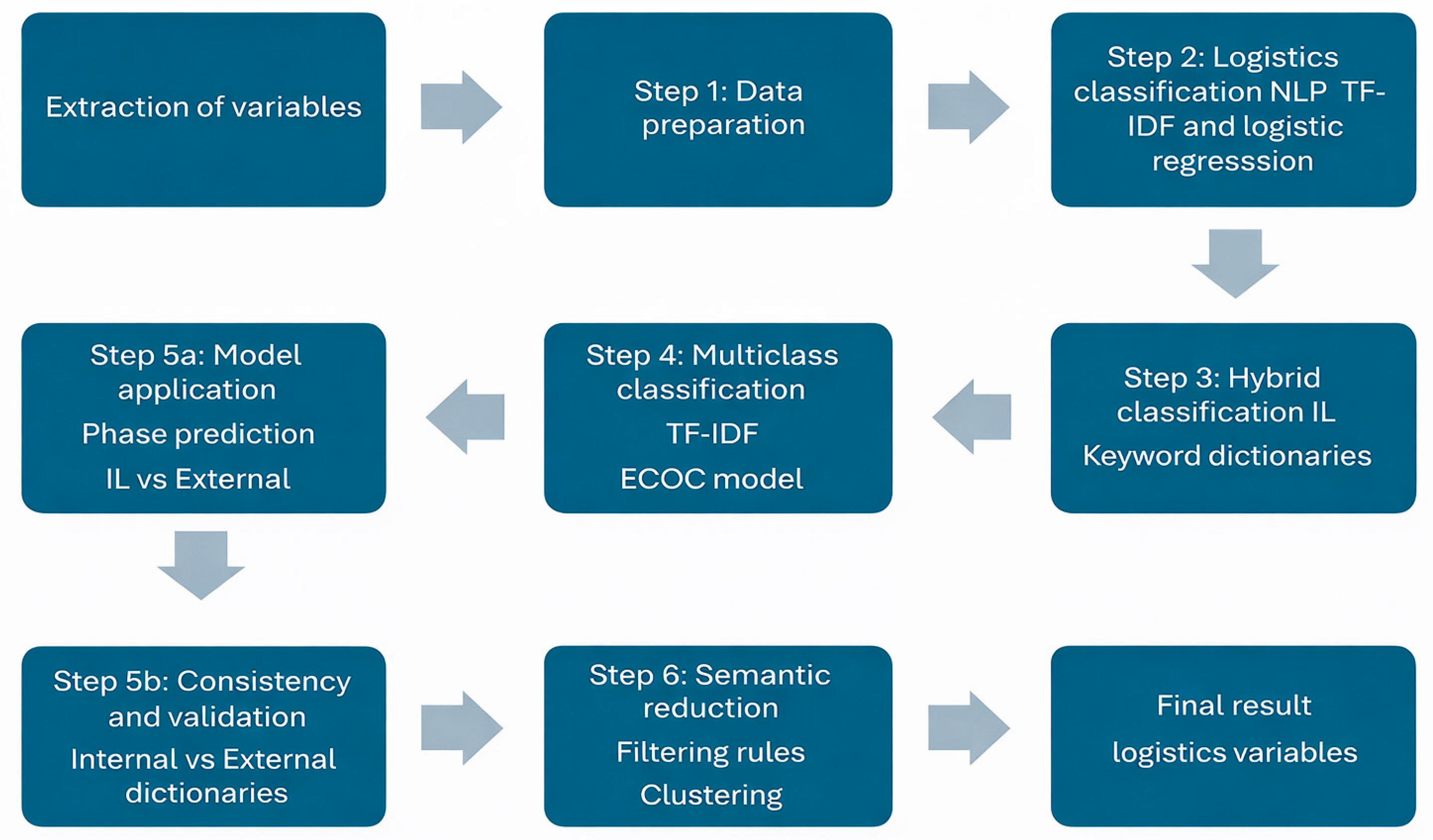
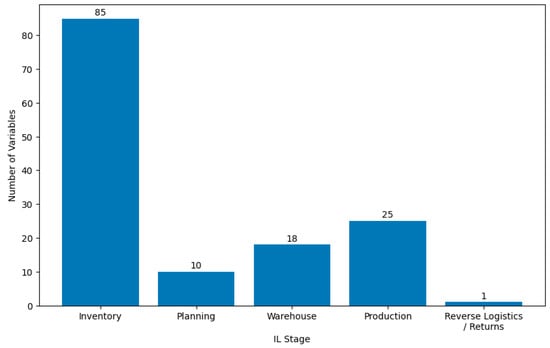
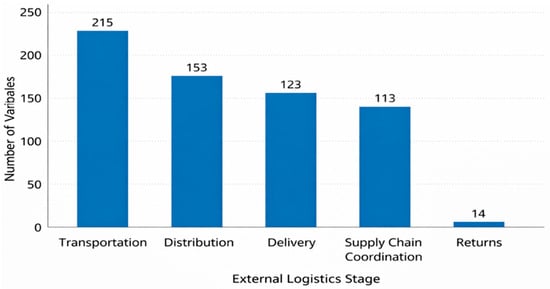
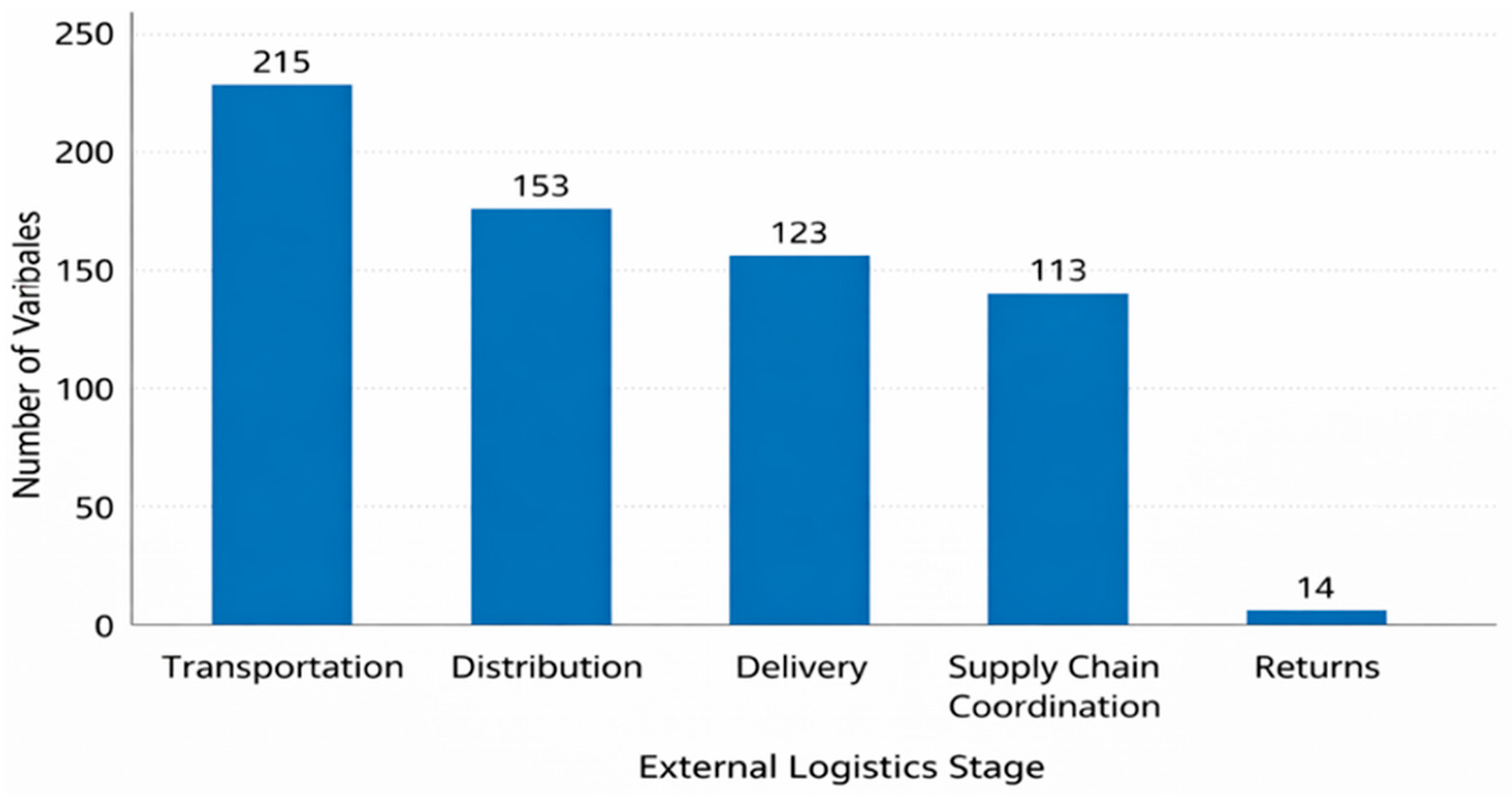

Disclaimer/Publisher’s Note: The statements, opinions and data contained in all publications are solely those of the individual author(s) and contributor(s) and not of MDPI and/or the editor(s). MDPI and/or the editor(s) disclaim responsibility for any injury to people or property resulting from any ideas, methods, instructions or products referred to in the content. |
© 2026 by the authors. Licensee MDPI, Basel, Switzerland. This article is an open access article distributed under the terms and conditions of the Creative Commons Attribution (CC BY) license.