


Abstract
Data suggests that consumers are increasingly aware of the nutritional composition of foods, and the presence of health claims is considered a differentiating factor in the purchase of foods and beverages. We analyzed literature on health claims and their impact on consumer behavior, using different databases (Web of Science, Scopus, and PubMed). According to the bibliometric analyses of 423 articles, research on health claims presents distinct subareas such as health, marketing, regulation, public health, and behavior. Data from several studies, involving 27,813 participants from several countries, are summarized. The health claims included: cardiovascular, bone, muscle, metabolic, digestive, eye, along with overall health and wellness. Antioxidant and anti-inflammatory properties, cognitive and mental performance, immune system support, and disease prevention were also addressed. Our resulting narrative review indicates that health claims could have a positive influence on consumer behavior, especially about the perception of value, purchase intention, and willingness to pay for foods that feature this type of communication. Although health claims on foods have a significant potential to positively influence consumer-purchasing behavior, their impact is dependent on multiple individual and contextual factors, such as consumers’ health status and knowledge on nutrition, price, taste, access, and consumers’ perception of the brand. Understanding the relationship between health claims and consumer behavior and choices is essential to developing effective regulations, public policies, and communication strategies to encourage healthier food choices and influence the food industry.
1. Introduction
The food industry is responsible for a major part of modern production and consumption. By 2024, the global food market was projected to be worth $9.12 trillion, growing at an annual rate of 6.7% according to the World Economic Forum [1]. Consumers are more informed about the production, processing, and distribution of food, paying close attention to nutritional content, environmental impact, and social responsibility of companies within the food supply chain. Their growing interest in the nutritional qualities of food is now a major driver of research and innovation in food development [2,3]. The consumer awareness on the relationship between food and health has created a market for functional foods that explore nutritional properties using health claims [4,5], and this has been reinforced by the new trends in nutrition due to the recognition of the WHO on the importance of GLP-1 agonists that bring together new challenges for the health and food industry [6]. The demand for functional foods and beverages is driven by rising healthcare costs, increasing life expectancy, which has also been suggested as a possible outcome of GLP-1 therapy [7], and a growing desire for a better quality of life. In this context, functional foods are important, providing a category of products that deliver targeted health benefits through specific ingredients [8]. The development of functional foods entails an innovation process across multiple stages from the initial innovative concept to market launch, production, distribution, and the effective communication of benefits through health claims. Communicating these benefits requires extensive research into the food’s health effects, followed by a regulatory review before the product reaches consumers. This regulatory process involves translational science and depends on peer-reviewed studies that demonstrate the efficacy and safety of the compounds (nutrients, probiotic or bioactive substances) within the food matrix or supplement. These studies must comply with each country’s regulations to gain approval and enable commercialization [9]. Once approved, health claims may appear on food labels, promotional materials, and other advertising platforms. Usually, countries present strict regulations on health claims, resulting in challenges for the approval and communication of health-related messages in functional foods.
The first functional food regulation, called “Foods for Specified Health Uses” (FOSHU), was introduced in Japan in 1991 by the Ministry of Health, Labor and Welfare [10]. After the introduction of the FOSHU regulation, the number of functional food products increased, especially between 1997 and 2007, as consumer demand grew. The net sales of FOSHU products reached their peak in 2007 at 6.2 billion USD. About half of the health claims were related to improving gastrointestinal tract health by probiotic lactobacilli, oligosaccharides, and dietary fiber. Around 20% of the products carried health claims linked to reductions in serum triglycerides. Another 20% of the products featured health claims addressing high blood pressure, elevated LDL-cholesterol, high blood glucose, tooth decay, and mineral absorption. Regulatory approaches to health claims vary internationally but share common principles. Since the introduction of FOSHU, health-claim regulations have evolved to balance innovation with consumer protection [10,11]. Similar frameworks have been established globally, including those adopted by Codex Alimentarius, the European Union, the United States, Canada, and Australia/New Zealand, which generally distinguish between different categories of claims—each requiring specific levels of scientific substantiation [12,13,14,15,16]. Despite regulatory convergence in definitions and objectives, differences in claim categories and approval processes add complexity to how health-related information is communicated to consumers.
Internationally, the concept of “health claims” is generally broad and encompasses different subtypes, such as function and structure claims and disease risk reduction claims, each following distinct regulatory requirements and levels of scientific substantiation.
In accordance with the Codex Alimentarius and the European Union, a health claim means any representation that states, suggests, or implies that a relationship exists between a food or a constituent of that food and health. Health claims include the following: (i) nutrient function claims: that describes the physiological role of the nutrient in growth, development and normal functions of the body (example: “Calcium is needed for the maintenance of normal bones”); (ii) function claims: claims relate to a positive contribution to health or to the improvement of a function or to modifying or preserving health (example: “Olive oil polyphenols contribute to the protection of blood lipids from oxidative stress”); (iii) reduction in disease risk claims: claims relating to the consumption of a food or food constituent, in the context of the total diet, to the reduced risk of developing a disease or health-related condition (example: “Plant sterols/stanol esters have been shown to lower/reduce blood cholesterol. High cholesterol is a risk factor in the development of coronary heart disease”).
For consistency throughout the study, the term “health claims” is used as an umbrella concept including different regulatory subcategories, including function and disease risk reduction claims. The term “functional claims” is used only when referring specifically to claims related to the functional effects of foods or food constituents. In addition, “consumer behavior” is employed as a broad construct that includes attitudes, food choice, purchase intention, and decision-making processes related to foods bearing health claims. In theory, health claims are intended to support informed consumer behavior. However, their effectiveness depends on consumers’ ability to comprehend, trust, and appropriately use the information provided.
Previous studies have investigated consumer behavior toward health claims, including their understanding of claim wording [17]. Nevertheless, findings across studies remain fragmented, influenced by factors such as claim type [18], product category [19], individual characteristics [20], and contextual cues [21,22,23,24]. Moreover, despite the growing volume of research on health claims, no bibliometric analyses have been carried out that systematically map how scientific production has addressed the relationship between health claims and consumer behavior. This gap limits a comprehensive understanding of how the field has evolved and where research efforts have been concentrated.
To address these gaps, our contribution combines a bibliometric analysis with a narrative review to (i) quantitatively map international scientific evidence on health claims and their role in consumer behavior and (ii) qualitatively synthesize recent evidence on how health claims influence consumer decision-making, particularly considering emerging nutritional trends. By integrating bibliometric mapping with a narrative review, our study provides a novel and structured overview of the scientific landscape of the impacts of health claims on consumer behavior, while also offering a qualitative synthesis of recent evidence. Our dual approach identifies research trends and knowledge clusters as well as interprets how different types of claims influence consumer behavior. The findings contribute to academia, regulatory agencies, and the food industry.
2. Materials and Methods
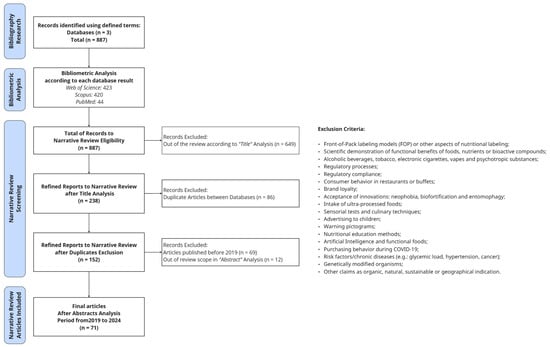
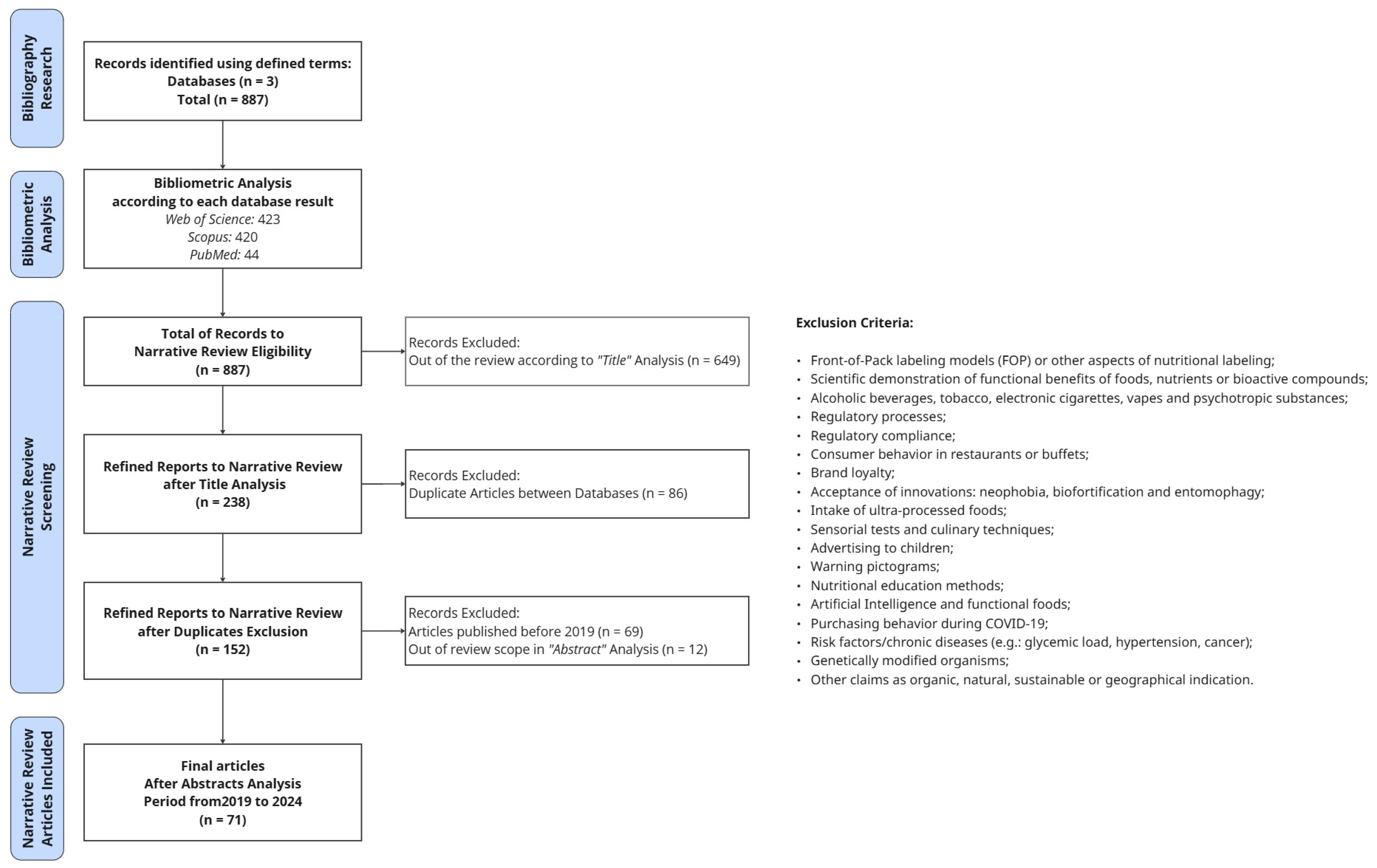
The methodological approach of this study is detailed in Figure 1 and comprises two complementary and sequential stages: a bibliometric analysis followed by a narrative review, each with distinct objectives and inclusion criteria. This sequential approach ensured methodological transparency while allowing both a broad quantitative mapping (bibliometric analysis) and a qualitative interpretation of the literature (narrative review).
Figure 1.
Methodology Diagram. Based on PRISMA.
2.1. Bibliometric Analysis
The bibliometric analysis aimed to provide a quantitative overview on the evolution of the scientific evidence linking health claims to consumer behavior. For this purpose, to summarize the evolution in the field, regardless of the year, all articles retrieved from the Web of Science, Scopus, and PubMed databases were included. No exclusion criteria were employed at this stage. The bibliometric analysis focused on publication trends, keywords, and citation patterns, using VOSviewer software 1.6.20 and graphical tools from the Web of Science database. The search was performed using the terms (including plurals): “health claim” or “functional claim” or “functional food” (All Fields) AND “attitude” or “food choice” or “consumer choice” or “consumer behaviour” or “consumer behavior” or “consumer decision” or “purchase behaviour” or “purchase behavior” or “purchase intention” (All Fields).
2.2. Narrative Review
This narrative review was designed to qualitatively synthesize recent evidence on how health claims and consumer behavior are associated. Different from the bibliometric analysis, for the narrative review, predefined inclusion and exclusion criteria were employed (Figure 1). A multi-step screening process was conducted to refine the articles for inclusion in the narrative review, involving title and abstract screening followed by full-text assessment. Studies were excluded when their primary focus did not align with consumer behavior related to health claims. For example, front-of-pack nutrients labeling models, sensorial tests, regulatory approval evidence, brand loyalty, advertising to children, and other claims as “organic”, “natural”, or “sustainable” were excluded. Open-access articles published in English between 2019 and 2024 were considered. This temporal window was defined based on the bibliometric results, which indicated a marked increase and peak in publications from 2020 onwards, more precisely, in the years 2020 and 2022.
3. Results
3.1. Bibliometric Analysis
The bibliographic research identified a total of 887 articles, being 423 titles in Web of Science, 420 titles in Scopus, and 44 titles in PubMed. Table 1 exhibits data on articles retrieved from databases. The Web of Science and Scopus presented higher occurrences of articles related to claims and consumer behavior, compared with occurrences in PubMed. It was possible to identify a concentration of publications between 2019 and 2020. During the bibliographic research, there were no bibliometric analyses identified on this theme published. Therefore, the present analysis, as a quantitative analysis technique for scientific production, becomes important to help identify trends, assess the relevance of topics, and map knowledge networks.
Table 1.
Descriptive data based on databases compilation.
3.1.1. Areas of the Science Publishing About Health Claims and Consumer Behavior
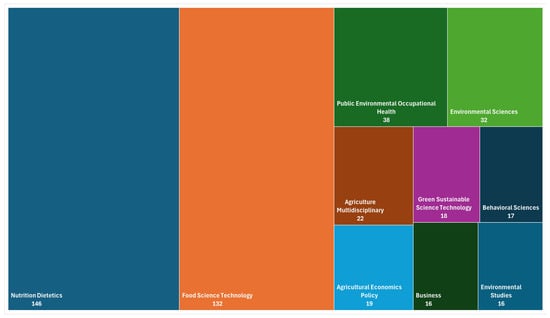
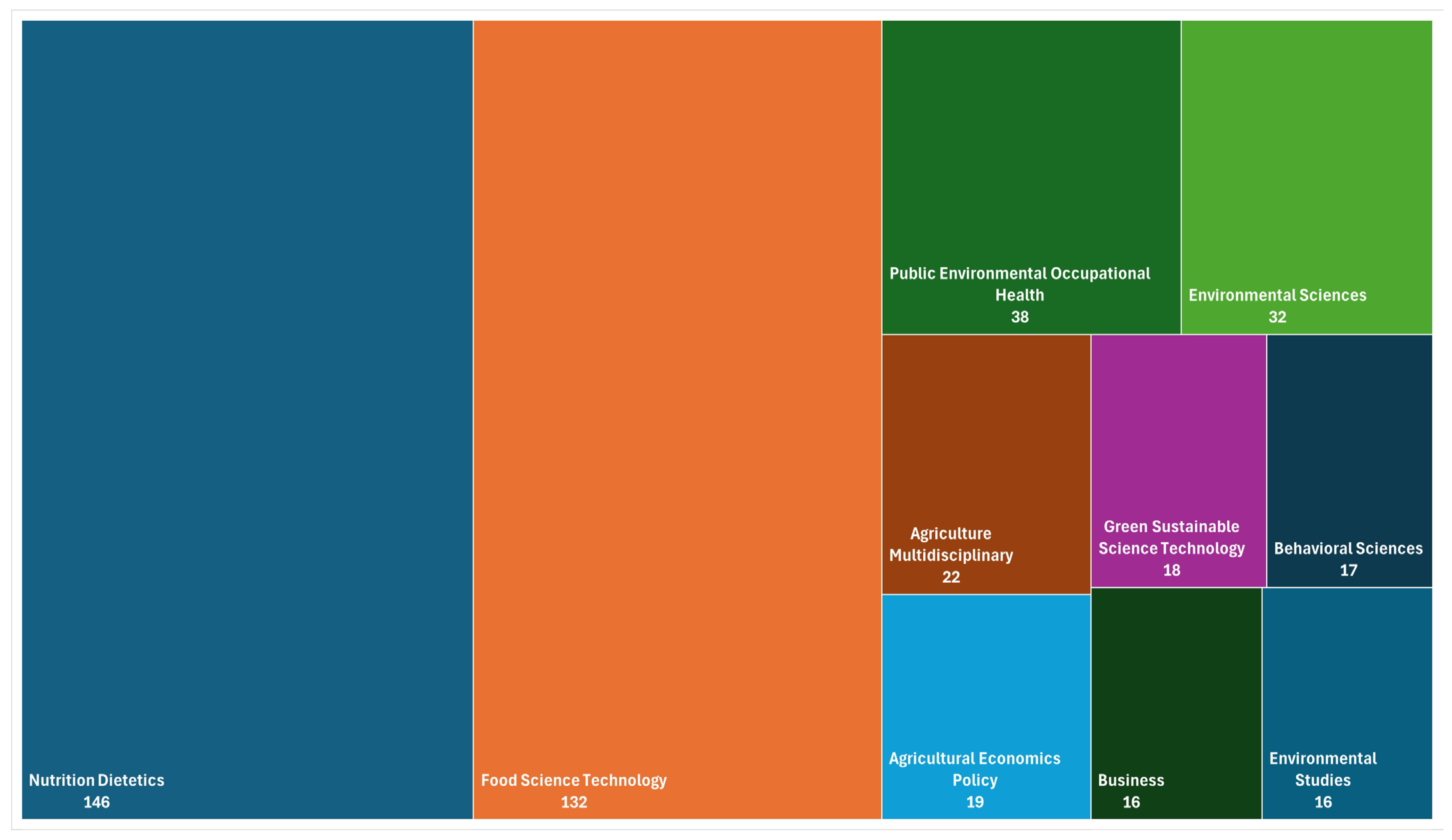
According to Web of Science data in Figure 2, it is possible to observe the 10 main areas where publications about the theme are observed. Special attention to areas of Nutrition Dietetics (146 articles), Food Science Technology (132 articles), and only 17 articles in the Behavioral Sciences area.
Figure 2.
Areas of science are publishing about health claims and consumer behavior. Source: Web of Science.
3.1.2. Countries, Citation Network, and Co-Authorship
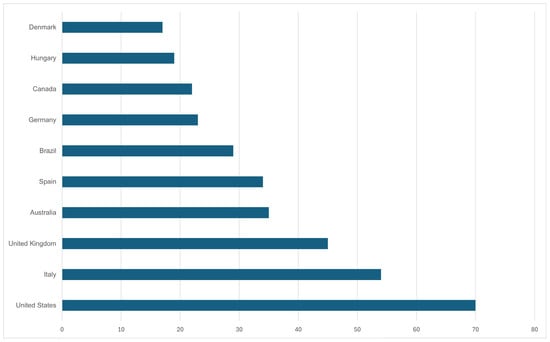
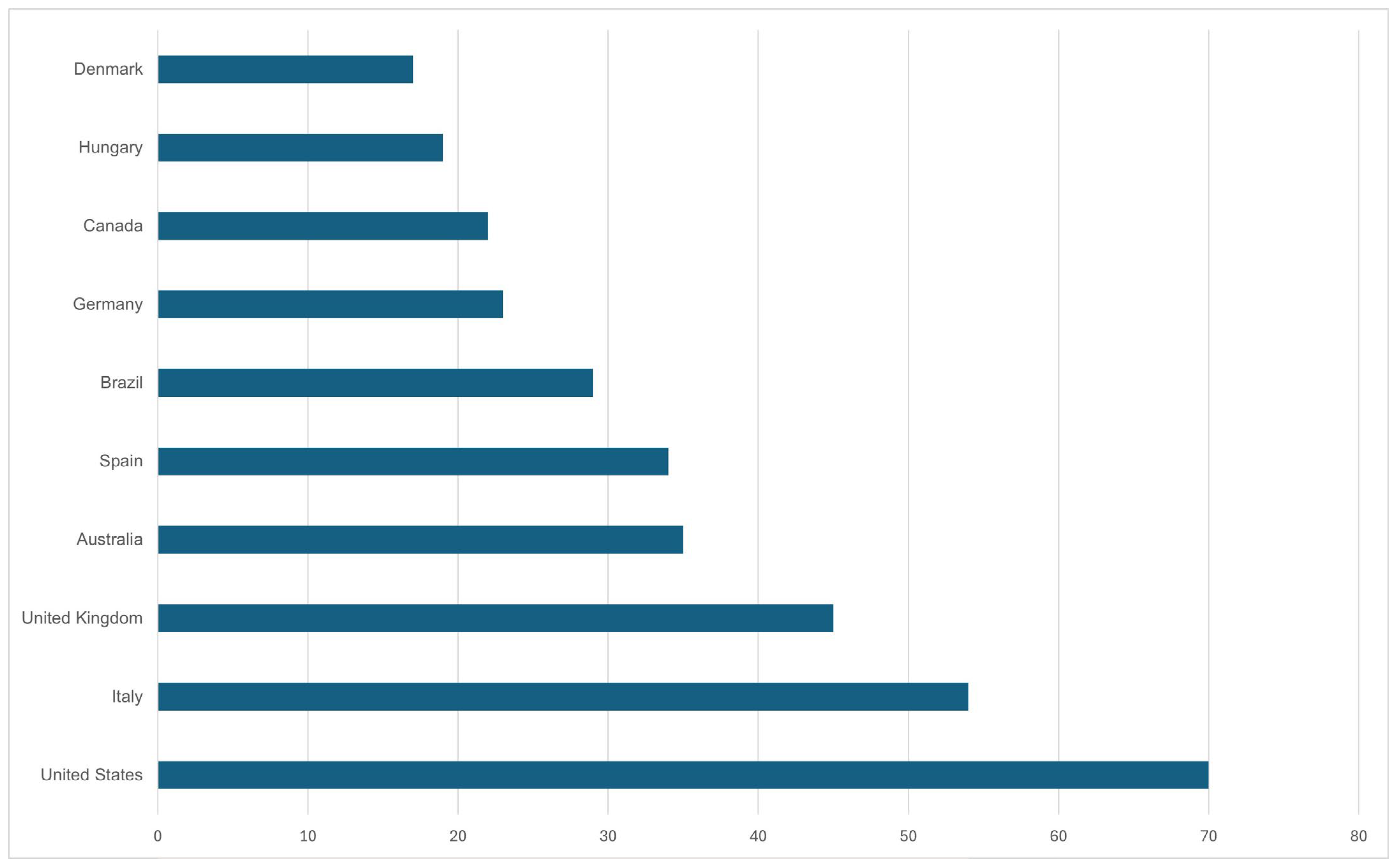
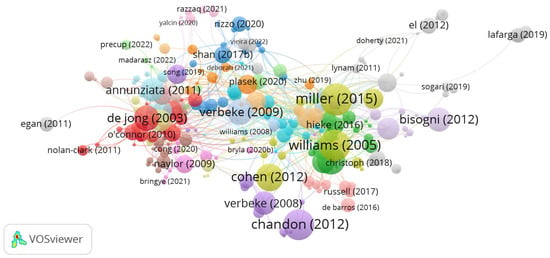
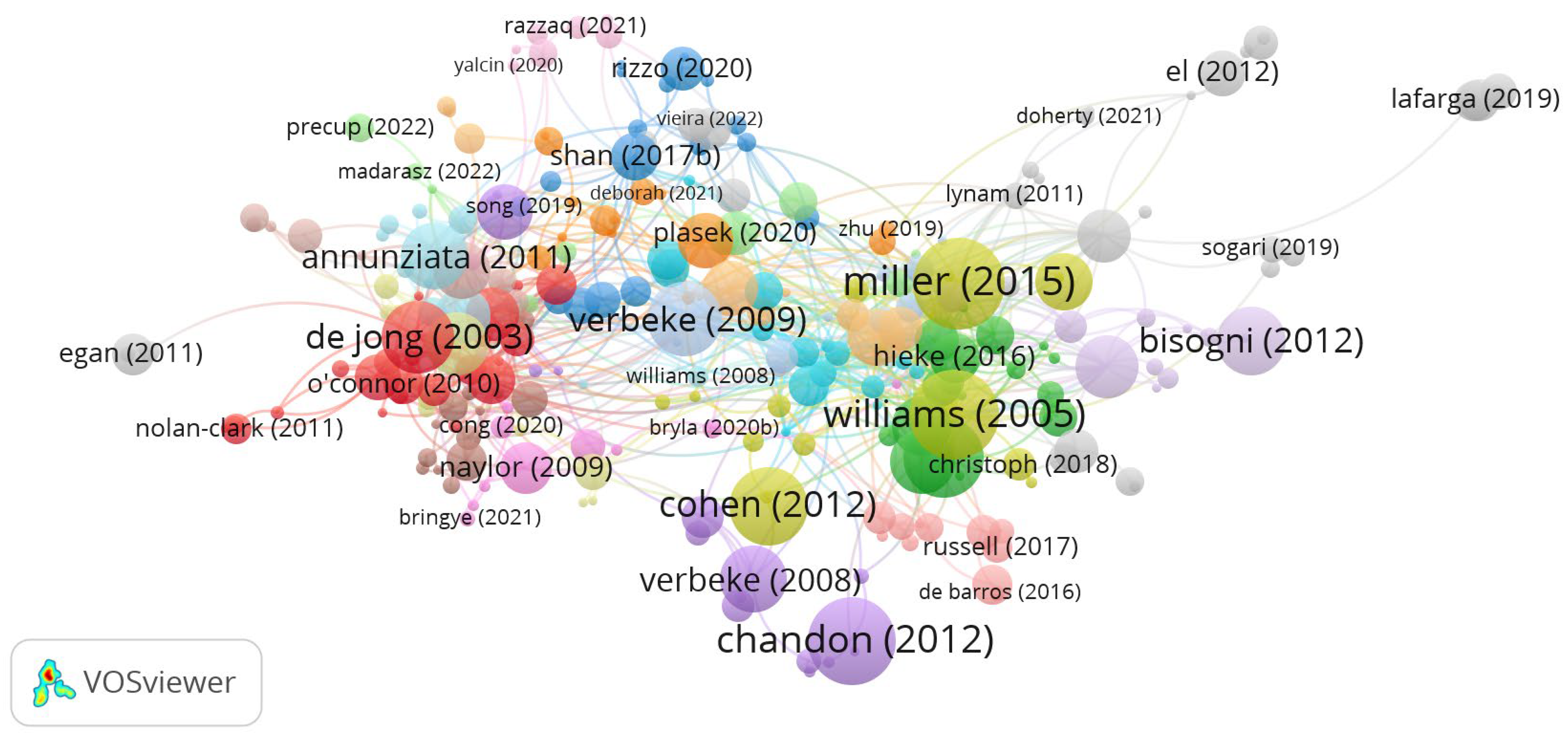
Considering the analysis provided by Scopus (Figure 3), we identified 10 countries with high levels of productivity on the topic. Considering the most productive countries as Denmark, Hungary, Canada, and Germany, followed by Brazil. Exporting the Web of Science results to the VOSviewer system, it was possible to create a citation network diagram (Figure 4). This citation diagram visualizes the relationship between authors and their articles in terms of how often they are cited together. The different color groups (e.g., red, blue, green) represent clusters of authors who are frequently cited together. Red cluster may indicate an older line of research, possibly focused on established foundations or theories. A clear green cluster appears to be a group of authors who are frequently cited in a more contemporary context and may be related to more recent or emerging research. The size of the nodes (circles) indicates how often the author has been cited. The proximity between the nodes indicates how often these authors are cited together.
Figure 3.
Countries with a high level of productivity on the theme. Source: Scopus.
Figure 4.
Citation network diagram from Web of Science. Source: VOSviewer.
Close authors have a higher level of co-citation, meaning they are frequently discussed together in the literature. Some authors, such as Lafarga [25] and Egan [26], are further away from the main network. This suggests that their publications may be less connected to the central core of the research analyzed, possibly indicating a niche or less explored area. The years in parentheses after the authors’ names indicate the date of publication. It is possible to observe that there is a mix of older and recent publications, demonstrating the evolution of the area over time. This citation analysis allows the understanding of the main influences and how different research is interconnected. Central authors such as Miller [27] and Verbeke [28] are pillars, indicating works with great influence and impact. In Table 2, follow the list of the most cited authors by Web of Science results.
Table 2.
Web of Science Database: Highest Cited Authors.
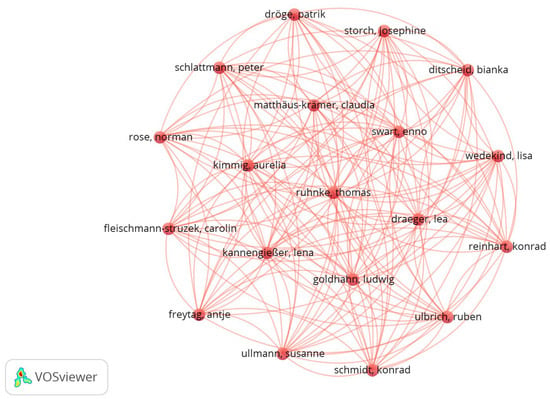
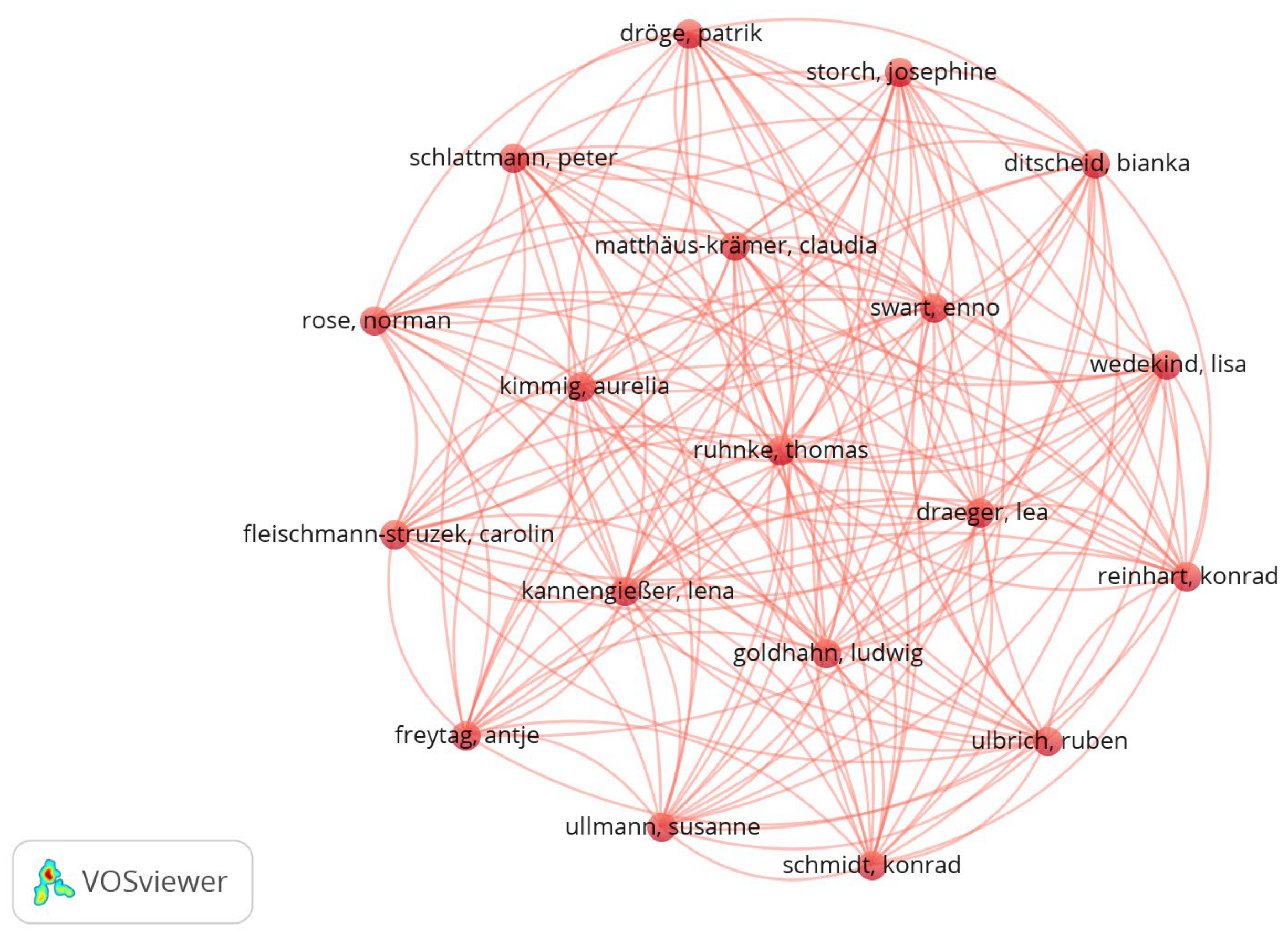
Considering the data resulting from Scopus, when exported to VOSviewer, a full counting analysis was created for co-authorship between the authors. Figure 5 shows a co-authorship concentration between 19 authors (from a total of 59 authors identified), with an important position of Ruhnke, Thomas, in a central position, indicating his high level of connections with the other authors. The same analysis was made using PubMed, and it showed a co-authorship concentration between 26 authors (from a total of 210).
Figure 5.
Full counting analysis for co-authorship from Scopus. Source: VOSviewer.
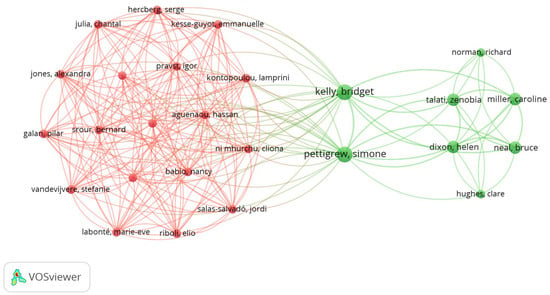
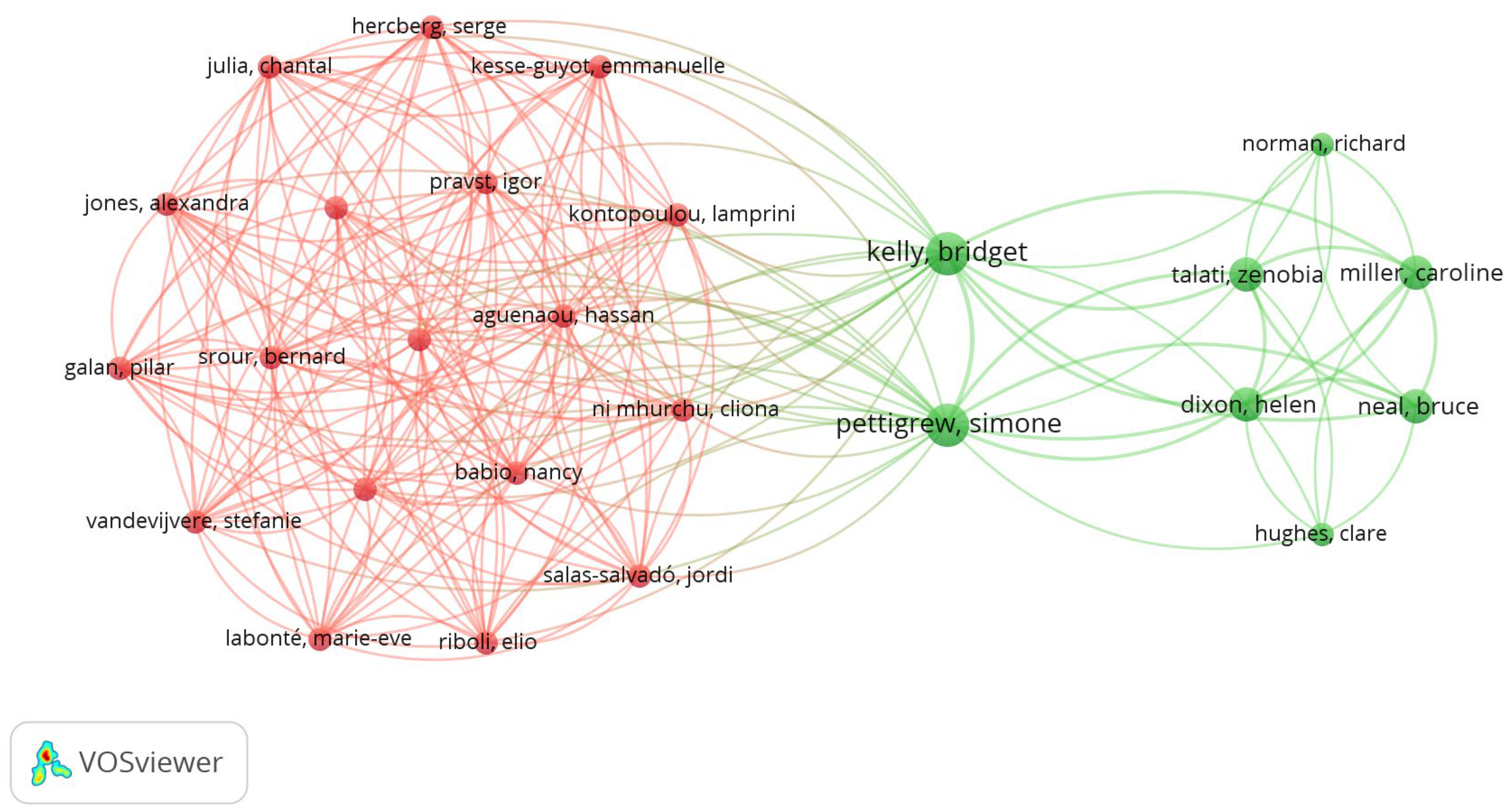
Figure 6 demonstrates that the authors on the left (red) represent a dense group of authors who appear to collaborate frequently with each other. The authors on the right (green) represent another cohesive group of authors with their own collaboration network, less connected to the red group. The central authors and those with larger nodes in the green group are the most influential or productive within their networks. The existence of some lines connecting the red group to the green group suggests that there is a small number of collaborative publications involving authors from both groups. The two groups (red and green) probably represent two distinct areas or subareas, with few points of intersection. Although there is interaction between the two clusters, collaboration seems limited. This may represent an opportunity to strengthen interdisciplinary collaborations to better integrate the knowledge of these networks.
Figure 6.
Full counting analysis for co-authorship from PubMed. Source: VOSviewer.
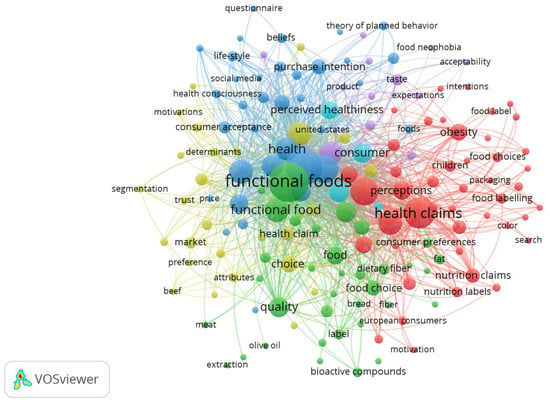
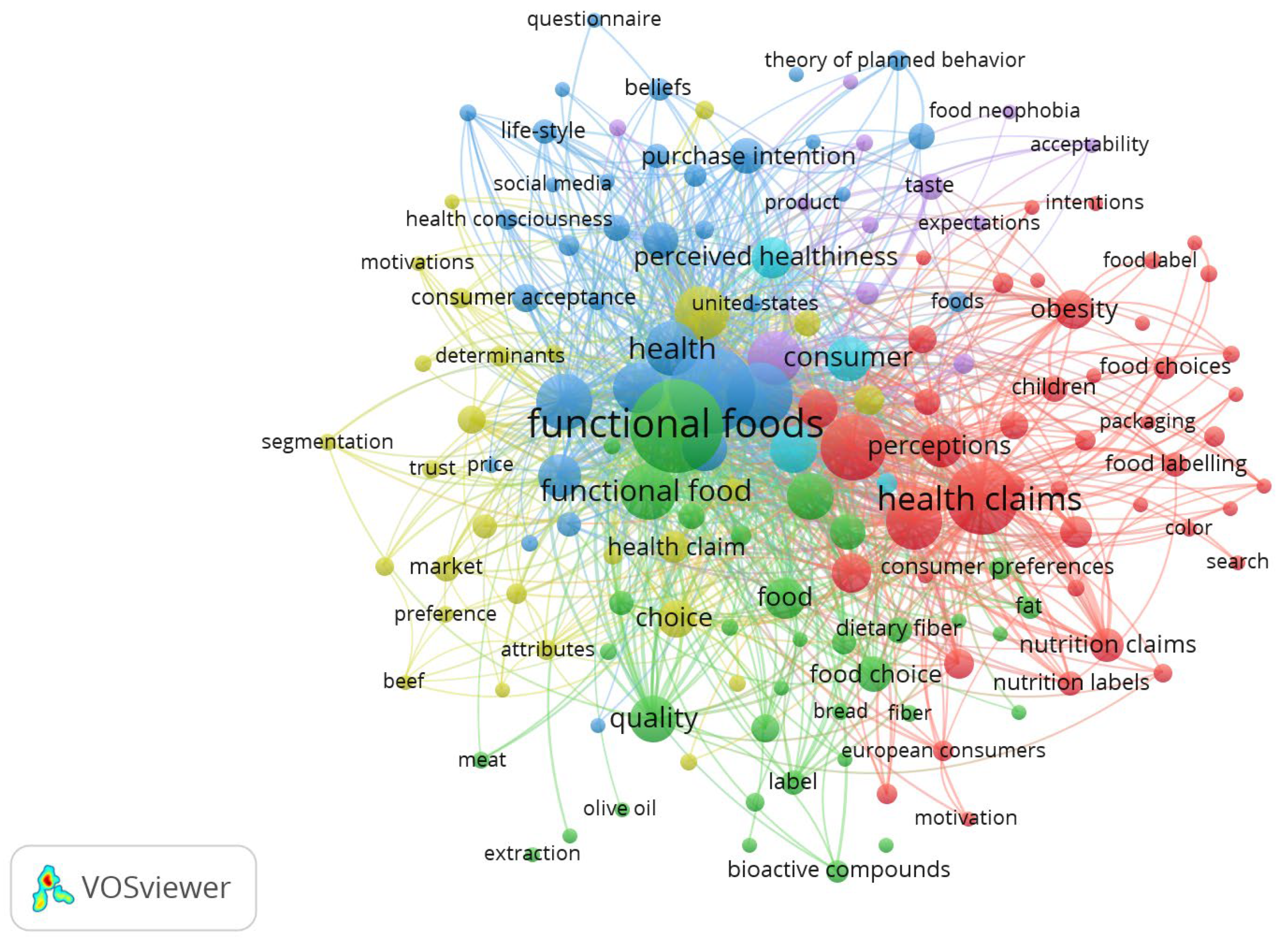
In the VOSviewer keyword analysis of the Web of Science results presented in Figure 7, it is possible to observe that larger words, such as “functional foods” and “health claims”, represent more frequent terms in the publications. This indicates that these are the central concepts or the most discussed in the research area. The colored clusters represent related topics grouped by the co-occurrence of the keywords in the documents, with each color identifying a group of terms frequently used together, indicating a subtheme or approach. The green cluster has terms such as “functional foods”, “food”, “quality”, “fiber”, “bread”, and “fat”, indicating this cluster may be related to studies that address behaviors based on the qualities of foods and their impact on health. The red cluster relates “health claims” with “food choices”, “nutrition labels”, “nutrition claims”, “perceptions”, “packaging”, “color”, “children”, and “obesity”. This cluster may reflect the discussion on nutritional labeling, food choices, and concerns related to obesity, advertising to children, and consumer preferences. The blue cluster includes words such as “perceived healthiness”, “purchase intention”, “theory of planned behavior”, “beliefs”, “acceptance”, and “consciousness”. This cluster highlights studies on purchasing behavior, consumer intention, and perception of health related to functional foods, which likely compose the group of refined studies for the elaboration of the narrative review. The yellow cluster connects to terms such as “trust”, “market, price”, “motivations”, and “segmentation”. This group is linked to market factors, such as consumer trust, price, and market segmentation for functional foods. The purple cluster links terms such as “taste”, “acceptability”, “expectations”, and “food neophobia”, indicating publications that could explore consumer behavior in the face of new foods and ingredients. The bibliometric review demonstrated that the research on functional foods is divided into distinct subareas encompassing health, marketing, regulation, public health, and behavior.
Figure 7.
Keyword analysis from the Web of Science. Source: VOSviewer.
3.2. Narrative Review
A narrative review was conducted encompassing 71 articles from databases published from 2019 until 2024, with the exclusion criteria stated in Figure 1. The studies identified heterogeneous characteristics referring to populations, countries, products, and types of claims. Nevertheless, an overall positive role of health claims on food labels on consumer behavior is observed (Table 3).
Table 3.
Studies Characteristics and Health Claims Role on Consumer Behavior: Attitudes, Perceptions, Food Values, Willingness to Pay.
Table 4 details examples from the Health Claims relationship with consumer behavior. Some health claims: cardiovascular, bone, muscle, metabolic, digestive, eye, as well as overall health and wellness. Antioxidant and anti-inflammatory effects, cognitive and mental performance, immune system support, and disease prevention were also addressed.
Table 4.
Health Claims Phrases’ relationship with consumer behavior: attitudes, perceptions, willingness to pay, and perceived food value.
4. Discussion
4.1. Health Claims Relationship with Consumer Behavior
The analysis showed, in general, that health claims have a positive relationship with consumer behavior, especially with regard to the perception of value, purchase intention, and willingness to pay for foods that feature this type of communication [10,34,38,42,47,48,51,54,73,78,79,84,93,94]. However, it was observed that the magnitude of this influence is not homogeneous among consumers, being modulated by individual variables such as education, health consciousness, and nutritional knowledge [35,36,40,41,50,52,56,58,64,72,92]. Variables such as income, age, gender, product price, taste, convenience, emotions, preferences, concern about health, and desire to eat certain foods are also mentioned as modulators of this influence [2,37,52,55,60,61,65,67,68,89]. The choice of products carrying a claim was related to an increased perceived healthiness, health interest in food, and a sense of reward associated with nutritional health claims. Furthermore, consumers who are concerned about weight or are high in compensatory beliefs may be especially responsive to nutritional claims, while nutritional knowledge may act as a barrier against potential misleading claims [19].
A critical comparison of the reviewed studies reveals a contrast between those reporting relatively strong claim effects and those indicating limited or inconsistent impacts. In general, experimental and survey-based studies focusing on attitudes or purchase intentions often report positive responses to health claims, particularly when combined with salient peripheral cues such as packaging color or symbolic health attributes. In contrast, systematic and qualitative reviews highlight that such effects are frequently attenuated, context-dependent, or even questioned by consumers, especially when claim comprehension is low or skepticism toward marketing messages is high. This divergence suggests that health claims may enhance favorable perceptions under specific conditions, while their capacity to shape actual food choice remains limited.
According to Stuthridge et al. [20], despite the abundance of nutrition content and health claims on food labels, most consumers perceived these as a marketing tool and did not report consciously using them in food purchasing decisions. In addition, confusion is due to difficulties interpreting the claims with other aspects of the food label, such as nutrition information panels and front-of-pack systems such as the health star ratings, combined with limited knowledge of the regulation of claims, exacerbated mistrust and skepticism. Although participants reported awareness and recognition of nutrition content and health claims, habits and price were the most salient factors influencing food purchasing decisions.
It is important to analyze the findings from previous systematic reviews and meta-analyses, as these approaches reduce selection and interpretation biases by critically appraising primary studies in a systematic manner. In particular, meta-analyses enable the statistical combination of results, increasing analytical power and allowing more precise effect size estimates, as well as the exploration of heterogeneity across studies. As these publications were looking for consolidated data, Teoh et al. [87] evaluated the factors impacting consumers’ decisions (such as health benefits, advice from professionals, cost, and accessibility). In their study, consumer knowledge and the benefits perceptions present a key role in consumer behavior, but they reinforce the limitations of this conclusion. Additionally, the results indicate variability according to population and the type of nutrient. In another systematic review from Ballco and Gracia [45], the authors highlighted the limited role of the relationship between health claims and consumer behavior. Their results presented heterogeneity and inconsistencies depending on the claim type and consumer profile. According to the authors, taste was the most important intrinsic characteristic, and consumers are not willing to sacrifice the pleasure of sensory function for health benefits. Perceived healthiness, understanding of the claims, liking, and use were factors that affected consumers’ personal processes in purchasing food with nutritional claims and health claims [45]. The systematic review and meta-analysis conducted by Baker et al. [44] assessed how consumers’ level of knowledge about functional foods positively impacted their purchase intention, acceptance, willingness to pay, and consumption-related behaviors. In general, greater knowledge about functional foods was significantly associated with greater acceptance and intention to consume these products. In addition, more informed consumers tend to perceive functional foods as more beneficial to health and demonstrate less skepticism. However, the review also identified important variations between studies, suggesting that the type of knowledge (e.g., technical versus practical knowledge) and the way this knowledge is measured may influence the results. Their meta-analysis demonstrated a moderate positive overall effect, reinforcing the idea that educational and informational strategies can be effective in promoting the acceptance of functional foods in the market. The article concludes by recommending that future marketing and communication efforts not only inform consumers about the presence of functional components but also educate in a clear, practical, and reliable manner to improve the adoption of these products [44]. The findings of the present narrative review are consistent with previous systematic reviews and meta-analyses, indicating that the relationship between health claims and consumer behavior is complex and context-dependent, with limited quantitative synthesis available. It is therefore not possible to establish a clear and isolated influence of the health claim phrase on individual behavior. The role of health claims on consumer behavior is observed in most parts of the literature, but the positive attitudes that influence consumer choice are not only dependent on the presence of health claims in the labeling of food products.
Regarding sociodemographic profile, individuals with higher income and education tended to demonstrate greater acceptance and attention to functional claims. In terms of age, young adults were more receptive to these claims, while older individuals showed particular interest in claims related to disease prevention. Regarding gender, women showed greater willingness to balance taste and health attributes when choosing foods [69]. Chattaraman et al. [39], interestingly, investigated how social distance (thinking about oneself versus thinking about children) could modulate the claims’ influence. When consumers chose food for their children, their attitudes were more positive towards health claims. Marketing communication strategies and public policies may benefit from adjusting the type of claim based on the consumer’s context (for self or for children). Finally, despite the limited effectiveness of claims in directly driving purchase intention, attitudes toward products may be more sensitively shaped by these messages, especially when well-aligned with the consumer’s psychological context [39].
The health claim phrase construction seems to show importance in the context of its relationship with consumers. Hodgkins et al. [85] highlight that the level of complexity of health claims plays a crucial role in how consumers interpret these messages and make purchasing decisions. Overly technical or complex claims, which require greater nutritional interpretation skills, tend to be poorly understood by most consumers, particularly among those with low levels of health literacy. In contrast, simpler and more direct claims are more effective in conveying the intended message and positively influencing food choices. Studies emphasize that the balance between simplicity of language and scientific accuracy is essential: claims need to communicate the benefit in a manner to facilitate understanding and allow quick decisions in the purchasing environment, without sacrificing the accuracy of the information conveyed. When claims are formulated in a simple way, consumers are more likely to correctly interpret the nutritional or health benefit advertised, especially those with less technical knowledge. These references also recommend that public policies and regulations encourage the standardization of claims in simple, direct, and consistent formats to reduce the cognitive load on the consumer at the time of decision. In addition, clear and low-complexity claims can minimize the risk of exaggerated or misinterpretation, a phenomenon often observed when messages are formulated in a vague or ambiguous manner [85,88]. Other studies corroborate this suggestion, exploring the communication tools [57,59].
Studies have indicated that the use of decorative images related to health on packaging can induce false memories in consumers, leading them to believe that they had read claims that were not present [46]. Another relevant aspect identified was that emotional eating behavior can reduce the willingness to pay for foods with health claims [94]. The review conducted by Baker et al. [49] concluded that consumer acceptance of functional foods is a complex and multifactorial phenomenon, influenced by a combination of product characteristics, sociodemographic, psychological, behavioral, and physical factors.
Despite the growing body of literature examining health claims, a critical analysis of the evidence reveals several recurring limitations. Most studies rely on self-reported questionaries and tests without observation of the real behavior measures (for example: real observed purchase). The questionaries and tests focused on theoretical measures of attitudes, intentions, or perceived understanding, which may not accurately reflect actual purchasing behavior. Moreover, considerable heterogeneity exists in study designs, population representativity, and outcome measures, which are the limitations that justify that the observed associations between health claims and consumer responses should be interpreted with caution.
4.2. Elaboration Likelihood Model and Theory of Planned Behavior
Interpretations of how consumers process health-related information on food labels can be supported by established behavioral theories, particularly the Elaboration Likelihood Model (ELM) [96] and the Theory of Planned Behavior (TPB) [97]. According to the ELM, consumers may process information through a central route, involving careful evaluation of claim content and scientific justification, or through a peripheral route, relying on heuristics such as claim framing, symbols, or source credibility. This distinction is particularly relevant in the context of health claims, as consumers’ motivation, ability, and prior knowledge influence how claims are interpreted and used in decision-making. Complementarily, the TPB explains food choice behavior as the result of behavioral intentions shaped by attitudes, subjective norms, and perceived behavioral control. In the context of health and functional claims, attitudes may be influenced by perceived health benefits, subjective norms by trust in experts or social endorsement, and perceived behavioral control by factors such as accessibility, price, and clarity of information. Together, these frameworks provide a conceptual basis to interpret the diverse consumer responses reported in the literature.
Steinhauser et al. [84,89], with the use of eye tracking, observed that consumers with higher knowledge of nutrition and higher health motivation looked at nutrition and health claims to a greater extent when making a purchase decision compared to other consumers. This is aligned with ELM as knowledge and motivation led to a different elaboration. Furthermore, behavioral characteristics, such as adopting healthy lifestyles and previous familiarity with functional foods, increase the propensity to consume these products. Physical factors, such as the presence of health problems or a high body mass index, were also associated with greater acceptance of functional foods, reflecting the search for alternatives that promote improved health [44].
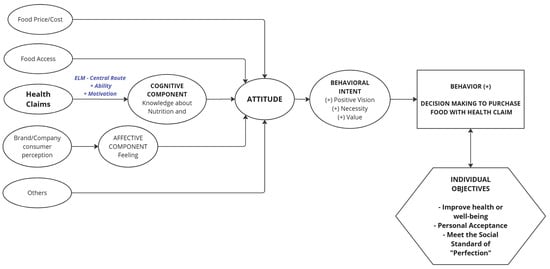
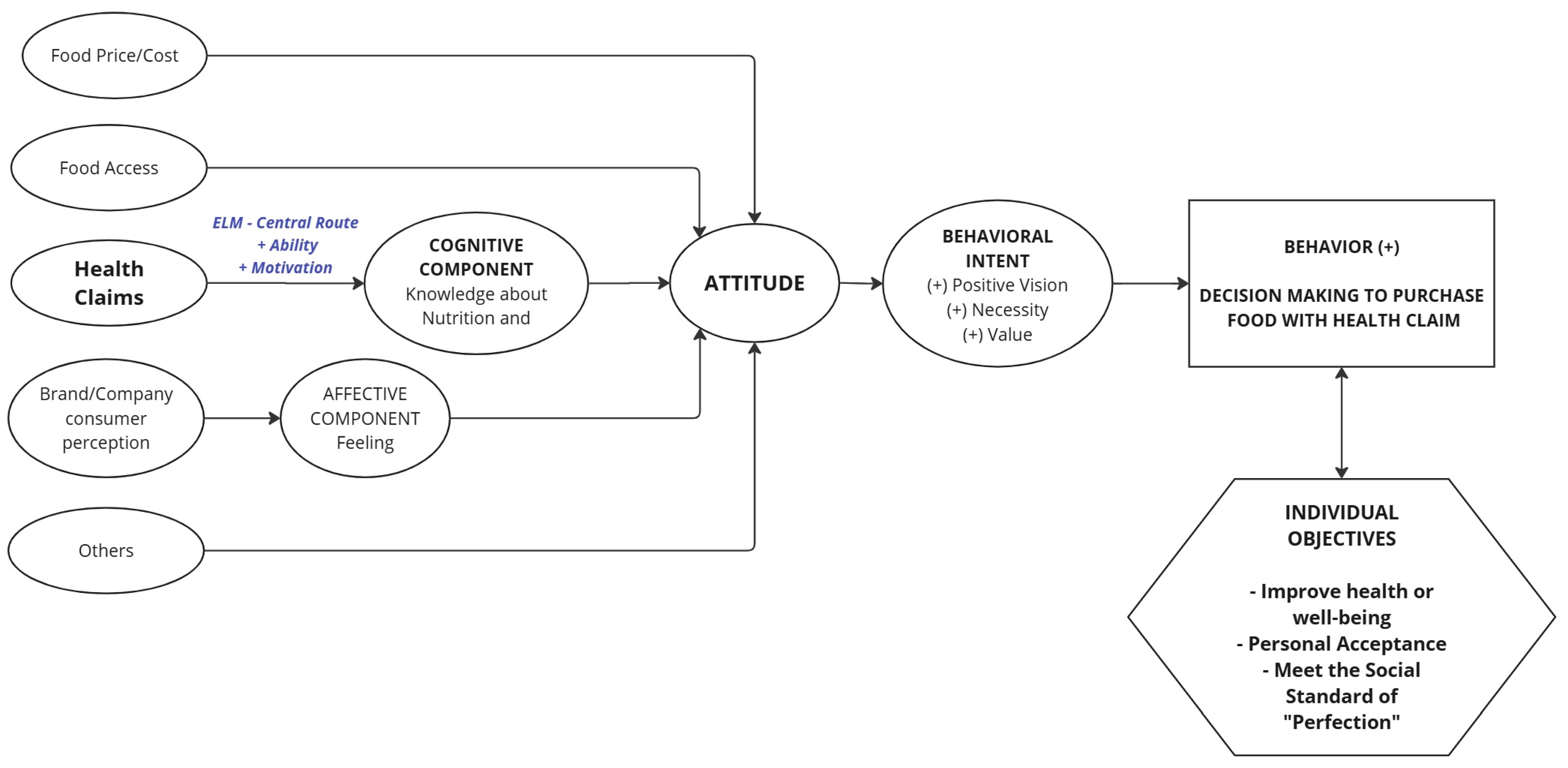
By explicitly linking the empirical findings to ELM and TPB, this review highlights that the effectiveness of health claims depends both on the presence of clear information and how consumers understand it, as well as which behavioral determinants are activated. This theoretical integration helps clarify why health claims do not exert uniform effects and underscores the need for future research to adopt more theory-driven designs. The framework adopted in this work to model consumers’ behavior involving functional foods with health claims is demonstrated in Figure 8.
Figure 8.
Framework Health Claims in Consumer Behavior. Source: Authors.
The communication of health claims has a role on consumer’s behavior, but this role is not isolated. It is an additional factor of food choice or decision, together with other well-recognized factors such as price, brand, and food preferences. Health claims can influence the consumer’s cognitive component through a central route (ELM), increasing the ability and motivation of consumers to understand the health benefits of the food product. This central route persuasion could elicit memories from their previous knowledge of nutrition and still offer new information, creating a positive attitude toward the product. This positive attitude can influence the consumer’s behavioral intention due to an increase in value, higher necessity perception, leading them to a behavioral action in favor of the food. The Theory of Planned Behavior explains that the presence of a proportional and well-regulated functional claim could be relevant to help consumers make more informed and health-conscious purchasing decisions, as indicated by some studies [44,98,99].
The findings of our narrative review and bibliometric analysis should be interpreted in light of certain limitations, including the selection of databases and language restrictions, which may have influenced the scope of the retrieved literature. Moreover, the heterogeneity of study designs and methodological approaches precluded quantitative synthesis and may have affected the comparability of results. Another limitation of this study is the potential inability to fully account for subjective elements in the investigation of decision-making processes related to food purchases. Factors such as impulsive choice behavior and the influence of emotions, which can significantly impact food choices and consumer behavior, may not be adequately captured or quantified in the study design. As a result, our findings may not fully reflect the complexity of decision-making in real-world food purchasing scenarios.
5. Conclusions
We demonstrate that the communication of health claims is a vast field of study, with heterogeneous results regarding their effects on consumer behavior. Despite several studies indicating a positive role of health claims on consumers’ behavior, particularly by enhancing perceived value, purchase intention, and willingness to pay, the effectiveness of these claims is not uniform and depends on multiple individual and contextual factors [21,22,23,24]. These factors include product characteristics, price, educational level, and the type of claim presented. Additionally, considering the articles included in this narrative review, a critical analysis of the current evidence reveals several recurring limitations, such as qualitative studies, no representative population, and diverse design protocols.
From a practical perspective, these findings have important implications for policymakers, regulators, and the food industry, highlighting the need for clear, credible, and consumer-oriented communication strategies that account for audience heterogeneity. Well-designed functional claims may support healthier food choices when aligned with consumers’ cognitive abilities and motivational states.
Future research should focus on experimentally testing the effectiveness of different types of health claims across consumer segments, product categories, and cultural contexts. In addition, further integration of behavioral theories, such as the ELM and TPB, with regulatory and marketing perspectives may advance the development of evidence-based guidelines for nutritional labeling and health communication in the food sector.
Author Contributions
Conceptualization, H.F.M.T. and E.A.F.d.S.T.; methodology, H.F.M.T. and G.R.S.; validation, E.A.F.d.S.T.; formal analysis, H.F.M.T.; investigation, H.F.M.T.; data curation, H.F.M.T.; writing—original draft preparation, H.F.M.T.; G.R.S. and A.C.d.C.; writing—review and editing, G.R.S., A.C.d.C. and E.A.F.d.S.T.; visualization, H.F.M.T.; supervision, E.A.F.d.S.T. All authors have read and agreed to the published version of the manuscript.
Funding
This research received no external funding.
Institutional Review Board Statement
Not applicable.
Informed Consent Statement
Not applicable.
Data Availability Statement
Dataset available on request from the authors.
Acknowledgments
During the preparation of this manuscript/study, the authors used ChatGPT 5.2 for the purposes of translation support. The authors have reviewed and edited the output and take full responsibility for the content of this publication.
Conflicts of Interest
The authors declare no conflicts of interest.
Abbreviations
The following abbreviations are used in this manuscript:
| WHO | World Health Organization |
| FOSHU | Foods for Specified Health Uses |
| WTP | Willing to Pay |
| ELM | Elaboration Likelihood Model |
| TPB | Theory of Planned Behavior |
References
- Oyedijo, A.; Akenroye, T. Here’s How We Make the $9 Trillion Global Food Supply Chain Sustainable. World Economic Forum, 7 August 2024. Available online: https://www.weforum.org/stories/2024/08/food-supply-chain-networks-why-sustainable-practices-fail-and-approaches-to-improve-them/ (accessed on 13 January 2026).
- Guiné, R.P.F.; Florença, S.G.; Barroca, M.J.; Anjos, O. The link between the consumer and the innovations in food product development. Foods 2020, 9, 1317. [Google Scholar] [CrossRef] [Scilit] [PubMed]
- Rabadán, A.; Nieto, R.; Bernabéu, R. Food innovation as a means of developing healthier and more sustainable foods. Foods 2021, 10, 2069. [Google Scholar] [CrossRef] [Scilit] [PubMed]
- Ni Mhurchu, C.; Gorton, D. Nutrition labels and claims in New Zealand and Australia: A review of use and understanding. Aust. N. Z. J. Public Health 2007, 31, 105–112. [Google Scholar] [CrossRef] [Scilit] [PubMed]
- Tuorila, H.; Hartmann, C. Consumer responses to novel and unfamiliar foods. Curr. Opin. Food Sci. 2020, 33, 1–8. [Google Scholar] [CrossRef] [Scilit]
- WHO. WHO Guideline on the Use of Glucagon-Like Peptide-1 (GLP-1) Therapies for the Treatment of Obesity in Adults; World Health Organization: Geneva, Switzerland, 2025. [Google Scholar]
- Are GLP-1s the first longevity drugs? Nat. Biotechnol. 2025, 43, 1741–1742. [CrossRef] [Scilit]
- Ozen, A.E.; Pons, A.; Tur, J.A. Worldwide consumption of functional foods: A systematic review. Nutr. Rev. 2012, 70, 472–481. [Google Scholar] [CrossRef] [Scilit]
- Jones, P.J.; Jew, S. Functional food development: Concept to reality. Trends Food Sci. Technol. 2007, 18, 387–390. [Google Scholar] [CrossRef] [Scilit]
- Kowalska, A.; Leoniak, K.; Sołowiej, B.G. Consumers’ attitudes and intentions toward functional beverages: A lesson for producers and retailers. Decision 2024, 51, 321–337. [Google Scholar] [CrossRef] [Scilit]
- Iwatani, S.; Yamamoto, N. Functional food products in Japan: A review. Food Sci. Hum. Wellness 2019, 8, 96–101. [Google Scholar] [CrossRef] [Scilit]
- Codex Alimentarius Commission. Guidelines for Use of Nutrition and Health Claims (CAC/GL 23-1997, Rev. 2013); FAO/WHO: Rome, Italy, 2013; Available online: https://www.fao.org/input/download/standards/351/CXG_023e.pdf (accessed on 3 July 2025).
- European Parliament and Council of the European Union. Regulation (EC) No 1924/2006 of the European Parliament and of the Council of 20 December 2006 on Nutrition and Health Claims Made on Foods. Official Journal of the European Union, L 404. pp. 9–25. Available online: https://eur-lex.europa.eu/legal-content/en/ALL/?uri=CELEX%3A32006R1924 (accessed on 16 February 2026).
- U.S. Food and Drug Administration—FDA. The Nutrition Labeling and Education Act—1990. Available online: https://www.fda.gov/food/nutrition-food-labeling-and-critical-foods/authorized-health-claims-meet-significant-scientific-agreement-ssa-standard (accessed on 16 February 2026).
- Health Canada. Food and Drug Regulations and the Food and Drugs Act 1985. Available online: https://inspection.canada.ca/en/food-labels/labelling/industry/health-claims (accessed on 16 February 2026).
- Food Standards Australia New Zealand. Food Standards Act 1991. Available online: https://www.foodstandards.gov.au/sites/default/files/2025-12/Food%20Standards%20Code%20-%20Compilation%20%28December%202025%29_0.pdf (accessed on 16 February 2026).
- Wills, J.M.; Bonsmann, S.S.G.; Kolka, M.; Grunert, K.G. Symposium 2: Nutrition and health claims: Help or hindrance European consumers and health claims: Attitudes, understanding and purchasing behaviour. Proc. Nutr. Soc. 2012, 71, 229–236. [Google Scholar] [CrossRef] [Scilit]
- Viscecchia, R.; Nocella, G.; De Devitiis, B.; Bimbo, F.; Carlucci, D.; Seccia, A.; Nardone, G. Consumers’ Trade-Off between Nutrition and Health Claims under Regulation 1924/2006: Insights from a Choice Experiment Analysis. Nutrients 2019, 11, 2881. [Google Scholar] [CrossRef] [Scilit] [PubMed]
- Tønnesen, M.T.; Hansen, S.; Laasholdt, A.V.; Lähteenmäki, L. The impact of positive and reduction health claims on consumers’ food choices. Food Qual. Prefer. 2022, 98, 104526. [Google Scholar] [CrossRef] [Scilit]
- Stuthridge, L.; Alexander, D.; Stubbe, M.; Eme, P.; Smith, C. “It’s All Just Marketing”, a Qualitative Analysis of Consumer Perceptions and Understandings of Nutrition Content and Health Claims in New Zealand. Int. J. Environ. Res. Public Health 2022, 19, 3510. [Google Scholar] [CrossRef] [Scilit] [PubMed]
- Reitano, M.; Selvaggi, R.; Chinnici, G.; Pappalardo, G.; Yagi, K.; Pecorino, B. Athletes preferences and willingness to pay for innovative high-protein functional foods. Appetite 2024, 203, 107687. [Google Scholar] [CrossRef] [Scilit]
- Jadhav, H.B.; Sablani, S.; Gogate, P.; Annapure, U.; Casanova, F.; Nayik, G.A.; Alaskar, K.; Sarwar, N.; Raina, I.A.; Ramniwas, S.; et al. Factors governing consumers buying behavior concerning nutraceutical product. Food Sci. Nutr. 2023, 11, 4988–5003. [Google Scholar] [CrossRef] [Scilit]
- Rai, S.; Wai, P.P.; Koirala, P.; Bromage, S.; Nirmal, N.P.; Pandiselvam, R.; Nor-Khaizura, M.A.R.; Mehta, N.K. Food product quality, environmental and personal characteristics affecting consumer perception toward food. Front. Sustain. Food Syst. 2023, 7, 1222760. [Google Scholar] [CrossRef] [Scilit]
- Ballco, P.; De Magistris, T. Spanish Consumer Purchase Behaviour and Stated Preferences for Yoghurts with Nutritional and Health Claims. Nutrients 2019, 11, 2742. [Google Scholar] [CrossRef] [Scilit]
- Lafarga, T.; Acién-Fernández, F.G.; Castellari, M.; Villaró, S.; Bobo, G.; Aguiló-Aguayo, I. Effect of microalgae incorporation on the physicochemical, nutritional, and sensorial properties of an innovative broccoli soup. LWT-Food Sci. Technol. 2019, 111, 167–174. [Google Scholar] [CrossRef] [Scilit]
- Egan, B.; Hodgkins, C.; Shepherd, R.; Timotijevic, L.; Raats, M. An overview of consumer attitudes and beliefs about plant food supplements. Food Funct. 2011, 12, 747–752. [Google Scholar] [CrossRef] [Scilit]
- Miller, L.M.S.; Cassadi, D.L. The effects of nutrition knowledge on food label use. A review of the literature. Appetite 2015, 92, 2017–2216. [Google Scholar] [CrossRef] [Scilit] [PubMed]
- Verbeke, W.; Scholderer, J.; Lahteenmaki, L. Consumer appeal of nutrition and health claims in three existing product concepts. Appetite 2009, 3, 684–692. [Google Scholar] [CrossRef] [Scilit] [PubMed]
- Williams, P. Consumer understanding and use of health claims for foods. Nutr. Rev. 2005, 7, 256–264. [Google Scholar] [CrossRef] [Scilit] [PubMed]
- Chandon, P.; Wansink, B. Does food marketing need to make us fat? A review and solutions. Nutr. Rev. 2012, 10, 571–593. [Google Scholar] [CrossRef] [Scilit]
- Ikonen, I.; Sotgiu, F.; Aydinli, A.; Verlegh, P.W.J. Consumer effects of front-of-package nutrition labeling: An interdisciplinary meta-analysis. J. Acad. Mark. Sci. 2020, 3, 360–383. [Google Scholar] [CrossRef] [Scilit]
- Cohen, D.A.; Babey, S.H. Contextual influences on eating behaviours: Heuristic processing and dietary choices. Obes. Rev. 2012, 9, 766–779. [Google Scholar] [CrossRef] [Scilit]
- de Jong, N.; Ocké, M.C.; Branderhorst, H.A.C.; Friele, R. Demographic and lifestyle characteristics of functional food consumers and dietary supplement users. Br. J. Nutr. 2003, 2, 273–281. [Google Scholar] [CrossRef] [Scilit]
- Mohammad, M.; Malgwi, I.H.; Schiavon, S.; Szigeti, O. The Effect of Motivators and Barriers on Attitudes and Willingness to Consume Dairy Functional Foods in Hungary. Foods 2024, 2017, 3364. [Google Scholar] [CrossRef] [Scilit]
- Safraid, G.F.; Portes, C.Z.; Dantas, R.M.; Batista, Â.G. Perception of functional food consumption by adults: Is there any difference between generations? Braz. J. Food Technol. 2024, 27, 1–10. [Google Scholar] [CrossRef] [Scilit]
- Toorani, A.; Moodi, M.; Zeinali, T.; Salmani, F.; Norozi, E. Consumption status of functional drinks based on the theory of planned behavior and the stages of change model in female employees. Sci. Rep. 2024, 14, 1–11. [Google Scholar] [CrossRef] [Scilit]
- Huang, Z.; Li, H.; Huang, J. Chinese consumers’ psychology and behavior of the foods with nutrition claims based on AISAS model. Front. Nutr. 2024, 11, 1309478. [Google Scholar] [CrossRef] [Scilit] [PubMed]
- Collins, N.; Lalor, F. Consumer behaviour towards milk and dairy yoghurt products carrying nutrition and health claims: A qualitative study. Nutr. Food Sci. 2024, 54, 56–70. [Google Scholar] [CrossRef] [Scilit]
- Chattaraman, V.; Lee, Y.M.; Robinson, E.M.; Book, A.J.; Al-Amin, F. The Effects of Social Distance and Front-of-Package Claims on Healthy Food Selection: Moderating Role of Perceived Importance of Eating Healthily. Nutrients 2023, 15, 3427. [Google Scholar] [CrossRef] [Scilit] [PubMed]
- Grujić, S.; Grujčić, M. Factors affecting consumer preference for healthy diet and functional foods. Foods Raw Mater. 2023, 11, 259–271. [Google Scholar] [CrossRef] [Scilit]
- Dias, P.G.I.; Marapana, R.A.U.J.; Rathnayaka, R.M.U.S.K.; Gayathri, S.M.D.S.; Anuradha, N.G.D.; Kananke, T.C.; Rathnayaka, R.M.K.T.; Perera, M.G.A.N.; Sabaragamuwa, R.S.; Wickramaratne, N.M. Consumers’ Knowledge, Attitudes, and Behavior Regarding Functional Food Products-A Survey from Selected Areas of Sri Lanka. J. Agric. Sci. 2023, 18, 140–153. [Google Scholar] [CrossRef] [Scilit]
- Bou Fakhreddine, L.; Sánchez, M. The interplay between health claims and sensory attributes in determining consumers’ purchase intentions for extra virgin olive oil. Food Qual. Prefer. 2023, 106, 104819. [Google Scholar] [CrossRef] [Scilit]
- Neale, E.P.; Tapsell, L.C. Nutrition and Health Claims: Consumer Use and Evolving Regulation. Curr. Nutr. Rep. 2022, 11, 431–436. [Google Scholar] [CrossRef] [Scilit]
- Baker, M.T.; Lu, P.; Parrella, J.A.; Leggette, H.R. Investigating the Effect of Consumers’ Knowledge on Their Acceptance of Functional Foods: A Systematic Review and Meta-Analysis. Foods 2022, 11, 1135. [Google Scholar] [CrossRef] [Scilit]
- Ballco, P.; Gracia, A. Tackling nutritional and health claims to disentangle their effects on consumer food choices and behaviour: A systematic review. Food Qual. Prefer. 2022, 101, 104634. [Google Scholar] [CrossRef] [Scilit]
- Delivett, C.P.; Farrow, C.V.; Thomas, J.M.; Nash, R.A. Front-of-pack health imagery on both ‘healthy’ and ‘unhealthy’ foods leads people to misremember seeing health claims: Two memory experiments. Appetite 2022, 174, 106013. [Google Scholar] [CrossRef] [Scilit]
- Tian, Y.; Zhu, H.; Chen, H. Does Supplementary Information Add Value to Functional Food? Evidence from a Choice Experiment in China. Nutrients 2022, 14, 4424. [Google Scholar] [CrossRef] [Scilit]
- Wu, I.-H.; Liang, C.; Ip, Y.C. Involvement Theory with Market Segmentation: Effect of False Functional Food Advertising on Purchase Intention. Foods 2022, 11, 978. [Google Scholar] [CrossRef] [Scilit] [PubMed]
- Baker, M.T.; Lu, P.; Parrella, J.A.; Leggette, H.R. Consumer Acceptance toward Functional Foods: A Scoping Review. Int. J. Environ. Res. Public Health 2022, 19, 1217. [Google Scholar] [CrossRef] [Scilit] [PubMed]
- Kosicka-Gebska, M.; Jezewska-Zychowicz, M.; Gebski, J.; Sajdakowska, M.; Niewiadomska, K.; Nicewicz, R. Consumer Motives for Choosing Fruit and Cereal Barrs—Differences Due to Consumer Lifestyles, Attitudes toward the Product, and Expectations. Nutrients 2022, 14, 2710. [Google Scholar] [CrossRef] [Scilit] [PubMed]
- Teoh, S.L.; Ngorsuraches, S.; Lai, N.M.; Chaiyakunapruk, N. Consumer Preferences and Willingness to Pay for Nutraceuticals: A Discrete Choice Experiment. Value Health Reg. Issues 2021, 24, 167–172. [Google Scholar] [CrossRef] [Scilit]
- Nystrand, B.T.; Olsen, S.O. Relationships between functional food consumption and individual traits and values: A segmentation approach. J. Funct. Foods 2021, 86, 104736. [Google Scholar] [CrossRef] [Scilit]
- Nystrand, B.T.; Olsen, S.O.; Tudoran, A.A. Individual differences in functional food consumption: The role of time perspective and the Big Five personality traits. Appetite 2021, 156, 104979. [Google Scholar] [CrossRef] [Scilit]
- Wang, E.S.-T.; Chu, Y.-H. How Social Norms Affect Consumer Intention to Purchase Certified Functional Foods: The Mediating Role of Perceived Effectiveness and Attitude. Foods 2021, 10, 1151. [Google Scholar] [CrossRef] [Scilit]
- Duarte, P.; Teixeira, M.; Silva, S.C.E. Healthy eating as a trend: Consumers’ perceptions towards products with nutrition and health claims. Rev. Bras. Gest. Neg. 2021, 23, 405–421. [Google Scholar] [CrossRef] [Scilit]
- Topolska, K.; Florkiewicz, A.; Filipiak-Florkiewicz, A. Functional food—Consumer motivations and expectations. Int. J. Environ. Res. Public Health 2021, 18, 5327. [Google Scholar] [CrossRef] [Scilit]
- Schifferstein, H.N.J.; de Boer, A.; Lemke, M. Conveying information through food packaging: A literature review comparing legislation with consumer perception. J. Funct. Foods 2021, 86, 104734. [Google Scholar] [CrossRef] [Scilit]
- Arfaoui, L.; Alkhaldy, A.; Alareeshi, A.; Alsaadi, G.; Alhendi, S.; Alghanmi, A.; Alghafari, W.; Assidi, M. Assessment of knowledge and self-reported use of nutrition facts labels, nutrient content, and health claims among saudi adult consumers. J. Multidiscip. Healthc. 2021, 14, 2959–2972. [Google Scholar] [CrossRef] [Scilit] [PubMed]
- Fatkullin, R.; Naumenko, N.; Popova, N.; Ruskina, A.; Kalinina, I.; Potoroko, I. Explaining consumer intentions for foods with antioxidant properties: Predictors of choice and purchase barriers. Int. J. Food Sci. 2021, 9971425. [Google Scholar] [CrossRef] [Scilit] [PubMed]
- Rizwana, R.; Rao, E.S.; Sondhi, A.; Agarwal, A.; Verma, A.; Kant, K.; Kumar, D. Consumer’s attitude and awareness towards functional foods during COVID-19. Ann. Phytomed. Int. J. 2021, 10, 56–62. [Google Scholar] [CrossRef] [Scilit]
- Kandyliari, A.; Elmaliklis, I.N.; Kontopoulou, O.; Tsafkopoulou, M.; Komninos, G.; Ntzatha, C.; Petsas, A.; Karantonis, H.C.; Koutelidakis, A.E. An epidemiological study report on the antioxidant and phenolic content of selected mediterranean functional foods, their consumption association with the body mass index, and consumers purchasing behavior in a sample of healthy greek adults. Appl. Sci. 2021, 11, 7818. [Google Scholar] [CrossRef] [Scilit]
- Plasek, B.; Lakner, Z.; Temesi, Á. I Believe It Is Healthy—Impact of Extrinsic Product Attributes in Demonstrating Healthiness of Functional Food Products. Nutrients 2021, 13, 3518. [Google Scholar] [CrossRef] [Scilit]
- Bryla, P. Who Reads Food Labels? Selected Predictors of Consumer Interest in Front-of-Package and Back-of-Package Labels during and after the Purchase. Nutrients 2020, 12, 2605. [Google Scholar] [CrossRef] [Scilit]
- Di Vita, G.; Strano, A.; Maesano, G.; La Via, G.; D’Amico, M. The role of individual knowledge in functional olive oil preferences: Does self-coherence lead to different health attributes perception? Foods 2020, 9, 1428. [Google Scholar] [CrossRef] [Scilit]
- Shammakh, M.; Ali, R.T.; Shaari, T. The relationship of health and nutrition claims towards purchasing choices among consumers in Shah Alam, Selangor. J. Nutr. Sci. Vitaminol. 2020, 66, S222–S225. [Google Scholar] [CrossRef] [Scilit]
- Papp-Bata, Á.; Szakály, Z. The Relationship between the Motivators and Barriers of Health Behaviour and Consumer Attitudes towards Functional Food. Acta Aliment. 2020, 49, 287–294. [Google Scholar] [CrossRef] [Scilit]
- Vorage, L.; Wiseman, N.; Graca, J.; Harris, N. The association of demographic characteristics and food choice motives with the consumption of functional foods in emerging adults. Nutrients 2020, 12, 2582. [Google Scholar] [CrossRef] [Scilit] [PubMed]
- Nguyen, N.; Nguyen, H.V.; Nguyen, P.T.; Tran, V.T.; Nguyen, H.N.; Nguyen, T.M.N.; Cao, T.K.; Nguyen, T.H. Some key factors affecting consumers’ intentions to purchase functional foods: A case study of functional yogurts in Vietnam. Foods 2020, 9, 24. [Google Scholar] [CrossRef] [Scilit] [PubMed]
- Szakos, D.; Ózsvári, L.; Kasza, G. Perception of older adults about health-related functionality of foods compared with other age groups. Sustainability 2020, 12, 2748. [Google Scholar] [CrossRef] [Scilit]
- González-Díaz, C.; Vilaplana-Aparicio, M.J.; Iglesias-García, M. How Is Functional Food Advertising Understood? An Approximation in University Students. Nutrients 2020, 12, 3312. [Google Scholar] [CrossRef] [Scilit]
- Costa, M.M.; Strehlau, S. Health and nutrition claims in functional foods. Rev. Bras. Mark. 2020, 19, 216–236. [Google Scholar] [CrossRef] [Scilit]
- Plasek, B.; Lakner, Z.; Temesi, Á. Factors that influence the perceived healthiness of food—Review. Nutrients 2020, 12, 1881. [Google Scholar] [CrossRef] [Scilit]
- Menozzi, D.; Nguyen, T.T.; Sogari, G.; Taskov, D. Consumers’ Preferences and Willingness to Pay for Fish Products with Health and Environmental Labels: Evidence from Five European Countries. Nutrients 2020, 12, 2650. [Google Scholar] [CrossRef] [Scilit]
- Banjari, I.; Domiter, M.; Ostrognjaj, T.; Vidić, I.P. Consumers’ attitudes towards functional dairy market in Croatia—A cross-sectional study. Mljekarstvo 2020, 70, 242–252. [Google Scholar] [CrossRef] [Scilit]
- Nystrand, B.T.; Olsen, S.O. Consumers’ attitudes and intentions toward consuming functional foods in Norway. Food Qual. Prefer. 2020, 80, 103827. [Google Scholar] [CrossRef] [Scilit]
- Ballco, P.; Caputo, V.; de-Magistris, T. Consumer valuation of European nutritional and health claims: Do taste and attention matter? Food Qual. Prefer. 2020, 79, 103793. [Google Scholar] [CrossRef] [Scilit]
- Nguyen, N.T. Attitudes and Repurchase Intention of Consumers Towards Functional Foods in Ho Chi Minh City, Vietnam. Int. J. Anal. Appl. 2020, 18, 212–242. [Google Scholar] [CrossRef] [Scilit]
- Biondi, B.; Camanzi, L. Nutrition, hedonic or environmental? The effect of front-of-pack messages on consumers’ perception and purchase intention of a novel food product with multiple attributes. Food Res. Int. 2020, 130, 108962. [Google Scholar] [CrossRef] [Scilit] [PubMed]
- Ali, T.; Ali, J. Factors affecting consumers’ willingness to pay for health and wellness food products. J. Agric. Food Res. 2020, 2, 100076. [Google Scholar] [CrossRef] [Scilit]
- Franco-Arellano, B.; Vanderlee, L.; Ahmed, M.; Oh, A.; L’abbé, M.R. Consumers’ implicit and explicit recall, understanding and perceptions of products with nutrition-related messages: An online survey. Int. J. Environ. Res. Public Health 2020, 17, 8213. [Google Scholar] [CrossRef] [Scilit] [PubMed]
- Klopčič, M.; Slokan, P.; Erjavec, K. Consumer preference for nutrition and health claims: A multi-methodological approach. Food Qual. Prefer. 2020, 82, 103863. [Google Scholar] [CrossRef] [Scilit]
- Bakti, I.G.M.Y.; Sumaedi, S.; Astrini, N.J.; Rakhmawati, T.; Yarmen, M.; Damayanti, S. Applying the Theory of Planned Behavior in Functional Food Purchasing: A Young Consumers Perception. IOP Conf. Ser. Mater. Sci. Eng. 2020, 722, 012024. [Google Scholar] [CrossRef] [Scilit]
- Theben, A.; Gerards, M.; Folkvord, F. The effect of packaging color and health claims on product attitude and buying intention. Int. J. Environ. Res. Public Health 2020, 17, 1991. [Google Scholar] [CrossRef] [Scilit]
- Steinhauser, J.; Janssen, M.; Hamm, U. Consumers’ purchase decisions for products with nutrition and health claims: What role do product category and gaze duration on claims play? Appetite 2019, 141, 104337. [Google Scholar] [CrossRef] [Scilit]
- Hodgkins, C.E.; Egan, B.; Peacock, M.; Klepacz, N.; Miklavec, K.; Pravst, I.; Pohar, J.; Gracia, A.; Groeppel-Klein, A.; Rayner, M.; et al. Understanding How Consumers Categorise Health Related Claims on Foods: A Consumer-Derived Typology of Health-Related Claims. Nutrients 2019, 11, 539. [Google Scholar] [CrossRef] [Scilit]
- Temesi, Á.; Bacsó, Á.; Grunert, K.G.; Lakner, Z. Perceived correspondence of health effects as a new determinant influencing purchase intention for functional food. Nutrients 2019, 11, 740. [Google Scholar] [CrossRef] [Scilit]
- Teoh, S.L.; Ngorsuraches, S.; Lai, N.M.; Bangpan, M.; Chaiyakunapruk, N. Factors affecting consumers’ decision on the use of nutraceuticals: A systematic review. Int. J. Food Sci. Nutr. 2019, 70, 491–512. [Google Scholar] [CrossRef] [Scilit] [PubMed]
- Annunziata, A.; Mariani, A. Do Consumers Care about Nutrition and Health Claims? Some Evidence from Italy. Nutrients 2019, 11, 2735. [Google Scholar] [CrossRef] [Scilit] [PubMed]
- Steinhauser, J.; Janssen, M.; Hamm, U. Who buys products with nutrition and health claims? A purchase simulation with eye tracking on the influence of consumers’ nutrition knowledge and health motivation. Nutrients 2019, 11, 2199. [Google Scholar] [CrossRef] [Scilit] [PubMed]
- Samoggia, A.; Riedel, B. Consumers’ perceptions of coffee health benefits and motives for coffee consumption and purchasing. Nutrients 2019, 11, 653. [Google Scholar] [CrossRef] [Scilit]
- Lusk, J.L. Consumer beliefs about healthy foods and diets. PLoS ONE 2019, 14, e0223098. [Google Scholar] [CrossRef] [Scilit]
- Benson, T.; Lavelle, F.; McCloat, A.; Mooney, E.; Bucher, T.; Egan, B.; Dean, M. Are the Claims to Blame? A Qualitative Study to Understand the Effects of Nutrition and Health Claims on Perceptions and Consumption of Food. Nutrients 2019, 11, 2058. [Google Scholar] [CrossRef] [Scilit]
- Szakály, Z.; Kovács, S.; Pető, K.; Huszka, P.; Kiss, M. A modified model of the willingness to pay for functional foods. Appetite 2019, 138, 94–101. [Google Scholar] [CrossRef] [Scilit]
- López-Galán, B.; De-Magistris, T. Testing emotional eating style in relation to willingness to pay for nutritional claims. Nutrients 2019, 11, 1773. [Google Scholar] [CrossRef] [Scilit]
- Ballco, P.; de-Magistris, T.; Caputo, V. Consumer preferences for nutritional claims: An exploration of attention and choice based on an eye-tracking choice experiment. Food Res. Int. 2019, 116, 37–48. [Google Scholar] [CrossRef] [Scilit]
- Kaur, A.; Scarborough, P.; Rayner, M. A systematic review, and meta-analysis, of the impact of health-related claims on dietary choices. Int. J. Behav. Nutr. Phys. Act. 2017, 14, 93. [Google Scholar] [CrossRef] [Scilit]
- Verbeke, W. Impact of communication on consumers’ food choices. Proc. Nutr. Soc. 2008, 67, 281–288. [Google Scholar] [CrossRef] [Scilit]
- Petty, R.E.; Cacioppo, J.T. Communication and Persuasion: Central and Peripheral Routes to Attitude Change; Springer: New York, NY, USA, 1986. [Google Scholar]
- Ajzen, I. The theory of planned behavior. Organ. Behav. Hum. Decis. Process. 1991, 50, 179–211. [Google Scholar] [CrossRef] [Scilit]

Disclaimer/Publisher’s Note: The statements, opinions and data contained in all publications are solely those of the individual author(s) and contributor(s) and not of MDPI and/or the editor(s). MDPI and/or the editor(s) disclaim responsibility for any injury to people or property resulting from any ideas, methods, instructions or products referred to in the content. |
© 2026 by the authors. Licensee MDPI, Basel, Switzerland. This article is an open access article distributed under the terms and conditions of the Creative Commons Attribution (CC BY) license.