


Abstract
Plant-based fermented foods offer promising platforms for developing gut microbiome-based therapies; however, their potential health benefits should not be equated with clinically demonstrated therapeutic efficacy. Based on a structured search of PubMed, Web of Science and Scopus (2000–2026), this narrative review prioritizes human evidence and explicitly distinguishes among different levels of experimental evidence. We also examine how fermentation modifies prebiotic substrates, including resistant starch, non-starch polysaccharides, oligosaccharides and phenolic compounds, and how live and inactivated microorganisms act on the gut microbiome and on host-microbe signaling. We further propose a translational framework stratified by disease stage, therapeutic goal, functional phenotype and multi-omics profiling, which remains to be clinically validated. Our findings highlight three key points. First, fermentation exerts matrix- and process-dependent effects on prebiotic substrates, such as resistant starch and raffinose-family oligosaccharides, potentially increasing or decreasing their contents. Second, plant-based synbiotic combinations predominantly exhibit complementary rather than synergistic effects, as selective utilization of the prebiotic substrate by the co-administered strain has yet to be demonstrated in fermented food matrices. Third, postbiotic definitions and dose standardization remain insufficiently established. These findings underscore three priorities for future research: establishing dose–response relationships and effective dose delivery, achieving strain-level resolution in microbial characterization, and conducting randomized clinical trials comparing whole plant-based fermented foods with well-defined prebiotic, probiotic, and synbiotic preparations. By distinguishing mechanistic hypotheses and preclinical observations from clinical evidence, this review provides an evidence-informed framework for guiding future investigations and facilitating the clinical translation of plant-based fermented foods.
1. Introduction
The human gut microbiome is a complex and dynamic ecosystem comprising trillions of microorganisms, and it has emerged as a central regulatory hub for host health, profoundly influencing multiple physiological processes, including metabolism, immunity, and neural function [1]. When this finely tuned ecological balance is disrupted, a state known as dysbiosis arises, which has been widely recognized as a key factor in the pathogenesis of various diseases, including inflammatory bowel disease, colorectal cancer, obesity, type 2 diabetes, chronic kidney disease, polycystic ovary syndrome, and even neuropsychiatric and neurodegenerative disorders [1,2]. This broad etiological association indicates that the gut microbiome is not merely a passive indicator of health, but a critical and modifiable determinant of disease [1].
Therefore, modulating the gut microbiome to restore its ecological balance has become a highly promising therapeutic frontier [3]. These microbiome-based therapies encompass dietary interventions, microbial supplements (prebiotics, probiotics, synbiotics, and postbiotics), faecal microbiota transplantation, and next-generation approaches such as live biotherapeutic products and engineered microorganisms [3,4]. Among these, dietary intervention is the most fundamental and far-reaching regulatory strategy, while direct supplementation with beneficial microorganisms or their growth substrates offers a more targeted means of enriching specific functional taxa in the gut [3]. Faecal microbiota transplantation and engineered microorganisms are discussed here as comparator modalities rather than as alternatives to plant-based fermented foods: they define the therapeutic landscape and the design constraints—defined composition, dose control, safety, and standardization—against which food-based interventions should be judged, and they illustrate what a food-based intervention can and cannot be expected to achieve (Table 1).
Table 1.
Comparison of the main categories of microbiome-based therapies discussed in this review.
Against this background, plant-based fermented foods, as a natural, economical, and culturally embedded delivery platform, are gaining increasing scientific attention [5]. Fermented foods are defined, according to the ISAPP consensus, as foods made through desired microbial growth and enzymatic conversions of food components [6]; this definition is used throughout, and it does not imply that a fermented food is a probiotic (Section 2.1). Through the metabolic activities of diverse microorganisms, primarily lactic acid bacteria and yeasts, plant matrices undergo profound biotransformation, which not only improves the sensory properties and nutritional composition of the raw materials but also generates a series of complex bioactive compounds such as bioactive peptides and short-chain fatty acids [5]. Consequently, fermented foods are not simple carriers of single components but intrinsically complex “functional food matrices” capable of simultaneously providing: (i) fermentable substrates (prebiotics, such as dietary fibers and oligosaccharides), (ii) viable beneficial microorganisms (probiotics), (iii) synergistic combinations of both (synbiotics), and (iv) postbiotic preparations (inanimate cells and their components) together with fermentation-derived metabolites [5,7] (Figure 1). This natural integration offers a multi-component strategy for modulating gut ecology. Whether it translates into greater clinical benefit than purified single-component supplements remains to be demonstrated in comparative trials and is treated here as a hypothesis rather than as an established advantage (Section 7.3).
Figure 1.
Plant-based fermented foods as multifunctional platforms for developing gut microbiome-based therapies. Plant-based fermented foods provide diverse dietary substrates, beneficial microorganisms, and bioactive components that support four microbiome-targeted strategies: prebiotics, probiotics, synbiotics, and postbiotics. Prebiotics, including non-starch polysaccharides, resistant starches, resistant oligosaccharides, and phytochemicals, selectively promote beneficial microbial functions. Probiotics and synthetic microbial communities contribute to microbiome modulation, while synbiotics integrate probiotics with complementary or synergistic prebiotic substrates. Postbiotics comprise inactivated microbial cells and cellular components, including intracellular, cell-wall, and extracellular constituents. Together, these strategies highlight the potential of plant-based fermented foods for microbiome-based therapeutic and preventive applications.
Although numerous studies have separately and extensively investigated the health effects of probiotics, prebiotics, synbiotics, and postbiotics, a systematic review of how these components are synergistically created within the specific context of plant-based fermentation is still lacking. Moreover, a translational framework that systematically links the fermentation-driven production of bioactive components to their mechanisms of action on host physiology and, ultimately, to clinical application remains fragmented. A further gap is the inconsistent use of internationally agreed definitions: microorganisms present in fermented foods are frequently labelled as probiotics without strain-level characterization or a demonstrated health benefit, and purified fermentation metabolites are often described as postbiotics although the consensus definition restricts postbiotics to preparations of inanimate microorganisms and/or their components. This review therefore applies the International Scientific Association for Probiotics and Prebiotics (ISAPP) definitions of prebiotics [8], probiotics [9], synbiotics [10], postbiotics [11] and fermented foods [6] consistently, and states explicitly where the available evidence falls short of these definitions. This review aims to fill these gaps by systematically elucidating: (1) the main categories of microbiome-based therapies and their mechanisms of action, (2) the specific effects of fermentation on key plant-derived prebiotic compounds, (3) the roles of key probiotic genera and synthetic microbial communities in enhancing plant matrix functionality; (4) the development principles of synbiotic and postbiotic preparations in plant fermentation matrices, and (5) a unified mechanistic framework for their effects on host physiology. Finally, we propose a translational decision framework that is explicitly framed as a hypothesis-generating proposal and in which the level of supporting evidence for each element is graded (Section 7.3).
Literature Search and Selection Criteria
Because this is a narrative review, no protocol was registered and no formal risk-of-bias assessment was performed; a reproducible search strategy was nevertheless applied. PubMed, the Web of Science Core Collection and Scopus were searched for the period covering 2000–2026 using three combined blocks of terms: (i) matrix (“plant-based fermented food”, “fermented vegetable”, “fermented cereal”, “sourdough”, “tempeh”, “kimchi”, “kombucha”, “fermented beverage”, “fermented legume”); (ii) component (“prebiotic”, “probiotic”, “synbiotic”, “postbiotic”, “resistant starch”, “non-starch polysaccharide”, “oligosaccharide”, “polyphenol”, “short-chain fatty acid”); and (iii) outcome (“gut microbiota”, “microbiome”, “intestinal barrier”, “randomized controlled trial”). Records were screened at title and abstract level; English-language primary research articles, systematic reviews, meta-analyses and consensus statements were retained, non-English records with an English abstract were screened and retained where they provided unique data, and backward citation tracking was used to identify additional sources. Evidence was graded from highest to lowest as human randomized controlled trials > human observational studies > controlled animal studies > in vitro mechanistic studies; where human data were unavailable, lower-tier evidence was cited and labelled accordingly. Each study was evaluated for design, sample size, duration, matrix and strain characterization, reporting of dose or viable count, and presence of a clinical endpoint, and these elements are stated in the text where relevant. Because randomized controlled trials of whole plant-based fermented foods are scarce, mechanistic and preclinical studies are cited extensively; in every such case the experimental level (in vitro, animal or human) is stated in the text, and the human evidence available for fermented foods is summarized separately in Table 2. The ISAPP consensus statements were used as the terminological reference for prebiotics, probiotics, synbiotics, postbiotics and fermented foods.
2. Gut Microbiome-Based Dietary Therapies
2.1. Classifications of Microbiome-Based Therapies
Microbiome-based therapies can be mainly classified into dietary interventions, microbial supplements (prebiotics, probiotics and synbiotics), postbiotics, faecal microbiota transplantation, and next-generation therapies including live biotherapeutic products and engineered microorganisms [3]. The core goal of these approaches is to correct disease-associated microbial dysbiosis and restore gut homeostasis [1].
Dietary intervention is one of the most fundamental and widely applied strategies for microbiome modulation [12]. For example, exclusive enteral nutrition and the Crohn’s disease exclusion diet have shown clinical efficacy in inducing remission of Crohn’s disease [13]. A Mediterranean diet rich in fiber, fruits, and vegetables has been shown to improve clinical symptoms, nutritional status, and hepatic steatosis in patients with IBD [14]. A low-FODMAP diet has also been demonstrated to improve functional gastrointestinal symptoms in patients with IBD [15]. The future direction of this therapeutic approach lies in precision nutrition strategies based on individual microbiome characteristics to achieve personalized treatment.
Fermented foods occupy a distinct position within dietary interventions and are defined, according to the ISAPP consensus [6], as foods made through desired microbial growth and enzymatic conversions of food components; importantly, a fermented food is not a probiotic unless defined strains with a demonstrated health benefit are present at an efficacious dose and are documented until the end of shelf life [6]. The most frequently cited human evidence comes from a 10-week randomized controlled feeding trial in healthy adults, in which a diet rich in fermented foods increased gut microbiota diversity and decreased a panel of circulating inflammatory proteins, including IL-6, with the magnitude of the effect reported to scale with the amount of fermented food consumed [16]. This trial is central to the rationale of the present review, but two limitations must be stated: the fermented foods supplied were not restricted to plant sources, so the specific contribution of plant-based items remains unresolved, and the endpoints were mechanistic/surrogate rather than clinical outcomes. Observational data likewise show systematic differences in gut microbiome composition and in the faecal metabolome between consumers and non-consumers of fermented foods [17], an association that cannot establish causality. Human studies of plant-based or mixed fermented foods remain limited, but the available evidence—including the high-fermented-food diet trial, observational data, and the kimchi and sourdough trials—is summarized in Table 2. Table 2 also records the absence of randomized trials in inflammatory bowel disease, metabolic disease and cancer, which is the central evidence gap for the translational framework proposed in Section 7.
Microbial supplements represent another major category of therapy. Probiotics are live microorganisms that confer health benefits to the host when administered in adequate amounts, and they have been extensively studied for the treatment of various gastrointestinal disorders such as irritable bowel syndrome. Studies suggest that probiotic intervention may help alleviate PCOS symptoms and protect pancreatic β-cell function in patients with T2DM [18]. In addition, specific commensal microbiota have been shown to induce antitumor immune responses, thereby enhancing the efficacy of immune checkpoint inhibitors [19].
Faecal microbiota transplantation aims to rebuild a healthy gut microecology by transplanting faecal microbiota from healthy donors, and it has shown remarkable efficacy in treating recurrent Clostridioides difficile infection. Moreover, the potential of faecal microbiota transplantation in treating IBD and metabolic syndrome and improving cancer immunotherapy responses is being actively explored [19]. Animal model studies have shown that transplanting microbiota from young mice facilitates neurological functional recovery in aged mice after stroke [20]. However, faecal microbiota transplantation faces challenges such as pathogen transmission risk, undefined composition, and difficulty in standardization, which have prompted researchers to develop more precise and safer alternative therapies [4].
With technological advances, more targeted next-generation microbiome therapies are emerging. Live biotherapeutic products consist of one or more clearly identified live microbial strains, offering a safer and more standardized option than faecal microbiota transplantation. Phage therapy utilizes viruses to specifically lyse pathogenic bacteria, achieving precise targeting of pathogens [3]. In addition, engineering microorganisms via synthetic biology to produce specific therapeutic molecules or perform specific functions provides entirely new avenues for disease treatment [3]. Finally, postbiotic preparations use inanimate microorganisms and/or their components, avoiding the potential risks of using live microorganisms, and represent a highly promising therapeutic strategy [4]. To clarify the differences between dietary interventions, microbial supplements and next-generation therapies, Table 1 compares these categories—together with postbiotics and faecal microbiota transplantation—across representative approaches, main features, principal advantages, principal limitations and relevance to plant-based fermented foods. In brief, dietary interventions act by modifying substrate supply to the resident microbiota without introducing defined strains; microbial supplements introduce defined strains and/or selective substrates at a controlled dose; and next-generation therapies introduce defined, engineered or phage-based functions that are not food-grade in most cases. These differences in mechanism, composition and regulatory status are the basis for the classification used throughout this review.
2.2. Current and Candidate Prebiotics
Traditionally recognized prebiotics mainly include fermentable dietary fibers such as inulin, fructo-oligosaccharides, and galacto-oligosaccharides. In recent years, plant-based fermented foods have become an important platform for the discovery and production of novel prebiotics due to their unique biotransformation processes [5]. Studies have shown that fermentation of oat beverages with Weissella cibaria significantly enriches prebiotic-functional dextran and panose, with contents reaching as high as 3.2 g/L and 6.6 g/L, respectively [21]. Similarly, fermented soymilk beverages have been demonstrated to possess significant prebiotic activity, supporting the growth of probiotics [22]. In addition to oligosaccharides, plant polyphenols and mucopolysaccharides are also considered promising candidate prebiotics [23,24]. It should be borne in mind that only a small number of substrates currently satisfy the formal criteria for an established prebiotic—namely, demonstrated selective utilization by host microorganisms together with a demonstrated health benefit in the target host [8]: inulin, fructo-oligosaccharides, galacto-oligosaccharides, lactulose, polydextrose and xylo-oligosaccharides, with human milk oligosaccharides and resistant starch meeting the criteria where selective utilization and a health benefit have been shown for the specific preparation. Promotion from candidate to established therefore requires both types of evidence, preferably in a randomized controlled trial in the target population. Polyphenols, mucopolysaccharides and most fermentation-modified plant polysaccharides discussed in this review do not yet meet this standard and are therefore treated as candidate prebiotics whose status remains to be confirmed in adequately powered human studies.
The use of prebiotics derived from plant-based fermented foods for developing gut microbiome-based therapies is of great significance for the prevention and adjunctive treatment of various diseases. In terms of metabolic diseases, modulating the gut microbiota has been proven to be an effective strategy for improving type 2 diabetes and obesity [25]. Increasing the abundance of butyrate-producing bacteria through prebiotic supplementation helps improve insulin sensitivity and reduce metabolic endotoxemia [25]. For immune-mediated diseases such as inflammatory bowel disease, prebiotic intervention helps restore the stability and diversity of the gut microbiota, thereby alleviating inflammatory responses [15]. Furthermore, through the “gut–liver axis” and “gut–brain axis,” prebiotic-mediated microbiome modulation also provides new approaches for the treatment of liver diseases and neurological disorders [12]. For example, studies suggest that dietary interventions and prebiotic supplementation targeting the gut microbiota may help alleviate symptoms associated with cognitive impairment, autism spectrum disorder, and binge eating disorder [2]. However, individual responses to prebiotic intervention vary significantly, mainly depending on the composition and function of the baseline gut microbiota.
2.3. Classical and Next-Generation Probiotics
Traditionally, the development of probiotics has mainly focused on genera such as Lactobacillus (subsequently reclassified into multiple genera, see Section 4.1) and Bifidobacterium [26]. However, conventional probiotics have relatively few targets when intervening in complex dysbiosis and are difficult to fully restore a disrupted microecosystem. Therefore, the development of “next-generation probiotics” capable of precisely modulating the gut microecology has become a frontier direction in microbiome therapy [3].
Next-generation probiotics generally refer to commensal bacteria isolated from the healthy human gut that have clearly defined health benefits but fall outside the scope of conventional probiotics. Currently, candidate strains of significant interest include Akkermansia muciniphila, Faecalibacterium prausnitzii, Roseburia intestinalis, Bacteroides spp., Christensenella minuta, and Oscillospira [20,27,28]. These strains exert their effects through multiple mechanisms, including producing short-chain fatty acids, regulating immune responses, maintaining intestinal barrier integrity, and modulating lipid metabolism. For example, A. muciniphila has been shown to be associated with improvements in obesity and metabolic syndrome [20], while F. prausnitzii is renowned for its potent anti-inflammatory properties [29]. Strains of the genus Oscillibacter have been found to possess cholesterol-metabolizing capacity, potentially contributing to the maintenance of lipid homeostasis and cardiovascular health [30]. Most of these candidates are human-gut-derived anaerobes that are not used in food fermentation; their relevance to plant-based fermented foods is therefore indirect. They provide (i) target taxa and functional endpoints (for example, Akkermansia muciniphila abundance or butyrate-producing capacity) that plant-based fermented foods can be designed to enrich, and (ii) strain-level design principles (oxygen tolerance, defined consortia, dose specification and documentation) that can be transferred to food-grade fermentation starters. Direct use of these taxa as starters for plant fermentation remains exceptional and is limited to strains with documented food use.
Diet is one of the most critical factors shaping the structure and function of the gut microbiome [31]. In recent years, an increasing number of studies have confirmed the efficacy of plant-based fermented foods in modulating the gut microbiota and improving health [5]. For example, studies have found that traditionally produced Indonesian tempeh contains more diverse and functionally richer beneficial bacteria than industrially produced tempeh [32]. Probiotic-fermented tomato juice can alleviate high-fat diet-induced obesity by modulating the gut microbiota, inhibiting obesity-related genera and promoting the growth of beneficial bacteria [33]. Similarly, brown rice fermented with Pediococcus acidilactici also improves the gut microbiota of high-fat diet-fed mice, increasing the abundance of beneficial bacteria such as Bifidobacterium, Akkermansia, and Lactobacillus, thereby exerting anti-obesity effects [34]. These studies indicate that plant-based fermented foods are a valuable resource for screening and developing novel probiotics.
Despite their promise, the development and application of next-generation probiotics still face numerous challenges. Many candidate strains are strict anaerobes that are highly sensitive to oxygen, posing technical difficulties for their large-scale culture, production, and delivery [35]. However, studies have successfully improved the oxygen tolerance of F. prausnitzii through strategies such as co-culture and adaptive evolution, providing new insights for addressing this bottleneck [29].
2.4. Synbiotics as Combinations of Prebiotics and Probiotics
Synbiotics, as preparations combining probiotics and prebiotics, have become a key strategy for modulating the gut microecology and intervening in disease processes [2]. Plant-based fermented foods, due to their natural integration of viable microorganisms with plant-derived complex carbohydrates and phytochemicals, provide abundant resources for developing novel synbiotic therapies [5].
Plant-based fermented foods are naturally ideal sources for developing synbiotic therapies [5]. Studies have shown that pre-transformation of green tea extract by lactic acid bacteria and Bifidobacterium can significantly improve the bioaccessibility of phenolic compounds such as catechins and produce bioactive peptides with multiple health benefits including antihypertensive and antidiabetic effects [36,37]. Furthermore, in a dynamic model simulating the human colon, oat beverages supplemented with inulin and fermented displayed significant synbiotic effects, increasing the relative abundance of beneficial bacteria such as Lactobacillus and Catenibacterium while inhibiting potential pathogens [38]. Animal model studies have also confirmed that red lentil-based synbiotic biscuits exerted neuroprotective effects in an Alzheimer’s disease mouse model, improving cognitive function and reducing amyloid burden [39]. Clinical studies have also demonstrated the potential of synbiotic formulations. For example, a synbiotic formulation named SIM01 showed positive effects in alleviating symptoms of post-acute COVID-19 syndrome [40]. Another randomized, triple-blind, placebo-controlled trial in elderly patients with type 2 diabetes and high cardiovascular risk found that after four months of multi-strain synbiotic supplementation, subjects showed significant improvements in body weight, body fat mass, fasting blood glucose, and lipid levels [41].
Based on its positive effects on the gut microecology, synbiotics show great potential in the prevention and adjunctive treatment of various diseases [42]. In the field of gastrointestinal diseases, studies have shown that synbiotics can effectively improve symptoms of irritable bowel syndrome and have positive effects on the treatment of inflammatory bowel disease [43]. In terms of metabolic diseases, synbiotics have been shown to help improve glycemic control and insulin resistance in patients with type 2 diabetes, and show potential for intervention in adolescent metabolic syndrome [44]. These findings indicate that synbiotics have adjunctive therapeutic potential in both gastrointestinal and metabolic diseases. Plant-based fermented foods are a plausible carrier for their natural and accessible delivery, but whether they outperform defined synbiotic supplements has not been tested in comparative trials. Two caveats are necessary here. First, the formulations tested in the clinical studies cited above were defined multi-strain supplements rather than fermented foods; they therefore support the design of synbiotic combinations but do not demonstrate the clinical efficacy of fermented plant foods themselves. Among the examples cited above, only the oat beverage supplemented with inulin (dynamic colon model) and the red lentil synbiotic biscuit (Alzheimer’s disease mouse model) use a plant-based synbiotic matrix, and both are preclinical; the SIM01 and multi-strain synbiotic trials tested defined supplements, and no human study has yet tested a plant-based synbiotic food against a defined supplement. Second, according to the ISAPP framework a synbiotic is either complementary, in which the probiotic and the prebiotic each independently confer a health benefit, or synergistic, in which the substrate is selectively utilized by the co-administered microorganism [10]; the mere co-occurrence of viable microorganisms and fermentable plant substrates in a fermented food does not, by itself, establish either type of synbiotic functionality. Heat-treated or otherwise inactivated products cannot be classified as synbiotics, because the live component is no longer present (Section 2.5).
2.5. Postbiotics
As an emerging field in gut microbiome-based therapies, postbiotics are defined by the ISAPP consensus as “preparations of inanimate microorganisms and/or their components that confer a health benefit on the host” [11]. Two consequences of this definition are central to the present review: (i) a postbiotic is a preparation and therefore requires a deliberately produced, characterized and standardized product rather than the incidental presence of non-viable cells or metabolites in a food, and (ii) purified microbial metabolites (for example, isolated short-chain fatty acids, gamma-aminobutyric acid or phenolic acids) that are not part of a preparation of inanimate microorganisms do not qualify as postbiotics under this definition [11,45]. Accordingly, the term postbiotic is used in this review only for characterized preparations of inanimate microorganisms and/or their components, whereas such metabolites are referred to as fermentation-derived metabolites and are not considered postbiotics sensu ISAPP unless they are present in or co-administered with a characterized preparation of inanimate microorganisms [11]. Food fermentation generates both categories of material. Microorganisms biotransform phytochemicals such as polyphenols and cellulose in plant matrices, improving nutrient bioaccessibility and producing bioactive substances including short-chain fatty acids, organic acids, exopolysaccharides, bacteriocins, bioactive peptides, γ-aminobutyric acid and various phenolic acids [46,47]. Among these, inanimate cells and cell components may constitute postbiotic preparations, whereas the low-molecular-weight metabolites are fermentation-derived metabolites.
Traditional plant-based fermented foods worldwide, such as Korean kimchi, tempeh, natto, kombucha, plant-based kefir, and sourdough, are therefore best described as sources from which postbiotic preparations can be obtained and as matrices rich in fermentation-derived metabolites, rather than as postbiotics in themselves [47,48]. A metabolomics-based study found that fermentation of daylilies with Ganoderma lucidum BZ5 significantly increased the levels of functional metabolites such as sinapinic acid and the potent antioxidant L-ergothioneine [49]. These compounds are fermentation-derived metabolites with documented antioxidant activity; under the ISAPP definition they are not postbiotics unless they are present in and administered as part of a characterized preparation of inanimate microorganisms [11,40]. Studies have shown that postbiotics exert positive effects in terms of improving metabolic diseases, alleviating inflammatory bowel disease symptoms, modulating the gut–brain axis to intervene in depression, and serving as adjunctive therapeutic strategies for cancer [50]. Therefore, postbiotics demonstrate great application potential in the emerging field of gut microbiome-based therapies.
The same logic applies to the term probiotic. Consistent with the ISAPP consensus, a fermented food is likewise not a probiotic unless defined strains with a demonstrated health benefit are present alive at an efficacious dose through to the end of shelf life [6,9]. Heat-treated, pasteurized or otherwise inactivated fermented products therefore deliver postbiotic preparations (preparations of inanimate microorganisms and/or their components) rather than probiotics, and should not be listed as probiotic or synbiotic sources.
3. Impacts of Fermentation on Prebiotic Compounds of Plant-Based Foods
3.1. Resistant Starch
Two distinct processes must be clearly distinguished in this section: (i) fermentation during food processing, in which starter or spontaneous microorganisms, acidification and subsequent cooling and retrogradation modify the content, granule architecture and crystallinity of resistant starch before the food is eaten, and (ii) colonic fermentation after consumption, in which the resident gut microbiota degrades the resistant starch that reaches the colon. Resistant starch is a type of dietary fiber that resists enzymatic hydrolysis in the small intestine and reaches the colon largely intact; its prebiotic effect must be demonstrated rather than assumed [8]. The two processes answer different but linked questions—whether food processing changes the amount and structure of RS (Section 3.1.1), and how the RS that reaches the colon is fermented and converted into signals that act on the host (Section 3.1.2)—and are therefore discussed separately.
3.1.1. Effects of Food-Processing Fermentation on RS Content and Structure
Food-processing fermentation can change RS in either direction through acidification, amylolytic activity and prolonged hydrothermal treatment, and the net effect depends on the matrix, the starter system, the fermentation time and temperature, and the cooling/storage regime; the net balance is therefore a product of the process rather than an intrinsic property of the raw material. Three mechanisms are involved. First, acidification alone (without amylase activity) modifies granular swelling and gelatinization behaviour and can either protect or destabilize the crystalline lamellae, depending on pH and temperature. Second, microbial and endogenous amylases hydrolyse amorphous and, to a lesser extent, crystalline regions, which tends to lower RS content; long sourdough fermentation with high amylase activity is the clearest example. Third, acidification and cooling promote amylose retrogradation and the formation of type-3 RS (RS3), which tends to increase RS content in the final product; this effect is well documented for sourdough breads and for fermented cereal slurries that are cooled after fermentation [51]. In fermented legumes (lentil, pea, and chickpea), the same two opposing mechanisms operate, with the balance depending on fermentation time and on the severity of the subsequent heat treatment. These opposing effects are rarely quantified separately: most fermentation studies report total dietary fibre rather than RS types (RS1–RS5), and few studies link the change in RS to a measured change in colonic butyrate output [52]. Future work should report RS1–RS5 separately, specify the fermentation and cooling regime, and measure the net effect on colonic butyrate output.
At the structural level, food-processing fermentation degrades RS granules through the combined action of microbial and endogenous enzymes. Scanning electron microscopy shows pronounced erosion, indentations, cracks and pores on the granule surface, and the granular structure becomes irregular and may aggregate [53,54]. Amorphous regions and, to a lesser extent, crystalline regions are hydrolysed, shifting the molecular-weight distribution toward shorter chains while the crystalline configuration generally remains unchanged [55]. Short-chain fatty acids, mainly acetic, propionic and butyric acid, are among the fermentation end products in these food systems [56]; their concentration depends on the matrix, the starter system and the fermentation time.
By determining how much RS and which RS types reach the colon, food-processing fermentation sets the substrate supply for colonic fermentation—the step through which RS exerts its prebiotic and microbiome-targeted effects (Section 3.1.2).
3.1.2. Colonic Fermentation of RS After Consumption
Once RS reaches the colon, the resident microbiota further degrades it, and the resulting short-chain fatty acids lower the colonic pH, inhibit potential pathogens and favour the proliferation of beneficial bacteria [8,57]. Key species such as Ruminococcus bromii play a central role in degrading granular RS and provide utilizable substrates for other microbial groups through cross-feeding [58,59]. RS also selectively promotes butyrate-producing bacteria such as Faecalibacterium, Roseburia and Ruminococcaceae [60,61]. Locally, butyrate is the primary energy source for colonocytes, promotes cell proliferation, maintains barrier integrity and exerts anti-inflammatory effects [57]; systemically, short-chain fatty acids enter the bloodstream and participate in the regulation of energy metabolism, appetite and glucose homeostasis, which is relevant to the prevention and management of obesity and type 2 diabetes [20].
This colonic step is the point at which RS contributes to gut microbiome-based therapies: it supplies fermentable substrate for butyrate-producing guilds and generates the short-chain fatty acid signals that engage the host pathways described in Section 7.2.
3.2. Non-Starch Polysaccharides
Plant-derived non-starch polysaccharides are the main structural components of plant cell walls, including cellulose, hemicellulose, and pectin. Due to their complex chemical structures, they cannot be hydrolyzed by the host’s own digestive enzymes, thereby becoming a major carbon source available to the gut microbial community and exerting important prebiotic effects [62].
The most direct effect of fermentation on non-starch polysaccharides is the alteration of their composition and the depolymerization of their structures. Studies have shown that fermentation of soybean meal with Bacillus subtilis for 48 h significantly reduced its neutral detergent fiber content from 9.72% to 7.24%, a decrease of approximately 25.5% [63]. Meanwhile, fermentation can convert water-insoluble non-starch polysaccharides into water-soluble non-starch polysaccharides, thereby improving their bioaccessibility. At the structural level, fermentation can depolymerize long-chain polysaccharides into smaller molecular weight oligosaccharides [24]. A study on broiler chickens found that dietary supplementation with xylanase and glucanase degraded wheat-derived arabinoxylan in the ileum into arabinoxylan oligosaccharides composed of 5 to 26 pentose units [64]. In addition, fermentation can disrupt the complex networks formed by non-starch polysaccharides with other macromolecules, releasing bioactive substances that were originally embedded. For example, after bioprocessing of buckwheat hulls, the extractability of various covalently bound phenolic acids increased significantly [65].
The structural modification of non-starch polysaccharides brings significant functional consequences, the most important being the provision of more readily utilizable fermentation substrates for gut microorganisms, thereby exerting better prebiotic effects. For example, pretreatment of soybean meal with fungal secretions rich in pectin-active enzymes significantly increased SCFA production and enriched SCFA-producing microbial genera [66]. Furthermore, non-starch polysaccharides of different structures and sources exert selective shaping effects on microbial communities. For example, a wheat diet rich in arabinoxylan promotes the growth of Lactobacillaceae and Bifidobacteriaceae [67], while non-starch polysaccharides such as β-mannan can be effectively utilized by specific butyrate-producing bacteria [68], whereas other types of non-starch polysaccharides are more favorable for the growth of taxa such as Lachnospiraceae [67]. Therefore, the structural modification of plant-derived NSPs not only enhances their fermentative accessibility but also provides a basis for directionally shaping the gut microbiota and developing precision microbiome intervention strategies. It must be emphasized that increased solubility, depolymerization and bioaccessibility are structural changes, not demonstrations of prebiotic function: a prebiotic effect additionally requires evidence of selective utilization by host microorganisms and of a health benefit in the target host [8]. For most fermentation-modified non-starch polysaccharides the evidence currently stops at in vitro fermentability or at short-chain fatty acid output in faecal batch cultures; they are therefore classified as candidate prebiotics rather than established prebiotics (Section 2.2).
3.3. Oligosaccharides
Plant-based foods, especially legumes and cereals, are naturally rich in raffinose family oligosaccharides, such as raffinose, stachyose, and verbascose. Due to the lack of α-galactosidase in humans, these oligosaccharides cannot be digested in the small intestine and are fermented by microorganisms in the colon, producing gas and causing digestive discomfort such as bloating [69]. Fermentation technology, particularly using lactic acid bacteria and yeasts, is an effective strategy for reducing these components, but whether this represents a net benefit depends on the intended use of the product, as discussed below.
This removal should be regarded as a trade-off rather than as an unequivocal improvement: raffinose-family oligosaccharides are fermented by colonic bifidobacteria and lactobacilli and have documented prebiotic effects [8,70], so extensive degradation may reduce the prebiotic potential of the product while improving gastrointestinal tolerance. Whether degradation sacrifices prebiotic potential or improves tolerance depends on three variables. (i) Residual dose: below a threshold that has not yet been standardized, the prebiotic effect of the remaining RFOs is likely to be negligible, and tolerance becomes the dominant consideration; above that threshold, partial retention preserves a measurable prebiotic substrate [71]. (ii) Degree of polymerization: the low-DP RFOs (raffinose, stachyose) are rapidly fermented and are the main contributors to gas production, whereas higher-DP α-galacto-oligosaccharides generated by transglycosylation during fermentation may be more slowly fermented and better tolerated while still reaching the colon [72]. (iii) Target population: near-complete degradation is desirable for consumers with irritable bowel syndrome or those following a low-FODMAP diet, in whom gas production is the limiting factor, whereas partial retention is preferable when a prebiotic effect is the intended outcome, for example, in products designed to enrich bifidobacteria in healthy adults [71]. Because none of these variables has been systematically studied for plant-based fermented foods, the optimal degree of RFO removal remains product- and population-specific and should be reported together with the residual RFO content and DP profile rather than expressed only as ‘RFO reduction’.
The impact of fermentation on oligosaccharides is not only reflected in the reduction in their content but, more importantly, in the profound remodeling of the oligosaccharide pool composition and molecular structure. During fermentation, microbial α-galactosidase efficiently hydrolyzes the α-1,6-glycosidic bonds in raffinose family oligosaccharides, decomposing them into galactose and sucrose, thereby significantly reducing their content [73]. However, this degradation effect exhibits significant strain and fermentation technology dependence. For example, in the production of lupin beverages, fermentation with lactic acid bacteria, spontaneous fermentation, or kombucha fermentation all altered the relative abundance of raffinose family oligosaccharides, but the final oligosaccharide profiles differed [74]. At the strain level, plant-derived Lactococcus lactis exhibited efficient metabolism of raffinose family oligosaccharides in lupin milk [75], while Lacticaseibacillus paracasei and Saccharomyces cerevisiae were confirmed to effectively reduce raffinose family oligosaccharides in chickpea flour fermentation [74] and Leuconostoc pseudomesenteroides was identified as a potent utilizer of raffinose family oligosaccharides in soybean product fermentation [76]. Notably, the remodeling of oligosaccharides by fermentation is not limited to degradation but also involves conversion. For example, sucrose phosphorylase and sucrose transferase in lactic acid bacteria also participate in the metabolism of RFOs, converting RFOs into intermediate products such as α-galacto-oligosaccharides through different hydrolytic pathways, further enriching the oligosaccharide species in fermentation products [77].
The alteration of oligosaccharide structure by fermentation, especially the regulation of degree of polymerization, is another core effect. Microorganisms generally exhibit a preference for short-chain molecules when utilizing oligosaccharide mixtures. A classic study on inulin fermentation showed that the average fermentation rate of molecules with DP > 10 was only half that of molecules with DP < 10 [78]. Furthermore, this selective utilization also exhibits strain specificity. For example, in the fermentation of arabinoxylan oligosaccharides, Bifidobacterium is considered a “specialist” that exclusively utilizes low-DP arabinoxylan oligosaccharides, whereas Bacteroidetes can utilize arabinoxylan oligosaccharides with more diverse structures [79]. Changes in oligosaccharide DP directly determine their fermentation site and physiological function in the gut. Arabinoxylan oligosaccharides with lower average DP are mainly rapidly fermented in the proximal colon, while a considerable portion of arabinoxylan oligosaccharides with higher average DP can reach the distal colon, providing an energy source for microorganisms in that region [80]. This regional fermentation helps regulate the balance of microbial activity throughout the colon, for example, by reducing potentially harmful metabolites produced by protein fermentation in the distal colon [81]. Therefore, the DP of plant-derived oligosaccharides is not only a parameter of their chemical structure but also a key feature determining their intestinal fermentation behavior and physiological function, offering possibilities for precisely regulating microbial activity in different colonic segments.
3.4. Phenolics
Fermentation can enhance the nutritional value and health-promoting effects of plant-based foods by altering the composition, content, and bioactivity of phenolic compounds. Numerous studies have confirmed that fermentation significantly increases the total phenolic content and antioxidant activity of plant matrices. For example, solid-state fermentation of mung beans with Aspergillus niger significantly increased their total phenolic and flavonoid contents [82], fungal solid-state fermentation of grape seed meal increased soluble phenolic content by 6.42-fold [83], and during sourdough fermentation of spelt wheat, total phenolic and flavonoid contents were also elevated [84]. In addition, fermentation can promote the release of bound phenolic compounds covalently linked to cell wall polysaccharides or proteins, thereby improving their extractability and bioaccessibility. For example, in studies on fermented wheat bran, solid-state fermentation promoted the release of bound phenolic compounds such as vanillic acid [85], and research on lychee pulp also found that lactic acid bacteria fermentation further released polyphenols from dried pulp [86]. These increases should not be equated with health benefits: assays such as ABTS, DPPH, FRAP and ORAC measure chemical reducing capacity under non-physiological conditions, are not validated surrogate endpoints, and do not account for the extensive phase II conjugation (glucuronidation, sulfation, methylation) and colonic catabolism that phenolic compounds undergo in vivo, which strongly limits the bioavailability of the parent compounds [87]. The effects described in this section are therefore reported as changes in composition and in chemical antioxidant capacity and should be regarded as mechanistic hypotheses until confirmed by human intervention studies using clinical or validated biomarkers.
Beyond changes in content, fermentation can also remodel the chemical composition and profile of phenolic compounds [88]. Microbial metabolic activities, including hydrolysis, oxidation, reduction, decarboxylation, and methylation, convert complex, high-molecular-weight polyphenols into metabolites with smaller molecular weights and simpler structures, such as phenolic acids, flavanols, and flavonoid aglycones [88]. For example, during the fermentation of Pu-erh tea, glycoside hydrolases, phenolic acid esterases, and laccases produced by Aspergillus niger significantly altered the phenolic composition of the tea [89].In black tea processing, catechins undergo oxidative condensation during fermentation to form new compounds such as theaflavins and thearubigins [90]. Studies on Lactiplantibacillus plantarum (Lpb. plantarum) fermentation of kiwifruit pulp showed that some phenolic compounds such as gallic acid and epicatechin were degraded, while the contents of others, such as protocatechuic acid and p-coumaric acid, significantly increased [91]. Similarly, in the fermentation of tofu whey beverages, isoflavone glycosides were converted into aglycone forms with stronger bioactivity [92].
This fermentation-driven structural transformation directly enhances the bioavailability and bioactivity of polyphenols [88]. Small-molecule phenolic metabolites have higher water solubility and stability and are more easily absorbed in the gastrointestinal tract; for example, in fermented vegetarian puree mixtures, the bioaccessibility of total phenolic compounds was improved [93]. These fermentation-derived metabolites not only possess antioxidant and anti-inflammatory activities themselves but can also modulate the composition and function of the gut microbiota, for example, by promoting the growth of beneficial Lactobacillus and Bifidobacterium while inhibiting pathogens [84]. This positive impact on the gut microecology provides a foundation for developing gut health therapies based on plant-based fermented foods.
4. Plant-Based Fermented Foods as Candidate Carriers of Live Microorganisms
4.1. Lactic Acid Bacteria Formerly Classified as Lactobacillus sensu lato
Lactic acid bacteria (LAB) are the principal fermentation microbiota of plant matrices. The taxa formerly assigned to the genus Lactobacillus sensu lato, which were redistributed across 25 genera by the 2020 taxonomic revision [94], remain among the most central and widely applied microorganisms in plant-based food fermentation, and their diverse metabolic capabilities provide effective means to overcome the sensory, nutritional and technical challenges of plant matrices [95]. Whether a given strain also functions as a probiotic depends on strain-level characterization, viable dose at consumption and a demonstrated health benefit (Section 2.1 and Section 2.5). Species such as Lpb. plantarum, Limosilactobacillus fermentum (Lmb. fermentum), Lacticaseibacillus rhamnosus (Lcb. rhamnosus), and Lactobacillus delbrueckii subsp. bulgaricus (Lb. bulgaricus), have attracted considerable attention due to their broad substrate adaptability. Table 3 summarizes the food sources, fermentation methods, active components produced, evaluation models, and functional effects of representative lactic acid bacteria strains in plant-based fermented foods. In terms of improving sensory properties, fermentation with Lpb. plantarum can significantly reduce or eliminate the “beany” or “grassy” off-flavors caused by aldehyde compounds [95]. In addition, Lcb. rhamnosus can produce flavor compounds such as acetoin and diacetyl, imparting pleasant fermented flavors to products, which is particularly evident in oat- and coconut-based products [96]. Furthermore, fermentation with lactic acid bacteria can enhance the nutritional value and bioactivity of plant-based foods. For example, fermentation of a cauliflower and white bean mixture with Lpb. plantarum increased riboflavin and folate contents by up to 113% and 60%, respectively [97]. The fermentation process can also convert complex phenolic compounds in plants into more readily absorbable and more bioactive metabolites through microbial enzymatic reactions and can significantly improve the bioaccessibility of compounds such as catechins [36]. Following the reclassification of the genus Lactobacillus [94], this review uses the current genus names (for example, Lpb. plantarum, Lmb. fermentum, Lcb. rhamnosus) and retains the older nomenclature only where it appears in the original publications cited in Table 3.
It is noteworthy that lactic acid bacteria can synthesize a variety of molecules with specific biological activities using plant matrices, demonstrating important microbial competition and regulatory potential. Among these molecules are bacteriocins, such as plantaricins, as well as biogenic amines, whose accumulation risk requires attention. Bacteriocins, as a class of antimicrobial peptides, not only exert direct antimicrobial effects but also participate in microbial competition during fermentation by inhibiting pathogen growth, thereby promoting gut health [98]. Biogenic amines, on the other hand, are nitrogenous compounds formed by microbial amino acid decarboxylation and may cause adverse reactions such as headache and hypertension; they are widely present in fermented foods [99]. Therefore, the development of safe microbial therapies must control the accumulation of biogenic amines. Current strategies include screening strains that do not produce or can degrade biogenic amines as starter cultures, using plant additives to inhibit decarboxylase activity, and applying microbial-derived biogenic amine-degrading enzymes [100,101,102]. These strategies provide feasible approaches for reducing biogenic amine risk while preserving functional activity.
More importantly, strains of Lactobacillus sensu lato and their metabolites can directly interact with the intestinal system to exert regulatory effects. For inflammatory bowel disease, multi-strain probiotics based on specific lactic acid bacteria species as adjunctive therapy, have shown efficacy as adjuncts in reducing clinical relapse rates of ulcerative colitis in controlled trials [103]. In addition, specific strains exhibit antitumor potential; for example, Limosilactobacillus reuteri (Lmb. reuteri) and its metabolite, reuterin, have been found, in vitro and in animal models, to inhibit the growth of colorectal cancer cells by altering redox balance [104]. These functional properties provide broad prospects for developing gut microbiome-based therapies.
Beyond biogenic amines, the use of plant-based fermented foods as carriers for microbiome-targeted interventions raises several further safety issues that must be resolved before clinical use. First, lactic acid bacteria and other food-fermentation microorganisms can harbour transferable antibiotic resistance determinants; starter strains should therefore be screened for acquired, potentially mobile resistance genes and shown to be free of transferable resistance elements [105,106]. This is particularly relevant to hospitalized patients with inflammatory bowel disease, who are frequently exposed to antibiotics and in whom transferable resistance determinants could spread within the gut community. Second, spontaneous plant fermentations may be contaminated with opportunistic pathogens or with toxigenic moulds, and fungal fermentations (tempeh, koji-type products, some fermented cereals) require monitoring for mycotoxins [107]; immunosuppressed patients, including those receiving corticosteroids or biologics for IBD, may be more susceptible to mycotoxin exposure and to opportunistic infection.
Third, fermentation can generate undesirable metabolites other than biogenic amines, notably D-lactate, which is only slowly metabolized in humans and can contribute to acidosis in susceptible individuals [108]; patients with short bowel syndrome or extensive intestinal resection, who may also be encountered in IBD care, are at particular risk. The high sodium content of salt-fermented vegetables limits the suitability of kimchi-type products for patients with hypertension or fluid restriction [109], a consideration that applies to patients with acute colitis who require fluid restriction. Fourth, the administration of live microorganisms, including food-associated lactic acid bacteria, has been associated with bacteraemia in immunocompromised patients, in patients with central venous catheters and in critically ill patients [110]; this is particularly relevant to the framework proposed in Section 7.3, which targets acute inflammatory bowel disease, and it is the main reason why live-culture products should be avoided during the acute phase and why postbiotic preparations are preferred in that setting. Finally, strain-level safety assessment (haemolytic activity, bile salt hydrolase activity, absence of virulence determinants and of biogenic-amine biosynthesis genes) cannot be extrapolated from the genus or species level, and each candidate strain must be evaluated individually. Viable counts at the point of consumption, and the postbiotic dose for heat-treated products, are discussed in Section 4.2 and Section 6.1.
4.2. Bifidobacterium
Bifidobacterium, a genus that includes several documented probiotic strains, has attracted considerable attention for its potential in modulating the gut microecology, promoting immune health, and synthesizing bioactive substances [111]. Bifidobacterium possesses strong metabolic capabilities and can utilize complex carbohydrates in plants that are difficult for humans to digest. For example, during soymilk fermentation, specific Bifidobacterium strains can effectively degrade gas-producing oligosaccharides such as raffinose and stachyose, while metabolizing beany off-flavor components such as pentanal and hexanal, thereby improving the digestive properties and flavor quality of the product [112].
Bifidobacterium demonstrates good adaptability and functionality in different plant matrices. For example, Bifidobacterium animalis subsp. lactis B94 fermented well in guava pulp and maintained high survival under in vitro digestion conditions [113]. Similarly, Bifidobacterium animalis subsp. lactis BB-12 in red dragon fruit pulp, although its survival was affected by simulated gastrointestinal stress, maintained good activity during fermentation and significantly altered sugar composition and volatile flavor profiles [114]. In cereal- and legume-based beverages, multi-strain combinations of Bifidobacterium longum and Bifidobacterium bifidum fermented mixed soymilk and rice milk, enhancing the nutritional value of the product, reducing toxic components in the volatile metabolite profile, and increasing beneficial metabolites such as butyrate [115]. Two further determinants of successful delivery deserve emphasis, and a third applies to products that are heat-treated after fermentation. Storage survival: viable counts in plant-based fermented matrices commonly decline during refrigerated storage as a result of continued acidification, with reported losses of 1–2 log10 CFU/mL or more over 21–28 days, so the dose declared at the end of fermentation may not be the dose delivered at the time of consumption; the extent of the loss depends on the terminal pH reached during fermentation, the buffering capacity of the matrix and the storage temperature. Gastrointestinal survival: passage through gastric acid and bile salts imposes further losses, and most published data for plant matrices come from static in vitro digestion models that tend to overestimate survival relative to dynamic models and to in vivo conditions [116]. Heat treatment: pasteurization or other thermal processing after fermentation inactivates the live culture, so heat-treated products cannot be described as delivering live probiotics at any dose; for these products the relevant dose is the postbiotic dose defined in Section 6.1 (inanimate cell count or mass of preparation per serving), not a viable count. Products intended as probiotic carriers should therefore be characterized by strain-resolved viable counts at the end of shelf life and after simulated gastrointestinal digestion, and these values should be compared with the dose at which a health benefit was demonstrated; heat-treated products should be characterized by the postbiotic dose and by the inactivation efficiency defined in Section 6.1. As yet, few plant-based fermented products report viable counts, or postbiotic doses, that reach the level generally regarded as efficacious at the time of consumption.
In addition to improving flavor and nutrition, Bifidobacterium can enhance the functional activity of plant-based foods through biotransformation. Studies have found that Bifidobacterium animalis subsp. lactis HN-3, when co-cultured with Lacticaseibacillus paracasei in sea buckthorn juice, promoted the conversion of flavonoids to highly bioactive forms such as isorhamnetin through the expression of isomerases and synthases [117]. Similarly, Bifidobacterium strains in green tea extract can selectively improve the bioaccessibility of kaempferol and quercetin glycosides and promote the conversion of plant polyphenols through enzymatic hydrolysis, modulating the gut microbiota and potentially mediating systemic health benefits [36,88].
These Bifidobacterium-rich plant-based fermented foods are not only nutritional carriers but also effective vehicles for delivering viable bacteria to the gut [113]. Bifidobacterium plays a key role in maintaining gut homeostasis and treating various chronic diseases. Reduced abundance of intestinal Bifidobacterium has been observed in various diseases including inflammatory bowel disease, psoriasis, and psychiatric disorders, suggesting that Bifidobacterium supplementation has adjunctive therapeutic potential [118,119]. In the field of tumor immunotherapy, specific Bifidobacterium bifidum strains can synergize with PD-1 inhibitors to enhance antitumor immune responses and reduce tumor volume [120], and the abundance of intestinal Bifidobacterium longum before CD19-CAR-T treatment in lymphoma patients is associated with better survival outcomes [121]. Therefore, developing Bifidobacterium-rich plant-based fermented foods may provide a safe and accessible dietary strategy for intervening in diseases associated with gut microecological dysbiosis, although clinical efficacy remains to be demonstrated.
4.3. Synthetic Microbial Communities
It should be noted that the immune and antitumour findings summarized above were obtained with defined bacterial strains administered as supplement, and largely in animal models; they therefore identify mechanisms and therapeutic targets rather than demonstrating that Bifidobacterium-rich plant-based fermented foods reproduce these effects in patients.
Traditional fermentation processes mostly rely on spontaneous microbial activity from the natural environment, which suffers from poor batch stability, uncontrollable flavor, and safety hazards such as biogenic amines [122]. Synthetic microbial communities provide a rational design approach for plant-based fermentation by deconstructing natural fermentation systems, screening core functional strains, and reconstructing simplified microbial consortia with defined composition and controllable functions [123].
In plant-based fermented foods, synthetic microbial communities can specifically address the unique challenges posed by the matrix. For example, specific combinations of Lpb. plantarum and Lmb. fermentum strains can effectively degrade phytates, oxalates, raffinose family oligosaccharides, and volatile off-flavor compounds such as hexanal [7]. In terms of enhancing functionality, microbial fermentation can promote the structural decomposition of plant cell walls, releasing or synthesizing phenolic and flavonoid compounds, and significantly improving product antioxidant activity [124]. In terms of safety, synthetic microbial communities can effectively control biogenic amine risk in protein-rich plant-based fermented foods by competitively inhibiting amine-producing bacteria or producing amine oxidases to degrade already formed biogenic amines, potentially improving product quality simultaneously [125].
The successful application of synthetic microbial communities in food engineering has laid the foundation for their extension to gut microbiome-targeted therapy [27]. As live biotherapeutic products, synthetic microbial communities have the core advantage of defined composition and predictable function, offering the possibility of precision medicine [126]. For example, a study on crucian carp found that a simplified synthetic microbial community composed of Cetobacterium, Paraclostridium, and Pseudomonas significantly enhanced resistance to Aeromonas hydrophila infection by activating the host immune system, providing an important reference for the development of synthetic microbial communities for human gastrointestinal disease treatment [127]. This example comes from a teleost model and is cited here only as proof of concept that rationally designed consortia can modulate host immunity through the gut: fish differ from humans in gut anatomy, body temperature, resident microbiota and immune organization, and no comparable efficacy has been demonstrated for plant-based fermented foods in human gastrointestinal disease. More directly relevant evidence comes from mammalian and human studies of defined consortia. In gnotobiotic mice, synthetic bacterial communities with and without equol-producing capacity reproduced the divergent soy-isoflavone metabolic phenotypes observed in humans, providing a mammalian model for a plant-derived substrate [128]. In humans, a phase 3, double-blind, placebo-controlled trial of SER-109, a defined consortium of purified Firmicutes spores, reduced recurrence of Clostridioides difficile infection from 40% to 12% within eight weeks (relative risk 0.32, 95% CI 0.18–0.58) [129]. Both are defined preparations administered as supplements rather than plant-based fermented foods; they show what a rationally designed consortium can achieve in a mammalian host and set a benchmark that food-derived consortia have not yet been tested against.
5. Optimization of Synbiotic Combinations in Plant-Based Fermented Foods
5.1. Human Milk as the Natural Template of Synbiotics
Human milk is the gold standard for providing nutritional and functional support for the establishment and development of the neonatal gut microbial community, and its complex bioactive components constitute a natural synbiotic system [130]. The core of the synbiotic function of human milk lies in the synergy of two key components: human milk oligosaccharides (HMOs) as prebiotics, and specific Bifidobacterium strains, especially Bifidobacterium longum subsp. infantis, as probiotics [130,131]. HMOs, as the third largest solid component of human milk, have complex and diverse structures and cannot be digested or absorbed by the infant itself; they can reach the colon intact and selectively promote the growth of specific beneficial bacteria, especially Bifidobacterium longum subsp. infantis [130]. B. infantis possesses gene clusters specifically dedicated to the transport and metabolism of HMOs, giving it a unique substrate utilization advantage [131]. This natural synbiotic combination exhibits health benefits superior to those of single components, providing a natural template for synbiotic intervention strategies. Under the ISAPP framework, this HMO–B. infantis pair is the reference synergistic synbiotic: the substrate is selectively utilized by the co-administered microorganism, and the combination confers benefits beyond either component alone [10,130,131]. This classification is what makes human milk a template rather than merely a source of ingredients, and it sets the criterion against which plant-based candidates must be judged.
The human milk synbiotic model also provides a directly applicable blueprint for gut microbiome-based intervention strategies. In a clinical study using an antibiotic-induced dysbiosis model, after administration of a synbiotic containing Bifidobacterium infantis and HMOs, 76% of subjects achieved colonization, with a maximum relative abundance of 81%. This colonization was HMO-dependent and accompanied by significant changes in gut metabolites, such as an increase in the lactate-consuming bacterium Veillonella and a rapid recovery of acetate, which may positively influence the host inflammatory status [132]. Studies have also found that even without antibiotic pretreatment, this human milk-derived synbiotic can achieve reversible, dose-dependent colonization in the healthy adult gut and enhance butyrate levels [132,133]. These results indicate that the human milk-mimicking synbiotic strategy is a safe, controllable, and predictable means for precisely modulating the adult gut microecology, offering new intervention approaches for dysbiosis-related diseases such as inflammatory bowel disease.
Translating this template to plant-based fermented foods requires demonstrating the same selective utilization, not merely co-presence of a fermentable substrate and a viable strain. Three design steps follow: (i) identifying a plant-derived substrate that is selectively utilized by the intended strain in the way HMOs are selectively utilized by B. longum subsp. infantis (candidate analogues include alpha-galacto-oligosaccharides, xylo-oligosaccharides and pectin-derived oligosaccharides, see Section 5.3); (ii) confirming selectivity, rather than general growth promotion, by comparing growth of the target strain on the candidate substrate with that of competing taxa in the same matrix—a criterion none of the plant-derived candidates discussed below has yet met; and (iii) verifying that the substrate survives processing and storage and reaches the colon together with the strain at the documented dose. The human milk-derived synbiotic described above was tested as a defined supplement rather than as a fermented food, so it provides a design logic rather than direct evidence for fermented products; accordingly, no plant-based fermented food in this review qualifies as a demonstrated synergistic synbiotic on the human milk model.
5.2. Adding Classical Prebiotics
Before considering individual studies, one distinction must be stated at the outset: an increase in viable counts during fermentation is a process outcome, not a demonstration of synbiotic function. Under the ISAPP framework, adding a classical prebiotic to a plant-based fermented food yields at most a complementary synbiotic—each component independently confers a benefit—unless selective utilization of that substrate by the co-administered strain is separately shown; it does not, by itself, constitute a synergistic synbiotic [10].
Adding classical prebiotics to plant-based fermented foods is a key strategy for enhancing their functional properties and health potential. Classical prebiotics mainly include non-digestible oligosaccharides and polysaccharides such as inulin, fructo-oligosaccharides (FOSs), galacto-oligosaccharides (GOSs), lactulose, polydextrose, and xylo-oligosaccharides (XOSs) [134,135]. Raffinose-family oligosaccharides (RFOs) are a special case within this list. They meet the criteria for a prebiotic in vitro and in some human studies [8], but their gas-producing potential means that the net benefit of an RFO-containing plant matrix depends on how much RFO remains after fermentation and on the DP profile of the residual pool (Section 3.3). RFOs are therefore not treated here as a classical prebiotic to be added, but as a substrate whose retention or removal is a product-design decision. Studies have shown that adding inulin to plant-based yogurt or beverages can significantly increase the viable count of probiotics at the end of fermentation while promoting the release or synthesis of antioxidant substances such as phenolic compounds and flavonoids in the plant matrix through microbial hydrolysis, thereby enhancing the overall antioxidant capacity of the product [22,124].
Integrating fermented foods rich in classical prebiotics into the diet is an important component of modern gut microbiome-based therapeutic strategies. Studies have shown that adding prebiotics such as FOS, inulin, or XOS to plant matrices including soymilk, cereal beverages, and fruit juices can significantly increase the viable counts of probiotic strains such as Bifidobacterium and Lactobacillus in the gut [70,136]. Similarly, in vitro studies have confirmed that oligosaccharides derived from orange juice pectin can specifically increase the number of Eubacterium rectale and significantly increase butyrate production, demonstrating the targeted regulatory potential of prebiotics from different sources for specific microbial groups [137]. Even this targeted effect reflects the activity of the oligosaccharide alone rather than a substrate–strain pair and therefore supports a complementary rather than a synergistic classification. This positive intervention in the gut microecology also provides a feasible path for precisely regulating the gut microecology through dietary management.
This distinction matters because the ISAPP framework requires the combination to be classified as complementary or synergistic, and a synergistic claim requires evidence that the substrate is selectively utilized by the co-administered strain [10]. Evaluation of a candidate plant-based synbiotic should therefore be organized by evidence tier rather than by growth performance alone: (i) in vitro/animal tier—selective utilization of the substrate by the co-administered strain relative to competing taxa in the same matrix; (ii) process tier—survival of both components through processing, storage and upper gastrointestinal transit at the documented dose; and (iii) host tier—a host outcome measured in a randomized controlled trial in which the combination outperforms each component alone or placebo. The classical-prebiotic studies cited above reach tier (i) or (ii) at best; none reaches tier (iii) in a plant-based fermented food matrix, and the viable-count increases they report should be read as tier (ii) process evidence, not as synergy.
5.3. Adding Candidate Prebiotics
In addition to classical prebiotics, novel candidate prebiotics from diverse sources are being used to enhance the functional value of plant-based fermented foods. Researchers have identified components with prebiotic potential from various plant-derived materials, and Table 4 summarizes their sources, fermentation methods, active components, and functional effects. As set out in Section 2.2, these are candidate prebiotics, not established prebiotics, because selective utilization and a health benefit in the target host have not yet been demonstrated for them.
None of these candidates has been shown to be selectively utilized by a co-administered strain in a plant-based fermented food; they are therefore candidate prebiotics, not demonstrated synergistic partners, and are classified below by evidence tier rather than by presumed function. RFOs and their fermentation-derived α-galacto-oligosaccharides are discussed separately in Section 3.3 as a trade-off between prebiotic potential and tolerance; they are not listed here as candidate prebiotics because their status depends on the residual content and DP after fermentation rather than on an intrinsic property of the substrate. For example, studies have shown that Moringa oleifera leaf polysaccharides can modulate the gut microbiota and exert anti-obesity effects [138]. Similarly, fiber-rich cereal components such as buckwheat flour and oat bran have been shown to significantly improve the survival of probiotics in fermented milk [139]. In addition, fruit processing by-products such as pineapple peel, apple pomace, and grape pomace, being rich in dietary fiber and polyphenols, can not only serve as prebiotic sources but also extend the shelf-life survival of probiotics and optimize the fatty acid profile of products, increasing the content of beneficial substances such as conjugated linoleic acid [140,141]. The evidence supporting these candidates is overwhelmingly preclinical: most entries in Table 4 were evaluated in vitro (faecal batch or continuous fermentation) or in rodent models, and very few have been tested in humans. Crucially, none of the entries in Table 4 pairs a candidate substrate with a co-administered strain and demonstrates selective utilization of that substrate by that strain in the same plant matrix; they therefore document prebiotic potential, not synbiotic synergy. The evaluation model used for each entry is given in Table 4 and should be taken into account when candidate substrates are selected for product development.
In recent years, the trend of utilizing agricultural or food industry by-products to develop prebiotics has become increasingly prominent. For example, Makgeolli lees, a by-product of Korean rice wine, is rich in non-digestible carbohydrates and has shown, in faecal fermentation models in vitro, a microbiota-modulating capacity comparable to that of FOS, significantly increasing the abundance of beneficial bacteria such as Bifidobacterium bifidum and Prevotella copri, and enhancing short-chain fatty acid production [142]. These are prebiotic effects of the substrate alone; classifying Makgeolli lees as a synbiotic partner would require showing that the co-administered strain, rather than the broader microbiota, selectively utilizes its non-digestible carbohydrates. Similarly, green banana resistant starch has demonstrated good prebiotic effects in animal models, and its application potential can be extended to the human food field [143]. In addition, hydrolyzed pectin obtained through enzymatic or physical treatment, i.e., pectin-derived oligosaccharides, has also become a candidate prebiotic of significant interest due to its improved solubility and greater ease of utilization by the gut microbiota [144].
In addition to direct addition, the co-encapsulation strategy of prebiotics and probiotics has received increasing attention. Natural gums such as gum arabic, guar gum, and xanthan gum possess both prebiotic properties and encapsulation functions [145]. Encapsulation technology provides a physical barrier for probiotics, protecting them against stress environments such as processing, storage, and gastrointestinal low pH and bile salts [146]. When these microcapsules reach the colon, the prebiotic matrix is degraded by the gut microbiota, releasing highly active probiotics and simultaneously providing nutrients. This constitutes, at best, a delivery strategy for a complementary synbiotic: unless selective utilization of the encapsulated substrate by the co-encapsulated strain—rather than by the broader colonic microbiota—is separately demonstrated, the word “synergistic” is not warranted. More uniquely, some fermentation processes themselves can synthesize prebiotics in situ. For example, during the fermentation of plant-based beverages such as oat, soybean, or rice milk, specific Weissella strains can efficiently synthesize prebiotic-functional dextran while producing vitamin B2, achieving biofortification of the product [147,148]. These candidate prebiotics with diverse sources and flexible delivery modes further expand the functional boundaries of plant-based fermented foods as synbiotic carriers and provide new possibilities for developing precision intervention strategies tailored to different gut microecological characteristics. The same tier logic applies here: encapsulation addresses the process tier (survival through processing, storage and gastric transit) but does not, by itself, provide tier (i) or tier (iii) evidence.
For a co-encapsulated synbiotic to be viable in a real food, design parameters matter as much as the choice of strain and substrate, and recent work on alginate microcapsules provides quantitative estimates of the trade-offs [149]. Capsule size is the dominant determinant of viable load per gram. Geometric scaling predicts that reducing capsule diameter by a factor of ten lowers the number of cells per capsule by about three orders of magnitude, because payload scales with internal volume; in the 200–400 μm freeze-dried range studied by Kurchenko et al. [149], viable load fell from 2.4 × 10⁸ to 0.8 × 10⁷ CFU/g as capsule size decreased from 400 to 200 μm, mainly because internal volume fell approximately 30-fold, and cells per capsule fell from 1.3 × 10⁴ to 5.9. At the same time, capsule counts per gram rose from 18,000 to 1,356,000 and bulk density rose from 270 to 480 kg/m3 [149]. Calcium cross-linking and thermal stability are also size-dependent: calcium binding increased from 0.39 to 0.58 g/g as capsule size decreased from 400 to 200 μm; the number of alginate carboxyl groups engaged in shell formation increased by 1.5-fold; and the resulting denser network enhanced thermal stability, reflected in a higher activation energy of oxidative thermal degradation [149]. Storage survival and gastrointestinal survival improved accordingly: encapsulated cells retained viability after 300 days at 10 °C, and a stored batch (250 ± 12 μm) retained >7.7 log CFU/mL after simulated gastric and intestinal digestion, with survival of 93% versus 54% under gastric acidity and 90% versus 48% under bile-acid exposure, compared with free cells [149]. Processing stress also remodels bacterial physiology: physico-chemical stresses during encapsulation increased unsaturated fatty acid content from 3.19 to 4.93 μg/mL as capsule size decreased, consistent with homeoviscous adaptation and with consequences for subsequent acid and bile tolerance [149]. These size-dependent effects create a trade-off with sensory quality and cost. Large capsules protect cells well and carry a higher viable load per capsule, but they provide fewer capsules per gram and therefore require higher mass loading to reach a given dose, which can alter the texture and mouthfeel of drinks and gels; smaller capsules provide higher capsule counts per gram but a lower viable load per capsule and per gram, so they require higher particle loading to reach a probiotic dose, which in turn increases viscosity and can cause grittiness or sedimentation in plant beverages. Wall composition and coating (higher alginate and CaCl2 concentrations, chitosan or poly-L-lysine coatings, prebiotic cores) further modulate thermal stability, storage survival and release kinetics, generally improving survival during drying, heating and gastric transit but slowing release in the upper intestine [149,150]. Finally, encapsulation adds an additional processing step and cost, and colonic release efficiency is rarely quantified [149,150]. A quantitative trade-off between protection, delivered dose, sensory quality and cost therefore has to be resolved for each product format. To our knowledge, no encapsulated synbiotic delivered in a plant-based fermented food has been tested in a randomized controlled trial, and the in vitro studies by Kurchenko et al. [149] and Huang et al. [151] each used a single strain in a simplified model system rather than a plant-based fermented food matrix, so their findings define design constraints rather than demonstrate efficacy in the target food system.
For the same reason, the assumption that adding polysaccharides to a fermented matrix uniformly supports probiotic viability and activity should be abandoned: the effects of polysaccharides on lactic acid bacteria are strongly molecular-weight- and dose-dependent. Recent work in milk fermentation shows that low-molecular-weight oligochitosans accelerate lactic acid synthesis, whereas high-molecular-weight chitosan slows acidification, alters the secondary-metabolite and fatty acid profiles of the cells, and markedly increases viable counts during storage [152]. Dose matters as much as molecular weight: at low inclusion levels, polysaccharides may act mainly as a fermentable substrate and slightly stimulate acidification, whereas at high inclusion levels they can increase viscosity, reduce water activity and slow acidification, with effects on viable counts during storage that depend on the strain and the matrix. The same molecular-weight and dose dependence applies to the polysaccharide wall materials and prebiotic cores used in the co-encapsulation strategies discussed above. Substrate molecular weight distribution and dose should therefore be specified and optimized rather than assumed to be beneficial, and a synbiotic claim should not rest on the mere addition of a polysaccharide—in ISAPP terms, such optimization establishes process-tier feasibility, not synergy.
Taken together, Section 5.1, Section 5.2 and Section 5.3 show that the human milk HMO–B. infantis system is the only demonstrated synergistic synbiotic discussed here; the plant-based combinations reviewed are complementary at best, and most remain candidate prebiotics whose selective utilization by a co-administered strain has not been established.
6. Postbiotic Preparations in Plant-Based Fermented Foods
6.1. Inactivated Microbial Cells
The health benefits of plant-based fermented foods have been widely attributed to the viable probiotics they contain. However, increasing evidence indicates that these health benefits are not exclusive to live microorganisms, and that inactivated microbial cells and their components in fermentation systems also possess important biological functions [47]. During the fermentation, processing, and storage of plant-based foods, microorganisms may be naturally inactivated by heat treatment, infrared radiation, ultrasound, or other physicochemical factors, or may be intentionally inactivated through specific techniques [153,154,155]. These inactivated cells are not inert substances; their intact cellular structures or cell fragments, such as peptidoglycans, teichoic acids, surface proteins, and exopolysaccharides, retain the ability to interact with the host immune system [46,156]. Table 5 summarizes the sources, active components, and functional effects of representative inactivated microbial cells and their components in plant-based fermented foods. Compared with live bacteria, inactivated cells and their products offer advantages of higher safety, stability, and greater ease of standardization. These advantages are not intrinsic to every inactivated preparation: the biological activity and safety of a postbiotic depend on the producing strain, on the production conditions and on the inactivation method. Thermal treatment, high-pressure processing, ultraviolet and gamma irradiation, ultrasound and chemical fixation differ in the extent to which they preserve cell-envelope architecture and surface-exposed proteins; heat can denature surface-layer and peptidoglycan-associated proteins and reduce immunomodulatory activity, whereas non-thermal methods such as high-pressure processing or ultrasound tend to preserve native structures better but may leave residual metabolic activity or release a different spectrum of intracellular contents [11,157]. Inactivation efficiency must therefore be verified by demonstrating the absence of growth under appropriate resuscitation conditions and must be reported, and the chosen method should be justified by retained bioactivity in a relevant assay rather than by convention.
These inactivated microbial cells derived from fermented foods are becoming an important component of emerging gut microbiota-targeted therapies [56,158]. For example, heat-inactivated Lpb. plantarum cells effectively improved blood lipid levels and gut microbiota structure in hypercholesterolemic mice, with effects comparable to those of live bacteria [159], while inactivated cells and supernatants from Lactobacillus delbrueckii alleviated intestinal inflammation in mice by promoting intestinal stem cell proliferation [160]. A randomized controlled trial in cancer patients indicated clinical value; a postbiotic preparation (JK5G) composed of inactivated Lactobacillus strains and their metabolites promoted a restorative shift in the patients’ gut ecosystem, manifested as increased abundance of beneficial commensals such as Akkermansia muciniphila and Bifidobacterium while inhibiting pathogens such as Escherichia-Shigella, thereby influencing systemic immune and metabolic status, indirectly improving the tumor microenvironment, enhancing analgesic effects, and optimizing pain management in cancer patients [161]. These findings indicate that inactivated microbial cells and their components can modulate the gut microbiota and exert therapeutic effects without the need for live bacterial colonization, providing a basis for developing safer and more easily standardized gut microbiota-targeted postbiotic preparations. For clinical use, postbiotic preparations require standardized characterization and reporting: (i) identification of the strain to strain level, with a deposited accession number; (ii) the production process, including the culture medium, which is particularly relevant when strains are grown on plant substrates, and the growth phase at harvest; (iii) the inactivation method and the demonstrated inactivation efficiency; (iv) the identity and quantity of the active component(s), or of a defined marker, expressed per dose; (v) the dose (for example, the number of inanimate cells or mg of preparation per serving) and, where available, the dose–response relationship; and (vi) stability data over the intended shelf life [11,45]. Without such specification, results obtained with different preparations cannot be compared and the doses used in trials cannot be reproduced. At present, postbiotic doses are rarely reported in a form that allows comparison across studies, and no consensus unit—inanimate cell count, mass of preparation, or concentration of a defined marker—has been adopted; this limits both meta-analysis and the design of dose–response trials. Standardization of postbiotic dose is therefore a prerequisite for comparing plant-based fermented foods with defined postbiotic preparations (Section 4.2).
6.2. Microbial Components
Microbial cell components mainly include exopolysaccharides, peptidoglycans, teichoic acids, and other cell wall fragments and surface proteins [46]. These microbial components derived from fermented foods demonstrate great application potential in gut microbiota-based therapies [56,158]. For example, exopolysaccharides produced by lactic acid bacteria during fermentation have been shown to possess immunomodulatory and anti-inflammatory activities [162], while cell wall components such as peptidoglycans and teichoic acids can interact with the host immune system through pattern recognition receptors [156]. Therefore, dietary intake of fermented foods rich in these components, or their isolation and application as functional ingredients, provides new avenues for modulating the gut microecology and developing novel intervention strategies for chronic diseases.
6.2.1. Exopolysaccharides
Microbial exopolysaccharides are high-molecular-weight carbohydrate polymers secreted by microorganisms into the extracellular environment during growth and metabolism [46]. In the production of plant-based fermented foods, particularly fermentation microorganisms represented by lactic acid bacteria, are important producers of exopolysaccharides [148,163]. These in situ produced exopolysaccharides are not only products of microbial adaptation to the environment but also key functional components that confer unique properties to plant-based fermented foods [46,164]. For example, in plant protein gel systems driven by lactic acid bacteria fermentation, the function of exopolysaccharides exhibits significant complexity: they can enhance gel strength and stability through bridging effects and by filling network pores but may also promote phase separation due to incompatibility with proteins, ultimately affecting product texture and water-holding capacity [164].
Numerous studies have confirmed that exopolysaccharides produced during fermentation possess multiple biological activities including immunomodulation, anti-inflammation, antioxidation, and gut microbiota modulation [46,156]. In terms of immunomodulation, for example, exopolysaccharides from Bacillus subtilis H4 were shown to significantly inhibit the elevation of nitric oxide levels in lipopolysaccharide-induced RAW264.7 cells and downregulate excessive activation of the TLR4-NF-κB signaling pathway, thereby exerting anti-inflammatory effects [165]. Exopolysaccharides from Lacticaseibacillus paracasei ET-22 reduced cell phagocytosis, nitric oxide production, and pro-inflammatory cytokine secretion [166]. Furthermore, in a colitis mouse model, an exopolysaccharide from Bifidobacterium longum subsp. longum XZ01 acted synergistically with Lactobacillus acidophilus to modulate macrophage polarization toward the anti-inflammatory M2 phenotype, thereby alleviating intestinal inflammation [167]. The antioxidant activity of exopolysaccharides is another important postbiotic function [46]. They can effectively scavenge various free radicals such as ABTS, DPPH, hydroxyl, and superoxide anions, reducing oxidative stress in the body. In terms of gut health, exopolysaccharides can not only be utilized by gut microorganisms as prebiotics, fermenting to produce beneficial metabolites such as short-chain fatty acids, but also directly modulate the structure of the gut microbiota [56]. In addition, exopolysaccharides possess antibacterial and anti-biofilm formation capabilities, helping to inhibit the growth of foodborne pathogens and improving food safety [168]. By screening strains capable of efficiently synthesizing exopolysaccharides with specific structures and using plant-derived matrices as fermentation carriers, postbiotic components with both processing compatibility and targeted biological activity can be produced [148,163]. Currently, this field still faces technical bottlenecks such as low yield and difficult structural characterization. However, with the cross-integration of synthetic biology, fermentation engineering, and gut metagenomic analysis technologies, gut microbiota intervention strategies using plant-based fermented foods as delivery vehicles and exopolysaccharides as effector molecules are gradually moving from conceptualization to technical validation and product translation.
6.2.2. Extracellular Vesicles
Microbial extracellular vesicles (MEVs) are nanoscale vesicles with lipid bilayer membrane structures released by microorganisms, serving as key signal transmission mediators and playing crucial roles in microbial internal and cross-kingdom communication [169]. These vesicles are produced by microorganisms across nearly all domains of life, including Gram-positive bacteria, Gram-negative bacteria, mycobacteria, and fungi. The core structure of microbial extracellular vesicles consists of a lipid bilayer membrane enclosing various bioactive molecules, including proteins, toxins, lipoproteins, enzymes, nucleic acids, and other metabolites, which determine their diverse biological functions [170,171].
In recent years, fermented foods have attracted attention as an emerging source of microbial extracellular vesicles. The vesicles in these foods originate not only from fermentation microorganisms but also from the food raw materials themselves, and during fermentation, the interactions between microorganisms and raw materials as well as environmental factors dynamically alter vesicle biogenesis, cargo composition, and functional activity [172]. Plant-based fermented foods are rich in lactic acid bacteria and release large amounts of microbial extracellular vesicles during fermentation. For example, vesicles derived from Lactobacillus gasseri have been shown to possess the potential to promote beneficial microbiota colonization and maintain vaginal microecological homeostasis, and Lactobacillus gasseri is a common species in many fermented foods [173,174]. Although the potential role of microbial extracellular vesicles in fermented foods is compelling, research in this field is still in its infancy.
In gut microbiome-based therapeutic strategies, microbial extracellular vesicles associated with fermented foods show great application potential as key bioactive components of postbiotic preparations, exerting health benefits without live bacteria. For example, studies have shown that vesicles derived from Lactobacillus gasseri can alleviate inflammatory responses in colitis by regulating host microRNA expression [175], while vesicles from commensal bacteria such as Bacteroides vulgatus affect host immune pathways in a cell type-specific manner, and this effect is altered in patients with inflammatory bowel disease [176]. Furthermore, vesicles from Akkermansia muciniphila have been shown to alleviate hepatic lipid deposition by downregulating genes related to lipid biosynthesis, thereby alleviating metabolic dysfunction-associated steatohepatitis [177]. These findings indicate that microbial extracellular vesicles derived from fermented foods can modulate host immunity and metabolism in a non-invasive manner, providing new directions for developing postbiotic-based gut microbiota-targeted intervention strategies.
6.3. Fermentation-Derived Metabolites
In the context of plant-based fermented foods, the role of microbial metabolites is particularly critical. These bioactive metabolites are typically present in the cell-free supernatants of microbial cultures [178]. The composition of cell-free supernatants is extremely complex, including a range of high- and low-molecular-weight bioactive molecules such as organic acids, short-chain fatty acids, enzymes, secreted proteins, peptides, bacteriocins, exopolysaccharides, cell wall components, and vitamins [46]. These metabolites contribute multiple biological functions to the fermented matrix, including immunomodulation, anti-inflammation, antioxidation, antibacterial, anti-biofilm formation, and even anticancer activities [46,156]. These active metabolites, together with inanimate cells and cell components, collectively form the basis of the health-associated functions of plant-based fermented foods and provide important resources for dietary modulation of the gut microecology and the development of gut health-targeted therapies. In line with the definitional framework adopted in Section 2.5, the metabolites discussed in Section 6.3.1 and Section 6.3.2 are referred to here as fermentation-derived metabolites: they are bioactive components of the fermented matrix, but they qualify as postbiotics only when they are present in or co-administered with a characterized preparation of inanimate microorganisms [11].
6.3.1. Short-Chain Fatty Acids
Short-chain fatty acids are a class of organic compounds produced by microbial fermentation of carbohydrates that cannot be digested by the host, such as dietary fiber and resistant starch, and include acetic acid, propionic acid, butyric acid, and valeric acid, among others; they are the main metabolic products of anaerobic fermentation [15,56]. This fermentation process occurs not only in the human gut but is also central to the production of plant-based fermented foods. In these foods, microorganisms convert complex carbohydrates in plant matrices into a series of bioactive compounds, including short-chain fatty acids [47].
Different types of plant-based fermented foods exhibit distinct short-chain fatty acid profiles due to their unique matrices and microbial communities. For example, the fermentation processes of foods such as kimchi, tempeh, kombucha, and sourdough all involve the generation of organic acids, which are closely related to the microbiota-dependent short-chain fatty acid pathways in the host [47]. Research on traditional Indonesian fermented foods found that in plant-based glutinous rice wine (tape ketan) samples, genes related to short-chain fatty acid biosynthesis exhibited the highest diversity and abundance [179]. A study on the fermentation of lychee pulp with Lpb. plantarum and Lmb. fermentum directly observed that short-chain fatty acid content in the fermented pulp significantly accumulated, with an increase of 1.45- to 3.08-fold [180]. The yield and proportion of short-chain fatty acids are influenced by multiple factors, including the chemical structure of the fermentation substrate and the physicochemical conditions of the fermentation environment, such as pH, which can significantly alter microbial community structure and short-chain fatty acid proportions [47].
Short-chain fatty acids in fermented foods are not only flavor substances but also important bioactive molecules [15,56]. First, butyrate is the preferred energy source for colonic epithelial cells, providing approximately 70% of the energy for cell proliferation and differentiation, thereby promoting intestinal mucosal repair and regeneration [181]. Second, short-chain fatty acids enhance intestinal barrier integrity by upregulating the expression of tight junction proteins, thereby effectively preventing harmful substances such as endotoxins from entering the bloodstream and preventing systemic inflammation [46,181]. Third, short-chain fatty acids possess potent immunomodulatory capabilities. They can regulate immune cell function by binding to G protein-coupled receptors or by inhibiting histone deacetylase activity [181]. These actions can inhibit the production of pro-inflammatory cytokines while promoting the secretion of anti-inflammatory cytokines and inducing the differentiation of regulatory T cells, thereby maintaining immune balance and alleviating symptoms of diseases such as inflammatory bowel disease.
In addition to local effects in the gut, short-chain fatty acids also exert profound effects on the metabolism of distant organs through the bloodstream [56,158]. Studies have shown that butyrate produced by the gut microbiota has a causal relationship with improved insulin response, while abnormalities in propionate are associated with increased risk of type 2 diabetes [182]. Short-chain fatty acids can regulate energy expenditure, fat oxidation, and appetite, thereby helping to control body weight and improve obesity [181]. Furthermore, they play key roles in liver metabolism, alleviating hepatic steatosis and improving metabolic dysfunction-associated steatotic liver disease [47]. Short-chain fatty acids even play important roles in the pathophysiological processes of cardiovascular health, kidney disease, and neurodegenerative diseases [181].
Utilizing plant-based fermented foods to modulate intestinal short-chain fatty acid levels is a highly attractive strategy [47,56]. The fermentation process can not only enrich viable cultures but also produce large amounts of fermentation-derived metabolites, including short-chain fatty acids, through microbial metabolic activities; as stated in Section 2.5, these metabolites are not postbiotics sensu ISAPP unless they are present in or co-administered with a characterized preparation of inanimate microorganisms. Through the intake of plant-based fermented foods rich in prebiotics and probiotics, the growth of beneficial bacteria and the production of short-chain fatty acids in the gut can be synergistically promoted [56]. This approach primarily supplies fermentable substrates that sustain colonic short-chain fatty acid production; the organic acids present in the food itself are largely absorbed or metabolized in the upper gastrointestinal tract (acetate and butyrate in particular are taken up by the small-intestinal mucosa or utilized by colonocytes) and therefore contribute only marginally to colonic short-chain fatty acid pools so that plant-based fermented foods should not be presented as directly supplementing colonic short-chain fatty acids. In other words, the contribution of plant-based fermented foods to colonic short-chain fatty acid pools is indirect—through substrate supply to the colonic microbiota—rather than direct, through the food-borne organic acids themselves. Therefore, plant-based fermented foods, by supplying precursor substrates, food-borne organic acids whose effects are largely local in the upper gastrointestinal tract, and fermentable matrices that sustain colonic short-chain fatty acid production, provide a plausible route towards safe and accessible gut microbiota-targeted intervention strategies, the clinical efficacy of which remains to be demonstrated.
6.3.2. Non-Short-Chain Fatty Acid Metabolites
Although short-chain fatty acids are the most extensively studied products of dietary fiber fermentation, increasing evidence indicates that non-short-chain fatty acid metabolites also play key roles in mediating the health effects of these foods [183]. These compounds are produced through microbial biotransformation of various precursors present in plant matrices, covering phenolic acid derivatives, aromatic amino acid metabolites, vitamins, and bioactive peptides [183].
Plant-based foods are rich in polyphenols, and fermentation can increase the contents of phenolic compounds and flavonoids through microbial hydrolysis, altering their chemical structures and enhancing their bioavailability [124]. For example, in Lpb. plantarum-fermented lychee pulp, researchers observed the consumption of catechin and quercetin glycosides, along with the synthesis of new metabolites such as dihydroquercetin glycosides and 2,4-dihydroxybenzoic acid, and even the first identification of novel metabolites such as 3,5,7-trihydroxychromone and catechol [180]. These fermentation-derived polyphenol metabolites can further modulate the gut microbiota, promoting the growth of beneficial bacteria such as Lactobacillus and Bifidobacterium [88].
In addition to polyphenol metabolites, microbial fermentation of amino acids is also an important source of non-short-chain fatty acid metabolites [49]. These metabolites include indole compounds derived from tryptophan, as well as phenylpropane compounds derived from phenylalanine and tyrosine [183]. Tryptophan is degraded by bacteria such as lactic acid bacteria and Clostridium into indole derivatives, which are ligands for the aryl hydrocarbon receptor [184]. Activation of aryl hydrocarbon receptor signaling can induce innate lymphoid cells to produce IL-22, thereby promoting epithelial cell survival, synthesizing antimicrobial peptides, and protecting mucosal barrier function to maintain gut homeostasis [185]. In addition, arginine is metabolized by Bacteroides and Fusobacterium into polyamines, which are crucial for maintaining the normal function of intestinal epithelial cells and can exert anti-inflammatory effects [186].
Furthermore, plant-based fermented foods contain various other non-short-chain fatty acid metabolites. For example, γ-aminobutyric acid is a major inhibitory neurotransmitter that plays a key role in regulating the central nervous system. Certain lactic acid bacteria strains possess glutamate decarboxylase activity and can convert glutamate in plant raw materials into γ-aminobutyric acid during fermentation [47]. In addition, in fermented products such as tempeh, natto, and plant-based yogurt, microorganisms can produce exopolysaccharides, bacterial cellulose, γ-polyglutamic acid, and bioactive peptides [47]. Meanwhile, fermentation can degrade antinutritional factors in plants, such as phytates and oxalates, thereby improving mineral bioavailability [7]. Other important metabolite categories include lipid derivatives, secondary bile acids, and B vitamins [47,163]. Among them, lipid metabolites such as conjugated linoleic acid and plasmalogens have shown potential in regulating metabolic syndrome; for example, fatty acids released from plasmalogens can serve as ligands for G protein-coupled receptors and regulate adipogenesis [187,188]. These structurally diverse and functionally distinct non-short-chain fatty acid metabolites collectively expand the functional dimensions of plant-based fermented foods as postbiotic sources and provide new candidate molecules and targets for dietary intervention in the gut microecology and modulation of host immunity and metabolism.
7. From Fermentation to Function: A Translational Framework for Plant-Based Foods as Microbiome Therapeutics
The preceding sections systematically elucidated the sources, structural modifications, functional properties, and regulatory effects on host health of prebiotics, probiotics, synbiotics, and postbiotics in plant-based fermented foods. This section aims to construct a translational framework from mechanism of action to clinical application, using the functional definition of a healthy microbiome as the target, establishing a mechanistic architecture that organically integrates the four categories of active components, and thereby forming a complete translational logic from mechanism to clinical decision-making and further to a personalized closed-loop system.
7.1. Reframing the Target: What Constitutes a Healthy Gut Microbiome
The definition of a healthy gut microbiome is complex and multidimensional, and no general consensus has yet been reached in the scientific community [189,190]. The microbiome composition varies enormously among healthy individuals, and there is no single ideal configuration applicable to all [190]. Early studies attempted to characterize a healthy microbiome using single indicators such as high microbial diversity, the Firmicutes-to-Bacteroidetes ratio, or the abundance of specific species, but large-scale population cohort studies have consistently revealed that these indicators vary greatly among individuals and are often more strongly correlated with confounding factors such as diet, medication, and geographical location than with health status itself [191,192]. For example, the gut microbial diversity of non-industrialized populations is generally higher than that of industrialized populations, yet their life expectancy is significantly lower, suggesting that microbial diversity itself is not an absolute criterion for health [193].
Based on this understanding, a consensus is gradually forming in the field that the definition of a healthy microbiome should shift from focusing on microbial composition to focusing on microbial functional capacity, with the core concept being functional redundancy, i.e., different species can perform similar metabolic functions [179]. Studies have shown that approximately 45% of species composition differs among individuals, but approximately 82% of shared metabolic pathways are common, making it possible to identify universal functional health markers. The recently proposed two competing guilds model further indicates that health status is not determined by a specific “good” bacterium but is dominated by the balance between protective guilds and pathogenic guilds [194].
Accordingly, the assessment of a healthy microbiome has gradually been focused on three major functional characteristics [190]. The first is metabolic output capacity, i.e., the efficiency of dietary fiber fermentation to produce short-chain fatty acids, with butyrate as the core. The second is barrier support function, i.e., maintaining intestinal epithelial integrity through metabolites such as butyrate and indole derivatives. The third is ecological resilience, i.e., the ability to rapidly restore homeostasis after disturbances such as antibiotics, dietary changes, or infection. Strain-level resolution is a prerequisite for achieving the above functional assessment, as functional differences between different strains of the same species can be enormous; for example, the probiotic properties of Escherichia coli Nissle 1917 contrast sharply with the pathogenicity of enteropathogenic E. coli (EPEC) [190]. Based on this definition, the value of plant-based fermented foods as microbiome therapeutics should be judged by whether they restore or enhance the above three functional characteristics, rather than pursuing a predetermined normal microbiome blueprint. For intervention studies, the following measurable indicators are currently the most informative and feasible: (i) faecal short-chain fatty acid concentrations, particularly butyrate, although single-time-point faecal measurements reflect luminal rather than mucosal production and require standardized sampling and immediate processing; (ii) the abundance and integrity of butyrate-synthesis gene clusters (butyryl-CoA:acetate CoA-transferase and butyrate kinase) as a functional-capacity readout; (iii) barrier-integrity markers such as faecal calprotectin, serum zonulin, lipopolysaccharide-binding protein or intestinal fatty acid-binding protein, complemented by urinary lactulose/mannitol or sucralose excretion where permeability is the endpoint; (iv) faecal alpha-diversity and the ratio between protective and potentially pathogenic guilds as ecological readouts; and (v) host metabolic and inflammatory markers (HbA1c, HOMA-IR, high-sensitivity C-reactive protein, and IL-6) to provide clinical context. Because none of these measures is a validated surrogate endpoint on its own, trials should pre-specify one primary clinical endpoint and report the remainder of the panel as secondary outcomes.
7.2. Mechanistic Architecture: Three Interlocking Pathways
7.2.1. Pathway 1: Nourishing the Functional Core
This pathway corresponds to metabolic output capacity. Dietary fiber, oligosaccharides, and polyphenols in plant matrices, after pre-modification by fermentation, become more readily utilizable by the gut microbiota. After entering the colon, these substrates drive butyrate-producing bacteria to ferment and generate short-chain fatty acids [47]. Butyrate is not only the source of approximately 70% of the energy for colonic epithelial cells but also maintains a hypoxic environment in the gut lumen by activating PPAR-γ, inhibiting the expansion of facultative anaerobic pathogens [181]. Polyphenol metabolites enhance barrier function through the aryl hydrocarbon receptor pathway [88]. Functional redundancy makes this pathway particularly robust; even if the abundance of specific butyrate-producing bacteria decreases, other functionally redundant microbial groups can compensate for butyrate production. This is the core advantage of plant-based fermented foods nourishing the microbiota in units of function rather than in units of species [179]. Notably, individual responses to prebiotic intervention vary significantly, with baseline microbiota composition explaining approximately 50% of the variation in intervention response, which requires future prebiotic intervention strategies to develop toward precision [195]. It should be stressed that this pathway is supported mainly by in vitro fermentation studies, by animal experiments and by human studies of isolated fibres and of whole dietary patterns; direct evidence that plant-based fermented foods increase colonic butyrate output in patients is limited, and the contribution of fermentation-modified substrates specifically has not been quantified.
7.2.2. Pathway 2: Reshaping Ecological Balance
This pathway corresponds to ecological resilience and stability. Probiotics must undergo three progressive levels: survival, colonization, and functional output. The food matrix of plant-based fermented foods provides a natural protective barrier for probiotics, significantly improving their gastrointestinal survival rate, while strain-level variation determines colonization success [56]. Synbiotics improve colonization efficiency through the synergistic pairing of prebiotics and probiotics, and antimicrobial molecules such as bacteriocins in postbiotics directly participate in the inhibition of pathogenic guilds [46]. From the perspective of the two competing guilds model, plant-based fermented foods reshape ecological balance through three mechanisms. The first is selective substrate supply, where prebiotics preferentially promote the growth of protective guilds, limiting pathogenic guilds from the perspective of resource competition [134]. The second is direct antimicrobial action, where bacteriocins, organic acids, and phenolic metabolites inhibit opportunistic pathogens [156]. The third is microenvironmental regulation, where short-chain fatty acids lower the intestinal pH, and butyrate reduces nitrate production through PPAR-γ, cutting off the fuel supply for pathogens [181]. These three mechanisms act synergistically, enabling plant-based fermented foods to inhibit pathogens while enhancing the colonization advantage of protective guilds, thereby improving the overall resilience of the gut microecology. The three mechanisms described above are supported primarily by in vitro and animal evidence and by inference from studies of isolated probiotics and prebiotics; direct demonstration in humans consuming whole plant-based fermented foods is largely lacking, and the magnitude of each contribution in patients remains unknown.
7.2.3. Pathway 3: Strengthening Host-Microbe Dialogue
This pathway corresponds to barrier support function. Fermentation-derived metabolites and microbial cell components are the common final effectors through which prebiotics, probiotics and synbiotics act on the host [46]. Plant-based fermented foods are rich sources from which postbiotic preparations can be obtained, and microorganisms convert prebiotic components of plant matrices into complex mixtures of fermentation-derived metabolites and cell components [47]. These postbiotics engage in dialogue with the host through multiple signaling pathways. Short-chain fatty acids activate GPR41 and GPR43 to promote GLP-1 and PYY secretion, and induce regulatory T cell differentiation by inhibiting histone deacetylases [181]. Indole derivatives act as aryl hydrocarbon receptor ligands to induce ILC3 to produce IL-22, enhancing the epithelial barrier. Exopolysaccharides modulate macrophage polarization toward the anti-inflammatory M2 phenotype [46]. Microbial extracellular vesicles affect host immune pathways in a cell type-specific manner [169]. The unique translational advantage of postbiotic preparations lies in their lack of infection risk, long shelf life, and defined composition, offering potential for safety, stability, and standardization [46]. These signaling pathways collectively constitute the molecular basis for postbiotics to regulate host immune, barrier, and metabolic functions. Most of these signalling pathways have been characterized in cell and animal models, and their quantitative contribution in humans consuming plant-based fermented foods remains hypothetical.
7.2.4. The Interlocking Network of the Three Pathways and the Unique Advantages of Plant-Based Fermented Foods
The three pathways form a tightly interlocking network. Barrier improvement reduces inflammation, creating a favorable microenvironment for beneficial bacterial colonization; a healthy microbiota structure in turn consolidates barrier function; and the underlying driving force is the continuous nourishment of the functional core by diverse substrates. The unique advantage of plant-based fermented foods lies in simultaneously activating all three pathways: the food matrix protects viable bacteria, fermentation pre-modification improves substrate accessibility, and in situ fermentation-derived metabolites and cell components directly engage with the host. This whole-food intervention model may offer advantages in safety, sustainability and compliance that are difficult for purified preparations to match. Each of these advantages is, however, a mechanistic expectation rather than a demonstrated clinical superiority: no randomized trial has yet compared a whole plant-based fermented food with the equivalent purified preparation.
7.3. Translational Decision Framework
This section proposes a hypothesis-generating decision framework, not a clinical guideline. No study has tested a plant-based fermented food as a microbiome-targeted intervention in the clinical scenarios described below (acute active IBD, remission maintenance, post-antibiotic depletion), and the evidence for each recommendation is graded accordingly. Translating the above mechanistic knowledge into clinical intervention requires selecting the optimal strategy from the three interlocking pathways based on three dimensions: disease stage, therapeutic goal, and individual functional phenotype (Figure 2). During the acute active phase of disease, such as the acute phase of inflammatory bowel disease, we propose that postbiotic preparations be prioritized, on the grounds of their lack of infection risk and defined composition and of their action primarily through Pathway 3 [46]; this proposal remains a hypothesis to be tested. This preference is reinforced by the safety considerations summarized in Section 4.1: live-culture products carry a bacteraemia risk in immunocompromised and critically ill patients, high-sodium fermented products are unsuitable when fluid restriction is required, and D-lactate–containing products should be avoided in patients with short bowel syndrome. In the acute phase, postbiotic preparations therefore offer a safety advantage that is independent of their mechanistic effects. During the remission maintenance phase, the core goal shifts to rebuilding microbial diversity and preventing relapse, making prebiotic or synbiotic strategies more appropriate, consolidating long-term stability through continuous nourishment of butyrate-producing bacteria, primarily acting on Pathways 1 and 2 [158]. During the severe post-antibiotic depletion phase, synbiotics simultaneously provide seeds and soil, accelerating ecological reconstruction. For different therapeutic goals, rapid anti-inflammation prioritizes postbiotics; intestinal barrier repair employs butyrate postbiotics combined with dietary fiber prebiotics; increasing microbial diversity relies on diverse plant fibers; eliminating specific pathogens utilizes bacteriocin-producing probiotics; and long-term homeostasis maintenance can employ daily prebiotic diets supplemented with periodic synbiotics [196,197]. The evidence underpinning these recommendations is graded explicitly, and the grading applies to plant-based fermented foods specifically: (i) Acute active phase (postbiotics prioritized). Evidence for postbiotic preparations in active IBD is limited to in vitro and rodent studies; no randomized trial of a postbiotic preparation in active IBD was identified, and no study has tested a plant-based fermented food in this setting. Evidence level: in vitro/animal only; no human RCT in plant-based fermented foods. (ii) Remission maintenance (prebiotics or synbiotics). Evidence comes from a small number of randomized trials of purified prebiotic or synbiotic substrates in IBD remission, not from trials of plant-based fermented foods. Evidence level: human RCTs of purified substrates; no RCT of plant-based fermented foods. (iii) Post-antibiotic depletion (synbiotics). Evidence is indirect, from trials of defined synbiotic supplements in other populations and from mechanistic studies; no trial has tested a plant-based fermented food in post-antibiotic depletion. Evidence level: indirect human/animal; no RCT in this scenario.
Figure 2.
A translational framework linking plant-based fermented foods to microbiome-targeted therapy: established mechanisms and proposed clinical applications. The figure is presented from three perspectives: (1) Whole-food microbiome-targeted interventions: Plant-based fermented foods provide substrates such as dietary fiber, oligosaccharides, and polyphenols, which are converted into metabolites (e.g., butyrate) through fermentation; via prebiotics, probiotics, synbiotics, and postbiotics, they maintain the functional core, reshape ecological balance, and strengthen host signaling. (2) Translational decision framework: Based on disease stage, therapeutic goal, and individual functional phenotype, multi-omics and artificial intelligence are integrated to construct personalized intervention regimens, which are dynamically optimized through a “monitoring-intervention-re-monitoring” closed loop. (3) Translational pipeline from plant matrix to function: Plant matrix is modified by fermentation to regulate gut microbiota, subsequently affecting intestinal barrier, immunity, and metabolism and ultimately improving host health. Collectively, plant-based fermented foods provide an important platform for precision therapy and prevention based on gut microbiota. In this figure, the mechanistic elements (substrate fermentation, butyrate production, barrier and immune signalling) are supported by experimental and, in part, human mechanistic evidence, whereas the decision framework, the stratification algorithm and the closed-loop optimization procedure are proposals derived from the present synthesis and have not been clinically validated; they should not be read as clinically established pathways. Established mechanistic elements and the mechanistic pipeline are shown with solid arrows and solid boxes, whereas the translational decision framework, the stratification inputs, the personalized-intervention module and the closed-loop optimization procedure are shown with dashed borders and dashed arrows, with “(proposed)” in the panel heading; the final host outcome in the pipeline is likewise labelled as proposed to indicate that these elements have not been clinically validated.
Responses are also likely to differ between diseases and between patients, because the composition of the dysbiotic microbiota, the stage of inflammation and the concomitant treatments differ across indications; the framework must therefore be validated separately in each disease and patient subgroup rather than applied as a single recommendation. The framework is therefore presented as a hypothesis-generating proposal to be tested in stratified randomized trials, and not as clinical guidance (Table 2).
Whole fermented foods and purified preparations should also be compared rather than ranked a priori. Defined or purified preparations (documented probiotic strains, isolated prebiotics, characterized postbiotics, live biotherapeutic products) are more appropriate than whole fermented foods when a guaranteed and titratable dose is required, when the composition must be fully defined for regulatory or safety reasons (for example, in immunocompromised patients or in acute severe colitis), when a specific strain or a specific metabolite dose is the active principle, or when the food matrix itself is poorly tolerated, as may occur with high-salt or high-FODMAP fermented products. Whole plant-based fermented foods are preferable for long-term, low-intensity maintenance and prevention, in populations in which adherence to supplementation is poor, and where the matrix additionally contributes nutrients and improves overall dietary quality. This comparison is itself a hypothesis: to our knowledge no head-to-head trial has compared a whole plant-based fermented food with a defined purified preparation, and such trials are the priority for the field. In this decision framework, whole-food forms of plant-based fermented foods are proposed to offer several advantages: a natural protective barrier for viable bacteria, coexistence of multiple components, sustained release from the fibre matrix, and better compliance from an everyday food form; however, these are mechanistic expectations rather than demonstrated clinical superiority, and no head-to-head trial has compared them with defined purified preparations. Plant-based fermented foods are therefore proposed as a candidate preferred carrier for long-term maintenance and prevention strategies, pending confirmation in comparative trials.
7.4. Personalized Intervention
Individual responses to the same intervention vary significantly, with baseline microbiota composition explaining approximately 50% of the variation in intervention response, requiring the decision framework to be upgraded to a personalized closed-loop system [195].
In terms of patient stratification, metagenomics assesses functional potential, including the integrity of butyrate synthesis gene clusters, and strain-level resolution is currently achievable. Metabolomics measures functional output, including short-chain fatty acids, bile acids, and indole derivatives, reflecting the functional status of the microbiota in real time. Artificial intelligence integrates multi-omics data to identify molecular subtypes and predict intervention responses [27]. In terms of prescription matching, individuals with impaired barrier function present with low abundance of butyrate-producing bacteria, low butyrate levels, and high endotoxin levels, and should preferentially receive plant matrices rich in resistant starch and inulin supplemented with polyphenols [195]. Immunometabolic dysregulation requires distinguishing between inflammation-dominant and metabolism-dominant subtypes; the former is treated with anti-inflammatory polyphenols combined with immunomodulatory probiotics, while the latter increases dietary fiber and restricts intake of trimethylamine oxide precursors [198]. Microbial ecological imbalance presents as reduced α-diversity, and a diverse high-fiber plant diet should be adopted [199]. In terms of dynamic adjustment, a closed-loop model of monitoring, intervention, and re-monitoring is established, with baseline stratification determining the intervention starting point, targeted intervention implemented, and dynamic monitoring conducted through portable devices, based on which artificial intelligence recommends adjustment plans. Through this closed-loop system, plant-based fermented foods are no longer merely empirical dietary choices but precision intervention tools that can be dynamically adjusted according to individual microbial functional status, providing an operable path for microbiome-targeted therapy to move from population strategies to individualized application [56]. The practical implementation of this closed loop faces substantial obstacles. Cost: shotgun metagenomics and targeted metabolomics remain considerably more expensive than routine care, and their turnaround times (days to weeks) are incompatible with rapid dose adjustment. Data interpretation: multi-omics data are compositional, sparse and highly variable between individuals, are strongly dependent on batch, platform and bioinformatic pipeline, and predictive models frequently fail to transfer between cohorts because of differences in sequencing depth, diet and geography. Reproducibility: few microbiome-based prediction models have been externally validated, and the proportion of inter-individual response that baseline features explain is modest [200,201]. Clinical validation: no randomized trial has yet shown that multi-omics-guided dietary prescription improves clinical outcomes compared with standard dietary advice. Until these issues are resolved, multi-omics and artificial intelligence should be regarded as research tools for stratification rather than as decision instruments, and any model used in a trial should be pre-registered, externally validated and reported together with its performance metrics.
Table 2.
Representative human studies of plant-based or mixed fermented foods relevant to gut microbiome modulation.
Table 3.
Representative lactic acid bacteria (formerly Lactobacillus sensu lato) strains in plant-based fermented foods and their functional effects.
Table 4.
Novel candidate prebiotics in plant-based fermented foods and their functional effects.
Table 5.
Summary of postbiotics derived from inactivated microbial cells and their components.
8. Conclusions and Perspectives
Plant-based fermented foods serve as a natural integrative platform for prebiotic substrates, live cultures and fermentation-derived bioactives, including postbiotic preparations, and their health effects arise from the synergistic interactions of multiple components within a complex food matrix. This review systematically summarized the sources of the four categories of active components in plant-based fermented foods, as well as the fermentation-driven structural modifications and functional enhancement mechanisms, and, on this basis, constructed a translational framework from fermentation to function. The core argument of this review is that plant-based fermented foods, as a “whole-food” intervention model, through the trinity of substrate nourishment, viable bacteria supplementation, and metabolite provision, can simultaneously activate three interlocking functional pathways: the metabolic support pathway that nourishes the functional core of the microbiota, the competitive displacement pathway that reshapes ecological balance, and the systemic signaling pathway that strengthens host-microbe dialogue. These three pathways correspond to the three major functional characteristics of a healthy microbiome—namely, metabolic output capacity, ecological resilience, and barrier support function—thereby elevating the health effects of fermented foods from fragmented component descriptions to a unified functional architecture. Two conclusions are reasonably well supported by the literature reviewed here—fermentation reproducibly increases the fermentability and bioaccessibility of plant-derived prebiotic substrates, and postbiotic terminology is applied inconsistently in the food science literature—whereas one limitation is central: human evidence for plant-based fermented foods is largely observational or based on surrogate endpoints, and direct therapeutic effects in humans are not established. Two gaps are particularly limiting: the absence of dose–response data and of strain-resolved characterization and the absence of randomized trials testing whole fermented plant foods against defined comparator interventions.
At the clinical translation level, the decision framework proposed in this review emphasizes strategy matching according to disease stage, therapeutic goal, and individual functional phenotype. Postbiotic preparations are proposed, as a hypothesis rather than an established recommendation, to have priority during the acute active phase because they carry no infection risk; prebiotics and synbiotics are proposed to support long-term stability during the maintenance phase by sustaining butyrate-producing bacteria; and whole-food forms of plant-based fermented foods, owing to their natural protective barrier, coexistence of multiple components and sustained-release properties, are proposed as a candidate preferred carrier for maintenance and prevention strategies, pending confirmation in comparative trials; no head-to-head trial has yet compared them with defined purified preparations. On this basis, multi-omics-driven functional phenotype stratification and dynamic closed-loop monitoring are advancing personalized intervention from concept to practice.
Looking ahead, plant-based fermented foods as microbiome therapeutics still face multiple challenges. At the scientific level, the heterogeneity of strain functions requires research to establish functional databases at the strain level, and the establishment of causal relationships still requires more rigorous experimental strategies. At the technical level, the large-scale culture and delivery of strict anaerobes, the standardized characterization of postbiotic components, and the full-chain quality control system remain key bottlenecks for industrialization. At the regulatory level, the classification differences in postbiotics, live biotherapeutic products, and synthetic microbial communities across different regulatory systems, as well as the clinical evidence thresholds required for functional claims, require collaborative efforts among academia, industry, and regulatory agencies. With the deep integration of precision fermentation technology, synthetic biology, multi-omics integration and artificial intelligence, plant-based fermented foods may, if the gaps identified above are closed, be upgraded from traditional dietary components to precise, safe and accessible next-generation microbiome therapeutics; at present, however, the available evidence does not establish clinical efficacy, and well-designed randomized controlled trials with pre-specified clinical endpoints are required before any therapeutic claim can be made. Four research priorities follow from this analysis: (1) standardized and fully documented fermentation processes with strain-resolved characterization and reporting of viable counts and metabolite profiles at the end of shelf life; (2) strain-specific safety assessment, covering transferable antibiotic resistance, biogenic amines, D-lactate, mycotoxins and sodium load, together with the definition of contraindications for live-culture products in immunocompromised and acute-phase patients; (3) dose–response and dose–delivery studies in humans, including determination of the dose actually delivered at the time of consumption for live products and standardization of the postbiotic dose for heat-treated products; and (4) randomized, controlled and adequately powered trials in well-defined patient populations, comparing whole plant-based fermented foods with defined purified preparations and with standard care.
Author Contributions
Z.Z.: Conceptualization, Investigation, Writing—original draft and revision, Visualization, and Funding acquisition; J.R.: Investigation, Writing—review and editing; R.Z.: Visualization, Writing—review and editing; S.F.: Conceptualization, Supervision, Project administration, Writing—review and editing, and Funding acquisition. All authors have read and agreed to the published version of the manuscript.
Funding
This work was supported by the Open Project Program of State Key Laboratory of Food Science and Resources, Nanchang University (Grant Nos. SKLF-KF-202424 and SKLF-KF-202404), the Natural Science Foundation of Jiangsu Province (Grant Nos. BK20251031 and BK20250843), and the Zhenjiang Municipal Social Development Guiding Project (Grant No. Zhenke Agriculture [2024] 127).
Institutional Review Board Statement
Not applicable.
Informed Consent Statement
Not applicable.
Data Availability Statement
No new data were created or analyzed in this study. Data sharing is not applicable to this article.
Acknowledgments
During the preparation of this manuscript, the authors used AI-assisted language tools (DeepSeek-V4.1) for English polishing. The authors have reviewed and revised the AI-generated outputs and take full responsibility for the final content of the manuscript.
Conflicts of Interest
The authors declare no conflicts of interest.
References
- Alum, E.U.; Nwachoko, N.; Tufail, T.; Govindarajan, R.K.; Alum, B.N.; Nwuruku, O.A.; Aja, P.M. Gut Microbiota Resilience and Environmental Stressors: A Hidden Key to Lifespan Optimization? Probiotics Antimicrob. Proteins 2026, 18, 8302–8331. [Google Scholar] [CrossRef] [Scilit] [PubMed]
- Zhang, T.; Gao, G.; Kwok, L.-Y.; Sun, Z. Gut microbiome-targeted therapies for Alzheimer’s disease. Gut Microbes 2023, 15, 2271613. [Google Scholar] [CrossRef] [Scilit] [PubMed]
- Airola, C.; Severino, A.; Porcari, S.; Fusco, W.; Mullish, B.H.; Gasbarrini, A.; Cammarota, G.; Ponziani, F.R.; Ianiro, G. Future Modulation of Gut Microbiota: From Eubiotics to FMT, Engineered Bacteria, and Phage Therapy. Antibiotics 2023, 12, 868. [Google Scholar] [CrossRef] [Scilit] [PubMed]
- Fong, W.; Li, Q.; Yu, J. Gut microbiota modulation: A novel strategy for prevention and treatment of colorectal cancer. Oncogene 2020, 39, 4925–4943. [Google Scholar] [CrossRef] [Scilit] [PubMed]
- Gonçalves, B.; Vilela, A.; Aires, A.; Oliveira, I.; Gonçalves, C.; Pinto, T.; Cosme, F. Probiotic and Bioactive Compounds in Foods: From Antioxidant Properties to Gut Microbiota Modulation. Molecules 2026, 31, 345. [Google Scholar] [CrossRef] [Scilit] [PubMed]
- Marco, M.L.; Heeney, D.; Binda, S.; Cifelli, C.J.; Cotter, P.D.; Foligne, B.; Ganzle, M.; Kort, R.; Pasin, G.; Pihlanto, A.; et al. The International Scientific Association for Probiotics and Prebiotics (ISAPP) consensus statement on fermented foods. Nat. Rev. Gastroenterol. Hepatol. 2021, 18, 196–208. [Google Scholar] [CrossRef] [Scilit] [PubMed]
- Molina, G.E.S.; Ras, G.; da Silva, D.F.; Duedahl-Olesen, L.; Hansen, E.B.; Bang-Berthelsen, C.H. Metabolic insights of lactic acid bacteria in reducing off-flavors and antinutrients in plant-based fermented dairy alternatives. Compr. Rev. Food Sci. Food Saf. 2025, 24, e70134. [Google Scholar] [CrossRef] [Scilit] [PubMed]
- Gibson, G.R.; Hutkins, R.; Sanders, M.E.; Prescott, S.L.; Reimer, R.A.; Salminen, S.J.; Scott, K.; Stanton, C.; Swanson, K.S.; Cani, P.D.; et al. Expert consensus document: The International Scientific Association for Probiotics and Prebiotics (ISAPP) consensus statement on the definition and scope of prebiotics. Nat. Rev. Gastroenterol. Hepatol. 2017, 14, 491–502. [Google Scholar] [CrossRef] [Scilit] [PubMed]
- Hill, C.; Guarner, F.; Reid, G.; Gibson, G.R.; Merenstein, D.J.; Pot, B.; Morelli, L.; Canani, R.B.; Flint, H.J.; Salminen, S.; et al. Expert consensus document: The International Scientific Association for Probiotics and Prebiotics consensus statement on the scope and appropriate use of the term probiotic. Nat. Rev. Gastroenterol. Hepatol. 2014, 11, 506–514. [Google Scholar] [CrossRef] [Scilit] [PubMed]
- Swanson, K.S.; Gibson, G.R.; Hutkins, R.; Reimer, R.A.; Reid, G.; Verbeke, K.; Scott, K.P.; Holscher, H.D.; Azad, M.B.; Delzenne, N.M.; et al. The International Scientific Association for Probiotics and Prebiotics (ISAPP) consensus statement on the definition and scope of synbiotics. Nat. Rev. Gastroenterol. Hepatol. 2020, 17, 687–701. [Google Scholar] [CrossRef] [Scilit] [PubMed]
- Salminen, S.; Collado, M.C.; Endo, A.; Hill, C.; Lebeer, S.; Quigley, E.M.M.; Sanders, M.E.; Shamir, R.; Swann, J.R.; Szajewska, H.; et al. The International Scientific Association for Probiotics and Prebiotics (ISAPP) consensus statement on the definition and scope of postbiotics. Nat. Rev. Gastroenterol. Hepatol. 2021, 18, 649–667. [Google Scholar] [CrossRef] [Scilit] [PubMed]
- Sandhu, K.V.; Sherwin, E.; Schellekens, H.; Stanton, C.; Dinan, T.G.; Cryan, J.F. Feeding the microbiota-gut-brain axis: Diet, microbiome, and neuropsychiatry. Transl. Res. 2017, 179, 223–244. [Google Scholar] [CrossRef] [Scilit] [PubMed]
- Green, N.; Miller, T.; Suskind, D.; Lee, D. A Review of Dietary Therapy for IBD and a Vision for the Future. Nutrients 2019, 11, 947. [Google Scholar] [CrossRef] [Scilit] [PubMed]
- Perrone, P.; D’Angelo, S. Gut Microbiota Modulation Through Mediterranean Diet Foods: Implications for Human Health. Nutrients 2025, 17, 948. [Google Scholar] [CrossRef] [Scilit] [PubMed]
- Moleriu, L.C.; Lupusoru, R.; Marin, R.-C.; Muntean, C.; Piroș, T.; Vlad, D.C.; Dumitrașcu, A.L.; Dumitrașcu, V. Food as Friend or Foe: A Decadal Narrative Review of Dietary Patterns as Determinants of Gastrointestinal Pathophysiology and Clinical Outcomes (2015–2025). Int. J. Mol. Sci. 2026, 27, 2837. [Google Scholar] [CrossRef] [Scilit] [PubMed]
- Wastyk, H.C.; Fragiadakis, G.K.; Perelman, D.; Dahan, D.; Merrill, B.D.; Yu, F.B.; Topf, M.; Gonzalez, C.G.; Van Treuren, W.; Han, S.; et al. Gut-microbiota-targeted diets modulate human immune status. Cell 2021, 184, 4137–4153.e14. [Google Scholar] [CrossRef] [Scilit] [PubMed]
- Taylor, B.C.; Lejzerowicz, F.; Poirel, M.; Shaffer, J.P.; Jiang, L.; Aksenov, A.; Litwin, N.; Humphrey, G.; Martino, C.; Miller-Montgomery, S.; et al. Consumption of fermented foods is associated with systematic differences in the gut microbiome and metabolome. mSystems 2020, 5, e00901-19. [Google Scholar] [CrossRef] [Scilit] [PubMed]
- Senthilkumar, H.; Arumugam, M. Gut microbiota: A hidden player in polycystic ovary syndrome. J. Transl. Med. 2025, 23, 443. [Google Scholar] [CrossRef] [Scilit] [PubMed]
- Nobels, A.; van Marcke, C.; Jordan, B.F.; Van Hul, M.; Cani, P.D. The gut microbiome and cancer: From tumorigenesis to therapy. Nat. Metab. 2025, 7, 895–917. [Google Scholar] [CrossRef] [Scilit] [PubMed]
- Lee, J.; d’Aigle, J.; Atadja, L.; Quaicoe, V.; Honarpisheh, P.; Ganesh, B.P.; Hassan, A.; Graf, J.; Petrosino, J.; Putluri, N.; et al. Gut Microbiota–Derived Short-Chain Fatty Acids Promote Poststroke Recovery in Aged Mice. Circ. Res. 2020, 127, 453–465. [Google Scholar] [CrossRef] [Scilit] [PubMed]
- Diez-Ozaeta, I.; Berasarte, I.; Zeid, A.F.; Fernández, M.; Russo, P.; López, P.; Dueñas, M.T.; Mohedano, M.L. Functional characterization of the riboflavin-overproducing and dextran-producing Weissella cibaria BAL3C-5 C120T strain for the development of biofortified plant-based beverages. Int. J. Food Microbiol. 2025, 426, 110908. [Google Scholar] [CrossRef] [Scilit] [PubMed]
- Rana, A.; Taneja, N.K.; Raposo, A.; Alarifi, S.N.; Teixeira-Lemos, E.; Lima, M.J.; Gonçalves, J.C.; Dhewa, T. Exploring prebiotic properties and its probiotic potential of new formulations of soy milk-derived beverages. Front. Microbiol. 2024, 15, 1404907. [Google Scholar] [CrossRef] [Scilit] [PubMed]
- Rodríguez-Daza, M.C.; Pulido-Mateos, E.C.; Lupien-Meilleur, J.; Guyonnet, D.; Desjardins, Y.; Roy, D. Polyphenol-Mediated Gut Microbiota Modulation: Toward Prebiotics and Further. Front. Nutr. 2021, 8, 689456. [Google Scholar] [CrossRef] [Scilit] [PubMed]
- Ayideng, H.; Huang, S.; Yaermaimaiti, B.; Nazhaer, N.; Yasen, N.; Zeng, L.; Tayier, B.; Mulati, A. Extraction, Purification, Structural Characterization, and In Vitro Simulated Digestion of Polysaccharides from Elaeagnus angustifolia. Foods 2026, 15, 2318. [Google Scholar] [CrossRef] [Scilit] [PubMed]
- Luck, H.; Tsai, S.; Chung, J.; Clemente-Casares, X.; Ghazarian, M.; Revelo, X.S.; Lei, H.; Luk, C.T.; Shi, S.Y.; Surendra, A.; et al. Regulation of Obesity-Related Insulin Resistance with Gut Anti-inflammatory Agents. Cell Metab. 2015, 21, 527–542. [Google Scholar] [CrossRef] [Scilit] [PubMed]
- Azad, M.A.K.; Sarker, M.; Li, T.; Yin, J. Probiotic Species in the Modulation of Gut Microbiota: An Overview. BioMed Res. Int. 2018, 2018, 9478630. [Google Scholar] [CrossRef] [Scilit] [PubMed]
- Kumar, S.; Mukherjee, R.; Gaur, P.; Leal, É.; Lyu, X.; Ahmad, S.; Puri, P.; Chang, C.-M.; Raj, V.S.; Pandey, R.P. Unveiling roles of beneficial gut bacteria and optimal diets for health. Front. Microbiol. 2025, 16, 1527755. [Google Scholar] [CrossRef] [Scilit] [PubMed]
- Gu, Z.-Y.; Pei, W.-L.; Zhang, Y.; Zhu, J.; Li, L.; Zhang, Z. Akkermansia muciniphila in inflammatory bowel disease and colorectal cancer. Chin. Med. J. 2021, 134, 2841–2843. [Google Scholar] [CrossRef] [Scilit] [PubMed]
- Khan, M.T.; Dwibedi, C.; Sundh, D.; Pradhan, M.; Kraft, J.D.; Caesar, R.; Tremaroli, V.; Lorentzon, M.; Bäckhed, F. Synergy and oxygen adaptation for development of next-generation probiotics. Nature 2023, 620, 381–385. [Google Scholar] [CrossRef] [Scilit] [PubMed]
- Li, C.; Stražar, M.; Mohamed, A.M.T.; Pacheco, J.A.; Walker, R.L.; Lebar, T.; Zhao, S.; Lockart, J.; Dame, A.; Thurimella, K.; et al. Gut microbiome and metabolome profiling in Framingham heart study reveals cholesterol-metabolizing bacteria. Cell 2024, 187, 1834–1852.e1819. [Google Scholar] [CrossRef] [Scilit] [PubMed]
- Ross, F.C.; Patangia, D.; Grimaud, G.; Lavelle, A.; Dempsey, E.M.; Ross, R.P.; Stanton, C. The interplay between diet and the gut microbiome: Implications for health and disease. Nat. Rev. Microbiol. 2024, 22, 671–686. [Google Scholar] [CrossRef] [Scilit] [PubMed]
- Wicaksono, W.A.; Akinyemi, O.E.; Wassermann, B.; Bickel, S.; Suwanto, A.; Berg, G. Traditionally produced tempeh harbors more diverse bacteria with more putative health-promoting properties than industrially produced tempeh. Food Res. Int. 2024, 196, 115030. [Google Scholar] [CrossRef] [Scilit] [PubMed]
- Wei, B.; Peng, Z.; Zheng, W.; Yang, S.; Wu, M.; Liu, K.; Xiao, M.; Huang, T.; Xie, M.; Xiong, T. Probiotic-fermented tomato alleviates high-fat diet-induced obesity in mice: Insights from microbiome and metabolomics. Food Chem. 2024, 436, 137719. [Google Scholar] [CrossRef] [Scilit] [PubMed]
- Barathikannan, K.; Chelliah, R.; Vijayalakshmi, S.; Ofosu, F.K.; Yeon, S.-J.; Lee, D.-S.; Park, J.-S.; Kim, N.-H.; Oh, D.-H. Untargeted Metabolomics and Gut Microbiota Modulation Study of Fermented Brown Rice for Obesity. ACS Omega 2024, 9, 37636–37649. [Google Scholar] [CrossRef] [Scilit] [PubMed]
- Jan, T.; Negi, R.; Sharma, B.; Kumar, S.; Singh, S.; Rai, A.K.; Shreaz, S.; Rustagi, S.; Chaudhary, N.; Kaur, T.; et al. Next generation probiotics for human health: An emerging perspective. Heliyon 2024, 10, e35980. [Google Scholar] [CrossRef] [Scilit] [PubMed]
- Tkacz, K.; Połomska, X.; Turkiewicz, I.P.; Wojdyło, A. Enhancement of bioaccessibility and modulation of green tea phenolic compounds through pre-transformation by Lactobacillus and Bifidobacterium strains. Food Res. Int. 2025, 217, 116848. [Google Scholar] [CrossRef] [Scilit] [PubMed]
- Bruce, B.B.; Boateng, I.D.; Boateng, C. Recent advances in bioactive peptides from fermented plant-based foods and their bioactivities. Food Chem. X 2025, 32, 103291. [Google Scholar] [CrossRef] [Scilit] [PubMed]
- Fabiano, G.A.; Oliveira, R.P.S.; Rodrigues, S.; Santos, B.N.; Venema, K.; Antunes, A.E.C. Evidence of synbiotic potential of oat beverage enriched with inulin and fermented by L. rhamnosus LR B in a dynamic in vitro model of human colon. Food Res. Int. 2025, 211, 116489. [Google Scholar] [CrossRef] [Scilit] [PubMed]
- Bonfili, L.; Grasselli, F.M.; Cuccioloni, M.; Cecarini, V.; Lufrano, D.; Vittadini, E.; Galosi, L.; Sonsini, G.; Ubaldi, M.; Turck, J.L.; et al. A red lentils-based synbiotic cookie exerts neuroprotective effects in a mouse model of Alzheimer’s disease. J. Nutr. Biochem. 2025, 141, 109904. [Google Scholar] [CrossRef] [Scilit] [PubMed]
- Lau, R.I.; Su, Q.; Lau, I.S.F.; Ching, J.Y.L.; Wong, M.C.S.; Lau, L.H.S.; Tun, H.M.; Mok, C.K.P.; Chau, S.W.H.; Tse, Y.K.; et al. A synbiotic preparation (SIM01) for post-acute COVID-19 syndrome in Hong Kong (RECOVERY): A randomised, double-blind, placebo-controlled trial. Lancet Infect. Dis. 2024, 24, 256–265. [Google Scholar] [CrossRef] [Scilit] [PubMed]
- Dolatkhah, N.; Nourizadeh, E.; Aghamohammadzadeh, N.; Yahyavi, S.; Eslamian, F.; Hashemian, M. The promising effects of a multi-species synbiotic preparation on metabolic profile in elderly patients with type 2 diabetes and high cardiovascular risk: A randomized, triple-blind, placebo-controlled trial. Nutr. Diabetes 2025, 16, 2. [Google Scholar] [CrossRef] [Scilit] [PubMed]
- Al-Habsi, N.; Al-Khalili, M.; Haque, S.A.; Elias, M.; Olqi, N.A.; Al Uraimi, T. Health Benefits of Prebiotics, Probiotics, Synbiotics, and Postbiotics. Nutrients 2024, 16, 3955. [Google Scholar] [CrossRef] [Scilit] [PubMed]
- Martyniak, A.; Medyńska-Przęczek, A.; Wędrychowicz, A.; Skoczeń, S.; Tomasik, P.J. Prebiotics, Probiotics, Synbiotics, Paraprobiotics and Postbiotic Compounds in IBD. Biomolecules 2021, 11, 1903. [Google Scholar] [CrossRef] [Scilit] [PubMed]
- Luzzi, A.; Briata, I.M.; Di Napoli, I.; Giugliano, S.; Di Sabatino, A.; Rescigno, M.; Cena, H. Prebiotics, probiotics, synbiotics and postbiotics to adolescents in metabolic syndrome. Clin. Nutr. 2024, 43, 1433–1446. [Google Scholar] [CrossRef] [Scilit] [PubMed]
- Vinderola, G.; Sanders, M.E.; Salminen, S.; Szajewska, H. Postbiotics: The concept and their use in healthy populations. Front. Nutr. 2022, 9, 1002213. [Google Scholar] [CrossRef] [Scilit] [PubMed]
- Makut, M.D.; Mafe, A.N.; Owuna, J.E.; Călina, D.; Sharifi-Rad, J. Postbiotics from indigenous lactic acid bacteria: Mechanisms, biopreservation and functional food applications. J. Sci. Food Agric. 2026, 106, 5172–5193. [Google Scholar] [CrossRef] [Scilit] [PubMed]
- Cevallos-Fernández, E.; Beltrán-Sinchiguano, E.; Jácome, B.; Quintana, T.; Vásquez, N.X.R. Fermented Plant-Based Foods and Postbiotics for Glycemic Control—Microbial Biotransformation of Phytochemicals. Molecules 2026, 31, 360. [Google Scholar] [CrossRef] [Scilit] [PubMed]
- Das, G.; Heredia, J.B.; de Lourdes Pereira, M.; Coy-Barrera, E.; Rodrigues Oliveira, S.M.; Gutiérrez-Grijalva, E.P.; Cabanillas-Bojórquez, L.A.; Shin, H.-S.; Patra, J.K. Korean traditional foods as antiviral and respiratory disease prevention and treatments: A detailed review. Trends Food Sci. Technol. 2021, 116, 415–433. [Google Scholar] [CrossRef] [Scilit] [PubMed]
- Nie, Z.; Yao, Z.; Su, Y.; Cui, L.; Lu, Z.; Li, Y.; Lang, F.; Sun, Y.; Yao, S.; Guo, S. Metabolomics analysis functional metabolites shaped by Ganoderma lucidum fermentation of daylily. BMC Plant Biol. 2026, 26, 243. [Google Scholar] [CrossRef] [Scilit] [PubMed]
- Zitvogel, L.; Daillère, R.; Roberti, M.P.; Routy, B.; Kroemer, G. Anticancer effects of the microbiome and its products. Nat. Rev. Microbiol. 2017, 15, 465–478. [Google Scholar] [CrossRef] [Scilit] [PubMed]
- Buddrick, O.; Jones, O.A.H.; Hughes, J.G.; Kong, I.; Small, D.M. The effect of fermentation and addition of vegetable oil on resistant starch formation in wholegrain breads. Food Chem. 2015, 180, 181–185. [Google Scholar] [CrossRef] [Scilit] [PubMed]
- Dimidi, E.; Cox, S.R.; Rossi, M.; Whelan, K. Fermented foods: Definitions and characteristics, impact on the gut microbiota and effects on gastrointestinal health and disease. Nutrients 2019, 11, 1806. [Google Scholar] [CrossRef] [Scilit] [PubMed]
- Zhou, D.; Ma, Z.; Hu, X. Isolated Pea Resistant Starch Substrates with Different Structural Features Modulate the Production of Short-Chain Fatty Acids and Metabolism of Microbiota in Anaerobic Fermentation In Vitro. J. Agric. Food Chem. 2021, 69, 5392–5404. [Google Scholar] [CrossRef] [Scilit] [PubMed]
- Zhao, M.; Lu, C.; Hu, X.; Ma, Z. Evolution of multi-scale structure and microbiota metabolism of lentil resistant starch during the dynamic fermentation in vitro. Food Chem. 2024, 461, 140914. [Google Scholar] [CrossRef] [Scilit] [PubMed]
- Liu, J.; Dhital, S.; Ahmed Junejo, S.; Fu, X.; Huang, Q.; Zhang, B. Structural changes and degradation mechanism of type 3 resistant starch during in vitro fecal fermentation. Food Res. Int. 2024, 190, 114639. [Google Scholar] [CrossRef] [Scilit] [PubMed]
- Kim, D.; Joe, H.-I.; Bae, J.-W.; Wu, G.D.; Compher, C.W.; Koo, H. Fermented food microbiome: Influence on oral and gut microbiota, and human health. Nat. Rev. Microbiol. 2026, 24, 771–789. [Google Scholar] [CrossRef] [Scilit] [PubMed]
- Fu, X.; Liu, Z.; Zhu, C.; Mou, H.; Kong, Q. Nondigestible carbohydrates, butyrate, and butyrate-producing bacteria. Crit. Rev. Food Sci. Nutr. 2019, 59, S130–S152. [Google Scholar] [CrossRef] [Scilit] [PubMed]
- Ze, X.; Duncan, S.H.; Louis, P.; Flint, H.J. Ruminococcus bromii is a keystone species for the degradation of resistant starch in the human colon. ISME J. 2012, 6, 1535–1543. [Google Scholar] [CrossRef] [Scilit] [PubMed]
- Kim, Y.-J.; Jung, D.-H.; Park, C.-S. Important roles of Ruminococcaceae in the human intestine for resistant starch utilization. Food Sci. Biotechnol. 2024, 33, 2009–2019. [Google Scholar] [CrossRef] [Scilit] [PubMed]
- Zhu, J.; Zhuang, J.; Liu, H.; Chen, Z.; Li, C. Recent understanding of resistant starch type 5 (RS5) and its role in modulating gut microbiota. Food Chem. 2025, 487, 144685. [Google Scholar] [CrossRef] [Scilit] [PubMed]
- Hughes, R.L.; Horn, W.H.; Finnegan, P.; Newman, J.W.; Marco, M.L.; Keim, N.L.; Kable, M.E. Resistant Starch Type 2 from Wheat Reduces Postprandial Glycemic Response with Concurrent Alterations in Gut Microbiota Composition. Nutrients 2021, 13, 645. [Google Scholar] [CrossRef] [Scilit] [PubMed]
- Huang, M.; Bai, J.; Buccato, D.G.; Zhang, J.; He, Y.; Zhu, Y.; Yang, Z.; Xiao, X.; Daglia, M. Cereal-Derived Water-Unextractable Arabinoxylans: Structure Feature, Effects on Baking Products and Human Health. Foods 2024, 13, 2369. [Google Scholar] [CrossRef] [Scilit] [PubMed]
- Akhtar, N.; Cai, H.Y.; Kiarie, E.G.; Li, J. A novel Bacillus sp. with rapid growth property and high enzyme activity that allows efficient fermentation of soybean meal for improving digestibility in growing pigs. J. Appl. Microbiol. 2022, 133, 3–17. [Google Scholar] [CrossRef] [Scilit] [PubMed]
- Kouzounis, D.; Hageman, J.A.; Soares, N.; Michiels, J.; Schols, H.A. Impact of Xylanase and Glucanase on Oligosaccharide Formation, Carbohydrate Fermentation Patterns, and Nutrient Utilization in the Gastrointestinal Tract of Broilers. Animals 2021, 11, 1285. [Google Scholar] [CrossRef] [Scilit] [PubMed]
- Zhang, Z.; Fan, S.; Duncan, G.J.; Morris, A.; Henderson, D.; Morrice, P.; Russell, W.R.; Duncan, S.H.; Neacsu, M. Buckwheat (Fagopyrum esculentum) Hulls Are a Rich Source of Fermentable Dietary Fibre and Bioactive Phytochemicals. Int. J. Mol. Sci. 2023, 24, 16310. [Google Scholar] [CrossRef] [Scilit] [PubMed]
- Plouhinec, L.; Maresca, M.; Saget, J.; Neugnot, V.; Devillard, E.; Berrin, J.-G.; Lafond, M. Impact of soybean meal enzymatic treatment on chicken caecal microbiota and intestinal epithelial cells. Appl. Microbiol. Biotechnol. 2026, 110, 263. [Google Scholar] [CrossRef] [Scilit] [PubMed]
- Salonen, A.; Lahti, L.; Salojärvi, J.; Holtrop, G.; Korpela, K.; Duncan, S.H.; Date, P.; Farquharson, F.; Johnstone, A.M.; Lobley, G.E.; et al. Impact of diet and individual variation on intestinal microbiota composition and fermentation products in obese men. ISME J. 2014, 8, 2218–2230. [Google Scholar] [CrossRef] [Scilit] [PubMed]
- Lo, G.; La Rosa, S.L.; Westereng, B.; Pope, P.B.; Louis, P.; Sabater, C.; Duncan, S.H. Metabolism of β-mannans by representative, understudied Bacillota species from the human colon. FEMS Microbiol. Ecol. 2026, 102, fiag063. [Google Scholar] [CrossRef] [Scilit] [PubMed]
- Kotha, R.R.; Finley, J.W.; Luthria, D.L. Determination of Soluble Mono, Di, and Oligosaccharide Content in 23 Dry Beans (Phaseolus vulgaris L.). J. Agric. Food Chem. 2020, 68, 6412–6419. [Google Scholar] [CrossRef] [Scilit] [PubMed]
- Kanwal, F.; Ren, D.; Kanwal, W.; Ding, M.; Su, J.; Shang, X. The potential role of nondigestible Raffinose family oligosaccharides as prebiotics. Glycobiology 2023, 33, 274–288. [Google Scholar] [CrossRef] [Scilit] [PubMed]
- Elango, D.; Rajendran, K.; Van der Laan, L.; Sebastiar, S.; Raigne, J.; Thaiparambil, N.A.; El Haddad, N.; Raja, B.; Wang, W.; Ferela, A.; et al. Raffinose Family Oligosaccharides: Friend or Foe for Human and Plant Health? Front. Plant Sci. 2022, 13, 829118. [Google Scholar] [CrossRef] [Scilit] [PubMed]
- Ignatova, I.; Arsov, A.; Petrova, P.; Petrov, K. Prebiotic Effects of α- and β-Galactooligosaccharides: The Structure-Function Relation. Molecules 2025, 30, 803. [Google Scholar] [CrossRef] [Scilit] [PubMed]
- Liu, H.; Shi, Y.; Zhao, Y.; Yao, X.; Nie, J.; Li, H.; Guo, Y.; Yang, D.; Zhang, Q.; Yang, Z.; et al. Raffinose family oligosaccharide hydrolysis by alkaline α-galactosidase CsAGA2 controls seed development in cucumber. Plant Cell 2025, 37, koaf061. [Google Scholar] [CrossRef] [Scilit] [PubMed]
- Raita, J.; Ahmed, H.; Nikola, M.; Haikonen, R.; Kelanne, N.; Laaksonen, O.; Yang, B.; Koistinen, V.; Hanhineva, K. Differences in metabolic profiles of lupin-based beverages produced with various fermentation techniques. npj Sci. Food 2026, 10, 169. [Google Scholar] [CrossRef] [Scilit] [PubMed]
- Zhao, Z.; Zhang, Y.; Simpson, D.J.; Gänzle, M.G. A phylogenetic perspective on the performance of Lactococcus lactis as starter culture in milk and plant milks. Food Res. Int. 2025, 221, 117562. [Google Scholar] [CrossRef] [Scilit] [PubMed]
- Wätjen, A.P.; De Vero, L.; Carmona, E.N.; Sberveglieri, V.; Huang, W.; Turner, M.S.; Bang-Berthelsen, C.H. Leuconostoc performance in soy-based fermentations—Survival, acidification, sugar metabolism, and flavor comparisons. Food Microbiol. 2023, 115, 104337. [Google Scholar] [CrossRef] [Scilit] [PubMed]
- Teixeira, J.S.; McNeill, V.; Gänzle, M.G. Levansucrase and sucrose phoshorylase contribute to raffinose, stachyose, and verbascose metabolism by lactobacilli. Food Microbiol. 2012, 31, 278–284. [Google Scholar] [CrossRef] [Scilit] [PubMed]
- Roberfroid, M.B.; Van Loo, J.A.E.; Gibson, G.R. The Bifidogenic Nature of Chicory Inulin and Its Hydrolysis Products. J. Nutr. 1998, 128, 11–19. [Google Scholar] [CrossRef] [Scilit] [PubMed]
- Lewis, J.D.; Abreu, M.T. Diet as a Trigger or Therapy for Inflammatory Bowel Diseases. Gastroenterology 2017, 152, 398–414.e396. [Google Scholar] [CrossRef] [Scilit] [PubMed]
- Sanchez, J.I.; Marzorati, M.; Grootaert, C.; Baran, M.; Van Craeyveld, V.; Courtin, C.M.; Broekaert, W.F.; Delcour, J.A.; Verstraete, W.; Van de Wiele, T. Arabinoxylan-oligosaccharides (AXOS) affect the protein/carbohydrate fermentation balance and microbial population dynamics of the Simulator of Human Intestinal Microbial Ecosystem. Microb. Biotechnol. 2009, 2, 101–113. [Google Scholar] [CrossRef] [Scilit] [PubMed]
- Windey, K.; François, I.; Broekaert, W.; De Preter, V.; Delcour, J.A.; Louat, T.; Herman, J.; Verbeke, K. High dose of prebiotics reduces fecal water cytotoxicity in healthy subjects. Mol. Nutr. Food Res. 2014, 58, 2206–2218. [Google Scholar] [CrossRef] [Scilit] [PubMed]
- Lang, S.; Liu, L.; Li, Z.; Liu, S.; Liang, J.; Lu, L.; Wang, L. Untargeted metabolomics reveals phenolic compound dynamics during mung bean fermentation. Food Chem. X 2025, 31, 103189. [Google Scholar] [CrossRef] [Scilit] [PubMed]
- Zhao, Y.; Liu, D.; Zhang, J.; Shen, J.; Cao, J.; Gu, H.; Cui, M.; He, L.; Chen, G.; Liu, S.; et al. Improving Soluble Phenolic Profile and Antioxidant Activity of Grape Pomace Seeds through Fungal Solid-State Fermentation. Foods 2024, 13, 1158. [Google Scholar] [CrossRef] [Scilit] [PubMed]
- Gabriele, M.; Arouna, N.; Árvay, J.; Longo, V.; Pucci, L. Sourdough Fermentation Improves the Antioxidant, Antihypertensive, and Anti-Inflammatory Properties of Triticum dicoccum. Int. J. Mol. Sci. 2023, 24, 6283. [Google Scholar] [CrossRef] [Scilit] [PubMed]
- Nemes, S.A.; Mitrea, L.; Teleky, B.-E.; Dulf, E.H.; Călinoiu, L.F.; Ranga, F.; Elekes, D.-G.-A.; Diaconeasa, Z.; Dulf, F.V.; Vodnar, D.C. Integration of ultrasound and microwave pretreatments with solid-state fermentation enhances the release of sugars, organic acids, and phenolic compounds in wheat bran. Food Chem. 2025, 463, 141237. [Google Scholar] [CrossRef] [Scilit] [PubMed]
- Hou, F.; Su, T.; Chen, Y.; Dong, L.; Zhang, M.; Huang, F. Novel insights into bound Phenolics: Conversion and release of phenolic compounds in lychee pulp by heat pump drying and lactic acid bacterial fermentation. Food Res. Int. 2025, 208, 116201. [Google Scholar] [CrossRef] [Scilit] [PubMed]
- Manach, C.; Scalbert, A.; Morand, C.; Remesy, C.; Jimenez, L. Polyphenols: Food sources and bioavailability. Am. J. Clin. Nutr. 2004, 79, 727–747. [Google Scholar] [CrossRef] [Scilit] [PubMed]
- Alharbi, N.A. Polyphenol metabolites in fermented foods: Biotransformation, bioavailability, and functional roles. Front. Nutr. 2026, 13, 1767453. [Google Scholar] [CrossRef] [Scilit] [PubMed]
- Ma, Y.; Jiang, B.; Liu, K.; Li, R.; Chen, L.; Liu, Z.; Xiang, G.; An, J.; Luo, H.; Wu, J.; et al. Multi-omics analysis of the metabolism of phenolic compounds in tea leaves by Aspergillus luchuensis during fermentation of pu-erh tea. Food Res. Int. 2022, 162, 111981. [Google Scholar] [CrossRef] [Scilit] [PubMed]
- Zhang, L.; Ho, C.-T.; Zhou, J.; Santos, J.S.; Armstrong, L.; Granato, D. Chemistry and Biological Activities of Processed Camellia sinensis Teas: A Comprehensive Review. Compr. Rev. Food Sci. Food Saf. 2019, 18, 1474–1495. [Google Scholar] [CrossRef] [Scilit] [PubMed]
- Zhou, Y.; Wang, R.; Zhang, Y.; Yang, Y.; Sun, X.; Zhang, Q.; Yang, N. Biotransformation of phenolics and metabolites and the change in antioxidant activity in kiwifruit induced by Lactobacillus plantarum fermentation. J. Sci. Food Agric. 2020, 100, 3283–3290. [Google Scholar] [CrossRef] [Scilit] [PubMed]
- Fabricio, M.F.; Schmidt, L.; Rother, P.D.H.; Augusti, P.R.; Candido, F.; Wagner, R.; Anzanello, M.J.; Rodrigues, E.; Ayub, M.A.Z. Targeted metabolomics of phenolic and volatile compounds during the fermentation of a potential probiotic tofu whey beverage. Food Chem. 2025, 478, 143689. [Google Scholar] [CrossRef] [Scilit] [PubMed]
- Küçükgöz, K.; Kruk, M.; Kołożyn-Krajewska, D.; Trząskowska, M. Investigating the Probiotic Potential of Vegan Puree Mixture: Viability during Simulated Digestion and Bioactive Compound Bioaccessibility. Nutrients 2024, 16, 561. [Google Scholar] [CrossRef] [Scilit] [PubMed]
- Zheng, J.; Wittouck, S.; Salvetti, E.; Franz, C.M.A.P.; Harris, H.M.B.; Mattarelli, P.; O’Toole, P.W.; Pot, B.; Vandamme, P.; Walter, J.; et al. A taxonomic note on the genus Lactobacillus: Description of 23 novel genera, emended description of the genus Lactobacillus Beijerinck 1901, and union of Lactobacillaceae and Leuconostocaceae. Int. J. Syst. Evol. Microbiol. 2020, 70, 2782–2858. [Google Scholar] [CrossRef] [Scilit] [PubMed]
- Monica, S.; Bancalari, E.; Siroli, L.; Tekiner, I.H.; Tainsa, M.; Ennahli, S.; Bertani, G.; Gatti, M. Lactic acid fermentation of non-conventional plant-based protein extract. Food Res. Int. 2025, 208, 116174. [Google Scholar] [CrossRef] [Scilit] [PubMed]
- Masiá, C.; Geppel, A.; Jensen, P.E.; Buldo, P. Effect of Lactobacillus rhamnosus on Physicochemical Properties of Fermented Plant-Based Raw Materials. Foods 2021, 10, 573. [Google Scholar] [CrossRef] [Scilit] [PubMed]
- Thompson, H.O.; Önning, G.; Holmgren, K.; Strandler, H.S.; Hultberg, M. Fermentation of Cauliflower and White Beans with Lactobacillus plantarum—Impact on Levels of Riboflavin, Folate, Vitamin B12, and Amino Acid Composition. Plant Foods Hum. Nutr. 2020, 75, 236–242. [Google Scholar] [CrossRef] [Scilit] [PubMed]
- Ismael, M.; Huang, M.; Zhong, Q. The Bacteriocins Produced by Lactic Acid Bacteria and the Promising Applications in Promoting Gastrointestinal Health. Foods 2024, 13, 3887. [Google Scholar] [CrossRef] [Scilit] [PubMed]
- Saha Turna, N.; Chung, R.; McIntyre, L. A review of biogenic amines in fermented foods: Occurrence and health effects. Heliyon 2024, 10, e24501. [Google Scholar] [CrossRef] [Scilit] [PubMed]
- Jeong Seon, E.; Bo Young, S. Biogenic Amine Degradation by Bacillus Species Isolated from Traditional Fermented Soybean Food and Detection of Decarboxylase-Related Genes. J. Microbiol. Biotechnol. 2015, 25, 1519–1527. [Google Scholar] [CrossRef] [Scilit] [PubMed]
- Świder, O.; Roszko, M.Ł.; Wójcicki, M. The inhibitory effects of plant additives on biogenic amine formation in fermented foods—A review. Crit. Rev. Food Sci. Nutr. 2024, 64, 12935–12960. [Google Scholar] [CrossRef] [Scilit] [PubMed]
- Wang, H.; Li, M.; Kong, B.; Liu, H.; Liu, Q.; Sun, F.; Chen, Q. Microorganism-derived biogenic amine degrading enzymes: Mechanisms, molecular modifications, and applications in fermented foods. Food Chem. 2025, 493, 146048. [Google Scholar] [CrossRef] [Scilit] [PubMed]
- Zhang, T.; Li, X.; Li, J.; Sun, F.; Duan, L. Gut microbiome-targeted therapies as adjuvant treatments in inflammatory bowel diseases: A systematic review and network meta-analysis. J. Gastroenterol. Hepatol. 2025, 40, 78–88. [Google Scholar] [CrossRef] [Scilit] [PubMed]
- Bell, H.N.; Rebernick, R.J.; Goyert, J.; Singhal, R.; Kuljanin, M.; Kerk, S.A.; Huang, W.; Das, N.K.; Andren, A.; Solanki, S.; et al. Reuterin in the healthy gut microbiome suppresses colorectal cancer growth through altering redox balance. Cancer Cell 2022, 40, 185–200.e186. [Google Scholar] [CrossRef] [Scilit] [PubMed]
- Mathur, S.; Singh, R. Antibiotic resistance in food lactic acid bacteria-a review. Int. J. Food Microbiol. 2005, 105, 281–295. [Google Scholar] [CrossRef] [Scilit] [PubMed]
- Gueimonde, M.; Sanchez, B.; de Los Reyes-Gavilan, C.G.; Margolles, A. Antibiotic resistance in probiotic bacteria. Front. Microbiol. 2013, 4, 202. [Google Scholar] [CrossRef] [Scilit] [PubMed]
- Bennett, J.W.; Klich, M. Mycotoxins. Clin. Microbiol. Rev. 2003, 16, 497–516. [Google Scholar] [CrossRef] [Scilit] [PubMed]
- Kowlgi, N.G.; Chhabra, L. D-lactic acidosis: An underrecognized complication of short bowel syndrome. Gastroenterol. Res. Pract. 2015, 2015, 476215. [Google Scholar] [CrossRef] [Scilit] [PubMed]
- Park, K.Y.; Jeong, J.K.; Lee, Y.E.; Daily, J.W. Health benefits of kimchi (Korean fermented vegetables) as a probiotic food. J. Med. Food 2014, 17, 6–20. [Google Scholar] [CrossRef] [Scilit] [PubMed]
- Boyle, R.J.; Robins-Browne, R.M.; Tang, M.L.K. Probiotic use in clinical practice: What are the risks? Am. J. Clin. Nutr. 2006, 83, 1256–1264. [Google Scholar] [CrossRef] [Scilit] [PubMed]
- Shiver, A.L.; Sun, J.; Culver, R.; Violette, A.; Wynter, C.; Nieckarz, M.; Mattiello, S.P.; Sekhon, P.K.; Bottacini, F.; Friess, L.; et al. Genome-scale resources in the infant gut symbiont Bifidobacterium breve reveal genetic determinants of colonization and host-microbe interactions. Cell 2025, 188, 2003–2021.e2019. [Google Scholar] [CrossRef] [Scilit] [PubMed]
- Scalabrini, P.; Rossi, M.; Spettoli, P.; Matteuzzi, D. Characterization of Bifidobacterium strains for use in soymilk fermentation. Int. J. Food Microbiol. 1998, 39, 213–219. [Google Scholar] [CrossRef] [Scilit] [PubMed]
- Santos, N.C.; Almeida, R.L.J.; Silva, V.M.d.A.; de Lima, T.L.B.; de Sousa Júnior, R.P.; Ribeiro, V.H.d.A.; Paiva, Y.F.; dos Santos, F.S.; Gouveia, D.S.; de Gusmão, R.P.; et al. Potential of guava pulps treated by ohmic heating as a delivery vehicle for probiotic bacteria: Stability, functional properties, and in vitro digestibility. Int. J. Food Microbiol. 2026, 454, 111746. [Google Scholar] [CrossRef] [Scilit] [PubMed]
- Suzuki, J.Y.; Herkenhoff, M.E.; Brödel, O.; Cucick, A.C.C.; Frohme, M.; Saad, S.M.I. Exploring the potential of red pitaya pulp (Hylocererus sp.) as a plant-based matrix for probiotic delivery and effects on betacyanin content and flavoromics. Food Res. Int. 2024, 192, 114820. [Google Scholar] [CrossRef] [Scilit] [PubMed]
- Nissen, L.; Casciano, F.; Gianotti, A. Volatilome changes during probiotic fermentation of combined soy and rice drinks. Food Funct. 2021, 12, 3159–3169. [Google Scholar] [CrossRef] [Scilit] [PubMed]
- Rezac, S.; Kok, C.R.; Heermann, M.; Hutkins, R. Fermented foods as a dietary source of live organisms. Front. Microbiol. 2018, 9, 1785. [Google Scholar] [CrossRef] [Scilit] [PubMed]
- Wang, C.; Wang, Y.; Teng, Y.; Kong, J.; Dong, F.; Du, J.; Zhang, Y. Cooperation mechanism of flavonoid transformation by Bifidobacterium animalis subsp. lactis and Lacticaseibacillus paracasei. Int. J. Food Microbiol. 2025, 429, 111019. [Google Scholar] [CrossRef] [Scilit] [PubMed]
- Olejniczak-Staruch, I.; Ciążyńska, M.; Sobolewska-Sztychny, D.; Narbutt, J.; Skibińska, M.; Lesiak, A. Alterations of the Skin and Gut Microbiome in Psoriasis and Psoriatic Arthritis. Int. J. Mol. Sci. 2021, 22, 3998. [Google Scholar] [CrossRef] [Scilit] [PubMed]
- Borkent, J.; Ioannou, M.; Laman, J.D.; Haarman, B.C.M.; Sommer, I.E.C. Role of the gut microbiome in three major psychiatric disorders. Psychol. Med. 2022, 52, 1222–1242. [Google Scholar] [CrossRef] [Scilit] [PubMed]
- Sivan, A.; Corrales, L.; Hubert, N.; Williams, J.B.; Aquino-Michaels, K.; Earley, Z.M.; Benyamin, F.W.; Lei, Y.M.; Jabri, B.; Alegre, M.L.; et al. Commensal Bifidobacterium promotes antitumor immunity and facilitates anti-PD-L1 efficacy. Science 2015, 350, 1084–1089. [Google Scholar] [CrossRef] [Scilit] [PubMed]
- Stein-Thoeringer, C.K.; Saini, N.Y.; Zamir, E.; Blumenberg, V.; Schubert, M.L.; Mor, U.; Fante, M.A.; Schmidt, S.; Hayase, E.; Hayase, T.; et al. A non-antibiotic-disrupted gut microbiome is associated with clinical responses to CD19-CAR-T cell cancer immunotherapy. Nat. Med. 2023, 29, 906–916. [Google Scholar] [CrossRef] [Scilit] [PubMed]
- Jin, R.; Song, J.; Liu, C.; Lin, R.; Liang, D.; Aweya, J.J.; Weng, W.; Zhu, L.; Shang, J.; Yang, S. Synthetic microbial communities: Novel strategies to enhance the quality of traditional fermented foods. Compr. Rev. Food Sci. Food Saf. 2024, 23, e13388. [Google Scholar] [CrossRef] [Scilit] [PubMed]
- Chen, L.; Wang, G.; Teng, M.; Wang, L.; Yang, F.; Jin, G.; Du, H.; Xu, Y. Non-gene-editing microbiome engineering of spontaneous food fermentation microbiota—Limitation control, design control, and integration. Compr. Rev. Food Sci. Food Saf. 2023, 22, 1902–1932. [Google Scholar] [CrossRef] [Scilit] [PubMed]
- Hur, S.J.; Lee, S.Y.; Kim, Y.-C.; Choi, I.; Kim, G.-B. Effect of fermentation on the antioxidant activity in plant-based foods. Food Chem. 2014, 160, 346–356. [Google Scholar] [CrossRef] [Scilit] [PubMed]
- Wang, Y.; Yan, B.; Xu, H.; Huang, Y.; Sheng, Q.; Wang, L.-H. Biogenic amines in fermented foods: A comprehensive review from formation pathways, risk analysis, detection technologies to control measures. Food Res. Int. 2026, 223, 117832. [Google Scholar] [CrossRef] [Scilit] [PubMed]
- Johns, N.I.; Blazejewski, T.; Gomes, A.L.C.; Wang, H.H. Principles for designing synthetic microbial communities. Curr. Opin. Microbiol. 2016, 31, 146–153. [Google Scholar] [CrossRef] [Scilit] [PubMed]
- Qi, X.; Zhang, Y.; Sun, Z.; Wang, G.; Ling, F. A simplified synthetic microbial community enhances resistance of crucian carp (Carassius auratus) to Aeromonas hydrophila infection through host immune activation. Synth. Syst. Biotechnol. 2026, 11, 407–418. [Google Scholar] [CrossRef] [Scilit] [PubMed]
- Leonard, L.M.; Simpson, A.M.R.; Li, S.; Reddivari, L.; Cross, T.-W.L. A Gnotobiotic Mouse Model with Divergent Equol-Producing Phenotypes: Potential for Determining Microbial-Driven Health Impacts of Soy Isoflavone Daidzein. Nutrients 2024, 16, 1079. [Google Scholar] [CrossRef] [Scilit] [PubMed]
- Feuerstadt, P.; Louie, T.J.; Lashner, B.; Wang, E.L.E.; Diao, L.; Bryant, J.A.; Sims, M.; Kraft, C.S.; Cohen, S.H.; Berenson, C.S.; et al. SER-109, an Oral Microbiome Therapy for Recurrent Clostridioides difficile Infection. N. Engl. J. Med. 2022, 386, 220–229. [Google Scholar] [CrossRef] [Scilit] [PubMed]
- Yang, S.; Cai, J.; Su, Q.; Li, Q.; Meng, X. Human milk oligosaccharides combine with Bifidobacterium longum to form the “golden shield” of the infant intestine: Metabolic strategies, health effects, and mechanisms of action. Gut Microbes 2024, 16, 2430418. [Google Scholar] [CrossRef] [Scilit] [PubMed]
- Underwood, M.A.; German, J.B.; Lebrilla, C.B.; Mills, D.A. Bifidobacterium longum subspecies infantis: Champion colonizer of the infant gut. Pediatr. Res. 2015, 77, 229–235. [Google Scholar] [CrossRef] [Scilit] [PubMed]
- Button, J.E.; Cosetta, C.M.; Reens, A.L.; Brooker, S.L.; Rowan-Nash, A.D.; Lavin, R.C.; Saur, R.; Zheng, S.; Autran, C.A.; Lee, M.L.; et al. Precision modulation of dysbiotic adult microbiomes with a human-milk-derived synbiotic reshapes gut microbial composition and metabolites. Cell Host Microbe 2023, 31, 1523–1538.e1510. [Google Scholar] [CrossRef] [Scilit] [PubMed]
- Button, J.E.; Autran, C.A.; Reens, A.L.; Cosetta, C.M.; Smriga, S.; Ericson, M.; Pierce, J.V.; Cook, D.N.; Lee, M.L.; Sun, A.K.; et al. Dosing a synbiotic of human milk oligosaccharides and B. infantis leads to reversible engraftment in healthy adult microbiomes without antibiotics. Cell Host Microbe 2022, 30, 712–725.e717. [Google Scholar] [CrossRef] [Scilit] [PubMed]
- Yoo, S.; Jung, S.-C.; Kwak, K.; Kim, J.-S. The Role of Prebiotics in Modulating Gut Microbiota: Implications for Human Health. Int. J. Mol. Sci. 2024, 25, 4834. [Google Scholar] [CrossRef] [Scilit] [PubMed]
- Devi, R.; Sharma, E.; Thakur, R.; Lal, P.; Kumar, A.; Altaf, M.A.; Singh, B.; Tiwari, R.K.; Lal, M.K.; Kumar, R. Non-dairy prebiotics: Conceptual relevance with nutrigenomics and mechanistic understanding of the effects on human health. Food Res. Int. 2023, 170, 112980. [Google Scholar] [CrossRef] [Scilit] [PubMed]
- Vieira, A.D.S.; de Souza, C.B.; Padilha, M.; Zoetendal, E.G.; Smidt, H.; Saad, S.M.I.; Venema, K. Impact of a fermented soy beverage supplemented with acerola by-product on the gut microbiota from lean and obese subjects using an in vitro model of the human colon. Appl. Microbiol. Biotechnol. 2021, 105, 3771–3785. [Google Scholar] [CrossRef] [Scilit] [PubMed]
- Manderson, K.; Pinart, M.; Tuohy, K.M.; Grace, W.E.; Hotchkiss, A.T.; Widmer, W.; Yadhav, M.P.; Gibson, G.R.; Rastall, R.A. In Vitro Determination of Prebiotic Properties of Oligosaccharides Derived from an Orange Juice Manufacturing By-Product Stream. Appl. Environ. Microbiol. 2005, 71, 8383–8389. [Google Scholar] [CrossRef] [Scilit] [PubMed]
- Li, L.; Ma, L.; Wen, Y.; Xie, J.; Yan, L.; Ji, A.; Zeng, Y.; Tian, Y.; Sheng, J. Crude Polysaccharide Extracted From Moringa oleifera Leaves Prevents Obesity in Association With Modulating Gut Microbiota in High-Fat Diet-Fed Mice. Front. Nutr. 2022, 9, 861588. [Google Scholar] [CrossRef] [Scilit] [PubMed]
- Ashaolu, T.J.; Varga, L.; Greff, B. Nutritional and functional aspects of European cereal-based fermented foods and beverages. Food Res. Int. 2025, 209, 116221. [Google Scholar] [CrossRef] [Scilit] [PubMed]
- Sah, B.N.P.; Vasiljevic, T.; McKechnie, S.; Donkor, O.N. Effect of refrigerated storage on probiotic viability and the production and stability of antimutagenic and antioxidant peptides in yogurt supplemented with pineapple peel. J. Dairy Sci. 2015, 98, 5905–5916. [Google Scholar] [CrossRef] [Scilit] [PubMed]
- do Espírito Santo, A.P.; Cartolano, N.S.; Silva, T.F.; Soares, F.A.S.M.; Gioielli, L.A.; Perego, P.; Converti, A.; Oliveira, M.N. Fibers from fruit by-products enhance probiotic viability and fatty acid profile and increase CLA content in yoghurts. Int. J. Food Microbiol. 2012, 154, 135–144. [Google Scholar] [CrossRef] [Scilit] [PubMed]
- Kim, J.H.; Kim, H.R.; Seong, H.; Han, S.H.; Kim, G.; Choi, Y.; Han, N.S. Makgeolli Lees as a Novel Prebiotic Candidate: Effects on Human Gut Microbiota and Metabolites. J. Microbiol. Biotechnol. 2025, 35, e2504020. [Google Scholar] [CrossRef] [Scilit] [PubMed]
- Mnisi, C.M.; Dibakoane, S.R.; Mpofu, B.I.; Kumalo, I.; Sekano, K.; Mhlongo, G.; Wokadala, O.C.; Mlambo, V. Green banana resistant starch as a candidate prebiotic in poultry diets: Mechanisms, limitations, and prospects. Poult. Sci. 2025, 104, 105878. [Google Scholar] [CrossRef] [Scilit] [PubMed]
- de Oliveira, D.P.; Todorov, S.D.; Fabi, J.P. Exploring the Prebiotic Potentials of Hydrolyzed Pectins: Mechanisms of Action and Gut Microbiota Modulation. Nutrients 2024, 16, 3689. [Google Scholar] [CrossRef] [Scilit] [PubMed]
- Al-Asmari, F.; Abdelshafy, A.M.; Neetoo, H.; Zhang, Y. Natural gums (gum Arabic, guar gum and xanthan gum) as a promising source of prebiotics: A review on their functional roles and food applications. Int. J. Biol. Macromol. 2025, 318, 145101. [Google Scholar] [CrossRef] [Scilit] [PubMed]
- Gu, Q.; Yin, Y.; Yan, X.; Liu, X.; Liu, F.; McClements, D.J. Encapsulation of multiple probiotics, synbiotics, or nutrabiotics for improved health effects: A review. Adv. Colloid Interface Sci. 2022, 309, 102781. [Google Scholar] [CrossRef] [Scilit] [PubMed]
- Fusco, V.; Quero, G.M.; Cho, G.-S.; Kabisch, J.; Meske, D.; Neve, H.; Bockelmann, W.; Franz, C.M.A.P. The genus Weissella: Taxonomy, ecology and biotechnological potential. Front. Microbiol. 2015, 6, 155. [Google Scholar] [CrossRef] [Scilit] [PubMed]
- Lahmar, M.; Besrour-Aouam, N.; Hernández-Alcántara, A.M.; Diez-Ozaeta, I.; Fhoula, I.; López, P.; Mohedano, M.L.; Ouzari, H.I. Riboflavin- and Dextran-Producing Weissella confusa FS54 B2: Characterization and Testing for Development of Fermented Plant-Based Beverages. Foods 2024, 13, 4112. [Google Scholar] [CrossRef] [Scilit] [PubMed]
- Kurchenko, V.; Halavach, T.; Grigorian, R.; Rzhepakovsky, I.; Golovnyova, N.; Denisenko, V.; Naidenko, I.; Özbek, H.N.; Göğüş, F.; Shramko, M.; et al. Alginate microcapsule size modulates structural, thermal, and metabolic properties and gastrointestinal survival of encapsulated probiotic Lactiplantibacillus plantarum. npj Sci. Food 2026. [Google Scholar] [CrossRef] [Scilit]
- De Prisco, A.; Mauriello, G. Probiotication of foods: A focus on microencapsulation tool. Trends Food Sci. Technol. 2016, 48, 27–39. [Google Scholar] [CrossRef] [Scilit]
- Huang, X.; Liu, R.; Wang, J.; Bao, Y.; Yi, H.; Wang, X.; Lu, Y. Preparation and synbiotic interaction mechanism of microcapsules of Bifidobacterium animalis F1-7 and human milk oligosaccharides (HMO). Int. J. Biol. Macromol. 2024, 259, 129152. [Google Scholar] [CrossRef] [Scilit] [PubMed]
- Kurchenko, V.; Halavach, T.; Yantsevich, A.; Shramko, M.; Alieva, L.; Evdokimov, I.; Lodygin, A.; Tikhonov, V.; Nagdalian, A.; Ali Zainy, F.M.; et al. Chitosan and its derivatives regulate lactic acid synthesis during milk fermentation. Front. Nutr. 2024, 11, 1441355. [Google Scholar] [CrossRef] [Scilit] [PubMed]
- Kamilya, D.; Baruah, A.; Sangma, T.; Chowdhury, S.; Pal, P. Inactivated Probiotic Bacteria Stimulate Cellular Immune Responses of Catla, Catla catla (Hamilton) In Vitro. Probiotics Antimicrob. Proteins 2015, 7, 101–106. [Google Scholar] [CrossRef] [Scilit] [PubMed]
- Huang, G.; Chen, S.; Dai, C.; Sun, L.; Sun, W.; Tang, Y.; Xiong, F.; He, R.; Ma, H. Effects of ultrasound on microbial growth and enzyme activity. Ultrason. Sonochem. 2017, 37, 144–149. [Google Scholar] [CrossRef] [Scilit] [PubMed]
- Anumudu, C.K.; Onyeaka, H.; Ekwueme, C.T.; Hart, A.; Isaac-Bamgboye, F.; Miri, T. Advances in the Application of Infrared in Food Processing for Improved Food Quality and Microbial Inactivation. Foods 2024, 13, 4001. [Google Scholar] [CrossRef] [Scilit] [PubMed]
- Mehta, J.P.; Ayakar, S.; Singhal, R.S. The potential of paraprobiotics and postbiotics to modulate the immune system: A Review. Microbiol. Res. 2023, 275, 127449. [Google Scholar] [CrossRef] [Scilit] [PubMed]
- de Almada, C.N.; Almada, C.N.; Martinez, R.C.R.; Sant’Ana, A.S. Paraprobiotics: Evidences on their ability to modify biological responses, inactivation methods and perspectives on their application in foods. Trends Food Sci. Technol. 2016, 58, 96–114. [Google Scholar] [CrossRef] [Scilit]
- Sun, C.; Zhu, J.; Sun, X.; Zhang, Z.; Sun, Y.; Jin, Y.; Wu, T. Targeting the human gut microbiome: A comparative review of probiotics, prebiotics, synbiotics, and postbiotics. J. Adv. Res. 2026, 87, 727–752. [Google Scholar] [CrossRef] [Scilit] [PubMed]
- Li, Y.; Chen, M.; Ma, Y.; Yang, Y.; Cheng, Y.; Ma, H.; Ren, D.; Chen, P. Regulation of viable/inactivated/lysed probiotic Lactobacillus plantarum H6 on intestinal microbiota and metabolites in hypercholesterolemic mice. npj Sci. Food 2022, 6, 50. [Google Scholar] [CrossRef] [Scilit] [PubMed]
- Wang, M.; Ren, Y.; Guo, X.; Ye, Y.; Zhu, H.; Zhang, J.; Huang, Z.; Yu, K. Postbiotics from Lactobacillus delbrueckii Alleviate Intestinal Inflammation by Promoting the Expansion of Intestinal Stem Cells in S. Typhimurium-Induced Mice. Foods 2024, 13, 874. [Google Scholar] [CrossRef] [Scilit] [PubMed]
- Chen, M.; Zhang, J.; Yang, H.; Lei, L.; Yang, L.; Wang, S.; Yu, H. JK5G postbiotics modulate gut microbiota and metabolome to alleviate cancer-related pain: A randomized controlled trial with multi-omics integration. Front. Immunol. 2026, 17, 1764491. [Google Scholar] [CrossRef] [Scilit] [PubMed]
- Hidalgo-Cantabrana, C.; Nikolic, M.; López, P.; Suárez, A.; Miljkovic, M.; Kojic, M.; Margolles, A.; Golic, N.; Ruas-Madiedo, P. Exopolysaccharide-producing Bifidobacterium animalis subsp. lactis strains and their polymers elicit different responses on immune cells from blood and gut associated lymphoid tissue. Anaerobe 2014, 26, 24–30. [Google Scholar] [CrossRef] [Scilit] [PubMed]
- Lahmar, M.; Besrour-Aouam, N.; Zeid, A.F.; Hernández-Alcántara, A.M.; Díez-Ozaeta, I.; Fhoula, I.; Najjari, A.; López, P.; Ouzari, H.-I.; Mohedano, M.L. Weissella cibaria strains: From selection of riboflavin-overproducing mutants to application for plant-based beverage fermentation. Int. J. Food Microbiol. 2026, 457, 111827. [Google Scholar] [CrossRef] [Scilit] [PubMed]
- Zhao, C.; Dong, B.; Yao, Y.; Zhu, Y.; Liu, M.; Zhao, G. Lactic acid bacteria fermentation–driven protein-based gelation: Mechanisms, structure–function relationships, and food applications. Adv. Colloid Interface Sci. 2026, 356, 103971. [Google Scholar] [CrossRef] [Scilit] [PubMed]
- Zhang, J.; Zhang, R.; Wang, J.; Abbas, Z.; Tong, Y.; Fang, Y.; Zhou, Y.; Zhang, H.; Li, Z.; Si, D.; et al. Efficient Production Strategy of a Novel Postbiotic Produced by Bacillus subtilis and Its Antioxidant and Anti-Inflammatory Effects. Molecules 2025, 30, 2089. [Google Scholar] [CrossRef] [Scilit] [PubMed]
- Wu, J.; Li, Z.; Zhang, Z.; Zhang, J.; Hu, H.; Lan, H.; Hong, W.; Yang, Z. Characterization of a postbiotic exopolysaccharide produced by Lacticaseibacillus paracasei ET-22 with antioxidant and anti-inflammatory efficacy. Int. J. Biol. Macromol. 2025, 306, 141608. [Google Scholar] [CrossRef] [Scilit] [PubMed]
- Ma, C.; Zheng, X.; Zhang, Q.; Renaud, S.J.; Yu, H.; Xu, Y.; Chen, Y.; Gong, J.; Cai, Y.; Hong, Y.; et al. A postbiotic exopolysaccharide synergizes with Lactobacillus acidophilus to reduce intestinal inflammation in a mouse model of colitis. Int. J. Biol. Macromol. 2025, 291, 138931. [Google Scholar] [CrossRef] [Scilit] [PubMed]
- Gallina, N.L.F.; Irizarry Tardi, N.; Li, X.; Cai, A.; Horn, M.J.; Applegate, B.M.; Reddivari, L.; Bhunia, A.K. Assessment of Biofilm Formation and Anti-Inflammatory Response of a Probiotic Blend in a Cultured Canine Cell Model. Microorganisms 2024, 12, 2284. [Google Scholar] [CrossRef] [Scilit] [PubMed]
- Díaz-Garrido, N.; Badia, J.; Baldomà, L. Microbiota-derived extracellular vesicles in interkingdom communication in the gut. J. Extracell. Vesicles 2021, 10, e12161. [Google Scholar] [CrossRef] [Scilit] [PubMed]
- Abuhassan, Q.; Atoom, A.M.; Ganesan, S.; Panigrahi, R.; Kumar, V.R.; Sharma, V.; Chauhan, A.S.; Shodikulova, G. The microbiome–epigenome axis: Regulation of host genome function across development and disease. Cancer Treat. Res. Commun. 2026, 48, 101299. [Google Scholar] [CrossRef] [Scilit] [PubMed]
- Xie, S.; Zhi, Y.; Badehnoosh, B. Microbial modulators of the epigenome: Probiotic regulation of MiRNAs and LncRNAs in health and disease and preventive medicine. Gut Pathog. 2026, 18, 4. [Google Scholar] [CrossRef] [Scilit] [PubMed]
- Liu, X.; Ong, J.-H.; Lou, Y.; Luo, P.; Li, X.; Wei, Y.; Quiles, J.L.; de Vos, P.; Bai, W.; Tian, L. Extracellular vesicles from fermented foods: Sources, characteristics, functionalities, and future applications. Food Chem. 2026, 522, 150054. [Google Scholar] [CrossRef] [Scilit] [PubMed]
- Kim, M.H.; Choi, S.J.; Choi, H.-I.; Choi, J.P.; Park, H.K.; Kim, E.K.; Kim, M.; Moon, B.S.; Min, T.-K.; Rho, M.; et al. Lactobacillus plantarum-derived Extracellular Vesicles Protect Atopic Dermatitis Induced by Staphylococcus aureus-derived Extracellular Vesicles. Allergy Asthma Immunol. Res. 2018, 10, 516. [Google Scholar] [CrossRef] [Scilit] [PubMed]
- Croatti, V.; Parolin, C.; Giordani, B.; Foschi, C.; Fedi, S.; Vitali, B. Lactobacilli extracellular vesicles: Potential postbiotics to support the vaginal microbiota homeostasis. Microb. Cell Fact. 2022, 21, 237. [Google Scholar] [CrossRef] [Scilit] [PubMed]
- Ma, L.; Lyu, W.; Song, Y.; Chen, K.; Lv, L.; Yang, H.; Wang, W.; Xiao, Y. Anti-Inflammatory Effect of Clostridium butyricum-Derived Extracellular Vesicles in Ulcerative Colitis: Impact on Host microRNAs Expressions and Gut Microbiome Profiles. Mol. Nutr. Food Res. 2023, 67, 2200884. [Google Scholar] [CrossRef] [Scilit] [PubMed]
- Gul, L.; Modos, D.; Fonseca, S.; Madgwick, M.; Thomas, J.P.; Sudhakar, P.; Booth, C.; Stentz, R.; Carding, S.R.; Korcsmaros, T. Extracellular vesicles produced by the human commensal gut bacterium Bacteroides thetaiotaomicron affect host immune pathways in a cell-type specific manner that are altered in inflammatory bowel disease. J. Extracell. Vesicles 2022, 11, e12189. [Google Scholar] [CrossRef] [Scilit] [PubMed]
- Kwak, M.-J.; Park, B.; Choi, H.; Hong, W.; Mun, D.; Son, S.-H.; Choi, Y.-S.; Pathiraja, D.; Eor, J.-Y.; Ryu, S.; et al. Gut microbial extracellular vesicles modulate the development of metabolic dysfunction-associated steatohepatitis through the gut-liver axis. Pharmacol. Res. 2026, 227, 108184. [Google Scholar] [CrossRef] [Scilit] [PubMed]
- Pompilio, A.; Kaya, E.; Lupetti, V.; Catelli, E.; Bianchi, M.; Maisetta, G.; Esin, S.; Di Bonaventura, G.; Batoni, G. Cell-free supernatants from Lactobacillus strains exert antibacterial, antibiofilm, and antivirulence activity against Pseudomonas aeruginosa from cystic fibrosis patients. Microbes Infect. 2024, 26, 105301. [Google Scholar] [CrossRef] [Scilit] [PubMed]
- Wicaksono, W.A.; Zukancic, E.; Zlatnar, M.; Suwanto, A.; Berg, G. Traditional fermented foods of Indonesia harbour functionally redundant but phylogenetically diverse taxa. FEMS Microbes 2026, 7, xtag005. [Google Scholar] [CrossRef] [Scilit] [PubMed]
- Huang, G.; Zhang, M.; Zhang, S.; Wang, J.; Zhang, R.; Dong, L.; Huang, F.; Su, D.; Deng, M. Unveiling biotransformation of free flavonoids into phenolic acids and Chromones alongside dynamic migration of bound Phenolics in Lactobacillus-fermented lychee pulp. Food Chem. 2024, 457, 140115. [Google Scholar] [CrossRef] [Scilit] [PubMed]
- Blaak, E.E.; Canfora, E.E.; Theis, S.; Frost, G.; Groen, A.K.; Mithieux, G.; Nauta, A.; Scott, K.P.; Stahl, B.; van Harsselaar, J.; et al. Short chain fatty acids in human gut and metabolic health. Benef. Microbes 2020, 11, 411–455. [Google Scholar] [CrossRef] [Scilit] [PubMed]
- Sanna, S.; van Zuydam, N.R.; Mahajan, A.; Kurilshikov, A.; Vich Vila, A.; Võsa, U.; Mujagic, Z.; Masclee, A.A.M.; Jonkers, D.M.A.E.; Oosting, M.; et al. Causal relationships among the gut microbiome, short-chain fatty acids and metabolic diseases. Nat. Genet. 2019, 51, 600–605. [Google Scholar] [CrossRef] [Scilit] [PubMed]
- Grant, E.T.; De Franco, H.; Desai, M.S. Non-SCFA microbial metabolites associated with fiber fermentation and host health. Trends Endocrinol. Metab. 2025, 36, 70–82. [Google Scholar] [CrossRef] [Scilit] [PubMed]
- Kavita; Om, H.; Chand, U.; Kushawaha, P.K. Postbiotics: An alternative and innovative intervention for the therapy of inflammatory bowel disease. Microbiol. Res. 2024, 279, 127550. [Google Scholar] [CrossRef] [Scilit] [PubMed]
- Banfi, D.; Moro, E.; Bosi, A.; Bistoletti, M.; Cerantola, S.; Crema, F.; Maggi, F.; Giron, M.C.; Giaroni, C.; Baj, A. Impact of Microbial Metabolites on Microbiota–Gut–Brain Axis in Inflammatory Bowel Disease. Int. J. Mol. Sci. 2021, 22, 1623. [Google Scholar] [CrossRef] [Scilit] [PubMed]
- Chen, L.; Xu, S.; Wang, S.; Chen, H.; Han, Y. Xiaohuafuning tang intervenes liver-depression-and-spleen-deficiency syndrome chronic-atrophic-gastritis by reshaping amino acid metabolism through gut Microbiota. Phytomed. Int. J. Phyther. Phytopharm. 2025, 136, 156346. [Google Scholar] [CrossRef] [Scilit] [PubMed]
- Başpınar, B.; Güldaş, M. Traditional plain yogurt: A therapeutic food for metabolic syndrome? Crit. Rev. Food Sci. Nutr. 2020, 61, 3129–3143. [Google Scholar] [CrossRef] [Scilit] [PubMed]
- Hossain, M.S.; Mineno, K.; Katafuchi, T. Neuronal Orphan G-Protein Coupled Receptor Proteins Mediate Plasmalogens-Induced Activation of ERK and Akt Signaling. PLoS ONE 2016, 11, e0150846. [Google Scholar] [CrossRef] [Scilit] [PubMed]
- de Vos, W.M.; Tilg, H.; Van Hul, M.; Cani, P.D. Gut microbiome and health: Mechanistic insights. Gut 2022, 71, 1020. [Google Scholar] [CrossRef] [Scilit] [PubMed]
- Van Hul, M.; Cani, P.D.; Petitfils, C.; De Vos, W.M.; Tilg, H.; El-Omar, E.M. What defines a healthy gut microbiome? Gut 2024, 73, 1893. [Google Scholar] [CrossRef] [Scilit] [PubMed]
- Nishijima, S.; Stankevic, E.; Aasmets, O.; Schmidt, T.S.B.; Nagata, N.; Keller, M.I.; Ferretti, P.; Juel, H.B.; Fullam, A.; Robbani, S.M.; et al. Fecal microbial load is a major determinant of gut microbiome variation and a confounder for disease associations. Cell 2025, 188, 222–236.e215. [Google Scholar] [CrossRef] [Scilit] [PubMed]
- Yap, C.X.; Henders, A.K.; Alvares, G.A.; Wood, D.L.A.; Krause, L.; Tyson, G.W.; Restuadi, R.; Wallace, L.; McLaren, T.; Hansell, N.K.; et al. Autism-related dietary preferences mediate autism-gut microbiome associations. Cell 2021, 184, 5916–5931.e5917. [Google Scholar] [CrossRef] [Scilit] [PubMed]
- Sonnenburg, E.D.; Sonnenburg, J.L. The ancestral and industrialized gut microbiota and implications for human health. Nat. Rev. Microbiol. 2019, 17, 383–390. [Google Scholar] [CrossRef] [Scilit] [PubMed]
- Wu, G.; Xu, T.; Zhao, N.; Lam, Y.Y.; Ding, X.; Wei, D.; Fan, J.; Shi, Y.; Li, X.; Li, M.; et al. A core microbiome signature as an indicator of health. Cell 2024, 187, 6550–6565.e6511. [Google Scholar] [CrossRef] [Scilit] [PubMed]
- Deehan, E.C.; Yang, C.; Pérez-Muñoz, M.E.; Nguyen, N.K.; Cheng, C.C.; Triador, L.; Zhang, Z.; Bakal, J.A.; Walter, J. Precision Microbiome Modulation with Discrete Dietary Fiber Structures Directs Short-Chain Fatty Acid Production. Cell Host Microbe 2020, 27, 389–404.e386. [Google Scholar] [CrossRef] [Scilit] [PubMed]
- Peters, B.A.; Xing, J.; Chen, G.-C.; Usyk, M.; Wang, Z.; McClain, A.C.; Thyagarajan, B.; Daviglus, M.L.; Sotres-Alvarez, D.; Hu, F.B.; et al. Healthy dietary patterns are associated with the gut microbiome in the Hispanic Community Health Study/Study of Latinos. Am. J. Clin. Nutr. 2023, 117, 540–552. [Google Scholar] [CrossRef] [Scilit] [PubMed]
- Hays, K.E.; Pfaffinger, J.M.; Ryznar, R. The interplay between gut microbiota, short-chain fatty acids, and implications for host health and disease. Gut Microbes 2024, 16, 2393270. [Google Scholar] [CrossRef] [Scilit] [PubMed]
- Tang, W.H.W.; Li, D.Y.; Hazen, S.L. Dietary metabolism, the gut microbiome, and heart failure. Nat. Rev. Cardiol. 2019, 16, 137–154. [Google Scholar] [CrossRef] [Scilit] [PubMed]
- Maukonen, M.; Koponen, K.K.; Havulinna, A.S.; Kaartinen, N.E.; Niiranen, T.; Méric, G.; Pajari, A.-M.; Knight, R.; Salomaa, V.; Männistö, S. Associations of plant-based foods, red and processed meat, and dairy with gut microbiome in Finnish adults. Eur. J. Nutr. 2024, 63, 2247–2260. [Google Scholar] [CrossRef] [Scilit] [PubMed]
- Suez, J.; Zmora, N.; Segal, E.; Elinav, E. The pros, cons, and many unknowns of probiotics. Nat. Med. 2019, 25, 716–729. [Google Scholar] [CrossRef] [Scilit] [PubMed]
- Zmora, N.; Zilberman-Schapira, G.; Suez, J.; Mor, U.; Dori-Bachash, M.; Bashiardes, S.; Kotler, E.; Zur, M.; Regev-Lehavi, D.; Brik, R.B.; et al. Personalized gut mucosal colonization resistance to empiric probiotics is associated with unique host and microbiome features. Cell 2018, 174, 1388–1405.e21. [Google Scholar] [CrossRef] [Scilit] [PubMed]
- Choi, I.H.; Noh, J.S.; Han, J.S.; Kim, H.J.; Han, E.S.; Song, Y.O. Kimchi, a fermented vegetable, improves serum lipid profiles in healthy young adults: Randomized clinical trial. J. Med. Food 2013, 16, 223–229. [Google Scholar] [CrossRef] [Scilit] [PubMed]
- Rizzello, C.G.; Portincasa, P.; Montemurro, M.; Di Palo, D.M.; Lorusso, M.P.; De Angelis, M.; Bonfrate, L.; Genot, B.; Gobbetti, M. Sourdough fermented breads are more digestible than those started with baker’s yeast alone: An in vivo challenge dissecting distinct gastrointestinal responses. Nutrients 2019, 11, 2954. [Google Scholar] [CrossRef] [Scilit] [PubMed]
- Yang, Y.; Lai, Z.; Hu, X.; Zhang, P.; Zhang, Y.; Zheng, Y.; Ding, L.; Wang, J.; Li, N.; Wang, Z.; et al. Structural characterization and combined immunomodulatory activity of fermented Chinese yam polysaccharides with probiotics. Int. J. Biol. Macromol. 2025, 307, 142290. [Google Scholar] [CrossRef] [Scilit] [PubMed]
- Kao, C.-C.; Lin, J.-Y. Lactiplantibacillus plantarum subsp. plantarum BCRC10069 co-fermented cucumber safety and functional characteristics. Food Biosci. 2023, 55, 103085. [Google Scholar] [CrossRef] [Scilit]
- Zhang, Z.-H.; Fan, S.-T.; Huang, D.-F.; Yu, Q.; Liu, X.-Z.; Li, C.; Wang, S.; Xiong, T.; Nie, S.-P.; Xie, M.-Y. Effect of Lactobacillus plantarum NCU116 Fermentation on Asparagus officinalis Polysaccharide: Characterization, Antioxidative, and Immunoregulatory Activities. J. Agric. Food Chem. 2018, 66, 10703–10711. [Google Scholar] [CrossRef] [Scilit] [PubMed]
- Gao, H.; Wen, J.-J.; Hu, J.-L.; Nie, Q.-X.; Chen, H.-H.; Xiong, T.; Nie, S.-P.; Xie, M.-Y. Polysaccharide from fermented Momordica charantia L. with Lactobacillus plantarum NCU116 ameliorates type 2 diabetes in rats. Carbohydr. Polym. 2018, 201, 624–633. [Google Scholar] [CrossRef] [Scilit] [PubMed]
- Wang, L.; Luo, Y.-Y.; Zhang, Y.; Zou, C.-X.; Wang, P.-J.; Qin, L.-K.; Zhu, Q.-J.; Jia, Y.-L. Quality analysis of ultra-fine whole pulp of bamboo shoots (Chimonobambusa quadrangularis) fermented by Lactobacillus plantarum and Limosilactobacillus reuteri. Food Biosci. 2023, 52, 102458. [Google Scholar] [CrossRef] [Scilit]
- Cai, W.; Chen, P.; Zhang, D.; Mkunga, J.J.; Fei, L.; He, C.; Mao, Y.; Yang, X.; Shan, C.; Ma, C. Enhancing jujube juice quality through Lactiplantibacillus plantarum fermentation: A metabolomics approach. Food Chem. 2025, 493, 145851. [Google Scholar] [CrossRef] [Scilit] [PubMed]
- Hu, X.; Gao, H.; Zang, X.; Li, M.; Zhang, C.; Yu, L.; Tian, F.; Zhai, Q. Exploring genetic variation and fermentation performance of Lactiplantibacillus plantarum strains in tomato juice. Food Biosci. 2025, 72, 107472. [Google Scholar] [CrossRef] [Scilit]
- Fonseca, H.C.; Melo, D.d.S.; Ramos, C.L.; Dias, D.R.; Schwan, R.F. Lactiplantibacillus plantarum CCMA 0743 and Lacticaseibacillus paracasei subsp. paracasei LBC-81 metabolism during the single and mixed fermentation of tropical fruit juices. Braz. J. Microbiol. 2021, 52, 2307–2317. [Google Scholar] [CrossRef] [Scilit] [PubMed]
- Li, D.; Tian, Y.; Chen, Z.; Sun, J.; Liu, Y.; Zhu, H.; Mu, J. Effect of mixed fermentation of Lactiplantibacillus plantarum and Lactiplantibacillus acidophilus on physicochemical attributes, volatile compounds and functional properties of pear juice. Food Chem. X 2026, 33, 103443. [Google Scholar] [CrossRef] [Scilit] [PubMed]
- Li, H.; Huang, J.; Wang, Y.; Wang, X.; Ren, Y.; Yue, T.; Wang, Z.; Gao, Z. Study on the nutritional characteristics and antioxidant activity of dealcoholized sequentially fermented apple juice with Saccharomyces cerevisiae and Lactobacillus plantarum fermentation. Food Chem. 2021, 363, 130351. [Google Scholar] [CrossRef] [Scilit] [PubMed]
- Stephens, S.K.; Floriano, B.; Cathcart, D.P.; Bayley, S.A.; Witt, V.F.; Jiménez-Díaz, R.; Warner, P.J.; Ruiz-Barba, J.L. Molecular Analysis of the Locus Responsible for Production of Plantaricin S, a Two-Peptide Bacteriocin Produced by Lactobacillus plantarum LPCO10. Appl. Environ. Microbiol. 1998, 64, 1871–1877. [Google Scholar] [CrossRef] [Scilit] [PubMed]
- Zhao, D.; Meng, F.; Zhou, L.; Lu, F.; Bie, X.; Sun, J.; Lu, Z.; Lu, Y. Maltose effective improving production and regulatory biosynthesis of plantaricin EF in Lactobacillus plantarum 163. Appl. Microbiol. Biotechnol. 2021, 105, 2713–2723. [Google Scholar] [CrossRef] [Scilit] [PubMed]
- Okamoto, T.; Sugimoto, S.; Noda, M.; Yokooji, T.; Danshiitsoodol, N.; Higashikawa, F.; Sugiyama, M. Interleukin-8 Release Inhibitors Generated by Fermentation of Artemisia princeps Pampanini Herb Extract With Lactobacillus plantarum SN13T. Front. Microbiol. 2020, 11, 1159. [Google Scholar] [CrossRef] [Scilit] [PubMed]
- Jung, J.; Jang, H.J.; Eom, S.J.; Choi, N.S.; Lee, N.-K.; Paik, H.-D. Fermentation of red ginseng extract by the probiotic Lactobacillus plantarum KCCM 11613P: Ginsenoside conversion and antioxidant effects. J. Ginseng Res. 2019, 43, 20–26. [Google Scholar] [CrossRef] [Scilit] [PubMed]
- Khan, S.A.; Zhang, M.; Liu, L.; Dong, L.; Ma, Y.; Wei, Z.; Chi, J.; Zhang, R. Co-culture submerged fermentation by lactobacillus and yeast more effectively improved the profiles and bioaccessibility of phenolics in extruded brown rice than single-culture fermentation. Food Chem. 2020, 326, 126985. [Google Scholar] [CrossRef] [Scilit] [PubMed]
- Wu, Y.; Li, S.; Tao, Y.; Li, D.; Han, Y.; Show, P.L.; Wen, G.; Zhou, J. Fermentation of blueberry and blackberry juices using Lactobacillus plantarum, Streptococcus thermophilus and Bifidobacterium bifidum: Growth of probiotics, metabolism of phenolics, antioxidant capacity in vitro and sensory evaluation. Food Chem. 2021, 348, 129083. [Google Scholar] [CrossRef] [Scilit] [PubMed]
- Park, J.-S.; Joe, I.; Rhee, P.D.; Jeong, C.-S.; Jeong, G. A lactic acid bacterium isolated from kimchi ameliorates intestinal inflammation in DSS-induced colitis. J. Microbiol. 2017, 55, 304–310. [Google Scholar] [CrossRef] [Scilit] [PubMed]
- Yong, C.C.; Yoon, Y.; Yoo, H.S.; Oh, S. Effect of Lactobacillus fermentation on the anti-inflammatory potential of turmeric. J. Microbiol. Biotechnol. 2019, 29, 1561–1569. [Google Scholar] [CrossRef] [Scilit] [PubMed]
- Dou, Z.; Hu, B.; Kang, Y.; Zhu, Y.; Chen, X.; Niu, H.; Zeng, S.; Zhang, W.; Duan, Q.; Huang, Q.; et al. Unveiling multifaceted effects of Lactobacillus fermentation on red pitaya (Hylocereus polyrhizus) Pulp: An integrated in silico and in vitro-vivo study. Food Chem. X 2025, 31, 103057. [Google Scholar] [CrossRef] [Scilit] [PubMed]
- Budimac, T.; Ranitović, A.; Šovljanski, O.; Vulić, J.; Vitas, J.; Gligorijević, N.; Vučetić, A.; Tomić, A.; Malbaša, R.; Cvetković, D. Modulation of Kombucha Functionality by Whey Protein-Encapsulated Lactobacillus: Effects on Bioactive Properties. Foods 2026, 15, 1258. [Google Scholar] [CrossRef] [Scilit] [PubMed]
- Wang, Z.; Jin, X.; Zhang, X.; Xie, X.; Tu, Z.; He, X. From Function to Metabolome: Metabolomic Analysis Reveals the Effect of Probiotic Fermentation on the Chemical Compositions and Biological Activities of Perilla frutescens Leaves. Front. Nutr. 2022, 9, 933193. [Google Scholar] [CrossRef] [Scilit] [PubMed]
- Mohan, A.; Hadi, J.; Gutierrez-Maddox, N.; Li, Y.; Leung, I.K.H.; Gao, Y.; Shu, Q.; Quek, S.-Y. Sensory, Microbiological and Physicochemical Characterisation of Functional Manuka Honey Yogurts Containing Probiotic Lactobacillus reuteri DPC16. Foods 2020, 9, 106. [Google Scholar] [CrossRef] [Scilit] [PubMed]
- Palencia-Argel, M.; Rodríguez-Villamil, H.; Bernal-Castro, C.; Díaz-Moreno, C.; Fuenmayor, C.A. Development of a Plant-Based Beverage with Synbiotic Potential Using Anthocyanin-Rich Fruits. J. Culin. Sci. Technol. 2025, 23, 600–626. [Google Scholar] [CrossRef] [Scilit]
- Coman, M.M.; Verdenelli, M.C.; Cecchini, C.; Silvi, S.; Vasile, A.; Bahrim, G.E.; Orpianesi, C.; Cresci, A. Effect of buckwheat flour and oat bran on growth and cell viability of the probiotic strains Lactobacillus rhamnosus IMC 501®, Lactobacillus paracasei IMC 502® and their combination SYNBIO®, in synbiotic fermented milk. Int. J. Food Microbiol. 2013, 167, 261–268. [Google Scholar] [CrossRef] [Scilit] [PubMed]
- De Giani, A.; Bovio, F.; Forcella, M.E.; Lasagni, M.; Fusi, P.; Di Gennaro, P. Prebiotic Effect of Maitake Extract on a Probiotic Consortium and Its Action after Microbial Fermentation on Colorectal Cell Lines. Foods 2021, 10, 2536. [Google Scholar] [CrossRef] [Scilit] [PubMed]
- Wang, D.; Zhai, X.-T.; Wu, N.-N.; Li, J.; Zhao, M.; Zhang, N.; Tan, B. Influence of solid-state fermentation with lactic acid bacteria on the structure, physicochemical and adsorption properties of dietary fiber in rice bran. Food Biosci. 2025, 74, 107869. [Google Scholar] [CrossRef] [Scilit]
- Wang, X.; Xue, H.; Li, Y.; Li, P.; Liu, Z.; Piao, C. Characterization of physicochemical and functional properties of soluble dietary fiber from separate and co-fermented okara by lactic acid bacteria and Kluyveromyces marxianus C21. LWT 2024, 205, 116476. [Google Scholar] [CrossRef] [Scilit]
- Sun, Z.H.; Liu, S.M.; Tayo, G.O.; Tang, S.X.; Tan, Z.L.; Lin, B.; He, Z.X.; Hang, X.F.; Zhou, Z.S.; Wang, M. Effects of cellulase or lactic acid bacteria on silage fermentation and in vitro gas production of several morphological fractions of maize stover. Anim. Feed Sci. Technol. 2009, 152, 219–231. [Google Scholar] [CrossRef] [Scilit]
- Nsereko, V.L.; Smiley, B.K.; Rutherford, W.M.; Spielbauer, A.; Forrester, K.J.; Hettinger, G.H.; Harman, E.K.; Harman, B.R. Influence of inoculating forage with lactic acid bacterial strains that produce ferulate esterase on ensilage and ruminal degradation of fiber. Anim. Feed Sci. Technol. 2008, 145, 122–135. [Google Scholar] [CrossRef] [Scilit]
- Ullah, H.; Ma, X.; Li, J.; Zhang, C. Enzyme-assisted extraction and lactic acid bacteria fermentation enhance sea buckthorn juice bioactivity with botanical fiber supplementation. Int. J. Food Microbiol. 2026, 455, 111762. [Google Scholar] [CrossRef] [Scilit] [PubMed]
- De Pasquale, I.; Pontonio, E.; Gobbetti, M.; Rizzello, C.G. Nutritional and functional effects of the lactic acid bacteria fermentation on gelatinized legume flours. Int. J. Food Microbiol. 2020, 316, 108426. [Google Scholar] [CrossRef] [Scilit] [PubMed]
- Wang, R.; Xie, S.; Li, F.; Qin, L.; Ye, J.; Chen, J.; Yang, X.; Wei, Y. Evaluation of probiotic properties of lactic acid bacteria and physicochemical characteristics of fermented jujube (Ziziphus jujuba Mill.) polysaccharides. Food Biosci. 2025, 71, 107367. [Google Scholar] [CrossRef] [Scilit]
- Huang, F.; Hong, R.; Zhang, R.; Yi, Y.; Dong, L.; Liu, L.; Jia, X.; Ma, Y.; Zhang, M. Physicochemical and biological properties of longan pulp polysaccharides modified by Lactobacillus fermentum fermentation. Int. J. Biol. Macromol. 2019, 125, 232–237. [Google Scholar] [CrossRef] [Scilit] [PubMed]
- Diez, L.; Guadalupe, Z.; Bn, A.; Ruiz-Larrea, F. Effect of Yeast Mannoproteins and Grape Polysaccharides on the Growth of Wine Lactic Acid and Acetic Acid Bacteria. J. Agric. Food Chem. 2010, 58, 7731–7739. [Google Scholar] [CrossRef] [Scilit] [PubMed]
- Ma, J.-J.; Wu, W.-Y.; Liao, J.; Liu, L.; Wang, Q.; Xiao, G.-S.; Liu, H.-F. Preparation of Dendrobium officinale Polysaccharide by Lactic Acid Bacterium Fermentation and Its Protective Mechanism against Alcoholic Liver Damage in Mice. J. Agric. Food Chem. 2024, 72, 17633–17648. [Google Scholar] [CrossRef] [Scilit] [PubMed]
- Guo, X.; Luo, Y.; Fan, X.; Simpson, B.K.; Li, W.; Rui, X. Effects of Polysaccharide Supplementation on Lactic Acid Bacteria-Fermented Soy Protein Gel: Structural Characteristics, Allergenicity, and Epitope Analysis. Foods 2025, 14, 701. [Google Scholar] [CrossRef] [Scilit] [PubMed]
- Cheng, Y.; He, S.; Wei, Z.; Meng, Y.; Su, D.; Li, X.; Zhang, S.; He, R.-R.; Qin, Z.; Xiang, Q. Structural characterizations and anti-aging activities of a homogeneous polysaccharide derived from Coix seed-lactic acid bacteria fermentation. Int. J. Biol. Macromol. 2025, 330, 147879. [Google Scholar] [CrossRef] [Scilit] [PubMed]
- Singh, A.; Bhattacharjee, S.; Singh, Y.; Kostova, I. Parabiotics as Next-Generation Microbiome Therapeutics: Insights into Mechanisms, Evidence, and Therapeutic Potential. Curr. Microbiol. 2026, 83, 345. [Google Scholar] [CrossRef] [Scilit] [PubMed]
- Radović, M.; Grgić, T.; Banić, M.; Butorac, K.; Leboš Pavunc, A.; Šušković, J.; Novak, J.; Kos, B. Genomic Insights and Inactivation Strategies for Lactiplantibacillus plantarum Postbiotics Production. Foods 2026, 15, 2148. [Google Scholar] [CrossRef] [Scilit] [PubMed]
- Zhong, W.; He, H.; Hu, K.; Huang, K.; Jiang, B.; Liu, C.; Huang, Y.; Su, Y.; Li, W. Postbiotic potential of heat-inactivated Limosilactobacillus reuteri and its cell-free supernatant in protecting intestinal health of zebrafish. Braz. J. Microbiol. 2026, 57, 271. [Google Scholar] [CrossRef] [Scilit] [PubMed]
- Marsak, N.; Akan, E.; Yavaş, A.; Erbay, Z. Thermal Versus Ultrasound Inactivation of Bifidobacterium animalis subsp. lactis BB-12: Functional Implications for Postbiotics. Probiotics Antimicrob. Proteins 2026, 18, 1–17. [Google Scholar] [CrossRef] [Scilit] [PubMed]
- Müldür, D.Y.; Erbay, Z.; Yavaş, A.; Akan, E. Comparative analysis of thermal and ultrasound inactivation of Lactobacillus acidophilus LA-5: Viability by flow cytometry and plate count, and postbiotic functional properties. Food Res. Int. 2025, 220, 117073. [Google Scholar] [CrossRef] [Scilit] [PubMed]
- Sornsenee, P.; Kooltheat, N.; Wongprot, D.; Suksabay, P.; Nam, T.G.; Permpoon, U.; Saengsuwan, P.; Romyasamit, C. Antibacterial, Antioxidant, and Anti-inflammatory Activities of Lacticaseibacillus paracasei Lysates Isolated from Fermented Palm Sap. Probiotics Antimicrob. Proteins 2026, 18, 251–263. [Google Scholar] [CrossRef] [Scilit] [PubMed]
- Wang, W.; Miao, C.; Chen, Q.; Wang, L.; Chang, X.; Zhao, L.; Ma, W.; Lei, S.; Ma, M.; Zhang, Y.; et al. Postbiotic supplementation promotes gut barrier integrity and immune balance in cats via microbiota modulation. Front. Microbiol. 2025, 16, 1692845. [Google Scholar] [CrossRef] [Scilit] [PubMed]
- Eminoğlu, G.; Özkan, E.; Özcan, S.; Atar, H.H.; Koç, Ş. Innovative kefir fortified with paraprobiotics and postbiotics: Enhanced bioaccessibility and antimicrobial properties following in vitro gastrointestinal digestion. J. Food Sci. Technol. 2026, 63, 1709–1717. [Google Scholar] [CrossRef] [Scilit] [PubMed]
- Lee, H.J.; Tran, M.T.H.; Le, M.H.; Justine, E.E.; Kim, Y.J. Paraprobiotic derived from Bacillus velezensis GV1 improves immune response and gut microbiota composition in cyclophosphamide-treated immunosuppressed mice. Front. Immunol. 2024, 15, 1285063. [Google Scholar] [CrossRef] [Scilit] [PubMed]
- Molaee Parvarei, M.; Fazeli, M.R.; Mortazavian, A.M.; Sarem Nezhad, S.; Mortazavi, S.A.; Golabchifar, A.A.; Khorshidian, N. Comparative effects of probiotic and paraprobiotic addition on microbiological, biochemical and physical properties of yogurt. Food Res. Int. 2021, 140, 110030. [Google Scholar] [CrossRef] [Scilit] [PubMed]
- Sun, Z.; Zhao, Z.; Fang, B.; Hung, W.; Gao, H.; Zhao, W.; Lan, H.; Liu, M.; Zhao, L.; Zhang, M. Effect of Thermal Inactivation on Antioxidant, Anti-Inflammatory Activities and Chemical Profile of Postbiotics. Foods 2023, 12, 3579. [Google Scholar] [CrossRef] [Scilit] [PubMed]
- Zdybel, K.; Śliwka, A.; Polak-Berecka, M.; Polak, P.; Waśko, A. Postbiotics Formulation and Therapeutic Effect in Inflammation: A Systematic Review. Nutrients 2025, 17, 2187. [Google Scholar] [CrossRef] [Scilit] [PubMed]
- Ren, L.; Wang, S.; Liu, S.; Prasanthi, H.A.; Li, Y.; Cao, J.; Zhong, F.; Guo, L.; Lu, F.; Luo, X. Postbiotic of Pediococcus acidilactici GQ01, a Novel Probiotic Strain Isolated from Natural Fermented Wolfberry, Attenuates Hyperuricaemia in Mice through Modulating Uric Acid Metabolism and Gut Microbiota. Foods 2024, 13, 923. [Google Scholar] [CrossRef] [Scilit] [PubMed]
- Kang, C.H.; Jung, E.S.; Jung, S.J.; Han, Y.H.; Chae, S.W.; Jeong, D.Y.; Kim, B.C.; Lee, S.O.; Yoon, S.J. Pasteurized Akkermansia muciniphila HB05 (HB05P) Improves Muscle Strength and Function: A 12-Week, Randomized, Double-Blind, Placebo-Controlled Clinical Trial. Nutrients 2024, 16, 4037. [Google Scholar] [CrossRef] [Scilit] [PubMed]
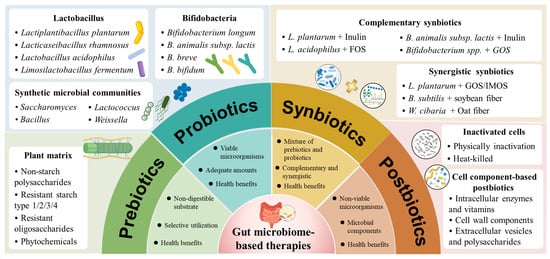
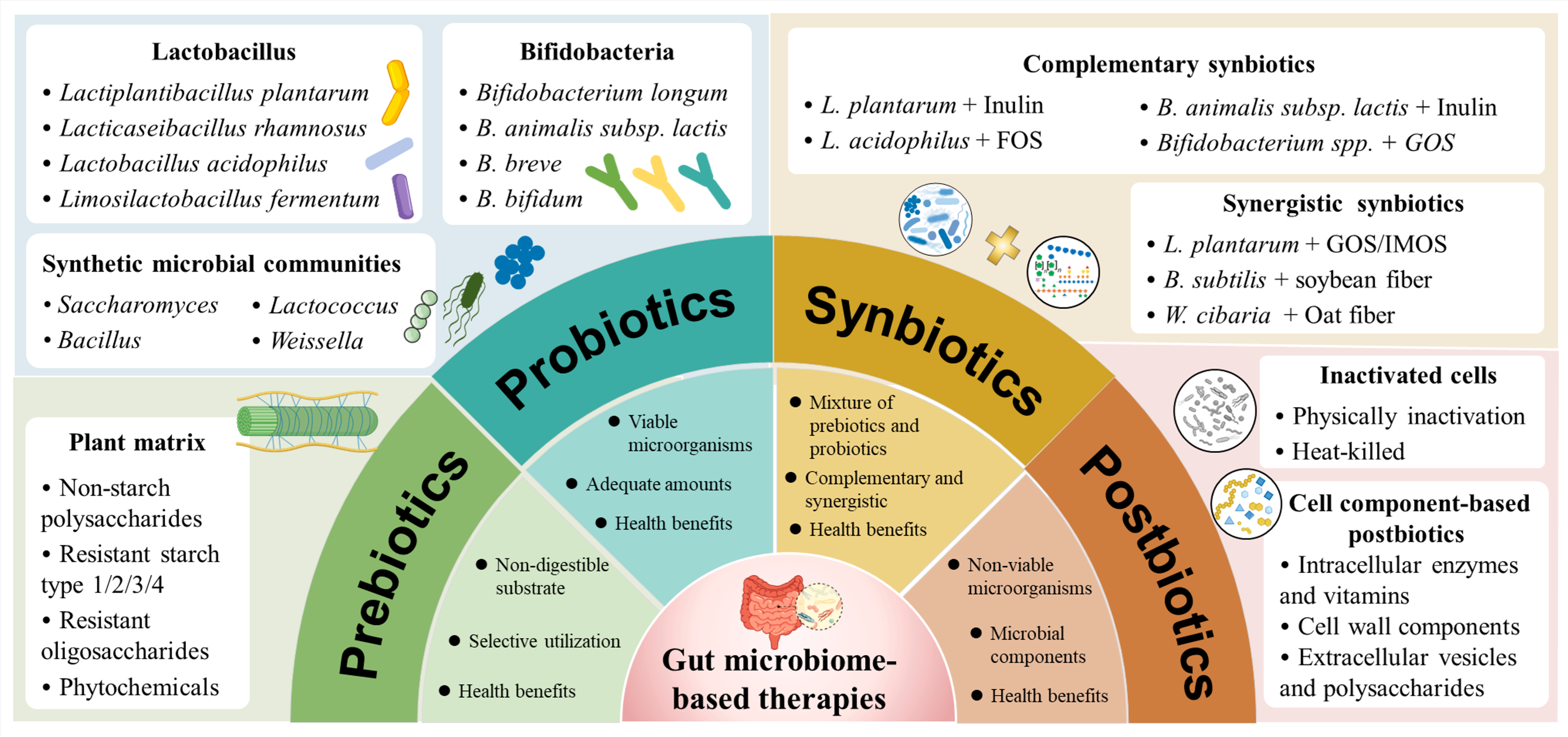
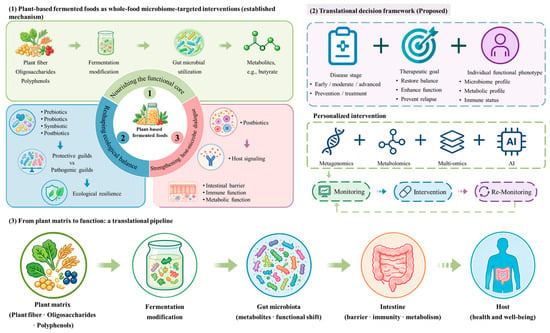
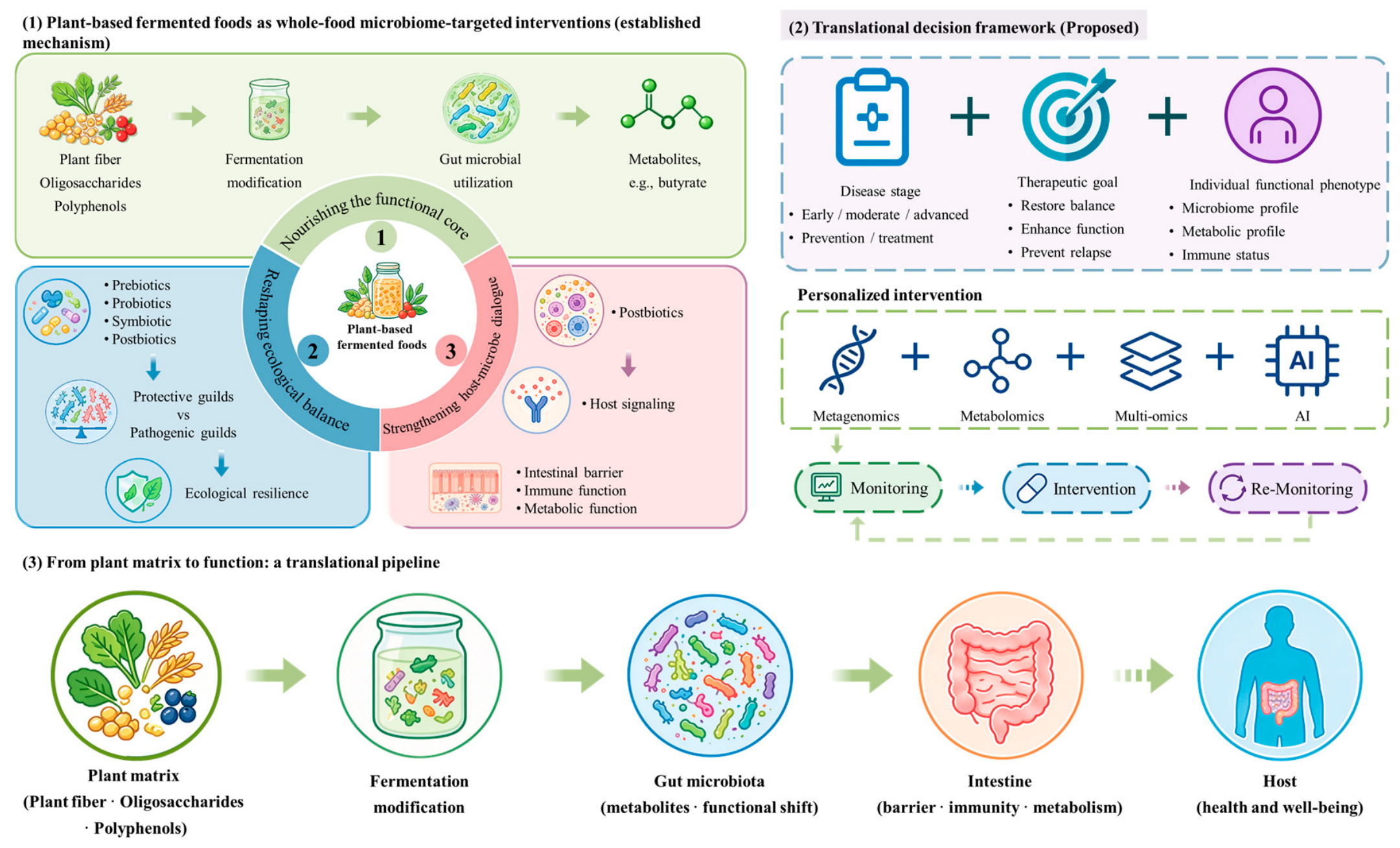

Disclaimer/Publisher’s Note: The statements, opinions and data contained in all publications are solely those of the individual author(s) and contributor(s) and not of MDPI and/or the editor(s). MDPI and/or the editor(s) disclaim responsibility for any injury to people or property resulting from any ideas, methods, instructions or products referred to in the content. |
© 2026 by the authors. Licensee MDPI, Basel, Switzerland. This article is an open access article distributed under the terms and conditions of the Creative Commons Attribution (CC BY) license.