Article

Residual Nitrite, Nitrate, and Volatile N-Nitrosamines in Organic and Conventional Ham and Salami Products


1
FFoQSI GmbH—Austrian Competence Centre for Feed and Food Quality, Safety and Innovation, Technopark 1C, 3430 Tulln, Austria
2
Unit for Food Hygiene and Technology, Centre for Food Science and Veterinary Public Health, Clinical Department for Farm Animals and Food System Science, University of Veterinary Medicine Vienna, Veterinärplatz 1, 1210 Vienna, Austria
*
Author to whom correspondence should be addressed.
Foods 2025, 14(1), 112; https://doi.org/10.3390/foods14010112
Submission received: 26 November 2024 / Revised: 19 December 2024 / Accepted: 24 December 2024 / Published: 3 January 2025

Abstract

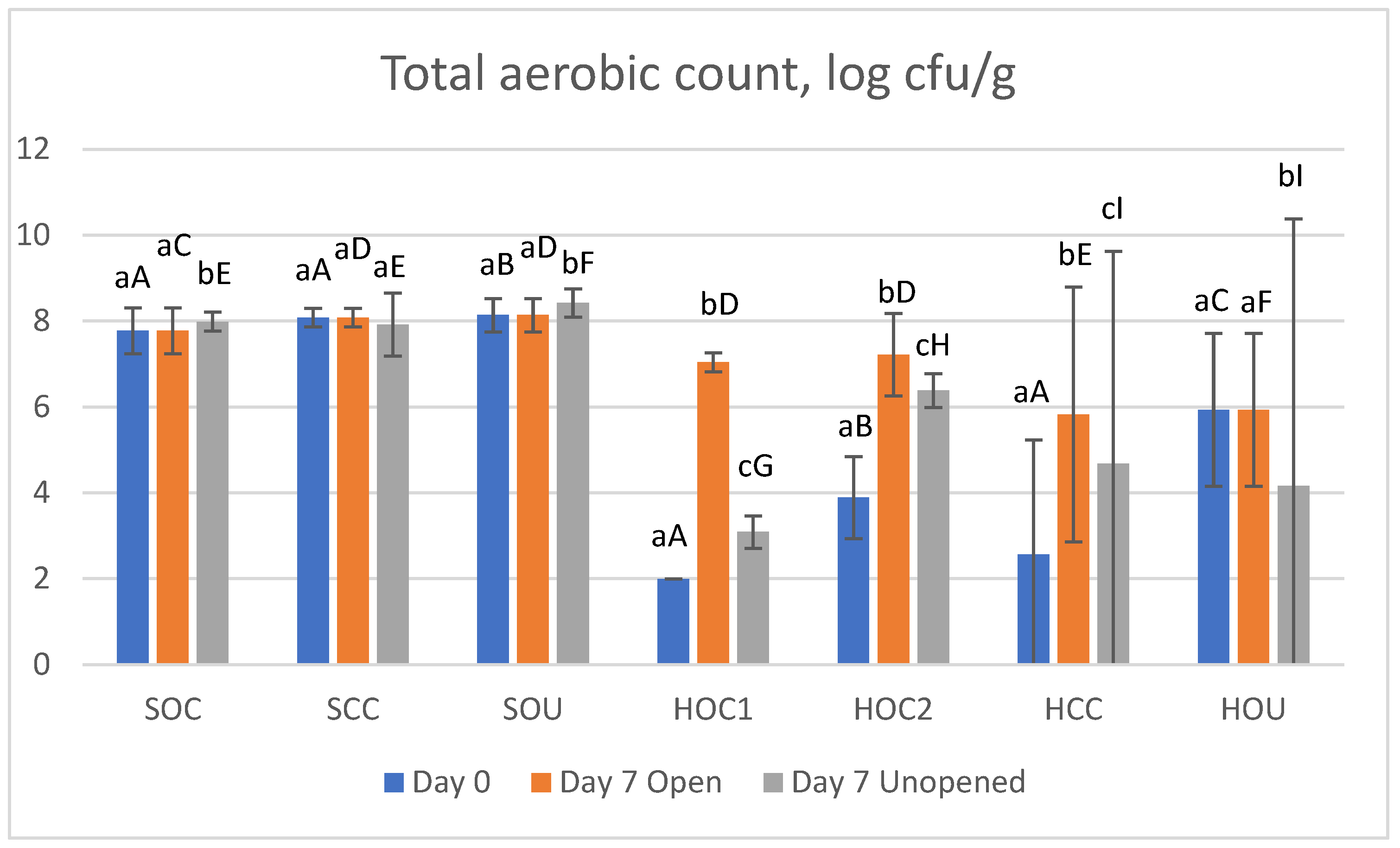
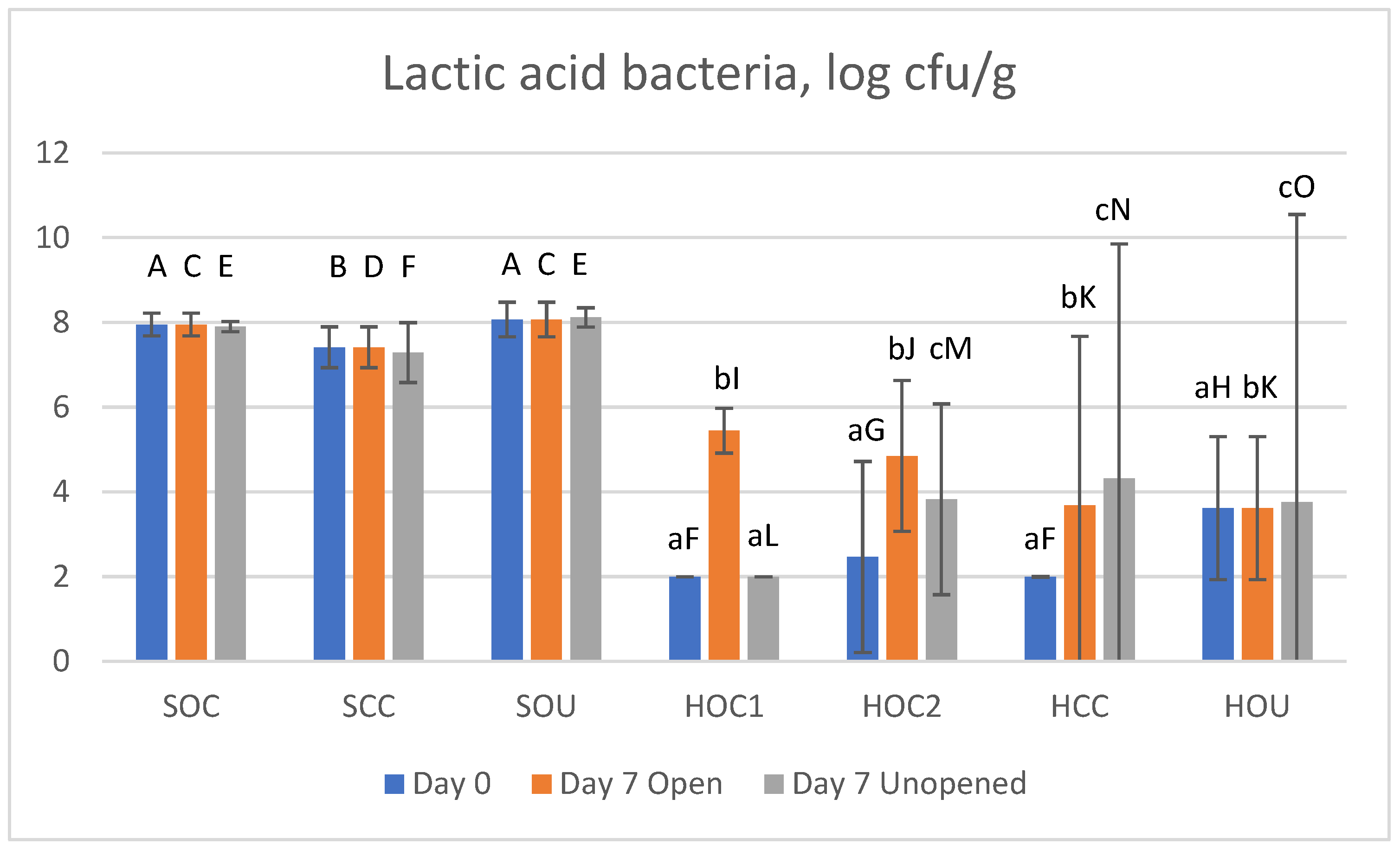
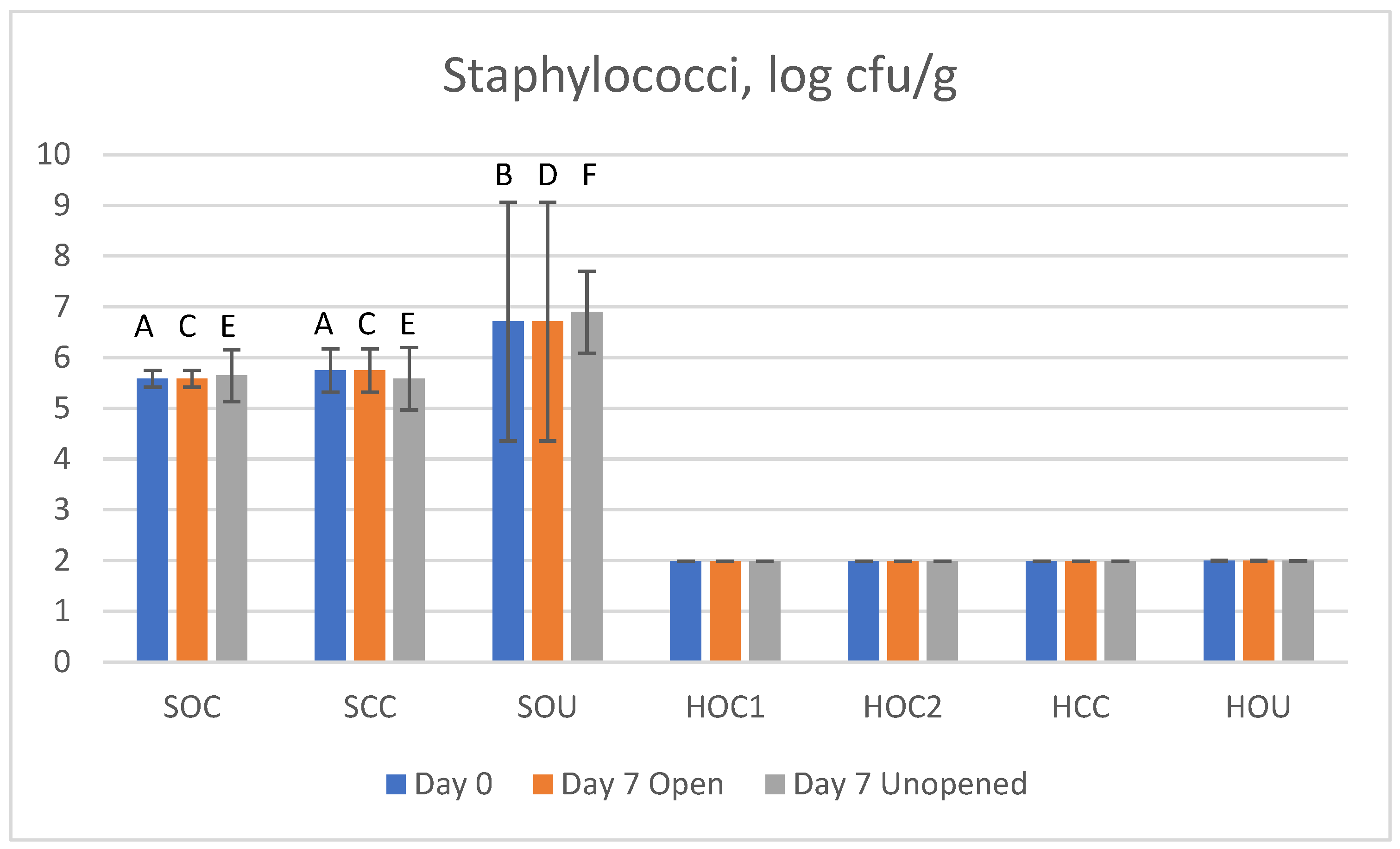
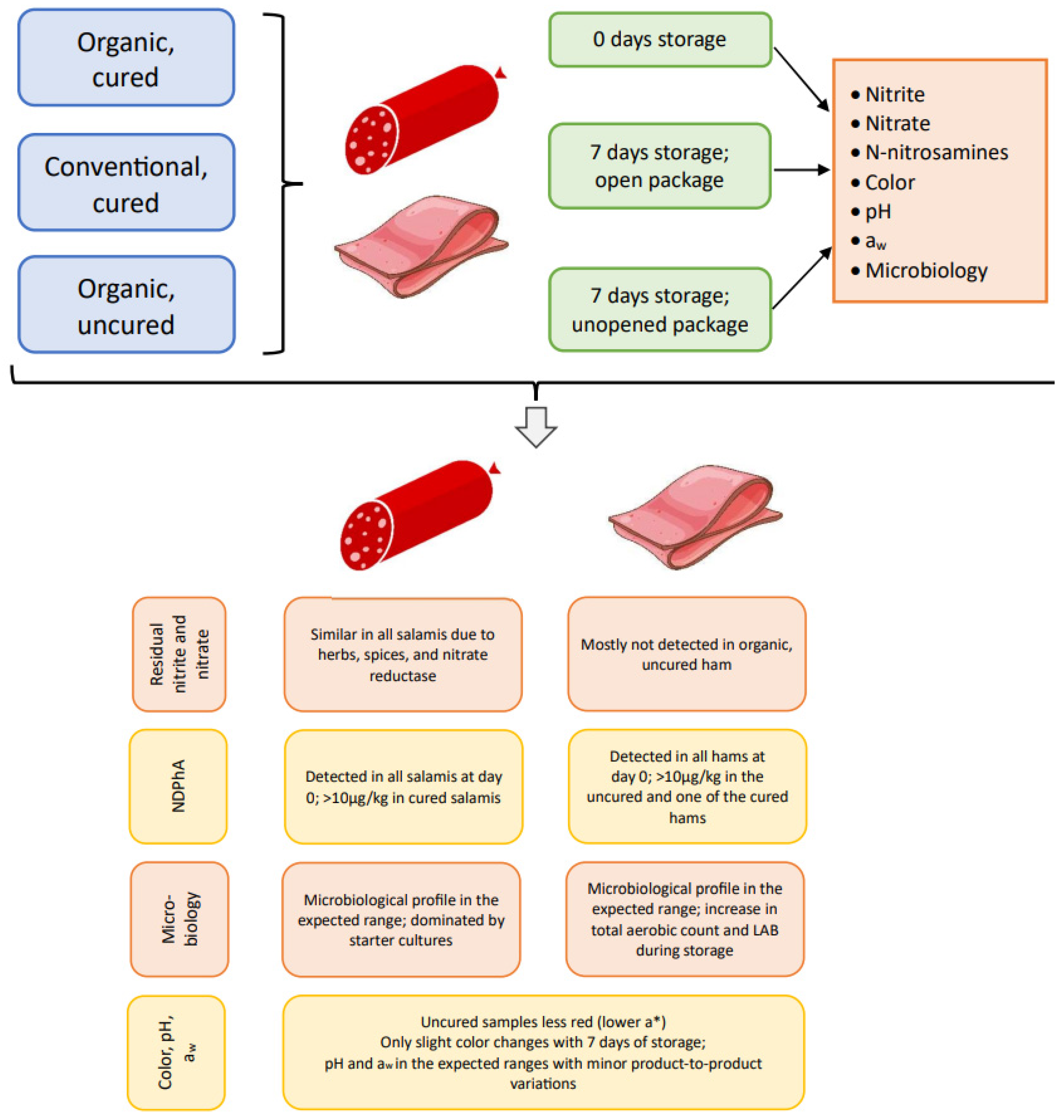
Nitrite and nitrate in meat products may be perceived negatively by consumers. These compounds can react to form carcinogenic volatile N-nitrosamines. “Nitrite-free” (i.e., uncured) organic meat products may contain nitrate from natural sources (e.g., spices and water). We studied the quality of ham and salami (conventional cured; organic cured; organic uncured). Residual nitrite and nitrate, volatile N-nitrosamines, microbial load, surface color, water activity, and pH were determined, considering one week of refrigerated storage in open or unopened packages. Residual nitrite and nitrate in organic, uncured salami were similar to cured salami, presumably from the addition of herbs and spices and nitrate reduction by nitrate reductase from microorganisms. For cooked ham, residual nitrite was significantly lower in the organic, uncured sample, while residual nitrate was not detected. N-nitrosodiphenylamine was detected in all samples at day 0, exceeding, in three out of five cured and both uncured products, the US legal limit of 10 µg/kg of volatile N-nitrosamines in foods. This finding warrants further investigation. The microbial load in salami products was dominated by bacteria from starter cultures. In ham, a slight increase in total aerobic count and lactic acid bacteria during storage was noted. Overall, the microbial quality of the products was as expected for the respective product types.
Keywords: cured meat; curing; human health; microbial safety; processed meat; volatile N-nitrosamines cured meat; curing; human health; microbial safety; processed meat; volatile N-nitrosamines