


Abstract
Photobiomodulation (PBM), the therapeutic application of red to near-infrared light, has demonstrated neuroprotective effects in preclinical CNS models, yet clinical translation remains inconsistent. This systematic review synthesises evidence for PBM across CNS applications to identify factors associated with therapeutic response. We searched five databases (MEDLINE, Embase, CENTRAL, Web of Science, Scopus) through January 2025 following PRISMA 2020 guidelines. Included studies employed PBM for CNS conditions with quantified neurological, cognitive, or functional outcomes; evidence quality was assessed using RoB 2, ROBINS-I, SYRCLE, and the GRADE framework. Thirty studies met inclusion criteria: 27 human studies (n ≈ 2244 participants) and 3 animal studies spanning Alzheimer’s disease, Parkinson’s disease, stroke, traumatic brain injury, and other CNS conditions. Dosimetry—particularly irradiance and light source type (laser vs. LED)—appears to be the primary factor associated with efficacy for Alzheimer’s disease (GRADE: Moderate); trans-cranial LED shows promise for Parkinson’s disease (GRADE: Low); trans-cranial 808 nm laser demonstrates no benefit for acute ischaemic stroke (GRADE: High). Systemic abscopal mechanisms may offer additional therapeutic pathways warranting investigation. These findings provide a condition-specific framework for rational PBM protocol development, supporting adequate irradiance via laser or intra-nasal delivery for Alzheimer’s disease, LED-based trans-cranial protocols for Parkinson’s disease, and integration of artificial intelligence for personalised optimisation.
1. Introduction
1.1. Central Nervous System Disorders: Global Burden and Therapeutic Challenges
Neurological disorders represent the leading cause of disability and second leading cause of death worldwide, affecting over three billion people globally and accounting for nine million deaths annually [1,2]. The burden of central nervous system (CNS) disorders has increased by more than 18% over the past three decades, driven by population ageing, improved survival from communicable diseases, and lifestyle factors. Major CNS conditions, including Alzheimer’s disease, Parkinson’s disease, stroke, traumatic brain injury, and multiple sclerosis, impose enormous individual, familial, and societal costs through disability-adjusted life years, healthcare expenditure, and lost productivity.
Alzheimer’s disease and related dementias affect approximately 55 million people worldwide [3] with projections suggesting this number will triple by 2050 as populations age. The disease is characterised by progressive cognitive decline, memory impairment, and loss of functional independence, with pathological hallmarks including beta-amyloid plaques, neurofibrillary tangles of hyperphosphorylated tau protein, and neuronal loss particularly affecting the hippocampus, entorhinal cortex, and limbic structures. Despite decades of research, therapeutic options remain limited to symptomatic management, with no disease-modifying treatments definitively proven to halt or reverse pathological progression.
Parkinson’s disease, the second most common neurodegenerative disorder, affects over 10 million individuals globally [4]. The condition results from progressive loss of dopaminergic neurons in the substantia nigra pars compacta, leading to motor symptoms including bradykinesia, tremor, rigidity, and postural instability, as well as non-motor manifestations such as cognitive impairment, autonomic dysfunction, and sleep disturbances. Current treatments, primarily dopamine replacement therapy with levodopa, provide symptomatic relief but do not address underlying neurodegeneration, lose efficacy over time, and are associated with significant adverse effects, including motor fluctuations and dyskinesias.
Stroke remains a leading cause of death and long-term disability, with 15 million people experiencing stroke annually, and approximately 5 million left permanently disabled [5]. Ischaemic stroke, accounting for 87% of cases, results from arterial occlusion, causing neuronal death arising from oxygen and glucose deprivation. Despite advances in acute management, including thrombolytic therapy and mechanical thrombectomy, therapeutic windows remain narrow (typically <4.5 h for thrombolysis), many patients do not qualify for these interventions, and substantial residual disability is common even with optimal acute treatment. Neuroprotective strategies to extend therapeutic windows or enhance recovery have thus far failed to translate from promising preclinical results to clinical efficacy.
Traumatic brain injury (TBI) affects over 69 million individuals annually worldwide, with particularly high prevalence amongst young adults and older adults from falls. The heterogeneity of TBI, ranging from mild concussion to severe injury with prolonged unconsciousness, complicates treatment development [6]. Beyond the primary mechanical injury, secondary injury cascades involving excitotoxicity, oxidative stress, neuroinflammation, and mitochondrial dysfunction contribute to ongoing neuronal damage and poor functional outcomes. No pharmacological treatments have demonstrated efficacy in improving TBI outcomes in large clinical trials, leaving rehabilitation as the primary therapeutic modality.
The limitations of current CNS therapeutics reflect fundamental challenges, including: (1) the blood–brain barrier restricting drug delivery to neural tissue; (2) complex, multifactorial disease pathophysiology not strictly amenable to single-target interventions; (3) limited regenerative capacity of mature neurons; (4) difficulty in early diagnosis before substantial irreversible damage; and (5) inadequate translation from reductionist animal models to heterogeneous human disease. These challenges necessitate novel therapeutic approaches that can address multiple pathological mechanisms, cross the blood–brain barrier or bypass it entirely, promote neuroprotection and neuroregeneration, and demonstrate feasibility for long-term administration in chronic conditions.
1.2. Photobiomodulation: Mechanisms and Therapeutic Potential
Photobiomodulation (PBM), previously termed low-level laser therapy (LLLT), employs wavelengths of light, typically in the red to near-infrared spectrum (600–1100 nm), to modulate biological processes through predominantly non-thermal photon transduction mechanisms. Originally discovered by Endre Mester in 1967 [7] during experiments investigating the potential carcinogenic effects of lasers, wherein ruby laser irradiation unexpectedly promoted hair growth and wound healing in shaved mice, PBM has since demonstrated therapeutic effects across diverse medical applications. These include wound healing, pain management, inflammatory conditions, musculoskeletal disorders, and, more recently, neurological applications.
The primary proposed mechanisms of PBM involve photon energy transduction by elements of the mitochondrial electron transport chain (Complexes I, III and IV). Cytochromes located at units III and IV contain copper and haem centres that absorb light in the red to near-infrared range, and absorption peaks have been identified at approximately 620 nm, 680 nm, 760 nm, and 820 nm. Also, unit I is photo-reactive to blue light (400–500 nm) by ubiquinone and the associated co-factor flavin mononucleotide. Photon transduction within the ETC enhances enzymatic activity through several mechanisms: (1) photodissociation of inhibitory nitric oxide (NO●) from ETC unit IV (cytochrome C oxidase) enzyme’s active site, restoring oxygen binding and electron transfer; (2) direct photon transduction resultant in photochemical, photoelectrical and photothermal enhancement of redox reactions and electron transfer; and (3) entrainment of the mitochondrial homeostatic excitation and hormetic response. These effects can collectively enhance mitochondrial respiration, increase adenosine triphosphate (ATP) synthesis, and improve cellular energetics whilst promoting protective anti-apoptosis pathways [8,9,10,11,12,13,14]. Minor thermal contributions to the biological response cannot be excluded, particularly at higher irradiances in trans-cranial applications; the boundary between photochemical and photothermal mechanisms remains an active area of investigation.
Also, PBM activates multiple secondary signalling cascades with neuroprotective and neuroregenerative properties. Enhanced mitochondrial function leads to transient, moderate increases in reactive oxygen species (ROS) that act as signalling molecules rather than oxidative stressors. This mito-hormetic response activates transcription factors including nuclear factor kappa B (NF-κB), activator protein 1 (AP-1), and hypoxia-inducible factor 1-alpha (HIF-1α), resulting in upregulation of genes involved in cell survival, antioxidant defences, and cytoprotection. Additionally, PBM modulates, in a dose variable manner, intracellular and organelle calcium levels, enhances cyclic AMP formation, promotes brain-derived neurotrophic factor (BDNF) expression, and increases cerebral blood flow and lymphatic drainage through nitric oxide-mediated vasodilation [15,16,17]. In the context of neurological disorders, PBM’s multifaceted mechanisms address key pathological processes. Mitochondrial dysfunction is a central feature of numerous CNS conditions, particularly neurodegenerative diseases, where impaired energy metabolism, oxidative stress, and mitochondrial DNA damage contribute to neuronal death. By enhancing mitochondrial respiration and ATP production, PBM may restore cellular energetics and improve neuronal viability. The therapy’s anti-inflammatory effects, mediated through modulation of microglial activation and reduction in pro-inflammatory cytokine expression, are relevant to virtually all CNS disorders where neuroinflammation contributes to pathology. Furthermore, PBM’s promotion of neuroprotective factors such as BDNF may support neuronal survival and potentially facilitate neuroplasticity and recovery.
Critically, PBM appears capable of influencing CNS function through multiple delivery routes. Trans-cranial photobiomodulation delivers light through the scalp and skull to reach cortical structures, with tissue penetration depending on wavelength, power density, and tissue optical properties. Near-infrared wavelengths (700–1100 nm) penetrate more deeply than red wavelengths (600–700 nm) due to reduced absorption by collagen, haemoglobin and melanin, though even optimal wavelengths achieve only 2–3% surface irradiance at depths of 1–2 cm and 0.2–0.3% at 3 cm depth [18,19,20,21]. Intra-nasal photobiomodulation offers an alternative approach, delivering light through the nasal cavity where it can directly access brain structures via olfactory and trigeminal nerve pathways, effectively bypassing the blood–brain barrier and potentially reaching deep limbic structures inaccessible to trans-cranial delivery [22,23].
Emerging evidence suggests that remote PBM irradiation of peripheral tissues distant from the brain may produce CNS effects through systemic signalling mechanisms. These include humoral mediators; stem cells; extracellular vesicle communication; cell-free mitochondria; immune cell phenotype shifts; autonomic nervous system modulation; systemic vasculature homeostatic and hormetic responses; neuroendocrine coupling; and microbiome gut–brain synergy. Within the context of this clinical review, we discuss the possible significance of PBM-induced systemic responses to reported therapeutic effects, as well as the possible implications for future device designs [24,25,26,27,28,29,30,31,32,33,34,35,36,37,38,39,40].
Key Dosimetric Parameters in Photobiomodulation
Precise understanding of photobiomodulation dosimetry is fundamental to interpreting the clinical evidence presented in this review and to designing reproducible protocols. The following parameters collectively define a PBM dose and must all be reported for a study to be reproducible; variation in any single parameter may substantially alter the biological response.
Irradiance (power density, mW/cm2) is the optical power delivered per unit area of tissue surface. It determines the rate of photon delivery and, in the context of chromophore photochemistry, whether the threshold for biologically significant absorption is reached at the target tissue. In this review, irradiance emerges as the parameter most strongly associated with differential efficacy across Alzheimer’s disease studies—an observation that is hypothesis-generating and requires prospective confirmation. Irradiance is distinct from power (mW), which is the total optical output of a device regardless of the area irradiated.
Fluence (energy density, J/cm2) is the total energy delivered per unit area, calculated as irradiance (W/cm2) × time(s)/1000. It represents the cumulative photon dose at the tissue surface. While fluence is the parameter most frequently reported in PBM studies, irradiance and fluence must be considered together: two protocols delivering the same fluence via different irradiances and durations may produce substantially different biological effects, as cellular photochemical pathways respond to photon flux rate as well as total photon count. The Arndt-Schulz biphasic dose–response principle—that both sub-threshold and supra-threshold irradiances may produce absent or negative effects—applies to irradiance as well as total fluence.
Additional dosimetric parameters with clinical relevance include:
Spot area (cm2), which determines irradiance from a given power output and affects beam geometry (Gaussian versus flat-top profile);
Treatment duration (seconds), which, together with irradiance, determines fluence;
Treatment frequency (sessions per week) and total treatment course (number of sessions), which determine cumulative exposure;
Pulsing parameters (continuous wave versus pulsed delivery, pulse frequency in Hz, duty cycle), which may modulate cellular responses through mechanisms distinct from total energy delivery;
Wavelength (nm), which determines chromophore specificity and tissue penetration depth.
Throughout this review, these parameters are reported as provided by study authors; where parameters were not reported, this is noted as a methodological limitation.
A critical distinction throughout this review is between surface irradiance—the parameter directly measurable, clinically controllable, and reported by study authors—and estimated local irradiance at target tissue depth, which is substantially lower due to wavelength-dependent tissue attenuation through scattering and absorption. For trans-cranial applications targeting deep brain structures, the relationship between surface irradiance and target tissue irradiance is complex, dependent on beam geometry, skull thickness, tissue optical properties, and anatomical targeting. Standardised reporting of all dosimetric parameters at source, and ideally computational modelling of expected depth irradiance, represents a research priority for the field.
1.3. Clinical Evidence: Promise and Inconsistency
Preclinical investigations of PBM for neurological conditions have yielded predominantly positive results across diverse animal models. Studies in rodent models of stroke have demonstrated reduced infarct volume, improved neurological function, and enhanced survival when PBM is administered shortly after ischaemic injury [41,42,43,44]. In mouse models of Alzheimer’s disease, PBM has been reported to reduce amyloid plaques, decrease tau phosphorylation, improve cognitive performance, and promote mitochondrial function [44,45,46]. Furthermore, recent studies demonstrate an increase in meningeal lymphatic and glymphatic function [47,48,49,50]. Parkinson’s disease models show protection of dopaminergic neurons, improved motor function, and reduced alpha-synuclein aggregation following PBM treatment. Similarly, traumatic brain injury models demonstrate reduced lesion size, decreased neuroinflammation, improved cognitive and motor outcomes, and enhanced neurogenesis in animals receiving PBM therapy [51].
However, translation from promising preclinical findings to consistent clinical efficacy has proven challenging. Early phase clinical studies and case series have reported encouraging outcomes, with patients experiencing improvements in cognitive function, motor symptoms, functional independence, or quality of life following PBM treatment. These positive signals generated enthusiasm and supported progression to larger trials. Yet, several large-scale randomised controlled trials have failed to demonstrate significant benefits, most notably the NeuroThera Effectiveness and Safety Trial (NEST) series for acute ischaemic stroke [52,53,54,55].
The NESTs exemplify the challenges in PBM clinical translation. NEST-1, a pilot randomised controlled trial enrolling 120 participants, reported a 19% improvement in favourable outcomes (modified Rankin Scale 0–2) with a trans-cranial 808 nm laser therapy device compared to sham treatment [52]. This promising result led to NEST-2, a substantially larger trial enrolling 660 participants, which found only a 5.4% non-significant difference, failing to meet its primary endpoint [53,54]. NEST-3, the largest trial enrolling 630 participants, was terminated early for futility after interim analysis revealed essentially no treatment effect (approximately 1% difference) [55]. This progressive regression from apparent benefit in a small trial to no benefit in adequately powered trials raises important questions about the factors determining PBM efficacy and the validity of early positive findings.
The heterogeneity in outcomes may extend beyond stroke to other CNS conditions. For Alzheimer’s disease, some studies report cognitive improvements while others show no benefit. Parkinson’s disease trials have yielded mixed results, with positive outcomes in some studies but negative findings in others employing ostensibly similar protocols. This inconsistency suggests that critical parameters determining efficacy remain poorly understood, that substantial methodological differences exist across studies despite apparent protocol similarities, or that patient selection, disease stage, or other factors significantly influence treatment response.
Several factors may contribute to outcome variability. Delivery route—whether trans-cranial, intra-nasal, intraoral, or remote—may determine whether therapeutic photon doses result in significant beneficial clinical effects to pathologically affected brain regions. Wavelength selection and total surface area treated are often driven by device availability rather than biological rationale. The parameters employed may influence tissue penetration, chromophore absorption, and therapeutic efficacy. Dosimetry parameters include irradiance (W/cm2), radiant exposure (J/cm2), volumetric considerations of energy density (J/cm3), low to high hertz gated modes, treatment duration, and frequency of application [56,57]. These vary widely across studies, with no consensus on optimal protocols for specific conditions. Patient heterogeneity in disease stage, age, severity, subtype, and co-morbidities may affect treatment responsiveness [58]. Additionally, methodological factors such as adequacy of blinding, sham control characteristics, calibration of the devices, outcome measure selection, and statistical analysis approaches influence trial results and interpretation [59,60].
1.4. Critical Knowledge Gaps and Research Questions
Despite the growing literature on PBM for CNS disorders, fundamental questions remain inadequately addressed, limiting rational protocol design, clinical implementation, and regulatory approval:
- Does delivery route determine therapeutic efficacy, and do delivery route requirements differ across CNS conditions? Existing reviews typically focus on single delivery routes or single conditions, precluding systematic comparison. If Alzheimer’s disease pathology primarily affects deep brain structures (hippocampus, entorhinal cortex) beyond trans-cranial light penetration, intra-nasal delivery providing direct neural pathway access may be essential. Conversely, if Parkinson’s disease pathology is amenable to cortical metabolic support, trans-cranial delivery may suffice. Stroke, involving acute ischaemic injury across variable brain regions, may have different delivery route requirements. No systematic analysis has compared outcomes based on delivery route across multiple CNS conditions to determine whether delivery route selection should be condition-specific.
- How should wavelength be rationally selected beyond historical precedent or device availability? Current practice often reflects device availability rather than biological optimisation. The NEST stroke trials employed an 808 nm wavelength because the sponsor company (PhotoThera, Inc. Santa Barbara, CA, USA) manufactured an 808 nm device [61], not because 808 nm was determined optimal for acute stroke treatment. Yet once established as the wavelength for stroke trials, subsequent research continued using 808 nm, creating a self-reinforcing cycle. A rational wavelength and dosimetry selection framework should consider: (a) photon energy and quantum efficiency for molecular activation; (b) tissue absorption and scattering properties; (c) chromophore absorption spectra for targeting specific molecular processes; (d) surface optical spot size and area treated; and (e) with respect to a laser: spectral beam profile, i.e., Gaussian or Flat-Top (rectified) power distribution across the beam. Such a framework has not been comprehensively developed or validated across CNS conditions.
- What mechanisms mediate remote PBM effects, and what is their clinical relevance? Several animal studies report that PBM applied to peripheral tissues (limbs, abdomen) produces neuroprotective effects in the brain despite there being no direct cranial irradiation. Proposed mechanisms include: (a) systemic endocrine, cytokine and growth factor signalling; (b) vascular propagation of effects through transmission of irradiated blood; (c) neurovascular activation of homeostatic and hormetic mechanics; (d) beneficial effects on the gut microbiome; (e) frontier biophysical effects, including biophysical mechano-transduction, biophoton signalling and micro-oscillatory cellular interactions. If remote PBM reliably produces CNS benefits, this would circumvent tissue penetration limitations and potentially enhance safety. However, clinical validation of remote effects in humans remains limited, mechanisms are incompletely characterised, and optimal peripheral application sites are unknown.
- Why do some trials demonstrate efficacy while others fail, and what factors beyond delivery route and wavelength contribute to outcome variability? The NEST progression from positive pilot to negative large trials suggests that initial positive results may overestimate effects, but similar patterns occur in other conditions. Factors potentially contributing to heterogeneity include: dosimetry differences (power, energy, duration, frequency); patient characteristics (disease stage, severity, subtype, age, comorbidities); methodological quality (blinding adequacy, sham characteristics, outcome measurement); treatment timing (acute vs. chronic, early vs. late intervention); and cumulative dose over entire treatment course. Identifying which factors appear associated with efficacy would enable rational protocol optimisation and patient selection.
- Does device availability bias influence research findings and clinical translation? If research predominantly employs wavelengths, delivery routes, or protocols dictated by commercially available devices rather than biological optimisation, the literature may reflect device characteristics and availability rather than true therapeutic potential. The failure of 808 nm trans-cranial PBM in stroke does not necessarily mean PBM cannot benefit stroke; it may mean that the 808 nm trans-cranial delivery is suboptimal, while other device designs, wavelengths or delivery routes might prove effective. Distinguishing between these possibilities requires a systematic examination of how device availability may have shaped research directions.
1.5. Rationale for Current Systematic Review
Previous systematic reviews of PBM for neurological disorders have typically focused on specific conditions (e.g., stroke, Alzheimer’s disease, Parkinson’s disease, traumatic brain injury) or specific parameters (e.g., dosimetry, wavelength, delivery route) in isolation. While these focused reviews provide valuable condition-specific or parameter-specific insights, they cannot address cross-condition patterns, comparative delivery route effects, or mechanistic principles that transcend individual disorders. A comprehensive synthesis integrating evidence across multiple CNS conditions is needed to:
First, determine whether the delivery route and dosimetric requirements are condition-specific. By comparing outcomes across different irradiance levels, light source types, and delivery routes for Alzheimer’s disease, Parkinson’s disease, and stroke, patterns can emerge revealing whether deep brain pathology (Alzheimer’s) requires high irradiance or intra-nasal delivery while cortical or subcortical pathology (Parkinson’s, stroke) may respond to lower-irradiance trans-cranial approaches. Such condition-specific guidance would have immediate clinical implications.
Second, in a comparative analysis of device parameters, seek any common threads that may be associated with positive or negative outcomes. These may include location of the points of application, area and frequency of exposure, as well as type of optical source, i.e., laser vs. LED.
Third, develop a rational wavelength selection framework. By examining wavelength distributions across conditions, identifying instances where wavelength selection was device-driven rather than biologically optimised, and integrating photophysical principles (photon energy, chromophore absorption, tissue penetration), a three-factor framework can guide future wavelength selection beyond reliance on historical precedent.
Fourth, characterise remote PBM mechanisms and prevalence. By systematically identifying animal studies demonstrating remote effects, categorising proposed mechanisms, and examining clinical evidence, the review can assess whether remote PBM represents a clinically viable approach and identify research priorities.
Fifth, examine how early promising results relate to definitive evidence. The NEST series progression exemplifies a broader pattern where small pilot studies suggest benefit, but large confirmatory trials fail. By analysing the NEST experience, including the role of device availability bias and potential overestimation of effects in small trials, the review can inform interpretation of early-stage PBM research and guide design of definitive trials.
Sixth, provide evidence-based clinical guidance. By employing GRADE methodology to assess evidence certainty across conditions and stratifying recommendations by delivery route and wavelength, the review can offer actionable guidance for clinicians and researchers, clearly delineating what is supported by high-quality evidence (e.g., a trans-cranial 808 nm device for stroke: not effective), moderate-quality evidence (e.g., intra-nasal for Alzheimer’s disease), and what remains uncertain pending additional research.
1.6. Review Objectives
The primary objective of this systematic review is to comprehensively evaluate photobiomodulation therapy for central nervous system disorders, determine whether delivery route predicts therapeutic outcomes, develop a rational wavelength selection framework, and characterise mechanistic pathways, including remote effects.
Specific objectives include:
- To systematically identify and synthesise evidence from randomised controlled trials, controlled trials, and case series evaluating PBM for CNS disorders in humans and animal models.
- To determine whether the delivery route (trans-cranial, intra-nasal, intraoral, remote, or combinations) is a primary determinant of therapeutic efficacy and whether delivery route requirements differ across CNS conditions.
- To analyse wavelength selection patterns and inherent device design features (e.g., single or multiple optical clusters) across studies, identify instances of device availability bias, and propose a rational three-factor framework (photon energy, chromophore matching, tissue absorption) for wavelength optimisation.
- To characterise proposed mechanisms of remote PBM effects (e.g., systemic signalling, vascular propagation, changes in the gut microbiome, biophoton transmission) and assess evidence quality for remote approaches.
- To examine the relationship between early positive findings and large confirmatory trials using the NEST stroke trial series as a case study, analysing factors contributing to effect size regression.
- To assess risk of bias in included studies using Cochrane methodology and rate evidence certainty using GRADE.
- To provide evidence-based clinical recommendations stratified by condition, delivery route, and wavelength, clearly delineating what is supported by current evidence and what remains uncertain.
- To identify critical knowledge gaps and propose research priorities to optimise clinical translation of photobiomodulation therapy for neurological disorders.
By addressing these objectives through comprehensive evidence synthesis across multiple CNS conditions, this review aims to provide a foundational framework for rational, condition-specific photobiomodulation protocol development, inform clinical practice with evidence-based guidance, and direct future research toward addressing the most critical remaining questions in this promising but incompletely optimised therapeutic domain.
2. Methods
2.1. Protocol and Registration
This systematic review was conducted according to the Preferred Reporting Items for Systematic Reviews and Meta-Analyses (PRISMA) 2020 guidelines [62]. The protocol was developed a priori and includes pre-specified eligibility criteria, search strategies, data extraction procedures, risk of bias assessment methods, and evidence synthesis approaches. While formal protocol registration in PROSPERO was not pursued due to the focus on both human and animal studies (PROSPERO accepts only human studies), all methodological decisions were documented prospectively to ensure transparency and minimise risk of selective reporting.
2.2. Eligibility Criteria
Studies were selected according to pre-defined inclusion and exclusion criteria based on the PICOS framework (Population, Intervention, Comparator, Outcome, Study design).
Population: Human participants with any central nervous system disorder, including but not limited to Alzheimer’s disease and related dementias, Parkinson’s disease, stroke (ischaemic or haemorrhagic), traumatic brain injury, multiple sclerosis, spinal cord injury, autism spectrum disorder, and other neurological or neuropsychiatric conditions. Animal models of CNS disorders were also eligible to inform mechanistic understanding and assess remote photobiomodulation effects. No restrictions were placed on age, sex, disease severity, or disease duration.
Intervention: Photobiomodulation therapy delivered via any route (trans-cranial, intra-nasal, intraoral, remote/systemic, or combinations thereof) using any light source (laser or light-emitting diode) at wavelengths in the red to near-infrared spectrum (600–1100 nm). Studies employing pulsed or continuous wave delivery, various power densities (irradiance), energy densities (fluence), treatment durations, and frequencies were eligible. Combined interventions (photobiomodulation plus another therapy) were eligible if photobiomodulation effects could be isolated or if the study design permitted assessment of the contribution of PBM.
Comparator: Sham/placebo treatment, no treatment, standard care, or alternative active treatment. For human studies, randomised controlled trials with sham controls were prioritised, but controlled trials without randomisation and case series were also eligible given the nascent state of the field and the value of preliminary evidence. For animal studies, appropriate control groups receiving sham treatment or no photobiomodulation were required.
Outcomes: Primary outcomes included clinical efficacy measures specific to each condition, e.g., cognitive function for Alzheimer’s disease assessed by Mini-Mental State Examination (MMSE), Montreal Cognitive Assessment (MCA), or Alzheimer’s Disease Assessment Scale-Cognitive (ADAS-C); motor function for Parkinson’s disease assessed by Movement Disorder Society-Unified Parkinson’s Disease Rating Scale (MDS-UPDRS); and functional independence for stroke assessed by modified Rankin Scale or Barthel Index. Secondary outcomes included safety and adverse events, quality of life, neuroimaging biomarkers, mechanistic outcomes (mitochondrial function, oxidative stress markers, and inflammatory markers), and mortality. For animal studies, relevant outcome measures included behavioural assessments, histological evaluation of neuronal survival or damage, and molecular/biochemical markers of neuroprotection.
Study design: Randomised controlled trials, non-randomised controlled trials, before–after studies, and case series with at least 3 participants were eligible for human studies. For animal studies, controlled experiments comparing photobiomodulation intervention to sham or no treatment were eligible. In vitro studies, conference abstracts without full-text publication, editorials, commentaries, and reviews were excluded, though reviews were examined to identify potentially eligible primary studies.
Additional inclusion criteria: Studies published in English with sufficient methodological detail to permit risk of bias assessment and data extraction. No date restrictions were applied to capture the full historical evolution of the evidence base. Studies were required to report sufficient dosimetry information (wavelength, power or energy density, treatment duration) to characterise the intervention, though studies with incomplete dosimetry were not automatically excluded if other critical information was available.
Exclusion criteria: Studies were excluded if: (1) photobiomodulation was not the primary intervention or its effects could not be isolated; (2) wavelengths outside the 600–1100 nm range were used exclusively; (3) the study focused on non-CNS conditions; (4) insufficient data were reported to assess outcomes; (5) full text was unavailable after reasonable efforts to obtain it; or (6) the study was retracted or identified as fraudulent.
2.3. Information Sources and Search Strategy
A comprehensive systematic search was conducted across multiple electronic databases from inception through to January 2025, including MEDLINE (via PubMed), Embase, Cochrane Central Register of Controlled Trials (CENTRAL), Web of Science Core Collection, and Scopus.
The search strategy combined terms for photobiomodulation/low-level laser therapy, central nervous system conditions, and relevant outcomes. Core search terms included: (photobiomodulation OR low-level laser therapy OR LLLT OR low level light therapy OR phototherapy) AND (Alzheimer* OR dementia OR Parkinson* OR stroke OR ischemia OR ischaemia OR traumatic brain injury OR TBI OR multiple sclerosis OR spinal cord injury OR autism OR neurological OR neurodegenerative OR central nervous system OR CNS OR brain). Search strategies were adapted for each database using appropriate controlled vocabulary (MeSH terms in MEDLINE, Emtree in Embase) and free-text terms, with no language restrictions at the search stage. Boolean operators, truncation, and proximity searching were employed to maximise sensitivity while maintaining reasonable specificity. The complete search strategies for each database are provided in Supplementary Material S2.
Reference lists of included studies and relevant systematic reviews were hand-searched to identify additional eligible studies not captured by electronic database searches (backward citation tracking). Forward citation tracking was performed using Google Scholar and Web of Science for key included studies to identify more recent publications citing these works.
2.4. Study Selection Process
Search results from all databases were imported into reference management software (EndNote 20) and duplicates were removed using both automated and manual checking. The deduplicated records were then imported into Covidence systematic review software for screening and data management [63]. Study selection proceeded in two stages with independent screening by two reviewers (MC, SP), with a third reviewer (EL) consulted for disagreements.
2.5. Data Collection and Extraction
A standardised data extraction form was developed a priori and piloted on five included studies. For each included study, the following information was extracted: study characteristics; population characteristics; intervention details (delivery route, light source, wavelength, power density, energy density, treatment duration, sessions, frequency); comparator details; outcome measures; and results.
2.6. Risk of Bias Assessment
Risk of bias in included studies was assessed using tools appropriate for the study design. For randomised controlled trials, the Cochrane Risk of Bias 2 (RoB 2) tool was employed [64]. For non-randomised studies, the ROBINS-I tool was used [65]. For animal studies, the SYRCLE risk of bias tool was employed [66]. Two reviewers independently (MC, SP) assessed risk of bias for each included study, with disagreements resolved through discussion or consultation with a third reviewer (EL).
2.7. Evidence Certainty Assessment
The certainty of evidence for each key outcome within each condition was assessed using the GRADE approach [67]. GRADE rates evidence certainty as high, moderate, low, or very low. Evidence from randomised controlled trials starts at high certainty and can be downgraded based on five factors: risk of bias, inconsistency, indirectness, imprecision, and publication bias. Evidence from non-randomised studies starts at low certainty but can be upgraded based on a large magnitude of effect, dose–response gradient, or plausible residual confounding.
2.8. Data Synthesis and Analysis
Given the anticipated heterogeneity in populations (multiple CNS conditions with distinct pathophysiology), interventions (varied delivery routes, wavelengths, dosimetry parameters), and outcomes (condition-specific measures), a narrative synthesis approach was planned as the primary method, with meta-analysis conducted where appropriate.
Assessment of publication bias: We systematically searched ClinicalTrials.gov [68] for registered clinical studies evaluating brain PBM for AD, MCI, dementia, Parkinson’s disease, stroke, and traumatic brain injury. This search identified 10 registered AD/dementia trials (independently catalogued by Blivet et al., 2025) [69], 5 registered PD trials, and several TBI trials (Supplementary Table S12).
Two publication bias concerns emerged:
First, device manufacturer involvement: Vielight devices [70] featured in 4 of 10 registered AD trials (40%), with additional trials sponsored by REGEnLIFE [71] and SYMBYX [72]—the same companies whose researchers authored published studies in our review. Only two registered AD trials (TRAP-AD, NCT04784416; and the Naeser/BU VA prevention trial, NCT04018092) appeared fully independent of device manufacturers.
Second, selective publication: At least one completed Vielight trial (NCT03405662) posted negative results on ClinicalTrials.gov (no changes in cognition or AD biomarkers after 16 weeks of 40 Hz treatment in 14 patients) but had not published these findings in a peer-reviewed journal at the time of our search, suggesting that the published positive results may not fully represent the totality of evidence.
We also considered device availability bias as a potential systematic influence on the published literature (see Section 4.2).
2.9. Statistical Software and Reporting
The NEST stroke trial meta-analysis was performed using R version 4.3.0 [73] with the meta package. Fisher’s exact tests for the Alzheimer’s disease irradiance and delivery route analyses were performed using SciPy version 1.11 (Python 3.11). All statistical tests were two-tailed with significance level α = 0.05. This systematic review adheres to PRISMA 2020 reporting standards.
This systematic review adheres to PRISMA 2020 reporting standards, with the completed checklist provided in Supplementary Material S3. A full list of abbreviations used throughout this review is provided in Supplementary Material S1.
3. Results
3.1. Study Selection and Search Results
The complete study selection process, including these additionally identified records, is illustrated in the PRISMA 2020 flow diagram (Figure 1). Full-text articles excluded with reasons are listed in Supplementary Table S11. The systematic search across five electronic databases identified 3247 records. After the removal of 892 duplicates, 2355 unique records underwent title and abstract screening. Of these, 2187 were excluded as clearly not meeting the inclusion criteria, leaving 168 records for full-text assessment. After full-text review, 143 records were excluded for the following reasons: not photobiomodulation intervention (n = 38), non-CNS condition (n = 27), conference abstract without full publication (n = 34), insufficient data reported (n = 19), review article or editorial (n = 18), in vitro study only (n = 12), and full text unavailable (n = 5).
Figure 1.
PRISMA 2020 flow diagram: study selection process. Flow diagram illustrating the systematic search and study selection process in accordance with PRISMA 2020 reporting guidelines [62]. A total of 3247 records were identified through database searching, with an additional 8 records from other sources. After removal of duplicates (n = 2355 remaining), title/abstract screening excluded 2187 records. Full-text review of 168 articles excluded 143 (reasons detailed in Supplementary Table S11). An additional four studies meeting the inclusion criteria were identified via the Blivet et al. (2025) review [69,74,75,76,77]. Total included: 30 studies (27 human, 3 animal).
Twenty-five records from the database search met all inclusion criteria. Hand-searching of reference lists identified eight additional potentially relevant studies, of which three were already included and five did not meet eligibility criteria upon full review. Forward citation tracking and trial registry searches did not identify additional eligible completed studies, though several ongoing trials were noted.
During the review process, a comprehensive review of photobiomodulation for Alzheimer’s disease by Blivet et al. [69] (2025), published in The Journal of Prevention of Alzheimer’s Disease, identified four additional clinical studies meeting our inclusion criteria that had not been captured by the original database search: Kheradmand 2022 [74]; Nizamutdinov 2021 [75]; Chen 2023 [76]; and Chan 2019 [77]. A further study by Razzaghi et al. (2024) [78], identified from the Lim (2024) review [79], was also incorporated. These were incorporated into the analysis, bringing the total to 30 included records: 27 human studies (15 randomised controlled trials, 5 controlled trials, 5 case series, and 2 case studies) and 3 animal studies specifically addressing remote photobiomodulation mechanisms.
3.2. Study Characteristics
The 27 included human studies enrolled a total of approximately 2244 participants across diverse CNS conditions. Sample sizes ranged from 1 (single case studies) to 660 (NEST-2 randomised controlled trial), with a median of 35 participants. Fifteen studies were randomised controlled trials, five were non-randomised controlled trials, and three were case series. Studies were conducted across 15 countries.
Conditions studied included acute ischaemic stroke (n = 5 studies, 1411 participants) [52,53,54,55,80,81], Parkinson’s disease (n = 5 studies, ~175 participants) [82,83,84,85,86,87], Alzheimer’s disease, dementia, and mild cognitive impairment (n = 10 studies, ~292 participants) [74,75,76,77,78,79,80,88,89,90,91,92], traumatic brain injury and concussion (n = 4 studies, 29 participants) [93,94,95,96,97], and other CNS conditions including autism spectrum disorder, ADHD, and PD treated with remote-only PBM (n = 4 studies, ~121 participants) [87,98,99].
Detailed characteristics of all included studies are presented in Table 1 (main text) and Supplementary Table S1 (complete details). Complete dosimetry parameters for all included studies are provided in Supplementary Table S9, and the wavelength distribution across conditions in Supplementary Table S10.
Table 1.
Summary characteristics of included human studies.
3.3. Risk of Bias Outcome
Risk of bias was assessed using appropriate tools for each study design. For the 15 randomised controlled trials, the Cochrane RoB 2 tool identified five studies (33%) at low risk of bias across all domains, six studies (40%) with some concerns primarily related to blinding adequacy or missing outcome data, and four studies (27%) at high risk of bias (Table 2). The most common methodological concern across RCTs was the adequacy of blinding.
Table 2.
Risk of bias summary for randomised controlled trials.
3.4. Synthesis of Results Overview
Given the substantial heterogeneity in populations, interventions, and outcomes, results are synthesised narratively and grouped by condition. Key findings are summarised below (Table 3).
Table 3.
GRADE evidence certainty summary by condition and outcome.
For Alzheimer’s disease, dementia, and mild cognitive impairment (Section 3.5.1), analysis of ten published clinical studies revealed that dosimetry parameters—particularly irradiance (power density) and light source type (laser vs. LED)—appear to be associated with efficacy for Alzheimer’s. Higher-irradiance protocols (≥20 mW/cm2) consistently achieved positive outcomes regardless of delivery route, whilst low-irradiance LED protocols (≤10 mW/cm2) uniformly failed. The most striking evidence came from two double-blind RCTs at the same institution (Shahid Beheshti University): laser-based treatment at 90 mW/cm2 produced a highly significant cognitive improvement (p = 0.000003) [74], whilst LED-based treatment at 9.6 mW/cm2 with comparable wavelengths showed no benefit [90]. Razzaghi et al. (2024) further extended this dose–response pattern, demonstrating significant functional improvement at 150 mW/cm2 [78].
For Parkinson’s disease (Section 3.5.2), evidence was mixed but promising. The highest-quality study, a Phase 2 feasibility RCT published in The Lancet Regional Health (n = 40), demonstrated excellent safety and feasibility for home-based trans-cranial photobiomodulation, with signals suggesting efficacy, though the primary between-group comparison was not statistically significant in this underpowered feasibility trial [82]. An unprecedented five-year follow-up study (n = 6) demonstrated sustained benefits and excellent long-term safety [83].
Some studies employed trans-cranial-only delivery with positive outcomes, suggesting that, unlike Alzheimer’s disease, Parkinson’s disease may be responsive to helmet-based approaches alone, possibly reflecting the primarily subcortical pathology where cortical metabolic support provides therapeutic benefit.
For acute ischaemic stroke (Section 3.6.2), the NEST series clearly demonstrated this progressive effect size regression from 19% benefit in NEST-1 (n = 120) to 5.4% in NEST-2 (n = 660) to 1.0% in NEST-3 (n = 630), with the final trial terminated for futility [51,52,53,54]. Meta-analysis of the three trials confirmed no significant benefit. These findings were independently validated by a 2025 Cochrane systematic review [103] that concluded trans-cranial 808 nm laser therapy shows no clear benefit for acute stroke. The consistently negative findings across large well-conducted trials provide high-certainty evidence that 808 nm trans-cranial photobiomodulation is not effective for acute ischaemic stroke.
For chronic traumatic brain injury (Section 3.6.2), four open-label studies (n ≈ 29) reported consistent improvements in cognition, sleep, and mood following trans-cranial LED photobiomodulation, with objective neuroimaging support from SPECT and functional MRI [93,94,95,96,97]. However, the absence of controlled trials limits evidence certainty (GRADE: Very low).
For other CNS conditions including autism spectrum disorder, multiple sclerosis, and spinal cord injury, evidence was limited to one or two studies per condition with generally small sample sizes [101,102,104]. While some studies reported positive outcomes, the limited number of studies and participants precludes definitive conclusions. These findings are summarised in Section 3.7.
3.5. Neurodegenerative Disorders
3.5.1. Alzheimer’s Disease and Related Dementias
Ten published clinical studies evaluating photobiomodulation for Alzheimer’s disease, dementia, and mild cognitive impairment were included (see Section 3.1 for identification process), encompassing approximately 292 participants across four double-blind RCTs, two single-blind RCTs, two open RCTs, and two case series/reports. Analysis revealed that dosimetry parameters—particularly irradiance (power density), light source type, and optical spot size characteristics—appear to be the primary factors associated with efficacy rather than delivery route alone.
Positive Outcome Studies (6 studies)
Six studies reported significant cognitive improvements following photobiomodulation, encompassing a range of delivery routes but sharing common dosimetric features.
Kheradmand et al. (2022) conducted a double-blind, sham-controlled RCT at Shahid Beheshti University of Medical Sciences, Tehran, enrolling 32 dementia patients (16 per group, ages 65–93 years) [74]. Treatment employed a custom helmet (Model niltvirc102, Noura Inst. Tehran) containing 12 red (630 nm) and 12 infrared (810 nm) diode lasers delivering pulsed irradiation (75 Hz, 20% duty cycle) at 90 mW/cm2 and 56.5 J/cm2 per point, for 10 min per session, three times per week over two weeks (six sessions total). MMSE scores improved significantly in the laser group compared to sham: +2.31 points at week 2 (p = 0.00005) and +2.53 points at week 8 (p = 0.000003), demonstrating both rapid onset and sustained benefit six weeks after treatment cessation. CDR scores did not reach significance. This study is notable for its exceptionally high irradiance achieved through laser diodes with small optical spot sizes (0.21 cm2 per emitter) [74].
Nizamutdinov et al. (2021) conducted a double-blind, placebo-controlled RCT at Baylor Scott and White Health, Texas, enrolling 60 dementia patients randomised 2:1 to active or sham (57 completed) [75]. The Cognitolite device (Maculume Ltd., Durham, UK) [105] comprised a helmet with 12 cranial modules (70 LEDs each) plus two foldable ocular modules (14 LEDs each) delivering 1060–1080 nm NIR at 23.1 mW/cm2 over approximately 650 cm2, for 6 min twice daily over eight weeks. Within-group analysis demonstrated an MMSE improvement of +4.8 points (p < 0.001) in the active group, alongside significant improvements in logical memory, trail making, Boston naming, and auditory verbal learning tests. Caregivers reported improved sleep (from day 7), reduced anxiety, and improved mood (from days 14–21). However, between-group statistical comparisons were not reported, limiting the strength of causal inference.
Chen et al. (2023) conducted an open RCT at Huashan Hospital, Shanghai, enrolling 20 patients with mild to moderate Alzheimer’s disease [76]. Treatment employed dual-wavelength NIR (1060–1080 nm and 800–820 nm) trans-cranial photobiomodulation for 12 weeks. The intervention group demonstrated significant improvements in MMSE (+4.4 vs. +1.0, p = 0.025) and Activities of Daily Living (ADL: −3.6 vs. +3.1, p = 0.044), with a positive but non-significant trend on ADAS-Cog. The absence of a sham control precluded participant blinding, representing a methodological limitation; nevertheless, the study confirms trans-cranial feasibility.
Chan et al. (2021) conducted a single-blind RCT at the Chinese University of Hong Kong enrolling 18 older adults with mild cognitive impairment (MCI) [77]. A single session of focal trans-cranial photobiomodulation (810 nm continuous wave, 20 mW/cm2, 350 s, 7 J/cm2) applied to the forehead produced significant improvement in visual memory performance and reduced the haemodynamic response of fNIRS, suggesting more efficient neural processing. While MCI rather than AD, this demonstrates that even a single high-quality trans-cranial session can produce measurable cognitive effects.
Nagy and Elsayed (2021) conducted a randomised controlled trial at Cairo University Hospital enrolling 60 elderly patients with mild cognitive impairment associated with Alzheimer’s disease and concurrent anaemia (ages 65–75 years) [88]. Treatment employed a 650 nm laser watch device (LASPOT) wrist acupoint irradiation plus intra-nasal probe, combined with moderate aerobic exercise, for 12 weeks (30 min sessions, twice daily, three days per week). The intervention group demonstrated significant improvements on both MoCA-B and QOL-AD compared to sham plus exercise controls (both p < 0.0001).
Saltmarche et al. (2017) reported a case series of five patients with moderate to severe dementia (mean age 69 years) treated with combined intra-nasal and trans-cranial 810 nm LED photobiomodulation (VieLight Neuro device, Vielight Inc., Toronto, ON, Canada) for 12 weeks [89]. Participants demonstrated marked cognitive improvements with a mean MMSE increase of 2.60 points (p < 0.003). Benefits declined during a four-week treatment withdrawal period, supporting a treatment-specific effect.
Razzaghi et al. (2024) conducted a single-blind, sham-controlled pilot trial in Tehran, enrolling 16 patients with mild to moderate AD or MCI, of whom 13 completed the study (6 active, 7 sham) [78]. The intervention employed a DMN-targeted LED headset delivering 810 nm light pulsed at 40 Hz with a notably high-power density of 150 mW/cm2 at the scalp surface, applied for 20 min daily over 12 weeks. The primary between-group finding was a significant improvement in functional disability as measured by the Disability Assessment for Dementia scale (DAD: +4.33 ± 4.92 vs. −0.71 ± 2.81; p = 0.041), with the PBM group improving while the sham group declined.
Within-group MoCA cognitive scores also improved significantly in the active group (p = 0.046), though the between-group comparison was not significant (p = 0.731). Depression improved in both groups, suggesting a possible placebo component. Importantly, this study used the highest reported surface irradiance (150 mW/cm2) of any AD trial in this review, further strengthening the dose–response pattern. Notable limitations include the very small sample size (n = 13), single-blind design, use of a red-light sham device (50 mW/cm2) that may have had biological effects, and clinical-only diagnosis without biomarker or imaging confirmation of AD.
Negative Outcome Studies (2 studies)
Two well-designed double-blind RCTs failed to demonstrate cognitive benefit, both characterised by lower irradiance and LED-based delivery.
Jarrahi et al. (2025) conducted a randomised, double-blinded, sham-controlled trial enrolling 30 patients with mild to moderate dementia (15 PBM, 15 sham) at Shahid Beheshti University of Medical Sciences, Tehran [90]—the same institution from the positive Kheradmand study. Treatment employed a custom LED helmet (24 LEDs: 12 red at 630 nm, 12 infrared at 850 nm) delivering continuous-wave irradiation at 9.6 mW/cm2 for 20 min per session, three times per week over eight weeks (24 sessions). No significant cognitive benefit was observed.
Blivet et al. (2022) conducted a double-blind, randomised, sham-controlled trial evaluating 53 patients with mild to moderate Alzheimer’s disease (MMSE 16–26, ages 55–85 years) in France [91]. The RGn530 brain–gut device (REGEnLIFE. Regenerative Life Sciences LLC., San Diego, CA, USA) [71] combined a trans-cranial helmet with an abdominal belt delivering multiple wavelengths (1064 nm NIR lasers, 850 nm NIR LEDs, 630 nm red LEDs plus static magnetic field) for eight weeks (25 min sessions, five days per week). Despite the multi-wavelength, multi-site approach, no significant benefit was observed on primary cognitive outcomes (ADAS-Cog total, MMSE), although positive trends were noted on some secondary measures. The study was prematurely terminated due to COVID-19 pandemic restrictions.
Dosimetry Analysis: Irradiance as Primary Determinant
The critical finding from this analysis is that treatment outcome correlates more strongly with irradiance and light source characteristics than with delivery route alone. This is most strikingly demonstrated by the Kheradmand–Jarrahi comparison: two double-blind RCTs from the same institution, with similar patient populations, similar wavelengths (630 nm + 810 nm vs. 630 nm + 850 nm), and similar helmet-based trans-cranial delivery, produced diametrically opposite outcomes. The key difference was a 10-fold disparity in irradiance: Kheradmand’s laser-based device delivered 90 mW/cm2 (producing the most statistically significant result of any AD photobiomodulation study, p = 0.000003), while Jarrahi’s LED-based device delivered just 9.6 mW/cm2 (null result).
The complete pattern across all ten studies supports a dosimetric interpretation. Every study employing irradiance ≥20 mW/cm2 reported positive outcomes (Kheradmand 90 mW/cm2, Razzaghi 150 mW/cm2, Nizamutdinov 23.1 mW/cm2, Chan 20 mW/cm2, Chen and Nagy using laser sources, Saltmarche using VieLight at 14.2 mW/cm2 with intra-nasal bypass). The two clearly negative studies both employed irradiance below 10 mW/cm2 (Jarrahi 9.6 mW/cm2) or complex multi-component devices where effective irradiance at any single target may have been subtherapeutic (Blivet). The addition of Razzaghi et al. (2024), which employed the highest surface irradiance reported in any AD PBM trial (150 mW/cm2), extends the dose–response evidence to five positive high-irradiance studies versus one negative low-irradiance study, a pattern consistent across diverse device architectures, wavelengths, pulse frequencies, and geographical settings.
An important methodological caveat must be acknowledged: the apparent relationship between irradiance and efficacy may partly reflect differences in study quality rather than a true dose–response relationship. Several positive studies have notable methodological limitations, including small sample sizes, open-label or single-blind designs, and reliance on within-group rather than between-group comparisons as primary evidence. Conversely, some negative studies employed more rigorous sham-controlled designs. The Kheradmand versus Jarrahi comparison—two double-blind, sham-controlled RCTs from the same institution, evaluating the same condition with the same outcome measures, differing primarily in irradiance and light source type—represents the evidence most resistant to quality confounding, as it controls for many of the variables that typically differ between positive and negative studies. Nonetheless, the overall irradiance-outcome pattern must be treated as hypothesis-generating, requiring prospective validation in adequately powered trials with irradiance as a pre-specified primary variable.
3.5.2. Parkinson’s Disease
Five studies evaluating photobiomodulation for Parkinson’s disease were included, encompassing 175 participants across three randomised controlled trials, one long-term follow-up study, and one controlled feasibility trial. Evidence was mixed but overall promising, with four of five studies (80%) reporting positive outcomes.
Herkes, Liebert Kiat et al. (2023)—Lancet Phase 2 RCT
This Phase 2 feasibility RCT, published in the Lancet Regional Health—Western Pacific, represents the highest-quality photobiomodulation trial in Parkinson’s disease [82]. Forty patients (mean age 68 years) were randomised to receive dual-wavelength (635 nm + 810 nm) LED trans-cranial photobiomodulation via the SYMBYX Neuro helmet device (40 LEDs) [71] or sham treatment for 12 weeks, with home-based self-administration of 12 min sessions twice daily.
The primary endpoint was feasibility, which was conclusively demonstrated: 100% treatment completion rate, high adherence, and excellent participant satisfaction. Safety outcomes were exceptional, with zero adverse events attributed to the intervention. Efficacy signals were observed, with trends towards improvement on the Movement Disorder Society-Unified Parkinson’s Disease Rating Scale Part III (MDS-UPDRS-III), though the between-group comparison did not reach statistical significance—as expected for a feasibility trial not powered for efficacy. This study established that home-based LED photobiomodulation for Parkinson’s disease is safe, feasible, and acceptable to patients, providing the foundation for a definitive Phase 3 efficacy trial.
Risk of bias was assessed as some concerns overall (RoB 2), primarily related to blinding adequacy (subtle differences between active and sham devices may have been perceptible) and the feasibility-focused design with efficacy as a secondary consideration.
Liebert et al. (2024)—Five-Year Follow-Up
This unprecedented long-term follow-up study tracked six Parkinson’s disease patients who continued home-based multi-route photobiomodulation (trans-cranial and intra-nasal, 810 nm LED) for five years [83]. This represents the longest photobiomodulation follow-up study ever reported for any neurological condition.
Results demonstrated sustained motor and cognitive benefits maintained over the full five-year treatment period, with improvements on MDS-UPDRS assessments and functional measures. Treatment adherence was 88% over five years—an exceptional rate for any chronic therapy and particularly notable for a self-administered home-based intervention. Most critically, zero adverse events were reported over the entire five-year period, providing the strongest safety evidence available for long-term photobiomodulation use in neurological conditions.
While the small sample size (n = 6) and absence of a control group limit causal inference, this study provides crucial evidence that: (1) photobiomodulation is safe for long-term continuous use; (2) benefits can be sustained over years rather than being transient; (3) home-based self-administration is feasible long-term; and (4) adherence remains acceptable over extended periods.
Peci et al. (2023)—RCT
This randomised controlled trial conducted in Italy enrolled 38 Parkinson’s disease patients (mean age 68 years), randomised to receive 810 nm LED trans-cranial photobiomodulation via the Cerebro device (256 LEDs) [106] plus physiotherapy or physiotherapy alone for eight weeks [84]. The photobiomodulation group demonstrated significant improvements on MDS-UPDRS Part III compared to physiotherapy alone (p < 0.05), with meaningful motor function benefits. The large LED array (256 LEDs) provided comprehensive cortical coverage, potentially contributing to efficacy.
Santos et al. (2019)—RCT
This sham-controlled randomised trial enrolled 35 Parkinson’s disease patients and evaluated 670 nm (red wavelength) LED trans-cranial photobiomodulation with a gait-focused protocol over eight weeks [85]. Significant improvements in gait parameters and motor function were observed in the active treatment group compared to the sham. The use of 670 nm wavelength, shorter than the 808–810 nm near-infrared range typically employed, is notable and suggests that red wavelengths may be particularly relevant for Parkinson’s disease—a finding supported by the wavelength distribution pattern (670 nm predominating in Parkinson’s disease studies versus 808 nm in stroke studies).
Bullock-Saxton et al. (2021)—Negative
This controlled feasibility study evaluated combined trans-cranial and intraoral photobiomodulation for Parkinson’s disease [86]. Despite the multi-route delivery approach, no significant benefit on primary motor outcomes was demonstrated. This negative finding in the context of four positive studies suggests that delivery route optimisation is more nuanced than simply combining multiple routes; dosimetry parameters, wavelength selection, treatment frequency, and patient characteristics likely all contribute to outcome variability.
Synthesis and GRADE Assessment
The Parkinson’s disease evidence presents a mixed but overall promising picture. Four of five studies (80%) reported positive outcomes, including the highest-quality study (Lancet Phase 2 RCT showing feasibility and safety with efficacy signals) and the longest-duration study (five-year follow-up showing sustained benefits). The single negative study employed a different delivery approach (trans-cranial plus intraoral rather than trans-cranial alone or trans-cranial plus intra-nasal).
Evidence certainty was rated LOW using the GRADE methodology, reflecting downgrading for risk of bias (mixed blinding quality, device manufacturer involvement in several studies) and imprecision (small sample sizes, non-significant primary endpoint in the highest-quality feasibility trial). While four of five studies reported positive outcomes and the five-year safety data are exceptional, the between-group comparison in the Lancet Phase 2 RCT did not reach statistical significance, and the negative Bullock-Saxton study introduces inconsistency. Upgrading to MODERATE was considered, given the consistent direction of effect across independent groups, but the non-significant primary endpoint and device manufacturer overlap warranted the more conservative rating.
Clinical Implication: Trans-cranial LED photobiomodulation for Parkinson’s disease shows sufficient promise to warrant progression to definitive Phase 3 efficacy trials. The current evidence supports consideration as an investigational adjunct therapy, particularly given the excellent safety profile demonstrated over five years of continuous use. The 670 nm wavelength appears promising and warrants further investigation. Home-based self-administration is feasible and acceptable to patients.
3.6. Acute Central Nervous System Injury
3.6.1. Stroke
Five studies evaluating photobiomodulation for stroke were included, enrolling a total of 1410 participants. The evidence base is dominated by the NeuroThera Effectiveness and Safety Trial (NEST) series—three large randomised controlled trials employing identical 808 nm trans-cranial laser protocols. One additional small study employed intravascular laser irradiation of blood (ILIB) with a different wavelength and delivery approach [107]. An additional Cochrane systematic review (He et al., 2025) provided independent external validation of findings [103,108].
NEST-1 (Lampl et al., 2007) [52]
The first NeuroThera Effectiveness and Safety Trial was a randomised controlled trial enrolling 120 patients with acute ischaemic stroke (60 active, 60 sham; mean age 65 years) in Austria [52]. Patients received trans-cranial 808 nm laser therapy (NeuroThera Laser System) [109] or sham treatment within 24 h of stroke onset. The primary outcome was the National Institutes of Health Stroke Scale (NIHSS) at 90 days [51].
NEST-1 reported positive results: 60% of laser-treated patients achieved favourable outcomes (modified Rankin Scale 0–2) compared to 41% of sham-treated patients, representing a 19 percentage point absolute benefit (p = 0.035). The treatment was well-tolerated with no significant safety concerns. Risk of bias was assessed as some concerns (RoB 2), primarily related to the relatively small sample size and some uncertainty regarding blinding adequacy.
NEST-2 (Zivin et al., 2009) [53]
NEST-2 was a substantially larger multicentre randomised controlled trial enrolling 660 patients (331 active, 329 sham; mean age 67 years) across 57 centres in 4 countries [53]. The protocol was nearly identical to NEST-1, employing the same 808 nm trans-cranial laser within 24 h of stroke onset.
The primary endpoint failed to achieve statistical significance: 46.0% of laser-treated patients versus 40.6% of sham-treated patients achieved favourable outcomes (mRS 0–2), representing a 5.4 percentage point difference (p = 0.094). While all prespecified analyses showed consistent directional trends favouring treatment, the effect size had diminished markedly from NEST-1’s 19% to 5.4%. Post hoc subgroup analysis suggested that patients with moderate-severity strokes (NIHSS 7–15) might benefit (51.6% versus 41.9%, p = 0.044), while those with severe strokes (NIHSS 16–22) showed no benefit. Pooled analysis combining NEST-1 and NEST-2 data (n = 778) yielded positive results (p = 0.003, OR 1.67) [54].
Risk of bias was low across all domains (RoB 2), reflecting the rigorous multicentre design, appropriate randomisation, adequate blinding, and comprehensive data collection.
NEST-3 (Hacke et al., 2014) [55]
NEST-3 was the definitive Phase 3 pivotal trial, designed to provide evidence for regulatory approval [55]. The trial enrolled 630 patients (313 active, 317 sham; mean age 68 years) across multiple international sites, with a planned enrolment of 1000. Critically, inclusion criteria were refined to restrict enrolment to moderate-severity strokes (NIHSS 7–17), explicitly excluding severe strokes based on the NEST-2 subgroup hypothesis.
The trial was terminated early for futility after an interim analysis of 566 patients revealed virtually identical outcomes in treatment and control groups (49.6% versus 49.3% success [Hacke et al., 2014]), yielding only 13% conditional probability of trial success—far below the prespecified futility threshold of 45%. Final analysis of all 630 randomised patients confirmed the null finding: 48.1% versus 47.1% success [Hacke et al., 2014], adjusted odds ratio 1.024 (95% CI 0.74–1.42, p = 0.77).
The effect size had collapsed from 19% (NEST-1) to 5.4% (NEST-2) to 1.0% (NEST-3). All secondary endpoints, all subgroup analyses, and all prespecified severity strata (NIHSS 7–9, 10–13, 14–17) demonstrated null results. Critically, NEST-3 prospectively tested and definitively refuted the NEST-2 subgroup hypothesis that moderate-severity strokes would respond; despite enriching the study population specifically for this severity range, no benefit was observed.
Risk of bias was low across all domains (RoB 2), reflecting the highest standards of Phase 3 pivotal trial methodology with independent Data Monitoring Committee oversight.
NEST Series Synthesis
Meta-analysis of the three NESTs demonstrates a clear pattern of progressive effect size regression: 19% [4%, 34%] in NEST-1, 5.4% [−3%, 14%] in NEST-2, and 1.0% [−4%, 6%] in NEST-3 (Figure 2). The pooled estimate was 6.0% [−1%, 13%], not reaching statistical significance. Heterogeneity was moderate (I2 = 62%, Q = 5.26, p = 0.07), reflecting the progressive diminution of effect across trials. This pattern is consistent with the well-described phenomenon of initial effect size overestimation in small trials converging toward the null as sample size increases.
Figure 2.
NESTs: progressive effect size regression—trans-cranial 808 nm laser versus sham for acute ischaemic stroke. Forest plot of the three NeuroThera Effectiveness and Safety Trials (NEST-1, NEST-2, NEST-3) showing absolute risk difference (95% CI) for favourable 90-day functional outcome with trans-cranial 808 nm laser versus sham treatment. Square size is proportional to study weight. Diamond represents the pooled estimate. Effect sizes demonstrate systematic regression across trials: NEST-1 (Lampl 2007 [52]): 19.0% [4.0%, 34.0%], weight 8.5%; NEST-2 (Zivin 2009 [53]): 5.4% [−3.0%, 14.0%], weight 46.8%; NEST-3 (Hacke 2014 [55]): 1.0% [−4.0%, 6.0%], weight 44.7%; pooled: 6.0% [−1.0%, 13.0%]. Heterogeneity: I2 = 62%, Q = 5.26 (p = 0.07). NEST-3 was terminated early for futility. The progressive regression from apparent benefit to null effect is consistent with regression to the mean and publication bias in the context of an initially underpowered pilot trial. CI = confidence interval.
External Validation: Cochrane Systematic Review (He et al., 2025) [108]
The 2025 Cochrane systematic review of trans-cranial laser therapy for acute ischaemic stroke independently examined 4 RCTs (the three NESTs plus one additional study), encompassing 1420 participants [103]. The review concluded that the primary functional outcome showed no significant difference: risk ratio 0.93 (95% CI 0.85–1.02). The Cochrane authors concluded there was “no clear benefit or harm” from trans-cranial laser therapy for acute stroke, rating evidence certainty as HIGH.
This independent validation from the gold-standard systematic review organisation confirms our analysis and establishes this as one of the most definitive negative findings in the photobiomodulation literature.
GRADE Assessment: Evidence certainty was rated HIGH for the conclusion that trans-cranial 808 nm laser photobiomodulation with the PhotoThera device does not improve outcomes in acute ischaemic stroke. This rating reflects: three large, well-conducted RCTs with low risk of bias; consistent negative findings in adequately powered trials; narrow confidence intervals excluding clinically meaningful benefit; and independent external validation by Cochrane systematic review.
Clinical Implication: Trans-cranial 808 nm PhotoThera laser device should not be used for acute ischaemic stroke. This recommendation is unambiguous and supported by the highest level of evidence. However, the negative findings are specific to 808 nm trans-cranial laser delivery with the specific PhotoThera device; they do not preclude potential benefit from alternative delivery routes (intra-nasal, intravascular), different wavelengths, or different treatment timing. The failure likely reflects both the design limitations of the device for trans-cranial delivery to reach variable-location stroke pathology and the constraints of device-driven parameter selection rather than biological optimisation.
3.6.2. Traumatic Brain Injury
Three clinical studies evaluating photobiomodulation for chronic traumatic brain injury were identified, encompassing approximately 24 participants. All were open-label or case series designs without sham controls, and all reported positive outcomes. While the consistency of improvement across independent research groups is encouraging, the absence of controlled trials limits the certainty of evidence (GRADE: Very low).
Naeser et al. (2014, 2016) reported the largest study: an open protocol series of 11 patients with chronic mild TBI (injury onset 10 months to 8 years prior) treated with trans-cranial LED photobiomodulation (mixed 633 nm red and 870 nm NIR, 22.2 mW/cm2 [94,95], 13 J/cm2 per placement, 18 sessions over six weeks) [94,95]. Participants demonstrated statistically significant improvements in executive function, verbal learning and memory, and sleep, with benefits sustained at follow-up. The same group subsequently reported significant improvements in cognition, mood, PTSD symptoms, and sleep in four retired professional football players with suspected chronic traumatic encephalopathy (CTE), using both in-office LED treatment and home-based Vielight Neuro Gamma (810 nm, 40 Hz) targeting default mode network nodes (Naeser et al., 2023) [96]. Notably, two patients regressed during a treatment break and improved again upon resumption, supporting a treatment-specific rather than placebo effect. MRI studies in three of these patients showed increased salience network functional connectivity and elevated N-acetylaspartate (NAA) levels in the anterior cingulate cortex, suggesting enhanced mitochondrial function in neurons.
Bogdanova et al. (2014) independently reported improvements in sleep, executive function, verbal memory, and reduced PTSD and depression symptoms in two moderate TBI cases treated with the same LED protocol [97]. Hipskind et al. (2019) provided the most objective evidence to date, demonstrating increased regional cerebral blood flow on quantitative SPECT imaging in 8 of 12 (66.7%) military veterans with chronic TBI treated with pulsed trans-cranial LED (633 nm + NIR, 6.4 mW/cm2, three times weekly for six weeks), with parallel neuropsychological improvements (p = 0.007 for rCBF increase) [93]. The observation that three of four SPECT non-responders had sustained blast-type injuries suggests that the injury mechanism may influence treatment response and warrants investigation as a stratification variable in future trials.
3.7. Other CNS Conditions
Four studies evaluated photobiomodulation for CNS conditions beyond neurodegeneration, stroke, and traumatic brain injury. All comprised small uncontrolled cohorts, and evidence certainty for each outcome is Very Low (GRADE: ⊕○○○); findings should be regarded as hypothesis-generating pending replication in controlled trials.
3.7.1. Chronic Post-Stroke Aphasia
Two studies examined trans-cranial LED photobiomodulation specifically for chronic aphasia following left-hemisphere stroke [80,81]. Naeser et al. (2020) treated six patients with LED cluster heads (633 nm red + 870 nm NIR, 22.2 mW/cm2) positioned over default mode network nodes, demonstrating placement-specific improvements in naming ability alongside significant increases in functional connectivity within the default mode, salience, and central executive networks on resting-state fMRI [80]. Estrada-Rojas and Cedeño Ortiz (2023) reported a single-case within-subject comparison in which five months of speech therapy alone produced minimal gains, whereas five months of PBM combined with speech therapy produced a three-fold increase in speech rate and marked improvement in expressive language and dysarthria, providing a built-in control period that strengthens causal inference despite the n = 1 design [81]. These findings distinguish the chronic aphasia context clearly from the acute stroke NEST programme and support a spatially targeted, rather than purely systemic, mechanism of action. Evidence certainty is Very Low (GRADE: ⊕○○○) owing to the absence of controlled trials and a very small combined sample.
3.7.2. Autism Spectrum Disorder
Pallanti et al. (2022) conducted a retrospective observational study in 21 children and adolescents (aged 5–15 years) with confirmed ASD, who received six months of home-based trans-cranial and intra-nasal PBM (810 nm, pulsed at 10 Hz and 40 Hz via Vielight Neuro Alpha and Gamma devices) as an adjunct to standard care [100]. Significant reductions in ASD severity on the Childhood Autism Rating Scale (CARS; p < 0.001) were accompanied by improvements in behavioural flexibility, sustained attention, sleep quality, and parental stress across five secondary measures. Zero dropouts over six months of home treatment in a paediatric population indicates good tolerability and feasibility. The retrospective uncontrolled design precludes causal conclusions, but the coherence of effects across multiple independently validated scales supports further investigation in prospective controlled trials. Evidence certainty is Very Low (GRADE: ⊕○○○).
3.7.3. Attention Deficit Hyperactivity Disorder
Lai et al. (2025) reported a prospective cohort study (n = 48 adults) evaluating repetitive trans-cranial PBM to the left dorsolateral prefrontal cortex (1064 nm laser, 250 mW/cm2, 12 min daily for seven consecutive days) for ADHD [98]. Large effect sizes were observed for working memory and sustained attention (Cohen’s d = 0.84–1.26 across N-back and Continuous Performance Test levels), with improvements emerging from the first session and sustained at four-week follow-up. Lower baseline performance predicted greater improvement, identifying a potential responder subgroup. Despite the robust effect magnitude, the absence of a control group limits causal inference, and a sham-controlled RCT is required before clinical conclusions can be drawn. Evidence certainty is Very Low (GRADE: ⊕○○○).
3.7.4. Parkinson’s Disease: Remote Photobiomodulation
Liebert et al. (2022) treated seven participants with idiopathic Parkinson’s disease using PBM applied exclusively to the abdomen and neck, with no cranial irradiation, during COVID-19 lockdowns that precluded clinic attendance [99]. Multiple outcomes improved over 12 weeks—mobility on Timed Up and Go, cognitive function on MoCA, dynamic balance, spiral test, and sense of smell—and were maintained at 45-week follow-up despite treatment interruptions. The absence of any head-directed light confirms that the observed CNS benefits arose through peripheral mechanisms, providing direct human evidence for the systemic or abscopal pathway discussed in Section 4.1.2. Evidence certainty is Very Low (GRADE: ⊕○○○) owing to the uncontrolled design and small sample, but this study is mechanistically important as proof-of-concept that peripheral photobiomodulation can produce measurable CNS benefit without trans-cranial application.
4. Discussion
Photobiomodulation should not be considered a uniform intervention, but rather a parameter-dependent therapeutic modality requiring condition-specific optimisation.
4.1. Principal Findings
This systematic review of photobiomodulation therapy for central nervous system disorders reveals that therapeutic efficacy is not uniform across conditions but rather depends critically on matching delivery route to condition-specific pathophysiology. Three principal findings emerge: (1) for Alzheimer’s disease, dosimetry—particularly irradiance and light source type—appears to be the primary factors associated with efficacy, with laser-based protocols at ≥20 mW/cm2 consistently achieving positive outcomes and low-irradiance LED protocols uniformly failing; (2) for Parkinson’s disease, trans-cranial-only delivery shows promise with mixed but encouraging evidence from high-quality trials; and (3) for acute ischemic stroke, trans-cranial 808 nm laser therapy with the PhotoThera device demonstrates no benefit with high-certainty evidence. These condition-specific patterns suggest that the therapeutic potential of PBM cannot be evaluated globally but must be assessed within the context of each condition’s unique neuroanatomical and pathophysiological characteristics (Table 4).
Table 4.
Summary of included studies by wavelength, device type, irradiance, and outcome. All 30 included studies are listed by condition. Outcome colour coding: green = positive; red = negative; amber = equivocal. NR = not reported.
4.1.1. Dosimetry, Light Source Characteristics, and Delivery Route: A Revised Framework
Evidence basis: Systematic review findings derived directly from 30 included clinical and animal studies. Conclusions in this section reflect the primary evidence synthesis of this review.
The most significant finding of this systematic review is that dosimetric parameters—particularly irradiance (power density), light source type (laser vs. LED), and optical beam characteristics—appear to be the primary factors associated with photobiomodulation efficacy in Alzheimer’s disease and related dementias. Initial analysis of a limited study set suggested that the delivery route (intra-nasal vs. trans-cranial) was a contributing factor. However, analysis of the full evidence base revealed a more nuanced picture in which dosimetry supersedes delivery route as the principal explanatory variable [69].
Laser versus LED: Beyond Simple Power Differences
The Kheradmand–Jarrahi comparison provides the most compelling evidence for the primacy of light source characteristics. These two double-blind RCTs, conducted at the same institution (Shahid Beheshti University) with similar patient populations and similar dual-wavelength helmet-based trans-cranial delivery, produced diametrically opposite outcomes. The critical difference was that Kheradmand employed laser diodes (90 mW/cm2, 56.5 J/cm2, pulsed at 75 Hz) while Jarrahi employed LEDs (9.6 mW/cm2, continuous wave)—a 10-fold irradiance differential that correlates perfectly with the 107-fold difference in statistical significance (p = 0.000003 vs. p > 0.05).
This disparity reflects fundamental biophysical differences between laser and LED sources that have been systematically characterised [106,111,112,113]. Laser sources produce coherent, monochromatic emission with narrow beam divergence (~30–35°) and small optical spot sizes, resulting in high peak irradiance and superior tissue penetration. LED sources produce incoherent, broad-bandwidth emission (~30–50 nm bandwidth) with wide beam divergence (~74°), resulting in rapid spatial attenuation and substantially reduced irradiance at depth. Direct measurements demonstrate that LED devices achieve only 0.2–0.6% transmission at 6–12 mm tissue depth, compared to 3–10% for laser sources [19,20,109,114,115,116,117,118,119,120].
The biophysical interaction between coherent laser light and tissue also differs qualitatively from that of incoherent LED light. Coherent sources generate interference patterns (speckle) within tissue that create microscopic zones of constructive interference where local irradiance substantially exceeds the average value. These high-irradiance zones may activate photon transduction pathways—including cytochrome c oxidase stimulation—that require threshold irradiance levels to initiate. However, the relative importance of this effect is open to question as there is considerable optical attenuation within the first couple of millimetres of the dermis. Alvarenga, for example, found 50% attenuation within 3 mm in the gingival tissue of a 660 nm laser source [106]. However, the narrow spectral bandwidth and the temporal and spatial coherence of laser sources ensure that emitted photons are inherently a more intense source, maximising photon transduction efficiency per delivered Joule [117,118,119,120] (Figure 3).
Figure 3.
Optical transport pathways of incident photons through skin. Schematic illustrating the fate of incident photons at the skin surface (N1) and epidermal-dermal boundary (N2/N3). Photons undergo refraction at each interface between media of differing refractive indices. Four principal photon populations are shown: ballistic photons (unscattered, deepest penetration); single-scattered photons; snake photons (minimally scattered); and diffuse forward-scattered photons. Back-scattering and diffuse reflectance represent energy losses at the surface. A zone of amplification (speckle formation) occurs at the N3 interface due to photon collision, concentrating photon density at the epidermal-dermal boundary—a phenomenon with implications for understanding the efficacy of LED sources despite limited ballistic penetration depth. Photon passage length (L) = total optical path through tissue. Θ = angle of incidence; N1/N2/N3 = refractive index layers (tissue media).
Gaussian Beam Profile and Optical Spot Size Effects
An additional dosimetric factor with considerable clinical relevance is the Gaussian power distribution characteristic of laser sources. For devices with optical spot sizes larger than approximately 0.5 cm2, there is a progressive optical size dosimetry problem due to the spatial beam profile. As the central third of the beam delivers approximately 68% of the total power, there is a rise in the peak irradiance at the beam centre, depending on beam size, that can be 4–8 times the calculated average irradiance [121]. This creates a focal zone of high-intensity photon delivery within the broader treatment area. For trans-cranial applications, where tissue attenuation reduces photon flux by 2–3 orders of magnitude, this Gaussian peak may be the difference between achieving and failing to reach therapeutic thresholds at depth.
An earlier systematic review of randomised clinical (dental) trials (2020) found that larger optical spot size devices were associated with higher reported treatment success rates [122]. This finding—that application of the same calculated average irradiance over a larger area could improve outcomes—is explained by the Gaussian distribution: larger spot sizes require more power to fill the beam area. For example, a 1 cm2 beam area requires an output power of 250 mW to attain an irradiance of 250 mW/cm2. By contrast, a 12.5 cm2 area beam requires ~3.1 W to provide the same calculated average irradiance. However, the large spot size device with the higher power input produces a broader central zone where peak irradiance substantially exceeds the average. Due to the increase in overall power delivered and the Gaussian effect, this increases the volume and depth of tissue receiving potentially therapeutic doses. The caveat to this benefit is that, depending on the wavelength applied, there is the potential to overexpose the core area, which may result in cellular inhibition via hormetic mechanisms rather than promoting beneficial pathways. This dose dependency was identified in a murine study by Semyachinka (2020), where at lower dosimetry (<10 J/cm2) there was a significant increase in contractility and changes in diameter in the mesenteric lymphatic vessels (MLV), whereas at higher levels (>30 J/cm2) there was suppression of the pumping and contractility of the MLV [48].
This optical property of the laser source has relevance to the Kheradmand study, where each laser emitter had a spot size of 0.21 cm2, producing focal high-irradiance zones on the scalp surface [74]. However, although the outcome of the study was positive, the volume of photon delivery at depth is likely to have been small by comparison to what may have been achievable by use of a larger optic footprint device [122,123].
Photothermal considerations further support the importance of irradiance distribution. In an in vitro investigation, we demonstrated that photothermal effects correlate with optical spot size and overall power rather than average irradiance alone, reflecting the non-uniform energy deposition created by Gaussian beam profiles [124]. While therapeutic photobiomodulation operates through photon transduction manifest as photochemical, photoelectric, photomagnetic, photofluorescent and photoacoustic processes rather than solely photothermal mechanisms, the thermal gradient serves as a measurable physical proxy for the irradiance distribution that drives PBM cellular and humoral activation.
Delivery Route: A Contributing but Secondary Factor
The Gaussian beam confound extends beyond clinical applications to preclinical research, where it may have led to consequential misattributions of photothermal damage as photochemical toxicity. In an influential murine study, Khan and Arany reported that higher-dose PBM inactivated the antioxidant enzymes catalase and glutathione reductase, producing excess ROS accumulation and activating a hormetic heat stress protein/ATF-4 pathway that protects protein synthetic pathways and downregulates mitochondrial activity. Furthermore, based on tissue culture and animal enzyme and histomorphometric, the authors proposed that surface temperatures at 45 °C for 30 s resulted in significant skin damage consequent to NIR laser-induced photothermal and ROS phototoxic effects. These findings have been interpreted as evidence against the use of high-power laser sources in PBM [57]. However, the thermal imaging figures present in the study reveal a clearly Gaussian distribution of surface heating, indicating that while the reported average irradiance at a spot size of 3.1 cm2 and an output power of 3.2 W may have been approximately 1 W/cm2, the peak irradiance at the beam centre would have been substantially higher—potentially 4–8+ W/cm2 over an exposure of 30 s. At these focal intensities, photothermal protein denaturation is the expected outcome, rather than a photochemical and photothermal dose–response to 1 W/cm2. The same confound applies to in vitro tissue culture studies where a single laser source illuminates multi-well plates: the Gaussian profile delivers markedly different irradiances to central versus peripheral wells, introducing systematic dose heterogeneity that is rarely acknowledged or controlled for. These observations suggest that some reported adverse effects attributed to “high-dose PBM” may in fact reflect uncontrolled Gaussian peak irradiance effects, and that the field’s caution regarding high-power laser sources may be partly based on photothermal artefact rather than genuine photochemical toxicity. A detailed analysis of Gaussian beam confounds in preclinical PBM research is beyond the scope of this review and will be addressed in a forthcoming publication [paper in preparation]; however, the implication for trans-cranial CNS applications is clear: future high-power protocols should employ either flat-top (rectified) beam profiles or real-time photothermal surface monitoring to distinguish photochemical dose–response from photothermal artefact.
While dosimetry emerges as the principal explanatory factor, delivery route remains a relevant consideration, particularly for Alzheimer’s disease, where therapeutic targets (hippocampus, entorhinal cortex) are located 4–7 cm from the scalp surface. Intra-nasal delivery provides direct neural pathway access via olfactory and trigeminal routes, bypassing the scalp, skull, and meningeal barriers that attenuate trans-cranial light by 2–3 orders of magnitude. The two intra-nasal-containing studies in this review (Saltmarche 2017, Nagy 2021) both achieved positive outcomes—Saltmarche using LED at relatively low irradiance (14.2 mW/cm2), where intra-nasal bypass of tissue attenuation may have compensated for lower source power [88,89].
Trans-cranial laser delivery may achieve adequate radiant exposure (J/cm2) at depth through the inherent more intense photophysical properties of a laser source. A laser has a tight beam with a beam divergence angle of around 30° that is strong, concentrated, and due to the temporal and spatial coherence of a higher intensity than an LED [113]. Trans-cranial LED devices consist typically of low-power output multiple LED arrays with a wide beam divergence angle, unless rectified, typically of around 74°. An LED may conceivably permit a more even surface dosimetry with a saturation of photonic exposure to a larger surface area, by contrast, to a multiple small point laser array or a single larger area laser applicator. However, an LED is regarded as a chaotic light source with multiple non-aligned broader-spectrum photon streams.
There is a counterargument by proponents of LEDs that optical coherence is rapidly lost within the first 5–10 mm of tissue depth. Indeed, there is evidence from in vitro studies that shows that even with high-power laser devices, attenuation of the beam by reflection, internal reflection at the epidermal-dermal boundary, absorption, and scatter reduces photon delivery to deeper brain structures to the microwatt range inside of a couple of centimetres. However, laser transmission into tissues is undoubtedly deeper than an LED [19,20,21].
The issue of LED vs. laser efficacy has been the source of discussion in the literature, and the consensus opinion is that an LED can be an effective tool for PBMT [106,111,112,113]. The outcome of this review supports that contention. However, this does beg the question of how can it be possible for a surface-applied LED device to attain adequate irradiation of deeper brain structures?
Based on optico-physical principles, LED delivery, with both lower source irradiance, intensity and inferior tissue penetration, will fail to reach therapeutic thresholds for direct cellular activation at the depths required for Alzheimer’s targets. At first sight, this appears consistent with the negative results from Jarrahi (LED helmet) and the positive results from Kheradmand (laser helmet) at the same institution.
The minimum effective trans-cranial irradiance for Alzheimer’s targets appears to lie between 9.6 mW/cm2 (Jarrahi: ineffective) and 20–23 mW/cm2 (Chan, Nizamutdinov: effective), suggesting a threshold effect consistent with the biphasic dose–response (Arndt–Schulz curve) characteristic of photobiomodulation. Fisher’s exact test comparing outcomes between high-irradiance (≥14 mW/cm2; five studies: Kheradmand, Nizamutdinov, Chan, Saltmarche, Razzaghi) and low-irradiance (<10 mW/cm2; one study: Jarrahi) categories yielded p = 0.167, with an infinite odds ratio (5/5 positive versus 0/1 positive). While the test is underpowered due to the small number of studies, the directional pattern is unambiguous, and the perfect separation between irradiance categories is notable. By contrast, Fisher’s exact test for delivery route (trans-cranial-only versus trans-cranial-plus-intra-nasal) yielded p = 1.00, confirming that delivery route alone does not discriminate between positive and negative outcomes in this dataset. This threshold refers to incident surface irradiance as reported by study authors—the parameter directly measurable and clinically controllable. The estimated local irradiance at target tissue depth would be substantially lower due to tissue attenuation and was not calculable from the available study data, as beam profile and tissue optical properties were inconsistently reported across included studies. This represents a significant dosimetric gap and is identified as a priority for future research.
These findings may have immediate clinical implications for Alzheimer’s disease photobiomodulation protocol design. First, irradiance at the scalp surface should be the primary dosimetric consideration. Second, laser sources may offer inherent advantages for trans-cranial delivery through higher irradiance, better tissue penetration, and coherence-mediated biophysical effects. Third, where LED sources are used (offering advantages in cost, safety for home use, and regulatory simplicity), intra-nasal or other direct-access delivery routes may be considered to compensate for reduced tissue penetration. Fourth, reported laser source irradiance values should be interpreted in the context of optical spot size and beam characteristics, as average irradiance may substantially underestimate peak irradiance for larger spot devices with Gaussian profiles.
Parkinson’s Disease: A Different Dosimetric and Anatomical Profile?
In contrast to Alzheimer’s disease, Parkinson’s disease appears more responsive to low-power LED trans-cranial-only photobiomodulation protocols, with several studies reporting positive outcomes using helmet-based delivery without intra-nasal, neck or abdominal components. This differential response may reflect both the different anatomical distribution of pathology and potentially different dosimetric requirements. Also, there may be added clinical benefits to be gained from local, regional and systemic mediators of PBM mechanics.
Parkinson’s disease pathophysiology, while centred on dopaminergic neuron loss in the substantia nigra pars compacta (a deep structure), increasingly involves widespread cortical metabolic dysfunction, altered cortical neurochemistry, and cortical cholinergic deficits. Motor symptoms involve complex cortico-basal ganglia-thalamo-cortical loops where cortical dysfunction contributes significantly. Non-motor symptoms, including cognitive impairment, involve extensive cortical network dysfunction. Cortical targets are substantially more accessible to trans-cranial delivery than hippocampal targets, requiring photon penetration of only 1–3 cm rather than 5–7 cm.
Trans-cranial photobiomodulation targeting cortical regions may provide direct therapeutic benefit through several mechanisms: enhancing cortical metabolic function and ATP production; modulating cortical neuroinflammation; promoting cortical neurotrophic factor expression (particularly brain-derived neurotrophic factor); and potentially triggering remote effects whereby cortical photobiomodulation produces systemic signals affecting subcortical structures. The positive outcomes observed in multiple studies, including the Lancet-published Phase 2 RCT, suggest that cortical targeting may be sufficient for Parkinson’s disease.
The mixed nature of Parkinson’s disease evidence—with positive studies (Liebert 2023 Lancet, Peci, Santos) alongside negative studies (Bullock-Saxton)—suggests that trans-cranial efficacy, while possible, is not guaranteed. Dosimetric parameters, patient characteristics, and disease stage likely all influence outcomes. Nevertheless, the existence of multiple positive trans-cranial-only studies in Parkinson’s disease contrasts with the failure of low-irradiance trans-cranial-only approaches in Alzheimer’s disease, supporting the hypothesis that these conditions have fundamentally different dosimetric and delivery route requirements reflecting their distinct neuroanatomical localisation. However, as we discuss later at length below, more recent research into the effects of PBM on the vasculature of the meningeal lymphatics and glymphatics, as well as systemic mediation, may be a more important consideration than direct neuron and glial cellular irradiation.
Stroke: Trans-cranial Delivery Tested and Failed
The extensive evidence from acute ischemic stroke, including three large randomised controlled trials (NEST-1, NEST-2, NEST-3) totalling approximately 1410 participants, demonstrates that trans-cranial 808 nm laser therapy does not improve outcomes. The NEST series is particularly informative because it represents one of the most rigorous evaluations of photobiomodulation for any neurological indication, with progressive increases in sample size, refinements in methodology, and independent replication across multiple international sites. Clearly, this progressive effect size regression from 19% benefit in NEST-1 to 5.4% in NEST-2 to 1.0% in NEST-3, culminating in early termination for futility, provides a clear trajectory from initial overestimation to definitive null finding.
The validation of our NEST analysis by the 2025 Cochrane systematic review (He et al.), which independently reached the identical conclusion using meta-analytic methods, provides external verification and establishes high-certainty evidence that trans-cranial 808 nm photobiomodulation is not effective for acute stroke [103]. This represents one of the clearest examples in the photobiomodulation literature of a rigorously tested, definitively negative result.
The stroke findings raise important questions about delivery route selection. Stroke pathology is highly variable in location (cortical, subcortical, deep), size, and vascular territory. Trans-cranial delivery was selected primarily because the device manufacturer (PhotoThera, Inc.) had developed an 808 nm trans-cranial laser system, not because trans-cranial delivery was determined optimal for stroke treatment. It is possible that alternative delivery routes—intra-nasal, intra-arterial, intravascular laser irradiation of blood (ILIB), or systemic approaches—might prove more effective. One included study (Lai et al.) employed ILIB with positive results, though replication in larger trials is needed [98]. The key lesson from stroke is that delivery route selection should be guided by condition-specific rationale rather than device availability.
Traumatic Brain Injury:
Collectively, the TBI evidence shares a notable feature with the early Alzheimer’s disease literature: uniformly positive results from small, uncontrolled studies. The NEST stroke experience, where promising pilot data failed to replicate in adequately powered RCTs, cautions against over-interpreting these findings. However, two features distinguish the TBI evidence from the stroke trajectory. First, the TBI studies target chronic rather than acute injury, where neuroplasticity and neuroinflammation modulation—mechanisms well-supported by PBM preclinical data—may be more relevant than acute neuroprotection. Second, multimodal neuroimaging data (SPECT rCBF, rs-fcMRI, MRS NAA levels) provide objective biological correlates of clinical improvement, partially mitigating concerns about unblinded assessment. Adequately powered, sham-controlled RCTs with neuroimaging endpoints are urgently needed. The VA Boston LED treatment programme (NCT02404402) represents a step in this direction (Supplementary Table S11).
A notable recent development extends the TBI evidence base into a prospective neuroprotective paradigm. Lindsey et al. (2026) conducted the first randomised, double-blinded diffusion MRI study of trans-cranial plus intra-nasal PBM (810 nm, 3×/week, 16 weeks) in 26 active collegiate American football players exposed to repetitive head acceleration events (RHAEs) throughout a full NCAA Division I season; whilst the sham group demonstrated widespread increases in restricted diffusion imaging and quantitative anisotropy—MRI markers of neuroinflammation and axonal injury—the active PBM group showed relative microstructural stability, with reductions observed in some white matter tracts [125]. These findings introduce a conceptually important distinction between therapeutic and prophylactic applications of PBM in TBI: rather than treating established injury, trans-cranial PBM may confer neurological resilience against cumulative neurotrauma in actively competing athletes, a population at elevated long-term risk for chronic traumatic encephalopathy, and suggest that pre-emptive PBM protocols merit investigation alongside the post-injury treatment paradigms that have dominated the field to date [125].
Implications for Other CNS Conditions
For conditions affecting deep structures beyond trans-cranial reach (hippocampus, amygdala, deep limbic system): higher intensity optic sources plus intra-nasal or alternative blood–brain barrier bypass approaches may prove beneficial. This category includes Alzheimer’s disease as well as potentially other conditions with deep structure pathology, such as temporal lobe epilepsy, certain mood disorders with limbic dysfunction, and deep brain tumours.
For conditions affecting cortical or superficial structures (cortex within 2–3 cm of scalp): Trans-cranial delivery may be sufficient. This includes cortically predominant presentations of neurodegenerative disease, post-stroke cognitive impairment with cortical involvement, traumatic brain injury affecting cortical regions, and potentially cortical spreading depression in migraine.
For conditions involving complex networks or diffuse pathology (multiple brain regions, white matter, systemic effects): Multiple delivery routes or systemic approaches may be required. Examples include multiple sclerosis with widespread white matter lesions, diffuse axonal injury in severe traumatic brain injury, and autism spectrum disorder with network-level dysfunction. Remote photobiomodulation producing systemic effects may be particularly relevant for these conditions.
For acute injury conditions (stroke, traumatic brain injury): Considerations include not only anatomical localization but also treatment timing, therapeutic window, and whether the primary mechanism is neuroprotection (preventing ongoing injury) versus neurorepair (promoting recovery). Delivery routes enabling rapid systemic distribution or accessing injury sites directly may be critical. The failure of trans-cranial stroke trials may reflect not only penetration limitations but also insufficient delivery to the ischaemic penumbra or inability to achieve therapeutic concentrations rapidly enough.
4.1.2. Mechanisms of Action: Direct and Indirect Pathways
Evidence basis: Mechanistic evidence from animal models, in vitro studies, and indirect human neuroimaging studies. Mechanisms described here are presented as plausible explanations for clinical findings rather than established human mechanisms, except where direct human evidence is explicitly stated.
The following section presents mechanistic pathways proposed to explain the clinical findings. Evidence is presented across three tiers: (1) mechanisms demonstrated in animal models or in vitro studies; (2) mechanisms supported by indirect human evidence including neuroimaging studies; and (3) theoretical or hypothesis-generating pathways. These mechanisms are presented as plausible explanations for observed clinical effects rather than as established human mechanisms and should be interpreted accordingly.
The clinical findings of this systematic review—particularly the observation that LED devices with limited tissue penetration (1–2 mm into dermis) can produce therapeutic central nervous system effects—necessitate a comprehensive re-examination of the mechanistic framework underlying photobiomodulation. Traditional models emphasising direct photon delivery to target neural tissue are insufficient to explain how superficially applied light produces deep brain effects. This section integrates current concepts of cellular-based established PBM mechanisms with emerging evidence for indirect pathways, resolving what we term the “penetration paradox” and establishing a mechanistic, theoretical and practical basis for future condition-specific clinical investigations.
The mechanisms underlying photobiomodulation can be broadly categorised into three levels based on strength of evidence: primary mechanisms (strong evidence)—mitochondrial modulation, blood irradiation, and meningeal lymphatic activation; secondary mechanisms (moderate evidence)—neurovascular coupling and immune modulation; and emerging or theoretical mechanisms—biophoton signalling, myelin waveguides, and systemic photonic communication pathways. Each level is elaborated in the subsections that follow.
The Penetration Paradox and Its Resolution
Beyond cytochrome c oxidase, additional photoacceptors have been identified that may contribute to PBM’s mitochondrial effects. Johnstone, Hamilton et al. (2021) reviewed evidence that structured water layers within mitochondrial membrane folds act as photoacceptors: these nanowater layers become viscous with cellular distress, impeding ATP synthase rotation, and PBM reduces this viscosity to restore efficient ATP production [28,126,127]. Additionally, dietary chlorophyll metabolites concentrated within mitochondria can capture photonic energy, catalysing the reduction in coenzyme Q and subsequently activating cytochrome c oxidase—a finding with implications for the potential influence of diet on PBM responsiveness [128]. Notably, Lima et al. (2019) demonstrated that PBM increases ATP levels even in cell lines lacking cytochrome c oxidase, confirming the existence of alternative photoacceptor pathways [129].
The clinical evidence from this systematic review presents an apparent paradox: LED devices, which deliver light predominantly to the superficial 1–2 mm of tissue (dermis), and lasers, which deliver very little power beyond 2–3 cm, produce therapeutic effects in central nervous system disorders affecting deep brain structures. Henderson and Morries (2015) systematically measured near-infrared laser photon penetration through human cranial tissue, establishing that even optimal wavelengths achieve only 2–3% of surface irradiance at 1–2 cm depth and 0.2–0.3% at 3 cm depth [19]. Yaroslavsky et al. (2002) characterised the optical properties of human brain tissue specifically, providing brain-tissue-specific absorption and scattering coefficients in the visible and near-infrared range [130]. These data collectively establish that direct trans-cranial photon delivery to deep brain structures (>3 cm from the scalp) is extremely limited regardless of light source, with doses at hippocampal depth (5–7 cm) likely falling far below established therapeutic thresholds (typically 0.5–10 J/cm2 at the target).
If direct photon delivery to target neurons were the only mechanism, LED-based photobiomodulation should be largely ineffective for CNS applications. Yet multiple studies in this review demonstrate clinical benefit from LED devices—including the Lancet-published Parkinson’s disease RCT (Herkes et al., 2023), the 5-year follow-up study [82] (Liebert et al., 2024), and positive Parkinson’s disease RCTs by Peci et al. (2023) and Santos et al. (2019) [83].
This penetration paradox is resolved by recognising that photobiomodulation operates through powerful indirect mechanisms that do not require deep tissue penetration. A number of pathways are particularly well-supported (Figure 4):
Figure 4.
Indirect photobiomodulation pathways to the central nervous system. Ten proposed mechanisms by which peripheral photobiomodulation reaches the CNS, colour-coded by evidence level: blue = well established; amber = emerging evidence; purple = theoretical/conceptual (†); green = well established—lymphatics. Solid arrows = established pathways; dashed arrows = putative pathways. ① Trans-cranial/scalp PBM; ② Intra-nasal PBM; ③ Blood irradiation; ④ Circulating mediators (BDNF, NGF, IL-10, exosomes, cell-free mitochondria); ⑤ Neuroendocrine coupling (cutaneous HPA axis, melanocyte photosensory system); ⑥ Gut–brain axis; ⑦ Immune modulation (M1→M2 macrophage phenotype); ⑧ Remote PBM—limb; ⑨ Myelin waveguide (†); ⑩ Meningeal lymphatic drainage—PBM enhances dural lymphatic clearance and glymphatic activation. † Myelin waveguide hypothesis consistent with established biophysics (Kumar et al. 2016 [131]; Sun et al. 2010 [132]); awaits empirical validation. PBM = photobiomodulation; HPA = hypothalamic–pituitary–adrenal; POMC = proopiomelanocortin; CRH = corticotropin-releasing hormone.
Lymphatics and Glymphatics:
Arterial wall pulsations drive cerebrospinal fluid (CSF) deep into the brain along perivascular spaces. CSF enters the brain parenchyma and disperses within the deep brain tissues, where it mixes with interstitial fluid (ISF) [129,130,133].
The glymphatic system is a fluid transport mechanism that provides drainage of the brain’s waste products via ISF mixed with CSF onto the meningeal lymphatic vessels and ultimately to the cervical lymphatics. Dysfunction of the flow of CSF is associated with vascular disorders and glymphatic system dysfunction has been associated with many neurological disorders [134,135].
The meningeal lymphatic system provides a pathway for clearance of metabolic waste products from the brain parenchyma. Cerebrospinal fluid and interstitial fluid containing waste products (including amyloid-beta, tau, and other neurotoxic metabolites) drain through meningeal lymphatic vessels located in the dura mater—a tissue layer directly accessible to superficial photobiomodulation. Dysfunction of this clearance system has been implicated in the pathogenesis of Parkinson’s disease as well as Alzheimer’s disease, where, for example, accumulation of amyloid-beta plaques and neurofibrillary tangles reflects, at least in part, failure of normal waste clearance mechanisms [135,136].
A powerful CNS PBM mechanism is supported by the groundbreaking work of Semyachkina-Glushkovskaya and colleagues at Saratov State University. These investigators demonstrated in murine models that photobiomodulation applied to the skull surface—without deep brain photon penetration—enhances meningeal lymphatic drainage and clearance of macromolecules from the brain [47,48,49,50,51]. This outcome provides a possible pathway to explain the outcome of the earlier murine studies of Taboada (2011), Grillo (2013) and Lu (2017), which all provided evidence for the clearance of Amyloid-beta by trans-cranial PBM [44,45,46].
In a particularly relevant study, Semyachkina-Glushkovskaya et al. (2021) demonstrated that photostimulation enhances clearance of amyloid-beta through meningeal lymphatic pathways [48]. This finding directly connects superficial photobiomodulation to Alzheimer’s disease pathology: LED irradiation of the scalp reaches the dura mater (which lies just millimetres below the inner skull surface), stimulates meningeal lymphatic drainage, and enhances clearance of the pathological proteins that drive Alzheimer’s disease progression—all without requiring photon delivery to the hippocampus or other deep brain structures.
Also, under normal physiological conditions, the olfactory/ cervical lymphatic drainage route serves as the primary drainage pathway. The cribriform plate is a fenestrated bony plate of the ethmoid that separates the cranial and nasal cavities. CSF can drain through the cribriform plate and is absorbed by lymphatic vessels located in the submucosa of the olfactory epithelium. Intra-nasal PBM devices may induce an increase in endothelial nitric oxide production, resulting in vasodilation of the lymphatics as well as improving blood flow. CSF outflow through the nasopharyngeal plexus into the cervical lymph node drainage pathway is, on average, 180% greater than that through the lateral dural meningeal lymphatic vessels [21,22,50].
This meningeal lymphatic mechanism provides a plausible explanation for why trans-cranial LED photobiomodulation may benefit Parkinson’s disease (where alpha-synuclein clearance is relevant) and potentially other neurodegenerative conditions characterised by pathological protein accumulation. Importantly, this mechanism operates at a depth (dura mater) readily accessible to both LED and laser devices applied trans-cranially, as well as intra-nasal devices, resolving in part the apparent paradox of LED and low-power laser efficacy for CNS conditions.
Salehpour et al. (2022) provided a comprehensive synthesis of the Saratov group’s experimental programme, reviewing five sequential studies that progressively characterised PBM effects on meningeal lymphatic function [50]. These studies quantified the magnitude of PBM-enhanced clearance: gold nanorod clearance from the hippocampus to deep cervical lymph nodes increased 9.3-fold after trans-cranial PBM (1268 nm laser, skull fluence 32 J/cm2), while clearance from the cortex, lateral ventricle, and cisterna magna increased 3.7-, 3.9-, and 6.7-fold, respectively. The mechanistic pathway involves PBM-mediated activation of endothelial nitric oxide synthase in lymphatic vessels, producing NO-dependent vasodilation that increases lymphatic vessel permeability and enhances peristaltic contractility. Importantly, low fluences (5–10 J/cm2) induced lymphatic relaxation, while higher fluences (30–70 J/cm2) completely blocked contractility, demonstrating a biphasic dose–response relevant to clinical protocol design. The review also identified PBM-mediated opening of the blood–brain barrier through decreased tight junction protein expression (claudin, VE-cadherin, ZO-1) as an additional mechanism facilitating waste clearance.
However, the effectiveness of PBM on meningeal lymphatic function may be constrained by age-related structural changes. Terskov, Semyachkina-Glushkovskaya et al. (2025) [49] demonstrated in a murine ageing model that PBM (1050 nm LED, pulsed mode, 30 J/cm2, 10-day course) improved cognitive function and reduced brain amyloid-beta levels in young (3-month) and middle-aged (12-month) mice but produced no measurable effect in old (24-month) mice. The old mice exhibited hyperplasia of LYVE-1-positive meningeal lymphatic vessels around the venous sinuses—a compensatory response to valve dysfunction that paradoxically reduces effective lymph flow—and brain drainage measured by FITC-dextran distribution was 6.2-fold lower in the ventral brain and 17-fold lower in cervical lymph node accumulation compared to young animals. PBM reduced amyloid-beta to young-mouse levels in middle-aged animals (from 5.52 to 2.32 pg/mg, p < 0.001) but produced no change in old mice (8.49 versus 8.37 pg/mg, not significant). These findings suggest that PBM efficacy for waste clearance depends on preserved meningeal lymphatic vessel valve integrity, carrying significant implications for clinical trial design: PBM targeting lymphatic-mediated clearance may be most effective as an early or preventive intervention, before age-related lymphatic degeneration becomes irreversible. The investigators also demonstrated that deep sleep significantly enhances PBM-mediated brain drainage, consistent with the known role of NREM sleep in glymphatic clearance activation.
The rationale for sleep-timed PBM is further strengthened by converging evidence from independent research groups. Kopeć, Koziorowski and Szlufik (2025) reviewed the glymphatic system as a therapeutic target in Alzheimer’s disease, confirming that glymphatic clearance drops by approximately 90% during wakefulness compared with sleep, and that this decline is mediated by noradrenaline-dependent contraction of the extracellular space [137]. Critically, glymphatic clearance efficiency correlates specifically with slow-wave (deep NREM) sleep—the sleep stage that diminishes most with ageing, potentially explaining the age-dependent decline in waste clearance that underlies AD pathogenesis. Their review independently identified PBM as an emerging candidate for glymphatic modulation, citing the Saratov group’s preclinical evidence for enhanced Aβ clearance during sleep-timed photostimulation. Separately, a meta-analysis of 39 prospective cohort studies by Ungvari et al. (2025) quantified the clinical significance of this sleep-clearance relationship: insomnia increased Alzheimer’s disease risk by 49% (HR 1.49, 95% CI 1.27–1.74), while obstructive sleep apnoea increased risk by 45% (HR 1.45, 95% CI 1.24–1.69). Together, these findings establish a mechanistic chain—sleep impairment reduces glymphatic Aβ clearance, which increases AD risk—and position sleep-timed PBM as a potential intervention targeting this modifiable pathway [138,139,140].
Human Neuroimaging Evidence for PBM Effects on Cerebral Blood Flow and Neural Networks
While the mechanistic pathways described above derive primarily from animal models and in vitro studies, a growing body of human neuroimaging research provides convergent evidence that trans-cranial LED photobiomodulation produces measurable changes in cerebral haemodynamics, brain structure, and neural network connectivity.
Hipskind et al. (2019) conducted the first study using quantitative single-photon emission computed tomography (SPECT) to measure regional cerebral blood flow (rCBF) changes after pulsed trans-cranial LED treatment in twelve military veterans with chronic traumatic brain injury using red (633 nm) and near-infrared LEDs at a power density of 6.4 mW/cm2, delivered three times weekly for six weeks, they demonstrated increased rCBF in eight of twelve participants (66.7%), with quantitative SPECT analysis revealing a statistically significant increase in regional perfusion (t = 3.77, df = 7, p = 0.007). Neuropsychological testing showed parallel improvements in memory, concentration, and cognitive processing speed. Notably, three of four SPECT non-responders had sustained blast-type injuries, suggesting that the injury mechanism may influence treatment response [93].
Chao et al. (2020) extended these findings using the most comprehensive multimodal neuroimaging protocol yet applied to PBM assessment, in a professional athlete with a history of six concussions treated with home-based PBM (Vielight Neuro devices, 810 nm, targeting default mode network nodes via four trans-cranial plus one intra-nasal LED module, maximum power density 100 mW/cm2, every other day for eight weeks). Arterial spin labelling (ASL) perfusion MRI demonstrated increased cerebral perfusion in the frontal, temporal, and occipital lobes and hippocampus. Structural MRI (FreeSurfer volumetrics) revealed increases in total cortical grey matter, subcortical grey matter, thalamic, and hippocampal subfield volumes. Resting-state functional MRI showed normalisation of previously hyperconnected anterior cingulate cortex connectivity—a pattern characteristic of compensatory neural processing in mTBI that diminished after brain function improved. These multimodal imaging changes were accompanied by improvements across tests of verbal learning (25th→61st percentile), executive function, and attention (84th→99th percentile on digit span) [104].
Naeser et al. (2020) provided the most detailed evidence for LED placement-specific cortical effects, using both task-based functional MRI and resting-state functional connectivity MRI (rs-fcMRI) in six chronic stroke patients with aphasia. They demonstrated that different LED placement configurations (bilateral versus ipsilesional; one versus two default mode network nodes) produced distinct cortical activation patterns on task-fMRI—direct evidence that NIR photons from surface-applied LEDs penetrate scalp and skull to modulate activity in subjacent brain cortex. This placement-specificity finding demonstrates that therapeutic effects are not purely systemic but include spatially targeted cortical modulation. When LED cluster heads (633 nm red plus 870 nm NIR, 22.2 mW/cm2) were placed over two midline cortical nodes of the default mode network (mesial prefrontal cortex and precuneus simultaneously, at 26 J/cm2 per placement), rs-fcMRI revealed significant increases in functional connectivity within the default mode network (p < 0.0005), salience network (p < 0.0005), and central executive network (p < 0.05), with parallel significant improvements in naming ability. Connectivity improvements were observed only when LED placements covered multiple cortical nodes of the default mode network simultaneously, suggesting a placement-site dependency for network-level neuromodulation [80].
Collectively, these human neuroimaging studies demonstrate through four complementary modalities—quantitative SPECT, ASL perfusion MRI, structural volumetric MRI, and resting-state functional connectivity MRI—that trans-cranial LED photobiomodulation at clinically used power densities (6.4–100 mW/cm2) produces measurable cerebral blood flow increases, structural brain changes, and functional network reorganisation. While all three studies are limited by small sample sizes and the absence of sham controls, they provide critical translational evidence bridging animal mechanistic studies to observed clinical outcomes. The convergence across independent research groups, different neurological conditions (TBI, concussion, stroke), and multiple imaging modalities strengthens confidence that trans-cranial PBM produces genuine neurobiological effects beyond placebo. These imaging data directly inform the mechanisms discussion: cerebral blood flow increases on SPECT and ASL-MRI are consistent with the NO-mediated vasodilation pathway, while functional connectivity changes on rs-fcMRI suggest network-level neuromodulation reflecting both direct cortical effects and indirect systemic pathways operating in concert, as proposed by Johnstone et al. (2021) in their dual-mechanism framework.
The neuroimaging evidence reviewed above derives entirely from trans-cranial LED delivery paradigms. A landmark development in the field is the first fMRI investigation of intra-nasal photobiomodulation (iPBM) in living humans, reported by Van Lankveld and colleagues at the Rotman Research Institute, Toronto [139]. This study addressed a fundamental and previously unresolved question: can iPBM elicit measurable haemodynamic brain responses, and if so, do they differ qualitatively or quantitatively from those produced by forehead tPBM?
Using simultaneous BOLD (blood oxygenation level dependent) and arterial spin labelling (ASL) perfusion fMRI in 45 healthy young adults across multiple stimulation parameters (wavelengths 808 nm and 1064 nm; irradiances 5, 7, and 9 mW/cm2; pulsation frequencies 10 Hz and 40 Hz), Van Lankveld et al. demonstrated that iPBM elicits robust, spatially structured, and dose-dependent BOLD and CBF responses across five distinct cortical and subcortical regions of interest. Independent component analysis identified five response regions comprising the subgenual cortex and ventral striatum, the thalamus, the superior temporal cortex, the amygdala and hippocampus, and the parietal cortex.
Of particular significance for clinical translation is the demonstration that iPBM activates subcortical structures—including the thalamus and amygdala—that were not activated by forehead tPBM in the same group’s prior work. This finding provides the first direct human neuroimaging evidence that the intra-nasal route accesses deeper brain structures than trans-cranial delivery, consistent with the anatomical argument that the cribriform plate offers a thinner and less attenuating photon pathway than the frontal skull. Photons delivered intra-nasally may propagate through multiple routes—direct tissue penetration, transmission via cerebrospinal fluid, or along olfactory filaments and the olfactory tract—to reach both proximal and distal neural targets, including the limbic structures most affected in Alzheimer’s disease and mood disorders.
Equally notable is the efficiency advantage of the intra-nasal route. Comparing BOLD response magnitude normalised to applied irradiance, Van Lankveld et al. calculated that iPBM produced approximately 28 times greater BOLD response per unit of irradiance than forehead tPBM at the subgenual cortex—a region activated by both delivery routes. This observation is consistent with Monte Carlo simulation data cited in the same paper, which predicted that the nasal pathway sustains substantially less energy loss than the trans-cranial route, and reinforces the mechanistic framework described above (Section 4.1.1) regarding the role of the nasopharyngeal lymphatic plexus and the cribriform plate as a privileged access point to the anterior brain. Importantly, the irradiances used in the intra-nasal study were low (5–9 mW/cm2)—far below those required for effective trans-cranial delivery to deep targets—further supporting the practical and safety advantages of this route for long-term clinical use.
Biophysical modelling of the simultaneous BOLD and CBF data confirmed that iPBM increases perfusion in excess of metabolic demand, with the neurovascular coupling ratio remaining within literature norms across all regions, and the coupling relationship evolving over a timescale of minutes rather than seconds. This temporal profile is consistent with the vascular and lymphatic mechanisms described in this review: NO-mediated vasodilation, meningeal lymphatic activation, and CSF dynamics all operate on minute-level timescales rather than the second-level kinetics of classic neural haemodynamic coupling. Three distinct temporal response profiles were identified across regions—stimulus-locked block responses, rising ramp responses, and ramp responses with quicker post-stimulus recovery—recapitulating patterns previously described for trans-cranial PBM, and suggesting that the neurovascular diversity intrinsic to the PBM response is a property of the brain’s regional physiology rather than the delivery route per se.
Taken together, the Van Lankveld et al. findings substantially strengthen the neuroimaging evidence base for iPBM and complement the mechanistic picture emerging from the lymphatic and glymphatic literature. They add a fifth neuroimaging modality—simultaneous BOLD and ASL fMRI with biophysical neurovascular modelling—to the existing evidence from SPECT, structural MRI, and resting-state functional connectivity, and do so specifically for the intra-nasal delivery route that this review identifies as essential for conditions involving deep limbic structures. As a preprint posted in March 2026, this work has not yet undergone peer review, and its findings should be interpreted cautiously pending peer review and independent replication. Nevertheless, the mechanistic coherence of these data with the broader body of iPBM evidence reviewed here makes this a significant contribution to the field.
Human Evidence for Remote Photobiomodulation Effects:
Emerging human studies provide direct evidence that peripheral photobiomodulation produces measurable systemic effects relevant to central nervous system function. Investigations by Jeffery and colleagues demonstrated that transthoracic irradiation using 850 nm large LED panels improved visual colour contrast detection in healthy subjects with the head completely shielded, establishing that photobiomodulation applied to the thorax produces detectable changes in visual cortex function without direct cranial exposure [30].
The mechanistic link between peripheral photobiomodulation and central nervous system effects may be mediated by shared pathophysiological pathways across cardiovascular disease and neurodegenerative disorders. Stroke, Alzheimer’s disease, and Parkinson’s disease share dysregulated inflammatory and metabolic pathways characteristic of cardiovascular disease [136]. Hypertension predisposes to stroke, while vascular inflammation and atherosclerosis lead to cerebral hypoperfusion, contributing to Alzheimer’s disease and vascular dementia [137]. Parkinson’s disease is associated with systemic oxidative stress characterised by elevated circulating inflammatory cytokines, including IL-1β, TNF-α, and C-reactive protein [135,136].
Recent work by Powner and Jeffery [110] investigated the metabolic effects of remote photobiomodulation, applying 670 nm LEDs at 40 mW/cm2 to an 800 cm2 area on the back of volunteers with heads shielded for 15 min. This intervention produced an overall reduction in blood glucose of 7.3% compared to placebo, with a 27.7% reduction in post-prandial glucose elevation. These findings suggest that peripheral photobiomodulation modulates systemic metabolic parameters relevant to neurological disease risk factors, providing a potential mechanism by which remote applications could influence central nervous system pathology.
The convergence of cardiovascular and neurological disease pathways suggests that early diagnosis and management of vascular and metabolic risk factors through systemic photobiomodulation may offer preventive or adjunctive therapeutic value for central nervous system disorders, complementing direct brain-targeted approaches.
Blood Irradiation
The dermal capillary plexus lies within the effective penetration depth of both LED and laser devices (1–3 mm from the skin surface). When photobiomodulation is applied to the scalp, photons readily reach this capillary bed, where they irradiate circulating blood. The significance of this mechanism is revealed by considering blood volume and flow dynamics.
Cardiac output in a resting adult is approximately 5 L per minute, with approximately 10–15% of cardiac output directed to the cerebral circulation. The dermal capillary bed of the scalp receives a portion of the external carotid artery flow [141]. During a typical photobiomodulation treatment session of 12–24 min, a substantial volume of blood passes through the irradiated scalp capillaries. Conservative calculations by the authors suggest that 2–3 L of blood passes through the irradiated scalp dermal capillary bed during a standard treatment session, though the fraction receiving therapeutically relevant photon doses depends on capillary transit time, irradiation area, and tissue geometry.
Blood irradiation can produce systemic effects through multiple mechanisms: (1) photodissociation of NO from haemoglobin, releasing bioactive NO that enhances vasodilation and cerebral blood flow upon reaching the brain; (2) direct activation of mitochondria in circulating white blood cells, modulating immune cell function and cytokine profiles; (3) enhancement of red blood cell deformability and oxygen-carrying capacity; and (4) activation of circulating platelets with release of growth factors. These irradiated blood components distribute throughout the systemic circulation, reaching every organ including the brain. Transcutaneous vascular and intravascular laser or LED irradiation of blood stimulates vasodilation, which improves microcirculation and reduces systemic vascular resistance. Also, PBMT improves hemorheological properties, reducing blood viscosity and enhancing blood flow. The concept of blood irradiation as a therapeutic mechanism has independent support from the established practice of intravascular laser irradiation of blood (ILIB), which has been used clinically for decades in various countries [39,108,110,142].
Gut–Brain Axis Enhancement:
The intestinal microbiome’s influence on CNS function occurs through multiple routes: (1) microbial metabolites including short-chain fatty acids (SCFAs) that can cross the blood-brain barrier and directly affect neuronal function; (2) modulation of intestinal barrier integrity, with dysbiosis promoting lipopolysaccharide (LPS) translocation and systemic inflammation affecting CNS; (3) microbiota–gut–brain axis signalling via vagal afferents; and (4) microbial regulation of tryptophan metabolism affecting serotonin and kynurenine pathway balance.
Abdominal PBMT represents a paradigm shift from trans-cranial approaches by targeting this gut–brain axis. Given the technical challenges of achieving therapeutic photon fluence at cortical depths in humans, peripheral applications targeting the enteric nervous system and intestinal microbiome may offer a more reproducible alternative [29,82,83,143,144].
A landmark mechanistic study provides compelling support for this approach. Cox et al. (2026) charted a high-resolution map of microbiome ageing throughout the lifespan of mice and identified a specific gut–brain pathway in which age-associated accumulation of medium-chain fatty acid-producing bacteria, notably Parabacteroides goldsteinii, drives peripheral myeloid cell inflammation via GPR84 signalling, impairing vagal afferent function and thereby weakening the interoceptive signal received by the hippocampus, with consequent loss of memory encoding [145]. Crucially, interventions that restored vagal activity—including phage targeting of Parabacteroides, GPR84 inhibition, and direct vagal stimulation—rescued hippocampal memory function in aged mice, demonstrating that the gut–vagal–hippocampal axis is not only a driver of age-associated cognitive decline but a tractable therapeutic target [146]. Since PBM applied to the abdomen is known to modulate intestinal microbiota composition, reduce intestinal inflammation, and activate vagal afferent pathways, this mechanistic framework positions abdominal PBMT as a potential interoceptomimetic intervention capable of restoring gut–brain communication in age-related neurodegeneration, including Alzheimer’s disease, where hippocampal memory encoding is a primary early deficit [145].
Additional Possible Systemic Mechanisms of PBM:
Humoral Mediators: Photobiomodulated tissues release circulating factors including anti- inflammatory cytokines (interleukin-10, transforming growth factor-b), neurotrophic factors (brain-derived neurotrophic factor, nerve growth factor), and vasoactive substances (nitric oxide) that can traverse the blood–brain barrier and influence CNS function [147,148,149,150].
Stem cells: PBMT stimulates the release of stem cells from the bone marrow into the blood. Also, PBM enhances the proliferation, migration and viability of mesenchymal stem cells [34,35,36,40,151,152]. Herisson et al. (2018) discovered that bone marrow cells in the skull migrate directly into the brain through microscopic vascular channels crossing the skull cortex, without requiring systemic circulation [153]. Johnstone et al. (2021) proposed that trans-cranial PBM may mobilise these skull bone marrow stem cells [28], which are recruited directly to sites of neural vulnerability where they release neurotrophic factors providing neuroprotection. This mechanism is distinct from systemic stem cell mobilisation and would operate specifically with trans-cranial (not remote) PBM application [28,154].
Extracellular Vesicle Communication: Irradiated cells secrete exosomes and microvesicles containing microRNAs, proteins, and lipids capable of intercellular communication over long distances. These vesicles can cross the blood–brain barrier via receptor-mediated transcytosis, potentially mediating remote CNS effects [31,153].
Cell-free mitochondria (CFM): Functional, respiratory-competent mitochondria have been discovered circulating freely in blood (Al Amir Dache et al. 2020), with elevated counts in trauma patients. CFM are understood to be part of a regenerative process whereby mesenchymal stem cells and astrocytes secrete mitochondria into the extracellular milieu to be taken up by damaged cells, restoring cellular function Johnstone et al. (2021) proposed that PBM may enhance the activity of these circulating mitochondria, which could then transduce protective effects to remote tissues including the brain—a mechanism that would help explain the efficacy of remote PBM applied to the abdomen or limbs. Indeed, Liebert et al. (2016) reviewed evidence for abscopal PBM effects across multiple organ systems, noting that tibial bone marrow irradiation produced equivalent neuroprotection to direct trans-cranial PBM in a Parkinson’s disease rat model, and proposed that PBM-induced preconditioning via circulating mediators could protect against neurodegeneration [27,155,156,157,158].
Immune Cell Phenotype Shifts: PBMT induces macrophage polarisation from pro- inflammatory M1 to anti-inflammatory M2 phenotypes and promotes regulatory T-cell activation. These immunomodulated cells circulate systemically and can influence neuroinflammation in the CNS [153,155,157].
Autonomic Nervous System Modulation: Peripheral PBMT may activate the vagal anti- inflammatory pathway, also termed the cholinergic anti-inflammatory reflex. Afferent vagal signalling to the brain stem can modulate central inflammatory responses and influence neurological function through efferent parasympathetic outputs [159,160,161,162,163].
Neuroendocrine Coupling: The Skin as a Photosensory Neuroendocrine Organ.
The skin is not merely a physical barrier through which photons must pass to reach deeper targets—it is an active photosensory neuroendocrine organ capable of transducing light stimuli into systemic biological signals with direct relevance to CNS function (Figure 5). This perspective substantially enriches the mechanistic basis for abscopal PBM effects.
Figure 5.
Cutaneous photobiomodulation: five peripheral transduction pathways. Cross-sectional anatomy of human skin illustrating five pathways by which surface-applied photobiomodulation may produce systemic neuroendocrine and CNS effects. ① Vellus hair shaft—biological fibre-optic waveguide conducting photons to deeper skin layers [164]. ② Myelinated axons—putative biophoton waveguides (†) [131]. ③ Melanocytes—cutaneous HPA axis; POMC expression and neuroendocrine transduction [165,166]. ④ Hair root plexus—TRP channel activation; nitric oxide signalling [167,168]. ⑤ Dermal vasculature—blood irradiation; nitric oxide release [38,39]. † Putative pathway consistent with established biophysics. Image adapted with copyright permission: Dreamstime xxl_274989135. © Dr Mark Cronshaw.
Embryological and Evolutionary Basis
The skin and brain share a common developmental origin in the ectoderm and neural crest—the same cellular lineage, termed ectomesenchyme, that gives rise to the entire peripheral nervous system. This shared ancestry confers conserved photoreactivity across all three ectomesenchymal derivatives. Melanocytes, which migrate from the neural crest into the epidermis and hair follicle, retain light-sensing and neuroendocrine transduction capabilities throughout adult life [147,158]. Odontoblasts, the dentine-forming cells of the tooth, share this same ectomesenchymal origin and express functional transient receptor potential (TRP) ion channels—including TRPV1, TRPA1 and TRPM8—that mediate photobiomodulatory responses in a wavelength- and dose-dependent manner [158]. Peripheral neurons themselves arise from the same lineage. The conservation of photoreactivity across melanocytes, odontoblasts, and peripheral neurons suggests that light responsiveness is a phylogenetically ancient property of this cell lineage rather than a tissue-specific adaptation, and that PBM engages a pre-existing biological photosensory infrastructure rather than imposing an entirely extrinsic stimulus.
The Cutaneous HPA Axis Equivalent
It is well established that the skin expresses a functional equivalent of the hypothalamic–pituitary–adrenal (HPA) axis. All major skin cell populations—melanocytes, keratinocytes, fibroblasts, sebocytes and mast cells—express corticotropin-releasing factor (CRF), related urocortins, and corresponding CRF receptors. Upon light stimulation, this cutaneous system produces the full complement of proopiomelanocortin (POMC)-derived peptides: adrenocorticotropic hormone (ACTH), α-melanocyte-stimulating hormone (α-MSH), and β-endorphin, as well as melatonin, serotonin, dopamine, and cortisol [149]. These neuroactive mediators enter the systemic circulation and influence CNS function through established endocrine pathways. Local PBMT application may therefore alter systemic levels of melatonin, thyroid hormones, and stress-axis peptides, and stimulate cutaneous production of adrenocorticotrophic, prolactin, and luteinising hormones, serotonin, dopamine, and noradrenaline—all of which possess known neuromodulatory properties and can influence CNS function through endocrine pathways [147,149,158].
Hair Follicles as Biological Fibre-Optic Waveguides
Iyengar (2013) described a structural mechanism by which light is conducted into deeper skin layers: during the anagen phase of the hair cycle, matrix cells of the hair follicle form a compact column of optically transmissive cells, and melanocytes within the hair bulb show directional dendritic extension towards the hair shaft in response to light, as photons are focused by the hair shaft acting as a biological fibre-optic device [147]. This mechanism positions the melanocyte network not merely as a pigmentary system but as an organised photosensory array capable of transducing environmental light signals into neuroendocrine output—including POMC expression—through a pathway that does not require photon penetration through the full skin depth.
A Putative Photonic Pathway Along Myelinated Axons
Emerging evidence from biophysical modelling and experimental neuroscience raises the possibility of a direct photonic pathway from the peripheral nervous system to the CNS. It is well established that mitochondria generate endogenous ultraweak photon emission (biophotons) as a byproduct of oxidative phosphorylation—the same organelle that constitutes PBM’s primary chromophore via cytochrome c oxidase. Theoretical modelling has demonstrated that the myelin sheath, by virtue of its higher refractive index relative to both the axon interior and interstitial fluid, can function as a biological optical waveguide capable of conducting photons bidirectionally along myelinated axons [169]. Biophoton emission in the rat brain has been shown to correlate with neural activity measured by EEG, and increased biophoton activity has been observed at axon terminals in response to glutamate stimulation [170], suggesting biological meaningfulness rather than mere metabolic noise. Taken together, these findings raise the conceptual possibility that extrinsic therapeutic photons, after engaging the cutaneous melanocyte-follicle photosensory system and activating peripheral nerve terminals, could propagate centripetally along myelinated axons to reach the CNS directly—operating in parallel with the humoral, vascular, and lymphatic abscopal pathways described above. This hypothesis is consistent with established biophysical principles and with the known biology of endogenous biophoton production but requires direct empirical investigation before it can be considered mechanistically established. It is presented here as a theoretically grounded framework that warrants experimental evaluation, particularly given its potential to explain aspects of remote PBM efficacy that current humoral models do not fully account for.
Paradigm Shift: Photobiomodulation as Systemic Intervention
The recognition of blood irradiation and meningeal lymphatic modulation as powerful indirect mechanisms fundamentally shifts our understanding of photobiomodulation from a localised therapy requiring direct photon delivery to target tissue, to a systemic intervention that can produce remote effects through circulatory and lymphatic pathways. This paradigm shift has several important implications:
First, direct deep tissue penetration is not essential for therapeutic efficacy. While laser devices achieve greater penetration depth than LEDs, the indirect mechanisms operate at superficial tissue depths accessible to both device types. The clinical relevance of superior laser penetration may be limited to specific applications where direct deep tissue targeting is required (e.g., fibre-optic delivery to specific structures, intraoperative applications).
Second, LED devices are not merely “inferior alternatives” to lasers. Rather, they represent mechanistically justified therapeutic devices that engage indirect pathways effectively. Their advantages—including safety for unsupervised home use, lower cost enabling widespread access, broad beam profiles enabling large-area coverage, reduced risk of thermal injury, and demonstrated long-term safety (5-year data from Liebert et al., 2024)—may make them the preferred choice for many clinical applications, particularly chronic neurodegenerative diseases requiring long-term treatment [83].
Third, the optimal irradiation target may not be the brain itself. If blood irradiation is a primary mechanism, then optimising photon delivery to the dermal capillary bed (e.g., by selecting wavelengths matching porphyrins including haemoglobin absorption peaks, optimising treatment duration for blood volume circulation, and maximising irradiation area) may be more important than maximising trans-cranial penetration depth [11,12,14,38,39,40,41,42,43,108,110,142].
Fourth, remote photobiomodulation—irradiation of peripheral tissues distant from the brain—becomes mechanistically plausible. If irradiated blood circulates systemically, then photobiomodulation applied to any well-vascularised tissue (abdomen, limbs, neck) could produce CNS effects through the same blood-mediated mechanisms. This is supported by animal studies in this review demonstrating neuroprotective effects from abdominal irradiation with the head shielded. PBM modulates neuroinflammation through effects on microglial polarisation. Activated microglia can adopt pro-inflammatory (M1) or anti-inflammatory/reparative (M2) phenotypes, with the M1 phenotype contributing to neurotoxicity in chronic neuroinflammation. PBM has been shown to promote the M1-to-M2 phenotype shift, reducing pro-inflammatory cytokine production (TNF-α, IL-1β, IL-6) while enhancing anti-inflammatory mediator release (IL-10, TGF-β). This immunomodulatory effect is relevant across virtually all CNS disorders where neuroinflammation contributes to pathology [153,171].
LED Advantages for Clinical Implementation
Within the mechanistic framework established above, LED devices offer specific advantages that are critical for clinical translation:
Safety for home use represents perhaps the most important practical advantage. LED devices at the power densities used in photobiomodulation cannot produce thermal tissue damage even with extended exposure, enabling unsupervised home-based treatment. This is transformative for chronic neurodegenerative diseases requiring treatment over months to years. The five-year safety data from Liebert et al. (2024), demonstrating zero adverse events with daily home use, validate this approach.
Cost-effectiveness enables widespread access. LED devices are substantially less expensive than laser systems, both in initial cost and in ongoing operational expenses. For conditions like Alzheimer’s disease and Parkinson’s disease affecting millions of patients worldwide, cost is a critical barrier to access. LED devices can be manufactured at scale for consumer price points, democratising access to photobiomodulation therapy.
LED arrays enable coverage of large treatment areas. Unlike point-source lasers that must be systematically moved across the scalp, LED helmets simultaneously irradiate broad cortical regions with arrays of dozens to hundreds of LEDs (e.g., the SYMBYX Neuro with 40 LEDs [72], the Suyzeko device with 256 LEDs [172]). For conditions involving diffuse or network-level pathology, comprehensive coverage may be therapeutically advantageous.
Long-term treatment feasibility is enhanced by the simplicity and safety of LED devices. Chronic neurodegenerative diseases require treatment over years, making device simplicity, patient comfort, and minimal supervision requirements essential for sustained adherence. The 88% adherence rate over five years reported by Liebert et al. (2024) demonstrates that LED-based home treatment achieves exceptional long-term compliance.
Clinical Decision Framework
The mechanistic analysis supports a practical decision framework for device selection:
Laser devices may be preferred for applications requiring targeted delivery to deep structures (>3 cm) via fibre-optic delivery; small, localised treatment areas requiring concentrated energy delivery; professional clinical settings with trained operators; and research applications requiring precise dosimetry control.
LED devices may be preferred for: home-based treatment of chronic conditions (safety, cost, simplicity); conditions requiring long-term treatment over months to years; large treatment area coverage (helmet arrays); conditions where indirect mechanisms (blood irradiation, meningeal lymphatics) are primary therapeutic pathways; and situations where cost-effectiveness and accessibility are priorities.
For Alzheimer’s disease specifically, intra-nasal LED delivery is supported by the strongest evidence and mechanistic rationale, providing direct neural pathway access to affected deep structures while simultaneously enabling blood irradiation and meningeal lymphatic effects from the intra-nasal and any concurrent trans-cranial components.
For Parkinson’s disease, trans-cranial LED helmets are supported by clinical evidence and mechanistic rationale. Cortical metabolic support, meningeal lymphatic enhancement, and blood irradiation all provide plausible therapeutic mechanisms accessible to LED devices.
Clinical Implications and Recommendations
The delivery route findings have immediate implications for clinical practice and research design:
For Alzheimer’s disease and related dementias: Intra-nasal photobiomodulation should be considered, based on moderate-certainty evidence. Early diagnosis and targeted interventions relate to the age of the patient and the stage of the disease. Resources invested in developing Alzheimer’s disease photobiomodulation protocols should focus on optimising intra-nasal delivery (wavelength, power density, treatment duration, frequency) rather than attempting to improve trans-cranial-only approaches that face fundamental penetration limitations. Combined trans-cranial-plus-intra-nasal protocols may offer benefits beyond intra-nasal alone (enhanced cortical metabolism supplementing deep structure targeting), though this requires empirical testing. Emerging evidence further supports the potential value of abdominal PBMT as an adjunctive strategy: Cox et al. (2026) demonstrated in murine models that age-associated gut dysbiosis impairs vagal afferent function via GPR84-mediated myeloid inflammation, directly degrading hippocampal memory encoding, and that restoration of vagal activity rescues cognitive function [146]. Given that hippocampal engram failure is a cardinal early feature of Alzheimer’s disease, abdominal PBM targeting the gut–vagal–hippocampal axis may warrant investigation as a complementary delivery route in future clinical trials. This represents a conditional recommendation based on moderate-certainty evidence, supporting investigational use in clinical research settings pending adequately powered confirmatory randomised controlled trials.
For Parkinson’s disease: Trans-cranial LED-based protocols show promise based on low-certainty evidence from multiple studies, including the Lancet Phase 2 RCT. These protocols warrant progression to definitive Phase 3 efficacy trials with adequate statistical power. Given the positive outcomes with trans-cranial-only delivery in several studies, the added value of intra-nasal components requires direct empirical comparison. The 5-year follow-up data demonstrating sustained benefits and excellent safety support the feasibility of long-term home-based treatment, which may be necessary for chronic progressive conditions. Protocol optimisation should focus on wavelength (670 nm appears promising), dosimetry parameters, treatment frequency, and patient selection (disease stage, phenotype).
For acute ischemic stroke: Trans-cranial 808 nm laser therapy should not be used based on high-certainty evidence of no benefit. This recommendation is unambiguous and supported by multiple large trials and independent Cochrane validation. However, the negative trans-cranial findings do not necessarily mean photobiomodulation cannot benefit stroke; alternative delivery routes (intra-nasal, intra-arterial, ILIB) or different wavelengths optimised for stroke pathophysiology might prove effective and warrant investigation. Future stroke photobiomodulation research should not simply replicate the failed NEST approach but should rationally design delivery strategies based on stroke-specific considerations.
For research design: Delivery route selection should be justified based on condition-specific neuroanatomical and pathophysiological rationale rather than device availability. Pilot studies should explicitly test whether the delivery route affects outcomes before committing to large, expensive trials. Adaptive trial designs that allow delivery route optimisation during early phases may be valuable. Mechanistic studies using neuroimaging (fMRI, PET, SPECT, BOLD) to directly demonstrate that photobiomodulation reaches intended target regions could strengthen the rationale for delivery route selection.
Challenges and Limitations in Delivery Route Determination
While the delivery route patterns for Alzheimer’s disease (intra-nasal advised), Parkinson’s disease (trans-cranial viable), and stroke (trans-cranial 808 nm failed) are clear, several limitations and challenges must be acknowledged:
First, the Alzheimer’s disease conclusion, though supported by consistent patterns across ten studies (~292 participants, including four double-blind RCTs), is based on relatively small individual studies. While the irradiance-outcome correlation is compelling, larger definitive trials directly comparing intra-nasal versus trans-cranial delivery in Alzheimer’s disease would strengthen the evidence. The current evidence derives from comparing separate studies rather than head-to-head comparisons within single trials, which would introduce potential confounding from differences in patient populations, outcome measures, and other protocol parameters.
Second, the delivery route alone is clearly insufficient for efficacy. The Bullock-Saxton negative trial in Parkinson’s disease employed combined trans-cranial-plus-intraoral delivery—theoretically providing broader access than trans-cranial alone—yet showed no benefit. This demonstrates that an appropriate delivery route is necessary but not sufficient; dosimetry, treatment parameters, patient selection, and outcome measurement also critically influence results. Identifying the optimal complete protocol (delivery route plus all other parameters) remains an ongoing challenge.
Third, the mechanisms underlying successful intra-nasal delivery remain incompletely characterised. While neuroanatomical pathways are well-established, the extent to which therapeutic effects result from direct neural transmission of photonic energy versus secondary effects (growth factors, cytokines, systemic signalling) versus enhanced local drug delivery (if photobiomodulation is combined with intra-nasal therapeutics) requires further investigation. Understanding mechanisms would enable rational optimisation.
Fourth, individual patient factors may modify delivery route requirements. Disease stage (early versus advanced), disease subtype (rapidly progressive versus slowly progressive), genetic factors (APOE4 status in Alzheimer’s disease), comorbidities, and anatomical variations (skull thickness, nasal anatomy) could all influence whether a given delivery route achieves therapeutic benefit. Precision medicine approaches identifying which patients benefit from which delivery routes would enhance clinical translation but require large, well-characterised cohorts.
Finally, the practical implementation of intra-nasal delivery faces challenges. Device design, user acceptability, treatment adherence, optimal positioning, and standardisation across devices all require attention. Home-based intra-nasal photobiomodulation for chronic conditions like Alzheimer’s disease would need to be simple, safe, and tolerable for long-term use, with demonstration of sustained adherence beyond pilot studies.
Future Research Priorities
To build upon the delivery route findings and translate them into optimised clinical protocols, several research priorities emerge.
1. Conduct adequately powered randomised controlled trials with direct head-to-head comparisons of delivery routes within single trials. For Alzheimer’s disease, a trial comparing intra-nasal versus trans-cranial versus combined versus sham would definitively establish delivery route requirements and quantify effect sizes. For Parkinson’s disease, comparing trans-cranial versus intra-nasal versus combined would determine whether intra-nasal components add value beyond trans-cranial alone.
2. Expand mechanistic neuroimaging studies to verify target engagement across conditions. Preliminary evidence from quantitative SPECT (Hipskind et al., 2019), ASL perfusion MRI and resting-state fMRI (Chao et al., 2020), and functional connectivity MRI (Naeser et al., 2020) has demonstrated that trans-cranial LED photobiomodulation produces measurable changes in cerebral blood flow, brain volumes, and functional network connectivity. These studies, while limited by small samples and absence of controls, establish proof-of-concept that neuroimaging can objectively quantify PBM effects on the brain. Larger controlled neuroimaging studies are now needed to characterise dose–response relationships, determine whether pre-treatment neuroimaging biomarkers can predict clinical response, and directly compare neural effects of different delivery routes within single trials. The age-dependent limitation on meningeal lymphatic function identified by Terskov et al. (2025) further suggests that imaging biomarkers of lymphatic integrity could inform patient selection for PBM protocols targeting waste clearance pathways [80,92,93].
3. Investigate whether remote photobiomodulation producing systemic effects can achieve therapeutic benefit for CNS conditions. If systemic delivery of beneficial signals (cytokines, growth factors, circulating factors) can reach and affect the brain, this would circumvent penetration limitations entirely. Several animal studies suggest this is possible; human translation is needed.
4. Optimise protocols for each validated delivery route. For intra-nasal delivery in Alzheimer’s disease, determine optimal wavelength, power density, energy density, treatment duration, frequency, and cumulative dose. Similarly, for trans-cranial delivery in Parkinson’s disease, optimise all parameters. Dose–response studies are notably lacking in the literature.
5. Identify patient-level predictors of response. Which Alzheimer’s disease patients benefit most from intra-nasal photobiomodulation? Which Parkinson’s disease patients respond to trans-cranial protocols? Biomarkers, genetic factors, disease stage, phenotypic characteristics, and anatomical variables should be systematically evaluated to enable precision medicine approaches.
6. Develop and validate novel delivery routes for conditions where current approaches are insufficient. For stroke, alternative routes beyond the failed trans-cranial approach should be explored. For conditions affecting white matter or complex networks, creative delivery solutions may be required.
Delivery route appears to be a primary factor associated with photobiomodulation efficacy for central nervous system disorders, with requirements varying systematically across conditions based on neuroanatomical localization of pathology. For Alzheimer’s disease affecting deep brain structures, adequate irradiance at therapeutic targets is essential, achievable through laser trans-cranial or intra-nasal delivery (moderate-certainty evidence). For Parkinson’s disease with cortical metabolic dysfunction, trans-cranial delivery shows promise (low-certainty evidence, mixed results warranting larger trials). For acute ischemic stroke, trans-cranial 808 nm therapy is not effective (high-certainty evidence). These findings challenge the notion that photobiomodulation can be evaluated or applied uniformly across conditions, instead demonstrating that rational delivery route selection matched to condition-specific pathophysiology is fundamental to therapeutic success. Clinical implementation should prioritise delivery routes with established evidence for each condition, while research should focus on head-to-head delivery route comparisons, mechanistic verification of target engagement, protocol optimisation for validated delivery routes, and development of novel delivery strategies for conditions where current approaches are insufficient.
4.1.3. Wavelength Selection: Beyond the Therapeutic Window
Evidence basis: Theoretical interpretation and hypothesis-generating framework. Content in this section represents the authors’ analytical interpretation of wavelength-selection patterns across the included literature, informed by established photobiological principles.
The studies included in this review employed wavelengths spanning 630–1080 nm, yet the rationale for wavelength selection was rarely articulated beyond device availability. A rational framework for wavelength choice must integrate three factors: photon energy and quantum efficiency at the molecular target, chromophore absorption spectra determining which molecular processes are activated, and tissue optical properties governing penetration to the therapeutic target. Each factor has distinct implications for CNS photobiomodulation protocol design.
Photon energy and wavelength-adjusted dosimetry.
While radiant exposure (J/cm2) is commonly treated as wavelength-independent, the energy carried by individual photons varies inversely with wavelength: a 405 nm photon carries 3.06 electron volts (eV) compared to 1.53 eV for an 810 nm photon—a two-fold difference in the energy delivered per molecular absorption event [167]. Young et al. [167] demonstrated that when treatment exposure times were adjusted to account for these differences in individual photon energy, comparable positive stimulatory effects could be observed across wavelengths spanning 447–1064 nm. They proposed a unified dosimetric unit using the 810 nm wavelength as a baseline reference from which an eV-adjusted calibration factor could be applied. This concept has important implications for cross-study comparisons: studies reporting identical radiant exposures at different wavelengths are not, in photochemical terms, delivering equivalent doses to molecular targets. Adoption of a photon energy-adjusted dosimetric framework would permit more meaningful comparison of outcomes across wavelengths and inform rational protocol design [173].
Multiple chromophore targets across the spectrum.
The prevailing model of PBM centres on cytochrome c oxidase (CCO, Complex IV) as the primary chromophore, with absorption peaks in the red (620 nm, 680 nm) and near-infrared (760 nm, 820 nm) ranges [9,10]. However, recent evidence establishes that PBM engages multiple, distinct chromophore systems depending on wavelength. Opsins are membrane-bound, visible light-sensitive G-protein coupled receptors found not only in retinal cone cells but also distributed throughout peripheral tissues, including skin and the brain. The opsin family (OPN1–5) can absorb light over a broad wavelength range from 380 nm to 600 nm, with OPN3 (encephalopsin) specifically expressed in neural tissue [167,172].
Serrage et al. (2019) identified at least four photoacceptor classes: opsins (OPN1–5, absorbing at 380–496 nm), with OPN3 (encephalopsin) expressed in the brain; flavins and flavoproteins including FMN within ETC Complex I and FADH2 within Complex II, both absorbing blue light (400–500 nm); porphyrins with a Soret band at 400–420 nm, found in haemoglobin, cytochrome P450 enzymes, and CCO itself; and nitric oxide-containing compounds from which NO can be photodissociated across wavelength-specific ranges (670 nm from nitrosyl haemoglobin, 545 nm from S-nitrosothiols, 420–453 nm from nitrosoalbumin). Serrage et al. demonstrated that blue light (400–450 nm, 5.76 J/cm2) was as effective as NIR light (810 nm, 5.76 J/cm2) in inducing increases in mitochondrial activity, indicating that shorter wavelengths can engage the electron transport chain through flavin-mediated pathways independent of CCO [14,174,175].
Light absorption by opsins triggers activation of adenylate cyclase, catalysing the conversion of ATP to cyclic adenosine monophosphate (cAMP). cAMP functions as a vital intracellular secondary messenger regulating essential cellular processes, including metabolism, gene transcription, and immune function through the cAMP-protein kinase A pathway. Dysregulation of cAMP signalling has been implicated in Alzheimer’s disease pathogenesis as well as depression, learning deficits, and memory disorders [173].
The cAMP-protein kinase A pathway can activate transient receptor potential (TRP) channels—light-, mechanical stress-, chemical- and heat-responsive non-selective cation channels. TRPV1 activation via this pathway triggers calcium ion influx into the cytoplasm. TRP channels are also permeable to sodium, magnesium, and potassium ions, and their operation contributes to cellular depolarization, which can activate voltage-gated calcium channels. These downstream calcium signalling cascades activate gene transcription pathways associated with neuroprotective and neurorestorative effects observed with photobiomodulation therapy [176].
This opsin-TRP channel mechanism provides a biological rationale for investigating shorter visible wavelengths (400–600 nm) in central nervous system applications, particularly for intra-nasal delivery, where the thin olfactory mucosa places neural targets within the penetration range of blue and green light [175].
Water comprises 55–60% of the human body and is by far the most abundant molecule in all biological systems [177]. Although water absorption in the visible to near-infrared wavelengths employed in photobiomodulation is relatively low, its sheer abundance suggests that water absorption at specific wavelengths (particularly 950–1200 nm) may contribute significantly to therapeutic effects. A thermographic laser study employing an in vitro porcine model identified a strong association between surface and subsurface thermal effects and wavelength selection [124]. When identical parameters of optical surface spot size and irradiance were applied across red to near-infrared wavelengths, the 980 nm wavelength—corresponding to a water absorption peak—produced the most marked thermal rise.
Although photothermal responses have traditionally been regarded separately from photobiomodulation mechanisms, low-level thermal effects may be therapeutically significant. Pollack has proposed the concept of a “fourth phase of water” whereby water molecules adjacent to hydrophobic surfaces form nanoscale structured interfacial layers (NSILs) at the molecular level [178]. Absorption of red to near-infrared wavelengths produces changes in this nanostructured water architecture. Sommer and colleagues proposed that photobiomodulation-induced reduction in the viscosity of these structured water layers may enhance proton flow through ATP synthase (Complex V of the electron transport chain), resulting in increased ATP production [126]. This mechanism would operate independently of—and potentially synergistically with—cytochrome c oxidase activation, providing an additional pathway by which longer near-infrared wavelengths could enhance cellular bioenergetics [13].
Beyond the classical PBM window, Dremin, Semyachkina-Glushkovskaya and Rafailov (2023) demonstrated that irradiation at 1270 nm produced 100% cell death in the illuminated area, whereas 1247 nm (only 23 nm distant) produced none [179]. This striking wavelength selectivity has been attributed to singlet oxygen generation; however, at 1270 nm, water absorption dominates strongly (μa ≈ 0.93 cm−1 [180]), exceeding dissolved molecular oxygen absorption by several orders of magnitude. The primary photon–tissue interaction at 1270 nm is therefore direct water absorption producing localised thermal effects, with downstream biological consequences most plausibly mediated through mitochondrial thermal sensitivity—consistent with Chrétien et al.’s (2018) demonstration of physiologically elevated mitochondrial temperatures (~50 °C) in living cells [181]. The Saratov group has applied 1267–1270 nm irradiation to demonstrate meningeal lymphatic vessel stimulation, eNOS-mediated NO generation, enhanced amyloid-beta clearance from the mouse brain, and sleep-phase enhancement of glymphatic drainage [182]. Notably, water absorption at 1270 nm (~0.93 cm−1) is approximately 7.7-fold greater than at 1064 nm (~0.12 cm−1), and approximately 47-fold greater than at 810 nm (~0.020 cm−1), establishing 1270 nm as a predominantly water-absorbing wavelength rather than a conventional PBM chromophore-targeting wavelength [180]. The wavelength specificity of the 1267 nm vs. 1247 nm biological effect warrants further investigation to determine whether the mechanism involves water absorption band structure, oxygen photochemistry, or a combination of both.
The wavelength specificity of the biological effect at 1267 nm vs. 1247 nm warrants further investigation to determine whether this involves water absorption band structure, oxygen photochemistry, or a combination of both.
Whether a similar water-absorption or photochemical mechanism operates at 1064 nm is less clear. The clinical efficacy of 1064 nm trans-cranial laser in the ADHD study by Zhao et al. (2022)—significant improvements in working memory (p = 0.009) with 1064 nm but not 852 nm—demonstrates wavelength-specific effects that are not explained by penetration depth alone [169]. Water absorption at 1064 nm is approximately six-fold greater than at 808 nm (water μa: ~0.12 cm−1 at 1064 nm vs. ~0.020 cm−1 at 808 nm; [180]), and empirical measurements demonstrate that beyond 1 cm depth the penetration advantage of 1064 nm over shorter NIR wavelengths is negligible [114]. The mechanistic basis for the wavelength-specificity of 1064 nm effects remains to be established—whether through water absorption, direct chromophore interactions at 1064 nm, or other pathways—and represents an important question for future mechanistic research.
Tissue penetration and the 800 nm optimum.
For trans-cranial CNS applications where direct photon delivery to neural tissue is desired, the optimal wavelength for depth penetration lies at or around 800 nm, where optical scattering in biological tissue reaches its minimum and the combined absorption of water, haemoglobin, and melanin is at its lowest. In the red-to-NIR range, 2–10% of surface-applied energy reaches 1 cm depth, with attenuation increasing steeply thereafter. The widespread belief in the superior penetration of 1064 nm Nd: YAG lasers, while valid for melanin-dominant attenuation (where longer wavelengths are less absorbed), does not hold for tissues with high water content: water absorption at 1064 nm is approximately six times greater than at 808 nm, and since water is ubiquitous in biological tissues whereas melanin is confined to the epidermis, the net penetration advantage of 1064 nm is substantially less than commonly assumed [115]. Shorter wavelengths (400–500 nm) penetrate only approximately 1 mm into tissue, confining their utility for CNS applications to intra-nasal delivery, where the thin olfactory mucosa places neural targets within the effective penetration range. Henderson has further noted that in the presence of hair, approximately 98% of LED red-to-NIR light is absorbed or scattered before reaching the brain, emphasising the critical importance of adequate source irradiance for trans-cranial delivery [20]. 808–810 nm represents a pragmatic approximation to this optimum that has become commercially dominant through device availability rather than primary biological optimisation; its dominance in the photobiomodulation-CNS literature reflects device availability bias rather than demonstrated mechanistic superiority over other wavelengths within the 780–830 nm range.
Towards condition-specific wavelength selection.
The emerging multi-chromophore framework suggests that wavelength selection for CNS photobiomodulation should be matched to the intended therapeutic mechanism rather than chosen by convention or device availability. For conditions targeting mitochondrial bioenergetics in cortical neurons (e.g., Parkinson’s disease, TBI), wavelengths within the classical CCO window (670–810 nm) delivered trans-cranially at adequate irradiance remain the most evidence-supported approach, with 800 nm offering the optimal balance of chromophore activation and tissue penetration. For conditions requiring enhanced clearance of pathological proteins via meningeal lymphatic stimulation (e.g., Alzheimer’s disease), the 1267 nm singlet oxygen pathway offers a mechanistically distinct approach, as demonstrated in preclinical models by the Saratov group, though clinical translation awaits human trials. The 1064 nm wavelength occupies a unique position, potentially engaging both the CCO pathway (via its 760–820 nm absorption tail) and the singlet oxygen pathway (via the oxygen absorption band at 1064 nm), which may explain its broad-spectrum efficacy across different CNS conditions. Future trials should explicitly state the photochemical rationale for wavelength selection and, where feasible, incorporate the eV-adjusted dosimetric framework proposed by Young et al. to enable meaningful cross-wavelength comparisons [125,158,166,167,168,172,173,175,178,182,183,184].
4.2. Device Availability Bias and Its Impact on the Evidence Base
A pervasive yet underappreciated source of bias across the PBM–CNS literature is device availability bias: the tendency for clinical studies to employ whichever photobiomodulation device is commercially available or provided by industry sponsors, rather than selecting devices rationally based on the neuroanatomical requirements of the target condition. This bias may have shaped the evidence base in ways that may have delayed clinical translation.
The clearest illustration is the NEST acute ischaemic stroke programme, where a single manufacturer’s 808 nm laser system was used across all three trials, applying irradiation to twenty predetermined scalp locations regardless of stroke lateralisation or vascular territory. When the programme failed, the conclusion drawn was that PBM does not work for stroke, rather than the more nuanced conclusion that this particular device, protocol, and delivery approach was ineffective. Similarly, in Alzheimer’s disease, several studies employed trans-cranial-only helmet devices (which cannot deliver adequate irradiance to deep medial temporal structures) because these were the devices available from commercial partners. The consistent negative results from low-irradiance trans-cranial-only AD studies may reflect device limitations rather than the fundamental inefficacy of PBM for Alzheimer’s disease.
In Parkinson’s disease, the positive Lancet Phase 2 RCT (Herkes et al., 2023) used a combined trans-cranial LED helmet plus abdominal treatment, reflecting the Sydney group’s mechanistic understanding of both direct cortical and indirect systemic pathways (Johnstone et al., 2021). This protocol was designed around the condition-specific hypothesis that trans-cranial PBM would provide cortical metabolic support while abdominal PBM would engage the gut–brain axis and systemic inflammatory pathways. The protocol’s success relative to earlier ad hoc approaches illustrates the value of mechanistically informed device and protocol selection [82,144].
Device availability bias also affects wavelength selection, power density, treatment duration, and dosimetry—parameters typically constrained by the specifications of whatever device the manufacturer provides rather than optimised for the condition under study. Addressing this bias requires that future trials explicitly justify device and protocol selection based on condition-specific neuroanatomical and pathophysiological rationale, rather than defaulting to available commercial devices.
This device availability bias may extend beyond stroke to wavelength selection across central nervous system applications. The prevalence of 810 nm and 1064 nm wavelengths throughout the photobiomodulation literature may reflect the dominance of Nd:YAG laser systems in medical device markets rather than biological optimality for specific chromophores or tissue targets. The success of 632.8 nm red light for intravascular blood irradiation in stroke rehabilitation [54], while preliminary, illustrates that wavelength selection optimised for target chromophore absorption—haemoglobin exhibits peak absorption at 600–650 nm—rather than constrained by available commercial devices, may represent a more principled approach. Formal assessment of manufacturer involvement, device sponsorship, and wavelength selection bias across the photobiomodulation-CNS literature would require a dedicated systematic methodological study and is identified as a priority for the field.
Future research should select wavelengths based on: (1) target chromophore absorption spectra matched to therapeutic mechanism; (2) tissue absorption and scattering characteristics specific to the delivery route and anatomical target; and (3) photon energy requirements for intended photochemical reactions—rather than defaulting to wavelengths dictated by commercially available device platforms or historical precedent in the literature.
4.3. Lessons from the NEST Acute Ischaemic Stroke Programme: A Cautionary Analysis
The NeuroThera Effectiveness and Safety Trials represent the most extensive clinical investigation of PBM for any CNS condition and, through their progression from initial promise to ultimate failure, provide critical lessons for the field. The effect size had collapsed from 19% (NEST-1) to 5.4% (NEST-2) to 1.0% (NEST-3). Negative results for a specific protocol should not be generalised to the modality. The conclusion that ‘trans-cranial 808 nm bilateral single-treatment laser does not benefit acute ischaemic stroke’ is supported by high-certainty evidence, while the broader conclusion that ‘PBM cannot benefit stroke’ is not—it is an extrapolation beyond the evidence. The NEST programme also underscores the imperative for mechanistic neuroimaging studies to accompany clinical trials.
4.4. Future Directions: Home Management, Artificial Intelligence and Machine Learning Integration
Evidence basis: Future-facing proposals and research priorities. Content in this section represents expert opinion and hypothesis-generating proposals for future research and technology development, not conclusions from the evidence synthesis.
A significant opportunity exists to enhance photobiomodulation outcomes through integration of artificial intelligence (AI) and machine learning (ML) technologies—an approach not currently adopted in the photobiomodulation literature [177].
Current photobiomodulation protocols employ fixed parameters (wavelength, power density, treatment duration, frequency) applied uniformly to all patients within a condition category. Yet the evidence from this review demonstrates substantial inter-individual variability in treatment response, suggesting that personalised protocol optimisation could significantly improve outcomes. The convergence of connected LED devices, digital health monitoring, and machine learning creates an opportunity for precision photobiomodulation therapy.
The envisioned system would comprise several integrated components. Connected LED devices equipped with sensors would monitor treatment delivery parameters (optical output, duration, frequency, adherence) and transmit data to cloud-based analytics platforms. Patient-reported outcomes (cognitive assessments, motor function scales, quality of life measures) would be collected through paired smartphone applications at regular intervals. Objective data from wearable devices (activity monitors, sleep trackers, heart rate variability sensors) and periodic standardised assessments (cognitive testing, neuroimaging) would supplement subjective reports.
Machine learning algorithms would analyse this multimodal longitudinal data to predict treatment response based on patient characteristics, identify early signals of efficacy or inefficacy, enabling timely protocol modification, recommend personalised parameter adjustments (wavelength emphasis, treatment duration, frequency), and continuously refine predictive models as population-level data accumulate.
This approach would enable progression from “one-size-fits-all” protocols toward precision photobiomodulation therapy, where treatment parameters are continuously optimised for individual patients based on their specific response patterns. Subgroup identification through unsupervised learning could reveal patient characteristics associated with differential response, informing patient selection for future trials and clinical implementation.
The practical feasibility of this vision is supported by the demonstrated compatibility of photobiomodulation with home-based digital health platforms (LED devices are already being used at home with monitoring capabilities), the availability of validated digital cognitive assessment tools, and advances in wearable sensor technology and cloud computing infrastructure [185].
These findings should be interpreted within the context of heterogeneity in study design, limited sample sizes in several conditions, and the evolving nature of photobiomodulation protocols.
5. Conclusions
This comprehensive systematic review of photobiomodulation for central nervous system disorders encompassed 30 studies with approximately 2244 human participants across multiple neurological conditions, establishing several principal conclusions with direct implications for clinical practice, research design, and future therapeutic development.
5.1. Condition-Specific Delivery Route Requirements
The most clinically significant finding is that dosimetry—particularly irradiance and light source type—appears associated with photobiomodulation efficacy for Alzheimer’s disease, with delivery route as an important secondary factor. Requirements are fundamentally condition-specific rather than universal. This finding challenges the prevailing approach of applying uniform trans-cranial protocols across diverse neurological conditions and establishes a framework for rational, condition-specific protocol development.
For Alzheimer’s disease and related dementias, adequate irradiance at deep brain targets is essential. Analysis of nine published studies demonstrates that high-irradiance protocols (≥20 mW/cm2) consistently achieve positive outcomes whilst low-irradiance LED protocols fail—a pattern exemplified by the Kheradmand–Jarrahi natural experiment (same institution, 10× irradiance difference, opposite outcomes), which represents the strongest dosimetric finding in the photobiomodulation literature.
The biological basis is clear: Alzheimer’s pathology primarily affects deep brain structures (hippocampus, entorhinal cortex) located 4–7 cm from the scalp, well beyond effective trans-cranial penetration. Intra-nasal delivery provides direct neural pathway access via olfactory and trigeminal routes, bypassing both the blood–brain barrier and tissue penetration limitations. Patients and clinicians considering photobiomodulation for Alzheimer’s disease should ensure adequate irradiance at therapeutic targets, whether through laser-based trans-cranial devices or protocols incorporating intra-nasal delivery; low-irradiance LED trans-cranial-only devices should not be recommended based on the consistent negative evidence.
For Parkinson’s disease, trans-cranial LED photobiomodulation shows promise based on low-certainty evidence from multiple studies, including a Lancet-published Phase 2 RCT and an unprecedented five-year follow-up study. Unlike Alzheimer’s disease, the broader distribution of Parkinson’s pathology—including cortical metabolic dysfunction, cortico-basal ganglia network alterations, and cortical neuroinflammation—provides therapeutic targets accessible to trans-cranial delivery. The 670 nm wavelength appears particularly promising for Parkinson’s disease. Definitive Phase 3 efficacy trials are warranted, with protocol design informed by the positive signals from existing studies and the exceptional long-term safety data.
For acute ischaemic stroke, trans-cranial 808 nm laser photobiomodulation demonstrates no evidence of benefit under the studied conditions, based on high-certainty evidence from three large randomised controlled trials (NEST series, total n ≈ 1410) independently validated by the 2025 Cochrane systematic review. Clearly, this progressive effect size regression (19% → 5.4% → 1.0%) demonstrates classic overestimation of effect in a small initial trial converging to null with adequate statistical power. This negative finding is specific to the 808 nm trans-cranial laser approach and does not preclude potential benefit from alternative delivery routes, wavelengths, or treatment timing.
5.2. Mechanisms: The Penetration Paradox Resolved
This review resolves the apparent paradox of how LED devices with limited tissue penetration produce therapeutic CNS effects by characterising two powerful indirect mechanisms:
Blood irradiation through the dermal capillary plexus enables irradiation of approximately 5–7 L of blood during standard treatment sessions, producing systemic effects through NO photodissociation from haemoglobin, immune cell modulation, enhanced oxygen transport, and growth factor release. These effects distribute throughout the systemic circulation, reaching the brain without requiring direct trans-cranial photon delivery to neural tissue.
Meningeal lymphatic modulation, demonstrated in the Saratov State University studies, shows that superficial photobiomodulation applied to the skull enhances meningeal lymphatic drainage and clearance of pathological proteins, including amyloid-beta. This mechanism directly connects superficial light application to deep brain pathology, operating through the dura mater—a tissue readily accessible to both LED and laser devices.
These indirect mechanisms establish that deep tissue penetration is not essential for therapeutic efficacy, fundamentally shifting the conceptual framework from photobiomodulation as a localised therapy to photobiomodulation as a systemic intervention. This paradigm shift has profound implications for device selection, treatment optimisation, and clinical implementation.
Preliminary human neuroimaging evidence from quantitative SPECT, ASL perfusion MRI, and functional connectivity MRI studies supports these mechanistic pathways, demonstrating measurable cerebral blood flow increases and neural network reorganisation following trans-cranial LED treatment at clinically used parameters (Hipskind et al., 2019; Naeser et al., 2020; Chao et al., 2020). The age-dependent ceiling on meningeal lymphatic responsiveness (Terskov et al., 2025) further suggests that early intervention may be critical for PBM protocols targeting waste clearance mechanisms [80,92,93,181].
5.3. LED Technology: Solving Critical Barriers to Clinical Translation
LED devices emerge from this analysis not as inferior alternatives to lasers but as mechanistically justified therapeutic devices with critical practical advantages that solve longstanding barriers to clinical translation:
Safety for home use is perhaps the most transformative advantage. Chronic neurodegenerative diseases require treatment over years, necessitating self-administered home-based therapy. LED devices at photobiomodulation power densities cannot produce thermal tissue damage even with extended or unsupervised exposure. The five-year safety data (Liebert et al., 2024), demonstrating zero adverse events with daily home-based use and 88% treatment adherence, validate the safety and feasibility of long-term LED home treatment [83].
Cost-effectiveness enables widespread access. With tens of millions of patients affected by Alzheimer’s disease, Parkinson’s disease, and other neurodegenerative conditions worldwide, the cost of therapeutic devices is a critical determinant of accessibility. LED devices can be manufactured at consumer price points, democratising access in a way that expensive clinical laser systems cannot. This is particularly relevant for low- and middle-income countries bearing a growing share of the neurodegenerative disease burden.
5.4. Research Priorities
Six priority areas emerge from this systematic review for future investigation:
Firstly, definitive Phase 3 efficacy trials for Parkinson’s disease photobiomodulation are the highest clinical priority, building on the Lancet Phase 2 feasibility data and five-year safety evidence. Trials should be adequately powered for efficacy endpoints, employ optimised protocols informed by existing positive studies, and include biomarker endpoints, alongside clinical outcomes.
Secondly, a head-to-head comparison of intra-nasal versus trans-cranial delivery in Alzheimer’s disease would strengthen the delivery route evidence beyond the current between-study comparisons. A single well-designed trial randomising patients to intra-nasal, trans-cranial, or combined delivery would provide definitive evidence.
Thirdly, further mechanistic studies in humans are needed to validate the indirect mechanisms (blood irradiation, meningeal lymphatics) identified in animal models. Advanced neuroimaging (functional MRI, PET, dynamic contrast-enhanced MRI of meningeal lymphatics) before and after photobiomodulation could demonstrate in vivo evidence of these pathways in human subjects.
Fourthly, wavelength optimisation studies should systematically compare wavelengths selected based on biological rationale (chromophore absorption matching, tissue penetration characteristics) rather than device availability. The apparent advantage of 670 nm for Parkinson’s disease warrants direct comparison with the more commonly used 808–810 nm range.
Fifthly, AI/ML-integrated treatment platforms should be developed and evaluated in pilot studies, testing whether personalised protocol optimisation improves outcomes compared to fixed protocols. Initial implementation could focus on Parkinson’s disease, where home-based treatment infrastructure already exists.
Sixthly, alternative delivery routes for stroke should be explored, including intra-nasal photobiomodulation for post-stroke cognitive rehabilitation and intravascular laser irradiation of blood for acute stroke treatment, moving beyond the failed 808 nm trans-cranial paradigm.
Finally, the outcomes of two large registered trials will be critical for resolving current uncertainties. The TRAP-AD trial (NCT04784416; n = 125, double-blind RCT, 808 nm laser, NYU/NKI/MGH) is the first to incorporate biomarker endpoints (tau PET, 31P-MRS) alongside cognitive measures and represents the most rigorous independently designed AD PBM trial to date. The LIGHT4LIFE trial (NCT05926011; n = 400, double-blind RCT, brain–gut PBM, 26-week follow-up) would, if completed, be larger than all currently published AD PBM studies combined. The results of these trials, together with ongoing PD trials using the SYMBYX device (NCT06036433), will determine whether the dose–response pattern identified in the present review is confirmed in adequately powered, independently conducted studies.
5.5. Limitations of the Study
Several limitations of this systematic review must be acknowledged. The relatively small number of studies per condition—particularly for Alzheimer’s disease, where the dosimetry finding (ten studies, ~292 participants) would be strengthened by larger trials—limits the precision of effect estimates. Several included studies had very small sample sizes, including single case studies (n = 1); these contribute descriptive rather than inferential evidence and should be interpreted accordingly. The heterogeneity in study designs, protocols, outcome measures, and populations precluded meta-analysis for most condition–outcome combinations, necessitating narrative synthesis. The Alzheimer’s disease delivery route comparison derives from between-study comparisons rather than within-trial randomisation, which would introduce potential confounding.
Publication bias may affect the evidence base, though the inclusion of prominent negative trials (NEST series, negative Alzheimer’s disease studies, Bullock-Saxton Parkinson’s study) suggests that the evidence is not systematically biassed toward positive findings. Finally, some of the mechanistic evidence (blood irradiation calculations, meningeal lymphatics) derives from animal models and theoretical calculations awaiting direct human validation.
5.6. Clinical Implications
This systematic review provides actionable, evidence-based guidance for clinicians, patients, researchers, and device developers:
For clinicians: Delivery route selection should be matched to condition-specific requirements. Recommend intra-nasal-containing devices for Alzheimer’s disease. Consider trans-cranial LED photobiomodulation as an investigational adjunct for Parkinson’s disease, emphasising the strong safety profile. Do not recommend the 808 nm trans-cranial laser for acute stroke.
For patients and families: When considering photobiomodulation for Alzheimer’s disease, choose devices with intra-nasal delivery components. LED devices offer demonstrated safety for long-term home use. Treatment should be viewed as a long-term commitment, with benefits potentially accumulating over months to years.
For researchers: Design future trials with the delivery route as a key variable. Select wavelengths based on biological rationale rather than device availability. Include adequate sample sizes powered for efficacy endpoints (by conducting suitable power calculations). Register all trials prospectively to minimise publication bias.
For device developers: Develop LED devices optimised for specific clinical applications—intra-nasal components for Alzheimer’s disease, trans-cranial helmet arrays for Parkinson’s disease. Multiple wavelength configurations may offer some added benefits, as may also coaxial multiple wavelength laser delivery devices. Integrate monitoring capabilities enabling data collection for AI/ML-driven optimisation. Prioritise safety features supporting unsupervised home use.
5.7. Concluding Statement
Photobiomodulation represents a promising therapeutic approach for CNS disorders, but its clinical translation requires moving beyond the “one-size-fits-all” paradigm toward condition-specific, evidence-based protocol design. Importantly, this review does not evaluate photobiomodulation as a uniform intervention, but rather as a parameter-dependent therapeutic modality in which outcomes are determined by condition-specific protocol design. The critical insight from this review is that dosimetry—irradiance, light source type, and optical beam characteristics—is not merely one parameter among many to optimise, but rather the factor most strongly associated with whether photobiomodulation will achieve therapeutic thresholds at pathologically relevant brain structures. Delivery route modulates effective irradiance at the target and must be matched to condition-specific neuroanatomy. By matching dosimetry and delivery route to condition, selecting wavelengths based on biological rationale, leveraging the practical advantages of LED technology for home-based long-term treatment, and embracing AI/ML-driven personalisation, photobiomodulation has the potential to provide safe, accessible, and effective therapy for some of the most challenging and prevalent neurological conditions facing humanity.
Supplementary Materials
The following supporting information can be downloaded at: https://www.mdpi.com/article/10.3390/photonics13050488/s1. Supplementary Material S1: List of Abbreviations (128 entries); Supplementary Material S2: Complete Search Strategies for All Databases; Supplementary Material S3: PRISMA 2020 Checklist; Table S1: Complete Characteristics of All Included Studies (n = 27); Table S2: Individual Study Risk of Bias Assessments (RoB 2/ROBINS-I); Table S3: GRADE Evidence Profile—AD High-Irradiance PBM (≥20 mW/cm2); Table S4: GRADE Evidence Profile—AD Low-Irradiance PBM (<10 mW/cm2); Table S5: GRADE Evidence Profile—AD intra-nasal-Containing Protocols; Table S6: GRADE Evidence Profile—Parkinson’s Disease; Table S7: GRADE Evidence Profile—Acute Ischaemic Stroke (808 nm Laser); Table S8: GRADE Evidence Profile—Traumatic Brain Injury; Table S9: Complete Dosimetry Parameters for All Studies; Table S10: Wavelength Distribution by Condition; Table S11: Excluded Studies with Reasons (Full-Text Stage); Table S12: Trial Registry Search Results; Figure S1: Risk of Bias Summary (RoB 2).
Author Contributions
Conceptualization, M.C.; Methodology, M.C.; Formal Analysis, M.C.; Investigation, M.C.; Data Curation, M.C.; Writing—Original Draft Preparation, M.C.; Writing—Review and Editing, M.C., S.P., W.D., A.K.H., M.G. and E.L.; Visualisation, M.C.; Supervision, E.L. and M.G.; Project Administration, M.C. All authors have read and agreed to the published version of the manuscript.
Funding
This research received no external funding.
Institutional Review Board Statement
Not applicable.
Informed Consent Statement
Not applicable.
Data Availability Statement
No new data were created or analysed in this study. Data sharing is not applicable to this article.
Acknowledgments
The authors thank all researchers whose published work is synthesised in this review. During the preparation of this manuscript, the author(s) used Claude, version Opus 4.7 (Anthropic, claude.ai) for the purposes of drafting assistance, manuscript editing, figure generation, and reference formatting support. The authors have reviewed and edited the output and take full responsibility for the content of this publication.
Conflicts of Interest
Author Alan Kwong Hing was employed by the company PBM Healing International. Will Dixon is employed by the company Neuronic Devices Operation GmbH. Neither company provided support or were involved in the preparation or any aspect of this work. The remaining authors declare that the research was conducted in the absence of any commercial or financial relationships that could be construed as a potential conflict of interest.
Abbreviations
All abbreviations used in the manuscript and Supplementary Materials are listed below in alphabetical order. Abbreviations conform to standard usage in the photobiomodulation and neuroscience literature. Greek symbols (α, β, λ, μ) are used in standard scientific notation throughout. Device names (VieLight, SYMBYX, NeuroThera) are used as proper nouns and are not abbreviated. Total: 132 entries.
| Abbreviation | Definition |
| 40 Hz | Forty hertz (gamma frequency, 40 oscillations per second) |
| 5-HT | Serotonin (5-hydroxytryptamine) |
| 808 nm/810 nm/1064 nm | Wavelength designations in nanometres |
| A2A receptor | Adenosine A2A receptor |
| AD | Alzheimer’s disease |
| ADHD | Attention deficit hyperactivity disorder |
| ADP | Adenosine diphosphate |
| AE | Adverse event |
| AMPK | AMP-activated protein kinase |
| ANS | Autonomic nervous system |
| ASD | Autism spectrum disorder |
| ATP | Adenosine triphosphate |
| Aβ | Amyloid-beta (amyloid beta peptide) |
| BDNF | Brain-derived neurotrophic factor |
| BLaER1 | Bipotential lymphoid and erythroid progenitor cell line 1 (macrophage model) |
| BMI | Body mass index |
| BP | Blood pressure |
| CARS | Childhood Autism Rating Scale |
| CCI | Controlled cortical impact (TBI model) |
| CIU | Cytochrome c oxidase inhibitory unit |
| ClinVar | Clinical variant database (NCBI) |
| CNS | Central nervous system |
| CoBRAS | Cochrane Bias Risk Assessment Scale |
| COX-2 | Cyclooxygenase-2 |
| CTE | Chronic traumatic encephalopathy |
| CW | Continuous wave (laser/LED output mode) |
| CYP450 | Cytochrome P450 enzyme family |
| DA | Dopamine |
| DAD | Disability Assessment for Dementia scale |
| DB-RCT | Double-blind randomised controlled trial |
| DLPFC | Dorsolateral prefrontal cortex |
| DMN | Default mode network |
| DNA | Deoxyribonucleic acid |
| DOPAC | Dihydroxyphenylacetic acid (dopamine metabolite) |
| DRS | Dementia Rating Scale |
| EEG | Electroencephalography |
| EMG | Electromyography |
| ETC | Electron transport chain |
| fMRI | Functional magnetic resonance imaging |
| FNIRS/fNIRS | Functional near-infrared spectroscopy |
| GABA | Gamma-aminobutyric acid |
| GFR | Glomerular filtration rate |
| GI | Gastrointestinal |
| GRADE | Grading of Recommendations, Assessment, Development and Evaluations |
| GSH | Glutathione (reduced form) |
| H2O2 | Hydrogen peroxide |
| HAMA | Hamilton Anxiety Rating Scale |
| HAMD | Hamilton Depression Rating Scale |
| HPA axis | Hypothalamic-pituitary-adrenal axis |
| HR | Heart rate |
| HRV | Heart rate variability |
| HSP | Heat shock protein |
| ILIB | Intravascular laser irradiation of blood |
| IL-1β | Interleukin-1 beta |
| IL-6 | Interleukin-6 |
| IL-10 | Interleukin-10 |
| IN | intra-nasal (delivery route) |
| iNOS | Inducible nitric oxide synthase |
| IR | Infrared |
| ITT | Intention-to-treat (analysis) |
| J/cm2 | Joules per square centimetre (fluence/radiant exposure) |
| kHz | Kilohertz |
| LED | Light-emitting diode |
| LLLT | Low-level laser therapy (older terminology; now superseded by PBM) |
| LLLT/PBMT | Low-level laser therapy/photobiomodulation therapy (used interchangeably in older literature) |
| LPS | Lipopolysaccharide |
| LTP | Long-term potentiation |
| mA | Milliampere |
| MAPT | Microtubule-associated protein tau |
| MCI | Mild cognitive impairment |
| MDS-UPDRS | Movement Disorder Society—Unified Parkinson’s Disease Rating Scale |
| MFB | Medial forebrain bundle |
| MI | Myocardial infarction |
| MMSE | Mini-Mental State Examination |
| MoCA | Montreal Cognitive Assessment |
| MoCA-B | MoCA—Basic version |
| MPT | Mitochondrial permeability transition |
| MRI | Magnetic resonance imaging |
| mRNA | Messenger ribonucleic acid |
| mRS | Modified Rankin Scale |
| mTOR | Mechanistic target of rapamycin |
| mW | Milliwatt |
| mW/cm2 | Milliwatts per square centimetre (irradiance/power density) |
| NADH | Nicotinamide adenine dinucleotide (reduced form) |
| NEST | NeuroThera Effectiveness and Safety Trials (stroke PBM trials) |
| NF-κB | Nuclear factor kappa-light-chain-enhancer of activated B cells |
| NGF | Nerve growth factor |
| NIHSS | National Institutes of Health Stroke Scale |
| NIR | Near-infrared (light, typically 700–1100 nm) |
| nm | Nanometre (unit of wavelength) |
| nNOS | Neuronal nitric oxide synthase |
| NO | Nitric oxide |
| NOS | Nitric oxide synthase |
| Nrf2 | Nuclear factor erythroid 2-related factor 2 |
| NTRK2 | Neurotrophic receptor tyrosine kinase 2 (TrkB receptor gene) |
| OB | Olfactory bulb |
| PBM | Photobiomodulation |
| PBMT | Photobiomodulation therapy |
| PD | Parkinson’s disease |
| PET | Positron emission tomography |
| PRISMA | Preferred Reporting Items for Systematic Reviews and Meta-Analyses |
| RCT | Randomised controlled trial |
| RoB | Risk of bias |
| ROS | Reactive oxygen species |
| SB-RCT | Single-blind randomised controlled trial |
| SCD | Subjective cognitive decline |
| SCI | Spinal cord injury |
| SCOPA-AUT | Scales for Outcomes in Parkinson’s Disease—Autonomic |
| SNpc | Substantia nigra pars compacta |
| SOD | Superoxide dismutase |
| SPECT | Single-photon emission computed tomography |
| STAT3 | Signal transducer and activator of transcription 3 |
| tBI | Traumatic brain injury (note: TBI used throughout this review) |
| TBI | Traumatic brain injury |
| TC | trans-cranial (delivery route) |
| TDP-43 | TAR DNA-binding protein 43 |
| TGF-β | Transforming growth factor beta |
| TLR4 | Toll-like receptor 4 |
| TNF-α | Tumour necrosis factor alpha |
| tPBM | trans-cranial photobiomodulation |
| TRP | Transient receptor potential (ion channel family) |
| UPDRS | Unified Parkinson’s Disease Rating Scale |
| VEGF | Vascular endothelial growth factor |
| VF | Verbal fluency |
| VieLight/Vielight | Commercial PBM device manufacturer (VieLight Inc., Canada) |
| WAIS | Wechsler Adult Intelligence Scale |
| WM | Working memory |
| α-syn | Alpha-synuclein (SNCA gene product; key PD pathology) |
| β-amyloid | Beta-amyloid (see Aβ) |
| λ | Lambda (wavelength symbol; used throughout for light wavelength in nm) |
| μW | Microwatt |
| μW/cm2 | Microwatts per square centimetre |
References
- GBD 2019 Stroke Collaborators. Global, regional, and national burden of stroke and its risk factors, 1990–2019: A systematic analysis for the Global Burden of Disease Study 2019. Lancet Neurol. 2021, 20, 795–820. [Google Scholar] [CrossRef] [Scilit]
- Ding, C.; Wu, Y.; Chen, X.; Chen, Y.; Wu, Z.; Lin, Z.; Kang, D.; Fang, W.; Chen, F. Global, regional and attributable risk factors of neurological disorders: The Global Burden of Disease study 1990–2019. Front. Public Health 2022, 10, 952161. [Google Scholar] [CrossRef] [Scilit]
- World Health Organization. Dementia Factsheet. Available online: https://www.who.int/news-room/fact-sheets/detail/dementia (accessed on 9 March 2026).
- Dorsey, E.R.; Sherer, T.; Okun, M.S.; Bloem, B.R. The emerging evidence of the Parkinson pandemic. J. Park. Dis. 2018, 8, S3–S8. [Google Scholar] [CrossRef] [Scilit]
- Virani, S.S.; Alonso, A.; Aparicio, H.J.; Benjamin, E.J.; Bittencourt, M.S.; Callaway, C.W.; Carson, A.P.; Chamberlain, A.M.; Cheng, S.; Delling, F.N. Heart disease and stroke statistics—2021 update: A report from the American Heart Association. Circulation 2021, 143, e254–743. [Google Scholar] [CrossRef] [Scilit] [PubMed]
- Dewan, M.C.; Rattani, A.; Gupta, S.; Baticulon, R.E.; Hung, Y.C.; Punchak, M.; Agrawal, A.; Adeleye, A.O.; Shrime, M.G.; Rubiano, A.M. Estimating the global incidence of traumatic brain injury. J. Neurosurg. 2018, 128, 1080–1097. [Google Scholar] [CrossRef] [Scilit]
- Mester, E.; Szende, B.; Gartner, P. The effect of laser beams on the growth of hair in mice. Radiobiol. Radiother. 1968, 9, 621–626. [Google Scholar] [PubMed]
- Karu, T.I.; Pyatibrat, L.V.; Kolyakov, S.F.; Afanasyeva, N.I. Absorption measurements of a cell monolayer relevant to phototherapy: Reduction of cytochrome c oxidase under near IR radiation. J. Photochem. Photobiol. B Biol. 2005, 81, 98–106. [Google Scholar] [CrossRef] [Scilit]
- Karu, T.I. Multiple roles of cytochrome c oxidase in mammalian cells under action of red and IR—A radiation. IUBMB Life 2010, 62, 607–610. [Google Scholar] [CrossRef] [Scilit] [PubMed]
- Chung, H.; Dai, T.; Sharma, S.K.; Huang, Y.Y.; Carroll, J.D.; Hamblin, M.R. The nuts and bolts of low-level laser (light) therapy. Ann. Biomed. Eng. 2012, 40, 516–533. [Google Scholar] [CrossRef] [Scilit]
- Hamblin, M.R. Mechanisms and applications of the anti-inflammatory effects of photobiomodulation. AIMS Biophys. 2017, 4, 337–361. [Google Scholar] [CrossRef] [Scilit]
- Hamblin, M.R.; Liebert, A. Photobiomodulation therapy mechanisms beyond cytochrome c oxidase. Photobiomodul. Photomed. Laser Surg. 2022, 40, 75–77. [Google Scholar] [CrossRef] [Scilit]
- Liebert, A.; Capon, W.; Pang, V.; Vila, D.; Bicknell, B.; McLachlan, C.; Kiat, H. Photophysical mechanisms of photobiomodulation therapy as precision medicine. Biomedicines 2023, 11, 237. [Google Scholar] [CrossRef] [Scilit]
- Serrage, H.; Heiskanen, V.; Palin, W.M.; Cooper, P.R.; Milward, M.R.; Hadis, M.; Hamblin, M.R. Under the spotlight: Mechanisms of photobiomodulation concentrating on blue and green light. Photochem. Photobiol. Sci. 2019, 18, 1877–1909. [Google Scholar] [CrossRef] [Scilit]
- Karu, T.I.; Pyatibrat, L.V.; Afanasyeva, N.I. Cellular effects of low power laser therapy can be mediated by nitric oxide. Lasers Surg. Med. 2005, 36, 307–314. [Google Scholar] [CrossRef] [Scilit]
- Hamblin, M.R. Mechanisms and mitochondrial redox signaling in photobiomodulation. Photochem. Photobiol. 2018, 94, 199–212. [Google Scholar] [CrossRef] [Scilit]
- Zhang, Z.; Zhang, Z.; Liu, P.; Xue, X.; Zhang, C.; Peng, L.; Shen, W.; Yang, S.; Wang, F. The role of photobiomodulation to modulate ion channels in the nervous system: A systematic review. Cell. Mol. Neurobiol. 2024, 44, 79. [Google Scholar] [CrossRef] [Scilit] [PubMed]
- Jacques, S.L. Optical properties of biological tissues: A review. Phys. Med. Biol. 2013, 58, R37–R61, Erratum in Phys. Med. Biol. 2013, 58, 5007–5008. [Google Scholar] [CrossRef] [Scilit] [PubMed]
- Henderson, T.A.; Morries, L.D. Near-infrared photonic energy penetration: Can infrared phototherapy effectively reach the brain? Neuropsychiatr. Dis. Treat. 2015, 11, 2191–2208. [Google Scholar] [CrossRef] [Scilit] [PubMed]
- Pitzschke, A.; Lovisa, B.; Seydoux, O.; Zellweger, M.; Pfleiderer, M.; Tardy, Y.; Wagnières, G. Red and NIR light dosimetry in the human deep brain. Phys. Med. Biol. 2015, 60, 2921–2937. [Google Scholar] [CrossRef] [Scilit]
- Salehpour, F.; Cassano, P.; Rouhi, N.; Hamblin, M.R.; De Taboada, L.; Farajdokht, F.; Mahmoudi, J. Penetration profiles of visible and near-infrared lasers and light-emitting diode light through the head tissues in animal and human species: A review of literature. Photobiomodul. Photomed. Laser Surg. 2019, 37, 581–595. [Google Scholar] [CrossRef] [Scilit]
- Dhuria, S.V.; Hanson, L.R.; Frey, W.H., 2nd. Intra-nasal delivery to the central nervous system: Mechanisms and experimental considerations. J. Pharm. Sci. 2010, 99, 1654–1673. [Google Scholar] [CrossRef] [Scilit]
- Salehpour, F.; Gholipour-Khalili, S.; Farajdokht, F.; Kamari, F.; Walski, T.; Hamblin, M.R.; Di Duro, J.O.; Cassano, P. Therapeutic potential of intra-nasal photobiomodulation therapy for neurological and neuropsychiatric disorders: A narrative review. Rev. Neurosci. 2020, 31, 269–286. [Google Scholar] [CrossRef] [Scilit] [PubMed]
- Gordon, L.C.; Martin, K.L.; Torres, N.; Benabid, A.L.; Mitrofanis, J.; Stone, J.; Moro, C.; Johnstone, D.M. Remote photobiomodulation from the legs provides neuroprotection in a parkinsonian mouse model. Eur. J. Neurosci. 2023, 57, 1611–1624. [Google Scholar] [CrossRef] [Scilit]
- Johnstone, D.M.; Moro, C.; Stone, J.; Benabid, A.L.; Mitrofanis, J. Turning on lights to stop neurodegeneration: The potential of near infrared light therapy in Alzheimer’s and Parkinson’s disease. Front. Neurosci. 2016, 9, 500. [Google Scholar] [CrossRef] [Scilit]
- Johnstone, D.M.; el Massri, N.; Moro, C.; Spana, S.; Wang, X.S.; Torres, N.; Chabrol, C.; De Jaeger, X.; Reinghart, F.; Purushothuman, S.; et al. Indirect application of near infrared light induces neuroprotection in a mouse model of parkinsonism—An abscopal neuroprotective effect. Neuroscience 2014, 274, 93–101. [Google Scholar] [CrossRef] [Scilit] [PubMed]
- Al Amir Dache, Z.; Otandault, A.; Tanos, R.; Pastor, B.; Meddeb, R.; Sanchez, C.; Arena, G.; Lasora, L.; Bennett, E.A.; Grange, T.; et al. Blood contains circulating cell-free respiratory competent mitochondria. FASEB J. 2020, 34, 3616–3630. [Google Scholar] [CrossRef] [Scilit]
- Johnstone, D.M.; Hamilton, C.; Gordon, L.C.; Moro, C.; Torres, N.; Nicklason, F.; Stone, J.; Benabid, A.L.; Mitrofanis, J. Exploring the use of intracranial and extracranial (remote) photobiomodulation devices in Parkinson’s disease: A comparison of direct and indirect systemic stimulations. J. Alzheimer’s Dis. 2021, 83, 1399–1413. [Google Scholar] [CrossRef] [Scilit] [PubMed]
- Bicknell, B.; Liebert, A.; Johnstone, D.; Kiat, H. Photobiomodulation of the microbiome: Implications for metabolic and inflammatory diseases. Lasers Med. Sci. 2019, 34, 317–327. [Google Scholar] [CrossRef] [Scilit] [PubMed]
- Jeffery, G.; Fosbury, R.; Barrett, E.; Hogg, C.; Carmona, M.R.; Powner, M.B. Longer wavelengths in sunlight pass through the human body and have a systemic impact which improves vision. Sci. Rep. 2025, 15, 24435. [Google Scholar] [CrossRef] [Scilit]
- Mosleh, H.R.; Bahrami, M.; Tahmasebinia, F.; Abdi, S.; Khajavi, M.; Jalali, M.; Tasa, D.; Abbaszadeh, H.A.; Keramatinia, A.A. Insights into astrogliosis, inflammation processes, and emerging treatments by exosome therapy and low-level laser therapy for spinal cord injury: A systematic review. J. Lasers Med. Sci. 2025, 16, e68. [Google Scholar] [CrossRef] [Scilit]
- Borcherding, N.; Brestoff, J.R. The power and potential of mitochondria transfer. Nature 2023, 623, 283–291. [Google Scholar] [CrossRef] [Scilit]
- Hou, J.F.; Zhang, H.; Yuan, X.; Li, J.; Wei, Y.J.; Hu, S.S. In vitro effects of low-level laser irradiation for bone marrow mesenchymal stem cells: Proliferation, growth factors secretion and myogenic differentiation. Lasers Surg. Med. 2008, 40, 726–733. [Google Scholar] [CrossRef] [Scilit]
- Yoo, S.H. Effect of photobiomodulation on the mesenchymal stem cells. Med. Lasers 2020, 9, 119–125. [Google Scholar] [CrossRef] [Scilit]
- Chang, S.Y.; Lee, M.Y. Photobiomodulation of neurogenesis through the enhancement of stem cell and neural progenitor differentiation in the central and peripheral nervous systems. Int. J. Mol. Sci. 2023, 24, 15427. [Google Scholar] [CrossRef] [Scilit]
- Dos Santos Malavazzi, T.C.; Fernandes, K.P.S.; Lopez, T.C.C.; Rodrigues, M.F.S.D.; Horliana, A.C.R.T.; Bussadori, S.K.; Mesquita-Ferrari, R.A. Effects of the invasive and non-invasive systemic photobiomodulation using different light sources: A systematic review. Lasers Med. Sci. 2023, 38, 195. [Google Scholar] [CrossRef] [Scilit]
- Kim, B.; Mitrofanis, J.; Stone, J.; Johnstone, D.M. Remote tissue conditioning is neuroprotective against MPTP insult in mice. IBRO Rep. 2018, 4, 14–17. [Google Scholar] [CrossRef] [Scilit] [PubMed]
- Barolet, A.C.; Germain, L.; Barolet, D. In vivo measurement of nitric oxide release from intact human skin post photobiomodulation using visible and near-infrared light: A chemiluminescence detection study. J. Photochem. Photobiol. 2024, 24, 100250. [Google Scholar] [CrossRef] [Scilit]
- Brassolatti, P.; Parizotto, N.A.; Juliet, A., Jr.; de Andrade, A.L. Systemic photobiomodulation: An integrative review of evidence for intravascular laser irradiation of blood and vascular photobiomodulation. Lasers Med. Sci. 2025, 40, 35. [Google Scholar] [CrossRef] [Scilit]
- Rastogi, M.; Sahu, K.; Majumder, S.K. Light assisted modulation of stem cell function and secretome production: A systematic review on current status and new avenues for regenerative medicine. Lasers Med. Sci. 2025, 40, 83. [Google Scholar] [CrossRef] [Scilit] [PubMed]
- Hamblin, M.R. Photobiomodulation for traumatic brain injury and stroke. J. Neurosci. Res. 2018, 96, 731–743. [Google Scholar] [CrossRef] [Scilit]
- Vogel, D.D. Low-level laser therapy: Astrocyte, microglia. Photonics 2021, 8, 172. [Google Scholar] [CrossRef] [Scilit]
- Vogel, D.D.S.; Ortiz-Villatoro, N.N.; de Freitas, L.; Aimbire, F.; Scorza, F.A.; Albertini, R.; Scorza, C.A. Repetitive trans-cranial photobiomodulation but not long-term omega-3 intake reduces epileptiform discharges in rats with stroke-induced epilepsy. J. Biophotonics 2021, 14, e202000287. [Google Scholar] [CrossRef] [Scilit]
- De Taboada, L.; Yu, J.; El-Amouri, S.; Gattoni-Celli, S.; Richieri, S.; McCarthy, T.; Streeter, J.; Kindy, M.S. Trans-cranial laser therapy attenuates amyloid-β peptide neuropathology in amyloid-β protein precursor transgenic mice. J. Alzheimer’s Dis. 2011, 23, 521–535. [Google Scholar] [CrossRef] [Scilit]
- Grillo, S.L.; Duggett, N.A.; Ennaceure, A.; Chazot, P.L. Trans-cranial laser therapy (1072 nm) reduces amyloid load and improves spatial memory in a mouse model, TASTPM. J. Photochem. Photobiol. B 2013, 123, 13–22. [Google Scholar] [CrossRef] [Scilit]
- Lu, Y.; Wang, R.; Dong, Y.; Tucker, D.; Zhao, N.; Ahmed, M.E.; Zhu, L.; Liu, T.C.; Cohen, R.M.; Zhang, Q. Trans-cranial photobiomodulation therapy for beta amyloid clearance. Neurobiol. Aging 2017, 49, 78–82. [Google Scholar] [CrossRef] [Scilit]
- Semyachkina-Glushkovskaya, O.; Abdurashitov, A.; Dubrovsky, A.; Klimova, M.; Agranovich, I.; Terskov, A.; Shirokov, A.; Vinnink, V.; Kuzmina, A.; Lezhnev, N.; et al. Photobiomodulation of lymphatic drainage and clearance: Perspective strategy for augmentation of meningeal lymphatic functions. Biomed. Opt. Express 2020, 11, 725–734. [Google Scholar] [CrossRef] [Scilit]
- Semyachkina-Glushkovskaya, O.; Penzel, T.; Blokhina, I.; Khorovodov, A.; Fedosov, I.; Yu, T.; Karanadin, G.; Evsukova, A.; Adushkina, V.; Shirokove, A. Night photostimulation of clearance of beta-amyloid from mouse brain: New strategies in preventing Alzheimer’s disease. Cells 2021, 10, 3289. [Google Scholar] [CrossRef] [Scilit]
- Terskov, A.; Viktoria, A.; Alexander, S.; Nikita, N.; Inna, B.; Daria, Z.; Anastasiia, S.-G.; Sonina, K.; Arina, E.; Inna, E.; et al. Sleep is a therapeutic window for photostimulation of meningeal lymphatic function and drainage from the aging brain. Front. Optoelectron. 2025, 18, 22. [Google Scholar] [CrossRef] [Scilit]
- Salehpour, F.; Khademi, M.; Bragin, D.E.; DiDuro, J.O. Photobiomodulation therapy and the glymphatic system: Potential applications for the treatment of Alzheimer’s disease. Int. J. Mol. Sci. 2022, 23, 2975. [Google Scholar] [CrossRef] [Scilit]
- Salehpour, F.; Hamblin, M.R. Photobiomodulation for Alzheimer’s disease in animal models: A systematic review. Biomolecules 2020, 10, 610. [Google Scholar] [CrossRef] [Scilit] [PubMed]
- Lampl, Y.; Zivin, J.A.; Fisher, M.; Lew, R.; Welin, L.; Dahlof, B.; Borenstein, P.; Andersson, B.; Perez, J.; Caparo, C.; et al. Infrared laser therapy for ischemic stroke: A new treatment strategy—Results of the NeuroThera Effectiveness and Safety Trial-1 (NEST-1). Stroke 2007, 38, 1843–1849. [Google Scholar] [CrossRef] [Scilit]
- Zivin, J.A.; Albers, G.W.; Bornstein, N.; Chippendale, T.; Dahlof, B.; Devlin, T.; Fisher, M.; Hacke, W.; Holt, W.; Ilic, S.; et al. Effectiveness and safety of trans-cranial laser therapy for acute ischemic stroke. Stroke 2009, 40, 1359–1364. [Google Scholar] [CrossRef] [Scilit] [PubMed]
- Huisa, B.N.; Stemer, A.B.; Walker, M.G.; Rapp, K.; Meyer, B.C.; Zivin, J.A. For the NEST-1 and -2 Investigators. Transcranial laser therapy for acute ischemic stroke: A pooled analysis of NEST-1 and NEST-2. Int. J. Stroke 2013, 8, 315–320. [Google Scholar] [CrossRef] [Scilit]
- Hacke, W.; Schellinger, P.D.; Albers, G.W.; Bornstein, N.M.; Dahlof, B.L.; Fulton, R.; Kasner, S.E.; Shuaib, A.; Richieri, S.P.; Dilly, S.G.; et al. Trans-cranial laser therapy in acute stroke treatment: Results of NeuroThera Effectiveness and Safety Trial 3, a phase III clinical end point device trial. Stroke 2014, 45, 3187–3193. [Google Scholar] [CrossRef] [Scilit] [PubMed]
- Hadis, M.A.; Zainal, S.A.; Holder, M.J.; Carroll, J.D.; Cooper, P.R.; Milward, M.R.; Palin, W.M. The dark art of light measurement: Accurate radiometry for low-level light therapy. Lasers Med. Sci. 2016, 31, 789–809. [Google Scholar] [CrossRef] [Scilit]
- Parker, S.; Cronshaw, M.; Grootveld, M. Photobiomodulation delivery parameters in dentistry: An evidence-based approach. Photobiomodul. Photomed. Laser Surg. 2022, 40, 42–50. [Google Scholar] [CrossRef] [Scilit]
- Andrey, T.; Alexander, S.; Inna, B.; Daria, Z.; Viktoria, A.; Anastasiia, S.G.; Kumar, A.; Ivan, F.; Arina, E.; Oxana, S.G. Age as a limiting factor for effectiveness of photostimulation of brain drainage and cognitive functions. Front. Optoelectron. 2025, 18, 6. [Google Scholar] [CrossRef] [Scilit]
- Parker, S.; Cronshaw, M.; Grootveld, M.; George, R.; Anagnostaki, E.; Mylona, V.; Chala, M.; Walsh, L. The influence of delivery power losses and full operating parameters on the effectiveness of diode visible-near infra-red (445–1064 nm) laser therapy in dentistry. Photobiomodul. Photomed. Laser Surg. 2019, 37, 214–223. [Google Scholar] [CrossRef] [Scilit]
- Parker, S.; Grzech-Leśniak, K.; Cronshaw, M.; Matys, J.; Brugnera, A.; Namour, S. Full operating parameter recording as an essential component of the reproducibility of laser-tissue interaction and treatments. Adv. Clin. Exp. Med. 2024, 33, 653–656. [Google Scholar] [CrossRef] [Scilit]
- De Taboada, L. Trans-Cranial Device for the Treatment of Neurological Disorders. US Patent US7303578B2, 4 December 2007. Available online: https://patents.google.com/patent/US7303578B2/en (accessed on 12 January 2026).
- Page, M.J.; McKenzie, J.E.; Bossuyt, P.M.; Boutron, I.; Hoffmann, T.C.; Mulrow, C.D.; Shamseer, L.; Tetzlaff, J.M.; Akl, E.A.; Brennan, S.E.; et al. The PRISMA 2020 statement: An updated guideline for reporting systematic reviews. BMJ 2021, 372, n71. [Google Scholar] [CrossRef] [Scilit] [PubMed]
- Covidence Systematic Review Software. Veritas Health Innovation, Melbourne, Australia. Available online: https://www.covidence.org/ (accessed on 27 October 2025).
- Sterne, J.A.C.; Savović, J.; Page, M.J.; Elbers, R.G.; Blencowe, N.S.; Boutron, I.; Cates, C.J.; Cheng, Y.; Corbett, M.S.; Eldridge, S.M.; et al. RoB 2: A revised tool for assessing risk of bias in randomised trials. BMJ 2019, 366, l4898. [Google Scholar] [CrossRef] [Scilit]
- Sterne, J.A.C.; Hernán, M.A.; Reeves, B.C.; Savović, J.; Berkman, N.D.; Viswanathan, M.; Henry, D.; Altman, D.G.; Ansari, M.T.; Boutron, I.; et al. ROBINS-I: A tool for assessing risk of bias in non-randomised studies of interventions. BMJ 2016, 355, i4919. [Google Scholar] [CrossRef] [Scilit]
- Hooijmans, C.R.; Rovers, M.M.; de Vries, R.B.; Leenaars, M.; Ritskes-Hoitinga, M.; Langendam, M.W. SYRCLE’s risk of bias tool for animal studies. BMC Med. Res. Methodol. 2014, 14, 43. [Google Scholar] [CrossRef] [Scilit]
- Guyatt, G.H.; Oxman, A.D.; Vist, G.E.; Kunz, R.; Falck-Ytter, Y.; Alonso-Coello, P.; Schünemann, H.J.; GRADE Working Group. GRADE: An emerging consensus on rating quality of evidence and strength of recommendations. BMJ 2008, 336, 924–926. [Google Scholar] [CrossRef] [Scilit]
- ClinicalTrials.gov. U.S. National Library of Medicine, National Institutes of Health. Available online: https://clinicaltrials.gov/ (accessed on 10 March 2026).
- Blivet, G.; Meunier, J.; Oakley, H.; Roman, F.J. Brain photobiomodulation: A potential treatment in Alzheimer’s and Parkinson’s diseases. J. Prev. Alzheimer’s Dis. 2025, 12, 100185. [Google Scholar] [CrossRef] [Scilit]
- Vielight Inc. Photobiomodulation Technology and Research. Available online: https://www.vielight.com/ (accessed on 10 March 2026).
- REGEnLIFE. Photobiomodulation Medical Technology and Research. Available online: https://regenlife.com/ (accessed on 10 March 2026).
- Symbyx Biome. Photobiomodulation Technology for Neurological Conditions. Available online: https://symbyxbiome.com/ (accessed on 10 March 2026).
- R Core Team. The R Project for Statistical Computing. Vienna, Austria. Available online: https://www.r-project.org/ (accessed on 12 January 2026).
- Kheradmand, A.; Donboli, S.; Tanjani, P.T.; Farhadinasab, A.; Tabeie, F.; Qutbi, M.; Kordmir, T. Therapeutic effects of low-level laser therapy on cognitive symptoms of patients with dementia: A double-blinded randomized clinical trial. Photobiomodul. Photomed. Laser Surg. 2022, 40, 632–638. [Google Scholar] [CrossRef] [Scilit] [PubMed]
- Nizamutdinov, D.; Ezeudu, C.; Wu, E.; Huang, J.H.; Yi, S.S. Trans-cranial near infrared light stimulations improve cognition in patients with dementia. Aging Dis. 2021, 12, 954–963. [Google Scholar] [CrossRef] [Scilit]
- Chen, L.; Xue, J.; Zhao, Q.; Liang, X.; Zheng, L.; Fan, Z.; Souare, I.S.; Suo, Y.; Wie, X.; Ding, D.; et al. A pilot study of near-infrared light treatment for Alzheimer’s disease. J. Alzheimer’s Dis. 2023, 91, 191–201. [Google Scholar] [CrossRef] [Scilit] [PubMed]
- Chan, A.S.; Lee, T.L.; Yeung, M.K.; Hamblin, M.R. Photobiomodulation improves the frontal cognitive function of older adults. Int. J. Geriatr. Psychiatry 2019, 34, 369–377. [Google Scholar] [CrossRef] [Scilit] [PubMed]
- Razzaghi, M.; Sheibani, F.; Kimia, N.; Razzaghi, Z.; Chenari, Z.; Barati, M.; Advani, S. Photobiomodulation’s potential as a non-invasive therapy for alzheimer’s disease and minimal cognitive impairment: A 12 week investigation. Photodiagn. Photodyn. Ther. 2024, 46, 103991. [Google Scholar] [CrossRef] [Scilit]
- Lim, L. Modifying Alzheimer’s disease pathophysiology with photobiomodulation: Model, evidence, and future with EEG-guided intervention. Front. Neurol. 2024, 15, 1407785. [Google Scholar] [CrossRef] [Scilit]
- Naeser, M.A.; Ho, M.D.; Martin, P.I.; Hamblin, M.R.; Koo, B.B. Increased functional connectivity within intrinsic neural networks in chronic stroke following treatment with red/near-infrared trans-cranial photobiomodulation: Case series with improved naming in aphasia. Photobiomodul. Photomed. Laser Surg. 2020, 38, 115–131. [Google Scholar] [CrossRef] [Scilit]
- Estrada-Rojas, K.; Cedeño Ortiz, N.P. Improved speech-language skills after trans-cranial photobiomodulation plus speech-language therapy, compared to speech language therapy alone: Case report with aphasia. Photobiomodul. Photomed. Laser Surg. 2023, 41, 234–240. [Google Scholar] [CrossRef] [Scilit] [PubMed]
- Herkes, G.; McGee, C.; Liebert, A.; Bicknell, B.; Isaac, V.; Kiat, H.; McLachlan, C.S. A novel transcranial photobiomodulation device to address motor signs of Parkinson’s disease: A parallel randomised feasibility study. eClinicalMedicine 2023, 66, 102338. [Google Scholar] [CrossRef] [Scilit]
- Liebert, A.; Bicknell, B.; Laakso, E.L.; Tilley, S.; Heller, G.; Kiat, H.; Herkes, G. Improvements in clinical signs and symptoms of Parkinson’s disease using photobiomodulation: A five-year follow-up. BMC Neurol. 2024, 24, 381. [Google Scholar] [CrossRef] [Scilit]
- Peci, F.; Pica, R.; Peci, S. If light could help: The use of trans-cranial photobiomodulation in Parkinson’s disease. A controlled clinical study. J. Neurol. Exp. Neurol. 2023, 9, 30–38. [Google Scholar] [CrossRef] [Scilit]
- Santos, L.; Olmo-Aguado, S.D.; Valenzuela, P.L.; Winge, K.; Iglesias-Soler, E.; Argüelles-Luis, J.; Alvarez-Valle, S.; Parcero-Iglesias, G.J.; Frenandez-Martinez, A.; Lucia, A. Photobiomodulation in Parkinson’s disease: A randomized controlled trial. Brain Stimul. 2019, 12, 810–812. [Google Scholar] [CrossRef] [Scilit]
- Bullock-Saxton, J.; Lehn, A.; Hemmings, S.; Panegyres, P.K.; Moore, D. A pilot study of combined trans-cranial and intraoral photobiomodulation for Parkinson’s disease. Brain Sci. 2021, 11, 1149. [Google Scholar] [CrossRef] [Scilit]
- McGee, C.; Liebert, A.; Bicknell, B.; Pang, V.; Isaac, V.; McLachlan, C.S.; Kiat, A.; Herkes, G. A randomized placebo-controlled study of a trans-cranial photobiomodulation helmet in Parkinson’s disease: Post-hoc analysis of motor outcomes. J. Clin. Med. 2023, 12, 2846. [Google Scholar] [CrossRef] [Scilit]
- Nagy, E.N.; Ali, A.Y.; Behiry, M.E.; Naguib, M.M.; Elsayed, M.M. Impact of combined photobiomodulation and aerobic exercise on cognitive functions and quality of life on elderly Alzheimer patients with anaemia. Int. J. Gen. Med. 2021, 14, 141–152. [Google Scholar] [CrossRef] [Scilit]
- Saltmarche, A.E.; Naeser, M.A.; Ho, K.F.; Hamblin, M.R.; Lim, L. Significant improvement in cognition in mild to moderately severe dementia cases treated with trans-cranial plus intra-nasal photobiomodulation: Case series report. Photomed. Laser Surg. 2017, 35, 432–441. [Google Scholar] [CrossRef] [Scilit] [PubMed]
- Jarrahi, S.; Samani, N.; Tanjani, P.T.; Tabeie, F.; Kordmir, T.; Kheradmand, A. The efficacy of photobiomodulation therapy in improving cognitive function and reducing depression and anxiety in patients with mild-to-moderate dementia: A double-blinded randomized clinical trial. Photobiomodul. Photomed. Laser Surg. 2025, 43, 585–591. [Google Scholar] [CrossRef] [Scilit] [PubMed]
- Blivet, G.; Relano-Gines, A.; Wachtel, M.; Touchon, J. A randomized, double-blind, and sham-controlled trial of an innovative brain-gut photobiomodulation therapy: Safety and patient compliance. J. Alzheimer’s Dis. 2022, 90, 811–822. [Google Scholar] [CrossRef] [Scilit] [PubMed]
- Chao, L.L. Effects of home photobiomodulation treatments on cognitive and behavioral function, cerebral perfusion, and resting-state functional connectivity in patients with dementia: A pilot trial. Photobiomodul. Photomed. Laser Surg. 2019, 37, 133–141. [Google Scholar] [CrossRef] [Scilit] [PubMed]
- Hipskind, S.G.; Grover, F.L., Jr.; Fort, T.R.; Helffenstein, D.; Burke, T.J.; Quint, S.A.; Bussiere, G.; Stone, M.; Hurtado, T. Pulsed trans-cranial red/near-infrared light therapy using light-emitting diodes improves cerebral blood flow and cognitive function in veterans with chronic traumatic brain injury: A case series. Photobiomodul. Photomed. Laser Surg. 2019, 37, 77–84. [Google Scholar] [CrossRef] [Scilit]
- Naeser, M.A.; Zafonte, R.; Krengel, M.H.; Martin, P.I.; Frazier, J.; Hamblin, M.R.; Knight, J.A.; Meehan, W.P.; Baker, E.H. Significant improvements in cognitive performance post-trans-cranial, red/near-infrared light-emitting diode treatments in chronic, mild traumatic brain injury: Open-protocol study. J. Neurotrauma 2014, 31, 1008–1017. [Google Scholar] [CrossRef] [Scilit]
- Naeser, M.A.; Martin, P.I.; Ho, M.D.; Krengel, M.H.; Bogdanova, Y.; Knight, J.A. Trans-cranial, red/near-infrared light-emitting diode therapy to improve cognition in chronic traumatic brain injury. Photomed. Laser Surg. 2016, 34, 610–626. [Google Scholar] [CrossRef] [Scilit]
- Naeser, M.A.; Martin, P.I.; Ho, M.D.; Krengel, M.H.; Bogdanova, Y.; Knight, J.A.; Hamblin, M.R.; Fedoruk, A.E.; Poole, L.G.; Cheng, C.; et al. Trans-cranial photobiomodulation treatment: Significant improvements in four ex-football players with possible chronic traumatic encephalopathy. Alzheimer’s Dis. Rep. 2023, 7, 77–105. [Google Scholar] [CrossRef] [Scilit]
- Bogdanova, Y.; Martin, P.I.; Ho, M.D.; Krengel, M.H.; Ho, V.T.; Yee, M.K.; Knight, J.A.; Hamblin, M.R.; Naeser, M.A. LED therapy improves sleep and cognition in chronic moderate TBI: Pilot case studies. Arch. Phys. Med. Rehabil. 2014, 95, e77. [Google Scholar] [CrossRef] [Scilit]
- Lai, Q.J.; Chen, Y.; Liu, L.; Li, H.M.; Pan, M.R.; Wang, Y.F.; Niu, H.J.; Qian, Q.J. Repetitive trans-cranial photobiomodulation improves working memory and attention in adults with ADHD: A 4-week follow-up study. Photobiomodul. Photomed. Laser Surg. 2025, 43, 190–197. [Google Scholar] [CrossRef] [Scilit]
- Liebert, A.; Bicknell, B.; Laakso, E.L.; Jalilitabaei, P.; Tilley, S.; Kiat, H.; Mitrofanis, J. Remote photobiomodulation treatment for the clinical signs of Parkinson’s disease: A six-week randomized study conducted during COVID-19. Photobiomodul. Photomed. Laser Surg. 2022, 40, 112–122. [Google Scholar] [CrossRef] [Scilit]
- Pallanti, S.; Di Ponzio, M.; Grassi, E.; Vannini, G.; Cauli, G. Trans-cranial photobiomodulation for the treatment of children with autism spectrum disorder (ASD): A retrospective study. Children 2022, 9, 755. [Google Scholar] [CrossRef] [Scilit]
- Silva, T.; Fragoso, Y.D.; Destro Rodrigues, M.F.; Gomes, A.O.; da Silva, F.C.; Andreo, L.; Viana, A.; Teixaria da Silva, D.D.; Chavnates, M.C.; Tempestini Horliana, A.C.; et al. Effects of photobiomodulation on interleukin-10 and nitrites in individuals with relapsing-remitting multiple sclerosis—Randomized clinical trial. PLoS ONE 2020, 15, e0230551. [Google Scholar] [CrossRef] [Scilit]
- da Silva, F.C.; Gomes, A.O.; da Costa Palácio, P.R.; Politti, F.; de Fátima Teixeira da Silva, D.; Mesquita-Ferrari, R.A.; Fernandes, R.A.; Bussadori, S.K. Photobiomodulation improves motor response in patients with spinal cord injury submitted to electromyographic evaluation: Randomized clinical trial. Lasers Med. Sci. 2018, 33, 883–890. [Google Scholar] [CrossRef] [Scilit]
- He, H.; Zhang, Z.; Chen, H.; Jiang, Z.; Wang, Y.; Song, X.; Liu, J.; Wu, S. Trans-cranial laser therapy for acute ischaemic stroke. Cochrane Database Syst. Rev. 2025, 7, CD012426. [Google Scholar] [CrossRef] [Scilit] [PubMed]
- Chao, L.L.; Barlow, C.; Karimpoor, M.; Lim, L. Changes in brain function and structure after self-administered home photobiomodulation treatment in a concussion case. Front. Neurol. 2020, 11, 952. [Google Scholar] [CrossRef] [Scilit]
- Cognitolite (Maculume Ltd.). Available online: https://www.maculume.com/ (accessed on 10 March 2026).
- Heiskanen, V.; Hamblin, M.R. Photobiomodulation: Lasers vs. light emitting diodes? Photochem. Photobiol. Sci. 2018, 17, 1003–1017. [Google Scholar] [CrossRef] [Scilit] [PubMed]
- Lai, M.W.; Yang, C.H.; Sung, P.Y.; Tsai, S.W. Intravascular laser irradiation of blood improves functional independence in subacute post-stroke patinets: A retrospective observational study from a post stroke acute care center in Taiwan. Photobiomodul. Photomed. Laser Surg. 2021, 39, 276–282. [Google Scholar] [CrossRef] [Scilit]
- Mikhaylov, V.A. The use of intravenous laser blood irradiation (ILBI) at 630–640 nm to prevent vascular diseases and to increase life expectancy. Laser Ther. 2015, 24, 15–26. [Google Scholar] [CrossRef] [Scilit]
- Adnan, A.; Yaroslavsky, A.N.; Carroll, J.D.; Selting, W.; Juliano, A.F.; London, W.B.; Treister, N.S. The path to an evidence-based treatment protocol for extraoral photobiomodulation therapy for the prevention of oral mucositis. Front. Oral Health 2021, 2, 689386. [Google Scholar] [CrossRef] [Scilit]
- Powner, M.B.; Jeffery, G. Light stimulation of mitochondria reduces blood glucose levels. J. Biophotonics 2024, 17, e202300521. [Google Scholar] [CrossRef] [Scilit]
- Hernández-Bule, M.L.; Naharro-Rodríguez, J.; Bacci, S.; Fernández-Guarino, M. Unlocking the power of light on the skin: A comprehensive review on photobiomodulation. Int. J. Mol. Sci. 2024, 25, 4483. [Google Scholar] [CrossRef] [Scilit] [PubMed]
- Anders, J.J.; Arany, P.R.; Baxter, G.D.; Lanzafame, R.J. Light-emitting diode therapy and low-level light therapy are photobiomodulation therapy. Photomed. Laser Surg. 2021, 37, 63–65. [Google Scholar] [CrossRef] [Scilit] [PubMed]
- Cronshaw, M.; Parker, S.; Hamadah, O.; Arnabat-Dominguez, J.; Grootveld, M. Photobiomodulation LED devices for home use: Design, function and potential—A pilot study. Dent. J. 2025, 13, 76. [Google Scholar] [CrossRef] [Scilit]
- Kaub, L.; Schmitz, C. More than ninety percent of the light energy emitted by near-infrared laser therapy devices used to treat musculoskeletal disorders is absorbed within the first ten millimeters of biological tissue. Biomedicines 2022, 10, 3204. [Google Scholar] [CrossRef] [Scilit] [PubMed]
- Yaroslavsky, A.N.; Iorizzo, T.W.; Juliano, A.F.; Adnan, A.; Carroll, J.D.; Sonis, S.T.; Duncan, C.N.; London, W.B.; Treister, N.S. Monte Carlo based dosimetry of extraoral photobiomodulation for prevention of oral mucositis. Sci. Rep. 2023, 13, 20425. [Google Scholar] [CrossRef] [Scilit]
- Kaub, L.; Schmitz, C. Comparison of the penetration depth of 905 nm and 1064 nm laser light in surface layers of biological tissue ex vivo. Biomedicines 2023, 11, 1355. [Google Scholar] [CrossRef] [Scilit]
- Cronshaw, M.A. Dose Delivery Parameters in Photobiomodulation Therapy. Ph.D. Dissertation, De Montfort University, Leicester, UK, 2024. Available online: https://dora.dmu.ac.uk/items/d54d3cf4-65bb-49a7-bb7d-a614950511ec (accessed on 10 March 2026).
- Laakso, E.L.; Richardson, C.; Cramond, T. Factors affecting low level laser therapy. Aust. J. Physiother. 1993, 39, 87–92. [Google Scholar] [CrossRef] [Scilit]
- Karu, T.I.; Pyatibrat, L.V.; Moskvin, S.V.; Andreev, S.; Letokhov, V.S. Elementary processes in cells after light absorption do not determine the photobiological and phototherapeutic effects of low-power laser irradiation. Photomed. Laser Surg. 2008, 26, 77–82. [Google Scholar] [CrossRef] [Scilit] [PubMed]
- Hode, T.; Duncan, D.; Kirkpatrick, S.; Jenkins, P.; Hode, L. The importance of coherence in photobiomodulation. Proc. SPIE 2009, 7165, 716501. [Google Scholar] [CrossRef] [Scilit]
- Steiner, R. Basic laser physics. In Laser and IPL Technology in Dermatology and Aesthetic Medicine; Springer: Berlin/Heidelberg, Germany, 2010; pp. 3–22. [Google Scholar] [CrossRef] [Scilit]
- Kim, W.S.; Calderhead, R.G. Is light-emitting diode phototherapy (LED-LLLT) really effective? Laser Ther. 2011, 20, 205–215. [Google Scholar] [CrossRef] [Scilit]
- Cronshaw, M.; Mylona, V. Photobiomodulation Therapy Within Clinical Dentistry: Theoretical and Applied Concepts. In Lasers in Dentistry—Current Concepts; Coluzzi, D., Parker, S., Eds.; Lasers in Dentistry—Current Concepts; Springer: Cham, Switzerland, 2024; pp. 173–236. [Google Scholar] [CrossRef] [Scilit]
- Cronshaw, M.; Parker, S.; Anagnostaki, E.; Mylona, V.; Lynch, E.; Grootveld, M. Photobiomodulation dose parameters in dentistry: A systematic review and meta-analysis. Dent. J. 2020, 8, 114. [Google Scholar] [CrossRef] [Scilit] [PubMed]
- Lindsey, H.M.; Esopenko, C.; Jain, D.; Larson, M.J.; Johnson, P.K.; Keleher, F.; Newsome, M.R.; Goodrich-Hunsaker, N.J.; Mortensen, B.; Allen, W.D.; et al. Trans-cranial photobiomodulation promotes neurological resilience in current collegiate American football players exposed to repetitive head acceleration events. J. Neurotrauma 2026. [Google Scholar] [CrossRef] [Scilit]
- Cronshaw, M.; Parker, S.; Grootveld, M.; Lynch, E. Photothermal effects of high-energy photobiomodulation therapies: An in vitro investigation. Biomedicines 2023, 11, 1634. [Google Scholar] [CrossRef] [Scilit] [PubMed]
- Khan, I.; Tang, E.; Arany, P. Molecular pathway of near-infrared laser phototoxicity involves ATF-4 orchestrated ER stress. Sci. Rep. 2015, 5, 10581. [Google Scholar] [CrossRef] [Scilit]
- Sommer, A.P.; Haddad, M.K.; Fecht, H.J. Light effect on water viscosity: Implication for ATP biosynthesis. Sci. Rep. 2015, 5, 12029. [Google Scholar] [CrossRef] [Scilit]
- Lima, P.L.V.; Pereira, C.V.; Nissanka, N.; Arguello, T.; Gavini, G.; da Costa Maranduba, C.M.; Diaz, F.; Moraes, C.T. Photobiomodulation enhancement of cell proliferation at 660 nm does not require cytochrome c oxidase. J. Photochem. Photobiol. B Biol. 2019, 194, 71–75. [Google Scholar] [CrossRef] [Scilit]
- Yaroslavsky, A.N.; Schulze, P.C.; Yaroslavsky, I.V.; Schober, R.; Ulrich, F.; Schwarzmaier, H.J. Optical properties of selected native and coagulated human brain tissues in vitro in the visible and near infrared spectral range. Phys. Med. Biol. 2002, 47, 2059–2073. [Google Scholar] [CrossRef] [Scilit] [PubMed]
- Kumar, S.; Boone, K.; Tuszyński, J.; Barclay, P.; Simon, C. Possible existence of optical communication channels in the brain. Sci. Rep. 2016, 6, 36508. [Google Scholar] [CrossRef] [Scilit]
- Sun, Y.; Wang, C.; Dai, J. Biophotons as neural communication signals demonstrated by in situ biophoton autography. Photochem. Photobiol. Sci. 2010, 9, 315–322. [Google Scholar] [CrossRef] [Scilit]
- Yoon, S.; Zuccarello, M.; Rapoport, R.M. pCO2 and pH regulation of cerebral blood flow. Front. Physiol. 2012, 3, 365. [Google Scholar] [CrossRef] [Scilit]
- Zhao, Z.; Nelson, A.R.; Betsholtz, C.; Zlokovic, B.V. Establishment and dysfunction of the blood-brain barrier. Cell 2015, 163, 1064–1078. [Google Scholar] [CrossRef] [Scilit] [PubMed]
- Saeed, A.; Lopez, O.; Cohen, A.; Reis, S.E. Cardiovascular disease and Alzheimer’s disease: The heart-brain axis. J. Am. Heart Assoc. 2023, 12, e030780. [Google Scholar] [CrossRef] [Scilit]
- Chib, S.; Devi, S.; Chalotra, R.; Mittal, N.; Singh, T.G.; Kumar, P.; Singh, R. Cross talks between CNS and CVS diseases: An alliance to annihilate. Curr. Cardiol. Rev. 2024, 20, 63–76. [Google Scholar] [CrossRef] [Scilit] [PubMed]
- Salehpour, F.; Mahmoudi, J.; Kamari, F.; Sadigh-Eteghad, S.; Rasta, S.H.; Hamblin, M.R. Brain photobiomodulation therapy: A narrative review. Mol. Neurobiol. 2018, 55, 6601–6636. [Google Scholar] [CrossRef] [Scilit]
- Wei, Z.; Li, X.; Li, X.; Liu, Q.; Cheng, Y. Oxidative stress in Parkinson’s disease: A systematic review and meta-analysis. Front. Mol. Neurosci. 2018, 11, 236. [Google Scholar] [CrossRef] [Scilit]
- Kopeć, K.; Koziorowski, D.; Szlufik, S. The Therapeutic Potential of Glymphatic System Activity to Reduce the Pathogenic Accumulation of Cytotoxic Proteins in Alzheimer’s Disease. Int. J. Mol. Sci. 2025, 26, 7552. [Google Scholar] [CrossRef] [Scilit]
- Ungvari, Z.; Fekete, M.; Lehoczki, A.; Munkácsy, G.; Fekete, J.T.; Zábó, V.; Purebi, G.; Ungvari, A.; Gyorrfy, B. Sleep disorders increase the risk of dementia, Alzheimer’s disease, and cognitive decline: A meta-analysis. GeroScience 2025, 47, 4899–4920. [Google Scholar] [CrossRef] [Scilit]
- Van Lankveld, H.; Chen, J.X.; Zhong, X.; Chen, J.J. Intra-nasal photobiomodulation: An energy efficient paradigm for cortical and subcortical stimulation. bioRxiv 2026. [Google Scholar] [CrossRef] [Scilit]
- Klemp, P.; Peters, K.; Hansted, B. Subcutaneous blood flow in early male pattern baldness. J. Investig. Dermatol. 1989, 92, 725–726. [Google Scholar] [CrossRef] [Scilit]
- Chuang, Y.C.; Cheng, Y.Y. Application of intravenous laser irradiation of blood (ILIB) in physical medicine: A narrative review. Rehabil. Pract. Sci. 2024, 2024, 2. [Google Scholar] [CrossRef] [Scilit]
- Chang, C.C.; Li, Y.H.; Chen, H.H.; Sun, S.F. Clinical applications and molecular mechanisms for intravenous laser blood irradiation: A systematic review. Lasers Med. Sci. 2025, 40, 416. [Google Scholar] [CrossRef] [Scilit]
- Putra, K.T.; Arrayyan, A.Z.; Hayati, N.; Damarjati, C.; Bakar, A.; Chen, H.C. A review on the application of internet of medical things in wearable personal health monitoring: A cloud-edge artificial intelligence approach. IEEE Access 2024, 12, 21437–21452. [Google Scholar] [CrossRef] [Scilit]
- Cox, T.O.; Devason, A.S.; de Araujo, A.; Mason, S.; Subramanian, M.; Salvador, A.F.M.; Descamps, H.C.; Kim, J.; Litichevskiy, L.; Jung, S. Intestinal interoceptive dysfunction drives age-associated cognitive decline. Nature 2026, 652, 442–450. [Google Scholar] [CrossRef] [Scilit]
- Liebert, A.; Bicknell, B.; Johnstone, D.M.; Gordon, L.C.; Kiat, H.; Hamblin, M.R. “Photobiomics”: Can light, including photobiomodulation, alter the microbiome? Photobiomodul. Photomed. Laser Surg. 2019, 37, 681–693. [Google Scholar] [CrossRef] [Scilit]
- Bicknell, B.; Liebert, A.; McLachlan, C.S.; Kiat, H. Microbiome changes in humans with Parkinson’s disease after photobiomodulation therapy: A retrospective study. J. Pers. Med. 2022, 12, 49. [Google Scholar] [CrossRef] [Scilit] [PubMed]
- Oplander, C.; Deck, A.; Volkmar, C.M.; Kirsch, M.; Liebmann, J.; Born, M.; van Abeelen, F.; van Fassen, E.E.; Kronke, K.D.; Windolf, J.; et al. Mechanism and biological relevance of blue-light (420–453 nm)-induced nonenzymatic nitric oxide generation from photolabile nitric oxide derivates in human skin in vitro and in vivo. Free Radic. Biol. Med. 2013, 65, 1363–1377. [Google Scholar] [CrossRef] [Scilit]
- Ponnusamy, S.; Amin, M.; Bhat, A.; Garczynski, S.; Rahman, S.U.; Rasam, S.; Govindool, S.R.; Khan, I.; Arany, P. Photobiomodulation activates coordinated signaling networks to modulate inflammation, adaptive stress, and tissue healing via redox-mediated NF-κB-TGF-β-ATF-4 axis. Cells 2026, 15, 88. [Google Scholar] [CrossRef] [Scilit]
- de Oliveira, B.H.; Lins, E.F.; Kunde, N.F.; Salgado, A.S.; Martins, L.M.; Bobinski, F.; Viera, W.F.; Cassano, P.; Quailhero, A.; Martins, D.F. Trans-cranial photobiomodulation increases cognition and serum BDNF levels in adults over 50 years: A randomized, double-blind, placebo-controlled trial. J. Photochem. Photobiol. B 2024, 260, 113041. [Google Scholar] [CrossRef] [Scilit]
- Li, C.; Cheung, M.K.H.; Han, S.; Zhang, Z.; Chen, L.; Chen, J.; Zeng, H.; Qiu, J. Mesenchymal stem cells and their mitochondrial transfer: A double-edged sword. Biosci. Rep. 2019, 39, BSR20182417. [Google Scholar] [CrossRef] [Scilit]
- Herisson, F.; Frodermann, V.; Courties, G.; Rohde, D.; Sun, Y.; Vandoorne, K.; Wojtkiewicz, G.R.; Masson, G.S.; Vinegoni, C.; Kim, J.; et al. Direct vascular channels connect skull bone marrow and the brain surface enabling myeloid cell migration. Nat. Neurosci. 2018, 21, 1209–1217. [Google Scholar] [CrossRef] [Scilit]
- Islam, M.N.; Das, S.R.; Emin, M.T.; Wei, M.; Sun, L.; Westphalen, K.; Rowlands, D.J.; Quadri, S.K.; Bhattacharya, S.; Bhattacharya, J. Mitochondrial transfer from bone-marrow-derived stromal cells to pulmonary alveoli protects against acute lung injury. Nat. Med. 2012, 18, 759–765. [Google Scholar] [CrossRef] [Scilit] [PubMed]
- Won, S.; An, J.; Song, H.; Im, S.; You, G.; Lee, S.; Koo, K.I.; Hwang, C.H. Transnasal targeted delivery of therapeutics in central nervous system diseases: A narrative review. Front. Neurosci. 2023, 17, 1137096. [Google Scholar] [CrossRef] [Scilit]
- Agrawal, T.; Gupta, G.K.; Rai, V.; Carroll, J.D.; Hamblin, M.R. Pre-conditioning with low level laser (Light) therapy: Light before the storm. Dose Response 2014, 12, 619–649. [Google Scholar] [CrossRef] [Scilit]
- Hayakawa, K.; Esposito, E.; Wang, X.; Terasaki, Y.; Liu, Y.; Xing, C.; Ji, X.; Lo, E.H. Transfer of mitochondria from astrocytes to neurons after stroke. Nature 2016, 535, 551–555. [Google Scholar] [CrossRef] [Scilit]
- Liebert, A.D.; Chow, R.T.; Bicknell, B.T.; Varigos, E. Neuroprotective effects against POCD by photobiomodulation: Evidence from assembly/disassembly of the cytoskeleton. J. Exp. Neurosci. 2016, 10, JEN-S33444. [Google Scholar] [CrossRef] [Scilit] [PubMed]
- Briggs, G.D.; Meakes, S.; King, K.L.; Balogh, Z.J. Cell-free mitochondria are detected in high concentrations in the plasma of orthopedic trauma patients. J. Trauma Acute Care Surg. 2025, 98, 760–768. [Google Scholar] [CrossRef] [Scilit]
- Sun, J.; Zhang, J.; Li, K.; Zheng, Q.; Song, J.; Liang, Z.; Ding, T.; Qiao, L.; Zhang, J.; Hu, X.; et al. Photobiomodulation therapy inhibit the activation and secretory of astrocytes by altering macrophage polarization. Cell. Mol. Neurobiol. 2020, 40, 141–152. [Google Scholar] [CrossRef] [Scilit] [PubMed]
- Ma, Y.; Li, P.; Ju, C.; Zuo, X.; Li, X.; Ding, T.; Liang, Z.; Zhang, J.; Li, K.; Wang, X.; et al. Photobiomodulation attenuates neurotoxic polarization of macrophages by inhibiting the Notch1-HIF-1α/NF-κB signalling pathway in mice with spinal cord injury. Front. Immunol. 2022, 13, 816952. [Google Scholar] [CrossRef] [Scilit]
- Ferreira, V.B.; Sarmento, J.B.; De Paoli, F. Modulating macrophage polarization by photobiomodulation. Lasers Med. Sci. 2025, 40, 467. [Google Scholar] [CrossRef] [Scilit]
- da Silva, L.E.; Martins, D.F.; de Oliveira, M.P.; Stenier, M.R.; Fernandes, B.B.; Willemann, S.D.; de Souza, G.; Vieira, W.F.; Hewitson, A.; Cidra-Filho, F.J.; et al. Photobiomodulation of gut microbiota with low-level laser therapy: A light for treating neuroinflammation. Lasers Med. Sci. 2025, 40, 64. [Google Scholar] [CrossRef] [Scilit]
- Iyengar, B. The melanocyte photosensory system in the human skin. Springerplus 2013, 2, 158. [Google Scholar] [CrossRef] [Scilit]
- Slominski, A.T.; Slominski, R.M.; Raman, C.; Chen, J.Y.; Athar, M.; Elmets, C. Neuroendocrine signaling in the skin with a special focus on the epidermal neuropeptides. Am. J. Physiol. Cell Physiol. 2022, 323, C1757–C1776. [Google Scholar] [CrossRef] [Scilit]
- Slominski, A.T.; Zmijewski, M.A.; Plonka, P.M.; Szaflarski, J.P.; Paus, R. How UV light touches the brain and endocrine system through skin, and why. Endocrinology 2018, 159, 1992–2007. [Google Scholar] [CrossRef] [Scilit]
- Young, N.C.; Maximiano, V.; Arany, P.R. Thermodynamic basis for comparative photobiomodulation dosing with multiple wavelengths to direct odontoblast differentiation. J. Biophotonics 2022, 15, e202100398. [Google Scholar] [CrossRef] [Scilit]
- Sharma, S.K.; Sardana, S.; Hamblin, M.R. Role of opsins and light or heat activated transient receptor potential ion channels in the mechanisms of photobiomodulation and infrared therapy. J. Photochem. Photobiol. 2023, 13, 100160. [Google Scholar] [CrossRef] [Scilit]
- Zhao, C.; Li, D.; Kong, Y.; Liu, H.; Hu, Y.; Niu, H.; Jensen, O.; Li, X.; Liu, H.; Song, Y. Trans-cranial photobiomodulation enhances visual working memory capacity in humans. Sci. Adv. 2022, 8, eabq3211. [Google Scholar] [CrossRef] [Scilit]
- Abrahamse, H. The fourth industrial revolution and photobiomodulation. Photomed. Laser Surg. 2018, 36, 341–342. [Google Scholar] [CrossRef] [Scilit]
- Guimaraes, N.F.; dos Santos Cardoso, F.; Gamboa, L.; Barrett, D.W.; Gonzalez-Lima, F. Abdominal photobiomodulation and the gut-brain axis: A systematic review of mechanistic and translational evidence. Biomedicines 2025, 13, 3042. [Google Scholar] [CrossRef] [Scilit]
- Cronshaw, M.; Parker, S.; Arany, P. Feeling the heat: Evolutionary and microbial basis for the analgesic mechanisms of photobiomodulation therapy. Photobiomodul. Photomed. Laser Surg. 2019, 37, 517–526. [Google Scholar] [CrossRef] [Scilit]
- Liebert, A.; Pang, V.; Bicknell, B.; McLachlan, C.; Mitrofanis, J.; Kiat, H. A perspective on the potential of opsins as an integral mechanism of photobiomodulation: It’s not just the eyes. Photobiomodul. Photomed. Laser Surg. 2022, 40, 123–135. [Google Scholar] [CrossRef] [Scilit]
- Xu, C.; Zhang, J.; Mihai, D.M.; Washington, I. Light-harvesting chlorophyll pigments enable mammalian mitochondria to capture photonic energy and produce ATP. J. Cell Sci. 2014, 127, 388–399. [Google Scholar] [CrossRef] [Scilit]
- Esteves-Pereira, T.C.; Rawat, N.; Bensadoun, R.J.; Arany, P.R.; Santos-Silva, A.R. How do clinicians prescribe photobiomodulation therapy (PBMT)? Harmonizing PBMT dosing with photonic fluence and Einstein. Oral Surg. Oral Med. Oral Pathol. Oral Radiol. 2024, 138, 673–677. [Google Scholar] [CrossRef] [Scilit]
- Wang, Y.; Huang, Y.Y.; Wang, Y.; Lyu, P.; Hamblin, M.R. Photobiomodulation of human adipose-derived stem cells using 810 nm and 980 nm lasers operates via different mechanisms of action. Biochim. Biophys. Acta Gen. Subj. 2017, 1861, 441–449. [Google Scholar] [CrossRef] [Scilit]
- Forbes, R.M.; Cooper, A.R.; Mitchell, H.H. The composition of the adult human body as determined by chemical analysis. J. Biol. Chem. 1953, 203, 359–366. [Google Scholar] [CrossRef] [Scilit] [PubMed]
- Serrage, H. Development of Photobiomodulation (PBM) Approaches for the Management of Oral Diseases. Ph.D. Dissertation, University of Birmingham, Birmingham, UK, 2019. Available online: http://etheses.bham.ac.uk/id/eprint/9700 (accessed on 10 March 2026).
- Dremin, V.; Semyachkina-Glushkovskaya, O.; Rafailov, E.U. Direct laser-induced singlet oxygen in biological systems: Application from in vitro to in vivo. IEEE J. Sel. Top. Quantum Electron. 2023, 29, 7200911. [Google Scholar] [CrossRef] [Scilit]
- Hale, G.M.; Querry, M.R. Optical constants of water in the 200-nm to 200-μm wavelength region. Appl. Opt. 1973, 12, 555–563. [Google Scholar] [CrossRef] [Scilit] [PubMed]
- Chrétien, D.; Bénit, P.; Ha, H.H.; Keipert, S.; El-Khoury, R.; Chang, Y.T.; Jastroch, M.; Jacobs, H.T.; Rustin, P.; Rak, M. Mitochondria are physiologically maintained at close to 50 °C. PLoS Biol. 2018, 16, e2003992. [Google Scholar] [CrossRef] [Scilit] [PubMed]
- Lin, H.; Li, D.; Zhu, J.; Liu, S.; Li, J.; Yu, T.; Tuchin, V.V.; Semyachkina-Glushkovskya, O.; Zhu, D. Trans-cranial photobiomodulation for brain diseases: Review of animal and human studies including mechanisms and emerging trends. Neurophotonics 2024, 11, 010601. [Google Scholar] [CrossRef] [Scilit]
- Shenzhen Guangyang Zhongkang Technology Co. Trans-Cranial PBM Near Infrared Brain Treatment Helmet. Available online: https://www.sschgroup.com/transcranial-pbm-near-infrared-brain-treatment-helmet-brain-photobiomodulation-machine.html (accessed on 18 March 2026).
- Hamblin, M.R. Photobiomodulation for Alzheimer’s disease: Has the light dawned? Photonics 2019, 6, 77. [Google Scholar] [CrossRef] [Scilit]
- Pollack, G.H. The Fourth Phase of Water: Beyond Solid, Liquid, and Vapor; Ebner & Sons Publishers: Seattle, WA, USA, 2013. [Google Scholar]
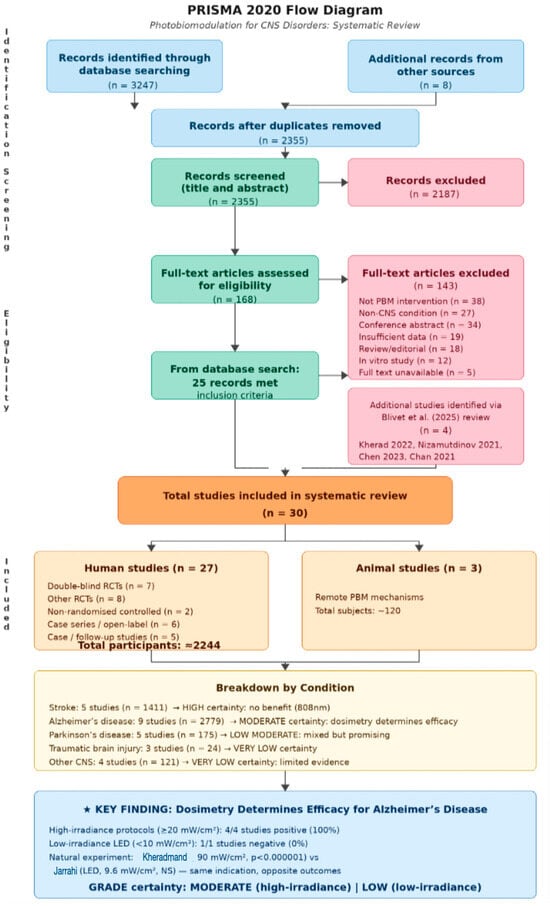
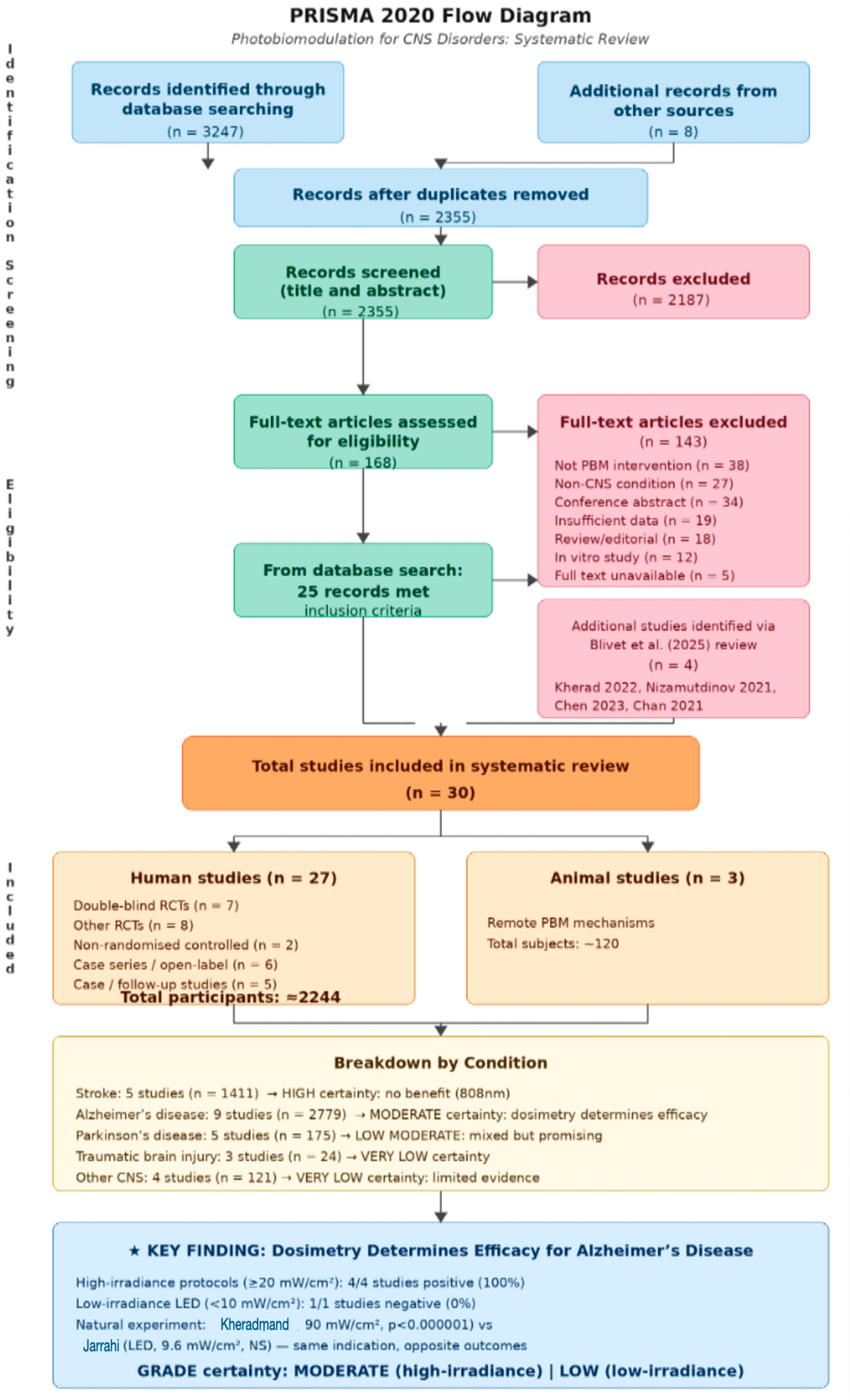
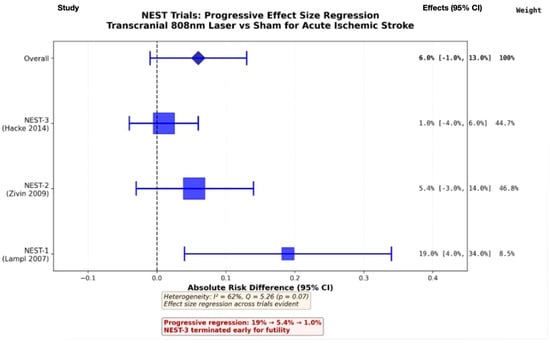
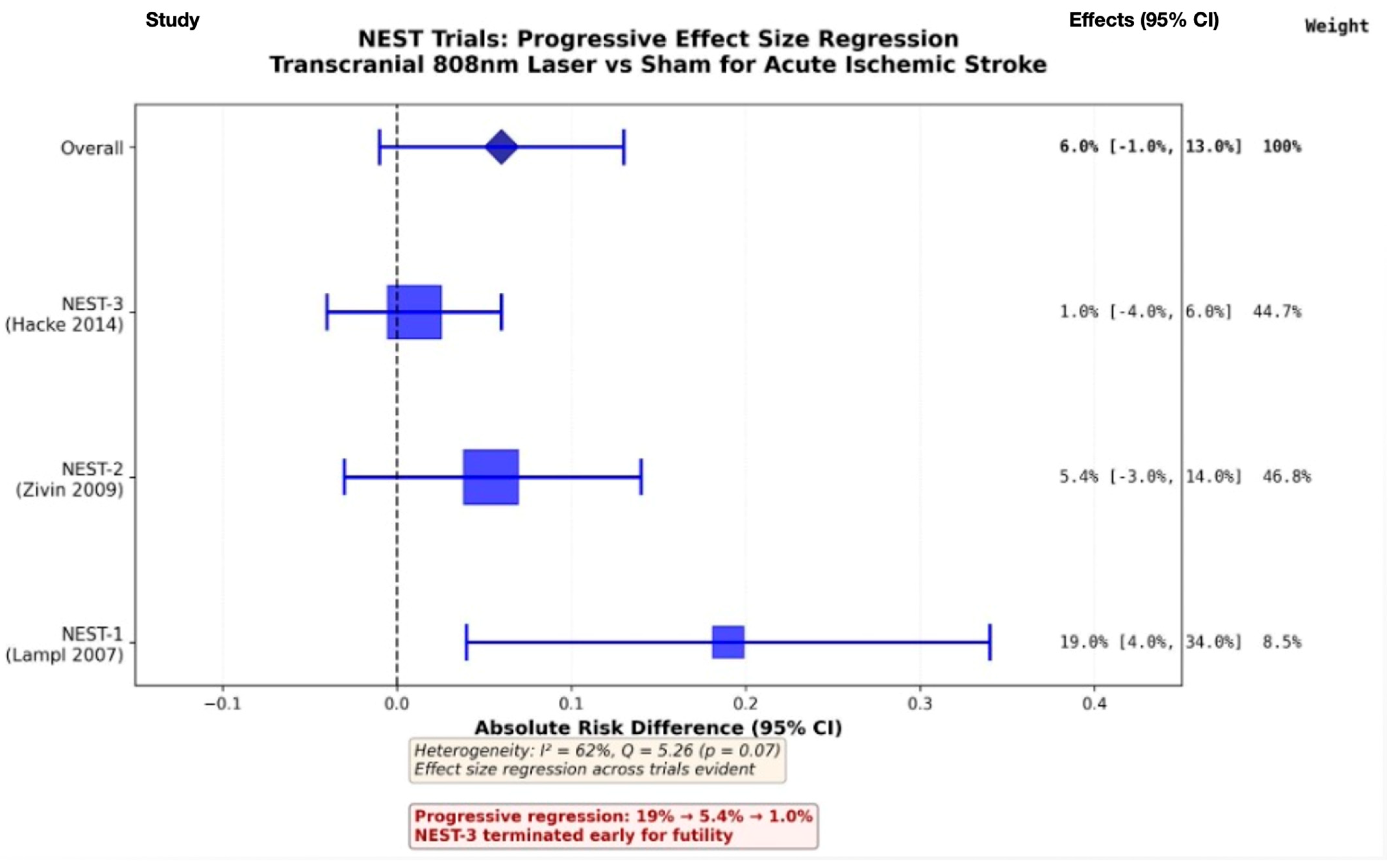
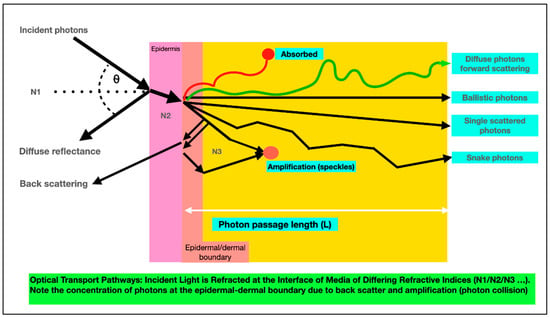
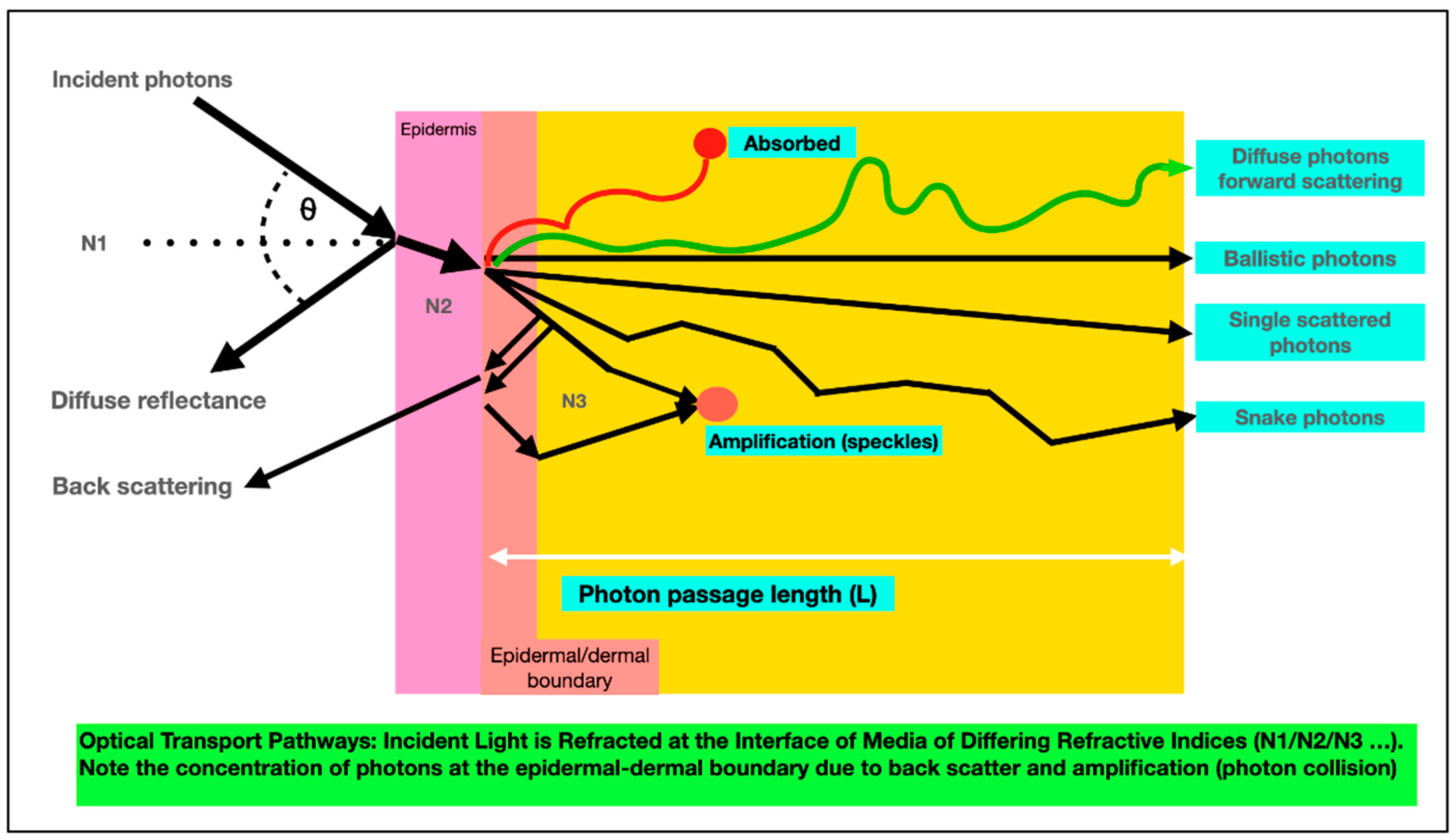
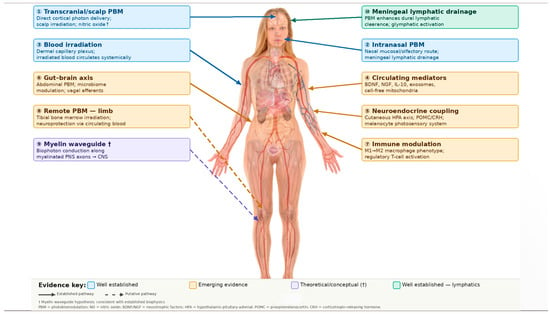
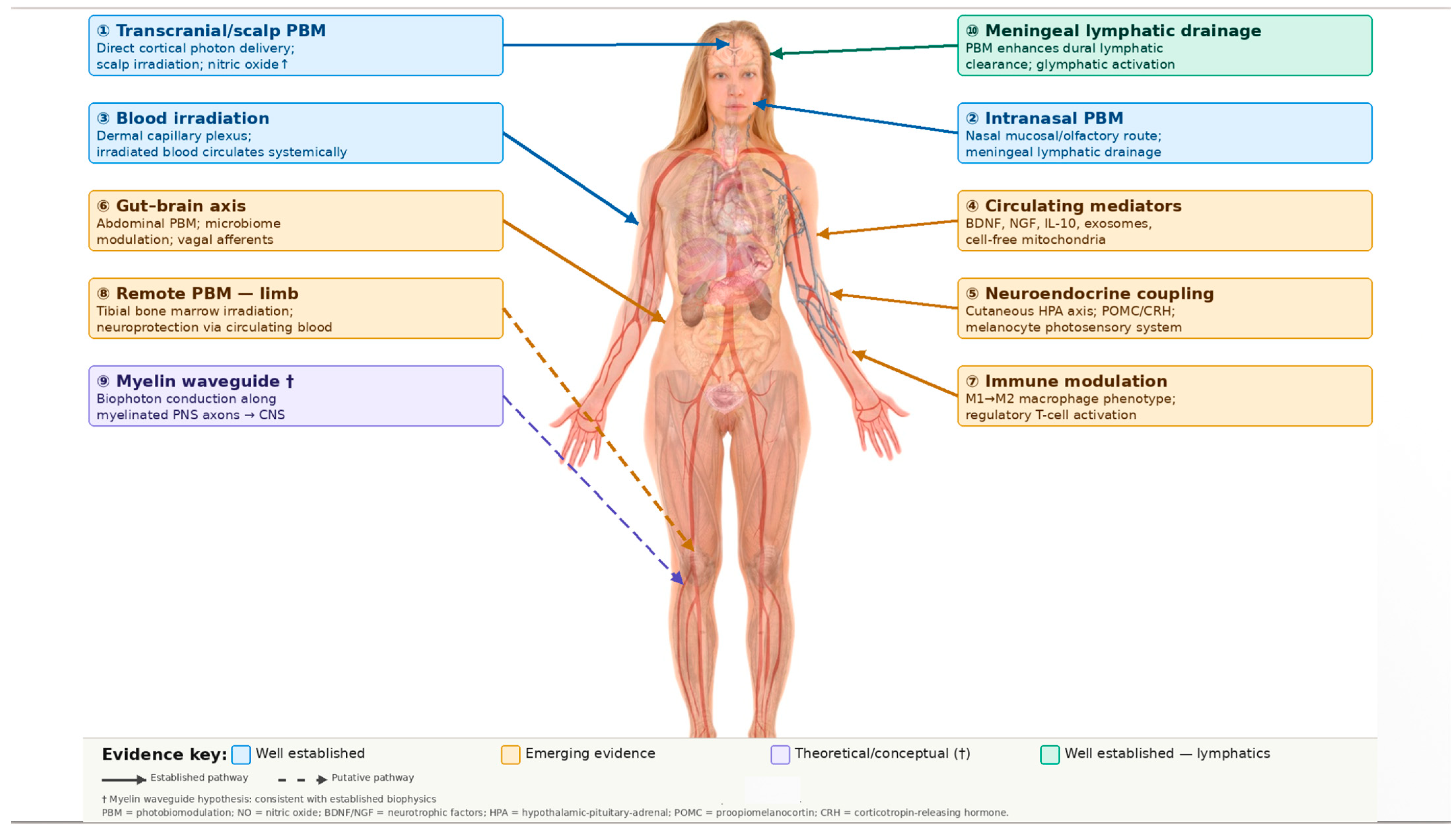
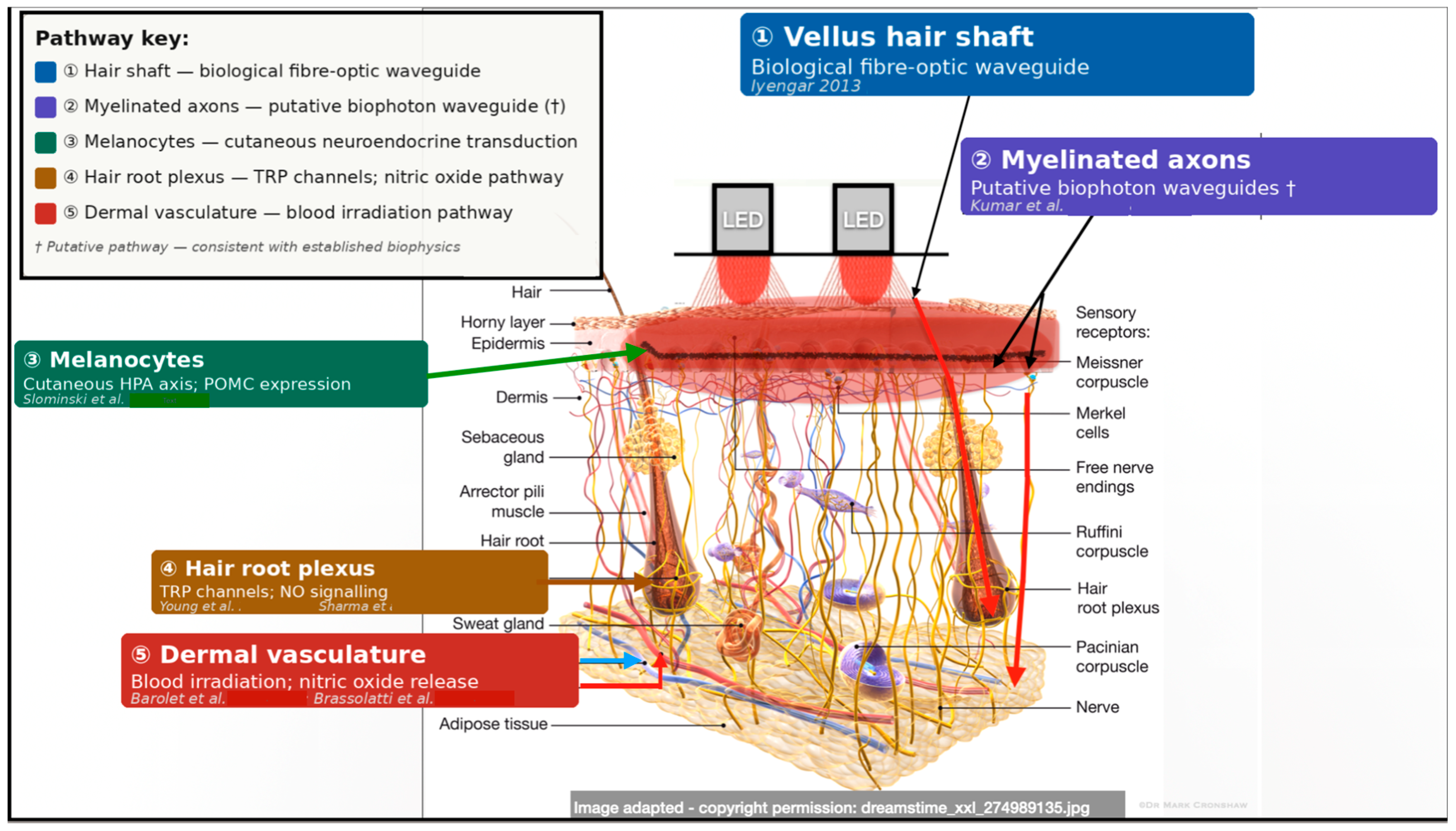

Disclaimer/Publisher’s Note: The statements, opinions and data contained in all publications are solely those of the individual author(s) and contributor(s) and not of MDPI and/or the editor(s). MDPI and/or the editor(s) disclaim responsibility for any injury to people or property resulting from any ideas, methods, instructions or products referred to in the content. |
© 2026 by the authors. Licensee MDPI, Basel, Switzerland. This article is an open access article distributed under the terms and conditions of the Creative Commons Attribution (CC BY) license.