


Abstract
Optical tweezers (OTs) serve as a core contactless manipulation tool at the micro- and nano-scale, with wide applications in physics, biology, colloid science and other fields. However, conventional single-beam gradient force OTs are limited by diffraction, optical damage, low throughput, and system complexity. To meet the demand for large-scale particle manipulation in complex environments, speckle optical tweezers (SOTs) based on random optical fields have emerged as a promising alternative to conventional OTs that transform random speckle patterns into a controllable manipulation resource. Since their formal establishment, SOTs have developed a solid theoretical foundation and diverse implementation platforms with key breakthroughs in micro- and nanoparticle manipulation. This paper systematically reviews the origin and development of SOTs, elaborates their core principles, summarizes the statistical properties of speckle fields, and introduces typical configurations based on random media, multimode fibers, and spatial light modulators. It also highlights the unique value of SOTs in micro- and nanoparticle manipulation, active particle dynamics, and cold atom physics, with advantages of high throughput, low cost, and environmental adaptability. Finally, future development trends are discussed, including intelligent regulation of optical fields, interdisciplinary applications, system miniaturization and multi-technology integration. This review provides a comprehensive reference for the theoretical development, system optimization, and practical application of SOTs in fields such as statistical physics, biomedicine, microfluidics, and quantum science.
1. Introduction
Optical tweezers (OTs), a technique that utilizes gradient forces generated by highly focused laser beams to achieve the three-dimensional (3D) trapping and manipulation of micro- and nanoparticles, have evolved from an ingenious physical experiment conceptualized in the 1970s [1] into an indispensable tool across multiple fields including physics, biology, colloid science, and nanotechnology. Currently, OTs have been widely applied to the non-invasive manipulation of micro- and nanoscale objects, such as cells, organelles, and biological macromolecules. Its developmental trajectory is intricately interwoven with advancements in laser technology, microscopy, and nanoscience, continuously pushing the limits of mechanical manipulation precision and deepening the understanding of life and soft matter systems [2]. Speckle optical tweezers (SOTs) is an emerging optical technology for microscopic particle manipulation based on random optical fields. Its core principle involves utilizing intensity gradients within a laser speckle field to exert optical forces on micro- and nanoparticles, thereby enabling their non-contact trapping, manipulation, and sorting [3]. Compared to conventional OTs, SOTs offer unique advantages such as a simple structure, low cost, and the capability for parallel manipulation of a large number of particles, opening a new technological pathway in the field of optical manipulation. Since its formal inception in 2014, SOT technology has become a research hotspot in this field. However, systematic studies on SOTs remain relatively limited, particularly lacking comprehensive and in-depth analysis and review of their technical mechanisms, key breakthroughs, and expanded applications. This paper begins by examining the limitations of conventional OTs and proceeds to explore the origin and development of SOTs. By systematically reviewing the developmental trajectory and key technological breakthroughs of SOTs, this paper aims to provide a comprehensive technical reference for researchers in this field. In addition, through an in-depth analysis of the physical mechanisms and theoretical foundations of SOTs, this paper elucidates their fundamental differences from conventional OTs. Furthermore, the application instances and effects of this technology across various fields will be systematically analyzed, providing an in-depth examination of the value and technical intricacies of SOTs in specific practical applications. Finally, the future development trends and application prospects of this technology will be projected, thereby furnishing a scientific basis for technical decision-making within relevant industries.
1.1. Limitations of Optical Manipulation in Conventional Optical Tweezers
Although conventional single-beam gradient force OTs have become the cornerstone of non-contact and high-precision mechanical manipulation in the microscale field, their inherent physical and technical limitations have also restricted the expansion of the application scenarios of this technology. The core principle of conventional OTs relies on the gradient force generated by the tight focusing of a free-space laser beam through a high numerical aperture (NA) objective lens to trap particles, which subjects the technology to several fundamental constraints. Firstly, the diffraction limit determines its trapping volume and spatial resolution. Conventional OTs are most effective at manipulating microparticles, while struggling to stably trap particles at the nanoscale (<100 nm, particularly sub−10 nm) or single molecules (<10 nm). On the one hand, the wave nature of light (diffraction) limits the minimum size of the focused spot in conventional OTs to approximately half the wavelength. When the particle size approaches or becomes smaller than this spot size, such diffraction-limited focusing cannot concentrate the optical field intensity gradient into a sub-wavelength volume. Consequently, it fails to provide a sufficiently strong localized optical field gradient. The resulting gradient force is then inadequate to overcome the scattering force, as well as the particle’s Brownian motion or fluid drag, leading to a drastic drop in trapping efficiency or even a complete failure to trap [4]. On the other hand, since the localization precision for a particle in conventional OTs is directly tied to the spot size, the diffraction-limited spot size inherently restricts the positioning accuracy to above the nanoscale. This limitation prevents the technology from meeting the high-precision demands of applications such as single-molecule manipulation or nanoparticle assembly [5]. Secondly, the focused spot with high power density is prone to cause photodamage to biological samples, limiting the long-term dynamic research on living samples. Studies have shown that photothermal phenomena, along with negative photochemical effects, are critical sources of damage to trapped biological structures due to the high photon densities involved in optical trapping [6]. Visible lasers (e.g., blue, green) can readily induce photochemical reactions in biological molecules (e.g., nucleic acids, proteins), causing non-thermal photodamage. For near-infrared lasers (e.g., 1064 nm), biological tissue exhibits relatively low absorption, which enables a favorable balance between optical trapping strength and the risk of non-thermal damage. Even so, focusing the laser to an intensity on the order of MW/cm2 can markedly increase solvent absorption and thereby induce localized heating. Even in an aqueous environment, with laser power exceeding 100 mW, such localized temperature rise can interfere with Brownian-motion-based trap calibration. This results in an overestimation of the trap stiffness and an underestimation of the detector response, introducing non-negligible experimental artifacts. Meanwhile, membrane structures such as liposomes are more sensitive to temperature. Metabolically active cells (e.g., sperm, egg cells) may also experience functional abnormalities due to localized heating, significantly increasing the probability of apoptosis or other dysfunctions [7]. For lasers outside the near-infrared region, biological samples may suffer stronger thermal effects and consequently more severe damage, owing to enhanced protein absorption in the visible range and increased water absorption in the infrared region [8]. Thirdly, conventional optical trapping systems rely on bulky, sophisticated microscope platforms. Their complex optical alignment and high cost hinder widespread adoption and integrated applications. Furthermore, they are highly susceptible to environmental factors. Temperature fluctuations, acoustic noise, mechanical vibrations, and air convection can all adversely affect optical trapping measurements. Specifically, thermal drift causes slow, large-scale instrumental drift; acoustic noise can induce vibration in optical components; mechanical vibrations may originate from the operation of nearby heavy machinery or vehicular traffic; and air currents may trigger low-frequency mechanical vibrations and various optical disturbances, such as beam deflection or light scattering by dust particles [8]. Consequently, the alignment precision for optical components is extremely demanding, as minute mechanical vibrations or temperature fluctuations can lead to trap instability. Fourth, conventional OTs are primarily suitable for high-refractive-index dielectric particles, exhibiting insufficient manipulation capability for low-refractive-index particles, absorbing particles, or particles in the gas phase. They use a tightly focused Gaussian beam to generate an electric field intensity gradient trap, applying a gradient force on the particle proportional to ∇E2, where E is the electric field of the beam. The difference between the refractive index of the surrounding medium (nm) and that of the particle (np) determines the direction of the gradient force. Therefore, stable trapping of high-refractive-index particles is relatively easy to achieve using a tightly focused Gaussian laser beam. In contrast, for low-refractive-index particles (relative to the medium), which experience a gradient force directed from the beam focus center towards regions of lower intensity, special beam designs, such as various hollow beams, are typically required [9]. Conventional OTs face multiple difficulties when trapping absorbing particles, especially for achieving stable confinement in gaseous environments, owing to the complex interplay of gas medium properties and photophoretic forces. Typically, they perform particle trapping in liquid environments. In gases (e.g., air), particle buoyancy is significantly lower and the medium viscosity is extremely low, making particles more susceptible to external disturbances (e.g., airflow) and difficult to suspend stably [10]. Compared to liquids, the thermal motion and diffusion of particles in a gaseous environment are more vigorous, further complicating trapping. For absorbing particles, their surfaces absorb laser energy, creating a non-uniform temperature distribution which induces a photophoretic force. This force originates from the thermal interaction between the particle surface and the surrounding gas molecules, and is typically several orders of magnitude stronger than conventional radiation pressure [11]. Consequently, the central high-intensity region of a conventional Gaussian beam tends to push absorbing particles toward the beam periphery (rather than towards the center) due to the photophoretic force. The radiation pressure relied upon by conventional OTs is negligible in comparison, ultimately causing particles to be readily expelled from the trapping region and preventing stable 3D confinement [12]. Even in liquids, ordinary beams struggle to achieve lateral confinement for absorbing particles, further limiting their trapping capability [13]. Fifth, the core architecture of conventional OTs is essentially a “single-point” manipulation tool. Although multi-trap manipulation can be achieved using more complex strategies like scanning (time-division multiplexing) or multi-point interference, it faces challenges in power and flexibility when aiming for truly large-scale, high-throughput parallel manipulation [14]. Holographic optical tweezers (HOTs) based on spatial light modulators (SLMs) can generate programmable trap arrays, but they require complex wavefront calibration, suffer from optical crosstalk at high trap density, and rely on high-stability environments, leading to high cost and poor robustness. Digital micromirror device (DMD)-based OTs feature high-speed trap switching, but their trap uniformity is poor, the power utilization rate is low, and the number of stable traps is limited under large-scale manipulation. Additionally, the short working distance of the high-NA microscope objectives used to focus the trapping beam in conventional tweezers can also limit the applicability and trapping efficiency of these methods [15].
To overcome the limitations described above, researchers have developed a series of optical trapping technologies based on novel physical principles or innovative structures, through advancements in beam modulation techniques, optimization of force-field coupling mechanisms, and simplification of optical layouts. This has created a complementary technical framework to conventional OTs, expanding the frontiers of optical manipulation. To surpass the diffraction limit, near-field OTs, such as plasmonic tweezers, utilize strongly localized optical fields generated by metallic nanostructures (e.g., nanogaps, nanoapertures). Through localized surface plasmon resonance (LSPR), these systems generate steep electric-field gradients, producing sufficiently strong gradient forces to overcome Brownian motion. This enables stable trapping of subwavelength particles, successfully advancing the trapping scale below 10 nm while significantly reducing the required optical power. It thus provides a new tool for single-molecule biophysics research [16,17].
Optical trapping based on hollow-core fibers utilizes the non-diffracting confinement of the optical field through photonic bandgap or anti-resonance effects, creating an effectively infinite focal length. The intense intensity gradient generated within the core is sufficient to form an optical gradient force for trapping subwavelength particles. Furthermore, when a particle deviates from equilibrium, it modulates the optical field distribution inside the core, generating a restoring force that pulls it back. This self-induced back-action mechanism can enhance the optical gradient force by several orders of magnitude, offering a new approach for the long-distance, highly stable levitation and multi-dimensional control of mesoscopic particles and atoms [18].
To address the limitations of conventional OTs, such as their tendency to cause photodamage to fragile samples, their stringent requirements for particle properties, and their predominantly unidirectional manipulation, thermo-optical tweezers (TOTs) based on an indirect light-heat-fluid coupling mechanism have been developed. They generate a composite force field through low-power photothermal conversion. Laser absorption by an absorptive substrate or solution creates a localized thermal field. The resulting temperature gradient drives particles via a thermophoretic force, while the induced micro-convection applies a viscous drag force. The synergistic action of these two forces enables efficient, multi-modal trapping (including capture, rotation, rolling, and ejection) that is largely independent of the particle’s optical properties and minimizes photodamage to biological samples [19,20]. For miniaturized and in situ minimally invasive applications, fiber OTs utilize optical fibers as the medium for beam transmission and focusing. By confining the optical field to a tapered fiber tip and eliminating the need for high-NA objectives, this approach achieves system miniaturization and a probe-like form factor. Consequently, it is readily integrated into microfluidic chips and is implantable in living tissues [21,22]. Holographic optical tweezers (HOTs) address the need for multi-particle parallel manipulation by employing spatial light modulators (SLMs) for precise wavefront modulation. This generates programmable 3D optical trap arrays, enabling independent, dynamic control of multiple particles while balancing flexibility and manipulation precision [23]. Furthermore, OTs based on Digital Micromirror Device (DMD) achieve high-throughput dynamic manipulation owing to their kHz-level optical trap switching speed and low-cost advantages. They are particularly suitable for experimental scenarios such as biostatistics research, large-scale colloidal assembly, and high-throughput screening of living cells [24].
Recently, metasurface-enabled optical tweezers (meta-OTs) have emerged as a highly compact and integrated platform for optical manipulation, which breaks the limitations of conventional bulky setups relying on objectives and spatial light modulators [25]. By combining geometric phase and dynamic phase, single-layer dielectric metasurfaces can simultaneously achieve optical trapping and optical rotation on a monolithic chip, enabling independent control of focal lengths and topological charges of vortex beams [26]. Such ultra-thin planar devices feature miniaturization, high integration, and flexible tunability, opening new opportunities for on-chip particle manipulation and multifunctional optical control.
Benefiting from the continuous innovation and iteration of the aforementioned architectures, OTs have witnessed transformative progress in their advanced and frontier application scenarios. On one hand, by constructing artificial potential field enabled modulation strategy, intelligent HOTs have realized high-throughput, collision-free dynamic parallel manipulation and reconfigurable arrangement of large-scale particle clusters, laying a solid foundation for intelligent and highly efficient optical assembly. On the other hand, the combination of optical trapping technology and advanced optical microscopy has given rise to novel optical tweeze-sectioning microscopy, which enables label-free, all-optical three-dimensional imaging and long-term stable manipulation of suspended living cells, overcoming the long-standing bottleneck for non-adherent biological sample research. These representative breakthroughs significantly extend the technical boundary of optical micromanipulation, and open up new avenues for high-end applications including single-cell precision analysis, in situ biological characterization and intelligent multi-particle cooperative control [27,28]. Collectively, these pioneering works strongly drive the entire optical tweezer field toward higher precision, greater intelligence and broader practical applicability.
Among these novel forms of optical trapping, speckle optical tweezers (SOTs) are a technology that generates optical traps from the random intensity gradients created by the interference of scattered light. They can accommodate the parallel capture of hundreds to thousands of particles without the need for complex wavefront modulation, and are inherently compatible with complex, turbid environments [29,30]. Since their emergence in the early 2000s, SOTs have provided a novel solution for the multi-dimensional, high-throughput manipulation of microparticles, characterized by their extremely simple architecture and remarkably low cost. This has established a distinct paradigm in the field of optical micromanipulation, separate from that of conventional OTs.
1.2. Origin and Development of Speckle Optical Tweezers
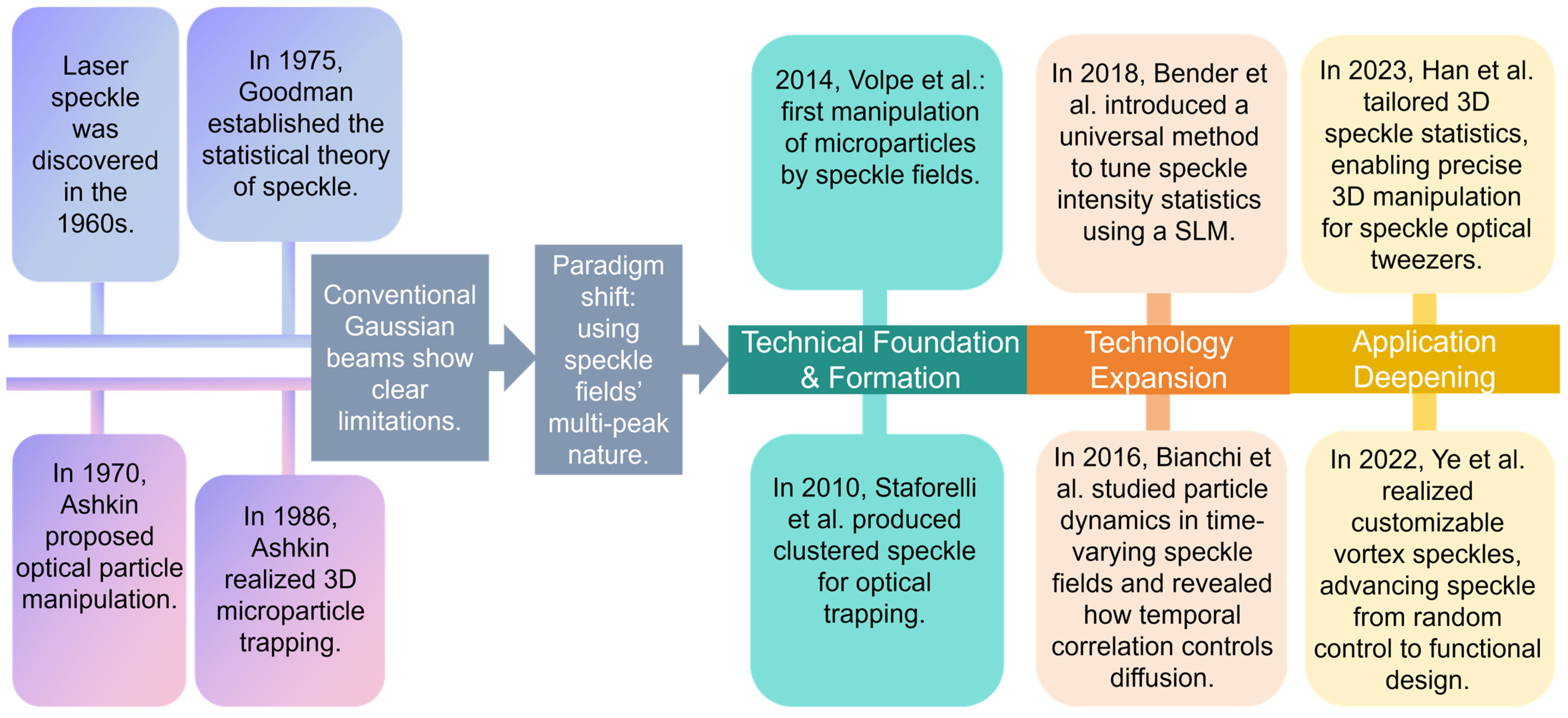
The origin of SOTs can be traced back to the discovery of the laser speckle phenomenon and the breakthroughs in optical tweezers technology, as depicted in Figure 1. In the 1960s, following the invention of the laser, scientists first observed the granular pattern of bright and dark speckles formed after a laser beam scattered from a rough surface, a phenomenon now known as “laser speckle” [31]. The speckle phenomenon arises from the coherence of laser light and the randomness of the scatterers. It was long considered both noise and a defect in optical systems, degrading imaging quality, until it was discovered that its unique statistical properties could be utilized for optical measurement and particle manipulation. In 1975, Goodman, in his seminal work Statistical Properties of Laser Speckle Patterns, systematically derived the first- and second-order statistical properties of laser speckle. This work elucidated the circular Gaussian distribution of the complex amplitude, the negative exponential distribution of intensity, and the relationship between speckle size and optical system parameters, thereby establishing a complete theoretical framework for speckle. This foundation has since provided the theoretical basis for the active control of speckle fields [32].
Simultaneously, the emergence and breakthrough of OTs technology provided the practical foundation for utilizing laser speckle in optical manipulation. In 1970, Arthur Ashkin at Bell Labs first proposed the concept of using laser radiation pressure to manipulate microscopic particles. However, stable trapping was not achieved at the time due to limitations in beam focusing technology [1]. It was not until 1986 that Ashkin’s team constructed a stable optical potential well using a highly convergent Gaussian laser beam, successfully achieving 3D trapping of particles and marking the official inception of optical tweezers technology [33]. The core design of this “single-beam optical gradient force trap” served as the prototype for modern OTs. In 2018, Ashkin was awarded the Nobel Prize in Physics for OTs, in recognition of his “groundbreaking inventions in the field of laser physics”, particularly “for the OTs and their application to biological systems”.
Beginning in the 1990s, researchers started exploring the use of the spatial intensity distribution of speckle fields for multi-particle manipulation. They successfully employed the random optical potentials generated by speckle fields for the trapping and cooling of atoms, marking the first introduction of the speckle field concept into the realm of optical trapping [34,35,36]. This pioneering work laid the theoretical groundwork for subsequent speckle manipulation research, initiating a formative period for SOTs characterized by concurrent theoretical exploration and early experimentation. A key breakthrough of this stage was the recognition that disordered optical fields could also produce stable trapping effects, thereby challenging the conventional reliance on ordered, focused beams. In the early 2000s, researchers conducted in-depth analyses of the distribution characteristics of gradient and scattering forces within speckle fields. Their work elucidated the particle trapping mechanisms at speckle “hot spots” and “dark spots”, and identified the critical role played by photophoretic forces in capturing absorbing particles [37]. In 2010, researchers at the Australian National University published a study on multi-particle trapping in volumetric speckle fields in Optics Express [38]. They used a ground glass diffuser to generate a spatial speckle field, achieving simultaneous capture of a large number of particles. This work demonstrated the potential of speckle fields for large-scale particle manipulation, breaking the limitation of conventional single-beam OTs, which can only manipulate a few particles at a time. Following this, the theoretical framework and experimental methods related to particle trapping and manipulation based on speckle fields gradually matured, and the technology reached a critical development breakthrough. In the same year, Staforelli et al. preliminarily proposed generating clustered speckles by adding a multi-aperture closed-distribution pupil mask in front of the objective lens of a standard OTs system, which provided new ideas for the research of SOTs [39]. In 2014, Giorgio Volpe, Sylvain Gigan, and others published “Speckle optical tweezers: micromanipulation with random light fields” in Optics Express, formally establishing the technology name “speckle optical tweezers” [3]. This paper was the first to systematically explain the principles, mechanisms, and applications of SOTs, becoming a foundational work in the field. The study revealed the dual trapping mechanisms of SOTs: a gradient force-dominant mechanism, similar to conventional OTs, suitable for high-refractive-index particles in transparent media; and a photophoretic-force-dominant mechanism that utilizes thermophoresis from temperature gradients, suitable for absorbing particles in air. It also demonstrated that SOTs could be used to study statistical physics phenomena such as Brownian motion and anomalous diffusion, providing a new tool for complex fluid research.
From 2015 to 2019, SOTs technology entered a phase of rapid development and technological expansion, marked by various innovations and functional extensions. By applying random phase modulation in the Fourier plane using a SLM, researchers developed dynamic SOTs technology featuring a dynamically tunable spatiotemporal correlation of the speckle field. This enabled precise control over the dynamic transport behavior of colloidal particles [40,41]. Based on coherent light interference from an annular scattering screen with multiple pinholes, researchers observed the clustering of speckle grains, forming a speckle pattern with a network-like structure, termed a “clustered speckle” [42]. Clustered speckle not only inherits the inherent random intensity fluctuation and disorder characteristics of conventional fully random speckle fields, but also possesses distinct local periodicity, geometric ordering features. It can construct precisely configurable lattice-like architectures, including hexagonal, kagome, honeycomb lattices, along with well-defined optical vortex arrays with global ordered arrangement. This unique coexistence of intrinsic randomness and local ordered periodicity makes clustered speckle a canonical intermediate state, marking the critical transition from purely disordered random optical fields toward partially ordered structured light fields within modern speckle photonics research. This optical field structure combines randomness with local periodicity, encompassing various optical lattices (e.g., hexagonal, kagome, honeycomb) and optical vortex arrays. It represents a typical phenomenon of transition from disorder to order in speckle research [42]. The combination of geometric order and random intensity distribution has further expanded the application space of SOTs in the field of micro- and nano-manipulation.
Since 2020, SOTs have entered a stage of deepened application, with major breakthroughs achieved in many frontier fields. Kotnala et al. proposed the opto-thermo-electric speckle tweezer (OTEST) technique, which uses thermal speckle fields formed by randomly distributed thermal hotspots (generated by optical speckle patterns) to realize large-scale, high-throughput capture and manipulation of nanoparticles. By integrating with microfluidic systems, they demonstrated size-based nanoparticle filtering applications [43], showing the application potential of OTEST in nanomanufacturing and biomedical fields. Jamali et al. demonstrated that SOTs are capable of simultaneously manipulating both high-refractive-index microparticles (trapped at bright spots) and low-refractive-index microparticles (trapped at dark spots), enabling the sorting of complex particle mixtures [9]. This advancement extends the applicability of SOTs to more complex particulate systems. In 2022, Ye et al. realized vortex speckles with propagation-invariant ring-shaped structures, customizable symmetry and spatial correlation, providing a crucial technical route for the development of speckles from “random modulation” to “customized functional design” [44]. In 2023, Han et al. proposed and experimentally verified a method for customizing the statistical properties of 3D speckles, providing key technical support for the precise 3D manipulation of SOTs [45]. In addition, Sadri et al. successfully employed SOTs to control the collective motion of Escherichia coli, including confinement, transport, and re-assembly, highlighting the technique’s potential for research on living cells [30]. This application marks an important expansion of SOTs from the field of physics to the biomedical field. Jamali et al. verified the feasibility of manipulating microparticles at fluid interfaces using SOTs in their latest research. Its quasi-two-dimensional nature and robustness to environmental noise are superior to those of conventional HOTs, providing a new tool for studying interfacial physico-chemical processes [29].
Figure 1.
Origin and development of SOTs [1,3,31,32,33,39,40,41,44,45].
1.3. Comparative Analysis, Innovations, and Advantages of Speckle Optical Tweezers vs. Conventional Optical Tweezers
SOTs and conventional OTs both fall into the category of optical trapping techniques, and both enable non-contact manipulation of micro- and nanoparticles via gradient forces or derived optomechanical effects generated by light-matter interactions. However, the SOTs technology, with its unique physical mechanism, presents numerous innovations distinguishing it from conventional OTs, as well as remarkable advantages in optical field design logic, technical implementation, manipulation modalities, and application properties.
From the perspective of physical mechanism and optical-field characteristics, conventional OTs typically rely on high-NA objectives to focus a light beam and create a tightly confined optical trap. For instance, they utilize the gradient forces produced by a strongly focused Gaussian beam to trap transparent microparticles, achieving particle manipulation through precise control of the focal position and intensity distribution [46]. In contrast, SOTs follow a distinct approach. Their optical field exhibits a randomly fluctuating, multi-peaked intensity profile with spatially disordered energy distribution, enabling particle manipulation based on the statistical properties of random light fields. In SOTs, the number of optical traps is determined by the contrast and coherence length of the speckle field, allowing the simultaneous creation of hundreds to thousands of micro-traps in a single operation. This strategy thereby transforms the random multi-peak speckle field generated by laser scattering from optical noise into a controllable resource for manipulation [3].
In terms of trapping principles, optical forces in conventional OTs are calculated using precise beam models [47], whereas those in SOTs are derived from statistical-mechanics models [3]. Unlike conventional OTs, where the position and intensity of each trap are precisely determinable, control in SOTs is statistical: by tailoring the overall statistical properties of the speckle field, such as its correlation length and contrast, the collective behavior of particles can be affected [30]. Consequently, conventional OTs rely on a single force mechanism, namely the gradient force, and are ineffective for light-absorbing particles, which tend to escape due to thermophoretic forces generated by the photothermal effect [10]. In contrast, SOTs employ a dual-force approach: transparent, high-refractive-index particles are trapped via gradient forces, while light-absorbing particles or nanoparticles are manipulated through photophoretic forces, whereby local temperature gradients induced by laser heating drive particles toward dark speckles. This extends the technique to a much broader range of particle types and adds a new dimension to optical trapping mechanisms [38].
In terms of technical implementation and cost, conventional OTs require complex optical systems, including high-NA objectives and precision beam-shaping devices, whereas the experimental setup for SOTs is relatively simple, mainly consisting of a laser source and scattering elements. This discrepancy leads to the high cost and complex system architecture of conventional OTs, in contrast to the low cost and easy implementation of SOTs [2]. The complexity and cost of the system directly dictate the technology’s entry barrier and suitable application scenarios. Consequently, when integrated with microfluidic or spectroscopic systems, OTs often result in bulky setups with high maintenance costs. In contrast, SOTs can be seamlessly incorporated into microfluidic chips and portable detection devices, facilitating miniaturization.
From the perspective of manipulation mode and application adaptability, conventional OTs excel at manipulating single particles, such as microspheres, organelles, or individual cells that are comparable in size to the wavelength and exhibit a high refractive-index contrast. They are therefore better suited for the active, precise control of one or a few particles, enabling fine operations like three-dimensional displacement, rotation, and stretching, and are applicable in scenarios demanding high-precision force measurement or trajectory control [48,49]. Typical application areas of conventional OTs include single-molecule force spectroscopy (e.g., DNA stretching, protein folding), measurement of single-cell mechanical properties, characterization of microrheological parameters, and precise manipulation and assembly of individual particles [50,51]. In contrast, SOTs are compatible with transparent, absorbing, and nanoscale particles, covering polymer microspheres, metal nanoparticles, quantum dots, bacteria, and red blood cells. They impose relatively relaxed requirements on refractive index and present a lower risk of optical damage, leading to a significantly broader application scope than conventional OTs [37]. SOTs are inherently suited for the parallel manipulation of large populations of small (especially sub-micron) particles, such as colloidal suspensions, bacterial communities, or suspended cells. They are applicable in statistical physics studies (e.g., Brownian motion, anomalous diffusion, colloidal glass transition), high-throughput cell sorting in microfluidic chips, large-scale assembly of metal nanoparticles, portable bio-detection, analysis of collective behaviors in living cells, and simulation of complex disordered environments [9,30]. Although SOTs are less sensitive to environmental disturbances and demonstrate stronger adaptability to complex real-world settings compared with conventional OTs, their single-particle manipulation accuracy is considerably lower. Moreover, the trap positions in SOTs are random and unpredictable, making fine force measurements on individual particles challenging.
In summary, conventional OTs can be viewed as precise “optical forceps”, while SOTs can be described as parallel “optical energy landscapes”. The two techniques are highly complementary within the scientific toolbox. A comparative analysis of SOTs and conventional OTs, along with a summary of their innovations and advantages, is presented in Table 1. The choice of technique depends entirely on whether the core of the scientific question involves the precise mechanics of an individual or the statistical behavior of a population. The innovation of SOTs lies in expanding the domain of optical manipulation from the precise mechanics of molecules and cells to the vast arena of complex systems and statistical physics.
Table 1.
Comparison and Summary of Innovations and Advantages of Speckle Optical Tweezers vs. Conventional Optical Tweezers.
2. Principle of Speckle Optical Tweezers
The core competitiveness of SOTs originates from the unique physical properties of the speckle light field. Their manipulation performance is directly governed by the field’s generation mechanism, statistical laws, and characterization accuracy, while stable trapping of microparticles relies on specific physical forces arising from light-matter interactions. Therefore, to advance this technology toward high precision, versatility, and practical utility, it is crucial to systematically elucidate the principles of SOTs and define the core principles governing the generation, properties, characterization, and manipulation mechanisms of the speckle field. Accordingly, this section provides a systematic summary and analysis focusing on four key aspects of SOTs technology.
2.1. Generation Mechanism of Speckle Light Field
The speckle light field is the core manipulation medium of SOTs. In essence, it is an optical intensity distribution pattern characterized by random fluctuations, formed through the coherent superposition of a large number of scattered wavelets after the random scattering of coherent light [52]. The generation of a speckle field requires two fundamental conditions: first, the light source must exhibit high coherence (both temporal and spatial); second, the presence of scattering elements featuring random refractive index fluctuations or rough surfaces. These two factors collectively govern the intensity distribution, spatial structure, and stability of the resulting speckle field. As an ideal light source for speckle generation, laser light provides the necessary high spatial coherence, which ensures a fixed phase relationship among scattered waves originating from different scattering points, and high temporal coherence, which guarantees stable interference during their superposition [53]. When a highly coherent laser beam illuminates a rough surface or propagates through an inhomogeneous medium, its propagation characteristics are significantly altered. Fundamentally, the numerous scattering points within a rough surface or inhomogeneous medium scatter the incident laser light. The formation of the speckle field stems precisely from this complex and subtle interaction between the laser and the scattering material. Consequently, the speckle formation process, arising from the laser scatterer interaction, is influenced by both the properties of the laser and the characteristics of the scatterer.
When a highly coherent laser beam (e.g., from a He-Ne or solid-state laser) illuminates an optically rough surface (such as ground glass or a frosted diffuser), each microscopic surface facet can be considered an independent scattering center. The random positions and shapes of these scattering centers lead to irregular distributions in both the amplitude and phase of the scattered light [54]. According to the Huygens Fresnel principle, the light scattered from each point acts as a new wavelet source. These wavelets propagate through space and mutually interfere. In the far field or on the focal plane of a lens, these wavelets, originating from different scattering points and carrying random phases, recombine and interfere. Due to the randomness of their phase distribution, the interference results in a spatially random pattern of bright and dark spots, known as a speckle pattern [32]. When a laser beam propagates through an inhomogeneous medium, the random refractive index fluctuations within it (e.g., in biological tissue or turbid liquids) or the presence of discrete scattering particles (e.g., colloidal particles or titanium dioxide coatings) induce multiple scattering. Consequently, the emerging light comprises a large number of scattered wavelets with randomly distributed propagation directions, amplitudes, and phases [55]. The coherent superposition of these scattered wavelets, upon meeting at any observation point in space, forms a granular speckle light field with a random spatial distribution of bright and dark regions [56]. Furthermore, the aforementioned laser scatterer interaction can be equivalently described as the laser transmitting through a random phase plate. This optical element, featuring either a surface with randomly distributed micro- or nano-scale embossed structures or a bulk medium with a randomly modulated refractive index (e.g., via doping), imposes an irregular phase-delay modulation on the incident coherent laser wavefront. This modulation alters only the optical phase without significantly attenuating the amplitude. In actively controlled SOTs, a SLM is commonly employed to dynamically display computer-generated holograms. This setup digitally emulates random phase modulation, thereby generating a programmable “computational speckle field” [57].
In summary, based on the type of scattering element and the control requirements, methods for generating speckle fields can be divided into two main categories: static speckle field generation and dynamic speckle field generation. Static speckle fields are generally produced using passive scattering elements, such as ground glass, holographic gratings, or random phase plates. Their fixed scattering structure results in a stable spatial distribution of the speckle field, requiring no additional dynamic control devices. Unlike dynamic speckle systems that rely on the response time of active devices (e.g., SLMs, DMDs), static speckle fields generated by passive scattering elements do not have such inherent speed limitations, allowing for modulation speeds limited only by the light source itself. Therefore, static speckle fields can respond rapidly to changes in the incident light (e.g., switching on/off or modulating the laser source). They offer advantages such as low optical loss, fast modulation, high stability, simple construction, and low cost, making them suitable for static multi-particle trapping scenarios [58,59]. Dynamic speckle fields are generated via actively controllable scattering elements, including SLMs, DMDs, and acousto-optic deflectors (AODs). By real-time adjustment of the phase distribution or scattering angle of these elements, the speckle field can be dynamically updated and reconfigured. This enables active particle manipulation such as transport and sorting, and is suitable for precise collective control in complex scenarios that require real-time light-field variation. The drawbacks are slightly higher optical loss and higher cost [60].
2.2. Statistical Properties and Characterization Parameters of Speckle Light Field
The speckle light field is essentially a random interference field. Although its intensity distribution appears as disordered fluctuations, the field is not entirely random noise; rather, it follows definite and stable laws at the statistical level. These statistical properties are fundamental to understanding the nature of speckle phenomena and directly determine the trapping capability (e.g., the number of particles trapped, stability, and manipulation precision) of SOTs, forming a core part of the SOTs principle. The statistical properties of speckle fields have been thoroughly derived and analyzed in detail by Goodman et al. This section provides only a brief summary, focusing on their physical significance. For more specific content, please refer to Statistical Properties of Laser Speckle Patterns [32] and Speckle Phenomena in Optics: Theory and Applications [52].
2.2.1. Probability Distributions of Amplitude, Intensity, and Phase
Since a speckle light field is formed by the superposition of a large number of independent scattered waves, its statistical properties can be described using probability theory and statistical optics. The core description comprises three categories: the probability distributions of amplitude, intensity, and phase at a single spatial point in the speckle field (i.e., first-order statistics); spatial correlation statistics (second-order statistics describing the intensity correlation between different spatial points); and temporal correlation statistics (second-order statistics describing the correlation of intensity fluctuations at the same spatial point over time) [32]. For a fully developed speckle under ideal conditions, i.e., the incident laser is perfectly coherent, unpolarized monochromatic light, the scatterer is an ideal rough surface (i.e., its microstructure is randomly and uniformly distributed), the phase of scattered light follows a uniform distribution over , and a sufficient number of wavelets contribute to interference. The complex amplitude of the speckle field is formed by the superposition of numerous independent scattered waves. Its real part and imaginary part satisfy:
That is, the real and imaginary parts of the complex amplitude are zero-mean, mutually independent Gaussian random variables with equal variances. Their joint probability density function can be expressed as [52]:
The contours of constant probability density for this distribution are circular in the complex plane, so it is called the circular Gaussian density function, and the resulting complex vector is referred to as a circular complex Gaussian variable.
Light intensity is the core physical quantity directly measurable in experiments. Therefore, the statistical properties of the total amplitude and phase of the resultant phasor are also of interest. Their relationships with the real part and imaginary part of the resultant phasor are as follows:
Using the method of variable transformation, the joint probability density function of amplitude and phase can be obtained as [52]:
Since the light intensity is , the joint probability density function of intensity and phase can also be obtained as [32]:
Since the average intensity is the above expression can be simplified to:
Integrating the joint probability density function with respect to the phase (), and the probability density function of the intensity at any point in the field is obtained as:
The intensity follows a negative exponential distribution, which indicates that, statistically, the probability of the intensity being zero (i.e., the darkest) is the highest. This means the speckle field is dominated by dark spots, with only a few bright spots whose intensity is much higher than the average.
Integrating the joint probability density function with respect to intensity I (), the probability density function of the phase at any point in the field is obtained as:
which is a uniform distribution, indicating that the phase takes values with equal probability over the interval and is statistically independent of the light intensity.
2.2.2. Statistical Property of Spatial Correlation
The spatial correlation of a speckle field describes the degree of correlation between intensity fluctuations at different spatial points, reflecting the spatial structure of the speckle, such as the grain size and distribution. The key parameter is the spatial coherence length (also referred to as speckle size or correlation length). Its physical meaning is the maximum separation at which the intensities at two points in the speckle field remain significantly correlated [61]. The strength of the spatial correlation directly determines the size and distribution density of the speckle pattern: a larger spatial coherence length results in larger speckle grains and a sparser distribution, whereas a smaller spatial coherence length yields smaller grains and a denser distribution. The spatial coherence of a speckle field is, in essence, a second-order statistical property of the complex amplitude in the spatial domain, describing the field’s intrinsic spatial coherence. This correlation cannot be described by a deterministic function but is statistically characterized by the spatial correlation function and the complex degree of coherence. The spatial autocorrelation function of the complex amplitude can be expressed as [52]:
where and are the displacement differences between two spatial points in the and directions, respectively, is the complex amplitude at the spatial point , and is the complex conjugate of . The intensity of the speckle optical field:
Therefore, the average value of the product of the light intensities at two spatial points is:
In an ideal speckle field, the complex amplitude follows a circularly symmetric complex Gaussian distribution. According to the higher-order moment theorem of complex Gaussian random variables, when the speckle light field is a stationary random process, the average value of its intensity product can be expressed as [62]:
To quantify the correlation degree of intensity fluctuations between two spatial points, the influence of average intensity should be eliminated. Therefore, substituting the above average value of the intensity product, the normalized autocorrelation function of the intensity in the speckle field can be obtained as [32]:
When the displacement difference , the two spatial points coincide, and . At this time:
This value gradually decays to 1 as the spatial distance increases, with the rate of decay determined by the spatial coherence length of the speckle. The physical meaning of the spatial coherence length is that the correlation of intensity fluctuations between two points in the speckle field decreases significantly when their separation exceeds this value.
The spatial correlation of a speckle field is primarily determined by the spatial coherence of the incident laser, the roughness of the scattering element, and the propagation distance of the scattered light. Generally, a greater spatial coherence length results from higher incident laser spatial coherence, lower scattering element roughness, and a shorter propagation distance, and vice versa [62,63]. In SOTs, the speckle grain size and distribution density can be tuned by controlling the spatial coherence length, thereby adapting to the trapping requirements for particles of different sizes and in different quantities.
2.2.3. Statistical Properties of Temporal Correlation
The temporal correlation of a speckle field describes the degree of correlation between intensity fluctuations at the same spatial point at different times, reflecting the evolution rate and dynamic characteristics of the field. The core parameter is the temporal coherence length (or correlation time), whose physical meaning is the maximum duration over which the intensity at a given point in the speckle field remains significantly correlated [64]. Similar to spatial correlation, temporal correlation is quantitatively described by the normalized temporal autocorrelation function of the intensity, which removes the influence of the average intensity:
where is the time delay and the sole independent variable of this function. It measures the similarity of the intensity at a point (or a spatial average) in the speckle field over the time delay . The rate at which decays from its initial value to 1 reflects the speed of the speckle pattern’s evolution [65]. The strength of the temporal correlation directly determines the stability of the speckle field: a longer temporal coherence length results in a more stable field, suitable for long-term particle trapping; a shorter temporal coherence length leads to more intense dynamic fluctuations, making it appropriate for dynamic particle manipulation.
The temporal correlation of a speckle field is, in essence, the statistical law governing the evolution of the random interference pattern over time. When the scattering medium, illumination source, or propagation path varies with time, the speckle pattern exhibits dynamic “boiling” or “scintillation” [66]. For a static speckle field generated using passive scattering elements, the scattering structure is fixed and the phase relationship of the scattered light remains stable; consequently, the temporal coherence length of the field approaches infinity, and the intensity distribution remains stable over long periods without requiring additional stabilization measures [67]. When the scattering medium (e.g., ground glass, a cell membrane) undergoes bulk motion, it causes the entire speckle pattern to translate, rotate, or scale, following the “optical memory effect” [68]. In contrast, when scattering elements within the medium undergo random motion (e.g., Brownian motion, cytoplasmic flow), the local optical paths are altered, leading to localized, uncorrelated speckle boiling (speckle deformation), that is, the random appearance and disappearance of bright and dark speckles [69]. Furthermore, changes in the illumination source also modify the conditions for random interference. For instance, a change in the angle of incidence produces an effect similar to translation of the medium, while a change in wavelength (frequency) alters the relative phase between different scattering paths, resulting in a changed speckle pattern. The sensitivity to such wavelength changes is proportional to the optical thickness of the medium [70]. For dynamic speckle fields generated using active scattering elements, the scattering structure changes dynamically with time, and the phase relationship of the scattered light varies in real time. Therefore, its temporal coherence length can be adjusted by controlling the update frequency of the scattering element: a higher update frequency results in a shorter temporal coherence length and more intense dynamic fluctuations in the speckle field; a lower update frequency yields a longer temporal coherence length, making the field more stable and static-like [64].
2.2.4. Characterization Parameters and Methods of Speckle Optical Fields
The core characterization parameters of a speckle field typically include the speckle size, intensity contrast, spatial coherence length, and intensity distribution uniformity. Building upon the statistical analysis of speckle fields presented above, this section will discuss the statistical properties, physical meanings, and their coupling with manipulation in SOTs, in light of practical manipulation requirements.
Speckle grain size refers to the characteristic spatial scale of an individual speckle grain, typically defined as the average transverse diameter of bright speckles in the observation plane. It is the most intuitive geometric and spatial statistical descriptor of a speckle field [71]. According to the speckle formation configuration, the speckle size is close to the diffraction limit and can be precisely determined by the full width at half maximum (FWHM) or the decay width of the spatially normalized intensity autocorrelation function [72]. The size of an individual speckle is independent of the structure of the scattering/modulating surface but is primarily determined by the wavelength and the aperture of the observing optical system: a longer wavelength results in a larger speckle size, and vice versa [73]. Speckle size directly quantifies the granular appearance of the pattern and determines the degree of energy localization within the field: a smaller size implies stronger localization, while a larger size leads to a more diffuse energy distribution. Consequently, in SOT applications, the speckle size dictates the suitable range of particle sizes for trapping, generally required to be comparable to the particle size (typically 1–2 times the particle diameter). An excessively small speckle cannot fully enclose a particle to form a closed potential well, whereas an overly large speckle may provide an insufficient optical gradient force for stable trapping. Furthermore, a large speckle might capture multiple particles simultaneously, compromising precise single-particle manipulation [37,74]. Shvedov et al. experimentally confirmed that the size distribution of trapped particles exhibits a narrow peak near the average optical speckle size, indicating a strong relationship between speckle size and trapping efficiency [38]. By reducing the speckle size, Lencina et al. significantly enhanced the trapping capability for tiny particles and achieved stable trapping of nanoscale particles (<50 nm) using clustered speckle patterns generated by imaging a coherently illuminated diffuser through a multi-aperture pupil mask attached to a lens [74]. Furthermore, the speckle size directly limits the number of independent trapping sites that can be accommodated per unit area. A smaller size allows for a higher density of parallel trapping sites within the plane, thereby enhancing the capability for batch manipulation. Typically, the speckle size is obtained by acquiring images of the speckle pattern using a charge-coupled device (CCD) or complementary metal-oxide-semiconductor (CMOS) camera, determining the boundaries of individual speckles via grayscale (or intensity) threshold segmentation, and calculating the average diameter of all speckles [75].
The intensity contrast, or speckle contrast, is a dimensionless statistical parameter that quantifies the intensity fluctuation between bright and dark regions within a speckle pattern. It is defined as the ratio of the standard deviation to the mean of the speckle field intensity, expressed as [76]:
For an ideal, fully developed speckle field (perfectly coherent, no background light, ideal rough surface), . For a practical speckle field containing background light, with partial coherence or a non-ideal rough surface, . For a perfectly uniform light field without fluctuations, . The speckle contrast directly characterizes the amplitude of intensity fluctuation relative to the mean. A value of closer to 1 indicates a greater difference between the intensity extrema (bright speckles) and the background, resulting in sharper speckle grain contours. In terms of particle trapping capability in SOTs, the gradient force originates from the local optical intensity gradient. A higher speckle contrast leads to a greater spatial rate of intensity change at speckle edges, yielding a stronger gradient force amplitude and consequently a stiffer optical potential well. This enhances the particle’s resistance to Brownian motion and fluid disturbances, leading to higher trapping stability [9]. The intensity contrast is typically obtained by calculating the ratio of the standard deviation to the mean of the gray values (corresponding to intensity) for all pixels in a recorded speckle field image.
As described in Section 2.2.2, the spatial coherence length is the core parameter that characterizes the spatial correlation of a speckle light field. It directly determines the distribution density and spatial structure of speckle spots, thereby affecting the flux and uniformity in multi-particle trapping [61]. The spatial coherence length can be tuned by adjusting the coherence of the incident laser and the structure of the scattering element to accommodate manipulation requirements for different fluxes. The uniformity of the light intensity distribution is used to describe the spatial consistency of the average light intensity in the speckle field. That is, the term “uniformity” here does not refer to spatial homogeneity of light intensity, but specifically to the degree to which its probability distribution conforms to the ideal statistical model [41]. For an ideal speckle field, as described by Equation (13) in Section 2.2.1, the statistical distribution of the light intensity at all spatial points follows a negative exponential distribution. By collecting the intensity histogram of a speckle image and fitting it to the theoretical distribution (e.g., using the Kolmogorov Smirnov, or K-S test), its “uniformity” or statistical purity can be quantitatively evaluated. In a physical sense, the form of the intensity distribution directly determines the statistical number of effective optical traps and the trapping selectivity. That is, based on the negative exponential distribution of light intensity, researchers can quantitatively predict, for a given laser power, the upper limit for the number of effective optical traps that can stably capture particles of a specific size or refractive index.
In summary, in the research and application of SOTs, speckle size and spatial coherence length jointly define the spatial scale and precision of manipulation. The intensity contrast determines the stability and reliability of the manipulation, while the uniformity of the intensity distribution (i.e., the conformity to the negative exponential distribution of intensity) predicts the upper limit of the flux and the inherent selectivity of the manipulation. These four parameters are interrelated and fully characterize the statistical physical essence of the speckle light field as a parallel optical potential well array. They serve as standard quantitative tools for guiding system design, optimizing experimental parameters, and interpreting experimental results.
2.3. Physical Mechanism of Particle Manipulation Using Speckle Optical Tweezers
The essence of particle manipulation in SOTs is the optomechanical effect arising from the interaction between the speckle light field and the particles, enabling stable confinement and manipulation. Unlike traditional OTs, which rely predominantly on gradient forces, SOTs achieve manipulation primarily through two physical mechanisms depending on the particle type (transparent/absorbing, high/low refractive index): a gradient force dominated mechanism and a photophoretic-force-dominated mechanism. The scattering force usually plays a secondary role, and its influence can be counteracted or utilized through light-field modulation [37]. These mechanisms establish the theoretical foundation for precise particle manipulation.
For transparent particles, the manipulation principle shares similarities with that based on gradient and scattering forces in traditional OTs, yet differs under the unique speckle field environment of SOTs. In conventional OTs, when a Gaussian beam irradiates a transparent particle, the light is refracted and reflected at the particle’s surface due to the refractive index difference between the particle and the surrounding medium. The scattering force along the propagation direction pushes the particle, while the gradient force arising from the light field’s intensity gradient pulls it toward the region of highest intensity [77]. In the speckle field of SOTs, although the overall light field consists of random bright and dark spots, local intensity gradients also exist for transparent particles. When such particles are within these gradient regions, they experience similar gradient forces. If the resultant gradient force from multiple directions balances other disturbing forces (e.g., gravity, fluid drag), stable trapping and manipulation of transparent particles can be achieved [78]. In particular, for low-refractive-index particles (relative to the surrounding medium), the gradient force is directed from high-intensity bright spots to low-intensity dark spots in the speckle field. Stable trapping in dark spots requires a force-balance condition: the gradient force pointing to dark spots, the scattering force along the beam propagation direction, the random Brownian force, and the fluid drag force reach a mutual equilibrium. Dark spots are surrounded by high-intensity bright regions, forming a closed potential well with low central intensity. The intensity gradient around the dark spot provides sufficient restoring force to counteract Brownian motion and fluid disturbances, enabling stable confinement of low-refractive-index particles. However, compared to the relatively regular Gaussian beam field in traditional OTs, the complexity of the speckle field necessitates more careful consideration of the light field distribution and the details of the particle-field interaction for manipulating transparent particles [3].
For light-absorbing particles, laser irradiation leads to energy absorption and a non-uniform temperature distribution on their surface, which induces a photophoretic force [79,80]. This force originates from the thermal interaction between the particle surface and the surrounding gas molecules. Its magnitude is typically several orders of magnitude greater than conventional radiation pressure, making it the dominant force on light-absorbing particles [81]. Specifically, when a laser beam irradiates a light-absorbing particle, the particle absorbs light energy, causing its surface temperature to rise rapidly. Heat exchange with the surrounding air increases the air temperature near the hotter regions of the particle surface. When freely moving gas molecules collide with and rebound from the particle surface, the frequency of impacts and the average momentum of molecules are higher on the hotter surface than on the cooler areas. According to momentum conservation, the particle gains a net momentum opposite to the direction of the light intensity gradient, resulting in directional motion [38,81]. In regions where dark spots are surrounded by bright spots, i.e., dark optical traps, absorbing particles are confined within these areas by the photophoretic force. Shvedov et al. proposed a three-dimensional multi-trap network composed of numerous randomly distributed micro-optical bottle beam traps. These traps are formed by a volumetric speckle field generated from coherent laser beams, enabling stable trapping of light-absorbing particles in gaseous media [38]. Experiments successfully demonstrated the simultaneous trapping of thousands of agglomerates of carbon nanoclusters (i.e., carbon nanofoam, with an average linear size of 2.0 μm and a standard deviation of 0.6 μm), with particles remaining stably trapped for up to 24 h. Zhang et al. also successfully trapped light-absorbing toner particles (approximately 2–8 μm in size, with densities of about 1–2 g/cm3) using a spatial speckle field generated by focusing a high-power laser beam transmitted through a ground-glass diffuser, confirming the effectiveness of the photophoretic force-based trapping and manipulation mechanism [78].
Furthermore, during the interaction between light and particles, the transfer of optical angular momentum also influences the particle dynamics. Circularly or elliptically polarized beams carry spin angular momentum (SAM), while beams with helical phase wavefronts carry orbital angular momentum (OAM) [82]. When such beams interact with particles, the transfer of angular momentum can generate an optical torque, driving the particles to rotate [83]. It is commonly considered that SAM is closely associated with particle spinning about its own axis, and OAM contributes to orbital motion around the optical axis [84,85]. However, it should be noted that pure OAM beams without net SAM can also induce intrinsic particle spinning via optical curl torque, by virtue of the optical curl torque [86,87]. In SOTs, if regions with specific angular momentum characteristics are present in the speckle field, this angular momentum transfer mechanism can similarly be utilized to control particle rotation upon interaction. This adds a new dimension to particle manipulation, with potential applications in fields such as optical sensing, optical microrheology, and microrobotics [88].
3. Implementation and Control of Typical Speckle Optical Tweezers
The performance of SOTs is directly determined by the characteristics of their speckle field. Based on the field’s generation method and control mechanism, typical SOTs are categorized into two types: passive-scattering and actively controlled. Passive-scattering SOTs rely on the natural scattering from random media to form a static speckle pattern, featuring a simple structure and low cost. Actively controlled SOTs dynamically modulate the phase, amplitude, or propagation path of the light field via optical elements to enable programmable manipulation of the speckle pattern, offering greater flexibility. This section systematically outlines the working principles and control methods of typical SOTs. It focuses on implementation schemes based on passive scattering in random media, multimode fibers, and SLMs. Furthermore, the generation mechanism and manipulation characteristics of optical vortices in SOTs are discussed, providing theoretical support and practical reference for the further optimization and application of SOTs.
3.1. Speckle Optical Tweezers Based on Passive Scattering of Random Media
SOTs based on passive scattering from random media are the most fundamental configuration. Their core principle is to utilize the scattering of incident laser light by a random scattering medium, whereby a large number of scattered waves coherently superpose to form a static, spatially random speckle field. The key to this method is selecting a suitable random scattering medium that meets requirements such as high scattering efficiency, stable scattering characteristics, and negligible optical absorption. Common media include ground glass, random phase plates, and holographic diffusers [89]. Among these, ground glass is the most commonly used passive scattering medium due to its low cost and adjustable scattering properties.
The optical path of a typical experimental setup for this method is shown in Figure 2. It mainly consists of a coherent light source, a random scattering medium (ground glass diffuser), an imaging lens, and an observation system [38]. Specifically, a continuous-wave laser beam (wavelength 532 nm) illuminates the ground glass diffuser with a full-width at half-maximum divergence angle of 6° (the beam diameter on the diffuser is 2.6 mm). An imaging lens (focal length 25 mm, aperture 23 mm) positioned 140 mm from the diffuser then forms a cigar-shaped three-dimensional speckle field, which has a spot diameter of 570 μm on the image plane 30.4 mm from the lens. The trapping volume is located inside a glass cuvette (i.e., a sample cell) filled with carbon nanofoam particles (carbon nanoaggregates composed of irregularly shaped and sized agglomerates ranging from a few nanometers up to 100 μm, with no distinct preferred size). When the laser is turned on, suspended particles enter the trapping region and are reliably trapped at random speckle sites. Once the trap is saturated, particles remain stably trapped for up to 24 h. Reducing the laser power releases some particles; when the power is lowered to a threshold of 28.9 mW, the trap is completely emptied. Analysis via scanning electron microscopy of the trapped particles collected on a silicon substrate revealed that their size distribution shows a narrow peak near the average size of the optical speckles. This verifies the size-selective screening effect of SOTs on micro- and nanoparticles. Selective trapping of particles of specific sizes can be achieved by adjusting the laser wavelength or changing the numerical aperture of the focusing optics [38]. Thus, SOTs not only overcome the limitation of traditional trapping systems for capturing light-absorbing particles in gaseous environments, but also provide capabilities for large-scale trapping, precise sorting, and guiding of micro- and nanoparticles, opening diverse application prospects for laser-based manipulation of matter in gaseous environments.
Figure 2.
Optical path diagram of a SOT system based on passive scattering from a random medium (ground glass diffuser). A coherent beam with a diameter of 2.6 mm on the diffuser is imaged by a lens (focal length , aperture ) positioned at a distance from it, forming a cigar-shaped three-dimensional trapping region. Its cross-section is shown by the green speckle intensity pattern. The spot diameter of the speckle field on the image plane at a distance from the lens is 570 μm. Reproduced with permission from [38]. (Note: Different colored rays are used only to distinguish representative optical paths in the diagram; they correspond to the same coherent laser beam.)
In addition, a special diffuser is another core optical element commonly used in experiments to generate passive random optical fields. It is essentially a laser-inscribed, randomly arranged microlens array, with the microlenses having varying radii of curvature and sizes [90]. When illuminated by an expanded Gaussian laser beam, each microlens generates an independent wavefront. These wavefronts are designed to collectively form a macroscopically uniform flat-top beam. Simultaneously, due to the random distribution, individual variations, and wavefront interference of the microlenses, laser speckle (i.e., random intensity fluctuations) is produced at the microscopic scale [91]. This characteristic allows the special diffuser to create an optical field that combines large-scale uniformity with small-scale randomness at the sample plane. The diameter of the illuminating laser beam determines the number of microlenses illuminated, thereby directly controlling the speckle size. Furthermore, by shifting the beam’s position on the diffuser, statistically equivalent yet independent speckle patterns can be generated [52]. Rotating the diffuser causes the speckle pattern to vary rapidly. When the rotation speed exceeds the particles’ dynamic response speed, the particles experience a time-averaged flat potential and are subject only to radiation pressure [92]. Therefore, SOTs based on a special diffuser feature a compact design and are easy to align and operate, making them suitable for experimental scenarios requiring simultaneous observation of a large number of particles. Moreover, rotating the diffuser enables switching the potential from random to flat, providing an ideal model system for studying the dynamic behavior of colloids in complex potentials [92].
3.2. Speckle Optical Tweezers Based on Multimode Fiber
SOTs based on multimode fiber (MMF) are a low-cost, compact optical manipulation scheme constructed by leveraging the modal transmission characteristics and the speckle field interference modulation capability of MMFs. Their core advantage is that they do not require complex spatial light modulators; the speckle field for particle manipulation is formed solely through mode excitation, transmission, and interference within the MMF [3,93]. This gives them significant application potential in miniaturized sensing and biological particle manipulation systems. MMFs support the simultaneous transmission of multiple guided modes, as shown in Figure 3a, which is the basis for speckle field generation. By coupling a laser beam into an MMF, the light waves corresponding to different fiber eigenmodes acquire distinct propagation velocities and accumulate phase differences that vary with propagation distance [94]. As light from different modes propagates along the fiber, interference and coupling between these modes generate a complex interference pattern at the MMF output, as shown in Figure 3b, which constitutes the optical speckle. The shape and intensity distribution of this speckle pattern change with the variations in intermodal phase difference [95]. The speckle in an MMF is primarily related to the information of the incident light field, the intrinsic properties of the MMF itself, and the external environment [96]. On one hand, a greater number of modes excited in the MMF results in smaller, denser speckle grains and consequently improved spatial resolution for manipulation. On the other hand, the refractive index profile of the fiber affects the stability of the speckle field. Graded-index (GI) fibers exhibit mode groups (MGs), where modes within a group have nearly equal propagation constants, yielding more stable speckle signals suitable for scenarios requiring precise manipulation. In contrast, the propagation constants of modes in step-index (SI) fibers are more disordered, producing a highly complex speckle field more suited for batch manipulation with lower resolution requirements [96,97]. Typically, the intensity information of the speckle field can be recorded and extracted using a camera, whereas recording its complex amplitude information usually requires introducing an additional reference beam path.
Figure 3.
Schematic diagram of speckle formation based on an MMF. (a) Multiple optical waves, corresponding to different fiber eigenmodes, can propagate simultaneously within the MMF. (b) Interference and coupling among the different modes generate complex interference patterns (speckles) at the output end of the MMF.
The optical path of a common SOT system based on a multimode fiber is shown in Figure 4a [3]. In this setup, a highly coherent laser beam (maximum power 5 W, wavelength 532 nm) is launched into a multimode fiber with a core diameter of 105 μm and a numerical aperture of 0.22. The output end of the fiber is positioned near the upper wall of a microfluidic channel, thereby forming a speckle field within the channel, as shown in Figure 4b. Translating the speckle field perpendicular to the fluid flow direction is achieved by mounting either the fiber output or the sample stage on a micron-scale biaxial/triaxial translation stage. Compared to other methods for generating speckle fields, intermodal interference in a multimode fiber facilitates the generation of a uniform speckle field within a controllable region [96]. Due to the transmission characteristics of optical fibers, such as low loss, immunity to electromagnetic interference, compact size, high safety, and long transmission distance, MMF-based SOTs offer high transmission efficiency [98]. By coupling 625 nm incoherent illumination light from an LED source into the same MMF used for the coherent laser light via a dichroic mirror, real-time imaging and tracking of both the generated speckle field and the behavior of particles within it can be performed simultaneously from the bottom wall of the microfluidic channel [3]. The entire device requires only simple optical components, resulting in low cost and a minimal number of free-space optical paths. This leads to relaxed alignment requirements, making the overall system highly flexible to install and portable.
Figure 4.
(a) Schematic of the optical setup for a SOT system based on a multimode fiber, and (b) the speckle field formed inside the microfluidic channel. Reproduced with permission from [3]. (Note: The green color in the schematic distinguishes the optical paths, and the green in the micrograph represents the intensity distribution of the speckle field.).
3.3. Speckle Optical Tweezers Based on Spatial Light Modulator
A SLM is a programmable optical element that can modulate the phase, amplitude, or polarization state of each pixel via electrical signals. SLM-based SOTs are a type of active-control optical tweezers. The core principle of this approach is to use the SLM to modulate the phase of the incident laser, thereby generating a programmable speckle field [99]. By loading different phase holograms, the distribution, size, density, and dynamic characteristics of the speckle field can be flexibly adjusted, enabling real-time programmable control of the speckle field [45]. The greatest advantage of this configuration is its high manipulation flexibility, making it suitable for precise multi-particle manipulation in complex scenarios. It has been widely used in areas such as ultracold atom array construction and precise manipulation of biological cells.
As early as 2015, Cabezas et al. proposed a method for generating programmable speckle fields using an SLM [100]. By implementing binary diffusers (with phase modulation of 0 or π) and synthetic apertures (e.g., circular, annular) on the SLM, they experimentally generated a Gaussian speckle field that is fully digitally controllable, replacing traditional ground glass diffusers and physical apertures. The speckle field produced by this method is dynamically reconfigurable. This capability optimizes the stability and spatial uniformity of the optical traps, directly improving the reliability and efficiency of SOTs in parallel trapping of numerous particles. In 2016, Bianchi et al. conducted in-depth research on SLM-based dynamic speckle fields, making foundational contributions in this area. They utilized an SLM to generate dynamic speckle fields with controllable spatial and temporal correlations, and systematically studied the rich non-equilibrium transport behaviors of colloidal particles within such fields [40]. The core technical innovation of this work lies in the active control of the spatio-temporal correlation of the speckle field through algorithms. The key optical layout of the system used is shown in Figure 5a. The researchers employed the Gerchberg-Saxton algorithm to constrain the average optical intensity of the speckle field within a predefined annular region, creating a quasi-one-dimensional random energy landscape. A speckle pattern with the desired profile (a single annulus) is shown in Figure 5b, while the average intensity distribution obtained by sequentially projecting such speckle patterns is shown in Figure 5c.
Figure 5.
(a) Schematic of the optical setup for SLM-based dynamic SOTs. (b) A single annular speckle pattern generated at the focal plane of the objective, resulting from the phase modulation applied to the SLM (as shown in the upper-left part of (a)). (c) The smooth average intensity profile obtained by sequentially projecting speckle patterns. Reproduced with permission from [40].
By controlling the update rule of the random phase field on the SLM, Bianchi et al. achieved an exponential decay of the temporal autocorrelation function of the speckle field [40], enabling precise and continuous tuning of its correlation time (experimental range: 0.01–5 s). In a static speckle field, the probability distribution of the optical force on colloidal particles shows the characteristic “Gaussian at small forces plus an exponential tail at large forces”, which can be extracted from the Boltzmann distribution of particle positions. Physically, this dual statistical behaviour means that weak forces associated with particle thermal fluctuations around potential minima follow a near-equilibrium Gaussian distribution, while rare, large-magnitude forces arising from strong local intensity gradients far from trap centres exhibit a non-Gaussian exponential decay. This peculiar force statistics originates from the irregular, random nature of speckle optical potentials, and can be experimentally reconstructed via Boltzmann inversion of measured particle position distributions. In contrast, dynamic SOTs allow continuous tuning of particle transport modes by adjusting , without needing complex pre-designed potentials. The spatiotemporal fluctuations of the force field directly govern particle motion, and the key control parameter is the relative magnitude of the speckle correlation time versus the particle relaxation time in local potential minima. When (rapid fluctuations): the field fluctuates too quickly for particles to follow its spatial structure, leading to superdiffusion at intermediate times. When (slow fluctuations): particles have enough time to localize in each potential well, and their diffusion is dominated by the random walk of the wells themselves, exhibiting subdiffusion at intermediate times. By analyzing the Langevin equations in these two limits, the researchers also proposed a unified interpolation formula that accurately describes the mean-square displacement (MSD) over the entire parameter space with a concise expression [40]. The success of this model shows that the complex particle dynamics in dynamic speckle fields are essentially governed by three core parameters: the speckle correlation time , the average relaxation time of particles in local energy minima, and the mean-square optical force . In summary, this work marks the evolution of SOTs from a tool for generating random potentials into a highly controllable “active matter” simulator. Dynamic SOTs require no complicated design of specific potentials; instead, particle transport modes can be continuously tuned simply by adjusting the speckle correlation time . This provides a highly flexible and powerful experimental platform for studying nonequilibrium statistical physics, simulating intracellular active transport, and developing novel microfluidic sorting techniques.
Building on this, to achieve more sophisticated optical trapping, such as guiding the directional motion of particles or forming specific assembled structures, control over the spatial correlation of the optical traps (speckles) is required. In 2021, Devaud et al. [101] used an SLM combined with the transmission matrix (TM) and singular value decomposition (SVD) methods to precisely design the morphology of each optical trap in SOTs, and even to create potential fields with non-local correlations. This provides an unprecedented optical field environment for cooperative transport and complex self-assembly of microparticles [101]. The approach can also be extended to three-dimensional space, enabling volumetric optical trap arrays and greatly expanding the manipulation dimensionality of SOTs. In 2023, Han et al. further systematically studied how to optimize three-dimensional speckle fields via wavefront shaping. Their work directly addresses a key goal of SOTs: by enhancing the local intensity gradients of the speckle field, the depth and stability of the optical potential wells can be increased, allowing particles to be trapped more firmly [45]. At the same time, by tuning the spatial coherence of the speckle field, the packing density and trapping strength of the optical trap array can be adjusted to meet the manipulation needs of particles of different sizes or different biological samples (e.g., fragile cells). In 2025, significant progress was also made in dynamic speckle analysis techniques integrated with dynamic SOTs. Conventional OT-studies typically treat manipulation (e.g., optical trapping) and monitoring (e.g., microscopy imaging or particle tracking) as separate steps, requiring the coordination of multiple systems [46]. In contrast, Sadri et al. used the speckle field generated by the same laser beam to simultaneously achieve multi-particle manipulation and dynamic statistical monitoring, via analysis of the temporal evolution of the scattered speckle [30]. This method simplifies the experimental complexity and avoids interference from multiple systems; it is particularly suitable for real-time studies of active matter (e.g., bacteria) and offers a new route for non-invasive, high-throughput analysis of dynamic samples such as colloids and cell suspensions.
3.4. Optical Vortices in Speckle Optical Tweezers
A speckle field not only contains intensity gradients but also may naturally possess or be artificially embedded with optical vortices that exhibit phase singularities. In this structure, each photon carries orbital angular momentum, and when interacting with a particle, it transmits an optical torque, driving the particle to rotate about its own axis [102]. This adds a crucial rotational manipulation degree of freedom to SOTs, upgrading them from translational manipulation tools to complete microscale “motors” and “wrenches”. The optical vortices in SOTs are generated by phase modulation of the speckle field. The core is to make the phase of the optical field in local regions of the speckle field present a spiral distribution, forming “vortex speckles”, which possess both the multi-particle manipulation capability of the speckle field and the rotational manipulation characteristics of optical vortices [103]. According to the generation methods, the optical vortices in SOTs can be divided into two categories: one is random vortices naturally formed through random scattering or multimode interference, with uncontrollable distributions; the other is programmable vortex speckles generated by actively regulating the phase through optical elements such as SLMs and metasurfaces, which can achieve precise control of the vortex position and topological charge [104,105].
Gómez et al. explored a non-holographic control scheme based on photorefractive crystals. By adjusting the external electric field applied to sillenite-type photorefractive crystals, they successfully modulated the polarization state and phase distribution around an optical speckle vortex and achieved linear displacement of the vortex-core position [106]. This control capability implies that in OTs applications, an external electric field can be used to dynamically alter the optical torque exerted on a trapped particle or to reposition the rotational driving source. It offers a novel non-contact means for manipulating the dynamics of nanoparticles or cold atoms, with particular potential in scenarios requiring dynamically guided particle motion. Ye et al. actively generated a structured “vortex speckle” field through careful design of a pure-phase mask. This field maintains an invariant annular shape during free-space propagation, and its phase design is inspired by vortex beams carrying orbital angular momentum [44]. By tuning the spacing of the annular regions in the phase mask and the fluctuation range of the topological charge, the propagation scale of the vortex speckle can be pre-designed. Controlling the parity and initial phase angle of the topological charge further enables different structural symmetries, such as central, axial, and supersymmetry. It should be noted that the supersymmetry mentioned here is not the supersymmetry theory in particle physics, it merely refers to a high-order structural symmetry of optical fields that can be artificially constructed by tuning the parity and initial phase angle of topological charge. Ranked alongside central symmetry and axial symmetry, it is purely a geometric property of the spatial distribution of the light field. Moreover, the essential statistical properties of speckle are preserved: although the field is structured, its complex amplitude still follows a circular Gaussian distribution and its intensity obeys a negative exponential distribution. This ensures that, when used as a light source for SOTs, the vortex speckle retains the statistical robustness of a fully developed speckle pattern. In summary, optical vortices in SOTs combine both rotational and translational manipulation capabilities, adding a new dimension to the development of SOTs. This opens broad application prospects in cutting-edge fields that demand precise control over particle rotation and orbital motion, such as micro-/nano-motor actuation, colloidal assembly, and quantum simulation.
4. Practical Applications of Speckle Optical Tweezers
4.1. Batch Trapping and Sorting of Micro/Nanoparticles and Cells
As mentioned above, traditional OTs face many challenges when trapping and manipulating Rayleigh particles (such as nanoparticles, viruses, etc.) with sizes much smaller than the wavelength of the incident light. However, owing to its unique optical field characteristics, SOTs provides an effective solution for the trapping of Rayleigh particles. As early as 1995, Uno et al. investigated the speckle clustering phenomenon in the diffraction patterns of random objects under annular slit illumination. They pointed out that annular slit illumination causes the speckle intensity correlation function to take the form of a zeroth-order Bessel function with long oscillating tails, leading to the formation of chain-like or network structures in the speckle field, namely speckle clustering [107]. Furthermore, the width of the annular slit aperture affects the average speckle size and the degree of clustering: a narrower annular slit can produce smaller speckle sizes and more pronounced clustering. In 2010, inspired by this work, Staforelli et al. generated clustered speckles with unique statistical characteristics by placing a pupil mask with multiple apertures in front of the objective lens of a standard OTs system. Their optical volume was smaller than that of standard speckles and the focal volume of Gaussian beams [39]. By analyzing the 3D structure of clustered speckles, they explored their application in the optical trapping of Rayleigh particles. It was found that the aperture diameter of the diaphragm correlates with the size of the trappable particles: a 900 μm aperture can trap particles up to 50 nm, while the trapping upper limit for a 465 μm aperture is less than 40 nm. This study indicates that rationally designed pupil masks can yield clustered speckles with specific statistical properties, thereby offering new possibilities for speckle-based optical trapping techniques.
For micron-sized particles, cells and other microparticles, SOTs exhibit outstanding capabilities in efficient trapping and transport. By optimizing the spacing and intensity distribution of speckle traps, SOTs enable high-throughput trapping of these particles, which holds important application value in fields including biological detection and cellular engineering. Shvedov et al. successfully achieved stable 3D multi-trap trapping of light-absorbing particles in air by constructing a cigar-shaped volume speckle light field containing a large number of micron-sized optical bottle-beam-like traps, as shown in Figure 6 [38]. This method can not only trap thousands of carbon particles simultaneously but also exhibit size selectivity. The average size of the trapped particles is approximately 2.0 μm with a standard deviation of 0.6 μm, which is consistent with the average transverse speckle size of 1.7 μm.
Figure 6.
Schematic of selectively and stably trapping thousands of light-absorbing microparticles in a gas using a volume speckle field. (a) Lateral image and (b) axial view of particles trapped in the cigar-shaped volume speckle light field (trapping region length 6.5 mm, diameter 570 µm). (c–e) Time-series showing the progressive trapping of light-absorbing particles in the dark regions of the speckle. Reproduced with permission from [38].
Based on the selective trapping capability of speckle fields for particles, the balance between the trapping force of the speckle field and the fluid drag force can be precisely controlled in fluid environments by adjusting their unique optical field characteristics, thereby achieving efficient optical sorting and fractionation of microparticles. As described above, the optical force exerted on a particle depends not only on its physical parameters, such as size, refractive index, and shape, but also on the interaction between the speckle field and the particle [52]. Based on this, Volpe et al. experimentally verified that a static speckle field can act as a “speckle sieve” to selectively trap two types of particles with different physical parameters flowing through microfluidic channels at a given velocity, thus realizing particle sorting based on physical parameters [3]. When the laser is turned off, all particles move at the same speed as the fluid, as shown in Figure 7a. When the laser is turned on, low-refractive-index microspheres (diameter: 2.06 ± 0.05 µm, refractive index: 1.42) are trapped by the static speckle field (average intensity: 5.77 µW/µm2), while high-refractive-index microspheres (diameter: 2.05 ± 0.04 µm, refractive index: 1.68) pass through with the flow. Over time, the separation of microspheres with similar sizes but different refractive indices is accomplished, as shown in Figure 7b–f. In addition, for microspheres with the same refractive index (1.42) but different sizes (diameters of 2.06 ± 0.05 µm and 4.99 ± 0.22 µm, respectively), the static speckle field shows selective trapping of larger particles. By changing the intensity of the speckle pattern, the physical properties of the trapped particles can be dynamically selected.
Figure 7.
Schematic of the sorting process for microspheres of similar sizes but different refractive indices by a static speckle field in a fluidic environment. (a) With the laser off, all particles are carried by the fluid flow (white arrow indicates the flow direction). (b–f) After the laser is turned on, the static speckle field in the target region traps and immobilizes the high-refractive-index particles (blue circles), while the low-refractive-index particles (green circles) continue to flow away. Reproduced with permission from [3].
To improve manipulation flexibility, speckle patterns can be translated via two distinct approaches to generate spatiotemporally varying speckle fields (e.g., “speckle ratchet”) for particle fractionation. The first approach is mechanical translation of the speckle pattern, which can be implemented either by translating the scattering medium as a whole [3], or by translating the optical fiber in multimode fiber-based SOTs [89]. The second approach leverages the speckle “memory effect”, where global translation of the speckle pattern is achieved via small-angle tilting of the incident illumination [108]. Specifically, the speckle field first moves slowly along a specific direction (e.g., perpendicular to the fluid flow direction), exerting a continuous optical drag force to drive particle movement along this direction. The speckle field then resets rapidly, and the particles cannot follow this fast reset due to fluid inertia, thus achieving unidirectional transport of the target particles. Particles with different physical properties (such as refractive index and size) are subjected to different optical forces from the same speckle field, resulting in differences in movement efficiency and thus enabling particle sorting. For example, high-refractive-index or large-sized particles experience a stronger optical gradient force, resulting in a larger deflection angle away from the fluid flow direction. In contrast, low-refractive-index or small-sized particles are subjected to a weaker optical force, exhibiting a smaller deflection angle and remaining closer to the original flow direction, as shown in Figure 8 [3]. The deflection angle of the particles increases with rising speckle intensity, and decreases with increasing fluid flow velocity under a constant speckle field intensity.
Figure 8.
Schematic of particle sorting by a time-varying speckle field (speckle ratchet field) in a microfluidic flow. (a,d) In the absence of the speckle field, all particles follow the fluid flow direction. (b,c) For microspheres of similar size, those with a higher refractive index are deflected at a larger angle from the original flow direction under the same speckle field. (e,f) For microspheres with the same refractive index, those with a larger diameter are deflected at a larger angle from the original flow direction under the same speckle field. The fluid velocity is 3.01 µm/s, and the average speckle intensities are 0, 27.3, and 48.3 µW/µm2, respectively. Reproduced with permission from [3].
In addition, due to the randomness and diversity of its optical field intensity distribution, SOTs provide an innovative solution for the simultaneous manipulation of microparticles with either lower or higher refractive indices relative to the surrounding medium. In 2021, Jamali et al. employed multimode fibers to generate speckle fields, achieving flexible control of speckle field properties by adjusting the laser power (to control the average light intensity) and the distance between the fiber end face and the sample (to control the speckle grain size), and systematically demonstrating the outstanding capability of SOTs in the manipulation of complex microparticle systems [9]. In this study, the application of SOTs was extended to low-refractive-index microparticles; the high- and low-intensity regions of the speckle field were used to trap and manipulate high- and low-refractive-index microparticles, respectively, and collective separation was achieved by exploiting the distinct force responses of nanoparticle-loaded liposomes and empty liposomes in the speckle field. Specifically, high-refractive-index microparticles are mainly attracted and trapped in the bright regions of the speckle by the gradient force, while low-refractive-index microparticles are repelled by the gradient force and eventually confined to the dark regions of the speckle. Thus, the randomly distributed bright and dark regions in the speckle field can serve as natural traps for high- and low-refractive-index microparticles, respectively. In microfluidic experiments, empty liposomes and gold nanoparticle-loaded liposomes exhibit different degrees of reduction in flow velocity in the speckle field. This difference in velocity enables their separation in the flow, with separation achievable within 50 μm in 8 s, which can be attributed to the additional obstruction of liposome movement by the photophoretic force generated by gold nanoparticles after absorbing light energy.
In summary, SOTs have advantages such as simple structure, low cost, no need for complex alignment, and the ability to manipulate in quasi-two-dimensional space. They open up new avenues for achieving high-throughput and multi-target microparticle sorting and manipulation, and have broad application prospects in fields such as targeted drug delivery, cell marker sorting, lab-on-a-chip, and soft matter research.
4.2. Trapping and Dynamics of Active Particles
The manipulation of active particles (e.g., motile bacteria) by SOTs represents a cutting-edge field in the expansion of this technology from manipulating passive colloidal particles to active biological systems. Its core paradigm has shifted from “trapping and confinement” to “guidance, sorting, and behavioral regulation”, and provides a unique tool for studying the dynamic characteristics of active matter systems [30,109]. Active particles (such as motile bacteria represented by Escherichia coli) possess autonomous motility and exhibit adaptive behaviors including random motion and chemotaxis. Specifically, on the one hand, they use a motility pattern of alternating straight swimming (Run) and random reorientation (Tumble) (i.e., Run-and-tumble) for environmental navigation and chemotactic responses; on the other hand, interactions between individuals form complex collective dynamics, such as clustering and vortices [110,111]. Furthermore, the motility characteristics of active particles are sensitive to external stimuli and easily affected by external factors such as physical, chemical, and optical factors, so the motion of the particles can be guided or responded to by regulating external stimuli [112]. The speckle field generated for SOT applications is modulated after being scattered by the sample under test. Therefore, the collected propagated speckle field contains important statistical information about the sample, which can be extracted by performing speckle analysis on the recorded speckle patterns (SPs). This capability becomes even more prominent when there are multiple moving micro-objects in the sample [30].
Building on early studies of SOTs applied to passive particles, Paoluzzi et al. pioneered the successful extension to active particle systems. Using molecular dynamics simulations based on the classic run-and-tumble model to mimic motile bacteria such as Escherichia coli, they systematically explored the dynamic behavior of active particles in the random energy landscape formed by the speckle optical field [109]. The researchers innovatively compared two speckle potential fields: the standard speckle field generated by the interference of random Fourier modes, and the speckle field consisting only of the real part of the electric field. This field is not merely a theoretical numerical construct. Experimentally, such purely real-valued optical field can be directly synthesized and physically generated in the laboratory via modern spatial light modulation techniques: by employing a spatial light modulator (SLM, either phase-only or amplitude-type), one can pre-calculate the target real wavefront, and then project this customized optical field onto the observation plane to fully eliminate the imaginary component of the complex electric field. Structurally distinct from , where zeros only appear at isolated intersection points, the field vanishes along extended continuous lines in the 2D plane. This intrinsic structural difference endows with steeper field gradients and longer-range force tails at identical average potential energy. The two fields have the same energy but different force distribution characteristics. It was found that as the speckle intensity increases, the system transitions from a uniform density state with free particle motion to a non-uniform density state where particles accumulate at the maxima of the speckle intensity. The study further pointed out that the critical point of this phase transition is not determined by the Boltzmann criterion based on effective temperature, but is more consistent with the physical picture that the maximum force of the speckle field balances the bacterial self-propulsion force. Moreover, the field shows higher trapping efficiency due to the longer tail in its force distribution. In addition, by investigating the Brownian limit of run-and-tumble dynamics, the study revealed the essential difference between active and passive particles: to achieve the same localization effect, passive particles require significantly higher speckle field intensity. Although the spatial repulsive interaction between particles smooths the phase transition process, it does not change the position of the critical point. This study not only lays a solid theoretical foundation for the trapping and manipulation of active particles by SOTs, but more importantly, establishes a complete theoretical framework that quantitatively characterizes phase transitions through static and dynamic observables, and reveals the unique physical laws of active matter in disordered environments that differ from equilibrium systems. It opens new avenues for the application of SOTs in microbial manipulation, biophysics and other fields.
In 2025, Sadri et al. generated controllable speckle fields based on multimode fibers or SLM, and further verified the dynamic regulation ability of speckle optical fields on the motion of active particles (Escherichia coli) by adjusting the speckle field characteristics such as average intensity, grain size and spatial distribution [30]. By collecting speckle sequences scattered by the sample, they extracted statistical parameters including the time history of speckle patterns (THSP), co-occurrence matrix (COM), inertia moment (IM) and average speckle contrast, to non-invasively quantify the collective activity states of active particles. The study demonstrated the controllable collective manipulation ability of speckle fields on active particles with intensity dependence and spatial selectivity. That is, by adjusting the average intensity of the speckle field (e.g., from 1.09 μW/μm2 to 6.55 μW/μm2), the motion of Escherichia coli changes from free diffusion to a subdiffusive state, with trajectories confined to high-intensity regions of the speckle field. Furthermore, by using segmented speckle fields generated by SLM (e.g., half-field high-intensity regions), directional migration and regional restriction of particles between high- and low-intensity regions can be realized, verifying the ability of SOTs to manipulate complex spatial distributions. It can be seen that integrating speckle manipulation and dynamic analysis allows the quantification of collective behavior through statistical parameters without tracking individual particles, which can provide an efficient characterization method for dynamic systems that are weakly visible or difficult to image, such as active soft matter and functional materials. Such manipulation and analysis methods using SOTs provide new tools for research in biomedicine (e.g., bacterial motion regulation, collective cell behavior), microrobot control and active material engineering, with broad application prospects.
4.3. Applications in Cold Atom Physics
The application of SOTs in cold atom physics represents a paradigmatic shift from classical mechanical manipulation to quantum state engineering. Its core application value lies not merely in the direct “trapping” of cold atoms, but more importantly in utilizing the disordered light intensity distribution generated by laser speckle to provide a highly controllable and random spatial potential landscape for ultracold atomic gases, thereby enabling the investigation and simulation of complex disordered many-body physics at the quantum scale [35,113].
As early as 1999, Boiron et al. pioneered the application of optical speckle fields to the trapping and cooling of cold cesium atoms, demonstrating their unique value in generating disordered potential barriers [35]. This study revealed two core mechanisms of the interaction between speckle fields and cold atoms through two different experimental schemes: conservative potential trapping and dissipative cooling. In the conservative potential trapping experiment, the researchers used a large far-red-detuned Nd:YAG laser (wavelength 1.06 μm, detuned far from the cesium D2 atomic resonance line of about 852 nm) to generate the speckle field, which served as a nearly conservative dipole potential trap. Atoms pre-cooled to approximately 10 μK by a magneto-optical trap (MOT) were loaded into this random potential field. Through absorption imaging technology, it can be clearly observed that atoms are localized at the regions of maximum intensity of the speckle field, and their spatial distribution directly maps the random pattern of the speckle optical field. This proves that speckle fields can serve as effective disordered optical potential barriers for preparing atomic ensembles with customized density fluctuations. In the dissipative cooling experiment, they adopted two counter-propagating beams that were near resonance (relative to the cesium atom D2 line) and had orthogonal linear polarizations, one of which passed through a diffuser to form a speckle field. This configuration not only provides a trapping potential but also introduces a crucial dissipative mechanism, thereby achieving 3D sub-Doppler cooling. Experiments measured that in the speckle field, the longitudinal temperature of atoms (along the beam direction) can be as low as 5–10 μK; despite the higher transverse temperature (approximately 50 μK), effective cooling was still achieved. Another important contribution of this work lies in the quantitative study of the influence of the characteristic scale of the speckle field (speckle grain size d) on the cooling effect. It was found that the longitudinal cooling temperature is basically independent of d, while the transverse temperature (Tt) increases linearly with d2. This phenomenon is consistent with theoretical models, resulting from the reduction in the friction coefficient caused by the gentler potential gradient in the transverse direction. Furthermore, measurements of the diffusion coefficient of the atomic cloud further revealed the transport properties of atoms in random potential fields.
As a simple and flexible tool, speckle fields can introduce controllable disorder into cold atom systems. Compared with regular optical lattices, speckle field trapping techniques are relatively simple in configuration, and the statistical properties of the potential field can be adjusted via the optical system, which provides an ideal quantum simulation platform for studying condensed matter physics problems such as Anderson localization and quantum transport in disordered systems [114,115]. Billy et al. applied a controllable disordered potential field to Bose-Einstein condensates (BEC) in a one-dimensional waveguide using laser speckle technology (by passing a 0.514 μm laser beam through a diffuser to generate an optical speckle field), achieving precise control of matter-wave quantum states [114]. Experiments observed that the expansion of the BEC stopped rapidly in a weak disordered potential field, forming a stable exponentially decaying density profile (linear in a semi-logarithmic coordinate system), which directly proved the Anderson localization of matter waves. This also marked the first observation of the phenomenon of exponential spatial localization of matter waves in real space. On this basis, Jendrzejewski et al. further constructed a 3D optical disordered potential using a speckle laser field, and for the first time directly observed the 3D Anderson localization of ultracold atoms in experiments. Through phenomenological analysis, they distinguished the localized component (up to approximately 21%) and the diffusive component, and the diffusion coefficient decreased significantly with the increase in the disordered potential amplitude and tended to stabilize [115]. These studies have filled the gap in the research on Anderson localization in particle systems, provided a new paradigm for understanding quantum transport and metal-insulator transitions, and demonstrated the potential of SOTs in constructing controllable disordered quantum systems. They provide a new tool for cold atom quantum simulation and enable precise control of quantum states by adjusting speckle parameters (such as correlation length and amplitude). This method can be extended to Fermi gases, Bose-Fermi mixtures, and higher-dimensional systems, and is expected to be used for investigating frontier issues such as the critical exponents of the Anderson transition and the influence of interactions on quantum localization [113,116].
4.4. Applications of Speckle Optical Tweezers at Fluid Interfaces
As a quasi-two-dimensional optical manipulation technique based on random optical fields, SOTs possess the core advantage of enabling parallel manipulation of a large number of microparticles without the need for pre-designed regular trapping arrays or extremely strong optical confinement. This “fit-for-purpose” characteristic endows them with great application potential in fields such as microfluidic chips, biointerface sensing, and soft material assembly. Especially in the critical microenvironment of fluid-fluid interfaces, the quasi-two-dimensional optical field distribution of SOTs is highly compatible with the two-dimensional geometrical nature of the interface, providing an ideal tool for studying the collective behavior of microparticles at interfaces. In a recent 2026 study by Jamali et al., multimode fiber-based SOTs were employed to conveniently control the average size of speckle grains via precise adjustment of the distance between the sample and the fiber output end, thereby accommodating target microparticles of varying dimensions. Collective trapping and dynamic manipulation of polystyrene microparticles were successfully achieved at both water oil and water air interfaces [29]. The experiment also combined the 3D reconstruction capability of digital holographic microscopy (DHM) to quantify the axial positions and motion trajectories of the particles at the interface. The study found that SOTs can not only stably confine microscopic objects such as polystyrene microparticles near the interface, but also induce a significant transition in the particle motion pattern as the average intensity of the speckle field increases: gradually transitioning from free diffusion (with the laser turned off) to subdiffusion, and finally being tightly confined within single or multiple speckle hotspots, as shown in Figure 9. Notably, the confinement effect of the water oil interface on microparticles is significantly stronger than that of the water air interface, which is mainly attributed to the higher fluid viscosity and more complex interfacial tension of the former. To further quantify the optical forces, the researchers employed the Force Reconstruction via Maximum-likelihood-estimator Analysis (FORMA) algorithm. This algorithm enables high-precision reconstruction of both conservative and non-conservative forces acting on the microparticles directly from their Brownian trajectories. The analysis results clearly show that the net force acting on the microparticles at the water oil interface is greater than that at the water air interface. This phenomenon is consistent with the physical picture of interfacial tension: the surface tension of water is much higher than that of oil, resulting in a stronger net force pulling the microparticles toward the aqueous phase at the water oil interface.
Figure 9.
Trajectories (red solid lines) of polystyrene microspheres (refractive index 1.59, diameter 3 µm) at fluid interfaces under speckle optical tweezers with gradually increasing average intensity, recorded over 1000 s. The green granular background represents the speckle optical field distribution. (a–d) Trapping and confinement of microparticles at the water–oil interface. The average speckle intensities for (a–d) are 0, 1.08, 3.24, and 5.46 µW/µm2, respectively. (e–h) Trapping and confinement of microparticles at the water–air interface. The average speckle intensities for (e–h) are 0, 1.08, 3.24, and 5.46 µW/µm2, respectively. Reproduced with permission from [29].
This study strongly validates the feasibility and uniqueness of SOTs as a simple and efficient technique in the field of micromanipulation at fluid interfaces. The distinctive merit of applying SOTs at fluid interfaces lies in taking the interface as the core object for manipulation and research. Instead of focusing only on individual particles, it centers on the complex coupled system formed by particle–interface and particle–particle interactions through the interfacial medium. It not only provides a new tool for fundamental research in interface science (e.g., anomalous diffusion and self-assembly behaviors of microparticles at interfaces), but also shows broad prospects in applied fields such as biomedicine (e.g., manipulation of cells at liquid–liquid interfaces, targeted drug delivery), environmental science (e.g., remediation of oil-contaminated interfaces, water purification), and microfluidics (e.g., high-throughput particle sorting, monitoring of interfacial catalytic reactions). In the future, combining active feedback control or machine learning to optimize the speckle field is expected to further improve the precision and intelligence of manipulation in complex interfacial environments.
5. Summary and Perspectives
As a novel method for micro nano manipulation based on random optical fields, SOTs have achieved remarkable progress in theoretical exploration, technical implementation, and application expansion in recent years. Their core advantage lies in utilizing the inherent multi-peak intensity distribution and phase structure of speckle fields to realize parallel manipulation of multiple microparticles, effective manipulation in complex environments, and flexible manipulation of various special microparticles, thereby breaking through the limitations of conventional OTs in terms of trapping number, environmental adaptability, and system complexity. Passive scattering-type SOTs based on random media such as ground glass feature a simple structure and low cost, making them the preferred solution for fundamental applications. SOTs based on multimode fibers possess both portability and high transmission efficiency, which are suitable for scenarios such as microfluidics and in situ detection. Actively controlled SOTs based on SLMs, dynamic scattering elements, and other components can achieve programmable reconstruction of the speckle field, enabling precise design of optical trap morphology, spatial distribution, and even temporal dynamics, thus greatly improving manipulation flexibility. Moreover, the introduction of optical vortices into SOTs further enriches the degrees of freedom in manipulation, allowing synergistic control of both translational and rotational motion of microparticles.
At the application level, SOTs exhibit broad applicability and flexibility. In micro-and nanoparticle manipulation, stable trapping of Rayleigh particles can be achieved; through the sieving effect of static speckle fields and the ratchet effect of dynamic speckle fields, particle sorting based on size and refractive index is completed. Furthermore, both high- and low-refractive-index particles can be trapped simultaneously, making SOTs well-suited for complex particle systems. In active particle research, collective behavior regulation of Escherichia coli (E. coli) and other motile bacteria can be realized. Combined with speckle dynamic analysis technology, the collective dynamic characteristics of active particles can be quantified non-invasively, providing a new tool for the research of active substances. In cold atom physics, a controllable disordered potential landscape can be constructed using speckle fields, which enables the trapping and cooling of cold atoms and provides an ideal simulation platform for quantum physics issues such as Anderson localization and quantum transport. In fluid interface manipulation, relying on the quasi-two-dimensional optical field characteristics, collective trapping and dynamic confinement of microparticles can be successfully achieved at water oil and water air interfaces. Combined with the quantitative analysis of interfacial force fields, it can also reveal the mechanical differences between different interfaces, filling the technological gap in microscopic manipulation in interface science.
Despite the great potential demonstrated by SOTs, there remains room for improvement in terms of light field control precision, multi-dimensional manipulation capability, and the depth of interdisciplinary applications, with breakthroughs expected in several key directions in the future. In terms of the further regulation of speckle optical fields, although the random nature of speckle fields facilitates the parallel manipulation of multiple particles, it also imposes limitations on the precise control of individual particle positions. In terms of improving technical performance, the speed and precision of speckle field reconstruction need to be further enhanced, particularly in dynamic manipulation scenarios such as real-time reaction monitoring of biomolecules and high-speed micro nano manufacturing, where faster speckle field reconstruction is required to meet real-time demands. At the same time, the stability and uniformity of the speckle field still need to be optimized; in particular, in long-term dynamic operations, the reliability and repeatability of optical traps are crucial. In the future, by combining more advanced wavefront shaping algorithms (e.g., transmission matrix, machine learning optimization) with high-speed SLMs, it is expected to achieve the precise generation and independent addressing of optical traps at specific positions and with specific morphologies in complex speckle fields. This will not only improve the control precision and manipulation capability of speckle fields but also significantly increase their reconstruction speed [117,118]. With the rapid development of artificial intelligence technology, “intelligent SOTs” will be fostered in the direction of intelligent manipulation. On the one hand, it can combine automated operation technologies such as machine vision and feedback control to dynamically reconstruct the optical field according to real-time imaging feedback, while simultaneously completing parallel and distinct refined operations (e.g., arrangement, assembly, sorting) on hundreds of particles, bridging the gap between SOTs and traditional holographic OTs in terms of manipulation flexibility [119,120]. On the other hand, machine learning algorithms can be used to analyze and learn from a large amount of experimental data. By establishing microparticle motion models and speckle field regulation models, the parameters of the speckle field can be automatically adjusted according to the real-time status of microparticles and environmental changes, realizing the intelligent regulation of the speckle field and the intelligent, adaptive manipulation of microparticles [121,122]. This will greatly improve the application capability of SOTs in complex experimental and production environments, and promote their wide application in fields such as automated micro nano manufacturing and intelligent biomedical detection. While current implementations still require incremental improvements in regulation speed, positioning accuracy and operational robustness to accommodate more demanding practical scenarios, these remaining challenges also represent major opportunities for technological advancement. Looking ahead, the combination of high-speed spatial light modulators, advanced machine learning algorithms and real-time feedback control will greatly promote the maturity of intelligent SOTs, enabling unprecedented flexibility, precision and stability for widespread real-world applications. In terms of the exploration of multi-physical field fusion and new manipulation mechanisms, the combination of SOTs with other physical effects will open up new dimensions. For example, opto-thermoelectric SOTs have demonstrated great potential in manipulating nanoparticles through the thermoelectric effect by generating random thermal hotspots using speckle fields, combining the advantages of high throughput and low optical damage [43]. In the future, the synergy between speckle fields, acoustic tweezers, and magnetic tweezers can be further explored to realize a multi-modal composite force field of light, sound, and magnetism, which can be used to solve more complex problems in biological sample manipulation or micro nano assembly.
In summary, as a technique originating from simple physical ideas yet embodying rich scientific connotations, SOTs are at a critical stage of transformation from principle verification to in-depth application. With the deepening understanding of their physical mechanisms, the continuous innovation of regulation technologies, and the steady advancement of interdisciplinary integration, SOTs are expected to play a more important role in frontier fields such as nanomanufacturing, precision medicine, environmental science, and quantum simulation, and become a powerful tool for exploring the microscopic world and manipulating material behaviors.
Author Contributions
Conceptualization, R.Z.; writing—original draft preparation, S.W. and R.Z.; writing—review and editing, R.Z. and X.S.; supervision, R.Z.; funding acquisition, R.Z. and X.S. All authors have read and agreed to the published version of the manuscript.
Funding
This research was funded by National Natural Science Foundation of China, grant numbers 62405018 and 62405017; and by the Fundamental Research Funds for the Central Universities, grant number FRF-TP-24-042A.
Data Availability Statement
No new data were created or analyzed in this study. Data sharing is not applicable to this article.
Conflicts of Interest
The authors declare no conflicts of interest.
References
- Ashkin, A. Acceleration and Trapping of Particles by Radiation Pressure. Phys. Rev. Lett. 1970, 24, 156–159. [Google Scholar] [CrossRef] [Scilit]
- Volpe, G.; Maragò, O.M.; Rubinsztein-Dunlop, H.; Pesce, G.; Stilgoe, A.B.; Volpe, G.; Tkachenko, G.; Truong, V.G.; Chormaic, S.N.; Kalantarifard, F.; et al. Roadmap for Optical Tweezers. J. Phys. Photonics 2023, 5, 022501. [Google Scholar] [CrossRef] [Scilit]
- Volpe, G.; Kurz, L.; Callegari, A.; Volpe, G.; Gigan, S. Speckle Optical Tweezers: Micromanipulation with Random Light Fields. Opt. Express 2014, 22, 18159–18167. [Google Scholar] [CrossRef] [Scilit]
- Yang, A.H.J.; Moore, S.D.; Schmidt, B.S.; Klug, M.; Lipson, M.; Erickson, D. Optical Manipulation of Nanoparticles and Biomolecules in Sub-Wavelength Slot Waveguides. Nature 2009, 457, 71–75. [Google Scholar] [CrossRef] [Scilit]
- Kolbow, J.D.; Lindquist, N.C.; Ertsgaard, C.T.; Yoo, D.; Oh, S. Nano-Optical Tweezers: Methods and Applications for Trapping Single Molecules and Nanoparticles. ChemPhysChem 2021, 22, 1409–1420. [Google Scholar] [CrossRef] [Scilit]
- Blázquez-Castro, A. Optical Tweezers: Phototoxicity and Thermal Stress in Cells and Biomolecules. Micromachines 2019, 10, 507. [Google Scholar] [CrossRef] [Scilit]
- Peterman, E.J.G.; Gittes, F.; Schmidt, C.F. Laser-Induced Heating in Optical Traps. Biophys. J. 2003, 84, 1308–1316. [Google Scholar] [CrossRef] [Scilit]
- Ashkin, A. Optical Trapping and Manipulation of Neutral Particles Using Lasers. Proc. Natl. Acad. Sci. USA 1997, 94, 4853–4860. [Google Scholar] [CrossRef] [Scilit]
- Jamali, R.; Nazari, F.; Ghaffari, A.; Velu, S.K.P.; Moradi, A.-R. Speckle Tweezers for Manipulation of High and Low Refractive Index Micro-Particles and Nano-Particle Loaded Vesicles. Nanophotonics 2021, 10, 2915–2928. [Google Scholar] [CrossRef] [Scilit]
- Shvedov, V.G.; Desyatnikov, A.S.; Rode, A.V.; Izdebskaya, Y.V.; Krolikowski, W.Z.; Kivshar, Y.S. Optical Vortex Beams for Trapping and Transport of Particles in Air. Appl. Phys. A 2010, 100, 327–331. [Google Scholar] [CrossRef] [Scilit]
- Shvedov, V.G.; Hnatovsky, C.; Rode, A.V.; Krolikowski, W. Robust Trapping and Manipulation of Airborne Particles with a Bottle Beam. Opt. Express 2011, 19, 17350–17356. [Google Scholar] [CrossRef] [Scilit]
- Frueh, J.; Rutkowski, S.; Si, T.; Ren, Y.-X.; Gai, M.; Tverdokhlebov, S.I.; Qiu, G.; Schmitt, J.; He, Q.; Wang, J. Direct Measurement of Thermophoretic and Photophoretic Force Acting on Hot Micromotors with Optical Tweezers. Appl. Surf. Sci. 2021, 549, 149319. [Google Scholar] [CrossRef] [Scilit]
- Zhang, Y.; Tang, X.; Zhang, Y.; Liu, Z.; Yang, X.; Zhang, J.; Yang, J.; Yuan, L. Optical Attraction of Strongly Absorbing Particles in Liquids. Opt. Express 2019, 27, 12414–12423. [Google Scholar] [CrossRef] [Scilit]
- Bradac, C. Nanoscale Optical Trapping: A Review. Adv. Opt. Mater. 2018, 6, 1800005. [Google Scholar] [CrossRef] [Scilit]
- Zhang, S.; Xu, B.; Elsayed, M.; Nan, F.; Liang, W.; Valley, J.K.; Liu, L.; Huang, Q.; Wu, M.C.; Wheeler, A.R. Optoelectronic Tweezers: A Versatile Toolbox for Nano-/Micro-Manipulation. Chem. Soc. Rev. 2022, 51, 9203–9242. [Google Scholar] [CrossRef] [Scilit]
- Ishihara, H. Optical Manipulation of Nanoscale Materials by Linear and Nonlinear Resonant Optical Responses. Adv. Phys. X 2021, 6, 1885991. [Google Scholar] [CrossRef] [Scilit]
- Zhan, C.; Wang, G.; Yi, J.; Wei, J.-Y.; Li, Z.-H.; Chen, Z.-B.; Shi, J.; Yang, Y.; Hong, W.; Tian, Z.-Q. Single-Molecule Plasmonic Optical Trapping. Matter 2020, 3, 1350–1360. [Google Scholar] [CrossRef] [Scilit]
- Wang, R.; Li, W.; Xia, Z.; Deng, H.; Zhang, Y.; Fu, R.; Zhang, S.; Euser, T.G.; Yuan, L.; Song, N.; et al. Optical Trapping of Mesoscale Particles and Atoms in Hollow-Core Optical Fibers: Principle and Applications. Light Sci. Appl. 2025, 14, 146. [Google Scholar] [CrossRef] [Scilit]
- Li, F.; Wei, J.; Qin, X.; Chen, X.; Chen, D.; Zhang, W.; Han, J.; Yuan, L.; Deng, H. Thermo-Optical Tweezers Based on Photothermal Waveguides. Microsyst. Nanoeng. 2024, 10, 123. [Google Scholar] [CrossRef] [Scilit]
- Ding, H.; Kollipara, P.S.; Yao, K.; Chang, Y.; Dickinson, D.J.; Zheng, Y. Multimodal Optothermal Manipulations along Various Surfaces. ACS Nano 2023, 17, 9280–9289. [Google Scholar] [CrossRef] [Scilit]
- Yao, L.; Wang, T.; Jiang, C.; Zhao, Q.; Sui, Y.; Lu, Y.; Wang, Y.; Sun, Y.; Cong, Z.; Dong, T. Multi-Particle Sorting Using Signals from Particles Trapped by Single Optical Fiber Tweezers. Opt. Fiber Technol. 2024, 88, 103994. [Google Scholar] [CrossRef] [Scilit]
- Gao, B.; Zhong, H.; Yan, B.; Yue, L.; Dang, Y.; Chen, P.; Jiang, C.; Wang, Z. Combined Single/Dual Fiber Optical Trapping for Flexible Particle Manipulation. Opt. Lasers Eng. 2023, 161, 107373. [Google Scholar] [CrossRef] [Scilit]
- Lu, S.; Li, S.; Liu, Z.; Xiong, J.; Qi, H.; Pan, S.; Huang, X. A Closed-Loop Control SLM-Based Holographic Optical Tweezers System for Manipulating Multiple Microparticles and Cells on a Microfluidic Chip. Opt. Laser Technol. 2025, 190, 113257. [Google Scholar] [CrossRef] [Scilit]
- Zhang, Z.; Shen, Y.; Yang, S.; Luo, J.; Wang, Z.; Wu, D.; Hu, X.; Huang, Z.; He, Y.; Guo, M.; et al. Active Wavefront Shaping for Multimode Fiber Optical Tweezers with Structured Light. Opt. Lasers Eng. 2025, 184, 108639. [Google Scholar] [CrossRef] [Scilit]
- Li, T.; Gao, W.; Fu, B.; Shao, T.; Fu, Y.; Zavatski, S.; Nayak, J.K.; Yan, S.; Xu, X.; Wang, S.; et al. Scalable Generalized Meta-Spanners Enabling Parallel Multitasking Optical Manipulation. Sci. Adv. 2026, 12, eaed5302. [Google Scholar] [CrossRef] [Scilit]
- Li, T.; Xu, X.; Fu, B.; Wang, S.; Li, B.; Wang, Z.; Zhu, S. Integrating the Optical Tweezers and Spanner onto an Individual Single-Layer Metasurface. Photonics Res. 2021, 9, 1062–1068. [Google Scholar] [CrossRef] [Scilit]
- Li, X.; Dan, D.; Zavatski, S.; Gao, W.; Zhang, Q.; Zhou, Y.; Qian, J.; Yang, Y.; Yu, X.; Yan, S.; et al. Optical Tweeze-Sectioning Microscopy for 3D Imaging and Manipulation of Suspended Cells. Sci. Adv. 2025, 11, eadx3900. [Google Scholar] [CrossRef] [Scilit] [PubMed]
- Li, X.; Yang, Y.; Yan, S.; Gao, W.; Zhou, Y.; Yu, X.; Bai, C.; Dan, D.; Xu, X.; Yao, B. Artificial Potential Field-Empowered Dynamic Holographic Optical Tweezers for Particle-Array Assembly and Transformation. PhotoniX 2024, 5, 32. [Google Scholar] [CrossRef] [Scilit]
- Jamali, R.; Velu, S.K.P.; Moradi, A.-R. Speckle Tweezers near Water-Oil and Water-Air Interfaces. Biomed. Opt. Express 2026, 17, 572–599. [Google Scholar] [CrossRef] [Scilit]
- Sadri, M.H.; Jamali, R.; Moradi, A.-R. Speckle Fields for Controlling and Analysis of Microscopic Collective Motion. Opt. Express 2025, 33, 22864–22882. [Google Scholar] [CrossRef] [Scilit]
- Langmuir, R.V. Scattering of Laser Light. Appl. Phys. Lett. 1963, 2, 29–30. [Google Scholar] [CrossRef] [Scilit]
- Goodman, J.W. Statistical Properties of Laser Speckle Patterns; Springer: Berlin/Heidelberg, Germany, 1975; pp. 9–75. ISBN 978-3-662-43205-1. [Google Scholar]
- Ashkin, A.; Dziedzic, J.M. Optical Trapping and Manipulation of Viruses and Bacteria. Science 1987, 235, 1517–1520. [Google Scholar] [CrossRef] [Scilit] [PubMed]
- Horak, P.; Courtois, J.-Y.; Grynberg, G. Atom Cooling and Trapping by Disorder. Phys. Rev. A 1998, 58, 3953–3962. [Google Scholar] [CrossRef] [Scilit]
- Boiron, D.; Mennerat-Robilliard, C.; Fournier, J.-M.; Guidoni, L.; Salomon, C.; Grynberg, G. Trapping and Cooling Cesium Atoms in a Speckle Field. Eur. Phys. J. D 1999, 7, 373–377. [Google Scholar] [CrossRef] [Scilit]
- Grynberg, G.; Horak, P.; Mennerat-Robilliard, C. Spatial Diffusion of Atoms Cooled in a Speckle Field. Europhys. Lett. 2000, 49, 424–430. [Google Scholar] [CrossRef] [Scilit]
- Shvedov, V.G.; Rode, A.V.; Izdebskaya, Y.V.; Leykam, D.; Desyatnikov, A.S.; Krolikowski, W.; Kivshar, Y.S. Laser Speckle Field as a Multiple Particle Trap. J. Opt. 2010, 12, 124003. [Google Scholar] [CrossRef] [Scilit]
- Shvedov, V.G.; Rode, A.V.; Izdebskaya, Y.V.; Desyatnikov, A.S.; Krolikowski, W.; Kivshar, Y.S. Selective Trapping of Multiple Particles by Volume Speckle Field. Opt. Express 2010, 18, 3137–3142. [Google Scholar] [CrossRef] [Scilit]
- Staforelli, J.P.; Brito, J.M.; Vera, E.; Solano, P.; Lencina, A. A Clustered Speckle Approach to Optical Trapping. Opt. Commun. 2010, 283, 4722–4726. [Google Scholar] [CrossRef] [Scilit]
- Bianchi, S.; Pruner, R.; Vizsnyiczai, G.; Maggi, C.; Di Leonardo, R. Active Dynamics of Colloidal Particles in Time-Varying Laser Speckle Patterns. Sci. Rep. 2016, 6, 27681. [Google Scholar] [CrossRef] [Scilit]
- Bender, N.; Yılmaz, H.; Bromberg, Y.; Cao, H. Customizing Speckle Intensity Statistics. Optica 2018, 5, 595–600. [Google Scholar] [CrossRef] [Scilit]
- He, C.; Ma, L.; Zhang, R.; Li, X.; Zhang, Y.; Cheng, C. Optical Lattices and Optical Vortex Arrays in Clustered Speckles. Opt. Express 2018, 26, 20550–20561. [Google Scholar] [CrossRef] [Scilit]
- Kotnala, A.; Kollipara, P.S.; Zheng, Y. Opto-Thermoelectric Speckle Tweezers. Nanophotonics 2020, 9, 927–933. [Google Scholar] [CrossRef] [Scilit]
- Ye, Z.; Hou, W.; Zhao, J.; Wang, H.-B.; Xiong, J. Vortex Speckles with Customized Symmetry and Spatial Correlations. Phys. Rev. Appl. 2022, 18, 064060. [Google Scholar] [CrossRef] [Scilit]
- Han, S.; Bender, N.; Cao, H. Tailoring 3D Speckle Statistics. Phys. Rev. Lett. 2023, 130, 093802. [Google Scholar] [CrossRef] [Scilit] [PubMed]
- Zhu, R.; Avsievich, T.; Popov, A.; Meglinski, I. Optical Tweezers in Studies of Red Blood Cells. Cells 2020, 9, 545. [Google Scholar] [CrossRef] [Scilit]
- Pesce, G.; Jones, P.H.; Maragò, O.M.; Volpe, G. Optical Tweezers: Theory and Practice. Eur. Phys. J. Plus 2020, 135, 949. [Google Scholar] [CrossRef] [Scilit]
- Avsievich, T.; Zhu, R.; Popov, A.; Bykov, A.; Meglinski, I. The Advancement of Blood Cell Research by Optical Tweezers. Rev. Phys. 2020, 5, 100043. [Google Scholar] [CrossRef] [Scilit]
- Zhu, R.; Avsievich, T.; Bykov, A.; Popov, A.; Meglinski, I. Influence of Pulsed He–Ne Laser Irradiation on the Red Blood Cell Interaction Studied by Optical Tweezers. Micromachines 2019, 10, 853. [Google Scholar] [CrossRef] [Scilit]
- Zhu, R.; Avsievich, T.; Su, X.; Bykov, A.; Popov, A.; Meglinski, I. Hemorheological Alterations of Red Blood Cells Induced by 450-Nm and 520-Nm Laser Radiation. J. Photochem. Photobiol. B 2022, 230, 112438. [Google Scholar] [CrossRef] [Scilit]
- Umeda, K.; Yamanaka, S.; Imamura, M.; Nagae, F.; Fukuda, S.; Watanabe, H.; Uchihashi, T.; Takada, S.; Ando, T. Real-Time Sub-Molecular Visualization of DNA Folding Using a Hybrid High-Speed AFM and Optical Tweezers System. J. Phys. Chem. Lett. 2026, 17, 1182–1191. [Google Scholar] [CrossRef] [Scilit]
- Goodman, J.W. Speckle Phenomena in Optics: Theory and Applications, 2nd ed.; SPIE: Bellingham, WA, USA, 2020; ISBN 9781510631496. [Google Scholar]
- Postnov, D.D.; Cheng, X.; Erdener, S.E.; Boas, D.A. Choosing a Laser for Laser Speckle Contrast Imaging. Sci. Rep. 2019, 9, 2542. [Google Scholar] [CrossRef] [Scilit]
- Reynolds, L.O.; McCormick, N.J. Approximate Two-Parameter Phase Function for Light Scattering. J. Opt. Soc. Am. 1980, 70, 1206–1212. [Google Scholar] [CrossRef] [Scilit]
- Lawandy, N.M.; Balachandran, R.M.; Gomes, A.S.L.; Sauvain, E. Laser Action in Strongly Scattering Media. Nature 1994, 368, 436–438. [Google Scholar] [CrossRef] [Scilit]
- Ivanov, A.P.; Katsev, I.L. On the Speckle Pattern of a Light Field in a Dispersion Medium Illuminated by a Laser Beam. Quantum Elec. 2005, 35, 670–674. [Google Scholar] [CrossRef] [Scilit]
- Li, X.; Tai, Y.; Li, H.; Wang, J.; Wang, H.; Nie, Z. Generation of a Super-Rayleigh Speckle Field via a Spatial Light Modulator. Appl. Phys. B 2016, 122, 82. [Google Scholar] [CrossRef] [Scilit]
- Li, D.; Kelly, D.P.; Sheridan, J.T. Three-Dimensional Static Speckle Fields. Part I. Theory and Numerical Investigation. J. Opt. Soc. Am. A 2011, 28, 1896–1903. [Google Scholar] [CrossRef] [Scilit]
- Li, D.; Kelly, D.P.; Sheridan, J.T. Three-Dimensional Static Speckle Fields. Part II. Experimental Investigation. J. Opt. Soc. Am. A 2011, 28, 1904–1908. [Google Scholar] [CrossRef] [Scilit]
- Rabal, H.J.; Braga, R.A. Dynamic Laser Speckle and Applications; Rabal, H.J., Braga, R.A., Eds.; CRC Press: Boca Raton, FL, USA, 2018; ISBN 9781315219080. [Google Scholar]
- Alves, C.R.; Jesus-Silva, A.J.; Fonseca, E.J.S. Effect of the Spatial Coherence Length on the Self-Reconfiguration of a Speckle Field. Phys. Rev. A 2016, 94, 013835. [Google Scholar] [CrossRef] [Scilit]
- Nolte, D.D. Speckle and Spatial Coherence. In Optical Interferometry for Biology and Medicine; Springer: New York, NY, USA, 2012; pp. 95–121. ISBN 978-1-4614-0890-1. [Google Scholar]
- Deng, Y.; Chu, D. Coherence Properties of Different Light Sources and Their Effect on the Image Sharpness and Speckle of Holographic Displays. Sci. Rep. 2017, 7, 5893. [Google Scholar] [CrossRef] [Scilit]
- Okamoto, T.; Asakura, T. III: The Statistics of Dynamic Speckles. In Progress in Optics; Elsevier: Amsterdam, The Netherlands, 1995; Volume 34, pp. 183–248. [Google Scholar]
- Rajan, V.; Varghese, B.; van Leeuwen, T.G.; Steenbergen, W. Speckle Size and Decorrelation Time; Space–Time Correlation Analysis of Coherent Light Dynamically Scattered from Turbid Media. Opt. Commun. 2008, 281, 1755–1760. [Google Scholar] [CrossRef] [Scilit]
- Liu, B.; Postnov, D.; Boas, D.A.; Cheng, X. Dynamic Light Scattering and Laser Speckle Contrast Imaging of the Brain: Theory of the Spatial and Temporal Statistics of Speckle Pattern Evolution. Biomed. Opt. Express 2024, 15, 579–593. [Google Scholar] [CrossRef] [Scilit]
- Asakura, T.; Takai, N. Dynamic Laser Speckles and Their Application to Velocity Measurements of the Diffuse Object. Appl. Phys. 1981, 25, 179–194. [Google Scholar] [CrossRef] [Scilit]
- Yoshimura, T. Statistical Properties of Dynamic Speckles. J. Opt. Soc. Am. A 1986, 3, 1032–1054. [Google Scholar] [CrossRef] [Scilit]
- Takai, N.; Asakura, T. Statistical Properties of Laser Speckles Produced under Illumination from a Multimode Optical Fiber. J. Opt. Soc. Am. A 1985, 2, 1282–1290. [Google Scholar] [CrossRef] [Scilit]
- Lee, S.; Kim, D.; Nam, S.-W.; Lee, B.; Cho, J.; Lee, B. Light Source Optimization for Partially Coherent Holographic Displays with Consideration of Speckle Contrast, Resolution, and Depth of Field. Sci. Rep. 2020, 10, 18832. [Google Scholar] [CrossRef] [Scilit] [PubMed]
- Taylor, M.A.; Nöbauer, T.; Pernia-Andrade, A.; Schlumm, F.; Vaziri, A. Brain-Wide 3D Light-Field Imaging of Neuronal Activity with Speckle-Enhanced Resolution. Optica 2018, 5, 345–353. [Google Scholar] [CrossRef] [Scilit]
- Parigi, V.; Perros, E.; Binard, G.; Bourdillon, C.; Maître, A.; Carminati, R.; Krachmalnicoff, V.; De Wilde, Y. Near-Field to Far-Field Characterization of Speckle Patterns Generated by Disordered Nanomaterials. Opt. Express 2016, 24, 7019–7027. [Google Scholar] [CrossRef] [Scilit]
- Briers, D.; Duncan, D.D.; Hirst, E.; Kirkpatrick, S.J.; Larsson, M.; Steenbergen, W.; Stromberg, T.; Thompson, O.B. Laser Speckle Contrast Imaging: Theoretical and Practical Limitations. J. Biomed. Opt. 2013, 18, 066018. [Google Scholar] [CrossRef] [Scilit]
- Lencina, A.; Solano, P.; Staforelli, J.P.; Brito, J.M.; Tebaldi, M.; Bolognini, N. Three-Dimensional Clustered Speckle Fields: Theory, Simulations and Experimental Verification. Opt. Express 2012, 20, 21145–21159. [Google Scholar] [CrossRef] [Scilit] [PubMed]
- Alexander, T.L.; Harvey, J.E.; Weeks, A.R. Average Speckle Size as a Function of Intensity Threshold Level: Comparison of Experimental Measurements with Theory. Appl. Opt. 1994, 33, 8240–8250. [Google Scholar] [CrossRef] [Scilit]
- Gao, W.; Du, X.; Wang, Y.; Yang, B. Analysis of Influences of Micro-Rough Surface Parameters on Laser Speckle Field. Acta Opt. Sin. 2021, 41, 1103001. [Google Scholar] [CrossRef] [Scilit]
- Mazolli, A.; Maia Neto, P.A.; Nussenzveig, H.M. Theory of Trapping Forces in Optical Tweezers. Proc. R. Soc. Lond. Ser. A Math. Phys. Eng. Sci. 2003, 459, 3021–3041. [Google Scholar] [CrossRef] [Scilit]
- Zhang, Z.; Liu, F.; Zhang, Q.; Cheng, T.; Wu, X. Trapping of Multiple Particles by Space Speckle Field and Infrared Microscopy. Acta Phys. Sin. 2014, 63, 028701. [Google Scholar] [CrossRef] [Scilit]
- Lewittes, M.; Arnold, S.; Oster, G. Radiometric Levitation of Micron Sized Spheres. Appl. Phys. Lett. 1982, 40, 455–457. [Google Scholar] [CrossRef] [Scilit]
- De Nicola, S.; Finizo, A.; Mormile, P.; Pierattini, G.; Martellucci, S.; Quartieri, J.; Bloisi, F.; Vicari, L. Experimental Results on the Photophoretic Motion and Radiometric Trapping of Particles by Irradiation with Laser Light. Appl. Phys. B 1988, 47, 247–250. [Google Scholar] [CrossRef] [Scilit]
- Steinbach, J.; Blum, J.; Krause, M. Development of an Optical Trap for Microparticle Clouds in Dilute Gases. Eur. Phys. J. E 2004, 15, 287–291. [Google Scholar] [CrossRef] [Scilit]
- Barnett, S.M.; Allen, L.; Cameron, R.P.; Gilson, C.R.; Padgett, M.J.; Speirits, F.C.; Yao, A.M. On the Natures of the Spin and Orbital Parts of Optical Angular Momentum. J. Opt. 2016, 18, 064004. [Google Scholar] [CrossRef] [Scilit]
- Friese, M.E.J.; Enger, J.; Rubinsztein-Dunlop, H.; Heckenberg, N.R. Optical Angular-Momentum Transfer to Trapped Absorbing Particles. Phys. Rev. A 1996, 54, 1593–1596. [Google Scholar] [CrossRef] [Scilit]
- Yao, A.M.; Padgett, M.J. Orbital Angular Momentum: Origins, Behavior and Applications. Adv. Opt. Photonics 2011, 3, 161–204. [Google Scholar] [CrossRef] [Scilit]
- Franke-Arnold, S.; Allen, L.; Padgett, M. Advances in Optical Angular Momentum. Laser Photon. Rev. 2008, 2, 299–313. [Google Scholar] [CrossRef] [Scilit]
- Simpson, N.B.; Dholakia, K.; Allen, L.; Padgett, M.J. Mechanical Equivalence of Spin and Orbital Angular Momentum of Light: An Optical Spanner. Opt. Lett. 1997, 22, 52–54. [Google Scholar] [CrossRef] [Scilit]
- Xu, X.; Nieto-Vesperinas, M.; Zhou, Y.; Zhang, Y.; Li, M.; Rodríguez-Fortuño, F.J.; Yan, S.; Yao, B. Gradient and Curl Optical Torques. Nat. Commun. 2024, 15, 6230. [Google Scholar] [CrossRef] [Scilit]
- Meglinski, I.; Lopushenko, I.; Sdobnov, A.; Bykov, A. Phase Preservation of Orbital Angular Momentum of Light in Multiple Scattering Environment. Light Sci. Appl. 2024, 13, 214. [Google Scholar] [CrossRef] [Scilit] [PubMed]
- Volpe, G.; Volpe, G.; Gigan, S. Brownian Motion in a Speckle Light Field: Tunable Anomalous Diffusion and Selective Optical Manipulation. Sci. Rep. 2014, 4, 3936. [Google Scholar] [CrossRef] [Scilit]
- Sales, T.R.M. Structured Microlens Arrays for Beam Shaping. In Proceedings of the Laser Beam Shaping IV; Dickey, F.M., Shealy, D.L., Eds.; SPIE: Bellingham, WA, USA, 2003; Volume 5175, p. 109. [Google Scholar]
- Dickey, F.M. Laser Beam Shaping: Theory and Techniques, 2nd ed.; Dickey, F.M., Ed.; CRC Press: Boca Raton, FL, USA, 2018; ISBN 9781315216164. [Google Scholar]
- Bewerunge, J.; Egelhaaf, S.U. Experimental Creation and Characterization of Random Potential-Energy Landscapes Exploiting Speckle Patterns. Phys. Rev. A 2016, 93, 013806. [Google Scholar] [CrossRef] [Scilit]
- Xiong, W.; Redding, B.; Gertler, S.; Bromberg, Y.; Tagare, H.D.; Cao, H. Deep Learning of Ultrafast Pulses with a Multimode Fiber. APL Photonics 2020, 5, 096106. [Google Scholar] [CrossRef] [Scilit]
- Chapalo, I.; Stylianou, A.; Mégret, P.; Theodosiou, A. Advances in Optical Fiber Speckle Sensing: A Comprehensive Review. Photonics 2024, 11, 299. [Google Scholar] [CrossRef] [Scilit]
- Zhu, R.; Xu, F. Multimode Fiber Imaging Based on Temporalspatial Information Extraction. Laser Optoelectron. Prog. 2023, 60, 1106011. [Google Scholar] [CrossRef] [Scilit]
- Efimov, A. Different Measures of Speckle and Coherence at the Output of a Multimode Optical Fiber. J. Opt. Soc. Am. A 2019, 36, 1–11. [Google Scholar] [CrossRef] [Scilit]
- Hu, H.-W.; Mekhail, S.P.; Archibald, R.; Wolley, O.; Padgett, M.J. Speckled Output of a Multi-Mode Optical Fibre and Sensitivity to Fibre Perturbations. Opt. Contin. 2024, 3, 1602–1611. [Google Scholar] [CrossRef] [Scilit]
- Kim, T. Analysis of Optical Communications, Fiber Optics, Sensors and Laser Applications. J. Mach. Comput. 2023, 3, 115–125. [Google Scholar] [CrossRef] [Scilit]
- Yang, Y.; Forbes, A.; Cao, L. A Review of Liquid Crystal Spatial Light Modulators: Devices and Applications. Opto-Electron. Sci. 2023, 2, 230026. [Google Scholar] [CrossRef] [Scilit]
- Cabezas, L.; Amaya, D.; Bolognini, N.; Lencina, A. Speckle Fields Generated with Binary Diffusers and Synthetic Pupils Implemented on a Spatial Light Modulator. Appl. Opt. 2015, 54, 5691–5696. [Google Scholar] [CrossRef] [Scilit]
- Devaud, L.; Rauer, B.; Melchard, J.; Kühmayer, M.; Rotter, S.; Gigan, S. Speckle Engineering through Singular Value Decomposition of the Transmission Matrix. Phys. Rev. Lett. 2021, 127, 093903. [Google Scholar] [CrossRef] [Scilit] [PubMed]
- Grier, D.G. A Revolution in Optical Manipulation. Nature 2003, 424, 810–816. [Google Scholar] [CrossRef] [Scilit]
- Staliunas, K.; Berzanskis, A.; Jarutis, V. Vortex Statistics in Optical Speckle Fields. Opt. Commun. 1995, 120, 23–28. [Google Scholar] [CrossRef] [Scilit]
- Aksenov, V.; Banakh, V.; Tikhomirova, O. Potential and Vortex Features of Optical Speckle Fields and Visualization of Wave-Front Singularities. Appl. Opt. 1998, 37, 4536–4540. [Google Scholar] [CrossRef] [Scilit]
- Kirkpatrick, S.J.; Khaksari, K.; Thomas, D.; Duncan, D.D. Optical Vortex Behavior in Dynamic Speckle Fields. J. Biomed. Opt. 2012, 17, 0505041–0505043. [Google Scholar] [CrossRef] [Scilit]
- Gómez, J.A.; Rueda, E.; Salazar, Á.; Tebaldi, M.; Bolognini, N.; Lencina, A. Effects of the Induced Birefringence in Photorefractive Crystals on Speckle Optical Vortices. Opt. Lasers Eng. 2012, 50, 359–365. [Google Scholar] [CrossRef] [Scilit]
- Uno, K.; Uozumi, J.; Asakura, T. Speckle Clustering in Diffraction Patterns of Random Objects under Ring-Slit Illumination. Opt. Commun. 1995, 114, 203–210. [Google Scholar] [CrossRef] [Scilit]
- Prunty, A.C.; Snieder, R.K. Demystifying the Memory Effect: A Geometrical Approach to Understanding Speckle Correlations. Eur. Phys. J. Spec. Top. 2017, 226, 1445–1455. [Google Scholar] [CrossRef] [Scilit]
- Paoluzzi, M.; Di Leonardo, R.; Angelani, L. Run-and-Tumble Particles in Speckle Fields. J. Phys. Condens. Matter 2014, 26, 375101. [Google Scholar] [CrossRef] [Scilit]
- Goswami, K.; Chakrabarti, R. Motion of an Active Particle with Dynamical Disorder. Soft Matter 2022, 18, 2332–2345. [Google Scholar] [CrossRef] [Scilit]
- Vahabli, D.; Vicsek, T. Emergence of Synchronised Rotations in Dense Active Matter with Disorder. Commun. Phys. 2023, 6, 56. [Google Scholar] [CrossRef] [Scilit]
- Kim, D.; Kim, Y.; Lim, S. Effects of Swimming Environment on Bacterial Motility. Phys. Fluids 2022, 34, 031907. [Google Scholar] [CrossRef] [Scilit]
- Bouyer, P. Quantum Gases and Optical Speckle: A New Tool to Simulate Disordered Quantum Systems. Rep. Prog. Phys. 2010, 73, 062401. [Google Scholar] [CrossRef] [Scilit]
- Billy, J.; Josse, V.; Zuo, Z.; Bernard, A.; Hambrecht, B.; Lugan, P.; Clément, D.; Sanchez-Palencia, L.; Bouyer, P.; Aspect, A. Direct Observation of Anderson Localization of Matter Waves in a Controlled Disorder. Nature 2008, 453, 891–894. [Google Scholar] [CrossRef] [Scilit]
- Jendrzejewski, F.; Bernard, A.; Müller, K.; Cheinet, P.; Josse, V.; Piraud, M.; Pezzé, L.; Sanchez-Palencia, L.; Aspect, A.; Bouyer, P. Three-Dimensional Localization of Ultracold Atoms in an Optical Disordered Potential. Nat. Phys. 2012, 8, 398–403. [Google Scholar] [CrossRef] [Scilit]
- Schreiber, M.; Hodgman, S.S.; Bordia, P.; Lüschen, H.P.; Fischer, M.H.; Vosk, R.; Altman, E.; Schneider, U.; Bloch, I. Observation of Many-Body Localization of Interacting Fermions in a Quasirandom Optical Lattice. Science 2015, 349, 842–845. [Google Scholar] [CrossRef] [Scilit]
- Li, H.; Yu, Z.; Zhong, T.; Lai, P. Performance Enhancement in Wavefront Shaping of Multiply Scattered Light: A Review. J. Biomed. Opt. 2023, 29, S11512. [Google Scholar] [CrossRef] [Scilit]
- Yu, L.-Y.; You, S. High-Fidelity and High-Speed Wavefront Shaping by Leveraging Complex Media. Sci. Adv. 2024, 10, eadn2846. [Google Scholar] [CrossRef] [Scilit]
- Huan, Z.; Zhou, J.; Xie, Y.; Xu, J.; Wang, H.; Ma, W.; Li, X.; Zhou, W.; Luo, T. Automated Droplet Manipulation Enabled by a Machine-Vision-Assisted Acoustic Tweezer. Sens. Actuators B Chem. 2024, 418, 136352. [Google Scholar] [CrossRef] [Scilit]
- Khan, G.D.; Al-Naimi, I. Adaptive Neural Network Control for Industrial Optical Tweezers with Uncertain Closed Architecture. IEEE Access 2025, 13, 24478–24486. [Google Scholar] [CrossRef] [Scilit]
- Li, X.; Cheah, C.C. Stochastic Optical Trapping and Manipulation of a Micro Object with Neural-Network Adaptation. IEEE/ASME Trans. Mechatron. 2017, 22, 2633–2642. [Google Scholar] [CrossRef] [Scilit]
- Ciarlo, A.; Ciriza, D.B.; Selin, M.; Maragò, O.M.; Sasso, A.; Pesce, G.; Volpe, G.; Goksör, M. Deep Learning for Optical Tweezers. Nanophotonics 2024, 13, 3017–3035. [Google Scholar] [CrossRef] [Scilit]
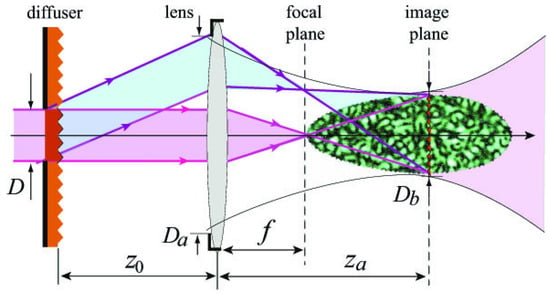
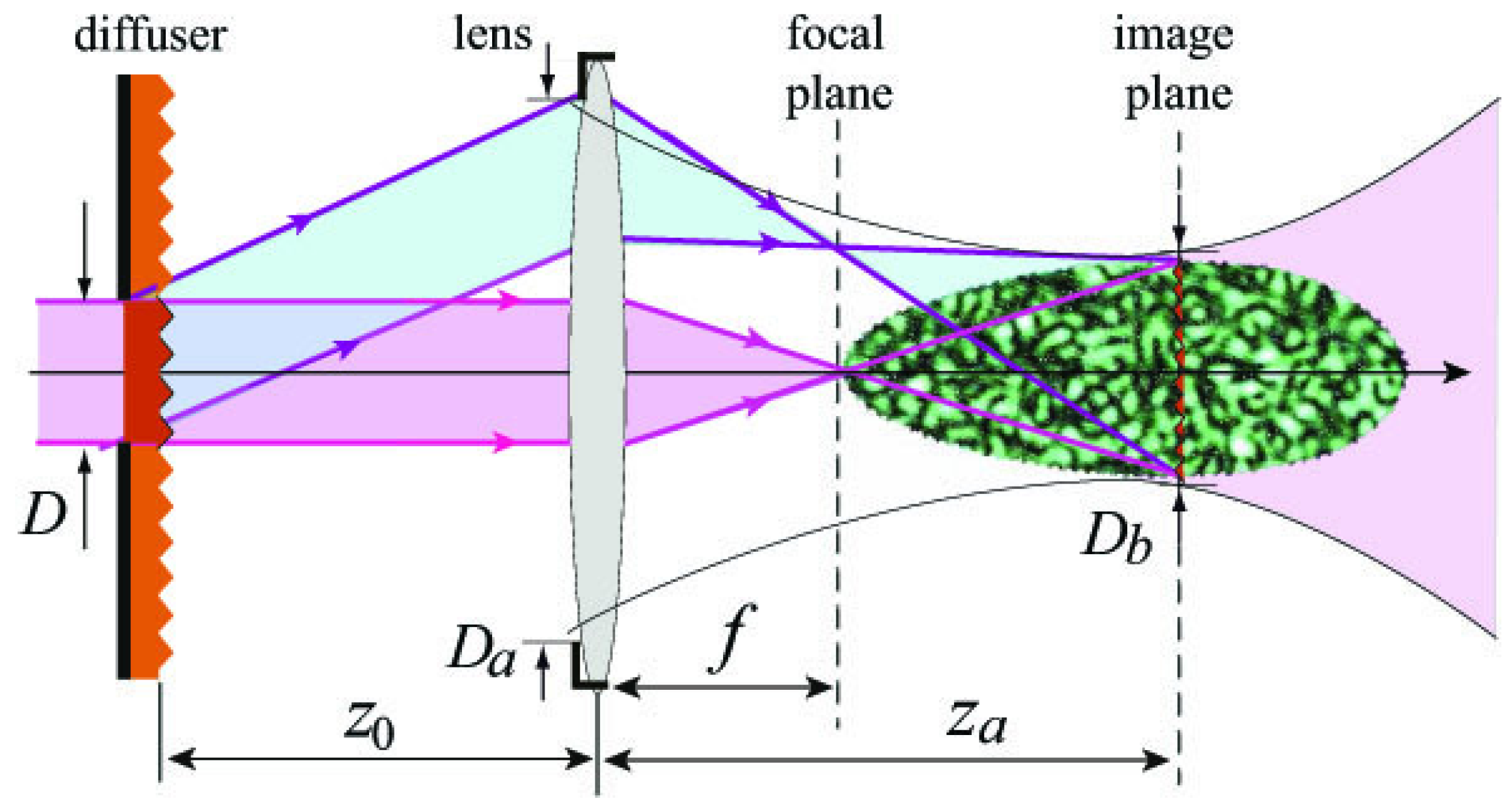
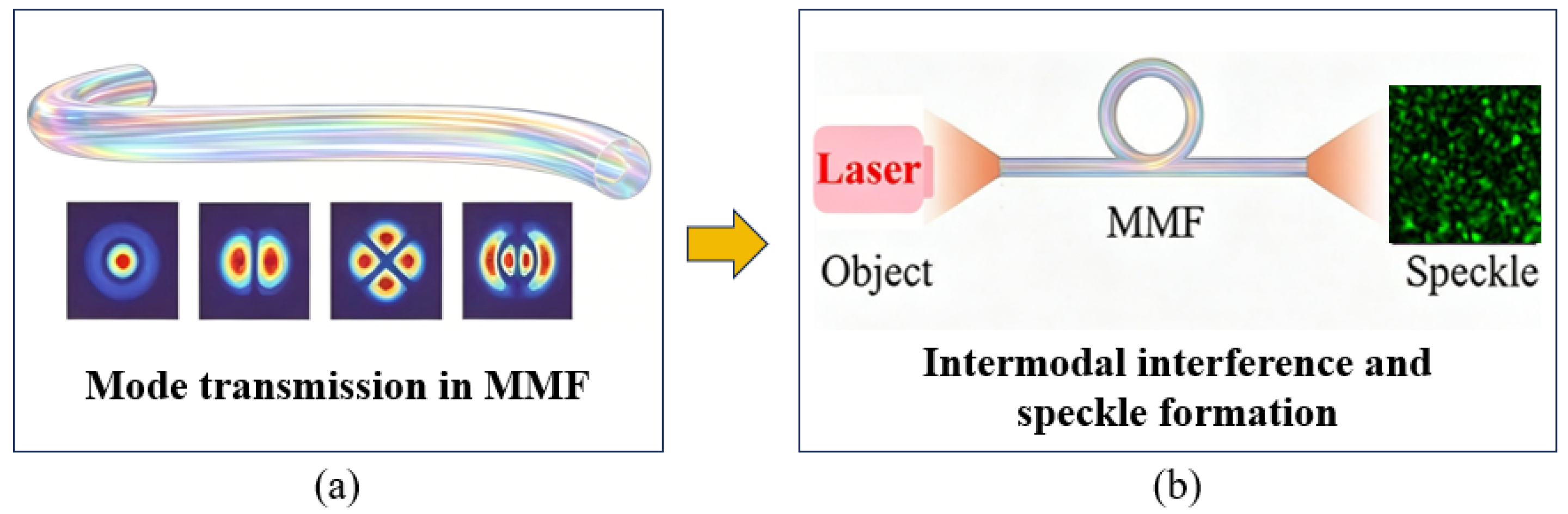
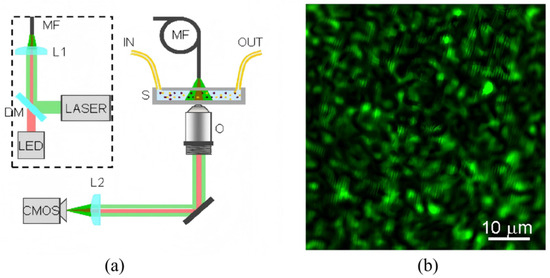
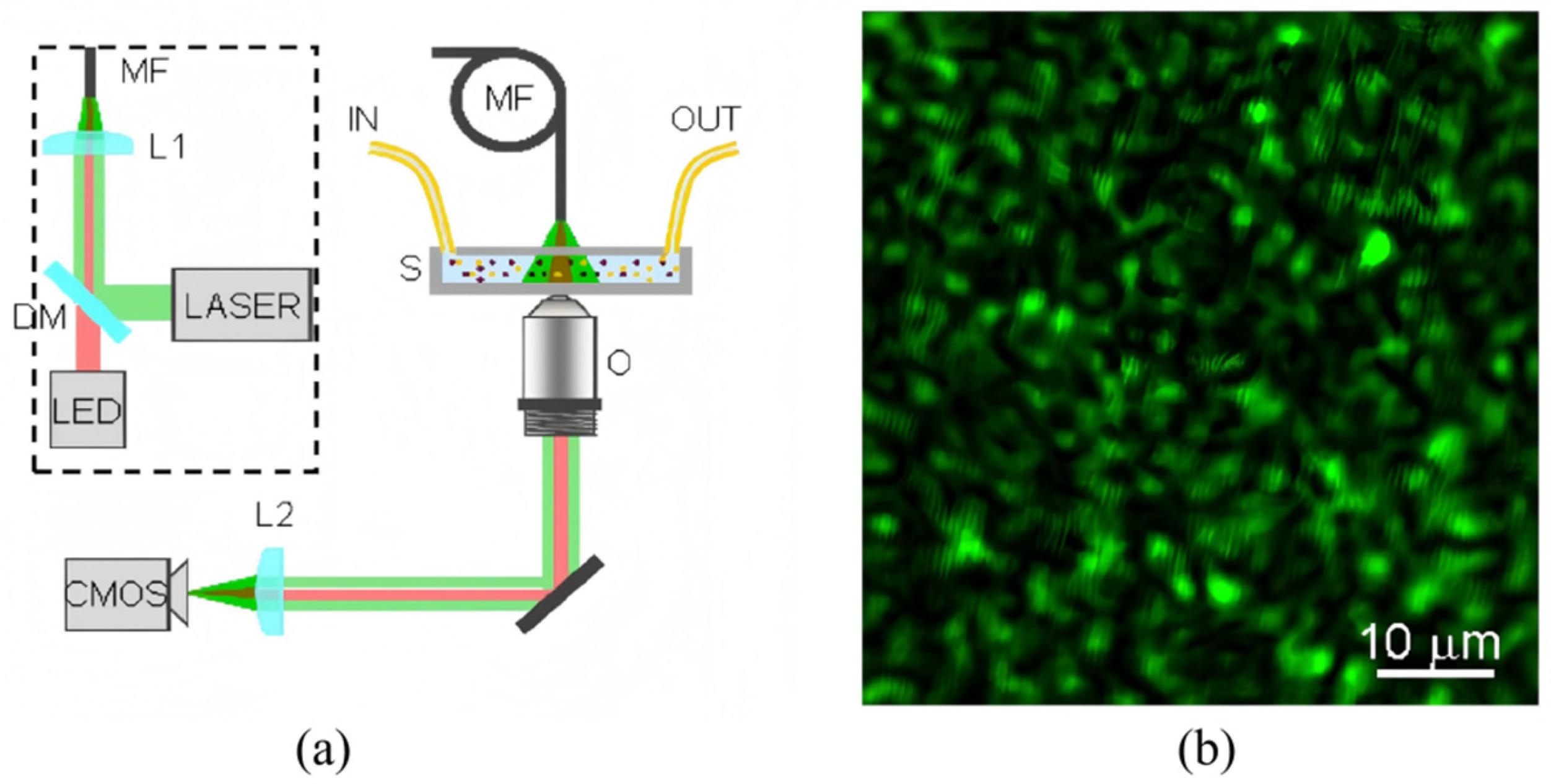
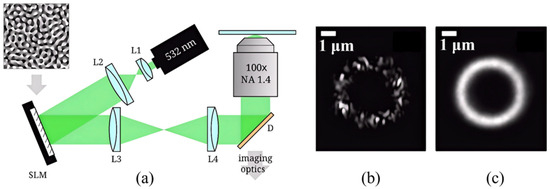
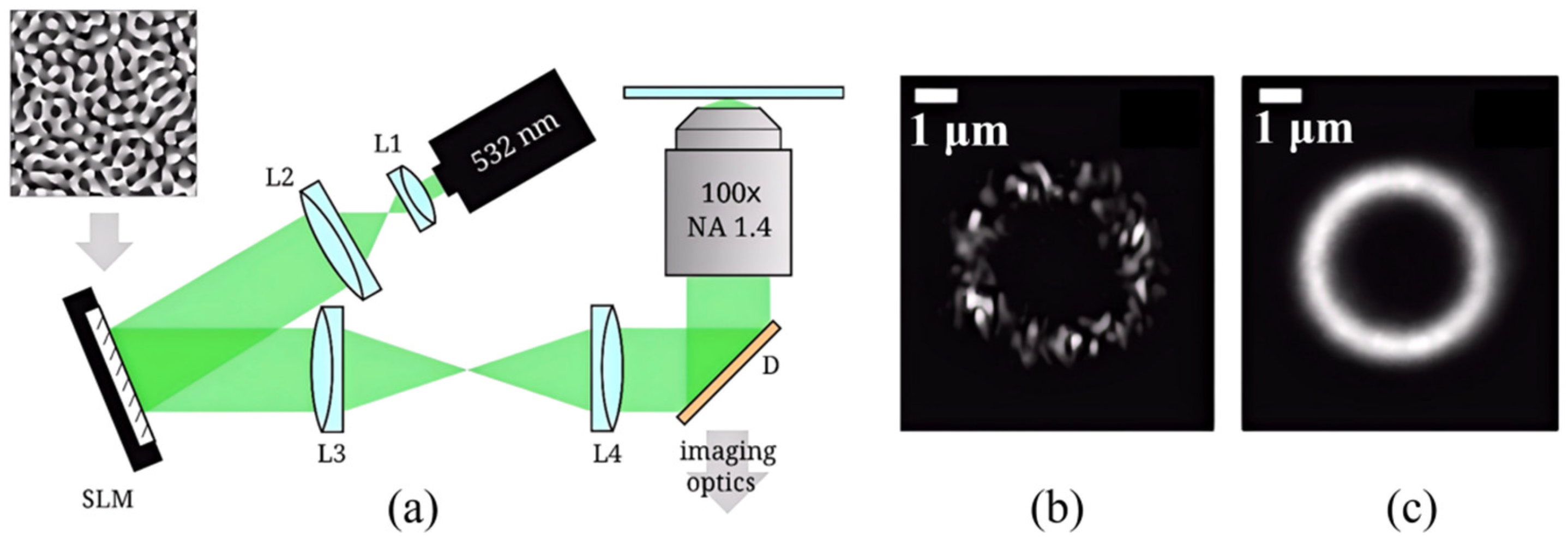
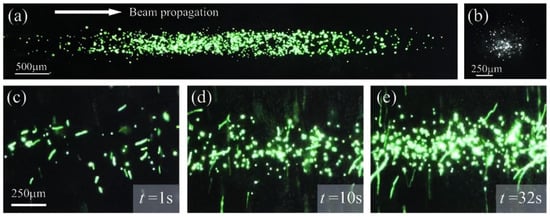
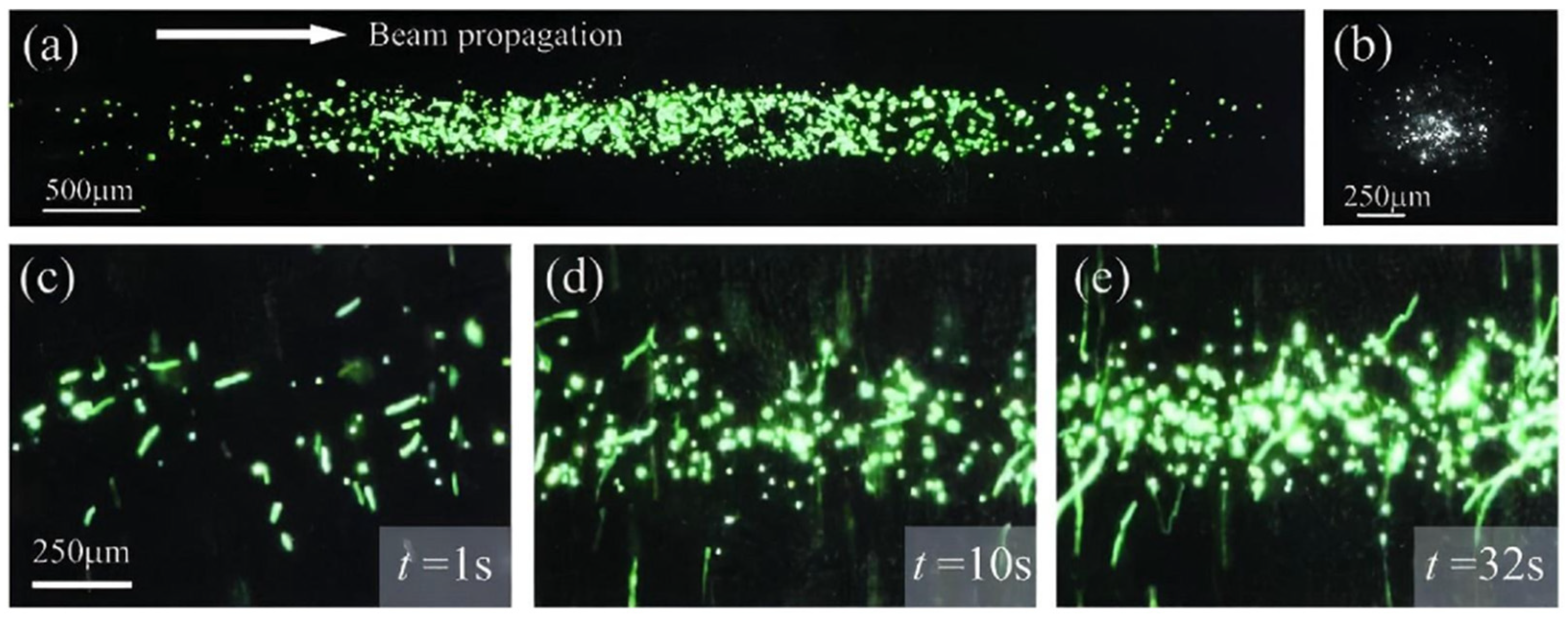
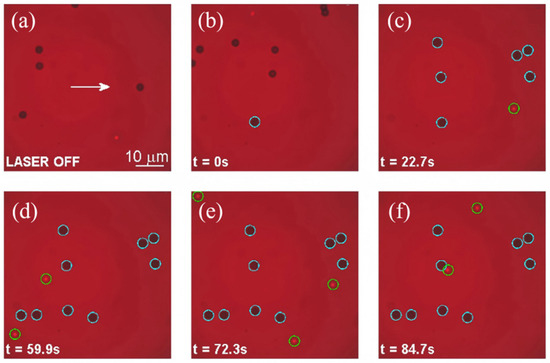
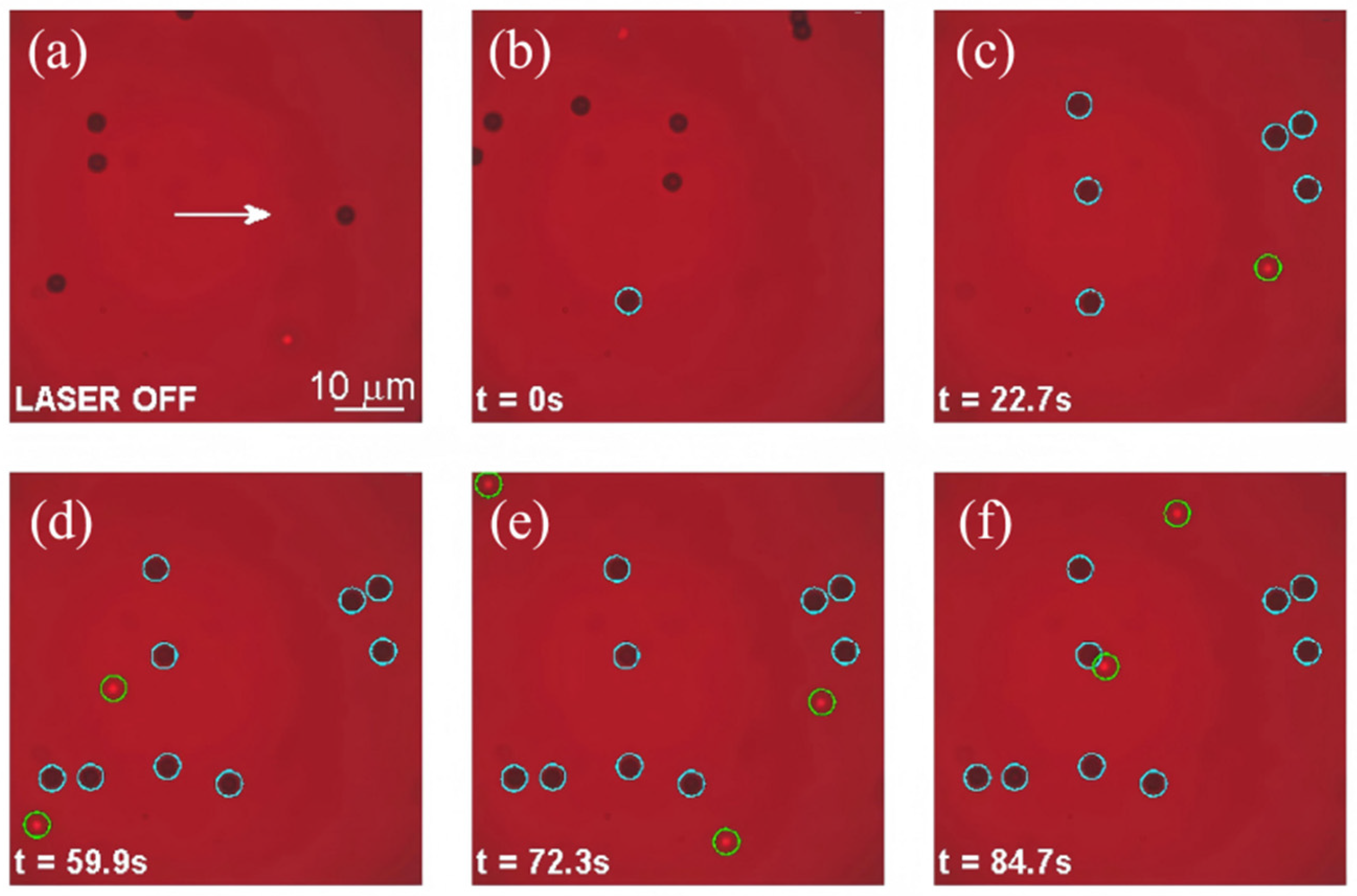
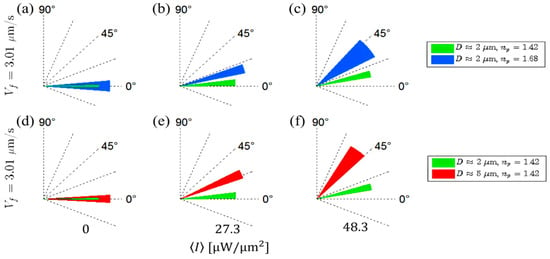
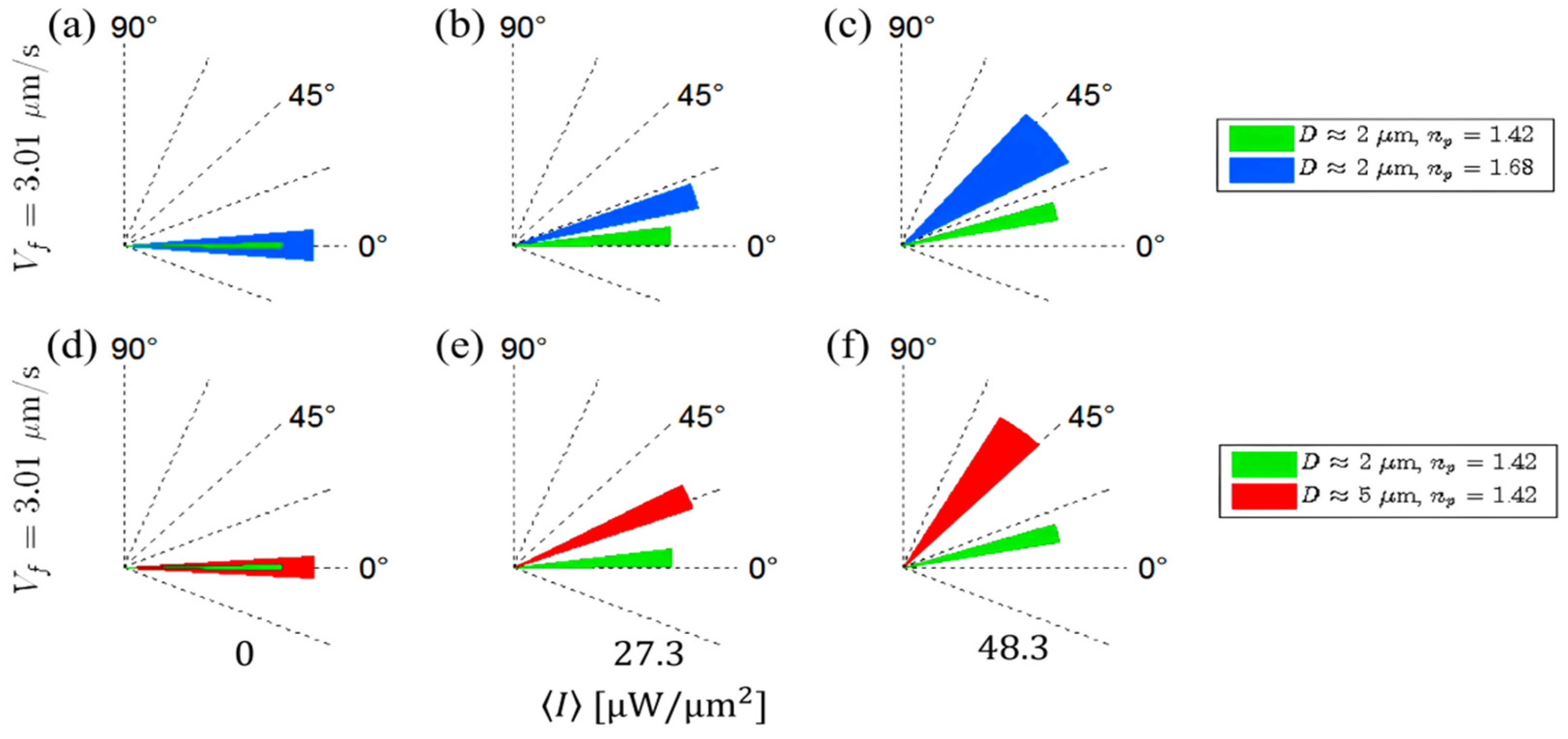
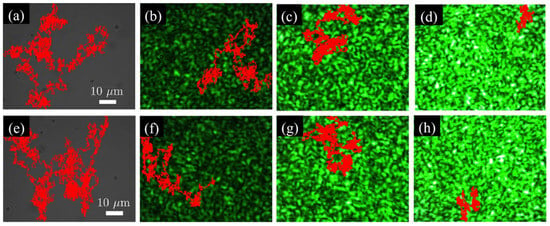
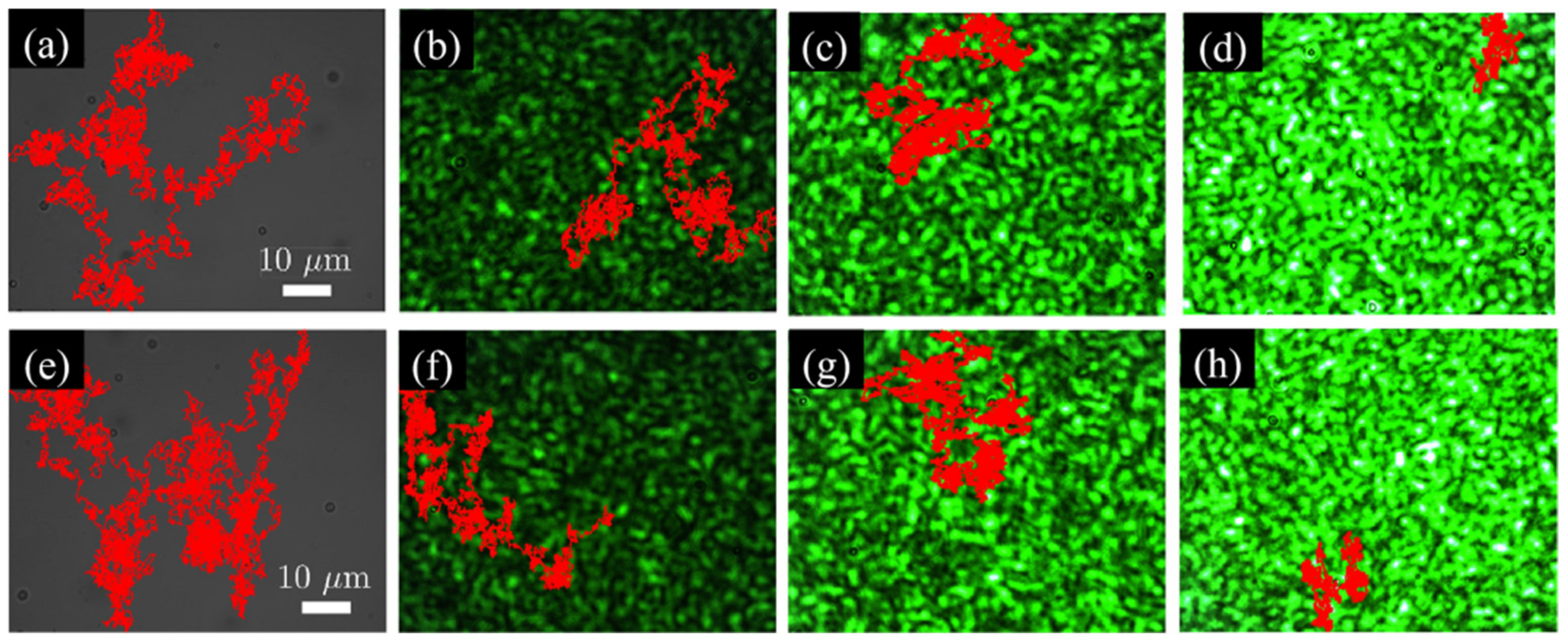

Disclaimer/Publisher’s Note: The statements, opinions and data contained in all publications are solely those of the individual author(s) and contributor(s) and not of MDPI and/or the editor(s). MDPI and/or the editor(s) disclaim responsibility for any injury to people or property resulting from any ideas, methods, instructions or products referred to in the content. |
© 2026 by the authors. Licensee MDPI, Basel, Switzerland. This article is an open access article distributed under the terms and conditions of the Creative Commons Attribution (CC BY) license.