


Highlights
What are the main findings?
- Lactation is an overlooked component of care following perinatal loss. Mothers may experience lactation after loss as distressing, comforting, identity-affirming, or meaningful, underscoring the need for individualized support.
- This review identifies four core components of trauma-informed lactation care: emotional safety; maternal autonomy and choice; timely information and professional competence; and integrated, continuous, family-centred care.
What are the implications of the main findings?
- Integrating lactation support into maternity and bereavement pathways can strengthen continuity of care, informed decision-making, and respectful support following perinatal loss.
- Education and implementation strategies are needed to strengthen healthcare professionals’ competence and ensure consistent, coordinated lactation support.
Abstract
Background: Lactation following perinatal loss is often an overlooked aspect of bereavement care. Mothers may experience physical discomfort alongside grief, emotional distress, changes in maternal identity, and decisions about lactation suppression, expression, or milk donation. Trauma-informed care may provide a framework for addressing these intersecting needs. Objectives: To map evidence on lactation care following perinatal loss and identify care components that can inform trauma-informed lactation practice. Methods: A scoping review was conducted to identify evidence on lactation experiences, management, and support following perinatal loss. Evidence was charted and inductively synthesized, followed by interpretation through a trauma-informed care lens. Results: A total of 26 peer-reviewed sources were included. Four interrelated core components were identified: (1) recognition, validation, and emotional safety; (2) maternal autonomy, choice, and individualized decision-making; (3) timely lactation information, education, and professional competence; and (4) integrated, continuous, and family-centred maternity and bereavement care. Lactation was experienced variably, ranging from physical and emotional distress to connection, maternal identity, meaning-making, and milk donation. Key gaps included inadequate anticipatory information, limited professional knowledge and confidence, inconsistent communication, fragmented care, and insufficient follow-up. Conclusions: Lactation following perinatal loss should be integrated into routine maternity and bereavement care rather than addressed solely as a physiological process requiring suppression. Trauma-informed care should prioritize emotional safety, maternal autonomy, timely and competent information, and coordinated continuity of care. Further research is needed to evaluate the implementation and effectiveness of these approaches.
1. Introduction
Perinatal loss is a profound and potentially traumatic experience that extends beyond the psychological consequences of bereavement to include physical and emotional needs that may be overlooked within routine maternity and bereavement care (Smith et al., 2020). Perinatal loss encompasses miscarriage, stillbirth, and neonatal death, occurring across pregnancy, birth, and the early postnatal period (Badenhorst & Hughes, 2007; World Health Organization, 2023). Although the psychological and emotional consequences of perinatal loss are increasingly recognized, the physical processes associated with pregnancy and lactation may receive less attention within bereavement care. Importantly, physiological processes associated with lactation may continue following pregnancy or infant loss, creating physical and emotional needs that are distinct to bereaved mothers. Consequently, the experience and management of lactation following perinatal loss represent an important yet potentially overlooked dimension of maternity and bereavement care.
For mothers, perinatal loss can have enduring psychological consequences, including profound grief and psychological distress, and may affect maternal wellbeing, maternal–infant bonding, partner relationships, and subsequent family experiences (Badenhorst & Hughes, 2007; Charrois et al., 2020). Although both mothers and fathers experience profound grief following perinatal loss, mothers may experience greater psychological stress (Badenhorst & Hughes, 2007; Chen et al., 2015). The experience of loss is further complicated by the physiological processes of pregnancy and lactation, which may continue despite the death of the fetus or infant. Lactation begins during pregnancy and may continue following birth regardless of the newborn’s health status (Chen et al., 2015). Consequently, breast engorgement and milk leakage may occur after perinatal loss and can be physically uncomfortable as well as emotionally distressing for bereaved mothers (McGuinness et al., 2014; Sereshti et al., 2016). Thus, the physiological continuation of lactation may intersect with grief in ways that require sensitive, individualized, and timely support.
Lactation following perinatal loss is not experienced or managed in a uniform manner. Some mothers may wish to suppress lactation immediately, whereas others may choose to express their milk, continue lactation, or donate their milk (Carroll et al., 2014; M. Cole, 2012; Sereshti et al., 2016). These decisions may carry meanings that extend beyond the physical management of milk production. For some mothers, continuing lactation or donating milk may provide a meaningful connection to their infant, affirm their identity and status as mothers, or provide a way to memorialize their infant (Layne, 2003; Oreg, 2020). Milk donation has also been described as a meaningful or therapeutic pathway through grief and as a grief ritual that may empower bereaved women (Oreg, 2020; Welborn, 2012). For other mothers, however, lactation may serve as a painful reminder of the loss, making suppression or cessation the preferred option. These differing responses underscore that there is no single appropriate approach to lactation following perinatal loss and that care must be responsive to individual preferences, circumstances, cultural values, and emotional needs.
Professional guidance and practice-oriented resources also address lactation following perinatal loss. The British Association of Perinatal Medicine (British Association of Perinatal Medicine, 2022) developed a framework to guide healthcare professionals in supporting mothers and families when a baby is expected to die or has died, including decisions about lactation suppression and continuation. Similarly, PATH (2019) developed a human milk banking resource toolkit that includes a counselling guide for engaging bereaved mothers and resources to support sensitive discussions about lactation options. These resources highlight the clinical importance of individualized, compassionate support and informed maternal choice. However, their availability does not establish the extent to which such guidance is consistently implemented in practice or the effectiveness of particular approaches to lactation care.
The opportunity to make informed and supported decisions is particularly important during bereavement. When anticipatory guidance about lactation following infant death is not provided, the absence of information and support may itself become a source of distress and compound the emotional burden associated with the loss (Carroll & Lenne, 2019; McGuinness et al., 2014). Limited recognition of lactation needs may also unintentionally reinforce the invisibility and ambiguity surrounding parenthood that some bereaved parents experience (Cacciatore et al., 2008; Layne, 2003; Oreg, 2019). Providing mothers with timely information about lactation suppression, milk expression, continuation, and donation can therefore support autonomy and informed decision-making during a period of profound grief (M. Cole, 2012). However, offering choices alone may be insufficient; mothers also require compassionate communication, competent lactation support, and care that recognizes the emotional significance of each decision.
Trauma-informed care emerged from recognition that exposure to trauma can influence physical and psychological wellbeing, relationships, and interactions with healthcare and other service systems. Rather than focusing solely on a presenting condition, trauma-informed approaches consider how care environments, communication, and clinical practices may affect an individual’s sense of safety, control, and trust. The Substance Abuse and Mental Health Services Administration (SAMHSA) identifies six key principles of a trauma-informed approach: safety; trustworthiness and transparency; peer support; collaboration and mutuality; empowerment, voice, and choice; and attention to cultural, historical, and gender-related issues (Substance Abuse and Mental Health Services Administration, 2014). Although this framework is not specific to lactation, its principles are relevant to maternity and bereavement care, where individuals may experience grief, uncertainty, vulnerability, and a diminished sense of control. Applying these principles involves considering not only what care is provided, but also how information is communicated, how decisions are discussed, and whether mothers feel respected, heard, and supported. In this review, trauma-informed lactation care following perinatal loss refers to lactation support that recognizes the potential effects of trauma and bereavement, prioritizes emotional safety and respectful communication, supports informed and voluntary decision-making, and responds to each mother’s individual circumstances, preferences, and cultural context. This is a working definition for the present review rather than an established or empirically validated lactation-specific model.
Trauma-informed principles are also relevant to breastfeeding and lactation because these experiences involve physical sensations, intimate bodily processes, personal meanings, and interactions with healthcare professionals. The literature on breastfeeding and trauma highlights the importance of recognizing that trauma may influence breastfeeding experiences, emotional wellbeing, and the need for individualized support (Kendall-Tackett, 2017, 2022). Following perinatal loss, breast fullness, milk leakage, breast care, and decisions about lactation suppression, milk expression, continued lactation, or milk donation may carry different physical and emotional meanings for different mothers. A trauma-informed approach therefore emphasizes sensitive communication, nonjudgmental information, respect for maternal preferences, and opportunities to make or revisit decisions without pressure. This approach does not assume that all bereaved mothers experience lactation as traumatic; rather, it recognizes individual responses and seeks to avoid imposing a single preferred approach to lactation management.
In the context of perinatal loss, trauma-informed principles offer a conceptual basis for considering how lactation care can respond to the intersecting physical and emotional needs of bereaved mothers and families. Trauma-informed lactation care may involve recognizing and validating individual experiences, supporting autonomy and informed choice, providing timely and accurate information, and ensuring sensitive and competent professional support (Berry et al., 2023; Hirani & Olson, 2016). Trauma-informed approaches may also help healthcare professionals provide supportive care that seeks to minimize additional harm and promote healing among mothers and families experiencing perinatal loss (White et al., 2022). It also requires recognizing that mothers may experience lactation differently and may choose suppression, milk expression, continued lactation, or donation according to their preferences and circumstances. In this review, these general principles informed the interpretation of the evidence; the specific core components were derived from the included literature rather than adopted as a predetermined lactation-specific framework.
Although the existing literature has examined perinatal bereavement care, lactation following pregnancy and neonatal loss, and trauma-informed maternity care (Blanco, 2023; Copland et al., 2025; Donegan et al., 2023; Steen, 2015), the evidence remains dispersed across disciplines and study designs. Consequently, there is limited synthesis of how these bodies of evidence collectively inform trauma-informed lactation care following perinatal loss. In particular, the specific components of care that support emotional safety, autonomy and choice, informed decision-making, professional competence, and continuity of care have not been clearly mapped. Identifying and synthesizing these components is important for informing clinical practice, maternity and bereavement care pathways, professional education, policy development, and future research.
A scoping review is therefore warranted to systematically map the breadth and nature of available evidence and identify areas in which evidence remains limited or fragmented. Accordingly, this scoping review aims to identify and map the available evidence on the core components of trauma-informed lactation care for families experiencing perinatal loss. In this review, the term core components refers to recurring, conceptually related dimensions of care identified across the included evidence and subsequently interpreted in relation to trauma-informed principles; it does not imply that these components have been empirically validated as an intervention.
2. Materials and Methods
2.1. Design and Reporting
A scoping review was conducted using a structured approach to identify, chart, and synthesize evidence on lactation following perinatal loss and to identify care components that correspond to trauma-informed principles. A scoping review design was selected because the anticipated evidence base was conceptually heterogeneous, methodologically diverse, and distributed across the clinical, psychosocial, and policy literature. The review aimed to characterize the breadth and nature of available evidence, reported practices, and recommendations rather than to estimate the effectiveness of a specific intervention (Arksey & O’Malley, 2005; Munn et al., 2018).
The review was reported in accordance with the Preferred Reporting Items for Systematic Reviews and Meta-Analyses Extension for Scoping Reviews (PRISMA-ScR) and informed by the Joanna Briggs Institute (JBI) methodology for scoping reviews (Aromataris et al., 2024; Peters et al., 2020; Tricco et al., 2018). The review protocol was not registered or publicly posted before the review commenced. Detailed PRISMA-ScR reporting information is provided in the Supplementary Materials.
For this review, perinatal loss was operationally defined to include pregnancy loss at any gestation, stillbirth, and neonatal or infant death, reflecting the scope of the lactation-related bereavement literature identified during preliminary searching.
2.2. Review Question and Objectives
The review was guided by the following question: What are the core components of trauma-informed lactation care that should be integrated into routine maternity care for families experiencing perinatal loss? Three objectives were established:
- To chart the range and characteristics of available evidence addressing lactation following perinatal loss;
- To map reported lactation-related practices, experiences, and recommendations relevant to trauma-informed care;
- To synthesize the identified evidence into core components of care, interpret their alignment with trauma-informed principles, and identify implications for clinical practice and future research.
2.3. Eligibility Criteria
Eligibility criteria were developed using the Population, Concept, Context (PCC) framework recommended for scoping reviews (Peters et al., 2020).
2.3.1. Population
Families experiencing perinatal loss, including bereaved mothers, fathers, partners, and other family members, as well as healthcare professionals involved in providing care. Because lactation-related physiological experiences and decisions are primarily experienced by the lactating parent, particular attention was given to mothers’ and lactating parents’ experiences and decision-making, while recognizing the role of partners, families, and healthcare professionals in supporting care.
2.3.2. Concept
Lactation, breastfeeding, human milk expression, lactation suppression, or human milk donation occurring in the context of perinatal loss. Sources were eligible when they reported experiences, practices, recommendations, or organizational arrangements related to one or more of these concepts. Sources were not required to explicitly use the term “trauma-informed,” because the preliminary search indicated that the relevant literature frequently described practices consistent with trauma-informed principles without using this terminology.
2.3.3. Context
Any setting in which maternity, neonatal, lactation, or bereavement care was delivered, in any country and across different health-system contexts.
2.3.4. Source Types
Peer-reviewed empirical studies of any methodological design, review articles, case reports, and clinical or professional guidance documents were eligible for inclusion. Sources were excluded when lactation content was unrelated to perinatal loss or was mentioned only incidentally without substantive discussion. Sources without accessible full text or those not available in English were excluded.
2.4. Search Strategy
A comprehensive search strategy was developed to identify evidence addressing lactation and breastfeeding care following perinatal loss. The search was conducted in MEDLINE/PubMed, CINAHL, PsycINFO, and Embase, supplemented by Google Scholar searching and screening of the reference lists of relevant publications. No dedicated, systematic search of grey-literature repositories or professional organizational websites was conducted. Although clinical and professional guidance documents were identified as potentially eligible source types in the eligibility criteria, the search strategy may not have captured such documents comprehensively. This limitation is relevant when interpreting the coverage of clinical recommendations and professional guidance concerning lactation following perinatal loss.
The search covered the literature published from inception to 31 July 2026. A three-step search strategy, consistent with the Joanna Briggs Institute methodology for scoping reviews, was used. First, a preliminary search of selected databases was undertaken to identify the relevant literature and terminology used to describe perinatal loss, lactation, breastfeeding, and bereavement care. The titles, abstracts, and indexing terms of relevant records identified through this preliminary search were examined to identify additional keywords and subject headings. These terms informed the development and refinement of the comprehensive search strategies for each database, taking into account differences in indexing systems and search syntax. Finally, reference lists of relevant included and/or key publications were screened to identify additional sources.
Database-specific subject headings and free-text terms were combined to capture three primary concept areas: (1) perinatal loss and bereavement; (2) lactation and breastfeeding; and (3) maternity and bereavement care. Loss-related keywords included perinatal loss, stillbirth, miscarriage, neonatal death, infant death, pregnancy loss, and bereavement. Lactation-related keywords included lactation, breastfeeding, breast milk, human milk, milk expression, lactation suppression, milk donation, and milk bank. Care-related keywords included bereavement care, maternity care, midwifery, guidelines, and information provision. These terms were combined using appropriate Boolean operators, truncation, phrase searching, and database-specific search syntax to maximize retrieval of the relevant literature. Within each concept, related terms were combined using OR, while the main concepts were combined using AND, where appropriate. An illustrative search structure was: (“perinatal loss” OR stillbirth OR miscarriage OR “pregnancy loss” OR “neonatal death” OR “infant death” OR bereavement) AND (lactation OR breastfeeding OR “breast milk” OR “human milk” OR “milk expression” OR “lactation suppression” OR “milk donation” OR “milk bank”).
Importantly, trauma-informed was not used as a required search term because preliminary searching demonstrated that the relevant literature rarely used this terminology explicitly. Requiring trauma-informed terminology would therefore risk excluding relevant evidence describing trauma-informed practices without using the label. Trauma-informed principles were consequently applied during data interpretation and synthesis rather than used as a prerequisite for study identification.
2.5. Source Selection Process
All retrieved records were imported into a reference-management file, and duplicate records were removed before screening. Titles and abstracts were independently screened by two reviewers against the prespecified eligibility criteria. Records considered potentially relevant or for which eligibility could not be determined from the title and abstract were retrieved for full-text assessment. Full texts were independently assessed by two reviewers against the eligibility criteria, and reasons for exclusion were documented. Full-text reports were excluded when they did not meet the eligibility criteria. The primary reasons for exclusion and the number of reports excluded for each reason are presented in the PRISMA-ScR flow diagram (Figure 1).
Figure 1.
PRISMA-ScR Flow Diagram of the Source Selection Process.
2.6. Data Charting
A data-charting form was developed a priori based on the review question, eligibility criteria, and JBI scoping review methodology (Peters et al., 2020). The form was pilot-tested using five included sources and refined iteratively as the review progressed, consistent with the iterative approach endorsed by Levac et al. (2010). The charting framework captured: author and year of publication; country; source type and study design; participants and sample size, where applicable; type of perinatal loss addressed; lactation domain addressed; reported care practices and recommendations; findings relevant to trauma-informed care; and implications for routine maternity and bereavement care.
One reviewer charted the data from the included sources, and a second reviewer independently verified the charted information. Discrepancies identified during verification were discussed and resolved through consensus. For each source, information was charted according to the content available in the publication. Source type and the level of detail reported were considered when interpreting findings, and conclusions were limited to the information presented in each source.
Consistent with scoping review methodology, included sources were not subjected to formal critical appraisal or weighted according to methodological quality (Peters et al., 2020). The purpose of this review was to map the breadth and characteristics of the available evidence rather than to determine the effectiveness or certainty of evidence.
2.7. Identification and Mapping of Trauma-Informed Care Components
Because the included literature did not consistently use trauma-informed terminology, trauma-informed care was not used as an eligibility criterion, and the core components were not predetermined before data analysis. The analysis involved two sequential stages: inductive identification of care-related categories and subsequent interpretive mapping to trauma-informed principles. First, findings from the included sources were examined inductively to identify the substantive aspects of lactation and breastfeeding care described, experienced, recommended, or considered important following perinatal loss. These findings were coded according to their meaning and relevance to care, without initially assigning them to predefined trauma-informed domains. Codes addressing similar aspects of care were compared, grouped, and progressively refined into categories and broader patterns. This iterative approach allowed the developing categories to be reconsidered as additional findings and relationships across sources were examined (Levac et al., 2010).
In the second stage, the resulting categories were examined in relation to trauma-informed care principles. This deductive mapping was used to interpret how the care practices identified in the literature aligned with trauma-informed approaches, including recognition and validation of the individual’s experience, emotional and physical safety, autonomy and choice, individualized decision-making, access to timely and appropriate information, compassionate and competent care, collaboration, continuity, and coordination of services. The mapping was interpretive and was undertaken by the review team after the inductive categories had been developed. It represents the review team’s conceptual interpretation of the included evidence, rather than a classification assigned by the original source authors, and does not constitute an evaluation of the effectiveness of trauma-informed care or empirical validation of the four components as a combined framework.
Accordingly, alignment with trauma-informed principles was interpreted conceptually and does not indicate that the included sources had explicitly investigated or evaluated trauma-informed care.
2.8. Inductive Analysis and Development of Core Components
An inductive analysis was undertaken to identify recurring patterns and relationships across the included evidence and to develop the core components of lactation and breastfeeding care following perinatal loss. Consistent with guidance for analysis and presentation of evidence in scoping reviews, extracted findings were coded and organized into descriptive categories, with the analytic approach tailored to the review objectives and the heterogeneous nature of the included sources (Pollock et al., 2023; Peters et al., 2024). Extracted findings were coded according to their substantive meaning and relevance to breastfeeding care following perinatal loss. Through an iterative process, codes were compared across sources, grouped into descriptive categories, and examined for similarities and relationships. The two reviewers independently reviewed and coded the extracted findings, then compared and discussed their coding and interpretations. Differences were resolved through discussion and consensus. The review team iteratively refined the categories and themes by considering the content, context, and relationships among findings across sources. Findings from a single source could contribute to more than one category or theme when they addressed multiple dimensions of care; sources were therefore not restricted to a single theme.
The four core components reported in the Results emerged from this inductive process. They were not established a priori or derived directly from a predetermined trauma-informed framework. Rather, the components represented recurring and conceptually related patterns identified across the included evidence. Following their development, each component was mapped to relevant trauma-informed principles to examine its conceptual alignment with trauma-informed care. This sequential approach distinguished the components derived from the evidence from the subsequent interpretation of those components through a trauma-informed lens. The four components should therefore be understood as an evidence-informed conceptual synthesis rather than a validated or empirically tested model of trauma-informed lactation care.
The final synthesis integrated the evidence at four levels: (1) findings reported by the included sources; (2) lactation and breastfeeding care practices and needs identified across the evidence; (3) the four data-derived core components; and (4) their implications for trauma-informed maternity and bereavement care. The resulting framework conceptualized trauma-informed lactation care as extending beyond physical management of milk production to encompass emotional safety, maternal autonomy and choice, timely information, professional competence, continuity and coordination of care, and integration of lactation support within maternity and bereavement services. The practice implications were developed by the authors from the synthesized findings and their subsequent mapping to trauma-informed principles; they should not be interpreted as interventions whose effectiveness was established by this review.
The interpretation of the findings was informed by the authors’ disciplinary and research perspectives. These perspectives may have influenced how lactation experiences, maternal autonomy, emotional safety, and continuity of care were understood in relation to trauma-informed principles. To maintain transparency, the review distinguishes the components derived from the inductive synthesis from the subsequent interpretive mapping to trauma-informed care.
3. Results
3.1. Source Selection Results
The search identified 2293 records from MEDLINE/PubMed (n = 623), CINAHL (n = 160), PsycINFO (n = 147), Embase (n = 389), Google Scholar (n = 889), and reference-list searching (n = 85). Before screening, 890 records were removed, including 207 duplicates and 683 records deemed ineligible because they did not meet the human-population criterion or were otherwise outside the review topic. The remaining 1403 records underwent title screening, after which 654 were excluded as irrelevant to lactation following perinatal loss. The remaining 749 records underwent abstract screening, and 636 were excluded because they were unrelated to lactation and perinatal loss or mentioned lactation only incidentally, without substantive discussion. The remaining 113 records were assessed for full-text eligibility, of which 87 were excluded because they lacked substantive discussion relevant to the scope of this review. A total of 26 sources were included in the final scoping review. The source selection process is presented in the PRISMA-ScR flow diagram (Figure 1).
3.2. Characteristics of Included Sources
A total of 26 peer-reviewed sources were included in the review. Characteristics of the included sources are presented in Table 1. The sources represented multiple countries and health-system contexts, with the largest contribution from the United States. The evidence primarily focused on bereaved mothers and parents; however, several sources also represented the perspectives of fathers, midwives, nurses, other healthcare professionals, and stakeholders involved in human milk donation and bereavement support. Some sources examined online health information and resources available to bereaved families. Most sources addressed perinatal loss broadly, while others specifically examined stillbirth, neonatal loss, infant death, or pregnancy loss.
Table 1.
Summary of Characteristics of the Included Sources.
The evidence base was predominantly qualitative, comprising qualitative studies, qualitative interpretive and narrative research, case studies, and a case report. The remaining sources included a cross-sectional study, scoping review, qualitative meta-synthesis, literature review, report, and analyses of bereavement-related health information. Across these sources, evidence captured the experiences, perspectives, and information needs of bereaved families and healthcare professionals concerning lactation, breastfeeding, milk expression, lactation suppression, and human milk donation following perinatal loss. The predominantly qualitative evidence provided the primary basis for identifying the core components of trauma-informed lactation and breastfeeding care.
3.3. Core Components of Trauma-Informed Lactation Care Following Perinatal Loss
Thematic synthesis of the included evidence identified recurring patterns related to lactation and breastfeeding following perinatal loss. Initial inductive coding generated categories related to recognition and validation of lactation and grief, compassionate communication, autonomy and choice, timely lactation information, professional competence, continuity of care, and family involvement. These categories were compared and refined, resulting in four interrelated core components: (1) recognition, validation, and emotional safety; (2) autonomy, choice, and individualized decision-making; (3) timely lactation information, education, and professional competence; and (4) integrated, continuous, and family-centred maternity and bereavement care. The relationship between the data-derived categories, supporting evidence, and core components is presented in Table 2.
Table 2.
Development of the Four Core Components of Trauma-Informed Lactation Care.
3.3.1. Core Component 1: Recognition, Validation, and Emotional Safety
Recognition, validation, and emotional safety emerged as the first core component of trauma-informed lactation care following perinatal loss. Across the evidence, lactation was experienced not merely as a physiological process but as an experience intertwined with grief, maternal identity, physical discomfort, emotional distress, cultural and spiritual values, and the meaning attributed to the lost infant. The literature demonstrated substantial variation in how women experienced lactation: for some, milk production and breast engorgement were distressing or painful; for others, milk expression or donation provided comfort, connection, meaning, fulfilment, or a continuing sense of maternal identity. These findings indicate that trauma-informed care requires acknowledgement of lactation as part of the bereavement experience, validation of diverse responses, and avoidance of assumptions about how mothers should experience or manage their milk (Blanco, 2023; Fernández-Medina et al., 2022; Oreg, 2019; Sweeney et al., 2020; Tarabeih et al., 2025; Waldby et al., 2023; Li et al., 2026; Capossela et al., 2026; Fonville & Perrin, 2026).
Acknowledging Lactation Within the Bereavement Experience. Lactation was frequently identified as an overlooked dimension of perinatal bereavement care. Women may experience milk production, breast fullness, engorgement, leakage, or pain while simultaneously coping with profound grief, yet these physical experiences may receive limited attention within care focused primarily on the psychological consequences of loss. Recognition of lactation within bereavement care was therefore identified as an important first step in ensuring that mothers are prepared for the physical realities of milk production and supported to understand its possible emotional significance (Blanco, 2023; Chen et al., 2015; Sereshti et al., 2016; Sweeney et al., 2020; Waldby et al., 2023).
The literature further demonstrated that lactation and human milk may hold different meanings for bereaved mothers. Professional and personal reflections from a midwife emphasized the importance of recognizing lactation and human milk within bereavement care, increasing professional awareness of milk donation, providing anticipatory guidance, and incorporating lactation management into bereavement care plans. Such recognition was viewed as enabling healthcare professionals to provide compassionate support and facilitate informed decisions following infant loss (Blanco, 2023). Similarly, mothers who donated milk following perinatal loss described inadequate information about milk management and the psychological effects of loss, while some viewed donation as a means of coping with trauma. Incorporating lactation management into care plans and providing timely information were therefore identified as important aspects of bereavement support (Fernández-Medina et al., 2022). Recent evidence further reinforced that bereaved families have specific lactation-related needs that may not be consistently addressed within routine services. Mothers receiving support through a dedicated lactation and bereavement program described variability in lactation education and support and identified milk donation as an important option for some families. These findings support the need for structured approaches that explicitly recognize lactation as part of bereavement care (Capossela et al., 2026). The emotional and symbolic significance of lactation was particularly evident in mothers who donated breast milk to nonprofit human milk banks. Initially, milk expression was sometimes undertaken primarily to relieve physical discomfort associated with engorgement; however, as the acute shock of loss diminished, continued expression and donation could acquire broader meaning. For some mothers, donation became a way of constructing meaning from loss, articulating grief, negotiating maternal identity, and developing a donor identity associated with strength, connection, and community (Oreg, 2019). A qualitative meta-synthesis similarly found that women’s motivations for milk donation varied and that experiences could be both positive and negative, reinforcing the importance of supportive systems and individualized bereavement and donation plans rather than assuming a uniform response to lactation or donation (Li et al., 2026).
Validating Individual, Emotional, and Cultural Experiences. The evidence demonstrated that emotional safety depends on recognizing the highly individual and sometimes contradictory experiences associated with lactation following loss. An analysis of Australian online health information found that available resources did not adequately prepare mothers for milk production or the physical and emotional experiences that could follow infant death. Lactation could be experienced as distressing, upsetting, painful, and isolating, while available information frequently emphasized suppression without adequately acknowledging the complexity of posthumous lactation. More compassionate acknowledgement and improved information were therefore recommended (Sweeney et al., 2020). Cultural and spiritual contexts further shaped women’s experiences and decisions. Bereaved Muslim mothers described milk donation in relation to moral and spiritual values, maternal identity, physical pain, grief, fulfilment, hope, and social expectations. Some mothers also experienced pressure to discontinue lactation. Culturally competent lactation counselling that incorporates relevant religious values and knowledge of rida’a (Islamic milk kinship established through breastfeeding), together with coordinated education for healthcare professionals and religious leaders, was recommended to improve consistency of information and reduce misinformation and distress (Tarabeih et al., 2025). Variation in the significance of lactation was also evident among Australian bereaved mothers and healthcare professionals. While some women described milk production following loss as difficult, overwhelming, and emotionally painful, others experienced adequate support, and for some, lactation was less significant within the broader context of miscarriage, stillbirth, or infant death. These differences underscore the importance of avoiding assumptions about the meaning of lactation or the response that is expected following loss. Prompt information, practical guidance, attention to psychological impacts, and professional education were recommended, including when non-viability becomes apparent (Waldby et al., 2023). The evidence indicates that recognition and validation are foundational to emotional safety. Bereaved mothers may experience lactation as distressing, painful, meaningful, comforting, identity-affirming, or as a combination of these experiences. Trauma-informed lactation care therefore requires acknowledgement of lactation within bereavement, validation of individual and culturally situated experiences, and compassionate communication that does not assume a preferred lactation outcome (Fernández-Medina et al., 2022; Oreg, 2019; Sweeney et al., 2020; Tarabeih et al., 2025; Waldby et al., 2023; Capossela et al., 2026; Fonville & Perrin, 2026).
3.3.2. Core Component 2: Maternal Autonomy, Choice, and Individualized Decision-Making
Maternal autonomy, choice, and individualized decision-making emerged as the second core component. Across the evidence, bereaved mothers were not described as having a single or predetermined response to lactation. Women considered suppression, reduction, continued expression, milk donation, or combinations of these approaches, and preferences could change as their physical and emotional circumstances evolved. Meaningful autonomy therefore depended not simply on offering options, but on providing balanced information, practical assistance, emotional support, and sufficient opportunity for mothers to make decisions consistent with their values, circumstances, and preferences (Britz & Henry, 2013; Carroll et al., 2014; Kennedy et al., 2017; Pector, 2004; Noble-Carr et al., 2021; Ward et al., 2023; Welborn, 2012; Dickens, 2020; Fonville & Perrin, 2026).
Providing a Full Range of Lactation Options. The literature consistently emphasized the importance of presenting the full range of lactation options rather than directing mothers toward a predetermined pathway. Options included pharmacological or non-pharmacological suppression, gradual reduction of milk production, continued expression, and human milk donation. Mothers who did not wish to continue expressing or donating also required information about engorgement, breast involution, and symptom management so that physical changes associated with lactation suppression could be anticipated (Britz & Henry, 2013; Dickens, 2020). Evidence concerning milk donation demonstrated that different mothers may attach substantially different meanings to the same option. Some women considered donation a way of honouring their infant or giving meaning to their loss, whereas others may not wish to donate or may experience expression as emotionally difficult. Accordingly, milk donation should be presented as an available option without being framed as inherently therapeutic or preferable (Britz & Henry, 2013; J. C. M. Cole et al., 2018; Kennedy et al., 2017; Oreg, 2019). The importance of protecting maternal autonomy was particularly evident in recommendations concerning milk-bank practices. Rather than allowing institutional requirements to determine lactation decisions, guidance should prioritize the physical and psychological wellbeing of bereaved mothers and support discussion of lactation management shortly after infant death or earlier when withdrawal of treatment is anticipated. Organizational policies should therefore facilitate, rather than constrain, individualized decision-making (Carroll et al., 2014; Noble-Carr et al., 2021). Professional education and multidisciplinary collaboration were also identified as important conditions for supporting choice. Healthcare professionals require knowledge and confidence to discuss suppression, expression, and donation and to provide information without directing mothers toward a particular outcome. Evidence from midwives further supported moving beyond automatic lactation suppression toward individualized approaches that consider physiological, emotional, ethical, and personal circumstances (Carroll et al., 2014; Noble-Carr et al., 2021).
Supporting Parents to Make Informed and Individualized Decisions. Meaningful choice depended on access to information and support that enabled mothers and families to understand the implications of different decisions. Bereaved parents described breastfeeding and discharge planning as important aspects of care and emphasized the importance of effective communication and recognition that families have different support needs and preferences. Providing choices concerning lactation, breastfeeding, discharge planning, and other aspects of bereavement care enabled parents to determine what was appropriate for their circumstances (Pector, 2004). Individualized decision-making was also evident when mothers reconsidered their initial lactation choices. One bereaved mother initially received medication to suppress lactation after experiencing engorgement but later learned about human milk donation and sought information about becoming a donor. Donation subsequently provided her with a sense of helping other mothers. This experience illustrates how decisions may evolve and why families should receive information about options even when an initial decision regarding lactation suppression has already been made (Tran et al., 2023). Similarly, women who expressed or donated milk described different forms of comfort and meaning. For some, expression created a physical connection with their infant; for others, it provided private time to process their loss. Across these experiences, milk expression could provide a sense of autonomy and ownership during a period characterized by uncertainty and disruption. Comprehensive information about milk production and available options was therefore considered essential to informed decision-making (Ward et al., 2023). Milk expression and donation could also support maternal identity for some bereaved mothers. Expressing milk allowed some women to maintain a sense of themselves as mothers when they were unable to breastfeed their infants, while also relieving physical discomfort. However, uncertainty could persist after expression stopped, particularly regarding stored milk and what could be done with it. Integrating lactation and milk-donation education into bereavement services was therefore recommended (Welborn, 2012).
Overall, the evidence demonstrates that autonomy is more than the provision of a list of choices. Meaningful autonomy requires timely information, non-directive communication, practical assistance, emotional support, professional competence, and access to the full range of lactation options. Decisions may be influenced by maternal identity, physical comfort, grief, cultural and family contexts, and the meaning attached to breast milk. Trauma-informed lactation care should therefore avoid automatic or institutionally driven approaches and support mothers to make individualized decisions that can be revisited as their circumstances change (Carroll et al., 2014; Pector, 2004; Oreg, 2019; Tran et al., 2023; Ward et al., 2023; Welborn, 2012; Dickens, 2020; Fonville & Perrin, 2026).
3.3.3. Core Component 3: Timely Lactation Information, Education, and Professional Competence
Timely lactation information, education, and professional competence emerged as the third core component. Across the evidence, mothers were frequently unprepared for the onset or continuation of lactation after perinatal loss and required anticipatory information about physiological changes, symptom management, suppression, expression, donation, and available follow-up. The literature also indicated that healthcare professionals require both technical lactation knowledge and the communication skills necessary to discuss emotionally sensitive decisions without overwhelming or directing bereaved mothers (Carroll et al., 2020; Sereshti et al., 2016; Parish & Doherty, 2021; Ravaldi et al., 2026; Dickens, 2020; Capossela et al., 2026; Fonville & Perrin, 2026).
Timely and Comprehensive Lactation Information. The need for proactive information was evident across different settings. Mothers may not anticipate milk production following pregnancy loss, stillbirth, or infant death and may experience shock when engorgement, leakage, pain, or other physical changes occur. Information provided before discharge or when non-viability becomes apparent can help mothers anticipate these experiences and understand that they have choices regarding how lactation is managed (Sereshti et al., 2016; Waldby et al., 2023). Comprehensive information should extend beyond lactation suppression. The Acknowledgement–Information–Decision framework identified seven relevant areas: acknowledgement of human milk and lactation; expected breast changes; symptom management; lactation suppression; sustained milk expression; milk donation; and access to additional bereavement and lactation support. This approach recognizes that mothers may follow different lactation pathways and may require support beyond the immediate postpartum period (Carroll et al., 2020).
Practical education regarding physical management was also important. Recommendations included supportive breastwear, breast pads for leakage, appropriate positioning and breast support during sleep, cold compresses, gentle massage where appropriate, analgesia, and gradual reduction of milk expression rather than abrupt cessation. Such information requires healthcare professionals to understand the physiology of lactation and the potential physical consequences of different approaches to milk management (Parish & Doherty, 2021). Evidence from the literature further demonstrates the consequences of insufficient anticipatory information. Women experienced breast engorgement, milk leakage, fever, breast pain, and sensitivity, particularly during the second to fifth days following loss (Sereshti et al., 2016). Women who had not previously breastfed were especially unprepared for milk leakage. Gaps in post-discharge care were also identified when women whose infants died in neonatal units were discharged without clear access to professionals who could address subsequent lactation-related difficulties. Advance education, appropriate referral, and continued access to obstetric, medical, and supportive services were therefore recommended (Sereshti et al., 2016). Recent evidence similarly identified variability in lactation education and support among mothers receiving bereavement services, reinforcing the need for structured and accessible education rather than relying on individual providers to determine what information is offered (Capossela et al., 2026). Deficiencies in lactation advice and uncertainty regarding professional responsibility have also been identified in the broader literature, suggesting that information gaps may reflect system-level limitations rather than individual maternal knowledge alone (Dickens, 2020).
Professional Knowledge, Communication, and Preparedness. Professional competence was consistently identified as extending beyond technical knowledge. Healthcare providers need to understand lactation physiology and symptom management while also being able to recognize emotional distress, communicate compassionately, discuss choices without imposing decisions, and identify when referral or additional support is required (Britz & Henry, 2013; Noble-Carr et al., 2021; Ravaldi et al., 2026). A large cross-sectional study involving healthcare professionals demonstrated challenges in expressing empathy and providing comfort, addressing women’s physical pain and emotional suffering, and managing providers’ own emotional responses while remaining professionally supportive. Participants recognized the importance of lactation education but identified a need for stronger professional development, national guidance, communication skills, and technical competence, particularly regarding lactation suppression. Greater involvement of neonatal teams, education concerning milk donation, and improved post-discharge follow-up were also recommended (Ravaldi et al., 2026). Professional preparedness was similarly identified as an organizational issue. Perinatal bereavement nurses and other healthcare professionals described variation in knowledge, comfort, confidence, hospital culture, approaches to milk expression, donation pathways, and post-discharge support. Evidence-based policies and professional training were therefore considered necessary to enable providers to offer consistent, patient-centred, and biopsychosocial care (Noble-Carr et al., 2021). Midwifery evidence further supported education addressing the physiological, emotional, and ethical dimensions of lactation after perinatal loss and collaboration among midwives, lactation consultants, psychologists, and obstetric professionals (Oreg et al., 2026).
Taken together, the findings indicate that professional competence in trauma-informed lactation care is multidimensional. Technical knowledge must be combined with compassionate communication, recognition of emotional distress, cultural responsiveness, non-directive counselling, and familiarity with suppression, expression, and donation options. Timely information and professional preparedness therefore function together to reduce uncertainty, support informed choice, and enable continuity of care across the bereavement trajectory (Dickens, 2020; Parish & Doherty, 2021; Ravaldi et al., 2026; Oreg et al., 2026; Capossela et al., 2026).
3.3.4. Core Component 4: Integrated, Continuous, and Family-Centred Maternity and Bereavement Care
Integrated, continuous, and family-centred maternity and bereavement care emerged as the fourth core component. Across the evidence, lactation needs extended beyond immediate milk management and intersected with maternity, neonatal, lactation, bereavement, mental health, community, and human milk-donation services. The literature therefore indicated that trauma-informed lactation care cannot depend solely on a single provider or encounter; it requires coordinated systems that recognize lactation early, support individualized decisions, provide appropriate information and referrals, and maintain continuity across hospitalization, discharge, and follow-up (Carroll et al., 2014, 2020; Chen et al., 2015; Noble-Carr et al., 2021; Dickens, 2020; Capossela et al., 2026; Fonville & Perrin, 2026).
Integrating Lactation into Bereavement and Follow-Up Care. The need to integrate lactation into bereavement care was evident in evidence showing that postpartum physical changes may receive limited attention while families and providers focus on grief. Women following stillbirth described psychological suffering as more prominent than physical symptoms, yet lactation-related needs remained important. Incorporating lactation suppression into discharge and follow-up planning and maintaining contact after discharge were therefore recommended (Chen et al., 2015). Similarly, bereaved mothers have reported uncertainty regarding expressed or stored milk and what to do with milk after expression is discontinued. Integrating lactation and human milk-donation education into bereavement services may ensure that women receive information before leaving hospital and can access support as decisions evolve. Complete information and individualized support were also emphasized for women navigating milk expression and donation (Welborn, 2012; Ward et al., 2023). Online information guidance further demonstrated the importance of linking lactation management with additional bereavement and lactation support rather than presenting lactation as a stand-alone physical issue (Carroll et al., 2020). Evidence from a dedicated lactation and bereavement program similarly demonstrated the specific needs of grieving mothers and the potential value of structured services that combine lactation education, practical support, milk donation, and bereavement care (Capossela et al., 2026). The literature review by Dickens also identified the need to integrate lactation more explicitly into bereavement care and highlighted uncertainty regarding who should provide lactation support following perinatal death (Dickens, 2020). Organizational conditions were equally important. Healthcare professionals identified professional knowledge and confidence, hospital culture, milk-expression practices, donation pathways, and post-discharge support as factors shaping the quality of lactation care. These findings suggest that individualized care requires organizational policies, staff training, and systems that facilitate continuity rather than relying exclusively on individual provider knowledge (Noble-Carr et al., 2021).
Including Partners and Families in Lactation Care. Family-centred care requires consideration of partners and family members who may be emotionally or practically involved in lactation-related decisions. Bereaved fathers were frequently positioned by healthcare professionals primarily as supporters of their partners rather than as individuals experiencing their own grief and information needs. Fathers could become actively involved in supporting milk expression and donation through emotional support, practical assistance, facilitating donation, and participating in shared decisions, yet they often reported receiving limited information about lactation following infant death (Copland et al., 2025).
These findings suggest that partners may require appropriate information and support so that they can participate meaningfully in the care process. However, family-centred care should not compromise maternal autonomy. With the mother’s consent, partners and family members can be included in education and support while decisions concerning the mother’s body, lactation, and milk remain under her control (Copland et al., 2025; Pector, 2004). The broader evidence also supports recognizing the relational dimensions of lactation following loss. Bereaved parents may have different needs and preferences concerning breastfeeding, lactation, discharge, and bereavement support, while lactation experiences can affect family relationships and identity. A family-centred approach should therefore recognize these relational dimensions while preserving individualized maternal decision-making (Pector, 2004; Parish & Doherty, 2021; Fonville & Perrin, 2026).
Coordinating Care Across the Bereavement Continuum. Coordination across maternity, neonatal, lactation, bereavement, mental health, primary/community, and human milk-donation services emerged as necessary to prevent fragmented care. This is particularly important when mothers consider milk donation because information and practical support may need to be coordinated between maternity or neonatal providers and human milk banks. Such coordination should prioritize maternal physical and psychological wellbeing and ensure that institutional requirements do not override individual choices (Carroll et al., 2014; Noble-Carr et al., 2021). Continuity should begin as early as clinically and emotionally appropriate. When loss or non-viability is anticipated, families may benefit from sensitive anticipatory discussion about possible lactation, expected physical changes, and available choices. Following loss, these discussions should be revisited as mothers’ physical and emotional circumstances change. Clear documentation of preferences, individualized discharge planning, referrals, and follow-up can help ensure that women do not have to repeatedly navigate or explain their needs across different services (Carroll et al., 2020; Chen et al., 2015; Dickens, 2020; Fonville & Perrin, 2026). The breadth of support required across this continuum was also demonstrated in the recent scoping review of lactation during perinatal bereavement, which identified evidence concerning milk production, support, stopping lactation, and milk donation from the perspectives of families and support providers. These findings reinforce that lactation following perinatal loss involves multiple and evolving needs rather than a single clinical decision or intervention (Fonville & Perrin, 2026).
Overall, integrated, continuous, and family-centred care provides the organizational foundation through which the other three core components can be sustained. Recognition and emotional safety require responsive environments; autonomy requires coordinated access to information and options; and timely information requires professionals and services that communicate effectively across transitions. Lactation should therefore be embedded within routine maternity and bereavement pathways rather than treated as an isolated postpartum intervention (Carroll et al., 2014; Noble-Carr et al., 2021; Dickens, 2020; Capossela et al., 2026; Fonville & Perrin, 2026).
3.3.5. Overall Synthesis of the Four Core Components
The four core components were interrelated rather than discrete. Recognition, validation, and emotional safety establish the foundation for acknowledging lactation as part of the bereavement experience without imposing assumptions about its meaning. Maternal autonomy, choice, and individualized decision-making ensure that mothers retain control over decisions concerning suppression, expression, donation, or other approaches to lactation management. Timely lactation information, education, and professional competence provide the knowledge and skilled support required for mothers to make and implement informed decisions. Finally, integrated, continuous, and family-centred maternity and bereavement care provides the organizational infrastructure needed to sustain these forms of support across settings and over time. Across the literature, no single lactation outcome emerged as universally appropriate. Rather, the evidence demonstrated that suppression, expression, donation, or changing between approaches may each be appropriate depending on the mother’s physical circumstances, emotional needs, identity, cultural and spiritual values, and personal meaning attached to lactation. The consistent requirement across these different pathways was the quality and responsiveness of the care surrounding the decision: recognition, validation, emotional safety, meaningful choice, timely and competent information, and coordinated support (Carroll et al., 2014; Oreg, 2019; Ward et al., 2023; Tarabeih et al., 2025; Fonville & Perrin, 2026).
4. Discussion
This scoping review identified four interrelated core components of trauma-informed lactation care that may be integrated into routine maternity and bereavement care for families experiencing perinatal loss: (1) recognition, validation, and emotional safety; (2) maternal autonomy, choice, and individualized decision-making; (3) timely lactation information, education, and professional competence; and (4) integrated, continuous, and family-centred maternity and bereavement care. Collectively, these findings indicate that lactation following perinatal loss should not be addressed solely as a physiological process requiring suppression or symptom management. Although physiological management remains important, lactation may simultaneously intersect with grief, maternal identity, physical discomfort, decision-making, cultural values, family relationships, and meaning-making. Trauma-informed lactation care therefore requires an approach that addresses physiological needs while recognizing the emotional, relational, informational, and contextual dimensions of lactation following loss. This interpretation is consistent with broader trauma-informed frameworks, which emphasize safety, trustworthiness, collaboration, empowerment, voice and choice, and responsiveness to cultural and individual contexts as foundational elements of care (Substance Abuse and Mental Health Services Administration, 2014).
The findings extend existing evidence by conceptualizing lactation as an integral component of perinatal bereavement care rather than as a separate postpartum physiological issue. The previous literature has documented diverse experiences of lactation following perinatal loss, including challenges related to milk production and suppression, as well as decisions regarding milk expression and donation. However, the evidence remains dispersed across different clinical, experiential, and professional perspectives. The present review builds on this body of evidence by bringing these findings together and identifying four interrelated, practice-oriented core components through which lactation care can be understood within a trauma-informed approach. Importantly, these components were derived inductively from the available evidence and subsequently interpreted in relation to trauma-informed principles, rather than being predetermined as eligibility or analytical categories. This approach is also consistent with contemporary understandings of trauma-informed care as a set of principles that can be adapted to specific clinical contexts rather than a prescriptive intervention or standardized clinical pathway (Substance Abuse and Mental Health Services Administration, 2014).
4.1. Recognition, Validation, and Emotional Safety
Recognition, validation, and emotional safety emerged as the foundational component of trauma-informed lactation care. Across the evidence, lactation following perinatal loss was described as an experience that could intersect with grief, maternal identity, physical discomfort, emotional distress, and the meanings attributed to the infant and to breast milk. These findings suggest that healthcare professionals should acknowledge lactation as a legitimate part of the bereavement experience rather than treating milk production exclusively as a physiological problem requiring elimination. This emphasis on recognition, dignity, emotional support, and respectful communication aligns with contemporary approaches to respectful maternal and newborn care, which place person-centred care, dignity, protection from harm, and informed choice at the centre of care (World Health Organization et al., 2025; World Health Organization, 2016).
The emotional meaning of lactation is not uniform. For some mothers, breast fullness, milk leakage, engorgement, or continued milk production may intensify physical and emotional reminders of the loss. For others, expressing milk may provide a sense of connection, continuity, maternal identity, purpose, or meaning, particularly when milk donation is chosen. Evidence describing milk expression and donation demonstrates that these practices may carry deeply personal meanings and may be experienced differently across individuals. The recent literature further emphasizes the diversity of lactation experiences during bereavement and the importance of individualized support. Thus, trauma-informed care requires clinicians to explore what lactation means to each mother rather than assuming that lactation is inherently distressing or that cessation is necessarily the preferred outcome (Sweeney et al., 2020; Waldby et al., 2023; Oreg, 2019; Fonville & Perrin, 2026).
This finding has important implications for the way lactation conversations are initiated. A routine statement that milk production will need to be stopped may unintentionally communicate that the mother’s bodily experience is a problem to be resolved rather than an aspect of bereavement that warrants acknowledgement and choice. Conversely, presenting expression or milk donation as inherently healing or beneficial could also be inappropriate. A trauma-informed approach instead begins with recognition, respectful enquiry, and validation, allowing the mother to describe her physical experience, emotional response, values, and preferences without judgment. In this context, compassionate communication is not simply an interpersonal skill; it is a mechanism through which emotional safety, trust, and respect for individual experience can be established. This emphasis is consistent with WHO quality-of-care standards, which identify effective communication, respect and preservation of dignity, informed choice, and emotional support as interconnected dimensions of quality maternal and newborn care (World Health Organization, 2016).
Individual and cultural responsiveness are also essential. The meaning attributed to breast milk, maternal roles, donation, and bodily practices may be shaped by cultural, moral, spiritual, and family contexts. Evidence involving bereaved mothers from different backgrounds demonstrates that decisions regarding milk expression and donation cannot be separated from these broader meanings. Trauma-informed lactation care should therefore avoid universal assumptions and provide opportunities for mothers and families to communicate their values, concerns, and preferences. Such an approach may reduce the risk of additional distress associated with feeling that lactation has been ignored, minimized, or managed without consideration of its personal significance (Tarabeih et al., 2025; Fernández-Medina et al., 2022; Oreg, 2019; Waldby et al., 2023). More broadly, patient-centred care emphasizes understanding patients’ individual experiences, values, preferences, and psychosocial contexts rather than reducing care to disease or physiological management alone (Epstein & Street, 2011).
4.2. Maternal Autonomy, Choice, and Individualized Decision-Making
Maternal autonomy, choice, and individualized decision-making emerged as the second core component. The included evidence demonstrated substantial variation in how mothers wished to manage lactation following perinatal loss. Options included suppression, symptom management, milk expression, continued lactation, and milk donation, with some mothers changing their decisions over time. This variability indicates that trauma-informed care cannot be based on a single presumed pathway for managing lactation after loss.
Automatically prioritizing suppression may result in a prescriptive approach in which cessation of milk production is prioritized over the mother’s preferences, whereas presenting continued expression or donation as inherently beneficial may impose a different form of expectation. Trauma-informed care requires choice without coercion. The clinician’s role is to ensure that mothers understand available options, their physiological and practical implications, and potential sources of support, while preserving the mother’s authority to determine what is appropriate for her circumstances. This principle is consistent with evidence emphasizing informed decision-making and individualized support for bereaved women (Kennedy et al., 2017; Pector, 2004; Carroll et al., 2014; J. C. M. Cole et al., 2018; Noble-Carr et al., 2021; Oreg et al., 2026; Tran et al., 2023; Ward et al., 2023; Welborn, 2012; Fonville & Perrin, 2026).
It closely aligns with shared decision-making models, in which clinicians introduce choice, provide balanced information about available options, and support patients in deliberating according to what matters most to them (Elwyn et al., 2012). It also aligns with contemporary respectful maternity care approaches that emphasize dignity, person-centred care, and freedom to make informed choices (World Health Organization et al., 2025).
Importantly, meaningful choice requires more than presenting a list of options. Maternal autonomy is shaped not only by individual preferences but also by the availability of support, the care environment, and available alternatives (Hirani & Olson, 2016). Mothers need timely, accurate, and understandable information about what to expect physiologically and what each option may involve. This includes information about breast changes, engorgement and discomfort, symptom management, suppression, milk expression, and milk donation where relevant and feasible. Information should be communicated in a manner that is sensitive to grief and allows time for questions and reflection. Without adequate information and professional support, the availability of multiple options does not necessarily constitute meaningful autonomy. This distinction is central to shared decision-making, which recognizes that informed choice requires both access to understandable information and support for deliberation about options in relation to individual preferences and circumstances (Elwyn et al., 2012).
The evidence also suggests that autonomy should be understood as an ongoing process rather than a single decision made immediately following loss. A mother may initially choose expression to manage physical discomfort and subsequently consider donation, or she may later decide to discontinue expression. Preferences may change as physical symptoms resolve, grief evolves, and family circumstances change. Trauma-informed care should therefore create opportunities to revisit decisions and should avoid interpreting changes in preference as inconsistency or uncertainty. Instead, changing decisions should be recognized as a legitimate component of individualized bereavement care. This ongoing, preference-sensitive approach is compatible with person-centred care, which emphasizes responsiveness to patients’ evolving goals, values, and circumstances rather than assuming that a single decision necessarily remains appropriate over time (Epstein & Street, 2011).
4.3. Timely Lactation Information, Education, and Professional Competence
Timely lactation information, education, and professional competence emerged as the third core component. Across the evidence, mothers were frequently insufficiently prepared for the physical realities of lactation following perinatal loss, including breast engorgement, milk leakage, pain, and other breast-related changes. These experiences may be particularly distressing when they occur unexpectedly during an already profound period of grief. The findings therefore reinforce the importance of anticipatory information rather than waiting until physical symptoms emerge.
The timing and content of information are particularly important. Lactation counselling should begin when lactation becomes clinically foreseeable, including when perinatal loss is anticipated, and should continue through hospitalization, discharge, and follow-up. Information should be comprehensive enough to support informed decision-making and should address expected physiological changes, symptom management, suppression, expression, and milk donation where appropriate. Evidence on online information and bereavement resources similarly demonstrates the importance of clear and comprehensive communication rather than brief or ambiguous statements about lactation following loss (Carroll et al., 2020; Sereshti et al., 2016; Parish & Doherty, 2021; Fernández-Medina et al., 2022; Dickens, 2020; Fonville & Perrin, 2026).
The importance of timely, understandable information is also reflected in broader maternity-care standards, which emphasize that women and families should receive information about their care, be involved in decisions, and experience communication that responds to their needs and preferences (World Health Organization, 2016).
The review further indicates that information provision cannot be separated from professional competence. Healthcare professionals may encounter lactation following perinatal loss infrequently and may lack confidence in discussing both its physiological management and its emotional significance. Evidence involving healthcare professionals identifies gaps in education, technical knowledge, communication skills, and organizational guidance, particularly in relation to lactation suppression and the range of available options. Professional preparedness should therefore encompass more than knowledge of lactation physiology. It should include trauma-informed communication, non-directive presentation of options, recognition of grief responses, culturally responsive counselling, and knowledge of referral pathways for specialized lactation, bereavement, mental health, and milk-donation support (Ravaldi et al., 2026; Noble-Carr et al., 2021; Dickens, 2020; Capossela et al., 2026).
This broader conceptualization of competence is consistent with WHO quality-of-care standards, which identify competent and motivated personnel, effective communication, emotional support, and coordinated care as distinct but interrelated elements of high-quality maternal and newborn services (World Health Organization, 2016).
These findings have implications for professional education and organizational preparedness. Lactation following perinatal loss should be incorporated into education for midwives, nurses, physicians, lactation professionals, and other providers involved in maternity and bereavement care. Education should include not only what to do clinically but also how to initiate conversations, communicate uncertainty, provide balanced information, and support decisions without inadvertently directing mothers toward a preferred outcome. From a trauma-informed perspective, such education should also address how routine clinical practices and communication can either promote or undermine safety, trust, empowerment, and choice (Substance Abuse and Mental Health Services Administration, 2014).
4.4. Integrated, Continuous, and Family-Centred Maternity and Bereavement Care
Integrated, continuous, and family-centred care emerged as the fourth component and represents the system-level foundation through which the first three components can be sustained. The findings indicate that trauma-informed lactation care cannot depend solely on the knowledge or sensitivity of individual clinicians. Rather, it requires coordination across maternity, neonatal, lactation, bereavement, mental health, primary and community care, and, where relevant, human milk donation services. This systems-level interpretation is consistent with WHO’s quality-of-care framework, which emphasizes both the provision and experience of care and identifies functioning referral systems, effective communication, competent personnel, and emotional support as essential components of quality maternal and newborn services (World Health Organization, 2016).
The findings indicate that lactation should be explicitly incorporated into bereavement pathways, discharge planning, and follow-up rather than being addressed only during the immediate postpartum encounter. Physical manifestations of lactation may become more pronounced after discharge, when access to maternity professionals is reduced. Evidence describing post-discharge experiences therefore reinforces the need for anticipatory information, individualized management plans, and accessible referral pathways (Chen et al., 2015; Carroll et al., 2020; Noble-Carr et al., 2021; Ward et al., 2023; Welborn, 2012; Dickens, 2020; Capossela et al., 2026; Fonville & Perrin, 2026).
A trauma-informed discharge process should include discussion of the mother’s chosen lactation approach, expected physical changes, symptom-management strategies, available professional and community supports, and circumstances requiring additional assistance. Where appropriate, referrals should be established before discharge rather than leaving bereaved mothers to identify services independently. Follow-up should also allow lactation decisions to be revisited as needs evolve. This shifts lactation care from an episodic intervention to a continuum of support embedded within broader bereavement care. The importance of continuity and coordination is consistent with WHO’s emphasis on interconnected services, effective referral and information exchange, and continuity of quality and respectful care across levels of maternal and perinatal health services (World Health Organization, 2016).
Family-centred care should also extend beyond the mother while preserving maternal autonomy as central to lactation decision-making. Partners may provide important emotional and practical support, including assistance with milk expression, storage, donation processes, appointments, and communication with healthcare providers. Evidence involving bereaved fathers suggests, however, that partners may themselves have limited information about lactation and may not know how best to support their partners (Copland et al., 2025). With the mother’s consent, partners and other family members should therefore have opportunities to receive appropriate information and guidance. Importantly, family involvement should not override the mother’s preferences. A trauma-informed family-centred approach recognizes that bereavement is relational while maintaining the mother’s voice, autonomy, and right to determine how her lactation is managed. This balance between family involvement and individual autonomy is consistent with patient-centred care, which recognizes the importance of relationships and family context while maintaining attention to the patient’s own values, preferences, and goals (Epstein & Street, 2011).
The evidence also highlights the importance of coordination across the bereavement continuum. Fragmented care may result in inconsistent information, repeated conversations, missed referrals, or inadequate follow-up. Effective care therefore requires communication among maternity providers, lactation professionals, bereavement services, community providers, and milk-donation systems where donation is being considered. Coordination should include documentation of the mother’s preferences, communication of relevant information across providers, individualized discharge planning, and follow-up that permits decisions to be revisited (Carroll et al., 2014; Noble-Carr et al., 2021; Tran et al., 2023; Fonville & Perrin, 2026). Such coordination reflects broader quality-of-care approaches that emphasize clear information exchange among health and social care professionals and coordinated care across services (World Health Organization, 2016).
4.5. Integrating the Four Components into Trauma-Informed Lactation Care
Taken together, the four components indicate that trauma-informed lactation care following perinatal loss is best understood as a continuum of individualized, relational, and coordinated care rather than a discrete lactation-management intervention. The components are interdependent. Recognition and validation establish the relational conditions for emotional safety; autonomy and individualized decision-making protect maternal voice and choice; timely information and professional competence enable meaningful decision-making; and integrated, continuous, family-centred care provides the organizational infrastructure required to sustain these practices. This configuration closely reflects the core domains of trauma-informed care, particularly safety, collaboration, empowerment, voice and choice, and cultural responsiveness (Substance Abuse and Mental Health Services Administration, 2014; World Health Organization et al., 2025). Table 3 translates these four interrelated components into potential practice priorities, clinical actions, and illustrative examples for trauma-informed lactation care following perinatal loss. The proposed actions are intended to support clinical reflection and local adaptation rather than prescribe a standardized pathway or represent interventions whose effectiveness has been established by this review.
Table 3.
Potential Practice Applications of the Four Core Components of Trauma-Informed Lactation Care Following Perinatal Loss.
The framework also demonstrates why a narrow focus on lactation suppression is insufficient. The relevant clinical question is not simply how to stop milk production but how to support each mother safely and respectfully in navigating lactation after loss. Depending on the individual’s circumstances and preferences, this may involve suppression, symptom management, temporary or continued expression, milk donation, or a combination of approaches over time. None of these options should be presumed to be universally beneficial or harmful. Instead, care should remain responsive to the mother’s physical condition, emotional experience, values, cultural context, family circumstances, and evolving preferences. This emphasis on supporting individuals to make informed choices among options is consistent with shared decision-making approaches that distinguish the availability of options from the process of helping patients understand and deliberate about what matters most to them (Elwyn et al., 2012).
This conceptualization has implications beyond individual clinical encounters. At the policy level, lactation should be explicitly recognized within perinatal bereavement guidelines and care pathways. At the organizational level, services should establish clear processes for anticipatory counselling, documentation, referral, discharge planning, and follow-up. At the professional level, education should integrate lactation physiology with bereavement care, trauma-informed communication, cultural responsiveness, and knowledge of local referral and milk-donation pathways. At the service level, collaboration among maternity, lactation, bereavement, mental health, community, and milk-bank services may support continuity and reduce fragmentation. These system-level implications are consistent with WHO’s quality-of-care approach, which emphasizes that high-quality maternal and newborn care depends not only on individual clinical encounters but also on organizational systems, communication, referral mechanisms, competent personnel, and the experience of care (World Health Organization, 2016).
Importantly, implementation of these components should remain adaptable to local resources and cultural contexts. The proposed four-component framework for trauma-informed lactation care should not become another standardized pathway that constrains maternal choice. Rather, the framework should establish minimum expectations for recognition, information, choice, competence, continuity, and respectful care while allowing individual mothers and families to determine how these principles are enacted in their circumstances. This distinction is important because trauma-informed care is intended to establish principles and practices that promote safety, empowerment, and choice rather than impose a single standardized response to individuals who have experienced trauma (Substance Abuse and Mental Health Services Administration, 2014).
Overall, the findings support a shift from clinician-dependent and predominantly physiological management toward systematic, trauma-informed lactation care embedded within routine perinatal bereavement services. Such a shift recognizes that lactation following loss is both a physiological process and a potentially significant component of the bereavement experience.
4.6. Implications for Policy and Practice
The findings support explicit recognition of lactation within national, provincial, and institutional perinatal bereavement policies and clinical guidelines. Lactation should be routinely considered as part of bereavement care rather than addressed only when mothers independently raise the issue or develop physical complications. Policies and pathways should support timely, balanced, and non-directive information regarding expected lactation changes and available management options, including suppression, symptom management, expression, and milk donation where appropriate. The practice actions summarized in Table 3 may help translate these policy priorities into locally adaptable clinical processes while preserving individualized decision-making and maternal autonomy.
For health systems, lactation assessment and counselling should be incorporated into bereavement pathways, discharge planning, and follow-up protocols. Documentation of individual preferences and communication across providers may help reduce fragmented care. Referral pathways should be established among maternity services, lactation professionals, bereavement programs, mental health services, community providers, and human milk banks where relevant. These arrangements should clarify referral responsibilities and provide mothers with accessible information about where to seek further advice regarding physical symptoms, lactation management, and emotional support after discharge.
For healthcare professionals, education should address both clinical and relational competence. Providers should be prepared to anticipate lactation following loss, explain expected physiological changes, discuss the full range of options without coercion, respond sensitively to grief, recognize culturally diverse meanings of lactation and donation, and facilitate appropriate referrals. Professional education should also emphasize that mothers’ decisions may change over time and should therefore be revisited rather than treated as fixed. Lactation conversations should be initiated sensitively and at a time appropriate to the mother’s clinical circumstances and readiness. Anticipatory information should be offered without requiring mothers to make immediate or irreversible decisions.
Where milk donation is considered, information should be provided in a manner that supports informed choice rather than creating an implicit expectation to donate. Services should provide clear information regarding eligibility, processes, practical requirements, and alternatives, while recognizing that the emotional meaning of donation varies among mothers and families. Similarly, suppression, expression, continued lactation, and symptom management should be discussed in a balanced manner that supports informed choice rather than promotes a preferred outcome.
At the service level, implementation could begin by incorporating a lactation assessment and an offer of individualized information into relevant maternity and bereavement care processes. Care plans could document the mother’s preferences, information provided, referrals offered or accepted, and arrangements for follow-up. Clear referral pathways should connect maternity and neonatal teams with lactation professionals, bereavement services, mental health support, community services, and human milk donation services where relevant and available.
Partners and other family members may be included in discussions when the mother wishes. Healthcare professionals should ask whom she would like involved and what information she consents to share. Family involvement should complement, rather than replace, the mother’s autonomy and decision-making. The timing and content of conversations should be responsive to clinical circumstances, emotional readiness, and the mother’s preferences. These proposed actions require adaptation to local resources and service arrangements.
At the implementation level, future initiatives should examine how the four components can be incorporated into routine workflows without creating additional burdens for bereaved families. This may include standardized prompts within discharge processes, clinical decision-support resources, referral pathways, staff education, and community partnerships. Implementation approaches should remain flexible and culturally responsive while preserving the central principles of safety, autonomy, informed choice, compassion, continuity, and family-centred care. These recommendations represent proposed applications of the review findings rather than interventions with established effectiveness. Further research should evaluate their feasibility and acceptability across diverse maternity and bereavement settings, as well as their potential effects on maternal experiences, decision-making, physical lactation outcomes, and psychological well-being.
4.7. Strengths and Limitations
This review has several strengths. First, it addresses an underexamined dimension of perinatal bereavement care by focusing specifically on lactation and breastfeeding-related experiences and care needs following perinatal loss. Second, the scoping review methodology enabled the inclusion of heterogeneous evidence, including qualitative studies, case reports, reviews, professional perspectives, and studies of healthcare providers. This breadth was appropriate for identifying the range of experiences, practices, recommendations, and organizational issues relevant to trauma-informed lactation care. Third, the review did not require the included literature to explicitly use the term trauma-informed. This was an important methodological strength because preliminary searching indicated that the relevant literature rarely used trauma-informed terminology despite describing practices consistent with trauma-informed principles. Requiring this terminology would have risked excluding relevant evidence. Fourth, the review moved beyond describing individual lactation-management practices by inductively identifying four interrelated components and subsequently interpreting their relevance through a trauma-informed lens. This provides a practice-oriented conceptualization that may help organize a fragmented evidence base. The sequential approach, i.e., first identifying care-related patterns inductively and then mapping these patterns to trauma-informed principles, also makes explicit the distinction between findings reported in the included sources and the review team’s interpretive synthesis.
Several limitations should also be considered. First, the included evidence was heterogeneous in study design, population, geographical setting, and type of perinatal loss. Experiences and care needs associated with miscarriage, stillbirth, neonatal death, and later infant death may differ substantially; consequently, the four components should not be interpreted as uniformly applicable in the same manner across all forms of loss. The synthesis did not establish whether particular components are more relevant to specific types or timings of loss, and the available evidence may not support equally detailed recommendations for every bereavement context. The findings are most directly applicable to understanding lactation-related experiences and care needs described in the included literature, particularly in relation to lactation suppression, milk expression, and donation following perinatal loss. The review does not establish whether the four components apply equally across different types or timings of loss, or across cultural, linguistic, and health-system contexts. Their relevance and implementation may therefore require adaptation to the circumstances of individual families, local bereavement traditions, and available services.
Second, the evidence base was weighted toward experiences of milk expression, lactation suppression, and milk donation, with comparatively less evidence addressing broader breastfeeding-related care and longer-term lactation experiences following different forms of loss. The prominence of milk donation within the literature should therefore not be interpreted as evidence that donation is an essential or universally appropriate component of trauma-informed lactation care.
Third, the included evidence varied considerably in methodological depth and included small qualitative samples, individual case reports, professional perspectives, reviews, and analyses of online information. The purpose of the scoping review was to map the available evidence rather than determine intervention effectiveness; therefore, no conclusions can be drawn regarding the effectiveness of the four components on grief, psychological wellbeing, physical lactation outcomes, or other patient-important outcomes. Similarly, the proposed practice actions and framework have not been empirically tested or validated and should be regarded as evidence-informed directions for practice and further evaluation rather than as an established model of care.
Fourth, trauma-informed care was not explicitly conceptualized in most of the included literature. The identification of the four components and their subsequent mapping to trauma-informed principles therefore involved an interpretive step by the review team. Although this approach was necessary to address the review objective and was conducted after inductive synthesis rather than imposed during study selection, it introduces the possibility of interpretive bias. Accordingly, the four components should be understood as a trauma-informed interpretation of patterns identified across the evidence, rather than as empirically validated components of a tested intervention. Although the review process included independent screening and verification of charted data, the conceptual mapping necessarily involved reviewer judgment; alternative interpretations of the same findings may therefore be possible.
Finally, restricting inclusion to the English-language literature may have resulted in the omission of relevant evidence published in other languages. Differences in healthcare systems, cultural practices, milk-donation regulations, and bereavement traditions may also limit transferability across settings. The search included database searching, Google Scholar, and reference-list screening; however, it did not include a dedicated, systematic search of the grey literature, so relevant practice guidance or service-level resources may have been missed. An optional consultation stage with stakeholders was also not undertaken; therefore, the findings were not supplemented by additional stakeholder perspectives beyond those represented in the included sources.
4.8. Future Research Priorities
Several research priorities emerge from this scoping review. First, empirical studies are needed to evaluate the feasibility, acceptability, and implementation of the four proposed components of trauma-informed lactation care across maternity, neonatal, lactation, and bereavement services. Such studies could examine how the components are incorporated into clinical workflows, discharge planning, referral pathways, professional education, and post-discharge follow-up. Comparative studies should examine trauma-informed lactation support alongside usual care to determine whether structured information, individualized decision support, staff education, and coordinated referral pathways improve maternal experiences and other relevant outcomes. Where feasible and ethically appropriate, pragmatic or cluster-level intervention studies could evaluate service-level approaches without withholding essential bereavement or lactation support. The framework should be treated as a conceptual synthesis requiring further refinement and evaluation, rather than as a validated model of care.
Second, future research should examine the experiences and outcomes associated with different lactation-management options following perinatal loss, including suppression, symptom management, milk expression, continued lactation, and milk donation. Longitudinal studies are needed to explore the relationships between these approaches and subsequent grief, psychological well-being, physical lactation outcomes, and perceptions of decision-making. Research should recognize that these options may have different meanings for different mothers and should avoid assuming that any single approach is universally beneficial or appropriate.
Third, studies should include more diverse populations and explicitly examine differences according to the type and timing of perinatal loss, cultural and spiritual contexts, family circumstances, and healthcare setting. Greater representation of culturally and linguistically diverse families, as well as evidence from different health systems, would help clarify how the proposed components can be adapted while preserving maternal autonomy and cultural responsiveness. Research should also examine how bereavement traditions, family involvement, and access to health services influence lactation-related decisions and support needs.
Fourth, research should investigate healthcare professionals’ knowledge, confidence, and training needs related to lactation after loss, including their capacity to provide anticipatory information, discuss options non-directively, recognize emotional distress, and coordinate referrals. Evaluation of education and service-level interventions could help determine which approaches improve the consistency and quality of care.
Fifth, paternal grief following perinatal loss remains an important area for further research. Fathers may experience and express grief differently from mothers, and these differences should not be interpreted as indicating greater or lesser grief. Further research is needed to understand fathers’ bereavement experiences and support needs, including their experiences of lactation-related decisions and family-centred care following perinatal loss.
Finally, future studies should incorporate the perspectives of bereaved mothers and, where mothers wish, their partners and other family members in defining meaningful outcomes and evaluating care. Co-design with bereaved parents and relevant professionals could help refine the framework and identify contextually appropriate indicators of care quality before broader implementation. Collectively, these priorities would strengthen the evidence base needed to refine, implement, and evaluate trauma-informed lactation care following perinatal loss.
5. Conclusions
This scoping review identified four interrelated components that may inform trauma-informed lactation care following perinatal loss: recognition, validation and emotional safety; maternal autonomy and choice; timely information and professional competence; and integrated, continuous and family-centred care. The findings highlight that lactation may be physically uncomfortable, emotionally distressing, meaningful, or experienced in different ways over time. Clinicians should therefore avoid assuming that any single lactation outcome is appropriate for all bereaved mothers.
For clinical practice, the priorities are to acknowledge lactation within bereavement care, provide timely and balanced information, support individualized decision-making, and establish clear referral and follow-up arrangements. Partners and family members may be involved according to the mother’s preferences, while preserving her autonomy. For policymakers and health-system leaders, implementation should be supported through professional education, defined care pathways, and continuity between hospital and community services. These practice implications should be adapted to the type and timing of loss, individual preferences, cultural contexts, and available service resources.
These recommendations are informed by a heterogeneous body of evidence and an interpretive mapping to trauma-informed principles. The framework has not been validated or tested as a combined intervention. Comparative research, longitudinal studies, and ethically appropriate evaluations are needed to assess the effects of trauma-informed support on care experiences, lactation management, grief, and psychological wellbeing, including the feasibility and acceptability of the proposed framework, longer-term outcomes associated with different lactation-management approaches, and the experiences of culturally and linguistically diverse bereaved families. Further research should also examine whether the framework’s components are applicable across different types and timings of perinatal loss and across diverse healthcare settings.
Supplementary Materials
The following supporting information can be downloaded at https://www.mdpi.com/article/10.3390/ejihpe16110175/s1. Preferred Reporting Items for Systematic Reviews and Meta-Analyses extension for Scoping Reviews (PRISMA-ScR) Checklist.
Author Contributions
Conceptualization, S.A.A.H.; methodology, S.A.A.H. and O.N.A.; validation, S.A.A.H.; formal analysis, S.A.A.H. and O.N.A.; investigation, S.A.A.H. and O.N.A.; resources, S.A.A.H.; writing—original draft preparation, S.A.A.H. and O.N.A.; writing—review and editing, S.A.A.H. and O.N.A.; supervision, S.A.A.H. All authors have read and agreed to the published version of the manuscript.
Funding
This research received no external funding.
Institutional Review Board Statement
Not applicable.
Informed Consent Statement
Not applicable.
Data Availability Statement
No new data were created or analyzed in this study. Data sharing is not applicable to this article.
Conflicts of Interest
The authors declare no conflicts of interest.
References
- Arksey, H., & O’Malley, L. (2005). Scoping studies: Towards a methodological framework. International Journal of Social Research Methodology, 8(1), 19–32. [Google Scholar] [CrossRef] [Scilit]
- Aromataris, E., Lockwood, C., Porritt, K., Pilla, B., & Jordan, Z. (Eds.). (2024). JBI manual for evidence synthesis. JBI. [Google Scholar] [CrossRef] [Scilit]
- Badenhorst, W., & Hughes, P. (2007). Psychological aspects of perinatal loss. Best Practice & Research Clinical Obstetrics & Gynaecology, 21(2), 249–259. [Google Scholar] [CrossRef] [Scilit] [PubMed]
- Berry, S. N., Winsor, T., & Huene, L. (2023). A proposed framework for perinatal loss trauma-informed care. Journal of Neonatal Nursing, 29(6), 916–921. [Google Scholar] [CrossRef] [Scilit]
- Blanco, L. S. (2023). A midwife’s reflective writing in lactation and grief. British Journal of Midwifery, 31(12), 706–709. [Google Scholar] [CrossRef] [Scilit]
- British Association of Perinatal Medicine. (2022). Lactation and loss: Management of lactation following the death of a baby: A framework for practice. Available online: https://www.bapm.org/resources/lactation-and-loss-management-of-lactation-following-the-death-of-a-baby (accessed on 3 January 2026).
- Britz, S. P., & Henry, L. (2013). Supporting the lactation needs of mothers facing perinatal and neonatal loss. Journal of Obstetric, Gynecologic & Neonatal Nursing, 42, S105–S106. [Google Scholar] [CrossRef] [Scilit]
- Cacciatore, J., Defrain, J., & Jones, K. (2008). When a baby dies: Ambiguity and stillbirth. Marriage & Family Review, 44, 439–454. [Google Scholar] [CrossRef] [Scilit]
- Capossela, E., Lehman, S., Wolf, A., Ramirez, M. R., Frenchman, R., Sanchez, B., Stellwagen, L., & Marc-Aurele, K. L. (2026). Exploring the impact of a lactation and bereavement support program for grieving mothers after a perinatal loss. Journal of Pain and Symptom Management, 71(6), e1041. [Google Scholar] [CrossRef] [Scilit]
- Carroll, K., & Lenne, B. (2019). Suppress and express: Breast milk donation after neonatal death. In C. Beyer, & A. Robertson (Eds.), Mothers without their children (1st ed., Vol. 1, pp. 229–244). Demeter Press. [Google Scholar] [CrossRef]
- Carroll, K., Lenne, B. S., McEgan, K., Opie, G., Amir, L. H., Bredemeyer, S., Hartmann, B., Jones, R., Koorts, P., McConachy, H., Mumford, P., & Polverino, J. (2014). Breast milk donation after neonatal death in Australia: A report. International Breastfeeding Journal, 9(1), 23. [Google Scholar] [CrossRef] [PubMed]
- Carroll, K., Noble-Carr, D., Sweeney, L., & Waldby, C. (2020). The “Lactation After Infant Death (AID) Framework”: A guide for online health information provision about lactation after stillbirth and infant death. Journal of Human Lactation, 36(3), 480–491. [Google Scholar] [CrossRef] [Scilit] [PubMed]
- Charrois, E., Bright, K., Wajid, A., Mughal, M. K., Hayden, K., & Kingston, D. (2020). Effectiveness of psychotherapeutic interventions on psychological distress in women who have experienced perinatal loss: A systematic review protocol. Systematic Reviews, 9, 125. [Google Scholar] [CrossRef] [Scilit] [PubMed]
- Chen, F., Chen, S., & Hu, W. (2015). Taiwanese women’s experiences of lactation suppression after stillbirth. Journal of Obstetric, Gynecologic & Neonatal Nursing, 44(4), 510–517. [Google Scholar] [CrossRef] [Scilit] [PubMed]
- Cole, J. C. M., Schwarz, J., Farmer, M.-C., Coursey, A. L., Duren, S., Rowlson, M., Prince, J., Oser, M., & Spatz, D. L. (2018). Facilitating milk donation in the context of perinatal palliative care. Journal of Obstetric, Gynecologic & Neonatal Nursing, 47(4), 564–570. [Google Scholar] [CrossRef] [Scilit] [PubMed]
- Cole, M. (2012). Lactation after perinatal, neonatal, or infant loss. Clinical Lactation, 3, 94–100. [Google Scholar] [CrossRef] [Scilit]
- Copland, S., Noble-Carr, D., Carroll, K., & Waldby, C. (2025). Rethinking men’s grief: A case study of bereaved fathers’ involvement in lactation and human milk donation after infant loss. Men and Masculinities, 28(5), 552–572. [Google Scholar] [CrossRef] [Scilit]
- Dickens, J. (2020). Lactation after loss: Supporting women’s decision-making following perinatal death. British Journal of Midwifery, 28(7), 442–448. [Google Scholar] [CrossRef] [Scilit]
- Donegan, G., Noonan, M., & Bradshaw, C. (2023). Parents’ experiences of pregnancy following perinatal loss: An integrative review. Midwifery, 121, 103673. [Google Scholar] [CrossRef] [Scilit] [PubMed]
- Elwyn, G., Frosch, D., Thomson, R., Joseph-Williams, N., Lloyd, A., Kinnersley, P., Cording, E., Tomson, D., Dodd, C., Rollnick, S., Edwards, A., & Barry, M. (2012). Shared decision making: A model for clinical practice. Journal of General Internal Medicine, 27(10), 1361–1367. [Google Scholar] [CrossRef] [Scilit] [PubMed]
- Epstein, R. M., & Street, R. L., Jr. (2011). The values and value of patient-centered care. Annals of Family Medicine, 9(2), 100–103. [Google Scholar] [CrossRef] [Scilit] [PubMed]
- Fernández-Medina, I. M., Jiménez-Lasserrotte, M. D. M., Ruíz-Fernández, M. D., Granero-Molina, J., Fernández-Sola, C., & Hernández-Padilla, J. M. (2022). Milk donation following a perinatal loss: A phenomenological study. Journal of Midwifery & Women’s Health, 67(4), 463–469. [Google Scholar] [CrossRef] [Scilit] [PubMed]
- Fonville, V., & Perrin, M. (2026). Lactation during perinatal bereavement from the perspective of families and support providers: A scoping review. Journal of Human Lactation, 42(1), 49–62. [Google Scholar] [CrossRef] [Scilit] [PubMed]
- Hirani, S. A. A., & Olson, J. (2016). Concept analysis of maternal autonomy in the context of breastfeeding. Journal of Nursing Scholarship, 48(3), 276–284. [Google Scholar] [CrossRef] [Scilit] [PubMed]
- Kendall-Tackett, K. (2017). Why trauma-informed care needs to be the standard of care for IBCLCs. Clinical Lactation, 8(4), 150–152. [Google Scholar] [CrossRef] [Scilit]
- Kendall-Tackett, K. (2022). Psychological trauma and breastfeeding: What we know so far. Medical Research Archives, 10(11), 1–12. [Google Scholar] [CrossRef] [Scilit]
- Kennedy, J., Matthews, A., Abbott, L., Dent, J., Weaver, G., & Shenker, N. (2017). Lactation following bereavement: How can midwives support women to make informed choices? MIDIRS Midwifery Digest, 27(4), 497–501. Available online: https://uhra.herts.ac.uk/id/eprint/6721/1/MIDIRS_bereavement_Article.pdf (accessed on 1 July 2026).
- Layne, L. L. (2003). Motherhood lost: A feminist account of pregnancy loss in America. Routledge. [Google Scholar]
- Levac, D., Colquhoun, H., & O’Brien, K. K. (2010). Scoping studies: Advancing the methodology. Implementation Science, 5, 69. [Google Scholar] [CrossRef] [Scilit] [PubMed]
- Li, M., Wang, J., Gou, X., Lu, N., Yang, T., Li, W., Yan, L., Leng, M., Yang, L., & Li, Y. (2026). Breastmilk donation from women experiencing perinatal loss: A qualitative meta-synthesis. Nursing & Health Sciences, 28(2), e70354. [Google Scholar] [CrossRef] [Scilit] [PubMed]
- McGuinness, D., Coughlan, B., & Butler, M. (2014). An exploration of the experiences of mothers as they suppress lactation following late miscarriage, stillbirth or neonatal death. Evidence Based Midwifery, 12, 65–70. [Google Scholar]
- Munn, Z., Peters, M. D. J., Stern, C., Tufanaru, C., McArthur, A., & Aromataris, E. (2018). Systematic review or scoping review? Guidance for authors when choosing between a systematic or scoping review approach. BMC Medical Research Methodology, 18(1), 143. [Google Scholar] [CrossRef] [PubMed]
- Noble-Carr, D., Carroll, K., & Waldby, C. (2021). Mapping hospital-based lactation care provided to bereaved mothers: A basis for quality improvement. Breastfeeding Medicine, 16(10), 779–789. [Google Scholar] [CrossRef] [Scilit] [PubMed]
- Oreg, A. (2019). Milk donation after losing one’s baby: Adopting a donor identity as a means of coping with loss. Social Science & Medicine, 238, 112519. [Google Scholar] [CrossRef] [Scilit] [PubMed]
- Oreg, A. (2020). The grief ritual of extracting and donating human milk after perinatal loss. Social Science & Medicine, 265, 113312. [Google Scholar] [CrossRef] [Scilit] [PubMed]
- Oreg, A., Shoval-Zuckerman, Y., Levin, I., & Zafran, N. (2026). Perceptions and attitudes of midwives toward breast milk expression following perinatal loss. International Breastfeeding Journal, 21, 25. [Google Scholar] [CrossRef] [Scilit] [PubMed]
- Parish, A., & Doherty, C. (2021). Management of lactation following the death of a baby. Infant, 17(1), 31–34. Available online: https://www.infantjournal.co.uk/pdf/inf_097_7197.pdf (accessed on 3 July 2026).
- PATH. (2019). Strengthening human milk banking: A resource toolkit for establishing and integrating human milk bank programs. Available online: https://www.path.org/our-impact/resources/resource-toolkit-establishing-and-integrating-human-milk-bank-programs/ (accessed on 3 July 2026).
- Pector, E. A. (2004). How bereaved multiple-birth parents cope with hospitalization, homecoming, disposition for deceased, and attachment to survivors. Journal of Perinatology, 24(11), 714–722. [Google Scholar] [CrossRef] [Scilit] [PubMed]
- Peters, M. D. J., Godfrey, C., McInerney, P., Munn, Z., Tricco, A. C., & Khalil, H. (2024). Scoping reviews. In E. Aromataris, C. Lockwood, K. Porritt, B. Pilla, & Z. Jordan (Eds.), JBI manual for evidence synthesis. JBI. [Google Scholar] [CrossRef] [Scilit]
- Peters, M. D. J., Marnie, C., Tricco, A. C., Pollock, D., Munn, Z., Alexander, L., McInerney, P., Godfrey, C. M., & Khalil, H. (2020). Updated methodological guidance for the conduct of scoping reviews. JBI Evidence Synthesis, 18(10), 2119–2126. [Google Scholar] [CrossRef] [Scilit] [PubMed]
- Pollock, D., Peters, M. D. J., Khalil, H., McInerney, P., Alexander, L., Tricco, A. C., Evans, C., de Moraes, É. B., Godfrey, C. M., Pieper, D., Saran, A., Stern, C., & Munn, Z. (2023). Recommendations for the extraction, analysis, and presentation of results in scoping reviews. JBI Evidence Synthesis, 21(3), 520–532. [Google Scholar] [CrossRef] [Scilit] [PubMed]
- Ravaldi, C., Mosconi, L., Adami, A., Bonaiuti, R., Detassis, I., Ferrari, M., Fracasso, V., Frati, F., Matricardi, E., Neri, S., Pirani, L., Tarantino, A., Tisbi, N., & Vannacci, A. (2026). The LISTEN (Lactation Support afTer pEriNatal loss) Project: Pathways of loss and lactation care in Italy. Journal of Midwifery & Women’s Health, 71(3), 422–430. [Google Scholar] [CrossRef] [Scilit] [PubMed]
- Sereshti, M., Nahidi, F., Simbar, M., Bakhtiari, M., & Zayeri, F. (2016). An exploration of the maternal experiences of breast engorgement and milk leakage after perinatal loss. Global Journal of Health Science, 8(9), 234. [Google Scholar] [CrossRef] [Scilit] [PubMed]
- Smith, L., Dickens, J., Bender Atik, R., Bevan, C., Fisher, J., & Hinton, L. (2020). Parents’ experiences of care following the loss of a baby at the margins between miscarriage, stillbirth and neonatal death: A UK qualitative study. BJOG: An International Journal of Obstetrics & Gynaecology, 127(7), 868–874. [Google Scholar] [CrossRef] [Scilit] [PubMed]
- Steen, S. (2015). Perinatal death: Bereavement interventions used by US and Spanish nurses and midwives. International Journal of Palliative Nursing, 21, 79–86. [Google Scholar] [CrossRef] [Scilit] [PubMed]
- Substance Abuse and Mental Health Services Administration. (2014). SAMHSA’s concept of trauma and guidance for a trauma-informed approach. U.S. Department of Health and Human Services.
- Sweeney, L., Carroll, K., Noble-Carr, D., & Waldby, C. (2020). Lactation after infant death: An analysis of Australian healthcare agencies’ online health information. Health Sociology Review, 29(1), 45–61. [Google Scholar] [CrossRef] [Scilit] [PubMed]
- Tarabeih, M., Yahya, O., Sabbah, M., & Awawdi, K. (2025). Breast milk donation after perinatal loss: A qualitative exploration of maternal grief and healing among Israeli Arab women and the Islamic legal-ethical perspectives: A qualitative research study. Healthcare, 13(24), 3309. [Google Scholar] [CrossRef] [Scilit] [PubMed]
- Tran, H. T., Nguyen, T. T., Nguyen, O. T. X., Mathisen, R., & Cassidy, T. M. (2023). Case report: I feel like a mother to other babies: Experiences and perspectives on bereavement and breastmilk donation from Vietnam. Frontiers in Global Women’s Health, 4, 1198738. [Google Scholar] [CrossRef] [Scilit] [PubMed]
- Tricco, A. C., Lillie, E., Zarin, W., O’Brien, K. K., Colquhoun, H., Levac, D., Moher, D., Peters, M. D. J., Horsley, T., Weeks, L., Hempel, S., Akl, E. A., Chang, C., McGowan, J., Stewart, L., Hartling, L., Aldcroft, A., Wilson, M. G., Garritty, C., … Straus, S. E. (2018). PRISMA extension for scoping reviews (PRISMA-ScR): Checklist and explanation. Annals of Internal Medicine, 169(7), 467–473. [Google Scholar] [CrossRef] [Scilit] [PubMed]
- Waldby, C., Noble-Carr, D., & Carroll, K. (2023). Mothers, milk and mourning: The meanings of breast milk after loss of an infant. Sociology of Health & Illness, 45(1), 109–127. [Google Scholar] [CrossRef] [Scilit] [PubMed]
- Ward, G., Adair, P., Doherty, N., & McCormack, D. (2023). Bereaved mothers’ experience of expressing and donating breast milk: An interpretative phenomenological study. Maternal & Child Nutrition, 19(3), e13473. [Google Scholar] [CrossRef] [Scilit] [PubMed]
- Welborn, J. M. (2012). The experience of expressing and donating breast milk following a perinatal loss. Journal of Human Lactation, 28(4), 506–510. [Google Scholar] [CrossRef] [Scilit] [PubMed]
- White, A., Saxer, K., Raja, S., & Hall, S. L. (2022). A trauma-informed approach to postpartum care. Clinical Obstetrics & Gynecology, 65(3), 550–562. [Google Scholar] [CrossRef] [Scilit] [PubMed]
- World Health Organization. (2016). Standards for improving quality of maternal and newborn care in health facilities. World Health Organization. Available online: https://www.who.int/publications/i/item/9789241511216 (accessed on 25 January 2026).
- World Health Organization. (2023). Improving maternal and newborn health and survival and reducing stillbirth: Progress report 2023. Available online: https://www.who.int/publications/i/item/9789240073678 (accessed on 26 January 2026).
- World Health Organization, United Nations Children’s Fund, United Nations Population Fund & Jhpiego. (2025). Compendium on respectful maternal and newborn care. World Health Organization. Available online: https://www.who.int/publications/i/item/9789240110939 (accessed on 26 January 2026).
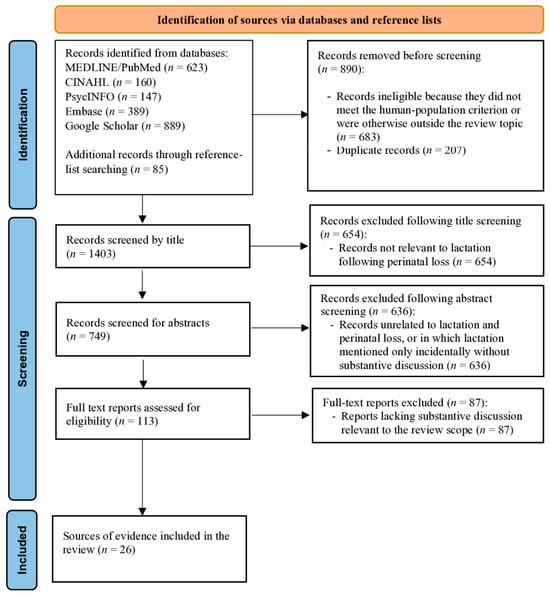
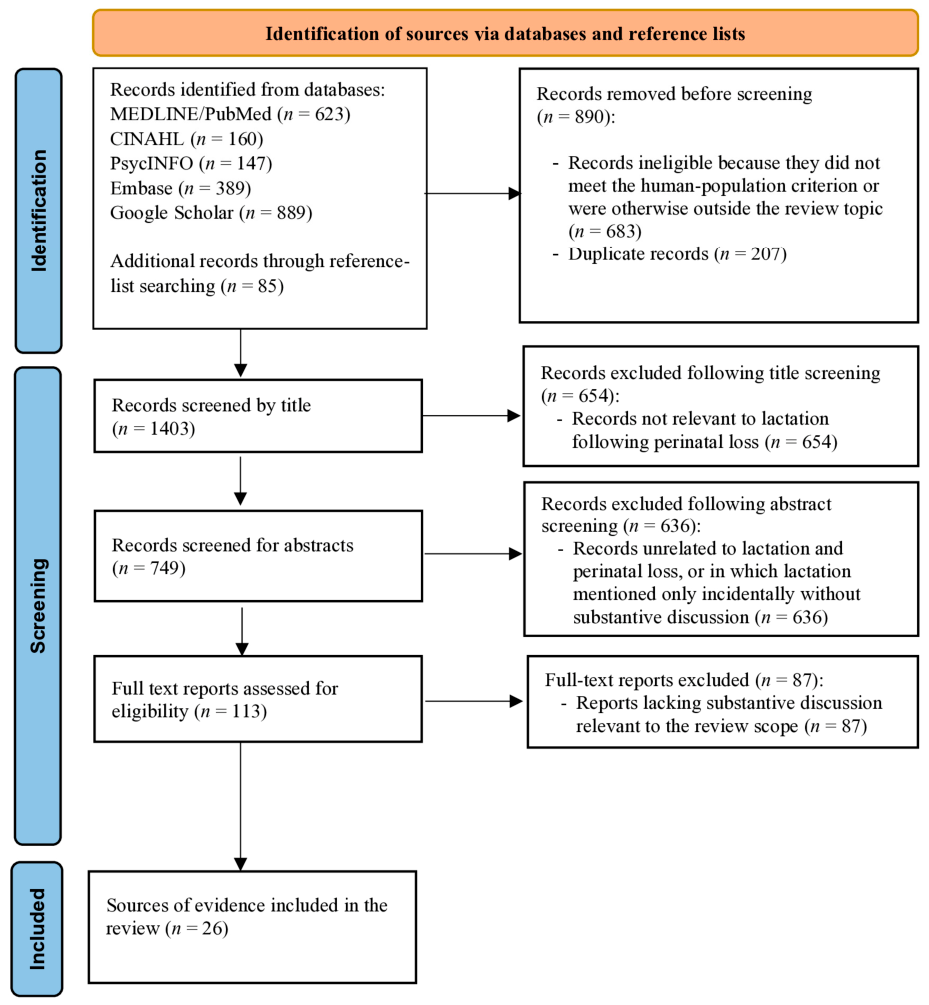

Disclaimer/Publisher’s Note: The statements, opinions and data contained in all publications are solely those of the individual author(s) and contributor(s) and not of MDPI and/or the editor(s). MDPI and/or the editor(s) disclaim responsibility for any injury to people or property resulting from any ideas, methods, instructions or products referred to in the content. |
© 2026 by the authors. Published by MDPI on behalf of the Spanish Scientific Society for Research and Training in Health Sciences. Licensee MDPI, Basel, Switzerland. This article is an open access article distributed under the terms and conditions of the Creative Commons Attribution (CC BY) license.