


Abstract
γ-Aminobutyric acid (GABA), a major inhibitory neurotransmitter, is known for its physiological functions in alleviating anxiety and improving sleep. Currently, high-yielding GABA food products are mainly obtained through screening wild-type high-producing strains (e.g., Saccharomyces cerevisiae isolated from Sichuan pickles yielding 0.67 g/L) or employing co-culture systems (e.g., Enterococcus faecium and Lactiplantibacillus plantarum reaching 6.35 g/L). While effective, these methods often rely on natural screening strains or multi-microbial interactions. This study employed CRISPR-Cas9 technology to knockout the UGA1 gene in Saccharomyces cerevisiae, a key gene responsible for GABA degradation. Starting from the low higher alcohol Saccharomyces cerevisiae SY-LH, we successfully constructed the recombinant strain SY-LHU. Remarkably, this study discovered a significant upregulation of GAD1 gene expression following UGA1 knockout, which further enhanced GABA synthesis capacity. Under optimal fermentation conditions (inoculum size 4 × 10⁷ cells/mL, wort concentration 10 °P, sugar addition 60 g/L, 30 °C for 10 days, and mixing the malt broth every 48 h), the validation fermentation was performed and the GABA content in the wort beverage reached 280.36 mg/L, representing a 385.4% increase compared to the pre-optimization level. Furthermore, sensory evaluation by a trained panel yielded a mean score of 88, with no significant off-flavors detected, demonstrating the product’s high consumer acceptance. This pioneering work provides a novel and feasible technical pathway for developing functional alcoholic beverages with sleep-aiding properties.
1. Introduction
In recent years, due to increasing work pressure, unhealthy personal lifestyles, aging, and other factors, the number of people suffering from sleep disorders in China has been rising annually [1]. Insomnia is generally defined as a persistent difficulty in falling asleep, staying asleep, or waking up too early, which impairs daily functioning and quality of life [2,3]. Studies report that the prevalence of insomnia among adults ranges from about 10% to 30% [4]. Statistically, the prevalence of insomnia varies across countries and populations, with complex and diverse contributing factors. Insomnia not only affects physical health but is also closely associated with various mental health issues, such as anxiety and depression [5].
γ-Aminobutyric acid (GABA), also known as aminobutyric acid, is a type of free non-protein amino acid that is widely present in animals, plants, and microorganisms. It functions as the primary inhibitory neurotransmitter in the mammalian nervous system [6]. By binding to GABA receptors, it modulates neuronal excitability and influences various physiological processes. In September 2009, the Chinese Ministry of Health officially classified γ-aminobutyric acid as a novel food resource, permitting its use as a food-grade safe substance.
The GABA metabolic pathway has been extensively studied in microorganisms, plants, and animals. Recently, researchers have identified a GABA catabolic pathway and revealed a biosynthetic route in yeast for a GABA-derived polymer—poly 3-hydroxybutyrate-co-4-hydroxybutyrate (P3HB-co-4HB) [7,8]. Through an analysis of the yeast’s metabolic pathways for GABA degradation, researchers found that GABA can be synthesized by the GAD1 gene product and degraded to succinate by the UGA1 and UGA2 gene products [9,10,11].
However, during the alcoholic fermentation process, the simultaneous generation of higher alcohols poses a significant challenge to the quality of functional beverages. Higher alcohols, such as isoamylol and isobutanol, are critical flavor contributors at moderate levels but significantly enhance the “intoxicating degree” (ID) and cause adverse hangover symptoms like headaches and nausea when present in excess. Recent studies have demonstrated that higher alcohol production can be regulated by targeting key genes such as LEU1 in Saccharomyces cerevisiae [12]. Given that the ultimate goal of GABA-fortified beverages is to improve sleep quality and alleviate anxiety, it is imperative to minimize the production of these intoxicating by-products to avoid counteracting the functional benefits of GABA.
This study represents the first attempt to knockout the UGA1 gene in Saccharomyces cerevisiae using CRISPR-Cas9 gene editing technology. Unlike traditional approaches that rely on screening wild-type high-producing strains or co-culture methods, this research directly targets the GABA degradation pathway by deleting the key UGA1 gene in the low higher alcohol-producing strain SY-LH. Importantly, our study revealed a novel finding that UGA1 knockout significantly upregulates the expression of GAD1, the gene responsible for glutamate synthesis upstream of GABA production. This discovery not only demonstrates the effectiveness of blocking GABA degradation but also uncovers an unexpected regulatory mechanism that enhances GABA synthesis capacity. By constructing the recombinant strain SY-LHU and optimizing fermentation conditions, this study provides a pioneering technical strategy for developing functional alcoholic beverages with improved sleep quality [13].
2. Materials and Methods
2.1. Materials and Reagents
2.1.1. The Construction of Strains and Plasmids
The strains (Saccharomyces cerevisiae SY was screened from the Chinese traditional fermentation starter “Jiuqu”) and the plasmids are listed in Table S1 (Supporting Information). The Escherichia coli match-T1 with p426-gRNA.UGA1-kanMX was cultured in LB medium with 100 µg/mL of ampicillin (Aladdin, Shanghai, China) at 37 °C for 12–16 h. The Saccharomyces cerevisiae SY was cultured at 30 °C in the YPD medium with 100 µg/mL of G418 (Aladdin, Shanghai, China), used to screen positive transformants [14].
2.1.2. Primer Design
The primers used in this study are listed in Table S2. The UGA1 gene sequences of Saccharomyces cerevisiae (S288c) were obtained from the National Center for Biotechnology Information (NCBI). Primers were designed by Snap Gene 6.0.2 and synthesized by Shanghai Bioengineering Technology Co., Ltd. (Shanghai, China).
2.1.3. Wort Preparation
The malt powder was added with water at the ratio of 1:4 (kg/L) and stirred for saccharification. Saccharification procedure: The mixture was heated at 53–55 °C for 60 min, at 63–65 °C for 60 min, then at 72 °C for 20 min. Finally, it was filtered through four layers of sterile gauze.
2.2. Construction of UGA1-Knockout Saccharomyces cerevisiae Strain
2.2.1. Construction of the gRNA Expression Plasmid
The gRNA sequence targeting the UGA1 gene was designed and screened using the CHOPCHOP (https://chopchop.cbu.uib.no) online tool. To ensure high editing efficiency and minimize potential off-target effects, a 20 bp target sequence (5′-CCGGTAAGCTATGGTGTCAT-3′) followed by a NGG PAM was selected based on its high specificity score and the absence of predicted off-target sites in the Saccharomyces cerevisiae genome.
Using the plasmid p426-gRNA.LEU1-kanMX as the template, two homologous fragments were amplified by PCR with the primer pairs gRNA-UGA1-F/gRNA-P426-R and gRNA-P426-F/gRNA-UGA1-R. Subsequently, the two fragments were purified and ligated using the ClonExpress® II One Step Cloning Kit (Vazyme, Nanjing, China). Then, it was introduced into the E. coli match-T1 to obtain the gRNA expression plasmid p426-gRNA.UGA1-kanMX [15].
2.2.2. Construction of Donor DNA
The upstream and downstream homologous arms of the UGA1 target sequence were amplified by PCR with template of SY genome, primers UGA1-T1-F/UGA1-T1-R and UGA1-T2-F/UGA1-T2-R. Subsequently, they were connected by overlap PCR with primers UGA1-T2-F/UGA1-T1-R to obtain the UGA1 donor DNA [16,17].
2.2.3. Electro Transformation of SY-LH
The SY-LH with the p414-Cas9-BleoR plasmid was made the electrocompetent yeast. It was mixed with p426-gRNA.UGA1-kanMX plasmid and donor DNA at a 1:10 (v/v) ratio to perform electroporation (Electroporation apparatus, made by Bio-Rad Laboratories, Inc., Hercules, CA, USA, 1.5 kV, 5 m) [18,19]. The transformed yeasts were cultured in YPD medium (100 µg/mL G418) at 30 °C for 1–2 days.
2.2.4. Screening and Verification of Knockout Yeast
The positive transformants were validated by PCR with primers DZ-UGA1-F and DZ-UGA1-R.
2.3. Determination of GABA in Wort Beverage
2.3.1. Fermentation of Wort Beverage
SY-LH and each recombinant strain were inoculated with 5 × 10⁶ cells/mL in 8 °P wort. Then, they were fermented at 32 °C for 4 days.
2.3.2. GABA Detection Method
The quantitative analysis of GABA in samples was carried out using the external standard method on a Fuli Instruments LC5090 (Zhejiang Fuli Analytical Instrument Co., Ltd., Taizhou, China) high-performance liquid chromatography (HPLC) system equipped with a C18 column.
First, GABA standard was accurately weighed and dissolved to prepare a 1 mg/mL standard stock solution, which was then serially diluted to obtain a series of calibration working solutions at concentrations of 100, 300, 500, and 700 μg/mL.
Given that GABA lacks the characteristic UV absorption peak and exhibits low volatility, o-phthalaldehyde (OPA) was selected as the derivatization reagent for pre-column derivatization of both the standard solutions and wort beverage samples.
The chromatographic conditions were set as follows: detection wavelength of 228 nm, a mobile phase consisting of acetonitrile and 20 mmol/L sodium acetate (21:79, v/v), a column temperature of 30 °C, and a flow rate of 0.8 mL/min [20].
2.4. Quantification of the Relative Expression Levels of UGA1 and GAD1 Genes
To validate the transcriptional expression of UGA1 and GAD1 after UGA1 knockout, total RNA was isolated from strains SY-LH, SY-LHU1, and SY-LHU3, followed by reverse transcription into complementary DNA (cDNA). Quantitative real-time PCR (qPCR) was performed using the synthesized cDNA as the template, where ACT1 served as the endogenous reference gene for normalization of the transcript levels of target genes UGA1 and GAD1 [21].
2.5. Discard the Plasmid
SY-LHU was transferred to 5 mL of YPD broth for subculturing at 30 °C for 15 generations. Then, the plasmid-cured strain was screened in YPD medium with 100 µg/mL of G418 [22,23].
2.6. Optimization of Fermentation Process for Wort Beverage
2.6.1. Influence of Temperature on GABA Content in Wort Beverage
The high GABA yielding strain, SY-LHU, was inoculated at 5 × 10⁶ cells/mL in 8 °P wort. Then, they were fermented at 26 °C, 28 °C, 30 °C, and 32 °C for 4 days.
2.6.2. Influence of Yeast Inoculum Size on GABA Content in Wort Beverage
SY-LHU was inoculated with 5 × 10⁶, 2 × 10⁷, 4 × 10⁷, and 6 × 10⁷ cells/mL in 8 °P wort, respectively. Then, they were fermented at 30 °C for 4 days.
2.6.3. Influence of Fermentation Time on GABA Content in Wort Beverage
SY-LHU was inoculated with 4 × 10⁷ cells/mL in 8 °P wort. Then, they were fermented at 30 °C for 4, 6, 8, and 10 days.
2.6.4. Influence of Wort Concentration on GABA Content in Wort Beverage
The concentration of wort broth was adjusted to 6 °P, 8 °P, 10 °P, 12 °P, and 14 °P wort. Then, they were inoculated with 4 × 10⁷ cells/mL by SY-LHU and fermented at 30 °C for 10 days.
2.6.5. Effect of Adding Sugar on GABA in Wort Beverage
The 10 °P wort was added with different sugar concentrations of 30 g/L, 40 g/L, 50 g/L, 60 g/L, 70 g/L, and 80 g/L. Then, they were fermented by SY-LHU at 30 °C for 10 days.
2.6.6. Influence of Fermentation Mixing Frequency on GABA Content in Wort Beverage
The 10 °P wort with 60 g/L of sugar was fermented by SY-LHU at 30 °C for 10 days. The control group was subjected to static fermentation, while the other three groups were mixed every 48, 24, or 12 h, corresponding to total mixing frequencies of 6, 12, and 24 times, respectively.
2.6.7. Optimization of Fermentation Process for Wort Beverage Using Orthogonal Experiments
Based on the results of single-factor experiments, four factors that significantly affect GABA production were selected: wort concentration (A), yeast inoculum size (B), sugar addition (C), and fermentation temperature (D). Three levels were set for each factor, and an L9(34) orthogonal experiment was performed to determine the optimal combination of fermentation conditions [24,25]. The factor levels are presented in Table 1, and the orthogonal experimental design is shown in Table 2.
Table 1.
Orthogonal factor level table.
Table 2.
Orthogonal experimental scheme.
2.7. Sensory Evaluation and Off-Flavor Analysis of Wort Beverage
The organoleptic characteristics of the top-performing malt beverage (the optimal combination from orthogonal experiments) were evaluated by a trained sensory panel consisting of six members specialized in brewing science: two senior researchers, two corporate wine tasters and two graduate students. The sessions were conducted in a well-lit, quiet, and controlled laboratory environment to minimize external interference. Following established sensory protocols for fermented beverages, the samples were appraised across four primary dimensions: clarity, color, aroma, and flavor, based on the scoring criteria specified in Table 3. The final sensory score for each attribute was determined by calculating the arithmetic mean of all individual ratings, rounded to the nearest integer [26].
Table 3.
Sensory evaluation criteria for the fermented beverage.
2.8. Statistical Analysis
All experiments were performed in triplicate, and data are presented as mean ± standard deviation (SD). Statistical analysis was conducted using Origin 2024 software. Differences between groups were evaluated by One-way ANOVA followed by Tukey’s test. A p-value of less than 0.05 was considered statistically significant.
3. Results
3.1. Construction of Recombinant Yeast Strains
3.1.1. Construction of Plasmid p426-gRNA.UGA1-kanMX
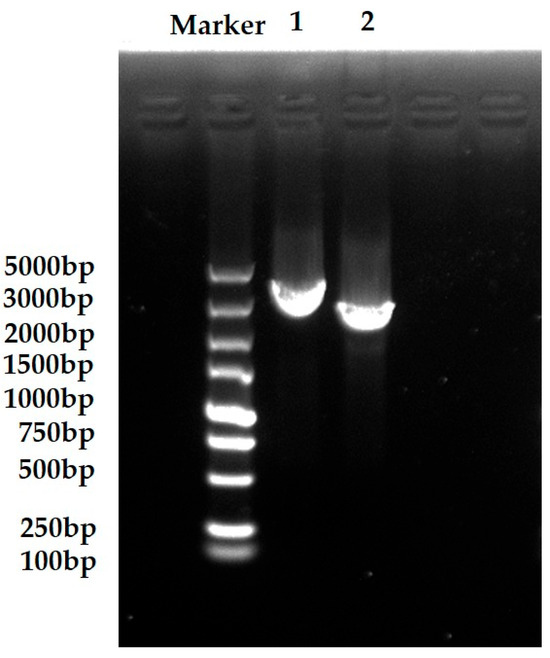
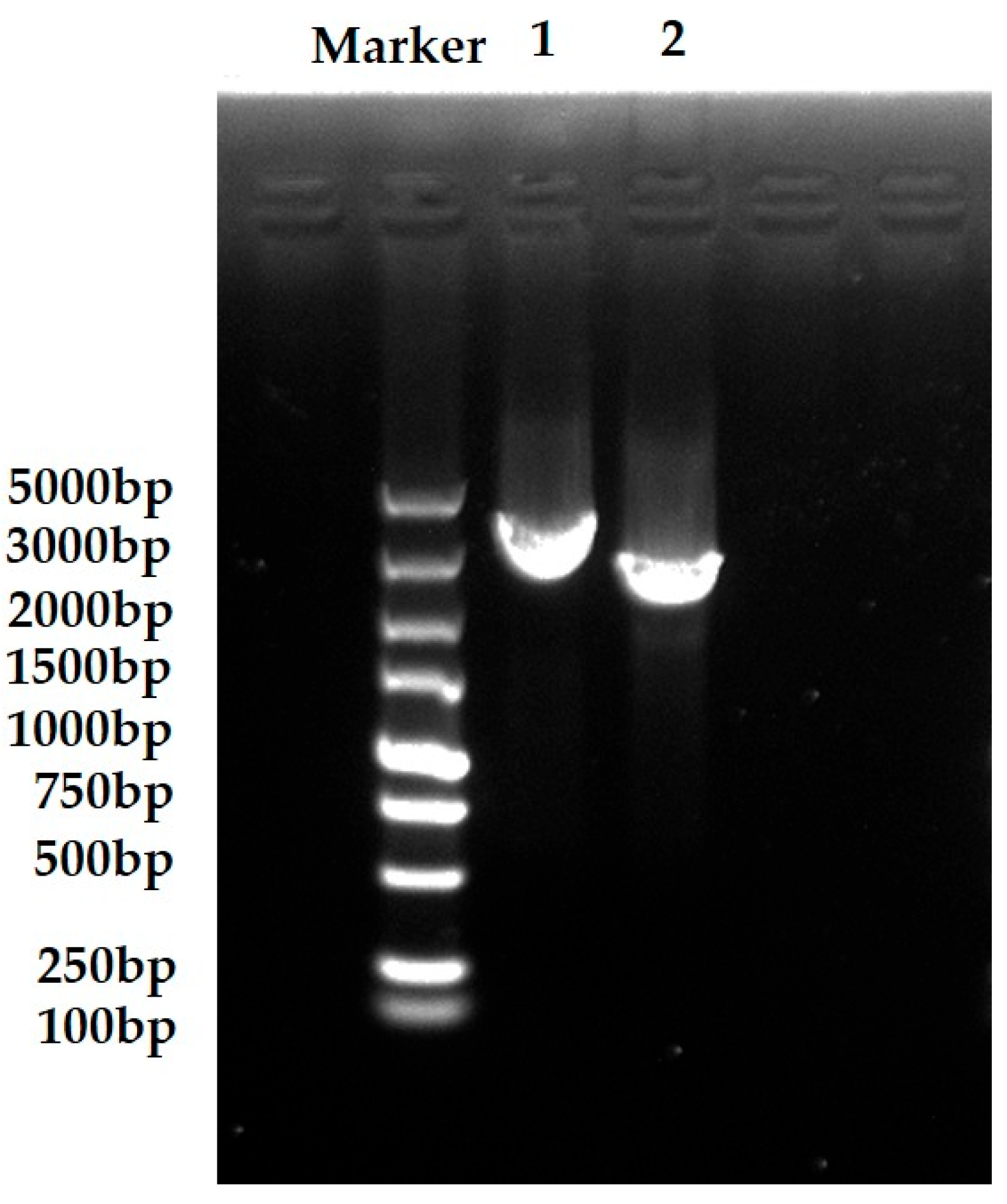
To construct the recombinant plasmid p426-gRNA.UGA1-kanMX, two DNA fragments of 3532 bp and 3262 bp were successfully amplified by PCR, as shown in Figure 1. These fragments were then assembled into the E. coli match-T1 by homologous recombination. Positive clones were identified and verified, confirming the successful construction of the plasmid.
Figure 1.
PCR amplification of target fragments for plasmid construction. The lane marker shows the 5000 bp marker. Lane 1 corresponds to 3532 bp, and lane 2 corresponds to 3262 bp.
3.1.2. Results of UGA1 Gene Knockout
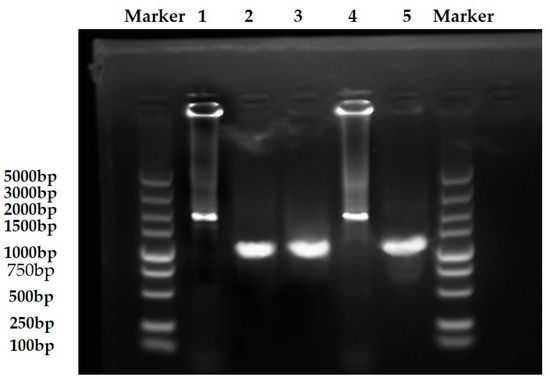
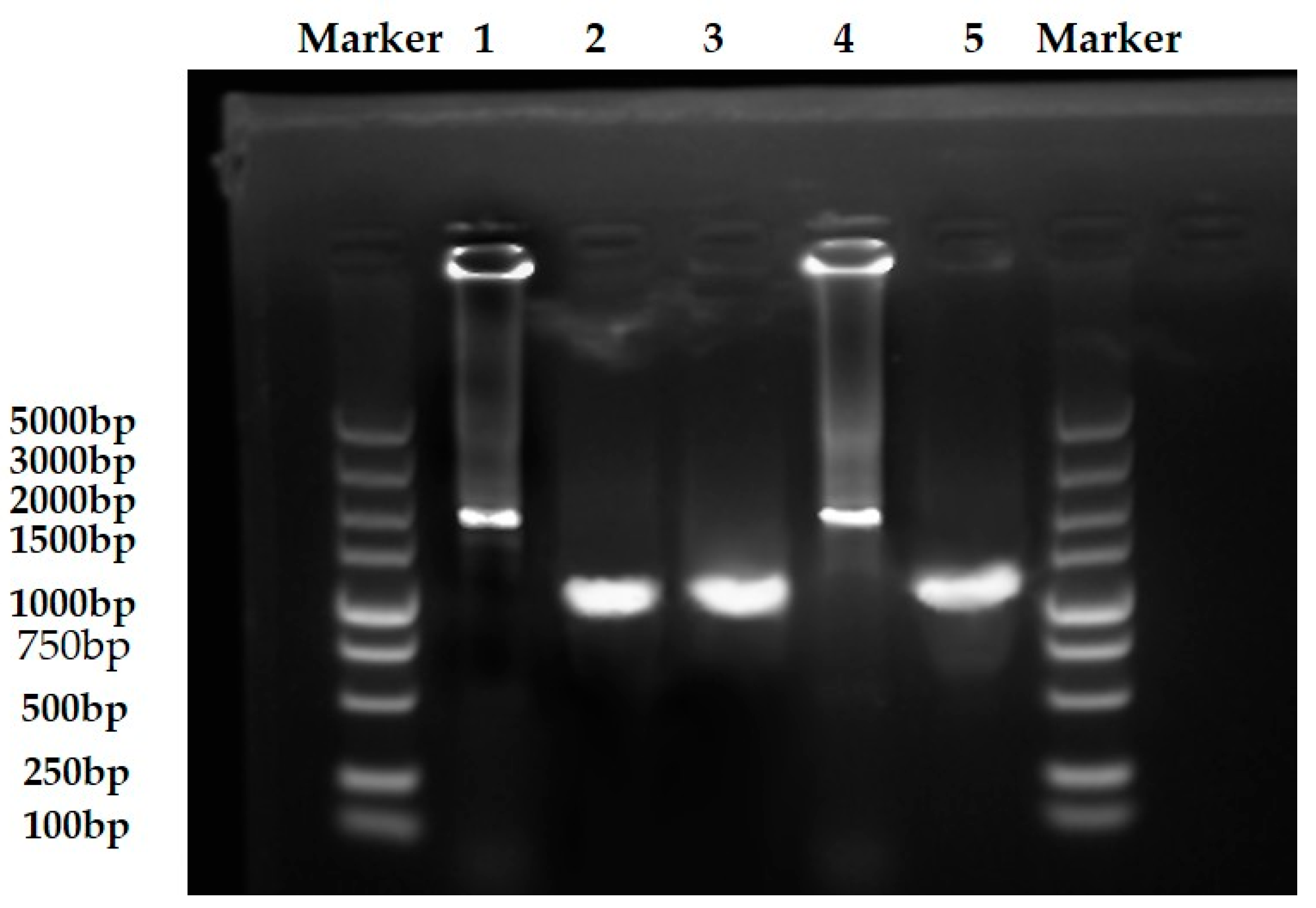
The recombinant strain S. cerevisiae SY-LHU was successfully constructed (as seen in Section 2.2) with plasmid p426-gRNA.UGA1-kanMX, donor DNA, and SY-LH. It was validated by PCR with primers DZ-UGA1-F and DZ-UGA1-R, as shown in Figure 2.
Figure 2.
PCR verification of recombinant strains S. cerevisiae SY-LHU. The lane marker shows the 5000 bp marker. Lanes 1 and 4 are S. cerevisiae SY-LH; lanes 2, 3, and 5 correspond to SY-LHU1, SY-LHU2, and SY-LHU3.
As shown in Figure 2, if UGA1 is not knocked out, a 2037 bp-negative fragment will be amplified by PCR; if UGA1 is deleted, a 1035 bp-positive fragment will be obtained. As a result, S. cerevisiae SY-LHU was successfully constructed.
3.1.3. Screening the High-Yielding GABA Strain
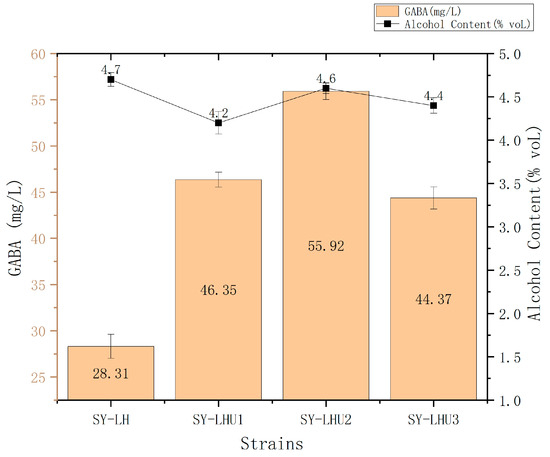
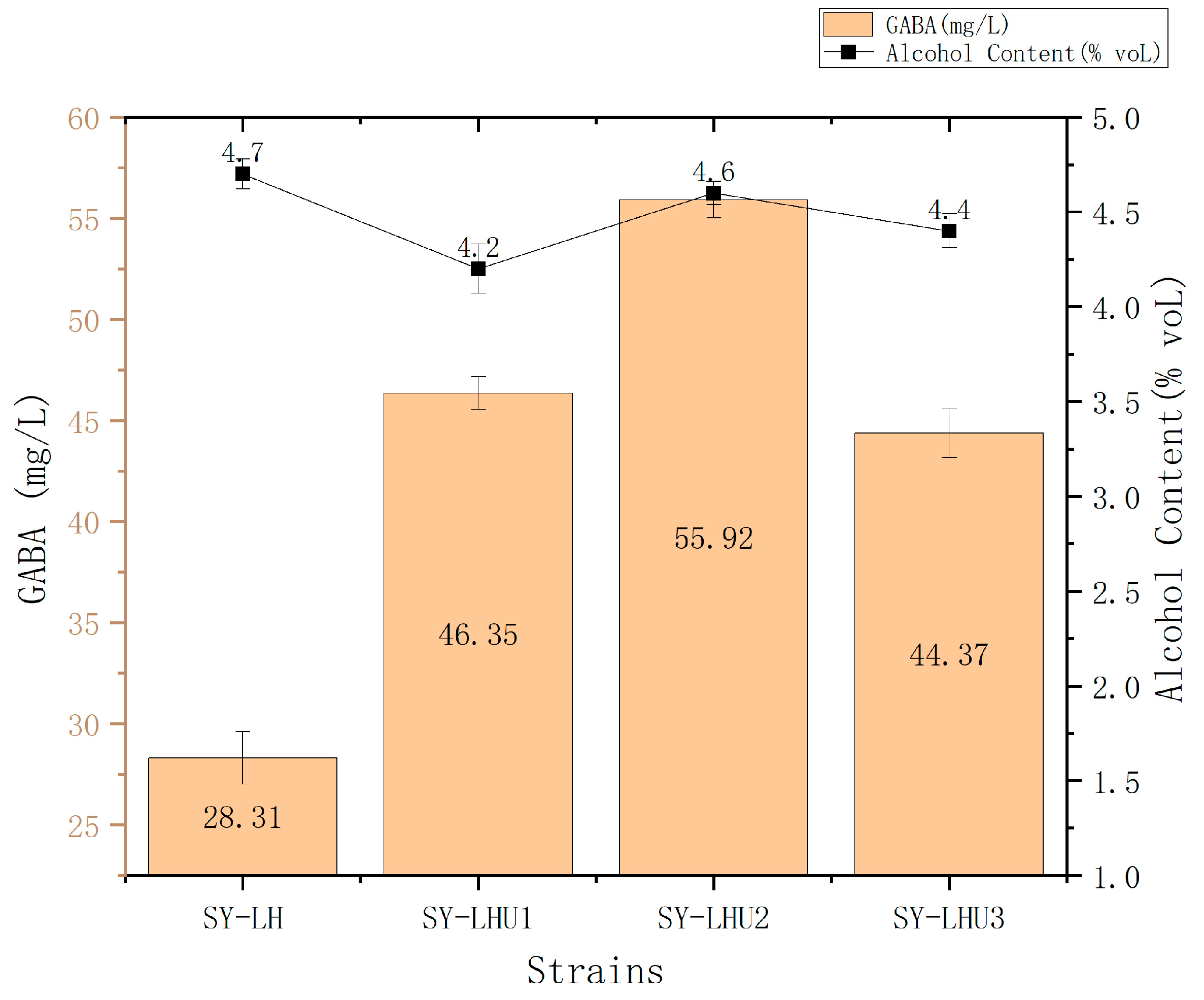
Wort beverage was fermented by S. cerevisiae SY-LH and recombinant strains S. cerevisiae SY-LHU-1, SY-LHU-2, and SY-LHU-3 according to Method 2.3.1, as shown in Figure 3.
Figure 3.
Screening the high GABA-yielding strain.
As shown in Figure 3, S. cerevisiae SY-LHU-2 has the highest GABA content, with 55.92 mg/L, increasing by 104% compared with SY-LH, 28.31 mg/L. Therefore, S. cerevisiae SY-LHU-2 was selected as the high GABA-yielding strain for all subsequent studies and is hereafter referred to as SY-LHU.
Furthermore, comparison of the alcohol concentrations in the fermentation broth revealed that the ethanol yield of the UGA1-deleted strain exhibited negligible differences from that of the parental strain SY-LH, with fluctuations limited to within ±0.1%vol. In the wort fermentation system, ethanol production acts as a key indicator for evaluating the sugar metabolic capacity and environmental stress response of microbial strains. These results demonstrate that knockout of the UGA1 gene imposed no negative impacts on the primary metabolic flux and fermentation properties of the strain, and its growth phenotype remained highly consistent with that of the parental strain.
3.2. Determination of Relative Expression Levels of UGA1 and GAD1
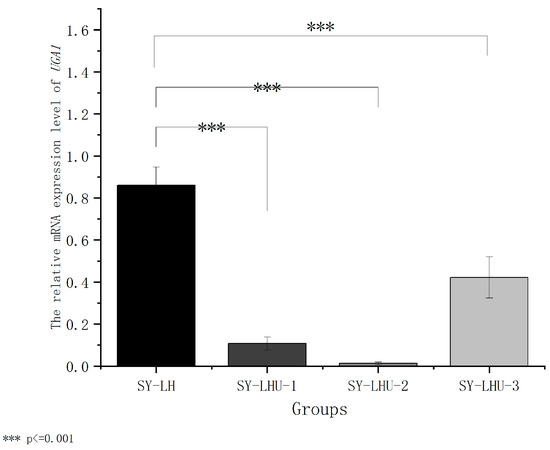
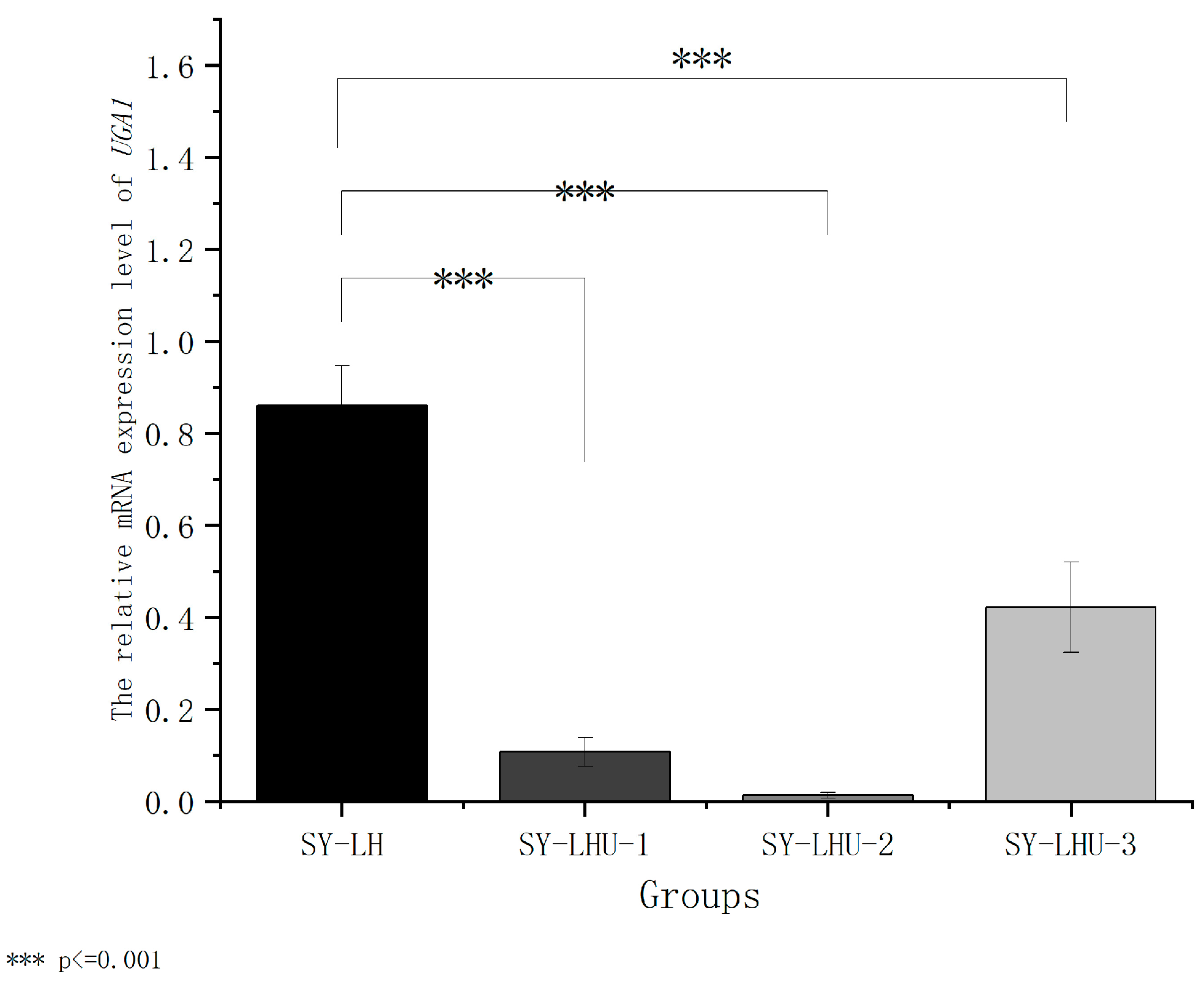
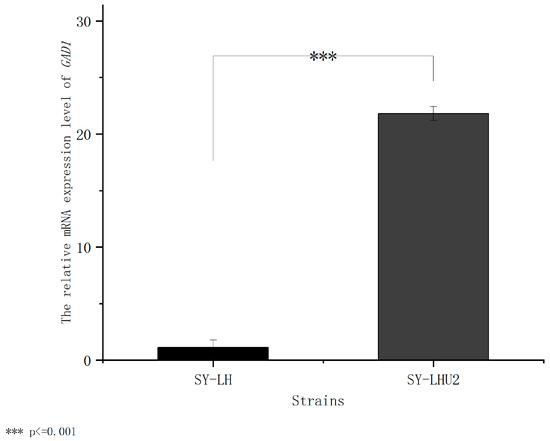
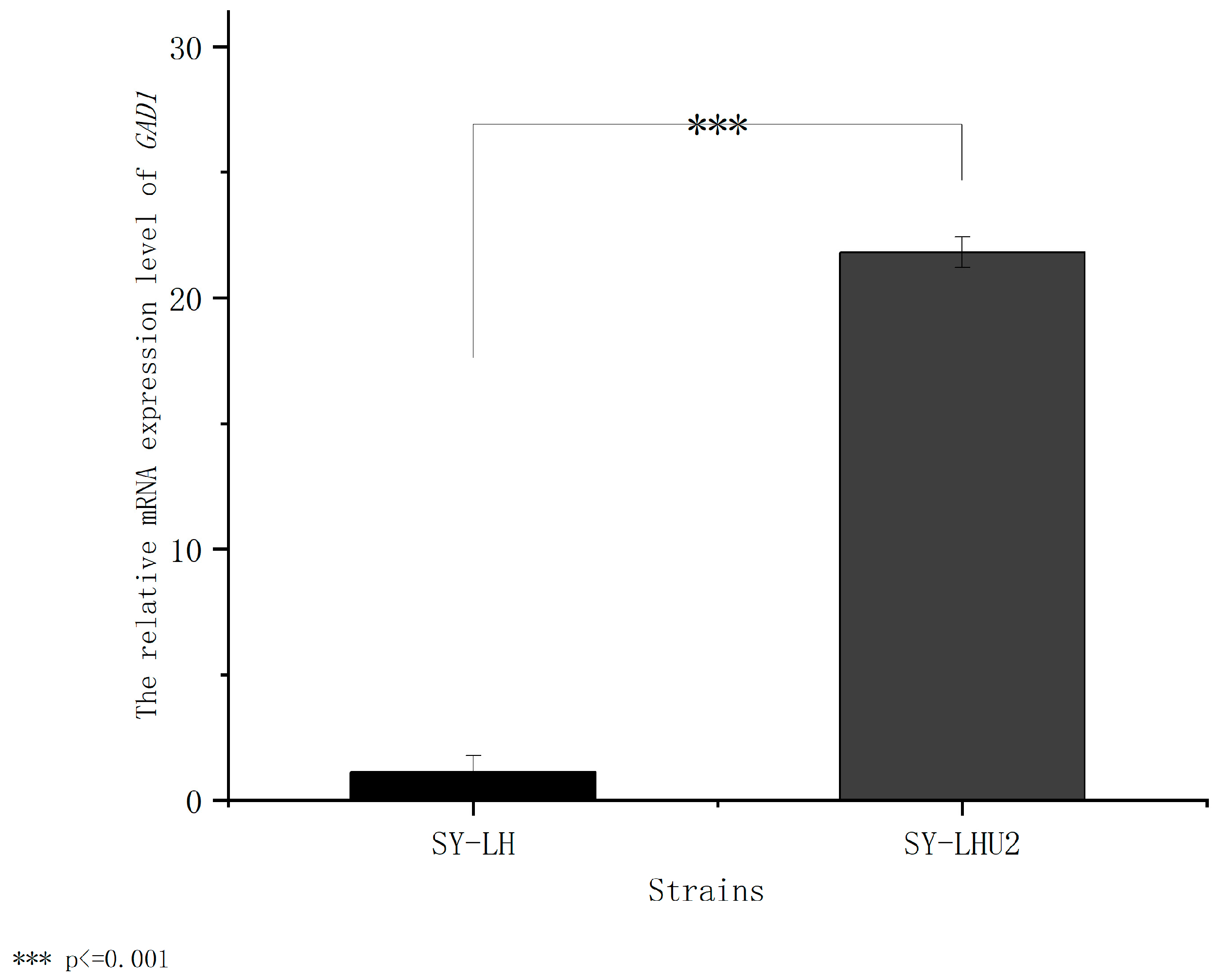
The relative expression levels of the UGA1 and GAD1 were determined according to Section 2.4, as Figure 4 and Figure 5.
Figure 4.
UGA1 expression levels in recombinant strains.
Figure 5.
GAD1 expression levels in recombinant strains.
As shown in Figure 4, the expression level of UGA1 was markedly reduced in all deletion strains, indicating that UGA1 has been successfully deleted.
As shown in Figure 5, the expression level of GAD1 was significantly upregulated in S. cerevisiae SY-LHU. It would be helpful to synthesize glutamate decarboxylase for enhancing the synthesis of GABA, which leads to an increase of 104% in S. cerevisiae SY-LHU compared with SY-LH.
3.3. Verification of the Plasmid Loss
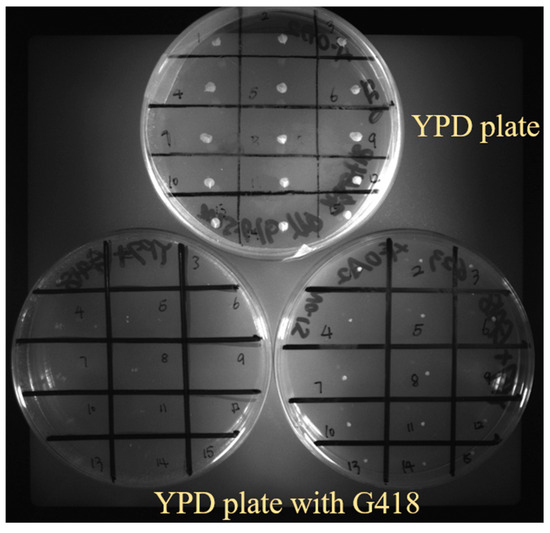
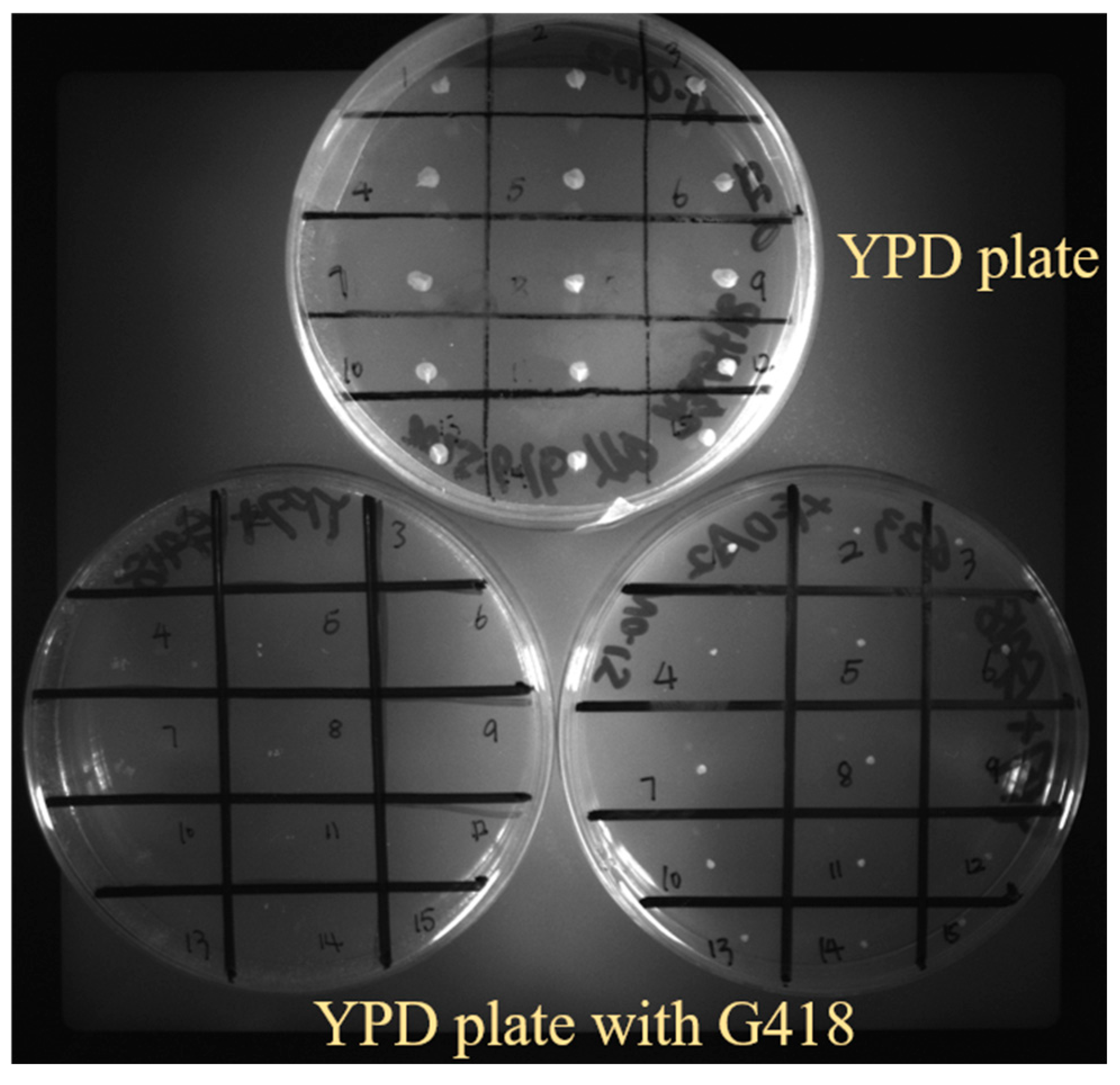
Following Section 2.5, Screening for plasmid loss is presented in Figure 6.
Figure 6.
Verification of Plasmid Loss in SY-LHU on G418 plate.
As shown in Figure 6, the plasmid loss strains could grow normally on a YPD plate but could not grow (replica plating) or grew slowly (spot assay) on YPD plates containing G418. It was confirmed that the plasmid p426-gRNA.UGA1-kanMX in SY-LHU was discarded.
Meanwhile, colony PCR was performed on the strains with confirmed plasmid loss in accordance with Section 2.2.4, and the results were consistent with the 1035 bp positive fragment presented in Figure 2. This verifies that the plasmid-cured strains not only lost the resistance marker but also maintained the intended UGA1 knockout result, with no off-target effects detected.
3.4. Optimization of Wort Beverage Fermentation
3.4.1. Effect of Temperature on GABA in Wort Beverage
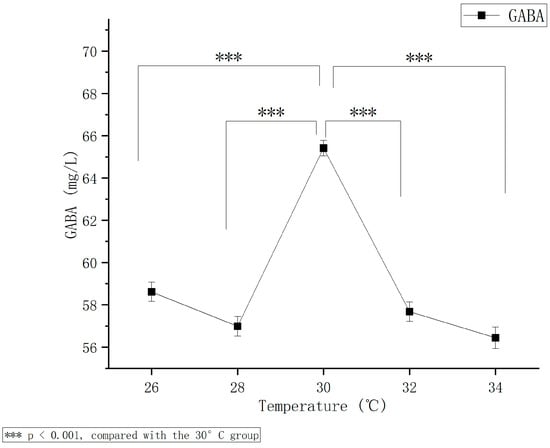
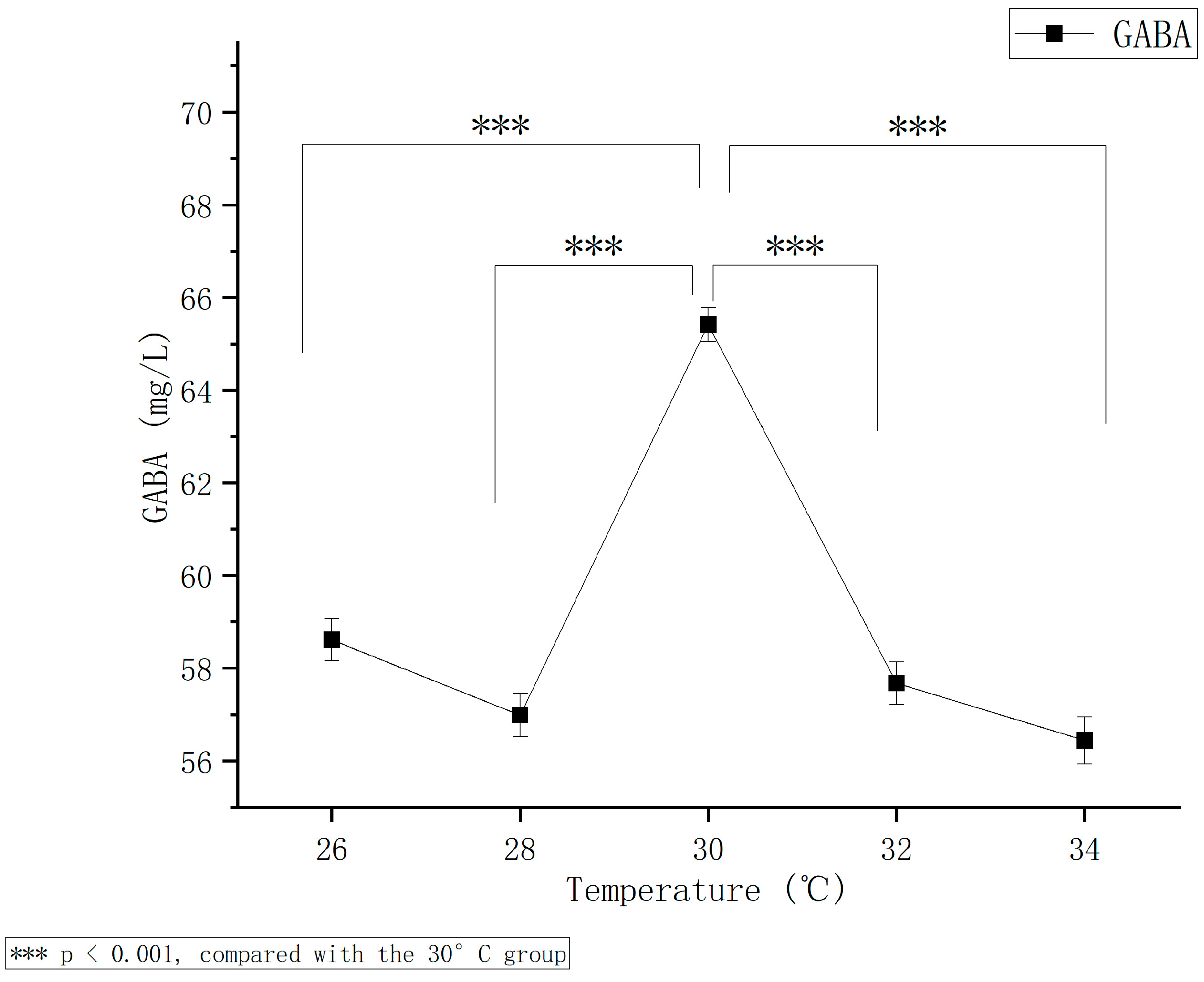
According to Section 2.6.1, wort beverage was fermented by S. cerevisiae SY-LHU at various temperatures (26, 28, 30, 32, and 34 °C), and the results are presented in Figure 7.
Figure 7.
Effect of temperature on GABA in wort beverage. Data are presented as mean ± standard deviation (SD) from three independent replicates (n = 3). Statistical significance was determined by one-way ANOVA followed by Tukey’s multiple comparisons test.
As shown in Figure 7, the highest content of GABA is 65.05 mg/L at 30 °C, indicating that 30 °C is the optimal temperature for synthesizing GABA. Therefore, 30 °C was selected as the optimal fermentation temperature in this study.
3.4.2. Effect of Yeast Inoculum Size on GABA in Wort Beverage
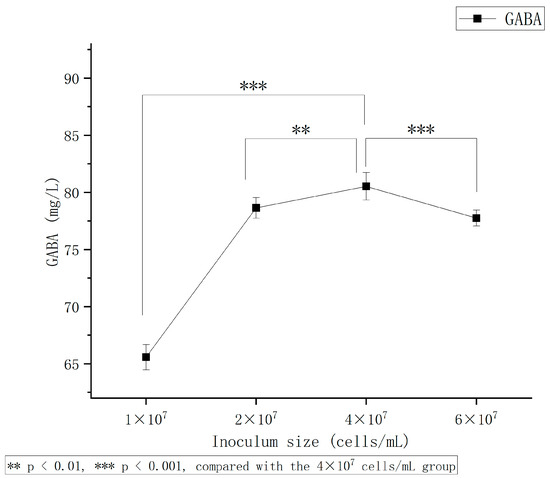
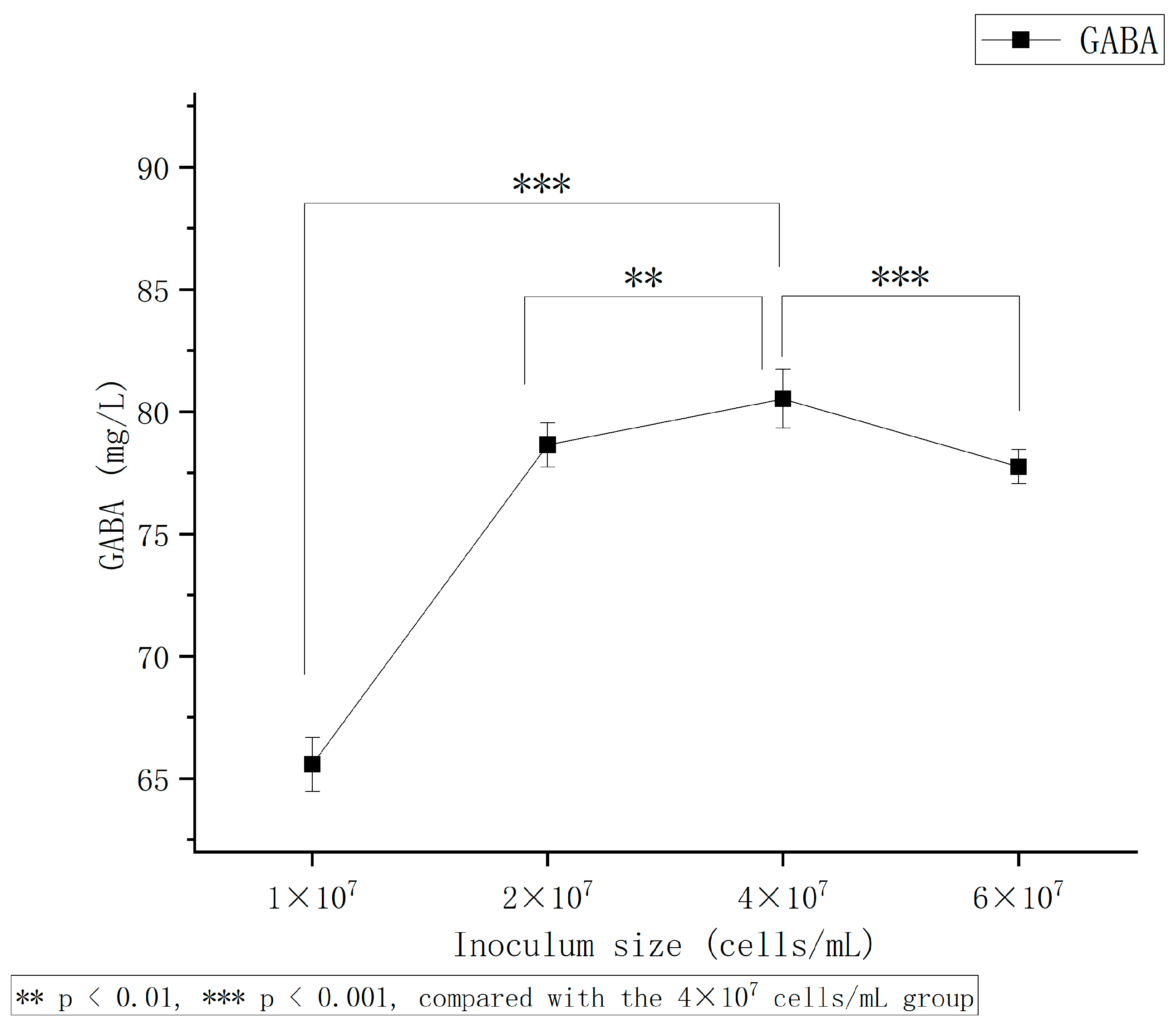
Following Section 2.6.2, the effect of different inoculum sizes (1 × 10⁷, 2 × 10⁷, 4 × 10⁷, and 6 × 10⁷ cells/mL) on fermentation by S. cerevisiae SY-LHU was evaluated, and the results are presented in Figure 8.
Figure 8.
Effect of yeast inoculum size on GABA in wort beverage. Data are presented as mean ± standard deviation (SD) from three independent biological replicates (n = 3). Statistical significance was determined by one-way ANOVA followed by Tukey’s multiple comparisons test.
As shown in Figure 8, the highest content of GABA is 80.53 mg/L with an inoculum size of 4 × 10⁷ cells/mL. Therefore, the inoculum size of 4 × 10⁷ cells /mL was selected as the optimal inoculum size in this study.
3.4.3. Effect of Fermentation Time on GABA in Wort Beverage
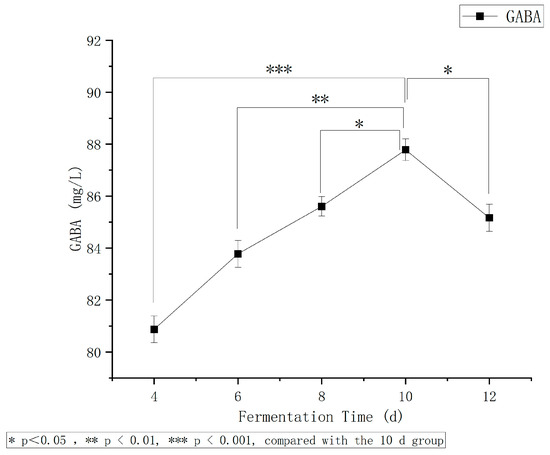
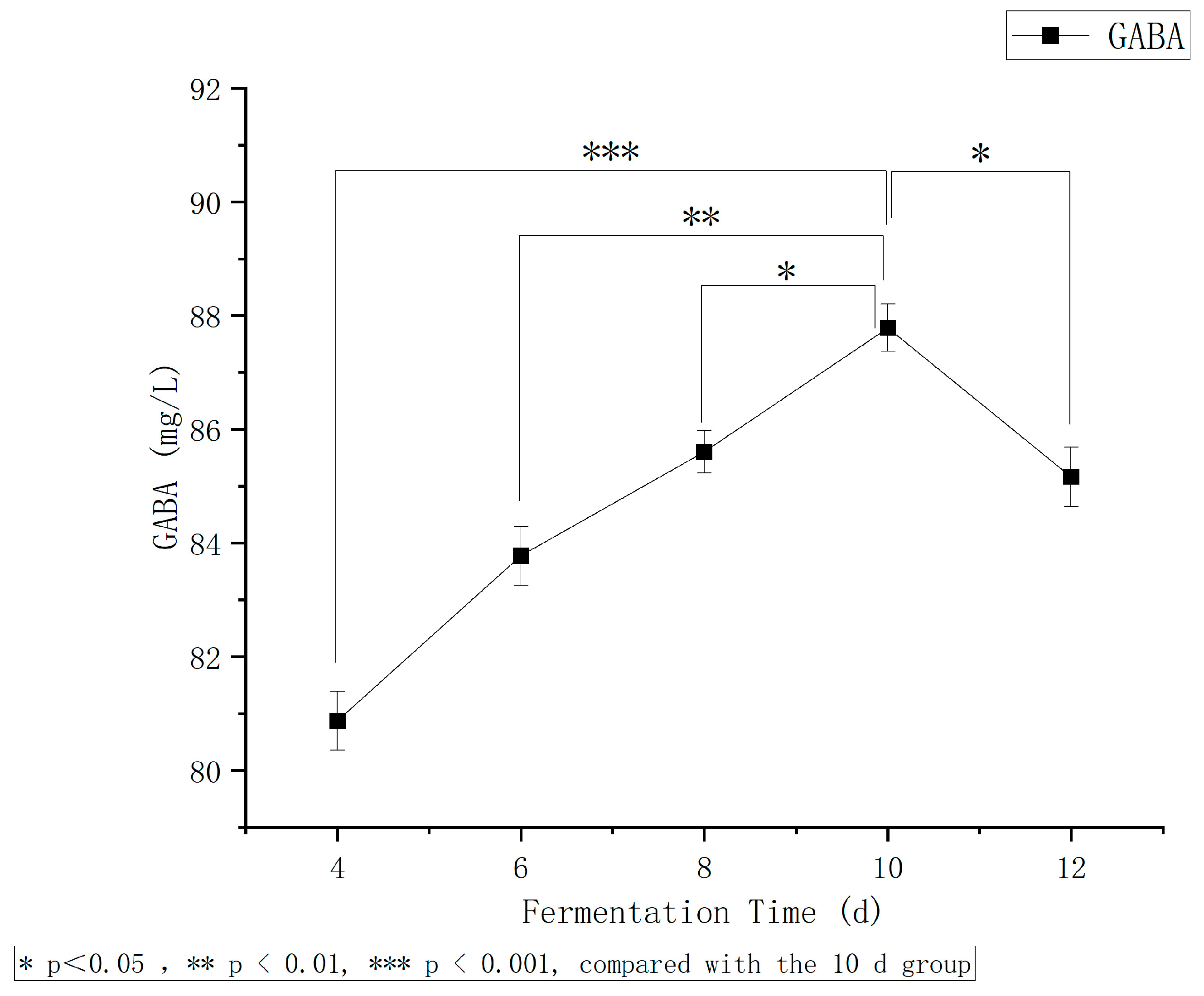
The impact of fermentation duration (4, 6, 8, 10, and 12 d) was investigated according to Section 2.6.3. The results are presented in Figure 9.
Figure 9.
Effect of Fermentation Time on GABA in Wort beverage. Data are presented as mean ± standard deviation (SD) from three independent biological replicates (n = 3). Statistical significance was determined by one-way ANOVA followed by Tukey’s multiple comparisons test.
As shown in Figure 9, the GABA gradually accumulated from 4 to 10 days. The maximum GABA accumulation was 87.33 mg/L on the 10th day. Therefore, 10 days was selected as the optimal fermentation time for wort beverage in this study.
3.4.4. Effect of Wort Concentration on GABA in Wort Beverage
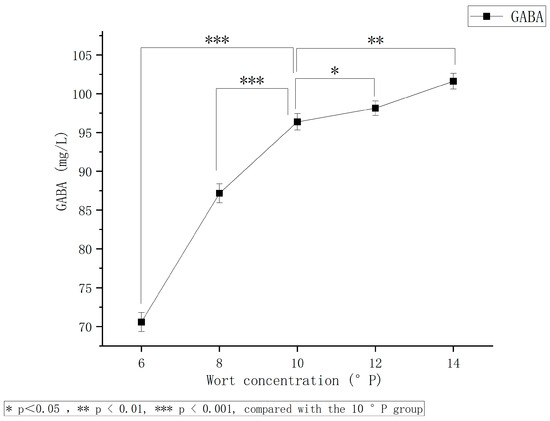
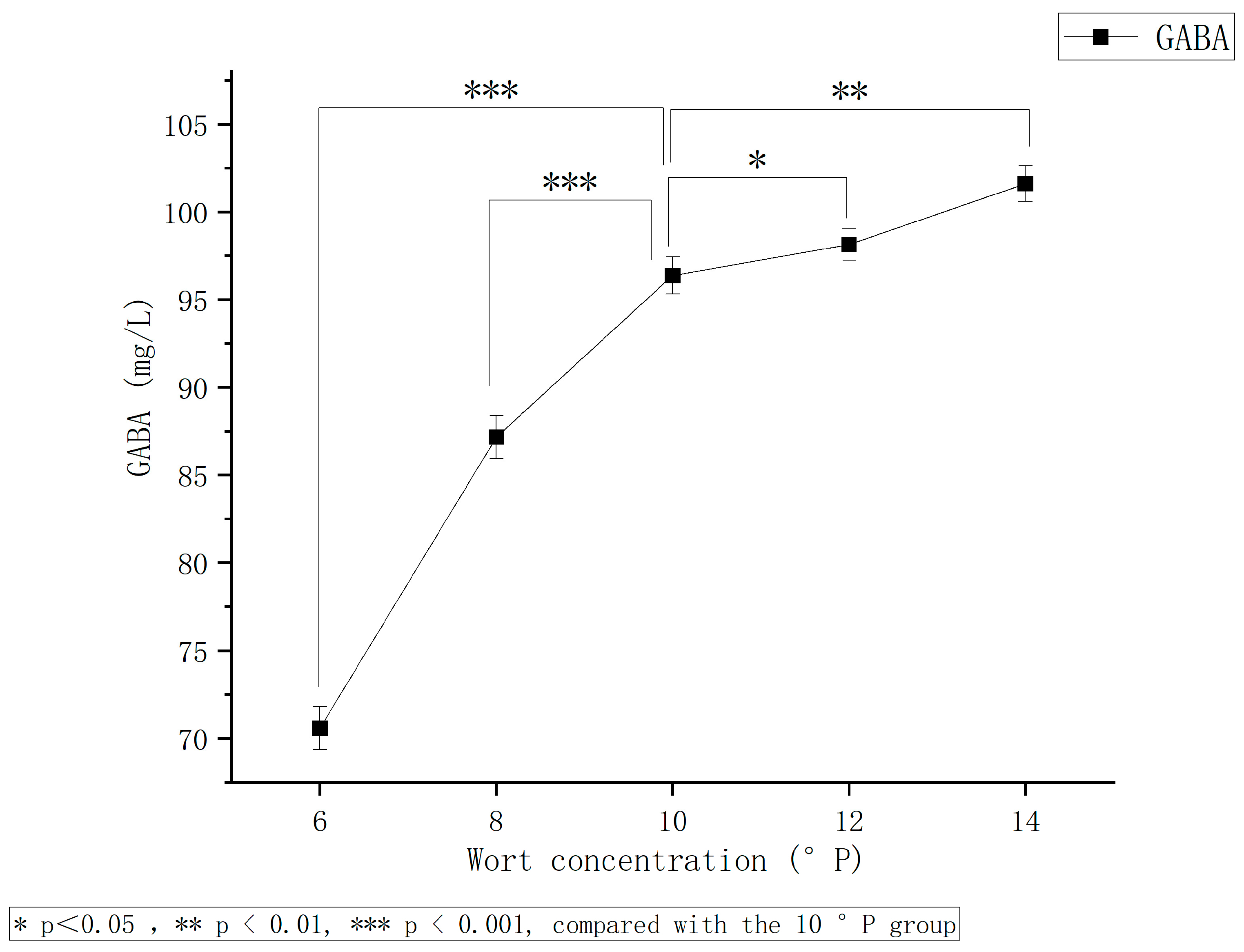
As described in Section 2.6.4, fermentation was conducted at various wort concentrations, ranging from 6 to 14 °P, as shown in Figure 10.
Figure 10.
Effect of wort concentration on GABA in Wort beverage. Data are presented as mean ± standard deviation (SD) from three independent biological replicates (n = 3). Statistical significance was determined by one-way ANOVA followed by Tukey’s multiple comparisons test.
As shown in Figure 10, GABA content increased in response to increase wort concentrations. When the wort concentration was 10 °P, GABA content reached 96.8 mg/L. As such, considering that an increase in wort concentration from 10 °P to 14 °P results in an increase in GABA content of only 4.6%, 10 °P was selected as the optimal wort concentration in this study.
3.4.5. Effect of Sugar Addition on GABA in Wort Beverage
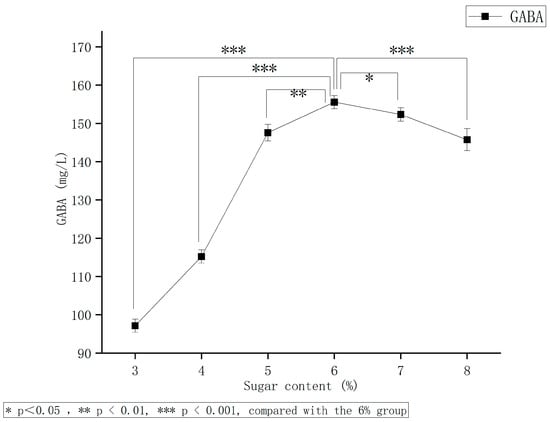
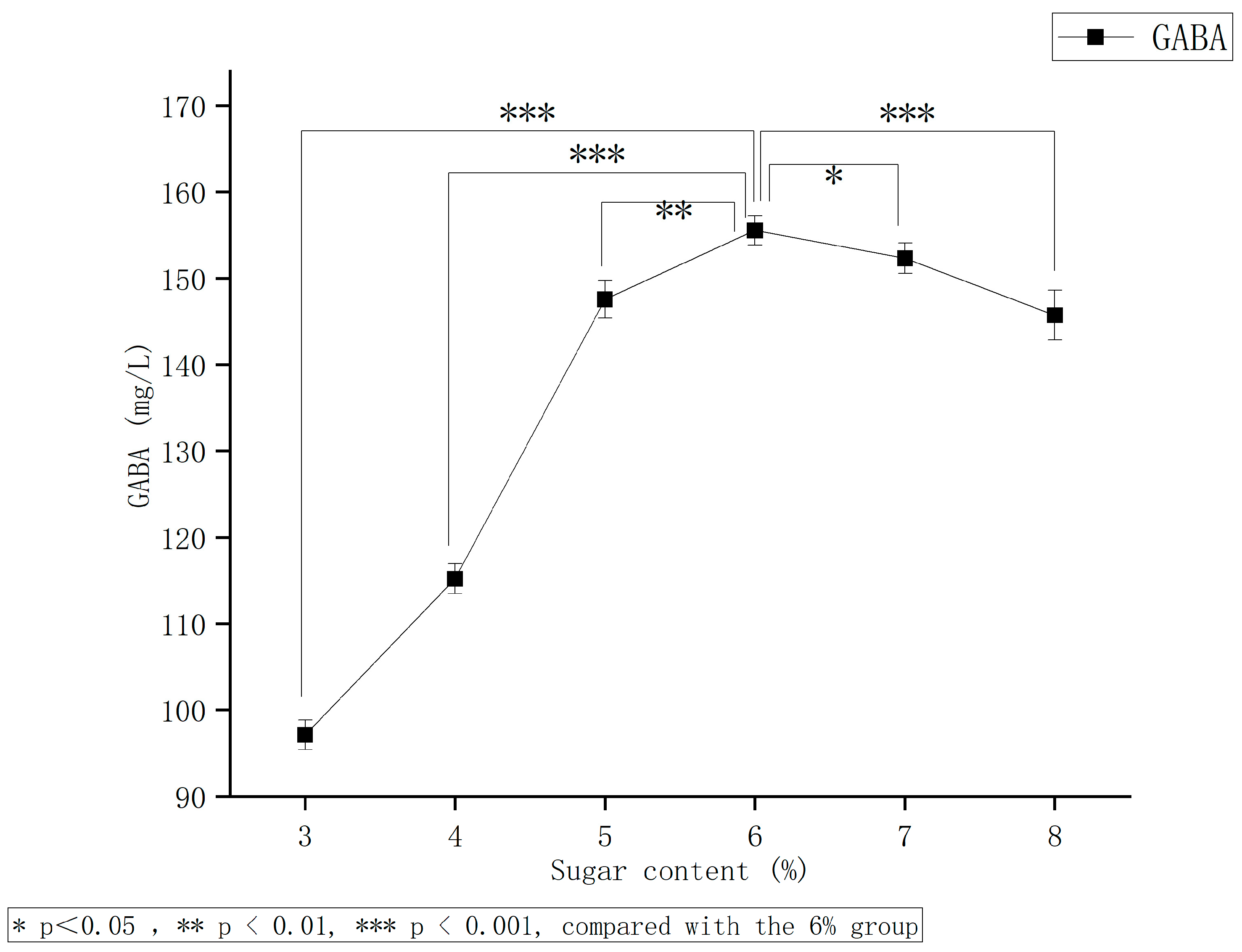
Under the conditions of Section 2.6.5, the influence of sugar supplementation levels (3–8%) on the fermentation process was recorded in Figure 11.
Figure 11.
Effect of adding sugar on GABA in Wort beverage. Data are presented as mean ± standard deviation (SD) from three independent biological replicates (n = 3). Statistical significance was determined by one-way ANOVA followed by Tukey’s multiple comparisons test.
As shown in Figure 11, the maximum GABA accumulation of 155.6 mg/L was achieved at a sugar concentration of 6%. Therefore, the addition of 6% sucrose was selected as the optimal sugar concentration for wort beverage fermentation in this study.
3.4.6. Effect of Fermentation Mixing Frequency on GABA in Wort Beverage
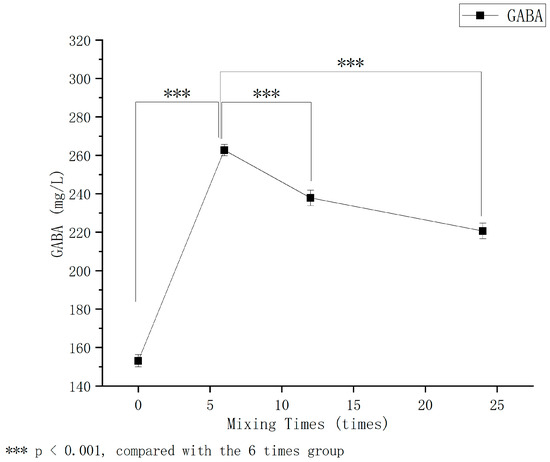
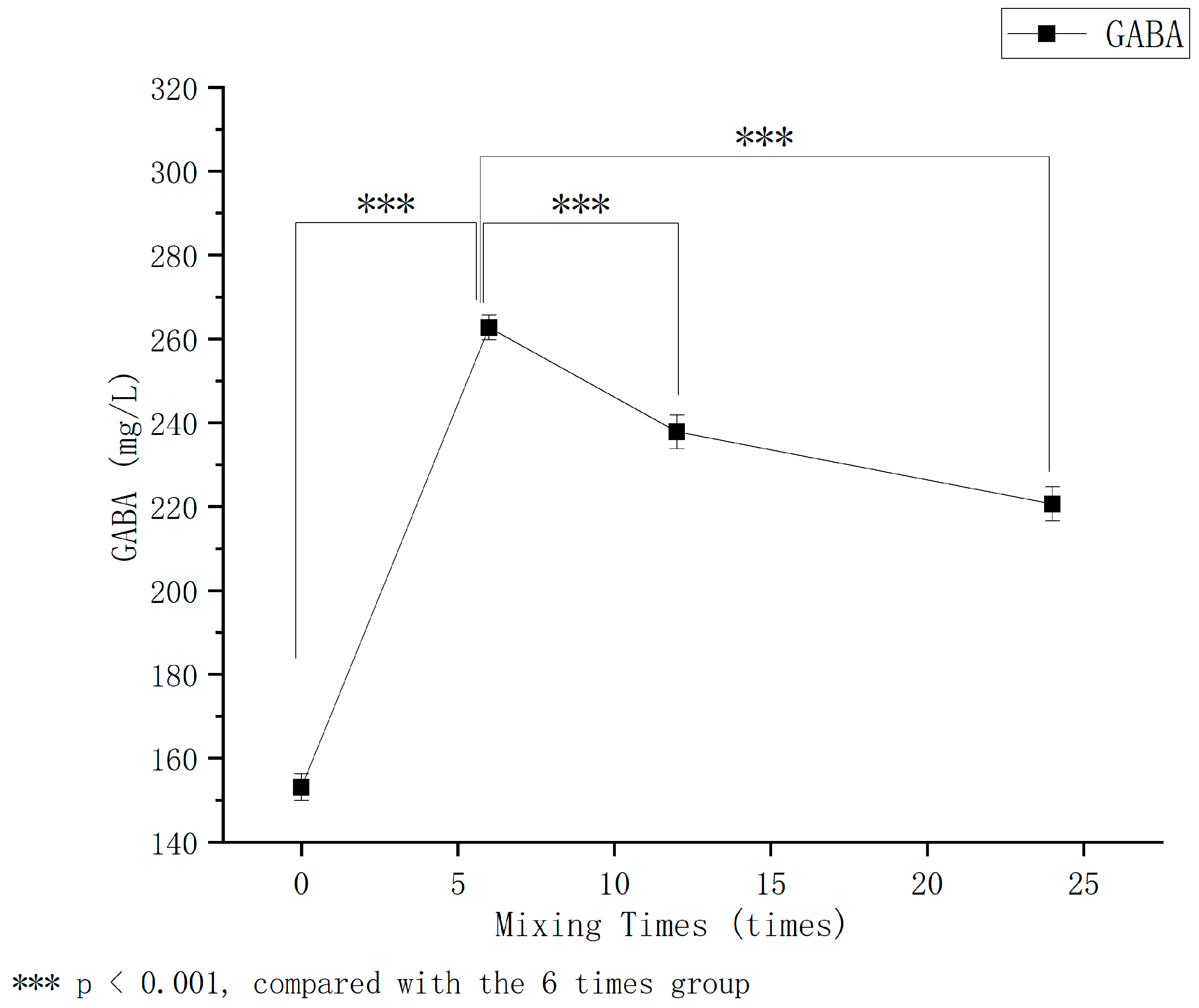
Finally, the effects of mixing frequency (0, 6, 12, and 24 times) were examined following Section 2.6.6, and the results are presented in Figure 12.
Figure 12.
Effect of fermentation mixing frequency on GABA in Wort beverage. Data are presented as mean ± standard deviation (SD) from three independent biological replicates (n = 3). Statistical significance was determined by one-way ANOVA followed by Tukey’s multiple comparisons test.
As shown in Figure 12, the highest content of GABA is 260.14 mg/L with mixing of the fermentation broth every 48 h, demonstrating an increase of 67% compared to the control group, 155.6 mg/L. This result indicated that mixing the broth after the main fermentation stage can create better contact between yeast cells and nutrients in the wort, which was helpful to synthesize GABA. Therefore, mixing malt broth every 48 h was selected as the optimal frequency for the wort beverage in this study.
3.4.7. Orthogonal Experimental Optimization of Wort Beverage Fermentation Process
As described in Section 2.6.7, fermentation process optimization of wort beverage using the orthogonal test method is illustrated in Table 4.
Table 4.
Orthogonal experiment results.
Range analysis was performed on the orthogonal experimental data, and the results are presented in Table 5.
Table 5.
Range analysis of orthogonal experiment results.
As shown in Table 4 and Table 5, among the four factors investigated (wort concentration, inoculum size, sugar addition level, and fermentation temperature) affecting GABA production in wort beverage, the order of their influence significance was determined based on the range values (R): Wort concentration (R = 81.33) > Sugar addition level (R = 77.52) > Yeast inoculum size (R = 43.5) > Fermentation temperature (R = 27.96). This indicates that wort concentration is the most critical factor influencing GABA production by SY-LHU, while fermentation temperature exhibits the relatively minor effect. Analysis of the mean values (K avg) at each level revealed that GABA content increased significantly with rising wort concentration, peaking at Level 3 (203.99 mg/L). The optimal inoculum size was observed at Level 1 (166.29 mg/L); the optimal sugar addition level was Level 2 (196.73 mg/L); and fermentation temperature at Level 2 (168.15 mg/L) was most favorable for GABA accumulation. Collectively, the range analysis results identified A3B1C2D2 as the optimal process combination for maximum GABA yield. This combination effectively balances the effects of substrate concentration and environmental conditions on microbial metabolism, providing solid data support for subsequent validation experiments and industrial application.
3.5. Sensory and Off-Flavors Evaluation of Wort Beverage
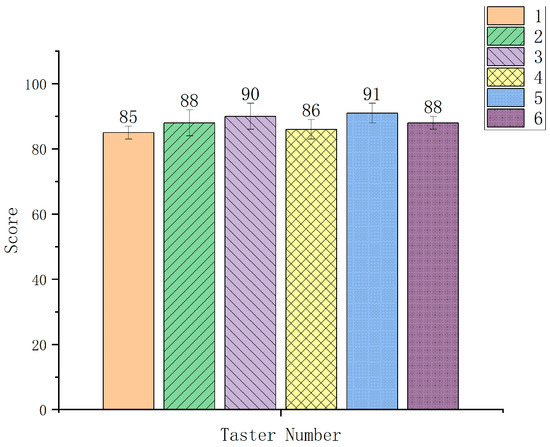
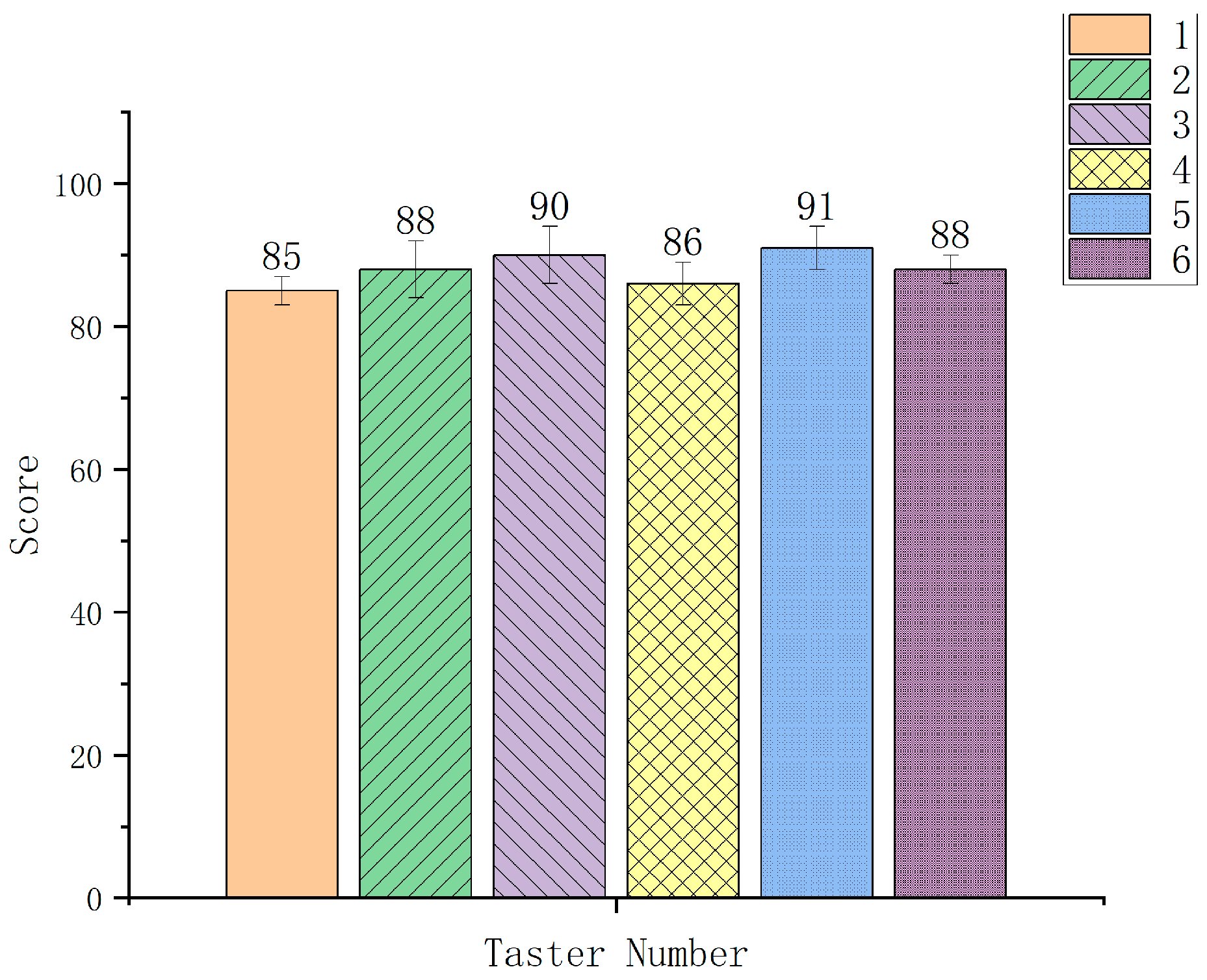
To evaluate the translational potential and consumer acceptance of the engineered product, the organoleptic properties and potential off-flavors of the wort beverage fermented (as identified in Section 3.4.7) were assessed, and the results are presented in Figure 13.
Figure 13.
Sensory and Off-flavors Evaluation of Wort Beverage.
As illustrated in Figure 13, the sensory scores provided by the six trained panelists were highly consistent, ranging from 85 to 91, with a mean score of approximately 88.
The panelists specifically noted that the beverage maintained the characteristic wort aroma and a pleasant, balanced mouthfeel. Crucially, no significant off-flavors—such as medicinal, solvent-like, or excessive bitter tastes—were reported, despite the high GABA concentration. This suggests that the low higher-alcohol profile maintained in the SY-LHU strain effectively preserved the palatability of the beverage. The high degree of consistency among taster scores further underscores the robustness and reliability of the final product’s quality, making it a promising candidate for development as a multifunctional functional beverage.
4. Discussion
In Saccharomyces cerevisiae, GABA is synthesized by glutamate decarboxylase encoded by GAD1 and subsequently converted into succinate by GABA transaminase (encoded by UGA1) and succinic semialdehyde dehydrogenase (encoded by UGA2), thereby entering the tricarboxylic acid cycle [27]. While the GABA metabolic pathway in yeast has been investigated, enhancing GABA in Saccharomyces cerevisiae by deleting UGA1 to disrupt its degradation has not been reported. Current studies for obtaining high-GABA products were mainly focused on screening high-GABA-producing strains or employing co-culture methods, such as fermenting apple juice with specific strains like Saccharomyces cerevisiae SC125 or inducing GABA accumulation in non-conventional yeasts such as Kluyveromyces marxianus under stress conditions [28]. However, these studies are limited by the availability of strain resources and the complexity of fermentation processes.
In this study, S. cerevisiae SY-LHU of UGA1 knockout was successfully constructed by CRISPR-Cas9 to block GABA degradation. At the same time, the expression of GAD1 was significantly upregulated, which leads to a GABA increase of 104% in SY-LHU compared with SY-LH. The orthogonal experiment further optimized the fermentation process of malt beer and determined the optimal theoretical combination as A3B1C2D2 (wort concentration of 12 °P, yeast inoculum size of 2 × 10⁷ cells/mL, sugar addition of 60 g/L, fermentation temperature of 28 °C, fermentation time of 10 days and mixing the wort beverage every 48 h). Under these conditions, the GABA content reached 280.36 mg/L, the alcohol content was 8.3% vol, and the total higher alcohol content was 106.4 mg/L, retaining the characteristic of low higher alcohol production of strain SY-LH. Therefore, the wort beverage fermented by SY-LHU not only has a high GABA content but also maintains low levels of alcohol and higher alcohol. This not only enhances its suitability and safety as a functional beverage sleeping aid, but it also expands new possibilities for its development as a multifunctional beverage.
To further validate its translational relevance, we conducted a sensory evaluation using a trained panel. The optimized beverage achieved a high average score of approximately 88 (out of 100), categorizing its sensory profile as “Excellent” according to established standards (Table 1). Panelists specifically noted the absence of medicinal or solvent-like off-flavors. This favorable sensory profile is consistent with the maintained low higher-alcohol character of the SY-LHU strain, suggesting that our genetic and process optimizations significantly enhanced the functional value without compromising the organoleptic appeal.
The industrial implementation of the engineered S. cerevisiae SY-LHU necessitates a careful navigation of the evolving regulatory landscape. Although S. cerevisiae is a “Generally Recognized as Safe” organism, the use of CRISPR-Cas9 technology introduces specific compliance considerations. A significant advantage of our approach is the construction of a “marker-free” strain that lacks foreign antibiotic resistance genes, aligning with modern food safety trends and consumer preferences for “clean label” products. Nonetheless, transition to commercialization will require comprehensive safety assessments, including long-term genetic stability trials and toxicological evaluations, to ensure full adherence to regional biotechnology regulations.
Notwithstanding the progress made, several limitations remain to be addressed. Firstly, although the qPCR results indicate a strong correlation between UGA1 deletion and GAD1 upregulation, the exact molecular feedback mechanism remains to be fully elucidated and transcriptional changes alone are insufficient. Secondly, this study was performed at the laboratory scale, the results may not be directly transferable to industrial-scale production. Thirdly, although CRISPR-Cas9 is highly specific, genetic rescue experiments (complementation of UGA1) were not performed to formally confirm that the observed phenotypes result solely from the deletion. Fourthly, this study focused solely on GABA production without a comprehensive economic analysis. The cost-effectiveness of this genetic engineering approach compared to traditional screening or co-culture methods should be evaluated for practical industrial implementation. Fifthly, while CRISPR-Cas9 offers high precision, whole-genome sequencing was not conducted to definitively rule out all off-target mutations. Sixthly, as yeast strains are known to exhibit significant genetic and physiological variation, the findings of this study are primarily based on the S. cerevisiae SY-LHU background. The generalizability of the UGA1 deletion strategy across different yeast strains remains to be validated in future research to confirm its broader applicability. However, the consistent metabolic phenotypes observed across multiple independent clones suggest that the UGA1 deletion is the primary driver of the observed GABA accumulation.
To build upon these findings, our future research will prioritize the following areas. Firstly, we plan to employ promoter deletion analysis and metabolite profiling to provide a more rigorous mechanistic basis for the observed GAD1 upregulation and its regulatory interplay with UGA1. Secondly, we will perform gene complementation experiments to rigorously validate the genetic interactions observed and further strengthen the causal link between the targeted knockout and the metabolic outcome.
5. Conclusions
In this study, an engineered Saccharomyces cerevisiae strain, SY-LHU, was successfully constructed through CRISPR-Cas9-mediated deletion of the UGA1 gene. Relative quantitative analysis, normalized against the ACT1 reference gene, revealed a significant transcriptional upregulation of the GAD1 gene following UGA1 knockout. This finding provides a robust molecular basis for the enhanced GABA biosynthetic capacity observed in the recombinant strain. Under basal fermentation conditions, strain SY-LHU achieved a GABA yield of 55.92 mg/L, representing a 104% increase compared to the parental strain SY-LH.
To maximize the metabolic potential of the engineered strain, fermentation parameters were systematically optimized. Under the identified optimal conditions (inoculum size of 2 × 10⁷ cells /mL, wort concentration of 12 °P, sugar additions 60 g/L, and 30 °C for 10 days with mixing every 48 h), the GABA concentration in the wort beverage reached 280.36 mg/L. This result signifies a 385.4% increase over the pre-optimization level.
Organoleptic evaluation further corroborated the translational potential of the product. The optimized beverage achieved a mean sensory score of 88, characterized by a pure wort aroma, a balanced mouthfeel, and the absence of detectable off-flavors. Moreover, the adoption of a marker-free CRISPR strategy aligns with current regulatory frameworks for food-grade microorganisms, enhancing its industrial feasibility.
In summary, this work not only elucidates a potential feedback regulatory mechanism within the yeast GABA shunt but also provides a robust technical strategy for the development of multifunctional functional beverages with sleep-aiding properties. Future research will prioritize the elucidation of the precise molecular signaling pathways governing the UGA1-GAD1 interplay and the execution of pilot-scale trials for commercial implementation.
Supplementary Materials
The following supporting information can be downloaded at: https://www.mdpi.com/article/10.3390/pr14091347/s1, Table S1: Strains and plasmids used in this study; Table S2: List of the primer sequences used in this study.
Author Contributions
Conceptualization, Z.D.; methodology, Z.D. and K.T.; software, Z.D.; validation, Z.D. and K.T.; formal analysis, Z.D.; investigation, Z.D. and X.L.; resources, Z.D.; data curation, Z.D.; writing—original draft preparation, Z.D.; writing—review and editing, Z.D. and S.Z.; visualization, Z.D. and X.L.; supervision, S.Z.; project administration, S.Z.; funding acquisition, S.Z. All authors have read and agreed to the published version of the manuscript.
Funding
This research was funded by the National Natural Science Foundation of China, grant number 52070079.
Data Availability Statement
The original contributions presented in the study are included in the article/Supplementary Material, further inquiries can be directed to the corresponding authors.
Conflicts of Interest
The authors declare no conflicts of interest.
References
- Gong, Q.; Guo, C. Genetic study of the causal effect of lipid profiles on insomnia risk: A Mendelian randomization trial. BMC Med. Genom. 2023, 16, 325. [Google Scholar] [CrossRef] [Scilit] [PubMed] [PubMed Central]
- Fetveit, A.; Straand, J.; Bjorvatn, B. Sleep disturbances in an arctic population: The Tromsø Study. BMC Health Serv. Res. 2008, 8, 117. [Google Scholar] [CrossRef] [Scilit] [PubMed] [PubMed Central]
- Han, G.; Cheng, G.; Hu, F.; Li, C.; Liu, D.; Zhou, J.; Liu, J.; Huang, L.; Liu, X.; Nie, Q.; et al. Exploring the psychological impact of the 2022 SARS-CoV-2 Omicron variant outbreak in China. Gen. Psychiatry 2023, 36, 541–546. [Google Scholar] [CrossRef] [Scilit] [PubMed]
- Ngo, D.-H.; Vo, T.S. An Updated Review on Pharmaceutical Properties of Gamma-Aminobutyric Acid. Molecules 2019, 24, 2678. [Google Scholar] [CrossRef] [Scilit] [PubMed]
- Han, L.; He, Y.; Gong, B.; Liu, T.; Wen, P.; Zhong, M.; Ren, Q.; Wang, H.; Chen, X. Insomnia and depression in Chinese academic researchers: Mediation by anxiety and resilience with differences among researchers by educational level. Front. Psychiatry 2025, 16, 1709399. [Google Scholar] [CrossRef] [Scilit]
- Silva, J.B.; Costa, G.; da Silva, M.B.; Costa, S.N.; dos Santos, R.C.R.; Sales, F.A.M.; Valentini, A.; Caetano, E.W.S.; Freire, V.N. Vibrational spectroscopy and phonon-related properties of monoclinic GABA, a non-proteinogenic inhibitory neurotransmitter amino acid. J. Raman Spectrosc. 2021, 52, 1294–1307. [Google Scholar] [CrossRef] [Scilit]
- Zhou, Q.; Chen, J.; Chen, G. Application of high efficiency promoters in microbial production of 4-hydroxybutyric acid. Sheng Wu Gong Cheng Xue Bao 2012, 28, 48–55. (In Chinese) [Google Scholar] [PubMed]
- Sheng, J.; Wu, X.; Li, Y. Metabolic engineering of Saccharomyces cerevisiae for enhanced GABA production. Metab. Eng. 2020, 57, 131–139. [Google Scholar]
- Palavecino-Ruiz, M.; Bermudez-Moretti, M.; Correa-Garcia, S. Unravelling the transcriptional regulation of Saccharomyces cerevisiae UGA genes: The dual role of transcription factor Leu3. Microbiology 2017, 163, 1692–1701. [Google Scholar] [CrossRef] [Scilit]
- Cao, J.; Barbosa, J.M.; Singh, N.K.; Locy, R.D. GABA shunt mediates thermotolerance in Saccharomyces cerevisiae by reducing reactive oxygen production. Yeast 2013, 30, 129–144. [Google Scholar] [CrossRef] [Scilit]
- Kamei, Y.; Tamura, T.; Yoshida, R.; Ohta, S.; Fukusaki, E.; Mukai, Y. GABA metabolism pathway genes, UGA1 and GAD1, regulate replicative lifespan in Saccharomyces cerevisiae. Biochem. Biophys. Res. Commun. 2011, 407, 185–190. [Google Scholar] [CrossRef] [Scilit] [PubMed]
- Wang, Z.; He, J.; Lang, S.; Zhou, S. Construction of LEU1 gene deleted Saccharomyces cerevisiae based on CRISPR-Cas9 system for brewing low degree of drunkenness rice wine. China Brew. 2024, 43, 62–67. [Google Scholar] [CrossRef]
- Zhang, Y.; Wang, J.; Wang, Z.; Zhang, Y.; Shi, S.; Nielsen, J.; Liu, Z. A gRNA-tRNA array for CRISPR-Cas9 based rapid multiplexed genome editing in Saccharomyces cerevisiae. Nat. Commun. 2020, 11, 1053. [Google Scholar] [CrossRef] [Scilit]
- Yan, T.; Wang, Z.; Zhou, H.; He, J.; Zhou, S. Effects of four critical gene deletions in Saccharomyces cerevisiae on fusel alcohols during red wine fermentation. Fermentation 2023, 9, 379. [Google Scholar] [CrossRef] [Scilit]
- Alfastsen, L.; Peng, X.; Bhoobalan-Chitty, Y. Genome editing in archaeal viruses and endogenous viral protein purification. STAR Protoc. 2021, 2, 100791. [Google Scholar] [CrossRef] [Scilit] [PubMed] [PubMed Central]
- Sun, L.; Gao, Y.; Sun, R.; Liu, L.; Lin, L.; Zhang, C. Metabolic and tolerance engineering of Komagataella phaffii for 2-phenylethanol production through genome-wide scanning. Biotechnol. Biofuels Bioprod. 2024, 17, 107. [Google Scholar] [CrossRef] [Scilit] [PubMed] [PubMed Central]
- Yoshida, N.; Sato, M. Plasmid uptake by bacteria: A comparison of methods and efficiencies. Appl. Microbiol. Biotechnol. 2009, 83, 791–798. [Google Scholar] [CrossRef] [Scilit] [PubMed]
- Gyuris, J.; Duda, E.G. High-efficiency transformation of Saccharomyces cerevisiae cells by bacterial minicell protoplast fusion. Mol. Cell. Biol. 1986, 6, 3295–3297. [Google Scholar] [CrossRef] [Scilit] [PubMed] [PubMed Central]
- Liu, Z.L.; Gao, L.S.; Zhang, D.D.; Han, J.; Zhao, J.; Gao, W. Determination of γ-aminobutyric acid in lactic acid bacteria fermentation broth by high performance liquid chromatography. China Brew. 2022, 41, 233–238. [Google Scholar]
- Wu, Y.K.; Peng, Z.X.; Feng, Q.Y.; Xie, F.; Liu, P.; Wang, A.R. Comparative Analysis of Transformation Methods of Saccharomyces cerevisiae with Porcine β-Defensin-2. China Anim. Husb. Vet. Med. 2012, 39, 138–141. [Google Scholar]
- Zhang, Q.S.; Li, J.; Wang, C.F.; Cai, L. Application of Uniform Design in the Study on Electroporation Conditions of Saccharomyces cerevisiae. Hubei Agric. Sci. 2014, 53, 693–696. [Google Scholar]
- Ikegami, M.; Kohsaka, S.; Ueno, T.; Momozawa, Y.; Inoue, S.; Tamura, K.; Shimomura, A.; Hosoya, N.; Kobayashi, H.; Tanaka, S.; et al. High-throughput functional evaluation of BRCA2 variants of unknown significance. Nat. Commun. 2020, 11, 2573. [Google Scholar] [CrossRef] [Scilit] [PubMed] [PubMed Central]
- Perpetuini, G.; Tittarelli, F.; Battistelli, N.; Suzzi, G.; Tofalo, R. γ-aminobutyric acid production by Kluyveromyces marxianus strains. J. Appl. Microbiol. 2020, 129, 1609–1619. [Google Scholar] [CrossRef] [Scilit] [PubMed]
- Qian, G.Y.; Shi, G.G.; Zhang, J.C.; Shang, L.W.; Jai, Q.; Hou, Y.F.; Fan, C.X. Study on processing technology of wheat whiskey. Liquor. Mak. 2026, 53, 54–60. [Google Scholar]
- Tang, M.; Su, Y.J.; Wu, Q.; Fang, Y.W.; Zhang, W.J.; Liu, S.; Hou, X.Y.; Chen, T. Optimization of high-density fermentation medium and fermentation conditions for Lactobacillus mucosae FUA033. China Condiment 2026, 51, 28–35. [Google Scholar]
- Wang, Z. Construction of LEU1 Gene-Deleted Saccharomyces cerevisiae Based on CRISPR-Cas9 for Brewing Low-Intoxication Wines. Master’s Thesis, South China University of Technology, Guangzhou, China, 2024. [Google Scholar] [CrossRef]
- Sun, X.; Wang, J.; Li, C.; Zheng, M.; Zhang, Q.; Xiang, W.; Tang, J. The Use of γ-Aminobutyric Acid-Producing Saccharomyces cerevisiae SC125 for Functional Fermented Beverage Production from Apple Juice. Foods 2022, 11, 1202. [Google Scholar] [CrossRef] [Scilit] [PubMed] [PubMed Central]
- Fan, T.-T.; Chen, C.; Zeng, D.-W.; Wang, F.-L.; Xu, Z.-X.; Jin, M.-J.; Zou, Y.; Li, J.; Zhao, X.-Q. Stress-Driven Production of γ-Aminobutyric Acid Using Non-Conventional Yeast Strains Kluyveromyces marxianus JMY140K and Metschnikowia reukaufii JMY075. J. Fungi 2024, 11, 20. [Google Scholar] [CrossRef] [Scilit] [PubMed] [PubMed Central]

Disclaimer/Publisher’s Note: The statements, opinions and data contained in all publications are solely those of the individual author(s) and contributor(s) and not of MDPI and/or the editor(s). MDPI and/or the editor(s) disclaim responsibility for any injury to people or property resulting from any ideas, methods, instructions or products referred to in the content. |
© 2026 by the authors. Licensee MDPI, Basel, Switzerland. This article is an open access article distributed under the terms and conditions of the Creative Commons Attribution (CC BY) license.