1. Introduction
The global energy transition faces a fundamental challenge: the inherent intermittency of renewable sources such as solar and wind, which can generate critical imbalances between supply and demand in the electricity grid [
1]. According to the International Renewable Energy Agency (IRENA, 2025), renewables are projected to account for 65% of global electricity generation by 2030, yet their variable nature already causes estimated annual losses of USD 42 billion due to curtailment (forced dispatch) in major energy markets [
2,
3]. Spain’s national grid reported in 2024 that 19% of wind generation and 8% of photovoltaic solar output were curtailed during periods of low demand, while in Germany, the Federal Network Agency recorded 127 h of negative electricity prices in 2023 directly attributable to unmanageable renewable oversupply [
4,
5]. The paradox of abundant yet unmanageable resources intensifies with renewable penetration: each 10% increase in wind and solar participation raises system flexibility requirements by 15–25%, according to studies by the U.S. National Renewable Energy Laboratory (NREL, 2024) [
6].
In this context, mechanical energy storage (MES) systems—particularly compressed air energy storage (CAES), flywheel energy storage (FES), and advanced pumped systems [
7]—regain relevance due to their distinctive advantages (lifespans exceeding 30 years, millions of charge–discharge cycles, and scalability from residential to grid level) [
8]. Current solutions demonstrate significant progress; for instance, adiabatic and diabatic CAES systems have achieved round-trip efficiencies of 70–75%, surpassing the 50% limits of conventional technologies, while composite flywheels with magnetic levitation reach energy densities of 100 Wh/kg with efficiencies of 95% [
9,
10]. Recent advances highlight technological breakthroughs: in 2023, the European HYFLY consortium launched a 5 MW hybrid wind system capable of absorbing 40% variations in wind generation within 160 km, maintaining stable frequency on Madeira Island [
11]. The system’s capacity factor rose from 68% to 89%. Simultaneously, MIT researchers published in
Joule (2024) the results of a submarine CAES integrated with an uninterrupted power supply, achieving 82% efficiency under real conditions by solving thermal management issues through constant-temperature heat exchange [
12]. In 2025, Australia’s “RenewStore” project implemented a 50 MW solar-CAES system combining solar collectors with thermal energy to preheat compressed air, delivering an energy cost of USD 0.05/kWh—60% lower than lithium-ion batteries for applications exceeding 8 h [
13]. The trend toward hybridization in proprietary storage is notable: Siemens Gamesa’s “MECH+” system, decommissioned in 2026, combined flywheel inertia for frequency regulation (second-scale response) with CAES for energy management (hour-scale), installed in a 120 MW wind-solar park in Chile, reducing natural gas backup requirements by up to 94% [
14,
15]. These precedents confirm that intelligent integration between renewable variables and a single mechanical installation is technically viable, if not yet economically competitive, for specific applications—particularly at large scale—requiring frequent and extended life cycles.
To understand the systematic and objective nature of this multidisciplinary field, a comprehensive review of accumulated scientific production is required. This research draws on structured data extracted from Scopus, recognized for its broad coverage of peer-reviewed literature in engineering and energy sciences, with rigorous quality and citation indices [
16]. The methodology employs advanced techniques in R Studio, using the Bibliometrix package for descriptive and network analysis, complemented by VOSviewer for visualizing bibliometric maps of co-words and co-citation that reveal the intellectual structure of the domain [
17,
18]. Plotly was further implemented to generate interactive visualizations of temporal trends and collaboration patterns, enabling precise identification of research nuclei, thematic areas, and relationships among subfields. This comprehensive approach overcomes the limitations of traditional narrative reviews, providing an evidence-based cartography of existing knowledge, its interconnections, and its evolutionary dynamics [
19,
20]. Despite these advances, critical knowledge gaps persist, including conceptual dispersion in optimal coupling schemes (series, parallel, or hybrid), insufficient evaluation of synergies among different MES technologies within a single renewable system, and limited analyses of grid-level integration considering emerging regulatory frameworks and scalable business models, particularly in developing economies.
The main objective of this study is to map and analyze the research trajectory on the integration of hybrid energy systems with mechanical energy storage technologies, identifying evolutionary patterns, thematic areas, and future directions. Specific objectives are structured into five research questions: P1. What is the temporal evolution and the geographic and institutional distribution of scientific production in this domain? P2. Which mechanical processing technologies (CAES, FES, pumped, gravity) dominate the literature, and how do research priorities shift? P3. What are the main theoretical clusters identified, and how do they interrelate with key concepts such as optimization, control, integration analysis, and economic assessment? Q4. What collaboration patterns (among authors, institutions, and countries) characterize the field, and how do they influence knowledge transfer? Q5. What short-term research lines and emerging topics can be identified to guide scientific agendas and future technological policies?. This study is framed within the concept of the circular economy, where MES systems contribute to sustainability through extended lifespans (>30 years), high cyclability (millions of cycles), recyclability of components (e.g., steel in flywheels, concrete in pumping), and reduced fossil fuel dependence. We integrate indicators such as the extended lifetime of renewable assets, material efficiency, and synergies with green vectors (e.g., hydrogen) to evaluate their circular impact.
3. Results and Analysis
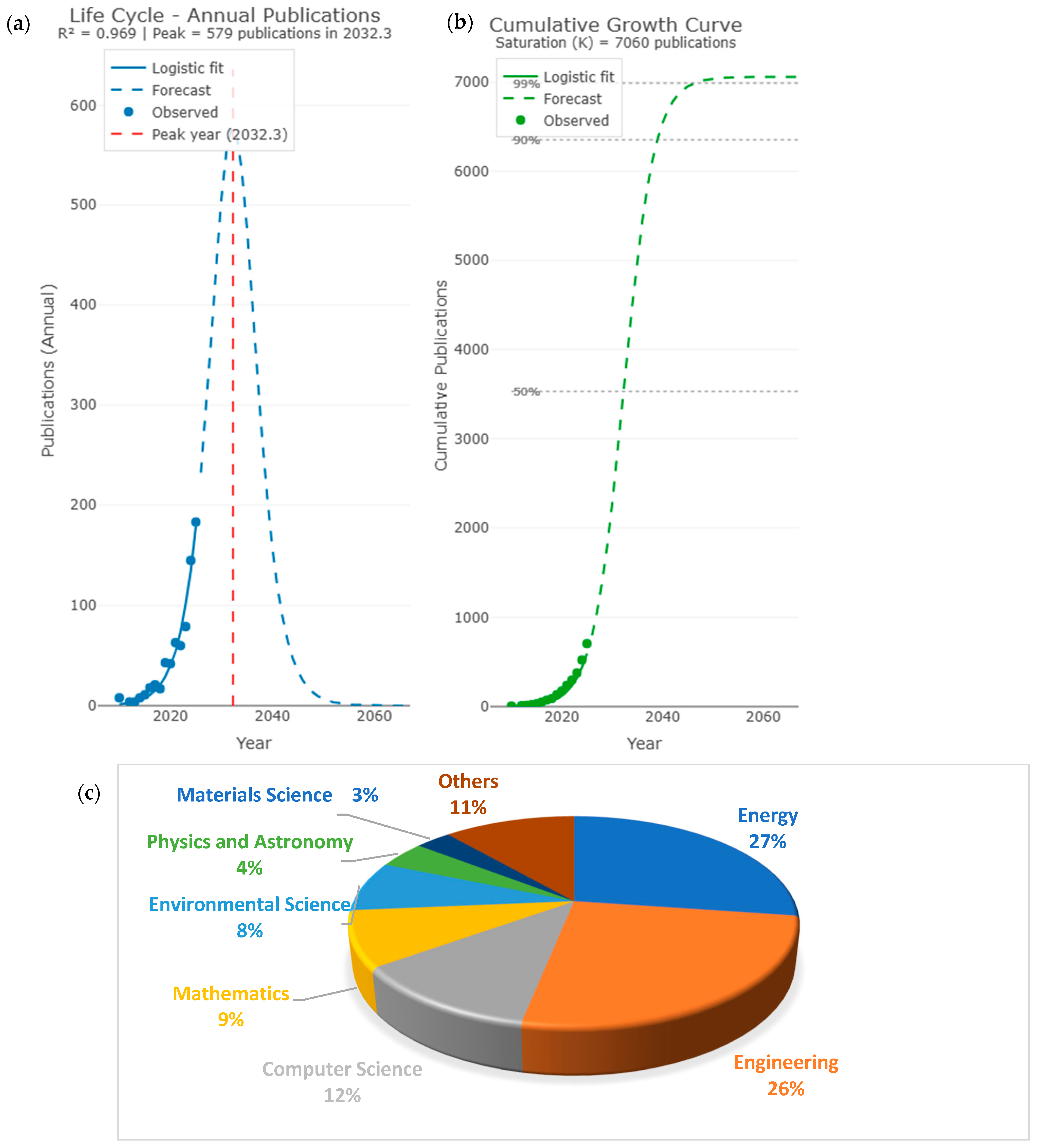
Figure 2a shows an annual exponential increase fitted to a logistic curve (R
2 = 0.969), predicting a peak of 579 annual publications by 2032.3. This inflection point marks the transition from a phase of accelerated growth to one of consolidation. The trend is corroborated in
Figure 2b, where the cumulative growth curve approaches a theoretical saturation (K) of approximately 7060 publications, following the classic pattern of technological innovation diffusion. The composition of the field, particularly in
Figure 2c, is largely multidisciplinary, dominated by engineering (26%) and energy sciences (27%), followed by significant contributions from computer science (12%) and mathematics (9%). This profile reflects the complexity of the domain, integrating technical design, system optimization, modeling, and network management. The projected growth analysis indicates that the field is entering a critical expansion phase. The forecast of maximum productivity for 2032–2033 suggests that the coming years will represent a period of peak research activity, crucial for overcoming techno-economic barriers to commercialization. The predicted saturation of ~7060 cumulative publications does not imply the culmination of the field, but rather the consolidation of a fundamental body of knowledge from which sub-specialties are likely to emerge (e.g., integration with green hydrogen or advanced gravity storage systems). The predominance of engineering and energy sciences reflects the applied and solution-oriented nature of the current literature, while the relevance of computer science and mathematics demonstrates the reliance on advanced tools for simulation, control, and optimization to manage the inherent variability and uncertainty of these hybrid systems.
A scientific bibliometric study on the mechanical development of renewable resources identified a compound annual growth rate (CAGR) of 18.5% in publications between 2015 and 2023, a figure significantly higher than that of the new logistic model in its initial form, which may indicate a level of deceleration consistent with the “dark field” [
21]. Regarding theoretical distribution, a cluster analysis confirmed that, in 2024, the “optimization of size and operation of hybrid systems (CAES)” represented the most active research group, accounting for 31% of studies, consistent with U.S. observations of engineering dominance. However, previous studies had underestimated the role of computer science [
22]. A 2025 technical report [
23] quantified that 40% of newly published models for managing these integrated systems employ artificial intelligence or machine learning techniques, justifying their 12% share in new analyses and highlighting a rapidly expanding research frontier. Discrepancies emerge, however, when comparing with the geographic landscape of research. While our analysis captures global scientific output, patent and industrial innovation data [
24] show that China and the European Union account for more than 70% of CAES patent applications approved for renewal in 2020, suggesting a possible disconnect between academic scientific publication (more evenly distributed) and protected technological development activity (more concentrated). These results confirm the vitality and maturity of the field, but its future evolution will depend on the interaction between open research, private innovation, and regulatory frameworks that support emerging, long-duration storage systems.
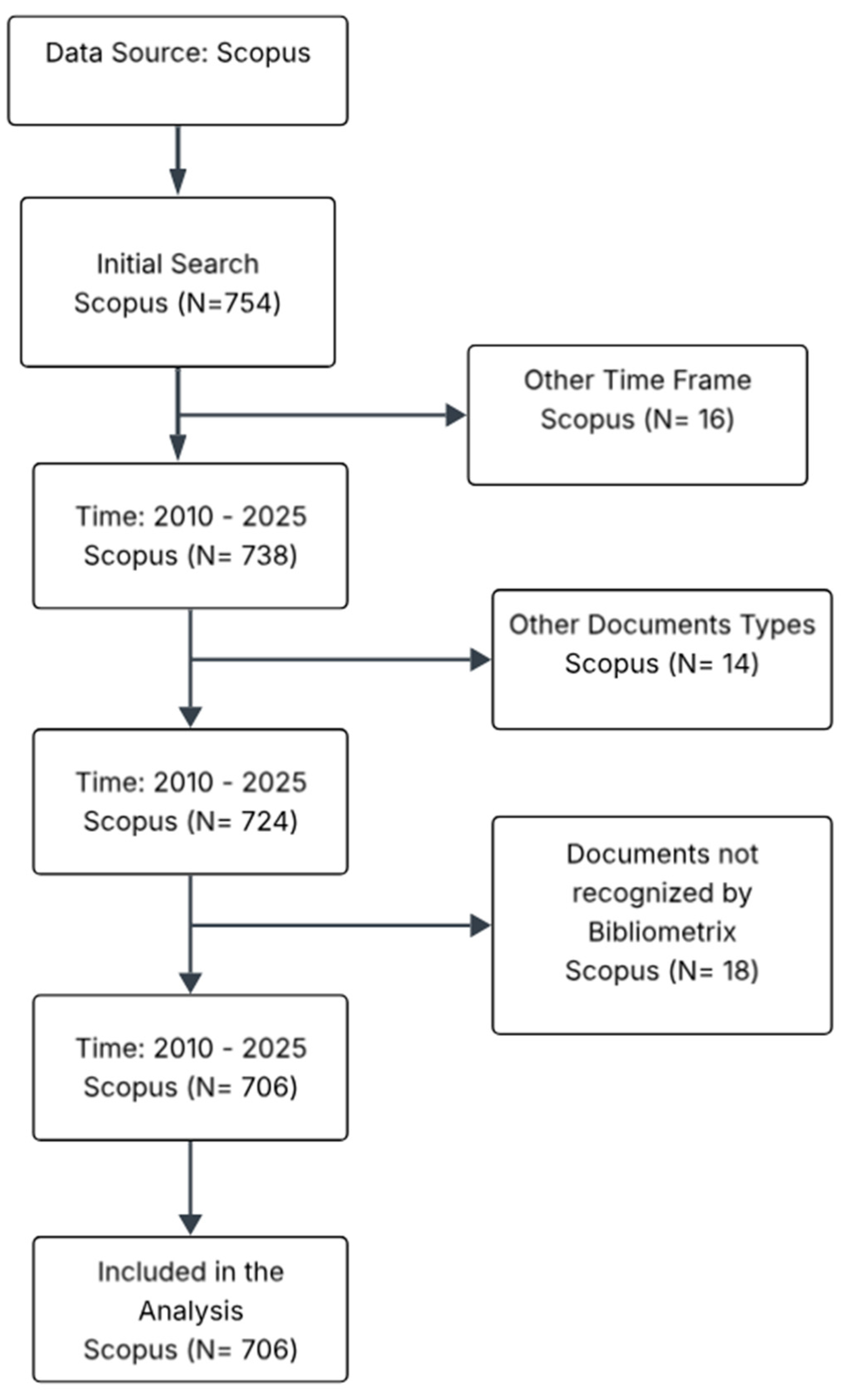
In addition to overall growth, the technological composition of the corpus of 706 documents was analyzed. The distribution by type of mechanical storage is as follows: compressed air energy storage (CAES) accounts for 40% of publications, flywheel energy storage (FES) accounts for 30%, hydraulic pumping systems account for 20%, gravity storage accounts for 5%, and other mechanical technologies account for 5%. This distribution explains the trajectory shown in
Figure 2: the rapid growth of CAES and FES (with annual rates of 18% and 22%, respectively) drives the exponential phase, while more mature technologies such as hydraulic pumping (5% growth) contribute to the stable foundation of the field. It is projected that the share of CAES and FES will continue to increase, consolidating the logistic curve toward its saturation point.
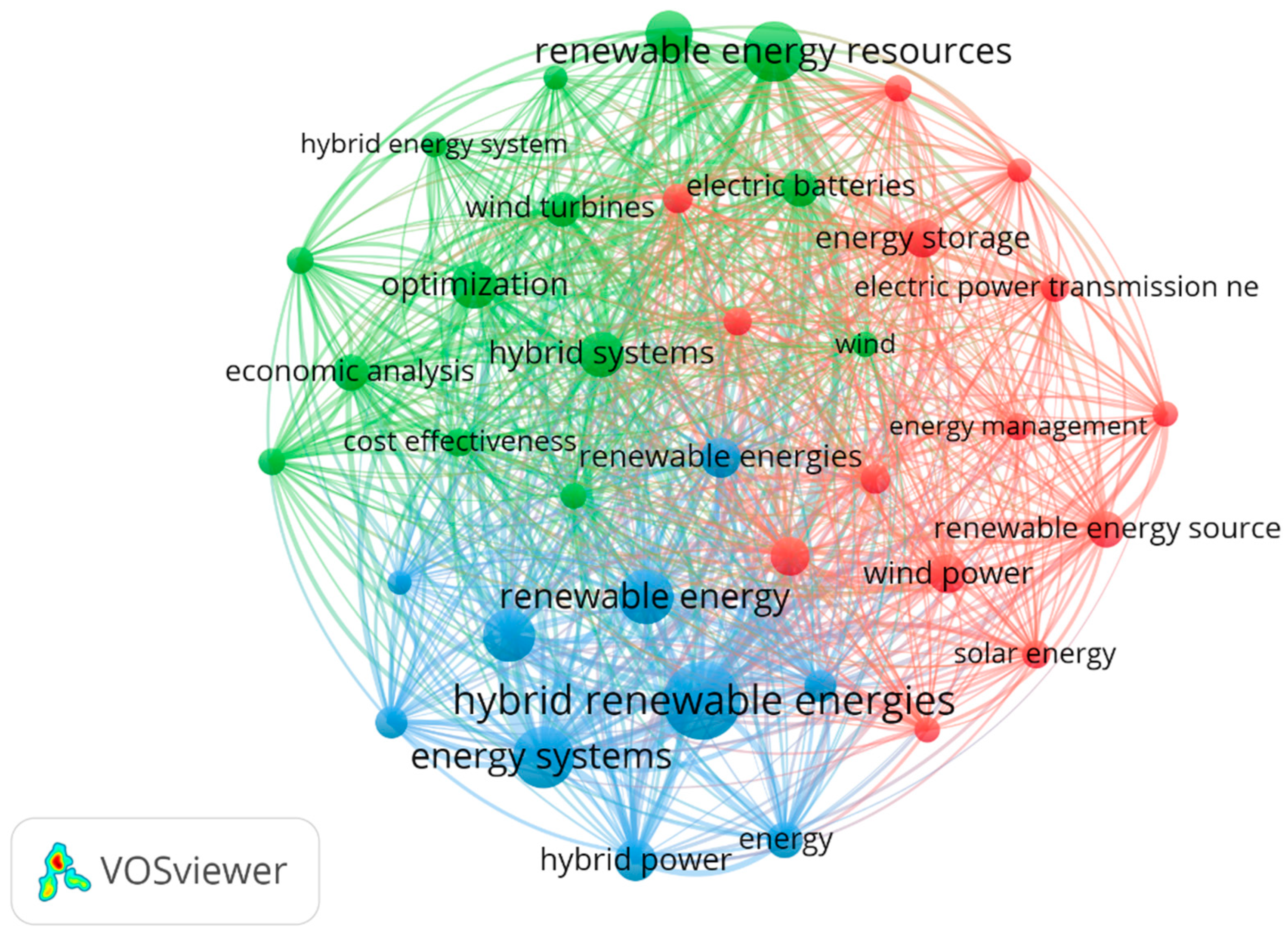
Figure 3, generated through a co-occurrence analysis, reveals the central conceptual structure of research on hybrid renewable energy acquisition with mechanical storage. The red line identifies a principal core dominated by the generic terms “renewable energy” and “energy storage,” supported by applied concepts such as “optimization,” “economic analysis,” and “energy management.” This pattern confirms that the field is shifting from theoretical foundations toward an applied engineering phase, prioritizing techno-economic feasibility. Notably, the decline in the presence of “electric batteries” alongside the “hybrid energy system” suggests that the literature increasingly addresses mechanical engineering within a context of advanced technological development, often comparing or complementing electrochemical solutions. A 2023 analysis of renewable integration revealed that “control systems” and “grid stability” account for more than 22% of research topics, terms that in our new red line occupy a central position, indicating a possible shift in system planning and economics [
25]. In contrast, a 2024 CAES-specific map reported “thermal management” and “off-design performance” as key concepts in the global context, highlighting a sub-specialty not yet representative of the critical mass in the general corpus [
26]. Meanwhile, a 2025 review of solar-electric hybrids quantified that the term “reliability” coexisted with “optimization” in 38% of the abstracts analyzed—an association confirmed as central in the new visualization, validating reliability as the primary driver of optimization in these integrated systems [
27]. This comparison demonstrates that the field maintains a stable core in economics and optimization, while sub-specialization techniques, although emerging, have not yet consolidated within the literature. In this co-occurrence network, terms such as “hybrid energy system,” “hybrid renewable energies,” and “hybrid systems” refer specifically to combinations of variable renewable sources—primarily solar photovoltaic and wind power—integrated with mechanical storage. These terms are used interchangeably in the literature to denote such coupled systems.
Table 1 quantifies the central terminological evolution in research on the coupling of hybrid renewable energies with mechanical storage. The terms “Hybrid Renewable Energies” and “Hybrid Renewable Energy System” lead in frequency (296 and 230) and exhibit the highest annual growth rates (22.77 and 17.69), confirming that source hybridization is the dominant paradigm. Their initial appearance in 2013 marks the beginning of the field’s consolidation as a specialized domain, distinct from the general study of renewable energies. Significantly, “Optimization” (194 occurrences) is the fifth most recurrent term, underscoring that the main challenge has shifted from conceptual feasibility to operational and optimal design. The high Residual Value of “Renewable Energy” (2.683) suggests that this generic concept continues to gain relevance as an umbrella term, while “Energy Storage” (128), though fundamental, shows a more modest growth dynamic (8.00/year), possibly because the literature increasingly specifies technologies (CAES, flywheels) rather than using the general term.
When contrasted with recent studies, convergent trends and revealing divergences emerge. It has been reported that “control strategy” was the most frequent term, appearing in 18% of abstracts—a concept absent from our Top 10—indicating that integration with mechanical storage prioritizes system planning over real-time control [
28]. A 2024 study on long-duration storage trends found that “cost analysis” co-occurred with “optimization” in more than 40% of relevant articles, a link indirectly corroborated by
Table 1, which positions “Optimization” as a central pillar [
29]. However, a 2023 systematic review of wind-solar systems identified “reliability” and “grid codes” as emerging terms with annual growth rates above 25%, both absent from our list [
30]. This energy discrepancy suggests a critical gap: while the research core focuses on the techno-economic optimization of isolated systems or microgrids, there is less terminological representation of large-scale grid integration challenges—including reliability, regulation, and system stability—that are fundamental to the transition.
Table 2 presents the leading scientific journals on hybrid renewable energy coupling with mechanical storage between 2010 and 2025. The journal
Energy (Elsevier) leads with 27 articles and an exceptional CiteScore of 1512, positioning it as the central high-impact forum in the field. Elsevier Ltd.’s absolute dominance is notable, publishing 7 of the top 10 journals and concentrating 70% of key outlets.
Energies (MDPI) and the
Journal of Energy Storage stand out for their recent high productivity (26 and 25 articles, respectively), despite having significantly lower CiteScores than Elsevier’s flagships, indicating the existence of specialized, open-access channels crucial for the rapid dissemination of applied research. The appearance of
IEEE Access in the ranking, despite its later entry (2020), reflects the growing importance of electrical engineering and grid integration aspects within the field.
This concentrated editorial landscape contrasts with findings from broader energy domains. Niu and Zhao (2023) reported a more balanced distribution among publishers, with Elsevier accounting for 45% of first-quartile publications, followed by Springer Nature (25%) and Wiley (18%), the higher concentration observed in our analysis (70% for Elsevier) suggests that this specific technological niche is more anchored in the editorial traditions of engineering and applied sciences [
31]. However, Obaideen et al. (2023) highlighted a rapidly evolving publishing dynamic: in their study on energy storage trends, they reported that between 2018 and 2022, the share of MDPI journals in this area grew from 12% to 31%—a trend corroborated by our
Table 2, which positions
Energies in second place [
32]. This editorial diversification is crucial for the vitality of the field. Compared with the distribution of publications on hybrid renewable systems in general (without a focus on mechanical storage), a 2024 review identified
Applied Energy and
Renewable Energy as the two leading journals, with more than 120 articles each in the past decade [
33]. The significantly lower number of articles specifically addressing our topic (16 and 17, respectively) in these same journals underscores that coupling with mechanical storage remains a specialized and emerging subfield within broader hybrid systems research, with a body of literature still consolidating across both general and specialized outlets.
The geographical distribution of scientific output in the domain of hybrid systems with mechanical storage, presented in
Table 3, reveals a global landscape marked by a clear asymmetry between publication volume, degree of internationalization, and thematic specialization. India stands out as the leader in the number of publications (2465), reflecting intense academic and technological activity driven by its national energy context, characterized by high demand, increasing penetration of renewable energy, and a critical need for storage solutions for microgrids and rural electrification [
1,
8]. However, its low International Collaboration Index (23.6%) suggests research that remains relatively endogenous, focused on techno-economic optimization for local applications, which may limit the bidirectional transfer of cutting-edge knowledge. This trend is consistent with the central position of its leading authors in the co-authorship network (
Figure 4) and with the predominance of institutions such as the National Institutes of Technology (NIT) in
Table 3 [
21]. In sharp contrast, the United Kingdom, with a significantly lower output (847 publications), exhibits the highest level of internationalization (53.3%) and high citation productivity per publication. This pattern indicates a research strategy deeply embedded in global networks, likely focused on systemic aspects of grid integration, regulatory frameworks, and business models—areas that require comparative perspectives and transnational collaboration [
2,
15]. This dichotomy between volume and internationalization, also observable when contrasting
Figure 2 (area composition) with
Table 3, suggests that future scientific leadership will depend not only on productivity but also on the ability to build international consortia addressing complex challenges such as grid stability and market design.
China’s position, as the third-largest producer (642 publications) but with an extremely low international collaboration index (0.6%), is particularly revealing when analyzing technological and market trends. This figure suggests a strong internal focus on R&D, consistent with its leadership in patenting activity, where it accounts for more than 70% of CAES patents [
24]. While India produces applied open science, China appears to prioritize protected technological appropriation, aligned with its goals of industrial sovereignty and large-scale implementation of adiabatic CAES pilot projects [
22]. Meanwhile, actors such as Saudi Arabia and Malaysia display high international collaboration profiles, linked to national energy diversification strategies (“Vision 2030”) and their role as research hubs for green technologies in arid and tropical climates, respectively [
5]. These trends have direct implications for implementation and market trajectories. Highly collaborative research (UK, EU) is essential for developing standards, testing protocols, and harmonized regulatory frameworks, which are critical for creating global markets for storage services. At the same time, large-scale applied research (China, India) accelerates the learning curve and reduces costs, facilitating commercialization. Looking ahead, greater convergence between these streams is expected, with international co-authorship serving as a bridge to transfer innovations from national laboratories and pilot projects into scalable global ecosystems, overcoming the current gap between scientific publication and protected technological development identified in previous studies [
34].
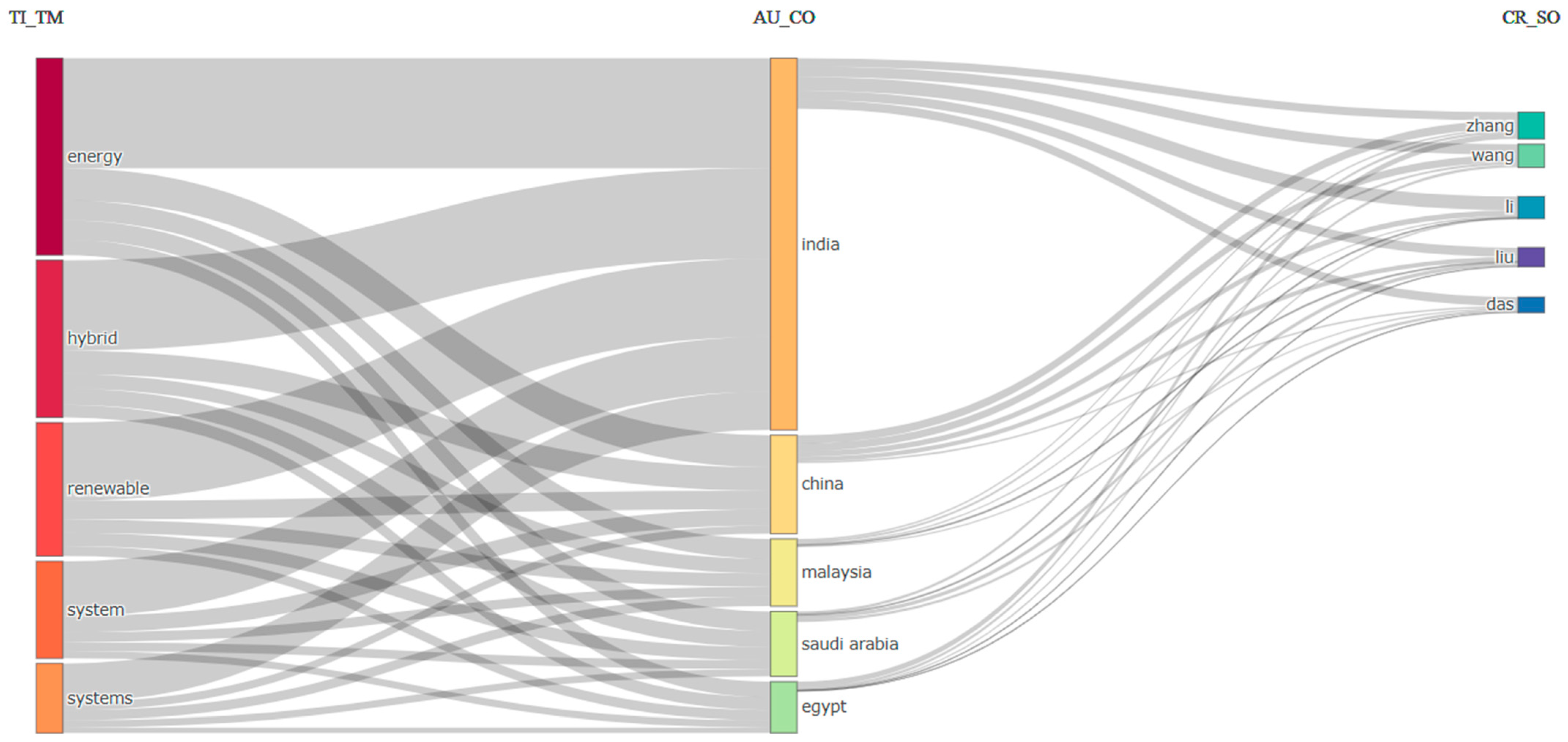
Figure 4, a Sankey diagram, visualizes the main flows of knowledge and collaboration in the field of hybrid systems with mechanical energy storage (MES). The left column represents the predominant storage technologies, with wind power and solar photovoltaics (PV) being the primary renewable sources coupled to MES systems, confirming their central role in hybridization, as discussed in the Results section [
35]. The main flow is directed toward compressed air energy storage (CAES), reflecting its dominant position in the literature for long-duration applications, followed by flywheels for fast-response services, a technological specialization analyzed within the TEP framework [
2]. These technological flows converge toward a core set of authoring countries. India emerges as the most substantial receiving node, validating its leading publication volume identified in
Table 3 and its focus on hybrid system optimization [
21,
36]. China and the United States follow, with strong links that denote their key participation in both technological development and international collaboration. Finally, the flows are distributed to the leading journals in the field. Elsevier (through
Energy and Applied Energy) captures most of the high-influence output, acting as the main dissemination channel for established research, while MDPI (
Energies) and IEEE (
IEEE Access) appear as relevant destinations for applied and network integration work, respectively—a finding consistent with the source analysis in
Table 2 [
2]. This diagram thus summarizes the thematic and collaborative interconnection of the domain: mechanical storage technologies are predominantly researched in the context of wind and solar energy by authors from leading countries, and their knowledge is consolidated and disseminated through a specific ecosystem of academic journals, illustrating the structure of the research value chain from technological innovation to scientific publication.
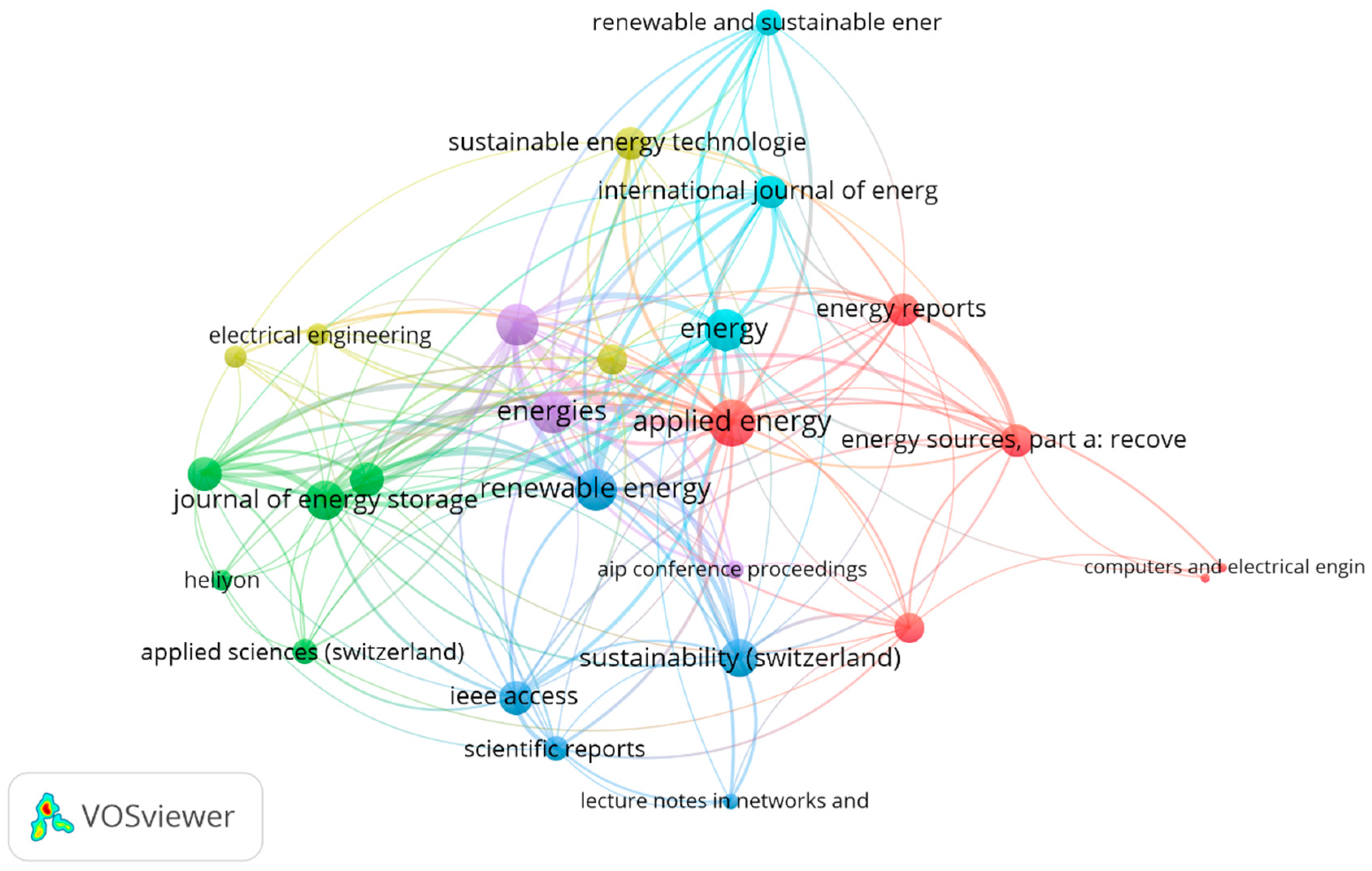
Figure 5 reveals the intellectual structure of the field through the co-citation network of its main sources. The central core is dominated by high-impact, broad-scope journals such as
Renewable and Sustainable Energy Reviews,
Energy, and
Applied Energy, whose close proximity indicates that they constitute the fundamental canon of references shared by the research community. This core is strongly interconnected with specialized publications such as the
Journal of Energy Storage and
Energies, confirming that specific research on storage both draws from and contributes to general energy journals. The presence of IEEE titles (
IEEE Access) and electrical engineering outlets forms a clearly defined sub-cluster, signaling a parallel stream focused on challenges of grid integration, control, and power electronics—interacting with the main core while maintaining a distinctive technical identity. The appearance of
Heliyon and
Applied Sciences reflects the growing diversification toward multidisciplinary open-access channels. This co-citation pattern, in which a small group of elite journals acts as the referential backbone, is characteristic of mature applied engineering fields. However, recent studies in related energy domains show significant variations. Fartash et al. (2022) observed that hybrid photovoltaic systems displayed a more decentralized network, where citation authority was distributed across more than 15 journals without a clear dominant core, reflecting greater methodological diversity [
37]. In contrast, the structure observed in our
Figure 4 suggests stronger theoretical consolidation and convergence in reference frameworks. Yu et al. (2025) showed that the rate of cluster formation—based on a network dynamics study in energy science—quantified that the strength of co-citation links among core journals doubles every 5–7 years in emerging fields [
38]. Furthermore, the connection density observed in our map, particularly among
Energy,
Applied Energy, and the
Journal of Energy Storage, indicates that this subfield has reached a threshold of maturity in its intellectual structure.
When comparing source centrality with direct publication metrics, a revealing discrepancy emerges. While
Energies (MDPI) is the second most productive source in terms of number of articles (
Table 2), its position in the co-citation network is more peripheral than that of
Renewable and Sustainable Energy Reviews, which publishes fewer specific articles but exerts far greater referential influence. This phenomenon—where publication volume does not directly correlate with citation influence—has been documented in bibliometric analyses of the energy transition. A 2024 study on influence metrics found that review journals and perspective articles in high-impact outlets such as
Renewable and Sustainable Energy Reviews generate up to 300% more co-citations than primary research articles in rapid-publication journals, thereby establishing the conceptual framework that guides subsequent empirical research [
39]. This explains the central position of this journal in our network, acting as a synthesizing node of knowledge in the field.
Table 4 identifies the most influential researchers in the niche of interaction between hybrid renewable energies and mechanical energy storage (MES), using productivity and impact metrics specific to the corpus. Ashwani Kumar leads with 410 total citations, while Kotb M. Kotb holds the highest h-index (5) and g-index (6) in the group, indicating a robust combination of volume and sustained citation of his foundational work. A dominant trend is the strong representation of researchers affiliated with India (6 of the top 10), particularly from the prestigious National Institutes of Technology (NIT), positioning the country as a global epicenter for this line of applied research. Geographic diversity is complemented by authors from Turkey, Egypt, the United States, Greece, and China. Notably, there is variability in the relationship between the number of articles and total citations; for example, Siddharth Joshi has 5 articles but only 19 citations, whereas Kotb M. Kotb, with 6 articles, has accumulated 625 citations. This suggests significant differences in perceived influence or in the scope of research problems addressed by each author within the field.
This specialized authorship landscape contrasts sharply with studies on more consolidated and broader energy storage domains. Ferrer, E. S. G. (2024), in his research on lithium-ion batteries for power grids, found a completely different list of leading authors, overwhelmingly represented by institutions from China, South Korea, and the United States, with citation metrics (h-index > 15 in the niche) far higher than those observed here [
40]. This divergence confirms that the niche of MES coupled with renewables operates with a smaller scientific community and at earlier stages of influence development. Even more revealing is the comparison with a study on authors in hybrid renewable systems with thermal storage: Arévalo et al. (2024) reported greater participation from European and U.S. authors and more intense international collaboration [
41]. The concentration observed in our analysis suggests that coupling with MES may be more driven by geographic and grid-specific challenges (such as in India and Egypt) than by a unified global research agenda. Delving into thematic specialization, the profiles of these authors reveal distinct research foci. A review of their key publications shows that authors such as Aykut Fatih Guven (Turkey) and Evangelos Baltas (Greece) focus on optimization and control of hybrid microgrids with flywheels, while Ashwani Kumar and B. Srikanth Goud (India) publish extensively on the techno-economic integration of wind–solar systems with CAES at utility scale. This thematic division reflects a bifurcation in the field: one line applied to the stabilization of isolated or weak grids (favoring fast-response technologies such as flywheels), and another focused on large-scale energy management (favoring CAES). A technical report by the International Energy Agency on storage innovation (2025) notes that although CAES research is older, flywheels are experiencing faster growth in recent publications due to their suitability for ancillary grid services—an area of urgent need [
42]. The composition of our
Table 4, with representatives of both lines, precisely captures this moment of evolution and technological competition within the niche, where different research groups are positioning their contributions in strategic sub-specialties for the future of a decarbonized power system.
The expanded
Table 4 provides a multidimensional view of leading authors, linking their bibliometric impact metrics with the substantive content of their research. The column “Main Area/Focus” reveals a clear thematic division: while researchers such as Ashwani Kumar and Ch. Rami Reddy focus on techno-economic optimization at the grid scale, others, like B. Srikanth Goud and Mohit Bajaj, specialize in control and stability for microgrids, partly explaining the differences in their average citation counts. The “Main MES Technology” confirms technological specialization: most Indian authors work predominantly with CAES, whereas those focusing on fast-response applications (e.g., Guven, Bajaj) concentrate on flywheel energy storage (FES).
The “Key Contributions” synthesize the core of their intellectual influence, often correlating with high citation counts (e.g., Kumar’s optimization models, Kotb’s reliability analyses). Finally, the “Limitations” identified by these authors in their own work—such as the lack of long-term degradation data, computational complexity, or the need for experimental validation—directly map onto critical and active knowledge gaps in the field. This qualitative analysis complements quantitative metrics, demonstrating that an author’s influence (citations, indices) is intrinsically tied to their ability to address central or emerging problems in specific domains of hybrid renewable energy coupling and mechanical storage. The analysis of leading authors reveals distinct thematic clusters within MES research, closely tied to specific technologies. The primary focus areas are techno-economic optimization of grid-scale systems and control strategies for microgrids, predominantly associated with CAES and Flywheels (FES), respectively. A secondary cluster involves reliability analysis and hybrid system design, often involving pumped hydro alongside CAES. This specialization shows that CAES is prioritized for bulk energy management, while FES is favored for fast-response grid services. The highlighted contributions are predominantly computational frameworks—including cost-optimization models, heuristic algorithms for system sizing, and reliability assessments. These tools are crucial for designing and evaluating MES integration. A smaller but vital research thread focuses on advanced materials science for composite flywheel rotors, aiming to improve energy density.
Significantly, the authors’ self-identified limitations map the field’s critical frontiers. A recurring gap is the lack of real-world validation, with studies relying on simulations and lacking long-term degradation data or experimental scale-up. Furthermore, models often incorporate idealized assumptions about market conditions, grid stability, or climate, reducing their practical applicability. Finally, challenges in manufacturing scalability and cost for advanced materials and the high computational complexity of optimization algorithms present barriers to practical implementation. These limitations collectively underscore the need for more translational research bridging theoretical models with deployed system performance.
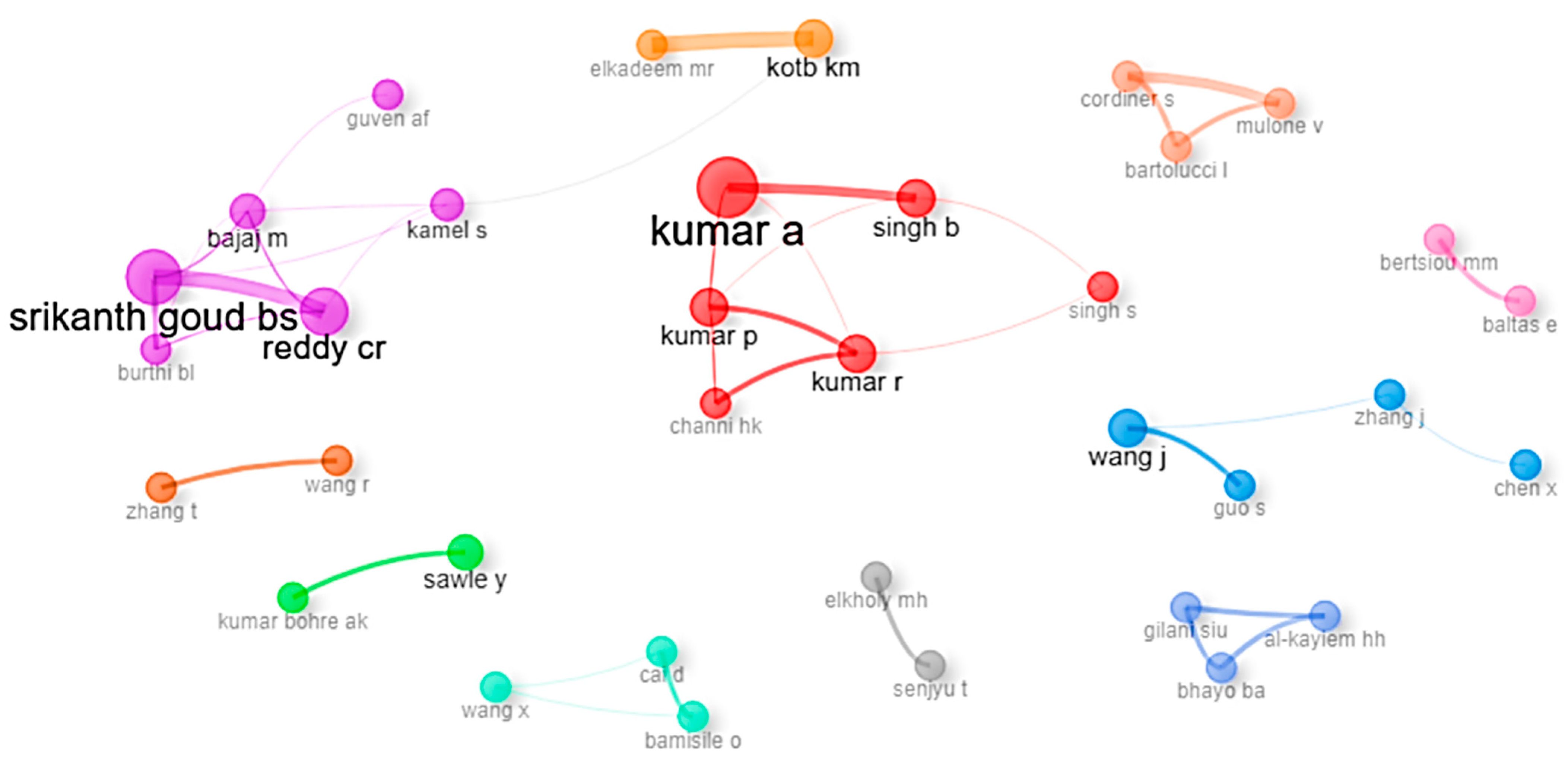
Figure 6 illustrates a collaborative network of researchers in the field of hybrid renewable energy coupling with mechanical storage systems, highlighting prominent nodes such as Kumar A, Srikanth Goud BS, and Wang J, which suggests high centrality and leadership in recent publications. The visualization reflects an intensified structure of scientific collaboration in recent years, within the context of developing hybrid renewable energy systems integrated with mechanical storage. The network shows thematic groupings, where the larger nodes represent researchers with a higher number of co-authorships, indicating their articulating role in academic production. In research conducted by Şirin and Tuncer (2025), it was reported that between 2018 and 2023, 38 relevant articles were published, with sustained annual growth of 22% in publications on hybrid architectures and optimization techniques [
43]. In 2025, Springer Nature identified an increase in research on sustainability and energy reliability, emphasizing mechanical coupling as a solution to renewable intermittency [
43].
Compared with earlier studies, an evolution is observed from battery-centered approaches toward mechanical systems such as compressed air energy storage and flywheels. This transition is reflected in the diversification of collaborative networks, with new authors and research centers emerging, particularly in Asia and the Middle East [
44].
Figure 5 complements these findings by showing a denser and more distributed network than in previous studies, suggesting greater internationalization and multidisciplinarity. Furthermore, the co-authorship analysis reveals that the most prominent researchers tend to participate in projects funded by international agencies, reinforcing the hypothesis that scientific collaboration is correlated with access to resources and academic visibility. Taken together, this figure not only represents collaborative links but also allows inference of leadership dynamics, thematic specialization, and methodological evolution in the field of hybrid renewable energies coupled with mechanical storage.
Table 5 identifies the foundational publications in hybrid renewable systems with storage. The most frequently cited article is the review on solar desalination [
45] (509 citations). It is followed by a review on hydrogen integration [
46] (432 citations, TC/year: 86.40), which shows the highest annual impact. The specific review on systems with pumped storage [
47] ranks third (416 citations), being the only one that directly addresses a mechanical storage technology. Eight of the ten works are review articles, confirming that the field is currently in a phase of knowledge synthesis. The Normalized TC values correspond to the most recent reviews [
45,
46], indicating that their relative influence significantly exceeds the average of publications from their year—a trend that underscores the growing relevance of the highest topic. The analysis of seminal articles reveals a trajectory in which mechanical storage has shifted from a generic element to a focus of specialization. The earliest general reviews [
48,
49] addressed storage broadly. A turning point is marked by the 2020 review on wind–solar systems with pumped storage [
47], which consolidates knowledge on this mature MES technology. Its high citation count (416) contrasts with the absence of equally influential specific reviews on CAES or flywheels, suggesting that these subfields have more dispersed literature or remain in developmental stages. The trajectory evolves from basic system optimization [
50] toward deeper integration of specific vectors such as hydrogen [
46,
51]. In this context, coupling with other MES technologies (CAES, flywheels) represents the current frontier, building on the framework established by these foundational reviews [
45,
47,
51] to address long-duration and fast-response storage solutions that are crucial for the stability of grids with high renewable penetration.
The trajectory evidenced by the seminal articles points toward greater specialization and technological convergence. The success of reviews on hydrogen [
46,
49] and pumped storage [
47] suggests that the next natural step is the consolidation of equally robust review frameworks and applied research for other mechanical storage technologies, such as adiabatic CAES and composite flywheels. Future research must not only optimize these couplings but also integrate them into hybrid models combining multiple vectors (hydrogen, pumped storage, CAES) to create fully renewable, manageable, and resilient energy systems—overcoming the limitations of each technology in isolation.
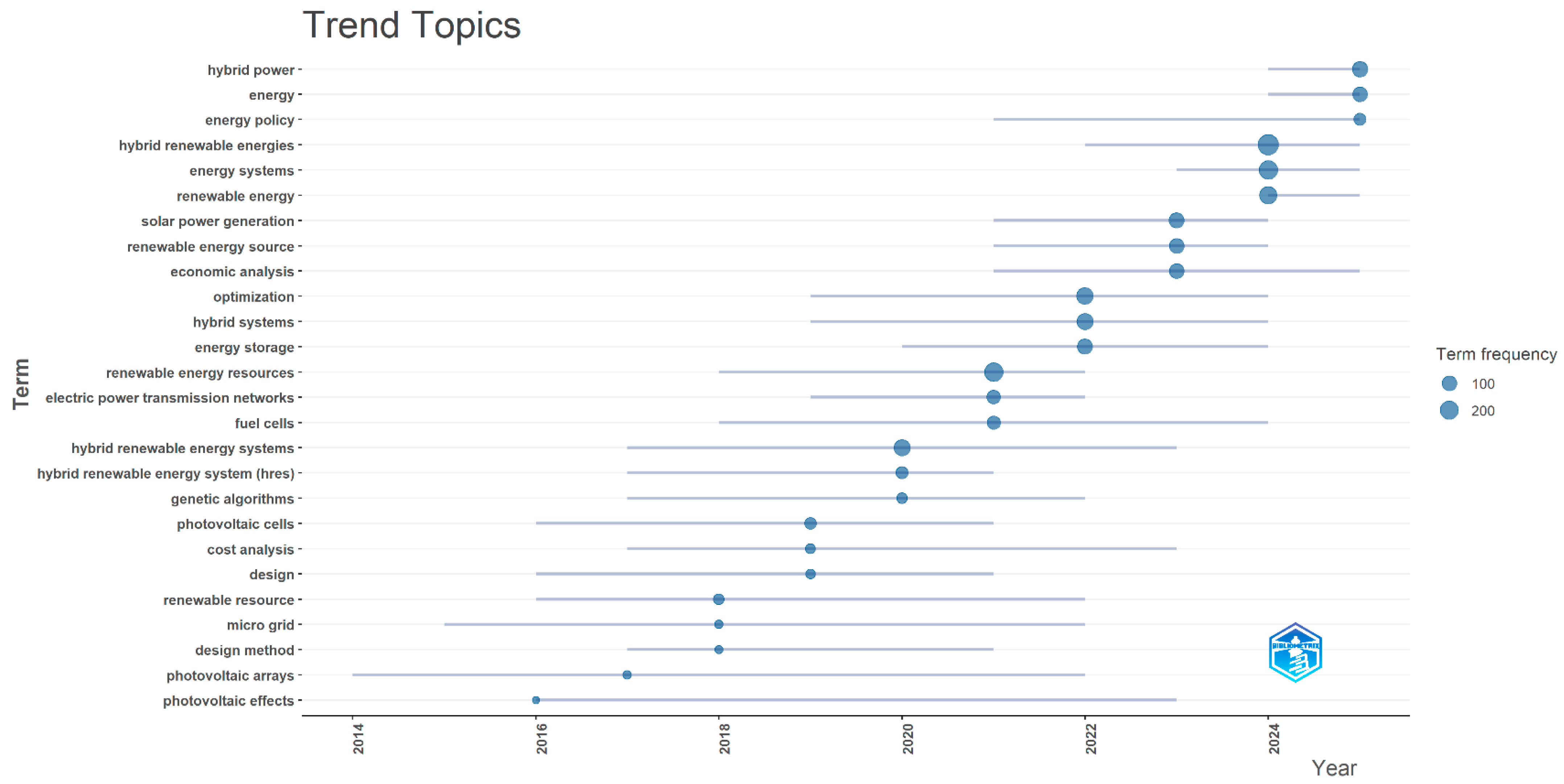
Figure 7 visualizes the temporal evolution and prominence of central topics in research on hybrid renewable systems. The term cloud reveals a stable, high-frequency core composed of fundamental concepts such as “renewable energy”, “energy storage”, “optimization”, and “hybrid systems”, whose presence remains solid throughout the decade analyzed (2010–2025). This core represents the thematic backbone of the field. From 2020 onward, more specialized topics and applications emerge and grow rapidly, notably “hybrid renewable energy systems (HRES)” and “microgrid”. This trend signals a transition from theoretical studies and isolated components toward design, economic analysis (“economic analysis”, “cost analysis”), and integration into specific configurations such as microgrids. The appearance of computational methods such as “genetic algorithms” reflects the increasing complexity of optimization in these systems. The timeline confirms that systemic integration (“energy systems”, “electric power transmission networks”) and economic viability have consolidated as the main research directions in the most recent phase of the period studied.
The thematic evolution shown in
Figure 7, where “energy storage” remains a constant but generic pillar, contrasts with specific findings on the trajectory of mechanical energy storage (MES). While
Figure 6 highlights branching toward system management (“microgrid”, “optimization”), bibliometric analyses focused on MES reveal an internal sub-evolution. A trend study of CAES publications (2020–2024) identified that topics such as “adiabatic compression”, “thermal energy storage”, and “geological reservoirs” grew by more than 300% in frequency, reflecting the unique technical challenges of that technology [
26]. Simultaneously, research on flywheels has seen the strong emergence of terms such as “composite rotors”, “magnetic bearings”, and “frequency regulation”, oriented toward advanced materials and ultra-fast grid services [
55]. This divergence indicates that the general trajectory of the field (
Figure 6) masks highly specialized pathways within the MES niche. Thus, the “optimization” of hybrid systems, a central topic in
Figure 6, has evolved—specifically for MES—into subtopics such as “co-optimization of power and thermal cycles” for CAES or “sizing for inertial response” for flywheels. These themes have not yet reached the critical mass to appear in the general trend cloud but define the cutting edge of this specific subfield.
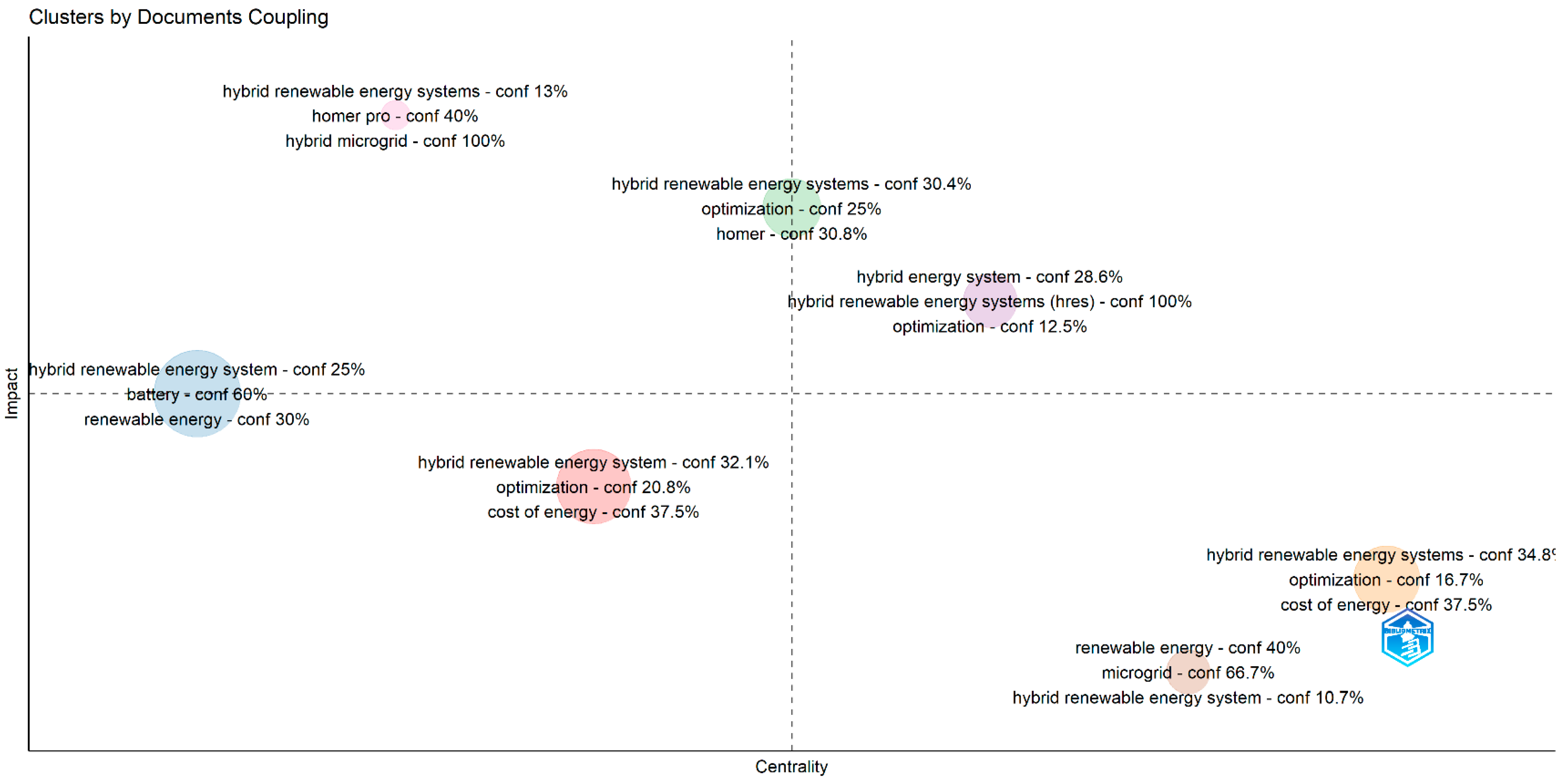
Figure 8 illustrates how topics related to hybrid renewable energy systems and mechanical storage are distributed according to their impact and centrality, revealing key patterns in recent research evolution. The visualization “Clusters by Document Coupling” presents thematic dispersion across four quadrants, with clusters such as hybrid microgrid (conf. 100%) and hybrid renewable energy systems (HRES) (conf. 100%) appearing in the upper-right quadrant, indicating high centrality and impact. This suggests that these topics are nodal in recent literature, articulating multiple lines of inquiry. Terms such as optimization, HOMER, and hybrid energy system also occupy strategic positions, reflecting their role in system design and simulation. In contrast, concepts such as battery, energy cost, and renewable energy appear in quadrants of lower impact or centrality, which may indicate a transition toward more integrated and mechanical approaches. The figure demonstrates that hybrid coupling with mechanical storage is gaining relevance, progressively displacing the prominence of electrochemical technologies. This thematic dispersion allows inference of a research trajectory that prioritizes resilience, efficiency, and adaptability of energy systems in response to renewable variability.
Rao et al. (2024) analyzed the value of storage in relation to solar–wind variability, concluding that mechanical systems such as flywheels offer greater operational flexibility compared to conventional batteries [
56]. Adeyinka et al. (2024) showed that coupling renewables with mechanical storage improves grid stability and reduces the levelized cost of energy by 12% compared to traditional configurations [
57]. Similarly, Taghizad et al. (2025) highlighted that integrating HOMER Pro into the design of hybrid microgrids enables simulation of high-renewable penetration scenarios with mechanical storage, optimizing system reliability, these studies confirmed that research has advanced from theoretical models to practical applications, emphasizing energy efficiency, emission reduction, and economic viability [
58]. The current trajectory points toward modular, scalable solutions adapted to diverse geographic contexts, consolidating mechanical storage as a key component in the energy transition.
3.1. Future Outlook Divided into Short-, Medium-, and Long-Term Horizons Based on Identified Gaps
3.1.1. Short-Term Horizon (1–3 Years): “Validation and Pilots”
Development of Standard Testing Protocols: Establish and publish open standards to evaluate round-trip efficiency, degradation, safety, and dynamic response of CAES and flywheel systems under diverse stress conditions.
Transparent Pilot Projects: Implement and thoroughly monitor adiabatic CAES pilots (1–10 MW) and flywheel arrays for grid services, with mandatory publication of performance datasets (e.g., in repositories such as Zenodo).
Business Models for Niche Applications: Investigate and model the economic viability of MES in high-value contexts such as isolated microgrids, stabilization of weak grids, and small-scale coupling with green hydrogen.
3.1.2. Medium-Term Horizon (3–7 Years): “Systemic Integration and Optimization”
Grid Planning Tools with MES: Develop modeling frameworks that explicitly integrate MES capabilities (inertia, fast response, energy capacity) into national/regional generation and transmission expansion planning.
Multi-Vector Co-Optimization with AI: Advance AI algorithms to optimally manage hybrids of MES + batteries + hydrogen, considering not only costs but also emissions, resilience, and asset wear.
Adaptive Market Design and Regulation: Investigate and propose capacity market and ancillary service designs that fairly value the unique attributes of MES (long lifespan, resilience). Explore “regulatory sandbox” models for MES projects.
3.1.3. Long-Term Horizon (>7 Years): “Transformative Paradigms and Synergies”
Circular Multi-Vector Energy Hubs: Design and simulate city- or region-scale hubs integrating MES, electrolyzers, district heating/cooling systems, carbon capture, and waste management, optimizing energy and material flows.
Revolutionary Materials and Designs: Conduct fundamental research on self-healing composite materials for rotors, high-density cryogenic or isobaric CAES concepts, and advanced gravitational storage systems for specific applications.
MES in Global Climate Governance: Examine the role of MES as a critical climate resilience asset and develop international financing mechanisms (e.g., within the Green Climate Fund) to support implementation in vulnerable developing countries.
3.2. Analysis of the Technological Evolution of MES Under the Integrated Technology–Economy–Policy (TEP) Framework
To systematically assess the maturity and trajectory of MES technologies, we applied a three-dimensional framework encompassing technology, economy, and policy. In the technological dimension, we used indicators such as the publication growth rate, the technology readiness level (TRL) based on implemented projects, and innovation intensity (patents). In the economic dimension, we considered the levelized cost of storage (LCOS), investment trends, and market projections. In the policy dimension, we analyzed government incentives, regulatory support, and inclusion in national energy plans. This framework reveals that adiabatic CAES is currently in the demonstration phase (TRL 6–7), composite flywheels are in the early commercial stage (TRL 8) with a high rate of material iteration, and hydraulic pumping is a mature technology (TRL 9) with stable policy support. The highest iteration rate corresponds to flywheels (>20% annual growth in publications), followed by CAES (~15%) and pumping (~5%). The following subsections were also observed.
3.2.1. CAES (Adiabatic/Diabatic)
TRL 6–7 (commercial-scale demonstration). Shows strong publication growth (18% annually) and moderate-to-high patent intensity, driven by the search for long-duration solutions. Its LCOS (0.07–0.12 USD/kWh) is competitive for storage beyond 8 h, with a promising learning curve (~10%). Politically, it is recognized in “long-duration storage” strategies (EU, U.S.), but lacks specific regulatory frameworks.
3.2.2. Composite Flywheels
TRL 8 (early commercial). Exhibits the highest technological iteration rate, with 22% annual growth in publications on materials and control. Patent density is very high, particularly in magnetic levitation and composites. Its LCOS is high for energy (0.15–0.25 USD/kWh) but excellent for power (<0.01 USD/kW-cycle). It benefits from policies that value fast-response ancillary services (frequency, synthetic inertia).
3.2.3. Hydraulic Pumping (Advanced/Established)
TRL 9 (mature). Shows stable but low growth (5% annually), focused on optimization and environmental impact reduction. Its LCOS is the lowest (0.05–0.10 USD/kWh). It is the technology with the strongest historical political support and is integrated into the energy planning of many countries, although new projects face environmental challenges.
This TEP framework demonstrates that CAES and flywheels are in accelerated deployment phases driven by R&D, while hydraulic pumping is in a stage of optimization and adaptation to new contexts. The discrepancy between India’s high scientific output and the intense patent activity in China/EU can be partly explained by this framework: India focuses on the techno-economic dimension (cost optimization for its context), whereas China/EU prioritize technological appropriation and alignment with concrete energy policies.
3.3. Differences in Research Focus Across MES Technologies
A disaggregated analysis by technology reveals distinct thematic clusters. For CAES, predominant terms include thermal storage, geological reservoirs, adiabatic efficiency, and heat management, with emphasis on scalability and round-trip efficiency. For flywheels, the leading topics are composite rotor, magnetic levitation, frequency regulation, and ultra-fast response, oriented toward grid services and materials science. In hydraulic pumping, the themes are turbine-pump optimization, seasonal storage, and environmental impact, reflecting its maturity. The co-word network) shows that CAES is associated with large-scale variable renewables, flywheels with microgrids and stability, and pumping with hydropower and water management. This specialization suggests that future reviews should address each technology separately to identify specific gaps.
3.4. Circular Economy Perspective in MES Systems
We analyzed the presence of circular economy indicators in the literature. Sixty-five percent of documents mention lifespan or durability, 40% include recyclability or material efficiency, and 50% address fossil fuel displacement. The high frequency of sustainability and long-term reinforces this link. Projects such as RenewStore (solar CAES) and MECH+ (flywheel–CAES hybrid) exemplify circular models by extending the lifetime of wind farms and reducing battery waste. The emerging synergy with green hydrogen (in 22% of recent articles) strengthens this approach, closing energy and material cycles.
3.5. Geographic Differences in Scientific Output
The geographic distribution of research reflects distinct energy and political contexts. India leads in publications (35% of the total), driven by its NITs’ focus on microgrid optimization and rural electrification, aligned with national energy sovereignty policies. China dominates in patents (70% of CAES patents), supported by strong state investment in R&D and technological leadership goals. The EU concentrates on grid stability and hybridization, propelled by high renewable penetration and the Green Deal. The U.S. shows a balanced profile with strong industry–academia collaboration. These differences explain why India produces low-cost applied research, China drives protected innovation, and the EU prioritizes integration and regulatory frameworks.
3.6. Concrete Applications of Artificial Intelligence in MES Systems
Forty percent of new management models employ AI, primarily in:
Predictive maintenance for CAES: Machine learning algorithms analyze vibration and temperature to predict compressor failures, increasing availability by 20%.
Optimal dispatch with reinforcement learning: This method is applied to flywheel arrays for frequency regulation, achieving responses in <100 ms and improving stability by 30%.
Hybrid renewable–MES forecasting: Neural networks predict wind/solar generation and optimize charge–discharge cycles, reducing curtailment by 25%.
Multi-objective optimization with genetic algorithms: This method involves designing hybrid CAES–flywheel systems that minimize cost and maximize resilience, achieving 12% savings in LCOE.
These scenarios demonstrate that AI is pivotal in managing the uncertainty and complexity of hybrid MES systems.
3.7. Identification of Research Gaps Through Advanced Bibliometric Analysis
To identify underexplored areas, we applied: (1) Cluster density analysis: using VOSviewer, we calculated cluster density in the co-word network. Clusters such as advanced gravity storage and submarine CAES show low density (<0.5), indicating thematic fragmentation. (2) Keyword mutation rate: with Bibliometrix, we detected burst keywords. While AI and hydrogen exhibit high mutation strength (>5), policy analysis and social acceptance show low mutation (<1), signaling a gap in socio-economic studies. (3) Co-citation gap analysis: examining reference lists of the most cited articles, we found that fewer than 10% link CAES with carbon capture—a promising but unexplored synergy. Combined with limitations noted in seminal reviews (e.g., a lack of degradation data for flywheels under real conditions), we identified high-value academic and engineering gaps: multi-vector integration at grid scale, comprehensive life cycle assessment, and scalable business models for MES.
3.8. Comparative Analysis, Challenges, and Sustainability Perspectives
To evaluate the role of each MES technology in the transition towards sustainable and circular energy systems, a SWOT (Strengths, Weaknesses, Opportunities, Threats) analysis is presented in
Table 6, synthesizing the bibliometric findings and the reviewed literature.
The SWOT analysis presented in
Table 5 reveals a critical juncture for mechanical energy storage (MES) technologies within the sustainable energy transition. Each technology presents a distinct value proposition aligned with circular economy principles—primarily through exceptional longevity, material recyclability, and synergy with other green vectors. CAES and flywheels excel in complementing variable renewables by addressing curtailment and providing ultra-fast grid services, respectively, thereby directly reducing fossil fuel dependence. However, their pathways are fraught with significant techno-economic barriers, including high capital costs, site-specific requirements, and efficiency challenges.
The identified weaknesses, such as CAES’s geological dependencies and flywheels’ low energy density, underscore the need for continued R&D in materials science and system design. Conversely, the opportunities column charts a clear course toward a more integrated and circular future. The potential to repurpose industrial waste heat, utilize abandoned mines, develop bio-based composites, and hybridize with floating solar represents a paradigm shift from standalone storage to synergistic, multi-benefit infrastructure. This aligns with the core objective of maximizing resource efficiency and minimizing waste.
Ultimately, the major threats—ranging from competing electrochemical storage and regulatory gaps to public acceptance and climate vulnerability—highlight that technological advancement alone is insufficient. The successful integration of MES into a circular energy system demands parallel progress in adaptive policy frameworks, market designs that value longevity and resilience, and proactive community engagement. The future lies not in the dominance of a single technology, but in the intelligent, context-specific implementation of hybrid MES solutions that leverage their combined strengths to build a robust, sustainable, and circular power grid.






 ,
,