


Abstract
The growing global demand for food, coupled with environmental limitations of conventional production systems, has driven the search for more sustainable and functionally active food ingredients. Therefore, microalgae, including Chlorella vulgaris, Arthrospira platensis, Haematococcus pluvialis, Nannochloropsis oceanica, and Auxenochlorella protothecoides, have attracted attention as sources of proteins, peptides, carbohydrates, pigments, and lipids for use in food. However, despite advances in recent years, their incorporation into food products remains limited. Part of this challenge is linked to inefficient recovery, instability during processing, or inadequate performance in food matrices, demonstrating that the presence of bioactive compounds does not guarantee successful food applications. Additionally, strategies aimed at increasing extraction yield may compromise compound integrity, solubility, stability, and functionality. Given this scenario, the main methods used to obtain microalgae-derived functional ingredients are critically analyzed in relation to their food applications. The effects of cell disruption, extraction, and other processing steps on compound recovery and preservation are discussed, alongside strategies to reduce environmental impacts and optimize processes. Food safety, regulation, and consumer acceptance are also addressed as factors influencing market introduction. Beyond identifying compounds of interest, understanding how processing and formulation strategies influence their conversion into viable food ingredients is essential.
1. Introduction
Microalgae comprise a diverse group of predominantly microscopic, photosynthetic organisms, including eukaryotic groups such as green algae and diatoms, while cyanobacteria are also commonly included under this designation in food and biotechnology contexts [1,2]. Their biochemical composition has attracted interest in food applications, particularly as sources of proteins, polyunsaturated lipids, pigments, vitamins, minerals, and other components with nutritional, technological, and biological properties [3,4,5]. Among the organisms explored for these purposes, Chlorella spp. and Arthrospira spp. are particularly established as sources of biomass for foods and dietary supplements, whereas Haematococcus pluvialis, Dunaliella salina, and Schizochytrium spp. are relevant for the production of specific compounds, including astaxanthin, β-carotene, and omega-3-rich oils, respectively [4,6]. However, despite this biochemical diversity and the growing interest in their applications, the incorporation of microalgal ingredients into larger-scale food systems remains limited. Technological, economic, sensory, regulatory, and scalability barriers continue to constrain their industrial consolidation and commercial expansion [3]. Thus, the main challenge extends beyond identifying valuable compounds in microalgal biomass to recovering and preserving the properties required for their effective application as food ingredients.
This distinction is important because biochemical composition, techno-functional properties, biological activity, and food performance are not equivalent responses. Cell disruption and other processing operations can promote the release of intracellular components, modify their structural and techno-functional properties, and, in some cases, affect the bioaccessibility of nutrients and bioactive compounds, while different degrees of fractionation impose trade-offs between recovery, resource use, and subsequent ingredient performance [7,8]. Experimental evidence reinforces this relationship: interventions aimed at modifying biomass characteristics can simultaneously alter its techno-functional properties, as protein conformation, aggregation state, surface charge, hydrophobicity, and particle size can influence solubility and interfacial behavior [9,10]. The performance observed after incorporation into a food matrix may also respond non-linearly to the concentration used and to the structural interactions established within the food [11,12]. Thus, what the cell contains does not, in itself, determine what the ingredient will be capable of doing after that cell is ruptured, extracted, fractionated, stabilized, and incorporated into a food.
The restrictions also do not end once an ingredient with suitable technological performance is obtained. Species, cultivation strategy, harvesting and drying technologies, process configuration, and scale can substantially alter biomass productivity and cost, demonstrating that a technically promising pathway must remain economically viable at the scale of implementation [13,14,15]. Market entry entails safety and regulatory requirements, with authorization depending on product-specific evidence concerning strain identity, manufacturing process, composition, intended use, exposure, and safety [16,17]. Even when these conditions are met, acceptance is not automatic: the level of incorporation, color, taste, and aroma can influence consumer perception, while the magnitude of these effects depends on the microalgal species and the food matrix in which the biomass or ingredient is incorporated [2,18,19]. A commercially viable ingredient, therefore, must simultaneously overcome technological, economic, regulatory, and sensory limitations without gains achieved in one dimension rendering the others unfeasible.
Taken together, this evidence allows the conversion of microalgae into functional ingredients to be interpreted as a process of sequential transformation, rather than as a direct consequence of biomass composition. Throughout this process, the biochemical potential must remain accessible after cell disruption, recoverable during downstream processing, retain the properties required for its intended application after fractionation, stable during processing and storage, compatible with the food matrix, economically scalable, safe and regulatory-compliant, and, finally, sensorially acceptable to the consumer. Each stage can act as a filter capable of preserving, modifying, or reducing the functional value produced or maintained in the preceding stage. From this perspective, processing, sustainability, regulation, and acceptance do not necessarily constitute independent obstacles: an intervention used to address a limitation at a specific point may alter the conditions encountered in subsequent stages. This interdependence reinforces the need to understand the relationships between processing, ingredient properties, and food performance—relationships that are not yet sufficiently established to rationally guide product development [8].
However, despite increasing attention to the challenges associated with the development and commercialization of microalgae-based food ingredients, it remains less understood how the functional value initially identified in the biomass is preserved, transformed, or lost as it successively undergoes processing, ingredient extraction, and food application. Thus, this review aims to critically analyze how the functional value of key microalgal components is preserved, modified, or lost during the transition from biomass to ingredient and food application, identifying the technological, functional, environmental, economic, regulatory, and sensory trade-offs that shape their translation into viable food ingredients. Proteins and peptides, carbohydrates, pigments, and lipids are analyzed regarding the characteristics that determine their accessibility, recovery, and subsequent performance as food ingredients; processing operations are then discussed from an engineering perspective, considering the trade-offs between yield, selectivity, preservation of target properties, sustainability, economic viability, and scalability; and, finally, the analysis extends to safety, regulation, performance in food matrices, and consumer acceptance. This sequential transformation framework, in which functional value may be preserved, modified, or lost at successive stages from biomass to market, is summarized in Figure 1. The central question, therefore, is not whether microalgae can provide functional compounds, but rather how much of that potential remains intact between the cell and the food product—and under what conditions it can ultimately be transformed into a marketable functional ingredient.
Figure 1.
Conceptual framework of the functional value trajectory of microalgal ingredients from biomass to food-market application.
2. Methodological Approach
This study was conducted as a structured critical review supported by bibliometric analysis, focusing on the technological conversion of microalgal biomass and its components into functional ingredients for food applications. Literature searches were performed in Scopus and Web of Science (WoS), covering publications from 2015 to July 2026. Two complementary search strategies were employed to distinguish the broader characterization of the research field from the identification of studies directly related to processing technologies and food ingredient development.
The initial search was conducted on 8 July 2026 using the following combination of descriptors: ‘microalgae AND (“bioactive compounds” OR “functional ingredients”) AND (food OR “food application” OR “food ingredient”)’. The search retrieved 320 records from Scopus and 496 from WoS, totaling 816 records. After database integration and removal of 187 duplicates, 629 unique records remained. This dataset was used to characterize annual scientific production and trending topics, as presented in Figure 2 and Figure 3, respectively.
Figure 2.
Annual scientific production on microalgae-derived functional ingredients over the period covered by the bibliometric analysis. * Data for 2026 include publications up to July 2026.
Figure 3.
Most relevant keywords identified in the bibliometric analysis of research on microalgae-derived functional ingredients. * Data for 2026 include publications up to July 2026.
A refined search was conducted on 9 July 2026, using the TITLE-ABS-KEY field in Scopus and the TS field in WoS. The refined strategy combined ‘microalgae AND (“bioactive compounds” OR “functional ingredients”) AND (food OR “food ingredient*” OR “functional food”) AND (extraction OR “downstream processing” OR “cell disruption” OR harvesting OR drying OR stabilization OR encapsulation)’. This search retrieved 183 records from Scopus and 214 from WoS, totaling 397 records. Following the removal of 62 duplicates, 335 unique records remained. Although WoS retrieved more records than Scopus in both searches, the databases were combined to broaden coverage and reduce dependence on the indexing characteristics of either source.
The geographical distribution of scientific production was also examined using the refined dataset of 335 records (Figure 4). India presented the highest frequency of country-associated contributions (121), followed by Spain (70), Portugal (65), China (64), and Brazil (61). These results indicate the participation of research communities across different geographical regions, although country-level frequencies reflect bibliometric affiliation counts and should not be interpreted as mutually exclusive publication totals.
Figure 4.
Top ten countries contributing to research on microalgae-derived functional ingredients, based on the refined bibliometric dataset of 335 records. Frequencies were obtained from the Country Scientific Production analysis in Biblioshiny.
The 335 records obtained from the refined search were screened based on titles, abstracts, and author keywords, followed by an assessment of their relevance to the critical synthesis. Original research articles and reviews were considered according to their alignment with the scope of the review, prioritizing studies addressing microalgal biomass processing, cell disruption, extraction, recovery, stabilization, technological and biological functionality, and applications in food systems. Studies focused primarily on pharmaceutical applications, biofuels, or wastewater treatment were excluded when their findings did not provide principles or technological approaches directly transferable to the development of food ingredients. The initial screening classified 304 records as potentially relevant, 26 as excluded, and five as requiring further assessment. Selected publications were subsequently examined in greater detail according to their contribution to the topics addressed. Studies published before 2015 and relevant book chapters were selectively incorporated to substantiate established physicochemical principles, unit operations, and engineering concepts. Targeted supplementary searches in Google Scholar were also conducted to address specific aspects related to ingredient stability, sustainability, techno-economic feasibility, safety, regulation, performance in food matrices, and consumer acceptance. Study selection followed a relevance-based approach rather than a formal systematic-review protocol, without independent dual-reviewer screening or a formal disagreement-resolution procedure.
Bibliometric analyses were performed using the Bibliometrix package through the Biblioshiny interface. The broader dataset of 629 records supported the analyses of annual scientific production and trending topics, whereas the refined dataset of 335 records was used to characterize the geographical distribution of scientific production. The most relevant sources analysis was configured to display ten sources. Temporal word-frequency analysis used the All Keywords field, cumulative occurrences, and ten terms, without additional stop-word or synonym lists. Country scientific production was examined using affiliation information from the bibliographic records. As the searches were conducted in July 2026, publication data for that year were considered incomplete. Bibliometric results were used to contextualize the development and distribution of research in the field, while the critical synthesis focused on the technological and practical limitations affecting the production and application of microalgae-derived food ingredients.
3. Microalgal Compounds of Interest in Food: High-Value Components or Processing-Limited Ingredients?
The biochemical composition of microalgae drives interest in them as a source of food ingredients, as this biomass can provide proteins, carbohydrates, pigments, and lipids with distinct nutritional, technological, or biological properties [20,21,22,23]. However, these classes differ in terms of cellular location, molecular structure, polarity, stability, and interaction with processing conditions—characteristics that influence their accessibility, recovery, and subsequent technological or biological performance [22,24,25,26]. Thus, the presence of these compounds in the biomass does not, in itself, determine the technological or biological performance of the resulting ingredient.
Between the initial composition and the food application, the compound’s identity and concentration, its accessibility, the purity of the recovered fraction, and processing-induced changes can alter both its techno-functional properties within the food and the biological activity associated with its consumption. This aspect also limits direct comparison between studies, since whole biomass, crude extracts, enriched fractions, and purified compounds represent functionally distinct materials, even though they are associated with the same class of compounds. Orchard et al. [27] highlight that interpreting a potentially bioactive entity requires knowledge of the experimental context, the methods employed, and the results supporting the observed activity. Furthermore, the Minimum Information About a Bioactive Entity (MIABE) principle emphasizes the need to adequately describe the evaluated entity and the experimental conditions to enable comparison and critical evaluation of the results. Thus, in this section, techno-functional properties and biological activity are considered related but non-equivalent dimensions, and the discussion of the different classes of compounds focuses primarily on the characteristics that determine their recovery and retention as food ingredients.
3.1. Microalgal Proteins and Peptides: High Nutritional Value or Hidden Processing Challenges?
Microalgal proteins are of nutritional and technological interest due to their essential amino acid content, potential to generate bioactive peptides, and reported solubility, [emulsification, foaming, and gelling properties] [28,29,30]. However, protein digestibility and techno-functional performance vary with species, cellular structure, processing conditions, and evaluation methods [28]. Resistant cell walls can limit accessibility, while their disruption may modify protein structure and properties. Consequently, high biomass protein content does not necessarily translate into high digestibility or suitable performance in food products.
Manso et al. [31] obtained an Auxenochlorella protothecoides (formerly Chlorella protothecoides) extract containing 46% protein and with 81.5% digestibility, with foaming and emulsifying properties superior to pea protein concentrate under the conditions evaluated. Its solubility increased from approximately 40% at pH 3–5 to nearly 70% at pH 9, while the emulsification activity index increased from 17.7 to 26.4 m2/g. Consistently, Chaudhary et al. [29] reported that oil absorption, foaming, and emulsification depend on pH, protein structure, and preparation method. These findings show that the technological behavior of microalgal proteins must be assessed for the specific fraction and intended application.
Purification introduces a trade-off between protein purity, recovery, and techno-functional performance. In Chlorella sorokiniana, Bian et al. [32] reported an increase in purity from 59% to 72% after isoelectric precipitation, accompanied by a decrease in yield from 0.51 to 0.33 g/g and a non-dispersible protein fraction of 70%. By contrast, Pereira et al. [33] observed greater foam stability in protein concentrate and isolate from Spirulina sp. LEB 18 than in the original biomass at 2% (w/v), showing that fractionation can improve selected properties. Teuling et al. [34] likewise obtained isolates with purities of 62–77% (w/w) but proteinaceous yields of only 3–9% (w/w). Thus, purity cannot be optimized independently of recovery and the property required in the final ingredient.
These divergent responses reflect processing-induced changes in protein conformation, aggregation, surface charge, hydrophobicity, and particle size, which affect solubility and interfacial behavior differently [10,35]. Hong et al. [10] reported pH-dependent solubility and emulsification in isolates from four microalgae, with minima near the isoelectric point; the greater emulsifying activity and stability of Euglena gracilis proteins were associated with higher surface hydrophobicity and β-sheet content and smaller particle size. Guo et al. [35] showed that alkaline conditions promoted protein-particle cross-linking at the oil–water interface in Spirulina protein emulsions. Nevertheless, improvements are property-specific: Chaudhary et al. [29] reported a 1.56-fold increase in oil absorption under selected conditions, whereas more severe alkaline favored aggregation and reduced emulsifying efficiency.
For bioactive peptides, recovery alone is insufficient because biological activity depends on the release, size, amino acid composition, and sequence of peptides generated by hydrolysis or fermentation [28,36]. Antioxidant, antihypertensive, antimicrobial, and immunomodulatory activities have been reported, but smaller peptides do not necessarily exhibit greater activity across different biological endpoints. Cunha et al. [37] obtained a Chlorella vulgaris hydrolysate containing 45% proteins/peptides, predominantly in fractions at or below 1.2 kDa. Although antioxidant activity reached 1035 µmol Trolox equivalents (TE)/g protein, and the half-maximal inhibitory concentration (IC50) for angiotensin-converting enzyme inhibition was 286 µg protein/mL, α-glucosidase inhibition was only 31% at 30 mg/mL. The authors also highlighted the need to confirm gastrointestinal bioavailability. These results reinforce the importance of the bioactive entity, the analytical method, and assay conditions when interpreting biological functionality [27]. The protein content, reported nutritional and techno-functional characteristics, and processing-related considerations of selected microalgae and cyanobacteria are compared in Table 1.
Table 1.
Comparative assessment of protein content, experimentally reported properties, and processing-related considerations for selected microalgae and cyanobacteria.
The comparison of microalgal protein sources reveals substantial variation in biomass composition, although protein concentration alone does not determine their suitability for food applications. Chlorella vulgaris, Arthrospira platensis, and Dunaliella salina exhibit relatively high reported protein contents, whereas Phaeodactylum tricornutum and Porphyridium cruentum show lower ranges in the compiled literature [28]. However, these differences must be interpreted considering the variability in cultivation conditions and analytical methods, as well as species-specific cellular characteristics that influence protein accessibility and recovery [28,29,30]. Beyond biomass composition, experimental studies demonstrate that processing can substantially modify the properties of the resulting ingredients. Cunha et al. [37] obtained a protein-containing hydrolysate from C. vulgaris with antioxidant and angiotensin-converting enzyme inhibitory activities measured in vitro, illustrating the relevance of peptide generation for biological functionality. In contrast, Bian et al. [32] demonstrated that a moderately refined protein fraction from C. sorokiniana exhibited improved foaming and gelation properties, whereas further purification did not enhance functionality. Manso et al. [31] reported favorable digestibility and foaming and emulsifying properties in a protein-rich extract from Auxenochlorella protothecoides, obtained through an integrated disruption and fractionation sequence. These findings demonstrate that protein-rich species cannot be ranked solely according to biomass composition, since nutritional characteristics, peptide bioactivity, and techno-functional performance represent distinct attributes influenced by the recovered fraction and processing conditions. Therefore, species selection should be guided by the intended food application and the ability of the processing strategy to recover proteins while preserving or developing the required functional properties.
Thus, the potential of microalgal proteins and peptides does not depend solely on recovering a larger quantity of protein or achieving a higher degree of purity. Available studies show that digestibility and techno-functional properties vary with species, fraction composition, pH, and processing history, while additional refining steps can improve certain characteristics at the expense of recovery or other properties. For bioactive peptides, processing must additionally preserve or generate sequences capable of delivering the intended biological activity. The challenge for this class of compounds is therefore to obtain sufficiently accessible and well-characterized fractions for the intended application without processing gains compromising the properties that justify their use as food ingredients.
3.2. Microalgal Carbohydrates: How Structural Diversity Shapes Techno-Functional Properties and Biological Activity
Microalgal carbohydrates comprise chemically distinct fractions, including storage polysaccharides, structural cell wall-associated polysaccharides, and extracellular polysaccharides or exopolysaccharides (EPS). Storage polysaccharides include glucose-based polymers such as starch, floridean starch, glycogen, chrysolaminarin, and paramylon, whereas structural and extracellular polysaccharides encompass diverse compositions and structures. This diversity influences their techno-functional behavior and biological activity, and consequently their suitability as food ingredients [20].
Gomes-Dias et al. [20] highlight that the yield, structure, and biological activity of polysaccharides can vary depending on the species, cultivation conditions, and processing; thus, an increase in the carbohydrate content of the biomass does not guarantee the maintenance of the same biological activity or texturizing behavior. Sofyantoro et al. [26] further show that sugar composition, molecular mass, sulfate content, glycosidic linkages, and sulfate distribution contribute to structural differences even among polysaccharides from species of the same genus. In red microalgae, Vrinda and John [38] describe Porphyridium as being encased in a mucilaginous layer of sulfated polysaccharides, while Sathyanarayanan et al. [39] characterized a Spirulina exopolysaccharide containing glucose, galactose, mannose, xylose, and fucose, with glucose accounting for 42.49% of the identified sugars and sulfate corresponding to 20% of the analyzed fraction. These findings indicate that the identity, cellular location, and structural characteristics of the recovered fraction are essential for interpreting its potential food applications.
This heterogeneity also makes it difficult to establish simple relationships between structure and biological activity. Gomes-Dias et al. [20] highlight that extraction selectivity can modify the final activity through the presence or removal of secondary compounds, while Sofyantoro et al. [26] emphasize the challenges of establishing consistent structure–activity relationships for sulfated polysaccharides. Ooi et al. [40] provide experimental evidence of these differences: compared to hot-water extraction, the fraction obtained via ultrasound yielded 15.967 ± 0.707 g of sulfate/100 g of extract and 6.767 ± 0.152 g of uronic acid/100 g, versus 11.115 ± 0.006 and 5.134 ± 0.021 g/100 g, respectively. In the same study, uronic acid showed the strongest positive correlation with antioxidant activity, followed by total phenolic content, proteins, and sulfate. However, this correlation does not demonstrate that an isolated component is responsible for the extract’s activity, especially given that it is a multicomponent fraction.
The relationship between the recovered quantity and properties of the resulting fraction is not direct either. Ooi et al. [40] obtained 11.615 ± 0.038 g of carbohydrates/100 g of biomass via ultrasound-assisted extraction, compared to 4.870 ± 0.053 g/100 g via hot water extraction, corresponding to an approximately 138% increase in recovery. At 25 min, 100% amplitude, and a solid-to-solvent ratio of 1:15 g/mL, this was accompanied by approximately 35% higher 2,2-diphenyl-1-picrylhydrazyl (DPPH) scavenging activity and higher contents of sulfate, uronic acid, and fiber. However, the same extract exhibited 56.808% 2,2′-azino-bis(3-ethylbenzothiazoline-6-sulfonic acid) (ABTS) inhibition at 10 mg/mL and an IC50 of 5.579 mg/mL for hydroxyl radical scavenging, demonstrating that antioxidant responses also depend on the assay employed. As emphasized by Gomes-Dias et al. [20] and Sofyantoro et al. [26], enhanced recovery or carbohydrate enrichment does not necessarily preserve biological or technological properties, particularly when fraction structure and composition change.
The dependence of antioxidant activity on the analytical method is further illustrated by studies employing ferric reducing antioxidant power (FRAP) and oxygen radical absorbance capacity (ORAC) assays. Vieira et al. [41] evaluated four microalgal species and found that Arthrospira platensis exhibited the highest FRAP activity (3.37 mmol TE/100 g of freeze-dried biomass), whereas Porphyridium purpureum showed the highest ORAC activity (11.70 mmol TE/100 g), despite exhibiting one of the lowest FRAP responses. These assays evaluate different reaction mechanisms: ferric ion reduction and inhibition of peroxyl radical-induced oxidation, respectively. Thangsiri et al. [42] reported that, for A. platensis, FRAP activity increased from 3.67 to 30.93 µmol TE/g dry weight when comparing aqueous and 80% (v/v) aqueous ethanolic extracts, while ORAC activity increased from 65.58 to 90.45 µmol TE/g dry weight. Conversely, DPPH activity decreased from 11.16 to 7.15 µmol TE/g dry weight under the same comparison. These contrasting responses demonstrate that antioxidant activity depends on extraction conditions and analytical methods, while in vitro measurements do not establish whether the observed properties will be retained or expressed in a food matrix.
The available biological evidence itself calls for a similar interpretation. Sathyanarayanan et al. [39] observed an increase in DPPH scavenging activity with the concentration of Spirulina EPS and, in antibacterial assays, zones of inhibition of 23 mm against S. aureus and approximately 22 mm against E. coli. The minimum inhibitory concentration (MIC) values were 80.17 µg/mL for S. aureus and 88–91.95 µg/mL for E. coli. The authors also reported a reduction in biofilm formation by both bacteria; however, the percentages presented in the results section and in the abstract/conclusion are inconsistent with one another and, for this reason, are not used quantitatively in this discussion. Although these findings demonstrate activity under the tested conditions, they do not establish physiological benefits following consumption. Similarly, Gouda et al. [43] discuss the prebiotic potential of microalgal polysaccharides and oligosaccharides based on their resistance to digestion and interaction with the gut microbiota; however, the evidence primarily concerns experimental assessments and prebiotic potential rather than clinical evaluation of defined food fractions. Gomes-Dias et al. [20] identify limitations in producing sufficiently characterized prebiotic and bioactive fractions, while Sofyantoro et al. [26] highlight gaps in characterization and functional application. Thus, antioxidant or antibacterial activity or prebiotic potential must be interpreted within the level of evidence at which it was demonstrated, rather than as a physiological property automatically transferable to the food. The compositional characteristics, reported properties, and food-related implications of carbohydrate fractions from selected microalgae and cyanobacteria are compared in Table 2.
Table 2.
Comparative characteristics and reported properties of carbohydrate fractions from selected microalgae and cyanobacteria.
The comparison presented in Table 2 reveals that the properties of microalgal carbohydrates depend not only on their biological origin but also on the composition, structural characteristics, and recovery conditions of individual fractions. While Porphyridium spp. are distinguished by extracellular sulfated polysaccharides with viscosity-related properties of potential interest for food structuring, Isochrysis galbana and Navicula spp. illustrate differences in sulfation, monosaccharide composition, and reported antioxidant responses among polysaccharide fractions and cultivation conditions [26,38]. In contrast, Chlorella vulgaris, Tetraselmis chuii, Phaeodactylum tricornutum, and Odontella aurita demonstrate the compositional diversity of cell wall-associated and extracellular fractions, although these compositional data do not establish their technological performance in food matrices [20]. Experimental findings from Spirulina sp. [39] provide evidence of antioxidant and antibacterial activities in recovered exopolysaccharides, whereas Ooi et al. [40] demonstrate how extraction conditions affect carbohydrate recovery, extract composition, and antioxidant responses in mixed microalgal biomass. However, differences in fraction composition, extraction procedures, and analytical methods limit direct comparisons across studies. Therefore, selecting microalgal carbohydrates for food applications requires evaluating the specific recovered fraction and its processing history rather than relying on species identity or carbohydrate content alone.
In addition to biological activity, these fractions may exhibit techno-functional properties, but this dimension also depends on the structure actually recovered. Sathyanarayanan et al. [39] observed preliminary rheological properties consistent with gel formation for Spirulina EPS, although the results themselves are still presented as initial evidence for food applications. The highly hydrated, three-dimensional structure of EPS is also related to the ability of these polymers to form matrices, while their composition of uronic acids and other substituents can modify physicochemical properties. However, it is not appropriate to directly extrapolate the technological behavior established for hydrocolloids from other sources to microalgal polysaccharides, since composition, molecular mass, and sulfation can vary substantially [20,26]. Furthermore, Sathyanarayanan et al. [39] obtained varying EPS yields across the evaluated protocols, with a maximum value of 4 mg/g of biomass, reinforcing the dependence of recovery on experimental conditions. The challenge, therefore, lies not only in demonstrating that microalgal carbohydrates can be multifunctional, but in recovering fractions with a sufficiently known and reproducible composition so that their techno-functional properties and biological activity can be preserved and compared. This need to simultaneously control recovery, selectivity, and structural integrity establishes the connection to the downstream operations discussed in Section 4.
3.3. Microalgal Pigments: Balancing Color, Biological Activity, and Stability
Carotenoids, chlorophylls, and phycobiliproteins constitute pigment classes with distinct chemical and physicochemical properties, resulting in differing behaviors during recovery, storage, and food application [22,44]. Carotenoids are terpenoid compounds characterized by a conjugated polyene structure associated with pigmentation, light absorption, and antioxidant activity, but also with susceptibility to oxidation [22]. Gholipour-Varnami et al. [22] highlight that different carotenoids exhibit varying sensitivities to oxidation and describe the initial formation of epoxides and apocarotenoids, followed by fragmentation and, at more advanced stages, loss of color and changes in biological activity. In contrast, phycobiliproteins are water-soluble pigment–protein complexes containing phycobilins covalently bound to proteins, whose structural integrity influences color and functional properties [44]. These chromophores include phycoerythrobilin, phycourobilin, phycocyanobilin, and phycoviolobilin, which differ in their light-absorption characteristics. Madji et al. [44] show that recovery conditions capable of increasing yield can reduce purity, antioxidant activity, and color quality. Therefore, for microalgal pigments, biomass concentration and recovery should be evaluated separately from the retention of color properties and biological activity in the recovered fraction.
The composition of the recovered fraction also influences the biological responses observed in different in vitro assays and the attribution of these responses to specific compounds. Gallego et al. [45] evaluated carotenoid-enriched extracts from Haematococcus pluvialis, Nannochloropsis oceanica, Tisochrysis lutea, and Porphyridium cruentum—rather than isolated carotenoids—using acetylcholinesterase (AChE), butyrylcholinesterase (BChE), lipoxygenase (LOX) inhibition, and ABTS antioxidant assays. For AChE inhibition, T. lutea exhibited an IC50 of 47.17 µg/mL, followed by N. oceanica with 66.29 µg/mL, while H. pluvialis and P. cruentum showed values of 87.14 and 89.21 µg/mL, respectively. However, H. pluvialis and P. cruentum exhibited greater BChE inhibition than the first two extracts. For the other endpoints, N. oceanica showed the highest ABTS antioxidant capacity, whereas T. lutea exhibited the highest LOX inhibition. These contrasting responses demonstrate that the relative performance of carotenoid-enriched extracts depends on the biological endpoint evaluated, while their complex composition prevents attributing the observed activities exclusively to individual carotenoids. Moreover, in vitro activity does not necessarily predict performance following incorporation into food matrices.
This difficulty also arises when recovery and selectivity are considered jointly. Chronis et al. [46] observed that acetone showed the highest efficiency for recovering carotenoids from H. pluvialis; however, D-limonene and medium-chain triglycerides (MCTs) also enabled the recovery of significant amounts of these compounds and offer the advantage of being directly incorporated into food formulations, thereby reducing the need for subsequent solvent removal. At an ultrasonic power of 648 W, the astaxanthin content varied—depending on the biomass-to-solvent ratio—from 16.77 to 42.45 mg/g of dry matter for acetone, from 15.91 to 25.97 mg/g for D-limonene, and from 12.94 to 14.15 mg/g for MCTs. Thus, although acetone provided higher recovery, its performance must be weighed against solvent removal requirements and formulation compatibility, demonstrating that extraction efficiency and suitability for food applications are not equivalent outcomes.
Castillo et al. [47] reinforce this difference between analytical performance and process feasibility when recovering carotenoids directly from wet H. pluvialis paste. Ethanol achieved an overall recovery only approximately 2% lower than methanol, the most effective solvent in the initial comparison, and was therefore selected for process optimization. With the optimized solid-phase matrix dispersion methodology, the recovery of the main carotenoids was, on average, 55% higher than that of the reference method. The extract obtained from the wet paste also exhibited antioxidant activity of 1.58 mmol TE/g of dry matter, as determined by the ABTS assay. These findings indicate that processing wet biomass can support carotenoid recovery without a prior drying step, although recovery and antioxidant activity do not establish pigment stability during storage or food incorporation.
For phycobiliproteins, the relationship between yield, purity, and application presents a similar challenge. Madji et al. [44] indicate that C-phycocyanin intended for use as a food colorant generally requires a purity index greater than 0.7, whereas reagent-grade and analytical-grade applications demand values of approximately 3.9 and ≥4.0, respectively. İlter et al. [48] found that, under the optimized conditions, ultrasound-assisted extraction resulted in the highest phycocyanin content, whereas classical extraction produced extracts with a more vivid blue color and higher antioxidant activity. This contrast shows that maximum yield does not necessarily represent the best ingredient. Because phycobiliprotein functionality depends partly on protein integrity, processing-induced structural changes may simultaneously affect color, purity, and the properties required for food applications. The extraction outcomes, reported properties, and food-related considerations of pigment-rich fractions from selected microalgae and cyanobacteria are compared in Table 3.
Table 3.
Comparative assessment of pigment recovery, experimentally reported properties, and food-related considerations in selected microalgae and cyanobacteria.
The comparison presented in Table 3 demonstrates that pigment recovery, biological activity, and suitability for food applications represent distinct outcomes that cannot be evaluated solely through extraction yield. In Haematococcus pluvialis, Chronis et al. [46] and Castillo et al. [47] illustrate how solvent selection and processing strategies influence carotenoid recovery, while highlighting the relevance of extraction medium compatibility and process requirements. Gallego et al. [45] further demonstrate that carotenoid-enriched extracts from different microalgae exhibit distinct responses across biological assays, preventing the attribution of these activities exclusively to individual pigments. A similar distinction emerges for C-phycocyanin from Spirulina platensis, for which ultrasound extraction achieved higher pigment recovery under optimized conditions, whereas classical extraction produced a more vivid blue color and greater antioxidant activity [48]. Collectively, these findings indicate that maximizing pigment recovery does not necessarily preserve or improve all properties relevant to the intended application. Moreover, differences in extract composition, processing conditions, and analytical endpoints limit direct comparisons across studies. Therefore, selecting microalgal pigments for food applications requires evaluating the recovered fraction and its processing history alongside the preservation of the properties required in the final product.
Thus, the main challenge for microalgal pigments extends beyond extraction efficiency to preserving the characteristics responsible for their color and the intended biological or technological performance. The susceptibility of carotenoids to oxidation and phycobiliproteins to structural changes makes stability a critical consideration when selecting processing and formulation strategies. Consequently, pigment recovery must be integrated with subsequent stabilization requirements to ensure that the properties motivating their selection are retained during food application.
3.4. Microalgal Lipids: High-Value Compounds Facing Recovery and Stability Challenges
Microalgal lipids constitute a heterogeneous fraction that includes polyunsaturated fatty acids, triacylglycerols, phospholipids, glycolipids, and other lipophilic compounds, making total lipid content an insufficient indicator of nutritional relevance. Zhou et al. [21] distinguish polar lipids—such as phospholipids and glycolipids, associated mainly with cellular membranes—from neutral fractions related to energy storage. Species and cultivation conditions further influence lipid composition, while Ren et al. [49] show that strategies to stimulate lipid accumulation can alter biomass productivity and polyunsaturated fatty acid (PUFA) profiles. In Microchloropsis gaditana (formerly Nannochloropsis gaditana), Blanco-Llamero et al. [24] found PUFAs to be the predominant group in the extracts, accounting for 46.15–54.31% of the fatty acids, with a higher proportion of n-3 than n-6. Thus, increasing lipid accumulation does not necessarily increase the recovery of nutritionally desirable fatty acids.
Eicosapentaenoic acid (EPA) and docosahexaenoic acid (DHA) account for much of the nutritional interest in these fractions, but their presence does not establish their availability following consumption. Zhou et al. [21] discuss the anti-inflammatory and cardiovascular effects associated with n-3 PUFAs; however, part of this evidence derives from marine oils, animal models, or cellular systems rather than direct assessments of final microalgal ingredients. Matos et al. [50] demonstrated this distinction by incorporating 2% freeze-dried Isochrysis galbana biomass into yogurt, increasing long-chain n-3 PUFA content to approximately 60 mg/100 g and DHA to 9.6 mg/100 g. However, lipid bioaccessibility in the biomass was only 13.2 ± 1.2%, while DHA and EPA showed bioaccessibilities of 1.9 ± 0.0% and 5.7 ± 0.0%, respectively. Neither fatty acid was detected in the bioaccessible fraction of the yogurts after in vitro digestion. Thus, increasing the content of nutritionally relevant fatty acids in the food does not guarantee that an equivalent proportion will be available after digestion.
Comparable limitations were observed by Canelli et al. [51], who evaluated Chlorella and Auxenochlorella biomasses using an in vitro digestion model and reported fatty acid bioaccessibility below 7% in commercial biomasses, compared with 19% in LG-Chlorella. Although obtained using different matrices and experimental conditions, these findings and those of Matos et al. [50] indicate that fatty acid composition cannot be directly equated with the fraction released during digestion. Consequently, EPA, DHA, or total PUFA content alone may overestimate the nutritional availability of the recovered ingredient.
The selectivity of the recovery adds another limitation. Blanco-Llamero et al. [24] observed higher lipid recovery using pressurized liquid extraction (PLE) and microwave-assisted extraction (MAE) than ultrasound-assisted extraction (UAE), while pretreatments also influenced the lipid classes recovered, with enzymatic treatment combined with ultrasound favoring polar fractions. Some lipid species were identified with high confidence, whereas others remained tentatively assigned because of limitations in fragmentation data, demonstrating the analytical complexity of these extracts. Gallego et al. [52] further indicate that the low polarity of supercritical CO2 favors non-polar compounds, while co-solvents modify extract yield and composition. Thus, a higher total lipid yield should not be used in isolation as an indicator of efficiency when the goal is to produce a functional fraction with a defined composition.
This distinction between enrichment and recovery was demonstrated at pilot scale by Marino et al. [53], who processed M. gaditana using supercritical CO2 and obtained an extract containing 29.69% EPA relative to its lipid content. However, the residual biomass still contained 11.83% lipids, with EPA accounting for 33% of the fatty acid methyl esters (FAMEs). Therefore, EPA enrichment in the extract did not indicate complete recovery of the target compound, highlighting the importance of evaluating its distribution across process streams rather than considering extract composition alone.
Even when a fraction of interest is recovered, its stability remains another constraint. Ren et al. [49] highlight that the multiple double bonds in PUFAs, including EPA and DHA, increase their susceptibility to oxidation during processing and storage, potentially resulting in quality deterioration and the formation of undesirable odors and flavors. Safafar et al. (2017), as discussed by Zanella and Vianello [54], evaluated freeze-dried Microchloropsis salina (formerly Nannochloropsis salina) biomass over 56 days at 5, 20, and 40 °C, under vacuum or ambient pressure. EPA, carotenoids, and tocopherols deteriorated through processes associated with enzymatic lipolysis and auto-oxidation, with low temperature proving more effective than vacuum packaging for compound preservation. Therefore, limiting oxygen exposure in isolation does not eliminate the instability of PUFA-rich matrices, and post-recovery conditions can determine how much of the initial value is effectively preserved.
Stabilization strategies can reduce some of these losses, but they also introduce new operations and process variables. İnan and Özçimen [55] produced bovine serum albumin (BSA) nanoparticles incorporating microalgal oil, with an average size of approximately 200–300 nm and a zeta potential close to −23 mV. Particle size remained stable for one month, and the authors reported improved protection against oxidation. However, nanoparticle preparation depended on BSA and glucose concentrations and desolvation temperature, introducing additional formulation requirements. Economic constraints further complicate this trade-off: in the pilot process evaluated by Marino et al. [53], the supercritical CO2 extraction unit accounted for a predominant share of the operating costs considered. Accordingly, improvements in recovery, selectivity, or stability must be assessed alongside their technological and economic requirements. The differences between lipid composition, recovery, bioaccessibility, and stabilization reported for selected microalgal sources are summarized in Table 4.
Table 4.
Comparative assessment of lipid composition, recovery, bioaccessibility, and stabilization in selected microalgae.
The comparison presented in Table 4 highlights that lipid composition, extraction efficiency, bioaccessibility, and stability represent distinct aspects of microalgal ingredient performance. Blanco-Llamero et al. [24] and Marino et al. [53] demonstrate that the presence of nutritionally relevant fatty acids does not necessarily correspond to their complete recovery, as extraction conditions influence the resulting fractions and target compounds may remain in the residual biomass. However, recovery alone does not establish nutritional availability. Matos et al. [50] showed that increasing the concentration of n-3 fatty acids in yogurt did not ensure their detection in the bioaccessible fraction after in vitro digestion, while Canelli et al. [51] reported substantial differences in fatty acid bioaccessibility among commercial and laboratory-grown microalgal biomasses. Beyond recovery and accessibility, İnan and Özçimen [55] demonstrated that encapsulation improved the retention of antioxidant activity under the evaluated exposure conditions, although this does not establish lipid stability or performance in formulated foods. Taken together, these findings indicate that optimizing microalgal lipid ingredients requires considering not only the concentration of target fatty acids, but also their recovery, accessibility during digestion, and preservation throughout processing and storage. Differences in experimental systems and analytical endpoints further limit direct comparisons, reinforcing the need to evaluate each lipid fraction according to its intended food application.
Thus, the challenge of developing microalgal lipid ingredients lies in integrating selective recovery with the preservation of nutritionally relevant fatty acids and their subsequent availability in food applications. Strategies that improve extraction or protection may introduce additional processing requirements, making it necessary to evaluate their benefits alongside process complexity and economic feasibility. Accordingly, lipid ingredient development should prioritize the characteristics required in the final application rather than maximizing extraction yield alone.
Taken together, the evidence discussed across proteins and peptides, carbohydrates, pigments, and lipids shows that the initial composition of microalgal biomass alone does not determine the properties of the resulting food ingredient. Across these compound classes, recovery, fraction composition, structural integrity, stability, and bioaccessibility can be differently affected by processing, so gains in yield or purity do not necessarily translate into improved techno-functional properties, biological activity, or nutritional relevance. These relationships highlight the need to evaluate each processing step according to the specific property required from the recovered ingredient and its intended food application. These trade-offs underpin the discussion of downstream operations presented in Section 4.
4. Biomass Processing: Preserving Ingredient Value or Creating New Bottlenecks?
The recovery of bioactive compounds from microalgae depends not only on their initial concentration in the biomass but also on the ability to conduct successive operations without trading recovery gains for losses in selectivity, target-compound integrity, or process efficiency. Because photoautotrophic cultures generally produce dilute biomass suspensions, harvesting and concentration impose important requirements on downstream processing [28,56]. Nitsos et al. [56] highlight that solids concentration, energy consumption, and disruption efficiency must be considered jointly to avoid unnecessary processing requirements.
However, even when higher intensity favors recovery or refining, the benefit does not necessarily remain in the final product. In Chlorella sorokiniana, Bian et al. [32] demonstrated that higher protein purity was not necessarily associated with greater techno-functional properties, whereas Papadaki et al. [57] showed that the energy demand of drying could be offset by higher subsequent phycocyanin recovery. These findings indicate that processing intensity, purity, and resource consumption must be evaluated across the complete recovery sequence rather than as isolated performance indicators.
From this perspective, harvesting, stabilization, disruption, and extraction should be interpreted as parts of the same processing sequence, in which changes in concentration, cellular structure, and compound accessibility can favor one response while limiting another [58]. Method selection must therefore account for energy requirements, costs, cellular characteristics, and compound sensitivity [56]. The central challenge is not simply maximizing recovery, but determining whether the benefits of each operation are maintained without transferring limitations to subsequent stages or compromising the properties required in the final ingredient.
4.1. Harvesting and Stabilization: Preserving Biomass or Preserving Compounds?
The first challenge in downstream processing stems from the large amount of water associated with the produced biomass. Kumar et al. [28] report concentrations below 1%—approximately 0.6–0.9 g L−1—and describe two-stage strategies in which the biomass is initially concentrated to approximately 2.5–3% solids and subsequently to 15–25%. Nitsos et al. [56] present a similar range, distinguishing between pre-concentration from approximately 0.5–1.0% to about 3% and subsequent dewatering capable of reaching up to 25% dry matter. These findings support combining lower-intensity pre-concentration with more intensive dewatering, rather than assigning the entire water-removal requirement to a single operation [28,56]. However, the benefits depend on how harvesting affects subsequent separation. Rao et al. [59] demonstrated that, despite its higher energy demand during primary harvesting, flocculation-assisted dissolved air flotation improved biomass recovery and concentration compared with sedimentation, resulting in lower projected costs for an integrated harvesting–dewatering system. For food applications, these advantages must also be considered alongside biomass quality and compatibility with subsequent processing [60].
However, greater harvesting or extraction efficiency does not necessarily preserve the biological properties of the recovered fraction. In Porphyridium cruentum, flocculation increased extraction yield from approximately 8.5% to 15% compared with centrifuged wet biomass, but also increased the IC50 in the ABTS assay from 125.0 ± 1.4 to 187.0 ± 1.1 μg/mL, indicating lower in vitro antioxidant activity [61]. This illustrates a trade-off between recovery and the preservation of properties that may justify ingredient selection.
Centrifugation provides rapid biomass separation and high recovery without necessarily requiring chemical additives, although its energy demand varies considerably with operating conditions [62]. Biomass morphology also affects separation: linear forms of Arthrospira platensis achieved approximately 85% harvesting efficiency at 4000× g for 10 min, whereas helical forms showed only about 50% recovery even at 9000× g [63]. In contrast, Scenedesmus obliquus reached 99.3% harvesting efficiency at 3000× g for 10 min [64]. Although these results are not directly comparable, they demonstrate the influence of cellular characteristics on harvesting performance. Increasing centrifugal force may also affect cell integrity, linking harvesting conditions to subsequent disruption requirements [62].
Alternative harvesting technologies further illustrate the relationship between separation, cellular disruption, and compound integrity. Electroflotation increased lipid extraction from 4.8% to 24.8 ± 7.1% in mixed microalgal biomass [65], while ozoflotation achieved 79.6% biomass recovery and increased lipid extraction from approximately 6% to 12% [66]. Nevertheless, greater cellular disruption does not necessarily preserve the recovered compounds. In Chlorella vulgaris, Fenton treatment increased lipid extraction from approximately 7% to 17.4%, but prolonged exposure promoted lipid peroxidation [67], accompanied by reductions in polyunsaturated fatty acid content [68]. Thus, improvements in accessibility must be balanced against potential deterioration of the target fraction.
Membrane filtration illustrates how process intensification can introduce additional operational limitations. In pilot-scale ceramic microfiltration of Chlorella vulgaris, Bamba et al. [69] reported that increasing transmembrane pressure from 50 to 100 kPa increased relative flux loss from 26.10% to 38.95%, despite improving initial permeate flux. Similarly, tangential velocities above 4 m s−1 promoted extracellular organic matter release and increased irreversible fouling resistance. Consequently, higher operating intensity may compromise sustained separation performance, requiring a balance between initial flux, fouling, and process efficiency.
The extent of water removal represents another critical decision, as drying conditions influence both energy requirements and subsequent compound recovery. In Chlorella sp., increasing hot-air temperature from 50 to 70 °C reduced drying time from 350 to 190 min, while increasing microwave power from 450 to 700 W reduced it from 160 to 90 min [70]. However, faster drying does not necessarily improve ingredient recovery. For phycocyanin extraction from Spirulina platensis, drying increased recovery when water or phosphate buffer was used but reduced it from 2.71% to 0.02% when ethanol was employed [57]. Therefore, drying efficiency must be interpreted in relation to the subsequent extraction conditions and target-compound characteristics.
The comparison between Papadaki et al. [57] and Castillo et al. [47] illustrates why wet and dry processing routes must be evaluated alongside subsequent extraction. Papadaki et al. [57] reported higher phycocyanin recovery and lower overall environmental impact using dry Spirulina platensis biomass with buffer, despite the additional drying requirements. Conversely, Castillo et al. [47] processed Haematococcus pluvialis directly as wet paste containing approximately 25% solids using matrix solid-phase dispersion (MSPD), thereby avoiding drying. Among the evaluated Generally Recognized as Safe (GRAS) solvents, ethanol achieved carotenoid and fatty acid recoveries only 4% and 2% below those obtained with methyl tert-butyl ether (MTBE) and methanol, respectively. These outcomes are not contradictory: in the first study, improved extraction compensated for drying requirements, whereas the second employed a recovery route designed for wet biomass. Thus, the preferred biomass state depends on the complete processing sequence rather than the energy demand of drying alone.
Economic and energy assessments further demonstrate the limitations of comparing harvesting technologies in isolation. For dilute biomass streams, open cultivation systems showed operating costs of 0.5–2 € kg−1 algae and energy requirements of 0.2–5 kWh kg−1 algae, compared with 0.1–0.6 € kg−1 and 0.1–0.7 kWh kg−1 in closed systems. Although flocculation required less energy, chemical consumption and flocculant losses reduced its economic advantage over mechanical harvesting [71]. Energy requirements also varied substantially across centrifugation (1–8 kWh m−3), flocculation (0.1–6.7 kWh m−3), flotation (0.015–7.6 kWh m−3), and filtration (0.1–5.9 kWh m−3) [72]. These ranges are context-dependent and should not be interpreted as universal technology rankings.
Production scale and process configuration further influence economic performance. In a techno-economic assessment of Nannochloropsis oceanica production in southern Portugal, a 1-ha facility showed a projected biomass cost of 53.32 € kg−1 dry weight (DW), with centrifugation and freeze-drying accounting for 10.65% and 20.15% of this cost, respectively. Replacing these operations with ultrafiltration and spray drying was projected to reduce costs by 7.03%, while increasing the production area to 10 ha could achieve reductions of up to 17.99% under the evaluated scenarios [13]. Together, these results indicate that economic performance depends on system configuration and production scale, in addition to the characteristics of individual operations.
Overall, harvesting and stabilization strategies should be selected according to the requirements of subsequent processing rather than the maximum efficiency of individual operations. Pre-concentration can reduce dewatering demands, but harvesting additives may affect biomass quality; centrifugation and filtration involve trade-offs between separation performance, energy consumption, cellular integrity, and fouling; and drying may improve subsequent recovery despite increasing energy requirements. Consequently, the most suitable processing route is determined by the combined effects of these operations on biomass quality, resource consumption, and ingredient recovery. This interdependence extends to cell disruption, where biomass characteristics and processing history influence both extraction efficiency and the properties of the recovered compounds.
4.2. Cellular Disruption: Does More Extraction Mean a Better Ingredient?
Cell disruption constitutes a critical interface between concentrated biomass and the recovery of intracellular components, but its efficiency cannot be dissociated from the structural characteristics of the microalga. Cell wall composition, thickness, and organization vary among species and cultivation conditions, influencing resistance to disruption [73]. Nunes et al. [73] highlight, for example, that Haematococcus pluvialis has a thick, trilaminar cell wall composed of cellulose and sporopollenin, whereas Chlorella vulgaris possesses a rigid wall containing cellulose and glucosamine but lacking sporopollenin. In contrast, Arthrospira platensis has a comparatively weak peptidoglycan wall, primarily composed of murein and lacking cellulose. Nitsos et al. [56], based on compiled high-pressure homogenization (HPH) results, indicate an increasing order of cellular robustness from Tetraselmis suecica to Chlorella sp. and Nannochloropsis sp. Thus, disruption intensity cannot be interpreted independently of cellular resistance, as conditions effective for one species may be insufficient or excessive for another.
This dependence is experimentally demonstrated by Moreira et al. [74], who subjected C. vulgaris, Nannochloropsis oceanica, and Tetraselmis chui to freeze–thaw (F/T), HPH, enzymatic extraction, UAE, and different pH conditions. No treatment consistently outperformed the others across species: F/T yielded protein recoveries of 28.0%, 34.6%, and 25.6% for C. vulgaris, N. oceanica, and T. chui, respectively, whereas HPH resulted in 26.6%, 31.5%, and 28.1%. UAE, in turn, recovered only 14.3% from C. vulgaris but achieved 29.0% for N. oceanica and 23.5% for T. chui. At pH 10, recovery reached 32.0% for N. oceanica, statistically equivalent to HPH, but only 6.8% for T. chui. These differences reinforce that disruption efficiency depends on the interaction between cellular structure, treatment mechanism, and target compound rather than on a universal hierarchy of technologies.
Even within a single technology and species, however, greater intensity does not yield gains indefinitely. Manso et al. [31] demonstrated this behavior by simultaneously varying pressure (70, 140, and 210 MPa) and the number of passes (1, 3, 6, 9, and 12) during the HPH of Auxenochlorella protothecoides. Increasing the number of passes enhanced protein solubilization at all pressures, but the maximum was reached after 12 passes at 70 MPa, nine at 140 MPa, and only six at 210 MPa. However, cell size reduction reached a plateau after three passes at 140 and 210 MPa, while protein solubilization continued to increase. Thus, physical disruption and protein recovery exhibited different optimum conditions. The authors selected 210 MPa and six passes as a compromise between solubilization and processing intensity, reducing operating time and repeated exposure to thermal stress. This demonstrates that further disruption is justified only when the additional recovery compensates for the associated processing requirements.
The same conflict arises when different rupture mechanisms are confronted within a single biomass. Van De Walle et al. [75] compared HPH, bead milling (BM), and pulsed electric field (PEF) on C. vulgaris under controlled conditions. HPH and BM substantially increased protein solubility, whereas PEF showed a much more limited effect. Unlike mechanical disruption, PEF promotes membrane permeabilization through electroporation without necessarily causing extensive cell wall rupture. Nunes et al. [73] highlight its potential for selective release with reduced debris generation, although permeabilization may be insufficient for larger proteins in resistant cellular matrices, while ions, carbohydrates, and phenolic compounds can pass more readily. Therefore, preserving cellular integrity may improve selectivity, but only when permeabilization is sufficient for the target compound.
Importantly, greater disruption does not necessarily imply deterioration of the recovered fraction. Van De Walle et al. [75] observed that HPH and BM increased in vitro protein digestibility from approximately 65% in intact biomass to values exceeding 80%, alongside changes in techno-functional properties; fractions obtained by PEF were not subjected to subsequent functional evaluations because of their limited protein solubilization. Conversely, García-Encinas et al. [76] highlight that mechanical methods can require substantial energy and compromise proteins through shear forces. The relevant trade-off is therefore between sufficient disruption to improve accessibility and excessive intensity that may compromise the properties required from the ingredient.
This relationship also helps explain why theoretically milder methods do not necessarily yield greater recovery. In the study by Moreira et al. [74], enzymatic extraction with Viscozyme® yielded the lowest results among the treatments evaluated: 2.2% for C. vulgaris, 9.3% for N. oceanica, and 6.5% for T. chui. The authors suggested that treatment for 48 h at 50 °C may have promoted protein denaturation and insolubilization. García-Encinas et al. [76], in turn, report higher recoveries with other enzymatic or ultrasonic treatments, including a threefold increase in peptide concentration when freeze-drying, BM, and trypsin were combined for C. vulgaris. However, these findings should not be interpreted as a direct performance comparison, because species, target, pre-treatment, yield definition, and analytical method differ across studies. Nunes et al. [73] likewise identify differences in cultivation conditions, equipment, extraction procedures, and protein quantification as barriers to comparability. Consequently, apparent differences in efficiency may reflect methodological variation as well as disruption performance.
Ultrasound further demonstrates that enhancing recovery does not depend exclusively on the extent of rupture. Vernès et al. [77], using Arthrospira platensis, compared manothermosonication (MTS; 20 kHz) with a process conducted under the same conditions but without ultrasound. MTS produced 28.42 ± 1.15 g of protein/100 g of dry biomass, compared to 8.63 ± 1.15 g/100 g in the conventional process, corresponding to a 229% increase; concurrently, microscopic analyses revealed fragmentation, sonoporation, and disruption of the filaments. The authors attributed the higher recovery to intensified mass transfer and increased effective diffusivity, indicating that ultrasound affects both cellular integrity and resistance to solute transport.
Ultrasound intensification, however, also presents operational limits. Nitsos et al. [56] report that higher power and longer times generally favor disruption, but conditions exceeding the optimum can cause undesirable effects on the released products, including oxidative degradation. Higher biomass concentrations may reduce efficiency through increased viscosity or lower energy availability per cell, while inadequate temperature control can intensify thermal effects [56]. Nunes et al. [73] add that increasing amplitude, time, and energy can boost protein yield while simultaneously compromising selectivity, promoting the release of undesirable components, and hindering scale-up due to energy requirements. Thus, the conditions that improve mass transfer may also increase degradation, co-extraction, and resource consumption.
The most important consequence emerges when rupture is analyzed in conjunction with the operations that follow it. Nunes et al. [73] highlight that cell disruption should maximize the release of target compounds while limiting degradation, contamination, energy consumption, and difficulties in subsequent purification. Bian et al. [32] experimentally demonstrate why this last criterion matters. Following the processing of Chlorella sorokiniana via HPH and centrifugation, separation increased the storage modulus (G′), an indicator of gel strength, of both the crude protein concentrate and the green pellet by approximately sevenfold. The authors further estimated that eliminating the second centrifugation step could increase protein recovery from 0.51 to 0.70 g/g, although incorporating this fraction could reduce dispersibility, emulsification, and foaming properties. These findings demonstrate that maximizing recovery or component separation does not necessarily preserve the techno-functional properties required from the resulting ingredient.
The same study makes this conflict even more evident in purification. Isoelectric precipitation increased protein purity from 59% in the crude single-cell protein (SCP) to 72% in the purified fraction, but reduced the yield from 0.51 to 0.33 g/g due to protein loss in the supernatant. Furthermore, dispersibility and foam stability decreased by more than 50% after this step, and the authors attributed the functional loss to partial protein denaturation. Although these changes occurred after cell disruption, they demonstrate why its efficiency cannot be evaluated independently of subsequent fractionation. In this case, HPH and centrifugation contributed most to improved techno-functional properties, whereas additional purification did not necessarily improve ingredient performance [32].
Together, these findings indicate that cell disruption efficiency depends on more than the extent of cellular damage. Moreira et al. [74] demonstrate that the hierarchy of treatments varies among species; Manso et al. [31] show that physical disruption and protein solubilization reach different optimum conditions; Van De Walle et al. [75] highlight that enhanced solubilization can be accompanied by gains in digestibility and techno-functional properties; Vernès et al. [77] demonstrate the role of mass transfer; and Bian et al. [32] show that these benefits can be partially lost during subsequent separation and purification. The competitive advantages, reported performance, and limitations of the cellular disruption technologies discussed above are summarized in Table 5.
Table 5.
Comparative assessment of cellular disruption technologies: reported performance, competitive advantages, and limitations for microalgal food ingredient production.
Therefore, cell disruption should not be optimized based on the maximum percentage of destroyed cells, but rather on the useful recovery yielded by the process route. The optimal condition lies at the point where the additional energy still provides a significant gain in accessibility, solubilization, or the target property without disproportionately increasing degradation, co-extraction, or separation requirements. The engineering question thus shifts from how much can be broken down to how much needs to be broken down so that the subsequent stage can selectively recover the desired compound. From this point on, solubility, driving force, and mass transfer resistances become determining factors, marking the transition to the extraction technologies discussed in Section 4.3.
4.3. Green Technologies: A Sustainable Solution or Just a Cost Shift?
Once the intracellular components are made available, their recovery depends on the interaction between the properties of the matrix, the target compound, and the extraction medium, as well as the conditions governing solubilization and mass transfer. Technologies such as ultrasound-assisted extraction (UAE), microwave-assisted extraction (MAE), supercritical fluid extraction (SFE), pressurized liquid extraction (PLE), ultra-high-pressure extraction (UHPE), and natural deep eutectic solvents (NADES) have been investigated to improve recovery efficiency, selectivity, and processing conditions. These approaches were selected for discussion based on their relevance to microalgal compound recovery and their reported technological characteristics, including extraction efficiency, solvent requirements, energy demand, and processing conditions, rather than on an assumption of inherent sustainability [78]. Although improvements in extraction yield, processing time, and solvent selection have been demonstrated [79,80,81,82,83], such advantages do not necessarily establish lower environmental impacts. Among these approaches, UAE has shown favorable results under specific conditions according to green analytical assessment [84], while SFE has demonstrated environmental advantages in particular scenarios evaluated through life cycle assessment [85]. However, what is more important for sustainability: reducing energy consumption or stopping the use of organic solvents? Neither criterion alone is sufficient to establish environmental superiority, since reducing solvent consumption may require additional energy, while higher energy demand does not necessarily imply greater overall environmental impacts. Therefore, sustainability must be assessed considering energy demand, solvent consumption and recovery, extraction efficiency, and the environmental burdens associated with the overall process.
This distinction is particularly evident in the UAE. Zazirna et al. [84], using M. gaditana as a model matrix, compared ultrasonic baths and probes with different solvents. The probe yielded higher carotenoid recovery than the bath, while pure solvents were superior to mixtures containing water for the recovery of these pigments. Adding water increased total extract yield but reduced carotenoid selectivity, indicating greater co-extraction of polar substances. Ultrasonic probe treatment for 5 min, using ethanol and a biomass-to-solvent ratio of 1:10, yielded approximately 9.4 ± 2.5 mg g−1 of carotenoids, statistically similar to the 9.6 ± 3.2 mg g−1 obtained using acetone over 24 h. However, application to Tisochrysis lutea, Porphyridium cruentum, and Phaeodactylum tricornutum produced species-dependent responses, demonstrating that the operational optimum depends on the technology–solvent–matrix combination rather than the equipment alone.
Fernandes et al. [82] reinforce this interpretation by comparing ethanol with ethanolic solutions containing different ionic liquids. After ethanol demonstrated superior performance, optimization at a solid-to-liquid ratio of 1:10 and three 3-min cycles yielded 2602.36 µg g−1 of carotenoids and 22.01 mg g−1 of chlorophylls in Scenedesmus obliquus, compared with 764.21 µg g−1 and 5.81 mg g−1, respectively, in A. platensis. These results demonstrate that alternative solvent systems do not necessarily improve extraction efficiency, even when combined with process intensification.
A similar limitation emerges in MAE, where increasing operational intensity does not necessarily improve recovery. Georgiopoulou et al. [80] evaluated temperatures of 40–60 °C, extraction times of 5–25 min, solvent-to-biomass ratios of 20–90 mL g−1, and microwave powers of 300–800 W for Chlorella vulgaris. Increasing power from 300 to 550 W favored phenolics, chlorophylls, and carotenoids, but 800 W reduced these responses without increasing total yield beyond that obtained at 300 W. Likewise, increasing the solvent-to-biomass ratio improved overall yield while reducing chlorophyll, carotenoid, and antioxidant activity levels; phenolic content increased only up to 55 mL g−1 before declining. The authors associated these responses with changes in concentration gradients, diffusion, energy requirements, and co-extraction of undesirable compounds. The optimized conditions—60 °C, 300 W, 14 min, and 22 mL g−1—produced an 11.14% yield, demonstrating that the engineering optimum reflects a compromise among recovery, selectivity, and operating conditions rather than maximum intensity.
The direct comparison between MAE, solid–liquid extraction (SLE), and SFE in Scenedesmus obliquus further illustrates this distinction. Georgiopoulou et al. [79] determined optimal conditions of 60 °C, 5 min, 90 mL g−1, and 300 W for MAE, and 60 °C, 250 bar, and 40 g min−1 for SFE. MAE showed superior performance compared with SLE across the analyzed responses, whereas SFE yielded the lowest output and chlorophyll content but the highest carotenoid content and best antioxidant activity. Adding 10% ethanol as a co-solvent substantially increased SFE yield and produced the extract considered overall superior by the authors. Thus, the relative performance of extraction technologies changes when extract composition and properties are considered alongside total recovery.
In SFE, pressure, temperature, and solvent flow simultaneously influence solubility, equilibrium, and mass transfer. Georgiopoulou et al. [86] varied temperature from 40 to 60 °C, pressure from 110 to 250 bar, and CO2 flow rate from 20 to 40 g min−1. Temperature was the most significant factor for yield, pressure for carotenoid content, and their interaction for antioxidant activity and phenolics. These responses reflect changes in CO2 density, solute vapor pressure, and accessible solute concentration, making it inappropriate to interpret temperature and pressure as independent intensity variables. Increasing CO2 flow favored the evaluated extraction responses through greater solvent availability and concentration gradients, despite reducing residence time; however, the effect on phenolics remained inconclusive because of experimental uncertainty. At 60 °C, 250 bar, and 40 g min−1, the process yielded 3.37% extract, containing 35.55 mg g−1 of total chlorophylls, 21.14 mg g−1 of total carotenoids, and 10.00 mg g−1 of selected carotenoids. Despite lower overall recovery than conventional extraction with aqueous ethanol, SFE offered advantages in processing time, carotenoid content, antioxidant activity, and color and odor characteristics.
However, the low efficiency of supercritical CO2 for more polar compounds constitutes a limitation acknowledged by the authors themselves [79]. The addition of 10% ethanol to the optimal conditions increased the yield by 101.81% and improved antioxidant activity by 19.46% [86]. Although the co-solvent expanded the range of recoverable compounds, it also modified extraction selectivity, illustrating that overcoming one limitation can change the characteristics of the recovered fraction.
Pressure also performs different functions in SFE and PLE. In PLE, its primary role is to maintain the solvent in a liquid state at temperatures above its atmospheric boiling point, while temperature modifies viscosity, diffusivity, and solvating capacity. Gallego et al. [52] highlight that additional pressure increases often have limited effects once the liquid phase is maintained. By contrast, pressure in SFE directly affects supercritical-fluid properties and solute equilibrium. Consequently, higher pressure cannot be assumed to improve extraction performance across technologies.
Bueno et al. [83] demonstrated this distinction in Haematococcus pluvialis. Conventional extraction yielded 8.52%, with a carotenoid concentration of 59.06 mg g−1 of extract; PLE at 10 MPa for 20 min resulted in 5.44% and 91.57 mg g−1, whereas UHPE at 100 MPa yielded of 4.20% but increased carotenoid concentration to 119.34 mg g−1. Increasing UHPE pressure from 100 to 600 MPa did not improve carotenoid concentration, which decreased from 119.34 to 109.74 mg g−1. These findings reinforce that total yield, target-compound enrichment, and processing intensity do not necessarily increase together.
NADES introduce a different challenge: high extraction efficiency may be accompanied by difficulties in recovering compounds from the solvent system. Maldonado-Ortiz et al. [81] evaluated different NADES for carotenoids from Chlorella vulgaris and Spirulina subsalsa. The lactic acid:1,2-propanediol (1:1) system showed the highest efficiencies, achieving 73% for β-carotene, 61% for lutein, and 36% for astaxanthin in C. vulgaris, and 97.63%, 98%, and 43%, respectively, in S. subsalsa. The authors attributed the differences between biomasses to their structural characteristics. However, the high viscosity of the NADES impaired thin-layer chromatography (TLC) resolution, requiring Fourier-transform infrared spectroscopy (FTIR) to confirm β-carotene. Edible matrices, including coconut oil and gelatin, were subsequently investigated for carotenoid recovery, although pigment separation remained unresolved. Thus, improved solubilization can transfer the processing bottleneck to downstream separation rather than eliminate it.
Taken together, these studies demonstrate that no extraction technology universally resolves the limitations associated with compound recovery. UAE and MAE can intensify mass transfer but exhibit diminishing returns or losses in selectivity [80,84]; SFE offers selective recovery under suitable conditions but remains constrained by solvent polarity and equilibrium behavior [79,86]; PLE and UHPE demonstrate that pressure effects depend on the extraction mechanism [52,83]; and NADES may improve extraction while complicating subsequent separation [81]. Although combining technologies may overcome complementary limitations, additional operations are justified only when their benefits outweigh the associated energy, solvent, separation, and compound-preservation requirements.
Therefore, extraction performance should be evaluated within an operational window that simultaneously considers solute–solvent affinity, driving force, mass transfer resistance, selectivity, and target-compound integrity. The engineering question shifts from identifying which technology extracts the greatest quantity to determining which conditions recover the desired fraction without transferring equivalent or greater limitations to subsequent operations. This distinction provides the basis for Section 4.4, where extraction alternatives are evaluated in relation to their broader environmental and economic implications. Table 6 summarizes the reported efficiency and energy-related advantages of the processing technologies discussed in subtopics 4.1–4.3, together with their limitations and implications for food ingredient production.
Table 6.
Comparative assessment of microalgal biomass processing operations: reported efficiency and energy-related advantages, limitations, and implications for food ingredient production.
4.4. Sustainability Beyond Solvent Replacement
The classification of a downstream technology as sustainable cannot be established solely by the substitution of organic solvents, the reduction in extraction time, or an increase in recovery yield. Harvesting, drying, disruption, extraction, and purification impose different material, energy, and economic demands, while their relative contributions depend on the overall process configuration. Integrated techno-economic assessment (TEA) and life cycle assessment (LCA) indicate that biomass productivity, electricity and nutrient supply, production scale, and co-product valorization can substantially modify environmental and economic outcomes [85,89,90]. The relevant question, therefore, is not whether an isolated operation is “green”, but whether its incorporation improves the performance of the complete processing route.
Drying clearly exemplifies this shift in perspective. Nitsos et al. [56] highlight that drying adds time, energy, and cost, particularly when freeze-drying is employed, but may also increase subsequent extraction efficiency. Kumar et al. [28] similarly indicate that processing wet biomass avoids an energy-intensive operation but may require additional mechanical pretreatments and more complex solvent systems for protein recovery. Consequently, eliminating drying does not necessarily reduce overall environmental or economic burdens if it increases the intensity of subsequent operations.
Bauer and Minceva [91] examined this relationship in Haematococcus pluvialis processing, identifying drying as an energetically significant operation because of the high enthalpy of water vaporization (2442 kJ kg−1 at 25 °C). Rather than optimizing drying alone, they evaluated routes eliminating both drying and supercritical extraction through direct centrifugal partition extraction (CPE), achieving an experimental extraction yield of up to 85%. The CPE-based route starting from germinated zoospores presented the highest net present value (NPV) after ten years (€2.66 million), whereas outsourcing supercritical fluid extraction (SFE) resulted in the highest return on investment (ROI) (11.03%). These differences demonstrate that process redesign can be more advantageous than optimizing individual operations, while economic performance itself depends on the indicator considered.
Energy consumption alone is also insufficient to establish environmental superiority. Ferreira et al. [85] compared six carotenoid recovery scenarios, including supercritical CO2 and conventional solvent extraction. For lutein production, scenario SC4, based on supercritical CO2, consumed 542,952 kWh of electricity, compared with 287,535 kWh for the ethyl acetate-based scenario SC3. Despite consuming 53% more electricity, SC4 presented the best environmental performance among the evaluated scenarios. This contrast was largely associated with solvent-related impacts: ethyl acetate accounted for more than 91% of human carcinogenic toxicity, 95% of fossil resource depletion, and 98% of freshwater eutrophication in the reported comparisons. Although approximately 80–90% of the solvent could potentially be recovered by distillation, the associated energy and installation costs were not included in the modeling. Thus, solvent recovery may reduce material consumption while transferring part of the burden to energy demand, equipment, and capital requirements.
A similar trade-off emerges when higher recovery requires more complex downstream configurations. Alavianghavanini et al. [89] compared three routes for microalgal protein isolate production, reporting processing costs of approximately US$1.5 ± 0.4, US$1.6 ± 0.4, and US$15.7 ± 1.2 per kilogram of dry biomass fed. Although the aqueous two-phase system (ATPS) achieved higher recovery, its cost remained substantially greater. Even assuming 95% solvent recovery, raw materials accounted for 72.5% of the total cost; optimization reduced the processing cost to US$12.0 ± 1.1 kg−1 of dry biomass fed, but raw materials still represented 63.4%. Other operations also contributed substantially: ultrafiltration/diafiltration membrane replacement accounted for 9–26% of total costs, while bead milling represented 36–72% of electricity demand. These findings demonstrate that improved recovery may be economically offset by material consumption and auxiliary operations that would remain overlooked in an extraction-centered assessment.
Production scale further modifies these relationships. Alavianghavanini et al. [89] reported a reduction in biomass production cost from approximately US$8.06 to US$1.75 kg−1 when treatment capacity increased from 186 to 1600 m3 d−1. However, the NPV of the protein isolate configuration approached zero only at 7095 m3 d−1, exceeding the estimated availability of red meat processing effluent in Western Australia. At an assumed selling price of US$ 30 kg−1 for human consumption, the break-even capacity decreased to 3783 m3 d−1. Thus, economies of scale can reduce unit costs without necessarily overcoming constraints associated with feedstock availability, processing intensity, or product value.
The same principle applies to biorefineries, where recovering additional products does not automatically ensure economic viability. Kingsley et al. [92] evaluated pilot-scale results and commercial-scale simulations processing 1–10 t of microalgae d−1 through pathways producing food, phycocyanin, and biostimulants. The phycocyanin-only configuration (Scenario II) remained unprofitable, requiring a minimum selling price of €460–544 kg−1, compared with the €170–280 kg−1 market reference considered. Incorporating a biostimulant (Scenario III) increased revenue by 54.3%, but phycocyanin prices of €283–354 kg−1 would still be necessary for viability. Conversely, Scenarios IV and V, which integrated dry food production with phycocyanin and biostimulant pathways, and, in Scenario V, a thermal system using cattle manure biogas, demonstrated potential viability under the assumed capacities and market prices. These results indicate that multi-product integration becomes advantageous when additional revenue compensates for the costs of fraction recovery, purification, and processing, rather than simply through the number of products obtained.
Environmental assessments reinforce the importance of considering upstream operations. Medeiros et al. [90] reported that biomass production accounted for 80–91% of energy demand, 43–87% of the carbon footprint, and 71–85% of financial costs in the baseline scenarios. Combining higher productivity, photovoltaic electricity, and nutrients from local waste sources reduced these indicators by up to 61%, 79%, and 47%, respectively. Therefore, the environmental performance attributed to downstream technologies may depend substantially on cultivation conditions and the energy and material infrastructure supporting the overall process.
Quantitative assessments further demonstrate how processing technologies and operating conditions influence energy requirements. Sousa et al. [87], drawing on previously published experimental data, reported electricity consumption of 1678 kWh/kg of dry biomass for conventional heating at 70 °C during protein extraction from Coelastrella sp., compared with 99.9 ± 8.5 kWh/kg for ohmic heating at the same temperature and treatment duration, and 8.0 ± 4.6 kWh/kg for pulsed ohmic heating at 217 V/cm. The latter treatment involved rapid heating to approximately 100 °C with a holding time below 1 s, indicating that differences in energy requirements must be interpreted alongside processing conditions and extraction performance. Similarly, Braud et al. [88] reported that reducing acid hydrolysis time from 24 to 4 h during the processing of a Spirulina-derived biorefinery coproduct decreased electricity consumption from 87.15 to 9.56 kWh/kg of dry-weight-equivalent coproduct concentrate. Although these values refer to individual operations rather than complete ingredient production systems, they illustrate how technological selection and operational optimization can substantially influence electricity requirements.
The relationship between energy inputs and ingredient recovery becomes particularly relevant when electricity consumption is normalized by product output. Cogo Badan et al. [93] indicate that pulsed electric field treatment and dynamic cross-flow filtration required approximately 392.0–647.5 kWh/kg of recovered phycocyanin from Arthrospira platensis across the four evaluated scenarios. For exopolysaccharide concentration, the corresponding filtration electricity ranged from 143.3 to 613.5 kWh/kg of recovered exopolysaccharides. These calculated values describe only the specified recovery operations and do not represent the total electricity demand of ingredient production, as shared cultivation and harvesting inputs were not allocated between coproducts. At the biorefinery level, Piera et al. [94] reported cumulative energy demands of 6040, 2060, 883, and 2150 MJ for four analytical-grade phycocyanin production configurations, respectively, using a functional unit defined by a production rate of 10 g/h. The conventional route involving ion-exchange chromatography exhibited the lowest cumulative energy demand, whereas a modeled alternative configuration combining the replacement of ammonium sulfate with sodium sulfate and increased ionic liquid recovery substantially reduced the estimated environmental impacts relative to the original ionic liquid-based process. Although analytical-grade phycocyanin requires more stringent purification than food-grade ingredients, these findings demonstrate that energy performance depends on purification inputs, recovery strategies, and process configuration rather than the number of processing steps alone.
Water requirements introduce an additional dimension to these technological trade-offs. Schade et al. [95] reported blue water use of 6.56–11.33 L per 50 g of protein supplied by microalgal biomass, compared with 162.78 L per 50 g of protein from aquaculture fish under the evaluated scenarios. These results reflect a nutrient-based comparison between food sources rather than water consumption during protein isolation. For defatted Nannochloropsis meal intended for aquaculture feeds, McKuin et al. [96] reported net life cycle water-use indicators ranging from −0.000543 to 0.00410 m3/kg of crude protein across configurations combining wet or dry biomass processing with solvent or supercritical CO2 extraction, compared with 0.00222 m3/kg of crude protein for fishmeal. Three microalgal configurations exhibited lower indicators than fishmeal, whereas the wet biomass and supercritical CO2 configuration presented a higher value, demonstrating that the relative environmental performance depends on processing choices. The negative indicator reflects credits associated with water recycling during wastewater treatment rather than physically negative consumption. Cogo Badan et al. [93] also documented water inputs and recycling during phycocyanin and exopolysaccharide production, but their inventory does not establish independently allocated net water consumption per kilogram of each recovered coproduct. Together, these findings demonstrate that water-related advantages depend on processing configuration, assessment boundaries, and the treatment of recycled flows.
Such differences reinforce the need for methodological caution when comparing sustainability indicators across studies. Ferreira et al. [85] employed a cradle-to-gate functional unit of 1 kg of carotenoids, whereas Medeiros et al. [90] used reference flows based on 1 kg of total solids. The latter also highlighted the influence of impact allocation between products and co-products on LCA outcomes. Consequently, differences in functional units, system boundaries, production scales, and allocation procedures prevent direct rankings based on absolute energy, cost, or environmental indicators. Their principal contribution is to identify hotspots and trade-offs within the respective systems.
Moreover, downstream requirements are partly determined before harvesting begins. Biomass productivity, cellular concentration, composition, and cultivation conditions influence the material flows entering concentration, disruption, extraction, and purification. However, cultivation strategies that improve these characteristics may require additional energy, nutrients, substrates, or operational control, and their performance may not be maintained during scale-up [97,98]. Therefore, improvements in downstream efficiency must also be evaluated against the upstream requirements needed to achieve them.
Taken together, these studies show that yield, energy consumption, environmental impact, and economic performance can point in different directions. Higher recovery may require disproportionate material inputs; lower electricity consumption may not correspond to lower environmental impacts; solvent recycling may introduce additional energy and capital demands; and increased scale or coproduct recovery may fail to ensure economic viability. Downstream sustainability, therefore, emerges from the interaction between these variables rather than the independent optimization of individual operations. These interdependencies and their propagation from local process decisions to system-level performance are summarized in Figure 5.
Figure 5.
Integrated downstream trade-offs linking local process optimization to overall process–ingredient performance. CAPEX: capital expenditure; OPEX: operating expenditure.
Figure 5 illustrates how different optimization strategies can generate contrasting consequences throughout the processing chain. Reducing drying requirements, for example, may lower energy demand, whereas recovering additional fractions can increase material requirements and separation burden. These effects become particularly relevant when improvements in one operation introduce additional demands in subsequent stages, potentially offsetting the initial benefits. Similarly, increasing recovery yield and improving selectivity may involve different resource requirements, indicating that neither strategy should be evaluated solely by its immediate technological gains. Their overall contribution depends on how these interconnected effects influence product recovery and quality, functional performance in food, economic viability, and environmental performance.
This perspective also reframes the technologies discussed in the preceding subsections. UAE, MAE, SFE, PLE, and alternative solvents can overcome specific extraction limitations, but their contribution to sustainable intensification depends on the consequences for subsequent operations. For example, shorter extraction times may be offset by dilution and concentration requirements, whereas improved selectivity may reduce purification demands. Likewise, eliminating drying is advantageous only when wet biomass processing does not introduce equivalent penalties in recovery or separation. The reported performance, sustainability advantages, and economic and environmental trade-offs of the processing strategies discussed above are compared in Table 7.
Table 7.
Comparative assessment of processing strategies discussed in Section 4.4: reported performance, sustainability advantages, and economic and environmental trade-offs.
Thus, the primary engineering challenge shifts from identifying the unit operation with the highest yield to designing a sequence of operations in which the gains achieved in one stage are not negated by the demands imposed on subsequent ones. A technology cannot be considered sustainable solely because it replaces a solvent, reduces processing time, or increases recovery; its contribution depends on the integration of technical performance, material and energy efficiency, economic feasibility, and environmental outcomes. For microalgae-derived ingredients, this integration must also satisfy a fundamental condition: the recovered fraction must retain the properties and stability required for its intended food application. This relationship provides the basis for Section 4.5.
4.5. Preservation of Target Properties During Processing and Storage
Downstream efficiency cannot be evaluated solely by the quantity of compound recovered or the degree of purity achieved. For a recovered fraction to function as a food ingredient, processing must preserve or favorably modify properties such as solubility, dispersibility, water and oil holding capacity, emulsification, foaming, gelation, and rheological behavior. These properties depend on biomolecular composition and structure and can be altered by pH, temperature, ionic strength, disruption, extraction, fractionation, purification, and stabilization [25,29,73]. The optimization criterion must therefore shift from the amount recovered to the properties retained after recovery.
This conflict is particularly evident for microalgal proteins. Nunes et al. [73] highlight that extraction technique, pH, temperature, and buffer composition can modify techno-functional properties, while partial hydrolysis may improve solubility, foaming, and emulsification. Purification is not always necessary, since the required degree of refinement depends on the intended application. Pipliya et al. [25] further relate protein functionality to structural characteristics, surface hydrophobicity, particle size, and zeta potential. Consequently, processing-induced structural changes should not automatically be considered detrimental: a modification may improve one techno-functional property without benefiting others.
Bian et al. [32] demonstrated this relationship in a Chlorella sorokiniana biorefinery. High-pressure homogenization (HPH) released intracellular proteins and starch, while subsequent centrifugation redistributed these components among the recovered fractions, increasing protein purity and altering their gelation behavior. The authors attributed the formation of stronger gels to the greater relative contribution of protein network formation, reflected in an increased storage modulus (G′). However, this does not establish centrifugation as intrinsically beneficial to protein functionality. Rather, fractionation changed the composition and balance of network-forming components, producing a property-specific improvement that may not extend to other techno-functional responses.
Further purification illustrated this limitation. Isoelectric precipitation increased protein purity from 59% to 72%, but reduced recovery from 0.51 to 0.33 g g−1 and decreased dispersibility and foam stability by more than 50%. The authors associated these losses with partial protein denaturation caused by the pH shift, while acknowledging that previous findings on isoelectric precipitation are inconsistent across processing conditions and matrices. Conversely, eliminating the second centrifugation step could increase recovery from 0.51 to 0.70 g g−1 and reduce processing requirements, but incorporating the green pellet could compromise dispersibility, emulsification, and foaming [32]. Thus, neither maximum purity nor maximum recovery constitutes a universal objective: the appropriate degree of fractionation depends on the properties required for the intended food application.
The same principle applies to compounds whose main limitation is stability during processing. Huang et al. [99] evaluated phycocyanin complexed with okra polysaccharide at 60, 75, and 90 °C. Complexation increased residual phycocyanin concentrations by 6.0%, 4.6%, and 4.6%, respectively, and reduced first-order degradation constants by 53.3%, 22.5%, and 18.8%. Correspondingly, half-lives increased by 114.3%, 29.1%, and 23.2%. Although complexation improved thermal stability, its protective effect diminished as temperature increased, demonstrating that stabilization delays rather than eliminates degradation.
Stability must also be maintained after processing. Foo et al. [100] monitored fucoxanthin-rich microcapsules from Chaetoceros calcitrans for 18 weeks under different drying and storage conditions. Freeze-dried microcapsules stored at 4 °C in the dark exhibited 7.5-fold greater carotenoid retention and 3.5-fold higher ABTS radical-scavenging activity than spray-dried microcapsules stored at 25 °C under light. Antioxidant activity correlated positively with total carotenoids (R2 = 0.954) and fucoxanthin (R2 = 0.922), while degradation generally followed first-order kinetics, except where losses at 4 °C were insufficient for equivalent kinetic analysis. These findings indicate that storage conditions can determine whether the properties preserved during processing remain available throughout the ingredient’s shelf life.
However, this comparison does not demonstrate the universal superiority of freeze-drying, because drying method and storage conditions varied simultaneously [100]. Nurkhoeriyati et al. [101] further emphasize that freeze-drying must be evaluated against higher capital and operating costs, whereas spray drying may preserve or improve specific properties when adequately controlled. Stabilization strategies should therefore be compared in terms of compound retention, functional requirements, storage conditions, and processing demands rather than preservation efficiency alone.
Encapsulation introduces additional opportunities for protection, but its performance depends on formulation. Lv et al. [102] developed phycocyanin microcapsules using sodium alginate, CaCl2, and chitosan, achieving maximum encapsulation efficiency of 70.92 ± 0.86% at a phycocyanin-to-sodium alginate (PC:SA) mass ratio of 1:3. Both lower and higher ratios reduced efficiency, while pigment retention was favored at pH 6, in darkness, and at 37 °C under the conditions evaluated. These findings demonstrate that encapsulation does not eliminate sensitivity to formulation and environmental conditions.
Ren et al. [49] identify a related trade-off between spray drying and spray freeze-drying. Although spray drying can promote oxidation of polyunsaturated fatty acids and deterioration of heat-sensitive compounds, spray freeze-drying requires more energy, time, and cost and may produce porous particles that increase oxygen exposure during storage. Thus, greater protection during processing does not necessarily ensure superior stability during storage or lower resource consumption. The effects and limitations of the processing and stabilization strategies discussed above are summarized in Table 8.
Table 8.
Comparative assessment of processing and stabilization strategies for preserving target compounds and techno-functional properties in microalgal food ingredients.
Taken together, these studies show that the final performance of a microalgal ingredient results from a chain of successive transformations, as illustrated in Figure 6.
Figure 6.
Conceptual relationship between processing, composition and structure, techno-functional properties, stability, and performance during storage and food application.
This sequence demonstrates why recovery yield, purity, and encapsulation efficiency cannot be interpreted independently of the resulting ingredient properties. Bian et al. [32] show that greater refinement may compromise techno-functional performance; Huang et al. [99] demonstrate that thermal protection remains temperature-dependent; Foo et al. [100] establish the combined influence of processing and storage on carotenoid retention and antioxidant activity; and Lv et al. [102] highlight the dependence of encapsulation performance on formulation and external conditions.
The optimal downstream product, therefore, is not necessarily the fraction with the highest yield, purity, or isolated recovery, but rather the one in which composition, structure, target properties, and stability remain compatible with the intended application. Additional purification, modification, or encapsulation steps are justified only when their benefits outweigh losses in other properties and the processing requirements they introduce.
This completes the central argument of Section 4: improving access to intracellular compounds, extraction efficiency, and process sustainability is insufficient unless the recovered fraction retains the properties required for food incorporation. The transition from recovered compounds to functional ingredients therefore depends on their compatibility with the food matrix, subsequent processing conditions, and storage requirements.
5. Overcoming Barriers Between Safety, Regulation and Innovation
The main bottleneck for microalgae is no longer proving that they contain proteins, pigments, lipids, and carbohydrates of interest, but rather transforming them into standardized, safe, sensorially acceptable, and reproducible food applications. Commercial Chlorella spp. products, for example, can vary in taxonomic identity, macronutrient composition, and sensory characteristics, while edible microalgae exhibit flavor profiles ranging from umami and “muddy” to “seaweed,” “mushroom,” “fatty,” and “phenolic” [103]. Thus, bioactive potential alone does not establish market suitability; ingredients must demonstrate predictable performance, safety, and regulatory compliance in their intended applications.
5.1. From Safety Limits to Target-Compound Delivery: Quantitative Requirements for Microalgae-Derived Food Ingredients
The safety of microalgae-derived ingredients depends not only on the intrinsic characteristics of the biomass but also on cultivation, processing, and quality control conditions. The U.S. Food and Drug Administration (FDA) warns that cyanobacterial biomass intended for consumption may contain microcystins when contaminated by toxin-producing cyanobacteria [104]. Consistent with this concern, Rhoades et al. [105] detected microcystins in all five commercial Arthrospira-containing products evaluated, at concentrations ranging from 143.3 to 321.3 ng g−1. Based on the manufacturers’ recommended serving sizes, the estimated daily microcystin exposure exceeded the tolerable daily intake (TDI) adopted in the study for infants and children for all five products, whereas the three Arthrospira-containing foods also exceeded the TDI calculated for adults. These findings reinforce the need for contamination prevention and systematic cyanotoxin monitoring. Table 9 summarizes the main consumption-related safety concerns, toxicological findings, and regulatory considerations for the microalgal species discussed in this review.
Table 9.
Consumption-related safety concerns and available toxicological and regulatory evidence for microalgae and cyanobacteria investigated as food ingredient sources.
The available evidence on the safety of microalgae-derived food ingredients varies substantially among species, ingredient forms, and assessment methods (Table 9). While contamination by cyanotoxins, microorganisms, and chemical residues has been documented in commercial products, toxicological studies involving selected biomasses and extracts have reported favorable outcomes under defined experimental conditions. However, these findings cannot be directly extrapolated across strains, processing methods, or ingredient formulations, nor does the absence of observed adverse effects necessarily establish long-term safety in humans. This distinction is particularly relevant for Phaeodactylum tricornutum, for which short-term biomass feeding studies and the toxicological assessment of a specific ethanolic extract have yielded different safety conclusions. Furthermore, differences in experimental models, exposure levels, and study duration, together with the limited availability of species-specific evidence, reinforce the need for ingredient-specific safety assessments under the intended conditions of consumption.
Beyond safety, the suitability of a microalgae-derived ingredient for a functional food also depends on whether the amount of the target compound remains sufficient after formulation, processing, and storage for its intended use or, where applicable, an authorized health claim. Because retention varies with formulation and food-matrix characteristics, the concentration initially incorporated cannot be assumed to represent the amount present throughout shelf life [119,120].
This relationship is evident for astaxanthin. Habtegebriel and Valdramidis [120] incorporated 0.1 mg g−1 of astaxanthin into model food gels and detected 0.070 mg g−1 after 96 h in a stronger gel, compared with 0.058 mg g−1 in a weaker gel, corresponding to approximately 70% and 58% retention, respectively. Astaxanthin was also more stable in non-acidified than acidified milk, demonstrating that food-matrix characteristics influence the amount retained during storage.
A similar pattern was observed for C-phycocyanin in non-alcoholic carbonated beverages. Ghosh et al. [119] monitored C-phycocyanin stability for 12 weeks at 4 °C and reported approximately 30% degradation in the formulation that best preserved the pigment, whereas degradation reached approximately 87% in the non-sweetened beverage; the other sweetened formulations showed losses of approximately 48–49%. These differences demonstrate that ingredient incorporation does not guarantee maintenance of the initial compound concentration and that retention must be verified under the intended storage conditions.
The regulatory significance of maintaining a defined amount becomes particularly clear for DHA. Under Commission Regulation (EU) No 432/2012, the authorized claims that DHA contributes to the maintenance of normal brain function or normal vision may only be used for foods containing at least 40 mg DHA per 100 g and per 100 kcal; consumers must also be informed that the beneficial effect is obtained with a daily intake of 250 mg DHA [121]. These requirements differ from safety-based conditions of use. For example, the EFSA NDA Panel [122] evaluated an extension of use of oil from Schizochytrium limacinum FCC-3204 in protein products at a maximum use level of 1 g DHA per 100 g of product and concluded that the novel food was safe under the proposed conditions of use. This assessment concerned consumption safety, not the efficacy of a claimed benefit. Accordingly, a maximum level established for safety and a minimum concentration required for a health claim must not be interpreted interchangeably.
Taken together, these findings show that the translation of microalgae-derived compounds into food ingredients requires quantitative control of both safety-related exposure and target-compound delivery. Compliance with safety criteria does not establish that a compound remains at the concentration needed for its intended application, just as initial incorporation does not guarantee its retention until consumption. This distinction provides the basis for evaluating ingredient performance within specific food matrices, as discussed in Section 6.2.
5.2. Regulation as a Requirement for Sustainable Innovation
Although regulatory systems vary across countries, the safety assessment of microalgae-derived ingredients converges on three fundamental aspects: demonstrating the absence of relevant toxicological effects, consistently characterizing nutritional composition, and establishing a history of safe consumption or equivalent scientific evidence. These requirements determine whether an ingredient can be reliably identified, consumed under defined conditions, and appropriately presented to consumers. Regulatory predictability therefore depends on reproducible production processes and sufficiently characterized ingredients, while regulatory uncertainty may increase the risks of product recalls, reclassification, and loss of consumer confidence [123].
In the European Union, the regulatory framework centers on Regulation (EU) 2015/2283 [124] on novel foods, operationalized by the Union list established by Implementing Regulation (EU) 2017/2470 [113]. Ingredients without a significant history of consumption before 15 May 1997, may require authorization as novel foods. The sector’s heterogeneity is illustrated by the classification of Chlorella sp. as “not a novel food” in 2022, whereas silicon-enriched spirulina was deemed novel in 2025. Authorized ingredients are also subject to specific labeling designations. In 2024, the EFSA updated the scientific requirements for novel food dossiers. Although the regulatory procedure allows for an evaluation period of approximately nine months once the process is complete, compliance checks and requests for additional information may extend the time to authorization, illustrating the tension between safety assessment and regulatory predictability [125].
In the United States, conventional food ingredients may enter the market through food additive approval or the Generally Recognized as Safe (GRAS) exemption. The FDA clarifies that GRAS determinations do not require pre-market approval, GRAS notifications are voluntary, and a “no questions” letter does not constitute formal approval [126]. For dietary supplements, New Dietary Ingredients (NDIs) generally require notification at least 75 days before marketing, supported by evidence of safety. Regulatory classification also depends on the intended use: a microalgae-derived substance may be subject to different requirements as a conventional food ingredient, dietary supplement, or color additive, including specific provisions for claims and certain uses of spirulina and astaxanthin. Thus, regulatory flexibility does not eliminate the manufacturer’s responsibility for demonstrating compliance.
In Brazil, the regulatory framework underwent significant modernization between 2023 and 2024 [127]. Collegiate Board Resolution (RDC) 839/2023 [128] redefined novel foods and ingredients, explicitly including products derived from microorganisms, fungi, and algae. Ingredients lacking a history of safe consumption in Brazil require prior assessment, with provisions for simplified procedures based on consumption history and relevant assessments conducted by foreign authorities. RDC 843/2024 [129] and Normative Instruction (IN) 281/2024 [130] subsequently reorganized regulatory procedures, while RDC 243/2018 [131] and IN 28/2018 [132] remain relevant to food supplements. Requirements concerning labeling and contaminants are also addressed by RDC 722/2022 [133], IN 160/2022 [134], and RDC 727/2022 [135]. Despite these advances, regulatory predictability still depends on updated positive lists, consistent ingredient classification, and administrative implementation.
Despite institutional differences, the scientific evidence required for safety assessment shares important elements across jurisdictions. These include strain-level taxonomic confirmation, potentially using ribosomal RNA (rRNA) or whole-genome sequencing, and deposition in recognized culture collections to support traceability [17]. Regulatory characterization also requires information on macro- and micronutrients, pigments, polysaccharides, vitamins, minerals, and other relevant compounds, together with evidence of compositional consistency across batches. Safety evaluation must address contaminants associated with cultivation and processing, including heavy metals, pesticide residues, mycotoxins, residual solvents, polycyclic aromatic hydrocarbons, dioxins, and cyanotoxins [17,136]. Consequently, regulatory compliance depends on both strain identity and the reproducibility and control of the production process.
At the international level, the Codex Alimentarius does not authorize specific microalgae species but establishes general standards that inform national regulatory systems. These include labeling requirements under Codex Standard (CXS) 1-1985 [137], food hygiene and Hazard Analysis and Critical Control Point (HACCP) principles under Codex Code of Practice (CXC) 1-1969 [138], and contaminant and toxin standards under CXS 193-1995 [139]. Although relevant to regulatory harmonization, these instruments do not replace ingredient-specific assessments of strain identity, consumption history, conditions of use, or health claims. The main regulatory frameworks and their implications for microalgae-derived ingredients are compared in Table 10.
Table 10.
Comparison of key regulatory frameworks applicable to food ingredients derived from microalgae.
Although regulatory requirements are relatively well-established, their implementation still faces significant methodological limitations. Analytical procedures originally developed for other food matrices may compromise inter-laboratory comparability when applied to microalgae, particularly for lipid determination and carbohydrate estimation. Harmonizing analytical methodologies is therefore essential for improving data reliability and supporting regulatory assessments [140,141,142].
Addressing these limitations requires coordinated efforts from researchers, industry, and regulatory authorities. Researchers should generate reproducible evidence using traceable strains, standardized cultivation protocols, inter-batch characterization, contaminant monitoring, allergenicity assessments, and clinical studies with adequately characterized products. Studies involving whole biomass or isolated compounds should also report purity, stability, delivery matrix, and relevant mechanisms of action to support the interpretation and regulatory application of their findings [143].
For industry, the priority is to translate biological variability into consistent ingredient specifications through controlled cultivation, HACCP-based management, and batch-release criteria covering microbiological quality, heavy metals, microcystins, and oxidation markers. Species and, preferably, strain identity should be declared, while claims must remain consistent with available evidence. Under these conditions, traceability, compositional consistency, and auditable production processes become more reliable competitive attributes than broad promotional claims associated with microalgae as “superfoods” [96,126].
From a regulatory perspective, the challenge lies not merely in requiring a greater volume of information, but in defining which data are truly necessary for each risk level [123]. Species- and strain-specific monographs, harmonized contaminant criteria, early guidance for developers, and post-market surveillance could improve regulatory predictability. The European, North American, and Brazilian frameworks illustrate different balances between pre-market assessment, manufacturer responsibility, and administrative implementation. Their comparison indicates that regulatory modernization must be accompanied by technical guidance and consistent enforcement to support innovation without weakening safety requirements.
Taken together, this evidence suggests that the sustainable commercialization of microalgae-derived food ingredients depends on establishing standardized products with reproducible composition, defined conditions of use, traceable production, and scientifically substantiated claims. Rather than treating regulation as an obstacle subsequent to technological development, incorporating regulatory requirements into ingredient design can facilitate the transition from experimental products to reliable food applications.
6. From Functional Ingredients to Market Acceptance
Microalgae-derived ingredients can contribute to food innovation when their techno-functional properties are preserved, regulatory requirements are met, and consumers accept their incorporation into food matrices [144,145]. However, successful compound recovery does not guarantee market readiness, making consumer-related requirements relevant from the earliest stages of product development.
Food formulation involves target-compound concentration, technological performance, sensory acceptance, regulatory compliance, accessibility, and environmental performance. Although higher incorporation levels may improve nutritional composition or increase the concentration of compounds of interest, they can also intensify undesirable color, odor, bitterness, marine flavors, sedimentation, and textural changes [146]. Conversely, concentrations compatible with sensory acceptance may provide insufficient amounts of bioactive compounds to achieve meaningful nutritional contributions or support authorized health claims [5,144].
Therefore, the most suitable formulation is not necessarily the one containing the highest ingredient concentration, but the one that achieves its intended performance within acceptable technological and sensory limits. Even a nutritious and safe ingredient may be unsuitable for a particular food matrix, reinforcing the need to consider product characteristics and consumer acceptance jointly [96]. In this context, Box 1 compares microalgae-derived ingredients with conventional alternatives, highlighting the attributes that influence their suitability for food applications.
Box 1. Conventional ingredients versus microalgae-based alternatives: comparing application-relevant attributes.
A comparison between microalgae-derived and conventional ingredients indicates that successful adoption depends on demonstrating a clear techno-functional, nutritional, environmental, or formulation advantage rather than merely emphasizing biomass productivity or biochemical richness (Table 11). A relevant combination of techno-functional and environmental benefits can offset the high costs, regulatory complexity, lack of familiarity, and process variability in consumer acceptance. Conversely, its incorporation solely for clean label purposes may not be able to sustain its long-term adoption. Therefore, to justify their widespread adoption, microalgae-derived ingredients need to offer a clear advantage or competitive solution to a specific problem in food matrix formulation that cannot currently be addressed by conventional ingredients.
Table 11.
Comparison of attributes for the inclusion of microalgae-based ingredients with conventional ingredients.
Incorporating microalgae proteins offers reported benefits such as essential amino acids and relevant techno-functional properties; however, soy, pea, and whey proteins exhibit greater commercial maturity, sensory standardization, flavor management, and economic competitiveness [150,151]. Another example is phycocyanin and carotenoids derived from microalgae, which, although they can provide distinct natural colors and potential bioactivity, have limitations in terms of adequate stability under specific pH, light exposure, and temperature conditions, which may restrict their performance compared to more stable conventional dyes [152,153]. Regarding microalgae oils rich in EPA and DHA, although they may be an alternative source of these fatty acids, independent of direct extraction from fish, they may require additional stabilization and control strategies during processing and storage due to their oxidation. Furthermore, steps such as cultivation, recovery, purification, and refining can increase complexity and operational costs, introducing limitations in terms of economic competitiveness and large-scale application [154].
6.1. Perceived Sustainability and Consumer Behavior
Microalgae are often perceived as healthy, natural, innovative, environmentally sustainable, and associated with superfoods [155]. However, these attributes influence purchasing decisions differently. Taste, aroma, texture, appearance, and convenience can be directly evaluated during consumption, whereas sustainability and nutritional benefits depend largely on information communicated to consumers. Consequently, sustainability perceptions may encourage initial purchase, but sensory experience appears more decisive for continued consumption [156,157].
Perceived naturalness also creates a tension between ingredient processing and consumer expectations. Product origin, labeling, appearance, and producer reputation influence sustainability perceptions, while extensive purification may improve solubility, flavor neutrality, color control, and ingredient consistency at the expense of perceived naturalness [158]. Conversely, minimally processed biomass may better align with less processed formulations, although cultivation, harvesting, drying, and stabilization can still impose substantial energy requirements [159,160]. Therefore, sustainability claims must be supported by evidence concerning the production chain rather than the biological characteristics of microalgae alone.
The clean-label concept similarly favors microalgae-derived ingredients, particularly pigments that may replace synthetic colorants [147,159]. However, achieving the required technological, sensory, and stability properties may involve cell disruption, extraction, fractionation, deodorization, depigmentation, hydrolysis, encapsulation, or stabilizing agents [73,161,162]. Thus, processing can improve commercial suitability while potentially weakening the perception of naturalness that initially supports consumer interest.
Consumer studies reinforce the importance of considering these attributes jointly. Van der Stricht et al. [163], surveying 3027 consumers across five European countries, identified health claims, environmental concerns, flexitarianism, food neophobia, and food technology neophobia as important influences on willingness to try foods containing microalgae proteins. Similarly, a Swiss study involving 584 consumers found that most groups were willing to try microalgae-based foods, although 20% of participants, characterized by more conservative attitudes and resistance to unfamiliar products, were unwilling to experiment with innovative foods [164]. These findings indicate that consumer receptiveness varies across groups and cannot be addressed through a single formulation or communication strategy.
Although innovation, health, and sustainability claims may encourage initial interest, undesirable color, odor, texture, or aftertaste can compromise consumption and repurchase intentions [165]. Therefore, favorable perceptions of microalgae do not necessarily translate into sustained acceptance when the sensory characteristics of the final product fail to meet consumer expectations.
Based on these findings, acceptance can be interpreted at three successive levels: conceptual acceptance, involving recognition of potential health and environmental benefits; willingness to try, influenced by curiosity and perceived benefits or risks; and post-consumption acceptance, determined by the actual sensory experience and its influence on repeat consumption. This framework suggests that sustainability and health-related attributes can facilitate product introduction, whereas sensory quality, convenience, and price are more directly associated with incorporation into regular consumption habits.
6.2. Incorporation into Food: In Which Food Matrices Do Microalgae Actually Work?
The incorporation of microalgae-derived ingredients into foods depends on matrix-specific characteristics, including pH, water activity, lipid content, ionic strength, viscosity, opacity, oxygen exposure, processing temperature, storage conditions, and expected sensory attributes [96,143]. These factors influence solubility, aggregation, oxidation, color stability, and bioavailability, as well as interactions with proteins, carbohydrates, lipids, and minerals already present in the food matrix [146,147,166]. Consequently, no single incorporation strategy is suitable for all foods, and ingredient selection must account for both technological performance and sensory quality.
Incorporation level alone does not guarantee that a target compound will remain available at a concentration compatible with its intended nutritional or biological application. As discussed in Section 5.1, processing and storage can reduce its initial concentration, depending on formulation conditions [119,120]. Temperature, pH, light, and oxygen exposure may further compromise stability [144], while the characteristic color, flavor, and odor of microalgae can restrict acceptable incorporation levels [5]. Thus, formulation must balance the quantity added, compound retention throughout shelf life, and the technological and sensory limits of the selected matrix.
These formulation constraints have been investigated across different food matrices, including baked goods, beverages, plant-based foods, and dairy products and their alternatives. According to Boukid and Castellari [167], an analysis of the Mintel Global New Products Database, using the search criterion “Algae and all child ingredients”, identified approximately 13,090 food (79%) and beverage (21%) product launches containing algae or algae-derived ingredients worldwide between 2015 and 2019. However, only 11% of these launches involved microalgae, while carrageenans derived from macroalgae accounted for 79.7%. Examples of microalgae-containing products include cookies filled with Spirulina, organic cucumber and avocado soup containing Spirulina, protein bars with Spirulina, and breadsticks containing 2% Spirulina [168]. These findings illustrate the presence of algae-derived ingredients in commercial foods while distinguishing this broader market from the considerably smaller participation of microalgae.
Baked goods are frequently investigated for microalgae incorporation because of their widespread consumption and compatibility with dry ingredients. Hernández-López et al. [169] evaluated Arthrospira, Chlorella, and Tetraselmis biomass in savory biscuits and breadsticks, reporting darker green coloration and changes in texture and antioxidant properties at higher incorporation levels. Increased moisture may compromise the crispness expected in these products, although responses depend on the species and formulation. Conversely, herbs, spices, and baking aromas can help mask marine and earthy off-flavors [170]. These contrasting effects demonstrate that the suitability of microalgae depends on the interaction between ingredient characteristics, incorporation level, and the sensory expectations associated with each food. Table 12 summarizes representative applications and their experimentally observed contributions and limitations.
Table 12.
Food matrices incorporating microalgal ingredients, species investigated, and experimentally demonstrated contributions to food performance.
Bread formulations illustrate additional technological constraints. Microalgae incorporation can modify dough rheology, gluten development, water absorption, gas retention, expansion, crumb structure, hardness, crispness, and color [178,179]. Competition for water between flour constituents and microalgal proteins and polysaccharides may interfere with gluten network formation and starch gelatinization, while pigment degradation and browning reactions during baking can alter product appearance [147,180]. Therefore, nutritional enrichment must be balanced against the structural and sensory requirements of the baked product.
Beverages offer versatile matrices for incorporating proteins, pigments, carotenoids, polyunsaturated fatty acids, phenolic compounds, and other bioactive substances [181]. Whole Arthrospira platensis and Chlorella spp. biomass can contribute nutritional and functional properties, whereas isolated fractions such as phycocyanin provide pigmentation [152,182]. However, whole biomass may adversely affect color, aroma, flavor, and mouthfeel, while isolated compounds can be more sensitive to processing and storage conditions [16,152,183]. In date nectar, incorporating 10% Spirulina (Arthrospira platensis) produced a sensorially accepted formulation and increased protein, essential amino acid, carotenoid, and chlorophyll contents [172]. This result demonstrates feasibility under the evaluated conditions, without establishing the same incorporation level as suitable for other beverages.
Microalgae also offer opportunities in meat analogues because of their protein content, reported at 30–70% of dry weight [53]. Their amino acid composition may complement terrestrial plant proteins, while water and oil retention, emulsification, solubility, and gelation contribute to texture, binding, and moisture retention [184]. Auxenochlorella protothecoides proteins, for example, exhibited solubility of at least 84.3% across a broad pH range [185]. Nevertheless, their incorporation requires control of sensory compatibility, coloration, structure, and oxidation [185,186]. These characteristics make microalgae potentially useful in plant-based formulations, but nutritional composition alone does not ensure satisfactory product performance.
Dairy products and their alternatives represent another application category, including yogurts, milk, cheeses, and plant-based probiotic beverages. Microalgal proteins may provide digestibility, relevant amino acid profiles, emulsification, water retention, and mouthfeel properties applicable to these matrices [159]. Compared with whole biomass, protein fractions may better reproduce selected techno-functional properties of bovine milk proteins, whereas whole-biomass incorporation can alter consistency and rheological behavior [187]. Color remains a particular limitation in products for which consumers expect a white or otherwise characteristic appearance. Thus, fractionation may improve suitability, although the required processing must be justified by the resulting functional and sensory benefits.
Encapsulation offers a potential strategy to address some of these limitations. By incorporating active compounds into carrier materials, micro- and nanoencapsulation can reduce exposure to oxygen, light, and unfavorable pH conditions, mask undesirable flavors and odors, and modulate compound release [96,162]. However, these benefits introduce additional processing operations, carrier materials, and costs, making encapsulation advantageous only when improvements in stability, sensory acceptance, or shelf life justify its implementation [183].
Taken together, the evidence indicates that no microalgae-derived ingredient or food matrix is universally suitable. A formulation effective in savory baked goods may not perform similarly in beverages, while a pigment incorporated at a technologically relevant concentration may become unsuitable because of instability or excessive sensory impact. Successful incorporation therefore requires a matrix-specific range that reconciles ingredient concentration, target-compound retention, techno-functional performance, and sensory acceptance, rather than simply maximizing enrichment.
Ultimately, commercial acceptance depends on translating the properties of microalgae-derived ingredients into consistent performance in real foods. Sustainability and health-related attributes may stimulate initial interest, but continued consumption requires acceptable taste, aroma, appearance, texture, stability, convenience, and value. The decisive factor is therefore not the biochemical richness of microalgae alone, but the ability to deliver ingredients whose properties remain compatible with the intended food application and consumer expectations.
7. Conclusions
The main obstacle to the establishment of functional microalgae ingredients is not the absence of compounds of interest, but the difficulty of preserving their value during the conversion of biomass into an applicable ingredient. Throughout this review, it was found that higher productivity, yield, purity, or processing intensity does not necessarily translate to greater functionality, stability, sustainability, or economic viability. At different stages, local gains may be offset by subsequent losses, revealing that cultivation, downstream processing, stabilization, and food application need to be considered as parts of the same system.
Among the organisms discussed, Chlorella vulgaris and Arthrospira platensis stand out for their nutritional composition, particularly their protein content, while Nannochloropsis oceanica and Haematococcus pluvialis offer additional value through their lipid and carotenoid profiles, respectively. However, these compositional advantages do not necessarily translate into equivalent bioaccessibility, bioavailability, or functional performance in food applications.
In this context, overcoming current limitations requires changing the optimization objective itself. Instead of designing the process to maximize recovery and only then evaluating the application, a more rational strategy would be to start with the required function of the final ingredient and, based on that, define the actual degree of disruption, selectivity, purity, stabilization, and processing needed. This function-oriented approach can avoid additional steps that increase yield or refinement without proportional benefit, and favor routes where technological performance, resource consumption, cost, scalability, and stability are evaluated jointly.
Thus, the question for future development shifts from simply “how do we extract more?” to “how much processing is required to deliver the desired function in the food?” The identified trade-offs will not be eliminated, but they can be managed more rationally when the food matrix, safety, regulation, and consumer acceptance shift from being after-the-fact checks to guiding process design from the outset. The establishment of microalgae in the food market may depend less on maximizing value at each stage and more on preventing that value from being progressively lost between the cell and the consumer.
Author Contributions
Conceptualization, E.F.M. and E.J.-L.; methodology, E.F.M., M.C.D., A.T.S., R.L.S.M. and D.A.D.; data curation, E.F.M., A.T.S., R.L.S.M. and D.A.D.; writing—original draft preparation, E.F.M., A.T.S. and R.L.S.M.; writing—review and editing, L.Q.Z. and E.J.-L.; supervision, M.C.D.; project administration, L.Q.Z. All authors have read and agreed to the published version of the manuscript.
Funding
This study was financed in part by the Coordenação de Aperfeiçoamento de Pessoal de Nível Superior-Brasil (CAPES)-Finance Code 001.
Data Availability Statement
The authors declare that all data supporting the conclusions of this study are available through the sources cited in the manuscript. No experimental datasets were generated. The literature analyzed was obtained from bibliographic databases following the search strategy described in the methodology.
Acknowledgments
The authors used ChatGPT (GPT-6, OpenAI) and Grammarly to assist with language refinement, grammar correction, text organization, and improved clarity in academic writing during manuscript preparation. All scientific content, interpretations, and final revisions were critically reviewed and approved by the authors, who take full responsibility for the manuscript.
Conflicts of Interest
The authors declare no conflicts of interest.
Abbreviations
The following abbreviations are used in this manuscript:
| WoS | Web of Science |
| MIABE | Minimum Information About a Bioactive Entity |
| TE | Trolox equivalents |
| IC50 | half-maximal inhibitory concentration |
| ACE | angiotensin-converting enzyme |
| EPS | exopolysaccharide(s) |
| DPPH | 2,2-diphenyl-1-picrylhydrazyl |
| ABTS | 2,2′-azino-bis(3-ethylbenzothiazoline-6-sulfonic acid) |
| FRAP | ferric reducing antioxidant power |
| ORAC | oxygen radical absorbance capacity |
| MIC | minimum inhibitory concentration |
| AChE | acetylcholinesterase |
| BChE | butyrylcholinesterase |
| LOX | lipoxygenase |
| MCTs | medium-chain triglycerides |
| PUFA | polyunsaturated fatty acid |
| EPA | eicosapentaenoic acid |
| DHA | docosahexaenoic acid |
| PLE | pressurized liquid extraction |
| MAE | microwave-assisted extraction |
| UAE | ultrasound-assisted extraction |
| FAMEs | fatty acid methyl esters |
| BSA | bovine serum albumin |
| LC-PUFAs | long-chain polyunsaturated fatty acids |
| MSPD | matrix solid-phase dispersion |
| GRAS | Generally Recognized as Safe |
| MTBE | methyl tert-butyl ether |
| DW | dry weight |
| HPH | high-pressure homogenization |
| BM | bead milling |
| PEF | pulsed electric field |
| MTS | manothermosonication |
| SCP | single-cell protein |
| SFE | supercritical fluid extraction |
| UHPE | ultra-high-pressure extraction |
| NADES | natural deep eutectic solvents |
| SLE | solid–liquid extraction |
| TLC | thin-layer chromatography |
| FTIR | Fourier-transform infrared spectroscopy |
| DAF | dissolved air flotation |
| TEA | techno-economic assessment |
| LCA | life cycle assessment |
| CPE | centrifugal partition extraction |
| NPV | net present value |
| ROI | return on investment |
| ATPS | aqueous two-phase system |
| CAPEX | capital expenditure |
| OPEX | operating expenditure |
| PC:SA | phycocyanin-to-sodium alginate |
| FDA | U.S. Food and Drug Administration |
| TDI | tolerable daily intake |
| PAHs | polycyclic aromatic hydrocarbons |
| EFSA | European Food Safety Authority |
| ADI | acceptable daily intake |
| LD50 | median lethal dose |
| QPS | Qualified Presumption of Safety |
| LOAEL | lowest-observed-adverse-effect level |
| NOAEL | no-observed-adverse-effect level |
| CHO-K1 | Chinese hamster ovary K1 cell line |
| NDI | New Dietary Ingredient |
| Anvisa | Brazilian Health Regulatory Agency |
| RDC | Collegiate Board Resolution |
| IN | Normative Instruction |
| rRNA | ribosomal RNA |
| CXS | Codex Standard |
| HACCP | Hazard Analysis and Critical Control Point |
| CXC | Codex Code of Practice |
| FD&C Act | Federal Food, Drug, and Cosmetic Act |
| cGMP | current Good Manufacturing Practice |
| CAC/GL | Codex Alimentarius Guidelines |
References
- Nunes, M.C.; Ferreira, J.; Raymundo, A. Volatile fingerprint impact on the sensory properties of microalgae and development of mitigation strategies. Curr. Opin. Food Sci. 2023, 51, 101040. [Google Scholar] [CrossRef] [Scilit]
- Olsen, M.L.; Olsen, K.; Jensen, P.E. Consumer acceptance of microalgae as a novel food—Where are we now? And how to get further. Physiol. Plant. 2024, 176, e14337. [Google Scholar] [CrossRef] [Scilit] [PubMed]
- Hosseinkhani, N.; McCauley, J.I.; Ralph, P.J. Key challenges for the commercial expansion of ingredients from algae into human food products. Algal Res. 2022, 64, 102696. [Google Scholar] [CrossRef] [Scilit]
- Ang, W.S.; Kee, P.E.; Lan, J.C.-W.; Chen, W.-H.; Chang, J.-S.; Khoo, K.S. Unveiling the rise of microalgae-based foods in the global market: Perspective views and way forward. Food Biosci. 2025, 66, 105390. [Google Scholar] [CrossRef] [Scilit]
- do Nascimento, T.C.; Lugcheer, C.R.; Schetinger, L.C.; Sartori, R.B.; Deprá, M.C.; Schneider, A.T.; Fernandes, A.S.; Zepka, L.Q.; Jacob-Lopes, E. Microalgae as Future Foods: Unlocking Their Potential and Overcoming Barriers to Market Adoption and Commercialization. Foods 2026, 15, 2247. [Google Scholar] [CrossRef] [Scilit]
- Nakadai, M.; Ramasamy, P.K.; Jepsen, P.M. Regulatory landscape of microalgae-based novel foods in the European Union: Current status, trends, and challenges. Algal Res. 2026, 97, 104765. [Google Scholar] [CrossRef] [Scilit]
- Bernaerts, T.M.M.; Gheysen, L.; Foubert, I.; Hendrickx, M.E.; Van Loey, A.M. The potential of microalgae and their biopolymers as structuring ingredients in food: A review. Biotechnol. Adv. 2019, 37, 107419. [Google Scholar] [CrossRef] [Scilit] [PubMed]
- Grossmann, L.; Weiss, J. Alternative protein sources as technofunctional food ingredients. Annu. Rev. Food Sci. Technol. 2021, 12, 93–117. [Google Scholar] [CrossRef] [Scilit] [PubMed]
- Guo, Q.; Zhang, M.; Mujumdar, A.S.; Yu, D. Drying technologies of novel food resources for future foods: Progress, challenges and application prospects. Food Biosci. 2024, 60, 104490. [Google Scholar] [CrossRef] [Scilit]
- Hong, X.; Fan, L.; Yan, X.; Li, J. Structural and functional properties of proteins isolated from four species of microalgae and their application in air-water interface stabilization. Int. J. Biol. Macromol. 2024, 283, 137531. [Google Scholar] [CrossRef] [Scilit] [PubMed]
- Yang, S.; Fu, S.; Liu, B.; Cheng, K.W. High-pressure homogenization combined with alcohol treatment is effective in improving the sensory and techno-functional characteristics of Chlorella pyrenoidosa. LWT 2024, 191, 115709. [Google Scholar] [CrossRef] [Scilit]
- Zhao, L.; Khang, H.M.; Du, J. Incorporation of microalgae (Nannochloropsis oceanica) into plant-based fishcake analogue: Physical property characterisation and in vitro digestion analysis. Food Hydrocoll. 2024, 146, 109212. [Google Scholar] [CrossRef] [Scilit]
- Vázquez-Romero, B.; Perales, J.A.; Pereira, H.; Barbosa, M.; Ruiz, J. Techno-economic assessment of microalgae production, harvesting and drying for food, feed, cosmetics, and agriculture. Sci. Total Environ. 2022, 837, 155742. [Google Scholar] [CrossRef] [Scilit] [PubMed]
- Zeng, X.; Zhao, Z.Y.; Wang, G.M.; Ayittey, D.M.; Zhu, J.L.; Zhou, Z.G.; Ho, K.-C.; Lin, C.S.K.; Sun, Z. Valorisation of food waste with distinct carbon-to-nitrogen ratios by the microalga Isochrysis galbana: Laboratory demonstration and techno-economic assessment. Sustain. Energy Fuels 2024, 8, 5276–5289. [Google Scholar] [CrossRef] [Scilit]
- Quiroz, D.; McGowen, J.A.; Quinn, J.C. Techno-economic analysis of microalgae cultivation strategies: Batch and semi-continuous approaches. Algal Res. 2025, 90, 104109. [Google Scholar] [CrossRef] [Scilit]
- EFSA Panel on Nutrition; Novel Foods and Food Allergens (NDA); Turck, D.; Bohn, T.; Castenmiller, J.; De Henauw, S.; Hirsch-Ernst, K.I.; Maciuk, A.; Mangelsdorf, I.; McArdle, H.J.; et al. Safety of an ethanolic extract of the dried biomass of the microalga Phaeodactylum tricornutum as a novel food pursuant to Regulation (EU) 2015/2283. EFSA J. 2023, 21, e08072. [Google Scholar] [CrossRef] [Scilit] [PubMed]
- Garciarena, I.N.; Ackerl, R.; Ruiz, E.G.; Glymenaki, M.; Mendes, V.; Muñoz-González, A.; Fernández, E.N.; Precup, G.; Rodríguez-Fernández, P.; Roldán-Torres, R.; et al. The safety assessment of microalgae-derived products as novel foods by the European Food Safety Authority. Future Foods 2025, 11, 100661. [Google Scholar] [CrossRef] [Scilit]
- Zhao, Y.; Bai, M.; Qiu, D.; Zhang, J.; Zhao, N.; Feng, G.; Wu, H.; Zeng, M.; Obadina, A.O. Comparative evaluation of sensory and instrumental flavor profiles of four edible microalgae: Spirulina platensis, Chlorella pyrenoidosa, Chlamydomonas reinhardtii, and Haematococcus pluvialis. Algal Res. 2024, 82, 103628. [Google Scholar] [CrossRef] [Scilit]
- Fanari, F.; Comaposada, J.; Aymerich, T.; Claret, A.; Guerrero, L.; Castellari, M. Development of vegetable creams enriched with different microalgae species: A study on the physicochemical and sensory stability over time. Foods 2025, 14, 1230. [Google Scholar] [CrossRef] [Scilit] [PubMed]
- Gomes-Dias, J.S.; Teixeira, J.A.; Rocha, C.M.R. Recent advances in the valorization of algae polysaccharides for food and nutraceutical applications: A review on the role of green processing technologies. Food Bioprocess Technol. 2022, 15, 1948–1976. [Google Scholar] [CrossRef] [Scilit]
- Zhou, J.; Wang, M.; Saraiva, J.A.; Martins, A.P.; Pinto, C.A.; Prieto, M.A.; Simal-Gandara, J.; Cao, H.; Xiao, J.; Barba, F.J. Extraction of lipids from microalgae using classical and innovative approaches. Food Chem. 2022, 384, 132236. [Google Scholar] [CrossRef] [Scilit] [PubMed]
- Gholipour-Varnami, K.; Mohamadnia, S.; Tavakoli, O.; Faramarzi, M.A. A review on the biological activities of key carotenoids: Structures, sources, market, economical features, and stability. Food Biosci. 2025, 68, 106529. [Google Scholar] [CrossRef] [Scilit]
- Machado, E.F.; Schneider, A.T.; Machado, R.L.S.; Dutra, D.A.; de Lima Grutzmacher, A.J.; Dias, R.R.; Deprá, M.C.; Zepka, L.Q.; Jacob-Lopes, E. Photobioreactor Systems and Influencing Factors for Uptake of Nutrient Resources from Industrial Wastewater by Microalgae. In Phycoremediation: A Contemporary Technology for Nutrient Resources Recovery from Wastewater; Springer Nature: Singapore, 2026; pp. 193–211. [Google Scholar] [CrossRef] [Scilit]
- Blanco-Llamero, C.; García-García, P.; Señoráns, F.J. Efficient green extraction of nutraceutical compounds from Nannochloropsis gaditana: A comparative electrospray ionization LC-MS and GC-MS analysis for lipid profiling. Foods 2024, 13, 4117. [Google Scholar] [CrossRef] [Scilit] [PubMed]
- Pipliya, S.; Kumar, S.; Gupta, R.K.; Das, R.S.; Meena, D.; Srivastav, P.P.; Tiwari, B.K.; Garcia-Vaquero, M. The future of algal proteins: Innovations in extraction and modifications, functional properties, and sustainable food applications. Future Foods 2025, 11, 100549. [Google Scholar] [CrossRef] [Scilit]
- Sofyantoro, F.; Prasedya, E.S.; Nurkolis, F.; Frediansyah, A. Exploring the nutritional and bioactive potential of microalgal sulfated polysaccharides for functional food applications. Food Sci. Biotechnol. 2026, 35, 1719–1743. [Google Scholar] [CrossRef] [Scilit] [PubMed]
- Orchard, S.; Al-Lazikani, B.; Bryant, S.; Clark, D.; Calder, E.; Dix, I.; Engkvist, O.; Forster, M.; Gaulton, A.; Gilson, M.; et al. Minimum information about a bioactive entity (MIABE). Nat. Rev. Drug Discov. 2011, 10, 661–669. [Google Scholar] [CrossRef] [Scilit] [PubMed]
- Kumar, R.; Hegde, A.S.; Sharma, K.; Parmar, P.; Srivatsan, V. Microalgae as a sustainable source of edible proteins and bioactive peptides–Current trends and future prospects. Food Res. Int. 2022, 157, 111338. [Google Scholar] [CrossRef] [Scilit] [PubMed]
- Chaudhary, S.; Singh, R.; Mishra, S.; Talwar, B.; Balhara, K. From sea to supplement: Algal protein extraction methods and functional benefits. Int. J. Biol. Macromol. 2025, 328, 147750. [Google Scholar] [CrossRef] [Scilit] [PubMed]
- Song, Y.; Hu, Z.; Liu, S.; Luo, S.; He, R.; Yang, X.; Li, S.; Yang, X.; An, Y.; Lu, Y. Utilization of microalgae and duckweed as sustainable protein sources for food and feed: Nutritional potential and functional applications. J. Agric. Food Chem. 2025, 73, 4466–4482. [Google Scholar] [CrossRef] [Scilit] [PubMed]
- Manso, M.; de Marañón, I.M.; Cebrián, M.; Ibarruri, J. Integrated downstream processing of Auxenochlorella protothecoides biomass: Pilot scale implementation and biomass fractionation for protein and functional ingredients development. Food Bioprod. Process. 2026, 157, 108–124. [Google Scholar] [CrossRef] [Scilit]
- Bian, T.; Gelling, S.; van der Goot, A.J.; Keppler, J.K. Chlorella sorokiniana: Exploring the techno-functional properties of microalgae fractions in a food biorefinery. Future Foods 2025, 12, 100816. [Google Scholar] [CrossRef] [Scilit]
- Pereira, A.M.; Lisboa, C.R.; Costa, J.A.V. High protein ingredients of microalgal origin: Obtainment and functional properties. Innov. Food Sci. Emerg. Technol. 2018, 47, 187–194. [Google Scholar] [CrossRef] [Scilit]
- Teuling, E.; Wierenga, P.A.; Schrama, J.W.; Gruppen, H. Comparison of protein extracts from various unicellular green sources. J. Agric. Food Chem. 2017, 65, 7989–8002. [Google Scholar] [CrossRef] [Scilit] [PubMed]
- Guo, X.; Wang, Q.; Yang, Q.; Gong, Z.; Wu, Y.; Liu, X. Effects of molecular structure and charge state on the foaming and emulsifying properties of Spirulina protein isolates. Food Res. Int. 2024, 187, 114407. [Google Scholar] [CrossRef] [Scilit] [PubMed]
- Bleakley, S.; Hayes, M. Algal proteins: Extraction, application, and challenges concerning production. Foods 2017, 6, 33. [Google Scholar] [CrossRef] [Scilit] [PubMed]
- Cunha, S.A.; Coscueta, E.R.; Nova, P.; Silva, J.L.; Pintado, M.M. Bioactive hydrolysates from Chlorella vulgaris: Optimal process and bioactive properties. Molecules 2022, 27, 2505. [Google Scholar] [CrossRef] [Scilit] [PubMed]
- Vrinda, P.R.; John, J.A. Leveraging red microalgae as a potential functional food source: A comprehensive review. Food Sci. Biotechnol. 2026, 35, 2807–2821. [Google Scholar] [CrossRef] [Scilit] [PubMed]
- Sathyanarayanan, K.; MubarakAli, D.; Raghunathan, S.; Khan, M.S.; AlDhafri, K.S.; Kim, J.-W.; Thajuddin, N. Extraction and characterization of exopolysaccharides isolated from Spirulina sp. and its antioxidant and antibacterial efficacies. Iran. Polym. J. 2026, 35, 737–747. [Google Scholar] [CrossRef] [Scilit]
- Ooi, E.Z.H.; Chan, E.-S.; Song, C.P.; Pushpamalar, J.; Lee, Y.-Y. Ultrasound-assisted extraction enhances recovery of antioxidant-rich carbohydrate fraction from mixed microalgae species. Ultrason. Sonochem. 2025, 123, 107656. [Google Scholar] [CrossRef] [Scilit] [PubMed]
- Vieira, M.V.; Turkiewicz, I.P.; Tkacz, K.; Fuentes-Grünewald, C.; Pastrana, L.M.; Fuciños, P.; Wojdyło, A.; Nowicka, P. Microalgae as a potential functional ingredient: Evaluation of the phytochemical profile, antioxidant activity and in-vitro enzymatic inhibitory effect of different species. Molecules 2021, 26, 7593. [Google Scholar] [CrossRef] [Scilit] [PubMed]
- Thangsiri, S.; Inthachat, W.; Temviriyanukul, P.; Sahasakul, Y.; Trisonthi, P.; Pan-Utai, W.; Siriwan, D.; Suttisansanee, U. Bioactive compounds and in vitro biological properties of Arthrospira platensis and Arthrospira maxima: A comparative study. Sci. Rep. 2024, 14, 23786. [Google Scholar] [CrossRef] [Scilit] [PubMed]
- Gouda, M.; Tadda, M.A.; Zhao, Y.; Farmanullah, F.; Chu, B.; Li, X.; He, Y. Microalgae bioactive carbohydrates as a novel sustainable and eco-friendly source of prebiotics: Emerging health functionality and recent technologies for extraction and detection. Front. Nutr. 2022, 9, 806692. [Google Scholar] [CrossRef] [Scilit] [PubMed]
- Madji, S.; Antih, J.; Tabib, M.; Silvestre, C.; Ghennai, A.; Warnery, A.; Vaillant, F.; Bichon, F.; Echalier, A.; Poucheret, P. Extraction, purification, bioactivity and pharmacological effects of phycobiliproteins (PBPs): A review. Analytica 2025, 6, 44. [Google Scholar] [CrossRef] [Scilit]
- Gallego, R.; Valdés, A.; Suárez-Montenegro, Z.J.; Sánchez-Martínez, J.D.; Cifuentes, A.; Ibáñez, E.; Herrero, M. Anti-inflammatory and neuroprotective evaluation of diverse microalgae extracts enriched in carotenoids. Algal Res. 2022, 67, 102830. [Google Scholar] [CrossRef] [Scilit]
- Chronis, M.; Christopoulou, V.M.; Papadaki, S.; Stramarkou, M.; Krokida, M. Optimization of mild extraction methods for the efficient recovery of astaxanthin, a strong food antioxidant carotenoid from microalgae. Chem. Eng. Trans. 2021, 87, 151–156. [Google Scholar] [CrossRef] [Scilit]
- Castillo, A.; Pereira, S.; Otero, A.; Garcia-Jares, C.; Lores, M. Multicomponent bioactive extract from red stage Haematococcus pluvialis wet paste: Avoiding the drying step and toxic solvents. J. Appl. Phycol. 2022, 34, 1537–1553. [Google Scholar] [CrossRef] [Scilit]
- İlter, I.; Akyıl, S.; Demirel, Z.; Koç, M.; Conk-Dalay, M.; Kaymak-Ertekin, F. Optimization of phycocyanin extraction from Spirulina platensis using different techniques. J. Food Compos. Anal. 2018, 70, 78–88. [Google Scholar] [CrossRef] [Scilit]
- Ren, X.; Liu, Y.; Fan, C.; Hong, H.; Wu, W.; Zhang, W.; Wang, Y. Production, processing, and protection of microalgal n-3 PUFA-rich oil. Foods 2022, 11, 1215. [Google Scholar] [CrossRef] [Scilit] [PubMed]
- Matos, J.; Afonso, C.; Cardoso, C.; Serralheiro, M.L.; Bandarra, N.M. Yogurt enriched with Isochrysis galbana: An innovative functional food. Foods 2021, 10, 1458. [Google Scholar] [CrossRef] [Scilit] [PubMed]
- Canelli, G.; Tarnutzer, C.; Carpine, R.; Neutsch, L.; Bolten, C.J.; Dionisi, F.; Mathys, A. Biochemical and nutritional evaluation of Chlorella and Auxenochlorella biomasses relevant for food application. Front. Nutr. 2020, 7, 565996. [Google Scholar] [CrossRef] [Scilit] [PubMed]
- Gallego, R.; Montero, L.; Cifuentes, A.; Ibáñez, E.; Herrero, M. Green extraction of bioactive compounds from microalgae. J. Anal. Test. 2018, 2, 109–123. [Google Scholar] [CrossRef] [Scilit]
- Marino, T.; Leone, G.P.; Casella, P.; Iovine, A.; Musmarra, D.; Zoani, C.; Balducchi, R.; Molino, A. Green extraction of microalgae components for incorporation in food and feed supplements. Chem. Eng. Trans. 2021, 87, 457–462. [Google Scholar] [CrossRef] [Scilit]
- Zanella, L.; Vianello, F. Microalgae of the genus Nannochloropsis: Chemical composition and functional implications for human nutrition. J. Funct. Foods 2020, 68, 103919. [Google Scholar] [CrossRef] [Scilit]
- İnan, B.; Özçimen, D. Microalgal bioprocess toward the production of microalgal oil loaded bovine serum albumin nanoparticles. Protein J. 2021, 40, 377–387. [Google Scholar] [CrossRef] [Scilit] [PubMed]
- Nitsos, C.; Filali, R.; Taidi, B.; Lemaire, J. Current and novel approaches to downstream processing of microalgae: A review. Biotechnol. Adv. 2020, 45, 107650. [Google Scholar] [CrossRef] [Scilit] [PubMed]
- Papadaki, S.; Kyriakopoulou, K.; Tzovenis, I.; Krokida, M. Environmental impact of phycocyanin recovery from Spirulina platensis cyanobacterium. Innov. Food Sci. Emerg. Technol. 2017, 44, 217–223. [Google Scholar] [CrossRef] [Scilit]
- Silva Machado, R.L.; Deprá, M.C.; Dutra, D.A.; Schneider, A.T.; Machado, E.F.; Zepka, L.Q.; Jacob-Lopes, E. Why Does Microalgae Biodiesel Not Work? Processes 2026, 14, 1046. [Google Scholar] [CrossRef] [Scilit]
- Rao, N.R.H.; Beyer, V.; Thielemans, W.; Muylaert, K. Techno-economic comparison of flocculation combined with dissolved air flotation versus sedimentation for microalgae harvesting. Algal Res. 2024, 81, 103581. [Google Scholar] [CrossRef] [Scilit]
- Zhu, J.; Wakisaka, M.; Omura, T.; Yang, Z.; Yin, Y.; Fang, W. Advances in industrial harvesting techniques for edible microalgae: Recent insights into sustainable, efficient methods and future directions. J. Clean. Prod. 2024, 436, 140626. [Google Scholar] [CrossRef] [Scilit]
- Imbimbo, P.; Ferrara, A.; Giustino, E.; Liberti, D.; Monti, D.M. Microalgae flocculation: Assessment of extraction yields and biological activity. Int. J. Mol. Sci. 2024, 25, 10238. [Google Scholar] [CrossRef] [Scilit] [PubMed]
- Najjar, Y.S.; Abu-Shamleh, A. Harvesting of microalgae by centrifugation for biodiesel production: A review. Algal Res. 2020, 51, 102046. [Google Scholar] [CrossRef] [Scilit]
- Cuellar-Bermudez, S.P.; Kilimtzidi, E.; Devaere, J.; Goiris, K.; Gonzalez-Fernandez, C.; Wattiez, R.; Muylaert, K. Harvesting of Arthrospira platensis with helicoidal and straight trichomes using filtration and centrifugation. Sep. Sci. Technol. 2020, 55, 2381–2390. [Google Scholar] [CrossRef] [Scilit]
- Wang, S.; Yerkebulan, M.; Abomohra, A.E.-F.; El-Khodary, S.; Wang, Q. Microalgae harvest influences the energy recovery: A case study on chemical flocculation of Scenedesmus obliquus for biodiesel and crude bio-oil production. Bioresour. Technol. 2019, 286, 121371. [Google Scholar] [CrossRef] [Scilit] [PubMed]
- de Souza Silva, A.P.F.; Costa, M.C.; Lopes, A.C.; Neto, E.F.A.; Leitão, R.C.; Mota, C.R.; dos Santos, A.B. Comparison of pretreatment methods for total lipids extraction from mixed microalgae. Renew. Energy 2014, 63, 762–766. [Google Scholar] [CrossRef] [Scilit]
- Velasquez-Orta, S.B.; Garcia-Estrada, R.; Monje-Ramirez, I.; Harvey, A.; Ledesma, M.O. Microalgae harvesting using ozoflotation: Effect on lipid and FAME recoveries. Biomass Bioenergy 2014, 70, 356–363. [Google Scholar] [CrossRef] [Scilit]
- Concas, A.; Pisu, M.; Cao, G. Disruption of microalgal cells for lipid extraction through Fenton reaction: Modeling of experiments and remarks on its effect on lipids composition. Chem. Eng. J. 2015, 263, 392–401. [Google Scholar] [CrossRef] [Scilit]
- Concas, A.; Pisu, M.; Cao, G. Microalgal cell disruption through Fenton reaction: Experiments, modeling and remarks on its effect on the extracted lipids composition. Chem. Eng. 2015, 43, 367–372. [Google Scholar] [CrossRef] [Scilit]
- Bamba, B.S.B.; Lozano, P.; Ouattara, A.; Elcik, H. Pilot-scale microalgae harvesting with ceramic microfiltration modules: Evaluating the effect of operational parameters and membrane configuration on filtration performance and membrane fouling. J. Chem. Technol. Biotechnol. 2020, 96, 603–612. [Google Scholar] [CrossRef] [Scilit]
- Agbede, O.O.; Oke, E.O.; Akinfenwa, S.I.; Wahab, K.T.; Ogundipe, S.; Aworanti, O.A.; Arinkoola, A.O.; Agarry, S.E.; Ogunleye, O.O.; Osuolale, F.N.; et al. Thin layer drying of green microalgae (Chlorella sp.) paste biomass: Drying characteristics, energy requirement and mathematical modeling. Bioresour. Technol. Rep. 2020, 11, 100467. [Google Scholar] [CrossRef] [Scilit]
- Fasaei, F.; Bitter, J.H.; Slegers, P.M.; Van Boxtel, A.J. Techno-economic evaluation of microalgae harvesting and dewatering systems. Algal Res. 2018, 31, 47–362. [Google Scholar] [CrossRef] [Scilit]
- McGrath, S.J.; Laamanen, C.A.; Senhorinho, G.N.; Scott, J.A. Microalgal harvesting for biofuels—Options and associated operational costs. Algal Res. 2024, 77, 103343. [Google Scholar] [CrossRef] [Scilit]
- Nunes, E.; Odenthal, K.; Nunes, N.; Fernandes, T.; Fernandes, I.A.; de Carvalho, M.A.P. Protein extracts from microalgae and cyanobacteria biomass. Techno-functional properties and bioactivity: A review. Algal Res. 2024, 82, 103638. [Google Scholar] [CrossRef] [Scilit]
- Moreira, C.; Ferreira-Santos, P.; Nunes, R.; Carvalho, B.; Pereira, H.; Teixeira, J.A.; Rocha, C.M. Influence of different processing techniques on microalgal protein extraction. Algal Res. 2025, 86, 103958. [Google Scholar] [CrossRef] [Scilit]
- Van De Walle, S.; Muylaert, K.; Van Royen, G. Influence of cell disruption on techno-functional properties and digestibility of Chlorella vulgaris proteins. Innov. Food Sci. Emerg. Technol. 2025, 102, 104023. [Google Scholar] [CrossRef] [Scilit]
- García-Encinas, J.P.; Ruiz-Cruz, S.; Juárez, J.; Ornelas-Paz, J.D.J.; Del Toro-Sánchez, C.L.; Márquez-Ríos, E. Proteins from microalgae: Nutritional, functional and bioactive properties. Foods 2025, 14, 921. [Google Scholar] [CrossRef] [Scilit] [PubMed]
- Vernès, L.; Abert-Vian, M.; El Maâtaoui, M.; Tao, Y.; Bornard, I.; Chemat, F. Application of ultrasound for green extraction of proteins from spirulina. Mechanism, optimization, modeling, and industrial prospects. Ultrason. Sonochem. 2019, 54, 48–60. [Google Scholar] [CrossRef] [Scilit] [PubMed]
- Bürck, M.; Ramos, S.D.P.; Braga, A.R.C. Enhancing the biological effects of bioactive compounds from microalgae through advanced processing techniques: Pioneering ingredients for next-generation food production. Foods 2024, 13, 1811. [Google Scholar] [CrossRef] [Scilit] [PubMed]
- Georgiopoulou, I.; Louli, V.; Magoulas, K. Comparative study of conventional, microwave-assisted and supercritical fluid extraction of bioactive compounds from microalgae: The case of Scenedesmus obliquus. Separations 2023, 10, 290. [Google Scholar] [CrossRef] [Scilit]
- Georgiopoulou, I.; Tzima, S.; Louli, V.; Magoulas, K. Process optimization of microwave-assisted extraction of chlorophyll, carotenoid and phenolic compounds from Chlorella vulgaris and comparison with conventional and supercritical fluid extraction. Appl. Sci. 2023, 13, 2740. [Google Scholar] [CrossRef] [Scilit]
- Maldonado-Ortiz, A.J.; Carbajal Arizaga, G.G.; Camacho-Ruiz, R.M.; la Rosa, J.D.P.-d.; Panikar, S.S.; Khandual, S. Green extraction of carotenoids from Spirulina subsalsa and Chlorella vulgaris using natural deep eutectic solvents. Biofuels Bioprod. Biorefining 2026, 20, 1729–1742. [Google Scholar] [CrossRef] [Scilit]
- Fernandes, A.S.; Caetano, P.A.; Jacob-Lopes, E.; Zepka, L.Q.; de Rosso, V.V. Alternative green solvents associated with ultrasound-assisted extraction: A green chemistry approach for the extraction of carotenoids and chlorophylls from microalgae. Food Chem. 2024, 455, 139939. [Google Scholar] [CrossRef] [Scilit] [PubMed]
- Bueno, M.; Gallego, R.; Chourio, A.M.; Ibáñez, E.; Herrero, M.; Saldaña, M.D. Green ultra-high pressure extraction of bioactive compounds from Haematococcus pluvialis and Porphyridium cruentum microalgae. Innov. Food Sci. Emerg. Technol. 2020, 66, 102532. [Google Scholar] [CrossRef] [Scilit]
- Zazirna, M.; Tischler, S.; Marko, D.; Varga, E.; Castejón, N. Ultrasound-based strategies for the recovery of microalgal carotenoids: Insights from green extraction methods to UV/MS-based identification. Food Res. Int. 2024, 187, 114354. [Google Scholar] [CrossRef] [Scilit] [PubMed]
- Ferreira, J.; Braga, M.Q.; da Gama, R.C.N.; Magalhães, I.B.; Marangon, B.B.; de Siqueira Castro, J.; Lorentz, J.F.; Henriques, B.S.; de Paula Pereira, A.S.A.; Assemany, P.P.; et al. Carotenoids from wastewater-grown microalgae biomass: Life cycle assessment and techno-economical analysis. J. Clean. Prod. 2024, 434, 140526. [Google Scholar] [CrossRef] [Scilit]
- Georgiopoulou, I.; Tzima, S.; Louli, V.; Magoulas, K. Supercritical CO2 extraction of high-added value compounds from Chlorella vulgaris: Experimental design, modelling and optimization. Molecules 2022, 27, 5884. [Google Scholar] [CrossRef] [Scilit] [PubMed]
- Sousa, V.; Novais, R.; Mata, T.M.; Martins, A.A.; Pereira, R.N. Life cycle assessment of protein extraction from microalgae biomass using ohmic heating. Algal Res. 2025, 86, 103962. [Google Scholar] [CrossRef] [Scilit]
- Braud, L.; McDonnell, K.; Murphy, F. Beyond phycocyanin: Environmental life cycle assessment of a European pilot scale Spirulina biorefinery. Bioresour. Technol. Rep. 2025, 29, 102027. [Google Scholar] [CrossRef] [Scilit]
- Alavianghavanini, A.; Moheimani, N.R.; Bahri, P.A. Producing protein-based products from microalgae cultivated on anaerobically digested abattoir effluent: Process integration and techno-economic analysis. Bioresour. Technol. Rep. 2024, 25, 101734. [Google Scholar] [CrossRef] [Scilit]
- Medeiros, D.L.; Tommaso, G.; Moreira, Í.T.A. Biomass powder, biogas and biosolid from microalgae processing: The technical, environmental and economic performance. Biomass Bioenergy 2024, 188, 107329. [Google Scholar] [CrossRef] [Scilit]
- Bauer, A.; Minceva, M. Techno-economic analysis of a new downstream process for the production of astaxanthin from the microalgae Haematococcus pluvialis. Bioresour. Bioprocess. 2021, 8, 111. [Google Scholar] [CrossRef] [Scilit] [PubMed]
- Kingsley, P.R.; Braud, L.; Mediboyina, M.K.; McDonnell, K.; Murphy, F. Prospects for commercial microalgal biorefineries: Integrated pilot demonstrations and process simulations based techno-economic assessment of single and multi-product value chains. Algal Res. 2023, 74, 103190. [Google Scholar] [CrossRef] [Scilit]
- Cogo Badan, I.; Jung, S.-H.; Singh, R.; Vivekanand, V.; Knappert, J.; Rauh, C.; Lindenberger, C. Life cycle assessment of exopolysaccharides and phycocyanin production with Arthrospira platensis. Fermentation 2024, 10, 163. [Google Scholar] [CrossRef] [Scilit]
- Piera, A.; Morales, V.; Vicente, G.; Bautista, L.F.; Espada, J.J. High-Purity Phycocyanin Production from Cyanobacteria Using a Biorefinery Approach: Life Cycle Assessment and Comparative Process Benchmarking. Microorganisms 2026, 14, 1328. [Google Scholar] [CrossRef] [Scilit] [PubMed]
- Schade, S.; Stangl, G.I.; Meier, T. Distinct microalgae species for food—Part 2: Comparative life cycle assessment of microalgae and fish for eicosapentaenoic acid (EPA), docosahexaenoic acid (DHA), and protein. J. Appl. Phycol. 2020, 32, 2997–3013. [Google Scholar] [CrossRef] [Scilit]
- McKuin, B.; Kapuscinski, A.R.; Sarker, P.K.; Cheek, N.; Lim, J.; Sabarsky, M. Comparative life cycle assessment of marine microalgae, Nannochloropsis sp. and fishmeal for sustainable protein ingredients in aquaculture feeds. Elem. Sci. Anth. 2023, 11, 00083. [Google Scholar] [CrossRef] [Scilit]
- Schneider, A.T.; Machado, R.L.S.; Dutra, D.A.; Machado, E.F.; Dias, R.R.; Deprá, M.C.; Zepka, L.Q.; Jacob-Lopes, E. Microalgae biotechnology and its role in sustainable and healthy food design. Front. Bioeng. Biotechnol. 2025, 13, 1716473. [Google Scholar] [CrossRef] [Scilit] [PubMed]
- Dutra, D.A.; Machado, R.L.S.; Deprá, M.C.; Schneider, A.T.; Machado, E.F.; Fagundes, M.B.; Zepka, L.Q.; Jacob-Lopes, E. Precision Microalgae: A New Conceptual Framework for Bioengineering Applications. Bioengineering 2026, 13, 1011. [Google Scholar] [CrossRef] [Scilit] [PubMed]
- Huang, H.; Chen, Z.; Wu, C.; Li, T.; Li, X.; Zhou, D.; Yang, X.; Fan, G. Insight into the color stability and spectral properties of the phycocyanin/okra polysaccharides complex under heat treatment conditions. Food Res. Int. 2025, 217, 116789. [Google Scholar] [CrossRef] [Scilit] [PubMed]
- Foo, S.C.; Yusoff, F.M.; Khong, N.M. Storage and degradation kinetics of physicochemical and bioactive attributes in microalgal-derived fucoxanthin-rich microcapsules. J. Agric. Food Res. 2024, 15, 100823. [Google Scholar] [CrossRef] [Scilit]
- Nurkhoeriyati, T.; Sari, N.A. Impact of dehydration methods on the properties of food protein extracts from animal, plant, and microalgae sources: A review. Food Sci. Technol. 2026, 14, 46–53. [Google Scholar] [CrossRef] [Scilit]
- Lv, L.; Wang, Y.; Dai, J.; Yang, Z.; Yang, Q. The study on preparation, stability and anti-allergic efficacy of phycocyanin microcapsules. Food Res. Int. 2025, 201, 115530. [Google Scholar] [CrossRef] [Scilit] [PubMed]
- Melcher, F.; Peest, T.; Garay, D.; Utz, F.; Paper, M.; Spaccasassi, A.; Obermaier, L.; Schneiderbanger, J.; Koch, M.; Garbe, D.; et al. Comparative nutrient and sensory analysis of eight different commercial Chlorella powders. Front. Food Sci. Technol. 2025, 5, 1534438. [Google Scholar] [CrossRef] [Scilit]
- U.S. Food and Drug Administration; FDA. Blue-Green Algae Products and Microcystins. 2024. Available online: https://www.fda.gov/food/natural-toxins-food/blue-green-algae-products-and-microcystins (accessed on 29 July 2026).
- Rhoades, J.; Fotiadou, S.; Paschalidou, G.; Papadimitriou, T.; Ordóñez, A.Á.; Kormas, K.; Vardaka, E.; Likotrafiti, E. Microbiota and cyanotoxin content of retail spirulina supplements and spirulina supplemented foods. Microorganisms 2023, 11, 1175. [Google Scholar] [CrossRef] [Scilit] [PubMed]
- Muys, M.; Sui, Y.; Schwaiger, B.; Lesueur, C.; Vandenheuvel, D.; Vermeir, P.; Vlaeminck, S.E. High variability in nutritional value and safety of commercially available Chlorella and Spirulina biomass indicates the need for smart production strategies. Bioresour. Technol. 2019, 275, 247–257. [Google Scholar] [CrossRef] [Scilit] [PubMed]
- Neumann, U.; Derwenskus, F.; Gille, A.; Louis, S.; Schmid-Staiger, U.; Briviba, K.; Bischoff, S.C. Bioavailability and Safety of Nutrients from the Microalgae Chlorella vulgaris, Nannochloropsis oceanica and Phaeodactylum tricornutum in C57BL/6 Mice. Nutrients 2018, 10, 965. [Google Scholar] [CrossRef] [Scilit] [PubMed]
- Rzymski, P.; Budzulak, J.; Niedzielski, P.; Klimaszyk, P.; Proch, J.; Kozak, L.; Poniedziałek, B. Essential and toxic elements in commercial microalgal food supplements. J. Appl. Phycol. 2019, 31, 3567–3579. [Google Scholar] [CrossRef] [Scilit]
- Ministry of Agriculture of the Czech Republic. Consultation Request to Determine the Novel Food Status of the Chlorella sp. (Auxenochlorella protothecoides, Auxenochlorella pyrenoidosa, Chlorella sorokiniana, Chlorella vulgaris, Jaagichlorella luteoviridis, Parachlorella kessleri). 2022. Available online: https://food.ec.europa.eu/document/download/0ad5a3f9-9f6f-497e-a5a9-b2b5cd2f7e3c_en?filename=novel-food_consult-status_chlorella-sp.pdf (accessed on 20 October 2026).
- EFSA Panel on Nutrition; Novel Foods and Food Allergens (NDA); Turck, D.; Castenmiller, J.; de Henauw, S.; Hirsch-Ernst, K.I.; Kearney, J.; Kearney, J.; Maciuk, A.; Mangelsdorf, I.; et al. Safety of astaxanthin for its use as a novel food in food supplements. EFSA J. 2020, 18, e05993. [Google Scholar] [CrossRef] [Scilit] [PubMed]
- Scientific Committee on Food. Opinion on a Request for the Use of Algal Beta-Carotene as a Food Colour (Expressed on 13th June 1997). 1997. Available online: https://food.ec.europa.eu/document/download/6faa1829-e913-4df2-a057-7bfaddfb365d_en?filename=sci-com_scf_7_out04_en.pdf (accessed on 20 October 2026).
- EFSA Panel on Biological Hazards (BIOHAZ); Koutsoumanis, K.; Allende, A.; Alvarez-Ordóñez, A.; Bolton, D.; Bover-Cid, S.; Chemaly, M.; Davies, R.; De Cesare, A.; Hilbert, F.; et al. Update of the list of QPS-recommended biological agents intentionally added to food or feed as notified to EFSA 11: Suitability of taxonomic units notified to EFSA until September 2019. Efsa J. 2020, 18, e05965. [Google Scholar] [CrossRef] [Scilit] [PubMed]
- European Commission. Commission Implementing Regulation (EU) 2017/2470 of 20 December 2017 establishing the Union list of novel foods in accordance with Regulation (EU) 2015/2283 of the European Parliament and of the Council on novel foods. Off. J. Eur. Union L 2017, 351, 72–201. Available online: https://eur-lex.europa.eu/eli/reg_impl/2017/2470/oj/eng (accessed on 30 July 2026).
- Qu, J.; Zhu, T.; Du, X.; Zhang, Y.; Tian, J.; Xia, Y.; Ke, X.; Fu, S.; Fan, B. Safety evaluation of Nannochloropsis gaditana oil as a novel food. Regul. Toxicol. Pharmacol. 2025, 162, 105901. [Google Scholar] [CrossRef] [Scilit] [PubMed]
- Li, W.; Luo, C.; Huang, Y.; Zhan, J.; Lei, J.; Li, N.; Huang, X.; Luo, H. Evaluation of antifatigue and antioxidant activities of the marine microalgae Isochrysis galbana in mice. Food Sci. Biotechnol. 2020, 29, 549–557. [Google Scholar] [CrossRef] [Scilit] [PubMed]
- Bigagli, E.; Cinci, L.; Niccolai, A.; Biondi, N.; Rodolfi, L.; D’Ottavio, M.; D’AMbrosio, M.; Lodovici, M.; Tredici, M.R.; Luceri, C. Preliminary data on the dietary safety, tolerability and effects on lipid metabolism of the marine microalga Tisochrysis lutea. Algal Res. 2018, 34, 244–249. [Google Scholar] [CrossRef] [Scilit]
- Prueser, T.F.; Braun, P.G.; Griehl, C.; Wiacek, C. In vitro toxicity of microalgae species of the phyla chlorophyta and ochrophyta in CHO-k1 and HEP G2 cells for potential use in human nutrition. J. Food Nutr. Diet Sci. 2024, 2, 141–155. [Google Scholar] [CrossRef] [Scilit]
- Murbach, T.S.; Glávits, R.; Endres, J.R.; Hirka, G.; Vértesi, A.; Béres, E.; Pasics Szakonyiné, I. An evaluation of the genotoxicity and 90-day repeated dose oral toxicity in rats of Porphyridium purpureum. J. Appl. Toxicol. 2024, 44, 1616–1632. [Google Scholar] [CrossRef] [Scilit] [PubMed]
- Ghosh, T.; Rawat, I.; Bala, K.; Mishra, S.; Bux, F. Assessing the potential of C-phycocyanin as a natural colorant for non-alcoholic carbonated beverages. J. Appl. Phycol. 2024, 36, 1849–1857. [Google Scholar] [CrossRef] [Scilit]
- Habtegebriel, H.; Valdramidis, V. Astaxanthin extract from the biomass of Haematococcus pluvialis: Incorporation and stability in different model food systems. J. Food Process. Preserv. 2025, 2025, 6459905. [Google Scholar] [CrossRef] [Scilit]
- European Commission. Commission Regulation (EU) No 432/2012 of 16 May 2012 establishing a list of permitted health claims made on foods, other than those referring to the reduction of disease risk and to children’s development and health. Off. J. Eur. Union 2012, 136, 1–40. Available online: http://data.europa.eu/eli/reg/2012/432/oj (accessed on 7 September 2026).
- EFSA Panel on Nutrition; Novel Foods and Food Allergens (NDA); Turck, D.; Bohn, T.; Cámara, M.; Castenmiller, J.; De Henauw, S.; Hirsch-Ernst, K.I.; Jos, Á.; Maciuk, A.; et al. Safety of an extension of use of oil from Schizochytrium limacinum (strain FCC-3204) as a novel food pursuant to Regulation (EU) 2015/2283. EFSA J. 2024, 22, e9043. [Google Scholar] [CrossRef] [Scilit] [PubMed]
- Cruz, J.D.; Vasconcelos, V. Legal aspects of microalgae in the European food sector. Foods 2023, 13, 124. [Google Scholar] [CrossRef] [Scilit] [PubMed]
- European Parliament and Council of the European Union. Regulation (EU) 2015/2283 of the European Parliament and of the Council of 25 November 2015 on novel foods, amending Regulation (EU) No. 1169/2011 of the European Parliament and of the Council and repealing Regulation (EC) No. 258/97 of the European Parliament and of the Council and Commission Regulation (EC) No. 1852/2001. Off. J. Eur. Union 2015, 327, 1–22. Available online: https://eur-lex.europa.eu/eli/reg/2015/2283/oj (accessed on 30 July 2026).
- European Food Safety Authority (EFSA). Navigating Novel Foods: What EFSA’s Updated Guidance Means for Safety Assessments. 2024. Available online: https://www.efsa.europa.eu/en/news/navigating-novel-foods-what-efsas-updated-guidance-means-safety-assessments (accessed on 30 July 2026).
- U.S. Food and Drug Administration (FDA). Generally Recognized as Safe (GRAS); U.S. Food and Drug Administration: Silver Spring, MD, USA, 2026. Available online: https://www.fda.gov/food/food-ingredients-packaging/generally-recognized-safe-gras (accessed on 30 July 2026).
- Agência Nacional de Vigilância Sanitária (ANVISA). Novel ingredients and foods. In Food Regulation; National Health Surveillance Agency: Brasília, Brazil, 2024. Available online: https://www.gov.br/anvisa/pt-br/setorregulado/regularizacao/alimentos/novos-ingredientes-e-alimentos (accessed on 30 July 2026).
- Agência Nacional de Vigilância Sanitária (ANVISA). Resolution RDC No. 839, of December 14, 2023. In Official Gazette of the Union; National Health Surveillance Agency: Brasília, Brazil, 2023. Available online: https://www.in.gov.br/en/web/dou/-/resolucao-rdc-n-839-de-14-de-dezembro-de-2023-531394967 (accessed on 30 July 2026).
- Agência Nacional de Vigilância Sanitária (ANVISA). Resolution RDC No. 843, of February 22, 2024. In Official Gazette of the Union; National Health Surveillance Agency: Brasília, Brazil, 2024. Available online: https://www.in.gov.br/en/web/dou/-/resolucao-rdc-n-843-de-22-de-fevereiro-de-2024-545334292 (accessed on 30 July 2026).
- Agência Nacional de Vigilância Sanitária (ANVISA). Normative Instruction No. 281, of February 22, 2024. In Official Gazette of the Union; National Health Surveillance Agency: Brasília, Brazil, 2024. Available online: https://www.in.gov.br/en/web/dou/-/instrucao-normativa-in-n-281-de-22-de-fevereiro-de-2024-545349514 (accessed on 30 July 2026).
- Agência Nacional de Vigilância Sanitária (ANVISA). Resolution RDC No. 243, of July 26, 2018. In Official Gazette of the Union; National Health Surveillance Agency: Brasília, Brazil, 2018. Available online: https://anvisalegis.datalegis.net/action/UrlPublicasAction.php?acao=abrirAtoPublico&num_ato=00000243&sgl_tipo=RDC&sgl_orgao=RDC/DC/ANVISA/MS&vlr_ano=2018&seq_ato=000&cod_modulo=310&cod_menu=9434 (accessed on 30 July 2026).
- Agência Nacional de Vigilância Sanitária (ANVISA). Normative Instruction No. 28, of July 26, 2018. In Official Gazette of the Union; National Health Surveillance Agency: Brasília, Brazil, 2018. Available online: https://anvisalegis.datalegis.net/action/UrlPublicasAction.php?acao=abrirAtoPublico&num_ato=00000028&sgl_tipo=INM&sgl_orgao=DC/ANVISA/MS&vlr_ano=2018&seq_ato=000&cod_modulo=134&cod_menu=1696 (accessed on 30 July 2026).
- Agência Nacional de Vigilância Sanitária (ANVISA). Resolution RDC No. 722, of July 1, 2022. In Official Gazette of the Union; National Health Surveillance Agency: Brasília, Brazil, 2022. Available online: https://anvisalegis.datalegis.net/action/UrlPublicasAction.php?acao=abrirAtoPublico&num_ato=00000722&sgl_tipo=RDC&sgl_orgao=RDC/DC/ANVISA/MS&vlr_ano=2022&seq_ato=002&cod_modulo=134&cod_menu=1696 (accessed on 30 July 2026).
- Agência Nacional de Vigilância Sanitária (ANVISA). Normative Instruction No. 160, of July 1, 2022; National Health Surveillance Agency: Brasília, Brazil, 2022. Available online: https://www.in.gov.br/en/web/dou/-/instrucao-normativa-in-n-160-de-1-de-julho-de-2022-413367081 (accessed on 30 July 2026).
- Agência Nacional de Vigilância Sanitária (ANVISA). Resolution RDC No. 727, of July 1, 2022. In Official Gazette of the Union; National Health Surveillance Agency: Brasília, Brazil, 2022. Available online: https://anvisalegis.datalegis.net/action/UrlPublicasAction.php?acao=abrirAtoPublico&num_ato=00000727&sgl_tipo=RDC&sgl_orgao=RDC/DC/ANVISA/MS&vlr_ano=2022 (accessed on 30 July 2026).
- Kumar, M.S.; Sharma, S.A. Toxicological effects of marine seaweeds: A cautious insight for human consumption. Crit. Rev. Food Sci. Nutr. 2021, 61, 500–521. [Google Scholar] [CrossRef] [Scilit] [PubMed]
- Food and Agriculture Organization of the United Nations; World Health Organization. General Standard for the Labelling of Pre-packaged Foods (CXS 1-1985). In Codex Alimentarius; FAO: Rome, Italy; WHO: Rome, Italy, 2026; Available online: https://www.fao.org/fao-who-codexalimentarius/sh-proxy/en/?lnk=1&url=https%3A%2F%2Fworkspace.fao.org%2Fsites%2Fcodex%2FStandards%2FCXS+1-1985%2FCXS_001e.pdf (accessed on 30 July 2026).
- Food and Agriculture Organization of the United Nations; World Health Organization. General Principles of Food Hygiene (CXC 1-1969). In Codex Alimentarius Code of Practice; Codex Alimentarius Commission: Rome, Italy, 2023; Available online: https://openknowledge.fao.org/bitstreams/f66307dd-2510-4a89-b710-008c712111fb/download (accessed on 30 July 2026).
- Food and Agriculture Organization of the United Nations; World Health Organization. General Standard for Contaminants and Toxins in Food and Feed (CXS 193-1995); Codex Alimentarius; FAO: Rome, Italy; WHO: Rome, Italy, 2026; Available online: https://openknowledge.fao.org/handle/20.500.14283/cd9085en (accessed on 30 July 2026).
- Lane, M.; Van Wychen, S.; Politis, A.; Laurens, L.M. A data-driven comparison of commercially available testing methods for algae characterization. Algal Res. 2021, 53, 102134. [Google Scholar] [CrossRef] [Scilit]
- Cheah, Y.T.; Chan, D.J.C. A methodological review on the characterization of microalgal biofilm and its extracellular polymeric substances. J. Appl. Microbiol. 2022, 132, 3490–3514. [Google Scholar] [CrossRef] [Scilit] [PubMed]
- Morshchinin, I.V. Methods for quantitative determination of microalgal lipid and fatty acids content. Food Syst. 2025, 8, 267–275. [Google Scholar] [CrossRef] [Scilit]
- Mosibo, O.K.; Ferrentino, G.; Udenigwe, C.C. Microalgae proteins as sustainable ingredients in novel foods: Recent developments and challenges. Foods 2024, 13, 733. [Google Scholar] [CrossRef] [Scilit] [PubMed]
- Arshad, Z.; Shahid, S.; Hasnain, A.; Yaseen, E.; Rahimi, M. Functional foods enriched with bioactive compounds: Therapeutic potential and technological innovations. Food Sci. Nutr. 2025, 13, e71024. [Google Scholar] [CrossRef] [Scilit] [PubMed]
- Pinto, T.; Vilela, A.; Cosme, F. Bioactive compounds and the organoleptic characteristics of functional foods: Mechanisms and technological innovations. Processes 2026, 14, 529. [Google Scholar] [CrossRef] [Scilit]
- Girotto, F.; Scapini, A. Microalgal biomass in the European food industry: Navigating regulation, technological innovation, and consumer acceptance. Algal Res. 2025, 91, 104288. [Google Scholar] [CrossRef] [Scilit]
- Chettri, S.; Altemimi, A.B.; Das, P.; Singh, R.; Said, P.P.; Chandra Nath, P.; Pandey, V.K.; Rustagi, S. Recent advances in microalgal pigments as a source of natural colors and their application in next-generation functional foods. Sustain. Food Technol. 2026, 4, 1350–1371. [Google Scholar] [CrossRef] [Scilit]
- Dolci, G.; Puricelli, S.; Crippa, I.; Rigamonti, L.; Grosso, M. Microalgae valorisation in different production sectors: A systematic review of life cycle assessment studies. Algal Res. 2025, 92, 104377. [Google Scholar] [CrossRef] [Scilit]
- Gao, L.; Qin, Y.; Zhou, X.; Jin, W.; He, Z.; Li, X.; Wang, Q. Microalgae as future food: Rich nutrients, safety, production costs and environmental effects. Sci. Total Environ. 2024, 927, 172167. [Google Scholar] [CrossRef] [Scilit] [PubMed]
- Etzbach, L.; Gola, S.; Küllmer, F.; Acir, I.-H.; Wohlt, D.; Ignatzy, L.M.; Bader-Mittermaier, S.; Schweiggert-Weisz, U. Opportunities and challenges of plant proteins as functional ingredients for food production. Proc. Natl. Acad. Sci. USA 2024, 121, e2319019121. [Google Scholar] [CrossRef] [Scilit] [PubMed]
- Hwang, Y.-H.; Samad, A.; Muazzam, A.; Alam, A.N.; Kim, S.; Kim, C.; Joo, S.-T. Modern Trends in Alternative Proteins and Processing Technologies for Sustainable Food Systems with Antioxidant Implications. Antioxidants 2026, 15, 535. [Google Scholar] [CrossRef] [Scilit] [PubMed]
- Yu, Z.; Zhao, W.; Sun, H.; Mou, H.; Liu, J.; Yu, H.; Dai, L.; Kong, Q.; Yang, S. Phycocyanin from microalgae: A comprehensive review covering microalgal culture, phycocyanin sources and stability. Food Res. Int. 2024, 186, 114362. [Google Scholar] [CrossRef] [Scilit] [PubMed]
- Mostafa, H.S.; Hashem, M.M. Microalgae as a source of carotenoids in foods, obstacles and solutions. Phytochem. Rev. 2025, 24, 4295–4337. [Google Scholar] [CrossRef] [Scilit]
- Tang, W.; Wang, R.; Liu, W.; He, J.; Liu, J. A comprehensive review on algae oil: Resources, production, encapsulation and application in food. Food Res. Int. 2025, 217, 116783. [Google Scholar] [CrossRef] [Scilit] [PubMed]
- Schneider, A.T.; Deprá, M.C.; Dias, R.R.; Zepka, L.Q.; Jacob-Lopes, E. Microalgae as superfood. In Algae Materials; Academic Press: Cambridge, MA, USA, 2023; pp. 93–102. [Google Scholar] [CrossRef] [Scilit]
- Byrne, D.V. Current trends in multidisciplinary approaches to understanding consumer preference and acceptance of food products. Foods 2020, 9, 1380. [Google Scholar] [CrossRef] [Scilit] [PubMed]
- Vermeir, I.; Weijters, B.; De Houwer, J.; Geuens, M.; Slabbinck, H.; Spruyt, A.; Van Kerckhove, A.; Van Lippevelde, W.; De Steur, H.; Verbeke, W. Environmentally sustainable food consumption: A review and research agenda from a goal-directed perspective. Front. Psychol. 2020, 11, 1603. [Google Scholar] [CrossRef] [Scilit] [PubMed]
- Prates, J.A.M. Unlocking the functional and nutritional potential of microalgae proteins in food systems: A narrative review. Foods 2025, 14, 1524. [Google Scholar] [CrossRef] [Scilit] [PubMed]
- Martínez-Ruiz, F.E.; Andrade-Bustamante, G.; Holguín-Peña, R.J.; Renganathan, P.; Gaysina, L.A.; Sukhanova, N.V.; Puente, E.O.R. Microalgae as functional food ingredients: Nutritional benefits, challenges, and regulatory considerations for safe consumption. Biomass 2025, 5, 25. [Google Scholar] [CrossRef] [Scilit]
- Rafiq, A.; Morris, C.; Schudel, A.; Gheewala, S. Life cycle assessment of microalgae-based products for carbon dioxide utilization in Thailand: Biofertilizer, fish feed, and biodiesel. F1000Research 2025, 13, 1503. [Google Scholar] [CrossRef] [Scilit] [PubMed]
- Amiri, M.; Hassani, B.; Babapour, H.; Nikmanesh, A.; Hosseini, S.E.; Asadi, G.; Abedinia, A. Optimization of enzyme hydrolysis to improve functional and structural properties of microalgae protein extract. J. Food Sci. 2025, 90, e70129. [Google Scholar] [CrossRef] [Scilit] [PubMed]
- Baldelli, A.; Weng, Y.; Prakash, S.; Bhandari, B. Optimizing microalgae bioprocessing and digestibility: Spraying techniques for drying and encapsulation. Food Biosci. 2025, 68, 106288. [Google Scholar] [CrossRef] [Scilit]
- Van der Stricht, H.; Hung, Y.; Fischer, A.R.; Verbeke, W. Consumer segments less or more willing to adopt foods with microalgae proteins. Food Qual. Prefer. 2024, 113, 105047. [Google Scholar] [CrossRef] [Scilit]
- Lucas, B.F.; Brunner, T.A. Attitudes and perceptions towards microalgae as an alternative food: A consumer segmentation in Switzerland. Algal Res. 2024, 78, 103386. [Google Scholar] [CrossRef] [Scilit]
- Wassmann, B.; Hartmann, C.; Siegrist, M. Novel microalgae-based foods: What influences Singaporean consumers’ acceptance? Food Qual. Prefer. 2024, 113, 105068. [Google Scholar] [CrossRef] [Scilit]
- Guil-Guerrero, J.L.; Prates, J.A.M. Microalgae bioactives for functional food innovation and health promotion. Foods 2025, 14, 2122. [Google Scholar] [CrossRef] [Scilit] [PubMed]
- Boukid, F.; Castellari, M. Food and beverages containing algae and derived ingredients launched in the market from 2015 to 2019: A front-of-pack labeling perspective with a special focus on Spain. Foods 2021, 10, 173. [Google Scholar] [CrossRef] [Scilit] [PubMed]
- Verni, M.; Demarinis, C.; Rizzello, C.G.; Pontonio, E. Bioprocessing to preserve and improve microalgae nutritional and functional potential: Novel insight and perspectives. Foods 2023, 12, 983. [Google Scholar] [CrossRef] [Scilit] [PubMed]
- Hernández-López, I.; Abadias, M.; Prieto-Santiago, V.; Chic-Blanco, Á.; Ortiz-Solà, J.; Aguiló-Aguayo, I. Exploring the nutritional potential of microalgae in the formulation of bakery products. Foods 2023, 13, 84. [Google Scholar] [CrossRef] [Scilit] [PubMed]
- Raymundo, A.; Fradinho, P.; Nunes, M.C. Application of microalgae in baked goods and pasta. In Handbook of Food and Feed from Microalgae; Academic Press: Cambridge, MA, USA, 2023; pp. 317–334. [Google Scholar] [CrossRef] [Scilit]
- Batista, A.P.; Niccolai, A.; Bursic, I.; Sousa, I.; Raymundo, A.; Rodolfi, L.; Biondi, N.; Tredici, M.R. Microalgae as functional ingredients in savory food products: Application to wheat crackers. Foods 2019, 8, 611. [Google Scholar] [CrossRef] [Scilit] [PubMed]
- Aljobair, M.O.; Albaridi, N.A.; Alkuraieef, A.N.; AlKehayez, N.M. Physicochemical properties, nutritional value, and sensory attributes of a nectar developed using date palm puree and spirulina. Int. J. Food Prop. 2021, 24, 845–858. [Google Scholar] [CrossRef] [Scilit]
- Caporgno, M.P.; Böcker, L.; Müssner, C.; Stirnemann, E.; Haberkorn, I.; Adelmann, H.; Handschin, S.; Windhab, E.J.; Mathys, A. Extruded meat analogues based on yellow, heterotrophically cultivated Auxenochlorella protothecoides microalgae. Innov. Food Sci. Emerg. Technol. 2020, 59, 102275. [Google Scholar] [CrossRef] [Scilit]
- Sägesser, C.; Kallfelz, J.M.; Boulos, S.; Dumpler, J.; Böcker, L.; Mair, T.; Nyström, L.; Mathys, A. Structurability of microalgae, soy and pea protein for extruded high-moisture meat analogues. Food Hydrocoll. 2024, 156, 110290. [Google Scholar] [CrossRef] [Scilit]
- Barkallah, M.; Dammak, M.; Louati, I.; Hentati, F.; Hadrich, B.; Mechichi, T.; Ayadi, M.A.; Fendri, I.; Attia, H.; Abdelkafi, S. Effect of Spirulina platensis fortification on physicochemical, textural, antioxidant and sensory properties of yogurt during fermentation and storage. LWT 2017, 84, 323–330. [Google Scholar] [CrossRef] [Scilit]
- de Farias Silva, C.E.; dos Santos Carneiro, W.; Albuquerque, R.C.V.; Andreola, K.; da Gama, B.M.V. Incorporation of Commercial and Agglomerated Spirulina platensis Powder in Yogurt: Effect on Rheology, Texture, Color, and Sensory Properties. ACS Food Sci. Technol. 2026, 6, 423–432. [Google Scholar] [CrossRef] [Scilit]
- Lousada Falcão, R.; Pinheiro, V.; Ribeiro, C.; Sousa, I.; Raymundo, A.; Nunes, M.C. Nutritional improvement of fresh cheese with microalga Chlorella vulgaris: Impact on composition, structure and sensory acceptance. Food Technol. Biotechnol. 2023, 61, 259–270. [Google Scholar] [CrossRef] [Scilit] [PubMed]
- Atubukha, B.; Liu, K.; Huang, Z.; Jakab, I.; Kóczán-Manninger, K.; Badak-Kerti, K. Microalgae Techno-Functional Properties in Bread, Cookies, and Pasta Products: A Review. Compr. Rev. Food Sci. Food Saf. 2026, 25, e70428. [Google Scholar] [CrossRef] [Scilit] [PubMed]
- Zhu, J.; Cai, Y.; Xu, Y.; Wei, X.; Yang, Z.; Yin, Y.; Wakisaka, M.; Fang, W. Effects of heterotrophic Euglena gracilis powder on dough microstructure, rheological properties, texture, and nutritional composition of steamed bread. Food Chem. X 2024, 23, 101754. [Google Scholar] [CrossRef] [Scilit] [PubMed]
- Mahmoud, N.; Ferreira, J.; Raymundo, A.; Nunes, M.C. Enhancing the protein, mineral content, and bioactivity of wheat bread through the utilisation of microalgal biomass: A comparative study of Chlorella vulgaris, Phaeodactylum tricornutum, and Tetraselmis chuii. Appl. Sci. 2024, 14, 2483. [Google Scholar] [CrossRef] [Scilit]
- Siddhnath; Surasani, V.K.R.; Singh, A.; Singh, S.M.; Hauzoukim, L.; Murthy, N.; Baraiya, K.G. Bioactive compounds from micro-algae and its application in foods: A review. Discov. Food 2024, 4, 27. [Google Scholar] [CrossRef] [Scilit]
- Ladjal-Ettoumi, Y.; Hamadi, M.; Douik, L.H.; Cherifi, Z.; Nazir, A. Physicochemical, functional, and nutraceutical properties of Spirulina and Chlorella biomass: A comparative study. Algal Res. 2024, 81, 103561. [Google Scholar] [CrossRef] [Scilit]
- Mao, M.; Han, G.; Zhao, Y.; Xu, X.; Zhao, Y. A review of phycocyanin: Production, extraction, stability and food applications. Int. J. Biol. Macromol. 2024, 280, 135860. [Google Scholar] [CrossRef] [Scilit] [PubMed]
- Fu, Y.; Chen, T.; Chen, S.H.Y.; Liu, B.; Sun, P.; Sun, H.; Chen, F. The potentials and challenges of using microalgae as an ingredient to produce meat analogues. Trends Food Sci. Technol. 2021, 112, 188–200. [Google Scholar] [CrossRef] [Scilit]
- Zhu, J.; Xiao, X.; Du, W.; Cai, Y.; Yang, Z.; Yin, Y.; Wakisaka, M.; Wang, J.; Zhou, Z.; Liu, D.; et al. Leveraging microalgae as a sustainable ingredient for meat analogues. Food Chem. 2024, 450, 139360. [Google Scholar] [CrossRef] [Scilit] [PubMed]
- Siddiqui, S.A.; Ucak, I.; Afreen, M.; Sasidharan, A.; Yunusa, B.M.; Bhowmik, S.; Pandiselvam, R.; Ambartsumov, T.G.; Shah, M.A. Microalgae as a potential raw material for plant-based seafood alternatives: A comprehensive review. Food Sci. Nutr. 2024, 12, 8559–8593. [Google Scholar] [CrossRef] [Scilit] [PubMed]
- Samarathunga, J.; Le, T.P.L.; Gabard, M.; Strazdins, K.; Rens, J.; Adhikari, B. Microalgal proteins as ingredients for creating dairy mimetic products: Prospects for substituting bovine milk proteins. Future Foods 2025, 11, 100556. [Google Scholar] [CrossRef] [Scilit]
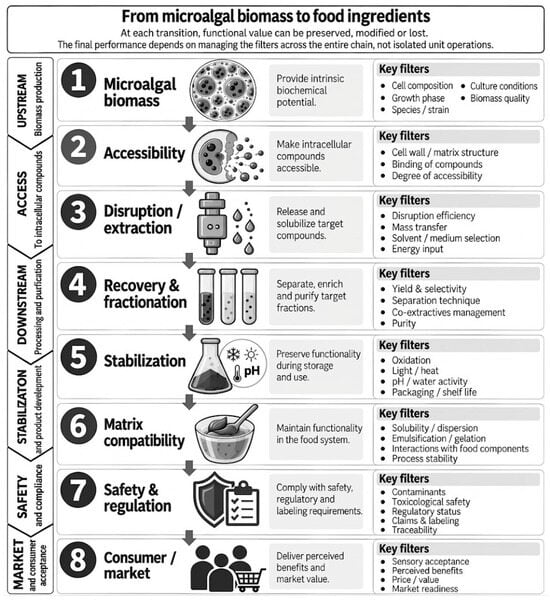
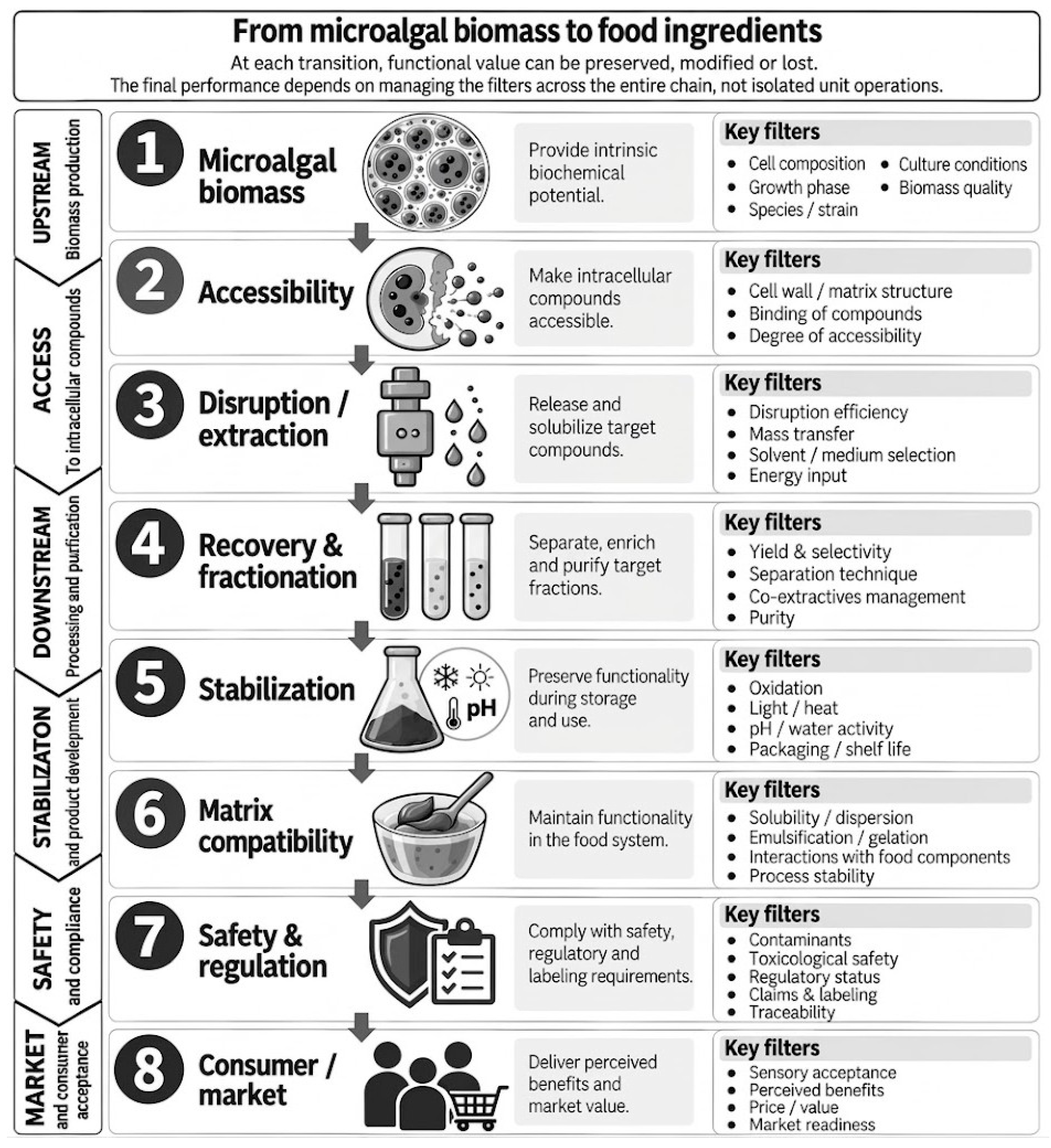
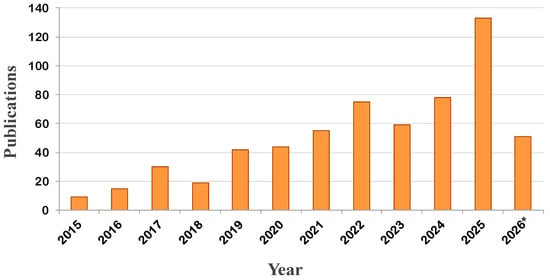
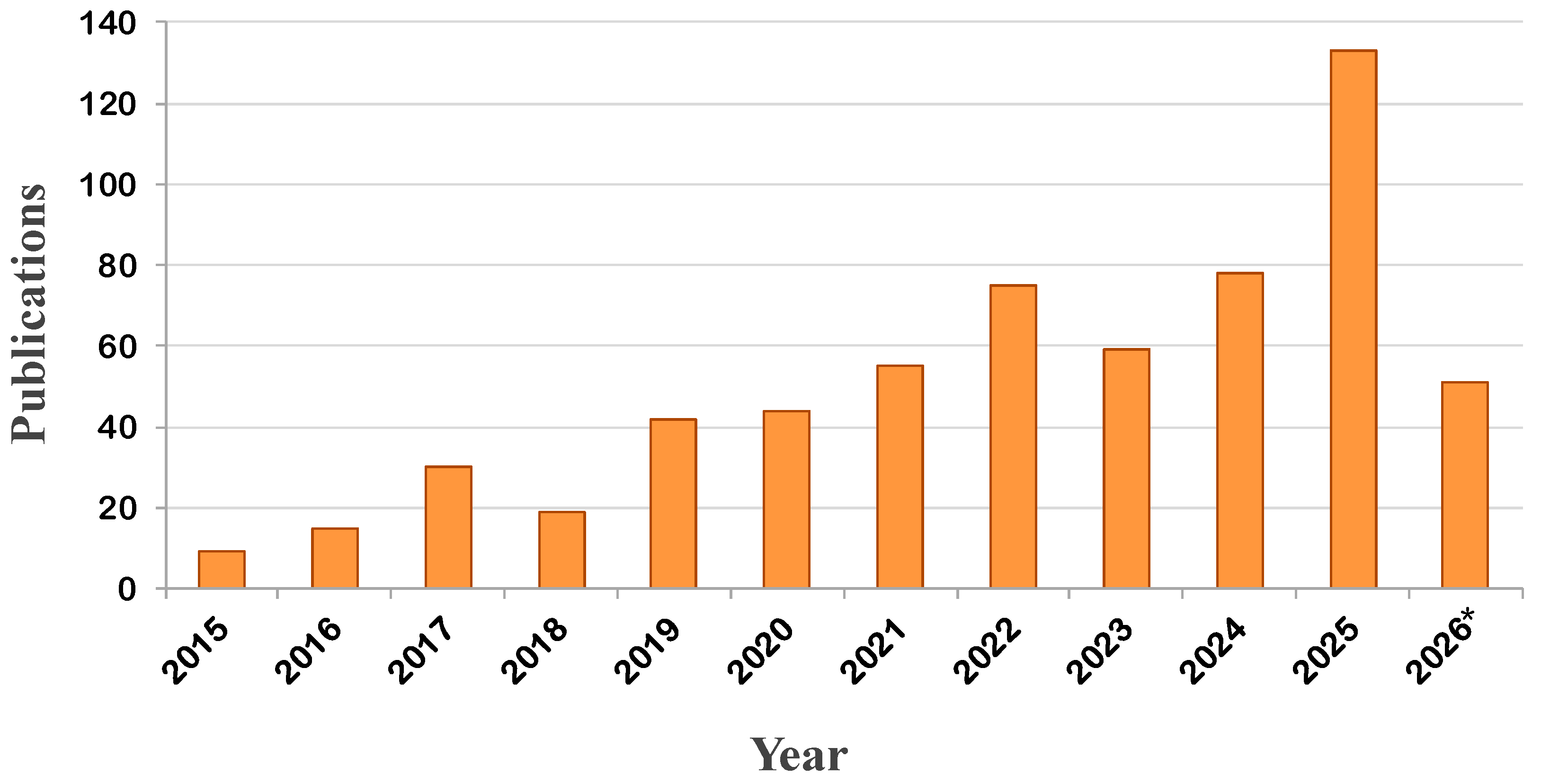
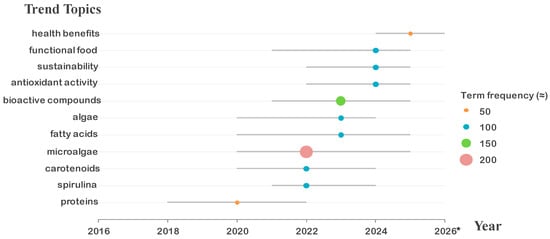
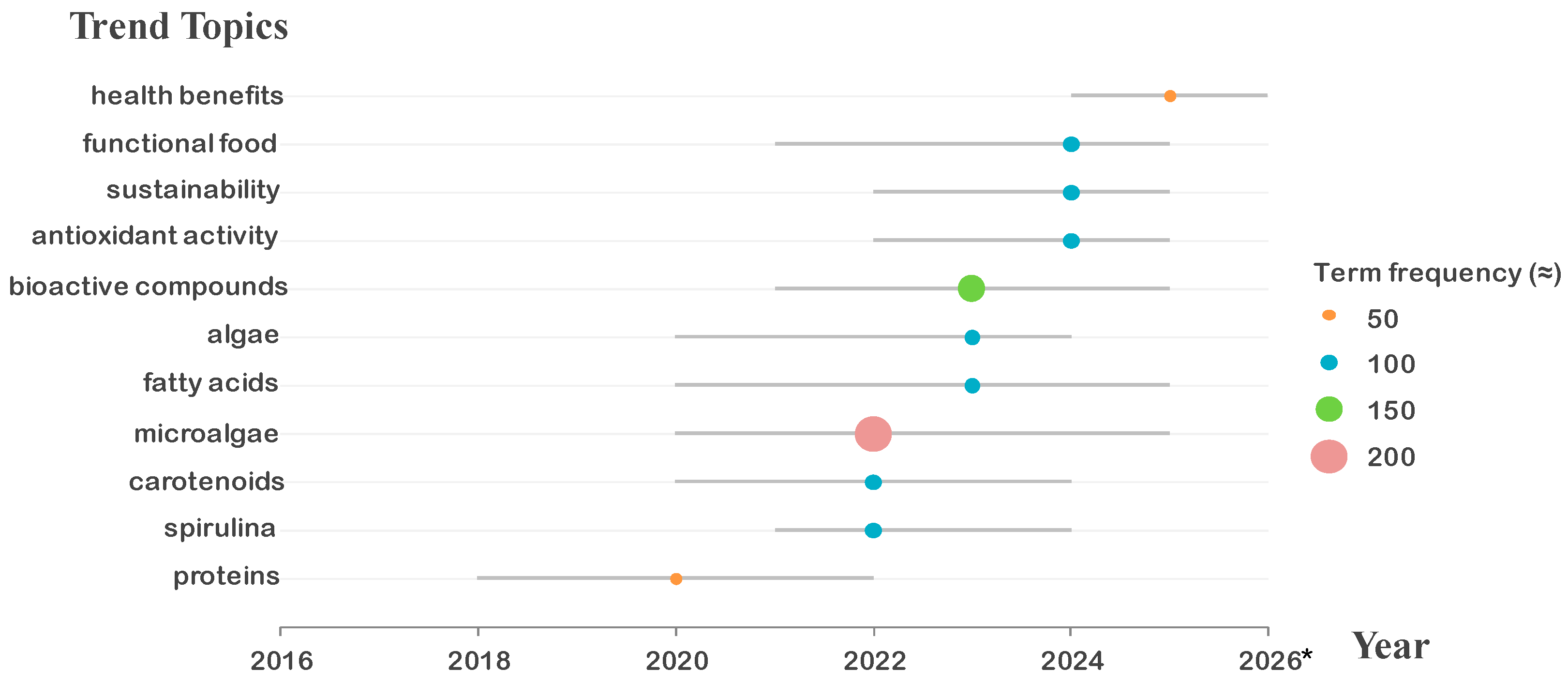
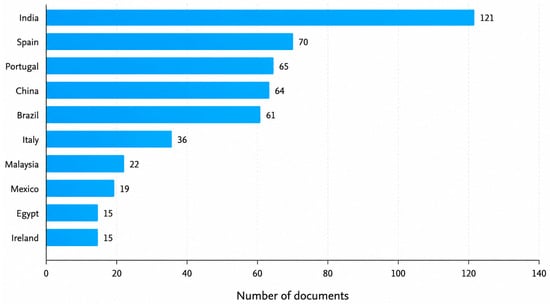
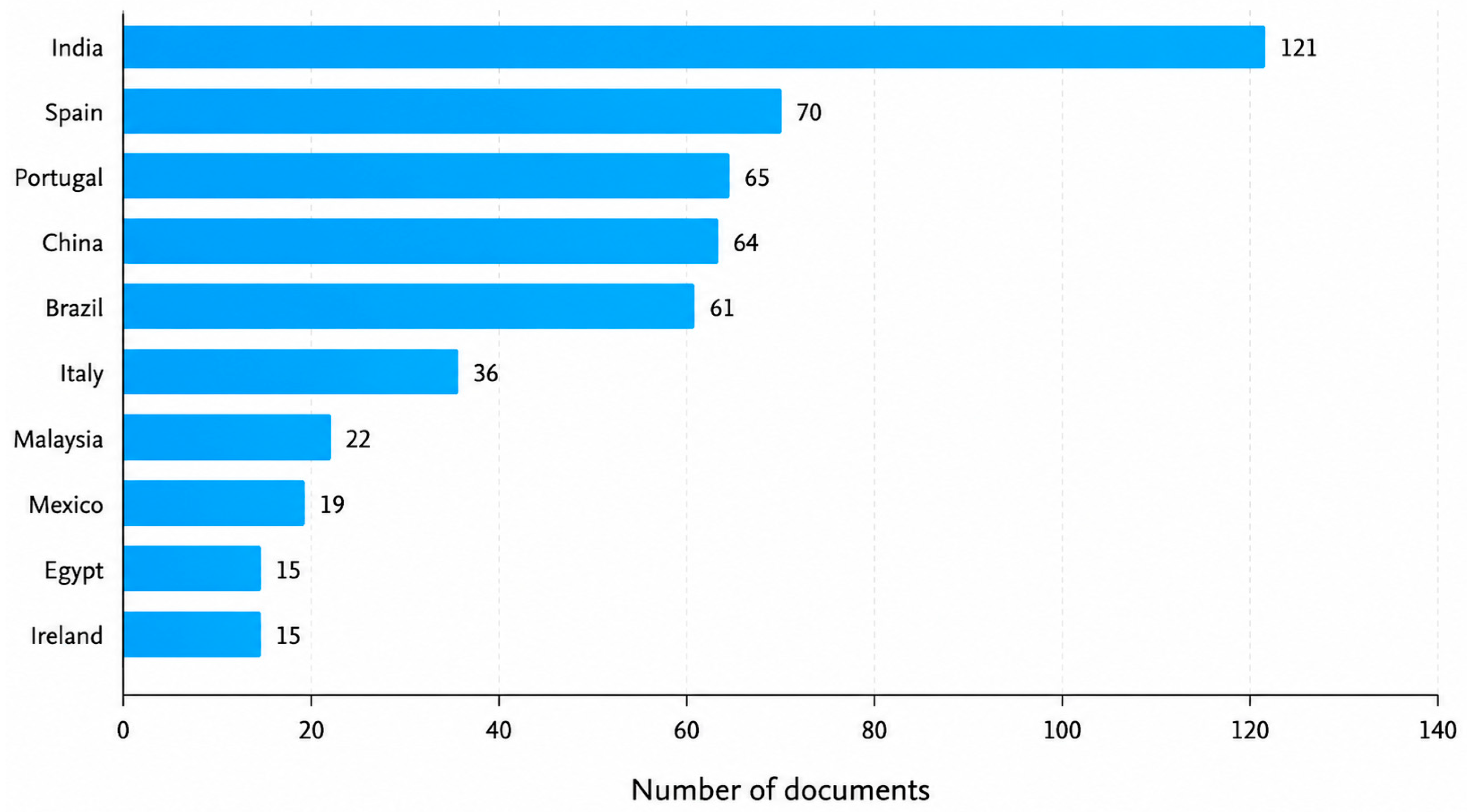
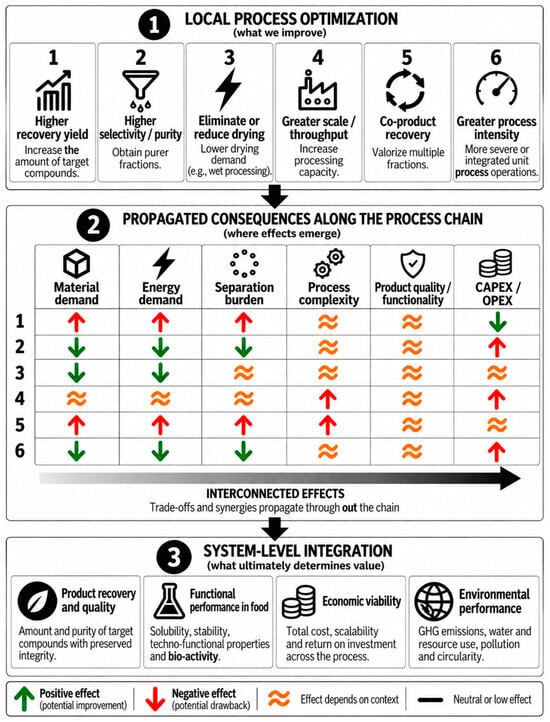
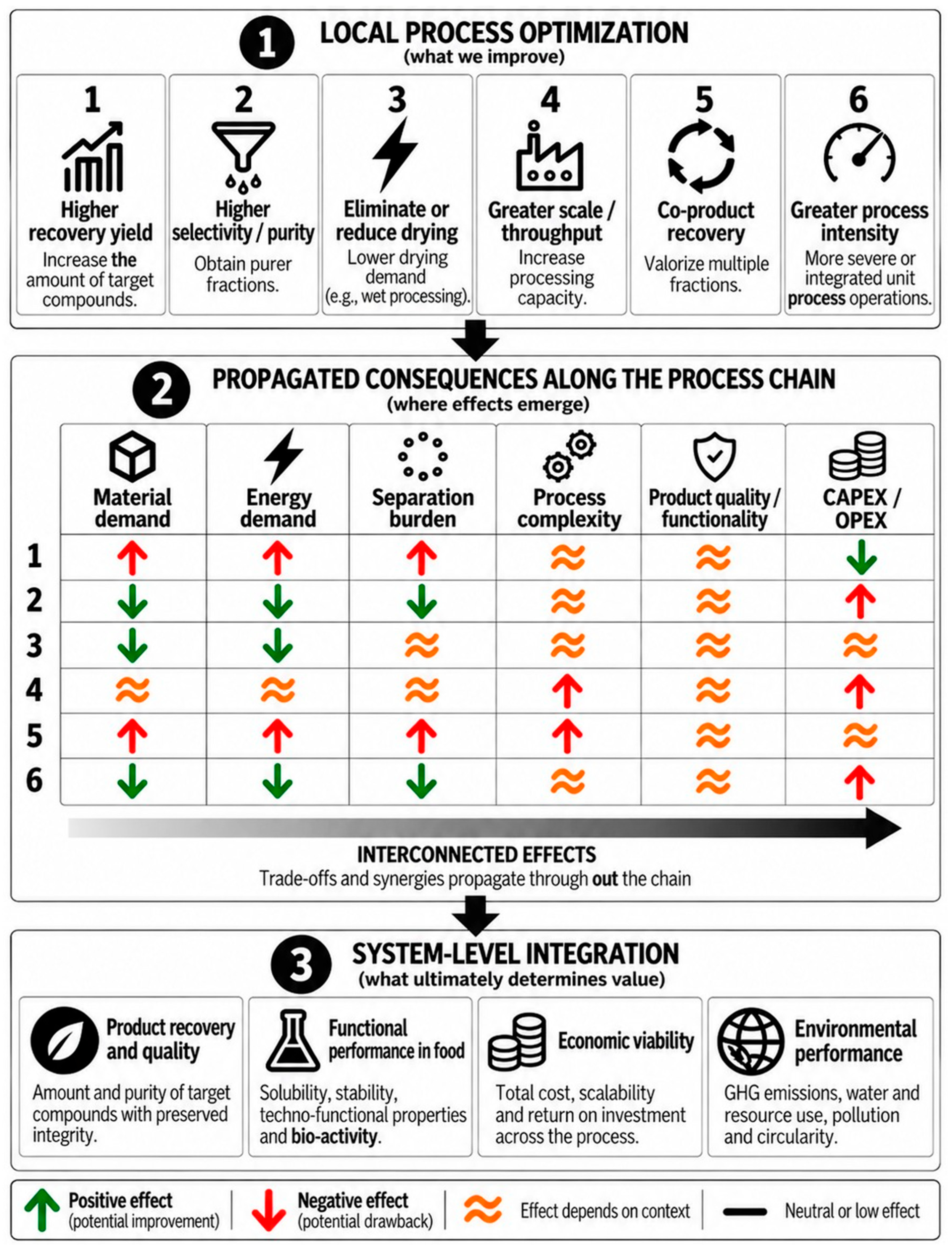
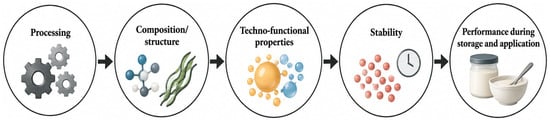
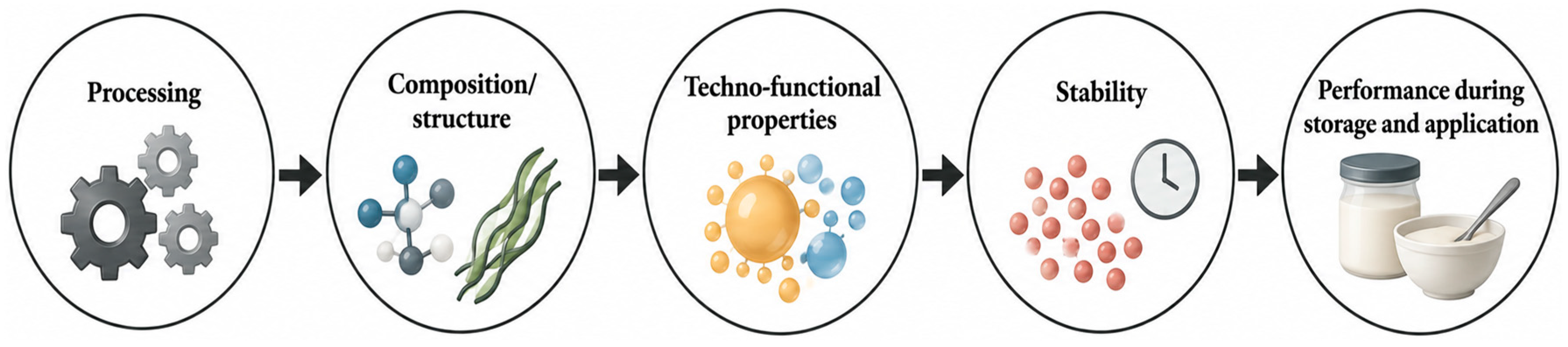

Disclaimer/Publisher’s Note: The statements, opinions and data contained in all publications are solely those of the individual author(s) and contributor(s) and not of MDPI and/or the editor(s). MDPI and/or the editor(s) disclaim responsibility for any injury to people or property resulting from any ideas, methods, instructions or products referred to in the content. |
© 2026 by the authors. Licensee MDPI, Basel, Switzerland. This article is an open access article distributed under the terms and conditions of the Creative Commons Attribution (CC BY) license.