


Abstract
Citric acid can modify thermoplastic starch (TPS) through competing mechanisms involving intermolecular interactions, acid-catalyzed hydrolysis, and esterification. However, the products formed and their effects on TPS properties depend on the conditions under which citric acid is incorporated. This work aimed to investigate how the sequence of citric acid and glycerol incorporation affects the molecular transformations and structure–property relationships of cassava starch-based materials. Two pretreatment routes with different citric acid concentrations were compared. In Route 1, citric acid was incorporated directly into cassava starch before adding glycerol, whereas in Route 2, citric acid was thermally pretreated with glycerol before adding it to the starch. The resulting materials were subsequently processed by extrusion and compression molding. FTIR spectra showed carbonyl bands at approximately 1722–1728 cm−1 in citric-acid-containing materials, supporting the formation of ester-containing species. Route 1 showed more pronounced changes in the apparent molecular-weight distribution in the presence of citric acid, including low-molecular-weight fractions consistent with acid-catalyzed starch chain cleavage. These changes were accompanied by distinct intermediate thermal degradation events and increasing susceptibility to water-induced structural damage at higher citric acid concentrations. In contrast, Route 2 preserved the apparent molecular-weight distribution more effectively and produced materials with substantially greater elongation at break. Citric-acid-containing materials prepared by this route also exhibited greater dimensional stability during water immersion, despite their lower stiffness. Overall, the results demonstrate that the sequence of citric acid and glycerol incorporation directs distinct chemical and molecular transformations during processing, providing a practical strategy for tailoring the mechanical and water-response properties of TPS.
1. Introduction
The continued accumulation of plastic waste has intensified the search for materials derived from renewable resources and capable of reducing dependence on conventional fossil-based polymers [1,2]. The development of environmentally friendly polymeric materials has therefore become increasingly important. In this context, developing biodegradable materials based on natural polymers offers an opportunity to improve processability, chemical resistance, and mechanical properties while maintaining their environmental and economic advantages [3,4].
Among biodegradable materials, natural polymers such as starch stand out because they are abundant, low-cost, and renewable. However, native starch has inherent limitations, including poor processability, high hydrophilicity, low mechanical strength, and thermal instability, that hinder its direct use as a substitute for conventional plastics. To overcome these drawbacks, researchers commonly modify starch through physical and chemical approaches, such as plasticization, hydrolysis, functionalization, and crosslinking, to tailor its structure and properties [5,6,7]. Converting native starch into thermoplastic starch generally requires disrupting its granular and semicrystalline structure under heat and shear, in the presence of plasticizers, most commonly water and glycerol [8]. Other additives can also serve as plasticizers, provided they can interact with and position themselves between polymer chains, reducing intermolecular interactions [9,10]. Nevertheless, TPS materials often show high sensitivity to moisture and retrogradation, along with limited mechanical performance. In this context, researchers have explored incorporating multifunctional reagents, such as organic acids, to further modify starch-based systems [11].
Beyond acting as a plasticizer, glycerol may react with multifunctional organic acids under suitable thermal conditions. Previous investigations, including studies by this research group, suggest that glycerol and citric acid may form ester-containing species before or during thermomechanical processing [9]. Under more severe thermal pretreatment conditions, esterification between glycerol’s hydroxyl groups and citric acid’s carboxyl groups may also yield glycerol–citrate species or oligomeric structures [12]. These products may differ from the original reagents in polarity, molecular size, and the availability of hydroxyl and carboxyl groups, thereby affecting their distribution within the starch matrix and their ability to promote plasticization, acid-catalyzed hydrolysis, or further esterification. Consequently, pretreating glycerol with citric acid may create a chemical environment distinct from that obtained when citric acid is placed in direct contact with starch before plasticization.
Citric acid is a low-cost, non-toxic, and multifunctional reagent that has gained considerable attention in the starch modification [13]. Depending on composition, moisture content, temperature, residence time, and processing history, citric acid may act as a plasticizing or hydrolyzing agent and may also participate in esterification reactions involving starch hydroxyl groups [14]. However, the literature reports inconsistent, sometimes contradictory, results on its effect on starch-based materials. While some studies associate citric acid with increased mechanical strength and thermal stability due to crosslinking, others report that plasticization or chain degradation dominates, reducing mechanical performance [15,16,17,18]. These discrepancies suggest that the role of citric acid in starch modification depends heavily on processing conditions and reaction pathways. Therefore, the material’s final properties likely depend on the relative contributions of acid-catalyzed hydrolysis, glycerol–citrate and starch–citrate esterification, physical interactions, plasticization, and possible thermal degradation [19]. Despite this, the influence of processing variables on the dominant reaction mechanism remains poorly understood.
Among these variables, the incorporation route of modifying agents, especially the order of addition of citric acid and plasticizers such as glycerol, has been scarcely explored [20]. This parameter may significantly affect reaction extent, intermediate formation, and polymer-chain organization, ultimately controlling whether the system behaves predominantly as a plasticized, degraded, or partially crosslinked material [21]. Therefore, systematically investigating how the incorporation route influences the interaction mechanisms among starch, citric acid, and glycerol is essential for establishing structure–property relationships and rationally designing starch-based materials with tailored properties [22].
In this context, the present study compares two routes for incorporating citric acid–glycerol prior to cassava starch extrusion. In the first route, starch was mixed directly with citric acid before glycerol was added, whereas in the second route, citric acid and glycerol were thermally mixed before being incorporated into starch. The materials and their intermediates were characterized by Fourier-transform infrared spectroscopy (FTIR), gel permeation chromatography (GPC), thermogravimetric analysis (TGA), tensile testing, water-induced swelling, contact-angle measurements, and iodine-binding analysis. These complementary techniques evaluated changes in chemical structure, apparent molecular-weight distribution, thermal and mechanical behavior, surface wettability, and water-induced dimensional stability. The main objective was to determine how the sequence of citric acid and glycerol incorporation influences the molecular transformations occurring during processing and, consequently, the structure–property relationships of the resulting thermoplastic starch materials.
2. Materials and Methods
2.1. Materials
Commercial cassava starch (Pachá, Minas Gerais, Brazil; 2022 production batch) was used as the polymeric matrix. The starch had an ash content below 0.20 wt% and an amylose-to-amylopectin ratio of approximately 26:74, as determined experimentally using the procedure described in Section 2.4. Analytical-grade glycerol (purity ≥ 99.7%) was purchased from Anidrol (Diadema, Brazil). Anhydrous citric acid (purity ≥ 99.5%) and dimethyl sulfoxide (DMSO; purity ≥ 99.5%) were purchased from Neon (Suzano, Brazil). Ethanol (96% v/v) was obtained from Dinâmica (Indaiatuba, Brazil), iodine (purity 99.8%) from Êxodo Científica (Sumaré, Brazil), and potassium iodide from Biograde (Anápolis, Brazil). Sodium hydroxide (NaOH, 100% purity) and Ammonium sulfate (analytical grade) were purchased from Labsynth (Belo Horizonte, Brazil). Acetic acid (100% purity) and Polyethylene glycol (PEG) standards (molecular weights—Mw = 400; 2000; 6000; 12,000; and 40,000 g mol−1) were purchased from Sigma-Aldrich (St. Louis, MO, USA).
2.2. Methods
Two preparation routes were employed to obtain modified thermoplastic starch while maintaining the same nominal composition at each citric acid content (Figure 1). Fixed parameters included adding 30 wt% glycerol relative to the total mass of starch and citric acid concentrations of 0, 3, and 10 wt% relative to the total mass of starch–glycerol. The final materials produced by Route 1 were designated ATPM1-00, ATPM1-03, and ATPM1-10, whereas those produced by Route 2 were designated ATPM2-00, ATPM2-03, and ATPM2-10, where ATP denotes thermoplastic starch, M1 and M2 indicate Route 1 and Route 2, respectively, and the final two digits represent the nominal citric acid concentration (0, 3, or 10 wt%).
Figure 1.
Schematic representation of the preparation routes used to produce citric acid/glycerol-modified thermoplastic starch.
The citric acid concentrations were selected based on previous work evaluating citric acid modification of cassava starch through reactive extrusion [14]. In that study, citric acid concentrations ranging from 0.5 to 5 wt% were investigated, with 3 wt% showing particularly relevant changes in the mechanical properties of the resulting materials. Accordingly, 0 wt% was used as the control in the present study, 3 wt% was selected as a representative concentration within the previously investigated range, and 10 wt% was included to extend the range and evaluate the material response at a substantially higher citric acid content.
In Route 1 (ATPM1), cassava starch and anhydrous citric acid were first manually premixed in polyethylene containers before extrusion, then heated in a forced-air oven at 120 °C for 1 h. The intermediate materials were identified as AA (acid + starch). Glycerol was then added to each formulation, followed by manual homogenization and a second thermal treatment at 100 °C for 1 h, generating materials designated as AAG (acid + starch + glycerol). In Route 2 (ATPM2), citric acid and glycerol were heated together at 180 °C for 2 h without stirring, then cooled in the switched-off oven for 1 h, yielding intermediate materials identified as GA (glycerol + acid). Each GA intermediate was then combined with cassava starch dried at 100 °C for 1 h while the starch was still hot. The components were manually homogenized without a controlled mixing speed or predefined duration until a homogeneous, non-sticky mixture formed. The resulting material was designated as GAA (glycerol + acid + starch). The intermediate materials from both routes were produced using a single-screw extruder (PolyLab QC, Thermo Fisher Scientific, Eindhoven, Netherlands) equipped with a Rheomex 19/25 QC screw (19 mm internal diameter, L/D = 25) and a heated die for filament production. Extrusion was performed in two consecutive cycles: first at 10 rpm, then at 30 rpm. The temperature profile (95/125/120/115 °C) was selected to promote progressive heating and starch plasticization throughout extrusion. The lower feeding-zone temperature was intended to facilitate initial material transport and prevent premature softening or agglomeration near the feed inlet. The subsequent increase to 125 °C was designed to provide sufficient thermal energy to disrupt starch granules and plasticize the material under the combined effects of temperature, moisture, and mechanical shear. The slight decrease in the downstream zones was intended to maintain suitable processing conditions while limiting excessive thermal exposure and potential thermomechanical degradation of the starch chains. The extruder also had an integrated temperature control system that enabled real-time monitoring of individual heating zones during processing. The extruder also had an integrated temperature control system that allowed continuous monitoring of the actual barrel temperatures. The recorded values showed deviations of no more than ±2 °C from the respective setpoints, confirming that the specified temperatures were achieved and maintained within this range during extrusion.
After exiting the extruder die, the extruded filaments cooled naturally to room temperature before being cut into pellets for subsequent processing. The extruded filaments were pelletized using a GRAN.100.AX pelletizer (AX-Plásticos, Diadema, Brazil). The resulting pellets were evenly distributed in a rectangular mold (150 × 100 × 1 mm) and compression-molded at 115 °C using an SL11 heated hydraulic press (Solab, Piracicaba, Brazil). The material was first maintained between the heated plates without applied force for 1 min. A nominal load of 1 metric ton-force (approximately 9.8 kN) was then applied for 1 min, followed by pressure release for degassing. This procedure was repeated using nominal loads of 2 metric tons-force (approximately 19.6 kN) and 3 metric tons-force (approximately 29.4 kN), with a degassing step after each 1 min loading period. Finally, the load was maintained at 3 metric tons-force for 5 min. The load was then completely released, the press heaters were switched off, and the mold was allowed to cool inside the press for 45 min without applied force. The mold was then placed on a granite bench at room temperature for 5 min before removing the compression-molded sheets.
The compression molding temperature of 115 °C was selected to promote consolidation of the previously plasticized starch into films under applied pressure while limiting additional thermal exposure and potential thermally induced changes in the material [23]. After processing, the films were stored at room temperature for 30 days. Subsequently, the films were reheated in an oven at 100 °C for 1 h, and their appearance was visually evaluated to assess changes associated with storage and reheating.
2.3. Characterization Methods
Materials were characterized using Fourier transform infrared spectroscopy (FTIR) with an IR Prestige-21 (Shimadzu, Kyoto, Japan) equipped with an attenuated total reflectance (ATR) accessory. The following conditions were used: 64 scans, with a spectral range of 4000–400 cm−1.
Polymer swelling was evaluated by immersing a single filament from each sample in water at approximately 25 °C for 30 and 60 min. Before testing, both the filament and the container were dried in an oven at 100 °C for 60 min and weighed using an analytical balance. The filament was photographed with a HiView Scam DIGI-Microscope (Keyence Brazil, São Paulo, Brazil) before contact with water. At the end of the test, the sample was carefully removed from the beaker, dried on the surface, and weighed again. The contact angle was measured to assess interactions between the material surfaces and water. For this purpose, the sample films were placed on a flat surface, and a 10 μL drop of distilled water was carefully applied to each material. The test was documented with photographs taken using the same digital microscope as used for the swelling test.
Thermogravimetric analysis (TGA) was performed using a DTG-60H (Shimadzu, Kyoto, Japan) under a nitrogen atmosphere, with a flow rate of 50 mL·min−1, a temperature range of 25–900 °C, and a heating rate of 10 °C·min−1.
Mechanical tensile tests were performed using an Instron EMIC 23-20 universal testing machine (Instron Corporation, Norwood, MA, USA). The tests were performed at 25 °C in an appropriately air-conditioned environment, following standard procedures. A 0.5 kN load cell with a deformation rate of 50.00 mm·min−1 was used.
2.4. Determination of Amylose and Amylopectin Content
The amylose-to-amylopectin ratio (Am:Ap) was determined by UV–visible spectroscopy using a UV–visible spectrophotometer (UV-M51; Bel Equipamentos Analíticos, Piracicaba, Brazil) via a colorimetric method based on iodine complexation, following the procedure described by Wuttisela et al. (2008) [24]. Standard mixtures for calibration were prepared from commercial starches with known amylose contents: Hylon VII (70% amylose, 30% amylopectin) and Waxy starch (1% amylose, 99% amylopectin), in the following proportions: 5Am:95Ap, 10Am:90Ap, 15Am:85Ap, 25Am:75Ap, 35Am:65Ap, and 40Am:60Ap. To prepare solutions, 0.10 g of each standard mixture or sample was dispersed in 1.00 mL of ethanol (95% v/v) and 9.00 mL of sodium hydroxide solution (2.00 mol·L−1), then heated under magnetic stirring at 95 °C until fully dissolved. The resulting solution was transferred to a 100.00 mL volumetric flask and diluted with deionized water. A 5.00 mL aliquot was then transferred to another 100.00 mL volumetric flask, followed by the addition of 2.00 mL of acetic acid solution (1.00 mol·L−1) and 2.00 mL of iodine reagent prepared by dissolving iodine and potassium iodide in deionized water (0.20 g iodine per 2.00 g potassium iodide in 100 mL). Adjust the final volume to 100 mL with deionized water. The absorption spectrum was scanned from 400 to 800 nm to determine the wavelength of maximum absorption (λmax), which was found at 610 nm.
2.5. Gel Permeation Chromatography Analysis
Gel permeation chromatography (GPC) analysis was performed following a procedure adapted from Akman et al. (2020) [25], with modifications to the sample preparation and chromatographic conditions, as described below. The analyses were performed after dissolving 500 mg of each sample in 15 mL of DMSO. The mixtures were maintained in a water bath (90 °C) for 60 min to promote dissolution, followed by a resting period of 24 h at room temperature. Subsequently, 1.5 mL aliquots of each solution were diluted to a final volume of 23.5 mL with ultrapure water, yielding solutions at a concentration of 2 mg·mL−1. Before analysis, the solutions were filtered through 0.45 μm nylon syringe filters and injected into the chromatographic system for molecular weight determination.
Chromatographic analysis was performed using an LC-2030 Plus (Shimadzu, Kyoto, Japan) equipped with a quaternary pump, degasser, automated autosampler, and thermostatic column compartment. The separation of the analytes was achieved on a PolySep-GFC-P3000 (300 × 7.8 mm) with a Guard Column, PolySep-GFC-P (35 × 7.8 mm). The mobile phase consisted of water in isocratic elution with a flow rate of 0.8 mL·min−1. The column and autosampler temperatures were maintained at 30 °C, with an injection volume of 40 μL and an analysis time of 25 min. The refractive index detector (RID) was maintained at 40 °C throughout the analysis. The apparent molecular weight of the samples was estimated from a calibration curve constructed using PEG standards; therefore, all molecular weight values reported correspond to PEG-equivalent molecular weights.
2.6. Statistical Analysis and Data Processing
Statistical analyses were performed using Microsoft Excel 2021 (Microsoft Corporation, Redmond, WA, USA). Swelling measurements were performed in triplicate (n = 3), whereas mechanical properties, including tensile strength, Young’s modulus, and elongation at break, were determined from five independent measurements for each formulation (n = 5). Results are expressed as mean ± standard deviation (SD), and error bars in the graphical representations represent the SD. One-way analysis of variance (ANOVA) was used to analyze differences among citric acid concentrations within each processing route. Comparisons between Routes 1 and 2 at the same citric acid concentration, as well as comparisons between swelling times (30 and 60 min), were performed using two-sample t-tests. Statistical significance was established at p < 0.05. Graphs were generated using OriginPro 2021 (OriginLab Corporation, Northampton, MA, USA).
3. Results and Discussion
3.1. Effects of Preparation Route on Macroscopic and Optical Characteristics
Citric acid may affect starch-based materials through different and potentially competing mechanisms. Its hydroxyl and carboxyl groups can form intermolecular interactions with starch and glycerol, while its acidity may catalyze hydrolysis of glycosidic bonds in the presence of water [26,27,28]. Citric acid may also participate in esterification reactions involving hydroxyl groups from starch or glycerol. The relative contribution of these processes depends on factors such as reagent distribution, moisture content, temperature, treatment time, and thermomechanical history. Consequently, the two preparation routes investigated in this study may yield chemically and structurally distinct intermediates before extrusion.
The macroscopic appearance of the resulting filaments, pellets, and compression-molded specimens is shown in Figure 2. Qualitative macroscopic examination revealed differences in filament diameter, coloration, apparent translucency, and flexibility among the formulations, depending on citric acid concentration and preparation route. Factors influence filament diameter after extrusion, including melt viscosity, mass flow rate, drawing at the die exit, and elastic recovery. Acid-catalyzed chain cleavage and changes in the lubricating or plasticizing effect of the low-molecular-weight components may have influenced the material’s flow behavior [28,29].
Figure 2.
Photographs of the filaments, pellets, and compression-molded specimens prepared using the two additive incorporation routes at different citric acid concentrations.
Incorporating citric acid caused visible changes in the materials’ coloration, which appeared to vary with the preparation route and acid concentration. In Route 2, glycerol and citric acid were heated together at 180 °C before starch incorporation, conditions under which esterification, dehydration, and thermal transformation reactions may occur. The yellowish appearance in some Route 2 samples may be due to products formed during this thermal treatment. However, the chemical species responsible for the coloration were not identified, and the observed color differences were not quantitatively evaluated.
Additional changes in the materials’ macroscopic appearance were visually observed after 30 days of storage. Subsequent reheating at 100 °C for 1 h partially restored their initial appearance. These observations suggest that storage and thermal history may influence the materials’ visual characteristics. However, visual inspection alone could not establish the underlying mechanisms.
The apparent amylose contents determined by iodine complexation are presented in Table 1. The response for untreated cassava starch exceeded the upper limit of the calibration range (>40%); therefore, its amylose content could not be quantified accurately. After oven treatment, the sample without citric acid (AA-00) showed an apparent amylose content of 22.6%, consistent with the range commonly reported for cassava starch [24,30,31,32]. The difference in iodine response indicates that thermal treatment altered the starch chains’ ability to form the colored iodine complex. Changes in chain conformation, molecular organization, accessibility, or effective chain length may influence this response. Because the untreated starch response was outside the calibrated range, however, the magnitude of the difference between untreated starch and AA-00 cannot be quantitatively established. Accordingly, the results are discussed as apparent amylose contents derived from iodine-binding response rather than as absolute measurements of the amylose fraction.
Table 1.
Amylose and Amylopectin content of intermediate and final materials obtained from both processing methodologies at different citric acid concentrations.
Statistical analysis showed that citric acid concentration significantly influenced apparent amylose content at all evaluated processing stages in both routes (Table S1, Supplementary Materials). Significant differences were observed for the AA, AAG, filament, and film samples obtained through Route 1, as well as for the GAA, filament, and film samples produced through Route 2 (p < 0.01). These findings indicate that the iodine-binding response was sensitive to citric acid concentration across processing stages, although the magnitude and direction of these changes depended on the processing route and material preparation stage.
For Route 1, oven-treated starch without citric acid (AA-00) showed an apparent amylose content of 21.78% ± 0.40%, whereas AA-03 and AA-10 showed 10.28 ± 0.12% and 19.76 ± 0.31%, respectively. These results indicate that citric acid affected the iodine-binding response, although no monotonic relationship with citric acid concentration was observed. Under acidic conditions, hydrolysis of glycosidic bonds may reduce the effective length of linear chain segments available for iodine complexation. Acid hydrolysis may also affect amorphous regions containing both amylose and amylopectin chains, generating shorter segments with different iodine-binding capacities. Therefore, the observed changes in the apparent amylose content may reflect the combined effects of acid-catalyzed hydrolysis on amylose and amylopectin chain segments and the resulting changes in their iodine-binding capacity.
Following glycerol incorporation, the AAG intermediates exhibited apparent amylose contents of 18.15 ± 0.16%, 19.07 ± 0.20%, and 12.65 ± 1.02% for AAG-00, AAG-03, and AAG-10, respectively. The differences observed relative to the corresponding AA intermediates indicate that glycerol incorporation also affected the iodine-binding response, although the direction and magnitude of these changes depended on the citric acid concentration. These variations may reflect changes in starch chain conformation, solubilization, accessibility, and iodine-binding capacity induced by glycerol incorporation.
After extrusion, the apparent amylose contents of the Route 1 samples ranged from 14.58 ± 0.08% to 17.43 ± 1.19% for the filaments and from 10.86 ± 0.54% to 14.92 ± 0.11% for the compression-molded films. The changes in iodine response observed during extrusion and molding suggest that these processing steps altered the molecular organization and iodine-binding behavior of the starch chains. Thermomechanical processing disrupts the residual granular structure and modifies chain organization, potentially changing the availability and effective length of linear segments capable of complexing with iodine. These variations should therefore be interpreted as changes in iodine-binding response rather than as restoration or formation of amylose during processing.
For Route 2, the GAA intermediates showed apparent amylose contents of 19.50 ± 0.30%, 16.89 ± 0.10%, and 15.77 ± 0.15% for GAA-00, GAA-03, and GAA-10, respectively. Thus, the iodine-binding response decreased as citric acid concentration increased at this processing stage. As discussed for Route 1, these values should not be interpreted solely in terms of changes in the absolute amylose fraction, since the iodine response can also be affected by changes in chain conformation and accessibility resulting from the presence of glycerol, citric acid, and the thermal treatment.
After extrusion, the apparent amylose contents of the Route 2 filaments were 16.62 ± 0.14%, 16.11 ± 0.12%, and 14.90 ± 0.13% for ATPM2-00, ATPM2-03, and ATPM2-10, respectively. After compression molding, the corresponding values were 23.71 ± 0.04%, 34.52 ± 0.23%, and 27.20 ± 0.46%. These results indicate that the iodine-binding response changed during successive processing steps and that the magnitude of these changes depended on citric acid concentration. A comparison of the two methodologies indicates that the sequence of citric acid and glycerol incorporation influenced iodine-binding behavior throughout the process. In particular, the compression-molded materials obtained by Route 2 exhibited higher apparent amylose contents than the corresponding Route 1 materials. These differences indicate that the two processing routes induced distinct changes in starch chain organization and iodine accessibility. However, some route- and composition-dependent variations remained, indicating that the pre-extrusion preparation history continued to influence the molecular organization of the final materials.
3.2. Characterization of Materials
Figure S1 (Supplementary Materials) presents the spectra of the precursor materials. The main bands for starch are: (i) a broad and intense band in the region of 3670 to 3000 cm−1, attributed to the stretching vibrations of hydroxyl groups; (ii) a band at approximately 1650 cm−1, mainly associated with the H–O–H bending vibration of water molecules absorbed and bound within the starch structure; (iii) coupled bands in the region of 1600 to 1200 cm−1, corresponding to the angular deformation vibrations of O–H and C–H groups; (iv) bands in the region of 1200 to 945 cm−1, related to the stretching vibrations of C–OH and C–O–C bonds. This region shows coupled bands associated with glycosidic linkages in amorphous regions (around 1050 cm−1), crystalline regions (around 1020 cm−1), and the C–O–C group in the ring (around 995 cm−1) [33].
The spectrum of citric acid showed the following main bands: (if) a broad and intense band in the region of 3550 to 2400 cm−1, attributed to the stretching vibrations of hydroxyl groups in carboxylic acids; (ii) a strong band at 1690 cm−1, corresponding to the stretching vibration of C=O in the acid group; (iii) coupled bands in the region of 1450 to 1250 cm−1, related to stretching vibration of C=O in the acid group; and (iv) a band of medium intensity at 1140 cm−1, attributed to the stretching vibrations of the C–O bond [34].
The material spectra obtained by Route 1 are presented in Figure 3a–c and were analyzed as a function of processing conditions and citric acid content. In the 1800–1550 cm−1 region, a carbonyl band centered at approximately 1720 cm−1 was observed in some citric acid-containing samples. This band may be associated with ester-containing species formed through reactions of citric acid with hydroxyl groups from starch and/or glycerol. Nevertheless, residual carboxylic acid groups and differences in their hydrogen-bonding environment may also influence the band’s position and intensity. Shi et al. (2007) [35] reported a band near 1729 cm−1 in thermoplastic starch plasticized with glycerol and citric acid, which they assigned to ester carbonyl groups. In the present system, however, esterification reactions involving glycerol must also be considered. The 1200–950 cm−1 region contains overlapping bands, primarily assigned to C–O and C–O–C stretching vibrations and to glycosidic bonds. Changes in the relative intensities and profiles of these bands may reflect variations in starch’s short-range molecular organization, although contributions from citric-acid- and glycerol-derived species cannot be excluded. Band deconvolution was therefore performed in these spectral regions to further investigate the structural changes associated with processing and the incorporation of citric acid.
Figure 3.
FTIR-ATR spectra of starch-based materials obtained at different processing stages using Methodology 1 (a–c) and Methodology 2 (d–f), with citric acid concentrations of 0% (a,d), 3% (b,e), and 10% (c,f). The spectra correspond to the initial mixtures, intermediate materials after thermal treatment, extruded filaments, and compression-molded films.
The 1047/1022 cm−1 intensity ratio, commonly used as an FTIR indicator of short-range molecular order in starch, was evaluated to monitor changes in this spectral region during processing. Untreated starch exhibited a ratio of approximately 0.22, which increased to 0.65 after oven treatment of the formulation without citric acid (AA-00) and further increased to 1.40 after glycerol incorporation and thermal treatment (AAG-00). Although this increase is generally associated with a greater contribution of ordered starch structures relative to amorphous domains, interpreting it in the present system requires caution. Glycerol incorporation alters both starch molecular interactions and the spectral contribution of the components in this region, and glycerol itself contributes to C–O stretching vibrations in this spectral region. Therefore, the increase observed from AA-00 to AAG-00 cannot be unequivocally attributed to increased short-range molecular order in starch; more conservatively, it indicates that glycerol incorporation and thermal treatment substantially modified the spectral profile in this region. The AAG intermediates exhibited similar ratios regardless of citric acid content (1.40, 1.46, and 1.39 for AAG-00, AAG-03, and AAG-10, respectively), indicating no systematic relationship between citric acid concentration and this index. However, after extrusion and compression molding, the ratio decreased for all Route 1 formulations. Thus, thermomechanical processing, rather than citric acid concentration, drove the most consistent trend. Because glycerol, citric acid, and their reaction products may contribute to C–O-containing bands in the 1200–950 cm−1 region, changes in the 1047/1022 cm−1 ratio in these multicomponent materials should not be interpreted as a quantitative measure of starch molecular order.
Before evaluating the starch-containing materials prepared by Route 2, the thermally treated glycerol–citric acid intermediates were compared with the individual precursors. GA-03 and GA-10 exhibited a band centered at approximately 1728 cm−1, whereas no band at this position was observed in the spectra of the individual components. Citric acid instead exhibited its characteristic carboxylic-acid carbonyl band at 1690 cm−1. The shift to higher wavenumbers supports the formation of ester-containing species during thermal treatment of glycerol and citric acid before starch incorporation. Halpern et al. (2014) [12] similarly reported condensation products from glycerol and citric acid, characterized by the replacement of the citric acid carbonyl absorption near 1694 cm−1 with ester-related bands at approximately 1724 and 1176 cm−1. The GA spectra therefore support the presence of glycerol–citrate species in the intermediates used in Route 2.
The spectra of the starch-containing materials obtained by Route 2 are presented in Figure 3d–f. Carbonyl bands centered at approximately 1728 cm−1 were observed in the formulations containing citric acid, whereas no corresponding band was detected in the Route 2 control. Because the GA spectra already provided evidence of ester-containing species, the absorption observed after starch incorporation may include contributions from glycerol–citrate species and ester-containing structures subsequently formed through reactions involving starch hydroxyl groups. Residual carboxylic acid groups and changes in hydrogen bonding may also affect the band’s position and profile.
The 1047/1022 cm−1 ratio was also evaluated for the Route 2 materials. GAA-00 exhibited a ratio of 1.58, whereas GAA-03 and GAA-10 both showed values of 1.43. After extrusion, the ratios decreased to 1.19, 1.16, and 1.14 for ATPM2-00, ATPM2-03, and ATPM2-10, respectively, and decreased further after compression molding to 1.12, 1.05, and 1.04. Compared with Route 1, no systematic relationship emerges between citric acid concentration and the 1047/1022 cm−1 ratio. In contrast, both preparation routes showed a consistent decrease in this ratio after extrusion and compression molding, indicating that thermomechanical processing was the dominant factor affecting the spectral profile of this region. Although this behavior is consistent with a reduction in starch short-range molecular order, the contribution of glycerol, citric acid, and ester-containing species in the same spectral region prevents these changes from being attributed exclusively to starch molecular organization.
Overall, FTIR revealed differences in the spectral evolution of materials produced by the two preparation routes and provided evidence of ester-containing species formed at different processing stages. The GA spectra support the formation of glycerol–citrate species before starch incorporation, demonstrating that the carbonyl absorption observed in the starch-containing materials cannot be attributed exclusively to starch esterification. Accordingly, the carbonyl bands observed at approximately 1720–1728 cm−1 may include contributions from glycerol–citrate species, possible starch–citrate structures, and residual carboxylic acid groups. In parallel, the consistent decrease in the 1047/1022 cm−1 ratio after extrusion and compression molding suggests a shift toward lower short-range molecular order during thermomechanical processing; however, contributions from the modifying agents and their reaction products in this spectral region preclude attributing this trend solely to changes in starch structural organization.
GPC was used to evaluate the molecular-weight distribution of the intermediate and final materials. Molecular-weight estimation was performed using a calibration curve constructed with PEG standards (Figure S2, Supplementary Materials); therefore, the values reported herein correspond to PEG-equivalent molecular weights and should be interpreted as estimates of the apparent molecular-weight distribution. Values above 40,000 g mol−1 and below 400 g·mol−1 fell outside the calibration curve’s quantitative range and are reported as >40,000 and <400 g·mol−1, respectively. Figure S3 (Supplementary Materials) presents the corresponding GPC chromatograms of the precursor mixtures, extruded filaments, and compression-molded films, providing a complementary visualization of the molecular-weight distribution profiles and retention times reported in Table 2.
Table 2.
Retention times (RT) and apparent molecular-weight (Mw) distributions (PEG-equivalent molecular weights) of intermediate and final starch-based materials produced by Routes 1 and 2 at different citric acid concentrations, as determined by GPC.
For the Route 1 control material prepared without citric acid, the apparent molecular-weight distribution changed little throughout processing. AA-00 exhibited fractions with apparent molecular weights of >40,000, 31,416, 12,721, and 2838 g·mol−1. Following glycerol incorporation and thermal treatment, AAG-00 retained high-molecular-weight fractions (>40,000 g·mol−1), while fractions of 14,192 and 2545 g mol−1 were also detected. After extrusion and compression molding, the distribution remained similar, with the intermediate fraction decreasing from 12,721 g·mol−1 in the filament to 11,411 g·mol−1 in the final film, and the lowest detected fraction remaining at approximately 2545 g·mol−1. These results indicate that, in the absence of citric acid, thermomechanical processing caused less pronounced changes in the apparent molecular-weight distribution [36,37].
The presence of 3 wt% citric acid led to substantially greater changes in Route 1. AA-03 initially exhibited fractions with apparent molecular weights of >40,000, 35,380, 17,709, and 2545 g·mol−1. After glycerol incorporation, the chromatographic profile of AAG-03 shifted toward shorter retention times, with three detected fractions above the upper calibration limit (>40,000 g·mol−1) and another fraction at 10,243 g·mol−1. This marked change shows that the molecular distribution changed substantially before extrusion. After extrusion, however, the profile shifted toward longer retention times, and fractions of 6004 and <400 g·mol−1 became detectable in ATPM1-03. A similar distribution was maintained after compression molding. The formation of these low-molecular-weight fractions during thermomechanical processing is consistent with cleavage of starch chains and indicates that the presence of citric acid increased the susceptibility of the material to degradation during Route 1 [38].
Marked changes were also observed at 10 wt% citric acid. AA-10 exhibited fractions of >40,000, 24,881, and 2281 g·mol−1. Following glycerol incorporation and thermal treatment, AAG-10 showed a substantially modified chromatographic profile, with a high-molecular-weight fraction remaining above the calibration range and a low-molecular-weight fraction below 400 g·mol−1. Subsequent extrusion and compression molding led to further redistribution of the detected fractions: the ATPM1-10 filament exhibited fractions of >40,000, 24,881, and 14,192 g·mol−1, whereas the final film contained fractions of >40,000, 35,380, 14,192, and <400 g·mol−1. Although individual chromatographic fractions did not evolve monotonically during processing, the appearance of species below the lower calibration limit indicates that high citric acid content strongly affected the molecular-weight distribution of the Route 1 materials. The occurrence of these very low-molecular-weight fractions is consistent with acid-catalyzed cleavage of starch chains during thermal processing.
Route 2 materials showed different behaviors. In the absence of citric acid, GAA-00 exhibited apparent molecular-weight fractions of >40,000, >40,000, 12,721, and 2838 g·mol−1. Only relatively small changes were observed after extrusion and compression molding, with the intermediate fraction remaining at 12,721 g mol−1 in the filament and decreasing slightly to 11,411 g·mol−1 in the final film, while the lowest detected fraction remained at 2545 g·mol−1. As in Route 1, thermomechanical processing without citric acid resulted in relatively limited changes in the chromatographic distribution.
More importantly, the apparent molecular-weight distribution was also comparatively preserved when citric acid was incorporated through Route 2. GAA-03 exhibited high-molecular-weight fractions above the calibration limit, together with fractions of 12,721 and 2545 g·mol−1. After extrusion, ATPM2-03 showed fractions of >40,000, 35,380, 11,411, and 3920 g·mol−1. Following compression molding, high-molecular-weight fractions above 40,000 g·mol−1 were again detected, while the intermediate and low-molecular-weight fractions occurred at 11,411 and 2042 g·mol−1, respectively. In contrast to Route 1 at the same citric acid concentration, no fraction below the lower calibration limit was detected. These results indicate substantially greater preservation of the apparent molecular-weight distribution when 3 wt% citric acid was incorporated through Route 2.
This difference between the processing routes became particularly evident at 10 wt% citric acid. GAA-10 exhibited high-molecular-weight fractions above the calibration range together with fractions of 14,192 and 2281 g·mol−1. After extrusion, the corresponding lower-molecular-weight fractions shifted only moderately to 10,243 and 2042 g mol−1 and remained unchanged after compression molding. Most notably, no fraction below 400 g mol−1 was detected at any of these stages. Thus, even at the highest citric acid concentration, Route 2 produced substantially smaller changes in the apparent molecular-weight distribution than those observed when citric acid was incorporated directly into starch through Route 1.
Comparing the two methodologies therefore shows that the sequence of citric acid incorporation strongly influenced the evolution of the molecular-weight distribution during processing. In Route 1, the presence of citric acid produced pronounced changes in the chromatographic profiles and led to the appearance of fractions below 400 g·mol−1, consistent with acid-catalyzed chain cleavage. In Route 2, the molecular-weight distribution was comparatively preserved, and no fractions below the lower calibration limit were detected, even at 10 wt% citric acid. These results suggest that prior thermal treatment of citric acid with glycerol reduced the starch-rich matrix’s susceptibility to acid-catalyzed degradation during subsequent processing. The preserved molecular-weight distribution indicates that extensive chain cleavage was not the predominant process in Route 2, making intermolecular esterification a plausible competing pathway. Therefore, GPC provides direct evidence that changing the sequence of reagent incorporation alters the extent to which thermomechanical processing affects starch chains.
The comparatively lower iodine-binding responses observed for the Route 1 processed materials are consistent with the GPC results, which indicated the formation of lower-molecular-weight fractions in citric-acid-containing samples. In contrast, the higher iodine-binding responses observed after compression molding in Route 2 were accompanied by a comparatively preserved apparent molecular-weight distribution, suggesting that changes in chain organization and accessibility, rather than extensive chain cleavage, contributed to the observed iodine-binding behavior.
Figure 4 presents representative cross-sectional images of the filaments before and after immersion in water, together with the corresponding changes in diameter. For materials produced by Route 1, immersion led to swelling and visible morphological changes, including flake formation and internal rupture. These effects were most pronounced for ATPM1-10 after 60 min, which showed the largest diameter increase (46 ± 9%) and a substantial loss of structural integrity. In contrast, ATPM1-00 and ATPM1-03 showed diameter increases of 27 ± 1% and 24 ± 8%, respectively. These results indicate that under Route 1 conditions, increasing the citric acid content to 10 wt% did not improve dimensional stability in water; instead, it produced a material more susceptible to swelling and structural disruption.
Figure 4.
Results of the swelling test for starch-based materials produced (n = 3) by Route 1 (ATPM1) and Route 2 (ATPM2).
Route 2 produced a different response. Although all samples increased in diameter after immersion, no structural rupture was observed. After 60 min, the diameter increase decreased from 28 ± 3% for ATPM2-00 to 22 ± 2% for ATPM2-03 and 22 ± 1% for ATPM2-10. Thus, citric acid incorporation through Route 2 improved dimensional stability and preserved filament integrity during water exposure.
Statistical analysis showed that citric acid concentration affected swelling, depending on both the processing route and immersion time (Tables S2 and S3 in the Supplementary Materials). At 30 min, no significant differences among citric acid concentrations were observed for Route 1 (p = 0.307), whereas a significant effect was observed for Route 2 (p = 0.011). After 60 min, significant differences among formulations were observed for both Route 1 (p = 0.016) and Route 2 (p = 0.011). However, comparisons between 30 and 60 min for each formulation showed no statistically significant differences (p > 0.05).
The contrasting swelling behavior of the two Routes demonstrates that the effect of citric acid depends on its incorporation route. At 10 wt% citric acid, ATPM1-10 exhibited a 46 ± 9% increase in diameter after 60 min and visible rupture, whereas ATPM2-10 exhibited an increase of only 22 ± 1% while maintaining its structural integrity. Together with the FTIR results, these findings indicate that the two processing routes establish different reaction pathways that lead to markedly different responses to water, with Route 2 providing greater dimensional stability, particularly at the highest citric acid concentration.
Contact-angle measurements provide complementary information about water–film surface interactions. Unlike the swelling test, which reflects the bulk material’s response to prolonged water exposure, the contact angle primarily reflects surface wettability and may therefore follow a different trend. For Route 1, contact angle varied only moderately, with values of 57.1°, 55.2°, and 59.6° for ATPM1-00, ATPM1-03, and ATPM1-10, respectively. The small difference between ATPM1-00 and ATPM1-03 indicates that adding 3 wt% citric acid had little effect on surface wettability. At 10 wt%, however, the contact angle increased to 59.6°, indicating lower surface wettability at the highest citric acid concentration. Overall, these results show that citric acid’s effect on the surface properties of Route 1 materials became more pronounced at the highest concentration evaluated. Route 2 showed a markedly different response. Contact angles of 57.1°, 55.9°, and 43.7° were obtained for ATPM2-00, ATPM2-03, and ATPM2-10, respectively. Incorporating 3 wt% citric acid caused only a small change, whereas 10 wt% produced a pronounced decrease in contact angle, indicating substantially greater surface wettability. This behavior differs from Route 1, where the highest citric acid concentration increased the contact angle. Thus, the effect of citric acid on surface wettability strongly depended on its incorporation route.
Interestingly, the contact-angle and swelling results followed different trends for Route 2. ATPM2-10 exhibited the lowest contact angle (43.7°), indicating the highest surface wettability, while simultaneously showing one of the lowest diameter increases after 60 min of immersion (22 ± 1%) and maintaining its structural integrity. This apparent contrast highlights the distinction between surface wettability and the bulk material’s response to prolonged water exposure. Thus, although the ATPM2-10 surface interacted more readily with water, the material showed greater dimensional stability during immersion.
The TGA and DTG curves obtained for all processed materials are presented in Figure 5a–f, while the thermal decomposition profiles of the pure precursor materials (starch, glycerol, and citric acid) are shown in Figure S3 (Supplementary Materials). The precursor materials exhibited the characteristic degradation behavior expected for each component. Starch showed an initial moisture-loss event centered at 82.0 °C, followed by the main polysaccharide degradation step at 326.3 °C [39]. Citric acid showed a single decomposition event at 230.0 °C [40], whereas glycerol showed two degradation stages at 241.3 and 268.7 °C, associated with volatilization and/or thermal decomposition processes [41].
Figure 5.
TGA/DTG curves of starch-based materials produced by two different processing methodologies. (a) Route 1, 0 wt% citric acid; (b) Route 1, 3 wt% citric acid; (c) Route 1, 10 wt% citric acid; (d) Route 2, 0 wt% citric acid; (e) Route 2, 3 wt% citric acid; (f) Route 2, 10 wt% citric acid.
For materials produced by Route 1, the first thermal event, associated with the evaporation of free and weakly bound water, was observed only in the precursor materials. The initial precursor AA-00 exhibited this event at 83.8 °C, whereas AAG-00 did so at a slightly higher temperature (87.6 °C). Similar behavior was observed for the citric acid-containing formulations. AA-03 and AA-10 presented degradation temperatures of 85.1 and 71.5 °C, respectively, whereas AAG-03 and AAG-10 showed lower values of 64.5 and 69.9 °C. These variations indicate that both glycerol and citric acid modify the state of water within the material, altering the strength of water–polymer interactions. The disappearance of the low-temperature mass-loss event after extrusion and compression molding indicates reduced residual moisture content, consistent with the thermal history imposed during processing. The moisture-related event shifted with formulation, indicating that incorporating glycerol and citric acid modified the environment of residual water in the intermediate materials. No uniform shift with glycerol or citric acid concentration was observed.
A second thermal event, occurring between 190 and 205 °C, was exclusively observed after glycerol incorporation. This event occurred at 197.8 °C for AAG-00, 204.7 °C for AAG-03, and 201.0 °C for AAG-10, with the highest mass loss observed for the formulation without citric acid. Its disappearance is consistent with changes in the population of low-molar-mass species during thermomechanical processing, resulting from reaction and/or incorporation into the starch-rich matrix.
More pronounced differences among the Route 1 materials were observed for the intermediate mass-loss event in the approximately 250–290 °C region. In ATPM1-00, this event became detectable only after extrusion, with a DTG peak at 287.7 °C in the filament that shifted to 275.8 °C after compression molding. In the formulation containing 3 wt% citric acid, the event was also detected after extrusion, but at a lower temperature (257.9 °C), and was no longer resolved in the final film. At 10 wt% citric acid, however, this event was already present before extrusion, with DTG peaks at 250.6 °C in AAG-10 and 252.7 °C in the filament. The earlier appearance and lower temperature of this intermediate event as citric acid content increases are consistent with acid-catalyzed starch degradation during thermal processing. At higher citric acid concentrations, hydrolytic cleavage of glycosidic bonds may favor the formation of lower-molar-mass starch fractions, which could contribute to mass-loss events at temperatures below the main starch decomposition peak.
The main degradation event associated with starch decomposition occurred between 324 and 331 °C. For ATPM1-00, the DTG peak shifted from 324.6 °C in AAG-00 to 330.9 °C after extrusion (filament) and remained at a similar temperature (329.5 °C) after compression molding (film). The material containing 3 wt% citric acid followed a similar trend, with the main starch-related DTG peak shifting slightly toward higher temperatures throughout processing, from 328.1 °C for AAG-03 to 329.3 °C in the filament and 330.9 °C in the final film. The relatively small variation in peak temperature indicates that successive processing steps preserve the thermal degradation profile. For the material containing 10 wt% citric acid, the corresponding peak shifted from 331.4 °C in AAG-10 to 330.1 °C after extrusion and 326.9 °C after compression molding. This downward shift at the highest citric acid content is consistent with the intermediate degradation event and further supports ATPM1-10’s greater susceptibility to acid-catalyzed structural changes during thermomechanical processing.
The materials produced by Route 2 exhibited a distinct evolution of the thermal degradation profile. The low-temperature moisture-related event was observed in GAA-00, GAA-03, and GAA-10 at 63.9, 45.7, and 50.7 °C, respectively, and was no longer resolved after extrusion. As in Route 1, the disappearance of this event after extrusion is consistent with reduced residual moisture during thermomechanical processing.
A distinctive feature of Route 2 was the thermal behavior established during the treatment of glycerol and citric acid before starch incorporation. The thermally treated glycerol control, GA-00, exhibited a DTG peak at 243.4 °C, whereas GA-03 and GA-10 exhibited corresponding peaks at 232.8 and 234.6 °C, respectively. The shift in this event in the presence of citric acid demonstrates that the acid modified the thermal behavior of the glycerol-rich intermediate. This result is consistent with the FTIR analysis, which provided evidence for the formation of ester-containing glycerol–citrate species during this pre-treatment step. After starch incorporation, the corresponding event shifted to lower temperatures, occurring at 213.1 °C for GAA-00, 211.1 °C for GAA-03, and 216.0 °C for GAA-10, indicating a further modification of the thermal profile prior to extrusion.
Additional intermediate- and high-temperature events also depended strongly on citric acid content in Route 2. For the citric acid-free material, GA-00 showed an additional DTG peak at 328.1 °C, while intermediate peaks appeared at 290.9 °C after extrusion and 284.4 °C after compression molding. For the material containing 3 wt% citric acid, GA-03 showed an event at 261.9 °C, shifting to 295.4 °C in the filament and remaining similar (294.8 °C) in the final film. The material containing 10 wt% citric acid showed the most distinct behavior at this stage: GA-10 exhibited an additional high-temperature DTG peak at 364.5 °C, indicating the presence of a fraction with a distinct thermal decomposition behavior generated during the thermal treatment of glycerol and citric acid. One possible explanation is the formation of more highly connected ester-containing structures, including partially crosslinked species, which could contribute to a decomposition event at a higher temperature. Following starch incorporation and thermomechanical processing, the thermal profile changed substantially, and an intermediate event remained detectable at 295.7 °C in the final ATPM2-10 film.
Comparing the two methodologies shows that the sequence of reagent incorporation primarily affected the evolution of intermediate thermal events rather than systematically shifting the temperature of the main starch-degradation step. In Route 1, increasing citric acid concentration accelerated the onset of intermediate degradation events, particularly at 10 wt% citric acid, consistent with greater susceptibility to acid-catalyzed starch degradation. In Route 2, the prior thermal treatment of glycerol and citric acid generated a distinct thermal profile before starch incorporation, while the main starch-related degradation event remained within a comparatively narrow temperature range throughout subsequent processing. These results support distinct reaction pathways for the two methodologies.
The uniaxial tensile tests (Figure 6) revealed markedly different mechanical responses depending on citric acid concentration and processing route. For the materials produced by Route 1, increasing citric acid concentration progressively reduced both tensile strength and stiffness. Tensile strength decreased from 4.3 ± 0.9 MPa for ATPM1-00 to 3.6 ± 0.7 MPa for ATPM1-03 and 2.5 ± 0.2 MPa for ATPM1-10, while Young’s modulus decreased from 103.7 ± 18.8 to 71.5 ± 29.4 and 58.8 ± 7.5 MPa, respectively. In contrast, elongation at break increased markedly with the incorporation of 3 wt% citric acid, from 13.7 ± 9.7% for ATPM1-00 to 47.5 ± 21.1% for ATPM1-03 and remained high for ATPM1-10 (42.2 ± 4.3%). Thus, citric acid progressively reduced the stiffness and tensile strength of the Route 1 materials while substantially increasing their deformation capacity, with most of the increase in elongation already achieved at 3 wt% citric acid.
Figure 6.
Graphs of tensile test for processed materials by different routes (n = 5). (a) Tensile strength (MPa), (b) Young’s modulus (MPa) obtained from mechanical testing, and (c) elongation at break (%).
The relatively high standard deviations observed for Young’s modulus and elongation at break in ATPM1-00 and ATPM1-03 indicate considerable variability in the mechanical response of these formulations. This behavior may reflect structural heterogeneity within the thermoplastic starch matrix, including differences in local plasticization, molecular organization, and defect distribution. The variability in Young’s modulus was particularly pronounced for ATPM1-03 (71.5 ± 29.4 MPa), whereas ATPM1-00 exhibited substantial variability in elongation at break (13.7 ± 9.7%). These results suggest that local structural variations may contribute to the dispersion of mechanical properties. Despite this variability, the statistical analyses identified significant differences between the two processing routes at equivalent citric acid concentrations.
A distinct mechanical response was observed for the materials produced by Route 2. Even in the absence of citric acid, ATPM2-00 exhibited considerably lower stiffness and greater deformation capacity than ATPM1-00, with a Young’s modulus of 8.2 ± 0.9 MPa and an elongation at break of 66.8 ± 17.8%. The incorporation of 3 wt% citric acid further enhanced this behavior: tensile strength increased from 1.1 ± 0.1 to 1.5 ± 0.07 MPa, while elongation at break increased markedly to 109.9 ± 13.7%. Young’s modulus remained within the same low range, changing only from 8.2 ± 0.9 to 9.1 ± 1.0 MPa. Therefore, ATPM2-03 combined low stiffness with a pronounced deformation capacity and a moderate increase in tensile strength. Mechanically, this combination is characteristic of a highly flexible, elastomer-like response and indicates that incorporating 3 wt% citric acid favored deformation without compromising the material’s ability to sustain tensile stress.
Increasing the citric acid concentration to 10 wt% did not further improve the mechanical response of the Route 2 materials. ATPM2-10 exhibited a tensile strength of 0.8 ± 0.1 MPa, a Young’s modulus of 7.1 ± 0.9 MPa, and an elongation at break of 87.7 ± 21.9%. Thus, compared with ATPM2-03, the increase in citric acid concentration resulted in reductions in all three mechanical parameters, although the elongation at break remained higher than that of ATPM2-00. Interestingly, GPC showed comparatively small changes in the molecular-weight distribution throughout Route 2, with no detectable fractions below 400 g·mol−1 even at the highest citric acid concentration. Therefore, the reduction in tensile strength observed for ATPM2-10 appears to be driven primarily by changes in matrix organization and intermolecular interactions rather than extensive starch chain degradation.
Statistical analysis confirmed that citric acid concentration significantly affected all evaluated mechanical properties within both processing routes (Tables S4 and S5 in the Supplementary Materials). Significant differences were observed for tensile strength (Route 1: p < 0.001; Route 2: p < 0.001), Young’s modulus (Route 1: p = 0.002; Route 2: p = 0.004), and elongation at break (p < 0.001 for both routes). Comparisons between Routes 1 and 2 at equivalent citric acid concentrations also revealed significant differences in all three mechanical properties (p < 0.05), confirming that the sequence of component incorporation significantly influenced the mechanical response of the resulting TPS materials.
Comparing the two methodologies clearly shows that the reagent incorporation sequence was a major determinant of the mechanical response. Route 1 consistently produced materials with higher tensile strength and Young’s modulus, whereas Route 2 resulted in substantially greater elongation at break and lower stiffness. This contrast was already evident in the materials without citric acid: ATPM1-00 exhibited a tensile strength of 4.3 ± 0.9 MPa and a Young’s modulus of 103.7 ± 18.8 MPa, compared with only 1.1 ± 0.1 MPa and 8.2 ± 0.9 MPa, respectively, for ATPM2-00. Conversely, elongation at break increased from 13.7 ± 9.7% for ATPM1-00 to 66.8 ± 17.8% for ATPM2-00. Therefore, the processing route itself substantially modified the mechanical behavior of the starch–glycerol matrix, even before considering the effect of citric acid.
The incorporation route’s influence became particularly evident at 3 wt% citric acid. ATPM1-03 exhibited a tensile strength of 3.6 ± 0.7 MPa and a Young’s modulus of 71.5 ± 29.4 MPa, whereas ATPM2-03 showed considerably lower values of 1.5 ± 0.07 MPa and 9.1 ± 1.0 MPa, respectively. In contrast, elongation at break increased from 47.5 ± 21.1% for ATPM1-03 to 109.9 ± 13.7% for ATPM2-03. Because these materials contain the same proportions of starch, glycerol, and citric acid, their markedly different mechanical responses show the importance of the order in which the components were combined and thermally treated. Route 1 produced comparatively stronger, stiffer materials, whereas Route 2 produced materials with substantially greater deformation capacity.
The effect of citric acid concentration also differed between the two processing routes. In Route 1, increasing citric acid content resulted in a progressive reduction in tensile strength and Young’s modulus, while the increase in elongation was already pronounced at 3 wt% and was not further enhanced at 10 wt%. In Route 2, the response was non-monotonic: 3 wt% citric acid simultaneously increased tensile strength and elongation at break relative to ATPM2-00, whereas increasing the concentration to 10 wt% reduced both properties relative to ATPM2-03. Consequently, 3 wt% citric acid provided the best balance between mechanical resistance and deformation capacity among the citric-acid-containing materials investigated for both processing routes. The results demonstrate that the mechanical properties of thermoplastic starch were governed not only by citric acid concentration but, importantly, by the route through which citric acid and glycerol were incorporated into the starch matrix.
When comparing both methodologies, materials produced by Route 1 consistently exhibited higher tensile strength and higher Young’s modulus, whereas materials obtained by Route 2 showed greater elongation at break and lower stiffness. These results indicate that the sequence of reagent incorporation strongly affects the polymer matrix’s final structural organization. Direct incorporation of citric acid into starch through Route 1 resulted in comparatively stronger and stiffer materials, whereas the prior thermal treatment of glycerol and citric acid in Route 2 produced materials with substantially lower stiffness and greater deformation capacity.
Interestingly, 3 wt% citric acid provided the most favorable balance between tensile strength and deformation capacity in both methodologies, although the underlying structural responses differed between the two processing routes. Increasing the citric acid concentration to 10 wt% did not further improve mechanical performance. For Route 1, this behavior occurred together with evidence of greater acid-catalyzed chain degradation, whereas the comparatively preserved molecular-weight distribution of ATPM2-10 indicates that extensive chain cleavage was not the predominant mechanism in Route 2. Thus, the mechanical response at high citric acid concentrations depended on the reaction environment established by each processing route rather than on citric acid concentration alone.
4. Conclusions
This study demonstrates that the sequence of citric acid and glycerol incorporation is a key processing parameter governing the structure–property relationships of thermoplastic starch. Despite identical overall compositions, the two processing routes promoted distinct molecular transformations and resulted in markedly different mechanical and water-response behaviors.
Direct incorporation of citric acid into starch (Route 1) favored acid-catalyzed chain cleavage during processing, as indicated by pronounced changes in the apparent molecular-weight distribution and the formation of fractions below 400 g·mol−1. This effect became more evident at higher citric acid concentrations and was associated with reduced tensile strength and stiffness, as well as increased susceptibility to structural damage during water immersion. In contrast, the thermal pretreatment of citric acid with glycerol (Route 2) promoted the formation of ester-containing species while limiting extensive starch chain cleavage. This route preserved the apparent molecular-weight distribution more effectively and produced more flexible materials with improved dimensional stability during water immersion.
The combined FTIR, GPC, thermal, mechanical, and swelling results are consistent with the formation of intermolecular ester-linked structures in Route 2, potentially including a partially crosslinked network. However, the study did not directly demonstrate network formation and therefore should regard it as a mechanistic hypothesis. Among the conditions investigated, 3 wt% citric acid provided the best balance of mechanical resistance and deformation capacity, particularly for ATPM2-03, whereas increasing the concentration to 10 wt% provided no further mechanical benefit.
Overall, these findings show that citric acid’s effects on thermoplastic starch cannot be defined by concentration alone. Controlling the sequence of reagent incorporation offers a simple processing strategy to balance acid-catalyzed degradation, esterification, chain mobility, and water response, enabling tailoring of TPS properties to different material requirements.
Supplementary Materials
The following supporting information can be downloaded at https://www.mdpi.com/article/10.3390/pr14213491/s1, Figure S1. FTIR spectra showing the precursor materials; Figure S2. Calibration curve used for molecular weight estimation in gel permeation chromatography (GPC), constructed using polyethylene glycol (PEG) standards with molecular weights of 400, 2000, 6000, 12,000, and 40,000 g·mol−1; Figure S3. Thermal degradation profiles (TGA/DTG) of the precursor materials; Figure S4. Thermal degradation profiles (TGA/DTG) of the precursor materials. Table S1. Statistical analysis of apparent amylose content as a function of citric acid concentration at different processing stages within each route. Table S2. Statistical analysis of swelling as a function of citric acid concentration within each processing route. Table S3. Statistical comparison of swelling between immersion times (30 and 60 min) for each TPS formulation. Table S4. Statistical analysis of mechanical properties as a function of citric acid concentration within each processing route. Table S5. Statistical comparison of mechanical properties between Routes 1 and 2 at equivalent citric acid concentrations.
Author Contributions
Í.R.C.: Data curation, Method, Validation, and Formal analysis—Writing—original draft & editing. L.C.M.: Method, Validation, and Formal analysis. J.B.d.O.: Conceptualization and Writing—original draft & editing. P.P.d.S.: Conceptualization, Resources; Writing—review & editing. P.S.d.O.P.: Conceptualization, Resources; Project administration, Supervision, and Writing—review & editing. All authors have read and agreed to the published version of the manuscript.
Funding
This research received no external funding.
Data Availability Statement
The original contributions presented in this study are included in the article/Supplementary Materials. Further inquiries can be directed to the corresponding author.
Acknowledgments
The authors thank the Coordenação de Aperfeiçoamento de Pessoal de Nível Superior—Brasil (CAPES)-Code 001, Fundação de Amparo à Pesquisa do Estado de Minas Gerais (FAPEMIG), and the National Council for Scientific and Technological Development (CNPq).
Conflicts of Interest
The authors declare no conflicts of interest.
References
- Fayshal, M.A. Current Practices of Plastic Waste Management, Environmental Impacts, and Potential Alternatives for Reducing Pollution and Improving Management. Heliyon 2024, 10, e40838. [Google Scholar] [CrossRef] [Scilit]
- Kibria, M.G.; Masuk, N.I.; Safayet, R.; Nguyen, H.Q.; Mourshed, M. Plastic Waste: Challenges and Opportunities to Mitigate Pollution and Effective Management. Int. J. Environ. Res. 2023, 17, 20. [Google Scholar] [CrossRef] [Scilit]
- Fayyazbakhsh, A.; Hajinajaf, N.; Bakhtiari, H.; Feuchter, M.; Improta, I.; Salehi, E.; Shahsavar, S.K.; Julinova, M.; Ghasemi, A.; Ghasemi, B.; et al. Eco-Friendly Additives for Biodegradable Polyesters: Recent Progress in Performance Optimization and Environmental Impact Reduction. Sustain. Mater. Technol. 2025, 44, e01395. [Google Scholar] [CrossRef] [Scilit]
- Darie-Niță, R.N.; Frąckowiak, S. An Overview of Potential Applications of Environmentally Friendly Hybrid Polymeric Materials. Polymers 2025, 17, 252. [Google Scholar] [CrossRef] [Scilit]
- Matusinho, I.A.d.S.; Ramos, T.F.; de Oliveira, J.B.; Pedroso, E.F.; de Souza, P.P.; Patricio, P.S.d.O. Influence of Starch Source on Properties of Blends Based on Thermoplastic Starch and Poly(Butylene-Adipate-Co-Terephthalate). Carbohydr. Polym. Technol. Appl. 2024, 7, 100433. [Google Scholar] [CrossRef] [Scilit]
- Couto, M.L.S.; Matusinho, I.A.d.S.; Souza, P.P.; Oliveira, L.C.A.; Patricio, P.S.O. Sustainable Biodegradable Starch–Collagen Polymeric Systems: Preparation, Characterization, and Efficacy for Slow Release of Organic Nitrogen, Phosphorus, and Potassium. Polysaccharides 2025, 6, 113. [Google Scholar] [CrossRef] [Scilit]
- Santos, R.F.A.; Urueña, G.A.D.; de Oliveira Patricio, P.S.; de Almeida Lucas, A. Biodegradable Thermoplastic Cassava Starch/Poly(Butylene Succinate) Blends with Citric Acid: Characterization and Evaluation of Properties. Int. J. Biol. Macromol. 2025, 322, 146794. [Google Scholar] [CrossRef] [Scilit]
- Kumar, A.; Saranyadevi, S.; Kumar T, S.; Neupane, S.; Pawde, S.V.; Liu, S.; Ali, S.; Wei, S. Starch Based Biodegradable Packaging Systems and Their Interactions with Food Components, Shelf-Life Implications: A Review. Carbohydr. Polym. Technol. Appl. 2026, 13, 101067. [Google Scholar] [CrossRef] [Scilit]
- Santos, L.M.; Ingrid, I.A.; Roa, J.P.B.; de Souza, P.P.; Patrícia, P.S. Evaluation of the Effects of Organic Acids on the Properties of Thermoplastic Starch. Polym. Bull. 2025, 82, 3063–3083. [Google Scholar] [CrossRef] [Scilit]
- Martins, C.H.; de Oliveira, J.B.; Matusinho, I.A.D.S.; de Oliveira, F.I.S.; Dias, A.A.M.; de Souza, P.P.; de Oliveira Patricio, P.S. Effect of Extrusion Processing Routes on Morphology and Properties of Thermoplastic Starch/PBS Blends. Polym. Bull. 2026, 83, 453. [Google Scholar] [CrossRef] [Scilit]
- Kwon, S.; Park, G.; Jang, H.; Park, S.I. Compatibilization Strategies and Mechanical Performances of Starch-Based Blends for Sustainable Packaging. Carbohydr. Polym. Technol. Appl. 2026, 13, 101051. [Google Scholar] [CrossRef] [Scilit]
- Halpern, J.M.; Urbanski, R.; Weinstock, A.K.; Iwig, D.F.; Mathers, R.T.; Von Recum, H.A. A Biodegradable Thermoset Polymer Made by Esterification of Citric Acid and Glycerol. J. Biomed. Mater. Res.—Part A 2014, 102, 1467–1477. [Google Scholar] [CrossRef] [Scilit]
- Arachchi, D.M.; Halim, A.; Fadimu, G.; Farahnaky, A.; Majzoobi, M. Green Starch Modification Using Citric Acid: Quinoa, Chickpea, and Cassava Starches. Foods 2025, 14, 164. [Google Scholar] [CrossRef] [Scilit]
- Diniz, C.S.; de Souza, P.P.; Patrício, P.S.O. Viability of Chemical Modification of Thermoplastic Starch with Citric Acid Through Reactive Extrusion. Mater. Res. 2025, 28, e20240595. [Google Scholar] [CrossRef] [Scilit]
- Sharmin, N.; Rosnes, J.T.; Prabhu, L.; Böcker, U.; Sivertsvik, M. Effect of Citric Acid Cross Linking on the Mechanical, Rheological and Barrier Properties of Chitosan. Molecules 2022, 27, 5118. [Google Scholar] [CrossRef] [Scilit]
- Chi, Y.; Maitland, E.; Pascall, M.A. The Effect of Citric Acid Concentrations on the Mechanical, Thermal, and Structural Properties of Starch Edible Films. Int. J. Food Sci. Technol. 2024, 59, 1801–1813. [Google Scholar] [CrossRef] [Scilit]
- Pooja, N.; Chakraborty, I.; Mal, S.S.; Bharath Prasad, A.S.; Mahato, K.K.; Mazumder, N. Evaluation of Physicochemical Properties of Citric Acid Crosslinked Starch Elastomers Reinforced with Silicon Dioxide. RSC Adv. 2024, 14, 139–146. [Google Scholar] [CrossRef] [Scilit]
- Bulatović, V.O.; Kovač, M.; Grgić, D.K.; Mandić, V.; Jozinović, A. Designing Sustainable Packaging Materials: Citric Acid-Modified TPS/PLA Blends with Enhanced Functional and Eco-Performance. Polymers 2025, 17, 2571. [Google Scholar] [CrossRef] [Scilit]
- Vologzhanina, A.V. Intermolecular Interactions in Functional Crystalline Materials: From Data to Knowledge. Crystals 2019, 9, 478. [Google Scholar] [CrossRef] [Scilit]
- Fatima, S.; Khan, M.R.; Ahmad, I.; Sadiq, M.B. Recent Advances in Modified Starch Based Biodegradable Food Packaging: A Review. Heliyon 2024, 10, e27453. [Google Scholar] [CrossRef] [Scilit]
- Pawase, P.A.; Pathare, A.M.; Bashir, O.; Saleem, F.; Shrama, E.; Mudgal, S.; Ahmad, M. Physical, Chemical, and Nano-Enabled Modifications of Starch for Sustainable Food Packaging Films: Recent Trends, Challenges, and Prospects. Carbohydr. Polym. Technol. Appl. 2025, 11, 100986. [Google Scholar] [CrossRef] [Scilit]
- Akuyenze, P.; Ssenku, J.E.; Masawi, A.N.; Kawongolo, J.B.; Muranga, F.I. Revolutionizing Starch Modification: The Role of Genetic Engineering in Enhancing Starch Properties for Sustainable Industrial Applications—A Review. Discov. Biotechnol. 2025, 2, 28. [Google Scholar] [CrossRef] [Scilit]
- Shamloo, A.; Fathi, B.; Elkoun, S.; Rodrigue, D.; Soldera, A. Impact of Compression Molding Conditions on the Thermal and Mechanical Properties of Polyethylene. J. Appl. Polym. Sci. 2018, 135, 46176. [Google Scholar] [CrossRef] [Scilit]
- Wuttisela, K.; Shobsngob, S.; Triampo, W.; Triampo, D. Amylose/Amylopectin Simple Determination in Acid Hydrolyzed Tapioca Starch. J. Chil. Chem. Soc. 2008, 53, 1565–1567. [Google Scholar] [CrossRef] [Scilit]
- Akman, F.; Kazachenko, A.S.; Vasilyeva, N.Y.; Malyar, Y.N. Synthesis and Characterization of Starch Sulfates Obtained by the Sulfamic Acid-Urea Complex. J. Mol. Struct. 2020, 1208, 127899. [Google Scholar] [CrossRef] [Scilit]
- Yang, Y.; Fu, J.; Duan, Q.; Xie, H.; Dong, X.; Yu, L. Strategies and Methodologies for Improving Toughness of Starch Films. Foods 2024, 13, 4036. [Google Scholar] [CrossRef] [Scilit]
- Shi, H.; Wang, Y.; Hua, R. Acid-Catalyzed Carboxylic Acid Esterification and Ester Hydrolysis Mechanism: Acylium Ion as a Sharing Active Intermediate via a Spontaneous Trimolecular Reaction Based on Density Functional Theory Calculation and Supported by Electrospray Ionization-Mass. Phys. Chem. Chem. Phys. 2015, 17, 30279–30291. [Google Scholar] [CrossRef] [Scilit]
- Zarski, A.; Kapusniak, K.; Ptak, S.; Rudlicka, M.; Coseri, S.; Kapusniak, J. Functionalization Methods of Starch and Its Derivatives: From Old Limitations to New Possibilities. Polymers 2024, 16, 597. [Google Scholar] [CrossRef] [Scilit]
- Arrigo, R.; Malucelli, G.; Mantia, F.P. La Effect of the Elongational Flow on the Morphology and Properties of Polymer Systems: A Brief Review. Polymers 2021, 13, 3529. [Google Scholar] [CrossRef] [Scilit]
- Ribeiro, N.R.; Sousa, M.B.e.; de Oliveira, L.A.; de Oliveira, E.J. Variability of Amylose Content and Its Correlation with the Paste Properties of Cassava Starch. PLoS ONE 2024, 19, e0309619. [Google Scholar] [CrossRef] [Scilit]
- Abera, S.; Rakshit, S.K. Comparison of Physicochemical and Functional Properties of Cassava Starch Extracted from Fresh Root and Dry Chips. Starch/Staerke 2003, 55, 287–296. [Google Scholar] [CrossRef] [Scilit]
- Sriroth, K.; Santisopasri, V.; Petchalanuwat, C.; Kurotjanawong, K.; Piyachomkwan, K.; Oates, C.G. Cassava Starch Granule Structure-Function Properties: Influence of Time and Conditions at Harvest on Four Cultivars of Cassava Starch. Carbohydr. Polym. 1999, 38, 161–170. [Google Scholar] [CrossRef] [Scilit]
- Pozo, C.; Rodríguez-Llamazares, S.; Bouza, R.; Barral, L.; Castaño, J.; Müller, N.; Restrepo, I. Study of the Structural Order of Native Starch Granules Using Combined FTIR and XRD Analysis. J. Polym. Res. 2018, 25, 266. [Google Scholar] [CrossRef] [Scilit]
- Rǎcuciu, M.; Creangǎ, D.E.; Airinei, A. Citric-Acid-Coated Magnetite Nanoparticles for Biological Applications. Eur. Phys. J. E 2006, 21, 117–121. [Google Scholar] [CrossRef] [Scilit]
- Shi, R.; Zhang, Z.; Liu, Q.; Han, Y.; Zhang, L.; Chen, D.; Tian, W. Characterization of Citric Acid/Glycerol Co-Plasticized Thermoplastic Starch Prepared by Melt Blending. Carbohydr. Polym. 2007, 69, 748–755. [Google Scholar] [CrossRef] [Scilit]
- Wei, W.; Wu, M.; Xu, H.; Zhang, X.; Ren, W. Modulation of the Properties of Starch Gels by a One-Step Extrusion Modification Method Based on Ca 2 + -Citric Acid Synergistic Crosslinking. Int. J. Biol. Macromol. 2024, 257, 128607. [Google Scholar] [CrossRef] [Scilit]
- Li, M.; Hasjim, J.; Xie, F.; Halley, P.J.; Gilbert, R.G. Shear Degradation of Molecular, Crystalline, and Granular Structures of Starch during Extrusion. Starch-Stärke 2014, 66, 595–605. [Google Scholar] [CrossRef] [Scilit]
- Velghe, I.; Buffel, B.; Vandeginste, V.; Thielemans, W.; Desplentere, F. Review on the Degradation of Poly(Lactic Acid) during Melt Processing. Polymers 2023, 15, 2047. [Google Scholar] [CrossRef] [Scilit]
- Amin, M.R.; Chowdhury, M.A.; Kowser, M.A. Characterization and Performance Analysis of Composite Bioplastics Synthesized Using Titanium Dioxide Nanoparticles with Corn Starch. Heliyon 2019, 5, e02009. [Google Scholar] [CrossRef] [Scilit]
- Książek, E. Citric Acid: Properties, Microbial Production, and Applications in Industries. Molecules 2024, 29, 22. [Google Scholar] [CrossRef] [Scilit]
- Almazrouei, M.; Adeyemi, I.; Janajreh, I. Thermogravimetric Assessment of the Thermal Degradation during Combustion of Crude and Pure Glycerol. Biomass Convers. Biorefinery 2022, 12, 4403–4417. [Google Scholar] [CrossRef] [Scilit]
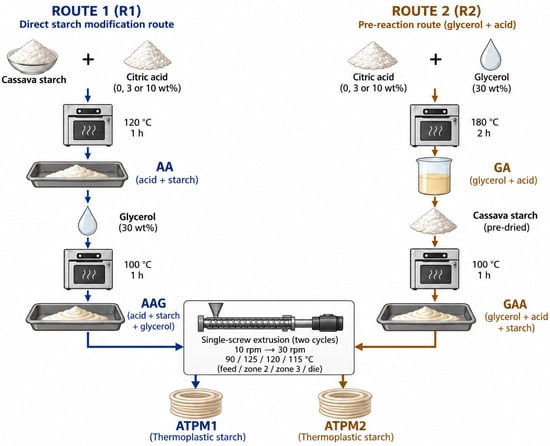
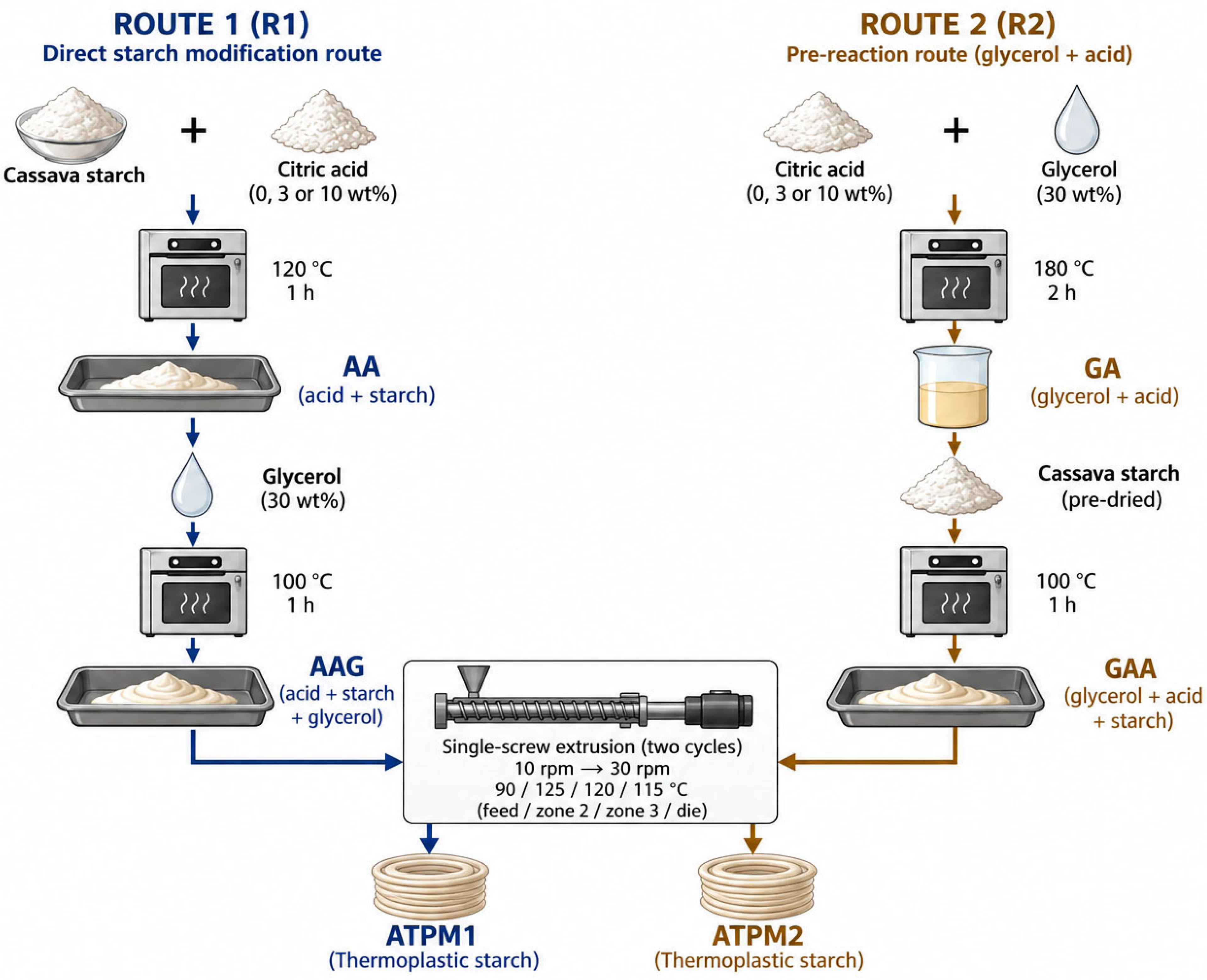
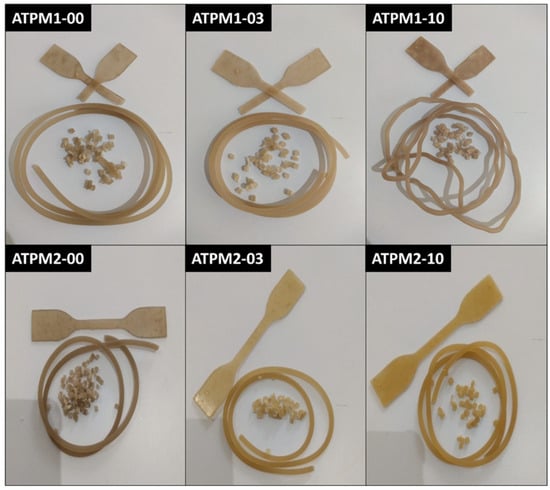
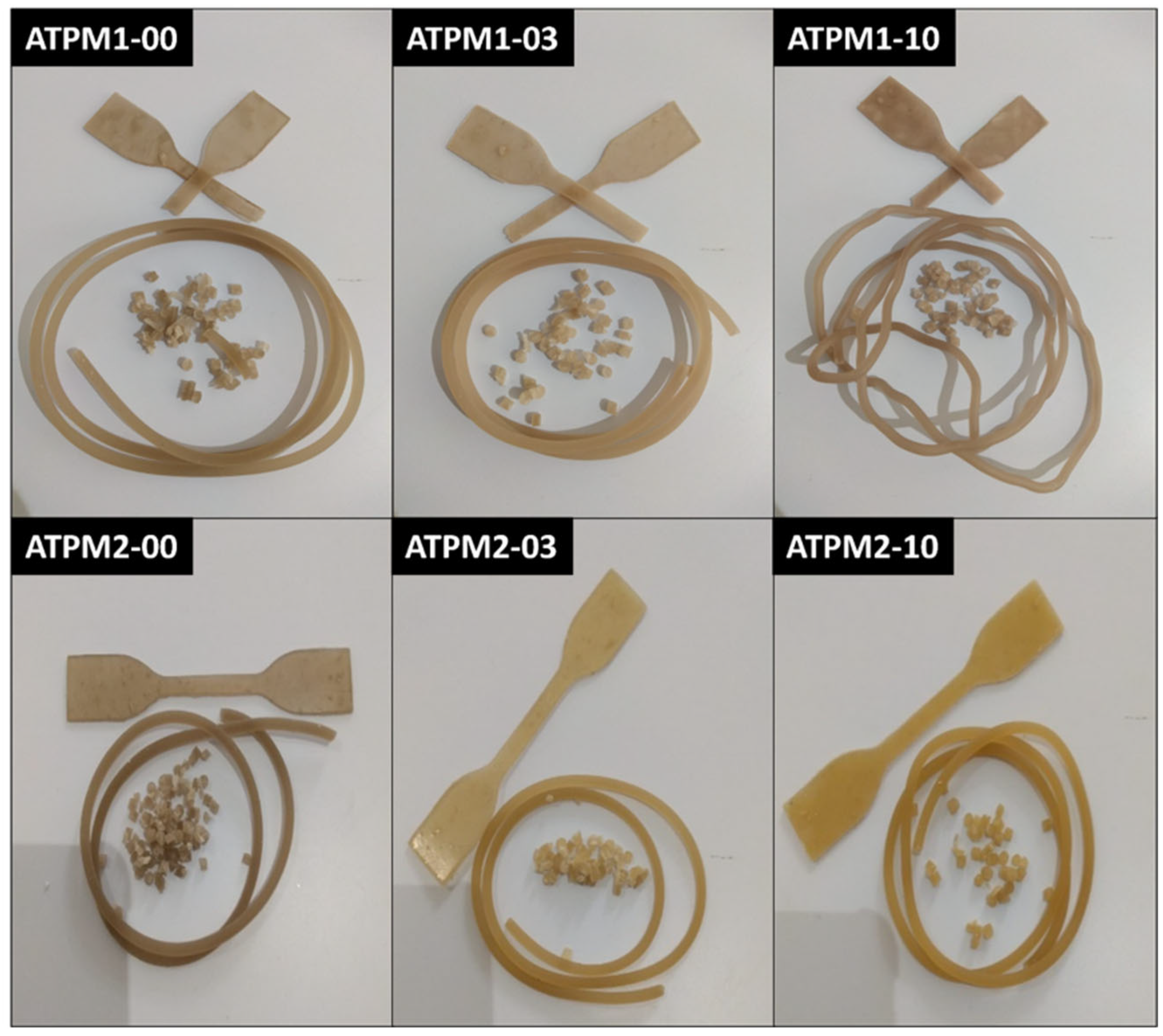
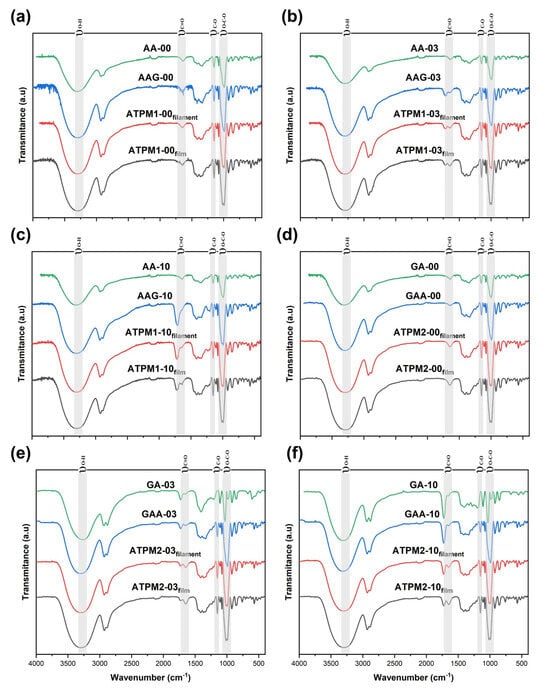
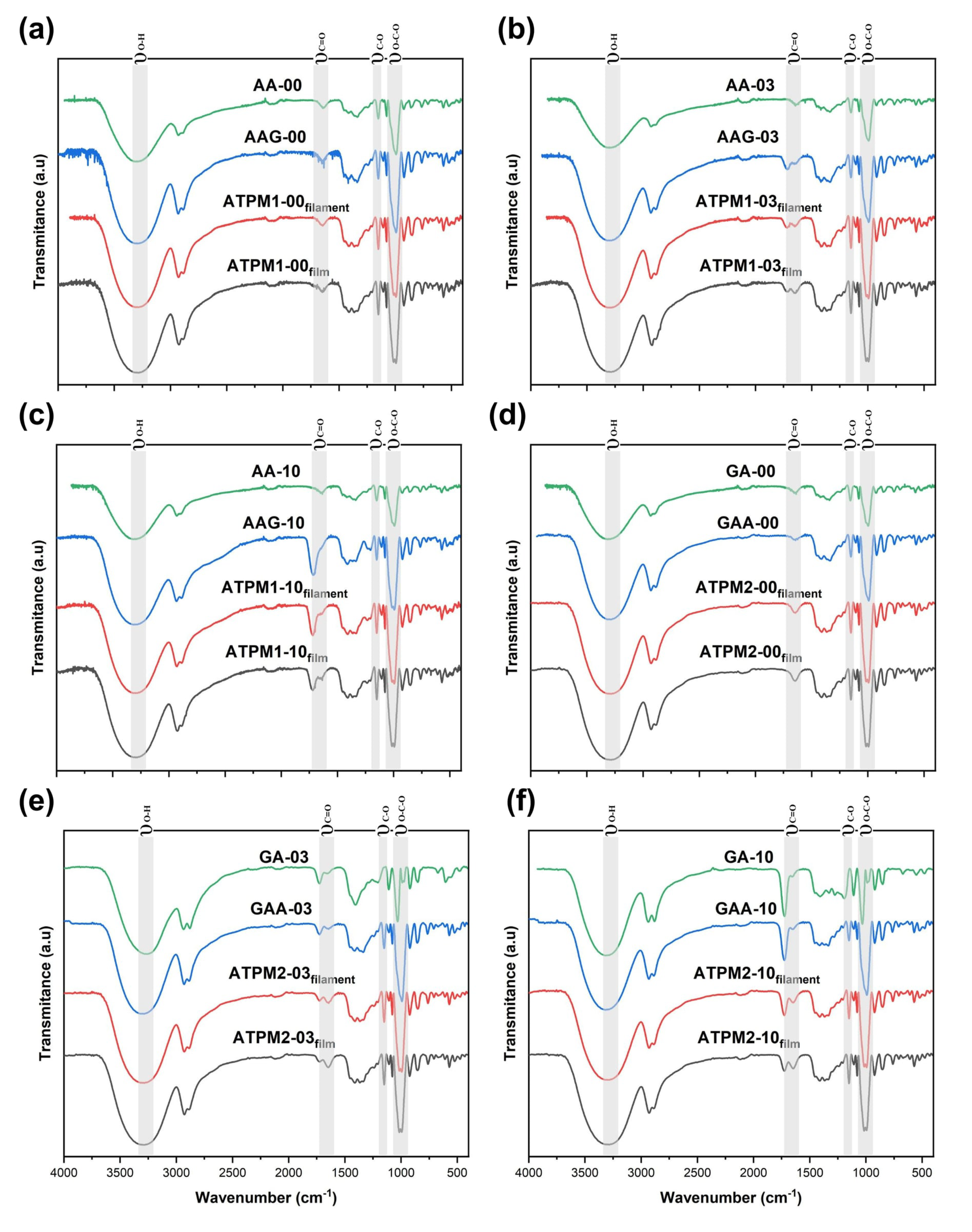
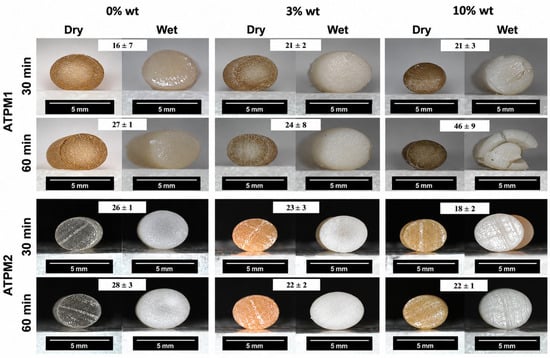
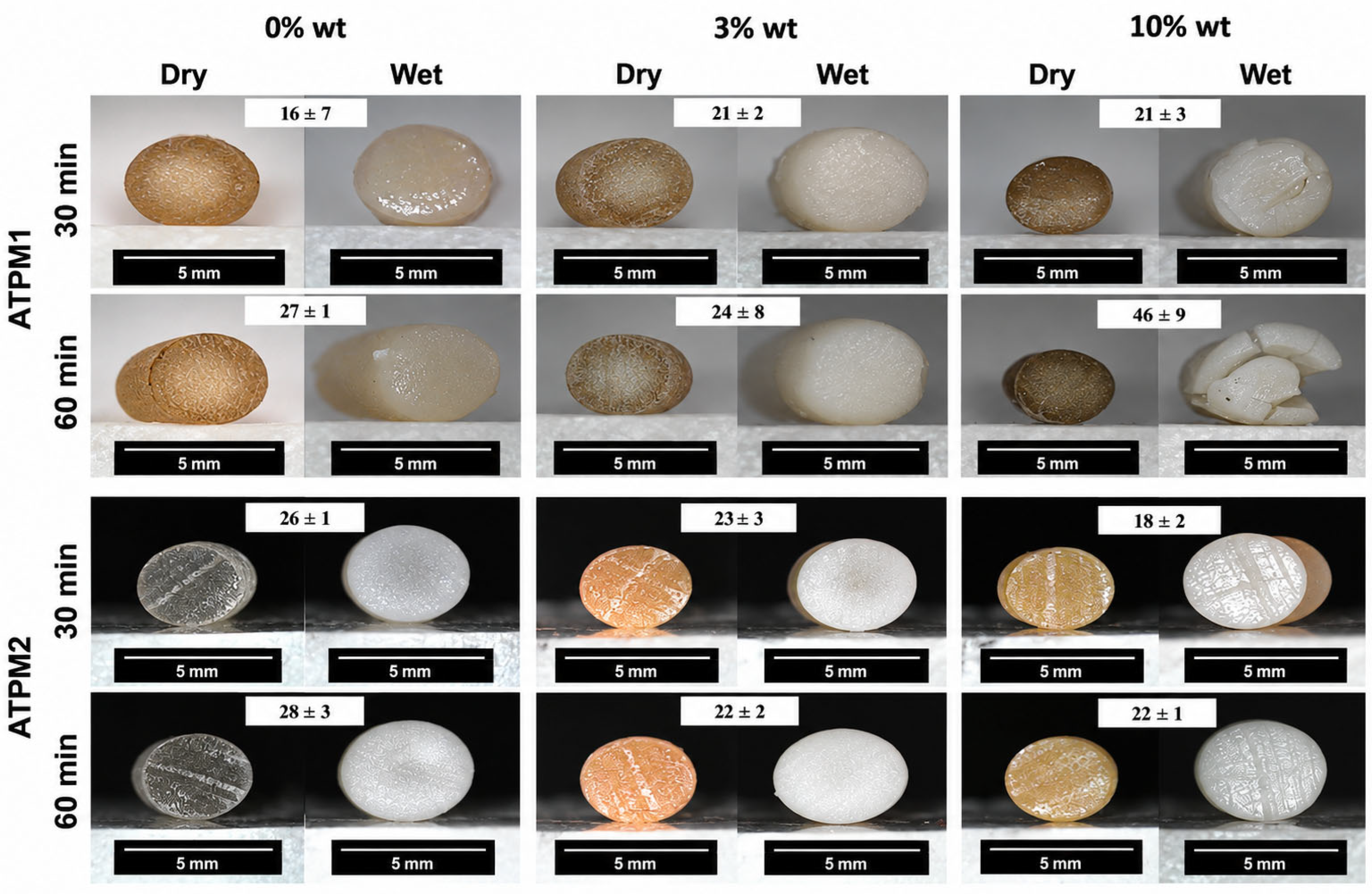
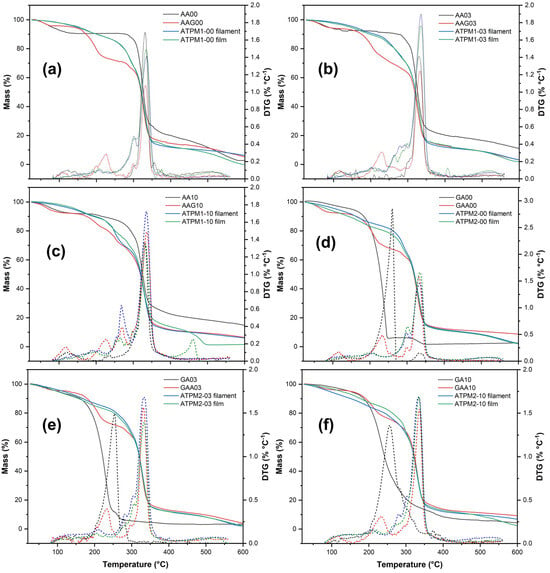
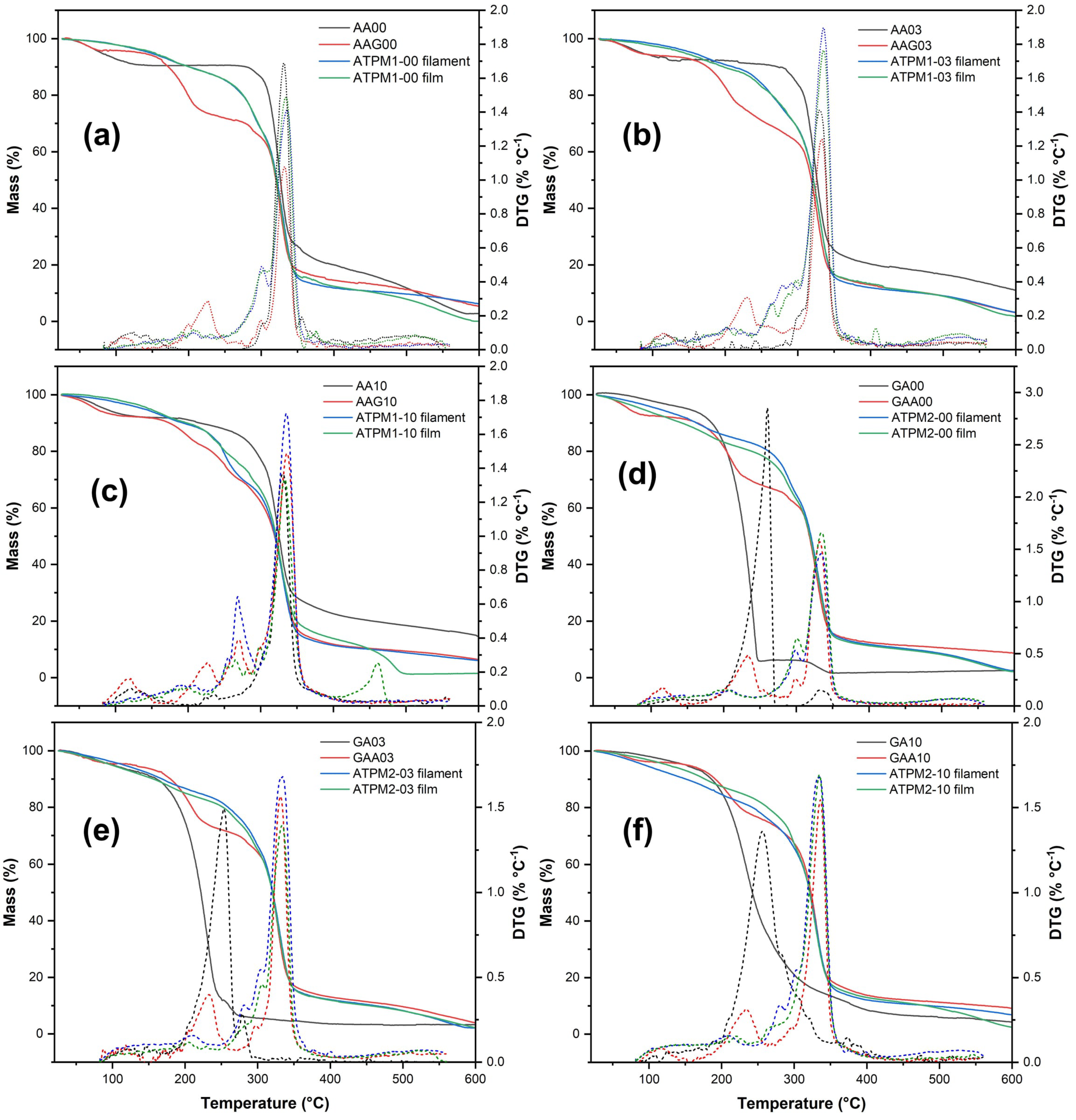
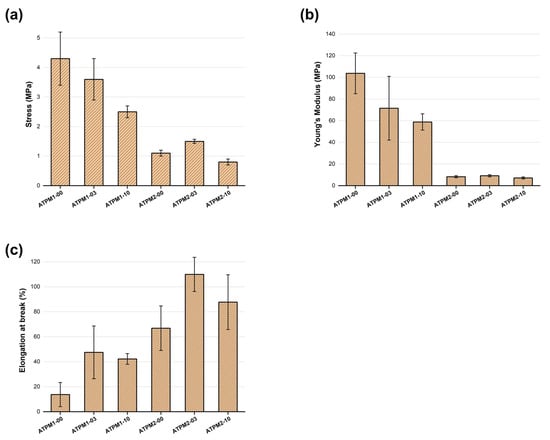
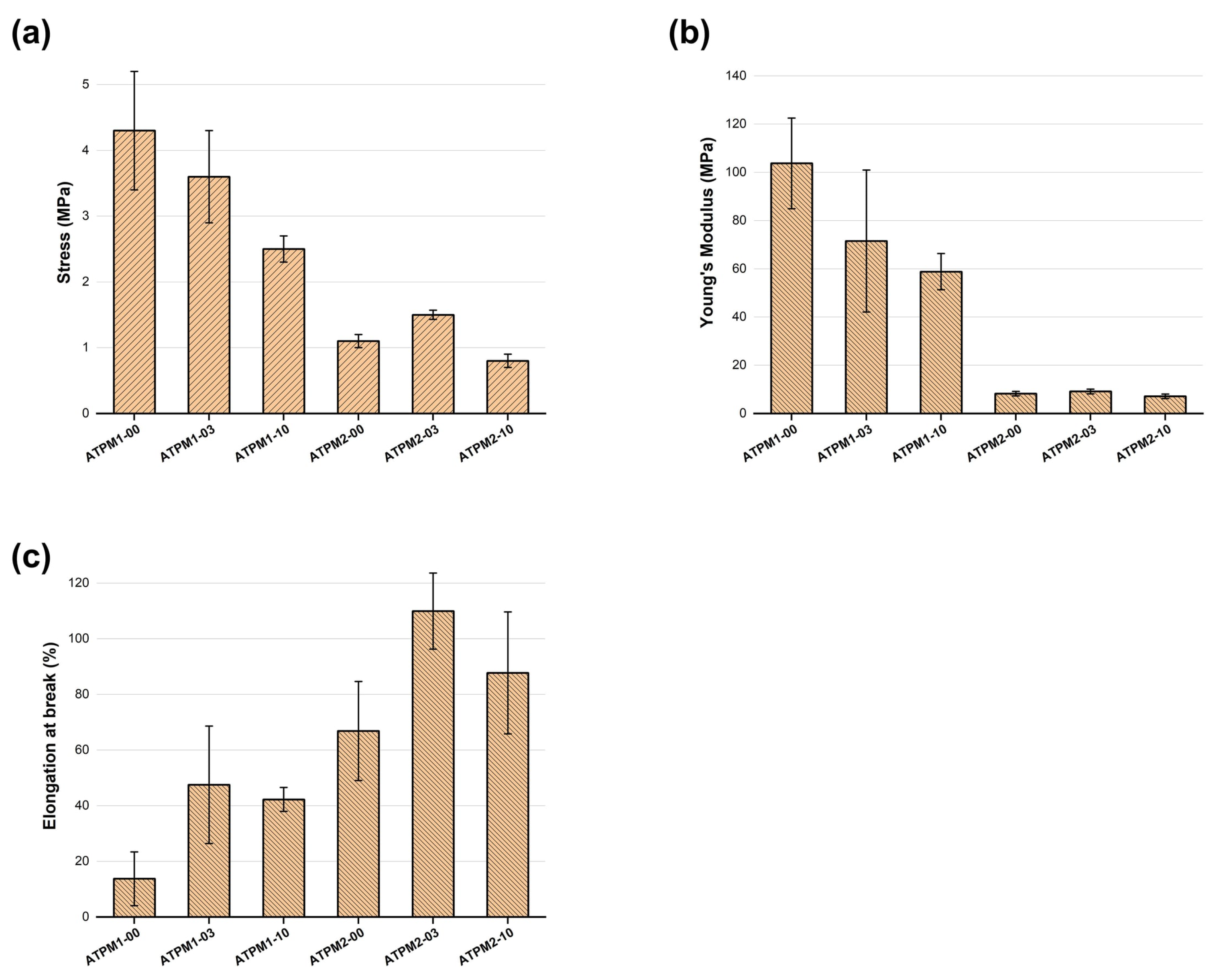

Disclaimer/Publisher’s Note: The statements, opinions and data contained in all publications are solely those of the individual author(s) and contributor(s) and not of MDPI and/or the editor(s). MDPI and/or the editor(s) disclaim responsibility for any injury to people or property resulting from any ideas, methods, instructions or products referred to in the content. |
© 2026 by the authors. Licensee MDPI, Basel, Switzerland. This article is an open access article distributed under the terms and conditions of the Creative Commons Attribution (CC BY) license.