


Abstract
Nanoparticle-mediated photothermal conversion exploits the unique light-to-heat transduction properties of engineered nanomaterials to address challenges in energy, water, and healthcare. This review first examines fundamental mechanisms—localized surface plasmon resonance (LSPR) in plasmonic metals and broadband interband transitions in semiconductors—demonstrating how tailored nanoparticle compositions can achieve >96% absorption across 250–2500 nm and photothermal efficiencies exceeding 98% under one-sun illumination (1000 W·m−2, AM 1.5G). Next, we highlight advances in solar steam generation and desalination: floating photothermal receivers on carbonized wood or hydrogels reach >95% efficiency in solar-to-vapor conversion and >2 kg·m−2·h−1 evaporation rates; three-dimensional architectures recapture diffuse flux and ambient heat; and full-spectrum nanofluids (LaB6, Au colloids) extend photothermal harvesting into portable, scalable designs. We then survey photothermal-enhanced thermal energy storage: metal-oxide–paraffin composites, core–shell phase-change material (PCM) nanocapsules, and MXene– polyethylene glycol—PEG—aerogels deliver >85% solar charging efficiencies, reduce supercooling, and improve thermal conductivity. In biomedicine, gold nanoshells, nanorods, and transition-metal dichalcogenide (TMDC) nanosheets enable deep-tissue photothermal therapy (PTT) with imaging guidance, achieving >94% tumor ablation in preclinical and pilot clinical studies. Multifunctional constructs combine PTT with chemotherapy, immunotherapy, or gene regulation, yielding synergistic tumor eradication and durable immune responses. Finally, we explore emerging opto-thermal nanobiosystems—light-triggered gene silencing in microalgae and poly(N-isopropylacrylamide) (PNIPAM)–gold nanoparticle (AuNP) membranes for microfluidic photothermal filtration and control—demonstrating how nanoscale heating enables remote, reversible biological and fluidic functions. We conclude by discussing challenges in scalable nanoparticle synthesis, stability, and integration, and outline future directions: multicomponent high-entropy alloys, modular photothermal–PCM devices, and opto-thermal control in synthetic biology. These interdisciplinary innovations promise sustainable solutions for global energy, water, and healthcare demands.
1. Introduction
Harnessing sunlight as an abundant, renewable energy source has the potential to address pressing global challenges in energy, water, and healthcare. Traditional solar thermal technologies often rely on bulk heating of fluids or high-concentration optics, resulting in significant heat losses and infrastructure costs. In contrast, nanoparticle-mediated photothermal conversion capitalizes on the unique optical and thermal properties of nanoscale materials to achieve localized heating with high efficiency, even under low-intensity illumination. When designed appropriately, nanoparticles can absorb across a broad spectral range—via plasmonic resonances or interband transitions—and convert incident photons into heat through nonradiative relaxation processes [1,2].
This review focuses on recent innovations in nanoparticle-enabled photothermal processes and their integration into diverse applications (Figure 1). We address here the fundamental photothermal mechanisms—such as localized surface plasmon resonance (LSPR), hot-carrier generation, and nonradiative phonon coupling—governing heat generation in metallic and semiconductor nanostructures [1]. Next, we examine advances in solar steam generation, highlighting floating receivers, three-dimensional photothermal architectures, and materials that achieve >95% energy efficiency under one-sun illumination [3,4,5,6,7]. Unless otherwise noted, ‘one-sun’ illumination corresponds to an incident intensity of 1000 W·m−2 under AM 1.5G standard solar spectrum conditions (ASTM G173-03) [8]. We also explore plasmonic and semiconductor nanofluids and nanocomposites designed for full-spectrum solar–thermal conversion [9,10,11,12,13,14,15,16]. In biomedicine we explore photothermal therapy (PTT) platforms, including Au-based nanoshells, nanorods, photothermal gene silencing systems, and multifunctional theranostic nanoparticles [17,18,19,20,21,22,23,24,25,26,27,28,29,30,31]. Further, we address photothermal catalysis for solar-to-fuel conversion, focusing on CO2 hydrogenation, methane oxidation, and photocatalytic-photothermal synergies [2,26,27,32,33,34,35,36,37,38,39,40,41,42,43]. We also discuss the integration of photothermal conversion with phase-change materials (PCMs) to enhance solar thermal energy storage [12,13,14,16,44,45]. In the final section of this review, we present emerging applications—such as opto-thermal gene regulation, intelligent membranes, and nanobiosystems—to illustrate the breadth of photothermal-enabled technologies beyond energy conversion [29,46,47,48,49,50]. We here summarize key challenges and future prospects for scaling nanoparticle-mediated photothermal processes. We conclude by distilling key challenges—scalable synthesis, long-term stability, and integration into real-world systems—and outlining a roadmap for next-generation photothermal technologies.
Figure 1.
Schematic Overview of Nanoparticle-Mediated Photothermal Conversion. The left panel contrasts traditional solar–thermal systems—where sunlight is collected by bulk-fluid receivers or concentrators, heating large volumes of water or other media and suffering significant thermal losses and heavy infrastructure requirements—with nanoparticle-mediated photothermal conversion, in which suspensions or surface coatings of engineered nanoparticles (plasmonic metals, semiconductors, or mixed-phase high-entropy alloys) absorb UV–Vis–NIR light and convert it in situ into localized heat via localized surface plasmon resonance, hot-carrier decay, and nonradiative phonon processes, thereby minimizing heat losses even under low-intensity illumination. The right panel summarizes the review’s focus: three principal application areas—water treatment (desalination and steam generation), energy conversion (photothermal catalysis and thermal storage), and healthcare (photothermal therapy and theranostics)—underpinned by two fundamental mechanisms (LSPR-driven hot-carrier generation and broadband interband transitions), key recent advances (floating and 3D steam generators, full-spectrum nanofluids, PCM-nanoparticle composites, gold-based PTT platforms, and solar-to-fuel catalysts), and emerging frontiers in opto-thermal gene regulation, intelligent PNIPAM–AuNP membranes, and dynamic, stimulus-responsive nanobiosystems.
Together, these interdisciplinary advances point toward a future in which engineered nanoparticles seamlessly convert light into heat, powering everything from off-grid water purification and sustainable fuel production to precision therapies and adaptive smart materials—truly redefining our relationship with solar energy.
2. Fundamentals of Nanoparticle Photothermal Conversion
Before we explore applications, it is essential to grasp how engineered nanoparticles transduce light into heat at the nanoscale. Harnessing nanoscale light-to-heat conversion relies on two complementary mechanisms (Figure 2): LSPR in metals and broadband interband absorption in semiconductors and high-entropy alloys.
Figure 2.
Schematic of Nanoscale Photothermal Mechanisms: (A) Plasmonic route: Under incident light (λ tuned to the LSPR), conduction electrons in a metal nanoparticle (e.g., Au) oscillate collectively. This coherent oscillation rapidly decays via nonradiative electron–phonon coupling, converting photon energy into localized heat. Transient “hot” electrons (energetic carriers) can also escape the nanoparticle before thermalizing, enabling short-lived surface reactions. (B) Semiconductor route: Broadband interband absorption in materials such as TMDC nanosheets (e.g., MoS2) or high-entropy alloy (HEA) nanoparticles generates electron–hole pairs across UV–Vis–NIR wavelengths. These photoexcited carriers thermalize through electron–phonon coupling, releasing their excess energy as heat and producing localized heating over a wide spectral range.
2.1. Localized Surface Plasmon Resonance and Hot-Carrier Generation
When light impinges on a conductive nanoparticle—such as gold, silver, or copper sulfide—whose dimensions are on the order of or smaller than the wavelength of incident radiation, the free conduction electrons can oscillate coherently in phase with the driving electromagnetic field. This collective oscillation is known as LSPR [51]. At resonance, the nanoparticle’s absorption and scattering cross sections are dramatically enhanced, concentrating the electromagnetic field into a nanoscale “hot spot” at the particle’s surface. Within this region of amplified field, absorption of photons is significantly increased, and the resulting nonradiative decay channels dominate, leading to efficient conversion of optical energy into heat [1].
The specific wavelength at which LSPR occurs is governed by several interrelated factors: the nanoparticle’s material composition (e.g., the free-electron density and interband transition thresholds), its size and morphology (e.g., sphere, rod, shell, star), and the dielectric constant of the surrounding medium. For instance, gold nanospheres exhibit a resonance peak near 520 nm in water, but elongating the particle into a nanorod red-shifts the longitudinal resonance into the near-infrared (NIR) region, maximizing tissue-penetrating depth for biomedical applications [51]. Similarly, gold nanoshells—dielectric cores (e.g., silica) coated with a thin Au shell—can be tuned across a wide spectral window from visible to NIR by adjusting the core-to-shell ratio [52]. This spectral tunability is critical for tailoring photothermal agents to specific illumination sources or biological transparency windows, where absorption in the 700–900 nm range yields deep penetration with minimal damage to healthy tissue.
Upon photoexcitation at the LSPR wavelength, the plasmonic oscillation decays on ultrafast timescales (femtoseconds to picoseconds) via two primary pathways: (i) radiative decay, in which energy is re-emitted as scattered photons (important for sensing and imaging), and (ii) nonradiative decay, where the coherent electron oscillation dephases into energetic “hot” electrons and holes (hot carriers). These hot carriers subsequently thermalize through electron–electron and electron–phonon coupling (relaxation of energetic carriers through electron–phonon interactions that release excess energy as lattice heat), dissipating their excess energy into the nanoparticle lattice and raising its temperature within picoseconds [1]. The heat is then transferred to the surrounding medium (e.g., water or polymer matrix) over nanoseconds to microseconds. The overall photothermal conversion efficiency—defined as the fraction of absorbed photon energy converted into local heating—can approach 90–100% for well-designed plasmonic nanostructures under appropriate conditions, provided that radiative and nonradiative scattering losses are minimized [1].
Beyond simply generating heat, LSPR decay yields hot carriers whose transient lifetimes (on the order of several hundred femtoseconds before thermalization) can be harnessed to drive chemical reactions. In plasmonic photocatalysis, energetic electrons excited above the Fermi level may be injected into adsorbed molecules or into adjacent semiconductor support bands, enabling reaction pathways that circumvent high thermal activation barriers. Recently, Sivan et al. commented on the disentangling thermal versus electronic contributions in plasmonic photocatalysis, underscoring the need to consider both mechanisms simultaneously [53].
The interplay between geometry, composition, and the surrounding dielectric environment critically determines the balance between absorption and scattering. In small plasmonic nanoparticles (≲20 nm), absorption dominates, yielding efficient heat generation, whereas as particle size increases (≫50 nm), scattering increasingly competes, enhancing radiative losses—which can be beneficial for imaging or radiative cooling but detrimental for pure photothermal applications [1,51]. Alloying (e.g., Au–Ag alloys or Cu–S oxide composites) and core–shell designs can further tailor resonance bandwidths, minimize reshaping or sintering under high-power illumination, and modulate hot-carrier lifetimes by engineering electronic density of states [17,22]. Consequently, rational design of plasmonic nanostructures—guided by Mie theory, Finite-Difference Time-Domain (FDTD) simulations, and ultrafast spectroscopic measurements—enables fine-tuning of absorption spectra, photothermal conversion efficiencies, and hot-carrier yield (the fraction of plasmon decay events that produce energetic carriers before thermalization) for targeted applications spanning solar thermal, catalysis, and biomedicine [25,33].
Having outlined metal-based heating and hot-carrier chemistry, we now turn to non-metallic absorbers—carbon frameworks, TMDCs, oxides, HEAs and MXenes—that deliver broadband photothermal performance.
2.2. Photothermal Heating in Non-Metal Nanostructures
While plasmonic metals have dominated early efforts in nanoscale photothermal conversion, a growing class of non-metallic nanomaterials also exhibits strong broadband light absorption and high photothermal conversion efficiencies—often with additional advantages such as low cost, chemical stability, or multifunctionality. Prominent examples include carbon-based architectures (e.g., graphene-oxide derivatives, carbon nanotubes), transition-metal dichalcogenide (TMDC) nanosheets (e.g., MoS2, WS2), and engineered semiconductors (e.g., black indium oxide, high-entropy alloys) [12,18,21,35,54,55].
Carbonaceous Nanostructures. Graphene and its derivatives (graphene oxide, reduced graphene oxide) possess a unique sp2-bonded two-dimensional lattice that yields a continuum of electronic states near the Dirac point. Reduced graphene oxide (rGO)—produced by chemical or thermal reduction of graphene oxide—exhibits strong NIR absorption due to localized π-plasmon and defect-induced midgap states. Ultrafine rGO sheets (~20 nm) stabilized by amphiphilic polymer coatings display ~six-fold higher NIR absorption compared to nonreduced GO, enabling near-complete photothermal ablation of cancer cells at modest laser powers and concentrations [18]. In the solar steam context, rGO films and sponges on hydrophilic substrates can achieve >85% solar-to-steam efficiency, leveraging both their broadband absorption (300–2500 nm) and low thermal conductivity to confine heat at the evaporation interface [4].
Transition-Metal Dichalcogenides (TMDCs). TMDC nanosheets—such as molybdenum disulfide (MoS2) and tungsten disulfide (WS2)—exhibit strong, layer-dependent optical absorption peaks spanning the visible to NIR regions, arising from d→d interband transitions and excitonic effects. Flower-like MoS2 nanoflakes, synthesized via facile hydrothermal routes and subsequently PEGylated for aqueous stability, possess excellent photothermal conversion efficiencies (often 30–45% under 808 nm irradiation) and robust colloidal stability, making them effective PTT agents [21]. Similarly, few-layer WS2 nanosheets coated with thiol-terminated polyethylene glycol not only achieve high photothermal efficiencies (>40%) but also serve as dual-modal imaging probes for computed tomography (CT) and photoacoustic tomography [56] due to their high atomic number and NIR absorption, respectively [54]. The planar geometry and high surface area of TMDCs also facilitate rapid heat transfer to surrounding media, optimizing interfacial steam generation when deposited on porous scaffolds or integrated into composite architectures.
Doped Oxides and High-Entropy Alloys. Nonstoichiometric or doped semiconductor oxides can be engineered to extend absorption deep into the visible and NIR. Black indium oxide (In2O3−x), created by introducing oxygen vacancies and amorphous In2O3−x domains on a crystalline In2O3 core, exhibits pitch-black coloration and near-100% solar absorption across 300–2500 nm. This full-spectrum absorption, combined with catalytic Ru or other metal functionalities, enables highly efficient photothermal CO2 hydrogenation to CO under mild conditions [35]. High-entropy alloys (HEAs)—formed by equiatomic or near-equiatomic mixtures of five or more metallic elements—have recently emerged as photothermal materials with broadband absorption. For instance, FeCoNiTiVCrCu HEA nanoparticles display >96% solar-spectrum absorbance over 250–2500 nm and achieve >98% solar steam generation efficiency under one-sun illumination. The dense manifold of d-electron states in HEAs facilitates continuous interband transitions across the solar spectrum, eliminating the “spectral windows” typically present in pure metals [55].
MXenes and Semiconductor Composites. Two-dimensional transition-metal carbides or nitrides—collectively known as MXenes (e.g., Ti3C2Tx)—exhibit strong light absorption, high electrical conductivity, and excellent thermal stability. When embedded within or coated onto phase-change materials (PCMs) such as polyethylene glycol, MXene nanosheets serve as nanoscale heat-spreading layers and light-absorbing centers, boosting solar charging efficiencies up to 94.5% and ensuring uniform thermal distribution during phase transitions [12]. In addition, MXene–metal nanoparticle hybrids combine plasmonic heating with MXene’s high thermal conductivity and hydrophilicity to realize rapid, localized steam generation or photothermal catalysis.
Collectively, non-metal photothermal nanostructures offer complementary advantages: (i) broadband absorption spanning UV to NIR, (ii) chemical and mechanical stability under harsh solar or biological environments, (iii) tunability through doping, defect engineering, or heterostructure design, and (iv) cost-effectiveness, particularly for carbon-based materials or earth-abundant transition-metal systems. As these materials continue to mature, they are poised to complement or even supplant noble-metal plasmonics in many large-scale photothermal applications. A broad overview of flagship photothermal materials is given in Table 1.
Table 1.
Summary of Key Nanomaterials for Photothermal Conversion.
2.3. Heat Localization and Thermal Management
Efficient photothermal conversion extends beyond maximizing photon absorption; it also requires rigorous management of the resulting thermal energy to prevent dissipation into unwanted pathways. In solar steam generation and photothermal catalysis, the goal is to confine heat either at the fluid–air interface (for interfacial evaporation) or within a thin reaction zone (for localized chemical transformations) while minimizing losses to the bulk medium. Three primary strategies have proven particularly effective (Figure 3):
Figure 3.
Design Principles for Solar Steam Generators: (A) Floating photothermal receiver: A nanoparticle-coated porous carbonized wood disk (or hydrogel) floats on water. Capillary-driven wicking continuously supplies water to the photothermal surface. A low-conductivity substrate underneath confines heat at the liquid–air interface, enabling >80% solar-to-vapor efficiency under one-sun illumination. (B) Three-dimensional (3D) architecture: A cup-shaped mixed-metal oxide structure captures not only direct sunlight, but also diffuse and reradiated thermal flux within its cavity. Its walls re-absorb thermal emission, approaching near-100% efficiency and achieving evaporation rates >2 kg·m−2·h−1 under one-sun illumination. (C) Contactless IR-mediated heating: A nanoparticle-coated layer (e.g., plasmonic Au or semiconductor) is separated from the water by an IR-transparent membrane. Upon solar absorption, the nanoparticle layer reradiates mid-infrared photons (3–10 µm) downward, which penetrate a thin water layer to drive interfacial vaporization (steam >100 °C under one-sun illumination).
Floating Photothermal Receivers. By fabricating photothermal layers that float on the water surface—such as nanoparticle-coated foams, hydrogels, or carbonized wood—thermal decoupling from the bulk fluid is achieved [5,6,7,57]. The photothermal layer, which houses the nanoscale absorbers, remains at or near the liquid–air interface. When sunlight is absorbed, heat is generated locally and drives evaporation directly from the interface without heating the entire body of water. Low-thermal-conductivity substrates (e.g., polystyrene foams, aerogels, or porous carbonized matrices) support the photothermal layer and insulate it from the cooler bulk water, thereby suppressing conductive losses. Hydrophilic wicking structures within the floating device continuously supply water to the hot surface, ensuring a steady evaporation rate. Without the need for high-concentration optics or vacuum insulation, floating receivers can achieve high solar-to-steam efficiencies (often 80–90% under one-sun illumination) with minimal engineering complexity [4].
Three-Dimensional (3D) Photothermal Architectures. Extending beyond planar designs, 3D architectures—such as cylindrical “cup” geometries, conical or pyramidal foams, and vertically aligned carbon arrays—exploit geometric effects to recapture diffuse solar flux and recycled thermal radiation [6]. For example, a cylindrical cup shape with dark inner walls absorbs both direct and reflected sunlight from multiple angles while reducing radiative losses by reabsorbing thermal emission from the cavity surfaces. The vertical walls also intercept ambient air currents, drawing warmer air toward the photothermal zone and further reducing convective losses. Consequently, these 3D designs can approach near-100% energy efficiency under one-sun illumination, achieving evaporation rates in excess of 2 kg·m−2·h−1 by harnessing not only incident solar energy but also ambient heat flux [6].
Thermal Separation (Contactless Photothermal Systems). To avoid fouling or contamination that can arise when nanoparticle absorbers directly contact water, “contactless” photothermal schemes employ thin, thermally insulating membranes or infrared (IR)–transparent windows to separate the nanoheaters from the liquid. In such systems, plasmonic or semiconductor nanoparticles absorb sunlight and reradiate heat as mid-IR photons (wavelengths ~3–10 μm). These mid-IR photons penetrate a shallow depth (~10–100 μm) into the adjacent water, where they are absorbed and drive direct interfacial vaporization [7]. Because the physical nanoparticle layer never contacts the water, issues such as salt accumulation, biofouling, or nanoparticle leaching are effectively eliminated. Moreover, the temperature of the photothermal layer can exceed 100 °C—allowing generation of superheated steam without requiring a pressurized vessel—since there is no direct thermal contact to clamp the heater at the boiling point. This approach has demonstrated steam temperatures up to 133 °C under one-sun illumination, unlocking new possibilities for high-temperature photothermal processes in resource-limited environments [7].
Additional thermal management strategies complement these primary motifs. In addition to heat localization and thermal management strategies, several supporting design elements play crucial roles in optimizing photothermal systems. Incorporating nanoporous, hydrophilic scaffolds—such as cellulose nanofibers or aerogels—beneath the nanoparticle coatings ensures a continuous supply of water to the heated surface via capillary action, preventing dry spots and maintaining a uniform evaporation front [10]. At the same time, judicious optical management through spectrally selective coatings or photonic structures can minimize parasitic absorption of wavelengths (e.g., ultraviolet or mid-infrared) that do not contribute effectively to interfacial evaporation, thereby reducing unwanted heat losses [1]. Beneath these active layers, low-conductivity substrates—such as polyurethane foams, polystyrene, or low-density silica aerogels—serve as thermal insulators, suppressing downward conduction of heat into the bulk fluid and preserving high interfacial temperatures with minimal energy input [4,5]. Finally, radiative cooling considerations are essential: while high emissivity in the mid-infrared can enhance IR-based contactless vaporization, excessive radiative losses at longer IR wavelengths may dissipate heat unnecessarily [7]. By balancing emissivity through careful material selection (e.g., metal–dielectric composites or microporous coatings) and structural design (e.g., angle-tuned cavities), one can optimize radiative exchange, capturing beneficial thermal emission while minimizing detrimental cooling [5,58]. Key performance metrics for these interfacial designs are summarized in Table 2.
Table 2.
Comparative Performance Metrics for Solar Steam Generation Platforms.
Therefore, maximizing photothermal performance under low solar flux requires a synergistic design: selecting or engineering nanoparticles with strong, spectrally matched absorption; embedding them within or atop substrates that provide both efficient water transport and thermal insulation; and architecting the overall device geometry to recapture reemitted heat and utilize ambient thermal flux. By judiciously combining these elements, researchers have pushed solar-to-steam efficiencies to 85–100% and opened avenues for photothermal catalysis, thermal energy storage, and myriad other applications—paving the way for scalable, high-impact photothermal technologies.
2.4. Practical Challenges: Leaching, Cycling Stability, Toxicity, and Cost
2.4.1. Leaching, Fouling, and Field Realism
Interfacial solar evaporation systems continue to face salt accumulation and bio-fouling barriers under practical conditions, which suppress long-term evaporation rates and complicate real-world deployment. Recent all-weather reviews emphasize that truly deployable systems must sustain performance across the day–night cycle, often via hybrid configurations and materials tailored for low-irradiance operation, while clearly reporting design criteria and application scenarios [60]. Strategies targeting high-salinity feeds now include (i) timely removal of salt crystals and (ii) prevention of salt deposition on the photothermal interface, enabling stable evaporation and even zero-liquid-discharge (ZLD) when separation is complete [61]. A complementary “non-contact” approach—solar-thermo-radiative heating—keeps the absorber out of the water and delivers heat via mid-infrared photons, achieving edge-preferential crystallization and gravity-assisted salt harvesting (e.g., 0.71 kg·m−2·h−1 at 1 sun, steam >80 °C, and 36.25 g·m−2·h−1 salt harvesting over 40 h without loss of evaporation rate) while avoiding absorber contamination or salt blocking [62]. Broader ISSG reviews likewise catalog efficiency-enhancement routes (light absorption, loss reduction, auxiliary energy harvesting, enthalpy management) but underline that salt management and fouling dominate practical performance and must be addressed alongside new use cases (wastewater purification, sterilization, soil remediation, even “solar sea farm” concepts) [63].
2.4.2. Stability Under Irradiation and Thermal Cycling
Plasmonic and broadband absorbers can morphologically evolve under continuous or pulsed light: Au nanostructures round/reshape well below bulk melting, shifting LSPR and reducing absorption; polymer matrices may yellow or embrittle; and MXenes (e.g., Ti3C2Tx) oxidize/hydrolyze unless protected. Practical stabilization includes: alloying or core–shells to suppress reshaping, antioxidant or polymeric passivation for MXenes, intercalants/delamination control, and reporting ≥100–500 on/off cycles with drift (%/100 cycles) plus post-mortem spectroscopy (Raman/XPS/TEM). Mechanistic and diagnostic studies published in 2022–2025 provide clear protocols to track MXene degradation pathways and demonstrate stabilization envelopes for specific flake architectures [64,65,66,67].
2.4.3. Cost, Availability, and Embodied Energy
Headlining materials (e.g., Au, LaB6, and some high-entropy alloys, HEAs) achieve striking optical metrics (full-spectrum absorption; reported >95–99% solar-steam efficiencies in lab prototypes), but their material cost, synthesis complexity, and embodied energy can limit near-term scale-out. By contrast, carbonaceous absorbers, Cu-chalcogenides, doped oxides, and textiles are lower-cost and easier to manufacture at an area scale, albeit often with lower peak figures of merit. Reports claiming ~98–99% “one-sun” efficiency should be interpreted alongside uncertainty, irradiance/area definitions, and thermal loss accounting; authors are encouraged to publish bill-of-materials and $ per m2/$ per m3-day analyses or at minimum compare against earth-abundant alternatives [9,60,62,68,69].
2.4.4. Environmental Health & Safety (EHS) and Clinical Biosafety
EHS evaluations should include persistence, transformation, and ecotoxicity of released particles (or their degradation products). For MXenes, SSbD-style (safe-and-sustainable-by-design) assessments are emerging but highlight data gaps for long-term hazards and transformation in relevant media. For gold and other non-biodegradable particles, biodistribution and slow clearance (liver/spleen/kidney) remain key concerns; biomedical uses should report clearance kinetics and long-term histology in addition to acute toxicity. Wherever possible, prefer immobilized coatings or contactless heaters to minimize environmental release, and document end-of-life capture/recycling [61,64,70,71].
3. Photothermal Catalysis for Solar-to-Fuel Conversion and Environmental Remediation
Photothermal catalysis leverages both photochemical (hot-carrier) and photothermal (phonon-mediated heating) effects to drive thermodynamically uphill reactions—including CO2 hydrogenation, methane oxidation, and wastewater treatment—under mild conditions. Nanoparticle catalysts with tailored band structures and plasmonic properties can enhance reaction rates and selectivities via localized heating and hot-carrier injection. A selection of catalysts and their reaction metrics is compiled in Table 3.
Table 3.
Representative Photothermal Catalysts & Reaction Outcomes.
3.1. CO2 Hydrogenation to Fuels
3.1.1. Ru/In2O3 and Ru/MnOx Catalysts
Deng et al. demonstrated that Ru nanoparticles on In2O3 photothermally catalyze CO2 hydrogenation to methanol at atmospheric pressure with a solar-driven production of 280.4 μmol·g−1·h−1—~50× higher than pure In2O3. The Ru–In2O3 interaction creates oxygen vacancies, while hot-carrier activation on Ru lowers activation barriers, enabling efficient CH3OH formation under mild conditions [40].
Zhai et al. reported a Ru/MnOx catalyst for photo-thermal CO2 hydrogenation to CH4. At 200 °C and under light irradiation, the catalyst achieved a CH4 production rate of 166.7 mmol·g−1·h−1 with 99.5% selectivity at 66.8% CO2 conversion. Spectroscopic and computational analyses revealed that photo-thermal coupling reduces activation energy for COOH* intermediate formation, emphasizing the synergy between photons and thermal energies [37].
Song et al. later detailed a photochemical-photothermal oxidative coupling of methane to C2+ hydrocarbons over Au/CeO2–ZnO catalysts. Under wide-spectrum illumination without external heating, CH4 activation proceeds via UV-excited ZnO, while Au nanoparticles capture visible–NIR light to generate localized heat, promoting methyl radical desorption and C–C coupling to C2+ products at 17,260 μmol·g−1·h−1 with ~90% C2+ selectivity [38].
3.1.2. High-Entropy Alloy and Pd-Sb Catalysts for CH4 Conversion
Mateo et al. developed Ni/BaTiO3 catalysts capable of visible-light-driven CO2-to-CH4 methanation with nearly 100% selectivity. The reaction predominantly follows a nonthermal, hot-electron-driven pathway, achieving 40.3 mmol·g−1·h−1 under visible irradiation. Mechanistic studies underscored the role of hot electrons in activating CO2 and H2 on Ni sites [42].
Song et al. introduced Pd8Sb3 nanosheets for photothermal CH4-to-HCHO conversion. Under 1.7 W·cm−2 full-spectrum light, Pd8Sb3 NSs achieved ~98.7% selectivity and 665 mmol·g−1 productivity, ~700× higher than Pd NSs. Pd8Sb3’s enhanced light absorption and adsorption properties promoted radical generation and CH4 activation, yielding formaldehyde. Additionally, the strong photothermal effect enabled PTT applications for breast cancer, illustrating bimodal functionality [38].
3.2. Plasmonic Photocatalysis and Mechanistic Insights
Zhou et al. quantified hot-carrier versus thermal contributions in plasmonic photocatalysis of NH3 decomposition using Au catalysts. By introducing a light-dependent activation barrier, they unified electronic and thermal excitations, revealing substantial light-induced barrier reductions [34]. Linic et al. reviewed plasmonic-metal nanostructures for solar-to-chemical conversions, focusing on plasmon-enhanced water splitting and plasmon-mediated reactions on metal nanostructures [41]. They provided a perspective on photothermal catalysis for solar-to-fuel conversion, categorizing plasmonic photocatalysis, photothermal catalysis, and combined photothermal-photocatalysis mechanisms [41].
3.3. Photothermal and Photoelectrocatalytic Water Treatment
3.3.1. Photothermal Laccase Immobilization
To address organic pollutant degradation, laccase immobilized on Fe3O4 SiO2 nanoparticles demonstrates photothermal catalytic degradation of textile dyes. Under NIR illumination, Fe3O4 SiO2-laccase achieved removal efficiencies up to 99.6% for malachite green and 99.5% for brilliant green within 30–60 min. The system retained >88% degradation efficiency after 10 cycles, highlighting its stability and potential for wastewater remediation [72].
3.3.2. MXene-Based Synergistic Systems
A Ti3C2Tx MXene membrane decorated with photo-reduced Ag nanoparticles exhibits synergistic photocatalytic-photothermal performance for Ag+ recovery and Rhodamine B removal. Under visible light, Ag+ ions reduce to Ag nanoparticles with 100% conversion, while Ag plasmonic effects enhance MXene’s light absorption and photothermal conversion (~81%). Photothermal heating concentrates reactants and accelerates photo-oxidation rates, enabling simultaneous metal recovery and organic pollutant degradation [43].
3.4. Hot-Electron Plasmonic Chemistry
Mukherjee et al. first demonstrated room-temperature H2 dissociation on Au nanoparticles via plasmon-induced hot electrons transferring to H2’s antibonding orbitals, yielding HD detection. This work underscored the potential of plasmonic nanocatalysts to drive reactions under mild conditions, circumventing high-temperature requirements [32]. Kim et al. correlated activation enthalpy changes with plasmonic excitation, highlighting excitation wavelength and laser power dependencies [33]. These insights pave the way for rational design of photothermal catalysts for selective, energy-efficient reactions.
3.5. Limitations and Challenges
3.5.1. Mechanistic Attribution: Hot Carriers vs. Heating
Many reported rate enhancements under illumination can be reproduced by local heating alone unless experiments are designed to separate non-thermal (hot-carrier) and thermal (phonon-mediated) pathways. Current debates emphasize that wavelength dependences, kinetic isotope effects, and Arrhenius analyses are only meaningful when true surface temperatures are known, and light-induced changes in activation barriers are rigorously assessed [73]. Mechanism claims should therefore be coupled to diagnostics that test both schools of thought, not inferred from rate changes alone.
3.5.2. Temperature Field Uncertainty Under Operando Conditions
Accurate mechanism and kinetics hinge on knowing the spatiotemporal temperature field at catalytic sites during illumination. Conventional bulk or ex situ measurements miss steep interfacial gradients and fast transients. Recent reviews call for spatially resolved, multiscale thermometry (micro–nano) applied in operando, with clear reporting of sensor response, calibration, time resolution, and uncertainty—otherwise apparent “photochemical” effects remain ambiguous [74].
3.5.3. Protocols and Metrics: Avoiding Over-Claims and Enabling Comparability
For light-driven CH4 chemistry in particular—but broadly applicable across this section—there is a need for standardized reactors, control experiments, and performance metrics: validated product identification/quantification, contamination controls, mass-transfer checks, illumination reporting (spectrum, irradiance, spot/area), and rate normalization (per illuminated area, catalyst mass, and—ideally—per incident energy) [75]. Without these, headline selectivities or rates cannot be compared across studies or scaled to practical devices.
3.5.4. Reactor Engineering, Selectivity Control, and Techno-Economic Realities (CO2)
For photothermal CO2 conversion, catalyst design advances must be matched with reactor-level light/heat management, mass/heat transport control, and selectivity steering among RWGS, methanation, and C1/C2+ products. Recent assessments also underline techno-economic constraints (e.g., integration with renewable H2 supply, energy balance, throughput), and argue for guidelines that tie materials data to reactor performance and carbon-cycle relevance—beyond benchtop vials [76].
3.5.5. Water Remediation: Integrating Photothermal Effects at Scale
Photothermal assistance can strengthen advanced oxidation processes (photocatalysis, PMS activation, Fenton), but translation requires process-level engineering of the photothermal contribution, attention to energy inputs, reactor choice, and durability across different process chemistries. Reviews identify these implementation challenges and lay out future prospects for robust, scalable wastewater treatment that genuinely benefits from photothermal coupling rather than adding complexity without net gains [77].
4. Photothermal-Enhanced Phase-Change Materials and Thermal Energy Storage
Phase-change materials (PCMs) store latent heat during phase transitions, offering high energy densities for thermal management. However, many organic PCMs suffer from poor solar–thermal conversion and low thermal conductivity. Integrating photothermal nanoparticles and conductive fillers into PCMs enhances light absorption, heat transfer, and storage efficiency. Properties of representative PCM composites appear in Table 4.
Table 4.
Photothermal Energy Storage Composite Properties.
4.1. Metal-Enhanced Paraffin Composites
4.1.1. ZnO and CuO Nanoparticle-Paraffin Composites
Nanoparticle incorporation into paraffin reduces transmittance and increases thermal conductivity, boosting photothermal performance. Yang and co-workers evaluated ZnO- and CuO-enhanced paraffin: ZnO (5 × 10⁻⁴ vol%) improved thermal conductivity by 5.87%, while CuO (5 × 10⁻⁴ vol%) yielded a 13.12% increase. CuO/paraffin composites exhibited superior solar absorption, optimizing nanoparticle volume fractions (5 × 10⁻⁴ to 1.5 × 10⁻³ vol%) for maximum photothermal efficiency [13].
4.1.2. Zn–TiN Binary Nanoparticle-Paraffin Systems
Ma et al. investigated Zn–TiN binary nanoparticles for paraffin enhancement. At 0.001 vol% concentration, Zn–TiN increased solar absorption capacity ~8× over pure paraffin and delivered photothermal conversion efficiencies up to 22% (2× higher than pure PCM). Under 600 W·m−2 illumination, 0.01 vol% Zn–TiN composites reached 62.57 °C peak temperatures. CTAB proved an effective dispersant, balancing nanoparticle stability and absorption [14].
4.2. Nanocapsule-Based PCM Composites
4.2.1. CuS/SiO2n-Octadecane Nanocapsules
Liu et al. fabricated CuS/SiO2@n-octadecane phase-change nanocapsules via chemical bath deposition, achieving spherical core–shell structures with adjustable CuS content. Optimum PEM: 10 mmol·L−1 CTAB, 70 °C, 0.02 mol·L−1 Cu2+ yielded melting enthalpy (65.0 J·g−1) and melting temperature (26.85 °C) with 52.7% photothermal conversion efficiency under Vis–NIR irradiation. The nanocapsules exhibited durability and photocatalytic activity, degrading methyl orange by 71% in 3 h, suggesting applications in solar energy utilization and intelligent fabrics [15].
4.2.2. Cellulose Nanofiber/Melanin Hybrid Aerogel PCMs
Chen et al. impregnated poly(ethylene glycol) into cellulose nanofiber/melanin hybrid aerogels, creating PCM composites (CMPCMs) with shape stability, high latent heat (168.3–175.9 J·g−1), and improved photothermal conversion (47.2 → 85.9%) due to melanin. Thermal cycling and TGA confirmed stability, making CMPCMs promising for solar energy storage [16].
4.3. Graphene Oxide and Silicon Carbide-Augmented Salt Hydrates
4.3.1. SAT-GS-SiC Composites
Cui et al. synthesized graphene oxide–SiO2 (GS) nanocomposites by a modified Stöber method to nucleate and photothermally enhance sodium acetate trihydrate (SAT). Adding 1 wt% GS reduced SAT supercooling from 32 °C to 0.5 °C and, in conjunction with SiC foam, increased solar charging efficiency by 92.5% (enthalpy = 193.2 J·g−1), demonstrating potent solar energy storage applications [44].
4.3.2. Nano SiO2, SiC, and CNT in SAT Composites
Cui et al. further improved SAT by combining nano SiO2 (nucleation), SiC foam (thermal conductivity), and CNT (photothermal enhancement). The modified SAT composite achieved 1.4 °C supercooling, 1.54 W·m−1·K−1 thermal conductivity, and 94.2% photothermal conversion. Economic analyses predicted a 3.1-year payback for domestic hot water applications and CO2 emission reductions of ~1379.1 kg CO2-eq·year−1 per household [45].
4.4. Ti3C2Tx MXene/PEG Composite PCMs
Yan et al. reported a PEG/Ti3C2Tx MXene-layered composite PCM combining stacked MXene nanosheets and PEG. The composite displayed strong UV–Vis–NIR absorption with enhanced LSPR at visible–NIR wavelengths, enabling 94.5% photothermal storage efficiency under actual solar irradiation. High energy storage density and form-stability before/after phase transition underscored its suitability for solar energy storage [12].
4.5. Limitations and Challenges
4.5.1. Filler Loading vs. Latent-Heat Retention and Heat-Transfer Pathways
Photothermal carriers and conductive fillers raise absorptance and conductivity, but they also dilute the phase-change fraction and can introduce agglomeration and interfacial thermal resistance. Achieving useful gains at low loading requires percolative or hierarchical networks that conduct heat without sacrificing latent-heat capacity—yet reproducible processing of such architectures remains a bottleneck for practical modules in buildings, aviation, personal thermal management, and electronics. System-level integration, therefore, hinges on balancing optical harvesting, thermal routing, and storage density rather than optimizing any single property in isolation [78].
4.5.2. Efficiency Definitions and Apples-to-Apples Comparisons
Reported “photothermal efficiencies” are not directly comparable across studies because photon absorption, photothermal conversion, thermal storage, and heat release are often mixed or quantified with inconsistent indices. A recent energy-flow framework shows that each sub-process must be measured and normalized (with explicit optical/thermal losses) before a total utilization efficiency is derived; otherwise, improvements can be overstated or misattributed. We recommend reporting, at minimum, spectrum/irradiance, absorptance, stored sensible and latent heat with uncertainties, and cycle-averaged round-trip efficiency [79].
4.5.3. Cycling Durability, Leakage, and Form-Stability of Encapsulated Systems
Micro/nano-encapsulated PCMs and PCM-laden heat-transfer fluids can improve thermal transport and storage, but long-term chemical and mechanical stability of shells/matrices remains a challenge. Shell fatigue, exudation, and solvent/plasticizer loss degrade capacity over extended cycling; in fluids, maintaining capsule integrity, dispersion stability, and pumpability at high solids content is nontrivial. Scalable encapsulation methods and standardized durability tests under realistic solar fluxes and temperature swings are still needed for commercial adoption [80].
4.5.4. Stability and Manufacturability of MXene-Based Networks
MXenes (e.g., Ti3C2Tx) are attractive for building broadband-absorbing, high-conductivity networks inside PCMs, yet they are susceptible to oxidation/hydrolysis and phase transformation under heat/light, which can shift optical and thermal properties. Large-scale, reproducible processing with controlled terminations/interlayer chemistry, plus strategies for passivation and 3D network formation, are essential to translate lab composites to field-relevant TES devices [81].
4.5.5. Multi-Physics Co-Design and Device-Level Constraints
Efforts to endow PCMs with electric-, photo-, or magnetic-thermal responsiveness introduce additional materials and interfaces that may complicate processing, recyclability, and safety (e.g., flammability of organics). Comparative analyses across these modalities highlight both synergies and trade-offs; practical systems will require co-design of the conversion pathway with packaging (barrier layers, fire-retardant matrices), thermal contacts to heat exchangers, and end-of-life considerations [82].
5. Biomedical Photothermal Therapy and Theranostics
Nanoparticle-mediated photothermal therapy (PTT) has emerged as a powerful modality for cancer treatment, harnessing the extraordinary capacity of tailored nanoscale materials to convert incident light into localized heat and induce irreversible tumor cell death while sparing healthy tissues [52] (Figure 4). By tuning nanoparticle optical properties into the biological transparency window (700–900 nm), PTT systems exploit low-energy NIR light—characterized by deep tissue penetration and minimal phototoxicity—to raise tumor temperatures rapidly (≥45 °C) and trigger apoptosis or necrosis in malignant cells [51]. Beyond pure hyperthermia, advances in nanomaterial design now allow simultaneous imaging, targeted drug delivery, and immunomodulation—collectively termed “theranostics” [19,20,22,24,54]. In these multifunctional platforms, PTT serves not only as a standalone therapeutic but also as a catalyst for synergistic therapies, enabling real-time monitoring, controlled release of chemotherapeutics, and enhancement of antitumor immune responses [19,20,24].
Figure 4.
Overview of Photothermal Therapy (PTT) and Theranostics. (A) Nanoparticles (plasmonic metals or NIR-absorbing semiconductors) preferentially accumulate in tumors and, upon illumination with 700–900 nm light, convert photon energy into localized heat (ΔT ≥ 20 °C), triggering cancer cell apoptosis and necrosis while preserving adjacent healthy tissue. (B) illustrates key PTT agent modalities: copper sulfide (CuS) nanospheres tuned to ~900 nm LSPR and gold nanorods resonant at 808 nm generate heat via plasmonic decay; hollow gold nanocages loaded with doxorubicin enable simultaneous photothermal ablation and on-demand chemotherapy; and Core–shell nanoparticles combine hyperthermia with second-harmonic generation imaging. (C) Outlines a multifunctional theranostic workflow: Intravenous injection of a polydopamine-coated mesoporous silica nanoparticle carrying doxorubicin, followed by NIR laser irradiation to induce localized heating and controlled drug release to finally obtain real-time MRI or photoacoustic imaging to monitor nanoparticle biodistribution and assess treatment efficacy.
5.1. Metal-Based Photothermal Agents
5.1.1. Copper Sulfide (CuS) Nanoparticles
Copper sulfide nanoparticles have garnered significant attention as low-cost, biocompatible photothermal agents due to their strong NIR-region plasmonic absorption near ~900 nm. Unlike noble-metal counterparts, CuS features direct band-gap transitions and LSPRs arising from copper vacancies, which afford effective photothermal conversion under NIR irradiation. For instance, synthesized monodisperse CuS nanoparticles through a facile wet-chemical route, achieve tunable sizes (~5–15 nm) and high colloidal stability. Upon 808 nm laser irradiation, these CuS NPs rapidly elevated local temperatures in aqueous suspensions, demonstrating concentration- and laser-dose-dependent photothermal ablation of HeLa carcinoma cells in vitro [17]. Importantly, in vivo studies revealed minimal systemic toxicity, rapid renal clearance, and effective tumor regression at low nanoparticle dosages, positioning CuS NPs as a promising, cost-effective alternative to gold-based platforms.
5.1.2. Gold Nanostructures (Nanoshells, Nanorods, Nanocages, Nanostars)
Gold nanostructures remain the gold standard for PTT due to tunable LSPR, biocompatibility, and facile surface functionalization [51,83]. Gold nanoshells (GSNs) consist of a dielectric core—commonly silica—encapsulated by a thin gold shell, a design that allows precise tuning of their LSPR across the near-infrared (NIR) window by simply adjusting the core-to-shell thickness ratio. In seminal work, Hirsch et al. demonstrated the in vivo potential of GSNs for tumor ablation under magnetic resonance guidance: following intravenous injection, GSNs accumulated in solid tumors and, when illuminated at 820 nm (4 W·cm−2), rapidly generated localized heat, producing irreversible thermal damage within minutes while sparing surrounding healthy tissue [52]. Building on these promising preclinical results, a clinical pilot study of focal photothermal therapy in prostate cancer used GSNs in conjunction with MRI–ultrasound fusion imaging. This trial achieved successful ablation in 94% of patients (15/16) and preserved both urinary and sexual function at one-year follow-up, underscoring the translational potential of GSN-mediated PTT in a clinical setting [23].
Gold nanorods (AuNRs), distinguished by their elongated geometry, support two plasmon modes: a transverse resonance near 520 nm and a longitudinal mode that can be tuned anywhere between 650 and 900 nm by varying the nanorod aspect ratio. Huang et al. meticulously elucidated the seed-mediated synthesis and functionalization of AuNRs, highlighting strategies to achieve colloidal stability, biocompatibility, and active targeting through surface ligands such as antibodies or peptides [51]. Under 808 nm irradiation, AuNRs have consistently demonstrated photothermal conversion efficiencies (ηm) of up to 60%, making them strong candidates for deep-tissue hyperthermia. To guide nanoparticle selection for clinical PTT, Skinner et al. employed Monte Carlo simulations to benchmark ηm across Au nanoshells, AuNRs, and Au nanostars, evaluating light penetration and hyperthermic heating at tissue depths up to 30 mm; their findings illuminated the trade-offs between extinction cross-section, conversion efficiency, and tissue penetration depth in various Au morphologies [25].
Hollow gold nanocages and branched gold nanostars represent additional Au-based architectures that capitalize on the “lightning-rod effect.” The sharp tips and edges of these nanostructures strongly concentrate electromagnetic fields, leading to enhanced NIR absorption and photothermal efficiencies often exceeding 80%. Their porous, hollow interiors can be loaded with chemotherapeutic drugs—such as doxorubicin—enabling combined chemo-photothermal therapy: under NIR irradiation, these nanocages trigger on-demand drug release while simultaneously generating localized heat to ablate tumor cells [25].
Across all gold nanostructures, certain design considerations remain paramount: First, geometry—whether spherical, rod-like, cage-shaped, or branched—dictates the LSPR wavelength and absorption/scattering balance [51]. Second, surface chemistry, typically via PEGylation, is essential for colloidal stability, prolonged circulation times, and “stealth” behavior to evade immune clearance [83]. Third, active targeting moieties (e.g., folate, RGD peptides, antibodies) can enhance tumor accumulation via receptor-mediated endocytosis, improving therapeutic index [51,83]. Yet, significant challenges persist: lingering gold particles in vivo can be sequestered by the reticuloendothelial system, raising concerns about long-term clearance and potential toxicity [83]; off-target heating can occur if distribution is not highly specific [52]; and precise control over nanoparticle size (ideally 10–100 nm), surface charge, and coating thickness is required to balance efficient tumor uptake with renal or hepatic clearance pathways [51]. Addressing these hurdles through continued refinement of synthesis protocols, surface engineering, and biodistribution studies will be critical to fully realize the clinical promise of gold-based photothermal agents.
5.1.3. BaTiO3-Core Au-Shell Nanoparticles
To overcome limitations in simultaneous imaging and therapy, hybrid dielectric–metal nanoparticles have been introduced. Wang et al. engineered sub-100 nm BaTiO3 Au core–shell nanoparticles that combine PTT with second-harmonic generation (SHG) and two-photon luminescence imaging [22]. The centrosymmetric BaTiO3 core generates frequency-doubling signals (SHG) under pulsed excitation, enabling high-contrast, label-free visualization of particle distribution, while the Au shell supports LSPR-enhanced photothermal heating at 808 nm. In vivo, these BaTiO3 Au NPs achieved effective tumor ablation in murine xenografts with a minimal dose (1 mg·kg−1) and provided real-time SHG imaging to confirm intratumoral localization, demonstrating a seamless integration of diagnostics and therapy within a single nanoparticle platform.
5.1.4. Black Phosphorus and Other Emerging Metal-Analogs
As the search for next-generation photothermal agents intensifies, non-metallic, metal-analogous nanomaterials have emerged. Black phosphorus (BP), a layered allotrope of phosphorus, exhibits a thickness-dependent, direct band gap (~0.3–2.0 eV) and strong NIR absorption. Xie and collaborators leveraged BP’s photothermal capabilities in combination with anti-CD47 immune checkpoint blockade (aCD47) to enhance antitumor immunity [24]. Upon 808 nm irradiation, BP nanosheets locally ablate tumor tissue, releasing tumor-associated antigens and heat shock proteins that prime dendritic cells. Concurrent aCD47 therapy disrupts the “don’t eat me” signal on cancer cells, promoting macrophage phagocytosis and antigen cross-presentation. This combination results in robust innate and adaptive immune activation, leading to regression of primary tumors and abscopal effects in distant metastases. Beyond BP, metal sulfides (e.g., MoS2, WS2), metal phosphides, and metal chalcogenide quantum dots are being actively explored as low-cost, biodegradable photothermal agents with complementary electronic properties.
5.2. Multifunctional Theranostic Platforms
To transcend the limitations of single-modality therapies, researchers are increasingly developing multifunctional nanoplatforms that integrate PTT with chemotherapy, immunotherapy, or gene therapy, thereby maximizing the therapeutic index through synergistic mechanisms.
Polydopamine, a bioinspired melanin-like polymer, exhibits strong NIR absorbance, photothermal conversion efficiencies (~40%), pH- and redox-responsive behavior, and excellent biocompatibility. In one notable design, mesoporous silica nanoparticles (MSNs) were coated with PDA and subsequently loaded with doxorubicin (DOX) via acid-labile disulfide linkers to yield MSN-SS-PDA/DOX [20]. Upon 808 nm laser irradiation (1 W·cm−2), PDA efficiently generated heat (ηptt = 40.21%), triggering rapid DOX release in the acidic tumor microenvironment (pH 5.5) or under NIR-induced thermal stimuli. In 4T1 murine breast tumor models, MSN-SS-PDA/DOX with laser irradiation resulted in complete tumor regression within 14 days, while single-modality DOX or PTT exhibited only partial tumor suppression. By enabling on-demand drug release and dual therapeutic action (chemotherapy + PTT), PDA-based composites achieve potent synergistic effects with minimal systemic toxicity.
Expanding the multifunctional paradigm, Chen et al. engineered PDA nanoparticles co-loaded with DOX (chemotherapy) and imiquimod (R837, an immunoadjuvant) to create PDA/DOX&R837 NPs that simultaneously perform PTT, chemotherapy, and immune stimulation [19]. Under 808 nm irradiation, PDA generated localized hyperthermia, inducing immunogenic cell death and releasing tumor antigens. Concurrently, the acidic/thermal stimuli triggered DOX release, while R837 promoted dendritic cell maturation and T-cell activation. In 4T1 tumor-bearing mice, a single intravenous injection of PDA/DOX&R837 NPs followed by PTT led to complete tumor eradication, robust systemic CD8+ T-cell responses, and long-term immunological memory—effectively preventing tumor recurrence and metastasis. This triple-modal strategy underscores the potential of photothermal platforms to not only ablate primary tumors but also prime antitumor immunity for durable protection.
5.3. Clinical Translation and Challenges
Despite compelling preclinical evidence demonstrating the efficacy of nanoparticle-mediated PTT, several formidable challenges must be overcome before widespread clinical adoption can be realized. One of the most pressing concerns is long-term biosafety and clearance: non-biodegradable nanoparticles, particularly gold-based constructs, tend to accumulate in the liver and spleen, raising the specter of chronic toxicity and significant regulatory hurdles [83]. To address this, researchers are exploring biodegradable alternatives—such as black phosphorus (BP) [24], transition-metal dichalcogenides (TMDCs) [54], and metal–organic framework (MOF)–derived nanomaterials—but each novel platform requires exhaustive toxicological evaluation to ensure safety. Achieving robust tumor-specific delivery and penetration presents another major obstacle. Reliance on passive accumulation via the enhanced permeability and retention (EPR) effect is often inconsistent across different tumor types and anatomical locations [83]. While active targeting strategies employing peptides or antibodies can enhance cellular uptake, they sometimes compromise tissue penetration [51]. Innovative approaches—such as optimizing nanoparticle size (≤50 nm), cloaking with “self” peptides to evade immune clearance, or employing external magnetic guidance—are actively under investigation to improve tumor homing and minimize off-target deposition [83]. Even when nanoparticles reach malignant tissue, precise dosimetry is essential to avoid collateral heating of healthy cells. Image-guided PTT modalities, including MRI, photoacoustic imaging, or CT [23], can monitor nanoparticle distribution and intratumoral temperature profiles in real time, yet the integration of these imaging systems inevitably increases both technical complexity and overall treatment cost. Manufacturing and scalability represent additional bottlenecks: fabricating nanoparticles with uniform size distributions, reproducible surface chemistries, and clinical-grade purity at industrial scales remains a formidable task. Microfluidic synthesis platforms and continuous-flow reactors offer promising avenues for large-scale production, but substantial engineering optimization is still required to meet Good Manufacturing Practice (GMP) standards [23]. Finally, navigating the regulatory and clinical pathways for multifunctional theranostic agents—those that combine imaging capabilities, drug delivery, and photothermal ablation—poses a unique challenge, as these constructs straddle the jurisdictions of pharmaceuticals, biologics, and medical devices. Success in this arena will depend on coordinated efforts among researchers, clinicians, and regulatory agencies to establish standardized testing protocols, clear safety guidelines, and rigorous manufacturing controls that can expedite the translation of nanoparticle-based PTT from the laboratory bench to the patient’s bedside.
The evolution of nanoparticle-mediated PTT and theranostics underscores the remarkable convergence of nanophotonics, materials science, and biomedical engineering. By judiciously tuning nanoparticle composition, geometry, and surface chemistry, researchers have unlocked potent photothermal agents capable of deep-tissue hyperthermia, image-guided therapy, multimodal drug delivery, and immune activation. As emerging materials—ranging from non-metallic TMDCs to hybrid PDA-coated composites—address longstanding challenges in biosafety and functionality, the field is poised to enter a new era of clinically translatable PTT platforms. Realizing this promise will require not only continued innovation in nanoparticle design but also concerted efforts to surmount manufacturing, targeting, and regulatory barriers. Through interdisciplinary collaboration and rigorous translational research, nanoparticle-enabled photothermal therapy stands to revolutionize cancer care, offering minimally invasive, highly precise, and synergistic treatment options that can be tailored to individual patient needs.
6. Emerging Applications: Opto-Thermal Nanobiosystems and Intelligent Materials
Nanoparticle-driven photothermal conversion is rapidly extending its impact beyond traditional energy harvesting and biomedical therapies, finding new frontiers in synthetic biology, microfluidics, and smart materials. By precisely converting light into localized heat, opto–thermal nanobiosystems and intelligent membranes can enact highly controlled, remote, and reversible responses—ranging from gene expression modulation in living cells [26,29] to dynamic pore-size tuning for fluidic control [47,48,49]. These emerging applications leverage the same fundamental principles of nanoscale photothermal heating and integrate them into innovative device architectures and biological systems, opening avenues for on-demand biochemical regulation, high-precision fluid handling, and adaptive material behavior (Figure 5). Key opto-thermal nanobiosystems and their operating metrics are detailed in Table 5.
Figure 5.
Overview of Emerging Opto-Thermal Nanobiosystems and Intelligent Materials. This schematic highlights three frontier applications of nanoparticle-mediated photothermal conversion. (A) In opto-thermal gene regulation, light-responsive plasmonic nanoparticles (e.g., AuNP–ASO conjugates in microalgae or AuNP–RNA thermometers in bacteria) convert LED illumination into localized heat, triggering dehybridization of oligonucleotides or unfolding of RNA hairpins to reversibly silence or activate target genes. (B) In intelligent membranes, embedded plasmonic nanofillers within a thermoresponsive polymer matrix (such as PNIPAM) locally heat under NIR irradiation to collapse polymer chains and close pores; removal of light allows rehydration, polymer swelling, and rapid pore reopening for non-mechanical microfluidic control. (C) In nano-regulation of microalgal compounds, dispersed plasmonic nanoparticles within photobioreactor walls leverage both scattering and photothermal effects to redistribute light deeper into dense cultures and maintain optimal temperature profiles, enhancing lipid droplet accumulation through remotely tunable thermal cues.
Table 5.
Overview of Emerging Opto-Thermal Nanobiosystems.
6.1. Opto-Thermal Gene Regulation in Photosynthetic Organisms and Bacteria
The ability to remotely regulate gene expression in real time has long been a goal in synthetic biology, but achieving this with minimal invasiveness remains a challenge. Opto-thermal nanobiosystems utilize plasmonic or photothermally active nanoparticles to achieve precisely timed, spatially resolved heating that triggers temperature-sensitive genetic switches. In Chlamydomonas reinhardtii—a model unicellular algae with applications in biofuel and pharmaceutical production—Aratboni et al. crafted a sophisticated nanobiosystem by conjugating gold nanoparticles (AuNPs) with sense/antisense oligonucleotides (ASOs). Under light-emitting diode (LED) illumination, the AuNPs absorb visible light and convert it to heat, locally raising temperatures above the dehybridization threshold of the ASO duplexes. This photothermal trigger causes the antisense strands to detach, silencing the carnitine acyl carnitine translocase (CIS 2) gene with >90% efficiency [26]. Crucially, the thiolated sense strands can reattach to newly released antisense sequences when illumination ceases, preventing reannealing of the ASO duplex and ensuring persistent gene silencing. By demonstrating light-driven, reversible control of lipid biosynthesis in algae, this work not only enables temporal programming of metabolic pathways but also sets the stage for remotely regulated production of high-value compounds or biofuels.
In parallel, researchers developed an opto-thermal gene expression system in genetically modified Escherichia coli, leveraging gold nanoparticles and RNA thermometers [29]. Here, AuNPs are internalized by E. coli and remain in close proximity to plasmid-encoded RNA thermometers that control mCherry fluorescent protein expression. LED illumination triggers the photothermal heating of AuNPs, locally raising the cytosolic temperature from 30 °C to 37 °C. This subtle change in temperature unfolds the RNA thermometer hairpin structure, permitting ribosomal assembly and initiating mCherry translation. Because the photothermal effect is localized to regions where AuNPs accumulate, spatial patterns of light can yield patterned gene expression, effectively creating a noninvasive, low-power “optical switch” for protein production. The rapid on/off kinetics, coupled with minimal cellular stress, make this system promising for scalable, high-throughput bioprocesses where temporal control of enzyme or metabolic regulator expression is essential for optimized yields.
6.2. Intelligent Opto-Thermally Responsive Membranes
Microfluidic devices and lab-on-a-chip platforms demand precise, reversible control over fluid flow and separation, traditionally accomplished with mechanical valves or external pumps. Opto-thermally responsive membranes offer a compelling alternative: by embedding plasmonic nanoparticles within a thermoresponsive polymer matrix, these membranes can dynamically adjust pore size in response to light, enabling noncontact, rapid, and localized fluid control.
Morones-Ramirez et al. pioneered composite membranes by grafting porous polycarbonate track-etched membranes with poly(N-isopropylacrylamide) (PNIPAM) hydrogels that stabilize in situ-synthesized AuNPs within the polymer network [47]. Under focused NIR or visible light illumination, the AuNPs absorb photons and convert them into heat, causing the PNIPAM network to undergo a hydrophilic-to-hydrophobic phase transition at its lower critical solution temperature (~32 °C). As PNIPAM collapses, the effective pore size shrinks, reducing fluid flux; turning off the light allows the polymer to rehydrate and expand, reopening the pores. Critically, this actuation is rapid (seconds to minutes), reversible over hundreds of cycles, and can be spatially patterned by controlling the illumination profile, allowing for programmable microvalving without mechanical moving parts. Under NIR illumination, the AuNPs collapse the PNIPAM chains to close the pores, and when the light is turned off, the polymer re-swells to reopen them.
Drawing inspiration from plant stomata—which open in response to sunlight and close in the dark—Morones-Ramirez further engineered biomimetic PNIPAM–AuNP membranes that exhibit stomatal-like behavior under light stimuli [48]. In this design, thermoresponsive polymer brushes are anchored to both surfaces of a nanoporous membrane, with AuNPs interspersed throughout the polymer matrix. Upon uniform illumination, localized photothermal heating collapses the polymer brushes, sharply reducing the membrane’s hydraulic permeability by up to 0.03 mL·s−1·cm−2 within minutes—a faster response than many natural stomatal systems. When the light is removed, the polymer brushes re-swell, and the membrane regains its original flux. These bioinspired membranes have demonstrated stable operation in physiological buffers and organic solvents, suggesting broad utility in chemical sensing, dynamic separations, and high-throughput microfluidic assays, where precise, reversible control of microflows is vital.
Simplifying fabrication without sacrificing performance, Morones Ramírez et al. introduced a one-pot, room-temperature synthesis for PNIPAM-capped AuNPs by co-reducing HAuCl4 and polymerizing N-isopropylacrylamide in the presence of ascorbic acid [49]. The resulting hybrid nanoparticles exhibit thermally reversible aggregation: under NIR laser irradiation, local photothermal heating of AuNPs collapses the PNIPAM corona, inducing nanoparticle precipitation. Ceasing illumination allows PNIPAM to rehydrate, redistributing AuNPs into stable colloids. This facile approach yields uniform PNIPAM–AuNP composites with sharp thermal transitions and rapid switching at low power densities (<1 W·cm−2). Such nanoscale optothermal switches have potential applications in remote-controlled drug release, smart inks, and microactuators for soft robotics.
Expanding the materials palette, Morones-Ramirez et al. reported PNIPAM-capped silver nanoparticles synthesized via sodium borohydride reduction, affording a composite with combined surface plasmon resonance and thermal switching [50]. These AgNP–PNIPAM hybrids display reversible thermal precipitation analogous to AuNP systems; however, silver’s distinct plasmonic properties in the visible regime (~400–450 nm) enable actuation using lower-energy light sources, including LEDs. Because of silver’s intrinsic antibacterial activity, these membranes hold promise for “smart” filtration devices capable of bactericidal action upon illumination, adding an antimicrobial dimension to optothermal fluidic control.
6.3. Nano-Regulation of Microalgal Compounds
Microalgae, as fast-growing photosynthetic microorganisms, are a linchpin in sustainable biomanufacturing—producing biofuels, nutraceuticals, and high-value chemicals. However, the metabolic pathways in microalgae are often tightly regulated and environmentally responsive, presenting challenges for achieving maximal yields of desired biomolecules, such as lipids or pigments. Nanotechnology offers a novel means to perturb and control algal metabolism via opto-thermal cues. Numerous reviews have cataloged how nanoparticles can enhance light harvesting, CO2 uptake, and nutrient delivery in microalgae cultures, ultimately boosting growth rates and valuable metabolite accumulation [27]. Building upon these insights, Aratboni’s photothermal gene silencing in Chlamydomonas reinhardtii exemplifies how plasmonic nanoparticles can remotely trigger antisense oligonucleotide release to repress specific genes—such as those encoding enzymes in lipid metabolism—leading to a 90.7% knockdown of carnitine acyl carnitine translocase (CIS 2) and consequent lipid body accumulation [26]. Similar strategies could be applied to modulate pigment biosynthesis, stress response pathways, or even heterologous protein production, all controlled by noninvasive light stimuli.
In another approach, nanoparticle–enhanced photobioreactors leverage plasmonic scattering and photothermal heating to dynamically adjust local light intensities or temperature gradients within algal cultures, optimizing photosynthetic efficiency. For instance, embedding gold or silver nanoparticles into bioreactor walls can redistribute incident light into deeper culture layers via plasmonic scattering, mitigating shading effects in dense cultures [27]. Concurrently, photothermal heating can maintain optimal culture temperatures during diurnal cycles, enhancing lipid accumulation during “warm” phases [26]. Such integrative photothermal–optical modulation platforms promise to revolutionize large-scale algal cultivation by offering fine-tuned control over the microenvironment—all orchestrated by simple, low-cost light sources.
Altogether, the confluence of nanoscale photothermal heating and intelligent material design has given rise to an extraordinary array of opto-thermal nanobiosystems and smart membranes that extend well beyond conventional energy or medical paradigms. By harnessing plasmonic or photothermally active nanoparticles within responsive polymer matrices, researchers have devised light-triggered gene-regulation circuits in microorganisms, noncontact microfluidic valves with stomatal-like dynamics, and adaptive filtration membranes with on-demand antimicrobial action. These advances underline a broader trend toward programmable, remote-controlled interfaces between the physical and biological worlds—where light serves as both the energy source and the informational trigger. As material synthesis techniques continue to mature and our mechanistic understanding of nanoscale heating deepens, future iterations of opto-thermal nanodevices will likely possess unparalleled levels of spatial and temporal precision, enabling fully integrated platforms for synthetic biology, environmental sensing, and lab-on-a-chip systems. In the near future, we anticipate that such multifunctional, light-responsive materials will not only transform industrial and biomedical processes but also inspire new classes of adaptive, self-regulating “smart” technologies.
6.4. Limitations and Challenges
6.4.1. Delivery, Light Transport, and Spatial Control
Opto-thermal gene control in photosynthetic cells and bacteria demonstrates fast, reversible switching, but reliable delivery and uniform intracellular localization of nanoheaters remain non-trivial, especially beyond thin, well-illuminated systems. Even with LED sources, achieving sufficient local temperature rise without off-target heating depends on nanoparticle loading, cellular uptake, and optical path length; translation from in vitro chassis to thicker plant tissues or dense algal cultures will require strategies to mitigate scattering/absorption and to pattern light with high spatial precision. These constraints are evident in gold-nanoparticle-mediated gene silencing in microalgae and LED-triggered bacterial RNA-thermometer systems, which highlight feasibility but also expose scaling and dose-uniformity challenges in complex media [26,29]. An additional practical hurdle is autofluorescence interference from biological tissues or culture media, which can obscure or distort optical readouts in opto-thermal biosystems; careful wavelength selection, time-gated detection, and spectral filtering strategies are therefore required to improve signal reliability [85].
6.4.2. Thermal Dose, Dosimetry, and Real-Time Control
Because the same localized heat that actuates gene switches or valves can also harm surrounding biomatter, thermal dose must be quantified and actively controlled. Hyperthermia literature shows that conformal, steerable heating with feedback can deliver a prescribed dose (e.g., CEM43) while constraining peak temperatures and protecting boundaries; analogous closed-loop schemes (informed by in situ thermometry or temperature proxies) are needed for opto-thermal biosystems to avoid overshoot, drift, and cumulative damage during repeated actuation [86].
6.4.3. Long-Term Biosafety and Persistence of Plasmonic Nanoheaters
Gold nanoparticles are often considered biocompatible, yet longitudinal animal studies report slow elimination, organ-specific accumulation, and signs of inflammatory/fibrotic remodeling months after a single dose—implications that matter for any application involving systemic exposure or chronic use. Wherever possible, designs should favor immobilized nanoheaters (e.g., membrane-embedded) or contactless actuation geometries, and include time-resolved biodistribution and histopathology alongside acute toxicity assays [71].
6.4.4. Smart Membranes: Fouling, Leaching, Response Fatigue, and Scale-up
Light-responsive membranes promise pump-free microvalving and adaptive separations, but practical deployment faces recurring hurdles: weak anti-fouling, nanoparticle leaching, response-time penalties with thickness, and manufacturability at scale. Reported remedies (surface modification, grafting, in situ cross-linking) improve selectivity and cycling, yet standardized stress tests in complex feeds and continuous-flow formats are still limited. Demonstrations should pair flux/valving data with long-cycle fouling resistance and particle-release measurements to de-risk translation [87].
6.4.5. PNIPAM-Based Actuators: Hysteresis, Aging, and Environmental Sensitivity
PNIPAM remains the workhorse for opto-thermal actuation, but lower critical solution temperature (LCST) hysteresis, solvent/ionic-strength dependence, photothermal aging near the transition, and mechanical fatigue can degrade performance and reproducibility over extended cycling—especially when coupled to metal nanoheaters that locally intensify thermal and oxidative stresses. Recent PNIPAM reviews emphasize the need for copolymer architectures, protective chemistries, and rigorous, application-specific stability protocols before integration into biosensors, valves, or soft robotic elements [88].
6.4.6. Photobioreactors and Microalgal Modulation: Energy Balance and Sustainability
Nanoparticle-enabled light redistribution and gentle photothermal conditioning can boost algal metabolite production, but energy-in/benefit-out accounting, nanoparticle recovery/reuse, and environmental risk management are often under-reported. Surveys of nanotechnology in algal cultivation call for greener particle syntheses, assessment of chronic ecosystem impacts, and practical pathways for cost-effective scaling beyond lab photobioreactors. Without these, performance gains may not survive techno-economic or life-cycle scrutiny [27,56].
7. Conclusions and Future Outlook
Over the past decade, nanoparticle-mediated photothermal conversion has evolved from an intriguing laboratory phenomenon into a versatile toolkit that spans sustainable water treatment, energy storage and catalysis, and precision biomedicine. At the core of these advances are two complementary heat-generation mechanisms—localized surface plasmon resonance in metallic nanostructures and broadband interband absorption in semiconductors and high-entropy alloys—that together enable optical harvesting across the ultraviolet, visible, and near-infrared. By engineering nanoparticle geometry, composition, and surface chemistry, researchers have achieved exceptionally high light-to-heat conversion efficiencies (often exceeding 95%), while interfacial designs—floating carbonized wood receivers, three-dimensional evaporators, and contactless IR-mediated schemes—have pushed solar-to-steam efficiencies above 98% under one-sun illumination. Parallel efforts in embedding photothermal nanofillers within phase-change materials have yielded compact, durable thermal storage modules with >90% solar charging efficiencies and dramatically reduced supercooling. In the realm of biomedicine, gold nanoshells, nanorods, and emerging two-dimensional materials deliver deep-tissue hyperthermia with integrated imaging guidance, and multifunctional theranostic constructs now combine photothermal ablation with on-demand drug release and immunostimulation in single nanoparticle platforms. Likewise, photothermal catalysts leverage both hot-carrier and phonon-driven pathways to drive solar-to-fuel reactions—such as CO2 hydrogenation and methane coupling—at turnover frequencies far outpacing conventional catalysts, and photothermal enzyme–nanoparticle hybrids demonstrate robust dye degradation in water treatment.
Looking ahead, realizing the transformative potential of nanoparticle photothermal technologies will require concerted advances on multiple fronts: First, materials innovation must continue to explore multicomponent high-entropy alloys, doped MXene metastructures, and hybrid plasmonic–semiconductor heterostructures that combine ultrabroadband absorption with chemical and mechanical stability under real-world conditions. Second, system-level integration should aim to translate promising device concepts into modular, scalable units—stackable photothermal–PCM panels for building heating, portable solar-driven desalination kits, and hybrid solar-to-fuel reactors integrating photothermal and photovoltaic modules. Third, interfacing with biology calls for extending opto-thermal control into complex organisms—leveraging femtosecond-pulsed lasers for spatially resolved CRISPR editing or employing photothermal immuno-priming to enhance checkpoint blockade therapies. Fourth, rigorous scale-up and field demonstrations in diverse climates and industrial environments will be essential to validate performance, durability, economics, and environmental impact, guiding both engineering design and policy frameworks. Finally, a harmonized regulatory roadmap—covering nanoparticle biosafety, environmental fate, and manufacturing quality—must be established through collaboration among materials scientists, engineers, clinicians, and governing agencies. Beyond performance, translation of photothermal nanotechnologies will also require alignment with manufacturing and sustainability frameworks. For biomedical use, this entails harmonized protocols for nanoparticle biosafety evaluation, long-term clearance studies, and GMP-compliant synthesis; for industrial deployment, compliance with ISO standards and reproducible large-scale production will be essential. In parallel, the sustainability of nanoparticle synthesis must be considered through lifecycle analyses. High-entropy alloys (HEAs), for example, are often produced by energy-intensive routes (e.g., arc melting, high-temperature carbothermal methods) with significant carbon footprints, underscoring the need for greener, low-energy synthetic strategies, recovery/recycling protocols, and integration of renewable inputs into production pipelines. When these efforts converge, nanoparticle-enabled photothermal modules will transition from laboratory curiosities to distributed, off-grid solutions, delivering abundant clean water, sustainable chemical fuels, and precision thermal therapies that directly address pressing global challenges.
Nanoparticle-mediated photothermal conversion has matured into a powerful, cross-disciplinary platform. By harnessing engineered nanostructures to convert light into localized heat with unrivaled efficiency, researchers are unlocking new solutions for clean water production, sustainable energy storage and catalysis, and precision medicine. Continued innovation in materials design, device integration, and safety assessment will be key to translating these laboratory breakthroughs into real-world technologies. As we move forward, the convergence of nanophotonics, materials science, and engineering promises to deliver scalable, high-impact photothermal systems that help meet the world’s most urgent energy, environmental, and healthcare needs.
Funding
The author wants to thank the Universidad Autonoma de Nuevo León and CONACyT for providing financial support through Paicyt 2019–2020, Paicyt 2020–2021, and Paicyt 2022–2023 Science Grants. CONAHCyT Grants for: Basic science grant 221332, Fronteras de la Ciencia grant 1502, Infraestructura Grant 279957 and Apoyos a la Ciencia de Frontera grant 316869 y Grant a Ciencia de Frontera CF-2023-I-1327.
Data Availability Statement
The original contributions presented in this study are included within the manuscript.
Conflicts of Interest
The authors declare no conflicts of interest.
References
- Baffou, G.; Quidant, R. Thermo-plasmonics: Using metallic nanostructures as nano-sources of heat. Laser Photonics Rev. 2013, 7, 171–187. [Google Scholar] [CrossRef] [Scilit]
- Luo, S.; Ren, X.; Lin, H.; Song, H.; Ye, J. Plasmonic photothermal catalysis for solar-to-fuel conversion: Current status and prospects. Chem. Sci. 2021, 12, 5701–5719. [Google Scholar] [CrossRef] [Scilit]
- Neumann, O.; Urban, A.S.; Day, J.; Lal, S.; Nordlander, P.; Halas, N.J. Solar vapor generation enabled by nanoparticles. ACS Nano 2013, 7, 42–49. [Google Scholar] [CrossRef] [Scilit]
- Ghasemi, H.; Ni, G.; Marconnet, A.M.; Loomis, J.; Yerci, S.; Miljkovic, N.; Chen, G. Solar steam generation by heat localization. Nat. Commun. 2014, 5, 4449. [Google Scholar] [CrossRef] [Scilit] [PubMed]
- Ni, G.; Li, G.; Boriskina, S.V.; Li, H.; Yang, W.; Zhang, T.; Chen, G. Steam generation under one sun enabled by a floating structure with thermal concentration. Nat. Energy 2016, 1, 16126. [Google Scholar] [CrossRef] [Scilit]
- Shi, Y.; Li, R.; Jin, Y.; Zhuo, S.; Shi, L.; Chang, J.; Hong, S.; Ng, K.-C.; Wang, P. A 3D photothermal structure toward improved energy efficiency in solar steam generation. Joule 2018, 2, 1171–1186. [Google Scholar] [CrossRef] [Scilit]
- Cooper, T.A.; Zandavi, S.H.; Ni, G.W.; Tsurimaki, Y.; Huang, Y.; Boriskina, S.V.; Chen, G. Contactless steam generation and superheating under one sun illumination. Nat. Commun. 2018, 9, 5086. [Google Scholar] [CrossRef] [Scilit]
- Green, M.A.; Emery, K. Solar cell efficiency tables. Prog. Photovolt. Res. Appl. 1993, 1, 25–29. [Google Scholar] [CrossRef] [Scilit]
- Guo, H.; Liu, W.; Shu, Q.; Zhu, H.; Yang, J.; Xiao, L. Full-spectrum photo-thermal conversion of plasmonic LaB6 nanofluids. Mater. Lett. 2022, 8, 131261. [Google Scholar] [CrossRef] [Scilit]
- Lim, H.; Kim, M.; Yoo, J.; Lee, D.; Lee, M.; Na, B.; Kim, S.K. Environmentally safe and renewable solar vapor generation device based on Prussian blue nanoparticles immobilized on cellulose nanofibers. Desalination 2022, 524, 115477. [Google Scholar] [CrossRef] [Scilit]
- Chen, M.; He, Y.; Huang, J.; Zhu, J. Investigation into Au nanofluids for solar photothermal conversion. Int. J. Heat Mass Transf. 2017, 108, 1894–1900. [Google Scholar] [CrossRef] [Scilit]
- Fan, X.; Liu, L.; Jin, X.; Wang, W.; Zhang, S.; Tang, B. MXene Ti3C2Tx for phase change composite with superior photothermal storage capability. J. Mater. Chem. A 2019, 7, 14319–14327. [Google Scholar] [CrossRef] [Scilit]
- Yang, R.; Li, D.; Salazar, S.L.; Rao, Z.; Arıcı, M.; Wei, W. Photothermal properties and photothermal conversion performance of nano-enhanced paraffin as a phase change thermal energy storage material. Sol. Energy Mater. Sol. Cells 2021, 219, 110792. [Google Scholar] [CrossRef] [Scilit]
- Ma, M.; Liu, X.; Xie, M.; Ai, Q. Experimental investigation of photothermal properties of phase change material enhanced by Zn–TiN binary nanoparticles. Sol. Energy Mater. Sol. Cells 2022, 240, 111715. [Google Scholar] [CrossRef] [Scilit]
- Liu, L.; Liang, S.; Cheng, X.; Guo, M.; Cheng, F.; Zhang, M. Preparation and characterization of novel CuS/SiO2@ n-octadecane phase-change nanocapsules enhanced photothermal conversion for solar energy utilization. Int. J. Energy Res. 2022, 46, 7411–7423. [Google Scholar] [CrossRef] [Scilit]
- Chen, J.; Zhang, Y.; Wu, F.; Guan, B.; Du, X.; Wang, H. Cellulose nanofiber/melanin hybrid aerogel supported phase change materials with improved photothermal conversion efficiency and superior energy storage density. Cellulose 2021, 28, 9739–9750. [Google Scholar] [CrossRef] [Scilit]
- Li, Y.; Lu, W.; Huang, Q.; Li, C.; Chen, W. Copper sulfide nanoparticles for photothermal ablation of tumor cells. Nanomedicine 2010, 5, 1161–1171. [Google Scholar] [CrossRef] [Scilit]
- Robinson, J.T.; Tabakman, S.M.; Liang, Y.; Wang, H.; Casalongue, H.S.; Vinh, D.; Dai, H. Ultrasmall reduced graphene oxide with high near-infrared absorbance for photothermal therapy. J. Am. Chem. Soc. 2011, 133, 6825–6831. [Google Scholar] [CrossRef] [Scilit]
- Chen, R.; Zhu, C.; Fan, Y.; Feng, W.; Wang, J.; Shang, E.; Zhou, Q.; Chen, Z. Polydopamine-based multifunctional platform for combined photothermal therapy, chemotherapy, and immunotherapy in malignant tumor treatment. ACS Appl. Bio Mater. 2019, 2, 874–883. [Google Scholar] [CrossRef] [Scilit]
- Lei, W.; Sun, C.; Jiang, T.; Gao, Y.; Yang, Y.; Zhao, Q.; Wang, S. Polydopamine-coated mesoporous silica nanoparticles for multi-responsive drug delivery and combined chemo-photothermal therapy. Mater. Sci. Eng. C 2019, 105, 110103. [Google Scholar] [CrossRef] [Scilit]
- Feng, W.; Chen, L.; Qin, M.; Zhou, X.; Zhang, Q.; Miao, Y.; Qiu, K.; Zhang, Y.; He, C. Flower-like PEGylated MoS2 nanoflakes for near-infrared photothermal cancer therapy. Sci. Rep. 2015, 5, 17422. [Google Scholar] [CrossRef] [Scilit]
- Wang, Y.; Barhoumi, A.; Tong, R.; Wang, W.; Ji, T.; Deng, X.; Li, L.; Lyon, S.A.; Reznor, G.; Zurakowski, D.; et al. BaTiO3-core Au-shell nanoparticles for photothermal therapy and bimodal imaging. Acta Biomater. 2018, 72, 287–294. [Google Scholar] [CrossRef] [Scilit]
- Rastinehad, A.R.; Anastos, H.; Wajswol, E.; Winoker, J.S.; Sfakianos, J.P.; Doppalapudi, S.K.; Carrick, M.R.; Knauer, C.J.; Taouli, B.; Lewis, S.C.; et al. Gold nanoshell-localized photothermal ablation of prostate tumors in a clinical pilot device study. Proc. Natl. Acad. Sci. USA 2019, 116, 18590–18596. [Google Scholar] [CrossRef] [Scilit]
- Xie, Z.; Peng, M.; Lu, R.; Meng, X.; Liang, W.; Li, Z.; Qiu, M.; Zhang, B.; Nie, G.; Xie, N.; et al. Black phosphorus-based photothermal therapy with aCD47-mediated immune checkpoint blockade for enhanced cancer immunotherapy. Light Sci. Appl. 2020, 9, 161. [Google Scholar] [CrossRef] [Scilit] [PubMed]
- Skinner, W.H.; Salimi, M.; Moran, L.; Blein-Dezayes, I.; Mehta, M.; Mosca, S.; Vaideanu, A.-G.; Gardner, B.; Palombo, F.; Schätzlein, A.G.; et al. Plasmonic Nanoparticles for Photothermal Therapy: Benchmarking of Photothermal Properties and Modeling of Heating at Depth in Human Tissues. J. Phys. Chem. C 2025, 129, 1864–1872. [Google Scholar] [CrossRef] [Scilit]
- Alishah Aratboni, H.; Rafiei, N.; Uscanga-Palomeque, A.C.; Luna Cruz, I.E.; Parra-Saldivar, R.; Morones-Ramirez, J.R. Design of a nanobiosystem with remote photothermal gene silencing in Chlamydomonas reinhardtii to increase lipid accumulation and production. Microb. Cell Factories 2023, 22, 61. [Google Scholar] [CrossRef] [Scilit]
- Aratboni, H.A.; Rafiei, N.; Allaf, M.M.; Abedini, S.; Rasheed, R.N.; Seif, A.; Barati, B.; Wang, S.; Morones-Ramírez, J.R. Nanotechnology: An outstanding tool for increasing and better exploitation of microalgae valuable compounds. Algal Res. 2023, 71, 103019. [Google Scholar] [CrossRef] [Scilit]
- Rafiei, N.; Alishah Aratboni, H.; Alemzadeh, A.; Saavedra-Alonso, S.; Razi, H.; Morones-Ramírez, J.R. Nano-Regulation of Gene Expression in Chlamydomonas reinhardtii: Harnessing AuNPs for Remotely Switchable Lipid Biosynthesis via Antisense Oligonucleotides. ACS Synth. Biol. 2024, 13, 1694–1704. [Google Scholar] [CrossRef] [Scilit]
- Aratboni, H.A.; Rafiei, N.; Khorashad, L.K.; Lerma-Escalera, A.I.; Balderas-Cisneros, F.d.J.; Liu, Z.; Alemzadeh, A.; Shaji, S.; Morones-Ramírez, J.R. LED control of gene expression in a nanobiosystem composed of metallic nanoparticles and a genetically modified E. coli strain. J. Nanobiotechnol. 2021, 19, 190. [Google Scholar] [CrossRef] [Scilit] [PubMed]
- Dheyab, M.A.; Aziz, A.A.; Khaniabadi, P.M.; Jameel, M.S.; Oladzadabbasabadi, N.; Rahman, A.A.; Braim, F.S.; Mehrdel, B. Gold nanoparticles-based photothermal therapy for breast cancer. Photodiagnosis Photodyn. Ther. 2023, 42, 103312. [Google Scholar] [CrossRef] [Scilit] [PubMed]
- Ai, Y.; He, M.; Sun, H.; Jia, X.; Wu, L.; Zhang, X.; Sun, H.; Liang, Q. Ultra-Small High-Entropy Alloy Nanoparticles: Efficient Nanozyme for Enhancing Tumor Photothermal Therapy. Adv. Mater. 2023, 35, 2302335. [Google Scholar] [CrossRef] [Scilit]
- Mukherjee, S.; Libisch, F.; Large, N.; Neumann, O.; Brown, L.V.; Cheng, J.; Lassiter, J.B.; Carter, E.A.; Nordlander, P.; Halas, N.J. Hot electrons do the impossible: Plasmon-induced dissociation of H2 on Au. Nano Lett. 2013, 13, 240–247. [Google Scholar] [CrossRef] [Scilit] [PubMed]
- Kim, Y.; Dumett Torres, D.; Jain, P.K. Activation energies of plasmonic catalysts. Nano Lett. 2016, 16, 3399–3407. [Google Scholar] [CrossRef] [Scilit]
- Zhou, L.; Swearer, D.F.; Zhang, C.; Robatjazi, H.; Zhao, H.; Henderson, L.; Dong, L.; Christopher, P.; Carter, E.A.; Nordlander, P.; et al. Quantifying hot carrier and thermal contributions in plasmonic photocatalysis. Science 2018, 362, 69–72. [Google Scholar] [CrossRef] [Scilit]
- Wang, L.; Dong, Y.; Yan, T.; Hu, Z.; Jelle, A.; Meira, D.M.; Duchesne, P.N.; Loh, J.Y.Y.; Qiu, C.; Storey, E.; et al. Black indium oxide a photothermal CO2 hydrogenation catalyst. Nat. Commun. 2020, 11, 2432. [Google Scholar] [CrossRef] [Scilit]
- Zhang, X.; Li, X.; Zhang, D.; Su, N.Q.; Yang, W.; Everitt, H.O.; Liu, J. Product selectivity in plasmonic photocatalysis for carbon dioxide hydrogenation. Nat. Commun. 2017, 8, 14542. [Google Scholar] [CrossRef] [Scilit]
- Zhai, J.; Xia, Z.; Zhou, B.; Wu, H.; Xue, T.; Chen, X.; Jiao, J.; Jia, S.; He, M.; Han, B. Photo-thermal coupling to enhance CO2 hydrogenation toward CH4 over Ru/MnO/Mn3O4. Nat. Commun. 2024, 15, 1109. [Google Scholar] [CrossRef] [Scilit]
- Song, H.; Sun, K.; Huang, H.; Ning, S.; Wang, S.; Wang, Z.; Weng, Y.; Cui, Y.; Li, Y.; Wang, X.-S.; et al. Integrating photochemical and photothermal effects for selective oxidative coupling of methane into C2+ hydrocarbons with multiple active sites. Nat. Commun. 2025, 16, 2831. [Google Scholar] [CrossRef] [Scilit] [PubMed]
- Wang, M.; Jia, J.; Meng, Z.; Xia, J.; Hu, X.; Xue, F.; Peng, H.; Meng, X.; Yi, J.; Chen, X.; et al. Plasmonic Pd-Sb nanosheets for photothermal CH4 conversion to HCHO and therapy. Sci. Adv. 2024, 10, eado9664. [Google Scholar] [CrossRef] [Scilit]
- Deng, B.; Song, H.; Wang, Q.; Hong, J.; Song, S.; Zhang, Y.; Peng, K.; Zhang, H.; Kako, T.; Ye, J. Highly efficient and stable photothermal catalytic CO2 hydrogenation to methanol over Ru/In2O3 under atmospheric pressure. Appl. Catal. B Environ. 2023, 327, 122471. [Google Scholar] [CrossRef] [Scilit]
- Linic, S.; Christopher, P.; Ingram, D.B. Plasmonic-metal nanostructures for efficient conversion of solar to chemical energy. Nat. Mater. 2011, 10, 911–921. [Google Scholar] [CrossRef] [Scilit] [PubMed]
- Mateo, D.; Morlanes, N.; Maity, P.; Shterk, G.; Mohammed, O.F.; Gascon, J. Efficient visible-light driven photothermal conversion of CO2 to methane by nickel nanoparticles supported on barium titanate. Adv. Funct. Mater. 2021, 31, 2008244. [Google Scholar] [CrossRef] [Scilit]
- Zhang, Q.; Zhang, Z.; Zhao, D.; Wang, L.; Li, H.; Zhang, F.; Huo, Y.; Li, H. Synergistic photocatalytic-photothermal contribution enhanced by recovered Ag+ ions on MXene membrane for organic pollutant removal. Appl. Catal. B Environ. 2023, 320, 122009. [Google Scholar] [CrossRef] [Scilit]
- Cui, H.; Wang, P.; Yang, H.; Xu, T. Design and preparation of salt hydrate/graphene oxide@ SiO2/SiC composites for efficient solar thermal utilization. Sol. Energy Mater. Sol. Cells 2022, 236, 111524. [Google Scholar] [CrossRef] [Scilit]
- Cui, H.; Wang, P.; Yang, H.; Tang, W. Enhancing the heat transfer and photothermal conversion of salt hydrate phase change material for efficient solar energy utilization. J. Energy Storage 2022, 49, 104130. [Google Scholar] [CrossRef] [Scilit]
- Rafiei, N.; Alishah Aratboni, H.; Khosravi Khorashad, L.; Alemzadeh, A.; Shaji, S.; Morones Ramírez, J.R. Development of a theoretical model that predicts optothermal energy conversion of gold metallic nanoparticles. ACS Omega 2020, 5, 1377–1383. [Google Scholar] [CrossRef] [Scilit]
- Morones-Ramírez, J.R. Coupling metallic nanostructures to thermally responsive polymers allows the development of intelligent responsive membranes. Int. J. Polym. Sci. 2014, 2014, 967615. [Google Scholar] [CrossRef] [Scilit]
- Morones-Ramírez, J.R. Bioinspired synthesis of optically and thermally responsive nanoporous membranes. NPG Asia Mater. 2013, 5, e52. [Google Scholar] [CrossRef] [Scilit]
- Morones, J.R.; Frey, W. Room temperature synthesis of an optically and thermally responsive hybrid PNIPAM–gold nanoparticle. J. Nanoparticle Res. 2010, 12, 1401–1414. [Google Scholar] [CrossRef] [Scilit]
- Morones, J.R.; Frey, W. Environmentally sensitive silver nanoparticles of controlled size synthesized with PNIPAM as a nucleating and capping agent. Langmuir 2007, 23, 8180–8186. [Google Scholar] [CrossRef] [Scilit] [PubMed]
- Huang, X.; Neretina, S.; El-Sayed, M.A. Gold nanorods: From synthesis and properties to biological and biomedical applications. Adv. Mater. 2009, 21, 4880–4910. [Google Scholar] [CrossRef] [Scilit]
- Hirsch, L.R.; Stafford, R.J.; Bankson, J.A.; Sershen, S.R.; Rivera, B.; Price, R.E.; Hazle, J.D.; Halas, N.J.; West, J.L. Nanoshell-mediated near-infrared thermal therapy of tumors under magnetic resonance guidance. Proc. Natl. Acad. Sci. USA 2003, 100, 13549–13554. [Google Scholar] [CrossRef] [Scilit]
- Sivan, Y.; Baraban, J.; Un, I.W.; Dubi, Y. Comment on “Quantifying hot carrier and thermal contributions in plasmonic photocatalysis”. Science 2019, 364, eaaw9367. [Google Scholar] [CrossRef] [Scilit]
- Cheng, L.; Liu, J.; Gu, X.; Gong, H.; Shi, X.; Liu, T.; Wang, C.; Wang, X.; Liu, G.; Xing, H.; et al. PEGylated WS2 nanosheets as a multifunctional theranostic agent for in vivo dual-modal CT/photoacoustic imaging guided photothermal therapy. Adv. Mater. 2014, 26, 1886–1893. [Google Scholar] [CrossRef] [Scilit]
- Li, Y.; Liao, Y.; Zhang, J.; Huang, E.; Ji, L.; Zhang, Z.; Zhao, R.; Zhang, Z.; Yang, B.; Zhang, Y.; et al. High-entropy-alloy nanoparticles with enhanced interband transitions for efficient photothermal conversion. Angew. Chem. Int. Ed. 2021, 60, 27113–27118. [Google Scholar] [CrossRef] [Scilit]
- Patnaik, R.; Bagchi, S.K.; Rawat, I.; Bux, F. Nanotechnology for the enhancement of algal cultivation and bioprocessing: Bridging gaps and unlocking potential. Bioresour. Technol. 2024, 406, 131025. [Google Scholar] [CrossRef] [Scilit] [PubMed]
- Liu, K.-K.; Jiang, Q.; Tadepalli, S.; Raliya, R.; Biswas, P.; Naik, R.R.; Singamaneni, S. Wood–graphene oxide composite for highly efficient solar steam generation and desalination. ACS Appl. Mater. Interfaces 2017, 9, 7675–7681. [Google Scholar] [CrossRef] [Scilit] [PubMed]
- Zhu, M.; Li, Y.; Chen, G.; Jiang, F.; Yang, Z.; Luo, X.; Wang, Y.; Lacey, S.D.; Dai, J.; Wang, C.; et al. Tree-inspired design for high-efficiency water extraction. Adv. Mater. 2017, 29, 1704107. [Google Scholar] [CrossRef] [Scilit]
- Zhu, M.; Li, Y.; Chen, F.; Zhu, X.; Dai, J.; Li, Y.; Yang, Z.; Yan, X.; Song, J.; Wang, Y.; et al. Plasmonic wood for high-efficiency solar steam generation. Adv. Energy Mater. 2018, 8, 1701028. [Google Scholar] [CrossRef] [Scilit]
- Wu, X.; Lu, Y.; Ren, X.; Wu, P.; Chu, D.; Yang, X.; Xu, H. Interfacial solar evaporation: From fundamental research to applications. Adv. Mater. 2024, 36, 2313090. [Google Scholar] [CrossRef] [Scilit]
- Wang, L.; Feng, Y.; Liu, Q.; Liu, G. Solar-thermo-radiative evaporator for continuous steam generation and salt harvesting. Sol. Energy 2023, 250, 347–354. [Google Scholar] [CrossRef] [Scilit]
- Yao, J.; Zhong, Q.; Zhang, J.; Zhao, J.; Wang, Z. Interfacial solar evaporation for zero liquid discharge desalination. Commun. Mater. 2024, 5, 103. [Google Scholar] [CrossRef] [Scilit]
- Zhou, Y.; Wang, Z.; Chen, X.; Ji, J.; Zhang, L.; Meng, C. Advancing robust all-weather desalination: A critical review of emerging photothermal evaporators and hybrid systems. Commun. Mater. 2025, 6, 29. [Google Scholar] [CrossRef] [Scilit]
- Adomaviciute-Grabusove, S.; Popov, A.; Ramanavicius, S.; Sablinskas, V.; Shevchuk, K.; Gogotsi, O.; Baginskiy, I.; Gogotsi, Y.; Ramanavicius, A. Monitoring Ti3C2T x MXene Degradation Pathways Using Raman Spectroscopy. ACS Nano 2024, 18, 13184–13195. [Google Scholar] [CrossRef] [Scilit] [PubMed]
- Baimler, I.V.; Simakin, A.V.; Dorokhov, A.S.; Gudkov, S.V. Mini-review on laser-induced nanoparticle heating and melting. Front. Chem. 2024, 12, 1463612. [Google Scholar] [CrossRef] [Scilit]
- Cao, F.; Zhang, Y.; Wang, H.; Khan, K.; Tareen, A.K.; Qian, W.; Zhang, H.; Ågren, H. Recent advances in oxidation stable chemistry of 2D MXenes. Adv. Mater. 2022, 34, 2107554. [Google Scholar] [CrossRef] [Scilit]
- Yi, H.; Wang, X.; Huang, Y.; He, S.; Cui, J.; Wu, L.; Feng, R.; Huang, S. Characterizations of Interfacial Solar Water Evaporation. Appl. Sci. 2024, 14, 7523. [Google Scholar] [CrossRef] [Scilit]
- He, C.Y.; Li, Y.; Zhou, Z.H.; Liu, B.H.; Gao, X.H. High-Entropy Photothermal Materials. Adv. Mater. 2024, 36, 2400920. [Google Scholar] [CrossRef] [Scilit]
- Liao, Y.; Li, Y.; Zhao, R.; Zhang, J.; Zhao, L.; Ji, L.; Zhang, Z.; Liu, X.; Qin, G.; Zhang, X. High-entropy-alloy nanoparticles with 21 ultra-mixed elements for efficient photothermal conversion. Natl. Sci. Rev. 2022, 9, nwac041. [Google Scholar] [CrossRef] [Scilit]
- Hansen, S.F.; Nielsen, M.B.; Skjolding, L.M.; Kaur, J.; Desivyana, N.; Hermansson, F.; Bird, J.; Barg, S.; Khort, A.; Odnevall, I.; et al. Maximizing the safety and sustainability of MXenes. Sci. Rep. 2024, 14, 31030. [Google Scholar] [CrossRef] [Scilit]
- Jakic, K.; Selc, M.; Razga, F.; Nemethova, V.; Mazancova, P.; Havel, F.; Sramek, M.; Zarska, M.; Proska, J.; Masanova, V.; et al. Long-term accumulation, biological effects and toxicity of BSA-coated gold nanoparticles in the mouse liver, spleen, and kidneys. Int. J. Nanomed. 2024, 19, 4103–4120. [Google Scholar] [CrossRef] [Scilit]
- Zhu, Q.; Song, J.; Liu, Z.; Wu, K.; Li, X.; Chen, Z.; Pang, H. Photothermal catalytic degradation of textile dyes by laccase immobilized on Fe3O4@ SiO2 nanoparticles. J. Colloid Interface Sci. 2022, 623, 992–1001. [Google Scholar] [CrossRef] [Scilit]
- Verma, R.; Sharma, G.; Polshettiwar, V. The paradox of thermal vs. non-thermal effects in plasmonic photocatalysis. Nat. Commun. 2024, 15, 7974. [Google Scholar] [CrossRef] [Scilit]
- Liu, C.; Tang, S.; Song, R.; Xu, Y.-F.; Ozin, G.A.; Yao, X. Micro/nanoscale thermometry in photothermal catalysis. Joule 2025, 9, 102052. [Google Scholar] [CrossRef] [Scilit]
- Jiang, Y.; Li, S.; Fan, Y.; Tang, Z. Best practices for experiments and reports in photocatalytic methane conversion. Angew. Chem. 2024, 136, e202404658. [Google Scholar] [CrossRef] [Scilit]
- Ding, X.; Liu, W.; Zhao, J.; Wang, L.; Zou, Z. Photothermal CO2 Catalysis toward the Synthesis of Solar Fuel: From Material and Reactor Engineering to Techno-Economic Analysis. Adv. Mater. 2025, 37, 2312093. [Google Scholar] [CrossRef] [Scilit]
- He, F.; Chen, H.; Li, J.; Zhao, C.; Zhang, J.; Wang, S. Photothermal-mediated advanced oxidation processes for wastewater purification. Curr. Opin. Chem. Eng. 2024, 45, 101039. [Google Scholar] [CrossRef] [Scilit]
- Wang, L.; Yu, H.; Feng, W. Photothermal phase change energy storage materials: A groundbreaking new energy solution. Research 2024, 7, 0460. [Google Scholar] [CrossRef] [Scilit]
- Fan, R.; Chen, G.; Zheng, N.; Sun, Z. Evaluation of the energy flow characteristics and efficiency of photothermal functional phase change materials for efficient solar thermal harvesting. Sol. Energy Mater. Sol. Cells 2024, 277, 113140. [Google Scholar] [CrossRef] [Scilit]
- Kazaz, O.; Karimi, N.; Paul, M.C. Micro-/nano-encapsulated phase change materials: Revolutionising heat transfer fluids for solar energy applications. Energy Convers. Manag. 2025, 342, 120113. [Google Scholar] [CrossRef] [Scilit]
- Sun, H.; Jin, Y.; Alam, F. The Application of MXene in Thermal Energy Storage Materials for Efficient Solar Energy Utilization. Materials 2025, 18, 2839. [Google Scholar] [CrossRef] [Scilit]
- Liu, M.; Qian, R.; Yang, Y.; Lu, X.; Huang, L.; Zou, D. Modification of phase change materials for electric-thermal, photo-thermal, and magnetic-thermal conversions: A comprehensive review. Adv. Funct. Mater. 2024, 34, 2400038. [Google Scholar] [CrossRef] [Scilit]
- Dreaden, E.C.; Austin, L.A.; Mackey, M.A.; El-Sayed, M.A. Size matters: Gold nanoparticles in targeted cancer drug delivery. Ther. Deliv. 2012, 3, 457–478. [Google Scholar] [CrossRef] [Scilit]
- Morones-Ramirez, J.R. Environmentally responsive polymeric “intelligent” materials: The ideal components of non-mechanical valves that control flow in microfluidic systems. Braz. J. Chem. Eng. 2010, 27, 1–14. [Google Scholar] [CrossRef] [Scilit]
- Monici, M. Cell and tissue autofluorescence research and diagnostic applications. Biotechnol. Annu. Rev. 2005, 11, 227–256. [Google Scholar]
- Lad, Y.S.; Pawar, S.; Arepally, N.; Carlton, H.; Hadjipanayis, C.; Ivkov, R.; Abu-Ayyad, M.; Attaluri, A. Thermal dose feedback control systems applied to magnetic nanoparticle hyperthermia. Int. J. Hyperth. 2025, 42, 2491519. [Google Scholar] [CrossRef] [Scilit]
- Pan, Y.; Liu, Y.; Yang, S.; Zhang, C.; Ullah, Z. Recent research progress on the stimuli-responsive smart membrane: A review. Nanotechnol. Rev. 2023, 12, 20220538. [Google Scholar] [CrossRef] [Scilit]
- Das, A.; Babu, A.; Chakraborty, S.; Van Guyse, J.F.; Hoogenboom, R.; Maji, S. Poly (N-isopropylacrylamide) and its copolymers: A review on recent advances in the areas of sensing and biosensing. Adv. Funct. Mater. 2024, 34, 2402432. [Google Scholar] [CrossRef] [Scilit]
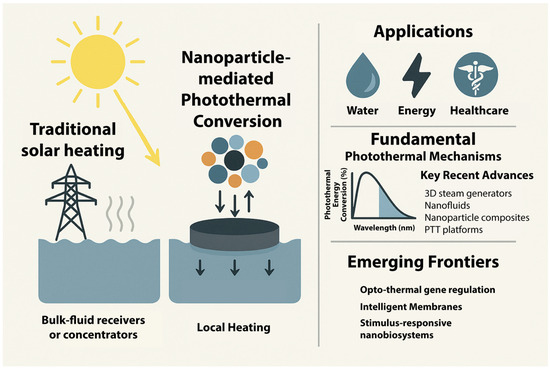
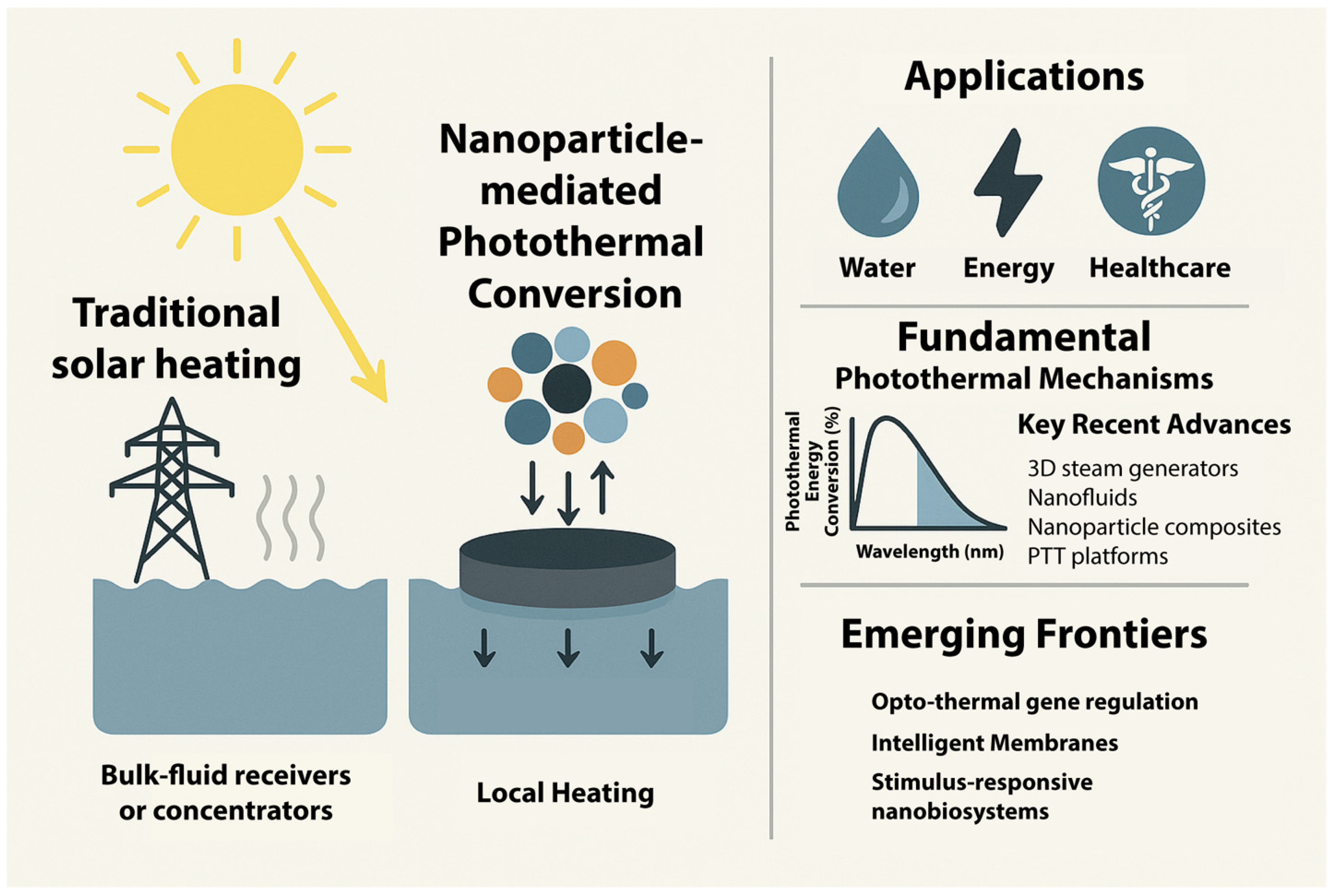
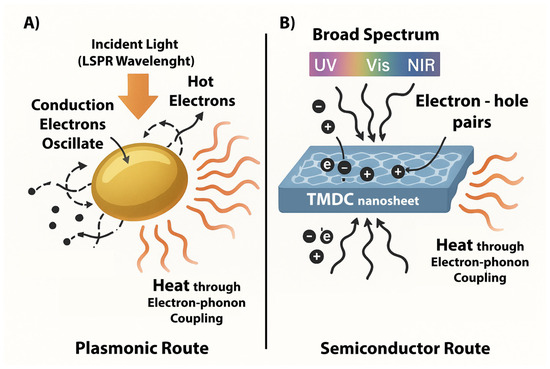
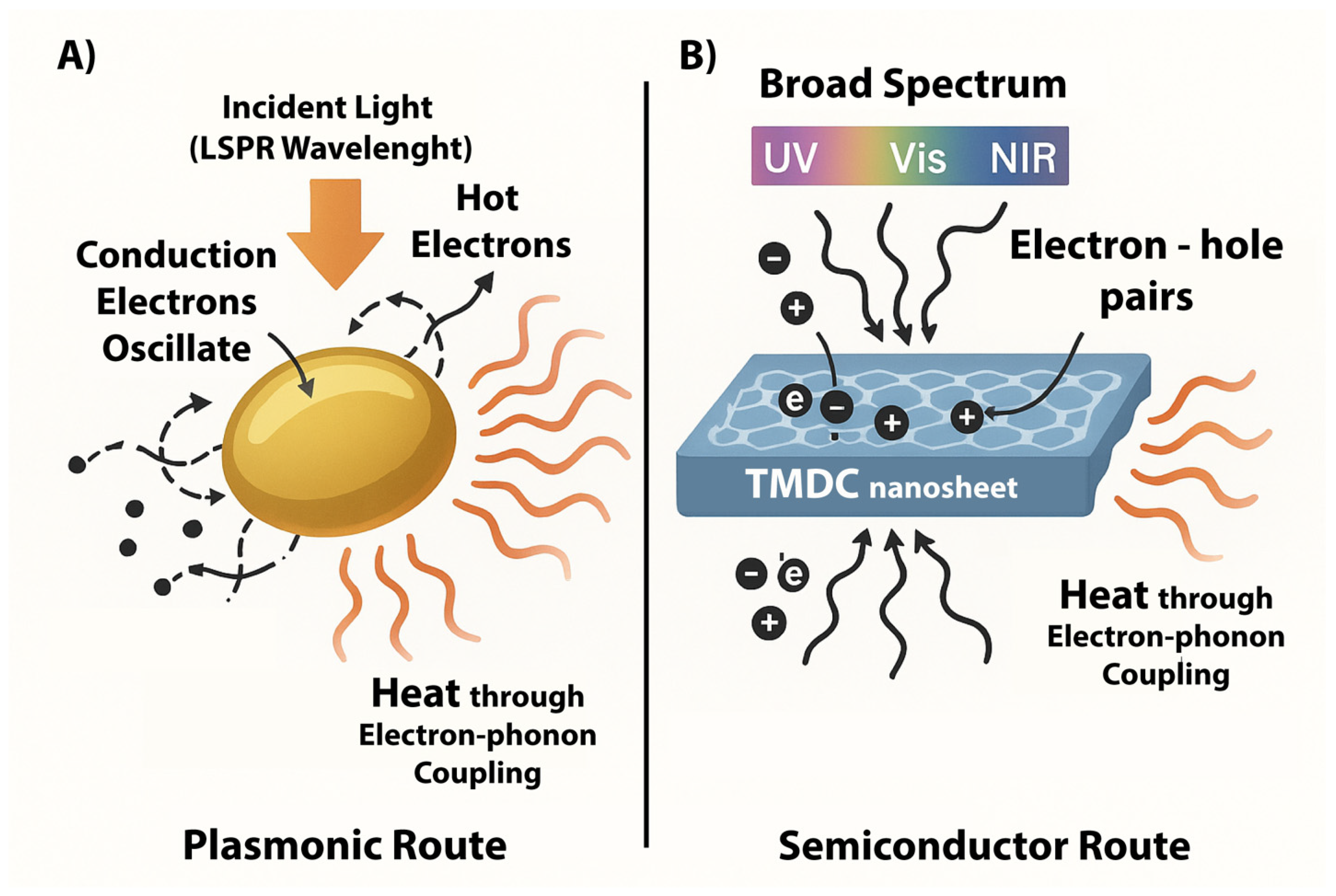
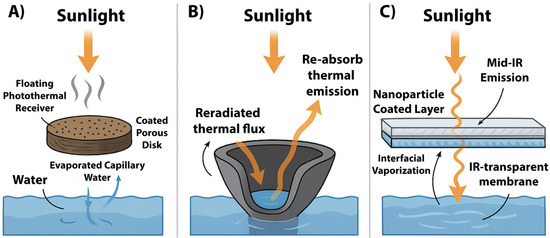
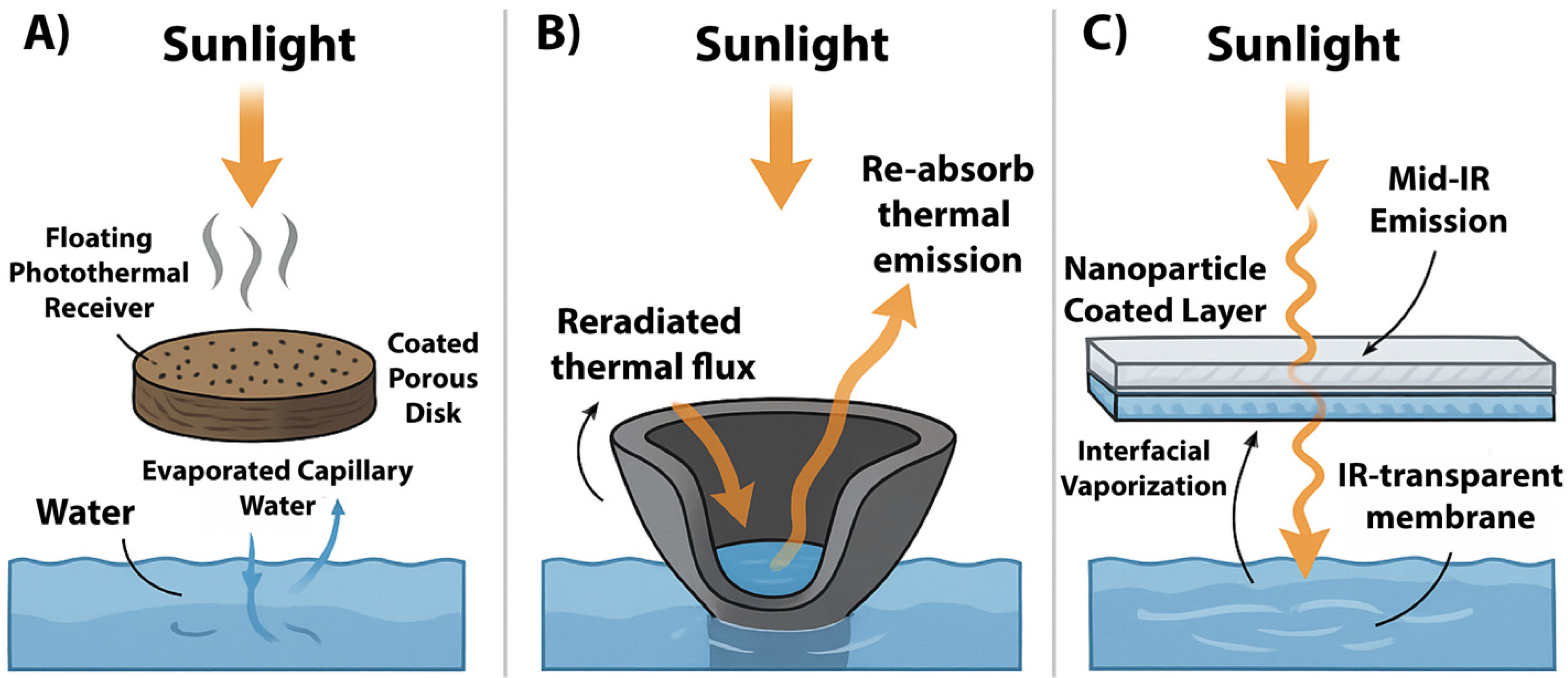
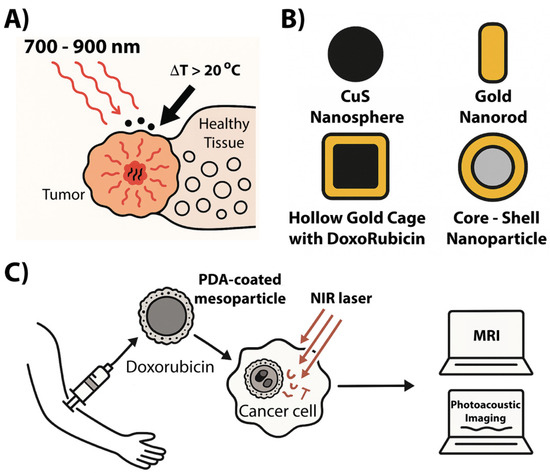
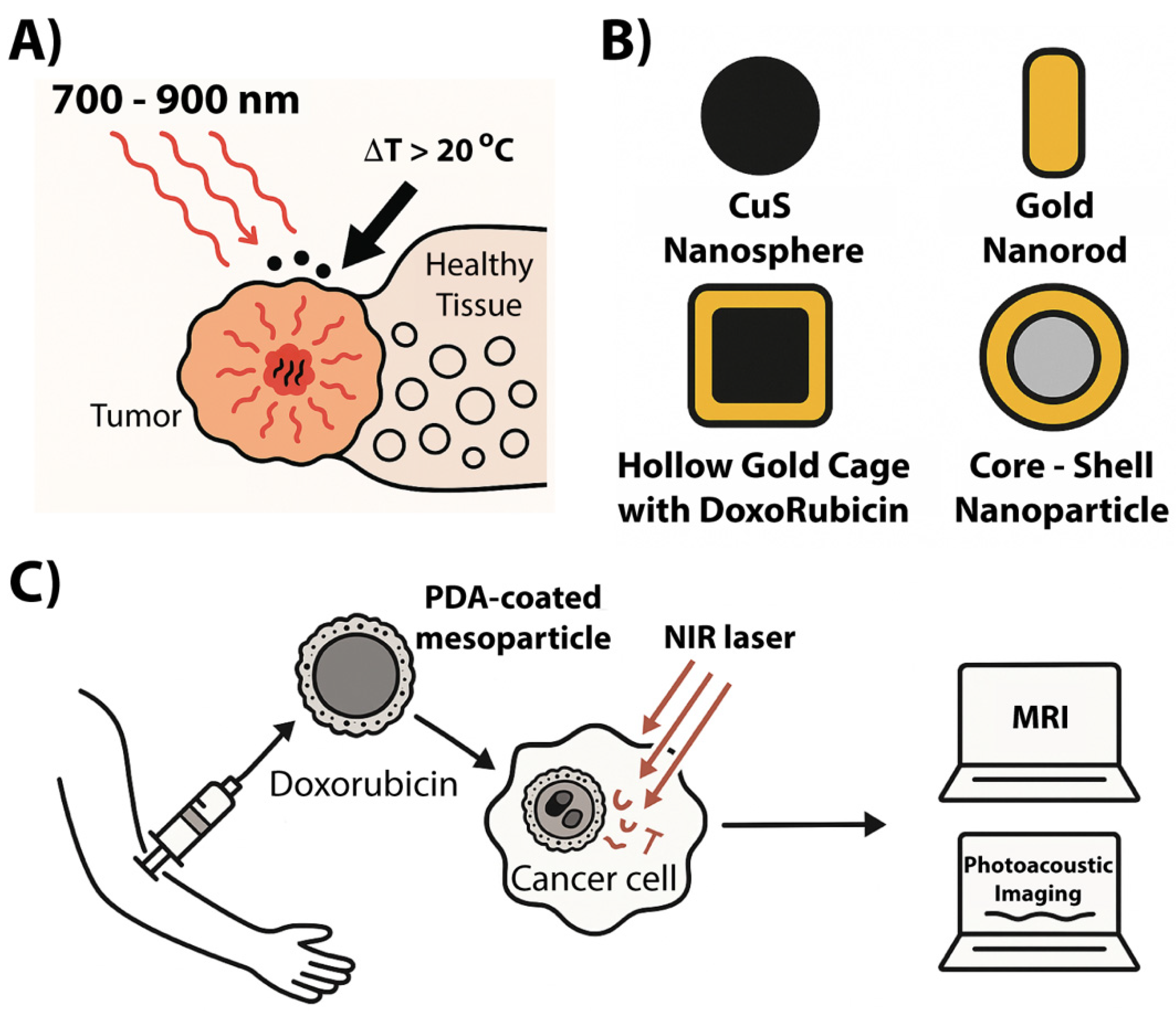
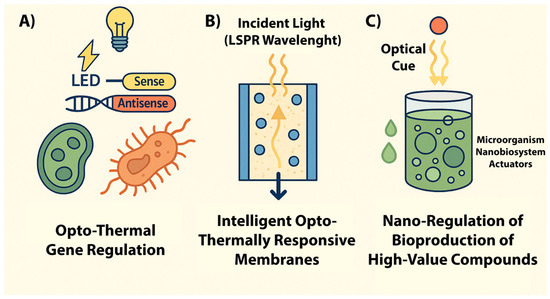
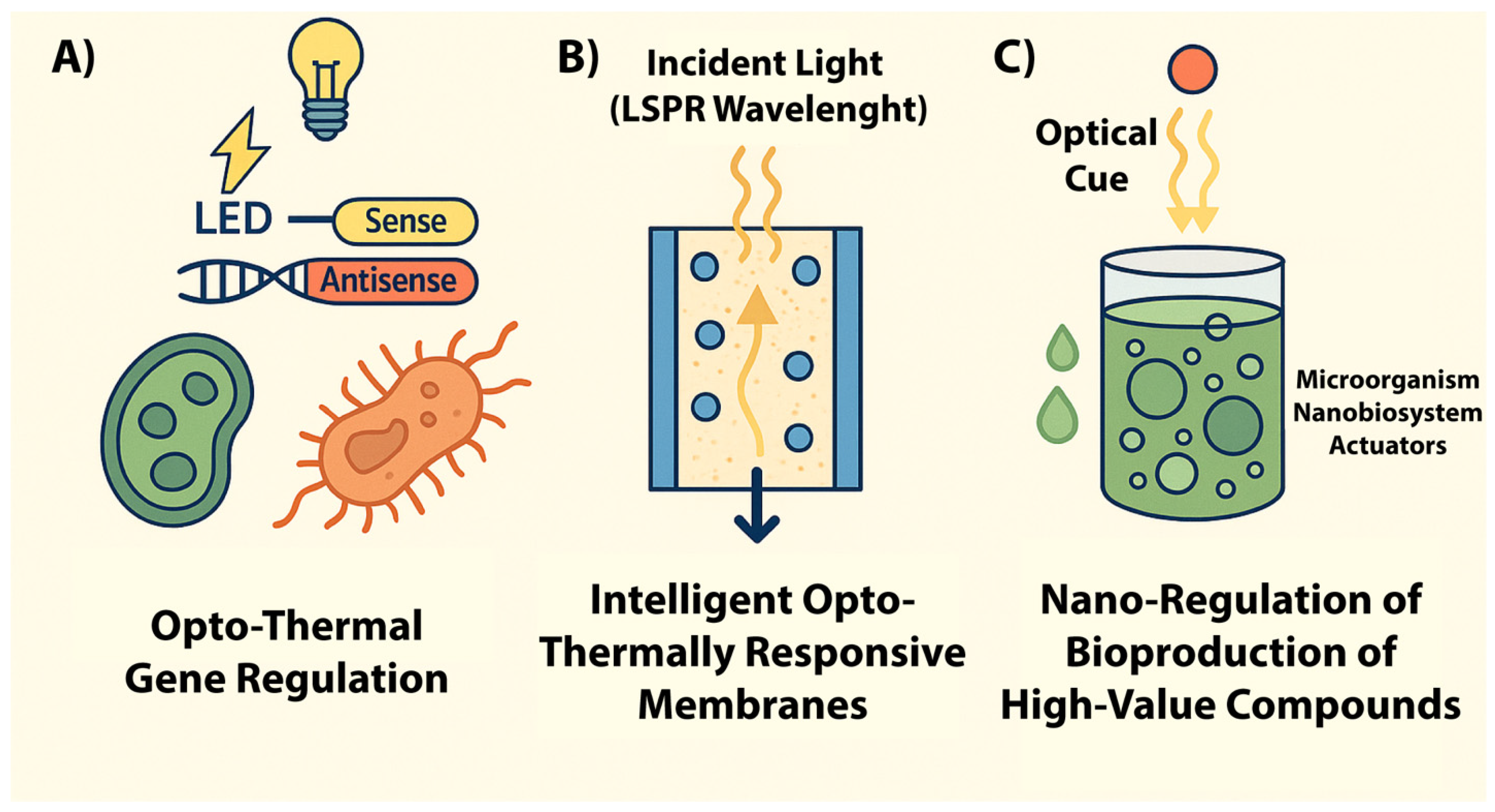

Disclaimer/Publisher’s Note: The statements, opinions and data contained in all publications are solely those of the individual author(s) and contributor(s) and not of MDPI and/or the editor(s). MDPI and/or the editor(s) disclaim responsibility for any injury to people or property resulting from any ideas, methods, instructions or products referred to in the content. |
© 2026 by the author. Licensee MDPI, Basel, Switzerland. This article is an open access article distributed under the terms and conditions of the Creative Commons Attribution (CC BY) license.