


Abstract
Industrial chili peppers are specialized varieties primarily used for the extraction of capsaicinoids and paprika red. Their post-harvest processing level directly affects product quality and industrial economic benefits. Most existing studies have focused on a single unit operation or on edible chili peppers, and a systematic review of the entire post-harvest processing chain for industrial chili peppers is still lacking. Taking the standardized post-harvest processing workflow of industrial chili peppers as its core theme, this paper systematically reviews the current research approaches and application status of industrial chili pepper post-harvest processing technologies across six core unit operations, namely cleaning and impurity removal, grading and sorting, drying, stem and seed removal, crushing and grinding, and extraction of bioactive compounds. The analysis indicates that the field currently faces four common challenges: the lack of standardized processing parameters for classified processing, relatively low drying energy efficiency, insufficient online sensing and intelligent collaborative control, and a scarcity of industrial-scale validation for emerging technologies. This paper further constructs a technical route and technology evaluation framework for the entire post-harvest processing chain of industrial chili peppers, clarifies the applicable boundaries and scale suitability of different processing technologies, and provides a theoretical basis for industrial technological upgrading and process selection.
1. Introduction
Chili peppers are economically significant annual or perennial herbaceous plants [1]. Since their introduction into China during the Ming Dynasty, they have become one of the country’s most important cash crops. According to the Food and Agriculture Organization (FAO), the global chili pepper cultivation area reached 2.81 million hectares in 2024, with an annual production of 44.77 million tons. China ranks first worldwide in both cultivation area and production, accounting for over 27% and 38% of the global totals, respectively [2]. India, Mexico, Thailand, and several other countries are also major chili-producing nations. China maintains its leading position, supported by abundant variety resources and a dual supply capability for both fresh consumption and industrial processing. India, with ultra-high pungency varieties such as Bhut Jolokia, dominates the global capsaicinoid raw material market [3]. Mexico, as one of the centers of origin of Capsicum species, has accumulated extensive expertise in paprika red pigment extraction and traditional processing technologies [4]. Currently, the end uses of chili peppers have clearly diverged into two major pathways: fresh consumption and industrial processing [5,6]. Among these, industrial chili peppers are specifically designated as varieties aimed at extracting high-value-added components such as capsaicinoids, paprika red, and capsicum oleoresin, and have developed into the fastest-growing segment of the chili pepper industry chain [7,8,9].
Industrial chili pepper extracts are in strong demand across multiple industries. Capsaicin, owing to its highly selective activation of the TRPV1 receptor, is widely used in topical analgesic formulations and long-lasting antifouling coatings [10]. Paprika red is internationally recognized as a high-quality natural food colorant, with extensive applications in meat products, seasonings, and cosmetics, and its global market size continues to expand [11]. Capsicum oleoresin, as a standardized extract that combines pungency and coloration, serves as a key raw material for compound seasonings and functional foods [12]. The quality of these high-value products is highly dependent on the post-harvest processing of the raw material. However, in stark contrast to the large-scale expansion of cultivation and the promising prospects for the utilization of final industrial chili pepper products, the current level of mechanization and automation in the post-harvest processing of industrial chili peppers remains relatively low. In particular, the front-end operations of cleaning, impurity removal, and sorting still rely heavily on manual labor, which not only leads to batch quality fluctuations but also significantly increases the refining costs of subsequent extraction. This constitutes a prominent bottleneck constraining industrial technological upgrading [13].
Existing studies have largely focused on post-harvest physiology, fresh-keeping packaging, and storage and transport disease control of fresh-market chili peppers, the technical objectives of which differ fundamentally from those of industrial raw material processing. In contrast, research oriented toward industrial extraction typically addresses only a single technology or a single bioactive component, such as comparisons of capsaicinoid extraction methods, separation and purification of paprika red, or efficiency evaluation of specific drying methods. Few studies have examined the entire post-harvest processing chain of industrial chili peppers as an independent technological system. To date, no integrative review has systematically synthesized the principles, equipment advances, and existing bottlenecks across each unit operation.
To address this knowledge gap, this paper takes the standardized post-harvest processing workflow of industrial chili peppers as its core theme and proposes a classification framework comprising six unit operations: cleaning and impurity removal, grading and sorting, drying, stem and seed removal, crushing and grinding, and extraction of bioactive compounds. The technical principles, application status, and frontier advances of each operation are systematically reviewed, aiming to provide a comprehensive theoretical reference and technical support for China’s industrial chili pepper processing industry, which is currently in a transitional phase toward mechanization.
2. Classification of Industrial Chili Pepper Varieties and Postprocessing Technological System
Industrial chili peppers do not denote a single specific variety but rather encompass a range of chili pepper cultivars that are mass-produced primarily for the extraction of industrial raw materials, including capsaicin and paprika oleoresin [14,15]. In contrast to fresh chili peppers, industrial varieties typically demand high color intensity, elevated pungency levels, and substantial dry matter content [15,16]. Following harvest, they must undergo a series of processing steps before advancing to deep processing stages. The physical properties of different industrial chili pepper cultivars exhibit marked variations, directly influencing the selection of process parameters and the design of equipment for postprocessing operations such as cleaning, impurity removal, color sorting, and stem detachment [17,18]. Consequently, a systematic categorization of industrial chili pepper varieties alongside an analysis of their processing characteristics, coupled with the establishment of a standardized postprocessing technological workflow and technical evaluation framework, are essential prerequisites for achieving efficient and minimally damaging postprocessing outcomes.
2.1. Types and Processing Characteristics of Industrial Chili Peppers
Based on the different target extracts, industrial chili peppers can be categorized into three major types: high-pigment type, high-pungency type, and dual-purpose type [19,20]. Table 1 presents three common types of industrial chili peppers.
Table 1.
Classification of industrial chili peppers.
Based on differences in the primary target product, industrial chili peppers can be practically categorized into three types. High pigment type chili peppers are primarily targeted for the extraction of paprika red, with color values (ASTA) reaching as high as 150 and even exceeding 400, while their pungency is relatively low. For instance, the cultivar NuMex Garnet has a color value as high as 210 to 235 [22]. High pungency type chili peppers are focused on the extraction of capsaicinoids, with Scoville Heat Unit (SHU) values generally not lower than 100,000. For example, the cultivar Trinidad Moruga Scorpion achieves a pungency of 1.2 million SHU, with a peak exceeding 2.0 million SHU [24]. Dual-purpose type chili peppers possess both relatively high color values and pungency, with ASTA values generally ranging from 80 to 150 and SHU values between 30,000 and 100,000. A typical cultivar is Teja (S-17) from India, whose crude oleoresin yield can reach 8.82%, and after purification, the capsaicin oleoresin pungency can reach 5.5 million SHU [25]. This classification system, based on target products and raw material characteristics, provides a fundamental basis for the differentiated selection of subsequent processing routes.
Currently, there is a lack of systematic comparative studies on the processing adaptability of the three types of industrial chili peppers under identical processing parameters, which to some extent limits the precise design of processing routes based on raw material types. However, with respect to the drying operation, during hot air drying at 50 to 64 °C, capsaicinoids exhibit extremely high thermal stability with complete retention, whereas paprika red is relatively sensitive to thermal processing, with a loss rate of up to approximately 39%. Within this temperature range, increasing the temperature from 50 °C to 64 °C did not significantly exacerbate the additional degradation of paprika red, nor did it cause any negative effect on the retention of capsaicinoids [26]. This indicates that although both components require avoidance of high temperatures during processing, their temperature-sensitive windows do not overlap, and a compromise must be made for dual-purpose type chili peppers.
2.2. Overview of the Post-Harvest Processing Workflow for Industrial Chili Peppers
After harvest, industrial chili peppers must undergo a series of post-harvest processing operations before they can be converted into high-quality raw materials suitable for the extraction of capsaicinoids and paprika red [27,28]. The complete post-harvest processing workflow for industrial chili peppers is shown in Figure 1, comprising six major unit operations: cleaning and impurity removal, grading and sorting, drying, stem and seed removal, crushing and grinding, and extraction of bioactive compounds. Each operation exerts a profound influence on subsequent extraction efficiency, product purity, and production cost [27,28].
Figure 1.
Workflow of post-harvest processing for industrial chili peppers.
The order of these operations is not fixed. In particular, the sequence of the two core operations, namely drying and stem and seed removal, can be interchanged depending on the target product [29]. When capsaicinoids are the primary target product, the technical route of seed removal prior to drying can be selected. Under this approach, seed removal is performed on fresh peppers, which facilitates operation and achieves a high seed-removal rate. However, the separated wet skins and wet seeds must then be dried separately, resulting in relatively high overall energy consumption. When paprika red is the primary target product, the industry preferentially adopts the technical route of drying prior to seed removal. Since capsanthin exhibits good thermal stability within intact cells but is highly susceptible to enzymatic browning and oxidative degradation once the cells are disrupted, drying whole peppers first maximizes pigment retention [30,31,32,33]. Before mechanically separating the dried peppers, an additional moistening and softening step is usually required to restore the toughness of the hard, dried skins, thereby ensuring efficient separation of skins and seeds and preventing excessive pulverization of the skins under mechanical force.
Among these operations, cleaning and impurity removal, grading and sorting, drying, stem and seed removal, and crushing and grinding are collectively referred to as pre-processing stages, while the extraction of bioactive compounds is termed the deep-processing stage.
As the first unit operation in the entire post-harvest processing chain of industrial chili peppers, the cleaning and impurity removal step primarily removes foreign materials such as soil, sand and gravel, pesticide residues, and mixed plant leaves and stems attached to the pepper surface [34]. Incomplete cleaning may lead to heavy metals from the sediment being leached out together with the target compounds during the extraction of bioactive components, entering the extraction solution and causing significant difficulties in subsequent purification and separation [35]. In severe cases, this may result in the product exceeding the permitted limits for heavy metals, rendering it unable to meet food-grade or pharmaceutical-grade standards. Furthermore, the cleaning step effectively reduces the microbial load of the raw material, preventing mold caused by microbial proliferation during the subsequent drying process [36].
Following the completion of cleaning and impurity removal, grading and sorting is a critical step to ensure the homogenization of industrial chili peppers, comprising two stages: wet sorting and dry sorting [37]. Wet sorting is carried out after cleaning, using color sorters or manual sorting platforms to remove moldy peppers, blighted peppers, rotten peppers, and immature industrial chili peppers. Aflatoxins and other mycotoxins present in moldy peppers are co-extracted during the subsequent solvent extraction process, contaminating the final product [38]. Green peppers, which have extremely low paprika red content, directly reduce the extraction yield once mixed in, leading to substantial economic losses [39]. Capsaicinoids gradually accumulate during pepper fruit development, reaching their maximum concentration at 33 days after flowering. This indicates that maturity is a key factor influencing capsaicinoid content [40]. Dry sorting is performed after drying, again using color sorters to remove scorched peppers and residual moldy peppers [41]. After sorting, the raw materials become more consistent in maturity and quality, providing homogenized feed conditions for the subsequent drying operation.
Fresh chili peppers after grading and sorting typically have a moisture content of 75% to 85% [42]. If not dried promptly to a moisture content below 14%, they are highly susceptible to mold and rot during storage, resulting in substantial losses [43]. Drying also prevents the degradation of capsaicinoids and paprika red by inhibiting endogenous enzyme activity and microbial growth, and eliminates the interference of free water with nonpolar organic solvents, thereby significantly improving extraction efficiency, product purity, and storage stability. Grimaldi et al. [44] demonstrated that drying temperature significantly affects pepper quality parameters. Compared with treatment at 45 °C, treatment at 65 °C induced more severe modification of compounds, and the degradation of heat-sensitive components (e.g., capsaicinoids and carotenoids) increased. Studies comparing sun drying, hot air drying, microwave vacuum drying, and freeze drying on five pepper cultivars have confirmed that freeze drying is the most effective method for preserving capsaicin and β-carotene, whereas hot air and sun drying lead to significant losses [45]. This indicates that inappropriate drying methods and temperatures can directly cause substantial degradation of capsaicin and paprika red, thereby significantly reducing the potential yield of subsequent extraction processes and the purity of the final product.
The moisture content and brittleness of the material after drying directly affect the mechanical efficiency of stem and seed removal. The stem and seed removal step mainly includes the sub-operations of stem removal, calyx removal, and seed separation for industrial chili peppers. The stems and calyces are lignified structures containing virtually no target capsaicinoids or paprika red [46]. If not removed, they will absorb large amounts of organic solvent during extraction, increasing solvent consumption and the burden of subsequent separation. Chili seeds similarly contain essentially no capsaicinoids or paprika red but are rich in oil and fiber. When mixed in, they not only absorb solvent and reduce extraction efficiency but also cause the extract to become turbid, increasing the difficulty of purification [13]. After stem and seed removal, the dried pepper skins directly enter the crushing and grinding step, where the particle size is further reduced to meet the process requirements for solvent extraction.
The dried chili pepper pericarp after stem and seed removal serves as the primary feed material for the crushing and grinding operations. Crushing and grinding constitute the final preparation step prior to extraction. During crushing, dried chili peppers are ground into chili powder with a particle size of 20–40 mesh, which greatly increases the specific surface area of the material [47]. This allows the organic solvent to fully contact the pepper cells, directly determining the extraction efficiency. Kostrzewa et al. [48] demonstrated that reducing the particle size of chili raw material significantly improves the extraction efficiency and carotenoid recovery during supercritical CO2 extraction, with the highest carotenoid recovery achieved at a particle size of less than 0.2 mm. If the ground particles are too coarse, solvent penetration becomes insufficient, leading to a decrease in extraction yield. Conversely, if the particles are too fine, the specific surface area increases, which accelerates the release of bioactive compounds but also exacerbates the risk of pigment oxidation.
After being ground to an appropriate particle size, the chili powder enters the extraction of bioactive compounds, which is the most critical value addition stage in the entire processing chain. The technological level and process control at this stage directly determine the quality, purity, and economic value of the final product [49]. Currently, a large-scale extraction method used in industry involves first leaching the pretreated chili powder with an organic solvent such as n-hexane to preferentially dissolve paprika red from the solid phase, obtaining a paprika red-rich extract. Subsequently, a polar organic solvent such as ethanol or acetone is used to leach the residue again, efficiently dissolving the capsaicinoids and yielding a capsaicinoid-rich extract. The paprika red extract is then concentrated and desolventized, and can be further purified by techniques such as column chromatography or supercritical CO2 extraction to obtain high-purity, non-pungent capsanthin. The capsaicinoid extract can be purified by steps such as back-extraction with dilute alkaline solution and crystallization to obtain high-purity capsaicin crystals [50,51]. This step decisively influences subsequent product applications and market value. Incomplete separation may result in residual capsaicinoids in the paprika red product, causing an undesirable pungent taste that makes it unsuitable for cosmetics such as lipsticks and eyeshadows, where strict requirements regarding irritancy apply. Insufficient purification purity may introduce impurities into the capsaicinoid product, reducing its therapeutic efficacy and affecting its use in analgesic patches and cancer treatment drugs [52]. High-level extraction and purification technologies not only significantly enhance extraction yield and product purity but also remove off-flavors, pigments, and impurities, enabling the products to meet food-grade and pharmaceutical-grade standards, thereby substantially increasing the added value of the industry.
As the final operation of the entire processing chain, the extraction efficiency depends not only on the extraction process itself, but also reflects the cumulative quality effects of all preceding unit operations, starting from cleaning. Issues such as residual impurities from insufficient cleaning, pigment degradation caused by excessive drying, or oil contamination from incomplete stem removal will all manifest in the extract, increasing subsequent purification costs and potentially compromising compliance with food-grade or pharmaceutical-grade standards. It is precisely this strong coupling between upstream and downstream operations that dictates that the post-harvest processing of industrial chili peppers must aim for collaborative optimization across the entire chain, rather than isolated improvements of individual unit operations.
3. Post-Harvest Cleaning, Sanitization and Drying Pretreatments for Industrial Chili Pods
Cleaning and specification processing of industrial chili peppers refer to a series of physical operations that fresh industrial chili peppers undergo from field harvest until the drying step, serving as a critical bridge between raw material production and subsequent processing. This stage encompasses multiple unit operations, including cleaning and impurity removal, grading and sorting, and drying. Its core objective is to convert fresh peppers with a moisture content as high as 75–85%, uneven component distribution, and varying morphologies into standardized raw materials with a moisture content ≤ 14% and uniform, stable composition [42,43]. The technological level and equipment configuration of the cleaning and specification processing stage directly determine the efficiency and cost of subsequent extraction operations, as well as the purity and quality of the final product, making it an indispensable foundational link in the entire post-harvest processing chain of industrial chili peppers [53].
From the perspective of technological development, the pre-processing of industrial chili peppers has evolved from being entirely labor-dependent to mechanized and automated [54]. In the early stages, processing relied mainly on manual labor for cleaning, sorting, and other operations, which presented prominent problems such as high labor demand, high labor intensity, low efficiency, and unstable quality [55]. In recent years, with the continuous development of pre-processing equipment for cleaning and impurity removal, grading and sorting, and drying, the level of mechanization and automation for each unit operation has significantly improved [56,57]. Consequently, the cleanliness, grading accuracy, and drying quality of industrial chili pepper raw materials have been greatly enhanced, providing high-quality and stable raw material assurance for subsequent processing steps such as stem and seed removal, crushing and grinding, and extraction of bioactive compounds.
3.1. Technologies and Equipment for Cleaning and Impurity Removal of Industrial Chili Peppers
During field growth, harvesting, and transportation, industrial chili peppers inevitably accumulate foreign materials such as soil, sand, stems, leaves, plastic film fragments, and metal particles on their surfaces and within the harvested crop [58]. If these impurities are not effectively removed at the front end of processing, they not only accelerate equipment wear but also reduce downstream processing efficiency, increase the difficulty of extracting capsaicinoids and paprika red, and compromise the quality of the final extracted products [59]. As the first operation in the pre-processing chain of industrial chili peppers, cleaning and impurity removal fulfill the fundamental roles of eliminating foreign matter, purifying the raw material, and safeguarding product quality. According to Jalgaonkar et al. [27], post-harvest losses in India, a major global producer of dried chili peppers, range from 25% to 35% across various handling stages. Among the contributing factors, the absence or improper implementation of cleaning and impurity removal steps is a critical cause of quality deterioration and excessive microbial contamination.
3.1.1. Objectives and Requirements of Cleaning and Impurity Removal
In the post-harvest processing of industrial chili peppers, cleaning and impurity removal must simultaneously achieve multiple objectives: eliminating physical contaminants, removing chemical residues, and controlling microbial contamination [58,60]. The objective constraints of this operation are not limited to achieving the cleanliness compliance of the final product, but also require preserving fruit integrity during mechanical cleaning, so as to avoid the loss of soluble solids caused by flesh damage and the consequent risk of spoilage during subsequent processing.
The evaluation of cleaning and impurity removal effectiveness requires comprehensive judgment based on multiple indicators, including surface cleanliness, microbial inactivation level, pesticide residue removal rate, and limits of residual impurities [61]. Sensory and physicochemical inspections require that no foreign objects such as sand, stones, or metals be detected, with the total impurity content controlled below 1%, and for premium grades, the limit is 0.5%. However, the prerequisite for meeting these quality requirements lies in the cleaning process itself possessing sufficient decontamination and microbial reduction capability.
Water washing alone is far from sufficient for effective microbial inactivation at the industrial level, and must be coupled with chemical disinfection or physical sterilization methods [62,63]. Sasmita et al. [63] determined the initial microbial loads of several chili pepper varieties and evaluated the antimicrobial efficacy of ozonated water washing. They confirmed that ozone treatment can significantly retard postharvest microbial proliferation, but its decontamination efficiency is closely related to the epidermal structure of the varieties. Curled red chili peppers, due to their thicker wax layer, exhibited the best storability, suggesting that the bactericidal efficacy of a cleaning process is not determined solely by treatment intensity, but is also significantly influenced by the physicochemical properties of the raw material itself. Aurelia [64] further pointed out that the initial hygienic level after cleaning and disinfection directly affects subsequent storage quality. A 50 ppm chlorine-based disinfectant achieved a favorable balance between bactericidal efficacy and fruit tolerance, thereby establishing a foundation for microbial reduction for subsequent cold chain or zero-energy storage.
Figure 2 illustrates a typical industrial chili pepper cleaning process using ClO2 as the enhanced disinfectant medium. This process employs a staged configuration combining multi-stage countercurrent ClO2 washing with a final pure water rinsing section. ClO2 is generated online by a generator, and its concentration in the cleaning solution is monitored in real time by gas sensors with feedback to the control system, enabling dynamic regulation of the available chlorine concentration. The ClO2 washing section is responsible for primary decontamination and broad-spectrum microbial inactivation, while the final water rinsing section is used to remove residual chlorine, ensuring chemical safety for subsequent processing operations. In industrial practice, cleaning processes have moved beyond reliance on a single technology and now adopt a staged combination strategy that integrates multiple technologies.
Figure 2.
Post-harvest handling of red chili peppers and a ClO2 cleaning system with automatic concentration control [65].
Furthermore, the cleaning process must adhere to strict quality preservation constraints. While effectively removing impurities and residues, it should protect the surface integrity of chili fruits to the greatest extent, avoid mechanical damage, and maintain nutritional components [66]. Therefore, during cleaning, the intensity of water impact, soaking time, and temperature should be properly controlled. Low-damage methods such as gentle conveying, bubble agitation, or spraying are preferred [58,67]. These approaches minimize friction and compression on the fruits while ensuring thorough surface cleaning.
3.1.2. Types and Principles of Impurity Removal Equipment
The traditional manual sorting method for industrial chili peppers suffers from low efficiency and high labor intensity, and cannot meet the requirements of large-scale and standardized processing. Mechanized and intelligent impurity removal technologies have therefore become an industry development trend [68]. Currently, industrial chili pepper pre-processing has developed a multi-stage impurity removal system comprising air separation, vibrating screening, magnetic separation, gravity stone removal, and X-ray inspection. Together, these unit operations form a sequential removal chain for light, fine, and heavy impurities [69].
Air separation is the first operation in chili pepper pre-processing. It exploits the difference in suspension velocity between chili peppers and light impurities such as stems, leaves, weeds, and plastic film to achieve rapid separation, effectively removing most light impurities and reducing the load on subsequent screening [70,71]. The advantages include high processing throughput, no consumable requirements, and low operating costs, enabling rapid removal of the bulk of light impurity loads such as stems, leaves, weeds, and plastic film. Air separation is mainly classified into vertical and horizontal types. Vertical air separation offers high cleaning accuracy but limited throughput, whereas horizontal air separation provides high throughput but relatively lower cleaning accuracy [72,73]. Shin et al. [74] determined the threshold air velocities for separating chili fruits and branches through CFD simulations and experiments. Related CFD-DEM coupled simulation studies indicated that air velocity is the core parameter affecting separation performance, with 20 m/s being the optimal condition. Under this condition, the impurity content of chili peppers was reduced to 4.624%, while the loss rate was only 1.798%, providing a theoretical basis for optimizing air separation process parameters [75].
Air separation is ineffective for removing fine impurities such as soil and small stones, and vibrating screening complements it by exploiting differences in particle size and morphology to separate fine impurities [76]. Its advantages lie in simple structure, ease of maintenance, and stable removal performance for fine impurities. Chili fruits have a relatively uniform size, and fine impurities can be removed through an appropriately sized screen to achieve refined impurity removal. Installing an oscillating motor can alleviate screen clogging and improve screening stability [77]. Fu et al. [78] demonstrated that screen surface geometry directly affects material movement, and optimizing the screen configuration can effectively increase the passage rate of impurities while reducing the entrainment loss of chili material, thereby improving screening performance. However, vibrating screening has certain limitations. Soil and sediment adhering to the surface of fresh peppers are difficult to remove by screening alone, leading to increased screen clogging frequency. Furthermore, the mechanical vibration during screening causes friction on the pepper skin, which may result in surface abrasion. The latter is precisely a key indicator for quality preservation.
After air separation and vibrating screening, the chili raw material may still contain heavy, hard impurities such as metals, stones, and glass, which can damage processing equipment and reduce extract quality. Specialized treatments including magnetic separation, gravity stone removal, and X-ray inspection are therefore required [79]. Among these, a rotating rod-type magnetic separator can efficiently remove ferrous impurities from the raw material. The study by Erbas et al. [80] further revealed the adsorption behavior of magnetic materials toward metal elements in chili, providing theoretical support for the application of novel magnetic separation technologies. Gravity stone removal technology relies on differences in material density and suspension velocity in an air stream to effectively remove non-metallic heavy impurities such as stones. To address the challenges of uneven material accumulation and difficulty in foreign object identification, researchers have developed an X-ray segmentation algorithm combining edge detection with region growing, which can accurately identify metal fragments [81]. This technology is suitable for detecting irregular bulk materials and holds good application value for intelligent impurity removal of chili peppers [82]. However, the equipment investment is high, and maintenance is complex. At present, it is economically justified only in large-scale, high-value-added product lines, whereas the payback period for small and medium-sized enterprises is excessively long.
The above comparison indicates that no single impurity removal technology can simultaneously achieve optimal performance across separation precision, processing throughput, investment cost, and quality preservation. Clear compromises exist among the various technologies.
3.1.3. Technologies and Equipment for the Cleaning Step
With the development of commercial processing technologies for agricultural products, chili cleaning methods have evolved from traditional manual washing to modern mechanized cleaning. Based on the working principle and the cleaning medium used, the main methods can be categorized into soaking, spray washing, ultrasonic cleaning, and combined cleaning systems [83]. Each method exhibits distinct characteristics in terms of cleaning efficacy, throughput, and impact on product quality. Therefore, the choice of cleaning approach should be made by comprehensively considering factors such as production scale and cost control.
(1) Soaking Cleaning
Soaking is the most traditional and basic cleaning method for chili peppers. It involves immersing the peppers in a cleaning medium to soften surface-attached contaminants, followed by agitation or water flow to detach the pollutants [84]. The traditional manual soaking method requires simple equipment and low cost, making it suitable for small-scale production or on-farm use. However, it suffers from low efficiency, high water consumption, inconsistent cleaning performance, and cross-contamination.
Hatibi et al. [85] compared the removal efficiency of organophosphorus pesticide residues on small chili peppers using lime water soaking versus hot water soaking. Spectrophotometric analysis showed that hot water soaking achieved significantly higher removal efficiency of organophosphorus residues than lime water treatment. Benitez et al. [86] demonstrated that aeration (physical agitation) alone reduced Listeria innocua counts on bell pepper surfaces by 2.49 log CFU/g, confirming that physical action is a key decontamination factor in soaking cleaning. Wang et al. [84] confirmed that soaking, as a pretreatment, effectively softens stubborn dirt on the surface of spices, and subsequent spray washing better preserves product flavor quality. This principle is equally applicable to chili pepper processing.
(2) Spray Washing
Spray washing is currently the most widely used technology in large-scale chili pepper processing. It uses a pump to pressurize the cleaning medium, which is then ejected through nozzles to form high-speed water jets, removing contaminants by hydraulic impact and shear forces. It can be integrated with automatic conveying devices to achieve continuous operation [87].
The decontamination efficiency of spray washing depends on the coupling interaction between hydraulic parameters and material interfacial properties. Key process indicators include surface impact pressure, droplet coverage, and effective contact time. Mulugeta [88] revealed the quantitative relationship between jet structure and cleaning efficacy under low-pressure conditions, and reported that with a fan nozzle operating at a flow rate of 6.2 L/min, a pressure of 3 bar, and a spray angle of 90°, the cleaning area ratio reached 0.91, representing optimal performance. In recent years, the design of spray systems has been continuously optimized [89]. Zhou et al. [90] developed an innovative “in-flight cleaning” device, in which a nozzle array sprays disinfectant upward, providing a new concept for structural design. Spray washing offers comprehensive advantages in large-scale continuous production. However, its limitations in removing adherent impurities, the risk of quality damage caused by high-pressure impact, and issues related to raw material adaptability should not be overlooked.
(3) Ultrasonic Cleaning
Ultrasonic cleaning is an advanced cleaning technology based on the cavitation effect. A transducer converts electrical energy into high-frequency mechanical vibrations, causing bubbles in the cleaning liquid to implode and generate localized high temperatures, high pressures, and shock waves, efficiently removing contaminants from the pepper surface [91]. The ultrasonic cleaning process and the structural diagram of an ultrasonic cleaning system are shown in Figure 3a,b. In Figure 3a, the microscopic cleaning mechanism of ultrasonic cavitation is illustrated: the generator drives the transducer to produce high-frequency oscillations, forming cavitation bubbles in the cleaning solution. These bubbles grow, oscillate, and implode near the fruit or vegetable surface, and the resulting microjets and shock waves repeatedly act until the contaminants are completely detached. Figure 3b presents the typical equipment configuration for implementing this principle, which mainly consists of a cleaning tank, transducer vibrating plates, an ultrasonic generator, and a circulating filtration system. The working medium is circulated and filtered by a pump to maintain the continuous cavitation effect on the material surface. This configuration supports batch processing. For industrial scale-up, a trade-off must be made between multi-tank capacity expansion and continuous retrofitting, depending on production requirements.
Figure 3.
Ultrasonic cleaning: (a) process flow; (b) structural diagram of the system [92]. 1. Ultrasonic transmitter; 2. stop light; 3. cabinet lock; 4. touch screen; 5. running light; 6. scram button; 7. power line; 8. drain outlets; 9. ultrasonic vibration box; 10. sieve; 11. air pump; 12. conveyor belt.
Akbari et al. [93] demonstrated that combined treatment with 500 mg/L thyme essential oil nanoemulsion and ultrasonic cleaning significantly reduced the microbial load on the surface of green bell peppers, inhibited peroxidase activity and respiration rate, and did not adversely affect product texture, color, or nutrient content. LuD iD et al. [94] found that ultrasonic pretreatment altered the microstructure of chili peppers, promoting moisture mass transfer during subsequent drying. They also systematically evaluated the interactive effects of ultrasound with chemical pretreatments such as citric acid and potassium metabisulfite on the quality of dried peppers, providing important theoretical support for the industrial application of this technology.
Ultrasonic cleaning offers several advantages: it leaves no dead zones, exhibits strong removal capability for contaminants on complex surfaces and in recessed areas, can work synergistically with other cleaning methods, and requires short processing times with high efficiency [95]. However, at the industrial application level, the attenuation distance of ultrasound in water is limited. Consequently, ensuring uniform acoustic field distribution in large-scale cleaning tanks is difficult, leading to variations in cleaning effectiveness among chili peppers placed at different locations. In addition, industrial-grade high-power ultrasonic transducers involve relatively high energy consumption and maintenance costs [96]. Currently, ultrasonic cleaning in chili pepper processing is primarily used in laboratory research and small- to medium-scale production of high-quality products. Its widespread adoption in large industrial lines awaits further technological maturation.
(4) Cleaning media and auxiliary enhancement technologies
① Ozonated water cleaning: Ozone has strong oxidizing properties, enabling it to effectively inactivate surface microorganisms and degrade certain pesticide residues. Its cleaning efficiency is superior to that of ordinary tap water. Putri et al. [97] investigated the quality changes in curled chili peppers treated with ozonated water under different storage conditions, confirming that ozonated water cleaning is a key technology for extending pepper shelf life and reducing quality deterioration. However, ozone has limited solubility in water and a short half-life (approximately 20–30 min at room temperature). Therefore, in industrial applications, it must be generated on-site and used immediately, imposing high demands on the design of ozone generation equipment and gas–liquid mixing devices.
② Disinfectant washing: Food-grade disinfectant solutions such as sodium hypochlorite and chlorine dioxide are used primarily to enhance microbial inactivation [98]. Studies have shown that the use of sodium hypochlorite or chlorine dioxide combined with ultrasonic cleaning helps agricultural products maintain good sensory quality during storage. However, their concentration and treatment time must be strictly controlled to avoid chemical residues and undesirable flavor effects [99]. Kim et al. [100] found that among commercial disinfectants, Inopus exhibited the best immediate bactericidal efficacy, but none showed residual effects after hot-air drying. Further treatment with an HCl-based chlorine dioxide solution significantly reduced microbial load, with comparable efficacy across the tested concentrations. Moreover, under the same conditions, stem-removed peppers achieved faster microbial inactivation than those with stems intact [101].
③ Heat shock treatment: Heat shock treatment combined with cleaning is an innovative process that integrates cleaning with heat treatment. After cleaning, the peppers undergo heat shock treatment, which aims to induce stress resistance and enhance disease tolerance during storage. This approach reflects the growing trend toward integrated post-harvest processing technologies. Kantakhoo et al. [102] found that hot water treatment at 55 °C for 1 min achieved the best results for red bell peppers, reducing chilling injury and electrolyte leakage, whereas treatment exceeding 3 min caused cell damage. This finding provides a physiological basis for setting hot water parameters in industrial chili pepper cleaning lines.
Table 2 systematically compares soaking cleaning (with plain water and with disinfectant), spray washing (with plain water and with disinfectant), and ultrasonic cleaning across multiple dimensions, including water consumption, energy consumption level, impurity removal, microbial inactivation, equipment investment, and suitable scale. The comparison indicates that no single cleaning technology simultaneously excels across all these dimensions. The factors affecting the cleaning performance of chili peppers are not limited to the cleaning method itself, but also include disinfectant type, water temperature, and other variables. In actual industrial deployment, ultrasonic cleaning is generally not used as a standalone primary cleaning unit, but rather in combination with soaking tanks or spray systems, forming a synergistic cleaning mode of soaking/spraying plus ultrasonic enhancement.
Table 2.
Comparison of process characteristics and applicability of cleaning technologies for chili peppers.
3.1.4. Existing Problems and Development Trends
At present, cleaning technologies and equipment for industrial chili peppers still face significant challenges at multiple levels. In terms of cleaning process adaptability, the physical characteristics of industrial chili peppers vary considerably, making it difficult for a single type of cleaning equipment to meet the processing demands of diverse varieties and specifications. During cleaning, it is necessary to efficiently remove contaminants such as soil and pesticide residues while avoiding damage to the pepper surface. Currently, most chili cleaning processes still rely on manual labor or simple tank soaking followed by agitation and rinsing. These methods suffer from unstable cleaning performance, high labor intensity, high water consumption, high residual impurity rates, and low cleaning efficiency.
In the future, cleaning technology for industrial chili peppers is accelerating toward intelligent and green solutions. Through computer vision, artificial intelligence can identify chili variety, surface soil, pesticide residue characteristics, and other features, automatically match cleaning parameters, and assess cleaning effectiveness, thereby achieving precise water conservation. Water-saving equipment is being developed in parallel with wastewater treatment technologies. Closed-loop water circulation and filtration systems enable the reuse of cleaning water, substantially reducing unit water consumption. Driven by the concepts of smart manufacturing and low-carbon environmental protection, chili cleaning equipment is expected to achieve comprehensive upgrades in cleaning accuracy, energy savings, emission reduction, and automation levels.
3.2. Sorting and Grading Technologies and Equipment for Industrial Chili Peppers
Sorting and grading of industrial chili peppers serve as a critical connecting link in the post-harvest processing chain, immediately following cleaning and impurity removal. These operations are responsible for eliminating substandard materials such as moldy peppers, damaged peppers, and foreign objects, while classifying the qualified peppers into different grades based on quality attributes including color, shape, size, and integrity [106]. In contrast to the preceding cleaning and impurity removal steps, which focus primarily on raw material cleanliness and contaminant elimination, sorting and grading place greater emphasis on the removal of defective peppers. This step profoundly affects the utilization efficiency of raw materials in subsequent processing operations such as cutting and milling, as well as the market value of the final products. In some applications, grading must also integrate internal composition indicators such as capsaicinoid content and color value to achieve comprehensive classification, meeting the raw material requirements of high-value-added extraction processes. In recent years, with the cross-integration of technologies such as machine vision, deep learning, multispectral imaging, and aerodynamic analysis, chili pepper sorting and grading equipment has been rapidly evolving from single-index mechanical screening toward multi-objective collaborative intelligent sorting [107].
3.2.1. Process Objectives and Technical Requirements for Sorting and Grading of Industrial Chili Peppers
The core objective of industrial chili pepper processing is the efficient extraction of two high-value-added natural products: capsaicinoids and paprika red. As a critical step in the post-harvest processing chain, the process objectives and technical requirements of sorting and grading must be centered around this end use. The extraction efficiency of capsaicinoids and paprika red is highly dependent on the color value, capsaicinoid content, and cleanliness level of the raw material [108].
A systematic analysis of 75 chili pepper varieties by Li et al. [109] showed that capsaicinoid content can vary by up to several tens of times among different varieties, and fruit size exhibited a weak negative correlation with capsaicinoid content. In addition, fruit color is closely related to pigment composition. Red pericarp is rich in paprika red; purple to black pericarp accumulates delphinidin, and yellow fruits are dominated by zeaxanthin and β-carotene. These findings suggest that, for industrial purposes, suitable varieties can be selected according to the target extraction product, and preliminary grading may be feasible based on visual attributes such as fruit color and size. Without grading and sorting, direct industrial extraction will lead to unstable product quality and low extraction efficiency.
The technical means currently available for this purpose mainly include RGB image-based machine vision sorting, hyperspectral imaging sorting, and near-infrared and Raman spectroscopy grading. Machine vision is the most mature technology for external quality grading, whereas hyperspectral and spectroscopic techniques, despite their potential for detecting internal components, still face practical obstacles in industrial promotion, such as high equipment costs, limited online detection speed, and difficulty in cross-variety model generalization. Therefore, developing rapid grading technologies based on external characteristics such as fruit size and color is essential for achieving efficient extraction of industrial chili peppers. However, systematic research on industrial online sorting technologies based on target component content remains lacking [37,110].
3.2.2. Key Technical Principles of Sorting Equipment for Industrial Chili Peppers
The application of sorting technology for industrial chili peppers plays an important role in the post-harvest processing chain. Traditional manual sorting relies on visual judgment, which is not only inefficient but also subject to subjective variation. For the same batch of chili peppers, the judgments of different sorters may differ by more than 20% [111]. The introduction of intelligent color sorting technology based on machine vision has fundamentally transformed this situation [112].
Machine vision has emerged as the most rapidly advancing direction in the grading and sorting technology of industrial chili peppers in recent years [113]. Its core principle lies in capturing visible light morphological information of chili peppers using image sensors, followed by automated discrimination of color, size, shape, and defects through image processing and pattern recognition algorithms [114,115]. Compared with traditional manual grading that relies on human vision, machine vision systems offer engineering advantages such as high objectivity, strong consistency, high processing speed, and the capability for continuous 24 h operation. In recent years, research in this field has evolved from traditional image processing methods to deep learning models, with applications covering pepper detection, segmentation, and fine-grained cultivar identification. Ploysungvan et al. [116] developed a three-level progressive automatic sorting system, integrating defect detection, quality grading, and size classification, using the YOLOv11 deep learning model for Jinda chili peppers in Thailand. This system provides an engineering-feasible technical route for the grading of industrial chili pepper extraction raw materials.
Lestari et al. [117] designed an automatic sorting and conveying system for red chili peppers based on an artificial neural network (ANN), which reduced sorting time by 70%, demonstrating direct economic value in industrial scenarios through labor cost reduction and throughput enhancement. In the context of integrating artificial intelligence and the Internet of Things (AIoT), Aprilliani et al. [118] further embedded the YOLOv10 algorithm into an AIoT framework, achieving full-chain automation from image acquisition and algorithmic inference to mechanical execution.
However, the industrial deployment of machine vision technology faces multiple constraints. The performance of deep learning models is highly dependent on the representativeness and scale of training datasets. Most of the aforementioned studies were conducted on single varieties under controlled conditions, and the generalization capability of these models across different chili pepper varieties from major production regions such as Myanmar, India, and China has not been systematically validated. In practice, industrial chili pepper processing enterprises typically handle raw materials from multiple varieties and origins, and these practical difficulties significantly increase system deployment and maintenance costs. The hardware cost of inference for models such as YOLO also imposes a certain implicit cost burden on small and medium-sized processing facilities.
In the grading and sorting of industrial chili peppers, rapid non-destructive detection of capsaicinoid and paprika red contents is a key technological means for achieving precise raw material grading and eliminating substandard batches [119,120]. The relationship between chili pepper characteristics and carotenoid content is shown in Figure 4. The data show that the total carotenoid content of chili peppers is closely related to the maturity index. The mean value for grade A samples was 1.39 ± 0.30 μg/g, for grade B samples 19.23 ± 7.76 μg/g, and for grade C samples as high as 116.13 ± 2 μg/g, indicating a significant increase in total carotenoid content with advancing maturity. In recent years, significant progress has been made in the application of various spectroscopic techniques in this field [121,122]. Chen et al. [123] first applied portable near-infrared spectroscopy (NIRS) for the non-destructive prediction of pungency in fresh chili peppers. By acquiring spectral information from different parts of the pepper in a single scan and using variable adaptive boosted partial least squares (VABPLS), they established quantitative prediction models for capsaicin, dihydrocapsaicin, and pungency. The optimal spectral acquisition position was found to be near the peduncle. Complementary to portable NIRS, Rahma [124] employed short-wave infrared hyperspectral imaging (1000–1600 nm) for non-destructive prediction and visualized distribution mapping of capsaicin and dihydrocapsaicin contents in green peppers. After selecting the optimal wavelengths using the successive projection algorithm, the spatial distribution of capsaicin on the surface of individual fruits was visualized, enabling effective identification and elimination of fruits with abnormal capsaicin content.
Figure 4.
Relationship between chili pepper characteristics and pigment content [125]. (a) The total carotene content in each chili pepper quality index. (b) The relationship of the chili pepper index to the total carotene.
For non-destructive evaluation of paprika red, Raman microspectroscopy combined with chemometric modeling provided molecular-level spectral fingerprint information for assessing pepper maturity stage and carotenoid content [126]. The researchers detected characteristic Raman bands attributed to carotenoids with nine conjugated double bonds in the pericarp of red peppers at four maturity stages. The classification model achieved a prediction accuracy of 95% to 100%, opening a new technical pathway for indirect evaluation of paprika red content based on maturity grading. Together, the three rapid non-destructive detection technologies portable NIRS, hyperspectral imaging, and Raman spectroscopy complement each other and collectively constitute a multi-dimensional online detection system that covers fresh pepper pungency grading, defective fruit elimination, and paprika red maturity assessment [127,128]. This system provides a scientific basis for the intelligent upgrading of industrial chili pepper sorting lines.
However, the industrial application of these technologies faces multiple obstacles. The cost of hyperspectral cameras remains prohibitively high. Although portable NIR devices are relatively low in cost, their spectral resolution and signal-to-noise ratio are inferior to those of laboratory-grade instruments, resulting in limited quantitative accuracy. Raman microscopy systems are comparable in cost to hyperspectral systems and require extremely high optical stability for online environments, making them more suitable for laboratory-quality evaluation than for online sorting. Moreover, the online detection speed cannot match the high throughput requirements of production line sorting. Spectral quantitative models are highly sensitive to variations in variety, origin, and maturity beyond their training sets, and prediction errors may increase sharply when applied to different chili pepper varieties.
3.2.3. Existing Problems and Development Trends
Most chili pepper processing enterprises still rely on manual sorting. The pungent working environment makes recruitment difficult, and the limitations of manual operation in terms of efficiency and consistency constrain both production capacity and quality upgrading. Existing automatic sorting equipment suffers from high miss rates and high misclassification rates for chili peppers with subtle color differences or irregular shapes. Conventional optical methods are inadequate for effectively identifying internal foreign materials or foreign objects with colors similar to those of the peppers. For online detection technologies, spectral models are mostly established based on specific varieties and growing regions, leading to insufficient generalizability. Moreover, the high hardware costs of techniques such as hyperspectral imaging and Raman spectroscopy limit their adoption by small- and medium-sized enterprises. Most existing studies have focused on the application of highly intelligent sorting and grading technologies in large-scale production lines. However, for small and medium-sized processing enterprises, constrained by limited capital and technological absorption capacity, targeted research on the adaptability and cost-effectiveness of advanced technologies remains scarce.
The integration of machine vision with deep learning for online applications is currently a clear technological direction. Methods such as YOLO and Mask R-CNN have achieved average precision exceeding 90% in tasks including chili pepper detection, segmentation, and variety recognition. The fusion of multispectral imaging with AI vision can configure dual-task channels for foreign object removal and defect detection, enabling high-precision separation. In the future, synergistic breakthroughs in micro-spectral chips, deep learning-based spectral unmixing algorithms, and edge computing platforms are expected to enable the low-cost integration of internal component detection modules with vision-based sorting systems. This would allow the realization of integrated online detection that combines external defect removal with internal component grading on industrial chili pepper production lines. Thus, grading and sorting will evolve from an auxiliary operation into a core quality control node that determines subsequent product quality and processing economics.
3.3. Drying Technologies and Equipment for Industrial Chili Peppers
3.3.1. Drying Objectives and Pretreatment Technologies
The core objective of industrial chili pepper drying is to reduce the moisture content of freshly harvested peppers, which initially ranges from 75% to 85%, through a controlled dehydration process; the moisture content is reduced to below 14%, while maximizing the retention of bioactive components such as capsaicinoids and paprika red pigments, and preventing mold, browning, and flavor deterioration [42,43]. Elmatsani et al. [129] pointed out that drying is the most energy-intensive and quality-impactful step in the post-harvest processing chain of chili peppers, accounting for 40% to 60% of the total energy consumption of the entire post-harvest processing chain. Therefore, optimization of the drying process not only affects the final product quality but also directly influences the economic viability and carbon emission levels of processing enterprises. Ideally, dried products should achieve the target moisture content while maintaining appropriate brittleness and structural integrity. In this state, the tissue structure of the pepper flesh shrinks without carbonization, and the permeability of the cell walls increases. Consequently, whether using supercritical CO2 extraction or organic solvent extraction, the fluid can smoothly penetrate the interstices of the material [130].
Figure 5 presents a visual comparison of two chili pepper varieties (Mingjiao 7 and Mingjiao 8) processed by three drying methods: natural drying (ND), hot air drying (HAD), and vacuum freeze drying (VFD). The brightness, saturation, and redness of red peppers and yellowness of yellow peppers treated with VFD were significantly higher than those treated with ND and HAD. The overall effect of drying methods on color was HAD > ND > VFD. Furthermore, VFD exhibited the best retention of capsaicinoids. The capsaicinoid content of Mingjiao 7 subjected to VFD reached 7.01 g·kg−1, which was significantly higher than that of ND and HAD. In terms of the color value of yellow peppers, VFD treatment yielded values that were 2.0 times and 1.84 times higher than those of ND and HAD, respectively. Overall, VFD demonstrated the best performance in preserving the appearance, color, and bioactive components of chili peppers.
Figure 5.
Physical comparison of different drying methods [131]. ND: Natural drying; HAD: Hot air drying; VFD: Vacuum freeze drying.
Industrial chili pepper drying is a typical dehydration process of a bioporous medium. Heat is transferred to the peppers through convection, conduction, or radiation, while internal moisture moves outward and is removed via liquid diffusion and vapor migration [132]. The dense cuticle layer on the pepper epidermis serves as the main physical barrier to dehydration, which is why many studies have focused on pretreatment and segmented variable-temperature strategies to accelerate initial moisture migration [133]. Drying kinetics studies commonly use semi-empirical models such as Page and Midilli to describe moisture loss curves. Among these, the Midilli model exhibits the highest fitting accuracy over a wide temperature range, providing an important mathematical foundation for the design of temperature control strategies in drying equipment [134,135].
In recent years, composite pretreatment strategies that combine chemical soaking with physical pretreatment have attracted increasing attention [136,137]. Gu et al. [138] systematically investigated the effects of different pretreatment and drying method combinations on the quality of chili peppers. The results showed that the combination strategy of CaCl2 (30 g/hg) soaking, followed by pre-freezing and subsequent vacuum drying, produced dried chili peppers whose color parameters were closest to those of fresh samples, while incurring the minimal loss of nutrients. This study provides an operationally feasible technical route for industrial pretreatment processes: CaCl2 soaking helps strengthen cell wall structure and reduce pigment degradation during drying, whereas pre-freezing disrupts cell membrane integrity through ice crystal formation, thereby accelerating internal moisture diffusion during the subsequent drying stage. However, in industrial applications, CaCl2 soaking involves chemical reagent consumption and subsequent rinsing steps, which adds to the burden of wastewater treatment and increases operating costs. In actual production, certain Chinese enterprises, such as Chenguang Biotechnology Group, have integrated cleaning, stem cutting, size reduction, and prefreezing into a unified pretreatment section within their continuous chili pepper processing lines, achieving a seamless transition from pre-treatment to drying.
3.3.2. Drying Technologies and Equipment
Currently, the industrial chili pepper drying sector has formed a diversified technological landscape in which hot air drying serves as the dominant method, while heat pump drying and hybrid solar drying are developing in parallel, and novel drying technologies such as microwave and vacuum drying are rapidly penetrating small-batch, high-value-added application scenarios [139]. Figure 6 illustrates the process optimization workflow for pulsed vacuum drying of pigment chili peppers. After the raw peppers were pretreated by high-humidity hot air impingement blanching (HHAIB), the pretreatment parameters were screened using polyphenol oxidase (PPO) activity and drying characteristics as indicators. The optimal pretreatment conditions were determined as 110 °C for 90 s. Subsequently, the pretreated peppers were subjected to pulsed vacuum drying (PVD), with color and red pigment content as evaluation indicators for drying temperature optimization. The final optimal drying conditions were established as 70 °C, vacuum duration of 12 min, and atmospheric pressure duration of 3 min. This two-stage optimization approach, consisting of pretreatment parameter optimization followed by drying parameter optimization, was thus established. Meanwhile, the introduction of online non-destructive detection and intelligent control technologies is driving the transformation of the drying process from manually adjusted, experience-based control to data-driven, closed-loop precise regulation [140].
Figure 6.
Flowchart of pigment chili pepper drying [141].
(1) Hot Air Drying Technology and Equipment
Hot air drying is currently the most widely applied and most mature drying technology for industrial chili peppers. Its basic workflow is as follows: High-temperature air generated by a coal-fired, gas-fired, or electric hot air furnace is delivered by a fan into the drying chamber, where it heats the chili pepper material spread on chain mesh belts or trays through convection. The moisture-laden and hot air is then discharged through exhaust vents or partially dehumidified and recirculated [136]. According to structural configuration, hot air drying equipment can be classified into three types: tunnel type, belt type, and cabinet type. Among these, large-scale industrial production lines commonly employ continuous belt dryers.
Drying temperature is a key factor affecting dehydration efficiency and product quality of chili peppers [142]. Liu et al. [143] investigated the effects of constant-temperature and variable-temperature hot air drying on three chili pepper varieties. Compared with constant temperature drying, the two-stage variable temperature drying (80 °C to 60 °C) and the three-stage variable temperature drying (80 °C to 70 °C to 60 °C) significantly shortened the drying time for linear peppers, small chili peppers, and pod peppers. Meanwhile, variable temperature drying better preserved the color of the peppers and reduced the losses of total sugars, total acids, fats, and capsaicinoids, thereby improving product quality. Variable temperature drying exhibited consistent quality advantages across all three varieties, indicating that it can be adopted as a general strategy with strong variety adaptability for industrial promotion.
(2) Heat Pump Drying Technology and Equipment
Heat pump drying technology has been rapidly promoted in the field of food and agricultural product drying over the past decade as an energy-efficient technology. Its working principle utilizes the condensation heat from a refrigeration cycle as the drying heat source, while employing the dehumidification function of an evaporator to reduce the moisture content of the drying medium, thereby enabling recirculation of the drying air in a closed or semi-closed system [144]. Compared with open-cycle hot air drying, the greatest advantage of heat pump drying lies in its substantial reduction in energy consumption. Fernando et al. [145] pointed out that the specific moisture extraction rate (SMER) of an air-source heat pump drying system typically ranges from 1.0 to 4.0 kg/kWh, significantly higher than the 0.2 to 0.6 kg/kWh of conventional hot air drying. Moreover, heat pump drying can save approximately 60% to 80% of energy compared with traditional electric heating drying.
Heat pump drying equipment has transitioned from laboratory research to industrial applications. Specialized high-temperature heat pump drying units are now available, capable of stably delivering drying air at 55–75 °C under ambient temperatures ranging from 5 °C to 43 °C [146]. In production, a heat pump unit is typically paired with a modular drying chamber, with a single system processing 2 to 5 tons of fresh peppers per day, making it suitable for small- to medium-scale cooperatives or primary processing facilities in production areas. For large-scale production, integrating heat pump units with belt dryers to form a combined heat pump-belt drying system is a current hotspot in equipment development [140]. This configuration replaces conventional open-cycle hot air with recirculated air from the heat pump, substantially reducing heat loss from exhaust moisture. In addition, the closed-loop airflow design effectively prevents dust and microbial contamination, ensuring the hygienic quality of the dried products. The initial equipment investment of heat pump drying is significantly higher than that of hot air drying, and the efficiency of the compressor declines markedly under high temperature operating conditions, which constrains its application in scenarios requiring relatively high drying temperatures. This technology is currently more suitable for medium-scale production scenarios (2 to 5 t/d of fresh peppers per unit) at moderate temperatures (55 to 75 °C).
(3) Solar and Hybrid Solar Drying Technologies and Equipment
Solar drying is a low-cost drying method widely adopted in major chili pepper producing regions, especially in developing countries. Its core advantages lie in the use of renewable and clean energy, with nearly zero operating costs. However, traditional open-sun drying that relies solely on solar radiation suffers from inherent drawbacks such as long drying cycles, high susceptibility to weather fluctuations, poor sanitation, and severe contamination by impurities and microorganisms, making it unsuitable for modern industrial processing requirements [147]. To address these issues, recent efforts have focused on developing hybrid solar drying systems integrated with heat storage devices or auxiliary heat sources to overcome the discontinuity of pure solar drying. Kalita et al. [148] investigated hybrid solar dryers using electricity and biogas as backup heat sources, respectively. By combining solar energy during the day with backup heating at night or when sunlight was insufficient, the moisture content of chili peppers was reduced from 70.2% to 17.7%. The drying time was shortened to 16 h and 14 h, respectively, whereas under open-sun drying for the same duration, the moisture content could only be reduced to 40.2%. The annualized cost of the biogas-assisted system was approximately 58% lower than that of the electricity-assisted system, demonstrating the application potential of coupling biomass energy with solar energy in agricultural product drying equipment. Figure 7 presents a schematic diagram of a hybrid energy drying system integrating solar-assisted heat pump drying with a biomass furnace. The system consists of three energy supply pathways. The air source heat pump loop, including a compressor, condenser, evaporator, and expansion valve, provides medium temperature drying air. The solar collector utilizes renewable solar thermal resources for auxiliary heating. The biomass furnace serves as a backup or supplementary heat source to ensure drying continuity during nighttime or periods of insufficient sunlight. External air, after being heated by the heat pump or preheated by solar energy, is delivered by a blower into the drying chamber for dehydration of chili pepper materials. This configuration enables synergistic energy supply from solar energy, heat pump, and biomass sources, representing a typical technical solution for low-carbon continuous drying in chili pepper production regions.
Figure 7.
Schematic diagram of solar-assisted heat pump drying integrated with a biomass furnace [149].
In the same year, Leelatanaroek et al. [150] investigated a hybrid solar and liquefied petroleum gas (LPG) dryer for chili peppers. The time required to dry fresh chili peppers to a moisture content of 30% (wet basis) was 39 h under open-sun drying, 17 h under pure solar drying, and only 7 h under the solar-LPG hybrid mode. Indicating significant potential for promotion in regions with unstable electricity supply.
Although the solar-assisted heat pump or LPG hybrid mode can partially address the intermittency issue of pure solar drying, their drying time remains longer than that of conventional high-temperature hot air drying. Moreover, the stringent requirements of industrial continuous production for stability and repeatability limit the widespread application of solar hybrid drying in large-scale production lines [151].
(4) Novel Drying Technologies: Microwave, Vacuum, and Radio Frequency Drying
In addition to the mainstream drying technologies that have already entered large-scale industrial application, novel technologies such as microwave drying, vacuum drying, and radio frequency drying exhibit superior performance due to their unique heating mechanisms and mass transfer enhancement capabilities [152,153]. In niche areas such as high-quality chili pepper processing and pre-treatment for high-value-added extraction, these technologies are demonstrating clear advantages. They are currently transitioning from laboratory research to pilot-scale or small-scale production applications.
Microwave drying utilizes a high-frequency electromagnetic field to induce oscillation and heat generation of polar molecules inside the material, achieving volumetric heating [154]. This fundamentally alleviates the surface hardening and shrinkage commonly associated with conventional hot air drying. Arslan et al. [155] conducted a comparative study and found that under a microwave power density of 1.5 W/g, the retention of vitamins, β-carotene, and various minerals in chili peppers was the highest. This is attributed to the extremely short drying time and low cumulative thermal load of microwave drying. However, microwave drying has limited penetration depth, leading to poor uniformity in thick material layers. In addition, the equipment investment is high, and the design of continuous feeding and discharging chambers remains challenging. Therefore, in industrial practice, microwave drying is more often used as an auxiliary heat source, combined with hot air or vacuum.
Unlike microwave drying, vacuum drying lowers the boiling point of water under reduced pressure, enabling rapid dehydration of materials at 40–60 °C [156]. Krzykowski et al. [157] demonstrated that products dried by vacuum drying exhibited significantly higher surface lightness and redness, lower shrinkage, and a plumper appearance compared with those dried by hot air. In terms of equipment, the continuous vacuum belt dryer can operate continuously in an oxygen-deficient environment, effectively inhibiting oxidative degradation of components such as paprika red, thereby preserving color value and extraction efficiency. This makes it suitable for large-scale chili pepper processing. In contrast, cabinet vacuum dryers, which operate intermittently, are mostly used for laboratory research or small-batch production [156].
Radio frequency drying, by virtue of its lower operating frequencies (13.56 MHz or 27.12 MHz), achieves a substantially greater penetration depth than microwave drying, making it particularly suitable for uniform drying of high-moisture and large-sized materials [158]. Although this technology is still in the early stages of research in chili pepper processing, it has shown promising prospects. In particular, the two-stage process combining hot air pre-drying with radio frequency finish drying is emerging as a noteworthy development direction for meeting low final moisture content requirements [159].
Table 3 shows that the energy consumption levels of different drying technologies vary considerably. The SMER (specific moisture extraction rate) of heat pump drying is significantly higher than that of conventional hot air drying. For solar hybrid drying, the energy consumption is primarily determined by the type of auxiliary heat source used. In practice, when selecting a drying technology, in addition to energy consumption, factors such as equipment investment, product quality requirements, and production capacity should be taken into comprehensive consideration.
Table 3.
Comparison of energy consumption of main drying technologies for chili peppers.
The common bottlenecks of the above-mentioned novel drying technologies are high equipment investment, high maintenance costs, and relatively small batch capacity per unit. At present, they are primarily positioned for small batch processing of high-value-added products or as auxiliary stages in combined drying systems. They do not yet have the feasibility to replace hot air or heat pump drying in large-scale industrial chili pepper drying operations.
3.3.3. Online Quality Detection and Equipment Regulation During the Drying Process
Drying quality control is shifting from manual off-line analysis to online intelligent closed-loop regulation [162,163,164]. Ferreira et al. [165] pointed out that AI-empowered optical sensing technologies can realize a closed drying loop of “sensing-analysis-regulation”, ensuring product consistency and quality. Among these technologies, near-infrared spectroscopy enables non-contact, second-scale moisture measurement. Probes installed at the dryer outlet scan the moisture distribution in real time and, through a PLC system, adjust belt speed and hot air temperature.
In addition to near-infrared spectroscopy, machine vision and RGB imaging technologies have already achieved industrial deployment for online color monitoring in the drying lines of leading enterprises, complementing NIR moisture detection [166]. Near-infrared hyperspectral imaging can acquire spatial distribution information of moisture and chemical components in the material. However, due to limitations in data volume and processing speed, it currently remains predominantly at the laboratory research stage [165]. Technologies such as electronic nose, laser-induced breakdown spectroscopy, and acoustic detection have potential value in specific detection dimensions, but their application in industrial chili pepper drying production lines is still nonexistent [167]. Overall, NIR and machine vision remain the two sensing technologies with the highest technological maturity and the most promising prospects for industrial deployment in the field of online drying detection for chili peppers.
3.3.4. Existing Problems and Development Trends
Currently, although industrial chili pepper drying has formed a technological system, large-scale production still faces several bottlenecks. In hot air drying, heat loss from exhaust moisture accounts for 40% to 55% of the total heat input, and the effective thermal utilization rate is only 35% to 50%. Heat pump drying requires high initial investment and suffers from a sharp decline in heating performance at low temperatures. Solar drying, due to its intermittency and insufficient heat storage capacity, cannot be independently industrialized. Most production lines still rely on empirically set parameters, lacking real-time sensing and closed-loop regulation capabilities. Although some leading enterprises have integrated near-infrared moisture monitoring and visual inspection, issues such as sensor environmental tolerance, model generalizability, and control time lag have not been fully resolved.
In the future, drying technologies will evolve toward intelligent, green, and systematic directions. Through digital twins, multi-sensor fusion, and deep learning-based multi-objective optimization control, synergistic optimal decisions regarding moisture content, color, bioactive compounds, and energy consumption can be achieved, driving the industry from experience-based extensive control to a data-driven, precise, low-carbon modern processing system.
4. Removal of Non-Target Components and Micronization of Industrial Chili Peppers
4.1. Technologies and Equipment for Stem and Seed Removal from Industrial Chili Peppers
Stem and seed removal from industrial chili peppers is a critical pre-processing step before crushing and extraction, directly affecting subsequent uniformity and solvent extraction efficiency. The purpose of stem removal is to eliminate the lignified parts that contain no active ingredients, while seed removal separates the high-value-added seeds and ensures the purity of the fruit peel. However, due to large variations in cultivar shape, the tight attachment of the dried pepper to its stem, and the increased brittleness of the dried peel, mechanization of this process is far more difficult than that for general fruits and vegetables [168].
The order of drying and stem-and-seed removal can be interchanged depending on the target product, giving rise to two processing routes. The dry route performs drying first, followed by mechanical crushing and sieving utilizing the brittleness of the dried material; this is the mainstream solution for extracting capsanthin and capsaicinoids. The wet route generally carries out peel-seed separation on fresh peppers by pulping or hammer-mill impact, followed by drying [168]. This section systematically reviews the working principles of both the fresh-pepper and dried-pepper processing routes.
4.1.1. Process Objectives and Technical Requirements for Stem and Seed Removal
For industrial chili pepper stem and calyx removal, the required removal rate is ≥95% and the damage rate is <5%, in order to eliminate the lignified peduncles and calyces that contain no active ingredients, thereby avoiding unnecessary processing load and reducing extraction efficiency. Seed removal requires effective separation of seeds that account for 20% to 40% of the total fresh pepper weight. These seeds are rich in oil and protein, enabling high-value-added utilization of by-products. The quality indicators for seed removal are a loss rate ≤ 5%, a breakage rate ≤ 3%, and an impurity rate ≤ 15% [169,170]. Through comprehensive scoring to balance and optimize these parameters, both the cleanliness of the extraction raw material is ensured, and the overall economics of the entire processing chain are significantly improved.
4.1.2. Technologies and Equipment for Stem and Calyx Removal from Industrial Chili Peppers
Roller-type squeeze calyx removal is a technological route that has developed rapidly in recent years, separating the stem from the fruit by precisely controlling the gap between the rollers. This method features a high removal rate and low damage, making it particularly suitable for efficient calyx removal of elongated chili pepper varieties. To address the challenges of high damage and incomplete calyx removal during dry chili pepper calyx removal. As shown in Figure 8, researchers designed a roller-type calyx removal device composed of a drum, calyx removal rollers, and a screen mesh. During operation, the drum rotates, causing the pepper stems to insert into the mesh openings. The counter-rotating calyx removal rollers then clamp and pull out the stems, achieving integrated stem and calyx removal. Under optimized parameters of a drum rotational speed of 28.83 r/min and a calyx removal roller speed of 134.21 r/min, the damage rate was only 0.6%, the removal rate reached 98.8%, and the processing capacity was 120 kg/h [171].
Figure 8.
Schematic diagram of the roller-type dry chili pepper calyx removal device [171]. 1. Electromagnetic brush; 2. calyx removal roller motor; 3. circular slide rail; 4. frame; 5. drum motor; 6. rolling support wheel; 7. feeding device; 8. calyx removal roller; 9. screen mesh.
The roller-type squeeze calyx removal technology is primarily suitable for processing dried chili peppers. Due to its operating characteristics, direct application to high-moisture fresh peppers would readily cause mechanical damage [172]. Therefore, for fresh peppers, a cutting-based principle is mainly adopted.
The drum screen type stem remover is currently the most widely used and most mature industrial chili pepper stem removal machine, suitable for both dried and fresh peppers. Its working principle is as follows: after the chili peppers enter the rotating drum, the heavier fruits are pressed against the inner wall by centrifugal and gravitational forces, while the thin and light stems protrude through the screen openings. Fixed blades mounted outside the drum then cut off the stems through relative shearing motion, thereby completing stem removal [173]. This equipment uses the difference in center of gravity to position the stems for cutting, can largely replace manual labor, and significantly reduces operating costs. To accommodate the differences in moisture content and skin toughness between dried and fresh peppers, targeted adjustments in the clamping mechanism and process parameters are required.
To address the high labor intensity of manual stem removal in Indian dried chili pepper production regions, Jalgaonkar et al. [173] designed a stem removal machine consisting of a hopper, a rotating drum, a triangular bridge, and cutting blades. Under the conditions of a feed rate of 6.5 kg/h, a drum rotational speed of 20 r/min, and a tilt angle of 3°, the stem removal efficiency reached 85% to 87%. Srinivas et al. [174] further developed a mechanized system with a perforated rotating drum combined with fixed blades and internal baffles, increasing the processing capacity to 60.83 kg/h, achieving a stem removal efficiency of 83.80% and a damage rate of only 4.4%. At the commercial level, fully automatic single-drum chili stem removers are available that can process both fresh and dried peppers, with significantly improved operating efficiency compared with traditional small-scale equipment. However, the significant differences in moisture content and skin toughness between dried and fresh peppers necessitate targeted adjustments of equipment parameters, such as clamping mechanism pressure, blade clearance, and drum rotational speed. In practice, these adjustments are still predominantly carried out through empirical tuning on production lines.
With the maturation of machine vision and sensor technologies, intelligent stem removal systems based on automatic recognition represent the high-end development direction of stem removal equipment [175]. In recent years, sensor-assisted intelligent recognition technology has been preliminarily applied in stem removal systems. Huynh et al. [176] developed a crack detection method based on a convolutional neural network (CNN) model to identify and classify chili cracking damage that may occur during stem removal, promoting the evolution of stem removal systems from empirically set parameter control to quality feedback-based intelligent regulation. Khanh et al. [177], building on previous research on a stem removal system for fresh chili peppers, further determined the optimal operating parameters for the TCS3200 color sensor used in that system, triggering the cutting action by detecting the color difference between the pepper fruit and the shoulder of the stem attachment. However, the industrial deployment of such intelligent systems still faces several engineering bottlenecks, including high data acquisition costs, significant susceptibility of algorithm robustness to variations in illumination and cultivar, and response delays of actuators. Current research on these systems mostly remains at the proof of concept stage, and there remains a considerable gap before they can be deployed at the production line level.
4.1.3. Technologies and Equipment for Seed Removal
For traditional seed removal from dried chili peppers, the process begins with moderate crushing, followed by a combination of air separation and sieving to achieve peel-seed separation. Air separation utilizes the difference in suspension velocity between the peel and seeds for primary separation, while sieving relies on particle size difference for secondary fine separation [178]. However, after drying, the chili pepper peel becomes highly brittle. Direct crushing tends to over-pulverize the peel, reducing the size difference between peel particles and seeds, which in turn increases the difficulty of separation [179]. Therefore, a softening step is required before crushing. The mainstream industrial method is steam spray moisturizing, which controls the moisture content of dried peppers to 25% to 27%, restoring the flexibility of the peel so that it remains in large flakes during crushing, facilitating subsequent sieve separation; non-uniform humidification or deviation from this moisture range will adversely affect the subsequent crushing and sieving performance. Alternatively, ambient tempering can be used, where the peppers are placed in a low-temperature, high-humidity environment for 8 to 12 h to absorb moisture naturally. After seed removal, the peppers must be dried again to a moisture content below 14%.
Regarding specific separation technologies, the combined airflow and vibration method exploits the differences in specific weight and suspension velocity between the light chili peel (low suspension velocity) and the dense seeds (high suspension velocity) [180]. Controllable airflow achieves spatial stratification, while a vibrating screen further improves separation precision [181]. In large-scale dried chili pepper processing plants, a complete dry seed removal system comprising a pulse dust collector, an airlock, and a vibrating screen is commonly employed, with air separation and screening operated in series.
Fresh chili pepper seed removal generally adopts the wet-pulping route. Fresh peppers are cut into sections and then fed into a high-speed pulper. The flesh is broken up inside a screen cylinder, while the seeds, due to their larger size, are separated and collected through the screen openings, and the flesh slurry is discharged from the other end. This method completes seed removal directly on fresh peppers, eliminating the high-energy-consumption drying step, and is especially suitable for industrial chains oriented toward chili sauce, fermented products, and chili seed oil processing. In response to the dilemma of mechanized equipment for fresh pepper seed removal, Bai Jing et al. [182] optimized the parameters of a fresh pepper seed remover using a three-stage experimental design comprising Plackett–Burman screening, steepest ascent testing, and Box–Behnken response surface methodology, with drum rotational speed, screen aperture diameter, and threshing gap as optimization variables. Under the optimal conditions, the loss rate was 3.83%, the breakage rate was 2.01%, and the impurity rate was 11.31%, all meeting the quality requirements for seed removal. A small-scale fresh chili pepper seed removal device studied by Bai Jing et al. is shown in Figure 9.
Figure 9.
Schematic diagram of small-scale fresh chili pepper seed removal [182]. d: sieve hole diameter; x: threshing gap; y: spacing between two spike teeth; θ: inclination angle of frame.
4.1.4. Existing Problems and Development Trends
Industrial chili pepper varieties exhibit wide variation in morphology, and their brittleness after drying is highly variable, making it difficult for a single piece of equipment to accommodate all types. In stem removal, the removal rate and the damage rate are mutually constrained, and dried peppers are prone to breakage. In seed removal, dry methods suffer from insufficient separation accuracy, while wet methods consume high energy. Moreover, stem removal and seed removal are mostly performed as independent unit operations without online coordination, resulting in low overall automation of the entire line and making it difficult to ensure consistency in product quality and processing capacity.
In the future, technologies and equipment will evolve toward flexibility, integration, and intelligence. In terms of flexibility, the focus will be on developing variety-adaptive control technologies. For dried pepper seed removal, efforts will concentrate on precise control of crushing particle size and multi-stage combined separation to improve peel-seed separation accuracy. For fresh pepper processing, the combination of hammer-mill impact seed removal and low-temperature vacuum drying will be explored to reduce energy consumption. At the system level, the transition from standalone machines to integrated production lines will be pursued, enabling parameter coordination between upstream and downstream processes through online monitoring of material flow.
4.2. Crushing and Grinding of Industrial Chili Peppers
4.2.1. Process Objectives of Crushing and Grinding
Crushing and grinding serve as a critical link between stem and seed removal and solvent extraction. The aim is to increase the specific surface area by reducing the particle size of the chili pepper material, thereby providing a fully infiltrated substrate with efficient mass transfer for subsequent extraction [183]. The process requires that the final particle size be controlled within 20 to 40 mesh, while ultrafine grinding can reach the micron scale [184]. For supercritical CO2 extraction, the highest carotenoid recovery is achieved at a particle size of less than 0.2 mm [48]. In cellulase-assisted extraction, grinding the pepper to a particle size of less than 0.045 mm increased the oleoresin yield by 5 times compared with the conventional method [185]. The optimal particle size for ultrasound-assisted extraction of paprika red is 40 mesh [186]. For ultrasound–microwave synergistic extraction, the pepper powder particle size is generally around 60 mesh [187]. The variability of these data indicates that the optimal particle size is not a universal constant, but rather varies with extraction method, solvent type, and other factors. In industrial extraction, when determining the critical particle size for a specific process, targeted validation should be carried out according to the specific extraction conditions.
It is also necessary to ensure uniform particle size distribution to avoid uneven extraction efficiency caused by excessive leaching from fine particles and insufficient leaching from coarse particles. Furthermore, heat-sensitive bioactive components such as capsaicinoids and paprika red must be preserved to the greatest extent possible. Aradwad et al. [188] pointed out that processing temperature, moisture content, and particle size are the core influencing factors of the crushing process, and their interactions directly determine the flavor, aroma, and bioactive content of the final product. Thermal accumulation during conventional grinding is the primary factor leading to essential oil loss and quality deterioration, especially causing severe loss of monoterpene volatile compounds [189]. Driven by this bottleneck, low-temperature grinding, ultrafine grinding, and automatic control constitute the three core technological directions for the upgrading of modern spice crushing equipment.
4.2.2. Technologies and Equipment for Crushing and Grinding
The hammer mill pulverizer is the most widely used basic equipment for industrial chili pepper crushing. It repeatedly impacts and shears the material through high-speed hammer blades, and uses a screen to control the discharge particle size, with particles being expelled once they meet the size requirement [190]. A schematic diagram of the hammer mill MC22 is shown in Figure 10. This machine features a simple structure and strong adaptability, making it particularly suitable for high-throughput primary crushing of dried chili pepper pieces. Industrial-scale equipment allows the replacement of screens with different aperture sizes to achieve particle size control ranging from several hundred micrometers to several millimeters, with a single machine processing capacity reaching hundreds of kilograms to several tons per hour. The auxiliary suction system effectively controls dust escape and removes part of the grinding heat, which helps protect heat-sensitive components [191].
Figure 10.
(a) Hammer mill MC 22; (b) hammer mill rotor [192,193]. 1. Hammer mill; 2. exhauster; 3. cyclone with support and dust collector bag; 4. grinding material evacuation vent; 5. electrical engine; 6. ground material.
The hammer mill has limited crushing fineness. Simply increasing the rotational speed leads to a sharp rise in temperature inside the crushing chamber, which destroys heat-sensitive components such as paprika red and capsaicinoids [194]. For heat-sensitive spices like chili peppers, an effective air cooling or water jacket cooling system is required to maintain an acceptable crushing temperature under high throughput conditions [188]. Hammer mill crushing is more suitable for coarse crushing of raw materials for large-scale extraction. For high-quality products requiring finer powders, subsequent combination with other grinding equipment is necessary. To obtain finer powders, the pin mill offers an alternative solution. It uses intermeshing pins arranged in staggered rows on two high-speed counter-rotating disks to impact, shear, and friction the material. The material is fed at the center and moves radially outward under centrifugal force, being progressively crushed along the path through multiple rows of pins. The pin mill covers a wide fineness range from 20 mesh to 200 mesh and is suitable for preparing medium-fineness chili powder.
On the basis of conventional crushing, ultrafine grinding further reduces particle size to the micron or even nanometer scale [195]. Unlike conventional crushing, ultrafine grinding disrupts the cell wall structure of chili peppers, allowing intracellular paprika red and capsaicinoids to be fully released, thereby significantly improving extraction efficiency. Duguma et al. [196] pointed out that ultrafine grinding efficiently releases bioactive compounds by increasing specific surface area and improving dispersibility, and is particularly effective for heat-sensitive chili peppers.
Typical equipment for achieving ultrafine grinding includes the classifier impact mill and the jet mill [184]. The classifier impact mill consists of a high-speed impact rotor and an integrated classifier wheel. After being impacted and crushed, the material enters the classification zone, where fine particles pass through the classifier wheel and are collected, while coarse particles are returned to the grinding zone for further size reduction. This closed-loop design of crushing, classification, and recirculation achieves precise particle size control and is suitable for large-scale production. In contrast, the jet mill uses high-speed compressed air to accelerate particles to subsonic or supersonic velocities, causing them to collide with each other. There is almost no mechanical contact, eliminating the risk of metal contamination. Moreover, the adiabatic expansion of the compressed gas provides self-cooling, protecting heat-sensitive components [197]. Both technologies have their own advantages, and the choice can be made according to product requirements. However, ultrafine grinding is not necessarily better with finer particle size. When the particle size exceeds a certain fineness, the adsorption effect caused by an excessively large specific surface area may reduce extraction efficiency. Additionally, the specific energy consumption of ultrafine grinding is significantly higher than that of conventional grinding, and the equipment investment is also relatively high. Therefore, ultrafine grinding should be positioned for fine processing of high-value-added products, rather than for routine crushing of raw materials for large-scale extraction.
For applications with extremely high quality demands, cryogenic grinding further overcomes the problem of heat-sensitive material degradation. It uses liquid nitrogen to cool the chili peppers below the glass transition temperature, transforming the material from a tough-elastic state to a brittle state [198]. This reduces the mechanical energy input required for grinding and suppresses heat accumulation. As a result, the loss of essential oils via evaporation, the oxidative degradation of paprika red, and the thermal decomposition of capsaicinoids are all greatly reduced. At the same time, the low temperature hardens the lipophilic resins and surface waxes on the chili peel, preventing wall sticking, screen clogging, and reduced throughput that occur at ambient temperatures [199]. Sardar et al. [200] noted that cryogenic grinding offers clear advantages in flavor retention and quality improvement, but also faces challenges such as high equipment investment, high energy consumption, strict safety requirements, and sensitivity to moisture content. Therefore, cryogenic grinding is currently primarily positioned for the processing of high-value-added chili pepper products, such as export-grade chili powder and pharmaceutical-grade capsaicinoid extraction feedstock. For general industrial chili pepper grinding, a trade-off between quality improvement and increased costs needs to be weighed.
In summary, industrial chili pepper crushing and grinding should be based on the target fineness, the requirement for heat-sensitive component retention, and production capacity [201]. Appropriate equipment, such as a hammer mill, pin mill, classifier impact mill, jet mill, or cryogenic grinder, should be selected, and a multi-stage combination process may be adopted when necessary, to achieve efficient, low-loss, and high-purity powder processing.
4.2.3. Existing Problems and Development Trends
Although industrial chili pepper crushing technologies now cover a wide range of solutions, from ambient to cryogenic temperatures and from conventional to ultrafine grinding, large-scale production still faces unavoidable contradictions. Energy consumption is the primary issue: the specific energy consumption of jet milling is generally three to five times that of mechanical crushing, with the compressed air preparation step alone accounting for more than 60% of the total energy consumption. In cryogenic grinding, the cost of liquid nitrogen alone in some regions can reach 30% to 50% of the overall processing cost. The price paid for performance improvement is considerable. At the same time, the finer the grinding, the faster the oxidative degradation of heat-sensitive components such as paprika red. Increasing the specific surface area improves extraction efficiency but also accelerates quality loss, creating a dilemma: finer particles lead to faster deterioration.
Looking toward the future, technological breakthroughs will focus on four directions: efficient cell wall disruption, low thermal damage, intelligent control, and system integration. In terms of efficient cell wall disruption, the integration of jet milling with classification, combined with multi-stage serial grinding, will become the mainstream configuration for production lines. For low thermal damage, closed-loop regulation of liquid nitrogen supply based on real-time monitoring of temperature and heat flux inside the grinding chamber is expected to reduce the specific consumption of liquid nitrogen by 20% to 30%. Regarding intelligent control, online particle size detection and infrared temperature array monitoring will help transform crushing plants from batch-based manual operation to continuous adaptive regulation, automatically stabilizing throughput and product quality in response to variations in variety, moisture content, and environmental conditions. At the system integration level, the three unit operations of drying, crushing, and extraction will achieve parameter coordination and synergy through information links, enabling the full integration of material flow, energy flow, and information flow. This will provide an integrated and intelligent closed-loop assurance for industrial chili pepper deep processing lines.
5. Extraction, Separation, and High-Value Utilization of Bioactive Compounds from Industrial Chili Peppers
After the series of pre-processing steps, the obtained material enters the final stage of industrial chili pepper post-harvest processing: the extraction of capsaicinoids and paprika red. The core task of all preceding steps is to create favorable conditions for extraction, i.e., reducing moisture content, controlling particle size distribution, and removing inactive components such as stems, calyces, and seeds. The extraction section, in contrast, directly faces the two ultimate indicators of product quality and yield. Capsaicinoids and paprika red differ significantly in their physicochemical properties. The former are moderately polar amides, while the latter belong to a mixture of lipophilic carotenoids. This difference dictates that the choice of solvent system and the cascade separation strategy must be custom-designed according to the target product. Meanwhile, chili seeds account for 30% to 45% of the dry weight of whole peppers and are rich in oil and protein, thus opening a second processing pathway for by-product valorization alongside the main product extraction system [202].
5.1. Extraction of Capsaicinoids and Paprika Red
Capsaicinoids and paprika red are the two most important secondary metabolites in chili peppers, endowing the peppers with their characteristic pungent flavor and bright red color, respectively [203]. Both have broad application prospects in the food, pharmaceutical, and cosmetic industries. From the perspective of industrial chili pepper post-harvest processing, achieving efficient synergistic extraction of these two high-value-added components is the core link for improving the overall economic benefits of chili pepper processing. Capsaicinoids are moderately polar amides, whereas paprika red is a mixture of non-polar carotenoids [204]. The major component of paprika red, capsanthin, possesses a long-chain conjugated double bond structure, making it sensitive to heat, light, and oxygen [205]. Therefore, the extraction strategies for the two components overlap to some extent in terms of solvent selection and process parameters, but each also has its own specific emphasis. At present, the extraction technologies for capsaicinoids and paprika red can be mainly classified into conventional solvent extraction, physical field-assisted extraction, supercritical fluid extraction, etc. [206]. The extraction methods for bioactive components from industrial chili peppers are shown in Figure 11.
Figure 11.
Extraction methods for bioactive components from industrial chili peppers [206].
Conventional solvent extraction is the most classic and mature industrial process for extracting capsaicinoids and paprika red. Solvent extraction of capsaicinoids typically uses ethanol as the solvent and is commonly carried out by Soxhlet extraction or maceration. Soxhlet extraction can improve the extraction yield through solvent reflux, and suitable temperature and material conditions can enhance mass transfer. However, prolonged heating may cause degradation of capsaicinoids. Martins et al. [207] also confirmed the significant effects of temperature and solid-to-liquid ratio on extraction efficiency. Maceration is simple to operate but suffers from low extraction efficiency and high impurity content. Through comparative experiments with multiple solvents, Waqas et al. [208] demonstrated that ethyl acetate was the optimal extraction solvent for capsaicinoids due to its good solubility and low toxicity. Paprika red is also commonly extracted by organic solvents such as acetone, n-hexane, and ethyl acetate. However, conventional solvent extraction methods generally suffer from common problems, such as high solvent consumption, prolonged extraction time, and the risk of organic solvent residues. A complete desolventization process must be equipped to meet food-grade standards, whereas achieving pharmaceutical-grade standards faces greater technical challenges and cost pressures. Moreover, after losing the protection of the cellular structure, paprika red in the extract is highly susceptible to oxidative isomerization under high temperature and prolonged treatment conditions, which severely compromises product quality and stability.
To overcome the limitations of conventional processes, physical field-assisted extraction technologies such as microwave and ultrasound have been applied. Microwave irradiation can disrupt hydrogen bonds and tissue structures of plant cells, promoting the release of bioactive compounds. Ultrasonic cavitation can break cell walls, increase matrix porosity, and enhance mass transfer. Both technologies require simple equipment, are low in energy consumption and high in efficiency, and their low-temperature and short-duration extraction conditions effectively protect the stability of paprika red. Civan [209] confirmed that ultrasound assistance can efficiently enrich capsaicinoids. Both types of physical field-assisted technologies can improve the extraction yield of paprika red, providing technical support for the simultaneous extraction of the two components. Although ultrasound-assisted and microwave-assisted extraction still use organic solvents, the solvent consumption is significantly reduced and the extraction time is substantially shortened, thereby reducing solvent consumption at the source. At the industrial application level, ultrasound-assisted extraction is regarded as one of the most promising physical field-assisted technologies for industrial promotion, due to its low equipment retrofitting cost and ease of integration with existing production lines.
Supercritical CO2 fluid extraction has become a research hotspot for extracting bioactive components from chili peppers due to its advantages of being green, residue-free, low temperature, and high quality. Aguiar et al. [204] systematically reviewed the process strategies for extracting high-value components from chili peppers using supercritical fluid systems. Capsaicinoids have excellent solubility in supercritical CO2, and Shah et al. [210] successfully prepared high-purity capsaicinoid extracts using this technology. The addition of entrainers such as ethanol, water, and vegetable oil to adjust polarity can effectively compensate for the insufficient extraction capacity of pure supercritical CO2 for paprika red. Larocca et al. [211] demonstrated that this technology can simultaneously recover capsaicinoids and carotenoids from chili pepper waste, showing outstanding feasibility. Furthermore, by adjusting temperature, pressure, and the entrainer system, stepwise recovery of the two components can be achieved, greatly simplifying industrial postprocessing operations, with clear advantages for industrial application. Supercritical CO2 extraction, which uses CO2 as the extraction medium and no organic solvents throughout the entire process, offers the most prominent environmental friendliness. It is the preferred technology for pharmaceutical-grade and export-grade products. However, supercritical CO2 extraction involves high equipment investment and limited batch processing capacity. At present, it is mainly positioned for the refining stage of high-value-added products, rather than as a mainstream choice for large-scale chili pepper extraction.
Enzyme-assisted extraction specifically degrades cellulose and pectin components in plant cell walls using enzyme preparations such as cellulase and pectinase, thereby loosening and creating porosity in the cell wall structure and promoting the release of intracellular capsaicinoids. This method offers the advantages of mild conditions and environmental friendliness [212]. However, the relatively high cost of enzyme preparations, prolonged enzymatic hydrolysis time, and stringent process control requirements mean that its economic viability and operational stability in large-scale production still require further validation. The effectiveness of enzyme-assisted extraction varies with raw material varieties and specific process conditions. At present, it is more often positioned as an auxiliary solubilization means rather than an independent industrial extraction technique.
Technology integration and biomanufacturing represent important development trends in the deep processing of chili peppers. Caleb et al. [213] coupled dispersive liquid–liquid microextraction with back-extraction to simultaneously separate multiple capsaicinoid components, achieving product purity exceeding 98%. This approach reduces time and energy consumption and shows excellent potential for industrial application. Deng et al. [214] achieved heterologous synthesis of capsanthin using metabolic engineering technology, overcoming the limitations of traditional plant extraction and providing a new technological pathway for the green production of paprika red.
In summary, extraction technologies for capsaicinoids and paprika red are mainly moving toward green and efficient extraction and advanced biomanufacturing. Conventional solvent extraction remains the fundamental industrial process. Physical field-assisted technologies are efficient, energy-saving, and accelerate industrial application. Supercritical fluid extraction is a core technology for producing high-quality products. Multi-technology integration is a key direction for improving the overall benefits of chili pepper deep processing in the future.
5.2. Stepwise Separation Process for Simultaneous Recovery of Paprika Red and Capsaicinoids
The marked difference in polarity between paprika red and capsaicinoids provides the chemical basis for their stepwise separation. In industrial practice, the simultaneous recovery of paprika red and capsaicinoids typically follows a two-stage process logic of “co-extraction followed by stepwise separation” [215].
Another approach adopted in industrial practice is to use organic solvents to co-extract paprika red and capsaicinoids from the raw material, yielding a mixed capsicum oleoresin containing both target components. Subsequently, separation is achieved based on the differential solubility of paprika red and capsaicinoids in n-hexane: paprika red is readily soluble in n-hexane, whereas capsaicinoids are relatively poorly soluble, resulting in the enrichment of paprika red in the n-hexane phase and the retention of capsaicinoids in the polar phase [216]. This method offers simple operation and low equipment investment, but the separation efficiency of a single extraction is limited, often requiring multiple extractions to obtain products of relatively high purity. Nevertheless, it remains the most widely used and technologically mature route in current industrial practice.
Supercritical fluid technology has demonstrated significant advantages in large-scale production of capsicum oleoresin, including low solvent consumption, short extraction time, high selectivity, and scalability. In the absence of entrainers, supercritical CO2 exhibits higher solubility for capsaicinoids than for polar carotenoids such as paprika red. By precisely regulating extraction pressure, temperature, and the entrainer system (water, ethanol, acetone, etc.), stepwise extraction and separation of capsaicinoids and paprika red from raw materials or crude oleoresin can be achieved [204]. In addition, supercritical fluid column chromatography has been developed for the purification of high-purity paprika red and capsaicinoid monomers [217]. This technological route offers high product quality and is entirely free of organic solvent residues. However, due to its high equipment investment and limited batch processing capacity, it is currently mainly positioned for the refining stage of high-value-added products, rather than as a mainstream choice for large-scale chili pepper extraction.
Solvent-selective extraction and supercritical fluid extraction are the two main technical routes for the stepwise separation of paprika red and capsaicinoids. The former is characterized by simple operation and low equipment investment, making it a mature solution for large-scale industrial production, although its single-stage separation efficiency is limited and multiple extractions are often required to achieve relatively high purity. The latter offers high product quality and is free of organic solvent residues, but requires high equipment investment and is currently mainly positioned for the refining stage of high-value-added products. These two routes complement each other in practice: solvent extraction supports large-scale production capacity, while supercritical extraction meets the demands of the high-end market. The selection between them depends on the grade positioning of the target product, production scale, and investment budget.
5.3. Byproduct Utilization
The processing of chili peppers generates by-products such as seeds, stems and leaves, peduncles, and pepper meal, which are rich in oil, protein, dietary fiber, and various bioactive components, offering substantial potential for resource utilization. In the food sector, chili seeds are the most widely studied by-product [202]. Jarret et al. [218] reported that the oil content of cultivated chili seeds ranges from 10.8% to 35.9%, with linoleic acid as the predominant fatty acid, and little variation among varieties. Chouaibi et al. [219] compared cold pressing, Soxhlet extraction, supercritical CO2 extraction, and microwave-assisted extraction, and found that microwave-assisted extraction gave the highest oil yield and capsaicinoid content, while cold pressing produced oil with better sensory quality. El-Adaway [220] found that chili seed meal is rich in lysine and threonine, complementing the amino acid profile of wheat flour, and is suitable as a protein fortifier in baked goods. Yilmaz et al. [221] and Bostanci et al. [222] incorporated chili seed meal into breakfast sauces and spreads, respectively, and observed improved nutritional quality without compromising sensory properties, confirming its food application value. Furthermore, Bayil [223] established a process of activated carbon adsorption coupled with solvent elution to efficiently recover capsaicinoids and their analogs from chili processing waste, achieving high-value utilization of by-products.
Chili by-products also show promising applications in animal feed and bioenergy. In livestock production, Mahmoud et al. [224] replaced part of the forage in dairy cow diets with chili vines, which improved nutrient digestibility, milk yield, and milk quality parameters. Filik et al. [225] demonstrated that dietary supplementation with chili residue powder effectively increased eggshell strength, deepened yolk color, and improved quail egg quality. In the bioenergy field, Hu et al. [226] used the residue from capsaicinoid extraction for anaerobic fermentation, obtaining a high yield of volatile fatty acids. This residue can serve as a high-quality carbon source for the synthesis of polyhydroxyalkanoates. Moreover, its suitable C/N ratio and fluorescence component characteristics meet the requirements for aerobic composting, enabling resourceful utilization.
Chili by-products can further be used to prepare functional materials and high-value chemicals, with broad application scenarios. Ocampo-Perez et al. [227] pyrolyzed chili seeds to produce biochar, which exhibited an approximately 50-fold increase in adsorption capacity for ibuprofen in water compared to the raw material, making it useful for water pollution remediation. Kurniawan et al. [228] used chili peel waste to prepare activated carbon electrode materials with good electrochemical performance, suitable for supercapacitor energy storage applications. Baran et al. [229] synthesized gold nanoparticles using chili leaf extract as a reducing and stabilizing agent, which effectively removed toxic metal ions from water, demonstrating excellent environmental application value.
5.4. Functions of Industrial Chili Pepper Extracts
Capsaicin is one of the core bioactive components of industrial chili peppers and has broad applications in medicine, food, and agriculture [230,231]. The health benefits of capsaicin are shown in Figure 12. In the pharmaceutical field, capsaicin exerts its analgesic effect by activating the TRPV1 receptor [232]. High-concentration patches have been approved by the FDA for postherpetic neuralgia and diabetic peripheral neuropathy [233]. Capsaicin also inhibits the proliferation of various cancer cells by inducing apoptosis and suppressing tumor angiogenesis, and it shows synergistic effects with chemotherapeutic drugs, although clinical evidence still needs to be accumulated [234]. In terms of metabolic regulation, capsaicin exhibits hypoglycemic and lipid-lowering activities, with mechanisms involving the promotion of insulin secretion, acceleration of glucose uptake, and inhibition of fat synthesis as well as promotion of fatty acid oxidation via the AMPK pathway [235]. In the food industry, capsaicin has inhibitory effects on pathogenic bacteria such as Staphylococcus aureus and Escherichia coli, and is being developed as a natural preservative [236]. In agriculture, capsaicin exhibits antifeedant and repellent effects against a variety of pests, making it an important raw material for developing biopesticides [237]. Furthermore, due to its strong irritancy, capsaicin is also used in the form of capsicum oleoresin in pepper sprays and other riot control agents [238].
Figure 12.
Health benefits of capsaicin [239].
Paprika red is internationally recognized as a high-quality natural food colorant and is widely used for coloring aquatic products, meat products, pastries, beverages, and other food items. In the feed industry, it can be deposited in the skin and egg yolk of poultry to improve coloration [240]. Its major component, capsanthin, possesses strong antioxidant activity due to its long conjugated double bond structure. In pharmaceuticals and nutraceuticals, capsanthin exerts anti-inflammatory, antitumor, and photoprotective effects. In the cosmetic field, it provides both natural coloring and antioxidant benefits, making it suitable for developing products that combine beautifying and skin-care functions [205].
6. Conclusions and Outlook
This paper has systematically reviewed the complete chain of industrial chili pepper post-harvest processing, from cleaning and impurity removal to the extraction of bioactive components. At present, this system has shifted from a manually operated, experience-based approach to a modern processing mode integrating mechanization and automation. In the cleaning step, technologies such as bubble washing, ultrasound, and environmentally friendly disinfection have been introduced. For impurity removal, optical color sorters, X-ray inspection, and metal detectors form a multi-level defense line against foreign materials. Drying has evolved into a diversified landscape comprising hot air, heat pump, solar, and microwave drying. Stem and seed removal equipment covers different varieties and scales. Crushing and grinding have achieved full particle size coverage from coarse powder to ultrafine powder. Meanwhile, extraction methods and their efficiencies are continuously improving.
Although significant progress has been made in post-harvest processing technologies and equipment for industrial chili peppers, several common bottlenecks remain. In terms of standardization, most existing equipment is designed for a limited number of varieties, making it difficult to ensure accuracy and consistency when processing mixed batches. Moreover, standardized processing parameters for the classified processing of high pigment, high pungency, and dual-purpose chili peppers are still lacking. In terms of production line coordination, the parameters of each unit operation are set independently, and there is no cross-operation material status coordination mechanism. In terms of intelligentization, online sensing mostly remains at the level of single-point applications, and the model generalization capability of technologies such as NIR and machine vision is insufficient. Multi-source information fusion and digital twin closed-loop control have not yet been implemented at scale. In terms of energy efficiency and green development, energy-saving and environmentally friendly technologies such as heat pump drying and supercritical extraction are hindered in their adoption due to high initial investment or limited batch processing capacity. Furthermore, comparative studies on the greenness quantification of waste heat recovery in the drying stage remain scarce.
In the future, with respect to standardization, a classified processing parameter database based on raw material physicochemical properties (color value, pungency, moisture content, peel thickness, etc.) should be established to provide fundamental support for the precise design of processing routes and cross-variety adaptability. Industrial validation of green extraction technologies such as solar heat pump coupled drying, cascade utilization of waste heat, and deep eutectic solvents should be promoted to reduce energy consumption and carbon emissions during processing. The integration of machine vision, near-infrared/hyperspectral spectroscopy, and deep learning will drive production lines from single indicator control toward multi-dimensional online quality regulation. Combined with process mechanism and data-driven digital twin platforms, cross-operation collaborative control across the entire processing chain will be gradually realized. In terms of scaling up, the industrial scale-up verification of technologies such as supercritical stepwise extraction and cryogenic grinding should be accelerated to overcome the engineering bottlenecks in transitioning from laboratory results to industrial applications.
In summary, the technological equipment for industrial chili pepper post-harvest processing has moved beyond the stage of single machine performance. The core task for the current and upcoming period is to pursue systematic development in four directions: understanding variety-specific material properties, cross-operation parameter coordination, online sensing of key quality indicators, and standardization and informatization of production lines.
Author Contributions
Conceptualization: D.L. conceived the project, consulted the literature and collected the data, wrote the manuscript, and prepared the figures. C.Z., G.L., J.S., and Z.T. revised the manuscript. All authors have read and agreed to the published version of the manuscript.
Funding
This research was funded by the Science and Technology Plan Project of Inner Mongolia Autonomous Region (2025YFDZ0033), Integrated Pilot Project for Agricultural Machinery Research, Development, Manufacturing, Promotion, and Application in Shanxi Province (NJYTHSX-202501).
Data Availability Statement
No new datasets were generated in this study. All information analyzed in this review was derived from publicly available literature indexed in the Web of Science Core Collection and CNKI.
Acknowledgments
The authors express their sincere gratitude for the valuable technical support and resources that contributed to this research.
Conflicts of Interest
The authors declare no conflicts of interest.
References
- Khoury, C.K.; Carver, D.; Barchenger, D.W.; Barboza, G.E.; Van Zonneveld, M.; Jarret, R.; Bohs, L.; Kantar, M.; Uchanski, M.; Mercer, K. Modelled distributions and conservation status of the wild relatives of chile peppers (Capsicum L.). Divers. Distrib. 2020, 26, 209–225. [Google Scholar] [CrossRef] [Scilit]
- Food and Agriculture Organization of the United Nations. FAOSTAT: Crops and Livestock Products. Available online: https://www.fao.org/faostat/en/#data/QCL (accessed on 31 May 2026).
- Bora, A.; Nakhuru, K.S.; Gogoi, B.J.; Chattopadhyay, P.; Dwivedi, S.K. Ethnic uses and commercial applications of Capsicum assamicum (Bhut Jolokia). In Phytomedicine; CRC Press: Boca Raton, FL, USA, 2020; pp. 1–6. [Google Scholar]
- Kraft, K.H.; Brown, C.H.; Nabhan, G.P.; Luedeling, E.; Luna Ruiz, J.d.J.; Coppens d’Eeckenbrugge, G.; Hijmans, R.J.; Gepts, P. Multiple lines of evidence for the origin of domesticated chili pepper, Capsicum annuum, in Mexico. Proc. Natl. Acad. Sci. USA 2014, 111, 6165–6170. [Google Scholar] [CrossRef] [Scilit] [PubMed]
- Antonio, A.; Wiedemann, L.; Junior, V.V. The genus Capsicum: A phytochemical review of bioactive secondary metabolites. RSC Adv. 2018, 8, 25767–25784. [Google Scholar] [CrossRef] [Scilit] [PubMed]
- Zhang, D.; Sun, X.; Battino, M.; Wei, X.; Shi, J.; Zhao, L.; Liu, S.; Xiao, J.; Shi, B.; Zou, X. A comparative overview on chili pepper (Capsicum genus) and sichuan pepper (Zanthoxylum genus): From pungent spices to pharma-foods. Trends Food Sci. Technol. 2021, 117, 148–162. [Google Scholar] [CrossRef] [Scilit]
- Castaño, E.; Vega-Muñoz, M.A.; Grisales-Vásquez, N.Y.; Loaiza-Loaiza, O.A.; Henao-Rojas, J.C.; Montoya, G. Capsicum germplasm targeted valorization using physicochemical and phytochemical descriptors. Front. Sustain. Food Syst. 2025, 9, 1571012. [Google Scholar] [CrossRef] [Scilit]
- Barik, S.; Ponnam, N.; Reddy, A.C.; DC, L.R.; Saha, K.; GC, A.; Reddy, M. Breeding peppers for industrial uses: Progress and prospects. Ind. Crops Prod. 2022, 178, 114626. [Google Scholar] [CrossRef] [Scilit]
- da Silva Antonio, A.; Wiedemann, L.S.M.; da Veiga Junior, V.F. Food pungency: The evolution of methods for capsaicinoid analysis. Food Anal. Methods 2019, 12, 1327–1345. [Google Scholar] [CrossRef] [Scilit]
- O’Neill, J.; Brock, C.; Olesen, A.E.; Andresen, T.; Nilsson, M.; Dickenson, A.H. Unravelling the mystery of capsaicin: A tool to understand and treat pain. Pharmacol. Rev. 2012, 64, 939–971. [Google Scholar] [CrossRef] [Scilit] [PubMed]
- Schweiggert, R.; Carle, R. Carotenoid deposition in plant and animal foods and its impact on bioavailability. Crit. Rev. Food Sci. Nutr. 2017, 57, 1807–1830. [Google Scholar] [PubMed]
- da Silva Anthero, A.G.; Bonetti, C.I.; Bracht, L.; Cazarin, C.B.B.; Hubinger, M.D. The use of Capsicum oleoresin microparticles to mitigate hepatic damage and metabolic disorders induced by obesity. Food Res. Int. 2024, 195, 114932. [Google Scholar] [CrossRef] [Scilit] [PubMed]
- Hill, T.; Cassibba, V.; Joukhadar, I.; Tonnessen, B.; Havlik, C.; Ortega, F.; Sripolcharoen, S.; Visser, B.J.; Stoffel, K.; Thammapichai, P. Genetics of destemming in pepper: A step towards mechanical harvesting. Front. Genet. 2023, 14, 1114832. [Google Scholar] [CrossRef] [Scilit] [PubMed]
- Morales-Soriano, E.; Panozzo, A.; Ugás, R.; Grauwet, T.; Van Loey, A.; Hendrickx, M. Carotenoid profile and basic structural indicators of native Peruvian chili peppers. Eur. Food Res. Technol. 2019, 245, 717–732. [Google Scholar]
- Taiti, C.; Costa, C.; Migliori, C.A.; Comparini, D.; Figorilli, S.; Mancuso, S. Correlation between volatile compounds and spiciness in domesticated and wild fresh chili peppers. Food Bioprocess Technol. 2019, 12, 1366–1380. [Google Scholar] [CrossRef] [Scilit]
- Sánchez-Segura, L.; Téllez-Medina, D.I.; Evangelista-Lozano, S.; García-Armenta, E.; Alamilla-Beltrán, L.; Hernández-Sánchez, H.; Jiménez-Aparicio, A.R.; Gutiérrez-López, G.F. Morpho-structural description of epidermal tissues related to pungency of Capsicum species. J. Food Eng. 2015, 152, 95–104. [Google Scholar] [CrossRef] [Scilit]
- Nian, G.; Guo, C.; Xu, J.; Zhou, J. Comprehensive quality evaluation and processing suitability analysis of Xinjiang dried pepper. Sci. Technol. Food Ind. 2023, 44, 317–325. [Google Scholar]
- Tripodi, P.; Cardi, T.; Bianchi, G.; Migliori, C.A.; Schiavi, M.; Rotino, G.L.; Lo Scalzo, R. Genetic and environmental factors underlying variation in yield performance and bioactive compound content of hot pepper varieties (Capsicum annuum) cultivated in two contrasting Italian locations. Eur. Food Res. Technol. 2018, 244, 1555–1567. [Google Scholar] [CrossRef] [Scilit]
- Cirlini, M.; Luzzini, G.; Morini, E.; Folloni, S.; Ranieri, R.; Dall’Asta, C.; Galaverna, G. Evaluation of the volatile fraction, pungency and extractable color of different Italian Capsicum annuum cultivars designed for food industry. Eur. Food Res. Technol. 2019, 245, 2669–2678. [Google Scholar] [CrossRef] [Scilit]
- Li, D.; Chu, B.; Li, B.; Wang, X.; Chen, X.; Gu, Q. The difference analysis of physicochemical indexes and volatile flavor compounds of chili oil prepared from different varieties of chili pepper. Food Res. Int. 2024, 190, 114657. [Google Scholar] [CrossRef] [Scilit] [PubMed]
- Liu, Z. The Green Development of Special Agricultural Product Chili in China. Food and Agriculture Organization of the United Nations, 2022. Available online: https://openknowledge.fao.org/server/api/core/bitstreams/42a2fede-db3d-4f6f-9822-b7661f5401f7/content (accessed on 31 May 2026).
- Walker, S.; Wall, M.M.; Bosland, P.W. NuMex Garnet’paprika. HortScience 2004, 39, 629–630. [Google Scholar] [CrossRef] [Scilit]
- Avilés-Betanzos, K.A.; Scampicchio, M.; Ferrentino, G.; Ramírez-Sucre, M.O.; Rodríguez-Buenfil, I.M. Evaluation of the Capsaicinoid Extraction Conditions from Mexican Capsicum chinense Var. Mayapan with Supercritical Fluid Extraction (SFE). Processes 2023, 11, 2272. [Google Scholar] [CrossRef] [Scilit]
- Munoz-Ramírez, L.S.; Pena-Yam, L.P.; Avilés-Vinas, S.A.; Canto-Flick, A.; Guzmán-Antonio, A.A.; Santana-Buzzy, N. Behavior of the hottest chili peppers in the world cultivated in Yucatan, Mexico. HortScience 2018, 53, 1772–1775. [Google Scholar] [CrossRef] [Scilit]
- Sarojam, S.; Mohan, N.; Paul, S.S.; Chacko, B.K.; Nema, N.K.; Jacob, V. A comparative study on cultivars of capsicum: Critical assessment based on colour values, pungency and total capsaicinoids content. Open Food Sci. J. 2020, 12, 9–17. [Google Scholar] [CrossRef] [Scilit]
- Bianchi, G.; Lo Scalzo, R. Characterization of hot pepper spice phytochemicals, taste compounds content and volatile profiles in relation to the drying temperature. J. Food Biochem. 2018, 42, e12675. [Google Scholar] [CrossRef] [Scilit]
- Jalgaonkar, K.; Mahawar, M.K.; Girijal, S.; Hp, G. Post-harvest profile, processing and value addition of dried red chillies (Capsicum annum L.). J. Food Sci. Technol. 2024, 61, 201–219. [Google Scholar] [PubMed]
- Dutta, H.; Liklam Loushigam, G. Post-harvest Handling and Storage of Chilli Peppers. In The Science and Technology of Chilli Pepper: Processing, Products & Quality Assurance; Springer: Berlin/Heidelberg, Germany, 2026; pp. 49–78. [Google Scholar]
- Schweiggert, U.; Kurz, C.; Schieber, A.; Carle, R. Effects of processing and storage on the stability of free and esterified carotenoids of red peppers (Capsicum annuum L.) and hot chilli peppers (Capsicum frutescens L.). Eur. Food Res. Technol. 2007, 225, 261–270. [Google Scholar]
- Pérez-Gálvez, A.; Jarén-Galán, M.; Mínguez-Mosquera, M. Impact of the increased thermal processing on retinol equivalent values of paprika oleoresins. J. Food Eng. 2005, 71, 379–385. [Google Scholar] [CrossRef] [Scilit]
- Melgar-Lalanne, G.; Hernández-Álvarez, A.J.; Jiménez-Fernández, M.; Azuara, E. Oleoresins from Capsicum spp.: Extraction methods and bioactivity. Food Bioprocess Technol. 2017, 10, 51–76. [Google Scholar]
- Palma-Orozco, G.; Orozco-Álvarez, C.; Chávez-Villeda, A.A.; Mixtega-Martínez, A.; Castro-Muñoz, R. Capsaicin content in red habanero chilli (Capsicum chinense Jacq.) and its preservation after drying process. Future Foods 2021, 4, 100070. [Google Scholar] [CrossRef] [Scilit]
- Wu, D.; Yang, W.; Chen, J.; Zhu, Z.; Chen, C.; Wang, N.; Wu, K.; He, J.; Fu, W. Impact of different drying methods on the quality and flavor of two chili peppers (Capsicum annuum L.) varieties: Chemical composition and volatile compounds. Food Chem. X 2025, 29, 102757. [Google Scholar] [CrossRef] [Scilit] [PubMed]
- Alonzo, N.; do Carmo, H.; Paullier, A.P.; Santos, I.s.; de Mattos, B.; Irazoqui, M.; Pareja, L.-a. Effects of cleaning procedures on the concentration of pesticide residues on crisp fresh-cut lettuce (cv. Vera). Biol. Life Sci. Forum 2021, 6, 53. [Google Scholar] [CrossRef] [Scilit]
- Li, K.; Chen, T.; Shi, X.; Chen, W.; Luo, X.; Xiong, H.; Tan, X.; Liu, Y.; Zhang, D. Residue behavior and processing factors of thirteen field-applied pesticides during the production of Chinese traditional fermented chopped pepper and chili powder. Food Chem. X 2023, 19, 100854. [Google Scholar] [CrossRef] [Scilit] [PubMed]
- Karaca, H.; Velioglu, Y.S.; Nas, S. Mycotoxins: Contamination of dried fruits and degradation by ozone. Toxin Rev. 2010, 29, 51–59. [Google Scholar] [CrossRef] [Scilit]
- Rasekh, M.; Karami, H.; Fuentes, S.; Kaveh, M.; Rusinek, R.; Gancarz, M. Preliminary study non-destructive sorting techniques for pepper (Capsicum annuum L.) using odor parameter. LWT 2022, 164, 113667. [Google Scholar] [CrossRef] [Scilit]
- Ezekiel, C.N.; Ortega-Beltran, A.; Oyedeji, E.O.; Atehnkeng, J.; Kössler, P.; Tairu, F.; Hoeschle-Zeledon, I.; Karlovsky, P.; Cotty, P.J.; Bandyopadhyay, R. Aflatoxin in chili peppers in Nigeria: Extent of contamination and control using atoxigenic Aspergillus flavus genotypes as biocontrol agents. Toxins 2019, 11, 429. [Google Scholar] [CrossRef] [Scilit] [PubMed]
- Krajayklang, M.; Klieber, A.; Dry, P.R. Colour at harvest and post-harvest behaviour influence paprika and chilli spice quality. Postharvest Biol. Technol. 2000, 20, 269–278. [Google Scholar] [CrossRef] [Scilit]
- Vázquez-Espinosa, M.; Olguín-Rojas, J.A.; Fayos, O.; González-de-Peredo, A.V.; Espada-Bellido, E.; Ferreiro-González, M.; Barroso, C.G.; Barbero, G.F.; Garcés-Claver, A.; Palma, M. Influence of fruit ripening on the total and individual capsaicinoids and capsiate content in Naga Jolokia peppers (Capsicum chinense Jacq.). Agronomy 2020, 10, 252. [Google Scholar] [CrossRef] [Scilit]
- Huang, X.; Pan, S.; Sun, Z.; Ye, W.; Aheto, J.H. Evaluating quality of tomato during storage using fusion information of computer vision and electronic nose. J. Food Process Eng. 2018, 41, e12832. [Google Scholar] [CrossRef] [Scilit]
- Simal, S.; Garau, C.; Femenia, A.; Rosselló, C. Drying of Red Pepper (Capsicum annuum): Water Desorption and Quality. Int. J. Food Eng. 2005, 1, 1. [Google Scholar] [CrossRef] [Scilit]
- Tiamiyu, Q.O.; Adebayo, S.E.; Ibrahim, N. Recent advances on postharvest technologies of bell pepper: A review. Heliyon 2023, 9, e15302. [Google Scholar] [CrossRef] [Scilit] [PubMed]
- Grimaldi, M.; Cavazza, A.; Pitirollo, O.; Zoccali, M.; Mondello, L.; Giuffrida, D. Analytical evaluation of carotenoids, apocarotenoids, capsaicinoids, and phenolics to assess the effect of a protective treatment on chili peppers dried at different temperatures. Eur. Food Res. Technol. 2022, 248, 2339–2349. [Google Scholar] [CrossRef] [Scilit]
- Maurya, V.K.; Gothandam, K.M.; Ranjan, V.; Shakya, A.; Pareek, S. Effect of drying methods (microwave vacuum, freeze, hot air and sun drying) on physical, chemical and nutritional attributes of five pepper (Capsicum annuum var. annuum) cultivars. J. Sci. Food Agric. 2018, 98, 3492–3500. [Google Scholar] [CrossRef] [Scilit] [PubMed]
- Wu, D.; Ni, M.; Lei, X.; Zhang, L.; Zhang, W.; Shu, H.; Wang, Z.; Zhu, J.; Cheng, S.; Liu, P. Analyses of pepper Cinnamoyl-CoA Reductase gene family and cloning of CcCCR1/2 and their function identification in the formation of pungency. Horticulturae 2022, 8, 537. [Google Scholar] [CrossRef] [Scilit]
- Li, T.-T.; Wang, F.; Quan, Q.-F.; Han, Z.-P.; Li, Y.-H.; Lin, Y.-W.; Li, J.-H. Effects of different pre-treatments on yield and color value of extracted capsanthin. Food Res. Dev. 2021, 42, 108–115. [Google Scholar]
- Kostrzewa, D.; Dobrzyńska-Inger, A.; Reszczyński, R. Pilot scale supercritical CO2 extraction of carotenoids from sweet paprika (Capsicum annuum L.): Influence of particle size and moisture content of plant material. LWT 2021, 136, 110345. [Google Scholar] [CrossRef] [Scilit]
- Fernández-Trujillo, J.P. Extraction of sweet and hot pepper and paprika oleoresin I. Overview, composition, process, innovations, and applications. Grasas Y Aceites 2007, 58, 252–263. [Google Scholar] [CrossRef] [Scilit]
- Amaya Guerra, C.A.; Othón Serna Saldivar, S.R.n.; Cárdenas, E.; Nevero Muñoz, J.A. Evaluation of different solvent systems for the extraction and fractionation of oleoresins from guajillo peppers. Arch. Latinoam. Nutr. 1997, 47, 127–130. [Google Scholar] [PubMed]
- Rafajlovska, V.; Slaveska-Raicki, R.; Klopcevska, J.; Srbinovska, M. Extraction of oleoresin from pungent red paprika under different conditions. Mass Transf. Chem. Eng. Process. 2011, 111, 132. [Google Scholar]
- Barker, C.; Elston, D.M. Botanical Briefs: Handling the Heat From Capsicum Peppers. Cutis 2023, 111, 241. [Google Scholar] [CrossRef] [Scilit] [PubMed]
- Kamal, M.M.; Ali, M.R.; Rahman, M.M.; Shishir, M.R.I.; Yasmin, S.; Sarker, M.S.H. Effects of processing techniques on drying characteristics, physicochemical properties and functional compounds of green and red chilli (Capsicum annum L.) powder. J. Food Sci. Technol. 2019, 56, 3185–3194. [Google Scholar] [CrossRef] [Scilit] [PubMed]
- Xia, G.; Li, H.; Wang, M.; Fu, S.; Wang, P.; Yang, H.; Zhou, C.; Zhang, L. Catalytic infrared promoted the decontamination of intense pulsed light on green Sichuan pepper (Zanthoxylum schinifolium). J. Food Saf. 2025, 45, e70005. [Google Scholar] [CrossRef] [Scilit]
- Ramli, R.; Talib, Z.; Buang, A. Impact of Productivity of Dried Chillies Using Semi-Automatic Cleaning and Straining Machine. Politek. Kolej Komuniti J. Eng. Technol. 2023, 8, 49–59. [Google Scholar]
- Bhargava, A.; Bansal, A.; Goyal, V. Machine learning–based detection and sorting of multiple vegetables and fruits. Food Anal. Methods 2022, 15, 228–242. [Google Scholar]
- Wulandari, S. Scenario development of implementing cleaner production on pepper agroindustry. In Proceedings of the IOP Conference Series: Earth and Environmental Science; IOP Publishing: Bristol, UK, 2022; p. 012048. [Google Scholar]
- Han, D.; Wang, C.; Zhang, H.; Pang, H.; Wang, X.; Chen, X.; Wen, X. Advances in mechanized harvesting technologies and equipment for chili peppers. Agriculture 2025, 15, 1129. [Google Scholar] [CrossRef] [Scilit]
- San Phyo, S.T.; Maneeboon, T.; Mahakarnchanakul, W.; Chuaysrinule, C. Prevalence and risk assessment of aflatoxins and ochratoxin A in dried chili and pepper products in Myanmar. J. Agric. Food Res. 2024, 18, 101541. [Google Scholar] [CrossRef] [Scilit]
- Ogawa, Y.; Hashimoto, M.; Takiguchi, Y.; Usami, T.; Suthiluk, P.; Yoshida, K.; Yamamoto, N.; Hung, Y.-C. Effect of decontamination treatment on vitamin C and potassium attributes of fresh-cut bell pepper at post-washing stage. Food Bioprocess Technol. 2018, 11, 1230–1235. [Google Scholar] [CrossRef] [Scilit]
- Xu, Y.; Hassan, M.M.; Ali, S.; Li, H.; Ouyang, Q.; Chen, Q. Self-cleaning-mediated SERS chip coupled chemometric algorithms for detection and photocatalytic degradation of pesticides in food. J. Agric. Food Chem. 2021, 69, 1667–1674. [Google Scholar] [CrossRef] [Scilit] [PubMed]
- Kilonzo-Nthenge, A.; Chen, F.-C.; Godwin, S.L. Efficacy of home washing methods in controlling surface microbial contamination on fresh produce. J. Food Prot. 2006, 69, 330–334. [Google Scholar] [CrossRef] [Scilit] [PubMed]
- Sasmita, E.; Susan, A.; Yulianto, E.; Restiwijaya, M.; Kinandana, A.; Arianto, F.; Nur, M. Effects of ozone-washing in a series of ozonation methods for inhibition of total microbial growth in some varieties of chili (Capsicum annuum L.). In Proceedings of the IOP Conference Series: Materials Science and Engineering; IOP Publishing: Bristol, UK, 2018; p. 012020. [Google Scholar]
- Aurelia, C. Red chili pepper (Capsicum annuum L.) quality after washing with chlorine disinfectant under different storage conditions: Room temperature, refrigerator, and Zero Energy Cooling Chamber (ZECC). Respobio J. 2025, 1, 42–58. [Google Scholar] [CrossRef] [Scilit]
- Jo, J.; Jeong, I.; Kim, Y.; Lee, H. Enhancing Safety and Quality of Red Pepper Powder Using Chlorine Dioxide Washing. LWT 2025, 239, 118873. [Google Scholar] [CrossRef] [Scilit]
- Wei, L.-N.; Wu, Y.-X.; Zhang, Y.; Xu, Y. Research progress on cleaning technology of hard-to-clean fruits and vegetables with irregular surfaces. J. Food Saf. Qual. 2023, 14, 175–183. [Google Scholar]
- Umarov, G.; Abdurokhmonov, S.; Telovov, A.; Nuritov, I.; Kamalov, A. Justification of the criterion for the washing process of fruits and vegetables. In Proceedings of the E3S Web of Conferences; EDP Sciences: Les Ulis, France, 2023; p. 02049. [Google Scholar]
- Lukas, A.; Kairupan, A.N.; Hendriadi, A.; Arianto, A.; Manalu, L.P.; Sumarno, L.; Munarso, J.; Hadipernata, M.; Elmatsani, H.M.; Benyamin, B.O. Fresh Chili Agribusiness: Opportunities and Problems in Indonesia. In Agricultural Economics and Agri-Food Business; IntechOpen: London, UK, 2023. [Google Scholar]
- Suryana, E.; Tarigan, H.; Indraningsih, K.; Sumedi, S.; Suhartini, S.; Ariani, M. Strategies to reduce food loss and waste of chili to support sustainable agriculture. In Proceedings of the AIP Conference Proceedings; AIP Publishing LLC: Melville, NY, USA, 2024; p. 040004. [Google Scholar]
- Zhang, B.; Wang, X.; Liang, R.; Li, J.; Li, Y.; Kan, Z.; Meng, H. Enhancing resource utilization: A novel method for effective separation of residual film and impurities in cotton fields. J. Environ. Manag. 2024, 359, 121065. [Google Scholar] [CrossRef] [Scilit]
- Shen, Y.; Zhu, H.; Liu, H.; Chen, Y.; Ozkan, E. Development of a laser-guided, embedded-computer-controlled, air-assisted precision sprayer. Trans. ASABE 2017, 60, 1827–1838. [Google Scholar] [CrossRef] [Scilit]
- Shapiro, M.; Galperin, V. Air classification of solid particles: A review. Chem. Eng. Process. Process Intensif. 2005, 44, 279–285. [Google Scholar] [CrossRef] [Scilit]
- Zhang, T.; Li, Y.; You, G. Experimental study on the cleaning performance of hot air flow cleaning device. Agriculture 2023, 13, 1828. [Google Scholar] [CrossRef] [Scilit]
- Shin, S.-Y.; Kim, M.-H.; Cho, Y.; Kim, D.-C. CFD analysis and validation of a foreign material winnowing machine for pepper harvester. Appl. Sci. 2022, 12, 6134. [Google Scholar] [CrossRef] [Scilit]
- Zhang, D.-j.; Zhang, X.-m.; Wu, D.; Lin, S.-y.; Zhang, T.-h.; Xu, W.-p. Simulation of pepper cleaning based on DEM-CFD coupling. J. Agric. Sci. Technol. 2023, 25, 87–96. [Google Scholar]
- Orobinsky, V.; Gievsky, A.; Baskakov, I.; Gulevsky, V.; Chernyshov, A. Analysis and features of operation of fractional grain cleaners and secondary seed cleaning separators. In Proceedings of the IOP Conference Series: Earth and Environmental Science; IOP Publishing: Bristol, UK, 2021; p. 012064. [Google Scholar]
- Ma, Z.; Zhu, Y.; Liu, Y.; Wu, Z. Study on anti-blocking law of variable amplitude screening under multipoint feeding of materials. Biosyst. Eng. 2025, 258, 104272. [Google Scholar] [CrossRef] [Scilit]
- Fu, J.; Zhang, J.; Liu, F. Enhanced sieving mechanism of novel cleaning screen and investigation of particle movement characteristics on the screen. Powder Technol. 2024, 431, 119043. [Google Scholar] [CrossRef] [Scilit]
- Mao, H.; Liu, Y.; Han, L.; Sheng, B.; Ma, G.; Li, Y. X-ray computerized tomography for characterization of pick-up destruction and pick-up parameter optimization of tomato root lumps. Span. J. Agric. Res. 2019, 17, e0202. [Google Scholar] [CrossRef] [Scilit]
- Zaman, B.T.b.; Erulaş, A.F.; Chormey, D.S.; Bakirdere, S. Combination of stearic acid coated magnetic nanoparticle based sonication assisted dispersive solid phase extraction and slotted quartz tube-flame atomic absorption spectrophotometry for the accurate and sensitive determination of lead in red pepper samples and assessment of green profile. Food Chem. 2020, 303, 125396. [Google Scholar] [CrossRef] [Scilit] [PubMed]
- Chen, X.; Jing, H.; Tao, Y.; Cheng, X. Real-time image analysis for nondestructive detection of metal slivers in packed food. Trans. ASABE 2008, 51, 303–309. [Google Scholar] [CrossRef] [Scilit]
- Liang, Z.; Xu, X.; Yang, D.; Liu, Y. The development of a lightweight DE-YOLO model for detecting impurities and broken rice grains. Agriculture 2025, 15, 848. [Google Scholar] [CrossRef] [Scilit]
- Basso, M.; Simonato, M.; Furlanetto, R.; De Nardo, L. Study of chemical environments for washing and descaling of food processing appliances: An insight in commercial cleaning products. J. Ind. Eng. Chem. 2017, 53, 23–36. [Google Scholar] [CrossRef] [Scilit]
- Wang, J.; Wan, J.; Hou, X.; Shen, G.; Li, S.; Cui, Q.; Yu, J.; Zhou, M.; Wang, J.; Ren, R. Increase flavour quality of Sichuan pepper (Zanthoxylum bungeanum Maxim.) with optimized cleaning technology: Soaking and spraying. LWT 2024, 212, 116971. [Google Scholar] [CrossRef] [Scilit]
- Hatibi, N.P.R.; Irwan, I.; Nurfadillah, A.R. Differences in the Effectiveness of Reducing Organophosphate Pesticide Residues in Chili Peppers Using Lime and Hot Water Soaking. PALUWALA J. Ilmu Kesehat. 2025, 1, 287–291. [Google Scholar]
- Benitez, J.A.; Aryal, J.; Lituma, I.; Moreira, J.; Adhikari, A. Evaluation of the Effectiveness of Aeration and Chlorination during Washing to Reduce E. coli O157: H7, Salmonella enterica, and L. innocua on Cucumbers and Bell Peppers. Foods 2023, 13, 146. [Google Scholar] [CrossRef] [Scilit] [PubMed]
- Wang, Z.; Jiang, Y.; Li, H.; Wang, L. Enhancing hydraulic efficiency in jet impingement sprinklers: Comparative analysis of aperture ratios compared with non-impingement sprinklers. Biosyst. Eng. 2024, 248, 162–176. [Google Scholar] [CrossRef] [Scilit]
- Mulugeta, E.; Geyer, M. Characterising the washing processes of vegetables and potatoes. Biosyst. Eng. 2005, 91, 441–453. [Google Scholar] [CrossRef] [Scilit]
- Hua, L.; Li, H.; Jiang, Y. Axis-switching behavior of liquid jets issued from non-circular nozzles under low-intermediate pressure. Appl. Eng. Agric. 2021, 37, 367–378. [Google Scholar] [CrossRef] [Scilit]
- Zhou, B.; Luo, Y.; Teng, Z.; Pearlstein, D.; Millner, P.D.; Pearlstein, A.J. Assessment of a novel in-flight washing device: Microbial reduction and food quality of chopped iceberg lettuce during storage. Food Control 2021, 120, 107538. [Google Scholar] [CrossRef] [Scilit]
- Hua, C.; Wang, Y.; Fan, X.; Zhang, A.; Chen, L.; Zhang, L.; Ma, H.; Lv, W.; Zhou, C. Effects and decontamination mechanism of ultrasonic combined bubbling-assisted peroxyacetic acid washing on lotus root. J. Food Sci. 2025, 90, e70083. [Google Scholar] [CrossRef] [Scilit] [PubMed]
- Zhou, W.; Sarpong, F.; Zhou, C. Use of ultrasonic cleaning technology in the whole process of fruit and vegetable processing. Foods 2022, 11, 2874. [Google Scholar] [CrossRef] [Scilit] [PubMed]
- Akbari, S.; Radi, M.; Hosseinifarahi, M.; Amiri, S. Microbial and physicochemical changes in green bell peppers treated with ultrasonic-assisted washing in combination with Thymus vulgaris essential oil nanocapsules. Sci. Rep. 2024, 14, 16584. [Google Scholar] [CrossRef] [Scilit] [PubMed]
- Lučić, M.; Potkonjak, N.; Sredović Ignjatović, I.; Lević, S.; Dajić-Stevanović, Z.; Kolašinac, S.; Belović, M.; Torbica, A.; Zlatanović, I.; Pavlović, V.; et al. Influence of ultrasonic and chemical pretreatments on quality attributes of dried pepper (Capsicum annuum). Foods 2023, 12, 2468. [Google Scholar] [CrossRef] [Scilit] [PubMed]
- Yu, Y.; Wang, Y.; Okonkwo, C.E.; Chen, L.; Zhou, C. Multimode ultrasonic-assisted decontamination of fruits and vegetables: A review. Food Chem. 2024, 450, 139356. [Google Scholar] [CrossRef] [Scilit] [PubMed]
- Sulaiman, A.; Silva, F.V.M. Ultrasound Fundamentals and Ultrasound-Assisted Food Processing Applications. Processes 2026, 14, 884. [Google Scholar] [CrossRef] [Scilit]
- Putri, D.; Artati, D.; Sukarta, D.; Sulanjana, E.; Histifarina, D.; Anggara, C.; Kuala, S.; Apriyanto, I.; Widodo, T.; Desnilasari, D. The quality of chili (Capsicum annum L.) during storage after ozone water treatment. In Proceedings of the IOP Conference Series: Earth and Environmental Science; IOP Publishing: Bristol, UK, 2024; p. 012061. [Google Scholar]
- Alenyorege, E.A.; Ma, H.; Ayim, I.; Aheto, J.H.; Hong, C.; Zhou, C. Reduction of Listeria innocua in fresh-cut Chinese cabbage by a combined washing treatment of sweeping frequency ultrasound and sodium hypochlorite. LWT 2019, 101, 410–418. [Google Scholar] [CrossRef] [Scilit]
- Mustapha, A.T.; Zhou, C.; Amanor-Atiemoh, R.; Ali, T.A.; Wahia, H.; Ma, H.; Sun, Y. Efficacy of dual-frequency ultrasound and sanitizers washing treatments on quality retention of cherry tomato. Innov. Food Sci. Emerg. Technol. 2020, 62, 102348. [Google Scholar] [CrossRef] [Scilit]
- Kim, E.; Kim, H. Antimicrobial effects of chlorine dioxide against microorganisms on dried red chili peppers. Korean J. Hum. Ecol. 2018, 27, 55–62. [Google Scholar] [CrossRef] [Scilit]
- Liao, C.; Cooke, P.; Niemira, B. Localization, growth, and inactivation of Salmonella Saintpaul on jalapeño peppers. J. Food Sci. 2010, 75, M377–M382. [Google Scholar] [CrossRef] [Scilit] [PubMed]
- Kantakhoo, J.; Imahori, Y. Antioxidative responses to pre-storage hot water treatment of red sweet pepper (Capsicum annuum L.) fruit during cold storage. Foods 2021, 10, 3031. [Google Scholar] [CrossRef] [Scilit] [PubMed]
- Rodrigues, A.A.Z.; de Queiroz, M.E.L.R.; Faroni, L.R.D.A.; Prates, L.H.F.; Neves, A.A.; de Oliveira, A.F.; de Freitas, J.F.; Heleno, F.F.; Zambolim, L. The efficacy of washing strategies in the elimination of fungicide residues and the alterations on the quality of bell peppers. Food Res. Int. 2021, 147, 110579. [Google Scholar] [CrossRef] [Scilit] [PubMed]
- Alvarado-Casillas, S.; Ibarra-Sánchez, S.; Rodríguez-García, O.; Martínez-Gonzáles, N.; Castillo, A. Comparison of rinsing and sanitizing procedures for reducing bacterial pathogens on fresh cantaloupes and bell peppers. J. Food Prot. 2007, 70, 655–660. [Google Scholar] [CrossRef] [Scilit] [PubMed]
- Polat, B.; Tiryaki, O. Assessing washing methods for reduction of pesticide residues in Capia pepper with LC-MS/MS. J. Environ. Sci. Health Part B 2020, 55, 1–10. [Google Scholar] [CrossRef] [Scilit]
- Lopez-Betancur, D.; Saucedo-Anaya, T.; Guerrero-Mendez, C.; Navarro-Solís, D.; Silva-Acosta, L.; Robles-Guerrero, A.; Gomez-Jimenez, S. Evaluating CNN models and optimization techniques for quality classification of dried chili peppers (Capsicum annuum L.). Int. J. Comb. Optim. Probl. Inform. 2024, 15, 13. [Google Scholar] [CrossRef] [Scilit]
- Yin, L.; Zainudin, M.; Saad, W.; Sulaiman, N.; Idris, M.; Kamarudin, M.; Mohamed, R.; Razak, M. Analysis Recognition of Ghost Pepper and Cili-Padi using Mask-RCNN and YOLO. Przegląd Elektrotechniczny 2023, 2023, 92. [Google Scholar]
- Genovese, S.; Epifano, F.; Marchetti, L.; Bastianini, M.; Cardellini, F.; Spogli, R.; Fiorito, S. Pre-concentration of capsaicinoids from different cultivars of Capsicum annuum after extraction in heterogenous mixtures. J. Food Compos. Anal. 2021, 102, 104052. [Google Scholar] [CrossRef] [Scilit]
- Li, P.; Zhang, X.; Liu, Y.; Xie, Z.; Zhang, R.; Zhao, K.; Lv, J.; Wen, J.; Deng, M. Characterization of 75 cultivars of four Capsicum species in terms of fruit morphology, capsaicinoids, fatty acids, and pigments. Appl. Sci. 2022, 12, 6292. [Google Scholar] [CrossRef] [Scilit]
- Bhargava, A.; Bansal, A. Fruits and vegetables quality evaluation using computer vision: A review. J. King Saud Univ.-Comput. Inf. Sci. 2021, 33, 243–257. [Google Scholar] [CrossRef] [Scilit]
- Khuriyati, N.; Pamungkas, A.; Pambudi, A. The sorting and grading of red chilli peppers (Capsicum annuum L.) using digital image processing. SSRG Int. J. Agric. Environ. Sci. 2019, 6, 17–23. [Google Scholar] [CrossRef] [Scilit]
- Godana, E.A.; Yang, Q.; Wang, K.; Zhang, H.; Zhang, X.; Zhao, L.; Abdelhai, M.H.; Legrand, N.N.G. Bio-control activity of Pichia anomala supplemented with chitosan against Penicillium expansum in postharvest grapes and its possible inhibition mechanism. LWT 2020, 124, 109188. [Google Scholar] [CrossRef] [Scilit]
- Kumar, S.D.; Esakkirajan, S.; Bama, S.; Keerthiveena, B. A microcontroller based machine vision approach for tomato grading and sorting using SVM classifier. Microprocess. Microsyst. 2020, 76, 103090. [Google Scholar] [CrossRef] [Scilit]
- Zhang, D.; Lin, Z.; Xuan, L.; Lu, M.; Shi, B.; Shi, J.; He, F.; Battino, M.; Zhao, L.; Zou, X. Rapid determination of geographical authenticity and pungency intensity of the red Sichuan pepper (Zanthoxylum bungeanum) using differential pulse voltammetry and machine learning algorithms. Food Chem. 2024, 439, 137978. [Google Scholar] [CrossRef] [Scilit] [PubMed]
- Duan, Y.; Han, W.; Guo, P.; Wei, X. Yolov8-gdci: Research on the phytophthora blight detection method of different parts of chili based on improved yolov8 model. Agronomy 2024, 14, 2734. [Google Scholar] [CrossRef] [Scilit]
- Ploysungvan, P.; Evans, W.K. Defect Detection and Quality Classification of Jinda Chili Peppers Using YOLO with Metric-Oriented Performance Assessment. In Proceedings of the 2025 8th Artificial Intelligence and Cloud Computing Conference; Association for Computing Machinery: New York, NY, USA; pp. 210–218.
- Lestari, H.A.; Kurniawan, A.; Wahab, L. Automated Conveyor System of Sorting and Grading for Red Chili Pepper (Capsicum annum L.) using Image Processing and Artificial Neural Network. J. Tek. Pertan. Lampung J. Agric. Eng. 2024, 13, 1320–1333. [Google Scholar] [CrossRef] [Scilit]
- Aprilliani, F.; Kurniawan, A.; Lestari, H.A.; Ramadhan, M.G.; Destiana, I.D.; Nurfitriani, E. Implementation of Artificial Intelligence of Things (AIoT) for Chili Ripeness Classification with YOLO. In Proceedings of the International Conference on Applied Science and Technology on Engineering Science 2025 (iCAST-ES 2025); Atlantis Press: Dordrecht, The Netherlands, 2025; pp. 468–479. [Google Scholar]
- Zareef, M.; Chen, Q.; Ouyang, Q.; Arslan, M.; Hassan, M.M.; Ahmad, W.; Viswadevarayalu, A.; Wang, P.; Ancheng, W. Rapid screening of phenolic compounds in congou black tea (Camellia sinensis) during in vitro fermentation process using portable spectral analytical system coupled chemometrics. J. Food Process. Preserv. 2019, 43, e13996. [Google Scholar] [CrossRef] [Scilit]
- Tahir, H.E.; Xiaobo, Z.; Zhihua, L.; Jiyong, S.; Zhai, X.; Wang, S.; Mariod, A.A. Rapid prediction of phenolic compounds and antioxidant activity of Sudanese honey using Raman and Fourier transform infrared (FT-IR) spectroscopy. Food Chem. 2017, 226, 202–211. [Google Scholar] [CrossRef] [Scilit] [PubMed]
- Sun, J.; Lu, X.; Mao, H.; Jin, X.; Wu, X. A method for rapid identification of rice origin by hyperspectral imaging technology. J. Food Process Eng. 2017, 40, e12297. [Google Scholar]
- Wu, X.; Wu, B.; Sun, J.; Yang, N. Classification of apple varieties using near infrared reflectance spectroscopy and fuzzy discriminant c-means clustering model. J. Food Process Eng. 2017, 40, e12355. [Google Scholar] [CrossRef] [Scilit]
- Chen, M.-j.; Yin, H.-l.; Liu, Y.; Wang, R.-r.; Jiang, L.-w.; Li, P. Non-destructive prediction of the hotness of fresh pepper with a single scan using portable near infrared spectroscopy and a variable selection strategy. Anal. Methods 2022, 14, 114–124. [Google Scholar] [CrossRef] [Scilit] [PubMed]
- Rahman, A.; Lee, H.; Kim, M.S.; Cho, B.-K. Mapping the pungency of green pepper using hyperspectral imaging. Food Anal. Methods 2018, 11, 3042–3052. [Google Scholar] [CrossRef] [Scilit]
- Hendrawan, Y.; Utami, R.; Nurseta, D.; Daisy; Nuryani, S.; Maharani, D.; Sandra. Classification of total carotene and quality of chili pepper (Capsicum frutescens) based on image analysis. In Proceedings of the IOP Conference Series: Earth and Environmental Science; IOP Publishing: Bristol, UK, 2021; p. 012005. [Google Scholar]
- Zhang, A.; Li, Z.; Huang, X.; Xu, H.; Liang, Y.; Han, X.; Dong, N.; Xia, Z.; Shi, J.; Zou, X. Applications and Advances in Hyperspectral Imaging for Detecting Three Major Natural Plant Pigments in Food: A Review. Anal. Chem. 2026, 98, 3387–3412. [Google Scholar] [CrossRef] [Scilit] [PubMed]
- Kolašinac, S.; Pećinar, I.; Danojević, D.; Aćić, S.; Stevanović, Z.D. Raman spectroscopic-based chemometric modeling in assessment of red pepper ripening phases and carotenoids accumulation. J. Raman Spectrosc. 2021, 52, 1598–1605. [Google Scholar] [CrossRef] [Scilit]
- Liu, L.; Zareef, M.; Wang, Z.; Li, H.; Chen, Q.; Ouyang, Q. Monitoring chlorophyll changes during Tencha processing using portable near-infrared spectroscopy. Food Chem. 2023, 412, 135505. [Google Scholar] [CrossRef] [Scilit] [PubMed]
- Elmatsani, H.M.; Munarso, S.J.; Benyamin, B.; Budiyanto, A.; Yohanes, H.; Djafar, M.J.; Sjafrina, N.; Koeslulat, E.E.; Lukas, A.; Lanjar, L.; et al. Global perspective on red chili drying: Insights from two decades of research (2004–2023). Front. Sustain. Food Syst. 2024, 8, 1456938. [Google Scholar] [CrossRef] [Scilit]
- Tunde-Akintunde, T.Y.; Afolabi, T. Drying of chili pepper (Capscium frutscens). J. Food Process Eng. 2010, 33, 649–660. [Google Scholar] [CrossRef] [Scilit]
- Wu, L.; Lin, S.; Qiu, Y.; Liu, Y.; Zhang, R.; LI, Y.; Shang, W.; Zhong, L. Variation of Different Drying Methods on the Quality of Capsicum annuum L. Sci. Agric. Sin. 2025, 58, 582–599. [Google Scholar]
- Wang, H.; Lu, T.; Jiang, P. Mathematical model and numerical simulation of biological porous medium during hot air drying. Trans. Chin. Soc. Agric. Eng. 2014, 30, 325–333. [Google Scholar]
- Deng, L.-Z.; Yang, X.-H.; Mujumdar, A.S.; Zhao, J.-H.; Wang, D.; Zhang, Q.; Wang, J.; Gao, Z.-J.; Xiao, H.-W. Red pepper (Capsicum annuum L.) drying: Effects of different drying methods on drying kinetics, physicochemical properties, antioxidant capacity, and microstructure. Dry. Technol. 2018, 36, 893–907. [Google Scholar]
- Osae, R.; Essilfie, G.; Alolga, R.N.; Akaba, S.; Song, X.; Owusu-Ansah, P.; Zhou, C. Application of non-thermal pretreatment techniques on agricultural products prior to drying: A review. J. Sci. Food Agric. 2020, 100, 2585–2599. [Google Scholar] [CrossRef] [Scilit] [PubMed]
- Bei, X.; Yu, X.; Li, D.; Sun, Q.; Yu, Y.; Wang, Y.; Okonkwo, C.E.; Zhou, C. Heat source replacement strategy using catalytic infrared: A future for energy saving drying of fruits and vegetables. J. Food Sci. 2023, 88, 4827–4839. [Google Scholar] [CrossRef] [Scilit] [PubMed]
- Wang, X.; Feng, Y.; Zhou, C.; Sun, Y.; Wu, B.; Yagoub, A.E.A.; Aboagarib, E.A.A. Effect of vacuum and ethanol pretreatment on infrared-hot air drying of scallion (Allium fistulosum). Food Chem. 2019, 295, 432–440. [Google Scholar] [CrossRef] [Scilit] [PubMed]
- Bouhile, Y.; Guo, Y.; Wu, B.; Dai, J.; Song, C.; Pan, Z.; Ma, H. Research progress in the application of infrared blanching in fruit and vegetable drying process. Compr. Rev. Food Sci. Food Saf. 2025, 24, e70103. [Google Scholar] [CrossRef] [Scilit] [PubMed]
- Gu, W.; Gao, Z.; Yegül, U.; Net, M.; Wang, X.; Mi, S. Effect of varying combinations of pre-treatment and drying methods on the quality of chili pepper product. LWT 2026, 242, 119111. [Google Scholar] [CrossRef] [Scilit]
- Ren, Z.; Yu, X.; Yagoub, A.E.A.; Fakayode, O.A.; Ma, H.; Sun, Y.; Zhou, C. Combinative effect of cutting orientation and drying techniques (hot air, vacuum, freeze and catalytic infrared drying) on the physicochemical properties of ginger (Zingiber officinale Roscoe). LWT 2021, 144, 111238. [Google Scholar] [CrossRef] [Scilit]
- Qenawy, M.; Ali, M.; El-Mesery, H.S.; Hu, Z. Analysis and control of hybrid convection-radiation drying systems toward energy saving strategy. J. Food Sci. 2024, 89, 9559–9576. [Google Scholar] [CrossRef] [Scilit] [PubMed]
- Geng, Z.; Huang, X.; Wang, J.; Xiao, H.; Yang, X.; Zhu, L.; Qi, X.; Zhang, Q.; Hu, B. Pulsed vacuum drying of pepper (Capsicum annuum L.): Effect of high-humidity hot air impingement blanching pretreatment on drying kinetics and quality attributes. Foods 2022, 11, 318. [Google Scholar] [CrossRef] [Scilit] [PubMed]
- Muhidin, R.; Hensel, O. Influence of pre-treatments on drying rates of chilli pepper (Capsium annum L.). Agric. Eng. Int. CIGR J. 2012, 14, 103–107. [Google Scholar]
- Liu, M.; Hu, L.; Deng, N.; Cai, Y.; Li, H.; Zhang, B.; Wang, J. Effects of different hot-air drying methods on the dynamic changes in color, nutrient and aroma quality of three chili pepper (Capsicum annuum L.) varieties. Food Chem. X 2024, 22, 101262. [Google Scholar] [CrossRef] [Scilit] [PubMed]
- Sun, X.; Zhu, W.; Li, X.; Fan, J. Effects of heat pump drying temperature and dietary fat on carrot β-carotene bioaccessibility. Int. J. Agric. Biol. Eng. 2017, 10, 234–242. [Google Scholar] [CrossRef] [Scilit]
- Fernando, A.; Rosentrater, K.A. Optimal designs of air source heat pump dryers in agro-food processing industry. Food Eng. Rev. 2023, 15, 261–275. [Google Scholar] [CrossRef] [Scilit]
- Gao, R.; Yuan, L.; Yu, M.; Liu, W. Effects of heat pump drying parameters on the volatile flavor compounds in silver carp. J. Aquat. Food Prod. Technol. 2016, 25, 735–744. [Google Scholar] [CrossRef] [Scilit]
- Pochont, N.R.; Mohammad, M.N.; Pradeep, B.T.; Kumar, P.V. A comparative study of drying kinetics and quality of Indian red chilli in solar hybrid greenhouse drying and open sun drying. Mater. Today Proc. 2020, 21, 286–290. [Google Scholar] [CrossRef] [Scilit]
- Kalita, N.; Muthukumar, P.; Dalal, A. Performance investigation of a hybrid solar dryer with electric and biogas backup air heaters for chilli drying. Therm. Sci. Eng. Prog. 2024, 52, 102646. [Google Scholar] [CrossRef] [Scilit]
- Yahya, M. Design and performance evaluation of a solar assisted heat pump dryer integrated with biomass furnace for red chilli. Int. J. Photoenergy 2016, 2016, 8763947. [Google Scholar] [CrossRef] [Scilit]
- Leelatanaroek, W.; Aroonjarattham, P.; Somtua, C. Hybrid solar and LPG-powered dryer for fresh chillies. In Proceedings of the AIP Conference Proceedings; AIP Publishing LLC: Melville, NY, USA, 2024; p. 080004. [Google Scholar]
- Anyaoha, C.O.; Okoroigwe, F.C.; Okoroigwe, C.N.; Uzoagba, C.E.; Okoroigwe, E.C. A review of optimization strategies for solar-biomass dryers. Sustain. Energy Technol. Assess. 2025, 83, 104672. [Google Scholar] [CrossRef] [Scilit]
- An, N.-N.; Sun, W.-H.; Li, B.-Z.; Wang, Y.; Shang, N.; Lv, W.-Q.; Li, D.; Wang, L.-J. Effect of different drying techniques on drying kinetics, nutritional components, antioxidant capacity, physical properties and microstructure of edamame. Food Chem. 2022, 373, 131412. [Google Scholar] [CrossRef] [Scilit] [PubMed]
- Zhang, L.; Hu, Y.; Gao, X.; Xu, X.; Zhang, H.; Yagoub, A.E.A.; Ma, H.; Zhou, C. Influence of sweeping frequency ultrasonic pretreatment on pulsed vacuum drying characteristics and microstructure of okra based on real-time monitoring. J. Food Process Eng. 2021, 44, e13622. [Google Scholar]
- Bai, J.-W.; Xiao, H.-W.; Ma, H.-L.; Zhou, C.-S. Artificial neural network modeling of drying kinetics and color changes of ginkgo biloba seeds during microwave drying process. J. Food Qual. 2018, 2018, 3278595. [Google Scholar] [CrossRef] [Scilit]
- Arslan, A.; Alibas, I. Non-destructive quality assessment of fresh and dried-chili peppers: Prediction of vitamin, protein, macro and micro-nutrient content via color models and multivariate analysis. Microchem. J. 2025, 215, 114477. [Google Scholar] [CrossRef] [Scilit]
- Feng, Y.; Tan, C.P.; Zhou, C.; Yagoub, A.E.A.; Xu, B.; Sun, Y.; Ma, H.; Xu, X.; Yu, X. Effect of freeze-thaw cycles pretreatment on the vacuum freeze-drying process and physicochemical properties of the dried garlic slices. Food Chem. 2020, 324, 126883. [Google Scholar] [CrossRef] [Scilit] [PubMed]
- Krzykowski, A.; Rudy, S.a.; Polak, R.; Biernacka, B.; Krajewska, A.; Janiszewska-Turak, E.; Kowalska, I.; Żuchowski, J.; Skalski, B.; Dziki, D. Drying of red chili pepper (Capsicum annuum L.): Process kinetics, color changes, carotenoid content and phenolic profile. Molecules 2024, 29, 5164. [Google Scholar] [CrossRef] [Scilit] [PubMed]
- Wu, B.; Qiu, C.; Guo, Y.; Zhang, C.; Li, D.; Gao, K.; Ma, Y.; Ma, H. Comparative evaluation of physicochemical properties, microstructure, and antioxidant activity of jujube polysaccharides subjected to hot air, infrared, radio frequency, and freeze drying. Agriculture 2022, 12, 1606. [Google Scholar] [CrossRef] [Scilit]
- Feng, Y.; Tang, B.; Zhou, D.; Zhang, L.; Huang, Z.; Cheng, T.; Wang, S.; Guan, X.; Lu, X. Improving radio-frequency heating uniformity to ensure food safety. J. Food Eng. 2025, 405, 112783. [Google Scholar] [CrossRef] [Scilit]
- Çetin, N.; Kaplan, M.; Pınar, H.; Karaman, K.; Çiftçi, B. Energy aspects and effective moisture diffusivity of red pepper: Change in cultivars and drying methods. Curr. Trends Nat. Sci. 2022, 11, 53–58. [Google Scholar] [CrossRef] [Scilit]
- Fayose, F.; Huan, Z. Heat pump drying of fruits and vegetables: Principles and potential for sub Sahara Africa. Ann. Fac. Eng. Hunedoara 2016, 14, 207. [Google Scholar]
- Chen, J.; Zhang, M.; Xu, B.; Sun, J.; Mujumdar, A.S. Artificial intelligence assisted technologies for controlling the drying of fruits and vegetables using physical fields: A review. Trends Food Sci. Technol. 2020, 105, 251–260. [Google Scholar] [CrossRef] [Scilit]
- Lu, B.; Sun, J.; Yang, N.; Wu, X.; Zhou, X.; Shen, J. Quantitative detection of moisture content in rice seeds based on hyperspectral technique. J. Food Process Eng. 2018, 41, e12916. [Google Scholar] [CrossRef] [Scilit]
- Chang, H.; Cai, J.; Ouyang, Q. Intelligent chlorophyll estimation by attention-integrated deep learning and dual-modal fusion in tencha drying using snapshot multispectral camera. J. Sci. Food Agric. 2025, 105, 6737–6745. [Google Scholar] [CrossRef] [Scilit] [PubMed]
- da Silva Ferreira, M.V.; Ahmed, M.W.; Oliveira, M.; Sarang, S.; Ramsay, S.; Liu, X.; Malvandi, A.; Lee, Y.; Kamruzzaman, M. AI-enabled optical sensing for smart and precision food drying: Techniques, applications and future directions. Food Eng. Rev. 2025, 17, 75–103. [Google Scholar]
- Romano, G.; Argyropoulos, D.; Nagle, M.; Khan, M.; Müller, J. Combination of digital images and laser light to predict moisture content and color of bell pepper simultaneously during drying. J. Food Eng. 2012, 109, 438–448. [Google Scholar] [CrossRef] [Scilit]
- Wang, X.; Huang, Y.; Su, H.; Lyu, Y.; Chen, H.; Chen, W.; Zhong, Q.; Zhang, M.; Pei, J.; He, R. Dynamic comparative analysis of moisture and flavour characteristics in green peppers (Piper nigrum L.) during thermal and non-thermal drying processes. Food Chem. 2025, 488, 144926. [Google Scholar] [CrossRef] [Scilit] [PubMed]
- Wang, X.; Pan, X.; Bai, J. The Separation Effect of Heat Treatment on Chili Seeds Based on Seed Viability. Agronomy 2025, 15, 2024. [Google Scholar] [CrossRef] [Scilit]
- Manzoor, M.; Ali, A.; Muzamil, M.; Banday, R.U.Z.; Gul, D.; Ud, M.M.; Din, S.R.; Bashir, A. Mechatronic Interventions and Comparative Assessment Between Manual and Automated Chilli Seed Extraction Process. Cureus J. 2025, 2, es44388-025-04011-2. [Google Scholar] [CrossRef] [Scilit]
- Dobón-Suárez, A.; Zapata, P.J.; García-Pastor, M.-a.E. A comprehensive review on characterization of pepper seeds: Unveiling potential value and sustainable agrifood applications. Foods 2025, 14, 1969. [Google Scholar] [CrossRef] [Scilit] [PubMed]
- Wang, F.; Li, F.; Zhang, P.; Zhang, L.; Wang, H. Design and Experiment of Double Roller Dried Pepper Pedicel Removal Device. Nongye Jixie Xuebao/Trans. Chin. Soc. Agric. Mach. 2024, 55, 191–199. [Google Scholar]
- Zhang, S.; Li, S.; Dai, M.; Lu, E.; Liu, S.; Ge, L.; Zhang, Y.; Guan, C.; Xv, B.; Su, W. Mechanical and biological evaluation of two fresh pepper varieties. Front. Plant Sci. 2025, 16, 1542262. [Google Scholar] [CrossRef] [Scilit] [PubMed]
- Jalgaonkar, K.; Mahawar, M.K.; Vishwakarma, R.K. Destalking of dry red chillies (Capsicum annum L.) and its characterization. J. Food Sci. Technol. 2023, 60, 404–418. [Google Scholar] [PubMed]
- Srinivas, G.; Geeta, H.; Nagaraja, G. Development and Evaluation of a Mechanized Destalking System for Dry Chilli Processing. J. Exp. Agric. Int. 2026, 48, 459–466. [Google Scholar] [CrossRef] [Scilit]
- Paul, A.; Machavaram, R.; Kumar, D.; Nagar, H. Smart solutions for capsicum Harvesting: Unleashing the power of YOLO for Detection, Segmentation, growth stage Classification, Counting, and real-time mobile identification. Comput. Electron. Agric. 2024, 219, 108832. [Google Scholar] [CrossRef] [Scilit]
- Huynh, Q.-K.; Nguyen, C.-N.; Vo-Nguyen, H.-P.; Tran-Nguyen, P.L.; Le, P.-H.; Le, D.-K.-L.; Nguyen, V.-C. Crack identification on the fresh chilli (Capsicum) fruit destemmed system. J. Sens. 2021, 2021, 8838247. [Google Scholar] [CrossRef] [Scilit]
- Khanh, H.Q.; Ngon, N.C.; Lan, T.N.P.; Phuc, V.N.H.; Thuong, H.T.; Van Cuong, N. Evaluating the optimal working parameters of the color sensor TCS3200 in the fresh chili destemming system. CTU J. Innov. Sustain. Dev. 2022, 14, 35–42. [Google Scholar] [CrossRef] [Scilit]
- Mohiuddin, M.; Muzamil, M.; Morad, M.M.; Rashid, S.; Amin, T.; Peerzada, H.A.; Ali, S.O.A.; Ashraf, S. Design, development, and performance evaluation of a portable chilli seed extractor based on crop-specific engineering parameters. Sci. Rep. 2026. [Google Scholar] [CrossRef] [Scilit] [PubMed]
- Hawa, L.; Diposari, R.; Lutfi, M. Physical properties of dried red chili (Capsicum annuum) var. Hot Beauty as a function of moisture content. In Proceedings of the IOP Conference Series: Earth and Environmental Science; IOP Publishing: Bristol, UK, 2021; p. 012010. [Google Scholar]
- Xu, L.; Hansen, A.C.; Li, Y.; Liang, Z.; Yu, L. Numerical and experimental analysis of airflow in a multi-duct cleaning system for a rice combine harvester. Trans. ASABE 2016, 59, 1101–1110. [Google Scholar] [CrossRef] [Scilit]
- Chen, X.; Bai, J.; Wang, X.; Fang, W.; Hong, T.; Zang, N.; Fang, L.; Wang, G. Calibration and testing of discrete elemental simulation parameters for pod pepper seeds. Agriculture 2024, 14, 831. [Google Scholar] [CrossRef] [Scilit]
- Bai, J.; Chen, X.; Fang, W.; Fang, H.; Wang, X. Design and Parameter Optimization of Fresh Chili Seed Extractor. Agriculture 2025, 15, 1336. [Google Scholar] [CrossRef] [Scilit]
- Bai, S.; Yang, Q.; Niu, K.; Zhao, B.; Zhou, L.; Yuan, Y. Discrete element-based optimization parameters of an experimental corn silage crushing and throwing device. Trans. ASABE 2021, 64, 1019–1026. [Google Scholar] [CrossRef] [Scilit]
- Zhu, Y.; Bai, J.; Qian, X.; Yang, X.; Zhou, X.; Zhao, Y.; Dong, Y.; Xiao, X. Effect of superfine grinding on physical properties, bioaccessibility, and anti-obesity activities of bitter melon powders. J. Sci. Food Agric. 2022, 102, 4473–4483. [Google Scholar] [CrossRef] [Scilit] [PubMed]
- Gamarra Mendoza, N.N.; Velásquez Rodríguez, S.A.; Roque Lima, B.L. Improvement of the extraction of carotenoids and capsaicinoids of chili pepper native (Capsicum baccatum), assisted with cellulolytic enzymes. Rev. Peru. Biol. 2020, 27, 55–60. [Google Scholar] [CrossRef] [Scilit]
- Yue, L.; Qin, Y.; Wang, Z. Optimization of ultrasound-assisted extraction capsicum red pigment from Capsicum frutescens L. via response surface methodology. J. China Pharm. Univ. 2011, 42, 573–577. [Google Scholar]
- Pang, M.; Liu, Q.; Yu, Y.l.; Cai, S.l. Ultrasonic-microwave synergistic extraction of paprika pigment. In Proceedings of the E3S Web of Conferences; EDP Sciences: Les Ulis, France, 2019; p. 02009. [Google Scholar]
- Aradwad, P.P.; TV, A.K.; Sahoo, P.; Mani, I. Key issues and challenges in spice grinding. Clean. Eng. Technol. 2021, 5, 100347. [Google Scholar] [CrossRef] [Scilit]
- Bao, Y.; Yan, D.; Xu, G.; Hong, H.; Gao, R. Effects of chopping temperature on the gel quality of silver carp (Hypophthalmichthys molitrix) surimi: Insight from gel-based proteomics. J. Sci. Food Agric. 2024, 104, 8212–8218. [Google Scholar] [CrossRef] [Scilit] [PubMed]
- Xu, B.; Mense, A.; Ambrose, K.; Graybosch, R.; Shi, Y. Milling performance of waxy wheat and wild-type wheat using two laboratory milling methods. Cereal Chem. 2018, 95, 708–719. [Google Scholar] [CrossRef] [Scilit]
- Yang, X.; Ma, L.; Yu, P.; Qiao, Y.; Feng, Z.; Bai, J.; Zhou, R.; Wang, C.; Cai, J. The comparative evaluation of the quality of brown rice by plasma treatment and milling treatment: Appearance, cooking characteristics, texture characteristics, and nutrient composition. J. Cereal Sci. 2025, 122, 104127. [Google Scholar] [CrossRef] [Scilit]
- Moiceanu, G.; Voicu, G.; Paraschiv, G.; Vladut, V.; Cardei, P.; Dinca, M. Relationships analysis between the grinding parameters of Miscanthus giganteus stalks using a hammer mill. In Proceedings of the 47th International Symposium, Actual Tasks on Agricultural Engineering, Opatija, Croatia, 5–7 March 2019. [Google Scholar]
- Voicu, G.; Moiceanu, G.; Chitoiu, M.; Cardei, P. Some statistical parameters for Miscanthus giganteus and Salix viminalis grinding using hammer mills. In Proceedings of the Engineering for Rural Development; Latvia University of Life Sciences and Technologies: Jelgava, Latvia, 2018; pp. 23–25. [Google Scholar]
- Xu, Y.; Zhang, X.; Wu, S.; Chen, C.; Wang, J.; Yuan, S.; Chen, B.; Li, P.; Xu, R. Numerical simulation of particle motion at cucumber straw grinding process based on EDEM. Int. J. Agric. Biol. Eng. 2020, 13, 227–235. [Google Scholar] [CrossRef] [Scilit]
- Dai, C.; Ma, H.; Zhang, L.; Zhu, S.; Yin, X.; He, R. Effects of ultrafine grinding and pulsed magnetic field treatment on removal of free gossypol from cottonseed meal. Food Bioprocess Technol. 2016, 9, 1494–1501. [Google Scholar] [CrossRef] [Scilit]
- Duguma, H.T.; Zhang, L.; Ofoedu, C.E.; Chacha, J.S.; Agunbiade, A.O. Potentials of superfine grinding in quality modification of food powders. CYTA-J. Food 2023, 21, 530–541. [Google Scholar] [CrossRef] [Scilit]
- Qiu, L.; Zhang, M.; Xu, B.; Wang, B. Effects of superfine grinding on the physicochemical properties, antioxidant capacity, and hygroscopicity of Rosa rugosa cv. Plena powders. J. Sci. Food Agric. 2022, 102, 4192–4199. [Google Scholar] [CrossRef] [Scilit] [PubMed]
- Liu, H.; Zeng, F.; Wang, Q.; Ou, S.; Tan, L.; Gu, F. The effect of cryogenic grinding and hammer milling on the flavour quality of ground pepper (Piper nigrum L.). Food Chem. 2013, 141, 3402–3408. [Google Scholar] [CrossRef] [Scilit] [PubMed]
- Mallappa, J.; Sharankumar, H.; Roopa Bai, R. Effect of milling methods and its temperature on quality parameters of ByadagiChilli: With emphasis on cryogenic grinding. Res. J. Eng. Sci. 2015, 2278, 9472. [Google Scholar] [CrossRef] [Scilit]
- Sardar, N.; Modi, R.; Rathod, J.; Tagalpallewar, G. An Overview of Cryomilling within the Realm of Spices. J. Sci. Res. Rep. 2024, 30, 719–727. [Google Scholar] [CrossRef] [Scilit]
- Khan, K.Y.; Ali, B.; Li, G.; Iqbal, B.; Siddiqui, N.R.; Jabbar, S.; Ali, I.; Hassan, A.M.; Binjawhar, D.N.; Abdel-Hameed, U.K.; et al. Distribution of nutrients, bioactive compounds, and antioxidant properties of grain-based milling fractions of Glycine max L. CyTA-J. Food 2024, 22, 2290831. [Google Scholar] [CrossRef] [Scilit]
- Chamorro, F.; Carpena, M.-A.; Fraga-Corral, M.-A.; Echave, J.; Rajoka, M.S.R.; Barba, F.J.; Cao, H.; Xiao, J.; Prieto, M.; Simal-Gandara, J.S. Valorization of kiwi agricultural waste and industry by-products by recovering bioactive compounds and applications as food additives: A circular economy model. Food Chem. 2022, 370, 131315. [Google Scholar] [CrossRef] [Scilit] [PubMed]
- Islam, K.; Rawoof, A.; Kumar, A.; Momo, J.; Ahmed, I.; Dubey, M.; Ramchiary, N. Genetic regulation, environmental cues, and extraction methods for higher yield of secondary metabolites in capsicum. J. Agric. Food Chem. 2023, 71, 9213–9242. [Google Scholar] [CrossRef] [Scilit] [PubMed]
- De Aguiar, A.C.; Viganó, J.; da Silva Anthero, A.G.; Dias, A.L.B.o.; Hubinger, M.D.; Martínez, J. Supercritical fluids and fluid mixtures to obtain high-value compounds from Capsicum peppers. Food Chem. X 2022, 13, 100228. [Google Scholar] [CrossRef] [Scilit] [PubMed]
- Kennedy, L.E.; Abraham, A.; Kulkarni, G.; Shettigar, N.; Dave, T.; Kulkarni, M. Capsanthin, a plant-derived xanthophyll: A review of pharmacology and delivery strategies. AAPS Pharmscitech 2021, 22, 203. [Google Scholar] [CrossRef] [Scilit] [PubMed]
- Olguín-Rojas, J.A.; Vázquez-León, L.A.; Palma, M.; Fernández-Ponce, M.-a.T.; Casas, L.; Fernández Barbero, G.; Rodríguez-Jimenes, G.d.C. Re-valorization of red habanero chili pepper (Capsicum chinense Jacq.) waste by recovery of bioactive compounds: Effects of different extraction processes. Agronomy 2024, 14, 660. [Google Scholar] [CrossRef] [Scilit]
- Martins, F.S.; Borges, L.L.; Ribeiro, C.S.; Reifschneider, F.J.; Conceição, E.C. Novel approaches to extraction methods in recovery of capsaicin from habanero pepper (CNPH 15.192). Pharmacogn. Mag. 2017, 13, S375. [Google Scholar] [CrossRef] [Scilit] [PubMed]
- Waqas, M.; Ahmed, D.; Qamar, M.T. Surfactant-mediated extraction of capsaicin from Capsicum annuum L. fruit in various solvents. Heliyon 2022, 8, e10273. [Google Scholar] [CrossRef] [Scilit] [PubMed]
- Civan, M.; Kumcuoglu, S. Green ultrasound-assisted extraction of carotenoid and capsaicinoid from the pulp of hot pepper paste based on the bio-refinery concept. LWT 2019, 113, 108320. [Google Scholar] [CrossRef] [Scilit]
- Shah, N.A.; Prasad, R.; Patel, B.B. Optimization of supercritical fluid extraction of paprika (cv. Reshampatti) oil, capsaicin and pigments. Flavour Fragr. J. 2020, 35, 469–477. [Google Scholar] [CrossRef] [Scilit]
- Larocca, V.; Trupo, M.; Martino, M.; Ambrico, A.; Magarelli, R.A.; Molino, A. Senise Red Pepper (Capsicum annuum L.) Wastes as Source of Rich Capsanthin Extracts by Supercritical CO2 Extraction. Molecules 2026, 31, 715. [Google Scholar] [CrossRef] [Scilit] [PubMed]
- Zhu, J.; Lu, Y.; He, Q. Cocktail enzyme-assisted natural deep eutectic solvent for enhanced extraction of capsaicin from chili peppers: Mechanism exploration based on multi-experiments and molecular dynamic simulation. Food Chem. 2025, 465, 141959. [Google Scholar] [CrossRef] [Scilit] [PubMed]
- Caleb, J.; Alshana, U.; Hanoğlu, A.; Çaliş, İ. Dispersive liquid-liquid microextraction for the isolation and HPLC-DADdetermination of three major capsaicinoids in Capsicum annuum L. Turk. J. Chem. 2021, 45, 420–429. [Google Scholar]
- Deng, Y.-J.; Duan, A.-Q.; Liu, H.; Xu, Z.-S.; Xiong, A.-S. Generation of high purity capsanthin and capsorubin through synthetic metabolic engineering in carrot germplasm. J. Exp. Bot. 2024, 75, 7202–7216. [Google Scholar] [CrossRef] [Scilit] [PubMed]
- Dong, X.; Li, X.; Ding, L.; Cui, F.; Tang, Z.; Liu, Z. Stage extraction of capsaicinoids and red pigments from fresh red pepper (Capsicum) fruits with ethanol as solvent. LWT-Food Sci. Technol. 2014, 59, 396–402. [Google Scholar] [CrossRef] [Scilit]
- Dang, Y.; Zhang, H.; Xiu, Z. Three-liquid-phase extraction and separation of capsanthin and capsaicin from Capsicum annum L. Czech. J. Food Sci. 2014, 32, 109–114. [Google Scholar] [CrossRef] [Scilit]
- Yan, R.; Zhao, L.; Tao, J.; Zou, Y.; Xu, X. Preparative isolation and purification of capsaicin and dihydrocapsaicin from Capsici Fructus using supercritical fluid extraction combined with high speed countercurrent chromatography. J. Sci. Food Agric. 2018, 98, 2498–2506. [Google Scholar] [CrossRef] [Scilit] [PubMed]
- Jarret, R.L.; Levy, I.J.; Potter, T.L.; Cermak, S.C. Seed oil and fatty acid composition in Capsicum spp. J. Food Compos. Anal. 2013, 30, 102–108. [Google Scholar] [CrossRef] [Scilit]
- Chouaibi, M.; Rezig, L.; Hamdi, S.; Ferrari, G. Chemical characteristics and compositions of red pepper seed oils extracted by different methods. Ind. Crops Prod. 2019, 128, 363–370. [Google Scholar] [CrossRef] [Scilit]
- El-Adawy, T.A.; Taha, K.M. Characteristics and composition of watermelon, pumpkin, and paprika seed oils and flours. J. Agric. Food Chem. 2001, 49, 1253–1259. [Google Scholar] [CrossRef] [Scilit] [PubMed]
- Yilmaz, E. Valorization of capia pepperseed flour in breakfast sauce production. Waste Biomass Valorization 2020, 11, 6803–6813. [Google Scholar] [CrossRef] [Scilit]
- Bostanci, H.; Ok, S.u.; Yilmaz, E. Valorization of capia pepperseed flour-I: Spreadable new products development. Waste Biomass Valorization 2019, 10, 681–690. [Google Scholar]
- Bayil Oğuzkan, S. Extraction of capsinoid and its analogs from pepper waste of different genotypes. Nat. Prod. Commun. 2019, 14, 1934578X19865673. [Google Scholar] [CrossRef] [Scilit]
- Mahmoud, Y.M.; Hussein, A.; Mahgoub, A.; El-Menniawy, M.; Galal, H.; Deraz, T.; Yacout, M.; El-Nimr, A.M. Using pepper (Capsicum annuum L) and eggplant (Solananum melongena) vines in lactating cow diets. Egypt. J. Nutr. Feed. 2022, 25, 157–168. [Google Scholar] [CrossRef] [Scilit]
- Filik, G.k.; Filik, A.e.G.; Altop, A.n. The effects of dietary hot pepper Capsicum annuum waste powder supplementation on egg production traits of Japanese quail layers. Ciência Rural 2020, 50, e20190945. [Google Scholar] [CrossRef] [Scilit]
- Hu, Z.; Li, S.; Yang, T.; Li, D.; Wang, X.; Chen, Y.; Zhang, Z.; Yao, Z.; Yu, D.; Cheng, S. Evaluation of the Resource Utilization Potential of Capsicum Residue for Sustainable Industrial Capsaicin Extraction. Sustainability 2025, 17, 10303. [Google Scholar] [CrossRef] [Scilit]
- Ocampo-Perez, R.; Padilla-Ortega, E.; Medellin-Castillo, N.; Coronado-Oyarvide, P.; Aguilar-Madera, C.; Segovia-Sandoval, S.; Flores-Ramírez, R.; Parra-Marfil, A. Synthesis of biochar from chili seeds and its application to remove ibuprofen from water. Equilibrium and 3D modeling. Sci. Total Environ. 2019, 655, 1397–1408. [Google Scholar] [CrossRef] [Scilit] [PubMed]
- Kurniawan, W.B.; Indriawati, A.; Oktaviani, S. Study of the variation of activating agents on specific capacitance values on the synthesis of supercapacitor electrodes based on pepper peel waste. J. Geliga Sains J. Pendidik. Fis. 2021, 9, 19–25. [Google Scholar] [CrossRef] [Scilit]
- Baran, M.F.; Acay, H.; Keskin, C. Determination of antimicrobial and toxic metal removal activities of plantb. Glob. Chall. 2020, 4, 1900104. [Google Scholar] [CrossRef] [Scilit] [PubMed]
- Zhang, W.; Zhang, Y.; Fan, J.; Feng, Z.; Song, X. Pharmacological activity of capsaicin: Mechanisms and controversies. Mol. Med. Rep. 2024, 29, 38. [Google Scholar] [CrossRef] [Scilit] [PubMed]
- Li, J.; Zuo, M.; Zhang, W.; Zou, X.; Sun, Z. Diazo coupling-based ultrasensitive SERS detection of capsaicin and its application in identifying gutter oil. Food Anal. Methods 2022, 15, 3468–3478. [Google Scholar] [CrossRef] [Scilit]
- Knotkova, H.; Pappagallo, M.; Szallasi, A. Capsaicin (TRPV1 Agonist) therapy for pain relief: Farewell or revival? Clin. J. Pain 2008, 24, 142–154. [Google Scholar] [CrossRef] [Scilit] [PubMed]
- Jones, V.M.; Moore, K.A.; Peterson, D.M. Capsaicin 8% topical patch (Qutenza)—A review of the evidence. J. Pain Palliat. Care Pharmacother. 2011, 25, 32–41. [Google Scholar] [CrossRef] [Scilit] [PubMed]
- Sailo, B.L.; Garhwal, A.; Mishra, A.; Hegde, M.; Vishwa, R.; Girisa, S.; Abbas, M.; Alqahtani, M.S.; Abdulhammed, A.; Sethi, G. Potential of capsaicin as a combinatorial agent to overcome chemoresistance and to improve outcomes of cancer therapy. Biochem. Pharmacol. 2025, 236, 116828. [Google Scholar] [CrossRef] [Scilit] [PubMed]
- Panchal, S.K.; Bliss, E.; Brown, L. Capsaicin in metabolic syndrome. Nutrients 2018, 10, 630. [Google Scholar] [CrossRef] [Scilit] [PubMed]
- Orlo, E.; Russo, C.; Nugnes, R.; Lavorgna, M.; Isidori, M. Natural methoxyphenol compounds: Antimicrobial activity against foodborne pathogens and food spoilage bacteria, and role in antioxidant processes. Foods 2021, 10, 1807. [Google Scholar] [CrossRef] [Scilit] [PubMed]
- Bosland, W.; Bosland, P. Preliminary field tests of capsaicinoids to reduce lettuce damage by rabbits. Crop Prot. 2001, 20, 535–537. [Google Scholar] [CrossRef] [Scilit]
- Li, J.; Li, C.; Guo, W.; Guo, Y.; Zou, X.; Sun, Z. Recyclable magnetic HNTs@ MIPs-Based SERS sensors for selective, sensitive, and reliable detection of capsaicin for gutter oil discrimination. Food Biosci. 2025, 66, 106179. [Google Scholar] [CrossRef] [Scilit]
- Yasin, M.; Li, L.; Donovan-Mak, M.; Chen, Z.-H.; Panchal, S.K. Capsicum waste as a sustainable source of capsaicinoids for metabolic diseases. Foods 2023, 12, 907. [Google Scholar] [CrossRef] [Scilit] [PubMed]
- Zhang, Z.-H.; Chen, J.; Huang, X.; Aadil, R.M.; Li, B.; Gao, X. Natural pigments in the food industry: Enhancing stability, nutritional benefits, and gut microbiome health. Food Chem. 2024, 460, 140514. [Google Scholar] [CrossRef] [Scilit] [PubMed]
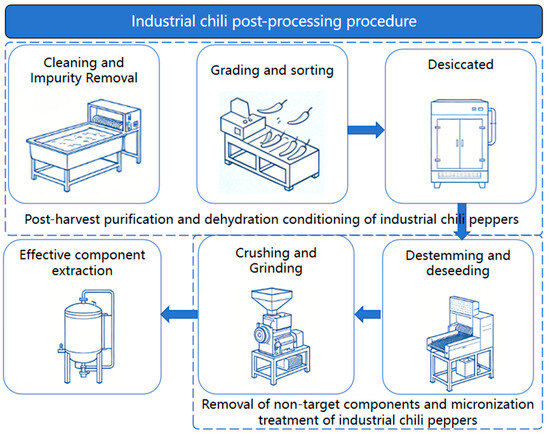
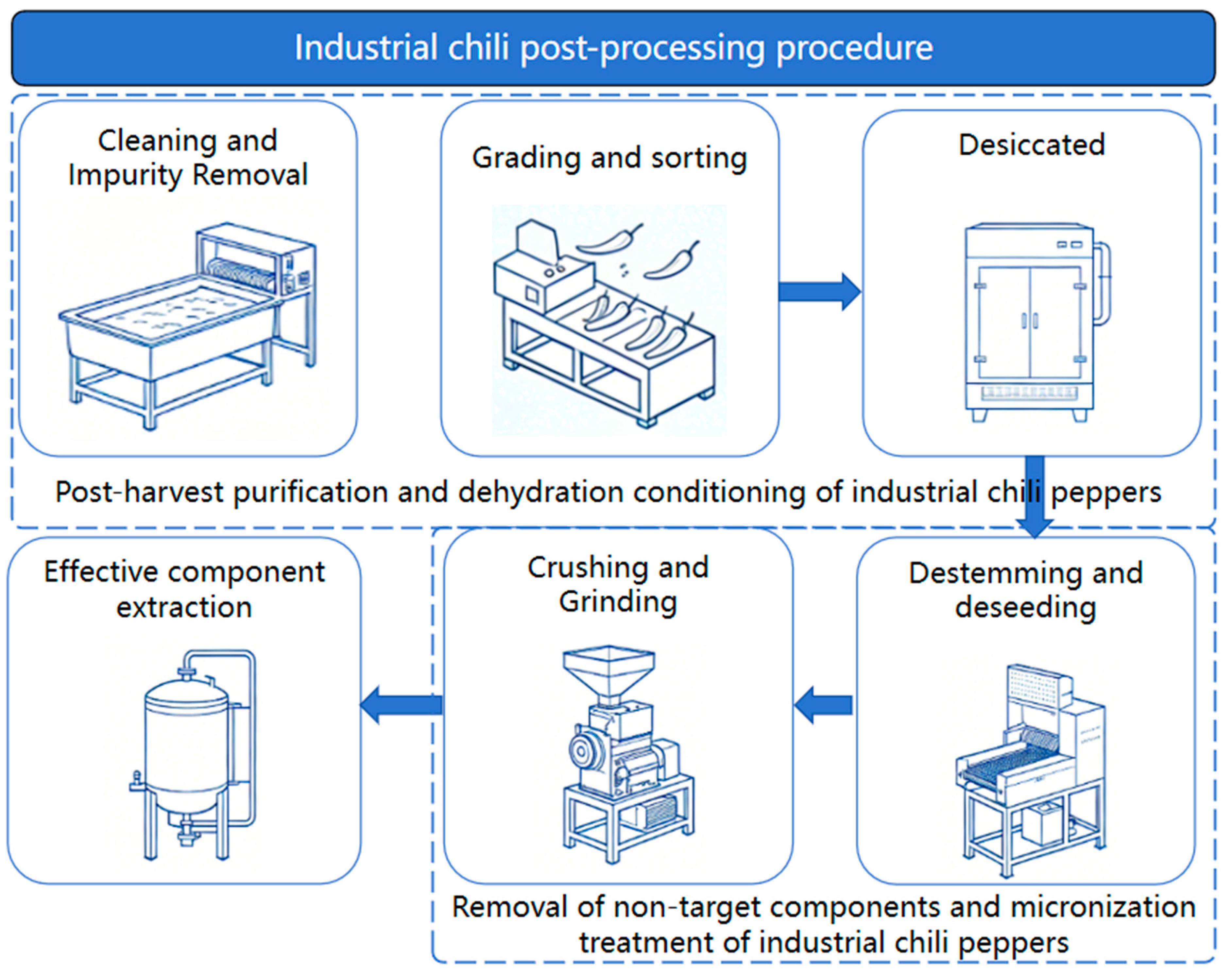
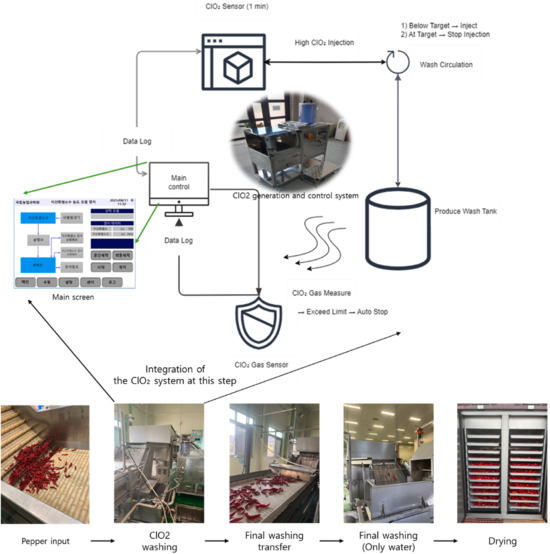
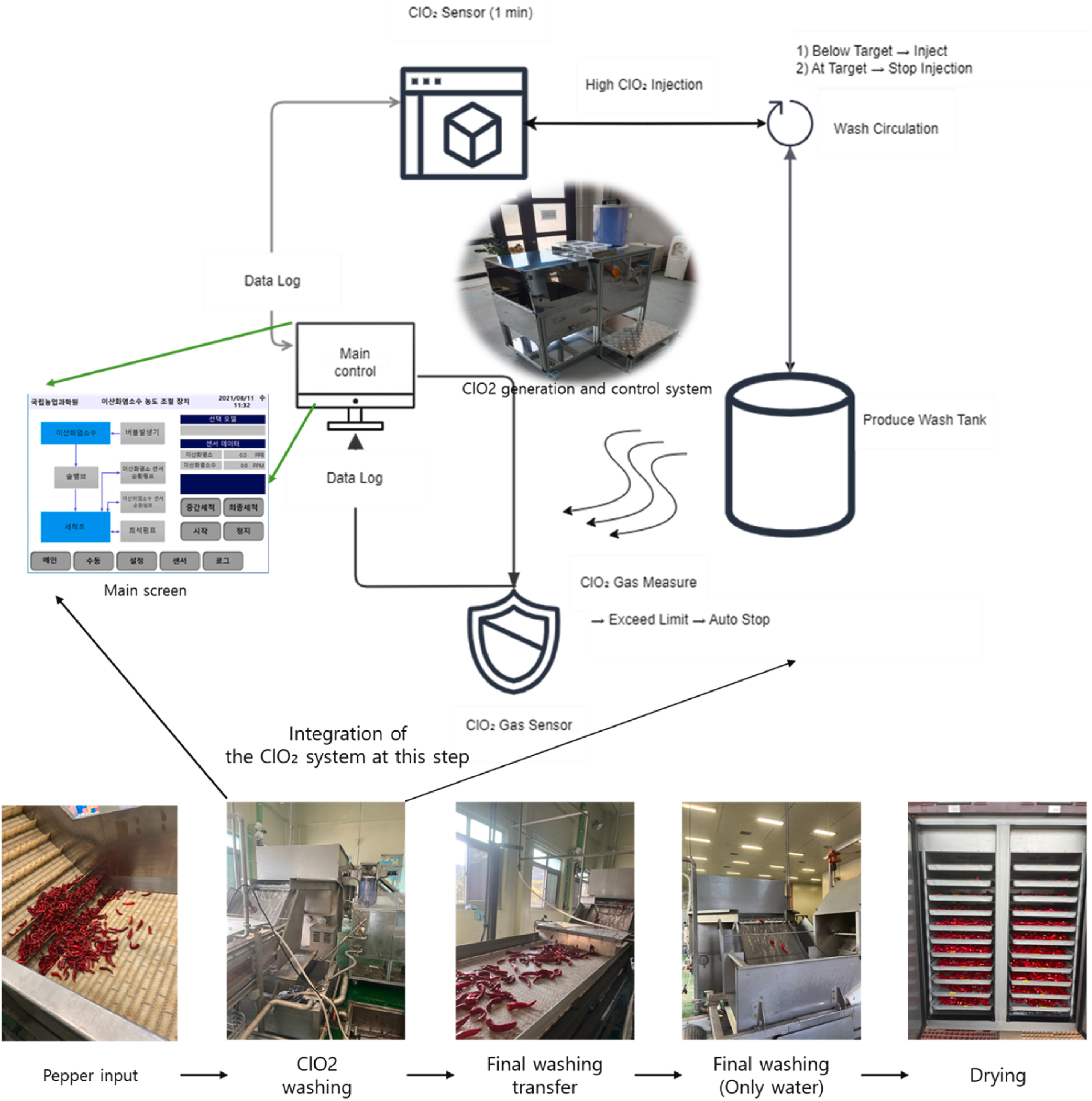
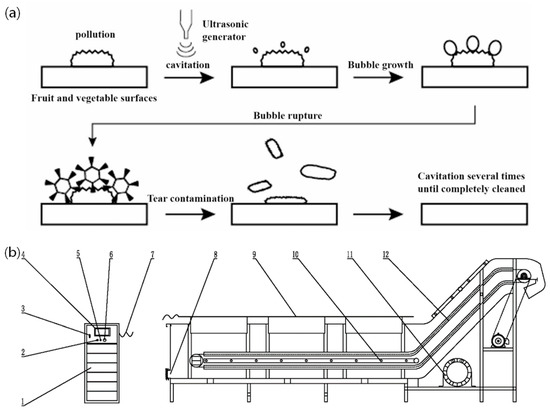
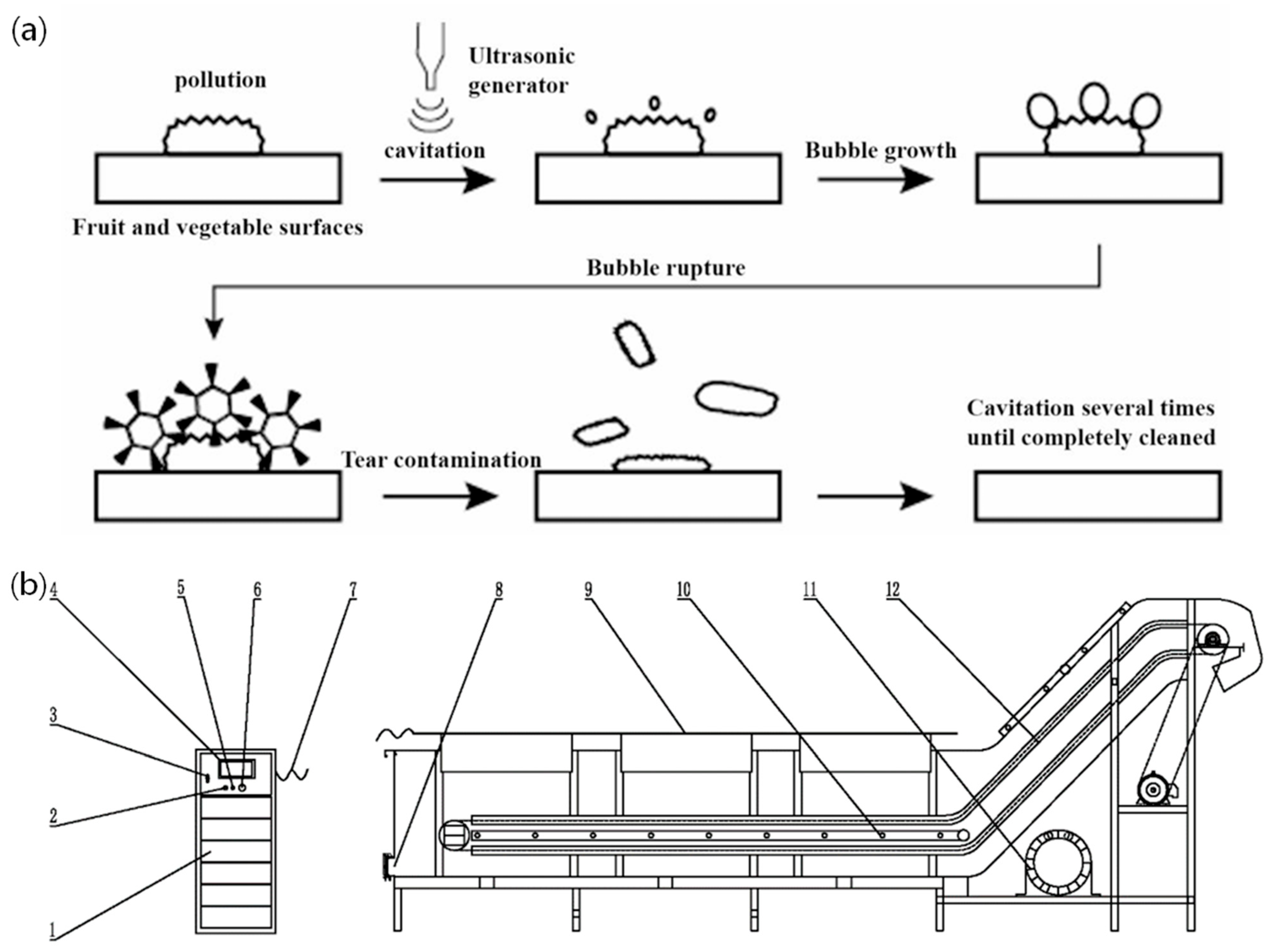
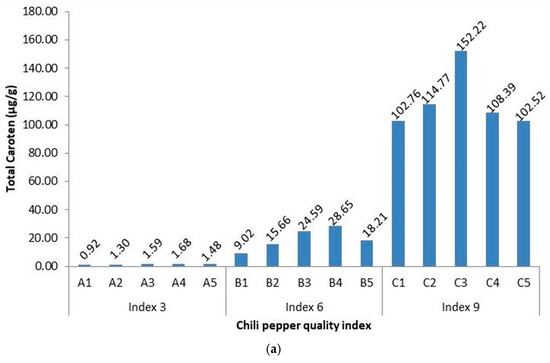
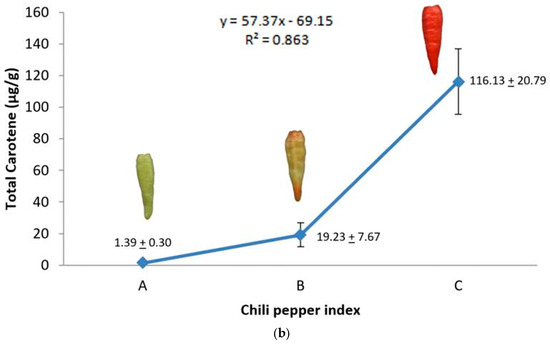
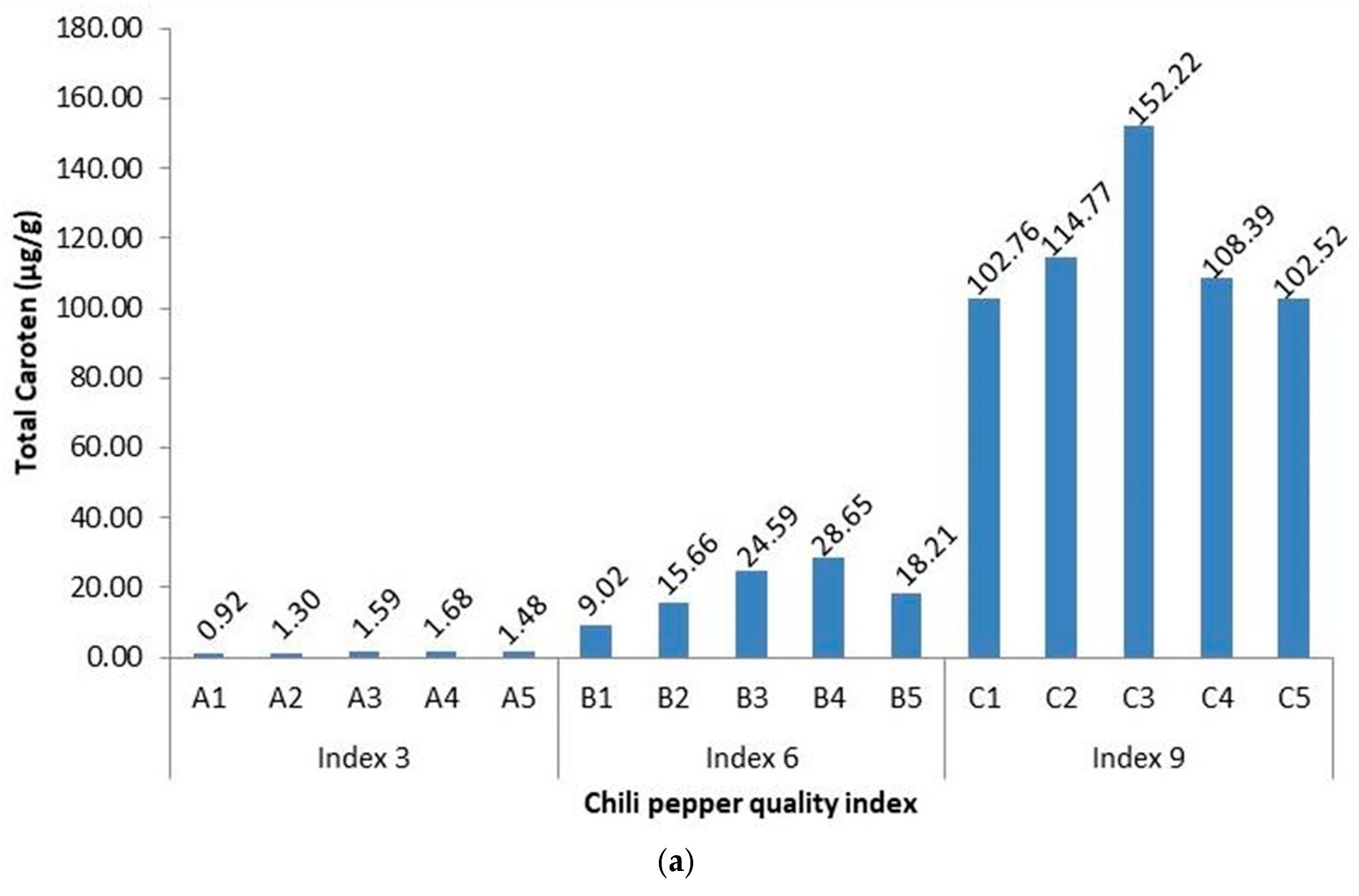
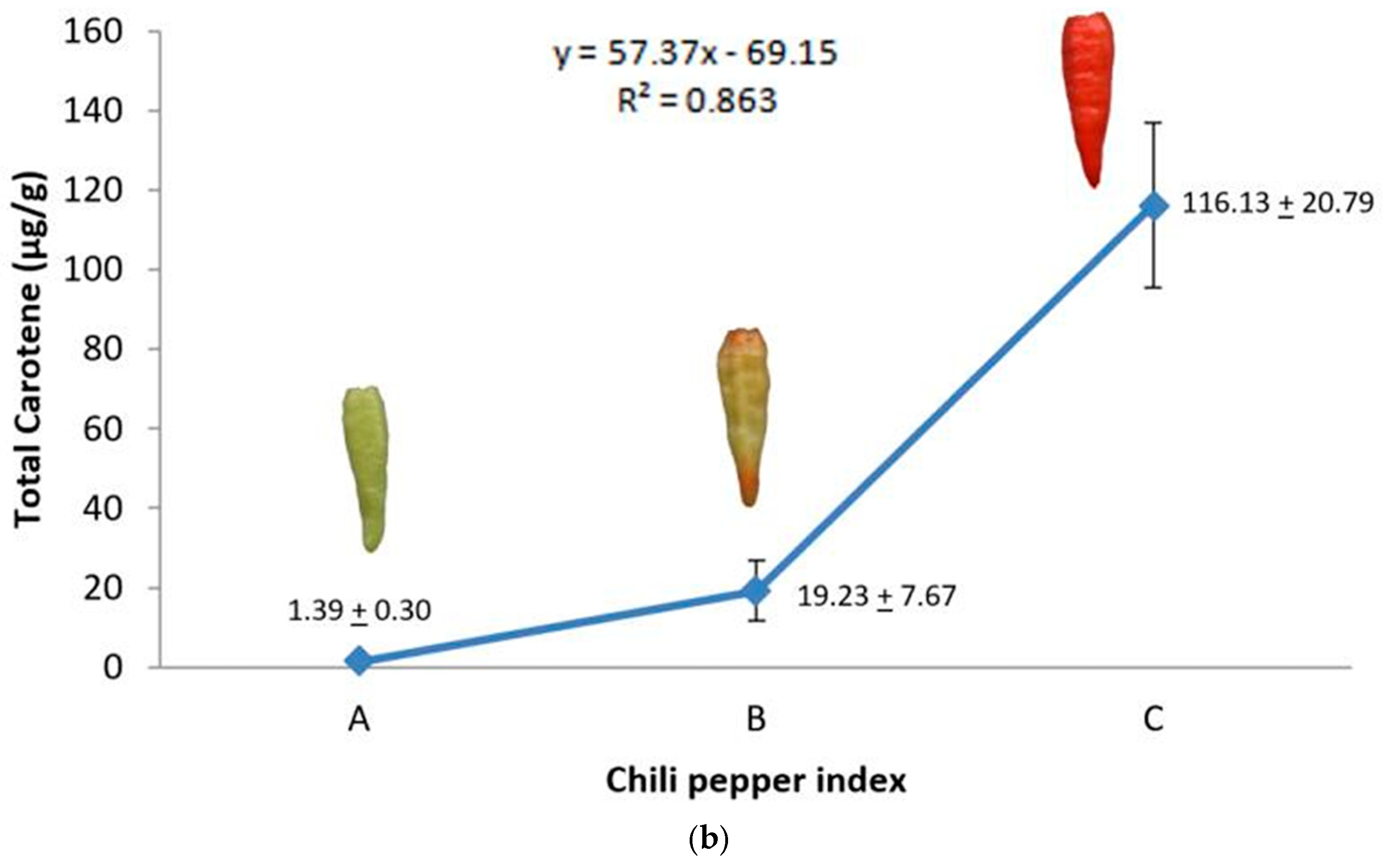
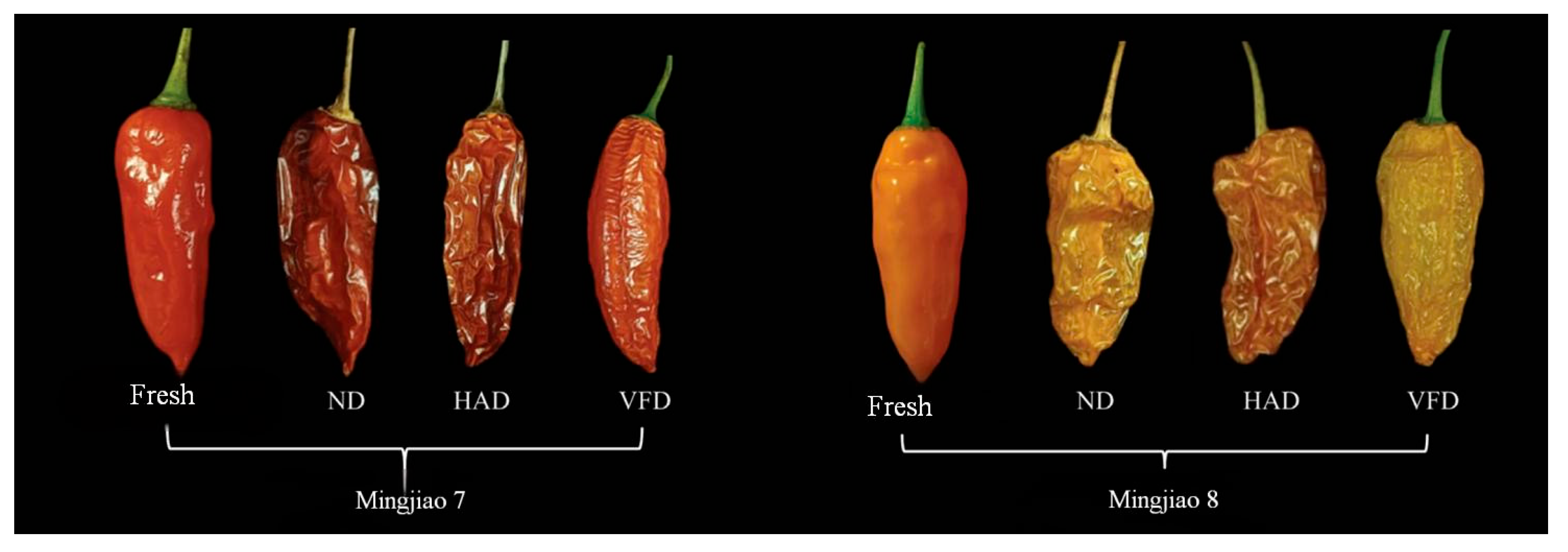
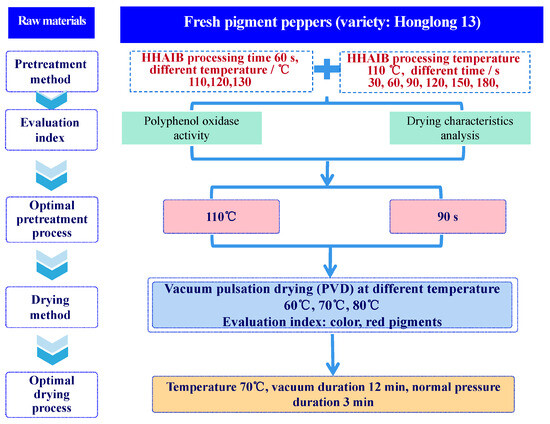
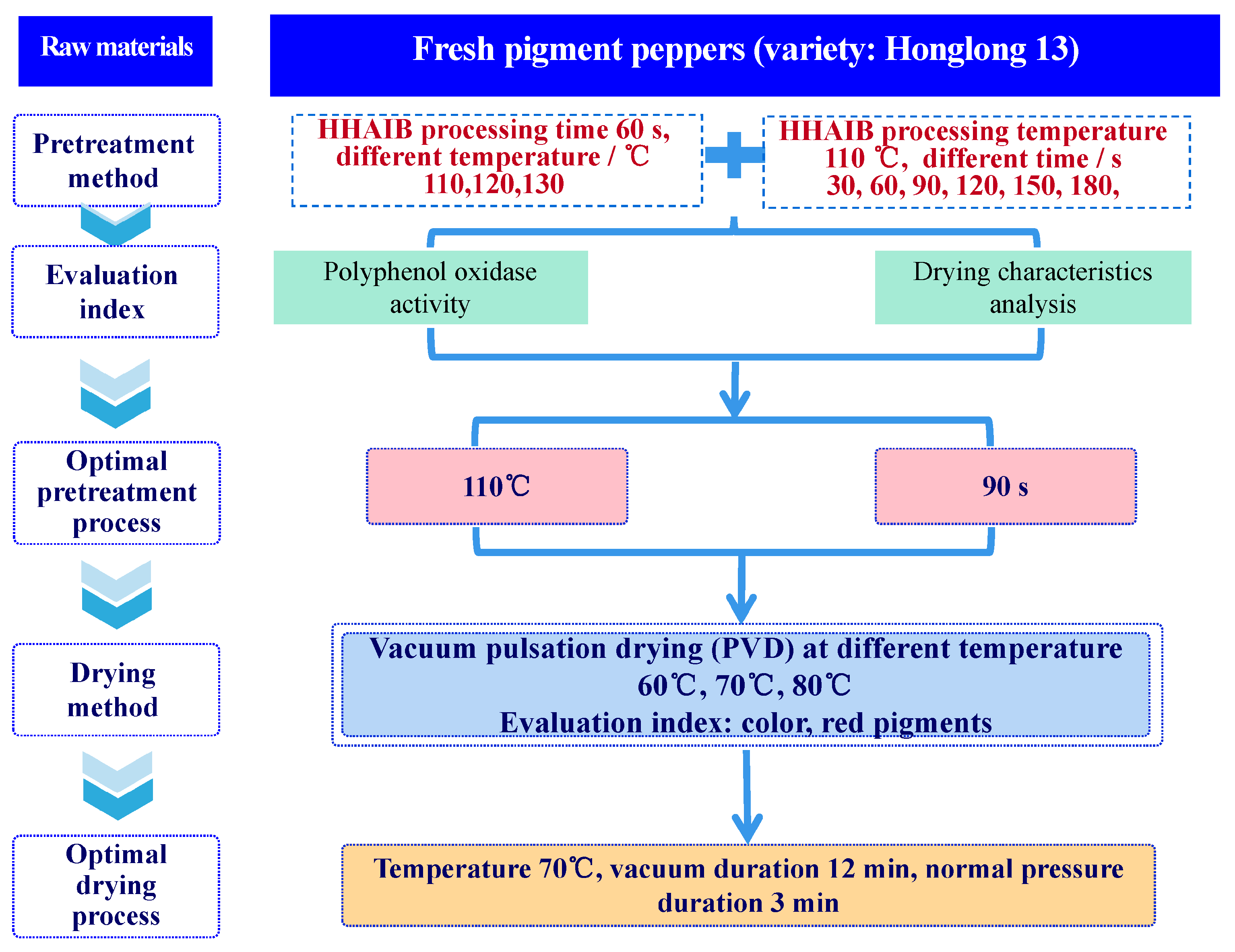
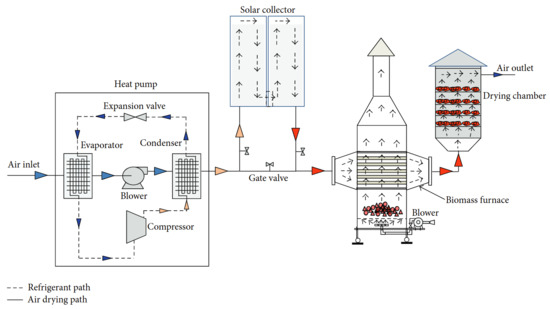
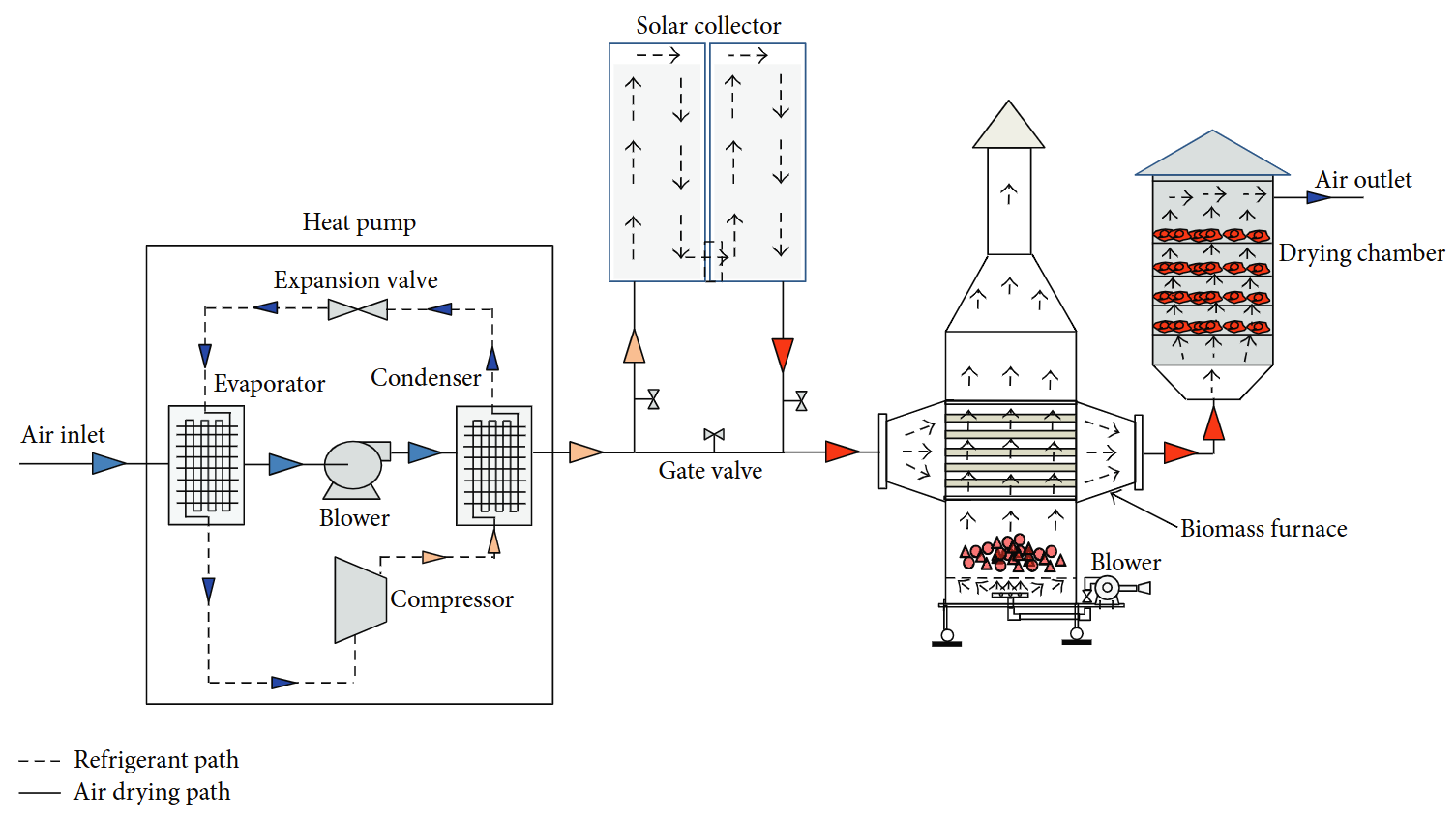
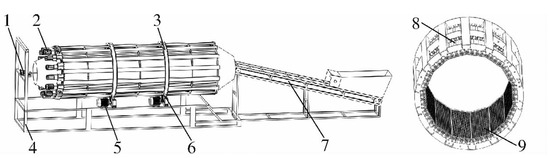
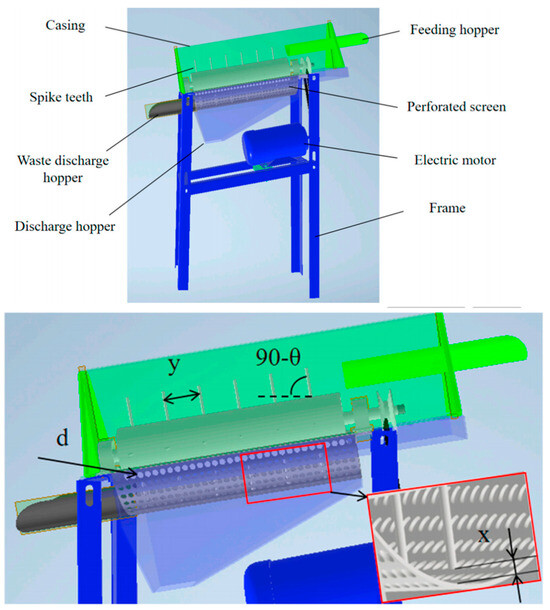
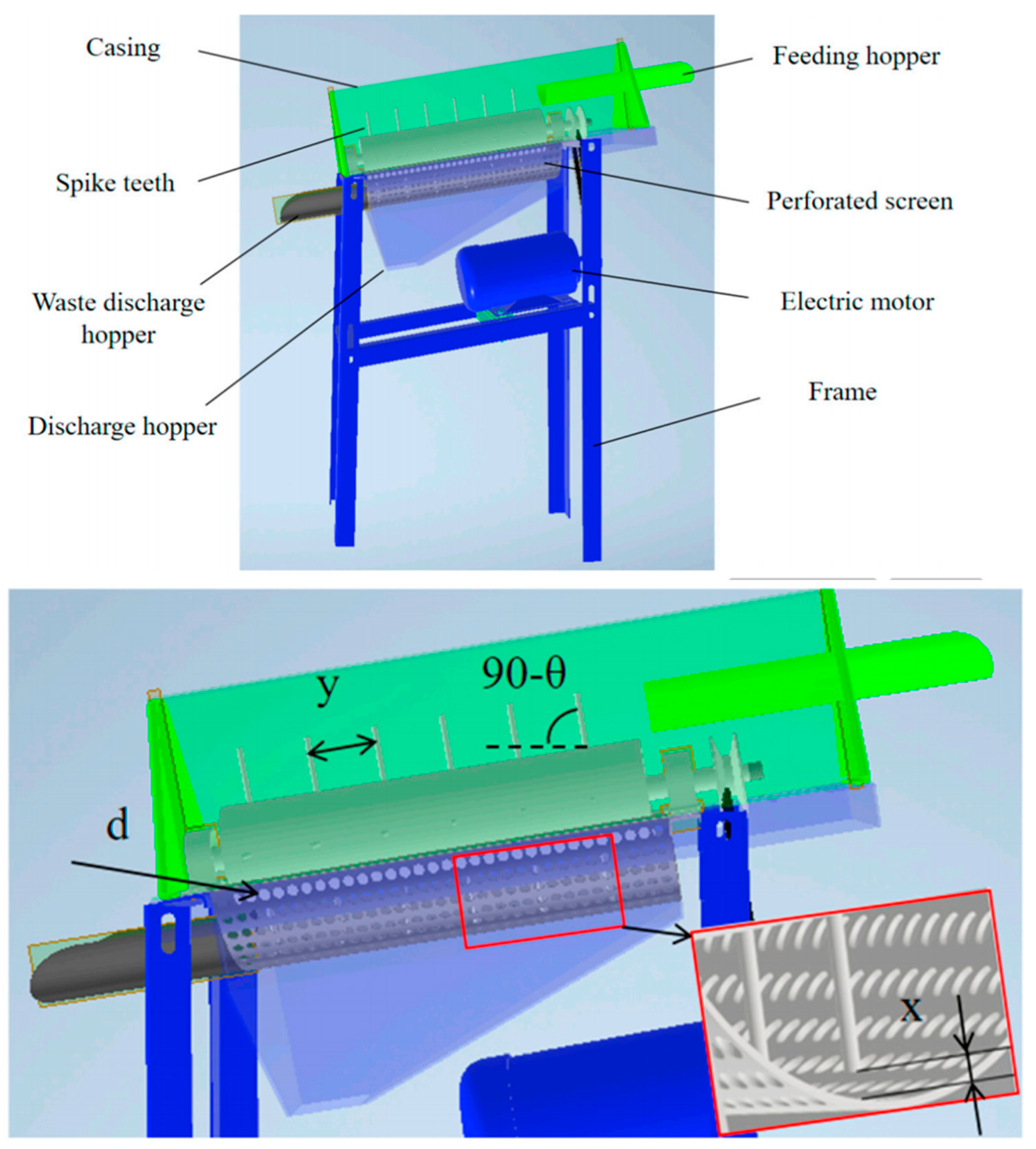
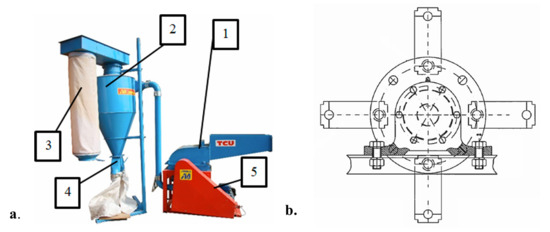
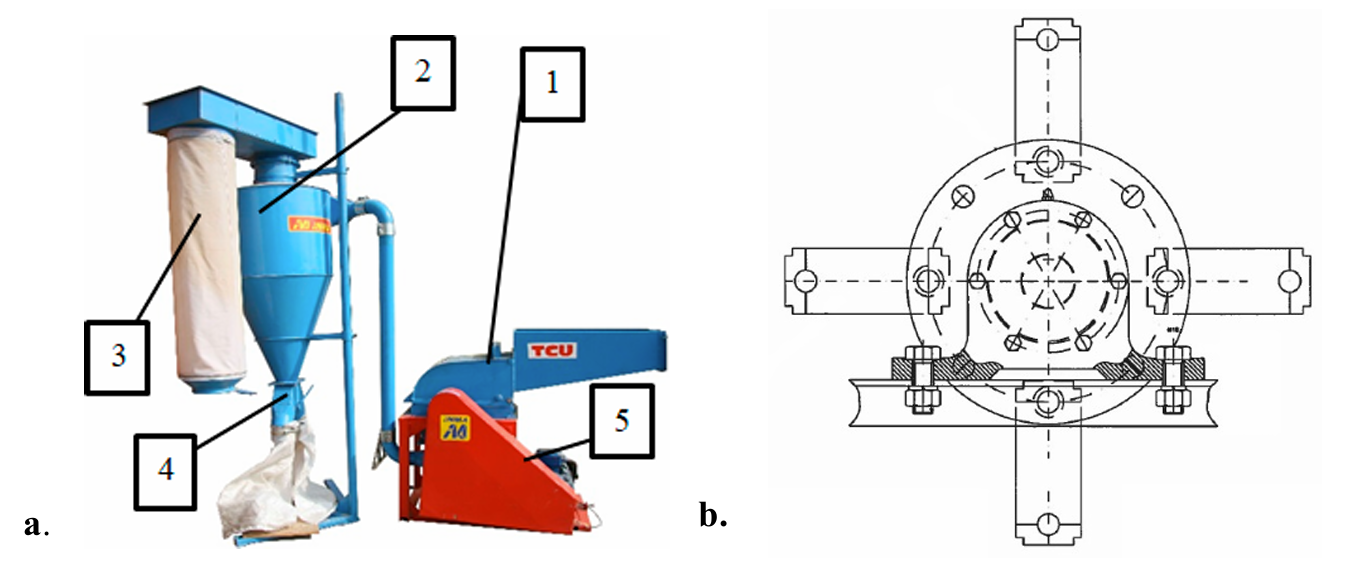
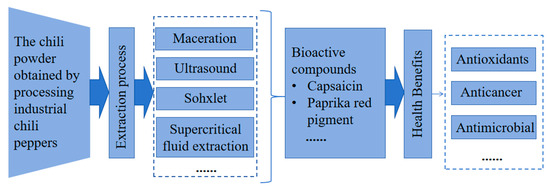
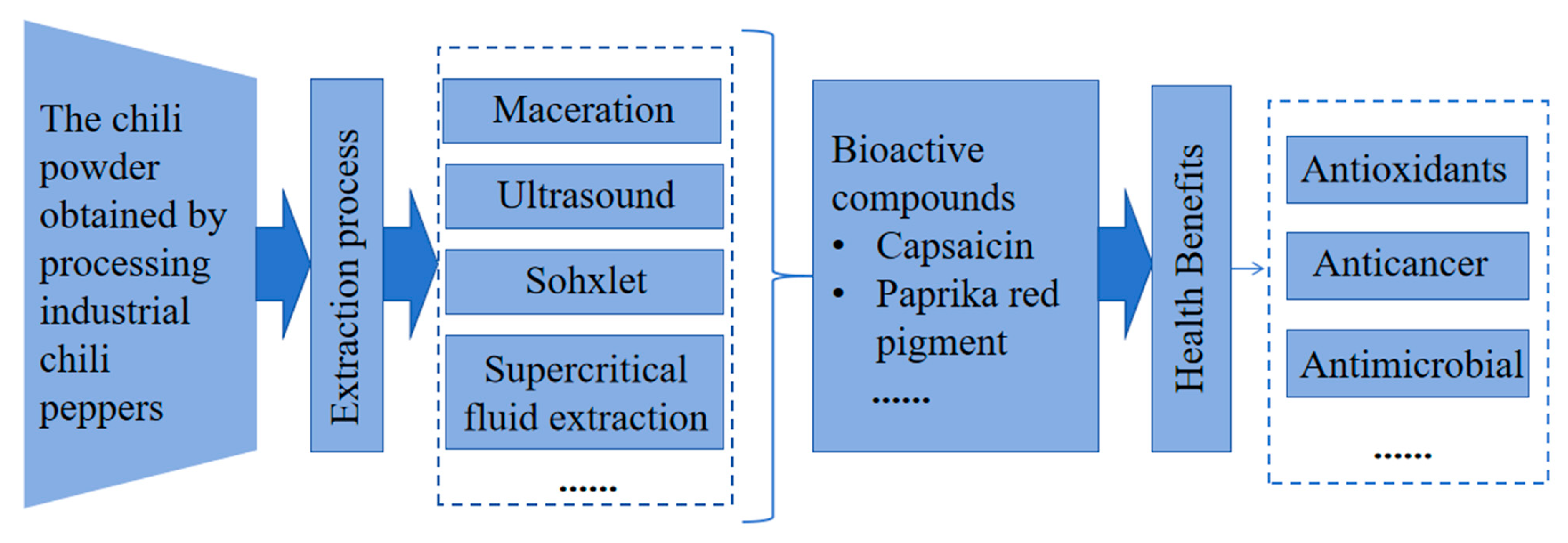
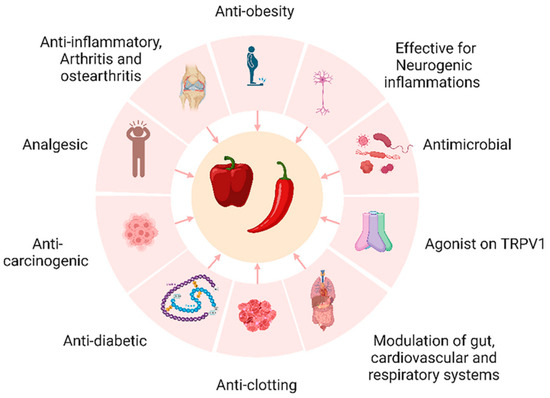
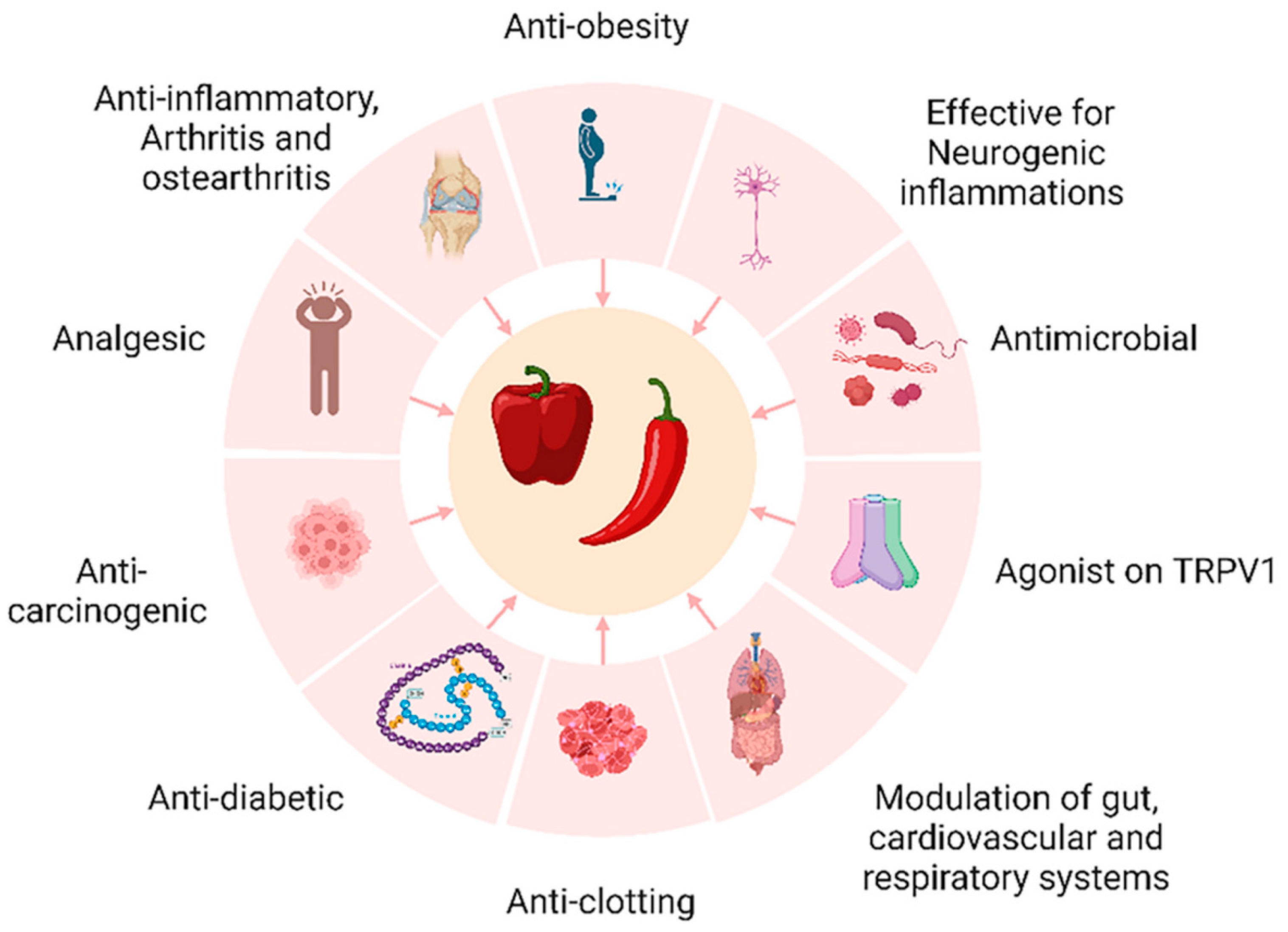

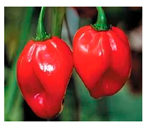
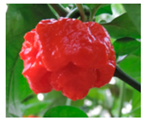
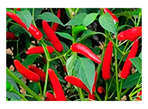

Disclaimer/Publisher’s Note: The statements, opinions and data contained in all publications are solely those of the individual author(s) and contributor(s) and not of MDPI and/or the editor(s). MDPI and/or the editor(s) disclaim responsibility for any injury to people or property resulting from any ideas, methods, instructions or products referred to in the content. |
© 2026 by the authors. Licensee MDPI, Basel, Switzerland. This article is an open access article distributed under the terms and conditions of the Creative Commons Attribution (CC BY) license.