


Abstract
Freezing effectively extends the shelf life of food and maintains product quality by inhibiting microorganisms, enzyme activity, and chemical reactions. However, issues such as ice crystal formation, protein denaturation, lipid oxidation, and the low-temperature adaptability of psychrophilic microorganisms during the freezing process can directly affect the final quality of frozen foods. Among these, the size and distribution of ice crystals are key factors determining the extent of tissue damage. Therefore, this review aims to identify innovative and optimized freezing and frozen storage strategies. In order to save energy and improve product quality, various new technologies have emerged in recent years, such as ultrasonic-assisted freezing, high-pressure freezing, and magnetic-field-assisted freezing. This study systematically discusses the principles, applications, and impact mechanisms of these technologies on frozen foods. Furthermore, this study proposes the future development trends of frozen foods, filling the gap in the current food industry where there is a lack of systematic discussion and evaluation of frozen foods. It provides technical support and research directions for continuous development and innovation in the field of frozen foods.
1. Introduction
Frozen foods refer to food that has been cooled to a temperature below its freezing point, causing most of its water to turn into ice. This process inhibits most microbial growth, enzyme activity, and chemical reactions, thereby enabling long-term preservation. Its characteristics typically include excellent cold resistance, a long shelf life, and ease of storage and portability [1]. Freezing usually requires a temperature of −18 °C or below to ensure long-term safe storage and stable quality [2]. With the continuous advancement of food science and technology and the increasing demand for food in special environments, frozen foods have gradually attracted the attention of consumers and researchers. Frozen foods not only play an important role in extreme environments such as polar exploration and space exploration, but also provide people with more dietary choices in daily life [3,4]. The frozen foods market can be segmented according to different types of products, mainly including frozen fruits, vegetables, meats, seafood, and baked goods [5,6]. Among them, the frozen fruit, vegetable, and meat markets have shown a rapid growth trend in recent years. It is expected that the frozen foods market will continue to maintain a high growth rate in the coming years. According to the survey, the global frozen foods market is projected to exceed $430 billion by 2030 [7].
The development of frozen foods began with early human polar expeditions and survival in frigid regions. In the late 19th century, a breakthrough in mechanical refrigeration technology represented the industrialization of freezing foods. This breakthrough contributed to the acceleration of research and development related to frozen foods, with technologies such as air freezing being widely used [8]. The main focus during this period was on freezing and preserving bulk foods, such as meats, fruits and vegetables, for transport and storage [9]. In the mid-20th century, scientists developed a series of highly concentrated, nutritionally balanced, and easy to store and consume frozen foods to meet the dietary needs of astronauts in the space environment [10,11]. These foods use advanced methods such as vacuum packaging and freeze-drying technology, which greatly improve the quality and stability of the food [12]. In recent years, with the increasing emphasis on outdoor activities and emergency reserves, frozen foods have gradually become commercialized. There are various frozen foods on the market, such as self-heating foods [13], bars [14], freeze-dried fruits [15], and so on. At the same time, food companies are constantly improving the taste, nutrition, and convenience of frozen foods to meet the increasingly diverse needs of consumers.
In order to meet the increasingly diverse needs of consumers, frozen foods are a food category that adapts to special environmental requirements. Although there are many problems in raw material selection, technological application, and challenges faced, with the continuous advancement of technology and in-depth research on nutritional needs, the technology of frozen foods is also constantly developing to meet people’s demand for high-quality food. However, the freezing process is prone to generating ice crystals, which can damage the texture, taste, and flavor of food. Coupled with improper transportation and storage processes, about 35% of frozen foods worldwide is damaged [16]. Therefore, improving the production and storage technology of frozen foods to ensure food security is an urgent global issue that needs to be addressed. However, current relevant research has only reported on the freezing technology related to frozen foods, without providing a detailed summary and report on the challenges and future development of frozen foods. This review will systematically review the technology of frozen foods, including freezing technology and freezing quality preservation technology, their principles, applications, and in-depth exploration of their impact on frozen foods. Furthermore, the challenges faced by frozen foods, and the future development trends of frozen foods, were identified. This review solves the problem of the lack of systematic discussion and in-depth evaluation of frozen foods in the current food field, reveals the mechanism of frozen foods technology, and provides technical support and research directions for the continuous development and innovation of the frozen foods field.
This review systematically searched for the relevant literature included in the Web of Science, ScienceDirect, and PubMed databases since 2002, with a focus on articles from 2020 onwards. Although the search was not fully conducted according to the PRISMA protocol, its key screening steps were strictly implemented. This includes pre-set inclusion/exclusion criteria, structured keyword searches, and rapid relevance screening of preliminary results to ensure high thematic relevance and academic representativeness. During the search process, keywords such as “frozen food”, “freezing technology”, “storage technology”, “extreme environment”, “food packaging”, “protein degradation”, “lipid oxidation”, and “development trend” were used to search and screen the English literature to ensure search accuracy. The search scope includes various applications of frozen foods in meat products, dairy products, aquatic products, fruits, vegetables, etc. A total of 937 papers were screened. Subsequently, the retrieved articles were screened based on their titles and abstracts, and 828 articles that were unrelated to the technology, challenges, and development prospects of frozen foods or were too old were excluded. Secondly, we comprehensively evaluated the full texts of the 139 papers retained and extracted their key information. Based on this, high-quality research highly relevant to this topic was selected to provide strong and reliable support.
2. The Technology of Frozen Foods
The cold environment poses severe challenges to the preservation, processing, and transportation of food. Under such conditions, it is crucial to maintain the quality, taste, and nutritional value of food. Frozen foods typically require specific technologies to ensure their quality, safety, and shelf life. In recent years, with the development of technology, frozen foods technology has been widely researched and applied. This section will systematically summarize the freezing processing technology and quality preservation technology for frozen foods (Table 1), and focus on discussing their principles, applications, and impacts on frozen foods.
Table 1.
The application of freezing technology and frozen storage quality preservation technology in frozen foods.
2.1. Freezing Processing Technology
2.1.1. Rapid Freezing Technology
The size and microscopic morphology of ice crystals formed during the freezing process have a significant impact on the texture and appearance of frozen foods. Therefore, controlling the formation of ice crystals is crucial for improving the quality of frozen foods. Ice crystal formation is affected by the freezing rate; faster freezing rates promote greater nucleation and the formation of smaller ice crystals, while slower freezing rates result in larger ice crystals (Figure 1). Rapid freezing technology is one of the important methods for processing frozen foods. It rapidly lowers the temperature of food to below freezing point, causing the water in the food to quickly form tiny ice crystals, thereby minimizing the diameter of ice crystals in cells and maintaining the tissue structure and taste of the food [33]. Previous studies have shown that rapid freezing technology can significantly extend the shelf life of food and maintain its nutritional value [34]. For example, the study by Kaale et al. used rapid cryogenic freezing (high heat transfer coefficient 227 W m−2 K−1, air temperature −30 °C) to process salmon filets, producing minimal ice crystals with an equivalent diameter of only 25 ± 2 μm, which is expected to extend the shelf life of the food [35]. Jo et al. investigated the effects of various freezing technologies on the quality of beef eye muscle, and the study indicated that rapid freezing can minimize quality deterioration to the greatest extent [36].
Figure 1.
Changes in cell structure during rapid and slow freezing.
Common rapid freezing technologies include air-blast freezing (AF), immersion freezing (IF), liquid nitrogen freezing (LNF), and low-temperature mechanical freezing, among others. Specifically, AF technology refers to placing food in a forced air tunnel so that air flows over the food (usually in packaging) and removes heat to achieve freezing. The air passes through the product to shorten the freezing time, and the product’s residence time in the equipment is mainly affected by air temperature, wind speed, product arrangement, and the geometry of the packaging [37]. Rikasa et al. [38] found that the ice crystals formed in tomatoes after −30 °C AF treatment were small in size, and the color, smell, and texture were easily accepted by consumers. Angane et al. [39] found that combining AF at −35 °C with frozen storage at −10 °C can significantly reduce the Escherichia coli content in green-lipped mussels, thereby extending the shelf life. In contrast to AF, IF employs a liquid coolant as the refrigeration medium, enabling efficient freezing through either direct or indirect contact with the food, resulting in an ice formation rate much higher than that of AF [40]. The freezing speed of IF can be controlled through the composition and temperature of the coolant, allowing it to adapt flexibly to different food matrices. During the IF process, heat transfer, microstructural changes, and changes in moisture loss and redistribution occur simultaneously, all of which affect the quality of the food [41]. Kuang et al. [42] investigated the impact of IF on the quality of snakehead fish filets, revealing that samples subjected to IF at −60 °C developed numerous minute ice crystals, exhibited favorable hardness and elasticity, incurred minimal thawing and cooking losses, and demonstrated superior overall quality. Compared to IF, LNF has a distinctly different freezing mechanism. LNF is a colorless and odorless cryogenic liquid with a boiling point of −196 °C and a latent heat of 199.58 kJ/kg. After vaporization, the subsequent cooling process achieves food freezing by absorbing a large amount of latent and sensible heat [43]. LNF mainly reduces ice crystal size by increasing supercooling and the number of ice nuclei, as well as accelerating heat transfer [44]. Lei et al. [45] studied the effects of refrigeration and freezing, as well as LNF, on the quality of crayfish during transportation and storage. The results showed that compared to traditional refrigeration and freezing, LNF had a stronger protective effect on the secondary and tertiary structures of crayfish myofibrillar proteins. Jiang et al. [46] found that beef longissimus samples treated with LNF exhibited characteristics similar to those of fresh samples.
Meanwhile, researchers have also explored the impact of different freezing methods and cryogens on the quality and shelf life of the same food. For example, Jiang et al. [47] investigated the effects of AF, IF, and LNF on the quality changes in grass carp during frozen storage. The results showed that compared to AF, IF caused less damage to muscle fibers, had lower water fluidity, and higher texture retention; compared to LNF samples, IF samples had a lower ice crystal growth rate, and the thawing loss and muscle tissue state were almost the same. Li et al. [48] studied the effects of AF, −80 °C freezing, IF, and LNF on the quality stability of pre-cooked chicken breast. Among them, AF was carried out in a −20 °C freezer. For IF, a ternary immersion liquid (20 g glucose, 300 mL ethanol, 700 mL distilled water) was selected as the temperature sensor, and placed in a refrigerator set at −24 °C. When the immersion liquid reached −20 °C, it was transferred to and maintained in a −20 °C refrigerator. LNF was carried out by placing pre-cooked chicken samples into a sealed container and adding liquid nitrogen. When the core temperature reached −20 °C, the pre-cooked chicken samples were transferred to the freezer and stored. The results showed that compared to the first two treatments, the hydrogen proton density of the IF and LNF samples was higher, indicating that IF and LNF processes reduce water loss and make the water distribution more uniform. Moreover, the samples treated with IF and LNF had lower thawing loss, indicating that the ice crystals formed after treatment were smaller and more evenly distributed. In addition, the operating cost of IF was lower than that of LNF, indicating better sustainability. This suggests that different foods, due to their varying physicochemical properties, tissue structures, and compositional characteristics, require different freezing technologies, which significantly differ in terms of cooling medium, ice crystal formation rate, impact on muscle fibers and protein structure, and operating costs. Therefore, the most suitable freezing technology needs to be selected based on the matching relationship between food characteristics and technical features.
2.1.2. New Freezing Technology
Conventional rapid freezing technology can form large and uneven ice crystals inside the food during the freezing process, causing freezing damage to muscle foods and thus compromising food quality [49]. New freezing technologies, such as ultrasonic-assisted freezing technology, high-pressure freezing, magnetic-field-assisted freezing, and isostatic freezing, have been developed in recent years as methods to enhance the quality of frozen foods [50].
Ultrasonic-assisted freezing technology (Figure 2) is the most common. Its principle is that when ultrasound is applied to liquid food, bubbles in the solution can be released due to periodic pressure changes, forming cavitation bubbles with negative pressure. Cavitation bubbles induce nucleation, forming crystal nuclei, and the vibration of the bubbles enhances mass and heat transfer, increasing the freezing rate [51]. The movement of cavitation bubbles can enhance convective heat transfer efficiency, while the thermal effects during the ultrasonic process can reduce the cooling rate of food, and these thermal effects further accumulate with prolonged ultrasonic time. Therefore, the duration of ultrasound is an important factor affecting the ultrasound-assisted freezing characteristics. In addition, the ultrasonic power and initial ultrasonic temperature also have an impact on ultrasonic-assisted freezing. Ying et al. [52] optimized the ultrasound-assisted freezing conditions for Penaeus chinensis using response surface methodology, obtaining the optimal ultrasound conditions as an initial ultrasound temperature of 0 °C, ultrasound power of 180 W, and ultrasound for 5 s at every 2 s interval. Wu et al. [53] found that compared to IF and AF, pork mince treated with ultrasonic-assisted freezing technology exhibited better water-holding capacity and microstructure, forming smaller and more evenly distributed ice crystals during the freezing process. This helps reduce muscle tissue damage and improve product quality. Yu et al. [54] studied the effect of orthogonal ultrasonic-assisted freezing on sea bass. The results show that dual-frequency orthogonal ultrasound can reduce the formation of large ice crystals, and under treatment conditions of a vertical frequency of 20 kHz and a horizontal frequency of 40 kHz, the total sulfhydryl content of European sea bass myofibrillar protein decreased the least (9.1%) and the carbonyl content increased the least (19.2%), making this treatment closest to fresh samples and reducing protein loss.
Figure 2.
Possible mechanism of ultrasonic-assisted freezing in food processing.
Compared with ultrasonic-assisted freezing, high-pressure freezing reduces the volumetric expansion of intracellular ice crystals by increasing supercooling and altering the ice crystal morphology under pressure, resulting in fine and evenly distributed ice crystals [55]. The variables affecting the results of high-pressure freezing processes can mainly be divided into two categories: First, pressure factors, including pressure and time; second, freezing factors, such as temperature, phase change, ice crystal type, and recrystallization [56]. Guerra-Rodríguez et al. subjected cod to high pressure at 150 MPa for 2 min before freezing, and the research results showed that combining high pressure with freezing treatment can effectively maintain the structure and appearance of frozen cod, extending its shelf life [57].
Meanwhile, magnetic-field-assisted freezing also holds promising application prospects. Magnetic-field-assisted freezing involves connecting a signal generator to a coil and placing it inside a deep freezer. The voltage and current are adjusted according to experimental needs to produce an alternating magnetic field of 0–50 G. In a low-temperature environment, the coil generates a constant magnetic field, and the samples on the sample stage are frozen under the influence of the magnetic field [58]. Under the influence of a magnetic field, clusters of water molecules are displaced by the Lorentz force. This phenomenon causes large water molecule clusters to break down into smaller clusters, thus preventing them from reaching the critical radius required for ice nucleation. Therefore, the ice crystals formed during the freezing process have a delicate and uniform structure [59]. Liu et al. [60] found that compared to traditional freezing, magnetic-field-assisted freezing improves the water retention capacity of pork and beef samples, effectively reduces drip loss and cooking loss, and simultaneously, the magnetic field inhibits protein degradation, leading to reduced accumulation of free amino acids. Zhou et al. [61] studied the effects of magnetic-field-assisted freezing on fish. The results showed that an appropriate magnetic field strength (20 mT) can inhibit the formation of large ice crystals, promote uniform distribution of ice crystals, and reduce the mechanical damage of ice crystals to muscle tissue.
Isochoric freezing is a type of low-temperature processing technology that involves placing food in a closed rigid container with a constant volume. It utilizes the self-pressurization effect generated by the expansion of water during freezing to lower the freezing point of the remaining liquid phase, allowing the system to maintain a portion of unfrozen liquid below the freezing point, thereby preventing the formation of ice crystals inside the food [62]. The core regulatory parameters of this technology are system temperature, ice phase volume fraction, and the resulting pressure [63]. Compared to traditional isobaric freezing, isochoric freezing can reduce energy consumption by approximately 70% [64]. Multiple studies have shown that isochoric freezing can effectively improve the quality of frozen foods. For example, Rinwi et al. found that chicken breast meat frozen isochorically at −4 °C in a 2.5 g/dL NaCl solution exhibited no significant difference in freshness compared to fresh samples (p > 0.05) [65]. Furthermore, this technology has demonstrated excellent texture and nutrient retention effects in foods such as orange juice, tilapia, and dairy cream [66,67,68].
In addition, pulse electric field pretreatment, osmotic pretreatment and antifreeze protein pretreatment also play different roles in the freezing process, such as improving freezing rate and reducing ice crystal formation. Pulse electric field treatment improves drying efficiency and maintains product structural integrity by creating cell membrane permeability before freeze-drying, providing better water transport channels for the subsequent sublimation process [15]. Osmotic pretreatment can reduce the moisture content in fruits and vegetables, shorten the freezing cycle, and thereby achieve rapid freezing. This reduces the formation of large ice crystals, thus protecting the integrity of the cell structure [69]. Antifreeze proteins (AFPs) inhibit ice crystal growth by irreversibly attaching to the surface of ice crystals, altering their morphology, preventing recrystallization, and enhancing the biological freeze resistance of frozen foods [70].
2.1.3. Glass Transition Temperature (Tg’) Regulation
Glassification refers to the phenomenon where an aqueous solution forms an amorphous glassy solid without undergoing crystallization under rapid cooling conditions [71]. For most frozen foods, complete glassification is difficult to achieve in practical production, but the stability during frozen storage can be improved by regulating the Tg’ under maximum freeze concentration conditions. When the storage temperature is below Tg’, the food matrix transitions from a rubbery state to a glassy state, significantly reducing molecular mobility and substantially decreasing the rates of various deterioration reactions, such as ice crystal recrystallization, protein denaturation, and lipid oxidation [72]. Tg’ regulation technology enhances freezing stability by adjusting the composition of food or adding specific substances to change its Tg’ [73]. Studies have shown that the Tg’ values of polymer polysaccharide and protein systems (such as starch and certain high protein foods) are significantly higher than those of sugar-enriched foods. Specifically, the Tg′ values for carbohydrate-enriched foods ranged from −68 to −3.1 °C; the Tg’ value of maltose is 97.02 °C; and the Tg’ values for protein systems ranged from 46.6 to 54.1 °C. This indicates that polymeric components can effectively improve the stability of frozen foods [74,75]. By adding sugar alcohol, trehalose, or high molecular weight polysaccharides to increase the Tg’ of the system, frozen foods can maintain glass stability at higher temperatures, thereby reducing cold chain energy consumption [72]. Xia et al. also found that 0.9% Tara gum increased the Tg’ of minced pork by 23.13%, inhibited water flow, migration, and recrystallization, and reduced quality loss [76]. However, storage temperature below Tg’ is not the only factor predicting the stability of frozen foods, and the complex relationship between glass transition and food quality deterioration still needs further exploration.
2.2. Quality Preservation Technology for Frozen Storage
2.2.1. AFPs and Inhibition of Ice Recrystallization
Ice recrystallization is the process of transforming small ice crystals into large ones, which often occurs during the storage of frozen foods and can lead to nutrient loss and quality deterioration of the food [77]. AFPs are a special type of protein found in cold-adapted organisms such as fish, insects, plants, and Antarctic microorganisms. AFPs can lower the freezing point of water, inhibit ice recrystallization, and modify ice crystal morphology, effectively suppressing ice crystal growth caused by temperature fluctuations during the storage and transportation of frozen foods [78]. AFPs have been widely used in the food industry, and their mechanism of inhibiting the recrystallization effect is to adsorb on the surface of ice crystals, change the growth habits of ice crystals, and thus hinder the Ostwald ripening process of large ice crystals engulfing small ice crystals [79]. Zhang et al. reported that a synergistic effect of 5% (w/w) wheat flour and type III fish AFPs can significantly reduce the rate of ice recrystallization in sucrose solution [80]. In addition, adding AFPs can maintain a tight muscle protein structure by inhibiting ice recrystallization and minimizing physical damage during freezing [70,81].
2.2.2. Natural Preservative
With increasing concern for health, the application of natural preservatives in frozen foods is gradually receiving attention, for example, lactic acid bacteria, bacteriocins, lysozyme, chitosan, propolis, plant extract smoke liquid, organic acids and their salts (such as sodium lactate, sodium citrate), etc., [82,83]. Natural preservatives can achieve the effect of antibacterial preservation by inhibiting the growth of microorganisms. The mechanism is shown in Figure 3. These preservatives have significant anti-corrosion and preservation effects. Experiments have shown that adding Lactobacillus streptomycin to sausages can reduce the amount of nitrate or nitrite used, while effectively extending the shelf life of sausages [84]. Chitosan oligosaccharides have a good inhibitory effect on certain lactobacilli in smoked sausages [85]. The propolis active ingredient is a powerful compound natural preservative that can effectively inhibit microbial spoilage and extend the shelf life of cold meat products [86].
Figure 3.
Action mechanism of natural bacteriostat on microorganisms. Adapted with permission from [87].
2.2.3. Packaging Technology
Vacuum packaging technology reduces the contact between food and oxygen by extracting air from the packaging, preventing oxidation and spoilage. On the other hand, it can provide a hypoxic environment for the product, inhibit the growth and reproduction of microorganisms, prevent recontamination, and extend the shelf life [88]. This technology is particularly important in the preservation of frozen foods, as the metabolic activity of microorganisms slows down but does not completely stop in low-temperature environments. Rovira et al. showed that vacuum packaging technology can maintain good quality of frozen beef during long-term storage for 120 days, with no obvious spoilage. The number of spoilage bacteria reaches 2.3 log CFU/g, inhibiting microbial growth. It is a reliable technical means to extend the shelf life of food [89]. In addition, vacuum packaging is combined with polyphenol compounds to achieve fresh-keeping effects. For example, when stored at −20 °C, vacuum-packed frozen pork sausages containing 0.2% natural tea polyphenols can be preserved for 120 days. Vacuum packaging and the addition of tea polyphenols significantly inhibit lipid oxidation and color changes in meat products during frozen storage [90]. Meanwhile, researchers also explored the impact of different packaging materials and technologies on food quality and shelf life.
Modified gas packaging technology is a widely used food preservation packaging technology that adjusts the gas composition inside the packaging by filling it with a specific proportion of mixed gas, further extending the shelf life of food [91]. For example, modified atmosphere packaging mixes gases such as CO2, N2, and O2 in predetermined proportions and introduces them into packaging containers to inhibit bacterial growth and maintain product quality, including color, texture, and taste [92,93]. The inflation ratio used for sausages and other products varies in different countries. Ameer et al. found that using four types of modified atmosphere packaging, namely 25% CO2 + 75% N2, 50% CO2 + 50% N2, 70% CO2 + 30% N2, or 100% CO2, could effectively inhibit microbial growth, delay fat oxidation, and significantly prolong the shelf life of freeze-dried fermented sausages [94]. In addition, combining modified atmosphere packaging with other preservation measures can further enhance the preservation effect. But for the modified-atmosphere-packaged sausages sold in supermarkets, the lighting has a counterproductive effect, and adding rosemary, ascorbic acid, etc., can eliminate the adverse effects. Research has shown that modified gas packaging technology can effectively inhibit the growth of microorganisms and enzyme activity, and reduce the oxidation and spoilage of food during storage [95]. Shi et al. showed that under the condition of −2 °C, using 80% CO2 + 20% N2 modified atmosphere packaging can significantly extend the shelf life of frozen pork chops by 56 days, with the total bacterial count controlled below 6.0 log CFU/g, effectively delaying protein oxidation [96]. By extracting air from the packaging, the contact between food and oxygen is reduced to prevent oxidation and spoilage. Combined with anti-seepage materials, the barrier performance of the packaging is further improved to prevent the penetration of moisture, oxygen, and microorganisms [97]. In addition, oxygen in packaging promotes microbial growth and fat oxidation, shortening shelf life, while CO2 has the effect of inhibiting microbial growth. Maintaining a high concentration of CO2 inside the packaging helps to maintain product quality and extend shelf life, which is the principle of deoxygenation and the release of CO2 [26].
2.2.4. Non-Thermal Sterilization Technology
High-pressure processing technology applies high pressure to food to kill microorganisms and parasites in the food [98]. This technology can achieve sterilization effect without heating, and has a positive effect on maintaining the taste and nutritional value of food [99]. Previous studies have shown that high-pressure processing technology can effectively extend the shelf life of frozen foods and maintain their original quality [29]. However, some bacterial spores can still survive under high-pressure conditions. To address this issue, a combination of high pressure and other treatments is often employed to further sterilize, such as a combination of high pressure and heating treatment [100], combined treatment of high pressure and preservation additives [101], etc. Research has shown that this combined treatment has a significant bactericidal effect on bacteria and bacterial spores. Boziaris et al. found that the combined treatment of high pressure and ultra-low temperature produces a synergistic bactericidal effect through ice phase transition. Treatment at 250 MPa for 3 min at −32 °C can achieve inactivation of Salmonella and Listeria by more than 3 log CFU/mL, without affecting the quality of frozen fish filets [102]. In addition, Wu et al. also demonstrated that high pressure combined with low-temperature freezing treatment achieved the inactivation of Escherichia coli in milk by 3.8 log CFU/mL, indicating that the combined high-pressure treatment has a significant effect on the inactivation of bacterial spores [103].
Radiation sterilization technology is the use of radiation generated by a radiation source to irradiate food, in order to kill microorganisms and parasites in the food [104]. The inactivation mechanisms of various radiation-treated spores are shown in Figure 4. This technology has the advantages of good sterilization effect, fast speed, and easy control, and has important application value in the preservation of frozen foods. For example, using the radiation energy of gamma rays for sterilization can effectively kill residual spoilage bacteria and pathogenic bacteria in cold meat products, and has a significant effect on storage and preservation [32]. The cold meat products preserved by irradiation showed no significant differences in sensory indicators and main nutritional components compared to the refrigerated control group, with better microbiological indicators [105]. Existing research has shown that irradiation within the dosage range of 2.0–3.7 kGy can effectively reduce microbial contamination in frozen meat products and extend their shelf life; low doses pose low food safety risks and leave no harmful substance residues; however, excessive doses (>10 kGy) are prone to cause lipid oxidation, as well as a decline in flavor and quality [106,107]. Therefore, controlling the irradiation dose is crucial for ensuring the safety and quality of frozen foods.
Figure 4.
Mechanism of inactivation of spores by treatment with various electromagnetic radiation waves. Reprinted from [108].
3. Challenges Faced by Frozen Foods
Due to the fact that frozen foods are a special type of food, they face some unique challenges. This section focuses on analyzing the challenges faced by frozen foods and how to address them. For food production and suppliers, measures such as optimizing storage and transportation conditions, improving packaging, and strengthening technological research and development innovation can be taken to improve the quality and supply stability of frozen foods.
3.1. Ice Crystal Damage and Texture Deterioration
Ice crystal damage refers to the formation of coarse and irregularly shaped ice crystals during the freezing processing and storage of food. These ice crystals, which are formed by the condensation of free water within the system, are susceptible to factors such as slow freezing, fluctuations in storage temperature, and long-term low-temperature storage. These factors lead to the generation of coarse and irregularly shaped ice crystals, accompanied by recrystallization phenomena that promote the continuous increase in ice crystal size [109]. Coarse ice crystals can puncture, squeeze, and mechanically fragment cell structures, tissue fibers, and natural macromolecular networks, resulting in irreversible damage to the microstructural organization [110,111]. This directly leads to the melting of ice crystals into free water during thawing, causing damaged cells and tissues to lose their normal water-holding function and leading to significant juice loss. Meanwhile, the originally dense and intact spatial structure of the food gradually disintegrates, accompanied by fiber breakage and matrix component degradation, ultimately leading to a significant decrease in product crispness and elasticity. Common issues such as softness, looseness, and dryness in texture emerge, representing typical texture deterioration problems [112]. In addition, the recrystallization of ice crystals during storage can further exacerbate quality deterioration. To address the texture deterioration caused by ice crystal damage, comprehensive strategies such as rapid freezing, addition of cryoprotectants, and physical field-assisted freezing can be adopted. For example, rapid freezing with liquid nitrogen or ultra-low temperature can form fine and uniform ice crystals to reduce puncture and extrusion [113]. The addition of inhibitors such as antifreeze proteins, trehalose, or silk fibroin can inhibit recrystallization and grain coarsening [114]. Physical field-assisted freezing technologies such as ultrasound, high pressure, or electric field can regulate ice crystal nucleation and distribution, thereby maintaining the integrity of the food’s microstructure and alleviating issues such as juice loss after thawing [115].
3.2. Lipid Oxidation and Protein Denaturation
Lipids and proteins play a crucial role in imparting quality characteristics to frozen foods. Oxidative denaturation of lipids and proteins is the primary factor, alongside microorganisms, that causes food quality deterioration. During food processing and frozen storage, proteins are often exposed to an oxidizing environment, making them susceptible to oxidative modification. Hydroxyl radicals are the most significant form of reactive oxygen species (ROS). Proteins can react with ROS or oxidative stress by-products, leading to a series of structural changes such as oxidation, unfolding, degradation, and aggregation of side chain groups. In addition, lipid oxidation is also caused by free radical chain reactions, generating a series of by-products that are associated with the deterioration of food flavor [116]. Studies have shown that during the freezing storage of meat proteins, the accumulation of ROS leads to further induction of protein carbonylation, reduction in sulfhydryl groups, unfolding and aggregation denaturation. Simultaneously, the disruption of protein structure makes internal lipids more exposed, accelerating lipid oxidation. The two form a mutually reinforcing freeze–thaw cycle, significantly shortening the shelf life of frozen foods [117]. Han et al. [118] demonstrated that during the storage of low-temperature sausages, the primary oxidation product (hydrogen peroxide) and secondary product (malondialdehyde) generated by lipid oxidation are key factors causing protein oxidative denaturation. Simultaneously, fat hydrolysis produces more free fatty acids, which further provide substrates for lipid oxidation, indirectly exacerbating protein oxidation and structural damage, ultimately leading to product quality deterioration. Therefore, studying the mechanisms of lipid oxidation and protein denaturation during frozen storage holds significant theoretical and practical importance for developing efficient and stable preservation technologies for frozen foods.
3.3. Low-Temperature Adaptability of Microorganisms
Freezing storage can significantly reduce microbial contamination and extend the shelf life of food [119]. However, under low-temperature conditions, food may still deteriorate, which is mainly due to the ability of microorganisms to adapt to the cold. Some cold-adapted microorganisms distributed in the deep sea, glaciers and polar regions have developed a variety of strategies at the gene and protein levels to overcome the loss of activity at low temperatures. These strategies include changes in transcription and translation processes, membrane fluidity, expression of cold shock proteins, and generation of antifreeze/ice nucleation proteins [120]. Cold-adapted microorganisms can produce cold-adapted enzymes, which can still maintain high catalytic rate and substrate specificity at low temperature [121], resulting in the slow quality deterioration of food when there is no obvious change in sensory properties, which is a potential food safety hazard that cannot be ignored. Bacteria such as Pseudomonas spp. and Listeria monocytogenes are capable of maintaining growth and metabolic activity at refrigeration temperatures ranging from 0 to 7 °C. The cold-active enzymes they produce may retain their activity even after pasteurization or ultra-high temperature processing, thereby causing food spoilage [122]. Traditional thermal sterilization may not be able to completely inactivate cold-adapted enzymes, and they may have the risk of re-pollution or recovery in subsequent cold storage and transportation. Therefore, in order to reduce the impact of microorganisms on food safety, the cold adaptation mechanism should be further studied, and the cold adaptation enzyme activity should be inhibited in combination with non-thermal technologies such as ultra-high pressure (such as 200 MPa) and cold plasma [123].
3.4. Taste and Flavor
Under cold conditions, the taste and flavor of food may be affected, and researchers have made many efforts to preserve the taste and flavor of food to the greatest extent possible. For example, research has found that concentrated milk made using freeze concentration technology can be diluted and blended to create a beverage that is indistinguishable from fresh milk and can replace condensed milk. Its taste and flavor are more popular among consumers [124]. In addition, compared with other drying methods, atmospheric freeze-drying technology produces products that are closer to the original fresh raw materials. After freeze-drying treatment, the obtained fruit chips, dehydrated vegetables, seasonings, soup ingredients, instant tea, instant coffee, etc., have greater advantages in color, aroma, taste, and solubility compared to other drying methods [125]. In order to obtain high-quality food, a drying technology combining vacuum freeze-drying with other drying methods has also emerged. Joint drying technology is based on the characteristics of the material to be dried, and two or more drying methods are used to dry the material in stages according to the principle of complementary advantages, which can achieve the goal of reducing production costs, energy consumption, and maximizing the preservation of the physical and chemical quality of the material [126].
3.5. Storage and Transportation
Extreme low temperatures and limited storage space place high demands on the preservation and transportation of food; therefore, choosing a suitable packaging material is crucial. Common packaging materials include aluminum-plated bags, aluminum foil bags, nylon bags, or other plastic packaging products. Research has shown that packaging with aluminum-coated film can extend the thawing time, thereby reducing the impact of temperature changes on food quality during transportation [127]. Additionally, using polyvinyl chloride packaging can reduce the formation of frost on the surface of frozen meat [128]. Frozen food packaging bags not only need to extend the storage period of the contents under cold conditions, but also need to ensure the freshness of the contents as much as possible. So frozen food packaging bags not only need good cold resistance and water resistance, but also need certain barrier properties and frost resistance. To ensure that certain products are not damaged or deteriorated during transportation, it is also necessary to maintain a stable low-temperature environment. Secondly, inadequate temperature control in the storage process may also lead to quality loss. If the temperature control equipment inside the warehouse is not complete enough or the temperature monitoring is not timely, it will cause unnecessary temperature fluctuations in the storage process of the products, thereby affecting the freshness and quality of the products [129].
3.6. High Cost
Special processing technologies, coupled with intricate packaging and transportation processes, contribute to the elevated costs of frozen foods. For instance, LNF incurs a freezing cost per unit product that is approximately 6–8 times higher than that of mechanical freezing systems, due to its continuous consumption of liquid nitrogen [130]. Furthermore, while novel freezing technologies enhance product quality, they also present notable industrialization constraints: Prolonged operation of ultrasonic-assisted freezing can lead to cumulative thermal effects, diminishing its heat transfer promotion efficacy. High-pressure freezing equipment (pressure-resistant containers, high-pressure pumps) demands a significantly higher initial investment compared to conventional systems [131]. Magnetic-field-assisted freezing necessitates precise coils and power control systems, resulting in elevated maintenance costs. Isobaric freezing requires specialized rigid sealed containers and real-time pressure monitoring systems, potentially leading to higher manufacturing costs compared to traditional freezing methods [62]. Hence, in practical production, a comprehensive trade-off must be made based on product characteristics, production scale, and economic feasibility to balance quality enhancement and cost control. Secondly, the development of low-cost, high-performance packaging materials is paramount. Lastly, incorporating intelligent technology to reduce transportation costs emerges as an effective approach to tackle the issue of high costs.
4. Future Prospects of Frozen Foods
In view of the current challenges faced by frozen foods, with the changes in consumer demands, technological advances and market environment, the frozen foods industry will continue to maintain growth in the future. The industry is poised to achieve healthier and more sustainable development, providing consumers with more high-quality, convenient, and delicious food options.
4.1. Nutrition and Functionality
Frozen foods should not only taste good and have good flavor, but also ensure the nutritional value and functional properties of the product. In recent years, green foods have become widely popular in the domestic nutritional food market as safe, high-quality, and environmentally friendly foods that grow in a favorable ecological environment and are produced according to strict standards and comprehensive quality control [132]. Some researchers have proposed the joint use of green foods and high-protein foods as a dietary supplement initiative for people to restore their physical strength and strengthen their exercise endurance, synchronizing healthy eating with scientific diet [133]. In order to improve the nutritional value and functional properties of frozen foods, a two-pronged approach can be taken. The first is to explore and screen special ingredients for high-protein and high-energy frozen foods. Furthermore, incorporating functional ingredients such as probiotics, dietary fiber, and phytosterols can improve the nutritional value and health benefits of frozen foods by enhancing their functional properties.
4.2. Technological Innovation
With the continuous progress of science and technology, other emerging technologies such as the internet of things and big data will play an important role in the storage, transportation and distribution of frozen foods. Artificial intelligence technology, especially machine learning and deep learning, can scientifically model and evaluate environmental data, optimize the freezing process, reduce ice crystal formation, maximize the quality of frozen foods, and reduce energy consumption [134]. Therefore, freezing technology, vacuum packaging technology and radiation sterilization technology will be further optimized and innovated. At the same time, intelligent production and monitoring are gradually being realized during product manufacturing, thereby enhancing precise control and quality oversight of the overall process [135]. Intelligent temperature monitoring systems and traceability systems can realize automatic monitoring and recording of the cold chain link, reduce manual intervention and lower labor cost [136]. Secondly, intelligent technology can also reduce the operating costs of logistics and distribution by optimizing the operational efficiency of cold chain management. In addition, intelligent cold chain equipment has a higher energy efficiency ratio and stability, which can reduce energy consumption and failure rate, and lower equipment maintenance costs. Finally, intelligent technologies can also reduce cold chain management costs by optimizing inventory management and forecasting demands. Therefore, increasing technological innovation and introducing emerging technologies provide a great guarantee for the transportation and storage of frozen foods.
4.3. Environmental Protection and Sustainability
The concept of low-carbon environmental protection refers to minimizing carbon emissions and achieving sustainable economic and social development through technological innovation, management optimization and behavioral adjustment in all aspects of production and life. Against the backdrop of increasing global awareness of environmental protection, the research and production of frozen foods will focus more on green and sustainable development. Environmental protection and sustainability will become important directions for the development of frozen foods. The use of environmentally friendly materials and packaging technologies can reduce energy consumption and waste emissions. Lazăr et al. [137] showed that the use of bio-based materials in place of traditional petrochemical-based plastics can significantly improve the biodegradability of packaging waste and significantly reduce its carbon emission intensity. The introduction of advanced molding processes, such as microfoam injection molding and multilayer co-extrusion, can achieve the design of packaging reduction under the premise of ensuring mechanical properties. In addition, the concept of circular economy can be introduced into the frozen food processing stage. For instance, waste heat discharged from industrial refrigeration systems can be recycled and utilized through Organic Rankine Cycles or heat pump technology for preheating or space heating, thereby reducing overall energy consumption and carbon emissions [138].
4.4. Individualized Demands
Against the backdrop of fierce competition in the global market, customers’ awareness of personalized consumption and independent choice has increased, resulting in a trend of diversification and personalization of customer demands for products. Dong et al. [139] have constructed a large database of targeted, precise and personalized nutritional health and dietary recipes, and developed precise nutritional 3D-printed products for diabetes, obesity signs and other specific populations. As a result, there will also be a trend towards personalization of frozen foods, as shown in Figure 5. By analyzing data on consumers’ physical conditions, nutritional demands and taste preferences, we execute customized production and services to meet the taste, nutritional and budgetary demands of different consumers, and provide consumers with personalized frozen foods.
Figure 5.
Personalized database of frozen foods.
5. Conclusions
Frozen foods are unique in their technology, challenges and future trends as a type of food in special environments. In terms of technology, significant progress has been made in the field of frozen foods. The continuous optimization of freezing and preservation technology has enabled food products to better maintain their nutrients, taste and quality under cold conditions. New quick-freezing technologies, packaging materials and improved cold chain logistics systems provide more reliable production, storage and transportation of frozen foods. However, the frozen foods industry still faces many challenges. Firstly, energy consumption is a key issue. Maintaining a cold environment requires a lot of energy, which puts pressure on both the environment and costs. Secondly, the risk of microbial contamination of food under cold conditions still exists and requires further strengthening of testing and preventive and control measures. In addition, consumers’ awareness and acceptance of frozen foods still need to be improved, and market education and publicity work need to be strengthened.
Continuous technological innovations, such as more energy-efficient refrigeration equipment, intelligent cold chain monitoring systems and the application of environmentally friendly packaging materials, will help to solve the technical and environmental problems currently faced. Meanwhile, growing consumer demands for healthy, convenient, and high-quality food products will drive further expansion of the frozen foods market. In the future, interdisciplinary research collaborations will be even more important to integrate knowledge from food science, engineering, information technology, and other fields for the sustainable development of the frozen foods industry.
In summary, as an important branch of the food field, the frozen foods industry, despite the challenges, is full of opportunities for its future development driven by technological progress and market demands. Through continued research and innovation, frozen foods are expected to provide more safe, nutritious and tasty options.
Author Contributions
H.T.: Writing—original draft and conceptualization. Y.X. and Y.S.: Resources and investigation. L.Z.: Writing—review and editing, project administration, conceptualization and funding acquisition. Z.W.: Investigation and supervision. B.L.: Supervision and conceptualization. All authors have read and agreed to the published version of the manuscript.
Funding
This article received no external funding.
Institutional Review Board Statement
Not applicable.
Informed Consent Statement
Not applicable.
Data Availability Statement
Data availability is not applicable to this article as no new data were created or analyzed in this study.
Acknowledgments
We sure that all individuals included in this section have consented to the acknowledgement.
Conflicts of Interest
The authors have no conflicts of interest to declare.
Abbreviations
The following abbreviations are used in this manuscript:
| AF | Air-blast freezing |
| IF | Immersion freezing |
| LNF | Liquid nitrogen freezing |
| Tg’ | Glass transition temperature |
| AFPs | Antifreeze proteins |
| ROS | Reactive oxygen species |
References
- Charlot, K.; Coca, M.; Colin, P.; Tavard, B.; Bourrilhon, C. Evaluation of the efficacy of a light ration adapted to cold weather during a 20-day expedition in Greenland. Physiol. Behav. 2024, 277, 114497. [Google Scholar] [CrossRef] [Scilit]
- Jha, P.K.; Hanin, A.; Tiwari, B.K.; Dallagi, H. Microbial safety in cold-preserved foods: Risks, regulatory gaps, and mitigation strategies. Food Control 2024, 182, 111869. [Google Scholar] [CrossRef] [Scilit]
- Scharadin, B.; Zanocco, C.; Chistolini, J. Food retail environments, extreme weather, and their overlap: Exploratory analysis and recommendations for US food policy. PLoS ONE 2023, 18, e0289282. [Google Scholar] [CrossRef] [Scilit] [PubMed]
- Perchonok, M.; Bourland, C. NASA food systems: Past, present, and future. Nutrition 2002, 18, 913–920. [Google Scholar] [CrossRef] [Scilit]
- Alexandre, E.M.; Brandão, T.R.; Silva, C.L. Frozen food and technology. In Advances in Food Science and Technology; Apple Academic Press: Waretown, NJ, USA, 2013; pp. 123–150. [Google Scholar]
- Zhang, R.; Realini, C.E.; Kim, Y.H.B.; Farouk, M.M. Challenges and processing strategies to produce high quality frozen meat. Meat Sci. 2023, 205, 109311. [Google Scholar] [CrossRef] [Scilit]
- Chen, W.C.; Rau, H.; Santoso, I. Enhancing frozen food production circularity with systematic innovation. Sustainability 2025, 17, 8480. [Google Scholar] [CrossRef] [Scilit]
- Kumar, P.K.; Rasco, B.A.; Tang, J.; Sablani, S.S. State/Phase transitions, ice recrystallization, and quality changes in frozen foods subjected to temperature fluctuations. Food Eng. Rev. 2020, 12, 421–451. [Google Scholar] [CrossRef] [Scilit]
- Cleland, D.J. The history of food freezing. Ashrae Trans. 2020, 126, 616–630. [Google Scholar]
- Bychkov, A.; Reshetnikova, P.; Bychkova, E.; Podgorbunskikh, E.; Koptev, V. The current state and future trends of space nutrition from a perspective of astronauts’ physiology. Int. J. Gastron. Food Sci. 2021, 24, 100324. [Google Scholar] [CrossRef] [Scilit]
- Douglas, G.L.; Zwart, S.R.; Smith, S.M. Space Food for thought: Challenges and considerations for food and nutrition on exploration missions. J. Nutr. 2020, 150, 2242–2244. [Google Scholar] [CrossRef] [Scilit]
- Jiang, J.; Zhang, M.; Bhandari, B.; Cao, P. Current processing and packing technology for space foods: A review. Crit. Rev. Food Sci. Nutr. 2020, 60, 3573–3588. [Google Scholar] [CrossRef] [Scilit] [PubMed]
- Xu, C.; Hu, J.L.; Dong, B.; Lin, Q.B.; Wu, S.L.; Chen, J.; Wang, J.; Li, D.; Zhong, H.N. Safety assessment of polypropylene self-heating food container: The release of microplastics and volatile organic compounds. Food Packag. Shelf Life 2024, 44, 101307. [Google Scholar] [CrossRef] [Scilit]
- Gill, A.; Meena, G.; Vashisht, P. Utilization of milk powders and protein concentrates in the formulation of novel composite cereal-based functional energy bars. Int. J. Agric. Food Sci. 2024, 6, 9–14. [Google Scholar] [CrossRef] [Scilit]
- Giancaterino, M.; Werl, C.; Jaeger, H. Evaluation of the quality and stability of freeze-dried fruits and vegetables pre-treated by pulsed electric fields (PEF). LWT 2024, 191, 115651. [Google Scholar] [CrossRef] [Scilit]
- Wu, J.-Y.; Hsiao, H.-I. Food quality and safety risk diagnosis in the food cold chain through failure mode and effect analysis. Food Control 2021, 120, 107501. [Google Scholar] [CrossRef] [Scilit]
- Gupta, S.; Fletcher, G.C.; Taylor, R.; Hedderley, D.; Cruz, C.D. Effect of air blast freezing and frozen storage on inactivation of Vibrio vulnificus in Pacific oysters (Crassostrea gigas). Food Control 2024, 163, 110467. [Google Scholar] [CrossRef] [Scilit]
- Zhou, Y.; Yu, X.; Xiao, R.; Zou, L.F.; Du, Q.F.; Ma, F.; Chen, C.G. Contribution to energy conservation and quality improvement of frozen pork via contact/contactless immersion freezing in NaCl solution. Meat Sci. 2024, 216, 109593. [Google Scholar] [CrossRef] [Scilit]
- Mao, Y.; Hu, L.; Kuang, S.; Yu, Y.; Zhu, S. Effect of liquid nitrogen spray freezing on the ice crystal size and quality of large yellow croaker. J. Food Eng. 2024, 369, 111937. [Google Scholar] [CrossRef] [Scilit]
- Zhu, X.; Zhu, M.; He, D.; Li, X.; Shi, L.; Wang, L.; Xu, J.; Zheng, Y.; Yin, T. Cryoprotective roles of carboxymethyl chitosan during the frozen storage of surimi: Protein structures, gel behaviors and edible qualities. Foods 2022, 11, 356. [Google Scholar] [CrossRef] [Scilit]
- Fan, K.; Zhang, M.; Wang, W.; Bhandari, B. A novel method of osmotic-dehydrofreezing with ultrasound enhancement to improve water status and physicochemical properties of kiwifruit. Int. J. Refrig. 2020, 113, 49–57. [Google Scholar] [CrossRef] [Scilit]
- Ye, P.T.; Luo, K.X.; Feng, A.G.; Zhao, D.X.; Wang, D.Y.; Lin, X.D.; Liu, Z.Y. Magnetic field improves the quality of frozen tilapia fillets by decreasing the ice crystals during freezing process. Int. J. Food Sci. Technol. 2024, 59, 8961–8971. [Google Scholar] [CrossRef] [Scilit]
- Fernández, P.P.; Otero, L.; Guignon, B.; Sanz, P.D. High-pressure shift freezing versus high-pressure assisted freezing: Effects on the microstructure of a food model. Food Hydrocoll. 2006, 20, 510–522. [Google Scholar] [CrossRef] [Scilit]
- Wang, E.; Sun, D.W.; Tian, Y. Development of scale-up isochoric freezing equipment for better preserving litchi fruit: Basic characteristics, aroma quality, and water status. Food Chem. 2025, 496, 146839. [Google Scholar] [CrossRef] [Scilit] [PubMed]
- Latreche, B.; Brahamia, N.; Bendjama, E.; Loucif, L.; Sanah, I.; Djeghim, F.; Messaoudi, M.; Giordano, I.; Rolain, J.M.; D’Elia, M.; et al. Camel milk Lactococcus lactis subsp. cremoris: A biocontrol agent against Staphylococcus aureus for fresh beef biopreservation. Front. Nutr. 2026, 12, 1683200. [Google Scholar] [CrossRef] [Scilit]
- Hou, X.; Zhao, H.; Yan, L.; Li, S.; Chen, X.; Fan, J. Effect of CO2 on the preservation effectiveness of chilled fresh boneless beef knuckle in modified atmosphere packaging and microbial diversity analysis. LWT 2023, 187, 11526. [Google Scholar] [CrossRef] [Scilit]
- Mahdavi-Roshan, M.; Gheibi, S.; Pourfarzad, A. Effect of propolis extract as a natural preservative on quality and shelf life of marinated chicken breast (chicken Kebab). LWT 2022, 155, 112942. [Google Scholar] [CrossRef] [Scilit]
- Esteves, E.; Guerra, L.; Aníbal, J. Effects of vacuum and modified atmosphere packaging on thequality and shelf-life of gray triggerfish (Balistes capriscus) fillets. Foods 2021, 10, 250. [Google Scholar] [CrossRef] [Scilit]
- Tsai, Y.H.; Kung, H.F.; Lin, C.S.; Hsieh, C.Y.; Ou, T.Y.; Chang, T.H.; Lee, Y.C. Impacts of high-pressure processing on quality and shelf-life of yellowfin tuna (Thunnus albacares) stored at 4 °C and 15 °C. Int. J. Food Prop. 2022, 25, 237–251. [Google Scholar] [CrossRef] [Scilit]
- Basumatary, I.B.; Mukherjee, A.; Katiyar, V.; Dutta, J.; Kumar, S. Chitosan-based active coating for pineapple preservation: Evaluation of antimicrobial efficacy and shelf-life extension. LWT 2022, 168, 113940. [Google Scholar] [CrossRef] [Scilit]
- El-Sayed, S.M.; El-Sayed, H.S. Antimicrobial nanoemulsion formulation based on thyme (Thymus vulgaris) essential oil for UF labneh preservation. J. Mater. Res. Technol. 2021, 10, 1029–1041. [Google Scholar] [CrossRef] [Scilit]
- Srinivasa, U.M.; Sruthi, P.; Rastogi, N.K.; Naidu, M.M. Chapter Seven—Application of irradiation in the food industry. In Non-Thermal Food Processing Operations; Jafari, S.M., Therdthai, N., Eds.; Woodhead Publishing: Cambridge, UK, 2023; pp. 221–253. [Google Scholar]
- Bao, Y.; Ertbjerg, P.; Estévez, M.; Yuan, L.; Gao, R. Freezing of meat and aquatic food: Underlying mechanisms and implications on protein oxidation. Compr. Rev. Food Sci. Food Saf. 2021, 20, 5548–5569. [Google Scholar] [CrossRef] [Scilit]
- You, Y.; Kang, T.; Jun, S. Control of ice nucleation for subzero food preservation. Food Eng. Rev. 2021, 13, 15–35. [Google Scholar] [CrossRef] [Scilit]
- Kaale, L.D.; Eikevik, T.M.; Bardal, T.; Kjorsvik, E.; Nordtvedt, T.S. The effect of cooling rates on the ice crystal growth in air-packed salmon fillets during superchilling and superchilled storage. Int. J. Refrig. 2013, 36, 110–119. [Google Scholar] [CrossRef] [Scilit]
- Jo, Y.J.; Jang, M.Y.; Jung, Y.K.; Kim, J.H.; Sim, J.B.; Chun, J.Y.; Yoo, S.M.; Han, G.J.; Min, S.G. Effect of novel quick freezing techniques combined with different thawing processes on beef quality. Korean. J. Food Sci. An. 2014, 34, 777. [Google Scholar] [CrossRef] [Scilit]
- Morais, L.C.; Meira, A.C.d.F.O.; de Resende, J.V. Thermomechanical effects during air blast freezing of fruit pulp model solutions with different sucrose concentrations in metal drums. J. Food Eng. 2024, 382, 112216. [Google Scholar] [CrossRef] [Scilit]
- Rikasa, A.; Senarathne, S.; Wimalasiri, K. Determination of the effect of freezing methods on the quality of frozen tomato pieces. Asian J. Dairy Food Res. 2022, 41, 317. [Google Scholar] [CrossRef] [Scilit]
- Angane, M.; Gupta, S.; Fletcher, G.C.; Summers, G.; Hedderley, D.I.; Quek, S.Y. Effect of air blast freezing and frozen storage on Escherichia coli survival, n-3 polyunsaturated fatty acid concentration and microstructure of Greenshell mussels. Food Control 2020, 115, 107284. [Google Scholar] [CrossRef] [Scilit]
- Liu, S.; Zeng, X.; Zhang, Z.; Long, G.; Lyu, F.; Cai, Y.; Liu, J.; Ding, Y. Effects of immersion freezing on ice crystal formation and the protein properties of snakehead (Channa argus). Foods 2020, 9, 411. [Google Scholar] [CrossRef] [Scilit]
- Cao, X.; Zhang, X.; Wang, Y.; Nian, R.; You, K.; Zhu, D. Effect of immersion freezing on water migration in Huangguan pears. Int. J. Refrig. 2024, 165, 156–163. [Google Scholar] [CrossRef] [Scilit]
- Kuang, S.; Hu, L.; Zhang, S.; Ren, J.; Ramaswamy, H.S.; Yu, Y. Comparison of air freezing, liquid immersion freezing and pressure shift freezing on freezing time and quality of snakehead (Channa argus) fillets. Innov. Food Sci. Emerg. 2023, 88, 103450. [Google Scholar] [CrossRef] [Scilit]
- Teng, X.; Liu, Y.; Chen, L.; Xue, C.; Li, Z. Effects of liquid nitrogen freezing at different temperatures on the quality and flavor of Pacific oyster (Crassostrea gigas). Food Chem. 2023, 422, 136162. [Google Scholar] [CrossRef] [Scilit]
- Mao, Y.; Ramaswamy, H.S.; Yu, Y.; Zhu, S. Recent advances of liquid nitrogen freezing for improving the freezing efficiency and physicochemical quality of food and agricultural products: A review. Food Rev. Int. 2026, 42, 890–919. [Google Scholar] [CrossRef] [Scilit]
- Lei, G.; Zhang, P.; Xu, L.; Wang, L.; He, X.; Chen, J. Understanding the protective effect of liquid nitrogen freezing on crayfish quality during transportation and storage. Foods 2025, 14, 2078. [Google Scholar] [CrossRef] [Scilit]
- Jiang, L.; Liu, D.; Wang, W.; Lv, R.; Yu, S.; Deng, Y.; Zhou, J. Comparative effects of liquid nitrogen rapid freezing, micro-freezing liquid-assisted freezing, and conventional freezing on the physicochemical properties, moisture distribution, microstructure, and protein characteristics of beef steaks. Food Control 2026, 187, 112179. [Google Scholar] [CrossRef] [Scilit]
- Jiang, Q.X.; Yin, T.; Yang, F.; Yu, D.W.; Xu, Y.S.; Tie, H.M.; Gao, P.; Wang, B.; Xia, W.S. Effect of freezing methods on quality changes of grass carp during frozen storage. J. Food Process Eng. 2020, 43, e13539. [Google Scholar] [CrossRef] [Scilit]
- Li, Z.; Li, Z.; Duan, S.; Ren, X.; Ling, F.; Cai, Y.; Yang, S.; Liu, L. Immersion freezing as a promising strategy for enhancing the quality stability of frozen precooked chicken breast. LWT 2026, 249, 119405. [Google Scholar] [CrossRef] [Scilit]
- Pu, A.; Ma, Z.; Yang, Z.; Tian, J.; Wang, Y.; Zhang, Y.; Liu, G. Innovative magnetic field assisted freezing technology in muscle foods: Principles, applications and future prospects. Trends. Food Sci. Technol. 2025, 163, 105131. [Google Scholar] [CrossRef] [Scilit]
- Hu, R.; Zhang, M.; Liu, W.; Mujumdar, A.S.; Bai, B. Novel synergistic freezing methods and technologies for enhanced food product quality: A critical review. Compr. Rev. Food Sci. Food Saf. 2022, 21, 1979–2001. [Google Scholar] [CrossRef] [Scilit] [PubMed]
- Ma, X.; Mei, J.; Xie, J. Mechanism of ultrasound assisted nucleation during freezing and its application in food freezing process. Int. J. Food Prop. 2021, 24, 68–88. [Google Scholar] [CrossRef] [Scilit]
- Ying, Y.; Xiang, Y.; Liu, J.; Chen, X.; Hu, L.; Li, Y.; Hu, Y. Optimization of ultrasonic-assisted freezing of Penaeus chinensis by response surface methodology. Food Qual. Saf. 2021, 5, fyaa034. [Google Scholar] [CrossRef] [Scilit]
- Wu, Z.; Ma, W.; Xian, Z.; Liu, Q.; Hui, A.; Zhang, W. The impact of quick-freezing methods on the quality, moisture distribution and microstructure of prepared ground pork during storage duration. Ultrason. Sonochem. 2021, 78, 105707. [Google Scholar] [CrossRef] [Scilit] [PubMed]
- Yu, H.; Xie, J. Effect of different orthogonal double frequency ultrasonic assisted freezing on the quality of sea bass. Food Chem. X 2023, 18, 100704. [Google Scholar] [CrossRef] [Scilit]
- Li, D.; Zhu, Z.; Sun, D.W. Effects of high-pressure freezing and deep-frozen storage on cell structure and quality of cordyceps sinensis. LWT 2023, 175, 114044. [Google Scholar] [CrossRef] [Scilit]
- Cheng, L.; Zhu, Z.; Sun, D.W. Impacts of high pressure assisted freezing on the denaturation of polyphenol oxidase. Food Chem. 2021, 335, 127485. [Google Scholar] [CrossRef] [Scilit] [PubMed]
- Guerra-Rodríguez, E.; Cazón, P.; Aubourg, S.P.; Vázquez, M. Kinetic modelling of texture and colour changes in frozen fish: Effect of high pressure processing as a pre-freezing treatment. J. Food Eng. 2025, 408, 112866. [Google Scholar] [CrossRef] [Scilit]
- Wei, H.; Luo, K.; Fu, R.; Lin, X.; Feng, A. Impact of the magnetic field-assisted freezing on the moisture content, water migration degree, microstructure, fractal dimension, and the quality of the frozen tilapia. Nutr. Food Sci. 2022, 10, 122–132. [Google Scholar] [CrossRef] [Scilit]
- Wei, Q.; Sun, Q.; Dong, X.; Kong, B.; Ji, H.; Liu, S. Effect of static magnetic field-assisted freezing at different temperatures on muscle quality of pacific white shrimp (Litopenaeus vannamei). Food Chem. 2024, 438, 138041. [Google Scholar] [CrossRef] [Scilit]
- Liu, F.; Yang, N.; Zhang, L.; Jin, Y.; Jin, Z.; Xu, X. Effect of weak magnetic field on the water-holding properties, texture, and volatile compounds of pork and beef during frozen storage. Food Biosci. 2023, 53, 102667. [Google Scholar] [CrossRef] [Scilit]
- Zhou, J.; Dong, X.; Kong, B.; Sun, Q.; Ji, H.; Liu, S. Effects of magnetic field-assisted immersion freezing at different magnetic field intensities on the muscle quality of golden pompano (Trachinotus ovatus). Food Chem. 2023, 407, 135092. [Google Scholar] [CrossRef] [Scilit]
- Năstase, G.; Bulmez, A.M.; Beşchea, G.A.; Vuţoiu, B.G.; Tăbăcaru, M.B. A review of isochoric technology for the food industry. Front. Sustain. Food Syst. 2026, 10, 1803602. [Google Scholar] [CrossRef] [Scilit]
- Bilbao-Sainz, C.; Rubinsky, B. Combined isochoric processes of freezing and supercooling. npj Sci. Food 2025, 9, 184. [Google Scholar] [CrossRef] [Scilit] [PubMed]
- Fu, H.; Huang, S.; Li, Y.; Cheng, J.; Guo, Y.; Wang, K.; Sun, R. The research and application of technology and core components in commercial refrigeration and freezing Systems: A review. J. Stored Prod. Res. 2024, 108, 102400. [Google Scholar] [CrossRef] [Scilit]
- Rinwi, T.G.; Sun, D.W.; Ma, J.; Wang, Q.J. Effects of isochoric freezing on freezing process and quality attributes of chicken breast meat. Food Chem. 2023, 405, 134732. [Google Scholar] [CrossRef] [Scilit] [PubMed]
- Atci, S.; McGraw, V.S.; Takeoka, G.; Vu, V.C.H.; McHugh, T.; Rubinsky, B.; Bilbao-Sainz, C. Assessing the impact of isochoric freezing as a preservation method on the quality attributes of orange juice. J. Food Sci. 2024, 89, 3167–3182. [Google Scholar] [CrossRef] [Scilit]
- Năstase, G.; Lyu, C.; Ukpai, G.; Şerban, A.; Rubinsky, B. Isochoric and isobaric freezing of fish muscle. Biochem. Biophys. Res. Commun. 2017, 485, 279–283. [Google Scholar] [CrossRef] [Scilit]
- Bilbao-Sainz, C.; Chiou, B.S.; Olsen, C.; Wood, D.; McHugh, T.; Rubinsky, B. Isochoric cooling process preserves dairy cream at subfreezing temperatures with freeze-thaw stability. Int. J. Dairy. Technol. 2025, 78, e70003. [Google Scholar] [CrossRef] [Scilit]
- Yang, L.; Cheng, J.; Cui, K.; Zhu, X.; Liu, B. Inhibition of enzymatic browning in freeze-thawed apricot fruit by com bined chlorogenic acid and osmotic dehydration treatments. LWT 2024, 198, 116066. [Google Scholar] [CrossRef] [Scilit]
- Chen, J.; Fan, Y.; Zhang, X.; Yuan, Z.; Zhang, H.; Xu, X.; Qi, J.; Xiong, G.; Mei, L.; Zhu, Y.; et al. Effect of antifreeze protein on the quality and microstructure of frozen chicken breasts. Food Chem. 2023, 404, 134555. [Google Scholar] [CrossRef] [Scilit]
- Eroglu, A. Chapter 8—A primer on cryobiology and cryoprotectants for ovarian tissue freezing. In Principles and Practice of Ovarian Tissue Cryopreservation and Transplantation; Oktay, K., Ed.; Elsevier: Amsterdam, The Netherlands, 2022; pp. 67–87. [Google Scholar]
- Zhao, J.H.; Kumar, P.K.; Sablani, S.S. Glass transitions in frozen systems as influenced by molecular weight of food components. Compr. Rev. Food Sci. Food Saf. 2022, 21, 4683–4715. [Google Scholar] [CrossRef] [Scilit]
- Mahato, S.; Zhu, Z.; Sun, D.-W. Glass transitions as affected by food compositions and by conventional and novel freezing technologies: A review. Trends Food Sci. Technol. 2019, 94, 1–11. [Google Scholar] [CrossRef] [Scilit]
- Cao, W.; Passot, S.; Irlinger, F.; Fonseca, F. Investigation of freezing and freeze-drying for preserving and re-using a whole microbial cheese community. Foods 2024, 13, 1809. [Google Scholar] [CrossRef] [Scilit]
- Schugmann, M.; Foerst, P. Systematic investigation on the glass transition temperature of binary and ternary sugar mixtures and the applicability of gordon–taylor and couchman–karasz equation. Foods 2022, 11, 1679. [Google Scholar] [CrossRef] [Scilit]
- Xia, X.; Feng, Y.; Zhang, T.; Chen, W.; Liang, W.; Li, F. Quality improvement of minced pork during glassy-state frozen storage with high glass transition temperature induced by tara gum. Food Res. Int. 2026, 229, 118475. [Google Scholar] [CrossRef] [Scilit] [PubMed]
- Ma, Q.; Shibata, M.; Hagiwara, T. Ice crystal recrystallization inhibition of type I antifreeze protein, type III antifreeze protein, and antifreeze glycoprotein: Effects of AF(G)Ps concentration and heat treatment. Biosci. Biotechnol. Biochem. 2022, 86, 635–645. [Google Scholar] [CrossRef] [Scilit]
- Wu, M.; Xu, Q.; Ding, H.; Zhao, D.; Wang, Y.; Xu, B. Application of antifreeze substances in food cryopreservation. Foods 2025, 14, 2089. [Google Scholar] [CrossRef] [Scilit]
- Xiao, S.; Hu, S.; Zhu, K.; Bai, T.; Wang, W.; Cheng, J.; Zhang, J. Recent advances, challenges and functional applications of antifreeze protein in food industry. Int. J. Food Sci. Techol. 2024, 59, 1169–1186. [Google Scholar] [CrossRef] [Scilit]
- Monalisa, K.; Shibata, M.; Hagiwara, T. Ice recrystallization inhibition behavior by wheat flour and its synergy effect with antifreeze protein III. Food Hydrocoll. 2023, 143, 108882. [Google Scholar] [CrossRef] [Scilit]
- Li, F.; Du, X.; Wang, B.; Pan, N.; Xia, X.; Bao, Y. Inhibiting effect of ice structuring protein on the decreased gelling properties of protein from quick-frozen pork patty subjected to frozen storage. Food Chem. 2021, 353, 129104. [Google Scholar] [CrossRef] [Scilit]
- Teshome, E.; Forsido, S.F.; Rupasinghe, H.P.V.; Olika Keyata, E. Potentials of natural preservatives to enhance food safety and shelf life: A Review. Sci. World J. 2022, 2022, 9901018. [Google Scholar] [CrossRef] [Scilit]
- Yu, H.H.; Chin, Y.W.; Paik, H.D. Application of natural preservatives for meat and meat products against food-borne pathogens and spoilage bacteria: A review. Foods 2021, 10, 2418. [Google Scholar] [CrossRef] [Scilit]
- Liu, J.; Meng, F.; Du, Y.; Nelson, E.; Zhao, G.; Zhu, H.; Caiyin, Q.; Zhang, Z.; Qiao, J. Co-production of nisin and γ-aminobutyric acid by engineered lactococcus lactis for potential application in food preservation. Front. Microbiol. 2020, 11, 49. [Google Scholar] [CrossRef] [Scilit]
- Chakraborty, S.; Dutta, H. Use of nature-derived antimicrobial substances as safe disinfectants and preservatives in food processing industries: A review. J. Food Process. Preserv. 2022, 46, e15999. [Google Scholar] [CrossRef] [Scilit]
- Segueni, N.; Boutaghane, N.; Asma, S.T.; Tas, N.; Acaroz, U.; Arslan-Acaroz, D.; Shah, S.R.A.; Abdellatieff, H.A.; Akkal, S.; Peñalver, R.; et al. Review on propolis applications in food preservation and active packaging. Plants 2023, 12, 1654. [Google Scholar] [CrossRef] [Scilit]
- Wen, L.; He, H.J.; Liu, Y.B.; Wang, W.T.; Du, P.F.; Hu, P.; Cao, J.F.; Ma, Y.L. Research progress on natural preservatives of meat and meat products: Classifications, mechanisms and applications. J. Sci. Food Agric. 2024, 104, 7085–7095. [Google Scholar] [CrossRef] [Scilit]
- Patil, A.; Chogale, N.; Pagarkar, A.; Koli, J.; Bhosale, B.; Sharangdhar, S.; Gaikwad, B.; Kulkarni, G.N. Vacuum packaging is a tool for shelf life extension of fish product: A review. J. Exp. Zool. India 2020, 23, 807–810. [Google Scholar]
- Rovira, P.; Brugnini, G.; Rodriguez, J.; Cabrera, M.; Saadoun, A.; De Souza, G.; Luzardo, S.; Rufo, C. Microbiological changes during long-storage of beef meat under different temperature and vacuum-packaging conditions. Foods 2023, 12, 694. [Google Scholar] [CrossRef] [Scilit]
- Rachman, A.B.; Akazawa, T.; Ogawa, M. Olive leaf water extract protects chicken breast sausages against quality deterioration induced by frozen storage. J. Poult. Sci. 2021, 58, 200–209. [Google Scholar] [CrossRef] [Scilit]
- Qu, P.; Zhang, M.; Fan, K.; Guo, Z. Microporous modified atmosphere packaging to extend shelf life of fresh foods: A review. Crit. Rev. Food Sci. Nutr. 2022, 62, 51–65. [Google Scholar] [CrossRef] [Scilit]
- Conte-Junior, C.A.; Monteiro, M.L.G.; Patrícia, R.; Mársico, E.T.; Lopes, M.M.; Alvares, T.S.; Mano, S.B. The effect of different packaging systems on the shelf life of refrigerated ground beef. Foods 2020, 9, 495. [Google Scholar] [CrossRef] [Scilit]
- Li, Y.; Ishikawa, Y.; Satake, T.; Kitazawa, H.; Qiu, X.; Rungchang, S. Effect of active modified atmosphere packaging with different initial gas compositions on nutritional compounds of shiitake mushrooms (Lentinus edodes). Postharvest Biol. Technol. 2014, 92, 107–113. [Google Scholar] [CrossRef] [Scilit]
- Ammara, A.; Semeneh, S.; Suk Nam, K. Effect of modified atmosphere packaging varying in CO2 and N2 composition on quality characteristics of dry fermented sausage during refrigeration storage. Food Sci. Anim. Resour. 2022, 42, 639–654. [Google Scholar] [CrossRef] [Scilit]
- Caleb, O.J.; Mahajan, P.V.; Al-Said, F.A.J.; Opara, U.L. Modified atmosphere packaging technology of fresh and fresh-cut produce and the microbial consequences—A review. Food Bioprocess Technol. 2013, 6, 303–329. [Google Scholar] [CrossRef] [Scilit]
- Shi, Y.; Zhao, B.; Hao, J.; Xu, C.; Bai, J.; Wang, S.; Zhao, Y. Exploring the impact of cold and modified atmosphere packaging storage on prepared meat products: Temporal dynamics of the bacterial community and quality analysis. Meat Sci. 2025, 225, 109824. [Google Scholar] [CrossRef] [Scilit]
- Nair, M.N.; Mancini, R.A. Packaging—Modified and controlled atmosphere. In Encyclopedia of Meat Sciences, 3rd ed.; Dikeman, M., Ed.; Elsevier: Oxford, Oxfordshire, UK, 2024; pp. 617–623. [Google Scholar]
- Li, X.; Farid, M. A review on recent development in non-conventional food sterilization technologies. J. Food Eng. 2016, 182, 33–45. [Google Scholar] [CrossRef] [Scilit]
- Iqbal, A.; Murtaza, A.; Pinto, C.A.; Saraiva, J.A.; Liu, X.; Zhu, Z.; Lorenzo, J.M.; Marszałek, K. High-pressure processing for food preservation. In Innovative and Emerging Technologies in the Bio-Marine Food Sector; Garcia-Vaquero, M., Rajauria, G., Eds.; Academic Press: Amsterdam, The Netherlands, 2022; pp. 495–518. [Google Scholar]
- Truong, B.Q.; Buckow, R.; Nguyen, M.H.; Nguyen, H.T. High pressure thermal sterilization of barramundi (Lates calcarifer) muscles in brine: Effects on selected physicochemical properties. J. Food Process. Preserv. 2021, 45, e15523. [Google Scholar] [CrossRef] [Scilit]
- Li, J.; Yang, J.; Xin, W.; Wu, S.; Wang, X.; Wang, C.; Zhang, Z. Inactivation of Bacillus subtilis spores by a combination of high-pressure thermal treatment and potassium sorbate. Food Microbiol. 2023, 115, 104345. [Google Scholar] [CrossRef] [Scilit]
- Boziaris, I.S.; Parlapani, F.F.; Mireles DeWitt, C.A. High pressure processing at ultra-low temperatures: Inactivation of foodborne bacterial pathogens and quality changes in frozen fish fillets. Innov. Food Sci. Emerg. Technol. 2021, 74, 102811. [Google Scholar] [CrossRef] [Scilit]
- Wu, Y.; Li, X.; Ma, X.; Ren, Q.; Sun, Z.; Pan, H. The effect of non-thermal processing on the fate of pathogenic bacteria and hidden hazardous risks. Foods 2025, 14, 2374. [Google Scholar] [CrossRef] [Scilit]
- Chmielewski, A.G. Radiation technologies: The future is today. Radiat. Phys. Chem. 2023, 213, 111233. [Google Scholar] [CrossRef] [Scilit]
- Li, Y.; Zhou, C.; He, J.; Wu, Z.; Sun, Y.; Pan, D.; Tian, H.; Xia, Q. Combining e-beam irradiation and modified atmosphere packaging as a preservation strategy to improve physicochemical and microbiological properties of sauced duck product. Food Control 2022, 136, 108889. [Google Scholar] [CrossRef] [Scilit]
- Orynbekov, D.; Amirkhanov, K.; Kalibekkyzy, Z.; Muslimova, N.; Nurymkhan, G.; Nurgazezova, A.; Kassymov, S.; Kassenov, A.; Maizhanova, A.; Kulushtayeva, B.; et al. Effect of electron-beam irradiation on microbiological safety, nutritional quality, and structural characteristics of meat. Foods 2025, 14, 1460. [Google Scholar] [CrossRef] [Scilit]
- Salari, M.; Khatami, M. Simultaneous application of electron beam irradiation and freezing as an effective method for shelf life extension of minced turkey meat. Nutr. Food Sci. 2025, 13, e4752. [Google Scholar] [CrossRef] [Scilit]
- Sharma, P.; Venugopal, A.P.; Sutar, P.P.; Xiao, H.; Zhang, Q. Mechanism of microbial spore inactivation through electromagnetic radiations: A review. J. Future Foods 2024, 4, 324–334. [Google Scholar] [CrossRef] [Scilit]
- Xuan, W.; Wang, H.; Gao, G.; Zhou, J.; Xie, X.; Lin, Z.; Chen, Q.; Chen, Y.; Zeng, Q.; Xu, D.; et al. Pigskin collagen-derived antifreeze peptides as clean-label cryoprotectants: Inhibition of ice recrystallization and suppression of oxidative deterioration in heme-rich pork sausages. Foods 2026, 15, 925. [Google Scholar] [CrossRef] [Scilit]
- Wang, W.; Bu, Y.; Li, W.; Zhu, W.; Li, J.; Li, X. Effects of nano freezing-thawing on myofibrillar protein of Atlantic salmon fillets: Protein structure and label-free proteomics. Food Chem. 2024, 442, 138369. [Google Scholar] [CrossRef] [Scilit] [PubMed]
- Wan, Z.; Wei, R.; Yang, M.; Xu, X.; Tian, X. Mechanism of brittleness deterioration of pork meatballs induced by freeze–thaw cycles based on ice crystals and molecular conformation. Food Res. Int. 2025, 202, 115711. [Google Scholar] [CrossRef] [Scilit]
- Jiang, L.; Liu, D.; Wang, W.; Lv, R.; Yu, S.; Zhou, J. Advancements and perspectives of novel freezing and thawing technologies effects on meat: A review. Food Res. Int. 2025, 204, 115942. [Google Scholar] [CrossRef] [Scilit] [PubMed]
- Mao, Y.; Ren, J.; Li, H.; Ramaswamy, H.S.; Xiao, T.; Zhang, S.; Dai, M.; Song, T.; Yu, Y.; Zhu, S. Effect of liquid nitrogen spray freezing conditions-temperature, sample volume and exposure depth-on the resulting temperature fluctuation, microstructure, and quality of large yellow croaker fish during frozen storage. Food Chem. 2025, 476, 143466. [Google Scholar] [CrossRef] [Scilit] [PubMed]
- Wang, B.; Li, F.; Pan, N.; Kong, B.; Xia, X. Effect of ice structuring protein on the quality of quick-frozen patties subjected to multiple freeze-thaw cycles. Meat Sci. 2021, 172, 108335. [Google Scholar] [CrossRef] [Scilit]
- Zhang, S.; Ramaswamy, H.S.; Xiao, T.; Hu, L.; Mao, Y.; Zhu, S.; Liu, Y.; Yu, Y. Unveiling the impact of high pressure and low temperature coupling on gelatin gel properties. Food Chem. 2025, 483, 144363. [Google Scholar] [CrossRef] [Scilit]
- Zhu, Y.; Zhu, J.; Shi, X.; Fan, M. Effects of freezing, frozen storage and thawing on the water status, quality, nutrition and digestibility of meat: A review. Food Sci. Nutr. 2025, 13, e70774. [Google Scholar] [CrossRef] [Scilit]
- Zhang, G.; Zhu, C.; Walayat, N.; Nawaz, A.; Ding, Y.; Liu, J. Recent development in evaluation methods, influencing factors and control measures for freeze denaturation of food protein. Crit. Rev. Food Sci. 2023, 63, 5874–5889. [Google Scholar] [CrossRef] [Scilit]
- Han, H.; Zhang, Z.; Wang, J.; Liu, D.; Liu, A.; Song, W.; Zheng, Y.; Yue, X. Elucidating the cause of variation in low-temperature sausage protein oxidation along storage period via lipid oxidation and lipolysis. J. Food Process. Preserv. 2022, 46, e16708. [Google Scholar] [CrossRef] [Scilit]
- Tan, X.Y.; Misran, A.; Daim, L.D.J.; Ding, P.; Pak Dek, M.S. Effect of freezing on minimally processed durian for long term storage. Sci. Hortic. 2020, 264, 109170. [Google Scholar] [CrossRef] [Scilit]
- Bhatia, R.K.; Ullah, S.; Hoque, M.Z.; Ahmad, I.; Yang, Y.H.; Bhatt, A.K.; Bhatia, S.K. Psychrophiles: A source of cold-adapted enzymes for energy efficient biotechnological industrial processes. J. Environ. Chem. Eng. 2021, 9, 104607. [Google Scholar] [CrossRef] [Scilit]
- Jin, S.S.; Wang, Y.Z.; Zhao, X.H. Cold-adaptive mechanism of psychrophilic bacteria in food and its application. Microb. Pathog. 2022, 169, 105652. [Google Scholar] [CrossRef] [Scilit] [PubMed]
- Condé, P.R.; Campos, R.C.A.B.; Pinto, C.L.d.O.; Gandra, S.O.; da Silva, R.R.; Martins, M.L.; da Costa, J.F. Identification of the contaminating psychrotrophic bacteria in refrigerated bulked raw milk and the assessment of their deteriorating potential. Semin. Ciênc. Agrár. 2022, 43, 739–750. [Google Scholar] [CrossRef] [Scilit]
- Qian, Y.F.; Yu, J.Y.; Xie, J.; Yang, S.P. A mini-review on cold-adapted enzymes from psychrotrophic microorganisms in foods: Benefits and challenges. Curr. Res. Biotechnol. 2023, 6, 100162. [Google Scholar] [CrossRef] [Scilit]
- Sánchez, J.; Hernández, E.; Auleda, J.M.; Raventós, M. Review: Freeze concentration technology applied to dairy products. Food Sci. Technol. 2011, 17, 5–13. [Google Scholar] [CrossRef] [Scilit] [PubMed]
- Kurek, M.; Benaida-Debbache, N.; Garofulic, I.E.; Galic, K.; Avallone, S.; Voilley, A.; Waché, Y. Antioxidants and bioactive compounds in food: Critical review of issues and prospects. Antioxidants 2022, 11, 742. [Google Scholar] [CrossRef] [Scilit]
- Wojdylo, A.; Figiel, A.; Oszmianski, J. Effect of drying methods with the application of vacuum microwaves on the bioactive compounds, color, and antioxidant activity of strawberry fruits. J. Agric. Food Chem. 2009, 57, 1337–1343. [Google Scholar] [CrossRef] [Scilit] [PubMed]
- Anwajler, B.; Smykowski, D.; Kasperski, J. Application of a phase change numerical model to the simulation of freezing and thawing of wrapped foods. Heat Mass Transf. 2024, 60, 701–724. [Google Scholar] [CrossRef] [Scilit]
- Meléndez-Pérez, R.; Rodríguez-Hernández, Y.; Arjona-Román, J.L.; Méndez-Albores, A.; Coria-Hernández, J. Frost formation in frozen meat packaged with two plastic films (LDPE and PVC). Processes 2022, 10, 2415. [Google Scholar] [CrossRef] [Scilit]
- Gupta, M.; Kaur, H.; Singh, S.P. Multi-echelon agri-food supply chain network design integrating operational and strategic objectives: A case of public distribution system in India. Ann. Oper. Res. 2021, 354, 605–662. [Google Scholar] [CrossRef] [Scilit]
- Fellows, P.J. Chapter 21—Freezing. In Food Processing Technology, 5th ed.; Woodhead Publishing: Cambridge, UK, 2022; pp. 585–618. [Google Scholar]
- Li, T.; Xiao, T.; Zheng, Z.; Li, Y.; Zhu, S.; Ramaswamy, H.S.; Hu, L.; Yu, Y. Facilitating high pressure phase-transition research and kinetics studies at subzero temperatures using self-cooling laboratory units. Food Res. Int. 2022, 151, 110857. [Google Scholar] [CrossRef] [Scilit] [PubMed]
- Tong, Q.; Anders, S.M.; Zhang, J.; Zhang, L. The roles of pollution concerns and environmental knowledge in making green food choices: Evidence from Chinese consumers. Food Res. Int. 2020, 130, 108881. [Google Scholar] [CrossRef] [Scilit] [PubMed]
- Choi, E.Y. Association of protein intake with handgrip strength and its relation to strength exercise in korean adults aged over 60 years in the knhanes (2014-18). Nutrients 2023, 15, 1014. [Google Scholar] [CrossRef] [Scilit]
- Chen, Q.; Huang, S.; Zhang, Y.; Arain, M.M.; Xu, Z.; Xu, X.; Pan, S.; Liu, F. Artificial intelligence-driven improvements in fruits and vegetables processing fields: From detection online to future food design, from safety to personalized nutrition. Food Control 2026, 187, 112110. [Google Scholar] [CrossRef] [Scilit]
- Zhang, Q.C.; Yang, M.Z.; Lv, S.S. Corporate digital transformation and green innovation: A quasi-natural experiment from integration of informatization and industrialization in China. Int. J. Environ. Res. Public Health 2022, 19, 13606. [Google Scholar] [CrossRef] [Scilit]
- Wang, L.L.; Hu, B.; Feng, Y.H.; Duan, Y.T.; Zhang, W.Y. Food supply network disruption and mitigation: An integrated perspective of traceability technology and network structure. Comput. Math. Organ. Theory 2022, 28, 352–389. [Google Scholar] [CrossRef] [Scilit]
- Sergiu, L.; Dan, D.; RaduEugen, B.; SeverGabriel, R. Eco-design of polymer matrix composite parts: A review. Polymers 2023, 15, 3634. [Google Scholar] [CrossRef] [Scilit] [PubMed]
- Tsimpoukis, D.; Syngounas, E.; Bellos, E.; Koukou, M.; Tzivanidis, C.; Anagnostatos, S.; Vrachopoulos, M.G. Optimization analysis of organic rankine cycle powered by waste heat of a supermarket transcritical CO2 multi-ejector refrigeration cycle. J. Clean. Prod. 2023, 418, 138106. [Google Scholar] [CrossRef] [Scilit]
- Dong, H.; Wang, P.; Yang, Z.; Xu, X. 3D printing based on meat materials: Challenges and opportunities. Curr. Res. Food Sci. 2023, 6, 100423. [Google Scholar] [CrossRef] [Scilit] [PubMed]
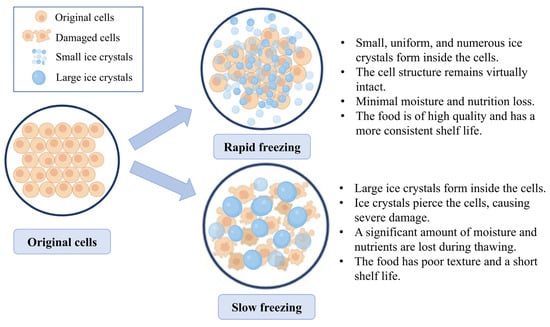
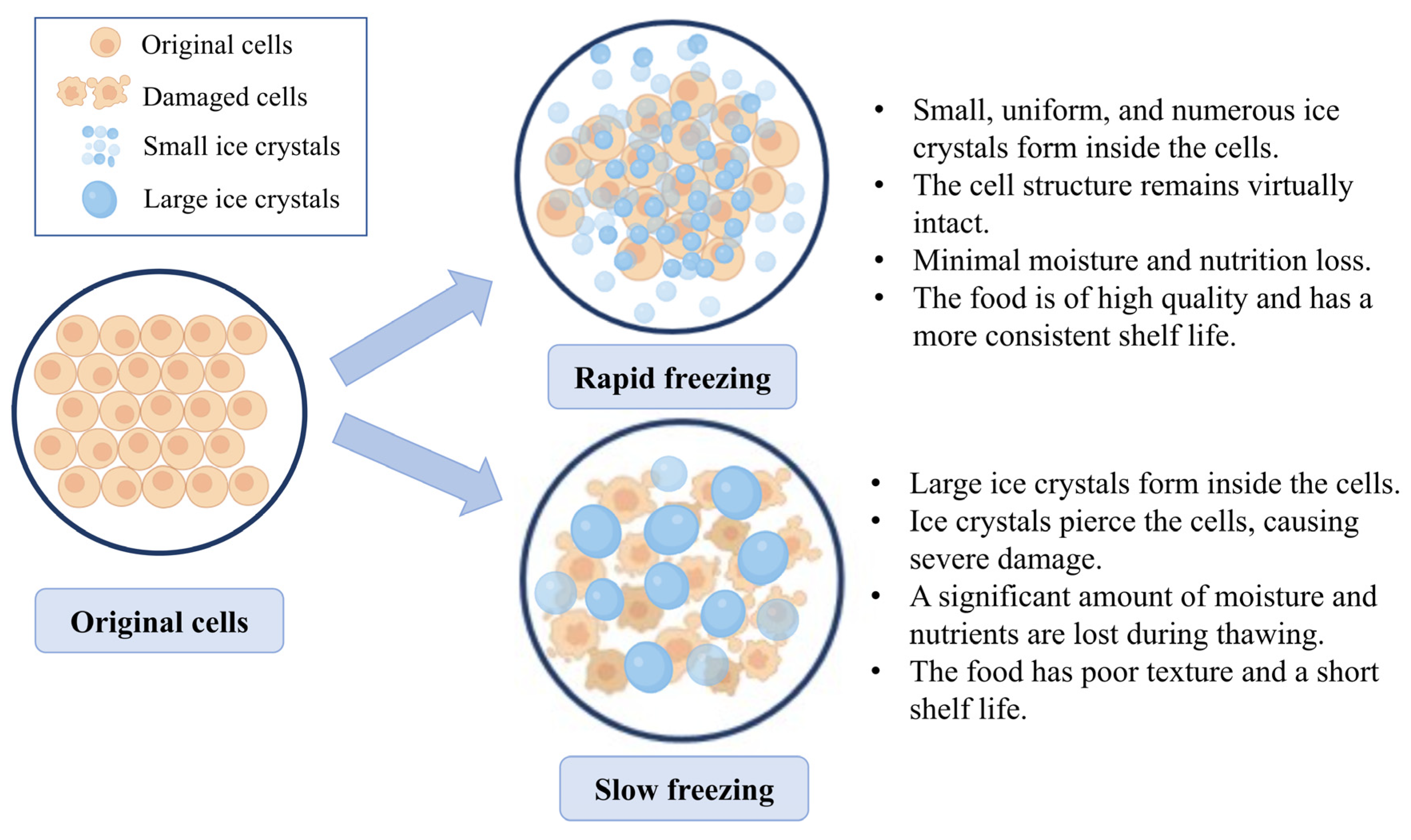
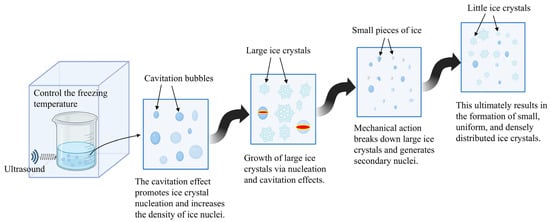
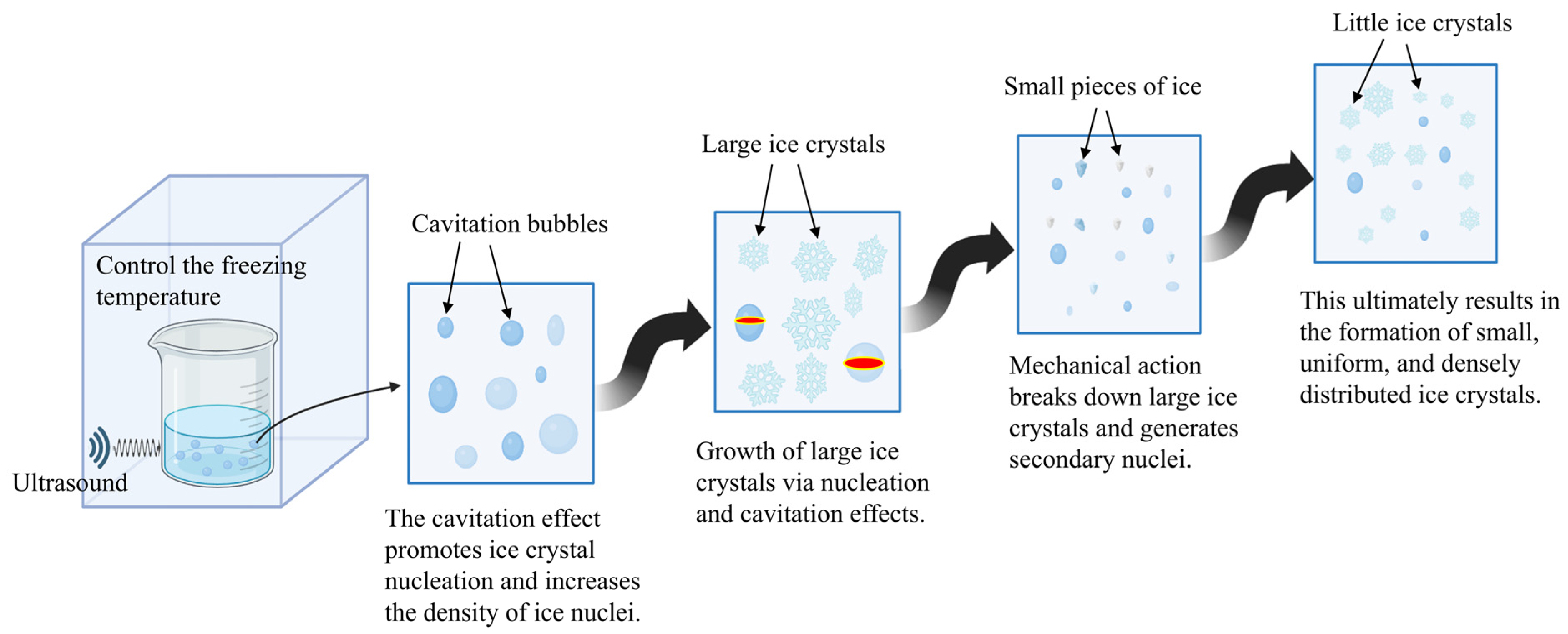
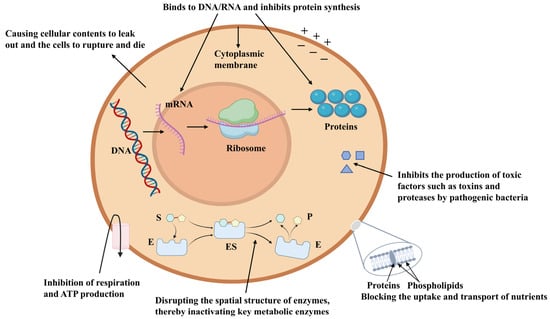
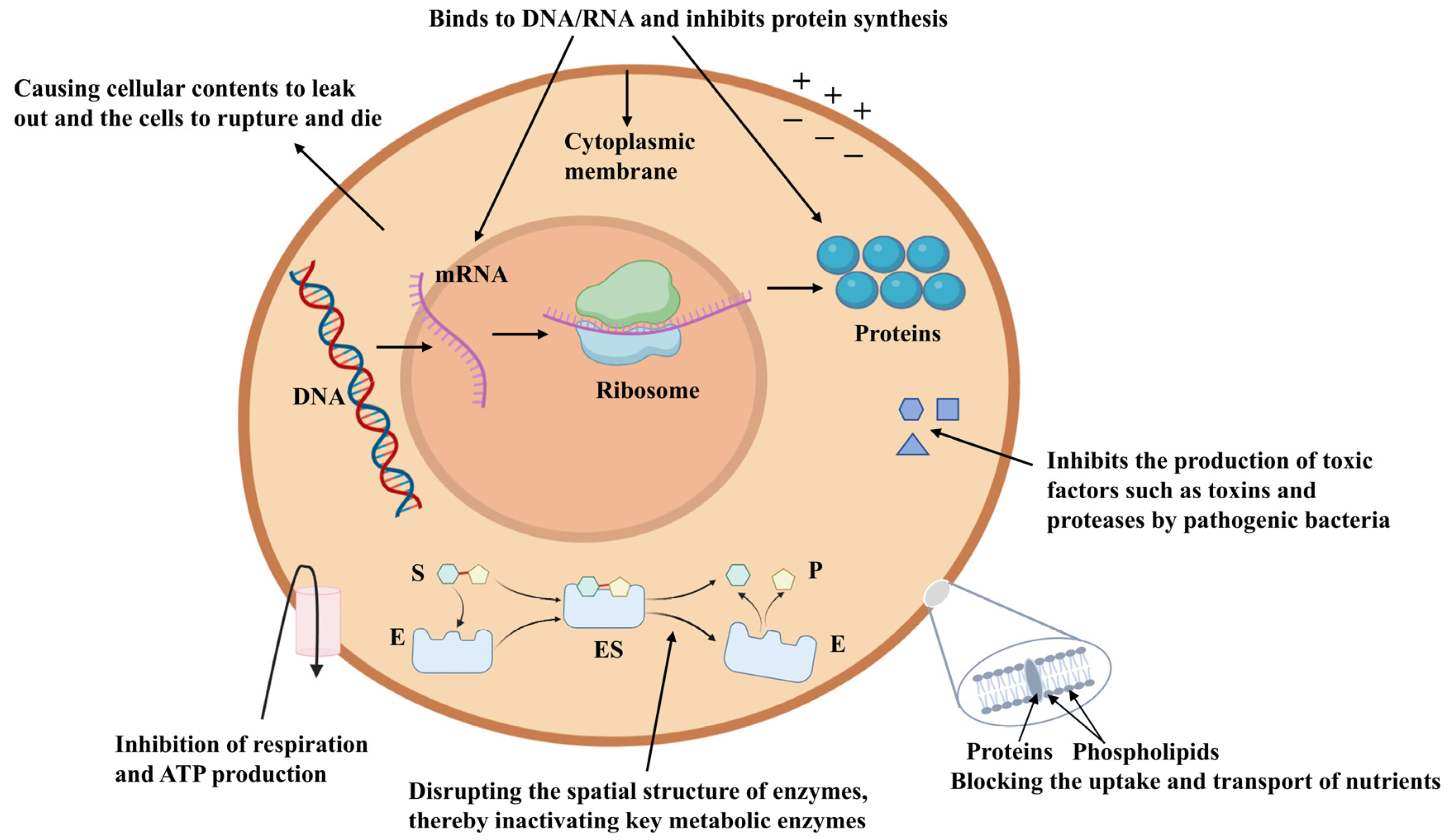
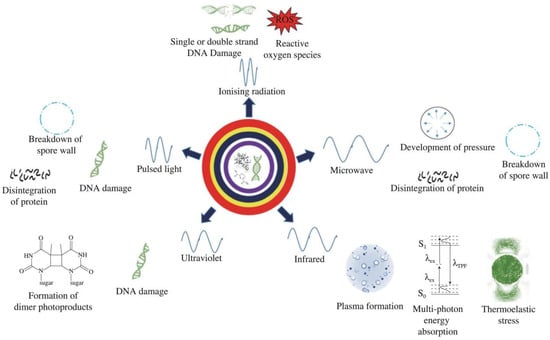
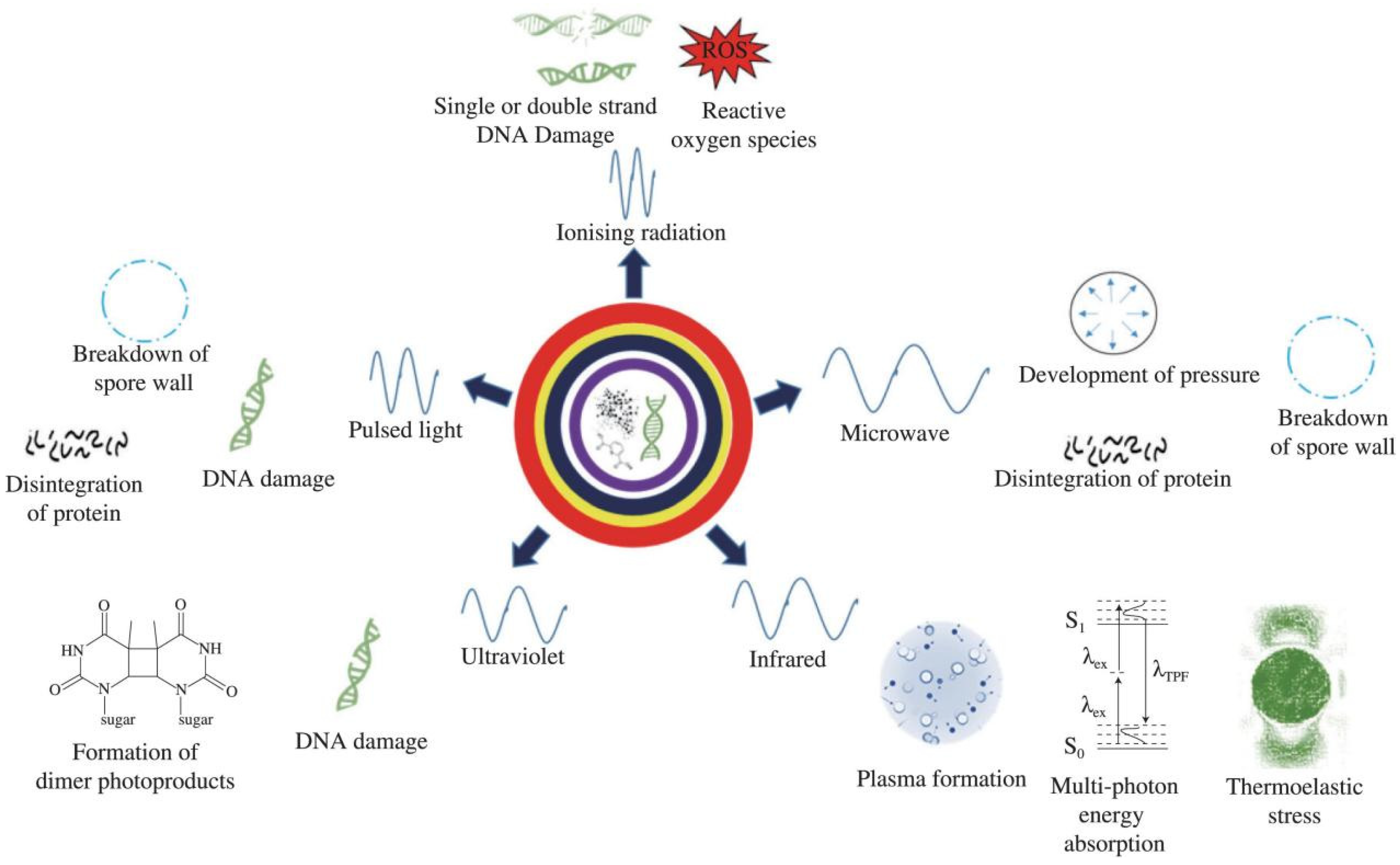
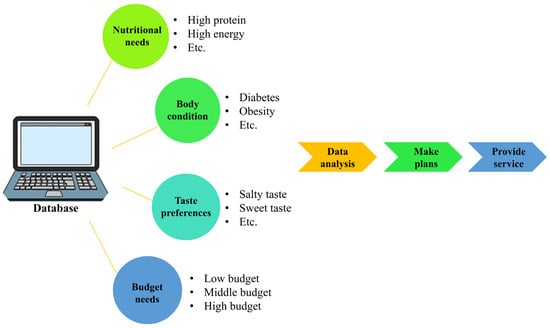
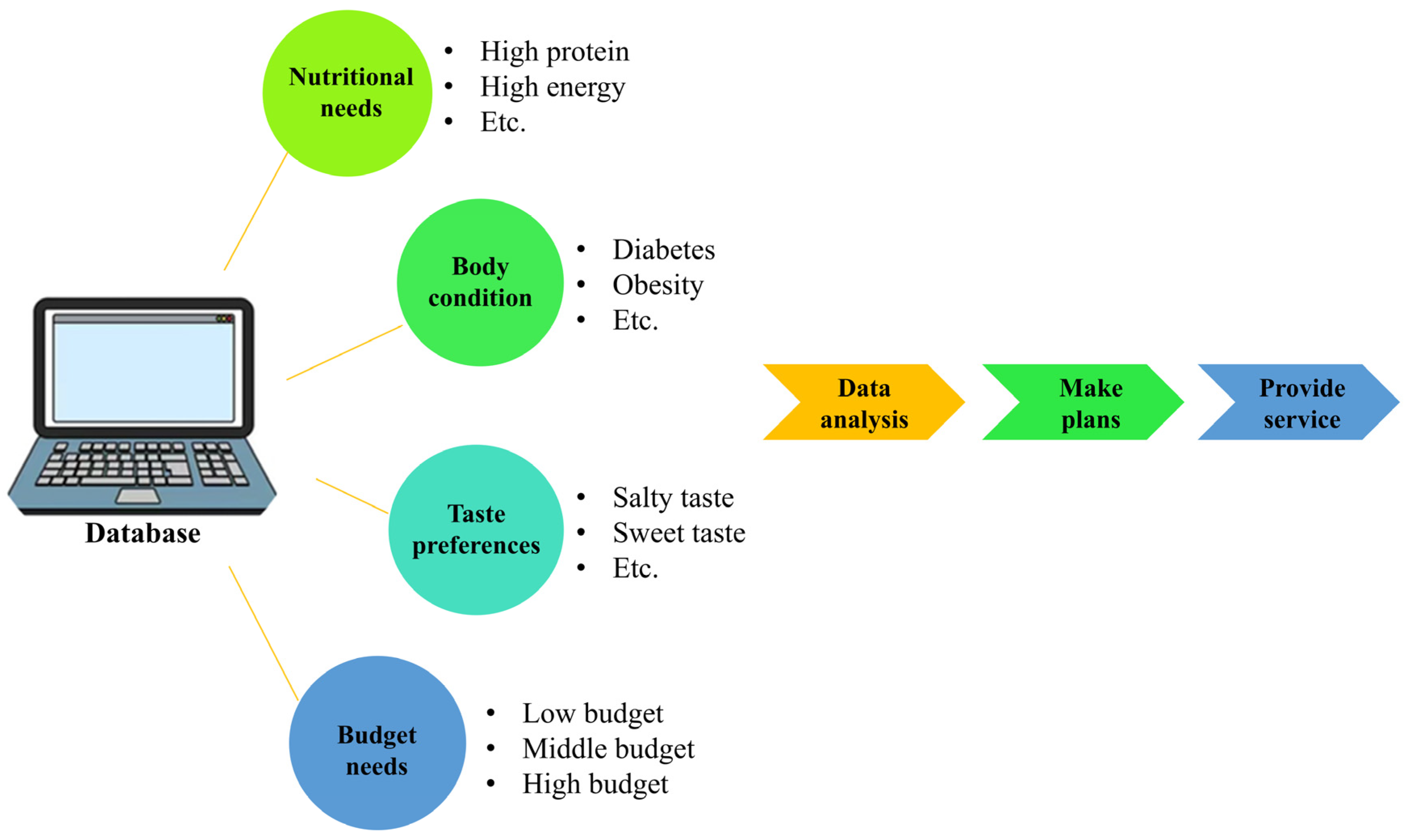

Disclaimer/Publisher’s Note: The statements, opinions and data contained in all publications are solely those of the individual author(s) and contributor(s) and not of MDPI and/or the editor(s). MDPI and/or the editor(s) disclaim responsibility for any injury to people or property resulting from any ideas, methods, instructions or products referred to in the content. |
© 2026 by the authors. Licensee MDPI, Basel, Switzerland. This article is an open access article distributed under the terms and conditions of the Creative Commons Attribution (CC BY) license.