Article

Analyzing the Impact of Orifice Size and Retention Time in Private Tanks on Water Quality Indicators in Distribution Networks


Institute for Infrastructure and Environment, School of Energy, Geosciences, Infrastructure and Society, Heriot-Watt University, Dubai P.O. Box 38103, United Arab Emirates
*
Authors to whom correspondence should be addressed.
Processes 2025, 13(6), 1674; https://doi.org/10.3390/pr13061674
Submission received: 24 March 2025 / Revised: 15 May 2025 / Accepted: 22 May 2025 / Published: 27 May 2025

Abstract

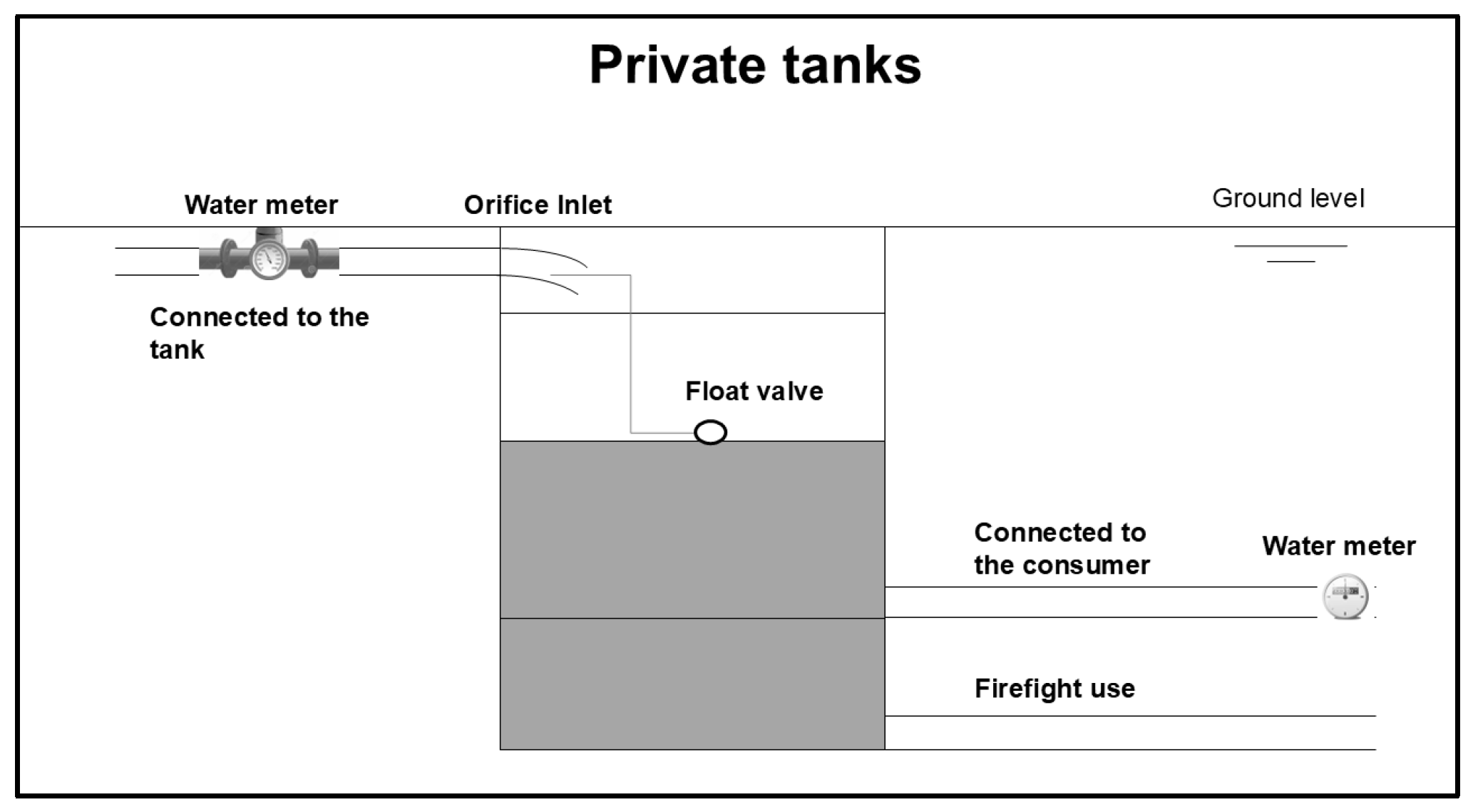
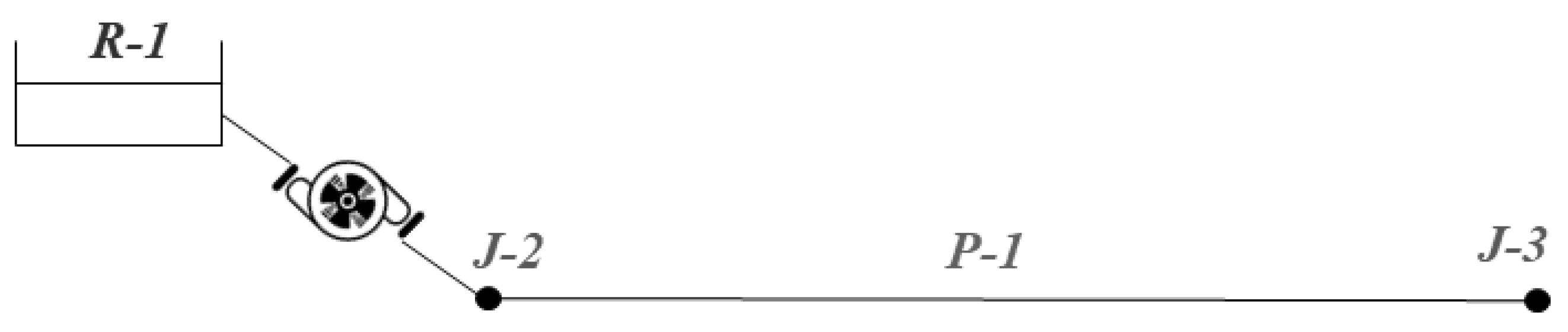
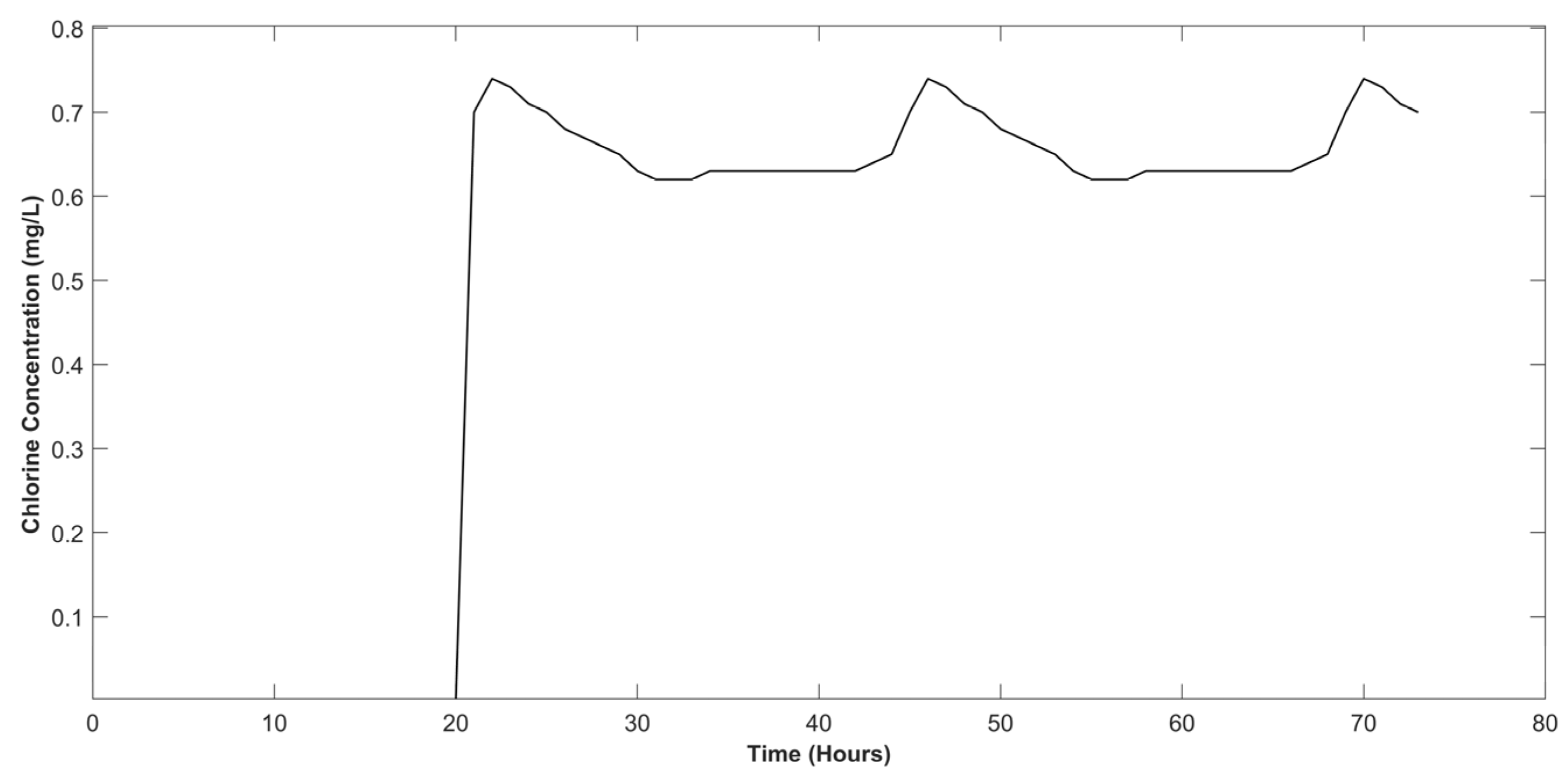
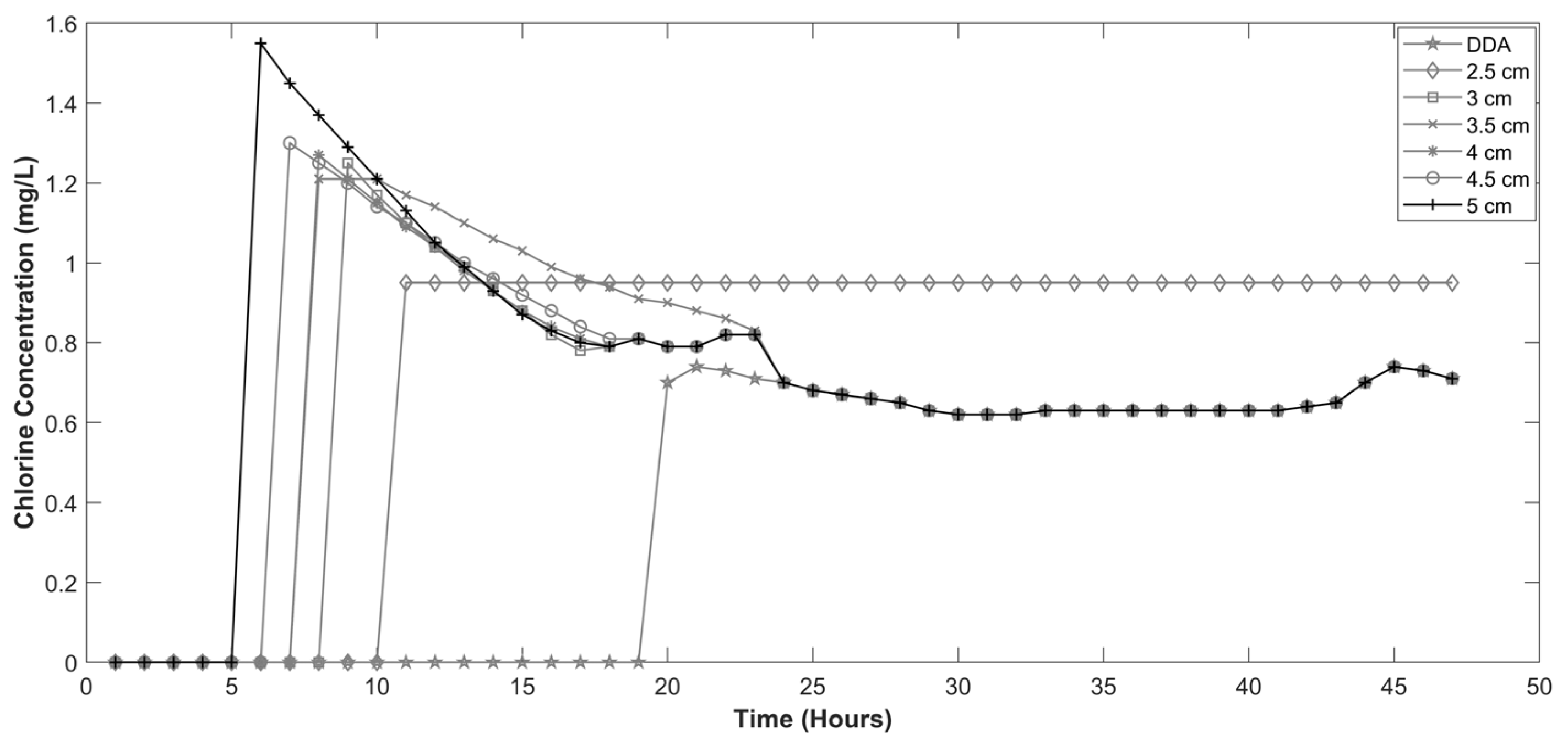
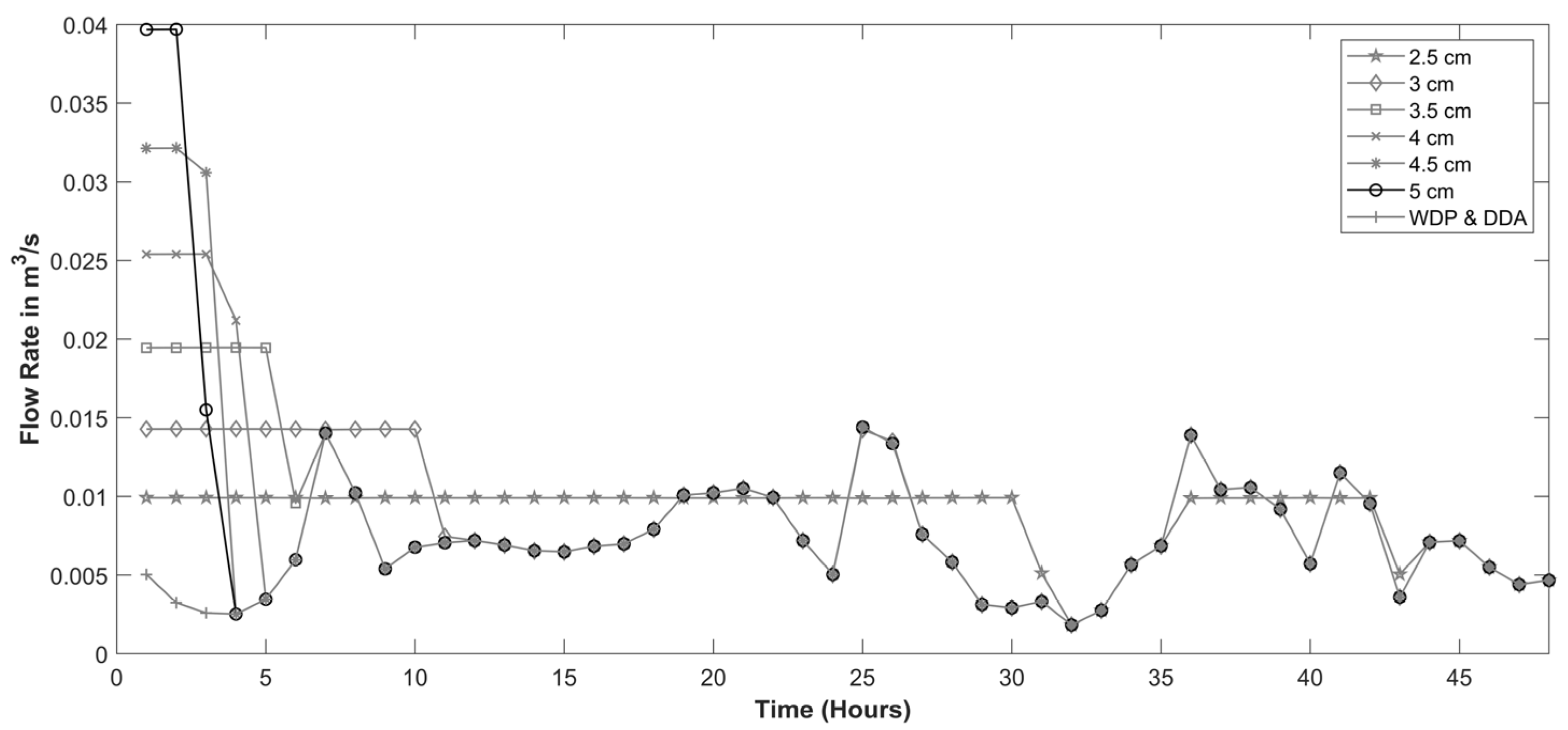
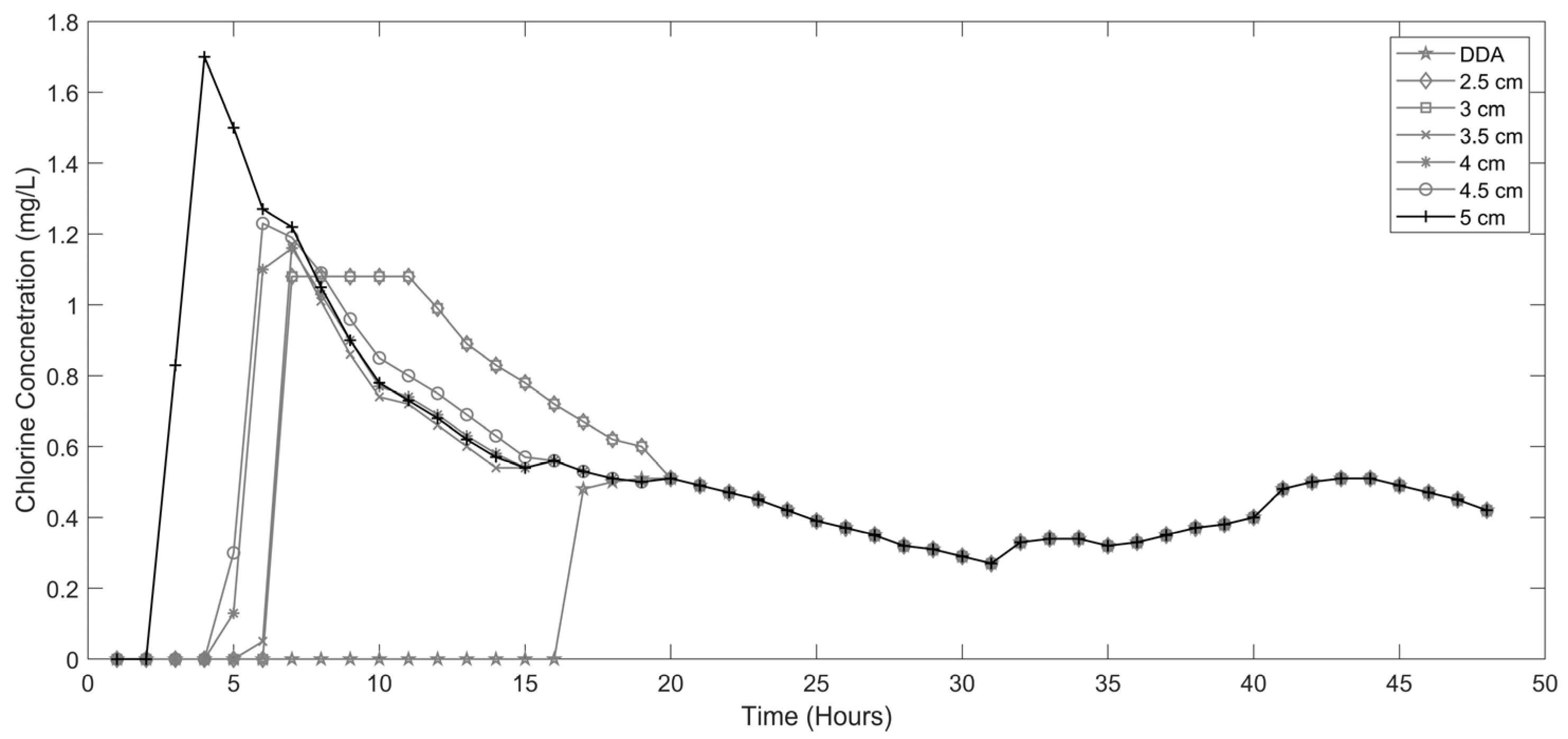
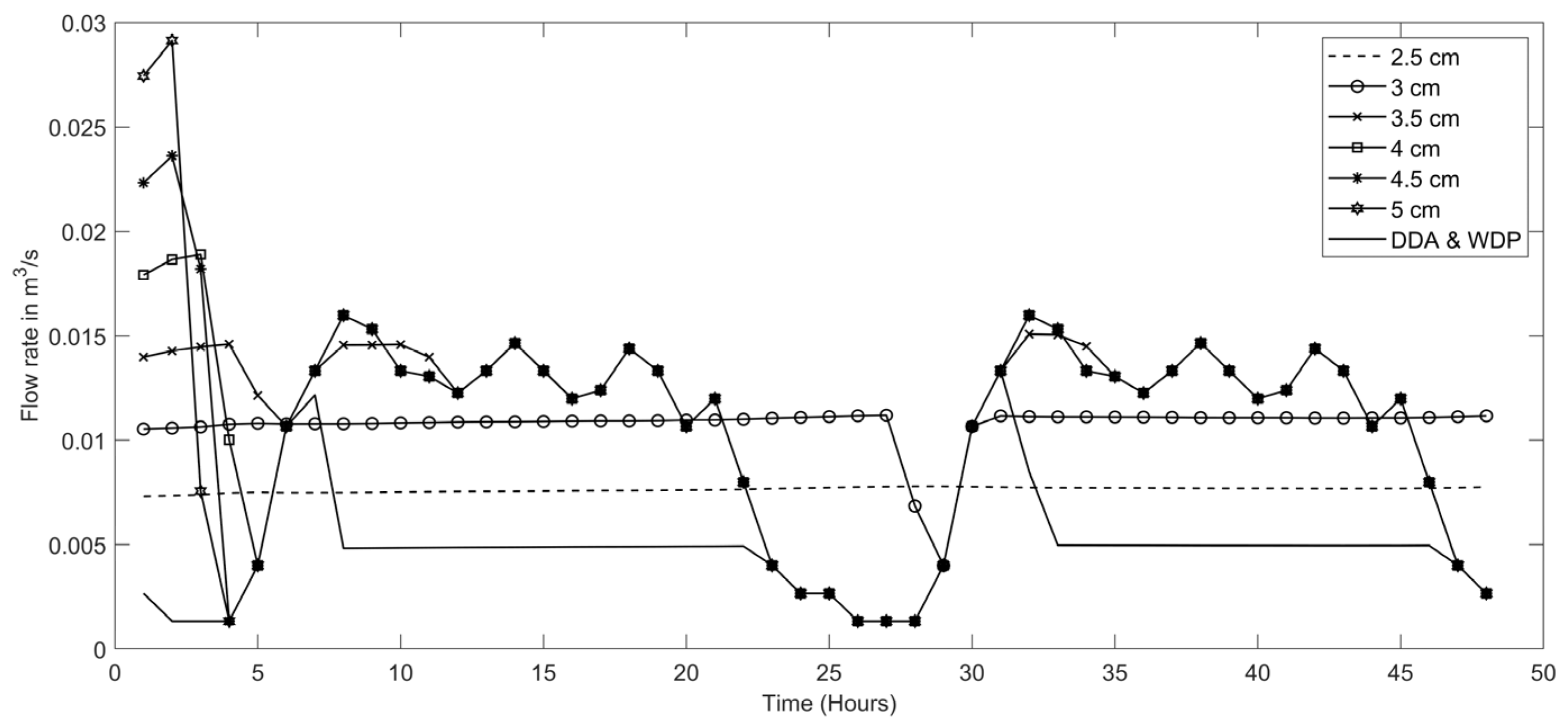
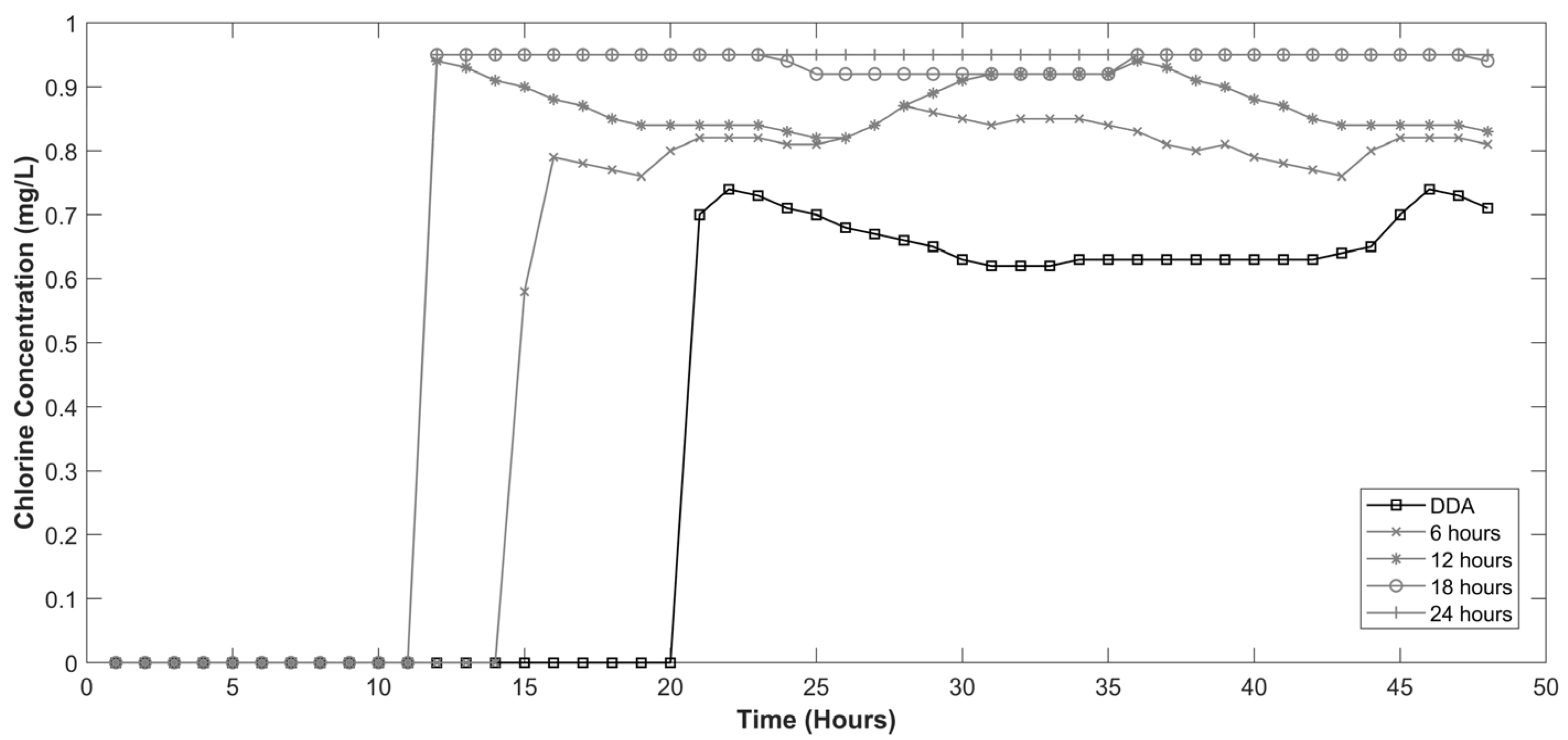
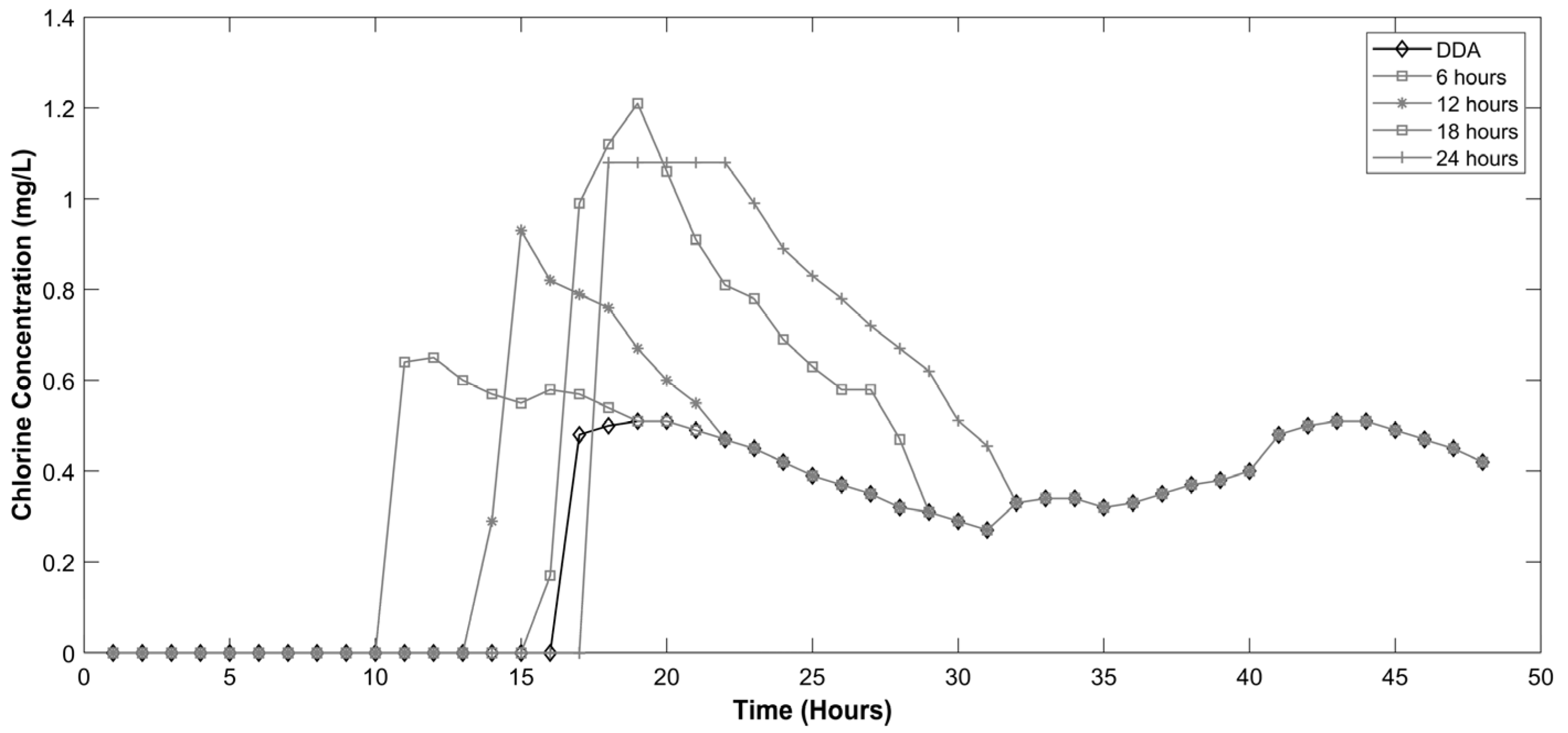
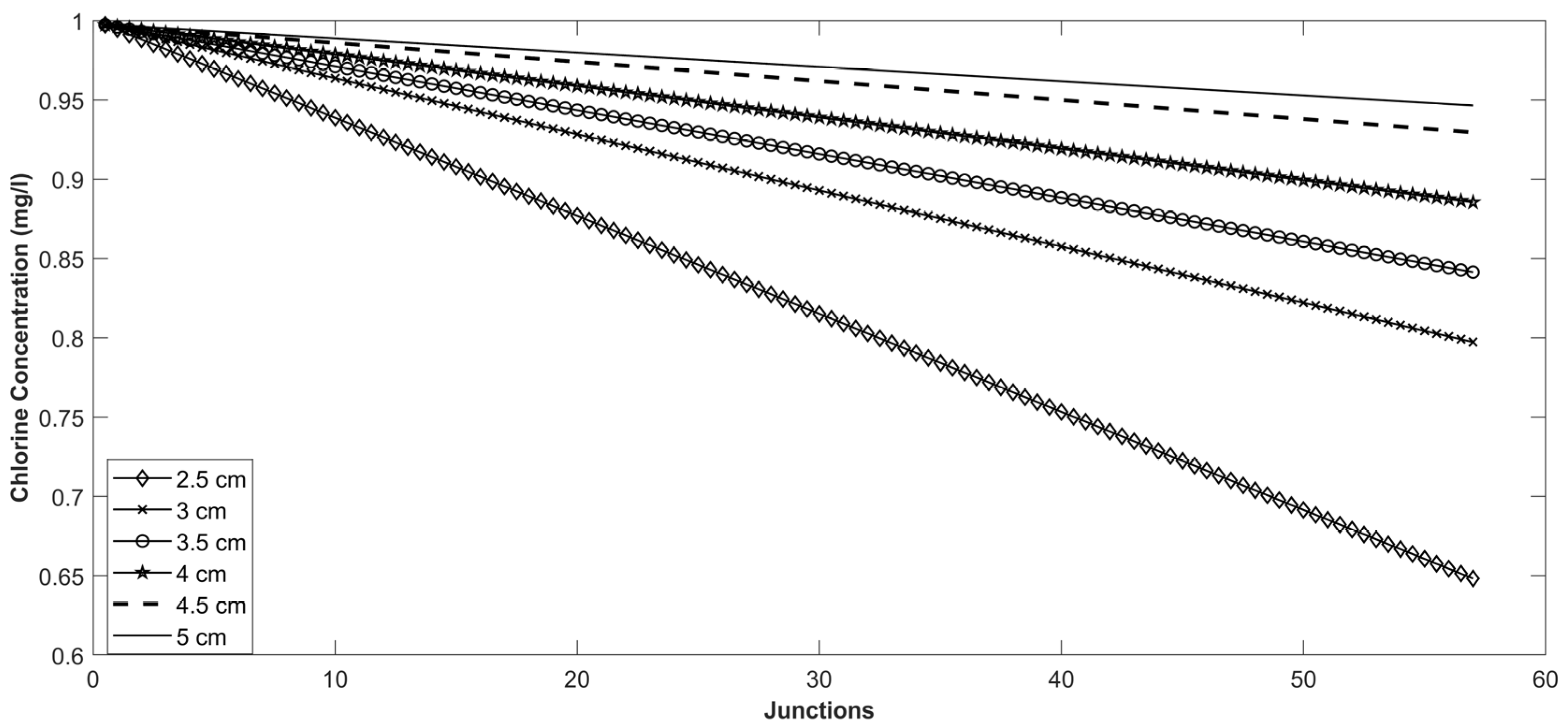
Chlorine decay in water distribution networks is significantly affected by the presence of private storage tanks, particularly due to the orifice size and retention time, which influence both hydraulic flow behavior and water residence time. This study introduces a novel simulation framework that integrates pressure-driven analysis with a first-order kinetic model for chlorine decay, implemented using the WQnetXL tool and validated through simulations in EPANET. Two schematic models, including a real-world case from Dubai, were analyzed under varying orifice sizes and retention times. Results show that larger orifices lead to higher initial chlorine concentrations during tank filling due to increased flow rates, but result in a rapid decline in chlorine levels once the tanks reach full capacity. In contrast, smaller orifices maintain more stable chlorine concentrations over time due to prolonged inflow durations. Extended retention times further delay tank filling and sustain higher chlorine levels until the system transitions to behavior typical of demand-driven analysis. A reliability assessment of the Dubai case study indicated that incorporating private tanks can result in deviations in chlorine concentration of up to 30 percent compared to conventional models. This approach addresses a key gap in conventional network modeling by quantifying the influence of decentralized storage on disinfection effectiveness and network reliability.
Keywords: orifice size; retention time; private tank; water supply; water quality orifice size; retention time; private tank; water supply; water quality