Article

CFD Simulation Analysis of a Diesel Generator Exhaust Muffler and Performance-Based Optimization


by
Kursat Tanriver
Department of Mechatronics Engineering, Faculty of Engineering and Natural Sciences, Istanbul Health and Technology University, 34445 Istanbul, Turkey
Processes 2025, 13(3), 887; https://doi.org/10.3390/pr13030887
Submission received: 17 February 2025 / Revised: 12 March 2025 / Accepted: 14 March 2025 / Published: 18 March 2025
(This article belongs to the Section Energy Systems)

Abstract

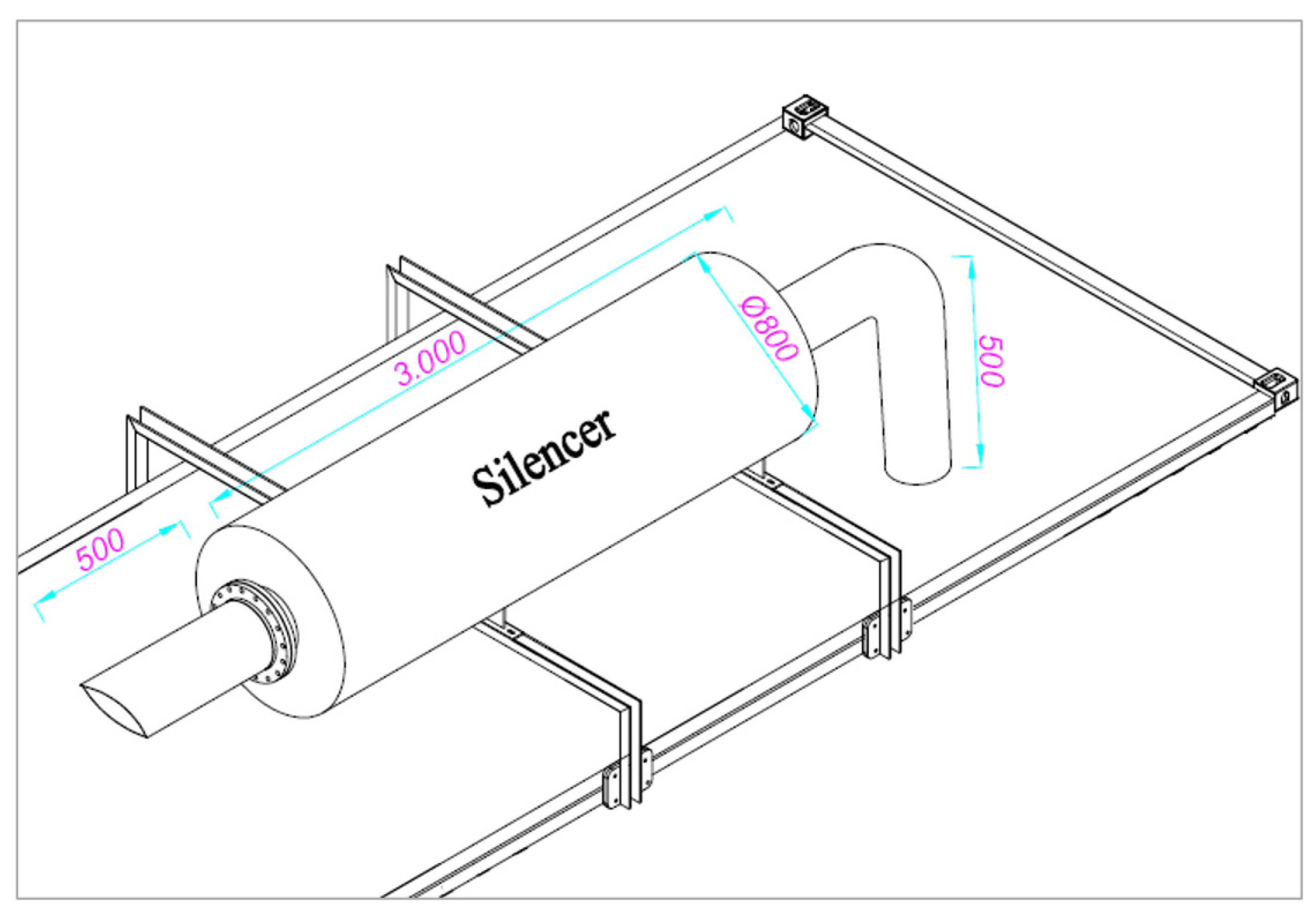
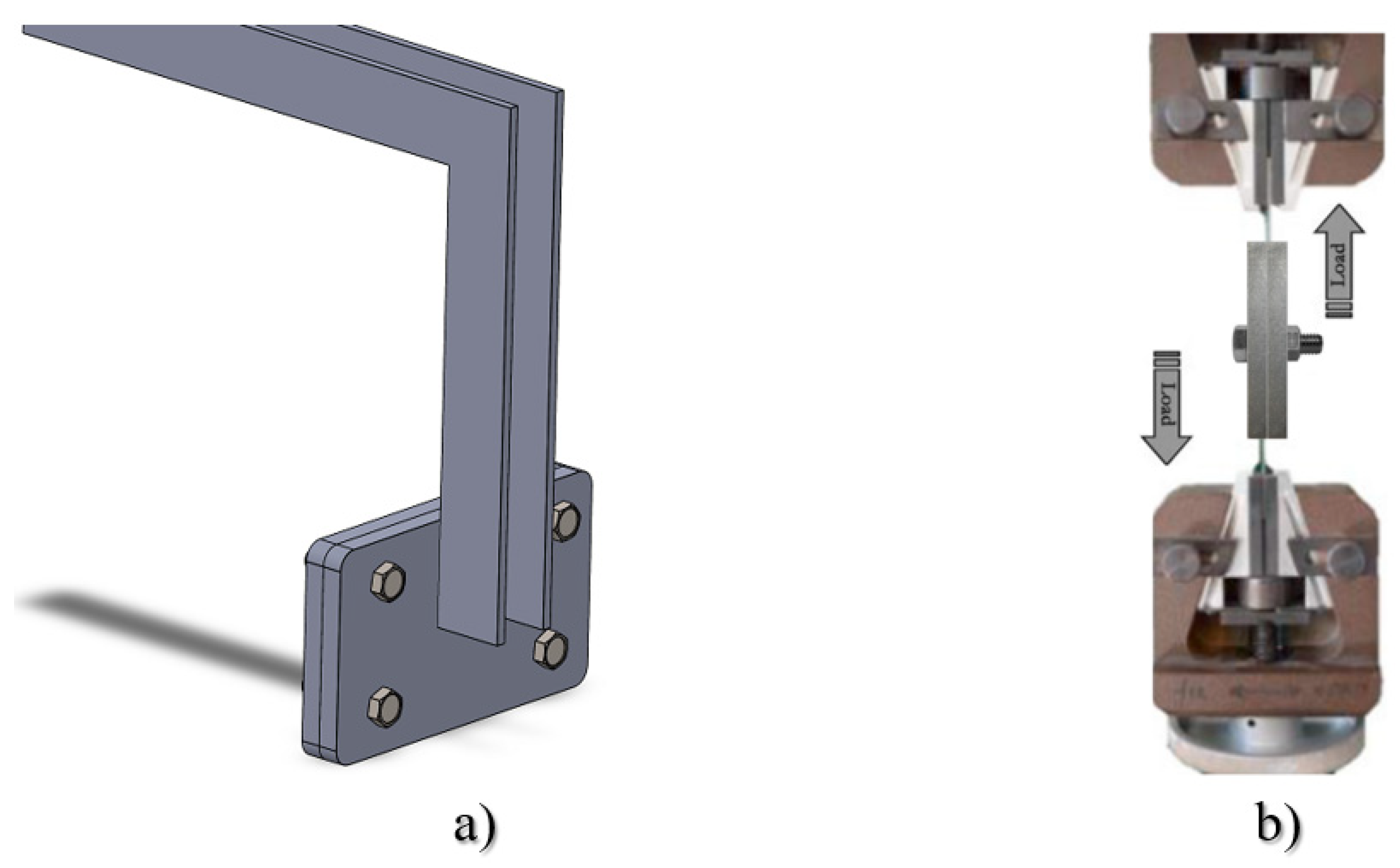
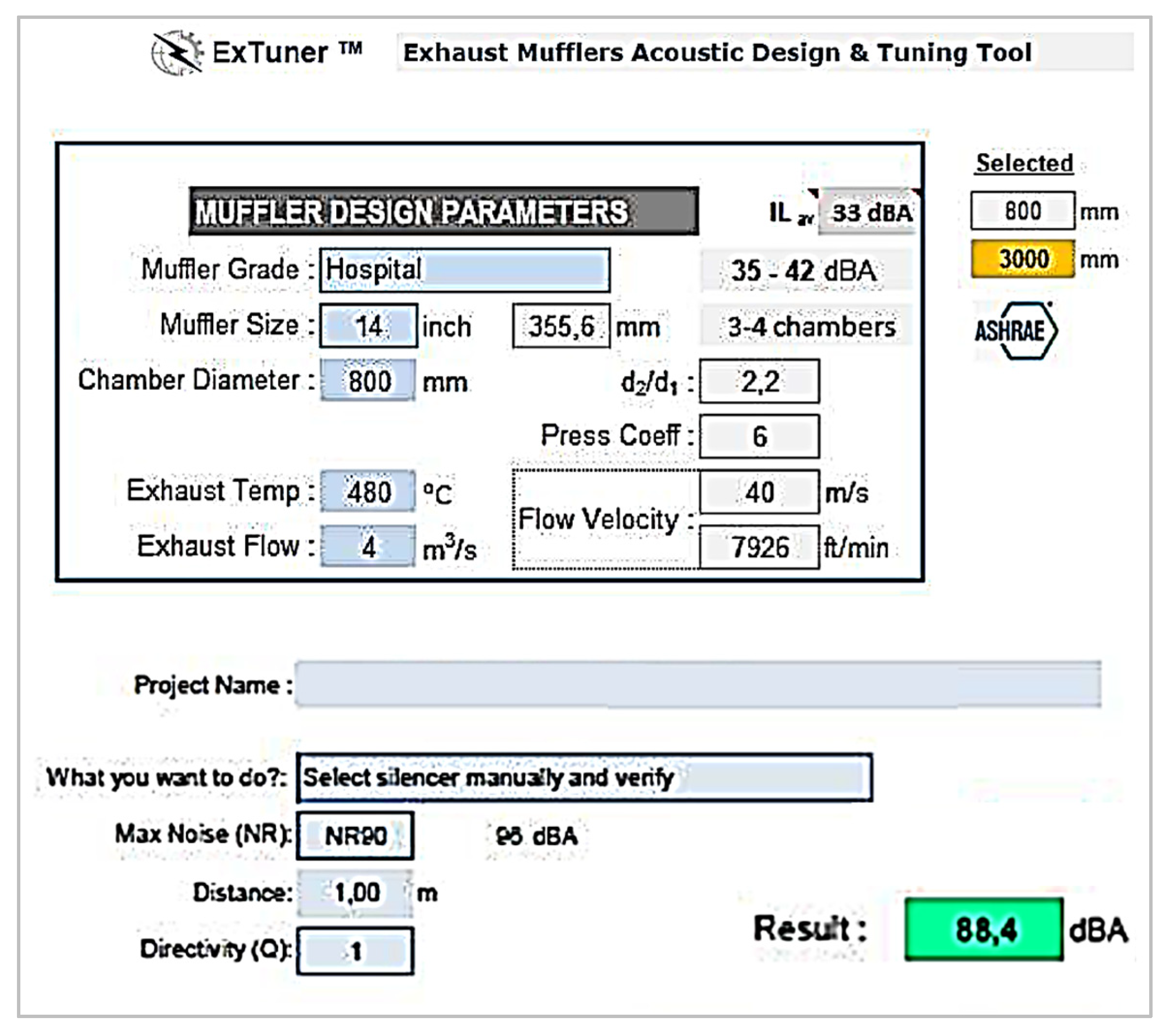
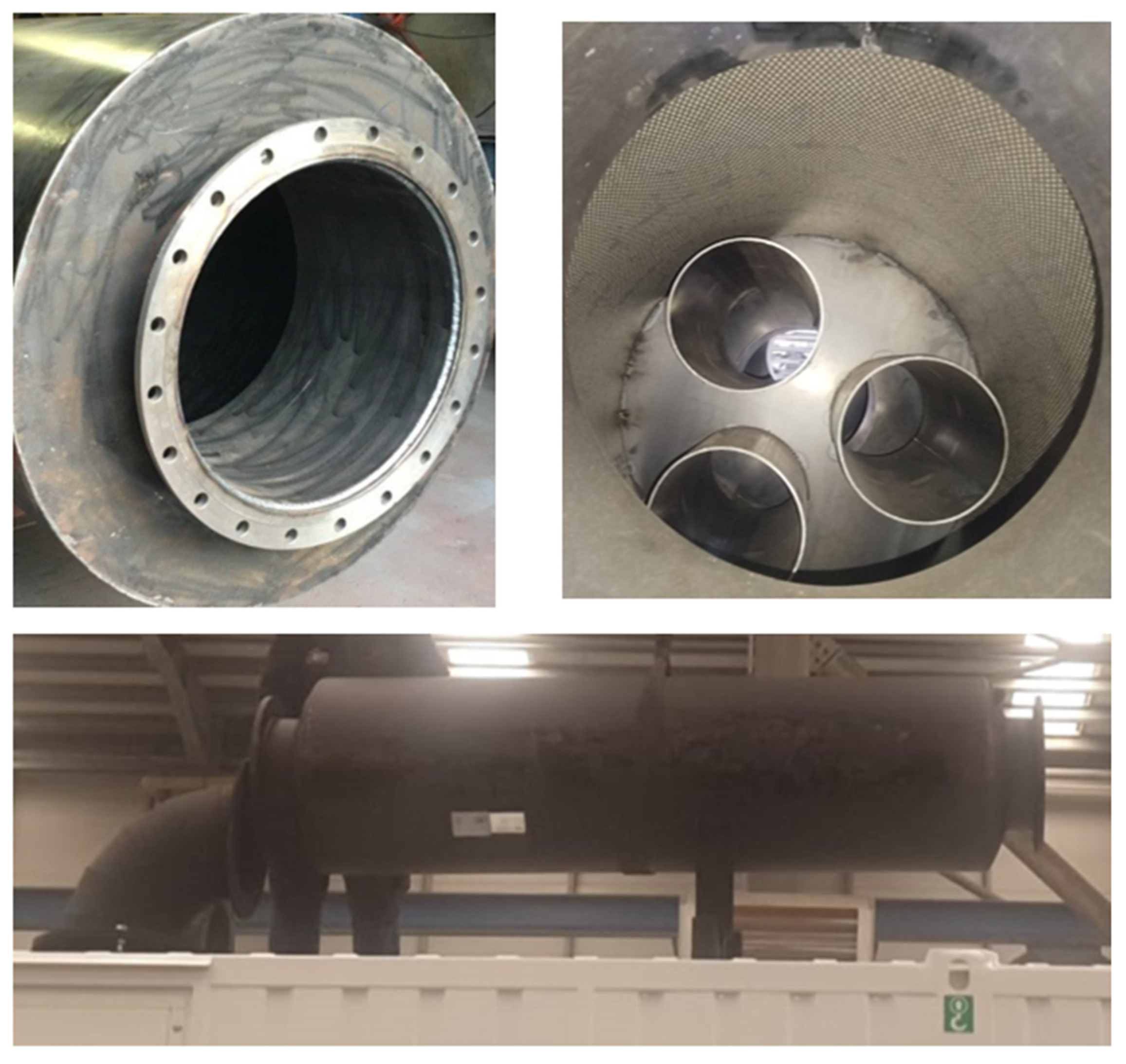
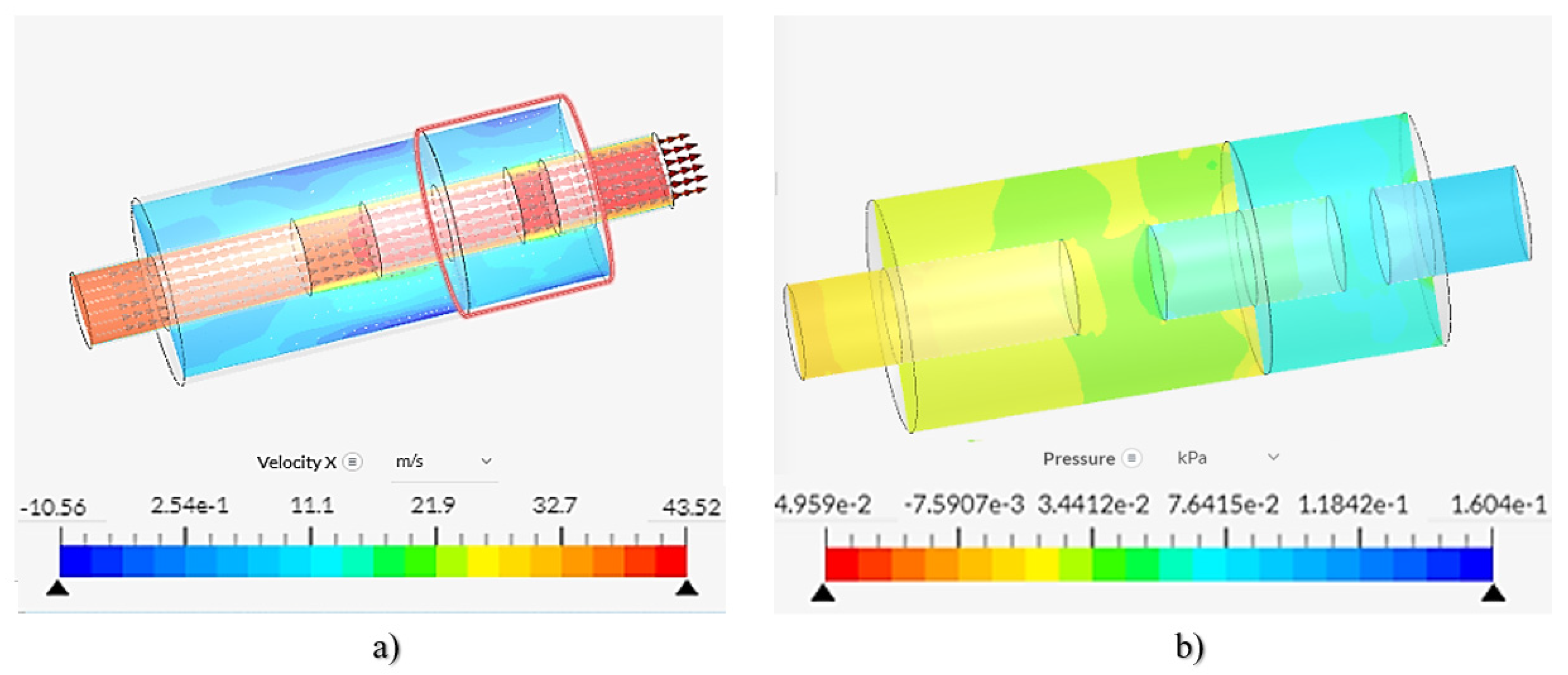
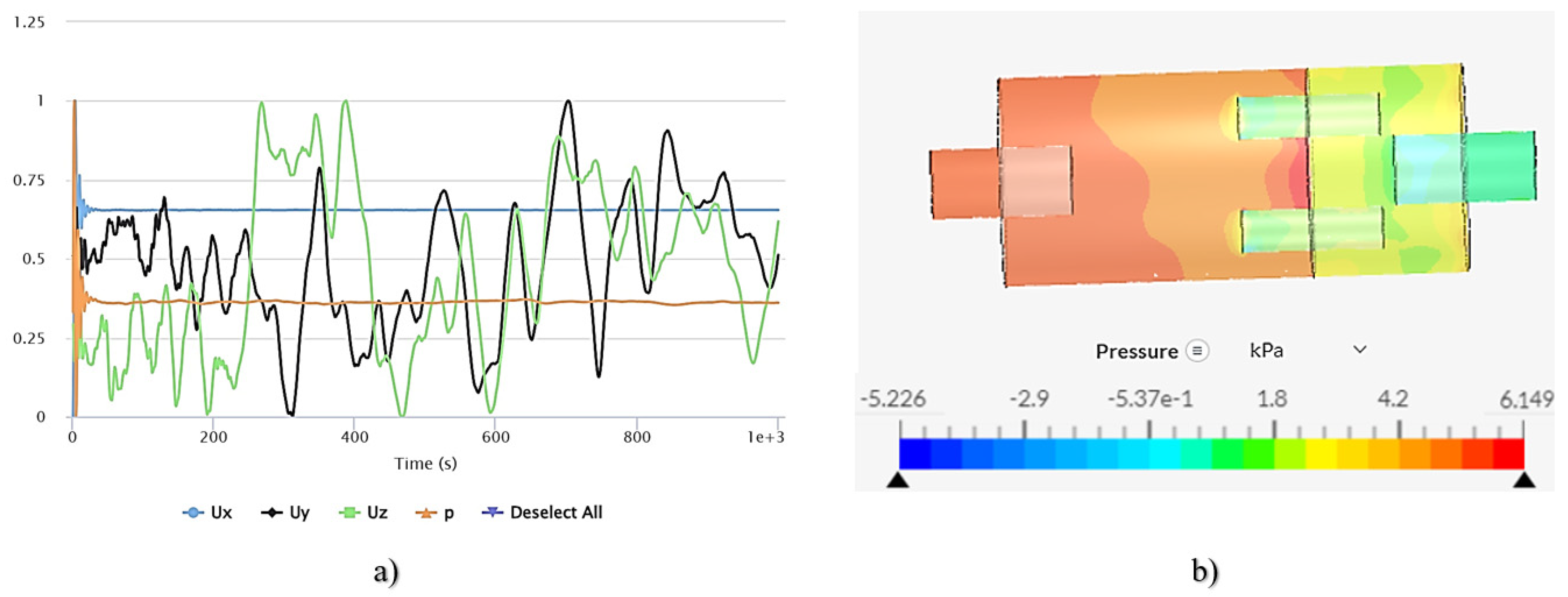
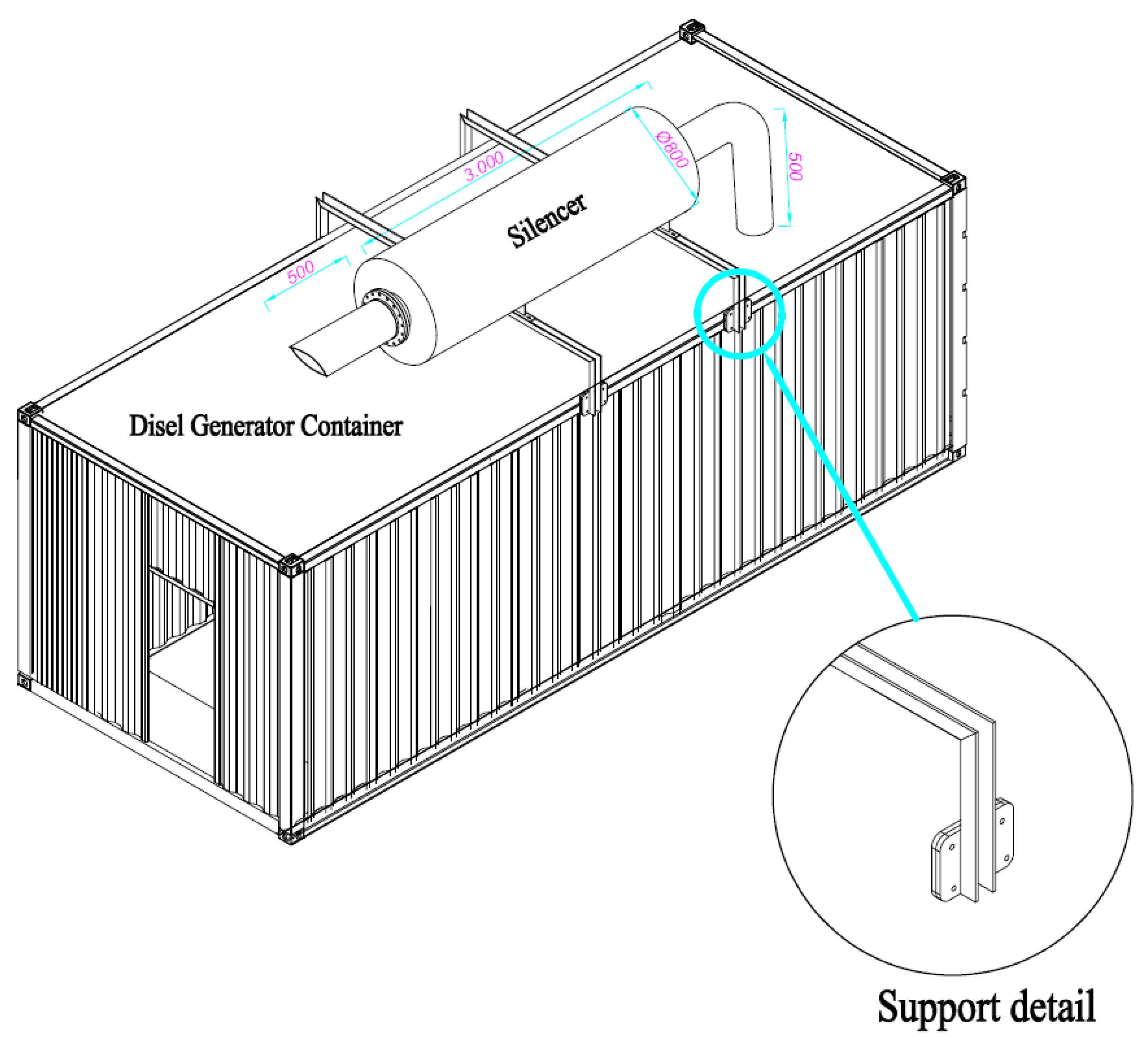
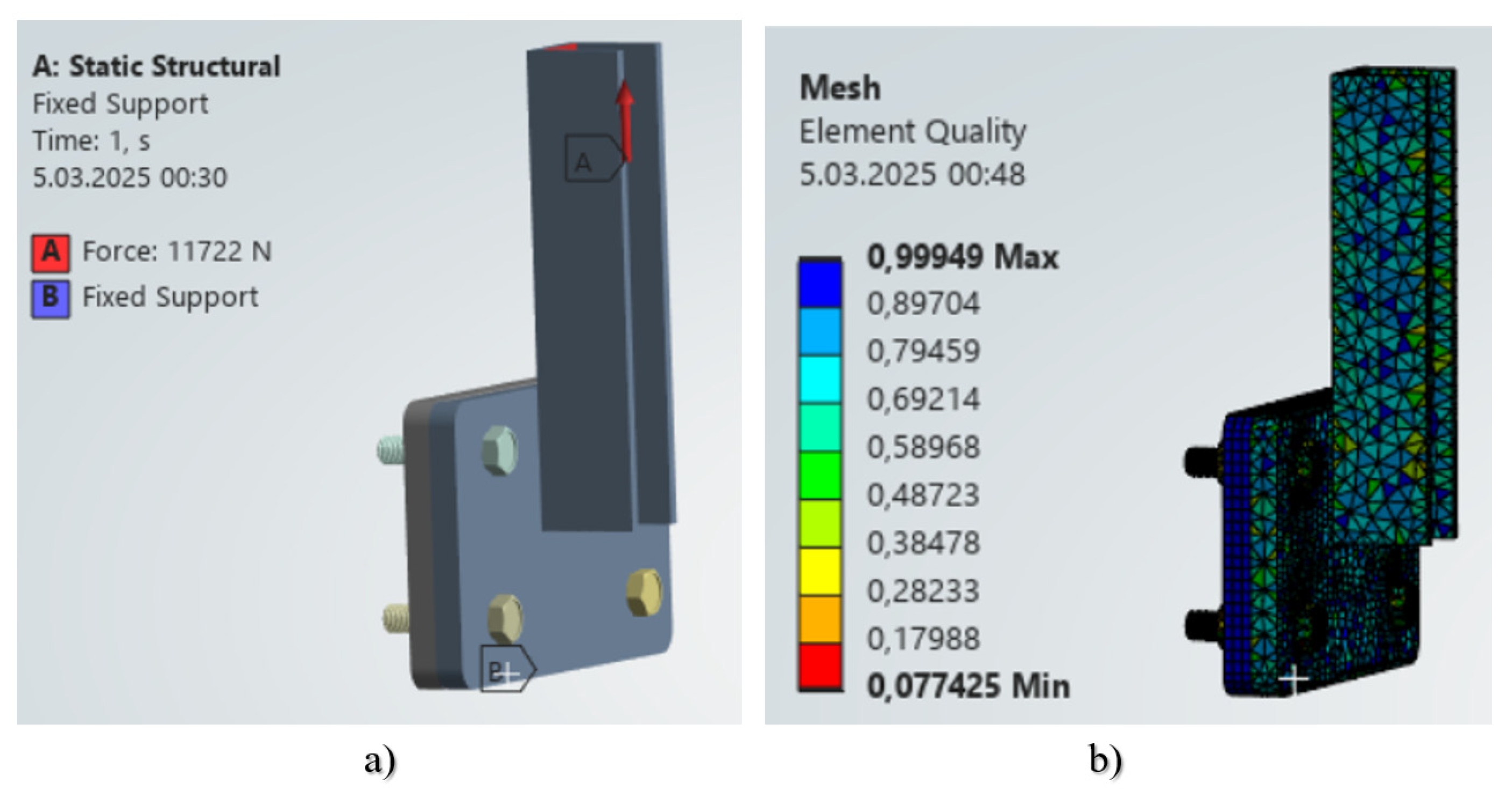
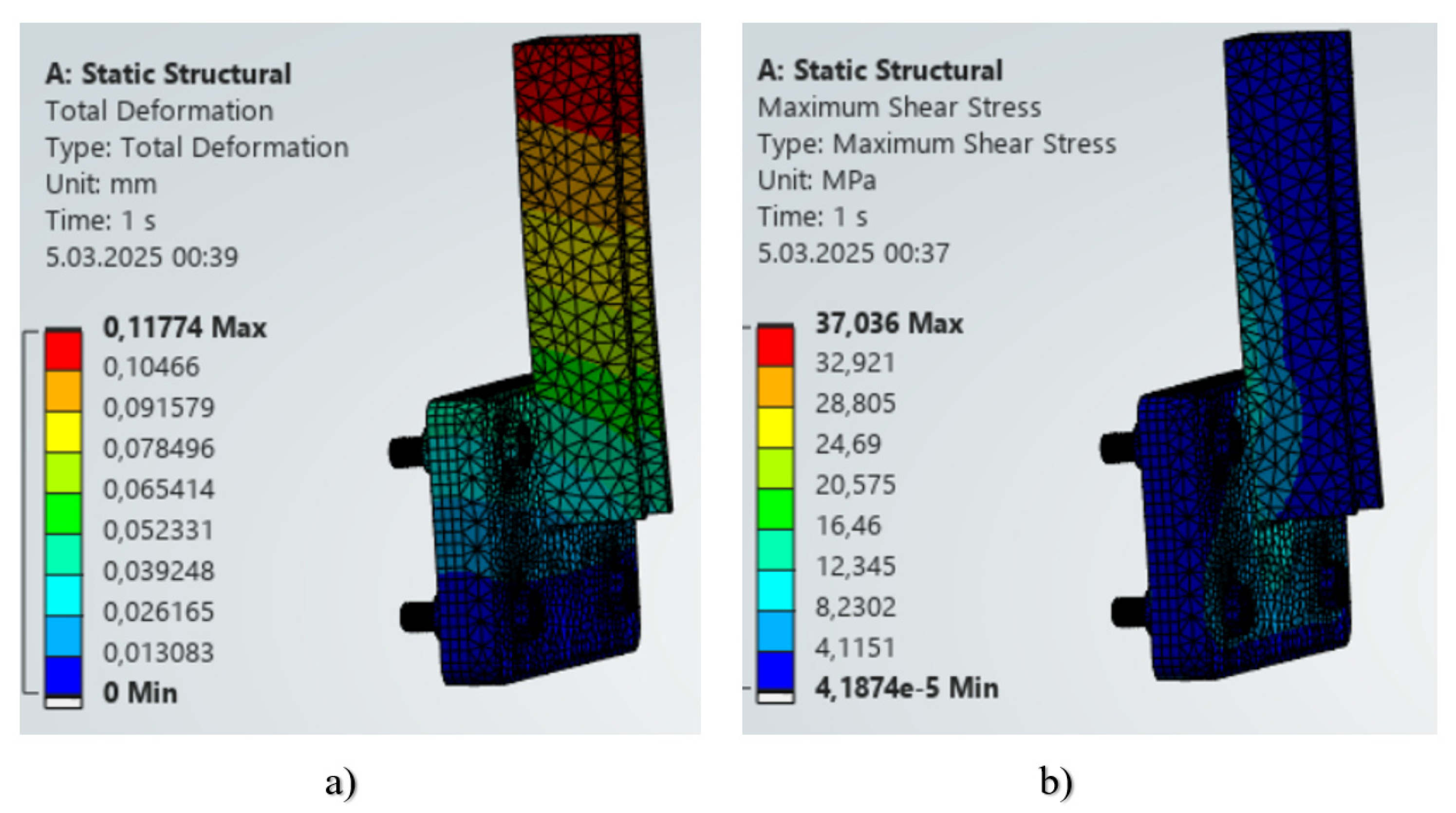
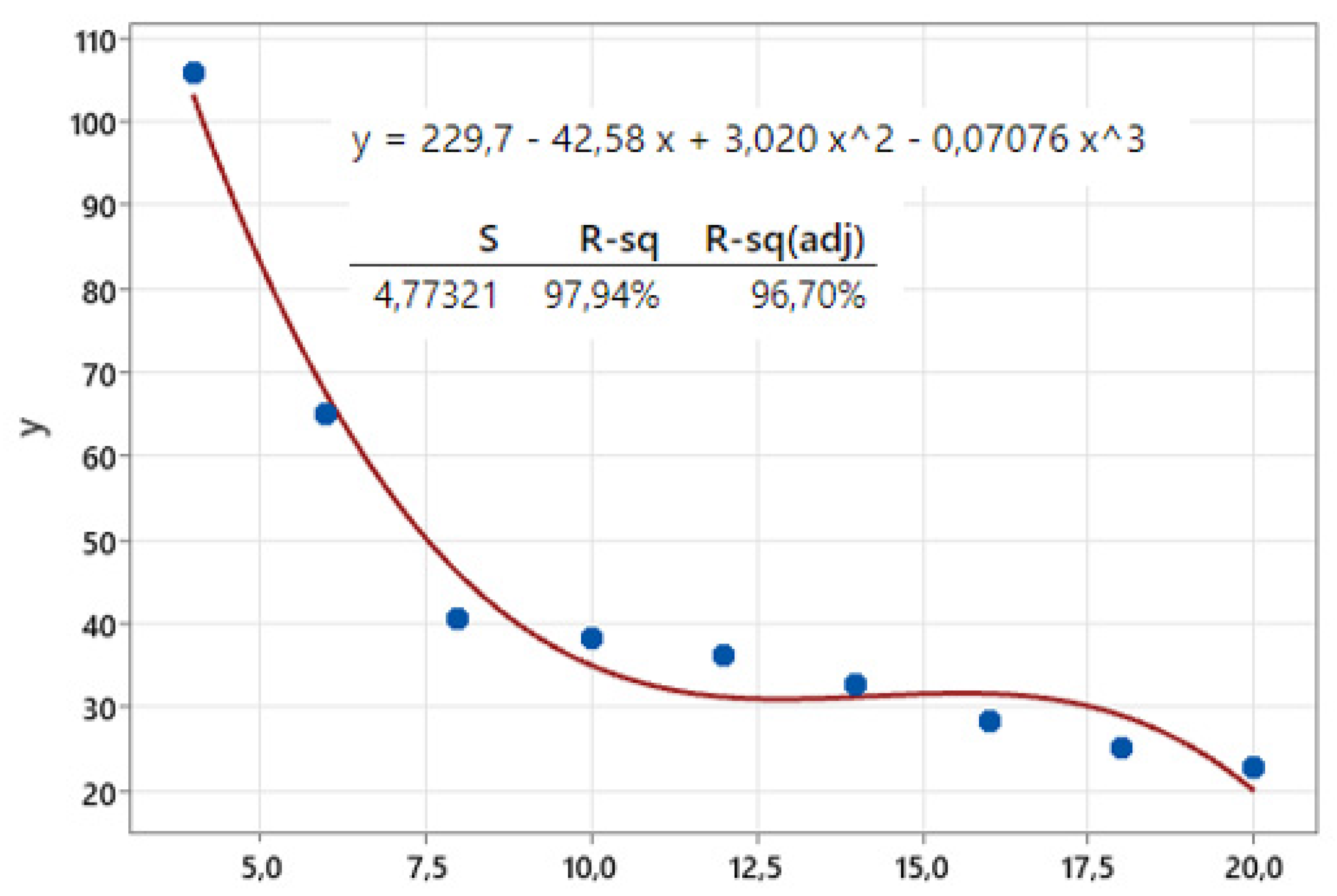
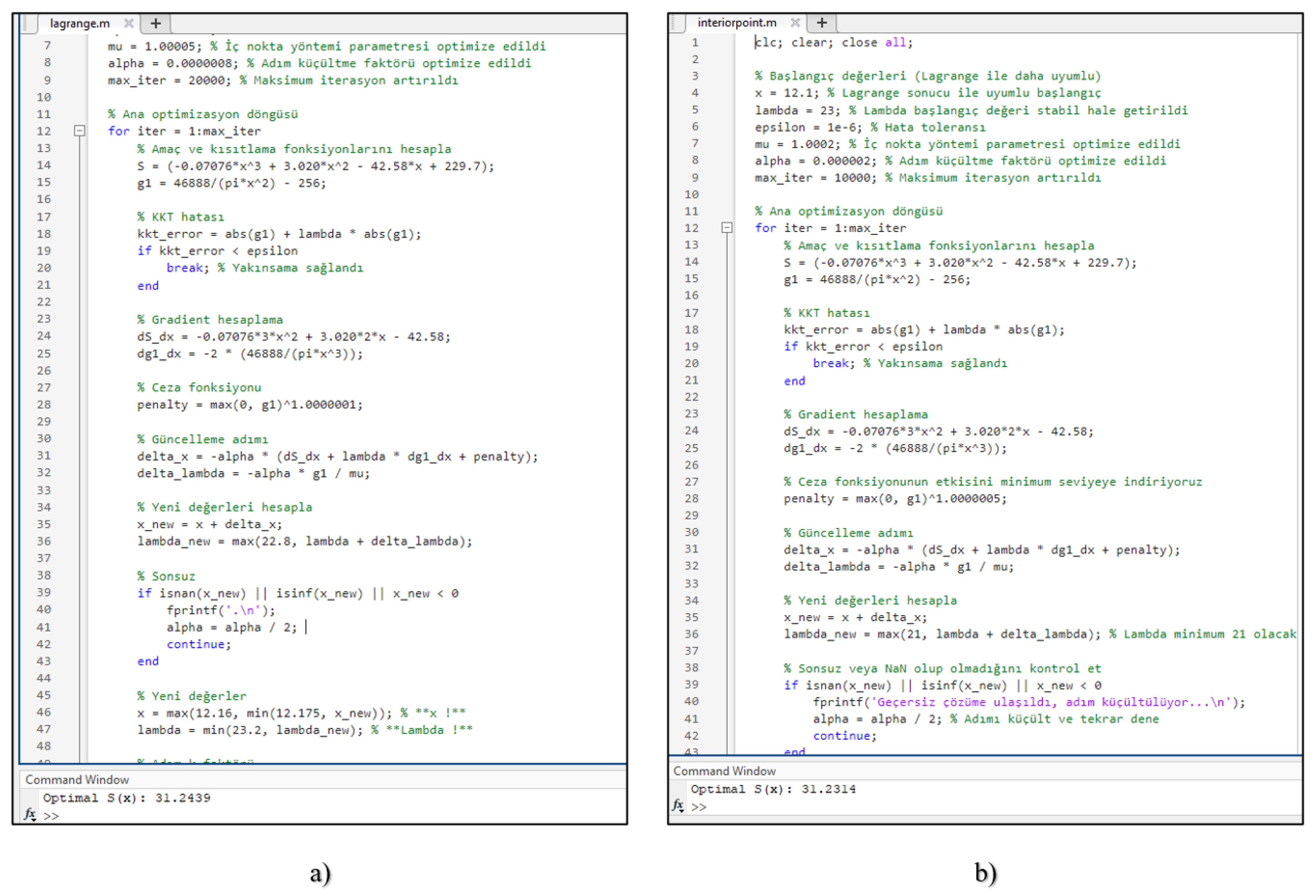
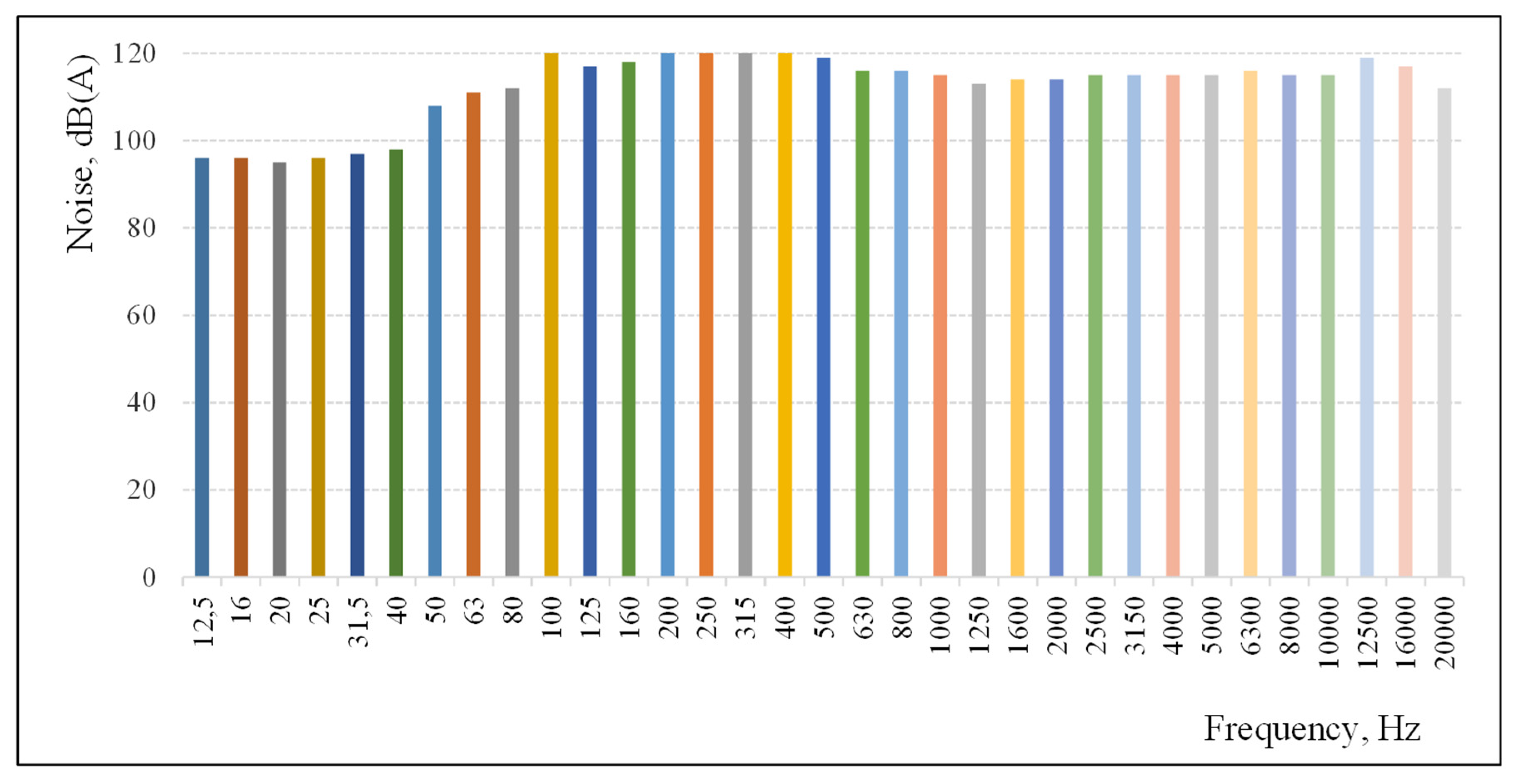
This study addresses a gap in the literature by simultaneously optimizing noise reduction and structural integrity in silencer design. A novel silencer model offering advantages over conventional designs was developed. In the first phase, the initial optimization model was developed to minimize noise levels while considering environmental constraints. CFD analyses using NEC Acostix and Ex-Tuner calculated noise, temperature, and pressure, followed by validation in SimScale. The results demonstrated improved efficiency in reducing pressure loss and noise. A silencer with Ø 800 mm diameter, 3000 mm length, and Ø 355.6 mm exhaust connection was manufactured and tested, achieving 96 dB(A) at 1 m, with front and side measurements of 85.1 dB(A) and 74.4 dB(A), respectively. In the second phase, fastener durability in silencer support plates was optimized using tensile tests and FEA in Ansys R19.2. Parametric analyses for M4-M20 bolts were conducted, and regression analysis in Minitab (Minitab Statistical Software Version 21.1) showed 97.74% accuracy. An objective function was developed using curve fitting. The second optimization problem, incorporating design constraints, was solved using the interior-point and Lagrange multipliers methods. This study provides a foundation for silencer design, ensuring both structural reliability and noise control. Future research will explore performance eco-friendly solutions across varying generator power levels.
Keywords: CFD; back pressure; diesel generators; noise reduction; muffler; parametric analysis; optimization CFD; back pressure; diesel generators; noise reduction; muffler; parametric analysis; optimization