


Abstract
Outpatient healthcare involves interactions with technologies, healthcare professionals, information, service processes, and care environments across stages of the care journey. This systematic review synthesized empirical evidence on how user experience (UX) and human-centered design (HCD) approaches have been applied to designing, developing, evaluating, and improving outpatient healthcare services and systems. Scopus and PubMed/MEDLINE were searched for English-language empirical studies published from 2020 to 27 September 2026, supplemented by backward and forward citation searching. The 92 included studies were appraised using the Mixed-Methods Appraisal Tool (MMAT). Exploratory keyword co-occurrence mapping was conducted separately from the thematic synthesis of empirical findings. The synthesis identified 18 open codes, nine subthemes, and five interconnected themes: usable and dependable interactions; human and trustworthy care; connected and accessible care; sustained engagement and agency; and care-setting and environmental experience. These findings informed the development of 18 evidence-informed UX design guidelines addressing stakeholders, design and implementation stages, and example evaluation criteria. Findings indicate that outpatient experience extends beyond interface usability to interactions among people, technologies, services, clinical workflows, and care settings. The guidelines are intended to support context-sensitive design decisions rather than serve as universal requirements and require further evaluation across outpatient contexts.
1. Introduction
Outpatient healthcare experiences extend beyond the clinical consultation itself. Across outpatient settings, patients and other stakeholders interact with digital technologies, healthcare professionals, information, service processes, self-management activities, and care environments at different stages of the care journey. Studies involving video-based outpatient visits, outpatient cancer care, co-designed services, and digitally supported self-management illustrate this breadth [1,2,3,4]. These findings suggest that outpatient experience is shaped not only by the functionality of individual interventions but also by how people understand, use, and integrate different elements of care into their everyday lives and clinical contexts [1,2,3,4].
In this review, user experience (UX) refers to how users perceive and experience their interactions with healthcare services, systems, technologies, environments, and related touchpoints. Human-centered design (HCD) refers to approaches that seek to understand users, their needs, and their contexts and incorporate this understanding into design and development. In outpatient healthcare, these approaches may involve the iterative development and usability evaluation of digital decision-support tools [5], co-design with clinicians and other stakeholders [6], and participatory implementation of patient-reported outcome measures in routine outpatient care [7]. Such approaches extend attention beyond technical functionality to how interventions fit the people, activities, and contexts through which care is delivered.
However, relevant empirical evidence remains distributed across different outpatient care contexts and design applications. Studies have examined video-based care [1], chatbot-supported self-management and digital patient decision aids [4,5], clinical decision-support prototypes [6], patient-reported outcome measures [7], and relational or service experiences involving patients, families, and healthcare professionals [2,3]. Consequently, knowledge about outpatient UX and HCD remains fragmented across technologies, service processes, clinical interactions, and care settings. This diversity presents a challenge for identifying recurring design considerations while preserving the contextual differences that shape their interpretation and potential application.
This fragmentation also presents a challenge for evidence synthesis and practical design. Individual studies may identify usability barriers, relational needs, implementation challenges, or opportunities for co-design, but their findings do not automatically establish recommendations that are applicable across outpatient settings. Accordingly, this review examines recurring UX and HCD considerations across the available empirical evidence while retaining differences among stakeholders, healthcare contexts, and intervention types. It also distinguishes patterns in research terminology from themes developed through the synthesis of empirical findings, rather than treating bibliometric relationships as equivalent to evidence about users’ experiences.
The contribution of this review is primarily integrative and translational. Rather than focusing exclusively on the usability of digital interfaces, it synthesizes evidence spanning interpersonal care, accessibility and continuity, clinical implementation, sustained engagement, and care-setting experiences within an explicitly outpatient scope. The findings are organized into five interconnected themes and translated into 18 evidence-informed UX design guidelines, accompanied by relevant stakeholder groups, design and implementation stages, and possible evaluation criteria. These guidelines are intended to support context-sensitive design decisions rather than prescribe universally applicable requirements. The synthesis neither establishes that each guideline is independently novel nor demonstrates its effectiveness in clinical practice; further evaluation is required to determine its applicability across outpatient contexts.
2. Materials and Methods
2.1. Review Design and Research Objectives
This systematic review was reported in accordance with the Preferred Reporting Items for Systematic Reviews and Meta-Analyses (PRISMA) 2020 statement [8]. The review comprised five stages: (1) systematic literature searching, (2) study selection, (3) evidence extraction and methodological quality appraisal, (4) exploratory keyword co-occurrence mapping and thematic synthesis, and (5) development of evidence-informed UX design guidelines.
Keyword co-occurrence mapping and thematic synthesis were conducted as analytically distinct components. Keyword mapping was used to explore patterns in the research terminology of the included studies, whereas thematic synthesis examined the empirical findings extracted from those studies. The keyword clusters were not used to generate, determine, or validate the themes or design guidelines.
This systematic review was not prospectively registered, and no review protocol was prepared.
The objective of this review was to synthesize empirical evidence on UX and HCD in outpatient healthcare and translate the resulting findings into evidence-informed guidelines for the design, development, and evaluation of and improvement in outpatient healthcare services and systems.
2.2. Information Sources and Search Strategy
Systematic literature searches were conducted in Scopus and PubMed/MEDLINE on 27 September 2026. These databases were selected to provide complementary coverage of research relevant to UX and HCD in outpatient healthcare. Scopus was used for its multidisciplinary coverage of design, technology, social sciences, healthcare, and related fields, whereas PubMed/MEDLINE provided coverage of biomedical and health-services research. No subject-area restriction was applied in Scopus.
The database searches were supplemented by backward and forward citation searching to identify additional relevant empirical studies that might not have been retrieved through the database search terms. This supplementary strategy was considered appropriate because UX and HCD research spans multiple disciplines in which related concepts may be described using different terminology.
The Scopus search was performed using the Document Search interface. Two conceptual search blocks were combined using the Boolean operator AND, with each block restricted to the Article title, Abstract, Keywords fields.
The first search block addressed UX and HCD approaches:
(“user experience” OR “human-centered design” OR “human centred design” OR “user-centered design” OR “user centred design” OR “user-centred design” OR “participatory design” OR “co-design” OR “co design” OR “service design”)
The second search block addressed outpatient healthcare contexts:
(outpatient OR “outpatient care” OR “outpatient service” OR “outpatient services” OR “outpatient clinic” OR “outpatient clinics” OR “outpatient department” OR “outpatient departments” OR “ambulatory care” OR “ambulatory service” OR “ambulatory services”)
The equivalent Scopus Advanced Search expression was:
TITLE-ABS-KEY(“user experience” OR “human-centered design” OR “human centred design” OR “user-centered design” OR “user centred design” OR “user-centred design” OR “participatory design” OR “co-design” OR “co design” OR “service design”) AND TITLE-ABS-KEY(outpatient OR “outpatient care” OR “outpatient service” OR “outpatient services” OR “outpatient clinic” OR “outpatient clinics” OR “outpatient department” OR “outpatient departments” OR “ambulatory care” OR “ambulatory service” OR “ambulatory services”)
The Scopus search was restricted to publication years 2020–2026, document type: Article, language: English, and source type: Journal. These restrictions were applied to the search results and yielded 397 records.
The PubMed/MEDLINE search used the following Boolean expression, with search terms explicitly restricted to the Title/Abstract fields:
(“user experience”[Title/Abstract] OR “human-centered design”[Title/Abstract] OR “human centred design”[Title/Abstract] OR “user-centered design”[Title/Abstract] OR “user centred design”[Title/Abstract] OR “user-centred design”[Title/Abstract] OR “participatory design”[Title/Abstract] OR “co-design”[Title/Abstract] OR “co design”[Title/Abstract] OR “service design”[Title/Abstract]) AND (outpatient[Title/Abstract] OR “outpatient care”[Title/Abstract] OR “outpatient service”[Title/Abstract] OR “outpatient services”[Title/Abstract] OR “outpatient clinic”[Title/Abstract] OR “outpatient clinics”[Title/Abstract] OR “outpatient department”[Title/Abstract] OR “outpatient departments”[Title/Abstract] OR “ambulatory care”[Title/Abstract] OR “ambulatory service”[Title/Abstract] OR “ambulatory services”[Title/Abstract])
The PubMed/MEDLINE search was restricted to English-language publications from 2020 to 27 September 2026. No Article Type filter was applied during retrieval because publication-type indexing may be incomplete. Publication eligibility was instead assessed during the subsequent screening process, as described in Section 2.3. The PubMed/MEDLINE search yielded 255 records.
Together, the Scopus and PubMed/MEDLINE searches identified 652 records before deduplication.
Backward and forward citation searching was conducted in Scopus on 28 September 2026, using the 89 studies initially identified as eligible through the database-search pathway as seed records. The subsequent eligibility reconciliation reduced the final database-search contribution to 87 studies, as reported in Section 2.4. The original eligibility cutoff of 27 September 2026 was retained to prevent the citation search from extending the review period.
Separate searches were not conducted in Web of Science, CINAHL, PsycINFO, ACM Digital Library, IEEE Xplore, or other discipline-specific databases. Accordingly, the search strategy comprised Scopus, PubMed/MEDLINE, and supplementary backward and forward citation searching. Relevant studies indexed exclusively in other databases or published outside the English-language peer-reviewed journal literature may therefore have been missed.
2.3. Eligibility Criteria
Studies were eligible for inclusion if they were peer-reviewed journal articles published in English between 1 January 2020 and 27 September 2026, reported original empirical research, and addressed an identifiable outpatient or ambulatory healthcare setting, service, or care pathway. Eligibility was assessed against four substantive criteria.
First, studies were required to address an identifiable outpatient or ambulatory healthcare setting, service, or care pathway. Studies conducted in mixed or transitional care settings, including formative research undertaken before outpatient implementation, were eligible only when the empirical design activities explicitly concerned a specific outpatient service or care pathway. Such evidence was interpreted according to the setting, participants, and stage of development actually studied.
Second, UX or a human-centered approach had to constitute a substantive component of the research rather than being mentioned solely as background information. Eligible approaches included HCD, user-centered design, participatory design, co-design, service design, UX or usability evaluation, and iterative development informed by users or relevant stakeholders.
Third, studies were required to report empirical evidence involving patients, caregivers, healthcare professionals, healthcare staff, or other relevant stakeholders. Eligible methods included interviews, observations, UX-related surveys, usability testing, think-aloud studies, focus groups, participatory or co-design activities, prototype evaluations, and mixed-methods investigations. Direct patient participation was not required when relevant outpatient UX or HCD evidence was obtained from other stakeholder groups.
Fourth, the reported empirical findings had to contribute to the understanding, design, development, and evaluation of or improvement in an identifiable outpatient healthcare service, system, technology, environment, or care interaction.
Reviews, protocols, editorials, commentaries, conference abstracts or proceedings that were not published as journal articles, and conceptual papers without original empirical evidence were excluded. Studies conducted exclusively in inpatient, emergency, intensive-care, or surgical settings without a substantive outpatient service or care-pathway focus were also excluded. In addition, studies were excluded if they reported only technical or algorithmic performance; clinical efficacy without relevant UX or human-centered evidence; generic satisfaction or acceptance without a substantive design or experience component; or findings unrelated to the understanding, design, development, evaluation, or improvement of outpatient healthcare services or systems.
2.4. Study Selection and Screening
After deduplication, 425 records underwent title-and-abstract screening. Records were excluded at this stage only when they clearly failed to meet the eligibility criteria. Records for which eligibility could not be determined from the available information were retained for retrieval and potential full-text assessment. In total, 310 records were excluded, leaving 115 reports for retrieval.
Full texts were sought for all 115 reports. Six reports could not be retrieved through the available institutional or open access sources and were recorded separately from eligibility exclusions. The remaining 109 reports were assessed for eligibility, of which 22 were excluded. Consequently, 87 studies were included through the database-search pathway.
Backward and forward citation searching was conducted using 89 studies initially considered eligible through database searching as seed records. Because the citation search preceded the final reconciliation of eligibility decisions, the number of seed studies differed from the final database-identified set of 87 studies. Citation searching yielded 1863 records. After removing six duplicates within the citation-search set and 16 records already identified through database searching, 1841 additional records remained. Of these, 636 were excluded based on publication type or language, leaving 1205 records for title-and-abstract screening. Following screening, 1181 records were excluded, and 24 reports were sought for retrieval. Two reports could not be retrieved, leaving 22 reports for full-text assessment. Seventeen reports were excluded, and five additional studies met the eligibility criteria.
The final review included 92 unique studies: 87 identified through database searching and five through citation searching. The study-selection process is presented in the PRISMA 2020 flow diagram (Figure 1).
Figure 1.
Preferred Reporting Items for Systematic Reviews and Meta-Analyses (PRISMA) 2020 flow diagram of study identification, screening, eligibility assessment, and inclusion through database searching and citation searching.
Eligibility decisions were guided by the four substantive criteria specified in Section 2.3. The 39 full-text exclusions were reconciled at the report level from the preserved database full-text assessment register, boundary-resolution records, final eligibility reconciliation, and historical citation-search register (Supplementary Table S5). The primary reasons were ineligible publication or study type (E1: 15 reports; one database, 14 citation), ineligible outpatient setting or pathway (E2: 15; 13 database, two citation), no substantive UX/HCD component (E3: seven; six database, one citation), and no relevant outpatient design or service contribution (E5: two; both database). No report was assigned E4 (no original stakeholder-based empirical evidence) as its primary reason. These reasons were reconciled retrospectively from source eligibility decisions, including two subsequent study-eligibility corrections; they should not be interpreted as a contemporaneous independently duplicated full-text screening log. Reports that could not be retrieved (six databases and two citations) remained separate from eligibility exclusions. Independent duplicate screening and formal inter-rater adjudication were not performed, so selection bias cannot be ruled out.
The screening workflow involved AI-assisted preliminary organization and screening of candidate records, followed by sequential human review. The first author (S.T.) examined the candidate source information and AI-assisted screening summaries against the eligibility criteria and made the eligibility decisions. The second author (K.K.) subsequently reviewed the first author’s screening summaries and reported decisions. This additional author review was not an independent, record-by-record duplicate screening exercise or a formal adjudication process.
2.5. Data Extraction
Data were extracted from the 92 included studies using a structured evidence-extraction framework developed for this review. For each study, the framework recorded bibliographic information, outpatient care context, UX- or HCD-related approach, study design, participant or stakeholder groups, design focus, and relevant empirical findings. In this extraction, UX referred to the reported experience or usability of a service, system, interaction, or environment, whereas HCD referred to stakeholder-informed processes used to understand needs, develop, iteratively refine, or evaluate a design. The terms were not treated as interchangeable: Supplementary Table S1 identifies the actual study methods or procedures where these could be verified, rather than relying on the general HCD label alone.
The extracted evidence was organized using study-level identifiers to maintain consistency across data extraction, methodological quality appraisal, coding, and thematic synthesis. For studies involving multiple healthcare settings or stakeholder groups, the findings were interpreted in relation to the outpatient context and the participants actually studied. Evidence reported by healthcare professionals, caregivers, or other stakeholders was not treated as direct evidence of patient experience when patients had not been studied.
The extracted evidence was used for coding, thematic synthesis, and guideline development. Study identifiers were retained throughout the analytical process to support traceability between source studies, extracted findings, codes, subthemes, themes, and guideline-specific evidence associations. Inclusion in the review did not automatically indicate that a study supported a particular guideline; guideline-specific associations were assessed separately during guideline development (Section 2.9). Interpretations were limited to empirical evidence documented in the available study reports.
ChatGPT (GPT-5.5, OpenAI), a generative artificial intelligence (AI) tool, was used to assist with preliminary screening organization, evidence extraction and organization, consistency checking, and preliminary coding. During study selection, AI assistance supported the organization of candidate-record information and the preparation of provisional screening summaries. These summaries were subsequently examined by the first author against the eligibility criteria, as described in Section 2.4.
During evidence extraction, ChatGPT assisted in organizing available study information according to the structured extraction framework, including bibliographic details, outpatient healthcare contexts, UX/HCD approaches, study designs, stakeholder groups, design objectives, and reported empirical findings. The information used for these activities was derived from the available study reports, abstracts, indexed descriptions, and maintained review records. AI assistance was also used to identify potential inconsistencies in study descriptions, classifications, and evidence records, and to suggest preliminary descriptive coding labels for findings relevant to outpatient UX and HCD. These suggestions served as working materials for researcher-led interpretation rather than as predetermined analytical categories.
AI-generated summaries, classifications, and preliminary coding suggestions were not treated as independently verified evidence or final analytical decisions. The first author examined the AI-assisted material used in the analysis in relation to the available source information and maintained study-level records. Potential inconsistencies and unsupported interpretations were reconsidered, corrected, or qualified according to the available evidence. Where source information was insufficient for definitive verification, the corresponding uncertainty was retained rather than resolved through AI-generated assumptions.
The first author retained responsibility for the final eligibility decisions, methodological quality assessments, evidence interpretation, and analytical synthesis. The second author subsequently reviewed the first author’s screening summaries and reported decisions, as described in Section 2.4. This sequential review did not constitute independent duplicate screening, independent duplicate coding, or formal inter-rater validation. The authors retained responsibility for the final thematic structure and the 18 evidence-informed design guidelines.
Accordingly, ChatGPT functioned as an assistive analytical and organizational tool rather than an independent reviewer or source of empirical evidence. The procedures described above document the functions of AI assistance and the boundaries of human oversight; they should not be interpreted as an independently reproducible automated extraction or coding pipeline.
2.6. Methodological Quality Appraisal
Methodological quality was assessed using the Mixed-Methods Appraisal Tool (MMAT), 2018 version [9]. The tool was selected because the included studies employed different research designs, including qualitative studies, randomized controlled trials, quantitative non-randomized studies, quantitative descriptive studies, and mixed-methods studies.
The 92 included studies were classified according to the five MMAT methodological categories based on their reported study designs. Each study was assessed against five category-specific criteria, with judgments recorded as Yes, No, or Can’t tell. A Yes judgment indicated that the reported information supported the criterion, whereas No indicated that the criterion was not met. Can’t tell was assigned when the available methodological information was insufficient or unclear, preventing a definitive judgment. Can’t tell was therefore retained as a distinct judgment category rather than being automatically treated as No.
The appraisal comprised 460 criterion-level judgments, representing five design-specific criteria for each of the 92 included studies. This total does not include the MMAT’s preliminary screening questions. The first author conducted and documented the criterion-level assessments. Independent duplicate appraisal and formal inter-rater agreement assessment were not performed.
The results were summarized by methodological category and judgment type without calculating an overall numerical quality score. MMAT findings informed the interpretation of the evidence but were not used as exclusion thresholds or numerical weights in the thematic synthesis. Where methodological reporting was insufficient, the corresponding uncertainty was retained in the appraisal records and considered when interpreting the findings.
2.7. Exploratory Keyword Co-Occurrence Mapping
An exploratory keyword co-occurrence analysis was conducted using VOSviewer version 1.6.20 [10] to examine patterns in the research terminology of the included studies. Author keywords were used when available, with full counting applied and a minimum occurrence threshold of two. Studies without reported author keywords did not contribute keyword data to this analysis.
Before network generation, a conservative thesaurus was applied to consolidate spelling variants and equivalent terms while retaining conceptually distinct keywords as separate items. The network was generated using association-strength normalization, with attraction set to 2, repulsion to 0, clustering resolution to 1.00, and minimum cluster size to 1.
The resulting network was examined in terms of keyword occurrence, links, total link strength, and cluster structure. The clusters were interpreted as descriptive patterns of terminology within the included literature rather than as classifications of individual studies or empirical themes. Keyword co-occurrence mapping was conducted separately from the thematic synthesis, which examined the empirical findings extracted from the included studies. Accordingly, keyword clusters were not used to generate, determine, or validate the codes, subthemes, themes, or evidence-informed design guidelines.
The minimum occurrence threshold of two was selected to retain relatively infrequent author keywords within this interdisciplinary and exploratory analysis. Although this threshold allowed for broader inclusion of research terminology, it also increased the potential influence of less frequently occurring terms. No sensitivity analysis using alternative occurrence thresholds was conducted. Therefore, the resulting cluster structure should be interpreted as exploratory and dependent on the specified analytical parameters rather than as an independently validated or stable taxonomy of outpatient UX and HCD research.
2.8. Thematic Synthesis
Thematic synthesis was guided by the three-stage approach described by Thomas and Harden [11]. The analysis focused on empirical findings relevant to UX and HCD in outpatient healthcare. Extracted findings from qualitative, quantitative, and mixed-methods studies were examined in relation to their reported meaning, stakeholder groups, and outpatient care contexts.
Within the predefined scope of outpatient UX and HCD, the coding approach was primarily inductive and findings-led: open codes were developed from the reported empirical findings, not from predetermined VOSviewer keyword categories.
The synthesis proceeded through three interconnected analytical stages. First, relevant empirical findings were coded according to the UX and HCD concerns they addressed. Codes were developed through examination of the reported study findings rather than from the keyword clusters generated by VOSviewer. Findings addressing similar concerns were grouped under common codes, while differences between stakeholder groups, healthcare settings, and implementation conditions were retained where relevant. For quantitative studies, the analysis considered the UX- or HCD-related implications of the reported findings without statistically pooling heterogeneous outcomes.
Second, related codes were organized into descriptive subthemes based on shared design concerns and recurring experiential or implementation issues. Third, these descriptive subthemes were interpreted and grouped into broader analytical themes representing the principal dimensions of outpatient UX and HCD identified across the evidence base.
The resulting synthesis comprised 18 open codes, nine subthemes, and five overarching themes. Study-level identifiers were retained throughout the analytical process to preserve traceability between source studies, extracted findings, codes, subthemes, and themes. Individual studies could contribute to multiple codes when their findings addressed different aspects of outpatient experience. Consequently, coding associations were not treated as equivalent to the number of unique studies or to the separate guideline-specific evidence decisions.
The thematic synthesis was conducted as a researcher-led interpretive process. The first author led the coding and analytical synthesis, and the authors reviewed and finalized the interpretation of the extracted evidence and the resulting thematic structure. Independent duplicate coding and formal inter-rater agreement assessment were not undertaken.
The five themes were developed from the empirical findings rather than from the exploratory keyword co-occurrence analysis. The keyword clusters were not used to generate, merge, validate, or adjudicate the thematic structure. The resulting themes informed the development of the evidence-informed UX design guidelines described in Section 2.9.
The thematic coding register contains 310 recorded study–code associations for the final 92-study corpus. Supplementary Table S3 presents the definitions of the 18 codes, their relationships to the nine subthemes and five themes, and the corresponding recorded study–code associations. A thematic coding association does not, by itself, indicate guideline-specific evidentiary support.
2.9. Development of Evidence-Informed User Experience Design Guidelines
The evidence-informed UX design guidelines were developed from the thematic synthesis of the 92 included studies. The purpose was to translate the synthesized empirical findings into context-sensitive design recommendations for improving outpatient healthcare services, systems, technologies, and care environments. Inclusion in the systematic review did not, by itself, establish evidence supporting any particular guideline; guideline-specific associations were evaluated separately.
The overall development pathway comprised four interconnected steps (Figure 2): (1) evidence extraction and coding, (2) thematic synthesis, (3) translation of synthesized findings into design implications, and (4) operationalization into evidence-informed design guidelines. Building on the 18 open codes, nine subthemes, and five overarching themes, the authors examined recurring UX and HCD concerns and interpreted their implications for outpatient service design. These implications were translated into recommendations addressing relevant stakeholder groups, care contexts, and design stages. The recommendations were then organized and refined to reduce overlap, distinguish their design focus, and identify example evaluation criteria for future application.
Figure 2.
Four-step process for translating empirical findings into evidence-informed user experience (UX) design guidelines for outpatient healthcare.
This process resulted in 18 evidence-informed UX design guidelines (G01–G18). To maintain traceability, guideline-specific evidence associations were documented using source-study identifiers and a structured evidence-decision register. The register contained 310 evidence decision records classified as Supported (n = 80), Qualified (n = 135), or Remove (n = 95). Supported and Qualified associations were retained, yielding 215 guideline-specific evidence links, whereas associations classified as Remove were excluded from the retained mapping.
The 215 retained links represented guideline-specific associations from 79 of the 92 included reports. The remaining 13 reports had no retained guideline-specific associations but remained part of the systematic review. An individual report could contribute evidence to more than one guideline; therefore, the number of retained links was not interpreted as the number of independent studies or independent findings.
Supplementary Table S4 presents the 215 retained guideline–evidence associations with study identifiers, evidence-use classifications, and contextual qualifications. The 95 associations classified as Remove are excluded from the retained guideline–evidence mapping.
Evidence classifications were interpreted in relation to the reported empirical findings, stakeholder groups, outpatient contexts, and methodological limitations. Supported associations indicated direct relevance to the corresponding guideline, whereas Qualified associations indicated relevance requiring contextual or evidentiary qualification. Qualified evidence was not treated as confirmation of a guideline’s effectiveness. The methodological quality appraisal informed the interpretation of the supporting evidence but was not converted into a numerical threshold or weighting system for guideline development.
The 18 guidelines were retained as distinct, context-dependent design considerations rather than universally applicable requirements or equally supported recommendations. Their associated stakeholders, design stages, and example evaluation criteria were intended to guide future application and assessment, not to represent clinically validated outcomes. Guideline-specific certainty of evidence was not formally graded, and the number of contributing studies or retained associations was not treated as a measure of effectiveness. The thematic structure and empirical evidence informed guideline development; the keyword clusters generated by VOSviewer were not used to determine or validate guideline content.
3. Results
3.1. Study Selection and Characteristics
The database searches identified 652 records, comprising 397 from Scopus and 255 from PubMed/MEDLINE. After the removal of 227 duplicates, 425 records remained for title and abstract screening. Of these, 310 records were excluded, and 115 reports were sought for full-text retrieval. Six reports could not be retrieved because full-text access was unavailable through the available institutional and open access sources. Consequently, 109 full-text reports were assessed for eligibility, of which 22 were excluded, resulting in 87 studies included through database searching.
Supplementary backward and forward citation searching identified 1863 records. After removing duplicates and records previously identified through database searching, 1841 additional records remained for further assessment. This process yielded five additional eligible studies. Overall, 92 studies [1,2,3,4,5,6,7,12,13,14,15,16,17,18,19,20,21,22,23,24,25,26,27,28,29,30,31,32,33,34,35,36,37,38,39,40,41,42,43,44,45,46,47,48,49,50,51,52,53,54,55,56,57,58,59,60,61,62,63,64,65,66,67,68,69,70,71,72,73,74,75,76,77,78,79,80,81,82,83,84,85,86,87,88,89,90,91,92,93,94,95,96] met the eligibility criteria and were included in the systematic review (Figure 1).
The included studies were published between 2020 and 2026. Seven studies were published in 2020, 12 in 2021, nine in 2022, seven in 2023, 13 in 2024, 20 in 2025, and 24 in 2026. Nearly half of the included studies (44/92; 47.8%) were published during 2025–2026.
The studies addressed diverse outpatient healthcare settings, services, and care pathways. Their design focus extended across digital technologies, including telehealth, mobile and web-based interventions, clinical decision-support systems, and self-management tools, as well as communication and information resources, service processes, care coordination, and physical or environmental aspects of care. The studies involved different stakeholder groups, including patients, caregivers, healthcare professionals, and other service participants. Findings from studies involving mixed or transitional care settings were interpreted in relation to their specific outpatient service or care-pathway focus and the stage of development actually examined.
The included studies represented five methodological categories: qualitative studies (n = 36; 39.1%), mixed-methods studies (n = 35; 38.0%), quantitative descriptive studies (n = 13; 14.1%), quantitative non-randomized studies (n = 5; 5.4%), and randomized controlled trials (n = 3; 3.3%). Together, these studies provided empirical evidence concerning UX and human-centered approaches across healthcare technologies, interactions, services, and care environments.
Detailed characteristics of the 92 included studies are presented in Supplementary Table S1.
3.2. Methodological Quality of the Included Studies
Methodological quality was appraised using MMAT [9]. Among the 92 included studies, 36 were classified as qualitative (39.1%), 35 as mixed methods (38.0%), 13 as quantitative descriptive (14.1%), five as quantitative non-randomized (5.4%), and three as randomized controlled trials (3.3%). The distribution of methodological designs and appraisal results is presented in Table 1.
Table 1.
Methodological classification and criterion-level appraisal results using the Mixed-Methods Appraisal Tool (MMAT) for the 92 included studies.
Across the 92 studies, 460 criterion-level judgments were recorded. Of these, 317 (68.9%) were rated Yes, 18 (3.9%) No, and 125 (27.2%) Can’t tell. Qualitative studies accounted for 163 Yes judgments and 17 Can’t tell judgments. Mixed-methods studies accounted for 103 Yes judgments and 72 Can’t tell judgments. Among quantitative descriptive studies, 33 judgments were rated Yes, seven No, and 25 Can’t tell. Quantitative non-randomized studies received 11 Yes, eight No, and six Can’t tell judgments, while randomized controlled trials received seven Yes, three No, and five Can’t tell judgments.
These criterion-level results should not be interpreted as a common quality scale across the included studies because MMAT criteria differ according to methodological design. Instead, the appraisal indicated the extent to which design-specific methodological requirements could be confirmed from the information reported in each study. A Can’t tell judgment indicated insufficient information to determine whether a criterion was met, rather than evidence that the criterion was not met.
The appraisal findings were considered when interpreting the evidence and developing the UX design guidelines. Studies were not excluded on the basis of an overall MMAT score, and criterion-level judgments were not converted into numerical study rankings or used to weight thematic frequency.
Study-level methodological classifications and corresponding reference identifiers are provided in Supplementary Table S1, allowing readers to cross-reference the methodological categories reported in Table 1 with the individual included studies.
3.3. Exploratory Keyword Co-Occurrence Mapping Results
Keyword co-occurrence analysis was conducted using VOSviewer [10] to examine patterns in the author keywords of the included studies. Of the 92 studies, 86 provided author keywords for the analysis. Following conservative thesaurus harmonization, a minimum keyword occurrence threshold of two was applied.
The resulting network contained 64 keyword items, 235 links, and a total link strength of 293, organized into nine clusters (Figure 3). Node size represents keyword occurrence, links indicate co-occurrence relationships, and colors distinguish keyword clusters.
Figure 3.
Author keyword co-occurrence network of the 92 included studies, generated using VOSviewer. The network consists of 64 keyword items, 235 links, and nine clusters, with a total link strength of 293. Node size represents keyword occurrence, links indicate co-occurrence relationships, and colors distinguish keyword clusters.
The network showed connections among keywords related to outpatient healthcare, UX, HCD, and associated research approaches. The nine clusters represented groups of frequently co-occurring terms, providing an exploratory overview of the topics and terminology represented in the included literature. These clusters were interpreted as patterns of keyword relationships rather than distinct methodological categories or independently established research themes.
The keyword co-occurrence results were used to describe the broader research landscape and were not treated as direct evidence of user needs, design effectiveness, or healthcare outcomes. The thematic synthesis presented in Section 3.4 was based on extracted empirical findings and was conducted separately from the VOSviewer analysis.
3.4. Thematic Synthesis of User Experience Evidence
The thematic synthesis of the 92 included studies identified five interconnected themes: (1) usable and dependable interactions, (2) human and trustworthy care, (3) connected and accessible care, (4) sustained engagement and agency, and (5) care-setting and environmental experience. These themes were developed from 18 open codes organized into nine subthemes (Figure 4).
Figure 4.
Thematic structure of outpatient user experience, showing five interconnected themes and nine subthemes identified through the thematic synthesis of the included studies.
The five themes were not considered separate or sequential components of outpatient experience. Instead, they represented related dimensions of experience across technologies, services, care interactions, and environments. Individual studies could contribute evidence to more than one theme when their findings addressed different aspects of outpatient care.
3.4.1. Usable and Dependable Interactions
Usable and dependable interactions emerged as a recurring dimension of outpatient experience across digital tools, telehealth services, clinical systems, and patient-facing interventions. While several interventions achieved favorable usability evaluations, other studies identified below-average usability, interface inconsistencies, unclear error messages, connectivity problems, and technical barriers that interfered with use [5,14,18,20,27]. Usability therefore reflected both the effort required to interact with an intervention and its ability to function reliably within the context of care.
The first subtheme, interaction usability, captured ease of use and learnability together with technical reliability and system performance. Usability testing showed that functional systems could still create different levels of interaction burden. A digital patient decision aid for obesity-related treatment decisions underwent iterative usability refinement before the final clinical evaluation [5], whereas video-observed oral-fluid self-collection showed below-average usability [18]. The TelePsico service combined a web-based telemental-health assessment and referral pathway for healthcare workers, teachers, and police officers with pre-design inquiry, co-design, and post-design usability and satisfaction evaluation using the CSUQ and ESCOMA instruments [20]. In outpatient mental-health electronic health record work, interviews with healthcare professionals, heuristic evaluation, and prototype testing examined interface and workflow constraints [27]. The differing settings and assessment methods show why usability cannot be inferred from technical functionality alone.
The included studies employed different assessment instruments and testing methods to examine specific aspects of outpatient UX. For example, the evaluation of a digital patient decision aid for antiobesity medications combined think-aloud usability testing with the System Usability Scale (SUS) to assess perceived usability and the NASA Task Load Index (NASA-TLX) to assess cognitive workload [5]. Similarly, a serious-game intervention for gestational diabetes education used task-based think-aloud testing and SUS to evaluate usability among patients [24]. For smartphone-based healthcare applications, the mHealth App Usability Questionnaire (MAUQ) was complemented by eye-tracking observations and semi-structured interviews to examine usability and interaction difficulties among patients receiving breast cancer treatment [49]. In a preoperative outpatient setting, the User Experience Questionnaire (UEQ) was used to compare patients’ experiences of a tablet-based chatbot questionnaire and a conventional computer questionnaire [86]. Together with the CSUQ and ESCOMA assessments reported for the TelePsico service [20], these examples demonstrate the diversity of evaluation approaches across healthcare technologies and services. The instruments assessed different aspects of usability, workload, satisfaction, and user experience and should therefore not be treated as interchangeable measures.
The second subtheme, information and sense-making, concerned whether information could be understood, interpreted, and made relevant to users’ circumstances. Across patient- and clinician-facing interventions, evidence highlighted the importance of clear presentation, understandable content, appropriate levels of detail, and personalization [2,4,5,6,22,23]. Iterative evaluations also showed that information presentation could require refinement, including restructuring lengthy instructions into stepwise guidance [5], clarifying how information should be interpreted or used [6,22], and adapting content and presentation to users’ literacy and contextual needs [23].
Usable outpatient interactions involved more than reducing interface complexity. Users needed interventions that functioned reliably and provided information they could understand and apply to their care. Technical usability supported interaction, while information and sense-making supported users in interpreting and acting on the information provided.
3.4.2. Human and Trustworthy Care
The second theme showed that outpatient experience was shaped not only by the functionality of services and technologies but also by the quality of human interactions and the conditions that supported trust. Across outpatient settings, communication, emotional needs, privacy, safety, and sensitivity to users’ circumstances were recurring aspects of care experience [1,2,3,12,16,17,22].
The first subtheme, relational care experience, captured the interpersonal and emotional dimensions of care. Patients, caregivers, and healthcare professionals described the importance of feeling heard, maintaining personal contact, receiving emotional support, and preserving meaningful communication [1,2,3,12,16,17]. In research on video visits involving older adults, design-thinking and journey-mapping activities considered barriers to communication and participation in remote outpatient encounters [1]. Parent-administered burn care involved anxiety and emotional demands alongside the practical requirements of home dressing changes [3,12]. Outpatient cancer-care research further emphasized active listening and understanding patients’ and families’ circumstances in maintaining trust [2]. These examples involve different participant groups and care situations, so the relational requirements should not be reduced to a single telehealth usability metric.
The second subtheme, trust and safe adoption, concerned the conditions that allowed users to engage with outpatient services and technologies with confidence. Studies identified privacy and safety concerns, together with differences in language, digital access, individual capabilities, and social circumstances that could affect the suitability of an intervention [17,22,23]. For example, clinicians involved in developing rapid human papillomavirus (HPV) testing identified the need to confirm negative results and clarify appropriate use cases [22]. The development of diabetes education resources highlighted the importance of local foods, suitable images, and language adaptation [23]. A formative co-design study with 11 adolescents receiving inpatient psychiatric care identified context-specific needs during the development of a proposed physical-activity intervention intended to support transition to outpatient follow-up [26].
Trust in outpatient care extended beyond technical security or satisfaction with a service. It was also influenced by interpersonal relationships, emotional support, confidence in care processes, and the extent to which services responded to users’ needs and circumstances.
3.4.3. Connected and Accessible Care
The third theme showed that outpatient experience depended not only on users’ ability to access individual services or interventions but also on whether care remained connected across encounters and could function within existing clinical practice. Across the included studies, access and continuity were influenced by scheduling, travel, technology, service coordination, and transitions between clinical and home settings [3,16,20,30]. Implementation also depended on how well interventions aligned with clinical workflows, staff capacity, training, and existing care processes [5,6,20,27].
The first subtheme, access and continuity, concerned both the practical ability to reach care and the ability to remain connected to services over time. Remote and digital care could reduce geographical and logistical barriers but could also introduce requirements for suitable devices, reliable connectivity, technical assistance, or alternative modes of care [20,30]. Continuity involved maintaining information, communication, and support across encounters and settings. Studies identified difficulties navigating fragmented services, the need for better coordination, and the importance of maintaining connections between outpatient services and care provided elsewhere [3,6,16].
The second subtheme, clinical implementation fit, concerned whether interventions could operate within everyday outpatient practice. Workflow integration, time and workload, staff training, technical support, and compatibility with existing systems were recurring implementation considerations [5,6,20,27]. An outpatient clinical decision-support prototype was co-designed with clinicians to present information within existing electronic health record workflows and support follow-up activities; implementation effectiveness was not established [6]. In an outpatient mental-health electronic health record study, 21 healthcare professionals contributed to qualitative interviews within an iterative Double Diamond process that included heuristic review and prototype testing [27]. That formative design evidence concerned workflow suitability and interface usability, rather than demonstrating reductions in clinical workload. Telemental-health co-design also required matching digital pathways and technical assistance to the intended users [20].
Together, these findings showed that access and implementation were closely connected aspects of outpatient experience. Making a service available did not necessarily make it practically accessible, while improving usability alone did not ensure successful integration into clinical practice. Outpatient experience depended on how access, continuity, clinical workflows, workload, and implementation support were coordinated across services.
3.4.4. Sustained Engagement and Agency
The fourth theme concerned the conditions that supported engagement with outpatient services and interventions beyond initial acceptance. Across the included studies, acceptability and satisfaction were examined alongside engagement, adherence, and continued use [1,4,31]. However, favorable initial responses did not necessarily indicate sustained engagement. Continued use also depended on whether interventions remained relevant, provided meaningful value, maintained appropriate human support, and responded to users’ changing needs and circumstances.
The first subtheme, adoption and continued engagement, covered initial acceptance and factors that could influence continued use. Studies reported favorable acceptability or usability for digital self-management and monitoring interventions [4,31], but these assessments did not establish sustained adherence or long-term impact. Studies of digital behavioral-health and remote-care services drew attention to the volume and presentation of patient data, staff workload, and the timing of personalized feedback [46], as well as flexible consultation arrangements, communication, and technical support [55]. Another self-management application examined educational content, self-management functions, and personalized feedback as design features [91]. Across these diverse technologies and service contexts, potential enablers of continuing engagement were identified, but uniform evidence of sustained use was not available.
The second subtheme, agency and participation, concerned users’ opportunities to influence service design and participate in decisions about their care. Participatory design and co-design studies involved patients, caregivers, healthcare professionals, and other stakeholders in identifying requirements and refining outpatient services or technologies [3,6,7,16,26]. In the adolescent depression study within this group, all 11 co-design participants received inpatient care; the resulting blueprint concerned prospective outpatient follow-up, not an evaluated outpatient service. Other studies examined agency through self-management, shared decision-making, and active participation in clinical encounters. These findings showed that user involvement could occur both during intervention development and when services were used in practice.
The synthesis distinguished participation in design from agency during use. Co-design allowed users and stakeholders to contribute to what was developed, while agency concerned the choices and control available when using a service or intervention. Sustained engagement therefore involved more than initial acceptance; it also depended on whether users could remain meaningfully involved in their care.
3.4.5. Care-Setting and Environmental Experience
The fifth theme showed that outpatient experience was influenced by the setting in which care was delivered. Although this theme appeared less frequently than the other four themes, the included studies highlighted how waiting conditions, clinical environments, suitability for remote care, and adaptation between care settings could affect outpatient experiences [28,37,41,55,60].
The subtheme of care setting experience concerned how the characteristics of the care environment interacted with the service or intervention itself. At an outpatient mental-health clinic, clients and staff participated in a co-designed waiting-information display intended to improve information available during waiting; although qualitative feedback was favorable, the study did not demonstrate the targeted quantitative increase in waiting-experience ratings [60]. A pharmacist-led smoking-cessation service documented the value of a supportive and nonjudgmental clinical encounter [28]. These examples illustrate distinct environmental objects of design—waiting information and the interpersonal climate of care—and do not establish a universal effect of spatial redesign.
Setting-related considerations were also identified when care was delivered remotely. Telemedicine studies highlighted circumstances in which in-person care remained important, including the need for physical examination, patient suitability, technological limitations, and challenges related to communication and clinical workflows [37,55]. A study examining the adaptation of a cancer pain management intervention further showed that transferring an intervention into an outpatient setting could require changes to accommodate the new care context rather than direct implementation [41]. These findings suggested that the outpatient care environment extended beyond physical space to include the conditions associated with remote and hybrid service delivery.
Together, the findings positioned the care setting as part of the outpatient experience rather than simply its background. However, because this theme was supported by a smaller and more varied group of studies, environmental considerations should be interpreted according to the specific care context rather than applied uniformly across outpatient services.
3.5. Evidence-Informed User Experience Design Guidelines
The thematic synthesis informed the development of 18 evidence-informed UX design guidelines for outpatient healthcare (Table 2). The guidelines were developed from the empirical findings organized into 18 open codes, nine subthemes, and five themes. They were formulated to address recurring design issues identified in the included studies, with consideration of the relevant stakeholders, design or implementation stages, and example evaluation criteria.
Table 2.
Evidence-informed user experience design guidelines for outpatient healthcare.
The guidelines addressed the five dimensions identified in the thematic synthesis. Usable and dependable interactions informed recommendations concerning interaction complexity, information comprehension, personalization, and technical reliability. Human and trustworthy care emphasized emotional burden, inclusive design, meaningful patient–provider communication, and trust. Connected and accessible care addressed access barriers, continuity of care, onboarding and support, workload, and integration with clinical workflows. Sustained engagement and agency focused on acceptability in practice, continued value, user participation, and appropriate choice and control. Care-setting and environmental experience extended the guidelines to waiting, comfort, navigation, privacy, and the relationship between physical and digital care settings.
The relationship between empirical findings and the proposed guidelines is illustrated through selected studies. The iterative development of a digital patient decision-support intervention highlighted the importance of clear information presentation and usability refinement [5], informing G07 (Information Comprehension) and G09 (Interaction Simplicity). An outpatient mental health clinic implemented a co-designed waiting-information display; staff and client feedback was positive, but the prespecified one-point improvement in waiting-experience ratings was not demonstrated [60]. This study informed G08 (Care-Setting and Environmental Experience) as a context-specific design consideration. Interviews and a co-design workshop on long-COVID outpatient care identified difficulties navigating multidisciplinary services and informed a proposed model of care [16], offering qualified support for G13 (Care Continuity) without demonstrating improved continuity outcomes. A clinician-facing social-risk decision-support prototype was co-designed with attention to its intended placement within electronic health record workflows [6], informing G18 (Clinical Workflow Integration), but was not evaluated for real-world workflow effectiveness. A qualitative electronic health record usability study identified navigation, customization, and integration constraints [27], informing qualified considerations for G17 (Workload and Time Burden) and G18, without demonstrating reductions in workload or successful implementation. Together, these examples demonstrate how findings from individual studies can inform multiple, complementary design considerations while remaining sensitive to differences in outpatient settings and implementation conditions. The proposed guidelines are therefore presented as evidence-informed recommendations rather than independently validated or universally applicable requirements.
Selected evidence-to-guideline examples are also summarized in the illustrative evidence-mapping section of Supplementary Table S1, linking empirical study findings to corresponding design considerations. In the evidence audit, G01, G10, G14, and G16 retained only Qualified associations; their use depends on context and further evaluation, not established effectiveness.
The 18 guidelines were intended as evidence-informed recommendations rather than universal design requirements. Their development drew on findings from studies with different methodological designs, stakeholder groups, and outpatient contexts. The guidelines should therefore be interpreted according to the available evidence and the needs of the relevant care setting. The example evaluation criteria in Table 2 indicate possible measures for future design and implementation assessments; they do not represent outcomes demonstrated across all included studies. Further context-specific evaluation is needed to establish their applicability and effectiveness in practice.
4. Discussion
4.1. From Interface Usability to Outpatient Experience
UX in outpatient healthcare was not explained by interface usability alone. Studies of video-observed self-collection, patient decision aids, and clinical systems examined ease of use and identified refinements that were relevant within their specific intervention contexts [5,18,27]. Research on information presentation and tailoring likewise showed that usability judgments depended on the users and tasks being examined [4,5,6,22,23]. The practical design question is therefore not simply whether an interface scores well, but whether the evaluated tasks and users represent the demands of outpatient care.
The wider synthesis showed that outpatient experiences were also shaped by factors beyond the immediate interaction with an interface. Difficulties navigating multidisciplinary care could affect continuity across the care journey [16], while designing digital tools for clinical use raised considerations involving workflow integration, training, technical support, and potential workload for healthcare professionals [5,6,27]. These findings connected the quality of individual interactions with the broader conditions in which services and technologies were used.
For human-centered outpatient design, an intervention may perform well during usability evaluation but still encounter difficulties in routine care if it creates additional workload, interrupts existing workflows, requires substantial support, or remains disconnected from subsequent care activities. Conversely, improving an interface alone cannot address fragmented care or poor coordination between services. Interface usability and the wider outpatient experience should therefore be considered related but distinct aspects of design.
Across the five themes, outpatient experience could be understood through the interactions among technologies, people, services, and care settings. Usable and dependable interactions concerned whether an intervention could be operated and understood, while the other themes extended this perspective to human relationships and trust, access and continuity, engagement and agency, and the environment in which care was delivered. This interpretation shifts the focus from evaluating whether an interface is usable to understanding how an intervention becomes part of receiving and delivering outpatient care.
4.2. Human Relationships Remain Part of the Designed Experience
The findings showed that human relationships remained an important part of outpatient experience, even when services were supported or delivered through digital technologies. Communication, emotional support, trust, and the ability to maintain personal contact influenced how patients and caregivers experienced care. Studies of video consultations, pediatric burn care, and outpatient cancer services highlighted the importance of meaningful communication, reassurance, and understanding patients’ circumstances [1,2,3,12].
Remote delivery can improve convenience while simultaneously changing opportunities for interpersonal contact and non-verbal communication [1]. The demands of parent-led care at home show that shifting care activities outside a clinic can transfer emotional and practical burdens to families [3,12]. Similarly, outpatient cancer-care evidence underscores that supportive communication cannot be inferred from technical access alone [2]. HCD evaluation should therefore consider the distribution of work, support, and trust across participants, not merely whether a service channel is available.
Trust was also influenced by factors beyond interpersonal communication. Privacy, safety, language, literacy, cultural differences, and access to resources were relevant considerations for making outpatient interventions understandable and appropriate to different users [17,22,23]. The findings concerning rapid HPV testing and diabetes education resources, for example, illustrated the importance of clear information, appropriate safeguards, and content adapted to the intended users [22,23]. These considerations suggested that supporting trust in outpatient design required attention to both the quality of human interactions and differences in users’ informational and contextual needs.
The implications for outpatient UX design extended beyond creating interfaces that were easy to use. Services and technologies should support meaningful patient–provider communication, acknowledge emotional burdens, and make relevant privacy and safety information understandable. These findings informed the guidelines concerning emotional needs (G01), inclusive design (G04), meaningful communication (G11), and informed trust (G12). Rather than treating human interaction and technology as competing approaches, outpatient design should consider how they can work together to support the experience of care.
4.3. Outpatient Experience Extends Across the Care Journey
The findings suggested that outpatient experience extended beyond individual appointments or interactions with a particular service. Patients and caregivers often needed to navigate multiple activities, including accessing care, communicating with healthcare professionals, managing information, receiving follow-up support, and moving between clinical and home settings. Difficulties in these transitions could affect continuity and increase the burden of receiving care [3,16,30].
Digital and remote services provided opportunities to reduce travel and access barriers, but their benefits depended on the conditions in which they were used. Studies of telehealth and other outpatient interventions showed that access could be affected by device availability, connectivity, technical support, and the suitability of remote care for different users and clinical situations [20,30,55]. Improving access therefore required more than offering an additional digital channel. Services also needed to provide appropriate support and maintain alternatives where digital delivery was not suitable.
From a service design perspective, these findings highlighted the importance of considering the outpatient journey as a connected process rather than a series of separate touchpoints. Information, referrals, follow-up activities, and communication needed to remain understandable and coordinated across services. Clinical decision-support and electronic health record studies identified workflow integration and information-flow mismatches as design concerns [6,27], suggesting that new technologies should fit existing workflows rather than introduce unnecessary parallel tasks. Workflow integration and staff workload were therefore relevant to both service delivery and UX.
These findings informed the guidelines concerning access barriers (G03), continuity across care transitions (G13), workload and time burden (G17), and clinical workflow integration (G18). Onboarding and technical support (G02) were also important where users needed assistance in adopting or accessing services. Together, these guidelines emphasized that outpatient UX should be considered across the care journey, including the connections between patients, healthcare professionals, technologies, and service processes.
4.4. Designing for Engagement Requires Designing for Agency
The findings suggested that initial acceptability and usability were important but insufficient indicators of sustained engagement in outpatient services and interventions. Although several studies reported favorable responses to digital interventions, these findings did not necessarily demonstrate continued use or adherence over time [4,31]. This distinction is important because an intervention may be considered useful during initial evaluation but become less relevant or difficult to maintain in everyday care.
Design considerations for sustained engagement also included how interventions responded to users’ needs and the conditions in which they were used. The studies highlighted different considerations, including the volume and presentation of patient data, clinical workload, and the timing of personalized feedback [46]; the need for flexible consultation options, clear communication, and technical support [55]; and the role of educational content, self-management functions, and personalized feedback in intervention design [91]. These findings suggested that engagement should be considered in relation to both the design of an intervention and the support available during its use. However, these studies did not provide uniform evidence of long-term engagement outcomes.
Agency provided another important perspective on engagement. Participatory design and co-design studies showed how patients, caregivers, and healthcare professionals could contribute to identifying needs, shaping requirements, and refining outpatient interventions [3,6,7,16,26]. The adolescent co-design evidence in this group reflects inpatient contributions to a proposed outpatient transition pathway; it does not establish outpatient service implementation or patient outcomes. However, participation during development was not the same as having choice and control during use. Outpatient services also needed to consider whether users could understand their options, participate in care decisions, and manage relevant aspects of their care according to their circumstances.
These findings informed the guidelines concerning real-world acceptability (G05), continued value and engagement (G10), user choice and control (G14), and participation throughout the design process (G15). Together, they suggested that designing for engagement required more than encouraging repeated use. It also involved providing relevant support and opportunities for users to participate meaningfully in their care. Continued engagement and agency should therefore be considered related but distinct aspects of human-centered outpatient design.
4.5. The Care Environment Is Part of the Outpatient Experience
The findings suggested that the care environment was an important part of the outpatient experience, although it received less attention in the included studies than digital technologies and service interactions. Environmental considerations extended beyond the physical characteristics of healthcare facilities to include waiting experiences, the suitability of care settings, and the conditions in which services were delivered remotely or across different locations [28,37,41,55,60].
In physical outpatient settings, waiting experiences involved more than waiting time alone. A co-designed waiting-information intervention highlighted the relevance of information and communication during waiting, although it did not demonstrate a clear quantitative improvement in waiting-experience ratings [60]. Similarly, participants in a pharmacist-led smoking cessation service valued a supportive and nonjudgmental clinical environment [28]. These findings suggested that environmental design should not be considered separately from the interactions and services taking place within the setting.
The relationship between care environments and outpatient experience was also evident in remote care. Telemedicine and asynchronous consultation studies identified circumstances in which in-person care remained important, as well as considerations related to patient suitability, communication, technical limitations, and service delivery [37,55]. The adaptation of an intervention to an outpatient cancer pain management setting further illustrated that design solutions developed in one care context might require modification before being implemented in another [41]. These findings highlighted the need to consider the relationship between physical, remote, and hybrid care settings rather than treating them as interchangeable.
From a HCD perspective, the care environment should therefore be considered part of the wider outpatient service experience. Waiting, comfort, navigation, privacy, and the relationship between physical and digital care settings may need to be addressed alongside service processes and interactions, as reflected in Guideline G08. However, because the supporting evidence was relatively limited and covered different outpatient contexts, these considerations should be treated as context-sensitive design implications rather than universal requirements.
4.6. Implications for Human-Centered Outpatient Design
The findings have implications for how UX and HCD are applied in outpatient healthcare. Rather than focusing only on individual interfaces or technologies, outpatient design should consider the relationships between users, clinical workflows, service processes, and care environments. The five themes identified in this review provide a basis for examining these connected aspects of experience, while the 18 evidence-informed guidelines translate the findings into practical design considerations.
At the early stages of design, understanding the needs and circumstances of patients, caregivers, healthcare professionals, and other relevant stakeholders is important. This includes identifying emotional and practical burdens (G01), differences in user capabilities and access (G04), and opportunities for participation throughout the design process (G15). These considerations can help define design requirements that reflect the outpatient context rather than relying only on assumptions about how a service or technology will be used.
During design and development, attention should be given to interaction usability, information comprehension, personalization, and technical reliability (G06, G07, G09, and G16). However, these considerations need to be addressed alongside meaningful communication (G11), informed trust (G12), and appropriate user choice and control (G14). The findings suggest that improving technical usability alone may not be sufficient when the intervention does not respond to the wider needs of users or the conditions of care delivery.
Implementation and evaluation should also consider how the proposed intervention operates within existing outpatient services. Access barriers, onboarding, continuity across care transitions, staff workload, and clinical workflow integration are relevant considerations (G02, G03, G13, G17, and G18). Evaluation should extend beyond initial usability to examine real-world acceptability (G05), continued engagement where relevant (G10), and the suitability of the care environment (G08). The example criteria presented in Table 2 can support the selection of context-appropriate evaluation measures, although their applicability requires further assessment in specific settings.
The selection of UX and HCD evaluation methods should be guided by the characteristics of the healthcare intervention, its intended users, and the specific objectives of assessment rather than by a single standardized instrument. For PC-based clinical information systems and electronic health records, heuristic evaluation, prototype testing, interviews with healthcare professionals, and workflow-oriented assessment can help identify interface difficulties and potential integration barriers [27]. For smartphone-based patient applications, instruments such as the mHealth App Usability Questionnaire (MAUQ) may be combined with eye-tracking observations and interviews to examine usability and interaction difficulties in the intended context of use [49]. For web-based services and digital questionnaires accessed through computers or tablets, usability and experience measures, including the Computer System Usability Questionnaire (CSUQ) and User Experience Questionnaire (UEQ), may be considered alongside satisfaction assessments and comparisons of interaction formats, as illustrated by the reviewed studies [20,86]. Evaluation involving older adults, caregivers, or patients with differing levels of digital literacy should additionally consider accessibility, information comprehension, task performance, and support needs. Contextual inquiry and patient-journey mapping may help identify barriers that standardized usability scores alone do not adequately capture [1]. Importantly, UX assessment instruments measure particular aspects of usability or experience, whereas HCD methods support the understanding of stakeholder needs and the iterative development and evaluation of design solutions. Accordingly, the example evaluation criteria in Table 2 should be selected and adapted to specific technologies, user groups, and outpatient care contexts rather than interpreted as universally applicable assessment requirements.
Taken together, the guidelines provide a structured way to connect empirical UX and HCD evidence with decisions made during outpatient service design, development, implementation, and evaluation. They are not intended to be applied as a fixed sequence or checklist for every setting. Instead, designers and healthcare stakeholders should select and adapt the relevant guidelines according to the needs of users, the care pathway, and the available resources.
To illustrate the practical application of the guidelines, consider the hypothetical redesign of a digital outpatient follow-up service. During the initial research stage, G03 may be used to identify avoidable barriers associated with scheduling, travel, and access channels, while G04 may guide attention to differences in user capabilities, literacy, and resources. During prototyping, G07 and G09 can inform the clarity of follow-up information and the usability of essential interactions. Before implementation, G02, G16, and G18 can guide the assessment of onboarding support, technical reliability, and integration with existing clinical workflows. Possible evaluation measures include task completion, information comprehension, support requests, technical failures, and workflow burden, consistent with the example criteria in Table 2. This illustration demonstrates how guidelines may be selected and combined according to the outpatient service context and stage of development; it does not represent a prospectively evaluated intervention.
4.7. Relationship Between Keyword Co-Occurrence Mapping and Thematic Findings
The keyword co-occurrence analysis and thematic synthesis provided different perspectives on UX and HCD research in outpatient healthcare. The VOSviewer analysis identified 64 keyword items organized into nine clusters, reflecting patterns in the terminology used across the included literature. In contrast, the thematic synthesis identified five themes from the empirical findings of the 92 included studies. These analyses therefore addressed different aspects of the evidence and should not be interpreted as equivalent classifications.
The keyword network provided an exploratory overview of the research topics and their relationships, while the thematic synthesis examined the design issues, user needs, and service experiences reported in individual studies. Although some topics represented in the keyword network were related to issues identified through thematic synthesis, the keyword clusters were not used to define the themes or determine the UX design guidelines. The five themes were developed independently from the extracted empirical evidence.
This distinction is important because frequently occurring keywords do not necessarily indicate the strength, quality, or practical importance of the underlying evidence. Similarly, aspects of outpatient experience that appeared less frequently in the keyword network could still be relevant to the thematic findings. The care-setting and environmental experience theme, for example, illustrated the importance of retaining context-specific findings rather than relying only on the prominence of research terminology.
Together, the two analyses provided complementary views of the included literature. Keyword co-occurrence mapping described patterns in research terminology, whereas thematic synthesis supported the interpretation of empirical findings and the development of evidence-informed UX design guidelines. Their contribution was therefore complementary, without implying that keyword co-occurrence relationships validated the themes or the resulting design recommendations.
4.8. Strengths and Limitations
This review has several strengths. First, it brought together empirical studies of UX and HCD across different outpatient healthcare settings, including digital technologies, service processes, care interactions, and physical environments. The inclusion of qualitative, quantitative, and mixed-methods studies allowed the synthesis to consider evidence from different research approaches and stakeholder groups. Second, the review combined systematic database searching with backward and forward citation searching to identify relevant studies across disciplines. Third, methodological appraisal using MMAT, thematic synthesis, and exploratory keyword co-occurrence mapping provided different perspectives on the included literature. The synthesis also translated the findings into 18 evidence-informed UX design guidelines with relevant stakeholders, design stages, and example evaluation criteria.
Several limitations should also be considered. The search was restricted to Scopus and PubMed/MEDLINE, supplemented by citation searching, and only included English-language peer-reviewed journal articles published between 2020 and 27 September 2026. Relevant studies indexed exclusively in other databases, published in other languages, or reported in conference proceedings and grey literature may therefore have been missed. The diversity of outpatient contexts, interventions, stakeholder groups, and methodological designs also limited direct comparison across studies.
In addition, screening, methodological quality appraisal, and thematic synthesis were not independently duplicated by two reviewers, and inter-rater agreement was not assessed. Inclusion decisions, methodological assessments, and analytical interpretations were reviewed and finalized by the authors. Some MMAT judgments remained Can’t tell where source reporting was insufficient. The report-level reasons for 39 full-text exclusions were assembled retrospectively from preserved screening and eligibility source registers and documented in Supplementary Table S5. Because these records were not maintained as a single contemporaneous, independently verified, duplicate-screening log, the retrospective reconciliation improves traceability but does not remove the possibility of classification inconsistency or selection bias.
The keyword co-occurrence analysis was exploratory and depended on the author keywords available in the included publications. Its clusters therefore reflected patterns in research terminology rather than the strength or quality of empirical evidence. The thematic synthesis also involved interpretation across studies with different aims and contexts. Although the 18 guidelines were developed from the synthesized evidence, they have not been independently validated as a complete framework or evaluated for effectiveness across outpatient settings.
The review does not provide a formal guideline-by-guideline certainty rating, independent coding reliability estimates, or a VOSviewer threshold-sensitivity analysis. These omissions restrict claims about the relative evidentiary strength of particular guidelines and the stability of individual keyword clusters. Supplementary Tables S2–S4 now provide the study-level MMAT judgments, the thematic coding register and bounded examples, and the retained evidence-to-guideline mapping. These records improve analytical traceability but do not substitute for independent source-level verification. Some MMAT source checks could be corroborated only through abstracts or indexed descriptions during this re-audit; independent source-level confirmation therefore remains limited.
These limitations do not remove the value of the findings but indicate the need for careful interpretation and further research. Future studies could examine the applicability of the guidelines in different outpatient contexts, evaluate their contribution to service and user outcomes, and further investigate areas with relatively limited evidence, particularly the environmental and organizational aspects of outpatient experience.
5. Conclusions
This systematic review synthesized empirical evidence from 92 studies examining UX and HCD in outpatient healthcare. The findings showed that outpatient experience extended beyond the usability of individual technologies or interfaces. Five interconnected themes were identified: usable and dependable interactions, human and trustworthy care, connected and accessible care, sustained engagement and agency, and care-setting and environmental experience. Across these themes, outpatient experience was shaped by the interactions among people, technologies, services, clinical workflows, and care settings.
The synthesis informed the development of 18 evidence-informed UX design guidelines addressing different stakeholders and stages of design and implementation. Rather than prescribing a single process or universal solution, the guidelines provide context-sensitive considerations for understanding users, developing and refining interventions, supporting implementation, and evaluating their use in practice. The guidelines were developed from the empirical evidence and organized to support design decisions according to the relevant user groups, care pathways, delivery modes, and outpatient contexts.
UX in outpatient healthcare can therefore be understood as a broader service and system-level design concern rather than solely as a property of healthcare technology. Human-centered outpatient design involves attention not only to whether an intervention can be used but also to how it supports human relationships, continuity of care, clinical practice, sustained engagement, and the environment in which care takes place. Future research should apply and evaluate the proposed guidelines in different outpatient settings to examine their applicability, identify necessary contextual adaptations, and assess their contribution to service and user outcomes.
Supplementary Materials
The following supporting information can be downloaded at: https://www.mdpi.com/article/10.3390/informatics13110200/s1, Table S1: Characteristics of the 92 included studies, including study identification by methodological design and illustrative links between included studies and design guidelines; Table S2: Study-Level MMAT Appraisal, with five design-specific criterion judgments for each of the 92 included studies; Table S3: Thematic Codebook and Study Code Associations, comprising 18 codes, nine subthemes, five themes, and 310 recorded study–code associations; Table S4: Guideline Evidence Mapping, comprising 215 retained Supported and Qualified evidence associations for the 18 evidence-informed design guidelines; Table S5: Full Text Reports Excluded after Eligibility Assessment, documenting 39 excluded reports (22 from database searching and 17 from citation searching), including report identifiers, bibliographic details, primary exclusion reasons, report-specific rationales, and source-register provenance.
Author Contributions
Conceptualization, S.T. and K.K.; methodology, S.T.; formal analysis, S.T.; investigation, S.T.; data curation, S.T.; writing—original draft preparation, S.T.; writing—review and editing, S.T. and K.K.; supervision, K.K. All authors have read and agreed to the published version of the manuscript.
Funding
This research was funded by King Mongkut’s Institute of Technology Ladkrabang (KMITL), grant number KREF186826. The funder had no role in the design of the review, data collection, data analysis, interpretation of the findings, manuscript preparation, or decision to publish the results.
Institutional Review Board Statement
Not applicable. This study was a systematic review of previously published literature and did not involve the collection of new data from human participants.
Informed Consent Statement
Not applicable.
Data Availability Statement
The data supporting the findings of this systematic review were derived from published studies cited in the article. The review data generated during the study, including the study-selection, evidence-extraction, quality-appraisal, and synthesis records, are available from the corresponding author upon reasonable request.
Acknowledgments
During the preparation of this study, the authors used ChatGPT (OpenAI) to assist with preliminary screening organization, evidence extraction and organization, consistency checking, and preliminary coding. GPT-5.5 was displayed in the historical research chat interface; however, the specific model used for each individual interaction could not be independently confirmed retrospectively. AI-generated outputs were treated as provisional analytical materials and were subject to author review in relation to the available source information and maintained research records. The authors retained responsibility for all methodological decisions, interpretations, and final research outputs, and take full responsibility for the accuracy and integrity of the published content.
Conflicts of Interest
The authors declare no conflicts of interest.
Abbreviations
The following abbreviations are used in this manuscript:
| HCD | Human-Centered Design |
| UX | User Experience |
| MMAT | Mixed-Methods Appraisal Tool |
| PRISMA | Preferred Reporting Items for Systematic Reviews and Meta-Analyses |
References
- Philpot, L.M.; Ramar, P.; Canning, R.E.; DeZutter, M.A.; Dulohery Scrodin, M.M.; Johnson, M.G.; Roellinger, D.L.; Ebbert, J.O. From Barriers to Solutions: A Design Synthesis to Improve Video Visit Experience for Older Adults. J. Patient Exp. 2026, 13, 23743735261416449. [Google Scholar] [CrossRef] [Scilit] [PubMed]
- Azcárate-Cenoz, N.; Alfaro-Díaz, C.; Ojer Perea, A.; Soteras Ramírez, M.Á.; Arellano Gil, C.; Beorlegui Murillo, P.; Esandi, N. Experiences of Patients, Family Members and Nurses in Outpatient Cancer Care: A Multi-Method Qualitative Study. Scand. J. Caring Sci. 2026, 40, e70215. [Google Scholar] [CrossRef] [Scilit] [PubMed]
- Goodliffe, S.; Thomas, C.; Mathers, J.; Hyde, L.; Wilson, Y.; Moiemen, N.; D’Asta, F.; Nice, L.; Hussain, Z.; Batchelder, N.; et al. Experience-based co-design of paediatric burn service guidance to support parent-administered home dressing changes. Burns 2026, 52, 108119. [Google Scholar] [CrossRef] [Scilit] [PubMed]
- Jo, B.; Kim, S.J.; Kim, M.J.; Kim, N.; Lee, A.; Kim, H.; Lee, M.; Cho, J. User Experiences of a Chatbot for Supporting the Self-Management of Peripherally Inserted Central Catheter for Chemotherapy: Mixed Methods Study. JMIR Cancer 2026, 12, e81026. [Google Scholar] [CrossRef] [Scilit] [PubMed]
- Wang, L.-J.; Wang, Y.-J.; Cheng, Y.-L.; Fang, W.-L.; Wang, W.; Zheng, M.-C. Digital Patient Decision Aid for Antiobesity Medications: Mixed Methods Study of Human-Centered Design and Usability Evaluation. J. Med. Internet Res. 2026, 28, e89428. [Google Scholar] [CrossRef] [Scilit] [PubMed]
- Alfaqih, M.A.; Haessner, P.; LeLaurin, J.H.; Guo, J.; Hammer, N.C.; Ike-Okpe, O.; Pappa, M.J.; He, X.; Salloum, R.G.; Bian, J.; et al. Co-designing an Outpatient Clinical Decision Support Prototype for Managing Social Risks in Patients Living with Dementia. Appl. Clin. Inform. 2026, 17, 659–667. [Google Scholar] [CrossRef] [Scilit] [PubMed]
- Jones, R.; Dalziel, K.; Hiscock, H.; McLean, K.; Truong, D.; Dao, A.T.P.; Holmes, K.; Feely, K.; Taranto, J.; Palmer, A.; et al. “If we ask, we must act”: Co-designing the implementation of the EQ-5D-Y-5L as a Paediatric Patient Reported Outcome Measure in Routine hospital Outpatient Care for Kids to meaningfully impact clinical visits (P-PROM ROCK Phase 2). Qual. Life Res. 2025, 34, 2205–2218. [Google Scholar] [CrossRef] [Scilit] [PubMed]
- Page, M.J.; McKenzie, J.E.; Bossuyt, P.M.; Boutron, I.; Hoffmann, T.C.; Mulrow, C.D.; Shamseer, L.; Tetzlaff, J.M.; Akl, E.A.; Brennan, S.E.; et al. The PRISMA 2020 statement: An updated guideline for reporting systematic reviews. BMJ 2021, 372, n71. [Google Scholar] [CrossRef] [Scilit] [PubMed]
- Hong, Q.N.; Fàbregues, S.; Bartlett, G.; Boardman, F.; Cargo, M.; Dagenais, P.; Gagnon, M.-P.; Griffiths, F.; Nicolau, B.; O’Cathain, A.; et al. The Mixed Methods Appraisal Tool (MMAT) version 2018 for information professionals and researchers. Educ. Inf. 2018, 34, 285–291. [Google Scholar] [CrossRef] [Scilit]
- van Eck, N.J.; Waltman, L. Software survey: VOSviewer, a computer program for bibliometric mapping. Scientometrics 2010, 84, 523–538. [Google Scholar] [CrossRef] [Scilit] [PubMed]
- Thomas, J.; Harden, A. Methods for the thematic synthesis of qualitative research in systematic reviews. BMC Med. Res. Methodol. 2008, 8, 45. [Google Scholar] [CrossRef] [Scilit] [PubMed]
- Goodliffe, S.; Thomas, C.; Mathers, J.; Hyde, L.; Wilson, Y.; Nice, L.; Hussain, Z.; D’Asta, F.; Moiemen, N.; Scannell, L.; et al. “It’s calm on the outside but going absolutely stir crazy on the inside”: A qualitative insight into the emotional dimensions and support for parent-administered at home paediatric burn dressing changes. Burns 2026, 52, 108068. [Google Scholar] [CrossRef] [Scilit] [PubMed]
- Matthews-Rensch, K.; Elwyn, R.; Jones, L.; Young, A. “Always, always have hope:” Persons with lived experience, carers and health professionals’ experiences before and after discharge from hospital for an eating disorder. J. Eat. Disord. 2026, 14, 133. [Google Scholar] [CrossRef] [Scilit] [PubMed]
- Schöneburg, C.; Uphoff, I.; Thußbas, A.; Willinger, L.; Oberhoffer, R.; Ewert, P.; Müller, J. The FOOTLOOSE App: Evaluation of a Gamified App-Based Exercise Intervention for Children and Adolescents with Congenital Heart Disease—A Mixed-Methods Feasibility Study. J. Cardiovasc. Dev. Dis. 2026, 13, 199. [Google Scholar] [CrossRef] [Scilit] [PubMed]
- Ashrafi, N.; Graf, P.; Marquardt, M.; Harnisch, P.; Hillmann, S.; Ploner, N.; Compagna, D.; Cirit, E.; Papst, L.; Voigt-Antons, J.-N. Multimodal Assistance in Rehabilitation: User Experience of Embodied and Non-Embodied Agents for Collecting Patient-Reported Outcome Measures. Virtual Worlds 2026, 5, 15. [Google Scholar] [CrossRef] [Scilit]
- Manuel, K.; Davis, A.; Little, K.; Peng, F.; Gwilt, I.; Laver, K.; Adey-Wakeling, Z.; Seaforth, C.; Crotty, M. Model of care to promote recovery in older people with long COVID: Findings from interviews and a co-design workshop. BMJ Open 2026, 16, e109911. [Google Scholar] [CrossRef] [Scilit] [PubMed]
- Paquin, V.; Jiang, R.; Shah, J.L.; Jarvis, G.E.; Nickrenz, E.; Ferrari, M.; Park, M. Knowing How to Ask About Digital Culture in Youth Mental Health Care: A Co-Designed Tool. Early Interv. Psychiatry 2026, 20, e70203. [Google Scholar] [CrossRef] [Scilit] [PubMed]
- Bormann, N.L.; Jannetto, P.J.; Oesterle, T.S. Implementation outcomes of video-observed oral fluid self-collection for drug testing in substance use disorder treatment: A pilot study. Front. Public Health 2026, 14, 1833909. [Google Scholar] [CrossRef] [Scilit] [PubMed]
- Zouaidi, K.; Yeager, J.; Tungare, S.; Bangar, S.; Urata, J.; Yansane, A.-I.; Kim, J.; Sedlock, E.; Kookal, K.K.; Xiao, Y.; et al. Implementation and Evaluation of the OWLL Intervention to Improve the Quality and Safety of Pediatric Dental Sedation: A Mixed-Methods Approach. J. Patient Saf. 2026, 22, 261–267. [Google Scholar] [CrossRef] [Scilit] [PubMed]
- Cainamarks-Alejandro, J.A.; Cruz-Ausejo, L.; Burgos-Flores, M.A.; Rosales-Rimache, J.; Astete-Cornejo, J.; Villarreal-Zegarra, D. Evaluation of usability and acceptability of a Peruvian telemental health service for early assessment among vulnerable occupational workers: Mixed-method study with a user-centered design approach. PLoS ONE 2026, 21, e0343587. [Google Scholar] [CrossRef] [Scilit] [PubMed]
- Shih, Y.L.; Wu, S.C.; Li, P.S.; Hsieh, C.J.; Liu, C.Y. Effectiveness of a Web-Based Educational eHealth Platform on Women’s Health Literacy About Phthalate Exposure: Randomized Controlled Trial. J. Med. Internet Res. 2026, 28, e87063. [Google Scholar] [CrossRef] [Scilit] [PubMed]
- Brennan, L.P.; Hamacher, F.; Claure, L.A.; Claure Dips, A.L.; Sembian, S.; Balian, L.N.; Piepho, A.D.; Ermel, A.C.; Linnes, J.C.; Rodriguez, N.M. Development of an HPV 16 rapid test founded in user-centered design with primary care clinicians. Anal. Methods 2026, 18, 786–799. [Google Scholar] [CrossRef] [Scilit] [PubMed]
- Mphwanthe, G.; Mkama, B.; Chatenga, H.; Lowe, L.; Weatherspoon, L. Development and qualitative formative assessment of pictorial paper-based and digital carbohydrate-counting educational resources for diabetes management. J. Clin. Transl. Sci. 2026, 10, e133. [Google Scholar] [CrossRef] [Scilit] [PubMed]
- Xie, C.; Xu, Y.; Huang, F.; Shi, S.; Liu, C.; Xiao, J.; Cai, S. Development and Usability Evaluation of a Serious Game for Dietary Health Education in Gestational Diabetes Mellitus: A Mixed-Methods Study Based on the SGDA Framework. J. Multidiscip. Healthc. 2026, 19, 580073. [Google Scholar] [CrossRef] [Scilit] [PubMed]
- Akula, M.; Erwin, K.; Traeger, L.; Pick, H.; Gao, F.; Damschroder, L.; Press, V.G. Contextual Assessments for Chronic Obstructive Pulmonary Disease Transition of Care Bundle Implementation Planning for the Reduce REVISITS Study: Rapid Sequential Explanatory Mixed Methods Approach. JMIR Hum. Factors 2026, 13, e82078. [Google Scholar] [CrossRef] [Scilit] [PubMed]
- Philippot, A.; Coppens, M.; Van Damme, T.; Sluys, C.; Francaux, M.; Dubois, V.; Vancampfort, D. Combining the behaviour change wheel framework with a co-design approach to develop an outpatient physical activity intervention for adolescents with depression: A blueprint. Ment. Health Phys. Act. 2026, 30, 100758. [Google Scholar] [CrossRef] [Scilit]
- Gaspary, F.P.; Amaral, D.B.; Fagundes, C.V.; Lopes, L.F.D.; Gaspary, J.F.P. A structured framework to improve usability in EHR implementation: A user-centered case study in Brazilian mental healthcare. Front. Digit. Health 2026, 7, 1676631. [Google Scholar] [CrossRef] [Scilit] [PubMed]
- Kiatsangorn, T.; Phoosuwan, N.; Kaewhao, S.; Somsiri, S.; Raksachat, E. A pilot study on implementing a pharmacist-led holistic smoking cessation clinic in a psychiatric hospital. Discov. Ment. Health 2026, 6, 146. [Google Scholar] [CrossRef] [Scilit] [PubMed]
- Chotirat, J.; Srimuang, K.; Garcia, R.; Prugsiganont van der Hoeven, S. A new approach to improve outpatient departments to mitigate respiratory infectious diseases. J. Asian Archit. Build. Eng. 2026. [Google Scholar] [CrossRef] [Scilit]
- Chen, Z.; Maestre, J.F.; Hang, M.; Ghaju, A.; Shin, J.Y. “I Want My Chart to Be Just for Me”: Community-Engaged Design to Support Outpatient Healthcare for Resettled Communities. Proc. ACM Hum.-Comput. Interact. 2025, 9, CSCW355. [Google Scholar] [CrossRef] [Scilit]
- Moore, S.L.; Peterson, G.J.; Montoya, S.R.; Conte, B.K.; Brahler, R.K.; Hutchison, C.; Hoople, K.L.; Smith, C.A. Using technology for patient-centered care at home after CAR T-cell therapy or stem cell transplant: A prospective feasibility study. Front. Immunol. 2025, 16, 1403249. [Google Scholar] [CrossRef] [Scilit] [PubMed]
- Jones, R.; Dalziel, K.; Hiscock, H.; van Heudsen, A.; Devlin, N. Use of a generic Paediatric Patient Reported Outcome Measure (P-PROM) in Routine hospital Outpatient Care for Kids (ROCK): A qualitative exploration of adolescent, caregiver and service provider perspectives (P-PROM ROCK Phase 1). Qual. Life Res. 2025, 34, 2189–2204. [Google Scholar] [CrossRef] [Scilit] [PubMed]
- Albano, G.; Semola, M.; Tosi, C.; Quirino, D.; Carbone, E.A.; Gattuso, D.; Segura-Garcia, C.; Lo Coco, G. The INTERconNEcT-EDs app-based self-help program for people with eating disorders: A usability and qualitative study. Front. Digit. Health 2025, 7, 1629203. [Google Scholar] [CrossRef] [Scilit] [PubMed]
- Palazzo, M.C.; Prodi, T.; Cerioli, M.; Conti, D.; Galbassini, A.; Dell’Osso, B. Telemedicine in Psychiatry: Benefits and challenges of the Home-Hospital Care system (COD20) project. J. Psychiatr. Res. 2025, 190, 296–301. [Google Scholar] [CrossRef] [Scilit] [PubMed]
- Menezes, H.J.; D’Souza, S.R.B.; Padmakumar, R.; Babu, A.S.; Rao, R.R.; Garg, M.; Kotebagilu, N.P.; Kamath, V.G.; Kamath, A.; Satyamurthy, A.; et al. Technology-bAsed cardiac rehabilitation therapy (TaCT) for women: Intervention implementability, usability, engagement and acceptability in a middle-income setting. J. Educ. Health Promot. 2025, 14, 287. [Google Scholar] [CrossRef] [Scilit] [PubMed]
- Maw, A.M.; Hoppe, J.A.; Wagner, N.M.; Mitchell, J.; Bean, M.; Trinkley, K.E. Pragmatic Integration of User-Centered Design and Implementation Science: A New Methodological Approach for Clinical Decision Support Implementation in EHRs. Appl. Clin. Inform. 2025, 16, 1531–1540. [Google Scholar] [CrossRef] [Scilit] [PubMed]
- Sumner, J.; Shankar, R.; Bundele, A.; Yap, A.; Ali, J.M.; Teng, G.G.; Phang, K.F.; Yip, A.W.; Lim, Y.W. Insights from high and low clinical users of telemedicine: A mixed-methods study of clinician workflows, sentiments, and user experiences. Int. J. Med. Inform. 2025, 203, 106044. [Google Scholar] [CrossRef] [Scilit] [PubMed]
- Liu, Q.-Q.; Wang, M.; Chen, F.; Ji, X.; Xu, J.; Wang, Z.-Y. Evaluation on five-dimensions of a patient counseling mHealth app in ambulatory care pharmacy: A cross-sectional study on pediatric caregiver’s opinion. Pak. J. Pharm. Sci. 2025, 38, 819–827. [Google Scholar] [CrossRef] [Scilit]
- Chehab, L.Z.; Mettupalli, D.; Cevallos, J.R.; Rogine, C.; Sammann, A.; Kumar, S. Designing equitable telehealth solutions for outpatient surgical care in a safety-net population: A human-centered design approach. BMC Health Serv. Res. 2025, 25, 236. [Google Scholar] [CrossRef] [Scilit] [PubMed]
- Agudelo, R.; Granados, J.; Ceballos, M.; Pereañez, J.A. Design and development of a mobile application for drug information and other health data for users and patients of pharmacies and outpatient pharmaceutical services. Explor. Res. Clin. Soc. Pharm. 2025, 20, 100661. [Google Scholar] [CrossRef] [Scilit] [PubMed]
- Robinson, O.C.; Richards, S.H.; Shoesmith, E.; Pini, S.; Fallon, M.; Mulvey, M.R. Contextual Adaptation of a Complex Intervention for the Management of Cancer Pain in Oncology Outpatient Services: A Case Study Example of Applying the ADAPT Guidelines. Psycho-Oncology 2025, 34, e70132. [Google Scholar] [CrossRef] [Scilit] [PubMed]
- Beauchamp, A.; Hilbers, J.; Cvetanovska, N.; Shee, A.W.; Horvat, L.; Rogers, S.; Cooper, A.; Flemming-Judge, E.; Rawlinson, S.; Jessup, R. Consumer Co-Design of an Online Resource to Build Communication Skills of Health Consumers: Mixed Methods Study. JMIR Form. Res. 2025, 9, e77263. [Google Scholar] [CrossRef] [Scilit] [PubMed]
- Whitney, C.; Preis, H.; Vargas, A.R. Anticipatory moral distress in machine learning-based clinical decision support tool development: A qualitative analysis. SSM Qual. Res. Health 2025, 7, 100540. [Google Scholar] [CrossRef] [Scilit] [PubMed]
- Pierce, J.E.; Hill, A.J.; Wong, D.; Pitt, R.; Rose, M.L. Adapting a group-based, multimodal aphasia treatment for telehealth–co-design of M-MAT Tele. Disabil. Rehabil. Assist. Technol. 2025, 20, 239–246. [Google Scholar] [CrossRef] [Scilit] [PubMed]
- Miller, N.; Chinedu-Eneh, E.; Wijangco, J.; Henderson, K.; Sisodia, N.; Sara, N.; Reihm, J.; Poole, S.; Rowson, J.; Guo, C.-Y.; et al. Actionable Wearables Data for the Neurology Clinic: A Proof-of-Concept Tool. Ann. Clin. Transl. Neurol. 2025, 12, 1556–1565. [Google Scholar] [CrossRef] [Scilit] [PubMed]
- Tse, T.C.; Weiner, L.S.; Funkhouser, C.J.; DeLuise, D.; Cullen, C.; Blumkin, Z.; O’Brien, C.; Auerbach, R.P.; Allen, N.B. Acceptability and Usability of a Digital Behavioral Health Platform for Youth at Risk of Suicide: User-Centered Design Study With Patients, Practitioners, and Business Gatekeepers. JMIR Form. Res. 2025, 9, e65418. [Google Scholar] [CrossRef] [Scilit] [PubMed]
- Arnautovska, U.; Ritchie, G.; Soole, R.; Menon, A.; Korman, N.; Milton, A.; Varnfield, M.; Kelly, J.T.; Jansen, P.M.; Baker, A.; et al. A Novel Digital Intervention to Facilitate Diabetes Self-Management Among People with Schizophrenia and Related Disorders: Development and Acceptability Testing of SMART. Neuropsychiatr. Dis. Treat. 2025, 21, 1289–1305. [Google Scholar] [CrossRef] [Scilit] [PubMed]
- Nadorf, F.; Wright, M.A.; López-Matas, H.; Porras, E.; Carnicero-Carmona, A.; Hensel, C.; Franz, S.; Weidner, N.; Vidal, J.; Opisso, E.; et al. User-centered design of a personal-use exoskeleton: A clinical investigation on the feasibility and usability of the ABLE Exoskeleton device for individuals with spinal cord injury to perform skills for home and community environments. Front. Neurosci. 2024, 18, 1437358. [Google Scholar] [CrossRef] [Scilit] [PubMed]
- Anders, C.; Moorthy, P.; Svensson, L.; Müller, J.; Heinze, O.; Knaup, P.; Wallwiener, M.; Deutsch, T.M.; Le, T.-V.; Weinert, L. Usability and User Experience of an mHealth App for Therapy Support of Patients with Breast Cancer: Mixed Methods Study Using Eye Tracking. JMIR Hum. Factors 2024, 11, e50926. [Google Scholar] [CrossRef] [Scilit] [PubMed]
- Dragon, K.; Abdelnaim, M.A.; Weber, F.C.; Heuschert, M.; Englert, L.; Langguth, B.; Hebel, T.; Schecklmann, M. Treating depression at home with transcranial direct current stimulation: A feasibility study. Front. Psychiatry 2024, 15, 1335243. [Google Scholar] [CrossRef] [Scilit] [PubMed]
- Ross, D.C.; McCallum, N.; Truuvert, A.K.; Butt, A.; Behdinan, T.; Rojas, D.; Soklaridis, S.; Vigod, S. The development and evaluation of a virtual, asynchronous, trauma-focused treatment program for adult survivors of childhood interpersonal trauma. J. Ment. Health 2024, 33, 566–575. [Google Scholar] [CrossRef] [Scilit] [PubMed]
- Onyeabor, U.S.; Okenwa, W.O.; Onwuasoigwe, O.; Lasebikan, O.A.; Schaaf, T.; Pinkwart, N.; Balzer, F. Telemedicine in the age of the pandemics: The prospects of web-based remote patient monitoring systems for orthopaedic ambulatory care management in the developing economies. Digit. Health 2024, 10, 20552076241226964. [Google Scholar] [CrossRef] [Scilit] [PubMed]
- Moyal-Smith, R.; Elam, M.; Boulanger, J.; Balaban, R.; Cox, J.E.; Cunningham, R.; Folcarelli, P.; Germak, M.C.; O’Reilly, K.; Parkerton, M.; et al. Reducing the Risk of Delayed Colorectal Cancer Diagnoses Through an Ambulatory Safety Net Collaborative. Jt. Comm. J. Qual. Patient Saf. 2024, 50, 690–699. [Google Scholar] [CrossRef] [Scilit] [PubMed]
- Simons, M.; Harvey, G.; McMillan, L.; Ryan, E.G.; De Young, A.G.; McPhail, S.M.; Kularatna, S.; Senanayake, S.; Kimble, R.; Tyack, Z. Implementation outcomes of a digital, trauma-informed care, educational intervention targeting health professionals in a paediatric burns setting: A mixed methods process evaluation. Burns 2024, 50, 1690–1703. [Google Scholar] [CrossRef] [Scilit] [PubMed]
- Rzewuska Díaz, M.; Locock, L.; Keen, A.; Melvin, M.; Myhill, A.; Ramsay, C. Implementation of a Web-Based Outpatient Asynchronous Consultation Service: Mixed Methods Study. J. Med. Internet Res. 2024, 26, e48092. [Google Scholar] [CrossRef] [Scilit] [PubMed]
- Fyfe, R.; Anstis, O.; Kapadia, K.; Jordan, M.; Sword, D.O.; Weinkove, R. Experiences and perspectives on chimeric antigen receptor (CAR) T-cell therapy among recipients, carers and referrers (RE-TELL): A qualitative study to inform CAR T-cell service design. BMJ Open 2024, 14, e071112. [Google Scholar] [CrossRef] [Scilit] [PubMed]
- Rodolico, A.; Di Francesco, A.; Cutrufelli, P.; Bighelli, I.; Caponnetto, P.; Concerto, C.; Conti, D.; Furnari, R.; Leotta, G.; Mineo, L.; et al. Developing STEP-SE: A Qualitative Usability Study of a Novel Patient-Reported Outcomes Tool for Managing Side Effects in Shared Decision-Making for Schizophrenia Spectrum Disorder Care. Health Expect. 2024, 27, e70019. [Google Scholar] [CrossRef] [Scilit] [PubMed]
- Herold, L.; Bosques, G.; Sulzer, J. Clinical Uptake of Pediatric Exoskeletons: Pilot Study Using the Consolidated Framework for Implementation Research. Am. J. Phys. Med. Rehabil. 2024, 103, 302–309. [Google Scholar] [CrossRef] [Scilit] [PubMed]
- Zheng, L.; Ohde, J.W.; Overgaard, S.M.; Brereton, T.A.; Jose, K.; Wi, C.-I.; Peterson, K.J.; Juhn, Y.J. Clinical Needs Assessment of a Machine Learning–Based Asthma Management Tool: User-Centered Design Approach. JMIR Form. Res. 2024, 8, e45391. [Google Scholar] [CrossRef] [Scilit] [PubMed]
- Darkwa, M.; Engel, K.; Findlay, Z.; Voyer, A.-M.; Waddell, A.E. Using co-design to improve the client waiting experience at an outpatient mental health clinic. BMJ Open Qual. 2023, 12, e001781. [Google Scholar] [CrossRef] [Scilit] [PubMed]
- Fallesen, J.P.; Krogh, M.L.; Minet, L.R.; Skjøth, M.M.; Knudsen, T.; Kjeldsen, J. Needs assessment in patients with inflammatory bowel disease in the encounter and communication with healthcare professionals: A fieldwork study. J. Clin. Nurs. 2023, 32, 8095–8103. [Google Scholar] [CrossRef] [Scilit] [PubMed]
- Poot, C.C.; Meijer, E.; Bruil, A.; Venema, M.; Vegt, N.J.H.; Donkel, N.; van Noort, V.; Chavannes, N.H.; Roest, A.A.W. How to use participatory design to develop an eHealth intervention to reduce preprocedural stress and anxiety among children visiting the hospital: The Hospital Hero app multi-study and pilot report. Front. Pediatr. 2023, 11, 1132639. [Google Scholar] [CrossRef] [Scilit] [PubMed]
- King, V.L., Jr.; Siegel, G.; Priesmeyer, H.R.; Siegel, L.H.; Potter, J.S. Development and Evaluation of a Digital App for Patient Self-Management of Opioid Use Disorder: Usability, Acceptability, and Utility Study. JMIR Form. Res. 2024, 8, e48068. [Google Scholar] [CrossRef] [Scilit] [PubMed]
- Sreepada, R.S.; Chang, A.C.; West, N.C.; Sujan, J.; Lai, B.; Poznikoff, A.K.; Munk, R.; Froese, N.R.; Chen, J.C.; Görges, M. Dashboard of Short-Term Postoperative Patient Outcomes for Anesthesiologists: Development and Preliminary Evaluation. JMIR Perioper. Med. 2023, 6, e47398. [Google Scholar] [CrossRef] [Scilit] [PubMed]
- Zolnowski-Kolp, V.; Um Din, N.; Havreng-Théry, C.; Pariel, S.; Veyron, J.-H.; Lafuente-Lafuente, C.; Belmin, J. Assessment of Frailty by the French Version of the Vulnerable Elders Survey-13 on Digital Tablet: Validation Study. J. Med. Internet Res. 2023, 25, e42017. [Google Scholar] [CrossRef] [Scilit] [PubMed]
- Chillo, P.; Mlay, J.; Akanyirige, P.W.; Majani, N.; Janabi, M.; Kaaya, S.; Hawkins, C.; Hirschhorn, L.R. Adapting and usability testing of the Kansas city cardiomyopathy questionnaire (KCCQ) in a heart failure clinic in Tanzania: The Swahili KCCQ. BMC Cardiovasc. Disord. 2023, 23, 242. [Google Scholar] [CrossRef] [Scilit] [PubMed]
- Ammann-Reiffer, C.; Kläy, A.; Keller, U. Virtual Reality as a Therapy Tool for Walking Activities in Pediatric Neurorehabilitation: Usability and User Experience Evaluation. JMIR Serious Games 2022, 10, e38509. [Google Scholar] [CrossRef] [Scilit] [PubMed]
- Gorgon, E.; Maka, K.; Kam, A.; Nisbet, G.; Sullivan, J.; Regan, G.; Pourkazemi, F.; Lin, J.; Mohamed, M.; Leaver, A. Needs assessment for health service design for people with back pain in a hospital setting: A qualitative study. Health Expect. 2022, 25, 721–731. [Google Scholar] [CrossRef] [Scilit] [PubMed]
- Wang, W.T.; Tan, N.; Hanson, J.A.; Crubaugh, C.A.; Hara, A.K. Initial Experience with a COVID-19 Screening Chatbot Before Radiology Appointments. J. Digit. Imaging 2022, 35, 1303–1307. [Google Scholar] [CrossRef] [Scilit] [PubMed]
- Bell, S.K.; Bourgeois, F.; DesRoches, C.M.; Dong, J.; Harcourt, K.; Liu, S.K.; Lowe, E.; McGaffigan, P.; Ngo, L.H.; Novack, S.A.; et al. Filling a gap in safety metrics: Development of a patient-centred framework to identify and categorise patient-reported breakdowns related to the diagnostic process in ambulatory care. BMJ Qual. Saf. 2022, 31, 526–540. [Google Scholar] [CrossRef] [Scilit] [PubMed]
- Kjörk, E.K.; Sunnerhagen, K.S.; Lundgren-Nilsson, Å.; Andersson, A.K.; Carlsson, G. Development of a Digital Tool for People With a Long-Term Condition Using Stroke as a Case Example: Participatory Design Approach. JMIR Hum. Factors 2022, 9, e35478. [Google Scholar] [CrossRef] [Scilit] [PubMed]
- Hu, X.; Jonzén, K.; Karlsson, M.; Lindahl, O.A. Assessments of a novel digital follow-up tool Rehabkompassen® to identify rehabilitation needs among stroke patients in an outpatient setting. Digit. Health 2022, 8, 20552076221104662. [Google Scholar] [CrossRef] [Scilit] [PubMed]
- Vasconcelos Silva, C.; Bird, D.; Clemensen, J.; Janda, M.; de Camargo Catapan, S.; Fatehi, F.; Gray, L.; Menon, A.; Russell, A. A qualitative analysis of the needs and wishes of people with type 2 diabetes and healthcare professionals for optimal diabetes care. Diabet. Med. 2022, 39, e14886. [Google Scholar] [CrossRef] [Scilit] [PubMed]
- Bangerter, L.R.; Looze, M.; Barry, B.; Harder, K.; Griffin, J.; Dezutter, M.; Khera, N.; Ailawadhi, S.; Schaepe, K.; Fischer, K. A hybrid method of healthcare delivery research and human-centered design to develop technology-enabled support for caregivers of hematopoietic stem cell transplant recipients. Support. Care Cancer 2022, 30, 227–235. [Google Scholar] [CrossRef] [Scilit] [PubMed]
- Wong, K.C.; Thiagalingam, A.; Kumar, S.; Marschner, S.; Kunwar, R.; Bailey, J.; Kok, C.; Usherwood, T.; Chow, C.K. User Perceptions and Experiences of a Handheld 12-Lead Electrocardiographic Device in a Clinical Setting: Usability Evaluation. JMIR Cardio 2021, 5, e21186. [Google Scholar] [CrossRef] [Scilit] [PubMed]
- Dabliz, R.; Poon, S.K.; Ritchie, A.; Burke, R.; Penm, J. Usability evaluation of an integrated electronic medication management system implemented in an oncology setting using the unified theory of the acceptance and use of technology. BMC Med. Inform. Decis. Mak. 2021, 21, 4. [Google Scholar] [CrossRef] [Scilit] [PubMed]
- Silva, H.M.; Gonzaga do Nascimento, M.M.; de Morais Neves, C.; Oliveira, I.V.; Cipolla, C.M.; Batista de Oliveira, G.C.; de Almeida Nascimento, Y.; Ramalho de Oliveira, D. Service blueprint of comprehensive medication management: A mapping for outpatient clinics. Res. Soc. Adm. Pharm. 2021, 17, 1727–1736. [Google Scholar] [CrossRef] [Scilit] [PubMed]
- Tiase, V.L.; Wawrzynski, S.E.; Sward, K.A.; Del Fiol, G.; Staes, C.; Weir, C.; Cummins, M.R. Provider Preferences for Patient-Generated Health Data Displays in Pediatric Asthma: A Participatory Design Approach. Appl. Clin. Inform. 2021, 12, 664–674. [Google Scholar] [CrossRef] [Scilit] [PubMed]
- Toni, E.; Pirnejad, H.; Makhdoomi, K.; Mivefroshan, A.; Niazkhani, Z. Patient empowerment through a user-centered design of an electronic personal health record: A qualitative study of user requirements in chronic kidney disease. BMC Med. Inform. Decis. Mak. 2021, 21, 329. [Google Scholar] [CrossRef] [Scilit] [PubMed]
- Richter, J.G.; Nannen, C.; Chehab, G.; Acar, H.; Becker, A.; Willers, R.; Huscher, D.; Schneider, M. Mobile App-based documentation of patient-reported outcomes—3-months results from a proof-of-concept study on modern rheumatology patient management. Arthritis Res. Ther. 2021, 23, 121. [Google Scholar] [CrossRef] [Scilit] [PubMed]
- Barker, R.E.; Brighton, L.J.; Maddocks, M.; Nolan, C.M.; Patel, S.; Walsh, J.A.; Polgar, O.; Wenneberg, J.; Kon, S.S.C.; Wedzicha, J.A.; et al. Integrating Home-Based Exercise Training with a Hospital at Home Service for Patients Hospitalised with Acute Exacerbations of COPD: Developing the Model Using Accelerated Experience-Based Co-Design. Int. J. Chron. Obstruct. Pulmon. Dis. 2021, 16, 1035–1049. [Google Scholar] [CrossRef] [Scilit]
- Bove, R.; Bruce, C.A.; Lunders, C.K.; Pearce, J.R.; Liu, J.; Schleimer, E.; Hauser, S.L.; Stewart, W.F.; Jones, J.B. Electronic Health Record Technology Designed for the Clinical Encounter: MS NeuroShare. Neurol. Clin. Pract. 2021, 11, 318–326. [Google Scholar] [CrossRef] [Scilit] [PubMed]
- Kepper, M.M.; Walsh-Bailey, C.; Brownson, R.C.; Kwan, B.M.; Morrato, E.H.; Garbutt, J.; de las Fuentes, L.; Glasgow, R.E.; Lopetegui, M.A.; Foraker, R. Development of a Health Information Technology Tool for Behavior Change to Address Obesity and Prevent Chronic Disease Among Adolescents: Designing for Dissemination and Sustainment Using the ORBIT Model. Front. Digit. Health 2021, 3, 648777. [Google Scholar] [CrossRef] [Scilit] [PubMed]
- Thoele, K.; Yu, M.; Dhillon, M.; Comer, R.S.; Maxey, H.L.; Newhouse, R.; Oruche, U.M. Development and assessment of the usability of a web-based referral to treatment tool for persons with substance use disorders. BMC Med. Inform. Decis. Mak. 2021, 21, 260. [Google Scholar] [CrossRef] [Scilit] [PubMed]
- Morse, R.S.; Lambden, K.; Quinn, E.; Ngoma, T.; Mushi, B.; Ho, Y.X.; Ngoma, M.; Mahuna, H.; Sagan, S.B.; Mmari, J.; et al. A Mobile App to Improve Symptom Control and Information Exchange Among Specialists and Local Health Workers Treating Tanzanian Cancer Patients: Human-Centered Design Approach. JMIR Cancer 2021, 7, e24062. [Google Scholar] [CrossRef] [Scilit] [PubMed]
- te Pas, M.E.; Rutten, W.G.M.M.; Bouwman, R.A.; Buise, M.P. User Experience of a Chatbot Questionnaire Versus a Regular Computer Questionnaire: Prospective Comparative Study. JMIR Med. Inform. 2020, 8, e21982. [Google Scholar] [CrossRef] [Scilit] [PubMed]
- Pierce, R.P.; Eskridge, B.R.; Rehard, L.; Ross, B.; Day, M.A.; Belden, J.L. The Effect of Electronic Health Record Usability Redesign on Annual Screening Rates in an Ambulatory Setting. Appl. Clin. Inform. 2020, 11, 580–588. [Google Scholar] [CrossRef] [Scilit] [PubMed]
- Reading Turchioe, M.; Grossman, L.V.; Baik, D.; Lee, C.S.; Maurer, M.S.; Goyal, P.; Safford, M.M.; Masterson Creber, R.M. Older Adults Can Successfully Monitor Symptoms Using an Inclusively Designed Mobile Application. J. Am. Geriatr. Soc. 2020, 68, 1313–1318. [Google Scholar] [CrossRef] [Scilit] [PubMed]
- Fisher, A.; Keast, R.; Costa, D.; Sharpe, L.; Manicavasagar, V.; Anderson, J.; Juraskova, I. Improving treatment decision-making in bipolar II disorder: A phase II randomised controlled trial of an online patient decision-aid. BMC Psychiatry 2020, 20, 447. [Google Scholar] [CrossRef] [Scilit] [PubMed]
- Mastarone, G.L.; Wyse, J.J.; Wilbur, E.R.; Morasco, B.J.; Saha, S.; Carlson, K.F. Barriers to Utilization of Prescription Drug Monitoring Programs Among Prescribing Physicians and Advanced Practice Registered Nurses at Veterans Health Administration Facilities in Oregon. Pain Med. 2020, 21, 695–703. [Google Scholar] [CrossRef] [Scilit] [PubMed]
- Bashi, N.; Varnfield, M.; Karunanithi, M. A Smartphone App for Patients With Acute Coronary Syndrome (MoTER-ACS): User-Centered Design Approach. JMIR Form. Res. 2020, 4, e17542. [Google Scholar] [CrossRef] [Scilit] [PubMed]
- Pohl, P.; Kjörk, E.K. Patients’ Perceptions of Using a Digital Previsit Tool in Outpatient Settings (Part 2): Qualitative Study. JMIR Hum. Factors 2025, 12, e73477. [Google Scholar] [CrossRef] [Scilit] [PubMed]
- Khurshid, A.; Hautala, M.; Oliveira, E.; Lakshminarayanan, V.; Abrol, V.; Collier, J.; Rosseau, J.; Granado, L.; Nallaparaju, S.; Mitra, K.; et al. Social and Health Information Platform: Piloting a Standards-Based, Digital Platform Linking Social Determinants of Health Data into Clinical Workflows for Community-Wide Use. Appl. Clin. Inform. 2023, 14, 883–892. [Google Scholar] [CrossRef] [Scilit] [PubMed]
- Müller, J.; Weinert, L.; Svensson, L.; Rivinius, R.; Kreusser, M.M.; Heinze, O. Mobile Access to Medical Records in Heart Transplantation Aftercare: Mixed-Methods Study Assessing Usability, Feasibility and Effects of a Mobile Application. Life 2022, 12, 1204. [Google Scholar] [CrossRef] [Scilit] [PubMed]
- Langdon, K.J.; Scherzer, C.; Ramsey, S.; Carey, K.; Rich, J.; Ranney, M.L. Feasibility and acceptability of a digital health intervention to promote engagement in and adherence to medication for opioid use disorder. J. Subst. Abus. Treat. 2021, 131, 108538. [Google Scholar] [CrossRef] [Scilit] [PubMed]
- Arevian, A.C.; O’Hora, J.; Rosser, J.; Mango, J.D.; Miklowitz, D.J.; Wells, K.B. Patient and Provider Cocreation of Mobile Texting Apps to Support Behavioral Health: Usability Study. JMIR Mhealth Uhealth 2020, 8, e12655. [Google Scholar] [CrossRef] [Scilit] [PubMed]
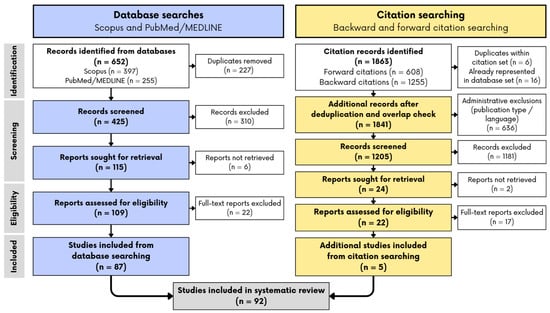
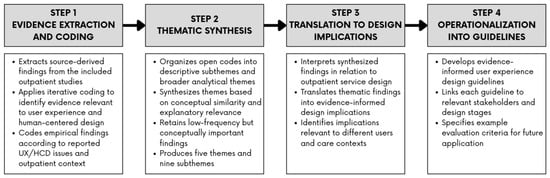
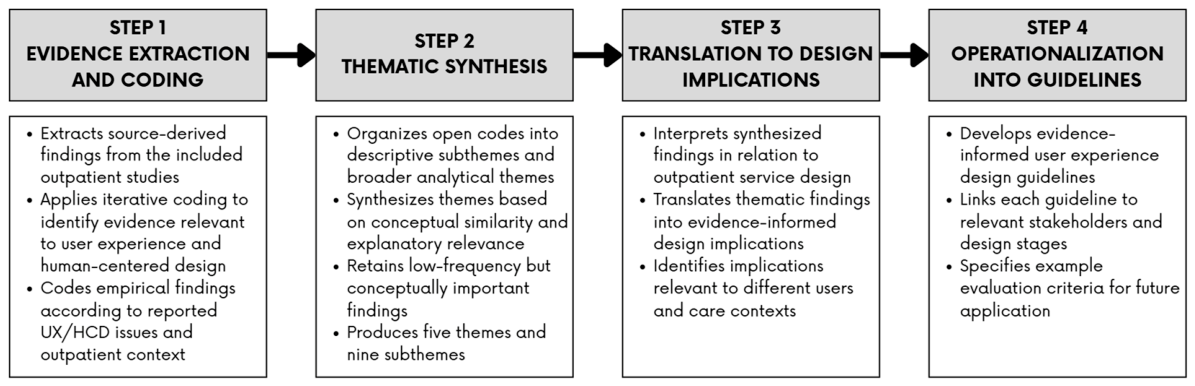
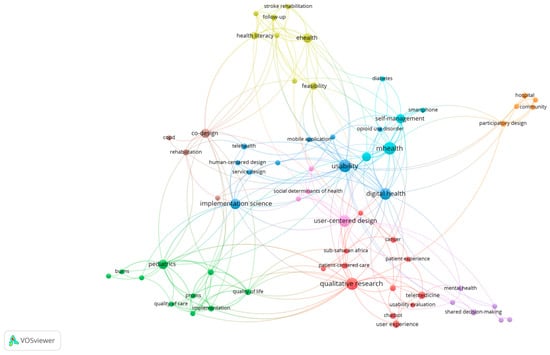
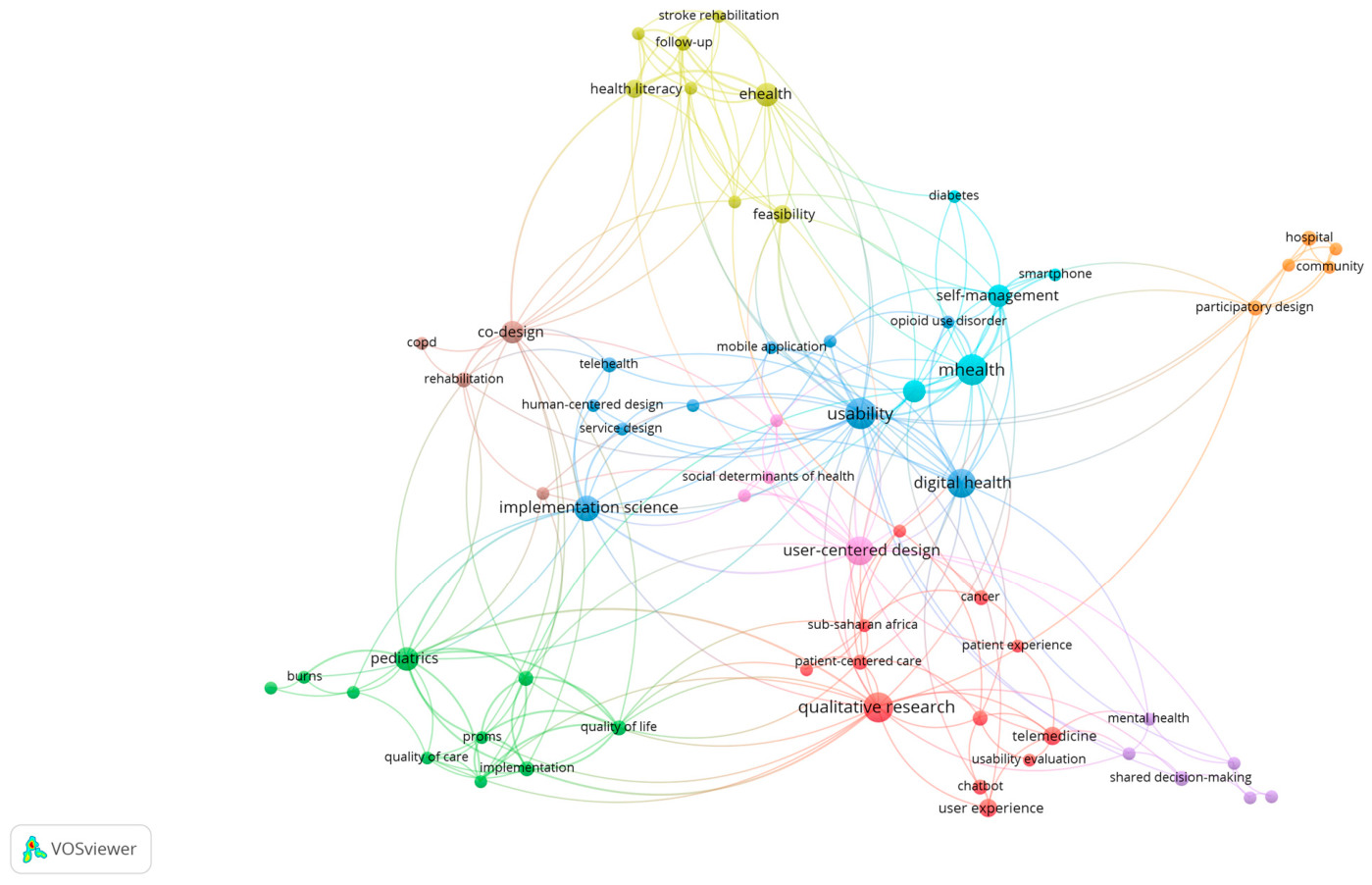
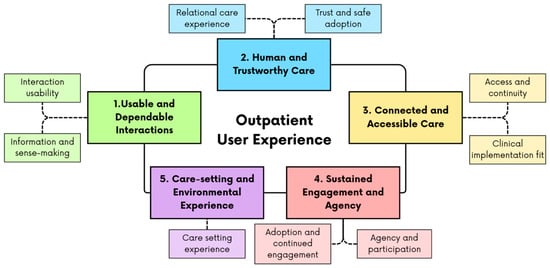
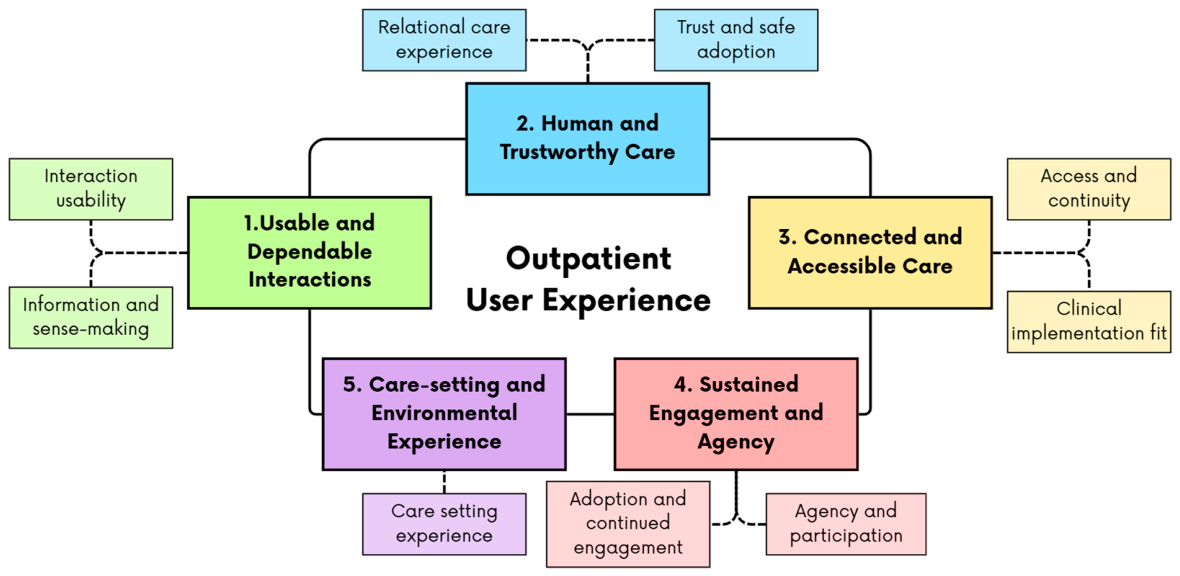

Disclaimer/Publisher’s Note: The statements, opinions and data contained in all publications are solely those of the individual author(s) and contributor(s) and not of MDPI and/or the editor(s). MDPI and/or the editor(s) disclaim responsibility for any injury to people or property resulting from any ideas, methods, instructions or products referred to in the content. |
© 2026 by the authors. Licensee MDPI, Basel, Switzerland. This article is an open access article distributed under the terms and conditions of the Creative Commons Attribution (CC BY) license.