


Abstract
Student- and equity-centered instructional practices benefit student learning, motivation, and belonging; however, STEM higher education instructors may not be using them. In this concurrent mixed-methods descriptive study, we examined how STEM instructors (N = 21) across three U.S. higher education institutions understood and enacted student-centered and equitable instruction, and how students from their classrooms (N = 365) experienced learning—and the differences between students’ and instructors’ perceptions. Our qualitative analysis uncovered the instructional practices that students perceived instructors used the most, benefited their learning, and increased their belonging in the course/field. The results reveal students perceived common practices to have little benefit to their learning and belonging (e.g., lectures) while other practices had an outsized impact (e.g., active learning; practice, revision, and feedback). Quantitative results demonstrate that equitable practices were the least understood and used or experienced by instructors and students, respectively. Moreover, we found that instructors tended to underestimate their students’ experiences of student-centered and equitable practices. However, we found that aspects of students’ social identities (e.g., gender) and the proportion of students who were male or White may have influenced how students experienced instructional strategies. We discuss how information generated from this study can be used to improve undergraduate STEM education.
1. Introduction
Mainstream science, technology, engineering, and mathematics (STEM) higher education remains predominantly teacher-centric, lecture-based (Stains et al., 2018), and can be exclusionary, particularly in introductory courses (Hatfield et al., 2022). Changing the status quo is vital so that all students can more effectively learn, persist, and be successful in STEM fields (Honey et al., 2021; Laursen et al., 2019; Kuh, 2008; McGee, 2021; Museus et al., 2011; National Academies of Sciences, Engineering, and Medicine [NASEM], 2025; National Research Council [NRC], 2012). In this study, we focus on students’ experiences of undergraduate STEM courses, drawing on their perceptions of the prevalent, effective, and beneficial instructional strategies used by STEM faculty. By doing so, we provide novel evidence for what constitutes effective, equitable STEM instruction from students’ perspectives. This is vital to support STEM instructors’ use of classroom-based strategies that will support all students. To this end, we report the initial phases of a five-year project funded by the National Science Foundation, Building Educational Theory through Enacting Reforms (BETTER) in STEM, focused on embedding evidence-based instructional and assessment strategies in undergraduate STEM classrooms and departments across three higher education institutions.
2. Literature Review
2.1. Typical STEM Higher Education as a Barrier to Student Success
2.1.1. Culture and Diversity of STEM Higher Education
Historically, higher education students, faculty, and professionals working in STEM fields have been primarily White, male, and from backgrounds of privilege, leaving a number of groups underrepresented. Coupled with a culture of exclusion in many STEM programs (e.g., “weeding out” students), it is unsurprising that Black and Latine students, women, and first-generation student have higher rates of attrition in STEM programs than their white, male counterparts, and that transfer rates are higher for STEM fields than any other fields (Hatfield et al., 2022; McGee, 2021; Riegle-Crumb et al., 2019). Furthermore, gender, racial, and socioeconomic achievement gaps increase with intersectionality (Hatfield et al., 2022).
Faculty may see themselves as gatekeepers, whereby access to STEM fields is determined by course instructors, and students they deem insufficiently capable of succeeding in the field are passed over or punished by grades (McCoy et al., 2017). Further, while most department chairs recognize that “weed out” courses are harmful in terms of student retention, 57% of department chairs also stated that there was no need to significantly change their introductory courses (Mervis, 2011). These findings are evidence that more needs to be done to support diverse students in STEM and help students feel like they belong in STEM fields.
2.1.2. Instruction of STEM Content
Instructional practices and content organization of STEM courses can act as barriers to student success, especially for underrepresented students. One common feature of STEM courses is the large amount of content that instructors are expected to cover during a term. Recommendations for the less-is-more, or the depth-over-breadth, approach (Bauerle et al., 2011) are difficult to implement, as faculty may feel pressure from institutions, departments, textbooks, and disciplines to cover a large body of topics in a short amount of time (Shadle et al., 2017; Turpen et al., 2016). In one study, chemistry instructors who valued depth-over-breadth felt that in practice, breadth was their best option due to contextual constraints (A. Kraft et al., 2022). The push to incorporate more topics during a term creates pressure for instructors to teach at a faster pace, often covering complex ideas at the surface level and moving on to the next topic using instructional strategies that allow for this pacing (e.g., lecture).
Despite calls over the past decade to replace high-paced passive, transmissive instructional practices (e.g., lecture and individual work focused on memorization) with evidence-based, active learning strategies (e.g., President’s Council of Advisors on Science and Technology, 2012), lectures and instructor-centered instruction remain the most commonly used instructional strategies (Fox & Roehrig, 2015; Stains et al., 2018). Factors such as class size, shorter class lengths, and separate courses for lab work are also contributing factors to greater instructor-centered instructional practices in higher education (Akiha et al., 2018). Similarly, Smith et al. (2014) found that faculty considered lecturing to be their only option for large enrollment courses.
2.2. Instructional and Assessment Strategies That Benefit Learning
A variety of instructional and assessment strategies—within and outside of classrooms, using technology or not—can benefit student learning in higher education (Freeman et al., 2014; Hattie, 2009, 2023; Schneider & Preckel, 2017). Broadly, educational research highlights that students learn more when educators actively and cognitively engage students in learning so they can construct their own understanding during the learning process, such as through problem-based learning techniques (Amoa-Danquah & Carbonneau, 2025) and formative quizzing during lectures (Freeman et al., 2014; National Research Council [NRC], 2001; Theobald et al., 2020). It is also important to intentionally structure learning around goals and assessment opportunities that are frequent and scaffolded so that students can build confidence in their abilities and have regular opportunities to refine their understanding and skills with flexibility and empathy for students (Casper et al., 2019; Sathy & Hogan, 2022). Instructors are also more effective when they work with students as partners in a planned and inferential process of using evidence of student learning to strategize ways to improve (i.e., use assessment for learning/formative assessment; Black & Wiliam, 1998; Morris et al., 2021; Van Orman et al., 2025a). Another important strategy involves activating peers as resources for one another through collaborative and structured small-group work (Riebe et al., 2016; Scager et al., 2016) and peer feedback (Huisman et al., 2018, 2019; Wanner & Palmer, 2018).
2.3. A Sense of Belonging in Relation to Learning
A sense of belonging has been defined in many ways in the literature. In educational psychology, it has been described as a person’s sense of psychological and social safety to engage (Zumbrunn et al., 2014). In other educational research, it has been defined as a feeling an individual has of being welcomed, connected, and respected (Booker, 2004). In either case, a sense of belonging, whether academic or social, can strongly influence academic achievement (Booker, 2004; Chrobak, 2024; Murphy & Zirkel, 2015; National Academies of Sciences, Engineering, and Medicine [NASEM], 2025; Thompson, 2008), retention in higher education (Ahn & Davis, 2019; Kuh et al., 2005; National Academies of Sciences, Engineering, and Medicine [NASEM], 2025; Patterson Silver Wolf et al., 2017; Pedler et al., 2022), and career choices (Slaten et al., 2014; Xu & Lastrapes, 2022).
2.3.1. What Influences a Sense of Belonging?
K–12 and college student belonging is influenced by a variety of factors, including classroom climate, peer relationships (Booker, 2004; Shin et al., 2007; Thompson, 2008), participation in extracurricular activities (Blomfield & Barber, 2010; Waters et al., 2010; Dotterer et al., 2007), and relationships with educators (Slaten et al., 2016; Thompson, 2008). Educators can significantly contribute to students’ feelings of belonging in school spaces, particularly those who provide safe learning environments in which peers treat one another with respect (Anderman, 2003). Genuine relationships among students, their educators, and administrators have also been identified as an important reason K–12 students stay in school (Chrobak, 2024; Slaten et al., 2015; Thompson, 2008) and persist in higher education (Ahn & Davis, 2019). Further, feelings of belonging may differ based on students’ intersectional social identities (e.g., race, gender, sexual orientation, class, parental education), campus environments, and social cognitive factors (e.g., self-efficacy) (Hausmann et al., 2007; Graham et al., 2023; Meehan & Howells, 2019; Murphy & Zirkel, 2015; Strayhorn, 2019). These factors can attenuate the impact of instructional strategies known to benefit learning and retention in higher education (Ahn & Davis, 2019; Graham et al., 2023).
2.3.2. The Relationship Between Learning and a Sense of Belonging
Belonging is fundamental to learning—influencing student engagement, motivation, persistence, help-seeking behaviors, and academic achievement (Fong et al., 2024). However, the relationship between belonging and academic achievement is complicated—especially because belonging is relational, situated, and ever-evolving for students (Gravett & Ajjawi, 2022). Nonetheless, there is evidence of quantitative associations (Booker, 2016; Fong et al., 2024; Seyranian et al., 2018)—and the association may be reciprocal. That is, as academic achievement increases (or decreases), so does a sense of belonging and vice versa (Fong et al., 2024). The relationship between learning and belonging may also be moderated by students’ various identity characteristics (e.g., race/ethnicity, first-generation status, gender identity, social class) and institutional context (e.g., minority-serving vs. predominantly White institutions) (Fong et al., 2024). In fact, Fong et al.’ (2024) scoping literature review revealed several studies that showed larger belonging-achievement associations for minoritized students.
Further, a stronger sense of belonging to a learning community has a positive impact on learning, and the instructor may have an outsized role in cultivating it. For example, Booker (2016) described how African American women’s decisions to stay in a university or degree program (i.e., continue their learning) were directly related to the accessibility and approachability of faculty, and that their engagement was dependent on having a safe space. Similarly, Morton and Parsons (2018) found that for Black women to develop their STEM identity, they must both see themselves as scientists and be recognized by others as competent.
2.4. A Vision for STEM Undergraduate Education: BETTER in STEM
Like the recent National Academies of Sciences, Engineering, and Medicine (NASEM) effort to identify principles of effective and equitable STEM education (National Academies of Sciences, Engineering, and Medicine [NASEM], 2025), BETTER in STEM is built on a shared vision (BETTER in STEM, n.d.) that educators can positively impact learners’ achievement, motivation, lifelong skillsets, and wellbeing when they: work to ensure transparency about learning expectations (de Boer et al., 2018; de Vries et al., 2022); actively engage students in learning (Borda et al., 2020; Freeman et al., 2014; Theobald et al., 2020); structure frequent, informal instructor and self- and peer-assessment opportunities that produce multiple sources of evidence of learning and feedback (Black & Wiliam, 1998; Van Orman et al., 2025a; Wiliam, 2011); draw on students’ prior knowledge, experiences, interests, and identities (e.g., linguistic, cultural) to shape STEM learning (Canning et al., 2019; Moll, 2019; Shapiro et al., 2016); and create a sense of belonging for all by building equitable, inclusive, and empathetic learning environments (Aronson & Laughter, 2016; Bayles & Morrell, 2018; Booker, 2016; Gasiewski et al., 2012; McGee, 2021; Ok et al., 2017; Paris & Alim, 2017). However, STEM faculty and departments lack shared frameworks that clearly define and operationalize such instruction, which is a major barrier to STEM educational reform (Wieman, 2017).
BETTER in STEM engages STEM faculty, departments, and institutions in several simultaneously occurring change strategies grounded in a shared framework of student-centered, equitable curriculum and pedagogy; working together to change practice and policy; and cyclically reflecting on efforts to guide refinements (Henderson et al., 2011). Through a data-driven, design-based research approach (Anderson & Shattuck, 2012; Zheng, 2015), the larger project seeks to describe how, and to what extent, STEM faculty and departments implement a shared vision of effective instruction within their three respective institutions—a Northwest regional comprehensive university, a Northwest community college, and a large Southwest Hispanic-serving university.
Developing the BETTER in STEM Equitable, Student-Centered Instructional Framework
This multidisciplinary project centers on a framework that serves as a shared vision for high-quality and research-based teaching: The BETTER in STEM Equitable, Student-Centered Instructional Framework (hereafter referred to as “the BIS Framework”; BETTER in STEM, n.d.). The BIS Framework is a comprehensive instructional framework that clearly defines research-based teaching, curricular, and assessment practices and consists of four components—Culture and Environment (C & E), Curriculum and Content (C & C), Discourse and Language, and Assessment for Learning. Over the course of two years, a core team of educational researchers and pedagogy and equity experts developed the initial BIS Framework—drawing on research and existing frameworks for research-based and equity-centered practice (e.g., Beane et al., 2019; Eddy et al., 2015; Kober, 2015; Kuh, 2008; Labov et al., 2009; National Research Council [NRC], 2012; Sathy & Hogan, 2022; Sawada et al., 2002; Tanner, 2013)—to describe equitable, student-centered instructional strategies in concrete and observable statements. The BIS Framework was then refined through iterative cognitive interviews with and feedback from participating STEM faculty and students to refine the clarity of language (See Hanley et al., 2026). Furthermore, the project team sought extensive feedback from an advisory board and the broader STEM education research community in the U.S. through conferences (e.g., Hanley et al., 2023, 2024, 2025; Van Orman et al., 2025b, 2026a, 2026b). Ultimately, each component of the BIS Framework includes a vision statement that synthesizes principles of effective learning and equity-centered practices, along with 32 “indicators” that highlight key research-based pedagogies and practices.
To begin, the STEM faculty participants focused on building their knowledge and skills around indicators in two components of the BIS Framework:
- (1)
- C & E—eight indicators that describe how to encourage a sense of belonging for students in the classroom and discipline (e.g., C & E 4: Students work together to create a classroom environment that promotes connection, relationships, and collaboration).
- (2)
- C & C—ten indicators that describe how students learn material that coherently builds important understanding and skills and is meaningful to them (e.g., C & C 10: Students reflect on how their professional aspirations and STEM knowledge and skills could address community, local, and global issues).
2.5. Present Study
Decades of research have demonstrated the importance of equitable, student-centered, asset-based, and ambitious teaching practices in enhancing student learning, motivation, and well-being in classroom spaces. However, few efforts have investigated faculty and student perceptions of these practices at scale and using mixed methods. This study describes how the first cohort of STEM faculty and their students believe their classroom environment reflected the BIS Framework during the first academic term of the project. We also sought to understand what students perceive as the most prevalent instructional practices that help them learn and belong in their STEM courses/fields. To do so, we analyzed closed- and open-ended student and faculty responses to surveys administered in Fall 2022 in 21 courses at the three partnering higher education institutions. We begin at the first data collection point because it reflects typical STEM practice before faculty engaged in two full years of job-embedded professional development. This study was guided by the following research questions (RQs):
RQ1. What instructional strategies do students perceive are used most, benefit their learning, and contribute to their sense of belonging in STEM undergraduate classrooms?
RQ2. How do instructors and students understand and use/experience the C & E and C & C indicators in the BIS Framework within STEM undergraduate courses?
RQ2a. How do students’ experiences of indicators systematically relate and vary according to student characteristics?
RQ2b. How do students’ perceptions relate to and differ from their instructors?
3. Methods
To answer our research questions, we employed a concurrent mixed-methods descriptive design (Creswell & Clark, 2017). We designed and administered a survey to elicit students’ and instructors’ perceptions of STEM instruction in their courses with first open- and then close-ended items. Both qualitative and quantitative information were used to understand the specific instructional strategies employed and diverse students’ experiences of strategies, as well as the degree to which faculty and students’ perceptions aligned.
3.1. Participants and Procedures
STEM instructors (N = 37) from three participating institutions of higher education participated in professional development around BIS Framework components C & E and C & C in August 2022. At the end of their first term (November/December 2022), participating instructors and students completed an online Qualtrics survey about their understanding and use of the indicators from the first two components of the BIS Framework at a time and place of their own choosing. Instructors had been introduced to the BIS Framework but were not substantively implementing new strategies from the BIS Framework during this first term. Most instructors (n = 21) also invited students (n = 365) from their course(s) to participate, of whom 357 students were included in this study because they were above the age of 18 and completed at least one of the data sources (e.g., open-ended questions). Some instructors did not have any students because they were not teaching that term, others did not administer the student survey, and a few did not have any student responses (e.g., because students were not compensated or rewarded for participation). Instructors who had fewer than five student respondents were excluded from the analysis. Participating instructors were mostly White (68%) and female (54.5%), with a mean of 15.9 years of experience teaching in higher education. Student participants were majority White (75.1%), male (48.1%), and held jobs while enrolled in undergraduate courses (56.4%). Over a third of students (36.0%) received “exceptional financial need” Pell Grants for their studies (U.S. Department of Education, n.d.). This research was reviewed and approved by the three institutions’ institutional review boards, and all participants consented.
3.2. Data Sources
In the following two sections, we describe the research instruments used in this study to address the research questions.
3.2.1. Instructor Survey
The instructor survey asked faculty to select and provide information about one “focus” course, where they intended to incorporate some of the BIS Framework pedagogies. Next, faculty responded to open-ended prompts about instructional strategies used most and those that benefited diverse learners—we do not include this data source in the paper to maintain a focus on students’ perceptions of their course environments (see BETTER in STEM, n.d. for ongoing work1). The survey asked faculty to rate their understanding and use of the C & E and C & C indicators in their focus course on a Likert scale (Not at all [0] to To a great extent [4]). We asked faculty to what extent they:
- Understood the main idea of the indicator;
- Engaged students in each indicator’s pedagogy/practice during the course.
Instructors took a median of 22.02 min to complete the survey. On a separate occasion, during February 2023 BETTER in STEM workshops, we collected information about faculty participants’ teaching experience and demographic characteristics. We asked about their age, gender, race, ethnicity/cultural identification, highest education level, academic rank (e.g., adjunct, associate professor), tenure status (e.g., tenured, non-tenure track), length of time teaching in higher education and in their main department, and leadership roles. We also asked about the extent to which people in their work environment were culturally, linguistically, and racially diverse; felt comfortable talking about race/culture with students; felt their teaching was accessible to all their students; and whether they met or communicated with students outside of class.
3.2.2. Student Survey
A survey was administered to students enrolled in the focus course selected by each faculty participant. The survey first asked students to identify their institution and course instructor. Then, before students rated the indicators from the BIS Framework, we asked them to respond to three open-ended questions that elicited:
- (1)
- The instructional strategies the instructor used the most;
- (2)
- The instructional strategies that most helped the student learn;
- (3)
- The strategies that most contributed to a sense of belonging.
These open-ended questions prompted students to report their experiences around instructional strategies and other course-related activities. For instance, for the question around students’ perceptions of instructional strategies that benefit belonging, students had an opportunity to articulate which strategies benefited their sense of belonging in the classroom learning environment. The next part invited ratings of the extent to which students (a) understood and (b) experienced indicators from the first two components of the BIS Framework (C & E and C & C) using a five-point Likert scale (Not at all [0] to To a great extent [4]) in a parallel format to the faculty survey.
The final part of the survey asked students to provide information about their identities, life circumstances, and academic performance. Questions asked students about their gender identification, race, ethnicity/cultural identification, age, parent(s)/guardian(s) highest education level, their major, their degree program (e.g., Associates, Bachelors), their class standing (e.g., Freshman, Sophomore), their current cumulative GPA on a 4.0 scale, whether they were a transfer student, full- or part-time student, received a Pell Grant for their studies, had a job, and had children, and if so how many. The survey was intentionally ordered to provide context around students’ experiences in courses, without influencing their responses to the survey, such as preventing stereotype threats (Pennington et al., 2016). The student survey took a median of 15.38 min to complete. See Hanley et al. (2026) and Van Orman et al. (2026b) for further information about the BIS Framework development and survey validation, respectively.
3.3. Analyses
In the following sections, we describe our analyses in relation to each research question, and how we synthesized data types. By employing a convergent mixed methods design, we maximized the strengths and minimized the weaknesses of qualitative and quantitative methods to address specific research questions (McCrudden et al., 2019). Further, by collecting open- and close-ended information about students’ educational experiences in courses, we have an opportunity to evaluate convergent validity evidence about students’ educational experiences. Together, qualitative and quantitative methods provide a clearer view of how students experience the BIS Framework pedagogies and other practices in STEM courses.
3.3.1. RQ1: What Instructional Strategies Do Students Perceive Are Used Most, Benefit Their Learning, and Contribute to Their Sense of Belonging in STEM Undergraduate Classrooms?
The team iteratively and recursively analyzed qualitative student responses to open-ended questions around the strategies that instructors used the most, benefited learning, and contributed to belonging through multiple coding cycles (Saldaña, 2021). We have attempted to be reflective about the data, our knowledge of the educational research literature that informed the analysis, and our own positionality. Three members of the research team conducted three rounds of coding: (a) open coding, grouping, and visualizing data within classrooms, (b) coding with refined group codes and conducting intercoder reliability analysis, and (c) splitting codes into refined sub-codes within each group.
In the first round, open codes were assigned to describe discrete practices in student language—either paraphrased or in vivo (Bryant & Charmaz, 2019; Corbin & Strauss, 2014). Following this round, we individually grouped codes and created frequency counts and data visualizations for each course instructor (Evergreen, 2020; LeCompte & Schensul, 2010). This resulted in a snapshot of classrooms that reflected the language, instructional practices, and student voices from within each class—from the perspective of each coder.
Following within-course analysis, we prepared codes for our cross-course analysis. The first author compiled all initial round codes applied by the three coders, re-examined student raw responses, and further grouped practices within a table inclusive of the variations in the ways students and coders described practices in different classrooms. The analysis team discussed code groups and codes within each group, and elicited feedback from the larger research team. This process resulted in refined codes and categories and a full codebook with examples and descriptions (See Table S1 in Online Supplementary Materials). Next, using the codebook, the first author applied 19 group-level codes (Table 1) to raw data in a second round of coding across classrooms using ATLAS.ti (version 23) (ATLAS.ti, 2023) for Windows. The third author assessed intercoder reliability (ICR) for a random 20% of cases (~75 student responses in each question) (Gwet, 2014). We had adequate reliability (i.e., 89.9% overall agreement and at least 80% agreement across 95% of categories [Miles & Huberman, 1994; Miles et al., 2019]). Areas of disagreement were slight and most often because the second coder was not able to infer the meaning of text without more context, which often required observing responses from all students in a course. The first and third authors discussed all areas of disagreement and systematically implemented changes as needed across group coding and questions with consensus.
Table 1.
Student Open-ended Responses Codebook (Abridged).
In the third round, the fourth author split group codes into predetermined subcodes to: (a) provide a more discrete look at classrooms and (b) provide a final check that group codes were assigned accurately. During this round, any group codes not easily assigned a subcode were left undecided. The first, third, and fourth authors discussed final assignments as needed. Finally, the first author audited all coding to ensure the accuracy and trustworthiness of results.
3.3.2. RQ2: How Do Instructors and Students Understand and Use/Experience the C & E and C & C Indicators in the BIS Framework Within STEM Undergraduate Courses?
As a preliminary check to support our interpretation of student and instructor responses, we examined data for item response distributions, outliers, and correlations. We also investigated differences in central tendency and variability within and across BIS Framework indicators and between instructors, students, courses, institutions, and various intersections of instructors’ and students’ identities. We found course-to-course variability to be relatively larger than within-course variability—providing evidence that the surveys were sensitive to variable instructional contexts, which led us to keep responses that might otherwise be considered outliers. Even without compensating students for participation (Erdem Kara, 2025; Taylor et al., 2023), we did not find evidence that indicated disengagement from the survey (e.g., response times outside of the norm, choosing the same response item across indicator items). Nonetheless, our pattern of missingness within specific courses could also indicate self-selection bias (i.e., volunteer bias), which is characteristic of course evaluations (Wolbring & Treischl, 2016). Since our purposes include exploring variability within and across course contexts, we retained all data collected in cross-course analyses and retained only courses with five or more students in all within-course analyses. While we analyzed/explored all BIS Framework indicators and their relationships, we included only those we can corroborate from multiple data sources (i.e., open-ended and close-ended survey items) and will follow up on in larger cross-sectional (students) and longitudinal analyses (faculty) in later studies (Creswell & Clark, 2017; Miles et al., 2019).
3.3.3. RQ2a. How Do Students’ Experiences of Indicators Systematically Relate and Vary According to Student Characteristics?
We underwent an iterative process to understand how diverse students experienced indicators in the BIS Framework within and across classrooms. In the initial phase of analysis, we examined within-course characteristics to understand how underrepresented groups experienced STEM instruction within and across classrooms, focusing on student characteristics. Within courses, students had diverse social identities, life circumstances, and academic profiles—but due to varying response rates (between 8.33% and 86.67% across courses), we do not have information about all students within any course. We have attended to both quantitative and qualitative student responses to provide multiple sources of evidence to understand students’ perceptions of instruction in their focus course. We examined coded open-ended responses and group-specific central tendencies (i.e., median, mode, mean), variability (e.g., standard deviations, ranges), and correlations. However, given the nested nature of our data (i.e., students in classrooms, within departments and institutions), we had planned to examine data through multilevel structures. However, an appropriate factor structure could not be calculated with the partial version of the full BIS Framework. Nonetheless, using the conceptual structure of the BIS Framework to this point (i.e., C & E and C & C), we examined intraclass2 and nested relationships to understand between-instructor variance of the BIS Framework using student ratings. These analyses culminated in the identification of groups to compare using effect sizes.
Analysis. We analyzed responses from students with a certain demographic feature and compared those responses to students without that demographic feature. The demographic factors considered were: whether they were a recipient of a Pell Grant (low income), their racial/ethnic identity (Black, Asian, Hispanic/Latine, White, and two or more races), their gender identity (male, female, or transgender and gender-diverse [TGD]3) whether they were first-generation college student (parents’ completed education level is no higher than high school), whether the students were in a male-majority, White majority, or large course (i.e., larger than 35).
Traditional null hypothesis testing relies on p-values to determine whether differences in groups are statistically significant. However, effect sizes provide a more meaningful measure of the magnitude of a difference and improve replicability (Cumming, 2013; Kline, 2020). Since we are examining the difference in group responses to each of the C & E and C & C indicators—which, in total, is 198 comparisons—in an exploratory way, we determined it would not be useful to employ family-wise error rate (FWER) for multiple comparisons of groups (Emerson, 2020). By employing a FWER correction like the Bonferroni correction, the likelihood of committing a type II error is higher—finding no difference when in fact there is one (Armstrong, 2014; Emerson, 2020). Further, our qualitative results demonstrated the practical significance of the voices of the few (McGee & Bentley, 2017). The results are intended to provide insight into the context of focus for the BETTER in STEM project, to inform future research, and do not constitute generalizable knowledge about how students differ in their experience of student-centered, equitable instruction in and of themselves.
In the context of our research, both type I and II errors may lead readers/users of this research to deleterious consequences. Therefore, we decided to only provide effect sizes, given the nature of the comparisons. We used Hedges’ (1981) g to correct for small-sample biases, which is related to Cohen’s (1988) d (Fritz et al., 2012; Rosenthal, 1994), and used Cohen’s (1988) guidelines for interpretation: 0.2 (small); 0.5 (moderate); and 0.8 (large). We report on notable comparisons with notable effect sizes in the narrative but refer readers to indicator-specific effects for each comparison in the Online Supplementary Materials.
3.3.4. RQ2b. How Do Students’ Perceptions Relate to and Differ from Their Instructors Across Indicators?
We examined student and faculty perceptions of experience and use of indicators, respectively, to understand in what ways they related to one another and the extent to which they differed.
3.3.5. Synthesis of Qualitative and Quantitative Strands
We examined the results within and across classrooms to contextualize both qualitative and quantitative findings. Within classrooms, we compiled instructor reports for each instructor that included all data collected from students and faculty, as well as visualizations of the data. We then studied these reports to uncover patterns within and across courses for variables and themes to analyze further. We also used inverse proportional weighting of ratings to standardize class sizes (i.e., weighting course-level responses by dividing the sample size of a course by the full sample size across courses), examined project-level trends, and searched for systematic differences between students’ experiences that would be studied further. The synthesis took place after all analyses were completed to better understand any broader reasons for student and instructor ratings, and to understand how ratings might provide further context into how students described the most commonly used instructional practices, as well as those that benefited their learning and belonging in the course.
3.3.6. Positionality
We drew from features of our identity, worldviews, and our experiences as educational researchers, educators, and students while conducting this research, which influenced how we engaged with the research process (Milner, 2007; Pillow, 2003). Each research team member brought unique perspectives to this work, as well as some commonalities. For instance, we are all U.S.-raised and White, working within the same program at Western Washington University. The three researchers with a Ph. D. working on this project were: Dustin Van Orman—a male multilingual first-generation college graduate with extensive experience as an educator in the U.S. and China across pre-K to graduate levels and multiple academic disciplines, including social statistics and physical sciences; Daniel Hanley—a male who studies STEM teaching and learning in K–16 settings; and Josie Melton—a female elementary science teacher educator and researcher who taught middle level science in public schools prior to her work in higher education. Finally, an undergraduate student researcher—Abbey Gray—engaged in the qualitative analysis with the team. She has since graduated with a degree in General Science and Elementary Education and is now an elementary STEM specialist. Additionally, Drs. Van Orman and Hanley have had extensive experience working within educational systems different from those in the United States. Aspects of our identities and experiences influenced every stage of the research process—for instance, our knowledge of educational practices influenced the development and application of codes to qualitative data. Our skills as educational researchers influenced what and how to measure student-centered, equitable teaching, and what groups to compare in our quantitative analysis. To minimize bias and blind spots, we employed multiple processes to check our assumptions—such as rigorous coding cycles and intercoder agreement, meetings with the broader project team, consulting the new and established literature, and involving participants in checking our interpretations.
4. Results
In this section, we organize our findings around each research question. We detail the results of our qualitative analyses of students’ open-ended responses and quantitative analyses of student and instructor close-ended survey ratings grounded in the BIS Framework indicators. We conclude by synthesizing the qualitative and quantitative evidence uncovered by the survey to understand students’ educational experiences of the BIS Framework and broader classroom practices and environments.
4.1. RQ1: What Instructional Strategies Do Students Perceive Are Used Most, Benefit Their Learning, and Contribute to Their Sense of Belonging in STEM Undergraduate Classrooms?
Our analysis revealed instructional strategies commonly used, those that students perceived benefited their learning, and strategies that contributed to their sense of belonging (Table 2, Figure 1). While lectures (e.g., presentations with PowerPoint) and teacher-guided learning (e.g., demonstrations) were two strategies that students cited as most used by their instructor, very few students identified these strategies as benefiting their learning, and even fewer—if any—felt they contributed to their sense of belonging. Active learning (e.g., lecture-embedded quizzing/polling followed by discussion, self-reflection), small group work (e.g., team project-based learning), practice, revision and feedback (e.g., openness of the instructor to answer all questions that students ask without judgement), and outside support (e.g., instructor inviting students to office hours) were mentioned by students as frequently used practices and strategies that contributed to their learning and sense of belonging. Several strategies that students less frequently mentioned as used in their classrooms—community building (e.g., setting norms), connecting to students’ identities (e.g., emphasizing inclusion in science), equity ethics (e.g., showing how content can benefit or harm communities), and instructors’ positive presence/character—were strategies that many students reported as beneficial to both their learning and sense of belonging. While not shown in the table or figure, there were also neutral and negatively directed comments to several instructors (e.g., felt it was a typical STEM class experience, did not feel they learned and/or belonged [34 mentions]). See Online Supplemental Material, Table S1, for disaggregated results among codes and subcodes, a complete codebook with additional descriptions and examples of student responses coded within each group and subcode.
Table 2.
Counts of times students mentioned instructional strategies within used most, benefited learning, and contributed to belonging survey questions.
Figure 1.
Counts of times students mentioned instructional strategies within used most, benefited learning, and contributed to belonging survey questions. Note. Instructional strategies are ordered by those used most.
4.2. RQ2. How Do Instructors and Students Understand and Use/Experience the C & E and C & C Indicators in the BIS Framework Within STEM Undergraduate Courses?
In this section, we examine BIS Framework indicator differences between students and between instructors and students in C & E and C & C components. We provide the Fall 2022 C & E and C & C components of the BIS Framework in Table 3 for reference. These components have been modified since this study was conducted—see BETTER in STEM (n.d.) and Hanley et al. (2026).
Table 3.
The BETTER in STEM Equitable, Student-centered Instructional Framework’s C & E and C & C components.
4.3. RQ2a. How Do Students’ Experiences of Indicators Systematically Relate and Vary According to Student Characteristics?
Looking at effect size, specifically the Hedge’s g estimates, we examined the magnitudes of differences in how various groups rated their experiences with the BIS Framework indicators in their STEM focus course. We report on the indicators and groups where we observed small to moderate effect sizes, highlighting differences that, while not large, may still be meaningful (M. A. Kraft, 2020). The means and standard deviations of reference student groups’ experience of C & E and C & C indicators, respectively, as well as the magnitude of differences (g) between student group sizes for each comparison are detailed in Online Supplementary Materials (Tables S2 and S3 for C & E and C & C indicators, respectively).
Notably, across C & E indicators, students in male-majority classrooms consistently reported lower experiences compared to the classrooms with a female/TGD majority, with particularly notable differences in indicators that describe classroom environments that set the tone for learning expectations, active student engagement, and learning awareness of sociopolitical forces that affect learning and learning environments (C & E 1–3, and C & E 6). A similar trend was observed in C & C indicators: male-majority classrooms rated their experiences lower on indicators focused on STEM learning that connects with real-world issues in students’ communities (C & C 5–7 and C & C 10). Additionally, White-majority classes rated their experience of sufficient thinking and reflection time (C & E 2) and developing critical lenses toward race, culture and language (C & E 6) higher than classes with a majority of students of color, with the strongest observed effect size in students’ ratings of working together to create a classroom environment that promotes connection, relationships, and collaboration (C & E 4). A similar pattern was observed and is related to how students in male-majority courses rated their experience of indicators4 focused on connections to real issues in communities, the representation of identities of diverse STEM scientists, and cultural responsivity with learning activities (C & C 5–9). Female students rated their experiences of practices that promote sufficient thinking and reflection time (C & E 2), connected and collaborative classroom environments (C & E 4), and developing a critical lens toward race, culture, and language (C & E 6) substantially higher than male students. All Curriculum and Content indicators (C & C 1–8) followed a similar pattern among the reference groups, specific C & C indicators had larger effects—namely, instructors’ efforts to draw on students’ backgrounds and experiences within learning activities (C & C 9), anchoring activities to foundational STEM ideas (C & C 2), the recognition of activities’ purposes (C & C 3), and coherence among lessons and/or courses (C & C 4).
Hispanic/Latine students reported higher ratings of their experiences of practices that enhanced transparency of curricular and classroom expectations (C & E 1), students’ collective work to create connected and collaborative environments (C & E 4), learning about STEM disciplinary knowledge, systems, and structures used to benefit or harm specific communities (C & C 5), and learning about the contributions of diverse scientists (C & C 8) over non-Hispanic/Latine students. We hypothesize this may have been influenced by the institutional setting within a Hispanic-serving institution in the sample. First-generation college students rated their experience of strategies to enhance thinking and reflection time (C & E 2) and anchor their learning to foundational STEM disciplinary ideas (C & C 2) higher than students whose parents have a college degree, while low-income students rated these same practices lower than students without exceptional financial need. Finally, students in small classes rated their experiences of BIS Framework indicators lower than those in larger classes, with the most notable difference seen in co-creating community norms with the instructor (C & E 3) and learning about the contributions of diverse scholars (C & C 8). In all other comparisons, students’ ratings of indicators were similar.
4.4. RQ2b. How Do Students’ Perceptions Relate to and Differ from Their Instructors Across Indicators?
Student and instructor ratings of their understanding/use of BIS Framework indicators covary across indicators, with a consistent gap between students and instructors. We found that the BIS Framework indicators that explicitly focus on equitable practices (i.e., culturally sustaining, responsive, and antiracist) were those least understood and used in STEM classrooms as reported by instructors, and least understood and experienced by students (i.e., C & E 6–7 and C & C 5–10). These indicators also had the greatest variability among instructors and students. In results for RQ2a, we described possible reasons for variation within and among student groups. Interestingly, within and across classrooms, instructors reported using and understanding equitable and student-centered instruction to a smaller extent than their students understood and experienced it on average, and the differences were often the largest for the equity-focused indicators. This may indicate that instructors have a clearer understanding of each indicator’s potential complexity than students, or alternatively, that instructors may implement these practices to a greater degree than they are aware. See Table 4 and Table 5 for means and standard deviations of instructors’ and students’ understanding and use/experience of C & E and C & C indicators from the BIS Framework, respectively, as well as the associated effect size estimate (g).
Table 4.
C & E faculty and student descriptive statistics and differences by indicator.
Table 5.
C & C faculty and student descriptive statistics and differences by indicator.
4.5. Synthesis
Using qualitative and quantitative datasets, within and across courses, we describe available information about instructional strategies experienced by students, and differences in experience among diverse student groups.
4.5.1. Instructional Strategies Experienced by Students
We discovered that lectures, teacher-guided learning, and use of individual assignments for students to apply skills were commonly used instructional approaches, but were not often mentioned by students as strategies that benefited their learning or sense of belonging in a STEM classroom or field. Similarly, we found that equity-focused indicators (C & E 6–7; C & C 5–10) were those least used/experienced by instructors and students. Nonetheless, we learned that practices mentioned as benefiting learning/belonging were closely related to indicators within the full BIS Framework, such as those that center students’ active participation (e.g., C & E 2, 5); meaningful, responsive, and socially responsible engagement with STEM content (i.e., all C & C indicators); or role in a classroom community (e.g., C & E 3, 4). However, we also uncovered strategies that were not well represented within the C & E and C & C components that are represented in the full BIS Framework (which was not surveyed in this study), such as practices coded as “practice, revision, and feedback” that are represented by C & E 5. The full BIS Framework has a full component for Assessment for Learning and Discourse and Language (See BETTER in STEM, n.d.). We also found additional strategies that do not exist in the BIS Framework as specific indicators, but were prominent in our qualitative analysis, including “humanizing/minimizing power barriers” between instructors and students and “instructor presence.” These practices relate more to instructor dispositions and character vs. actions and structures to make teaching and learning more effective and equitable (i.e., BIS Framework indicators). Currently, the BIS Framework functions as an instructional resource that describes mindsets and purposes in vision statements as well as instructional and assessment strategies that could serve intended purposes and promote student- and equity-centered mindsets through instructional practice. Therefore, the important dispositions that contribute to broader teaching and assessment literacy (e.g., Pastore & Andrade, 2019) and instructor effectiveness are outside of the scope of BIS Framework indicators currently, though competencies are embedded within planning resources that accompany the BIS Framework (BETTER in STEM, n.d.). Certainly, in all code groups, there are subcodes that cannot be exactly matched to BIS Framework indicators because their origins are from students’ described experiences versus a representation of evidence-based instructional practice, though for practices that benefit learning and contribute to belonging, strategies fit across multiple BIS Framework indicators. Altogether, findings from the qualitative analysis provide language and evidence from across STEM undergraduate disciplines and contexts that could be used to supplement future versions of the BIS Framework—drawing on insights from students’ experiences to supplement other research-based pedagogies. Such an effort would be a rare example of a grounded theory approach to revising instructional frameworks. Currently, common and influential instructional frameworks have been developed through research synthesis (e.g., the 5E Instructional Model; Bybee et al., 2006), expert panels (e.g., National Academies of Sciences, Engineering, and Medicine [NASEM], 2025), or traditional validation approaches (e.g., Klinger et al., 2015). None have leveraged students’ insights.
4.5.2. Student Group Differences
Our quantitative analysis uncovered differences in how student groups experienced equitable student-centered instruction within specific indicators. We explored differences in the qualitative responses among these groups and found differences and commonalities in strategies that were most used, benefited learning, and contributed to belonging. However, since the open-ended survey questions were focused on instructor practices, and students experienced different courses and instruction across classrooms, we were challenged to find group differences in perceptions and support inferences that membership in a student group could explain some of their perceptions. However, we did find, related to C & E 6–7 and C & C 5–10 indicators, that some students typically underrepresented in STEM (e.g., women, students of color) attributed feelings of belonging to strategies that connected content they were learning to aspects of their identity or issues students care about within their local communities. For example, underrepresented students’ responses to the belonging question in one large STEM course exemplify this:
“[The instructor] was very deliberate about addressing historic exclusivity of biology and making steps to highlight diverse voices through biologist spotlight and including LGBTQ… and BIPOC student events at school. Also, he learned everyone’s name, which inherently makes me feel like we are a community”.
“[The instructor] made “biologist spotlight” assignments, which meant we got to look at people in the science world who weren’t old white guys. As a woman, that helped me recognize that there are other women who make big differences in the world of STEM, and it was really encouraging to me that [the instructor] wanted to highlight those points to us”.
We did not find any evidence that instructors’ use of these practices harmed dominant student groups. In fact, we have evidence that White students appreciated instructors’ (the same course referenced above) efforts to highlight historical exclusivity in STEM and reinforce that all students are welcome in the field via an assignment:
“The Biologist Spotlight assignments made it feel like [the instructor] was making an effort to let “minority” students know that they were welcome in the classroom. It was nice to see a professor incorporate overlooked biologists into the coursework in a way that didn’t feel like he was trying to tokenize them”.
“[The instructor] is an incredibly welcoming and kind professor, making sure to call out any privilege in his positionality and exposing us to scientists of different backgrounds through his biologist spotlight assignments. This made me feel way more comfortable knowing my professor was aware of these discrepanc[ies] in STEM and actively working against them”.
We also found evidence that the identity of the instructor mattered for some students in the way that they experienced belonging in STEM. As one student in another large course commented:
“I enjoyed having a female professor who is extremely qualified and knowledgeable in the STEM field. As a female who aspires to also work in the STEM field, this is always inspiring to see”.
5. Discussion
In our descriptive and exploratory study, we examined qualitative and quantitative survey data simultaneously to understand instructional strategies students perceived were used most and those that benefited their learning and belonging within the course/discipline. We also examined student and instructor ratings of their understanding and experience/use of the BIS Framework indicators, as well as differences within and across students and instructors. The following sections summarize our findings in the context of past research, and we describe how these results inform directions for future research and improving undergraduate STEM Education.
5.1. Typical STEM Instruction vs. Instruction That Contributes to Learning and Belonging
Our analysis of students’ responses contributes to the literature about practices that are common (e.g., lectures/teacher-guided learning; Stains et al., 2018), instructional strategies that improve learning (e.g., active learning; Theobald et al., 2020), and promote students’ sense of belonging (e.g., community building practices; Hurtado & Carter, 1997; National Survey of Student Engagement, 2021). Interestingly, we found that practices expected to impact learning and motivation according to students’ perceptions—for instance, active learning (Freeman et al., 2014) and assessment for learning practices (Black & Wiliam, 1998, 2018)—were also practices that students reported contributed to their sense of belonging. This has been described in other works (Kirby & Thomas, 2022; Theobald et al., 2020), but it is also possible that instructors’ enactment of these instructional strategies in our sample was equal measure inclusive and active (Dewsbury et al., 2022). Particularly, opportunities to practice in low-stakes environments, the use of feedback to revise, and the ability to resubmit assignments had an outsized representation in comments from students about what contributed to their learning and belonging when compared with strategies students said their instructors used most. This study provides preliminary and novel empirical evidence for the link between these assessment practices and belonging, which is broadly supported by classroom assessment scholars (Van Orman et al., 2023, in press). However, this finding is important to replicate through diverse methods, contexts, and samples of STEM students and faculty.
The findings also lend further evidence about the impacts of instructional strategies that support students’ agency/autonomy, relatedness, and competence as described by self-determination theory—a motivation theory that describes the conditions under which people can become intrinsically motivated and thrive within their own development, well-being, and interactions (Ryan & Deci, 2000, 2020). In particular, the study describes what undergraduate STEM students perceive contributes to their belonging in courses, schools, and fields of study. Findings, while neither correlational nor experimental evidence, serve as an exploration that can provide directions for further investigation about what can contribute to belonging in undergraduate STEM courses and nuance current theorizing around belonging (e.g., Fong et al., 2024; Graham et al., 2023; Slaten et al., 2016; Zumbrunn et al., 2014). In particular, our exploratory and descriptive study provides information necessary to build theoretically grounded measurement tools around factors that can contribute to belonging in higher education (Priestley et al., 2026).
Student and instructor relationships—which were coded in our study as instructor–student communication, humanizing/reducing power barriers, instructor presence, flexibility, and outside support—were perceived by students to contribute in various ways to learning but had substantial impacts on students’ reports of a contribution to belonging (Artze-Vega et al., 2023; Hoffman et al., 2002; Sathy & Hogan, 2022). These findings, as well as those around connecting/cultivating students’ identities and equity ethic, also provide new evidence to supplement the emerging body of research on the impacts of culturally responsive, sustaining, and antiracist pedagogies/practices (Bang et al., 2012; Booker, 2016; Guiffrida, 2006; McGee & Bentley, 2017; McGee et al., 2023; Randall & Mason, 2024; Santamaria, 2009; Yosso, 2005). Still, we found these practices to be less represented in instructors’ and students’ purported understanding and use/experience of BIS Framework indicators, or in instructional strategies students perceived to be frequently used.
5.2. Diverse Experiences of Student-Centered, Equitable STEM Undergraduate Instruction
We learned that students’ rated perceptions of classroom experiences in our sample differed for a variety of individual reasons (e.g., gender, race, socioeconomic status), but also by the proportion of males and students of color in classrooms. We hypothesize that many of these differences could be because of true differences in perception of the course environment, versus measurement invariance in items measuring indicator experiences. However, further analysis with larger samples of students is needed to examine systematic and generalizable differences between student groups’ perceptions of equitable, student-centered teaching. While our work centers student perceptions, not achievement, our findings corroborate an idea seeded by Bowman et al.’s (2023) study, wherein they found that the proportion of underrepresented racial minority and first-generation students in courses was positively associated with the STEM grades of all students, but that the association was stronger for underrepresented racial minorities. In our study, we found, for many indicators of equitable and student-centered teaching, that students in majority male and White courses rated their experience higher than courses with a majority of students of color. Since this paper marks the beginning of the BETTER in STEM project’s empirical research dissemination in a peer reviewed journal, readers can follow several contemporary or upcoming works that address instructor and student instructional strategy uses/experiences, student group differences, and evidence to support an interpretation, use and consequences argument for the validity of faculty and student surveys (e.g., Borda et al., in press; Hanley et al., 2026; Van Orman et al., 2026a, 2026b).
STEM higher education enrollment and careers in the U.S. remain White and male dominant (McGee, 2021; National Center for Science and Engineering Statistics, 2023). It is possible that when classrooms represent dominant cultural groups in the majority, students tend to rate them higher, but it is also possible that further cross-sectional samples and analysis could demonstrate that this is not a consistent pattern. This may or may not speak to broader dominant cultural norms that contribute to male or White student comfort in classrooms, particularly when there are proportionally more of them (e.g., white supremacy/dominant STEM cultural norms [McGee, 2021; National Education Association Center for Social Justice, 2020]; stereotypes [McGee, 2018]). Further analysis is needed to understand why students differ in their experience of student-centered, equitable instruction.
5.3. Differences Between Students and Instructors
We found that STEM undergraduate students’ perceptions of classroom experiences and instructors’ perceptions of their teaching differed across indicators, particularly within indicators focused on principles of equity. In these cases, both instructors and students rated the understanding and experience of the indicators low, and the gap between their perceptions widened. We also learned that students’ perceptions of the extent to which they understood and experienced BIS Framework indicators were consistently higher than those of their instructors. This may have to do with experience with indicators [e.g., experienced vs. novice considerations such as has been repeatedly discussed in the social psychology literature (Dunning, 2011; Schlösser et al., 2013)]. Alternatively, we might lean on the insight of students, as we have in our analysis of students’ open-ended responses, and believe that students are indeed understanding and experiencing indicators more than their instructors are understanding and intentionally using them in instructional practice. In either case, future efforts will examine how instructor understanding and use change across time and compare that with robust samples of students who take this survey in subsequent terms beyond Fall 2022.
Another facet of this work to be explored in future studies is the role of departmental and institutional contexts in students’ perceptions of strategies used most and those that benefit learning and belonging, and the extent to which students experienced equitable, student-centered instruction. While outside the scope of this manuscript, these differences should be explored further because research suggests that institutional contexts can influence students’ interactions with faculty (Hurtado et al., 2011), sense of belonging (Fong et al., 2017, 2019), and equity-orientations (McGee et al., 2023). Nonetheless, in our study, which focuses on classroom-based instructional practice and was limited by a small, non-representative sample of STEM faculty and students at one point in time, it is not possible to disentangle the role of the institutional context from specific instructors’ practices or specific student groups.
5.4. Limitations and Directions for Future Research
This study focused on (a) students’ perceptions about strategies often used and those that helped them learn and made them feel like they belonged in STEM classes, and (b) how students and instructors rated understanding and experience/use of indicators of student-centered, equitable teaching. However, we do not yet know the influence, or relative weight, of these identified factors on students’ achievement or persistence in STEM undergraduate programs or fields. While our mixed-methods study provided affordances in examining students’ experiences of STEM instruction—such as corroborating data collected qualitatively and quantitatively—it was a single administration and should be studied longitudinally and together with multiple sources of data (e.g., observations, artefacts, interviews, focus groups).
Future research examining instructional strategies that contribute to (or negate) feelings of belonging within a course needs to provide situated accounts—making use of mixed-methods—that describe mechanisms responsible for belonging outcomes (Zumbrunn et al., 2024). This study was limited to students’ and instructors’ post-reflections on a specific course at one point in time at the end of the Fall 2022 term. As a descriptive study with a small sample of STEM instructors and students, we have identified factors to consider and further explore in future studies—salient factors that may explain student experiences in STEM classrooms that should be explored in further research. Our study does not capture other factors that may affect (e.g., direct, mediative or moderative effects) instructional strategies’ impact on learning or belonging (e.g., parental support [Kuperminc et al., 2008] or intersectional social identities [Ahn & Davis, 2019; Graham et al., 2023; Fong et al., 2024]). Altogether, our study uncovered how instructors and students participating in the BETTER in STEM project understand and use/experience BIS Framework indicators, and how students describe instructional strategies that they perceive to be common, benefit learning, and contribute to belonging. However, it does not constitute generalizable knowledge about how students relate and differ in their experience of student-centered, equitable instruction, or how students and instructors differ. Further, because response rates varied among courses and self-selection biases pervade course evaluations generally (Wolbring & Treischl, 2016), we do not (a) claim to have a representative sample of any course nor (b) generalize descriptions of instructional experiences beyond the specific course contexts involved in this exploratory study. Beyond the considerations of our limited sample of students and instructors, we also used only 18 of 32 indicators of equitable, student-centered instruction. As an early stage in a long-term project, we have identified some evidence of validity but require more to use the instrument to make inferences about STEM students’ experiences in STEM undergraduate courses more broadly.
6. Conclusions
We found, in the first term of the BETTER in STEM project (Fall 2022), that students perceived STEM instruction at our three institutions in ways that are typical of STEM higher education, but students’ description of experiences also revealed the implementation of a variety of instructional strategies that benefited their learning and sense of belonging. We cataloged these strategies and compared them with how students rated the extent to which they understood and experienced equitable, student-centered strategies in their courses using a novel framework for equitable, student-centered instruction. We found differences in how students perceived their experience, with females, Hispanic/Latine, first-generation college students, Pell Grant recipients, and White, male majority, and small vs. large classrooms each fitting a different profile of perceptions. These may or may not be intersectional, and future research should continue to explore relationships among student groups. Finally, we found differences in perceptions between students and instructors, with students perceiving greater understanding and experience across the BIS Framework indicators. This indicates underlying differences in understanding and use/experience of equitable, student-centered instruction across classrooms that will be fruitful to examine in other research contexts, as well as longitudinally within the BETTER in STEM project.
This research supports decades of research on topics such as active learning, assessment for learning, and accessible and inclusive teaching and learning. The study also uncovers a variety of additional factors that may impact student learning and belonging in STEM courses/fields, and how those factors may relate to indicators of equitable, student-centered learning. We also uncovered a variety of factors that may be central to STEM belonging previously unrecognized in research, such as the use of assessment for learning practices, connecting and cultivating students’ identities and equity ethic, humanizing and personality factors that make instructors relatable, and cultivating opportunities for students to be resources to one another in a classroom community.
Supplementary Materials
The following supporting information can be downloaded at: https://www.mdpi.com/article/10.3390/educsci16081346/s1, Table S1: Codes, Subcodes, Counts, and Codebook for Open-Ended Student Responses; Table S2: Differences between Student Groups within Experience of C & E Indicators; Table S3: Differences between Student Groups within C & C Indicators.
Author Contributions
Conceptualization, D.S.J.V.O., D.H., & J.M.; methodology, D.S.J.V.O.; validation, D.S.J.V.O.; formal analysis, D.S.J.V.O., J.M., & A.G.; investigation, D.S.J.V.O. & D.H.; resources, D.S.J.V.O. & D.H.; data curation, D.H. & D.S.J.V.O.; writing—original draft preparation, D.S.J.V.O.; writing—review and editing, D.S.J.V.O., D.H., J.M., & A.G.; visualization, D.S.J.V.O.; supervision, D.S.J.V.O.; project administration, D.H. & D.S.J.V.O.; funding acquisition, D.H. All authors have read and agreed to the published version of the manuscript.
Funding
This research was funded by U.S. National Science Foundation grant numbers DUE-2111417, DUE-2111610 and DUE-2111613.
Institutional Review Board Statement
The study was conducted in accordance with the Declaration of Helsinki, and approved by the Western Washington University Institutional Review Board (protocol code 4847EX22 and date of approval: 5 August 2022).
Informed Consent Statement
Informed consent was obtained from all research participants involved in the study.
Data Availability Statement
The datasets presented in this article are not available because of the sensitive nature of participant responses and protections for participants put in place through research integrity and compliance processes at Western Washington University.
Acknowledgments
We would like to thank Greta Moses and Makayla Wilson for their assistance while conducting this study. We would also like to thank the project’s external evaluation team at Horizon Research, Inc., and particularly Laura Craven, for their feedback on earlier versions of this manuscript. Finally, we would like to thank the participants and partners that made this research possible.
Conflicts of Interest
The authors declare no conflicts of interest.
Notes
| 1 | Visit https://sites.google.com/view/betterinstem/home (accessed on 17 August 2026). |
| 2 | We observed that 9.9% and 19.58% of the variance in students’ average experience of C & E and C & C indicators, respectively, was between instructors without accounting for student- or instructor-level variables. |
| 3 | “Transgender and gender-diverse (TGD)” refers to individuals whose gender identity differs from their sex assigned at birth, including transgender men, transgender women, and individuals with non-binary or other gender-diverse identities. |
| 4 | Given the small sample of courses, there is overlap between male and White majority courses, especially related to specific disciplines. |
References
- Ahn, M. Y., & Davis, H. H. (2019). Four domains of students’ sense of belonging to university. Studies in Higher Education, 45(3), 622–634. [Google Scholar] [CrossRef] [Scilit]
- Akiha, K., Brigham, E., Couch, B. A., Lewin, J., Stains, M., Stetzer, M. R., Vinson, E. L., & Smith, M. K. (2018). What types of instructional shifts do students experience? Investigating active learning in science, technology, engineering, and math classes across key transition points from middle school to the university level. Frontiers in Education, 2, 68. [Google Scholar] [CrossRef] [Scilit]
- Amoa-Danquah, P., & Carbonneau, K. J. (2025). A systematic review of reviews on Problem-Based Learning and its effectiveness. Current Issues in Education, 26(2). [Google Scholar] [CrossRef] [Scilit]
- Anderman, L. H. (2003). Academic and social perceptions as predictors of change in middle school students’ sense of school belonging. The Journal of Experimental Education, 72(1), 5–22. [Google Scholar] [CrossRef] [Scilit]
- Anderson, T., & Shattuck, J. (2012). Design-based research. Educational Researcher, 41(1), 16–25. [Google Scholar] [CrossRef] [Scilit]
- Armstrong, R. A. (2014). When to use the Bonferroni correction. Ophthalmic and Physiological Optics, 34(5), 502–508. [Google Scholar] [CrossRef] [Scilit] [PubMed]
- Aronson, B., & Laughter, J. (2016). The theory and practice of culturally relevant education. Review of Educational Research, 86(1), 163–206. [Google Scholar] [CrossRef] [Scilit]
- Artze-Vega, I., Darby, F., Dewsbury, B., & Imad, M. (2023). The Norton guide to equity-minded teaching. W.W. Norton and Company. [Google Scholar]
- ATLAS.ti Scientific Software Development GmbH. (2023). ATLAS.ti (Version 23) [Computer software]. ATLAS.ti Scientific Software Development GmbH. Available online: https://atlasti.com (accessed on 17 August 2026).
- Bang, M., Warren, B., Rosebery, A. S., & Medin, D. (2012). Desettling expectations in science education. Human Development, 55(5–6), 302–318. [Google Scholar] [CrossRef] [Scilit]
- Bauerle, C., DePass, A., Lynn, D., O’Connor, C., Singer, S., Withers, M., Anderson, C. W., Donovan, S., Drew, S., Ebert-May, D., Gross, L., Hoskins, S. G., Labov, J., Lopatto, D., McClatchey, W., Varma-Nelson, P., Palaez, N., Poston, M., Tanner, K., … Wubah, D. (2011). Vision and change in undergraduate biology education: A call for action. American Association for the Advancement of Science. Available online: https://www.aaas.org/sites/default/files/2025-07/Vision%20%26%20Change%20A%20Call%20to%20Action%202011_0.pdf (accessed on 17 August 2026).
- Bayles, T., & Morrell, C. (2018). Creating an equitable learning environment. Chemical Engineering Education, 52(2), 143–151. [Google Scholar] [CrossRef] [Scilit]
- Beane, R., McNeal, K. S., & Macdonald, R. H. (2019). Probing the National Geoscience Faculty Survey for reported use of practices that support inclusive learning environments in undergraduate courses. Journal of Geoscience Education, 67(4), 427–445. [Google Scholar] [CrossRef] [Scilit]
- BETTER in STEM. (n.d.). Building educational theory through enacting reforms (BETTER) in STEM. Available online: https://sites.google.com/view/betterinstem/home (accessed on 17 August 2026).
- Black, P., & Wiliam, D. (1998). Assessment and classroom learning. Assessment in Education: Principles, Policy & Practice, 5(1), 7–74. [Google Scholar] [CrossRef] [Scilit]
- Black, P., & Wiliam, D. (2018). Classroom assessment and pedagogy. Assessment in Education: Principles, Policy & Practice, 25(6), 551–575. [Google Scholar] [CrossRef] [Scilit]
- Blomfield, C. J., & Barber, B. L. (2010). Australian adolescents’ extracurricular activity participation and positive development: Is the relationship mediated by peer attributes? School of Education, Faculty of Education & Arts, University of Newcastle. [Google Scholar]
- Booker, K. (2016). Connection and commitment: How sense of belonging and classroom community influence degree persistence for African American undergraduate women. International Journal of Teaching and Learning in Higher Education, 28(2), 218–229. [Google Scholar]
- Booker, K. C. (2004). Exploring school belonging and academic achievement in African American adolescents. Curriculum and Teaching Dialogue, 6(2), 131. [Google Scholar]
- Borda, E., Melton, J., Van Orman, D. S. J., Hanley, D., Cohen, J., Nair, S., & Huber, T. (in press). Lessons from a STEM faculty development program focused on an instructional framework. American Journal of STEM Education.
- Borda, E., Schumacher, E., Hanley, D., Geary, E., Warren, S., Ipsen, C., & Stredicke, L. (2020). Initial implementation of active learning strategies in large, lecture STEM courses: Lessons learned from a multi-institutional, interdisciplinary stem faculty development program. International Journal of STEM Education, 7(1), 4. [Google Scholar] [CrossRef] [Scilit]
- Bowman, N., Logel, C., Lacosse, J., Canning, E. A., Emerson, K. T., & Murphy, M. C. (2023). The role of minoritized student representation in promoting achievement and equity within College STEM Courses. AERA Open, 9, 1–16. [Google Scholar] [CrossRef] [Scilit]
- Bryant, A., & Charmaz, K. (2019). The sage handbook of current developments in grounded theory. SAGE Publications Ltd. [Google Scholar]
- Bybee, R. W., Taylor, J. A., Gardner, A., Van Scotter, P., Powell, J. C., Westbrook, A., & Landes, N. (2006). The BSCS 5E instructional model: Origins and effectiveness. BSCS. Available online: https://fremonths.org/ourpages/auto/2008/5/11/1210522036057/bscs5efullreport2006.pdf (accessed on 17 August 2026).
- Canning, E. A., Muenks, K., Green, D. J., & Murphy, M. C. (2019). STEM faculty who believe ability is fixed have larger racial achievement gaps and inspire less student motivation in their classes. Science Advances, 5(2), eaau4734. [Google Scholar] [CrossRef] [Scilit] [PubMed]
- Casper, A. M., Eddy, S. L., & Freeman, S. (2019). True grit: Passion and persistence make an innovative course design work. PLoS Biology, 17(7), e3000359. [Google Scholar] [CrossRef] [Scilit] [PubMed]
- Chrobak, B. (2024). Narrowing (achievement) gaps in higher education with a social-belonging intervention: A systematic review. Educational Psychology Review, 36(1), 33. [Google Scholar] [CrossRef] [Scilit]
- Cohen, J. (1988). Statistical power analysis for the behavioral sciences (2nd ed.). Lawrence Erlbaum Associates. [Google Scholar]
- Corbin, J. M., & Strauss, A. L. (2014). Basics of qualitative research: Techniques and procedures for developing grounded theory. Sage. [Google Scholar]
- Creswell, J. W., & Plano Clark, V. L. (2017). Designing and conducting mixed methods research (3rd ed.). Sage. [Google Scholar]
- Cumming, G. (2013). Understanding the new statistics: Effect sizes, confidence intervals, and meta-analysis. Routledge. [Google Scholar] [CrossRef] [Scilit]
- de Boer, H., Timmermans, A. C., & van der Werf, M. P. (2018). The effects of teacher expectation interventions on teachers’ expectations and student achievement: Narrative review and meta-analysis. Educational Research and Evaluation, 24(3–5), 180–200. [Google Scholar] [CrossRef] [Scilit]
- de Vries, J. A., Dimosthenous, A., Schildkamp, K., & Visscher, A. J. (2022). The impact on student achievement of an assessment for learning teacher professional development program. Studies in Educational Evaluation, 74, 101184. [Google Scholar] [CrossRef] [Scilit]
- Dewsbury, B. M., Swanson, H. J., Moseman-Valtierra, S., & Caulkins, J. (2022). Inclusive and active pedagogies reduce academic outcome gaps and improve long-term performance. PLoS ONE, 17(6), e0268620. [Google Scholar] [CrossRef] [Scilit] [PubMed]
- Dotterer, A. M., McHale, S. M., & Crouter, A. C. (2007). Implications of out-of-school activities for school engagement in African American adolescents. Journal of Youth and Adolescence, 36(4), 391–401. [Google Scholar] [CrossRef] [Scilit]
- Dunning, D. (2011). The dunning–kruger effect. Advances in Experimental Social Psychology, 44, 247–296. [Google Scholar] [CrossRef] [Scilit]
- Eddy, S. L., Converse, M., & Wenderoth, M. P. (2015). PORTAAL: A classroom observation tool assessing evidence-based teaching practices for active learning in large science, technology, engineering, and mathematics classes. CBE—Life Sciences Education, 14(2). [Google Scholar] [CrossRef] [Scilit] [PubMed]
- Emerson, R. W. (2020). Bonferroni correction and type I error. Journal of Visual Impairment & Blindness, 114(1), 77–78. [Google Scholar] [CrossRef] [Scilit]
- Erdem Kara, B. (2025). Exploring test taking disengagement in the context of PISA 2022: Evidence from process data. International Electronic Journal of Elementary Education, 17(2), 305–314. [Google Scholar]
- Evergreen, S. D. H. (2020). Effective data visualization: The right chart for the right data. SAGE Publications, Inc. [Google Scholar]
- Fong, C. J., Adelugba, S. F., Garza, M., Pinto, G. L., Gonzales, C., Zarei, P., & Rozek, C. S. (2024). A scoping review of the associations between sense of belonging and academic outcomes in postsecondary education. Educational Psychology Review, 36(4), 138. [Google Scholar] [CrossRef] [Scilit]
- Fong, C. J., Alejandro, A. J., Krou, M. R., Segovia, J., & Johnston-Ashton, K. (2019). Ya’at’eeh: Race-reimaged belongingness factors, academic outcomes, and goal pursuits among Indigenous community college students. Contemporary Educational Psychology, 59, 101805. [Google Scholar] [CrossRef] [Scilit]
- Fong, C. J., Davis, C. W., Kim, Y., Kim, Y. W., Marriott, L., & Kim, S. (2017). Psychosocial factors and community college student success: A meta-analytic investigation. Review of Educational Research, 87(2), 388–424. [Google Scholar] [CrossRef] [Scilit]
- Fox, L. J., & Roehrig, G. H. (2015). Nationwide survey of the Undergraduate Physical Chemistry Course. Journal of Chemical Education, 92(9), 1456–1465. [Google Scholar] [CrossRef] [Scilit]
- Freeman, S., Eddy, S. L., McDonough, M., Smith, M. K., Okoroafor, N., Jordt, H., & Wenderoth, M. P. (2014). Active learning increases student performance in science, engineering, and Mathematics. Proceedings of the National Academy of Sciences of the United States of America, 111(23), 8410–8415. [Google Scholar] [CrossRef] [Scilit] [PubMed]
- Fritz, C. O., Morris, P. E., & Richler, J. J. (2012). Effect size estimates: Current use, calculations, and interpretation. Journal of Experimental Psychology: General, 141(1), 2–18. [Google Scholar] [CrossRef] [Scilit] [PubMed]
- Gasiewski, J. A., Eagan, M. K., Garcia, G. A., Hurtado, S., & Chang, M. J. (2012). From gatekeeping to engagement: A multicontextual, mixed method study of student academic engagement in introductory STEM courses. Research in Higher Education, 53(2), 229–261. [Google Scholar] [CrossRef] [Scilit] [PubMed]
- Graham, M. C., Jacobson, K., Husman, J., Prince, M., Finelli, C., Andrews, M. E., & Borrego, M. (2023). The relations between students’ belongingness, self-efficacy, and response to active learning in science, math, and engineering classes. International Journal of Science Education, 45(15), 1241–1261. [Google Scholar] [CrossRef] [Scilit]
- Gravett, K., & Ajjawi, R. (2022). Belonging as situated practice. Studies in Higher Education, 47(7), 1386–1396. [Google Scholar] [CrossRef] [Scilit]
- Guiffrida, D. A. (2006). Toward a cultural advancement of Tinto’s theory. The Review of Higher Education, 29(4), 451–472. [Google Scholar] [CrossRef] [Scilit]
- Gwet, K. L. (2014). Handbook of inter-rater reliability: The definitive guide to measuring the extent of agreement among raters. Advanced Analytics, LLC. [Google Scholar]
- Hanley, D., Neider, X., Thibou, S., Van Orman, D. S. J., Warren, S., & Cavazos, A. (2026, August 14). A framework for equitable, student-centered undergraduate STEM instruction [Unpublished manuscript].
- Hanley, D., Phung, T., & Nair, S. (2024). Change strategies and tools to support STEM faculty’s enactment of equitable, student-centered instruction. American Association for the Advancement of Science (AAAS). Available online: https://aaas-iuse.org/change-strategies-and-tools-to-support-stem-facultys-enactment-of-equitable-student-centered-instruction/ (accessed on 17 August 2026).
- Hanley, D., Van Orman, D. S. J., Nair, S., & Phung, T. (2025, April 23–27). Change strategies and tools to support STEM faculty’s enactment of equitable, student-centered instruction [Paper presentation]. American Educational Research Association Annual Meeting, Denver, CO, USA. [Google Scholar]
- Hanley, D., Warren, S., Van Orman, D. S. J., Neider, X., Cavazos, A., & Thibou, S. (2023, April 18–21). A framework for equitable, student-centered undergraduate STEM instruction [Paper presentation]. National Association for Research in Science Teaching Annual Meeting, Chicago, IL, USA. [Google Scholar]
- Hatfield, N., Brown, N., & Topaz, C. M. (2022). Do introductory courses disproportionately drive minoritized students out of STEM pathways? PNAS Nexus, 1(4), pgac167. [Google Scholar] [CrossRef] [Scilit] [PubMed]
- Hattie, J. (2009). Visible learning: A synthesis of over 800 meta-analyses relating to achievement. Routledge. [Google Scholar]
- Hattie, J. (2023). Visible learning, the sequel: A synthesis of over 2,100 meta-analyses relating to achievement. Routledge. [Google Scholar]
- Hausmann, L. R., Schofield, J. W., & Woods, R. L. (2007). Sense of belonging as a predictor of intentions to persist among African American and white first-year college students. Research in Higher Education, 48(7), 803–839. [Google Scholar] [CrossRef] [Scilit]
- Hedges, L. V. (1981). Distribution theory for Glass’s estimator of effect size and related estimators. Journal of Educational Statistics, 6(2), 107–128. [Google Scholar] [CrossRef] [Scilit]
- Henderson, C., Beach, A., & Finkelstein, N. (2011). Facilitating change in undergraduate STEM instructional practices: An analytic review of the literature. Journal of Research in Science Teaching, 48(8), 952–984. [Google Scholar] [CrossRef] [Scilit]
- Hoffman, M., Richmond, J., Morrow, J., & Salomone, K. (2002). Investigating “sense of belonging” in first-year college students. Journal of College Student Retention: Research, Theory & Practice, 4(3), 227–256. [Google Scholar] [CrossRef] [Scilit]
- Honey, M., Schweingruber, H., Brenner, K., & Gonring, P. (Eds.). (2021). Call to action for science education: Building opportunity for the future. The National Academies Press. [Google Scholar] [CrossRef] [Scilit] [PubMed]
- Huisman, B., Saab, N., van den Broek, P., & van Driel, J. (2019). The impact of formative peer feedback on higher education students’ academic writing: A meta-analysis. Assessment & Evaluation in Higher Education, 44(6), 863–880. [Google Scholar] [CrossRef] [Scilit]
- Huisman, B., Saab, N., Van Driel, J., & Van Den Broek, P. (2018). Peer feedback on academic writing: Undergraduate students’ peer feedback role, peer feedback perceptions and essay performance. Assessment & Evaluation in Higher Education, 43(6), 955–968. [Google Scholar] [CrossRef] [Scilit]
- Hurtado, S., & Carter, D. F. (1997). Effects of college transition and perceptions of the campus racial climate on Latino college students’ sense of belonging. Sociology of Education, 70(4), 324–345. [Google Scholar] [CrossRef] [Scilit]
- Hurtado, S., Eagan, M. K., Tran, M. C., Newman, C. B., Chang, M. J., & Velasco, P. (2011). “We do science here”: Underrepresented students’ interactions with faculty in different college contexts. Journal of Social Issues, 67(3), 553–579. [Google Scholar] [CrossRef] [Scilit] [PubMed]
- Kirby, L. A. J., & Thomas, C. L. (2022). High-impact teaching practices foster a greater sense of belonging in the college classroom. Journal of Further & Higher Education, 46, 368–381. [Google Scholar] [CrossRef] [Scilit]
- Kline, R. B. (2020). Beyond significance testing: Statistics reform in the behavioral sciences (3rd ed.). American Psychological Association. [Google Scholar] [CrossRef] [Scilit]
- Klinger, D. A., McDivitt, P. R., Howard, B. B., Munoz, M. A., Rogers, W. T., & Wylie, E. C. (2015). The classroom assessment standards for preK-12 teachers. Kindle Direct Press. [Google Scholar]
- Kober, N. (2015). Reaching students: What research says about effective instruction in undergraduate science and engineering. The National Academies Press. [Google Scholar] [CrossRef] [Scilit] [PubMed]
- Kraft, A., Popova, M., Erdmann, R. M., Harshman, J., & Stains, M. (2022). Tensions between depth and breadth: An exploratory investigation of chemistry assistant professors; perspectives on content coverage. Chemistry Education Research and Practice, 24(2), 567–576. [Google Scholar] [CrossRef] [Scilit]
- Kraft, M. A. (2020). Interpreting effect sizes of education interventions. Educational Researcher, 49(4), 241–253. [Google Scholar] [CrossRef] [Scilit]
- Kuh, G. D. (2008). High-impact educational practices: What they are, who has access to them, and why they matter. AAC&U. Available online: https://navigate.utah.edu/_resources/documents/hips-kuh-2008.pdf (accessed on 17 August 2026).
- Kuh, G. D., Kinzie, J., Schuh, J. H., & Whitt, E. J. (2005). Assessing conditions to enhance educational effectiveness. Jossey-Bass. [Google Scholar]
- Kuperminc, G. P., Darnell, A. J., & Alvarez-Jimenez, A. (2008). Parent involvement in the academic adjustment of Latino middle and high school youth: Teacher expectations and school belonging as mediators. Journal of Adolescence, 31, 469–483. [Google Scholar] [CrossRef] [Scilit] [PubMed]
- Labov, J., Singer, S., George, M., Schweirgruber, H., & Hilton, M. (2009). Effective practices in Uudergraduate STEM education part 1: Examining the evidence. CBE- Life Sciences Education, 8(3), 157–161. [Google Scholar] [CrossRef] [Scilit] [PubMed][Green Version]
- Laursen, S., Andrews, T., Stains, M., Finelli, C. J., Borrego, M., McConnell, D., Johnson, E., Foote, K., Ruedi, B., & Malcom, S. (2019). Levers for change: An assessment of progress on changing STEM instruction. American Association for the Advancement of Science. Available online: https://www.aaas.org/sites/default/files/2019-07/levers-for-change-WEB100_2019.pdf (accessed on 17 August 2026).
- LeCompte, M. D., & Schensul, J. J. (2010). Designing and conducting ethnographic research: An introduction (2nd ed.). AltaMira Press. [Google Scholar]
- McCoy, D. L., Luedke, C. L., & Winkle-Wagner, R. (2017). Encouraged or weeded out: Perspectives of students of color in the STEM disciplines on faculty interactions. Journal of College Student Development, 58(5), 657–673. [Google Scholar] [CrossRef] [Scilit]
- McCrudden, M. T., Marchand, G., & Schutz, P. (2019). Mixed methods in educational psychology inquiry. Contemporary Educational Psychology, 57, 1–8. [Google Scholar] [CrossRef] [Scilit]
- McGee, E. O. (2018). “Black genius, Asian fail”: The detriment of stereotype life and stereotype threat in high-achieving Asian and Black STEM students. AERA Open, 4(4), 1–16. [Google Scholar] [CrossRef] [Scilit]
- McGee, E. O. (2021). Black, Brown, bruised: How racialized STEM education stifles innovation. Harvard Education Press. [Google Scholar]
- McGee, E. O., & Bentley, L. (2017). The equity ethic: Black and Latinx college students reengineering their STEM careers toward justice. American Journal of Education, 124(1), 1–36. [Google Scholar] [CrossRef] [Scilit]
- McGee, E. O., Morton, T. R., White, D. T., & Frierson, W. (2023). Accelerating racial activism in STEM higher education by institutionalizing equity ethics. Teachers College Record, 125(9), 108–139. [Google Scholar] [CrossRef] [Scilit]
- Meehan, C., & Howells, K. (2019). In search of the feeling of ‘belonging’ in higher education: Undergraduate students transition into higher education. Journal of Further and Higher Education, 43(10), 1376–1390. [Google Scholar] [CrossRef] [Scilit]
- Mervis, J. (2011). Weed-out courses hamper diversity. Science, 334(6061), 1333. [Google Scholar] [CrossRef] [Scilit] [PubMed]
- Miles, M. B., & Huberman, A. M. (1994). Qualitative data analysis: An expanded sourcebook. Sage. [Google Scholar]
- Miles, M. B., Huberman, M., & Saldaña, J. (2019). Qualitative data analysis: A methods sourcebook (4th ed.). Sage. [Google Scholar]
- Milner, H. R. (2007). Race, culture, and researcher positionality: Working through dangers seen, unseen, and unforeseen. Educational Researcher, 36(7), 388–400. [Google Scholar] [CrossRef] [Scilit]
- Moll, L. C. (2019). Elaborating funds of knowledge: Community-oriented practices in international contexts. Literacy Research: Theory, Method, and Practice, 68(1), 130–138. [Google Scholar] [CrossRef] [Scilit]
- Morris, R., Perry, T., & Wardle, L. (2021). Formative assessment and feedback for learning in higher education: A systematic review. Review of Education, 9(3), e3292. [Google Scholar] [CrossRef] [Scilit]
- Morton, T. R., & Parsons, E. R. C. (2018). #BlackGirlMagic: The identity conceptualization of Black women in undergraduate STEM education. Science Education, 102(6), 1363–1393. [Google Scholar] [CrossRef] [Scilit]
- Murphy, M. C., & Zirkel, S. (2015). Race and belonging in school: How anticipated and experienced belonging affect choice, persistence, and performance. Teachers College Record, 117(12), 1–40. [Google Scholar] [CrossRef] [Scilit]
- Museus, S. D., Palmer, R. T., Davis, R. J., & Maramba, D. C. (2011). Racial and ethnic minority students’ success in STEM education. ASHE Higher Education Report, 36(6), 1–140. [Google Scholar] [CrossRef] [Scilit]
- National Academies of Sciences, Engineering, and Medicine (NASEM). (2025). Transforming undergraduate STEM education: Supporting equitable and effective teaching. The National Academies Press. [Google Scholar] [CrossRef] [Scilit] [PubMed]
- National Center for Science and Engineering Statistics. (2023). Diversity and STEM: Women, minorities, and persons with disabilities. National Science Foundation. Available online: https://nsf-gov-resources.nsf.gov/doc_library/nsf23315-report.pdf (accessed on 17 August 2026).
- National Education Association Center for Social Justice. (2020). White supremacy culture and resources: Resources to sharpen our racial analysis and deepen our understanding of White supremacy culture. National Education Association. Available online: https://www.nea.org/resource-library/white-supremacy-culture-resources (accessed on 17 August 2026).
- National Research Council (NRC). (2001). Knowing what students know: The science and design of educational assessment. National Academy Press. [Google Scholar] [CrossRef] [Scilit] [PubMed]
- National Research Council (NRC). (2012). Discipline-based education research: Understanding and improving learning in undergraduate science and engineering. National Academies Press. [Google Scholar] [CrossRef] [Scilit] [PubMed]
- National Survey of Student Engagement. (2021). 2020 national survey of student experience ‘sense of belonging’. Indiana University. Available online: https://nsse.indiana.edu/research/annual-results/2021/index.html (accessed on 17 August 2026).
- Ok, M. W., Rao, K., Bryant, B. R., & McDougall, D. (2017). Universal design for learning in pre-k to grade 12 classrooms: A systematic review of research. Exceptionality, 25(2), 116–138. [Google Scholar] [CrossRef] [Scilit]
- Paris, D., & Alim, H. S. (Eds.). (2017). Culturally sustaining pedagogies: Teaching and learning for justice in a changing world. Teachers College Press. [Google Scholar]
- Pastore, S., & Andrade, H. L. (2019). Teacher assessment literacy: A three-dimensional model. Teaching and teacher education, 84, 128–138. [Google Scholar] [CrossRef] [Scilit]
- Patterson Silver Wolf, D. A., Perkins, J., Butler-Barnes, T., & Walker, T. A., Jr. (2017). Social belonging and college retention: Results from a quasi-experimental pilot study. Journal of College Student Development, 58, 777–782. [Google Scholar] [CrossRef] [Scilit]
- Pedler, M. L., Willis, R., & Nieuwoudt, J. E. (2022). A sense of belonging at university: Student retention, motivation and enjoyment. Journal of Further and Higher Education, 46(3), 397–408. [Google Scholar] [CrossRef] [Scilit]
- Pennington, C. R., Heim, D., Levy, A. R., & Larkin, D. T. (2016). Twenty years of stereotype threat research: A review of psychological mediators. PLoS ONE, 11(1), e0146487. [Google Scholar] [CrossRef] [Scilit] [PubMed]
- Pillow, W. S. (2003). Confession, catharsis, or cure? Rethinking the uses of reflexivity as methodological power in qualitative research. Qualitative Studies in Education, 16(2), 175–196. [Google Scholar] [CrossRef] [Scilit]
- President’s Council of Advisors on Science and Technology. (2012). Engage to excel: Producing one million additional college graduates with degrees in science, technology, engineering, and mathematics. U.S. Government Office of Science and Technology. Available online: https://files.eric.ed.gov/fulltext/ED541511.pdf (accessed on 17 August 2026).
- Priestley, M. J., Naela, H., Upsher, R., Slack, H. R., Foster, J., Chen, J., Wang, X., & Byrom, N. C. (2026). How to measure belonging in higher education: A systematic review. Studies in Higher Education, 1–21. [Google Scholar] [CrossRef] [Scilit]
- Randall, J., & Mason, L., Jr. (2024). Measuring the effectiveness of culturally sustaining approaches to K-12 education. Spencer Foundation. Available online: https://spencerfoundation.s3.us-east-2.amazonaws.com/store/938c010607899d2061c4fdf21e3135d6.pdf (accessed on 17 August 2026).
- Riebe, L., Girardi, A., & Whitsed, C. (2016). A systematic literature review of teamwork pedagogy in higher education. Small Group Research, 47(6), 619–664. [Google Scholar] [CrossRef] [Scilit]
- Riegle-Crumb, C., King, B., & Irizarry, Y. (2019). Does STEM stand out? Examining racial/ethnic gaps in persistence across post-secondary fields. Educational Researcher, 48(3), 133–144. [Google Scholar] [CrossRef] [Scilit] [PubMed]
- Rosenthal, R. (1994). Parametric measures of effect size. In H. Cooper, & L. V. Hedges (Eds.), The handbook of research synthesis (pp. 231–244). Russell Sage Foundation. [Google Scholar]
- Ryan, R. M., & Deci, E. L. (2000). Self-determination theory and the facilitation of intrinsic motivation, social development, and well-being. American Psychologist, 55(1), 68–78. [Google Scholar] [CrossRef] [PubMed]
- Ryan, R. M., & Deci, E. L. (2020). Intrinsic and extrinsic motivation from a self-determination theory perspective: Definitions, theory, practices, and future directions. Contemporary Educational Psychology, 61, 101860. [Google Scholar] [CrossRef] [Scilit]
- Saldaña, J. (2021). The coding manual for qualitative researchers (3rd ed.). Sage. [Google Scholar]
- Santamaria, L. J. (2009). Culturally responsive differentiated instruction: Narrowing gaps between best pedagogical practices benefiting all learners. Teachers College Record, 111(1), 214–247. [Google Scholar] [CrossRef] [Scilit]
- Sathy, V., & Hogan, K. A. (2022). Inclusive teaching: Strategies for promoting equity in the college classroom. West Virginia University Press. [Google Scholar]
- Sawada, D., Piburn, M., Judson, E., Turley, J., Falconer, K., Benford, R., & Bloom, I. (2002). Measuring reform practices in science and mathematics classrooms: The reformed teaching observation protocol. School Science and Mathematics, 102(6), 245–253. [Google Scholar] [CrossRef] [Scilit]
- Scager, K., Boonstra, J., Peeters, T., Vulperhorst, J., & Wiegant, F. (2016). Collaborative learning in higher education: Evoking positive interdependence. CBE—Life Sciences Education, 15(4), 69. [Google Scholar] [CrossRef] [Scilit] [PubMed]
- Schlösser, T., Dunning, D., Johnson, K. L., & Kruger, J. (2013). How unaware are the unskilled? Empirical tests of the “signal extraction” counterexplanation for the Dunning–Kruger effect in self-evaluation of performance. Journal of Economic Psychology, 39, 85–100. [Google Scholar] [CrossRef] [Scilit]
- Schneider, M., & Preckel, F. (2017). Variables associated with achievement in higher education: A systematic review of meta-analyses. Psychological Bulletin, 143(6), 565–600. [Google Scholar] [CrossRef] [Scilit] [PubMed]
- Seyranian, V., Madva, A., Duong, N., Abramzon, N., Tibbetts, Y., & Harackiewicz, J. M. (2018). The longitudinal effects of STEM identity and gender on flourishing and achievement in college physics. International Journal of STEM education, 5, 40. [Google Scholar] [CrossRef] [Scilit] [PubMed]
- Shadle, S. E., Marker, A., & Earl, B. (2017). Faculty drivers and barriers: Laying the groundwork for undergraduate STEM education reform in academic departments. International Journal of STEM Education, 4, 8. [Google Scholar] [CrossRef] [Scilit] [PubMed]
- Shapiro, S., Cox, M., Shuck, G., & Simnitt, E. (2016). Teaching for agency: From appreciating linguistic diversity to empowering student writers. Composition Studies, 44(1), 31–52. [Google Scholar]
- Shin, R., Daly, B., & Vera, E. (2007). The relationships of peer norms, ethnic identity, and peer support to school engagement in urban youth. Professional School Counseling, 10, 379–388. [Google Scholar] [CrossRef] [Scilit]
- Slaten, C. D., Elison, Z. M., Hughes, H., Yough, M., & Shemwell, D. (2015). Hearing the voices of youth at risk for academic failure: What professional school counselors need to know. The Journal of Humanistic Counseling, 54, 203–220. [Google Scholar] [CrossRef] [Scilit]
- Slaten, C. D., Ferguson, J. K., Allen, K. A., Brodrick, D. V., & Waters, L. (2016). School belonging: A review of the history, current trends, and future directions. The Educational and Developmental Psychologist, 33(1), 1–15. [Google Scholar] [CrossRef] [Scilit]
- Slaten, C. D., Yough, M. S., Shemwell, D. A., Scalise, D. A., Elison, Z. M., & Hughes, H. A. (2014). Eat, sleep, breathe, study: Understanding what it means to belong at a university from the student perspective. Excellence in Higher Education, 5, 1–5. [Google Scholar] [CrossRef] [Scilit]
- Smith, M. K., Vinson, E. L., Smith, J. A., Lewin, J. D., & Stetzer, M. R. (2014). A campus-wide study of STEM courses: New perspectives on teaching practices and perceptions. CBE—Life Sciences Education, 13(4), 624–635. [Google Scholar] [CrossRef] [Scilit] [PubMed]
- Stains, M., Harshman, J., Barker, M. K., Chasteen, S. V., Cole, R., Dechenne-Peters, S. E., Eagan, M. K., Jr., Esson, J. M., Knight, J. K., Laski, F. A., Levis-Fitzgerald, M., Lee, C. J., Lo, S. M., McDonnell, L. M., McKay, T. A., Michelotti, N., Musgrove, A., Palmer, M. S., Plank, K. M., … Young, A. M. (2018). Anatomy of STEM teaching in north American universities. Science, 359(6383), 1468–1470. [Google Scholar] [CrossRef] [Scilit] [PubMed]
- Strayhorn, T. L. (2019). College students’ sense of belonging: A key to educational success for all students. Routledge. [Google Scholar]
- Tanner, K. (2013). Structure matters: Twenty-one teaching strategies to promote student engagement and cultivate classroom equity. CBE-Life Sciences Education, 12(3), 322–331. [Google Scholar] [CrossRef] [Scilit] [PubMed]
- Taylor, J. A., Hanuscin, D., Lee, O., Lynch, S., Stuhlsatz, M. A., & Talbot, R. (2023). Sources and consequences of teacher attrition in large-scale intervention impact studies. Research in Education, 116(1), 43–66. [Google Scholar] [CrossRef] [Scilit]
- Theobald, E. J., Hill, M. J., Tran, E., Agrawal, S., Arroyo, E. N., Behling, S., Chambwe, N., Cintrón, D. L., Cooper, J. D., Dunster, G., Grummer, J. A., Hennessey, K., Hsiao, J., Iranon, N., Jones, L., II, Jordt, H., Keller, M., Lacey, M. E., Littlefield, C. E., … Freeman, S. (2020). Active learning narrows achievement gaps for underrepresented students in undergraduate science, technology, engineering, and math. Proceedings of the National Academy of Sciences of the United States of America, 117(12), 6476–6483. [Google Scholar] [CrossRef] [Scilit] [PubMed]
- Thompson, B. (2008). How college freshmen communicate student academic support: A grounded theory study. Communication Education, 57, 123–144. [Google Scholar] [CrossRef] [Scilit]
- Turpen, C., Dancy, M., & Henderson, C. (2016). Perceived affordances and constraints regarding instructors’ use of peer instruction: Implications for promoting instructional change. Physical Review Physics Education Research, 12, 010116. [Google Scholar] [CrossRef] [Scilit]
- U.S. Department of Education. (n.d.). Federal pell grants. Federal student aid. Available online: https://studentaid.gov/understand-aid/types/grants/pell (accessed on 17 August 2026).
- Van Orman, D. S. J., Gotch, C. M., & Carbonneau, K. J. (2025a). Preparing teacher candidates to assess for learning: A systematic review. Review of Educational Research, 95(3), 427–463. [Google Scholar] [CrossRef] [Scilit]
- Van Orman, D. S. J., Hanley, D., Melton, J., Moses, G., Westermann, S., Manry, A., Marquez, A., Stucky, M., & Baughn, S. (2026a). Investigating students’ experiences and instructional change in undergraduate STEM instruction and assessment: A mixed methods study. In Illuminating instruction and assessment to support student success in higher education: International perspectives [Symposium]. American Educational Research Association Annual Meeting, Los Angeles, CA, USA, April 8–12. American Educational Research Association. [Google Scholar]
- Van Orman, D. S. J., Melton, J., Hanley, D., Gray, A., Moses, G., Wilson, M., Manry, A., & Westermann, S. (2025b, April 23–27). STEM students’ perceptions of instructional practices used most, and benefiting learning and belonging [Paper presentation]. American Educational Research Association Annual Meeting, Denver, CO, USA. [Google Scholar]
- Van Orman, D. S. J., Moses, G., & Hanley, D. (2026b, April 8–11). Measuring evidence-based undergraduate teaching from students’ perspectives: An interpretation-use-consequences validity argument [Paper presentation]. National Council on Measurement in Education Annual Meeting, Los Angeles, CA, USA. [Google Scholar]
- Van Orman, D. S. J., Riley-Lepo, E. E., & McMillan, J. H. (in press). Principles for effective, equitable classroom assessment. Assessment in Education: Principles, Policy & Practice.
- Van Orman, D. S. J., Riley-Lepo, E. E., & The Extended Leadership Team of the American Educational Research Association [AERA] Classroom Assessment Special Interest Group [SIG]. (2023). Defining classroom assessment. AERA Classroom Assessment SIG. Available online: https://drive.google.com/file/d/1gLUB0yojvQpwBFPPskuFCStlD2dPrYNb/view?usp=drive_link (accessed on 17 August 2026).
- Wanner, T., & Palmer, E. (2018). Formative self-and peer assessment for improved student learning: The crucial factors of design, teacher participation and feedback. Assessment & Evaluation in Higher Education, 43(7), 1032–1047. [Google Scholar] [CrossRef] [Scilit]
- Waters, S., Cross, D., & Shaw, T. (2010). Does the nature of schools matter? An exploration of selected school ecology factors on adolescent perceptions of school connectedness. British Journal of Educational Psychology, 80, 381–402. [Google Scholar] [CrossRef] [Scilit] [PubMed]
- Wieman, C. (2017). Improving how universities teach science: Lessons from the Science Education Initiative. Harvard University Press. [Google Scholar]
- Wiliam, D. (2011). What is assessment for learning? Studies in Educational Evaluation, 37(1), 3–14. [Google Scholar] [CrossRef] [Scilit]
- Wolbring, T., & Treischl, E. (2016). Selection bias in students’ evaluation of teaching. Research in Higher Education. 57, 51–71. [Google Scholar] [CrossRef] [Scilit]
- Xu, C., & Lastrapes, R. E. (2022). Impact of STEM sense of belonging on career interest: The role of STEM attitudes. Journal of Career Development, 49(6), 1215–1229. [Google Scholar] [CrossRef] [Scilit]
- Yosso, T. J. (2005). Whose culture has capital? A critical race theory discussion of community cultural wealth. Race Ethnicity and Education, 8(1), 69–91. [Google Scholar] [CrossRef] [Scilit]
- Zheng, L. (2015). A systematic literature review of design-based research from 2004 to 2013. Journal of Computers in Education, 2, 399–420. [Google Scholar] [CrossRef] [Scilit]
- Zumbrunn, S., McKim, C., Buhs, E., & Hawley, L. R. (2014). Support, belonging, motivation, and engagement in the college classroom: A mixed method study. Instructional Science, 42, 661–684. [Google Scholar] [CrossRef] [Scilit]
- Zumbrunn, S., Nicolai, K., Taylor, M., Broda, M. D., Delay, K., Banjade, V., Sekhon, N., Berry, D., & Wineland, T. (2024). Embracing the complexity of situated belonging: Possibilities and responsibilities for intervention design. PsyArXiv. [Google Scholar] [CrossRef] [Scilit]
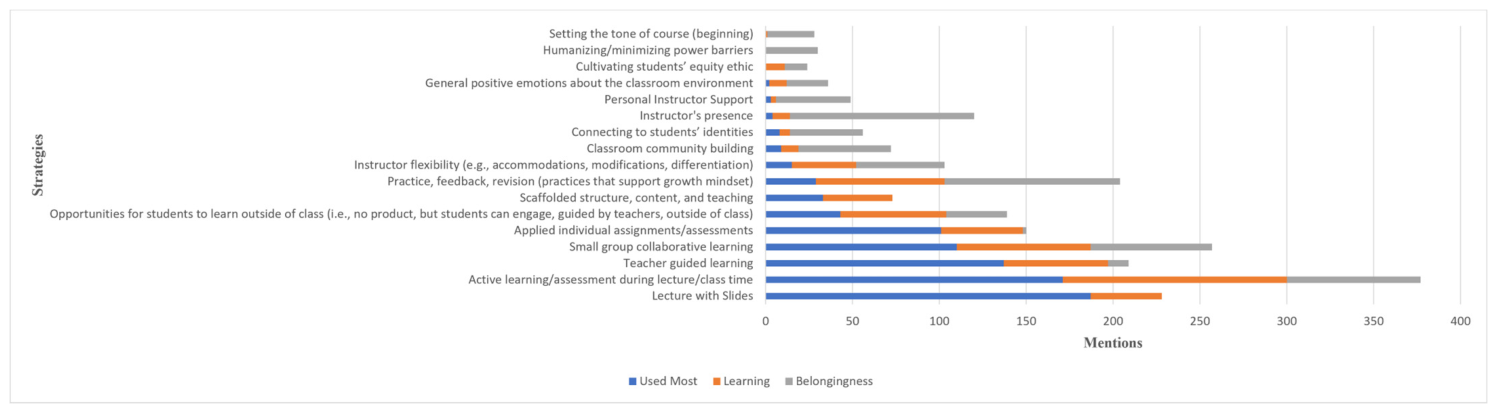

Disclaimer/Publisher’s Note: The statements, opinions and data contained in all publications are solely those of the individual author(s) and contributor(s) and not of MDPI and/or the editor(s). MDPI and/or the editor(s) disclaim responsibility for any injury to people or property resulting from any ideas, methods, instructions or products referred to in the content. |
© 2026 by the authors. Licensee MDPI, Basel, Switzerland. This article is an open access article distributed under the terms and conditions of the Creative Commons Attribution (CC BY) license.