


Abstract
Parental involvement is widely recognized as a key component of effective schooling, particularly in educational environments that emphasize community, developmental continuity, and holistic pedagogy. Alternative education models such as Waldorf schools have expanded internationally, yet empirical evidence on how parents perceive and structure their experiences within these institutions remains limited. This study investigates parental perceptions of Waldorf education in Hungary through a nationwide questionnaire survey of 585 parents whose children attend Waldorf schools. To explore the latent structure of parental evaluations, Exploratory Factor Analysis was conducted, followed by Confirmatory Factor Analysis to test the stability of the resulting model. The analyses identified four coherent dimensions of parental experience: Trust and Pedagogy, Community and Engagement, Perceived Long-Term Educational Prosperity, and Information and Transparency. Additional analyses examined how these dimensions vary according to institutional characteristics, parental participation in school community activities, and intentions regarding long-term enrollment. The results indicate that pedagogical trust constitutes a relatively stable evaluative dimension across institutions, while perceptions related to community engagement, long-term educational prospects, and transparency are more strongly associated with institutional maturity. Parents who intend to remain in Waldorf education until the completion of upper secondary schooling report consistently higher evaluations across all dimensions. By empirically identifying the structure of parental experiences in a European alternative education context, the study contributes to research on parental engagement, school choice, and the institutional cultures of alternative schooling.
1. Introduction
Reform-oriented pedagogical approaches have long formed part of the plural landscape of modern education. Models such as Waldorf education, Montessori education, Freinet pedagogy, and the Reggio Emilia approach emerged during the twentieth century as pedagogical innovations seeking to reinterpret childhood, learning processes, and the relationship between schooling and community. Historically, these approaches developed not only as instructional alternatives but also as socially embedded educational movements that articulated broader moral and educational visions concerning human development and the aims of schooling (Guerrero et al., 2024; Hofstetter, 2020). Consequently, alternative pedagogies typically extend beyond specific classroom techniques and involve distinctive institutional cultures, community practices, and value frameworks shaping the educational environment.
Among these approaches, Waldorf education occupies a particularly visible position within the international landscape of alternative schooling. Founded by Rudolf Steiner in 1919 in Stuttgart, Waldorf pedagogy integrates artistic, practical, and intellectual forms of learning within a rhythmically structured and developmentally oriented educational framework (Steiner, 1997). Over the course of the twentieth century, Waldorf schools expanded beyond German-speaking Europe into North America, the United Kingdom, the Nordic countries, Central and Eastern Europe, and parts of Asia and Latin America. This diffusion reflects broader developments in education systems, including the growing appeal of child-centered pedagogies, increasing parental choice in schooling, and the capacity of civil society networks to sustain non-state educational institutions (Stehlik, 2019; Daskolia & Koukouzeli, 2023). In Hungary, Waldorf education developed in two historical phases. The first occurred during the interwar period, when Mária Göllner established the first Hungarian Waldorf school in 1926, operating until 1933. The second phase began following the political transition of 1989, when new legal frameworks made it possible to establish non-state educational institutions. Since the early 1990s, Waldorf schools and kindergartens have expanded steadily across the country, attracting increasing numbers of families in both major cities and regional centers. Contemporary Hungarian Waldorf institutions typically emphasize strong parent–teacher partnerships, epoch-based teaching, arts-integrated curricula, and a community ethos oriented toward well-being, belonging, and developmentally sequenced learning (Vincze, 2024; Turós, 2023).
One distinctive feature frequently associated with Waldorf education is the central role attributed to parents within the school community. In contrast to many mainstream institutional settings, where parental involvement often remains limited to communication or occasional participation, Waldorf schools traditionally emphasize a form of shared educational responsibility between teachers and families (Sliwka & Istance, 2006; Bransby & Rawson, 2020). Parents are typically involved not only in supporting their children’s education but also in contributing to the social and cultural life of the school community through collective activities, school events, and ongoing dialogue with teachers (Leist, 1987). Empirical studies conducted in diverse international contexts suggest that such patterns of parental involvement are not confined to specific national settings. Cross-national research and ethnographic observations in various regions of Europe (Koolmann et al., 2018; Noworól, 2023), the Americas (Park, 2018; Leist, 1987), and East Asia (Ikegami et al., 2024) indicate that comparable institutional practices and expectations toward parental participation can be observed across Waldorf schools worldwide. While the concrete forms of these practices may vary depending on local cultural and regulatory contexts, the underlying principles of community-oriented participation and parental involvement appear to display a notable degree of continuity across different regions (Novom, 2022; Vagedes et al., 2023; Barth & Wiehl, 2024). From a theoretical perspective, the Waldorf conception of parental involvement diverges from mainstream partnership models such as Epstein’s six-dimensional framework including communication, volunteering, learning at home, decision-making, collaboration with the community, and parenting (Epstein, 1995, 2023). Whereas these models conceptualize engagement largely as functional cooperation between home and school, the Waldorf paradigm embeds it within a communal and value-based framework, emphasizing spiritual–moral alignment and long-term personal relationships (Attfield, 2023).
These characteristics make Waldorf education an instructive case for examining the dynamics of parental engagement within alternative educational environments. Research on school choice consistently indicates that parents often select schools not solely on the basis of academic indicators but also according to value-based considerations (Burgess et al., 2015), such as educational philosophy, developmental orientation, and perceived community climate (Xu & Spruyt, 2022; Tsamiyah & Seidl, 2023). Understanding how parents interpret and evaluate these aspects of schooling is therefore essential for analyzing the functioning and sustainability of alternative educational institutions (Paccaud et al., 2021).
At the same time, systematic empirical investigation remains crucial for the study of alternative pedagogies. Scientific research can contribute to a balanced perspective by documenting actual practices and experiences and by situating them within the broader body of educational research. Such analyses also make it possible to distinguish between pedagogical mechanisms and their underlying philosophical or cultural interpretations. Features frequently associated with Waldorf education—for example arts-integrated learning or extended teacher–student continuity—may thus be examined empirically in relation to student development, motivation, and school climate, independently of their original theoretical justifications. In this way, empirical research supports a more transparent and evidence-informed dialogue about the role of alternative pedagogies within contemporary educational systems (Shewbridge et al., 2019; Grau Callizo, 2025). Within this context, parental perceptions represent a particularly important dimension of educational research. Parents play a key role in shaping the relationship between families and schools, influencing patterns of trust, participation, and institutional commitment (Rinnooy Kan et al., 2023). Examining how parents evaluate and experience Waldorf schooling therefore provides insight not only into individual attitudes but also into the relational structures that sustain these educational communities.
The present study adopts an empirical approach to these questions by analysing parental perceptions of Waldorf education in Hungary. Drawing on a nationwide questionnaire survey of 585 parents whose children attend Waldorf schools, the study explores how parental experiences and evaluations are structured and how different dimensions of engagement emerge within this educational context. To examine these patterns, Exploratory Factor Analysis (EFA) was first used to identify latent dimensions underlying parental responses, followed by Confirmatory Factor Analysis (CFA) to test the stability and coherence of the resulting structure. By modelling patterns of pedagogical trust, community participation, future-oriented expectations, and institutional communication, the study contributes to the broader literature on school–family relationships and parental engagement in alternative educational settings (Pennington et al., 2024; Glatz et al., 2024; Fierloos et al., 2023).
On this basis, the study addresses the following research questions:
- RQ1. What latent dimensions structure parents’ perceptions of Waldorf education in Hungary?
- RQ2. How do these dimensions reflect key aspects of parental engagement, including pedagogical trust, community participation, future-related expectations, and institutional transparency?
- RQ3. Do parental evaluations differ according to institutional characteristics and patterns of parental involvement within the school community?
2. Epistemic Frameworks
2.1. Scientific Inquiry and Anthroposophical Knowledge
The empirical structure of parental engagement identified in the previous section reflects not only observable attitudes and relationships but also the underlying worldview of Waldorf education. To interpret these findings meaningfully, it is necessary to examine the philosophical and epistemological roots from which the Waldorf approach originates. At the core of this inquiry lies a fundamental question: what counts as knowledge and valid understanding in a pedagogical system that derives from Rudolf Steiner’s anthroposophy (Steiner, 1994, 1996; Sparby, 2016) yet operates within educational environments governed by empirical standards of accountability?
The following paragraphs therefore explore the contrasting epistemic paradigms of anthroposophy and scientific inquiry, clarifying how their differing assumptions about truth, evidence, and moral development shape both pedagogy and its interpretation. The purpose here is to clarify the epistemological foundations underlying Waldorf education and to outline how its anthroposophical worldview (van Egmond & Mulder, 2025) differs from the principles of scientific inquiry that guide empirical educational research. Such clarification is essential, because any rigorous analysis of Waldorf pedagogy—and of parental engagement within it—must rest on transparent assumptions about what counts as knowledge, evidence, and justification. This discussion does not aim to adjudicate between belief systems or to evaluate the spiritual validity of anthroposophy. Instead, it seeks to delineate conceptual boundaries: to identify where the anthroposophical approach to knowledge relies on internal, experiential, and moral certainty, and where scientific reasoning depends on externally verifiable, reproducible observation. Establishing these boundaries allows for a methodologically neutral dialogue between two distinct systems of knowing, without conflating metaphysical conviction with empirical evidence. By doing so, the section provides the conceptual ground rules for interpreting the empirical findings. It defines the limits within which statements about trust, community participation, transparency, and future orientations can be evaluated scientifically, while acknowledging that Waldorf education draws on broader moral and spiritual premises that extend beyond the reach of empirical validation.
The dialogue between anthroposophy and scientific inquiry rests on two fundamentally different conceptions of how knowledge is obtained, validated, and applied. Although both aim to deepen human understanding, they diverge sharply in their epistemic premises, methods of justification, and criteria for truth.
Anthroposophy presents itself as a “spiritual science” that extends the domain of knowledge beyond the sensory and material (Rawson, 2018). It assumes that reality consists of physical, soul, and spiritual dimensions, all accessible through disciplined inner development (Tyson, 2025). Knowledge, in this framework, arises from intuitive perception and moral self-cultivation: the individual becomes capable of perceiving spiritual realities through meditative and imaginative exercises. The validity of such insights depends not on external verification, but on the ethical maturity and inner certainty of the knower (Sparby, 2020). In this sense, anthroposophy treats cognition as a moral act and knowledge as a product of inner transformation rather than empirical observation.
By contrast, scientific inquiry—as established through Enlightenment rationalism and modern empiricism—derives knowledge from observable, measurable, and replicable phenomena (Godfrey Smith, 2009). It relies on methodological transparency, falsifiability, and collective validation. Knowledge claims must be open to scrutiny and revision through public procedures of testing and peer evaluation. While science limits itself to phenomena accessible through sense experience and reason, this self-limitation is precisely what guarantees its objectivity and reliability (Bunge, 2014). In conclusion, therefore, the distinction inhering in these two paradigms is not just methodological; rather, fundamentally epistemological in that, while the former paradigm is concerned with the attainment of inner certainty through spiritual experience, the latter is concerned with intersubjective reliability through evidence-bearing facts. These two orientations represent fundamentally diverse norms of legitimacy. For anthroposophy, knowledge acquisition follows a personal, developmental course; for science, it follows a procedural, collective course. Noticing this difference is critical to getting to grips with the relationship, or dialogue, between a spirituality-enjoined pedagogy and a research practice rooted in empirical observation.
Once the epistemic orientations of anthroposophy and scientific inquiry are distinguished, their divergence becomes most evident in the criteria by which knowledge is justified. Each paradigm defines its own sources of evidence, standards of validation, and modes of error correction. These criteria determine not only what is accepted as true but also how truth is reached and maintained within each framework. The following table presents a comparative overview of the scientific and anthroposophical perspectives across the following analytical dimensions: source of knowledge, mode of validation, role of the observer, mechanisms of error correction, and scope and limitations.
These contrasting criteria reveal why anthroposophical knowledge is not readily subject to scientific verification. Its validation depends on personal authenticity rather than public reproducibility, and its claims are grounded in moral certainty rather than empirical demonstration. From a scientific standpoint, such criteria cannot be operationalized within standard research protocols. However, acknowledging this difference does not entail mutual exclusion. Instead, it underscores the need for epistemic clarity: educational research can investigate pedagogical practices and outcomes that stem from anthroposophical ideas without presuming the metaphysical truth of their premises. This separation allows scholars to respect the integrity of the Waldorf worldview while maintaining the methodological standards required for empirical inquiry.
Despite their contrasting epistemic foundations, anthroposophy and scientific inquiry are not entirely incompatible when viewed at the level of educational practice. While anthroposophy grounds its pedagogy in spiritual anthropology, many of the concrete methods derived from it can be examined through empirical research frameworks without reference to their metaphysical origins. Several aspects of Waldorf pedagogy exemplify this zone of practical overlap. The emphasis on arts integration (Catterall et al., 2012; Winner et al., 2013; Schellenberg, 2004), rhythmic structuring of lessons (Kang, 2016), extended teacher–student continuity (Roorda et al., 2011), and experiential learning can be studied in relation to observable outcomes such as motivation, creativity, well-being, or social cohesion. Whether these practices emerge from anthroposophical concepts of child development or from secular educational innovation, their effects remain measurable through psychological and pedagogical research tools.
Similarly, the Waldorf commitment to a holistic conception of the learner—encompassing cognitive, emotional, and moral dimensions—intersects with contemporary theories in developmental and positive psychology (Taplin, 2024; Schieren, 2023). Although anthroposophy interprets this holism through spiritual maturation, empirical studies can evaluate it in terms of measurable constructs such as socio-emotional competence, intrinsic motivation, and sense of belonging (Chen et al., 2023).
This practical overlap does not dissolve the philosophical difference between spiritual and scientific epistemologies. Rather, it defines a methodological middle ground, where the outcomes of educational practice can be evaluated empirically even if their deeper justifications remain philosophical or spiritual. By focusing on the observable manifestations of anthroposophically inspired pedagogy, researchers can contribute to shared evidence base while maintaining epistemic integrity on both sides.
The epistemic profile of anthroposophy occupies an ambiguous position between religious faith and scientific rationality. It shares with religion an orientation toward transcendence and moral self-transformation, yet it distinguishes itself by presenting these aims as achievable through a disciplined method of spiritual cognition rather than through revelation or divine authority (Steiner, 1928, 2007). Understanding this duality is essential for situating Waldorf education within the broader landscape of knowledge systems that claim both ethical and cognitive legitimacy. From a comparative standpoint, anthroposophy parallels religion in several respects. It posits a non-material dimension of reality, values inner moral purification as a precondition for true understanding and relies on communally shared symbolic practices to sustain belief and belonging. Like religious traditions, it generates ritual forms—festivals, rhythms, moral narratives—that shape participants’ identities and social cohesion. In the educational sphere, these elements manifest as reverence for the developmental process, cyclical celebration, and moral storytelling as pedagogical tools. However, anthroposophy is also differentiated from religious beliefs and practices in important ways. Unlike religious beliefs, anthroposophy is not grounded in holy scriptures or religious dogma but is founded on the conviction that individuals can acquire esoteric knowledge using their own meditative and imaginative abilities. In other words, anthroposophy sees itself as being beyond religion per se, being an approach for extending science beyond its empirical domain and into non-material realms of human existence.
From a scientific perspective, this self-definition creates both opportunity and limitation. On one hand, anthroposophy’s commitment to method and personal verification distinguishes it from purely faith-based belief, inviting dialogue with epistemologies of introspection and phenomenology. On the other hand, its reliance on unverifiable inner experience and moral certainty prevents it from meeting the public criteria of falsifiability and reproducibility that define science.
For educational research, the practical implication is clear: anthroposophy can be treated as a worldview and cultural system, but not as a scientific theory. This distinction allows empirical investigation of Waldorf pedagogy’s observable outcomes—learning processes, motivation, and social dynamics—without addressing or affirming its spiritual claims. Recognizing anthroposophy’s quasi-religious character thus safeguards the epistemological transparency of the research while respecting the worldview’s integrity within its own domain.
2.2. Implications for Educational Research
Clarifying the epistemological distance between anthroposophy and science carries direct consequences for how educational research quality is defined and maintained when studying Waldorf schools. Once knowledge claims grounded in spiritual premises are distinguished from empirically testable ones, the focus of research must shift from worldview validation to pedagogical evaluation. This distinction protects both academic rigor and intellectual honesty.
From a methodological standpoint, empirical research on Waldorf education must comply with publicly shared criteria of scientific validity. This entails ensuring construct validity, such that the indicators employed—such as measures of trust, transparency, or engagement—faithfully correspond to the theoretical constructs they are intended to operationalize. It also requires demonstrating reliability through consistency across measurement items, raters, and research contexts. Moreover, transparency and replicability are essential, necessitating that sampling strategies, measurement instruments, and analytical procedures be made explicit and open to critical scrutiny. Finally, hypotheses must be formulated in a falsifiable manner, allowing empirical evidence, in principle, to challenge or disconfirm the proposed claims. These standards delineate what aspects of Waldorf pedagogy can be legitimately examined. Claims about children’s creativity, motivation, or socio-emotional growth fall within empirical reach; assertions concerning karmic development or spiritual maturation do not. The research task, therefore, is to translate pedagogical phenomena inspired by anthroposophy into operational constructs that can be measured, compared, and interpreted within the shared language of social science.
Ultimately, the dialogue between anthroposophy and scientific research does not hinge on metaphysical agreement but on methodological discipline. The credibility of Waldorf-related research depends less on resolving philosophical differences than on demonstrating that evidence, interpretation, and reporting follow the norms of transparent, reproducible inquiry.
The preceding sections established the conceptual and epistemological framework within which Waldorf education can be examined scientifically. By distinguishing anthroposophical premises from empirically testable claims, the introduction has outlined both the boundaries and possibilities of rigorous research on Waldorf pedagogy. The following sections translate these principles into empirical design: describing the data collection procedures, the statistical and qualitative methods employed, and the analytical steps through which the latent structure of parental engagement was identified and validated. This transition marks the shift from theoretical reflection to the systematic investigation of how these constructs manifest in the lived realities of Waldorf school communities.
3. Methods
3.1. Participants and Data Collection
The questionnaire was distributed to all Waldorf schools operating in Hungary, regardless of whether they offer only primary education or also provide secondary-level programs. According to the registry of the International Association for Steiner/Waldorf Early Childhood Education (IASWECE), 46 Waldorf schools operate in Hungary, serving approximately 8000 students; the families of all these students were given the opportunity to participate. Participating institutions represent considerable geographical diversity, including schools located in the capital city, regional centers, and smaller towns.
The target population of the study comprised the parents and legal guardians of children attending the Waldorf schools participating. Focusing on this group is justified, as parents serve as primary and direct sources of information regarding the phenomena under investigation: perceived pedagogical quality, school–family communication practices, and forms of participation in institutional and community life. Parents possess the experiential basis necessary to evaluate the functioning of the institution, the pedagogical environment supporting their child’s development, and the everyday lived experience of their integration into the school community. Exploring these experiences and perceptions is essential for understanding Waldorf education from the family perspective and for conducting a comprehensive analysis of related institutional practices.
The questionnaire was disseminated to families with the assistance of the schools, using their internal communication channels, including newsletters and email lists. Participation in the study was entirely voluntary, and no financial or other incentives were offered. Responses were collected anonymously: no personal data were requested, and neither direct nor indirect identification of individual participants was possible. Data collection took place in the summer of 2025. The study was conducted in accordance with applicable research ethics standards and data protection regulations.
The study collected a set of demographic variables to contextualize respondents and support subsequent analytical procedures (see Table A1). Specifically, the following indicators were recorded: (BG1) type of current settlement, (BG2) age, (BG3) gender, (BG4) highest completed level of education, (BG5) type of employment, (BG6) marital status, (BG7) the age of the institution the respondent’s child attends, and (BG8) the number of children in the household. It is important to note that these demographic variables were not used in the construction of the factors included in the main analysis. However, they are intended to serve as the basis for subsequent stratified analyses, enabling more nuanced interpretation of group-level differences.
In addition to standard demographic indicators, the questionnaire also assessed prior experiences with Waldorf education and motivations for school choice, providing a richer contextual understanding of families’ engagement with the Waldorf community. These items explored respondents’ history and familiarity with Waldorf institutions (e.g., BG9: time of joining the Waldorf community; BG10: prior attendance at other schools or kindergartens; BG11: knowledge of traditional school practices), as well as practical aspects of school involvement (BG12: commuting distance; BG13: frequency of participation in community programs). Furthermore, a set of questions focused on motivations and attitudes shaping the decision to choose a Waldorf school, including primary reasons for enrollment (BG14), prior participation in informational events (BG15), and long-term educational intentions (BG16). These contextual variables complement the demographic profile and support deeper interpretation of parent perspectives in later stages of analysis.
3.2. Instrument Development and Questionnaire Structure
The development of the questionnaire began with the construction of an initial pool of items designed to capture key aspects of the Waldorf educational context and parent–school dynamics. In total, 29 preliminary items were formulated. These items were derived from three main sources: (1) the core principles of Waldorf pedagogy, which provided the conceptual foundation for understanding the educational philosophy; (2) scholarly literature on parental trust, communication, community involvement, and future-related perceptions, which informed the inclusion of dimensions relevant to parent–institution relationships; and (3) informal consultations with parents and teachers, which offered practical insights into lived experiences and helped ensure the relevance and clarity of the items. This multi-source approach allowed for a comprehensive and context-sensitive initial item set that served as the basis for subsequent refinement and validation.
The questionnaire employed a five-point Likert response format for all items, ranging from 1 = strongly disagree to 5 = strongly agree. Using a uniform response scale across all statements ensured consistency in interpretation and facilitated subsequent statistical analysis.
To establish content validity, the initial item pool underwent expert review by Waldorf educators and researchers, who evaluated the clarity, cultural appropriateness, and conceptual alignment of each statement. Based on their feedback, several items were refined to improve precision and ensure that the wording resonated with the Waldorf educational context. A pilot administration was also conducted, allowing the research team to identify and clarify any emerging issues related to item comprehension.
The initial structure of the questionnaire organized the 29 items into broader thematic domains, such as trust, pedagogical alignment, communication, community involvement, and expectations regarding future educational pathways. In addition to these thematic items, several contextual and demographic questions were included to support later analytical stages. Finally, the questionnaire was intentionally designed to allow for data-driven refinement, ensuring that the resulting measurement tool would be grounded in empirical patterns rather than solely theoretical assumptions. The use of EFA served this purpose by identifying latent dimensions underlying respondents’ perceptions and experiences. The refined instrument, shaped through both exploratory and confirmatory analytical procedures, is presented in its final form in the following sections.
3.3. Exploratory Factor Analysis
3.3.1. Preliminary Diagnostics
The EFA was conducted on the original 29 attitudinal items (N = 585) using Principal Axis Factoring with Varimax orthogonal rotation. Prior to extraction, sampling adequacy and factorability were rigorously evaluated, and before conducting the Exploratory Factor Analysis (EFA), all reverse-worded items were reverse-scored so that higher numerical values consistently reflected more positive perceptions across all dimensions, ensuring alignment with the positively phrased items.
The Kaiser–Meyer–Olkin (KMO) measure of sampling adequacy was 0.956, which falls within the “marvelous” range according to Kaiser’s classification. This indicates an exceptionally strong shared variance structure among items. Bartlett’s test of sphericity was highly significant, χ2(406) = 8165.55, p < 0.001, confirming that the correlation matrix was not an identity matrix and was appropriate for factor analysis.
Together, these diagnostics demonstrate that the data were exceptionally well-suited for latent structure modeling.
3.3.2. Determination of the Number of Factors
Factor retention was evaluated using multiple criteria: eigenvalue distribution, scree plot inspection, and theoretical interpretability.
Figure 1 presents the scree plot of the final 19-item solution, which supports the retention of four factors.
Figure 1.
Scree plot of eigenvalues from the exploratory factor analysis.
The scree plot reveals a pronounced break after the fourth factor. The first factor is dominant (eigenvalue ≈ 7.6), followed by three substantively meaningful components. From the fifth factor onward, eigenvalues decline gradually and remain below unity, indicating residual or noise-level variance. Both the scree criterion and interpretability supported retention of a four-factor solution. The four retained factors together account for 54.56% of the total variance, which is robust for multidimensional attitudinal constructs in applied social research.
3.3.3. Item Reduction: From 29 to 19 Items
The EFA was conducted iteratively under clearly predefined retention criteria:
- Primary factor loading ≥ 0.40
- Cross-loading control (minimum difference of approximately 0.20 between primary and secondary loadings)
- Communality ≥ 0.30
- Conceptual coherence within the emerging factor
Across successive extraction cycles, 10 items were removed due to low communalities, unstable loading patterns, conceptual redundancy, or problematic cross-loadings across theoretically distinct domains.
The final retained solution consisted of 19 items, distributed across four factors:
- Trust & Pedagogy (9 items)
- Community Engagement (4 items)
- Perceived Long-Term Educational Prosperity (2 items)
- Information & Transparency (4 items)
No Heywood cases were observed during extraction.
3.3.4. Communalities in the Final 19-Item Model
Communalities (h2) represent the proportion of each item’s variance explained by the four-factor solution as shown in Table 1.
Table 1.
Communality values of the questionnaire items retained in the exploratory factor analysis (EFA).
Most communalities fall within the moderate-to-strong range (0.40–0.71), indicating that the four latent factors meaningfully explain item variance.
Two items (Q19 and Q9) display comparatively lower communalities. However, both were retained due to their conceptual indispensability:
- Q19 captures perceived fairness in community task distribution, an essential structural dimension of engagement.
- Q9 represents institutional opacity, forming the negative pole of the transparency construct.
In complex social systems, items reflecting heterogeneous lived experiences frequently exhibit lower communalities without undermining structural validity. Their retention strengthens construct coverage.
3.3.5. Interpretation of the Four Factors
The interpretation of the factor structure suggests that parental perceptions of Waldorf schooling are organized around four interrelated dimensions. The first and most prominent dimension reflects trust in the pedagogical process and the professional work of teachers. This factor encompasses parents’ perceptions of pedagogical authenticity, teacher competence, developmental sensitivity, and the degree to which children experience engagement and well-being within the learning environment. Taken together, these elements represent a form of professional–relational trust that appears to function as the central organizing dimension of parental evaluations.
A second dimension captures patterns of community engagement within the school environment. This factor reflects parents’ willingness to contribute to collective activities, their perceptions regarding the fairness of shared responsibilities, and the experiential value attributed to communal events. In this sense, it represents the participatory and reciprocal structure of the school community, which operates alongside—but remains conceptually distinct from—trust in pedagogical practice.
The third dimension relates to parents’ long-term expectations regarding their children’s educational trajectories. Rather than focusing on immediate school experiences, this factor reflects a more strategic form of confidence concerning the future adaptability of students and the perceived preservation of educational opportunities over time. Higher scores within this dimension indicate stronger parental confidence in the long-term developmental prospects associated with Waldorf education.
Finally, the fourth dimension reflects perceptions of institutional communication and transparency. This factor captures parents’ evaluations of the accessibility and adequacy of information, as well as the perceived clarity of school processes and decision-making practices. It therefore represents a form of governance-related trust grounded in institutional openness and procedural transparency, which empirically appears as a dimension separate from pedagogical trust.
3.4. Confirmatory Factor Analysis
The four-factor structure identified in the EFA was subsequently tested using CFA. Each item loaded exclusively on its designated latent factor. Error terms were specified as uncorrelated. Factors were allowed to correlate, reflecting realistic structural interdependence among dimensions.
Model fit indices were as follows:
- • χ2(146) = 538.38, p < 0.001
- • CFI = 0.921
- • TLI = 0.907
- • RMSEA = 0.068
- • SRMR = 0.059
Given the large sample size (N = 585), the significant χ2 is not unexpected. Incremental fit indices indicate acceptable to good fit, while RMSEA and SRMR values fall within conventionally acceptable ranges for applied educational research.
The results of the confirmatory factor analysis support the structural pattern identified in the exploratory phase. Specifically, the CFA confirms the factor structure revealed by the EFA, indicating that the latent dimensions identified during the exploratory modelling provide a stable and coherent representation of the underlying relationships among the observed variables. This consistency between exploratory and confirmatory analyses strengthens the validity of the proposed measurement model and suggests that the factor structure identified in the initial analysis adequately captures the organization of parental perceptions within the dataset.
The use of Varimax rotation in EFA served a technical purpose: to maximize simple structure and achieve clean factor separation during item reduction. It was not intended to assert empirical independence among constructs. The results of the confirmatory factor analysis indicate that the latent factors are moderately correlated, a pattern that is theoretically consistent with complex, trust-based institutional systems in which different dimensions of perception and engagement are expected to interact rather than remain fully independent. Within this analytical framework, the use of Varimax rotation in the exploratory phase proved useful for enhancing the structural clarity of the factor solution and facilitating the identification of distinct dimensions. At the same time, allowing correlations between factors in the confirmatory model provides a more realistic representation of the underlying measurement structure, reflecting the interconnected nature of parental perceptions within the institutional context of Waldorf education. This two-stage strategy—orthogonal EFA for structure detection and correlated CFA for model validation—is methodologically defensible and strengthens both interpretability and empirical rigor.
4. Results
4.1. Sample Characteristics
The demographic characteristics of parents affiliated with Waldorf educational institutions who participated in the questionnaire-based survey delineate a clearly identifiable yet internally diverse sample. Overall, the data indicate that the respondents predominantly represent parents in an active phase of child-rearing, primarily middle-aged, residing mainly in urban or metropolitan environments, with a pronounced predominance of female participants.
4.1.1. Age Distribution
The age distribution of the respondents shows a marked concentration within specific cohorts. The largest proportion of participants falls within the 40–49 age group, which aligns with the life stage in which parents of children attending Waldorf institutions are typically highly engaged in their children’s schooling and the associated school community. The 30–39 and 50–59 age groups are also represented in notable, though comparatively smaller, proportions. Respondents aged 20–29 and those aged 60 or above constitute smaller segments of the sample; however, their presence indicates that parental affiliation with Waldorf education spans a broader age range and is not confined exclusively to a single life phase.
4.1.2. Gender Distribution
The gender composition of the sample is strongly asymmetrical. The vast majority of respondents identify as female, while male participants are represented in significantly lower numbers. This pattern is consistent with findings from both national and international educational and sociological research, which suggest that mothers are more likely than fathers to assume active roles in school-related matters, pedagogical decision-making, and community engagement, as well as to participate in educational research and survey-based data collection. A negligible proportion of respondents selected the option “prefer not to say,” indicating minimal non-disclosure regarding gender.
4.1.3. Type of Place of Residence
With regard to place of residence, most respondents live in urban or metropolitan settings, with a substantial share residing in large cities (e.g., Budapest and other major urban centers). At the same time, an important characteristic of the sample is the considerable representation of parents living in villages and rural settlements. This distribution suggests that the appeal and accessibility of Waldorf education are not limited to urban contexts alone. The inclusion of families residing in smaller settlements is particularly relevant, as for these parents school choice often entails greater logistical effort, longer commuting distances, and increased organizational commitment.
4.1.4. Summary Interpretation of Demographic Characteristics
The demographic profile emerging from the variables of age, gender, and place of residence indicates that the typical respondent in this study is a female parent aged between 40 and 50 years, living in an urban or metropolitan environment, and actively involved in her child’s education and school community. Nevertheless, the sample cannot be considered homogeneous. The presence of younger and older parents, male respondents, and families living in rural areas allows for a more nuanced interpretation of the social embeddedness of Waldorf education.
This demographic composition provides a solid empirical foundation for examining how parental engagement with Waldorf institutions is experienced across diverse life situations, social contexts, and family roles within the Hungarian educational landscape.
4.2. Factor Structure and Pedagogical Interpretation
The EFA of the responses to the parental questionnaire identified four distinct and conceptually coherent dimensions that capture different, yet interrelated aspects of parental perceptions associated with the Waldorf school. The identified factors reflect trust in pedagogical practice, the experience of community participation, a sense of long-term educational security, and the assessment of institutional communication and transparency.
The first factor (Trust & Pedagogy) represents parents’ fundamental trust in the pedagogical concept and the school’s educational work. The high number of items and their thematic diversity indicate that parents perceive Waldorf pedagogy as a complex, coherent educational system in which methodological approaches, the teacher’s role, and the child-centered orientation form an integrated whole. This dimension constitutes a key element of pedagogical legitimacy and professional acceptance, aligning with theoretical perspectives that link the effectiveness of educational processes to trust in teachers and the institution.
The second factor (Community Engagement) expresses the degree of parents’ involvement in the school community and their sense of belonging to it. This dimension points to the partnership-based educational model characteristic of Waldorf schools, where parents do not merely function as external stakeholders but participate as active community members in the life of the institution. The presence of this factor confirms that community relations and collaboration are perceived by parents as essential components of the pedagogical environment.
The third factor (Perceived Long-Term Educational Prosperity) captures parental assessments related to the child’s future school and social adaptation. This factor suggests that parents consider the long-term consequences of Waldorf pedagogy, particularly regarding future school transitions and life opportunities. Although consisting of only two items, it is conceptually well-defined and indicates that, in addition to present pedagogical experiences, future educational outcomes constitute a relevant dimension of parental evaluation.
The fourth factor (Information & Transparency) reflects parents’ assessment of institutional communication, information flow, and transparency. This dimension highlights that, alongside pedagogical trust and community engagement, the clarity of school operations and the comprehensibility of decision-making processes also hold independent significance for parents. The emergence of this factor suggests that access to information and transparent institutional functioning are perceived as prerequisites for an effective pedagogical partnership.
Overall, the four factors outline a complex structure of parental perceptions in which pedagogical quality, community relations, long-term educational prosperity, and institutional transparency appear as complementary dimensions. The results indicate that parents’ evaluation of Waldorf pedagogy does not revolve around a single attitude but should be interpreted as the combined effect of multiple interconnected pedagogical and organizational factors.
4.3. Differences Across Subgroups
4.3.1. Differences by School Age
The comparison between parents whose children attend institutions founded less than 20 years ago and those enrolled in schools with more than two decades of institutional history reveals a differentiated pattern across the four extracted factors.
First, no statistically significant difference emerged for the Trust and Pedagogy factor as shown in Figure 2. The mean scores were nearly identical in younger (M = 4.09, SD = 0.73) and older institutions (M = 4.09, SD = 0.76), and the overlapping confidence intervals indicate substantive equivalence. This finding suggests that parental trust in the pedagogical approach and perceived professional competence are not contingent upon institutional age. In other words, even relatively recently established Waldorf schools appear capable of generating levels of pedagogical credibility comparable to those of long-standing institutions. From an institutional development perspective, this may reflect the strong normative coherence and standardized pedagogical framework characteristic of Waldorf education, which can be implemented with comparable fidelity across generations of schools.
Figure 2.
Comparison of factor scores derived from the EFA between parents affiliated with Waldorf schools established more than 20 years ago and those affiliated with institutions founded within the last 20 years. Differences between groups were assessed using Tukey’s multiple comparison test with 95% confidence intervals. The panels present the results for (a) Factor 1 Trust & Pedagogy, (b) Factor 2 Community Engagement, (c) Factor 3 Perceived Long-Term Educational Prosperity, and (d) Factor 4 Information & Transparency.
In contrast, statistically significant differences were observed for the remaining three factors, all favoring institutions founded more than 20 years ago.
For Community and Engagement, parents in older schools reported higher levels of perceived involvement and community embeddedness (M = 3.55, SD = 0.63) compared to those in younger institutions (M = 3.44, SD = 0.69). Although the mean difference is moderate, its statistical significance indicates a systematic pattern. This suggests that institutional longevity may contribute to more consolidated community structures, stronger traditions of participation, and more routinized forms of parental engagement. Older schools likely benefit from accumulated social capital, established networks, and intergenerational continuity, which may strengthen the experiential dimension of belonging and participation.
A similar pattern appears for Perceived Long-Term Educational Prosperity, where parents in institutions with more than 20 years of history expressed stronger confidence in the school’s capacity to provide a stable and flourishing long-term educational trajectory (M = 4.32, SD = 0.97) compared to parents in younger schools (M = 4.14, SD = 1.02). This difference indicates that institutional age may function as a symbolic and practical marker of stability and durability. Schools with a longer history may signal proven sustainability, successful alumni trajectories, and institutional resilience, all of which can reinforce parental perceptions of long-term developmental security and prosperity.
Finally, significant differences were also found in Information and Transparency, with higher evaluations in older institutions (M = 4.07, SD = 0.71) than in younger ones (M = 3.89, SD = 0.78). This may reflect the maturation of communication practices over time. Established schools are more likely to have formalized information channels, clearer governance procedures, and institutionalized parent–school communication routines. In contrast, younger schools may still be consolidating administrative and communicative infrastructures, which can affect parents’ perceptions of transparency and informational clarity. The results consistently indicate that the school age has a robust and statistically significant association with Information and Transparency. This effect remains stable across model specifications. In contrast, the included socio-demographic variables (age, gender, education, job type, marital status, number of children and settlement type) do not meaningfully account for the observed differences between groups. Taken together, these findings suggest that the institutional dimension plays a more salient role in explaining the variation than the measured background characteristics.
The pattern of results suggests a nuanced institutional-age effect. Core pedagogical trust appears robust and independent of school age, indicating that the Waldorf pedagogical framework itself provides a stable basis for parental confidence. However, dimensions related to community integration, long-term prosperity, and institutional transparency are positively associated with institutional longevity. These findings imply that while pedagogical legitimacy can be established relatively early in an institution’s life cycle, the consolidation of participatory culture, communicative stability, and perceived long-term institutional reliability may require sustained organizational development over time. From a broader perspective, the results highlight the importance of distinguishing between pedagogical credibility and institutional embeddedness when examining parental perceptions. Institutional age does not appear to shape trust in pedagogy per se, but it does influence how parents experience the school as a stable, transparent, and community-rich environment.
4.3.2. Differences by Level of Community Participation
The comparison between parents with low levels of participation in community programs (1–2 times per year at most) and those who participate frequently (at least three times per year or on a regular basis) reveals a differentiated pattern across the four factors, highlighting the relational nature of parental experiences within Waldorf institutions as illustrated in Figure 3.
Figure 3.
Differences in the factor scores identified by EFA according to parents’ level of community participation in school-organized activities. Parents were divided into two groups: those who regularly participate in community programs organized by the school and those who participate only occasionally (at most once or twice per year). The panels present the group comparisons for (a) Factor 1 Trust & Pedagogy, (b) Factor 2 Community Engagement, (c) Factor 3 Perceived Long-Term Educational Prosperity, and (d) Factor 4 Information & Transparency. Differences between groups were examined using Tukey’s multiple comparison procedure with 95% confidence intervals.
For the Trust and Pedagogy factor, a statistically significant difference was observed. Parents who frequently participate in community programs reported substantially higher levels of trust in the pedagogical approach and the professional competence of the school (M = 4.11, SD = 0.71) compared to those with minimal participation (M = 3.75, SD = 1.12). The magnitude of this difference, alongside the wider variability among low-participation parents, suggests that active involvement in community life may strengthen parents’ understanding of and confidence in Waldorf pedagogy. Conversely, limited engagement appears to be associated with more heterogeneous and, on average, less positive perceptions of pedagogical trust.
The relationship between higher community participation and stronger pedagogical trust raises an important question regarding the direction of causality, as it is equally plausible that participation fosters trust or that parents with greater pre-existing trust are more likely to participate. As the present observational study does not allow for causal conclusions and only captures the co-occurrence of variables, this issue cannot be resolved within the current analysis. Nevertheless, it represents a highly relevant question, which we plan to address in future research using a design better suited to examining causal relationships.
An even more pronounced and statistically significant difference emerged for the Community and Engagement factor. Parents with high levels of participation reported markedly stronger perceptions of community belonging and engagement (M = 3.53, SD = 0.63) than those who rarely participate (M = 2.79, SD = 0.85). This finding is both theoretically and empirically consistent: engagement in communal activities is not merely an outcome but also a constitutive element of perceived community. Parents who are less present in communal contexts may have fewer opportunities to develop social ties and shared meanings, which in turn may limit their sense of connectedness and engagement.
In contrast, no statistically significant difference was found for Long-Term Educational Prosperity. Mean scores were high in both groups (low participation: M = 4.13, SD = 1.07; high participation: M = 4.23, SD = 1.00), and confidence intervals showed substantial overlap. This suggests that parental confidence in the school’s capacity to support their child’s long-term educational flourishing is relatively independent of the degree of community participation. Even parents who are minimally involved in communal programs appear to share the broader conviction that the Waldorf educational pathway provides a viable and prosperous long-term trajectory. This finding indicates that perceptions of long-term educational prosperity may be grounded more strongly in the pedagogical philosophy and institutional mission than in day-to-day participatory experiences.
Similarly, no statistically significant difference emerged for the Information and Transparency factor. Interestingly, mean scores were slightly higher among parents with low participation (M = 4.22, SD = 0.66) than among highly engaged parents (M = 3.96, SD = 0.76), though this difference did not reach statistical significance. This pattern may reflect differing expectations: parents who are less involved may rely primarily on formal communication channels, which they perceive as clear and sufficient, whereas highly engaged parents—through closer interaction with institutional processes—may develop more nuanced or critical evaluations of transparency and information flow.
Overall, these results suggest that parental participation in community programs is strongly associated with relational and experiential dimensions of schooling, particularly trust in pedagogy and perceived community engagement. At the same time, more structurally oriented perceptions—such as long-term educational prosperity and institutional transparency—appear less sensitive to individual levels of participation. The findings underscore the importance of distinguishing between dimensions of parental experience that are co-constructed through active engagement and those that are anchored in broader institutional narratives and expectations.
4.3.3. Differences by Planned Duration of Waldorf Enrollment
The comparison between parents who are certain that their child will remain in the Waldorf institution until the end of Year 13 and those who are not reveals a consistent and theoretically meaningful pattern across all four factors, as shown in Figure 4.
Figure 4.
Comparison of the factor scores identified by EFA according to parents’ intentions regarding long-term participation in the Waldorf education system. Parents were divided into two groups: those who intend to keep their child in the Waldorf system for the full 13-year educational pathway and those who do not plan to remain in the system for this entire period. The panels present the group comparisons for (a) Factor 1 Trust & Pedagogy, (b) Factor 2 Community Engagement, (c) Factor 3 Perceived Long-Term Educational Prosperity, and (d) Factor 4 Information & Transparency. Differences between groups were assessed using Tukey’s multiple comparison test with 95% confidence intervals.
For Trust and Pedagogy, a statistically significant difference was observed between the two groups. Parents who expressed a clear intention to keep their child in the Waldorf school reported higher levels of trust in the pedagogical approach and professional competence of the institution (M = 4.13, SD = 0.70) than those who were uncertain (M = 3.93, SD = 0.87). This finding suggests that confidence in the pedagogical foundations of the school is closely linked to long-term educational commitment. Parents who perceive the pedagogy as credible and well-aligned with their child’s needs appear more inclined to envisage continuity within the Waldorf system.
A similar, statistically significant pattern emerged for Community and Engagement. Parents planning to remain in the institution until Year 13 reported stronger perceptions of community belonging and engagement (M = 3.53, SD = 0.64) compared to those who were uncertain (M = 3.34, SD = 0.73). Although the magnitude of the difference is moderate, it indicates that a sense of embeddedness in the school community may play an important role in sustaining long-term institutional commitment. Parents who feel less connected to the community may be more open to reconsidering their educational choices over time.
The most pronounced difference was found for Perceived Long-Term Educational Prosperity. Parents who were certain about staying until Year 13 expressed substantially higher confidence in the school’s capacity to support their child’s long-term educational flourishing (M = 4.38, SD = 0.89) compared to those who were uncertain (M = 3.60, SD = 1.18). This large and statistically significant gap underscores the centrality of future-oriented considerations in parental decision-making. Perceptions of long-term educational prosperity appear to function as a key motivational driver underpinning parents’ willingness to commit to the full Waldorf educational trajectory.
Finally, statistically significant differences were also observed for Information and Transparency. Parents with a clear intention to remain in the institution rated the quality and clarity of information and communication more positively (M = 4.03, SD = 0.74) than those who were uncertain (M = 3.75, SD = 0.78). This suggests that transparent communication and accessible information may contribute to reinforcing parental trust and long-term commitment, while perceived deficits in these areas may introduce uncertainty regarding continued enrollment.
These findings indicate a coherent pattern in which long-term institutional commitment is associated with more favorable evaluations across pedagogical, relational, future-oriented, and communicative dimensions. Unlike analyses based on institutional age or participation frequency, the intention to remain until Year 13 appears to capture a cumulative evaluative stance, integrating immediate experiences with forward-looking expectations. From an interpretive perspective, the results suggest that parents’ plans for long-term continuity within Waldorf education are not driven by a single factor but rather by a constellation of mutually reinforcing perceptions that together sustain institutional loyalty and educational commitment.
The question of whether parents who plan to remain until Year 13 report more positive evaluations because of a cumulative effect of school experience, or whether this pattern reflects a self-selection process whereby more satisfied parents are more likely to stay, is an important one. Given the observational nature of the study, our analysis is limited to identifying patterns of association among the variables rather than establishing causal relationships.
5. Discussion
The present study sought to interpret Hungarian Waldorf parents’ school-related perceptions within a theoretically grounded and methodologically robust framework. The four-factor structure derived from the EFA was subsequently confirmed through CFA, providing empirical support for the construct validity and internal coherence of the measurement model. The CFA results indicate that the identified dimensions are not merely data-driven artefacts but represent stable latent constructs underlying parental evaluations. Accordingly, the discussion does not aim to draw causal inferences but to situate these validated dimensions within relevant theoretical and empirical contexts.
While the literature review devoted considerable attention to the philosophical foundations of Waldorf education, the present findings allow these theoretical considerations to be reinterpreted at the level of parental perception rather than reiterated at the level of abstract principles. The results do not aim to revalidate Steiner’s pedagogical framework directly; instead, they provide an empirical vantage point from which these ideas can be examined as they are reflected in lived institutional experience. In this sense, the theoretical background functions as an interpretive lens that helps contextualize, rather than duplicate, the observed patterns.
Importantly, the alignment between the empirically identified dimensions and the broader pedagogical orientation of Waldorf education emerges indirectly. The factor structure suggests that parents organize their evaluations along dimensions that are compatible with a holistic, developmentally oriented, and relationally grounded understanding of education. This correspondence indicates that the philosophical assumptions outlined in the literature may be embedded in institutional practice in ways that are perceptible to parents, even if they are not explicitly articulated in everyday school interactions.
At the same time, the findings nuance the relationship between philosophical ideals and empirical reality. Rather than assuming a direct or uniform translation of theory into practice, the results suggest that these foundational principles are selectively mediated through organizational conditions, community dynamics, and patterns of parental engagement. The multidimensional nature of parental perceptions points to a differentiated process in which pedagogical philosophy is enacted, experienced, and interpreted across multiple domains of school life.
By making this connection explicit, the study strengthens the coherence between its theoretical and empirical components. The philosophical discussion is thus not an isolated introductory element but a necessary framework for understanding how a value-based educational model is perceived and evaluated in practice. This integration contributes to the paper’s overall argument by showing that the relevance of Waldorf pedagogy lies not only in its theoretical claims but also in its capacity to structure meaningful and recognizable patterns of experience at the institutional level.
5.1. Theoretical Interpretation of the Confirmed Factor Structure
The confirmed Trust & Pedagogy factor reflects parents’ confidence in the coherence, credibility, and professional implementation of Waldorf pedagogy. Its prominence across analyses suggests that pedagogical trust constitutes a foundational dimension of parental perception. From the perspective of Albert Bandura’s social learning theory (Bandura & Walters, 1977), learning environments are shaped not only by instructional techniques but also by the perceived credibility of role models and the emotional security of the setting. Parental trust in pedagogy may therefore indirectly reinforce a stable learning ecology in which teachers function as authoritative yet relational figures and institutional norms support developmental processes.
The Community & Engagement factor captures the relational and participatory dimension of schooling. Its emergence and empirical stability resonate with the sociocultural perspective of Lev Vygotsky (Vygotsky et al., 1978), who conceptualized learning as inherently embedded in social interaction. Parents’ evaluations of community life and their own engagement indicate that Waldorf schooling is perceived not solely as instructional provision but as a socially constituted developmental space. The factor’s robust structure suggests that relational embeddedness is a distinct and measurable component of parental experience rather than a diffuse background characteristic.
The third factor, Perceived Long-Term Educational Prosperity, reflects parents’ confidence in the school’s capacity to provide a sustainable and flourishing developmental trajectory. This future-oriented dimension extends beyond present satisfaction and incorporates expectations regarding educational continuity and life-course outcomes. In light of Jean Piaget’s developmental theory (Piaget & Inhelder, 1966), which emphasizes stage-appropriate learning and the cumulative effects of early educational experiences, this factor can be interpreted as parents’ evaluation of whether the institutional framework supports coherent long-term development. The strength and distinctiveness of this factor indicate that parents conceptualize Waldorf education as a longitudinal pathway rather than a temporary alternative.
Finally, the Information & Transparency factor highlights organizational and communicative aspects of school functioning. Although less directly anchored in classical developmental psychology, transparent communication and accessible information constitute structural preconditions for effective parent–school partnerships (Johnson et al., 2025). The empirical confirmation of this factor underscores that parental experience encompasses not only pedagogical and relational dimensions but also institutional governance and communication practices.
Overall, the EFA–CFA sequence supports a multidimensional understanding of parental perception in the Waldorf context, integrating pedagogical trust, relational embeddedness, long-term developmental orientation, and communicative transparency.
5.2. Institutional Age and the Maturation of School Culture
When examining differences between institutions founded less than 20 years ago and those with more than two decades of history, a differentiated pattern emerged. No significant difference was found in Trust & Pedagogy, suggesting that pedagogical credibility is not dependent on institutional longevity. Even younger schools appear capable of establishing levels of pedagogical trust comparable to those of more established institutions, indicating that the Waldorf pedagogical framework may provide a relatively stable normative foundation across contexts. By contrast, significant differences were observed in Community & Engagement, Perceived Long-Term Educational Prosperity, and Information & Transparency, with older institutions scoring higher. These findings suggest that while pedagogical trust can be established relatively early, relational cohesion, perceived long-term institutional stability, and communicative clarity may benefit from organizational maturation. Institutional longevity may contribute to accumulated social capital, routinized participatory practices, and established governance structures, thereby strengthening parents’ perceptions of stability and embeddedness.
5.3. Community Participation as a Relational Mediator
The comparison between parents with low and high levels of participation in community programs further clarified the relational nature of certain dimensions. Significant differences emerged for Trust & Pedagogy and Community & Engagement, with more active parents reporting more positive evaluations. These findings indicate that participation is not merely an outcome but may function as a reinforcing mechanism: engagement in communal activities likely deepens relational ties and pedagogical understanding. However, no significant differences were found for Perceived Long-Term Educational Prosperity or Information & Transparency. This suggests that future-oriented confidence and perceptions of communicative clarity are less contingent upon individual participation levels. Even less engaged parents appear to share a broadly positive assessment of the school’s long-term viability. The stability of these factors across participation levels supports their interpretation as more structurally grounded perceptions rather than purely relational constructs.
5.4. Long-Term Institutional Commitment
The analysis of parents’ intentions to remain in the Waldorf institution until Year 13 yielded significant differences across all four factors. Parents who expressed certainty about long-term enrollment reported higher levels of trust, stronger community engagement, greater perceived long-term educational prosperity, and more positive evaluations of information and transparency. The most pronounced difference was observed for Perceived Long-Term Educational Prosperity, indicating that future-oriented developmental confidence is closely linked to institutional commitment. This pattern suggests that long-term enrollment intentions reflect a cumulative evaluative stance integrating pedagogical credibility, relational embeddedness, communicative trust, and forward-looking expectations. Unlike institutional age or participation frequency, stated commitment appears to capture a holistic synthesis of parental perceptions.
To situate the present findings within the broader Hungarian educational landscape, it is useful to consider them in relation to existing research on parental involvement. Studies by Pusztai et al. (2023) have shown that parental engagement in Hungarian primary education is shaped not only by institutional characteristics but also by ideological and value-oriented commitments. In mainstream educational contexts, factors such as religiosity and broader socio-cultural positioning often play a significant role in explaining patterns of parental participation. The results of the present study partially converge with this perspective. Similarly to the mainstream findings, parental engagement in Waldorf education appears to be strongly value-driven. At the same time, the factor structure identified in this research suggests that these value orientations are not merely individual dispositions but are also institutionally articulated and reinforced through the pedagogical coherence and participatory culture of Waldorf schools. In contrast to many mainstream settings—where parental involvement may vary primarily according to social background—the Waldorf context appears to embed participation more systematically within its institutional ethos (Haynes & Comer, 1996; Bæck, 2010). Community events, informational meetings, and shared activities are experienced not simply as optional forms of participation but as integral elements of the educational model.
These observations also resonate with broader research on school choice and parental engagement. Studies on educational decision-making indicate that parents who actively choose a school tend to develop stronger relational and evaluative ties to the institution than those participating in default assignment systems (Burgess et al., 2015). Within Waldorf education, school choice frequently involves a deliberate alignment with the pedagogical philosophy of the institution and an openness to participating in its communal life. The present findings support this interpretation: parents reporting higher levels of participation in community activities, as well as those planning a long-term educational trajectory within the institution, tend to evaluate pedagogical trust, community engagement, and institutional transparency more positively. Such patterns suggest that parental commitment may function not merely as a consequence of satisfaction but as a constitutive element of the institutional culture itself. In this sense, Waldorf schools appear to foster a form of educational participation in which school choice, pedagogical identification, and community involvement mutually reinforce one another.
At the same time, these patterns can also be interpreted in light of recent sociological research on parental school choice. Experimental evidence indicates that parents typically evaluate schools through a multidimensional set of criteria that includes academic performance indicators, perceived learning opportunities, equity considerations, and the demographic composition of the student body. A large-scale conjoint experiment by Alexander Thompson demonstrates that although academic outcomes and learning opportunities are frequently prioritized, demographic characteristics also independently shape parental preferences, highlighting the complex value structures underlying educational decision-making (Thompson, 2024). Against this backdrop, the configuration of parental perceptions observed in the Waldorf context appears somewhat distinctive. Rather than organizing their evaluations primarily around measurable academic performance or comparative institutional indicators, the parents in this sample tend to structure their perceptions around relational and developmental dimensions, including pedagogical trust, community engagement, and the perceived long-term educational trajectory of the child. This pattern does not necessarily imply fundamentally different parental motivations; rather, it suggests that institutional culture may shape the interpretive frameworks through which educational quality is assessed. In the Waldorf context, the emphasis on pedagogical coherence, community participation, and long-term developmental perspectives may shift parental attention away from competitive performance metrics toward relational and developmental aspects of schooling. From a broader perspective, this case illustrates how educational choice environments and institutional cultures can interact to produce distinctive patterns of parental perception and commitment, thereby contributing to ongoing discussions on value-oriented school choice and parent–school partnerships.
The confirmed multidimensional structure of parental perceptions indicates that Waldorf schooling is experienced as a complex interplay of pedagogical trust, relational engagement, long-term developmental orientation, and communicative transparency. Differences by institutional age, participation level, and long-term enrollment intention demonstrate that these dimensions are meaningfully related to both structural and relational factors, yet they retain conceptual distinctiveness. While the findings cannot establish causal mechanisms, they suggest that parental commitment and engagement are shaped by a constellation of mutually reinforcing perceptions. The Waldorf case illustrates how an institution’s ethos may consolidate pedagogical credibility, communal participation, and future-oriented confidence within a coherent experiential framework. More broadly, the results underline the importance of examining parental involvement not as a unidimensional construct but as a layered phenomenon situated at the intersection of pedagogical philosophy, institutional development, and relational practice.
6. Conclusions
Contemporary pedagogical thought on learning and teaching is increasingly shaped by an integrated theoretical framework that conceptualizes learning as an active, constructive, social, and self-regulated process. Although various scientific traditions—from cognitive developmental psychology to sociocultural approaches, and from network-based theories to positive pedagogical paradigms—emphasize different aspects of learning, they collectively contribute to a 21st-century understanding grounded in shared foundational assumptions. These perspectives uniformly reject passive and mechanistic accounts of learning, instead foregrounding meaning-making, social interaction, and individual developmental characteristics.
Jean Piaget’s constructivist developmental theory underscores the internal, active, constructive nature of learning, whereas Lev Vygotsky’s sociocultural approach draws attention to the social embeddedness of learning and the role of cultural mediation. Albert Bandura’s social learning theory and his concept of self-efficacy further reinforce this picture by highlighting the significance of observational learning, modeling, and self-regulation. These classical theories remain central reference points in contemporary pedagogical discourse and form the theoretical foundations upon which many later approaches have been built.
Building on these foundations, modern pedagogical discourse has expanded in several directions. Connectivism (Siemens, 2017) conceptualizes learning within the context of digital and social networks, while critical pedagogy (Giroux, 2020) emphasizes the social and emancipatory dimensions of learning. In parallel, positive pedagogy places learners’ well-being, intrinsic motivation, and the conditions for optimal functioning at the center of educational processes. Reform-oriented and anthropological approaches—including the pedagogies of Montessori and Steiner—stress the importance of respecting the child’s natural developmental rhythms, autonomy, and experiential learning.
The common denominator across these diverse theoretical perspectives lies in the redefinition of the teacher’s role: rather than serving primarily as a transmitter of knowledge, the teacher is viewed as a designer of learning environments and conditions. Within this framework, the task of teaching is to create supportive contexts, relationships, and learning situations that promote active participation, collaboration, and self-regulated learning.
The theoretical and empirical analyses presented in the current study align with this socio-constructivist pedagogical framework. The factor structure identified through EFA and subsequently confirmed by CFA delineated four coherent dimensions of parental perception: Trust & Pedagogy, Community & Engagement, Perceived Long-Term Educational Prosperity, and Information & Transparency. The statistical confirmation of this multidimensional model suggests that parental evaluations are structured along pedagogically meaningful lines that resonate with the learning-theoretical assumptions outlined above.
Trust in pedagogy reflects confidence in a coherent educational philosophy and professional practice, echoing constructivist and social learning perspectives that emphasize the credibility of models and the stability of the learning environment. The Community & Engagement dimension highlights the relational and participatory character of schooling, consistent with sociocultural accounts of learning as socially mediated activity. The factor of Perceived Long-Term Educational Prosperity underscores parents’ future-oriented evaluation of developmental continuity, aligning with developmental theories that stress the cumulative and stage-sensitive nature of learning. Finally, Information & Transparency points to the institutional and communicative conditions that enable pedagogical partnership and shared responsibility, which are essential for sustaining supportive learning environments.
The comparative analyses further nuanced this picture. Institutional longevity was associated with stronger perceptions of community cohesion, long-term developmental stability, and communicative clarity, while pedagogical trust appeared relatively stable across younger and older institutions. Higher levels of parental participation were linked primarily to relational and pedagogical dimensions, whereas confidence in long-term educational prospects remained comparatively robust even among less active parents. Most notably, parents expressing a clear intention to remain in the institution until the end of secondary education reported consistently higher evaluations across all four factors, with the most pronounced difference emerging in the domain of long-term educational prosperity. This pattern suggests that sustained institutional commitment is associated with a cumulative integration of pedagogical trust, relational embeddedness, and future-oriented confidence.
Taken together, these findings indicate that parental perceptions of the examined educational context are not reducible to isolated satisfaction indicators but form a coherent, multidimensional evaluative framework. The convergence between the empirically validated factors and contemporary learning-theoretical perspectives does not constitute a direct validation of any single theory. Rather, it illustrates how a specific educational practice, as perceived by parents, can reflect core assumptions shared by constructivist, sociocultural, and positive pedagogical paradigms.
In this sense, the study contributes to the broader discourse on 21st-century pedagogy by demonstrating that parental perspectives—when examined through rigorous methodological procedures—can provide meaningful insights into how theoretical principles are experienced at the institutional level. The results reinforce the view that contemporary pedagogical thinking is not grounded in a single overarching theory, but in a constellation of complementary perspectives engaged in continuous dialogue, and that the lived reality of educational communities may serve as an important site where these perspectives intersect.
This study is based on a nationwide, large-sample data collection; however, its findings must be interpreted with certain methodological and interpretive limitations in mind. Although the sample size allows for statistically reliable analyses, participation was voluntary and therefore cannot be considered strictly random. As a result, self-selection bias cannot be ruled out, particularly with regard to parental pedagogical commitment and satisfaction with the institution.
The research employed a questionnaire-based methodology, which is suitable for exploring parental perceptions and attitudes but does not allow for the direct observation of pedagogical practices or the identification of causal relationships. The data represent a snapshot of a single point in time; therefore, temporal changes in parental attitudes and their long-term pedagogical implications cannot be examined within the framework of the present study. Future research using longitudinal or qualitative methods could help confirm and refine the factor structure identified here.
Author Contributions
Conceptualization, B.N. and L.B.; methodology, L.B.; validation, L.B. and B.N.; formal analysis, L.B.; investigation, L.B.; resources, B.N.; data curation, B.N.; writing—original draft preparation, B.N. and L.B.; writing—review and editing, B.N. and L.B.; project administration B.N.; visualization, L.B. and B.N.; supervision, B.N. All authors have read and agreed to the published version of the manuscript.
Funding
This research received no external funding.
Institutional Review Board Statement
This study was conducted with the full knowledge, approval, and ethical oversight of the Ethics Committee of Dunaújváros University (approval number: DUE-KB-5/2025).
Informed Consent Statement
Informed consent was obtained from all subjects involved in the study.
Data Availability Statement
The data presented in this study are available on reasonable request from the corresponding author. The dataset is not publicly available because it contains questionnaire responses that were collected solely for academic research purposes and were not intended for public archiving.
Conflicts of Interest
The authors declare no conflicts of interest.
Appendix A
The appendix below presents the full set of questionnaire items employed in the study, provided to ensure transparency, replicability, and methodological rigor.
Table A1.
Survey Items by Domain with Response Options.
References
- Attfield, K. (2023). The unique, spiritual and insightful education of Waldorf pedagogy. Institute of General Semantics. [Google Scholar]
- Bandura, A., & Walters, R. H. (1977). Social learning theory (2nd ed.). Prentice Hall. [Google Scholar]
- Barth, U., & Wiehl, A. (2024). Inclusive Waldorf schools today. Frontiers in Education, 8, 1345697. [Google Scholar] [CrossRef] [Scilit]
- Bæck, U. D. K. (2010). Parental involvement practices in formalized home–school cooperation. Scandinavian Journal of Educational Research, 54(6), 549–563. [Google Scholar] [CrossRef] [Scilit]
- Bransby, K., & Rawson, M. (2020). Waldorf education for the future. Steiner Waldorf Schools Fellowship. [Google Scholar]
- Bunge, M. (2014). Philosophy of science: From problem to theory (4th ed.). Springer. [Google Scholar]
- Burgess, S., Greaves, E., Vignoles, A., & Wilson, D. (2015). What parents want. The Economic Journal, 125(587), 1262–1289. [Google Scholar] [CrossRef] [Scilit]
- Catterall, J. S., Dumais, S. A., & Hampden Thompson, G. (2012). The arts and achievement in at risk youth. National Endowment for the Arts. [Google Scholar]
- Chen, J., Liu, Y., Dai, J., & Wang, C. (2023). Development and status of moral education research. Frontiers in Psychology, 13, 1079955. [Google Scholar] [CrossRef] [Scilit]
- Daskolia, M., & Koukouzeli, V. (2023). How sustainable is a Waldorf school? Education Sciences, 13(4), 403. [Google Scholar] [CrossRef] [Scilit]
- Epstein, J. L. (1995). School/family/community partnerships. Phi Delta Kappan, 76(9), 701. [Google Scholar]
- Epstein, J. L. (2023). School, family, and community partnerships (3rd ed.). Routledge. [Google Scholar]
- Fierloos, I. N., Windhorst, D. A., Fang, Y., Hosman, C. M. H., Jonkman, H., Crone, M. R., Jansen, W., & Raat, H. (2023). The association between perceived social support and parenting self-efficacy among parents of children aged 0–8 years. BMC Public Health, 23, 1888. [Google Scholar] [CrossRef] [Scilit] [PubMed]
- Giroux, H. A. (2020). On critical pedagogy. Bloomsbury Academic. [Google Scholar]
- Glatz, T., Lippold, M., Chung, G., & Jensen, T. M. (2024). A systematic review of parental self-efficacy among parents of school—Age children and adolescents. Adolescent Research Review, 9, 75–91. [Google Scholar] [CrossRef] [Scilit]
- Godfrey Smith, P. (2009). Theory and reality (2nd ed.). University of Chicago Press. [Google Scholar]
- Grau Callizo, I. (2025). The right to education in a pluralistic world (p. 10). Frontiers in Education. [Google Scholar]
- Guerrero, S., Valenciano Valcárcel, J., & Rodríguez, A. (2024). Unveiling alternative schools: A systematic review of cognitive and social-emotional development in different educational approaches. Children and Youth Services Review, 158, 106052. [Google Scholar] [CrossRef] [Scilit]
- Haynes, N. M., & Comer, J. P. (1996). Integrating schools, families, and communities. School Psychology Review, 25(4), 501–506. [Google Scholar] [CrossRef] [Scilit]
- Hofstetter, R. (2020). «Freinet chimneys»: Experimenting with emancipatory public education (Geneva in the 60s to 80s). Piaget’s dream of an active school? Espacio, Tiempo y Educación, 7(1), 89–115. [Google Scholar] [CrossRef] [Scilit]
- Ikegami, K., Morrison, K., & Sio, K. I. (2024). Waldorf early childhood education (pp. 1–24). Compare. [Google Scholar]
- Johnson, A., Ma, T., Hodges, J., Boyle, C., & Sanders, M. R. (2025). Partners in education survey: Validation of a brief, parent-report home-school partnership measure in Australia. Children and Youth Services Review, 177, 108455. [Google Scholar] [CrossRef] [Scilit]
- Kang, S. H. K. (2016). Spaced repetition and efficient learning. Policy Insights from the Behavioral and Brain Sciences, 3(1), 12–19. [Google Scholar] [CrossRef] [Scilit]
- Koolmann, S., Petersen, L., & Ehrler, P. (Eds.). (2018). Waldorf eltern in deutschland. Beltz Juventa. [Google Scholar]
- Leist, M. (1987). Parent participation in the life of a Waldorf school. Available online: https://s3.us-east-2.amazonaws.com/waldorf.library.journal.books/articles/leist_parentparticipation.pdf (accessed on 7 April 2026).
- Novom, M. (2022). Volunteerism, communication, social interaction. Research Institute for Waldorf Education. [Google Scholar]
- Noworól, K. (2023). Parents as stakeholders. Zarządzanie Publiczne, 59(1–2), 33–54. [Google Scholar] [CrossRef] [Scilit]
- Paccaud, A., Keller, R., Luder, R., Pastore, G., & Kunz, A. (2021). Satisfaction with collaboration (p. 6). Frontiers in Education. [Google Scholar]
- Park, Y. J. (2018). Waldorf school movement in the Midwest. Asia Pacific Early Childhood Education Research Association, 12(3), 121–142. [Google Scholar] [CrossRef] [Scilit]
- Pennington, S. E., Tang, J. H., Divoll, K., & Correll, P. (2024). Parent interactions. Education Sciences, 14(12), 1364. [Google Scholar] [CrossRef] [Scilit]
- Piaget, J., & Inhelder, B. (1966). La psychologie de l’enfant. PUF. [Google Scholar]
- Pusztai, G., Róbert, P., & Fényes, H. (2023). Parental involvement and school choice. Journal of School Choice, 17(1), 118–135. [Google Scholar] [CrossRef] [Scilit]
- Rawson, M. (2018). Constructionist reading of Steiner’s epistemology. Research on Steiner Education, 8(2), 414–431. [Google Scholar]
- Rinnooy Kan, W. F., Munniksma, A., & Volman, M. (2023). Sources of trust. Journal of Applied Youth Studies, 6, 177–195. [Google Scholar] [CrossRef] [Scilit]
- Roorda, D. L., Koomen, H. M. Y., Spilt, J. L., & Oort, F. J. (2011). Teacher–student relationships. Review of Educational Research, 81(4), 493–529. [Google Scholar] [CrossRef] [Scilit]
- Schellenberg, E. G. (2004). Music lessons enhance IQ. Psychological Science, 15(8), 511–514. [Google Scholar] [CrossRef] [Scilit]
- Schieren, J. (Ed.). (2023). Handbook of research on Waldorf education. Routledge. [Google Scholar]
- Shewbridge, C., Fuster, M., & Rouw, R. (2019). Constructive accountability. OECD Education Working Papers (No. 199). OECD. [Google Scholar]
- Siemens, G. (2017). Connectivism. In Foundations of learning and instructional design technology. EdTech Books. [Google Scholar]
- Sliwka, A., & Istance, D. (2006). Stakeholder voice. European Journal of Education, 41(1), 29–43. [Google Scholar] [CrossRef] [Scilit]
- Sparby, T. (2016). Rudolf Steiner’s idea of freedom. Epoché. [Google Scholar]
- Sparby, T. (2020). Body, soul and spirit. Religions, 11(6), 314. [Google Scholar] [CrossRef] [Scilit]
- Stehlik, T. (2019). Waldorf schools and the history of steiner education. Palgrave Macmillan. [Google Scholar]
- Steiner, R. (1928). The new art of education. Anthroposophical Publishing Company. [Google Scholar]
- Steiner, R. (1994). The philosophy of freedom (M. Wilson, Trans.). Anthroposophic Press. [Google Scholar]
- Steiner, R. (1996). Education as a spiritual science. Rudolf Steiner Press. [Google Scholar]
- Steiner, R. (1997). The essentials of education. SteinerBooks. [Google Scholar]
- Steiner, R. (2007). Knowledge of the higher worlds and its attainment. Book Tree. [Google Scholar]
- Taplin, J. T. (2024). Waldorf early childhood care. Frontiers in Education, 9, 1329773. [Google Scholar] [CrossRef] [Scilit]
- Thompson, M. E. (2024). School preferences and equity. Social Forces, 103(2), 730–755. [Google Scholar] [CrossRef] [Scilit]
- Tsamiyah, L., & Seidl, E. (2023). Schooling strategies (p. 49). Educação e Pesquisa. [Google Scholar]
- Turós, M. (2023). Moral judgement in schools. International Journal of Educational Development, 97, 102706. [Google Scholar] [CrossRef] [Scilit]
- Tyson, R. (2025). Steiner/Waldorf education and anthroposophy. Research on Steiner Education, 15(2), 41–59. [Google Scholar]
- Vagedes, J., Michael, K., Sobh, M., Islam, M. O. A., Kuderer, S., Jeske, C., Kaman, A., Martin, D., Vagedes, K., Erhart, M., Ravens-Sieberer, U., & Zdražil, T. (2023). Impact of COVID 19 on Waldorf parents. International Journal of Environmental Research and Public Health, 20(6), 4756. [Google Scholar]
- van Egmond, K., & Mulder, J. (2025). Sustainable development and anthroposophy. In On the earth we want to live (pp. 109–126). Springer. [Google Scholar]
- Vincze, B. (2024). Reform pedagogy in Hungary. Revista de Pedagogie, 72(2), 175–196. [Google Scholar]
- Vygotsky, L. S., Cole, M., John Steiner, V., Scribner, S., & Souberman, E. (1978). The development of higher psychological processes. Harvard University Press. [Google Scholar]
- Winner, E., Goldstein, T. R., & Vincent Lancrin, S. (2013). Art for art’s sake? OECD Publishing. [Google Scholar]
- Xu, W., & Spruyt, B. (2022). Alternative education in China. Comparative Education, 58(4), 434–450. [Google Scholar] [CrossRef] [Scilit]
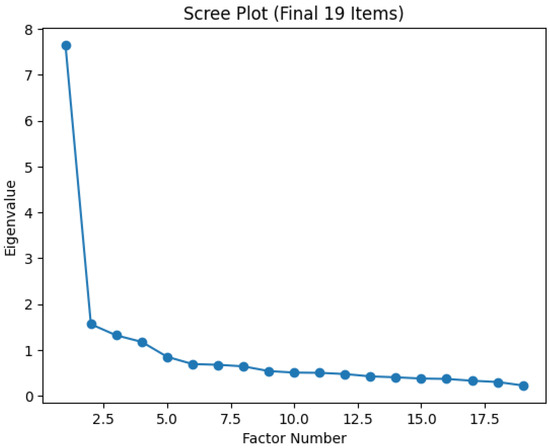
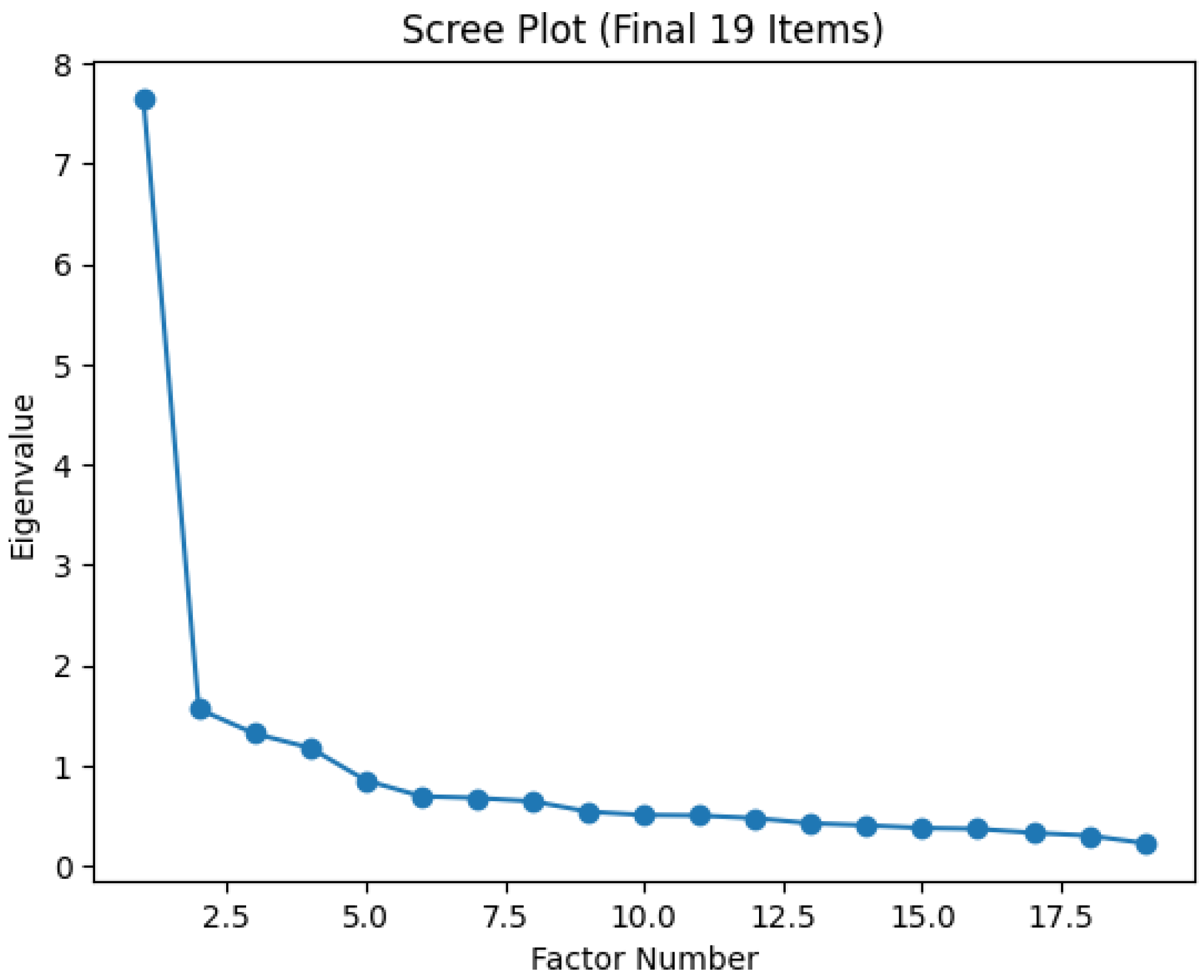
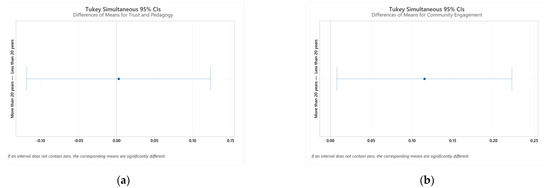
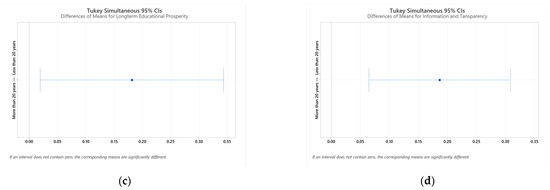
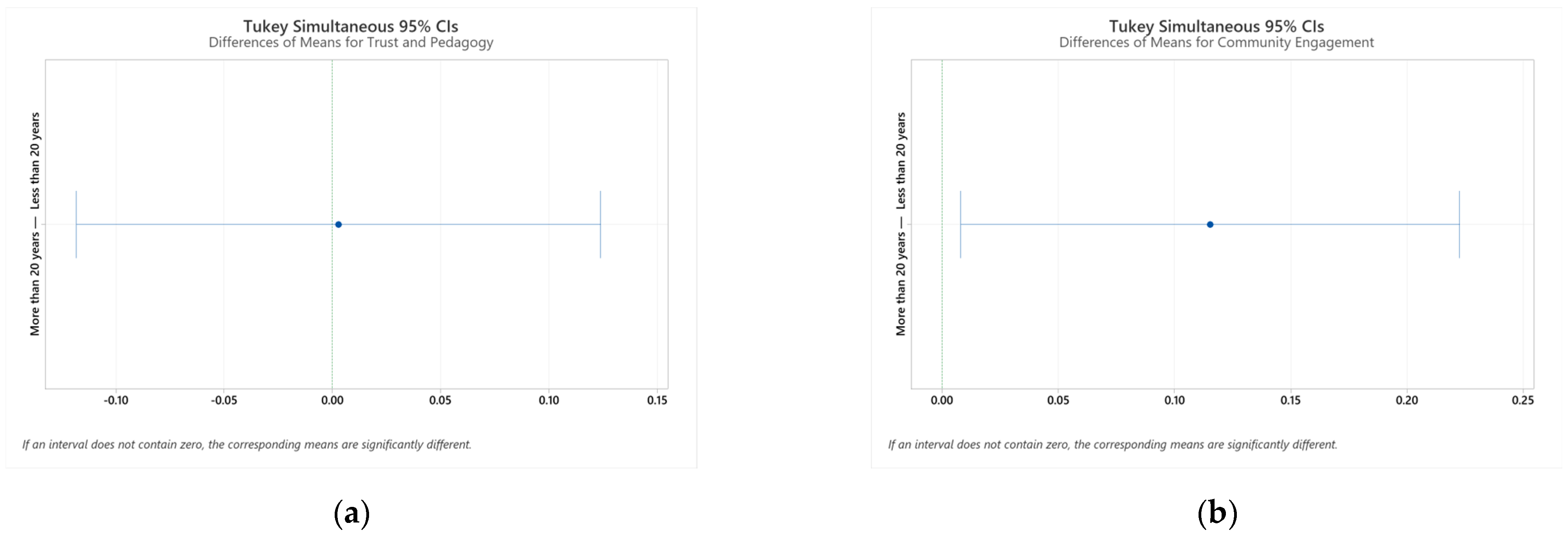
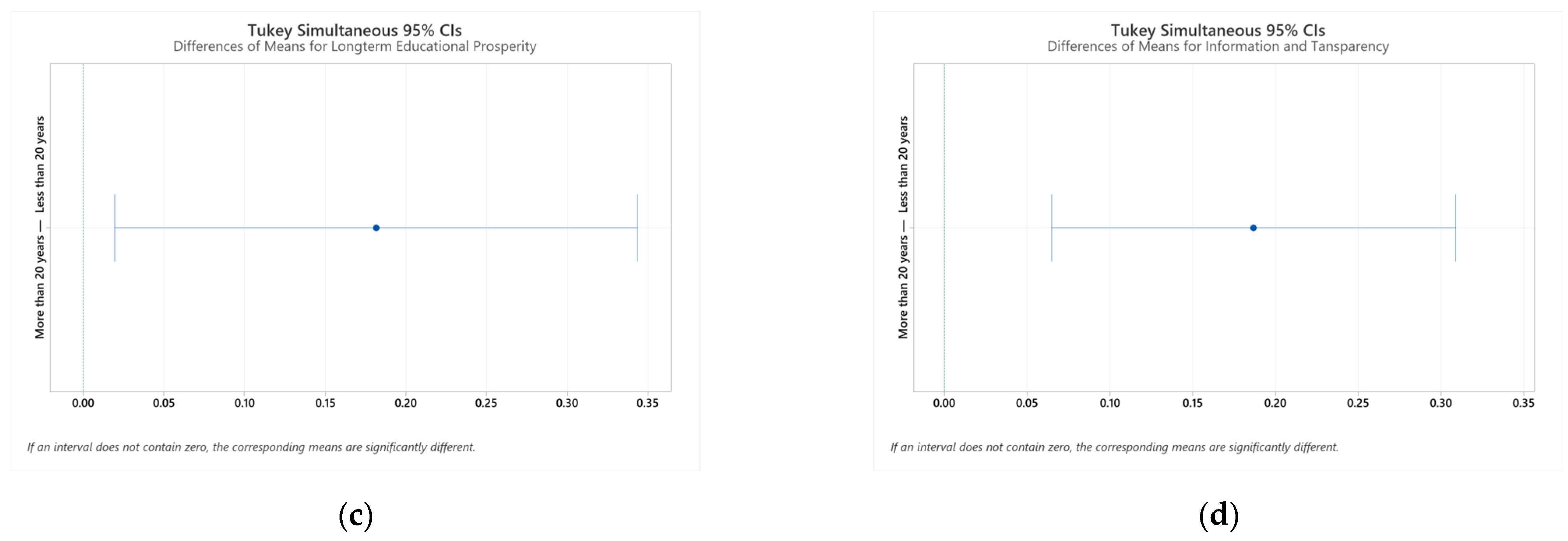
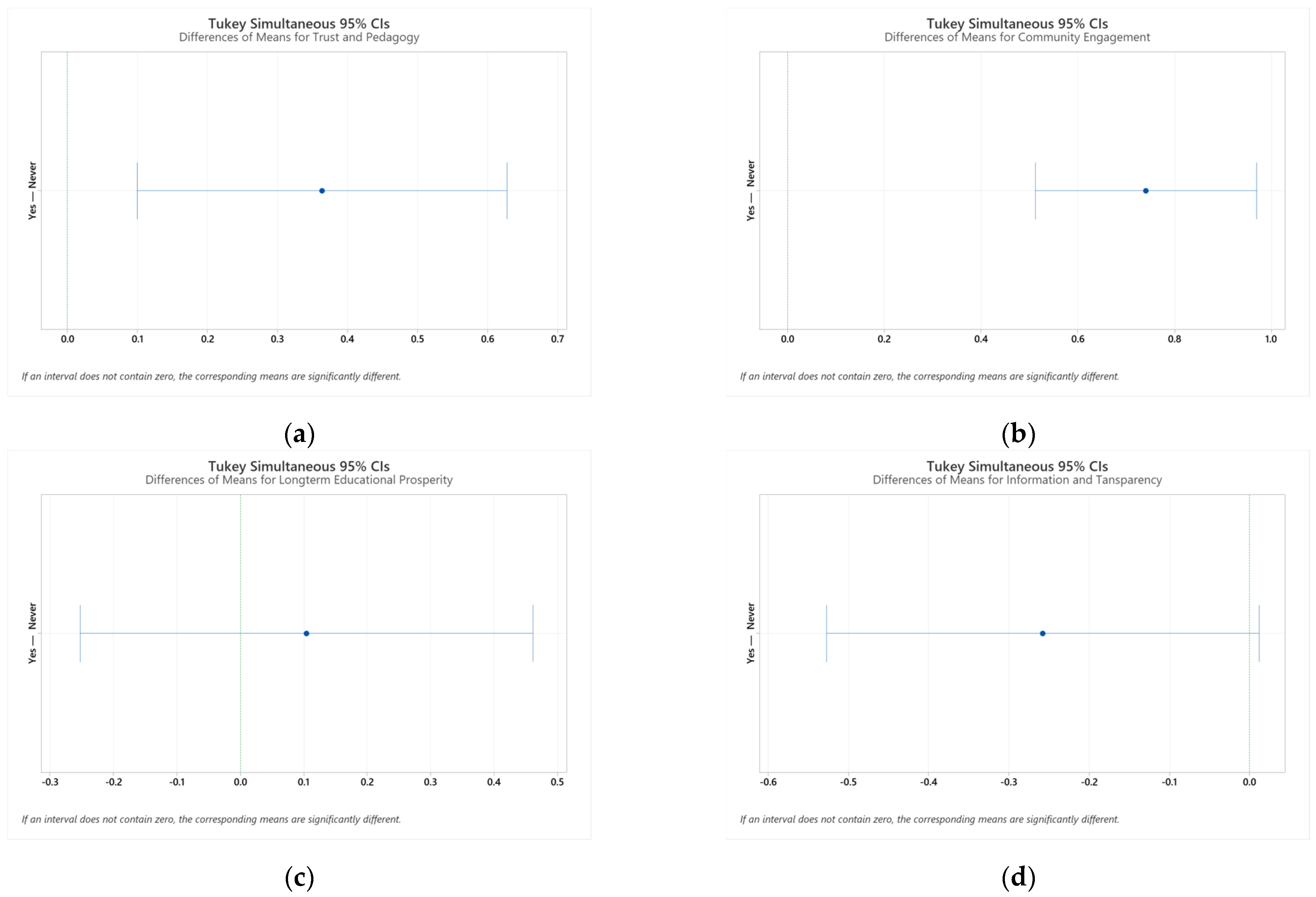
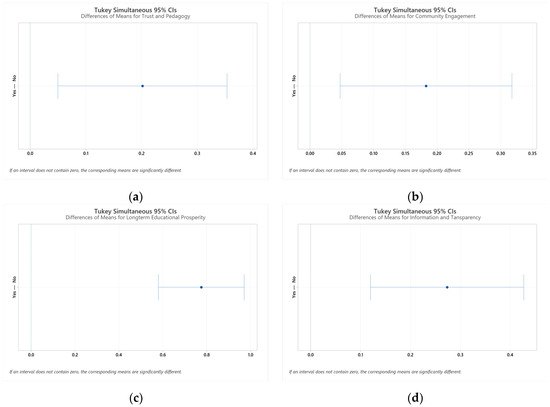

Disclaimer/Publisher’s Note: The statements, opinions and data contained in all publications are solely those of the individual author(s) and contributor(s) and not of MDPI and/or the editor(s). MDPI and/or the editor(s) disclaim responsibility for any injury to people or property resulting from any ideas, methods, instructions or products referred to in the content. |
© 2026 by the authors. Licensee MDPI, Basel, Switzerland. This article is an open access article distributed under the terms and conditions of the Creative Commons Attribution (CC BY) license.