


Abstract
Many physics educators seek to improve their courses but feel constrained by traditional post-secondary structures and norms. Instructors often perceive a false tension between fostering inclusive learning environments and maintaining the rigor central to the discipline. The Effective Practices for Physics Programs (EP3) Guide synthesizes decades of research-based recommendations for improving physics education. However, it offers limited guidance on how to integrate these diverse recommendations into a coherent, course-level approach—a responsibility that falls to individual instructors, whose graduate training prepared them primarily as researchers rather than as educators. This paper begins by motivating and introducing the Practicing Professionalism Framework (PPF), a course design framework developed in alignment with EP3 recommendations that encourages development of professional skills in a way that connects students’ interests and values to the broader physics community. We present the PPF in sufficient detail to enable motivated faculty to adopt and adapt it as a research-informed tool for aligning their course design with both their professional values and instructional goals. Next we present the PPF implemented in two very different instructional contexts, demonstrating how the PPF can offer a structured pathway for making courses more inclusive while preserving disciplinary rigor. We conclude with observations across the two case studies.
1. Introduction
Teaching goals in most post-secondary physics courses emphasize building students’ content knowledge and technical skills, with the assumption that this will naturally lead to an understanding of what it means to do physics. However, practicing physics as a professional involves more than mastering theories and equations across topics like mechanics, electromagnetism, thermodynamics, optics, and quantum mechanics. While technical proficiency gained through theoretical, experimental, and computational work is essential, these skills alone are not sufficient for students to thrive in their future careers—whether within physics or other disciplines that rely on it.
To this point, in a report by the Joint Task Force on Undergraduate Physics Programs, the authors recommend communication skills and professional and workplace skills on equal footing with physics content knowledge and scientific and technical skills (Heron et al., 2016). The report specifically defines these skills as follows:
“Learning goals for communication skills include the ability to communicate orally and in writing with audiences that have a wide range of backgrounds and needs.
Unfortunately, these learning goals and skills are not commonly emphasized in undergraduate physics programs.Workplace skills include the abilities to work in diverse teams; obtain knowledge about relevant technology resources; demonstrate familiarity with workplace concepts such as project management, budgeting, quality assessment, and regulatory issues; demonstrate effective management of difficult situations (including classrooms); and demonstrate awareness of career opportunities for physics degree holders and effective practices for job seeking.”
The four suggested mechanisms for a program to facilitate its majors acquiring these skills are: collaborative efforts with other disciplines and employers, modification of degree requirements, updated course design, and incorporation of co-curricular activities. This paper describes an instructional framework—and presents two different course designs that derive from it—that facilitate meeting communication and workplace goals through the mechanism updated course design. The framework goes farther by adding an affective dimension that recognizes professionals bring the whole of who they are to the work that they do, rather than being intellectual beings who set aside their values and interests to do technical work.
The Practicing Professionalism Framework (PPF) is an overlay to traditional physics courses that acknowledges that there is more to being a physicist than possessing content knowledge and technical skills. Rooted in the idea that teaching physics should help students develop the habits of mind of physicists and gain a more authentic understanding of the physics community, this framework aims to broaden students’ perspectives on what physicists do and what they value. Unlike traditional physics courses that focus on students’ acquisition of technical knowledge and skills, the goal of the PPF is to help students see themselves as potential members of the physics community. Ideally, students will discover their own authentic reasons for pursuing a career in physics. However, even those who do not, such as pre-med students or others who never intended to major in physics, will leave their physics courses with a more positive and realistic understanding of physicists, the physics community, and physicists contributions to the world. As a result, these students are less likely to perpetuate negative stereotypes about physics and physicists.
The PPF complements backwards design (Wiggins & McTighe, 2005), active learning, and other approaches instructors use to structure how they develop and present course content since it does not tell the instructor how to teach their course material. Rather it asks instructors to think differently about what belongs in a physics course and how they frame the work that students are doing in the course.
2. Background
Baylor (first author) developed the Practicing Professionalization Framework (PPF) based on her observations as both a K-12 educator and college professor (Baylor, 2021). Her discussions with students revealed four core issues that prompted this work:
- Student attrition: Academically strong students leave the field because they do not fit the stereotypical “physicist” mold.
- Student lack of belonging: Students with diverse and broad interests outside of fundamental physics and/or whose identities are marginalized in physics struggle to find a resonant community.
- Extrinsic motivation fixation: How students are developed as professional scientists in a curricular context is poorly acknowledged and is a weak intrinsic motivation for many students, leading to fixation on grades rather than a growth mindset and skill building (Knesek, 2022).
- Instructional need for inclusive practices: There is a dearth of methods to infuse inclusive teaching into physics majors courses.
This section provides background on these issues that led to the development of the PPF.
2.1. Inaccurate Perception of Physics as a Professional Practice
The current approach to teaching physics leaves students with a naive view of what a physicist is, what a physicist does, and how the study and practice of physics relates to what they care about. Additionally, the ways in which physicists contribute to society are frequently overlooked in the physics curriculum. One way to interrogate these gaps in students’ understanding of physicists and the physics community is through the use of reflection essays.
A reflection essay assignment assigned as part of a course for prospective physics majors at Carleton College provides insight into students’ understanding of what it means to be a physicist.1 The lead author read and analyzed the student responses to the Week 1 (first essay) prompt that asked potential physics majors to consider “what is a physicist and what does it take to become a physicist”. Student responses to this prompt showed several striking themes leading to the visualization provided in Figure 1.
Figure 1.
Visual representation of students’ naive view of what it means to be a physicist and do physics. Physicists are individuals who work alone (i.e., Lone Genius) who are isolated from communities. Students identify physicists as having massive quantities of knowledge (confidence in this aspect indicated by the check mark), skills that the students are unable to articulate (uncertainty in this aspect indicated by the question mark), and a singular passion for solving physics problems (red ‘x’ over the ‘s’ in Passions). The relative sizes of these sections represents the relative frequency that students commented on each of these three characteristics of physicists. The icons in the central circle represent what students articulated as hallmarks of knowing that someone is a physicist. The brain represents brilliance, the graduation cap represents a Ph.D., the light bulb represents plentiful impactful ideas, and the medal represents prestigious awards.
In the first reflection essay, most students articulated that physicists are brilliant (brain) and work alone, i.e., a lone genius. They felt this was demonstrated by earning a Ph.D. (graduation cap), generating a large quantity of impactful ideas (light bulb), and winning prestigious awards (medal) such as the Nobel Prize. Though they expressed certainty in the massive amount of physics knowledge these lone geniuses have (check mark) and their singular passion for solving physics problems (red ‘x’ over the ‘s’ in Passions), the students are less certain about the actual skills that physicists possess beyond that (question mark).
This student view of physicists is significantly informed by those held up in society and textbooks as the individuals who shaped the field (e.g., Albert Einstein, James Clerk Maxwell, Max Planck, Richard Feynman, Werner Heisenberg, and others). Focus on the end results of these individuals’ accomplishments without any context to the circumstances around which they did their work feeds the idea that physics is predominately the purview of white males of European descent who appear to work alone (Hong & Lin-Siegler, 2012). A consequence of this narrow view of physicists is that many students studying physics do not see themselves or their interests represented in the physics community (Horna & Richards, 2018).
Worse, students may believe that even if they persist in studying physics, they are unlikely to succeed—since they will likely never achieve major recognition in the field, such as winning a major award. As a result, students can be left without a clear sense of motivation to pursue physics, or—if they persist—they may do so while continually grappling with imposter feelings and a perceived need to constantly prove their worth (Clance & Imes, 1978). Feelings of exclusion have been shown to contribute to increased anxiety, which can significantly hinder students’ academic performance (Sakulku, 2011; Steele, 2010).
In a physics class, such experiences may also foster a competitive classroom climate in which students feel compelled to demonstrate intellectual superiority (Parson & Ozaki, 2017). This dynamic can result in exclusionary interaction patterns, including frequent interruptions, the use of dismissive language (e.g., “obviously” or “stupid”), and the monopolization of classroom discussions—behaviors that collectively undermine a supportive and inclusive learning environment (Sundstrom & Cardetti, 2021). Therefore, a narrow and exclusive view of what it means to do physics has tangible consequences for student mental health, impedes instructors’ ability to create welcoming classroom spaces, and limits students’ capacity to envision themselves as future physicists (Santana & Singh, 2021).
2.2. Accurate Understanding of Professional Practice
As professional physicists, our understanding of what it means to be a physicist and do physics is very different from the students’ conception (see Figure 2). It is rare that a physicist does their work in isolation. Rather, physicists are part of one or more professional communities. Each physicist has a canonical base set of knowledge and skills that they bring to the problems that they choose solve. Importantly, each physicist brings individual passions—topics that they care deeply about—that impact the work they choose to do and the aspects of the professional community in which they choose to invest their time. This idea of connecting individuals with professional communities of common interests is one reason that professional societies such as the American Physical Society (APS) offer a variety of communities centered around career stage (e.g., student and early career), technical subfields, and professional interests (e.g., education, outreach, history, etc.) (APS Initiatives, 2026). Since students’ understanding of what it means to do physics has a significant impact on whether they can see themselves pursuing a physics career, providing students with a more realistic understanding of physicists and their interaction with the physics community is important to their ability to see themselves as physicists and to the formation of their physics identity.
Figure 2.
Visual representation of a more accurate view of what it means to be a physicist and do physics. Professional physicists are embedded in one or more professional communities where they contribute their knowledge, skills, and passions to support the goals and values of those communities. The divisions between these three aspects of professional physicists are not rigid, indicated by the shading between knowledge, skills, and passions.
2.3. Blending an Inclusive Classroom with Rigorous Teaching
Research indicates that it is possible to be more inclusive without reducing academic rigor (Culver et al., 2019). Often, rigor is misunderstood as simply demanding more work or having students reproduce the historical results of “great physics thinkers”. This approach reinforces a limited, and potentially inaccurate, view of both the physicists who generate knowledge and the broader physics community (Hong & Lin-Siegler, 2012). Instead, rigor should be defined by student’s depth of understanding and development of essential skills. The primary goal of a physics curriculum should be for all students to cultivate and demonstrate the skills, habits of mind, and competencies necessary to succeed as professional physicists in the world. Our definition of inclusive teaching is precisely this: creating a classroom environment that enables every student to achieve this high standard of professional competence.
2.4. Recommendations from the EP3 Guide
Physics Education Research emerged within the physics community to understand students’ experiences in the classroom and support understanding the best approaches to train the next generation of physicists. Unfortunately, because many physics instructors are not trained to be effective educators, they are not aware of this research. The Effective Practices for Physics (EP3) Guide (APS & AAPT, 2025) was developed by physicists for physicists to support physics programs implementing best practices, informed by Physics Education Research, in every aspect of what they do. The PPF draws from four main categories of the EP3 Guide that provide guidance on how to design a physics course to be both rigorous and inclusive. In particular, the guide encourages moving away from standard practices that tend to be instructor-centered, in favor of student-centered classroom experiences. The EP3 categories that heavily inform the PPF are: Course Design, Skills, Student Success, and Student Opportunity. We reproduce a selection of specific sub-categories of these main categories along with their descriptions in Table 1.
Table 1.
Selected Recommendations from the Effective Practices for Physics Programs (EP3) Guide (APS & AAPT, 2025). The EP3 Guide is collection of best practices, by physicists for physicists, divided into four major sections related to guidance supporting Students, Curriculum and Pedagogy, Programs, and Departments. The recommendations provided in this table are selected from the sections on Students and Curriculum and Pedagogy.
While the recommendations from the EP3 are well-validated and important, the process of weaving together the recommendations into a coherent course structure is not obvious. In the PPF, we provide one example of how these important guidelines can be used to effectively develop a course that meets course objectives associated with creating an inclusive learning environment, as well as providing all students with a rigorous and rewarding experience learning physics content.
3. The Practicing Professionalism Framework
The Practicing Professionalism Framework (PPF) takes the more accurate view of a professional physicist shown in Figure 2 and turns it in an overlay that instructors can use to frame the content and work that they choose to do in their courses. This framework, shown in Figure 3, asks students to engage with three main aspects of being a physicist: ‘what physicists know’ (i.e., knowledge), ‘what physicists do’ (i.e., skills), and ‘what physicists care about’ (i.e., passions). In contrast to traditional ‘weed-out’ culture (Gasiewski et al., 2012; Mervis, 2011)—where students feel like outsiders who must earn their way into a community—the PPF treats students as immediate members of the physics community. This shift in positionality redefines the instructor’s role: they are no longer a gatekeeper, but a guide and coach helping students navigate the professional landscape they already inhabit.
Figure 3.
A visual representation of the Practicing Professionalism Framework (PPF). In the PPF, students in a physics classroom are centered within the physics community where their instructor serves as a denizen or guide, helping them understand what a physicist knows, does, and cares about. The hope is that students’ perceptions of physics and the physics community will change so that they can more clearly understand what it might look like for them to choose to engage with the broader physics community as part of their identity.
Because students often interpret classroom activities through their perceptions of the physics community, the way they engage with work in a physics classroom can gradually influence how they view physicists and the physics community. This shift has the potential to positively impact students’ developing physics identities and deepen their understanding of what it means to be part of the physics community.
3.1. What Physicists Know: Knowledge
The ’what physicists know’ component of the framework refers to the traditional content knowledge that we teach in our physics courses. Within a particular course, students focus on concepts and theories in particular sub-fields of knowledge that are taught with level-appropriate math. As students take more courses, from introductory, intermediate, to advanced levels, students learn more subtleties to develop a fuller understanding of the theories and their implications to solving increasingly difficult problems.
Additionally, students might be introduced to the “spherical cow” approach—using simplified models to gain insight into complex problems—which is a hallmark of how physicists tackle big questions facing society and the field. This broad-brush reasoning can be applied to topics like global warming, grand unified theories, or limits of information storage density, helping students see how fundamental physics ideas can inform real-world challenges. Discussions of real-world applications of course content in this way fits naturally within this PPF category and these discussions help connect abstract concepts to practical or societal contexts. A deeper exploration into any of these topics would be consistent with the ’passions’ portion of the framework that will be described in Section 3.3.
3.2. What Physicists Do: Skills
The ‘what physicists do’ component includes the technicalskills that we expect students in the course to develop. The type and complexity of the skills will vary depending on the level of the course and whether the students are majors or non-majors. Traditionally, these fall into three main categories: theoretical problem-solving skills (e.g., math methods), computational skills, and experimental skills. The latter two categories are typically taught in laboratory settings with computers and/or equipment.
3.3. What Physicists Care About: Passions
The ‘what physicists care about’, or passions, component includes two aspects of the work of professional physicists that are not technical and therefore not generally included in physics classes. The first passion aspect consists of professional skills and habits of mind that are important to the work of physicists but are also transferrable outside of physics. Examples of these transferrable skills include presentation skills (e.g., poster presentations, oral presentations, and written reports), project management, and working in teams. Unfortunately, students typically receive limited instruction on how to perform these skills well and are not prepared to effectively implement these skills in a professional context (Heron et al., 2016). Thoughtful selection, instruction, and scaffolding related to transferrable skills are an important part of the PPF.2
Similar to professional skills, the habits of mind that are emphasized in the physics community move beyond the specific skills being taught to the broader principles that physicists use when they engage in their work. For example, which particular computer language a student learns as part of a computational physics course (e.g., a technical skill) can be less important than thinking like a computational physicist and understanding what that means. Being explicit and investing time to teaching those broader habits of mind are often omitted from physics courses, contributing to students’ lack of understanding of those transferable habits of mind.
The second passions aspect, one of the most transformative and inclusive aspects of the PPF, comes from instructors infusing something they personally care about into a traditional physics course and inviting students to engage deeply and intentionally with that passion. This second passions aspect connects more deeply to the affective aspects of the work that individual physicist choose to do within the broader physics community. By exploring multiple instructor passions over multiple courses, students may identify a particular community that they did not know existed that cares about the same things that they do. Even if none of their courses specifically engage with a topic of interest with them, students are exposed to a broader swath of the physics community than what they may have originally imagined existed.
4. Implementation
In addition to illuminating what physicists know, do, and care about within the physics classroom, there are aspects of the implementation of the PPF that can make it an even more powerful tool for transforming physics education. These aspects will be discussed in turn.
4.1. Transparency in Course Design
Most instructors go into a course knowing what knowledge and skills they are going to teach, how they are going to teach that content, why they are going to teach that content the way they are going to teach it, and how they are going to evaluate whether the students have acquired the intended knowledge and skills. However, this information is not typically made clear for students. When this information is made transparent to students it leads to a more equitable learning environment (Winkelmes et al., 2019).
An overview slide that uses PPF categories to orient students to the specific content knowledge, skills, and passions that will be the focus of the work in the course allows students to get a big picture view of the content and course structure. In this way, students can observe and name what they will be doing in the course and see how that content will be introduced, practiced, and/or evaluated through the course structure. Figure 4 shows a sample course overview slide used at Carleton College for an intermediate-level electricity and magnetism course. The leftmost column that is not included on the actual slide indicates what information is provided for each of the three components of the PPF. The bottom row tells students in what parts of the course students will engage the specific focal work of the course. This is a straightforward first step in implementing PPF and improving course transparency.
Figure 4.
Sample slide shown to students on the first class day for an intermediate level, electricity and magnetism course at Carleton College. The goal of the first day slide is to make transparent for students the course structure and how the work in the course relates to the work of being a physicist. The leftmost column, though not provided on the actual slide presented to the students, indicates what each section of the slide is doing to clarify the course structure for students. The Course Title and PPF Aspect frame and organize the course content for students. The Course Focus connects the course content to each aspect of the PPF. Relevant Course Elements tells students where in the course they will work on developing each aspect of being a physicist. The asterisk on Advance The Field draws attention to the fact this item is a professional skill that could be included under the passions or “What physicists care about?” column, but the instructor has chosen to place it under the skills or “What physicists do?” column, as explained in note 2. The underline added for emphasis to the headings, is not required but may be helpful for students.
Even more important than providing a big-picture overview of the course, assignment-level transparency is crucial for communicating to students what skills and knowledge will be used and developed in the assignment, the specific tasks that students will perform, and how students will be assessed to determine whether they have acquired the desired skills and knowledge. The transparency in learning and teaching (TILT) assignment template (Winkelmes, 2016) is an excellent tool for helping instructors think through their goals for the assignment and design appropriate scaffolding for each skill. The instructor can then provide a curated version of this information to the students to make transparent the professional skill they are developing, the rational for the skill in a professional context, the associated learning objectives for the course, and specific information on how students will be evaluated to determine how well the student has developed the skill.
4.2. Promoting a Professional-like Approach and Growth Mindset
Ideally, when educators design assignments, they are not creating arbitrary tasks meant solely for the purpose of having something to grade. Instead, these assignments are thoughtfully crafted to help students develop skills and ways of thinking that will support them in their future careers. Whether the students pursue physics as a career or not, the habits of mind employed by physicists are an important tool that students can leverage as part of their “life toolbox”. Because there is no reason for students to know what they will encounter outside of the academic setting, it is not reasonable for students to connect the instructor-given task to real-world work. Additionally, the student does not have a reason to know how to do the instructor-given task in a way that practices the intended skill in a professional way.
As a result, students tend to approach their work from an efficiency mindset that focuses on how to get the work done as quickly as possible, rather than on a professionalism mindset that recognizes the need to practice skills they will need beyond their classes. For example, the instructor may want the student to practice communicating the process by which they arrived at a solution, whereas the students find “showing their work” annoying and inefficient in getting to the answer. Another example is that the instructor wants the student to explain their experimental work, their analysis and conclusions to a physics colleague who has not done the experiment. However the student wants to complete the lab as quickly as possible, determine the answer that the instructor wants, and then write the document assuming the instructor knows what they did. Although in both cases the student completed the task, the quality of the work does not demonstrate a professional-like approach to the work. Identifying ways to shift students from an efficiency mindset to a professional mindset is an important component to the PPF. In the remainder of this section, we discuss three complementary ways that an instructor can choose to shift students’ mindset for approaching their work.
4.2.1. Approach 1: Thoughtful Assignment Names
First, instructors can choose assignment names to be more aligned with the type of task that a professional might do and name the assignment accordingly. For example, the instructor could ask students to write a ‘journal article’ rather than a ‘lab report’. Also the instructor could differentiate between exercises and problems, only asking students to provide full solutions to problems.3
4.2.2. Approach 2: Authentic Assignment Motivations
A second approach to shift students from an efficiency mindset to a professional mindset is for the instructor to provide an authentic motivation, grounded in professional practice, for the assigned task. For example, in a class that emphasizes group work and collaborations, asking students to engage with previously collected alumni responses to a web form about whether, why, and how they collaborate “in real life” could help students appreciate that learning to work through the challenges inherent when working with others is valuable and relevant beyond the classroom. The advantage to using extra-course professional resources rather than the instructor stating their reasoning to motivate student tasks is that these resources contextualize the work beyond what students might see as instructor whims and idiosyncrasies. Additionally aligning the way that students approach the task in class as close as possible to approaches described in the external resource, given the curricular environment and instructor constraints, allows students to see how what they do in class is allowing them to practice these relevant skills. Seeing the task and/or skill through the lens of the physics community, department alums, or other professionals who are connected to the professional path that students are pursuing is an important way to help students understand how the task mirrors what they need to be successful in their intended future career.
4.2.3. Approach 3: Grading Approach
The final approach that we will discuss to shift the student mindset is by the choice of grading scale or scales used in the course. Though grading is ubiquitous in academia, the meaning of those grades is highly variable, do not provide the type of feedback that leads to intrinsic motivation or a growth mindset, and are arbitrarily precise. Providing feedback and encouraging increased maturity in how students use their knowledge and/or approach a skill is the hallmark of a good grading system. A good grading system allows students to practice (and fail) without penalty until they are ready to demonstrate their level of mastery, encourages students to engage critical thinking skills, and provides details regarding concrete areas of growth toward a clearly stated goal (Feldman, 2019).
There are many different approaches to grading, such as Specifications Grading, Grading for Equity, Grading for Growth, and Ungrading (Blum, 2020; Clark & Talbert, 2023; Feldman, 2019; Nilson, 2014). Using one or more of these grading systems can provide the right balance between giving students the information they need to improve and managing the amount of time the instructor spends grading. For example, an instructor might use Specifications Grading for a quiz of “numbers every physicist should know” that students can take as many times as they like until they score a minimum of 90% of mastery. On the other hand, the instructor might use a 4.0–0.0 scale (i.e., Professional, Proficient, Adequate, Unacceptable but present, Not present) to rate students on components of a detailed project rubric. In the first example, students show mastery by completing a task that could be graded by a computer or a teaching assistant and they can continue to work at it to reach a minimum level of competence. In the latter example, the student does not receive unlimited attempts, but the instructor provides feedback on how well they have demonstrated mastery of the task as compared to a professional (i.e., the standard for mastery). This contrasts with giving the student an ‘A’ or ‘C’ where the standard for the grade is unclear and may seem arbitrary based on the whim of the instructor. As part of the PPF’s emphasis on transparency, how the instructor intends to evaluate student progress and what a particular grade means should be clearly communicated to students for each assignment and for the course as a whole.
4.3. Creating Structures to Avoid Bias and Develop Skills
When instructors design assignments and tasks for students, the goal is for every student to develop, and ideally master, the skill that is the focus of the assignment or task. However when students work in groups, their efficiency mindset is reinforced, many times thwarting the intended purpose of the task that the group is supposed to perform. For example, when students are supposed to practice problem-solving skills in a group by working a problem together and leveraging each student’s strengths to arrive at a solution, each group is more likely to assign the person they deem to be the “smartest” to do the problem and the person they deem to have the “best handwriting” to write the solution for the team (Meadows et al., 2015; Wolfe et al., 2016). Clearly this was not the goal of the task. Additionally, the group may organically assume a (confident) male is the smartest and that the female student should write the solution based on stereotypes related to ‘who is good at physics’ and ‘who has clear handwriting’. Sometimes students self-assign these roles. Thus, if the instructor is to achieve their desired outcome of each student participating in the problem-solving activity, learning from the other students, and building their capacity for problem-solving, they must not only teach/demonstrate the skills, but also develop an implementation structure that limits students’ ability to use an efficiency mindset, particularly in group work contexts.
4.4. Exploring at Least One Thing Physicists Care About
4.4.1. Appropriately Choosing the Passion Scope
The PPF argues for space within traditional physics content courses for instructors to bring professional skills and their personal passions into the classroom. Ideally, the instructor chooses one personal passion to bring into a particular class in addition to any number of transferrable skills. In large courses or courses that must be standardized across sections, the instructor may choose to focus solely on professional skills and habits of mind and not include any personal passions as part of the formal curriculum. In this case, explicitly developing one or two specific professional skills and/or habits of mind is a straightforward on-ramp to implementing the passions component of the PPF.4
In courses where instructors have smaller enrollments and some control over course content, there is a greater ability to engage with the an instructor’s personal passions.5 Instructors likely have multiple personal interests, so selecting one to bring into a particular course is the recommended strategy, leaving a different interest for another course. This provides opportunities for deeper scaffolding and connection with that one topic rather than surface-level engagement and/or no scaffolding. For example, in one class the instructor could focus on ‘the importance of open access journals to scientific advancement’, while in another class the instructor can focus on how physics is used in government policy or topics related to inclusion and justice in physics.
4.4.2. Deeply Engaging with Passions
As a significant component of the PPF, exploration of passions—both professional skills and instructor passions—should be substantial and not a one-off activity. Ideally, the topic is touched on and developed periodically and intentionally throughout the duration of the course and integrated into the other work students are doing in the course. For example, the instructor could replace one homework problem with a question related to the ‘passions’ topic every few weeks or periodically include a ‘passions’ question in daily pre-class questions then follow up with a 10 min in-class discussion. Professional skills should be scaffolded across the course rather than assigned without specific guidance on how to perform the skill well. Group work is one example of a skill that should be carefully scaffolded rather than assumed.
4.4.3. Authentically Motivating Passions
Because students do not expect passions to be included in the course, motivating the passions aspect of the course is very important to promoting buy-in from the students. The activities related to passions should be motivated by sources outside the instructor such as news articles, excerpts of books/journal articles, data from the American Institute of Physics (AIP, 2025), etc. This approach to motivating the work in the course is similar to that of Section 4.2; however, the goal is different. In Section 4.2 the goal is to both motivate the task and, where possible, give some indication of how the particular task is accomplished outside of an academic setting. In the case of motivating passions, the goal is to show that the particular passion focus of the course is something that physicists engage with, but allows the instructor to explore the topic however they wish. The more closely connected the source is to the physics community the better. However, this is not a strict requirement if the instructor identifies relevant resources outside of physics. If the goal of a physics course is to prepare students with the skills and habits of mind necessary to practice physics in a professional environment, using relevant, disciplinary sources to motivate passions limits students’ ability to dismiss the passions content as solely of interest to the instructor and irrelevant to the content of the course.6
4.4.4. Signaling Importance of Passions via Course Grade
In order to signal the value of the passions portion some aspect of the exploration should be graded. Examples might be a series of short reflection essays graded for completion or a term-long outreach project graded based on a rubric. Though ideally engaging with the passions activity should not need to be graded, students typically only value activities that contribute to their course grade—even if it is only symbolic at 5%.
4.4.5. Making Space for PPF Passions
The instructor might be concerned that in order to include substantive engagement with the ‘what physicists care about’ component of the PPF they will need to reduce content to make space for this deep exploration and/or development. This is a valid concern and is indeed the case—the instructor will most likely need to reduce content to include substantive engagement in passions. However, the instructor is trading a small amount of content, which students could teach themselves if they happened to need it in a future career, for a high impact practice that could improve student internalization of content and student sense of belonging that leads to higher retention in the physics major.
Additionally, it is not possible to teach students everything that they could possibly need to learn to prepare them for even the most common paths that students might pursue upon completion of their baccalaureate degree. Many faculty lament that students fail to retain much of what we teach them from one class to the next. As the sphere of human knowledge increases, so too does the amount of information that students need to learn if the role of education is to teach students everything they could possibly need to learn. Increasing the quantity of what students need to learn does not improve the retention problem. Thus, the goal of education cannot be to teach students everything they might need to learn, but rather to teach students how to learn and to teach students the transferable skills that will serve them well as knowledge increases and technology changes.
Creating space for what is important is something that all instructors and programs must consider. In reality, most instructors and/or physics programs choose the parts of the physics cannon (knowledge and skills) that they feel are most essential. Providing students with a glimpse of the different ways that professionals connect to the larger physics community and the world by sharing our own passions creates opportunities for students to recognize and connect their own passions to sub-communities that share similar interests and values. This allows a broader range of students to build their own sense of belonging and inclusion, which can lead to a broader range of students choosing to remain in physics. In this way, we can organically create a more diverse pool of students choosing to stay in the field of physics. Given that many physics programs are looking for ways to maintain or even increase the number of majors, making space for instructor passions is a reasonable compromise when considering what content to teach.
In the cases where accreditation requirements set strong constraints on course content coverage and skills, instructors still have the ability to consider how they frame their course content and how they approach the development of the specified skills. Accreditation requirements are set to support students having the content knowledge and skills that they need to contribute meaningfully in a professional setting. For example, in explaining why ABET accreditation matters, the ABET website states:
This statement aligns perfectly with the PPF. Including a passions project that focuses on “anticipating the welfare and safety needs of the public,” is well within the scope of the PPF. Therefore, the PPF provides an additional pathway for implementing accreditation requirements in a way that makes transparent for students the standards they are meeting and why they are essential using a course overlay that does not need to significantly impact the pedagogy that the instructor chooses to employ to meet the accreditation requirements.“ABET accreditation assures confidence that a collegiate program has met standards essential to prepare graduates to enter critical STEM fields in the global workforce. Graduates from an ABET-accredited program have a solid educational foundation and are capable of leading the way in innovation, emerging technologies, and in anticipating the welfare and safety needs of the public.”(ABET, 2025)
5. Case Studies
To provide readers a sense of how the PPF has been implemented, we provide two case studies at institutions with very different contexts: Carleton College and the University of Washington. Small liberal arts colleges are known for smaller classes, typically less than 40 students, and significant instructor freedom in determining what and how course content is taught. This freedom allows for a more expansive implementation of the PPF compared to larger institutions that have more instructor constraints given their much larger class sizes. Therefore, we choose these two cases to highlight the range of possibilities in implementing the PPF given these two very different institutional contexts.
5.1. Case 1: Carleton College
5.1.1. Context
Carleton College is a small, private liberal arts college located in rural Northfield, Minnesota with a student body of roughly 2000 students. Approximately 34% of students identify as Black, Indigenous, or people of color (U.S. citizens only), while 12% of students are international and 12% identify as first-generation college students. Roughly 10% of students are eligible for Pell Grant funding.
The Physics and Astronomy Department has eight full-time faculty positions and graduates an average of 23 physics majors per year over the past 5 years. The largest minority group are female-identifying students that make up 30% of the majors on average and international students average around 4% of majors per year. Carleton is on a trimester system.7
Baylor has implemented the PPF in a selection of required and elective courses with enrollments ranging from 48 students (introductory courses) to 20 students (upper-level electives). This case study will focus on the implementation of the PPF in an intermediate-level modern physics course called Atomic and Nuclear Physics. This course typically enrolls 30–40 students and uses the textbook “Quantum Physics: A Fundamental Approach to Modern Physics” by Townsend (Townsend, 2009). Because of the trimester system, the class meets for 200 min of lectures and one 4 h lab section each week.
Atomic and Nuclear Physics represents a significant course in the major in that it is typically the first course that students take that is designed for majors since Carleton does not separate majors from non-majors in their introductory physics courses. Typically taken by second-year students, this course is taught in the fall before students are allowed to declare a major during their sixth trimester. Students who complete this course and choose to enroll in the subsequent winter term course are very likely to declare a physics major in the spring term. Thus the experience of students in this course is essential for maintaining a healthy number of physics majors.
5.1.2. Intervention Description
- Transparency in Course Design
To set up the PPF on the first day of class, the instructor introduces the course as an opportunity to continue to develop as professional physicists by framing the class in terms of the specific knowledge, skills, and passions that will be explored in the course. The instructor shares a first day slide similar to Figure 4, but tailored to the Atomic and Nuclear Physics course to illuminate this information for the students.
Prior to the start of the course, the instructor uses backward design and the TILT template (Winkelmes, 2016) to design appropriate scaffolding for each skill and shares a curated version of this information to the students for each assignment. The instructor provides this information throughout the course as the students encounter different tasks so as to avoid overwhelming students on the first day of class.
- Promoting a Professional-Like Approach and Growth Mindset
To help students focus on and name the professional skill they are developing, the instructor is intentional about the names of assignments. For example, students write journal articles rather than lab reports. Additionally, in lab the instructor assigns students to rotating roles of Notebook Meister, Apparatus Meister, and Analysis Meister. The names of these roles align with the skill the students are practicing.
To promote a growth mindset, the instructor uses a professionalism grading scheme, developed by Baylor, for all work the instructor grades for the course (e.g., journal articles and exams). This grading scheme communicates to students the level at which their work demonstrates thoughtfulness with which a professional would engage with the task. Graded on a 4.0 scale, 2.0 (or C-level) work would be consistent with a student-like approach to the assignment—it meets the letter of the assignment but does not demonstrate nuanced engagement with the task. On the other hand, a 4.0 (A-level work) demonstrates nuanced engagement with the task presented with the care expected in a professional environment.8
For students, the instructor translates this 4.0–0.0 scale into both the level of professionalism and the associated gradebook percentage as ‘Professional’ (4.0 = 95%),9 ‘Proficient’ (3.0 = 85%), ‘Adequate’ (2.0 = 75%), ‘Unacceptable But Present’ (1.0 = 65%), and ‘Not Present’ (0.0 = 55%),10 respectively. Students typically start at the 1.0-level and work with the instructor to develop a plan for moving towards 4.0-level work. Only students’ best or latter attempts count towards the lab portion of their overall course grade to encourage improvement. Thus the instructor weights initial attempts at a given task at 0%, while students are learning and practicing a professional-like approach to their assignments, so that they can receive feedback on their work without without concern that it will affect their course grade.
- Creating Structures to Avoid Bias and Develop Skills
The instructor also uses the lab roles mentioned previously (i.e., Notebook Meister, Apparatus Meister, and Analysis Meister) to address bias and an efficiency-mindset during group work in lab. The goal of these roles is to focus students on developing specific skills related to maintaining a lab notebook, working with equipment to set-up an experiment, and analyzing the results, respectively. The instructor scaffolds activities on the first day of lab to explain the goal of each role, the skill it builds, and how students fill their role while working as a team to complete the lab activities. Notice the instructor chooses to include professional skills such as collaboration along side technical skills such as experimental skills, rather than in the passions portion for this course.
- Exploring at Least One Thing Physicists Care About
In addition to the technical work, each homework assignment includes a 300-word reflection essay that constitutes the ‘passions’ portion of the PPF. The reflection essays focus on topics related to ‘what is physics’, ‘who has access to physics’, and ‘how that access impacts diversity within the physics community’.11 The instructor grades the responses as pass or resubmit, based on completion and attentiveness the the prompt, but not correctness or grammar. The reflection essays count for 5% of the overall course grade and students must complete all essays to receive this component of their grade. To keep the length of time students are expected to spend on the homework the same, the instructor removes one traditional homework problem to make space for the reflection essay assignment. Students submit the reflections separately from the homework problems that are graded by departmental student graders. In this way, only the instructor views the responses, which can sometimes be personal in nature.12
To motivate the reflection essay (passions) assignment in this course, the instructor uses the APS News activity described in (Baylor et al., 2022). This activity allows the students to generate a list of what the physics community cares about. These topics include but are not limited to: history of the field, access to the field (inclusivity), access to knowledge (open access journals), public perception of physics, government funding, celebrating accomplishments, climate change (or other big problems facing society), etc. The instructor then explains which of these topics the reflection essay is going to explore.
5.1.3. Learning Outcomes
Upon successful completion of the course, students demonstrate competencies across three domains—knowledge, skills, and passions as provided in Table 2. Throughout the course, the instructor provides students with detailed prompts and rubrics modeled on the content in the TILT template (Winkelmes, 2016) so that expectations and assessment on these outcomes are clear and transparent for all students.
Table 2.
Learning objectives related to knowledge, skills, and passions for the Atomic and Nuclear Physics course at Carleton College. Outcomes with an * are considered professional skills and could be categorized as passions; however, the instructor decided to place these items under technical skills, which aligns with institutional priorities at a liberal arts college.
5.1.4. Evidence of Impact
The instructor observed multiple dimensions of impact when implementing the PPF in the Atomic and Nuclear Physics Course. The first dimension is how students respond to the lab roles intervention designed to avoid student bias when developing experimental skills. The positive impact of these roles is evident in student comments on an anonymous course evaluation where students were asked whether the lab roles should be kept or removed from the course:
- “I was always afraid to touch the equipment, but having the role of apparatus meister forced me to do it and I liked it.”
- “I liked that I was forced to do different things. Otherwise I would have just volunteered to do the easiest job.”
- “The lab roles gave me a way to assert myself if someone was trying to take over my role.”
Given that there were no negative comments, only neutral or comments similar to the quotes above, this emphasis on skill development seemed to have had a positive impact on students’ ability to develop skills that they might not have developed and their ability to advocate for themselves in developing those skills.
The instructor used the professionalism grading scheme to promote a professional-like approach to the course work and a growth mindset. On the anonymous course evaluations, the students indicated that they did not like the grading scheme at first; however, it pushed them to grow and they observed significant improvement in the quality of their writing. One student wrote:
This quote suggests that the increased rigor, due primarily to the professionalism grading scheme, had the impact of increasing this student’s desire to major in physics.“I wanted to thank you […] for a challenging but incredibly rewarding term. I was pushed further in your class than I have been in any other and though I initially felt as though I wouldn’t be able to make it through, I have grown so much […]. I am planning on declaring physics as my major-as challenging as this term was, I really enjoyed myself in lab and feel much more self-assured in my physics abilities now.”
Scientists and social scientists at the Science Education Resource Center (SERC, 2025) read and analyzed the Week 9 (final) reflections essays for the students who took Atomic and Nuclear Physics course taught during the fall terms of 2018 and 2019—67 essays in total. The lead evaluator reviewed student responses to the Week 9 prompt and evaluated it for evidence of the efficacy of the reflection essay intervention in (1) changing students’ understanding of physicists, (2) alignment with the Practicing Professionalism Framework, and (3) the change theory associated with the framework through qualitatively coding student responses. They utilized a hybrid deductive-inductive coding protocol to create and refine an a priori codebook (based on weeks 1–8 essays) and recorded emerging themes. A second evaluator with a physics background also reviewed the student responses and a priori codebook, providing clarity to code definitions and emerging themes that aligned with the first evaluators’ observations. Their analysis is reported in O’Connell et al. (2021).
This initial codebook and coded database provide preliminary evidence of the ways in which student responses encode change. Rather than quantifying the number of quotes that fit under each category, the primary goal of the coding was to develop a robust codebook and to characterize the ways in which students discussed the resulting a-priori and emerging themes. This preliminary coding creates a framework that could be used for future work. Presented here are the major themes observed and example quotes that highlight aspects of these themes (see Table 3).
Table 3.
Major themes from the SERC PPF final reflection essay codebook. Select sub-themes and quotes are provided of examplars of the themes observed (O’Connell et al., 2021). The codebook can be provided upon request to the lead author.
Baylor acknowledges the risk of social desirability bias in student reflections given that the reflection essay responses were graded and not anonymous. That said, summaries of post-course interviews with senior physics majors who participated in the intervention as second-year students, conducted by SERC without the instructor, provide anonymous feedback aligned with the content in the codebook. The findings from these interviews somewhat mitigate the concern of social desirability bias. The interview summaries are also provided in the SERC report (O’Connell et al., 2021).
In addition to developing the codebook, the SERC report identifies three main findings from reading the reflection essays. First, there is preliminary evidence that students’ perceptions change over the course of the term are aligned with the change theory (e.g., perceptions of physics, physicists, and belonging). In particular, students describe increased awareness of the subjectivity in physics, the importance of collaboration, the value of diversity, and the influence of culture and opportunities on who persists in physics. Second, collaboration was described as actionable change that students contribute to and can see pathways to improving. The sense that collaboration is an important skill to develop is connected to observing through engagement with alumni data that these skills will be crucial regardless of their career path post graduation. Finally, a small number of students describe feeling unsettled following the reflection essays, seeing the current landscape of physics as exclusive and difficult to change. Though this final observation is an unintended consequence of the reflection essay assignment, current implementations of the reflection essay assignments discuss specific actions that students can take to improve physics climate and culture that can improve students’ sense of efficacy in the broader physics community. Additional research is required to determine whether these changes have addressed this issue.
Overall, the PPF interventions demonstrate that students have a broader sense of who a physicist is and what a physicist can do. In addition to evidence of students developing skills that they might have otherwise avoided because of fear, bias, and/or a desire to finish lab early, students emphasize a recognition of the importance of communication as a professional skill. Though demonstrating a causal relationship would be challenging, the fact that the 5-year average of declared physics majors since the first implementation of the PPF in 2018 stayed constant and then steadily increased since 2021 shows that the PPF intervention has not negatively impacted Carleton College Physics and Astronomy Department’s ability to attract and graduate physics majors. Though the raw numbers are small and vary significantly, causing the percentages to vary significantly, the percentage of individuals whose identities are underrepresented in physics at Carleton has remained between 20% and 45%, with typical percentages closer to 40% since the PPF was implemented.
5.2. Case 2: University of Washington
5.2.1. Context
The University of Washington, Seattle, is a large, urban, research-intensive institution with over 50,000 students. Approximately one-third of its undergraduate population are first-generation college students, and around 30% are eligible for Pell Grant funding. More than half of the student body identifies as non-white, reflecting a diverse campus community.
The Department of Physics confers approximately 100 physics degrees annually across three tracks: Applied Physics, Physics Teaching, and Professional Physics (preparation for graduate study). Among these students, approximately 15% self-identify as members of underrepresented minority groups, and about 27% identify as female. The intervention described here was implemented in a 200-level course titled Introduction to Experimental Physics, designed primarily for students in the Applied Physics track. The textbook commonly used for this type of course is an “Introduction to Error Analysis: The Study of Uncertainties in Physical Measurements” by Taylor (Taylor, 2022), and the lectures focus on data analysis methods in the context of physics experiments that are based on already-learned physics topics.
The course typically enrolls 40–50 students, most of whom are juniors or seniors double-majoring in related fields such as data science, mathematics, or computer science. These students often express a strong interest in industry careers and a desire to gain both technical and professional skills to improve their career readiness.
5.2.2. Intervention Description
As part of implementing the PPF, this course integrates passion activities alongside traditional lab and lecture components to align technical content with students’ developing professional identities. The course is structured to teach core scientific practices—including measurement theory, uncertainty quantification, and experimental design—while embedding opportunities to develop both the “hard” and “soft” skills essential for success in industry and academia.
The instructor introduces the class as an opportunity to continue to develop as professional physicists by framing the course in terms of the specific knowledge, skills, and passions that will be explored in the course. The instructor shares a first day slide, similar to Figure 4.
Some time in the lecture is allocated to discussing research on effective teamwork in scientific collaborations. The instructor provides scaffolding for communication and collaboration skills through a cycle of whole-class discussion of research-validated materials and methods in-lecture, then student practice in their collaborative work environments, followed by individual and group self-assessment, to which the instructor provides feedback. The skills follow a progression throughout the course as the students encounter different tasks and become more sophisticated in their approach.
The course encourages students to function more like practicing scientists. They write mini grant proposals, present at a student-run scientific symposium, and provide peer review of each other’s models—gaining authentic insight into scientific inquiry and knowledge production through experimentation. These activities are firmly aligned with the skills and passions of experimental physics.
The lecture component focuses on foundational concepts such as uncertainty, measurement, modeling, and error analysis. In the lab component, students design and carry out four original experiments, culminating in formal reports and presentations modeled on professional scientific outputs.
Passion activities are woven throughout both lecture and lab, offering students the chance to build skills aligned with their interests and future goals. The trade-off is we “cover” fewer techniques of data reduction from the textbook. Given that there is no motivation for these techniques until students get into more sophisticated labs (at the senior level, where the same techniques are taught in context on an as-needed basis), there is time for developing passions. We emphasize that the fraction of instructional time providing guidance for professional development was quite small relative to the time students spent engaged in doing the actual experimental work.
The academic term begins with students reading APS News (APS News, 2025) and discussing what resonates with them regarding what physicists care about, similar to the Carleton case described above. Scientific professionalism typically emerges. Among the most commonly chosen themes of student interest are using LaTeX for professional communication, conducting data analysis in Python (versions 3.12 and 3.13), and, more recently, engaging with ethical and effective use of AI tools.
Unlike earlier introductory labs, most collaborative assignments in this course are completed outside of class, more closely mirroring real-world team environments. Building on introductory lab experiences of collaborative assignments and basic teamwork, students co-create and revisit group contracts, developing critical collaboration and conflict resolution skills that prepare them for workplace dynamics. These passion activities reflect practices that are highly valued in industry settings but are often absent from traditional physics curricula.
Together, these activities increase engagement by connecting physics practice to real-world applications and professional tools. They also support identity formation by fostering a sense of belonging within the physics and broader STEM communities—an essential component of inclusive and sustainable physics education reform (Lewis et al., 2017).
5.2.3. Learning Outcomes
Upon successful completion of the course, students are expected to demonstrate competencies across three domains—knowledge, skills, and passions as provided in Table 4. Students are provided with detailed prompts and rubrics so that expectations and assessment on these outcomes are clear and transparent for all students.
Table 4.
Learning Objectives related to knowledge, skills, and passions for the Introduction to Experimental Physics course at the University of Washington.
5.2.4. Evidence of Impact
The University of Washington sends students an anonymous end-of-course evaluation at the end of each quarter. The second author analyzed student responses to characterize impact. In addition to receiving very high ratings and positive comments regarding perceived gains in the knowledge areas on the standard end-of-term course evaluation, students were also asked a reflective, open-ended question: “What personal or professional skills, if any, do you take pride in having developed in this course this quarter?” This prompt emerges from a framework of proudness (Little et al., 2024), and was designed to capture students’ self-perceived growth across technical, professional, and interpersonal domains.
Responses (N = 34) were qualitatively analyzed, and several key themes emerged (see Table 5). The data revealed several key areas of student growth: Teamwork, Scientific and Professional Writing, and Python Programming. Many students described meaningful development in their ability to work effectively in teams, often highlighting increased interpersonal resilience and adaptability. Improvements in scientific and professional writing were also commonly reported, with students expressing pride in producing clear, well-structured lab reports and other formal documents. While fewer students highlighted gains in Python programming, this is likely because over half of the sample entered the course with strong prior experience in Python. To accommodate this variation, the instructor offered differentiated instruction—allowing advanced students to bypass introductory content while providing targeted support for beginners. Students with less experience reported significant and satisfying progress. Overall, the findings reflect growth in collaborative skills, technical communication, and programming competence, particularly among those who began with less familiarity. Because the course evaluations are anonymous, there is little risk of social desirability bias in student responses.
Table 5.
Themes emerging from physics majors’ responses to a proudness prompt in 200-level laboratory course at the University of Washington (N = 34).
These findings suggest that the instructional intervention, grounded in the PPF, effectively fostered a wide range of essential skills—including teamwork, scientific communication, and computational fluency—while accommodating students at diverse levels of prior preparation. Students expressed not only improvements in technical ability but also personal pride in their development as emerging professionals.
6. Conclusions
In this paper, we motivate and outline the components of the PPF, providing sufficient details that will allow instructors to implement the framework in their classrooms. This course-level framework seeks to broaden the scope of what is taught in physics courses beyond technical knowledge and skills to include (1) professional skills that prepare students for whatever career path they will pursue and (2) instructor passions that guide individual physicists in their professional work and connect them to professional communities. Because the PPF synthesizes and builds off of research-vetted recommendations in the EP3 Guide, a guide designed to support physics programs seeking systematic improvement, it encourages educators to use best practices in their lesson and course designs.
Through the PPF, students appear to gain a more authentic understanding of what physicists do and what they value. This insight can help a broader and more diverse group of students engage meaningfully with the professional practices of physics and make informed decisions about whether the field resonates with their own interests and identities. By encountering the wide range of passions and sub-communities within physics, students—particularly those from historically underrepresented backgrounds—are better prepared to envision a place for themselves in the discipline and navigate potential career pathways in the field.
To illustrate the PPF in action, this paper describes its implementation across two distinct academic environments: a small liberal arts college and a large public research university. While the specific interventions differed, both implementations leveraged the PPF, aligning with recommendations in the EP3 Guide, to broaden students’ perceptions of what it means to be a physicist and what physicists do. This was achieved by raising awareness of the breadths of passions physicists hold, and intentionally embedding professional skill development throughout the curriculum.
Both implementations demonstrate a positive impact on students’ identity as physics professionals. These findings were consistent across both graded assignments and anonymous surveys; the latter minimizes the effect of social desirability bias, suggesting that student responses reflect genuine shifts in identity rather than a desire to please instructors. The qualitative evidence further highlights meaningful effects: students reported developing a stronger connection to the broader physics community, and took pride in a greater sophistication in skills relevant to professional environments.
Implementing and assessing the PPF across a wider range of contexts and class sizes is crucial for its ongoing refinement and for building a robust evidence base for its effectiveness. Such efforts will help broaden participation in physics among students from diverse backgrounds and with varied interests. Furthermore, the development, evaluation, and dissemination of pedagogical frameworks like the PPF—which coherently integrate EP3 Guide recommendations—offer valuable models. These models can empower physics educators and departments to effectively use the guide to further their professional and departmental goals.
Author Contributions
M.-E.B. conceptualized the Practicing Professionalism Framework (PPF). M.-E.B. and S.W.B. implemented the PPF. M.-E.B. and S.W.B. were involved in the qualitative data analysis for each of their implementations. M.-E.B. and S.W.B. wrote the original draft and reviewed and revised the paper for publication. All authors have read and agreed to the published version of the manuscript.
Funding
This research received no external funding.
Informed Consent Statement
Informed consent was not applicable for studies.
Data Availability Statement
The data presented in this study are available on request from the corresponding author. The data are not publicly available due to privacy and ethical restrictions.
Acknowledgments
The authors would like to acknowledge Kristen O’Connell and Ashley Carlson at the Science Education Resource Center (SERC) for conceptualizing the qualitative study that led to the report mentioned in the Carleton College case study. The authors would like to acknowledge Kristen O’Connell for helpful feedback on the final version of the paper.
Conflicts of Interest
The authors declare no conflicts of interest.
Correction Statement
This article has been republished with a minor correction to resolve spelling and grammatical errors. This change does not affect the scientific content of the article.
Abbreviations
The following abbreviations are used in this manuscript:
| AAPT | American Association of Physics Teachers |
| APS | American Physical Society |
| EP3 | Effective Practices for Physics Programs |
| PPF | Practicing Professionalism Framework |
Notes
| 1 | The reflection essay assignment and associated prompts are provided in Baylor et al. (2025). Essay 9 that is part of this assignment will be discussed in Section 5.1.4. |
| 2 | At liberal arts institutions that emphasize developing soft skills and other transferrable skills as an institutional learning outcome, it may be more natural to include professional skills with technical skills (as shown in Figure 4 that will be discussed in Section 4.1), rather than under passions. In this case the passions component might instead focus solely on a term-long project related to an instructor’s personal passion. |
| 3 | An exercise is a straightforward question to which a student can likely provide an answer on their own and is good for practicing course content. Problems are a much more challenging question that potentially has multiple parts, brings together multiple concepts, has multiple solutions depending on the assumptions made, and does not have a straightforward path to a solution. Examples of Context Rich Problems that meet this definition can be found in (University of Minnesota Physics Education Research Group, 2025). |
| 4 | The case study presented in Section 5.2 uses this approach to implementing the passions component of PPF. |
| 5 | The case study presented in Section 5.1 uses this approach to implementing the passions component of the PPF. |
| 6 | Sometimes physics departments create separate courses to discuss certain topics such as diversity, inclusion, equity, and justice in physics because students (and some physicists) do not believe that these issues should be covered in content-focused courses. However if this standalone course is not required, then students can opt out of engaging with the broad range of topics that the APS News activity described in Baylor et al. (2022) shows are active discussions within the broader physics community. Thus students who choose to pursue a career in physics and avoid this standalone course may not be prepared to engage intelligently in these conversations, assuming those topics are not encountered elsewhere in the curriculum. |
| 7 | Carleton has three 9.5-week terms—fall, winter, spring—and can be thought of as a quarter system without a summer quarter. |
| 8 | Though specific studies of reliability and fairness have not been completed, because of the coarseness of the grading scale multiple instructors have achieved similar values for the mean, standard derivation, and range across multiple lab sections. This observation suggests scalability of this grading approach in this context. |
| 9 | The choice to have a maximum grade at 95% rather than 100% in intentional and acknowledges that there is always room for improvement. Further it reduces the time that the instructor needs to grade since this instructor does not need to ensure that the students has not made minor surface or technical errors. |
| 10 | The choice to weight missing work at 55% aligns with a minimum grading approach that recognizes that missing work does not mean the student is completely lacking the knowledge to do the work. Additionally, the 0–100 grading scale assigns a larger portion of the grade scale to failure compared to success. Thus minimum grading acknowledges students have not adequately demonstrated competence at a given task, while also not irreparably having a negative impact on their grade. |
| 11 | Baylor et al. (2022) discusses the reflection essay activity with the complete prompts provided in Baylor et al. (2025). |
| 12 | The Carleton Physics and Astronomy Department has student graders, who do not have the background to appropriately judge professional-like approach to the work they are grading since they are still learning themselves. Thus, student graders are only expected to grade straightforward assignments using an instructor-provided rubric where professional judgment is less important. |
References
- Accreditation Board for Engineering and Technology (ABET). (2025). Why ABET accreditation matters. Available online: https://www.abet.org/accreditation/what-is-accreditation/why-abet-accreditation-matters/ (accessed on 18 March 2026).
- American Institute of Physics (AIP). (2025). AIP resourses. Available online: https://www.aip.org/research/resources (accessed on 18 March 2026).
- American Physical Society. (2026). APS initiatives. Available online: https://www.aps.org/initiatives (accessed on 18 March 2026).
- American Physical Society (APS). (2025). APS news. Available online: https://www.aps.org/publications/apsnews (accessed on 18 August 2025).
- American Physical Society (APS) & American Association of Physics Teachers (AAPT). (2026). Available online: https://ep3guide.org/ (accessed on 18 March 2026).
- Baylor, M.-E. (2021). How positioning students in the professional physics community leads to a more inclusive community. Nature Reviews Physics, 3, 764–765. [Google Scholar] [CrossRef] [Scilit]
- Baylor, M.-E., Hoehn, J. R., & Finkelstein, N. (2022). Infusing equity, diversity, and inclusion throughout our physics curriculum: (Re)defining what it means to be a physicist. The Physics Teacher, 60(3), 172–175. [Google Scholar] [CrossRef] [Scilit]
- Baylor, M.-E., Hoehn, J. R., & Finkelstein, N. (2025). Online course materials. Available online: https://tinyurl.com/CU-Carleton-materials (accessed on 18 March 2026).
- Blum, S. D. (2020). Ungrading: Why rating students undermines learning (and what to do instead). West Virginia University Press. [Google Scholar] [CrossRef] [Scilit]
- Clance, P., & Imes, S. (1978). The imposter phenomenon in high achieving women: Dynamics and therapeutic intervention. Psychotherapy: Theory, Research & Practice, 15, 241–247. [Google Scholar]
- Clark, D., & Talbert, R. (2023). Grading for growth: Guide to alternative grading practices that promote authentic learning and student engagement in higher education. Routledge. [Google Scholar] [CrossRef] [Scilit]
- Culver, K. C., Braxton, J., & Pascarella, E. (2019). Does teaching rigorously really enhance undergraduates’ intellectual development? The relationship of academic rigor with critical thinking skills and lifelong learning motivations. Higher Education, 78(4), 611–627. [Google Scholar] [CrossRef] [Scilit]
- Feldman, J. (2019). Grading for equity: What it is, why it matters, and how it can transform schools and classrooms (2nd ed.). Corwin. [Google Scholar]
- Gasiewski, J., Eagan, M., Garcia, G., Hurtado, S., & Chang, M. (2012). From gatekeeping to engagement: A multicontextual, mixed method study of student academic engagement in introductory STEM courses. Research in Higher Education, 53(2), 229–261. [Google Scholar] [CrossRef] [Scilit] [PubMed]
- Heron, P., McNeil, L., Arion, D., Gates, S. J., Giri, S., McCormack, E., Quinn, H., Williams, Q., & Woolf, L. (2016). Phys21: Preparing physics students for 21st-century careers [Report]. Available online: https://www.compadre.org/JTUPP/report.cfm (accessed on 18 March 2026).
- Hong, H.-Y., & Lin-Siegler, X. (2012). How learning about scientists’ struggles influences students’ interest and learning in physics. Journal of Educational Psychology, 104(2), 469–484. [Google Scholar] [CrossRef] [Scilit]
- Horna, C., & Richards, A. J. (2018). Investigating physics self-belief of female African-American students. The Physics Teacher, 56(7), 448–451. [Google Scholar] [CrossRef] [Scilit]
- Knesek, G. (2022). Why focusing on grades is a barrier to learning. Harvard Business Impact. [Google Scholar]
- Lewis, K. L., Stout, J. G., Finkelstein, N. D., Pollock, S. J., Miyake, A., Cohen, G. L., & Ito, T. A. (2017). Fitting in to move forward: Belonging, gender, and persistence in the physical sciences, technology, engineering, and mathematics (pSTEM). Psychology of Women Quarterly, 41(4), 420–436. [Google Scholar] [CrossRef] [Scilit]
- Little, A. J., Curry, G., Smith, E., Whitehorn, J., & Sabella, M. S. (2024). Designing for proudness. The Physics Teacher, 62(3), 168–173. [Google Scholar] [CrossRef] [Scilit]
- Meadows, L. A., Sekaquaptewa, D., & Paratti, M. C. (2015, June 14). Interactive panel: Improving the experiences of marginalized students on engineering design teams [Conference Paper]. 2015 ASEE Annual Conference & Exposition, Seattle, WA, USA. [Google Scholar] [CrossRef] [Scilit]
- Mervis, J. (2011). Weed-out courses hamper diversity. Science, 334(6061), 1333. [Google Scholar] [CrossRef] [Scilit] [PubMed]
- Nilson, L. B. (2014). Specifications grading: Restoring rigor, motivating students, and saving faculty time. Routledge. [Google Scholar] [CrossRef] [Scilit]
- O’Connell, K., & Carlson, A. (2021). Evaluation of physics reflection intervention [Unpublished Work]. Science Education Resource Center, Carleton College.
- Parson, L., & Ozaki, C. C. (2017). Discourses that inform the chilly climate in math and physics. Journal of Research in STEM Education, 3(1/2), 34–47. [Google Scholar] [CrossRef] [Scilit]
- Sakulku, J. (2011). The impostor phenomenon. The Journal of Behavioral Science, 6(1), 75–97. [Google Scholar] [CrossRef] [Scilit]
- Santana, L., & Singh, C. (2021, August 4–5). Negative impacts of an unwelcoming physics environment on undergraduate women. Physics Education Research Conference (PERC), Online. [Google Scholar]
- SERC. (2025). Science education resource center at Carleton college. Available online: https://serc.carleton.edu/index.html (accessed on 18 August 2025).
- Steele, C. (2010). Whistling vivaldi: How stereotypes affect us and what we can do. W W Norton & Co. [Google Scholar]
- Sundstrom, M., & Cardetti, F. (2021). Exploring the introductory physics classroom through the lens of intellectual humility: Handling what you do not know. Physical Review Physics Education Research, 17(2), 020135. [Google Scholar] [CrossRef] [Scilit]
- Taylor, J. R. (2022). An introduction to error analysis: The study of uncertainties in physical measurements. University Science Books. [Google Scholar]
- Townsend, J. S. (2009). Quantum physics: A fundamental approach to modern physics. University Science Books. [Google Scholar]
- University of Minnesota Physics Education Research Group. (2025). Context-rich problems homepage. Available online: https://groups.physics.umn.edu/physed/Research/CRP/crintro.html (accessed on 18 August 2025).
- Wiggins, G., & McTighe, J. (2005). Understanding by design. Association for Supervision. [Google Scholar]
- Winkelmes, M.-A. (2016). Transparent assignment template. Available online: https://www.unlv.edu/sites/default/files/page_files/27/Provost-Faculty-TransparentAssgntTemplate-2016.pdf (accessed on 18 August 2025).
- Winkelmes, M.-A., Boye, A., & Tapp, S. (2019). Transparent design in higher education teaching and leadership. Routledge. [Google Scholar]
- Wolfe, J., Powell, E. A., Schlisserman, S., & Kirshon, A. (2016, June 26). Teamwork in engineering undergraduate classes: What problems do students experience? [Conference paper]. Available online: https://peer.asee.org/26069 (accessed on 18 March 2026). [CrossRef] [Scilit]
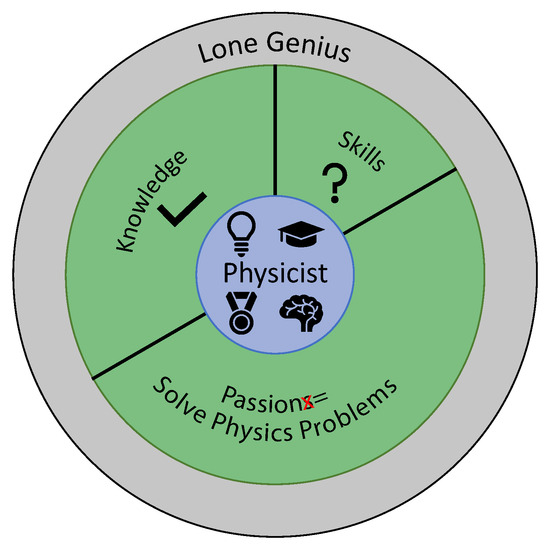
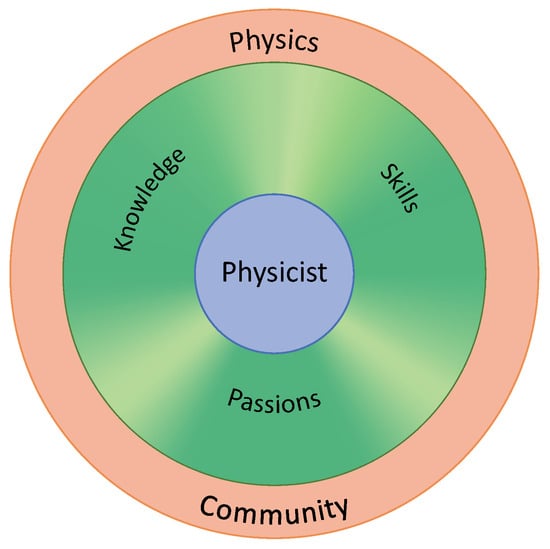
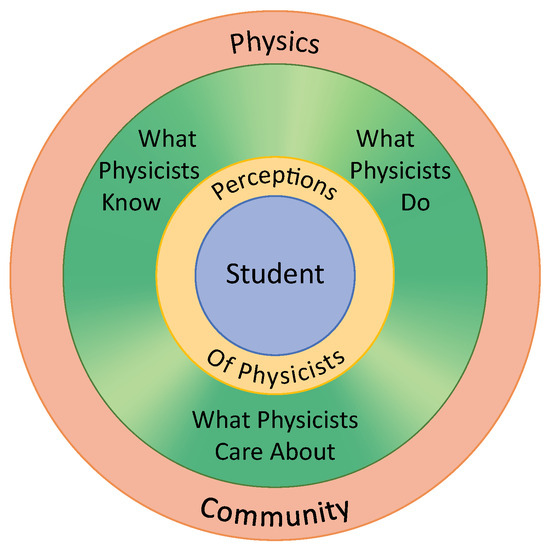
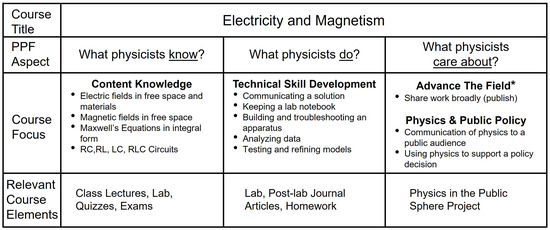
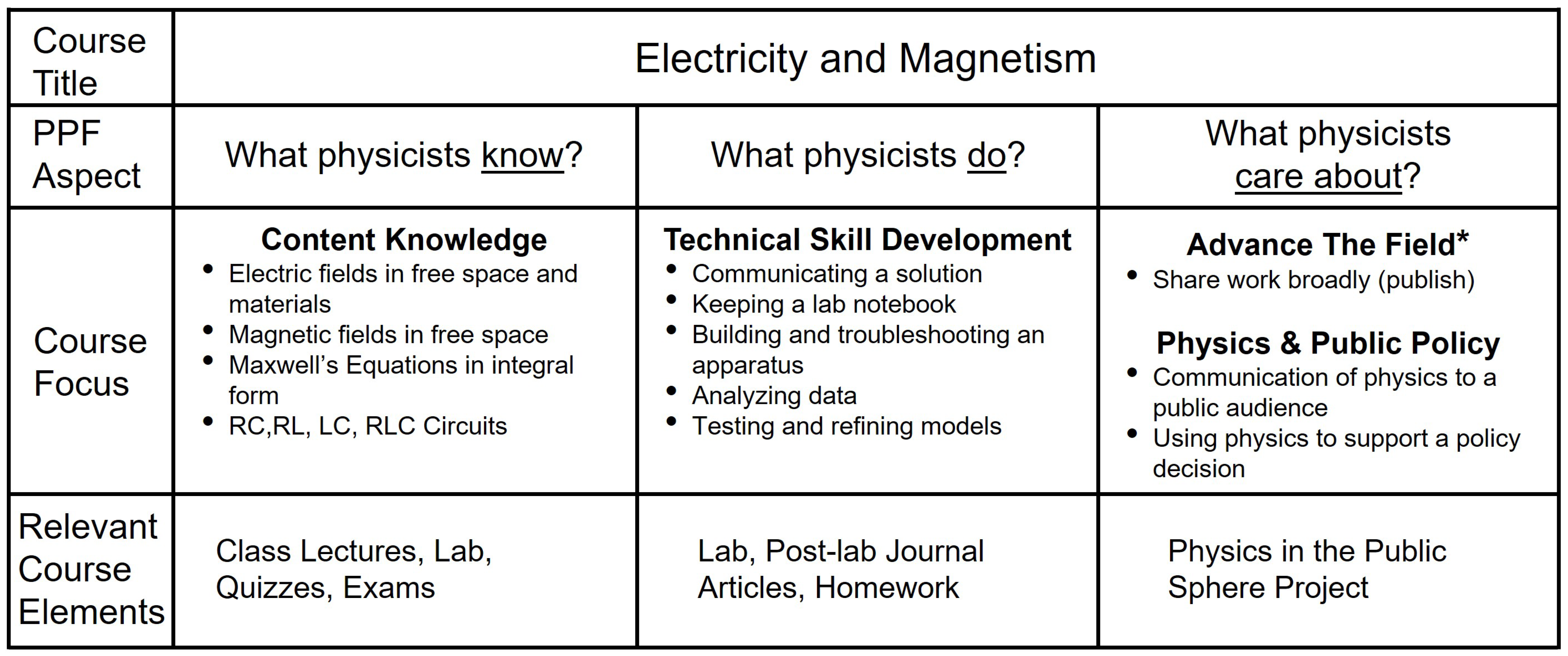

Disclaimer/Publisher’s Note: The statements, opinions and data contained in all publications are solely those of the individual author(s) and contributor(s) and not of MDPI and/or the editor(s). MDPI and/or the editor(s) disclaim responsibility for any injury to people or property resulting from any ideas, methods, instructions or products referred to in the content. |
© 2026 by the authors. Licensee MDPI, Basel, Switzerland. This article is an open access article distributed under the terms and conditions of the Creative Commons Attribution (CC BY) license.