


Abstract
Mathematical knowledge is essential for adult learners’ advancement in academic and professional settings; however, instructional strategies for adult learners in higher education often emphasize memorizing procedures while neglecting their personal and professional experiences. Such approaches limit opportunities to leverage these experiences for developing meaningful mathematical understanding. Grounded in the Models and Modeling Perspective, this exploratory qualitative case study examines how a Model Development Sequence (MDS) supports the development of mathematical knowledge of adult learners returning to higher education. The participants were a group of seven first-year business adult learners enrolled in the Applied Mathematics in Business course at a higher education institution. Data were analyzed using protocol coding to describe the types of mathematical models the participants constructed. Findings indicate that participants progressed from creating models requiring redirection, grounded in proportional reasoning, to developing more sophisticated models based on linear and exponential functions. The MDS supported learners in refining, extending, and adapting their models, strengthening their conceptual understanding of variation, linear and exponential functions, and covariational reasoning. Moreover, the participants’ personal and professional experiences were central to model development. This study contributes to research on adult mathematics education by demonstrating the potential of MDS to support meaningful mathematical learning.
1. Introduction
Mathematical knowledge is essential for all individuals to understand, interpret, and engage with the world around them. Consequently, mathematics education plays a fundamental role in the training of adult learners, who represent a vital component of the educational system, revitalizing learning communities in families, workplaces, and society at large (UNESCO, 2016). However, traditional mathematics teaching methods limit adult learners’ potential to draw on their valuable prior experiences (Safford-Ramus et al., 2016), and existing instructional recommendations for them often originate from research with K–12 students (National Research Council, 2012). Moreover, despite calls to strengthen adult education (e.g., UNESCO, 2016, 2020; U.S. Department of Education, 2025), there is limited evidence to guide effective instructional strategies for adult learners (National Center for Education Evaluation, 2021). Therefore, this research contributes to the urgent call to advance research efforts that enhance understanding of instructional strategies tailored for adult learners and thereby support the transformation of education to include all individuals (UNESCO, 2016).
Adult learners are active participants in society; therefore, expanding their educational opportunities impacts both their personal and family development as well as the resolution of society’s most urgent challenges. In most countries, students aged 15 or 18 years and older are considered adult learners (UNESCO, 2020). These students “participate in a substantial range of social practices, such as working (or seeking work), parenting, caring and housework, budgeting and organizing consumption, and voting” (Evans et al., 2012, p. 204). Adults often return to education with the goal of improving employment opportunities, which can enhance not only their own prospects but also those of their families and communities (Sokolova & Mohelska, 2015). Enhancing adult education therefore entails providing opportunities for adults to update, complete, or broaden their education, enabling the development of skills and capacities that support better life outcomes. In this context, UNESCO (2016) emphasizes the importance of learning processes that foster knowledge, skills, and competencies necessary to participate effectively in rapidly evolving social and work environments. Thus, understanding that these adults are an integral and active part of society, their education is a crucial tool to “alleviating poverty, improving health, and contributing to sustainable learning societies” (UNESCO, 2016, p. 8).
Adults returning to higher education face both challenges and advantages that must be considered in their mathematics education. Galligan and Taylor (2008) define adult learners returning to the study of mathematics as those who have never studied mathematics or who return to it after entering the workforce. This means, for example, that “a 16-year-old who left school at 15 years and is now in the workforce is classified as an adult learner, while a 17 or 18-year-old who has entered university directly from school is not so classified” (p. 100). This category also includes those considered adult learners returning to higher education, namely individuals who left school to join the workforce and later returned to pursue postsecondary studies. These students often continue studying while working, which adds challenges for them in comparison with traditional students, since they must balance postsecondary education with personal, professional, and financial responsibilities (American Council on Education, 2025). At the same time, their immersion in the workforce provides them with knowledge and skills distinct from their younger peers, including a broader range of life and professional experiences (Knowles et al., 2005). These experiences are also shaped by the mathematical knowledge and abilities that they use continuously to address the problems that arise in their professions or in their everyday activities. Despite this, mathematics instruction frequently emphasizes the memorization of procedures, neglecting adult learners’ everyday and professional competencies (Chisman, 2011; Safford-Ramus et al., 2016). This approach tends to abstract adult learners’ experiences from their learning processes, limiting opportunities to leverage these competencies in the classroom (FitzSimons, 2019) and may hinder the development of meaningful mathematical understanding (Safford-Ramus et al., 2016). Therefore, responding to the call to improve adult education requires incorporating opportunities in mathematics instruction that allow adult learners to draw on their personal, professional, and mathematical experiences as central components for promoting the development of their mathematical knowledge.
Mathematical modeling is an approach that leverages students’ experiences to support the development of their mathematical knowledge. This approach is widely recognized as a fundamental practice in mathematics education worldwide (Stillman & Brown, 2023). Modeling activities provide opportunities for students to develop, apply, and extend their mathematical understanding to interpret and solve problems that are relevant to real-world contexts (Hjalmarson et al., 2020). Moreover, mathematical modeling represents a shift from traditional instructional methods that emphasize mechanistic procedures often disconnected from learners’ contexts. Instead, it promotes learning experiences that enable students to construct mathematical knowledge by making sense of situations grounded in “extensions of their own personal knowledge and experiences” (Lesh et al., 2000, p. 616). For these reasons, and others examined in greater depth in the following sections, we argue that mathematical modeling could serve as a suitable approach for supporting the mathematical learning of adults.
Accordingly, this article presents the results of a study aimed at addressing the urgent need to expand research in the field of adult education by exploring the processes through which a group of adult learners develop mathematical knowledge while participating in a sequence of activities based on mathematical modeling.
2. Mathematical Modeling and Adult Learners
According to Díez-Palomar (2015), research that proposes the use of mathematical modeling with adult learners (e.g., Civil et al., 2021; De Souza et al., 2015) illustrates the evolution of inquiries developed over many years within the field of adult mathematics education. This approach provides a fresh perspective on the discipline and has opened space for new questions regarding how mathematical modeling can contribute to strengthening curricula designed to support adult learners’ development of mathematical knowledge (Díez-Palomar, 2015).
De Souza et al. (2015) analyzed the mathematical, technical, and reflective discussions of a group of 21 adult learners without a high school education who participated in a modeling activity. These authors argue that mathematical modeling implemented with adult learners “is beneficial to discuss theoretical concepts connected to real problems and to bring the mathematics classroom closer to students’ real lives” (p. 122). De Souza et al. (2015) found that mathematical modeling enables adult learners to interact between group members, which is not usual in mathematics classrooms; discussions about mathematics contents related to real life; and the need to make decisions in order to solve different activities in the classroom. These authors point out that it is necessary to continue expanding research on mathematical modeling with adult learners in different real-life situations, such as contexts involving interests like bank loans or investments.
Civil et al. (2021) conducted research with adult learners, specifically mothers. Under Civil et al.’s approach, mathematical modeling is understood as an “iterative process whereby we use mathematics to understand or analyze some situation” (p. 414). The modeling activity proposed by these authors engaged adult learners in using elementary-level addition and subtraction to model and calculate the amount of paper required to create a paper flower decoration, as this task was meaningful to the participants. They emphasize that choosing a context close to adult learners’ interests is fundamental in modeling tasks. Furthermore, Civil et al. (2021) highlight that “modeling tasks allow for solvers with varying types of knowledge to engage in the context and learn from each other” (p. 433).
Carreira et al. (2011) conducted a study that included a group of 17 adult learners enrolled at the 9th-grade level. These students participated in a modeling activity designed within the context of cookery. The authors’ approach focused on examining the knowledge expressed by students while engaging in a modeling activity situated in contexts related to the everyday experiences of adult learners. Their findings highlight that understanding proportion and proportionality are central elements for adult learners when addressing modeling tasks. They also emphasize that, when students’ mathematical resources are limited, life experiences play a crucial role in the modeling process. Therefore, they stress that teaching mathematics to adult learners should include instructional strategies, such as modeling, that encourage students to draw on their professional, personal, social, and everyday experiences.
Montero-Moguel and Vargas-Alejo (2022), drawing on the Models and Modeling Perspective (MMP) (Lesh & Doerr, 2003), explored how the implementation of a Model Eliciting Activity—“open-ended, realistic, client-driven problems that require the creation or adaptation of a mathematical model for a given situation” (Diefes-Dux et al., 2008, p. 17)—can contribute to the development and evolution of adult students’ understanding of the exponential function. The findings of these authors highlighted the role that such modeling activities play in fostering the evolution of adult students’ modeling cycles. However, they also emphasize the importance of future studies that integrate Model Development Sequences (MDS)—modules based on a models and modeling perspective (Lesh & Doerr, 2003, p. 35)—into research with adult students. As noted by authors such as Vargas-Alejo et al. (2024), Hjalmarson et al. (2008), and Lesh and Doerr (2003), these sequences expand opportunities for students to engage in more prolonged iterative processes centered on a “big idea” embedded within the sequence, while also enabling researchers to explore relevant aspects that emerge after the completion of MEAs. However, research involving the use of MDS with adult students remains limited.
This body of research concurs that incorporating mathematical modeling into adult education enables the integration of meaningful contexts for learners while advancing their mathematical knowledge. However, it also highlights the lack of research studies that include MDS, which, as Lesh and Doerr (2003) have noted, expand students’ learning opportunities and “provide rich research sites for investigating the interacting development of students” (p. 35). Additionally, most research has focused primarily on adult learners at pre-university levels, limiting knowledge about adult learners returning to study mathematics in higher education. Moreover, as Galligan and Taylor (2008) have noted, adult learners returning to study mathematics in higher education constitute a significant group of adult learners who face particular challenges; however, research on this population remains limited and often emphasizes understanding their backgrounds rather than examining instructional practices that foster their learning.
Therefore, advancing the field of adult education requires conducting research that informs teaching approaches that enhance the learning of adult learners returning to study mathematics in higher education. Taking into account these considerations, this study specifically focused on expanding knowledge about the development of mathematical knowledge in adults returning to higher education. Specifically, based on the characteristics of the case study, which are described in greater detail in the Methods section, the research question guiding this study was: How does a MDS support the development of mathematical knowledge related to exponential functions and their associated covariational reasoning in adult learners returning to higher education?
3. Theoretical Framework
This study was grounded in the MMP, developed by researchers (e.g., Lesh, 2010; Lesh & Doerr, 2003) interested in preparing students for academic and professional success. Disciplines such as engineering and business constantly require the interpretation, description, and explanation of complex systems through the construction of mathematical models (Lesh & Doerr, 2003). The MMP suggests that mathematics learning should equip students to tackle the real-world challenges that they will face professionally. In contrast to traditional instruction, which often frames mathematics learning as a process “of gradually adding, deleting, linking, uncoupling, and de-bugging mechanistic condition-action rules” (Lesh & Doerr, 2003, p. 32), within the MMP the learning of mathematics involves the construction of models and relevant constructs. The models to which the MMP refers can be defined as
conceptual systems (consisting of elements, relations, operations, and rules governing interactions) that are expressed using external notation systems, and that are used to construct, describe, or explain the behaviors of other system(s)—perhaps so that the other system can be manipulated or predicted intelligently. A mathematical model focuses on structural characteristics (rather than, for example, physical or musical characteristics) of the relevant systems.(Lesh & Doerr, 2003, p. 10)
These models are modified, expanded, and extended as students engage in modeling activities and interact with their classmates, leading to the development of modeling cycles or iterative cycles of interpreting the problem situation (Lesh, 2010; Montero-Moguel & Vargas-Alejo, 2022; Sevinc & Lesh, 2018). Under this definition of models, Lesh and Lehrer (2003) emphasize that the development of students’ mathematical knowledge cannot be focused exclusively on the computations they can perform; rather, it must also include relevant aspects such as the kinds of situations they can describe mathematically and the models they have developed. Furthermore, since model development is considered a living entity in constant evolution, continually adapting and transforming, it is essential for students to participate in learning experiences that foster this development (Lesh & Yoon, 2004).
Consistent with adult learning theories, this perspective emphasizes that adults seek meaning from experience, where learning is a rational and metacognitive process involving reassessment of reasons supporting problematic perspectives (Mezirow, 2006). Moreover, learning cycles are further promoted to higher developmental stages through collaborative teamwork involving clear, purposeful and shared goals within meaningful contexts (Kayes et al., 2005). Consequently, to elicit and support the development of students’ models, the MMP proposes that students engage in modeling activities and/or MDS designed as a developmental sequence alternating between individual and team episodes to address problematic perspectives in meaningful contexts.
3.1. Model Development Sequences
The MDS are a series of contextualized activities set in real-world scenarios, structurally connected, and designed to foster students’ development of mathematical models, while also providing researchers with rich sites to investigate students’ model development (Lesh, 2010; Lesh et al., 2003; Vargas-Alejo et al., 2024). These sequences are composed of modular activities, allowing them to be adapted for a variety of purposes, and their design provides guidance to students without relying heavily on teacher direction (Lesh, 2010). The MDS are composed of the following activities: Model Eliciting Activity (MEA), Model Exploration Activity (MXA), and Model Adaptation Activity (MAA) (Doerr et al., 2017).
3.1.1. Model Eliciting Activities
The first activity recommended in constructing an MDS is the MEA, which is an open-ended problem-solving activity that involves “simulations of real-life problem-solving situations, which are explicitly designed so that significant adaptations of concepts are likely to occur during sufficiently brief periods of time” (T. J. Moore et al., 2013, p. 142). MEAs are constructed according to six design principles of MEAs: Personal Meaningfulness Principle, Model Construction Principle, Self-Evaluation Principle, Model-Externalization Principle, Simple Prototype Principle, and Model Generalization Principle (Lesh et al., 2000). These principles ensure that the task in the MEA is situated in real and meaningful contexts for students (personal meaningfulness principle), providing enough information for them to evaluate their own models (self-evaluation principle) and to externalize their thinking and documenting their models during peer interactions (model-externalization principle). In this way, students create mathematical models (model construction principle) that are both shared and reusable in other situations (model generalizability principle), while keeping the models simple yet capable of supporting the development of meaningful constructs (simple prototype principle) (For details, see Lesh et al., 2000). These principles allow MEAs to enable students to “elicit their current understandings of the problem, the context, and relevant mathematics” (Hjalmarson et al., 2008, p. 43).
The implementation of MEAs requires one or two full class periods to complete (60–90 min) (Lesh & Doerr, 2003; Vargas-Alejo et al., 2024). MEAs include three stages: a warm-up activity accompanied by guiding questions that help students situate themselves within the context, a team-based modeling task, and a plenary group phase in which teams present their final models. Although MEAs provide rich data for investigating conceptual adaptations over short periods, students’ model development does not end with these activities. Additional activities within the MDS facilitate the investigation of model progression that occurs subsequent to students’ completion of the MEAs (Lesh, 2010).
3.1.2. Model Exploration Activities
The MXAs are designed to investigate the nature of the levels and types of understanding that students still need to develop after completing the MEA (Lesh et al., 2003). MXAs support students in developing additional representations of mathematical concepts and help refine the models generated during the MEA (Lesh, 2010). During the MXA, students can explore, analyze, compare, and contrast the models that emerged during the MEA (Hjalmarson et al., 2008). Although the organization of activities within a MDS may vary, the MEA–MXA configuration fosters student understandings that are “more richly connected to topics associated with a variety of textbook topic areas; they are far better grounded in students’ personal experiences; and, they were far more resistant to forgetting” (Lesh, 2010, p. 28). MXAs may also incorporate technological tools such as diagrams, animations, and computer simulations (Lesh et al., 2003).
3.1.3. Model Adaptation Activities
MAAs aim at “using the conceptual tool that was developed in the model-eliciting activity (and refined in the model-exploration) to deal with a problem that probably would have been too difficult to handle before the tool was developed” (Lesh et al., 2003, p. 49) and include the three stages present in MEAs. Although the activities contexts may differ, within the MDS the MAAs are designed to preserve the structural similarities of the MEA and MXA. The MAA allows students to use the models developed in the MEA and refined in the MXA in new contexts, thereby expanding their opportunities to construct models that are both compatible and reusable (Doerr et al., 2017; Vargas-Alejo et al., 2024).
3.2. Models and Modeling Perspective and Covariational Reasoning
Covariational reasoning is fundamental in students’ education, both for the development of their mathematical knowledge and for their understanding and modeling of the phenomena that surround them. The covariational reasoning we refer to can be defined as “the cognitive activities involved in the coordination of two varying quantities while attending to the ways in which they change in relation to each other” (Carlson et al., 2002, p. 124). This form of reasoning is essential not only for students to develop their mathematical knowledge but also to “develop useful and robust conceptions of functions” (Thompson et al., 2007, p. 423). Moreover, covariational reasoning is crucial for understanding and describing phenomena that people encounter in real life, which often involve dynamic functional situations (Carlson et al., 2003; Oehrtman et al., 2008). Therefore, given its significance, the comprehension of covariational reasoning has become a critical area of research in mathematics education to identify how covariational reasoning is developed and the tasks that foster its development (K. C. Moore & Carlson, 2012).
The MMP has served as a relevant framework for investigating students’ covariational reasoning. Carlson et al. (2003) argue that all citizens should be fluent in modeling phenomena in which the rate of change varies. Accordingly, these authors, drawing on the MMP, addressed questions such as: “What effect does the use of model-eliciting activities have on the development of undergraduate students’ covariational reasoning abilities?” (p. 466). Their findings highlighted that MEAs “provide both teachers and researchers with a powerful lens for viewing students’ reasoning and concept development” (p. 465). In addition, they call for further research to expand knowledge on the effects of MEAs in promoting and exploring covariational reasoning.
Carlson et al. (2003) proposed analyzing this reasoning using the Covariation Framework introduced by Carlson et al. (2002). This framework proposes five developmental levels of students’ covariational reasoning: Level 1, Coordination; Level 2, Direction; Level 3, Quantitative Coordination; Level 4, Average Rate; and Level 5, Instantaneous Rate. Each level is associated with images of covariation that support the mental actions required to coordinate changes in one variable with respect to another. For instance, at Level 2, “the images of covariation can support the mental actions of coordinating the direction of change in one variable with changes in the other variable” (Carlson et al., 2002, p. 358).
Montero-Moguel and Vargas-Alejo (2022) also grounded their work in the MMP to investigate the development of covariational reasoning and the evolution of students’ models. These authors proposed the Assessment Guide for Models related to the Concept of Function (AGMCF) to analyze the development of students’ models as they solved an MEA constructed on the big idea of the mathematical concept of the exponential function. This guide was grounded in the Quality Assessment Guide from Lesh (2010), which “is designed to help teachers (and students) evaluate the products developed in response to model-eliciting activities” (p. 32), and in the Covariational Framework (Carlson et al., 2002).
Montero-Moguel and Vargas-Alejo (2022) identified four emergent levels in their AGMCF to analyze the types of models. Model T1: Requires Redirection, referring to models grounded in the concept of the linear function and proportionality, with covariational reasoning associated with the level of coordination; students required interaction with their classmates or instructors in order to refine their models. Model T2: Requires Major Extensions or Refinements, referring to models grounded in the exponential function; however, students still showed difficulties identifying when to use the linear or the exponential function, and their covariational reasoning was associated with coordination and direction. Students required continued work on additional processes of refining their models. Model T3: Situated, referring to models constructed to provide a solution to the situation in the specific context and grounded in the exponential function; students differentiated the relevance of using the linear or the exponential function, and the covariational reasoning exhibited by students was related to coordinate the rate of change between the variables. Model T4: Sharable and Reusable, described as “the tool is not only effective for the proposed problem but is also easily adaptable for use in similar situations outside the context of the current problem” (Montero-Moguel & Vargas-Alejo, 2022, p. 227); these models indicate that students supported a level of covariational reasoning related to coordinate the average rate of change between the variables. The results of Montero-Moguel and Vargas-Alejo (2022) showed that MEAs facilitated the evolution of students’ models; however, some students advanced to Model T4, while others reached only Model T3. Therefore, these authors call for further research to expand knowledge on the development of covariational reasoning using MDS.
These studies (Carlson et al., 2002; Montero-Moguel & Vargas-Alejo, 2022) have revealed the importance of incorporating MEAs to investigate and develop students’ covariational reasoning. However, it is important to highlight that the exploration of MDS regarding the development of models and covariational reasoning is limited, and both studies call for expanding research using modeling activities under the MMP framework to further explore students’ covariational reasoning.
4. Methods
4.1. Research Design
To address the aim of this study, we conducted an exploratory qualitative case study (Yin, 2018). The rationale for this approach is that case studies allow for an in-depth focus on a phenomenon (Yin, 2018). In our case, this method enabled us to address the research objective of expanding knowledge about the development of mathematical knowledge in adults returning to higher education.
4.2. Participants
For this case study, we selected a group of adult learners returning to higher education, adhering to the definition of Galligan and Taylor (2008) as individuals who left school to enter the workforce and later returned to pursue higher education studies. Specifically, the case presented in this article involves a group of seven adult learners, aged 22 to 35, who returned to complete their undergraduate studies in their business major at an urban higher education institution. All participants worked during the mornings and attended classes in the evenings.
All participants were enrolled in a program for adult learners at a higher education institution in Mexico. This program addresses the needs of Mexican adults who have completed elementary and secondary education (equivalent to K–12 in the United States) and entered the workforce without completing higher education. These adults, who intend to pursue a university degree, often face time constraints that prevent them from enrolling in a traditional full-time program. Consequently, this program adopts a blended learning approach, combining face-to-face and online classes. In-person sessions are scheduled during evening hours to allow students to fulfill their work commitments. Therefore, the implementation of the MDS was carried out during the in-person sessions with a group of students enrolled in this program, all of whom were adult learners pursuing a bachelor’s degree in business.
All participants were enrolled in the Applied Mathematics in Business course, which is a required course within their program of study. The table below (Table 1) provides information about the participants’ employment.
Table 1.
Characteristics of participants at the time of study participation.
A curricular review of the course revealed that one of its fundamental topics is the study of exponential functions, given their relevance to investment behavior. Furthermore, this review indicated that the types of mathematical problems proposed for teaching the concepts of functions and exponential functions were similar to those described in the existing literature (e.g., Chisman, 2011; Safford-Ramus et al., 2016). That is, these consisted of traditional problems focused on following mechanical and algorithmic processes. At the beginning of the study, the instructor mentioned that the participants had not yet covered the topic of mathematical functions. Therefore, to address the research objective and to be aligned with the specific characteristics of the case study, the guiding research question for this study was:
How does a MDS support the development of mathematical knowledge related to exponential functions and their associated covariational reasoning in adult learners returning to higher education?
Furthermore, in accordance with the MMP theoretical framework used in this study, our analysis extended beyond computational procedures to focus on the mathematical models constructed by the participants (Lesh & Lehrer, 2003), as described in the following sections. The definition and bounding of the sample, consisting of seven adult learners, are consistent with the methodological design of this exploratory case study (Yin, 2018). This sample prioritized an in-depth examination of a bounded context rather than broad generalization. The study was conducted during the mathematics course, which had eleven students, all belonging to the same program and all adult learners returning to higher education. The sample of seven adult learners reflects those who agreed to participate in the study or who completed the sequence of activities. Other than the voluntary participation, there were no specific characteristics distinguishing students.
4.3. Data Collection Procedures
With the aim of eliciting the development of mathematical models and participants’ thinking, we specifically designed the Population and Environmental Care MDS for this study. It followed the recommendations of the MMP (Lesh & Doerr, 2003) and was constructed in contexts relevant to the participants. Based on the curriculum review, the mathematical concepts underlying the sequence are: function, linear function, and exponential function; including their associated concepts such as variation, covariation, and rate of change. The Population and Environmental Care MDS followed the MEA–MXA–MAA configuration and is detailed below.
4.3.1. Population and Environmental Care Model Development Sequence
The Population Growth and Its Impact on Roadways MEA consists of three stages. The first section consists of a warm-up activity in which adult learners have the opportunity to read a news article describing the effects that rapid population growth has on roads and pollution. After this reading, adult learners are asked to answer questions about the article and are encouraged to discuss the metropolitan area context, sharing their personal experiences on the topic. The second stage of the MEA presents the problem situation, providing data on the population and the estimated growth rate according to the national census for the identified metropolitan area. In this section, adult learners are asked to draft a letter to the Department of Transportation with the goal of describing the projected population growth in their metropolitan area over the coming years. Finally, in the third stage, the group plenary, participants present their models while other teams and the instructor engage by asking questions about their presentation.
The related MXA consists of three teacher-led activities. The first activity, MXA-1, encourages adult learners to discuss the concepts of function and exponential function that emerged during their MEA. The second activity, MXA-2, is a dynamic exercise where adult learners and the teacher participate in a simulation using NetLogo 6.0.4. (Wilensky, 2018) within the context of the spread of infectious disease. The third activity, MXA-3, involves adult learners interacting with a GeoGebra applet to identify the behavior of exponential functions. The goal of this activity was for adult learners to refine their understanding of exponential functions that emerged during the MEA and to develop a system of language and representation that would allow them to describe the associated mathematical concepts.
Finally, the Save, Invest, and Protect the Environment MAA consists of three stages. The first stage is a warm-up activity in which participants have the opportunity to read a news article describing the harmful effects that excessive electricity consumption has on the environment. Afterwards, they are asked to answer questions about the article and are encouraged to discuss the context and how the use of energy-saving lamps can reduce electricity consumption. The second stage presents a problem situation, providing real data on electricity consumption, the number of incandescent lamps, and their energy usage in a company. This stage encourages participants to prepare a presentation for the company’s management, explaining how replacing incandescent lamps with LED lamps can reduce electricity consumption and generate savings that could lead to investment opportunities. Participants are asked to select investment products and create a model to describe and predict investment behavior. Similar to the MEA, in the third stage of the MAA, students participate in the group plenary.
4.3.2. Model Development Sequence Implementation
The Population and Environmental Care MDS was implemented in the adult learners’ classroom, specifically during the first three sessions of the second module of the Applied Mathematics in Business course, with each session lasting three hours. This module was chosen because the intention was to implement this MDS before the adult learners became familiar with the topic of exponential functions. Each activity in the sequence was implemented over a class period. The participants were free to choose their own teams, which were organized as follows: Team A: S1 and S2, Team B: S3, S4, and S5, Team C: S6 and S7. The participants had access to pencils, paper, and computers.
The role of the instructor in each activity varied. In the MEA and MAA, the instructor participated by asking questions to the teams that allowed them to reflect on their procedures, aiming to encourage adult learners to self-evaluate their constructed models. In all three MXA activities, the instructor had a more participatory role through interventions with questions and directed reflections for the group.
4.4. Data Collection
Following Yin’s (2018) recommendations for case studies, we utilized multiple sources of evidence derived from the implementation of the Population and Environmental Care MDS. Data collection involved gathering audio recordings, written documentation, and researcher observations. The audio recordings included participant interactions during the MDS problem-solving process, covering both the resolution process and the presentation of their final models. The written documentation came from the models constructed by the teams, which included paper documents, spreadsheets, Word documents, and PowerPoint presentations.
4.5. Data Processing and Data Analysis
The data processing and organization involved the review and systematic organization of multiple sources of information collected, including audio recordings, written documentation, and researcher observations. All audio recordings were transcribed and reviewed. Subsequently, the data organization first involved organizing the data according to the three types of activities within the MDS. The data were then also organized by participants and by the teams in which participants worked during the resolution of the MDS.
To identify the processes of adult learners’ mathematical knowledge development, we grounded our analysis in the foundations of the MMP, examining the model development that occurred during their participation in the Population and Environmental Care MDS. Specifically, we conducted a protocol coding, defined as “the coding of qualitative data according to a pre-established, recommended, standardized, or prescribed system” (Saldaña, 2016, p. 175). We used as codes the types of models suggested by the AGMCF (Montero-Moguel & Vargas-Alejo, 2022). As described in detail in the theoretical framework section, this guide includes four model types: Model T1: Requires Redirection, Model T2: Requires Major Extensions or Refinements, Model T3: Situated, and Model T4: Sharable and Reusable. This data analysis was conducted across the different data sources collected during the implementation of the MDS activities, as described below.
- Audio recordings. Transcriptions of the audio recordings capturing team interactions during the MDS problem-solving process, as well as transcriptions of each team’s final presentations, were analyzed using codes derived from the AGMCF. The analysis focused on identifying evidence of the types of models constructed by participants throughout their collaborative discussions and explanations.
- Written documentation. Participants’ written documents were examined using the AGMCF as the coding guide. These documents included the representations used to construct their models, such as graphical representations, tables, and written explanations. The analysis examined how these representations reflected the development and refinement of the models produced by participants.
- Researcher observations. The researcher’s field notes collected during the implementation sessions were also analyzed. These notes were used to identify observations related to participants’ problem-solving processes, interactions, and model development during the activities.
Thus, the analysis focused on examining, across all collected and organized data, the types of models that participants constructed throughout the entire process of resolving the MDS. In the Results and Discussion sections, examples of this analysis are presented. The data (e.g., audio transcripts, figures) presented as examples in this article were translated from Spanish into English by the authors.
4.6. Validity Criteria
To address the validity criteria, we followed Yin’s (2018) recommendations for case studies, which included the use of multiple sources of evidence—“evidence from two or more sources, converging on the same findings” (p. 153)—and triangulation, which allows for the intersection of these different sources. Thus, during the analysis, we characterized the types of models constructed by the participants by examining and comparing their procedures across these different sources, ensuring the triangulation of the data sources. In addition, following Yin’s (2018) reliability criteria for exploratory case studies, we documented the procedures followed in our case study, which are described in the data processing and data analysis section.
4.7. Methodological Transparency
The first author is a bilingual Spanish–English researcher who holds a Ph.D. in Interdisciplinary Learning and Teaching. Earlier in his career, he worked for several years in industry as a mechanical engineer while also serving for six years as a mathematics instructor for adult learners in Mexico. He later returned to graduate study and completed a master’s degree in mathematics education, obtaining the degree with a thesis that included work with adult learners. Subsequently, he pursued doctoral studies in Interdisciplinary Learning and Teaching, grounding his dissertation in a conceptual framework that included the foundations of the Models and Modeling Perspective. Throughout his scholarly work, he has conducted research using qualitative case study methodologies.
The second author is a researcher with a Ph.D. in Mathematics Education and more than 30 years of professional experience in teaching and research. Earlier in her career, she worked as a professional in mathematics and physics at a state research center for nine years, where she participated in projects that promoted science and mathematics learning among children through playful, exploratory approaches. During this time, she also designed workshops for teachers at kindergarten, primary, and secondary levels. In addition, she studied action research and andragogical approaches to work effectively with adult learners. Later, she returned to graduate studies and, since 2012, has worked with the Models and Modeling Perspective as a framework for designing workshops and guiding master’s theses in mathematics education. Her research work has primarily focused on qualitative approaches to studying learning and teaching processes in mathematics education.
The third author is a bilingual/bicultural scholar with more than three decades of experience teaching and conducting research in Mathematics and STEM Education. Her research has focused on the design, implementation and evaluation of innovation and technology-supported STEM education reforms in international settings. She also conducts qualitative and quantitative research approaches to study mathematical modeling for student learning, in teacher professional development, and in assessment.
4.8. Ethics Statement
This study adhered to established ethical guidelines for research involving human participants in accordance with international standards, with participation being entirely voluntary.
5. Results
In this section, we present the results concerning the identification of mathematical knowledge related to exponential functions and their associated covariational reasoning through the development of models by adult learners. The analysis, guided by the AGMCF (Montero-Moguel & Vargas-Alejo, 2022), was essential for identifying and describing the types of models constructed by the adult learners. Our analysis revealed that, during the MEA, adult learners initially constructed models requiring redirection (T1) that were based on a linear function. However, as their work progressed, their models evolved into T2, T3, and T4 models and became grounded in exponential functions. The instructor’s guide during the MXA facilitated the unpacking of the models created in the MEA, allowing the adult learners to discuss their MEA models and the mathematical concepts associated with linear and exponential functions. Finally, the adult learners individually constructed models to solve the MAA. At this stage of the MDS, all adult learners had constructed models exhibiting the characteristics of T4 models. In the MAA, adult learners’ models demonstrated a stronger understanding and a clearer distinction between the concepts of linear and exponential functions. The design of the MDS, situated in contexts relevant to the adult learners, supported the development of their self-assessment and decision-making processes. The results and discussions were organized according to the adult learners’ modeling processes in each activity of the MDS (MEA, MXA, and MAA).
5.1. Models Developed by Teams to Solve the MEA
The MEA was designed in the context of the damage and pollution caused by population growth and mobility in the city where the adult learners live. The first stage of the MEA, which involved reading a news article followed by discussion, encouraged adult learners to share their own experiences and concerns related to the topic. For example, the adult learners shared their personal, everyday challenges related to commuting from work to the university, even comparing the travel times from previous years to the present. They also emphasized poor road planning in certain areas and its impact on them, whether commuting by car or public transportation. These discussions highlight the relevance of the context chosen for the MEA, particularly when it is targeted at adult learners.
The second stage of the MEA required adult learners to draft a letter to the Department of Transportation explaining the impact of population growth. The MEA provided adult learners with real data on the city’s population and growth rates. During the problem-solving process, the adult learners developed three cycles of modeling while solving this MEA: initial team models, final team models, and a final individual model. In the following sections, we include some examples of the models constructed by the teams.
5.1.1. Initial Models Developed by Teams to Solve the MEA
The analysis revealed that all three teams encountered difficulties during the first cycle of the MEA. For example, Team A struggled with applying the population growth rate, and all three teams initially assumed a constant growth rate over the years. However, despite the challenges, all three teams constructed initial models to address the MEA. The following section presents selected examples of the teams’ models.
Initially, team A struggled with converting percentages to decimals, using 0.17 instead of 0.017 (or 1.7%), and with handling population figures in the millions over multiple years. Through a process of self-evaluating their results in relation to the context, they corrected their conversions. Team A’s initial model included an Excel table based on the use of addition, subtraction, and multiplication formulas to analyze their population estimates for the metropolitan area. In this table, they calculated the first year’s growth by multiplying the initial population in millions, 4.299, by the annual growth rate of 0.017, obtaining a result of 0.073803. They then assumed that this amount represented a constant annual increase population for the following years and used summation procedures to estimate population growth in subsequent years—that is, they added 0.073803 to each successive year recursively.
Teams B and C followed similar procedures to construct their initial MEA models. One difference was that, although both teams used calculators to carry out their mathematical operations, Team C utilized Excel to store their records, whereas Team B relied on paper and pencil. For instance, Team B calculated 1.7% of the initial population (4.299 million) and obtained 0.073, which they added to 4.299 million to determine the population for the year 2019 (4.372 million). Based on these calculations, they determined the population growth in millions of inhabitants and found that in 2018 the population would increase by 0.073, in 2019 by 0.074, and in 2020 by 0.075. Therefore, since they used three decimal places, Team B explained that they assumed the increase would be 0.001 each year and added this value to the previous total to calculate the population for the subsequent years.
5.1.2. Final Models Developed by Teams to Solve the MEA
Following their initial models, the adult learners continued working to develop their final models, which they would present during the MEA group plenary phase. The refinement of the initial models emerged during the process of constructing the letters for the “client”, as requested in the MEA. Discussions among the adult learners, as well as their interactions with the instructor, contributed to their self-evaluation of the models. The following excerpts present selected examples from the adult learners’ letters and discussions, revealing the refinement processes undertaken by them.
The three teams documented their models through letters addressed to the client and presented them verbally during the plenary session. For instance, Team A’s letter reveals that adult learners focused on providing the client with their reflections on the issue of population growth, as they had previously mentioned, had personally affected them. At the beginning of the letter, they wrote: “We present our opinion and analysis [ …], with the aim of reflecting on the topic and presenting solutions to implement actions that improve the quality of movement and urban growth control, thereby enhancing the quality of life for the population”. This excerpt was also accompanied by the adult learners’ explanation, highlighting that it is an issue that affects them when commuting in the city. The letter also shows how Team A revised the initial premise that population growth could not be constant: “Annual population growth is not constant, which causes its growth rate to be higher each year”. This observation led to the modification of the initial table, which was redesigned and replaced with a new Excel data table that included additional relationships and formulas, which were extended across columns. Finally, they informed the client that the mathematical tool they developed “is intended to be considered as a parameter for other growing cities and upcoming road infrastructure projects”.
Teams A and C included tables in their models to describe population growth. For example, Figure 1 displays a part of the Excel table that Team C incorporated into their letter. Unlike their initial models, in which both teams had assumed a constant annual population increase, in their final models they conducted their analysis based on the annual growth rate. To calculate annual growth, the teams used data from 4.299 million inhabitants and a growth rate of 1.7%. They applied the value 1.017 to determine the population for subsequent years through a recursive process.
Figure 1.
Table included in Team C’s model.
Team B constructed their letter using paper and pencil. During the process of constructing the letter, Team B called the professor to explain their initial model. After the explanation, the instructor noticed that the adult learners had considered the annual growth to be constant; therefore, he asked: “Do you think using more decimal places would maintain the 0.001 constant?”. This interaction prompted Team B to self-evaluate their model. Specifically, they reviewed their work and discussed whether it would be appropriate to include more decimal places. After that, they took the initiative to research online how to describe population growth. This team found an exponential function, modified it, and adapted it to describe and explain the population growth related to the problem posed in the MEA. The algebraic expression constructed was (See Equation (1)):
This exponential function expression consists of a combination of mathematical representations, incorporating words and numerical values. They explained the meaning of N-18, specified in which year the population would reach six million, and indicated when the population would double. Additionally, Team B wrote in their letter, “We realized that the variation is not constant because the population growth rate changes each year”. This expression, associated with their algebraic function, highlights that the adult learners moved away from the assumption of constant variation expressed in their initial model.
5.1.3. Individual Models to Solve the MEA
The construction of individual models described in this section took place after the plenary session, during which the teams presented their final team models. The development of individual models was assigned as an optional task for the adult learners; therefore, it is notable that all participants completed and submitted this assignment.
The analysis showed that participants constructed more sophisticated models at this stage, and that interactions during the plenary session played a key role in refining their models. Specifically, we identified that conducting the plenary session in a dynamic format—allowing teams and the instructor to interact through questions and feedback—was particularly influential. For example, Teams A and C asked Team B to elaborate on the algebraic expression they had developed to represent population growth. Team A explained how they incorporated the formulas used in Excel into their models. Furthermore, after all teams had completed their presentations, the instructor asked whether participants considered it relevant to construct a graph to better illustrate their results, to which the adult learners responded affirmatively and showed interest in constructing this type of representation. The analysis also revealed that all adult learners modified the models they had previously developed as a team to create their individual models. Although they worked independently, the team members’ models exhibited notable similarities. The following section presents three examples of these individual models.
Members of Team A, who had previously incorporated tabular and verbal representations in their team models, modified their individual models to include graphical and algebraic representations. For example, S1 incorporated a graph (Figure 2) into their individual model, based on the tables, to represent population growth. This graph shows the years on the x-axis and the population size for each year on the y-axis.
Figure 2.
Graphical and algebraic representations constructed by S1 in the MEA. Note: This figure was reconstructed and translated, closely following the original S1 model.
In addition, S1 added an algebraic representation based on an exponential function in their letter to calculate population growth (Figure 2). In this figure, it can be observed that S1 described the meaning of each variable in the algebraic expression. Additionally, S1 included the following statement in her letter: “The above is intended to be considered as a parameter for other growing cities and future transportation infrastructure projects”, which highlights that these adult learners were already considering the potential applicability of their model to other contexts.
Members of Team B also made modifications to their models. All three members incorporated exponential graphs while retaining verbal, tabular, and algebraic expressions (as shown in Equation (1)), including descriptions of the variables in the latter. Since they had worked with pencil and paper, the graphical constructions were created manually. Consequently, the individual models produced by members of Teams A and B were characterized by their potential ease of use for others who might review them and apply them to situations with a similar mathematical structure, independent of the specific context of the population growth problem.
Members of Team C also made modifications to their models. In contrast to the members of Teams A and B, Team C members did not incorporate algebraic representations; however, both adult learners included graphical representations in their models. For example, S7 calculated 1.7% of the initial population (4.299 million) and added it to 4.299 million to determine the population in 2019. S7 then calculated the population for each subsequent year using Excel. Consistent with his initial model, he continued to employ recursive procedures and graphed selected data, as shown in Figure 3. Although the graph displays values from his analysis, it does not maintain proportionality along the x-axis.
Figure 3.
Graph constructed by S7 in the MEA.
5.2. Resolution Processes for Solving the MXA
The MXA was implemented after the MEA. In this activity, adult learners were not asked to construct new models, as we followed the recommendations of Lesh (2010), focusing the objective on helping adult learners unpack the models developed during the MEA and develop alternative representations of the mathematical concepts. The instructor’s involvement was crucial in the MXA for facilitating discussions around the models constructed by the adult learners while solving the MEA. In the three MXA activities (the PowerPoint activity, the NetLogo simulation, and the GeoGebra applet), there was an in-depth exploration of representations (tabular, graphical, algebraic, and verbal) as well as the underlying mathematical concepts.
For the PowerPoint activity, a presentation was created that included images of the models developed by the adult learners in the MEA. The instructor and adult learners discussed the relevance of incorporating different mathematical representations to explain their models. The adult learners identified differences and similarities among graphs, tables, and algebraic expressions.
For the NetLogo simulation activity, adult learners participated in a simulation within the context of the spread of an infectious disease. They completed worksheets and submitted final reports reflecting on their participation. For example, one adult learner wrote: “we learned how to identify, in some cases, how phenomena can grow or decrease based on information about a problem that can impact various situations. For instance, this case identifies a disease growing exponentially, and when detected, solutions can be identified to address such threats to the population”. Additionally, through the MXA, adult learners had the opportunity to identify and describe the behavior of graphs illustrating the spread of an infectious disease in their own country. For example, one adult learners explained: “This graph shows a rising trend starting from 13 April, indicating that schools may have closed due to this growing issue”. The adult learners’ expressions during the simulation highlighted how they engaged in discussions in which both the interpretations of graphs and the context of disease spread were relevant to them.
In the GeoGebra applet activity, the adult learners interacted with an applet that allowed them to use sliders to explore how an exponential function can be increasing or decreasing, as well as to examine vertical and horizontal translations.
5.3. Models Developed by Adult Learners to Solve the MAA
The MAA was designed within the context of global environmental damage caused by excessive electricity consumption. During the first stage of the MAA, adult learners had the opportunity to learn about and discuss the adverse environmental effects resulting from companies’ excessive use of electrical energy. The adult learners incorporated their interests, experiences, and concerns related to the MAA context into the discussion. For example, they reflected on the possibility of reducing the company’s energy expenses while also considering the need to protect the environment. The second stage of the MAA provided them with real data from a company in their city, including information such as the number of incandescent lamps, their operating hours, electricity consumption, and the cost per kilowatt-hour, investment products, and their corresponding annual rates of return. This stage required adult learners to individually prepare a presentation for the company’s management in which they were asked to propose replacing the incandescent lamps with LED lamps to reduce electricity expenses and to suggest potential investment strategies for reinvesting the resulting savings to benefit the company.
The results showed that all participants included mathematical models and representations in their presentations to support their recommendations to the company. Specifically, the participants constructed models based on linear functions to describe the company’s savings over time and developed exponential models to analyze the company’s profitability when investing the savings generated from reduced energy costs. The analysis revealed that all participants developed models with T4 characteristics (Montero-Moguel & Vargas-Alejo, 2022). Moreover, the analysis allowed us to identify nuances in the models constructed by the participants, particularly regarding the investment proposals derived from the processes of mathematization. Consequently, we categorized these results into the following types that are illustrated in the following section: (a) Models Incorporating a Single Investment Product—Mathematization of a Single Product, (b) Models Incorporating a Single Investment Product—Mathematization of Multiple Products, and (c) Models Incorporating Multiple Investment Products.
5.3.1. Models Incorporating a Single Investment Product—Mathematization of a Single Product
The models developed by adult learners S3, S4, S6, and S7 included an analysis of the potential savings the company could achieve, as well as the mathematization of a single investment product, which they proposed to the company. The energy savings analysis involved calculating the energy and cost reductions that would result from replacing the incandescent lamps. An exemplar of a model developed by an adult learner is presented in this section.
Adult learner S6 developed a series of dynamic Excel tables, applying the concepts of proportion and linear functions to calculate the energy and cost savings the company would achieve by replacing the lamps. As shown in Figure 4, S6 included two independent Excel tables: on the left, she analyzed the current consumption of incandescent lamps in the company, and on the right, she analyzed the projected consumption after switching to LED lamps. In each table, she examined the number of lamps, the kilowatt consumption per lamp, the cost per kilowatt (S6 included the expression “*Cost per kilowatt: $2.45” to indicate the unit cost in Mexican pesos for each kilowatt charged to the company for electricity service), and the total energy consumption. Below these tables, S6 included a separate table to present her analysis of the investment required for the lighting upgrade. Finally, bellow this table, she provided a summary of her analysis, which included the cost of the lamps, the initial investment required by the company, and the payback period of ten years for the lighting upgrade, after accounting for the investment cost.
Figure 4.
Dynamic tables constructed by adult learner S6 within their MAA model.
Therefore, Figure 4 provides evidence that the MAA offered adult learners the opportunity to identify and coordinate variables within the context, apply their knowledge of proportionality and linear functions, and construct mathematical representations to describe the company’s savings.
After modeling the savings, student S6 focused on the MAA prompt regarding how these savings from the lamp replacements could be invested to benefit the company. She proposed reinvesting them into green investment funds. She indicated that, given the importance of environmental protection, such investments would be favorable for the company. To support her proposal, she incorporated mathematical models based on exponential functions into her presentation. Specifically, her analysis included Excel formulas using the POWER function (returns the result of a number raised to a power), and she created tables and graphs to illustrate her investment plan. Figure 5 shows the graph created by S6 to represent her model and explain the investment’s behavior. The graph combines bar and line charts: the bars depict the future value per year, while the line shows the compound amount factor at annual interest.
Figure 5.
Graph constructed by adult learner S6 within their MAA model.
The analysis also revealed that four adult learners—S3, S4, S6, and S7—advocated for investing in green funds to support environmental initiatives, despite their 6% rate of return being lower than other available options. They expressed this option due to their personal concern for protecting the environment.
5.3.2. Models Incorporating a Single Investment Product—Mathematization of Multiple Products
The MAA provided adult learners with the opportunity to engage in mathematization processes that supported their decision-making regarding investment product recommendations. Specifically, adult learners S1 and S2 constructed their models by incorporating the analysis of three investment products. In this section, we present an example of one of these models as a reference.
Adult learner S2 developed a model that integrated both savings and investment analyses. Using Excel, he applied principles of proportionality and linear functions to estimate the projected savings. His model included verbal and algebraic representations to describe energy consumption. Additionally, this adult learner included tabular representations to compare the energy consumption of the incandescent lamps with that of the LED lamps. S2 constructed graphs to support his presentation. For example, Figure 6 presents the part of his model that illustrates, on the left, the annual savings the company would achieve by replacing the lighting fixtures, while on the right, it shows the projected performance of three types of investments the company could make with the accumulated savings over ten years.
Figure 6.
Graph constructed by adult learner S2 within their MAA model.
Adult learner S2 analyzed and compared the three types of investments over a 10-year period using an exponential function and the following representations: a tabular representation to organize the information by year, including investments in real estate (brown), environmental (gray), and tourism sectors (yellow). He compared the balance of each investment for each elapsed year and also used a graphical representation of the three investment options. S2 initially faced challenges in the MEA with distinguishing between constant growth and exponential growth. However, at the top of each graph in the MAA solution, the adult learner added labels describing the behavior of each segment. For the savings line, he included the label “constant growth” while for the investment line, he used “exponential growth”. This provides evidence of the S2’s conceptual development in identifying and differentiating between linear and exponential functions.
The mathematization of the three investments allowed S2 to make an investment recommendation based on the results and the context of the MAA. He included the following recommendation in their model: “investment in real estate generates better returns; however, the project fund not only saves economic resources but also natural resources. Therefore, from my point of view, I suggest reinvesting the savings in this concept to continue developing technologies and actions that promote environmental sustainability”. Therefore, these expressions indicate that the MAA has the potential to enable adult learners to integrate their mathematical knowledge, mathematization processes, and personal considerations to make informed decisions that, in this case, support environmental sustainability.
5.3.3. Models Incorporating Multiple Investment Products
The MAA enabled adult learners to construct models that integrated multiple investment products. Specifically, Adult learner S5 included incorporated Excel tables and charts that relied on formulas grounded in their knowledge of linear functions and proportionality. Regarding the investment analysis, S5 conducted a separate evaluation of three investment products: green funds, real estate, and tourism. During their presentation, S5 highlighted the exponential function he used to construct their model (See Equation (2)):
Based on this expression, S5 assessed each investment, including tables and graphs for each one. During the presentation, S5 noted that, based on personal experience and news reports, investments could be unstable. Drawing on this prior knowledge, S5 proposed a diversified investment strategy. He included the following statement in their presentation: “It is recommended to distribute the capital for investment, advising the client to invest 40% in real estate, 30% in green funds, and 30% in tourism, as returns and predictions may change over time”. Additionally, S5 included summary tables and graphs of their analysis (Figure 7), illustrating what he termed: “Total profit obtained by diversifying financial products”.
Figure 7.
Part of the model developed by S5 for solving the MAA.
Therefore, the MAA has the potential to encourage adult learners to develop concepts related to investments and investment diversification. Moreover, S5’s description and decision-making process—based on their personal experiences and interest in financial news—highlight the importance of selecting contexts that are relevant to adult learners.
6. Discussion and Implications
Overall, every activity of the Population and Environmental Care MDS allowed the adult learners to construct, modify, and refine models. This finding aligns with the MMP (Lesh & Doerr, 2003) who noted that when learners engage in modeling complex problems such as MEAs, multiple modeling cycles emerge. In this section, we discuss the results in light of the MMP theoretical framework and findings reported in previous research, as well as the implications of these findings.
6.1. Discussion of MEA Initial Teams Models
The analysis of the initial models developed by the teams to solve the MEA revealed that the three teams constructed models based on identifying a constant growth to model population growth. Consequently, it can be inferred that the models of the three teams were associated with mathematical thinking related to proportionality and linear functions. This is consistent with the results reported by Carreira et al. (2011), who found that understanding proportion and proportionality are central components for adult learners when working on modeling tasks.
In addition, teams’ calculations were based on recursive procedures, where an initial quantity was added to a fixed amount, and this process was repeated. For example, Team A added 0.073803 to each successive year, following a recursive procedure. These procedures align with the National Council of Teachers of Mathematics (2000) research, which highlights that the use of recursive operations plays an important role in students’ mathematical thinking. In addition, it was also notable that the MEA allowed adult learners the opportunity to identify and select variables, a process often performed in traditional problems (Lehrer et al., 2011). Therefore, based on Montero-Moguel and Vargas-Alejo (2022) and Carlson et al. (2002), it is possible to say that regarding covariational reasoning, teams developed the coordination of variables. Additionally, the teams engaged in the process of mathematization (Lesh & Doerr, 2003), which involved identifying data, relating variables, performing operations, and organizing the information. Their models showed the relationship between each year and the corresponding population. The representations were numerical, in the form of data tables. Therefore, the analysis indicates that the teams developed T1 Models (Montero-Moguel & Vargas-Alejo, 2022), suggesting they needed redirection to refine their models.
6.2. Discussion of MEA Final Teams Models
The analysis of the final models developed by the teams to solve the MEA revealed that the three teams refined their initial models (T1), which assumed constant annual growth, and required redirection toward more sophisticated models. Specifically, Teams A and C modeled the situation using a mathematical function—exponential in this case—that better described the phenomenon compared to a linear function. Moreover, it was consistently observed across their letters, discussions, and presentations that these teams identified the variables, quantified these variables, and recognized that the rate of change was not constant, indicating coordination of the amount of change between the variables (Carlson et al., 2002). Therefore, these findings provide evidence that both teams constructed Models T3 (Montero-Moguel & Vargas-Alejo, 2022) characterized by the development of covariational reasoning to coordinate the rate of change between variables and using mathematical functions that allow a more accurate representation of the phenomenon than a linear function.
The analysis also revealed that Team B not only coordinated changes in the population variable with changes in the time variable but also aligned both the direction and magnitude of these changes, as well as the average rate of change in a function when the input values varied uniformly. Additionally, their model incorporated multiple mathematical representations, including algebraic expressions and narrative descriptions for the client, indicating that it could be adapted to other situations. These results reveal that Team B constructed a Model T4, as their model could be easily adapted to similar contexts. For instance, the use of variables in their algebraic expression could be easily modified to other situations that can be modeled using an exponential function. These results reaffirm what Ableitinger and Humenberger (2022) and Lesh and Doerr (2003) pointed out regarding the fact that modeling is fundamental to giving students and adult learners the opportunity to mathematize or make assumptions, perform calculations, interpret results, and validate conclusions. In addition, the analysis revealed that discussions among the adult learners and self-evaluation led all teams to make modifications to their initial models (Kayes et al., 2005).
6.3. Discussion of MEA Individuals Models
The analysis of the teams’ individual models to solve the MEA revealed that members of Teams A and C had incorporated mathematical representations and verbal expressions indicating that their models could be easily modified to solve problems with a similar mathematical structure. Therefore, through the adult learners’ letters and procedures, we were able to identify that the models constructed by them were sharable and reusable (Lesh, 2010). Additionally, these adult learners had identified and quantified the covariation between variables, including the average rate of change. Thus, the analysis allowed us to identify that adult learners S1, S2, S3, S4, and S5 had constructed models corresponding to T4 in the scale (Montero-Moguel & Vargas-Alejo, 2022).
The models of S6 and S7 were similar to those developed during the team-work phase, with the difference that they incorporated graphs. However, these graphs were created using recursive procedures, and the adult learners encountered difficulties coordinating the average rate of change. Therefore, the analysis revealed that these adult learners continued constructing models with characteristics of the T3 situated models (Montero-Moguel & Vargas-Alejo, 2022). Thus, the MEA facilitated that the adult learners engaged in modeling cycles through which they expanded and refined their models. Initially, these models exhibited linear characteristics, but they were later refined to adopt an exponential form, allowing an evolution in the types of models constructed. In addition, the discussions about the context, as well as the letters and presentations of all the adult learners, included recommendations reflecting their concern about mobility challenges, showing that model development in response to the MEA was also influenced by these experiences.
6.4. Discussion of MXA
The analysis of the results obtained during the MXA activities (the PowerPoint activity, the NetLogo simulation, and the GeoGebra applet) revealed that the instructor’s guidance during the MXA facilitated the unpacking of the models created in the MEA, enabling adult learners to conventionalize—to use “notations and inscriptions that are adopted as conventions for supporting the reasoning of a practicing community” (Lehrer & Schauble, 2003, p. 62). For example, the adult learners could connect the representations (tabular, graphical, algebraic, and verbal) around the exponential function as Lesh and Doerr (2003) recommend.
6.5. Discussion of MAA Models
The analysis of the individual models developed to solve the MAA revealed that all adult learners individually constructed T4 models to solve the problem situation in the MAA. The adult learners’ models incorporated a variety of representations and expressions, highlighting that their models could be used by other companies to achieve similar savings and investments. Therefore, the findings indicate that their models were shareable and reusable in terms of Lesh (2010). The adult learners demonstrated coordination, direction, quantification, and an understanding of the average rate of change in the variables related to profit and time, which indicated a level 4 of covariational reasoning (Carlson et al., 2002).
The models created by the adult learners incorporated two big ideas in mathematics: the linear function related to savings behavior and the exponential function related to investment behavior. The adult learners mathematized (Lesh & Doerr, 2003) and solved the problem situation in the MEA using these two big ideas. The adult learners not only dissociated between the types of growth but also used this knowledge complementarily to describe and explain the situation more effectively. They constructed a variety of models and explained the phenomenon with a genuine concern for the environment. Understanding the context was crucial in developing the model (Mezirow, 2006).
In their decision-making, they evaluated which options to recommend to the client, focusing not only on financial returns but also on environmental impact. As Civil et al. (2021) point out, selecting a meaningful and familiar context for the adult learners is essential to enabling them to engage deeply with the situation and to leverage the diverse knowledge and experiences of others. Thus, the MAA proved to be a powerful tool for enabling adult learners to integrate their mathematical knowledge with their personal insights and considerations when making decisions, resulting in a diversity of models. This demonstrates that the MAA allowed adult learners to make decisions similar to those faced by professionals in a society where making informed decisions is essential (UNESCO, 2020).
6.6. Discussion of MDS
The findings indicate that the Population and Environmental Care MDS supported adult learners’ progression in model construction. Initially, all teams constructed models with T1 characteristics, which required guidance and redirection to meet the client’s needs. This aligns with Lesh and Doerr (2003), who note that students’ initial interpretations “tend to be quite barren, distorted, and unstable compared with later interpretations” (p. 25). Table 2 also allows us to identify the progression in the types of models constructed by the students. In the final team models, all teams produced more sophisticated models. Teams A and B reached T3 models, while Team C advanced to T4. This evolution highlights the importance of interactions among participants and self-evaluation processes during MEA problem-solving for the refinement of ideas. Additionally, this table shows that individual adult learners’ models had similar or even more sophisticated characteristics than their corresponding team models, emphasizing the role of team interactions and model discussions during their presentations in modifying and refining ideas.
Table 2.
Summary of the types of models constructed by the adult learners in solving the Population and Environmental Care MDS.
Finally, the types of models constructed by all adult learners in the MAA underscore how participation in both the MEA and MXA activities enabled learners to develop generalizable models. This finding is consistent with Doerr et al. (2017), who highlight the role of MDS in providing students with opportunities to construct shareable and reusable models. However, our analysis also revealed that, specifically for these adult learners, prior professional knowledge and experience—such as fluctuations in investment market behavior—were fundamental for advancing their models. Furthermore, our findings align with Lesh and Doerr (2003) in showing that the development of progressively useful models tends to involve a variety of dimensions. Overall, the analysis indicated that, although adult learners made modifications and refinements during the modeling processes, once each activity was completed, they did not produce less sophisticated models; rather, they maintained their models at a higher level. Furthermore, the analysis made it possible to identify that the MDS fostered opportunities for each adult learner to develop their own process of evolution, thereby addressing the need for teaching practices that are supportive of all adult learners.
The contexts of the MDS activities, closely connected to the adult learners, were relevant for expanding their mathematical development processes through model development. The MEA–MXA–MAA—The Population Growth and Its Impact on Roadways MEA, The Spread of an Infectious Disease MXA, and Invest and Protect the Environments MAA—were designed using contexts familiar to adult learners and fostered the incorporation of their professional and everyday experiences into the classroom—such as mobility and viability, uncontrolled growth of urban infrastructure, the uncontrolled transmission of COVID, and environmental impact—which influenced the ways in which they engaged in mathematization. These mathematization processes also enabled the adult learners to develop their covariational reasoning, as described by Montero-Moguel and Vargas-Alejo (2022) and Carlson et al. (2002), as they were able to identify variables, establish relationships among them, coordinate rates of change between the variables, perform operations, and organize information across multiple representations. Our findings with adult learners are consistent with those of Hjalmarson et al. (2008) with engineering participants, MDS enabled adult learners to expand their opportunities to engage in more sustained, iterative processes focused on big ideas, in this case linear and exponential functions. Thus, each MDS activity fostered opportunities for adult learners to strengthen not only their mathematical knowledge but also their mathematical skills—such as conjecturing, argumentation, mathematization, decision making, self-evaluation, autonomy, and critical thinking—skills that are essential in rapidly evolving social and work environments (UNESCO, 2016).
The findings of this study align with and extend prior research on mathematical modeling with adult learners, as well as research on the implementation of MDS. Consistent with De Souza et al. (2015) and Civil et al. (2021), who implemented modeling activities with adult learners at the elementary and high school levels, we found that modeling activities enable adult learners in higher education to connect their mathematical knowledge to real-life situations. In addition, the current study extends this knowledge by showing that MDS allowed adult learners to construct, modify, and extend their ways of thinking throughout the modeling process while integrating both personal and professional experiences in contexts relevant to their profession. Carreira et al. (2011) also highlighted the role of context in modeling activities as being relevant to supporting mathematical reasoning, and our findings similarly suggest that the context of the MDS was essential for adult learners to draw on their prior knowledge and experiences when engaging with complex modeling task. Although research on the implementation of MDS with adult learners is still limited, our results are consistent with and extend studies using these sequences with other populations. For example, Doerr et al. (2017) observed that implementing MDS with children facilitated classroom discussions that guided students from initial, unstable models toward generalizable solutions. Similarly, our study not only confirms these findings but also extends this knowledge by showing that adult learners integrated their professional knowledge as part of the process of extending and refining their models. Overall, our findings highlight the role of MDS in supporting meaningful mathematical learning among adult learners, while also emphasizing the need to further expand knowledge in this area.
6.7. Implications
Theoretically, this study advances the field of mathematics education by extending the theoretical foundations of MMP. These foundations emphasize that when K–12 and undergraduate students engage in modeling activities, they integrate their prior experiences (e.g., Diefes-Dux et al., 2008; Lesh & Doerr, 2003). However, these theoretical foundations offer a limited understanding of this process within adult learning contexts. Therefore, the present study, conducted with adult learners, confirms that they also integrate their prior experiences when engaging in modeling activities. Moreover, it extends the theoretical foundations by providing empirical evidence that, for adult learners, these prior experiences encompass their extensive professional backgrounds and personal life experiences. In addition, these experiences influence how they approach modeling activities and contribute to the construction and refinement of their conceptual systems. Thus, although this study was conducted with a specific population of adult learners, the findings contribute to the broader theoretical foundation of MMP and enhance our understanding of how adult learners construct, modify, review, and refine their mathematical models.
Regarding practical implications, this study suggests that instruction for adult learners should incorporate modeling-based approaches. As noted by Safford-Ramus et al. (2016), traditional mathematics teaching methods often limit adult learners’ opportunities to draw on their valuable prior experiences. In response, international organizations (e.g., UNESCO, 2016, 2020) have emphasized the need to strengthen adult education through more effective instructional strategies. The findings of this study highlight that modeling activities, such as MDS, can serve as powerful instructional tools for adult learners, as they create opportunities to leverage learners’ personal and professional experiences in the development of mathematical knowledge. In particular, the results provide evidence that contexts closely connected to learners’ personal environments and future professional practice can support the refinement of their mathematical models. Therefore, incorporating such contexts into modeling activities may foster greater engagement and support the development of meaningful mathematical understanding among adult learners.
Methodologically, the findings of this study suggest that the Population and Environmental Care MDS can serve as a powerful tool for researchers to examine the development of mathematical knowledge in higher education contexts. While MEAs are effective for accessing students’ thinking at a given moment, MDS allow researchers to examine the evolution of thinking beyond initial models (Montero-Moguel & Vargas-Alejo, 2022; Lesh, 2010). In this study, the Population and Environmental Care MDS made it possible to identify processes of modification and extension in the modeling processes and covariational reasoning of the adult learners. Furthermore, since this MDS is grounded in mathematical concepts such as linear and exponential functions—which are relevant to mathematical understanding in higher education—it may also serve as a tool for investigating how other students construct and refine their models. Thus, this study supports the use of the Population and Environmental Care MDS as a methodological tool for research involving adult learners and students from different backgrounds in higher education contexts.
Based on these findings, several actionable steps can be proposed. First, curriculum designers and educators should promote instructional approaches for adult learners that intentionally connect learning experiences with their personal and professional backgrounds. Achieving this requires a clear understanding of who the learners are and the professional contexts in which they operate, so that course content and learning activities can be meaningfully related to their professional practice. In other words, instruction should aim to connect mathematical learning with learners’ professional contexts and prior experiences. Second, teacher education programs should be designed to include structured support that helps educators recognize and incorporate these contextual dimensions when designing and implementing modeling activities. Finally, further research is needed to explore how MDS designed around learners’ professional and everyday contexts can support the development and refinement of adult learners’ mathematical knowledge, as well as to document successful MDS implementations that may contribute to improving learning opportunities for adult learners.
7. Conclusions
The findings allow us to conclude that the incorporation of MDS expands the opportunities for adult learners to develop mathematical knowledge in which their personal and professional experiences constitute a relevant component. Through the Population and Environmental Care MDS, adult learners in this study progressed beyond the execution of purely algorithmic procedures. Instead, the MDS supported them in modifying, extending, and refining their mathematical models, moving from initial models that required redirection—those in which “the product is on the wrong track” (Lesh, 2010, p. 33) in addressing the problem situation—to the subsequent construction of models that were sharable and reusable. These latter models not only served to address the given situation but could also be easily modified to provide solutions to other situations with a similar mathematical structure. In addition, this modeling process was relevant for strengthening participants’ conceptual understanding of mathematical objects, such as linear functions, exponential functions, and variation. These refinement processes were achieved through modeling cycles in which everyday, professional, and mathematical experiences were essential for interpreting the situation, structuring ideas, generating representations, and justifying decisions. Therefore, this study concludes that incorporating MDS into the education of adult learners broadens their learning opportunities, enabling them to develop mathematical knowledge by leveraging their valuable personal and professional experiences. This approach breaks from traditional instructional methods, which often emphasize the memorization of procedures while overlooking adult learners’ personal and professional competencies (Chisman, 2011; Safford-Ramus et al., 2016).
This research contributes both to the understanding of the process through which adult learners in higher education develop mathematical knowledge and to the design of learning experiences, such as MDS, which consider the unique backgrounds and knowledge of adult learners. Moreover, this learning experience allowed the mathematical knowledge developed by adult learners to provide them with skills such as modeling, covariational reasoning, and variable selection, which are fundamental not only for the development of academic mathematical knowledge but also for their professional and personal growth (Carlson et al., 2003; Lesh & Doerr, 2003). Thus, this research contributes to the vision of a holistic education that prepares adult learners for academic, personal, and professional success.
This study also contributes to the expansion of the MMP by incorporating adult learner participants. Studies such as Lesh et al. (2003), Doerr et al. (2017) and Hjalmarson et al. (2008) have highlighted how MDS enable the exploration of K–12 and engineering students’ thinking processes beyond the resolution of MEAs. Our research extends this knowledge by highlighting the role of MDS in allowing researchers to examine the cognitive development processes of adult learners. Therefore, we conclude that MDS are valuable tools for researchers to access the processes of refinement and adaptation of adult learners’ models across different contexts.
Future studies could explore the development of mathematical knowledge with other groups of adult learners in higher education using different MDS. It would also be relevant to expand research to include the training of the mathematics instructors of adult learners to promote modeling activities in their classrooms. Additionally, future research could investigate the performance of adult learners in comparison to traditional students, aiming to provide deeper insights into the processes underlying the development of mathematical knowledge during MDS problem-solving.
8. Limitations
This study was conducted with a specific group of adult learners; therefore, the findings should be interpreted as particular to these participants rather than generalizable to other populations. Additionally, the research was carried out within a specific educational context, which may limit the transferability of the results to other instructional settings. The activities were implemented within a constrained time frame. Because modeling processes often benefit from extended opportunities for revision and refinement, the limited duration may have restricted the extent to which participants could further develop their models.
Author Contributions
Conceptualization, L.M.-M.; methodology, L.M.-M. and V.V.-A.; validation, V.V.-A. and G.C.; formal analysis, L.M.-M. and V.V.-A.; data curation, V.V.-A. and G.C.; writing—original draft preparation, L.M.-M.; writing—review and editing, L.M.-M., V.V.-A. and G.C.; visualization, V.V.-A. and G.C. All authors have read and agreed to the published version of the manuscript.
Funding
This research received no external funding.
Institutional Review Board Statement
The study was conducted in accordance with the Declaration of Helsinki, and approved by the Coordination of the master’s Program in Mathematics Education of UNIVERSITY OF GUADALAJARA (protocol code 190617 approval date: 17 June 2019).
Informed Consent Statement
Informed consent was obtained from all subjects involved in the study.
Data Availability Statement
The original contributions presented in this study are included in the article. Further inquiries can be directed to the corresponding author.
Conflicts of Interest
The authors declare no conflicts of interest.
Abbreviations
The following abbreviations are used in this manuscript:
| MMP | Models and Modeling Perspective |
| MEA | Model Eliciting Activity |
| MXA | Model Exploration Activity |
| MAA | Model Adaptation Activity |
| MDS | Model Development Sequence |
| AGMCF | Assessment Guide for Models related to the Concept of Function |
References
- Ableitinger, C., & Humenberger, H. (2022). Conception and reflection of a university seminar concerning realistic modelling in mathematics education. Modelling in Science Education and Learning, 15(1), 9–28. [Google Scholar] [CrossRef] [Scilit]
- American Council on Education. (2025, December 16). Effective practices that support adult learners. Effective practices that support adult learners. Available online: https://www.acenet.edu/Research-Insights/Pages/Student-Support/Effective-Practices-Adult-Learners.aspx (accessed on 17 December 2025).
- Carlson, M., Jacobs, S., Coe, E., Larsen, S., & Hsu, E. (2002). Applying covariational reasoning while modeling dynamic events: A framework and a study. Journal for Research in Mathematics Education, 33(5), 352–378. [Google Scholar] [CrossRef] [Scilit]
- Carlson, M., Larsen, S., & Lesh, R. (2003). Integrating a models and modeling perspective with existing research and practice (R. Lesh, & H. M. Doerr, Eds.). Lawrence Erlbaum Associates. [Google Scholar]
- Carreira, S., Amado, N., & Lecoq, F. (2011). Mathematical modelling of daily life in adult education: Focusing on the notion of knowledge. In G. Kaiser, W. Blum, R. Borromeo Ferri, & G. Stillman (Eds.), Trends in teaching and learning of mathematical modelling (pp. 199–209). Springer. [Google Scholar] [CrossRef] [Scilit]
- Chisman, F. (2011). Facing the challenge of numeracy in adult education. Council for Advancement of Adult Literacy. [Google Scholar]
- Civil, M., Bennett, A. B., & Salazar, F. (2021). Learning from mothers as they engage in mathematical modeling. In J. M. Suh, M. H. Wickstrom, & L. D. English (Eds.), Exploring mathematical modeling with young learners (pp. 413–436). Springer International Publishing. [Google Scholar] [CrossRef] [Scilit]
- De Souza, V. H. G., De Lima, R. N., Campos, T. M. M., & Gerardini, L. (2015). Mathematical modelling and bank loan systems: An experience with adults returning to school. In U. Gellert, J. Giménez Rodríguez, C. Hahn, & S. Kafoussi (Eds.), Educational paths to mathematics (pp. 117–130). Springer International Publishing. [Google Scholar] [CrossRef] [Scilit]
- Diefes-Dux, H. A., Hjalmarson, M. A., Miller, T. K., & Lesh, R. (2008). Model-eliciting activities for engineering education. In J. Zawojewski, H. A. Diefes-Dux, & K. Bowman (Eds.), Models and modeling in engineering (pp. 17–35). Sense Publishers. [Google Scholar] [CrossRef] [Scilit]
- Díez-Palomar, J. (2015). Working with adults: A commentary. In U. Gellert, J. Giménez Rodríguez, C. Hahn, & S. Kafoussi (Eds.), Educational paths to mathematics (pp. 131–140). Springer International Publishing. [Google Scholar] [CrossRef] [Scilit]
- Doerr, H. M., Delmas, R., & Makar, K. (2017). A modeling approach to the development of students’ informal inferential reasoning. Statistics Education Research Journal, 16(2), 86–115. [Google Scholar] [CrossRef] [Scilit]
- Evans, J., Wedege, T., & Yasukawa, K. (2012). Critical perspectives on adults’ mathematics education. In M. A. Clements, A. J. Bishop, C. Keitel, J. Kilpatrick, & F. K. S. Leung (Eds.), Third international handbook of mathematics education (pp. 203–242). Springer. [Google Scholar] [CrossRef] [Scilit]
- FitzSimons, G. E. (2019). Adults learning mathematics: Transcending boundaries and barriers in an uncertain world. Adults Learning Mathematics: An International Journal, 14(1), 41–52. [Google Scholar]
- Galligan, L., & Taylor, J. A. (2008). Adults returning to study mathematics. In Research in mathematics education in Australasia 2004–2007 (pp. 99–118). Brill. [Google Scholar] [CrossRef] [Scilit]
- Hjalmarson, M. A., Diefes-dux, H. A., & Moore, T. J. (2008). Designing model development sequences for engineering. In J. Zawojewski, H. A. Diefes-Dux, & K. Bowman (Eds.), Models and modeling in engineering education: Designing experiences for all students (pp. 37–54). Sense Publishers. [Google Scholar] [CrossRef] [Scilit]
- Hjalmarson, M. A., Holincheck, N., Baker, C. K., & Galanti, T. M. (2020). Learning models and modeling across the STEM disciplines. In C. C. Johnson, M. J. Mohr-Schroeder, T. J. Moore, & L. D. English (Eds.), Handbook of research on STEM education (pp. 223–233). Routledge. [Google Scholar] [CrossRef] [Scilit]
- Kayes, A. B., Kayes, D. C., & Kolb, D. A. (2005). Experiential learning in teams. Simulation & Gaming, 36(3), 330–354. [Google Scholar] [CrossRef] [Scilit]
- Knowles, M. S., Holton, E. F., III, & Swanson, R. A. (2005). The adult learner: The definitive classic in adult education and human resource development (6th ed.). Taylor & Francis Group. Available online: http://ebookcentral.proquest.com/lib/utsa/detail.action?docID=232125 (accessed on 26 February 2026).
- Lehrer, R., Kim, M. J., & Jones, R. S. (2011). Developing conceptions of statistics by designing measures of distribution. ZDM, 43(5), 723–736. [Google Scholar] [CrossRef] [Scilit]
- Lehrer, R., & Schauble, L. (2003). Origins and evolution of model-based reasoning in mathematics and science. In R. Lesh, & H. M. Doerr (Eds.), Beyond constructivism models and modeling perspectives on mathematics problem solving, learning, and teaching (pp. 59–70). Lawrence Erlbaum Associates. [Google Scholar]
- Lesh, R. (2010). Tools, researchable issues & conjectures for investigating what it means to understand statistics (or other topics) meaningfully. Journal of Mathematical Modeling and Application, 1(2), 16–48. [Google Scholar]
- Lesh, R., Cramer, K., Doerr, H. M., Post, T., & Zawojewski, J. (2003). Model development sequences. In R. Lesh, & H. M. Doerr (Eds.), Beyond constructivism: Models and modelling perspective on mathematics problem solving, learning and teaching (pp. 35–58). Lawrence Erlbaum Associates. [Google Scholar]
- Lesh, R., & Doerr, H. M. (2003). Foundations of a models and modeling perspective on mathematics teaching, learning, and problem solving. In R. Lesh, & H. M. Doerr (Eds.), Beyond constructivism: A models & modelling perspective on mathematics problem solving, learning & teaching (pp. 3–34). Lawrence Erlbaum Associates. [Google Scholar]
- Lesh, R., Hoover, M., Hole, B., Kelly, A., & Post, T. (2000). Principles for developing thought revealing activities for students and teachers. In M. Hoover, & R. Lesh (Eds.), Handbook of research design in mathematics and science education (pp. 591–645). Routledge. [Google Scholar]
- Lesh, R., & Lehrer, R. (2003). Models and modeling perspectives on the development of students and teachers. Mathematical Thinking and Learning, 5(2–3), 109–129. [Google Scholar] [CrossRef] [Scilit]
- Lesh, R., & Yoon, C. (2004). Evolving communities of mind—In which development involves several interacting and simultaneously developing strands. In Mathematical thinking and learning. Lawrence Erlbaum Associates. [Google Scholar]
- Mezirow, J. (2006). An overview on transformative learning. In J. Crowther, & P. Sutherland (Eds.), Lifelong learning: Concepts and contexts (1st ed.). Routledge. [Google Scholar] [CrossRef] [Scilit]
- Montero-Moguel, L., & Vargas-Alejo, V. (2022). Ciclos de modelación y razonamiento covariacional al realizar una actividad provocadora de modelos. Revista Internacional Educación Matemática, 34(1), 214–248. [Google Scholar] [CrossRef] [Scilit]
- Moore, K. C., & Carlson, M. (2012). Students’ images of problem contexts when solving applied problems. The Journal of Mathematical Behavior, 31(1), 48–59. [Google Scholar] [CrossRef] [Scilit]
- Moore, T. J., Miller, R. L., Lesh, R. A., Stohlmann, M. S., & Kim, Y. R. (2013). Modeling in engineering: The role of representational fluency in students’ conceptual understanding. Journal of Engineering Education, 102(1), 141–178. [Google Scholar] [CrossRef] [Scilit]
- National Center for Education Evaluation. (2021). Adult education strategies: Identifying and building evidence of effectiveness (No. NCEE 2021-007; pp. 1–10). Available online: https://ies.ed.gov/ncee/2025/01/2021007-pdf (accessed on 15 December 2025).
- National Council of Teachers of Mathematics. (2000). Principles and standards for school mathematics. NCTM. [Google Scholar]
- National Research Council. (2012). Improving adult literacy instruction: Supporting learning and motivation (p. 13469). National Academies Press. [Google Scholar] [CrossRef] [Scilit]
- Oehrtman, M., Carlson, M., & Thompson, P. (2008). Foundational reasoning abilities that promote coherence in students’ function understanding. In M. Carlson, & C. Rasmussen (Eds.), Making the connection: Research and teaching in undergraduate mathematics education (1st ed., pp. 27–42). The Mathematical Association of America. [Google Scholar] [CrossRef] [Scilit]
- Safford-Ramus, K., Misra, P. K., & Maguire, T. (2016). The troika of adult learners, lifelong learning, and mathematics: Learning from research, current paradoxes, tensions and promotional strategies. Springer International Publishing. [Google Scholar] [CrossRef] [Scilit]
- Saldaña, J. (2016). The coding manual for qualitative researchers (3rd ed.). Sage. [Google Scholar]
- Sevinc, S., & Lesh, R. (2018). Training mathematics teachers for realistic math problems: A case of modeling-based teacher education courses. ZDM, 50(1), 301–314. [Google Scholar] [CrossRef] [Scilit]
- Sokolova, M., & Mohelska, H. (2015). Why adults return to school? Procedia—Social and Behavioral Sciences, 171, 1060–1064. [Google Scholar] [CrossRef] [Scilit]
- Stillman, G. A., & Brown, J. P. (2023). Modeling the phenomenon versus modeling the data set. Mathematical Thinking and Learning, 25(3), 270–295. [Google Scholar] [CrossRef] [Scilit]
- Thompson, P. W., Carlson, M., & Silverman, J. (2007). The design of tasks in support of teachers’ development of coherent mathematical meanings. Journal of Mathematics Teacher Education, 10(4), 415–432. [Google Scholar] [CrossRef] [Scilit]
- UNESCO. (2016). Recommendation on adult learning and education. United Nations Educational. [Google Scholar]
- UNESCO. (2020). Global education monitoring report 2020: Inclusion and education: All means all. United Nations Educational. [Google Scholar] [CrossRef] [Scilit]
- U.S. Department of Education. (2025). Understanding adult literacy in the U.S. Adult Education & Literacy. Available online: https://aefla.ed.gov/research (accessed on 13 December 2025).
- Vargas-Alejo, V., Montero-Moguel, L., & Reyes-Rodríguez, A. (2024). Evolución de sistemas conceptuales durante un programa de actualización docente basado en modelación matemática. Revista Bolema, 38, 1–32. [Google Scholar] [CrossRef] [Scilit]
- Wilensky, U. (2018). NetLogo (Version 6.0.4) [Windows]. Center for Connected Learning. Available online: https://ccl.northwestern.edu/netlogo/6.0.4/docs/ (accessed on 3 January 2023).
- Yin, R. K. (2018). Case study research and applications: Design and methods (6th ed.). SAGE Publications Ltd. [Google Scholar]
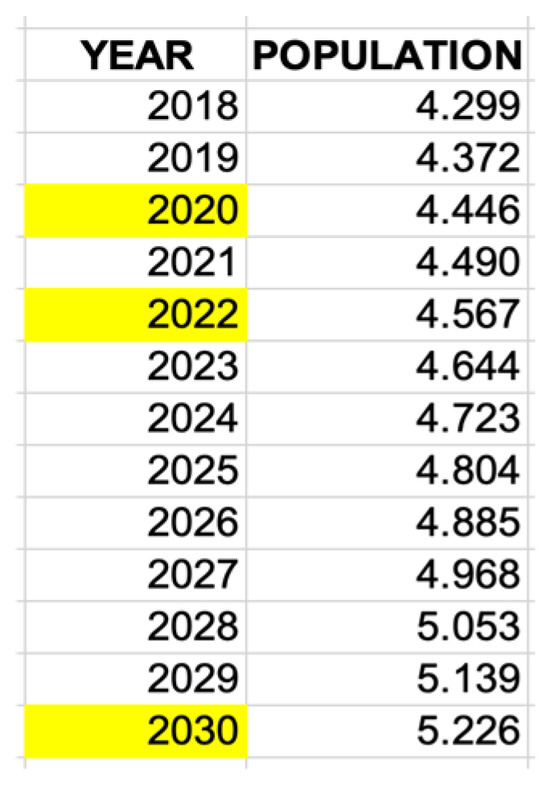
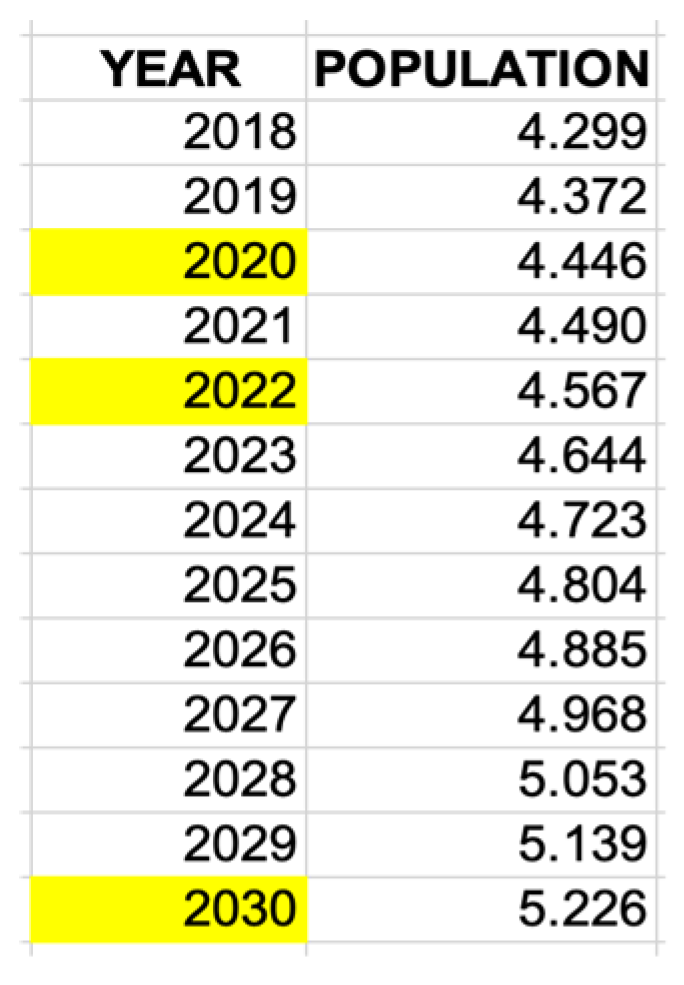
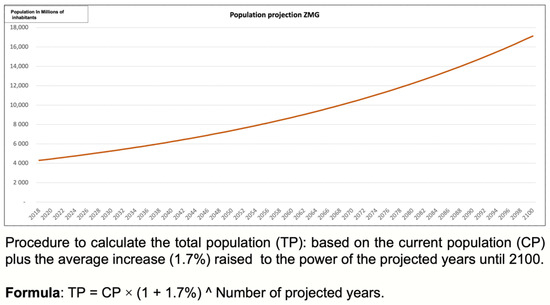
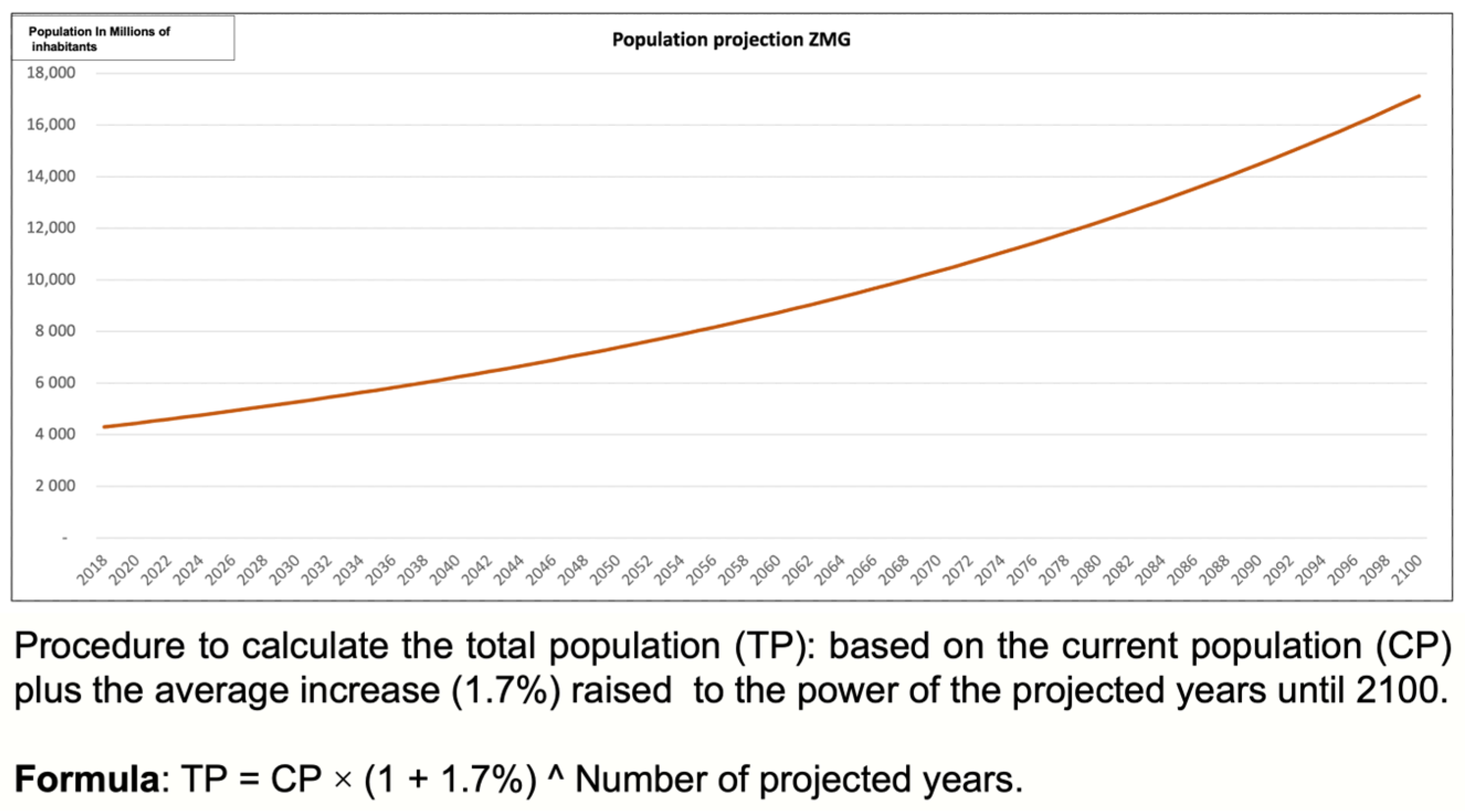
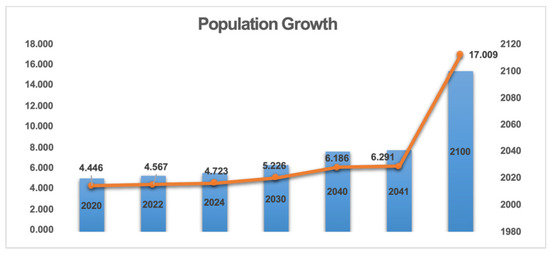
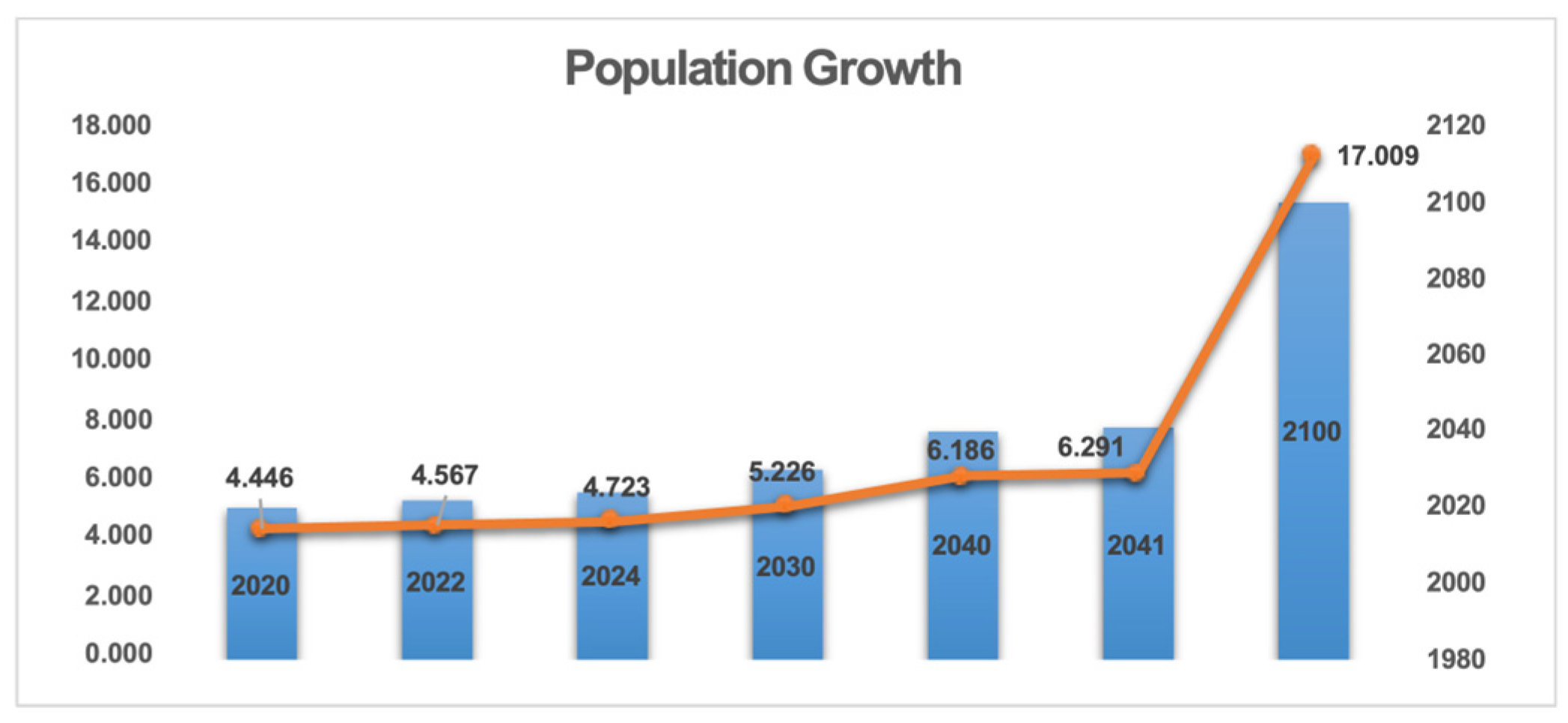
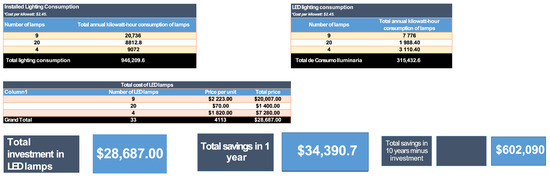
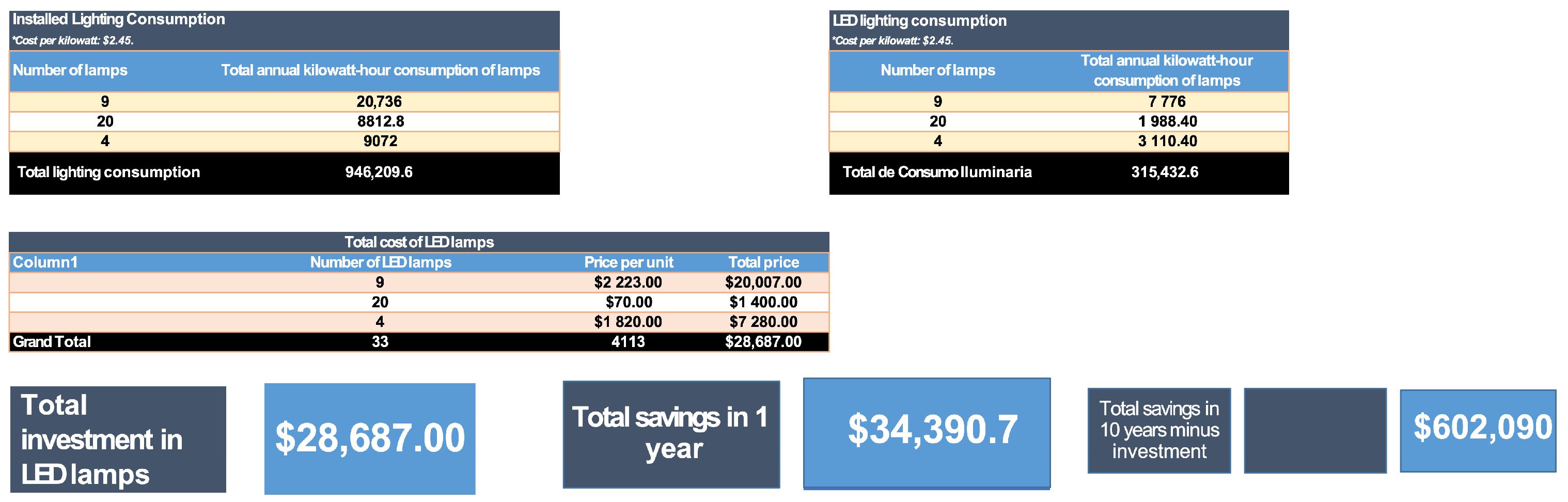
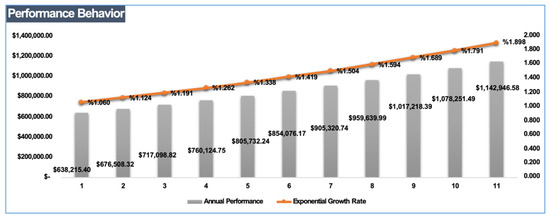
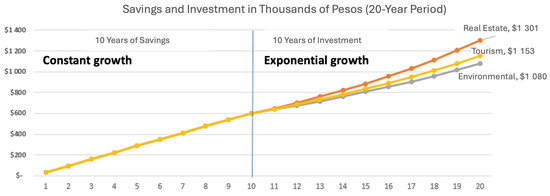
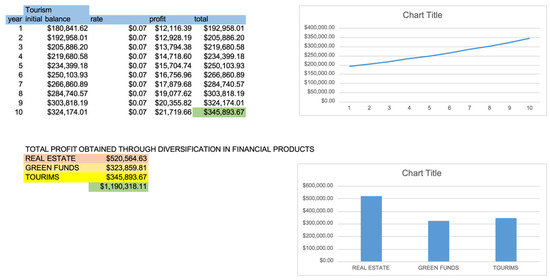
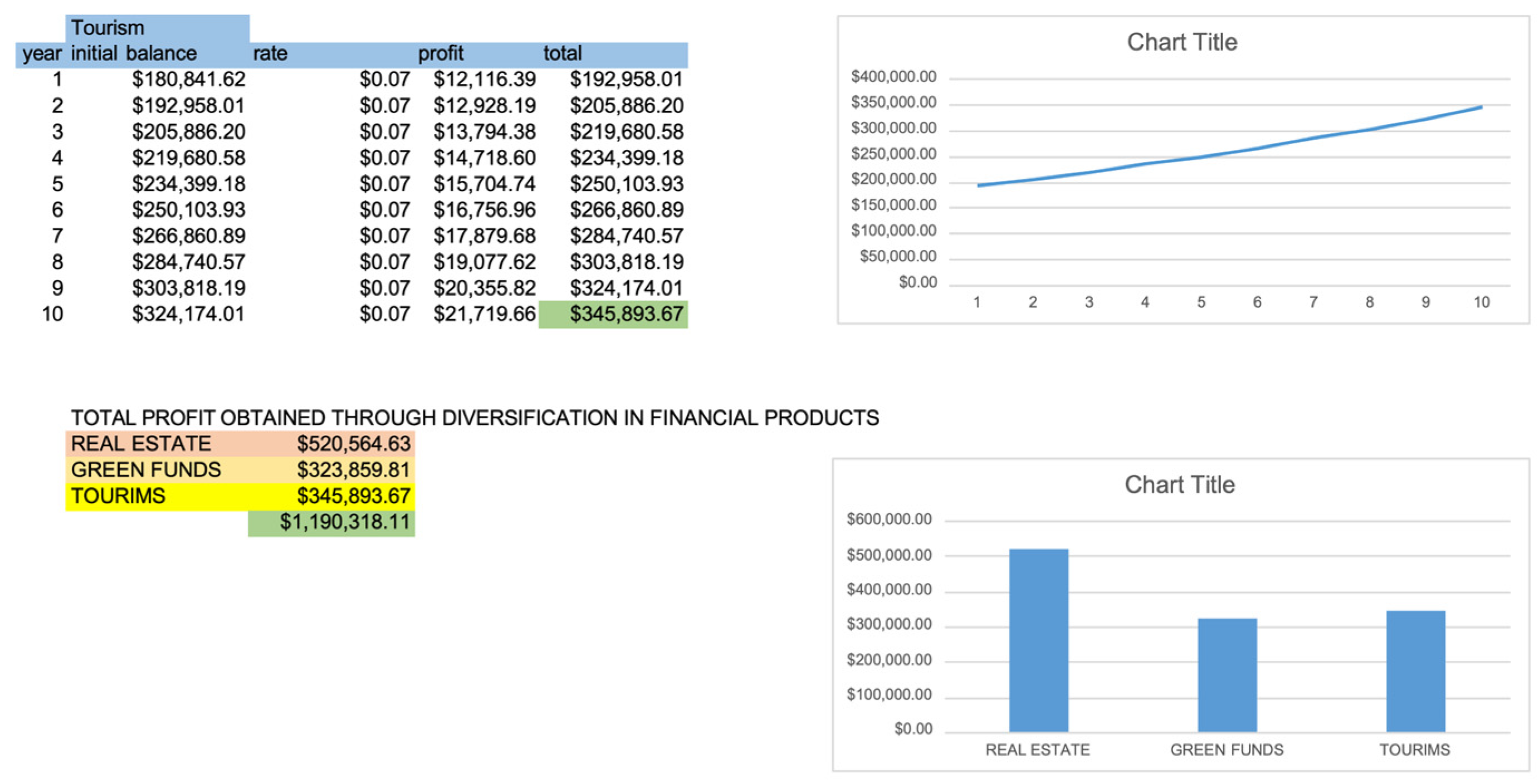

Disclaimer/Publisher’s Note: The statements, opinions and data contained in all publications are solely those of the individual author(s) and contributor(s) and not of MDPI and/or the editor(s). MDPI and/or the editor(s) disclaim responsibility for any injury to people or property resulting from any ideas, methods, instructions or products referred to in the content. |
© 2026 by the authors. Licensee MDPI, Basel, Switzerland. This article is an open access article distributed under the terms and conditions of the Creative Commons Attribution (CC BY) license.