


Abstract
The integration of artificial intelligence (AI) into online education has transformed the digital learning space, offering new ways to enhance learner satisfaction and engagement. This systematic literature review, covering a five-year span from 2020 to 2025, explores how AI technologies, such as chatbots, intelligent tutoring systems (ITS), sentiment analysis, gaze tracking and predictive analytics, support learner engagement across cognitive, emotional, behavioral, and social dimensions. Drawing from 30 peer-reviewed studies, the current review addresses three central research questions: (1) What aspects of AI positively influence learner satisfaction and engagement in online courses within higher education institutions; (2) What potential challenges from using these technologies may arise; and (3) What research approaches are most commonly used to assess AI’s impact in such learning contexts? The findings highlight that adaptive learning, real-time feedback, and emotion-aware systems contribute positively to personalized learning and motivation. However, concerns persist around data privacy, algorithmic bias, over-reliance on automation, and system usability. Experimental and quasi-experimental designs, as well as machine learning, mixed methods, and survey-based approaches are found to dominate in reviewed studies. Based on these insights, this work offers a foundation for future AI-enhanced learning management systems designed primarily to enhance learner engagement across cognitive, emotional, behavioral, and social domains.
1. Introduction
The fast growth of online education has changed how practitioners approach learning and teaching, use its affordances to make learning more effective, as well as the ways in which its effects and outcomes are researched. Online learning generally refers to educational experiences that are delivered partly or fully through digital platforms and can take different forms such as fully online programs, blended learning models that combine in-person and digital activities, or synchronous and asynchronous modalities of courses.
Previous reviews have highlighted factors influencing learning outcomes, student satisfaction, and engagement in online and blended learning. For example, Nortvig et al. (2018) emphasize educator presence, interactions, and course design as key actors affecting engagement and satisfaction, but do not comprehensively integrate multiple dimensions of learner experience. Similarly, Kim and Kim (2021) investigate student satisfaction and achievement in asynchronous online learning, showing that engagement affects satisfaction but not academic achievement directly. However, these reviews do not explicitly address the combined influence of artificial intelligence (AI) tools on both learner engagement and satisfaction across cognitive, emotional, behavioral, and social dimensions within higher education. This gap motivates the need for a systematic review that synthesizes findings across these multiple aspects and provides actionable insights for designing AI-enhanced learning environments.
Rapid institutional adoption of online and distance learning models has been observed across different higher education systems, highlighting the development of diverse e-learning platforms, functional architectures, and delivery formats in both European and non-European contexts (Ouadoud et al., 2021). Foundational studies have further emphasized the need for strategic implementation and empirical validation to ensure that online education can provide educational quality comparable to traditional classroom-based instruction, and to determine in which segments and for which learners it can be most effectively implemented (Dyatlov et al., 2021).
These flexible formats have made higher education more accessible to larger student cohorts, at the same time raising questions about how to maintain learner satisfaction and their active engagement in less traditional learning environments. From a theoretical perspective, learner engagement and satisfaction in digital learning environments are often explained through Self Determination Theory (SDT) and the Technology Acceptance Model (TAM). SDT posits that individuals are more motivated and actively engaged when their basic psychological needs for autonomy, competence, and relatedness are supported (Ryan & Deci, 2000; Bouffard, 2017). In educational contexts, fulfilling these needs enhances intrinsic motivation and promotes deeper involvement in learning activities.
The Technology Acceptance Model explains user adoption of technology through perceived usefulness and perceived ease of use (Davis, 1989). The model and its later extensions have been widely applied in educational technology research to understand learners’ acceptance and continued use of digital platforms (Venkatesh & Davis, 2000; Venkatesh et al., 2003). Empirical research shows that when learners’ needs for autonomy, competence, and relatedness are satisfied, they perceive educational technologies as more useful and easier to use, which increases their satisfaction and intention to continue using digital platforms (Yang & Lou, 2024).
Furthermore, studies on social media-based collaborative learning environments identify perceived satisfaction as an important educational outcome and demonstrate that meaningful use of digital tools and online interaction contribute to higher levels of learning satisfaction and perceived academic benefits (Sabah, 2022).
The shift from traditional to online has led teachers and researchers to look for new ways to keep learners satisfied with their learning experiences and overall course participation, and to keep them actively involved in all the activities that are part of their studies. A recent surge of development in the field of AI and its applications had a strong impact on online learning as well, especially in providing various tools to make learning more individualized, offering automatic feedback and supporting varied learning needs of individual learners. AI technologies—such as intelligent tutoring systems, chatbots, adaptive learning platforms, and predictive tools—are now increasingly used in online education to improve both learning experiences and results (Bhatia et al., 2024; Chen et al., 2025; Seo et al., 2021).
The use of AI-based tools in education has shown promising potential to increase both learner engagement and satisfaction. This is achieved by offering personalized learning paths, improving how content is delivered, and supporting learners’ emotional needs (Almufarreh, 2024; Fan et al., 2022, 2023; Ma’amor et al., 2024). Factors that contribute to this success include, among others, high-quality content, the perceived usefulness of technology, expected performance, emotional support, and the role of social and academic connections (Almufarreh, 2024; Boubker, 2023; Handoko et al., 2024). For example, AI tools like chatbots and smart agents can help learners feel more connected with instructors, peers, and the broader learning community, and keep them motivated, especially when they support basic psychological needs such as independence, ability, and relationships (Chen et al., 2025; Wang & Wang, 2024).
However, using AI in online education brings forth certain challenges. Some learners report feeling uncomfortable with automatic grading or AI-driven emotional support. Others worry about being watched, losing their privacy, or missing out on real human interaction in their learning (Handoko et al., 2024; Rodway & Schepman, 2023; Seo et al., 2021). Because of these concerns, it is important to understand not just the benefits of AI use in online educational settings, but also the possible risks and negative effects that may arise.
Furthermore, in order to successfully design and use AI tools that match learners’ needs and learning goals, it is important to understand what helps or hinders learner satisfaction and engagement. This systematic literature review thus aims to identify the factors contributing to the overall levels of satisfaction and engagement among higher education students and is centered around the following three research questions:
RQ1: What aspects of artificial intelligence use positively influence learner satisfaction and engagement in online courses within higher education settings?
RQ2: What aspects of artificial intelligence use have proven to be challenging for the levels of learner satisfaction and engagement in online courses at the higher education level?
RQ3: Which research methods are most commonly used in assessing the impact of artificial intelligence use on learner satisfaction and engagement?
This review synthesizes empirical findings on key AI-related factors—both positive and negative—that shape learner satisfaction and engagement in online education. Additionally, it examines the range of research methodologies used in assessing these relationships. By answering the above research questions, this study aims to offer useful insights for educational practitioners, technology designers, and policymakers who want to use AI effectively in online educational settings.
Unlike previous reviews that mainly provide a general overview of AI applications in education, this study narrows its focus to higher education and specifically examines how AI influences learner satisfaction and engagement across cognitive, emotional, behavioral, and social dimensions. By combining findings from the most recent five-year period (2020–2025) and integrating insights from both technological and pedagogical perspectives, it offers a more comprehensive understanding of the opportunities and challenges AI brings to online learning in higher education. The added value of this work lies in proposing a foundation for designing future AI-enhanced learning support that explicitly targets the improvement of learner engagement.
This review is structured as follows: Section 1 describes the methodology taken and outlines the systematic review process; Section 2 presents a detailed literature review of the selected studies; Section 3 discusses the key findings and their implications; and Section 4 provides conclusions for future research and practice.
2. Background Work
In recent years, research on AI in higher education has intensified, especially examining its pedagogical impact on learner experience, satisfaction, and engagement. Several review studies have mapped this field but most either provide broad conceptual overviews of AI applications or focus on specific technologies (e.g., intelligent tutoring systems, learning analytics, generative AI) without systematically examining learner outcomes across instructional contexts. Unlike previous reviews that gave general overviews, many earlier syntheses also differed in scope and methodology, often relying on narrative approaches or covering extended time spans that did not account for the most recent developments in AI-supported online and blended learning environments.
For example, Cai et al. (2024) conducted a systematic review using the PRISMA framework, analyzing 158 studies from 2021 to 2024. They focused on how AI tools provide scaffolding and support collaborative learning, grounded in Vygotsky’s Zone of Proximal Development (ZPD). They showed that AI can function as a “more knowledgeable other,” but the study emphasized instructional support rather than learner satisfaction and engagement.
Similarly, Msambwa et al. (2025) reviewed 148 studies exploring AI’s role in personal and collaborative learning. They highlighted personalization, enhanced communication, immersive interaction, and ethical considerations. Their approach was broad and environmental, without systematically analyzing satisfaction and engagement within a learner-centered framework.
Empirical studies consistently indicate that AI-supported environments can enhance learner satisfaction and engagement through personalization, adaptive feedback, interactive learning activities, and support for self-regulated and collaborative learning (Almulla, 2024; Cai et al., 2024; Msambwa et al., 2025). Research also highlights that sustained adoption depends on perceived usefulness, ease of use, trust and the quality of pedagogical and technological interactions (Dahri et al., 2024).
For example, Almulla (2024) applied the Technology Acceptance Model (TAM) using PLS-SEM to examine how perceived ease of use, usefulness, information quality, and collaborative learning influence university students’ satisfaction with ChatGPT; however, the specific version of the tool was not reported in the study. Dahri et al. (2024) extended the Unified Theory of Acceptance and Use of Technology (UTAUT) model to study AI adoption in Malaysia and Pakistan, identifying performance expectancy, information accuracy, pedagogical fit, and student interaction as key predictors of behavioral intention and satisfaction. However, both studies focus on technology acceptance and academic performance rather than synthesizing satisfaction and engagement across multiple contexts.
Prior reviews also highlight challenges, such as ethical AI use, privacy, academic integrity, and professional development needs (Chan & Hu, 2023). However, few syntheses integrate both pedagogical benefits and implementation challenges within a unified learner-centered framework.
Research methods in AI education are diverse. Quantitative approaches dominate, including surveys, experimental, and quasi-experimental studies measuring perceptions, learning outcomes, and engagement. Increasingly, system-generated data analyzed through learning analytics, educational data mining, and machine learning reveal patterns in student behavior. Qualitative methods such as interviews, focus groups, and case studies provide deeper insights into experiences and implementation contexts. Mixed-methods designs link outcome data with contextual understanding (Ersozlu et al., 2024; Mustafa et al., 2024). This methodological diversity underscores the need to systematically examine trends alongside pedagogical findings.
Despite the growing number of systematic and empirical studies, limitations remain. Many reviews do not isolate learner satisfaction and engagement as primary analytical dimensions, few focus on post-2020 generative AI in online and blended settings, and methodological trends are rarely synthesized together with pedagogical findings. These gaps indicate the need for a temporally focused, learner-centered systematic review that integrates technological characteristics, pedagogical outcomes, and methodological approaches.
By synthesizing findings from the most recent five-year period (2020–2025) and applying a structured review approach focused specifically on learner satisfaction and engagement in online and blended higher education, this review addresses the limitations of previous studies by narrowing the temporal scope, emphasizing recent AI developments, and systematically linking technological features with pedagogical outcomes. In this way, it extends prior reviews and provides a more focused conceptual basis for the design of future AI-enhanced learning management systems.
3. Methodology
This section explains the systematic method used to carry out the detailed literature review on how AI relates to online learning, learner satisfaction, and learner engagement in higher education. The review follows well-established guidelines for systematic literature reviews to ensure that the process is rigorous, clear, and can be reproduced by other researchers. The main goal of the process is to identify, evaluate, and synthesize relevant studies that research the role of AI in enhancing learner satisfaction and engagement in online or distance learning environments in higher education institutions.
3.1. Systematic Literature Review Protocol
To ensure a structured approach, the authors followed a systematic protocol based on the PRISMA (Preferred Reporting Items for Systematic Reviews and Meta-Analyses) 2020 guidelines (Page et al., 2021). The review process consisted of four main phases:
- Identification—searching Scopus and Web of Science (WoS) academic databases to identify potentially relevant studies on AI use in higher education.
- Screening—evaluating titles and abstracts to determine whether publications were relevant to the research focus on learner satisfaction and engagement.
- Eligibility—reviewing the full text of selected studies to assess whether they met predefined inclusion criteria, such as publication date (2020–2025), study context (higher education) and research focus (AI and learner engagement).
- Inclusion—final selection of studies that met all the criteria and were included in the systematic review.
The step-by-step approach of publication selection, from initial identification to final inclusion, is illustrated in the PRISMA flow diagram (Figure 1).
Figure 1.
PRISMA flow diagram of the current review. ** Studies were excluded if they addressed unrelated areas of AI, focused on general education rather than higher education, or did not involve online learning.
Although the review protocol was not prospectively registered, a structured protocol was developed and strictly followed prior to the screening phase. The protocol specified the research questions, search strategy, databases, time frame (2020–2025), and inclusion/exclusion criteria. All stages of the review were conducted in accordance with this predefined protocol.
3.2. Search Strategy
An extensive literature search was carried out focusing on the Scopus and WoS scientific databases, which were selected because they offer a wide coverage of peer-reviewed academic research across multiple fields, including social sciences. The search strategy used a combination of keywords related to the main topics of this study and the defined RQs—namely, AI, online learning, higher education, and learner outcomes—especially those related to engagement and satisfaction. The search was conducted in May 2025, ensuring that all relevant studies published within the defined period (2020–2025) and indexed in Scopus and WoS up to that date were taken into consideration.
In order to search the Scopus scientific database, the following complex query was used:
(TITLE-ABS-KEY(“online course”) OR TITLE-ABS-KEY(“e-learning”) OR TITLE-ABS-KEY(“distance learning”)) AND (TITLE-ABS-KEY(“HE”) OR TITLE-ABS-KEY(“HEI”) OR TITLE-ABS-KEY(“higher education”) OR TITLE-ABS-KEY(“university”)) AND (TITLE-ABS-KEY(“AI”) OR TITLE-ABS-KEY(“artificial intelligence”)) AND (TITLE-ABS-KEY(“student satisfaction”) OR TITLE-ABS-KEY(“student engagement”) OR TITLE-ABS-KEY(“learner engagement”) OR TITLE-ABS-KEY(“learner satisfaction”))
The query used for the WoS database was the same as for Scopus, but adapted to the WoS search format:
TS = (“online course” OR “e-learning” OR “distance learning”) AND TS = (“HE” OR “HEI” OR “higher education” OR “university”) AND TS = (“AI” OR “artificial intelligence”) AND TS = (“student satisfaction” OR “student engagement” OR “learner engagement” OR “learner satisfaction”)
An advanced search, applied across databases, was then conducted with further limitations to ensure quality and relevance of the obtained publications. This included:
- Publication years—2020 to 2025 (inclusive), ensuring current developments were captured in the review.
- Document types—Articles (ar), Conference Papers (cp), Chapters (ch), Book chapters (bk), and Data Papers (dp) as the types of publications considered in the review.
- Language—Only English language publications were included for the reasons of convenience.
The search focused specifically on the terms “AI” and “artificial intelligence” to include studies that clearly self-identify as AI research in higher education. This approach was chosen to ensure conceptual clarity, consistency in terminology, and a transparent and replicable search strategy, while maintaining a broad and technology-agnostic scope.
3.3. Screening and Selection Criteria
The publication selection process began with an initial search in the Scopus database, which retrieved a total of 92 publications using the unrefined query. After applying previously discussed advanced search filters, the number of publications was reduced to 67. No duplicates were found, and all publications were assessed for relevance based on their titles and abstracts.
During abstract screening, the 67 publications were examined to determine whether they addressed the review’s focus and aligned with the research questions. Studies were excluded if they dealt with unrelated areas of AI, focused on general education rather than higher education, or did not involve online learning at all. This step further narrowed the list to 40 relevant publications.
Among these 40 publications, 12 were subsequently excluded due to restricted access, leaving 28 studies available for full-text review. Each full-text publication was carefully evaluated against predefined inclusion and exclusion criteria to maintain the quality and relevance of the review. Studies were excluded if they were non-English language publications, did not involve higher education, did not address online or e-learning, or were opinion pieces, editorials, or other non-peer-reviewed sources.
In the WoS database, the same search strategy and filters were applied. The initial search retrieved 27 publications. After applying the filters, the number was reduced to 9 publications. Among these, 5 were identified as duplicates of records already retrieved from Scopus. The remaining 4 unique publications were included in the full-text reading and further analysis.
After applying these criteria, a total of 30 publications were ultimately selected for a detailed analysis and synthesis.
The screening process was conducted iteratively by all three authors. Titles, abstracts, and full texts were reviewed independently against the predefined inclusion and exclusion criteria. Disagreements regarding study eligibility were discussed and resolved through consensus among all three authors. This collaborative process ensured consistent application of the criteria and alignment with the research objectives.
Although the final number of included studies may appear limited, this result reflects the application of strict inclusion and exclusion criteria during the screening and eligibility phases. The review focused specifically on empirical studies conducted in higher education contexts that explicitly addressed the use of AI in online or distance learning and examined learner satisfaction and/or engagement. Studies that did not meet all of these criteria, were not accessible in full text, or were duplicates across databases were excluded from further consideration. The rigorous selection process ensured the relevance, quality and comparability of the studies included in the final synthesis. Importantly, the relatively small number of eligible studies also suggests the novelty and still limited exploration of this research area.
3.4. Data Extraction and Coding
After the final selection of studies, the bibliographic data (title, authors, DOI, and abstract) were exported from the databases into a Microsoft Excel spreadsheet. After the screening phase and removal of duplicate records, full texts of the included publications were then reviewed, and the relevant data were extracted and recorded in the table. The extraction process focused on identifying (1) aspects of AI use that positively influence learner satisfaction and engagement (RQ1), (2) aspects that present challenges or negative effects (RQ2), and (3) research methods used to assess the impact of AI on learner satisfaction and engagement (RQ3).
The coding process was conducted at multiple levels. During full-text reading, key findings from each study were summarized and initially coded. The codes were then compared and grouped into broader thematic categories based on conceptual similarity. These categories were subsequently used to structure the results section and to develop the thematic subchapters corresponding to each research question.
To enhance the reliability of the analysis, the coding framework and category structure were reviewed and refined through discussion among the authors. Any differences in interpretation were resolved through consensus.
3.5. Quality Appraisal
To assess the methodological quality and potential risk of bias of the included studies, a formal appraisal was conducted using the Mixed Methods Appraisal Tool (MMAT), version 2018 (Nha HONG et al., n.d.). The MMAT was selected due to the methodological diversity of the included studies (qualitative, quantitative, and mixed-methods), as it enables consistent evaluation across different research designs.
Given the variety of study types, the MMAT criteria were operationalized into simplified, context-specific indicators tailored to AI-in-education research so as to ensure feasibility and consistency. Each study was first categorized according to its research design, after which five relevant MMAT criteria were applied. Responses were coded as Yes (1), No (0), or Cannot tell (0), and a descriptive quality score (0–5) was calculated for each study.
The appraisal was conducted independently by two authors, with disagreements resolved through discussion among all three authors until consensus was reached.
The results of the quality assessment are presented in detail at the end of the paper (see Table A1 in Appendix A), and include, for each study, the following: citation, research design, brief study description, and MMAT ratings.
4. Results of the Literature Review
This section analyses the selected publications based on the three research questions that form the basis of this work. First, it explores the AI factors that positively influence learner satisfaction and engagement in online courses (RQ1). Second, it examines the AI factors that may present challenges or negatively affect learner satisfaction and engagement in these learning environments (RQ2). Third, it investigates the research methods most commonly used to assess the effects of AI on learner satisfaction and engagement (RQ3). These factors and methodologies are organized and analyzed according to common themes found in the publications, such as personalization, feedback systems, user experience, and prevalent methodological approaches. In taking such an approach, this review provides a balanced understanding of both the benefits and potential difficulties of using AI in online education, as well as insights into the research designs that support these findings.
4.1. Positive Influence of AI Use on Learner Satisfaction and Engagement (RQ1)
Based on the analysis of the selected publications, eight major AI-driven factors can be identified as central to having effect on learner satisfaction and engagement in digital learning environments. These include the following:
- Personalized learning and adaptive pathways
- AI-powered engagement tracking and interaction tools
- Feedback and assessment systems
- Support systems and accessibility (use of chatbots)
- Predictive analytics and early intervention
- AI-enhanced interaction and teamwork
- AI as tutor, mentor, and learning companion
- Ease of use and intuitive user interfaces
A list of the identified AI factors and publications in which they feature is given in Table 1 for quick reference.
Table 1.
Positive AI-related factors identified in reviewed publications.
4.1.1. Personalized Learning and Adaptive Pathways
AI is becoming very important in creating personalized learning experiences and adaptive learning environments in online education. It is able to customize content, feedback, and learning paths based on each learner’s needs and behavior. This helps improve learner satisfaction and engagement.
For example, tools like ChatGPT provide real-time feedback and customized learning resources, helping learners feel supported and connected to the course (Abid et al., 2024; Ilieva et al., 2023). Similarly, chatbots acting as virtual teaching assistants help guide learners through individualized learning paths, which increases engagement and satisfaction levels (Roca et al., 2024). Intelligent Tutoring Systems (ITS) use fuzzy rule-based personalization, ensuring that content aligns with each learner’s progress and needs (Chrysafiadi et al., 2023; Maqbool et al., 2024). In addition, AI-driven adaptive learning platforms, such as ALEKS and Squirrel AI, personalize instruction by breaking content into granular learning units and dynamically adjusting learning pathways, thereby supporting learner engagement and satisfaction through tailored learning experiences (Fisher & Baird, 2020). Similarly, AI-based personalized recommendation systems, such as AISAR, analyze learner performance data to provide targeted learning recommendations and immediate feedback, which enhances engagement, learning efficiency, and overall learner satisfaction (Bagunaid et al., 2022).
However, personalized learning includes more than just feedback for the learner. It also includes adaptive content sequencing, multimodal learning resources, and custom learning path design. In specialized fields like music education, AI has been used to align teaching content with learners’ cultural backgrounds and preferences, which was observed to lead to improved motivation and learning outcomes (X. Li, 2024).
Advanced models, such as BiLSTM-based (Bidirectional Long Short-Term Memory) learning style predictors, can successfully predict how learners prefer to process information, allowing platforms to adjust teaching strategies for better understanding and retention (Haque et al., 2024). Some systems use gaze tracking and behavior analysis to detect when learners lose focus and respond with summaries or interactive tasks to re-engage them appropriately (Santhosh et al., 2024).
Mobile-friendly and microlearning platforms, powered by AI, also contribute to personalization. Mobile-first tools deliver customized learning paths and instant feedback, which increases motivation and helps learners stay on track (Almuqhim & Berri, 2025; Baba et al., 2024). Systems that adapt course content and assessments based on learners’ academic history and behavior create learning experiences that are both challenging and supportive (Mutambik, 2024; Baba et al., 2024).
AI-driven feedback systems, especially in formative assessments and chatbot interactions, have also been linked to higher learner confidence levels (Hamzaoui et al., 2024; Dhandapani et al., 2023; Eltahir & Babiker, 2024).
4.1.2. AI-Powered Engagement Tracking and Interaction Tools
AI-powered tools are changing the way learners interact with online learning by making it more tailor-made, adaptive, and responsive. Such tools use real-time data to monitor learner engagement and attention, helping educators adjust their teaching strategies to better support learners. In this context, AI primarily functions at the system and instructional levels, providing analytics that may inform course design, teaching decisions, and institutional improvement rather than direct learner interaction.
For instance, one system uses Internet of Things (IoT)-connected EEG sensors to monitor learners’ attention during online lectures. This data helps instructors see when learners are focused or distracted, allowing them to respond in real time (Haque et al., 2024). Instructors can respond in real time by adjusting the pace of instruction, providing targeted explanations, posing interactive questions, or offering additional resources to support struggling learners. Similarly, Sasaki et al. (2023) demonstrate how AI-based engagement tracking using deep learning can analyze learners’ video activity to detect changes in behavioral and communication patterns, enabling instructors to identify declining engagement and provide timely support. In another example, AI is used to analyze written reflections in software engineering courses. By identifying common themes and challenges in learners’ responses, instructors can adapt their lessons to better support learning needs (Dehbozorgi & Dindu, 2023).
Gaze tracking technology, combined with AI-generated summaries, is another innovative approach. These systems can detect when a learner is losing focus and respond by adjusting the content or providing additional support. Some tools can even interpret emotional and mental states to provide a more personalized and engaging learning experience (Santhosh et al., 2024).
Machine learning is also used to predict learner satisfaction in a course. By analyzing large datasets, these systems can monitor learner engagement, identify the most relevant factors affecting satisfaction—such as learner interactions, learning intentions, internet connectivity, and lecturer performance—and predict which areas of a course may need subsequent improvement. The study in question Kakish and Al-Eisawi (2023) specifically employed decision tree and Naive Bayes algorithms to show how AI can help educators and institutions enhance course design and delivery.
Finally, microlearning platforms powered by AI are helping keep learners engaged by breaking content into smaller, manageable pieces. These systems adjust the material based on individual progress, ensuring learners receive the right level of challenge and support (Almuqhim & Berri, 2025). Unlike AI tutoring systems, these platforms primarily support engagement through content structuring and adaptive delivery rather than conversational or mentoring interaction.
4.1.3. Feedback and Assessment Systems
AI-powered feedback and assessment systems are transforming digital education by providing fast, individualized, and adaptive responses to both learners and instructors. One of the main benefits of these tools is their ability to deliver instant feedback, helping learners spot mistakes quickly, stay motivated, and remain engaged throughout.
For example, in a first-year Computer Engineering course at Galileo University, an AI chatbot was integrated as a learning assistant to support students during Java programming exercises. The chatbot helped detect errors in assignments, provided immediate feedback, and offered clear, supportive guidance tailored to individual student needs. Its usefulness, ease of interaction, 24/7 availability, and personalized responses enhanced overall learner satisfaction and engagement, while the intuitive user interface further contributed to positive learning experiences (Roca et al., 2024). Some systems, such as gaze-driven platforms powered by ChatGPT, monitor learners’ focus and deliver immediate assistance to improve understanding and attention (Santhosh et al., 2024). Tools like Studiosity also provide real-time assistance, giving learners the support they need when instructors are not immediately available (Eltahir & Babiker, 2024).
In addition to real-time support, AI also improves how progress is monitored and how assessments are delivered. Machine learning models can detect which topics learners find difficult and adjust the content to match their learning levels. These systems can also judge when a learner is ready to move on to more challenging topics or tasks, making learning more efficient and individually tailored (Dhandapani et al., 2023). Mobile-optimized platforms extend these benefits by offering feedback anytime, anywhere, helping learners stay on track (Baba et al., 2024). In interactive learning environments, quizzes and tests with immediate AI-generated feedback have shown beneficial in learners’ understanding and performance (Soto et al., 2024).
AI tools also support instructors by providing feedback that can transform and better their teaching practices. Some systems analyze transcripts from online classes and suggest better teaching strategies to make lessons more engaging (Dede & Lidwell, 2023). Traditional techniques like “Minute Paper” (a short, timed reflective writing activity where learners summarize what they learned or note points of confusion) are being enhanced through AI models that analyze learner reflections to detect confusion or learning gaps (Dehbozorgi & Dindu, 2023). Other tools offer adaptive, real-time support based on each learner’s progress and learning style (Maqbool et al., 2024).
Finally, the rise of AI in assessment represents a departure from traditional testing. Instead of focusing only on memorization, modern assessment approaches prioritize real-world, process-based evaluations, making learning more relevant and meaningful to learners (Hallan Graven & MacKinnon, 2023). Even hybrid models that assess instructional videos now rely on AI for quick and accurate evaluation (Hamzaoui et al., 2024). Some platforms, like Pigai, provide emotionally intelligent feedback, helping learners feel supported both cognitively and emotionally, which is an important benefit in the absence of in-person instruction (Y. Li & Shu, 2022).
4.1.4. Support Systems and Accessibility (Use of Chatbots)
Chatbots are increasingly used in digital learning environments to improve accessibility, responsiveness, and learner engagement. They provide real-time, conversational support that helps learners access information, ask questions and receive guidance at any particular time of the learning process. This 24/7 availability is especially valuable, as it reduces delays, lowers frustration and enhances the overall learning experience (Ilieva et al., 2023).
In many cases, chatbots are integrated into Learning Management Systems (LMS) and offer personalized assistance, timely feedback and direct support (Adib et al., 2024). Learners generally report higher satisfaction and engagement when the chatbot is seen as a useful tool that supports their academic progress (Roca et al., 2024).
In addition to academic support, chatbots also help manage administrative tasks related to learning. Features like automated assignment tracking, reminders, and scheduling tools allow learners to stay organized and reduce cognitive overload, which can lead to better focus and participation (Mutambik, 2024).
Institutions that use AI-powered chatbots in online and distance education have seen improvements in both communication and learner satisfaction, largely due to the immediate and accurate support these tools provide (Ndunagu et al., 2022). Platforms like Studiosity, which offer real-time AI-driven feedback and guidance, contribute to higher motivation and performance among learners (Eltahir & Babiker, 2024).
4.1.5. Predictive Analytics and Early Intervention
Predictive analytics in AI-powered e-learning systems are changing how educators support learners by enabling early intervention. By analyzing data from learner interactions in virtual learning environments, machine learning models can identify learners who are at risk due to low engagement (Dhandapani et al., 2023). This allows instructors to step in early, offering targeted support to at-risk students and helping improve both engagement and academic performance.
Advanced models like BiLSTM networks have been used to predict learners’ preferred learning styles based on memory patterns. This enables personalized content delivery tailored to each learner ‘s cognitive profile, making learning more effective and individualized (Haque et al., 2024). Similarly, algorithms like decision trees and Naive Bayes classifiers predict learner satisfaction by examining factors such as interaction levels, internet connectivity and instructor quality. These insights help institutions monitor satisfaction in real time and adjust their approaches to improve the learning experience (Kakish & Al-Eisawi, 2023).
Intelligent Evaluation Systems (IES) provide detailed, real-time feedback, and can recognize emotional cues. This supports learner motivation and emotional well-being, both crucial for ongoing engagement (Almuqhim & Berri, 2025). AI-driven learning analytics can also detect signs of disengagement and offer support as needed (Dede & Lidwell, 2023). Additionally, chatbot systems equipped with real-time data analysis provide instructors with actionable insights, enabling more responsive and informed teaching decisions (Ilieva et al., 2023).
Together, these technologies highlight how predictive analytics can enable timely, personalized and effective interventions in digital learning environments.
4.1.6. AI-Enhanced Interaction and Teamwork
AI technologies are increasingly employed to improve interaction and teamwork in digital learning environments. By promoting communication, facilitating collaboration and supporting team-building, AI helps create more connected and engaging online classrooms. AI-driven automation has proven effective in developing learners’ technical, social, and communication skills—key factors that boost engagement and satisfaction in virtual learning settings (Mutambik, 2024).
Centralized AI tools like chatbots provide real-time support and simplify communication between learners and instructors. By reducing distractions and frustration, these tools help learners stay focused, manage stress and engage more efficiently with course content (Ndunagu et al., 2022). Additionally, IoT-enabled e-learning systems foster greater interaction and collaboration among learners, which is linked to improved knowledge retention and academic success (Haque et al., 2024).
Some AI tools analyze learner profiles or self-introductions to create well-balanced teams that work effectively together. For example, systems like SAMI use natural language processing and knowledge graphs to recommend team formations, enhancing collaboration and building a stronger sense of community in virtual classrooms (Dede & Lidwell, 2023). Furthermore, AI-supported interactive learning methods such as independent work, student presentations, and short knowledge tests have been linked to higher perceived effectiveness of distance learning, as AI tools provide automated feedback and analysis that enhance interaction in remote settings (Barnett-Itzhaki et al., 2023).
Through these innovations, AI not only enhances how learner and educators communicate, but also helps build more connected learning environments.
4.1.7. AI as Tutor, Mentor and Learning Companion
AI has made personalized educational support more accessible, offering guidance that was once limited to highly specialized supervision due to resource constraints. By providing adaptive learning materials and targeted assistance, AI improves student engagement and satisfaction (Hallan Graven & MacKinnon, 2023). In contrast to the analytics-oriented tools described in Section 4.1.2, this category focuses on AI systems that interact directly with learners as conversational partners and learning facilitators.
Beyond acting as tutors, AI tools also serve as mentors and teammates, providing real-time explanations, feedback, and collaborative assistance that promote both academic progress and peer interaction (Adib et al., 2024). Such systems support self-regulated learning by answering questions on demand, scaffolding problem-solving processes, and offering continuous formative feedback during learning activities. As learning companions, AI tools can maintain ongoing dialogue with learners, encourage reflection, and provide motivational support, thereby extending learning beyond formal instructional settings.
4.1.8. Ease of Use and Intuitive UI
For AI tools to be effective in education, they should be easy to use and visually intuitive. Powerful features alone are insufficient if the interface is confusing, as this reduces learner engagement. Research shows that learner are more satisfied and gain more benefits from AI tools when the design is user-friendly and straightforward (Roca et al., 2024).
Well-designed interfaces help learners navigate the platform with ease, which makes the learning experience smoother and more enjoyable. Mobile-friendly platforms with interactive chat features are especially effective because they provide support on the go and help keep learners involved and motivated (Baba et al., 2024).
Popular platforms such as Blackboard, Moodle and Coursera have integrated AI features, with users reporting higher satisfaction when these tools are both accessible and helpful (Saqr et al., 2024). However, challenges with certain tools, such as ChatGPT’s interface response time, demonstrate that usability issues can negatively affect user experience and satisfaction (Soto et al., 2024). These findings underscore the importance of intuitive UI in maximizing the benefits of AI in education.
4.2. Challenges and Potential Drawbacks of AI Use on Learner Satisfaction and Engagement (RQ2)
Based on analysis of the selected publications in this work, seven key factors have been identified as potential challenges to learner satisfaction and engagement in AI-integrated online education. These include the following:
- Ethics and privacy
- Over-reliance on AI
- Bias and fairness
- Accuracy and hallucination
- Student motivation and learning impact
- Usability and interface limitations
- Financing and cost.
A list of the main reviewed publications along with their associated AI-related challenges is presented in the summary Table 2 for quick reference.
Table 2.
AI challenges identified in reviewed publications.
4.2.1. Ethics and Privacy
While AI brings significant opportunities to transform online education, it also raises important ethical and privacy concerns. Many learners and educators worry about how personal data is collected, stored, and used by AI systems, especially with tools like chatbots and IoT-enabled learning platforms. These concerns highlight the need for stronger data protection policies and clearer security standards (Ilieva et al., 2023; Haque et al., 2024).
There are also concerns about the potential misuse of AI, such as enabling plagiarism or reinforcing algorithmic biases. These issues raise critical questions about fairness, transparency and responsible use in education (Abid et al., 2024; DSouza et al., 2023). Biases related to gender, socioeconomic status, or other social factors can undermine learner trust and threaten the goals of inclusion and equity in learning environments (Rädel-Ablass et al., 2025; Adib et al., 2024).
There is also growing discomfort around the role of AI in replacing human interaction, spreading misinformation, and operating without clear regulations or accountability (Debic et al., 2021). If these risks are not properly addressed, learners may hesitate to use AI tools, potentially lowering their satisfaction and engagement levels. Thus, ethics, privacy, and their stricter formalization remain critical issues in the ongoing development of digital education.
4.2.2. Over-Reliance on AI
As AI tools become more common in online education, there are growing concerns that learners might rely too heavily on technology, which could negatively impact their ability to think critically and solve problems on their own. Additionally, challenges arise for educators as well, as faculty may struggle to find intentional pedagogical uses for AI, assume a more passive role, or experience cognitive overload, highlighting potential over-reliance on AI in teaching and learning (Fisher & Baird, 2020). Research indicates that easy access to AI-generated answers and automated assistance can reduce learners’ motivation to engage deeply with the material, possibly leading to poorer understanding and retention (Dehbozorgi & Dindu, 2023; Abid et al., 2024).
Relying too much on AI can also get in the way of building important transferable skills, since learners may be tempted to simply use given AI solutions instead of developing their own reasoning and creativity (Ilieva et al., 2023). Moreover, this dependence risks diminishing the value of human interaction, mentorship, and teamwork, essential components of a comprehensive educational experience (Adib et al., 2024).
Therefore, while AI offers valuable support, it is crucial to balance technology use with human guidance to promote genuine engagement and holistic skill development in online learning.
4.2.3. Bias and Fairness
AI tools in online education face significant challenges related to bias and fairness, which can affect learner satisfaction and equitable learning opportunities. For example, large language models and AI chatbots may sometimes generate content that is inaccurate or unintentionally biased, potentially confusing learner or reinforcing harmful stereotypes (Ilieva et al., 2023; DSouza et al., 2023).
These problems often come from the data the AI was trained on, which can reflect existing societal biases like gender stereotypes and unintentionally carry those into the classroom (Baba et al., 2024; Rädel-Ablass et al., 2025). There are also growing concerns about fairness, including the risk of AI replacing certain human roles in education (Rädel-Ablass et al., 2025).
To reduce such risks, regular reviews of AI systems are essential, along with tools that can detect and correct biased behavior. Promoting fairness and inclusion needs to be a priority among teaching practitioners and developers of educational systems (Adib et al., 2024). Without these safeguards, biased AI can undermine confidence in educational technologies.
4.2.4. Accuracy and Hallucination
One of the key limitations of using AI in online education is its occasional production of inaccurate or “hallucinated” responses—answers that sound confident but are actually incorrect. This can be frustrating for learners and can negatively impact their learning experience.
For instance, AI systems attempting to assess learner engagement and sentiment can misclassify student behavior or tone, particularly in small or context-specific samples, highlighting challenges in achieving accurate and generalizable engagement detection (Sasaki et al., 2023). Similarly, AI-based performance prediction and recommendation systems can fail to accurately evaluate individual student progress, with slow processing and misclassification of performance levels leading to suboptimal guidance and negatively affecting learner satisfaction and engagement (Bagunaid et al., 2022). Many generative chatbots, including popular language models, do not have access to real-time information and sometimes provide misleading answers, which then need to be double-checked by learner or instructors and approached critically (Ilieva et al., 2023).
This issue is particularly critical in subjects where accuracy is vital. Learners have to learn to critically evaluate AI-generated content and verify its accuracy to avoid misunderstandings (Rädel-Ablass et al., 2025). Since no AI-based system is flawless, errors are inevitable and learners should not rely solely on AI and related tools for learning (Abid et al., 2024). In fact, research shows that when AI gives inaccurate or unclear answers, it can be particularly unhelpful for learners who do not yet have the knowledge to spot the errors themselves (Soto et al., 2024). All this highlights how important it is to combine AI with human guidance, in order to ensure that learners receive reliable, high-quality support in their education.
4.2.5. Student Motivation and Learning Impact
The integration of AI into online education offers both opportunities and challenges, particularly regarding learner motivation and learning outcomes. While AI tools such as chatbots provide useful support, they often struggle to fully adapt to the diverse and complex needs of different learning environments. This mismatch can limit their effectiveness and reduce student engagement (Roca et al., 2024).
Another concern is how AI may affect the traditional relationship between learners and instructors. Some educators have concerns that AI might one day replace human teachers, which creates hesitation and even resistance to embracing these technologies (Maqbool et al., 2024; Eltahir & Babiker, 2024). For learners, unclear AI-generated instructions, lack of emotional connection, and occasional inaccuracies can cause frustration and hinder meaningful learning experiences.
Motivation, however, extends beyond technology alone. Research indicates that learners are more motivated when they feel emotionally connected and engaged with their learning—an area where most AI tools still face challenges, even when equipped with features like emotion recognition (Hamzaoui et al., 2024; Y. Li & Shu, 2022).
To summarize, while AI can be a valuable support in online learning, its positive impact on motivation depends on thoughtful integration that complements rather than replaces the essential human elements of education.
4.2.6. Usability and Interface Limitations
Usability and design issues in AI tools can sometimes make online learning more frustrating than helpful. For example, learners using ChatGPT have reported problems such as small or awkward chatbox sizes, missing shortcut commands, and slow response times. These issues disrupt the learning flow and can quickly lead to frustration, reducing the overall effectiveness and enjoyment of AI-based learning (Soto et al., 2024).
These challenges highlight the critical importance of designing AI tools with intuitive, user-friendly interfaces that facilitate, rather than hinder, the learning process.
4.2.7. Financing and Cost
Implementing AI in online education presents significant financial challenges for both institutions and learners. As AI and IoT tools become more widespread, associated costs, such as infrastructure, maintenance and subscription fees, can quickly accumulate, placing strain on school budgets (Haque et al., 2024). These rising expenses risk limiting access to AI-powered learning tools, particularly for schools with restricted funding and students from lower-income backgrounds (Hamzaoui et al., 2024).
4.3. Common Research Methods for Assessing AI’s Impact on Learner Satisfaction and Engagement (RQ3)
In order to investigate how researchers evaluate the influence of AI on learner satisfaction and engagement, this review analyzed the research methods employed in the selected empirical studies. The analysis identified a range of methodological approaches, namely:
- survey-based quantitative research
- experimental and quasi-experimental designs
- mixed-methods approaches
- machine learning and data-driven approaches
- qualitative and descriptive research
Among these, machine learning and data-driven approaches were the most frequently used, appearing in 8 out of 30 selected studies. Experimental and quasi-experimental designs were used in 7 studies, while survey-based quantitative research appeared in 6 studies and employed to provide detailed insights into learner experiences. Qualitative and descriptive research were used in 5 studies while mixed-methods approaches were identified in 4 studies. Surveys were effective in capturing general learner perceptions, while mixed-methods designs allowed for a more comprehensive analysis by integrating both qualitative and quantitative data. Figure 2 presents the distribution of research methods across the reviewed studies.
Figure 2.
Distribution of research methods for assessing AI’s impact on learner satisfaction and engagement.
4.3.1. Survey-Based Quantitative Research
Survey-based quantitative designs are one of the most common approach to examining AI in higher education. Questionnaires, usually built on Likert scales, are employed to capture student perceptions of satisfaction, engagement, usefulness, and realism in AI-supported learning environments.
Across the reviewed studies, surveys served different but related purposes. They were applied in a multi-university setting to test how AI-driven automation shaped student satisfaction and engagement, with analysis conducted through structural equation modeling (Mutambik, 2024). A large-scale study analyzed approximately 30,000 teaching evaluation surveys from 4800 undergraduates and master students across 23 departments, examining overall assessment, teaching clarity, effectiveness of distance learning, and frequency of interactive learning methods (Barnett-Itzhaki et al., 2023). Similar instruments were used to assess IoT-enabled platforms, focusing on attention, motivation, and interaction (Haque et al., 2024). Another large-scale survey explored how perceived usefulness and ease of use influenced satisfaction with AI-enhanced systems such as Blackboard and Moodle (Saqr et al., 2024). Yet another study surveyed 478 faculty members to identify trends and recommendations for incorporating AI and other emerging technologies in online courses, combining quantitative tabular analysis with descriptive observations from open-ended responses (Fisher & Baird, 2020). In a more specialized setting, custom questionnaires were designed to evaluate the realism and training quality of a GPT-4-based chatbot in health education (Rädel-Ablass et al., 2025).
A clear pattern emerges: surveys are consistently chosen to measure attitudes and experiences rather than direct learning outcomes. They are effective for identifying trends across large samples but remain limited in explaining whether AI actually improves performance or skills. What they capture well is how students feel about AI tools; what they cannot reveal with equal clarity is how these tools impact measurable learning gains.
4.3.2. Experimental and Quasi-Experimental Designs
Experimental and quasi-experimental designs have played a central role in examining how AI integration influences student satisfaction and engagement. These methods allow researchers to compare the effects of AI-enhanced learning environments with traditional teaching approaches.
Experimental designs are typically used in smaller-scale studies focusing on specific AI functionalities. For example, controlled experiments tested an AI-assisted music teaching system and its impact on engagement and performance (X. Li, 2024), a chatbot integrated into a programming course to support problem solving (Roca et al., 2024), a fuzzy-logic Intelligent Tutoring System for personalized programming instruction (Chrysafiadi et al., 2023) and a pilot integration of ChatGPT into a networking course (Soto et al., 2024). These designs primarily aimed to identify whether AI could increase personalization, enhance engagement and improve comprehension.
Quasi-experimental designs are more common when AI tools are implemented at the course or institutional level, where random assignment is not feasible. These studies explored AI applications in higher education, including a university-level personalized learning platform (Campus+) (Baba et al., 2024), ChatGPT and Kahoot! integration in Moodle courses (Eltahir and Babiker, 2024) and an AI system for automatic question generation (Hamzaoui et al., 2024). These designs focused on assessing broader applicability and acceptance of AI tools, as well as their effects on engagement, motivation and learning outcomes.
Across studies, a pattern emerges: experimental designs are mostly applied to specific AI systems with smaller groups, while quasi-experiments are used to evaluate larger-scale implementations of AI platforms in authentic learning contexts.
In terms of effectiveness, both approaches consistently reported positive effects of AI on engagement and satisfaction. However, limitations are evident. Experimental studies often rely on small samples, making generalization difficult, while quasi-experimental studies suffer from the absence of randomization, meaning contextual factors such as course design or instructor style may influence outcomes. Furthermore, both approaches mostly capture short-term effects, with a lack of evidence on long-term impacts of AI on learning and satisfaction.
4.3.3. Mixed-Methods Approaches
Mixed-methods research has become popular in studies examining the impact of AI on student satisfaction and engagement. By combining quantitative and qualitative methods, these studies offer a more comprehensive view of how AI technologies affect learning in real-world educational settings.
One study designed and tested a gaze-driven adaptive learning system with ChatGPT-generated summaries, combining controlled experimentation with eye-tracking data and post-task surveys to investigate engagement and comprehension (Santhosh et al., 2024). Another study integrated survey data, statistical analysis and experimental chatbot evaluations to explore students’ satisfaction with generative chatbots in higher education, adding sentiment and data mining analyses to identify patterns in perceptions and emotional responses (Ilieva et al., 2023). Similarly, the NAJEH chatbot study employed case study observations, app usage metrics, and student surveys to evaluate personalized academic support and engagement across different programs (Abid et al., 2024). Finally, a comparative experiment on AI-driven emotion recognition in English translation teaching was combined with questionnaires to assess the effects of human, AI-only, and hybrid feedback on satisfaction and engagement (Y. Li & Shu, 2022).
Patterns of use suggest that mixed-methods are particularly suited for contexts where researchers want to capture both objective performance indicators (e.g., gaze-tracking, usage logs, test scores) and subjective student experiences (e.g., attitudes, motivation, perceived usefulness). They are often applied in the evaluation of novel or complex AI systems, where multiple data perspectives are required to assess their impact.
These designs are effective because they provide richer and more reliable findings by combining different perspectives. However, they also have some challenges: bringing together many types of data can be complicated and take a lot of time and most studies are small and very specific to one context, which makes it hard to apply the results more broadly. Another limitation is that these studies usually measure short-term reactions, while the long-term effects of AI on satisfaction and engagement are still unclear.
4.3.4. Machine Learning and Data-Driven Approaches
A growing trend in AI and education research is the use of machine learning (ML) and data-driven methods to assess student satisfaction and engagement. One reviewed study analyzed 232 video activity reports using AI, applied BERT-based sentiment analysis, and modeled individual student behaviors to estimate engagement, while also incorporating qualitative interviews and manual labelling to contextualize the results (Sasaki et al., 2023). Similarly, the AISAR system applies multiple ML algorithms—including RNNs, DBSCAN clustering, MapReduce, and R-SARSA reinforcement learning—on the OULAD dataset to predict student performance and provide tailored recommendations, while also using experimental comparisons to validate effectiveness against existing methods (Bagunaid et al., 2022). These approaches often pair predictive modeling with survey data and dashboard analytics to examine student interactions with AI-enhanced environments.
Examples include ML-based eLearning models designed to improve engagement through quantitative Dhandapani et al. (2023), topic modeling of student reflections using BERTopic, visualized in instructor Dehbozorgi and Dindu (2023) and multimodal sentiment and facial expression analysis to build a Student Engagement Index, refined by teacher input (DSouza et al., 2023). Other studies applied ML to personalize learning, such as using the OULAD dataset to generate tailored learning plans (Almuqhim & Berri, 2025). Predictive modeling has also been applied to survey data, for example, in Jordan to forecast satisfaction with online learning using decision trees and Naive Bayes classifiers Kakish and Al-Eisawi (2023), while large-scale text classification was used in Nigeria to design a Naive Bayes-powered chatbot for student support (Ndunagu et al., 2022).
Patterns of use indicate that ML methods are particularly suited to contexts with large datasets (e.g., logs, surveys, reflections, helpdesk queries) and are frequently used to predict satisfaction and engagement or to generate adaptive learning experiences.
In terms of effectiveness, these approaches provide powerful insights into patterns and allow for scalability across large populations. However, they face challenges: models are often data-dependent, meaning that findings are limited to the quality and scope of available datasets. Furthermore, ML studies frequently demonstrate technical feasibility but less often address the practical, long-term impact on actual learning satisfaction and engagement.
4.3.5. Qualitative and Descriptive Research
Qualitative and descriptive approaches are widely used to explore student and faculty perspectives, institutional practices and contextual experiences of AI in education. Methods typically include interviews, case studies, thematic analyses and reflective accounts.
For instance, institutional reports from Harvard, MIT, and Stanford were synthesized to reflect on how AI-supported digital learning developed during the pandemic Dede and Lidwell (2023), while a reflective study examined the post-pandemic direction of AI in higher education based on expert experience rather than empirical data (Hallan Graven & MacKinnon, 2023). Case studies have been employed to capture lived experiences of AI in practice, such as interviews and surveys in an AI course at a Croatian business school during COVID-19 Debic et al. (2021), or usage data and feedback on AI-powered tools at DeVry (Adib et al., 2024). In Pakistan, semi-structured interviews with faculty were thematically analyzed using a fuzzy inference system to understand the role of collaborative AI tools in supporting teaching and engagement (Maqbool et al., 2024).
Patterns of use suggest that these methods are chosen when researchers aim to understand motivations, perceptions and broader institutional or pedagogical contexts, rather than to measure outcomes quantitatively.
Regarding effectiveness, qualitative and descriptive research offers rich, in-depth insights into how AI is perceived and integrated in education. However, these approaches face limitations: findings are often context-specific, based on small or selective samples, and may lack generalizability. Additionally, reliance on self-reported or reflective data means that long-term effects and objective measures of engagement are not always captured.
Figure 3 provides a systematic overview of the key patterns and conclusions identified across the five research methods, highlighting both their specific contributions and areas of overlap. The symbol “√” indicates that a specific pattern was identified within a given research method, whereas “×” denotes that the pattern was not identified.
Figure 3.
Identified patterns across the five categories of research methods.
4.3.6. Study Characteristics Synthesis
The reviewed studies demonstrate considerable diversity in design, context, and methodological approach, while also revealing several consistent patterns (see Table 3). Most research is based on small- to medium-sized samples, indicating that AI applications in higher education are still largely in exploratory or pilot phases. Specifically, 14 studies used small samples, 10 used medium samples, 5 used large samples, and 1 did not specify sample size. Only a limited number of studies employ large-scale datasets, thus enhancing generalizability of the results.
Table 3.
Study synthesis.
In terms of disciplinary focus, STEM fields predominate, particularly computer science and engineering. However, the inclusion of health education, music, business, and language studies reflects a gradual expansion of AI integration across disciplines. This suggests that while technical domains remain central to AI experimentation, adoption is becoming increasingly interdisciplinary.
The learning setting is predominantly online or hybrid, highlighting the strong alignment between AI tools and digital learning environments. Specifically, 19 studies were conducted in online settings, 6 in classroom settings, and 5 in hybrid settings. Classroom-only implementations are less frequent, reinforcing the idea that AI is often embedded within LMS platforms or digital ecosystems, rather than traditional face-to-face instruction.
Regarding AI system types, the studies encompass a wide range of solutions, including generative chatbots, intelligent tutoring systems, machine learning predictive models, automated assessment tools, and adaptive learning systems. Specifically, 9 studies examined chatbots or generative AI, 8 examined AI platforms/LMS integrations, 7 examined machine learning models, and 6 examined intelligent tutoring or adaptive systems. Notably, most systems are categorized as prototypes, with fewer studies examining fully mature, production-level implementations. Specifically, 19 studies were prototypes, 10 were production-level, and 1 combined both stages.
Engagement and satisfaction are most frequently examined through machine learning and data-driven approaches (8 studies), as well as experimental or quasi-experimental designs (7), followed by survey-based quantitative studies (6), qualitative or descriptive research (5), and mixed-methods approaches (4) (see Figure 4). Some studies employ methodological triangulation by combining surveys with performance metrics, usage analytics, or experimental evaluation. Nevertheless, reliance on small, context-specific samples and short-term measurements remains a common limitation. Overall, the synthesis highlights a rapidly evolving field characterized by methodological diversity, ongoing technological experimentation, and expanding interdisciplinary applications in higher education.
Figure 4.
Study synthesis diagram.
5. Discussion
The integration of AI into online education has the potential to significantly enhance learner satisfaction and engagement by making learning experiences more personalized, adaptive, and responsive. Prior studies have also highlighted that personalization through AI, such as intelligent tutoring systems and adaptive learning platforms, can improve motivation, retention, and perceived learning effectiveness (Chrysafiadi et al., 2023; X. Li, 2024). The findings of this study align with these results, reinforcing the value of AI in creating meaningful and learner-centered learning environments (RQ1).
AI-driven tools such as chatbots, Intelligent Tutoring Systems (ITS) and gaze-tracking platforms customize content, feedback, and learning paths to fit individual student needs. This personalization not only supports cognitive engagement but also strengthens emotional satisfaction by making students feel guided and cared for, which is consistent with earlier work showing that tailored feedback increases both self-efficacy and autonomy (Santhosh et al., 2024; Roca et al., 2024; Soto et al., 2024). For teachers, this suggests the importance of integrating AI in ways that supplement their feedback processes, ensuring students receive timely and supportive guidance. For technology designers, it underlines the need to prioritize adaptive feedback loops and multimodal analytics, while policymakers should support funding for scalable, ethically grounded AI infrastructure in education.
Another key finding is the role of AI in supporting collaboration and social engagement. Similarly to earlier research demonstrating the potential of AI to enhance peer interaction and collaborative learning through chatbots and learning dashboards (Abid et al., 2024); Baba et al. (2024), this study shows that AI can facilitate team formation, peer communication, and a stronger sense of community in online education. Teachers can leverage these tools to promote group problem-solving and cross-disciplinary projects, while policymakers may encourage frameworks that integrate AI into broader strategies for collaborative learning.
Nevertheless, challenges remain. The study findings echo prior concerns about ethics, data privacy, and algorithmic bias in educational AI (Ilieva et al., 2023; Haque et al., 2024). These risks highlight the importance for policymakers to enforce strict transparency and accountability guidelines, ensuring AI applications protect student rights and do not reinforce inequities. For technology designers, this underscores the responsibility to develop explainable AI systems with clear data protection standards. The findings also show risks of over-reliance on AI tools. Consistent with earlier observations Dehbozorgi and Dindu (2023); Ilieva et al. (2023), students depending too heavily on AI-generated responses may lose opportunities to develop critical thinking and deeper reflection. For teachers, this implies a need to carefully balance AI integration with activities that foster independent inquiry and mentorship. For technology designers, it means creating systems that encourage active learning rather than passive consumption (RQ2).
To operationalize ethical AI integration, institutions should adopt concrete governance and risk-mitigation strategies. These include data minimization and strict data life-cycle control with informed consent and secure storage, transparency about how AI systems use and generate information, and regular audits to identify algorithmic bias and reliability issues. At the instructional level, clear course-level guidance on acceptable AI use and the integration of academic integrity policies can reduce ethical uncertainty and over-reliance. Additionally, strengthening AI literacy for teachers and students and establishing institutional oversight mechanisms (e.g., ethics committees or accountability frameworks) can support responsible, transparent, and pedagogically aligned implementation of AI in education (Zhu et al., 2025).
Recent course-integrated AI assistants provide additional methodological and ethical insights that directly address several challenges identified in this review. AI-enabled systems such as VirtualTA (AIIA) demonstrate the value of integrating comprehensive LMS-based knowledge with semantic retrieval and multi-stage query processing to improve contextual accuracy while reducing hallucinations through confidence-based response control. They also incorporate academic integrity safeguards, such as assignment-sensitive responses that guide students toward relevant resources instead of providing direct answers, and transparent source attribution to strengthen user trust (Sajja et al., 2023).
Institutional platforms such as the Educational AI Hub further highlight the importance of mixed-methods evaluation combining system usage logs, interaction analytics, and student feedback to understand overreaching engagement patterns and learning needs. Findings indicate mixed levels of student trust, concerns about hallucinations and bias, and uncertainty regarding academic integrity, alongside a strong demand for clear institutional policies and bounded guidance for AI use (Sajja et al., 2026).
At a broader level, bibliometric evidence shows that research on AI and academic integrity has evolved from a primary focus on misconduct detection toward more comprehensive ethical reflection and the need for stronger theoretical frameworks and institutional strategies to support responsible AI integration in higher education (Avello & Aranguren Zurita, 2025).
In relation to RQ3, this review highlights that the impact of AI on student satisfaction and engagement has been assessed through a diverse range of methodological approaches, with experimental and quasi-experimental designs most frequently employed. While these designs provide valuable insights into causal effects, they are often constrained by small samples or limited randomization, which reduces generalizability. Survey-based research remains central in capturing large-scale perceptions, yet its reliance on self-reported data limits conclusions about actual learning outcomes. Mixed-methods approaches appear particularly promising, as they bridge subjective experiences with objective performance measures, offering richer insights into the role of AI in education. For practitioners, this suggests that future evaluations of AI tools should adopt more robust and longitudinal mixed-methods frameworks that combine experimental rigor with qualitative depth. Such designs would provide teachers with clearer evidence of classroom-level impact, guide technology designers in refining usability and adaptability, and help policymakers make more informed, evidence-based decisions about scaling AI in education.
AI influences student engagement across several dimensions. It enhances cognitive engagement by adapting content delivery to individual performance and learning preferences. Tools like ITS and BiLSTM-based predictors make learning more intellectually stimulating and relevant (Haque et al., 2024). AI supports emotional engagement through technologies that recognize and respond to student emotions in real time, such as gaze tracking and sentiment analysis, which detect frustration or disengagement and trigger appropriate support. At the behavioral level, predictive analytics and mobile-first microlearning platforms track participation, deliver bite-sized content and reinforce positive study habits. These features promote consistency and persistence in learning. Furthermore, AI fosters social engagement by enhancing peer-to-peer collaboration and communication, encouraging active participation in group learning. Figure 5 illustrates the types of engagement supported by AI in education.
Figure 5.
Types of engagement in AI-supported educational settings.
To fully realize these benefits, educational institutions should prioritize ethical AI use, ensure transparency in data practices and adopt a balanced approach that blends automation with meaningful human interaction. When designed and implemented responsibly, AI can not only scale educational support but also foster deep and lasting engagement across cognitive, emotional, behavioral and social domains of online learning.
A promising direction for future research is the adoption of layered governance models for AI-enhanced LMS that embed human-in-the-loop (HITL) oversight and emphasize teacher augmentation rather than replacement. Such models position educators as active interpreters of AI-generated analytics and recommendations, which helps mitigate algorithmic bias and prevents over-automation of pedagogical functions (Binns, 2018; Holmes et al., 2019). Importantly, HITL governance aligns with the four engagement dimensions: teachers contextualize AI insights to deepen cognitive engagement, provide empathetic support to enhance emotional engagement, guide learning behaviors beyond passive reliance, and foster meaningful social interactions that AI alone cannot replicate. Future work should also explore how governance frameworks and teacher-centric interfaces can be systematically integrated into LMS to ensure ethical, accountable, and pedagogically aligned use of AI.
6. Limitations
This review has several limitations that should be considered when interpreting the findings. First, 12 studies could not be retrieved in full text due to access restrictions. Although we attempted to contact the authors, we did not receive responses within the timeframe of this study. Excluding these studies may introduce selection bias, as their findings could potentially broaden or modify our conclusions. Future research that includes these studies may provide an even more comprehensive understanding of the AI factors investigated.
Second, this review does not include a formal quantitative synthesis to aggregate the consistency and strength of effects for each AI factor. This limits the ability to assess the relative weight of evidence behind individual claims. However, future studies could apply quantitative approaches to clarify effect patterns and the robustness of evidence.
Third, although the review synthesizes evidence on AI features and their relationships with learner engagement and satisfaction, it does not propose a concrete conceptual framework or system architecture linking AI capabilities with engagement dimensions, governance requirements, and stakeholder roles. The primary aim of this study was to provide a systematic evidence base rather than to develop a design model. Therefore, the findings should be interpreted as a conceptual foundation intended to inform the future development of an integrated framework.
7. Conclusions and Future Work
This study provides a comprehensive synthesis of how AI integration reshapes online education, highlighting both its educational and social implications. The primary scientific contribution of this work lies in systematically examining AI-powered tools, such as chatbots, intelligent tutoring systems (ITS), predictive analytics and emotion-aware platforms, and their impact on learner engagement across cognitive, emotional, behavioral, and social dimensions. By reviewing diverse methodologies, including experimental, quasi-experimental, machine learning-based, and mixed-methods approaches, this study offers a structured understanding of how AI interventions influence learner satisfaction and engagement while identifying methodological trends and gaps in current research.
Our findings indicate that AI technologies can significantly enhance personalized learning, provide real-time feedback, and foster collaborative learning experiences. When implemented responsibly, AI can augment educational practices, increasing learner motivation, supporting instructors and enabling more adaptive and inclusive learning environments. However, challenges such as data privacy concerns, algorithmic bias, over-reliance on technology and usability issues remain critical and require careful, ethical design and evaluation.
Beyond the classroom, the impact of artificial intelligence extends to society as a whole. By reshaping the educational experiences of students and supporting educators and researchers, AI can indirectly impact workforce readiness, skill development and social equity. For instance, adaptive AI tools may better prepare students for the evolving demands of the labor market, while also highlighting potential disparities in access and outcomes. Recognizing these broader societal effects is essential for aligning AI in education with inclusive and socially responsible practices.
Future research should focus on developing adaptive, ethical and learner-centered AI-supported environments, emphasizing robust mixed-methods evaluation to capture both measurable outcomes and contextual nuances. Further work should also examine impacts of AI on education, teacher roles and workforce preparedness, ensuring that AI’s integration fosters equitable benefits for both learners and society. In particular, future studies could explore the alignment of predictive analytics, reinforcement-style personalization, and recent LLM-based adaptive systems with engagement and satisfaction metrics, helping to clarify both advances and limitations of these approaches. Future research could also examine cost, total cost of ownership, compute and data governance trade-offs, and related equity implications to better inform institutional decision-making. By critically assessing both opportunities and limitations, future studies can guide the responsible and impactful deployment of AI in education and beyond.
Author Contributions
Conceptualization, A.K., D.J. and V.S.; methodology, A.K., D.J. and V.S.; software; validation, A.K., D.J. and V.S.; formal analysis, A.K.; investigation, A.K.; resources, D.J.; data curation, A.K.; writing—original draft preparation, A.K., D.J. and V.S.; writing—review and editing, A.K., D.J. and V.S.; visualization, A.K., D.J. and V.S.; supervision, D.J. and V.S.; project administration, D.J.; funding acquisition, D.J. All authors have read and agreed to the published version of the manuscript.
Funding
This research has been supported by University of Rijeka “NPOO uniri-iz-25-97” under the project “SEAMple: Integration of social media, artificial intelligence, and digital marketing for managing student engagement”, and the APC was funded by University of Rijeka “NPOO uniri-iz-25-97”.
Institutional Review Board Statement
Not applicable.
Informed Consent Statement
Not applicable.
Data Availability Statement
The data supporting the findings of this study are partially available. The aggregated data, tables, and schematic representations necessary to interpret and reproduce the reported results are included within the article. The underlying raw dataset is not publicly available due to privacy and confidentiality considerations: parts of the dataset are being used in ongoing analyses and therefore cannot be openly archived at this stage. The raw data can be made available from the corresponding author upon reasonable request and compliance with applicable data-protection regulations. Further inquiries should be directed to the corresponding author.
Conflicts of Interest
The authors declare that they have no competing interests.
Appendix A
Study quality assessment
Each criterion was evaluated using operationalized MMAT indicators tailored to the study design in order to ensure consistency and transparency of assessment.
For mixed-methods studies, the following simplified indicators were applied:
- (C1) the study clearly explains why both qualitative and quantitative data are used;
- (C2) both datasets are presented in the results;
- (C3) qualitative and quantitative findings are integrated or explicitly connected;
- (C4) any conflicting or divergent results are discussed;
- (C5) methods for both components are clearly described.
For survey studies, the assessment included:
- (C1) participants correspond to the target population (e.g., students using AI tools);
- (C2) sample size is adequate or appropriately described;
- (C3) the study uses a structured survey instrument, validated scales, or questionnaire;
- (C4) response rate is reported or study limitations are acknowledged;
- (C5) appropriate descriptive and/or inferential statistical analyses are applied.
For experimental studies, the following criteria were used:
- (C1) inclusion of a comparison group or pre-post design;
- (C2) comparability of groups or description of baseline characteristics;
- (C3) clear reporting of outcome data;
- (C4) acknowledgment of limitations or potential sources of bias;
- (C5) clear description and implementation of the intervention.
Table A1.
MMAT ratings for each study.
References
- Abid, A., Somai, M., Kammoun, H. M., & Kallel, I. (2024, November 6–8). The NAJEH effect: How ChatGPT is shaping the future of higher education. 2024 21st International Conference on Information Technology Based Higher Education and Training, ITHET 2024, Paris, France. [Google Scholar] [CrossRef] [Scilit]
- Adib, N., Sommer, N., & Waksmanski-Krynski, N. (2024, October 16–18). Leveraging the human classroom with AI-powered resources. DEMOcon 2024—2024 IEEE Digital Education and MOOCS Conference, Proceedings, Atlanta, GE, USA. [Google Scholar] [CrossRef] [Scilit]
- Almufarreh, A. (2024). Determinants of students’ satisfaction with AI tools in education: A PLS-SEM-ANN approach. Sustainability, 16(13), 5354. [Google Scholar] [CrossRef] [Scilit]
- Almulla, M. (2024). Investigating influencing factors of learning satisfaction in AI ChatGPT for research: University students perspective. Heliyon, 10, e32220. [Google Scholar] [CrossRef] [Scilit]
- Almuqhim, S., & Berri, J. (2025). AI-driven personalized microlearning framework for enhanced E-learning. Computer Applications in Engineering Education, 33(3), e70040. [Google Scholar] [CrossRef] [Scilit]
- Avello, D., & Aranguren Zurita, S. (2025). Exploring the nexus of academic integrity and artificial intelligence in higher education: A bibliometric analysis. International Journal for Educational Integrity, 21(1), 24. [Google Scholar] [CrossRef] [Scilit]
- Baba, K., El Faddouli, N.-E., & Cheimanoff, N. (2024). Mobile-optimized AI-driven personalized learning: A case study at Mohammed VI Polytechnic University. International Journal of Interactive Mobile Technologies, 18(4), 81–96. [Google Scholar] [CrossRef] [Scilit]
- Bagunaid, W., Chilamkurti, N., & Veeraraghavan, P. (2022). AISAR: Artificial intelligence-based student assessment and recommendation system for E-learning in big data. Sustainability, 14(17), 10551. [Google Scholar] [CrossRef] [Scilit]
- Barnett-Itzhaki, Z., Beimel, D., & Tsoury, A. (2023). Using a variety of interactive learning methods to improve learning effectiveness: Insights from AI models based on teaching surveys. Online Learning Journal, 27(3), 363–386. [Google Scholar] [CrossRef] [Scilit]
- Bhatia, A., Bhatia, P., & Sood, D. (2024). Leveraging AI to transform online higher education: Focusing on personalized learning, assessment, and student engagement. International Journal of Management and Humanities, 11(1), 1–6. [Google Scholar] [CrossRef] [Scilit]
- Binns, R. (2018). Fairness in machine learning: Lessons from political philosophy. Proceedings of Machine Learning Research, 81, 149–159. [Google Scholar]
- Boubker, O. (2023). From chatting to self-educating: Can AI tools boost student learning outcomes? Expert Systems with Applications, 238, 121820. [Google Scholar] [CrossRef] [Scilit]
- Bouffard, L. (2017). Ryan, R. M. et Deci, E. L. (2017). Self-determination theory. Basic psychological needs in motivation, development and wellness. New York, NY: Guilford Press. Revue Québécoise de Psychologie, 38(3), 231–234. [Google Scholar] [CrossRef] [Scilit]
- Cai, L., Msambwa, M., & Daniel, K. (2024). Exploring the impact of integrating AI tools in higher education using the zone of proximal development. Education and Information Technologies, 30, 7191–7264. [Google Scholar] [CrossRef] [Scilit]
- Chan, C., & Hu, W. (2023). Students’ voices on generative AI: Perceptions, benefits, and challenges in higher education. International Journal of Educational Technology in Higher Education, 20, 43. [Google Scholar] [CrossRef] [Scilit]
- Chen, X., Xie, H., Qin, S., Wang, F., & Hou, Y. (2025). Artificial intelligence-supported student engagement research: Text mining and systematic analysis. European Journal of Education, 60, e70008. [Google Scholar] [CrossRef] [Scilit]
- Chrysafiadi, K., Virvou, M., Tsihrintzis, G. A., & Hatzilygeroudis, I. (2023). Evaluating the user’s experience, adaptivity and learning outcomes of a fuzzy-based intelligent tutoring system for computer programming for academic students in Greece. Education and Information Technologies, 28(6), 6453–6483. [Google Scholar] [CrossRef] [Scilit]
- Dahri, N. A., Yahaya, N., Al-Rahmi, W., Vighio, M., Alblehai, F., Soomro, R. B., & Shutaleva, A. (2024). Investigating AI-based academic support acceptance and its impact on students’ performance in Malaysian and Pakistani higher education institutions. Education and Information Technologies, 29, 18695–18744. [Google Scholar] [CrossRef] [Scilit]
- Davis, F. D. (1989). Perceived usefulness, perceived ease of use, and user acceptance of information technology. Management Information Systems Quarterly, 13(3), 319–340. [Google Scholar] [CrossRef] [Scilit]
- Debic, B., Aleksic-Maslac, K., & Vranesic, P. (2021, September 27–October 1). Lessons from developing and delivering an artificial intelligence course during the COVID-19 pandemic. 2021 44th International Convention on Information, Communication and Electronic Technology, MIPRO 2021—Proceedings (pp. 742–748), Opatija, Croatia. [Google Scholar] [CrossRef] [Scilit]
- Dede, C., & Lidwell, W. (2023). Developing a Next-Generation Model for Massive Digital Learning. Education Sciences, 13(8), 845. [Google Scholar] [CrossRef] [Scilit]
- Dehbozorgi, N., & Dindu, K. G. (2023, October 18–21). Analysis of learning outcomes in software engineering: An automated reflection analysis tool. 2023 IEEE Frontiers in Education Conference (FIE), College Station, TX, USA. [Google Scholar] [CrossRef] [Scilit]
- Dhandapani, A., Ilakiyaselvan, N., Muralidhar, A., & Khati, V. (2023, December 14–15). Artificial intelligence based eLearning model to increase student engagement. 2023 6th International Conference on Recent Trends in Advance Computing, ICRTAC 2023 (pp. 366–371), Chennai, India. [Google Scholar] [CrossRef] [Scilit]
- DSouza, K., Varma-Nelson, P., Fang, S., & Mukhopadhyay, S. (2023). Monitoring cyber peer-led team learning: A multimodal human-in-the-loop approach (Vol. 3524). CEUR Workshop Proceedings. Available online: https://www.scopus.com/inward/record.uri?eid=2-s2.0-85177040120&partnerID=40&md5=927b79c581a56f63654dc6d0cc31308f (accessed on 18 May 2025).
- Dyatlov, A., Kovalev, V., & Kravets, A. (2021). Search for an optimal model for using online education in higher education in the context of sustainable digitalization. E3S Web of Conferences, 258, 07077. [Google Scholar] [CrossRef] [Scilit]
- Eltahir, M. E., & Babiker, F. M. E. (2024). The influence of artificial intelligence tools on student performance in e-learning environments: Case study. Electronic Journal of E-Learning, 22(9), 91–110. [Google Scholar] [CrossRef] [Scilit]
- Ersozlu, Z., Taheri, S., & Koch, I. (2024). A review of machine learning methods used for educational data. Education and Information Technologies, 29(16), 22125–22145. [Google Scholar] [CrossRef] [Scilit]
- Fan, O., Wu, M., Zheng, L., Zhang, L., & Jiao, P. (2023). Integration of artificial intelligence performance prediction and learning analytics to improve student learning in online engineering course. International Journal of Educational Technology in Higher Education, 20, 4. [Google Scholar] [CrossRef] [Scilit]
- Fan, O., Zheng, L., & Jiao, P. (2022). Artificial intelligence in online higher education: A systematic review of empirical research from 2011 to 2020. Education and Information Technologies, 27, 7893–7925. [Google Scholar] [CrossRef] [Scilit]
- Fisher, M. M., & Baird, D. E. (2020). Humanizing user experience design strategies with new technologies: AR, VR, MR, ZOOM, ALLY and AI to support student engagement and retention in higher education. In International perspectives on the role of technology in humanizing higher education (pp. 105–129). Emerald Publishing Limited. [Google Scholar] [CrossRef] [Scilit]
- Hallan Graven, O., & MacKinnon, L. (2023, October 18–21). Developing higher education–post-pandemic–influenced by AI. 2023 IEEE Frontiers in Education Conference (FIE), College Station, TX, USA. [Google Scholar] [CrossRef] [Scilit]
- Hamzaoui, R., Bachiri, Y. A., Ouassam, E., Mouncif, H., & Bouikhalene, B. (2024). A hybrid approach for assessing distance learning instructional videos using artificial intelligence. International Journal on Technical and Physical Problems of Engineering, 16(3), 234–243. Available online: https://www.scopus.com/inward/record.uri?eid=2-s2.0-85205948855&partnerID=40&md5=8aab0c3575164f663c50c84f9e12d2a0 (accessed on 18 May 2025).
- Handoko, B., Thomas, G. N., & Indriaty, L. (2024, September 4–5). adoption and utilization of artificial intelligence to enhance student learning satisfaction. 2024 International Conference on ICT for Smart Society (ICISS) (pp. 1–6), Bandung, Indonesia. [Google Scholar] [CrossRef] [Scilit]
- Haque, M. A., Ahmad, S., Hossain, M. A., Kumar, K., Faizanuddin, M., Islam, F., Haque, S., Rahman, M., Marisennayya, S., & Nazeer, J. (2024). Internet of things enabled E-learning system for academic achievement among university students. E-Learning and Digital Media. [Google Scholar] [CrossRef] [Scilit]
- Holmes, W., Bialik, M., & Fadel, C. (2019). Artificial intelligence in education: Promises and implications for teaching and learning. Center for Curriculum Redesign. [Google Scholar]
- Ilieva, G., Yankova, T., Klisarova-Belcheva, S., Dimitrov, A., Bratkov, M., & Angelov, D. (2023). Effects of generative chatbots in higher education. Information, 14(9), 492. [Google Scholar] [CrossRef] [Scilit]
- Kakish, H., & Al-Eisawi, D. (2023, April 24–26). A predictive model for assessing satisfaction with online learning for higher education students during and after COVID-19 using data mining and machine learning techniques: A case of Jordanian institutions. International Conference on Enterprise Information Systems, ICEIS—Proceedings (Vol. 1, pp. 156–163), Prague, Czech Republic. [Google Scholar] [CrossRef] [Scilit]
- Kim, S., & Kim, D.-J. (2021). Structural relationship of key factors for student satisfaction and achievement in asynchronous online learning. Sustainability, 13, 6734. [Google Scholar] [CrossRef] [Scilit]
- Li, X. (2024). Research on the path of integrating traditional culture into music teaching in colleges and universities in the era of artificial intelligence. Applied Mathematics and Nonlinear Sciences, 9(1), 1–16. [Google Scholar] [CrossRef] [Scilit]
- Li, Y., & Shu, W. (2022). Wireless network access and emotion recognition of online English translation teaching system from the perspective of artificial intelligence. Wireless Communications and Mobile Computing, 2022, 1238932. [Google Scholar] [CrossRef] [Scilit]
- Ma’amor, H., Achim, N., Ahmad, N. L., Roszaman, N. S., Anuar, N. N. K., Azwa, N. C. A. K., Rahman, S. N. A., & Hamjah, N. A. A. (2024). The effect of artificial intelligence (AI) on students’ learning. Information Management and Business Review, 16(3), 856–867. [Google Scholar] [CrossRef] [Scilit]
- Maqbool, M. A., Asif, M., Imran, M., Bibi, S., & Almusharraf, N. (2024). Emerging E-learning trends: A study of faculty perceptions and impact of collaborative techniques using fuzzy interface system. Social Sciences and Humanities Open, 10, 101035. [Google Scholar] [CrossRef] [Scilit]
- Msambwa, M., Wen, Z., & Daniel, K. (2025). The impact of AI on the personal and collaborative learning environments in higher education. European Journal of Education, 60, e12909. [Google Scholar] [CrossRef] [Scilit]
- Mustafa, M. Y., Tlili, A., Lampropoulos, G., Huang, R., Jandrić, P., Zhao, J., Salha, S., Xu, L., Panda, S., Kinshuk, López-Pernas, S., & Saqr, M. (2024). A systematic review of literature reviews on artificial intelligence in education (AIED): A roadmap to a future research agenda. In Smart Learning Environments (Vol. 11). Number 1. Springer. [Google Scholar] [CrossRef] [Scilit]
- Mutambik, I. (2024). The Use of AI-Driven Automation to Enhance Student Learning Experiences in the KSA: An Alternative Pathway to Sustainable Education. Sustainability, 16(14), 5970. [Google Scholar] [CrossRef] [Scilit]
- Ndunagu, J. N., Jimoh, R. G., Chidiebere, U., & Opeoluwa, G. D. (2022, November 1–3). Enhanced open and distance learning using an artificial intelligence (AI)-powered chatbot: A conceptual framework. 5th International Conference on Information Technology for Education and Development: Changing the Narratives Through Building a Secure Society with Disruptive Technologies, ITED 2022, Abuja, Nigeria. [Google Scholar] [CrossRef] [Scilit]
- Nha HONG, Q., Pluye, P., Fàbregues, S., Bartlett, G., Boardman, F., Cargo, M., Dagenais, P., Gagnon, M.-P., Griffiths, F., Nicolau, B., Rousseau, M.-C., & Vedel, I. (n.d.). Mixed methods appraisal tool (MMAT) version 2018 user guide. Available online: http://mixedmethodsappraisaltoolpublic.pbworks.com/ (accessed on 18 May 2025).
- Nortvig, A. M., Petersen, A. K., & Balle, S. H. (2018). A literature review of the factors influencing E-learning and blended learning in relation to learning outcome, student satisfaction and engagement. Electronic Journal of E-Learning, 16(1), 46–55. [Google Scholar]
- Ouadoud, M., Rida, N., & Chafiq, T. (2021). Overview of E-learning platforms for teaching and learning. International Journal of Recent Contributions from Engineering, Science & IT (IJES), 9(1), 50. [Google Scholar] [CrossRef] [Scilit]
- Page, M. J., McKenzie, J. E., Bossuyt, P. M., Boutron, I., Hoffmann, T. C., Mulrow, C. D., Shamseer, L., Tetzlaff, J. M., Akl, E. A., Brennan, S. E., Chou, R., Glanville, J., Grimshaw, J. M., Hróbjartsson, A., Lalu, M. M., Li, T., Loder, E. W., Mayo-Wilson, E., McDonald, S., … Moher, D. (2021). The PRISMA 2020 statement: An updated guideline for reporting systematic reviews. BMJ, 372, n71. [Google Scholar] [CrossRef] [Scilit] [PubMed]
- Rädel-Ablass, K., Schliz, K., Schlick, C., Meindl, B., Pahr-Hosbach, S., Schwendemann, H., Rupp, S., Roddewig, M., & Miersch, C. (2025). Teaching opportunities for anamnesis interviews through AI based teaching role plays: A survey with online learning students from health study programs. BMC Medical Education, 25(1), 259. [Google Scholar] [CrossRef] [Scilit]
- Roca, M. D. L., Chan, M. M., Garcia-Cabot, A., Garcia-Lopez, E., & Amado-Salvatierra, H. (2024). The impact of a chatbot working as an assistant in a course for supporting student learning and engagement. Computer Applications in Engineering Education, 32(5), e22750. [Google Scholar] [CrossRef] [Scilit]
- Rodway, P., & Schepman, A. (2023). The impact of adopting AI educational technologies on projected course satisfaction in university students. Computers and Education: Artificial Intelligence, 5, 100150. [Google Scholar] [CrossRef] [Scilit]
- Ryan, R. M., & Deci, E. L. (2000). Intrinsic and extrinsic motivations: Classic definitions and new directions. Contemporary Educational Psychology, 25(1), 54–67. [Google Scholar] [CrossRef] [Scilit]
- Sabah, N. (2022). The impact of social media-based collaborative learning environments on students’ use outcomes in higher education. International Journal of Human–Computer Interaction, 39, 667–689. [Google Scholar] [CrossRef] [Scilit]
- Sajja, R., Sermet, Y., Cikmaz, M., Cwiertny, D., & Demir, I. (2023). Artificial intelligence-enabled intelligent assistant for personalized and adaptive learning in higher education. arXiv, arXiv:2309.10892. [Google Scholar] [CrossRef] [Scilit]
- Sajja, R., Sermet, Y., Fodale, B., & Demir, I. (2026). Evaluating AI-powered learning assistants in engineering higher education with implications for student engagement, ethics, and policy. Scientific Reports, 16, 7565. [Google Scholar] [CrossRef] [Scilit]
- Santhosh, J., Dengel, A., & Ishimaru, S. (2024). Gaze-driven adaptive learning system with ChatGPT-generated summaries. IEEE Access, 12, 173714–173733. [Google Scholar] [CrossRef] [Scilit]
- Saqr, R. R., Al-Somali, S. A., & Sarhan, M. Y. (2024). Exploring the acceptance and user satisfaction of AI-driven e-learning platforms (blackboard, moodle, edmodo, coursera and edX): An integrated technology model. Sustainability, 16(1), 204. [Google Scholar] [CrossRef] [Scilit]
- Sasaki, K., He, Z., & Inoue, T. (2023). Using video activity reports to support remote project-based learning. Journal of Universal Computer Science, 29(11), 1336–1360. [Google Scholar] [CrossRef] [Scilit]
- Seo, K., Tang, J., Roll, I., Fels, S., & Yoon, D. (2021). The impact of artificial intelligence on learner–instructor interaction in online learning. International Journal of Educational Technology in Higher Education, 18, 54. [Google Scholar] [CrossRef] [Scilit] [PubMed]
- Soto, D., Higashida, M., Shirai, S., Ueda, M., & Uranishi, Y. (2024). Enhancing learning dynamics: Integrating interactive learning environments and ChatGPT for computer networking lessons. Procedia Computer Science, 246(C), 3595–3604. [Google Scholar] [CrossRef] [Scilit]
- Venkatesh, V., & Davis, F. D. (2000). Theoretical extension of the technology acceptance model: Four longitudinal field studies. Management Science, 46(2), 186–204. [Google Scholar] [CrossRef] [Scilit]
- Venkatesh, V., Morris, M. G., Davis, G. B., & Davis, F. D. (2003). User acceptance of information technology: Toward a unified View1. Management Information Systems Quarterly, 27(3), 425–478. [Google Scholar] [CrossRef] [Scilit]
- Wang, Y., & Wang, H. (2024). Mediating effects of artificial intelligence on the relationship between academic engagement and mental health among Chinese college students. Frontiers in Psychology, 15, 1477470. [Google Scholar] [CrossRef] [Scilit]
- Yang, J., & Lou, K. (2024). Psychological determinants and technology acceptance in mobile learning for overseas students studying Chinese in China: A self-determination theory perspective. Learning and Motivation, 86, 101986. [Google Scholar] [CrossRef] [Scilit]
- Zhu, H., Sun, Y., & Yang, J. (2025). Towards responsible artificial intelligence in education: A systematic review on identifying and mitigating ethical risks. In Humanities and Social Sciences Communications (Vol. 12). Number 1. Springer Nature. [Google Scholar] [CrossRef] [Scilit]
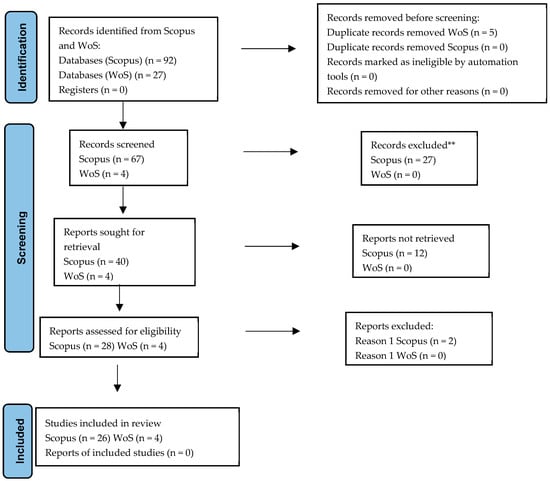
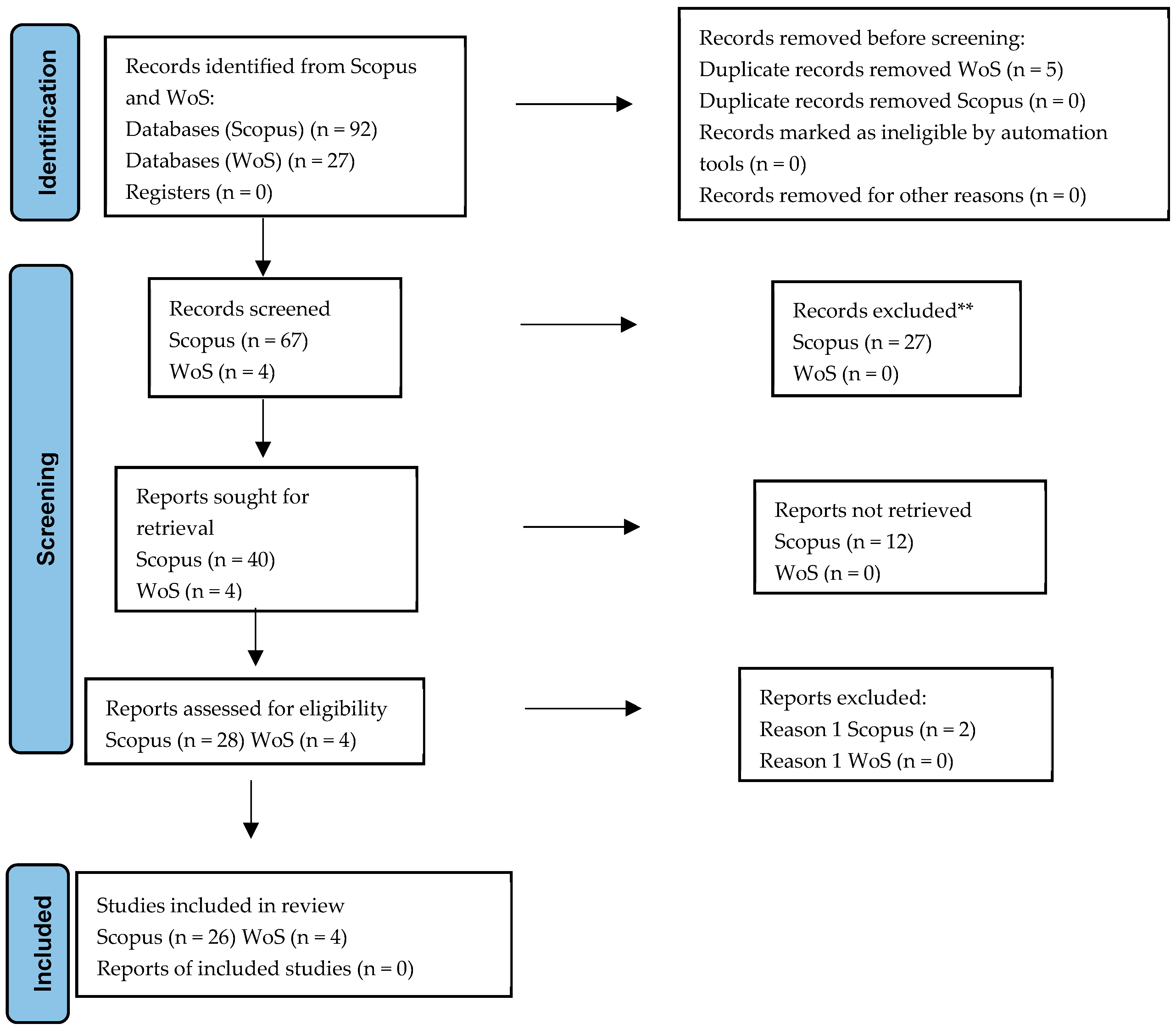
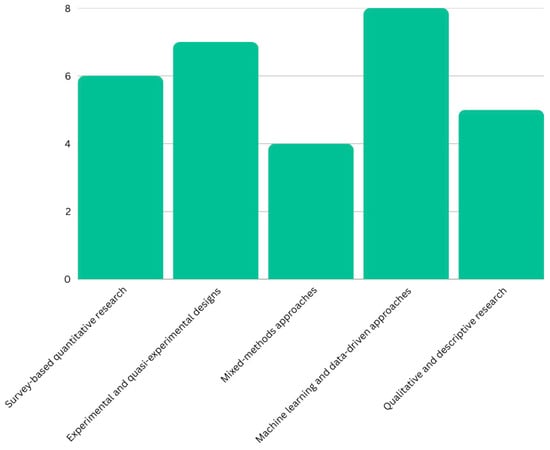
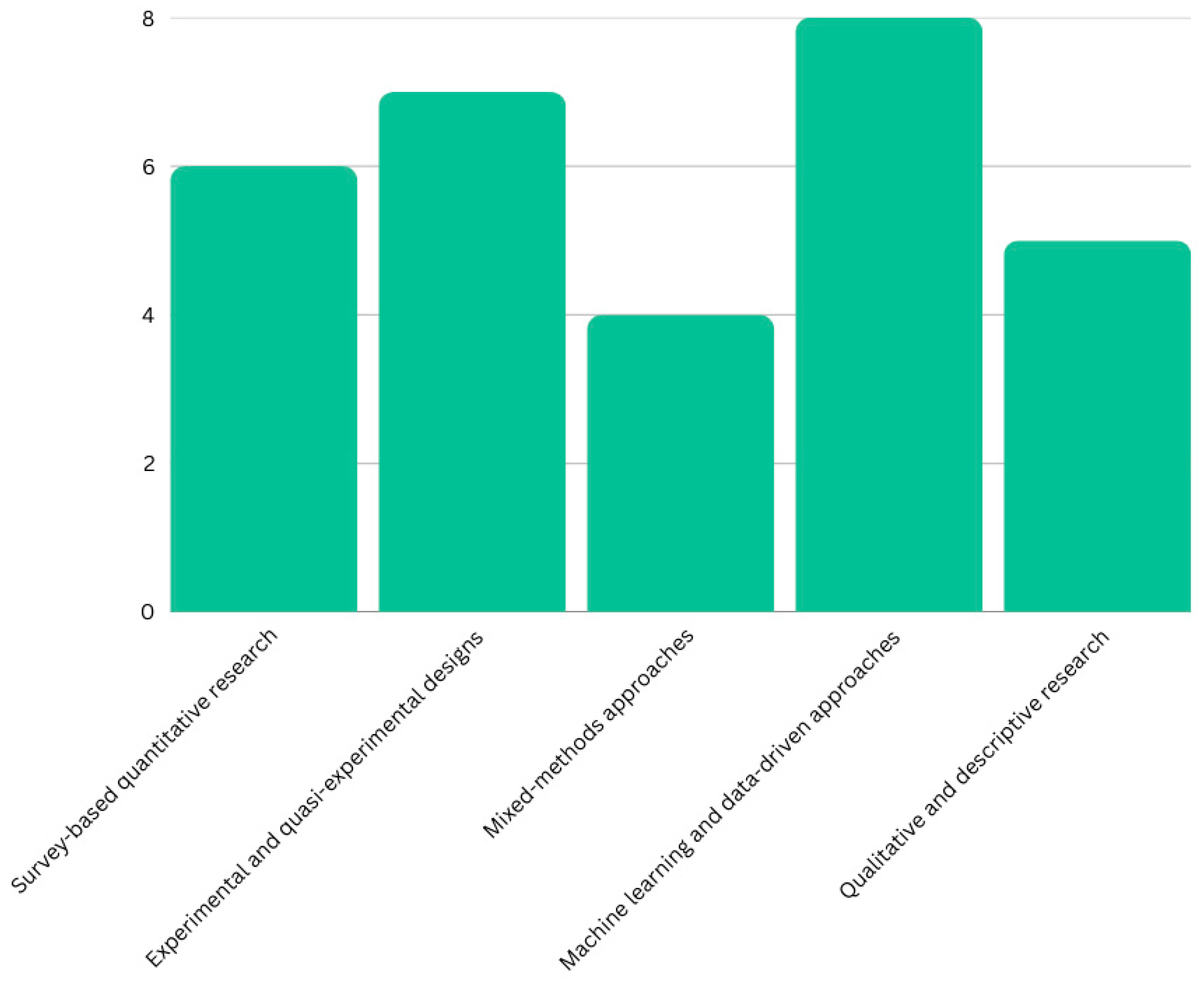
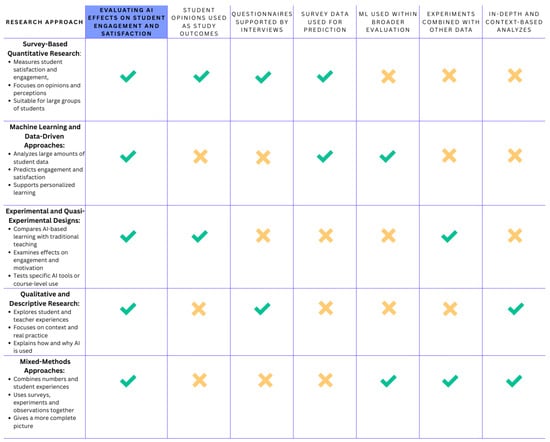
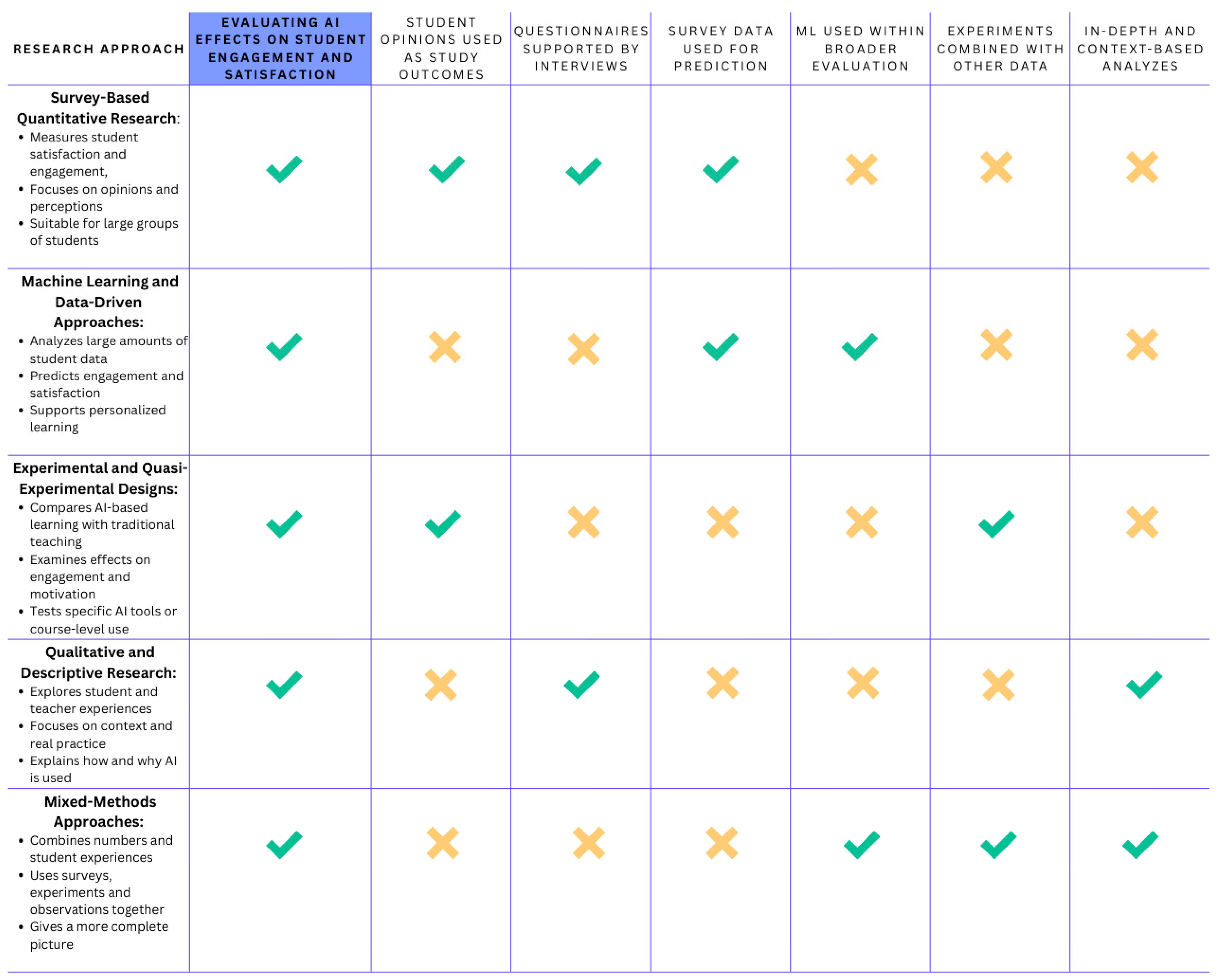
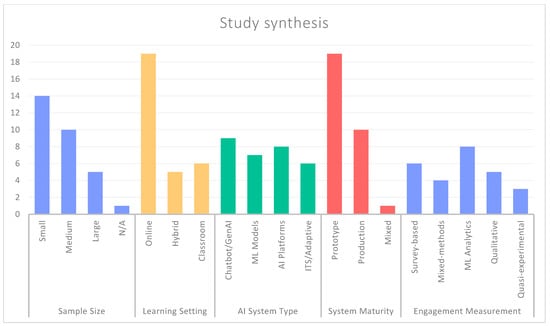
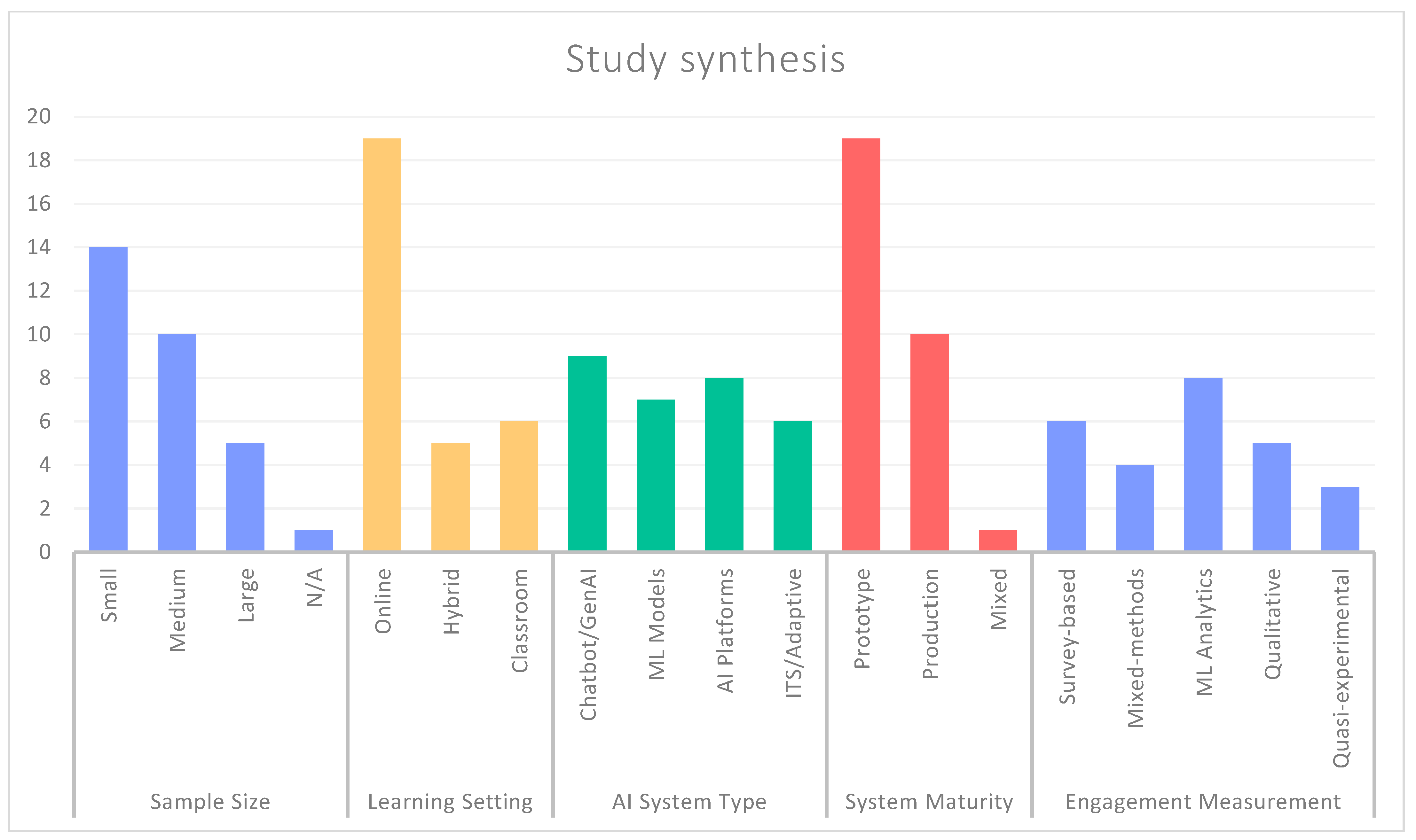
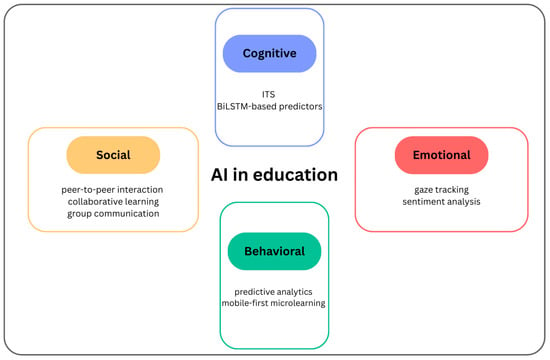
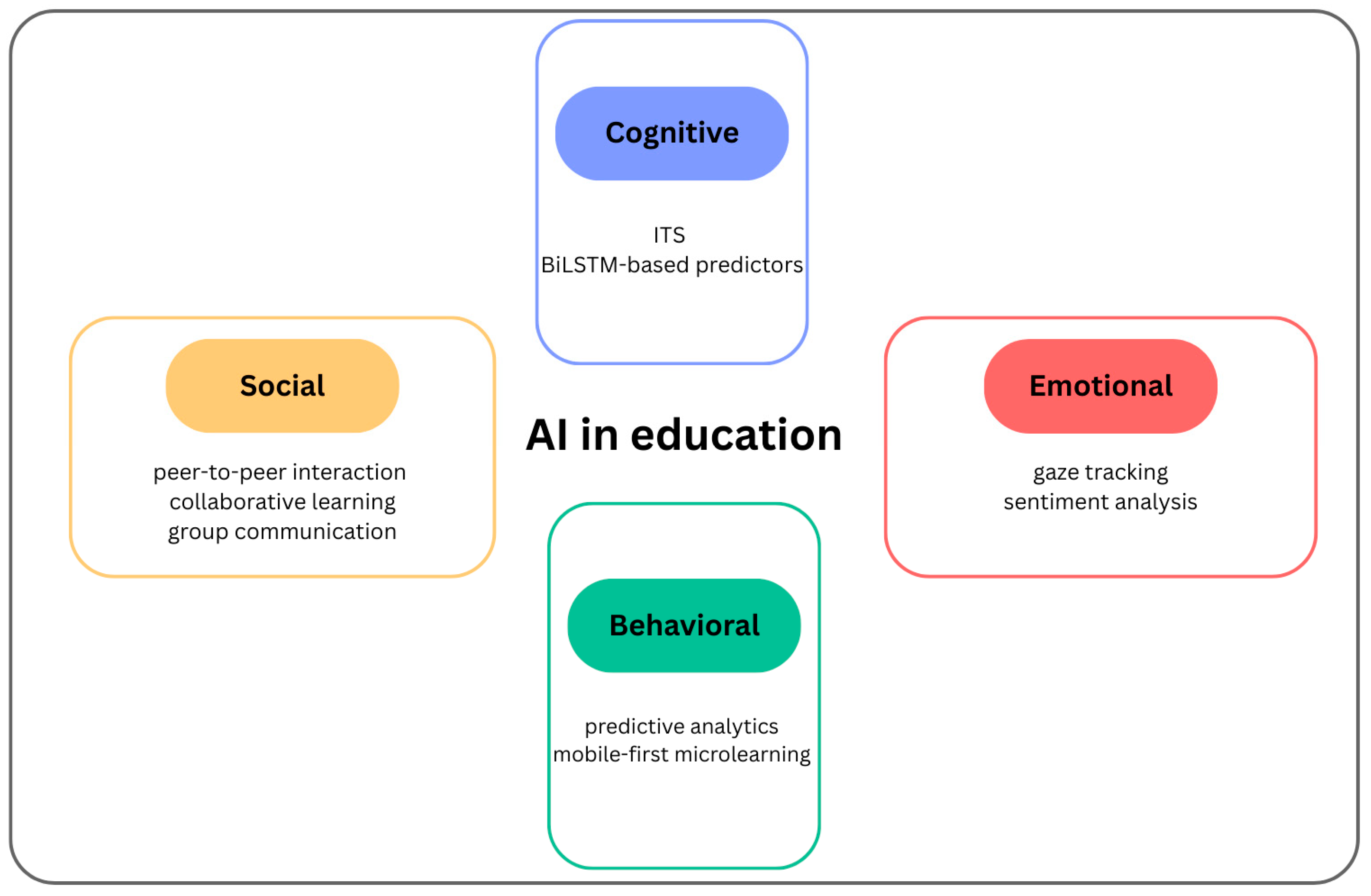

Disclaimer/Publisher’s Note: The statements, opinions and data contained in all publications are solely those of the individual author(s) and contributor(s) and not of MDPI and/or the editor(s). MDPI and/or the editor(s) disclaim responsibility for any injury to people or property resulting from any ideas, methods, instructions or products referred to in the content. |
© 2026 by the authors. Licensee MDPI, Basel, Switzerland. This article is an open access article distributed under the terms and conditions of the Creative Commons Attribution (CC BY) license.