


Abstract
This paper presents a case study of research-based learning (RBL) implemented in an undergraduate engineering course through a module titled “State-of-Charge Monitoring of Li-Ion Batteries Using Thermographic Surface-Temperature Measurements”. The experiment involved 10 third-year engineering students and employed a single-group pre- and post-test design and a lecturer interview. The module provided students with an authentic research experience using advanced laboratory equipment. The study examines students’ attitudes, satisfaction, and development of research skills, as well as the lecturer’s perspective on the advantages and challenges of RBL. While the study had a limited timeframe and specific design characteristics, the findings could benefit researchers interested in integrating RBL. Results indicated that students showed initial interest, primarily seeking practical knowledge and skills. By the end of the experiment, they reported that RBL fostered high motivation and strengthened their sense of commitment, responsibility, and initiative. Despite the students’ enthusiasm and the lecturer’s motivation, the results show that preparing and implementing RBL required significant time and effort on the lecturer’s part. The students’ lack of prior knowledge in research activities and the limited time frame posed considerable challenges. Recommendations include implementing RBL over a longer period and involving additional educators to enhance student support.
1. Introduction
Engineering education, by its very nature, requires combining the acquisition of theoretical knowledge with the mastery of practical skills to solve real-life problems. Research-based learning (RBL) provides an authentic environment for developing soft skills in students, such as critical thinking, the ability to find solutions to problems and to apply interdisciplinary knowledge, and skills in working with laboratory equipment—competencies that are crucial for the engineering profession (The Institution of Engineering and Technology & Engineering Professors’ Council, 2019). The integration of RBL into engineering education within a Bachelor’s-level course can be considered as a step towards preparing engineers capable of meeting the demands of the rapidly changing labor market. When learning by researching, the students go through the standard stages of a research process, thereby developing their academic and professional competencies and expanding their knowledge independently, thanks to their own efforts and experience (D. Bowyer & Akpinar, 2024).
The practical implementation of RBL varies considerably across the individual disciplines, which is entirely explicable, having in mind that research is carried out differently in the different professional and scientific fields (Fung, 2017). In addition, there are significant differences in teachers’ understanding of the RBL nature, in their training methods, and in the strategies for guiding and supporting the students (Arifin et al., 2022; D. Bowyer & Akpinar, 2024; Brew & Saunders, 2020).
The paper presents a case study of implementing RBL in training undergraduate students, intended engineers, studying at the Faculty of Physics and Technology of Plovdiv University “Paisii Hilendarski”. The university has the status of a higher research school in Bulgaria. The training was conducted within the subject “Quality and Reliability of Electronic Equipment”. Within the subject, a specialized module “State-of-Charge Monitoring of Li-Ion Batteries Using Thermographic Surface-Temperature Measurements” was developed in the context of a research project titled “Hybrid and Fusion Prediction of the Functionality of Energy Converting Elements”. Within the module, the students became acquainted with and conducted research activities with specialized equipment for measuring the surface temperature of lithium-ion batteries by means of a thermo-vision camera.
The topic is appropriate for RBL training for the following reasons:
- It allows students to demonstrate knowledge acquired in various disciplines in their curriculum, including electronics, physics, electric power engineering, as well as the quality and reliability of electronic equipment;
- In the course of carrying out the research, the students develop practical skills for working with specialized research equipment;
- The study allows for relatively rapid collection and processing of real data, which makes it suitable for an experiment of limited duration;
- The topic is extremely relevant and allows for acquainting the students with technologies, reflecting the latest trends in monitoring the temperature of lithium-ion batteries.
The study aimed at assessing the effect of implementing RBL in engineering education through an analysis of the students’ attitudes, satisfaction, and development of some basic research skills. We are fully aware of the fact that within the short timeframe of the experiment, it is not possible to provide sufficient duration of the work for the sustainable development of key research skills, such as critical thinking or the ability to solve problems. These types of skills are developed gradually during the entire course of university studies. In this regard, the focus was placed on achieving attainable goals, such as forming initial research attitudes, acquiring skills for working with research equipment, and developing basic skills for writing a scientific paper. The most significant aim of the research was to establish the extent to which the implementation of RBL, based on a real-life context and interdisciplinary engineering problems, can stimulate students’ interest in research activities. Additional attention was paid to the possible influence of participation in RBL on students’ desire and intention to continue their education in Master’s and, later on, in doctoral programs.
The following questions were formulated during the study:
- RQ1: What are the students’ prior attitudes towards scientific research?
- RQ2: From the perspective of the lecturer, what are the advantages and challenges of using RBL in engineering education?
- RQ3: How do the students assess the impact of RBL on the development of their skills and attitudes towards research activities?
- RQ4: How do the students assess their satisfaction with participation in RBL, in the context of commitment, motivation, and knowledge acquisition?
The literature review shows that, depending on the specifics of the educational content, RBL can be applied in various forms—from an introduction to basic research methodologies to active student involvement in real research activities. A significant amount of empirical data on the implementation of various RBL models, their effectiveness, and accompanying challenges was analyzed. Unfortunately, no examples of RBL use in higher education in Bulgaria were found. The “Strategy for the development of higher education in the Republic of Bulgaria for the period 2021–2030” identifies the inclusion of research activities as a key priority in the educational process (National Assembly of the Republic of Bulgaria, 2021). This inclusion will take various forms, such as conducting experiments, theoretical and computer modeling, and designing and implementing prototypes. Therefore, we believe the present study is entirely in compliance with the goals set in the strategic document.
The proposed model of implementing RBL in engineering education has the following advantages:
- RBL is integrated into only one module of an already established course, while a substantial part of the instruction is preserved in its original traditional format.
- The lecturer defines the research topics in accordance with the course content and learning objectives, after which students self-organize into working groups and independently distribute tasks and responsibilities within their teams.
- Every student in the course participates in the RBL, regardless of academic performance, prior experience, or attitudes toward research, ensuring the model’s inclusivity. To ensure its effective implementation, the lecturer provides continuous supervision, guidance, and ongoing support to the working teams.
The specific contribution of this study lies in applying RBL to a highly relevant engineering topic: the measurement and prediction of lithium-ion battery performance. Working with innovative research equipment that is not available in traditional academic laboratories provided students with valuable hands-on experience and increased their confidence in addressing real-world engineering challenges. Although this study presents a single case of RBL implementation in engineering education in Bulgaria, it demonstrates the model’s potential for use in traditional academic disciplines and aims to strengthen the connection between education and research. The results obtained may motivate other teachers to integrate RBL into their courses and expand students’ research opportunities at the university level.
2. Literature Review
This literature review focuses on the characteristics, outcomes, challenges, and examples of RBL applications in engineering education that are directly relevant to the design, implementation, and analysis of the present case study.
2.1. Characteristics of Research-Based Learning
Research-based learning is an educational model in which the research process serves as a primary tool for acquiring knowledge and gaining skills (Wannapiroon, 2014). RBL is characterized by versatility and flexibility, and is open to applying various learning strategies and teaching techniques, with the main emphasis placed on integrating research into the educational process (Arifin et al., 2022; Sota & Peltzer, 2017). Since teaching and research are the two core functions of the universities, their integration is regarded as an effective approach to improving the quality of training in higher education and perfecting the preparation and competencies of the graduate engineers (Nuchwana, 2012).
The idea that knowledge is accumulated through the active participation of students in research activities lies at the heart of RBL. Such an activity transforms them from passive consumers of information into active creators of new knowledge (D. M. Bowyer et al., 2022; Dudzevičiūtė, 2024; Thiem et al., 2023). The role of the lecturer changes in this context—they are supposed to act now as a mentor and facilitator, who supports independence, initiative, and the development of research autonomy in students (Dudzevičiūtė, 2024).
The RBL model provides an opportunity to acquire theoretical knowledge in combination with practical skills through real research activities, such as the formulation of hypotheses, search for information and its analysis, data interpretation, and paper preparation (Mayolo-Deloisa et al., 2019; Radu, 2019; Susiani et al., 2018; Wannapiroon, 2014). An additional aspect of the RBL model is the work on authentic research tasks, related to real problems, which increases both the trainees’ motivation and the practical applicability of the acquired knowledge (Mayolo-Deloisa et al., 2019; Shaban et al., 2015; Yermekbayeva et al., 2024). According to various sources (Shaban et al., 2015; Singh et al., 2019; Sota & Peltzer, 2017; Susiani et al., 2018), the research-based training process can be structured and summarized in the following main stages:
- Formulation of a research topic;
- Review of scientific literature and contextualization with respect to the specific research;
- Methodological planning;
- Implementation of the research;
- Interpretation of the results and discussion;
- Presentation of the results and critical analysis.
The structure shows that despite the differences in terminology and number of stages, discussed in the literature, all models emphasize the importance of the following: the research topic formulation, the theoretical base, the methodology, the critical analysis, and the reflection on the obtained results.
2.2. Some Outcomes of Research-Based Learning
According to Suntusia et al. (2019), research-based training provides significant benefits for the development of communication skills, resource management, as well as for the acquisition of practical experience in project organization. At the same time, RBL creates a learning environment in which the students are actively involved and responsible for their own learning process. Palencia and Ontiveros (2024) and Kerdmanee et al. (2015) also emphasize that in the process of working together, the students learn to use their own strengths, to share ideas and experiences, and collectively solve complex problems.
RBL contributes significantly to the development of practical skills related to the use of technology (Nuchwana, 2012). This includes skills in working with information and communication technologies (ICT), in using research tools, applying experimental techniques, etc. Arifin et al. (2022) and Wannapiroon (2014) note that during research activities, students naturally develop technological skills. Since these activities involve working with digital tools for data collection and analysis, the students acquire skills in searching for information, accessing sources, and using technology in the context of solving real-world problems.
Examples, illustrating the effectiveness of RBL for the development of practical skills related to the use of research tools and application of experimental techniques, are found in numerous studies. Mayolo-Deloisa et al. (2019) emphasize that during a course of RBL, conducted by them, the students worked with specialized equipment, typically not used in traditional academic enzymology laboratories. Nejad et al. (2019) state that students develop their practical skills through activities in virtual and physical laboratories, as well as in simulation centers. Radu (2019) reports that by participating in projects for the development of “smart homes” and fault-tolerant digital systems, students develop both technological and engineering research skills applicable in a real-world working environment.
A great number of studies indicate that RBL plays an essential role in developing research competencies in students. Ward et al. (2014) highlight the benefits of RBL for the development of scientific writing and statistical processing skills, interest in scientific topics, and motivation to participate in research activities. Hunter et al. (2007) consider that participation in RBL promotes a deeper understanding of scientific concepts and their practical application, and contributes to students’ personal development, expressed in the formation of attitudes, behavioral patterns, and their self-identification as future researchers. In this context, the study, conducted by Yermekbayeva et al. (2024), further confirms the positive impact of RBL by reporting improvement in understanding the scientific research, in the ability to plan and design research projects, in expanding knowledge of methodology, mastering data analysis and scientific writing skills, and creating opportunities to publish research results.
RBL engages students in an active process, which includes the investigation of problems, the collection and analysis of data, and drawing up well-grounded conclusions. This approach not only supports their academic development but also stimulates the formation of sustainable knowledge and skills for independent learning. A number of studies show that the implementation of the RBL model has a positive impact on students’ academic performance (Bartels & Stolz, 2024; Singh et al., 2019; Thompson et al., 2005; Usmeldi, 2015; Ward et al., 2014). According to Sumbawati and Anistyasari (2018), the students taught through RBL not only achieve higher results but also demonstrate increased motivation to learn.
2.3. Challenges and Barriers to RBL Implementation
The application of RBL in university education faces a number of difficulties, both for faculty and students. The following stand out among the main challenges:
- Insufficient clarity about RBL methodology—many educators lack sufficient knowledge or consensus about the goals, methods, and expected outcomes of RBL (Arifin et al., 2022; Brew & Saunders, 2020).
- Timeframe and assessment issues—RBL often requires more time to plan, conduct, and assess, making it difficult to integrate into standard academic programs.
- Lack of correspondence between curriculum and RBL—traditional curricula do not always provide flexibility for implementing research projects (Thiem et al., 2023).
- Insufficiency of students’ preliminary preparation—many students initially have no experience with research activities, which requires intensive support on the part of the lecturers (Arifin et al., 2022; Bartels & Stolz, 2024; Thiem et al., 2023).
- Change in the educator’s roles—instead of traditional lecturers, they become mentors and facilitators, which implies mastering new pedagogical skills and active support for the students during their research activities (Thiem et al., 2023). Leading student research projects requires a significant amount of time and effort, as each student group needs individualized guidance and attention.
- Need for a high degree of self-organization and perseverance on the part of the students. The research process is often lengthy and complex, requiring strong personal motivation.
Taraban and Logue (2012) point out that the benefits of participating in research may vary across disciplines and levels of study, and may be influenced by the specific students’ academic abilities. In Wood’s (2003) view, the most limiting resource in implementing RBL is the number of motivated, prepared students. Not all students are interested or have the capacity to engage effectively in research activities, which leads to the risk of demotivation in the event of an unsuccessfully completed project (Butler et al., 2008). On the other hand, Bahr and Norton (2006) present interesting conclusions: students with average grades show significant improvement in their results after participating in research projects, whereas those with higher grades do not. These observations indicate that RBL has a positive effect on both the personal and professional motivation of strong students and the academic development of students with average or lower performance.
Thiem et al. (2023) add that the effective implementation of RBL requires institutional support, providing both training resources for the lecturers and a well-structured organization of the academic modules. More and more universities are conducting specialized training in RBL didactics, aimed at preparing the lecturers for the new roles required of them by this approach (Humboldt Universität zu Berlin, 2025; University of Bremen, 2025; University of Oldenburg, 2025).
2.4. Examples of RBL Application in Engineering Education at the Bachelor’s Level
According to Zhao (2017), early involvement of students in research activities at the undergraduate level has a beneficial impact by increasing the rate of successful program completion, stimulating more students to consider careers in science and engineering, and encouraging continuation of studies in Master’s programs. In this context, the implementation of RBL at the undergraduate level should be carefully planned to include the necessary research elements without overloading students (Setiawan, 2020). Excessive complexity or requirements can lead to demotivation and decreased interest in science and engineering disciplines (Zhao, 2017). Therefore, studying different practices in undergraduate engineering education is key to better understanding the conditions and approaches that support the effective implementation of RBL.
The study by Mayolo-Deloisa et al. (2019) presents the experience of implementing RBL in an integrated course of Enzymology and Biocatalysis, which is part of the biotechnology engineering curriculum. Within the course, students work on real projects in research laboratories, together with researchers. The obtained results show a significant improvement in students’ academic achievements, stronger commitment, and development of key skills for analysis, independent learning, scientific communication, and teamwork. Students demonstrate a high level of motivation to participate in a research project with a clear connection to industry, which increases their interest and encourages them to work actively beyond the usual laboratory classes.
Palencia and Ontiveros (2024) analyze the use of RBL in teaching statistics and probability in a Bachelor’s degree computer engineering program. The total number of participating students is 12. The results show that the experimental RBL facilitates understanding of theory through real-world applications and increases students’ commitment and motivation. The study also considers challenges related to varying levels of student commitment and difficulties in understanding and applying abstract concepts in practical contexts.
Radu (2019) investigated the implementation of RBL in training students in Electrical and Computer Engineering. As part of their training, the students conduct real research projects in two main areas: smart home systems and fault-tolerant digital systems, using modern technologies and programming languages. Twelve students participated in the study. The assessment of the students’ achievements includes public presentations, participation in conferences, and journal publications. The author expresses his conviction that involving students in research activities and working on real, practical problems is an important prerequisite for academic achievements and successful career development.
In their study, Intarawiset et al. (2020) present the developed RRSDI (Requirement, Reviewing, Solution, Discussion, and Improvement) learning model, based on RBL, and designed for training in telecommunications engineering. The study was conducted with 15 undergraduate students. The RRSDI model provides students with a combination of key knowledge, practical skills, and real-world experience through research, integrated into the learning process. The reported high levels of satisfaction among the students confirm the effectiveness and applicability of the model.
Bartels and Stolz (2024) analyze the impact of a blended approach, combining Project-Based Learning (PBL) and research-based learning (RBL) in two civil engineering courses with Bachelor’s degree students. The students prefer practical-oriented tasks with clear instructions and often have difficulty working independently on abstract research topics. Among the main challenges identified by the authors are a lack of prior research experience, insufficient orientation in the research process, and low initiative among some students. The authors recommend a phased approach to implementing RBL in the Bachelor’s degree, with the initial courses relying on more structured, clearly targeted tasks and, at a later stage, gradually providing greater autonomy and introducing activities with a pronounced research focus.
In his study, Setiawan (2020) examines the implementation of RBL in the Introduction to Biomedical Engineering course for Electrical Engineering students. The results show increased student activity and engagement in the learning process, with reported attendance reaching 90.23%. Students demonstrate a strong interest in trying out new methods and technical solutions that they have not worked with before. The author emphasizes that this educational approach serves not only to increase motivation but also to effectively prepare undergraduate students for subsequent studies at the master’s level.
The reviewed examples encompass research on the application of RBL in various engineering fields, institutional environments, and cultural contexts. The general trend, outlined in the analyzed literature, indicates that RBL is an effective approach to increasing students’ commitment, deepening conceptual understanding, and developing practical and research skills, which are essential in engineering education. Along with the positive results, however, a number of challenges stand out, related to the different levels of students’ preparation, the limited time, and the need to adapt to diverse learning styles. In this context, it is important to conduct further research to assess the applicability and sustainability of RBL across diverse engineering programs and educational settings, and to identify factors that hinder or facilitate its effective implementation. Systematic feedback from educators, who play a key role in the planning and implementation of RBL, is particularly valuable in this process.
3. Materials and Methods
3.1. Design and Participants
Our experiment was conducted within the subject “Quality and Reliability of Electronic Equipment”, module “State-of-Charge Monitoring of Li-Ion Batteries Using Thermographic Surface-Temperature Measurements”. The equipment, used by the students for the purposes of the study, is located in a research laboratory, established within the framework of project No. KP-06-N57/2, titled “Hybrid and Fusion Prediction of the Functionality of Energy Converting Elements”. It houses an experimental system for monitoring the temperature of lithium-ion batteries by means of infrared thermography (Kafadarova et al., 2023). The system provides a complete temperature scan of the cylindrical surface of the battery through a rotational movement, synchronized with the frame rate of the thermal imaging camera. The resulting thermographic images are processed with specially developed software, which creates a three-dimensional map of the temperature distribution.
The experiment took place in the last two months of the summer semester of the 2024/2025 academic year with third-year Bachelor’s degree students from the Faculty of Physics and Technology of Plovdiv University “Paisii Hilendarski”, majoring in “Telecommunications and Information Systems”. In the curriculum for this major, the subject “Quality and Reliability of Electronic Equipment” is mandatory, and up to that moment, the RBL approach had not been applied within any of the studied subjects. The module “Monitoring the State of Charge of Lithium-ion Batteries Using Thermographic Surface Temperature Measurements” in this subject is new and studies contact and non-contact methods of temperature measurement, basic physical principles of thermography, analysis of measurement errors, principle of operation, and design of lithium-ion batteries, State of Charge, State of Health, and Remaining Useful Life of batteries. The module is designed to engage students in a real research process by conducting experiments to study the relationships between variables and analyzing the results, leading to a deep understanding of the relevant theoretical concepts.
All 10 (ten) third-year students from the majoring course participated in the experiment. Their majoring course was deliberately chosen for two reasons:
- The planned research was suitable for small groups of students;
- The experiment was led by one lecturer, who required a small group so the lecturer could provide more individual attention and support to each student during the research.
The study design is consistent with established case study methodology (Baxter & Jack, 2008; Yin, 2009). Given the limited sample size (N = 10) and the specific institutional context (single major, single year of study, single university), the present study should be interpreted as a single case of RBL implementation rather than as a basis for generalization across engineering education.
The students organized themselves into two teams of five and independently distributed the tasks among themselves within the team. The decision to provide them with the opportunity to divide themselves into groups independently was motivated by the character of the research activities, which required collaborative work between the team members outside of the regular classes. Providing freedom in forming teams aims to facilitate communication and improve collaboration, as students usually prefer to work with partners with whom they already have established a good working style (Bergtold & Shanoyan, 2024; Chapman et al., 2006; Chen & Gong, 2018).
The experiment was carried out in the following main stages:
- Pre-test student questionnaire: Filling in a questionnaire by the students to determine their prior attitudes to and expectations from participating in RBL.
- Implementation of the research-based learning process: Conducting real scientific research by the students on a research topic, determined by the lecturer.
- Post-test student self-assessment: Filling in a student self-assessment questionnaire after completing the RBL experiment.
- Lecturer interview: Conducting a semi-structured interview with the lecturer to clarify her opinion about the conducted RBL training.
3.2. Implementation of RBL in Module “Monitoring the State of Charge of Lithium-Ion Batteries Using Thermographic Surface Temperature Measurements”
Each team was assigned a different research topic by the lecturer.
Team 1: Studying the surface temperature of lithium-ion batteries during charging by means of a thermal imaging camera.
Team 2: Studying the surface temperature of lithium-ion batteries during discharge by means of a thermal imaging camera.
The formulated research topics served as the basis for defining the main objectives of implementing RBL.
Objectives:
- To provide the students with the opportunity to work on real engineering problems using innovative research equipment;
- To teach the students how to present the results of their research in the form of a scientific text.
The implementation of the research-based learning process included the following sequential activities:
- Introducing the students to the nature and specifics of RBL.
- Literature review: The lecturer, leading the experiment, provides theoretical explanations and recommended literary sources, which can be used by the students in their research work. Based on the sources recommended by the instructor and those identified independently, the students prepare the literature review.
- Formulation of research questions: Based on the literature review, students formulate their own research questions. The lecturer helps refine the questions to ensure their accuracy.
- Design of the research methodology: Students develop the research methodology; the lecturer reviews it and suggests necessary improvements.
- Conducting measurements and collecting data: The students become familiar with the equipment and perform the necessary measurements.
- Data Processing and analysis, formulation of conclusions: The students process and critically analyze the collected data and formulate the main conclusions of the research.
- Preparing a research report: The students prepare a report containing a description of the conducted research and present their results in front of lecturers and students. Research reports approved by the lecturer will be further developed into scientific articles and presented at academic forums.
Since the formulation of research questions and the determination of the research methodology are crucial to the entire research process and represent a significant challenge for undergraduate students, the instructor’s active involvement is most important during these two stages.
3.3. Data Collection Techniques
The following empirical research methods were used to assess the effectiveness of implementing RBL in training: survey, didactic observation, and semi-structured interview. In the course of the study, the students completed two questionnaires:
- A questionnaire aiming at determining their prior attitudes to and expectations from RBL (a pre-test);
- A self-assessment questionnaire after their participation in RBL (a post-test).
At the beginning of the experiment, the students filled in a pre-test, the questions of which were structured in three groups:
- Research experience and confidence—this group contained two dichotomous questions to establish the students’ previous experience both in scientific research and in preparation of publications, as well as two questions with a 5-point scale for self-assessment of their confidence in participating in scientific activity and working with scientific literary sources.
- Prior attitudes towards research—the group consisted of one trichotomous question, one multiple-choice question, as well as two statements, measured on a 5-point scale for degree of agreement.
- Multiple-choice question—this was aimed at establishing the students’ expectations regarding their participation in RBL.
At the end of the experiment, participants completed a post-test consisting of 23 statements, organized into three thematic groups:
- (1)
- Development of knowledge, skills, and attitudes for research work (14 statements), rated on a 5-point scale for perceived progress (1 = no progress to 5 = very much progress);
- (2)
- Satisfaction with participation in RBL (4 statements), rated on a 5-point agreement scale (1 = strongly disagree to 5 = strongly agree);
- (3)
- Self-assessment of acquired content knowledge (5 statements), also rated on a 5-point agreement scale (1 = strongly disagree to 5 = strongly agree).
The post-test concluded with an open-ended question exploring the perceived influence of participation in RBL on students’ professional development and postgraduate plans.
The first thematic group, linked to RQ3, assesses the impact of RBL on the development of students’ research-related skills and attitudes. The second and third thematic groups are linked to RQ4 and capture students’ perceived satisfaction with the RBL experience, including aspects of instructional support, engagement, motivation, and acquired knowledge related to the topics of the research experiment.
All questions in the first thematic group are borrowed from the URSSA (Undergraduate Research Student Self-Assessment) questionnaire—a standardized and empirically validated instrument for post-test assessment of student research experience (Hunter et al., 2009; Weston & Laursen, 2015). The original URSSA includes items grouped into the categories Thinking and Working Like a Scientist, Personal Gains Related to Research Work, Skills and Attitudes, and Behaviors. Given the limited duration of the experiment and the fact that some URSSA items target skills that require longer-term development, the original instrument was adapted by omitting selected items and consolidating the remaining ones into a single thematic group, named Development of knowledge, skills, and attitudes for research work. From the original 35 URSSA items, 14 were selected and adapted for inclusion in this group. Minor rewording was applied to ensure clarity and suitability for the presented educational context while preserving the original meaning of the items.
The second (Satisfaction with participation in RBL) and third (Self-assessment of acquired content knowledge) thematic groups consist entirely of items newly developed by the authors to address aspects specific to the present case study.
The pre-test items are treated as individual indicators, and, therefore, Cronbach’s alpha for internal consistency was not calculated. The calculated values of Cronbach’s alpha coefficient for all three groups of the post-test are 0.795, 0.861, and 0.850, respectively, which speaks of the internal consistency of the post-test. Credibility and trustworthiness of the study were established through triangulation of multiple sources of evidence (pre- and post-test questionnaire data, lecturer observations, and scientific reports prepared by students), alignment with standardized and validated instruments such as URSSA, and adherence to established ethical procedures.
The questionnaires were originally developed and administered in Bulgarian. For publication purposes, the items were translated into English and reviewed by а faculty member to ensure conceptual equivalence. The lecturer conducting the experiment was not present during the completion of the tests in order to minimize response bias, reduce the influence of authority on students’ answers, and ensure more objective and honest feedback. Data processing for both questionnaires was performed using the statistical package SPSS 13.0.
At the end of the training, a semi-structured interview was conducted with the lecturer who carried out the experiment to clarify her perspective on the advantages and challenges of implementing RBL. As a co-author of the paper, she provided valuable context for the experiment and helped us identify key findings specific to our study. The questions focused on her viewpoint regarding the effectiveness of the RBL approach, students’ reactions and engagement, and difficulties encountered during implementation. Additional probing questions were used to clarify specific experiences and deepen the understanding of the lecturer’s perspectives. The interview data were analyzed using qualitative thematic analysis in order to identify the main themes related to the advantages and challenges of integrating RBL in engineering education.
3.4. Ethical Considerations
All students were informed in advance about the purpose of the study, the use of the collected data, the guarantee of anonymity, and the voluntary nature of participation. The questionnaires were completed anonymously on paper at the university. Both questionnaires were approved by the Ethics Committee of the Faculty of Physics and Technology at Plovdiv University “Paisii Hilendarski”.
4. Results
4.1. Pre-Test Results
The pre-test was used to determine the students’ prior research experience and their attitudes toward participating in research activities. The analysis of its results allowed for a more precise structuring of the research stages and identification of areas in which targeted support from the lecturer was needed during the course of training.
The first group of questions aimed at identifying the students’ previous experience and confidence in research activities. The results showed that nine out of ten participants had no previous experience in scientific research. An identical distribution of the responses was also reported regarding the question of whether the participants had any experience in writing a scientific article.
The distribution of the responses to the statement “Rate your confidence in participating in scientific research” is shown in Figure 1a. The mean value of 3.40 and the median of 4 indicate that the majority of students tend to assess their skills positively, although some of them show some uncertainty in their self-assessment.
Figure 1.
Distribution of answers to the questions: (a) Rate your confidence in participating in scientific research. (b) Rate your skills in finding and using scientific literature sources.
For the statement “Rate your skills in finding and using scientific literature sources”, the mean value is 3.30, and the median is 3.5, which shows that a significant portion of the participants hesitate in their self-assessment and cannot realistically assess their skills (Figure 1b). The results for both statements generally indicate a certain lack of confidence among the students, especially when it comes to working with scientific literature. This emphasizes the need for additional support and guidance in the initial stages of conducting RBL courses.
The next questions aim to establish the students’ prior attitudes towards research work. Six students have expressed a desire to participate in scientific research in the field of engineering, and four have marked that they were not sure. No participant has responded negatively. This is a sign of a positive attitude and interest in participating in research activities on the part of the students.
Seven students have agreed, and two strongly agreed with the statement that research is an important part of the engineering education (Figure 2a). The mean value of 4.10 and the median of 4 confirm the predominantly positive attitude of the respondents towards the importance of research activities.
Figure 2.
Distribution of the responses to the statements: (a) I believe that scientific research is an important part of engineering education. (b) I believe that scientific research is only for PhD students.
The calculated mean value for the statement “I believe that scientific research is only for PhD students.” is 2.20, which indicates that the students disagree with this statement (Figure 2b).
When asked “What is the first thing that comes to mind when you hear the word ‘research’?”, the students could choose up to three pre-specified answers (Figure 3). Due to the possibility of selecting more than one option, the total number of responses exceeds the number of respondents.
Figure 3.
Distribution of the responses to the question “What is your initial association with the term ‘research’?”.
The possible answers were divided into the following thematic groups:
- Creating new knowledge—this group included the following options: Discovering new things; Solving a problem; and Improving something.
- Practical work and experiments—this group included the following: Data analysis and Conducting an experiment.
- Academic writing—this group included the following: Writing an article and Reviewing scientific literature.
- Ambiguity or difficulty—this group included the following: Something difficult or hard to understand; Uninteresting;
- Lack of association—this group included a single option: “I can’t specify”.
The results show that most participants associate research with practical work—nine students have chosen “Conducting an experiment” and six—“Data analysis”. Four respondents associated research with “Discovering new things”, another four with “Solving a problem”, and one with “Improving something”, which speaks to their perception of research as a process of creating new knowledge. Only one student associated research with “Writing an article.” Two of the participants associated research with “Something difficult or hard to understand”. Interestingly, one of these is the student with some previous research experience. This may reflect a more realistic or critical understanding of research complexity and awareness of the challenges that accompany the scientific process. It makes an impression that none of the participants has marked the answer “I can’t specify”, which indicates that all of the students have at least some preliminary idea or opinions about the character of the scientific research activity.
The distribution of the responses to the question “What knowledge and skills do you expect to gain through your participation in RBL?” is presented in Figure 4. Since the question allows for more than one possible answer, the total number of responses exceeds 10. The most common answers are: designing an experiment, collecting data, and working with measuring equipment. The predominant number of these responses confirms that most students perceive research activity primarily as practical work. The share of the students who want to learn how to write and present a scientific text/article is much smaller.
Figure 4.
Distribution of the answers to the question “What knowledge and skills do you expect to gain through your participation in research-based learning?”
4.2. Post-Test Results
Table 1 presents the descriptive statistics of the responses in the “Development of knowledge, skills and attitudes for research work” group of the post-test. Frequency (F), median (Me), mean (M), and standard deviation (SD) are included. The mean values of the responses in the group range from 3.10 to 4, indicating that the students report moderate to great progress in almost all of the studied indicators.
Table 1.
Distribution and descriptive statistics of the responses to the questions from the group “Development of knowledge, skills and attitudes for research work”.
The students have rated their progress most highly in terms of responsibility—taking personal responsibility for the implementation and success of the research (Q1.12) (M = 4.00; SD = 0.816). This result is a sign of high motivation and shows that the students have perceived the research as a personally meaningful activity. High values are also observed with the statements related to initiative—proposing ideas or procedures during the study (Q1.13) (M = 3.70; SD = 0.949), and commitment, expressed through willingness to do additional work outside of the school hours (Q1.14) (M = 3.50; SD = 0.850). The mean values for all these three statements are above 3.41, which means that the students report development in their attitudes and behavior as researchers, willingness to experiment and to propose new solutions, as well as to work extra hours.
The students have also reported similarly high assessment values regarding their progress in developing skills for conducting laboratory observations and measurements (Q1.11) (M = 3.90; SD = 0.738), which confirms that the practical activities included in the training have been perceived as particularly significant for their professional preparation.
The progress reported by the students in understanding the connection between research and their training (Q1.3) (M = 3.80) is impressive. This suggests that their participation in RBL has contributed to the formation of a more mature understanding of the role of research in their professional development.
Great progress has also been reported by the participants in their teamwork skills (Q1.5) and the ability to independently complete tasks (Q1.6). The mean values for the two statements are 3.8 and 3.5, respectively. The selected research activities required from the participants to combine teamwork with individual responsibility, which probably contributed to the positive impact on the development of these soft skills.
The highest variability between the responses is observed in the self-assessment of the ability to work independently (Q1.6) (SD = 1.080). The varying answers may be due to the individual differences in confidence—some students may feel more comfortable acting independently and taking initiative, while others still need support from the lecturer.
The lowest are the values, concerning the development of skills, related to using data processing tools (e.g., Excel and MATLAB) (1.9) (M = 3.10; SD = 0.994), and analyzing data to detect patterns (Q1.1) (M = 3.20; SD = 0.422). These results suggest that mastering specialized software and statistical approaches requires longer training and practice.
The mean values for all statements in the group “Satisfaction with participation in RBL” range from 3.8 to 4.6, indicating clear student satisfaction with their participation in the RBL experiment (Table 2).
Table 2.
Distribution and descriptive statistics of the responses to the questions from the group “Satisfaction with participation in RBL”.
The highest is the value of the responses to the statement “I received sufficient guidance and support from the lecturer during the training” (Q2.1) (M = 4.6), which indicates that the students appreciate the role of the lecturer as a mentor in RBL.
The assessment of the statement “RBL made learning about the topic more interesting and motivating for me” (Q2.3) (M = 4.1) is also positive, suggesting that participation in research activities may be associated with increased interest and motivation, particularly when tasks involve real-life problems relevant to engineering education.
The results also point out that students in this case study perceived RBL as more active and engaging than the traditional forms of learning (Q2.2) (M = 3.8) and that the students would recommend its inclusion in other courses of study (Q2.4) (M = 4).
The statements in the last group of the post-test “Self-assessment of the acquired content knowledge” aimed at studying students’ self-assessment of the acquired knowledge, related to the topics of the research experiment, i.e., the application of thermal imaging in studying the temperature characteristics of the surface of lithium-ion batteries (Table 3).
Table 3.
Distribution and descriptive statistics of the responses to the questions from the group “Self-assessment of acquired content knowledge”.
The statement that the students can connect theory with practice in the context of the conducted research was rated the highest (M = 4.4; SD = 0.516). This perception suggests that the applied approach, including work with real specialized equipment and the analysis of authentic data, contributed to a deeper understanding of the studied problem.
Highly rated are also the positions, stating that the students are knowledgeable of the basic principles of thermal imaging (M = 4.0), understand the reasons for battery heating during discharge (M = 4.3), are capable of interpreting thermo-vision images, and understand how thermal imaging cameras work (M = 4.2). The values suggest that the students in this case study have not only mastered theoretical knowledge but have also developed the ability to apply it practically and skills in working with the specialized equipment provided.
It is important to note that the standard deviations for all statements are relatively low (from 0.471 to 0.675), which indicates a high degree of consistency in the self-assessments and a lack of significant differences in the level of acquired knowledge between the participants. This suggests that the research task was understandable and accessible to everyone, regardless of the level of initial knowledge and skills.
The last question of the post-test was an open-ended one and aimed to assess the extent to which participation in the study influenced the students’ plans for professional development and postgraduate education. Only one of the participants has not given an answer to this question.
Three participants have clearly stated that participating in the study encouraged their interest in continuing their postgraduate education or professional development (e.g., “Influenced my career development”; “Influenced my decision to pursue postgraduate studies”; “I definitely have a desire to learn and develop in this direction”). For four of the students, the participation in the RBL training has not led to a specific change in their plans, but they have still expressed positive feedback from their experience: “It intrigued me”; “It made me think about postgraduate studies”; “Not yet, but in the future…”. Two respondents directly claim that the participation has had no impact on their plans (“It did not affect. I have clear plans and goals” and “No”). These students most likely already have a clear professional orientation, and their career goals are less negotiable.
4.3. Results of the Observations of the Lecturer, Conducting the Experiment
In the course of the experiment, the lecturer, who led the study, conducted targeted and systematic observations of the students’ activities. They covered both the process of completing the research tasks and the way in which the participants presented the results of their work to an audience. In the final stage, a semi-structured interview was conducted with the lecturer in order to see her opinion on the advantages and challenges associated with implementing RBL in training.
Advantages: The advantages observed by the lecturer can be grouped into several key indicators.
Engagement: Students demonstrated commitment by voluntarily visiting the laboratory outside regular class time. Some participants expressed enthusiasm for the opportunity to present their reports at student scientific forums, reflecting engagement beyond formal course requirements.
Interest and motivation: According to the lecturer’s observations, the students have shown a strong interest in participating in scientific research activities. The lecturer noted that when she introduced the research topics, all students found them interesting and relevant. The use of specialized equipment not typically found in academic laboratories served as an additional motivating factor, significantly stimulating their activity during the experiment. According to the lecturer, the students were particularly impressed that their instructors had developed the equipment. Some of them were initially unaware that academic work includes research activities. After the initial mandatory training on operating the equipment, many students asked additional questions about its design, functionality, and software. The lecturer also observed a high level of satisfaction among the students when they independently conducted measurements and operated the equipment. In her view, this experience is expected to strengthen their self-confidence and to enhance their readiness for work in a real professional environment.
Teamwork and Initiative: Regarding task completion, the lecturer shares about observing high levels of responsibility and effective teamwork. The students independently distributed the tasks within the team, coordinated their actions during the measurements, and sought to formulate their own concept for conducting the research, while taking into account possible external factors that could influence the results.
Knowledge acquisition: The lecturer noted that both teams demonstrated a strong understanding of the principle of operation of lithium-ion batteries and physical–chemical processes occurring in them and causing heat release.
Scientific writing skills: According to the lecturer, both teams’ scientific reports have met the essential requirements for research paper structure. When asked to identify the area in which students demonstrated the greatest progress, the lecturer pointed to their ability to create a scientific text (report or article) using an appropriate academic style and structure. This is an area in which the students had no prior experience, and yet, in a short period of time, they achieved significant results.
Scientific information search skills: As another significant achievement, the lecturer noted students’ ability to search for and correctly cite scientific sources in their reports, which testifies to the mastery of the basic principles of academic ethics in scientific writing.
Challenges: When asked to reflect on the challenges associated with integrating RBL into education, the lecturer identified several key issues.
Increased lecturer workload: According to the lecturer, the participation in the experiment took her a lot of time and effort. On the one hand, she put a lot of effort into preliminary preparation, including preparing teaching materials, providing a list of appropriate literature sources, and planning the stages of the work. On the other hand, her role during the experiment included actively guiding and monitoring the students’ activities, as well as providing guidance on the preparation of their scientific reports.
Students’ lack of previous experience in scientific research: Despite students’ high motivation, the lack of previous experience in scientific research and the unfamiliarity with the equipment used made task completion more challenging.
Students’ limited experience with oral presentations: The lecturer reported that students demonstrated limited experience in preparing and delivering oral presentations. During the presentation of their reports, she noted that the presentations did not include the most important results of the research, and the students felt very anxious about speaking in front of an audience.
Differences in students’ laboratory skills: The variations in students’ laboratory skills and the limited time available to conduct the measurements required an extremely high concentration on the part of the lecturer, which placed an additional burden on her.
Limited time frame: The lecturer reported that the short duration of the experiment constrained students’ opportunities to fully develop all the necessary research skills.
Yet, despite the aforementioned challenges, the lecturer expressed satisfaction with the achieved results. In view of the limited time resources, she assessed the students’ progress as moderate. Nevertheless, the training provided a basis for subsequent improvement of their research skills. The lecturer also emphasized that through the implementation of RBL, she managed to stimulate the students’ interest in the topic of battery diagnostics and monitoring—an interest that, in her opinion, could be transformed into future Bachelor’s and Master’s degree theses. In this sense, the knowledge and skills acquired during the experiment are seen as a contribution to better engineering education.
4.4. Key Achievements of the Students in the Two Research Projects (As Evaluated by the Instructor)
Student achievements were determined by the instructor based on his observations of the students’ work during the experiment and on the research reports they prepared.
Team 1
Research topic: Studying the surface temperature of lithium-ion batteries during charging by means of a thermal imaging camera
Research question: How effective is thermal imaging as a non-intrusive method for monitoring the temperature behavior of lithium-ion batteries during charging?
Achievements:
Students understand the principles of monitoring lithium-ion battery surface temperature during charging using a thermal imaging camera and can apply this knowledge to conduct systematic temperature-measurement experiments.
Students can identify sources of error and suggest methods to minimize them.
Students can propose improvements to the initial measurement setup and charging conditions based on their understanding of the methodologies used.
Students acquired the ability to analyze the results and provide scientific explanations for the observed temperature behavior during charging.
Team 2
Research topic: Studying the surface temperature of lithium-ion batteries during discharge by means of a thermal imaging camera.
Research question: How does the surface temperature of lithium-ion batteries change during the discharge cycle as measured by a thermal imaging camera?
Achievements:
Students acquire fundamental knowledge in battery thermodynamics and temperature-monitoring techniques, which are not offered elsewhere in their bachelor’s curriculum.
Students develop an experimental procedure to monitor and analyze the surface temperature distribution of lithium-ion batteries during discharge using a thermal imaging camera.
Students strengthen their capacity for self-directed learning while working with specialized equipment and interpreting the obtained data (thermal and electrical characteristics of the studied batteries).
The scientific paper prepared by this team was accepted for presentation at the National Scientific Conference “Physics-Engineering-Technology”, Bulgaria, 2025.
4.5. Triangulation of Student Self-Reports and Lecturer Observations
Table 4 summarizes students’ self-reported results from the post-test and qualitative lecturer observations across some of the indicators examined in RQ3 and RQ4.
Table 4.
Triangulation of student self-reports and lecturer observations.
5. Discussion
Due to the small sample size and the specific research context, the findings of the present study should be interpreted as reflecting a single, context-specific implementation of RBL in engineering education.
RQ1: What are the students’ prior attitudes towards scientific research?
The pre-test results speak about an overall positive attitude and interest in participating in research activities, shown by the students. These findings of ours coincide with Wessels et al.’s (2020), who also report that the students are interested in research and related activities. Most of the students associate research work primarily with practical work and, to a lesser extent, with problem solving and creation of new knowledge. This is also confirmed by the answers to the question concerning their expectations towards participation in RBL. A majority of students want to acquire primarily practical knowledge and skills, such as designing an experiment, collecting data, and working with measuring equipment. The share of students willing to learn how to write and present a scientific paper is much smaller. This indicates a weaker interest in the academic side of the research, related to writing and publishing scientific papers. Similar results have been observed in other studies, which show that the students associate research work primarily with conducting experiments and do not realize the importance and significance of scientific writing as an essential part of the research process (Hood-DeGrenier, 2015; Lopatto, 2004).
RQ2: From the perspective of the lecturer, what are the advantages and challenges of using RBL in engineering education?
The lecturer’s observations suggest several potential advantages of implementing research-based learning (RBL) in the context of engineering education. The high motivation shown by the students is consistent with the findings of Blume et al. (2015), who also report that RBL creates conditions for increased interest, which leads to better learning results. Within the scope of this study, the students develop their personal commitment, responsibility, teamwork skills, and master the basic principles of academic ethics—all prerequisites for the development of sustainable research skills. Such conclusions have been reached by other authors as well (Noguez & Neri, 2019; Thiem et al., 2023). A particularly important factor for the increased motivation is the opportunity to work with specialized research equipment. This also corresponds to the students’ prior expectations to acquire primarily practical knowledge through their participation in the training. The choice of authentic topics with a real research context proves to be particularly effective in engineering education, as it contributes to deepening the understanding of the academic content. Similar results are reported by other researchers, emphasizing in their papers the role of authentic research tasks in increasing motivation and deepening the understanding in engineering disciplines (Blume et al., 2015; Whittington et al., 2017).
In addition to the reported advantages, the implementation of RBL in the present context seems to be associated with some challenges, primarily related to the role of the lecturer. The lecturer is charged with multiple responsibilities—to guide, encourage, motivate, and support the students, who generally have no prior knowledge of the essence of scientific research. The personal motivation and commitment of the lecturer are key factors in the successful implementation of the experiment. A RBL course involves significant additional preparation and time, and, therefore, not every lecturer agrees to take on such an obligation. This conclusion coincides with the observations of Hagen and Gaeva (2025), who emphasize that the teacher, implementing RBL, must be both a researcher and a mentor, and feel personally involved in all stages of learning and with the achieved results. In the words of D. Bowyer and Akpinar (2024), the success of RBL depends on the active participation of all parties, as it requires both constant support from teachers and high motivation and commitment from students.
RQ3: How do the students assess the impact of the research-based learning on the development of their skills and attitudes towards research?
Here, we analyze the results from post-test thematic group 1, relating them to the instructor’s observations and to some pre-test results. The post-test results indicate a possible positive influence of participation in RBL on the development of selected research-related skills and attitudes. Students report progress in developing their research skills, with a mean of M = 3.40, indicating moderate to great progress. In the pre-test, most participants rated their confidence in research activities positively, although some expressed uncertainty. The comparison suggests that the initial self-assessment was either maintained or further developed during their participation in RBL. Similar results are presented by Thiem et al. (2023), who emphasize that participation in RBL leads to a better understanding of the entire research process, to increased competence in data analysis and interpretation, as well as to greater confidence in one’s own research abilities. Wessels et al. (2020), in turn, put an accent on improving knowledge in three key areas—methods, methodology, and understanding of the research process, adding that the acquired skills are applicable outside of the academic environment.
Most highly, the students have rated their progress in terms of responsibility, initiative, and commitment, which, according to a number of authors, are indicators of a process of building a research identity (Hunter et al., 2007; Thiem et al., 2023).
Significant progress has also been reported in the development of skills for practical work in a laboratory environment, which is another indicator of the development of research skills (Hunter et al., 2007). The direct participation in experimental activities involving work with real research equipment is perceived by the students as particularly useful. Such a result confirms that the students’ prior expectations of acquiring practical skills in working with measuring equipment are largely met.
Of interest is the discrepancy between the students’ self-assessment and the lecturer’s observations regarding scientific information search skills. While the students have reported moderate progress, the lecturer, leading the experiment, believes that they have demonstrated a good level of search skills and correct citation of the used literature. In the context of the pre-test results, which reveal some uncertainty, it can be assumed that this difference is due not so much to a lack of real skills as to an understated self-esteem on the part of the students. Their limited prior research experience and the criteria students use to evaluate their own performance may further explain why they tend to underestimate their progress relative to the instructor’s assessment.
A positive attitude is also observed regarding the statement “Understanding the relevance of research to my engineering education.” The pre-test results indicate a previously formed positive attitude toward the role of research activity in engineering education. The post-test data suggest that, for most participants, this initial understanding may have deepened during their participation in the research-based learning activities.
According to Hagen and Gaeva (2025), the quality of the scientific publications prepared by students can be considered as an indicator of the effectiveness of the provided training, since if a student’s project ends with a scientific article, it acquires the character of a research project with real scientific contribution. In our case, the report, prepared by Team 2, was properly structured, with well-presented and analyzed results, and written in a good academic style. This report is going to be presented at the National Scientific Conference “Physics-Engineering-Technology”, organized annually by the Faculty of Physics and Technology of Plovdiv University “Paisii Hilendarski”. The conference provides an opportunity for students, PhD students, and young researchers from various universities in Bulgaria to present their ideas and projects, exchange knowledge, and establish professional contacts. We believe that this achievement will have a motivating effect on the students in the team and will strengthen their confidence in their own skills. The fact that there is a ready-to-publish scientific paper shows that, even within a relatively short period of time, students can acquire valuable competencies in scientific writing and in presenting the results of their work.
RQ4: How do the students rate their satisfaction with participation in RBL in terms of commitment, motivation, and knowledge acquisition?
This part of the discussion presents an analysis of the results from the post-test thematic groups 2 and 3. The post-test results speak about the students’ positive evaluation of their participation in RBL in three key aspects: commitment, motivation, and perceived effectiveness. First of all, the high mean values regarding statements related to motivation and interest in the topic indicate that RBL is perceived as a meaningful and stimulating experience. Second, the high rating of the claim that participation in RBL has made the students more active and personally committed compared to traditional lectures and exercises, emphasizing the key role of this approach in promoting active learning. Third, the self-assessment of the acquired knowledge of the research topic is also high. The high mean values (between 4.0 and 4.4) indicate a good understanding and ability to apply what has been learned—an indicator of the effectiveness of the RBL approach. This conclusion is also supported by Usmeldi (2016), according to whom RBL can effectively improve students’ scientific skills and the outcomes of the training.
Of interest is the greater variability in the responses to the statement “I would recommend the inclusion of a similar research approach into other training courses.” Such variability, in our opinion, is entirely logical and can be explained by the differences in the individual learning styles of the students (Soler-Rovira et al., 2022). In their study, Gormally et al. (2009) also point out that some students do not like to think and solve problems independently, but prefer to memorize and reproduce information.
The last question of the post-test is an open-ended one and aims to assess the extent to which participation in the research has influenced the students’ plans for professional development and postgraduate studies. Three out of nine participants have categorically stated that the experience has influenced their future plans, and another four share that the experience has provoked them to rethink their development. The results support the data from the study by Lopatto (2004), according to which the participation of students in research projects at the Bachelor’s degree level of their studies strengthens their interest in scientific activity and can encourage their orientation towards careers in science.
6. Limitations of the Research
This study has been conducted over a specific period of time and reflects the current attitudes of faculty and students towards RBL at the moment of its conduct. The study has several important limitations:
- Sample size. Due to the small sample size, it cannot be claimed that the drawn conclusions are statistically significant or representative.
- Context and scope. The study was conducted within a single university, with students from a single major and a single year of studies. Therefore, the results may not be fully applicable to other universities, majors, or years of study.
- Specificity of the used instrument. This limitation stems from the specificity of the used questionnaires, where the data are based on the students’ subjective self-assessment of their progress, without external objective verification of the results.
Despite these limitations, the study provides valuable information about faculty and student perceptions and attitudes regarding the implementation of RBL in engineering education and can serve as a basis for future larger-scale research.
7. Conclusions
Within the constraints of the sample size and institutional setting, the present study, based on pre-test and post-test results and the lecturer’s observations, provides insight into the potential advantages and challenges of applying RBL in the preparation of Bachelor’s degree students, intended engineers at the University of Plovdiv, in the subject “Quality and Reliability of Electronic Equipment”.
The pre-test data indicate that the participating students show an interest in research activities. Most of them associate research primarily with the practical execution of tasks and, to a lesser extent, with processes such as problem-solving and the discovery of new knowledge. This characteristic provides valuable insight for the educators, conducting the experiment, revealing preliminary perceptions and attitudes toward the research process.
The pre-test results also show that only a small number of students expressed a desire to learn how to write and present a scientific paper. Developing the ability to write and present a scientific paper is among the essential outcomes of RBL. Preparing and delivering a scientific report at the undergraduate level can significantly strengthen students’ confidence in their own abilities. In this context, it is a remarkable achievement that one of the teams prepared a paper for a scientific conference.
Although some students demonstrated higher levels of activity and motivation, while others showed less enthusiasm, we recommend that RBL activities include all students within a given major. The post-test results suggest that RBL has the potential to stimulate students’ interest in scientific research, to develop qualities essential to research, and to motivate them to pursue further education after graduation.
The lecturer’s observations during the experiment provide a valuable contribution to the present study. According to her, the students demonstrated strong interest and high motivation while completing the assigned tasks, with some measurements even being conducted outside regular class hours. This increased engagement, in her view, is due to two main factors. First, the use of specialized equipment developed by their instructors had a significant motivating effect. Second, the use of real-world tasks helped students understand the practical relevance of the disciplines studied.
Despite the students’ enthusiasm and the lecturer’s strong motivation, the results show that the preparation and implementation of such a learning activity required substantial time and effort. The students’ lack of prior knowledge concerning the research process, the need to work with unfamiliar equipment, differences in their laboratory skills, and the limited time available for carrying out the experiment all represented considerable challenges for the lecturer. Based on the lecturer’s observations, some recommendations can be formulated, aimed at optimizing the process and increasing its efficiency:
- It is advisable to implement RBL over a longer period of time, at least one semester. A longer duration will allow for more sustained acquisition of basic research skills.
- In order to improve RBL efficiency, it is appropriate to include in the curriculum as mandatory the following subjects: “Methodology of Scientific Research and Empirical Studies” (currently, such a subject is included only in doctoral programs), and “Presentation and Communication Skills”. These subjects would provide the students with basic knowledge of the main stages of research work and would help them develop skills in presenting the results of their work to an audience. The study of these disciplines should precede the integration of RBL into training.
- It is recommended to involve more lecturers in the implementation of RBL, including PhD students, assistant professors, and researchers. While traditional laboratory exercises can be led by a single lecturer, at least two lecturers are needed when implementing RBL for the same number of students. Our experience shows that effectively guiding students during the research process and while writing and editing scientific reports requires ongoing support and often takes time outside of regular working hours. The participation of a greater number of lecturers would provide the necessary individual and team support, increasing the effectiveness of the RBL approach. The involvement of PhD students or teaching assistants is a realistic and effective form of support in the implementation of RBL.
Although the conclusions drawn in the study cannot be considered statistically significant due to the limited number of participants in the experiment, the positive results of the study can serve as a basis for future research with larger samples, which would provide more reliable empirical evidence on the effectiveness of RBL in engineering education.
Author Contributions
The authors contributed to the manuscript equally and are all equally accountable for the work. All authors have read and agreed to the published version of the manuscript.
Funding
This research was funded by the research project № KП-06-H57/2 15.11.2021 “Hybrid and Fusion Prediction of The Functionality of Energy Converting Elements” financed by the Bulgarian National Science Fund (BNSF), and project № ДП22-ФTФ-001 financed by the Department for Scientific Research of Plovdiv University.
Institutional Review Board Statement
The study was conducted in accordance with the Declaration of Helsinki, and approved by the Ethics Committee of the Faculty of Physics and Technology at Plovdiv University “Paisii Hilendarski” (protocol code 2 and date of approval 13 May 2025).
Informed Consent Statement
Informed consent was obtained from all subjects involved in the study.
Data Availability Statement
Data available on request due to restrictions (privacy or ethical reasons).
Conflicts of Interest
The authors declare no conflicts of interest.
References
- Arifin, Z., Sukristyanto, A., Widodo, J., & Rahman, M. R. (2022). Implementation, outcomes, and effectiveness of research-based learning: A systematic literature review. International Journal of Education and Literacy Studies, 10(4), 153–163. [Google Scholar] [CrossRef] [Scilit]
- Bahr, D. F., & Norton, M. G. (2006). The effectiveness of active undergraduate research in materials science and engineering. Journal of Materials Education, 28(1), 127–136. [Google Scholar]
- Bartels, N., & Stolz, K. (2024). Project- and research-based teaching in civil engineering. International Journal of Engineering Pedagogy (iJEP), 14(6), 23–36. [Google Scholar] [CrossRef] [Scilit]
- Baxter, P., & Jack, S. (2008). Qualitative case study methodology: Study design and implementation for novice researchers. The Qualitative Report, 13(4), 544–559. [Google Scholar] [CrossRef] [Scilit]
- Bergtold, J. S., & Shanoyan, A. (2024). Assessment of group formation methods on performance in group-based learning activities. Frontiers in Education, 9, 1362211. [Google Scholar] [CrossRef] [Scilit]
- Blume, S., Madanchi, N., Böhme, S., Posselt, G., Thiede, S., & Herrmann, C. (2015). Die lernfabrik—Research-based learning for sustainable production engineering. Procedia CIRP, 32, 126–131. [Google Scholar] [CrossRef] [Scilit]
- Bowyer, D., & Akpinar, M. (2024). Experiences of academics and undergraduate students on research-based learning: A tale of two institutions. Innovations in Education and Teaching International, 61(1), 45–56. [Google Scholar] [CrossRef] [Scilit]
- Bowyer, D. M., Akpinar, M., Erdogan, A., Malik, K., & Horky, F. (2022). Mobilizing research-based learning (RBL) in higher education: International perspectives from three institutions. In J. Keengwe (Ed.), Advances in higher education and professional development (pp. 246–269). IGI Global. [Google Scholar] [CrossRef] [Scilit]
- Brew, A., & Saunders, C. (2020). Making sense of research-based learning in teacher education. Teaching and Teacher Education, 87, 102935. [Google Scholar] [CrossRef] [Scilit]
- Butler, P. J., Dong, C., Snyder, A. J., Jones, A. D., & Sheets, E. D. (2008). Bioengineering and bioinformatics summer institutes: Meeting modern challenges in undergraduate summer research. CBE—Life Sciences Education, 7(1), 45–53. [Google Scholar] [CrossRef] [Scilit]
- Chapman, K. J., Meuter, M., Toy, D., & Wright, L. (2006). Can’t we pick our own groups? The influence of group selection method on group dynamics and outcomes. Journal of Management Education, 30(4), 557–569. [Google Scholar] [CrossRef] [Scilit]
- Chen, R., & Gong, J. (2018). Can self selection create high-performing teams? Journal of Economic Behavior & Organization, 148, 20–33. [Google Scholar] [CrossRef] [Scilit]
- Dudzevičiūtė, G. (2024). Research-based learning for developing certain skills of future military officers. Mūsų Žinynas: Karo Mokslo, Karinio Rengimo Ir Auklėjimo Žurnalas, 39(2), 70–80. [Google Scholar] [CrossRef] [Scilit]
- Fung, D. (2017). A connected curriculum for higher education. UCL Press. [Google Scholar] [CrossRef] [Scilit]
- Gormally, C., Brickman, P., Hallar, B., & Armstrong, N. (2009). Effects of inquiry-based learning on students’ science literacy skills and confidence. International Journal for the Scholarship of Teaching and Learning, 3(2), 16. [Google Scholar] [CrossRef] [Scilit]
- Hagen, D., & Gaeva, D. V. (2025). Event education: “Research-based learning” as a concept for developing students’ methodological skills. In I. Thilo, & G. Gehrke (Eds.), Grundlagen veranstaltungsmanagement: Themen, theorien, methoden (pp. 87–101). Springer Fachmedien Wiesbaden. [Google Scholar] [CrossRef] [Scilit]
- Hood-DeGrenier, J. K. (2015). A strategy for teaching undergraduates to write effective scientific results sections. CourseSource, 2, 1–3. [Google Scholar] [CrossRef] [Scilit]
- Humboldt Universität zu Berlin. (2025). Forschendes lernen. Available online: https://bolognalab.hu-berlin.de/de/lu/forschendes-lernen (accessed on 22 September 2025).
- Hunter, A.-B., Laursen, S. L., & Seymour, E. (2007). Becoming a scientist: The role of undergraduate research in students’ cognitive, personal, and professional development. Science Education, 91(1), 36–74. [Google Scholar] [CrossRef] [Scilit]
- Hunter, A.-B., Weston, T., Laursen, S. L., & Thiry, H. (2009). URSSA: Evaluating student gains from undergraduate research in the sciences. Council on Undergraduate Research Quarterly, 29(3), 15–19. [Google Scholar]
- Intarawiset, N., Noulnoppadol, S., Jeenawong, R., & Akatimagool, S. (2020). Development of research-based RRSDI learning model for telecommunication engineering education. In M. E. Auer, H. Hortsch, & P. Sethakul (Eds.), The impact of the 4th industrial revolution on engineering education (Vol. 1134, pp. 674–683). Springer International Publishing. [Google Scholar] [CrossRef] [Scilit]
- Kafadarova, N., Sotirov, S., Herbst, F., Stoynova, A., & Rizanov, S. (2023). A system for determining the surface temperature of cylindrical lithium-ion batteries using a thermal imaging camera. Batteries, 9(10), 519. [Google Scholar] [CrossRef] [Scilit]
- Kerdmanee, C., Choeisuwan, V., Chuenwisit, A., Na-Bangchang, A., & Potisa, S. (2015). Effects of research-based instruction in maritime medicine nursing practicum of nursing students, the royal Thai navy college of nursing. Procedia—Social and Behavioral Sciences, 191, 935–939. [Google Scholar] [CrossRef] [Scilit]
- Lopatto, D. (2004). Survey of undergraduate research experiences (SURE): First findings. Cell Biology Education, 3(4), 270–277. [Google Scholar] [CrossRef] [Scilit]
- Mayolo-Deloisa, K., Ramos-de-la-Peña, A. M., & Aguilar, O. (2019). Research-based learning as a strategy for the integration of theory and practice and the development of disciplinary competencies in engineering. International Journal on Interactive Design and Manufacturing (IJIDeM), 13(4), 1331–1340. [Google Scholar] [CrossRef] [Scilit]
- National Assembly of the Republic of Bulgaria. (2021, January 8). Strategy for the development of higher education in the Republic of Bulgaria for the period 2021–2030. State Gazette. Available online: https://dv.parliament.bg/DVWeb/showMaterialDV.jsp?idMat=154629 (accessed on 10 December 2025).
- Nejad, A. R., Aoyanagi, Y., & Ibrion, M. (2019). Team and research based learning methods applied in multidisciplinary marine engineering education. Journal of Physics: Conference Series, 1357(1), 012039. [Google Scholar] [CrossRef] [Scilit]
- Noguez, J., & Neri, L. (2019). Research-based learning: A case study for engineering students. International Journal on Interactive Design and Manufacturing (IJIDeM), 13(4), 1283–1295. [Google Scholar] [CrossRef] [Scilit]
- Nuchwana, L. (2012). How to link teaching and research to enhance students’ learning outcomes: Thai university experience. Procedia—Social and Behavioral Sciences, 69, 213–219. [Google Scholar] [CrossRef] [Scilit]
- Palencia, J. L. D., & Ontiveros, Y. O. (2024). A classroom experience about the application of research-based learning for the teaching of probability in engineering. STEM Education, 4(2), 127–141. [Google Scholar] [CrossRef] [Scilit]
- Radu, M. (2019). Applied learning: Undergraduate research for engineering technology students. Computers in Education Journal, 10(2), 1. [Google Scholar]
- Setiawan, A. W. (2020, August 26–28). Development of research-based learning in introduction to biomedical engineering course for undergraduate electrical engineering students. 2020 10th Electrical Power, Electronics, Communications, Controls and Informatics Seminar (EECCIS) (pp. 273–277), Malang, Indonesia. [Google Scholar] [CrossRef] [Scilit]
- Shaban, K., Abdulwahed, M., & Younes, A. (2015). Problem-centric process for research-based learning. International Journal of Engineering Pedagogy (iJEP), 5(2), 24–30. [Google Scholar] [CrossRef] [Scilit]
- Singh, R., Devika, Herrmann, C., Thiede, S., & Sangwan, K. S. (2019). Research-based learning for skill development of engineering graduates: An empirical study. Procedia Manufacturing, 31, 323–329. [Google Scholar] [CrossRef] [Scilit]
- Soler-Rovira, J., Arroyo-Sanz, J. M., Galvez-Paton, L., Palmero-Llamas, D., Novillo-Carmona, J., Garcia-Marco, S., Gonzalez-Rodriguez, D., Almendros-Garcia, P., Obrador-Perez, A. F., & Arce-Martinez, A. (2022, November 7–9). Learning styles and research based learning in engineering studies. 15th Annual International Conference of Education, Research and Innovation (pp. 7054–7057), Seville, Spain. [Google Scholar] [CrossRef] [Scilit]
- Sota, C., & Peltzer, K. (2017). The effectiveness of research based learning among master degree student for health promotion and preventable disease, Faculty of Public Health, Khon Kaen University, Thailand. Procedia—Social and Behavioral Sciences, 237, 1359–1365. [Google Scholar] [CrossRef] [Scilit]
- Sumbawati, M. S., & Anistyasari, Y. (2018). The impact of research-based learning on student’s academic performance and motivation. IOP Conference Series: Materials Science and Engineering, 296, 012043. [Google Scholar] [CrossRef] [Scilit]
- Suntusia, Dafik, & Hobri. (2019). The effectiveness of research based learning in improving students’ achievement in solving two-dimensional arithmetic sequence problems. International Journal of Instruction, 12(1), 17–32. [Google Scholar] [CrossRef] [Scilit]
- Susiani, T. S., Salimi, M., & Hidayah, R. (2018). Research based learning (RBL): How to improve critical thinking skills? SHS Web of Conferences, 42, 00042. [Google Scholar] [CrossRef] [Scilit]
- Taraban, R., & Logue, E. (2012). Academic factors that affect undergraduate research experiences. Journal of Educational Psychology, 104(2), 499–514. [Google Scholar] [CrossRef] [Scilit]
- The Institution of Engineering and Technology & Engineering Professors’ Council. (2019). New approaches to engineering higher education: Case studies of six UK universities leading the way for change in the sector. Available online: https://www.theiet.org/media/8783/new-approaches-to-engineering-higher-education-case-studies.pdf (accessed on 22 September 2025).
- Thiem, J., Preetz, R., & Haberstroh, S. (2023). How research-based learning affects students’ self-rated research competences: Evidence from a longitudinal study across disciplines. Studies in Higher Education, 48(7), 1039–1051. [Google Scholar] [CrossRef] [Scilit]
- Thompson, N. S., Alford, E. M., Liao, C., Johnson, R., & Matthews, M. A. (2005). Integrating undergraduate research into engineering: A communications approach to holistic education. Journal of Engineering Education, 94(3), 297–307. [Google Scholar] [CrossRef] [Scilit]
- University of Bremen. (2025). Research-based learning. Available online: https://www.uni-bremen.de/en/studies/lehre-studium/developing-a-teaching-profile/research-based-learning (accessed on 22 September 2025).
- University of Oldenburg. (2025). Research-based learning. Available online: https://uol.de/en/lehre/hochschuldidaktik/forschendes-lernen (accessed on 22 September 2025).
- Usmeldi, U. (2015). The effectiveness of physics based research in learning engineering physics. Jurnal Pendidikan IPA Indonesia, 4(1), 79–85. [Google Scholar]
- Usmeldi, U. (2016). The development of research-based physics learning model with scientific approach to develop students’ scientific processing skill. Jurnal Pendidikan IPA Indonesia, 5(1), 134–139. [Google Scholar]
- Wannapiroon, P. (2014). Development of research-based blended learning model to enhance graduate students’ research competency and critical thinking skills. Procedia—Social and Behavioral Sciences, 136, 486–490. [Google Scholar] [CrossRef] [Scilit]
- Ward, J. R., Clarke, H. D., & Horton, J. L. (2014). Effects of a research-infused botanical curriculum on undergraduates’ content knowledge, STEM competencies, and attitudes toward plant sciences. CBE—Life Sciences Education, 13(3), 387–396. [Google Scholar] [CrossRef] [Scilit]
- Wessels, I., Rueß, J., Gess, C., Deicke, W., & Ziegler, M. (2020). Is research-based learning effective? Evidence from a pre–post analysis in the social sciences. Studies in Higher Education, 46(12), 2595–2609. [Google Scholar] [CrossRef] [Scilit]
- Weston, T. J., & Laursen, S. L. (2015). The undergraduate research student self-assessment (URSSA): Validation for use in program evaluation. CBE—Life Sciences Education, 14(3), ar33. [Google Scholar] [CrossRef] [Scilit]
- Whittington, C., Anderson, T., & Connor, A. (2017, December 10–13). Embedding authentic practice based learning in engineering undergraduate courses. 28th Annual Conference of the Australasian Association for Engineering Education (AAEE 2017) (pp. 85–95), Sydney, Australia. Available online: https://search.informit.org/doi/10.3316/informit.384987210172391 (accessed on 22 September 2025).
- Wood, W. B. (2003). Inquiry-based undergraduate teaching in the life sciences at large research universities: A perspective on the boyer commission report. Cell Biology Education, 2(2), 112–116. [Google Scholar] [CrossRef] [Scilit]
- Yermekbayeva, G., Kuzembayeva, G., Maydangalieva, Z., & Goncharenko, O. (2024). Implementing research-based learning in Kazakhstan’s pre-service teacher education. Journal of Social Studies Education Research, 15(4), 316–337. [Google Scholar]
- Yin, R. K. (2009). Case study research: Design and methods (4th ed.). Sage. [Google Scholar]
- Zhao, W. (2017). Enhancing undergraduate research experience with cutting edge technologies. International Journal of Information and Education Technology, 7(7), 495–501. [Google Scholar] [CrossRef] [Scilit]
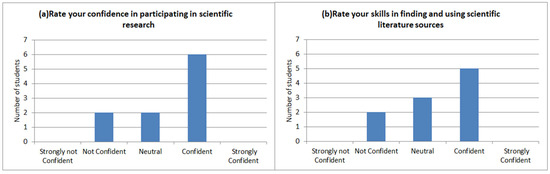
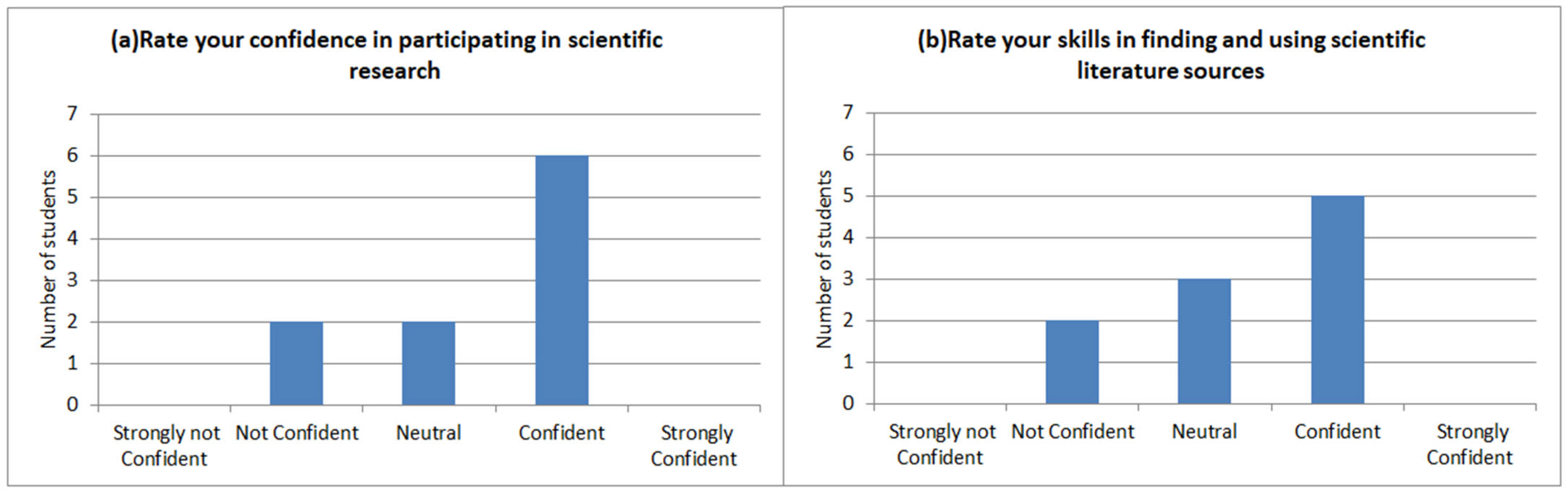
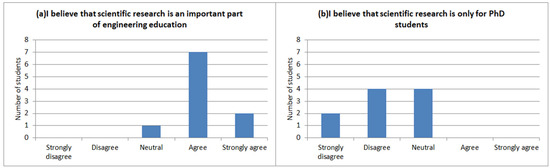
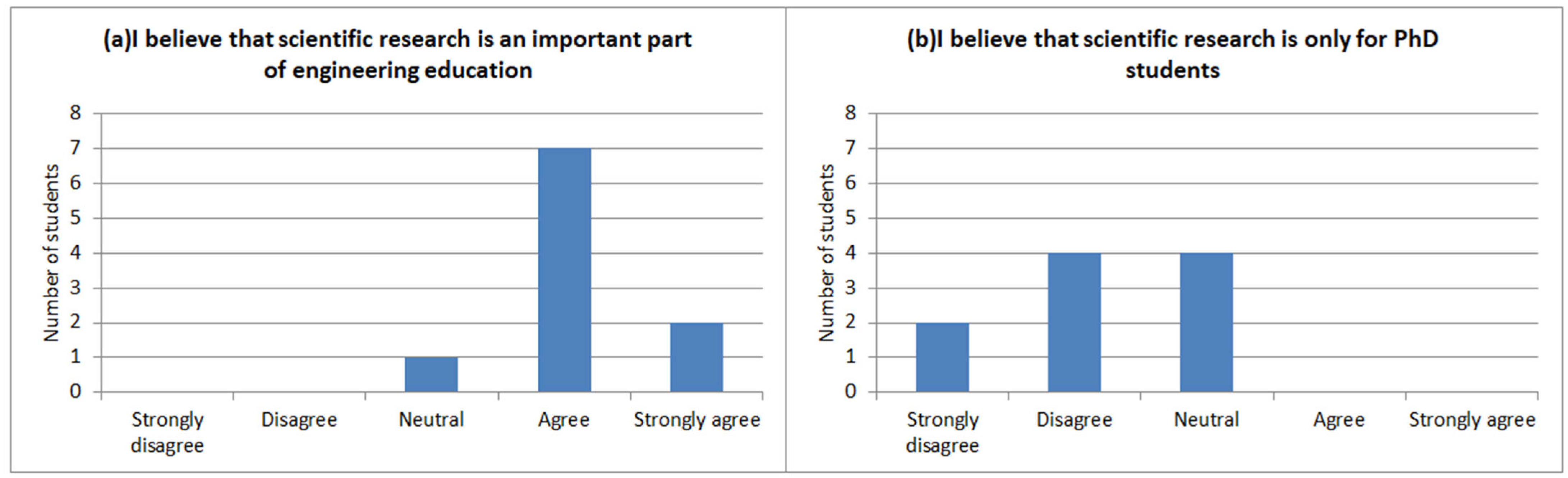
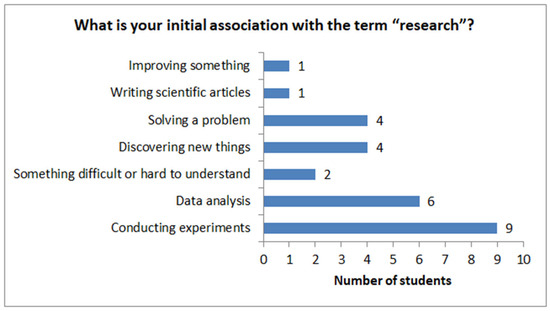
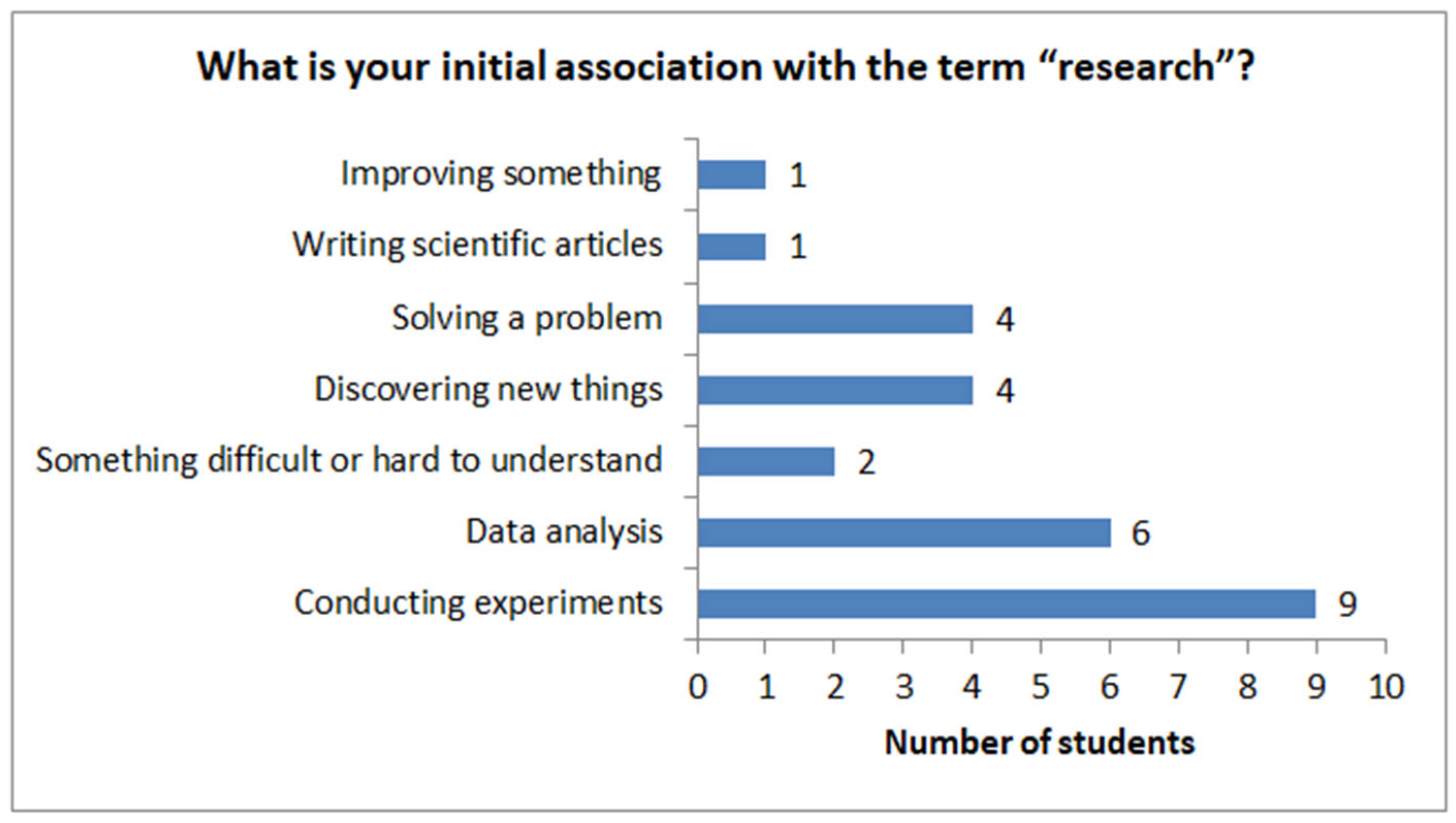
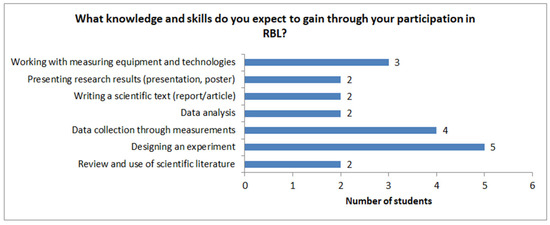
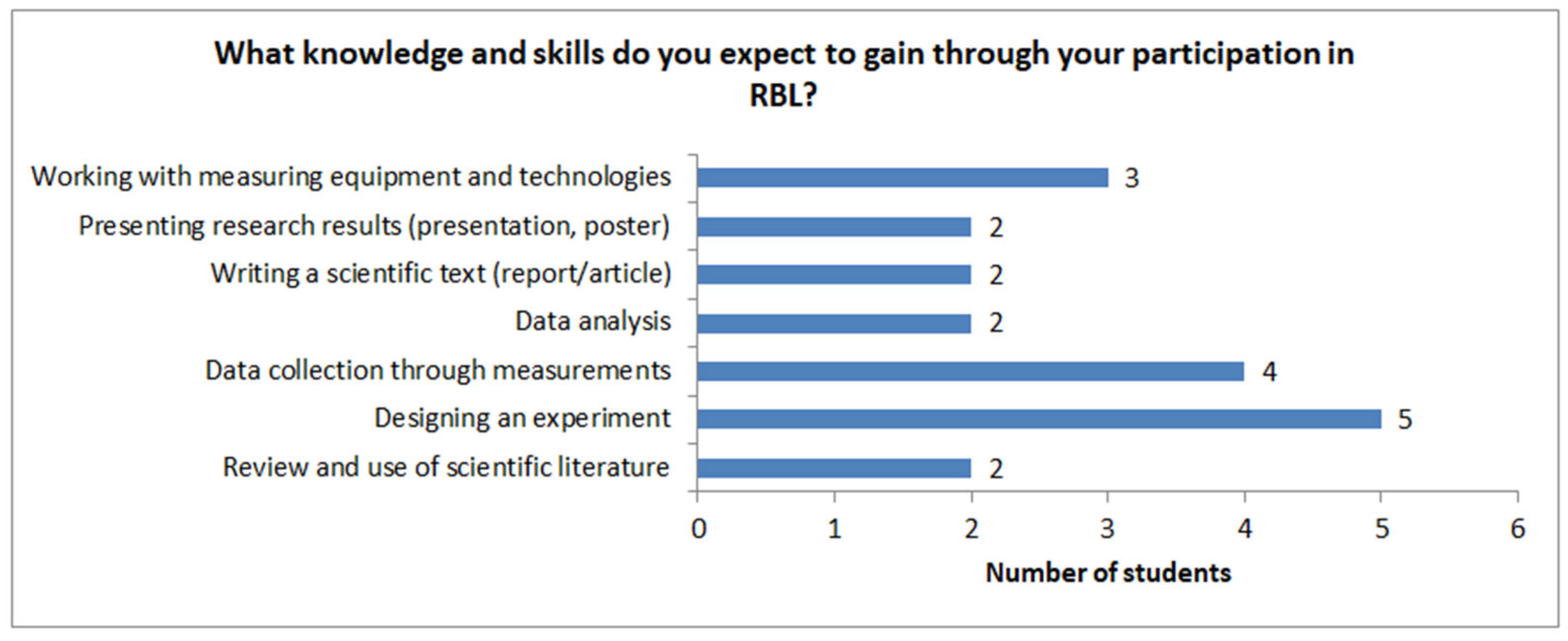

Disclaimer/Publisher’s Note: The statements, opinions and data contained in all publications are solely those of the individual author(s) and contributor(s) and not of MDPI and/or the editor(s). MDPI and/or the editor(s) disclaim responsibility for any injury to people or property resulting from any ideas, methods, instructions or products referred to in the content. |
© 2026 by the authors. Licensee MDPI, Basel, Switzerland. This article is an open access article distributed under the terms and conditions of the Creative Commons Attribution (CC BY) license.