


Abstract
Generative artificial intelligence (GenAI) tools are transforming art education by enabling instant creation of textual, visual, audio, and multimodal outputs. This systematic review synthesizes research on GenAI applications in art education from January 2019 to August 2025. Following PRISMA 2020 guidelines, 19 peer-reviewed empirical studies across six databases (Web of Science, ScienceDirect, Springer, Taylor & Francis, Scopus, and ERIC) met inclusion criteria, which required clear pedagogical implementation with students or educators as active participants. Research accelerated from two studies in 2023 to 14 in 2025, with most studies examining higher education and East Asia contexts through mixed methods approaches and grounded in constructivist and cognitive learning theories. Text-to-image generation models (DALL-E, Midjourney, Stable Diffusion) and conversational AI (ChatGPT) were most frequently implemented across creative production, pedagogical scaffolding, and instructional design applications. Findings from this emerging body of research suggest that GenAI has the potential to improve learning achievement, creative thinking, engagement, and cultural understanding when integrated through structured pedagogical frameworks with intentional instructor design. However, these positive outcomes represent early-stage implementation trends in well-resourced contexts rather than broadly generalizable conclusions. Successful integration requires explicit instructional frameworks, clear ethical guidelines for human-AI collaboration, and evolved assessment methods.
1. Introduction
1.1. Art Education and Technology Integration
Art education helps students build creative expression, visual literacy, critical thinking, and problem-solving through fine and visual art practices (Dobbs, 1998; Freedman, 2025; E. Zimmerman, 2009). As educational contexts increasingly incorporate digital tools and technologies, art education has become a site for examining how emerging technologies intersect with fundamental pedagogical goals (Black & Browning, 2011). Over time, teachers have brought different technologies into art classrooms. They have used slide projectors to show famous artworks, digital cameras to record projects, and software such as Adobe Photoshop for image editing. Tablets have also been used for digital drawing (Tillander, 2011). In most cases, these digital tools have supported teaching and learning rather than replaced the creative process itself. Students still made the main artistic choices and carried out their ideas (Bardzell, 2007; Jones, 1986). Yet, these tools have several limits. They take time and training to use well. They give little help with idea development or concept exploration. They do not do much for students who face creative blocks or technical difficulties. They also create extra costs for teachers and schools (Alawad, 2013). Prior research on technology integration in art education has examined diverse platforms from traditional digital tools to augmented and virtual reality (González-Zamar & Abad-Segura, 2020; Huang et al., 2016). However, the rapid emergence of AI tools presents a fundamentally different technological landscape, requiring fresh examination of how educators can thoughtfully integrate these tools.
1.2. Generative AI: Distinguishing from Traditional AI in Education
Research on artificial intelligence (AI) in education has primarily focused on applications such as profiling and prediction, assessment and evaluation, adaptive systems and personalization, and intelligent tutoring systems (Zawacki-Richter et al., 2019). Mallik and Gangopadhyay (2023) categorize AI in education into proactive and reactive engagement. Most applications focus on analyzing learner data to provide feedback or predictions, without contributing to creative knowledge generation. Generative artificial intelligence (GenAI) represents a distinct category of AI that moves beyond responsive optimization to active content creation (Samala et al., 2025). GenAI encompasses machine learning systems capable of generating novel content, including text, images, audio, and multimodal outputs from natural language prompts. Tools like ChatGPT, DALL-E, Midjourney, and Stable Diffusion, released in the early 2020s, address many limits of older technologies. They can create complex visuals in seconds, help students brainstorm ideas, and reduce the technical skills needed to produce high-quality work (Palani & Ramos, 2024; Park, 2023). This change reshapes how people think about artistic learning and creation (Torres Carceller, 2024). For example, a student who cannot draw well can still make detailed artwork with text prompts, while a chatbot can give real-time feedback on style, concept, or art history. However, these capabilities introduce unprecedented challenges. Ethically, questions emerge around authorship, copyright, and the environmental impact of training large models (Blair, 2025; Garcia, 2024; Leonard, 2021). Pedagogically, concerns arise about diminished skill development when students bypass traditional practice stages, potential aesthetic homogenization as GenAI models reflect training data biases, and the question of what constitutes meaningful artistic learning when production processes become partially automated (Aksoy & Kursun, 2024; Doshi & Hauser, 2023; Holmes & Zhgenti, 2024; Melchior & Farinosi, 2025). GenAI therefore opens creative access to more people and offers new ways to teach art. At the same time, it questions long-held values in art education that have focused on process, skill, and personal growth rather than the final product (Stewart, 2019).
1.3. The Literature Gap
Recent reviews have summarized how AI works and how it has been used in education (Tahiru, 2021). Some focused on AI chatbots in classrooms (Labadze et al., 2023; İpek et al., 2023), while others explored AI use across college subjects (Zawacki-Richter et al., 2019). However, most of this research centers on STEM fields, leaving art education largely unexplored. Studies on AI in art do exist but cover different areas. Some reviews have discussed broad technologies such as AR, VR, and machine learning, or systems that provide tutoring support (Adeel & Yasmeen, 2025). Others have examined how AI is used for creating or analyzing art rather than for teaching art (Oksanen et al., 2023). A few broader reviews have looked at AI’s role in creativity and audience engagement but did not focus on classroom practices (Then et al., 2023). One review that specifically focused on K-12 art education found that AI use in this area is still in its early stage (Su & Mokmin, 2025). More broadly, even as AI technologies are beginning to be applied to visual arts, the maturity level of this field remains low, with most research focuses on testing strategies and developing tools rather than systematically applying learning theory to guide implementation or examining teaching and learning outcomes (Su & Mokmin, 2024).
The emergence of GenAI tools adds another layer of complexity to this already underdeveloped field. As of 2025, empirical research on GenAI in art education remains in its nascent stages, with most available studies published within the past year. Reviews on GenAI in general education have shown its strong potential for personalizing learning and generating content (Mittal et al., 2024). They have also found wide use in higher education and positive student attitudes toward these tools (Batista et al., 2024). Even with these studies, a gap remains. No systematic review has yet explored how GenAI tools are being used for teaching and learning in art education. Current research has not examined which learning theories guide GenAI-based art instruction, what evidence shows changes in student learning, or what recommendations teachers can follow when using these tools. This gap is significant because art education embodies distinctive pedagogical purposes that differ from STEM-oriented contexts where GenAI research has concentrated. Art education prioritized: (1) iterative creative process over final product (E. Zimmerman, 2010), (2) development of aesthetic judgment and critical visual literacy (Crawford, 1987), and (3) cultural understanding and authentic expression (Ballengee-Morris & Stuhr, 2001). Art education also raises specific teaching concerns, such as how to keep the creative process active, build basic artistic skills, support critical thinking about beauty and style, and protect personal and cultural expression when using GenAI (Erişti & Freedman, 2024). These issues have not yet been discussed in broader reviews that focus only on general learning outcomes.
1.4. Research Questions and Objectives
This systematic review addresses this gap by synthesizing research on GenAI applications in art education from January 2019 to August 2025. To structure this synthesis, we organized inquiry around four progressive research questions that move from descriptive (what is happening?) through explanatory (how and why?) to prescriptive (what should happen?) Specifically, this review investigates four research questions:
- What are the temporal trends and research focus areas in GenAI art education applications?
- What specific GenAI tools are employed and how are they implemented within art educational contexts?
- What learning theoretical frameworks guide GenAI integration in art education?
- What are the documented impacts and what practical recommendations emerge from empirical investigations?
By systematically examining these dimensions, this review aims to provide art educators, curriculum developers, and educational policymakers with an evidence-informed understanding of: (1) what is currently known about GenAI integration in art education contexts, (2) what remains unknown and requires future investigation, and (3) what provisional guidance the existing evidence base can support for thoughtful implementation. This approach acknowledges both the genuine pedagogical promise GenAI offers and the legitimate cautions regarding its effects on artistic authenticity, skill development, and educational equity.
2. Materials and Methods
This systematic review was not prospectively registered. The study follows PRISMA 2020 guidelines (Page et al., 2021) to ensure methodological rigor and transparency throughout the review process. This section details the search strategy, eligibility criteria, and data extraction and analysis methods employed in this review.
2.1. Search Strategy
To ensure systematic comprehensiveness within manageable scope, initial search parameters were established: (1) language restriction to English-language peer-reviewed publications, (2) temporal scope from January 2019 to August 2025, (3) database selection of six platforms. These parameters were applied at the database level to constrain initial retrieval. Six databases were searched: Web of Science, ScienceDirect, Springer, Taylor & Francis, Scopus, and ERIC. These databases were selected for their coverage of education technology, art education, and computer science literature.
Search terms were developed through preliminary scoping searches and team discussion to ensure broad yet focused retrieval. Two core concept clusters were identified: (1) generative AI technologies, and (2) art education contexts. These concept clusters were combined using the Boolean AND operator to retrieve documents addressing both concepts. Table 1 presents the complete search strategy.
Table 1.
Search strategy: key topics and terms.
2.2. Eligibility Criteria
We developed our inclusion criteria based on Meline’s (2006) systematic review principles. These criteria focus on research question relevance, methodological quality, and pedagogical applicability, ensuring both internal and external validity of our review. The inclusion criteria encompassed empirical investigations (quantitative, qualitative, and mixed methods) conducted in art educational settings with systematic implementation of GenAI tools. Eligible studies featured students or educators as active participants utilizing GenAI for structured learning activities with defined objectives and analysis of educational processes or outcomes. The exclusion criteria eliminated several categories of literature across multiple dimensions. We excluded purely theoretical analyses and opinion pieces without empirical foundation, as our focus required evidence-based research. Studies involving participants other than students or educators in educational contexts were excluded, as were commercial design applications outside educational settings. Critically, we excluded studies that merely offered exploratory reflections or tool demonstrations without systematic educational implementation. This included research lacking structured learning activities, defined educational objectives, or systematic analysis of learning processes and skill development impacts. Additionally, we excluded studies focusing on traditional digital art tools rather than GenAI implementation, and those providing only superficial observations without meaningful analysis of educational outcomes. The specific criteria applied for study selection are presented in Table 2.
Table 2.
Eligibility criteria for the selection process.
2.3. Study Selection and Quality Assessment Process
The study selection process followed standard PRISMA procedures across three phases: identification, screening, and inclusion. In the identification phase, database searches across six platforms yielded 598 records. Manual searching of reference lists and citation tracking identified 2 additional records, bringing the initial pool to 600 publications. All identified records were compiled and duplicate records were removed. This deduplication process eliminated 32 duplicate records, resulting in 568 unique records for title and abstract screening. In the screening phase, two independent reviewers screened all 568 titles and abstracts against the eligibility criteria specified in Table 2. Reviewers worked in pairs, with each record evaluated by both reviewers to ensure consistent application of criteria. Records identified by both reviewers as potentially meeting inclusion criteria advanced to full-text review. This title and abstract screening phase resulted in 52 reports identified for retrieval. Both reviewers independently assessed the 52 full-text reports against the eligibility criteria. Of these, 4 reports could not be obtained, leaving 48 reports for detailed eligibility assessment. When reviewers disagreed about eligibility, disagreements were resolved through detailed discussion examining the specific criteria of contention. When consensus could not be reached through discussion, a third independent reviewer was consulted to make the final determination. This process resulted in exclusion of 29 reports for the reasons shown in Figure 1. This resulted in 19 studies meeting all inclusion criteria for synthesis in the inclusion phase.
Figure 1.
PRISMA flow diagram of the study selection process.
Subsequently, all 19 included studies underwent quality assessment using the Mixed Methods Appraisal Tool (MMAT), version 2018 (Hong et al., 2018), a validated instrument designed to evaluate methodological rigor across diverse study designs. The MMAT provides design-specific criteria for qualitative (5 items), quantitative (5 items), and mixed methods (5 items) studies. Both independent reviewers applied the tool to each included study, rating each criterion as “Yes,” “No,” or “Can’t tell” according to standardized guidelines. Inter-rater reliability between the two independent reviewers was high, with Cohen’s Kappa κ = 0.868. Disagreements in quality ratings were resolved through detailed discussion until consensus was reached. All included studies indicated sufficient methodological quality. Eleven studies (57.9%) met all five quality criteria (100% quality score) for their respective study designs. Six studies (31.6%) met four of five criteria (80% quality score). One study (5.3%) met three of five criteria (60% quality score). One study (5.3%) met two of five criteria (40% quality score).
The complete screening and selection process is illustrated in the PRISMA flow diagram (Figure 1). Although the initial search retrieved 600 potential studies, only 19 met all the established criteria for inclusion. This substantial reduction is not indicative of a lack of relevant literature on generative AI and art education but rather reflects the application of rigorous inclusion criteria focused on empirical studies that involve direct teaching and learning with students or educators as active participants in structured art educational activities. Most excluded studies either lacked systematic pedagogical implementation, consisted of attitudinal surveys or reflective accounts from AI users without documented teaching and learning outcomes, focused on AI in general education contexts without specific application to art education, addressed non-pedagogical uses of AI in art creation or analysis, or presented theoretical discussions and tool demonstrations.
2.4. Data Extraction and Analysis Methods
Data extraction was conducted systematically by both reviewers to ensure accuracy and completeness. For each included study, extracted data included: (1) publication demographics (year, geographic distribution, institutional affiliation type, publication channel), (2) research focus (educational level, application scenario, theme, methodology, sample size), (3) technological specifications (GenAI tools, applications), educational theoretical frameworks, and (4) outcome measures (impacts, recommendations). Institutional affiliation types were categorized into single institution and multiple institutions. For regional analysis, studies were classified based on the region of the first author’s primary (first-listed) institutional affiliation to ensure consistency and avoid duplicate counting. Publication venues were classified across journal articles and conference papers. Educational level was categorized into three groups: K-12 education, higher education, and teacher education/professional development. Methodologies were classified into three main categories: quantitative, qualitative, and mixed methods (Taherdoost, 2022).
Data were analyzed using descriptive statistics (Kaur et al., 2018) and conventional content analysis (Hsieh & Shannon, 2005). Descriptive statistics examined distribution patterns across nine dimensions: temporal trends, geographical distribution, publication channels, institutional types, educational levels, methodology, sample size, application scenarios, and GenAI tools in art education. Following the conventional content analysis approach (Hsieh & Shannon, 2005), this review employed inductive coding to categorize research focus (theme), technological specifications (GenAI applications), educational theoretical frameworks, and outcome measures (impacts and recommendations). Categories emerged from the data through iterative reading and analysis of the included studies, without imposing predetermined theoretical frameworks. All data extraction, coding, and analysis of the included studies were conducted using Microsoft Excel (version 2023). Figures were generated programmatically using Python (version 3.11.9) and the Matplotlib library (version 3.10.3) at 300 dpi resolution.
3. Results
This section addresses the four research questions posed in this study, progressing from the current landscape to implementation specifics, theoretical foundations, and implications. It represents an analysis of the currently available empirical literature on GenAI in art education. We first examine temporal trends and research focus areas in GenAI art education applications. Second, we identify the specific GenAI tools employed and their implementations within art educational contexts. Third, we analyze the educational theoretical frameworks guiding GenAI integration. Fourth, we summarize the documented impacts of GenAI integration. Finally, we synthesize practical recommendations emerging from empirical investigations.
3.1. Trends and Focus Areas of GenAI Applications in Art Education (2019–2025)
To address the research question on trends and focus areas of GenAI applications in art education, we developed Table A1 as an overview of included studies, cataloging key characteristics to facilitate subsequent analysis.
3.1.1. Temporal Distribution and Publication Trends
As shown in Figure 2, the 19 included studies represent research conducted between 2023 and 2025, with no eligible studies identified from 2019 to 2022. Only two studies were published in 2023 (10.5%), increasing to three in 2024 (15.8%), with an acceleration to 14 studies in 2025 (73.7%).
Figure 2.
Distribution of included studies by year.
Journal articles comprise 78.9% of publications (n = 15), with conference papers accounting for 21.1% (n = 4). Prominent journals include Education and Information Technologies (3 articles), Interactive Learning Environments (3 articles), and other journals such as Computers & Education, International Journal of Information and Education Technology, and Journal of Educational and Social Research. Conference publications appeared primarily in human–computer interaction venues.
3.1.2. Geographical and Institutional Characteristics
Analysis of research context regions (Figure 3) reveals where studies were conducted. Mainland China dominates as the primary research context, accounting for 36.8% of studies (n = 7). The United States follows with 15.8% (n = 3). Notably, 26.3% of studies (n = 5) did not report their research context region. Single-country contexts include Taiwan, Singapore, and South Korea (5.3% each, n = 1), while one study (Taama, 2025) reported a multi-country context spanning Qatar, the United States, and the United Kingdom in an online environment (5.3%). Institutional affiliation analysis reveals that multiple institutions dominate the research landscape, accounting for 68.4% of studies (n = 13), while single institution studies comprise 31.6% (n = 6).
Figure 3.
Regional context of included studies. Note: Percentages may not sum to exactly 100% due to rounding.
To avoid duplicate counting when institutions span multiple countries, the analysis focuses on the first author’s first institutional affiliation. When consolidating individual countries into broader geographic regions (Figure 4), East Asia dominates with 36.8% (n = 7), encompassing Mainland China (n = 4), Taiwan (n = 1), and South Korea (n = 2). Southeast Asia contributes 26.3% (n = 5), comprising Malaysia (n = 4) and Singapore (n = 1). North America accounts for 15.8% (n = 3), with all contributions from the United States. Europe represents 10.5% (n = 2), including Spain (n = 1) and Latvia (n = 1). Central Asia and the Middle East each contribute 5.3% (n = 1), represented by Kazakhstan and Qatar, respectively. Collectively, the Asia-Pacific region demonstrates clear dominance, accounting for 63.1% of all research output (East Asia 36.8% + Southeast Asia 26.3%).
Figure 4.
Distribution of studies by institutional region of included studies.
3.1.3. Educational Contexts and Methodological Approaches
Higher education contexts dominate the research landscape (Figure 5), appearing in 16 studies (84.2%). K-12 education appears in five studies (26.3%), and teacher education/professional development contexts in two studies (10.5%). Some studies span multiple educational levels, particularly those examining pedagogical transformation across contexts (Heaton et al., 2024; Konakbayeva et al., 2025; Ling et al., 2025b).
Figure 5.
Educational level of included studies.
Regarding methodological approaches (Figure 6), mixed methods emerged as the predominant choice, employed in 12 studies (63.1%), followed by quantitative approaches in six studies (31.6%), and qualitative methodology in only one study (5.3%; Heaton et al., 2024). Sample sizes among the 18 studies reporting this information ranged from 10 to 300 participants (M = 66.1, Mdn = 49), and one study (Heaton et al., 2024) was excluded from this analysis as it reported participant numbers for only some subgroups without providing a total sample size.
Figure 6.
Methodology of included studies.
3.1.4. Application Scenarios in Art Education
As shown in Table 3, studies were categorized into six categories based on their primary application scenario, defined by the dominant educational context and main learning objectives.
Table 3.
Application scenarios of included studies.
Creative production and design (n = 7) form the largest group of studies. These involve settings where GenAI is used directly in making or designing art. Examples include art programs for learning composition (Ansone et al., 2025), creative digital storytelling (Chiu & Hwang, 2025), and digital art courses that teach prompt design (Hutson & Cotroneo, 2023a, 2023b). Other studies looked at 3D animation studios (Kicklighter et al., 2024), creative curriculum design (Xu, 2025), and drawing lessons for primary students (Zeng et al., 2025). Cultural heritage and art history (n = 4) involve studies where GenAI supports teaching about culture and heritage. Examples include lessons on traditional Chinese painting (Liu et al., 2025), rural mural projects (Ling et al., 2025b), art history courses on Eastern and Arab art (Taama, 2025), and digital illustration classes featuring cross-cultural designs (Zhu et al., 2025). Design-oriented art education (n = 4) includes courses that mix art and design principles. These studies focused on either art programs that teach design history (Chen et al., 2025a, 2025b) or foundation courses common to both fields, such as color composition (Ling et al., 2025a) and ceramic crafts (Kang et al., 2025). Art appreciation and museum learning (n = 1) refers to contexts that focus on viewing and understanding art rather than making it. One study explored a university art appreciation course using GenAI to support museum visits (Hu et al., 2025). Teacher education and professional development (n = 1) addresses how GenAI is used in teacher training. Konakbayeva et al. (2025) studied how visual art teachers used GenAI for collaborative planning and practice teaching. Interdisciplinary and informal learning (n = 2) covers contexts outside regular art classes or those combining several subjects. These include informal art enrichment programs for children (Heaton et al., 2024) and elementary after-school STEAM workshops (Lee et al., 2024).
3.1.5. Research Themes and Focus Areas
From a thematic perspective, the research themes reveal that studies predominantly focus on: (1) Pedagogical integration and instructional innovation, encompassing studies examining how GenAI tools can be effectively incorporated into art curricula through various instructional approaches. This includes investigations of composition learning integration (Ansone et al., 2025), scaffolding instruction (Ling et al., 2025a; Liu et al., 2025; Zeng et al., 2025), flipped classroom models with AI-generated virtual instructors (Chen et al., 2025a), prompt engineering and iterative creation processes (Hutson & Cotroneo, 2023a, 2023b), mind mapping approaches (Chiu & Hwang, 2025), color composition instruction (Ling et al., 2025a), and AI-assisted design communication in pedagogical practice (Kang et al., 2025). (2) Cognitive and affective learning outcomes with studies investigating GenAI‘s impact on multiple dimensions of student development. These include creativity and creative self-efficacy (Chiu & Hwang, 2025; Kicklighter et al., 2024; Xu, 2025; Zeng et al., 2025), critical thinking abilities (Chiu & Hwang, 2025), learning motivation and engagement (Chen et al., 2025b; Lee et al., 2024; Zeng et al., 2025), self-efficacy (Chen et al., 2025b; Hu et al., 2025), academic achievement and learning performance (Chen et al., 2025a, 2025b; Hu et al., 2025), and problem-solving capabilities (Hu et al., 2025). (3) Cultural heritage education and reproduction explore GenAI’s pedagogical potential in reproducing cultural and historical elements in artistic works (Taama, 2025), teaching traditional art forms such as Chinese painting (Liu et al., 2025), facilitating cross-cultural heritage pattern education (Zhu et al., 2025), and supporting collaborative cultural rejuvenation projects (Ling et al., 2025b). (4) Teacher preparation and transformative pedagogy address the professional development dimension, examining how educators can be prepared for AI-integrated art education. This includes studies on GenAI integration in microteaching lesson study for pre-service visual art teachers (Konakbayeva et al., 2025) and broader transformative pedagogic reflections on AI integration across multiple educational levels (Heaton et al., 2024).
3.2. GenAI Tools: Types and Art Educational Applications
3.2.1. Types of GenAI Tools
In terms of GenAI tools, Table 4 presents a classification of GenAI tools and technologies employed.
Table 4.
GenAI tools classification of included studies.
Text-to-image generation models were the most widely adopted category, with DALL-E/DALL-E 2 being the most popular platform (used in 6 studies), followed by Midjourney (3 studies) and Stable Diffusion (4 studies). Conversational AI tools, particularly ChatGPT, appeared in seven studies with varying implementations: five used general ChatGPT, while others employed specific versions (ChatGPT 3.5, ChatGPT 4) or developed custom pedagogical agents (Chen et al., 2025b). Some studies employed extensive tools: Taama (2025) explored eight different text-to-image platforms, while Kicklighter et al. (2024) integrated six GenAI tools, including both image generators and conversational AI. This multi-platform approach suggests educators are evaluating diverse tools to identify optimal solutions for specific pedagogical goals. Beyond commercial platforms, advanced and custom implementations were present but less common. Kang et al. (2025) employed ControlNet with LoRA fine-tuning for precise image generation control, while Zhu et al. (2025) utilized LoRA training for cross-cultural design adaptation. Three studies developed domain-specific GenAI solutions: a fine-tuned diffusion model for Chinese aesthetic education (Liu et al., 2025), AI-generated virtual instructors (Chen et al., 2025a), and a mobile synchronous drawing tool (Zeng et al., 2025), demonstrating emerging trends toward specialized educational GenAI development. Two studies (Chiu & Hwang, 2025; Ling et al., 2025b) employed AI image generation tools without specifying exact platforms.
3.2.2. Applications in Art Education
Regarding the GenAI application, the categories of implementation are creative production and visual content generation, pedagogical scaffolding and learning support, and instructional design and teacher support. Table 5 provides an analysis of how these three application categories distributed across the 19 studies, with creative production and visual content generation representing the most frequent implementation approach, often integrated with pedagogical scaffolding and learning support, while instructional design and teacher support comprised a smaller proportion of the reviewed applications.
Table 5.
GenAI applications, implementation approaches, and research objectives in art education.
- Creative production and visual content generation;
GenAI tools in creative production and visual content generation primarily support students during the creative production and making stages of art education, functioning as co-creation partners in the artistic process. Students engage with text-to-image generation models to transform conceptual ideas into visual outputs, requiring them to develop proficiency in prompt engineering (Ansone et al., 2025; Heaton et al., 2024; Hutson & Cotroneo, 2023a, 2023b; Ling et al., 2025b). This iterative process typically involves multiple refinement cycles (Chiu & Hwang, 2025; Kicklighter et al., 2024; Ling et al., 2025a; Lee et al., 2024; Zhu et al., 2025), with students adjusting their textual descriptions through three to six iterations to achieve desired aesthetic outcomes (Ansone et al., 2025). Applications in this category address fundamental artistic principles including compositional balance, contrast, unity, and emphasis, while also supporting advanced design considerations such as color palette harmonization and conceptual development (Ansone et al., 2025; Ling et al., 2025a; Xu, 2025). GenAI serves as a cultural bridge through custom diffusion model fine-tuning, enabling students to integrate traditional cultural elements into contemporary digital art creation (Liu et al., 2025). Related to this, GenAI functions as a culturally informed design tool through LoRA training techniques, enabling students to explore and apply specialized aesthetic frameworks from traditional ceramic styles (Kang et al., 2025) to cross-cultural heritage patterns (Zhu et al., 2025) across their creative portfolios. Additionally, digital storytelling represents a specialized application within creative production, where students combine narrative development with visual generation across multiple modalities (Chiu & Hwang, 2025; Ling et al., 2025a). This often involves sequential GenAI tool integration, such as using conversational AI to generate descriptive prompts for color coordination and design concepts, which are then fed into image generation systems to create cohesive visual narratives (Ling et al., 2025a). The sketch-to-image transformation approach serves a pedagogical function by bridging traditional hand-drawing skills with digital enhancement, particularly through mobile platforms that provide immediate AI-generated visual feedback on student sketches (Zeng et al., 2025).
- Pedagogical scaffolding and learning support;
This pedagogical scaffolding and learning support focus on GenAI’s role as an intelligent tutor and learning companion throughout various stages of the artistic learning process, from initial concept development through skill acquisition and knowledge construction (Kang et al., 2025), positioning GenAI not merely as a tool. Conversational AI systems provide contextual assistance during creative work sessions, offering hints, clarifications, and open-ended dialogue about artistic concepts as students encounter challenges (Ansone et al., 2025; Chen et al., 2025b; Hutson & Cotroneo, 2023a). These systems deliver adaptive feedback that adjusts to individual student needs, supporting personalized learning pathways that account for different skill levels, learning paces, and artistic interests (Chen et al., 2025b; Hu et al., 2025; Hutson & Cotroneo, 2023b; Liu et al., 2025). During the conceptual development phase, conversational AI provides pedagogical support by guiding students through idea generation, helping them understand compositional principles, refining plot structures for narrative artworks, and evaluating color harmonization possibilities (Heaton et al., 2024; Xu, 2025; Ling et al., 2025a). Lee et al. (2024) illustrates these potentials by integrating Stable Diffusion into art-focused STEAM classes, showing that GenAI not only facilitated creative image generation but also enhanced divergent and convergent thinking, language expression, and student motivation. Some implementations employ structured pedagogical frameworks, such as the A/R/Tography approach integrating artist, researcher, and teacher roles (Zhu et al., 2025), QIVE model, which guides students through questioning, interaction, verification, and examination phases while integrating GenAI assistance at each stage (Hu et al., 2025); the CIDI (Clarify, Ideate, Develop, Implement) four-stage process for structured creative thinking development (Chiu & Hwang, 2025); the four-module framework (knowledge input, content creation, collaborative creation, and evaluation/feedback), which also reflects this trend by emphasizing a systematic instructional design that enables GenAI to play a role throughout the entire learning process (Ling et al., 2025b). Additionally, comparative learning across multiple GenAI platforms helps students understand different AI tools’ strengths, limitations, and use cases (Taama, 2025; Kicklighter et al., 2024). Typically implemented in introductory courses, this approach develops AI literacy by requiring students to critically evaluate GenAI outputs and make informed tool selections for specific artistic purposes (Heaton et al., 2024).
- Instructional design and teacher support.
Instructional design and teacher support serve educators during course planning, content delivery, and instructional material development phases. GenAI virtual instructor technology enables the creation of realistic video lectures for flipped classroom models, where students access pre-course materials featuring AI-generated presenters that replicate human gestures, postures, and facial expressions (Chen et al., 2025a). These virtual instructors can be customized to match student demographics and can deliver content in various styles ranging from formal academic language to conversational approaches with personal pronouns and direct address, allowing educators to experiment with different pedagogical tones while maintaining content consistency (Chen et al., 2025a). Beyond content delivery, conversational AI supports teachers during lesson preparation and curriculum development stages (Konakbayeva et al., 2025). Educators use AI chatbots to brainstorm lesson ideas, structure learning activities, generate teaching materials, and develop assessment strategies.
3.3. Learning Theoretical Frameworks
The 13 studies that reported learning theoretical frameworks (Table 6) drew on four main theoretical orientations: Constructivist Learning Theories (5 studies), Social Constructivist Learning Theories (3 studies), Cognitive Learning Theories (5 studies), and Social Cognitive Learning Theories (4 studies). Several studies adopted multiple theoretical frameworks. For example, Chen et al. (2025b) combined constructivist learning theories (personalized learning) with social cognitive learning theories (self-efficacy and learning motivation), while Ling et al. (2025a) integrated constructivist theories (personalized learning, blended learning) with cognitive learning theories (cognitive load). Similarly, Zeng et al. (2025) drew on both social constructivist theories (Zone of Proximal Development, scaffolding) and social cognitive theories (self-efficacy, motivation). This multi-theoretical approach, employed by approximately 38% (5 out of 13) of studies. Additionally, approximately 37% of the reviewed studies (7 out of 19) do not explicitly state a learning theoretical framework.
Table 6.
Learning theoretical frameworks.
3.4. Impact Findings and Practical Recommendations
3.4.1. Impact Findings
The included studies reported predominantly positive findings regarding impacts of structured GenAI integration on student learning, creativity, and engagement. Students who received GenAI-supported instruction achieved higher post-test scores and showed stronger understanding of artistic styles, color composition, and cultural symbolism (Chen et al., 2025a, 2025b; Chiu & Hwang, 2025; Hu et al., 2025; Ling et al., 2025a; Liu et al., 2025). It also helped reduce cognitive load and improve information processing, with conversational learning designs proving especially effective (Hu et al., 2025; Kang et al., 2025). Students became more creative, producing more design drafts, exploring diverse artistic styles, and working more efficiently during idea development (Chiu & Hwang, 2025; Hutson & Cotroneo, 2023a; Kicklighter et al., 2024; Xu, 2025). They also developed greater motivation, engagement, and confidence, especially among beginners who had previously hesitated to create (Chen et al., 2025b; Hu et al., 2025; Zeng et al., 2025). Over time, students began to view GenAI as a genuine creative partner rather than a tool for organizing ideas (Heaton et al., 2024; Hutson & Cotroneo, 2023b). The integration of GenAI also strengthened cultural understanding, helping students appreciate traditional practices and think more critically about cultural representation (Liu et al., 2025; Taama, 2025; Zhu et al., 2025). For teachers, it improved lesson quality, feedback detail, and interdisciplinary communication (Kang et al., 2025; Konakbayeva et al., 2025). However, challenges persisted, such as frustration with mismatched AI outputs, over-reliance on automation, uneven tool accessibility, and temporary declines in teacher self-efficacy (Ansone et al., 2025; Lee et al., 2024; Ling et al., 2025a).
The pedagogical impact included improved lesson plan quality, enhanced art-related discourse facilitation, and substantially more detailed instructor feedback (Kang et al., 2025; Konakbayeva et al., 2025). GenAI supported enhanced design communication, increased technical vocabulary use, and created opportunities for interdisciplinary learning experiences (Heaton et al., 2024; Kang et al., 2025). However, students experienced challenges. Some reported frustration when GenAI outputs misaligned with artistic vision, while others expressed concerns about over-reliance on AI-generated solutions (Ansone et al., 2025; Ling et al., 2025a). Some students preferred AI-mediated interaction over peer collaboration (Ling et al., 2025a), while ease-of-use and language proficiency barriers that suggested varying effectiveness across learners, with some students facing obstacles that others did not encounter (Ansone et al., 2025; Lee et al., 2024). As the instructor level, teaching self-efficacy among pre-service educators declined uniformly across conditions, suggesting that integrating new technologies may temporarily challenge instructor confidence even as pedagogical outcomes improve (Konakbayeva et al., 2025).
3.4.2. Practical Recommendations
- Scaffolding and structured guidance;
Studies recommend using GenAI as a scaffolding tool that supports idea generation and creative work while keeping students’ critical thinking and creative control (Ansone et al., 2025; Heaton et al., 2024; Kang et al., 2025; Taama, 2025). Teachers are encouraged to combine GenAI-assisted activities with manual art projects under supervision to balance technology and human creativity. This approach can connect traditional art practices with GenAI through inquiry-based learning that values personal expression and reflective dialogue (Heaton et al., 2024). Students should be trained to master both traditional artistic skills and understanding how to work with AI tools (Hutson & Cotroneo, 2023b; Kang et al., 2025).
- Pedagogical design and learning objectives;
Studies emphasized that effective GenAI integration requires clear instructional frameworks and redesigned curricula. Recommended models include the QIVE framework, graded GenAI integration, flipped classrooms with conversational AI instructors, STEAM-based learning, and mind mapping linked to GenAI-supported storytelling. These models aim to improve personalization, interaction, knowledge retention, and critical thinking (Chen et al., 2025a, 2025b; Chiu & Hwang, 2025; Hu et al., 2025; Lee et al., 2024; Ling et al., 2025a). These models typically share common features: progressive interaction stages, AI reflection logs, and three-step workflows involving AI generation, human revision, and intelligent review. Additionally, pedagogical innovations should include consequence-free experimentation spaces, collaborative assignments where students interpret and build upon AI-generated imagery, and continuous curriculum evaluation to stay current with GenAI advancements (Hutson & Cotroneo, 2023a; Kicklighter et al., 2024).
- Assessment and evaluation methods;
Studies recommended evaluation systems that balance AI and human roles while ensuring that teachers first guide students in building basic art knowledge and competency-based learning goals before using GenAI (Hu et al., 2025; Hutson & Cotroneo, 2023a; Ling et al., 2025a; Xu, 2025). Assessment frameworks must evolve to accommodate GenAI-augmented learning by incorporating multidimensional indicators that measure creativity, problem-solving ability, artistic thinking development, cultural accuracy, design quality, and marketability beyond traditional metrics (Kang et al., 2025; Liu et al., 2025; Taama, 2025; Zeng et al., 2025; Zhu et al., 2025).
- Ethical frameworks and transparent policies;
Ethical use and transparency are central to responsible GenAI integration. Studies highlight the need for clear policies on how human and AI contributions are reported, for open communication about boundaries of AI use, and for guidelines addressing copyright, cultural sensitivity, and job-related concerns (Ansone et al., 2025; Hutson & Cotroneo, 2023a; Kicklighter et al., 2024; Lee et al., 2024; Taama, 2025; Xu, 2025). Particularly in culturally themed projects, researchers suggest improving GenAI’s cultural awareness through diverse training data and cross-cultural knowledge systems. They recommend co-creation models that combine automation with artistic interpretation to preserve cultural meaning and authenticity (Zhu et al., 2025).
- Technical improvements and system optimization;
Technical improvements include optimizing GenAI tools for accurate semantic matching and color semantic matching, expanding dataset diversity, incorporating ethical risk monitoring mechanisms, and strengthening teacher training and technical support (Konakbayeva et al., 2025; Ling et al., 2025a; Liu et al., 2025).
- Professional development and institutional support.
Institutional backing is vital for sustainable GenAI integration. Schools and universities should develop policies, training programs, and workshops that promote thoughtful GenAI use through continuous planning, teaching, observation, and feedback. They should also form partnerships and update digital strategies that teach prompt engineering and AI literacy as part of structured art education (Ansone et al., 2025; Konakbayeva et al., 2025; Ling et al., 2025b; Xu, 2025).
4. Discussion
4.1. Implications for Art Education Practice
This section examines four key implications of GenAI integration in art education practice.
4.1.1. GenAI as Process Tool: Expanding Rather than Replacing Artistic Literacy
A key feature of GenAI use in art education is its strong focus on text-to-image generation, which differs from the text-based applications that dominate most GenAI research in general education (Heilala et al., 2025). This distinction reflects art education’s fundamental concerns with visual thinking and creative production. In included studies, GenAI is treated mainly as a process tool rather than a final product maker. Students often combine several tools—traditional materials like ceramics, painting, and sketching; digital software such as Procreate, Photoshop, and Adobe Color; and GenAI platforms like DALL-E, Stable Diffusion, or customized systems—to refine and expand their creative work (Heaton et al., 2024; Hutson & Cotroneo, 2023b; Kang et al., 2025; Ling et al., 2025a; Zeng et al., 2025; Zhu et al., 2025). Available findings suggest that GenAI can enhance creativity, idea generation, and engagement (Chiu & Hwang, 2025; Kicklighter et al., 2024; Xu, 2025). It does not replace traditional skill development but supports it, extending what it means to be artistically literate (Andrae, 2025). This reflects long-standing views in art education that digital and traditional literacies should work together, not compete (Snyder & Bulfin, 2007). The rise in prompt engineering as a new creative skill (Hutson & Cotroneo, 2023a; Oppenlaender et al., 2025) continues art education’s long history of growth through technology. Just as photography and digital art once broadened creative practice, GenAI now adds another layer to how students learn, create, and express themselves (Erişti & Freedman, 2024; Choi & Piro, 2009; Paul, 2023).
However, describing GenAI as a “process tool” needs careful clarification. The reviewed studies do not all show that students consistently refine GenAI outputs through meaningful traditional creative work. The extent of integration often depends on several conditions: whether the course design explicitly includes both manual and GenAI-based stages, whether instructors understand both traditional and AI-supported methods, and whether institutions provide support for multi-step creative workflows.
Different studies treated GenAI in different ways. Some required students to manually refine AI-generated outputs (Hutson & Cotroneo, 2023b; Kang et al., 2025). In these implementations, GenAI functioned as a starting point or reference within a larger manual creative process, positioning students as primary creative agents making intentional choices about how to transform AI-generated content. Others built GenAI into structured learning cycles where refinement happened naturally through repeated iterations (Chiu & Hwang, 2025; Liu et al., 2025; Ling et al., 2025a). In these cases, GenAI supported iterative exploration rather than providing final products, creating process engagement.
A smaller number of studies positioned GenAI as a constant feedback system that supported students throughout their creative process (Chen et al., 2025b; Zeng et al., 2025). In these instances, the boundary between GenAI contribution and student contribution became blurred. Studies that documented the integration of GenAI within expanded artistic literacy (Liu et al., 2025; Zhu et al., 2025; Ling et al., 2025a) typically involved instructors with pedagogical intentionality and curriculum redesign, suggesting that the “process tool” characterization applies primarily to carefully designed implementations rather than representing an inherent feature of GenAI tools themselves. Conversely, studies lacking explicit pedagogical frameworks or instructor guidance (which were excluded from this review) likely result in students treating GenAI as a shortcut rather than a process partner.
4.1.2. Pedagogical Design and Learning Outcomes
The use of mixed methods and structured pedagogical frameworks, such as the QIVE model (Hu et al., 2025), scaffolded instruction (Liu et al., 2025; Zeng et al., 2025), and mind mapping with GenAI (Chiu & Hwang, 2025), suggests that effective GenAI integration depends far more on intentional instructional design rather than casual tool adoption. To understand why design matters, it is important to look at how GenAI produces learning gains and under what conditions those gains occur. The improvements in learning performance found in several studies (Chen et al., 2025a, 2025b; Ling et al., 2025a) suggest that GenAI enhances learning through two main pathways.
First, GenAI provides cognitive scaffolding by reducing unnecessary mental load during idea generation. Students face fewer technical obstacles when developing ideas because GenAI can quickly create visual samples, allowing them to focus on artistic judgment and concept refinement instead of manual execution (Hu et al., 2025; Kang et al., 2025). This process is especially clear in courses where GenAI is embedded within structured creative stages—ideation, visualization, and refinement—rather than used for immediate final production (Ling et al., 2025a; Liu et al., 2025; Zhu et al., 2025). Second, GenAI promotes personalized learning through adaptive feedback. Conversational AI can offer real-time suggestions matched to a learner’s skill level and interests (Chen et al., 2025b; Hu et al., 2025). This aligns with social cognitive theory, which holds that motivation and self-efficacy increase when learners receive appropriate challenges and targeted support (B. J. Zimmerman & Schunk, 2012).
However, keeping these benefits outside controlled research settings is difficult. Their success depends on teacher expertise in designing adaptive activities and on students’ willingness to engage with AI feedback. These conditions are not always present in real classrooms. Konakbayeva et al. (2025) found that pre-service teachers’ self-efficacy declined after AI-supported microteaching interventions, even though lesson quality and teaching competence improved. This suggests that while GenAI-enhanced approaches can strengthen instructional outcomes, they may simultaneously heighten teachers’ awareness of the complexities of teaching, leading to reduced confidence. Similar challenges have long existed in digital art education, where teachers report stress, heavier workloads, and limited training when new technologies are introduced (Black & Browning, 2011). This indicates that professional development must build not only technical skill but also pedagogical resilience to handle ongoing technological change (Fernández-Batanero et al., 2021).
The learning theories behind GenAI use reveal that constructivist and cognitive perspectives dominate among studies with explicit frameworks. Constructivist approaches emphasized active exploration and iterative problem-solving (Lester et al., 1999), particularly suited to how GenAI tools support experimental ideation. Cognitive theories emphasized load reduction and scaffolding (Paas et al., 2003), aligning with GenAI‘s capacity to support specific cognitive processes. Yet, more than one-third of studies lacked a stated theoretical foundation, showing that GenAI-related art education research is still exploratory. Many implementations appear driven by innovation rather than theory, echoing Selwyn’s (2010) view that educational technology often favors novelty over grounded inquiry. Some studies that reported learning gains, such as those by Kicklighter et al. (2024) and Xu (2025), did not specify any learning theory, leaving the causes of improvement unclear. Future research should move beyond asking whether GenAI improves learning and instead focus on how and why these gains occur under different teaching conditions.
Finally, assessment practices in this field remain limited. Although some studies proposed multidimensional evaluation frameworks (Kang et al., 2025; Taama, 2025; Zeng et al., 2025; Zhu et al., 2025), most still used post-tests or self-reports. These tools may not fully capture art-specific learning dimensions such as aesthetic growth or maintaining a personal vision while using generative tools. As a result, higher test scores after GenAI use may not truly reflect deeper artistic understanding or creative growth—they might only show better prompt-writing ability. This gap in measurement is critical for art educators, who must determine whether GenAI integration truly advances artistic learning or simply meets performance metrics without enriching the creative process.
4.1.3. Cultural Heritage Education: Opportunities and Critical Considerations
The application of GenAI in cultural heritage education (Liu et al., 2025; Ling et al., 2025b; Taama, 2025; Zhu et al., 2025) improves cultural understanding and cross-cultural competencies when implemented with deliberate pedagogical intentionality. Students engaged with these applications by translating their tacit cultural knowledge into explicit descriptions for GenAI systems, then iteratively refining outputs through critical evaluation to ensure cultural accuracy and authenticity. These improvements emerge specifically when GenAI is positioned as subordinate to students’ cultural knowledge, when critical evaluation of outputs is required, and when educator authority over cultural authenticity is maintained. Custom diffusion model fine-tuning for traditional art forms (Liu et al., 2025) exemplifies one such intentional approach, demonstrates technical possibilities for culturally responsive GenAI applications, addressing concerns about Western bias in mainstream generative models (Ghosh et al., 2024). However, the recommendation to enhance GenAI’s cultural intelligence through cross-cultural corpus training (Zhu et al., 2025) is significant because it comes from researchers who themselves employed technical approaches including LoRA training and custom model fine-tuning. Even with such specialized interventions, they acknowledge persistent limitations in current systems’ capacity to authentically represent diverse cultural contexts. This concern extends to technical accuracy to encompass issues of cultural appropriation, authenticity, and the power dynamics embedded in dataset creation and model training (Ferrara, 2024; Foka & Griffin, 2024), raising the question of whose cultural perspectives GenAI privileges. Art educators working with GenAI in cultural contexts must therefore cultivate critical AI literacy that interrogates not only outputs but also the underlying data structures and algorithmic processes that shape cultural representation (Spennemann, 2024). The challenge is that deep data interrogation and the customization necessary to address bias necessitate technical expertise beyond most educators’ reach. The implication is troubling: positive cultural heritage outcomes in this review appear contingent on additional technical work that most educators cannot perform, suggesting that GenAI’s cultural heritage potential may be accessible primarily to well-resourced institutions with machine learning expertise.
4.1.4. Equity and Access Challenges
Although few studies directly examined equity, the strong concentration of research in East Asia and higher education raises important concerns about fairness and generalizability. The dominance of higher education likely reflects differences in resources because universities often have greater access to technology, funding, and time for designing structured implementations. In contrast, K-12 schools typically face more limits in infrastructure, technical support, and teacher training related to technology use and classroom management (Hew & Brush, 2007; Ross, 2020). This gap highlights a clear imbalance between the well-equipped environments studied and the realities of many schools. For example, one K-12 study (Zeng et al., 2025) used a carefully designed mobile platform called MAI-SGD that required custom development, showing that positive results from such controlled settings may not easily apply to resource-limited classrooms without additional investment. Another issue is the lack of research from the Global South beyond East and Southeast Asia. This absence leaves open questions about how GenAI might work in different educational systems, cultural contexts, and levels of technological access. Language accessibility adds a further layer of inequality. While conversational tools like ChatGPT can handle multiple languages (Lai et al., 2023), many text-to-image generators rely heavily on English-language inputs (Reviriego & Merino-Gómez, 2022). Lee et al. (2024) reported that Korean elementary students had to use Google Translator to turn their ideas into English before submitting prompts to DreamStudio, which performed better with English text. This dependency matters because translating creative ideas can distort meaning, reduce expressiveness, and make spontaneous artistic communication harder. It also reinforces cultural bias because students from non-English-speaking communities must adapt to tools trained primarily on English-language and Western artistic data, which may underrepresent their own cultural traditions and creative voices. Current evidence captures only the earliest implementations under privileged conditions. As research expands in 2026 and beyond—ideally encompassing under-resourced schools, diverse cultural contexts, and K-12 settings—the field will gain clearer understanding of whether GenAI’s observed benefits generalize across educational contexts or require substantial revision based on resource availability, cultural fit, and institutional support.
4.2. Limitations
Several limitations restrict the scope and generalizability of this review’s findings. These limitations fall into three categories: research maturity and evidence depth, generalizability and contextual specificity, and incomplete reporting and methodological precision.
4.2.1. Temporal Limitations and Absence of Long-Term Evidence
The temporal concentration of 19 studies entirely within 2023–2025 with the majority published in 2025 indicates that empirical research on GenAI in art education is extremely recent. This recency creates several limitations. This concentration raises questions about whether observed patterns will remain stable as the field matures and more diverse implementations are studied. Moreover, the field’s novelty means that long-term effects cannot yet be documented. GenAI tools suitable for art education have only been widely available since 2023, making multi-year longitudinal studies methodologically impossible at this stage regardless of researcher intentions. First, all findings describe short-term outcomes documented in single courses or semesters; no studies follow students across multiple years to examine sustained impacts on artistic development, skill progression, or long-term creative identity. We cannot determine whether initial improvements persist after students’ novelty reactions to GenAI fade or whether sustained engagement with GenAI affects students‘ long-term artistic practice. Second, the rapid evolution of GenAI tools makes many findings potentially time-bound. Studies conducted with 2024 iterations of tools may provide limited guidance for practice using significantly improved tools available in 2026 or beyond. Third, the concentrations of publications in a single year (2025) suggests this research may be riding a peak of institutional attention and funding; longer-term sustainability of research and implementation remains unknown.
4.2.2. Generalizability and Contextual Specificity
Several factors constrain how broadly these findings can be applied. Across all included studies, the total number of participants is about 1211, spread across a range of educational settings and implementation models. Across all included studies, the total number of participants is about 1211. Although this provides a reasonable foundation for an emerging field, the distribution across diverse contexts and relatively small individual study sample sizes constrain broader generalization. Because this review focused specifically on studies involving direct teaching and learning with educators or students, we necessarily excluded non-pedagogical perspectives and studies involving non-student populations such as museum visitors or hobbyists. While this focus strengthens the pedagogical relevance of our findings, it also means our review does not capture insights from studies of GenAI in art education by non-student populations. Moreover, most studies were conducted in Asian and higher education contexts, which limits understanding of how GenAI might work in K-12 classrooms or under-resourced regions. Educational practices, creative pedagogies, and technology adoption patterns vary significantly across cultural contexts, suggesting that findings from predominantly Asian and higher education implementations may not directly transfer to other settings. Beyond these geographic constraints, the overlap between art and design education created classification challenges. Some studies addressed topics like design history or color composition, which belong to both art and design curricula. These were included when authors framed them as art education or cross-disciplinary in nature. Future reviews could strengthen definitional clarity by distinguishing between art-focused and design-focused studies. Together, these factors mean that the reported results reflect a relatively specific population within particular cultural and institutional contexts.
4.2.3. Incomplete Reporting and Methodological Gaps
Some studies provided incomplete details about participants or GenAI tools. For instance, Heaton et al. (2024) described implementations across three education levels but only reported participant counts for secondary (n = 6) and graduate (n = 14) levels. Chiu and Hwang (2025) and Ling et al. (2025b) mentioned using text-to-image generation systems but did not specify which tools were employed. Although these omissions limit the precision of our characterization, these studies were still included because they demonstrated clear teaching design, sufficient analytic detail, and meaningful contributions to the review’s guiding questions. Additionally, few studies reported in detail the precise GenAI implementation duration, frequency of GenAI use, or fidelity of the pedagogical design across classrooms: information needed to understand implementation intensity. These reporting gaps mean that readers cannot fully assess whether observed outcomes reflect GenAI itself or confounding implementation factors (teacher quality, class size, grading structure, motivation effects, etc.). Beyond individual study reporting gaps, the geographic distribution of research created methodological barriers to regional comparison. First, some studies involved multi-institutional collaborations spanning different countries; to avoid duplicate counting, we used the first author’s first institutional affiliation for categorization (as reported in Section 3.1.2), but this approach introduces potential inconsistency. Second, institutional location did not always correspond to implementation location. Third, studies were distributed across different educational levels (K-12 and higher education), diverse GenAI tools, and varied pedagogical approaches, creating a small and heterogeneous subsample unsuitable for comparison. These methodological constraints meant we could not empirically determine whether observed outcomes differ systematically across geographic regions or national contexts. Consequently, while we can report that findings disproportionately reflect Asian and higher education contexts (given the concentration of studies in both dimensions), the extent and nature of potential regional bias remains unclear.
4.3. Future Research Directions
Future research priorities include evaluation frameworks, longitudinal studies with larger samples and more complete reporting of technical specifications and participant characteristics to enable meta-analytic synthesis and effect size calculations, cross-cultural applicability investigations, and interdisciplinary applications beyond traditional art education contexts (Chen et al., 2025b; Kang et al., 2025; Konakbayeva et al., 2025; Zeng et al., 2025; Zhu et al., 2025). Research should also examine differential effectiveness across learner characteristics, including prior artistic skill levels, cognitive styles, cultural backgrounds, and learning preferences. Related to this, understanding for whom and under what conditions GenAI enhances learning would enable more precise, equitable implementation. In parallel, studies investigating optimal sequencing of traditional and GenAI-augmented instruction could identify junctures where GenAI introduction maximally benefits rather than disrupts skill development trajectories. Beyond these considerations, future research should also expand contextual diversity. This includes both resource-diverse settings (rural schools and low-income communities to address equity concerns and identify low-infrastructure implementation strategies) and format-diverse contexts (informal learning environments such as community art programs, museums, and online platforms to extend understanding beyond formal education).
5. Conclusions
This systematic review synthesized 19 empirical studies on GenAI use in art education published between January 2019 and August 2025. The results reveal a rapidly developing field with encouraging early outcomes in learning, creativity, and cultural understanding—particularly in well-designed and well-supported settings. However, given the small sample size, geographic concentration in Asian contexts, and the recency of most studies, these findings represent preliminary patterns rather than established trends. Important gaps remain regarding long-term effects, effective pedagogical models across diverse contexts, equity issues in under-resourced settings, and ethical challenges of GenAI integration.
The central conclusion is not simply that GenAI improves art education. Rather, GenAI can enhance art education only when used under specific conditions: with intentional pedagogical design, adequate teacher training, institutional support, clear learning goals, and integration alongside traditional art-making methods. These conditions are far from universal. In many schools and regions with limited funding, infrastructure, or English-language resources, the positive results reported in these studies may not appear without major investment.
This raises several pressing questions for the field. Will educational systems commit the resources needed to implement GenAI thoughtfully and equitably? Or will GenAI spread through convenience-driven adoption where technology dictates teaching methods instead of supporting clear pedagogical goals? Will its benefits remain concentrated in resource-rich, English-speaking higher education, widening existing inequalities? And how can educators build the resilience and theoretical grounding to use GenAI responsibly while continuing to develop imagination, perseverance, and aesthetic judgment—the enduring foundations of art education?
Future research must move beyond proving that GenAI can enhance art learning. It must determine how it does so, under what conditions, for whom, and with what consequences for art education’s deeper aims. The answers will decide whether GenAI becomes a true partner in nurturing human creativity or another short-lived innovation that widens educational divides and diverts attention from essential, human-centered learning.
As this systematic review captures research conducted during an exceptionally dynamic period in both GenAI technology development and educational implementation, readers should interpret these findings as representing early-stage patterns rather than definitive conclusions. The field’s rapid evolution suggests that follow-up systematic reviews conducted in subsequent years will likely reveal expanded empirical evidence, potentially confirming, refining, or revising the preliminary patterns identified here.
Author Contributions
Conceptualization, Y.J. and Z.L.; methodology, Y.J. and Z.L.; formal analysis, Y.J. and Y.F.; investigation, Y.J., Y.F., and Z.L.; data curation, Y.J. and Y.F.; writing—original draft preparation, Y.J.; writing—review and editing, Y.F. and Z.L.; visualization, Y.F. and Z.L.; validation, Y.F. and Z.L.; supervision, Z.L.; project administration, Y.J. and Z.L. All authors have read and agreed to the published version of the manuscript.
Funding
This research received no external funding.
Institutional Review Board Statement
Not applicable.
Informed Consent Statement
Not applicable.
Data Availability Statement
Data are available from the corresponding author upon request.
Acknowledgments
During the preparation of this manuscript, the authors used generative AI tools (ChatGPT [GPT-4] and Grammarly) for the purposes of language editing and idea refinement. The authors have reviewed, verified, and edited the output and take full responsibility for the content of this publication.
Conflicts of Interest
The authors declare no conflicts of interest.
Abbreviations
The following abbreviations are used in this manuscript:
| ACM SIGGRAPH | Association for Computing Machinery Special Interest Group on Computer Graphics and Interactive Techniques |
| AI | Artificial Intelligence |
| AIGC | AI-Generated Content |
| CIDI | Clarify, Ideate, Develop, Implement |
| GAI | Generative AI |
| GenAI | Generative Artificial Intelligence |
| K-12 | Kindergarten through 12th grade |
| LoRA | Low-Rank Adaptation |
| MAI-SGD | Mobile AI Synchronous Generation Drawing |
| PRISMA | Preferred Reporting Items for Systematic Reviews and Meta-Analyses |
| QIVE | Questioning, Interaction, Verification, and Examination |
| STEAM | Science, Technology, Engineering, Arts, and Mathematics |
| STEM | Science, Technology, Engineering, and Mathematics |
| ZPD | Zone of Proximal Development |
Appendix A
Table A1.
Overview of included studies.
References
- Adeel, T. J., & Yasmeen, K. (2025). An overview of artificial intelligence applications in art education. Journal of Development and Social Sciences, 6(2), 357–367. [Google Scholar] [CrossRef] [Scilit]
- Aksoy, D. A., & Kursun, E. (2024). Behind the scenes: A critical perspective on GenAI and open educational practices. Open Praxis, 16(3), 457–470. [Google Scholar] [CrossRef] [Scilit]
- Alawad, A. (2013). Technologies in the art classroom: Using technologies in art classrooms to overcome cultural limitations to support teaching and learning. Journal of Fine and Studio Art, 3(1), 1–4. [Google Scholar] [CrossRef]
- Andrae, S. (2025). Critical thinking and GenAI: A guide to action. In M. W. Kessinger, G. S. Nelson, L. Lennex, & K. F. Nettleton (Eds.), Enhancing classroom instruction and student skills with AI (pp. 377–412). IGI Global. [Google Scholar]
- Ansone, A., Zālīte-Supe, Z., & Daniela, L. (2025). Generative artificial intelligence as a catalyst for change in higher education art study programs. Computers, 14(4), 154. [Google Scholar] [CrossRef] [Scilit]
- Ballengee-Morris, C., & Stuhr, P. L. (2001). Multicultural art and visual cultural education in a changing world. Art Education, 54(4), 6–13. [Google Scholar] [CrossRef] [Scilit]
- Bardzell, J. (2007). Creativity in amateur multimedia: Popular culture, critical theory, and HCI. Human Technology, 3(1), 12–33. [Google Scholar] [CrossRef] [Scilit]
- Batista, J., Mesquita, A., & Carnaz, G. (2024). Generative AI and higher education: Trends, challenges, and future directions from a systematic literature review. Information, 15(11), 676. [Google Scholar] [CrossRef] [Scilit]
- Black, J., & Browning, K. (2011). Creativity in digital art education teaching practices. Art Education, 64(5), 19–34. [Google Scholar] [CrossRef] [Scilit]
- Blair, J. (2025). Art meets AI: Exploring the opportunities and challenges of integrating artificial intelligence in the art classroom. American Journal of STEM Education, 14, 59–74. [Google Scholar] [CrossRef] [Scilit]
- Chen, J., Mokmin, N. A. M., Shen, Q., & Su, H. (2025a). Leveraging AI in design education: Exploring virtual instructors and conversational techniques in flipped classroom models. Education and Information Technologies, 30, 16441–16461. [Google Scholar] [CrossRef] [Scilit]
- Chen, J., Mokmin, N. A. M., & Su, H. (2025b). Integrating generative artificial intelligence into design and art course: Effects on student achievement, motivation, and self-efficacy. Innovations in Education and Teaching International, 62(5), 1431–1446. [Google Scholar] [CrossRef] [Scilit]
- Chiu, M. C., & Hwang, G. J. (2025). Enhancing student creative and critical thinking in generative AI-empowered creation: A mind-mapping approach. Interactive Learning Environments, 1–22. [Google Scholar] [CrossRef] [Scilit]
- Choi, H., & Piro, J. M. (2009). Expanding arts education in a digital age. Arts Education Policy Review, 110(3), 27–34. [Google Scholar] [CrossRef] [Scilit]
- Crawford, D. W. (1987). Aesthetics in discipline-based art education. Journal of Aesthetic Education, 21(2), 227–239. [Google Scholar] [CrossRef] [Scilit]
- Dobbs, S. M. (1998). Learning in and through art: A guide to discipline-based art education. Getty Publications. [Google Scholar]
- Doshi, A. R., & Hauser, O. P. (2023). Generative artificial intelligence enhances creativity but reduces the diversity of novel content. arXiv. [Google Scholar] [CrossRef] [Scilit]
- Erişti, S. D. B., & Freedman, K. (2024). Integrating digital technologies and AI in art education: Pedagogical competencies and the evolution of digital visual culture. Participatory Educational Research, 11, 57–79. [Google Scholar] [CrossRef] [Scilit]
- Fernández-Batanero, J. M., Román-Graván, P., Reyes-Rebollo, M. M., & Montenegro-Rueda, M. (2021). Impact of educational technology on teacher stress and anxiety: A literature review. International Journal of Environmental Research and Public Health, 18(2), 548. [Google Scholar] [CrossRef] [Scilit]
- Ferrara, E. (2024). GenAI against humanity: Nefarious applications of generative artificial intelligence and large language models. Journal of Computational Social Science, 7(1), 549–569. [Google Scholar] [CrossRef] [Scilit]
- Foka, A., & Griffin, G. (2024). AI, cultural heritage, and bias: Some key queries that arise from the use of GenAI. Heritage, 7(11), 6125–6136. [Google Scholar] [CrossRef] [Scilit]
- Freedman, K. (2025). Teaching visual culture: Curriculum, aesthetics, and the social life of art. Teachers College Press. [Google Scholar]
- Garcia, M. B. (2024). The paradox of artificial creativity: Challenges and opportunities of generative AI artistry. Creativity Research Journal, 37, 755–768. [Google Scholar] [CrossRef] [Scilit]
- Ghosh, S., Venkit, P. N., Gautam, S., Wilson, S., & Caliskan, A. (2024, October 21–23). Do generative AI models output harm while representing non-Western cultures: Evidence from a community-centered approach [Conference paper]. AAAI/ACM Conference on AI, Ethics, and Society, San Jose, CA, USA. [Google Scholar] [CrossRef] [Scilit]
- González-Zamar, M. D., & Abad-Segura, E. (2020). Implications of virtual reality in arts education: Research analysis in the context of higher education. Education Sciences, 10(9), 225. [Google Scholar] [CrossRef] [Scilit]
- Heaton, R., Low, J. H., & Chen, V. (2024). AI art education-artificial or intelligent? Transformative pedagogic reflections from three art educators in Singapore. Pedagogies: An International Journal, 19(4), 647–659. [Google Scholar] [CrossRef] [Scilit]
- Heilala, V., Araya, R., & Hämäläinen, R. (2025, March 31–April 4). Beyond text-to-text: An overview of multimodal and generative artificial intelligence for education using topic modeling [Conference paper]. 40th ACM/SIGAPP Symposium on Applied Computing (SAC’25), Catania, Italy. [Google Scholar] [CrossRef] [Scilit]
- Hew, K. F., & Brush, T. (2007). Integrating technology into K-12 teaching and learning: Current knowledge gaps and recommendations for future research. Educational Technology Research and Development, 55(3), 223–252. [Google Scholar] [CrossRef] [Scilit]
- Holmes, W., & Zhgenti, S. (2024). Exploring the ethics of generative AI, education, and democracy. Journal of Artificial Intelligence for Sustainable Development, 1(1), 1–9. [Google Scholar] [CrossRef] [Scilit]
- Hong, Q. N., Pluye, P., Fàbregues, S., Bartlett, G., Boardman, F., Cargo, M., Dagenais, P., Gagnon, M.-P., Griffiths, F., Nicolau, B., O’cathain, A., Rousseau, M.-C., & Vedel, I. (2018). Mixed methods appraisal tool (MMAT) version 2018 user guide. Available online: https://www.ncbi.nlm.nih.gov/pmc/articles/PMC7182958/ (accessed on 14 September 2025).
- Hsieh, H. F., & Shannon, S. E. (2005). Three approaches to qualitative content analysis. Qualitative Health Research, 15(9), 1277–1288. [Google Scholar] [CrossRef] [Scilit] [PubMed]
- Hu, Y., Chen, J., & Hwang, G. J. (2025). A ChatGPT-supported QIVE model to enhance college students’ learning performance, problem-solving and self-efficacy in art appreciation. Interactive Learning Environments, 1–14. [Google Scholar] [CrossRef] [Scilit]
- Huang, Y., Li, H., & Fong, R. (2016). Using Augmented Reality in early art education: A case study in Hong Kong kindergarten. Early Child Development and Care, 186(6), 879–894. [Google Scholar] [CrossRef] [Scilit]
- Hutson, J., & Cotroneo, P. (2023a). Generative AI tools in art education: Exploring prompt engineering and iterative processes for enhanced creativity. Metaverse, 4(1), 2164. [Google Scholar] [CrossRef] [Scilit]
- Hutson, J., & Cotroneo, P. (2023b). Praxis and augmented creativity: A case study in the use of generative artificial intelligence (AI) art in the digital art classroom. The International Journal of Technologies in Learning, 31(1), 113–132. [Google Scholar] [CrossRef] [Scilit]
- İpek, Z. H., Gözüm, A. I. C., Papadakis, S., & Kallogiannakis, M. (2023). Educational applications of the ChatGPT AI system: A systematic review research. Educational Process: International Journal, 12(3), 26–55. [Google Scholar] [CrossRef] [Scilit]
- Jones, B. J. (1986). Understanding the significance of technology in art education. Art Education, 39(6), 23–24. [Google Scholar] [CrossRef] [Scilit]
- Kang, W., Lee, H. S., & Hong, J. H. (2025). AI-assisted design communication in ceramic-crafts education: Investigating image generation tools for concept representation and pedagogical practice. Computers & Education, 239, 105419. [Google Scholar] [CrossRef] [Scilit]
- Kaur, P., Stoltzfus, J., & Yellapu, V. (2018). Descriptive statistics. International Journal of Academic Medicine, 4(1), 60–63. [Google Scholar] [CrossRef] [Scilit]
- Kicklighter, C., Seo, J. H., Andreassen, M., & Bujnoch, E. (2024, July 27–August 1). Empowering creativity with generative AI in digital art education [Conference paper]. ACM SIGGRAPH 2024 Educator’s Forum, Denver, CO, USA. [Google Scholar] [CrossRef] [Scilit]
- Konakbayeva, U., Baltasheva, P., Kuanysheva, B., Dauletova, I., Kydyrbayeva, G., & Karataeva, T. (2025). Artificial intelligence in microteaching lesson study: Enhancing pre-service teachers’ confidence and instructional Quality. Educational Process: International Journal, 15, e2025127. [Google Scholar] [CrossRef] [Scilit]
- Labadze, L., Grigolia, M., & Machaidze, L. (2023). Role of AI chatbots in education: Systematic literature review. International Journal of Educational Technology in Higher Education, 20(1), 56. [Google Scholar] [CrossRef] [Scilit]
- Lai, V. D., Ngo, N. T., Veyseh, A. P. B., Man, H., Dernoncourt, F., Bui, T., & Nguyen, T. H. (2023). ChatGPT beyond English: Towards a comprehensive evaluation of large language models in multilingual learning. arXiv. [Google Scholar] [CrossRef] [Scilit]
- Lee, U., Han, A., Lee, J., Lee, E., Kim, J., Kim, H., & Lim, C. (2024). Prompt aloud!: Incorporating image-generative AI into STEAM class with learning analytics using prompt data. Education and Information Technologies, 29(8), 9575–9605. [Google Scholar] [CrossRef] [Scilit]
- Leonard, N. (2021). Emerging artificial intelligence, art and pedagogy: Exploring discussions of creative algorithms and machines for art education. Digital Culture & Education, 13(1), 20–41. Available online: https://www.digitalcultureandeducation.com/volume-13 (accessed on 2 September 2025).
- Lester, J. C., Stone, B. A., & Stelling, G. D. (1999). Lifelike pedagogical agents for mixed-initiative problem solving in constructivist learning environments. User Modeling and User-Adapted Interaction, 9(1), 1–44. [Google Scholar] [CrossRef] [Scilit]
- Ling, J., Chen, J., Zhong, C., Zhang, H., Ma, Z., Huang, N., & Ou-yang, L. (2025a). The application of generative artificial intelligence in design-based elementary education: A mixed-methods study and dynamic scaffolding model construction based on color composition courses. In M. Kurosu (Ed.), Artificial intelligence in HCI. HCII 2025. Lecture notes in computer science (Vol. 15541, pp. 59–76). Springer. [Google Scholar] [CrossRef] [Scilit]
- Ling, J., Huang, N., Xue, A., Ma, Z., Li, H., Wu, J., & Ou-yang, L. (2025b). AI-generated content-supported collaborative rural mural creation: A training framework for university and school students, educators, and community members. In B. K. Smith, & M. Borge (Eds.), Learning and collaboration technologies. HCII 2025. Lecture notes in computer science (Vol. 15808, pp. 270–292). Springer. [Google Scholar] [CrossRef] [Scilit]
- Liu, R., Pang, W., Chen, J., Balakrishnan, V. A., & Chin, H. L. (2025). The application of scaffolding instruction and AI-driven diffusion models in children’s aesthetic education: A case study on teaching traditional Chinese painting of the twenty-four solar terms in Chinese culture. Education and Information Technologies, 30, 9129–9160. [Google Scholar] [CrossRef] [Scilit]
- Mallik, S., & Gangopadhyay, A. (2023). Proactive and reactive engagement of artificial intelligence methods for education: A review. Frontiers in Artificial Intelligence, 6, 1151391. [Google Scholar] [CrossRef] [Scilit]
- Melchior, C., & Farinosi, M. (2025). Toward human-AI co-creativity? An exploration of early Adopters’ perspectives and experiences with GenAI. In A. Micalizzi (Ed.), Artificial creativity. CACLFDC 2024. Springer proceedings in humanities and social sciences (pp. 183–208). Springer. [Google Scholar] [CrossRef] [Scilit]
- Meline, T. (2006). Selecting studies for systematic review: Inclusion and exclusion criteria. Contemporary Issues in Communication Science and Disorders, 33, 21–27. [Google Scholar] [CrossRef] [Scilit]
- Mittal, U., Sai, S., Chamola, V., & Sangwan, D. (2024). A comprehensive review on generative AI for education. IEEE Access, 12, 142733–142759. [Google Scholar] [CrossRef] [Scilit]
- Oksanen, A., Cvetkovic, A., Akin, N., Latikka, R., Bergdahl, J., Chen, Y., & Savela, N. (2023). Artificial intelligence in fine arts: A systematic review of empirical research. Computers in Human Behavior: Artificial Humans, 1(2), 100004. [Google Scholar] [CrossRef] [Scilit]
- Oppenlaender, J., Linder, R., & Silvennoinen, J. (2025). Prompting AI art: An investigation into the creative skill of prompt engineering. International Journal of Human–Computer Interaction, 41(16), 10207–10229. [Google Scholar] [CrossRef] [Scilit]
- Paas, F., Renkl, A., & Sweller, J. (2003). Cognitive load theory and instructional design: Recent developments. Educational Psychologist, 38(1), 1–4. [Google Scholar] [CrossRef] [Scilit]
- Page, M. J., McKenzie, J. E., Bossuyt, P. M., Boutron, I., Hoffmann, T. C., Mulrow, C. D., Shamseer, L., Tetzlaff, J. M., Akl, E. A., Brennan, S. E., Chou, R., Glanville, J., Grimshaw, J. M., Hróbjartsson, A., Lalu, M. M., Li, T., Loder, E. W., Mayo-Wilson, E., McDonald, S., … Moher, D. (2021). The PRISMA 2020 statement: An updated guideline for reporting systematic reviews. BMJ, 372, n71. [Google Scholar] [CrossRef] [Scilit]
- Palani, S., & Ramos, G. (2024, June 23–26). Evolving roles and workflows of creative practitioners in the age of generative AI [Conference paper]. 16th Conference on Creativity & Cognition, Chicago, IL, USA. [Google Scholar] [CrossRef] [Scilit]
- Park, Y. S. (2023). Creative and critical entanglements with AI in art education. Studies in Art Education, 64(4), 406–425. [Google Scholar] [CrossRef] [Scilit]
- Paul, C. (2023). Digital art. Thames & Hudson. [Google Scholar]
- Reviriego, P., & Merino-Gómez, E. (2022). Text to image generation: Leaving no language behind. arXiv. [Google Scholar] [CrossRef] [Scilit]
- Ross, S. M. (2020). Technology infusion in K-12 classrooms: A retrospective look at three decades of challenges and advancements in research and practice. Educational Technology Research and Development, 68(5), 2003–2020. [Google Scholar] [CrossRef] [Scilit]
- Samala, A. D., Rawas, S., Wang, T., Reed, J. M., Kim, J., Howard, N. J., & Ertz, M. (2025). Unveiling the landscape of generative artificial intelligence in education: A comprehensive taxonomy of applications, challenges, and future prospects. Education and Information Technologies, 30(3), 3239–3278. [Google Scholar] [CrossRef] [Scilit]
- Selwyn, N. (2010). Looking beyond learning: Notes towards the critical study of educational technology. Journal of Computer Assisted Learning, 26(1), 65–73. [Google Scholar] [CrossRef] [Scilit]
- Snyder, I., & Bulfin, S. (2007). Digital literacy: What it means for arts education. In L. Bresler (Ed.), International handbook of research in arts education (pp. 1297–1310). Springer. [Google Scholar] [CrossRef] [Scilit]
- Spennemann, D. H. (2024). Will artificial intelligence affect how cultural heritage will be managed in the future? Responses generated by Four genAI Models. Heritage, 7(3), 1453–1471. [Google Scholar] [CrossRef] [Scilit]
- Stewart, C. (2019). The dangerous power of art education. Art Education, 72(6), 25–29. [Google Scholar] [CrossRef] [Scilit]
- Su, H., & Mokmin, N. A. M. (2024). Unveiling the canvas: Sustainable integration of AI in visual art education. Sustainability, 16(17), 7849. [Google Scholar] [CrossRef] [Scilit]
- Su, H., & Mokmin, N. A. M. (2025). Artificial intelligence in K-12 art education: A systematic review of applications and evaluations. In K. W. Lee, & L. H. Wong (Eds.), Intelligent technology for educational application. ITEA 2024. Communications in computer and information science (Vol. 2384, pp. 12–22). Springer. [Google Scholar] [CrossRef] [Scilit]
- Taama, A. (2025). The pedagogical potential of artificial intelligence programs in the reproduction of cultural and historical elements in students’ works. Journal of Educational and Social Research, 15(3), 50–64. [Google Scholar] [CrossRef] [Scilit]
- Taherdoost, H. (2022). What are different research approaches? Comprehensive review of qualitative, quantitative, and mixed method research, their applications, types, and limitations. Journal of Management Science & Engineering Research, 5(1), 53–63. [Google Scholar] [CrossRef] [Scilit]
- Tahiru, F. (2021). AI in education: A systematic literature review. Journal of Cases on Information Technology, 23(1), 1–20. [Google Scholar] [CrossRef] [Scilit]
- Then, C., Soewandi, E. J., Danial, M. F., Achmad, S., & Sutoyo, R. (2023, October 18–20). The impact of artificial intelligence on art—A systematic literature review [Conference paper]. 9th Information Technology International Seminar (ITIS), Batu Malang, Indonesia. [Google Scholar] [CrossRef] [Scilit]
- Tillander, M. (2011). Creativity, technology, art, and pedagogical practices. Art Education, 64(1), 40–46. [Google Scholar] [CrossRef] [Scilit]
- Torres Carceller, A. (2024). The ARTificial revolution: Challenges for redefining art education in the paradigm of generative artificial intelligence. Digital Education Review, 45, 84–90. [Google Scholar] [CrossRef] [Scilit]
- Xu, M. (2025). Interaction between students and artificial intelligence in the context of creative potential development. Interactive Learning Environments, 33(7), 4460–4475. [Google Scholar] [CrossRef] [Scilit]
- Zawacki-Richter, O., Marín, V. I., Bond, M., & Gouverneur, F. (2019). Systematic review of research on artificial intelligence applications in higher education—Where are the educators? International Journal of Educational Technology in Higher Education, 16(1), 39. [Google Scholar] [CrossRef] [Scilit]
- Zeng, S., Rahim, N., & Xu, S. (2025). Integrating mobile AI in art education: A study on children’s engagement and self-efficacy. International Journal of Interactive Mobile Technologies, 19(11), 112–142. [Google Scholar] [CrossRef] [Scilit]
- Zhu, X., Duan, B., Cao, X., & Tan, Y. (2025). Developing a digital illustration curriculum based on A/R/Tography: Integrating AI-generated art and Chinese-Spanish heritage patterns for cross-cultural education. International Journal of Information and Education Technology, 15(8), 1573–1583. [Google Scholar] [CrossRef] [Scilit]
- Zimmerman, B. J., & Schunk, D. H. (2012). Motivation: An essential dimension of self-regulated learning. In P. A. Alexander, & P. H. Winne (Eds.), Motivation and self-regulated learning (pp. 1–30). Routledge. [Google Scholar]
- Zimmerman, E. (2009). Reconceptualizing the role of creativity in art education theory and practice. Studies in Art Education, 50(4), 382–399. [Google Scholar] [CrossRef] [Scilit]
- Zimmerman, E. (2010). Creativity and art education: A personal journey in four acts. Art Education, 63(5), 84–92. [Google Scholar] [CrossRef] [Scilit]
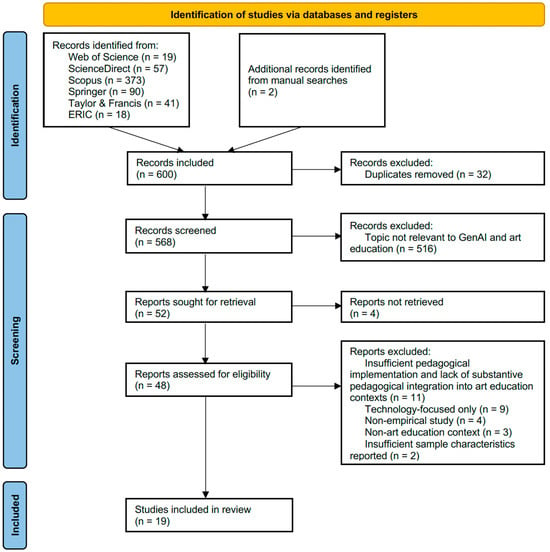
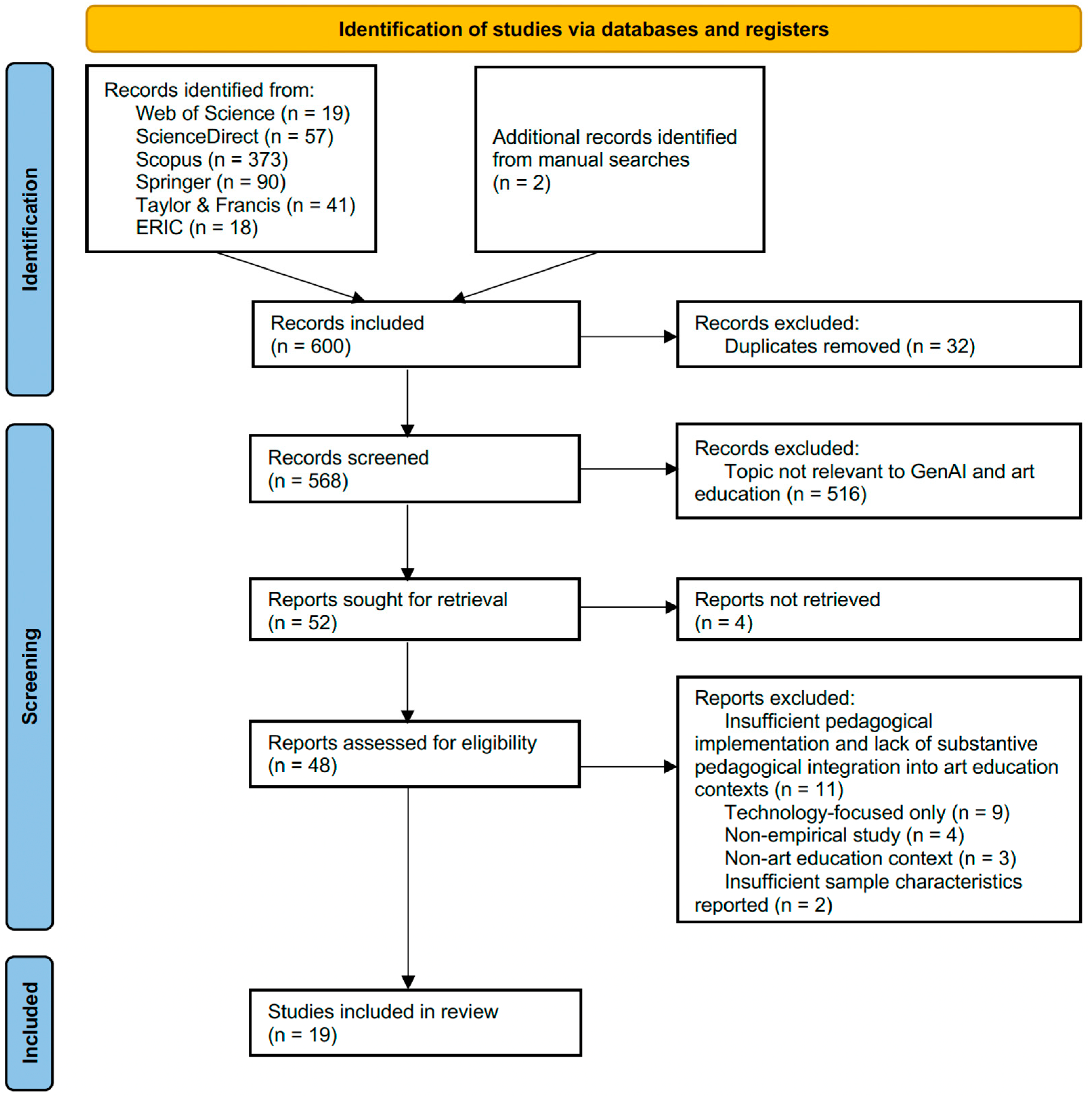
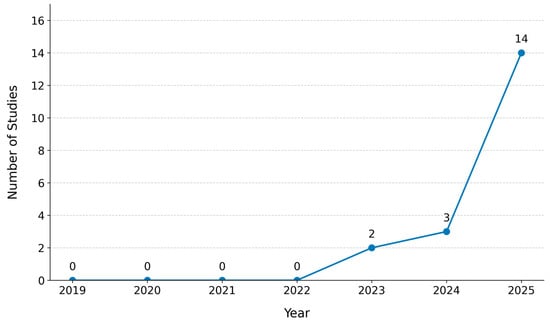
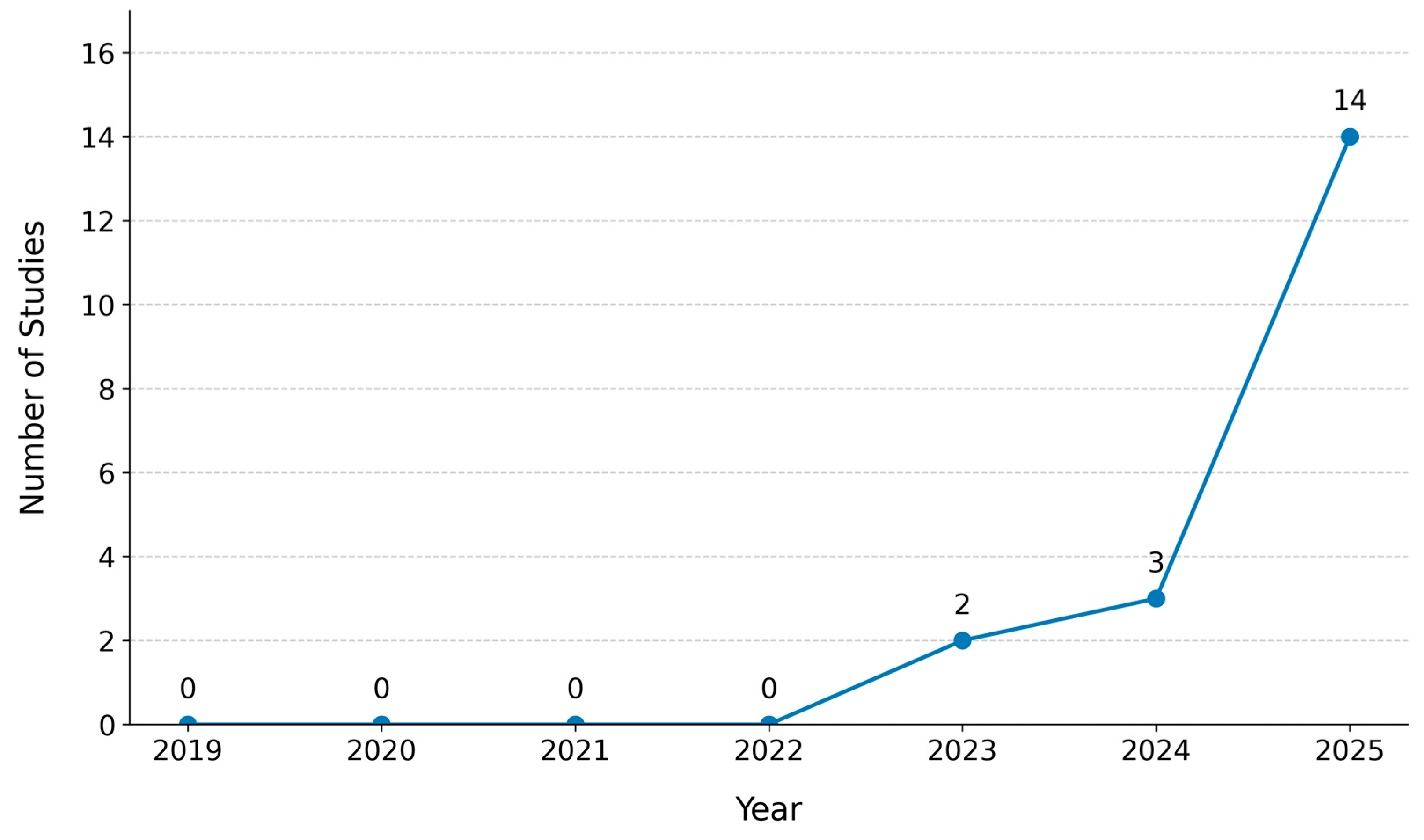
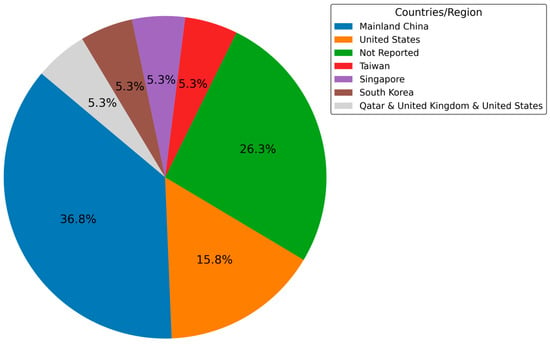
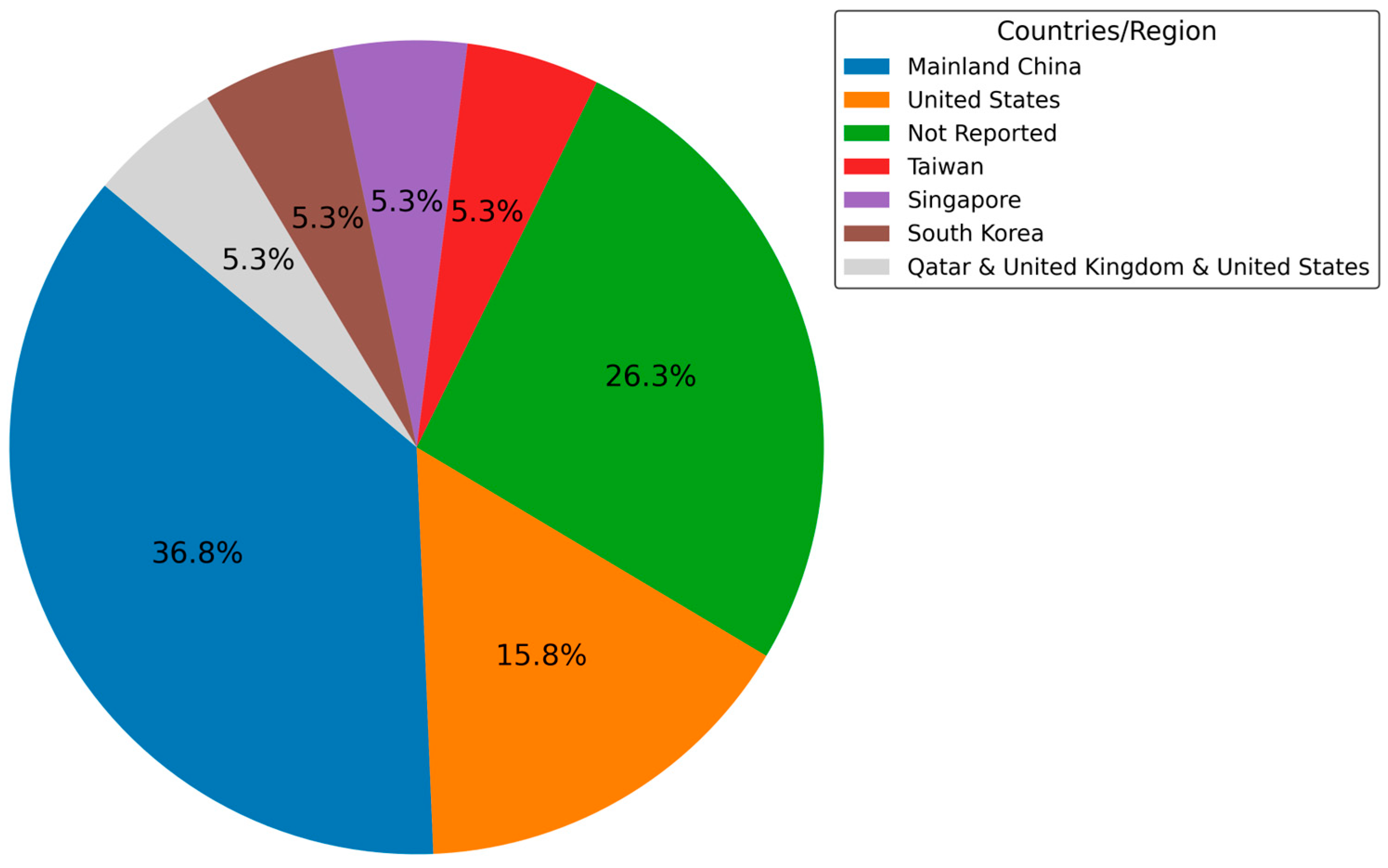
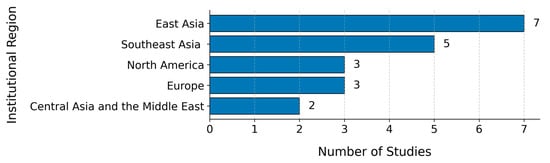
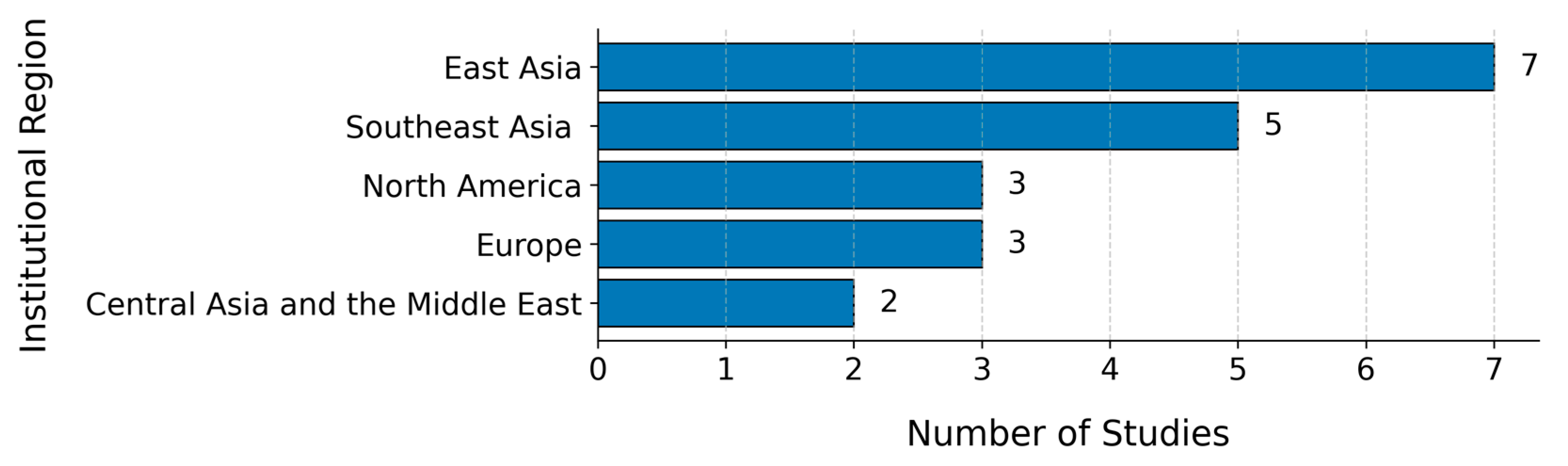
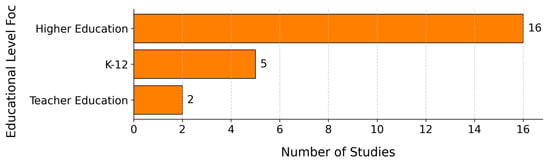
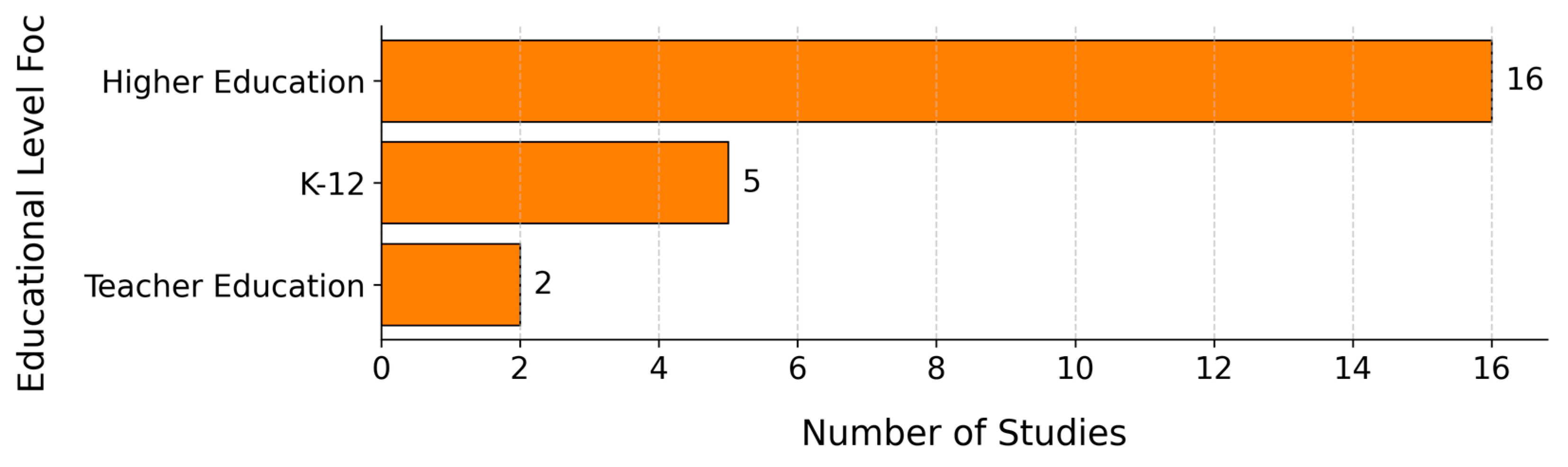
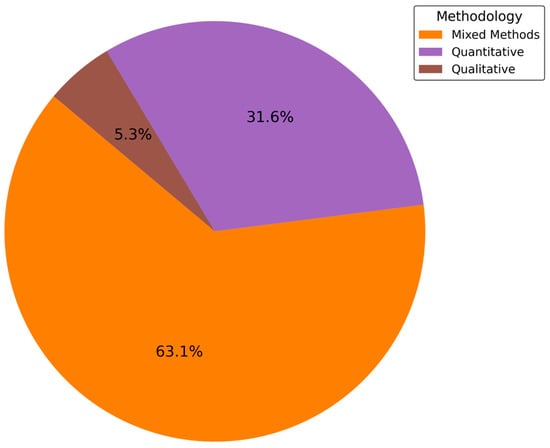
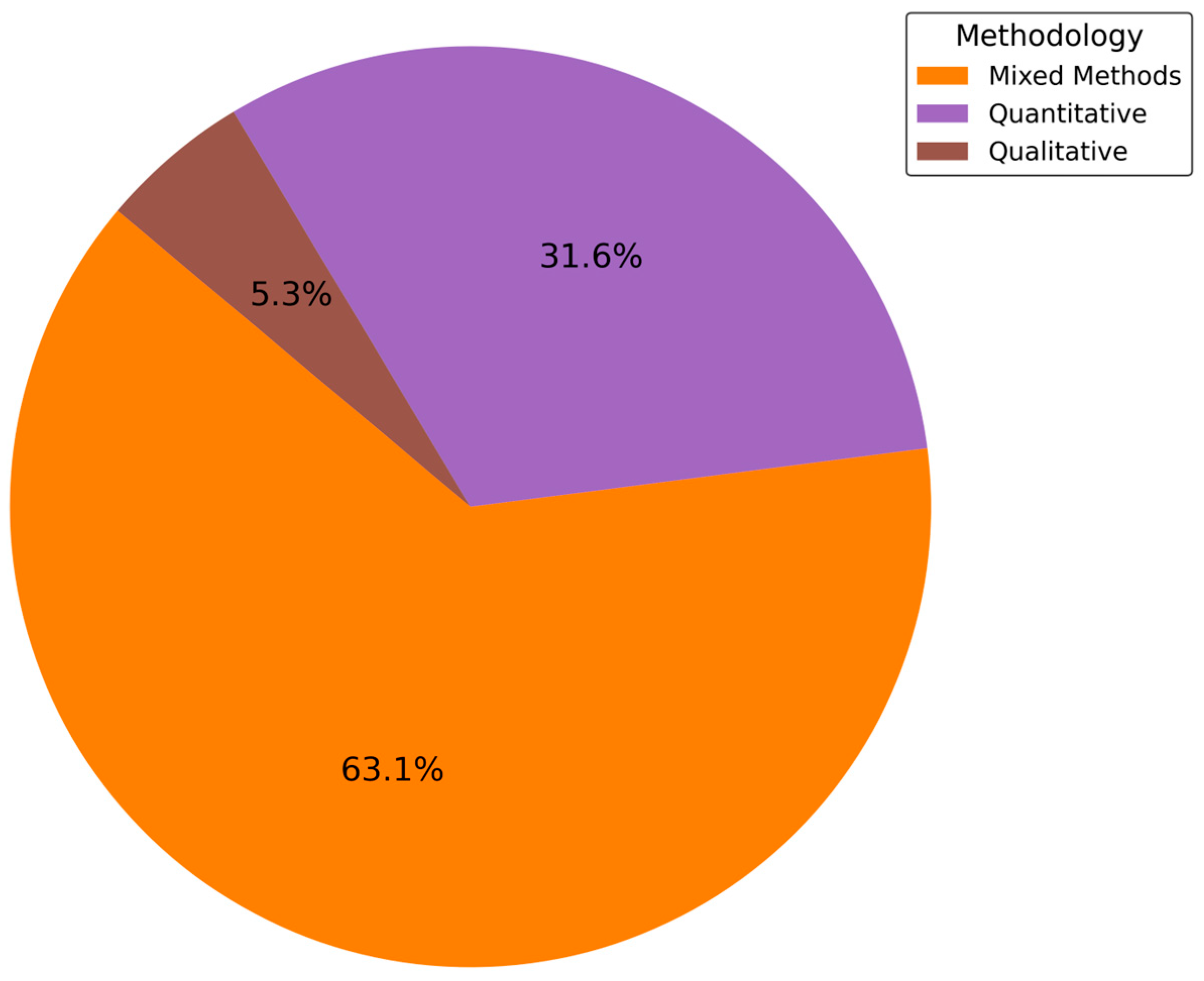

Disclaimer/Publisher’s Note: The statements, opinions and data contained in all publications are solely those of the individual author(s) and contributor(s) and not of MDPI and/or the editor(s). MDPI and/or the editor(s) disclaim responsibility for any injury to people or property resulting from any ideas, methods, instructions or products referred to in the content. |
© 2025 by the authors. Licensee MDPI, Basel, Switzerland. This article is an open access article distributed under the terms and conditions of the Creative Commons Attribution (CC BY) license.