


Abstract
Financial development is widely regarded as a driver of economic development in Africa, yet the conditioning role of institutional quality has not been systematically synthesised. This systematic review, conducted in accordance with PRISMA 2020 guidelines, examines 94 peer-reviewed studies on the relationship between financial development, institutional quality, and economic development in African and comparable emerging-market contexts. Ninety-two of these studies provide direct empirical evidence, with 89 falling within a formal 2007–2025 search window, and three seminal studies from 2005 to 2006 purposively retained outside this window for theoretical grounding. The remaining two studies are prior reviews, retained solely to position this review against earlier work. Eligible studies were identified through a structured search of six databases and screened using PICOS-based criteria adapted for the econometric literature. Methodological quality was appraised using the Mixed Methods Appraisal Tool. The review’s primary contribution is a three-mechanism synthesis of amplification, threshold, and substitution, through which institutional quality moderates the growth and development effects of financial development. Institutions, in turn, independently shape financial development itself. Building on a gap identified within this synthesis, the review proposes, as a secondary and empirically untested extension, a FinTech Mediation Hypothesis. Financial technology may reduce transaction costs and information frictions along a pathway conditioned by institutional quality. The findings imply that institutional reform and financial-sector development should be pursued jointly, with FinTech regulatory frameworks designed to exploit this complementarity while safeguarding financial stability and consumer protection.
1. Introduction
Institutional quality has become one of the most important aspects of financial development, stabilisation, and the enhancement of economic development outcomes in Africa (Abaidoo & Agyapong, 2022; Asante et al., 2023). Institutional factors such as regulatory quality, governance effectiveness, political stability, and the rule of law play a significant role in improving financial system effectiveness (Asante et al., 2023; Kouadio & Gakpa, 2022; Kunawotor et al., 2020). Well-established institutional frameworks can enhance investor confidence and financial stability, as well as the efficient distribution of financial resources to productive sectors (Dwumfour & Ntow-Gyamfi, 2018). Governance quality similarly boosts the developmental effects of financial resources by promoting accountability and reducing inefficiencies in financial markets (Delessa et al., 2024; Ayana et al., 2024). More broadly, the quality of institutions has become a crucial factor that facilitates economic transformation and better development across all African economies.
However, despite these benefits, the achievement of effective financial development results has been a major challenge in many African nations due to institutional weaknesses that have persisted over many years (Ayana et al., 2024; Delessa et al., 2024). The financial systems of the region tend to operate under a governance environment with regulatory inefficiencies and poor enforcement that restrict their efficiency (Abaidoo & Agyapong, 2022; Asante et al., 2023). Although financial development has the capacity to drive economic growth, this phenomenon is also usually influenced by the strength of institutions and the quality of governance structures that support financial markets (Dwumfour & Ntow-Gyamfi, 2018). For instance, some studies have shown that financial development produces a greater impact on economic growth in an environment that is both well-regulated and politically stable (Asante et al., 2023; Abaidoo & Agyapong, 2022). Empirical evidence suggests that financial development yields suboptimal sustainable economic outcomes unless underpinned by robust institutional frameworks (Ayana et al., 2024; Delessa et al., 2024).
Studies further reveal that institutional quality may serve as an important pathway through which financial development influences economic development outcomes (Dwumfour & Ntow-Gyamfi, 2018). Effective institutional systems often convert financial development into broader economic opportunity and wider inclusion in economic activity. Scholarly interest in this moderating role has grown accordingly (Abaidoo & Agyapong, 2022; Asante et al., 2023). Studies have demonstrated that strong institutional environments are reported to enhance the positive impact of financial development by strengthening macroeconomic stability and policy effectiveness (Delessa et al., 2024; Dwumfour & Ntow-Gyamfi, 2018). The existing empirical literature nonetheless remains dispersed across contexts, with results differing widely across countries, analytical techniques, and measures of institutional factors. This study therefore synthesises existing scholarly evidence on the moderating role of institutional quality in the relationship between financial development and economic development in Africa.
1.1. The Financial Development–Economic Growth Nexus in Africa
The relationship between financial development and economic growth has been a central concern in development economics, particularly in the context of Africa, where financial systems remain relatively underdeveloped compared to other emerging market regions (Demetriades & Law, 2006; Pradhan et al., 2023). Financial development encompasses a broad spectrum of processes, including the deepening of banking systems, the expansion of credit to the private sector, the development of capital markets, and improvements in financial access and inclusion (Meniago et al., 2025; Asante et al., 2023). Theoretical frameworks such as the supply-leading hypothesis suggest that a well-functioning financial sector mobilises savings, allocates capital to productive investments, and facilitates risk diversification, thereby stimulating economic output (Abaidoo & Agyapong, 2022; Kouadio & Gakpa, 2022). Empirical evidence across African economies broadly corroborates this view, with studies consistently demonstrating that financial deepening is positively associated with economic growth, particularly when measured through private sector credit ratios, banking sector efficiency, and composite financial development indices (Fengju & Wubishet, 2024; Delessa et al., 2024). Yet, the strength and direction of this relationship remain contested, with heterogeneous findings across countries and time periods suggesting that context-specific factors, most notably the quality of institutions, play a decisive conditioning role in determining whether financial development translates into sustainable growth outcomes (Ayana et al., 2024; Kunawotor et al., 2020).
Conceptual Framework of Financial Development
This review treats financial development as a multidimensional construct, following established benchmarking taxonomies (Čihák et al., 2012; Svirydzenka, 2016). Four dimensions structure the synthesis: Depth, the size of financial intermediaries and markets relative to the economy, commonly proxied by private credit to GDP or broad money to GDP; access, the extent to which firms and households can use financial services, captured through account ownership, branch density, or financial-inclusion indices; efficiency, the cost and intermediation margin at which financial institutions convert savings into credit; and stability, the resilience of financial institutions and markets to shocks, reflected in capital adequacy and non-performing-loan measures. The reviewed literature engages in these dimensions unevenly. Depth and access dominate the corpus. Efficiency is addressed only indirectly, through intermediation-cost studies, and stability receives little direct attention outside the financial-regulation literature discussed in Section 4.4. The conceptual framework is explicitly linked to the review’s empirical findings by aligning each synthesised theme in Section 3.3 with its primary dimension.
1.2. Institutional Quality as a Moderating Factor
Institutional quality encompasses a range of governance dimensions including the rule of law, regulatory quality, government effectiveness, political stability, accountability, and control of corruption, all of which influence the functioning of financial markets and the broader economy (Kouadio & Gakpa, 2022; Kunawotor et al., 2020). In the African context, weak institutional environments have been widely recognised as a structural constraint that limits the capacity of financial systems to generate and sustain economic development gains (Abaidoo & Agyapong, 2022; Dwumfour & Ntow-Gyamfi, 2018). When institutional frameworks are robust, financial intermediaries operate with greater efficiency, investors benefit from enhanced legal protections, and financial resources are more effectively channelled toward productive sectors of the economy (Ahmad & Law, 2024; Delessa et al., 2024). By contrast, poor governance can lead to misallocation of financial resources, heightened systemic risks, and weakened investor confidence, thereby neutralising the potential growth-promoting effects of financial sector expansion (Ayana et al., 2024; Asante et al., 2023). The moderating role of institutional quality is therefore theoretically grounded in its capacity to condition the transmission mechanisms through which financial development produces economic outcomes, a relationship that has attracted growing empirical attention but remains insufficiently examined within a systematic review framework specific to Africa (Abaidoo & Agyapong, 2022; Kouadio & Gakpa, 2022). This review consistently uses ‘moderator’ to describe institutional quality’s conditioning of the financial development–economic development relationship, and ‘mediator’ for the FinTech pathway in Section 4.2, which is conceptually and empirically distinct.
1.3. Positioning Relative to Prior Reviews
Two studies within the reviewed corpus are themselves prior reviews of adjacent literature and not primary empirical evidence. Hamzah et al. (2019) offer a narrative review of the finance–growth–institutions literature, and Ehigiamusoe and Samsurijan (2021) provide a critical survey of macroeconomic stability, institutions, and financial and economic development. Both are retained in the corpus (Appendix A) for scoping purposes but excluded from the empirical synthesis (Section 2.4). The present review differs from both on three counts. Methodologically, the review follows a structured PRISMA 2020 workflow with explicit PICOS eligibility criteria and MMAT quality appraisal (Section 2.1, Section 2.4 and Section 2.6), where neither prior review reports a comparably systematic or replicable search and screening protocol. In scope, it is confined to African and directly comparable emerging-market evidence across a 2007–2025 window, with three purposively included seminal 2005–2006 references. The two prior reviews are broader in geographic scope and narrative in structure; thematically, however, this review extends beyond the general finance-institutions–growth relationship both prior reviews address, to propose and delimit a FinTech Mediation Hypothesis (Section 4.2) that neither considers. Collectively, this review’s contribution is a systematic, quality-appraised synthesis of the institutional-moderation evidence base, with the FinTech extension offered as a secondary, clearly delimited direction for future work.
1.4. Rationale and Objectives of the Study
Despite the growing body of empirical literature on the finance–growth nexus and the role of institutions in African economies, existing studies remain fragmented across different methodological approaches, country samples, time horizons, and operationalisations of key variables (Dwumfour & Ntow-Gyamfi, 2018; Delessa et al., 2024). This fragmentation makes it difficult to draw generalisable conclusions about the conditions under which financial development most effectively promotes economic growth, and about the specific pathways through which institutional quality moderates this relationship (Abaidoo & Agyapong, 2022; Ayana et al., 2024). Furthermore, most existing reviews do not employ systematic methodological protocols, limiting their capacity to synthesise evidence in a rigorous, transparent, and replicable manner (Asante et al., 2023; Kouadio & Gakpa, 2022). Against this backdrop, the present study seeks to address these gaps by conducting a systematic review that draws on the PRISMA 2020 guidelines to synthesise the available evidence on the moderating role of institutional quality in the relationship between financial development and economic development in Africa. The study specifically aims to identify the key institutional channels through which financial development influences economic outcomes, to assess the methodological quality of existing studies, and to map the thematic contours of the literature to identify areas requiring further empirical investigation (Kunawotor et al., 2020; Ahmad & Law, 2024). Throughout this review, ‘economic development’ is used as the umbrella construct encompassing growth, poverty reduction, inequality, and financial-inclusion outcomes, while ‘economic growth’ is reserved specifically for studies whose outcome variable is GDP or GDP-per capita growth; this distinction is applied consistently in the thematic synthesis (Section 3.3) and discussion (Section 4).
2. Materials and Methods
2.1. Study Design and Review Protocol
The systematic review was conducted in line with the Preferred Reporting Items for Systematic Reviews and Meta-Analyses (PRISMA 2020) guidelines. A structured review process was implemented to establish identification, screening, eligibility, and inclusion procedures. The review aimed to ensure that only credible empirical studies examining financial development, financial inclusion, institutional quality, governance quality, and economic development in Africa were selected. This review was not registered in advance in a public registry like PROSPERO or the Open Science Framework. The absence of prospective registration is acknowledged as a limitation in Section 5, and the authors recommend registration for any subsequent update of this review.
2.2. Procedures
The review was conducted in a multi-stage and well-organised process composed of: (1) searching electronic databases as per Table 1, (2) elimination of duplicate records, (3) screening of titles and abstracts, and (4) full-text eligibility assessment. Screening at each stage was carried out independently by two reviewers. Any disagreements were resolved through discussion, and where necessary, a third reviewer was consulted. All stages were performed systematically to minimise selection bias and ensure methodological transparency. Duplicate records were identified using reference-management software matching on digital object identifier and normalised title-and-first-author strings, followed by manual verification of all flagged pairs. This stage produced the duplicate count reported in the PRISMA flow diagram (Figure 1). Records with incomplete bibliographic information or inaccessible abstracts were carried through to full-text retrieval. Wherever possible, full text was sought directly from publishers or repository sources, and corresponding authors were contacted where this was unsuccessful. Records that remained unresolved after this process were excluded and counted separately in Figure 1. This staged approach to duplicate handling and record resolution follows the reporting structure recommended by Mehmood et al. (2026) for bibliometric and systematic literature reviews, adapted here for an econometric literature in which bibliometric-specific procedures such as keyword homogenisation are not applicable.
Table 1.
Electronic database search strategy.
Figure 1.
PRISMA 2020 flow diagram of study identification, screening, eligibility assessment, and inclusion.
2.3. Literature Search Strategy
An in-depth literature search was conducted in six electronic databases: Scopus, ScienceDirect, JSTOR, the Directory of Open Access Journals (DOAJ), SciELO, and ERIC. Searches across all six databases were conducted between 14 February 2026 and 10 March 2026.
The six databases were selected for complementary coverage. Scopus and ScienceDirect provided broad, high-recall indexing of economics, business, and finance journals and served as the primary sources of the review. JSTOR was added for foundational and older economics scholarship not always indexed in the citation databases, relevant given the seminal pre-2007 references retained in this review. DOAJ was included to capture open-access regional journals, including African-based outlets, that fall outside the major commercial indices, mitigating a documented database-coverage bias against African-authored and Africa-focused scholarship (Asubiaro & Onaolapo, 2023). SciELO extends this coverage to Latin American and other Global South open-access economics literature, offering a useful cross-check for the comparator studies discussed. ERIC was searched for interdisciplinary, policy-oriented development literature at the intersection of institutions and financial systems. This multi-database strategy follows PRISMA 2020 guidance on minimising single-source retrieval bias.
2.4. Eligibility Criteria
Eligibility criteria were defined using the PICOS framework (Population, Intervention, Comparator, Outcome, and Study design), adapted from its originating clinical-trials context to an econometric literature by treating institutional-quality exposure as the “intervention,” contrasting country-institutional regimes as the “comparator,” and empirical estimation approaches, for instance panel GMM, FMOLS, and threshold regression, as the “study design” domain. This adaptation follows precedent for applying PICOS-type frameworks to non-clinical, quantitative social-science reviews and provides a transparent, replicable basis for eligibility screening. A summary is provided in Table 2.
Table 2.
Inclusion and exclusion criteria for study selection (PICOS framework).
Six studies drawing on non-African samples (Wu et al., 2010, European Union; Haini, 2020, ASEAN; Ali et al., 2022, OIC countries; Bousnina & Gabsi, 2022, MENA; Awdeh & Jomaa, 2024, MENA; Law & Habibullah, 2009, G7/East Asia/Latin America) were retained under this comparator provision since each is drawn upon in the thematic synthesis (Section 3.3) as an explicit point of comparison against African findings, not as part of the primary African evidence base. These six studies are flagged as ‘Comparative’ in Appendix A so that readers can easily distinguish them from the 86 African-sample studies. Excluding them narrows the reviewed African-sample evidence to 86 studies without altering any conclusion in Section 3 and Section 4, none of which rest on the comparator studies alone.
Two narrative reviews are further retained in the review (Hamzah et al., 2019; Ehigiamusoe & Samsurijan, 2021). Under the study design’s exclusion criterion above, these studies are not counted toward the 92 empirical studies synthesised in Section 3.3 and Section 4 but are retained in the review and marked as ‘Review (background)’ in Appendix A since they inform the positioning of this review’s contribution relative to prior reviews (Section 1.3).
2.5. Data Extraction
Data were extracted from each eligible study using a standardised extraction framework. The variables extracted included author and year of publication, country or regional focus, study design, sample size or dataset, financial development indicators, institutional quality indicators, economic development indicators, econometric methods used, and key findings.
2.6. Risk of Bias Assessment
The methodological quality of included studies was assessed using the Mixed Methods Appraisal Tool (MMAT, 2018 version), applied to its “quantitative descriptive” and “quantitative non-randomised” categories, which accommodate observational panel and time-series designs. Three criteria were treated as most relevant to the econometric studies retained, including representativeness of the sample, appropriateness of measures, and adequacy of statistical analysis for confounding (e.g., endogeneity controls). The MMAT was not originally developed for macro-panel econometric research, and its application here should be read as an approximate, transparency-oriented quality screen. This is acknowledged as a limitation in Section 5.
2.7. Thematic Synthesis Procedure
Coding and thematic synthesis followed a hybrid inductive–deductive procedure. An initial deductive coding frame was derived from the institutional moderation literature structured around the amplification, threshold, and substitution mechanisms already established in prior work (Fernández & Tamayo, 2017; Aluko & Ibrahim, 2020). Two reviewers then independently and inductively coded the extracted findings of all 92 empirical studies against this frame, using a structured spreadsheet that recorded each study’s principal finding, direction of effect, and any additional recurring pattern not captured by the initial three mechanisms. This inductive step surfaced the four further themes reported in Table 4 under institutions as determinants of FD; financial inclusion; distributional outcomes; and environmental outcomes. Coding discrepancies were reconciled through discussions. A third reviewer was consulted in the small number of cases where consensus was not reached. The three cross-cutting mechanisms discussed in Section 3.3.2 were themselves validated iteratively. Each candidate mechanism was checked against every coded study for consistency before being retained, and mechanisms supported by only one or two studies were folded into the broader determinants theme (Section 3.3.3). The same coding spreadsheet was used to derive the financial-development-dimension mapping reported in the final column of Table 4, linking each theme to the depth, access, efficiency, and/or stability dimensions introduced in Section Conceptual Framework of Financial Development.
3. Results
3.1. Study Selection and Characteristics
Following the application of PRISMA guidelines, 94 studies were retained for the review, of which 92 provide direct empirical evidence on the relationship between financial development (FD), institutional quality (IQ), and economic or financial outcomes in African or comparable emerging-market contexts, and two (Hamzah et al., 2019; Ehigiamusoe & Samsurijan, 2021) are prior review-type sources retained for scoping and comparative positioning purposes only (Section 1.3). They are excluded from the empirical synthesis reported in Section 3.3 and Section 4. The formal search window spans 2007–2025. Three seminal cross-country studies published in 2005–2006 (Okeahalam, 2005; Demetriades & Law, 2006; Chinn & Ito, 2006) were purposively retained outside this window for theoretical grounding and are flagged with an asterisk in Appendix A. Figure 1 illustrates the extraction process.
Geographically, the largest cluster of studies focuses on Sub-Saharan Africa (SSA), which accounts for approximately 53% of the reviewed literature. West African sub-regional groupings (ECOWAS, WAEMU) constitute a further 17%, while East African country panels and the MENA region each contribute approximately 10%. Global cross-country studies that include Africa in broader samples account for the remaining 10%. This geographic distribution confirms that SSA remains the dominant analytical focus in the finance–institutions–growth literature, though inter-regional heterogeneity within Africa is increasingly being disaggregated in more recent work. Table 3 provides a list of the studies included.
Table 3.
Descriptive profile of the included studies (94).
The full list of 94 included studies, together with each study’s geographic role (African-sample or comparative) and evidentiary type (empirical or review-background), is provided in Appendix A. Section 3.2 reports the distribution of estimation approaches across the corpus.
3.2. Quality Assessment and Methodological Distribution
Applying the MMAT (2018) criteria set out in Section 2.6, the appraisal indicates a generally sound but methodologically uneven evidence base. Representativeness of the country panels and appropriateness of the financial-development and institutional-quality measures were satisfied by the substantial majority of the 92 empirical studies, reflecting the field’s now-standard reliance on established indices (private credit to GDP, the World Governance Indicators, the International Country Risk Guide). Adequacy of statistical analysis for confounding, particularly the handling of reverse causality between financial development, institutional quality, and growth, was more unevenly satisfied. Studies employing System GMM, FMOLS/DOLS, or explicit instrumental-variable strategies, the majority of the post-2015 literature, addressed endogeneity directly, whereas a smaller number of earlier single-equation OLS or fixed-effects studies did not fully resolve this concern. No study was excluded on quality grounds alone, consistent with the review’s inclusive, mapping-oriented objective, but this heterogeneity in confounding control is treated as an important qualifier when interpreting the strength of causal claims in Section 4 and is revisited as a limitation in Section 5.
The reviewed literature demonstrates considerable methodological heterogeneity, reflecting an evolving econometric conversation on how best to handle the endemic endogeneity, cross-sectional dependence, and structural breaks that characterise African macroeconomic panel data.
The Generalised Method of Moments (GMM) and its system variant (System GMM) are the dominant estimation techniques, employed in 14 of the 30 studies within the review that employ dynamic panel estimation techniques. This prevalence reflects the field’s sensitivity to reverse causality. Growth may simultaneously drive financial deepening and institutional reform, making standard panel estimators inconsistent. System GMM addresses this by using lagged levels and differences as internal instruments, though its validity is contingent on instrument proliferation not overwhelming the estimation (Roodman, 2009). Notably, several recent studies, including Meniago (2025), Ofoeda et al. (2024), and Fengju and Wubishet (2024), employ the two-step system GMM with Windmeijer-corrected standard errors, addressing heteroscedasticity in small-T, large-N panels characteristic of African country samples.
Fully Modified Ordinary Least Squares (FMOLS) and Dynamic OLS (DOLS) are the second most prevalent methods, employed particularly in long-run cointegration analyses covering CFA and SADC countries. Meniago et al. (2025) and Alinsato et al. (2025) exploit FMOLS specifically to account for cointegration and cross-sectional dependence, yielding long-run elasticity estimates that are robust to serial correlation and endogenous regressors. Panel threshold and sample-splitting approaches, which were deployed by Aluko and Ibrahim (2020), Law et al. (2014), Gandjon Fankem and Ndzana (2025), and Olaniyi and Odhiambo (2023), represent a methodologically sophisticated advance, allowing the finance–growth relationship to shift discontinuously at empirically estimated institutional quality thresholds rather than imposing linearity. Ahmad and Law (2024) contribute a spatial autoregressive model that captures geographical and institutional proximity spillovers, a methodological contribution rarely seen in the African finance literature. Quantile regression approaches, employed by Bekana (2023) and Olaniyi and Odhiambo (2023), allow distributional heterogeneity in the IQ–FD relationship to be examined across countries at different financial development stages.
One methodological concern warranting explicit acknowledgement is the measurement of both financial development and institutional quality. Financial development is operationalised across the literature through a wide range of proxies, including private credit to GDP, broad money (M2) to GDP, banking sector depth, stock market capitalisation and liquidity, and composite multidimensional indices constructed via PCA (as in Meniago, 2025). This proxy heterogeneity limits direct comparability across studies and potentially contributes to conflicting findings. Similarly, institutional quality is measured through the World Governance Indicators (WGI, six dimensions), the International Country Risk Guide (ICRG) indices, and custom composite indices, with each capturing partially overlapping but distinct dimensions of governance. The absence of FinTech-specific institutional or regulatory quality proxies across all reviewed studies represents a critical measurement gap and is discussed further in Section 5.
3.3. Thematic Synthesis of Findings
The findings across the reviewed studies are synthesised around seven empirically recurrent themes, derived through the hybrid coding procedure described in Section 2.7. Table 4 presents this thematic mapping, and the subsections below elaborate on each theme with reference to the original studies.
Table 4.
Thematic synthesis of evidence on financial development, institutional quality, and economic development in Africa.
3.3.1. The Direct Effect of Financial Development on Economic Growth
The most consistent empirical finding across the reviewed literature is that financial development exerts a positive and statistically significant effect on economic growth in African and developing country contexts. This finding is robust across methodological approaches, regional subsets, and time periods. Meniago et al. (2025) report a significant positive FD–growth relationship for 13 CFA countries using FMOLS, while Asante et al. (2023) and Pradhan et al. (2023) confirm this for SSA and lower-income country panels, respectively, using system GMM and VECM approaches. Fengju and Wubishet (2024) corroborate these findings for 18 East African countries, emphasising that the positive effect of FD on growth is robust even after controlling for endogeneity and including governance indicators as additional regressors.
However, several important qualifications emerge. First, the size of FD’s growth effect varies substantially across country income groups and financial system types. Demetriades and Law (2006), whose seminal cross-country study informs much of the subsequent African literature, found that FD’s growth-promoting effects are largest in middle-income countries and weakest in low-income countries without sound institutional frameworks, a finding with direct implications for the predominantly low- and lower-middle-income composition of Sub-Saharan African economies. Second, Ehigiamusoe and Samsurijan (2021) and Ahmad and Law (2024) document a non-linear, threshold relationship. They state that, beyond a certain level of financial deepening, additional FD can be detrimental to growth, the so-called ‘too-much finance’ hypothesis. This has particular policy relevance for more financially advanced African economies such as South Africa, Mauritius, and Nigeria. Third, the type of financial institution matters. Wu et al. (2010), Liang and Reichert (2012), and Compton and Giedeman (2011) are some of the studies distinguishing between banking sector development and capital market development. They find that banking sector development and stock market liquidity have divergent effects on growth, with non-bank financial institutions potentially introducing systemic risk. Haini (2020) finds a comparable pattern in ASEAN economies, where financial institutions contribute positively to growth while financial market effects are statistically insignificant, a pattern potentially applicable to African economies where capital markets remain shallow.
3.3.2. Institutional Quality as a Moderating Variable
The first and most widely documented mechanism is the amplification effect. Higher institutional quality magnifies the positive impact of FD on growth. Asante et al. (2023) demonstrate, using SSA panel data, that when rule of law, political stability, and regulatory quality are highly effective, the positive growth effect of FD is significantly magnified. Similarly, Bayraktar et al. (2023) find, for emerging markets and middle-income economies, that FD indicators are statistically insignificant determinants of growth in the absence of institutional quality, but become positive and significant once IQ is incorporated in the model. Fengju and Wubishet (2024) echo this for East Africa, showing that robust institutions act as a catalyst that maximises FD’s positive impact on growth. These findings are consistent with the theoretical channel proposed by Fernández and Tamayo (2017), who assert that institutions reduce information asymmetries and transaction costs in financial markets, allowing FD to more efficiently mobilise savings and allocate capital to productive investment.
The second mechanism is the threshold effect. Aluko and Ibrahim (2020), using a sample-splitting approach for SSA countries, find that below an optimal level of institutional quality, financial development does not significantly promote economic growth. Only for countries whose institutional quality exceeds this threshold does higher finance translate into growth. Olaniyi and Odhiambo (2023) corroborate this finding for the financial development–economic complexity nexus in Africa, estimating an institutional quality threshold of 5.73 on a 10-point ordinal scale. This is a benchmark currently exceeded by only approximately six of the 29 countries in their sample. This finding is particularly sobering. It implies that for the majority of African countries, financial deepening may be a necessary but insufficient condition for growth in the absence of concurrent institutional reform.
The third mechanism is the substitution effect, identified in a minority of studies. Compton and Giedeman (2011) find that banking development and institutional quality are substitutes for promoting growth. Banks can perform functions similar to those provided by well-functioning institutions such as enforcing contracts, reducing information asymmetries, and disciplining debtors. This means that in weak institutional environments, a well-developed banking sector may partially compensate for governance deficits. Aluko and Ibrahim (2020) find a related result. They demonstrate that the growth-enhancing effect of finance is actually greater for low-institution countries relative to high-institution countries, suggesting that finance substitutes for institutions where the latter are weak. Blanco and Dutta (2021) confirm a substitution relationship for domestic investment, finding that financial development mitigates the negative impact of inefficient political institutions. These findings have nuanced policy implications, suggesting that financial sector development need not wait for institutional reform to generate economic benefits, but that the returns to both are ultimately higher when pursued jointly (Santiso, 2004).
3.3.3. Institutional Quality as a Determinant of Financial Development
Beyond moderating the finance–growth nexus, institutional quality is consistently identified as a direct determinant of financial development itself, in a bidirectional relationship that introduces important feedback dynamics. H. Khan et al. (2022), in the most comprehensive study on this relationship covering 189 countries, find that political stability, control of corruption, and regulatory quality are positively associated with financial development, while the rule of law exhibits a negative effect. This may be attributed to the weakness of legal enforcement in most global country panels. Bekana (2023), employing quantile regression across 45 African countries, finds that governance quality promotes financial sector development across all quantiles, with magnitude effects systematically larger in the upper quantiles of the financial development distribution. This implies that the returns to institutional improvement are highest in countries that already have relatively more developed financial systems, potentially widening the intra-African financial development gap between better-governed and poorly governed states.
Non-linear dynamics in the IQ–FD relationship are documented by Gandjon Fankem and Ndzana (2025), who identify a U-shaped relationship between corruption and FD in African countries. This suggests that at very low levels of institutional quality, corruption may paradoxically enhance financial development by circumventing bureaucratic barriers, but that this effect reverses at higher institutional quality levels. This nuanced finding aligns with the broader ‘greasing the wheels’ versus ‘sanding the wheels’ debate in the corruption literature. Maiga et al. (2025) contribute a structurally important finding for natural resource-rich WAEMU economies. Mining resources negatively affect institutional quality, which in turn reduces financial development, constituting a resource-curse-through-institutions channel that warrants specific policy attention in mineral-rich African states. The determinants literature also establishes that trade openness, financial liberalisation, and globalisation interact with institutional quality in driving FD. Muye and Muye (2017) show that globalisation first shapes a country’s institutions, which then drive financial development in the banking sector. This indicates a sequential causal chain in which globalisation shapes institutions, which in turn drive financial development. Law and Habibullah (2009) confirm that institutional quality and real income are the most robust determinants of both banking sector and capital market development across the G-7, European, East Asian, and Latin American economies, a finding that contextualises the institutional barriers to capital market development in Africa.
3.3.4. Digital Financial Inclusion, FinTech and Institutional Moderation
FinTech and digital financial inclusion (DFI) emerge as explicit objects of analysis in the most recent and fastest-growing segment of the reviewed literature. However, this segment remains thin relative to the breadth of the institutional quality and traditional FD literature. Meniago (2025) provides the most direct investigation, constructing a DFI index through PCA for 14 SADC countries and finding a positive relationship between DFI and economic growth, with institutional quality acting as a positive moderator of this relationship. This study establishes a methodological template for the DFI–institutions–growth inquiry but is limited by its regional scope and relatively short panel (2010–2023). Ofoeda et al. (2024) investigate financial inclusion more broadly for 52 African countries, finding that financial inclusion exerts a strong positive effect on growth, but that while institutional quality enhances this effect, financial regulation paradoxically dampens it. Such a regulatory dampening effect is theoretically consistent with disproportionately burdensome compliance requirements for FinTech operators in weak regulatory environments in East and West Africa. Ali et al. (2022) corroborate the institutional moderation of financial inclusion effects on financial development in OIC countries, finding that institutional quality significantly and positively moderates the financial inclusion–FD relationship.
However, none of the reviewed studies clearly demonstrate FinTech adoption as a mediating variable between FD and economic development outcomes. Instead, it is treated as a dimension of financial inclusion or DFI, not a distinct mechanism through which FD operates. This gap motivates the theoretical extension developed in Section 4.2.
3.3.5. Financial Development, Institutions and Distributional Outcomes
A subset of the reviewed literature examines the distributional consequences of financial development. Their findings indicate that institutional quality is equally important in moderating income inequality and inclusive growth outcomes. Law et al. (2014) establish a threshold finding for income inequality. Financial development, however, reduces inequality only after a certain institutional quality threshold has been achieved. This may imply that FD in weak institutional environments may worsen distributional outcomes. Bime and Ndjokou (2023) confirm this for SSA, finding that poor institutional quality worsens the effect of FD on income inequality across all four dimensions of financial development (depth, access, efficiency, and stability). Gyamfi et al. (2022) extend this analysis to inclusive growth, finding a non-linear finance–inclusive growth relationship in which weak institutions make FD harmful to the poor. None of these studies examine FinTech specifically as a distributional channel; this conceptual extension is developed in Section 4.2.
3.3.6. Financial Development, Institutions and Environmental Sustainability
An emerging body of literature within the review examines the environmental implications of financial development in Africa, with institutional quality playing a moderating role in this relationship as well. Baajike et al. (2022), studying 15 ECOWAS countries, confirm the Environmental Kuznets Curve (EKC) hypothesis and find that while trade liberalisation harms environmental sustainability, quality institutions and a well-regulated financial market can redirect this effect towards improved environmental outcomes. Gyimah et al. (2023), analysing 16 West African countries, find that financial development contributes to carbon emissions, but that institutional governance promotes environmental quality. Ben Cheikh et al. (2025), using nonparametric trending panel models, show that institutional quality has a prominent positive influence on renewable energy transition in Africa, while financial sector size is important only for countries with a lower initial share of renewable energy. By contrast, Alinsato et al. (2025) report a more cautionary result that demonstrates governance quality and financial development individually and interactively reduce renewable energy consumption. This shows that in certain governance environments, financial deepening may channel investment away from renewables towards higher-return but carbon-intensive assets. This finding underscores the importance of distinguishing between general governance quality and sector-specific regulatory frameworks, a distinction directly relevant to FinTech regulation.
4. Discussion
4.1. Interpreting the Consensus: What the Literature Tells Us Confidently
The empirical synthesis of 92 studies, together with two review-background studies retained solely for positioning purposes, across diverse African and developing-country contexts, permits several statements of reasonable empirical consensus. Financial development promotes economic growth in Africa, though this effect is conditional. The conditionality is most consistently moderated by institutional quality, which operates through threshold, amplification, and substitution mechanisms. This three-mechanism framework, synthesised from Aluko and Ibrahim (2020), Asante et al. (2023), Compton and Giedeman (2011), and Bayraktar et al. (2023), represents a substantive theoretical advance over earlier linear finance–growth models. It also offers a nuanced policy roadmap. The returns to financial-sector development are not uniformly distributed but concentrated in countries that have achieved minimum institutional-quality thresholds.
Second, institutional quality is both a moderator of the finance–growth nexus and an independent driver of financial development. This dual role creates a virtuous cycle where better institutions attract financial deepening, which in turn may generate resources and incentives for further institutional improvement, though it also implies a potential poverty trap for countries caught below institutional and financial-development thresholds simultaneously. The evidence from Bekana (2023) and Pradhan et al. (2023) suggests that the institutional effect on growth actually exceeds the direct effect of FD in lower-income contexts, reinforcing the primacy of governance reform in African development strategy. Third, there is strong evidence that institutional quality may determine the distributional, environmental, and inclusion dimensions of financial development. Such multidimensional conditionality expands the policy relevance of institutional reform beyond macroeconomic growth management to encompass poverty reduction, inequality mitigation, financial inclusion, and climate finance. For FinTech, this candidate pathway is theoretically compelling but remains empirically underexplored, yet is formalized next as the FinTech Mediation Hypothesis.
4.2. The FinTech Mediation Hypothesis: A Generative Extension
Whereas Section 3.3.1, Section 3.3.2, Section 3.3.3 and Section 4.1 summarise empirical regularities directly observed in the review, this subsection introduces an original theoretical proposition that extends beyond the directly reviewed evidence. A generative extension emerging from the institutional-mechanism synthesis is the proposition that FinTech constitutes a previously under-theorised mediating pathway between financial development and economic development in Africa, itself conditioned by institutional quality. This FinTech Mediation Hypothesis (FMH) can be formally articulated as follows: the effect of financial development on economic development outcomes (growth, inclusion, equality, environmental sustainability) is hypothesised to operate partly through the digital-financial-inclusion channel documented in Section 3.3.4, partly by reducing transaction costs and information frictions, partly by enabling existing regulated financial institutions to adapt technologically, and partly through regulatory innovation such as RegTech and tiered know-your-customer (KYC) frameworks, instead of an autonomous FinTech mechanism operating independently of these channels. Its magnitude is hypothesised to be positively moderated by institutional quality, specifically regulatory quality, rule of law, and digital governance capacity. No reviewed study directly tests FinTech as a mediator (Section 3.3.4); the review therefore proposes the FMH as a theoretically grounded, empirically untested hypothesis and an emerging research agenda, not the review’s central claim, which remains the three-mechanism institutional-moderation synthesis reported in Section 4.1.
This conceptualisation builds directly on the information friction framework of Fernández and Tamayo (2017). Both authors identify institutional mechanisms for reducing adverse selection and moral hazard as the principal channels through which institutions shape FD’s growth effects. FinTech directly addresses adverse selection through alternative credit scoring, digital identity verification, and mobile transaction histories. It also addresses moral hazard through real-time monitoring, automated repayment structures, and blockchain-based contract enforcement. This shows that FinTech may not be merely a new financial product but a systematic reduction in the informational frictions that institutions are theorised to address. It makes FinTech and institutions partial substitutes at low IQ levels, but powerful complements at higher levels of institutional quality, where the enabling environment for FinTech investment and scale exists.
The substitution logic is empirically anchored in the findings of Compton and Giedeman (2011) and Aluko and Ibrahim (2020), who find banks already perform institutional functions in weak-governance environments. FinTech, with its lower operational costs, broader reach, and algorithmic risk management, may perform these institutional functions even more efficiently. Kenya’s M-Pesa and similar mobile money platforms have been shown to expand financial access in contexts where banking regulation, land titling, and contract enforcement remain underdeveloped. However, as Bayraktar et al. (2023) show, the aggregate growth effects of financial development remain statistically insignificant without IQ. This may suggest that FinTech’s substitution capacity has limits, and that sustained economic development requires concurrent institutional upgrading alongside FinTech adoption.
The complementarity logic, supported by Meniago (2025), Asante et al. (2023), and Fengju and Wubishet (2024), suggests that in higher-IQ environments, FinTech platforms can draw on digital identity systems, enforceable data protection laws, and interoperability mandates to scale more rapidly and efficiently, generating larger inclusive growth dividends. Rwanda combines relatively strong governance indicators with aggressive FinTech policy, including the Kigali International Financial Centre and its national digital payment strategy. The policy may represent an early empirical test case for this complementarity, though country-level case evidence falls outside the scope of this review.
The distributional findings synthesised in Section 3.3.5 (Law et al., 2014; Bime & Ndjokou, 2023; Gyamfi et al., 2022) carry direct implications for the FinTech–institutions–development nexus, consistent with the FMH proposed above. If FinTech’s principal contribution to financial development operates through financial inclusion, especially in unbanked, rural, and lower-income populations, then its distributional effects may be more progressive than those of traditional banking sector deepening. The extent to which this pro-poor potential is realised, however, may be strongly conditioned by the institutional environment: FinTech platforms require reliable telecommunications infrastructure, legally enforceable contracts, consumer protection regulation, and transparent competition policy to function efficiently and equitably. Empirical evidence on this specific distributional dimension of FinTech in Africa, however, remains largely absent from the review.
Figure 2 illustrates the conceptual relationship between the key variables, including the moderating role of institutional quality over both the FinTech-mediated pathway and the direct financial development–economic development pathway.
Figure 2.
Conceptual model of the financial development-FinTech-economic development nexus, with institutional quality as moderator of both the FinTech-mediated and direct pathways.
4.3. Reconciling Conflicting Evidence
Several apparent contradictions merit discussion, since not all findings in the reviewed literature are mutually consistent. The most consequential tension is between the threshold and substitution perspectives on institutional quality. The threshold perspective (Aluko & Ibrahim, 2020; Olaniyi & Odhiambo, 2023) implies that FD is ineffective or even harmful below an institutional quality threshold. On the other hand, the substitution perspective (Compton & Giedeman, 2011; Blanco & Dutta, 2021) suggests that FD can compensate for weak institutions. These perspectives are not irreconcilable: the substitution effect may operate primarily through the banking sector’s institutional role (contract enforcement, information production, payment services), while the threshold effect operates at the aggregate FD–macroeconomic growth level. FinTech may show similar duality: substituting for specific institutional functions at the microeconomic level while still requiring minimum institutional quality at the macro-level to generate aggregate growth effects.
A second tension exists between the ‘too much finance’ finding (Ahmad & Law, 2024; Ehigiamusoe & Samsurijan, 2021) and the broadly positive FD–growth consensus. This tension is attributable to sample composition and measurement: studies finding negative non-linearities typically include higher-income or more financially developed countries where financial sector hypertrophy is a real risk, whereas SSA-specific studies find predominantly positive linear effects since most African countries remain well below the negative threshold. For FinTech policy, this implies that early-stage FinTech adoption such as increasing mobile money penetration, expanding digital credit, and digitising savings in African economies is unlikely to encounter ‘too much finance’ constraints in the near to medium term. This is contingent on regulatory quality keeping pace with the systemic risks that FinTech expansion may introduce.
Third, the finding by Ofoeda et al. (2024) that financial regulation dampens the positive effect of financial inclusion on growth while institutional quality enhances it suggests important heterogeneity within the institutional quality construct. Not all aspects of institutional quality operate in the same direction. For instance, regulatory frameworks designed for traditional banking may constrain FinTech-enabled inclusion, even while broader governance quality supports it. This difference between general governance quality and FinTech-specific regulatory quality is an important distinction that the existing literature has not yet addressed despite its reliance on generic WGI indicators. Future research should break down institutional quality into generic governance and sector-specific regulatory dimensions, particularly for digital finance contexts.
4.4. Policy Implications
The combined evidence yields several policy-relevant conclusions for African governments, regional development banks, and international development partners. These are organised around three strategic priorities. First, institutional reform and financial sector development must be pursued as jointly determined objectives, not sequential priorities. The threshold findings of Aluko and Ibrahim (2020) and Olaniyi and Odhiambo (2023) imply that financial sector expansion in weak institutional environments may generate limited or negligible growth dividends. Policymakers should therefore condition credit guarantee schemes, the capitalisation of development finance institutions, and capital market deepening on minimum institutional quality benchmarks, especially regarding rule of law, regulatory quality, and control of corruption. The African Continental Free Trade Area (AfCFTA) financial integration agenda provides an appropriate multilateral platform for harmonising such institutional prerequisites.
Second, FinTech regulatory frameworks should be designed to exploit the FinTech-institutions complementarity, to the extent that the FinTech Mediation Hypothesis proves empirically valid. This pathway is a theoretical extension that was not directly established by the reviewed studies (Section 4.2), so the recommendations below should be treated as provisional pending the empirical testing proposed in Section 4.5. The evidence on financial regulation dampening inclusion effects (Ofoeda et al., 2024) and governance quality enabling renewable energy finance (Ben Cheikh et al., 2025) collectively suggests that regulatory design matters as much as regulatory presence. Proportional regulation, including regulatory sandboxes, tiered licensing, and innovation-friendly know-your-customer (KYC) frameworks, can preserve the institutional function of financial regulation while enabling FinTech scale. The Central Bank of Kenya’s regulatory sandbox, the Bank of Tanzania’s National Financial Inclusion Framework, and the BCEAO’s mobile money interoperability directives in WAEMU are regional examples of institutional adaptation to FinTech realities.
This proportional approach must also extend beyond enabling regulation to address FinTech-specific prudential risks that the review, centred on financial inclusion and growth outcomes, does not directly examine. Opaque algorithmic credit scoring in weakly supervised markets can obscure over-indebtedness risk for borrowers with thin credit histories, a concern documented in the broader FinTech-risk literature even where it is absent from the Africa-focused studies reviewed here (Frost et al., 2019). FinTech business models can also face funding and liquidity fragility, particularly those reliant on short-term wholesale funding or deposit-like liabilities outside prudential deposit-insurance frameworks. Several African mobile-money providers are now large enough for this to carry systemic spillover risk. The FinTech policy agenda proposed here must therefore incorporate prudential supervision, consumer protection, and financial-stability monitoring alongside innovation-friendly regulation.
Third, distributional and environmental objectives should be explicitly incorporated into financial development and FinTech policy frameworks. The evidence from Bime and Ndjokou (2023), Law et al. (2014), and Gyimah et al. (2023) establishes that the distributional and environmental effects of FD are institutionally conditioned. Weak governance translates financial deepening into inequality amplification and carbon intensity, not inclusive green growth. National FinTech strategies should be anchored in governance frameworks that align financial innovation with Sustainable Development Goal (SDG) targets, particularly SDG 1 (no poverty), SDG 10 (reduced inequalities), and SDG 13 (climate action). Development finance institutions such as the African Development Bank, which supports both digital finance and institutional capacity building, are well-positioned to operationalise this integrated approach through FinTech-for-SDG investment frameworks.
4.5. Research Gaps and Future Directions
Despite the breadth and depth of the reviewed literature, several significant research gaps remain unaddressed. Table 5 provides a structured mapping of these gaps alongside suggested future research directions.
Table 5.
Identified research gaps and future research directions.
Across these gaps, the most pressing intellectual priority is the explicit empirical modelling of FinTech as a mediator in the finance–development nexus, with institutional quality as the moderating variable. This would require the construction or adoption of validated FinTech penetration indices (such as the IMF Financial Access Survey data, GSMA Mobile Money dataset, or Cambridge Centre for Alternative Finance African FinTech indices) as distinct variables, along with their integration into dynamic panel frameworks that adequately address endogeneity between FinTech adoption, governance reform, and economic outcomes. A mediation-analysis framework that estimates both the indirect effect of FD through FinTech and the moderation of that indirect effect by IQ would represent a methodological advance the existing literature has not yet attempted for Africa. Beyond this core mediation question, the literature would benefit from greater sub-national disaggregation, moving beyond the country-as-unit-of-analysis assumption that dominates existing panel studies. Within-country heterogeneity in FinTech adoption, regulatory environments, and institutional quality is entirely invisible in the current review. Subnational administrative data, combined with geo-referenced FinTech infrastructure data (mobile tower locations, financial agent locations, and digital payment terminal densities), offer promising avenues for the microeconomic investigation of these relationships.
Beyond the FinTech-specific agenda, three further gaps merit comparable priority. Each concerns the institutional-moderation evidence base directly, independent of any FinTech extension. First, the existing literature treats institutional quality largely through composite indices (WGI, ICRG) that blend rule of law, regulatory quality, government effectiveness, and control of corruption into a single score. H. Khan et al. (2022) is a rare exception in finding that these dimensions diverge in sign, yet no reviewed study systematically disaggregates them to test whether the amplification, threshold, and substitution mechanisms identified in Section 3.3.2 operate differently across institutional-quality dimensions. Second, financial-stability and macroprudential regulatory-capacity questions remain almost entirely unaddressed in the reviewed corpus independent of FinTech, despite their evident relevance to the substitution mechanism (Section 3.3.2) and to the DFI-institutions–growth pathway (Section 3.3.4). Panel studies linking macroprudential regulatory capacity to the FD-growth relationship would test whether the amplification mechanism extends to financial-stability outcomes and not only to growth. Third, the environmental findings synthesised in Section 3.3.6, particularly the contrasting results of Ben Cheikh et al. (2025) and Alinsato et al. (2025), point to an under-examined intersection between climate governance, sustainability-linked institutional constraints, and financial markets’ developmental capacity, meriting dedicated empirical attention independent of the FinTech agenda. Table 5 records the origin of each identified gap from the reviewed literature, or arising from the proposed FMH framework, so that future researchers can weigh both agendas instead of treating the FinTech extension as the review’s only future-research priority.
5. Limitations of the Review
This systematic review is subject to several limitations that should be acknowledged when interpreting its findings and implications. First, the scope of the literature search may not have captured all relevant studies despite being broad, particularly those published in non-English-language journals or working papers not indexed in the databases searched. The finance–institutions literature in Francophone Africa, which is particularly relevant given the prevalence of WAEMU and CFA-zone studies, may be underrepresented. Second, the heterogeneity in financial development and institutional quality measurement across the reviewed studies precludes a formal meta-analysis of effect sizes. The inability to calculate a pooled effect estimate is a recognised limitation of qualitative systematic reviews in economics, and future research assembling a harmonised dataset across studies could enable a more quantitatively rigorous meta-regression analysis.
Third, the absence of FinTech-specific studies in the reviewed corpus means that the FinTech Mediation Hypothesis articulated in this review is theoretical and not empirically validated directly. The synthesis draws on adjacent evidence (digital financial inclusion, mobile money, financial innovation) but cannot substitute for direct empirical testing of the proposed mediation framework. This limitation constitutes the primary motivation for the future research agenda outlined in Section 4.5. Fourth, publication bias may affect the reviewed findings. Studies reporting positive and statistically significant finance–growth effects are more likely to be published than null-result studies. This could lead to an overestimation of the consensus positive relationship between FD and growth. The inclusion of several studies reporting negative, non-linear, or conditional effects, including Gandjon Fankem and Ndzana (2025), Alinsato et al. (2025), and Compton and Giedeman (2011), partially mitigates this concern.
Fifth, this review was not prospectively registered in a public registry such as PROSPERO or the Open Science Framework (Section 2.1). The absence of prospective registration limits protection against outcome-reporting bias in the selection and framing of the seven synthesis themes, and the authors recommend registering any future update of this review. Sixth, the MMAT (2018), while applied here to its quantitative-descriptive and quantitative-non-randomised categories (Section 2.6), was not designed for macro-panel econometric research. Its criteria approximate best practice for panel GMM, FMOLS, or threshold-regression designs, and the quality profile reported in Section 3.2 should be read as an indicative, transparency-oriented screen.
6. Conclusions
This systematic review synthesised 94 studies, 92 providing direct empirical evidence and two retained as prior reviews for scoping purposes (Section 1.3), on the relationship between financial development, institutional quality, and economic development in Africa. Its primary contribution is a three-mechanism synthesis: amplification, threshold, and substitution. It explains why the growth and development effects of financial development vary so widely across the reviewed literature. Institutional quality amplifies these effects where governance is strong, growth fails to materialise below an institutional threshold, and well-developed financial systems can partially substitute for weak institutions in some contexts. Institutional quality emerges from this synthesis not only as a moderator of the finance–development relationship but as an independent determinant of financial development itself, with rule of law, regulatory quality, and control of corruption operating through partly non-linear channels that are themselves conditioned by resource dependence and other structural features of individual economies.
Beyond this central finding, the thematic synthesis (Section 3.3, Table 4) established that institutional quality also conditions the distributional, inclusion, and environmental dimensions of financial development. Financial development reduces income inequality only once institutional quality clears a minimum threshold, and its poverty and inclusion effects depend on the depth, access, efficiency, and stability dimensions distinguished in the Section Conceptual Framework of Financial Development and not on any single indicator. Institutional governance, more than political or economic institutions narrowly defined, most reliably converts financial deepening into improved environmental outcomes, though the evidence here remains more contested than for the direct growth relationship. Methodologically, the reviewed corpus shows a maturing but uneven evidence base. System GMM and FMOLS/DOLS estimators now dominate, addressing the endogeneity between financial development, institutional quality, and growth more directly than the single-equation approaches common in earlier work, though the MMAT appraisal (Section 3.2) found confounding control still incomplete in a minority of studies, and no reviewed study yet incorporates a FinTech-specific institutional or regulatory proxy.
Building on the gap this last point exposes, the review proposes the FinTech Mediation Hypothesis as a secondary, generative extension. Financial technology constitutes an under-theorised pathway linking financial development to economic outcomes in Africa, operating partly through digital financial inclusion, transaction-cost reduction, the technological adaptation of existing regulated institutions, and regulatory innovation, with its effectiveness conditioned by institutional quality. Since no study in the reviewed corpus directly tests this pathway, the FMH is offered as a theoretically grounded research agenda, one among the ten research gaps mapped in Table 5, which also identify unresolved questions on disaggregating institutional-quality dimensions, macroprudential regulatory capacity, and climate-governance constraints that are independent of the FinTech agenda.
For policymakers, the central implication is that institutional reform and financial-sector development are complementary and not sequential priorities. Neither delivers its full developmental potential without the other, and the returns to institutional strengthening are largest precisely where financial systems are already comparatively developed. As digital finance expands across the continent, regulatory frameworks should be designed to preserve this complementarity, extending innovation-friendly enablement of the kind already visible in mobile-money interoperability directives and licensing regimes in several African jurisdictions, with the prudential supervision, consumer protection, and financial-stability monitoring that the risk literature discussed in Section 4.4 shows being still largely absent from the reviewed corpus. These conclusions are subject to the limitations set out in Section 5, most notably the absence of prospective registration and the approximate fit of the MMAT to macro-panel econometric designs; validating the FinTech Mediation Hypothesis through dynamic panel models incorporating FinTech penetration indices, alongside the institutional, financial-stability, and climate-governance gaps identified in Section 4.5, remains the most pressing priority for the next generation of research on financial development and institutional quality in Africa.
Author Contributions
Conceptualisation, D.W.S., C.N.S. and W.C.G.; Methodology, D.W.S., C.N.S. and W.C.G.; Formal Analysis, D.W.S.; Data Curation, D.W.S., C.N.S. and W.C.G.; Writing—Original Draft Preparation, D.W.S.; Supervision, C.N.S. and W.C.G.; Validation, C.N.S. and W.C.G. All authors have read and agreed to the published version of the manuscript.
Funding
This research received no external funding.
Institutional Review Board Statement
Not Applicable.
Informed Consent Statement
Not Applicable.
Data Availability Statement
The original contributions presented in this study are included in the article. Further inquiries can be directed to the corresponding author.
Conflicts of Interest
The authors declare no conflict of interest.
Appendix A
Table A1 lists all 94 studies retained in the review corpus (Section 3.1), renumbered sequentially after removal of the duplicate entry flagged during editorial review. Study role distinguishes African-sample studies from the six non-African comparator studies retained under the eligibility criteria in Section 2.4; Study type distinguishes empirical studies from the two review-background sources described in Section 1.3, which are excluded from the empirical synthesis in Section 3.3 and Section 4. An asterisk against the year denotes one of the three seminal references purposively included outside the formal 2007–2025 search window (Section 3.1).
Table A1.
Full list of included studies (n = 94).
References
- Abaidoo, R., & Agyapong, E. (2022). Financial development and institutional quality among emerging economies. Journal of Economics and Development, 24(3), 198–216. [Google Scholar] [CrossRef] [Scilit]
- Abor, J. Y., Agbloyor, E. K., & Issahaku, H. (2019). Exploring the intrinsic roles of international financial institutions fostering redistributed land for development and economic growth in South Africa. Perspectives of Law & Public Administration, 10, 32–41. [Google Scholar]
- Adelowokan, O. A., Oyebamiji, F. F., & Alimi, O. Y. (2024). Industrial sector growth and institutional quality in Nigeria: Comparative analyses of economic, financial, and political institutions. Journal of Business Administration & Social Studies, 8(1), 24–43. [Google Scholar] [CrossRef] [Scilit]
- Ahmad, M., & Law, S. H. (2024). Financial development, institutions, and economic growth nexus: A spatial econometrics analysis using geographical and institutional proximities. International Journal of Finance & Economics, 29(3), 2699–2721. [Google Scholar] [CrossRef] [Scilit]
- Alawi, S. M., Abbassi, W., Saqib, R., & Sharif, M. (2022). Impact of financial innovation and institutional quality on financial development in emerging markets. Journal of Risk and Financial Management, 15(3), 115. [Google Scholar] [CrossRef] [Scilit]
- Ali, M., Nazir, M. I., Hashmi, S. H., & Ullah, W. (2022). Financial inclusion, institutional quality and financial development: Empirical evidence from OIC countries. Singapore Economic Review, 67(1), 161–188. [Google Scholar] [CrossRef] [Scilit]
- Alinsato, A. S., Dossou, T. A. M., Dossou, P. K., Kambaye, E. N., & Asongu, S. A. (2025). The financial development and renewable energy consumption nexus in Africa: Does the quality of governance matter? Natural Resources Forum, 49(3), 2845–2868. [Google Scholar] [CrossRef] [Scilit]
- Al Karasneh, I., & Bolbol, A. (2008). Corporate governance, concentration, and economic growth in the GCC banking sector. Savings and Development, 32(1), 51–75. [Google Scholar]
- Aluko, O. A. (2020). The foreign aid–foreign direct investment relationship in Africa: The mediating role of institutional quality and financial development. Economic Affairs, 40(1), 77–84. [Google Scholar] [CrossRef] [Scilit]
- Aluko, O. A., & Ibrahim, M. (2020). Institutions and the financial development–economic growth nexus in Sub-Saharan Africa. Economic Notes, 49(3), e12163. [Google Scholar] [CrossRef] [Scilit]
- Asante, G. N., Takyi, P. O., & Mensah, G. (2023). The impact of financial development on economic growth in Sub-Saharan Africa. Does institutional quality matter? Development Studies Research, 10(1), 2156904. [Google Scholar] [CrossRef] [Scilit]
- Asubiaro, T. V., & Onaolapo, S. (2023). A comparative study of the coverage of African journals in Web of Science, Scopus, and CrossRef. Journal of the Association for Information Science and Technology, 74(7), 745–758. [Google Scholar] [CrossRef] [Scilit]
- Awdeh, A., & Jomaa, Z. (2024). Development finance, institutional quality and human development in the MENA region. International Journal of Emerging Markets, 19(6), 1718–1747. [Google Scholar] [CrossRef] [Scilit]
- Ayana, I., Demissie, W., & Sore, A. (2024). On the government revenue on economic growth of Sub-Saharan Africa: Does institutional quality matter? Heliyon, 10, e24319. [Google Scholar] [CrossRef] [Scilit] [PubMed]
- Baajike, F. B., Ntsiful, E., Afriyie, A. B., & Oteng-abayie, E. F. (2022). The effects of economic growth, trade liberalisation, and financial development on environmental sustainability in West Africa. The role of institutions. Research in Globalisation, 5, 100104. [Google Scholar] [CrossRef] [Scilit]
- Bandura, W. N., & Dzingirai, C. (2019). Financial development and economic growth in Sub-Saharan Africa: The role of institutions. PSL Quarterly Review, 72(291), 315–334. [Google Scholar] [CrossRef]
- Bayraktar, Y., Ozyilmaz, A., Toprak, M., Olgun, M. F., & Isik, E. (2023). The role of institutional quality in the relationship between financial development and economic growth: Emerging markets and middle-income economies. Borsa Istanbul Review, 23(6), 1303–1321. [Google Scholar] [CrossRef] [Scilit]
- Beck, T., Demirgüç-kunt, A., & Levine, R. (2010). Financial institutions and markets across countries and over time: The updated financial development and structure database. World Bank Economic Review, 24(1), 77–92. [Google Scholar] [CrossRef] [Scilit]
- Beji, S. (2015). The institutional quality as determinant of financial development in Middle East and North Africa countries: Evidence from panel data. Mondes en Developpement, 171(3), 117–134. [Google Scholar] [CrossRef] [Scilit]
- Bekana, D. M. (2023). Governance quality and financial development in Africa. World Development Sustainability, 2, 100044. [Google Scholar] [CrossRef] [Scilit]
- Ben Cheikh, N., Ben Zaied, Y., & Mahmoud, F. (2025). Energy transition, institutional quality, and financial development in Africa. Research in International Business and Finance, 74, 102666. [Google Scholar] [CrossRef] [Scilit]
- Bilquess, F., Mukhtar, T., & Sohail, S. (2011). What matters for financial development in D-8 countries? Capital flows, trade openness and institutions. Journal of Economic Cooperation and Development, 32(1), 71–91. [Google Scholar]
- Bime, V. S., & Ndjokou, I. M. M. M. (2023). Does institutional quality matter in financial development and income inequality nexus? New evidence from Sub-Saharan Africa. Economics Bulletin, 43(3), 1395–1410. [Google Scholar]
- Blanco, L., & Dutta, N. (2021). Do financial development and political institutions act as substitutes or complements? Oxford Development Studies, 49(2), 184–199. [Google Scholar] [CrossRef] [Scilit]
- Bouda, R. A. K., Zoungrana, T. D., & Ouedraogo, I. (2025). Effects of trade openness on industrialisation in West African countries: The role of institutional quality and financial development. Cogent Economics and Finance, 13(1), 2587493. [Google Scholar] [CrossRef] [Scilit]
- Bousnina, R., & Gabsi, F. B. (2022). Current account balance and financial development in MENA countries: The role of institutions. Comparative Economic Studies, 64(1), 109–142. [Google Scholar] [CrossRef] [Scilit]
- Boussaidi, R., & Hakimi, A. (2025). Financial inclusion, economic growth, and environmental quality in the MENA region: What role does institution quality play? Natural Resources Forum, 49(1), 425–444. [Google Scholar] [CrossRef] [Scilit]
- Bulut, A. (2023). Informal economy and financial development: The role of institutions. Sosyoekonomi, 31(55), 195–209. [Google Scholar] [CrossRef] [Scilit]
- Cassimon, D., Demetriades, P., & Van Campenhout, B. (2010). Finance, globalisation and economic development: The role of institutions. In Global financial integration thirty years on: From reform to crisis. Cambridge University Press. [Google Scholar]
- Cherni, F., Goaied, M., & Sarea, A. (2021). Quality of institutions, ICT diffusion and financial development: An empirical evidence from developing countries. In Applications of artificial intelligence in business, education and healthcare (Vol. 954, pp. 471–486). Studies in Computational Intelligence. Springer. [Google Scholar] [CrossRef] [Scilit]
- Chinn, M. D., & Ito, H. (2006). What matters for financial development? Capital controls, institutions, and interactions. Journal of Development Economics, 81(1), 163–192. [Google Scholar] [CrossRef] [Scilit]
- Compton, R. A., & Giedeman, D. C. (2011). Panel evidence on finance, institutions and economic growth. Applied Economics, 43(25), 3523–3547. [Google Scholar] [CrossRef] [Scilit]
- Čihák, M., Demirgüç-Kunt, A., Feyen, E., & Levine, R. (2012). Benchmarking financial systems around the world (World Bank Policy Research Working Paper, No. 6175). World Bank. [Google Scholar] [CrossRef] [Scilit]
- Dada, J. T., Awoleye, E. O., Al-faryan, M. A. S., & Tabash, M. I. (2025). The absorptive capacity of the institution in the link between remittances and financial development in Africa: An advance panel regression. Journal of Financial Economic Policy, 17(3), 433–456. [Google Scholar] [CrossRef] [Scilit]
- Delessa, K., Alemu, T., & Bane, J. (2024). Remittances inflow and economic growth nexus in Sub-Saharan Africa: Do institutional quality and macroeconomic stability matter? Heliyon, 10, e25690. [Google Scholar] [CrossRef] [Scilit] [PubMed]
- Demetriades, P., & Fielding, D. (2012). Information, institutions, and banking sector development in West Africa. Economic Inquiry, 50(3), 739–753. [Google Scholar] [CrossRef] [Scilit]
- Demetriades, P., & Law, S. H. (2006). Finance, institutions and economic development. International Journal of Finance and Economics, 11(3), 245–260. [Google Scholar] [CrossRef] [Scilit]
- Dutta, K. D., & Saha, M. (2022). Does financial governance steer financial development toward sustainable development? Singapore Economic Review. [Google Scholar] [CrossRef] [Scilit]
- Dwumfour, R. A., & Ntow-Gyamfi, M. (2018). Natural resources, financial development and institutional quality in Africa: Is there a resource curse? Resources Policy, 59, 411–426. [Google Scholar] [CrossRef] [Scilit]
- Ehigiamusoe, K. U., & Samsurijan, M. S. (2021). What matters for finance-growth nexus? A critical survey of macroeconomic stability, institutions, financial and economic development. International Journal of Finance and Economics, 26(4), 5302–5320. [Google Scholar] [CrossRef] [Scilit]
- Elmi, Z. M., & Ariani, F. (2010). Governance and financial development in MENA region. Journal of Applied Sciences Research, 6(12), 6021–6024. [Google Scholar]
- Fengju, X., & Wubishet, A. (2024). Analysis of the impacts of financial development on economic growth in East Africa: How do the institutional qualities matter? Economic Analysis and Policy, 82, 1177–1189. [Google Scholar] [CrossRef] [Scilit]
- Fernández, A., & Tamayo, C. E. (2017). From institutions to financial development and growth: What are the links? Journal of Economic Surveys, 31(1), 17–57. [Google Scholar] [CrossRef] [Scilit]
- Fiador, V., Sarpong-Kumankoma, E., & Karikari, N. K. (2022). Monetary policy effectiveness in Africa: The role of financial development and institutional quality. Journal of Financial Regulation and Compliance, 30(3), 335–352. [Google Scholar] [CrossRef] [Scilit]
- Filippidis, I. (2013). Financial development, institutions and economic policy—Panel data evidence. Annals of the University of Oradea, Economic Science Series, 22(1), 1087–1092. [Google Scholar]
- Frost, J., Gambacorta, L., Huang, Y., Shin, H. S., & Zbinden, P. (2019). BigTech and the changing structure of financial intermediation. Economic Policy, 34(100), 761–799. [Google Scholar] [CrossRef] [Scilit]
- Gandjon Fankem, G. S., & Ndzana, W. (2025). Impact of institutions on the corruption-financial development nexus in Africa: Non linearities and thresholds. Structural Change and Economic Dynamics, 72, 391–411. [Google Scholar] [CrossRef] [Scilit]
- Grassa, R. (2020). Legal origin, institutional quality, and Islamic finance development: Does Shari’a matter? Law and Development Review, 13(2), 345–369. [Google Scholar] [CrossRef] [Scilit]
- Güvercin, D., & Gök, A. (2019). Institutions, financial development and economic growth. Dumlupinar University Journal of Social Science, 60, 124–141. [Google Scholar]
- Gyamfi, N. M., Bokpin, G. A., Aboagye, A. Q. Q., & Ackah, C. G. (2022). Financial development, institutional quality and inclusive growth in Africa. Global Business Review, 23(3), 584–607. [Google Scholar] [CrossRef] [Scilit]
- Gyimah, J., Nwigwe, U. A., Safi, D. R., Opoku, E. O., & Yao, X. (2023). Achieving carbon neutrality in West Africa: The impact of financial development and good governance. PLoS ONE, 18(10), e0293235. [Google Scholar] [CrossRef] [Scilit] [PubMed]
- Haini, H. (2020). Examining the relationship between finance, institutions and economic growth: Evidence from the ASEAN economies. Economic Change and Restructuring, 53(4), 519–542. [Google Scholar] [CrossRef] [Scilit]
- Hamzah, M. S., Abdullah, H., & Abdul Hamid, M. S. (2019). Economic growth, financial development, and institutions: A review of the literature. e-Bangi Journal, 16(8), 1–16. [Google Scholar] [CrossRef] [Scilit]
- Hassan, A. S., & Meyer, D. F. (2022). Interplay between finance and institutions in the development process of the industrial sector: Evidence from South Africa. Journal of Risk and Financial Management, 15(10), 453. [Google Scholar] [CrossRef] [Scilit]
- Herger, N., Hodler, R., & Lobsiger, M. (2008). What determines financial development? Culture, institutions or trade. Review of World Economics, 144(3), 558–587. [Google Scholar] [CrossRef] [Scilit]
- Huang, Y. (2010). Political institutions and financial development: An empirical study. World Development, 38(12), 1667–1677. [Google Scholar] [CrossRef] [Scilit]
- Iddrisu, K., Abor, J. Y., & Banyen, K. T. (2024). The effects of foreign bank presence on financial development in Africa: The role of institutional quality. Review of Financial Economics, 42(1), 39–54. [Google Scholar] [CrossRef] [Scilit]
- Imai, K. S., Gaiha, R., & Thapa, G. (2010). Is the millennium development goal on poverty still achievable? The role of institutions, finance and openness. Oxford Development Studies, 38(3), 309–337. [Google Scholar] [CrossRef] [Scilit]
- Islam, M. A., Khan, M. A., Popp, J., Sroka, W., & Oláh, J. (2020). Financial development and foreign direct investment-the moderating role of quality institutions. Sustainability, 12(9), 3556. [Google Scholar] [CrossRef] [Scilit]
- Issahaku, H. (2018). Financial development, ecological transition, and economic growth in Sub-Saharan African countries: The performing role of the quality of institutions and human capital. Environmental Science and Pollution Research, 29(25), 37617–37632. [Google Scholar] [CrossRef] [Scilit] [PubMed]
- Jotwani, D. (2018). Financial development and economic growth: Governance of financial institutions. International Journal of Business Ethics in Developing Economies, 7(2), 1–8. [Google Scholar] [CrossRef] [Scilit]
- Kacho, A. A., & Dahmardeh, N. (2018). The role of institutional quality on the effectiveness of economic growth from financial development. Journal of Advanced Research in Dynamical and Control Systems, 10(7), 166–172. [Google Scholar]
- Kamalu, K., & Wan Ibrahim, W. H. (2023). Access to finance and sustainable human development: Does institutional quality matters in developing countries? International Journal of Membrane Science and Technology, 10(3), 33–45. [Google Scholar] [CrossRef] [Scilit]
- Karikari, N. K., Gyan, K. K., Khan, M. A. H., & Kusi, B. A. (2023). Institutional quality and social cost of intermediation in Africa: Does the level of financial market development matter? International Journal of Finance and Economics, 28(2), 1899–1910. [Google Scholar] [CrossRef] [Scilit]
- Khalique, A., Ahmed, K., & Gadhi, R. (2022). Do institutional quality and political risk matter for financial development? Evidence from the selected emerging economies. Singapore Economic Review. [Google Scholar] [CrossRef] [Scilit]
- Khan, H., Khan, S., & Zuojun, F. (2022). Institutional quality and financial development: Evidence from developing and emerging economies. Global Business Review, 23(4), 971–983. [Google Scholar] [CrossRef] [Scilit]
- Khan, M. A., Kong, D., Xiang, J., & Zhang, J. (2020). Impact of institutional quality on financial development: Cross-country evidence based on emerging and growth-leading economies. Emerging Markets Finance and Trade, 56(15), 3829–3845. [Google Scholar] [CrossRef] [Scilit]
- Kiendrebeogo, Y. (2012). The effects of financial development on trade performance and the role of institutions. Economics Bulletin, 32(3), 2546–2559. [Google Scholar]
- Kouadio, H. K., & Gakpa, L. L. (2022). Do economic growth and institutional quality reduce poverty and inequality in West Africa? Journal of Policy Modeling, 44(1), 41–63. [Google Scholar] [CrossRef] [Scilit]
- Kunawotor, M. E., Bokpin, G. A., & Barnor, C. (2020). Drivers of income inequality in Africa: Does institutional quality matter? African Development Review, 32(2), 167–180. [Google Scholar] [CrossRef] [Scilit]
- Lare-Lantone, K. (2011). Assessing the impact of microfinance institutions on financial development within the West African monetary and economic union. International Journal of Finance & Policy Analysis, 3(1), 78–90. [Google Scholar]
- Law, S. H., & Azman-Saini, W. N. W. (2012). Institutional quality, governance, and financial development. Economics of Governance, 13(3), 217–236. [Google Scholar] [CrossRef] [Scilit]
- Law, S. H., & Habibullah, M. S. (2009). The determinants of financial development: Institutions, openness and financial liberalisation. South African Journal of Economics, 77(1), 45–58. [Google Scholar] [CrossRef] [Scilit]
- Law, S. H., Tan, H. B., & Azman-Saini, W. N. W. (2014). Financial development and income inequality at different levels of institutional quality. Emerging Markets Finance and Trade, 50, 21–33. [Google Scholar] [CrossRef] [Scilit]
- Liang, H.-Y., & Reichert, A. K. (2012). The impact of banks and non-bank financial institutions on economic growth. Service Industries Journal, 32(5), 699–717. [Google Scholar] [CrossRef] [Scilit]
- Maiga, B., Combary, O. S., & Hamadou Daouda, Y. (2025). The role of institutions in the effect of mining resources on financial development in WAEMU countries. Mineral Economics, 38(3), 601–624. [Google Scholar] [CrossRef] [Scilit]
- Maune, A. (2025). Financial development, trade, remittances, and economic growth: The governance perspective. Journal of Governance and Regulation, 14(1), 251–261. [Google Scholar] [CrossRef] [Scilit]
- Mehmood, A., Za, S., & De Luca, F. (2026). Exploring the hybrid organizations debate in the business studies. Review of Managerial Science, 20, 53–80. [Google Scholar] [CrossRef] [Scilit]
- Meniago, C. (2025). Digital financial inclusion and economic growth: The moderating role of institutions in SADC countries. International Journal of Financial Studies, 13(1), 4. [Google Scholar] [CrossRef] [Scilit]
- Meniago, C., Mazorodze, B. T., & Mah, G. (2025). Linking financial development and economic growth: Do we have new evidence of the role of institutions in CFA countries? Cogent Economics & Finance, 13(1), 2460067. [Google Scholar] [CrossRef] [Scilit]
- Minea, A., & Villieu, P. (2010). Financial development, institutional quality and maximizing-growth trade-off in government finance. Economic Modelling, 27(1), 324–335. [Google Scholar] [CrossRef] [Scilit]
- Muye, I. M., & Muye, I. Y. (2017). Testing for causality among globalisation, institution and financial development: Further evidence from three economic blocs. Borsa Istanbul Review, 17(2), 117–132. [Google Scholar] [CrossRef] [Scilit]
- Nabi, M. S., & Suliman, M. O. (2009). Institutions, banking development, and economic growth. Developing Economies, 47(4), 436–457. [Google Scholar] [CrossRef] [Scilit]
- Nguyen, T. A. N. (2025). Human development, institutional quality, and financial development: Evidence from middle-income countries. ECONOMICS—Innovative and Economics Research Journal, 13(3), 283–301. [Google Scholar] [CrossRef] [Scilit]
- Odhiambo, N. M., & Musakwa, M. T. (2024). Remittance inflows and financial development in Sub-Saharan African countries: Does governance matter? Heliyon, 10(5), e26953. [Google Scholar] [CrossRef] [Scilit] [PubMed]
- Ofoeda, I., Amoah, L., Anarfo, E. B., & Abor, J. Y. (2024). Financial inclusion and economic growth: What roles do institutions and financial regulation play? International Journal of Finance & Economics, 29(1), 832–848. [Google Scholar] [CrossRef] [Scilit]
- Okeahalam, C. C. (2005). Institutions and financial market development in the MENA region. Progress in Development Studies, 5(4), 310–328. [Google Scholar] [CrossRef] [Scilit]
- Olaniyi, C. O., & Odhiambo, N. M. (2023). Does institutional quality matter in the financial development-economic complexity nexus? Empirical insights from Africa. Research in Globalisation, 7, 100173. [Google Scholar] [CrossRef] [Scilit]
- Onyeneke, R. U., Atta-Ankomah, R., Chikezie, C., Ihebuzor, U. A., & Obieche, N. P. (2025). The role of institutional quality, foreign direct investments, financial development and official development assistance in promoting agricultural development in Africa. Natural Resources Forum, 50(3), 1283–1298. [Google Scholar] [CrossRef] [Scilit]
- Pal, S., & Mahalik, M. K. (2024). Determinants of financial development in top and bottom remittances and FDI inflows recipient developing regions—How does institutional quality matter? Journal of the Knowledge Economy, 15(4), 17108–17139. [Google Scholar] [CrossRef] [Scilit]
- Perugini, C., & Tekin, İ. (2022). Financial development, income inequality and governance institutions. Panoeconomicus, 69(3), 353–379. [Google Scholar] [CrossRef] [Scilit]
- Pham, H. T. T., & Pham, N. T. (2024). Financial development, income distribution and FDI inflow in developing countries: The role of institutions. International Journal of Sustainable Development and Planning, 19(12), 4897–4903. [Google Scholar] [CrossRef] [Scilit]
- Pradhan, R. P., Nair, M. S., Arvin, M. B., & Hall, J. H. (2023). Institutional quality, financial development and sustainable economic growth among lower income countries. Natural Resources Forum, 47(3), 435–483. [Google Scholar] [CrossRef] [Scilit]
- Roodman, D. (2009). A note on the theme of too many instruments. Oxford Bulletin of Economics and Statistics, 71(1), 135–158. [Google Scholar] [CrossRef] [Scilit]
- Sabir, S., Latif, R., Qayyum, U., & Abass, K. (2019). Financial development, technology and economic development: The role of institutions in developing countries. Annals of Financial Economics, 14(3), 1950012. [Google Scholar] [CrossRef] [Scilit]
- Saidi, Y. (2024). Remittances and growth in Africa: Does financial development and institutional quality matter? Economics Bulletin, 44(1), 163–172. [Google Scholar]
- Santiso, C. (2004). Development finance, governance and conditionality: Politics matter. International Public Management Journal, 7(1), 73–100. [Google Scholar]
- Shaddady, A. (2023). Unveiling the dynamics of financial institutions and markets in shaping economic prosperity in MENA. International Journal of Financial Studies, 11(4), 148. [Google Scholar] [CrossRef] [Scilit]
- Sigue, M., Drabo, D., Woni, S., Sirpe, G., & Ouedraogo, A. (2024). Short- and long-run relationship between financial development and economic competitiveness in WAEMU: Does institutional quality matter? Competitiveness Review, 34(4), 832–855. [Google Scholar] [CrossRef] [Scilit]
- Simba, H. M. A., & Çankal, E. (2020). Empirical analysis of financial development institutions and economic growth in Tanzania: Based on ARDL model. Journal of Business Research-Turk, 12(2), 1962–1973. [Google Scholar] [CrossRef] [Scilit]
- Svirydzenka, K. (2016). Introducing a new broad-based index of financial development (IMF Working Paper, WP/16/5). International Monetary Fund. [Google Scholar] [CrossRef] [Scilit]
- Tennant, D., & Abdulkadri, A. (2010). Empirical exercises in estimating the effects of different types of financial institutions’ functioning on economic growth. Applied Economics, 42(30), 3913–3924. [Google Scholar] [CrossRef] [Scilit]
- Voghouei, H., Azali, M., & Law, S. H. (2011). Does the political institution matter for financial development? Economic Papers, 30(1), 77–98. [Google Scholar] [CrossRef] [Scilit]
- Wu, J.-L., Hou, H., & Cheng, S.-Y. (2010). The dynamic impacts of financial institutions on economic growth: Evidence from the European union. Journal of Macroeconomics, 32(3), 879–891. [Google Scholar] [CrossRef] [Scilit]
- Yahyaoui, A., & Rahmani, A. (2009). Financial development and economic growth: Role of institutional quality. Panoeconomicus, 56(3), 327–357. [Google Scholar] [CrossRef] [Scilit]
- Zhou, P., Su, M., & Zheng, Y. (2025). Economics of institutional quality in the nexus of innovation, technology, and financial market development: International evidence. Applied Economics Letters, 32(5), 715–720. [Google Scholar] [CrossRef] [Scilit]
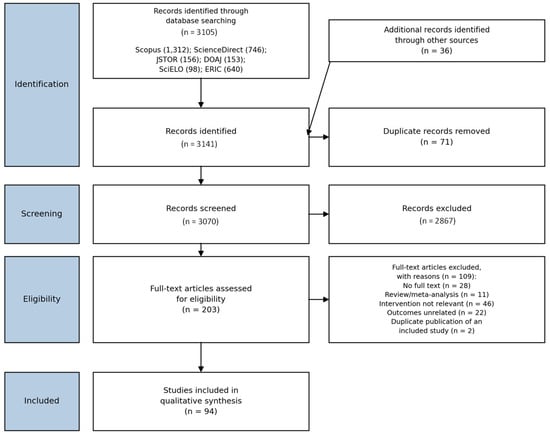
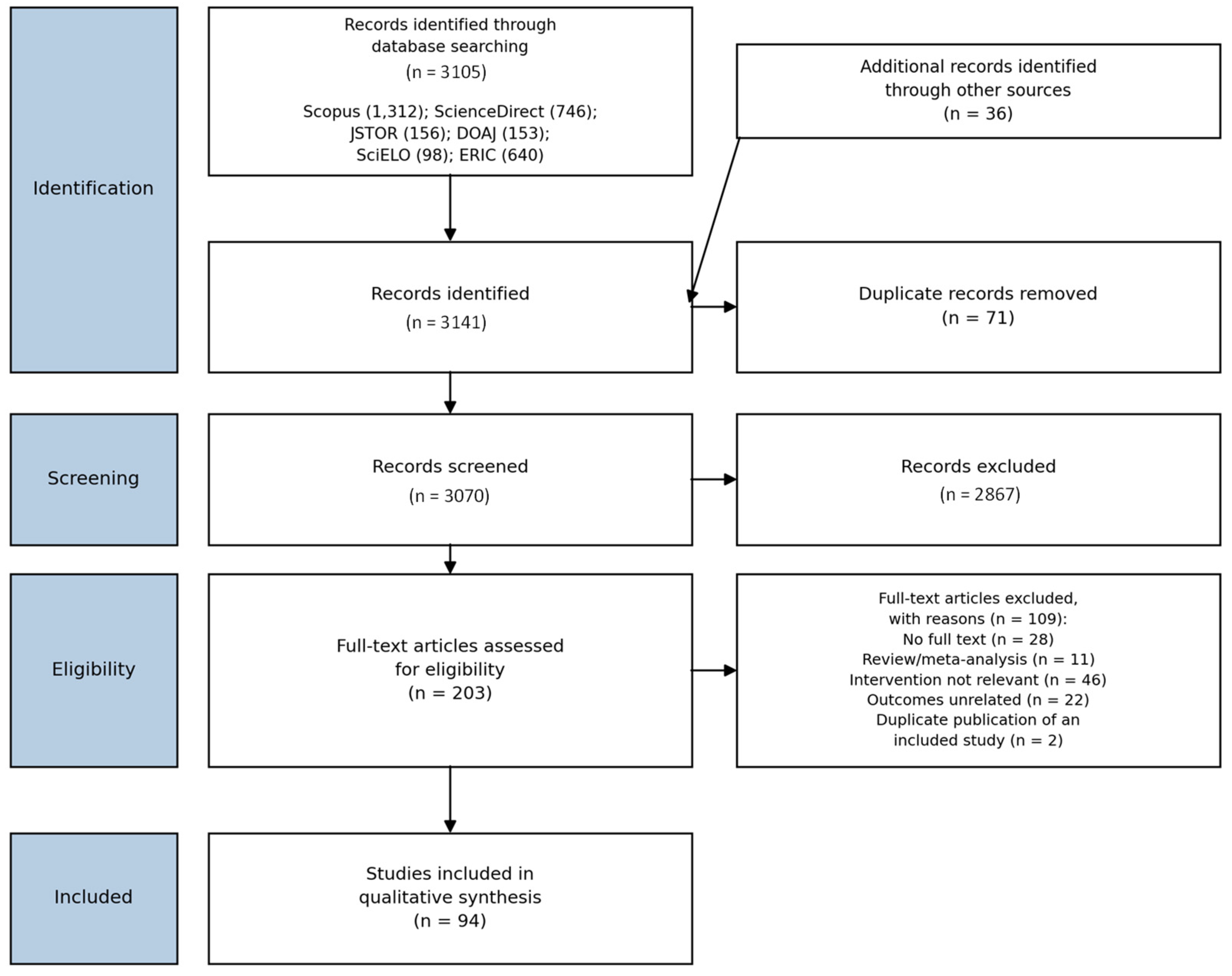
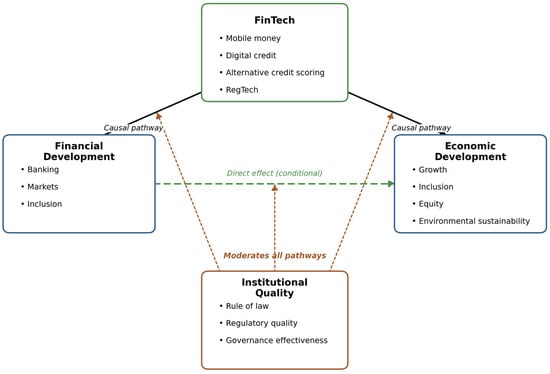
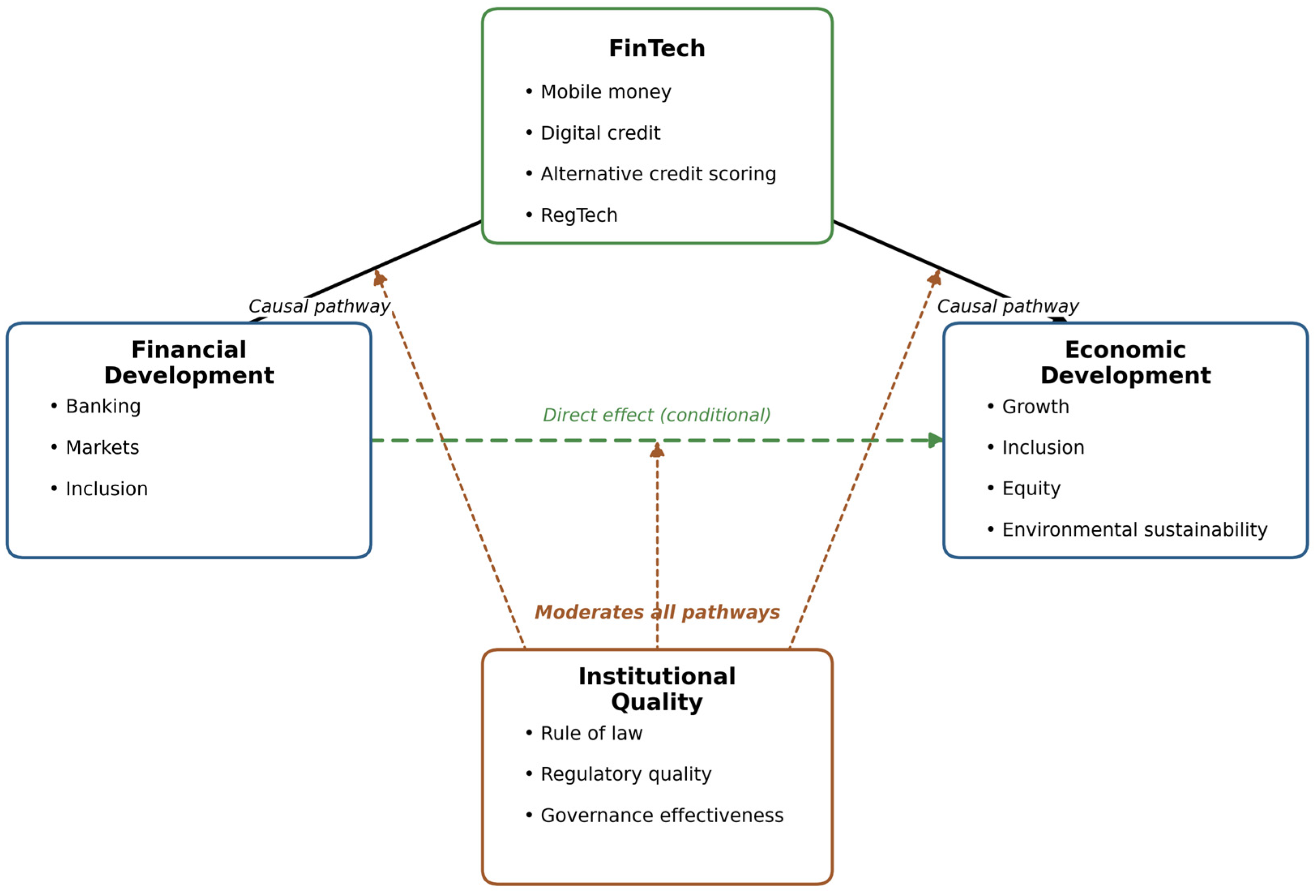

Disclaimer/Publisher’s Note: The statements, opinions and data contained in all publications are solely those of the individual author(s) and contributor(s) and not of MDPI and/or the editor(s). MDPI and/or the editor(s) disclaim responsibility for any injury to people or property resulting from any ideas, methods, instructions or products referred to in the content. |
© 2026 by the authors. Licensee MDPI, Basel, Switzerland. This article is an open access article distributed under the terms and conditions of the Creative Commons Attribution (CC BY) license.