


Abstract
Creating meaningful interactions using smart textiles involves both a comprehensive understanding of relevant materials and technologies (M&T) and how users engage with this type of interface. Despite its relevance to design research, user experience (UX) evaluation remains limited within the smart textile field. This research aims to systematize information regarding the main M&T used in recent smart textile design research and the evaluation methods (EMs) employed to assess the UX. For this purpose, a systematic literature review was conducted in the Scopus database. The search covered the period from 2018 to 2025 and yielded a total of 232 results. Of these, 56 full papers in English, available on the internet, and focusing on experimental research on smart textile interaction and experience evaluation were included. This review identifies the prevalent use of electronic components and conductive materials, emphasizing the importance of selecting materials that enable sensing, actuation, communication, and processing capabilities. UX evaluation focused on the pragmatic dimension, whereas the combination with the hedonic dimension was generally regarded as future work. The study led to the proposal of four key topics to support the creation of meaningful interactions and highlights the need for further research on evaluating users’ emotional experiences with smart textiles.
1. Introduction
Smart textiles refer to textile artifacts designed to feel and interact—sensing, reacting, or adapting—to environmental conditions or external stimuli. Such textile interfaces perform dynamic behavior over time and may present extended functionalities and uses of common textile products. Through human–technology interaction mediated by textile interfaces, the importance of smart textiles lies in their capacity to enable responsive and expressive functionalities. These capabilities allow them to support advanced applications in health and well-being, enhance safety and protection in critical environments, and promote sustainable and inclusive innovation among a wide range of potential applications [1,2,3,4,5].
Smart textile types and properties depend on materials and technology selection [3]. They can be incorporated in fiber, yarn, fabric, or finishing levels [4]. Materials such as optical fibers, shape memory materials (SMMs), color change materials (CCMs), conductive, piezoelectric, hydrogels, and nanomaterials are employed to enable interactive and smart behaviors in textiles [3,6]. Electronic textiles (e-textiles) are a type of smart fabric that covers flexible and conformable systems capable of sensing, actuating, generating, and storing energy, being part of an interactive and interconnected communication network [7]. They contain electronic components, including sensors, actuators, interconnects, processing units, and power supplies, that can also be integrated at multiscale levels [8,9]. In e-textiles, conductive materials can be used to build textile-based sensors, actuators, and power components [5,8]. The interactive behavior of smart textiles can be triggered by stimuli from mechanical, electrical, thermal, chemical, magnetic, or other sources being transformed into a reaction. This transformation relies on the transduction relationship between inputs (such as body movement, voice, vital signs, touch, or temperature) and outputs (such as movement, sound, light, smell, image, animation, or video) [3,10,11,12,13]. The wide diversity of input and output possibilities opens up rich spaces of interaction between a smart textile artifact and a human.
Smart textile interaction means the sensorial relation between a smart and dynamic textile interface and a user [14,15,16,17,18]. From the user perspective, these fundamentally embodied exchanges can be performed on a certain part of the body (touch, gesture-based, physical, and bodily-based interaction) or with the entire body (somaesthetic interaction) [19,20]. Furthermore, they can elicit emotions when the experience reaches symbolic and meaningful levels for an individual [21,22]. This complex phenomenon involves cognitive, physiological, and behavioral components, with an embodied nature connected to bodily sensations and physiological responses [22]. Medeiros proposed the concept of “meaningful interaction” as the exploration of the semantic dimension of products [23]. Not limited to the tangibility of the object itself, meanings can be incorporated by the designer and by the user and can also emerge during the interaction process [23]. This process involves the dynamic relationship between the user, the context, and the artifact, which is fundamental in the formation of the symbolic values of the artifacts [23]. Recent paradigms of human–computer interaction (HCI), a discipline related to e-textiles as computational devices, have begun to incorporate new aspects of human existence, including emotions and experience [24].
User experience (UX) is defined by the International Organization for Standardization (ISO) as user perceptions and responses that happen before, during, or after using a product, service, or system [25]. Following the UX model proposed by Hassenzahl, the experience can be approached through the pragmatic and hedonic attributes of a product [26]. Pragmatic attributes are related to perceived instrumental qualities that influence task fulfillment by using an artifact and its ease of use [26]. Product features such as effectiveness, efficiency, usability, and controllability to manipulate the environment are included in this dimension [26,27]. The hedonic dimension emphasizes the emotional or affective aspect that the artifact causes in the user—for example, providing pleasure, satisfaction, and appealingness—through non-instrumental qualities such as visual aesthetics, symbolism, attractiveness, and social experience/status [26,27].
Regarding smart textiles, the experience involves the user or users and the textile interface in a determined context, as presented in Figure 1. Within this domain, the pragmatic dimension comprises attributes such as wearability, usability, and usefulness, whereas the hedonic dimension pertains to visual aesthetic, social experience, and emotions [28]. These features may influence affection and emotion, directly shaping the user’s psychological state during interactions with smart textile artifacts. Together, textile interfaces and technological systems should be intuitive and aligned with emotional triggers to attract a broader audience [29]. As a strategy, emotional design aims to influence the UX, whether through altering the visual appeal or interface of an object or by encouraging smooth and captivating interactions [30]. For instance, gamification within smart textiles has been demonstrated to motivate, support, and empower users in achieving health goals [31,32].
Figure 1.
Model of user experience with smart textiles. Adapted from [26,28,33,34].
Assessing the experience is essential to analyze the product and user interactions, and a range of methodological approaches can be employed for this purpose. A classification of UX evaluation methods by Kieffer et al. divides those that involve users into attitudinal and behavioral/physiological [35]. Attitudinal methods aim at collecting self-reported data concerning users’ feelings (e.g., group interview, survey, think-aloud) [35]. Behavioral methods concentrate on obtaining data about or measuring what users do and/or user physiologic conditions (e.g., experiment, observation, simulation, instrument-based experiment) [35]. Furthermore, to measure the UX, whether concerning the final prototype or to assist iterative cycles in the design process that involve the user and their requirements, it is relevant to consider both pragmatic and hedonic dimensions [35].
For the evaluation of pragmatic attributes, there are established testing procedures and standards that can be used and/or adapted for specific properties, such as washability, electrical resistance, and reliability. Regarding the hedonic dimension, measures should be considered for understanding evoked emotions since they raise subjective questions [36]. Quantitative methods on the hedonic dimension have merged knowledge from neuroscience and affective computing, helping designers to understand relevant data about users’ needs and expectations [37]. In-depth research on user emotional experience in the field of interactive fashion design as an interdisciplinary discipline involving design, sociology, psychology, information science, etc., is recent and still lacks a theoretical system [38].
In order to assist designers and researchers in making informed decisions through a holistic approach to smart textile design, this paper presents a systematic literature review of recent research focusing on experimental projects that address the interaction between users and smart textiles. To this end, the objective of the review was to systematize information on materials and technologies (M&T) used to enable textile interaction, as well as the evaluation methods (EMs) employed to assess UX.
In this work, a systematic literature review was conducted with the objective of studying recent smart textiles design research and systematizing information regarding materials and technologies (M&T) used that enable textile interaction and the evaluation methods (EMs) employed to assess the UX.
As a result, a predominant integration of electronic components and conductive materials in textiles was identified, particularly with the use of conductive threads and yarns. The analysis conducted highlights that materials’ selection and combination need to fulfill sensing, actuation, communication, and processing capabilities. Qualitative evaluation methods were mostly conducted to assess the UX, with observation and interviews being the most prominent. Nevertheless, an increased usage of quantitative methods was also observed, particularly through the use of close-ended questionnaires. The UX evaluation concerns mostly the pragmatic dimension, whereas the combination with the hedonic dimension is generally regarded as future work.
This review contributes with an analysis of the main M&T and EMs applied in recent smart textile design research and proposes four main key topics to support the creation of meaningful interactions: single and multisensory interactions, input and output systems, UX evaluations, and pragmatic and hedonic dimensions. The study concludes by emphasizing the need for further research into the evaluation of users’ emotional experience with smart textiles.
2. Materials and Methods
The systematic literature review conducted follows a precise, methodical process that consists of identifying, selecting, and evaluating relevant research, analyzing and synthesizing collected data, and finally summarizing evidence that enables clear inferences [8,39,40]. This work follows PRISMA guidelines [41]. Although no protocol was registered, the structure of the review remained aligned with established methodological standards. The research question defined was as follows: What are the main materials and technologies used in recent smart textile research that enable textile interaction, and what evaluation methods were employed to assess the UX?
To address the clearly stated question, the research employed the terms “textile”, “experience”, and “interacti*”, the latter being a truncation to capture variations of the root word, such as “interaction” and “interactive”. The Scopus database was chosen for this review because it presents a refined selection of indexed records in relevant and peer-reviewed journals. The search was fulfilled on 5 February 2025, and the inserted query was as follows: ((TITLE-ABS-KEY (“textile”)) AND ((TITLE-ABS-KEY (“interacti*”)) AND (TITLE-ABS-KEY (“experience”)), to reach research with these specific terms in title, abstract, or keywords. By delimiting the results to records published between 2018 and 2025, 232 recent and reliable papers were shown as identification outcomes.
In order to obtain accessible and enough information to answer the proposed question, inclusion criteria encompassed only full-text papers in English, not selected records concerning full conference proceedings (instead of proceedings papers), extended abstracts, posters, reviews, and reports. These conditions led to the exclusion of 32 records between the identification and screening phases.
Abstracts and keywords of the remaining 200 papers were detailed screened by one of the authors. Considering the study objective to review experimental projects from the original source rather than from secondary interpretations—both regarding the materials and technologies used in textile and fashion design research and the tools for evaluating user experience—the exclusion criteria were defined accordingly. Papers that did not refer to smart textile interaction and did not comprise experimental research, presenting at least one project of their own authorship, were excluded. To avoid bias, cases of doubt and disagreement were resolved in discussion sessions with the other two authors. In the screening phase, 138 records were removed, leaving 62 papers to be evaluated.
During the eligibility assessment, the lack of free and full online access to the studies was applied as an exclusion criterion, leading to the removal of 6 records. The remaining 56 papers were thoroughly read by each of the three authors. Together, they considered all 56 records highly relevant to the research topic and selected them for inclusion in the review (Figure 2). Relevant data from each of the 56 papers were analyzed and extracted by the first author using a standard spreadsheet. Synthesized information in the table was then revised by the other two authors independently, and all authors discussed it together, as presented in Section 3.
Figure 2.
Resulting data from the application of PRISMA flow diagram.
3. Results
To promote an expanded view of the results, a table containing a summarized description of each paper is provided (Appendix A). The papers included in the review were coded from P1 to P56, beginning with the most recent entries and then arranging them alphabetically in order to facilitate referencing the obtained results. Data regarding the main focus, M&T, EMs, and main findings (MFs) of each research were systematized. Specifications, models, and suppliers informed by respective authors in analyzed studies were identified, briefly explaining how materials and components were integrated for prototype construction. EMs focus on how user tests were conducted in each research, considering methods and techniques used to evaluate the experience. Since embodied interaction has been demonstrated to further expand the capabilities of smart textiles and improve the emotional experience of users [42], this review particularly addresses the evaluation of the interaction between the user and the textile prototype(s). MFs list the key results of interest to this systematic review.
A wide diversity of focus regarding smart textile interaction was noticed among papers, which embrace single or multiple goals from the UX perspective. This study highlights those that research the relationship between the experience and the dimension of user’s responses: emotional and physical/sensory. Although senses are inseparably intertwined with emotions [43], they are firstly related to a bodily and physical perceptual system [44]. For this reason, all papers present a physical/sensory dimension, and some of them deepen into an emotional dimension. After a detailed analysis, the papers were clustered within two main dimensions, as follows:
Within the physical/sensory dimension:
- Single-sensory: audio (P39; P53); visual (P24; P32; P35; P50; P54); touch/haptic (P2; P14; P17; P23; P25; P31; P40; P41); gesture (P21; P55; P56);
- Multisensory (P1; P3; P4; P5; P6; P7; P8; P9; P10; P11; P12; P13; P15; P16; P18; P19; P20; P22; P26; P27; P28; P29; P30; P33; P34; P36; P37; P38; P42; P43; P44; P45; P46; P47; P51; P52);
- Technical performance (P1; P2; P8; P9; P12; P14; P15; P17; P23; P24; P28; P31; P36; P37; P42; P44; P48; P49; P55; P56).
Within the emotional dimension:
- Feelings and emotions representation (P5; P19; P25; P32);
- Social engagement (P3; P9; P13; P16; P29; P38; P46; P50);
- Emotion and sensory regulation (P4; P26; P29);
- Self- and surrounding-perception alteration (P4; P5; P18; P35; P40; P41; P45);
- Identity and self-expression construction and communication (P51; P53);
- Emotional responses to interactive behavior (P4; P7; P11; P17; P20; P26; P29; P32; P40; P41).
Most research featured projects that promoted multisensory interaction. Among papers that addressed single-sensory interaction, the most mentioned senses were touch and visual. Affective aspects were addressed by 34 of the 56 articles included in this review. Among the issues studied, the majority were concerned with emotional responses to the textile interactive behavior, social engagement, and the user’s self and surrounding perception. Some papers also mentioned design processes as the research focus, describing the smart textile design and fabrication methodologies.
3.1. Materials and Technologies
Diverse M&T were used in the prototypes’ development, which encompassed integration at different levels, from product to fiber, of smart and conductive materials and electronic components. In 50 of the analyzed works, conductive materials and electronic components were integrated at the product level (P2; P3; P4; P5; P6; P7; P8, P9; P10; P11; P12; P13; P15; P16; P17; P18; P19; P20; P21; P22; P24; P25; P26; P28; P29; P30; P31; P32; P33; P34; P35; P36; P37; P38; P39; P40; P41; P42; P43; P45; P46; P47; P48; P49; P50; P51; P52; P53; P54; P56). The integration of conductive materials and electronic components at the product level highlights the agility in carrying out initial and iterative studies on user interaction with prototypes. Smart materials integration at yarn level was also analyzed in 23 papers (P1; P2; P6; P7; P9; P14; P15; P22; P23; P26; P27; P28; P30; P36; P39; P41; P42; P43; P44; P45; P50; P54; P55). Conductive threads/yarns were used in 24 prototypes (P6; P9; P14; P20; P21; P24; P25; P26; P27; P28; P29; P30; P33; P36; P37; P39; P41; P42; P43; P44; P45; P49; P50; P54). Additionally, threads/yarns were coated with conductive inks (P23) and painted with thermochromic materials (P44). At the substrate level, smart and conductive materials were integrated by weaving (P1; P6; P7; P22; P35; P44), knitting (P14; P27; P39; P42), coating (P2; P24; P55), in situ polymerization (P27), painting (P30), and printing (P30; P54; P56), including a conductive pattern as printed sensor (P10). Artisanal techniques for technology integration were also identified, such as crochet (P30), featherwork with feathers made conductive by in situ polymerization (P34), and felting in preliminary prototypes with non-conclusive conductivity testing (P6). Conductive fabrics from suppliers that predominantly present sensing functions were considerably noticed in electronic prototypes (P6; P20; P21; P26; P27; P31; P33; P46; P54). Fiber-level integration of smart materials was observed in three prototypes (P6; P30; P42). To allow the construction of prototypes that carried out the intended interaction, the application of materials and components at multiple levels was a common practice, observed in 32 papers (P1; P2; P3; P7; P9; P10; P14; P15; P20; P21; P22; P24; P26; P27; P28; P30; P31; P33; P34; P35; P36; P39; P41; P42; P43; P44; P45; P46; P50; P54; P55; P56). For instance, a children’s book that combined a reed switch as a proximity hard sensor at the product level, pressure, and stretch textile-based sensors at thread/yarn and fiber level, respectively, as well as textile printing with CCMs at the substrate level (P30).
M&T were integrated to promote interactive and smart behavior in the analyzed textile projects were grouped, and their use was quantified (Figure 3). The defined M&T groups and respective types/specifications took into consideration the data clearly mentioned by authors in the respective papers. In papers that mentioned more than one material per type or that presented more than one project or prototype, the material was quantified by type of use per paper.
Figure 3.
Analysis of materials and technologies (M&T) applications.
Four main M&T groups were identified based on their characteristics and behavior within the project: electronic components, conductive materials, CCMs, and optical fibers.
Demonstrating the increasing importance of e-textiles, electronic components were the most extensively applied elements among included records. Generally, such types of textiles work through the sensing–processing–actuating process. They encompass sensors, actuators, processing units, power supplies, and, in some, other components. The sensing function could be executed by both electronic-component and textile-based sensors made of conductive materials.
Central processing units (CPUs) are the brain of an e-textile system [5,8]. Within the searched papers, development boards with microcontrollers (often simply referred to as “microcontrollers”) were widely employed for their small size and high-performance ability. These boards are small integrated circuits, which generally have a central processing unit, memory, input and output interfaces, a clock generator, analog-to-digital converters, and communication interfaces responsible for data processing [45]. Arduino was considerably the most mentioned brand (P19; P35; P36; P40; P47; P54), including specific models such as Mega (P16; P20; P31), Nano (P26; P30; P34), Uno (P10; P16; P33; P41; P47), and Pro Mini (P33; P46). Models from other brands were also noticed, such as the Adafruit Metro board (P24) and Cypress PSoC4 (P27). For specific types of output from systems, suitable processing units were chosen. For instance, Teensy®, used for audio-feedback projects (P9; P37; P39; P42); Bare Conductive Touch Board (BCTB), designed specifically for touch-triggered sounds (P6; P29); and FlowIO, an open-source modular development platform for control, actuation, and sensing of soft robots and other pneumatically actuating devices [46] (P13; P18). Although Arduino Lilypad (P21) and Adafruit Flora (P38; P43) are sewable microprocessors designed specifically for e-textiles and wearable projects, they were also applied in non-wearables prototypes. Other processing units include single boards computers (SBCs)—such as Raspberry Pi 4B (P7; P22) and Bela Mini (P5; P15)—and a motherboard—printed circuit board (PCB) that controls all data exchanges between the CPU and the peripheral device, containing the main components of a computer and including connections for additional circuit boards to be plugged into [47] from Intel® (P32). For controlling and further data processing, prototypes counted on computers (P9; P11; P12; P13; P17; P18; P27; P37; P41; P42; P45; P49; P56), mobile applications (P26; P33; P38; P43; P52), or other digital media device (P28).
For feedback, prototypes included actuators with mechanisms related to the designed interaction between the prototype and the user. Light-emitting diodes (LEDs) were the most employed material for visual feedback (P4; P7; P16; P20; P22; P24; P26; P30; P32; P45; P46; P50; P51; P52). For audio interaction, prototypes embraced headphones (P5; P10; P11; P19; P39), speakers (P5; P9; P16; P20; P29; P30; P47; P53), and buzzers (P46). Coils were used both for audio—together with plastified paper, a magnet, and an amplifier—(P15) and for mechanical responses (P30). Vibration motors (P26; P30; P38; P40; P41; P45; P46; P47; P49; P52) and servomotors (P17; P25) were used to promote haptic feedback, as well as heat pads (P25; P47) and a mid-air haptic device, which enables contactless feedback (P11). Pneumatic actuation systems included pneumatic tubing (P8; P18), usually connected to an electronic solenoid valve and air compressor tank (P4; P12; P31), and OmniFiber, a programmable fiber-based shape-changing technology [48], applied for fluidic pneumatic haptic actuation (P13). Electronic devices, such as computers, tablets, and mobile phones, were employed as actuators through their respective speakers (P26; P27; P28 P37) and displays (P36; P37; P38; P47; P56). Smartphone applications enable multiple feedback modes through the combination of visual and vibration responses (P52) or with auditory feedback (P33; P43). Each of them proved their relevance to the interaction for specific purposes, such as for gait retraining patients whose awareness was increased by audio outputs but used visual feedback to correct determined movements (P33). To enhance the experience, actuators for multiple sensory feedback were identified in 15 records (P3; P4; P9; P11; P16; P20; P25; P26; P30; P37; P38; P45; P46; P47; P52). For example, an installation included a robotic lighting system with a rotating head light module (composed of RGB beam lights and a motor) and a 4-channel distributed speaker system, playing artificial intelligence (AI) generated music linked to an ambisonic spatialization module (P9).
Other electronic components, which also had an expressive application frequency as they embraced diverse pieces, were used in e-textile prototypes to improve the capacities of respective projects. External modules are integrated circuit boards designed to fit directly on top of a processing unit interface, expanding their functionalities in some specific way, such as providing connectivity, wireless communications and charging capabilities, motor controls, amplifiers, communications interfaces, and sensors, among others. These include read–write module (P20), MP3 modules (P20; P34), and recordable sound module (P30), as well as components specifically designed for sensing functions, such as capacitance measurement unit (CMU) (P2), capacitive touch controller boards (P34), and movement sensor module (P19). Additionally, a multichannel expander (P5), a USB (Universal Serial Bus) charging module (P15), and both audio (P19; P39) and motor shields (P30) were also incorporated into the processing unit. Although it was noticed that processing units with Bluetooth chipsets already inserted, such as Arduino Bluetooth Low Energy (BLE) Nano (P26), external Bluetooth modules were also accoupled (P21; P32; P33; P34; P43). Switches and buttons were integrated to enable turning on, off, and controlling systems (P16; P20; P30; P33; P37; P41; P43; P50; P53), as well as a knob (P37). Data storage was extended by memory cards (P20; P39). In addition, transistors (P42; P54), resistors (P31; P33; P36; P42)—including potentiometers (P37)—and regulators (P12; P47) were added to the respective prototypes to assist in their operation. Identified circuits comprised multiplexers (MUXs) (P2), LED driver (P16), drive circuits (P7; P22), PCB pads (P42), and circuit boards (P36; P37)—such as control board (P49) and PCBs (P2; P43; P53). Furthermore, prototypes featured components such as magnets (P6; P14; P15; P28; P30; P51), envelope followers (P5; P15), amplifiers (P15; P17; P28), microphones for recording (P30; P53), synthesizers (P5), transmitters (P5; P9), octal buffers (P17), radio frequency (RF) transmitter and receiver modules (P16)—such as Radio Frequency Identification (RFID) sensors and tags (P25) and Near Field Communication (NFC) tags (P38)—pin connectors (P45), ear clips (P32), and crocodile clips (P10).
Regarding the use of power supplies, the analyzed projects described energy storage and sources. The majority of e-textile projects have resorted to energy storage through batteries (P2; P24; P38; P42; P46; P51; P53). More specifically, these included lithium (P29; P32) and lithium polymer (Li-Po) batteries (P28; P30; P43; P50), as well as power banks (P5; P7), described as detachable (P33), portable and with fast charging capability (P22). The use of more than one energy source in a single prototype was identified, in which a Li-Po battery powered the processing unit and a 9 V battery powered the amplifier in fabric speakers (P15). For user safety, mainly for children as users, batteries were enclosed in a wooden box (P29) and a battery holder (P24; P38; P51). Batteries complement included a battery charger (P2; P30). Since conventional batteries are bulky, stiff, and consume finite energy, new sources for both power storage and generation have been developed. Trends within this topic include the miniaturization of components and harvestable energy sources. Battery miniaturization, like in sensors, leads to new thin, flexible, and hidden components made of embroidered or printed conductive materials [8], which was not noticed within the analyzed papers. Developments in harvestable energy sources aim to increase the energy efficiency of e-textile projects [8]. The only project that dealt with generating energy—smart gloves for gesture recognition—used triboelectrification between polydimethylsiloxane (PDMS)-coated wool yarn on the fingertips and a polyester (PES) patch on the other hand palm for self-powering through the electrostatic energy produced by the movement of the user’s hands (P55).
In order to detect stimuli, sensors encompassed rigid electronic components, either incorporated directly on textiles as a platform or forming part of a system in which the textile is integrated, as well as textile-based sensors inserted into the textile structure. There were prototypes that combined both types, as previously discussed, as well as projects that made improvements in iterative cycles, such as using a robust force sensing resistor as a pressure sensor in the first prototype and conductive pressure-sensing fabric in the second model of the smart sock for gait retraining (P33).
This review follows sensors classification based on what is being monitored: motion, physiology, or environment parameters [8]. Electronic sensors of these three classes were identified. For motion detection, the following sensors were incorporated: image (P7; P22; P37), proximity (P16; P30; P35), pressure/piezo sensors (P2; P17; P31; P33; P47), and antennas (P9). In addition, stretch sensors (P29)—including a conductive rubber cord stretch sensor (P37)—and touch sensors (P4)—including capacitive touch-sensing pins (P39) and chips (P42). An external movement sensor was used in a wearable training system for stroke rehabilitation that worked together with an e-sleeve (P56). The contactless mid-air haptic device has embedded motion sensors for hand position tracking (P11). Accelerometers were applied for detecting artifacts’ acceleration (P48), as well as inertial measurement units (IMUs) containing an accelerometer, gyroscope, and magnetometer were embroidered on a t-shirt to calculate 3D user posture orientation (P43). Hard physiology sensors embraced dry electrodes coupled in a smart hat for electroencephalography (EEG) data acquisition (P32), pulse sensor collecting heart rate signals (P4), and body temperature sensor (P15). Ambient temperature (P18; P47; P51; P52), humidity (P18; P52), light (P46; P51), and gas sensors (P52) were used as electronic environment sensors. Piezoelectric microphones were used for both motion and ambient sensing to collect sound inputs from the user and from the surroundings (P5; P15).
Following the mentioned trends in e-textiles, miniaturized and flexible textile-based sensors were frequently detected. They were built by using conductive fibers, threads/yarns, fabrics, and inks/pastes. Motion textile-based sensors were identified, such as for pressure (P30)—including touch sensing buttons (P44)—stretch sensing (P30; P39), and piezoresistive (P31). Binary-resistive knitted sensors were made of plated stainless-steel ferromagnetic yarns (P14). Combined with conductive yarns by knitting, thermochromic and composite yarns were used in the design of a digitally knitted keyboard able to sense discrete touch, as well as continuous proximity and pressure (P42). Capacitive textile-based sensors were identified (P6; P34; P39), including a wearable touchpad made of dielectric elastomers (DEs) made of sputtered metal-based electrodes (P2). An interactive tapestry whose bases and elements, fabricated with conductive threads and felt, performed as capacitive touch sensors (P6). Fabric speaker sensors (P15; P28) were made with conductive threads/yarns to perform together with magnets. Within this classification, conductive fabrics were widely applied for pressure-sensing (P20; P21; P31; P33; P42), including those commercial from suppliers, such as Velostat—a plastic sheet made of a polymeric foil impregnated with carbon black—(P4; P20; P46) and the fibrous Eeontex (P33). In addition, conductive fabrics were used as stretch sensors (P46) and with double function, including flexion/extension and movement (P26) and proximity and touch sensors (P27). By using conductive ink, a patterned array was inkjet-printed for the fabrication of a gesture recognition sensor (P10). Fiber-based conductive material embraced silver-coated (P42) fibers and conductive wool (P6). In the fabrication of a motion sensor to measure touch pressure, conductivity at this level was inserted into the textile structure (P30). Physiological sensors, namely electrodes, were enabled by the addition of conductive inks and pastes, such as for Functional Electrical Stimulation (FES) (P56) and for an electrode made of composite yarns of reduced graphene oxide (RGO), silk sericin and super adsorption polymer (SAP) and conductive ink (P23). To identify environmental stimuli, conductive threads were employed in the fabrication of moisture (humidity) sensors (P24).
In general, besides the development of textile sensors, conductive materials were applied for interconnections, conducting electricity between components, closing circuitry, and making the system work. Conductive threads/yarns were the most employed material also for this function and demonstrated to be easily applicable (P6; P9; P14; P20; P21; P24; P25; P26; P27; P28; P29; P30; P33; P36; P41; P42; P43; P44; P49; P50; P54). Additionally, conductive threads were fabric isolated (P53), as well as cotton (CO)-wrapped and CO-covered (P39). Conductive fabrics offered a similar role, albeit with a broader contact area (P46; P54), such as a conductive mesh made of metal thread that powers and controls customizable attached haptic modules (P45), conductive adhesive fleece material (P2), and conductive hook-and-loop tape (P49). Electrical paint allowed the creation of electrical circuits in previous tests for material experimentation (P6).
Wires and cables used comprehend isolated conductive threads (P36). They were mostly coated with plastic (P41; P42; P44; P46; P47; P56). Audio cables transmitting sound data (P28; P29; P47) were identified, namely banana jack (P37), as well as minijack and mono jack cables (P5). Other conductive materials were applied as connectors (P17), such as a flexible printed circuit (FPC) (P7; P22), crimp connectors (P2; P36), conductive pads (P36), copper tape (P6), metal clips (P6), crimp beads (P34), screws, metal fittings (P37), nickel buttons (P49), and, widely, metal snaps (P30; P46; P51; P53; P54). A metal ring/bracelet is worn by a performer to close a circuit for video and sound-actuation (P37).
CCMs included thermochromic pigments (P30; P44; P54) and yarns (P42), enabling color-changing behavior under temperature variation, as well as photochromic (P30) and hydrochromic (P30) pigments that provide this behavior to textile surfaces when exposed to a UV light source, and when wet, respectively. CCMs have the innate and autonomous ability to feel and respond to external stimuli, which was noticed in a textile book that had each of them applied to interact with the environment and the user (P30). They can also be integrated into an electronic system, such as thermochromic pigments changing color due to the heat generated by electrical conductivity when a circuit is closed through conductive threads, yarns, and/or fabrics. This occurred in the woven textile prototype that joined touch sensing and color change behavior (P44), in the craft reinterpretation of a digital game whose visual dynamic behavior is activated when the user successfully solves the right color paths (P54) and in the interactive keyboard that provided display change through the integration of thermochromic yarns (P42).
Optical fibers are light-transmitting materials and, unlike CCMs, must always be connected to an electronic system. They have been employed in e-textile projects, for example, to produce light-emitting textiles. These include the prototype of three textile artifacts woven with optical fibers connected to proximity sensors whose lighting colors change according to the users’ location (P35) and in a striped double-layer woven Jacquard made of PES and polymeric optical fiber (POF) of polymethyl methacrylate (PMMA) that alters hue based on number gesture recognition (P7; P22). Furthermore, this material was applied to appear as a single-line rainbow when the circuit is closed in an e-textile book (P30).
Other M&T include relevant materials for the interactive operation of discussed prototypes. This group included various materials, such as polyvinyl alcohol (PVA) water-soluble yarn for reversible shape-changing textile fabrication (P1), thermoplastic polyurethane (TPU) fabric with waterproof and hydrophobic functional coatings (P10), silver-doped titanium dioxide (TiO2/Ag) nanoparticles for photocatalytic coatings (P24), and functional pastes for screen-printing waterproof and encapsulation layers (P56). Silicone was incorporated in both rubber tubes used for pneumatic actuation prototypes (P2, P8, P10, P18, P31, P56) and PDMS, a polymer based on silicone and carbon, for electrifying wool yarn by coating (P55).
Technologies were implemented through materials and electronic components for communication and data transfer between prototypes and/or other devices wirelessly connected as a network via the internet. This emphasizes Internet of Things (IoT) concepts [49] within e-textiles. Bluetooth enables data transfer utilizing radio waves, whether between the electronic components themselves (P3), between them and the processing unit (P3; P34), or between the smart textile prototype to computer software (P18; P45), a tablet/mobile application (P26; P33; P52), or a car media player (P21). Wi-Fi (Wireless Fidelity) was used to interchange data from a single-board computer to a cloud computing server storing information (P7; P22; P25; P49), as well as for connecting two pairs of wearable “discussion artifacts” to each other. In one of them, RFID, which utilizes electromagnetic fields to detect and monitor tags, was also used (P25). Similarly, based on radio frequency, NFC is a set of communication protocols that enable data exchange between devices when they are up to 4 cm apart. It was identified for the communication between a textile-based artifact with a mobile application through tags (P38). Two-dimensional signal transmission (2DST) technology enabled conductive full-body clothing to function as both a communication path and energy supply, powering and controlling attached haptic feedback modules (P45).
M&T are responsible for the interactive attributes of smart textile artifacts. For this reason, their selection, application, and validation were demonstrated to be highly relevant. These elements transform textiles into dynamic interfaces capable of sensing, reacting, and communicating with their surroundings or with users, consequently influencing the experience they provide. All prototypes could “feel” and “react”, and almost all showed the innate adaptability and communication capabilities of e-textiles. This type of smart textiles covered most projects analyzed, with the wide use of conductive materials and electronic components, presenting a path to what has been studied and developed in this area. The combination of M&T was identified as an emerging way of adding diverse functionalities to a project with the potential to improve user interaction with the object. It is, therefore, essential to deeply explore the available M&T so that a careful choice can be made. Furthermore, the smart textile projects analyzed clearly demonstrated the importance of considering the target user, the project objectives, and the desired interaction. This includes the inputs, outputs, and intended behaviors regarding the textile interface, as well as the possibilities regarding the user’s physical/sensory and/or emotional response.
3.2. UX Evaluation Methods
Through the interaction between the user and a smart textile artifact, experiences can occur at a physical/sensory level and/or an emotional level. For experience evaluation, most of the analyzed studies used prototypes to perform tests through qualitative, quantitative, or mixed methods. Qualitative-only methods were conducted in 23 research studies addressed. Quantitative-only methods were used in four of them. Notably, most of the studies embrace qualitative methods since affective experience deals with subjective emotions. However, it is relevant to highlight the significant use of quantitative methods combined with qualitative methods in mixed-methods research, which amounted to 15 studies. Additionally, 14 studies did not perform UX evaluation. Figure 4 demonstrates the frequency of each UX evaluation method identified.
Figure 4.
Analysis of user experience (UX) evaluation methods.
Regarding qualitative assessment, the most applied methods were observation (P1; P7; P9; P10; P12; P13; P14; P19; P20; P22; P25; P27; P29; P30; P31; P33; P35; P37; P38; P46; P47; P49; P51; P53; P54) and interviews (P10; P11; P13; P15; P26; P40; P52; P53). Most interviews were semi-structured (P17; P19; P20; P33; P43; P46), indicating the importance of openness for the user to express the experience. A micro-phenomenological interview was used to capture fine-grained information about intersubjective experiences between two subjects/users during the interaction (P13). Group sessions included informal ideation sessions (P36), making sessions and workshops (P10; P53), focus groups (P46; P53), and play sessions (P46), among others (P50; P52; P56). The think-aloud method was used to encourage participants to verbally express their thoughts while carrying out a task to provide insights during the interaction in both individual and group sessions (P4; P13; P15; P56). Open-ended questionnaires with exploratory questions have been applied to assess conditions before and after prototype tests (P41; P50). Self-reporting and autobiographical accounts enabled the design of wearable systems that represent the experience of pain in a performance (P5) and that are ideal (P33) and familiar (P39) for users. The autobiographic approach was also used in the design of soft speakers, which included users as creators by providing them the necessary information and materials for do-it-yourself prototypes (P28). Through daily recording, the journaling method also encouraged self-expression of experience, whether with photos, written accounts, and observations (P1) or through impressions and improvement suggestions (P43). Graphic representations (drawings, pictures, and photographs) were used to illustrate user-felt experiences (P19). Although these are qualitative evaluation methods, some authors later quantitatively analyzed the data obtained from user tests, commonly recorded in video, image, and/or audio. For example, analyzing accuracy in identification tasks (P12; P14; P31) and correlations between sound-effect and gesture input in matching exercises (P10). In addition, time-based measurement analysis also brought a quantitative approach to qualitative methods, such as with time recording for fulfilling tasks (P7; P14), counting average interaction time individually and socially (P46), and calculating percentages of user interaction through ELAN, annotating software for audio/video (P29).
Quantitative methods have increasingly been applied in the field for quantifying subjective emotions. Measures were obtained from questionnaires and physiological data. Closed-ended questionnaires were the most frequent tool (P4; P7; P10; P11; P15; P17; P20; P26; P32; P33; P41; P43; P50; P52; P56). They encompassed scales such as Likert-type, binary scales, and diagrams (P7; P10; P20; P41; P50; P52), as well as the online rating task platform PsyToolkit (P15). Among them, specific tools for quantitative evaluation of the user self-perception were identified and are described in ascending alphabetical order in Table 1.
Table 1.
Specific tools for quantitative evaluation.
In relation to physiological measurements, data was obtained from diverse tools. Heart rate variability (HRV) registered variation between successive heartbeats, measured in milliseconds (difference in time). To gather heart rates, the authors used Polar H102 sensors (P20) and electrocardiogram (ECG) monitoring with 3D knitted electrodes (P23). Galvanic skin response (GSR), also known as electro-dermal activity (EDA), is a technique for measuring the skin’s electrical conductivity in reaction to specific stimuli, which varies depending on the degree of emotional arousal (for both positive and negative emotions). Grove GSR sensors with two electrodes were used (P26). An ambulatory ECG allowed HRV analysis (P23). Facial emotion recognition (FER) software and apps, such as MorphCast (P4) and AffdexMe (P26), were used to analyze facial emotions. Kansei engineering’s research methodology was proposed as a logical and factual foundation for emotional design (P32).
A set of research projects involved the user in the preliminary phases of prototype development (P1; P3; P5; P10; P11; P13; P14; P15; P17; P19; P20; P33; P36; P43; P52). For example, by bringing them into co-creation processes (P28; P39; P56) through user profile analysis to better understand a target group (P29) and with UX tests performed before and after interaction (P4; P41), including the assessment of users’ previous emotional states (P40; P50). Four research projects did not describe how user tests were conducted (P35; P38; P49; P51). Fourteen studies did not aim to explore the relationship between the proposed artifact from the users’ perspective, not presenting any UX evaluation method (P2; P3; P6; P8; P16; P18; P21; P24; P34; P42; P44; P45; P48; P55). However, in eight of them, experience evaluation was mentioned as future work (P3; P6; P8; P16; P18; P21; P34; P45) and, in twelve papers, user studies are recommended to be deepened (P4; P5; P7; P9; P14; P17; P22; P25; P38; P40; P51; P52). This highlights the relevance and necessity of understanding the user’s perspective regarding the interaction.
4. Discussion
Smart textile interaction design is a multifaceted process, as it involves several elements and dimensions. Having a holistic view of all the steps and possibilities in the integrated smart textile and interaction design processes helps in making decisions regarding the project.
The present paper focused on the following research question: What are the main materials and technologies used in recent smart textile research that enable textile interaction, and what evaluation methods were employed to assess the UX?
Although there is a significant quantity of research produced concerning smart textile design, when focusing on smart textile interaction and the assessment of UX, there is limited information. This fact is demonstrated by the relatively small number of papers (56) considered eligible and pertinent to the subject under research and that were selected for this review.
The analysis conducted, comprising the 56 selected papers, was carried out by dividing the underlying question into two components, C1 and C2.
C1: Main M&T used in recent smart textile research that enables textile interaction
Electronic components were the major group of materials used, highlighting their importance in smart and interactive textile design. Most textile prototypes were developed with a processing unit, meaning that interaction between the user and the textile is mediated with a control center that is previously programmed to activate a specific behavior in response to a specific stimuli or stimulus. The main actuators used are also electronic components, which have been widely combined to enable smart textile responses that promote interaction with multiple human senses. Similarly, the sensing behavior of smart textiles has largely followed a multisensory approach, implemented through electronic components and/or textile-based sensors, mainly designed to collect motion-related data. The integration of electronic sensors increased more than threefold over the final three years of the analyzed period. Towards integration of technology on soft surfaces in the desired unobtrusive and seamless fashion, future developments are required, namely in materials science and technological advances. To solve challenges related to the volume of electronic components [18], their miniaturization has been presented as a research trend [3], although still encountering hurdles related to their effectiveness, utility, and commercial feasibility [50].
The conductive materials mostly used were threads or yarns, and their application included sensing purposes and conductive connections. Most of these materials were carbon-based—such as graphene, carbon black, and carbon nanotubes (CNTs)—metal-based—such as silver or copper—or a combination of both—such as stainless steel. From a smart textile design perspective, materials containing these elements present challenges at both functional and aesthetic levels. Carbon-based materials tend to be more opaque and lightweight, making them easier to integrate while also offering good resistance to wear and washing. In contrast, metal-based materials, though shinier and heavier, exhibit better conductivity [8]. Silver-based materials also offer good flexibility and malleability. However, in terms of durability, if metal-based materials are not stainless, their colors may change over time (e.g., silver may tarnish, and copper may develop a greenish patina), affecting the artifact’s aesthetics. The integration of smart materials such as CCMs and optical fibers is less frequent. In designing smart textiles, challenges to consider include the color fastness limitations of CCMs, as well as the complexity of coupling and aligning optical fibers for precise connections with light sources and sensors [4].
Regarding technologies, the most widely used were those related to integrated communication networks between e-textiles and digital devices, typically via Wi-Fi or Bluetooth, but also 2DST and NFC. Emerging technologies—such as immersive technologies (e.g., augmented reality [AR] and virtual reality [VR]), ubiquitous computing (e.g., Internet of Things [IoT]), and, more recently, generative technologies (artificial intelligence [AI])—are increasingly advancing research in smart textiles. In this field, AI has enabled smart textiles to provide predictive and personalized feedback by adapting to users’ individual needs. For example, AI has been used to develop garments capable of processing data in real time and delivering personalized interventions in areas such as healthcare and fitness [51]. Processing units with embedded AI capabilities are already available, supporting the implementation of such functionalities directly within the textile systems. For the next generation of AI integrated into e-textiles, algorithms such as deep learning can shape systems that mimic the functioning of the human brain based on neuromorphic computing and neural networks [52]. However, within the scope of the analyzed studies, mentions of these newer technologies were less frequent than expected, being identified in only 9 out of 56 articles. This gap reveals novel exploration fields of combining these technological advances with smart interactive textiles from the perspective of the UX as the central role of product development.
Although some projects bring sustainability into the design concept, such as by aiming to raise user awareness about pollution or energy consumption, the concern with minimizing the environmental impacts generated by the M&T of smart textiles, especially e-textiles, has shown itself to be a long and essential path to be investigated. Due to the great difficulty in recycling these products, sustainable approaches to the selection of M&T and the design of prototypes must be considered and discussed in the conception and construction of smart textiles. For smart textile design, modular systems should be prioritized for projects, focusing on easy repair and upgrade, component replacement, and disassembly with standardized connectors and components [53]. New biodegradable materials, such as PLA, or biomaterials from renewable sources, such as CNTs, mycelium, or cellulose, can build sensors, as well as there are currently renewable sources for energy supply based on chitosan, carbon, and cellulose for e-textiles [54]. Although some of these materials are not yet available commercially, it is important for designers to be aware of these innovations for future improvements in their prototypes through iterative sustainable limitations analysis. The integration of sustainable requirements into all design stages, with a focus on improving product lifespan, is essential for the responsible advancement of smart textiles.
C2: Main evaluation methods employed to assess the UX in textile interaction
Qualitative evaluation methods were used in most of the articles analyzed. Among them, observation was considerably the most employed method, classified as behavioral, since it focused on capturing information about what users did during the experience evaluation. Interviews and focus groups were also widely used quantitative methods, both classified as attitudinal because they provide self-assessment data about how users felt. Closed questionnaires, also classified as attitudinal methods, emerged as the predominant quantitative method. These included a variety of specific types of questionnaires, mainly SDS and CEQ. Among the physiological tests, under behavioral UX methods classification for measuring users’ physiological states, HRV and GSR were highlighted.
Most of the described methods were combined to adequately measure and understand the expressed and hidden felt sensations. While not yet predominant, the importance of using mixed methods to evaluate UX has been increasingly recognized, especially in recent years of the analyzed period. The combination of both methods can be used to evaluate pragmatic attributes—e.g., comfort, wearability, usability, and efficiency—and/or hedonic attributes—e.g., aesthetics, social engagement, attractiveness, and emotions. The hedonic dimension emphasizes the psychological well-being that an artifact causes in the user, and therefore, it is increasingly being considered for the evaluation of smart textile designs, mainly aiming to identify and measure triggered emotional responses. Through mixed methods, UX evaluation within this dimension can address both objectives of identifying and measuring emotional responses elicited by smart and interactive textiles.
In conclusion, a set of four key topics is proposed, aiming at summarizing essential issues to consider in the design of smart textiles with meaningful interactions.
- Single and multisensory interaction: It is possible to create experiences with a focus on individual human senses or to design for multisensory interaction. Haptic, visual, and auditory feedback enable sensory interactions commonly explored with smart textiles, which directly influence emotional metrics, such as valence (positive/pleasant or negative/unpleasant), arousal (emotion intensity), and stress levels, whose data can be gathered through self-assessment questionnaires or physiological measurement (GSR/EDA). Designers must explore the materials and technologies used in light of the desired sensory interaction and their effect on UX. For example, using technologies like thermochromic threads, ultra-violet organic light-emitting cells (UV OLECs), and LED feedback systems can create a visually dynamic interaction that aligns with emotional engagement. Additionally, single-sensory does not limit textile interaction to a single output, e.g., vision vs. textile color and light behavior, consisting of a single sense with multiple outputs.
- Input and output system: Smart textiles can integrate sensors able to detect and collect data from the user(s) and/or environment and also embed actuators that enable response to input data. The sensed stimuli may include inputs that can be controlled at a certain level by the user, such as defined gestures in contactless detection, or can regard uncontrolled data, e.g., physiological sensing. The integration of sensors, such as proximity detectors and embroidered electrodes, enables signal acquisition of the textile artifacts, which can occur even in dynamic conditions. On the output side, the actuator response can be direct or programmed, ranging from haptic (vibrotactile) to visual (LEDs, thermochromic threads) and auditory systems. These outputs may provide users with immediate feedback, which elevates the functional and emotional dimensions of the interaction. To design effective input–output systems, it is important that the designer comprehends the relationship of the smart textile sensing, actuating, and processing structure and explores design possibilities that can enable personalized and relevant UX to address both functional and emotional user demands.
- UX evaluation: Since materials experience extends beyond physical characteristics, it is crucial to assess the UX and the evoked emotions and take the results into consideration in the design process. The projects that reached the UX evaluation phase demonstrated a great contribution to the HCI field, both for the improvement of the same project or as a reference for other projects. Combining qualitative and quantitative methods of UX evaluation allows a more comprehensive knowledge regarding the interaction between the user and the textile interface in a specific context.
- Pragmatic and hedonic dimensions: Smart textile tangible and interactive features, influenced by selected materials and technologies, impact both usability and the user’s emotional experience. For instance, the integration of customizable features and multisensory feedback not only meets practical needs but also invites users to express their creativity and individuality, making the technology feel more personal and less intrusive. To assess these responses, the UX evaluation must cover the pragmatic and hedonic dimensions in a holistic approach. Furthermore, including a balanced interplay between attributes in the ideation/prototype and evaluation phases of the smart textile interaction design process can enhance overall UX.
In defining the disciplines and professionals needed in smart textile research, multidisciplinary collaboration is required. Arts, design (textile, e-textile, fashion, and sound), HCI, neuroscience, and materials technology have emerged as leading fields converging to advance knowledge in the design of interactive textile interfaces and experiences [18,55,56,57,58,59]. The inclusion of professionals engaged in the real-world application of these artifacts (e.g., health, education, and music professionals) was also highlighted [56,60]. References to interdisciplinary [18,58,60,61,62] and transdisciplinary [9,57] teams were mentioned in the analyzed works. Interdisciplinarity is based on reciprocal relationships between disciplines with a blurring of boundaries between them, and transdisciplinarity transcends these disciplinary boundaries and considers the dynamics of entire systems in an integrative way [63]. In addition, it is necessary that the team holistically understand the design process to be adopted, as well as important variables. This includes understanding the available materials and technologies and their respective behaviors and properties for selection according to the desired functionalities. Furthermore, it is necessary to understand how users relate to smart textiles through UX evaluation methods. This holistic view is essential since the designer’s decisions will directly affect the UX.
Considering users includes contemplating their emotions and evaluating hedonic and emotional issues, in addition to pragmatic and functional ones, which can lead to the more assertive creation of meaningful interactions with textile interfaces. These interactions with emotional meaning open up a space for products to be more sustainable by encouraging a longer useful life due to the meaning they carry and the relationships they represent with the user.
5. Conclusions
This paper presents a systematic review of recent experimental research on smart textile design, with a particular focus on the main M&T and EMs employed to assess the UX in order to support design decisions involving these interrelated components to create meaningful interactions.
Out of the 56 papers included in the review, 55 included electronic components and/or conductive materials. The predominant integration of these M&T in textiles highlights that materials’ selection and combination need to fulfill sensing, actuation, communication, and processing capabilities towards the design of interactive and responsive systems. To appraise the experiences that smart textile interfaces can provide, observation and close-ended questionnaires were the most employed EMs, being used in 25 and 15 UX tests, respectively. Nonetheless, the increasing use of mixed methods for UX evaluation and the emphasis placed on advancing UX research highlight research gaps.
Though often focused on pragmatic attributes, experience evaluation has increasingly valued hedonic and subjective aspects, which are crucial for smart textile designers, who are also responsible for designing interactions. Addressing the emotional perspective of experience with these technological interfaces underscores the need for future investigation and uncovers a valuable opportunity in integrating symbolic value.
Contributing with discussion and insights on smart textile design research and practice, this review also proposes a set of four key topics to consider when creating smart textiles designed to evoke emotional responses. Future reviews should use multiple databases, as reliance on a single source was a limitation of this study.
Author Contributions
Conceptualization, methodology, investigation, writing—original draft preparation, and visualization, M.G.; supervision and writing—review and editing, J.C. and I.C. All authors have read and agreed to the published version of the manuscript.
Funding
This research was funded by the European Regional Development Fund through the Operational Competitiveness Program and the National Foundation for Science and Technology of Portugal (FCT) under the projects UID/CTM/00264/2020 of Centre for Textile Science and Technology (2C2T) on its components Base (https://doi.org/10.54499/UIDB/00264/2020) and programmatic (https://doi.org/10.54499/UIDP/00264/2020). M.G. and I.C. also acknowledge FCT for PhD scholarship (https://doi.org/10.54499/2022.09969.BD) and junior researcher contract (https://doi.org/10.54499/2022.08710.CEECIND/CP1718/CT0031), respectively.
Institutional Review Board Statement
Not applicable.
Informed Consent Statement
Not applicable.
Conflicts of Interest
The authors declare no conflicts of interest.
Abbreviations
The following abbreviations are used in this manuscript:
| 2DST | Two-dimensional signal transmission |
| AI | Artificial intelligence |
| AR | Augmented reality |
| ASMR | Autonomous Sensory Meridian Response |
| BCTB | Bare Conductive Touch Board |
| BLE | Bluetooth Low Energy |
| BMIS | Brief Mood Introspection Scale |
| CEQ | Credibility and Expectancy Questionnaire |
| CCM | Color change material |
| CMU | Capacitance measurement unit |
| CNTs | Carbon nanotube |
| CO | Cotton |
| CPU | Central processing unit |
| CRS | Comfort Rating Scale |
| DE | Dielectric elastomer |
| DIY | Do-it-yourself |
| ECG | Electrocardiogram |
| EDA | Electro-dermal activity |
| EEG | Electroencephalography |
| EM | Evaluation method |
| ERM | Eccentric rotating mass |
| FER | Facial emotion recognition |
| FES | Functional Electrical Stimulation |
| GQS | Godspeed Questionnaire Series |
| GSR | Galvanic skin response |
| GUI | Graphical User Interface |
| HCI | Human–computer interaction |
| HRV | Heart rate variability |
| IMI | Intrinsic Motivation Inventory |
| IMU | Inertial measurement unit |
| IoT | Internet of Things |
| IR | Infrared |
| ISO | International Organization for Standardization |
| LED | Light-emitting diode |
| Li-Po | Lithium polymer |
| M&T | Materials and technologies |
| MF | Main finding |
| MUX | Multiplexer |
| PCB | Printed circuit board |
| PDMS | Polydimethylsiloxane |
| PES | Polyester |
| PLA | Polylactic acid |
| PMMA | Polymethyl methacrylate |
| POF | Polymeric optical fiber |
| PSI | Perceived Social Intelligence Survey |
| PVA | Polyvinyl alcohol |
| RFID | Radio Frequency Identification |
| RGO | Reduced graphene oxide |
| SAM | Self-Assessment Manikin |
| SAP | Super adsorption polymer |
| SBC | Single-board computer |
| SCERTS | Social Communication, Emotional Regulation, Transactional Support |
| SDS | Semantic Differential Scale |
| SE | Sensory ethnography |
| SMM | Shape memory material |
| SPSS | Statistical Package for Social Sciences |
| STQ | Social Touch Questionnaire |
| SUS | System Usability Scale |
| TAM | Technology Acceptance Model |
| TENS | Transcutaneous electrical nerve stimulation |
| TiO2/Ag | Silver-doped titanium dioxide |
| TMMS-24 | Trait Meta-Mood Scale |
| TPU | Thermoplastic polyurethane |
| UEQ | User Experience Questionnaire |
| UI | User interaction |
| USB | Universal Serial Bus |
| UTAUT | Unified Theory of Acceptance and Use of Technology |
| UV OLECs | Ultra-violet organic light-emitting cell |
| UX | User experience |
| VI | Visually impaired |
| VOC | Volatile organic compound |
| VR | Virtual reality |
| Wi-Fi | Wireless Fidelity |
Appendix A
Table A1.
Summary table of article analysis.
References
- Cabral, I.D.; Souto, A.P.; Worbin, L. Introduction. In Dynamic Light Filters: Smart Materials Applied to Textile Design; Springer International Publishing: Cham, Switzerland, 2020; pp. 1–6. ISBN 978-3-030-39529-2. [Google Scholar]
- Koncar, V. Introduction to Smart Textiles and Their Applications. In Smart Textiles and their Applications; Koncar, V., Ed.; Woodhead Publishing: Oxford, UK, 2016; pp. 1–8. ISBN 978-0-08-100574-3. [Google Scholar]
- Sajovic, I.; Kert, M.; Boh Podgornik, B. Smart Textiles: A Review and Bibliometric Mapping. Appl. Sci. 2023, 13, 10489. [Google Scholar] [CrossRef] [Scilit]
- Stoppa, M.; Chiolerio, A. Wearable Electronics and Smart Textiles: A Critical Review. Sensors 2014, 14, 11957–11992. [Google Scholar] [CrossRef] [Scilit] [PubMed]
- Tao, X. Smart Technology for Textiles and Clothing–Introduction and Overview. In Smart Fibres, Fabrics and Clothing; Tao, X., Ed.; Woodhead Publishing Series in Textiles; Woodhead Publishing: Oxford, UK, 2001; pp. 1–6. ISBN 978-1-85573-546-0. [Google Scholar]
- Merati, A.A. Application of Stimuli-Sensitive Materials in Smart Textiles. In Advanced Textile Engineering Materials; John Wiley & Sons, Ltd.: Hoboken, NJ, USA, 2018; pp. 1–29. ISBN 9781119488101. [Google Scholar]
- Lymberis, A.; Paradiso, R. Smart Fabrics and Interactive Textile Enabling Wearable Personal Applications: R&D State of the Art and Future Challenges. In Proceedings of the 30th Annual International Conference of the IEEE Engineering in Medicine and Biology Society, EMBS’08-“Personalized Healthcare through Technology”, Vancouver, BC, Canada, 20–25 August 2008; pp. 5270–5273. [Google Scholar]
- Ruckdashel, R.R.; Khadse, N.; Park, J.H. Smart E-Textiles: Overview of Components and Outlook. Sensors 2022, 22, 6055. [Google Scholar] [CrossRef] [Scilit] [PubMed]
- Tajadura-Jiménez, A.; Väljamäe, A.; Kuusk, K. Altering One’s Body-Perception Through E-Textiles and Haptic Metaphors. Front. Robot. AI 2020, 7, 7. [Google Scholar] [CrossRef] [Scilit]
- Chen, A.C.-Y.; Lin, Y.-C. Warm Robot Classroom_Using Wearable Technology as a Gateway to Culturally Responsive Teaching; Springer: Cham, Switzerland, 2018; Volume 10925 LNCS, ISBN 9783319911519. [Google Scholar]
- Júnior, H.L.O.; Neves, R.M.; Monticeli, F.M.; Dall Agnol, L. Smart Fabric Textiles: Recent Advances and Challenges. Textiles 2022, 2, 582–605. [Google Scholar] [CrossRef] [Scilit]
- Van Langenhove, L.; Hertleer, C. Smart Clothing: A New Life. Int. J. Cloth. Sci. Technol. 2004, 16, 63–72. [Google Scholar] [CrossRef] [Scilit]
- Seymour, S. Fashionable Technology; Springer: Vienna, Austria, 2008; ISBN 978-3-211-74498-7. [Google Scholar]
- Beuthel, J.M.; Bentegeac, P.; Fuchsberger, V.; Maurer, B.; Tscheligi, M. Experiencing Distance: Wearable Engagements with Remote Relationships. In Proceedings of the TEI 2021-Proceedings of the 15th International Conference on Tangible, Embedded, and Embodied Interaction, Online, 14–19 February 2021. [Google Scholar]
- Jiang, M.; Nanjappan, V.; Ten Bhömer, M.; Liang, H.-N. On the Use of Movement-Based Interaction with Smart Textiles for Emotion Regulation. Sensors 2021, 21, 990. [Google Scholar] [CrossRef] [Scilit]
- Jiang, M.; Nanjappan, V.; Liang, H.-N.; Ten Bhömer, M. GesFabri: Exploring Affordances and Experience of Textile Interfaces for Gesture-Based Interaction. Proc. ACM Hum. Comput. Interact. 2022, 6, 1–23. [Google Scholar] [CrossRef] [Scilit]
- Posch, I. Crafting Stories: Smart and Electronic Textile Craftsmanship for Interactive Books. In Proceedings of the TEI 2021-Proceedings of the 15th International Conference on Tangible, Embedded, and Embodied Interaction, Online, 14–19 February 2021. [Google Scholar]
- Tan, J.; Shao, L.; Lam, N.Y.K.; Toomey, A.; Ge, L. Intelligent Textiles: Designing a Gesture-Controlled Illuminated Textile Based on Computer Vision. Text. Res. J. 2022, 92, 3034–3048. [Google Scholar] [CrossRef] [Scilit]
- Benyon, D.; Höök, K.; Nigay, L. Spaces of Interaction. In Proceedings of the 2008 International Conference on Visions of Computer Science, ACM-BCS, Edinburgh, UK, 14–16 April 2010. [Google Scholar]
- Tomico, O.; Wilde, D. Soft, Embodied, Situated & Connected: Enriching Interactions with Soft Wearables. mUX J. Mob. User Exp. 2016, 5, 3. [Google Scholar] [CrossRef] [Scilit]
- Faria, A.P.; Cunha, J.; Providência, B. Design, Technology and Emotion Measurement. In Proceedings of the NORDSCI Conference on Social Sciences, Helsinki, Finland, 17–19 July 2018; pp. 21–28. [Google Scholar]
- Solomon, R.C. What Is an Emotion? Classic and Contemporary Readings, 2nd ed.; Oxford University Press: New York, NY, USA, 2003. [Google Scholar]
- Medeiros, W.G. Meaningful Interaction with Products. Des. Issues 2014, 30, 16–28. [Google Scholar] [CrossRef] [Scilit]
- Lopes, A.G. HCI Four Waves Within Different Interaction Design Examples. In Proceedings of the Human Work Interaction Design. Artificial Intelligence and Designing for a Positive Work Experience in a Low Desire Society; Bhutkar, G., Barricelli, B.R., Xiangang, Q., Clemmensen, T., Gonçalves, F., Abdelnour-Nocera, J., Lopes, A., Lyu, F., Zhou, R., Hou, W., Eds.; Springer International Publishing: Cham, Switzerland, 2022; pp. 83–98. [Google Scholar]
- ISO 9241-210; Ergonomics of Human-System Interaction—Part 210: Human-Centred Design for Interactive Systems. International Organization for Standardization: Geneva, Switzerland, 2010. Available online: https://www.iso.org/obp/ui/en/#iso:std:iso:9241:-210:ed-2:v1:en (accessed on 15 April 2024).
- Hassenzahl, M. The Thing and I: Understanding the Relationship Between User and Product. In Funology: From Usability to Enjoyment; Blythe, M.A., Monk, A.F., Overbeeke, K., Wright, P.C., Eds.; Springer: Dordrecht, The Netherlands, 2004; pp. 31–42. ISBN 978-1-4020-2967-7. [Google Scholar]
- Minge, M.; Thüring, M. Hedonic and Pragmatic Halo Effects at Early Stages of User Experience. Int. J. Hum. Comput. Stud. 2018, 109, 13–25. [Google Scholar] [CrossRef] [Scilit]
- Baskan, A.; Goncu-Berk, G. User Experience of Wearable Technologies: A Comparative Analysis of Textile-Based and Accessory-Based Wearable Products. Appl. Sci. 2022, 12, 11154. [Google Scholar] [CrossRef] [Scilit]
- Quinn, B. Textile Futures: Fashion, Design and Technology; Berg Publishers: New York, NY, USA, 2010. [Google Scholar]
- Triberti, S.; Chirico, A.; La Rocca, G.; Riva, G. Developing Emotional Design: Emotions as Cognitive Processes and Their Role in the Design of Interactive Technologies. Front. Psychol. 2017, 8, 1773. [Google Scholar] [CrossRef] [Scilit]
- Costa, R.; Oliveira, P.; Grilo, A.; Schwarz, A.; Cardon, G.; DeSmet, A.; Ferri, J.; Domenech, J.; Pomazanskyi, A. SmartLife: Smart Clothing Gamification to Promote Energy-Related Behaviours among Adolescents. In Proceedings of the 2017 International Conference on Engineering, Technology and Innovation (ICE/ITMC), Madeira, Portugal, 27–29 June 2017; IEEE: Piscataway, NJ, USA, 2017; pp. 1489–1495. [Google Scholar]
- Nelson, E.C.; Verhagen, T.; Noordzij, M.L. Health Empowerment through Activity Trackers: An Empirical Smart Wristband Study. Comput. Human. Behav. 2016, 62, 364–374. [Google Scholar] [CrossRef] [Scilit]
- Häkkilä, J. Designing for Smart Clothes and Wearables—User Experience Design Perspective. In Smart Textiles: Fundamentals, Design, and Interaction; Schneegass, S., Amft, O., Eds.; Springer International Publishing: Cham, Switzerland, 2017; pp. 259–278. ISBN 978-3-319-50124-6. [Google Scholar]
- Thüring, M.; Mahlke, S. Usability, Aesthetics and Emotions in Human–Technology Interaction. Int. J. Psychol. 2007, 42, 253–264. [Google Scholar] [CrossRef] [Scilit]
- Kieffer, S.; Rukonic, L.; Kervyn de Meerendré, V.; Vanderdonckt, J. Specification of a UX Process Reference Model towards the Strategic Planning of UX Activities. In Proceedings of the 14th International Joint Conference on Computer Vision, Imaging and Computer Graphics Theory and Applications, Prague, Czech Republic, 25–27 February 2019; SCITEPRESS-Science and Technology Publications: Setúbal, Portugal, 2019; pp. 74–85. [Google Scholar]
- Mauss, I.B.; Robinson, M.D. Measures of Emotion: A Review. Cogn. Emot. 2009, 23, 209–237. [Google Scholar] [CrossRef] [Scilit]
- Desmet, P.M.A.; Fokkinga, S.F.; Ozkaramanli, D.; Yoon, J. Emotion-Driven Product Design. In Emotion Measurement, 2nd ed.; Meiselman, H.L., Ed.; Woodhead Publishing: Oxford, UK, 2021; pp. 645–670. ISBN 978-0-12-821125-0. [Google Scholar]
- Wang, W.; Zou, J.; Fang, Y. Design and Evaluation of a Somatosensory Hat: An Emotional Semantic Perspective. AATCC J. Res. 2021, 8, 20–29. [Google Scholar] [CrossRef] [Scilit]
- Denyer, D.; Tranfield, D. Producing a Systematic Review. In The Sage Handbook of Organizational Research Methods; Sage Publications Ltd.: Thousand Oaks, CA, USA, 2009; pp. 671–689. ISBN 978-1-4129-3118-2. [Google Scholar]
- Uman, L.S. Systematic Reviews and Meta-Analyses. J. Can. Acad. Child Adolesc. Psychiatry 2011, 20, 57–59. [Google Scholar]
- Page, M.J.; McKenzie, J.E.; Bossuyt, P.M.; Boutron, I.; Hoffmann, T.C.; Mulrow, C.D.; Shamseer, L.; Tetzlaff, J.M.; Akl, E.A.; Brennan, S.E.; et al. The PRISMA 2020 Statement: An Updated Guideline for Reporting Systematic Reviews. BMJ 2021, 372, n71. [Google Scholar] [CrossRef] [Scilit]
- Jiang, M.; Bhömer, M.T.; Liang, H.-N. Exploring the Design of Interactive Smart Textiles for Emotion Regulation. In Proceedings of the HCI International 2020–Late Breaking Papers: Digital Human Modeling and Ergonomics, Mobility and Intelligent Environments: 22nd HCI International Conference, HCII 2020, Copenhagen, Denmark, 19–24 July 2020; Proceedings. Springer: Berlin/Heidelberg, Germany, 2020; pp. 298–315. [Google Scholar]
- Rodriguez, M.; Kross, E. Sensory Emotion Regulation. Trends Cogn. Sci. 2023, 27, 379–390. [Google Scholar] [CrossRef] [Scilit] [PubMed]
- Stoffregen, T.A.; Mantel, B.; Bardy, B.G. The Senses Considered as One Perceptual System. Ecol. Psychol. 2017, 29, 165–197. [Google Scholar] [CrossRef] [Scilit]
- Carlos, L.-R.; Manuel, Z.-R.V.; Verónica del Rocio, O.-L.; Gerardo, M.-L. Wireless Sensor Networks Applications for Monitoring Environmental Variables Using Evolutionary Algorithms. In Intelligent Data Sensing and Processing for Health and Well-Being Applications; Wister, M., Pancardo, P., Acosta, F., Hernández, J.A., Eds.; Intelligent Data-Centric Systems; Academic Press: Cambridge, MA, USA, 2018; pp. 257–281. ISBN 978-0-12-812130-6. [Google Scholar]
- Shtarbanov, A. FlowIO Development Platform–the Pneumatic “Raspberry Pi” for Soft Robotics. In Proceedings of the Extended Abstracts of the 2021 CHI Conference on Human Factors in Computing Systems, London, UK, 22–24 September 2008; ACM: New York, NY, USA, 2021; pp. 1–6. [Google Scholar]
- Zhang, P. (Ed.) 9-Industrial Computers. In Advanced Industrial Control Technology; William Andrew Publishing: Oxford, UK, 2010; pp. 345–359. ISBN 978-1-4377-7807-6. [Google Scholar]
- Kilic Afsar, O.; Shtarbanov, A.; Mor, H.; Nakagaki, K.; Forman, J.; Modrei, K.; Jeong, S.H.; Hjort, K.; Höök, K.; Ishii, H. OmniFiber: Integrated Fluidic Fiber Actuators for Weaving Movement Based Interactions into the ‘Fabric of Everyday Life’. In Proceedings of the 34th Annual ACM Symposium on User Interface Software and Technology, online, 10–14 October 2021; ACM: New York, NY, USA, 2021; pp. 1010–1026. [Google Scholar]
- Goyal, P.; Sahoo, A.K.; Sharma, T.K. Internet of Things: Architecture and Enabling Technologies. Mater Today Proc. 2021, 34, 719–735. [Google Scholar] [CrossRef] [Scilit]
- Yang, K.; Isaia, B.; Brown, L.J.E.; Beeby, S. E-Textiles for Healthy Ageing. Sensors 2019, 19, 4463. [Google Scholar] [CrossRef] [Scilit]
- Yadav, A.; Yadav, K. Transforming Healthcare and Fitness with AI Powered Next-Generation Smart Clothing. Discov. Electrochem. 2025, 2, 2. [Google Scholar] [CrossRef] [Scilit]
- Cleary, F.; Srisa-An, W.; Henshall, D.C.; Balasubramaniam, S. Emerging AI Technologies Inspiring the Next Generation of E-Textiles. IEEE Access 2023, 11, 56494–56508. [Google Scholar] [CrossRef] [Scilit]
- Perera, N.; Shahidi, A.M.; Marasinghe, K.; Kaner, J.; Oliveira, C.; Wickenden, R.; Dias, T.; Hughes-Riley, T. Exploring Sustainable Approaches for Electronic Textile Products and Prototypes. Sensors 2024, 24, 5472. [Google Scholar] [CrossRef] [Scilit]
- Guridi, S.; Iannacchero, M.; Pouta, E. Towards More Sustainable Interactive Textiles: A Literature Review on The Use of Biomaterials for ETextiles. In Proceedings of the 2024 CHI Conference on Human Factors in Computing Systems, Honolulu, HI, USA, 11–16 May 2024; Association for Computing Machinery: New York, NY, USA, 2024. [Google Scholar]
- Bootsman, R.; Markopoulos, P.; Qi, Q.; Wang, Q.; Timmermans, A.A. Wearable Technology for Posture Monitoring at the Workplace. Int. J. Hum. Comput. Stud. 2019, 132, 99–111. [Google Scholar] [CrossRef] [Scilit]
- Kilic Afsar, O.; Luft, Y.; Cotton, K.; Stepanova, E.R.; Núñez-Pacheco, C.; Kleinberger, R.; Ben Abdesslem, F.; Ishii, H.; Höök, K. Corsetto: A Kinesthetic Garment for Designing, Composing for, and Experiencing an Intersubjective Haptic Voice. In Proceedings of the 2023 CHI Conference on Human Factors in Computing Systems, Hamburg, Germany, 23–28 April 2023; ACM: New York, NY, USA, 2023; pp. 1–23. [Google Scholar]
- Kuusk, K.; Tajadura-Jiménez, A.; Väljamäe, A. A Transdisciplinary Collaborative Journey Leading to Sensorial Clothing. CoDesign 2020, 16, 311–327. [Google Scholar] [CrossRef] [Scilit]
- Madaghiele, V.; Demir, A.D. Pain Creature: Interdisciplinary Collaboration in the Design of an Embodied Textile Instrument for interactive Dance. In Proceedings of the International Conference on New Interfaces for Musical Expression, Utrecht, The Netherlands, 4–6 September 2024; NIME: Utrecht, The Netherlands, 2024; pp. 465–473. [Google Scholar]
- West, T.J.; Bachmayer, A.; Bhagwati, S.; Berzowska, J.; Wanderley, M.M. The Design of the Body:Suit:Score, a Full-Body Vibrotactile Musical Score. In Proceedings of the Human Interface and the Management of Information. Information in Intelligent Systems. HCII 2019; Lecture Notes in Computer Science. Yamamoto, S., Mori, H., Eds.; Springer International Publishing: Cham, Switzerland, 2019; pp. 70–89. [Google Scholar]
- Minetou, L.; Chatzopoulos, A.; Tzerachoglou, A.; Priniotakis, G.; van Hoof, J.; Sfyroera, E.; Georgiadou, Z.; Tyrovola, S.; Drosos, C. Homing Wellness: Can Narrative Design Transform Living Spaces for People with Dementia into Engaging Environments Enabling Communication? Front. Public Health 2023, 11, 1198253. [Google Scholar] [CrossRef] [Scilit]
- Klefeker, J.; Striegl, L.; Devendorf, L. What HCI Can Learn from ASMR: Becoming Enchanted with the Mundane. In Proceedings of the Conference on Human Factors in Computing Systems, Honolulu, HI, USA, 25–30 April 2020; pp. 1–12. [Google Scholar]
- Petreca, B.; Saito, C.; Baurley, S.; Atkinson, D.; Yu, X.; Bianchi-Berthouze, N. Radically Relational Tools: A Design Framework to Explore Materials through Embodied Processes. Int. J. Des. 2019, 13, 7–20. [Google Scholar]
- Choi, B.C.K.; Pak, A.W.P. Multidisciplinarity, Interdisciplinarity and Transdisciplinarity in Health Research, Services, Education and Policy: 1. Definitions, Objectives, and Evidence of Effectiveness. Clin. Investig. Med. 2006, 29, 351–364. [Google Scholar]
- Buso, A.; Mcquillan, H.; Jansen, K.; Karana, E. AnimaTo: Designing a Multimorphic Textile Artefact for Performativity. In Proceedings of the Designing Interactive Systems Conference, Copenhagen, Denmark, 1–5 July 2024; ACM: New York, NY, USA, 2024; pp. 20–34. [Google Scholar]
- Gratz-Kelly, S.; Cerino, M.; Philippi, D.; Göttel, D.; Nalbach, S.; Hubertus, J.; Schultes, G.; Heppe, J.; Motzki, P. Multifunctional Sensor Array for User Interaction Based on Dielectric Elastomers with Sputtered Metal Electrodes. Materials 2024, 17, 5993. [Google Scholar] [CrossRef] [Scilit] [PubMed]
- Honauer, M.; Uğur Yavuz, S.; Kuusk, K. TREESENSE–Sensitising Children to Nature through Embodied Play. In Proceedings of the 23rd Annual ACM Interaction Design and Children Conference, Delft, The Netherlands, 17–20 June 2024; ACM: New York, NY, USA, 2024; pp. 639–643. [Google Scholar]
- Huang, X.; Romano, D.M. Coral Morph: An Artistic Shape-Changing Textile Installation for Mindful Emotion Regulation in the Wild. Int. J. Hum. Comput. Interact. 2025, 41, 1173–1189. [Google Scholar] [CrossRef] [Scilit]
- Huang, X. Constructing the Affectiveness and Aesthetics of Touch through Shape-Changing Fashion and Textiles. Des. J. 2023, 26, 817–827. [Google Scholar] [CrossRef] [Scilit]
- Santos, L.; Dionisio, M.; Campos, P. TapeStory: Exploring the Storytelling Potential of Interactive Tapestries. In Proceedings of the Creativity and Cognition, Chicago, IL, USA, 23–26 June 2024; ACM: New York, NY, USA, 2024; pp. 686–699. [Google Scholar]
- Tan, J.; Shao, L.; Lam, N.Y.K.; Toomey, A.; Chan, H.H.; Lee, C.; Feng, G.Y. Evaluating the Usability of a Prototype Gesture-Controlled Illuminative Textile. J. Text. Inst. 2024, 115, 350–356. [Google Scholar] [CrossRef] [Scilit]
- Wang, M.; Zhou, Y.; Stewart, R. Soft Wearable Robotics: Innovative Knitting-Integrated Approaches for Pneumatic Actuators Design. In Proceedings of the Designing Interactive Systems Conference, Copenhagen, Denmark, 1–5 July 2024; ACM: New York, NY, USA, July, 2024; pp. 234–238. [Google Scholar]
- Wicaksono, I.; Blanchard, L.; Chin, S.; Colon, C.; Paradiso, J. KnitworkVR: Dual-Reality Experience through Distributed Sensor-Actuator Networks in the Living Knitwork Pavilion. In Proceedings of the SIGGRAPH Asia 2024 Art Papers, Tokyo, Japan, 3–6 December 2024; ACM: New York, NY, USA, 2024; pp. 1–7. [Google Scholar]
- Wu, Z.; Gao, Z.; Xu, H.; Yang, X.; Braud, T. SoundMorphTPU: Exploring Gesture Mapping in Deformable Interfaces for Music Interaction. In Proceedings of the International Conference on New Interfaces for Musical Expression, Utrecht, The Netherlands, 4–6 September 2024; NIME: Utrecht, The Netherlands, 2024; pp. 395–406. [Google Scholar]
- Xue, J.; Montano Murillo, R.; Dawes, C.; Frier, W.; Cornelio, P.; Obrist, M. FabSound: Audio-Tactile and Affective Fabric Experiences Through Mid-Air Haptics. In Proceedings of the CHI Conference on Human Factors in Computing Systems, Hamburg, Germany, 23–28 April 2024; ACM: New York, NY, USA, 2024; pp. 1–17. [Google Scholar]
- Zook, Z.A.; Jumet, B.; Yousaf, A.; Preston, D.J.; O’Malley, M.K. Multiscale Textile-Based Haptic Interactions. Adv. Intell. Syst. 2024, 6, 2300897. [Google Scholar] [CrossRef] [Scilit]
- Luo, Y.; Zhu, J.; Wu, K.; Honnet, C.; Mueller, S.; Matusik, W. MagKnitic: Machine-Knitted Passive and Interactive Haptic Textiles with Integrated Binary Sensing. In Proceedings of the 36th Annual ACM Symposium on User Interface Software and Technology, New York, NY, USA, 29 October–1 November 2023; ACM: New York, NY, USA, 2023; pp. 1–13. [Google Scholar]
- Madaghiele, V.; Demir, A.D.; Pauletto, S. Heat-Sensitive Sonic Textiles: Fostering Awareness of the Energy We Save by Wearing Warm Fabrics. In Proceedings of the Sound and Music Computing Conference 2023, Stockholm, Sweden, 15–17 June 2023; pp. 395–402. [Google Scholar]
- Yang, X.; Zhu, K. Emoband: Investigating the Affective Perception towards On-Wrist Stroking and Squeezing Feedback Mediated by Different Textile Materials. In Proceedings of the 2023 CHI Conference on Human Factors in Computing Systems, Hamburg, Germany, 23–28 April 2023; ACM: New York, NY, USA, 2023; pp. 1–20. [Google Scholar]
- Youn, H.J.; Zhong, S.; Shtarbanov, A.; Chwalek, P. NugiTex: An Interactive, Affective Wearable That Informs Users of a Plant’s “Comfort” Level through Haptic Cues. In Proceedings of the 2023 ACM Designing Interactive Systems Conference, New York, NY, USA, 12–16 June 2023; ACM: New York, NY, USA, 2023; pp. 251–255. [Google Scholar]
- Demir, A.D.; Kuusk, K.; Nimkulrat, N. Squeaky/Pain: Articulating the Felt Experience of Pain for Somaesthetic Interactions|Squeaky/Pain: Articular l’experiència Sentida Del Dolor per al Disseny d’interaccions Somaestètiques. Temes Disseny 2022, 2022, 162–178. [Google Scholar] [CrossRef] [Scilit]
- Khorsandi, P.M.; Nousir, A.; Nabil, S. Functioning E-Textile Sensors for Car Infotainment Applications. Eng. Proc. 2022, 15, 22. [Google Scholar] [CrossRef] [Scilit]
- Zhao, J.; Deng, J.; Liang, W.; Zhao, L.; Dong, Y.; Wang, X.; Lin, L. Water-Retentive, 3D Knitted Textile Electrode for Long-Term and Motion State Bioelectrical Signal Acquisition. Compos. Sci. Technol. 2022, 227, 109606. [Google Scholar] [CrossRef] [Scilit]
- Bell, F.; Hong, A.; Danielescu, A.; Maheshwari, A.; Greenspan, B.; Ishii, H.; Devendorf, L.; Alistar, M. Self-Destaining Textiles: Designing Interactive Systems with Fabric, Stains and Light. In Proceedings of the 2021 CHI Conference on Human Factors in Computing Systems, Yokohama, Japan, 8–13 May 2021; ACM: New York, NY, USA, 2021. Article 631. pp. 1–12. [Google Scholar]
- Mlakar, S.; Preindl, T.; Pointner, A.; Haberfellner, M.A.; Danner, R.; Aigner, R.; Haller, M. The Sound of Textile: An Interactive Tactile-Sonic Installation. In Proceedings of the 10th International Conference on Digital and Interactive Arts, Aveiro, Portugal, 13–15 October 2021; ACM: New York, NY, USA, 2021; pp. 1–5. [Google Scholar]
- Nabil, S.; Jones, L.; Girouard, A. Soft Speakers: Digital Embroidering of DIY Customizable Fabric Actuators. In Proceedings of the 15th International Conference on Tangible, Embedded, and Embodied Interaction, Salzburg, Austria, 14–17 February 2021; ACM: New York, NY, USA, 2021; pp. 1–5. [Google Scholar]
- Nonnis, A.; Bryan-Kinns, N. Olly: A Tangible for Togetherness. Int. J. Hum. Comput. Stud. 2021, 153, 102647. [Google Scholar] [CrossRef] [Scilit]
- Sankar, S.; Balamurugan, D.; Brown, A.; Ding, K.; Xu, X.; Low, J.H.; Yeow, C.H.; Thakor, N. Texture Discrimination with a Soft Biomimetic Finger Using a Flexible Neuromorphic Tactile Sensor Array That Provides Sensory Feedback. Soft. Robot. 2021, 8, 577–587. [Google Scholar] [CrossRef] [Scilit] [PubMed]
- Biesmans, S.; Markopoulos, P. Design and Evaluation of Sonis, a Wearable Biofeedback System for Gait Retraining. Multimodal Technol. Interact. 2020, 4, 60. [Google Scholar] [CrossRef] [Scilit]
- Briot, A.; Honnet, C.; Strohmeier, P. Stymphalian Birds: Exploring the Aesthetics of A Hybrid Textile. In Proceedings of the 2020 ACM Designing Interactive Systems Conference, Eindhoven, The Netherlands, 6–10 July 2020; ACM: New York, NY, USA, 2020; pp. 437–440. [Google Scholar]
- Demir, A.D. AURA: Altering Self-Perception Through Interactive Light Emitting Textiles. In Proceedings of the 11th Nordic Conference on Human–Computer Interaction, Tallinn, Estonia, 25–29 October 2020; ACM: New York, NY, USA, 2020; pp. 1–3. [Google Scholar]
- Goudswaard, M.; Abraham, A.; Goveia Da Rocha, B.; Andersen, K.; Liang, R.-H. FabriClick: Interweaving Pushbuttons into Fabrics Using 3d Printing and Digital Embroidery. In Proceedings of the 2020 ACM Designing Interactive Systems Conference, Eindhoven, The Netherlands, 6–10 July 2020; ACM: New York, NY, USA, 2020; pp. 379–393. [Google Scholar]
- Hinojosa, L.P.C. Knotting the Memory//Encoding the Khipu_: Reuse of an Ancient Andean Device as a NIME. In Proceedings of the International Conference on New Interfaces for Musical Expression, Birmingham, UK, 21–25 July 2020; Royal Birmingham Conservatoire: Birmingham, UK, 2020; pp. 495–498. [Google Scholar]
- Honauer, M.; Yavuz, S.U.; Kuusk, K. WORM-E: An Interactive Toy Enriching Children’s Bodily and Social Play. In Proceedings of the Companion Publication of the 2020 ACM Designing Interactive Systems Conference, Eindhoven, The Netherlands, 6–10 July 2020; ACM: New York, NY, USA, 2020; pp. 333–336. [Google Scholar]
- Wicaksono, I.; Paradiso, J. KnittedKeyboard: Digital Knitting of Electronic Musical Controllers. In Proceedings of the International Conference on New Interfaces for Musical Expression, Birmingham, UK, 21–25 July 2020; Birmingham City University: Birmingham, UK, 2020; pp. 323–326. [Google Scholar]
- Devendorf, L.; Di Lauro, C. Adapting Double Weaving and Yarn Plying Techniques for Smart Textiles Applications. In Proceedings of the 13th International Conference on Tangible, Embedded, and Embodied Interaction, Tempe, AZ, USA, 17–20 March 2019; ACM: New York, NY, USA, 2019; pp. 77–85. [Google Scholar]
- Furukawa, T.; Hanamitsu, N.; Kamiyama, Y.; Nii, H.; Krekoukiotis, C.; Minamizawa, K.; Noda, A.; Yamada, J.; Kitamura, K.; Niwa, D.; et al. Synesthesia Wear: Full-Body Haptic Clothing Interface Based on Two-Dimensional Signal Transmission. In Proceedings of the SIGGRAPH Asia 2019 Emerging Technologies, Brisbane, QLD, Australia, 17–20 November 2019; ACM: New York, NY, USA, 2019; pp. 48–50. [Google Scholar]
- Honauer, M.; Moorthy, P.; Hornecker, E. Interactive Soft Toys for Infants and Toddlers–Design Recommendations for Age-Appropriate Play. In Proceedings of the 2019 ACM Conference on Interaction Design and Children, Barcelona, Spain, 18–21 June 2019; ACM: New York, NY, USA, 2019; pp. 265–276. [Google Scholar]
- Moorthy, P.; Honauer, M.; Hornecker, E.; Mühlenberend, A. Hello World: A Children’s Touch and Feel Books Enhanced with DIY Electronics. In Proceedings of the 16th International Conference on Mobile and Ubiquitous Multimedia, Stuttgart, Germany, 26–29 November 2017; ACM: New York, NY, USA, 2017; pp. 481–488. [Google Scholar]
- Petreca, B.; Baurley, S.; Bianchi-Berthouze, N. How Do Designers Feel Textiles? In Proceedings of the 2015 International Conference on Affective Computing and Intelligent Interaction, Xi’an, China, 24–27 August 2015; IEEE: New York, NY, USA, 2015; pp. 982–987. [Google Scholar]
- Rus, S.; Kirchbuchner, F.; Braun, A.; Kuijper, A. Designing a Self-Aware Jacket: Insights into Smart Garment’s Creation Process. In Proceedings of the 12th ACM International Conference on Pervasive Technologies Related to Assistive Environments, Rhodes, Greece, 26–29 June 2019; ACM: New York, NY, USA, 2019. Article 35. pp. 53–58. [Google Scholar]
- Yammiyavar, P.; Deepshikha, D. Exploring Potential of Traditionally Crafted Textiles to Transform into E-Wearables for Use in Socio-Cultural Space; Springer: Cham, Switzerland, 2019; Volume 544, ISBN 9783030052966. [Google Scholar]
- Boone, A.; Rivera, E.; Wolf, J. Patchwork: An Expressive e-Textile Construction Kit. In Proceedings of the 2018 ACM Conference on Interaction Design and Children, Trondheim, Norway, 19–22 June 2018; ACM: New York, NY, USA, 2018; pp. 529–532. [Google Scholar]
- Ferraro, V.; Stepanovic, M.; Ferraris, S. Wearability and User Experience through User Engagement: The Case Study of a Wearable Device; Springer: Cham, Switzerland, 2018; Volume 608, ISBN 9783319606385. [Google Scholar]
- Giles, E.; Van Der Linden, J.; Petre, M. Weaving Lighthouses and Stitching Stories: Blind and Visually Impaired People Designing e-Textiles. In Proceedings of the 2018 CHI Conference on Human Factors in Computing Systems, Montreal, QC, Canada, 21–26 April 2018; ACM: New York, NY, USA, 2018. Article 470. pp. 1–12. [Google Scholar]
- Itzhak, K.; Kantek, K.; Levi, D.; Geiger, S.; Nir, S.; Rinott, M. Sew-Flow: A Craft Interpretation of a Digital Game. In Proceedings of the 12th International Conference on Tangible, Embedded, and Embodied Interaction, Stockholm, Sweden, 18–21 March 2018; ACM: New York, NY, US, 2018; pp. 307–312. [Google Scholar]
- Wu, H.; Guo, H.; Su, Z.; Shi, M.; Chen, X.; Cheng, X.; Han, M.; Zhang, H. Fabric-Based Self-Powered Noncontact Smart Gloves for Gesture Recognition. J. Mater. Chem. A 2018, 6, 20277–20288. [Google Scholar] [CrossRef] [Scilit]
- Yang, K.; Meadmore, K.; Freeman, C.; Grabham, N.; Hughes, A.-M.; Wei, Y.; Torah, R.; Glanc-Gostkiewicz, M.; Beeby, S.; Tudor, J. Development of User-Friendly Wearable Electronic Textiles for Healthcare Applications. Sensors 2018, 18, 2410. [Google Scholar] [CrossRef] [Scilit]
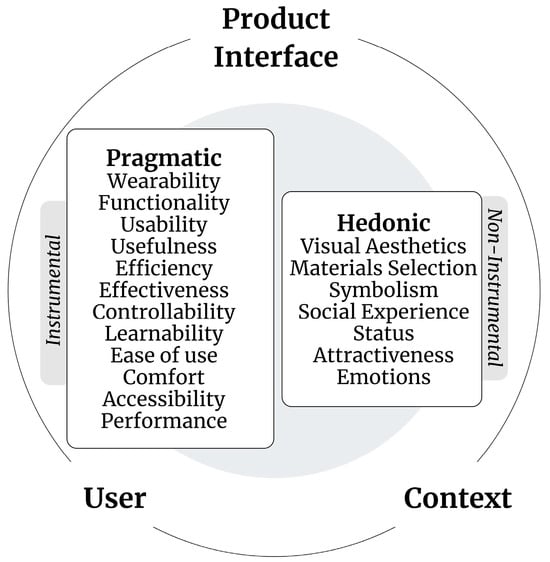
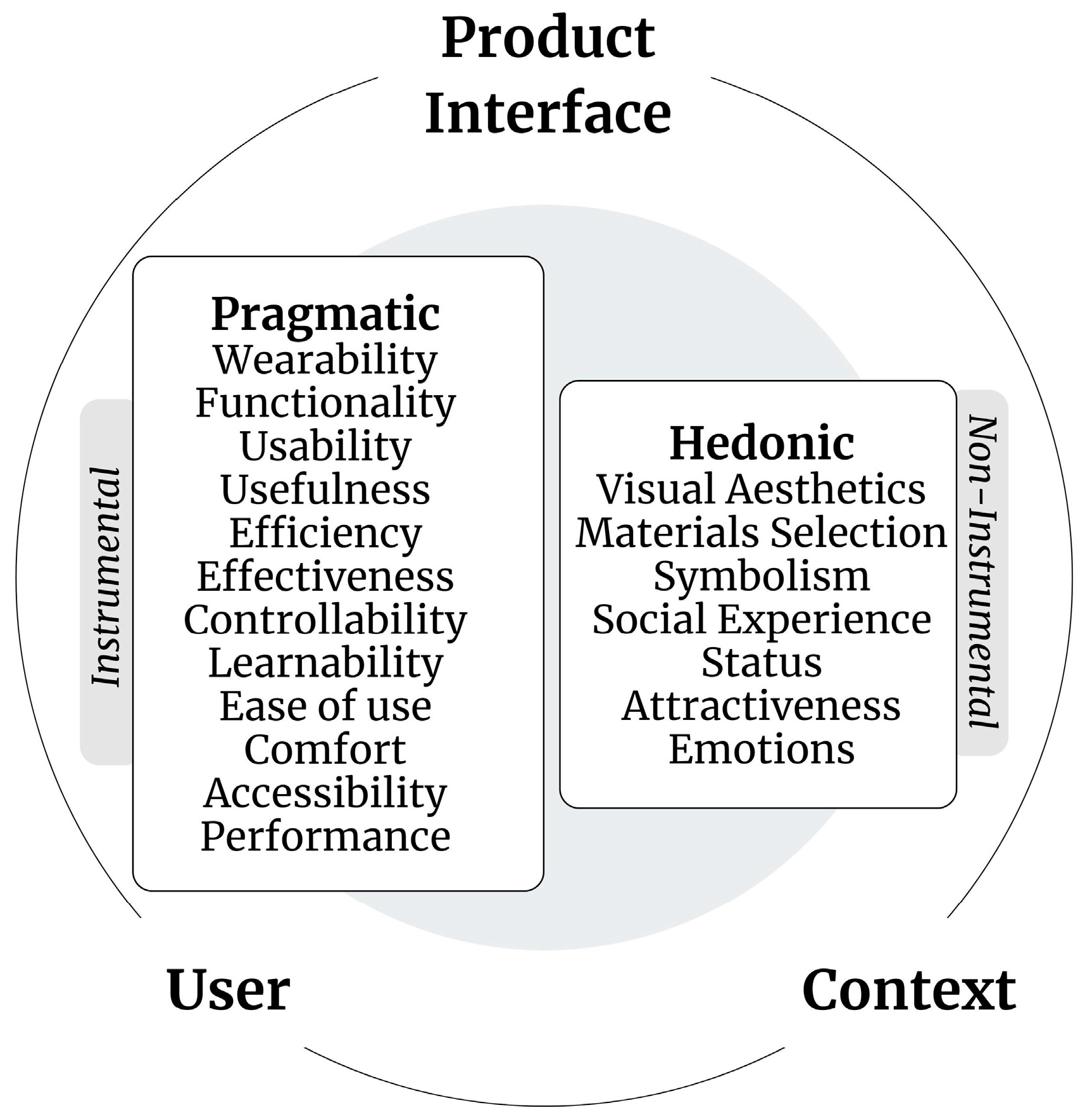
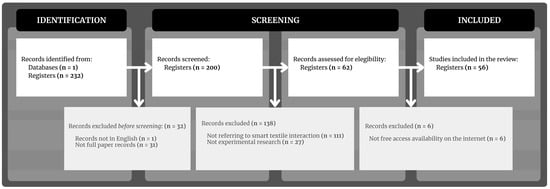
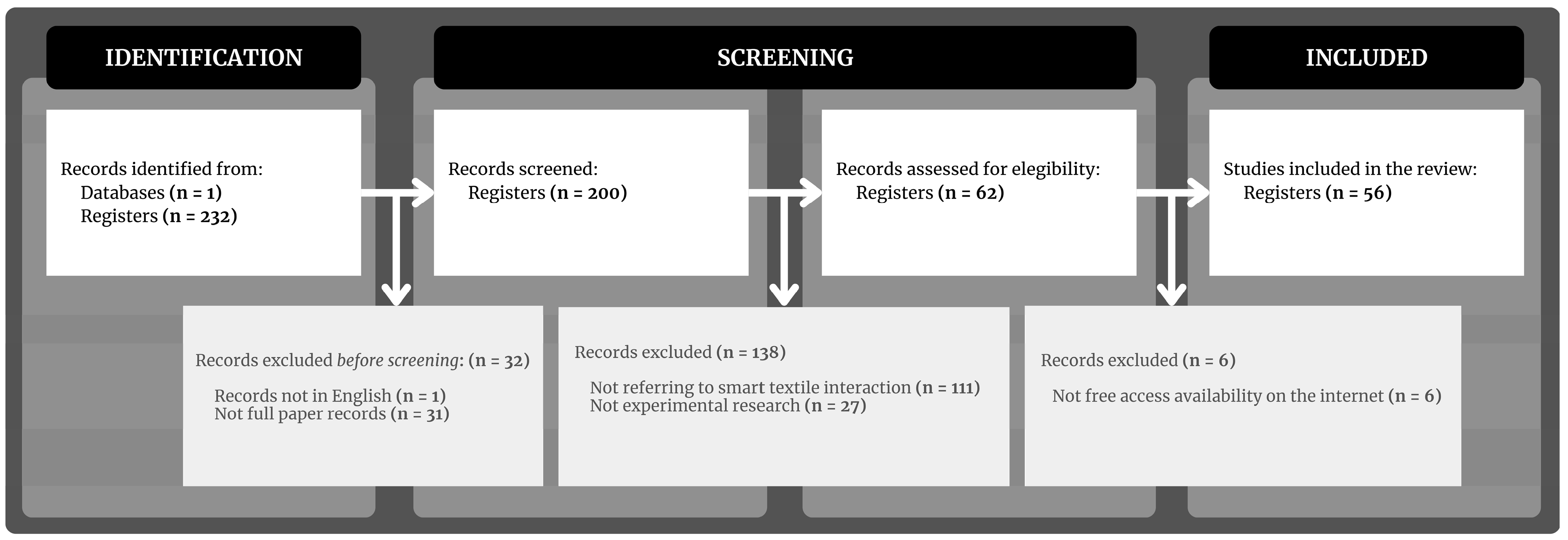
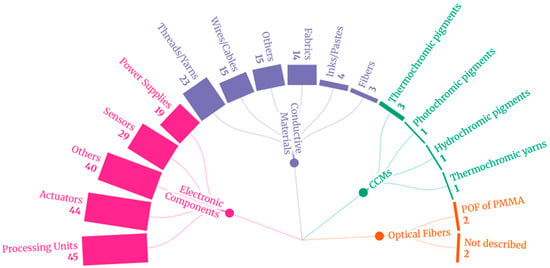
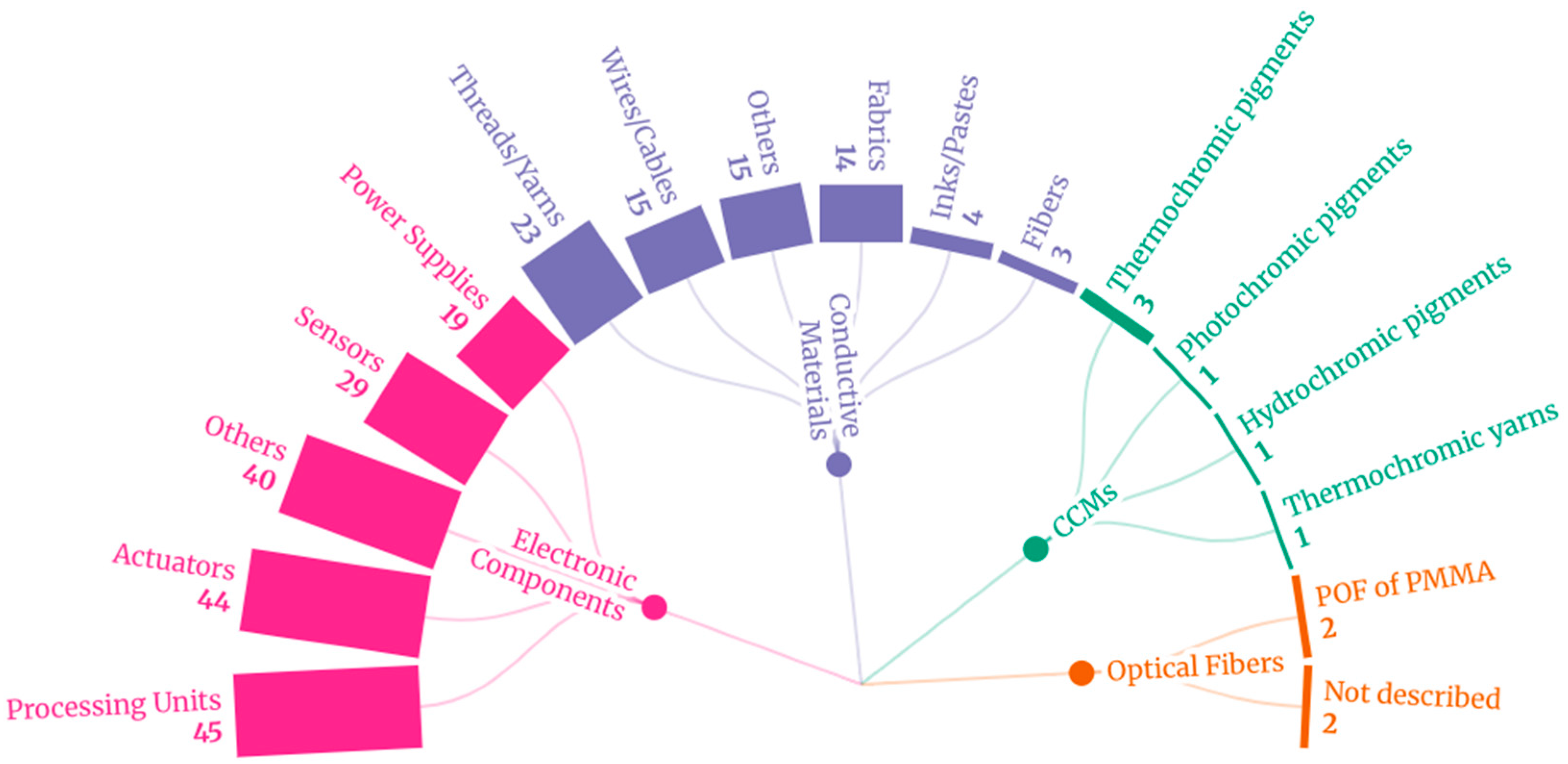
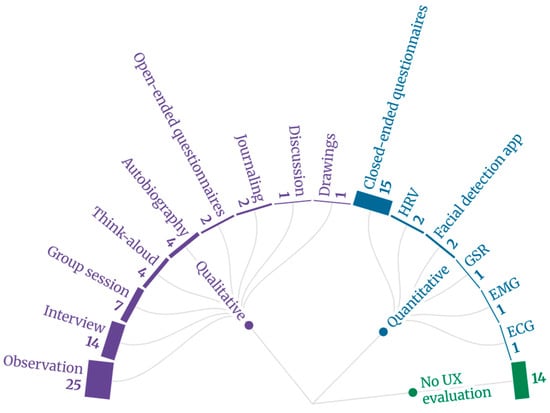
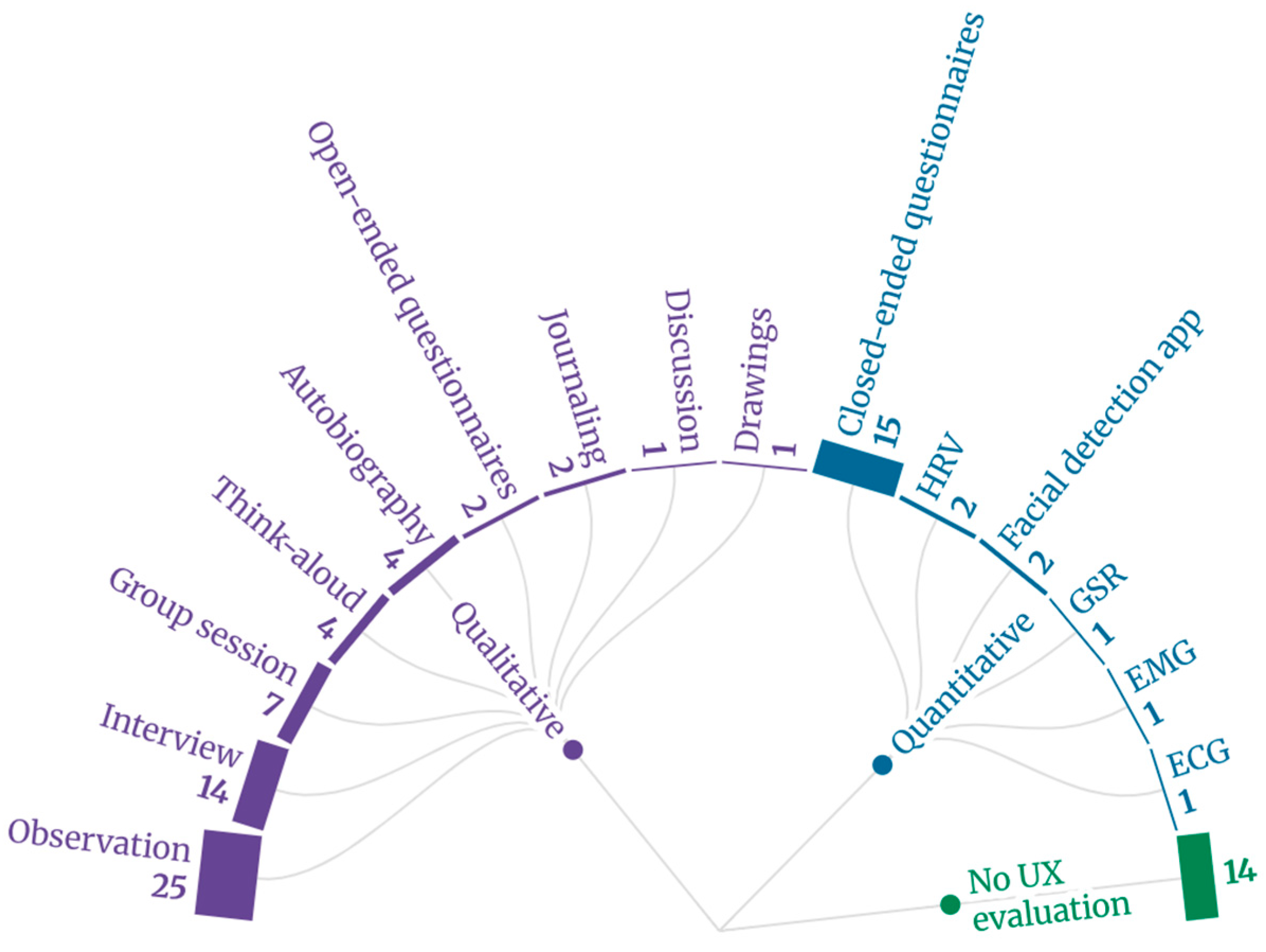

Disclaimer/Publisher’s Note: The statements, opinions and data contained in all publications are solely those of the individual author(s) and contributor(s) and not of MDPI and/or the editor(s). MDPI and/or the editor(s) disclaim responsibility for any injury to people or property resulting from any ideas, methods, instructions or products referred to in the content. |
© 2025 by the authors. Licensee MDPI, Basel, Switzerland. This article is an open access article distributed under the terms and conditions of the Creative Commons Attribution (CC BY) license (https://creativecommons.org/licenses/by/4.0/).