


Abstract
Remote towers are increasingly deployed at small-to-medium airports globally for cost efficiency, yet safety optimization for large airport remote apron control remains underexplored. This study proposes a human error identification framework for air traffic controllers (ATCOs) in large airport remote apron operations. Using hierarchical task analysis (HTA), a cognitive-behavioral model, and the technique for retrospective analysis of cognitive errors (TRACEr), we analyzed error probability and severity through field research. Key findings reveal critical divergences. Memory functions showed the highest error probability, while perception errors caused the most severe outcomes. Working memory errors were most prevalent, but visual detection errors were most severe. Attention deficits were most frequent, while spatial confusion and information integration failures exceeded severity thresholds. Personal factors dominated performance-shaping factors, with low vigilance and equipment unavailability as primary high-risk conditions. This research provides an error identification checklist and analysis methodology to enhance human performance and aviation safety in remote apron control.
1. Introduction
Remote towers (also known as digital towers) are a collection of facilities and equipment that deliver air traffic services to airports by substituting traditional on-site visual observation with advanced remote surveillance technologies. To address issues such as insufficient ATCOs and high operational costs at regional airports, the International Civil Aviation Organization (ICAO) has identified remote air traffic services as one of the key objectives in its ten-year development plan for global civil aviation, as outlined in the Aviation System Block Upgrade (ASBU) [1]. The facilities used in remote towers typically include relevant seat facilities, data acquisition and processing units deployed at remote airports, and transmission link equipment [2]. By increasing the utilization of advanced technologies, this initiative provides effective alternatives for airports operating in harsh natural environments with poor visibility conditions, aiming to strike a balance between long-term social benefits and short-term economic gains for these airports [3].
The operational modes of remote towers include remote apron operation, remote airport control (single or multiple airport operation mode), and emergency disaster recovery. Remote towers have been widely applied by medium- and small-sized airports worldwide. European remote tower operation conceptual and technological requirements are relatively sophisticated. Single airport operation mode has been approved in some places, and multi-airport operation mode has completed the validation stage [4], which provides a good reference for China. In comparison, although the adoption of remote tower technology in China began relatively late, its development momentum has been robust, as validation efforts for various remote tower models are being continuously carried out at multiple airports across the country [5].
For large and busy airports with extensive and complex runway-taxiway layouts, continuing to build single or multiple traditional towers would not only increase construction costs, but also hinder the design of airport flight procedures and safe operations (as the traditional tower itself constitutes an airport obstacle). In addition, the aircraft apron constitutes a designated area within the airport’s airside environment, serving multiple operational functions including passenger embarking/disembarking, cargo/mail loading/unloading, refueling, parking, and maintenance. Consequently, this zone experiences significant vehicle aggregation, encompassing ground service vehicles, maintenance support vehicles, cargo transport vehicles, and inspection vehicles. With escalating ground traffic volumes, conflicts between these vehicles and apron-based aircraft during control operations have become increasingly critical. More importantly, physical towers constructed to meet current design and operational requirements are not suitable for these scenarios. To meet current requirements for “unobstructed visibility” of runway movements, several new or planned physical towers at major busy airports in China now exceed 100 m in height, which means the ATCOs working in these towers often operate above the airport’s cloud base elevation. This results in a situation where design calculations permit visual runway and taxiway observation, yet actual operations resemble viewing through a haze, rendering visual monitoring unfeasible. Implementing remote apron control directly resolves some non-visual apron issues [6]. Therefore, introducing remote tower technology systems at large international airports to partially compensate for blind spots and replace traditional visual-based control methods is highly necessary.
Compared with traditional towers, there is no change in the content and regulations of air traffic service that remote towers provide to the airport. The major changes are in infrastructure and technical systems, the resulting adjustment of operational processes and methods, and human factor ergonomic adaptation [7]. For airports with large apron areas and complex layouts, transferring apron control functions from the traditional tower typically necessitates addressing control challenges in non-visual apron zones. Additionally, remote apron control offers advantages such as lower construction and operational costs, shorter implementation cycles, and full compatibility with design and operational standards. However, due to incomplete system integration in remote towers, the observable resolution on the video panoramic human-machine interface (HMI) may be reduced [8]. Therefore, related work in the field of remote apron control human factors engineering should become one of the key priorities for advancing the research and application of remote towers [9].
Extensive research has been conducted on task analysis for ATCOs. However, the findings from these studies cannot be directly applied to remote towers for apron operation, as they primarily focus on approach control [10] and traditional physical towers [11]. To the best of our knowledge, only one study has investigated the operation steps of remote apron control [12]. In that study, the authors concluded through hierarchical task analysis (HTA) and safety assessments that the operational safety level of remote apron control meets safety requirements. Furthermore, with rapid advancement of technology and significant improvement in human performance, the operational steps of aerodrome control may have evolved. Therefore, there is an urgent need for systematic and standardized task analysis of remote apron control, as well as further exploration of the critical decision-making processes involved. This is crucial for optimizing human–machine interfaces, reducing the workload of ATCOs, and ensuring the development and safety of remote tower systems.
Research on human errors constitutes a significant component of human factor reliability analysis [13]. Remote apron operations assessment encompasses all aspects of the human–machine–system interaction. The human factor of ATCOs in the remote tower is a critical component among the various influencing factors categorized under the man, machine, management, mission, media (5M) model [14]. Previous studies on airport control have revealed that the human errors made by ATCOs can lead to severe consequences [15]. However, there is little systematic research specifically targeting human errors by remote tower controllers. The existing literature predominantly focuses on qualitative studies, while quantitative research grounded in actual control operations is relatively limited. Therefore, there is an urgent need to investigate the causes and influencing factors of human errors in critical decision-making during apron control tasks from a remote tower.
To address the aforementioned issues and thereby enhance the situational awareness, safety level, and operational efficiency of ATCOs engaged in remote tower apron operations, this paper proposes a research framework for classifying and quantifying human errors committed by these ATCOs. First, hierarchical task analysis (HTA) was employed to decompose the tasks involved in apron control. Second, a cognitive-behavioral model was established for ATCOs in remote tower apron operations, and the cognitive processes underlying critical decision-making were characterized. Third, to explore the mechanisms of human errors in remote apron control, the technique for retrospective analysis of cognitive errors (TRACEr) was utilized to classify such errors, with root causes categorized into four cognitive levels: perception, memory, planning and decision-making, and action execution. Finally, through field empirical research, the occurrence probability and severity of various human errors in remote apron control were predicted, and the factors influencing critical decisions were identified. The contributions of this paper are summarized as follows:
- By decomposing the air traffic services provided to aircraft by ATCOs engaged in remote tower apron operations, this paper established a set of operational steps for remote apron control.
- This paper developed a cognitive-behavioral model and a critical decision-making task map for ATCOs in remote tower apron operations and characterizes the cognitive processes underlying critical decision-making.
- Based on empirical research that predicts the occurrence probability and severity of various human errors, this paper provided a detailed checklist for identifying risk sources in remote apron operations.
- By systematically analyzing the factors influencing human errors committed by ATCOs, this paper compiled a list of factors affecting critical decisions in remote apron operations.
2. Related Works
2.1. The Innovative Applications of Remote Towers
The concept and technology of remote towers have been applied in Europe since an early stage. In 2014, the Single European Sky ATM Research (SESAR) program demonstrated the feasibility of a single remote control tower serving multiple airports, formally launching the application of remote tower control services.
In April 2015, the world’s first remote tower—the Sundsvall remote tower center, which is located 100 km from Enskede Airport—was formally approved for operation in Sweden [16]. In 2016, the Irish Aviation Authority formally launched the world’s first research into multiple remote operations, which conducted 50 large-scale demonstration trials of remote tower operations, from single-tower operations to multiple-tower operations, for safety assessment by air navigation safety regulators [17]. In 2017, the Saarbrücken remote tower center became Germany’s first remote-controlled airport [18]. In March 2018, the Norway Aviation Authority successfully validated multiple remote operations, which can facilitate one tower control unit from a single remote location to provide air traffic services for three airports [19]. In 2019, remote tower technology was implemented by Frequentis at Brazil’s Santa Cruz Air Base, making Brazil the first South American nation with remote tower capabilities [20]. In the same year, Jersey Airport became the first airport in the United Kingdom to implement digital tower technology [21]. After 2020, Danish Air Traffic Control utilized a remote tower and approach control center to address challenges regarding airspace efficiency and service provision [22].
2.2. Task Analysis
Human performance in complex multitasking environments is fundamentally governed by the dynamic interplay between cognitive control processes and cognitive abilities, a relationship that necessitates systematic task analysis to delineate the underlying cognitive demands [23]. Task analysis is a systematic procedure for collecting, documenting, and analyzing process steps, task contexts, and required information for relevant positions [24]. Task analysis clarifies operational procedures and the requisite knowledge and skills, facilitating a comprehensive grasp of the overall framework, functional requirements, and internal characteristics of complex systems or critical domains [25]. This provides a basis and reference for human–machine interface design, personnel selection and training, human error identification, and performance enhancement [26].
Among task analysis methodologies, hierarchical task analysis (HTA) represents the most widely adopted approach, with a development history spanning over five decades [27]. HTA can be applied in almost all situations, offering significant cost savings in system design programs [28]. HTA decomposes complex tasks into hierarchical subtasks until reaching an analyzable level of granularity. As a structured task description tool, HTA is widely favored by researchers due to its simplicity, practicality, and minimal training requirements. For instance, Annett applied HTA in the chemical process industry to enhance task understanding [29]. Similarly, Li integrated HTA with the human error template (HET) model to predict pilot errors during go-around maneuvers in commercial aircraft operations [30]. The application of HTA in air traffic management (ATM) has also been extensive. The US Separation and Control Hiring Assessment (SACHA) program utilized HTA to conduct job analyses of air traffic controllers, subsequently developing performance measurement methods and selection criteria [31]. Kearney employed HTA to analyze a tower controllers’ concurrent management of takeoff and landing operations across two airports [2]. Likewise, Yi applied HTA to investigate task processes in remote tower aerodrome control services for a single airport [32].
However, HTA should be regarded not as a terminal analytical endpoint, but rather as an initial foundation [33]. For complex socio-technical systems—exemplified by domains such as aviation and nuclear power, characterized by distributed architectures, high-risk operations, tightly coupled subsystems, and inherent uncertainties—the stringent safety requirements and demand for adaptive responses to emergent conditions necessitate that system designers systematically account for both the intrinsic characteristics of these systems and the constraints imposed by external environments, including human and machine elements. Consequently, an additional methodological framework is required to extend HTA by conducting integrated analyses of systemic and cognitive components. This framework is cognitive work analysis (CWA), which is also referred to as cognitive task analysis (CTA) in some literature; fundamentally, these terms denote equivalent conceptual approaches.
CWA integrates system design principles with cognitive psychology to provide a comprehensive framework for the design, evaluation, and analysis of complex socio-technical systems. Extending beyond observable behavior measurement, CWA models the underlying cognitive processes that drive observable actions [34]. Originating from the Danish national research laboratories [35], CWA has evolved in parallel with the advancement of complex technical systems, culminating in a mature research paradigm encompassing multiple dimensions, such as work domain analysis. Researchers can selectively emphasize specific dimensions based on their research requirements. The outputs of CWA can be leveraged for interface design and evaluation, training program development, and performance assessment of individuals and teams within complex systems. For instance, CWA can be employed to assess the probability of human error in information processing, thereby informing the design of decision support systems.
Comprehensive research has systematically examined cognitive work analysis methodologies for ATCOs within complex aviation operational environments to enhance system design, safety, and operational efficiency. Alley conducted a task analysis of aerodrome control for the FAA based on standard operating procedures [36]. Seamster examined controllers’ knowledge systems, mental structures, and skill strategies through cognitive task analysis to identify critical cognitive elements [10]. Cox collected task flows for various positions of ATCOs and information processed during different tasks via interviews [37]. Dittmann analyzed the task processes of area controllers from five European area control centers through interviews, observations, and task reconstruction with 36 controllers [38]. Diaper investigated how task analysis can characterize system objectives and the tools employed [39]. Redding studied the memory and behavior of area controllers, using an expert/novice paradigm to map the knowledge structures [40]. Bonaceto developed a collaborative analysis system framework for ATCOs to understand decision-making and performance through cognitive modeling, critical incident analysis, and collaborative analysis [41]. Specifically, Bonaceto classified air traffic control tower tasks into three distinct categories: (1) controller-issued commands to flight crews, (2) controller-utilized interactive tools, and (3) other stations in communication with controllers. Subsequently, cognitive modeling was conducted using a revised GOMS (goal, operators, methods, and selection rules) model, thereby constructing a collaborative framework.
A comprehensive review of the literature reveals that extant research on ATM operational processes has predominantly concentrated on en route and terminal control, while CWA of aerodrome control remain relatively scarce—largely attributable to the prohibitive costs associated with tower environment simulation. Furthermore, given the substantial impact of equipment on human performance, the rapid iteration of automation technologies in ATM systems has precipitated continuous evolution in tower controllers’ information display interfaces. However, much of the relevant literature is dated, rendering many documented tasks potentially obsolete. Consequently, systematic task decomposition and cognitive work analysis of contemporary ATCOs, particularly remote tower operators, is imperative.
2.3. Human Error Identification
The purpose of analyzing human errors in remote tower operations is to identify error types of ATCOs, determine the severity and occurrence probability of each category of human error, establish safety management objectives based on severity levels, and lay the foundation for subsequent operational evaluation processes. Most existing literature on human reliability analysis has addressed methods for quantifying human error [42,43]. The technique of human error rate prediction (THERP) posits that the probability of human error is determined by the individual action steps that personnel execute during task performance [44]. The accident sequence evaluation procedure (ASEP) calculates human error probability by constructing event trees related to task execution [45]. The human error assessment and reduction technique (HEART) posits that human error probability is determined by the type of task, and that occurrence probability is influenced by the conditions in which the task is carried out [46]. The technique for retrospective analysis of cognitive errors (TRACEr) asserts that human error probability is determined by cognitive error taxonomies, and the occurrence probability is influenced by contextual performance-shaping factors in remote operational environments [47]. The success likelihood index method (SLIM) posits that the magnitude of influence from human error contributing factors exhibits a logarithmic linear relationship with the probability of human error occurrence [48]. The cognitive reliability and error analysis method (CREAM) defines probability intervals for human errors [49]. The standardized plant analysis risk human reliability analysis (SPAR-H) posits that external environments exert decisive influence on judgment and execution within cognitive processes [50].
To facilitate systematic comparison across methods, each approach was evaluated using Kirwan’s original assessment criteria for HEI techniques [51]. Table 1 provides a comprehensive summary of these comparative ratings. The operational definitions of these criteria are presented below:
Table 1.
Comparative evaluation of HEI techniques.
- Comprehensiveness—the capability to identify and categorize diverse error manifestations across the full spectrum of human performance failures.
- Structure and consistency—the framework’s organized architecture that yields reproducible outcomes both across analysts and within the same analyst over time.
- Lifecycle stage applicability—the utility throughout formative design phases and summative evaluation stages.
- Predictive accuracy—the capacity to forecast error occurrences prospectively.
- Theoretical validity—the extent of grounding in human performance characterization frameworks featuring a coherent theoretical architecture.
- Contextual validity—the extent of incorporation efficacy for environmental and situational factors surrounding event contexts.
- Flexibility—the capacity for analysis scalability contingent upon project constraints, available data, and analyst proficiency.
- Usefulness—the capacity for generation of actionable error reduction and risk mitigation interventions.
- Training requirement—the temporal investment required for achieving analytical competency.
- Resource usage—the temporal demands associated with data acquisition and analytical execution.
- Usability—the user-friendly implementation characteristics of the approach.
- Auditability—the extent to which the approach produces reviewable analytical records.
As previously discussed, distinct research methodologies exhibit varying applicability conditions, enabling researchers to approach investigations from multiple perspectives and in accordance with diverse evaluative criteria. Achieving an optimal balance among these requirements is essential, as no single technique can fully satisfy all demands simultaneously. For instance, a highly comprehensive approach that differentiates nuanced variations across numerous categories—compared to a coarse-grained taxonomic list—typically incurs greater resource utilization and yields lower inter-rater consistency. Among all available methods, TRACEr represents the framework specifically developed for HEI in ATC operations [52]. TRACEr exhibits several methodological advantages. (1) It facilitates error characterization at evidentiary-supported granularity levels, enabling analysts to document external error manifestations even when cognitive etiologies remain unspecified, thereby enhancing analytical flexibility. (2) It permits selective deployment of contextually relevant taxonomies, optimizing resource utilization efficiency. (3) By establishing explicit inter-classification mappings—as opposed to arbitrary selection matrices that conflate fundamentally distinct categories—it preserves theoretical clarity. (4) Integrative synthesis of taxonomic components produces holistic event representations that elucidate multifaceted performance patterns. TRACEr demonstrates seamless integration with the EUROCONTROL human factors case and has been extensively applied within air traffic management systems [53].
3. Materials and Methods
3.1. Participants
In the qualitative phase, this research conducted semi-structured interviews with six experienced instructors engaged in aerodrome control training in the Aviation Authority of China to establish the HTA, the CWA, and an initial taxonomy of human error types and root causes. The average age of the instructors involved in aerodrome control training was 32 years old, with their experience in aerodrome control training ranging from 1 to 6 years. Subsequently, in the quantitative phase, questionnaires were administered to 16 ATCOs based in the remote tower for apron operation at Guiyang Airport to perform the human error risk analysis. The average age of the ATCOs was 29 years old, with an average experience of 3 years conducting apron operations. Since the implementation time of remote apron operation at Guiyang Airport is relatively not very long, their experience with this specific system was about 0.5 years. Given that remote tower systems have only been piloted in China in recent years, ATCOs with 3 or 4 years of experience were most likely to have used the remote system at the time of the interviews. Table 2 presents the characteristics of the ATCOs.
Table 2.
Characteristics of the ATCOs (N = 16).
This research employed a field-based empirical quantitative methodology to investigate human error identification for ATCOs involved in remote tower apron operation. Given the questionnaire’s approximately 30-minute completion duration and the necessity to avoid disrupting on-site operations while ensuring efficiency, all ATCOs at Guiyang Airport’s remote tower were selected as participants. Each participant completed the questionnaire during scheduled shift breaks. Their extensive operational experience and strong professional responsibility enabled accurate and objective assessment of diverse human error types.
3.2. Scenario
Guiyang Longdongbao International Airport (referred to as Guiyang Airport) is a 4E-class civil international airport and a major aviation hub in western China. According to the latest national civil transport airport production statistics bulletin released by the Civil Aviation Administration of China in 2025, Guiyang Airport handled 22.313 million passengers in 2024 and completed 157,600 flight movements throughout the year. In 2019, Guiyang Airport completed the transfer of apron control, establishing an airport-led ground operations management system. This initiative addresses numerous issues and hidden dangers associated with apron operations in non-visual areas, significantly enhancing the safety and efficiency of aircraft movements on the apron, which reflects development trends of large-scale airports. Concurrently, Guiyang Airport is one of China’s first pilot remote tower units. After completing the operational validation in May 2022, remote apron control tower at Guiyang Airport has continuously optimized operational procedures and upgraded system functions based on actual operations, providing a rare opportunity for the research team to conduct field investigations into human error identification in remote apron operation.
This study focuses on Guiyang Airport, where the remote tower operation model involves a single remote tower unit providing apron control services for a civil airport. The working positions of Guiyang Airport are arranged as follows: the apron control position is responsible for control of aircraft, vehicles, and personnel in the apron area of the aerodrome; the coordination position is responsible for monitoring the operation steps from the apron control position, distributing flight plans and associated updates to related aviation units, and coordinating with those units accordingly; the supervisor position is responsible for operation supervision and overall coordination with related units. The operational environment of the remote tower is illustrated in Figure 1.
Figure 1.
The work environment and position distribution of air traffic controllers in remote aprontower. (a) Real scene of the remote apron tower at Longdongbao Airport; (b) distribution characteristics of the working area, seating, and equipment.
3.3. Hierarchical Task Analysis (HTA)
HTA is the most popular task analysis technique and has likely become the most widely used method across all available fields of human factors engineering. The operating steps of HTA involve describing the analyzed activity using a hierarchical structure of goals, sub-goals, operations, and plans. The outcome is a comprehensive description of task activities. This paper analyzes the task process of ATCOs in remote towers for apron operation, aiming to clarify the operation steps and critical decision-making tasks for remote apron operation. Through preliminary literature review and examination of relevant civil aviation regulations, supplemented by field research at China’s remote apron control towers and semi-structured interviews, this study systematically outlines the current characteristics and operational workflow of remote apron control.
3.4. Cognitive Work Analysis
To conduct a cognitive qualitative analysis of critical decision-making tasks during remote apron control, we established a cognitive model for tower controllers through cognitive interviews and observational methods, focusing on the thought processes underlying remote apron control operations. We first analyzed the work domain of remote apron controllers to gain an in-depth understanding of their use of various equipment. Next, we selected high-frequency or representative task events from preliminary interviews and literature reviews. These were recreated using diagrams or models to trigger ATCOs’ memories, thereby activating and stimulating their cognitive activities. Detailed records were maintained to complete task reconstruction and verbalized thought reporting. Finally, integrating the findings from previous research, we synthesized the thought processes to construct a critical decision-making task map.
3.5. Human Error Type and Root Cause Classification
To identify potential human errors during remote apron control and prevent potential work errors from being overlooked throughout the entire workflow, each underlying task in the HTA must consider the credibility of every error mode. Specific types of human errors can be categorized into four types: external error modes (EEMs), internal error modes (IEMs), psychological error mechanisms (PEMs), and performance-shaping factors (PSFs) [53].
EEM represents the outward manifestation of human errors, which are the actions or reflections that occur when human errors happen. However, EEM does not explain how or why the human errors happened. IEM represents the internal manifestation of human errors occurring within the ATCOs’ cognitive domain. PEM represents the internal causal factors of human errors within the cognitive domain. For example, it explains why human behavioral or cognitive capabilities fail. PEM does not represent the outcome or cause of a human error, but it is highly useful for preventing and reducing human errors. PSFs are additional elements associated with the occurrence of air traffic control safety incidents. Civil aviation authorities must analyze PSFs when developing prevention measures for human errors and regulatory frameworks.
In this study, we first identified potential errors associated with human activities by using the systematic human error reduction and prediction approach (SHERPA) to determine behavioral classifications linked to EEM. Subsequently, the technique for retrospective analysis of cognitive errors (TRACEr) was used to categorize human error types and root causes among ATCOs in the remote tower for apron control across four cognitive levels: perception, memory, planning and decision-making, and response execution.
3.6. Human Error Risk Analysis
Given that remote tower for air traffic control is a new technology, civil aviation authorities worldwide have prioritized safety concerns during its operational implementation. Consequently, available incident or accident analysis data are scarce, as well as studies employing retrospective approaches. For instance, during the initial phase of remote tower operation at an airport in China, a mode known as “shadow mode” will be implemented. Under this mode, both the physical tower and the remote tower will operate alternately, and there is only one aerodrome control tower providing apron control services at any given time, while the other one serves as a backup. During the mid-to-late stages of remote tower operations, the remote tower will independently provide air traffic control services. However, during peak periods such as holidays there will be ATCOs at the physical tower to monitor the operational status of the remote tower, which is referred to as “remote accompaniment”. Meanwhile, since the adoption of remote towers has been relatively recent compared to traditional physical tower control, academic and industrial circles have conducted minimal prospective method research—such as predictive human error identification—of this technology. Considering that, until practical problems are addressed, increasingly esoteric models of cognitive and organizational failure will be of little practical benefit [54], and that developing methods suitable for analyzing human error risks in remote apron control is an extremely time-consuming task, this paper employs on-site questionnaires to predict the probability and severity of various human errors. Based on this, we systematize the factors influencing critical decisions in remote apron control and assess their relative importance.
3.7. Research Processes
To conduct research on human errors made by ATCOs in remote tower apron control, we first collected and reviewed the relevant literature, including previous task analysis studies on aerodrome control, organizational descriptions of remote tower systems, job descriptions, and daily operating manuals of ATCOs. Subsequently, we invited six experienced instructors engaged in aerodrome control training to examine critical operations during remote tower operation. Interviews were recorded, and objectives and sub-objectives were identified throughout the process. Trigger conditions for each objective were then extracted. By integrating this information, an initial task map was developed. Using the task map derived from hierarchical task analysis, a cognitive behavioral model for remote apron control was established, characterizing the critical decision-making cognitive processes. We also invited a design expert for the remote tower to assist in refining the results from the HTA, the cognitive behavior model, and the cognitive process characterization. We then performed human error identification analysis through a questionnaire administered to 16 ATCOs involved in remote tower apron operation at Guiyang Airport. Data collection instruments comprised two complementary questionnaires designed to elicit information on error typologies, consequences, occurrence probabilities, and contributing factors. Each ATCO completed both questionnaires.
Prior to rating, the participants received standardized instructions contextualizing the scales within remote apron operations. Specifically, they were asked to consider their entire career experience when assessing occurrence probability, to evaluate the worst credible operational outcome when assessing consequence severity, and to assess the contribution to error production when rating EPC importance. Questionnaire 1 assessed occurrence probability and consequence severity for each PEM using two seven-point Likert scales (see Appendix A for complete questionnaire). The occurrence probability scale was as follows: 1 = extremely unlikely (never observed in career), 2 = very unlikely (rarely observed), 3 = unlikely (occasionally observed), 4 = neutral (moderately observed), 5 = likely (frequently observed), 6 = very likely (regularly observed), and 7 = extremely likely (almost always observed). The consequence severity scale was as follows: 1 = negligible (no operational impact), 2 = minor (slight delay or inconvenience), 3 = moderate (noticeable disruption to operations), 4 = significant (substantial operational disruption), 5 = serious (major operational failure), 6 = severe (incident with potential for injury), and 7 = catastrophic (accident with severe damage). Based on these responses, we predicted and compared human error characteristics across three analytical levels: the cognitive domain, IEMs, and PEMs. Questionnaire 2 evaluated the impact degree of each EPC using a seven-point Likert scale as follows: 1 = very low importance (no influence on error occurrence), 2 = low importance (minimal influence), 3 = slightly low importance (minor influence), 4 = moderate importance (some influence), 5 = high importance (significant influence), 6 = very high importance (major influence), and 7 = critical importance (primary driver of error occurrence), yielding importance parameters for each PSF and EPC (see Appendix B for complete questionnaire).
4. Results and Discussions
4.1. Hierarchical Task Analysis
In the course of implementing apron control, ATCOs in the remote tower provide air traffic services for aircraft, vehicles, personnel, the aerodrome environment, and special handling at the same time. Air traffic services for aircraft are core tasks for ATCOs. The primary tasks of ATCOs for arriving aircraft control include accepting aircraft transferred from the ATCOs working on the ground control position in the physical tower, assigning taxi routes to aircraft on the apron, and monitoring their ground taxiing operation. The primary tasks of ATCOs for departing aircraft control include issuing pushback clearance and monitoring taxiing operations for aircraft in the apron control area. The HTA results indicate that there are 29 operational steps for ATCOs in the remote tower for apron operation, such as 7 operational steps for arriving aircraft and 14 operational steps for departing aircraft. The detailed task decomposition is shown in Figure 2.
Figure 2.
Hierarchical task analysis of remote apron control.
4.2. Results of Cognitive Work Analysis
4.2.1. Working Area and Equipment at Seats
When providing ATC services, equipment used by ATCOs in the remote tower for apron operation at Guiyang Airport includes the out-the-window (OTW) visualization media, voice communication system (VCS), surface movement guidance and control systems (SMGCS) integrated with visual surveillance function, electronic flight strips (EFSs), synthetic information display (SID), etc. EFSs are applied to record operational information for flights and to execute acceptance or handover of control responsibility between units or positions, and SID is applied to display various auxiliary information (e.g., meteorological condition, flight plan, etc.) [32]. A visual-augmentation system—developed through a human-centered design paradigm that superimposes traffic-critical cues (automatic target tracking, aircraft tagging, and positional numbering) onto the OTW display in the remote tower—mitigates workload and minimizes the head-down time of ATCOs, thereby improving situational awareness and operational efficiency. The layout of the equipment of ATCOs in the remote tower for apron operation is shown in Figure 3.
Figure 3.
The equipment layout for air traffic controllers in the remote tower for apron operation.
4.2.2. The Cognitive Process Model
During remote tower apron operations, ATCOs acquire information primarily through visual perception of system equipment interfaces. The sensory subsystem transmits these acquired data to the brain’s central nervous system via neural pathways, where it undergoes identification, processing into corresponding decisions, and temporal organization into higher-level adaptive response sequences. These complex cognitive functions necessitate active participation of both long-term and short-term memory subsystems within the storage architecture, wherein processed information is concurrently retained for future reference. Subsequently, the information processing system generates appropriate output signals. Through the reaction subsystem—encompassing limb movements, vocal organ responses, and other physiological feedback mechanisms—this produces tangible human–machine interaction actions. This comprehensive framework constitutes the fundamental theoretical basis for our cognitive investigation into the intrinsic mechanisms of human error among ATCOs in remote apron control environments. The remote apron control system can be conceptualized as a supervised human–machine interaction system that is continuously monitored and controlled by ATCOs. Their operational tasks encompass both visual cognition processes and behavioral action execution components. Real-time task execution status is displayed on interface panels by the information system through integrated sensor networks. The ATCOs’ primary interaction modalities involve visual engagement with display interfaces and tactile manipulation of mouse and microphone devices. As illustrated in Figure 4, the refined cognitive-behavioral model for ATCOs involved in remote tower apron operations comprises four essential stages: perception, memory, planning and decision-making, and action execution. The specific definitions of each stage are as follows:
Figure 4.
The cognitive-behavioral model of air traffic controllers (ATCOs) in the remote tower for apron operation. The dotted lines indicate the boundaries of different system layers (ATCOs, human-computer interaction, and air traffic management).
- Perception. ATCOs in the remote tower for apron operation perceive the basic motion status of aircraft based on information displayed on the OTW interface, including the position, speed, type, and mission of all aircraft within the current jurisdiction. The perception of ATCOs integrates constraints such as planned takeoff times, while simultaneously considering the management of ground vehicles, personnel, and environmental factors.
- Memory. ATCOs query and interpret the current task status through long-term and short-term memories stored in their brains. Long-term memory encompasses regulations, standard operating procedures, emergency response protocols, past experiences, and control contingency plans. Short-term memory includes previously issued instructions for all aircraft on the apron and taxiways.
- Planning and decision-making. During the planning and decision-making phase, ATCOs first predict the future trajectories of aircraft based on factors such as speed and positional trends, determining whether they are operating according to established instructions. Then, ATCOs predict the separation between aircraft and estimate the minimum achievable separation distance to assess potential conflicts. Based on this assessment, a control decision is made: intervention occurs if there is a violation of control instructions or insufficient separation; otherwise, no intervention is required at that time.
- Action execution. After making a plan and coming to a decision, ATCOs issue air traffic clearance instructions to pilots via ground-to-air communications, listen for the readback of ATC clearance, and then fill out an E-strip.
4.2.3. Step Diagram of Critical Tasks
Based on HTA analysis, we systematically identified operational steps for ATCOs in remote tower apron control. By extracting commonalities among these procedures, they were categorized into two primary tasks: conflict prediction and surveillance. The detailed decision-making processes involved in these safety-critical tasks have been characterized and logically organized, as illustrated in Figure 5.
Figure 5.
The step diagram of critical tasks: (a) step diagram of conflict prediction; (b) step diagram of surveillance.
4.3. Classification Results of Human Error Type and Root Cause
4.3.1. External Error Modes
The SHERPA technique uses a behavioral classification associated with external error pattern taxonomy (action, retrieval, check, selection, and information communication errors) to identify potential errors associated with each underlying task step within the HTA. For each credible error, analysts describe the error and determine its consequences, recovery methods, probability, and criticality. Tasks with higher probability and more severe consequences warrant particular focus. Then, design countermeasures are proposed for each identified error. The external error pattern of SHERPA is shown in Table 3.
Table 3.
The external error pattern of SHERPA.
In comparison to conventional physical towers, the remote tower concept does not fundamentally alter the core content or regulatory framework of aerodrome control services. The cognitive decision-making processes undertaken by ATCOs remain largely consistent, with the most significant transformations manifesting in infrastructure architecture and technical system configurations. Consequently, these technological shifts necessitate careful adjustments to operational procedures and ergonomic human–machine interfaces. Given that the efficacy of visual monitoring by ATCOs is paramount to maintaining operational safety, decisions predicated on their observation of the external environment during active duty constitute critical junctures requiring particular analytical attention. The SHERPA analysis conducted in this study identifies the most prevalent categories of operational human errors as omission of required actions, incorrect execution of procedures, and failure to communicate essential information. Notably, monitoring of aircraft taxiing operations emerges as the most critical task when simultaneously considering both the probability of error occurrence and the potential severity of consequent safety outcomes. These findings underscore the importance of implementing targeted mitigation strategies in remote tower environments. Comprehensive SHERPA analysis results are systematically presented in Table 4, providing detailed insights into error modes, frequency distributions, and associated risk parameters for all identified operational tasks.
Table 4.
The results of the SHERPA analysis.
4.3.2. Internal Error Modes and Psychological Error Mechanisms
Under typical operating conditions, data from the EEM and IEM categories are generally accessible, whereas data from the PEM category may be unavailable due to factors such as memory decay or retrieval failure. Consequently, investigation must extend into the cognitive domain to elucidate the underlying mechanisms of human error occurrence and causation.
The preceding section has examined EEM classifications for various decision types using the SHERPA methodology. Given that EEM provides limited descriptive utility in practical analysis and primarily functions as a predictive indicator of human error potential, it is omitted from further examination herein. Following this exclusion, the specific human error types attributable to ATCOs during remote tower apron operations have been systematically reclassified and are comprehensively presented in Table 5, which delineates the refined taxonomy and associated risk characteristics.
Table 5.
Human error types of ATCOs in the remote tower for apron operation.
4.3.3. Performance-Shaping Factors
PSFs represent critical contributing factors associated with safety incidents. Consequently, civil aviation authorities should systematically analyze PSFs when formulating preventive measures and establishing regulations. To address potential human errors committed by ATCOs in remote towers during critical decision-making phases, this study conducts a comprehensive investigation from multifaceted perspectives encompassing operational scenarios, human–machine interaction characteristics, procedural regulations, training and experience requirements, environmental conditions, and meteorological factors. This systematic analysis culminates in a refined taxonomy of impact factors, which is comprehensively presented in Table 6.
Table 6.
PSFs of ATCOs in the remote tower for apron operation.
4.4. Results and Discussion of Human Error Risk Analysis
This paper conducted a risk analysis targeting key tasks identified in the preceding SHERPA analysis as having higher risk values or requiring ATCOs to visually monitor the OTW. In February 2023, the research team invited 16 ATCOs involved in remote tower apron operations at Guiyang Airport to participate in a risk prediction questionnaire survey. The questionnaire employed a seven-point Likert scale to assess the occurrence probability and consequence severity of each human error. With a 100% distribution and return rate, all questionnaires were verified as valid. The statistical results are as follows:
- Cognitive domain
Within the cognitive domain, analysis of human error probabilities across distinct processing phases revealed that the memory phase exhibited the highest vulnerability, received a probability score of 1.86 points, followed by perception (1.69) and planning and decision-making (1.66). Action execution demonstrated the lowest error probability (1.63). In contrast, examination of consequence severity revealed that errors occurring during the perception phase yielded the most critical outcomes (4.44), followed by action execution (3.79) and memory (3.52). Planning and decision-making errors were associated with the least severe consequences (3.25). These comparative findings, visually summarized in Figure 6, highlight that error probability does not necessarily correlate with consequence severity across cognitive phases.
Figure 6.
Overall comparison between probability and severity of human errors in the cognitive domain.
The cognitive nature of ATCOs is the primary cause of this phenomenon. During duty hours, ATCOs must execute diverse tasks under varying visual, auditory, and traffic conditions, faced with substantial workloads. An elevated workload or prolonged duty periods can impair ATCOs’ attention and compromise the clarity of their control strategies, thereby precipitating safety incidents attributable to working memory failures. Such memory-domain errors typically arise during infrequent, non-routine operational scenarios where ATCOs’ insufficient knowledge base prevents the implementation of appropriate mitigation measures. For example, collisions between aircraft and vehicles or personnel may result from ATCOs’ erroneous recall of previously issued ATC clearances—a phenomenon documented both domestically and internationally [55]. Simultaneously, when providing air traffic services, ATCOs must process a vast amount of information within a short period of time. If the information is undetected or unrecognized, the resulting consequences are often severe. Previous research findings on this phenomenon indicate that human errors related to perception patterns are ranked at a higher level [56]. Furthermore, another study analyzing 143 aviation accidents revealed that 72.00% of ATCOs’ human errors were attributed to perception mode [57].
- 2.
- Internal error modes
Regarding internal error mechanisms (IEMs), analysis of occurrence probability revealed that E3-working memory errors exhibited the highest prevalence, scoring 2.13 points, followed by E2-visual detection errors (1.77), E5-judgment error (1.67), E8-information transmission errors (1.67), and E6-incorrect or inadequate decision making (1.65). The remaining three internal error types all demonstrated occurrence probabilities below 1.60. Conversely, examination of consequence severity demonstrated that E2-visual detection errors yielded the most severe consequences (4.85), followed by E8-information transmission errors (4.17), E6-incorrect or inadequate decision-making (3.96), E1-visual search errors (3.81), and E3-working memory errors (3.56). The remaining four internal error types each registered severity scores below 3.50 points, as shown in Figure 7.
Figure 7.
Overall comparison between the probability and severity of human errors in IEMs.
Considering the cognitive domain, visual detection error is the primary cause of unsafe incidents during perception, both in terms of occurrence probability and consequence severity. The reason for this outcome is that ATCOs involved in apron operation are responsible for ensuring safety across all aprons in the aerodrome, with a wide visual jurisdiction. In complex scenarios involving high volumes of arriving and departing aircraft, visual perception errors can easily occur [58].
In the memory domain, working memory error and long-term memory error pose comparable levels of risk, but working memory error occurs significantly more frequently than long-term memory error. The reason for this outcome is that human errors in the memory domain most frequently occur during exceptional situations that rarely arise in routine operations. These errors stem from ATCOs lacking sufficient knowledge reserves to implement appropriate measures. Considering that ATCOs undergo rigorous theoretical and practical skill examinations before commencing duty and must meet adequate recent experience requirements, long-term memory errors are significantly less common than working memory errors. Therefore, ATCOs must obtain adequate rest before duty to ensure maximum mental focus during their shift [59].
In the planning and decision-making domain, incorrect or inadequate decision-making is the predominant error type. This may be related to the higher workload of ATCOs. The actual procedures they follow in real tasks are relatively complex and subject to numerous constraints, and the constant need to assess and resolve various flight conflicts keeps the mental workload of ATCOs consistently elevated [60].
In the action and execution domain, information transmission errors are the most significant cause of unsafe incidents. The instructions issued by ATCOs represent the final manifestations of their cognitive processes. Most unsafe incidents can be categorized as human errors in information transmission between ATCOs and pilots. The greatest risk of such transmission errors stems from unclear or incomplete communication during the command process, while interference caused by verbal slips from ATCOs or pilots accounts for a relatively minor proportion.
- 3.
- Psychological error mechanisms
Regarding psychological error mechanisms (PEMs), analysis of occurrence probability indicated that M5 (lack of global attention) and M6 (multitask interference) represented the most prevalent error themes, with 75% of participants providing ratings of >2 on the seven-point Likert scale (average score: 2.44; median [IQR]: 2 [2–3.5]). M14 (information processing error) emerged as the second most common PEM, with 75% of participants assigning scores of >1 (average score: 2.25; median [IQR]: 2 [1–3]), followed by M17 (failure of precise movement control; average score: 1.94; median [IQR]: 1 [1–3]). M16 (monitoring failure) ranked lowest, with an average score of 1.19. These findings are illustrated in Table 7 and Figure 8.
Table 7.
Descriptive statistics of PEM occurrence probability.
Figure 8.
Distribution of PEM occurrence probability.
In terms of consequence severity for PEMs, the analysis results indicated that M4 (spatial confusion) was the most prevalent error theme, with 75% of participants providing ratings of >5 on the seven-point Likert scale (average score: 5.88; median [IQR]: 6 [5–7]). M13 (information integration failure) emerged as the second most common PEM, with 75% of participants assigning scores of >6 (average score: 5.44; median [IQR]: 6 [6–6.5]), followed by M18 (environmental interference; average score: 5.31; median [IQR]: 6 [4.5–6]). M12 (communication misunderstanding) ranked lowest, with an average score of 1.69. These findings are illustrated in Table 8 and Figure 9.
Table 8.
Descriptive statistics of PEM consequence severity.
Figure 9.
Distribution of PEM consequence severity.
Within the perception domain, analysis of occurrence probability revealed that lack of global attention exhibited the highest vulnerability, scoring 2.44 points, while the remaining four psychological error mechanisms demonstrated probabilities below 1.60 points. Conversely, examination of consequence severity identified three mechanisms with substantially elevated impact levels: spatial confusion (5.88 points), expectation bias (5.00), and limited peripheral vision (4.81). These severity scores warrant particular attention, as they indicate disproportionate consequences relative to the relatively modest occurrence probabilities of these mechanisms. The reason for this outcome is that ATCOs in the remote tower must monitor aircraft, vehicles, and personnel movements in real time. However, their field of view is confined to the display interfaces of equipment like OTW systems, limiting their scanning range. While monitoring, they must simultaneously issue instructions for changes in heading, speed, and other flight parameters to multiple aircraft. At the same time, ATCOs also need to continuously monitor radio channels to verify the completeness and accuracy of pilots’ acknowledgments. Therefore, human errors in information transmission occurred from time to time. After replacing visual observation through windows with remote monitoring, monitoring performance is foreseen as the most promising way to increase capacity and safety. Therefore, the human factor of ergonomic adaptation becomes a key issue requiring close attention [61].
- 4.
- Performance-shaping factors
PSFs were assessed through a seven-point Likert-scale questionnaire administered to ATCOs at Longdongbao Airport. Participants rated the influence magnitude of each factor on human error propensity during safety-critical decision-making scenarios. Following normalization of the response data, importance parameters were derived for each factor, enabling quantitative comparison of their relative impact.
Among the primary PSFs, P7-personal factors emerged as the most critical dimension, attaining an impact severity score of 4.84 that substantially exceeded all other categories. The subsequent priority factors comprised P6-traffic airspace issues (4.16), P8-team coordination challenges (4.06), and P9-organizational culture factors (2.94), as illustrated in Figure 10.
Figure 10.
Overall comparison of the degree of impact of PSFs.
Regarding human error-producing conditions, analysis of the impact degree indicated that S16 (low vigilance) was the most prevalent error theme, with 75% of participants providing ratings of >4.5 on the seven-point Likert scale (average score: 5.13; median [IQR]: 5 [4.5–6]). S14 (unavailable equipment) emerged as the second most common error-producing condition, with 75% of participants assigning scores of >3 (average score: 4.88; median [IQR]: 6 [3–6]), followed by S15 (high emotional stress and effects of ill health; average score: 4.56; median [IQR]: 4.5 [4–6]). S2 (urgency of the task) ranked lowest, with an average score of 1.44. These findings, depicted in Figure 11 and Table 9, underscore the predominance of human physiological and operational condition factors among high-impact secondary PSFs.
Figure 11.
Distribution of human error-producing conditions.
Table 9.
Descriptive statistics of human error-producing conditions.
Compared with traditional towers, the content and regulations for providing the airport with air traffic service are not different for remote towers. The major changes are infrastructure and technical systems, the resulting adjustment of operational processes and methods, and human factor ergonomic adaptation. In operational practice, the remote OTW interface—featuring visual augmentation technologies including automatic data block message tagging and target tracking—facilitates direct and unambiguous observation of aircraft call signs, thereby enhancing ATCOs’ surveillance effectiveness. ATCOs interviews at Longdongbao Airport revealed a distinct preference for remote towers over conventional physical towers, indicating satisfactory ergonomic optimization of the HMI design. Consequently, the HMI design exerts a relatively limited influence on safety outcomes, whereas ATCO-specific factors, particularly vigilance decrement, constitute more critical determinants of safety performance. Regarding personal factor issues, regulations specifically addressing remote tower operations management are currently relatively scarce. Special training and licensing requirements for ATCOs working in remote towers remain undefined, making it imperative to accelerate the development of a regulatory standard framework.
Based on the results, the following recommendations are proposed to minimize human errors committed by ATCOs in remote towers for apron operation, thereby enhancing performance and safety. (1) Fatigue assessment is indispensable for ensuring safety. Given that the working environment of remote towers differs from that of traditional physical towers, ATCOs are more prone to fatigue and a lack of concentration. The continuous duty time for ATCOs in remote tower apron operations should follow the standard of ATCOs for radar control, not exceeding 2 h at a time. (2) Skills training and maintenance are of utmost importance. As remote towers have only been piloted in China in recent years, there is a scarcity of experienced ATCOs. Thus, relevant skill standards, qualification requirements, and training systems need to be further refined. Therefore, it is essential to utilize high-fidelity simulators to enhance the skill level of remote tower controllers. For this purpose, this study assists remote tower controllers in designing useful experimental scenarios for research. (3) Surveillance is crucial. Most human errors can be avoided if both the control position and the surveillance-coordination position can perform and check operations in accordance with safety regulations. (4) ATCOs must have a clear, dynamic, and comprehensive impression of the status of all aircraft, vehicles, and personnel in the apron area simultaneously. In the future, the latest visualization tools should be applied to enhance the situational awareness of ATCOs.
5. Conclusions and Future Work
5.1. Main Findings
In this study, the objective was to systematically decompose one of the most critical tasks in the development of intelligent air traffic management: remote apron operation. To achieve this goal, hierarchical task analysis (HTA) was employed to decompose the tasks involved in remote apron operation. Building on the HTA results, a cognitive behavior model was further developed, and a critical decision-making task map was constructed for ATCOs involved in remote tower for apron operations, which were designed to characterize the cognitive processes underlying these critical decisions. Subsequently, for the identified critical decisions, the technique for retrospective analysis of cognitive errors (TRACEr) was utilized to categorize human error types and root cause categories among ATCOs in remote towers across four cognitive levels: perception, memory, planning and decision-making, and action execution. Field research was conducted to predict the probability and severity of each human error category. Finally, the influencing factors of critical decisions were identified, and a detailed analysis of the impact factors for remote apron operation was provided.
We found that remote apron operation comprises 21 critical steps for aircraft control (7 arrival, 14 departure), where memory functions exhibit the highest error probability, yet perception errors generate the most critical outcomes, while planning and decision-making shows the lowest risk for both metrics. Performance-shaping factors reveal personal factors as paramount, with low vigilance, equipment unavailability, and elevated emotional stress constituting the most consequential precursors, necessitating differential mitigation strategies for high-probability versus high-severity failure modes.
The findings from this study contribute to a theoretical framework for identifying the cognitive load and assessing the situational awareness of ATCOs in remote towers for apron operation. This, in turn, reduces the probability of human errors induced by unreasonable interface presentation. Consequently, these insights provide support for developing targeted training programs for ATCOs involved in remote tower apron operation, as well as researching and optimizing human–machine interface design and enhancing operational effectiveness.
It must be noted that, during the on-site investigation, no human errors, equipment failures, or accident precursors were observed in any apron operation processes at Guiyang Airport—all of which complied with the safety standards established by the International Civil Aviation Organization (ICAO) and the Civil Aviation Administration of China (CAAC). Given the relatively short operational history of remote towers in China, the CAAC attaches high importance to the safe implementation of this new technology. There is no global accident database available for human error research in this specific context. Therefore, this study adopts a predictive approach to identify human error risk sources in remote apron operation scenarios. Based on predictions provided by on-site ATCOs engaged in remote tower apron operations, it establishes contingency plans for future operational safety, laying the groundwork for enhancing ATCOs’ efficiency across all apron operation phases and developing auxiliary interfaces.
5.2. Limitations
This study employed on-site tracking research; although this approach preserves strong ecological validity, it was limited in sample size, with a relatively small number of questionnaire respondents. While statistical generalization is limited, analytical generalization is achieved through detailed operational context description to enable replication and identification of underlying mechanisms—such as cognitive work analysis and HEI—that are theoretically transferable to similar remote tower environments. In addition, the standard deviation (SD) of the questionnaire data regarding human error risk analysis was relatively large, indicating considerable variability in the responses among individual participants. To more clearly present the central tendencies of the data and reduce the visual impact of extreme values on the overall trends, standard error (SE) is shown in the bar charts. SE is more sensitive to the precision of the sample mean and can better reflect the reliability of the estimated population parameter with the given sample size, which is conducive to intuitive comparison of differences between groups. It should be noted that this study covered all ATCOs involved in remote tower apron operation at Guiyang Airport, and due to the specificity of the professional post of ATCO (e.g., limited number of practitioners in a single region and difficulties in cross-unit data collection involving work confidentiality and scheduling conflicts) and airports (e.g., different apron layouts, takeoff and landing flights, taxiway structures, meteorological environments, etc.), it was not feasible to expand the sample size by distributing questionnaires to ATCOs from other units. Although the large SD may imply potential differences in individual characteristics (e.g., work experience, training background, and psychological resilience) that affect the occurrence of human errors, the comprehensive coverage of all in-service staff ensures the representativeness of the sample for the research object, and the use of SE can effectively improve the readability of the statistical results under the current sample constraints.
5.3. Future Research Directions
Future studies could further explore the sources of response variability through stratified sampling across multiple regions or units (if conditions permit) to enhance the generalizability of the conclusions. In addition, as remote tower technology is further popularized and applied in China, and as ATCOs accumulate more practical experience with this new technology, we will conduct in-depth empirical research to analyze the correlation between individual differences in operators and the occurrence of human errors.
Furthermore, during the field research, certain control variables were difficult to regulate to avoid disrupting ATCOs’ normal tasks. Consequently, cognitive variations influenced by other factors could not be fully addressed. Future research should pursue a mixed-methods validation strategy that combines the ecological validity of field studies with the experimental control of simulator-based investigations. Leveraging China’s advanced ATC simulation platforms, controlled experiments could be designed to (1) systematically manipulate critical variables (e.g., traffic density, visibility conditions) to isolate their effects on cognitive workload; (2) expose participants to rare but high-risk scenarios that are ethically or practically infeasible in live operations; and (3) conduct fine-grained analyses of decision-making micro-processes using eye-tracking and physiological sensors integrated into the simulator environment. This complementary approach would enhance statistical robustness while preserving the real-world insights of field research.
While the present study focused exclusively on subjective human error identification—which is essential for capturing the human-centered experiential aspects of remote tower apron operations—we recognize that this represents an initial, exploratory phase. The integration of objective system-derived metrics (e.g., operational logs, conflict alert frequencies, response latency data) with subjective measures constitutes a substantially distinct methodological paradigm, one that requires (1) establishing data-sharing protocols with operational units; (2) developing algorithms to parse and synchronize heterogeneous log files; and (3) creating frameworks for cross-validating subjective and objective indicators of performance. This multimodal validation is precisely the cornerstone of our ongoing future research, and we are currently negotiating data access agreements to enable such analyses.
Author Contributions
Conceptualization, R.Y. and J.Z. (Jianping Zhang); methodology, D.Y.; software, X.Y.; validation, X.T.; formal analysis, X.T.; investigation, R.Y. and X.T.; resources, J.Z. (Jianping Zhang); data curation, D.Y.; writing—original draft preparation, D.Y.; writing—review and editing, R.Y.; visualization, X.T.; supervision, J.Z. (Jingyu Zhang); project administration, J.Z. (Jianping Zhang); funding acquisition, J.Z. (Jianping Zhang). All authors have read and agreed to the published version of the manuscript.
Funding
This research was funded by the Key Program of the Civil Aviation Joint Research Fund of the National Natural Science Foundation of China (U2433217), the Natural Science Foundation of China (U2133209), the Fundamental Research Funds for Central Universities of China (24CAFUC03075, ESD2023-06), and the Safety Foundation of Civil Aviation Administration of China (No. [2021]89).
Data Availability Statement
The data generated and analyzed in this study are not publicly available due to confidentiality agreements and privacy protection concerns for the participants. For requests to access the data, please contact the corresponding author at cafucyd@126.com.
Acknowledgments
The authors would like to express their sincere gratitude to all of the air traffic controllers who participated in this study for their responsible and dedicated attitude. We also extend our thanks to Ming Hu from Civil Aviation Flight University of China for his insightful suggestions on task analysis.
Conflicts of Interest
The authors declare no conflicts of interest.
Abbreviations
The following abbreviations are used in this manuscript:
| ATCOs | Air traffic controllers |
| HTA | Hierarchical task analysis |
| TRACEr | Technique for retrospective analysis of cognitive errors |
| ATC | Air traffic control |
| ICAO | International Civil Aviation Organization |
| ASBU | Aviation system block upgrade |
| HMI | Human–machine interface |
| SESAR | Single European Sky ATM Research |
| THERP | Technique of human error rate prediction |
| ASEP | Accident sequence evaluation procedure |
| HEART | Human error assessment and reduction technique |
| SLIM | Success likelihood index method |
| CREAM | Cognitive reliability and error analysis method |
| SPAR-H | Standardized plant analysis risk human reliability analysis |
| EEMs | External error modes |
| IEMs | Internal error modes |
| PEMs | Psychological error mechanisms |
| PSFs | Performance-shaping factors |
| SHERPA | Systematic human error reduction and prediction approach |
| VCS | Voice communication system |
| SMGCS | Surface movement guidance and control systems |
| EFS | Electronic flight strips |
| SID | Synthetic information display |
| OTW | Out the window |
| EPC | Error-producing condition |
Appendix A. Human Error Probability and Severity Survey Questionnaire
- Instructions:
This survey is part of a scientific research study conducted by CAFUC. All information collected will be used solely for academic purposes and kept strictly confidential. No individual responses will be disclosed.
Please rate each error type on two dimensions considering your entire career experience for remote apron operation:
- Occurrence probability: 1 = extremely unlikely (never observed in career), 2 = very unlikely (rarely observed), 3 = unlikely (occasionally observed), 4 = neutral (moderately observed), 5 = likely (frequently observed), 6 = very likely (regularly observed), and 7 = extremely likely (almost always observed).
- Consequence severity: 1 = negligible (no operational impact), 2 = minor (slight delay or inconvenience), 3 = moderate (noticeable disruption to operations), 4 = significant (substantial operational disruption), 5 = serious (major operational failure), 6 = severe (incident with potential for injury), and 7 = catastrophic (accident with severe damage).
- Demographic Information:
Gender: ____ Age: ____ Certification years: ____ Remote tower experience: ___
- Assessment Items:
Table A1.
Human error probability and severity assessment.
Appendix B. Error-Producing Condition Importance Survey Questionnaire
- Instructions:
This survey assesses the influence of various factors on human error occurrence in remote apron control. All information collected will be used solely for academic purposes and kept strictly confidential. No individual responses will be disclosed.
Please rate the degree of impact for each error producing condition considering your entire career experience for remote apron operation: 1 = very low importance (no influence on error occurrence), 2 = low importance (minimal influence), 3 = slightly low importance (minor influence), 4 = moderate importance (some influence), 5 = high importance (significant influence), 6 = very high importance (major influence), and 7 = critical importance (primary driver of error occurrence),
- Demographic Information:
Gender: ____ Age: ____ Certification years: ____ Remote tower experience: ___
- Assessment Items:
Table A2.
Error-producing condition importance assessment.
References
- Yin, Z.; Pan, W.; Ni, S.; Huang, Y.; Wang, X.; Zhao, X.; Liu, K. RTFnet: A multi-modal physiological data fusion approach for fatigue detection in remote tower controllers. Adv. Eng. Inform. 2025, 67, 103506. [Google Scholar] [CrossRef] [Scilit]
- Kearney, P.; Li, W.C.; Zhang, J.; Braithwaite, G.; Wang, L. Human performance assessment of a single air traffic controller conducting multiple remote tower operations. Hum. Factors Ergon. Manuf. Serv. Ind. 2020, 30, 114–123. [Google Scholar] [CrossRef] [Scilit]
- Reuschling, F.; Jakobi, J. Remote AFIS: Development and validation of low-cost remote tower concepts for uncontrolled aerodromes. CEAS Aeronaut. J. 2022, 13, 1067–1083. [Google Scholar] [CrossRef] [Scilit]
- Li, W.-C.; Kearney, P.; Braithwaite, G.; Lin, J.J.H. How much is too much on monitoring tasks? Visual scan patterns of single air traffic controller performing multiple remote tower operations. Int. J. Ind. Ergon. 2018, 67, 135–144. [Google Scholar] [CrossRef] [Scilit]
- Zhang, J.; Tian, X.; Pan, J.; Chen, Z.; Zou, X. A Field Study on Safety Performance of Apron Controllers at a Large-Scale Airport Based on Digital Tower. Int. J. Environ. Res. Public Health 2022, 19, 1623. [Google Scholar] [CrossRef] [Scilit]
- Schmidt, M.; Rudolph, M.; Werther, B.; Fürstenau, N. Remote Airport Tower Operation with Augmented Vision Video Panorama HMI. In Proceedings of the 2nd International Conference on Research in Air Traffic Management (ICRAT 2006), Belgrade, Serbia, 24–28 June 2006. [Google Scholar]
- Kearney, P.; Li, W.C. Multiple remote tower for Single European Sky: The evolution from initial operational concept to regulatory approved implementation. Transp. Res. 2018, 116, 15–30. [Google Scholar] [CrossRef] [Scilit]
- Fürstenau, N.; Schmidt, M. Remote Tower Experimental System with Augmented Vision Videopanorama. In Virtual and Remote Control Tower; Springer International Publishing: Berlin/Heidelberg, Germany, 2016. [Google Scholar] [CrossRef] [Scilit]
- Xu, Q.; Xiao, D.; Ying, Q.; Rong, M.; Tang, C. Research on Evaluating the Workload of Apron Controllers Based on DORATASK Model. In Proceedings of the 23rd HCI International Conference, HCII 2021, Virtual Event, 24–29 July 2021; pp. 175–181. [Google Scholar]
- Seamster, T.L.; Redding, R.E.; Kaempf, G.L. A skill-based cognitive task analysis framework. In Cognitive Task Analysis; Psychology Press: London, UK, 2000. [Google Scholar]
- Torres, Y.; Nadeau, S.; Landau, K. Classification and Quantification of Human Error in Manufacturing: A Case Study in Complex Manual Assembly. Appl. Sci. 2021, 11, 749. [Google Scholar] [CrossRef] [Scilit]
- Zou, P.; Li, W.C.; Zhang, J. Implementation Digital Tower for Apron Control on a Large-Scale of International Airport. In Proceedings of the Engineering Psychology and Cognitive Ergonomics 2021, Virtual Event, 24–29 July 2021. [Google Scholar]
- Zarei, E.; Khan, F.; Abbassi, R. Importance of human reliability in process operation: A critical analysis. Reliab. Eng. Syst. Saf. 2021, 211, 107607. [Google Scholar] [CrossRef] [Scilit]
- Liu, C.; Lu, Y.; Mou, T. Research on Ergonomic Evaluation of Remote Air Traffic Control Tower of Hangzhou Jiande Airport. In Proceedings of the Engineering Psychology and Cognitive Ergonomics, Copenhagen, Denmark, 23–28 July 2023; pp. 306–319. [Google Scholar]
- Gosling, G. Analysis of Factors Affecting Occurrence and Severity of Air Traffic Control Operational Errors. Transp. Res. Rec. J. Transp. Res. Board 2002, 1788, 49–57. [Google Scholar] [CrossRef] [Scilit]
- European Union Aviation Safety Agency. Guidance Material on the Implementation of the Remote Tower Concept for Single Mode of Operation; European Union Aviation Safety Agency: Cologne, Germany, 2015. [Google Scholar]
- Frequentis AG; HungaroControl; DLR; Leonardo. Successful First SESAR 2020 Multiple Remote Tower Validation for Three Airports. 2018. Available online: https://www.frequentis.com/sites/default/files/pr/2018-02/02_2018_SESAR_RemoteTower_PJ05_0.pdf (accessed on 9 July 2023).
- European Commission. Deploying Remote Tower Control (RTC): Implementation of SES by Improving Performance and Modernising ATM for Tower Service Provision in Germany; European Commission: Brussels, Belgium, 2016. [Google Scholar]
- Norwegian Coastal Administration. Validation of Multiple Remote Tower Operations—One Centre Serving Three Airports; Norwegian Coastal Administration: Ålesund, Norway, 2018. [Google Scholar]
- International Civil Aviation Organization (ICAO). Implementation of Remote Control Tower (R-TWR) in Brazil (Working Paper SAMIG24-WP/6.6); ICAO: Montreal, QC, Canada, 2019; Available online: https://www2023.icao.int/SAM/Documents/2019-06901-SAMIG24/SAMIG24_WP6.6%20R-TWR%20BRAZIL.pdf (accessed on 7 July 2023).
- CANSO. Jersey Airport Becomes the First British Airport to Manage Air Traffic Using Digital Remote Tower Technology; CANSO: Brussels, Belgium, 2020. [Google Scholar]
- Dogan Kuzey, H.; Yaman, K. A mathematical modeling approach to determine remote tower control center location. Aircr. Eng. Aerosp. Technol. 2025, 97, 650–658. [Google Scholar] [CrossRef] [Scilit]
- Boag, R.J.; Strickland, L.; Loft, S.; Heathcote, A. Strategic attention and decision control support prospective memory in a complex dual-task environment. Cognition 2019, 191, 103974. [Google Scholar] [CrossRef] [Scilit]
- Swaby, L.; Shu, P.; Hind, D.; Sutherland, K. The use of cognitive task analysis in clinical and health services research—A systematic review. Pilot Feasibility Stud. 2022, 8, 57. [Google Scholar] [CrossRef] [Scilit]
- Chacón, A.; Ponsa, P.; Angulo, C. Cognitive Interaction Analysis in Human–Robot Collaboration Using an Assembly Task. Electronics 2021, 10, 1317. [Google Scholar] [CrossRef] [Scilit]
- Institution of Chemical Engineers. Task-Based Training Design for Sustainable Process Safety in the Process Industry; Institution of Chemical Engineers: Rugby, UK, 2021. [Google Scholar]
- Stanton, N.A. Hierarchical task analysis: Developments, applications, and extensions. Appl. Ergon. 2006, 37, 55–79. [Google Scholar] [CrossRef] [Scilit] [PubMed]
- Silva, C.; Vieira, J.; Campos, J.C.; Couto, R.; Ribeiro, A.N. Development and Validation of a Descriptive Cognitive Model for Predicting Usability Issues in a Low-Code Development Platform. Hum. Factors 2021, 63, 1012–1032. [Google Scholar] [CrossRef] [Scilit]
- Annett, J. Hierarchical task analysis. In Handbook of Cognitive Task Design; Lawrence Erlbaum Associates: Mahwah, NJ, USA, 2003; Volume 2, pp. 17–35. [Google Scholar]
- Li, W.C. The analysis of human errors in a large commercial aircraft when performing a go-around. J. Aeronaut. Astronaut. Aviat. Ser. A 2010, 42, 037–046. [Google Scholar]
- URC/CHS. Separation and Control Hiring Assessment (SACHA) Final Job Analysis Report; URC/CHS: Bethesda, MD, USA, 2018. [Google Scholar]
- Yi, R.; Zhang, J.; Zhang, J.; Tian, X.; Yang, X. Applying Hierarchical Task Analysis to Reduce Human Errors of Tower Controllers. In Proceedings of the 2023 14th International Conference on Mechanical and Aerospace Engineering (ICMAE), Porto, Portugal, 18–21 July 2023; pp. 120–125. [Google Scholar]
- Vicente, K.J. Cognitive Work Analysis; Taylor & Francis: Mahwah, NJ, USA, 1999. [Google Scholar]
- Schraagen, J.M.; Chipman, S.F.; Shalin, V.L. Cognitive Task Analysis; Psychology Press: New York, NY, USA, 2000. [Google Scholar]
- Rasmussen, J.; Pejtersen, A.M.; Goodstein, L.P. Cognitive Systems Engineering; Wiley: New York, NY, USA, 1994. [Google Scholar]
- U.S. Department of Transportation, Federal Aviation Administration. Air Traffic Control Operations Concepts. Volume 5: ATCT/TCCC (Airport Traffic Control Tower/Tower Control Computer Complex) Tower Controllers; U.S. Department of Transportation, Federal Aviation Administration: Washington, DC, USA, 2020. [Google Scholar]
- Cox, M. Task Analysis of Selected Operating Positions Within UK Air Traffic Control; Institute of Aviation Medicine (IAM): Farnborough, UK, 1994; p. R1. [Google Scholar]
- Kallus, K.W.; Van Damme, D.; Dittmann, A. Integrated Task and Job Analysis of Air Traffic Controllers—Phase 2: Task Analysis of En-Route Controllers; European Air Traffic Management Programme: Brussels, Belgium, 1999. [Google Scholar]
- Diaper, D. Understanding Task Analysis for Human-Computer Interaction. In The Handbook of Task Analysis for Human-Computer Interaction; John Wiley and Sons Ltd.: Hoboken, NJ, USA, 2004. [Google Scholar]
- Redding, R.E. Cognitive Task Analysis of Prioritization in Air Traffic Control; U.S. Department of Education: Washington, DC, USA, 1992. [Google Scholar]
- Bonaceto, C.; Estes, S.; Moertl, P.; Burns, K. Naturalistic Decision Making in the Air Traffic Control Tower: Combining Approaches to Support Changes in Procedures. In Proceedings of the Seventh International NDM Conference; Schraagen, J.M.C., Ed.; Amsterdam, The Netherlands, June 2005; Available online: https://www.mitre.org/sites/default/files/pdf/05_0663.pdf (accessed on 30 November 2025).
- Lee, S.M.; Ha, J.S.; Seong, P.H. CREAM-based communication error analysis method (CEAM) for nuclear power plant operators’ communication. J. Loss Prev. Process. Ind. 2011, 24, 90–97. [Google Scholar] [CrossRef] [Scilit]
- Bell, J.; Holroyd, J. Review of human reliability assessment methods. In HTGR Accident Initiation and Progression Analysis Status Report 2009, II; U. S. Energy Research and Development Administration: San Diego, CA, USA, 2019. [Google Scholar]
- Swain, A.D.; Guttmann, H.E. Handbook of Human-Reliability Analysis with Emphasis on Nuclear Power Plant Applications; Final Report; U. S. Nuclear Regulatory Commission: Albuquerque, NM, USA, 2018. [Google Scholar]
- Swain, A.D. Accident Sequence Evaluation Program: Human Reliability Analysis Procedure; U. S. Nuclear Regulatory Commission: Albuquerque, NM, USA, 1987. [Google Scholar]
- Williams, J.C. A Data-Based Method For Assessing And Reducing Human Error To Improve Operational Performance. In Proceedings of the Conference Record for 1988 IEEE Fourth Conference on Human Factors and Power Plants, Monterey, CA, USA, 5–9 June 1988. [Google Scholar]
- Dörner, D.; Güss, C.D. Human error in complex problem solving and dynamic decision making: A taxonomy of 24 errors and a theory. Comput. Hum. Behav. Rep. 2022, 7, 100222. [Google Scholar] [CrossRef] [Scilit]
- Liao, P.C.; Liu, M.; Su, Y.S.; Shi, H.; Luo, X. Estimating the Influence of Improper Workplace Environment on Human Error: Posterior Predictive Analysis. Adv. Civ. Eng. 2018, 2018, 1–11. [Google Scholar] [CrossRef] [Scilit]
- Hollnagel, E. Cognitive Reliability and Error Analysis Method (CREAM); Elsevier: Amsterdam, The Netherlands, 1998. [Google Scholar]
- Gertman, D.I.; Blackman, H.S.; Marble, J.L.; Smith, C.; Boring, R.L. The SPAR-H human reliability analysis method. In Proceedings of the American Nuclear Society International Topical Meeting on Nuclear Plant Instrumentation, Controls and Human-Machine Interface Technologies (NPIC&HMIT 2004), Columbus, OH, USA, 19–22 September 2004. [Google Scholar]
- Kirwan, B. Human error identification in human reliability assessment. Part 1: Overview of approaches. Appl. Ergon. 1992, 23, 299–318. [Google Scholar] [CrossRef] [Scilit]
- Evans, A.E.; Basra, G.; Megaw, E. Generation of Human Error Probability Data for Air Traffic Control: A Feasibility Study; National Air Traffic Services: London, UK, 1998. [Google Scholar]
- Shorrock, S.T.; Kirwan, B. Development and application of a human error identification tool for air traffic control. Appl. Ergon. 2002, 33, 319–336. [Google Scholar] [CrossRef] [Scilit]
- Johnson, C. Why human error modeling has failed to help systems development. Interact. Comput. 1999, 11, 517–524. [Google Scholar] [CrossRef] [Scilit]
- EUROCONTROL. Global Action Plan for the Prevention of Runway Incursions (GAPPRI); EUROCONTROL & Flight Safety Foundation: Brussels, Belgium, 2024. [Google Scholar]
- Corver, S.C.; Aneziris, O.N. The impact of controller support tools in enroute air traffic control on cognitive error modes: A comparative analysis in two operational environments. Cogn. Technol. Work. 2015, 17, 515–530. [Google Scholar] [CrossRef] [Scilit]
- Jones, D.G.; Endsley, M.R. Sources of situation awareness errors in aviation. Aviat. Space Environ. Med. 1996, 67, 507–512. [Google Scholar] [PubMed]
- Liang, R.; Pan, W.; Zuo, Q.; Zhang, C.; Chen, S.; Chen, S.; Deng, L. Modeling Visual Fatigue in Remote Tower Air Traffic Controllers: A Multimodal Physiological Data-Based Approach. Aerospace 2025, 12, 474. [Google Scholar] [CrossRef] [Scilit]
- Consortium, F.D.i.A.T.C. Fatigue detection in air traffic controllers: A comprehensive review. IEEE Trans. Hum.-Mach. Syst. 2025, 55, 412–425. [Google Scholar] [CrossRef] [Scilit]
- Chen, H.; Zhou, Z.; Wu, L.; Fu, Y.; Xue, D. Enhancing air traffic complexity assessment through deep metric learning: A CNN-based approach. Aerosp. Sci. Technol. 2025, 160, 110090. [Google Scholar] [CrossRef] [Scilit]
- Materne, L.J.; Friedrich, M. Supervision of Multiple Remote Tower Centers: Evaluating a New Air Traffic Control Interface Based on Mental Workload and Eye Tracking. IEEE Trans. Hum.-Mach. Syst. 2025, 55, 114–123. [Google Scholar] [CrossRef] [Scilit]
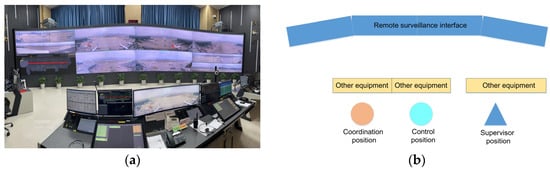
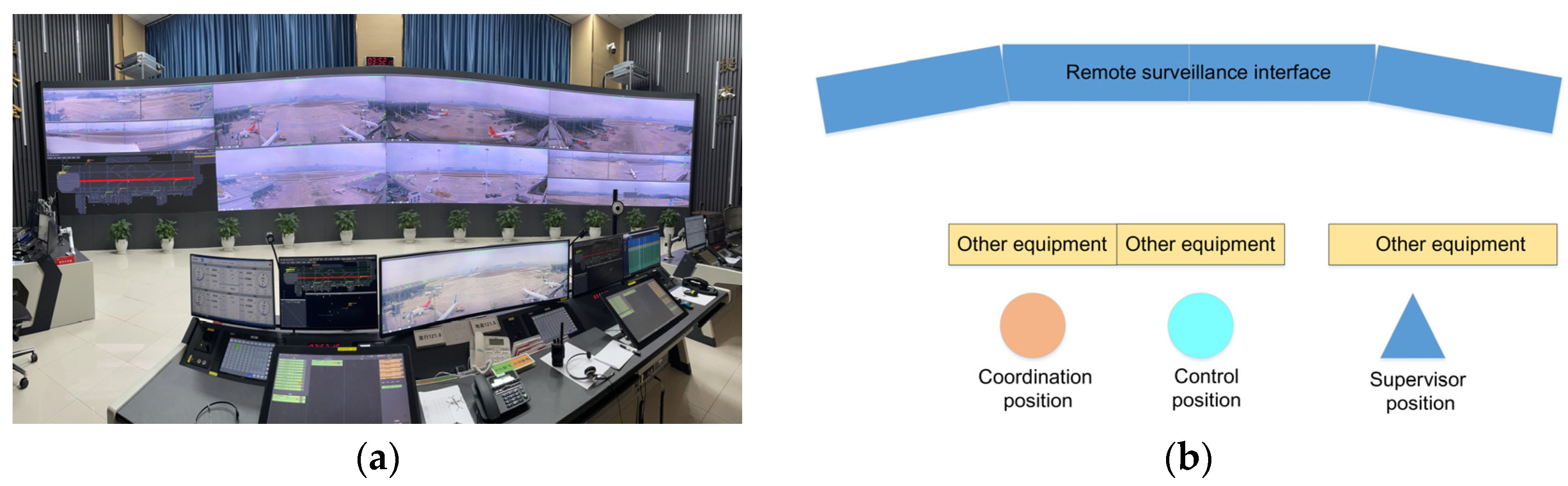
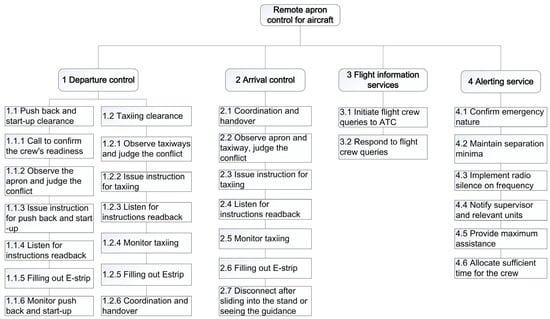
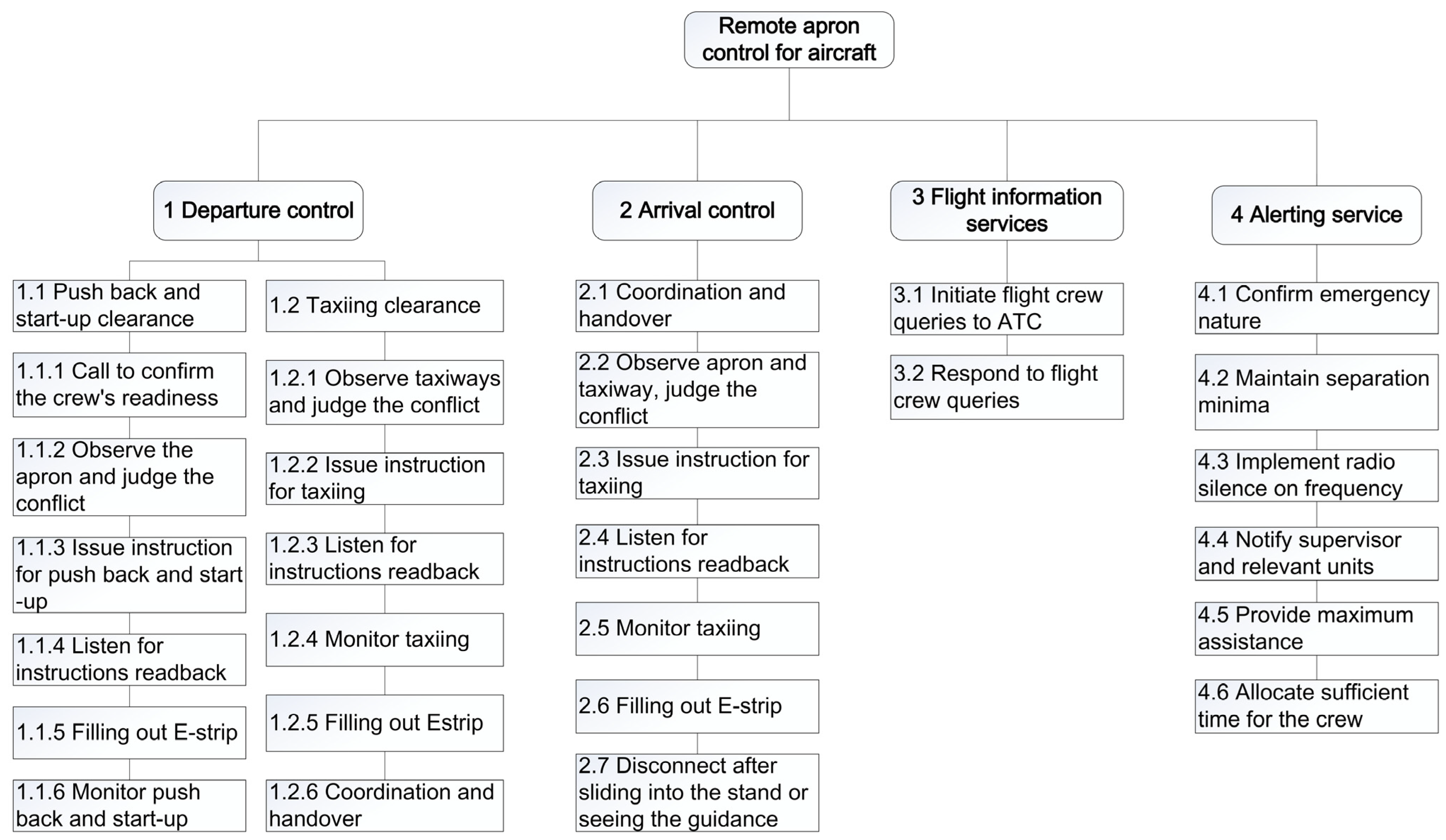
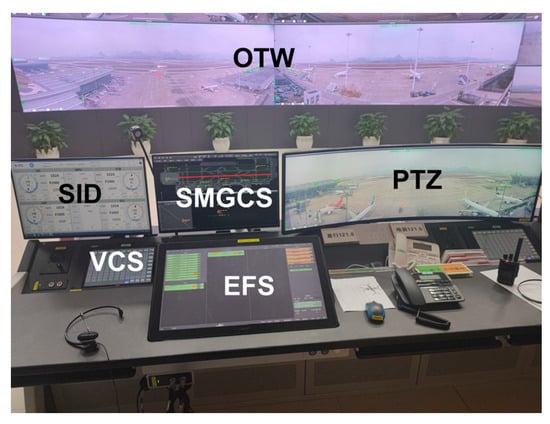
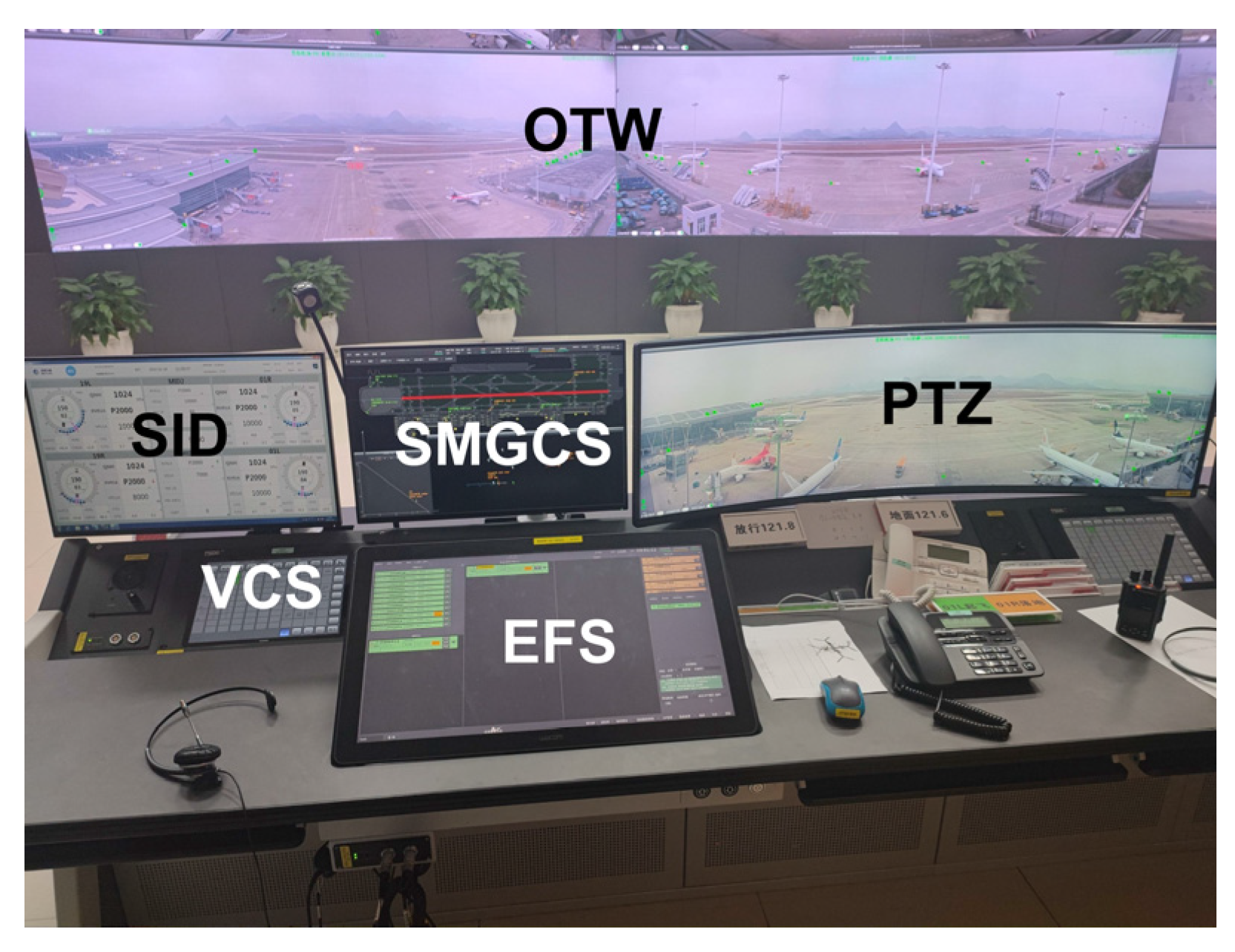
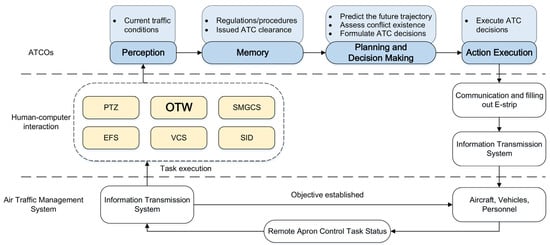
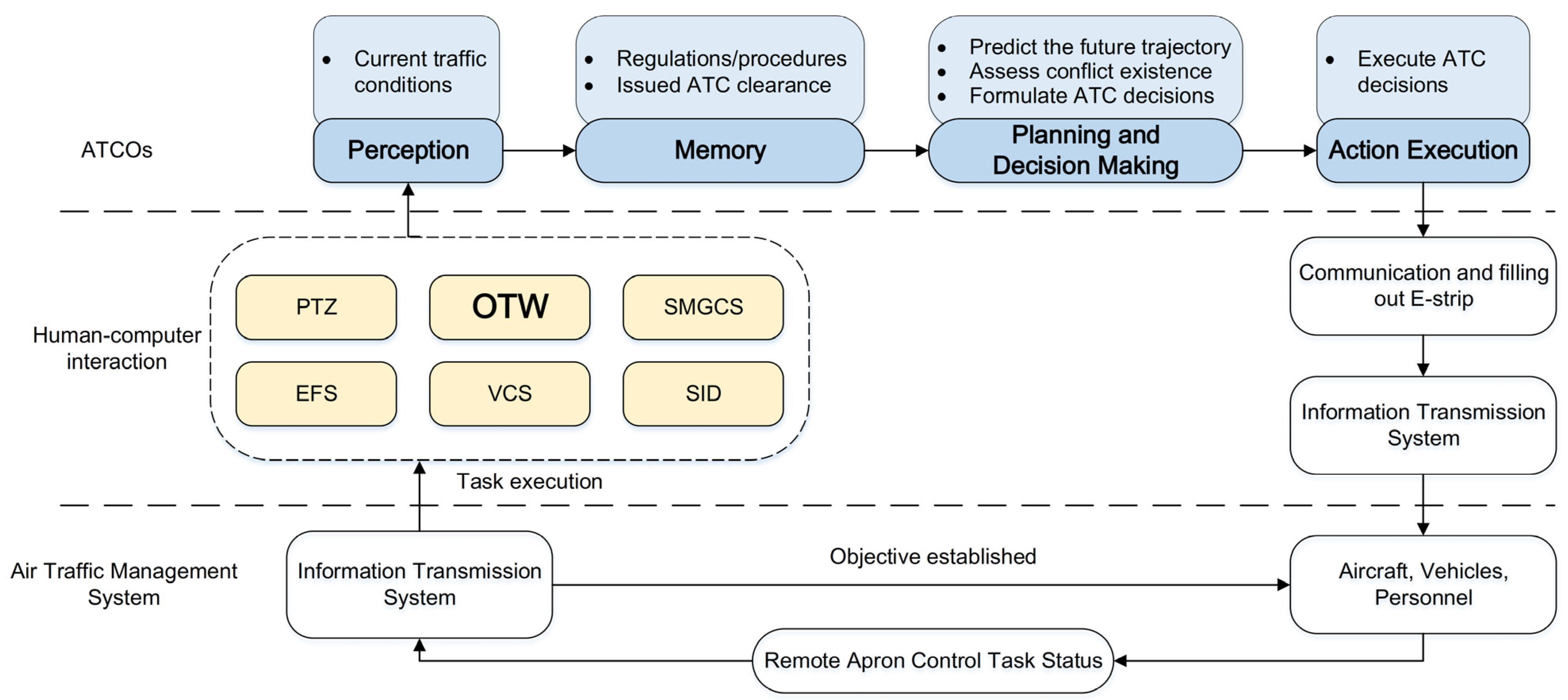
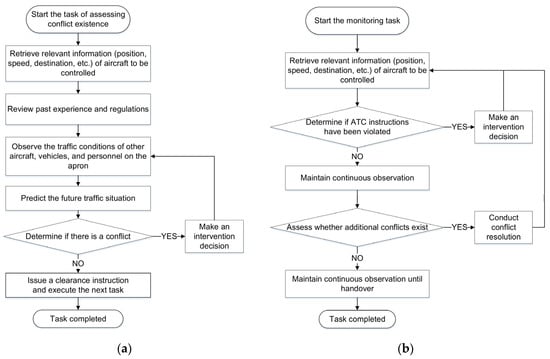
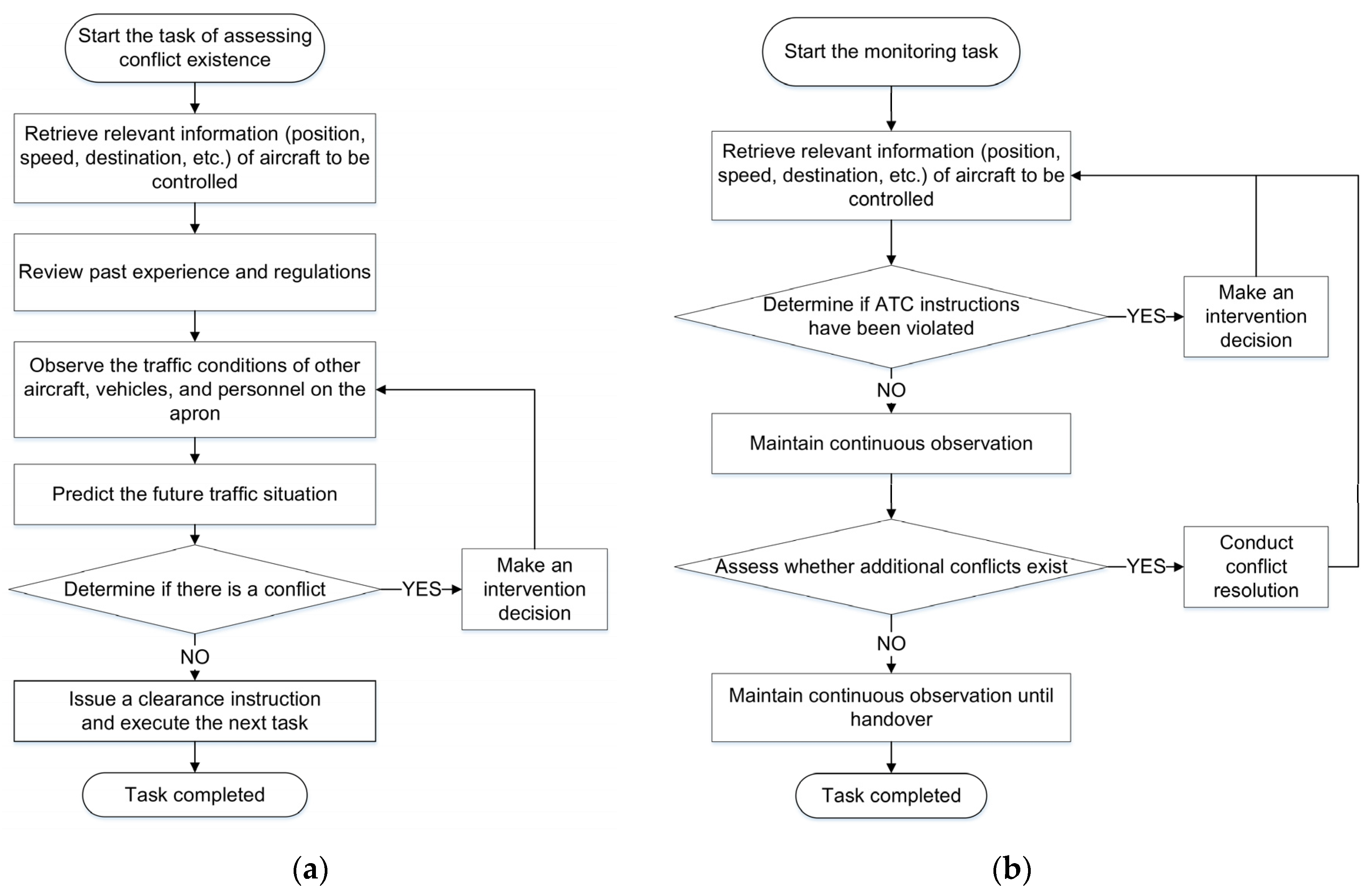
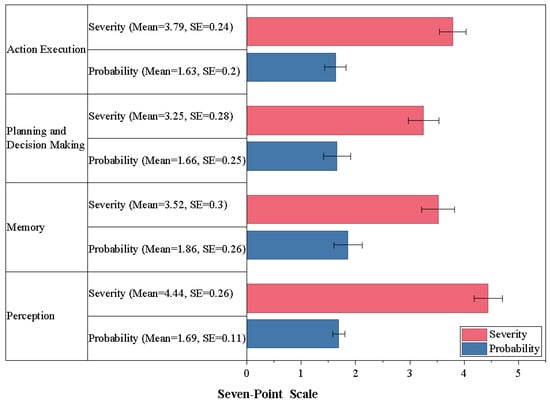
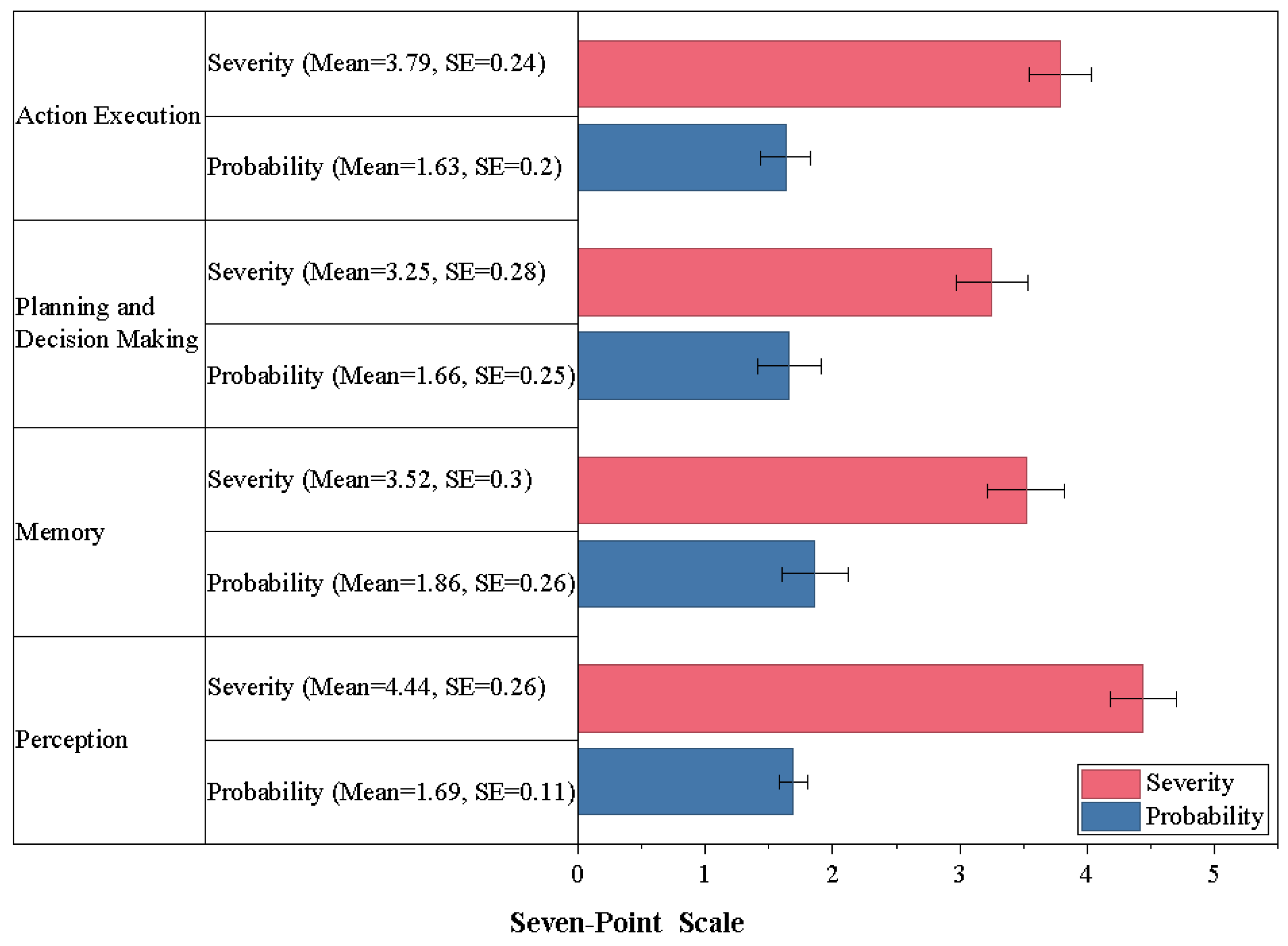
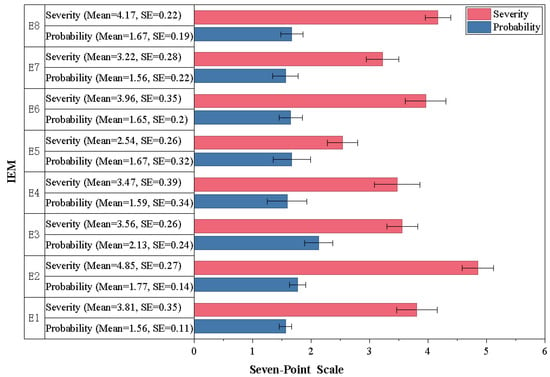
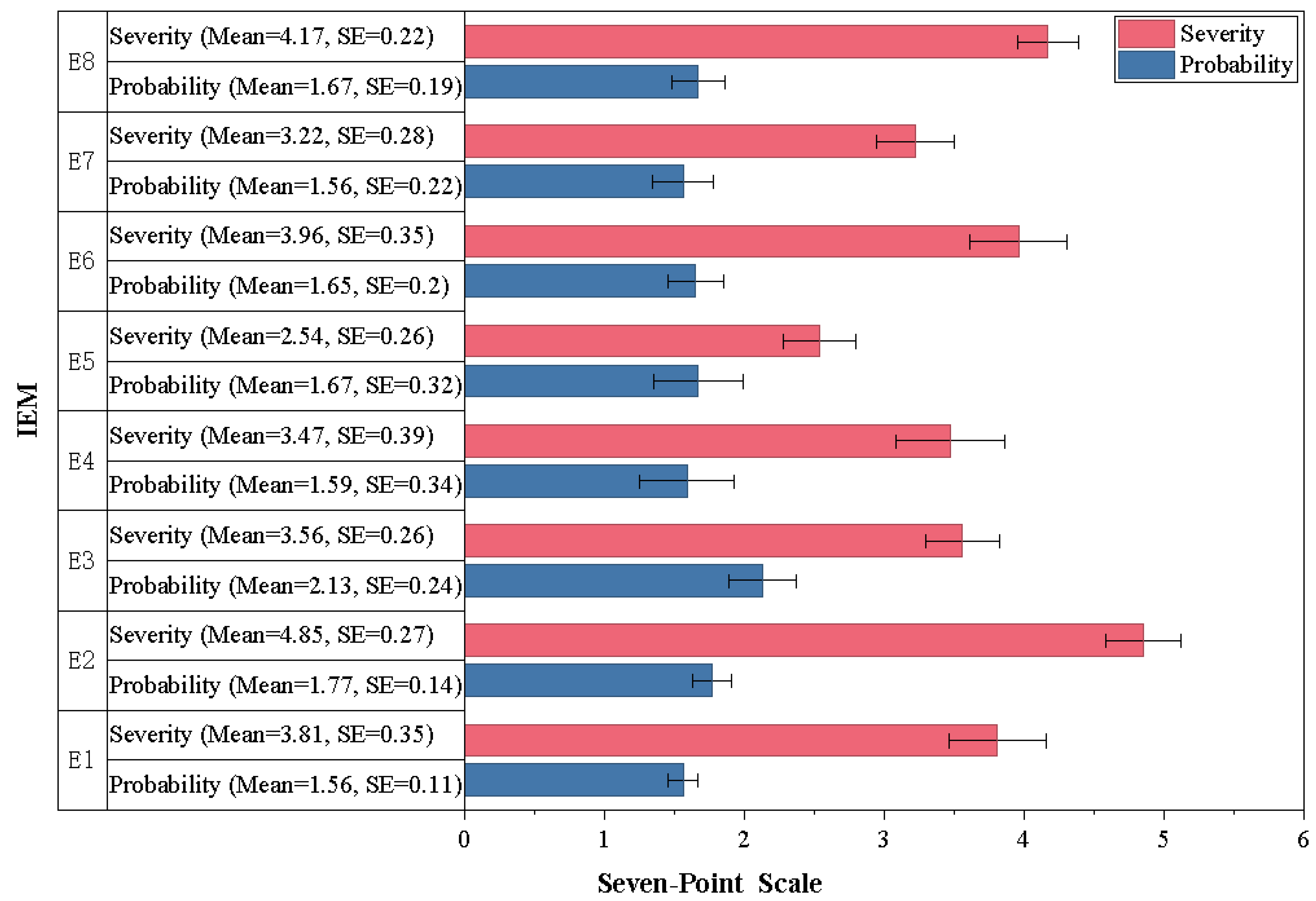
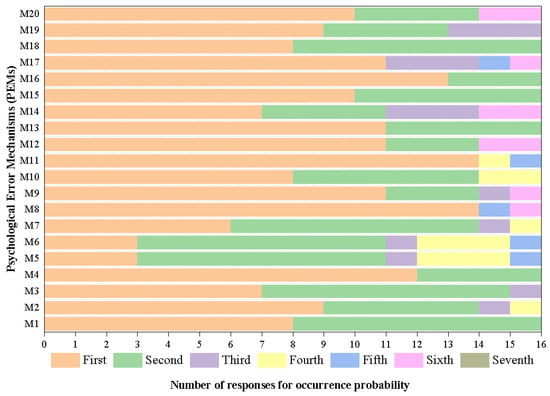
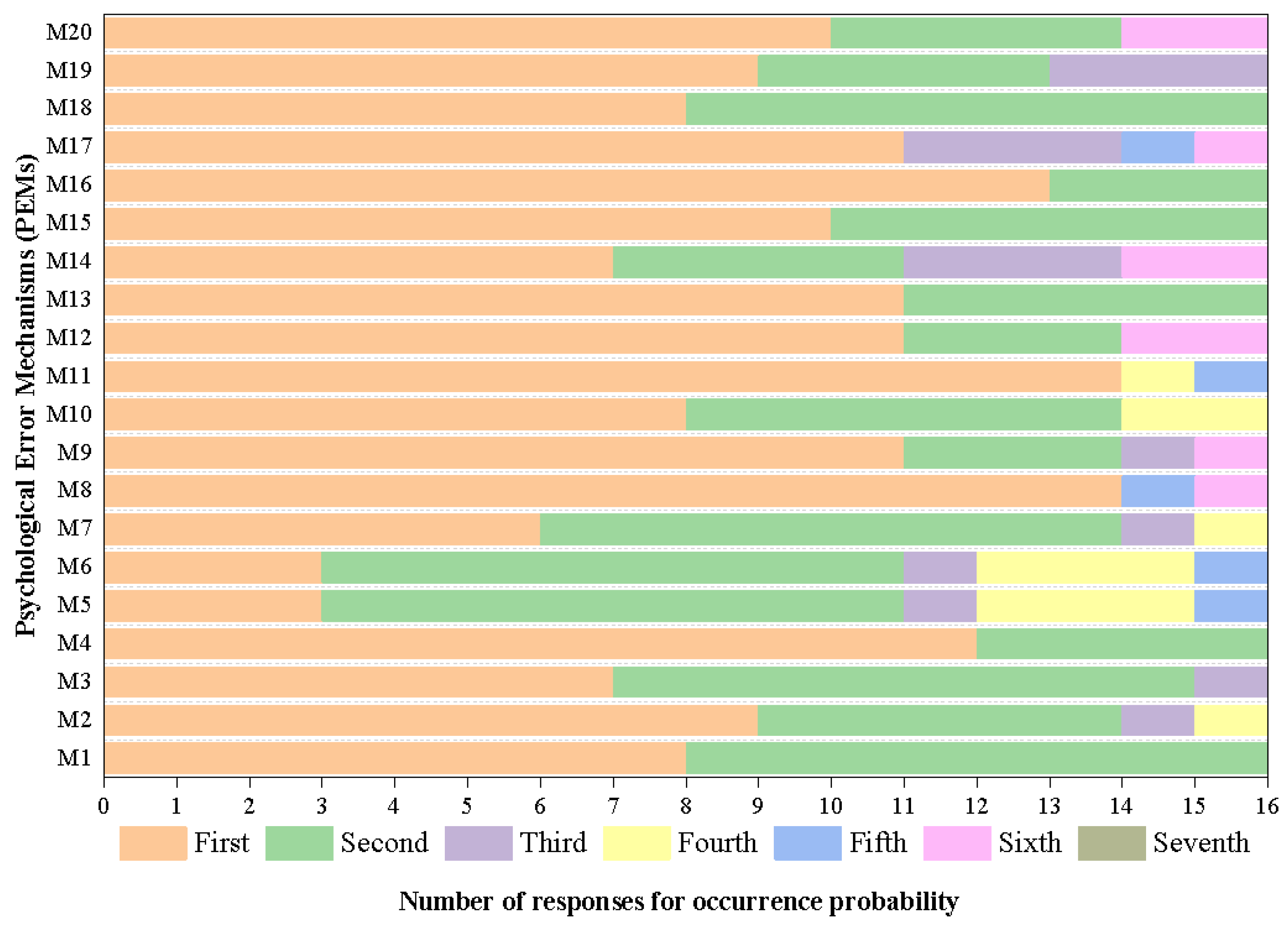
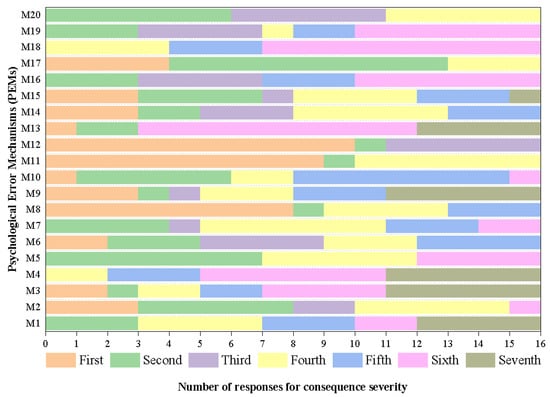
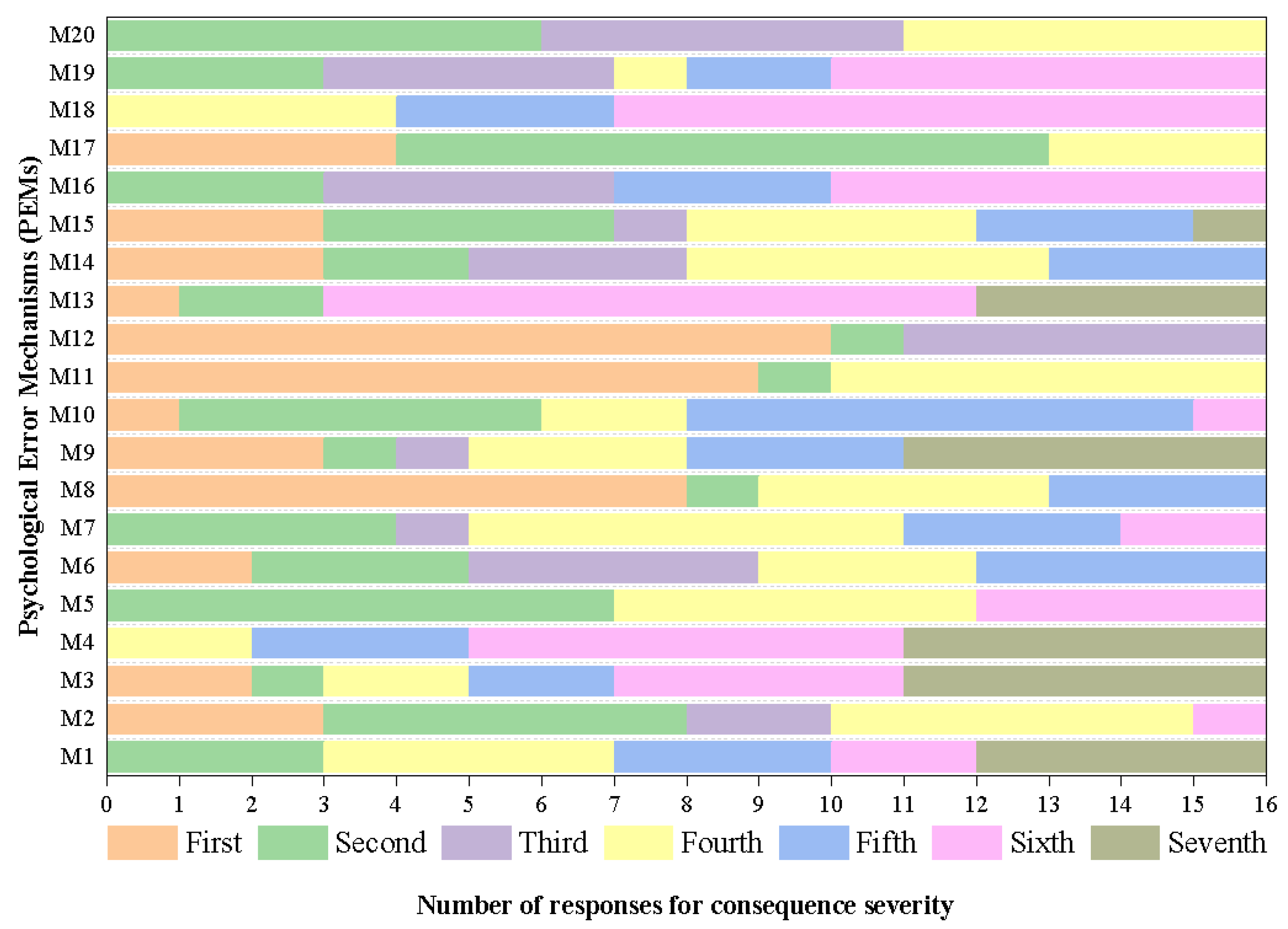
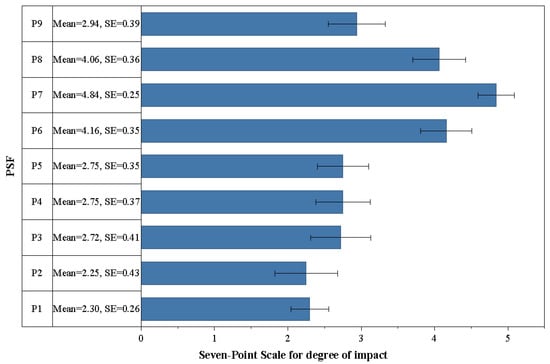
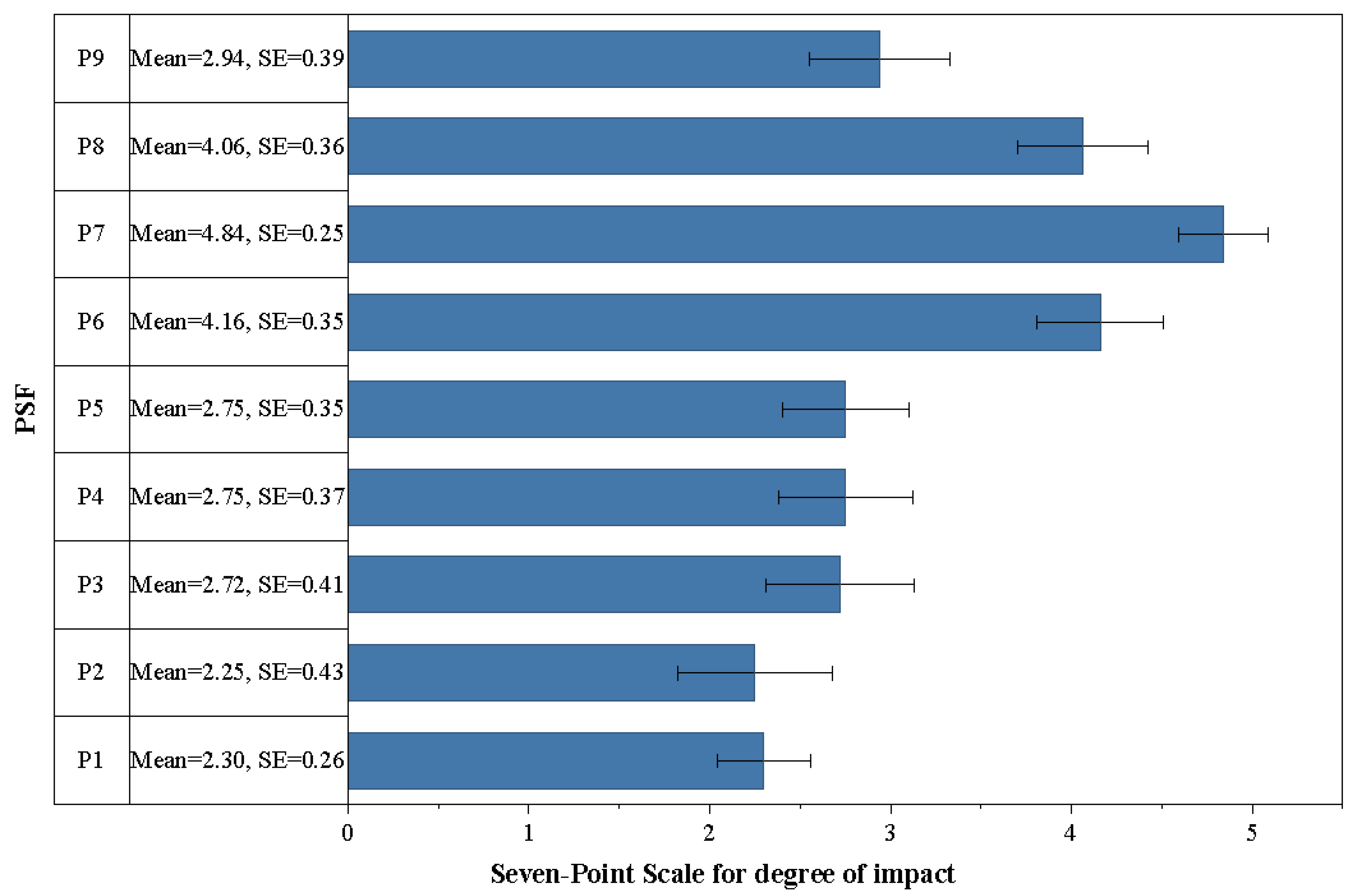
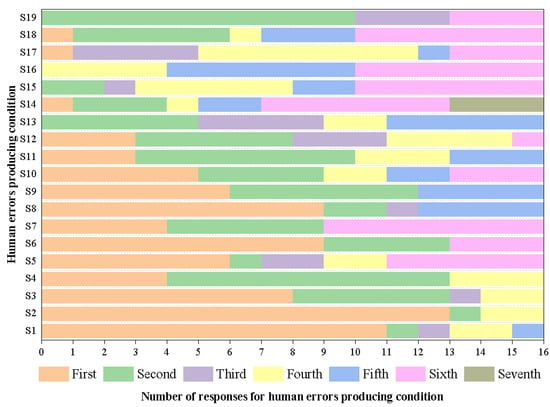
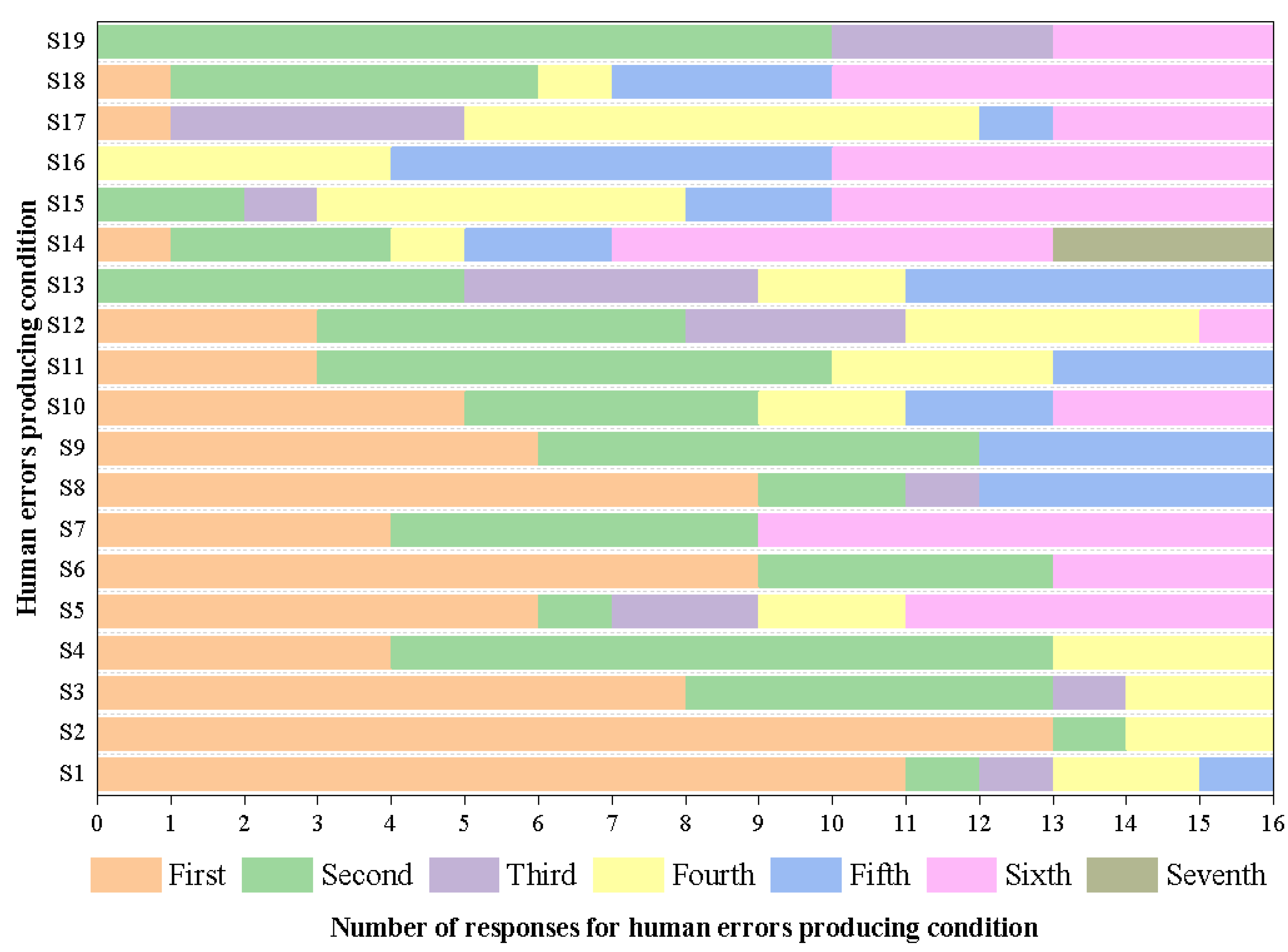

Disclaimer/Publisher’s Note: The statements, opinions and data contained in all publications are solely those of the individual author(s) and contributor(s) and not of MDPI and/or the editor(s). MDPI and/or the editor(s) disclaim responsibility for any injury to people or property resulting from any ideas, methods, instructions or products referred to in the content. |
© 2026 by the authors. Licensee MDPI, Basel, Switzerland. This article is an open access article distributed under the terms and conditions of the Creative Commons Attribution (CC BY) license.