


Abstract
Background: Snakebite envenomation remains a neglected public health problem in sub-Saharan Africa, particularly in rural regions where access to healthcare and antivenom is limited. This study investigated medicinal plants and traditional practices used for snakebite management in the Kindia region of Guinea. Methods: Between November 2024 and May 2025, ethnobotanical surveys were conducted using semi-structured interviews with traditional healers and local informants across four localities. Plant species were collected and taxonomically identified. Citation proportions (CP), plant-organ use frequencies, and sociodemographic characteristics were determined, and the data were analyzed using descriptive statistics. Results: Fifty-nine (59) informants reported 41 medicinal plant species belonging to 20 botanical families. Fabaceae and Rubiaceae constituted the most represented families (14.63% each), followed by Apocynaceae (12.20%). The most frequently cited species were Dichrostachys glomerata (23.94%), Bridelia ferruginea (9.86%), Holarrhena floribunda (7.04%), Harungana madagascariensis (4.22%), and Annona senegalensis (4.22%). Leaves (70.73%) and stem bark (21.95%) were the most commonly used plant parts. Remedies were mainly administered topically (87.80%) and orally (26.83%). Conclusions: This study provides one of the first comprehensive ethnobotanical assessments of traditional snakebite management in the Kindia region of Guinea. It documents valuable indigenous knowledge and identifies priority medicinal species for future phytochemical, pharmacological, and toxicological studies to support the development of complementary strategies for snakebite management.
1. Introduction
Snakebite envenomation is a major global public health concern and has been classified by the World Health Organization as a priority neglected tropical disease [1]. It disproportionately affects impoverished rural populations in tropical and subtropical regions, where exposure to venomous snakes is frequent and access to timely healthcare and effective antivenom treatment remains limited [2,3]. Globally, an estimated 4.5–5.4 million people are bitten by snakes each year, of whom approximately 1.8–2.7 million develop clinical illness (envenoming), resulting in an estimated 81,000–138,000 deaths annually [1,2]. The burden is particularly high in sub-Saharan Africa, South Asia, and Southeast Asia [1,2]. Snakebite envenomation disproportionately affects populations living in rural and agricultural settings, where occupational exposure to venomous snakes is common and access to timely medical care may be limited. In addition to mortality, envenoming can result in severe neurological, hematological, renal, and local tissue complications, including permanent disability and amputation [4]. The burden is highest in sub-Saharan Africa, South Asia and South-East Asia [3]. In Sub-Saharan Africa, the most severe envenomations are associated with snakes of the families Elapidae and Viperidae [5,6]. Across sub-Saharan Africa, snakebite envenomation remains a particularly important health problem in rural communities, where antivenom may be unavailable, unaffordable, or difficult to access. These constraints have contributed to the continued reliance on traditional healers and medicinal plants as first-line or complementary approaches to snakebite management. A systematic review of African medicinal plants used against snakebite identified both in vitro and in vivo experimental studies and highlighted the potential of several plant species to reduce specific venom-induced effects, while also emphasizing the need for further pharmacological validation [7].
In Guinea, snakebite envenomation remains an important yet underreported health issue. Annual incidence is estimated at 100–150 cases per 100,000 inhabitants, with fatality rates reaching 18% in some areas [8,9]. The burden is exacerbated by poverty, limited healthcare infrastructure, and insufficient availability of antivenom, particularly in rural regions [10,11].
As a result, many communities rely heavily on traditional medicine for the treatment of snakebite envenomation. In Guinea, snakebite victims frequently resort to traditional plant-based treatments before seeking hospital care [12]. Snakebite is not exclusively a human health concern, as domestic and livestock animals may also be exposed to venomous snakes, particularly in rural and agricultural environments. Ethnoveterinary medicine has documented a range of traditional practices used to prevent or manage snakebite and its consequences in animals, highlighting the broader importance of indigenous knowledge in communities living in snakebite-prone areas [13]. Although the present study focuses specifically on medicinal plants used for snakebite management in humans, this ethnoveterinary dimension provides an additional context for understanding the broader traditional knowledge associated with snakebite management.
Guinea’s rich biodiversity and cultural diversity have fostered extensive ethnomedicinal knowledge, particularly regarding the use of medicinal plants. Herbal remedies are widely employed for the treatment of various diseases, and several ethnobotanical studies conducted in Guinea have documented the extensive use of medicinal plants by traditional healers [14,15,16]. Ethnobotanical investigations conducted in other regions of the world have similarly demonstrated the extensive use of medicinal plants for snakebite management. For example, Otero et al. documented 77 plant species used by traditional healers in northwestern Colombia, together with information on preparation, administration, dosage, and reported treatment outcomes [17]. Similar ethnobotanical patterns have been reported in South Asia. Samy et al. documented 72 medicinal plant species belonging to 53 families that were traditionally used for snakebite treatment in southern Tamil Nadu, India, illustrating the substantial diversity of plant-based remedies associated with snakebite management [18]. A review by Dey and De further demonstrated that the use of medicinal plants against snakebite has been extensively documented across India, Bangladesh, Pakistan, and Nepal, with considerable variation in the species used, plant parts, preparation methods, routes of administration, and cultural practices [19]. More recently, ethnobotanical surveys in sub-Saharan Africa have continued to document the central role of medicinal plants in snakebite case management. For example, a cross-sectional survey conducted in Burkina Faso identified medicinal plants used by traditional health practitioners for snakebite management and highlighted the continued importance of traditional medicine in settings where conventional antivenom treatment is not readily accessible [20]. Although ethnobotanical surveys provide valuable information for identifying candidate medicinal plants, traditional use alone does not establish antivenom efficacy. Experimental studies are therefore necessary to determine whether plant extracts or isolated compounds can inhibit venom components or attenuate venom-induced pathological effects. Indeed, experimental investigations of African medicinal plants have reported both in vitro and in vivo effects against specific venom-induced activities, but the available evidence remains heterogeneous and is often limited to particular venom targets, experimental models, or preclinical conditions [20].
Despite the high prevalence of snakebite envenomation in Guinea and the growing scientific interest in ethnomedicine, ethnobotanical information specifically related to snakebite treatment in Guinea remains scarce. Compared with the growing body of ethnobotanical research conducted in other African and tropical regions, systematic documentation of medicinal plants specifically used for snakebite management in Guinea remains limited. This represents an important knowledge gap because the country combines high plant diversity with substantial cultural diversity and widespread traditional healthcare practices. Documenting this knowledge is therefore relevant not only for understanding local healthcare practices but also for identifying medicinal plant species that may warrant future phytochemical, pharmacological, toxicological, and conservation studies. Therefore, the present study aimed to document indigenous knowledge related to the ethnomedicinal management of snakebite envenomation in the Kindia region of Guinea. Specifically, the study aimed to identify the medicinal plant species used for snakebite management, characterize the plant parts and preparation methods employed, document the routes of administration, and examine the socio-cultural factors shaping the acquisition and transmission of this knowledge.
2. Results
2.1. Sociodemographic Profile of Participants
The ethnobotanical survey comprised interviews with 59 participants (Table 1). The sociodemographic profile showed a marked predominance of male participants, with 48 out of 59 respondents (81.40%) identifying as male, compared to 11 out of 59 (18.60%) who identified as female. Participant ages ranged from 26 to 80 years, with the highest proportion belonging to the 55–69 age group (25 respondents, 42.37%) (Table 1). Regarding occupation, most respondents identified themselves as traditional healers (51 respondents; 86.4%), while farmers and herbalists represented five (8.5%) and three (5.1%) respondents, respectively. The ethnic composition was predominantly Soussou (48 respondents; 81.4%), followed by Peulh (eight respondents; 13.6%) and Malinké (three respondents; 5.1%) (Table 1).
Table 1.
Sociodemographic characteristics of the 59 participants interviewed in the Kindia region.
2.2. Ethnobotanical Diversity of Plants and Their Used Parts
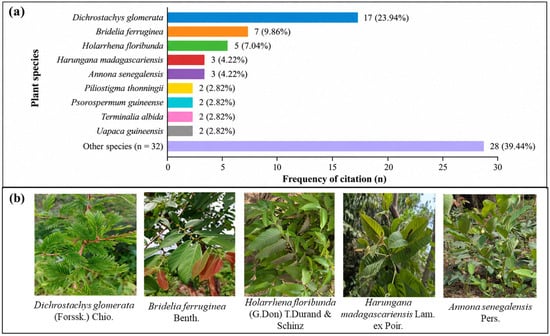
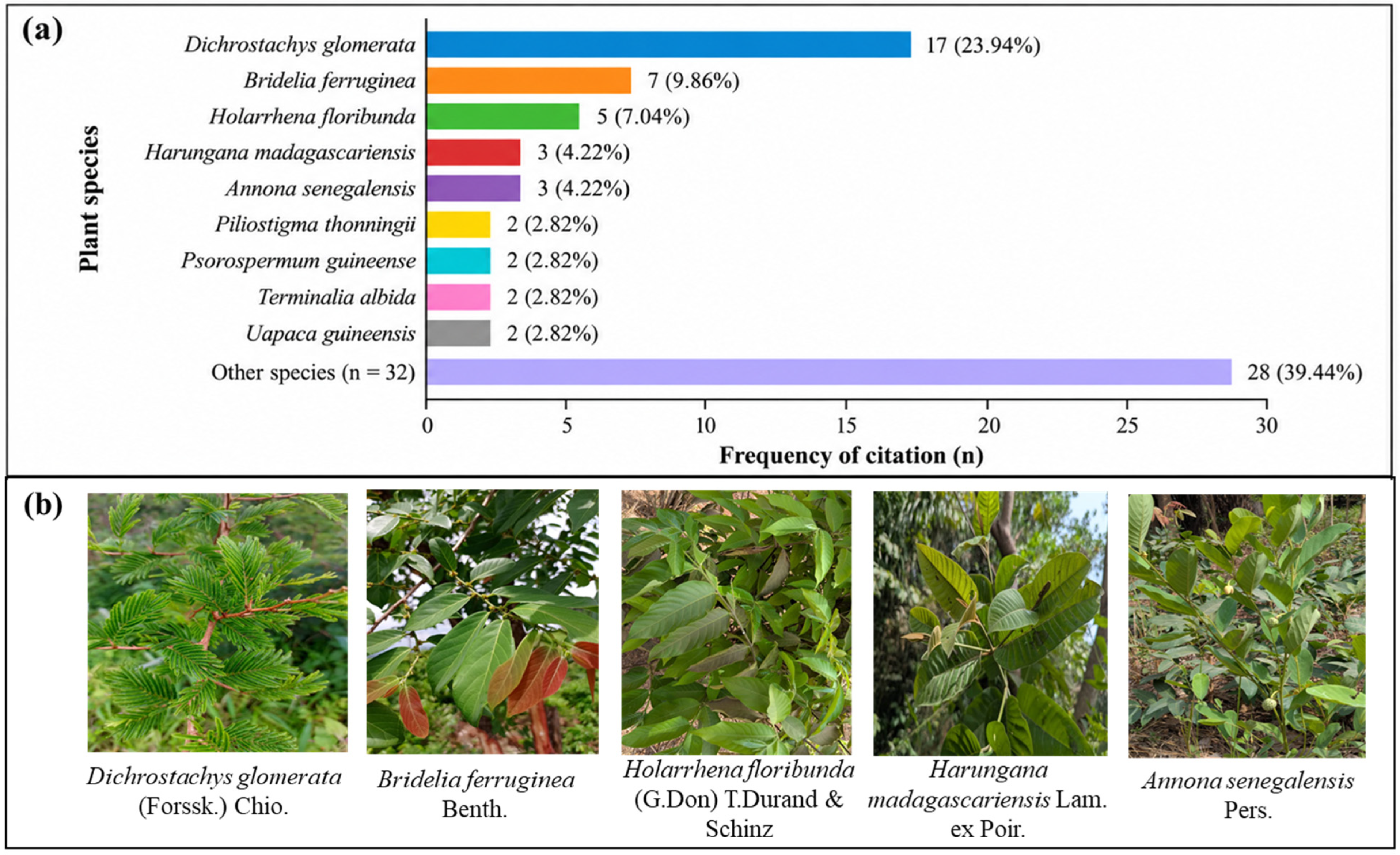
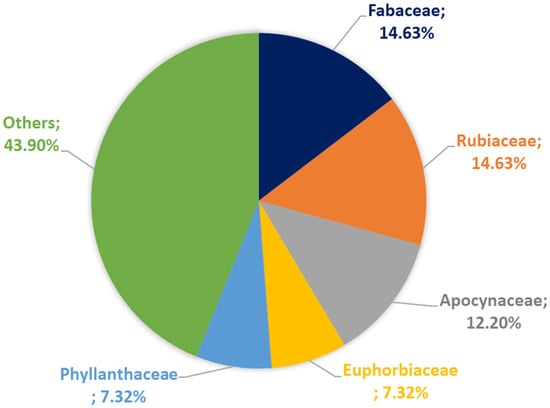
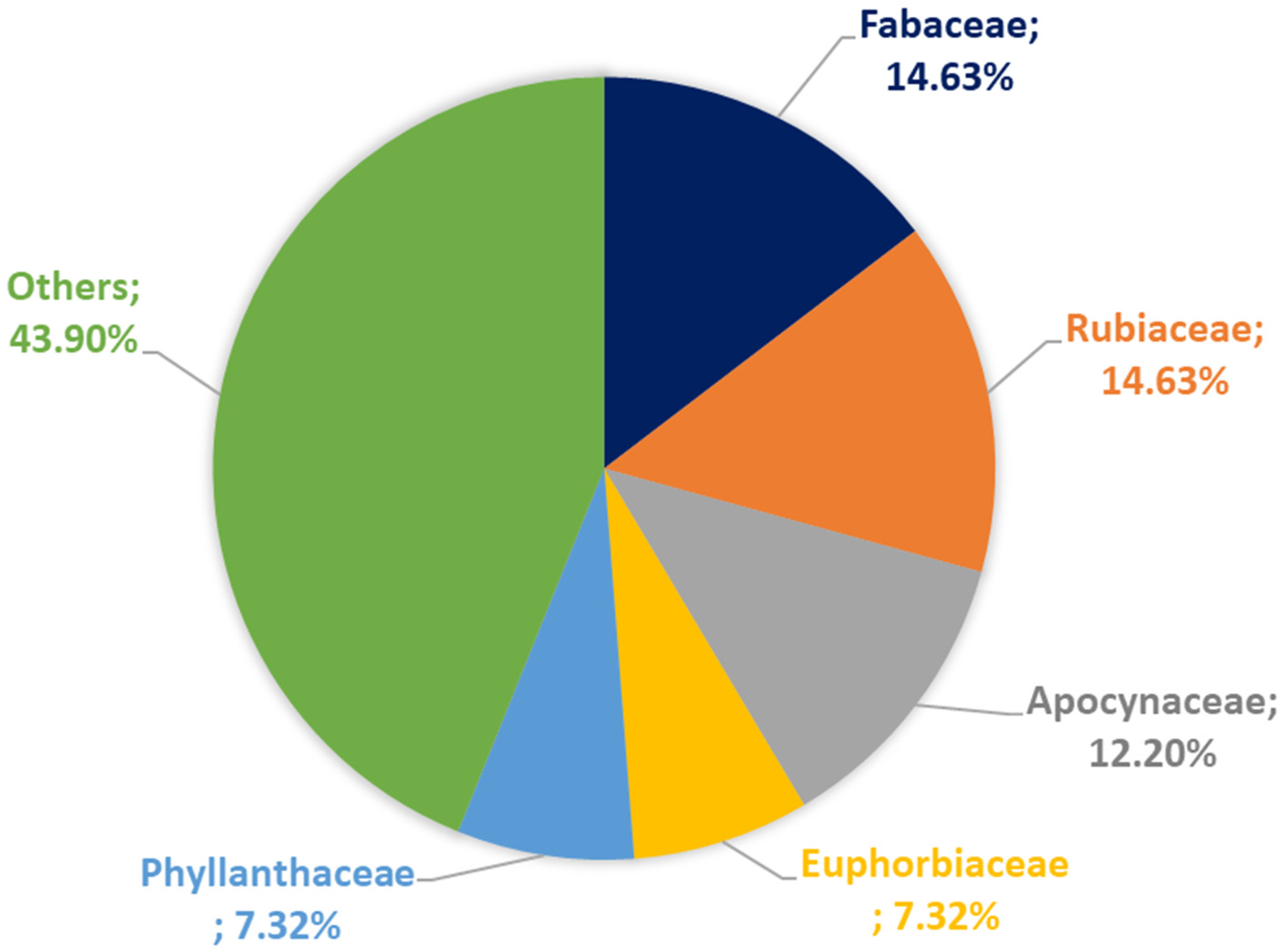
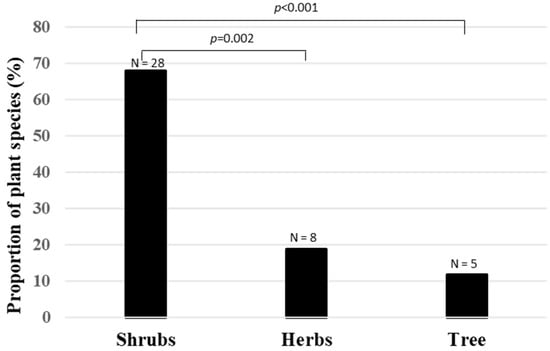
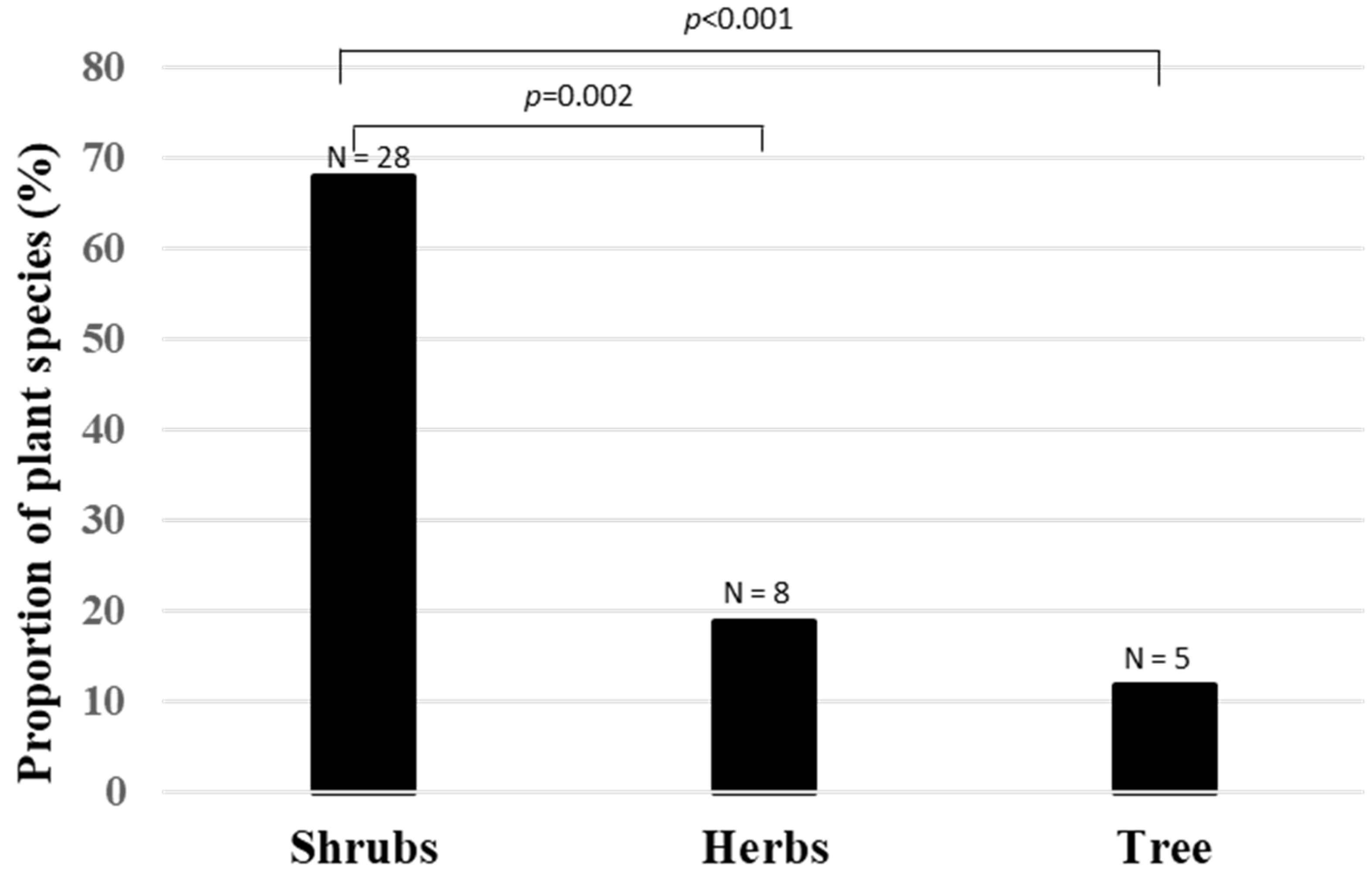
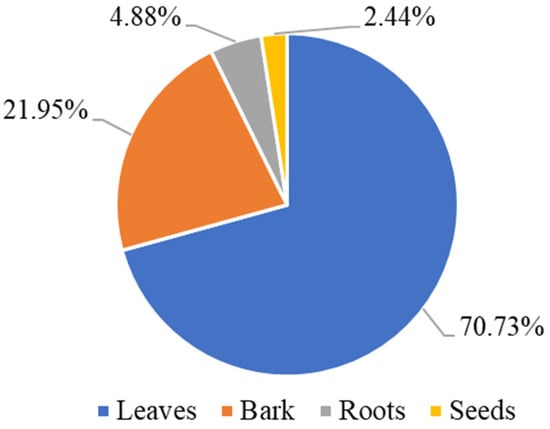
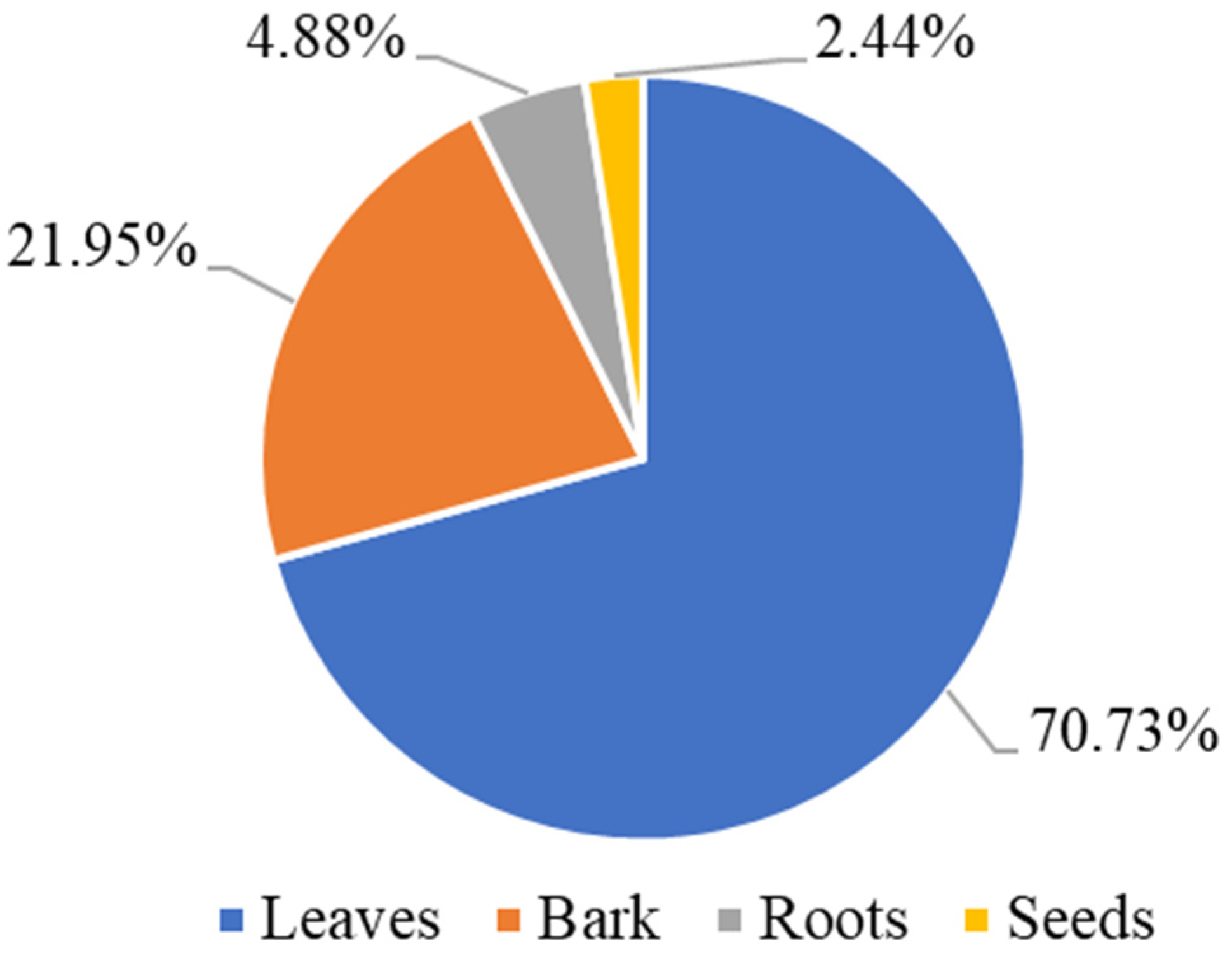
From the interviews conducted with the 59 participants, a total of 41 medicinal plant species belonging to 20 botanical families were documented for the traditional treatment of snakebite envenomation (Table 2). Most of the recorded species are widely distributed throughout tropical West Africa, with some extending into Central Africa. However, several species are of particular floristic importance in Guinea, including Terminalia albida Elliot, Psorospermum guineense (L.) Hochr., Uapaca guineensis Mull. Arg., Landolphia heudelotii A.DC., and Campylospermum flavum (Schumach.) Farron. The most frequently cited species were Dichrostachys glomerata (17 citations), followed by Bridelia ferruginea (seven citations), Holarrhena floribunda (five citations), Harungana madagascariensis (three citations), and Annona senegalensis (three citations) (Figure 1). Fabaceae and Rubiaceae were the most represented botanical families, with six species each (14.63%), followed by Apocynaceae with five species (12.20%). Euphorbiaceae and Phyllanthaceae were each represented by three species (7.32%). The remaining 15 botanical families accounted collectively for 18 species (43.90%) (Figure 2). Plant growth forms differed significantly among the recorded medicinal species (χ2 = 17.21, df = 2, p < 0.001). Shrubs were the predominant growth form (28 species), followed by herbs (eight species) and trees (five species) (Figure 3). Leaves were the most frequently reported plant organs, being used for 29 of the 41 recorded species (70.73%), followed by stem bark (nine species, 21.95%), roots (two species, 4.88%), and seeds (one species, 2.44%) (Figure 4).
Table 2.
Medicinal plant species used against snakebite envenomation, plant parts used, citation frequencies, and conservation status.
Figure 1.
Frequency of citations of medicinal plant species used in the management of snakebite envenoming in the Kindia region, Guinea. (a) Most frequently cited plant species. Values indicate the number of citations (n) and the corresponding percentage of total citations (%). (b) Photographs of the five most frequently cited species. Photographs taken by Séré DIANE on 15 May 2025.
Figure 2.
Distribution of medicinal plant species across the most represented botanical families. The five most represented families are shown individually, while the remaining families are grouped under “Others”. Percentages are calculated based on the total number of recorded medicinal plant species (n = 41).
Figure 3.
Plant growth forms used in snakebite envenomation management.
Figure 4.
Citation proportion of plant parts used in snakebite envenomation management.
2.3. Medicinal Plant Preparation and Administration
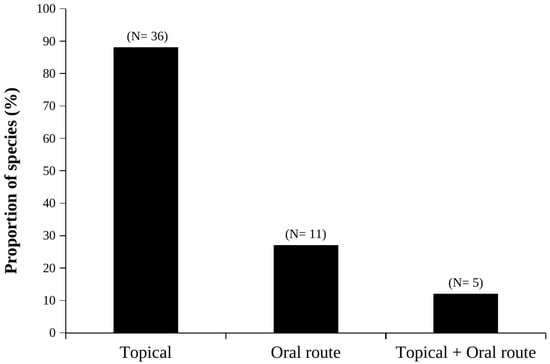
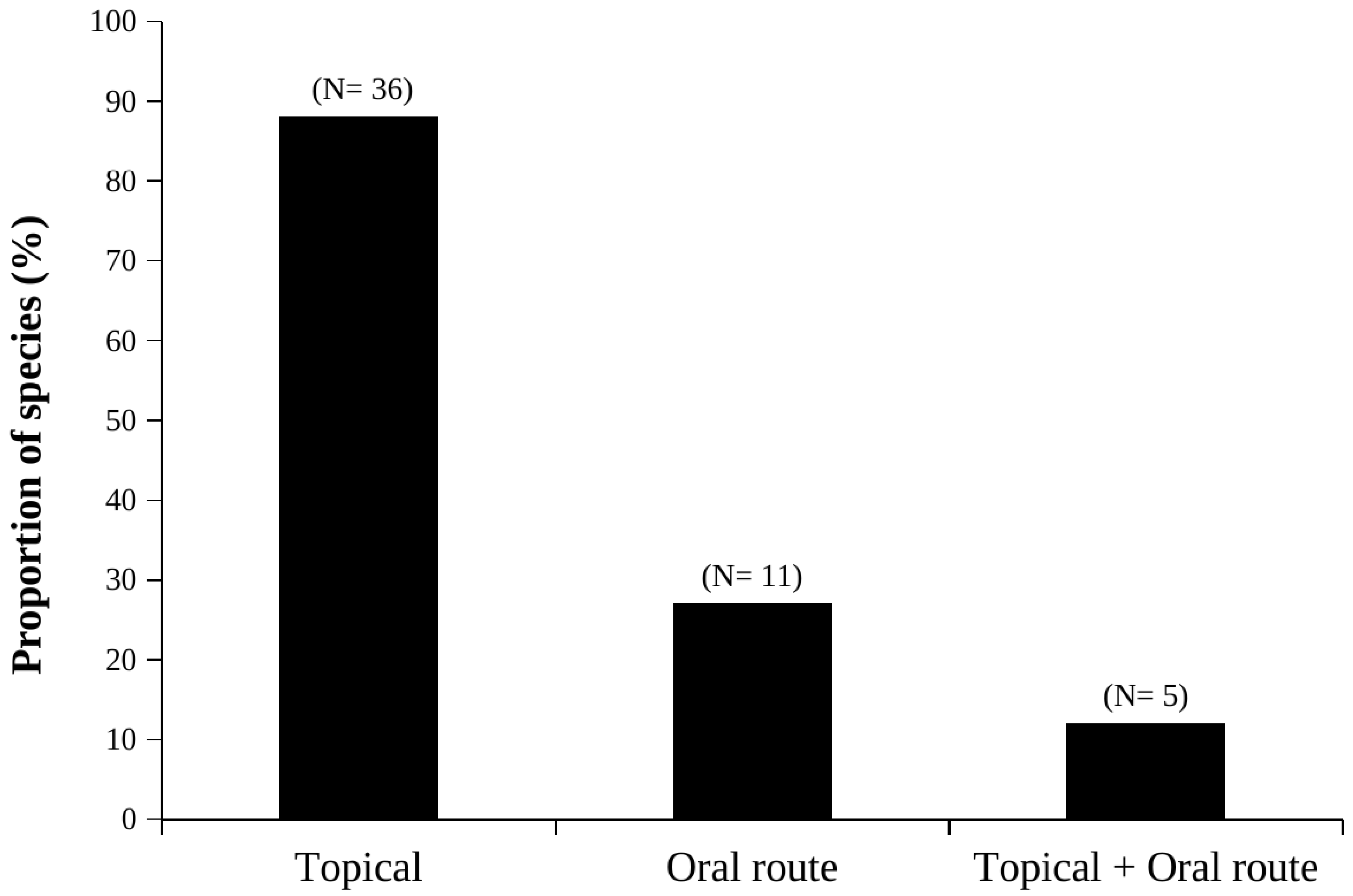
Traditional methods for preparing and administering medicinal plants documented in this study mainly involved topical and oral routes (Figure 5). Topical application was the predominant route, reported for 36 of the 41 species (87.80%), with preparations applied directly to snakebite sites. Oral administration was documented for 11 species (26.83%) and mainly involved decoctions, aqueous preparations, or medicinal drinks. Combined topical and oral administration was reported for five species (12.20%), namely Allophylus africanus, Annona senegalensis, Holarrhena floribunda, Hymenocardia acida, and Aframomum melegueta. The principal methods of remedy preparation included crushing, pounding, grinding, decoction, juice extraction, and aqueous mixing of plant material (Table 2). Fresh plant organs were most commonly prepared by crushing or pounding into a paste, a method reported for 29 species (70.7%). Decoction was documented for six species (14.6%), whereas medicinal drinks prepared by mixing crushed plant organs with water were also reported for six species (14.6%). Wound washing or cleansing preparations were recorded for three species (7.3%), including Albizia zygia, Bridelia ferruginea, and Holarrhena floribunda. Direct application of plant sap and juice extraction was reported only for Costus afer.
Figure 5.
Routes of administration of medicinal plant preparations.
3. Discussion
3.1. Sociodemographic Characteristics of the Respondents
The predominance of male respondents in the study reflects prevailing sociocultural norms in the area. Men are more frequently recognized as custodians of traditional medicinal knowledge and are generally more accessible for ethnobotanical investigations. Gender disparities have appeared in multiple ethnobotanical studies, where socially defined roles and access to natural resources shape knowledge distribution [21,22], but this is not frequently documented. The predominance of older respondents reflects the gradual accumulation of ethnobotanical knowledge through practical experience and intergenerational oral transmission. Older individuals consistently demonstrate greater ethnomedicinal knowledge than younger generations, confirming a positive correlation between age and traditional knowledge retention [23,24]. The relatively limited participation of younger respondents may reflect a gradual erosion of indigenous knowledge systems driven by urbanization, modernization, and shifts in healthcare practices. Traditional healers constituted the vast majority of respondents, which confirms their central role in the conservation, use, and transmission of medicinal plant knowledge. Their practical experience and specialization make them particularly valuable informants in ethnobotanical investigations. Comparable findings appear in other contexts, with traditional healers holding more specialized and reliable ethnobotanical knowledge than other community members [25,26]. The survey’s preponderance of experienced practitioners consequently reinforces the ethnopharmacological relevance and credibility of the information gathered [27,28]. Ethnic affiliation likely influenced the diversity of medicinal plant knowledge documented in this study. Cultural traditions and environmental interactions shape ethnobotanical knowledge, producing distinct medicinal plant repertoires across ethnic groups [29,30]. The predominance of the Soussou ethnic group likely contributed to the diversity and specificity of the medicinal plants recorded. Overall, these sociodemographic characteristics suggest that ethnobotanical knowledge documented in the Kindia region is strongly influenced by gender, age, professional specialization, and ethnic background. These findings align with broader ethnobotanical evidence and inform the interpretation of medicinal plant diversity and knowledge transmission.
3.2. Ethnobotanical Diversity of Medicinal Plants
The predominance of the Fabaceae and Rubiaceae families in the management of snakebite envenomation in Guinea underscores their pivotal role in local traditional therapeutic practices. This finding agrees with ethnobotanical evidence from the tropical region, where Fabaceae are consistently among the most represented medicinal plant families owing to their remarkable species richness and broad geographical distribution [31,32]. In addition, species belonging to this family are well known for producing a wide diversity of secondary metabolites with important pharmacological activities [2,33,34]. Likewise, Rubiaceae species have been extensively reported for their anti-inflammatory, antioxidant, and antimicrobial properties [35,36]. These biological activities may contribute to alleviating the local and systemic pathological manifestations of snakebite envenomation, including inflammation, tissue necrosis, and secondary infections [2]. The relatively high representation of Apocynaceae is also noteworthy. Members of this family synthesize a variety of bioactive metabolites, including indole alkaloids and cardenolides, some of which exhibit analgesic and anti-inflammatory properties that may explain their traditional use in snakebite management [1,37]. Similarly, Euphorbiaceae and Phyllanthaceae include several species possessing wound-healing, antioxidant, and anti-inflammatory activities, which may help reduce venom-induced tissue damage [2].
Conversely, the low citation frequencies observed for most botanical families indicate a markedly skewed distribution of medicinal plant use. This pattern resembles the “long-tail distribution” commonly described in ethnobotanical systems, in which only a few taxa account for the majority of use reports while numerous others are cited infrequently [38]. Such a distribution probably reflects differences in plant availability, cultural transmission, and perceived therapeutic effectiveness. In regions where access to conventional antivenom therapy remains limited, plant selection is also strongly influenced by empirical observations and local accessibility [1].
The predominance of shrubs among the recorded medicinal plants reflects both ecological availability and sustainable harvesting practices. Compared with trees, shrubs are generally easier to harvest and regenerate more rapidly in disturbed savannah ecosystems. Their selection may therefore represent a compromise between therapeutic efficacy, ecological abundance, and conservation. Furthermore, shrubs are known to contain numerous bioactive metabolites, including alkaloids, flavonoids, and tannins [33]. The relatively limited representation of herbs may be explained by their seasonal occurrence and reduced year-round availability, although other ethnobotanical studies have reported herb-dominated floras depending on local ecological conditions [39]. Likewise, the lower frequency of tree species may reflect harvesting constraints, conservation concerns, or culturally determined preferences. These observations confirm that plant selection is shaped by ecological availability, phytochemical richness, and accumulated indigenous knowledge, in agreement with previous ethnobotanical studies [40].
Leaves constituted the most frequently used plant organ in the present survey. Their predominance is likely explained by their accessibility, ease of collection, rapid regeneration, and limited impact on plant survival. Leaves are also metabolically active organs in which numerous secondary metabolites, including alkaloids, flavonoids, tannins, and phenolic compounds, are synthesized and accumulated [41,42]. Stem bark ranked second despite its destructive harvesting, probably because of its high concentration of pharmacologically active metabolites. In contrast, roots were only rarely harvested, possibly because root collection is more difficult and often compromises plant survival. The very limited use of seeds further suggested their marginal role in local ethnotherapeutic practices. Although our findings indicate a clear predominance of leaves, previous studies have frequently reported stem bark and roots as the principal plant organs used for snakebite treatment [32,43]. Since harvesting bark and roots may threaten the long-term survival of medicinal species [44,45], promoting sustainable harvesting practices remains essential for conserving both biodiversity and indigenous medicinal knowledge.
3.3. Medicinal Plant Preparation and Administration
The predominance of topical application observed in the present study likely reflects the therapeutic aim of directly targeting the bite site to alleviate pain, reduce swelling and tissue damage, and limit the local spread of venom. The concurrent use of topical and oral preparations from several medicinal species indicates that traditional healers intentionally address both the local tissue damage and systemic consequences of snakebite envenomation through complementary routes of administration. These findings contradict earlier ethnobotanical studies that identified oral administration as the primary route for treating snakebite envenomation [32,43]. Discrepancies arise from variations in cultural practices, therapeutic traditions, and local perceptions regarding the mechanisms by which medicinal plants neutralize snake venom. Conversely, our results align with studies emphasizing the importance of topical applications, especially freshly prepared plant materials applied as poultices to neutralize local venom effects [32]. Crushing and pounding were the principal methods of remedy preparation. These straightforward preparation methods are especially appropriate for fresh plant materials and enable the rapid production of pastes for direct application to the bite site. These methods address the needs of rural populations, as snakebite victims often require immediate intervention prior to arriving at healthcare facilities. Decoction ranked as the second most common preparation method, serving primarily for oral administration of leaf, stem bark, and root-based remedies. Traditional healers reported that these preparations aimed to mitigate the systemic effects of envenomation, though decoctions were sometimes applied to cleanse bite wounds.
The frequent use of decoction aligns with previous ethnobotanical research identifying it as a primary method for preparing snakebite remedies [43], indicating that this practice persists across many African traditional medical systems.
Comparable medicinal beverages prepared by macerating crushed plant materials in water were documented for several species [46]. Practitioners reported that these preparations neutralize venom internally and accelerate patient recovery. The wound-washing preparations documented for Albizia zygia, Bridelia ferruginea, and Holarrhena floribunda likely reduce local contamination and prevent secondary infections. Only Costus afer was prepared from plant sap or freshly extracted juice, which suggests these methods serve a more specialized function in traditional snakebite envenomation management [47].
The prevalence of simple preparation methods, such as crushing, pounding, and decoction, reflects how traditional therapeutic practices have been adapted to emergency contexts, where immediate treatment is needed, and access to conventional antivenom is limited. These simple preparation methods likely facilitate the rapid administration of plant-derived bioactive compounds under emergency conditions and are consistent with traditional therapeutic practices reported in rural communities.
The conservation status of the documented medicinal plants provides an additional perspective on the sustainability of their traditional use. Although many of the recorded species are currently classified as Least Concern (LC) at the global level, their local availability may still be affected by habitat degradation, land-use change, and unsustainable harvesting. This issue is particularly relevant for species for which stem bark and roots are harvested, as these practices may cause greater damage to individual plants than leaf collection. Conservation assessments should therefore be interpreted alongside local population trends and harvesting pressure, rather than being considered a direct measure of local abundance or sustainability.
3.4. Pharmacological Relevance of the Two Most Frequently Cited Medicinal Plants
Dichrostachys glomerata (CP = 23.94%) and Bridelia ferruginea (CP = 9.86%) were the two most frequently cited medicinal plant species in this ethnobotanical survey for the traditional management of snakebite envenomation in the Kindia region of Guinea. High citation frequencies demonstrate the centrality of these species in local ethnomedical practices and warrant a critical appraisal of the available ethnobotanical, pharmacological, phytochemical, and toxicological evidence supporting their traditional use.
3.4.1. Ethnobotanical Importance and Traditional Uses
Traditional healers consistently identified Dichrostachys glomerata as the principal species employed in snakebite treatment. Preparations of stem bark and occasionally leaves typically consist of oral decoctions, macerations, or topical poultices applied directly to the bite site. Informants reported that these preparations reduce venom toxicity and alleviate the clinical manifestations of envenomation. Throughout tropical Africa, D. glomerata is considered an important medicinal plant due to the limited accessibility of conventional antivenom therapy, with similar ethnomedicinal uses documented across the region [46]. D. glomerata treats far more than snakebite in West Africa, where it is used for respiratory diseases, inflammatory disorders, infections, and gastrointestinal diseases [48,49,50]. Bridelia ferruginea holds a prominent position in West African traditional medicine. In this survey, bark and leaves were primarily prepared as decoctions for oral administration or as topical poultices, indicating a therapeutic approach that integrates systemic and local treatment of envenomation. In Guinea, the bark is traditionally employed to treat dysentery [51], while broader applications across West Africa include its use against arthritis, constipation, diabetes, wounds, skin diseases, oral infections, bladder and bowel disorders, bites, and as an antidote to arrow poison [52,53,54]. Both species appear repeatedly in the literature, reflecting their broad integration into primary healthcare systems across the region [53,54,55].
3.4.2. Botanical Distribution and Ecological Relevance
The broad distribution of both species across tropical Africa likely explains their frequent ethnomedicinal application. Dichrostachys glomerata, a member of the Fabaceae, inhabits savannahs and disturbed scrublands across West and East Africa, including Guinea, Senegal, Mali, Nigeria, and Cameroon [56,57]. The genus Dichrostachys includes about sixteen Old World species [58]. The species’ abundance in agroforestry systems is largely attributable to its adaptation to poor soil and semi-arid conditions. Bridelia ferruginea (Euphorbiaceae) grows across West and Central Africa, with populations documented in Guinea, Sierra Leone, Côte d’Ivoire, Ghana, Nigeria, and adjacent territories [59,60]. The species occurs commonly in savannah woodlands, forest margins, fallows, and disturbed habitats [53,55]. The wide ecological range of these plants makes them readily accessible to traditional healers and likely accounts for their frequent citation across ethnobotanical surveys.
3.4.3. Experimental Evidence for Anti-Snake-Venom Activity
The ethnobotanical use of a medicinal plant for snakebite management does not, by itself, establish anti-snake-venom efficacy. Therefore, the pharmacological evidence considered in this section was restricted primarily to experimental studies that directly evaluated inhibition of snake venom components or venom-induced pathological effects. This approach is consistent with recent ethnobotanical research that has combined ethnobotanical documentation with a targeted review of available experimental evidence to assess the scientific validation of traditional plant uses [61]. This distinction is important because antioxidant, anti-inflammatory, antimicrobial, analgesic, or other pharmacological activities, although potentially relevant to the consequences of envenomation, should not be interpreted as evidence of direct venom neutralization.
Among the highly cited species documented in the present study, Dichrostachys glomerata deserves particular attention because experimental anti-snake-venom evidence has been reported for the taxon Dichrostachys cinerea, which is treated by Plants of the World Online (POWO) as a synonym of Dichrostachys cinerea subsp. africana. Experimental investigations have reported inhibitory effects of D. cinerea extracts against snake-venom-associated enzymatic activities. In particular, extracts of D. cinerea have been evaluated against hyaluronidase from Naja nigricollis venom and against phospholipase A2, proteolytic, and hyaluronidase activities associated with Bitis arietans venom. These findings provide preliminary experimental support for the traditional use of this taxon in snakebite management [62,63].
However, the available evidence should be interpreted according to the experimental endpoint evaluated. Inhibition of venom hyaluronidase, phospholipase A2, or proteolytic activity indicates interference with specific venom-associated components, but does not necessarily demonstrate complete neutralization of venom toxicity. Moreover, much of the available evidence is based on in vitro enzyme-inhibition assays or venom-extract pre-incubation protocols, which may not reproduce the conditions of post-envenomation treatment. Indeed, subsequent ex vivo investigations of D. cinerea did not demonstrate inhibition of venom-induced tissue destruction, highlighting the importance of evaluating plant extracts in more physiologically relevant models [64]. Consequently, controlled in vivo studies using clinically relevant administration protocols remain necessary.
Additional pharmacological studies have documented antioxidant and anti-inflammatory activities of D. glomerata [65,66,67], as well as other biological effects [68,69]. These findings may help explain the broader pharmacological relevance of the species but should be distinguished from experimentally demonstrated anti-snake-venom activity. Thus, the strongest evidence currently supporting the relevance of D. glomerata to snakebite management concerns its reported effects on specific venom-associated enzymatic targets rather than evidence of complete venom neutralization.
In contrast, although Bridelia ferruginea was the second most frequently cited species in the present survey, the available literature mainly documents anti-inflammatory, antioxidant, antimicrobial, analgesic, and related pharmacological activities rather than direct anti-snake-venom activity [70,71]. These biological properties may be relevant to some pathological consequences of envenomation, including inflammation, oxidative stress, tissue injury, and secondary infections. However, they should not be considered evidence of venom neutralization. Accordingly, B. ferruginea should currently be regarded as a promising candidate for future anti-snake-venom investigations rather than as an experimentally validated antivenom plant.
3.4.4. Phytochemical Evidence and Knowledge Gaps
The phytochemical composition of Dichrostachys and Bridelia species provides a plausible basis for further investigation of their pharmacological potential. Studies of D. glomerata have reported abundant polyphenols, flavonoids, vitamins, and other bioactive constituents [65,67]. Similarly, B. ferruginea contains phenolic compounds, flavonoids, tannins, terpenoids, triterpenes, saponins, alkaloids, phytosterols, and other secondary metabolites [53,55,72]. However, the specific constituents responsible for the experimentally observed venom-associated enzyme inhibition reported for Dichrostachys have not been adequately established.
Therefore, the presence of these phytochemicals should be considered a mechanistic hypothesis rather than evidence that individual compounds neutralize snake venom. Future investigations should combine bioassay-guided fractionation with chromatographic and spectrometric approaches to identify the constituents responsible for venom-enzyme inhibition. Particular attention should be given to phospholipase A2, metalloproteinases, serine proteases, and hyaluronidase, which contribute substantially to venom-induced tissue damage.
3.4.5. Current Limitations and Future Perspectives
Despite the experimental evidence available for Dichrostachys species, important knowledge gaps remain. The reported venom-associated activities are predominantly based on in vitro enzyme-inhibition assays, and evidence from post-envenomation in vivo models remains limited. Moreover, the active constituents responsible for the observed venom-enzyme inhibition have not been adequately identified, and the extent to which these effects translate into protection against clinically relevant envenomation remains uncertain.
For Bridelia ferruginea, direct experimental evidence of anti-snake-venom activity remains limited or unavailable, despite its extensive traditional use and well-documented antioxidant, anti-inflammatory, antimicrobial, analgesic, and other pharmacological properties. Future research should therefore prioritize bioassay-guided fractionation, identification of active compounds, mechanistic studies against relevant venom toxins, standardized in vivo models, toxicity evaluation, and, where scientifically and ethically appropriate, clinical validation. Particular attention should also be given to venoms from medically important snake species occurring in Guinea and to post-envenomation treatment models that better reflect real-world therapeutic conditions.
4. Materials and Methods
4.1. Study Area
This study was conducted in the Kindia administrative region located in the western part of Guinea, which was selected due to the high incidence of snakebite envenomation [73]. The region encompasses a total area of 28,875 km2 with a population density of approximately 54 inhabitants per km2, according to the Institut National de la Statistique (INS), 2022. The region represents an important transitional zone between the coastal and inland areas of Guinea. Geographically, Kindia extends from the southwestern coastal plains to the northeastern high plateaus and reaches the foothills of Fouta Djallon. The Mamou Region borders it to the east, the Conakry Region and the Atlantic Ocean border it to the west, the Boké and Labé regions border it to the northeast, and Sierra Leone borders it to the south. Its strategic location facilitates interactions between the capital city, Conakry, and the continental hinterland. The region is divided into five prefectures, which include Kindia, Coyah, Dubréka, Forécariah, and Télimélé. These prefectures are further divided into urban and rural communes, which constitute the basic units of local governance and territorial planning. The region experiences a tropical humid climate characterized by two distinct seasons, which include a rainy season from May to October and a dry season from November to April. These climatic conditions strongly influence both natural ecosystems and human activities, particularly agriculture. Vegetation includes savannah formations, dense and gallery forests, and coastal mangrove ecosystems. The dense hydrographic network supports irrigation, fisheries, and domestic water supply. The relief of lowland plains, plateaus, and mountainous foothills also contributes to the ecological diversity of the region. Taken together, these ecological characteristics of the Kindia region provide favorable habitats for venomous snake species.
4.2. Ethnobotanical Survey
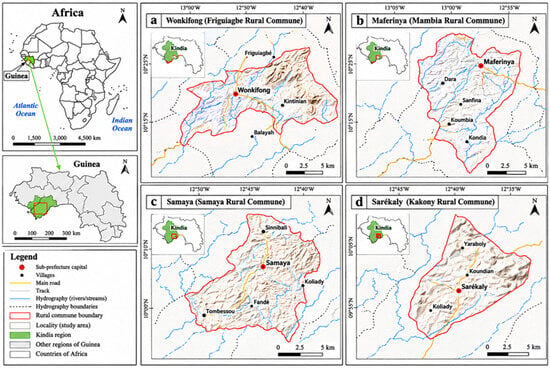
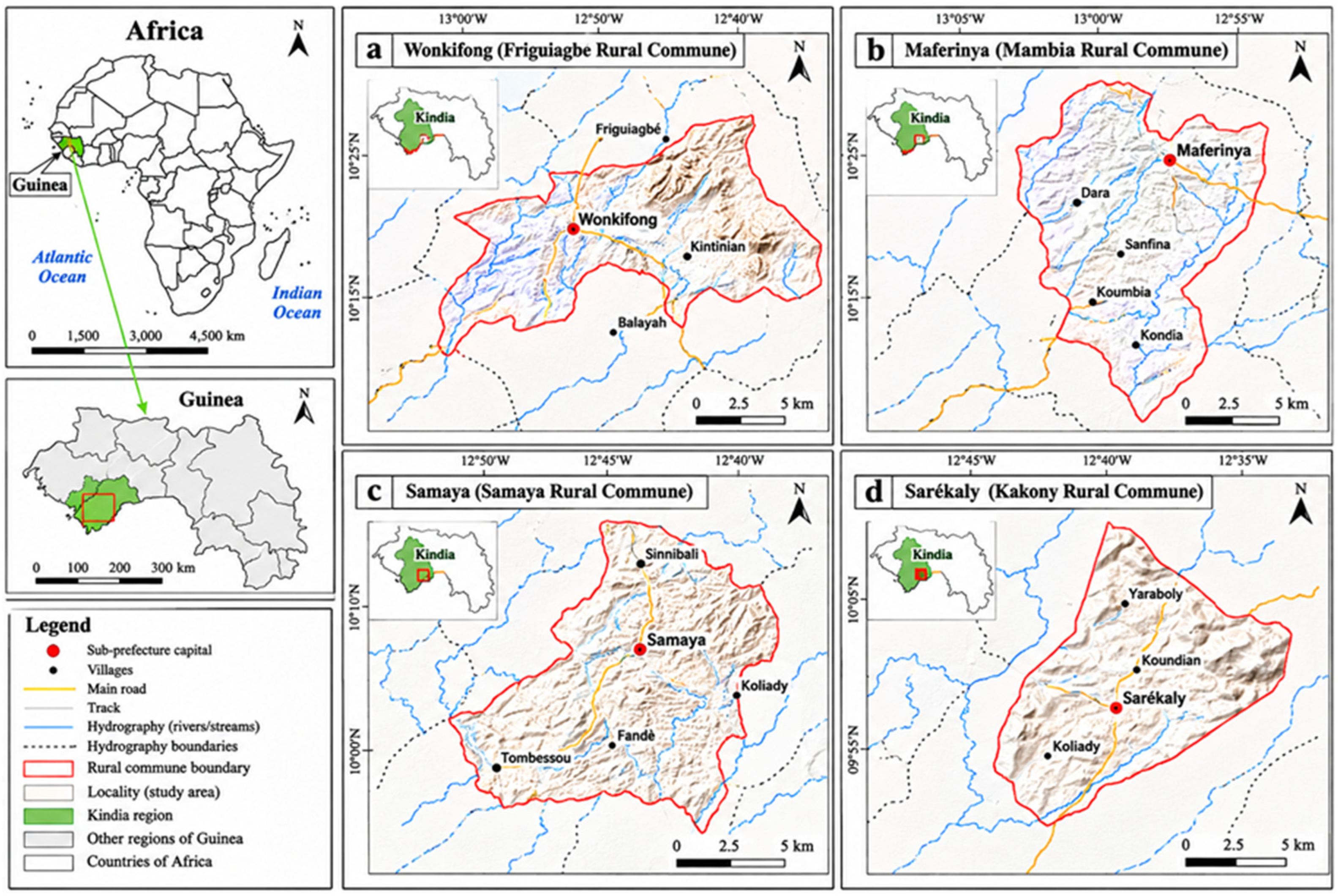
We conducted an ethnobotanical survey from 20 to 29 November 2024, in the sub-prefectures of Wonkifong (Figure 6a) and Maferinya (Figure 6b), located in the prefectures of Coyah and Forécariah, respectively, and from 13 to 21 May 2025, in the sub-prefectures of Samaya (Figure 6c) and Sarékaly (Figure 6d), located in the prefectures of Kindia and Télimélé, respectively, in Guinea (Figure 6). These study sites were selected as they allowed us to analyze spatial and socio-environmental dynamics within the larger study area. These areas were also selected based on their strong reliance on traditional medicine and the presence of practitioners specialized in the management of snakebite envenomation. Data were collected through semi-structured interviews using standardized questionnaires. Although the survey targeted traditional healers, it focused on their sociodemographic characteristics and included detailed information on medicinal plants used in the treatment of snakebites such as vernacular names, plant parts used, methods of preparation, modes of administration, and therapeutic indications. Following each interview, guided field walks with informants were systematically conducted to collect the cited plant species. Voucher specimens were collected during the field surveys and deposited at the National Herbarium of Benin, Department of Plant Biology, Faculty of Science and Technology, University of Abomey-Calavi, Benin. The specimens were initially identified by botanists at the National Herbarium of Benin, and their taxonomic identification was subsequently confirmed by the Department of Plant Biology, Faculty of Science and Technology, University of Abomey-Calavi. Plant nomenclature was verified using Plants of the World Online (POWO), facilitated by the Royal Botanic Gardens, Kew (https://powo.science.kew.org; accessed on 7 May 2026).
Figure 6.
Map showing the geographic location of Guinea in Africa and the study area in the Kindia Region; Wonkifong (a), Maferinya (b), Samaya (c), and Sarékaly (d).
4.3. Ethical Considerations
Before data collection, informed consent was obtained from all participants. The objectives of the study, the type of information to be collected, and its intended use were clearly explained. Participation was voluntary; respondents could withdraw at any time without consequence. This study adhered to the principles outlined in the International Society of Ethnobiology Code of Ethics (http://ethnobiology.net/code-of-ethics/, accessed on 3 June 2025), with particular emphasis on the respect, preservation, and protection of indigenous knowledge systems. Participant confidentiality and anonymity were strictly maintained throughout the research. The research complied with national regulations governing access to biological resources (https://www.cbd.int/countries/profile/?country=gn, accessed on 15 June 2025). Prior authorization for plant collection and ethnobotanical surveys was obtained from the relevant local authorities (Prefect of the Kindia region). The Scientific Committee of the Guinean Institute for Research and Development of Medicinal Plants granted ethical approval for this study (IRDPMAG/D-785/UGANC/2024). The study also followed the Convention on Biological Diversity and the Nagoya Protocol for fair and equitable use of biological resources and knowledge.
4.4. Data Processing and Analysis
All data collected during the field survey were entered into a Microsoft Excel database, including information on plant species, recipes, vernacular names, plant parts used, preparation methods, modes of administration, and therapeutic uses. Prior to analysis, the dataset was standardized to ensure consistency in terminology. Similar expressions referring to identical practices (e.g., “topical application,” “external use,” or “application on the skin”) were grouped under unified categories. Therapeutic indications and plant parts were also harmonized. Plant species were classified according to their botanical families, and species richness was summarized for each family. Ethnobotanical parameters analyzed included preparation techniques, modes of administration, therapeutic uses, motivations for the use of traditional medicine in snakebite treatment, and knowledge transmission patterns. Citation proportion (CP) was calculated as the percentage of the total number of plant-use citations represented by each species or category. It was calculated as CP (%) = Nc/Nt × 100, where Nc is the number of citations recorded for a given species or category, and Nt is the total number of citations recorded in the dataset. The relative frequency of use of each plant organ was calculated as the percentage of recorded medicinal species for which a given plant organ was reported. It was calculated as follows: Organ-use frequency (%) = Nu/Ns × 100, where Nu is the number of species for which a given plant organ was reported, and Ns is the total number of medicinal species recorded (n = 41) [74]. The global conservation status of the recorded medicinal plant species was checked against the IUCN Red List of Threatened Species, using Plants of the World Online (POWO) as a complementary taxonomic source. Species for which no global IUCN assessment was available were recorded as Not Evaluated (NE). A chi-square (χ2) test was performed to assess significant differences (p < 0.05) among growth forms (shrubs, herbs, and trees). Finally, the two most frequently cited plant species were subjected to a literature review to document their botanical characteristics, ethnobotanical uses, pharmacological activities, phytochemical composition, and available evidence relevant to snakebite envenomation using PubMed, Web of Science, and Google Scholar databases.
5. Conclusions
Snakebite envenomation remains a significant public health challenge in Guinea, where limited access to healthcare and antivenom sustains the widespread use of traditional medicine. This study, the first ethnobotanical survey specifically focused on medicinal plants used against snakebite envenomation in Guinea, documented 41 plant species belonging to 20 botanical families. The most frequently cited species, in descending order, were Dichrostachys glomerata, Bridelia ferruginea, Holarrhena floribunda, Harungana madagascariensis, and Annona senegalensis. These findings highlight the richness of indigenous knowledge and the important role of medicinal plants in traditional snakebite management in the study area. They also provide a basis for documenting and preserving traditional knowledge and for prioritizing medicinal species for future phytochemical, pharmacological, and toxicological investigations. In particular, highly cited species such as D. glomerata and B. ferruginea warrant further in vitro and in vivo studies to assess their antivenom activity, mechanisms of action, efficacy, and safety. Future ethnobotanical surveys conducted in other ecological and cultural regions of Guinea will further enrich the documentation and understanding of traditional snakebite management practices.
Author Contributions
I.K.S.: original draft, methodology, investigation; A.M.O.A.: methodology, writing, data curation, review and editing; A.K.: writing, review and editing; E.-H.S.B.: validation, supervision, review and editing. All authors have read and agreed to the published version of the manuscript.
Funding
This research received no external funding.
Data Availability Statement
All data generated or analyzed during this study are included in this published article.
Acknowledgments
We are grateful to the traditional healers and local people of the Kindia region of Guinea for the invaluable information provided during the survey. The authors gratefully acknowledge the National Herbarium of Bénin (HNB) for assistance with the botanical identification and authentication of the plant specimens collected during this study. The authors thank IRDPMAG for providing the facilities and administrative support necessary to conduct this research. The authors would also like to express their sincere gratitude to Séré Diane for providing the photographic illustrations used in this article and to Ian Tietjen for his valuable contribution to the critical proofreading and English language editing of the manuscript. Their contributions are gratefully acknowledged.
Conflicts of Interest
The authors declare no conflicts of interest.
Abbreviations
CP, Proportion of Citation; WHO, World Health Organization; POWO, Plants of the World Online; IUCN, International Union for Conservation of Nature; WFO, World Flora Online.
References
- WHO. World Health Organization: Snakebite Envenoming—A Strategy for Prevention and Control. 2019. Available online: https://www.who.int/publications/i/item/9789241515641 (accessed on 1 April 2026).
- Gutiérrez, J.M.; Calvete, J.J.; Habib, A.G.; Harrison, R.A.; Williams, D.J.; Warrell, D.A. Snakebite envenoming. Nat. Rev. Dis. Primers 2017, 3, 17063, Correction in Nat. Rev. Dis. Primers 2017, 3, 17079. https://doi.org/10.1038/nrdp.2017.79. [Google Scholar] [CrossRef] [Scilit] [PubMed]
- WHO. World Health Organization: Snakebite Envenoming. 2023. Available online: https://www.who.int/westernpacific/newsroom/fact-sheets/detail/snakebite-envenoming?utm (accessed on 25 May 2026).
- World Health Organization. Snakebite Envenoming. 2026. Available online: https://www.who.int/news-room/fact-sheets/detail/snakebite-envenoming (accessed on 19 October 2026).
- Baldé, M.C.; Chippaux, J.-P.; Boiro, M.Y.; Stock, R.P.; Massougbodji, A. Use of antivenoms for the treatment of envenomation by Elapidae snakes in Guinea, Sub-Saharan Africa. J. Venom. Anim. Toxins Incl. Trop. Dis. 2013, 19, 6. [Google Scholar] [CrossRef] [Scilit] [PubMed]
- Offor, B.C.; Muller, B.; Piater, L.A. A Review of the Proteomic Profiling of African Viperidae and Elapidae Snake Venoms and Their Antivenom Neutralisation. Toxins 2022, 14, 723. [Google Scholar] [CrossRef] [Scilit] [PubMed]
- Bala, A.A.; Mohammed, M.; Umar, S.; Ungogo, M.A.; Al-Kassim Hassan, M.; Abdussalam, U.S.; Ahmad, M.H.; Ishaq, D.U.; Mana, D.; Sha’aban, A.; et al. Pre-clinical efficacy of African medicinal plants used in the treatment of snakebite envenoming: A systematic review. Toxicon 2023, 224, 107035. [Google Scholar] [CrossRef] [Scilit] [PubMed]
- Baldé, M.C.; Dieng, B.; Inapogui, A.P.; Bary, A.O.; Bah, H.; Kondé, K. Problématique Des Envenimations en Guinée. Available online: https://fr.scribd.com/document/543217548/Balde-et-al-2002-Problematique-des-envenimations-en-Guinee? (accessed on 25 May 2026).
- Del Brutto, O.H.; Recalde, B.Y.; Rumbea, D.A.; Mera, R.M. Severe tooth loss and mortality risk: A population-based, longitudinal prospective study in a rural setting. Int. Health 2023, 15, 611–613. [Google Scholar] [CrossRef] [Scilit] [PubMed]
- Chippaux, J.-P.; Massougbodji, A.; Habib, A.G. The WHO strategy for prevention and control of snakebite envenoming: A sub-Saharan Africa plan. J. Venom. Anim. Toxins Incl. Trop. Dis. 2019, 25, e20190083. [Google Scholar] [CrossRef] [Scilit] [PubMed]
- Harrison, R.A.; Gutiérrez, J.M. Priority Actions and Progress to Substantially and Sustainably Reduce the Mortality, Morbidity and Socioeconomic Burden of Tropical Snakebite. Toxins 2016, 8, 351. [Google Scholar] [CrossRef] [Scilit] [PubMed]
- Diallo, M.C.; Kourouma, K.; Boumbaly, S.; Kamano, A.S.; Sow, A.; Grovogui, F.M.; Traore, S.; Delamou, A. Frequency, Clinical Characteristics, and Management of Snakebite Patients Admitted at the Envenomation Treatment Center of the Applied Biology Research Institute of Guinea. Trop. Med. Infect. Dis. 2024, 9, 238. [Google Scholar] [CrossRef] [Scilit] [PubMed]
- McGaw, L.J.; Abdalla, M.A. (Eds.) Ethnoveterinary Medicine: Present and Future Concepts; Springer International Publishing: Cham, Switzerland, 2020. [Google Scholar]
- Baldé, M.A.; Tuenter, E.; Traoré, M.S.; Matheeussen, A.; Cos, P.; Maes, L.; Camara, A.; Haba, N.L.; Gomou, K.; Diallo, M.S.T.; et al. Antimicrobial investigation of ethnobotanically selected guinean plant species. J. Ethnopharmacol. 2020, 263, 113232. [Google Scholar] [CrossRef] [Scilit] [PubMed]
- Magassouba, F.B.; Diallo, A.; Kouyaté, M.; Mara, F.; Mara, O.; Bangoura, O.; Camara, A.; Traoré, S.; Diallo, A.K.; Zaoro, M.; et al. Ethnobotanical survey and antibacterial activity of some plants used in Guinean traditional medicine. J. Ethnopharmacol. 2007, 114, 44–53, Corrigendum in J. Ethnopharmacol. 2010, 128, 705–708. https://doi.org/10.1016/j.jep.2008.10.024. [Google Scholar] [CrossRef] [Scilit] [PubMed]
- Traore, M.S.; Baldé, M.A.; Diallo, M.S.T.; Baldé, E.S.; Diané, S.; Camara, A.; Diallo, A.; Balde, A.; Keïta, A.; Keita, S.M.; et al. Ethnobotanical survey on medicinal plants used by Guinean traditional healers in the treatment of malaria. J. Ethnopharmacol. 2013, 150, 1145–1153. [Google Scholar] [CrossRef] [Scilit] [PubMed]
- Otero, R.; Fonnegra, R.; Jiménez, S.L.; Núñez, V.; Evans, N.; Alzate, S.P.; García, M.E.; Saldarriaga, M.; Del Valle, G.; Osorio, R.G.; et al. Snakebites and ethnobotany in the northwest region of Colombia: Part I: Traditional use of plants. J. Ethnopharmacol. 2000, 71, 493–504. [Google Scholar] [CrossRef] [Scilit] [PubMed]
- Samy, R.P.; Thwin, M.M.; Gopalakrishnakone, P.; Ignacimuthu, S. Ethnobotanical survey of folk plants for the treatment of snakebites in Southern part of Tamilnadu, India. J. Ethnopharmacol. 2008, 115, 302–312. [Google Scholar] [CrossRef] [Scilit] [PubMed]
- Dey, A.; De, J.N. Traditional Use of Plants against Snakebite in Indian Subcontinent: A Review of the Recent Literature. Afr. J. Tradit. Complement. Altern. Med. 2012, 9, 153–174. [Google Scholar] [CrossRef] [Scilit] [PubMed]
- Bamogo, R.; Nikièma, A.S.; Belem, M.; Thiam, M.; Diatta, Y.; Dabiré, R.K. Cross-sectional ethnobotanical survey of plants used by traditional health practitioners for snakebite case management in two regions of Burkina Faso. Phytomed. Plus 2023, 3, 100471. [Google Scholar] [CrossRef] [Scilit]
- da Costa, F.V.; Guimarães, M.F.M.; Messias, M.C.T.B. Gender differences in traditional knowledge of useful plants in a Brazilian community. PLoS ONE 2021, 16, e0253820. [Google Scholar] [CrossRef] [Scilit] [PubMed]
- Vandebroek, I.; Reyes-García, V.; de Albuquerque, U.P.; Bussmann, R.; Pieroni, A. Local knowledge: Who cares? J. Ethnobiol. Ethnomed. 2011, 7, 35. [Google Scholar] [CrossRef] [Scilit] [PubMed]
- Guimbo, I.D.; Mueller, J.G.; Larwanou, M. Ethnobotanical Knowledge of Men, Women and Children in Rural Niger: A mixed-methods approach. Ethnobot. Res. Appl. 2011, 9, 235–242. [Google Scholar] [CrossRef] [Scilit]
- Ndavaro, N.K.; Hegbe, A.D.M.T.; Dramani, R.; Dicko, A.; Sahani, M.W.; Natta, A.K. Effect of age, gender and formal education on endogenous knowledge of woody plants in communities bordering forest patches of the Lubero Mountain Massif (DR Congo). Ethnobot. Res. Appl. 2024, 28, 1–21. [Google Scholar] [CrossRef] [Scilit]
- Agize, M.; Asfaw, Z.; Nemomissa, S.; Gebre, T. Ethnobotany of traditional medicinal plants and associated indigenous knowledge in Dawuro Zone of Southwestern Ethiopia. J. Ethnobiol. Ethnomed. 2022, 18, 48. [Google Scholar] [CrossRef] [Scilit] [PubMed]
- Alum, E.U. The role of indigenous knowledge in advancing the therapeutic use of medicinal plants: Challenges and opportunities. Plant Signal. Behav. 2024, 19, 2439255. [Google Scholar] [CrossRef] [Scilit] [PubMed]
- Mathez-Stiefel, S.-L.; Vandebroek, I. Distribution and Transmission of Medicinal Plant Knowledge in the Andean Highlands: A Case Study from Peru and Bolivia. Evid.-Based Complement. Altern. Med. 2012, 2012, 959285. [Google Scholar] [CrossRef] [Scilit] [PubMed]
- Reyes-García, V.; Broesch, J.; Calvet-Mir, L.; Fuentes-Peláez, N.; McDade, T.W.; Parsa, S.; Tanner, S.; Huanca, T.; Leonard, W.R.; Martínez-Rodríguez, M.R. Cultural transmission of ethnobotanical knowledge and skills: An empirical analysis from an Amerindian society. Evol. Hum. Behav. 2009, 30, 274–285. [Google Scholar] [CrossRef] [Scilit]
- Ayantunde, A.A.; Briejer, M.; Hiernaux, P.; Udo, H.M.J.; Tabo, R. Botanical Knowledge and its Differentiation by Age, Gender and Ethnicity in Southwestern Niger. Hum. Ecol. 2008, 36, 881–889. [Google Scholar] [CrossRef] [Scilit]
- Brandt, R.; Mathez-Stiefel, S.-L.; Lachmuth, S.; Hensen, I.; Rist, S. Knowledge and valuation of Andean agroforestry species: The role of sex, age, and migration among members of a rural community in Bolivia. J. Ethnobiol. Ethnomed. 2013, 9, 83. [Google Scholar] [CrossRef] [Scilit] [PubMed]
- Maroyi, A. Medicinal Uses of the Fabaceae Family in Zimbabwe: A Review. Plants 2023, 12, 1255. [Google Scholar] [CrossRef] [Scilit] [PubMed]
- Okot, D.F.; Anywar, G.; Namukobe, J.; Byamukama, R. Medicinal plants species used by herbalists in the treatment of snakebite envenomation in Uganda. Trop. Med. Health 2020, 48, 44. [Google Scholar] [CrossRef] [Scilit] [PubMed]
- Kumar, A.; Banjara, R.A.; Aneshwari, R.K.; Khan, J.; Bernarde, P.S. A comprehensive review on recent advances in the use of ethnomedicinal plants and their metabolites in snake bite treatment. Front. Pharmacol. 2025, 16, 1548929. [Google Scholar] [CrossRef] [Scilit] [PubMed]
- Mongalo, N.I.; Raletsena, M.V. Bioactive Molecules, Ethnomedicinal Uses, Toxicology, and Pharmacology of Peltophorum africanum Sond (Fabaceae): Systematic Review. Plants 2025, 14, 239. [Google Scholar] [CrossRef] [Scilit] [PubMed]
- Adrião, A.A.X.; dos Santos, A.O.; de Lima, E.J.S.P.; Maciel, J.B.; Paz, W.H.P.; da Silva, F.M.A.; Pucca, M.B.; Moura-da-Silva, A.M.; Monteiro, W.M.; Sartim, M.A.; et al. Plant-Derived Toxin Inhibitors as Potential Candidates to Complement Antivenom Treatment in Snakebite Envenomations. Front. Immunol. 2022, 13, 842576. [Google Scholar] [CrossRef] [Scilit] [PubMed]
- Conserva, L.M.; Ferreira, J.C. Borreria and Spermacoce species (Rubiaceae): A review of their ethnomedicinal properties, chemical constituents, and biological activities. Pharmacogn. Rev. 2012, 6, 46–55. [Google Scholar] [CrossRef] [Scilit] [PubMed]
- Harrison, R.A.; Hargreaves, A.; Wagstaff, S.C.; Faragher, B.; Lalloo, D.G. Snake Envenoming: A Disease of Poverty. PLoS Negl. Trop. Dis. 2009, 3, e569. [Google Scholar] [CrossRef] [Scilit] [PubMed]
- Heinrich, M.; Ankli, A.; Frei, B.; Weimann, C.; Sticher, O. Medicinal plants in Mexico: Healers’ consensus and cultural importance. Soc. Sci. Med. 1998, 47, 1859–1871. [Google Scholar] [CrossRef] [Scilit] [PubMed]
- Bhattarai, S.; Bhatt, G.; Neupane, G.; Khadka, O.; Katwal, S.; Kunwar, R.M. Ethnomedicinal plants used for the treatment of snakebites in Nepal. Ethnobot. Res. Appl. 2025, 32, 1–18. [Google Scholar] [CrossRef] [Scilit]
- Silveira, D.; Boylan, F. Medicinal Plants: Advances in Phytochemistry and Ethnobotany. Plants 2023, 12, 1682. [Google Scholar] [CrossRef] [Scilit] [PubMed]
- Liu, Y.; Singh, S.K.; Pattanaik, S.; Wang, H.; Yuan, L. Light regulation of the biosynthesis of phenolics, terpenoids, and alkaloids in plants. Commun. Biol. 2023, 6, 1055. [Google Scholar] [CrossRef] [Scilit] [PubMed]
- Zagoskina, N.V.; Zubova, M.Y.; Nechaeva, T.L.; Kazantseva, V.V.; Goncharuk, E.A.; Katanskaya, V.M.; Baranova, E.N.; Aksenova, M.A. Polyphenols in Plants: Structure, Biosynthesis, Abiotic Stress Regulation, and Practical Applications (Review). Int. J. Mol. Sci. 2023, 24, 13874. [Google Scholar] [CrossRef] [Scilit] [PubMed]
- Omara, T.; Kagoya, S.; Openy, A.; Omute, T.; Ssebulime, S.; Kiplagat, K.M.; Bongomin, O. Antivenin plants used for treatment of snakebites in Uganda: Ethnobotanical reports and pharmacological evidences. Trop. Med. Health 2020, 48, 6. [Google Scholar] [CrossRef] [Scilit] [PubMed]
- Feitosa, I.S.; Albuquerque, U.P.; Monteiro, J.M. Knowledge and extractivism of Stryphnodendron rotundifoliumMart. in a local community of the Brazilian Savanna, Northeastern Brazil. J. Ethnobiol. Ethnomed. 2014, 10, 64. [Google Scholar] [CrossRef] [Scilit] [PubMed]
- Mp, T.; Rooyen, M.W.; Bhat, R.B. An evaluation of the extent and threat of bark harvesting of medicinal plant species in the Venda Region, Limpopo Province, South Africa. Phyton 2012, 81, 89–100. [Google Scholar] [CrossRef] [Scilit]
- Dossou, A.J.; Fandohan, A.B.; Djossa, A.B.; Assogbadjo, A.E. Diversity and knowledge of plants used in the treatment of snake bite envenomation in Benin. Ethnobot. Res. Appl. 2021, 21, 1–20. [Google Scholar] [CrossRef] [Scilit]
- Puzari, U.; Fernandes, P.A.; Mukherjee, A.K. Pharmacological re-assessment of traditional medicinal plants-derived inhibitors as antidotes against snakebite envenoming: A critical review. J. Ethnopharmacol. 2022, 292, 115208. [Google Scholar] [CrossRef] [Scilit] [PubMed]
- Arbonnier, M. Trees, Shrubs and Lianas of West African Dry Zones; CIRAD: Montpellier, France, 2004; Available online: https://agritrop.cirad.fr/521735/ (accessed on 30 April 2026).
- Gisèle, A.A.K.; Désiré, D.D.P.; Simplice, F.H.; Théophile, D.; Pierre, K. Analgesic and Anti-inflammatory Effect of the Aqueous Extract of Dichrostachys glomerata (Forssk.) Hutch Fruits. Eur. J. Med. Plants 2014, 4, 964–978. [Google Scholar] [CrossRef] [Scilit]
- Okpara, J.O.; Ambali, F.S.; Ayo, J.O.; Aliu, Y.O. Antioxidant and Anti-inflammatory Properties of the Flavonoid Fraction from the Leaves of Dichrostachys glomerata (Forsskal). Int. J. Sci. Appl. Res. 2016, 1, 1–5. [Google Scholar]
- Carrière, M. Flore de Guinée: Appellations Vernaculaires et Usages Traditionnels de Quelques Plantes; CIRAD-EMVT: Montpellier, France, 2000. [Google Scholar]
- Adetutu, A.; Morgan, W.A.; Corcoran, O. Antibacterial, antioxidant and fibroblast growth stimulation activity of crude extracts of Bridelia ferruginea leaf, a wound-healing plant of Nigeria. J. Ethnopharmacol. 2011, 133, 116–119. [Google Scholar] [CrossRef] [Scilit] [PubMed]
- Yeboah, G.N.; Owusu, F.W.A.; Archer, M.-A.; Kyene, M.O.; Kumadoh, D.; Ayertey, F.; Mintah, S.O.; Junior, P.A.-A.; Appiah, A.A. Bridelia ferruginea Benth.; An ethnomedicinal, phytochemical, pharmacological and toxicological review. Heliyon 2022, 8, e10366. [Google Scholar] [CrossRef] [Scilit] [PubMed]
- Afolayan, M.; Srivedavyasasri, R.; Asekun, O.T.; Familoni, O.B.; Ross, S.A. Chemical and biological studies on Bridelia ferruginea grown in Nigeria. Nat. Prod. Res. 2019, 33, 287–291. [Google Scholar] [CrossRef] [Scilit] [PubMed]
- Mahomoodally, M.F.; Jugreet, S.; Sinan, K.I.; Zengin, G.; Ak, G.; Ceylan, R.; Jekő, J.; Cziáky, Z.; Angelini, P.; Flores, G.A.; et al. Pharmacological Potential and Chemical Characterization of Bridelia ferruginea Benth.—A Native Tropical African Medicinal Plant. Antibiotics 2021, 10, 223. [Google Scholar] [CrossRef] [Scilit] [PubMed]
- Kothari, S.C.; Shivarudraiah, P.; Venkataramaiah, S.B.; Gavara, S.; Arumugam, S.N.; Soni, M.G. Toxicologic evaluation of Dichrostachys glomerata extract: Subchronic study in rats and genotoxicity tests. Food Chem. Toxicol. 2014, 69, 120–131. [Google Scholar] [CrossRef] [Scilit] [PubMed]
- WFO. Dichrostachys glomerata (Forssk.) Chiov. 2026. Available online: https://www.worldfloraonline.org/taxon/wfo-0000178928?utm_source=google.com (accessed on 30 April 2026).
- JSTOR. Filed as Dichrostachys glomerata (Forssk.) Chiov. [Family FABACEAE]. 2026. Available online: https://plants.jstor.org/stable/10.5555/al.ap.specimen.coi00000322?utm_source=google.com (accessed on 29 April 2026).
- JSTOR. Global Plants Bridelia ferruginea Benth. [Famille des EUPHORBIACEAE] sur JSTOR. 2026. Available online: https://plants.jstor.org/stable/10.5555/al.ap.upwta.2_74?utm_source=google.com (accessed on 7 May 2026).
- POWO. Bridelia ferruginea Benth.|Plants of the World Online|Kew Science. 2026. Available online: http://powo.science.kew.org/taxon/urn:lsid:ipni.org:names:340153-1 (accessed on 7 May 2026).
- Mukaila, Y.O.; Ajao, A.A. Ethnobotanical survey of medicinal plants used for oral health in Osogbo, Osun State, Nigeria. Vegetos 2026, 39, 1975–1986. [Google Scholar] [CrossRef] [Scilit]
- Mishal, H.B. Screening of Antisnake Venom Activity of Dichrostachys cinerea W. & A. J. Nat. Rem. 2002, 2, 92–95. [Google Scholar] [CrossRef] [Scilit]
- Molander, M.; Nielsen, L.; Søgaard, S.; Staerk, D.; Rønsted, N.; Diallo, D.; Chifundera, K.Z.; van Staden, J.; Jäger, A.K. Hyaluronidase, phospholipase A2 and protease inhibitory activity of plants used in traditional treatment of snakebite-induced tissue necrosis in Mali, DR Congo and South Africa. J. Ethnopharmacol. 2014, 157, 171–180, Corrigendum in J. Ethnopharmacol. 2015, 380, 171–180. https://doi.org/10.1016/j.jep.2015.04.025. [Google Scholar] [CrossRef] [Scilit] [PubMed]
- Molander, M.; Staerk, D.; Mørck Nielsen, H.; Brandner, J.M.; Diallo, D.; Kusamba Zacharie, C.; van Staden, J.; Jäger, A.K. Investigation of skin permeation, ex vivo inhibition of venom-induced tissue destruction, and wound healing of African plants used against snakebites. J. Ethnopharmacol. 2015, 165, 1–8. [Google Scholar] [CrossRef] [Scilit] [PubMed]
- Deli, M.; Ndjantou, E.B.; Ngatchic Metsagang, J.T.; Petit, J.; Njintang Yanou, N.; Scher, J. Successive grinding and sieving as a new tool to fractionate polyphenols and antioxidants of plants powders: Application to Boscia senegalensis seeds, Dichrostachys glomerata fruits, and Hibiscus sabdariffa calyx powders. Food Sci. Nutr. 2019, 7, 1795–1806. [Google Scholar] [CrossRef] [Scilit] [PubMed]
- Nwakiban, A.P.A.; Fumagalli, M.; Piazza, S.; Magnavacca, A.; Martinelli, G.; Beretta, G.; Magni, P.; Tchamgoue, A.D.; Agbor, G.A.; Kuiaté, J.-R.; et al. Dietary Cameroonian Plants Exhibit Anti-Inflammatory Activity in Human Gastric Epithelial Cells. Nutrients 2020, 12, 3787. [Google Scholar] [CrossRef] [Scilit] [PubMed]
- Atchan, A.P.N.; Monthe, O.C.; Tchamgoue, A.D.; Singh, Y.; Shivashankara, S.T.; Selvi, M.K.; Agbor, G.A.; Magni, P.; Piazza, S.; Manjappara, U.V.; et al. Anti-Inflammatory, Antioxidant Activities, and Phytochemical Characterization of Edible Plants Exerting Synergistic Effects in Human Gastric Epithelial Cells. Antioxidants 2023, 12, 591. [Google Scholar] [CrossRef] [Scilit] [PubMed]
- Kim, H.-L.; Lee, S.-K.; Min, D.-E.; Choi, B.-K.; Lee, D.-R. Anti-Obesity Effect of Dyglomera® Is Associated with Activation of the AMPK Signaling Pathway in 3T3-L1 Adipocytes and Mice with High-Fat Diet-Induced Obesity. Molecules 2022, 27, 3288. [Google Scholar] [CrossRef] [Scilit] [PubMed]
- Youovop, J.; Takuissu, G.; Minoue, R.; Nwang, F.; Adegboyega, M.; Arrey, C.; Makamwe, I.; Oben, J. Effects of Dichrostachys glomerata and Cissus quadrangularis Extracts on GLP-1 Secretion and DPP-4 Activity in Overweight and Obese Individuals: A Randomized Controlled Trial. Medicina 2025, 62, 41. [Google Scholar] [CrossRef] [Scilit] [PubMed]
- Olajide, O.A.; Makinde, J.M.; Okpako, D.T.; Awe, S.O. Studies on the anti-inflammatory and related pharmacological properties of the aqueous extract of Bridelia ferruginea stem bark. J. Ethnopharmacol. 2000, 71, 153–160. [Google Scholar] [CrossRef] [Scilit] [PubMed]
- Oyebode, O.; Erukainure, O.L.; Zuma, L.; Ibeji, C.U.; Koorbanally, N.A.; Islam, M.S. In vitro and computational studies of the antioxidant and anti-diabetic properties of Bridelia ferruginea. J. Biomol. Struct. Dyn. 2022, 40, 3989–4003. [Google Scholar] [CrossRef] [Scilit] [PubMed]
- Géorcelin, A.G.; Akin, Y.; Lessé, P.D.A.; Challaton, K.P.; Konmy, B.; Valère, S.; Kifouly, H.; Djeho, C.; Olounladé, P.; Hounzangbé-Adoté, S. Effects of agro-ecological origin and harvest time of three medicinal plants on their anthelmintic efficacy. Sci. Rep. 2025, 16, 3980. [Google Scholar] [CrossRef] [Scilit] [PubMed]
- Baldé, M.C.; Mané, Y.; Trape, J.F. [A survey on the venomous snakes of the vicinity of Kindia (Guinea) and considerations on the treatment of snakebite]. Med. Trop. 2009, 69, 37–40. [Google Scholar]
- Balima, L.H.; Nacoulma, B.M.I.; Ekué, M.R.M.; Kouamé, F.N.; Thiombiano, A. Use patterns, use values and management of Afzelia africana Sm. in Burkina Faso: Implications for species domestication and sustainable conservation. J. Ethnobiol. Ethnomed. 2018, 14, 23. [Google Scholar] [CrossRef] [Scilit] [PubMed]

Disclaimer/Publisher’s Note: The statements, opinions and data contained in all publications are solely those of the individual author(s) and contributor(s) and not of MDPI and/or the editor(s). MDPI and/or the editor(s) disclaim responsibility for any injury to people or property resulting from any ideas, methods, instructions or products referred to in the content. |
© 2026 by the authors. Licensee MDPI, Basel, Switzerland. This article is an open access article distributed under the terms and conditions of the Creative Commons Attribution (CC BY) license.