


Abstract
Invasive alien plants present severe global ecological challenges by disrupting native ecosystem equilibriums and threatening local biodiversity. However, many aggressive species possess extensive histories of traditional edibility and accumulate complex secondary metabolites, making them promising candidates for sustainable utilization. This comprehensive review evaluates six prominent edible invasive alien plant taxa—Amaranthus hybridus, Reynoutria × bohemica, Opuntia humifusa, Oxalis corniculata, Phytolacca americana, and Carpobrotus edulis—to assess their potential integration into risk-aware management frameworks. Following PRISMA guidelines, a comprehensive literature review was conducted across major databases (1990–2026) to summarize their distribution, ethnobotanical consumption practices, phytochemical profiles, preclinical bioactivities, and safety limits. The results show that these plants serve as vital nutritional or culinary resources globally and contain valuable bioactive compounds, including flavonoids, anthraquinones, stilbenes, and triterpenoids. Preclinical evaluations demonstrate potent anti-diabetic, anti-inflammatory, antioxidant, and antiproliferative properties. However, exploitation requires a strict evaluation of toxicity issues, such as the high calcium oxalate levels in Oxalis corniculata or high triterpenoid saponin content in Phytolacca americana. In conclusion, managing these species within a risk-aware framework transforms invasive concerns into valuable bioresources, supporting sustainable development and human health.
1. Introduction
Ecosystem services are defined as direct and indirect contributions of ecosystems to human well-being, encompassing the ecological processes and natural resources upon which human societies depend [1]. The Millennium Ecosystem Assessment (MA) has established a widely adopted classification of ecosystem services into four categories: provisioning services, including food, freshwater, and raw materials; regulating services, such as climate regulation, pollination, erosion control, and water purification; cultural services, including recreational, esthetic, and spiritual benefits; and supporting services, such as soil formation, nutrient cycling, and primary production, which underpin the other service categories [1]. These services are closely interconnected, and changes in ecosystem structure and functioning may generate both beneficial and adverse consequences for human well-being.
Global food insecurity and the growing demand for sustainable, nutritious food highlight the need to identify and develop new plant-based food resources. Exploring underutilized and wild edible plants may help diversify food sources and strengthen food-system resilience. Recent reports from several countries highlight the widespread and regular consumption of wild food plants, predominantly among rural and indigenous populations, though increasingly observed in urban environments as well and sometimes with economic importance [2,3,4,5,6,7]. A manifestation of the growing demand for sustainable and diverse food systems is the Slow Food movement, which recognizes the value of wild edible plants and their traditional uses in local food cultures, advocating for the preservation of food biodiversity and the knowledge associated with gathering, preparing, and consuming these resources [8].
Invasive alien plants present global ecological challenges. They heavily disrupt native ecosystem equilibriums [9]. Biological invasions can substantially alter the provision of ecosystem services, creating complex interactions between ecological impacts and socioeconomic benefits. Invasive alien species may impair ecosystem functioning, reduce native biodiversity, and compromise services upon which local communities depend. However, these invasive plants may offer unique biological resources including food, medicinal products, fodder, fuel, and raw materials, while contributing to selected regulating or cultural services [10,11,12]. Many invasive species are traditionally edible. They contain valuable bioactive secondary compounds [13]. Utilizing these species can support sustainable management [14,15,16,17], though this approach requires strict safety and risk-aware assessment frameworks regarding bioactive compounds. In relation to that, a comprehensive evaluation of invasive plant species begins with assessing their traditional applications within their native habitats [18,19,20].
The aim of this study is to provide an overview of six known as edible invasive alien plants, namely Amaranthus hybridus L., Reynoutria × bohemica Chrtek & Chrtková (syn. Fallopia × bohemica (Chrtek & Chrtková) J.P.Bailey), Opuntia humifusa (Raf.) Raf., Oxalis corniculata L., Phytolacca americana L., and Carpobrotus edulis (L.) N.E.Br., and to examine their secondary metabolites regarding their pharmacological effects including benefits and toxicity.
These six specific plant taxa, chosen for this comprehensive review, were selected for three interconnected reasons:
- Severe threats to biodiversity: They grow rapidly and densely, outcompeting native local flora in natural environments like riversides, grasslands, and rocky/sandy zones. Particularly species in this selection, such as O. humifusa and R. × bohemica, are explicitly cited as being among the top ten worst aggressive invasive plants [9].
- Rich and well-documented traditional edibility: Rather than being obscure weeds, these plants have extensive histories of human consumption in their native ranges and even newly invaded territories. For example, serving as a traditional leafy green (“quelite” or “marog”), A. hybridus supplements nutritional profiles in diets across its native range Latin America [21] and in newly invaded Africa [22,23]. P. americana is also an example of a dynamic culinary integration in newly invaded territories [24]. Although C. edulis is a particularly well-established culinary delicacy and is locally traded as food in its native South African range, its edible potential is also being recognized outside its native range, including in Portugal [25,26].
- Untapped or promising pharmacological value (nutraceutical potential): These six plants accumulate high concentrations of complex secondary metabolites—such as flavonoids, anthraquinones, stilbenes, and triterpenoids. They show significant preclinical (in vitro and in vivo) bioactivities, such as potent anti-diabetic (including α-glucosidase inhibition), antioxidant, and anti-inflammatory properties. At the same time, it is crucial to address toxicity issues, such as the high calcium oxalate levels in O. corniculata or the high triterpenoid saponin content in P. americana.
2. Results and Discussion
2.1. Distribution and Ecological Specifics
2.1.1. Amaranthus hybridus
Amaranthus hybridus (Family Amaranthaceae) is a native riverbank pioneer of eastern North America and parts of Mexico, Central America and northern South America [27]. Its distribution range has expanded to all continents [28,29] (Figure 1a). The plant occupies mainly ruderal and disturbed habitats but also penetrates natural habitats like the periphery of woods. It is close to another invasive alien relative P. esculenta, and is distinguished by its wide ovate leaves and eight-lobate fruits [9,30].
Figure 1.
Distribution maps of (a) Amaranthus hybrid,s (b) Reynoutria × bohemica, (c) Opuntia humifusa, (d) Oxalis corniculata, (e) Phytolacca americana, and (f) Carpobrotus edulis [28].
2.1.2. Reynoutria × bohemica
Reynoutria × bohemica ([syn. Fallopia × bohemica (Chrtek & Chrtková) J.P.Bailey] [28], Family Polygonaceae) is the hybrid between Reynoutria japonica Houtt. (known as Japanese knotweed) and Reynoutria sachalinensis (F.Schmidt) Nakai and occurs at three different ploidy levels: 2n = 44; 66; and 88 [31,32,33,34,35,36]. This taxon spontaneously developed in Europe, outside the natural distribution of its parental species. Matkowsky and co-authors studied R. japonica, R. sachalinensis, and their hybrid R. × bohemica in Poland using SCoT and SRAP molecular markers, HPLC-MS metabolic profiling, and leaf morphology. They found that while morphology separates R. sachalinensis, it fails to distinguish hybrids from R. japonica [37,38]. The hybrid is listed among the top ten aggressive invasive plants. Although it originates from Europe, presumably as a result of spontaneous hybridization, it spreads fast all over the Northern Hemisphere and also in South Africa and Australia [28] (Figure 1b). The plant takes mainly ruderal habitats but also in natural habitats particularly near rivers and grasslands. It grows rapidly and densely and thus outcompetes the local plants [9].
2.1.3. Opuntia humifusa
Opuntia humifusa [Syn. O. vulgaris Mill., O. compressa (Salisb.) MacBr. Family Cactaceae] is native to Central and South America [28,39]. It is particularly invasive in Southern Europe in recent decades, driven by climate change (Figure 1c). This species is also included in the worst ten invasive species. The cacti invasion is a serious problem for biodiversity in rocky and sandy habitats. It is a hazard for rare and endemic species [9]. Interestingly in the east it is known as the Korean cactus [40].
2.1.4. Oxalis corniculata
Oxalis corniculata (Family Oxalidaceae) is native to Central and South America. It is invasive in all continents [28,41] (Figure 1d). The plant occupies mainly ruderal habitats but also grows in natural habitats particularly near rivers and grasslands. It grows rapidly and densely and thus competes with local plants [9].
2.1.5. Phytolacca americana
Phytolacca americana (Family Phytolaccaceae) as the scientific name shows is native to the eastern parts of North America [28] (Figure 1e). The plant occupies mainly ruderal and disturbed habitats but also penetrates natural habitats like the periphery of woods. It is close to another invasive alien relative P. esculenta, and is distinguished by its wide ovate leaves and eight-lobate fruits [9,30,42].
2.1.6. Carpobrotus edulis
Carpobrotus edulis (Family Aizoaceae) is native to South Africa. It inhabits coastal and inland slopes [43] (Figure 1f). Its ability to tolerate drought, salt, wind, and poor soils allows it to survive and establish easily in harsh coastal environments. C. edulis grows in dense, spreading mats that cover large areas and suppress native plants by competing for space, light, water, and nutrients. In invaded habitats, C. edulis can therefore form extensive populations and significantly alter native plant communities and ecosystem structure [43].
2.2. Ethnobotanical Data and Ecosystem Services
Ethnobotany provides valuable insights into the food uses of invasive alien plants and their potential contribution to ecosystem provisioning services. By documenting traditional and contemporary practices of harvesting and consuming these species, in their native ranges, ethnobotanical research can reveal underutilized food resources and their role in dietary diversity (Table 1).
2.2.1. Amaranthus hybridus
A. hybridus (common pigweed, slim pigweed, slim amaranth) is a plant with a long history of consumption in Latin America, Africa, and parts of Asia [44]. The species is native to the Americas, where it has been cultivated and become a staple leafy vegetable and pseudocereal, especially in rural regions with limited resources [44,45]. The Indigenous peoples of the North American Southeast perceived wild Amaranthus spp. as a resource integrated into the traditional maize-bean-squash polyculture—often referred to as the ‘Fourth Sister’ [46,47]. It provides lysine, an essential amino acid that maize lacks, thereby completing the protein profile of a maize-based diet [48]. Among the Western Keres tribes (Acoma and Laguna), Slim amaranth was utilized as a primary leaf vegetable, young plants were boiled and eaten as greens or dried for winter use, while an infusion of the plant was administered as a gastrointestinal aid to treat stomach ailments [49,50,51]. In Cataract Canyon, the Havasupai utilized the leaves as a potherb, while seeds were ground and used as grain to make bread, soups and porridge or consumed as dumplings [51,52]. The Cherokee nation exploited the leaves of A. hybridus for their astringent properties to relieve profuse menstruation [53]. For the Cherokee and Iroquois tribes A. hybridus served as a ceremonial drug and a main ingredient of Green Corn Medicine (Busk) to achieve physical and spiritual purification [54].
In Mesoamerican cultures, especially Mexican, A. hybridus, Quintonil is managed as a wild edible green, or quelite [55,56]. Preparation of quelite (young branches or shoots, young leaves) dishes often involves frying them with oil, onions, and salt. Other popular preparations include steaming, roasting, or serving them in soups, sauces and gravies [56].
A. hybridus is a culturally significant crop among Andean communities with a long history of use, utilized as a staple leafy vegetable and pseudocereal [44,57]. In Ecuador the species is known as Sangorache or Ataco, where A. hybridus is a major ingredient in several traditional beverages [44,58]. In Loja province, Southern Ecuador, the inflorescence and young leaves provide the fuchsia color of the Horchata drink, a herbal mixture infusion consumed with meals, and served at home or sold at traditional markets. Horchata is believed to promote health, improve digestion and memory, and act as a hepatic anti-inflammatory and a diuretic agent [58]. The inflorescences of A. hybridus are a major ingredient of the ceremonial Ecuadorian Colada Morada beverage, consumed during the Day of the Dead celebrations. The red colored Amaranth in Colada Morada symbolizes blood, and thus life [44,58]. Local people of Loja province, Ecuador have consistently used inflorescences and young leaves of A. hybridus as an anti-flu, anti-inflammatory, diuretic, emmenagogue, tonic and vulnerary treatment [58]. Similar medicinal applications of A. hybridus were documented in the Zamora-Chinchipe province in Ecuador [59].
In Southern Africa A. hybridus is a primary constituent of the traditional leafy vegetable complex known as marog [60]. Within the Eastern Cape of South Africa, among the communities of the Nkonkobe Municipality A. hybridus (imbuya) serves as a critical nutritional resource [61]. The decoction from the leaves is traditionally administered for its astringent and antidiarrheal properties and is utilized as an anthelmintic agent [61]. In the Vhembe District of South Africa’s Limpopo Province A. hybridus (vowa, thebe, gango, tshiubavhakololo; gewone misbredie) is harvested as a fundamental leafy vegetable, providing essential nutrients in the local diet [62]. In Cameroon, A. hybridus (etang or country green) is used as leafy vegetable, while a maceration of its leaves and seeds is traditionally administered as a fertility stimulant [63,64,65].
The ethnobotanical utility of A. hybridus is documented in the Lesser Himalayas of Pakistan, where the species is harvested as a wild edible resource [66]. The leaves are prepared by boiling in water, while powdered seeds of the plant are traditionally administered orally to improve eyesight and treat visual impairments [66]. In the Kohistan Upper region of Pakistan, A. hybridus (gannar, ganaara, ganaar) is documented as a significant wild food resource [67]. Along with other food plants, it is gathered and frequently brought to the local markets. Fresh leaves are boiled in water or buttermilk, squeezed and fried with onion in butter [67].
2.2.2. Reynoutria × bohemica
Since the highly aggressive invasive R. × bohemica is a relatively new taxon that spontaneously developed in Europe, outside the natural distribution of its parental species, there is no information about its traditional use. Therefore, it is worth summarizing the ethnobotanical information about its progenitors. Japanese knotweed (Reynoutria japonica Houtt.) is eaten raw with salt and the stems of the female plants are preferred or cooked instead of bamboo sprouts [68,69]. In Japan children forage the sour-tasting leaves, shoots and stems of the plant and eat them raw [68]. In Japan, Kochi Prefecture, Japanese knotweed (itadori) is a familiar food, and it is used in a variety of dishes, such as stir-frying, simmered dishes, vinegared dishes, and chirashi-zushi [70]. It is gathered from the wild and sold at supermarkets or in direct sales stands, and roadside stations in Kochi Prefecture. The sprouts are pickled in salt or frozen in order to be served outside of the harvesting season [70]. In Japan, F. japonica is also valued as a melliferous plant. Its late summer blossom serves as a vital source of nectar for local beekeeping [71]. The produced monofloral honey, known as “Bamboo honey” is dark, with an intense flavor and prominent antioxidant capacity [72]. The honey was produced first in Japan, where the plant is native and later, in newly invaded territories and has maintained the common use of the plant in Europe and America [73].
In the Shennongjia region of central China fresh shoots of Japanese knotweed have been consumed for centuries as a traditional vegetable, known as Huangyagan or suantonggan). They are typically boiled before eating [74]. Local residents believe that the plant has biological effects, such as antibacterial, anti-aging, and antioxidant properties [74]. In some regions of Southern and Central China, the root extract is used as a natural pigment to dye rice, a practice facilitated by the high concentration of anthraquinones [75]. In India and Southeast Asia dried leaves of Japanese knotweed are used as a tobacco substitute [76].
In the territories of its origin Japanese knotweed has been prized as a medicinal plant for centuries. The dried root is a well-known traditional Chinese medicine (Huzhang) officially listed in the Chinese Pharmacopeia [75,77]. Currently, in China, the herb is used in the form of powders, decoctions or infusions as a treatment for inflammatory diseases (including hepatitis, suppurative dermatitis) as well as favus, jaundice, skin burns, scald and hyperlipemia [75]. It is widely cultivated as an essential medicinal plant in many provinces of China (including Anhui, Fujian, Gansu, Guangdong, and Guangxi), in contrast with its status as an invasive plant in Europe and America [78].
2.2.3. Opuntia humifusa
Opuntia humifusa (Eastern Prickly Pear, Devil’s-tongue) served as a critical seasonal and survival food source for Indigenous peoples across Eastern and Central North America. The Dakota and Pawnee tribes traditionally harvested young stems (cladodes); once cleared of spines, these were peeled, roasted, and consumed during periods of food scarcity [79,80]. The ripe fruits (tunas) were eaten raw, boiled into syrup, or dried for winter storage [79,80]. Peeled stems were applied as a poultice on wounds. The Lakota and Southern Appalachian people used Eastern Prickly Pear as a food source in a similar manner, while cut stems were applied locally as a rattlesnake bite remedy in the Lacota community [80,81,82]. The Nanticoke Indians named O. humifusa “wart-plant” and rubbed the juice of the fruits on warts [80,83]. Mucilaginous stem juice was used to fix colors painted on hides or receptacles [79,80]. O. humifusa played a central role in the Dakota summer “cactus game,” which served as a test of a boy’s bravery and stoicism [79,80]. The Rappahannock tribe utilized O. humifusa as a spiritual guardian, believed to repel negative spirits [84].
O. humifusa (Cheon-nyeon-cho) is valued as a traditional biological resource in Korea. The fruit extracts of O. humifusa, are used to treat pulmonary inflammation, chronic cough and bronchial asthma [85]. They are harvested when deep purple and typically macerated with sugar to form Cheong, a cactus syrup [86]. The fresh mucilaginous fiber from the cladodes is consumed to promote bowel movements and alleviate chronic constipation [87]. The Compendium of Materia Medica, Boncho Gangmok, prescribes the fresh juice of stems for the regulation of blood glucose levels [88].
In contemporary Korean gastronomy, O. humifusa, the ‘thousand-year plant’, has transitioned from a folk remedy into a prized functional food. The deep purple fruits are processed into a fine powder used as a natural pigment for Sulgi-tteok, traditional ceremonial rice cakes [86].
The production of cactus syrup, “Cheonnyuncho-cheong”, represents the traditional Korean food preservation technology that remains widely utilized in the modern daily diet. The fruits of O. humifisa are layered with sugar and aged for three months [89]. The process of osmotic maceration results in a dense syrup, rich in betalains and Vitamin C, which is consumed as a health tonic to support immunity and promote energy, or is utilized as an ingredient in meat marinades, salad dressings, and various traditional desserts [89].
2.2.4. Oxalis corniculata
Oxalis corniculata commonly known as Indian sorrel, wood sorrel or chengeri tenga is a garden weed found throughout India [90]. Its leaves serve as the major source of food for the tribal populations during severe famine and extreme scarcity. The leaves are eaten raw, by adding them to salads or cooked with other vegetables to give them a sour flavor. They are also used to prepare chutney abd pickles by the Sahariya tribe in Central India [90]. Leaf decoction is used for fever and dysentery in Madhya Pradesh, India [91].
The leaves of the plant are considered cooling, antiscorbutic, and astringent and are useful in treating fever, biliousness, dysentery and prolapse of the rectum [92]. The wood sorrel has been used in treating liver and digestive issues as mentioned in early Ayurvedic medical writings [93]. Leaf extract is used to treat burns, bug bites and various skin outbreaks, aids in the treatment of boils, warts, corns, and inflammation. Infants with hookworms are treated with this herb for its anthelminthic properties. Jaundice is treated with leaf juice, which is also quite efficient in managing diabetes. Leaf infusion is used to treat fevers of mild and high grades and helps relieve corneal opacity and eye pain [93]. Leaf paste is physically rubbed onto the forehead to cure headaches, and the leaf extract is used to alleviate insomnia via massage [91,93]. The herb juice of O. corniculata (Sengri meghi) is used as an eye drop in conjunctivitis by Boro tribal people of Assam, northeastern India [94]. In Balasore district of Odisha, India, Santal tribal people use leaves for treating diarrhea in children [95]. In Nepal the entire plant is used as medicine, and sensitive teeth can be treated with this shrub [93]. In rural areas of Azad Jammu and Kashmir, Pakistan the juice and decoction of fresh leaves and roots of O. corniculata (Khatkoira) was documented for treating diabetes, being one of the most frequently reported species [96].
In Oman, the plant is considered edible with anti-diabetic properties [97]. In Tanzania, where it is known as the creeping wood sorrel, extracts of the plant are used traditionally as medicine and as food [98]. It is used to treat wounds, as a tonic for various gastrointestinal ailments and diarrhea, especially in infants, to stop stomach upset and nausea especially for pregnant mothers to stimulate their appetite, for heartburn, flu, tonsillitis and coughs, and for treating children’s first milk tooth irritation and aching [98]. In the rural area of Ndop, Republic of Cameroon, whole plant maceration of Creeping wood sorrel (Seineh), mixed with Sida acuta leaves is taken orally to treat gonorrhea [99].
2.2.5. Phytolacca americana
Phytolacca americana (Pokeweed, poke sallet, polk salad) is a traditional, foraged food for native North American tribes. The young shoots, leaves and stems were cut, parboiled, rinsed and cooked, mixed with other greens and eggs, while peeled stalks, cut lengthwise, are dipped in egg and fried by the Cherokee tribe [100]. Pokeweed meals are believed to clean the blood and can serve as spring tonic for both treating and preventing illness [101]. The leaves are gathered in the early spring and can also be dried for future use while crushed berries are utilized as food colorant and as a beverage mixed with strained sour grapes and sugar [100]. Fruit juice of Pokeweed was used by Pawnee people as paint for horses and various articles of adornment [79]. Native Americans used Pokeweed as a poultice for skin diseases, sores, ulcers, and tumors. The plant roots are cut and strung around the baby’s neck for cutting teeth [102]. Traditional healers used plant roots, boiled with sugar as a cure for asthma and colds, as a sedative, and as a treatment for gout and rheumatism [102]. Rappahannock people used the steam from decoction of roots as a hemorrhoid remedy, while in Southern Appalachian folk medicine berry juice is used for the same purpose [84,101].
P. americana was introduced to Europe in the 17th century due to its ornamental and tinctorial properties. It was quickly commercialized as a ‘correcting’ agent for the visual quality of red wine [103]. The practice was legally prohibited to prevent accidental intoxication due to the high triterpenoid saponin content of the plant [102,104].
In the newly invaded territories, the pokeweed is used as a novel, “unusual” plant for “sarma” preparation in the Republic of North Macedonia [105], and in SW Bulgaria [24], representing the dynamic nature of folk cuisines.
2.2.6. Carpobrotus edulis
In South Africa, the fruits of Carpobrotus edulis (Sour fig, Suurvy, Ghaukum, Ghoenavy) are traditionally consumed fresh or dried [106]. The fruits have served as a vital food source for the nomadic Khoi and San groups, while the Zulu community perceives them as a supplementary food [60]. Sour figs play a key role in Cape Malay culinary tradition, which includes a jam served as a delicacy at weddings and Eid (Sour figs konfyt, Suurvye konfyt), and the preparation of aromatic pickles (atjars) [107,108]. The dried fruits of the sour fig are still sold at Cape vegetable markets, representing a means of income for local communities who harvest them from the wild [60,107].
Medicinally, C. edulis has been utilized for centuries by the Khoisan, Zulu, and Xhosa communities in South Africa. Leaf juice is used as gargle for diphtheria, sore throat, mouth infections, vitiligo and excessive salivation and is swallowed for dysentery and diarrhea [28,109,110,111]. A local application of leaf juice over burns and scalds is commonly used today [109]. Khoisan women consumed fruit infusions during pregnancy for an easy birth and applied leaf juice to newborns to make them strong and nimble [112,113]. South African farmers have utilized the tincture or decoction of the whole plant as a sedative [114]. The plant is also used as a remedy for several infectious diseases, including tuberculosis [112,113]. Traditional healers in Nkonkobe Municipality recommend roots and leaf decoctions of C. edulis to manage HIV/AIDS symptoms, particularly to remove shingles from HIV patients and boost the immune system [115]. Other diseases treated are diabetes mellitus, high blood pressure, intestinal worms and constipation [112]. In the Eastern Cape the plant was also used to fight fatigue, vaginal thrush, toothache, and earache, and for spiritual purposes [106,116].
In Europe, C. edulis was introduced for landscaping and to stabilize and fix coastal sand dunes, and for landscaping [117]. The fresh juice has been used to treat water retention and painful urination, and to soothe lung inflammation, with contemporary research validating its potent antibacterial and antioxidant properties [118,119,120]. In coastal areas, C. edulis is used as a soothing remedy for bluebottle stings and for treating wounds and burns [120]. Furthermore, its high water content (90–95%) has led to its use as a natural fire barrier (fire retardant plant) in wildfire-prone areas, such as California, where it is planted as a groundcover around houses [121].
Table 1.
Ethnobotanical data of the consumption traditions and practices.
2.3. Bioactive Compounds, Pharmacological Effects and Toxicity
The phytochemical and pharmacological investigation of the selected invasive alien plants has revealed a diverse range of bioactive and biological compounds. Table 2 summarizes the plant parts investigated, the reported bioactive compounds and pharmacological effects, and the available evidence regarding toxicity, while distinguishing experimental findings from established traditional food uses and highlighting the current limitations of the evidence.
2.3.1. Amaranthus hybridus
Phytochemical investigations on A. hybridus indicate that the species contains a range of secondary metabolites, although the number of studies specifically addressing isolated compounds remains limited. Preliminary analyses of aerial parts have demonstrated the presence of phenolic compounds, flavonoids, tannins, saponins, terpenoids and steroids, with rutin detected by TLC in hydroacetonic extracts and the highest total phenolic content observed in the same fraction [123]. Betalains have also been reported, supporting the antioxidant potential of the species [123].
Another study examined the chemical composition of the leaves of the species using UHPLC-PDA and revealed the presence of several hydroxybenzoic acids (gallic acid, 3,4-hydroxybenzoic acid, vanillic acid, etc.) and hydroxycinnamic acids (caffeic, p-coumaric, furiluc, sinapic (Figure 2(1)) and cinnamic acid). Additionally, rutin, isoquercetin (Figure 2(2)), kaempferol-3-O-β-rutinoside (Figure 2(3)), quercetin and kaempferol were also identified [124]. Polysaccharides from the aerial parts of the plant were also isolated. The monosaccharide composition analysis was carried out via GC-MS and revealed mannose, rhamnose and glucose as the backbone of the substance [125]. Several general tests revealed the presence of alkaloids in the species [126].
Figure 2.
Notable phytochemicals in A. hybridus. Sinapic acid (1), Isoquercetin (2), and Kaempferol-3-O-β-rutinoside (3).
Pharmacological studies, specifically on A. hybridus remain limited but suggest potential antidiabetic activity. A methanolic extract of the species has been shown to stimulate glucose uptake in L6 myoblasts and C3A hepatocytes (15.95% at 31.25 µg/mL), although with lower efficacy compared to insulin, indicating moderate bioactivity [127]. In contrast, strong α-glucosidase inhibitory activity has been reported for extracts of Amaranthus species; however, these findings derive from multi-species studies and cannot be exclusively attributed to A. hybridus [128].
The antioxidant activity of polysaccharides isolated from Amaranthus hybridus L. has been demonstrated in vitro, showing significant radical scavenging activity against DPPH, hydroxyl, and superoxide radicals, with effects comparable to vitamin C [125]. In vivo studies further suggest that dietary supplementation with A. hybridus may mitigate heavy metal-induced toxicity in animal models, reducing histopathological damage in the liver, kidney, and intestinal tissues following exposure to iron, lead, and cadmium [129].
An acute toxicity assessment using brine shrimp lethality assays indicates the low toxicity of the methanolic extracts of this species [126]. However, isolated evidence from a veterinary case report has suggested potential toxicity in cattle associated with A. hybridus consumption, although causality remains uncertain and may depend on environmental and feeding conditions [130]. Toxicological data suggest low acute toxicity for crude extracts of A. hybridus, as indicated by brine shrimp lethality assays [126]. Nevertheless, comprehensive toxicological characterization remains limited.
2.3.2. Reynoutria × bohemica
Phytochemical studies on R. × bohemica have revealed that it contains a chemically diverse range of secondary metabolites. Comparative HPLC-DAD profiling of methanolic fine-root extracts showed complex phenolic fingerprints, with compounds assigned to the flavone, flavonol, hydroxycinnamic acid, anthraquinone, and stilbene classes [131]. Seasonal variation in tannin and anthraquinone content was also investigated in leaf and rhizome samples collected before, during, and after flowering. In R. × bohemica, tannin levels were generally higher in the leaves than in the rhizomes, whereas anthraquinones were determined in the rhizomes. Before flowering, rhizome anthraquinone content was highest in R. japonica, followed by R. × bohemica and R. sachalinensis [132].
The chemical characterization of R. × bohemica rhizomes was performed by quantitative 1H NMR analysis of ethanolic extracts, resulting in the identification and quantification of three secondary metabolites: resveratrol (Figure 3(1)), (−)-epicatechin, and emodin [133]. The study reported comparable epicatechin and emodin levels in R. japonica and R. × bohemica, whereas the latter contained approximately 24% more resveratrol. Complementary analyses based on high-performance thin-layer chromatography coupled with densitometry, image analysis, and tandem mass spectrometry confirmed the presence of (+)-catechin, (−)-epicatechin, (−)-epicatechin gallate, and procyanidin B2 (Figure 3(3)) in the rhizomes of R. × bohemica. These compounds were reported for the first time in the rhizomes of this hybrid species [134]. Polydatin, the 3-O-β-D-glucoside of resveratrol (Figure 3(2)), was also identified in rhizome extracts by HPLC-DAD [135].
Figure 3.
Notable phytochemicals in R. × bohemica. (1) Resveratrol, (2) Polydatin, (3) Procyanidin B2.
The mature green leaves of R. × bohemica may also represent a valuable source of carotenoids. Their total carotenoid content was reported as 260 mg of lutein equivalents per 100 g of dry weight [136]. This value applies specifically to mature green leaves, whereas substantially lower concentrations were found in senescing plant material. Reynoutria × bohemica exhibits an intermediate phytochemical profile between its parent species, R. japonica and R. sachalinensis, characterized by the presence of stilbenes, anthraquinones, flavan-3-ols, and phenylpropanoid esters [137].
Ethanolic extracts obtained from the rhizomes and flowers of R. × bohemica were evaluated for several in vitro biological activities in a comparative study that also included R. japonica. Cytotoxicity was assessed in PaTu, HeLa, and HepG2 cancer cell lines, with HEK293T cells included as a non-tumor control. Neither the rhizome nor the flower extract showed cancer-selective cytotoxicity. Their effects were instead consistent with a non-selective toxic mode of action, although the flower extract was generally less cytotoxic than the corresponding rhizome extract.
R. × bohemica rhizome extracts, namely the ethyl acetate and diethyl ether fractions, demonstrates potent in vitro antiglycoxidative activity, comparable to or exceeding aminoguanidine, suggesting potential for preventing advanced glycation and oxidative protein damage associated with diabetes mellitus [138]. All the investigated extracts inhibited α-amylase activity in a concentration-dependent manner, with rhizome extracts generally displaying greater activity than flower extracts. Nevertheless, the strongest inhibition in the overall comparison was observed for the R. japonica rhizome extract; therefore, the highest activity cannot be attributed specifically to R. × bohemica. In the cellular antioxidant activity assay, performed at an extract concentration of 1 µg/mL, the R. × bohemica flower extract exhibited the highest cellular antioxidant capacity among the samples tested [135].
2.3.3. Opuntia humifusa
The phytochemical analysis of the O. humifusa fruit was performed on an 80% aqueous ethanolic extract that was subsequently partitioned using solvents of increasing polarity. Among the resulting fractions, the ethyl acetate fraction showed the highest total phenolic and flavonoid contents and was therefore further characterized by HPLC-DAD. Sixteen phenolic compounds were detected, including eleven phenolic acids and five flavonoids. Ferulic acid was the most abundant phenolic acid, with a concentration of 3.55 mg/g of fraction, followed by protocatechuic acid (Figure 4(1)) and p-coumaric acid at 1.79 and 1.53 mg/g, respectively. Taxifolin (Figure 4(2)) and myricetin (Figure 4(3))were the predominant flavonoids, occurring at concentrations of 5.83 and 3.06 mg/g, respectively [40].
Figure 4.
Notable phytochemicals in O. humifusa. Protocatechuic acid (1), Taxifolin (2), and Myricetin (3).
The presence of taxifolin in O. humifusa was independently confirmed through activity-guided isolation from the ethyl acetate fraction of a 70% ethanolic extract. The purified compound was structurally identified as taxifolin by electron-impact mass spectrometry and 1H and 13C NMR spectroscopy. The isolated compound also exhibited marked radical-scavenging activity, comparable to that of established antioxidant reference compounds under the same experimental conditions [122].
Extracts prepared from different parts of O. humifusa have been investigated in several preclinical models. In U87MG human glioblastoma cells, the effects of hexane- and ethylacetate-soluble extracts and a water-partitioned fraction were assessed using the MTT assay. In contrast, changes in cell-cycle distribution and cell death were examined by flow cytometry. Treatment with the hexane-soluble extracts and the water-partitioned fraction reduced cell viability in a concentration-dependent manner. In particular, the water fraction induced cell-cycle arrest in the G1 phase, promoted predominantly non-apoptotic cell death, and increased intracellular reactive oxygen species production. These results exhibit an in vitro antiproliferative effect against U87MG cells, although they do not establish therapeutic efficacy against glioblastoma [139].
The antioxidant and anti-inflammatory properties of O. humifusa leaves were also investigated using a methanolic extract and its hexane, chloroform, ethyl acetate, butanol, and water fractions. Except for the aqueous fraction, the tested samples displayed radical-scavenging activity. The ethyl acetate fraction showed the strongest activity, with IC50 values of 3.6 µg/mL in the xanthine oxidase assay and 48.2 µg/mL in the DPPH radical-scavenging assay. Activity-guided fractionation further identified quercetin as one of the compounds contributing to the antioxidant effect of this fraction [140].
In LPS-stimulated RAW264.7 murine macrophages, the chloroform and ethyl acetate fractions significantly reduced nitric oxide production and suppressed the expression of inducible nitric oxide synthase and interleukin-6. The ethyl acetate fraction additionally reduced interleukin-1β expression. These data suggest that the two fractions can modulate selected inflammatory mediators in vitro, although their pharmacological relevance requires confirmation in appropriate in vivo and clinical models [140].
A systematic review and meta-analysis reported the available preclinical evidence concerning the biological properties of O. humifusa, including effects on cancer- and diabetes-associated experimental endpoints. The studies reported reduced proliferation in several cancer cell models and improvements in glucose and lipid-related parameters in diabetic animals. However, most of the available evidence was derived from in vitro experiments or animal models, and the authors noted considerable heterogeneity and limited statistical strength. Consequently, the available findings should be regarded as preliminary evidence of potential biological activity [89].
The short-term oral toxicity of an O. humifusa extract was evaluated in male and female Sprague–Dawley rats following a single administration and a subsequent repeated administration for 14 days. Animals received doses of 500, 1000, or 2000 mg/kg body weight/day, and the single-dose assessment included administration of 2000 mg/kg body weight. No mortality, treatment-related clinical signs, abnormal gross lesions, or relevant changes in body weight, food and water consumption, relative organ weights, hematological parameters, serum biochemical indices, or histopathological findings were observed. Under the conditions of this short-term study, the no-observed-adverse-effect level was greater than 2000 mg/kg body weight/day in both sexes. Nevertheless, these conclusions cannot be directly extrapolated to chronic exposure or to safety in humans [141].
2.3.4. Oxalis corniculata
Numerous phytochemicals have been identified in O. corniculata, particularly in its aerial parts and leaves. Recent phytochemical surveys indicate that the species is characterized by a complex metabolite profile dominated by flavonoids, organic acids, terpenoids, and alkaloids [142]. Among the flavonoids, flavone and flavonol glycosides appear to be especially abundant. In this context, corniculatin A (Figure 5(3)), identified as luteolin-6″-(E-p-hydroxycinnamoyl)-4′-O-β-D-glucopyranoside, was first isolated from the aerial parts of the plant [143]. A structurally unusual alkaloid, termed aspergillus triazolate A (Figure 5(1)), was also reported for the first time from O. corniculata [144]. In addition, coumarins, polysaccharides, and anthraquinones have also been described among the phytochemical constituents of the species [142]. Further expanding the known chemical diversity of the plant, the structure of corniculin (Figure 5(2)), a new arylnaphthalide lignan isolated from a 75% ethanolic extract of O. corniculata, was elucidated by mass spectrometry together with 1D and 2D NMR techniques [145].
Figure 5.
Notable phytochemicals in O. corniculata. Aspergillus triazolate A (1), Corniculin (2), and Corniculatin A (3).
Preclinical studies have shown that O. corniculata extracts and several of their secondary metabolites display a broad spectrum of biological activities, including anti-inflammatory, antimicrobial, hepatoprotective, neuroprotective, and antiproliferative effects. A hot-water extract of the plant was reported to exert anti-inflammatory activity in vitro by suppressing iNOS and COX-2 and by reducing TNF-α and IL-6 levels in a dose-dependent manner [146]. In addition, ethanolic and ethyl acetate extracts of the species have shown in vitro antiproliferative or cytotoxic activity against MCF-7 breast cancer cells and HepG2 hepatocellular carcinoma cells [147,148]. The newly described alkaloid aspergillus triazolate A also exhibited marked α-glucosidase inhibitory activity, with an IC50 value of 66.84 ± 1.50 µM, and was further reported to reduce postprandial blood glucose levels in vivo at a dose of 20 mg/kg [144].
The safety profile of O. corniculata has also been investigated in vivo. Oral administration of plant extracts at doses of up to 2000 mg/kg did not produce evident behavioral abnormalities or overt toxic effects in Swiss albino mice, suggesting a relatively low acute toxicity under the tested experimental conditions [149]. Nevertheless, the reported presence of calcium oxalate in the plant should be taken into consideration [150]. For this reason, caution may be warranted in individuals predisposed to nephrolithiasis, particularly in the case of prolonged or excessive consumption [13].
2.3.5. Phytolacca americana
P. americana is characterized by a chemically diverse phytochemical profile that includes triterpenoid saponins, lignans and neolignans, flavonoids, phytosterols, and several additional classes of secondary metabolites [151]. Among its most characteristic constituents are the esculentosides (Figure 6), a group of oleanane-derived triterpenoid saponins reported in several species of the genus Phytolacca. Although these compounds represent an important component of the genus, they should not be regarded as the exclusive or necessarily predominant secondary metabolites of P. americana [152]. Esculentoside P (Figure 6(2)), in particular, has been identified as a major bioactive phytolaccasaponin in fractions obtained from P. americana roots.
Figure 6.
Notable phytochemicals in P. americana. Esculentoside A (1), Esculentoside P (2), Americanin A (3), and α-spinasterol (4).
Americanin A (Figure 6(3)), a previously known neolignan occurring in the seeds of P. americana, was isolated and subsequently investigated for its biological activity by Jung et al. [153]. The species has also been reported to contain flavonoids such as quercetin, kaempferol, and isoquercitrin [151]. In addition, the phytosterol α-spinasterol (Figure 6(4)) was isolated from a chloroform extract of the roots following activity-guided fractionation [154].
Extracts and isolated constituents obtained from species of the genus Phytolacca, including P. americana, have been investigated in a range of preclinical models and have shown anti-inflammatory, antiparasitic, antiviral, and antiproliferative activities [151]. Nevertheless, these findings are derived mainly from in vitro experiments and animal studies and should not be interpreted as evidence of established clinical efficacy.
Americanin A was evaluated for its antiproliferative and antitumor effects against HCT116 human colorectal carcinoma cells. In vitro, the compound inhibited HCT116 cell proliferation in a concentration- and time-dependent manner and induced G2/M cell-cycle arrest through modulation of the ATM/ATR signaling pathway and the Skp2–p27 axis. In a xenograft model, intraperitoneal administration of americanin A reduced the growth of HCT116 tumors in nude mice without producing overt toxicity under the experimental conditions employed. Irinotecan was included as a positive control; however, the results should be presented as evidence of preclinical antitumor activity rather than as proof of therapeutic equivalence or superiority to irinotecan [153].
Pokeweed antiviral protein, commonly abbreviated as PAP, is a ribosome-inactivating protein with RNA N-glycosidase activity isolated from P. americana. PAP inhibited Japanese encephalitis virus replication in vitro in a concentration-dependent manner, with an IC50 of 300 ng/mL, corresponding to approximately 23.1 nM. In mice challenged with a lethal dose of the virus, intraperitoneal administration of PAP at 1 mg/kg increased survival when administered either before or after infection. Survival rates of 87.5% and 85.7% were reported for pre-infection and post-infection administration, respectively [155]. These results support the experimental antiviral activity of PAP, although its ribosome-inactivating properties as well as potential toxicity remain important limitations to its direct therapeutic application.
The phytosterol α-spinasterol, isolated from the chloroform fraction of P. americana roots, potently inhibited high-glucose-induced proliferation of glomerular mesangial cells, with an IC50 of approximately 9.5 pmol/L. In this experimental system, its inhibitory potency was reported to be approximately 1000-fold greater than that of simvastatin, which was used as the positive control. In streptozotocin-induced diabetic mice, α-spinasterol also reduced serum triglyceride levels, renal weight, and urinary protein excretion. These results indicate that the compound may modulate selected processes associated with diabetic nephropathy, but they do not establish its efficacy or safety as a treatment in humans [154].
The toxicity of P. americana is due to triterpenoid saponins [156] and is clinically relevant. Woolum et al. [157] retrospectively analyzed 1669 human exposures reported to the Kentucky Poison Control Center between 2000 and 2019. Oral ingestion accounted for 98.3% of the reported exposures, and berries were involved in 93.9% of cases of ingestion. Although the exposures were generally well tolerated, abdominal pain, nausea, vomiting, and diarrhea were the most frequently recorded adverse effects. Dermal exposure was associated with cutaneous edema, pain, and swelling. Treatment was mainly supportive, and no deaths were reported during the study period. This data should not, however, be interpreted as evidence that the plant is safe for consumption, since toxicity may vary according to the plant part, quantity ingested, and individual vulnerability [157]. Widespread 19th-century poisonings in eastern North America resulted from overdosing on poke-root tinctures used as antirheumatics and accidentally ingesting pokeweed berries or roots mistaken for parsnip. Recoveries were documented more often than fatalities and yet the plant should be used with caution [156]. Two people reached the emergency room (no symptoms were described in this paper) after consumption of the plant root and the analyses revealed 1.9 ng/mL of esculentoside A, 1.5 ng/mL of esculentoside C, and esculentoside B and H below the LLOQ in the blood sample [156]. Importantly, a fatal case reported in China in 2025 involved the ingestion of approximately 150 g of raw-equivalent P. americana leaves that had been stir-fried, demonstrating that cooking described as a culinary preparation does not necessarily eliminate toxicity [158]. The case highlights the lethal potential of improperly prepared pokeweed leaves and the need to distinguish traditional food use from demonstrated toxicological safety. So far, no universally safe dose has been specified due to the absence of validated dose–response data. The effect of cooking requires especially cautious interpretation. Although boiling has been reported to reduce the toxicity of some pokeweed constituents, the available clinical literature does not establish a validated household procedure that consistently renders the plant safe. Overall, the literature does not establish a reliable safe-consumption threshold for P. americana. The approximately 150 g raw-equivalent amount in the fatal case is a case-specific exposure—not a toxic-dose threshold—and should not be used to infer a safe or unsafe cutoff. The evidence also supports caution about cooking, rather than a claim that any particular cooking method guarantees detoxification. Interestingly the aboveground parts of the plant are reported nontoxic early in the spring [156], suggesting that toxic compounds accumulate after that period, therefore a metabolomic analysis is necessary to definitively confirm these dynamics.
2.3.6. Carpobrotus edulis
Phytochemical profiling of extracts obtained from the peels and flesh of mature C. edulis fruits was performed using high-performance liquid chromatography coupled with electrospray ionization tandem mass spectrometry. Water, ethanol, and acetone were used as extraction solvents. The identified constituents belonged predominantly to the phenolic acid, flavonoid, and coumarin classes, with several flavonoids occurring as mono-, di-, or tri-O-glycosylated derivatives. Peel extracts generally displayed a greater chemical diversity than flesh extracts, and uvaol (Figure 7), an ursane-type pentacyclic triterpenoid, was among the constituents detected in the peel [159].
Figure 7.
Notable phytochemicals in C. edulis. Uvaol (1), β-amyrin (2), and Procyanidin B5 (3).
Further phytochemical investigation was carried out through bioassay-guided fractionation of a methanolic extract of C. edulis. Separation of its chloroform- and ethyl acetate-soluble fractions led to the isolation of seven compounds: β-amyrin, oleanolic acid, uvaol, monogalactosyldiacylglycerol, catechin, epicatechin, and procyanidin B5 (Figure 7). Their structures were established using mass spectrometry together with one- and two-dimensional NMR spectroscopy [160].
Another study characterized the polyphenolic profile of an aqueous–acetone extract of C. edulis using UPLC-DAD. Chlorogenic acid was identified as the predominant compound, accounting for 43.7% of the detected polyphenolic constituents [161]. This evidence supports the relevance of chlorogenic acid in the phytochemical profile of the species; however, the absolute concentration of 107 ± 10 µg/g reported in the study could not be confirmed from the accessible information and should be verified against the complete analytical data before inclusion.
Extracts and isolated constituents of C. edulis have been investigated in several preclinical models for antimicrobial, antifungal, neuroprotective, enzyme-inhibitory, and antiproliferative properties. Nevertheless, the available findings derive mainly from in vitro experiments and should therefore be interpreted as preliminary evidence of biological activity rather than proof of therapeutic efficacy [26]. The neuroprotective potential of an aqueous C. edulis extract was evaluated in SH-SY5Y human dopaminergic cells exposed to 1-methyl-4-phenylpyridinium, or MPP+, as an in vitro model of Parkinsonian neurotoxicity. Pretreatment with the extract attenuated the MPP+-induced reduction in cell viability, intracellular reactive oxygen species accumulation, nuclear condensation, and activation of caspases 9 and 3/7. These results suggest antioxidant and anti-apoptotic effects in this cellular model but do not demonstrate efficacy in animal models or patients with Parkinson’s disease [162].
The α-glucosidase inhibitory activity of aqueous, 50% methanolic, and 70% acetone extracts prepared from C. edulis leaves was also examined in vitro. The aqueous extract showed the strongest inhibitory effect, with an IC50 value of 5 µg/mL. In contrast, acarbose, used as the positive control, showed an IC50 of 429 µg/mL under the same experimental conditions [163]. Although this marked difference indicates strong enzyme inhibition by the aqueous extract, it cannot be directly interpreted as evidence that the plant preparation is more effective than acarbose in vivo, because extract composition, bioavailability, metabolism, and safety were not evaluated in this enzymatic assay.
The seven compounds isolated by Martins et al. were evaluated in a multidrug-resistant mouse lymphoma cell model expressing the human MDR1 gene. The study focused primarily on their ability to inhibit P-glycoprotein, the membrane efflux transporter involved in multidrug resistance. Among the isolated constituents, uvaol showed the greatest ability to reverse the resistant phenotype. This finding is more accurately described as P-glycoprotein inhibition and multidrug-resistance reversal rather than as a direct antiproliferative effect [160].
The preliminary toxicity of aqueous and methanolic leaf extracts was assessed using a modified Artemia franciscana nauplii lethality assay. The C. edulis extracts did not induce mortality significantly above that observed in the negative control. They were consequently classified as non-toxic or of low toxicity within this experimental model [164]. However, the Artemia assay is intended as an initial general-toxicity screen and cannot replace toxicological studies in mammalian cells, experimental animals, or humans.
Table 2.
An overview of the bioactive compounds, pharmacological activity and toxicity of the species.
Distinguishing between plant parts traditionally consumed as food and those investigated in phytochemical and pharmacological studies is essential for a clear and meaningful interpretation of the evidence (Table 3). Traditional food use reflects established practices of human consumption, whereas phytochemical and pharmacological studies may examine different plant organs, extracts, or isolated compounds that may not be consumed traditionally. These distinctions are particularly important when assessing the potential contribution of invasive alien plants to food-related ecosystem services and their possible value as biological resources.
Table 3.
Traditionally consumed plant parts and plant materials used in phytochemical and pharmacological investigations of selected edible invasive alien plants.
The overall evidence level of the reported pharmacological effects (Table 4) can be summarized as follows: A. hybridus—Preclinical (in vitro and in vivo); species-specific evidence remains limited; R. × bohemica—Preclinical (in vitro only); O. humifusa—Preclinical (in vitro and in vivo); findings are preliminary; O. corniculata—Preclinical (in vitro and in vivo); P. americana—Preclinical (in vitro and in vivo); no clinical efficacy evidence; C. edulis—Preclinical (predominantly in vitro)
Table 4.
Evidence levels of the reported pharmacological effects of the reviewed invasive alien plant species.
3. Materials and Methods
We accessed Google Scholar, Web of Science, and PubMed to identify publications for the period 1990–2026. The literature search was conducted in the period between December 2025 and August 2026. The search strategy included the following plant taxa: Amaranthus hybridus, Reynoutria × bohemica (also referred to as Fallopia × bohemica), Reynoutria japonica (also referred to as Fallopia japonica), Opuntia humifusa, Oxalis corniculata, Phytolacca americana, and Carpobrotus edulis. These taxon names were combined with keywords related to the chemical composition and biological properties of the plants, including “compounds,” “metabolites,” “effects,” “activity,” and “toxicity.”
The nomenclature of the taxa cited in the text follows POWO (2026) [28].
Publications were included if they were relevant to the objectives of the review and provided information on the chemical constituents, metabolites, biological activities, effects, toxicity, or traditional uses of the selected plant taxa, as applicable to the scope of the review. Publications addressing traditional uses exclusively for medicinal purposes were excluded, as were publications that did not contain information relevant to the research topic. Records were screened for eligibility in accordance with the PRISMA 2020 guidelines [166]. In total, 169 papers were excluded based on these criteria. The study selection process is summarized in Figure 8, which presents the PRISMA 2020 flow diagram illustrating the identification, screening, eligibility assessment, and selection of publications included in the review. The references for the databases consulted during the literature search are provided [167,168,169].
Figure 8.
PRISMA protocol flow chart (the introductory citations are not included here). * total number of publications, ** not relevant.
4. Conclusions
Edible alien invasive plants represent a complex and underexplored biological resource that may provide opportunities for both biodiversity management and the discovery of bioactive compounds. This comprehensive review highlights six invasive taxa—Amaranthus hybridus, Reynoutria × bohemica, Opuntia humifusa, Oxalis corniculata, Phytolacca americana, and Carpobrotus edulis—that combine documented or traditional food uses with diverse phytochemical profiles and reported pharmacological activities.
The reviewed species contain chemically diverse secondary metabolites, including phenolic acids, flavonoids, stilbenes, anthraquinones, terpenoids, alkaloids, and saponins, which have been associated with antioxidant, anti-inflammatory, antidiabetic, antimicrobial, hepatoprotective, neuroprotective, and antiproliferative effects in preclinical studies. In particular, Reynoutria × bohemica is characterized by a complex phytochemical profile including stilbenes, anthraquinones, flavonoids, and hydroxycinnamic acids, with resveratrol, epicatechin, emodin, polydatin, catechin derivatives, and procyanidin B2 among the compounds reported from its rhizomes.
At the same time, the potential utilization of invasive plants should not be interpreted as evidence of established therapeutic or food safety. Important species-specific risks are documented, including calcium oxalate accumulation in O. corniculata and triterpene saponin-associated toxicity in P. americana, while the available safety information for several other species remains limited. For R. × bohemica, no specific toxicity has been systematically established in the reviewed literature, although some extracts have produced basic cytotoxic effects in experimental assays.
Therefore, the valorization of edible invasive plants should be considered within a risk-aware and evidence-based framework, rather than as an alternative to conventional invasive species control. Future research should prioritize standardized phytochemical characterization, assessment of geographical and seasonal variation, comprehensive toxicological evaluation, identification of active compounds and mechanisms of action, and well-designed in vivo and clinical studies. Such evidence could determine whether selected invasive species can be safely developed as sources of food ingredients, nutraceuticals, or bioactive compounds while simultaneously contributing to sustainable biomass management. For example, important objectives for further research are to establish the toxic-dose threshold for P. americana and which cooking method guarantees detoxification.
Overall, transforming problematic invasive biomass into scientifically validated bioresources represents a promising approach that requires careful integration of ecological, ethnobotanical, pharmacological, and toxicological evidence.
Author Contributions
Conceptualization, E.K., G.A.M., R.A., V.S., V.V. and F.M.R.; methodology, E.K., G.A.M., R.A., V.S. and F.M.R.; formal analysis, E.K., G.A.M., R.A., V.S., I.S. and I.M.; investigation, E.K., G.A.M., R.A., V.S., I.S. and I.M.; writing—original draft preparation, E.K., G.A.M., R.A., V.S., I.S. and I.M.; writing—review and editing, E.K., G.A.M., R.A., V.S., I.S., F.M.R., A.S., I.K., V.V. and I.M.; visualization, E.K., I.S., G.A.M., R.A., V.S. and I.M. All authors have read and agreed to the published version of the manuscript.
Funding
This research received no external funding.
Data Availability Statement
Data connected with this study are freely available from the corresponding author, upon reasonable written request.
Acknowledgments
The authors wish to thank PLANTA/Centre for Research, Documentation and Training (Palermo, Italy), for the continuous support.
Conflicts of Interest
The authors declare no conflicts of interest.
Abbreviations
The following abbreviations are used in this manuscript:
| CERNUT | Research Centre on Nutraceuticals and Health Products |
| COX-2 | Cyclooxygenase-2 |
| DOAJ | Directory of Open Access Journals |
| DPPH | 2,2-Diphenyl-1-picrylhydrazyl |
| GC-MS | Gas Chromatography–Mass Spectrometry |
| HEK293T | Human Embryonic Kidney 293T |
| HepG2 | Hepatocellular Carcinoma Human Cell Line |
| HPLC-DAD | High-Performance Liquid Chromatography with Diode-Array Detection |
| iNOS | Inducible Nitric Oxide Synthase |
| LC50 | Lethal Concentration 50% |
| MTT | 3-(4,5-Dimethylthiazol-2-yl)-2,5-diphenyltetrazolium bromide |
| PaTu | Pancreatic Tumor Cell Line |
| PAP | Pokeweed Antiviral Protein |
| RAW264.7 | Murine Macrophage Cell Line |
| TLC | Thin-Layer Chromatography |
| TNF-α | Tumor Necrosis Factor-Alpha |
| U87MG | Human Glioblastoma Cell Line |
References
- Millennium Ecosystem Assessment. Ecosystems and Human Well-Being: Synthesis; Sarukhán, J., Whyte, A., Eds.; Island Press: Washington, DC, USA, 2005. [Google Scholar]
- Borelli, T.; Hunter, D.; Powell, B.; Ulian, T.; Mattana, E.; Termote, C.; Pawera, L.; Beltrame, D.; Penafiel, D.; Tan, A.; et al. Born to Eat Wild: An Integrated Conservation Approach to Secure Wild Food Plants for Food Security and Nutrition. Plants 2020, 9, 1299. [Google Scholar] [CrossRef] [Scilit] [PubMed]
- Kozuharova, E.; Malfa, G.A.; Acquaviva, R.; Valdés, B.; Batovska, D.; Stoycheva, C.; Rejdali, M.; Marino, P.; Spadaro, V. Wild Species from the Asteraceae Family, Traditionally Consumed in Some Mediterranean Countries. Plants 2025, 14, 2006. [Google Scholar] [CrossRef] [Scilit] [PubMed]
- Kozuharova, E.; Malfa, G.A.; Acquaviva, R.; Valdes, B.; Aleksanyan, A.; Batovska, D.; Stoycheva, C.; Rejdali, M.; Al-Tawaha, A.R.; Marino, P.; et al. Wild Species from the Family Apiaceae, Traditionally Used as Food in Some Mediterranean Countries. Plants 2024, 13, 2324. [Google Scholar] [CrossRef] [Scilit] [PubMed]
- Łuczaj, Ł.; Pieroni, A.; Tardío, J.; Pardo-de-Santayana, M.; Sõukand, R.; Svanberg, I.; Kalle, R. Wild Food Plant Use in 21st Century Europe: The Disappearance of Old Traditions and the Search for New Cuisines Involving Wild Edibles. Acta Soc. Bot. Pol. 2012, 81, 359–370. [Google Scholar] [CrossRef] [Scilit]
- Pieroni, A.; Sõukand, R. Forest as Stronghold of Local Ecological Practice: Currently Used Wild Food Plants in Polesia, Northern Ukraine. Econ. Bot. 2018, 72, 311–331. [Google Scholar] [CrossRef] [Scilit]
- Gillani, S.W.; Ahmad, M.; Manzoor, M.; Waheed, M.; Iqbal, Z.; Ullah, R.; Pieroni, A.; Zhang, L.; Sulaiman, N.; Alrhmoun, M. The Nexus between Ecology of Foraging and Food Security: Cross-Cultural Perceptions of Wild Food Plants in Kashmir Himalaya. J. Ethnobiol. Ethnomed. 2024, 20, 77. [Google Scholar] [CrossRef] [Scilit] [PubMed]
- Slow Food. About Us. Available online: https://www.slowfood.com/about-us/ (accessed on 1 September 2026).
- Petrova, A.; Vladimirov-Hurban, V.; Georgiev, V.G. Invasive Alien Species of Vascular Plants in Bulgaria; Institue of Biodiversity and Ecosystem Research, Bulgarian Academy of Sciences: Sofia, Bulgaria, 2013. [Google Scholar]
- Pejchar, L.; Mooney, H.A. Invasive Species, Ecosystem Services and Human Well-Being. Trends Ecol. Evol. 2009, 24, 497–504. [Google Scholar] [CrossRef] [Scilit] [PubMed]
- Kumar Rai, P.; Singh, J.S. Invasive Alien Plant Species: Their Impact on Environment, Ecosystem Services and Human Health. Ecol. Indic. 2020, 111, 106020. [Google Scholar] [CrossRef] [Scilit] [PubMed]
- Boadie-Ampong, M.; Nishi, M. Exploring the Benefits of Invasive Alien Plant Species for Human Well-Being: A Systematic Review of the State-of-the-Art and Directions for Prospective Research. Discov. Sustain. 2024, 5, 329. [Google Scholar] [CrossRef] [Scilit]
- Malfa, G.A.; Bianchi, S.; Spadaro, V.; Di Giacomo, C.; Raimondo, F.M.; Acquaviva, R. Oxalis Pes-Caprae l.(Oxalidaceae): From Invasive Concern to Promising Bioresource for Health and Sustainable Applications. Plants 2025, 14, 578. [Google Scholar] [CrossRef] [Scilit] [PubMed]
- Scott, T.L. Invasive Plant Medicine: The Ecological Benefits and Healing Abilities of Invasives; Simon and Schuster: New York, NY, USA, 2010. [Google Scholar]
- Nădășan, I.; Babotă, M.; Rusu, A.; Tanase, C. Potential Therapeutic and Medicinal Applications of Four Invasive Non-Native Plant Species: A PRISMA-Guided Systematic Review of PubMed Studies. Plants 2025, 14, 2966. [Google Scholar] [CrossRef] [Scilit] [PubMed]
- Nash, R.J.; Bartholomew, B.; Penkova, Y.B.; Kozuharova, E. Iminosugars of the Invasive Arboreal Amorpha Fruticosa and Glycosidase Inhibition Potential. Plants 2025, 14, 2205. [Google Scholar] [CrossRef] [Scilit] [PubMed]
- Patil, P.; Divya, M.P.; Parthiban, K.T.; Balasubramanian, A.; Varadha Raj, S.; Ravi, R.; Ashick Rajah, R. Strategic Valorization of Invasive Alien Plants: A Bioeconomic Review for Sustainable Product Development. Front. Plant Sci. 2026, 16, 1697102. [Google Scholar] [CrossRef] [Scilit] [PubMed]
- Zhong, L.-L.; Zhou, X.-S.; Luo, B.-S.; Lin, R.-Z.; Shi, S.; Li, F.-F. Diverse Utilization of Bidens Pilosa and Prospects for Sustainable Management. Diversity 2026, 18, 349. [Google Scholar] [CrossRef] [Scilit]
- Kozuharova, E.; Matkowski, A.; Woźniak, D.; Simeonova, R.; Naychov, Z.; Malainer, C.; Mocan, A.; Nabavi, S.M.; Atanasov, A.G. Amorpha Fruticosa—A Noxious Invasive Alien Plant in Europe or a Medicinal Plant against Metabolic Disease? Front. Pharmacol. 2017, 8, 333. [Google Scholar] [CrossRef] [Scilit] [PubMed]
- Rivera, D.; Rivera-Obón, D.-J.; Palazón, J.-A.; Obón, C. From Weeds to Feeds: Exploring the Potential of Wild Plants in Horticulture from a Centuries-Long Journey to an AI-Driven Future. Horticulturae 2024, 10, 1021. [Google Scholar] [CrossRef] [Scilit]
- Mapes, C.; Basurto, F.; Bye, R. Ethnobotany of Quintonil: Knowledge, Use and Management of Edible Greens Amaranthus spp. (Amaranthaceae) In the Sierra NOrte de Puebla, México. Econ. Bot. 1997, 51, 293–306. [Google Scholar] [CrossRef] [Scilit]
- Medoua, G.N.; Oldewage-Theron, W.H. Effect of Drying and Cooking on Nutritional Value and Antioxidant Capacity of Morogo (Amaranthus hybridus) a Traditional Leafy Vegetable Grown in South Africa. J. Food Sci. Technol. 2014, 51, 736–742. [Google Scholar] [CrossRef] [Scilit] [PubMed]
- Catarino, L.; Romeiras, M.M.; Bancessi, Q.; Duarte, D.; Faria, D.; Monteiro, F.; Moldão, M. Edible Leafy Vegetables from West Africa (Guinea-Bissau): Consumption, Trade and Food Potential. Foods 2019, 8, 493. [Google Scholar] [CrossRef] [Scilit] [PubMed]
- Ivanova, T.; Marchev, A.; Chervenkov, M.; Bosseva, Y.; Georgiev, M.; Kozuharova, E.; Dimitrova, D. Catching the Green—Diversity of Ruderal Spring Plants Traditionally Consumed in Bulgaria and Their Potential Benefit for Human Health. Diversity 2023, 15, 435. [Google Scholar] [CrossRef] [Scilit]
- Neves, M.; Antunes, M.; Fernandes, W.; Campos, M.J.; Azevedo, Z.M.; Freitas, V.; Rocha, J.M.; Tecelão, C. Physicochemical and Nutritional Profile of Leaves, Flowers, and Fruits of the Edible Halophyte Chorão-Da-Praia (Carpobrotus edulis) on Portuguese West Shores. Food Biosci. 2021, 43, 101288. [Google Scholar] [CrossRef] [Scilit]
- Akinyede, K.A.; Ekpo, O.E.; Oguntibeju, O.O. Ethnopharmacology, Therapeutic Properties and Nutritional Potentials of Carpobrotus edulis: A Comprehensive Review. Sci. Pharm. 2020, 88, 39. [Google Scholar] [CrossRef] [Scilit]
- Sauer, J.D. The Grain Amaranths and Their Relatives: A Revised Taxonomic and Geographic Survey. Ann. Mo. Bot. Gard. 1967, 54, 103–137. [Google Scholar] [CrossRef] [Scilit]
- Facilitated by the Royal Botanic Gardens, K.P. on the I. Plants of the World Online. Available online: https://powo.science.kew.org/ (accessed on 16 August 2026).
- CABI Compend. Amaranthus hybridus (Smooth Pigweed); CABI Compend: Wallingford, UK, 2021. [Google Scholar] [CrossRef] [Scilit]
- Zielinski, J. New Species for the Bulgarian Flora. Phytol. Balc. Int. J. Balk. Flora Veg. 2012, 18, 197–204. [Google Scholar]
- Bailey, J.; Wisskirchen, R. The Distribution and Origins of Faúopia × Bohemica (Polygonaceae) in Europe. Nord. J. Bot. 2004, 24, 173–199. [Google Scholar] [CrossRef] [Scilit]
- Bailey, J.P.; Stace, C.A. Chromosome Number, Morphology, Pairing, and DNA Values of Species and Hybrids in the Genus Fallopia (Polygonaceae). Plant Syst. Evol. 1992, 180, 29–52. [Google Scholar] [CrossRef] [Scilit]
- Mandák, B.; Bímová, K.; Pyšek, P.; Štěpánek, J.; Plačková, I. Isoenzyme Diversity in Reynoutria (Polygonaceae) Taxa: Escape from Sterility by Hybridization. Plant Syst. Evol. 2005, 253, 219–230. [Google Scholar] [CrossRef] [Scilit]
- Mandák, B.; Pyšek, P.; Lysák, M.; Suda, J.A.N.; Krahulcová, A.; Bímová, K. Variation in DNA-Ploidy Levels of Reynoutria Taxa in the Czech Republic. Ann. Bot. 2003, 92, 265–272. [Google Scholar] [CrossRef] [Scilit] [PubMed]
- Chrtek, J.; Chrtkova, A. Reynoutria × Bohemica, a New Hybrid of Polygonaceae. Čas. Nár. Muz. Praha Ser. Nat. 1983, 152, 120. [Google Scholar]
- Bailey, J. Fallopia x Bohemica; CABI Compend: Wallingford, UK, 2009. [Google Scholar] [CrossRef] [Scilit]
- Stafiniak, M.; Makowski, W.; Matkowski, A.; Bielecka, M. Stabilizing the Baseline: Reference Gene Evaluation in Three Invasive Reynoutria Species. Int. J. Mol. Sci. 2025, 26, 8265. [Google Scholar] [CrossRef] [Scilit] [PubMed]
- Stafiniak, M.; Bielecka, M.; Kujawa, K.; Jezierska-Domaradzka, A.; Pencakowski, B.; Basiak, A.; Matkowski, A.; Nawrot-Hadzik, I. Integrative Morphological, Phytochemical, and Molecular Identification of Three Invasive and Medicinal Reynoutria Species. Sci. Rep. 2025, 15, 6001. [Google Scholar] [CrossRef] [Scilit] [PubMed]
- CABI Compend. Opuntia humifusa; CABI Compend: Wallingford, UK, 2019. [Google Scholar] [CrossRef] [Scilit]
- Cha, M.-N.; Jun, H.-I.; Lee, W.-J.; Kim, M.-J.; Kim, M.-K.; Kim, Y.-S. Chemical Composition and Antioxidant Activity of Korean Cactus (Opuntia humifusa) Fruit. Food Sci. Biotechnol. 2013, 22, 523–529. [Google Scholar] [CrossRef] [Scilit]
- Popay, I. Oxalis Corniculata (Creeping Woodsorrel); CABI Compend: Wallingford, UK, 2013. [Google Scholar] [CrossRef] [Scilit]
- CABI Compend. Phytolacca Americana (Pokeweed); CABI Compend: Wallingford, UK, 2019. [Google Scholar] [CrossRef] [Scilit]
- Parker, C. Carpobrotus edulis (Hottentot Fig); CABI Compend: Wallingford, UK, 2008. [Google Scholar] [CrossRef] [Scilit]
- Romero-Benavides, J.C.; Duarte-Casar, R.; Rojas-Le-Fort, M.; Bailon-Moscoso, N. Colada Morada, a Traditional Ecuadorian Day of the Dead Beverage: Bibliometric Analysis and Review of the Biological Activity of Native Ecuadorian Ingredients. J. Agric. Food Res. 2025, 19, 101701. [Google Scholar] [CrossRef] [Scilit]
- Romero-Benavides, J.C.; Guaraca-Pino, E.; Duarte-Casar, R.; Rojas-Le-Fort, M.; Bailon-Moscoso, N. Chenopodium Quinoa Willd. and Amaranthus Hybridus L.: Ancestral Andean Food Security and Modern Anticancer and Antimicrobial Activity. Pharmaceuticals 2023, 16, 1728. [Google Scholar] [CrossRef] [Scilit] [PubMed]
- Shaikh, M. How Amaranth Influenced Indigenous Culture and Cooking in the American Southwest; Lit. Hub: New York, NY, USA, 2025. [Google Scholar]
- Kapayou, D.G.; Herrighty, E.M.; Hill, C.G.; Camacho, V.C.; Nair, A.; Winham, D.M.; McDaniel, M.D. Reuniting the Three Sisters: Collaborative Science with Native Growers to Improve Soil and Community Health: DG Kapayou et Al. Agric. Hum. Values 2023, 40, 65–82. [Google Scholar]
- Joshi, D.C.; Sood, S.; Hosahatti, R.; Kant, L.; Pattanayak, A.; Kumar, A.; Yadav, D.; Stetter, M.G. From Zero to Hero: The Past, Present and Future of Grain Amaranth Breeding. Theor. Appl. Genet. 2018, 131, 1807–1823. [Google Scholar] [CrossRef] [Scilit] [PubMed]
- Castetter, E.F. Uncultivated Native Plants Used as Sources of Food. Univ. New Mex. Biol. Ser. 1935, 4, 1. [Google Scholar]
- Swank, G.R. The Ethnobotany of the Acoma and Laguna Indians. Master’s Thesis, The University of New Mexico, Albuquerque, NW, USA, 1932. [Google Scholar]
- Native American Ethnobotany Database (NAEB). Amaranthus hybridus L. (Slim Amaranth). Available online: https://naeb.louispotok.com/naeb/species?_next=100 (accessed on 1 September 2026).
- Whiting, A.F. Havasupai Habitat: AF Whiting’s Ethnography of a Traditional Indian Culture; University of Arizona Press: Tucson, AZ, USA, 1985. [Google Scholar]
- Hamel, P.B.; Chiltoskey, M.U. Cherokee Plants and Their Uses: A 400 Year History; Herald Pub. Co.: Independence, MO, USA, 1975. [Google Scholar]
- Witthoft, J. Green Corn Ceremonialism in the Eastern Woodlands; U of M Museum Anthro Archaeology: Ann Arbor, MI, USA, 1949; Volume 13. [Google Scholar]
- Ebel, R.; Menalled, F.D.; Morales Payán, J.P.; Baldinelli, G.M.; Berríos Ortiz, L.; Castillo Cocom, J.A. Quelites—Agrobiodiversity beyond Our Crops. Elem. Sci. Anthr. 2024, 12, 141. [Google Scholar] [CrossRef] [Scilit]
- Ebel, R.; Aguilar, M.d.J.M. “Quelites”: The Culture of Edible Weeds in Mexico. In Agroecology of Edible Weeds and Noncrop Plants; Elsevier: Amsterdam, The Netherlands, 2025; pp. 183–207. [Google Scholar]
- Arreguez, G.A.; Martínez, J.G.; Ponessa, G. Amaranthus Hybridus L. Ssp. Hybridus in an Archaeological Site from the Initial Mid-Holocene in the Southern Argentinian Puna. Quat. Int. 2013, 307, 81–85. [Google Scholar] [CrossRef] [Scilit]
- Rios, M.; Tinitana, F.; Jarrín-V, P.; Donoso, N.; Romero-Benavides, J.C. “Horchata” Drink in Southern Ecuador: Medicinal Plants and People’s Wellbeing. J. Ethnobiol. Ethnomed. 2017, 13, 18. [Google Scholar] [CrossRef] [Scilit] [PubMed]
- Tene, V.; Malagon, O.; Finzi, P.V.; Vidari, G.; Armijos, C.; Zaragoza, T. An Ethnobotanical Survey of Medicinal Plants Used in Loja and Zamora-Chinchipe, Ecuador. J. Ethnopharmacol. 2007, 111, 63–81. [Google Scholar] [CrossRef] [Scilit] [PubMed]
- Van Wyk, B.-E. The Potential of South African Plants in the Development of New Medicinal Products. S. Afr. J. Bot. 2011, 77, 812–829. [Google Scholar] [CrossRef] [Scilit]
- Asowata-Ayodele, A.M.; Afolayan, A.J.; Otunola, G.A. Ethnobotanical Survey of Culinary Herbs and Spices Used in the Traditional Medicinal System of Nkonkobe Municipality, Eastern Cape, South Africa. S. Afr. J. Bot. 2016, 104, 69–75. [Google Scholar] [CrossRef] [Scilit]
- Magwede, K.; Van Wyk, B.-E.; Van Wyk, A.E. An Inventory of Vhavenḓa Useful Plants. S. Afr. J. Bot. 2019, 122, 57–89. [Google Scholar] [CrossRef] [Scilit]
- Nsamou, P.C.N.; Momo, A.C.T.; Tchatat, Y.B.P.; Fozin, G.R.B.; Kemka, F.X.; Ngadjui, E.; Watcho, P. The Edible Plant Amaranthus Hybridus (Amaranthaceae) Prevents the Biochemical, Histopathological and Fertility Impairments in Colibri®-Treated Female Rats. Toxicol. Rep. 2022, 9, 422–431. [Google Scholar] [CrossRef] [Scilit] [PubMed]
- Watcho, P.; Ngueyong, P.C.N.; Deeh, P.B.D.; Fozin, G.R.B.; Ngadjui, E.; Wankeu-Nya, M.; Kamtchouing, P. Amaranthus Hybridus (Amaranthaceae) Prevents the Detrimental Effects of Cyclophosphamide on Ovarian Function in Wistar Rats: An Experimental Study. Int. J. Reprod. Biomed. 2022, 20, 651. [Google Scholar] [CrossRef] [Scilit] [PubMed]
- Fongnzossie, E.F.; Nyangono, C.F.B.; Biwole, A.B.; Ebai, P.N.B.; Ndifongwa, N.B.; Motove, J.; Dibong, S.D. Wild Edible Plants and Mushrooms of the Bamenda Highlands in Cameroon: Ethnobotanical Assessment and Potentials for Enhancing Food Security. J. Ethnobiol. Ethnomed. 2020, 16, 12. [Google Scholar] [CrossRef] [Scilit] [PubMed]
- Abbasi, A.M.; Khan, M.A.; Shah, M.H.; Shah, M.M.; Pervez, A.; Ahmad, M. Ethnobotanical Appraisal and Cultural Values of Medicinally Important Wild Edible Vegetables of Lesser Himalayas-Pakistan. J. Ethnobiol. Ethnomed. 2013, 9, 66. [Google Scholar] [CrossRef] [Scilit] [PubMed]
- Amin, M.; Aziz, M.A.; Pieroni, A.; Nazir, A.; Al-Ghamdi, A.A.; Kangal, A.; Ahmad, K.; Abbasi, A.M. Edible Wild Plant Species Used by Different Linguistic Groups of Kohistan Upper Khyber Pakhtunkhwa (KP), Pakistan. J. Ethnobiol. Ethnomed. 2023, 19, 6. [Google Scholar] [CrossRef] [Scilit] [PubMed]
- Osawa, Y. Ethnobotanical Review of Traditional Use of Wild Food Plants in Japan. J. Ethnobiol. Ethnomed. 2024, 20, 100. [Google Scholar] [CrossRef] [Scilit] [PubMed]
- Shimoda, M.; Yamasaki, N. Fallopia japonica (Japanese Knotweed) in Japan: Why Is It Not a Pest for Japanese People? In Vegetation Structure and Function At Multiple Spatial, Temporal and Conceptual Scales; Springer International Publishing: Cham, Switzerland, 2016; pp. 447–473. [Google Scholar]
- Ministry of Agriculture, Forestry and Fisheries. Stir-Fried Itadori (Kochi Prefecture). Our Regional Cuisines. Available online: https://www.maff.go.jp/e/policies/market/k_ryouri/index.html (accessed on 1 September 2026).
- Brindle, A. Why We Need Bees and How Japanese Knotweed Can Help; Japanese Knotweed Specialists: London, UK, 2020. [Google Scholar]
- Cucu, A.-A.; Bobiș, O.; Bonta, V.; Moise, A.R.; Pașca, C.; Cornea-Cipcigan, M.; Mărgăoan, R.; Dezsi, Ș.; Botezan, S.; Baciu, E.-D.; et al. Unraveling the Physicochemical, Nutritional and Antioxidant Properties of the Honey Produced from the Fallopia Japonica Plant. Foods 2024, 13, 1959. [Google Scholar] [CrossRef] [Scilit] [PubMed]
- Cucu, A.-A.; Baci, G.-M.; Dezsi, Ş.; Nap, M.-E.; Beteg, F.I.; Bonta, V.; Bobiş, O.; Caprio, E.; Dezmirean, D.S. New Approaches on Japanese Knotweed (Fallopia Japonica) Bioactive Compounds and Their Potential of Pharmacological and Beekeeping Activities: Challenges and Future Directions. Plants 2021, 10, 2621. [Google Scholar] [CrossRef] [Scilit] [PubMed]
- Zhang, Y.; Song, C.; Du, H.; Chen, Y.; Huang, X.; Gong, L.; You, P.; Deng, J.; Liu, Y.; Feng, H.; et al. Novel Functional Food from an Invasive Species Polygonum Cuspidatum: Safety Evaluation, Chemical Composition, and Hepatoprotective Effects. Food Qual. Saf. 2022, 6, fyac032. [Google Scholar] [CrossRef] [Scilit]
- Peng, W.; Qin, R.; Li, X.; Zhou, H. Botany, Phytochemistry, Pharmacology, and Potential Application of Polygonum Cuspidatum Sieb.et Zucc.: A Review. J. Ethnopharmacol. 2013, 148, 729–745. [Google Scholar] [CrossRef] [Scilit] [PubMed]
- Kirino, A.; Takasuka, Y.; Nishi, A.; Kawabe, S.; Yamashita, H.; Kimoto, M.; Ito, H.; Tsuji, H. Analysis and Functionality of Major Polyphenolic Components of Polygonum Cuspidatum (Itadori). J. Nutr. Sci. Vitaminol. 2012, 58, 278–286. [Google Scholar] [CrossRef] [Scilit] [PubMed]
- Science and Technology Press of Shanghai. Chinese Material Medica; State Administration of Traditional Chinese Medicine (SATCM): Shanghai, China; Science and Technology Press of Shanghai: Shanghai, China, 1999; Volume 6, pp. 653–655. [Google Scholar]
- Liu, S.; Zhang, R.; Zhang, X.; Zhu, S.; Liu, S.; Yang, J.; Li, Z.; Gao, T.; Liu, F.; Hu, H. The Invasive Species Reynoutria Japonica Houtt. as a Promising Natural Agent for Cardiovascular and Digestive System Illness. Front. Pharmacol. 2022, 13, 863707. [Google Scholar] [CrossRef] [Scilit] [PubMed]
- Gilmore, M.R. Uses of Plants by the Indians of the Missouri River Region. In Thirty-Third Annual Report of the Bureau of American Ethnology to the Secretary of the Smithsonian Institution, 1911–1912; Government Printing Office: Washington, DC, USA, 1919; pp. 43–154. [Google Scholar]
- Native American Ethnobotany Database (NAEB). Opuntia humifusa (Raf.). Available online: https://naeb.louispotok.com/naeb/species?_next=100 (accessed on 1 September 2026).
- Core, E.L. Ethnobotany of the Southern Appalachian Aborigines. Econ. Bot. 1967, 21, 198–214. [Google Scholar] [CrossRef] [Scilit]
- Kraft, S.K. Recent Changes in the Ethnobotany of the Standing Rock Indian Reservation. Master’s Thesis, University North Dakota, Grand Forks, ND, USA, 1990. [Google Scholar]
- Tantaquidgeon, G. A Study of Delaware Indian Medicine Practice and Folk Beliefs; Pennsylvania Historical and Museum Commission: Harrisburg, PA, USA, 1942. [Google Scholar]
- Speck, F.G. The Rappahannock Indians of Virginia; Indian notes and monographs; Museum of the American Indian, Heye Foundation: New York, NY, USA, 1925. [Google Scholar]
- National Institute of Biological Resources NIBR. Traditional Knowledge on Opuntia humifusa (Cheon-Nyeon-Cho). Korean Traditional Knowledge Portal for Korean Biological Resources. Available online: https://koreantk.com/ktkp2014/search-all/search-by-keyword.page?keyword=opuntia+humifusa (accessed on 1 September 2026).
- Kim, J.H.; Lee, H.J.; Lee, H.-S.; Lim, E.-J.; Imm, J.-Y.; Suh, H.J. Physical and Sensory Characteristics of Fibre-Enriched Sponge Cakes Made with Opuntia Humifusa. LWT 2012, 47, 478–484. [Google Scholar] [CrossRef] [Scilit]
- Han, S.H.; Park, K.; Kim, E.Y.; Ahn, S.H.; Lee, H.-S.; Suh, H.J. Cactus (Opuntia humifusa) Water Extract Ameliorates Loperamide-Induced Constipation in Rats. BMC Complement. Altern. Med. 2017, 17, 49. [Google Scholar] [CrossRef] [Scilit] [PubMed]
- Li, S.; Luo, X. Compendium of Materia Medica (Bencao Gangmu), 1st ed; Foreign Languages Press: Beijing, China, 2003. [Google Scholar]
- Ngoc, L.T.N.; Moon, J.-Y.; Lee, Y.-C. Beneficial Effects of Opuntia Humifusa (Korean Cheonnyuncho) on Human Health Based on Antioxidant Properties: Systematic Review and Meta-Analysis. Antioxidants 2023, 12, 174. [Google Scholar] [CrossRef] [Scilit] [PubMed]
- Jain, A.; Barua, P.T.; Bashir, M. Nutritive Aspects of Oxalis Corniculata L. Used by Tribals of Central India During Scarcity of Food. J. Am. Sci. 2010, 6, 435–437. [Google Scholar]
- Shukla, A.N.; Srivastava, S.; Rawat, A.K.S. An Ethnobotanical Study of Medicinal Plants of Rewa District, Madhya Pradesh. Indian J. Tradit. Knowl. 2010, 9, 191–202. [Google Scholar]
- Kaushik, S.; Rai, J.; Samuel, M.; Kaushik, S. Hypoglycemic Action of Ethanolic Extract of Leaves of Oxalis Corniculata Linn. on Normal and Alloxan-Induced Diabetic Albino Rats. Asian J. Pharm. Clin. Res. 2023, 16, 157–160. [Google Scholar] [CrossRef] [Scilit]
- Kubade, M.; Shetti, P. Medicinal Importance of Traditional Indian Herbal Plant Oxalis Corniculata: A Review. Int. J. Pharm. Sci. Res. 2024, 15, 1015–1024. [Google Scholar]
- Basumatary, S.K.; Ahmed, M.; Deka, S.P. Some Medicinal Plant Leaves Used by Boro (Tribal) People of Goalpara District, Assam. Nat. Prod. Radiance 2004, 3, 88–90. [Google Scholar]
- Noor, N.; Satapathy, K.B. Leafy Vegetable Diversity and Their Ethnomedicinal Uses against Gastrointestinal Disorders in the Balasore District of Odisha, India. J. Appl. Biol. Biotechnol. 2023, 11, 259–267. [Google Scholar] [CrossRef] [Scilit]
- Begum, S.; Hussain, S.; Mehmood, A.; Ahmad, K.; Hamid, A. Harnessing the Potential of Medicinal Plants Used for The Treatment of Diabetes in Rural Areas of Azad Jammu and Kashmir, Pakistan. Appl. Ecol. Environ. Res. 2018, 16, 6549–6566. [Google Scholar] [CrossRef] [Scilit]
- Al-Qalhati, I.R.S.; Waly, M.I.; Al-Subhi, L.; Al-Attabi, Z. Anti-Diabetic Potential Properties of Two Edible Omani Wild Plants (Pteropyrum scoparium and Oxalis corniculata). J. Agric. Mar. Sci. 2025, 26, 56–63. [Google Scholar] [CrossRef] [Scilit]
- Tibuhwa, D.D. Oxalis Corniculata L. in Tanzania: Traditional Use, Cytotoxicity and Antimicrobial Activities. J. Appl. Biosci. 2016, 105, 10055. [Google Scholar] [CrossRef] [Scilit][Green Version]
- Focho, D.A.; Nkeng, E.A.P.; Lucha, C.F.; Ndam, W.T.; Afegenui, A. Ethnobotanical Survey of Plants Used to Treat Diseases of the Reproductive System and Preliminary Phytochemical Screening of Some Species of Malvaceae in Ndop Central Sub-Division, Cameroon. J. Med. Plants Res. 2009, 3, 301–314. [Google Scholar]
- Perry, M.J. Food Use of “Wild” Plants by Cherokee Indians. Master’s Thesis, The University of Tennessee, Knoxville, TN, USA, 1974. [Google Scholar]
- Cavender, A. Folk Medical Uses of Plant Foods in Southern Appalachia, United States. J. Ethnopharmacol. 2006, 108, 74–84. [Google Scholar] [CrossRef] [Scilit] [PubMed]
- Covey, H.C. African American Slave Medicine; Rowman & Littlefield Publishers, Inc.: Lanham, MD, USA, 2007. [Google Scholar]
- Balogh, L.; Magdolna, J. American and Chinese Pokeweed (Phytolacca americana, Phytolacca esculenta). In The Most Important Invasive Plants in Hungary; Hungarian Academy of Sciences: Budapest, Hungary, 2008; pp. 35–46. [Google Scholar]
- Veleșcu, I.D.; Crivei, I.C.; Balint, A.B.; Arsenoaia, V.N.; Robu, A.D.; Stoica, F.; Rațu, R.N. Valorization of Betalain Pigments Extracted from Phytolacca Americana L. Berries as Natural Colorant in Cheese Formulation. Agriculture 2025, 15, 86. [Google Scholar] [CrossRef] [Scilit]
- Dogan, Y.; Nedelcheva, A.; Łuczaj, Ł.; Drăgulescu, C.; Stefkov, G.; Maglajlić, A.; Ferrier, J.; Papp, N.; Hajdari, A.; Mustafa, B.; et al. Of the Importance of a Leaf: The Ethnobotany of Sarma in Turkey and the Balkans. J. Ethnobiol. Ethnomed. 2015, 11, 26. [Google Scholar] [CrossRef] [Scilit] [PubMed]
- Van Wyk, B.-E.; Gorelik, B. The History and Ethnobotany of Cape Herbal Teas. S. Afr. J. Bot. 2017, 110, 18–38. [Google Scholar] [CrossRef] [Scilit]
- Shantall, L. Sweetly Sour. Mail Guard. 2001. [Google Scholar] [CrossRef] [Scilit]
- Schroeder, R. Syrupy Dried Sour Figs Konfyt Recipe (Suurvye konfyt). Tantalise My Taste Buds 2021. Available online: https://www.tantalisemytastebuds.com/dried-sour-figs-konfyt-recipe/ (accessed on 3 September 2026).
- van Wyk, B.-E. A Review of Khoi-San and Cape Dutch Medical Ethnobotany. J. Ethnopharmacol. 2008, 119, 331–341. [Google Scholar] [CrossRef] [Scilit] [PubMed]
- Miller, J.S. Zulu Medicinal Plants: An Inventory By A. Hutchings with A. H. Scott, G. Lewis, and A. B. Cunningham (University of Zululand). University of Natal Press, Pietermaritzburg. 1996. Xiv + 450 pp. 21 × 29.5 cm. $133.00. ISBN 0-86980-893-1. J. Nat. Prod. 1997, 60, 955. [Google Scholar] [CrossRef] [Scilit]
- Trigui, E.; Ben Hassen, H.; Zaghden, H.; Trigui, M.; Achour, S. A Bioinformatic Study on the Potential Anti-Vitiligo Activity of a Carpobrotus edulis Compound. Molecules 2023, 28, 7545. [Google Scholar] [CrossRef] [Scilit] [PubMed]
- Omoruyi, B.E.; Bradley, G.; Afolayan, A.J. Ethnomedicinal Survey of Medicinal Plants Used for the Management of HIV/AIDS Infection among Local Communities of Nkonkobe Municipality, Eastern Cape, South Africa. J. Med. Plants Res. 2012, 6, 3603–3608. [Google Scholar] [CrossRef] [Scilit]
- Watt, J.M.; Breyer-Brandwijk, M.G. The Medicinal and Poisonous Plants of Southern and Eastern Africa Being an Account of Their Medicinal and Other Uses, Chemical Composition, Pharmacological Effects and Toxicology in Man and Animal; E. & S. Livingstone Ltd.: Edinburgh, UK, 1962. [Google Scholar]
- Festi, F.; Samorini, G. Carpobrotus edulis (L.) N.E. Brown in Phillips (Fico Degli Ottentotto/Hottentos Fig). Eleusis 1995, 2, 28–34. [Google Scholar]
- Omoruyi, B.E.; Ighodaro, D.I.; Afolayan, A.J.; Bradley, G. Inhibition of HIV-1 Protease by Carpobrotus edulis (L.). Evidence-Based Complement. Altern. Med. 2020, 2020, 9648056. [Google Scholar] [CrossRef] [Scilit] [PubMed]
- Smith, G.F.; Chesselet, P.; Van Jaarsveld, E.J.; Hartmann, H.; Hammer, S.; Van Wyk, B.; Burgoyne, P.; Klak Kurzweil, C.H. Mesembs of the World; Briza Publications: Pretoria, South Africa, 1998. [Google Scholar]
- Rocha, M.I.; Rodrigues, M.J.; Pereira, C.; Pereira, H.; da Silva, M.M.; Neng, N.d.R.; Nogueira, J.M.F.; Varela, J.; Barreira, L.; Custódio, L. Biochemical Profile and in Vitro Neuroprotective Properties of Carpobrotus edulis L., a Medicinal and Edible Halophyte Native to the Coast of South Africa. S. Afr. J. Bot. 2017, 111, 222–231. [Google Scholar] [CrossRef] [Scilit]
- Foster, S.; Hobbs, C.; Federation, N.W.; Institute, R.T.P. A Field Guide to Western Medicinal Plants and Herbs; Peterson field guide series; Houghton Mifflin Company: Boston, MA, USA, 2002. [Google Scholar]
- Ibtissem, B.; Abdelly, C.; Sfar, S. Antioxidant and Antibacterial Properties of Mesembryanthemum crystallinum and Carpobrotus edulis Extracts. Adv. Chem. Eng. Sci. 2012, 2, 359–365. [Google Scholar] [CrossRef]
- Falleh, H.; Ksouri, R.; Medini, F.; Guyot, S.; Abdelly, C.; Magné, C. Antioxidant Activity and Phenolic Composition of the Medicinal and Edible Halophyte Mesembryanthemum edule L. Ind. Crops Prod. 2011, 34, 1066–1071. [Google Scholar] [CrossRef] [Scilit]
- Diablo Fire Safe Council. Landscaping—Guide to Plants; Diablo Fire Safe Council: Oakland, CA, USA.
- Lee, K.-S.; Lee, K.-Y. Biological Activity of Phenol Compound from a Cactus Cheonnyuncho (Opuntia humifusa) in Korea. J. Korean Soc. Food Sci. Nutr. 2010, 39, 1132–1136. [Google Scholar] [CrossRef] [Scilit]
- Nana, F.W.; Hilou, A.; Millogo, J.F.; Nacoulma, O.G. Phytochemical Composition, Antioxidant and Xanthine Oxidase Inhibitory Activities of Amaranthus cruentus L. and Amaranthus hybridus L. Extracts. Pharmaceuticals 2012, 5, 613–628. [Google Scholar] [CrossRef] [Scilit] [PubMed]
- Bang, J.-H.; Jo, I.-H.; Sebastin, R.; Jeong, W.T.; Oh, S.; Heo, T.-Y.; Sung, J.; Hyun, T.K.; So, Y.-S.; Yu, J.-K.; et al. Comparative Analysis of Polyphenolic Compounds in Different Amaranthus Species: Influence of Genotypes and Harvesting Year. Antioxidants 2024, 13, 501. [Google Scholar] [CrossRef] [Scilit] [PubMed]
- Tang, Z.; Zhou, C.; Cai, Y.; Tang, Y.; Sun, W.; Yao, H.; Zheng, T.; Chen, H.; Xiao, Y.; Shan, Z. Purification, Characterization and Antioxidant Activities in Vitro of Polysaccharides from Amaranthus hybridus L. PeerJ 2020, 8, e9077. [Google Scholar] [CrossRef] [Scilit] [PubMed]
- Orech, F.O.; Akenga, T.; Ochora, J.; Friis, H.; Aagaard-Hansen, J. Potential Toxicity of Some Traditional Leafy Vegetables Consumed in Nyang’oma Division, Western Kenya. Afr. J. Food Agric. Nutr. Dev. 2005, 5. [Google Scholar] [CrossRef] [Scilit]
- Nkobole, N.; Ebenezer, O.; Prinsloo, G. In Vitro Anti-Diabetic Activity and Molecular Docking Studies of Amaranthus Cruentus, Amaranthus Hybridus and Isolated Compounds. BMC Complement. Med. Ther. 2025, 25, 439. [Google Scholar] [CrossRef] [Scilit] [PubMed]
- Nkobole, N.; Bodede, O.; Hussein, A.A. In Vitro α-Glucosidase and α-Amylase Activities of Wild and Cultivated Amaranthus Spp. and Isolated Compounds. Pharmacogn. J. 2021, 13, 1614–1620. [Google Scholar] [CrossRef] [Scilit]
- Tawari-Fufeyin, P.; Ogie-Odia, E.A.; Asemota, O.C.; Balogun, A.F. Use of Amaranthus Hybridus to Reduce Toxic Effects of Some Heavy Metals in Guinea Pig (Cavia porcellus) Tissues. Biosci. Res. Commun. 2008, 20, 277–281. [Google Scholar]
- Garcia, J.A.; Millán, G.R.; Scioli, V.; Britos, G.; Morrell, E.; Odriozola, E.; Micheloud, J.F.; Cantón, G. Amaranthus Hybridus (Syn. Quitensis) Intoxication in Cattle in Argentina: Case Report. Toxicon 2024, 237, 107533. [Google Scholar] [CrossRef] [Scilit] [PubMed]
- Piola, F.; Bellvert, F.; Meiffren, G.; Rouifed, S.; Walker, V.; Comte, G.; Bertrand, C. Invasive Fallopia x Bohemica Interspecific Hybrids Display Different Patterns in Secondary Metabolites. Ecoscience 2013, 20, 230–239. [Google Scholar]
- Békési-Kallenberger, H.; Horváth, G.; Bencsik, T.; Balázs, V.L.; Filep, R.; Papp, N. Comparative Histological and Phytochemical Study of Fallopia Species. Nat. Prod. Commun. 2016, 11, 1934578X1601100229. [Google Scholar] [CrossRef] [Scilit]
- Šoln, K.; Horvat, M.; Iskra, J.; Dolenc Koce, J. Inhibitory Effects of Methanol Extracts from Fallopia Japonica and F. x Bohemica Rhizomes and Selected Phenolic Compounds on Radish Germination and Root Growth. Chemoecology 2022, 32, 159–170. [Google Scholar] [CrossRef] [Scilit]
- Bensa, M.; Glavnik, V.; Vovk, I. Flavan-3-Ols and Proanthocyanidins in Japanese, Bohemian and Giant Knotweed. Plants 2021, 10, 402. [Google Scholar] [CrossRef] [Scilit] [PubMed]
- Pogačnik, L.; Bergant, T.; Skrt, M.; Poklar Ulrih, N.; Viktorová, J.; Ruml, T. In Vitro Comparison of the Bioactivities of Japanese and Bohemian Knotweed Ethanol Extracts. Foods 2020, 9, 544. [Google Scholar] [CrossRef] [Scilit] [PubMed]
- Metličar, V.; Vovk, I.; Albreht, A. Japanese and Bohemian Knotweeds as Sustainable Sources of Carotenoids. Plants 2019, 8, 384. [Google Scholar] [CrossRef] [Scilit] [PubMed]
- Nawrot-Hadzik, I.; Granica, S.; Domaradzki, K.; Pecio, Ł.; Matkowski, A. Isolation and Determination of Phenolic Glycosides and Anthraquinones from Rhizomes of Various Reynoutria Species. Planta Med. 2018, 84, 1118–1126. [Google Scholar] [CrossRef] [Scilit] [PubMed]
- Dołowacka-Jóźwiak, A.; Matkowski, A.; Nawrot-Hadzik, I. Antiglycoxidative Properties of Extracts and Fractions from Reynoutria Rhizomes. Nutrients 2021, 13, 4066. [Google Scholar] [CrossRef] [Scilit] [PubMed]
- Hahm, S.-W.; Park, J.; Son, Y.-S. Opuntia Humifusa Partitioned Extracts Inhibit the Growth of U87MG Human Glioblastoma Cells. Plant Foods Hum. Nutr. 2010, 65, 247–252. [Google Scholar] [CrossRef] [Scilit] [PubMed]
- Cho, J.Y.; Park, S.-C.; Kim, T.-W.; Kim, K.-S.; Song, J.-C.; Lee, H.-M.; Sung, H.-J.; Rhee, M.-H.; Kim, S.-K.; Park, H.-J.; et al. Radical Scavenging and Anti-Inflammatory Activity of Extracts from Opuntia Humifusa Raf. J. Pharm. Pharmacol. 2006, 58, 113–119. [Google Scholar] [CrossRef] [Scilit] [PubMed]
- Han, S.-H.; Kim, H.-H.; Kang, Y.-S.; In, J.-G.; Kim, B.-H.; Ryoo, Z.-Y.; Lee, S.-G.; Kim, K.-S. Single and 14-Day Repeated Oral Toxicity Studies of Opuntia Humifusa Extract in Sprague-Dawley Rats. Lab. Anim. Res. 2007, 23, 357–361. [Google Scholar]
- Zhong, T.; He, J.; Zhao, H.; Tan, C.; Zhou, W.; Wu, C.; Kang, J. Oxalis corniculata L. As a Source of Natural Antioxidants: Phytochemistry, Bioactivities, and Application Potential. Antioxidants 2025, 14, 1352. [Google Scholar] [CrossRef] [Scilit] [PubMed]
- Ibrahim, M.; Hussain, I.; Imran, M.; Hussain, N.; Hussain, A.; Mahboob, T. Corniculatin A, a New Flavonoidal Glucoside from Oxalis corniculata. Rev. Bras. Farmacogn. 2013, 23, 630–634. [Google Scholar] [CrossRef] [Scilit]
- Feng, Q.; Yang, W.; Ma, X.; Peng, Z.; Wang, G. Investigation on the Anti-α-Glucosidase Mechanism of Aspergillus Triazolate A from Oxalis corniculate L. Int. J. Biol. Macromol. 2024, 279, 135457. [Google Scholar] [CrossRef] [Scilit] [PubMed]
- Zhang, B.; Jiang, L.; Ma, X.; Wang, A.-M.; Liu, T.; Zhou, M.; Liao, S.-G.; Wang, Y.-L.; Huang, Y.; Li, Y.-J. A New Arylnaphthalide Lignan from Oxalis corniculata. Nat. Prod. Commun. 2019, 14, 1934578X19875885. [Google Scholar] [CrossRef] [Scilit]
- Kim, J.H.; Hong, M.; Han, J.H.; Lee, H.J.; Choi, D.H.; Bach Khoa, H.V.; Dung, L.V.; Kwon, T.H.; Ahn, Y.J. Antioxidant and Anti-Inflammatory Effects of Oxalis Corniculata Hot Water Extract. Korean J. Med. Crop Sci. 2022, 30, 419–429. [Google Scholar] [CrossRef] [Scilit]
- Gudasi, S.; Gharge, S.; Koli, R.; Patil, K. Antioxidant Properties and Cytotoxic Effects of Oxalis Corniculata on Human Hepatocarcinoma (Hep-G2) Cell Line: An in Vitro and in Silico Evaluation. Futur. J. Pharm. Sci. 2023, 9, 25. [Google Scholar] [CrossRef] [Scilit]
- Gholipour, A.R.; Jafari, L.; Ramezanpour, M.; Evazalipour, M.; Chavoshi, M.; Yousefbeyk, F.; Moghaddam, S.J.K.; Kooshali, M.H.Y.; Ramezanpour, N.; Daei, P.; et al. Apoptosis Effects of Oxalis Corniculata L. Extract on Human MCF-7 Breast Cancer Cell Line. Galen Med. J. 2022, 11, e2484. [Google Scholar] [CrossRef] [Scilit] [PubMed]
- Sakat, S.S.; Tupe, P.; Juvekar, A. Gastroprotective Effect of Oxalis Corniculata (Whole Plant) on Experimentally Induced Gastric Ulceration in Wistar Rats. Indian J. Pharm. Sci. 2012, 74, 48. [Google Scholar] [PubMed]
- Badwaik, H.; Singh, M.K.; Thakur, D.; Giri, T.K.; Tripathi, D.K. The Botany, Chemistry, Pharmacological and Therapeutic Application of Oxalis corniculata Linn-a Review. Int. J. Phytomed. 2011, 3, 1–8. [Google Scholar]
- Bailly, C. Medicinal Properties and Anti-Inflammatory Components of Phytolacca (Shanglu). Digit. Chin. Med. 2021, 4, 159–169. [Google Scholar] [CrossRef] [Scilit]
- Bailly, C.; Vergoten, G. Esculentosides: Insights into the Potential Health Benefits, Mechanisms of Action and Molecular Targets. Phytomedicine 2020, 79, 153343. [Google Scholar] [CrossRef] [Scilit] [PubMed]
- Jung, C.; Hong, J.-Y.; Bae, S.Y.; Kang, S.S.; Park, H.J.; Lee, S.K. Antitumor Activity of Americanin A Isolated from the Seeds of Phytolacca Americana by Regulating the ATM/ATR Signaling Pathway and the Skp2--P27 Axis in Human Colon Cancer Cells. J. Nat. Prod. 2015, 78, 2983–2993. [Google Scholar] [CrossRef] [Scilit] [PubMed]
- Jeong, S.I.; Kim, K.J.; Choi, M.K.; Keum, K.S.; Lee, S.; Ahn, S.H.; Back, S.H.; Song, J.H.; Ju, Y.S.; Choi, B.K.; et al. α-Spinasterol Isolated from the Root of Phytolacca Americana and Its Pharmacological Property on Diabetic Nephropathy. Planta Med. 2004, 70, 736–739. [Google Scholar] [CrossRef] [Scilit] [PubMed]
- Ishag, H.Z.A.; Li, C.; Huang, L.; Sun, M.; Ni, B.; Guo, C.; Mao, X. Inhibition of Japanese Encephalitis Virus Infection in Vitro and in Vivo by Pokeweed Antiviral Protein. Virus Res. 2013, 171, 89–96. [Google Scholar] [CrossRef] [Scilit] [PubMed]
- Smith, P.R. Poke Root Herbal Tea Poisoning. JAMA J. Am. Med. Assoc. 1979, 242, 2759. [Google Scholar] [CrossRef] [Scilit]
- Woolum, J.A.; Akpunonu, P.; Johnson, M.; Webb, A.N. Human Exposures to Phytolacca Americana in Kentucky. Toxicon 2022, 220, 106962. [Google Scholar] [CrossRef] [Scilit] [PubMed]
- Xu, H.; Zhou, H.; Wang, Q.; Wan, S.; Chen, W.; Hu, J.; Zhao, S. Description of a Fatal Case of Acute Phytolacca Americana Poisoning Due to Leaf Ingestion in China. Toxicon 2025, 265, 108476. [Google Scholar] [CrossRef] [Scilit] [PubMed]
- Castaneda-Loaiza, V.; Placines, C.; Rodrigues, M.J.; Pereira, C.; Zengin, G.; Uysal, A.; Jeko, J.; Cziaky, Z.; Reis, C.P.; Gaspar, M.M.; et al. If You Cannot Beat Them, Join Them: Exploring the Fruits of the Invasive Species Carpobrotus edulis (L.) NE Br as a Source of Bioactive Products. Ind. Crops Prod. 2020, 144, 112005. [Google Scholar] [CrossRef] [Scilit]
- Martins, A.; Vasas, A.; Schelz, Z.S.; Viveiros, M.; Molnár, J.; Hohmann, J.; Amaral, L. Constituents of Carpobrotus edulis Inhibit P-Glycoprotein of MDR1-Transfected Mouse Lymphoma Cells. Anticancer Res. 2010, 30, 829–835. [Google Scholar] [PubMed]
- Meddeb, E.; Charni, M.; Ghazouani, T.; Cozzolino, A.; Fratianni, F.; Raboudi, F.; Nazzaro, F.; Fattouch, S. Biochemical and Molecular Study of Carpobrotus edulis Bioactive Properties and Their Effects on Dugesia Sicula (Turbellaria, Tricladida) Regeneration. Appl. Biochem. Biotechnol. 2017, 182, 1131–1143. [Google Scholar] [CrossRef] [Scilit] [PubMed]
- Enogieru, A.B.; Omoruyi, S.I.; Ekpo, O.E. Antioxidant and Apoptosis-Inhibition Potential of Carpobrotus edulis in a Model of Parkinson’s Disease. J. Afr. Assoc. Physiol. Sci. 2018, 6, 126–135. [Google Scholar]
- Mulaudzi, R.B.; Aremu, A.O.; Rengasamy, K.R.R.; Adebayo, S.A.; McGaw, L.J.; Amoo, S.O.; Van Staden, J.; Du Plooy, C.P. Antidiabetic, Anti-Inflammatory, Anticholinesterase and Cytotoxicity Determination of Two Carpobrotus Species. S. Afr. J. Bot. 2019, 125, 142–148. [Google Scholar] [CrossRef] [Scilit]
- Cock, I.E.; Van Vuuren, S.F. Anti-Proteus Activity of Some South African Medicinal Plants: Their Potential for the Prevention of Rheumatoid Arthritis. Inflammopharmacology 2014, 22, 23–36. [Google Scholar] [CrossRef] [Scilit] [PubMed]
- Ejiofor, E.U.; Oyedemi, S.O.; Onoja, S.O.; Omeh, N.Y. Amaranthus Hybridus Linn. Leaf Extract Ameliorates Oxidative Stress and Hepatic Damage Abnormalities Induced by Thioacetamide in Rats. S. Afr. J. Bot. 2022, 146, 213–221. [Google Scholar] [CrossRef] [Scilit]
- Page, M.J.; McKenzie, J.E.; Bossuyt, P.M.; Boutron, I.; Hoffmann, T.C.; Mulrow, C.D.; Shamseer, L.; Tetzlaff, J.M.; Akl, E.A.; Brennan, S.E.; et al. The PRISMA 2020 Statement: An Updated Guideline for Reporting Systematic Reviews. BMJ 2021, 372, n71. [Google Scholar] [CrossRef] [Scilit] [PubMed]
- Google Scholar. Available online: https://scholar.google.com/?utm_source=chatgpt.com (accessed on 16 August 2026).
- Web of Science. Available online: https://www.webofscience.com/?utm_source=chatgpt.com (accessed on 16 August 2026).
- PubMed. Available online: https://pubmed.ncbi.nlm.nih.gov/?utm_source=chatgpt.com (accessed on 16 August 2026).
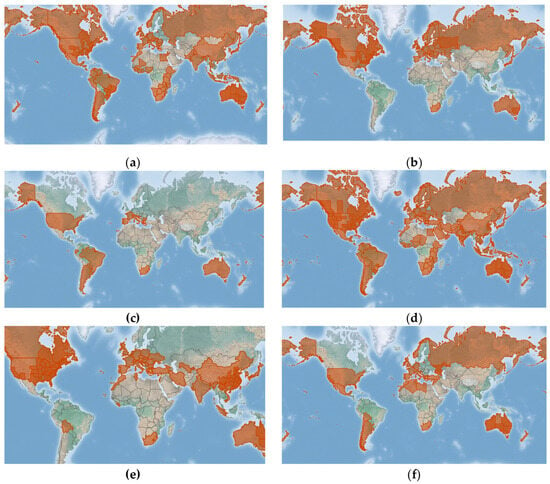
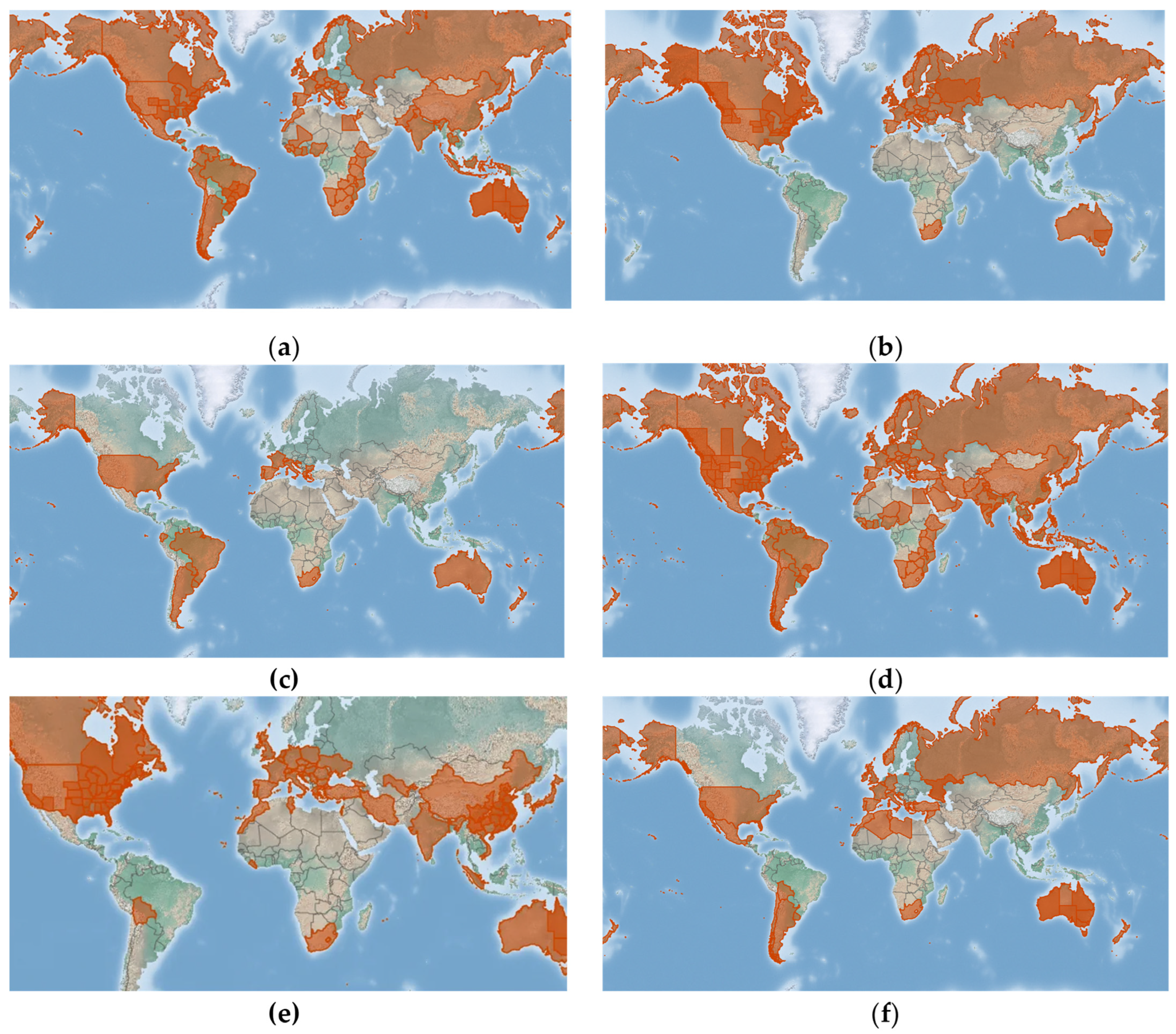
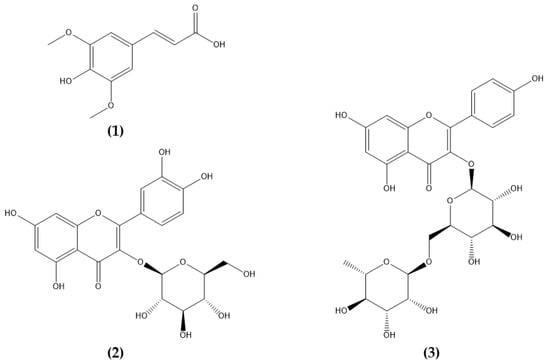
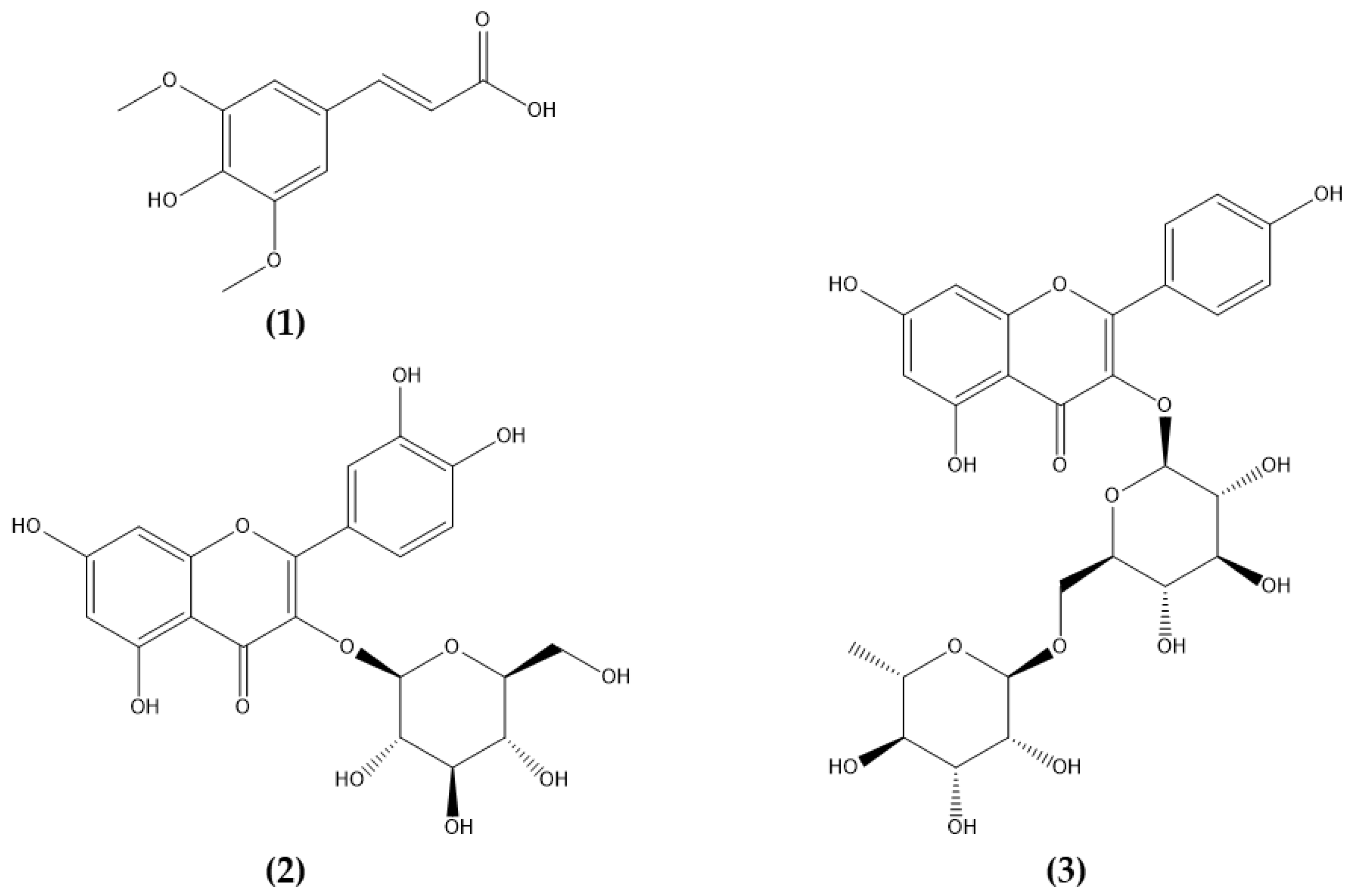
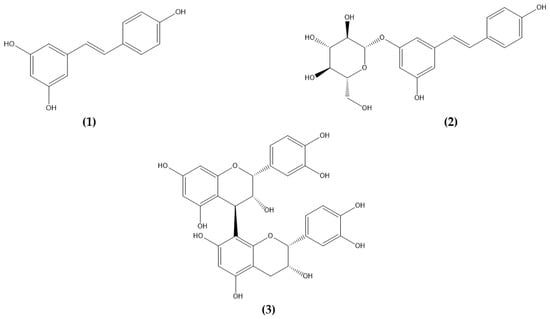
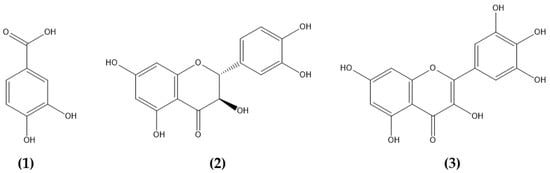
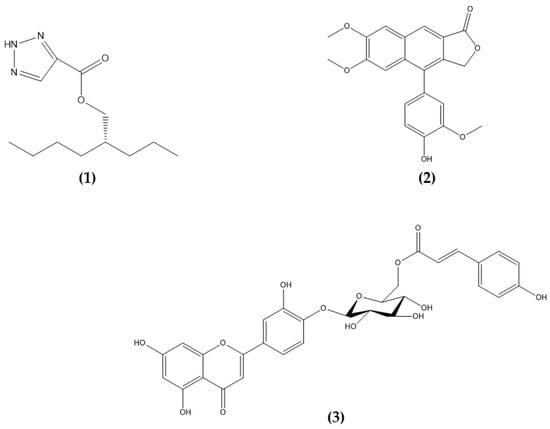
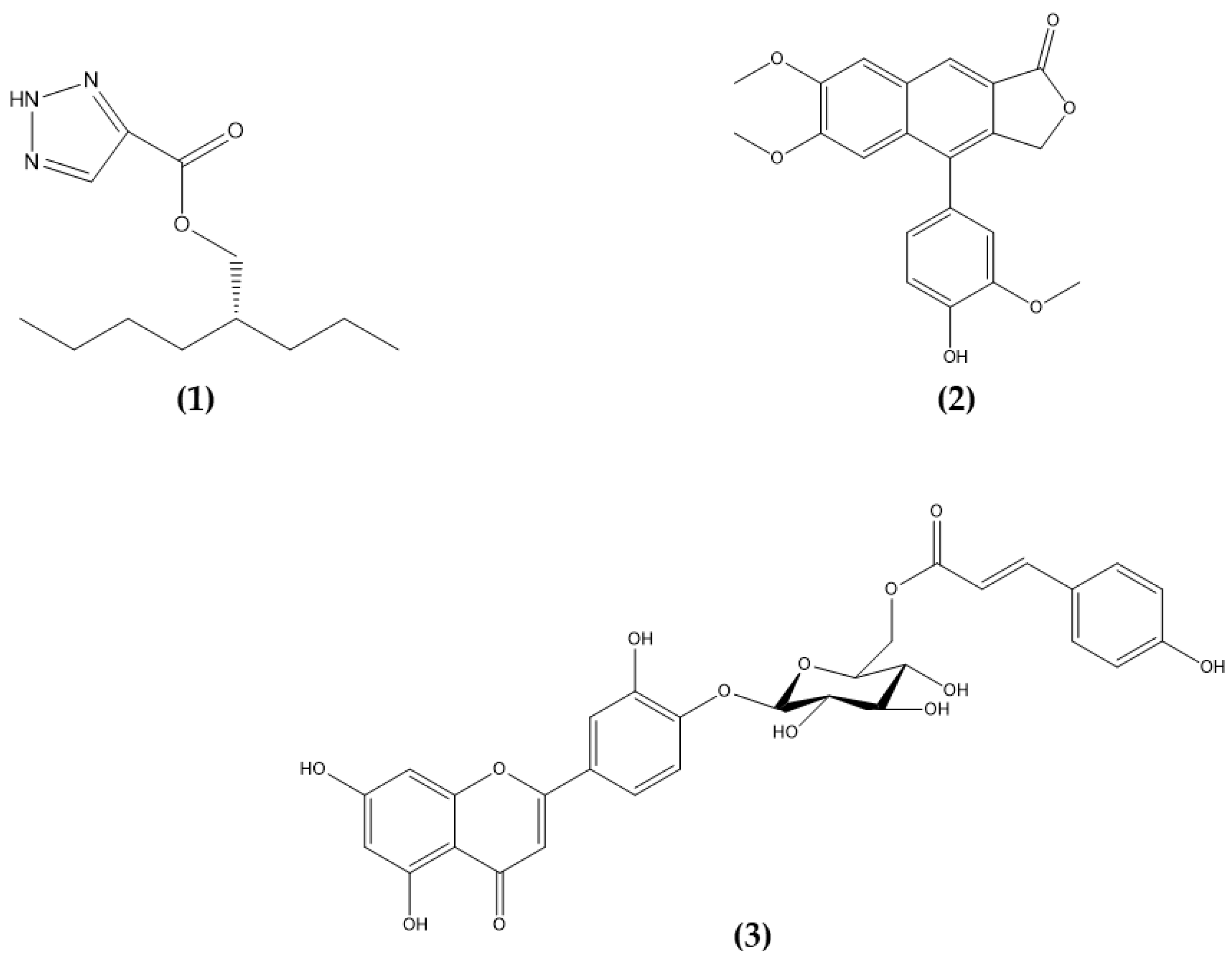
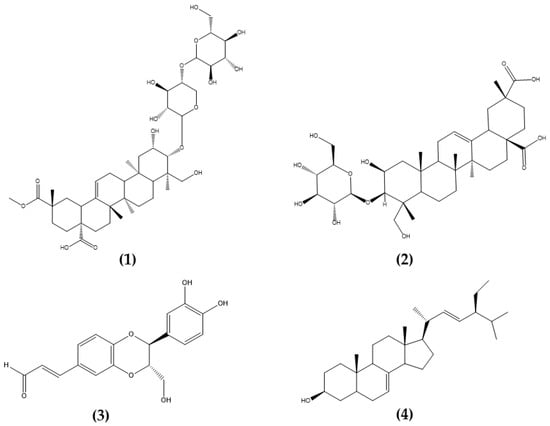
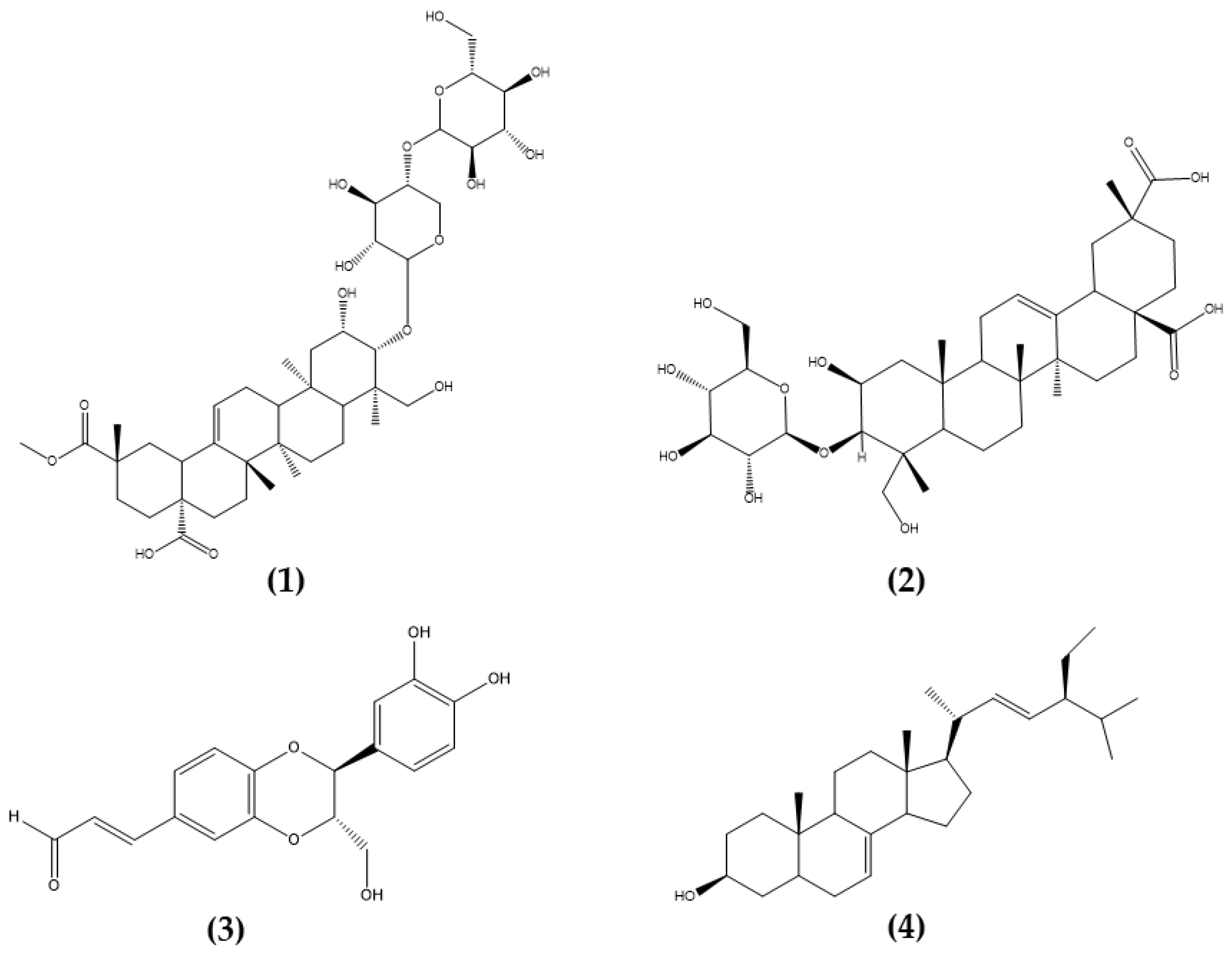
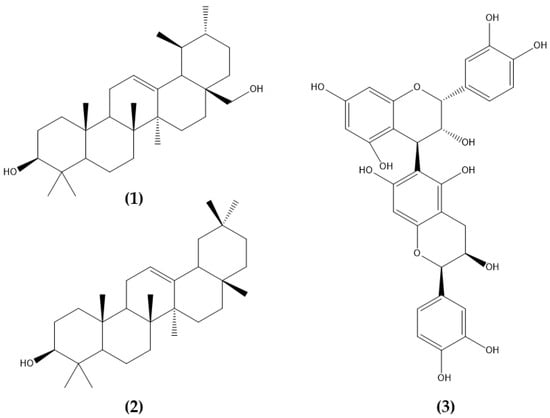
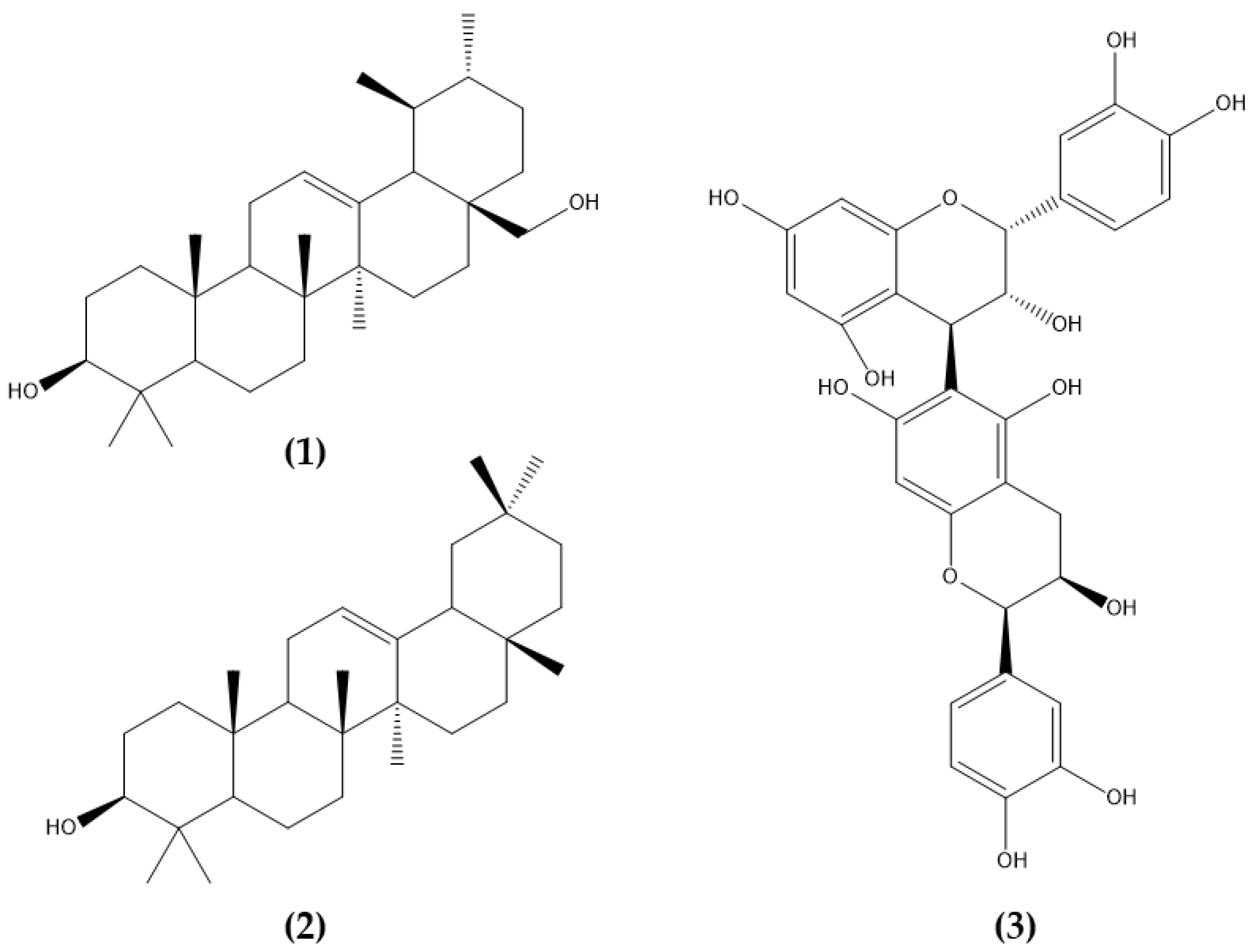
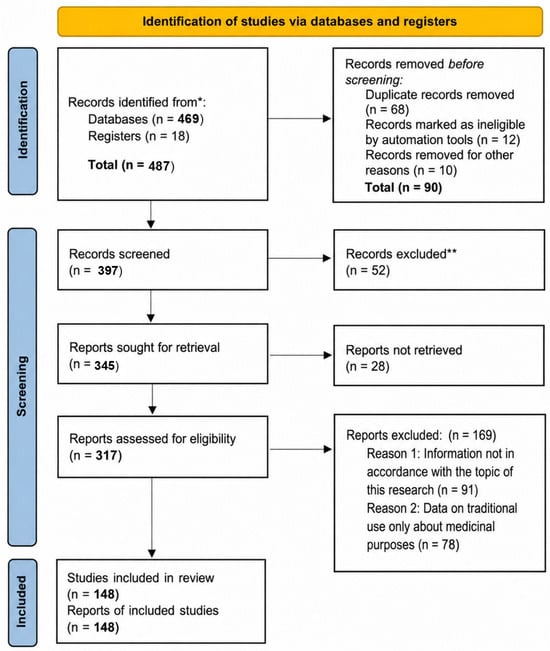
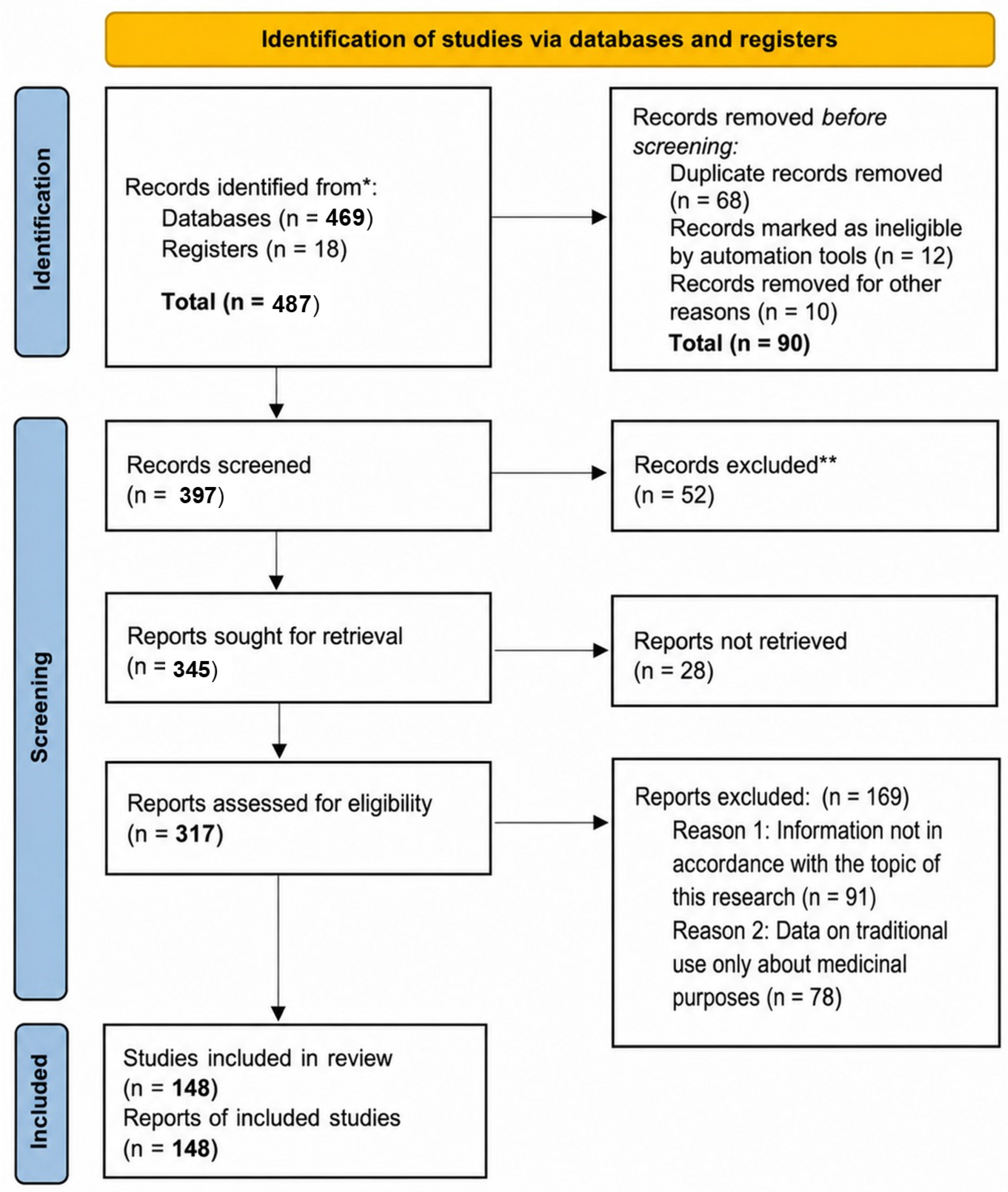

Disclaimer/Publisher’s Note: The statements, opinions and data contained in all publications are solely those of the individual author(s) and contributor(s) and not of MDPI and/or the editor(s). MDPI and/or the editor(s) disclaim responsibility for any injury to people or property resulting from any ideas, methods, instructions or products referred to in the content. |
© 2026 by the authors. Licensee MDPI, Basel, Switzerland. This article is an open access article distributed under the terms and conditions of the Creative Commons Attribution (CC BY) license.