


Abstract
The global spread and incidence of microbial phytopathogens are expected to increase due to climate change and the intensification of international food trade, threatening crop productivity. While pesticides remain essential for managing disease severity, European regulations and initiatives, such as the Green Deal, have emphasized the urgent need to reduce their indiscriminate use, which has contributed to pest resistance, environmental contamination, and human health issues. Botanical pesticides, particularly flavonoids, represent promising complements to traditional pesticides because of their diverse composition of antimicrobial agents. Therefore, this review provides an overview of the antimicrobial potential of flavonoids for microbial phytopathogens, focusing on agricultural fungal pathogens and bacterial phytopathogens. The mechanisms of action by which flavonoids exert their pesticidal activity are detailed, along with structure–activity relationships, formulation, and market perspectives. The literature reveals that flavonoids possess strong potential against pre- and postharvest crop diseases caused by fungal and bacterial pathogens owing to their ability to exert multisite activity, although limited data is verified for antibacterial studies. However, their successful transition to the pesticide market requires field performance validation, formulation technologies, toxicological assessment, and regulatory harmonization.
1. Introduction
Plant diseases induced by pest infections cause an estimated USD 220 billion loss in annual crop productivity [1]. Among the plant pathogens, microbial pathogens contribute significantly to this loss. Phytopathogenic fungi destroy one-third of all food crops annually, and their infection is characterized by spots, blights, and tumor-type glands in plants [2,3]. In addition, these pathogens contribute to 10–20% of postharvest losses [4]. Plant bacterial diseases are estimated at USD 1 billion in losses worldwide every year, and their action leads to abnormal plant growth, spots, blights, and hormone imbalances [2,5].
Climate change can exacerbate these values because of the intensification of international trade and transport of plants and food products, increasing the proliferation of microorganisms and the appearance of new plant diseases and hosts [1,3,4]. One such case is the global spread of Fusarium oxysporum f. sp. cubense, which is responsible for Panama disease in banana plants. It was discovered in the 1900s in Java, Indonesia, and is now spread all over the world [6]. Moreover, climate change is characterized by persistent and frequent extreme conditions that put plants under stress (such as drought, extreme temperatures, and salinity), thereby lowering their resistance and defense mechanisms to phytopathogens [1]. These worldwide changes in pathogen distribution and plant resistance pose significant risks to food chain productivity and security, which will affect food reserves and availability for the continuously growing human population. Agrochemicals such as pesticides are essential for securing the food chain supply and maintaining economically viable production for farmers worldwide. However, the European Union (EU) Green Deal brought awareness to the need to decrease the amount of pesticides used because of their well-known harmful effects on human health and the environment (Figure 1) [7,8,9,10,11,12,13,14,15]. This initiative aims to reduce the use and risk of chemical pesticides by 50% by 2030 [16] and reinforces the importance of adopting sustainable and safe approaches in pest control. The use of biopesticides, such as botanical pesticides, in combination with traditional pesticides constitutes a promising measure to achieve this goal.
Figure 1.
Overview of the major consequences associated with overuse of chemical pesticides and potential benefits of botanical pesticides as alternatives or complements.
Botanical pesticides, a subclass of biopesticides, are natural compounds in the form of essential oils and plant-based extracts that control pests via mechanisms non-toxic to humans [17]. Their variety of bioactive compounds has attracted attention as potential microbicides, with reports revealing their capacity to inhibit conidial germination, increase membrane permeability, and lead to abnormal bacterial metabolism [18]. A widely studied class of these compounds is flavonoids (Figure 2), which are secondary metabolites involved in plant tolerance to biotic stress and thus promising candidates for pest disease management [19,20]. For example, Thymus vulgaris L. essential oil showed a MIC value of 800 µg/mL against Agrobacterium tumefaciens and disrupted the detoxifying reactive oxygen species (ROS) system by downregulating the expression of manganese transport-related genes, affecting the superoxide dismutase activity and, consequently, leading to the accumulation of intracellular ROS and membrane damage [21]. In another study, the essential oil of Satureja kitaibelii inhibited 40 to 85% of mycelial growth from three fungal species (Alternaria alternata, Botrytis cinerea and Fusarium oxysporum) and two oomycetes (Phytophthora cryptogea and Phytophthora nicotianae), while the exudate extract inhibited the three fungal species (7% for A. alternata, 59% for B. cinerea and 37% for F. oxysporum) and the methanolic extract only inhibited two fungal species (55% for B. cinerea and 39% for F. oxysporum) [22]. Although botanical pesticides are notoriously recognized for their broad-spectrum antimicrobial activity and environmental friendliness, they have failed as complete replacements for chemical pesticides and are rather seen as complements, allowing for the reduction of their application through synergistic or additive effects to achieve the same level of performance as the traditional pesticide alone. More specifically, botanical pesticides face a lack of standardized extraction methods and the intrinsic variability of the active compound concentration caused by genetic and epigenetic factors, which pose barriers to their regulatory standardization [23]. Additionally, their instability under field conditions can lead to premature degradation, which might be overcome through formulation methods but increases the pesticide production costs. This aspect is particularly relevant for essential oils that are also volatile and highly susceptible to thermal decomposition and auto-oxidation [24]. In contrast, flavonoids (Figure 2), a subclass of polyphenols commonly found in plant extracts, are promising candidates for pest management due to their involvement in plant tolerance to biotic stress, their non-volatile properties and because they are generally less phytotoxic than essential oils [19,20,25].
Figure 2.
Classification and chemical structures of main flavonoid subclasses. The central structure represents the basic C6-C3-C6 backbone of flavonoids with numbered atoms, surrounded by the subclasses and representative examples.
Although several recent reviews have addressed plant polyphenols as antimicrobial phytochemicals [26,27,28], as well as the antifungal mechanisms of flavonoids against human pathogenic fungi and their modes and mechanisms of action as insecticides [29,30], their specific antifungal and antibacterial activity on pre- and postharvest phytopathogens remains unreviewed. To address this gap, this review summarizes the proposed mechanisms of action of pure and/or isolated flavonoids against pre- and postharvest microbial phytopathogens from pre- and postharvest diseases, explores their structure–activity relationships, and highlights the importance of flavonoid formulation and market perspectives.
2. Literature Search Methodology
The literature search for original research articles was conducted using electronic databases, primarily Google Scholar and Web of Science Core Collection as a complementary database, alongside Google Patents for identifying patented flavonoids as antimicrobial pesticides. Publications up to December 2025 were considered. Although this review is a narrative review, the search methodology followed a PRISMA-inspired workflow (Figure 3).
Figure 3.
Flow diagram illustrating the literature search, screening, eligibility, and study selection process for the narrative review.
The primary search terms were combined using Boolean operators, more specifically “AND”. For Section 3 and Section 4, the keywords included: “flavonoid” AND “antifungal” AND “phytopathogen”, “flavonoid” AND “antibacterial” AND “phytopathogen”, “flavone” AND “antifungal” AND “phytopathogenic”, “flavone” AND “antibacterial” AND “phytopathogenic”, “flavonol” AND “antifungal” AND “phytopathogenic”, “flavonol” AND “antibacterial” AND “phytopathogenic”, “flavanone” AND “antifungal” AND “phytopathogen”, “flavanone” AND “antibacterial” AND “phytopathogen”, “isoflavone” AND “antifungal” AND “phytopathogen”, “isoflavone” AND “antibacterial” AND “phytopathogen”, “flavonoid” AND “antifungal” AND “phytopathogen” AND “mode of action”, “flavonoid” AND “antibacterial” AND “phytopathogen” AND “mode of action”, “flavonoid” AND “antifungal” AND “phytopathogen” AND “mechanism of action”, “flavonoid” AND “antibacterial” AND “phytopathogen” AND “mechanism of action”.
For Section 5, the specific keywords used were: “flavonoid” AND “formulation” AND “antifungal”, “flavonoid” AND “formulation” AND “antibacterial”; “flavonoid” AND “nanoemulsion” AND “antifungal”; “flavonoid” AND “nanoemulsion” AND “antibacterial”; “flavonoid” AND “liposomes” AND “antifungal”, “flavonoid” AND “liposomes” AND “antibacterial”, flavonoid AND “cyclodextrins” AND “antifungal”, flavonoid AND “cyclodextrins” AND “antibacterial”, “flavonoid” AND “nanoparticles” AND “antifungal”, “flavonoid” AND “nanoparticles” AND “antifungal” AND “phytopathogen”, “flavonoid” AND “nanoparticles” AND “antibacterial” AND “phytopathogen”.
The eligibility of studies was evaluated through title and abstract based on defined inclusion and exclusion criteria. As inclusion criteria, original peer-reviewed articles were considered when they: (i) evaluated the antifungal and antibacterial activity of pure flavonoids against agricultural phytopathogens; (ii) provided insights into the modes and mechanisms of action of flavonoids against phytopathogenic fungi and bacteria; or (iii) described formulation studies on flavonoids for field applications. Studies were excluded from the review when: (i) they evaluated flavonoid-rich extracts and other compounds without proper evaluation of individual flavonoid contribution for the reported antifungal and antibacterial activity; (ii) they included non-agricultural pathogens (such as human pathogenic microorganisms and pathogens from processed food products); (iii) formulations or mechanistic studies were not performed with pure flavonoids; (iv) they were non-original and non-peer reviewed original publications (including review articles, conference proceedings, book chapters, preprints); and (v) they were articles published in languages other than English.
Articles presenting contradictory results were not automatically excluded from the review and, instead, were evaluated based on methodological differences and pathogen species susceptibilities.
3. Antifungal Agents
Research over the past decades has demonstrated that flavonoids are promising antifungal agents for pest management. As summarized in Table 1, these compounds affect mycelial growth, spore germination, and appressorium formation in numerous fungal pathogens. This activity occurs in a dose-dependent manner and can be related to each flavonoid subclass, demonstrating essential structural features for pronounced inhibitory activity. Moreover, the structural and physiological differences among species also influence flavonoid efficacy. For example, rutin (Table 1) stimulated the germination tube and conidium formation of A. alternata across all tested concentrations (1, 5, and 10 mM), while it suppressed germination tube elongation, secondary hyphal branching, and radial growth of B. cinerea [31]. However, dose–response effects can be complex and, in some cases, low flavonoid concentrations can induce hormesis effects by stimulating mycelial growth or sporulation rather than inhibiting it [32]. This was also verified for rutin in the same study, which stimulated and inhibited mycelial growth of Fusarium solani below 0.1 and above 5 mM, respectively [31]. These low-dose stimulatory responses can trigger adaptive and defensive responses from microorganisms, which can eventually culminate in pathogen resistance. As a result, accurately determining the effective concentration is crucial, especially when translating to in vivo studies, where flavonoids can suffer from premature degradation due to abiotic factors (such as ultraviolet radiation, temperature, and moisture) and higher concentrations might be needed to achieve the desired activity.
Importantly, the literature reveals variable information on flavonoid antifungal efficacy within the same fungal species, which is not always explained by methodological differences. Genetic differences among strains influence membrane composition, permeability, and enzymatic processes, which affect their susceptibility to the same treatment [33]. For instance, naringenin inhibits the growth of B. cinerea strains at different levels and had no inhibition effect on species and strains of Colletotrichum spp. (Table 1), highlighting the need for strain-specific evaluations and avoiding generalized assumptions [34]. Strain-dependent susceptibility represents a practical limitation in microbial pathogen management, as efficacy against a single strain cannot be broadly generalized to all field strains of the same species. For flavonoid-based antimicrobial pesticides, this aspect evidences the necessity of multisite activity or synergistic formulations for broad-spectrum activity against microbial strains. Despite these biological differences, flavonoids often exhibit multiple mechanisms of action against fungal species, which enhance their antifungal potential and reduce the likelihood of resistance development.
Table 1.
Antifungal activity of flavonoids against pre- and postharvest phytopathogens.
3.1. Antifungal Modes of Action
3.1.1. Effects on Cell Wall
The fungal cell wall (Figure 4) plays an important role in protecting cells from osmotic and mechanical stress, controlling permeability and interactions with the external environment [51]. This layer is an ideal target for fungicide development because its polymeric composition is specific to fungi, allowing selective fungicide action while minimizing the risk of unintended toxicity to humans and most plants [52].
Figure 4.
Structural organization of the fungal cell wall and membrane.
Glycoproteins, such as mannoproteins, compose the flexible and outer layer of the cell wall and account for 20 to 30% of the dry weight of the wall of filamentous fungi [51]. These proteins are usually coupled to N- and O-oligosaccharides by the addition of mannose residues by mannosyltransferases and appear to be associated with cellular development and processes such as conidial separation, germination, and appressorium formation, as well as osmotic and cell wall stress and virulence [53]. The deletion or suppression of genes encoding O-mannosyltransferase and N-mannosyltransferase has been the aim of research in several species, such as Fusarium oxysporum f.sp. cucumerinum [54], Colletotrichum fructicola [55], and Magnaporthe oryzae [56,57]. These genetic studies demonstrate that the loss of mannosyltransferase activity impairs fungal development (by interfering, for instance, with cell wall integrity and hyphal morphology) and pathogenicity, highlighting mannosyltransferases, especially O-mannosyltransferases, as viable targets for fungicide development. Unlike N-mannosyltransferases, which are also present in plants and nematodes, O-mannosyltransferases have not been identified in these organisms, but only in fungi. This absence significantly reduces the risk of unintended toxicity, making O-mannosyltransferases more selective and safer fungicide targets. To the best of our knowledge, the effects of flavonoids on these enzymes have not been considered or evaluated.
The more rigid and mobile inner layer of the cell wall is mainly composed of glucans, particularly β-glucans with 1,3 linkage glucose units, which account for 65 to 90% of the total cell wall glucans and are synthesized by transmembrane glycosyl transferases, called glucan synthases [51,52]. Another important polysaccharide located in this layer is chitin, representing 10 to 20% of the dry weight of the filamentous fungi cell wall and synthesized by chitin synthase [51]. Both polysaccharides provide structure to the cell wall and resistance to enzymatic degradation [52], which makes glucan and chitin synthases natural targets for fungicide development. Notably, naringenin could be an effective chitin synthase inhibitor for Phytophthora infestans by establishing hydrogen bonds with key amino acids such as Trp539, a direct interaction well-known for chitin biosynthesis inhibitors, although this study was conducted with an analog structure of that of P. infestans [39]. Furthermore, naringenin showed a −7.6 kcal/mol binding energy and a ligand efficacy of 0.38 for this enzyme, which were values close to those of the positive control (−8.6 and 0.43 for cycloheximide, respectively). However, the authors failed to validate the computational predictions through in vitro inhibition assays on chitin synthases from this fungal species. Consequently, unconfirmed molecular docking reports should be interpreted only as predictive mechanisms rather than definitive evidence.
In an in vitro study, Penicillium italicum mycelia treated with pinocembroside at IC50 (0.08 g/L) and MIC (0.2 g/L) values presented 1.13- and 1.36-fold higher β-1,3-glucanase activity, respectively, than the negative control after 6 h of incubation [42]. While the chitinase activity remained stable in the negative control, the enzyme activity increased slowly after 1 h of treatment at the IC50 and MIC values, suggesting that the flavonoid can affect the normal function of cell wall enzymes. This was also evidenced by the lower content of chitin in pinocembroside-treated mycelium (around 35 mg/g for control, 18.48 ± 1.33 mg/g at IC50 value, and 13.63 ± 2.89 mg/g at MIC value) and of glucan (634.9 ± 22.6 mg/g for control, 304.1 ± 11.8 mg/g at IC50 value, and 228.9 ± 19.1 mg/g at MIC value). Zhang et al. (2018) [58] demonstrated in vivo that quercetin treatment (0.25 mg/mL) of kiwifruit infected with Penicillium expansum resulted in enhanced enzymatic activity of the fruit’s chitinase and β-1,3-glucanase compared to those of kiwifruit only treated with quercetin or inoculated with the pathogen. These observations suggest that flavonoids can also enhance fruit resistance to fungal infection by promoting the expression of defense-related enzymes that degrade fungal cell wall components [58]. Consistent with this mechanism, an in vivo study demonstrated that a celery flavonoid-rich extract, primarily composed of apigenin, reduced disease severity by 97% at 4 mg/mL caused by Podosphaera fusca in cucumber leaves, and induced the upregulation of genes related to defense proteins, including β-1,3-glucanase and chitinase, resulting in high levels of these enzymes [59].
Melanin is another component that can be found within the cell wall but the distribution and abundance vary largely between species. Melanin can be detected in the outer regions of the cell wall, clustered at the surface and/or throughout the cell wall. This pigment is recognized for contributing to fungal virulence and for improving resistance to extreme environmental conditions [51,60]. These properties make the enzymes of melanin biosynthesis pathways a relevant target for fungicide research. Particularly, naringenin was reported to act as a competitive inhibitor of two enzymes from the melanin biosynthetic pathway through in silico studies: 1,3,8-trihydroxynaphthalene reductase and scytalone dehydratase of P. infestans [39]. Molecular modeling studies revealed that naringenin binds to a hydrophobic pocket within the active site of 1,3,8-trihydroxynaphthalene reductase, where it is shielded from the exterior. In the case of scytalone dehydratase, naringenin formed hydrogen bonds with key amino acids essential for enzyme inhibition. The authors also suggested that the naringenin skeleton could be a potential lead for fungicide discovery, as the ligand efficiency for both enzymes was 0.43 and 0.46, respectively, similar to the positive control (0.42 and 0.45 for cycloheximide, respectively). Nonetheless, these predictive mechanisms were not confirmed through in vitro enzymatic studies to accurately verify whether naringenin was a competitive inhibitor of these two enzymes.
3.1.2. Effects on Membrane Integrity and Components
Fungal membrane cells are predominantly composed of lipids and sterols, which, in addition to other physiological functions, allow for the permeation of large molecules and maintain the cell water potential [61]. In most studies, phytopathogenic fungi treatment with flavonoids eventually leads to membrane damage by altering its permeability and structure, resulting in cell content leakage. To evaluate membrane damage, several simple to more complex analytical techniques are used. Spectrophotometric assays (for example, for measuring electrolyte leakage, malondialdehyde (MDA) content, and reactive oxygen species (ROS)) are the most commonly reported primary assays, owing to their cost-effectiveness and rapid results. Fluorescent dyes (such as propidium iodide) allow direct visualization of membrane permeability and cell viability but are dependent on staining conditions. Finally, electron microscopy techniques provide detailed high-resolution images of cell morphology but do not allow real-time monitoring, require complex sample preparation, and are expensive. Collectively, these conventional methods do not allow an in-depth determination of the exact mechanisms of action and cannot confirm whether membrane damage is a primary cause or a secondary effect, which is typically achieved through transcriptomics analysis.
In vitro studies reported that the flavanones pinocembrin and its 7-glucoside altered normal cell morphology, increased cell membrane permeability and decreased the intracellular constituent contents of P. italicum mycelia when compared to the control [41,42]. In an in vivo study, 1.5% chitosan–catechin coating of post-harvested satsuma oranges resulted in morphological changes in spores of Penicillium citrinum and A. niger, indicating membrane damage [62]. These physiological changes can be a result of these polyphenols targeting the synthesis and/or degradation of membrane components, more specifically, lipids.
The literature search showed common correlations between the antioxidant and antifungal activities, with the authors speculating that higher antifungal activity was induced by an equally high radical scavenging activity. These assumptions may not always be correct as it has been shown that flavonoids can also act as prooxidants. This behavior can contribute to an accelerated degradation of polyunsaturated fatty acids in the membranes, a phenomenon known as lipid peroxidation and that can lead to cell death. For example, Wang et al. (2022) studied the in vitro antifungal activity of a flavonoid fraction from Sedum aizoon L., mainly composed of quercetin and kaempferol, against B. cinerea [63]. The flavonoid-treated group showed the accumulation of reactive oxygen species (ROS) and malondialdehyde (MDA), an important marker of lipid peroxidation. The authors also verified that the membrane permeability of the flavonoid-treated group was damaged, owing to the higher content of extracellular macromolecules over time. The mechanism of action underlying this activity may have involved the upregulation and downregulation of genes involved in redox processes and also in the glycerolipid metabolism pathway [63]. In another in vitro study, the glabrindin-treated mycelia of Sclerotinia sclerotiorum showed a higher accumulation of endogenous ROS than the untreated mycelia, which may have changed membrane permeability and induced extracellular electrolyte leakage [64]. It was also observed that the mitochondrial membrane potential was lowered by affecting the expression levels of phosphatidylserine decarboxylase. Additionally, glabrindin was reported to act on the ergosterol synthesis-related enzymes of Fusarium graminearum, leading to destruction of cell membrane integrity and, consequently, affecting the normal transmembrane transport and membrane potential in vitro [65]. Liang et al. (2021) [46] investigated the in vivo mechanism underlying the activity of tangeretin against appressorium formation of M. oryzae in rice seedlings under laboratory conditions. The data showed that the antioxidant property of tangeretin interfered with conidial cell death, which is highly important for M. oryzae pathogenicity. Tangeretin suppressed conidial ferroptosis by targeting lipid peroxidation mediated by the NADPH oxidases Nox1 and Nox2 [46].
3.1.3. Effects on Respiration
Aerobic and anaerobic respiration in fungi is a crucial biochemical process for energy production; therefore, inhibitors of the fungal respiratory chain have attracted attention in the design of new fungicides [66]. In the case of flavonoids, these polyphenols can affect mitochondrial respiration. For example, gnaphaliin A reduced oxygen consumption in germinating conidia of B. cinerea in vitro, which may have been related to its prooxidant activity and consequent production of ROS in the mitochondria [67]. In another study, pinocembrin interfered in vitro with the energy metabolism of P. italicum mycelia, which showed lower contents of adenosine triphosphate (ATP), adenosine diphosphate (ADP), and adenosine monophosphate (AMP) in flavonoid-treated groups than in the control group [41]. In vitro, glabrindin-treated mycelia from F. graminearum revealed a lower respiration rate with increasing time [65]. Overall, experimental studies evaluating direct effects on fungal respiration remain relatively scarce compared to membrane integrity studies, highlighting fungal energy metabolism as an underexplored target for mechanistic research.
3.1.4. Effects on Amino Acids and Proteins
Proteins are macromolecules essential for life, as they are involved in important biological processes, such as signal transduction and catalysis of biochemical reactions [61]. Through in silico studies, Júnior et al. (2014) hypothesized that the mechanism underlying the fungicidal activity of chrysin and rutin against Aspergillus ochraceus was based on their interaction and binding properties with a protein kinase [68]. Nonetheless, the effect of these two flavonoids on protein kinase was not confirmed through in vitro experiments, remaining a predictive mechanism. In an in vitro study, a flavonoid fraction from Sedum aizoon L. upregulated the genes involved in the degradation of three amino acids, suggesting interference with amino acid and protein metabolism [63]. In silico studies have shown that naringenin inhibits the calcium-binding protein calmodulin, whose structure is similar to that of P. infestans, which could reduce the ability of fungi to infect plants [39]. The flavanone exhibited a binding energy and ligand efficiency of −5.2 kcal/mol and 0.26, respectively, similar to those of the positive control (−4.9 kcal/mol and 0.25 for cycloheximide, respectively), but this efficacy was not confirmed through in vitro studies. More recently, aldehyde dehydrogenase was advocated as a potential target for the research and development of fungicides, given that the in silico studies revealed that the suppression of the genes FvALDH-43 and FvALDH-96 in Fusarium verticillioides affected the pathogenicity and resistance to low-temperature stress [69]. In vitro and in vivo experimental studies were conducted against F. verticillioides to verify this hypothesis and taxifolin was confirmed to act as an inhibitor of this enzyme.
3.1.5. Effects on DNA
Deoxyribonucleic acid (DNA) determines the development and reproduction of animals, plants, and microorganisms. DNA-modifying enzymes are responsible for modifying the structure or sequence of DNA through replication, repair, recombination, and transcription [70]. The inhibition of these key enzymes compromises DNA integrity, leading to cell death. Little is known about the effects of flavonoids on the DNA-modifying enzymes of phytopathogenic fungi, being one of the least investigated targets. However, naringenin and naringin could be potential inhibitors of DNA topoisomerase type II in Ustilago maydis because they interact with the active site of the enzyme in the same pattern as the reference compounds [71]. Nevertheless, in vitro confirmation studies were not performed to accurately determine the flavanones’ mechanisms of action.
3.1.6. Multisite Activity
The literature review indicated that flavonoids could exhibit fungicide activity through the combination of different mechanisms of action simultaneously. For instance, the prenylflavonoid isoxanthohumol, found in hops and beer, may damage B. cinerea mycelium in vitro by increasing electrical conductivity in a dose- and time-dependent manner, enhancing intracellular glycerol content and inducing the production of MDA and hydrogen peroxide [72]. Isoxanthohumol also affected the total carbohydrate content, dehydrogenase activities, and citric acid content, which may have led to metabolic malfunctions owing to the inhibition of the citric acid cycle. Isoxanthohumol-treated mycelia revealed low ATP content, reduced adenosinatrifosfatase activity, and inhibition of cell respiration when compared to the control [72]. In an in vitro study, the prenylated flavonoid kurarinone, isolated from the roots of Sophora flavescens, exhibited an EC50 value of 16.55 µg/mL against B. cinerea and disrupted the cell wall components by affecting the synthesis of chitinase, interfered with normal cell membrane integrity and permeability by promoting leakage of macromolecules and inducing the accumulation of ROS, and affected the energy metabolism by affecting the normal activity of enzymes from the tricarboxylic acid, reducing ATP production [73]. Other examples of potential multisite activity were discussed in the previous sections [39,63,64,65]. These observations are desirable in pesticide research because fungicides with multisite targets lower the possibility of pests becoming resistant.
In some cases, this multisite activity may also contribute to inducing plant resistance by upregulating the genes associated with the defense mechanisms. For instance, naringenin showed an IC50 of 22.01 mg/L and 2.01 mg/L for inhibiting the mycelial growth and sporangia production of Phytophthora nicotianae in vitro, respectively [37]. In tobacco plants, naringenin induced the accumulation of ROS and the expression of the salicylic acid biosynthesis-related genes, and increased plant resistance by enhancing the expression of genes PR1 and SAR8.2. Moreover, the exogenous application of naringenin enhanced the tobacco seedlings’ resistance to P. nicotianae [37].
3.2. Structure–Activity Relationship
Identifying the functional groups and structural characteristics of flavonoids responsible for their antimicrobial activity is critical for developing and designing improved antimicrobial agents. The nature, number, and position of substituents on the flavonoid skeleton directly influence their interactions and target-binding capacity to fungal cell wall and cell membrane components. Although many studies did not attempt to describe the proper mechanism of action in both studies, differences in the identification of key functional groups for pronounced activity may differ, which can be explained by the distinct cell wall composition of the fungal species involved. This reinforces the notion that structure–activity relationships (SAR) are highly dependent on the pathogen, highlighting the necessity of performing mechanistic studies, such as molecular docking or target-based assays, to clarify how structural features of flavonoids modulate their antifungal activity against specific pathogens. Despite this, these SAR dynamics are usually driven by specific chemical patterns, including hydroxylation, glycosylation, lipophilicity, prenylation, halogen and synthetic heterocyclic substitutions (Figure 5).
Figure 5.
Structure–activity relationships (SAR) of native and modified flavonoids against phytopathogenic fungi. Symbols demonstrate the impact of specific substitutions on antifungal activity (↑: enhanced activity; ↓: reduced activity).
The presence, number, and position of hydroxyl and carbonyl groups influence membrane interactions and hydrogen bonding with fungal cell and membrane components. As demonstrated by Ouyang et al. (2017), baicalein exhibited remarkable inhibitory effects against Poria vaporaria, followed by dihydromyricetin and daidzein [43]. These three molecules possess two common structural features, namely the carbonyl group at position C4 and a hydroxyl group at C7, which facilitate hydrogen bonding with fungal cell wall and membrane components, contributing to higher antifungal activity. However, hydroxyl substitution on ring B significantly affects the antifungal activity. Evaluation of quercetin, rutin and isoorientin against F. oxysporum f. sp. vasinfectum and Fusarium oxysporum f. sp. cucumerinum revealed that the absence of hydroxyl groups at position C3′ and presence of a hydroxyl group at C5′ reduce antifungal efficacy, demonstrating how modifications in ring B alter activity across different fungal targets [49]. Although glycosylation enhances aglycone aqueous solubility, this sugar moiety is reported to decrease antifungal activity. Quercetin exhibited significantly higher antifungal activity than its glycosylated forms, namely isoorientin and rutin. The presence of bulky sugar moieties increases steric hindrance and lowers lipophilicity, restricting passive membrane permeability and reducing direct cellular damage.
Chemical modification of the flavonoid structure represents an essential strategy for the design of new flavonoid-based antimicrobial agents and identifying structural positions prone to chemical modification for enhanced activity. In this regard, heterocyclic substitutions are commonly reported for improved antifungal activity. For example, Zhou et al. (2024) evaluated twenty-two flavone derivatives containing 1,3,4-thiadiazole substitutions against ten phytopathogenic fungi [74]. These heterocyclic compounds are known for their various biological activities, including antifungal and antibacterial properties. The most active compound against B. cinerea had hydrogen atoms at the C7 position and in the 1,3,4-thiadiazole ring, coupled with a fluorine atom at the C3′ position. This combination likely minimized steric hindrance, favoring a suitable molecular conformation for target interaction and contributing to compound stability. Further studies indicated that this compound induced the production of endogenous ROS and the release of MDA, leading to membrane lipid peroxidation and, consequently, the release of cell contents.
Similarly, the introduction of nitrogenous and hydrophobic groups, particularly 1,2,4-triazole Schiff base substitutions at position C3, seemed to affect and even increase antifungal activity [75,76]. For example, the evaluation of twenty-four flavonol derivatives containing 1,2,4-triazole Schiff base substitutions against ten filamentous fungi revealed that the flavonol derivative with the highest antifungal activity against B. cinerea possessed a hydrogen atom at C7, a 2-methylpropane group at C4′, and a methoxyl group substitution in the benzene ring of the 1,2,4-triazole moiety. As a result, the presence of lipophilic alkyl and methoxyl groups maximized antifungal activity by likely disrupting the cell membrane, which was confirmed by morphological analysis, fluorescence microscopy, cytoplasmic leakage assays, MDA and relative conductivity measurements [75]. In another study, the most active acethydrazide-containing flavonol derivative (substitution at position C3) against R. solani possessed electronegative groups at position C4 on the benzene moiety (EC50 of 0.170 μg/mL) and strongly inhibited succinate dehydrogenase compared to the fungicide boscalid (IC50 = 8.42 and 15.6 μM, respectively) [77].
4. Antibacterial Agents
Research on the antibacterial potential of flavonoids has revealed that these polyphenols may serve as promising candidates for managing phytopathogenic bacteria. As summarized in Table 2, flavonoids exhibit variable minimum inhibitory concentration (MIC) values against several economically important bacterial species, with some values exceeding the maximum tested limits. The literature reveals that flavonoid-rich extracts are more typically screened for antibacterial activity than singular compounds. For example, anthocyanin-rich extracts from different berries (blueberry, raspberry, strawberry, and blackberry) showed a MIC value of 6.5% against Pseudomonas aeruginosa and Clavibacter michiganensis subsp. michiganensis, and a lower minimum bactericidal concentration (MBC, 12.5% of extract) was observed for the strawberry and blackberry extracts against all the studied species [78]. In another study, a polymethoxyflavone-rich ethyl acetate extract from orange peel (152.07 mg/g) obtained through ultrasound-assisted extraction exhibited the lowest MIC value (0.156 mg/mL) among the tested extracts against Xanthomonas citri subsp. citri [79]. In addition to these studies, flavonoids have also been studied for their chemotactic effects on Ralstonia solanacearum, but they showed no effect [80].
Notably, flavonoids have been studied less extensively as antibacterial agents than as antifungals, resulting in fewer reports proposing their modes and mechanisms of action and structure–activity relationships. This disparity might be justified by the broader diversity and dispersity of fungal phytopathogens worldwide, which has led to a higher volume of research. On the other hand, antibacterial studies remain more restricted to specific species, which might be related to strict biosafety regulations and quarantine constraints to ensure pathogen containment (for instance, regulated strains of Xanthomonas and Pseudomonas spp.). However, these polyphenols have been reported (Table 2) to act through multiple mechanisms of action by interfering with the bacterial envelope, impairing biofilm formation, and energy metabolism, making them interesting candidates for bacterial management [81].
Table 2.
Antibacterial activity of flavonoids against pre- and postharvest phytopathogens.
4.1. Modes of Action
4.1.1. Effects on Cell Wall and Membrane Integrity
The bacterial cell is a multilayered and dynamic structure that, among other functions, maintains cell integrity, regulates permeability, and mediates interactions with the extracellular environment. This structure organization differs between Gram-negative and Gram-positive bacteria (Figure 6), primarily due to differences in peptidoglycan layer thickness and the presence or absence of an outer membrane. In all bacteria, the inner cytoplasmic membrane is a phospholipid bilayer containing proteins responsible for nutrient transport, energy generation, and signal transduction [88]. The peptidoglycan layer surrounds this membrane, providing mechanical strength and protection against osmotic pressure. In Gram-positive bacteria, the layer forms a thick network supported by teichoic and lipoteichoic acids, while it remains thinner in Gram-negative organisms and is stabilized to the outer membrane by lipoproteins. The outer membrane of Gram-negative bacteria differs from the inner one in the presence of non-specific diffusion channel proteins called porins and lipopolysaccharides that act as barriers against external components, including antibiotics. In this type of bacteria, lipoproteins can be localized in the inner membrane or in the inner part of the outer membrane, where they can interact with the peptidoglycan layer, assisting in envelope stabilization. Between the inner and outer membranes lies the periplasmic space, a metabolically active compartment containing enzymes involved in nutrient processing, detoxification, and cell wall biosynthesis. Altogether, these structural features govern the susceptibility to antimicrobial compounds, making the cell envelope a major target for flavonoid-based antibacterial strategies.
Figure 6.
Structural organization of the bacterial cell wall and membrane.
Electron microscopy analysis of Streptomyces scabiei, a Gram-positive bacterium that causes potato scab as well as damage in other crops, treated with sophoraflavanone G and quercetin in vitro unveiled the presence of flat and deflated structures with hyphae fragmentations and visible expelled cell content, indicating cell death [84]. Those treated with baicalein showed uneven growth in their membranes. In another in vitro study, taxifolin reduced membrane potential, disrupted the integrity of the cell membrane, and promoted the leakage of nucleic acids and proteins of Clavibacter michiganensis subsp. sepedonicus, another Gram-positive bacterium that leads to extensive economic losses in tomato and potato cultivation [85]. The authors suggested that the hydroxyl groups from the flavanonol were responsible for these changes in membrane integrity. However, in both studies, the observed membrane disruptions represent physiological responses associated with flavonoid treatment rather than a direct molecular target, emphasizing the need for in-depth mechanistic studies.
4.1.2. Effects on Biofilm Formation
Gram-positive and Gram-negative bacteria form biofilms, which consist of a protective membrane formed by microbial aggregation embedded in a self-produced matrix [89]. This hydrated surface structure is mainly composed of extracellular polymers formed of proteins, lipids, polysaccharides, and nucleic acids. Biofilms are believed to be responsible for bacterial survival, allowing for their growth in natural environments. In agriculture, these structures reduce crop yield and quality, thereby impacting the safety of plant tissues and organs [90]. Therefore, biofilm formation is a crucial target for the development of bactericides. To the best of our knowledge, information on the effects of flavonoids on biofilm formation by phytopathogenic bacteria remains scarce. Despite this, rutin, chlorogenic acid and quercetin have been reported to reduce biofilm formation on Xanthomonas campestris pv. campestris by 91, 70 and 50%, respectively, in vitro. Nevertheless, it remained unclear whether biofilm inhibiting originated from direct biofilm-related molecular targets (such as quorum sensing or adhesin synthesis) or a stress response [91].
4.1.3. Effects on Motility
Most bacterial cells are motile, an ability that allows them to move toward nutrient-rich environments and supports their dispersal and colonization of plant tissues. The locomotion mechanism depends on the state of the growth medium [92]. In liquid media, bacteria can swim freely using flagella that assist their rotation, whereas in solid media, bacteria can move through different mechanisms, such as twitching through pilus retraction and sliding through cell multiplication [93]. For these reasons, bactericide-induced changes in bacterial motility have been a target of research, including the use of flavonoids such as morin and naringenin, which decrease the swimming and swarming of Pseudomonas syringae pv. tomato in vitro, but to a lesser degree than the chalcone phloretin [94]. Mechanistically, this physiological response is explained by the loss of flagella and inhibition of the type III secretion system, likely mediated by the impairment of the GacS/GacA regulatory system and subsequent depletion of rsmY RNA.
4.1.4. Multisite Activity
Biochanin A is an example of the versatility of mechanisms of action by which flavonoids exert their antibacterial activity in vitro. This O-methylated isoflavone interferes with the membrane-related gene functions of Xanthomonas axonopodis pv. glycines, downregulating genes related to the outer membrane and efflux proteins and upregulating genes encoding membrane receptors and transporters [81]. Downregulated gene expression was also verified for three genes associated with flagella formation, three genes related to DNA synthesis, and one gene related to pathogenicity. Morphologically, 50 µg/mL Biochanin A altered cell length and shape, with treated cells being smaller than the control and adopting a rounded shape rather than a cylindrical format. At this concentration, bacterial motility, extracellular protease activity, and biofilm formation were reduced, the latter by more than 50%.
Another example of in vitro multisite-described mechanisms was made for kaempferol against Xanthomonas oryzae, which affected normal cell morphology, as evidenced by the presence of wrinkled surfaces, indistinct cell borders, and large cavities on treated cells, suggesting intracellular content leakage and cell death [95]. Moreover, normal microbial and energy metabolism were compromised in the treated cells, including carbon metabolism, glyoxylate and dicarboxylate metabolism, and fructose and mannose metabolism. Kaempferol also significantly affected bacterial secretion systems and quorum sensing, as evidenced by the 67.63% reduction in extracellular polysaccharides and 92.78% inhibition of biofilm formation, both at 200 µg/mL. Transcriptomic analysis of 115 differentially expressed genes showed the upregulation and downregulation of 22 and 93 genes, respectively.
4.2. Structure–Activity Relationship
Most studies exploring the structure–activity relationships for antibacterial assessment have explored the activity of modified flavonoids rather than their native forms to determine the best structural modification for improved activity.
Antibacterial activity of flavonoids is typically increased through minimization of steric hindrance through hydrogen and/or halogen substitutions in C6, C7 and C4′ positions (Figure 7). For example, phosphorylated flavonoid derivatives (substitution in the C3 position) with hydrogen substitution at position C7 and a 2-methylpropane group at position C4′ exhibited a high antibacterial activity against X. oryzae pv. oryzae (96.09%) and X. axonopodis pv. citri (79.14%) at 100 µg/mL [96]. These observations suggest that small-volume atoms minimize steric hindrance at the C7 position and facilitate interactions with bacterial cell walls and membranes, whereas 2-methylpropane group substitution at the C4′ position increases molecule hydrophobicity, subsequently increasing membrane affinity. Similarly, substitutional changes at position C6 significantly influenced the antibacterial activity against X. oryzae pv. oryzae, with hydrogen and fluorine atom substitutions improving the antibacterial activity, likely due to reduced steric interference [97].
Figure 7.
Structure–activity relationships (SAR) of native and modified flavonoids against phytopathogenic bacteria. Symbols demonstrate the impact of specific substitutions on antibacterial activity (↑: enhanced activity; ↓: reduced activity).
The integration of heterocyclic groups in the flavonoid chemical structure at, for example, position C3, is also common to achieve a more pronounced antibacterial activity. Benzimidazole-myricitrin derivatives (substitution at the C3 position) revealed that the incorporation of a 4-methylphenyl group into benzimidazole moiety resulted in the strongest antibacterial activity observed against R. solanacearum (EC50 of 14.5 µg/mL), significantly higher than myricetin (EC50 of 82.3 µg/mL) [98]. This pronounced activity relies on the antimicrobial properties of benzimidazole moiety, whose derivatives are commonly found in the pesticide market. Additionally, the hydrophobic properties of the 4-methylphenyl group increased lipophilicity, allowing better molecule permeation through the biological membranes.
The addition of prenyl chains to the molecule backbone is reported to increase the antibacterial activity. For example, prenylated flavonoids exhibited lower IC50 and MIC values than their respective non-prenylated forms against Pseudomonas syringae, Agrobacterium tumefaciens, and Pectobacterium carotovorum [99]. The genistein analog with prenyl substitutions at C6 and C8 showed an IC50 value of 3.9 µM against all tested species, whereas genistein showed an IC50 value higher than 250 µM. Therefore, the hydrophobic prenyl substitutions acted as lipophilic anchors, enhancing membrane interaction.
5. Flavonoid Formulation
Pesticide formulation plays an important role in facilitating the handling and application of pesticides and in increasing the pesticide efficiency and safety. The pesticides and other components can be transformed into solid formulations (such as dusts, granules, and wettable powders), liquid formulations (examples include oil-in-water emulsions and microcapsule suspensions), and others (like fumigants and aerosols) [100]. The chosen design directly influences the application and success of the pesticide in situ and, therefore, different formulations should be studied for a pesticide. For botanical pesticides, their formulation is crucial for a successful application in the field, given their lack of efficiency and stability as a result of their natural degradation when exposed to abiotic stress, such as light and ultraviolet radiation [20,101]. Consequently, innovative delivery strategies are being increasingly explored to overcome these issues and accelerate the acceptance of botanical pesticides as alternatives or complements to synthetic pesticides [102].
Little is still known about flavonoid formulation for in situ application, revealing a large gap in the research of these compounds as biopesticides and posing a barrier to their regulation and acceptance as plant-protecting agents. Recently, Maria et al. (2023) [103] studied the effect of the adjuvant Dassoil, a water non-ionic surface-active substance designed for agricultural use, on the MIC and MFC values of quercetin and rutin against five fungi species. The authors verified that the flavonoids formulated in Dassoil showed lower MIC and MFC values for all tested fungi than when tested alone [103]. Although Dassoil ensures good spraying quality, this solvent is considered toxic to aquatic life with long-lasting effects and can pose risks to human health if not properly managed [104]. These results show the importance of considering the interactions between biopesticides and their respective carriers without ignoring their combined toxicological profile [105].
Current trends in pesticide formulation focus on controlled-release systems, which allow the use of lower amounts of pesticide through their sustained release and target delivery to the pest surface or through permeation of their biological membrane [106]. These characteristics contribute to the decrease in the risk of unintended exposure of animals and the environment. Nanoporous materials are commonly used as encapsulating materials for this purpose since they present a high surface area and porosity, and their surface can be tailored to improve certain characteristics, such as water solubility, stability, and encapsulation loading [107]. Particularly, this type of formulation has been studied for flavonoids and has shown promising results. Kaempferol-loaded lecithin/chitosan nanoparticles exhibited higher antifungal activity than pure kaempferol against Fusarium oxysporum in vitro, and microscopic observations of hyphae revealed distortions and fragmentations that were absent in pure kaempferol-treated hyphae [47]. The authors assumed that the small and compact features of the nanoparticles, combined with their high surface area, resulted in greater absorption onto the surface of the fungal cell wall, leading to higher activity. In another study, didymin and a flavonoid-rich orange peel extract encapsulated in chitosan nanoparticles completely inhibited the in vitro mycelial growth of A. alternata after 7 days of incubation, performing similarly to the unloaded chitosan nanoparticles [108]. Against P. expansum and Aspergillus westerdijkiae, these nanoparticles showed a higher mycelial inhibition than didymin, the flavonoid extract, and the unloaded chitosan nanoparticles. Furthermore, in vivo studies performed on pear fruits revealed a more pronounced decrease in lesion diameter on all tested fungal species for the loaded nanoparticles compared to both the negative control and unloaded chitosan nanoparticles.
In addition to these nanoporous systems, metallic nanoparticles offer a distinct controlled-release pesticide system owing to their high surface reactivity and bioavailability, which has been studied in flavonoid formulations. The elements typically chosen are essential for plant development and germination, such as magnesium and zinc, and, if not, they possess antimicrobial properties, such as silver [109,110]. In particular, naringin self-assembled silver nanoparticles exhibited a significantly lower IC50 value against Penicillium glabrum compared to the silver nanoparticles alone (21.01 and 59.22 µg/mL, respectively) and disrupted cell membrane integrity, induced lipid droplet aggregation, and regulated the expression of ROS-generating related genes [111].
To overcome the inherent physicochemical limitations of flavonoids (particularly poor water solubility and susceptibility to abiotic degradation), cyclodextrin-based delivery systems could help overcome these issues. Cyclodextrins are non-reducing cyclic oligosaccharides able to form stable and water-soluble inclusion complexes with flavonoids, which have been widely used in the biomedical field to overcome solubility and bioavailability issues [112]. However, to the best of our knowledge, these systems have not been considered for delivery of flavonoids as antimicrobial pesticides.
In botanical pesticide research, nanoemulsions are often reported for essential oil encapsulation, solving issues such as degradation and volatility [23]. For flavonoids, however, this form of encapsulation is uncommon because standard oil-in-water nanoemulsions are designed for highly lipophilic compounds and, therefore, applying them to flavonoids could result in their precipitation or agglomeration. Consequently, current applications of nanoemulsions with flavonoids are limited to co-formulation strategies where these polyphenols are incorporated within essential oil nanoemulsions to enhance activity. For example, eugenol nanoemulsion loaded with nobiletin showed a lower MIC value than the unloaded eugenol nanoemulsion against P. italicum (160 and 320 µg/mL, respectively) [113]. This observation was also reflected in a higher mycelial growth inhibition of nobiletin-loaded eugenol nanoemulsions than of unloaded nanoemulsions (54.68 and 9.92%, respectively). Additionally, in vitro assays revealed that the nobiletin-loaded nanoemulsions caused more morphological damage to the cell structure and possessed better release control and effectively delayed disease fungal growth and reproduction in citrus fruits than the unloaded nanoemulsions. In an in vitro study, citral nanoemulsions containing polymethoxylated flavonoids decreased the total lipid and ergosterol contents in P. italicum, along with an increase in extracellular electrical conductivity and fluorescence intensity of propidium iodide in a concentration-dependent manner, evidencing membrane damage [114].
Similarly, the literature research revealed that lipid-based systems, such as liposomes, have not been considered as nanocarriers for flavonoid delivery to the surface of fungi or bacterial species. This lack of consideration lies heavily on the economic costs associated with liposomal formulations (for example, expensive purification steps and multi-step manufacturing processes) and poor physical and chemical stability under field conditions, being susceptible to oxidation and premature thermal degradation [115].
6. Flavonoids Position Within the Biopesticide Sector
The growing international pressure for more sustainable agricultural practices, triggered by consumer demand for organically produced food and governmental restrictions on synthetic pesticides, has significantly accelerated the growth of the biopesticide market. According to Verified Market Research, the biopesticide sector was valued at USD 6.66 billion in 2024 and is expected to reach USD 17.09 billion by 2032, expanding at a Compound Annual Growth Rate (CAGR) of 13.8% between 2026 and 2032 [116]. Within this market, the botanical pesticide segment alone reached USD 1.5 billion in 2025, with an estimated CAGR of 9.1% from 2026 to 2034 [117]. These predictions align with the rise in published research on this topic, with half of the 5054 publications between 1994 and 2024 being published in the last five years [118]. The growth of scientific output has also contributed to an increase in patent applications and registrations related to crop protection, including those focused on flavonoids as antimicrobial pesticides (Table 3).
Table 3.
Examples of registered patents of flavonoids as antimicrobial pesticides.
In the EU, potential flavonoid-based antimicrobial pesticides are governed by the Regulation (EC) No 1107/2009 [125] and Directive 2009/128/EC [126]. The Regulation (EC) No 1107/2009 addresses the authorization, commercialization, and use of plant protection products, including pesticides and biopesticides [125]. However, the current regulation does not define botanical pesticides clearly and, consequently, problems are detected throughout the authorization process. For instance, Vekemans and Marchand (2020) verified that chemical pesticides with similar toxicological data were approved, whereas other botanicals were not [127]. The authors also observed that no botanical low-risk pesticide was approved or considered, despite 30 promising applications from 2007 to 2019. This regulation drawbacks contradict one important principle of the Directive 2009/128/EC, which states that “Sustainable biological, physical and other non-chemical methods must be preferred to chemical methods if they provide satisfactory pest control” (ANNEX III, Principle 4) [126]. As a result of legislation inconsistencies, flavonoid-based antimicrobial pesticides could face substantial difficulties for market integration in the EU.
To overcome these issues, global harmonization standards would allow uniformized information and accelerate their commercialization. As a matter of fact, the Food and Agriculture Organization of the United Nations (FAO) and World Health Organization (WHO) published an International Code of Conduct on Pesticide Management and specific registration guidelines for biopesticides, including data requirements for botanical pesticides [128]. More specifically, the data requirements consist of intended use; identity, characterization, physical, chemical, biological properties and analytical methods; human health; residues; and environment, ecotoxicology, and efficacy. Additionally, the guidelines clearly mention that the term “botanical” can cover a heterogeneous group of molecules, from plant powders to unprocessed plant extracts and refined botanicals such as one single active molecule. If the EU were to align with these guidelines, flavonoid-based antimicrobial pesticides could be approved and integrated into the biopesticide market.
Farmer’s acceptance and application of flavonoid-based antimicrobial pesticides will also dictate their successful integration into the biopesticide market and into microbial pathogen management practices. Current barriers for botanical pesticides are cost-effectiveness and market competitiveness compared to synthetic pesticides or other commercialized botanical pesticides, perceived inconsistent efficiency, slow transition from conventional to sustainable agricultural practices, and lack of farmers’ knowledge regarding botanical pesticides and their correct application. For example, 20% of 202 vegetable farmers in Bangladesh had good knowledge of botanical pesticides but 43% were willing to adopt them, probably as a result of rising consumer demand for organic products [129]. In the Mediterranean Region, farmers in countries such as Spain, Tunisia, and Turkey face economic and informational barriers, along with skepticism and common conventional practices [130]. As a result, farmer education through training programs (including in the homemade preparation of botanical pesticides) and cooperative support can facilitate their adoption.
7. Conclusions and Future Perspectives
Flavonoids have emerged as promising antimicrobial pesticides for the management of pre- and postharvest phytopathogens, being compelling complements to conventional pesticides. The literature consistently shows that these polyphenols display antifungal and antibacterial properties, often acting through multiple mechanisms of action, which is a crucial feature for reducing the risk of resistance development. Despite these strengths, the integration of flavonoids into pest and disease management remains challenging. Botanical pesticides are often described as complements to traditional pesticides rather than complete alternatives owing to their lack of field efficiency as a consequence of natural degradation. Although the formulation of these compounds can improve their efficiency, the correct formulation for field applications may take a long time to discover and adjust to the specific target, compromising the entry of flavonoids in the biopesticide sector. However, the future of flavonoids in this sector could also rely on studying synergistic and additive effects between these molecules and traditional pesticides on the market, other classes of antimicrobial compounds, or their respective carriers or solvents. A recent study highlighted the synergistic effects of three flavonoids (quercetin, kaempferol, and agathisflavone) and Kocide 3000 against Pseudomonas corrugata, P. syringae pv. tomato, and Xanthomonas campestres pv. vesicatoria, whereas additive effects were detected for P. carotovora and A. tumefaciens [86]. Combined with optimized formulations and mechanistic elucidation, this perspective could redirect the study of these molecules, resulting in promising and innovative flavonoid-based bioproducts for pest management and contributing to the overall reduction of traditional pesticide applications.
To accelerate this transition and build knowledge, future research on flavonoid-based antimicrobial pesticides must make use of modern technological tools. Multi-omics approaches (such as genomic, transcriptomic, proteomic, and metabolomic) allow a more in-depth mechanistic comprehension and a deeper understanding of plant–pathogen–flavonoid interaction, especially under environmental stress conditions [131]. When combined with machine learning, artificial intelligence and molecular design precision, these tools could facilitate the design of new and optimized flavonoid structures for specific molecular targets [132,133]. Additionally, these computational models have been used to predict synergistic interactions of different formulations of botanical pesticides and permeation characteristics, such as essential oils of Thymus spp. against Musca domestica L [134,135], as well as pesticide toxicity [136]. Therefore, these advanced technological tools and models can help transition laboratory knowledge on flavonoids as antimicrobial pesticides into effective agriculture field applications.
Author Contributions
V.P.: writing—original draft preparation, writing—review and editing. L.S.: supervision, funding acquisition, writing—review and editing. P.C.C.: supervision, funding acquisition, writing—review and editing. All authors have read and agreed to the published version of the manuscript.
Funding
This work was supported by FCT—Fundação para a Ciência e a Tecnologia—through national funds as part of the project Centro de Química da Madeira, UID/00674/2025 (https://doi.org/10.54499/UID/00674/2025), and INVESTIMENTO RE-C05-i13 “Unidades de Investigação Científica”, UID/PRR/674/2025 (https://doi.org/10.54499/UID/PRR/00674/2025) and EQUIPAR+2—UID/PRR2/00674/2025 (https://doi.org/10.54499/UID/PRR2/00674/2025), and by Madeira 20-30, Operação CQM 4.0 (M2030-FEDER-03056000). This work was supported by national funds through FCT/MECI: LEPABE, UID/00511/2025 (https://doi.org/10.54499/UID/00511/2025) and UID/PRR/00511/2025 (https://doi.org/10.54499/UID/PRR/00511/2025) and ALiCE, LA/P/0045/2020 (https://doi.org/10.54499/LA/P/0045/2020). Verónica Pereira acknowledges the support of FCT for the PhD fellowship with the project reference 2024.01657.BD and DOI identifier https://doi.org/10.54499/2024.01657.BD.
Data Availability Statement
No new data were created or analyzed in this study. Data sharing is not applicable to this article.
Conflicts of Interest
The authors declare no conflicts of interest.
Abbreviations
The following abbreviations are used in this manuscript:
| IC50 | Half maximal inhibitory concentration |
| MIC | Minimum inhibitory concentration |
| MFC | Minimum fungicidal concentration |
| LD50 | Mean lethal dose |
| ROS | Reactive oxygen species |
| MDA | Malondialdehyde |
| ATP | Adenosine triphosphate |
| ADP | Adenosine diphosphate |
| AMP | Adenosine monophosphate |
| DNA | Deoxyribonucleic acid |
References
- Singh, B.K.; Delgado-Baquerizo, M.; Egidi, E.; Guirado, E.; Leach, J.E.; Liu, H.; Trivedi, P. Climate Change Impacts on Plant Pathogens, Food Security and Paths Forward. Nat. Rev. Microbiol. 2023, 21, 640–656. [Google Scholar] [CrossRef] [Scilit] [PubMed]
- Aguilar-Marcelino, L.; Mendoza-de-Gives, P.; Al-Ani, L.K.T.; López-Arellano, M.E.; Gómez-Rodríguez, O.; Villar-Luna, E.; Reyes-Guerrero, D.E. Using Molecular Techniques Applied to Beneficial Microorganisms as Biotechnological Tools for Controlling Agricultural Plant Pathogens and Pest. In Molecular Aspects of Plant Beneficial Microbes in Agriculture; Elsevier: Amsterdam, The Netherlands, 2020; pp. 333–349. [Google Scholar]
- Ibáñez, A.; Garrido-Chamorro, S.; Barreiro, C. Microorganisms and Climate Change: A Not so Invisible Effect. Microbiol. Res. 2023, 14, 918–947. [Google Scholar] [CrossRef] [Scilit]
- Steinberg, G.; Gurr, S.J. Fungi, Fungicide Discovery and Global Food Security. Fungal Genet. Biol. 2020, 144, 103476. [Google Scholar] [CrossRef] [Scilit] [PubMed]
- Martins, L.C.; Monteiro, C.C.; Semedo, P.M.; Sá-Correia, I. Valorisation of Pectin-Rich Agro-Industrial Residues by Yeasts: Potential and Challenges. Appl. Microbiol. Biotechnol. 2020, 104, 6527–6547. [Google Scholar] [CrossRef] [Scilit] [PubMed]
- Maryani, N.; Lombard, L.; Poerba, Y.S.; Subandiyah, S.; Crous, P.W.; Kema, G.H.J. Phylogeny and Genetic Diversity of the Banana Fusarium Wilt Pathogen Fusarium oxysporum f. sp. cubense in the Indonesian Centre of Origin. Stud. Mycol. 2019, 92, 155–194. [Google Scholar] [CrossRef] [Scilit] [PubMed]
- Satyanarayana, P.; Guhan, T.; Ganesan, T.; Bhagyalakshmi, A.; Pallavi, L.; Koshariya, A.K.; Sabarimuthu, M.; Rajaram, A. Exploring the Impact of Pesticide Resistance in Agricultural Pest Management. Glob. NEST J. 2024, 26, 05931. [Google Scholar] [CrossRef] [Scilit]
- Hasan, G.M.M.A.; Das, A.K.; Satter, M.A. Multi Residue Analysis of Organochlorine Pesticides in Fish, Milk, Egg and Their Feed by GC-MS/MS and Their Impact Assessment on Consumers Health in Bangladesh. NFS J. 2022, 27, 28–35. [Google Scholar] [CrossRef] [Scilit]
- Cavalier, H.; Trasande, L.; Porta, M. Exposures to Pesticides and Risk of Cancer: Evaluation of Recent Epidemiological Evidence in Humans and Paths Forward. Int. J. Cancer 2023, 152, 879–912. [Google Scholar] [CrossRef] [Scilit] [PubMed]
- Höllerhage, M. Pesticides and Parkinson’s Disease: Causal Relationship at the Population and Individual Level? J. Neural Transm. 2026, 133, 229–264. [Google Scholar] [CrossRef] [Scilit] [PubMed]
- Medithi, S.; Kasa, Y.D.; Jee, B.; Venkaiah, K.; Jonnalagadda, P.R. Alterations in Reproductive Hormone Levels among Farm Women and Their Children Occupationally Exposed to Organophosphate Pesticides. Women Health 2022, 62, 454–464. [Google Scholar] [CrossRef] [Scilit] [PubMed]
- Lahimer, M.; Capelle, S.; Lefranc, E.; Cabry, R.; Montjean, D.; Bach, V.; Ajina, M.; Ali, H.B.; Benkhalifa, M.; Khorsi-Cauet, H. Effect of Pesticide Exposure on Human Sperm Characteristics, Genome Integrity, and Methylation Profile Analysis. Environ. Sci. Pollut. Res. 2023, 30, 77560–77567. [Google Scholar] [CrossRef] [Scilit] [PubMed]
- Faraj, T.K.; EL-Saeid, M.H.; Najim, M.M.M.; Chieb, M. The Impact of Pesticide Residues on Soil Health for Sustainable Vegetable Production in Arid Areas. Separations 2024, 11, 46. [Google Scholar] [CrossRef] [Scilit]
- Teklu, B.M.; Haileslassie, A.; Mekuria, W. Pesticides as Water Pollutants and Level of Risks to Environment and People: An Example from Central Rift. Environ. Dev. Sustain. 2022, 24, 5275–5294. [Google Scholar] [CrossRef] [Scilit]
- Egbe, C.C.; Oyetibo, O.G.; Ilori, O.M. Ecological Impact of Organochlorine Pesticides Consortium on Autochthonous Microbial Community in Agricultural Soil. Ecotoxicol. Environ. Saf. 2021, 207, 111319. [Google Scholar] [CrossRef] [Scilit] [PubMed]
- Tataridas, A.; Kanatas, P.; Chatzigeorgiou, A.; Zannopoulos, S.; Travlos, I. Sustainable Crop and Weed Management in the Era of the EU Green Deal: A Survival Guide. Agronomy 2022, 12, 589. [Google Scholar] [CrossRef] [Scilit]
- EPA What Are Biopesticides? Available online: https://www.epa.gov/ingredients-used-pesticide-products/what-are-biopesticides (accessed on 13 November 2025).
- Liu, X.; Cao, A.; Yan, D.; Ouyang, C.; Wang, Q.; Li, Y. Overview of Mechanisms and Uses of Biopesticides. Int. J. Pest Manag. 2021, 67, 65–72. [Google Scholar] [CrossRef] [Scilit]
- Al-Khayri, J.M.; Rashmi, R.; Toppo, V.; Chole, P.B.; Banadka, A.; Sudheer, W.N.; Nagella, P.; Shehata, W.F.; Al-Mssallem, M.Q.; Alessa, F.M.; et al. Plant Secondary Metabolites: The Weapons for Biotic Stress Management. Metabolites 2023, 13, 716. [Google Scholar] [CrossRef] [Scilit] [PubMed]
- Schnarr, L.; Segatto, M.L.; Olsson, O.; Zuin, V.G.; Kümmerer, K. Flavonoids as Biopesticides—Systematic Assessment of Sources, Structures, Activities and Environmental Fate. Sci. Total Environ. 2022, 824, 153781. [Google Scholar] [CrossRef] [Scilit] [PubMed]
- Jung, M.; Bang, S.-W.; Lee, J.-E.; Kim, J.-E.; Park, I.-K. Antibacterial Mode of Action of Thyme White (Thymus vulgaris L.) Essential Oil and Its Constituents, Thymol and Carvacrol against Agrobacterium tumefaciens via down-Regulation of Manganese Transport Genes, SitABCD and MntH. Pestic. Biochem. Physiol. 2025, 214, 106601. [Google Scholar] [CrossRef] [Scilit] [PubMed]
- Nikolova, M.; Lyubenova, A.; Yankova-Tsvetkova, E.; Georgiev, B.; Gavrilov, G.; Gavrilova, A. Satureja Kitaibelii Essential Oil and Extracts: Bioactive Compounds and Pesticide Properties. Agronomy 2025, 15, 357. [Google Scholar] [CrossRef] [Scilit]
- Saikumar, T.; Manideep, S.; Paschapur, A.U.; Thrilekha, D. Botanical Pesticides: Exploring Successes, Challenges, and Future Directions in Sustainable Pest Management. J. Plant Dis. Prot. 2025, 132, 175. [Google Scholar] [CrossRef] [Scilit]
- Sarmah, K.; Anbalagan, T.; Marimuthu, M.; Mariappan, P.; Angappan, S.; Vaithiyanathan, S. Innovative Formulation Strategies for Botanical- and Essential Oil-Based Insecticides. J. Pest Sci. 2025, 98, 1–30. [Google Scholar] [CrossRef] [Scilit]
- Ferraz, C.A.; Pastorinho, M.R.; Palmeira-de-Oliveira, A.; Sousa, A.C.A. Ecotoxicity of Plant Extracts and Essential Oils: A Review. Environ. Pollut. 2022, 292, 118319. [Google Scholar] [CrossRef] [Scilit] [PubMed]
- Sweet, R.; Kroon, P.A.; Webber, M.A. Activity of Antibacterial Phytochemicals and Their Potential Use as Natural Food Preservatives. Crit. Rev. Food Sci. Nutr. 2024, 64, 2076–2087. [Google Scholar] [CrossRef] [Scilit] [PubMed]
- De Rossi, L.; Rocchetti, G.; Lucini, L.; Rebecchi, A. Antimicrobial Potential of Polyphenols: Mechanisms of Action and Microbial Responses—A Narrative Review. Antioxidants 2025, 14, 200. [Google Scholar] [CrossRef] [Scilit] [PubMed]
- Davidova, S.; Galabov, A.S.; Satchanska, G. Antibacterial, Antifungal, Antiviral Activity, and Mechanisms of Action of Plant Polyphenols. Microorganisms 2024, 12, 2502. [Google Scholar] [CrossRef] [Scilit] [PubMed]
- Pereira, V.; Figueira, O.; Castilho, P.C. Flavonoids as Insecticides in Crop Protection—A Review of Current Research and Future Prospects. Plants 2024, 13, 776. [Google Scholar] [CrossRef] [Scilit] [PubMed]
- Al Aboody, M.S.; Mickymaray, S. Anti-Fungal Efficacy and Mechanisms of Flavonoids. Antibiotics 2020, 9, 45. [Google Scholar] [CrossRef] [Scilit] [PubMed]
- Kalinova, J.; Radova, S. Effects of Rutin on the Growth of Botrytis cinerea, Alternaria alternata and Fusarium solani. Acta Phytopathol. Entomol. Hung. 2009, 44, 39–47. [Google Scholar] [CrossRef] [Scilit]
- Agathokleous, E.; Calabrese, E.J. Fungicide-Induced Hormesis in Phytopathogenic Fungi: A Critical Determinant of Successful Agriculture and Environmental Sustainability. J. Agric. Food Chem. 2021, 69, 4561–4563. [Google Scholar] [CrossRef] [Scilit] [PubMed]
- Padmavati, M.; Sakthivel, N.; Thara, K.V.; Reddy, A.R. Differential Sensitivity of Rice Pathogens to Growth Inhibition by Flavonoids. Phytochemistry 1997, 46, 499–502. [Google Scholar] [CrossRef] [Scilit]
- Xu, D.; Deng, Y.; Han, T.; Jiang, L.; Xi, P.; Wang, Q.; Jiang, Z.; Gao, L. In Vitro and in Vivo Effectiveness of Phenolic Compounds for the Control of Postharvest Gray Mold of Table Grapes. Postharvest Biol. Technol. 2018, 139, 106–114. [Google Scholar] [CrossRef] [Scilit]
- Tao, S.; Zhang, S.; Tsao, R.; Charles, M.T.; Yang, R.; Khanizadeh, S. In Vitro Antifungal Activity and Mode of Action of Selected Polyphenolic Antioxidants on Botrytis cinerea. Arch. Phytopathol. Plant Prot. 2010, 43, 1564–1578. [Google Scholar] [CrossRef] [Scilit]
- Roy, S.; Nuckles, E.; Archbold, D.D. Effects of Phenolic Compounds on Growth of Colletotrichum spp. In Vitro. Curr. Microbiol. 2018, 75, 550–556. [Google Scholar] [CrossRef] [Scilit] [PubMed]
- Sun, M.; Li, L.; Wang, C.; Wang, L.; Lu, D.; Shen, D.; Wang, J.; Jiang, C.; Cheng, L.; Pan, X.; et al. Naringenin Confers Defence against Phytophthora cicotianae through Antimicrobial Activity and Induction of Pathogen Resistance in Tobacco. Mol. Plant Pathol. 2022, 23, 1737–1750. [Google Scholar] [CrossRef] [Scilit] [PubMed]
- Wang, X.; Wei, X.; Tian, Y.; Shen, L.; Xu, H. Antifungal Flavonoids from Ficus sarmentosa Var. Henryi (King) Corner. Agric. Sci. China 2010, 9, 690–694. [Google Scholar] [CrossRef] [Scilit]
- Nguyen-Ngoc, H.; Nguyen, C.Q.; Vo, K.A.T.; Nguyen, T.T.T.; Nghiem, D.T.; Ha, N.T.; Nguyen, V.M.; Choi, G.J.; Ardiansyah, A.G.; Nguyen, C.T.; et al. Insight into the Role of Phytoalexin Naringenin and Phytohormone Abscisic Acid in Defense against Phytopathogens Phytophthora infestans and Magnaporthe oryzae: In Vitro and in Silico Approaches. Physiol. Mol. Plant Pathol. 2023, 127, 102123. [Google Scholar] [CrossRef] [Scilit]
- Quiroga, E.N.; Sampietro, D.A.; Soberón, J.R.; Sgariglia, M.A.; Vattuone, M.A. Propolis from the Northwest of Argentina as a Source of Antifungal Principles. J. Appl. Microbiol. 2006, 101, 103–110. [Google Scholar] [CrossRef] [Scilit] [PubMed]
- Peng, L.; Yang, S.; Cheng, Y.J.; Chen, F.; Pan, S.; Fan, G. Antifungal Activity and Action Mode of Pinocembrin from Propolis against Penicillium italicum. Food Sci. Biotechnol. 2012, 21, 1533–1539. [Google Scholar] [CrossRef] [Scilit]
- Chen, C.; Chen, J.; Wan, C. Pinocembrin-7-Glucoside (P7G) Reduced Postharvest Blue Mold of Navel Orange by Suppressing Penicillium italicum Growth. Microorganisms 2020, 8, 536. [Google Scholar] [CrossRef] [Scilit] [PubMed]
- Ouyang, H.; Hou, K.; Ge, S.; Deng, H.; Peng, W. Antimicrobial Activities of Flavonoids against Bamboo-Destroying Fungi and Molds. Toxicol. Environ. Chem. 2017, 99, 892–899. [Google Scholar] [CrossRef] [Scilit]
- Steinkellner, S.; Mammerler, R. Effect of Flavonoids on the Development of Fusarium oxysporum f. sp. lycopersici. J. Plant Interact. 2007, 2, 17–23. [Google Scholar] [CrossRef] [Scilit]
- Vargas, I.; Sanz, I.; Moya, P.; Prima-Yúfera, E. Antimicrobial and Antioxidant Compounds in the Nonvolatile Fraction of Expressed Orange Essential Oil. J. Food Prot. 1999, 62, 929–932. [Google Scholar] [CrossRef] [Scilit] [PubMed]
- Liang, M.; Ye, H.; Shen, Q.; Jiang, X.; Cui, G.; Gu, W.; Zhang, L.; Naqvi, N.I.; Deng, Y.Z. Tangeretin Inhibits Fungal Ferroptosis to Suppress Rice Blast. J. Integr. Plant Biol. 2021, 63, 2136–2149. [Google Scholar] [CrossRef] [Scilit] [PubMed]
- Ilk, S.; Saglam, N.; Özgen, M. Kaempferol Loaded Lecithin/Chitosan Nanoparticles: Preparation, Characterization, and Their Potential Applications as a Sustainable Antifungal Agent. Artif. Cells Nanomed. Biotechnol. 2017, 45, 907–916. [Google Scholar] [CrossRef] [Scilit] [PubMed]
- Xi, K.-Y.; Xiong, S.-J.; Li, G.; Guo, C.-Q.; Zhou, J.; Ma, J.-W.; Yin, J.-L.; Liu, Y.-Q.; Zhu, Y.-X. Antifungal Activity of Ginger Rhizome Extract against Fusarium solani. Horticulturae 2022, 8, 983. [Google Scholar] [CrossRef] [Scilit]
- Zhong, L.; Lin, Y.; Wang, C.; Niu, B.; Xu, Y.; Zhao, G.; Zhao, J. Chemical Profile, Antimicrobial and Antioxidant Activity Assessment of the Crude Extract and Its Main Flavonoids from Tartary Buckwheat Sprouts. Molecules 2022, 27, 374. [Google Scholar] [CrossRef] [Scilit] [PubMed]
- Wang, J.; Li, L.; Yin, Y.; Gu, Z.; Chai, R.; Wang, Y.; Sun, G. Equol, a Clinically Important Metabolite, Inhibits the Development and Pathogenicity of Magnaporthe oryzae, the Causal Agent of Rice Blast Disease. Molecules 2017, 22, 1799. [Google Scholar] [CrossRef] [Scilit] [PubMed]
- Garcia-Rubio, R.; de Oliveira, H.C.; Rivera, J.; Trevijano-Contador, N. The Fungal Cell Wall: Candida, Cryptococcus, and Aspergillus Species. Front. Microbiol. 2020, 10, 2993. [Google Scholar] [CrossRef] [Scilit] [PubMed]
- Ost, K.J.; Student, M.; Cord-Landwehr, S.; Moerschbacher, B.M.; Ram, A.F.J.; Dirks-Hofmeister, M.E. Cell Walls of Filamentous Fungi—Challenges and Opportunities for Biotechnology. Appl. Microbiol. Biotechnol. 2025, 109, 125. [Google Scholar] [CrossRef] [Scilit] [PubMed]
- Plaza, V.; Silva-Moreno, E.; Castillo, L. Breakpoint: Cell Wall and Glycoproteins and Their Crucial Role in the Phytopathogenic Fungi Infection. Curr. Protein Pept. Sci. 2020, 21, 227–244. [Google Scholar] [CrossRef] [Scilit] [PubMed]
- Xu, Y.; Zhou, H.; Zhao, G.; Yang, J.; Luo, Y.; Sun, S.; Wang, Z.; Li, S.; Jin, C. Genetical and O-Glycoproteomic Analyses Reveal the Roles of Three Protein O-Mannosyltransferases in Phytopathogen Fusarium oxysporum f.sp. cucumerinum. Fungal Genet. Biol. 2020, 134, 103285. [Google Scholar] [CrossRef] [Scilit] [PubMed]
- Yang, D.; Luo, L.; Liu, Y.; Li, H. O-Mannosyltransferase CfPmt4 Regulates the Growth, Development and Pathogenicity of Colletotrichum fructicola. J. Fungi 2024, 10, 330. [Google Scholar] [CrossRef] [Scilit] [PubMed]
- Pan, Y.; Pan, R.; Tan, L.; Zhang, Z.; Guo, M. Pleiotropic Roles of O-Mannosyltransferase MoPmt4 in Development and Pathogenicity of Magnaporthe oryzae. Curr. Genet. 2019, 65, 223–239. [Google Scholar] [CrossRef] [Scilit] [PubMed]
- Zhang, S.; Wang, Y.; Hu, J.; Cui, X.; Kang, X.; Zhao, W.; Pan, Y. The N-Mannosyltransferase MoAlg9 Plays Important Roles in the Development and Pathogenicity of Magnaporthe oryzae. J. Integr. Agric. 2025, 24, 2266–2284. [Google Scholar] [CrossRef] [Scilit]
- Zhang, M.; Xu, L.; Zhang, L.; Guo, Y.; Qi, X.; He, L. Effects of Quercetin on Postharvest Blue Mold Control in Kiwifruit. Sci. Hortic. 2018, 228, 18–25. [Google Scholar] [CrossRef] [Scilit]
- Soleimani, H.; Mostowfizadeh-ghalamfarsa, R.; Ghanadian, S.M. Celery Flavonoid-Rich Extract Significantly Reduces Cucumber Powdery Mildew Severity and Enhances Plant Defense Responses. Sci. Rep. 2025, 15, 10589. [Google Scholar] [CrossRef] [Scilit] [PubMed]
- Nosanchuk, J.D.; Stark, R.E.; Casadevall, A. Fungal Melanin: What Do We Know About Structure? Front. Microbiol. 2015, 6, 1463. [Google Scholar] [CrossRef] [Scilit] [PubMed]
- Yang, C.; Hamel, C.; Vujanovic, V.; Gan, Y. Fungicide: Modes of Action and Possible Impact on Nontarget Microorganisms. ISRN Ecol. 2011, 2011, 130289. [Google Scholar] [CrossRef] [Scilit]
- Cheng, H.; Mou, Z.; Wang, W.; Zhang, W.; Wang, Z.; Zhang, M.; Yang, E.; Sun, D. Chitosan–Catechin Coating as an Antifungal and Preservable Agent for Postharvest Satsuma Oranges. J. Food Biochem. 2019, 43, e12779. [Google Scholar] [CrossRef] [Scilit] [PubMed]
- Wang, K.; Zhang, X.; Shao, X.; Wei, Y.; Xu, F.; Wang, H. Flavonoids from Sedum aizoon L. Inhibit Botrytis cinerea by Negatively Affecting Cell Membrane Lipid Metabolism. Appl. Microbiol. Biotechnol. 2022, 106, 7139–7151. [Google Scholar] [CrossRef] [Scilit] [PubMed]
- Li, A.; Zhao, Z.; Zhang, S.; Zhang, Z.; Shi, Y. Fungicidal Activity and Mechanism of Action of Glabridin from Glycyrrhiza glabra L. Int. J. Mol. Sci. 2021, 22, 10966. [Google Scholar] [CrossRef] [Scilit] [PubMed]
- Yang, C.; Xie, L.; Ma, Y.; Cai, X.; Yue, G.; Qin, G.; Zhang, M.; Gong, G.; Chang, X.; Qiu, X.; et al. Study on the Fungicidal Mechanism of Glabridin against Fusarium graminearum. Pestic. Biochem. Physiol. 2021, 179, 104963. [Google Scholar] [CrossRef] [Scilit] [PubMed]
- Duvenage, L.; Munro, C.A.; Gourlay, C.W. The Potential of Respiration Inhibition as a New Approach to Combat Human Fungal Pathogens. Curr. Genet. 2019, 65, 1347–1353. [Google Scholar] [CrossRef] [Scilit] [PubMed]
- Cotoras, M.; Mendoza, L.; Muñoz, A.; Yáñez, K.; Castro, P.; Aguirre, M. Fungitoxicity against Botrytis cinerea of a Flavonoid Isolated from Pseudognaphalium robustum. Molecules 2011, 16, 3885–3895. [Google Scholar] [CrossRef] [Scilit]
- Júnior, H.M.S.; Campos, V.A.C.; Alves, D.S.; Cavalheiro, A.J.; Souza, L.P.; Botelho, D.M.S.; Chalfoun, S.M.; Oliveira, D.F. Antifungal Activity of Flavonoids from Heteropterys byrsonimifolia and a Commercial Source against Aspergillus ochraceus: In Silico Interactions of These Compounds with a Protein Kinase. Crop Prot. 2014, 62, 107–114. [Google Scholar] [CrossRef] [Scilit]
- Ren, Z.; Liu, N.; Jia, H.; Sun, M.; Ma, S.; Zhao, B.; Chen, Y.; Miao, X.; Cao, Z.; Dong, J. Discovery of Aldehyde Dehydrogenase as a Potential Fungicide Target and Screening of Its Natural Inhibitors against Fusarium verticillioides. J. Agric. Food Chem. 2024, 72, 19424–19435. [Google Scholar] [CrossRef] [Scilit] [PubMed]
- Grosjean, H. DNA and RNA Modification Enzymes; CRC Press: Boca Raton, FL, USA, 2009. [Google Scholar]
- Andrade-Pavón, D.; Gómez-García, O.; Villa-Tanaca, L. Molecular Recognition of Citroflavonoids Naringin and Naringenin at the Active Site of the HMG-CoA Reductase and DNA Topoisomerase Type II Enzymes of Candida spp. and Ustilago maydis. Indian J. Microbiol. 2022, 62, 79–87. [Google Scholar] [CrossRef] [Scilit] [PubMed]
- Yan, Y.-F.; Wu, T.-L.; Du, S.-S.; Wu, Z.-R.; Hu, Y.-M.; Zhang, Z.-J.; Zhao, W.-B.; Yang, C.-J.; Liu, Y.-Q. The Antifungal Mechanism of Isoxanthohumol from Humulus lupulus Linn. Int. J. Mol. Sci. 2021, 22, 10853. [Google Scholar] [CrossRef] [Scilit] [PubMed]
- An, J.-X.; Wang, R.; Li, A.-P.; Zhang, W.; Nan, Z.; Jiang, W.-Q.; Zhang, S.-Y.; Zhang, Z.-J.; Luo, X.-F.; Liang, H.-J.; et al. Prenylated Flavonoids Isolated from the Root of Sophora flavescens as Potent Antifungal Agents against Botrytis cinerea. J. Agric. Food Chem. 2024, 72, 19618–19628. [Google Scholar] [CrossRef] [Scilit] [PubMed]
- Zhou, Y.; Gong, C.; Sun, Z.; Zeng, W.; Meng, K.; An, Y.; Hu, Y.; Xue, W. Novel Flavonol Derivatives Containing 1,3,4-Thiadiazole as Potential Antifungal Agents: Design, Synthesis, and Biological Evaluation. ACS Omega 2024, 9, 17297–17306. [Google Scholar] [CrossRef] [Scilit] [PubMed]
- Meng, K.; Deng, T.; Liu, M.; Pu, H.; Zhang, Y.; Zou, H.; Xing, Y.; Xue, W. Novel Containing 1,2,4-Triazole Schiff Bases as Potential Antifungal Agents: Design, Synthesis, and Biological Evaluation. Bioorg. Chem. 2024, 153, 107965. [Google Scholar] [CrossRef] [Scilit] [PubMed]
- Meng, F.; Yan, Z.; Lu, Y.; Wang, X. Design, Synthesis, and Antifungal Activity of Flavonoid Derivatives Containing Thiazole Moiety. Chem. Pap. 2023, 77, 877–885. [Google Scholar] [CrossRef] [Scilit]
- Chen, H.; Jiang, Z.; Tong, H.; Mai, Z.; Kong, R.; Zhang, W.; Zhang, M.-Z.; Chen, K.; Zhu, Y. Discovery of Novel Acethydrazide-Containing Flavonol Derivatives as Potential Antifungal Agents. J. Agric. Food Chem. 2024, 72, 17229–17239. [Google Scholar] [CrossRef] [Scilit] [PubMed]
- Lucas-Bautista, J.A.; Cárdenas-Valdovinos, J.G.; Mena-Violante, G.H.; Pacheco-Aguilar, J.R.; Mendoza, S. Antimicrobial Activity of Phytopathogenic Bacteria Berries Anthocyanin Extracts against Phytopathogenic Bacteria. J. Mex. Chem. Soc. 2025, 69, 542–554. [Google Scholar] [CrossRef] [Scilit]
- Lai, C.; Huang, M.; Xiong, Q.; Liang, Y.; Jiang, Y.; Zhang, J. Green and Efficient Approach to Extract Bioactive Flavonoids with Antioxidant, Antibacterial, Antiglycation, and Enzyme Inhibitory Activities from Navel Orange Peel. Sustain. Agric. Pharm. 2024, 38, 101479. [Google Scholar] [CrossRef] [Scilit]
- Hasegawa, T.; Kato, Y.; Okabe, A.; Itoi, C.; Ooshiro, A.; Kawaide, H.; Natsume, M. Effect of Secondary Metabolites of Tomato (Solanum lycopersicum) on Chemotaxis of Ralstonia solanacearum, Pathogen of Bacterial Wilt Disease. J. Agric. Food Chem. 2019, 67, 1807–1813. [Google Scholar] [CrossRef] [Scilit] [PubMed]
- Hu, K.; Shi, X.; Xu, D.; Laborda, P.; Wu, G.; Liu, F.; Laborda, P.; Wang, S. Antibacterial Mechanism of Biochanin A and Its Efficacy for the Control of Xanthomonas axonopodis pv. glycines in Soybean. Pest Manag. Sci. 2021, 77, 1668–1673. [Google Scholar] [CrossRef] [Scilit] [PubMed]
- Zhao, X.; Mei, W.; Gong, M.; Zuo, W.; Bai, H.; Dai, H. Antibacterial Activity of the Flavonoids from Dalbergia odorifera on Ralstonia solanacearum. Molecules 2011, 16, 9775–9782. [Google Scholar] [CrossRef] [Scilit] [PubMed]
- da Silva, D.F.; Amaral, J.C.; Carlos, R.M.; Ferreira, A.G.; Forim, M.R.; Fernandes, J.B.; da Silva, M.F.d.G.F.; Filho, H.D.C.; de Souza, A.A. Octahedral Ruthenium and Magnesium Naringenin 5-Alkoxide Complexes: NMR Analysis of Diastereoisomers and in-Vivo Antibacterial Activity against Xylella fastidiosa. Talanta 2021, 225, 122040. [Google Scholar] [CrossRef] [Scilit] [PubMed]
- Gutierrez, J.; Bakke, A.; Vatta, M.; Merrill, A.R. Plant Natural Products as Antimicrobials for Control of Streptomyces scabies: A Causative Agent of the Common Scab Disease. Front. Microbiol. 2022, 12, 833233. [Google Scholar] [CrossRef] [Scilit] [PubMed]
- Cai, J.; Wang, S.; Wang, Q. Antibacterial Activity of Dihydroquercetin Separated from Fructus Polygoni orientalis against Clavibacter michiganensis subsp. sepedonicus via Damaging Cell Membrane. Foods 2024, 13, 23. [Google Scholar] [CrossRef] [Scilit] [PubMed]
- Baptista, Z.P.T.; de los Angeles Gómez, A.; Kritsanida, M.; Grougnet, R.; Mandova, T.; Aredes Fernandez, P.A.; Sampietro, D.A. Antibacterial Activity of Native Plants from Northwest Argentina against Phytopathogenic Bacteria. Nat. Prod. Res. 2020, 34, 1782–1785. [Google Scholar] [CrossRef] [Scilit] [PubMed]
- Farahani, A.S.; Taghavi, S.M. Rutin Promoted Resistance of Tomato against Xanthomonas perforans. Eur. J. Plant Pathol. 2018, 151, 527–531. [Google Scholar] [CrossRef] [Scilit]
- Kuhn, A. (Ed.) Bacterial Cell Walls and Membranes, 1st ed.; Springer: Cham, Switzerland, 2019. [Google Scholar]
- Liu, X.; Yao, H.; Zhao, X.; Ge, C. Biofilm Formation and Control of Foodborne Pathogenic Bacteria. Molecules 2023, 28, 2432. [Google Scholar] [CrossRef] [Scilit] [PubMed]
- Carezzano, M.E.; Rovey, M.F.P.; Cappellari, L.d.R.; Gallarato, L.A.; Bogino, P.; Oliva, M.d.l.M.; Giordano, W. Biofilm-Forming Ability of Phytopathogenic Bacteria: A Review of Its Involvement in Plant Stress. Plants 2023, 12, 2207. [Google Scholar] [CrossRef] [Scilit] [PubMed]
- Fontana, R.; Caproni, A.; Sicurella, M.; Manfredini, S.; Baldisserotto, A.; Marconi, P. Effects of Flavonoids and Phenols from Moringa oleifera Leaf Extracts on Biofilm Processes in Xanthomonas campestris pv. campestris. Plants 2023, 12, 1508. [Google Scholar] [CrossRef] [Scilit] [PubMed]
- Wadhwa, N.; Berg, H.C. Bacterial Motility: Machinery and Mechanisms. Nat. Rev. Microbiol. 2022, 20, 161–173. [Google Scholar] [CrossRef] [Scilit] [PubMed]
- Jose, R.; Singh, V. Swarming in Bacteria: A Tale of Plasticity in Motility. J. Indian Inst. Sci. 2020, 100, 515–524. [Google Scholar] [CrossRef] [Scilit]
- Vargas, P.; Farias, G.A.; Nogales, J.; Prada, H.; Carvajal, V.; Barón, M.; Rivilla, R.; Martín, M.; Olmedilla, A.; Gallegos, M. Plant Flavonoids Target Pseudomonas syringae pv. tomato DC3000 Flagella and Type III Secretion System. Environ. Microbiol. Rep. 2013, 5, 841–850. [Google Scholar] [CrossRef] [Scilit] [PubMed]
- Li, A.-P.; He, Y.-H.; Zhang, S.-Y.; Shi, Y.-P. Antibacterial Activity and Action Mechanism of Flavonoids against Phytopathogenic Bacteria. Pestic. Biochem. Physiol. 2022, 188, 105221. [Google Scholar] [CrossRef] [Scilit] [PubMed]
- Huang, M.; Ruan, X.; Li, Q.; Zhang, J.; Zhong, X.; Wang, X.; Xie, Y.; Xiao, W.; Xue, W. Synthesis and Antibacterial Activity of Novel Phosphorylated Flavonoid Derivatives. Phosphorus Sulfur Silicon Relat. Elem. 2017, 192, 954–959. [Google Scholar] [CrossRef] [Scilit]
- Dai, P.; Jiao, J.; Li, Y.; Teng, P.; Wang, Q.; Zhu, Y.; Zhang, W. Novel 5-Sulfonyl-1,3,4-Thiadiazole-Substituted Flavonoids as Potential Bactericides and Fungicides: Design, Synthesis, Three- Dimensional Quantitative Structure−Activity Relationship Studies. J. Agric. Food Chem. 2024, 72, 6672–6683. [Google Scholar] [CrossRef] [Scilit] [PubMed]
- Chen, M.; Su, S.; Zhou, Q.; Tang, X.; Liu, T.; Peng, F.; He, M.; Luo, H.; Xue, W. Antibacterial and Antiviral Activities and Action Mechanism of Flavonoid Derivatives with a Benzimidazole Moiety. J. Saudi Chem. Soc. 2021, 25, 101194. [Google Scholar] [CrossRef] [Scilit]
- Osorio, M.; Carvajal, M.; Vergara, A.; Butassi, E.; Zacchino, S.; Mascayano, C.; Montoya, M.; Mejías, S.; Martín, M.C.-S.; Vásquez-Martínez, Y. Prenylated Flavonoids with Potential Antimicrobial Activity: Synthesis, Biological Activity, and In Silico Study. Int. J. Mol. Sci. 2021, 22, 5472. [Google Scholar] [CrossRef] [Scilit] [PubMed]
- Ohkouchi, T.; Tsuji, K. Basic Technology and Recent Trends in Agricultural Formulation and Application Technology. J. Pestic. Sci. 2022, 47, 155–171. [Google Scholar] [CrossRef] [Scilit] [PubMed]
- Campos, E.V.R.; Proença, P.L.F.; Oliveira, J.L.; Bakshi, M.; Abhilash, P.C.; Fraceto, L.F. Use of Botanical Insecticides for Sustainable Agriculture: Future Perspectives. Ecol. Indic. 2019, 105, 483–495. [Google Scholar] [CrossRef] [Scilit]
- Suo, C.; Zhang, L.; Liang, Q.; Chen, C.; Qiu, L.; Li, Z.; Zhang, X.; Xu, X.; Qi, X.; Chen, X.; et al. Discovery of Farnesal from a Wild Cucumber Landrace Enables Eco-Compatible Biopesticide Development against Aphids. Nat. Commun. 2026, 17, 5693. [Google Scholar] [CrossRef] [Scilit] [PubMed]
- Maria, S.B.; Krystyna, P.; Monika, L.; Aleksandra, J.; Patrycja, T.; Kornelia, K.; Aleksandra, B.B.; Joanna, Ś.; Piotr, J.; Katarzyna, P.; et al. Natural Compounds Derived from Brassicaceae Plants as an Alternative to Synthetic Fungicides and Their Influence on Soil Fungus Diversity. J. Sci. Food Agric. 2023, 103, 317–327. [Google Scholar] [CrossRef] [Scilit] [PubMed]
- Corteva AgriscienceTM Dassoil. Available online: https://www.corteva.lt/content/dam/dpagco/corteva/eu/lt/lt/files/sds/DF-Dassoil-SDS-Lietuvos_2023-04-03.pdf (accessed on 20 April 2026).
- Nagy, K.; Duca, R.C.; Lovas, S.; Creta, M.; Scheepers, P.T.J.; Godderis, L.; Ádám, B. Systematic Review of Comparative Studies Assessing the Toxicity of Pesticide Active Ingredients and Their Product Formulations. Environ. Res. 2020, 181, 108926. [Google Scholar] [CrossRef] [Scilit] [PubMed]
- Li, N.; Sun, C.; Jiang, J.; Wang, A.; Wang, C.; Shen, Y.; Huang, B.; An, C.; Cui, B.; Zhao, X.; et al. Advances in Controlled-Release Pesticide Formulations with Improved Efficacy and Targetability. J. Agric. Food Chem. 2021, 69, 12579–12597. [Google Scholar] [CrossRef] [Scilit] [PubMed]
- Singh, G.; Ramadass, K.; Sooriyakumar, P.; Hettithanthri, O.; Vithange, M.; Bolan, N.; Tavakkoli, E.; Van Zwieten, L.; Vinu, A. Nanoporous Materials for Pesticide Formulation and Delivery in the Agricultural Sector. J. Control. Release 2022, 343, 187–206. [Google Scholar] [CrossRef] [Scilit] [PubMed]
- Salah, M.; Gong, W.; Tu, T.; Sobhy, R.; Dabbour, M.; Fang, Y.; Walayat, N.; Wang, Y. Enhancing the Antifungal Efficiency of Chitosan Nanoparticle via Interacting with Didymin/Flavonoid and Its Bio-Based Approaches for Postharvest Preservation in Pear Fruit Models. Int. J. Biol. Macromol. 2025, 304, 140889. [Google Scholar] [CrossRef] [Scilit] [PubMed]
- Santás-Miguel, V.; Arias-Estévez, M.; Rodríguez-Seijo, A.; Arenas-Lago, D. Use of Metal Nanoparticles in Agriculture. A Review on the Effects on Plant Germination. Environ. Pollut. 2023, 334, 122222. [Google Scholar] [CrossRef] [Scilit] [PubMed]
- Shandila, P.; Mahatmanto, T.; Hsu, J.-L. Metal-Based Nanoparticles as Nanopesticides: Opportunities and Challenges for Sustainable Crop Protection. Processes 2025, 13, 1278. [Google Scholar] [CrossRef] [Scilit]
- Shan, S.; Tuo, R.; Xiao, Y.; Yang, G. Preparation and Antifungal Activity of Naringin Self-Assembled Silver Nanoparticles and Their Application in Mandarins Preservation. Postharvest Biol. Technol. 2025, 230, 113842. [Google Scholar] [CrossRef] [Scilit]
- Fenyvesi, F.; Klusóczki, Á.; Rusznyák, Á.; Zsebik, B.; Bácskay, I.; Váradi, J. Cyclodextrin-Based Delivery Systems for Flavonoids: Mechanisms, Advances, Formulation, and Application Opportunities. Antioxidants 2025, 14, 998. [Google Scholar] [CrossRef] [Scilit] [PubMed]
- Liu, Y.; Zhao, L.; Chen, H.; Ye, Z.; Guo, L.; Zhou, Z. Nobiletin Enhances the Antifungal Activity of Eugenol Nanoemulsion against Penicillium italicum in Both in Vitro and in Vivo Settings. Int. J. Food Microbiol. 2024, 420, 110769. [Google Scholar] [CrossRef] [Scilit] [PubMed]
- Guo, L.; Li, Y.; Mao, X.; Tao, R.; Tao, B.; Zhou, Z. Antifungal Activity of Polymethoxylated Flavonoids (PMFs)-Loaded Citral Nanoemulsion against Penicillium italicum by Causing Cell Membrane Damage. J. Fungi 2022, 8, 388. [Google Scholar] [CrossRef] [Scilit] [PubMed]
- Akbarzadeh, A.; Rezaei-Sadabady, R.; Davaran, S.; Joo, S.W.; Zarghami, N.; Hanifehpour, Y.; Samiei, M.; Kouhi, M.; Nejati-Koshki, K. Liposome: Classification, Preparation, and Applications. Nanoscale Res. Lett. 2013, 8, 102. [Google Scholar] [CrossRef] [Scilit] [PubMed]
- Verified Market Research. Global Biopesticides Market Size By Product Type (Bioinsecticides, Biofungicides), By Source (Microbials, Biochemicals), By Crop (Cereals, Oilseeds), By Geographic Scope And Forecast; Verified Market Research: Lewes, DE, USA, 2025; Available online: https://www.verifiedmarketresearch.com/product/biopesticides-market/ (accessed on 1 September 2026).
- Sanap, S. Global Botanical Native Pesticide Market Size, Growth Trends & Forecast 2026-2034; Verified Market Research: Lewes, DE, USA, 2026; Available online: https://www.verifiedmarketreports.com/product/botanical-native-pesticide-market/ (accessed on 1 September 2026).
- Narandži, T.; Šarac, V.; Rodic, V.; Vukelic, N.; Lukac-Bulatovic, M.; Bijelic, S.; Ljubojevic, M. Exploring the Known and Mapping Future Directions in Biopesticides Research: A Bibliometric Analysis. Horticulturae 2025, 11, 97. [Google Scholar] [CrossRef] [Scilit]
- Yang, S.; Sun, Z.; Yang, T.; Li, M.; Zheng, Z.; Zhou, X.; Liu, L.; Wu, Z.; Xue, W. Application of Flavonoid Natural Product as Agricultural Bactericide and Synergist in Plant Diseases. CN Patent 118285385A, 5 July 2024. [Google Scholar]
- Li, A.; Shi, Y. Application of Natural Flavonoid Compound as Antibacterial Agent in Inhibiting Plant Pathogenic Bacteria. CN Patent 113455507A, 1 October 2023. [Google Scholar]
- Li, S.; Zhang, Z. Methods for Inhibiting Fungal Pathogen Infestation and Propogation. U.S. Patent 20070134282A1, 14 June 2007. [Google Scholar]
- Pretorius, J.C. Extracts and Compounds from “Agapanthus Africanus” and Their Use as Biological Plant Protecting Agents. U.S. Patent 20090258097A1, 15 October 2009. [Google Scholar]
- Mansor, S.M.; Ramanathan, S.; Murugaiah, V.; Linggam, K. Antifungal Composition Derived from Clitoria Ternatea Flavonoid. WO Patent 2018048296A1, 15 March 2018. [Google Scholar]
- Manhas, K.; Rozek, A. Synergistic Pesticidal Compositions and Methods for Delivery of Active Ingredients. WO patent 2019064283A1, 23 May 2019. [Google Scholar]
- European Parliament; Council of the European Union. Regulation (EC) No 1107/2009 of the European Parliament and of the Council of 21 October 2009 Concerning the Placing of Plant Protection Products on the Market and Repealing Council Directives 79/117/EEC and 91/414/EEC. Off. J. Eur. Union 2009, L 309, 1–50. [Google Scholar]
- European Parliament; Council of the European Union. Directive 2009/128/EC of the European Parliament and of the Council of 21 October 2009 Establishing a Framework for Community Action to Achieve the Sustainable Use of Pesticides. Off. J. Eur. Union 2009, L 309, 71–86. [Google Scholar]
- Vekemans, M.-C.; Marchand, P.A. The Fate of Biocontrol Agents under the European Phytopharmaceutical Regulation: How This Regulation Hinders the Approval of Botanicals as New Active Substances. Environ. Sci. Pollut. Res. 2020, 27, 39879–39887. [Google Scholar] [CrossRef] [Scilit] [PubMed]
- Food and Agriculture Organization; World Health Organization. Guidelines for the Registration of Microbial, Botanical and Semiochemical Pest Control Agents; FAO: Rome, Italy, 2017; pp. 1–73. [Google Scholar]
- Kabir, M.H.; Biswas, S.; Rahman, M.S.; Islam, M.S.; Tan, M.L. Determinants of Vegetable Growers’ Knowledge and Willingness to Adopt Botanical Pesticides. Int. J. Pest Manag. 2024, 70, 1029–1038. [Google Scholar] [CrossRef] [Scilit]
- Fusar Poli, E.; Campos, J.M.; Martínez Ferrer, M.T.; Rahmouni, R.; Rouis, S.; Yurtkuran, Z.; Fontefrancesco, M.F. The Difficult Decision of Using Biopesticides: A Comparative Case-Study Analysis Concerning the Adoption of Biopesticides in the Mediterranean Region. Agriculture 2025, 15, 640. [Google Scholar] [CrossRef] [Scilit]
- Lu, C.; Yue, Y.; Liu, B.; Jiang, Y.; Li, Z.; Latif, M.Z.; Zhang, X.; Chen, D.; Dai, L.; Kong, L.; et al. A Multi-Omics Approach Reveals the Effects of Bio- and Chemical- Pesticides on Rice Yield and Quality under Disease Stress. Rice 2025, 18, 63. [Google Scholar] [CrossRef] [Scilit] [PubMed]
- Zhu, Z.; Jia, M.; Zhou, H.; Wang, F. PDAI: A Green Pesticide Molecule Design Technology Platform Driven by High-Performance Computing and Artificial Intelligence. Adv. Agrochem. 2025, 4, 157–167. [Google Scholar] [CrossRef] [Scilit]
- Zhao, W.; Huang, Y.; Hao, G.-F. Pesticide Informatics Expands the Opportunity for Structure-Based Molecular Design and Optimization. Adv. Agrochem. 2022, 1, 139–147. [Google Scholar] [CrossRef] [Scilit]
- Yoon, J.; Tak, J.-H. Utilization and Validation of the Polynomial Models to Predict Insecticidal Synergy in the Essential Oils of Thymus vulgaris L. and Thymus zygis L. against Musca domestica L. Ind. Crops Prod. 2025, 233, 121405. [Google Scholar] [CrossRef] [Scilit]
- Snow, O.; Kazemi, A.; Bhanshali, F.; Nasiri, A.; Rozek, A.; Ester, M. Identifying Synergistic Components of Botanical Fungicide Formulations Using Interpretable Graph Neural Networks. J. Chem. Inf. Model. 2024, 64, 5786–5795. [Google Scholar] [CrossRef] [Scilit] [PubMed]
- Anandhi, G.; Iyapparaja, M. Systematic Approaches to Machine Learning Models for Predicting Pesticide Toxicity. Heliyon 2024, 10, e28752. [Google Scholar] [CrossRef] [Scilit] [PubMed]
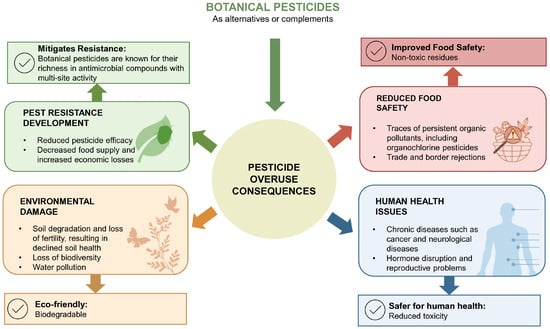
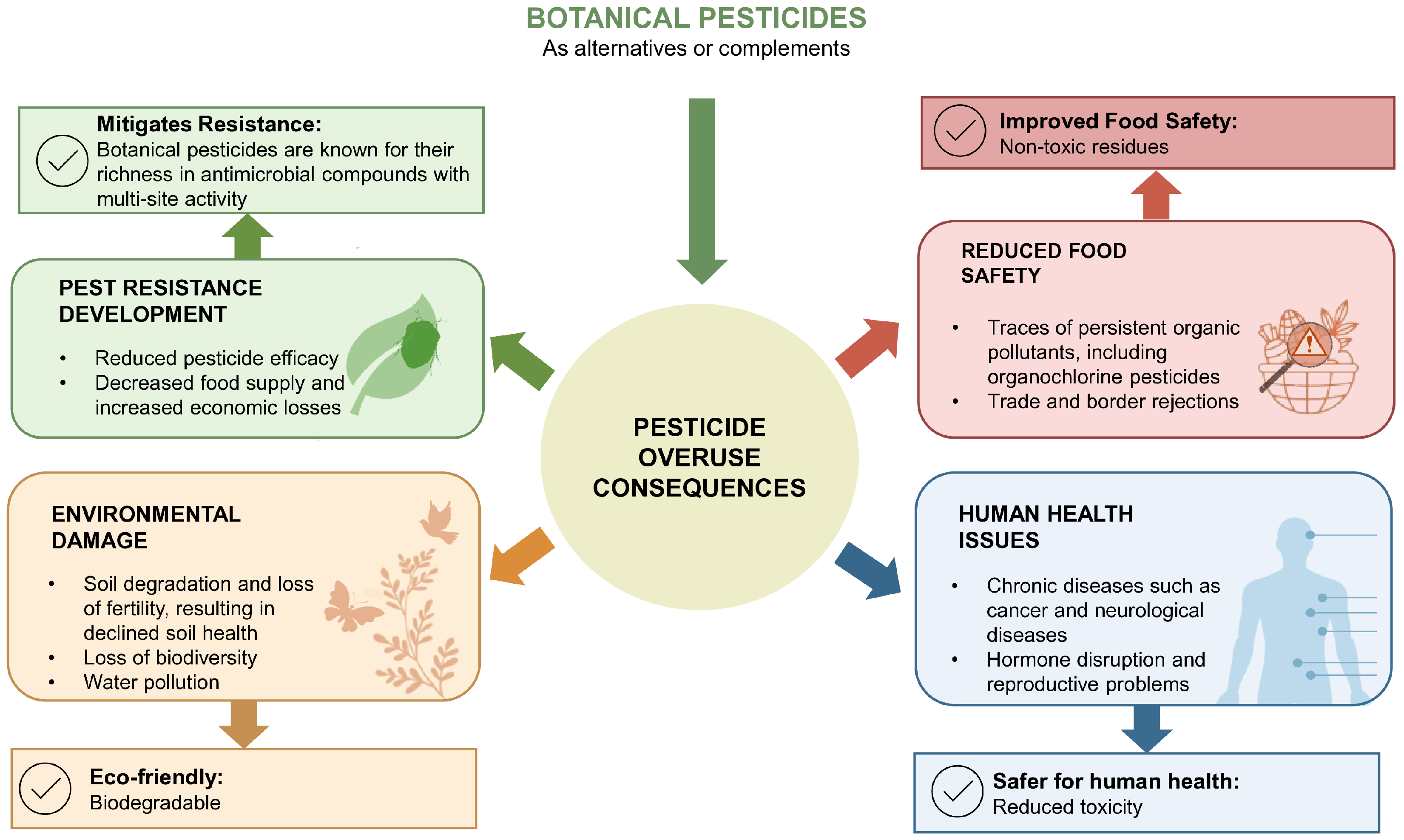
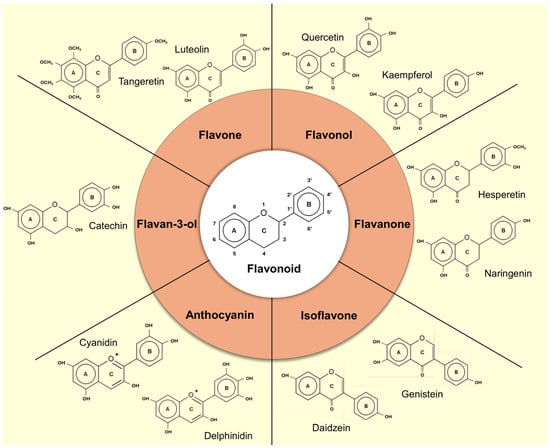
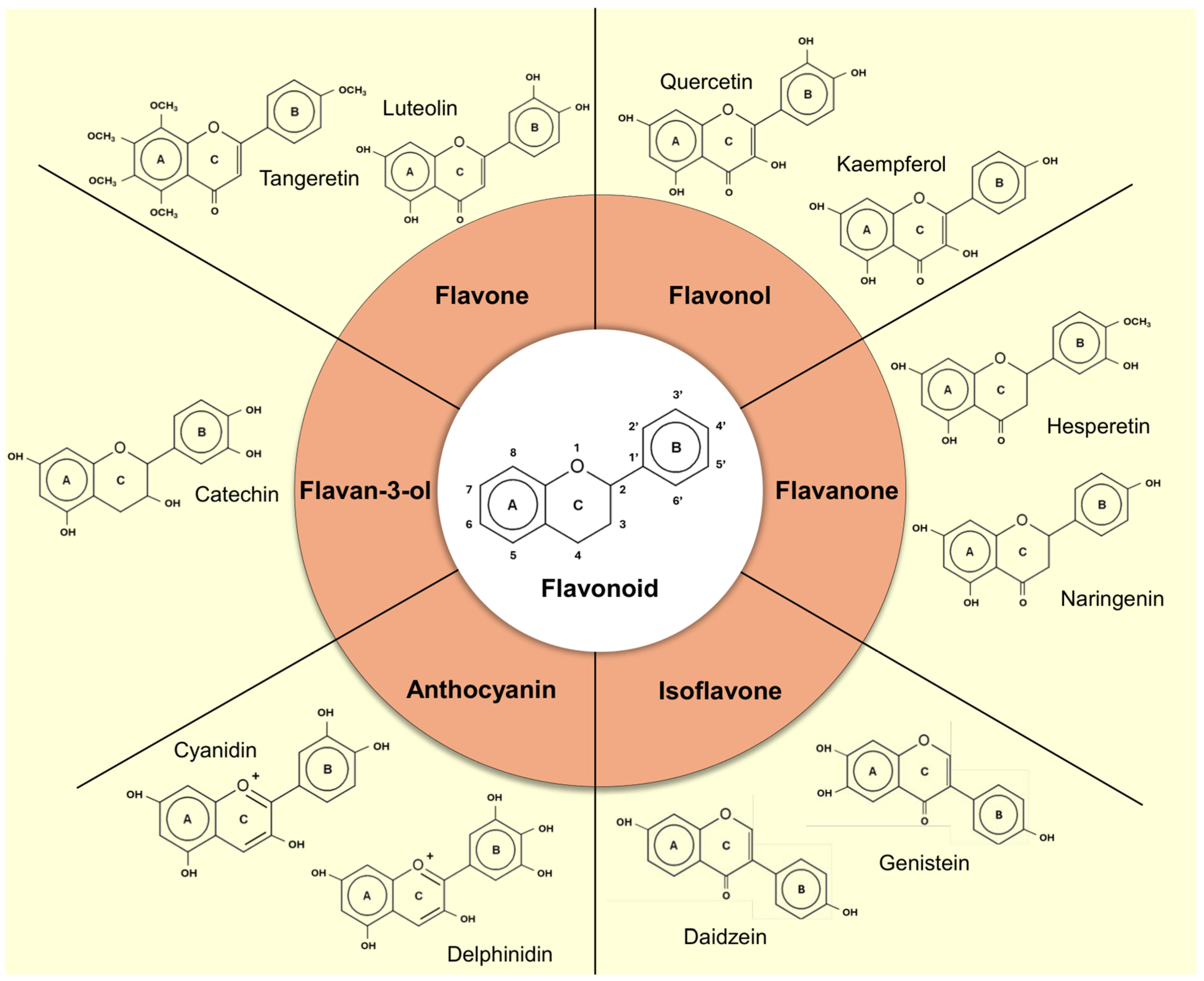
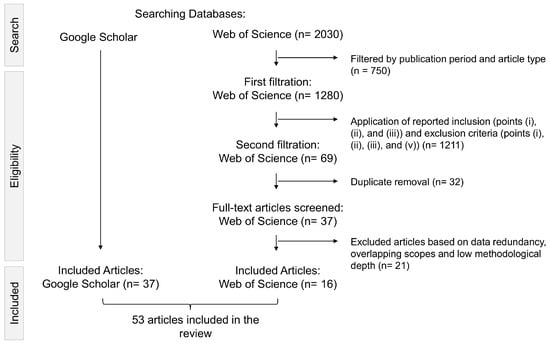
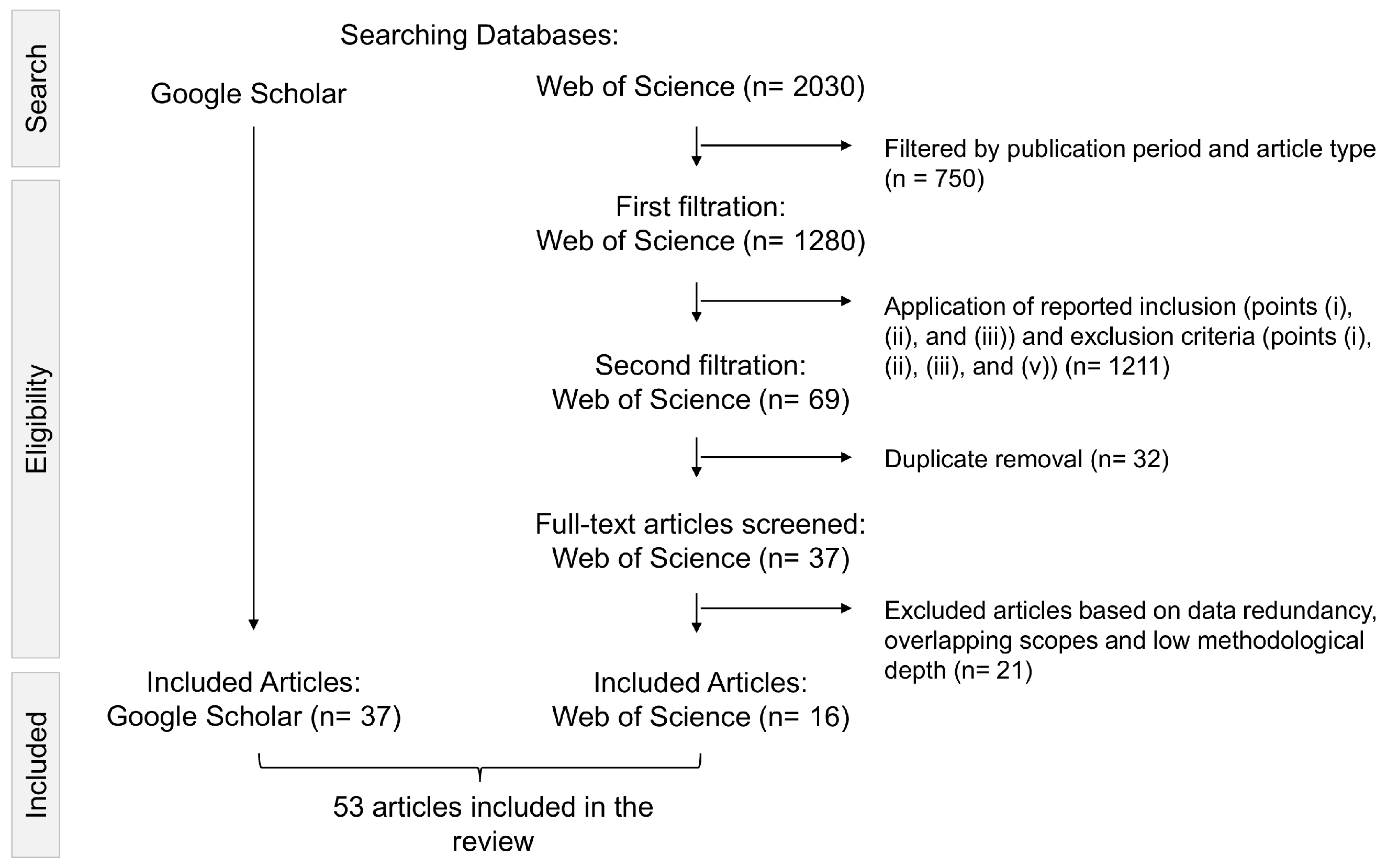
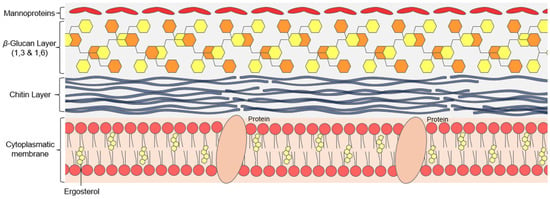
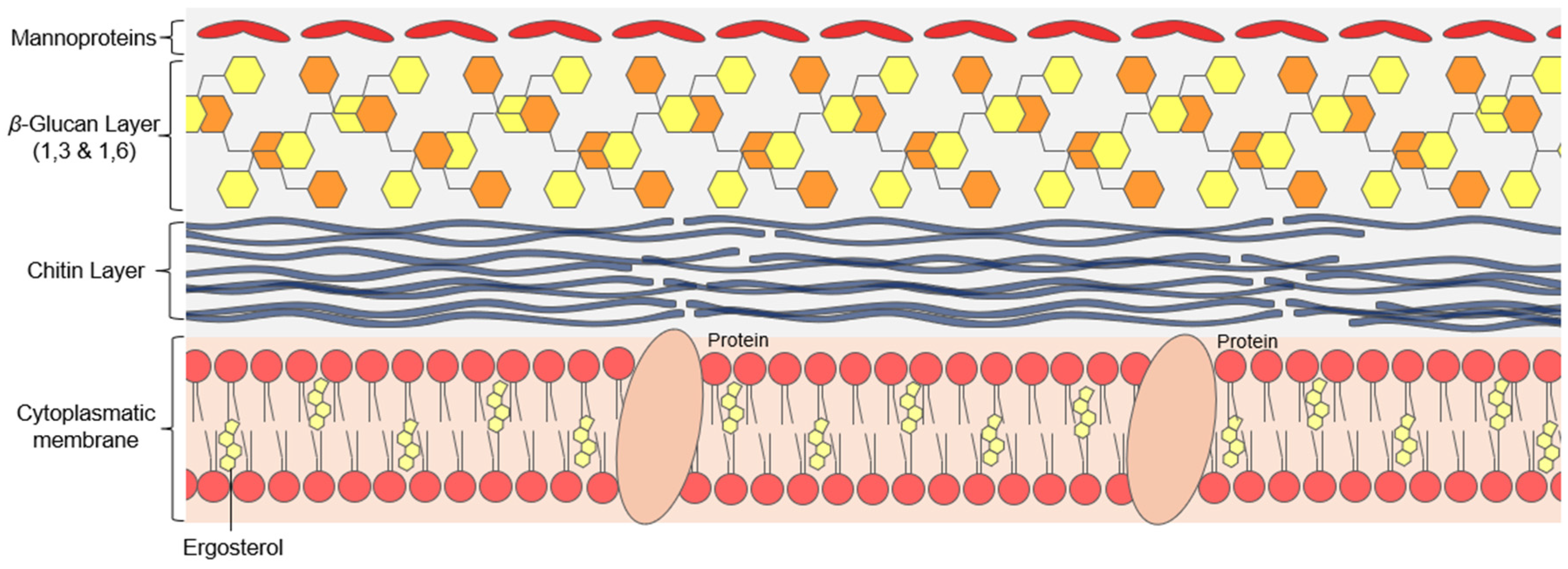
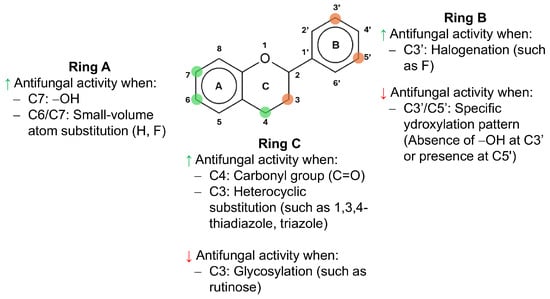
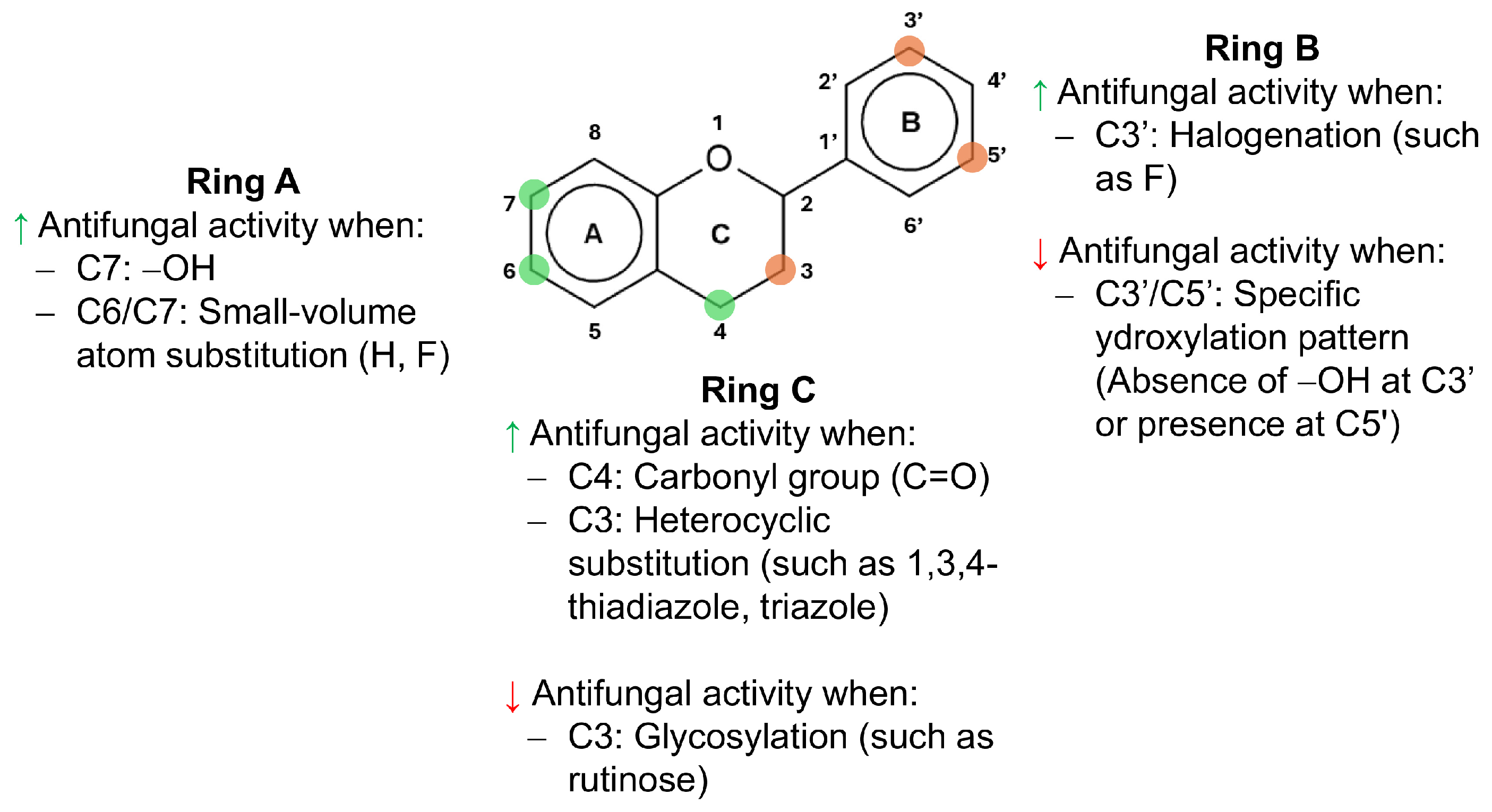
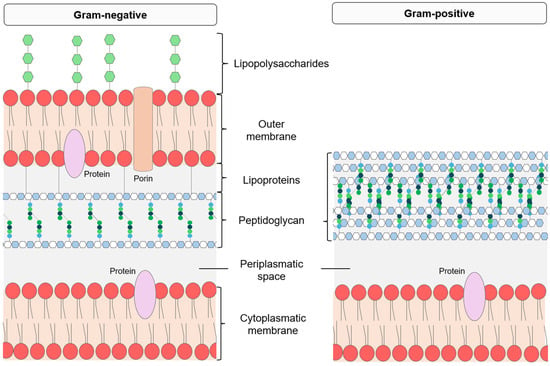
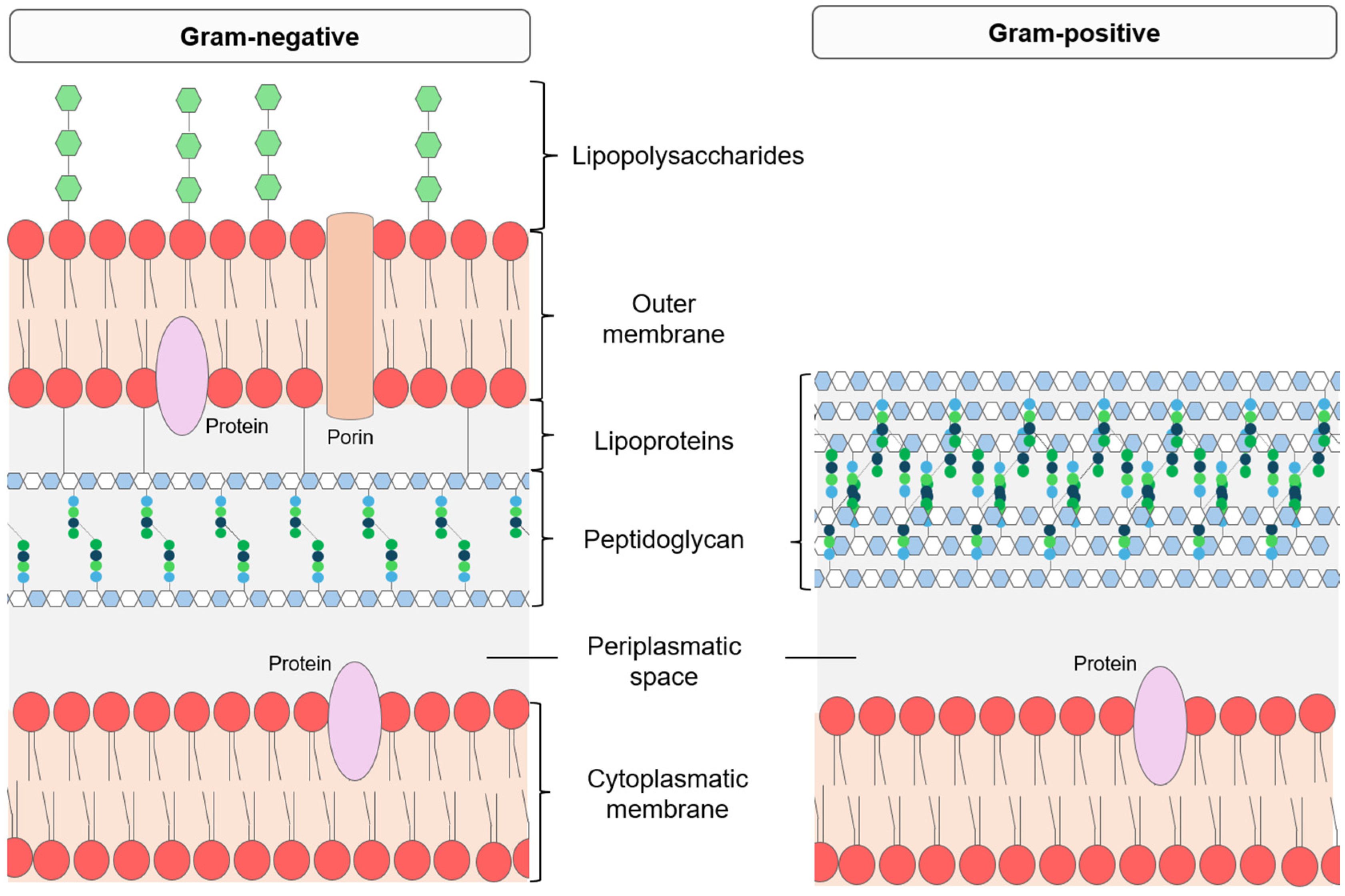
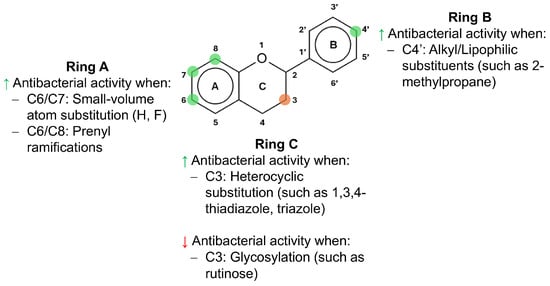
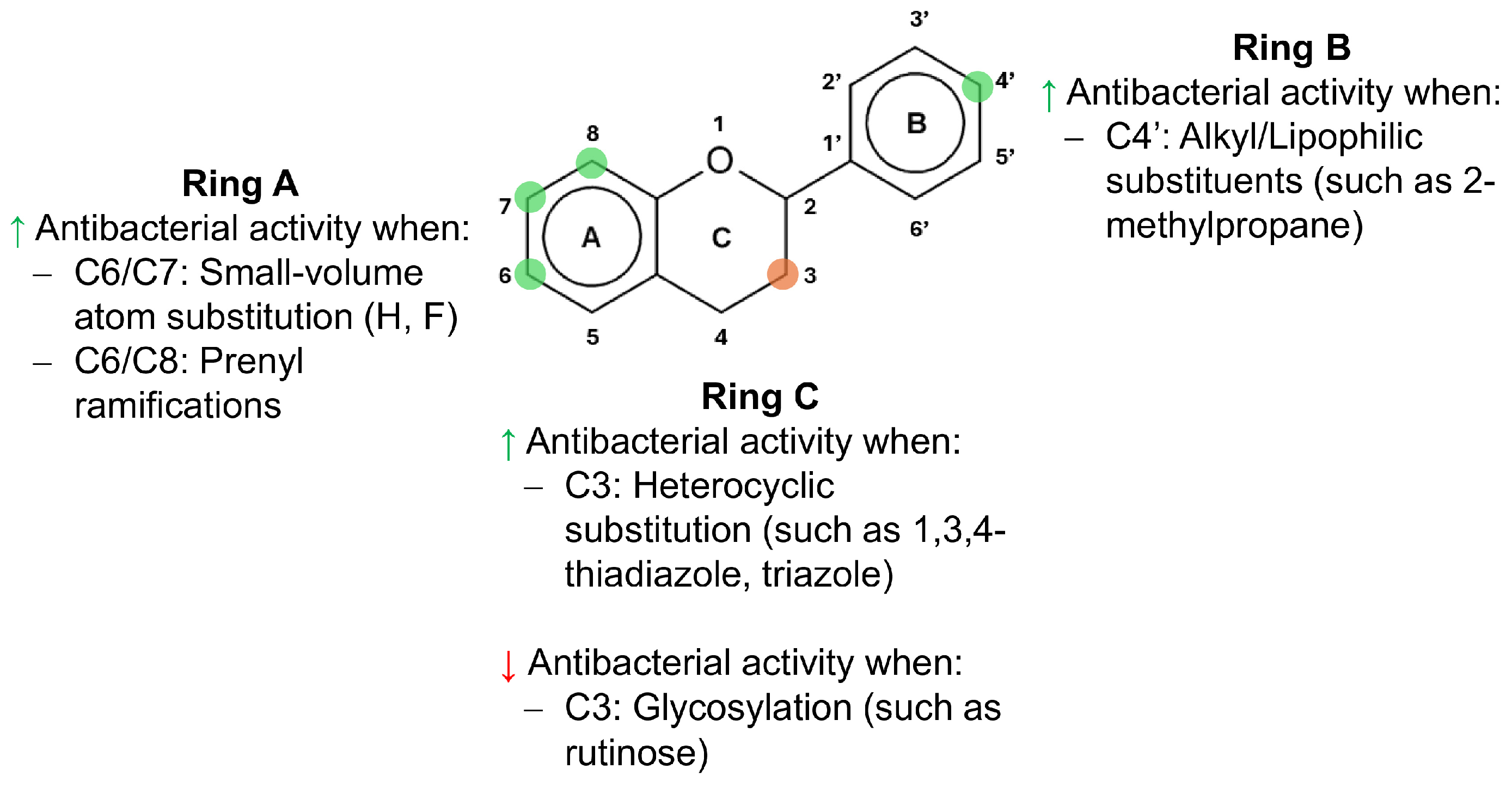

Disclaimer/Publisher’s Note: The statements, opinions and data contained in all publications are solely those of the individual author(s) and contributor(s) and not of MDPI and/or the editor(s). MDPI and/or the editor(s) disclaim responsibility for any injury to people or property resulting from any ideas, methods, instructions or products referred to in the content. |
© 2026 by the authors. Licensee MDPI, Basel, Switzerland. This article is an open access article distributed under the terms and conditions of the Creative Commons Attribution (CC BY) license.