Article

Hays of Novel-Improved Legume Cultivars: Phytochemical Content and Nutritional Value

by
Eleni D. Myrtsi
1,
Dimitrios N. Vlachostergios
2,*,
Christos Petsoulas
2,
Epameinondas Evergetis
1,
Sofia D. Koulocheri
1 and
Serkos A. Haroutounian
1,*
1
Laboratory of Nutritional Physiology and Feeding, Department of Animal Science, School of Animal Bioscience, Agricultural University of Athens, Iera Odos 75, 11855 Athens, Greece
2
Institute of Industrial and Forage Crops, Hellenic Agricultural Organization ELGO-DIMITRA, 41335 Larissa, Greece
*
Authors to whom correspondence should be addressed.
Plants 2024, 13(21), 3058; https://doi.org/10.3390/plants13213058

Submission received: 12 July 2024 / Revised: 6 October 2024 / Accepted: 28 October 2024 / Published: 31 October 2024

Abstract

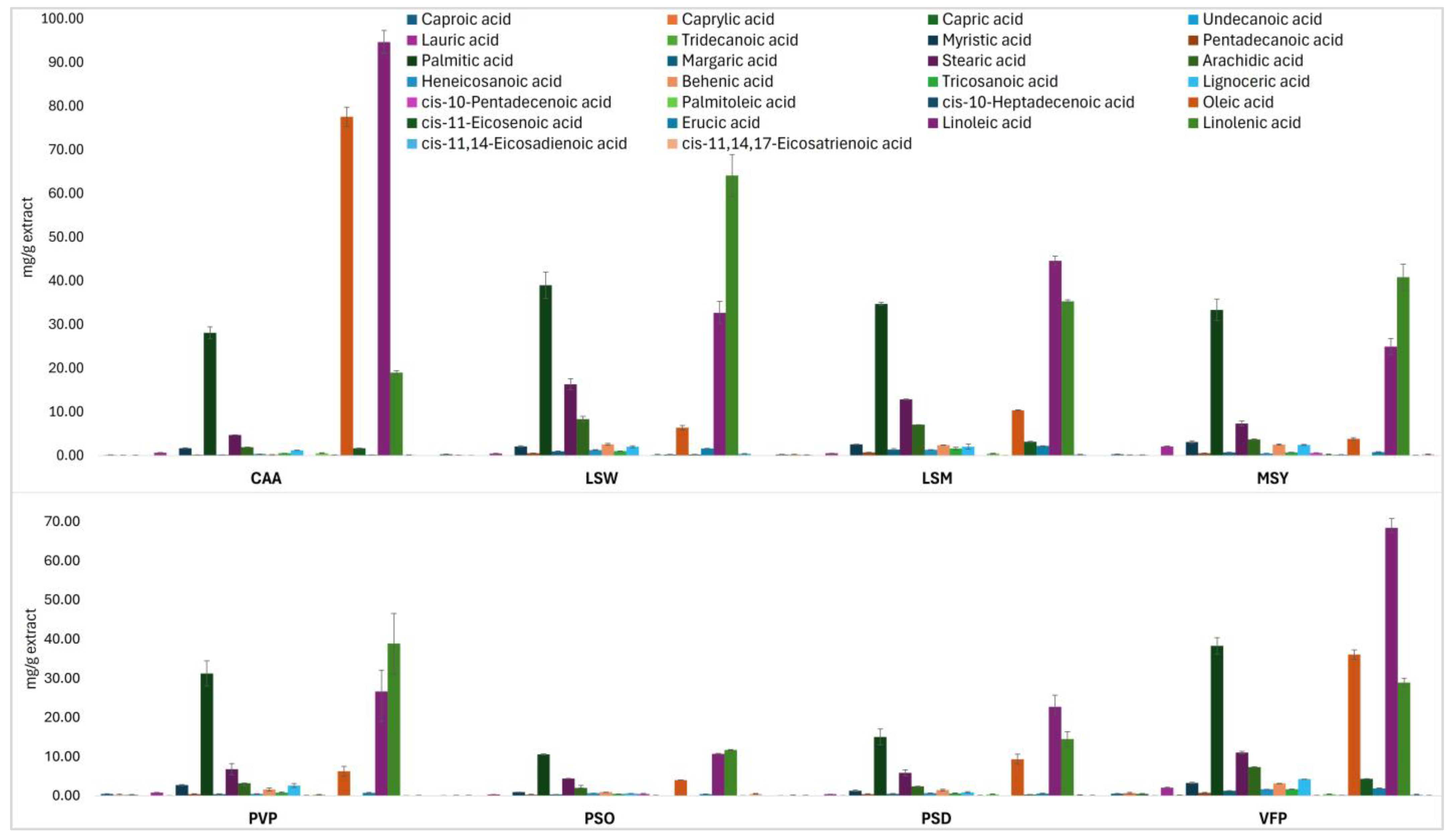
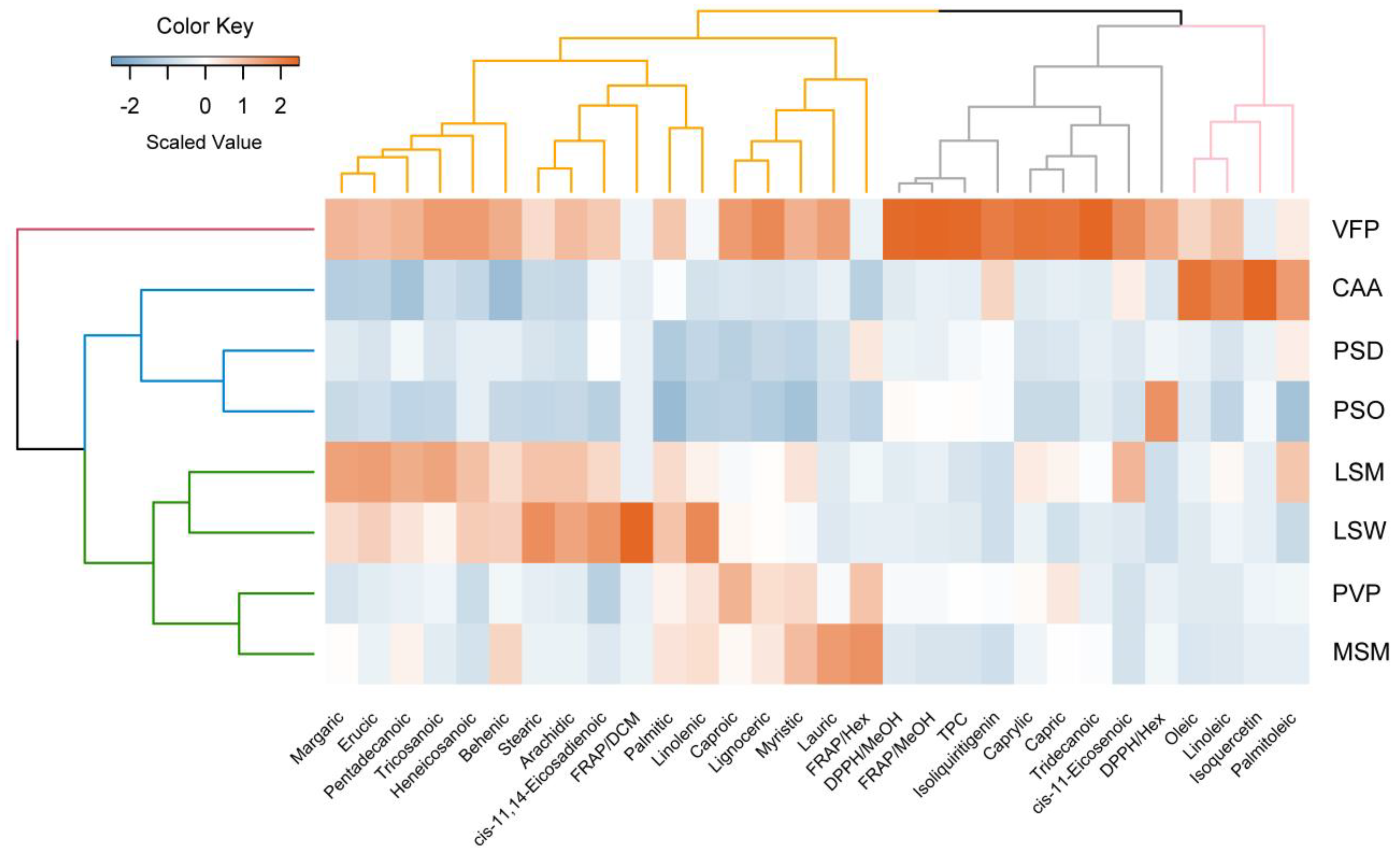
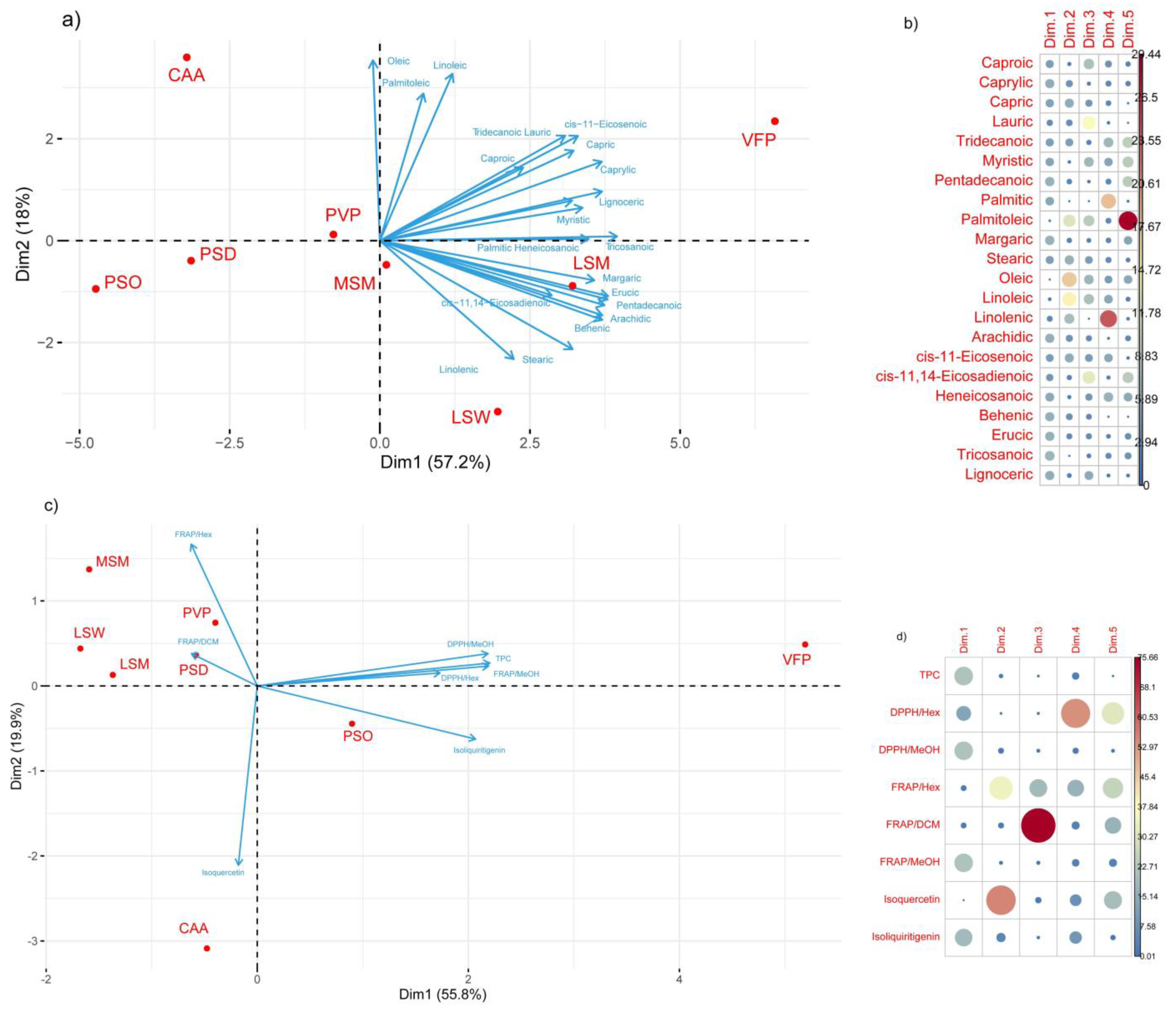
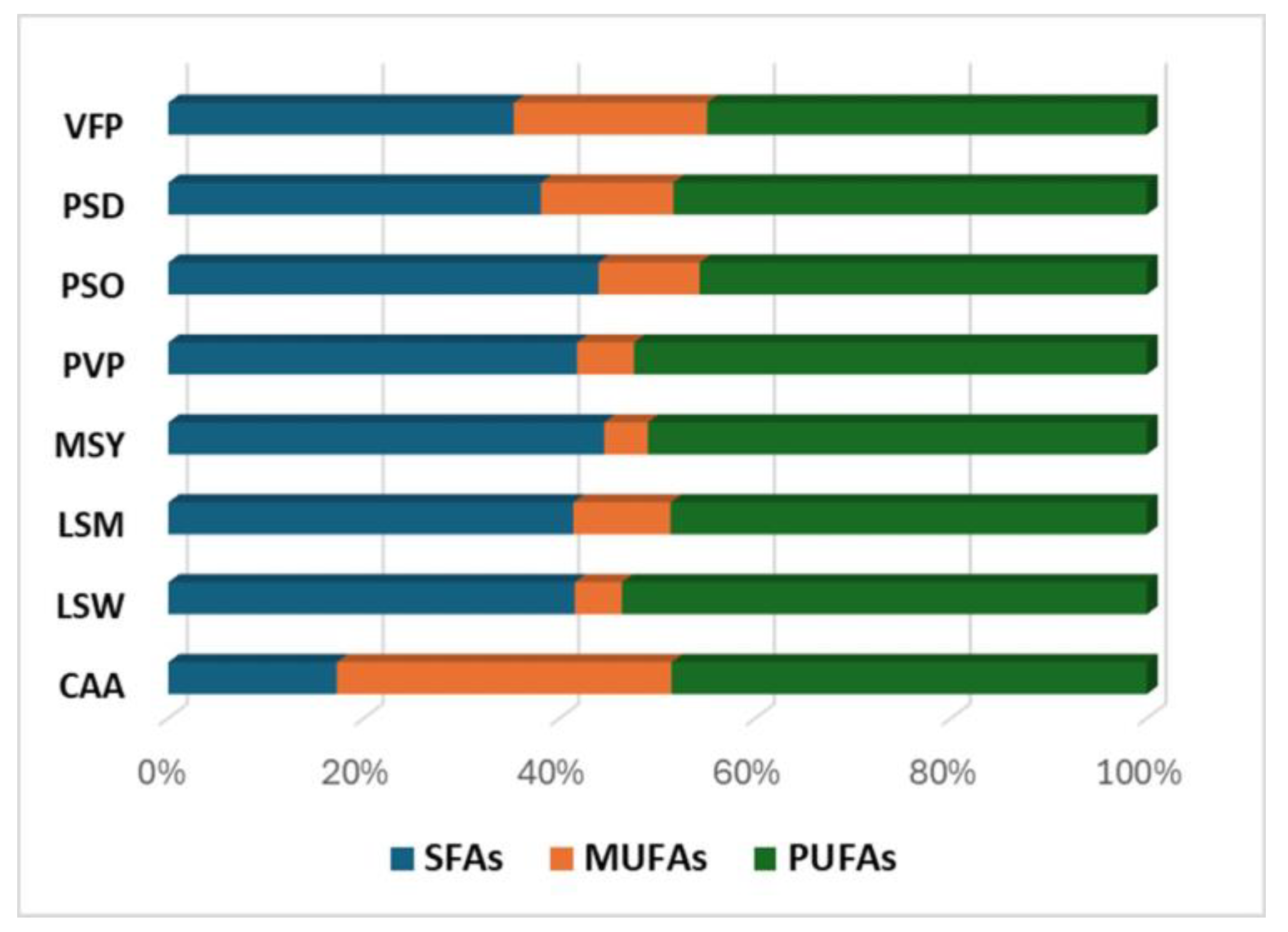
The imperative need to produce safe foodstuffs using environmentally sustainable practices has highlighted the incorporation of legumes in human and animal diets as an emerging nutritional staple. Since legumes comprise a family of plants known to display an extensive agricultural diversity with significant bioactivities, we report herein the exploitation outcome of the nutritional and bio-functional content of hay, derived from the post-harvest aerial parts of eight novel-improved Greek cultivars belonging to the following six taxa: Larthyrus sativus L., Medicago sativa L., Cicer arietinum L., Pisum sativum L., Vicia faba L., and Phaseolus vulgaris L. In specific, the phytochemical content of their hay extracts was screened against the presence of 37 fatty acids and 67 polyphenols using, respectively, GC-FID and LC-MS/MS instruments, while the determination of their total phenolic and tannin contents was achieved with spectrophotometric methods. In this respect, the presence of 26 different fatty acids was detected of which the acids linoleic, linolenic and palmitic were traced in all extracts in concentrations exceeding the 10 mg/g, while the oleic acid was determined as the major component of C. arietinum (77.58 mg/g), V. faba (36.11 mg/g), and L. sativus (12.89 mg/g) extracts. In addition, 30 different phenolics were traced as extracts’ components with the most abundant the molecule of isoquercetin, which was present in six extracts and isoliquiritigenin, calycosin, and chlorogenic acid which were detected in five extracts. Finally, the antioxidant properties of the extracts were evaluated by performing both DPPH and FRAP assays, which highlighted the V. faba extract as the most potent in both tests, followed by the extracts of P. sativum and P. vulgaris. Results herein are indicative of the significant advances achieved, for the improvement of investigated plant cultivars with respect to their utilization as nutritional crops, since these novel cultivars hays have been found to contain significant amounts of essential nutrients in the form of fatty acids along with bioactive ingredients in the form of polyphenols, while simultaneously they were determined as deprived of tannins that constitute essential anti-nutritional factors.
Keywords: fabaceae; legumes; hay; cicer; lathyrus; medicago; phaseolus; pisum; vicia; polyphenols fabaceae; legumes; hay; cicer; lathyrus; medicago; phaseolus; pisum; vicia; polyphenols