Article

A Continuous Centennial Late Glacial-Early Holocene (15–10 cal kyr BP) Palynological Record from the Iberian Pyrenees and Regional Comparisons

by
Valentí Rull
1,2,*,
Arnau Blasco
3,
Miguel Ángel Calero
4,
Maarten Blaauw
5 and
Teresa Vegas-Vilarrúbia
3
1
Botanic Institute of Barcelona, Spanish National Research Council (CSIC), Pg. Migdia s/n, 08038 Barcelona, Spain
2
Institut Català de Paleontologia Miquel Crusafont, Universitat Autònoma de Barcelona, C. Columnes ICTA-ICP Bld., 08193 Cerdanyola del Vallès, Spain
3
Department of Evolutionary Biology, Ecology and Environmental Sciences, Universitat de Barcelona, Av. Diagonal 643, 08028 Barcelona, Spain
4
Department of Geography, Universitat de Barcelona, C. Montalegre 6, 08001 Barcelona, Spain
5
14CHRONO Centre for Climate, the Environment and Chronology, School of Natural and Built Environment, Queen’s University Belfast, 42 Fitzwilliam St., Belfast BT7 1NN, UK
*
Author to whom correspondence should be addressed.
Plants 2023, 12(20), 3644; https://doi.org/10.3390/plants12203644

Submission received: 28 September 2023 / Revised: 19 October 2023 / Accepted: 20 October 2023 / Published: 22 October 2023

Abstract

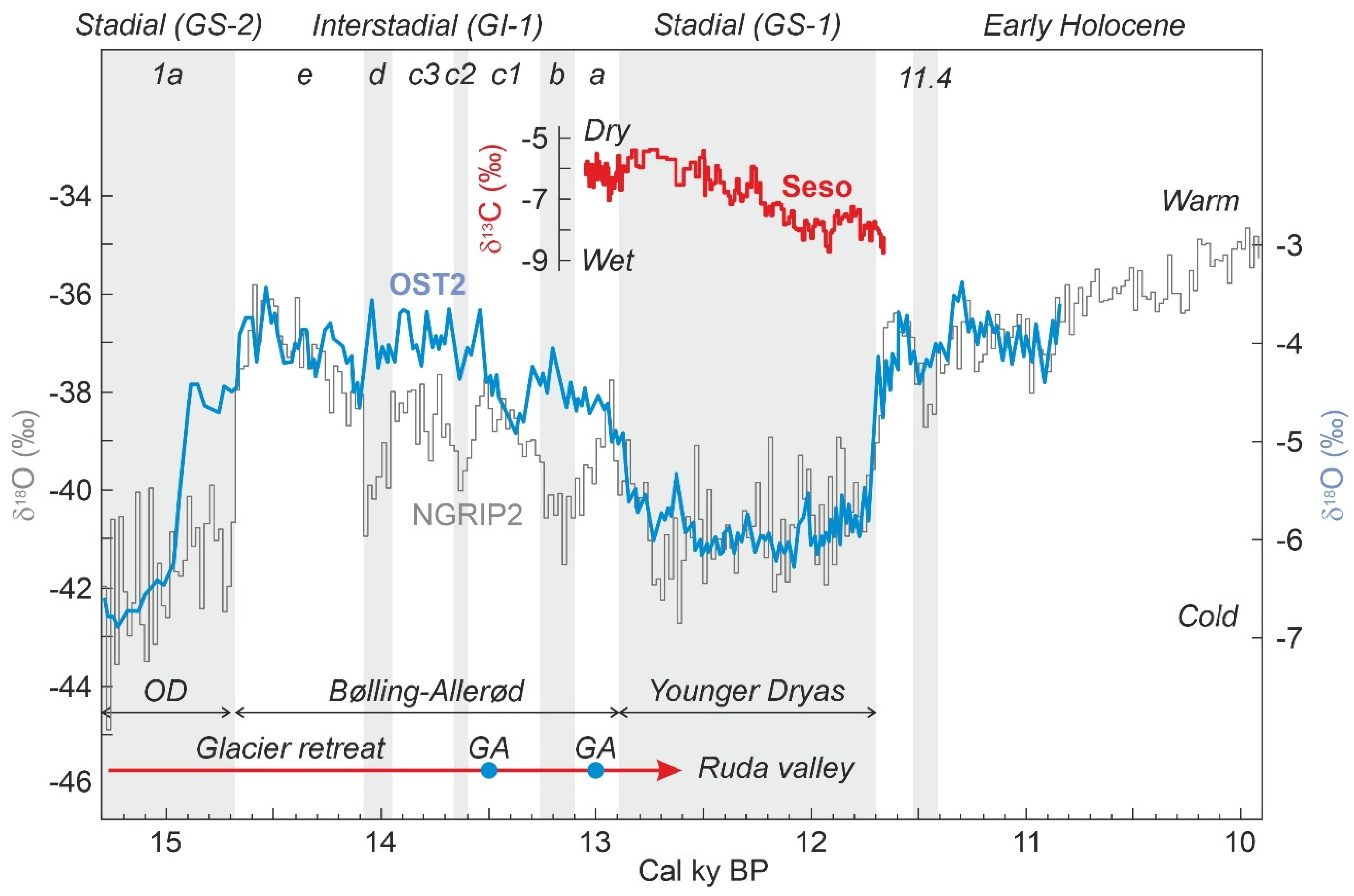
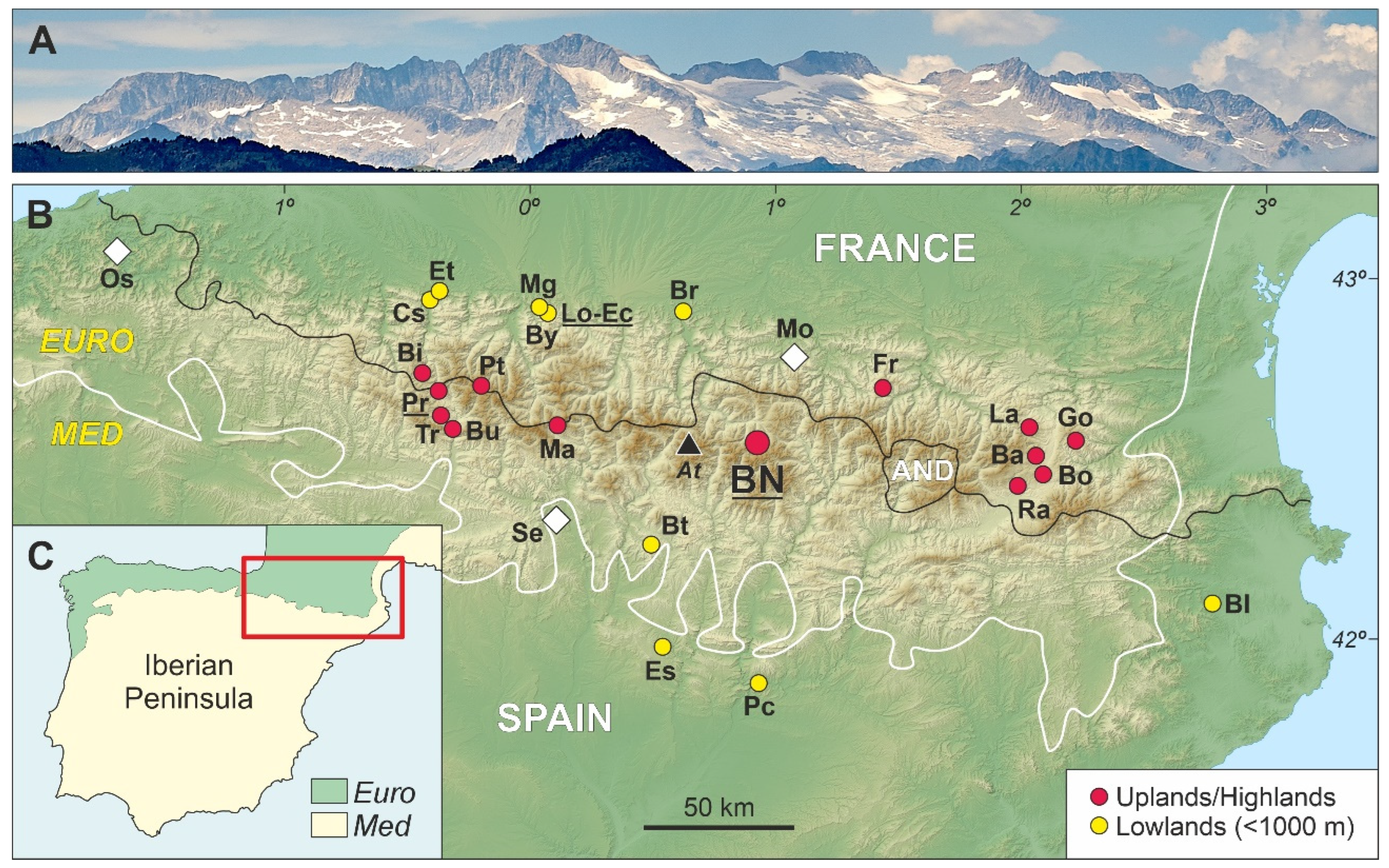
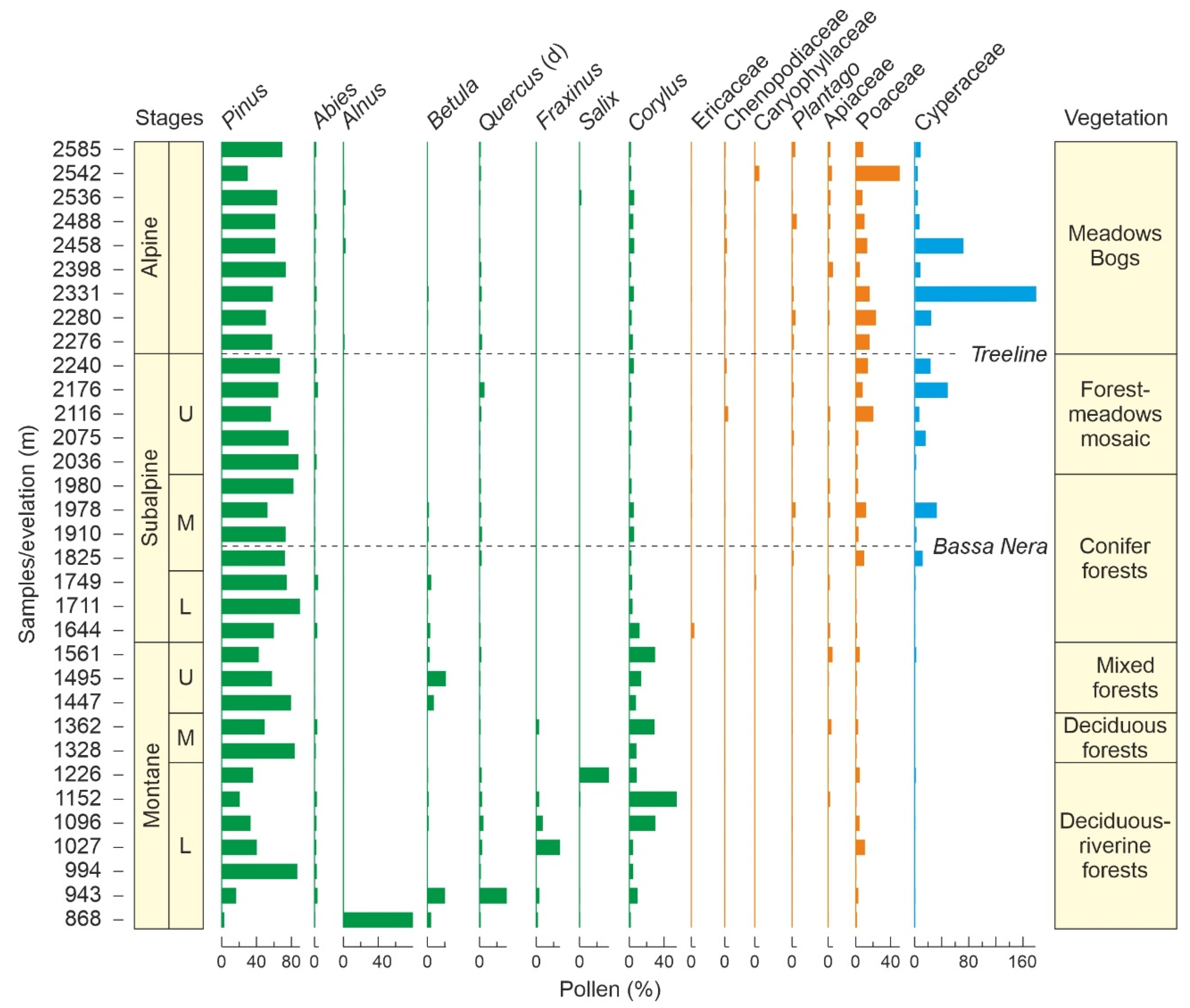
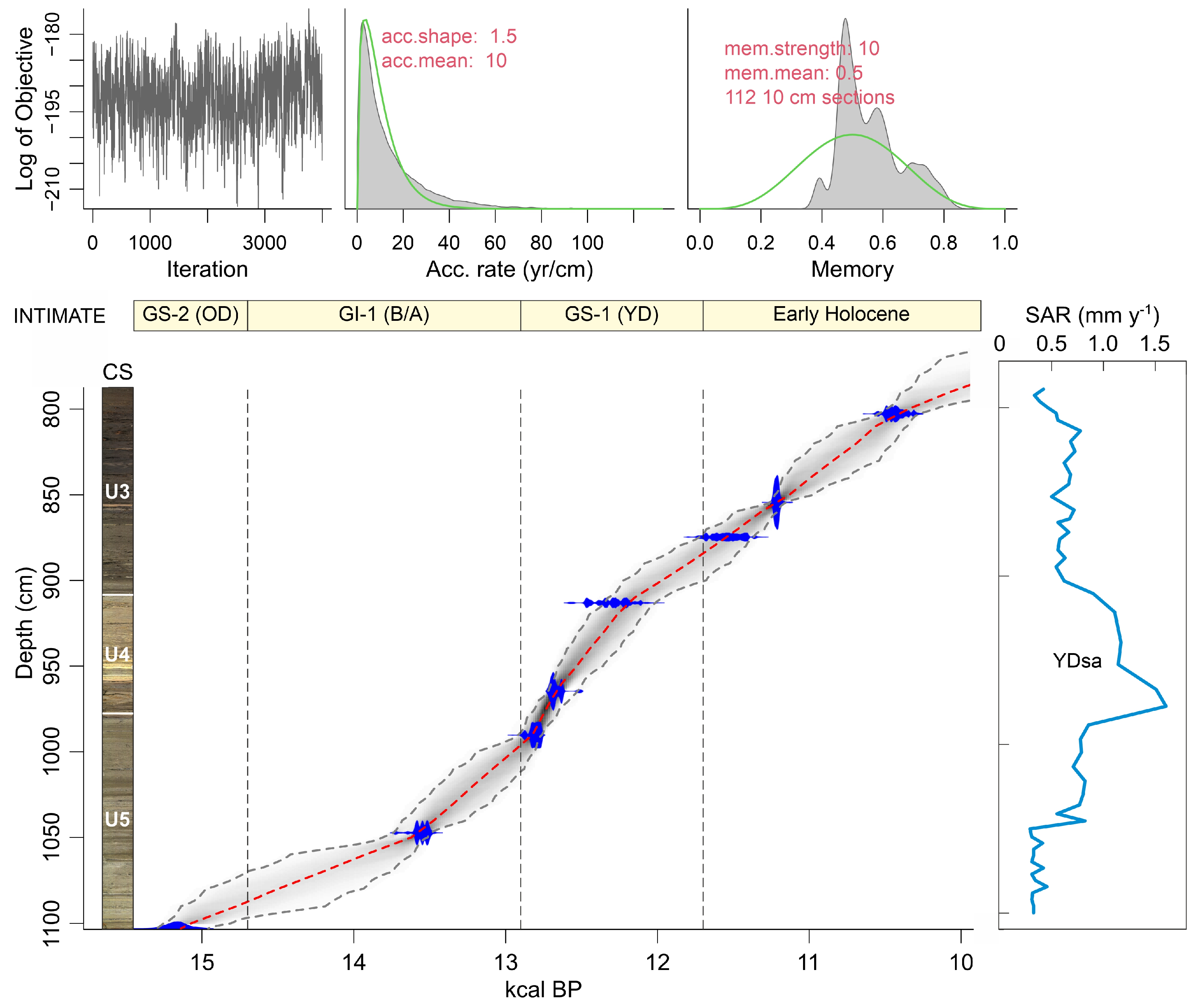
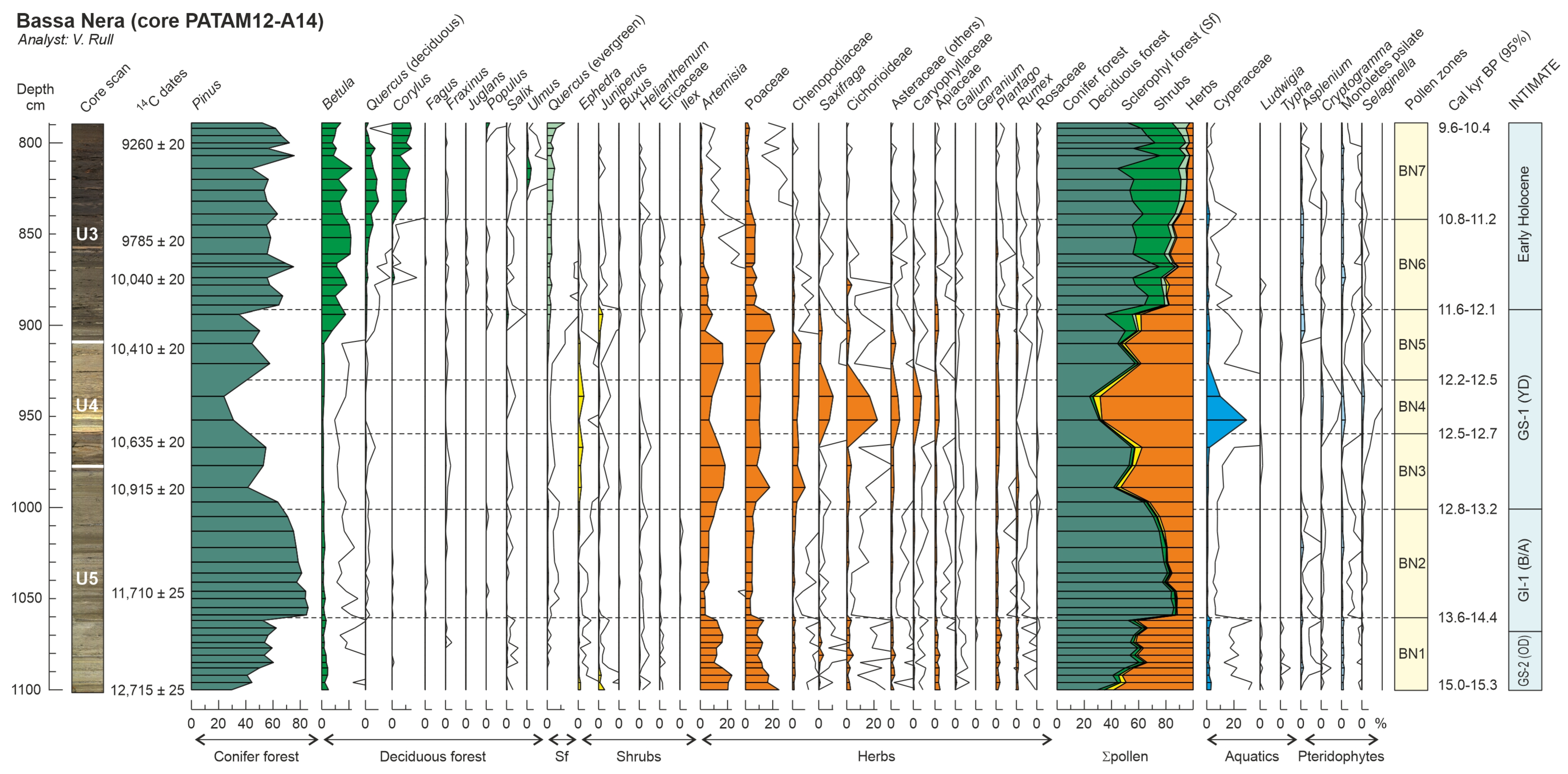
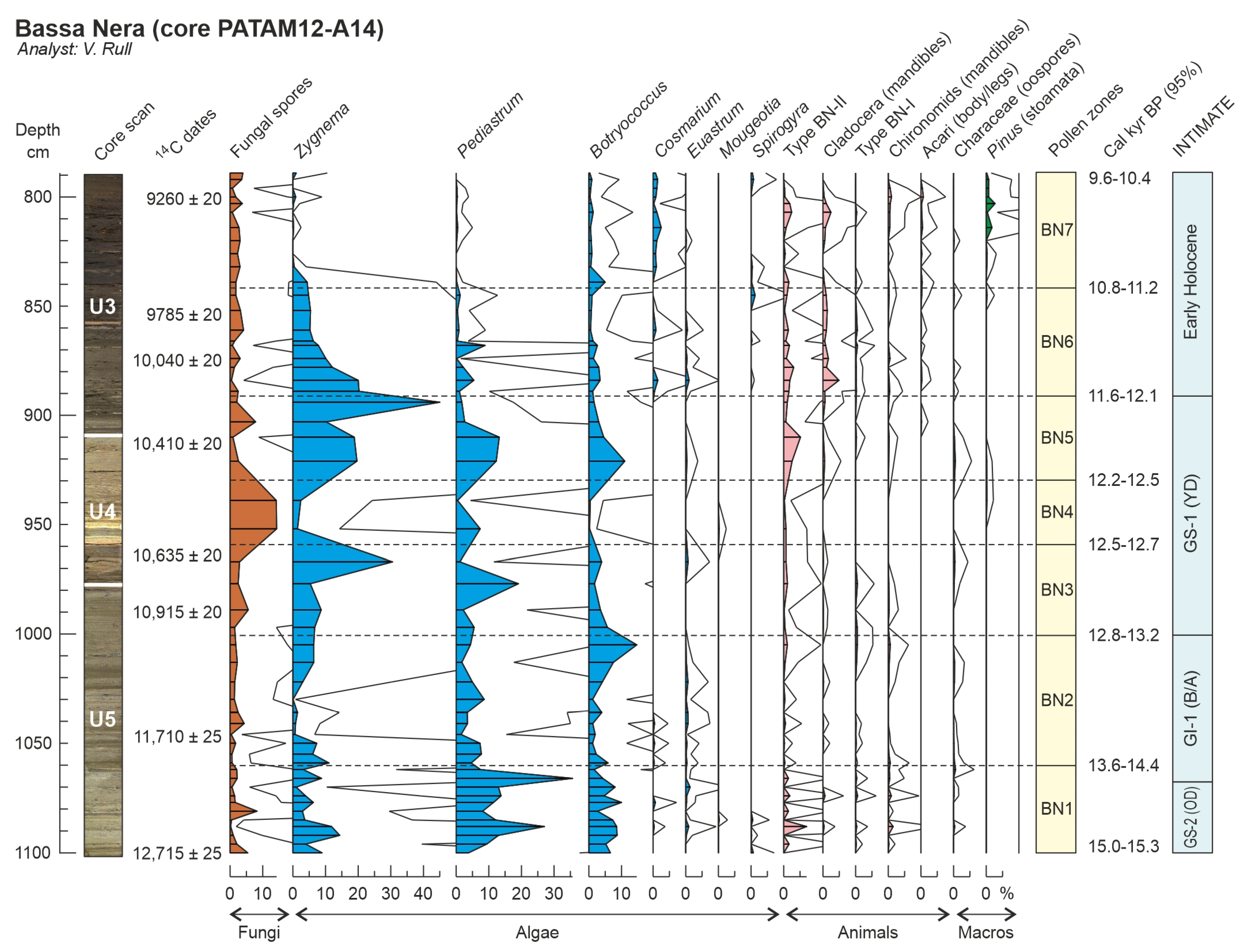
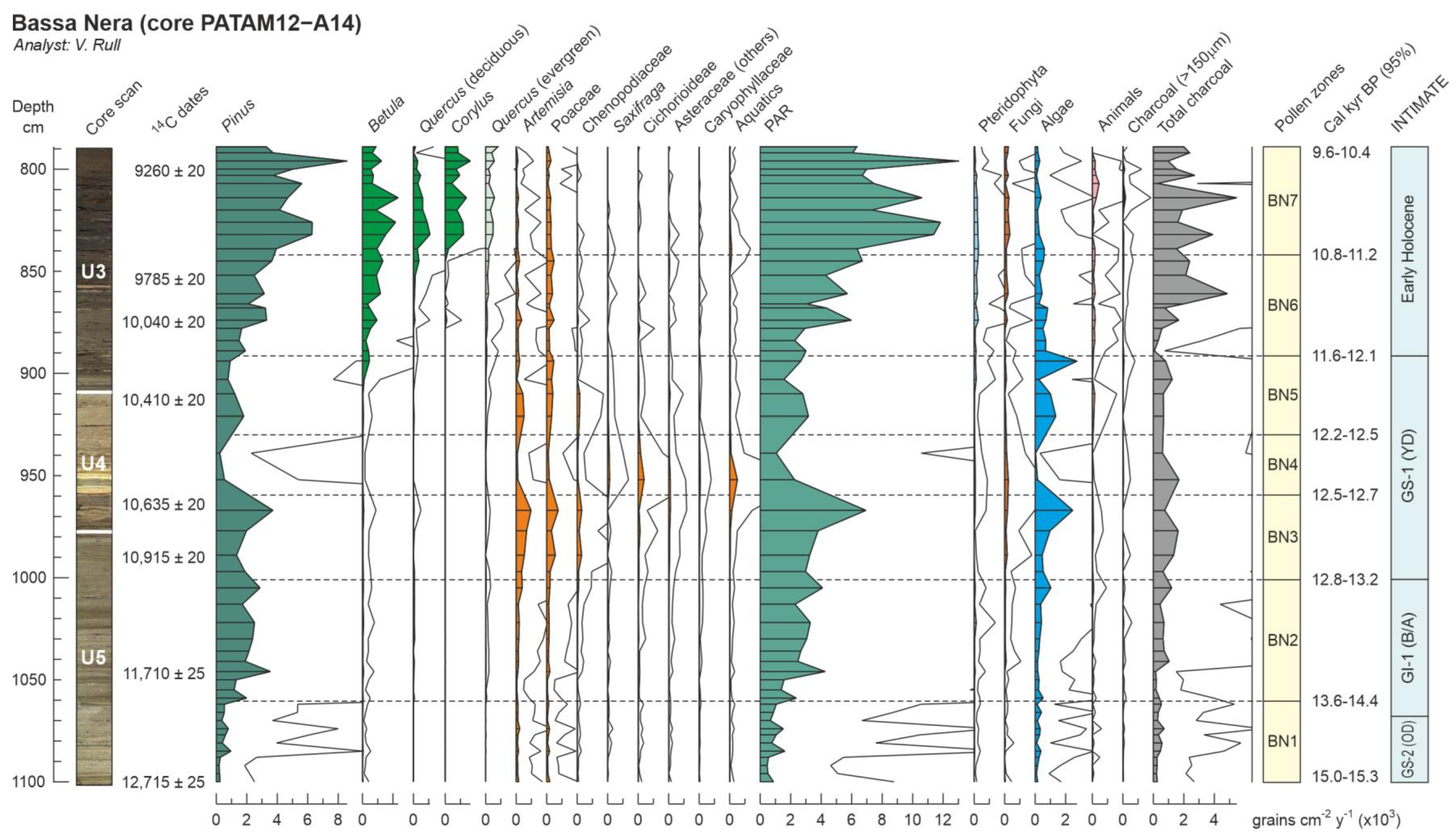
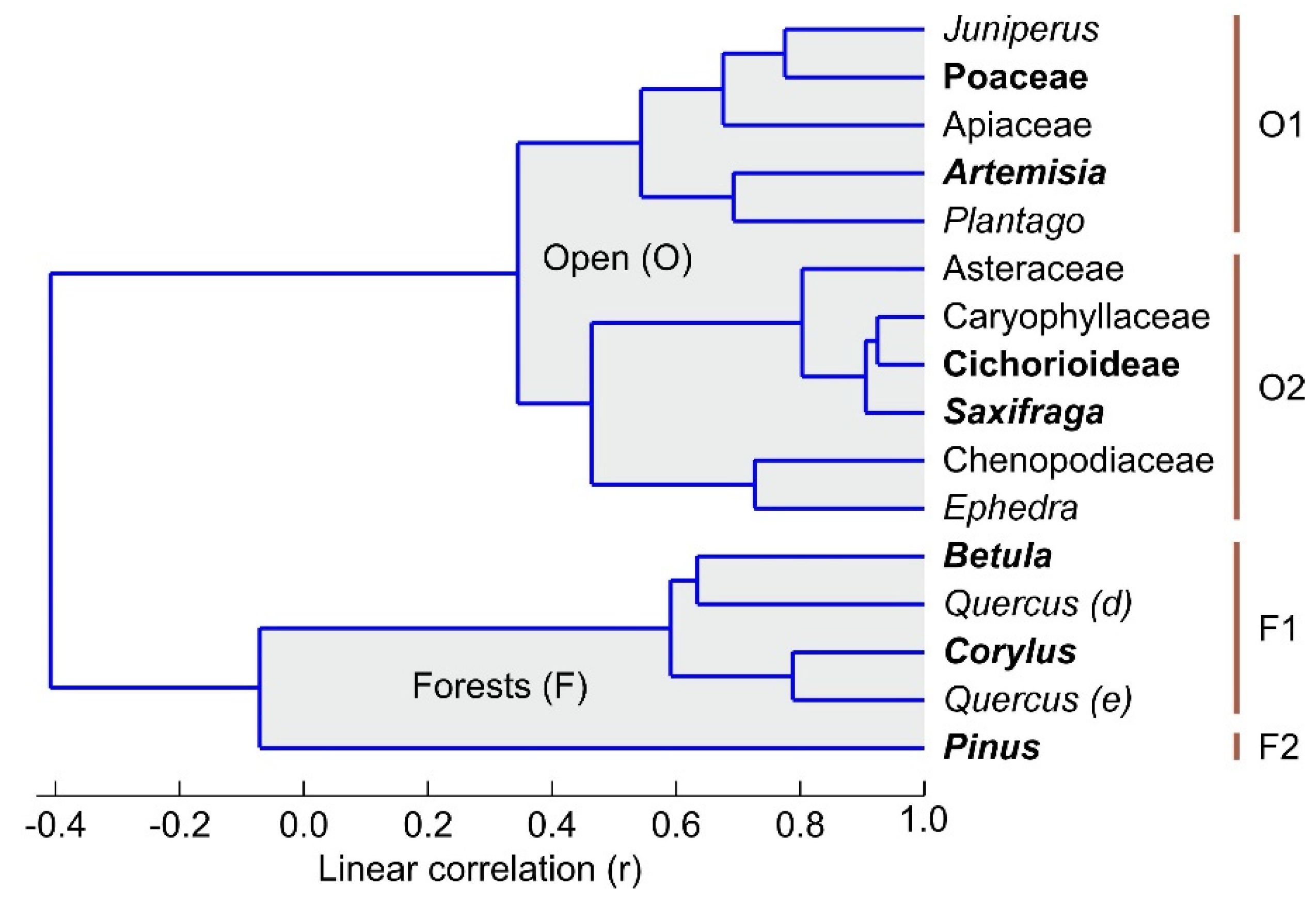
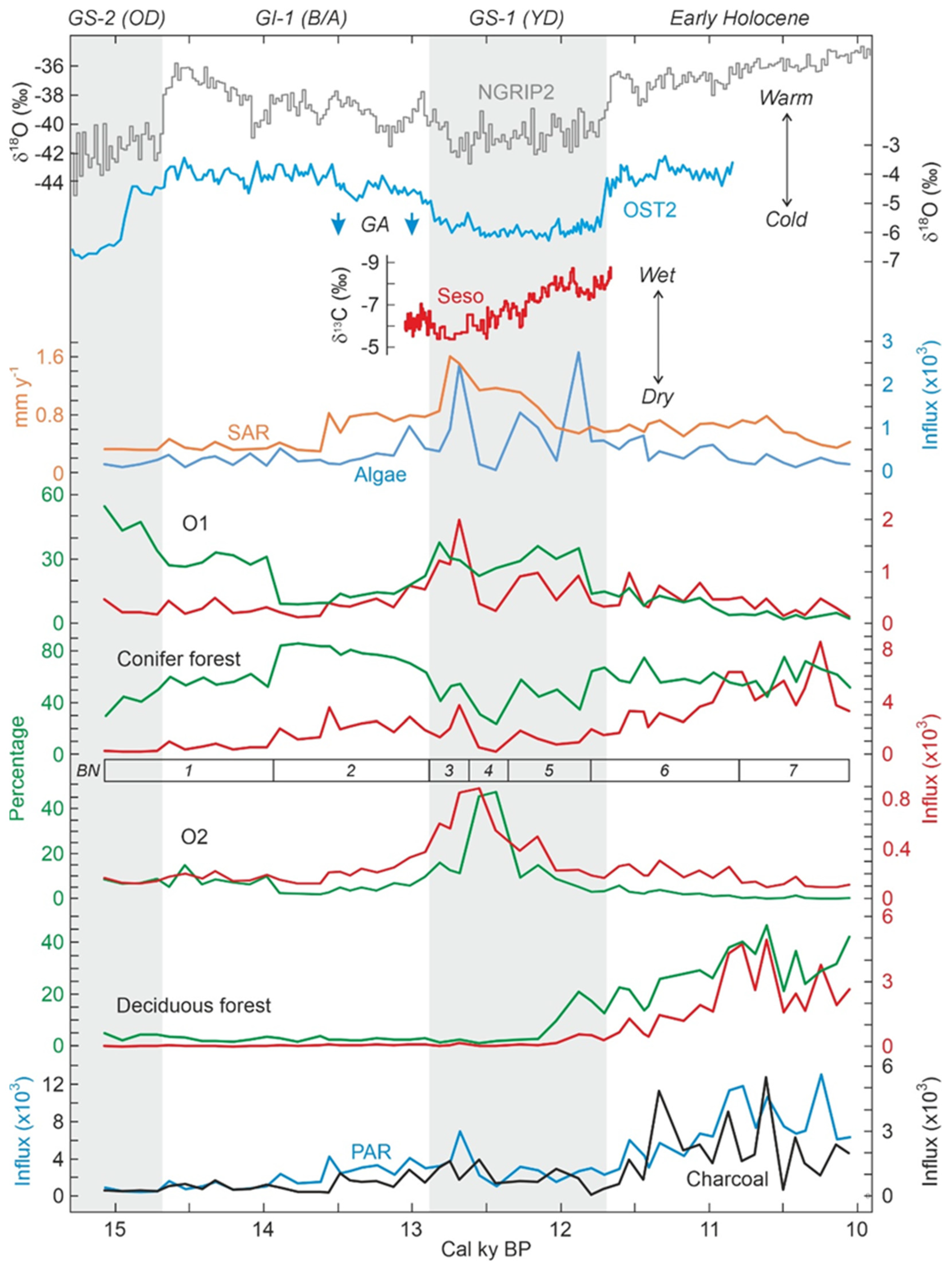
This paper presents the first continuous (gap-free) Late Glacial-Early Holocene (LGEH) pollen record for the Iberian Pyrenees resolved at centennial resolution. The main aims are (i) to provide a standard chronostratigraphic correlation framework, (ii) to unravel the relationships between vegetation shifts, climatic changes and fire, and (iii) to obtain a regional picture of LGEH vegetation for the Pyrenees and the surrounding lowlands. Seven pollen assemblage zones were obtained and correlated with the stadial/interstadial phases of the Greenland ice cores that serve as a global reference. Several well-dated datums were also derived for keystone individual taxa that are useful for correlation purposes. Four vegetation types were identified, two of them corresponding to conifer and deciduous forests (Cf, Df) and two representing open vegetation types (O1, O2) with no modern analogs, dominated by Artemisia-Poaceae and Saxifraga-Cichorioideae, respectively. Forests dominated during interstadial phases (Bølling/Allerød and Early Holocene), whereas O1 dominated during stadials (Oldest Dryas and Younger Dryas), with O2 being important only in the first half of the Younger Dryas. The use of pollen-independent proxies for temperature and moisture allowed the reconstruction of paleoclimatic trends and the responses of the four vegetation types defined. The most relevant observation in this sense was the finding of wet climates during the Younger Dryas, which challenges the traditional view of arid conditions for this phase on the basis of former pollen records. Fire incidence was low until the Early Holocene, when regional fires were exacerbated, probably due to the combination of higher temperatures and forest biomass accumulation. These results are compared with the pollen records available for the whole Pyrenean range and the surrounding lowlands within the framework of elevational, climatic and biogeographical gradients. Some potential future developments are suggested on the basis of the obtained results, with an emphasis on the reconsideration of the LGEH spatiotemporal moisture patterns and the comparison of the Pyrenees with other European ranges from different climatic and biogeographical regions.
Keywords: Pyrenees; palynology; pollen stratigraphy; climate change; fire; vegetation response; Late Glacial; Early Holocene Pyrenees; palynology; pollen stratigraphy; climate change; fire; vegetation response; Late Glacial; Early Holocene