Article

Numerical Evaluation on Parametric Choices Influencing Segmentation Results in Radiology Images—A Multi-Dataset Study

by
Pravda Jith Ray Prasad
1,2,
Shanmugapriya Survarachakan
3,
Zohaib Amjad Khan
4,
Frank Lindseth
3,
Ole Jakob Elle
1,2,
Fritz Albregtsen
2,5 and
Rahul Prasanna Kumar
1,*
1
The Intervention Centre, Oslo University Hospital, 0372 Oslo, Norway
2
Department of Informatics, University of Oslo, 0315 Oslo, Norway
3
Department of Computer Science, Norwegian University of Science and Technology, 7491 Trondheim, Norway
4
L2TI, Institut Galilée, Université Sorbonne Paris Nord, UR 3043, 93430 Villetaneuse, France
5
Institute for Cancer Genetics and Informatics, Oslo University Hospital, 0379 Oslo, Norway
*
Author to whom correspondence should be addressed.
Electronics 2021, 10(4), 431; https://doi.org/10.3390/electronics10040431

Submission received: 16 January 2021 / Revised: 2 February 2021 / Accepted: 4 February 2021 / Published: 10 February 2021
(This article belongs to the Special Issue Deep Learning for Medical Images: Challenges and Solutions)

Abstract

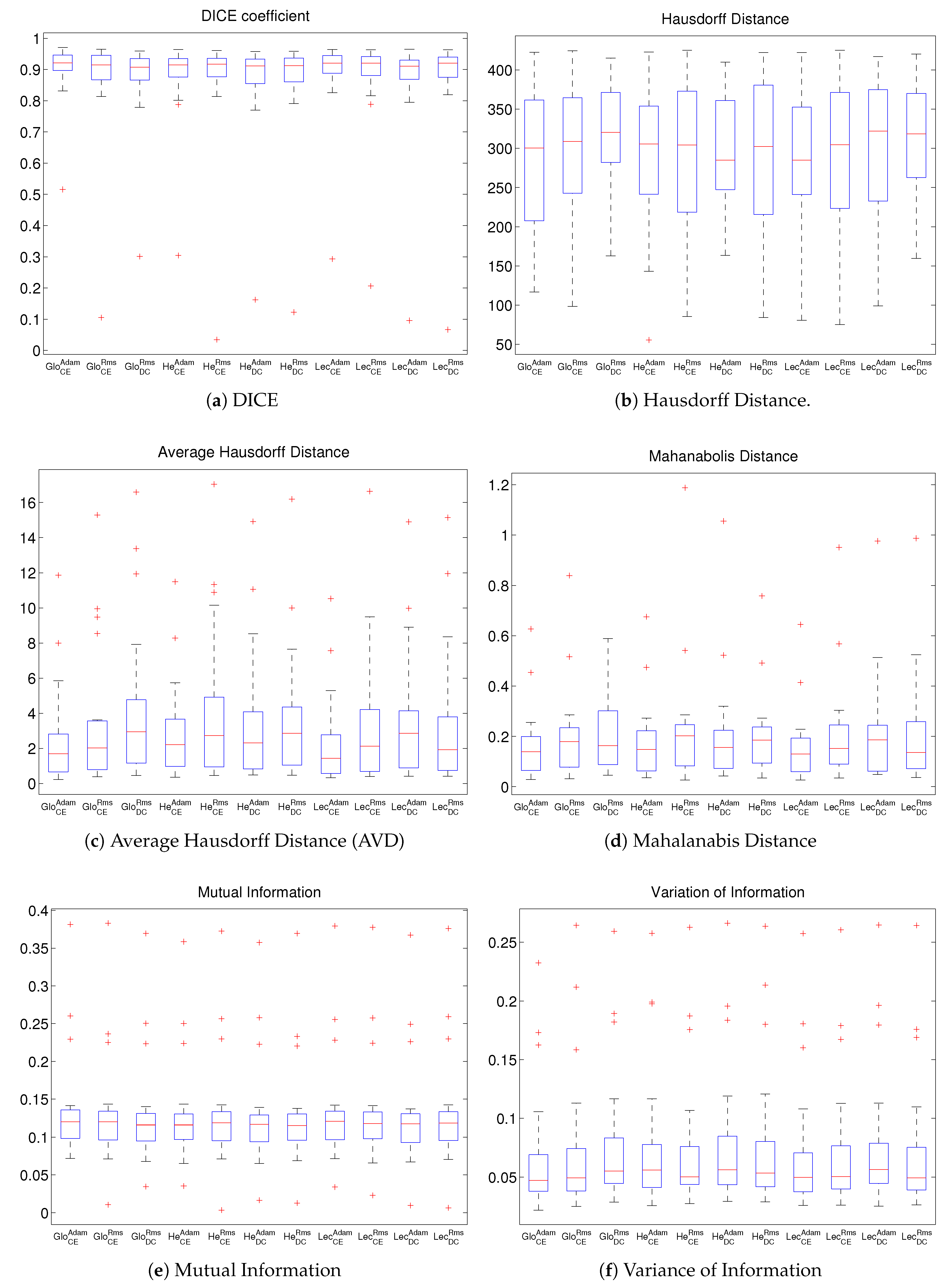
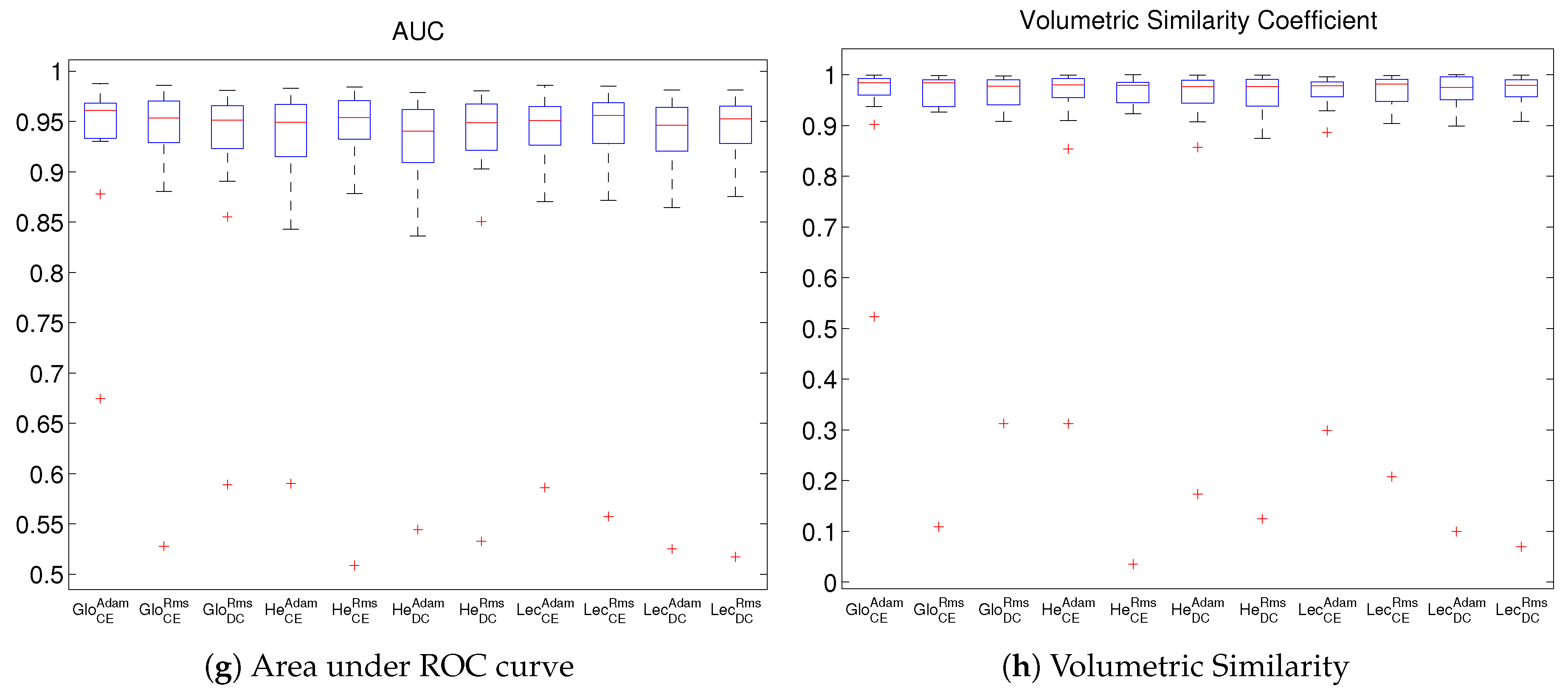
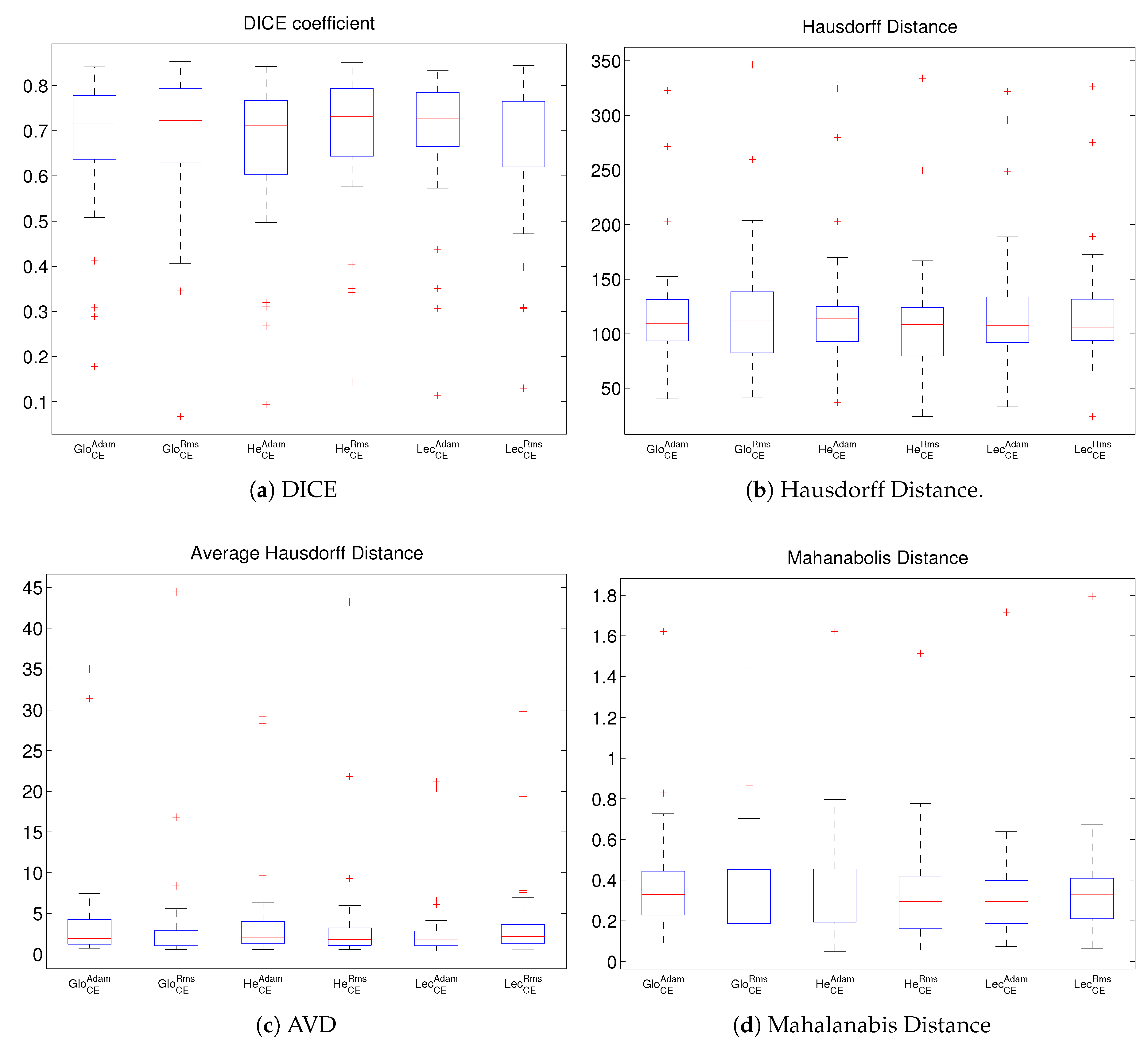
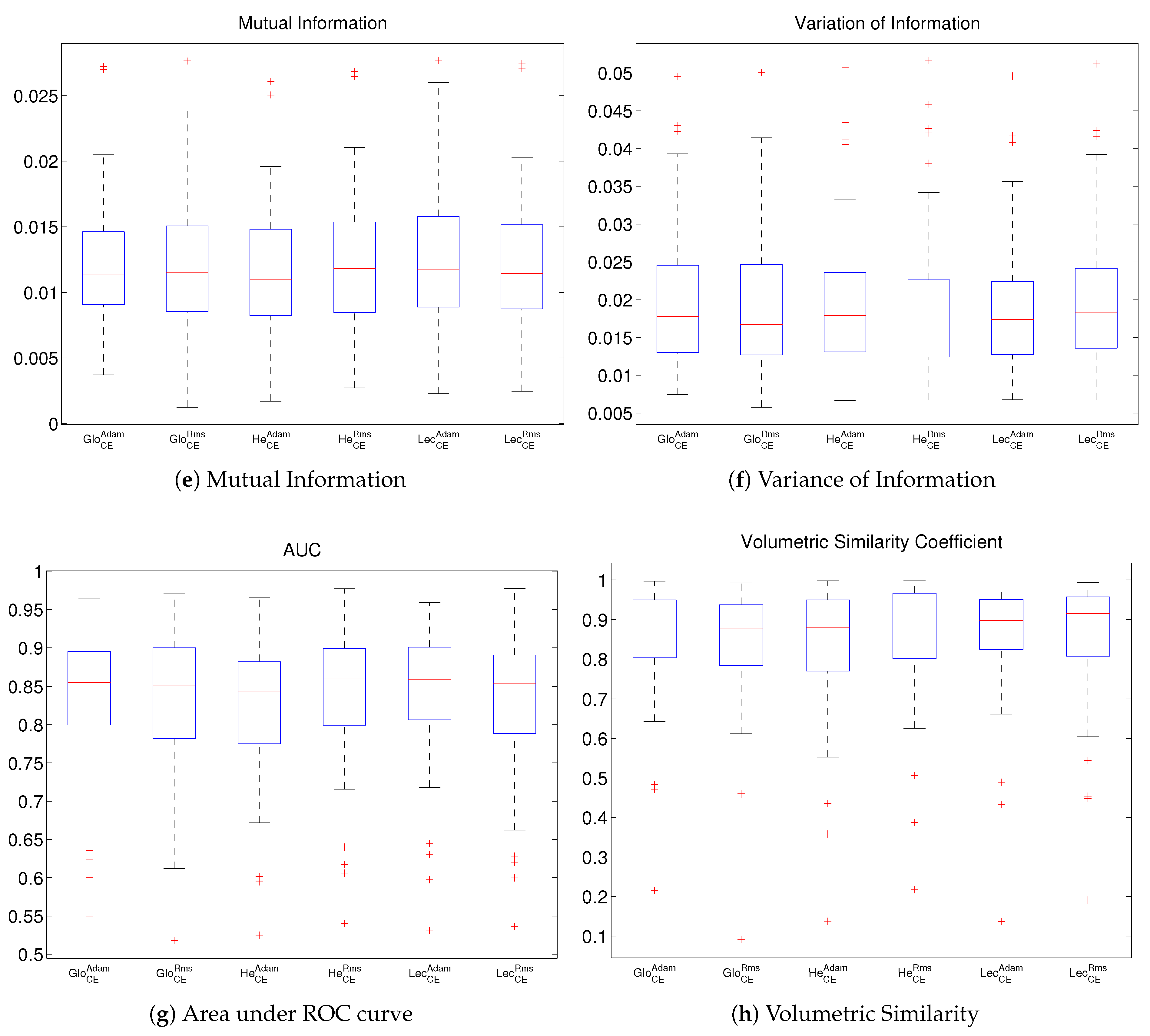
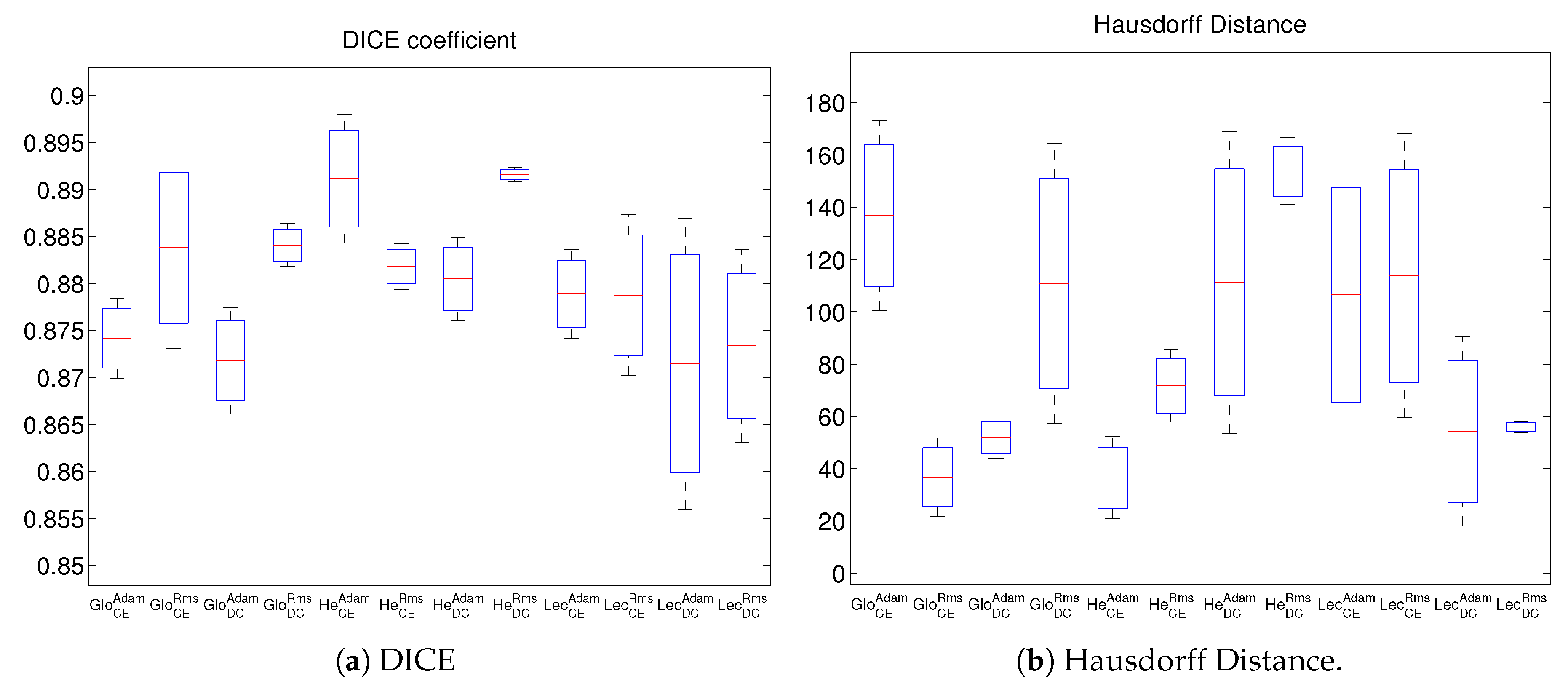
Medical image segmentation has gained greater attention over the past decade, especially in the field of image-guided surgery. Here, robust, accurate and fast segmentation tools are important for planning and navigation. In this work, we explore the Convolutional Neural Network (CNN) based approaches for multi-dataset segmentation from CT examinations. We hypothesize that selection of certain parameters in the network architecture design critically influence the segmentation results. We have employed two different CNN architectures, 3D-UNet and VGG-16, given that both networks are well accepted in the medical domain for segmentation tasks. In order to understand the efficiency of different parameter choices, we have adopted two different approaches. The first one combines different weight initialization schemes with different activation functions, whereas the second approach combines different weight initialization methods with a set of loss functions and optimizers. For evaluation, the 3D-UNet was trained with the Medical Segmentation Decathlon dataset and VGG-16 using LiTS data. The quality assessment done using eight quantitative metrics enhances the probability of using our proposed strategies for enhancing the segmentation results. Following a systematic approach in the evaluation of the results, we propose a few strategies that can be adopted for obtaining good segmentation results. Both of the architectures used in this work were selected on the basis of general acceptance in segmentation tasks for medical images based on their promising results compared to other state-of-the art networks. The highest Dice score obtained in 3D-UNet for the liver, pancreas and cardiac data was 0.897, 0.691 and 0.892. In the case of VGG-16, it was solely developed to work with liver data and delivered a Dice score of 0.921. From all the experiments conducted, we observed that two of the combinations with Xavier weight initialization (also known as Glorot), Adam optimiser, Cross Entropy loss (GloCEAdam) and LeCun weight initialization, cross entropy loss and Adam optimiser LecCEAdam worked best for most of the metrics in a 3D-UNet setting, while Xavier together with cross entropy loss and Tanh activation function (GloCEtanh) worked best for the VGG-16 network. Here, the parameter combinations are proposed on the basis of their contributions in obtaining optimal outcomes in segmentation evaluations. Moreover, we discuss that the preliminary evaluation results show that these parameters could later on be used for gaining more insights into model convergence and optimal solutions.The results from the quality assessment metrics and the statistical analysis validate our conclusions and we propose that the presented work can be used as a guide in choosing parameters for the best possible segmentation results for future works.
Keywords: medical image segmentation; deep learning; convolutional neural networks; radiology images; computed tomography medical image segmentation; deep learning; convolutional neural networks; radiology images; computed tomography