


Abstract
Acne vulgaris is a prevalent chronic inflammatory disease of the pilosebaceous unit driven by a multifactorial pathogenesis involving excess sebum production, follicular hyperkeratinisation, Cutibacterium acnes proliferation, oxidative stress, and immune-mediated inflammation. Conventional therapies, such as topical retinoids, benzoyl peroxide, antibiotics, hormonal agents, and isotretinoin, remain the standard of care; however, their clinical utility is frequently limited by local irritation, dryness, poor tolerability, post-treatment relapse, and the rising threat of antimicrobial resistance. In this review, the anti-acne benefits of pomegranate peel as a botanical agent have been discussed with respect to phytochemical composition, biological activities, and formulation difficulties. The phytochemistry of pomegranate peel includes bioactive polyphenols, such as hydrolyzable tannins (e.g., punicalagin and ellagic acid), phenolic acids (e.g., gallic acid), flavonoids, and anthocyanins, with a range of biological properties such as synergistic antibacterial, antioxidant, anti-inflammatory, and enzyme-inhibitory activities, which act on different steps involved in the process of acne development. Currently, the biological activity of pomegranate peel extracts includes inhibition of bacteria associated with acne, decreased lipase activity of bacteria, antioxidant action, and modification of inflammatory pathways, thus allowing its use as a multi-targeted botanical agent. However, there are still several formulation difficulties, including emulsion stabilization, prevention of syneresis, efficacy of preservatives, and optimal release of active compounds, which should be taken into account in the development of anti-acne pomegranate formulations.
1. Introduction
As the interest in natural skin care products grows, researchers have changed their focus in acne research from traditional pharmacological treatments to plant-derived compounds with broader biological functions. This review covers the evolution of acne research, highlighting the shift from traditional pharmacological treatments to plant-derived compounds that offer broader biological functions. Acne vulgaris is not only a cosmetic concern but also a chronic inflammatory skin condition caused by the interaction of sebaceous activity, follicular blockage, microbial imbalance, and an overactive immune response [1,2]. The multi-faceted aspect of acne makes it an ideal candidate for multi-functional cosmeceuticals, especially ones that can inhibit bacterial growth and oxidative stress as well as reduce inflammation at the same time [3,4].
The pomegranate peel is increasingly significant in this scenario because it is a by-product of a fruit which has an abundance of phytochemicals, especially the hydrolysable tannins, phenolic acids, flavonoids, and ellagitannins [5,6]. Traditionally treated as agricultural waste, the peel of pomegranate has recently been identified as a rich source of bioactive compounds, including punicalagin, ellagic acid, and gallic acid that confer the peel’s antibacterial, antioxidant, anti-inflammatory, and enzyme inhibiting properties [3,7]. These activities are especially significant because the pathophysiology of acne includes such components as activity of Cutibacterium acnes, sebum metabolism, lipid oxidation, and inflammation [1,3]. However, despite a number of reviews dedicated to the phytochemicals and biological activities of pomegranate peel, only a few studies critically analyse these properties in terms of the practical needs in developing anti-acne creams based on pomegranate. It is important to note that the conversion of biological properties of pomegranate peel to a stable anti-acne cream will be possible only in the context of certain formulation characteristics, namely active agent delivery, pH, stability of the emulsion, compatibility with preservatives, skin tolerance, and physical acceptability [6,8]. Therefore, this knowledge gap goes beyond the issue of whether pomegranate peel can be used to treat acne but concerns the issue of whether the antibacterial, antioxidant, anti-inflammatory, and enzyme-inhibiting activities can be applied in creating an anti-acne cream. This review addresses the translational aspects of using pomegranate peel as an ingredient of anti-acne cream.
2. Review Methodology
The narrative review was carried out using an organized literature search process to retrieve literature associated with pomegranate peel bioactive compounds, anti-acne mechanism and topical formulation developments. Electronic databases including Pubmed, Sciencedirect, Scopus, Web of Science, and Google Scholar were searched for articles published from 2000 to 2026. Search terms included “pomegranate peel”, “Punica granatum peel”, “pomegranate pericarp”, “punicalagin”, “punicalin”, “ellagic acid”, “gallic acid”, “polyphenols”, “acne vulgaris”, “Cutibacterium acnes”, “Propionibacterium acnes”, “anti-acne”, “antibacterial”, “antioxidant”, “anti-inflammatory”, “topical formulation” and “cosmeceutical”. Articles that reported information related to pomegranate peel phytochemicals and their biological activity, mechanisms related to acne, antimicrobial activity against acne bacteria, antioxidant or anti-inflammatory activity, or topical formulation development using pomegranate peel or pomegranate-derived polyphenols were selected for inclusion in this study. Relevance review articles, in vitro studies, in vivo studies, formulation studies, and clinical/preclinical dermatological studies were also included. Articles that are lacked any relevant mechanisms or topical formulation development information pomegranate phytochemicals and articles covering other parts of the pomegranate plant without any relevance to pomegranate peel bioactives and lacking sufficient methodological details were excluded. Only articles in English language were considered. Selected articles underwent initial screening based on titles and abstracts. Further selection based on full-text was done for articles that seemed to be relevant to the current review scope. Selected literature was then classified based on relevant themes including acne-related biological activity, phytochemistry and formulation.
3. Acne Biology and Therapeutic Landscape
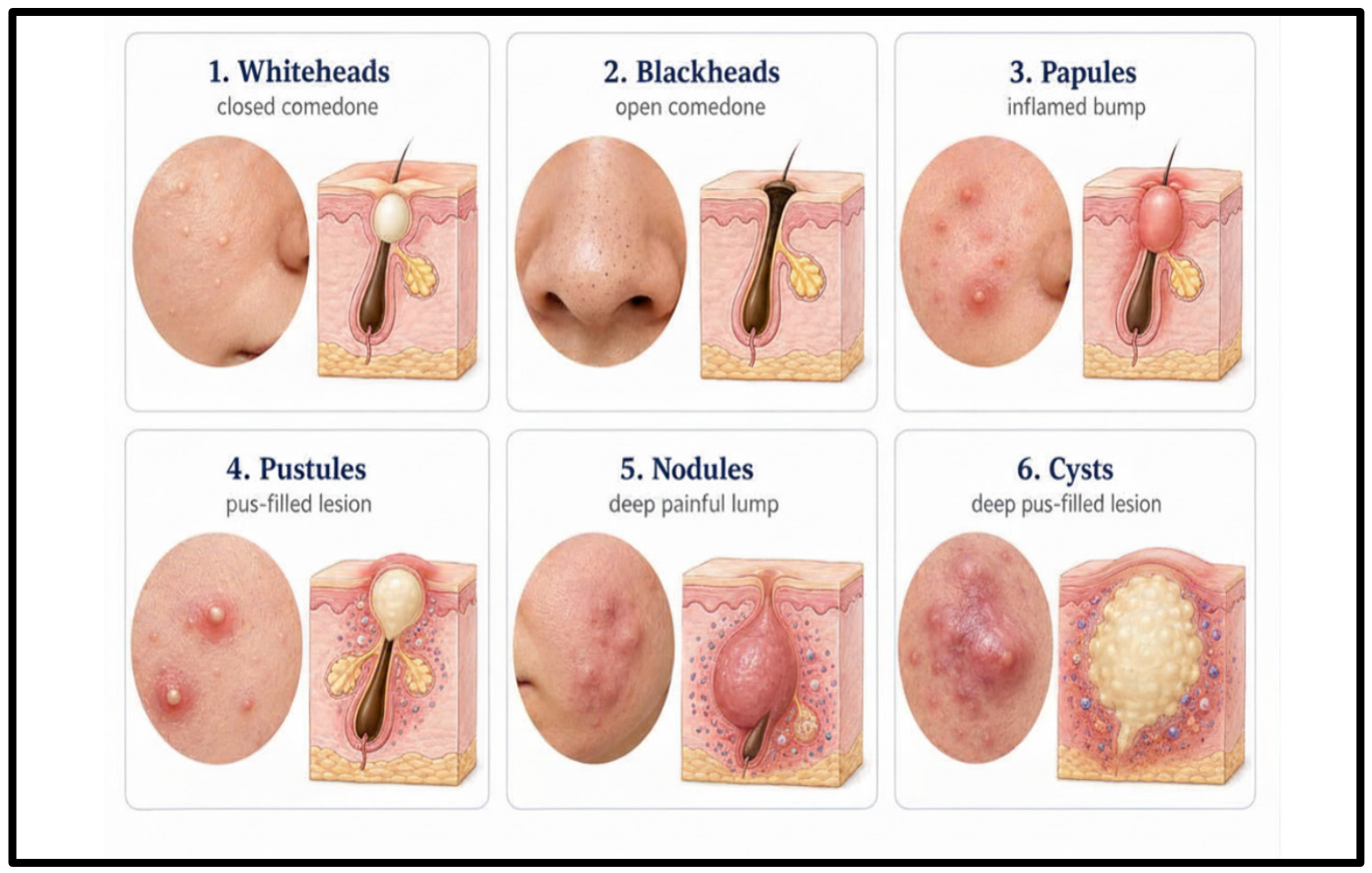
Acne vulgaris is a chronic inflammatory disease of the pilosebaceous follicle that affects preadolescents, adolescents and adults [2]. Its clinical presentation includes non-inflammatory comedones and inflammatory lesions such as papules, pustules, nodules and cysts [9,10,11]. However, acne severity should not be interpreted based on lesion count alone, inflammatory burden, scarring risk and patient-specific factors [2,11]. This distinction is important when evaluating pomegranate peel-based topical formulations, because such products are more appropriately positioned as potential supportive or adjunctive options for acne-prone skin, particularly in mild-to-moderate presentations, rather than as replacements for established therapies used in severe, nodulocystic or scarring acne [2,12]. Acne presents with a range of non-inflammatory and inflammatory lesions, each reflecting different stages of follicular obstruction and requiring different clinical considerations (Table 1 and Figure 1).
Table 1.
The type of acne lesions.
Figure 1.
Types of acne lesions are commonly observed in acne vulgaris. This figure illustrates the major clinical lesion types in acne vulgaris, including closed comedones, open comedones, papules, pustules, nodules, and cysts. These lesions show how acne can get worse, starting from non-inflammatory comedonal acne and moving to more serious inflammatory types, which come with more blockage of hair follicles, swelling, deeper lesions, pain, and a higher chance of scarring [2].
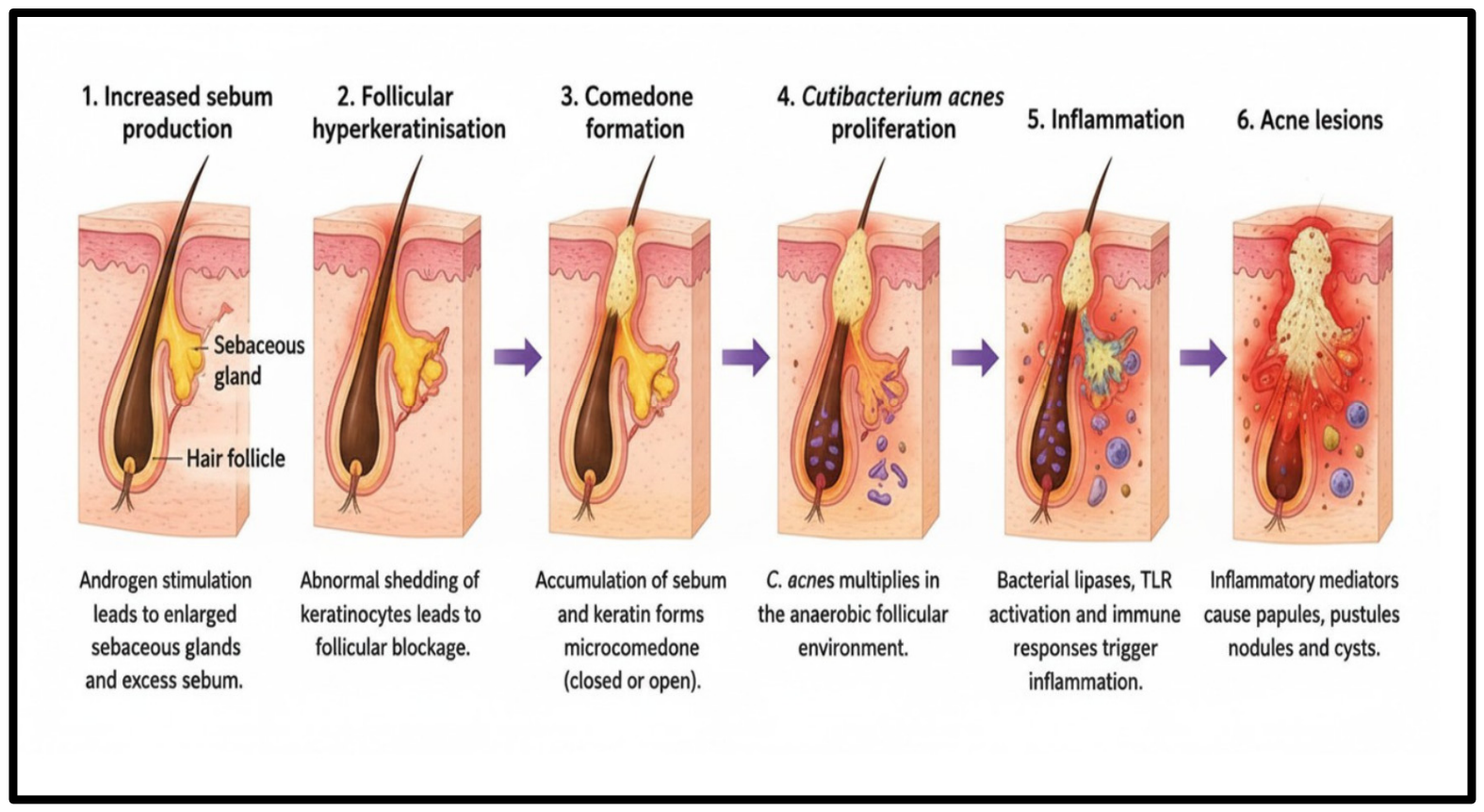
The modern pathogenic model still centres on four interlocking processes: increased sebum production, abnormal follicular keratinisation with microcomedone formation, altered behaviour of C. acnes within the follicular environment and downstream inflammation [13]. Sebum production is strongly influenced by androgenic signalling and can also be modulated by IGF-1-related pathways, which helps explain puberty-associated onset, endocrine flares, and the usefulness of antiandrogen strategies in selected patients [13]. Follicular keratinisation becomes pathological when corneocytes are retained instead of shedding, creating the microcomedone that comes before visible lesions, while lipid-rich follicular plugging creates a low-oxygen environment where C. acnes grow and sets off the inflammatory cascades [2,13]. Inflammatory signalling is now seen as an early event rather than a late consequence. This is because cytokines and innate immune responses can be detected even in lesions that look primarily comedonal (Figure 2). This is one of the reasons why retinoids and benzoyl peroxide remain foundational beyond purely antibacterial activity [2,13].
Figure 2.
Schematic representation of the pathogenesis of acne vulgaris. The figure illustrates the development of acne vulgaris from increased sebum production and follicular hyperkeratinisation to comedone formation, Cutibacterium acnes proliferation, inflammation, and the formation of acne lesions such as papules, pustules, nodules, and cysts [1].
Risk factors and causes are correspondingly complex, where a recent review and guidelines consistently suggest hormonal state, family history or genetic susceptibility, psychological stress, occlusive or comedogenic exposure, friction and pressure, smoking in some populations, medications such as corticosteroids, lithium, isoniazid, and anabolic steroids as well as environmental factors including oil exposure and pollution. Diet is also increasingly discussed as a modulator rather than a sole cause [13]. Adult and hormonal acne require different attention because jawline, mandibular, cyclical and treatment-resistant inflammatory patterns can point toward endocrine contribution; however, adult women still often have mixed lesions with many comedones, so over-simplifying adult acne as “only hormonal inflammatory acne” can lead to underuse of retinoids and comedolytic maintenance therapy [2,14]. Severe nodulocystic acne is more crucial because it carries the greatest scar burden and is the type of acne that is most likely to justify early isotretinoin rather than prolonged cycling through partial-response regimens [12].
The available treatment options are broader than they were a decade ago, but its internal activities remain tied to the same pathogenic nodes (Table 2). A study by Reynolds et al. strongly recommends using benzoyl peroxide, topical retinoids, topical antibiotics in the appropriate combinations and oral doxycycline, and it emphasises that using benzoyl peroxide at the same time as antibiotics helps reduce the development of antibiotic resistance [2]. In a 2021 topical network meta-analysis, it found that combination topical regimens generally worked better than single agents in mild-to-moderate acne [15]. In a 2023 network meta-analysis of 221 randomised controlled trials, oral isotretinoin was found to be the most effective overall pharmacological treatment, followed by intensive multi-component regimens that combine a retinoid, benzoyl peroxide and an antibiotic [12]. This hierarchy is important for product development because a new botanical cream is unlikely to replace isotretinoin in severe scarring disease, but it might be able to compete as a mild-to-moderate topical or as a maintenance, adjunctive or antibiotic-sparing option if it can show a clinically significant reduction in the inflammatory lesions and acceptable tolerability [2,12].
Table 2.
Comparison of conventional treatment options for acne vulgaris to pomegranate peel.
4. Clinical Evidence and Translation Relevant of Pomegranate in Acne Management
Human clinical evidence evaluating pomegranate-derived interventions for acne vulgaris is still at an early stage. Most available human studies involve oral pomegranate supplements, multi-herbal topical preparations, or general skin-health outcomes rather than standardised topical pomegranate peel cream. Therefore, although pomegranate-derived materials have demonstrated promising biological activities in preclinical studies, current clinical evidence is insufficient to establish pomegranate peel as a clinical proven anti-acne treatment. The most directly acne-related clinical study was reported by Momand et al., who evaluated POMEWHITE®, a pomegranate-derived oral supplement, in participants with moderate-to-severe acne [18]. The study included 100 acne participants and 20 healthy controls, with acne participants assigned to placebo, 150 mg/day POMEWHITE® or 300 mg/day POMEWHITE® for eight weeks [18]. The reported outcomes include acne lesion count, P. acnes colony composition, inflammation severity, skin microbiota, antioxidant enzyme activity and participant satisfaction [18]. Greater improvement was observed in the 300 mg/day group, including reduced P. acnes colonies, improved beneficial skin flora, reduced lipase activity and favourable changes in dermatologist-graded acne severity [18]. However, as intervention was administered orally, these findings cannot be directly translated to the efficacy of a topical pomegranate peel cream. Another acne-related clinical trial was conducted by Iraji et al., who compared a topical herbal cream with 1% clindamycin gel in patients with mild-to-moderate acne [19]. The herbal cream contained several botanical ingredients, including 5% pomegranate peel extract, 4% licorice root extract, 8% Aloe vera extract and 2% Zataria extract [19]. The trial was designed as a randomised, double-blind, two-arm controlled study, and the treatment was applied three times daily for eight weeks [19]. Both treatment groups showed significant reductions in acne severity index and total lesion count after two months, while the difference between the herbal cream and clindamycin gel was not statistically significant [19]. This study provided useful clinical evidence for a pomegranate-containing topical herbal formulation in mild-to-moderate acne. However, because the product contained multiple active herbal ingredients, the clinical effect cannot be attributed specifically to pomegranate peel extracts alone. Other human studies involving pomegranate provide supportive dermatological evidence but are not acne-specific. Henning et al. reported that oral pomegranate juice or extract increased resistance to UVB-induced erythema and altered the skin microbiome in healthy women after 12 weeks [20]. Krishnakumar et al. evaluated a proprietary Punica granatum extract, Grantria®, in healthy adults and reported improvements in skin-health parameters, including skin radiance, wrinkles, pores, pigmentation, moisturisation, elasticity and firmness after 60 days [21]. These studies support the broader relevance of pomegranate to skin physiology, but they did not assess acne lesion count, acne severity, acne subtype or topical anti-acne efficacy. Taken together, the available human evidence is still insufficient to directly support the clinical efficacy of a standardised topical pomegranate peel cream in acne management. At present, there is not strong human clinical evidence specifically confirming the efficacy of topical pomegranate peel cream in comedonal acne, papulopustular acne, nodulocystic acne, acne conglobata, acne fulminans, hormonal adult female acne, truncal acne or drug-induced acne. Clinical importance of this disparity is related to the fact that there are differences in lesion depth, inflammation severity, distribution, and causation. Complicated forms of the disease like modulocystic acne, acne conglobata, and acne fulminans have increased susceptibility to scarring, pain, and involvement of other organs, and thus testing of the unverified botanical compound as monotherapy could be considered unethical. One of the recommendations that rise from this review is that clinical trials of the pomegranate peel formulations must start from mild-to-moderate cases of facial acne, focusing on comedonal and papulopustular forms due to increased clinical relevance. Moreover, more clinical trials are needed for the application of pomegranate peel in the treatment of acne since as there are no reliable evidence of its clinical effectiveness. It is important to define the studied preparation as peel powder, peel extract, fruit extract, pericarp extract, supplement or specific product. These preparations have different chemical composition and pharmacological effects, which should be indicated. Standardization of the preparation must be done by choosing adequate markers of the composition, such as punicalagin, ellagic acid, punicic acid, or total polyphenols content. For topical products, the protocol should include vehicle control or an appropriate comparator, standardised application frequency, treatment duration of at least 8–12 weeks, and restriction of concurrent acne medications that may confound the result. Clinical outcomes should include inflammatory lesion count, non-inflammatory lesion count, total lesion count, acne severity grading, investigator global assessment and patient-reported outcomes. Future studies should also improve reporting quality and safety assessment. Essential reporting items include randomised method, allocation concealment, blinding, sample-size calculation, inclusion and exclusion criteria, baseline acne severity, acne subtype, lesion distribution, adherence monitoring and adverse-event reporting. For pomegranate peel cream specifically, formulation-related outcomes should be reported together with clinical outcomes, including pH, physical stability, microbial quality, active release, colour stability, staining, irritation, dryness, burning, itching, sensitization and photosensitivity. These requirements are important because biological activity in vitro does not necessarily translate into clinical efficacy after being incorporated into a topical cream. Overall, the current clinical evidence suggests that pomegranate-derived interventions may have potential relevance in acne and general skin health. However, the evidence does not yet prove that topical pomegranate peel cream is clinically effective for acne vulgaris. The most appropriate interpretation is that pomegranate peel remains a promising botanical candidate for topical-acne formulation development, but its clinical usefulness requires confirmation through well-designed, acne-specific human trials.
5. Pomegranate Peel and Its Phytochemical Constituents
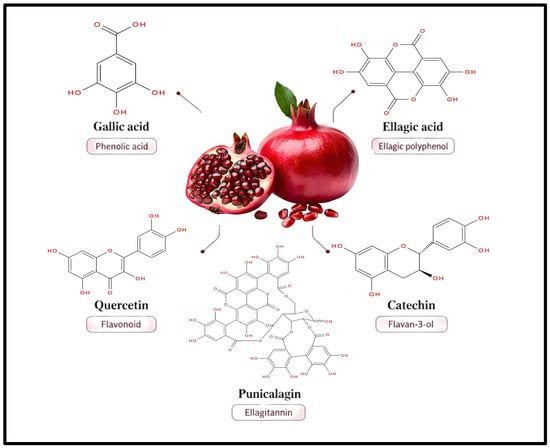
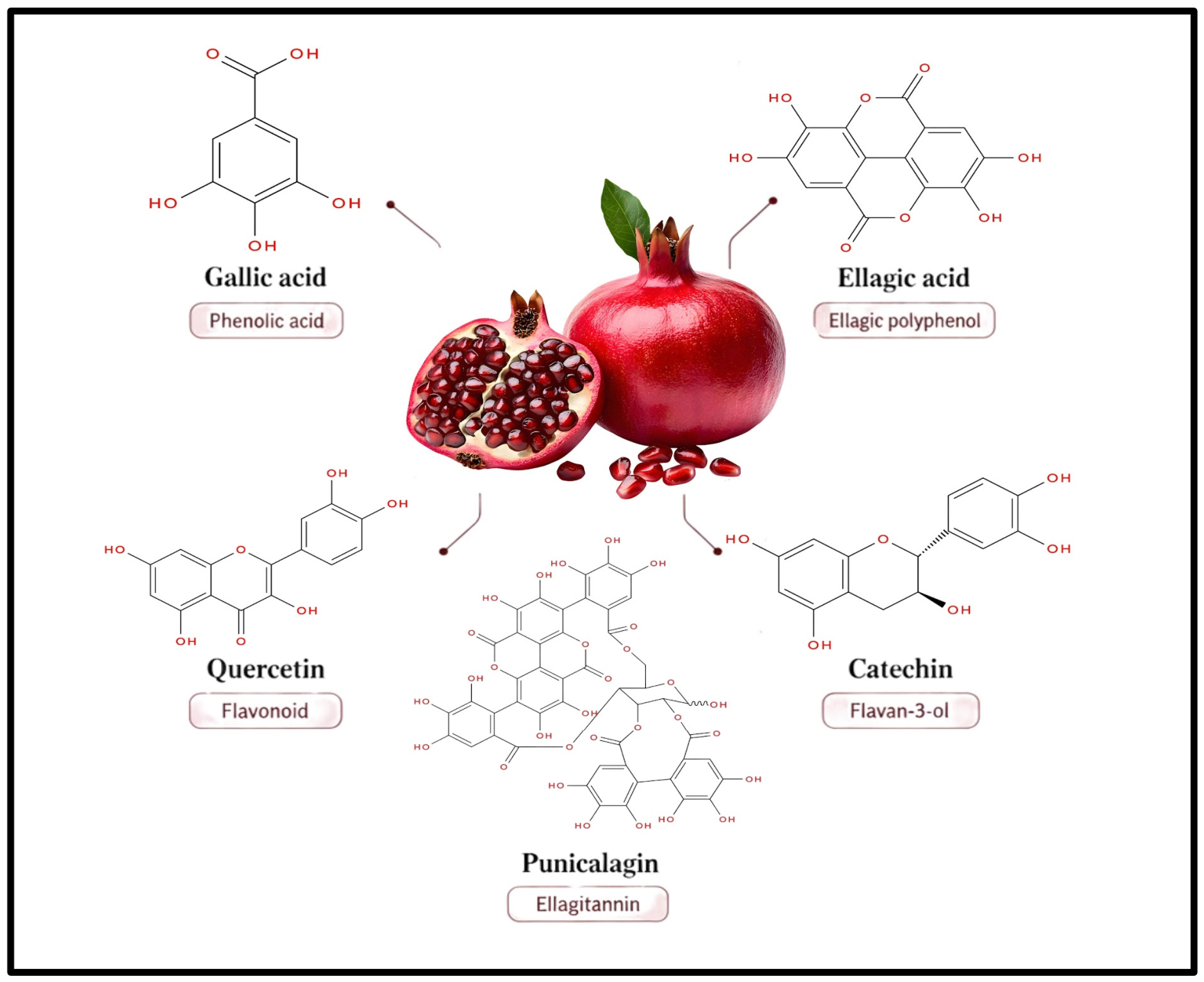
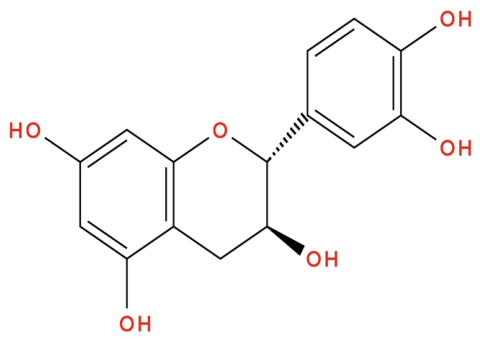
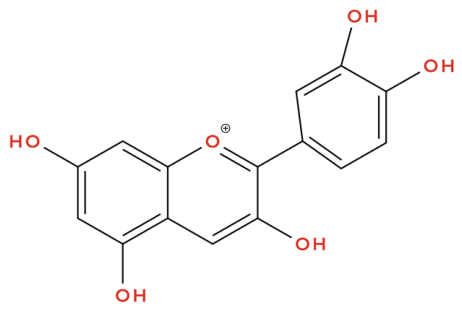
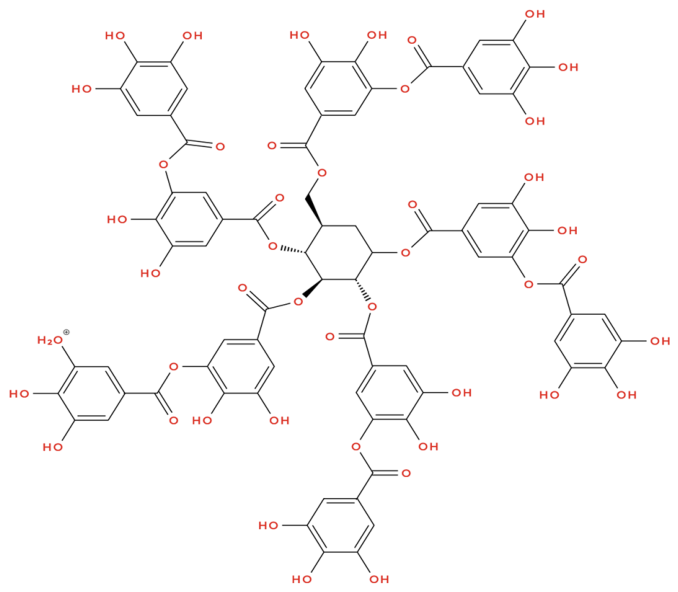
The pomegranate peel (Punica granatum), historically considered an agricultural and industrial waste product, is now known as a concentrated source of high-value phytochemicals, constituting about 43% to 50% of the fruit’s weight and containing much higher concentrations of polyphenolic compounds than the edible arils [22]. The scientific interest in pomegranate peel is mainly due to its high content of polyphenolic compounds, especially hydrolysable tannins, phenolic acids, flavonoids, and ellagitannins [5,23]. Pomegranate peel has been described as one of the most phenolic-rich parts of the entire fruit, and several studies have shown that it has a higher number of total phenolics and antioxidant components than many other fruit fractions [6,7,24]. The major compounds commonly found in pomegranate peel include punicalagin, punicalin, ellagic acid, gallic acid, catechin, quercetin derivatives, rutin-related compounds, gallagic acid derivatives, and anthocyanins, Figure 3 [5,6,25]. These compounds are beneficial to acne research because acne vulgaris is caused by bacterial proliferation, sebaceous lipid changes, oxidative stress, follicular inflammation, and cytokine-mediated immune responses. Because of this, an ingredient with multiple biological activities may be more useful than one that acts through only one pathway [3,4].
Figure 3.
Major phytochemical constituents found in pomegranate peels. The figure shows representative phenolic and flavonoid compounds in pomegranate peel, including gallic acid, ellagic acid, quercetin, catechin, and punicalagin.
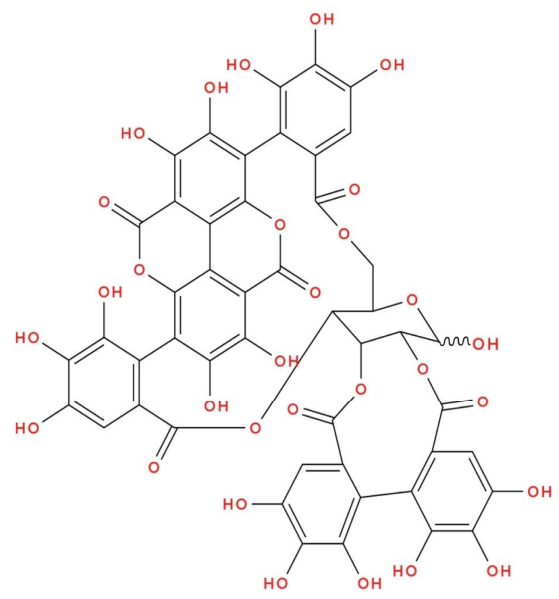
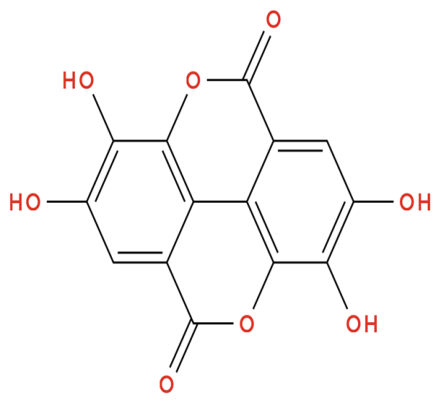
The major advantage of pomegranate peel is that it preserves a broad phytochemical matrix that may contribute to antibacterial, antioxidant, anti-inflammatory, and enzyme-inhibitory effects [5,6]. Since acne is a multifactorial inflammatory disorder, this multi-compound profile is valuable because it may potentially target more than one acne-related mechanism at the same time [3,4]. Another advantage is that pomegranate peel is an agricultural by-product, meaning that its use in formulation supports sustainability and value-added utilisation of fruit waste, Table 3 [6,7]. However, the disadvantage of pomegranate peel is that the high tannin content may interact with polymers, preservatives, proteins and emulsifying agents, which can affect viscosity, stability, preservative efficacy and cosmetic acceptability of the final cream [6,26]. Phytochemically, the most important group of compounds in pomegranate peel is hydrolysable tannins, especially ellagitannins, such as punicalagin and punicalin [5,27]. Punicalagin is often described as the most important polyphenol in pomegranate peel and is often used as a marker compound to identify the quality of pomegranate peel because of its abundance and strong biological activity [5,28]. Punicalagin exists mainly as α and β anomers, and both forms have been associated with antimicrobial activity, particularly against several Gram-positive bacteria [28]. Punicalin, another hydrolysable tannin, is also important because it may contribute to antioxidant and anti-inflammatory effects and may act together with punicalagin and ellagic acid to produce the overall biological activity of pomegranate peel [6,26]. The significance of these tannins in acne formulation is that they may interfere with bacterial growth, bacterial enzyme activity, oxidative reactions, and inflammatory signalling, all of which are relevant to the development of inflamed acne lesions [3,29]. Phenolic acids such as ellagic acid and gallic acid are also important constituents of pomegranate peel [5,6]. Ellagic acid may occur naturally in the peel or may be released from ellagitannins through hydrolysis, while gallic acid is commonly associated with tannin-rich plant materials and contributes to total antioxidant activity [6,29]. These compounds are biologically known for their tyrosinase inhibition and UV-protective properties, alongside caffeic, chlorogenic, p-coumaric and ferulic acids [6,30,31]. The flavonoid profile is equally rich, featuring quercetin, catechin, epicatechin, luteolin and kaempferol, which contribute to fibroblast stimulation and collagen preservation [32]. Furthermore, the peel contains roughly 30% of the fruit’s total anthocyanins, such as cyanidin and pelargonidin, which may also contribute to antioxidant activity and pigmentation of pomegranate-derived materials [6,7]. It would also offer anti-apoptotic and anti-ageing benefits [30].
Table 3.
Phytochemical classes and the anti-acne relevance of major compounds in pomegranate peel.
6. Antibacterial, Lipase-Inhibitory, Antioxidant, and Anti-Inflammatory Potential of Pomegranate Peel
The antibacterial potential of pomegranate peel is relevant to anti-acne cream development because Cutibacterium acnes is one of the main microorganisms involved in inflammatory acne lesions [3,4]. C. acnes contribute to acne by promoting bacterial proliferation, immune activation and enzyme production that worsens follicular inflammation [3]. Pomegranate-derived compounds have shown activity against both C. acnes and Staphylococcus aureus with reported MIC and MBC values of 62.5 μg/mL [3]. The stronger activity of isolated punicalagin and punicalin compared with crude extract suggests that hydrolysable tannins are major contributors to the antibacterial effect [3]. Punicalagin has been identified as an important antimicrobial compound in pomegranate peel as well, which supports the use of punicalagin-rich peel material in antibacterial formulation development [28]. Furthermore, broader studies have reported antibacterial activity in extracts of pomegranate peel, which further supports its antimicrobial potential. However, the final cream needs to be tested, as powder may release active compounds differently than extracts [5,7,24,34].
A recent study on anti-acne formulations using the paper disc-diffusion method against Propionibacterium acnes and Staphylococcus aureus provided further evidence for the antibacterial potential of pomegranate peel [16]. In this study, P. acnes was cultured under anaerobic conditions using Mueller Hinton Agar, while S. aureus was cultured using agar medium, and the antibacterial effect was determined by measuring the zone of inhibition after incubation [16]. The pomegranate peel gel formulations demonstrated concentration-dependent antibacterial activity, where 0.5%, 1% and 2% formulations produced inhibition zones of 15 ± 0.5 mm, 18 ± 0.5 mm and 23 ± 0.5 mm against P. acnes, respectively [16]. The same formulation also produced an inhibition zone of 12 ± 0.5 mm, 22 ± 0.5 mm, and 24 ± 0.5 mm against S. aureus, respectively [16]. Although the 2% pomegranate peel formulation produces an inhibition zone diameter of 23 ± 0.5 mm against P. acnes and 24 ± 0.5 mm against S. aureus within a similar range to the clindamycin of 19 ± 0.01 mm and 21 ± 0.01 mm, respectively, in that assay, however, this should not be interpreted as equivalent antibacterial potency or therapeutic efficacy [16]. Similar inhibition-zone diameters do not necessarily indicate similar activity because clindamycin and pomegranate peel phytochemicals differ in molecular properties, diffusion behaviour and release from formulation. Therefore, these findings indicate that pomegranate peel preparations can produce visible bacterial growth inhibition under tested disc-diffusion conditions, supporting their relevance as antibacterial agents for anti-acne topical formulation but not directly equivalent to clindamycin [16]. MIC- and MBC-based standardised comparisons would be more informative because they quantify the minimum concentration required to inhibit or kill bacteria and allow more reliable comparison between botanical preparations and conventional antibacterial agents [3,35].
Pomegranate peel is also relevant to acne because it may inhibit bacterial lipase activity. C. acnes produce lipase enzymes that break down sebum triglycerides into free fatty acids, which can irritate the follicle and increase inflammation [3]. Lee et al. reported that pomegranate extract and selected hydrolysable tannins, including punicalagin, punicalin, strictinin A, and granatin B, inhibited lipase activity in an in vitro fluorometric assay [3]. This finding supports the biological plausibility that pomegranate-derived tannins may target sebum-related acne mechanisms in addition to bacterial growth. However, this evidence should be interpreted as mechanistic rather than clinical, because lipase inhibition in vitro does not confirm reduced sebum degradation or acne lesion improvement in human skin. Further studies using acne-relevant formulation systems, the C. acnes-associated lipase model and clinical acne outcomes are required [3]. The antioxidant activity of pomegranate peel powder provides an additional rationale for its use in anti-acne formulation. Oxidative stress promotes lipid peroxidation, inflammatory mediator release, and irritation in the pilosebaceous unit, implicating it in acne [4]. Pomegranate peel is rich in punicalagin, ellagic acid, gallic acid, flavonoids and tannins, which are responsible for strong antioxidant activity [5,36,37]. Its antioxidant potential has been demonstrated through DPPH, FRAP, nitric oxide scavenging, lipid peroxidation inhibition and other in vitro/in vivo antioxidant evaluations [5,38]. Li et al. reported stronger antioxidant activity in pomegranate peel extracts compared with pulp extract, while Mphahlele et al. showed that drying and processing conditions can influence the bioactive content and antioxidant activity of pomegranate peel [31,36]. These findings indicate that the antioxidant activity of pomegranate peel is closely related to its phenolic composition and preparation method.
However, most antioxidant studies on pomegranate peel are based on chemical or general in vitro assays such as DPPH or FRAP, which demonstrate radical-scavenging capacity but do not fully reproduce the acne microenvironment. Therefore, the antioxidant activity of pomegranate peel should be interpreted as supportive mechanism evidence rather than direct proof of clinical anti-acne efficacy. Skin-related evidence from Pacheco-Palencia et al. showed that pomegranate polyphenolic extract protected human skin fibroblasts against UVA- and UVB-induced oxidative stress and DNA damage [39].
Acne-specific mechanistic evidence was reported by Lee et al. who evaluated the anti-inflammatory activity of a pomegranate-derived compound in heat-killed P. acnes-stimulated RAW 264.7 macrophages [3]. In this model, P. acnes stimulation increased inflammatory mediator production, while selected pomegranate-derived hydrolysable tannins reduced nitric oxide (NO) and prostaglandin E2 (PGE2) production [3]. Granatin B was also reported to decrease cyclooxygenase-2 (COX-2) expression and downregulate PGE2 production in P. acnes-stimulated macrophages [3]. Wang et al. provided further evidence related to acne by investigating pomegranate peel polyphenols in a C. acnes-induced acne vulgaris model [4]. The study reported that the polyphenols in pomegranate showed reduced inflammatory cytokines such as IL-1α, IL-6, IL-8, IL-12 and TNF-α [4]. Together, these studies provide acne-relevant mechanistic support for the anti-inflammatory potential of pomegranate peel. However, the evidence remains preclinical, and further studies using human sebocytes, keratinocytes, reconstructed acne skin models, and controlled clinical trials are needed to confirm whether these mechanisms translate into clinically meaningful improvements in acne lesions.
7. Topical Cream Formulation Science and Manufacturing
Creams are complex semisolid dosage forms in which aqueous and oily phases are emulsified together, typically as oil-in-water or water-in-oil systems, and the complexity increase further when the active is dissolved, suspended or embedded in a microcarrier within the cream base, Table 4 [8]. For acne-prone skin, oil-in-water systems usually offer the best balance of light feel, less greasiness, washability and easier compatibility with mattifying or humectant-rich vehicles while water-in-oil systems or traditional cold creams an provide better occlusion but are more likely to feel heavy and cosmetically suboptimal in oily skin types unless the goal is barrier repair or irritant mitigation rather than daytime acne management [8]. The performance of semi-solid is not determined only by the ingredient list but also depend on its microstructure because droplet size, lamellar ordering, viscosity profile, evaporation-driven metamorphosis on skin the thermodynamic activity of the active together affect how the patient feels, follicular deposition and shelf stability [40,41].
A practical acne-cream excipient set should be chosen based on functionality rather than cosmetically [8]. In the development of pomegranate peel cream, the full functional excipient composition would usually include emollients such as caprylic/capric triglyceride, squalene, dimethicone or low-residue ester; forming agents such as cetyl alcohol, stearyl alcohol, cetearyl alcohol, glyceryl stearate or cetyl palmitate; emulsifiers or co-emulsifiers such as glyceryl stearate citrate, ceteareth systems, sorbitan esters, polysorbates, lecithin or poloxamers; humectants and cosolvents such as glycerol, propylene glycol, butylene glycol, pentylene glycol or limited ethanol; rheology modifiers such as carbomer, hydroxyethyl cellulose, xanthan gum or acrylate crosspolymers; preservatives and chelators such as phenoxyethanol, parabens, sodium benzoate or potassium sorbate where pH allows, benzyl alcohol and EDTA; antioxidant supports such as tocopherol or ascorbyl palmitate; pH adjusters such as citric acid, lactic acid, sodium hydroxide, triethanolamine or tromethamine; and when needed, penetration or solubilisation aids such as phospholipids, oleic acid, terpenes or Transcutol-type glycols [8]. For acne, the vehicles should also be targeted for non-comedogenic, low-residue, fragrance-free and pH-adjusted to a mildly acidic skin-compatibility range which is usually between pH 4.8 and 5.5. This is because tolerability failure often destroys clinical efficacy even when the active is biologically promising [2,8].
Pomegranate peel presents formulation challenges that arise directly from its complex phytochemical composition. Hydrolysable tannins, particularly punicalagin and punicalin, coexist with ellagic acid, gallic acid and flavonoids, creating a chemically heterogeneous botanical material rather than a single active pharmaceutical ingredient. Although these tannin-rich constituents contribute to the reported biological activities of pomegranate peel, they may also affect the sensory and physical properties of topical products, including astringency, intense colour and potential compatibility concerns with proteinaceous materials. Tannin-protein precipitation has been demonstrated experimentally for pomegranate-derived tannins, supporting the need for compatibility concerns with proteinaceous materials [26]. Colour should also be considered a formulation-related quality attribute rather than a purely cosmetic issue, as Mphahlele et al. showed that different peel drying methods produced measurable changes in CIE colour parameters together with changes in phenolic composition [31]. Therefore, oxidation, hydrolysis and processing-related changes should be monitored using individual chemical markers instead of relying only on total polyphenol content.
The method used to obtain pomegranate peel extract further influences its formulation relevance. Feng et al. compared distilled water and 30%, 50% and 80% ethanol under the same solid-to-liquid ratio and identified 18 phenolic compounds by HPLC-MS/MS [5]. The different solvent systems produced extracts with distinct antioxidant, antibacterial and anti-inflammatory profiles, indicating that pomegranate peel extracts prepared by different methods should not be treated as pharmacologically interchangeable [5]. Similarly, Kumar et al. compared methanol, ethanol, water, acetone and hexane extraction after freeze-, tray- and sun-drying. In freeze-dried Bhagwa peel, methanol recovered 32.2 mg/g gallic acid, 13.6 mg/g ellagic acid, 15.2 mg/g punicalagin and 2.5 mg/g quercetin, demonstrating the large effect of solvent selection on marker compound recovery [42]. Although methanol may be analytically efficient, ethanol-water systems are more suitable for topical product development because they are more acceptable for leave-on formulations and reduce concerns related to toxic solvent residues.
Based on this evidence, extract incorporation appears more suitable when reproducibility and standardisation are the main formulation priorities. A dried standardised extract allows assay-based dosing, more uniform distribution of active compounds and lower risk of grittiness compared with whole peel powder. Direct incorporation of peel powder may offer advantages such as minimal solvent processing and retention of the broader phytochemical matrix, but it also introduces additional formulation challenges. Insoluble plant material may affect particle-size distribution, sedimentation, colour, odour, microbial load, homogeneity and release of active compounds from the cream base [8,31,42]. Since Mphahlele et al. showed that drying conditions can alter both peel composition and appearance, a powder-based cream should clearly specify raw material processing, milling method and particle-size distribution rather than simply stating that “pomegranate peel powder” was incorporated.
The simplest manufacturing route for a pomegranate peel anti-acne cream is to use a hot-process oil-in-water emulsion [8]. In a recommended stepwise workflow, the oil phase would be weighed and heated with lipophilic emulsifiers and emollients until fully molten. The aqueous phase would be prepared separately with water, humectants, chelators and any water-soluble stabilisers at the same temperature, and the two phases would then be combined under controlled shear to form the emulsion, which should then be cooled gradually, with late additional heat-sensitive materials, pH adjustment, bubble remover and filling [8,17]. The pomegranate peel extract may be dissolved or finely dispersed in the aqueous phase if it is hydrophilic and standardised. However, encapsulated systems such as liposomes, cubosomes, nano-emulsions or other nano-dispersions are better to add after the bulk has cooled sufficiently to avoid degradation of carrier structure and phytochemicals; generally, this should happen below 40 °C. This temperature threshold is a formulation recommendation based on semisolid and nanoencapsulation practice rather than a peel-specific required value [17].
Advanced delivery systems, for example, nanoemulsion, liposomes and cubosomal systems, may improve solubilities, protect polyphenols and enhance skin delivery, which is relevant because pomegranate peel contains poorly stable and chemically diverse phytochemicals [43]. Beccarin and Lemos-Senna reported the potential application of nanoemulsions for skin delivery of pomegranate peel polyphenols, suggesting that nanosystems may help improve topical delivery [43]. However, these systems are not automatically superior to conventional creams because they may increase surfactant load, irritation risk, analytical complexity, production cost and long-term stability concerns. Therefore, advanced delivery systems should only be justified when they demonstrate clear improvement in pomegranate peel polyphenol stability, skin delivery, tolerability or acne-related biological activity compared with a conventional cream base [17,43].
Table 4.
Comparison of pomegranate peel-based topical formulation approaches for anti-acne development.
8. Research Gap
Although pomegranate peel has been widely studied for its antibacterial, antioxidant, anti-inflammatory and anti-acne potential, most previous studies have focused on pomegranate peel extract, gels, films or nano-formulations rather than the direct use of ready-prepared pomegranate peel powder into a topical cream [3,16,17]. This creates a research gap because pomegranate peel powder is not chemically or physically identical to the extract as it contains both bioactive phytochemicals and insoluble plant materials that may affect the dispersion, texture, colour, spreadability, stability as well as the release of active compounds from the cream base [6,8,31,42]. Existing studies have shown that pomegranate peel contains important compounds, for instance punicalagin, punicalin, ellagic acid, gallic acid, flavonoids and tannins which are associated with antibacterial activity against acne-related bacteria and anti-inflammatory effects relevant to acne management [3,4]. However, limited studies have evaluated whether these potential benefits can be retained when the peel is used directly as a powder in a cream formulation instead of being processed into an extract [5,45]. Therefore, the present study is justified because it evaluates the development of an anti-acne cream using pomegranate peel powder and assess whether the formulation can achieve acceptable physical properties such as pH, homogeneity, spreadability, stability and syneresis while also demonstrating antibacterial potential through suitable screening methods such as disc diffusion assay [16,35]. This study is also significant because it supports the development of a natural, plant-based topical product that may provide an alternative or supportive approach to conventional acne treatment which are often associated with irritation, dryness, adverse effect and concern regarding antibiotic resistance [2,46]. In terms of future perspectives, pomegranate peel can become the constituent of an entirely new type of AI-driven dermatological materials and move beyond just a natural waste material and an herbal product to a component of new artificial intelligence-based formulations. Using artificial intelligence, the bioactive compounds contained in pomegranate peel (punicalagin, punicalin, ellagic acid, gallic acid, flavonoids, tannins) may be screened in order to predict the antibacterial, antioxidant, anti-inflammatory, and skin barrier properties before any in vitro and in vivo testing takes place [47,48]. However, these AI-related applications should be interpreted as future possibilities rather than established formulation evidence, and any predicted activity would still require confirmation through laboratory testing, formulation evaluation, stability studies and skin tolerability assessment. As a result of such development, pomegranate peel can become the scientifically based, optimized, and personalized cosmeceutical product used for acne-prone skin. In the future, the combination of pomegranate phytochemicals and AI-based formulation design will allow switching from the trial-and-error approach to the precision botanical dermatology.
9. Topical Safety and Tolerability Consideration
Although pomegranate peel is a natural botanical material, its natural origin should not be interpreted as automatic evidence of topical safety. Safety evaluation is particularly important because pomegranate peel contains tannin-rich and polyphenol-rich constituents that may contribute to astringency, dryness, tightness, staining or irritation when applied to acne-prone skin. Botanical ingredients used in personal care products may also present safety concerns such as irritation, sensitisation, phototoxicity, contamination, adulteration and hazardous residues [49]. Acne-prone skin may already have active inflammation or impaired barrier tolerance, which can increase sensitivity to topical products. Therefore, pomegranate peel-based formulations should be evaluated not only for biological activity but also for local tolerability and repeated-use safety.
Several safety aspects should be considered during the development of pomegranate peel-based topical formulations. First, cytotoxicity should be assessed using skin-relevant cells such as keratinocytes and fibroblasts to determine whether the extract, powder or final formulation affect cell viability. Second, irritation and sensitisation should be evaluated because repeated exposure to botanical polyphenols, preservative, fragrances or residual plant materials may increase the risk of local discomfort or allergic contact reactions [50]. Third, phototoxicity or photosensitisation should be considered for leave-on products because facial acne formulations are likely to be exposed to sunlight during daily use [51]. In addition, extract-based formulations should be assessed for residual extraction-related impurities, while powder-based formulations should be monitored for microbial contamination, pesticide residues, heavy metals and batch-to-batch variation [50].
The safety of pomegranate peel formulation should therefore be assessed using a stepwise approach, including physicochemical testing, microbial quality testing, cytotoxicity screening, irritation assessment, sensitisation evaluation, and, where relevant, phototoxicity testing. Established in vitro approaches, such as reconstructed human epidermis irritation models, keratinocyte-based sensitisation assay and in vitro phototoxicity assays, may provide useful early safety data before clinical evaluation [50,52]. Houston et al. reported that pomegranate rind extract and pomegranate tannin could penetrate ex vivo skin and modulate COX-2 related inflammatory responses, supporting topical relevance; however, ex vivo activity does not replace full dermatological safety testing [53]. Ultimately, human patch testing and repeated-use tolerability studies are needed before pomegranate peel-based anti-acne products can be considered suitable for wider topical application.
10. Conclusions
The reviewed literature shows that acne vulgaris is a biologically complex inflammatory disorder in which sebum dysregulation, follicular obstruction, C. acnes activity, oxidative stress and immune-mediated inflammation are interacting to produce non-inflammatory and inflammatory lesions. Although the current pharmacological treatments are still effective, their limitations including irritation, dryness, adherence problems, relapses and antimicrobial resistance concerns support the continuing investigation of natural multi-target topical ingredients. Pomegranate peel is strongly supported in the literature as a rich source of bioactive phytochemicals, especially punicalagin, punicalin, ellagic acid, gallic acid, flavonoids, tannins, and anthocyanins, which are associated with antibacterial, antioxidant, anti-inflammatory, and lipase-inhibitory activities relevant to acne pathophysiology. These properties suggest that pomegranate peel may offer a wider biological profile than single-target antibacterial agents. This is because it may act on microbial growth, bacterial enzyme activity, oxidative injury and inflammatory signalling simultaneously. However, the practical use of pomegranate peels in topical care is not only dependent on phytochemical activity but also depends on the cream formulation which must be physically stable, cosmetically acceptable, microbiologically protected and suitable for acne-prone skin. This literature review highlights that pomegranate peel-based topical preparation may be challenging in terms of colour, odour, tannin astringency, active release, preservative compatibility and emulsion stability. Therefore, future formulation work should integrate phytochemical screening, antibacterial evaluation, physiochemical and stability assessments to determine whether the biological promise of pomegranate peel can be turned into a reliable topical cream. In conclusion, pomegranate peel represents a scientifically plausible and sustainable botanical ingredient for anti-acne formulation development, but its full dermatological value is still depended on careful formulation and systemic evaluation.
Author Contributions
Conceptualization, S.M.M.; methodology, S.X.J. and S.M.M.; software, S.X.J. and S.M.M.; validation, S.X.J. and S.M.M.; formal analysis, S.X.J. and S.M.M.; investigation, S.X.J. and S.M.M.; resources, S.X.J. and S.M.M.; data curation, S.X.J. and S.M.M.; writing—original draft preparation, S.X.J. and S.M.M.; writing—review and editing, S.X.J. and S.M.M.; visualization, S.X.J. and S.M.M.; supervision, S.M.M.; project administration, S.M.M.; funding acquisition, S.M.M. All authors have read and agreed to the published version of the manuscript.
Funding
This research received no external funding. The article processing charge (APC) was supported by [Research Management Centre, Management and Science University].
Institutional Review Board Statement
Not applicable.
Informed Consent Statement
Not applicable.
Data Availability Statement
No new data were created or analyzed in this study. Data sharing is not applicable to this article.
Acknowledgments
During the preparation of this manuscript/study, the authors used Quillbot (Version 2.3.1.0) for the purposes of text editing (e.g., grammar, structure, spelling, punctuation, and formatting) and used Canva (Version 1.126.0.0) for the purposes of creating the figures. The authors have reviewed and edited the output and take full responsibility for the content of this publication.
Conflicts of Interest
The authors declare no conflicts of interest.
References
- Dréno, B.; Pécastaings, S.; Corvec, S.; Veraldi, S.; Khammari, A.; Roques, C. Cutibacterium acnes (Propionibacterium acnes) and Acne Vulgaris: A Brief Look at the Latest Updates. J. Eur. Acad. Dermatol. Venereol. 2018, 32, 5–14. [Google Scholar] [CrossRef] [Scilit] [PubMed]
- Reynolds, R.V.; Yeung, H.; Cheng, C.E.; Cook-Bolden, F.; Desai, S.R.; Druby, K.M.; Freeman, E.E.; Keri, J.E.; Gold, L.F.S.; Tan, J.K.L.; et al. Guidelines of Care for the Management of Acne Vulgaris. J. Am. Acad. Dermatol. 2024, 90, 1006.e1–1006.e30. [Google Scholar] [CrossRef] [Scilit] [PubMed]
- Lee, C.-J.; Chen, L.-G.; Liang, W.-L.; Wang, C.-C. Multiple Activities of Punica granatum Linne against Acne Vulgaris. Int. J. Mol. Sci. 2017, 18, 141. [Google Scholar] [CrossRef] [Scilit] [PubMed]
- Wang, Y.; Zhu, M.; Wu, S.; Zhao, D.; Bai, Q.; Liu, Y. The Pomegranate Peel Polyphenols Protects Acne Vulgaris by Regulating Inflammation Through Notch/NF-κB Signal Pathway. J. Inflamm. Res. 2025, 18, 14113–14129. [Google Scholar] [CrossRef] [Scilit] [PubMed]
- Feng, Y.; Lin, J.; He, G.; Liang, L.; Liu, Q.; Yan, J.; Yao, Q. Compositions and Biological Activities of Pomegranate Peel Polyphenols Extracted by Different Solvents. Molecules 2022, 27, 4796. [Google Scholar] [CrossRef] [Scilit] [PubMed]
- Singh, J.; Kaur, H.P.; Verma, A.; Chahal, A.S.; Jajoria, K.; Rasane, P.; Kaur, S.; Kaur, J.; Gunjal, M.; Ercisli, S.; et al. Pomegranate Peel Phytochemistry, Pharmacological Properties, Methods of Extraction, and Its Application: A Comprehensive Review. ACS Omega 2023, 8, 35452–35469. [Google Scholar] [CrossRef] [Scilit] [PubMed]
- Fawole, O.A.; Makunga, N.P.; Opara, U.L. Antibacterial, Antioxidant and Tyrosinase-Inhibition Activities of Pomegranate Fruit Peel Methanolic Extract. BMC Complement. Altern. Med. 2012, 12, 200. [Google Scholar] [CrossRef] [Scilit] [PubMed]
- Jackson, L.M.; Schwinn, D.A.; National Academies of Sciences and Medicine. Commissioned Paper: Topical Dosage Form Development and Evaluation. In Compounded Topical Pain Creams: Review of Select Ingredients for Safety, Effectiveness, and Use; National Academies Press: Washington, DC, USA, 2020. [Google Scholar]
- Wong, C.M.; Guo, C.; Scheufele, C.J.; Nguyen, D.A.; Charles, J.E.M.; Carletti, M.; Weis, S.E. Presentations of Cutaneous Disease in Various Skin Pigmentations: Acne Vulgaris-Comedonal Acne. HCA Healthc. J. Med. 2024, 5, 19–25. [Google Scholar] [CrossRef] [Scilit] [PubMed]
- Williams, H.C.; Dellavalle, R.P.; Garner, S. Acne Vulgaris. Lancet 2012, 379, 361–372. [Google Scholar] [CrossRef] [Scilit] [PubMed]
- Zaenglein, A.L.; Pathy, A.L.; Schlosser, B.J.; Alikhan, A.; Baldwin, H.E.; Berson, D.S.; Bowe, W.P.; Graber, E.M.; Harper, J.C.; Kang, S.; et al. Guidelines of Care for the Management of Acne Vulgaris. J. Am. Acad. Dermatol. 2016, 74, 945–973. [Google Scholar] [CrossRef] [Scilit] [PubMed]
- Huang, C.-Y.; Chang, I.-J.; Bolick, N.; Hsu, W.-T.; Su, C.-H.; Hsieh, T.-S.; Huang, I.-H.; Lee, C.-C. Comparative Efficacy of Pharmacological Treatments for Acne Vulgaris: A Network Meta-Analysis of 221 Randomized Controlled Trials. Ann. Fam. Med. 2023, 21, 358–369. [Google Scholar] [CrossRef] [Scilit] [PubMed]
- Vasam, M.; Korutla, S.; Bohara, R.A. Acne Vulgaris: A Review of the Pathophysiology, Treatment, and Recent Nanotechnology Based Advances. Biochem. Biophys. Rep. 2023, 36, 101578. [Google Scholar] [CrossRef] [Scilit] [PubMed]
- Kutlu, Ö.; Karadağ, A.S.; Wollina, U. Adult Acne versus Adolescent Acne: A Narrative Review with a Focus on Epidemiology to Treatment. An. Bras. Dermatol. 2023, 98, 75–83. [Google Scholar] [CrossRef] [Scilit] [PubMed]
- Stuart, B.; Maund, E.; Wilcox, C.; Sridharan, K.; Sivaramakrishnan, G.; Regas, C.; Newell, D.; Soulsby, I.; Tang, K.F.; Finlay, A.Y.; et al. Topical Preparations for the Treatment of Mild-to-moderate Acne Vulgaris: Systematic Review and Network Meta-analysis. Br. J. Dermatol. 2021, 185, 512–525. [Google Scholar] [CrossRef] [Scilit] [PubMed]
- Neelam, A.K.N.; Jalem, N.B.I.; Vatchavai, B.R. Development and Assessment of a Pomegranate Peel-Derived Herbal Gel for Improved Anti-Acne Efficacy and Skin Tolerance. Res. Sq. 2025. [Google Scholar] [CrossRef] [Scilit] [PubMed]
- Abozeid, D.O.; Soliman, F.M.; Fawzy, G.A.; Abdeltawab, N.F.; Al-mahallawi, A.M.; Emam, K.A.F.; Marcus, W.H.; Issa, M.Y. In Vitro and In Vivo Studies of Natural Anti-Acne Treatments from Pomegranate Pericarp Extract and Essential Oils of Bitter Orange, Sweet Marjoram, and Tea Tree. Future J. Pharm. Sci. 2025, 11, 110. [Google Scholar] [CrossRef] [Scilit]
- Momand, H.; Awan, S.J.; Sjjad, A.; Siddiqui, A.A.; Adeel, B. A Randomized Clinical Study of Pomewhite®: Effects on Acne, Skin Microbiota, and Oxidative Stress. Bull. Biol. Allied Sci. Res. 2025, 2025, 101. [Google Scholar] [CrossRef] [Scilit]
- Iraji, F.; Aghaei, A.; Motamedi, R.; Siahpoosh, A.; Ali, K.M. Comparison of Topical Herbal Cream and 1% Clindamycin Gel for Treatment of Mild-to-Moderate Acne: A Randomized Clinical Trial. Jundishapur J. Nat. Pharm. Prod. 2022, 17, e114810. [Google Scholar] [CrossRef] [Scilit]
- Henning, S.M.; Yang, J.; Lee, R.-P.; Huang, J.; Hsu, M.; Thames, G.; Gilbuena, I.; Long, J.; Xu, Y.; Park, E.H.; et al. Pomegranate Juice and Extract Consumption Increases the Resistance to UVB-Induced Erythema and Changes the Skin Microbiome in Healthy Women: A Randomized Controlled Trial. Sci. Rep. 2019, 9, 14528. [Google Scholar] [CrossRef] [Scilit] [PubMed]
- Krishnakumar, A.; Chellappan, D.K.; Jeyakodi, S.; Dalal, M.; Shetty, S. Efficacy and Safety of a Proprietary Punica granatum Extract in Skin Health—A Randomized, Placebo-Controlled Clinical Study in Healthy Volunteers. Am. J. Transl. Res. 2024, 16, 8043–8053. [Google Scholar] [CrossRef] [Scilit] [PubMed]
- Du, J.; Wang, H.; Zhong, L.; Wei, S.; Min, X.; Deng, H.; Zhang, X.; Zhong, M.; Huang, Y. Bioactivity and Biomedical Applications of Pomegranate Peel Extract: A Comprehensive Review. Front. Pharmacol. 2025, 16, 1569141. [Google Scholar] [CrossRef] [Scilit] [PubMed]
- Ruan, J.-H.; Li, J.; Adili, G.; Sun, G.-Y.; Abuduaini, M.; Abdulla, R.; Maiwulanjiang, M.; Aisa, H.A. Phenolic Compounds and Bioactivities from Pomegranate (Punica granatum L.) Peels. J. Agric. Food Chem. 2022, 70, 3678–3686. [Google Scholar] [CrossRef] [Scilit] [PubMed]
- Malviya, S.; Arvind, X.; Jha, A.; Hettiarachchy, N. Antioxidant and Antibacterial Potential of Pomegranate Peel Extracts. J. Food Sci. Technol. 2014, 51, 4132–4137. [Google Scholar] [CrossRef] [Scilit] [PubMed]
- Reddy, M.K.; Gupta, S.K.; Jacob, M.R.; Khan, S.I.; Ferreira, D. Antioxidant, Antimalarial and Antimicrobial Activities of Tannin-Rich Fractions, Ellagitannins and Phenolic Acids from Punica granatum L. Planta Med. 2007, 53, 461–467. [Google Scholar] [CrossRef] [Scilit] [PubMed]
- Wang, Y.; Zhang, H.; Liang, H.; Yuan, Q. Purification, Antioxidant Activity and Protein-Precipitating Capacity of Punicalin from Pomegranate Husk. Food Chem. 2013, 138, 437–443. [Google Scholar] [CrossRef] [Scilit] [PubMed]
- Huang, Z.; Foo, S.C.; Choo, W.S. A Review on the Extraction of Polyphenols from Pomegranate Peel for Punicalagin Purification: Techniques, Applications, and Future Prospects. Sustain. Food Technol. 2025, 3, 396–413. [Google Scholar] [CrossRef] [Scilit]
- Gosset-Erard, C.; Zhao, M.; Lordel-Madeleine, S.; Ennahar, S. Identification of Punicalagin as the Bioactive Compound behind the Antimicrobial Activity of Pomegranate (Punica granatum L.) Peels. Food Chem. 2021, 352, 129396. [Google Scholar] [CrossRef] [Scilit] [PubMed]
- Sun, Y.Q.; Tao, X.; Men, X.M.; Xu, Z.W.; Wang, T. In Vitro and In Vivo Antioxidant Activities of Three Major Polyphenolic Compounds in Pomegranate Peel: Ellagic Acid, Punicalin, and Punicalagin. J. Integr. Agric. 2017, 16, 1808–1818. [Google Scholar] [CrossRef] [Scilit]
- Akhtar, S.; Ismail, T.; Fraternale, D.; Sestili, P. Pomegranate Peel and Peel Extracts: Chemistry and Food Features. Food Chem. 2015, 174, 417–425. [Google Scholar] [CrossRef] [Scilit] [PubMed]
- Mphahlele, R.R.; Fawole, O.A.; Makunga, N.P.; Opara, U.L. Effect of Drying on the Bioactive Compounds, Antioxidant, Antibacterial and Antityrosinase Activities of Pomegranate Peel. BMC Complement. Altern. Med. 2016, 16, 143. [Google Scholar] [CrossRef] [Scilit] [PubMed]
- Zulkefli, N.; Che Zahari, C.N.M.; Sayuti, N.H.; Kamarudin, A.A.; Saad, N.; Hamezah, H.S.; Bunawan, H.; Baharum, S.N.; Mediani, A.; Ahmed, Q.U.; et al. Flavonoids as Potential Wound-Healing Molecules: Emphasis on Pathways Perspective. Int. J. Mol. Sci. 2023, 24, 4607. [Google Scholar] [CrossRef] [Scilit] [PubMed]
- BenSaad, L.A.; Kim, K.H.; Quah, C.C.; Kim, W.R.; Shahimi, M. Anti-Inflammatory Potential of Ellagic Acid, Gallic Acid and Punicalagin A&B Isolated from Punica granatum. BMC Complement. Altern. Med. 2017, 17, 47. [Google Scholar] [CrossRef] [Scilit] [PubMed]
- Alexandre, E.M.C.; Silva, S.; Santos, S.A.O.; Silvestre, A.J.D.; Duarte, M.F.; Saraiva, J.A.; Pintado, M. Antimicrobial Activity of Pomegranate Peel Extracts Performed by High Pressure and Enzymatic Assisted Extraction. Food Res. Int. 2019, 115, 167–176. [Google Scholar] [CrossRef] [Scilit] [PubMed]
- Balouiri, M.; Sadiki, M.; Ibnsouda, S.K. Methods for In Vitro Evaluating Antimicrobial Activity: A Review. J. Pharm. Anal. 2016, 6, 71–79. [Google Scholar] [CrossRef] [Scilit] [PubMed]
- Li, Y.; Guo, C.; Yang, J.; Wei, J.; Xu, J.; Cheng, S. Evaluation of Antioxidant Properties of Pomegranate Peel Extract in Comparison with Pomegranate Pulp Extract. Food Chem. 2006, 96, 254–260. [Google Scholar] [CrossRef] [Scilit]
- Negi, P.S.; Jayaprakasha, G.K.; Jena, B.S. Antioxidant and Antimutagenic Activities of Pomegranate Peel Extracts. Food Chem. 2003, 80, 393–397. [Google Scholar] [CrossRef] [Scilit]
- Mandić, K.N.; Kukrić, Z.; Latinović, S.; Cvjetković, T.; Šobot, T.; Bajić, Z.; Maličević, U.; Marinković, S.; Đukanović, Đ.; Uletilović, S.; et al. Antioxidative Potential of Pomegranate Peel Extract: In Vitro and In Vivo Studies. Scr. Med. 2023, 54, 9–18. [Google Scholar] [CrossRef] [Scilit]
- Pacheco-Palencia, L.A.; Noratto, G.; Hingorani, L.; Talcott, S.T.; Mertens-Talcott, S.U. Protective Effects of Standardized Pomegranate (Punica granatum L.) Polyphenolic Extract in Ultraviolet-Irradiated Human Skin Fibroblasts. J. Agric. Food Chem. 2008, 56, 8434–8441. [Google Scholar] [CrossRef] [Scilit] [PubMed]
- Jin, X.; Imran, M.; Mohammed, Y. Topical Semisolid Products—Understanding the Impact of Metamorphosis on Skin Penetration and Physicochemical Properties. Pharmaceutics 2022, 14, 2487. [Google Scholar] [CrossRef] [Scilit] [PubMed]
- Salehi, N.; Mortazavi, S.M.; Moghimi, H. Investigating the Changes in Cream Properties Following Topical Application and Their Influence on the Product Efficiency. Iran. J. Pharm. Res. 2022, 21, e123946. [Google Scholar] [CrossRef] [Scilit] [PubMed]
- Kumar, N.; Pratibha; Neeraj; Sami, R.; Khojah, E.; Aljahani, A.H.; Al-Mushhin, A.A.M. Effects of Drying Methods and Solvent Extraction on Quantification of Major Bioactive Compounds in Pomegranate Peel Waste Using HPLC. Sci. Rep. 2022, 12, 8000. [Google Scholar] [CrossRef] [Scilit] [PubMed]
- Baccarin, T.; Lemos-Senna, E. Potential Application of Nanoemulsions for Skin Delivery of Pomegranate Peel Polyphenols. AAPS PharmSciTech 2017, 18, 3307–3314. [Google Scholar] [CrossRef] [Scilit] [PubMed]
- Phimnuan, P.; Yakaew, S.; Yosboonruang, A.; Luangbudnak, W.; Grandmottet, F.; Viyoch, J. Development of Anti-Acne Film from Bio-Cellulose Incorporating Punica granatum Peel Extract. Walailak J. Sci. Technol. 2018, 16, 765–778. [Google Scholar] [CrossRef] [Scilit]
- Magangana, T.P.; Makunga, N.P.; Amos Fawole, O.; Opara, U.L. Effect of Solvent Extraction and Blanching Pre-Treatment on Phytochemical, Antioxidant Properties, Enzyme Inactivation and Antibacterial Activities of ‘Wonderful’ Pomegranate Peel Extracts. Processes 2021, 9, 1012. [Google Scholar] [CrossRef] [Scilit]
- Haider, A.; Shaw, J.C. Treatment of Acne Vulgaris. JAMA 2004, 292, 726–735. [Google Scholar] [CrossRef] [Scilit] [PubMed]
- Sakano, K.; Furui, K.; Ohue, M. NPGPT: Natural Product-like Compound Generation with GPT-Based Chemical Language Models. J. Supercomput. 2025, 81, 352. [Google Scholar] [CrossRef] [Scilit]
- Su, J.; Xin, C.; Shang, A.; Wu, S.; Xie, Z.; Xiong, R.; Xu, X.; Zhang, C.; Chen, G.; Chan, Y.-T. Artificial Intelligence in Drug Discovery: A Comprehensive Review with a Case Study on Hyperuricemia, Gout Arthritis, and Hyperuricemic Nephropathy. arXiv 2025, arXiv:2507.03407. [Google Scholar]
- Antignac, E.; Nohynek, G.J.; Re, T.; Clouzeau, J.; Toutain, H. Safety of Botanical Ingredients in Personal Care Products/Cosmetics. Food Chem. Toxicol. 2011, 49, 324–341. [Google Scholar] [CrossRef] [Scilit] [PubMed]
- OECD. Test Guideline No. 439 In Vitro Skin Irritation: Reconstructed Human Epidermis Test Method. In OECD Guidelines for the Testing of Chemicals; OECD Publishing: Paris, France, 2025. [Google Scholar] [CrossRef] [Scilit]
- OECD. Test No. 432: In Vitro 3T3 NRU Phototoxicity Test. In OECD Guidelines for the Testing of Chemicals; Section 4; OECD Publishing: Paris, France, 2019; ISBN 9264071164. [Google Scholar]
- OECD. Test No. 442D: In Vitro Skin Sensitisation. In OECD Guidelines for the Testing of Chemicals; Section 4; OECD Publishing: Paris, France, 2026; ISBN 9789264229822. [Google Scholar]
- Houston, D.M.J.; Bugert, J.; Denyer, S.P.; Heard, C.M. Anti-Inflammatory Activity of Punica granatum L. (Pomegranate) Rind Extracts Applied Topically to Ex Vivo Skin. Eur. J. Pharm. Biopharm. 2017, 112, 30–37. [Google Scholar] [CrossRef] [Scilit] [PubMed]

Disclaimer/Publisher’s Note: The statements, opinions and data contained in all publications are solely those of the individual author(s) and contributor(s) and not of MDPI and/or the editor(s). MDPI and/or the editor(s) disclaim responsibility for any injury to people or property resulting from any ideas, methods, instructions or products referred to in the content. |
© 2026 by the authors. Licensee MDPI, Basel, Switzerland. This article is an open access article distributed under the terms and conditions of the Creative Commons Attribution (CC BY) license.