


Abstract
Indigenous clays are widely used for facial skincare in South Africa, yet their suitability for cosmetic incorporation remains poorly characterised, particularly with respect to elemental safety. This study assessed two traditionally applied clays for acne-prone skin (Umcako and Ibomvu) using a multi-analytical workflow encompassing colorimetry, scanning electron microscopy (SEM), X-ray diffraction (XRD), Fourier-transform infrared spectroscopy (FT-IR), pH measurement, in vitro sun protection factor (SPF) estimation, X-ray fluorescence (XRF), and inductively coupled plasma mass spectrometry (ICP-MS) of clay leachates. XRD showed both materials to be kaolinite-dominated, with higher kaolinite content in Umcako (92.5 wt%) than in Ibomvu (77.3 wt%); SEM revealed characteristic overlapping pseudo-hexagonal platelets, and FT-IR did not indicate prominent organic functional groups under the conditions tested. The clays were mildly acidic (pH 4.23–4.48), aligning with physiological skin pH, but exhibited low photoprotective performance when assessed alone (SPF ≈ 2.5–2.6). Elemental screening identified nutritionally relevant trace minerals but also detected regulated or sensitising metals, with Ibomvu showing elevated bulk Pb (53 ± 12 ppm), Ni (126 ± 71 ppm) and Zn (72 ± 26 ppm), while Umcako contained elevated bulk Cr (460 ± 140 ppm) and Pb (18 ± 6 ppm). Overall, although Umcako and Ibomvu display physicochemical properties compatible with clay-based cosmetic products, their heavy metal burden, together with the potential for dermal exposure highlighted by leachate analysis, indicates that purification, batch-to-batch monitoring and regulatory risk assessment are essential before safe cosmetic use.
1. Introduction
Natural mineral ingredients continue to attract considerable interest in the cosmetic and dermocosmetic industries, driven by growing consumer demand for sustainable, affordable, and multifunctional skincare products. Clays and clay minerals have been widely employed for centuries in cosmetic, therapeutic, and ceremonial practices across diverse cultures [1]. Their popularity in modern cosmetics is largely attributed to their physicochemical properties, including high adsorption capacity, rheological functionality, skin-mattifying effects, and potential photoprotective behaviour [2]. Kaolinite-rich clays, in particular, are commonly incorporated into facial masks, cleansers, and oil-control formulations intended for sensitive and acne-prone skin [3].
1.1. Clays in Cosmetics
Clays play a significant role in the cosmetics industry due to their unique characteristics, which confer technological and cosmetological benefits. Clay characteristics are used to enhance technical properties, such as improving the stability of emulsions and increasing suspensions’ viscosity. Additionally, clays offer specific functions in cosmetics, including solar protection, water loss reduction, and cleaning of skin and hair [4]. Thus, clays serve as both technological additives and cosmetically active ingredients in various cosmetic products.
Clay minerals were previously used in geotherapy and fangotherapy at aesthetic clinics and spas even before the cosmetic industry started incorporating these materials into cosmetic products. Traditionally, clay minerals have been applied as face masks to treat various skin conditions and inflammations, such as comedones, acne, and seborrheic dermatitis, because of their ability to adsorb impurities, oiliness, and toxins [5]. Furthermore, studies have indicated that the effectiveness of clay minerals can be enhanced by applying warm clay to the skin. This practice increases both perspiration and sebaceous secretion, facilitating pore dilation and promoting the elimination of toxins [6,7].
One of the most important properties of clays in facial cosmetics is their antimicrobial activities. Antimicrobial properties are essential, as they help prevent bacterial growth, reduce the risk of infections, control acne, and enhance product preservation. By promoting skin health and hygiene, these properties provide an added layer of protection for consumers [8]. Additionally, they align with the demand for safer and more effective skincare products. This addresses concerns regarding antibiotic resistance and supports the use of natural and sustainable ingredients. Overall, antimicrobial properties contribute to and enhance the efficacy, quality, and safety of facial cosmetics.
1.2. Cosmetic Applications of Clay in South Africa
Clay has diverse applications in the South African facial cosmetic market. Leading brands include Nivea™, “Nivea Perfect and Radiant 3 in 1 Cleaner with Natural White Clay”, which features white clay (kaolin) as a main ingredient [9], and exclusive international brands such as L’OREAL™, which boasts an entire range of skincare products that combine kaolin, Moroccan Lava Clay, montmorillonite, and ghassoul [10]. Locally, African Extracts Rooibos Skin Care range™ is a brand established in Cape Town, South Africa. Amongst their products, purifying white clay wash, scrub, and mask is a key example of commercially available clay-based product. These clay minerals are either used individually as the active ingredient or in combination with other clay products to enhance their effectiveness [11].
The clay-based products, including clay masks, are marketed for their multifunctional benefits in skincare: Firstly, they serve as an effective cleanser that removes dirt, oil, and impurities from the skin by adsorption and absorption, thereby providing a mattifying effect [3,12]. Secondly, clays facilitate the removal of dead skin cells and inhibit bacteria from growing on the skin’s surface, making it a mild exfoliator. Lastly, clay masks help maintain a balanced and healthy skin microbiome by inhibiting bacterial proliferation [3,12,13]. Collectively, the diverse application of clay in facial cosmetics contributes to effective cleansing, exfoliation, oil control, and bacterial management in skincare practices.
Although local cosmetic face masks like “African Extracts Skin Care” are available on the market, organic (untreated) clay minerals are widely utilised by women in the lower- and middle-income classes as sunscreen and skin protectants [14,15]. Furthermore, the traditional knowledge of rural communities has influenced the way soil has been used and managed for many generations [15].
Indigenous African women in South Africa, particularly those from rural areas in KwaZulu-Natal and Eastern Cape, use local clay for sun protection and decorative purposes. These women lead a subsistence lifestyle, spending long hours outdoors doing chores like gardening and manual labour. Additionally, they do not have the means to buy commercial facial care products [16]. Furthermore, it was noted that the complexion of women who applied clay face masks was even and smooth. This was attributed to the physicochemical properties of the clays, however, very little is reported about the antibacterial properties of these clays [16]. From a cosmetic science perspective, natural clays are complex geomaterials rather than chemically uniform substances [5,17]. In addition to clay minerals such as kaolinite, smectite, or illite, they may contain non-clay impurities, including quartz, iron oxides, and trace metals inherited from the parent geology or introduced during handling. While certain trace elements are essential micronutrients, others—such as lead, chromium, nickel, and zinc—are regulated or prohibited in cosmetic formulations due to their potential for skin irritation, sensitisation, and bioaccumulation. The presence of these elements, even at low concentrations, raises safety concerns, particularly when clays are applied repeatedly [18] on the face and on acne-affected skin, where barrier disruption and inflammation may increase susceptibility to adverse effects. Previous studies have reported the mineralogical and physicochemical characteristics of clays used in cosmetics; however, most investigations focus on commercially processed materials or non-African deposits. Data on traditionally harvested indigenous clays remain scarce [15,19,20]. Furthermore, many studies rely on bulk elemental compositional analysis without assessing the bioaccessible fraction of elements that may be released upon skin contact [7,21,22]. This limited evidence base creates a barrier for responsible commercialisation and regulatory risk assessment because it is unclear whether these materials can be incorporated safely without purification and routine quality control. The lack of comprehensive characterisation presents a critical gap in ensuring both consumer safety and regulatory compliance.
Accordingly, the present study aimed to systematically evaluate the physical, chemical, mineralogical and elemental safety characteristics of Umcako and Ibomvu clays, traditionally used for skincare in South Africa. A multi-analytical approach was employed, including scanning electron microscopy (SEM), X-ray diffraction (XRD), Fourier-transform infrared spectroscopy (FT-IR), pH determination, in vitro sun protection factor (SPF) assessment, X-ray fluorescence (XRF), and inductively coupled plasma mass spectrometry (ICP-MS) and particle size distribution. By integrating mineralogical characterisation with elemental safety assessment, this study provides formulation-relevant evidence on the suitability of these clays for cosmetic application with particular relevance to acne management and topical safety.
Novelty statement: The novelty of this study lies in its translation of traditional indigenous cosmetic practices into evidence-based cosmetic science, offering one of the first in-depth safety-orientated analyses of these clays for potential use in cosmetic and dermocosmetic products. While kaolinite-rich clays are commonly found in cosmetic formulations, there is limited information regarding the heavy metal content, leachability, and regulatory compliance of raw clays traditionally used in these practices.
2. Materials and Methods
The clays were sampled from Inanda, north of Durban in KZN, South Africa (GPS coordinates: 29.6976° S, 30.9342° E), where they are naturally abundant and commonly harvested for topical use. This study used a comparative, laboratory-based analytical design in which two indigenous clay samples (Umcako and Ibomvu) were characterised in their raw, ground state using standard physicochemical, mineralogical and elemental analyses to evaluate their suitability for cosmetic application. Unless otherwise stated, measurements were performed in triplicate and are reported as mean ± standard deviation. The analytical workflow comprised physical description (colour and particle size distribution), functional screening relevant to cosmetic use (oil absorption capacity, pH and in vitro SPF estimation), microstructural assessment (SEM), mineralogical identification and semi-quantification (XRD and FT-IR), and elemental profiling in both bulk material (XRF) and leachates (ICP-MS) as outlined in the subsections below.
2.1. Colour Determination
The colours of the clays were determined using the “Munsell color chart”. The colour analysis was conducted by sampling a small portion of the clay with a spatula and moving it across the colour blocks on the colour chart to find the closest match, under consistent laboratory lighting. The observed result was verified independently by a laboratory technician before recording the final value [23].
2.2. Oil Absorption Capacity
Oil absorption capacity was measured by weighing 10.0 g of each clay sample separately in a clean, dry watch glass. Then, 10.0 g of jojoba oil (Sigma-Aldrich, Johannesburg, South Africa) was weighed in an empty beaker using the A&D DX-400 benchtop balance (Labfriend, Johannesburg, South Africa). The jojoba oil was then added to the clay sample using a plastic Pasteur pipette, thoroughly mixing until a homogenous, stiff paste formed that did not break or separate. The beaker with the jojoba oil was reweighed to determine the mass of oil consumed, and the difference was recorded to calculate the oil absorption [24]. This test was repeated in triplicate, and the mean values were used for the calculations. The oil absorption was calculated using the formula below:
where:
A = oil absorption capacity;
M = oil used;
0.8640 = density of oil;
P = amount of clay used.
2.3. Particle Size Distribution Method
Soil consists of an assembly of soil particles (discrete particles) of various shapes and sizes [25]. Particle size distribution (PSD) was determined to characterise the coarse fraction of the raw ground clays and to provide screening level indication of potential sensorial “grittiness” and processability for topical use. The percentage of different grain sizes present in a soil is based on calculations derived from measurements of weight retained in the respective sieves after vigorous shaking [25,26].
The particle size distribution of the clays was measured by dry mechanical sieve analysis (grain size analysis) using a nested sieve stack and mechanical agitation. Because sieve analysis does not resolve the <75 µm fraction (slit/clay), the reported PSD should be interpreted as the distribution of particles >0.075 mm plus the bulk mass that passed through the 75 µm sieve.
Briefly, approximately 100 g of each air-dried, homogenised clay (previously ground as received) was weighed using the (A/D GX 400 benchtop balance and loaded onto a sieve stack comprising 2.36 mm, 0.60 mm, 0.30 mm, 0.15 mm and 0.075 mm sieves, with a collecting pan. The sieve stack was secured and shaken for 10 min. After sieving, the material retained on each sieve and in the pan was weighed and recorded. The mass balance was checked by confirming that the sum of all retained masses (including the pan) agreed with the starting mass (target recovery ≥99%); where recovery was outside this threshold, the test was repeated. Because dry sieving outcomes can be influenced by residual moisture and particle agglomeration, the results are interpreted as an operational PSD for the as-ground material under the stated test conditions.
For each sieve size, the percentage retained was calculated as: % Retained = (mi/M) × 100, where mi is the mass retained on the sieve and M is the total sample mass. The cumulative percentage retained was calculated as the running sum of percentage retained across decreasing sieve openings. Percentage passing (finer) for each sieve was calculated as: % Passing = 100 − Cumulative % Retained. A semi-log gradation curve (percent passing vs. sieve opening) was generated for each clay, and D10, D30 and D60 were estimated by interpolation from the curve. Herein, D10 represents the sieve size corresponding to 10% of material passing; D30 represents the sieve size corresponding to 30% of material passing, and D60 represents the sieve size corresponding to 60% of material passing.
The coefficient of uniformity (Cu) and coefficient of curvature (Cc) were then calculated as Cu = D60/D10 and Cc = (D30)2/(D10 × D60). For interpretive classification, the fraction passing 0.075 mm was treated as “fines” (silt + clay), and the remaining material was described a gravel and sand fractions using standard particle-size boundaries (gravel: >2.0 mm; coarse sand: 2.0–0.6 mm; medium sand: 0.6–0.2 mm; fine sand: 0.2–0.075 mm). Soil gradation descriptors (e.g., “well graded” vs. “poorly graded”) were based on Cu and Cc criteria derived from the gradation curve.
where:
mi = mass retained;
M = total mass retained.
If >50% is >0.075 mm = coarse grained soil.
If >50% is <0.075 mm = fine grained soil.
To determine the types of soils present, the British standard of soil gradation was used as per [27].
To determine the range of particle sizes in the e soil sample, the coefficient of uniformity was calculated as follows:
where D60 is the particle size at which 60% of the soil particles are finer than this size. D10 is the particle size where 10% of the soil is finer than this size (effective soil). The results were interpreted as follows:
Cu > 4 = well-graded gravel.
Cu < 4 = Poorly graded sand.
To confirm the soil gradation, the coefficient of curvature which describes the shape of the gradation curve, is calculated as follows:
where D30 is the particle size at which 30% of the soil is finer than this size. The results were interpreted as follows:
Well-graded must be between 1 and 3.
1 < Cc < 3.
If the above conditions are not met, then the sample is poorly graded.
2.4. Scanning Electron Microscopy (SEM)
The SEM analysis was conducted by the Council for Scientific and Industrial Research (CSIR) as an outsourced service. According to the service report provided, conventional SEM analysis was conducted, where the samples were mounted on carbon adhesive tape, sputter-coated using a Quorum Q150RS plus (Angstrom Scientific, Randburg, South Africa) and viewed using a Phenom Pharos desktop SEM (Version 6.4.1) at 15 kV. Low- and high-magnification images were captured to assess ultrastructural morphology, revealing fine surface structure with high contrast and high-resolution imagery, up to 5 µm.
2.5. The X-Ray Diffraction Analysis (XRD)
The XRD analysis was performed by “XRA Analytical and Consulting” as an outsourced service. Diffractograms were obtained using a Malvern Panalytical Aeris diffractometer (Malvern Panalytical (Pty) Ltd., Worcestershire, UK) equipped with a pixel detector and fixed slits, utilising Fe-filtered Co-Kα radiation. The phases present in the samples were identified using X’Pert Highscore Plus software (Version 5.2) and the PAN-ICSD database (Inorganic Crystal Structure Database, FIZ Karlsruche 2023/2024 release). The relative amounts of each phase (expressed as weight percentages) were estimated using the Rietveld method.
2.6. Sun Protection Factor (SPF)
The in vitro SPF was estimated based on the UV–Vis spectrophotometric method adapted from Ramtekkar and Bajpai [28] and calculated using the Mansur equation [28]. Briefly, 1.0 g of each clay was weighed using the A/D GX-400 benchtop electronic balance (Labfriend, Johannesburg, South Africa) and transferred to a 100 mL volumetric flask, then made up to volume with laboratory-grade ethanol (Masiye Labs, Johannesburg, South Africa). The suspension was mixed for 5 min, filtered through Whatman filter paper (Masiye Labs, Johannesburg, South Africa), and the first 10 mL of filtrate was discarded. A 5.0 mL aliquot of the filtrate was transferred to a 50 mL volumetric flask and diluted to volume with ethanol; a 5.0 mL aliquot of this dilution was transferred to a 25 mL volumetric flask and diluted to volume with ethanol. Absorbance was measured from 290 to 320 nm at 5 nm intervals using a 1 cm quartz cuvette with ethanol as the blank. Measurements were performed in triplicate, and SPF values were computed using the Mansur equation with the normalised EE × I constants (Table 1).
Table 1.
The normalised product function is used for the SPF calculation [29].
Formula:
The SPF of natural clay material was calculated by using the following equation:
Equation (1): Sun protection factor in vitro formula
where:
SPF = CF × Σ [EE(λ) × I(λ) × Abs(λ)]
CF is the correction factor (10);
I is the wavelength;
EE is the erythemal effect (constant);
I is the solar intensity spectrum (constant);
Abs is the absorbance of the diluted sample (nm).
2.7. The pH Measurements
To assess the pH levels of the clay samples, a stock solution of calcium chloride monohydrate (CaCl2·H2O) was prepared by dissolving 1.5 g of CaCl2·H2O (Sigma-Aldrich, Johannesburg, South Africa) in approximately 500 mL of distilled water, then diluted to 1000 mL. The pH of this solution was measured to ensure neutrality. Then, 10 g of each dry clay sample was weighed into clean, dry 100 mL glass beakers. A 50 mL aliquot of the CaCl2·H2O solution was added, resulting in a dilution ratio of 1:5 (w/v). The clay solutions were stirred for 10 min and allowed to settle for 30 min. Prior to measurement, the pH meter was calibrated with Fisher Scientific buffer solutions (Sigma-Aldrich, Johannesburg, South Africa) at pH 7.0 and 4.0 at 23 °C. The pH values of the clay suspensions were then measured in triplicate, and the mean values were calculated to obtain the final results [24].
2.8. The X-Ray Fluorescence (XRF) Analysis
The bulk elemental screening XRF was conducted using an Olympus Vanta Elements XRF meter (Innov-X Africa, Edenvale, South Africa), which was set to analyse for 120 s. Approximately 15 g of each clay sample was placed in separate watch glasses and levelled to obtain a flat measurement surface. The clay sample details were entered on the XRF screen, and the XRF was placed firmly on the clay surface and operated for a 120 s acquisition time per run. The results were saved on the analyser after each measurement. Element-specific limits of detection (LODs) and limits of quantification (LOQs) were taken as the instrument-reported detection/quantification thresholds under the measurement conditions used (matrix- and element-dependent). Elements reported as “not detected” were below the LOD for that element under these conditions [30].
2.9. The Fourier-Transform Infrared Spectrometry (FT-IR) Analysis
FT-IR spectra were measured using the PerkinElmer Spectrum 3 Optica spectrometer (PerkinElmar SA, Midrand, South Africa), whereby the surface was decontaminated by wiping it with a paper towel and methanol, after which 15 background scans were performed to eliminate signals from the atmosphere (CO2 and water vapour) and instrument components (source, detector, and beamsplitter). The clay sample was then placed on the measurement platform and compressed to ensure good contact. Spectra were acquired in the mid-infrared region (4000–400 cm−1) at 8 cm−1 resolution with 15 scans per sample in transmission mode and the Happ-Genzel apodization function was set. The instrument was cleaned between runs to minimise cross-contamination. The data was analysed using PerkinElmer Spectrum 10 software (version 10.5.2).
2.10. Inductively Coupled Plasma Mass-Spectroscopy (ICP-MS)
The ICP-MS was outsourced to the University of Johannesburg Analytical Facility. ICP-MS was employed to quantify the inorganic elemental composition of clay samples in solution, specifically leachates, at a concentration of 1 mg/mL. The clay leachates were treated with 10% nitric acid and analysed using a Thermo-Elemental X-Series ICP-MS equipped with a Cetac AS-500 autosampler (Thermo Fisher Scientific, Johannesburg, South Africa). The calibration and verification of the ICP were performed with an authorised geochemical standard sample, AMIS0373 [31]. Method limits of detection (LODs) and limits of quantification (LOQs) were defined by the analytical facility’s validated procedure (typically derived from low-level calibration and/or blank measurements); analytes reported as “not detected” were below the LOD, and values between the LOD and LOQ (if applicable) should be interpreted as semi-quantitative. Elements present in the solution were detected by the mass-to-charge ratio and quantified relative to the calibration/verification standard.
3. Results
3.1. Overview of the Physical and Chemical Properties of Clays
Table 2 summarises the results of the physical and chemical analyses of the clay samples. This provides a side-by-side comparison of Umcako and Ibomvu clays in terms of colour, OAC, soil gradation, pH, and SPF. This highlights their suitability for topical application and potential skin compatibility.
Table 2.
Summary of the results obtained from the physical and chemical properties of clays.
Figure 1 also shows images of the raw Umcako and Ibomvu clays in their ground states.
Figure 1.
Image showing Umcako on the left and Ibomvu on the right in their raw, ground state. Image captured by author [32].
3.2. Particle Size Distribution Result
The particle size distributions obtained by sieve analysis are summarised in Table 3 and visualised as gradation curves in Figure 2. Overall, both clays were dominated by sand-sized particles, with only a small fraction of small fine fractions, consistent with the materials being sampled and analysed in raw, ground state.
Table 3.
Sieve-based particle size distribution (PSD) of Umcako and Ibomvu clays (dry mechanical sieving). Values are percentages by mass retained within each size class: gravel (>2.0 mm), coarse sand (2.0–0.6 mm), medium sand (0.6–0.2 mm), fine sand (0.2–0.075 mm), and fines (<0.075 mm; combined silt + clay fraction passing the 75 μm sieve).
Figure 2.
Particle size distribution curve of Umcako and Ibomvu clay, graphically representing the range of particle sizes (measured in mm) within a sample and the proportion of each size present.
The Umcako clay comprised 6.79% gravel (which consists of particles > 2.0 mm), 38.16% coarse sand (consisting of particles between 2 and 0.6 mm), 18.54% medium sand (consisting of particles between 0.6 and 0.2 mm), 34.86% fine sand (consisting of particles between 0.2 and 0.06 mm) and 1.65% fine materials like slit and clay (consisting of particles < 0.075 mm). The final soil classification of the Umcako clay is a poorly graded soil with some gravel and clay.
The results for particle size distribution for the Ibomvu clay comprised 9.20% gravel (which consists of particles > 2.0 mm), 40.8% coarse sand (consisting of particles between 2 and 0.6 mm), 14.8% medium sand (consisting of particles between 0.6 and 0.2 mm), 31.6% fine sand (consisting of particles between 0.2 and 0.06 mm) and 3.6% fine materials like slit and clay (consisting of particles < 0.075 mm). The final soil classification of the Ibomvu clay is a poorly graded soil with some gravel and clay.
Figure 2 presents the PSD curve for the analysed clay samples, illustrating the cumulative percentage of particles passing through various sieve openings. This provides a comparative assessment of the gradation characteristics of the two clays. For Umcako clay, the cumulative passing values increased from 1.65% at the finest sieve size to 7.34%, 36.57%, and 55.06% at intermediate sizes, culminating in 93.21% at the coarsest sieve. In contrast, Ibomvu clay exhibited a higher initial passing of 3.60%, followed by 10.20%, 35.20%, and 50.00%, ultimately reaching 99.80%. This progression indicates that Umcako retained a greater proportion of particles at intermediate sieve sizes and was coarse and textured, whereas Ibomvu demonstrated a more uniform and accelerated passage across the sieve range, being slightly finer than Umcako clay. Such distinctions in cumulative passing percentages underscore differences in texture and gradation, enabling a comprehensive understanding of the material’s granulation characteristics and classification as fine- or coarse-grained based on the specific distribution pattern observed.
Gradation indices calculated from the curves (Table 4) indicate that both clays are poorly graded according to Cu and Cc criteria, reflecting a relatively narrow and discontinuous distribution within the tested sieve range. For cosmetic translation, this “poorly graded” designation should be interpreted cautiously because the analysis did not characterise the true clay fraction (<2 μm) that typically governs many rheological and sensorial properties in formulated products.
Table 4.
Gradation indices derived from sieve-based PSD curves for Umcako and Ibomvu clays. D10, D30 and D60 (mm) were estimated by interpolation from the percent passing vs. sieve opening curve; the coefficient of uniformity and curvature were calculated as Cu = D60/D10 and Cc = (D30)2/(D10 × D60). Indices reflect the tested sieve range (2.36–0.075 mm) with all material <0.075 mm grouped as “fines”.
3.3. Scanning Electron Microscopy Analysis Results
The SEM analysis provided magnified images of the clay samples’ surfaces and orientations. The SEM analysis was outsourced from CSIR. Observation of the Ibomvu clay SEM images (Figure 3) shows compact, overlapping, uneven, and undefined crystalline structures, especially at 5 µm. The SEM morphology of the Ibomvu clay was reported as overlapping anhedral pseudo-hexagonal platelets (anhedral crystals are rocks with a microstructure made up of mineral grains that lack well-defined crystal faces or cross-sectional shapes when viewed in thin sections) [33].
Figure 3.
Scanning electron microscopy image displaying the microstructure of Ibomvu clay at 5 µm. The SEM image revealed the overlapping anhedral pseudo-hexagonal platelets.
Observations of the Umcako clay SEM images (Figure 4) show compact overlapping crystalline structures with no distinct shape but with elongated and sharply defined edges. The SEM morphology was reported as overlapping euhedral pseudo-hexagonal platelets (euhedral crystals are well formed, with distinct, sharp faces that are easily identified) [34].
Figure 4.
Scanning electron microscopy image showing the magnified surface of the Umcako clay at 5 µm. The image revealed overlapping euhedral pseudo-hexagonal platelets, indicating a more defined structure.
3.4. X-Ray Diffraction Analysis Results
The XRD analysis indicated that the materials are a complex mixture of various minerals, mainly kaolinite. The clay samples indicated that Ibomvu clay had the dominance of kaolinite (77.3 wt%) as well as smaller quantities of quartz (7 wt%), goethite (6.1 wt%), smectite (4 wt%), hematite (2.9 wt%), siderite (1.5 wt%), anatase (0.7 wt%), and muscovite (0.6 wt%). The Umcako clay results indicated that the sample had a significantly increased amount of kaolinite (92.5 wt%) and less quartz (7.5 wt%), with no other minerals. The presence of these minerals influences the colour, texture, and potential skin benefits or risks.
The results of the XRD analysis are presented in Table 5, as well as diagrammatically represented by the peaks shown in the XRD diffractogram in Figure 5, which illustrates how X-rays scatter as they interact with a sample, giving insights into the atomic structure and composition of the material.
Table 5.
The XRD quantitative representation of the mineral groups (weight%) of clays.
Figure 5.
X-ray diffraction diffractograms for the Ibomvu clay (in red) and Umcako clay (in blue), illustrating the mineral phases present in each clay sample and confirming the dominance of kaolinite (supporting the XRD data in Table 5).
3.5. The X-Ray Fluorescence Results
The trace-element analysis of the clays was determined by XRF, expressed as parts per million (ppm), and the results were generated following a successful internal calibration, as shown in Table 6.
Table 6.
XRF trace-element results for Umcako and Ibomvu clays (Vanta Elements, 120 s), measured in ppm.
Table 6 summarises the XRF-measured trace-element concentrations in the dry clay samples, reported in parts per million (ppm). Overall, both clays contained abundant Fe and Ti, while potentially concerning metals (Pb, Cr and Ni) varied markedly by clay type.
Umcako: The dominant elements detected by XRF were iron (Fe; 13,770 ± 0.037 ppm) and titanium (Ti; 12,200 ± 0.097 ppm). Among the trace and potentially regulated elements, chromium was detected at 460 ± 140 ppm, zirconium (Zr) at 115 ± 4 ppm, and lead (Pb) at 18 ± 6 ppm, while niobium (Nb) was detected at 12 ± 3 ppm. Additional minor elements recorded included rubidium (Rb), strontium (Sr), yttrium (Y) and molybdenum (Mo). The following elements were not detected above the analyser detection limits under the conditions used: V, Mn, Co, Ni, Cu, Zn, As, Se, Ag and Cd.
Ibomvu (red clay): XRF indicated substantially higher iron (Fe; 181,400 ± 0.33 ppm) relative to Umcako, with titanium (Ti) measured at 11,970 ± 0.067 ppm. Several additional trace elements were detected, including manganese (Mn; 500 ± 120 ppm), vanadium (V; 280 ± 130 ppm), zirconium (Zr; 268 ± 10 ppm), nickel (Ni; 126 ± 71 ppm), zinc (Zn; 72 ± 26 ppm) and lead (Pb; 53 ± 12 ppm). Rubidium (Rb; 41 ± 5 ppm), yttrium (Y; 21 ± 5 ppm), niobium (Nb; 12 ± 5 ppm) and strontium (Sr; 3 ± 2 ppm) were also detected. In contrast, chromium (Cr), cobalt (Co), copper (Cu), arsenic (As), selenium (Se), molybdenum (Mo), silver (Ag) and cadmium (Cd) were not detected above the analyser detection limits. Collectively, these results indicate a higher bulk heavy metal burden in Ibomvu for Pb, Ni and Zn, whereas elevated Cr was observed only in Umcako.
3.6. Fourier-Transform Infrared Spectrometry Results
The FT-IR spectra (Figure 6 and Figure 7) show absorption bands consistent with the clay mineral assemblages identified by XRD (kaolinite ± quartz, with additional iron-bearing phases in Ibomvu). In the O–H stretching region (≈3700–3600 cm−1), both samples exhibit weak bands near 3690–3619 cm−1, which are characteristic of kaolinite hydroxyl groups (inner-surface and inner OH stretching vibrations) [36,37].
Figure 6.
The FT-IR interferogram showing results for Umcako, demonstrating weak signal peaks at 3619.2 cm−1 and 3682.6 cm−1. The “fingerprint region” of the graph (400–1500 cm−1) showed strong peaks at 995.2 and 909.5 cm−1, as well as weak peaks at 1114.5 cm−1, 790.2 and 749.2 cm−1, respectively.
Figure 7.
The FT-IR interferogram for Ibomvu clay, showing weak signal peaks at 3690.1 cm−1 and 3619.2 cm−1. The “fingerprint region” of the graph (1500–400 cm−1) showed strong peaks at 998.9 and 909.5 cm−1, as well as weak peaks at 1110.7 cm−1, 790.2 and 745.5 cm−1, and 678.4 cm−1, respectively.
The FT-IR interferogram for Umcako clay (Figure 6) show weak signal peaks in the O–H stretching region at approximately 3619.2 cm−1 and 3682.6 cm−1, which are indicative of kaolinite’s hydroxyl groups (corresponding to inner-surface and inner OH stretching vibrations). In the “fingerprint region” (400–1500 cm−1), strong absorption peaks are observed at 995.2 cm−1 and 909.5 cm−1. Additionally, weaker peaks are present at 1114.5 cm−1, 790.2 cm−1, and 749.2 cm−1 [38,39]. Table 7 provides a more comprehensive on the peak interpretations.
Table 7.
Observed FT-IR absorption bands and their assignments for Umcako and Ibomvu clays.
For Ibomvu (Figure 7), weak O–H stretching bands were observed at 3690.1 cm−1 and 3619.2 cm−1. In the fingerprint region, strong bands were observed at 998.9 cm−1 and 909.5 cm−1, with weaker bands at 1110.7 cm−1, 790.2 cm−1, 745.5 cm−1, and 678.4 cm−1. Consistent with the XRD results, the overall pattern is compatible with kaolinite-dominated clay, while the additional low-wavenumber feature at ~678 cm−1 may indicate a minor contribution from additional mineral components present in Ibomvu (e.g., iron-bearing phases), although definitive attribution of this single weak band would require complementary reference spectra and/or targeted analysis [37,39]. The band interpretation are further elaborated on Table 7.
Overall, the Umcako and Ibomvu spectra are broadly similar in the kaolinite diagnostic regions, showing comparable O–H stretching bands (~3690–3620 cm−1) and Al–OH bending near ~910 cm−1, consistent with kaolinite as the dominant clay mineral in both samples. The main difference is the presence of an additional weak band at ~678 cm−1 in Ibomvu, suggesting minor compositional differences in accessory phases rather than a different clay-mineral group. Accordingly, FT-IR supports the mineralogical interpretation from XRD but should not be used alone to infer identical elemental composition; for elemental information, XRF/ICP-MS results are more appropriate.
Table 7 summarises the characteristic FT-IR absorption bands observed in the Umcako and Ibomvu clays, together with their corresponding mineralogical assignment, based on established literature, thereby facilitating systematic interpretation of the identified features.
3.7. Inductively Coupled Plasma Mass-Spectroscopy Results
The ICP-MS results, representative of the elemental composition of clay leachates, as presented in Table 8, indicated that the Ibomvu clay leachate had a high concentration of Fe and Al, 15.28 and 9.29% m/m, respectively, and low amounts (<1.00% m/m) of K, Mg, Na, Ca, and Mn. For the full ICP-MS run, along with calibrations included as Supplementary Data, please see Table S1.
Table 8.
Key constituents of the clay leachates identified by ICP-MS; values are displayed in mg/L with percentages.
The Umcako clay leachate had a high concentration of Al (7.51% m/m), and low amounts of Fe, Na, K, Mg, and Mn, and no Ca was detected.
Summary of Heavy Metal Contaminants
To contextualise the elemental findings from XRF (total bulk concentrations) and ICP-MS (leachable fraction), Table 9 consolidates the detected contaminant elements in Umcako and Ibomvu, their measured levels, the analytical method used, and their toxicological relevance. Where applicable, South African regulatory status is indicated according to the Foodstuffs, Cosmetics and Disinfectants Act regulations (Gazette 41351) [43], which list certain metals as prohibited substances when intentionally used in cosmetics, while international guidance documents (e.g., Health Canada, US FDA and ASEAN) provide pragmatic benchmark limits for unavoidable trace impurities in finished cosmetic products. These benchmarks are included for comparison only, recognising that the present study assessed raw clays and that risk depends on intended use, formulation level, and bioaccessibility.
Table 9.
Summary of detected contaminant elements, measured levels, reference ranges/limits, clay type, analytical method, and toxicological/regulatory relevance.
4. Discussion
This study evaluated two indigenous South African clays, Umcako and Ibomvu, that are traditionally applied to facial skin with emphasis on properties relevant to acne-prone use (oil control, skin-compatible pH and any photoprotection,). Overall, both materials were kaolinite-dominated and mildly acidic (pH 4.23–4.48), with moderate oil absorption capacity (37.15–41.82 g/100 g) but weak in vitro UVB protection (SPF ≈ 2.5–2.6). Importantly, bulk XRF screening and ICP-MS leachate analysis indicated the presence of potentially concerning metals—most notably elevated Pb in both clays (higher in Ibomvu) and elevated total Cr in Umcako. The discussion below interprets these findings in relation to clay mineralogy and microstructure, the functional performance expected for cosmetic clays, and the implications for topical safety and responsible commercialisation. The physical, chemical, and structural characteristics of Umcako and Ibomvu clay samples are also discussed.
4.1. Colour
According to de Souza (2017), soil colours reflect mineral composition and weathering processing, particularly the presence and speciation of iron oxides/hydroxides [47]. In this study, Ibomvu visually appeared brick red, but its final observed colour is interpreted as yellowish red. (as indicated in Table 2 and Figure 1), which is consistent with and the detection of goethite and hematite by XRD (Table 5) and its higher iron content by XRF (Table 6). Iron oxides typically intensify red to yellow-red hues, with darker tones as iron oxide abundance increases. This could result from weathering, which releases aluminium and iron oxides. A higher presence of iron oxides results in darker soil [47,48]. Conversely, Umcako clay is lighter in colour and was interpreted as very pale brown (Table 2), consistent with a mineral assemblage dominated by kaolinite and quartz, with no iron oxide phases detected by XRD. This is generally as a result of the weathering of quartz minerals and the depletion of nutrients from bacterial metabolism. These findings are similar to those of the study by Matike and co-authors on clay soils traditionally used for cosmetic purposes in the Eastern Cape, who noted that samples used for cleansing had a hue of 5Y, while those applied for sunscreen had hues of 2.5YR and 2.5Y [49].
4.2. Oil Absorption Capacity of Clay
Oil absorption capacity (OAC) is a practical indicator of a clay’s ability to take up and retain non-polar liquids and is influenced by mineralogy, particle size distribution, surface area and surface chemistry [50]. In cosmetic applications, higher OAC is generally desirable for products intended to reduce surface oiliness (e.g., masks, powders, and oil control formulations), because adsorption of sebum can improve skin feel and reduce shine. Traditional clay masks have also been used for acne and related inflammatory conditions, where removal of excess sebum and debris may support symptomatic management; however, claims around “detoxification” should be interpreted cautiously, and any benefit must be balanced against potential irritation and elemental safety considerations [51]. There are limited published data on OAC for traditionally harvested clays. However, available studies suggest that OAC varies substantially across deposits and beneficiation methods with mineralogy and particle characteristics.
Silva-Valenzuela et al. (2018) reported OAC values ranging from 16% to 46% across enriched clay fractions and attributed the differences to variations in mineral composition and oxide content [51]. A South African study reported oil absorption values of 37.41% (red clay) and 83.63% (white clay), with mineralogical differences (e.g., illite-, quartz-, albite- and montmorillonite-rich fractions) likely contributing to the observed performance [50]. These ranges are broadly consistent with the OAC values measured here (Umcako: 37.15 ± 1.45 g/100 g; Ibomvu: 41.82 ± 2.20 g/100 g; Table 2), supporting the potential utility of Umcako and Ibomvu in oil-control cosmetic applications, subject to safety constraints as addressed [50]. The higher OAC of Ibomvu compared to Umcako, despite its lower kaolinite content (77.3% vs. 92.5%), may be attributed to the presence of smectite (4.0%) and iron oxides (goethite 6.1%, hematite 2.9%) in Ibomvu, which can enhance oil adsorption through increased surface charge heterogeneity and microporosity.
Kaolinite clays can adsorb water, adhere to the skin, adsorb toxins and contribute to a temporary mattifying effect by adsorbing surface oils and water, consequently promoting skin homeostasis [52]. Some dermocosmetic studies further suggest that kaolinite may support perceived barrier comfort and hydration when incorporated into well-designed formulations, potentially by forming a superficial film and reducing the sensation of greasiness. However, these effects depend on particle characteristics, formulation vehicle, and frequency of use [53].
4.3. Sun Protection Factor
Sun protection factor (SPF) was included in this study because Umcako and Ibomvu are commonly used on the face for “photo-derm protection” in local practice, yet their protective performance is rarely quantified using laboratory methods. In regulated sunscreens, SPF is intended to describe protection against UVB-driven erythema (sunburn) under standardised conditions; therefore, an SPF-related estimate can provide a first, limited indication of whether these clays might contribute meaningfully to UVB attenuation when used as a topical layer [16,54].
The modest SPF values can be contextualised by the mineralogy identified in this study. Mineral sunscreens rely primarily on optical scattering/absorption by insoluble mineral particles (e.g., TiO2 and ZnO) and on the formation of a sufficiently uniform film on skin. Although clay minerals such as kaolinite can contribute to light scattering, the effectiveness depends strongly on particle size distribution, aggregation, and film thickness [54].
Several South African studies have similarly reported low-to-moderate in vitro photoprotection for clays used traditionally for facial application, with performance varying by mineralogy, particle properties, and the test approach [16,50,55]. Dlova et al. characterised red and white clays used for sun protection (including Umcako and Ibomvu) and reported low SPF values but noted broad-spectrum UV attenuation in vitro [16]. Madikizela et al. evaluated a natural clay from the Eastern Cape and found low SPF for the raw clay alone but substantially higher SPF when the clay was incorporated into formulated cosmetic products (e.g., creams and foundations), highlighting the importance of vehicle and film formation for realised protection [55]. More recently, reported SPF estimates for red and white clays from KwaZulu-Natal, alongside physicochemical and microbiological profiling, reinforcing the notion that locally sourced clays can differ markedly in functional performance and safety attributes [50]. Together, these South African data provide an appropriate local benchmark for interpreting the low SPF values measured for Umcako and Ibomvu in the present work.
The literature on inorganic (“mineral”) UV filters further underscores why the SPF values measured for Umcako and Ibomvu should be considered low compared to established photoprotective materials. Zinc oxide (ZnO) and titanium dioxide (TiO2) are the two most widely used inorganic UV filters in commercial sunscreens, where they provide photoprotection predominantly through a combination of UV absorption and strong scattering due to their high refractive index [13,56,57]. Importantly, ZnO exhibits a broad UVA–UVB attenuation profile, whereas TiO2 is generally more efficient in the UVB region (and short-wave UVA) but provides weaker coverage into the longer UVA1 wavelengths [58,59]. For this reason, many broad-spectrum products combine ZnO and TiO2 rather than relying solely on TiO2. In practice, these mineral filters are typically formulated at substantially higher loadings (often in the ~10–25% range, depending on regulatory limits and formulation goals) than the trace-to-low levels of Ti-bearing phases detected in Ibomvu (e.g., Ti reported by XRF and anatase at 0.7% by XRD). Consistent with these principles, the clay suspensions in this study (dominated by kaolinite) yielded SPF values around 2.5–2.6, for Ibomvu and Umcako clays, respectively (Table 2), which are far below the protection levels commonly targeted by modern sunscreen products and are more consistent with weak, incidental UVB attenuation rather than a dedicated sunscreen effect.
Internationally, laboratory studies also indicate that clays can attenuate UV radiation, but the magnitude of protection is highly variable and often modest when clays (kaolin and smectite-rich materials) are used alone [54,60,61]. Additionally, it has been shown that UV transmission across the 250–400 nm range decreases with increasing bulk iron-oxide content, underscoring the role of Fe-bearing phases in UV shielding [54]. Related work on cosmetic clays has likewise reported a wide spread of in vitro SPF values across deposits and application matrices, suggesting that particle size distribution, aggregation, and the ability to form a uniform film can be as influential as mineral identity. Taken together, the international literature supports the interpretation that kaolinite-dominant clays may contribute some physical UV attenuation, but clinically meaningful photoprotection typically requires formulation strategies (e.g., optimised dispersion, film formers, and/or approved UV filters) rather than relying on raw clay alone.
The SPF estimate obtained here should be interpreted cautiously. Although sunscreen testing uses an application density of 2 mg/cm2, real-world application is often lower, which reduces achieved protection. For clays applied as pastes, the applied thickness and film uniformity may vary widely, and clays may crack upon drying—both of which can compromise photoprotection. Therefore, while traditional use may provide some incidental UV attenuation by forming a physical layer, the low in vitro SPF values measured in this study indicate that Umcako and Ibomvu should not be used as stand-alone substitutes for regulated sunscreen products. If incorporated into cosmetics, their role would more realistically be as supportive ingredients that could contribute marginally to UVB attenuation, subject to appropriate formulation and regulatory compliance. In this project, SPF was estimated in vitro by measuring the UV–Vis absorbance of clay suspensions at 290–320 nm (UVB) and calculating SPF using the Mansur equation. The resulting values were low (Umcako: 2.6; Ibomvu: 2.5), and they were very similar between samples. Interpreted cautiously, these values suggest that—under the specific test conditions—both clays provided only modest UVB attenuation and should not be considered substitutes for a regulated sunscreen product.
Methodological limitation: The SPF values reported here were estimated using the Mansur equation applied to UV–Vis absorbance spectra of dilute clay suspensions in ethanol. This method is validated for soluble organic UV filters but not for insoluble particulate systems such as clays, where light scattering dominates over absorption. Furthermore, ethanol was used to disperse particles rather than to extract UV-active compounds [50]. Therefore, these results should be interpreted as qualitative estimates of UVB attenuation potential rather than quantitative SPF values comparable to regulated sunscreen products. Standard in vitro SPF testing, e.g., ISO 24443 [62] using thin-film application on UV-transparent plates is required for regulatory claims.
4.4. Microscopic Analysis: Scanning Electron Microscopy (SEM)
Scanning electron microscopy provides detailed insights into particle morphology, aggregation state, and surface texture. The SEM images, shown in Figure 3 and Figure 4, revealed that the Ibomvu clay had overlapping anhedral pseudo-hexagonal platelets, a feature reportedly associated with kaolinite [34,63,64]. The Umcako clay, shown in Figure 4, had overlapping euhedral pseudo-hexagonal platelets, which were ambiguous and indistinct but not uncommon for kaolinite [34,63,64]. Generally, the minerals in the kaolinite group are made up of one alumina octahedral layer connected in an alternating manner to one silica tetrahedral layer. Also, kaolinite appears crystalline under SEM. However, clay samples do not conform to the same shapes due to varied chemical composition and arrangements [65]. These microstructural observations support the XRD/FT-IR identification of kaolinite as the dominant phase in both samples. To move beyond qualitative descriptors (e.g., “anhedral” vs. “euhedral”), a quantitative morphology assessment can be applied to SEM micrographs using image analysis to report particle/aggregate size distributions (e.g., equivalent circular diameter and Feret max/min) and shape parameters (e.g., aspect ratio, circularity, and convexity/solidity). Such metrics help to (i) distinguish primary kaolinite platelets from agglomerates, (ii) compare the degree of angularity/edge sharpness in a reproducible way, and (iii) link microstructure to cosmetic performance [66]. Pairing SEM-derived size/shape distributions with the bulk PSD (Table 3) can help explain sensorial outcomes: a higher coarse fraction and more angular particles are more likely to feel gritty/abrasive, whereas a finer, more platelet-rich fraction supports a smoother feel, opacity, and more uniform film formation [4,67]. Practically, these analyses require consistent imaging conditions, replicate fields of view, and sufficient particle counts per sample; therefore, they are best positioned as a recommended enhancement for future work and for developing cosmetic raw-material specifications [60,68,69].
4.5. Acidity or Alkalinity (pH)
The skin surface is characteristically mildly acidic, typically exhibiting a pH between 4.0 and 6.0, which helps regulate barrier permeability and offers defence against infections by inhibiting bacterial growth [70,71]. In the present study, the pH values measured for Umcako and Ibomvu (pH 4.23–4.48; Table 2) fell within this physiological range, suggesting that, based on pH alone, these clays are unlikely to exert a strongly alkalising effect when applied topically. This is relevant for acne-prone skin, where high-pH products can increase irritation and disrupt barrier integrity. Previous studies have similarly reported acidic pH values in clays with high silica and aluminium oxides [53]. However, pH compatibility alone does not guarantee tolerability: irritation potential also depends on particle abrasiveness, microbial/organic contamination, and the presence of sensitising or toxic metals, which must be considered alongside pH. In contrast, cosmeceutical clays have also been reported to be basic [72], or with a pH ranging from pH 7 to pH 10.7 [19]. This variation highlights the pH broad-spectrum nature of cosmetic clays, suggesting that the skin compatibility is likely to depend on both their chemical tolerance and concentration of constituent compounds [49,73].
4.6. Particle Size Distribution and Cosmetic Relevance
The PSD is a formulation-relevant attribute because it influences tactile perception (e.g., smoothness vs. grittiness), spreadability, opacity, and the ability of a particulate layer to form a continuous film on skin. In the present work, the clay samples were ultimately classified as poorly graded soil with some gravel and clay (Table 2). Practically, the relatively high coarse-sand fraction measured here suggests that, without additional milling/classification, direct facial application may feel gritty and could increase the risk of mechanical irritation on compromised or acne-affected skin [67]. Furthermore, both clays were dominated by sand-sized particles (0.075–2.0 mm) with low fines content (≤3.6%) as seen in Table 3. This coarse profile is consistent with the “raw, ground” nature of the materials and is not typical of cosmetic-grade kaolin products, which are commonly refined to concentrate much finer platelets and to reduce abrasive impurities (e.g., quartz).
However, the sieve-based PSD used here has important limitations for clay-rich materials. First, it aggregates all particles < 75 μm into a single “fines” bin and therefore cannot differentiate silt from true clay platelets (<2 μm) or assess the sub-10 μm fraction that largely governs rheology and optical scattering in cosmetic suspensions. Second, clay minerals readily form aggregates, meaning the measured distribution may reflect agglomerate sizes rather than primary particle/platelet dimensions. Accordingly, future work aimed at cosmetic specification should complement sieving with fine-fraction methods (e.g., wet sieving plus hydrometer/sedimentation, or laser diffraction with controlled dispersion) and report percentile diameters (e.g., D10/D50/D90) alongside an assessment of respirable crystalline silica where quartz is present [25].
4.7. Qualitative Chemical Compound Analysis: FT-IR and XRD
The FT-IR and XRD were used as complementary tools to support mineral identification. XRD provided phase identification and semi-quantification, while FT-IR provided information on diagnostic functional groups and lattice vibrations (e.g., O–H and Si–O environments) associated with clay minerals. The FT-IR spectra (observed peaks, as shown in Figure 6 and Figure 7, with the corresponding list in Table 7) are consistent with kaolinite-dominated clay mineralogy. No prominent bands typical of abundant organic functional groups (e.g., aliphatic C–H stretching at 2850–2960 cm−1 or carbonyl C=O at ~1700 cm−1) were observed under the conditions tested. In both samples, the presence of kaolinite is supported by the characteristic kaolinite O–H stretching bands near ~3695–3620 cm−1 and the Al–OH bending band near ~910–915 cm−1 [37,38,74]. In addition, Si–O stretching vibrations in the ~1200–900 cm−1 region are consistent with aluminosilicate frameworks and may overlap with quartz contributions where quartz is present [74,75]. Notably, the spectra did not show prominent bands typically associated with abundant organic functional groups (e.g., strong aliphatic C–H stretching or carbonyl bands), which is consistent with predominantly inorganic mineral matrices under the test conditions; however, FT-IR alone cannot fully exclude trace organic residues.
4.8. Kaolin and Red Kaolinite Composition
Kaolinite can be distinguished in FT-IR by a set of O–H stretching bands typically near ~3695, ~3670, ~3650 and ~3620 cm−1, reflecting vibrations of inner-surface and inner hydroxyl groups; the relative intensities and exact positions can vary with crystallinity, particle orientation, and sample preparation. In addition, the choice of measurement mode (e.g., ATR vs. transmission) and sample mounting/orientation effects can alter band shapes and relative intensities in the kaolinite O–H stretching region, so comparisons should be interpreted cautiously [37,38,74]. In this study, both clays showed weak bands in this region (≈3690–3620 cm−1), supporting the kaolinite-dominated mineralogy also observed by XRD (Figure 5). In the fingerprint region, a strong band near ~1000 cm−1 is consistent with Si–O stretching vibrations in aluminosilicates, while the band near ~910 cm−1 is consistent with Al–OH bending in kaolinite [76]. Bands in the ~800–700 cm−1 region can include contributions from quartz (when present) and/or overlapping Si–O–Al/Si–O modes in layered silicates; therefore, these lower-wavenumber features were interpreted conservatively in conjunction with the XRD-identified quartz content [37,38,74]. The lack of strong bands typical of abundant organic functional groups (e.g., aliphatic C–H stretching at ~2850–2960 cm−1) suggests low organic content detectable by FT-IR in the analysed samples, but trace organics cannot be ruled out without targeted organic analyses.
Consistent with the FT-IR interpretation, the XRD confirmed that both clays are kaolinite-dominated (Table 5). The Ibomvu clay was composed of kaolinite (77.3 wt%) as well as smaller quantities of quartz (7 wt%), goethite (6.1 wt%), smectite (4% wt), hematite (2.9 wt%), siderite (1.5 wt%), anatase (0.7 wt%), and muscovite (0.6 wt%). The Umcako clay was composed of a simpler assemblage with higher kaolinite (92.5 wt%) and quartz (7.5 wt%). This showed that, although both clays were high in kaolinite, Umcako clay had a higher concentration of kaolinite and quartz, which are high in silicon, whereas Ibomvu clay (77.3 wt%) contained other compounds, including goethite and hematite, both of which are high in Fe. The accessory iron-bearing minerals in Ibomvu plausibly contribute to its darker red/yellow-red colour and to its higher bulk Fe concentration by XRF, while the higher kaolinite proportion in Umcako is consistent with its lighter appearance and more uniform clay mineral signature.
4.9. Quantitative Analysis Using X-Ray Fluorescence (XRF) and Inductively Coupled Plasma Mass Spectrometry (ICP-MS)
XRF and ICP-MS provide complementary information for elemental characterisation in geology [77]. XRF is well-suited for screening the bulk elemental inventory of solid materials and is commonly used to report concentrations in μg/g (ppm), depending on instrument configuration and matrix effects. ICP-MS offers high sensitivity for many elements and, importantly in this study, was applied to clay leachates to approximate the fraction of elements that may be released into solutions under the extraction concentration [78,79].
The XRF results (Table 6) describe total trace-element concentrations in the dry clay, in contrast to ICP-MS, which describes elements for the clay leachates (1 mg/mL) after acidification, representing a potentially releasable fraction during wet use. Both the Ibomvu and Umcako clays had abundant matrix elements (Al and Fe), consistent with kaolinite and iron-bearing accessory minerals. There were also essential microminerals of interest, including Ni, Mn and Zn. However, the Ibomvu clay had higher concentrations of essential nutrients, Fe (181,400 ± 0.33 ppm) and Mn (500 ± 120 ppm), compared to Umcako clay, which had Fe concentrations of 13,770 ± 0.037 ppm and Pb. Although required in minute quantities, zinc (72 ± 26 ppm) and nickel (126 ± 71 ppm). Additionally, the toxic element Pb was higher in Ibomvu clay (53 ppm ± 12) than Umcako clay (18 ± 6 ppm) which exceeds the international allowable limits of 10 ppm in cosmetics as finished products and is prohibited as an intentional ingredient in South Africa (Table 9). This exhibits severe toxicity at marginally elevated levels and should be monitored. Some of the microminerals that are toxic include Al, As, Cd, Hg, and Pb.
Apparent discrepancies between XRF and ICP-MS findings are expected because the two methods quantify different fractions of the same material. XRF measures the total elemental inventory in the dry bulk clay (including metals structurally bound within kaolinite, iron oxides, or other accessory minerals), whereas ICP-MS in this study quantified elements released into solution from clay leachates after treatment with dilute nitric acid [78]. Consequently, toxic metals may be detectable by XRF yet occur at low concentrations or be non-detectable in ICP-MS leachates if they are strongly sorbed, incorporated into insoluble mineral phases, or otherwise poorly mobilised under the extraction conditions. Conversely, elements that are more readily solubilised (e.g., major/abundant matrix elements such as Al and Fe) may dominate the ICP-MS profile even when trace metals are present in the bulk solid [79]. Importantly, this distinction is relevant to cosmetic safety: XRF provides a screening-level indication of total heavy metal burden (hazard identification), while ICP-MS leachate data better approximate the potentially bioaccessible fraction that may be available during topical use (exposure potential). Therefore, interpreting both datasets together strengthens the safety assessment by differentiating total presence from likely dermal availability under the tested conditions.
Based on the elevated kaolin concentration in the Ibomvu and Umcako clays, it was confirmed that the samples were of kaolinite and red kaolinite origin. In skincare, kaolin clay is one of the most common clays used due to its mild nature. It comprises tiny, thin, pseudo-hexagonal sheets of crystal with a variable diameter (0.2–12 μm, average around 0.6–0.8 μm), and the physical and chemical characteristics may vary greatly [57,80].
4.10. Health Concerns Associated with the Use of Raw Clay
Hazardous and toxic elements pose significant risks through absorption and bioaccumulation. A study by Carretero and Midander discovered that human sweat could leach alkali and alkaline earth metals from peloid, with concentrations of Na, Al, Mg, and K varying from 50 to 29,000 μg per gram [7]. Although some of these metals are essential for the body, their high concentrations in clay could lead to skin disorders and may exceed daily intake limits. Additionally, heavy toxic metals such as Ni, Zn, Cu and Pb can also leach into peloids, which is a health concern, as discussed further. Furthermore, prolonged application of clay can increase the leaching of these toxic metals [81]. Moreover, the degree of metal leachability is also influenced by their concentration within the samples.
Symptoms caused by toxic elements are often attributed to other causes because of a lack of awareness and knowledge about them [82,83], especially among people who prepare and use clays daily for prolonged periods of time. Even though the intended purpose relates to topical applications, these levels may pose a certain health risk.
Lead is a prevalent heavy metal that contaminates the environment and accumulates in the human body through various pathways, i.e., absorption, bioavailability, bioconcentration, and biomagnification, disrupting numerous physiological systems, including the neurological, skeletal, and cardiovascular systems [84]. Even minimal exposure can result in lead poisoning, which manifests with both acute and chronic symptoms such as kidney damage, neurological disorders, and reproductive issues. Lead exposure produces reactive oxygen species (ROS), which contribute to oxidative stress, heightening the risk of adverse health effects, including cardiovascular disease and cancer [85]. Common symptoms include behavioural changes, reduced IQ, diarrhoea, anaemia, and kidney dysfunction. Additionally, lead negatively impacts male reproductive health and sperm count [84,86], while even low levels can lead to chronic kidney problems [87].
Iron toxicity is another concern linked to exposure to Ibomvu clay, as excessive Fe can accumulate in the body, leading to cellular toxicity and severe health complications when levels exceed 60 mg per kilogram of body weight. This accumulation is particularly detrimental to organs, especially the mitochondria, disrupting cellular respiration and potentially resulting in multi-organ failure or death [84,85].
Lastly, although the Cosmetics Act does not regulate the use of clay, especially kaolin/kaolinite, based on the chemical composition, some of the compounds found in the clay samples were noted to appear in the act. Amongst these, the following substances were listed as suitable colouring agents allowed for use in cosmetics under Annex III: natural hydrated aluminium silicates, containing Ca, Mg or iron carbonates, ferric hydroxide, quartz-sand, mica, etc., as impurities (No. 119). Moreover, some substances were identified as banned or prohibited for use in cosmetics. The following are a few of the substances that are prohibited according to Annex I of the act: lead and its compounds (No. 289), which were found in both clay samples; zirconium and its compounds (No. 391) and nickel (No. 1093), which were found in the Ibomvu clay; and chromium, chromic acid, and its salts (No. 97), which were found in the Umcako clay. Finally, while quartz is generally inert, certain crystalline forms, such as silica dust, can pose health risks when inhaled, leading to respiratory diseases. Therefore, the presence of quartz in the analysed clays also raises concerns about their safety [43]. This shows that even the presence of trace elements requires monitoring to comply with the act’s safety standards.
5. Conclusions
This study provided a comparative safety characterisation of two indigenous South African cosmetic clays (Ibomvu and Umcako), traditionally applied for sun protection and to minimise acne.
Elemental screening identified nutritionally relevant elements but also detected metals of toxicological/regulatory concern in both clays, including Pb (higher in Ibomvu) and elevated total Cr in Umcako, with Ni and Zn also elevated in Ibomvu. As these materials are raw geological products, analytical detection does not on its own determine regulatory non-compliance; nevertheless, the measured metal burdens and leachate findings highlight the need for purification/beneficiation, deposit selection, and routine batch-to-batch monitoring before these clays can be incorporated into cosmetic products. Overall, integrating mineralogical characterisation with both bulk and potentially releasable elemental assessment provides a practical framework for evaluating the functional suitability and topical safety of indigenous clays intended for responsible commercialisation.
Although the Cosmetics Act does not specifically address kaolin/kaolinite, certain compounds found in the clay samples may conflict with safety provisions in the act. The detection of these contaminants underscores the necessity for rigorous trace-element monitoring and toxicological risk assessment to ensure the safety of these materials for any potential applications.
Both clays were kaolinite-dominated (Umcako: 92.5 wt%; Ibomvu: 77.3 wt%) and mildly acidic (pH 4.23–4.48, respectively), with moderate oil-absorption capacity (37.15–41.82 g/100 g), supporting their potential as oil-control ingredients in topical formulations. However, their in vitro UVB protection when tested alone was low (SPF ≈ 2.5–2.6), indicating that these raw clays should not be used as stand-alone substitutes for regulated sunscreen products.
5.1. Limitations
While this study provides valuable insight into the physicochemical and elemental characteristics of Umcako and Ibomvu clays, several limitations should be acknowledged. The study is limited by its narrow sampling and scope. Only one sample of each clay type was collected at a single location, limiting the generalisability of the findings and potentially failing to reflect variability across regions. Additionally, the research relied primarily on laboratory-based physicochemical characterisation without biological or clinical validation, leaving the proposed benefits for acne-prone skin unconfirmed. The evaluation of heavy metal content also does not fully represent real-life exposure conditions, as factors such as skin interaction, application frequency, and formulation differences were not considered. Furthermore, the analysis was conducted on raw clays, which may not accurately reflect their properties after industrial processing used in cosmetic products.
Other limitations include the restricted analytical scope and methodological constraints. The study did not comprehensively assess organic contaminants beyond the FT-IR detection limits, and the SPF results were based solely on in vitro estimates, which may not translate into actual sunscreen effectiveness in real-world conditions. Additionally, the cross-sectional design captures only a single time point, without accounting for seasonal or environmental variations that may influence clay composition, safety, and performance over time.
5.2. Recommendations
Additional studies are recommended to investigate the efficacy of clays against acne pathogens and other skin infections, such as methicillin-resistant Staphylococcus aureus, while also exploring methods to reduce heavy metal contamination in clays, such as heat sterilisation, soil washing, and phytoremediation. Furthermore, more clay samples can be added to broaden the clay sample size, as well as including bioaccessibility or dermal exposure assessment to evaluate the clay–skin interaction. Moreover, the potential anti-inflammatory and hydration benefits of kaolinite-rich clays warrant investigation, along with public health initiatives to monitor heavy metal levels in clays and educate communities on safe treatment methods. This is paramount, especially given the growing trend of incorporating clay into cosmetics without considering the heavy contaminants and the feasibility of clay treatments. Issues such as variability in clay composition from different deposits and the potential for contamination during harvesting and processing require thorough quality control and standardisation protocols.
Supplementary Materials
The following supporting information can be downloaded at: https://www.mdpi.com/article/10.3390/cosmetics13030147/s1. Table S1 ICP-MS full run, showing the calibration data and all the elemental concentration results.
Author Contributions
Conceptualisation, N.T., S.N. and J.M.; methodology, N.T. and S.N.; validation, N.T., S.N. and J.M.; formal analysis, N.M.; investigation, N.M.; resources, J.M., N.T. and S.N.; data curation, N.M.; writing—original draft preparation, N.M.; writing—review and editing, N.M., N.T., S.N. and J.M.; visualization, N.T., S.N. and J.M. supervision, J.M., N.T. and S.N.; project administration, J.M.; funding acquisition, N.M. All authors have read and agreed to the published version of the manuscript.
Funding
This research was funded through bursaries by the National Research Foundation (NRF), no grant number, and the Health and Welfare Sector Education and Training Authority (HWSETA), no grant number.
Institutional Review Board Statement
Not applicable.
Informed Consent Statement
Not applicable.
Data Availability Statement
The original contributions presented in this study are included in the article/Supplementary Material. Further inquiries can be directed to the corresponding author. Restrictions apply to the availability of the standard operating procedure from Mangosuthu University of Technology, as it is intellectual property.
Acknowledgments
This study is based on the unpublished master’s dissertation titled “EVALUATING THE CHEMICAL, PHYSICAL AND ANTI-BACTERIAL CHARACTERISTICS OF COSMETIC CLAYS IN KZN, IBOMVU AND UMCAKO, ON COMMON ACNE PATHOGENS”. A dissertation submitted by the author Nonhlanhla Fortunate Mhlongo to the Faculty of Health Sciences, University of Johannesburg, Johannesburg, South Africa, in February 2025. Special thanks to the Technology Station in Chemicals of Mangosuthu University of Technology for certain laboratory analysis. The authors have reviewed and edited the output and take full responsibility for the content of this publication.
Conflicts of Interest
The authors declare no conflicts of interest.
References
- Williams, L.B. Geomimicry: Harnessing the antibacterial action of clays. Clay Miner. 2018, 52, 1–24. [Google Scholar] [CrossRef] [Scilit]
- Morrison, K.D.; Martin, K.A.; Wimpenny, J.B.; Loots, G.G. Synthetic antibacterial minerals: Harnessing a natural geochemical reaction to combat antibiotic resistance. Sci. Rep. 2022, 12, 1218. [Google Scholar] [CrossRef] [Scilit]
- Reimberg, M.C.H.; Chajra, H.; Frechet, M. Clays: A New Multifunctional Cosmetic Natural and Sustainable Active Ingredients. SOFW J. (English Version) 2022, 148, 20–24. [Google Scholar]
- Viseras, C.; Sánchez-Espejo, R.; Palumbo, R.; Liccardi, N.; García-Villén, F.; Borrego-Sánchez, A.; Massaro, M.; Riela, S.; López-Galindo, A. Clays in cosmetics and personal-care products. Clays Clay Miner. 2021, 69, 561–575. [Google Scholar] [CrossRef] [Scilit]
- Moraes, J.D.D.; Bertolino, S.R.A.; Cuffini, S.L.; Ducart, D.F.; Bretzke, P.E.; Leonardi, G.R. Clay minerals: Properties and applications to dermocosmetic products and perspectives of natural raw materials for therapeutic purposes-A review. Int. J. Pharm. 2017, 534, 213–219. [Google Scholar] [CrossRef] [Scilit]
- Clijsen, R.; Taeymans, J.; Duquet, W.; Barel, A.; Clarys, P. Changes of skin characteristics during and after local Parafango therapy as used in physiotherapy. Ski. Res. Technol. 2008, 14, 237–242. [Google Scholar] [CrossRef] [Scilit] [PubMed]
- Carretero, M.I.; Pozo, M. Clay and non-clay minerals in the pharmaceutical and cosmetic industries Part II. Active ingredients. Appl. Clay Sci. 2010, 47, 171–181. [Google Scholar] [CrossRef] [Scilit]
- Rybczyńska-Tkaczyk, K.; Grenda, A.; Jakubczyk, A.; Kiersnowska, K.; Bik-Małodzińska, M. Natural Compounds with Antimicrobial Properties in Cosmetics. Pathogens 2023, 12, 320. [Google Scholar] [CrossRef] [Scilit]
- Beiersdorf. Clay Face Mask Benefit for the Skin. Nivea. Birmingham, Great Britain. 2025. Available online: https://www.nivea.co.uk/advice/skin/clay-face-mask (accessed on 3 February 2025).
- LOREAL-PARIS. LOREAL Pure Clay. Paris, France. 2023. Available online: https://www.loreal-paris-me.com/en/face-care/pure-clay (accessed on 19 May 2023).
- African Extracts Rooibos. African Extracts Rooibos: Bio-Active Rooibos Skin Care. Cape Town, South Africa. 2024. Available online: https://africanextracts.com/ (accessed on 22 May 2024).
- Kalita, A.; Giri, A.; Kumar, N.; Bhardwaj, P. Cosmeceutical Applications of Clay Minerals. In Bioprospecting of Natural Sources for Cosmeceuticals; Kathuria, D., Sharma, A., Verma, M., Nayik, G.A., Eds.; Royal Society of Chemistry: London, UK, 2024; pp. 276–288. [Google Scholar]
- Santos, C.P.d.; Santos, A.d.J.; Santos, C.P.d.; Santos, A.d.J. Chemical, Mineralogical, and Rheological Characterization of Regional Clays for Potential Use in Cosmetics and Pharmaceutical Products. In Clay and Clay Minerals; IntechOpen: London, UK, 2021. [Google Scholar]
- Mpuchane, S.; Ekosse, G.-I.; Gashe, B.; Morobe, I.; Coetzee, S. Microbiological characterisation of southern African medicinal and cosmetic clays. Int. J. Environ. Health Res. 2010, 20, 27–41. [Google Scholar] [CrossRef] [Scilit]
- Buthelezi, N.N. Application of Soil Indigenous Knowledge in Rural Communities of Eastern South Africa. Ph.D. Thesis, University of Kwa-Zulu Natal, Pietermaritzburg, South Africa, 2018. [Google Scholar]
- Dlova, N.C.; Nevondo, F.T.; Mwangi, E.M.; Summers, B.; Tsoka-Gwegweni, J.; Martincigh, B.S.; Mulholland, D.A. Chemical analysis and in vitro UV-protection characteristics of clays traditionally used for sun protection in South Africa. Photodermatol. Photoimmunol. Photomed. 2013, 29, 164–169. [Google Scholar] [CrossRef] [Scilit] [PubMed]
- Cao, L.; Xie, W.; Cui, H.; Xiong, Z.; Tang, Y.; Zhang, X.; Feng, Y. Fibrous Clays in Dermopharmaceutical and Cosmetic Applications: Traditional and Emerging Perspectives. Int. J. Pharm. 2022, 625, 122097. [Google Scholar] [CrossRef] [Scilit]
- Arshad, H.; Mehmood, M.Z.; Shah, M.H.; Abbasi, A.M. Evaluation of heavy metals in cosmetic products and their health risk assessment. Saudi Pharm. J. 2020, 28, 779–790. [Google Scholar] [CrossRef] [Scilit]
- Morekhure-Mphahlele, R.; Focke, W.; Grote, W. Characterisation of vumba and ubumba clays used for cosmetic purposes. South Afr. J. Sci. 2017, 113, 1–5. [Google Scholar] [CrossRef] [Scilit]
- Mpako, M.P.; Matike, E.M.; Ekosse, G.I.; Ngole, V.E. Ceremonial usage of clays for body painting according to traditional Xhosa culture. Indilinga Afr. J. Indig. Knowl. Syst. 2011, 10, 235–245. [Google Scholar]
- Gomes, C.; Rautureau, M.; Poustis, J.; Gomes, J. Benefits and Risks of Clays and Clay Minerals to Human Health From Ancestral to Current Times: A Synoptic Overview. Clays Clay Miner. 2021, 69, 612–632. [Google Scholar] [CrossRef] [Scilit]
- López-Galindo, A.; Viseras, C.; Cerezo, P. Compositional, technical and safety specifications of clays to be used as pharmaceutical and cosmetic products. Appl. Clay Sci. 2007, 36, 51–63. [Google Scholar] [CrossRef] [Scilit]
- Munsell Color. How to Read a Munsell Color Chart. In Munsell Color System; Color Matching from Munsell Color Company; Munsell Color Company: Boston, MA, USA, 2016; Volume 2023. [Google Scholar]
- Mangosuthu University of Technology. Analytical Services Standard Operating Procedure; Mangosuthu University of Technology: Durban, South Africa, 2023; pp. 2–8. [Google Scholar]
- Karakurt, I. Determination of Particle Size Distribution by Sieving (Grain Size Analysis); Karadeniz Technical University Mining Engineering Department Mine300: Trabzon, Turkey, 2021; pp. 1–9. [Google Scholar]
- Dubé, J.-S.; Ternisien, J.; Boudreault, J.-P.; Duhaime, F.; Éthier, Y. Variability in particle size distribution due to sampling. Geotech. Test. J. 2021, 44, 148–173. [Google Scholar] [CrossRef] [Scilit]
- Atkinson, J. Soil Description and Classification. Available online: https://environment.uwe.ac.uk/geocal/SoilMech/classification/default.htm (accessed on 8 August 2023).
- Ramtekkar, D.; Bajpai, N. Extraction of clay from red soil and evaluation of its UV protection. Prop. Int. J. Sci. Res. 2018, 7, 426. [Google Scholar]
- Mansur, J.S.; Breder, M.N.; Azulay, R.D. Determination of sun protection factor by specrophotometry. An. Bras. Dermatol. 1986, 61, 121–124. [Google Scholar]
- Evident_Corporation. Vanta Family X-Ray Fluorescence Analyzer User’s Manual. 2021. Available online: https://hotrobotics.co.uk/wp-content/uploads/2021/07/Manual-DMTA-10072-01EN-Vanta-User-International.pdf (accessed on 16 November 2024).
- Quality Specialist. AMIS0373 CERTIFIED REFERENCE MATERIAL Fe 56.59% Hamersley AU Certificate of Analysis; Torre Analytical Services (Pty) Limited: Modderfontein, South Africa, 2017; p. 32. [Google Scholar]
- Mhlongo, N.F. Evaluating the Chemical, Physical and Anti-Bacterial Characteristics of Cosmetic Clays in KZN, Imbomvu and Umcako, on Common Acne Pathogens. Master’s Thesis, University of Johannesburg, Johannesburg, Gauteng, South Africa, 2024. [Google Scholar]
- Goldstein, J.I.; Newbury, D.E.; Echlin, P.; Joy, D.C.; Lyman, C.E.; Lifshin, E.; Sawyer, L.; Michael, J.R. Scanning Electron Microscopy and X-Ray Microanalysis: Third Edition; Springer: Boston, MA, USA, 2003. [Google Scholar]
- Goldstein, J.I.; Newbury, D.E.; Michael, J.R.; Ritchie, N.W.M.; Scott, J.H.J.; Joy, D.C. (Eds.) The Visibility of Features in SEM Images. In Scanning Electron Microscopy and X-Ray Microanalysis; Springer: New York, NY, USA, 2018; pp. 123–131. [Google Scholar]
- Deer, W.A.; Howie, R.A.; Zussman, J. An Introduction to the Rock-Forming Minerals; Mineralogical Society of Great Britain and Ireland: Middlesex, UK, 2013. [Google Scholar]
- Aroke, U.; El-Nafaty, U. XRF, XRD and FTIR properties and characterization of HDTMA-Br surface modified organo-kaolinite clay. Int. J. Emerg. Technol. Adv. Eng. 2014, 4, 817–825. [Google Scholar]
- Khang, V.C.; Korovkin, M.V.; Ananyeva, L.G. Identification of clay minerals in reservoir rocks by FTIR spectroscopy. IOP Conf. Ser. Earth Environ. Sci. 2016, 43, 012004. [Google Scholar] [CrossRef] [Scilit]
- Petit, S.; Madejova, J. The Fourier transform infrared spectroscopy (FTIR) analysis for the clay mineralogy studies in a clastic reservoir. J. Pet. Explor. Prod. Technol. 2013, 12, 2093–2106. [Google Scholar]
- Madejová, J. FTIR techniques in clay mineral studies. Vib. Spectrosc. 2003, 31, 1–10. [Google Scholar] [CrossRef] [Scilit]
- Farmer, V.C. The Infrared Spectra of Minerals. Mineral. Soc. Monogr. 1974, 4, 331–363. [Google Scholar]
- Osornio-Rubio, N.; Torres-Ochoa, J.; Palma-Tirado, M.; Jiménez-Islas, H.; Rosas-Cedillo, R.; Fierro-Gonzalez, J.; Martínez-González, G. Study of the dehydroxylation of kaolinite and alunite from a Mexican clay with DRIFTS-MS. Clay Miner. 2016, 51, 55–68. [Google Scholar] [CrossRef] [Scilit]
- Kloprogge, J. Thermal, Mechanical and Chemical Treatments of the Kaolin Minerals. In Spectroscopic Methods in the Study of Kaolin Minerals and Their Modifications; Springer: Berlin/Heidelberg, Germany, 2018; pp. 161–241. [Google Scholar]
- South Africa. Department of Health. Foodstuffs, Cosmetics and Disinfectants Act 54 of 1972. Regulations. Relating to the Labelling, Advertising, and Composition of Cosmetics Act 54 of 1972. In Government Gazette 41351; Government of South Africa: Pretoria, South Africa, 2017; pp. 22–330. [Google Scholar]
- Health Canada. Cosmetic Ingredient Hotlist: Prohibited and Restricted Ingredients. Available online: https://www.canada.ca/en/health-canada/services/consumer-product-safety/cosmetics/cosmetic-ingredient-hotlist-prohibited-restricted-ingredients.html (accessed on 9 March 2026).
- U.S. Food and Drug Administration. Lead in Cosmetic Lip Products and Externally Applied Cosmetics: Recommended Maximum Level: Draft Guidance for Industry. Available online: https://www.fda.gov/regulatory-information/search-fda-guidance-documents/draft-guidance-industry-lead-cosmetic-lip-products-and-externally-applied-cosmetics-recommended (accessed on 30 April 2026).
- ASEAN. ASEAN Guidelines on Limits of Contaminants for Health Supplements. Jakarta: ASEAN Secretariat. Available online: https://asean.org/wp-content/uploads/2017/09/ASEAN-Guidelines-on-Limts-of-contaminants-HS-V2.0-with-disclaimer.pdf (accessed on 30 April 2026).
- de Souza, F.B. Defining Soil Profiles. Available online: https://munsell.com/color-blog/defining-soil-profiles/ (accessed on 20 August 2023).
- Zhang, X.; Liu, X.; Kong, L.; Chen, C. Role of free iron oxides in the physicochemical and mechanical properties of natural clay. Eng. Geol. 2022, 303, 106665. [Google Scholar] [CrossRef] [Scilit]
- Matike, D.M.E.; Ekosse, G.I.; Ngole, V.M. Indigenous Knowledge Applied To The Use of Clays For Cosmetic Purposes in Africa: An Overview. Indilinga Afr. J. Indig. Knwoledge Syst. 2010, 9, 138–150. [Google Scholar]
- Nkosi, S.b.M.; Thembane, N. Physical, chemical and biological characteristics of clays from Durban (South Africa) for applications in cosmetics. Anal. Sci. Adv. 2024, 5, 2300062. [Google Scholar] [CrossRef] [Scilit] [PubMed]
- Silva-Valenzuela, M.d.G.; Chambi-Peralta, M.M.; Sayeg, I.J.; de Souza Carvalho, F.M.; Wang, S.H.; Valenzuela-Díaz, F.R. Enrichment of clay from Vitoria da Conquista (Brazil) for applications in cosmetics. Appl. Clay Sci. 2018, 155, 111–119. [Google Scholar] [CrossRef] [Scilit]
- Sarruf, F.D. Cosmetic Attributes (Oiliness Reduction and Firmness) from Face Masks Composed of Red, Green and Black Clays; Universidade de São Paulo: São Paulo, Brazil, 2024. [Google Scholar]
- Daneluz, J.; Favero, J.d.S.; Santos, V.d.; Weiss-Angeli, V.; Gomes, L.B.; Mexias, A.S.; Bergmann, C.P. The Influence of Different Concentrations of a Natural Clay Material as Active Principle in Cosmetic Formulations. Mat. Res. 2020, 23, e20190572. [Google Scholar] [CrossRef] [Scilit]
- Hoang-Minh, T.; Le, T.; Kasbohm, J.; Gieré, R. UV-protection characteristics of some clays. Appl. Clay Sci. 2010, 48, 349–357. [Google Scholar] [CrossRef] [Scilit]
- Madikizela, L.M.; Nkwentsha, N.; Mlunguza, N.Y.; Mdluli, P.S. Physicochemical characterization and In vitro evaluation of the sun protection factor of cosmetic products made from natural clay material. S. Afr. J. Chem. 2017, 70, 113–119. [Google Scholar] [CrossRef] [Scilit]
- Abbas, N.; Manzoor, S.; Saeed, S.; Husnain, S.M.; Tariq, M.; Akhtar, Z.; Saira, N.; Yasmin, G. Investigation of calcium silicate as a natural clay-based sunblock: Formulation and characterization. Photodermatol. Photoimmunol. Photomed. 2021, 37, 39–48. [Google Scholar] [CrossRef] [Scilit]
- Akisanmi, P. Classification of Clay Minerals. In Mineralogy; IntechOpen: Ilorin, Nigeria, 2022; pp. 1–9. [Google Scholar]
- Schneider, S.L.; Lim, H.W. A review of inorganic UV filters zinc oxide and titanium dioxide. Photodermatol. Photoimmunol. Photomed. 2019, 35, 442–446. [Google Scholar] [CrossRef] [Scilit] [PubMed]
- Smijs, T.G.; Pavel, S. Titanium dioxide and zinc oxide nanoparticles in sunscreens: Focus on their safety and effectiveness. Nanotechnol. Sci. Appl. 2011, 4, 95–112. [Google Scholar] [CrossRef] [Scilit]
- Cortés, I.M.; de Melo Barbosa, R.; García-Villén, F.; Ramírez, I.M.; Massaro, M.; Riela, S.; López-Galindo, A.; Viseras, C.; Sánchez-Espejo, R. Technological study of kaolinitic clays from Fms. Escucha and Utrillas to be used in dermo-pharmaceutical products. Appl. Clay Sci. 2024, 255, 107422. [Google Scholar] [CrossRef] [Scilit]
- Duarte, R.R.d.A.; Galdino, T.P.; Rodrigues, A.M.; Fook, M.V.L.; Neves, G.d.A.; Silva, S.M.d.L. Photoprotective Cosmetic Emulsions Based on Brazilian Smectite Clays. Sustainability 2023, 15, 14563. [Google Scholar] [CrossRef] [Scilit]
- ISO 24443:2021; Determination of Sunscreen UVA Photoprotection In Vitro. International Organization for Standardization: Geneva, Switzerland, 2024.
- Murray, H.H. Applied Clay Mineralogy: Occurrences, Processing and Applications of Kaolins, Bentonites, Palygorskitesepiolite, and Common Clays; Elsevier: Amsterdam, The Netherlands, 2006; Volume 2. [Google Scholar]
- Goldstein, J.I.; Newbury, D.E.; Michael, J.R.; Ritchie, N.W.M.; Scott, J.H.J.; Joy, D.C. SEM Image Interpretation. In Scanning Electron Microscopy and X-Ray Microanalysis; Springer: New York, NY, USA, 2018; pp. 111–121. [Google Scholar]
- Schneider, C.A.; Rasband, W.S.; Eliceiri, K.W. NIH Image to ImageJ: 25 years of image analysis. Nat. Methods 2012, 9, 671–675. [Google Scholar] [CrossRef] [Scilit] [PubMed]
- ISO/DIS 19749(en); Nanotechnologies—Measurements of Particle Size and Shape Distributions by Scanning Electron Microscopy. International Organization for Standardization: Geneva, Switzerland, 2021. Available online: https://www.iso.org/obp/ui/fr/#iso:std:iso:19749:dis:ed-1:v1:en:fig:2 (accessed on 2 May 2026).
- ASTM D6913/D6913M-17; Standard Test Methods for Particle-Size Distribution (Gradation) of Soils Using Sieve Analysis. ASTM International: West Conshohocken, PA, USA, 2017. Available online: http://www.astm.org/ (accessed on 24 May 2024).
- Di Remigio, G.; Rocchi, I.; Zania, V. Scanning Electron Microscopy and clay geomaterials: From sample preparation to fabric orientation quantification. Appl. Clay Sci. 2021, 214, 106249. [Google Scholar] [CrossRef] [Scilit]
- Kieling, A.C.; Silva, C.C.; Júnior, S.D.; de Macedo Neto, J.C.; de Oliveira Melquíades, M.; Del Pino, G.G.; de Souza Moreira, Y.O.; Panzera, T.H.; da Silva Valenzuela, M.d.G.; Diáz, F.R.V. Characterization and assessment of natural amazonian clays for cosmetics-industry applications. Clays Clay Miner. 2022, 70, 780–795. [Google Scholar] [CrossRef] [Scilit]
- Barel, A.O.; Paye, M.; Maibach, H.I. Handbook of Cosmetic Science and Technology, 4th ed.; CRC Press: New York, NY, USA, 2014; pp. 163–173. [Google Scholar]
- Hawkins, S.; Dasgupta, B.R.; Ananthapadmanabhan, K.P. Role of pH in skin cleansing. Int. J. Cosmet. Sci. 2021, 43, 474–483. [Google Scholar] [CrossRef] [Scilit]
- Wilhelm, M.J.; Sharifian Gh, M.; Wu, T.; Li, Y.; Chang, C.-M.; Ma, J.; Dai, H.-L. Determination of bacterial surface charge density via saturation of adsorbed ions. Biophys. J. 2021, 120, 2461–2470. [Google Scholar] [CrossRef] [Scilit] [PubMed]
- Bastos, C.M.; Rocha, F. Assessment of Some Clay-Based Products Available on Market and Designed for Topical Use. Geosciences 2022, 12, 453. [Google Scholar] [CrossRef] [Scilit]
- Gong, Y.; Chen, X.; Wu, W. Application of fourier transform infrared (FTIR) spectroscopy in sample preparation: Material characterization and mechanism investigation. Adv. Sample Prep. 2024, 11, 100122. [Google Scholar] [CrossRef] [Scilit]
- Favero, J.d.S.; Parisotto-Peterle, J.; Weiss-Angeli, V.; Brandalise, R.N.; Gomes, L.B.; Bergmann, C.P.; dos Santos, V. Physical and chemical characterization and method for the decontamination of clays for application in cosmetics. Appl. Clay Sci. 2016, 124–125, 252–259. [Google Scholar] [CrossRef] [Scilit]
- Xue, H.; Dong, X.; Fan, Y.; Ma, X.; Yao, S. Study of structural transformation and chemical reactivity of kaolinite-based high ash slime during calcination. Minerals 2023, 13, 466. [Google Scholar] [CrossRef] [Scilit]
- Tian, X.; Zhang, Y.; Li, H.; Jiao, Y.; Wang, Q.; Zhang, Y.; Ma, N.; Wang, W. Property of mud and its application in cosmetic and medical fields: A review. Environ. Geochem. Health 2022, 44, 4235–4251. [Google Scholar] [CrossRef] [Scilit]
- Li, W.; Niu, N.; Guo, N.; Zhou, H.; Bu, J.; Ding, A. Comparative Study on the Determination of heavy metals in Soil by XRF and ICP-MS. In Proceedings of the Journal of Physics: Conference Series; IOP Publishing: Bristol, UK, 2021; p. 012075. [Google Scholar]
- Zhao, W.; Zhang, T.; Lu, B.; Zhou, C.; Zhang, Y. Study on determination of rare earth elements in geological samples by ICP-MS and WD-XRF. Mod. Chem. Ind. 2021, 41, 244–250. [Google Scholar]
- Ombaka, O. Characterisation and classification of clay minerals for potential applications in Rugi Ward, Kenya. J. Environ. Sci. Technol. 2016, 10, 415–431. [Google Scholar]
- Midander, K.; Julander, A.; Kettelarij, J.; Lidén, C. Testing in artificial sweat–is less more? Comparison of metal release in two different artificial sweat solutions. Regul. Toxicol. Pharmacol. 2016, 81, 381–386. [Google Scholar] [CrossRef] [Scilit] [PubMed]
- Jomova, K.; Makova, M.; Alomar, S.Y.; Alwasel, S.H.; Nepovimova, E.; Kuca, K.; Rhodes, C.J.; Valko, M. Essential metals in health and disease. Chem.-Biol. Interact. 2022, 367, 110173. [Google Scholar] [CrossRef] [Scilit] [PubMed]
- Khatun, J.; Intekhab, A.; Dhak, D. Effect of uncontrolled fertilization and heavy metal toxicity associated with arsenic (As), lead (Pb) and cadmium (Cd), and possible remediation. Toxicology 2022, 477, 153274. [Google Scholar] [CrossRef] [Scilit]
- Collin, M.S.; Venkatraman, S.K.; Vijayakumar, N.; Kanimozhi, V.; Arbaaz, S.M.; Stacey, R.G.S.; Anusha, J.; Choudhary, R.; Lvov, V.; Tovar, G.I.; et al. Bioaccumulation of lead (Pb) and its effects on human: A review. J. Hazard. Mater. Adv. 2022, 7, 100094. [Google Scholar] [CrossRef] [Scilit]
- Assi, M.A.; Hezmee, M.N.M.; Sabri, M.Y.M.; Rajion, M.A. The detrimental effects of lead on human and animal health. Vet. World 2016, 9, 660. [Google Scholar] [CrossRef] [Scilit]
- Malik, D.; Narayanasamy, N.; Pratyusha, V.A.; Thakur, J.; Sinha, N. Microminerals and Toxic Heavy Metals. In Textbook of Nutritional Biochemistry; Springer Nature: Singapore, 2023; pp. 447–504. [Google Scholar]
- Sanchez, T. Effects of mercury, lead, arsenic and zinc to human renal oxidative stress and functions: A review. Arch. Med. 2018, 4, 1–16. [Google Scholar]
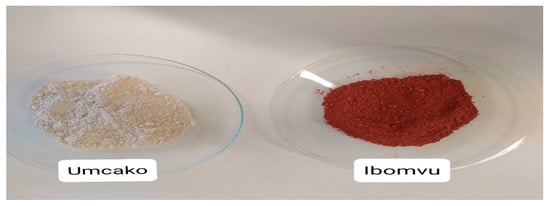
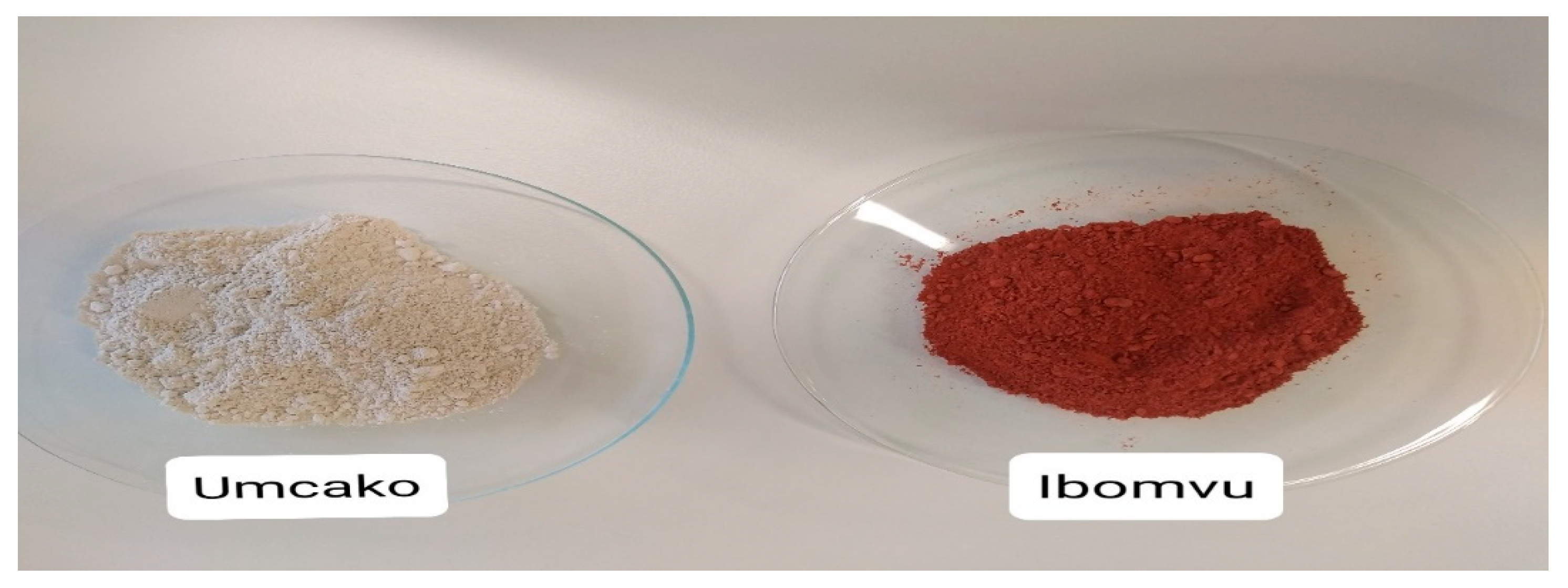
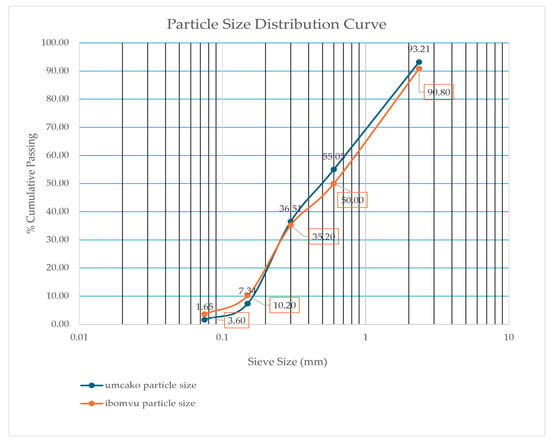
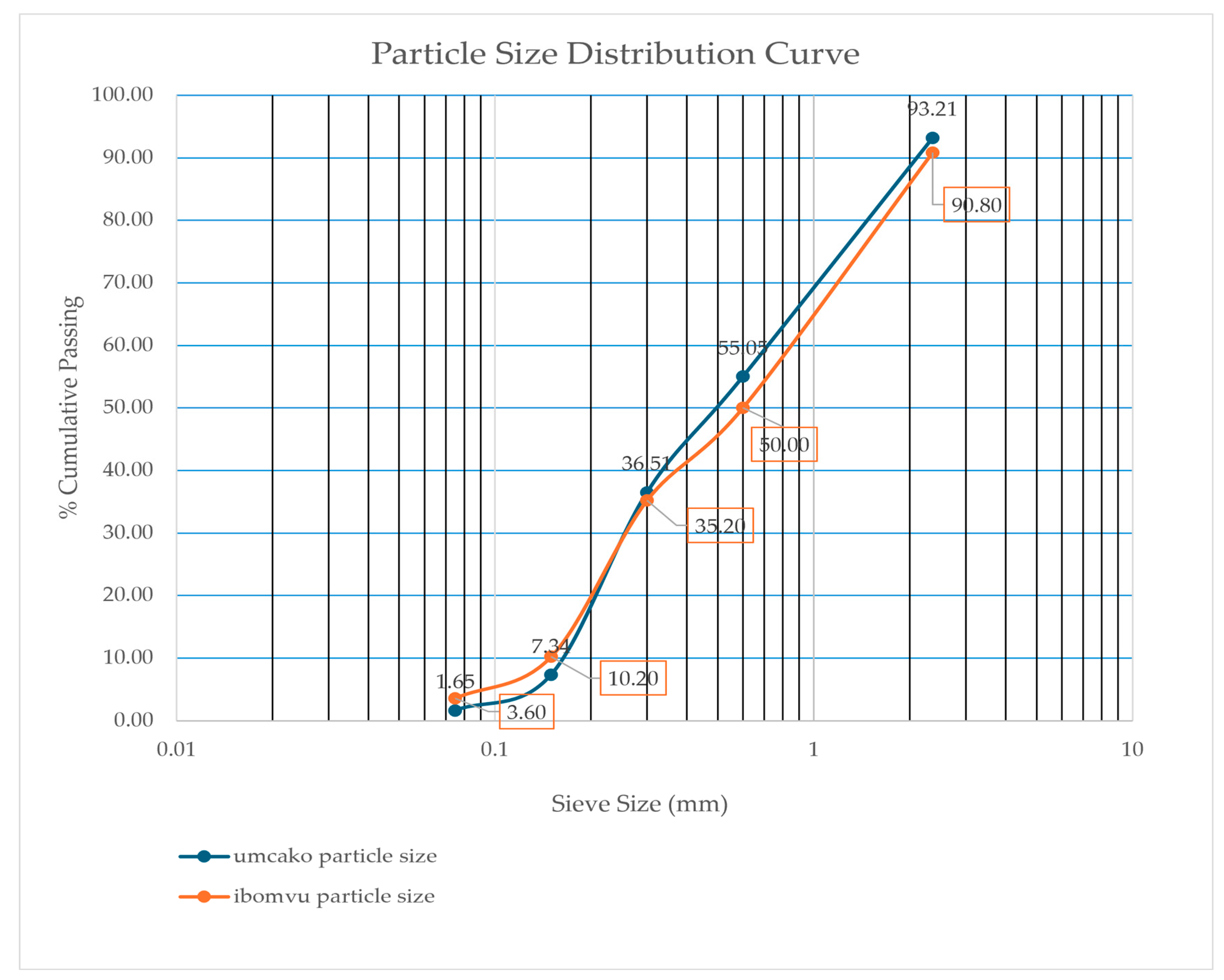
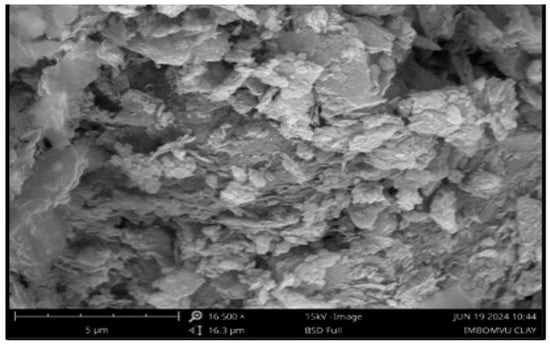
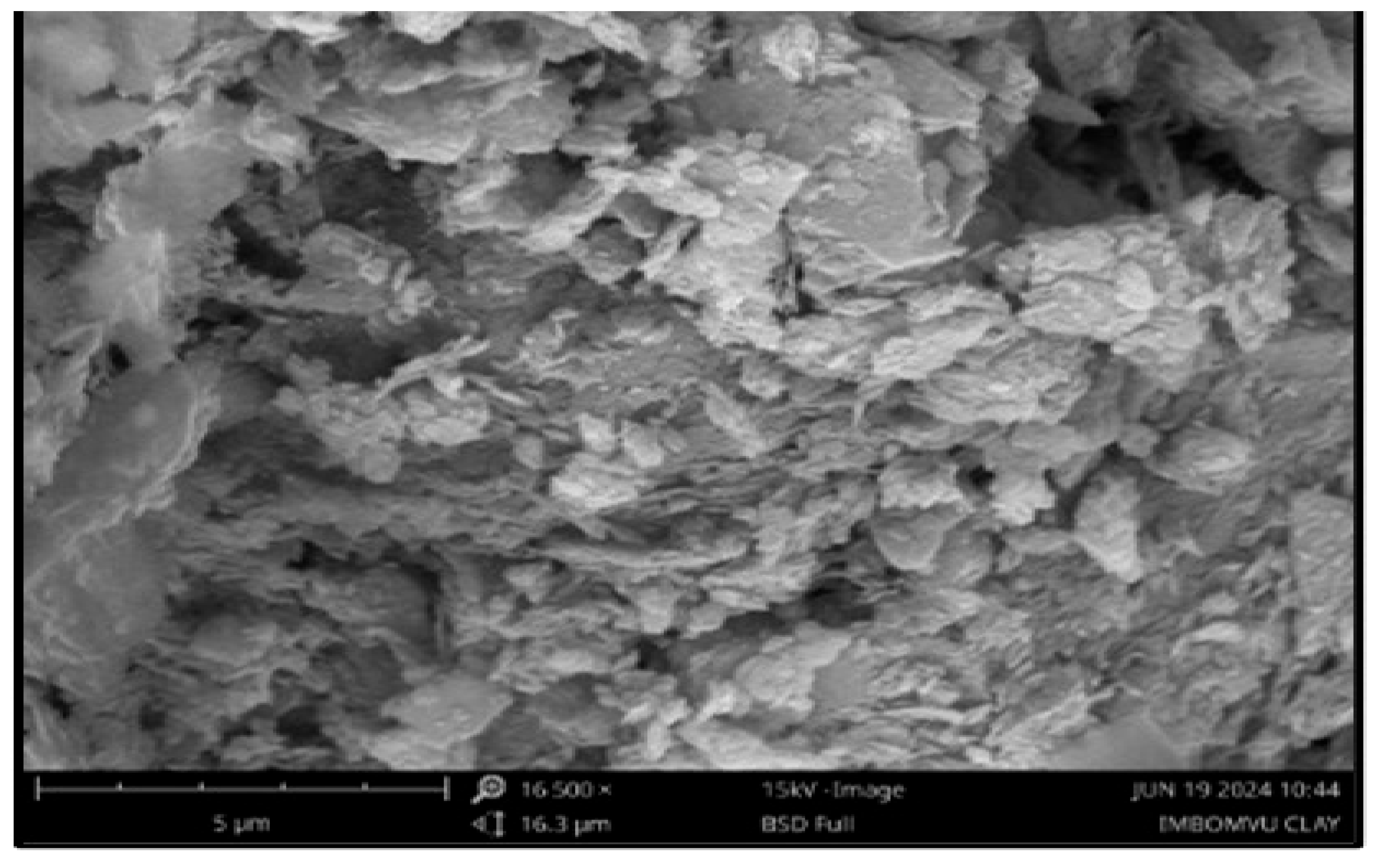
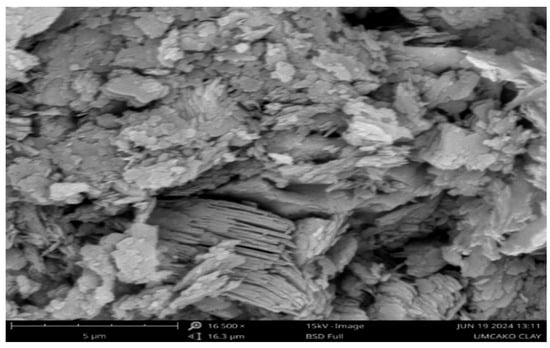
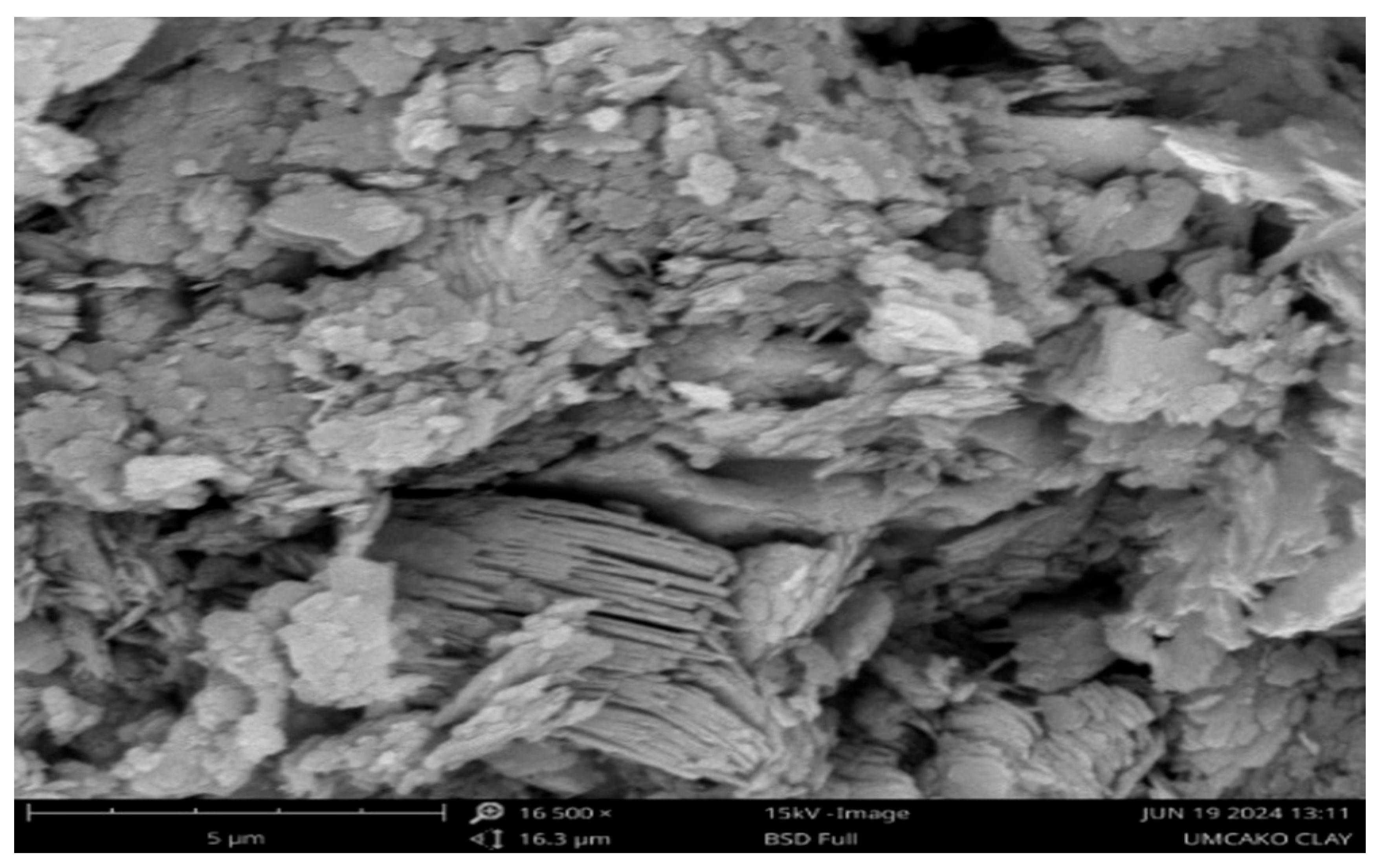
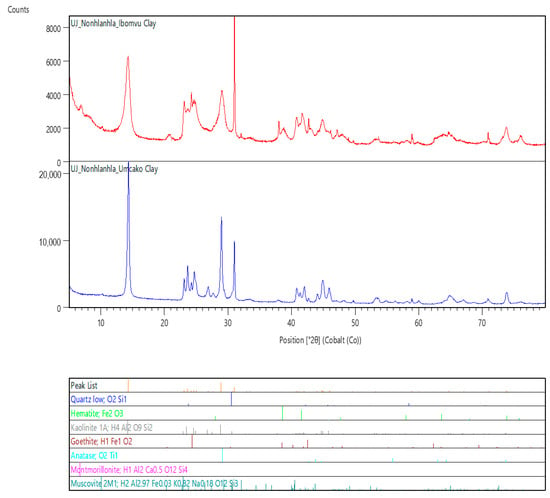
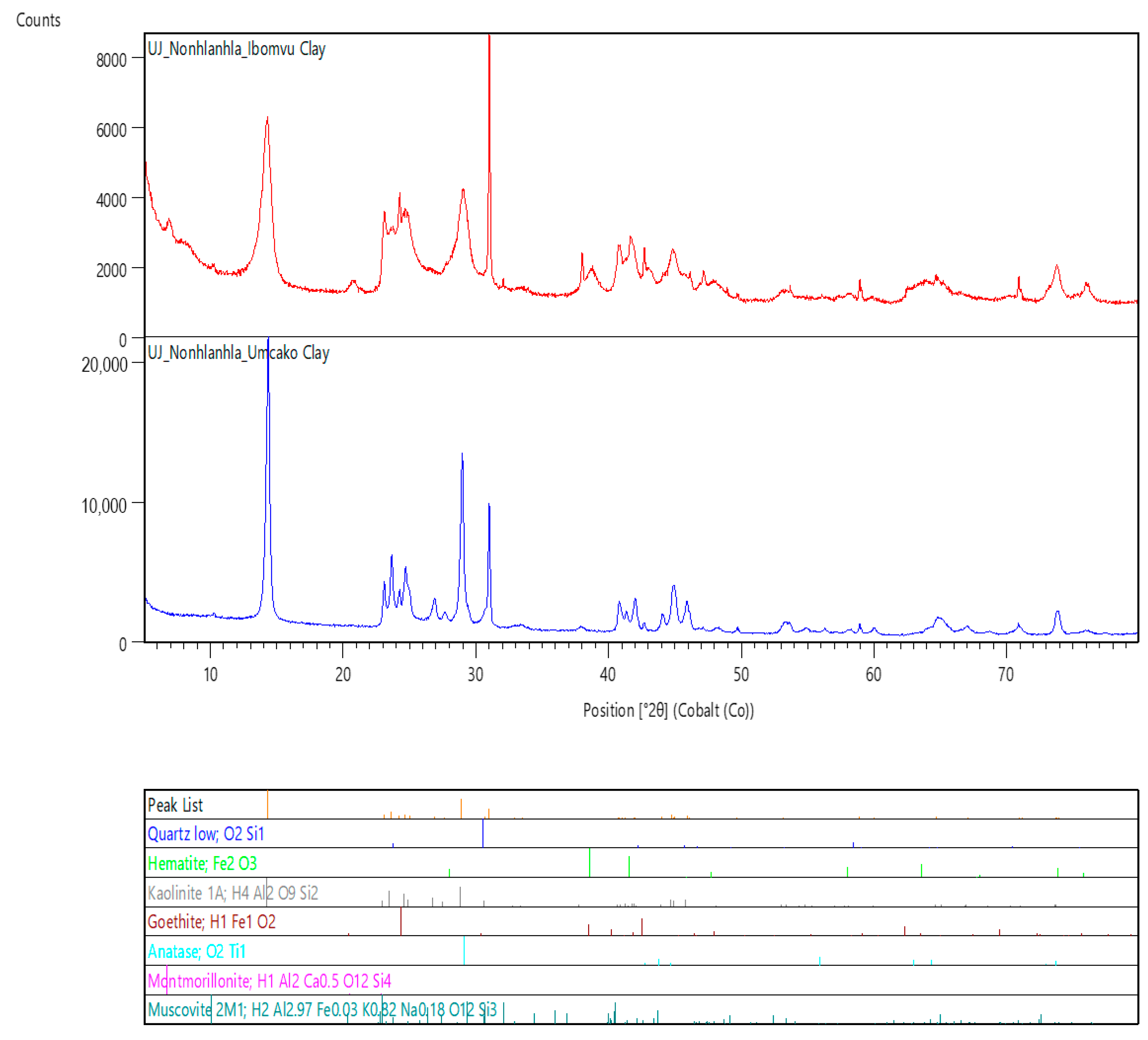
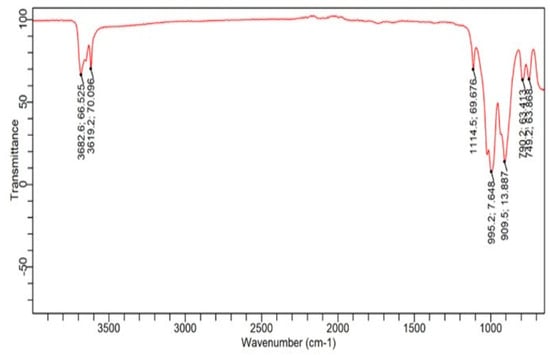
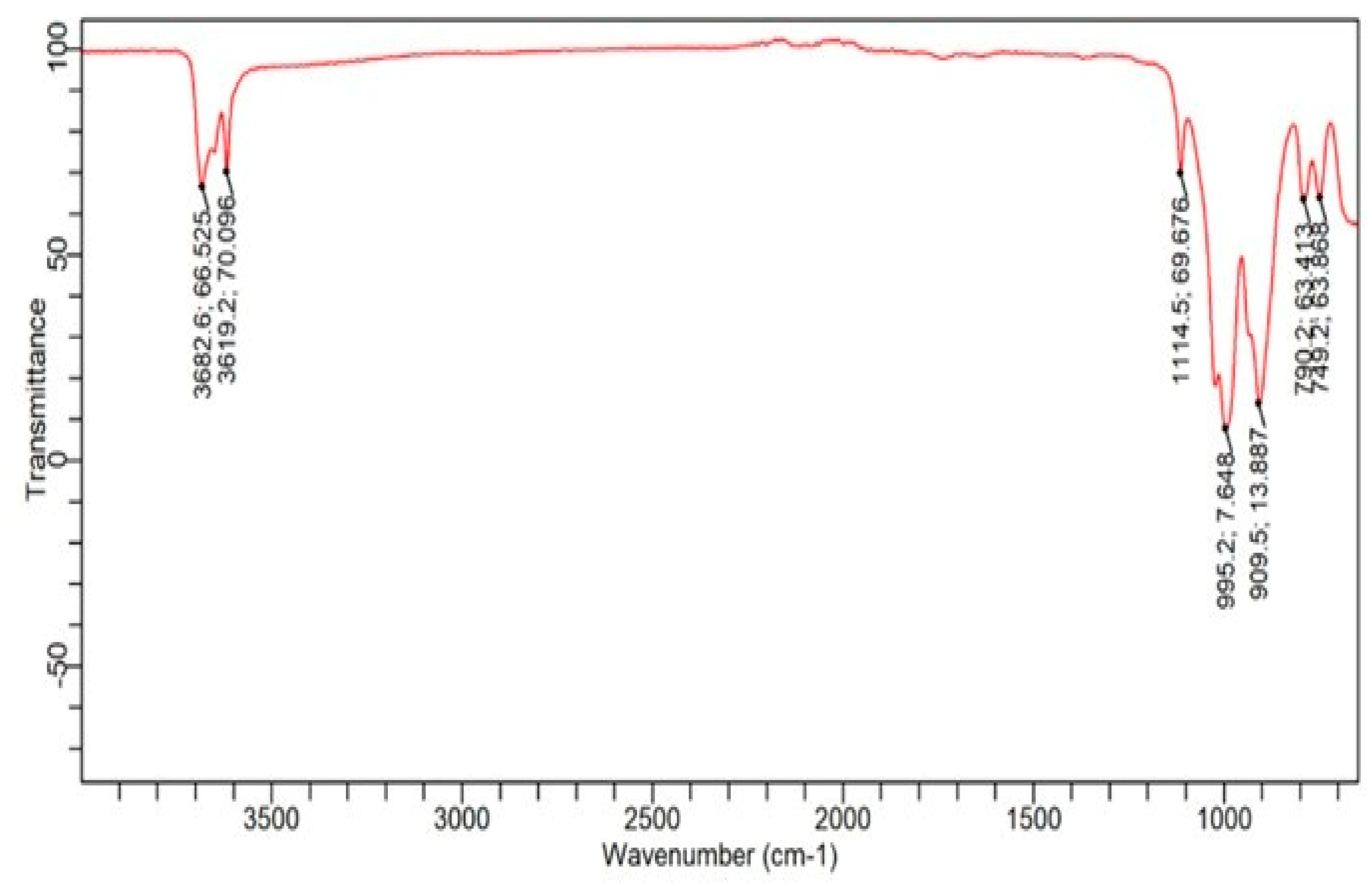
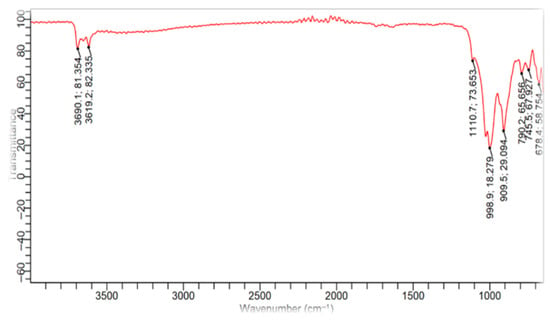
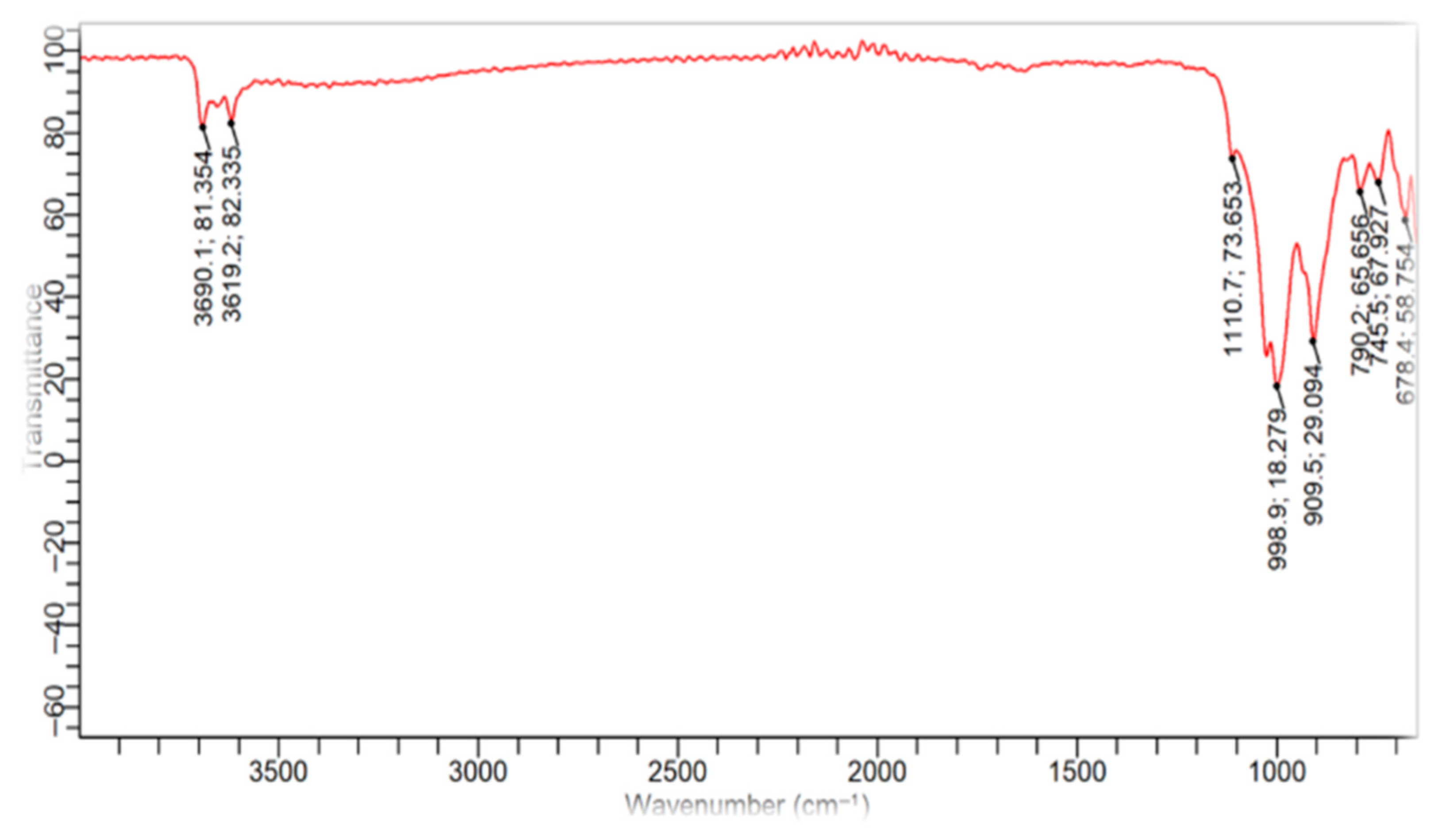

Disclaimer/Publisher’s Note: The statements, opinions and data contained in all publications are solely those of the individual author(s) and contributor(s) and not of MDPI and/or the editor(s). MDPI and/or the editor(s) disclaim responsibility for any injury to people or property resulting from any ideas, methods, instructions or products referred to in the content. |
© 2026 by the authors. Licensee MDPI, Basel, Switzerland. This article is an open access article distributed under the terms and conditions of the Creative Commons Attribution (CC BY) license.